
Contraindications for Nitrous Oxide: Your Safety Guide
Related Posts






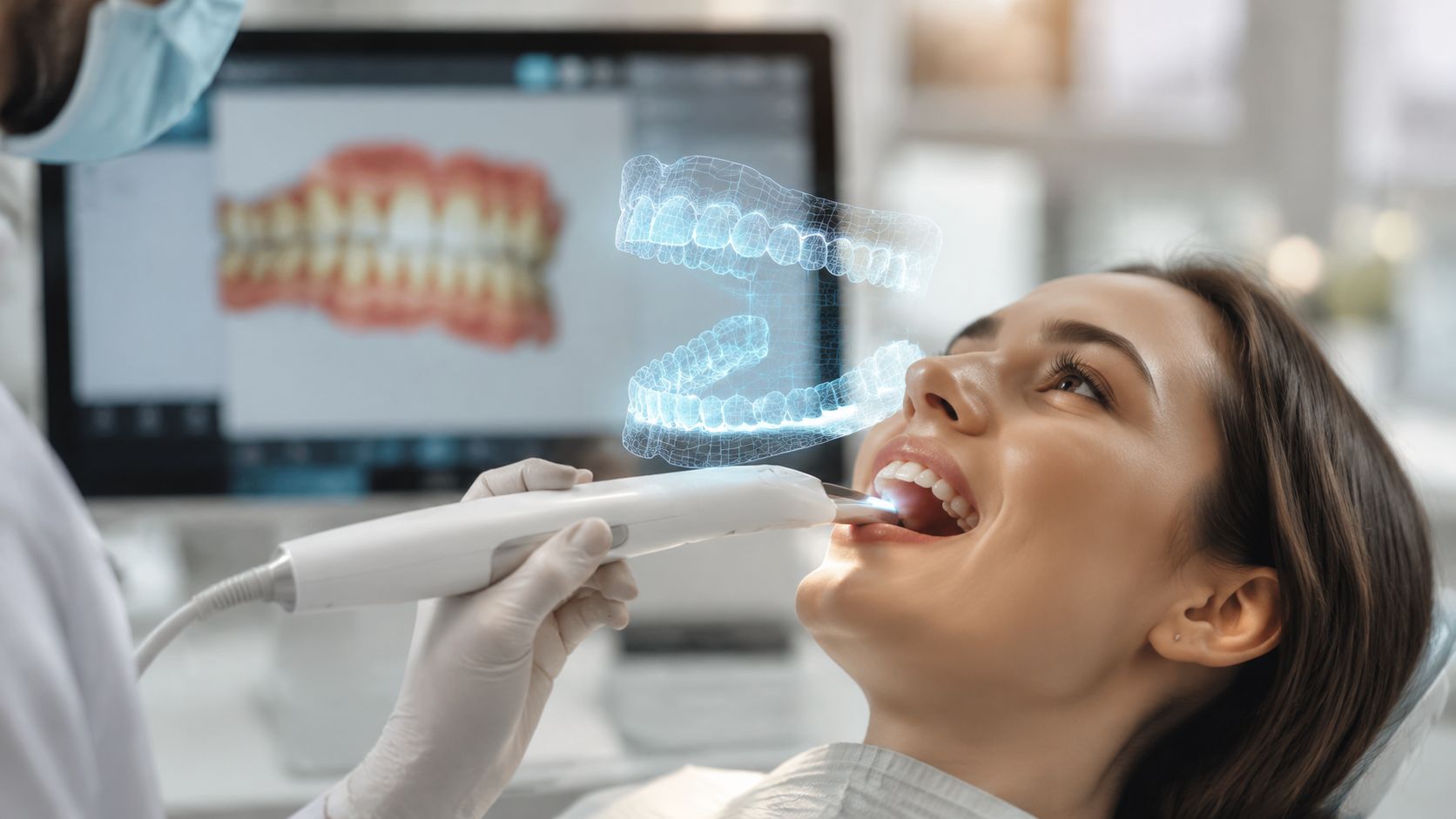
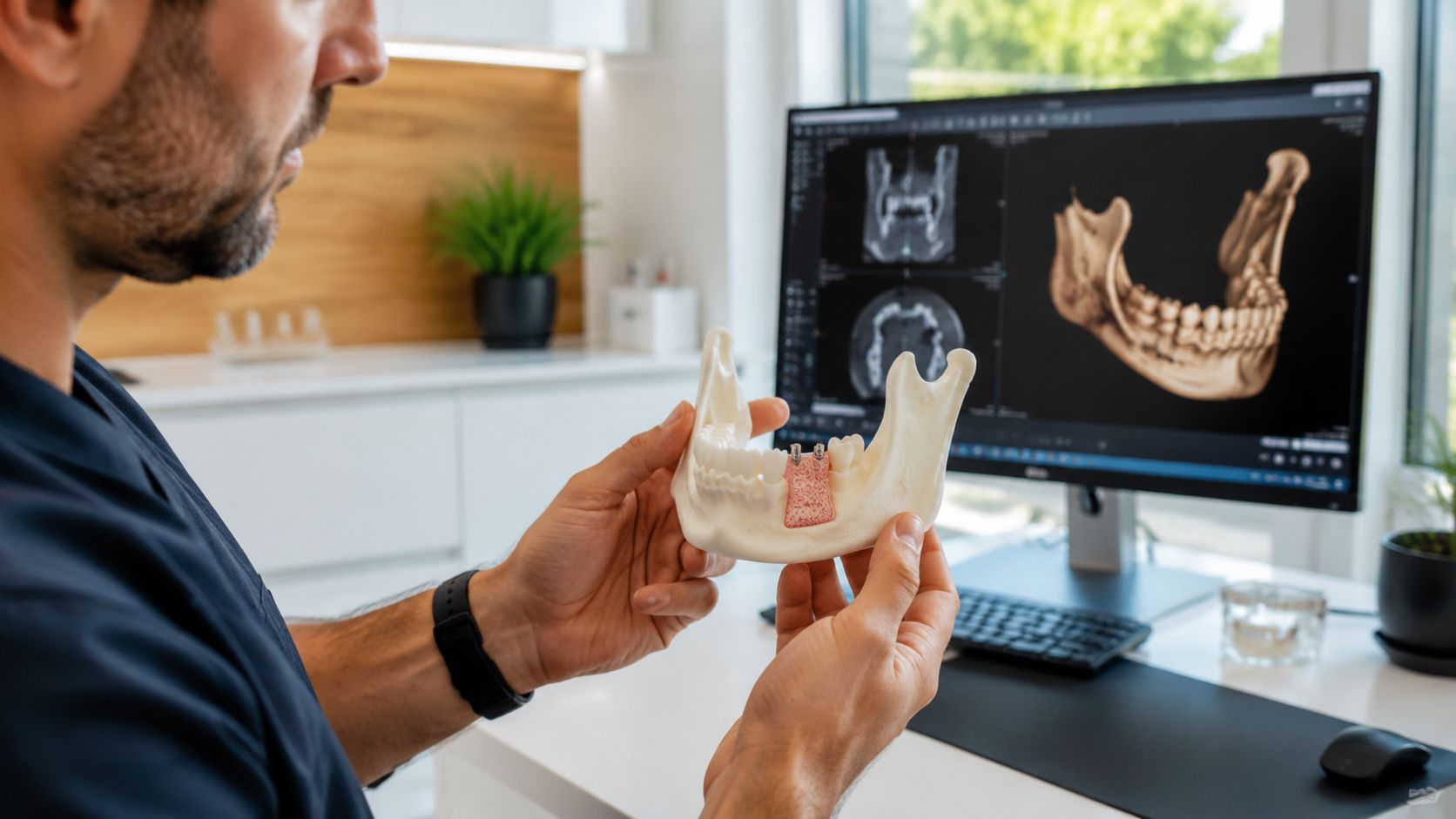
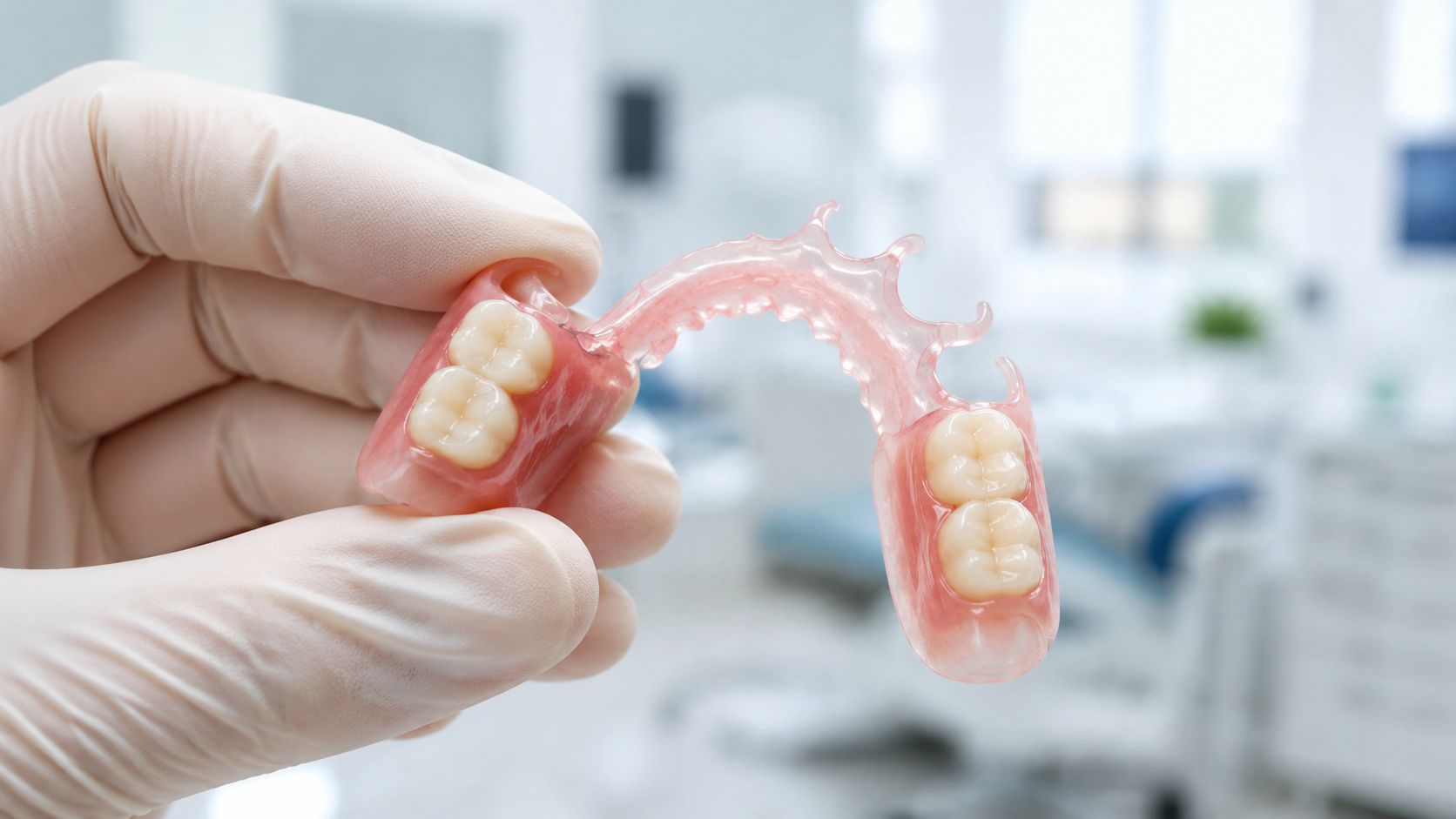


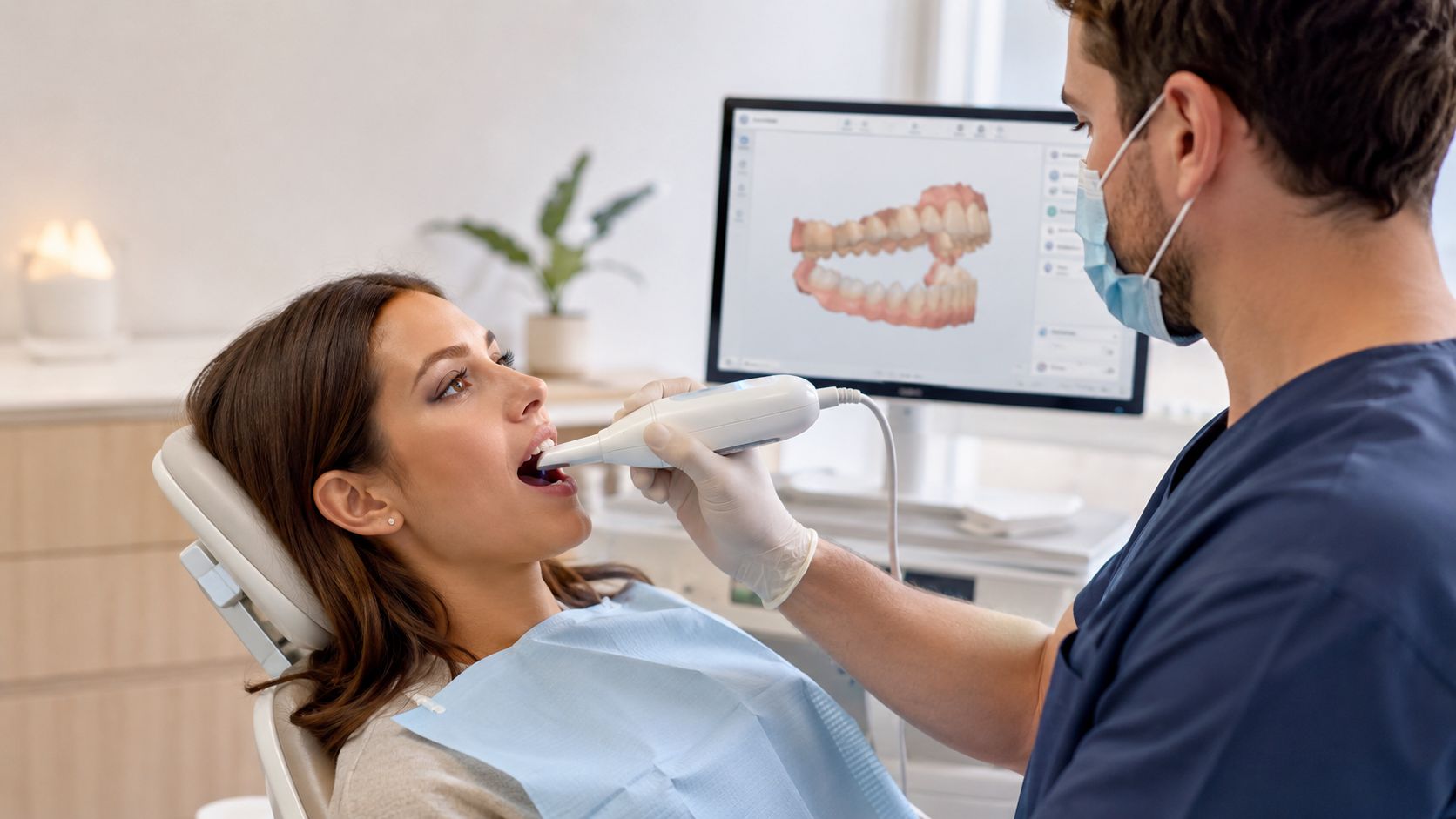
















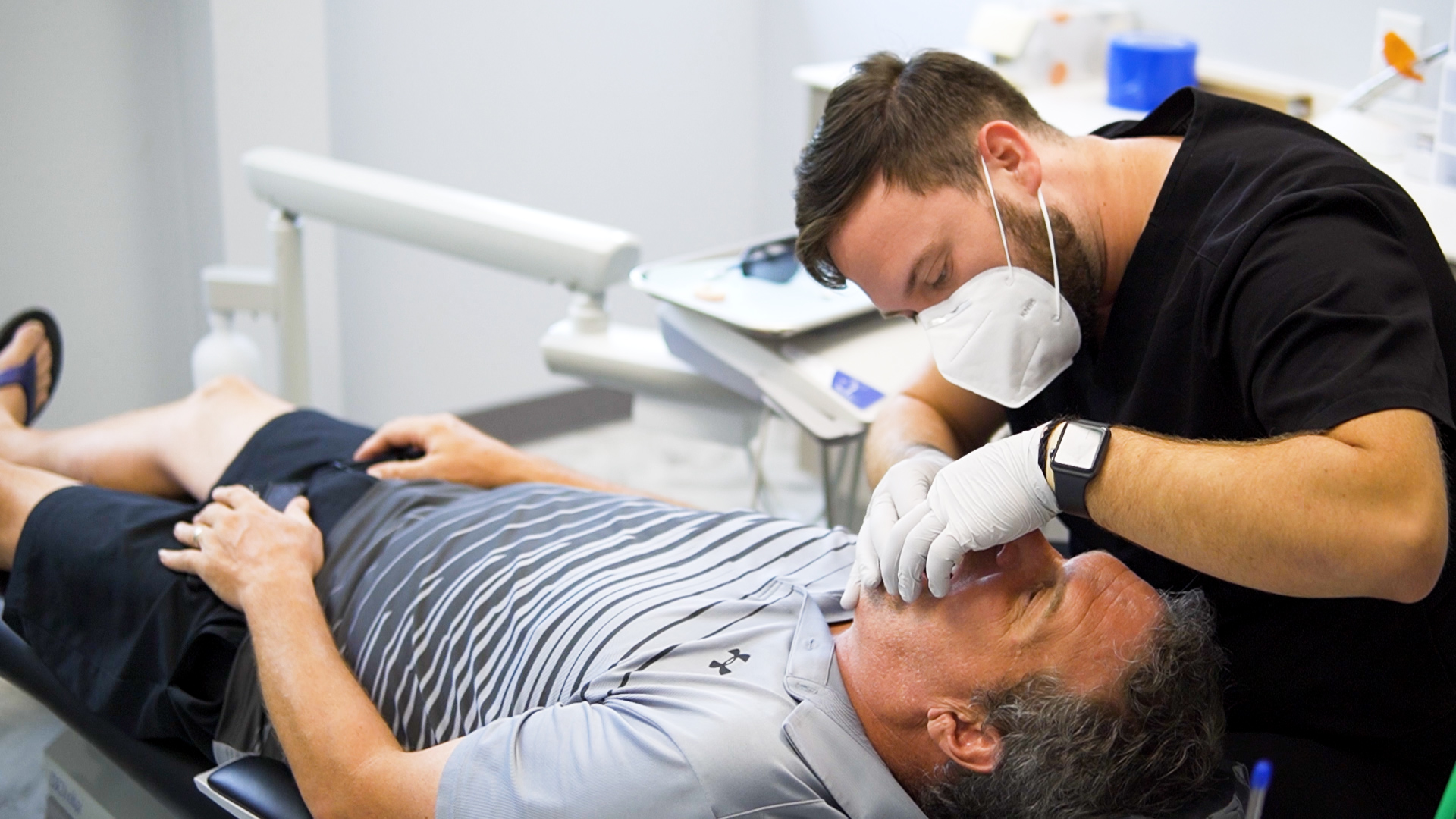

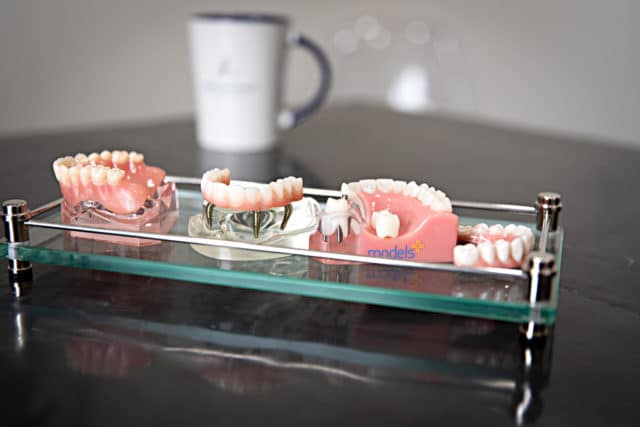
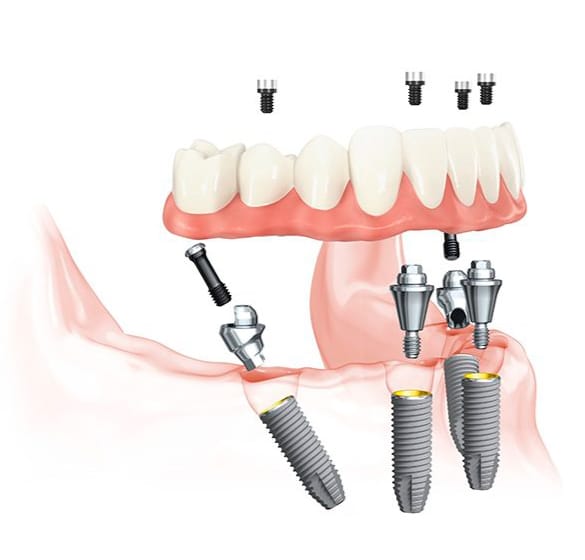
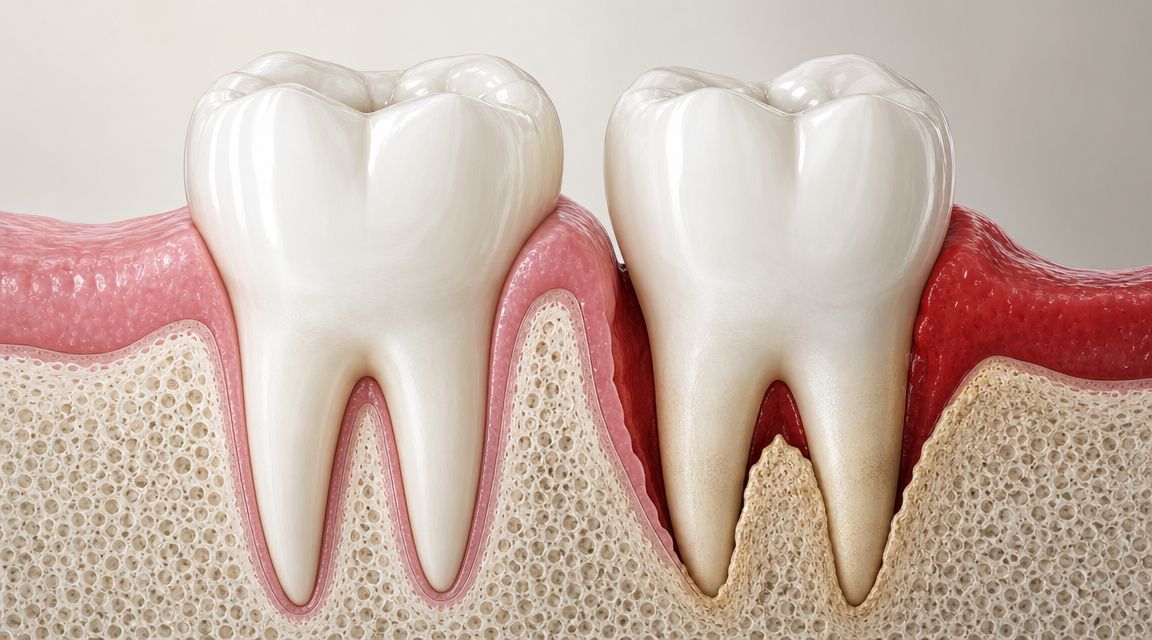










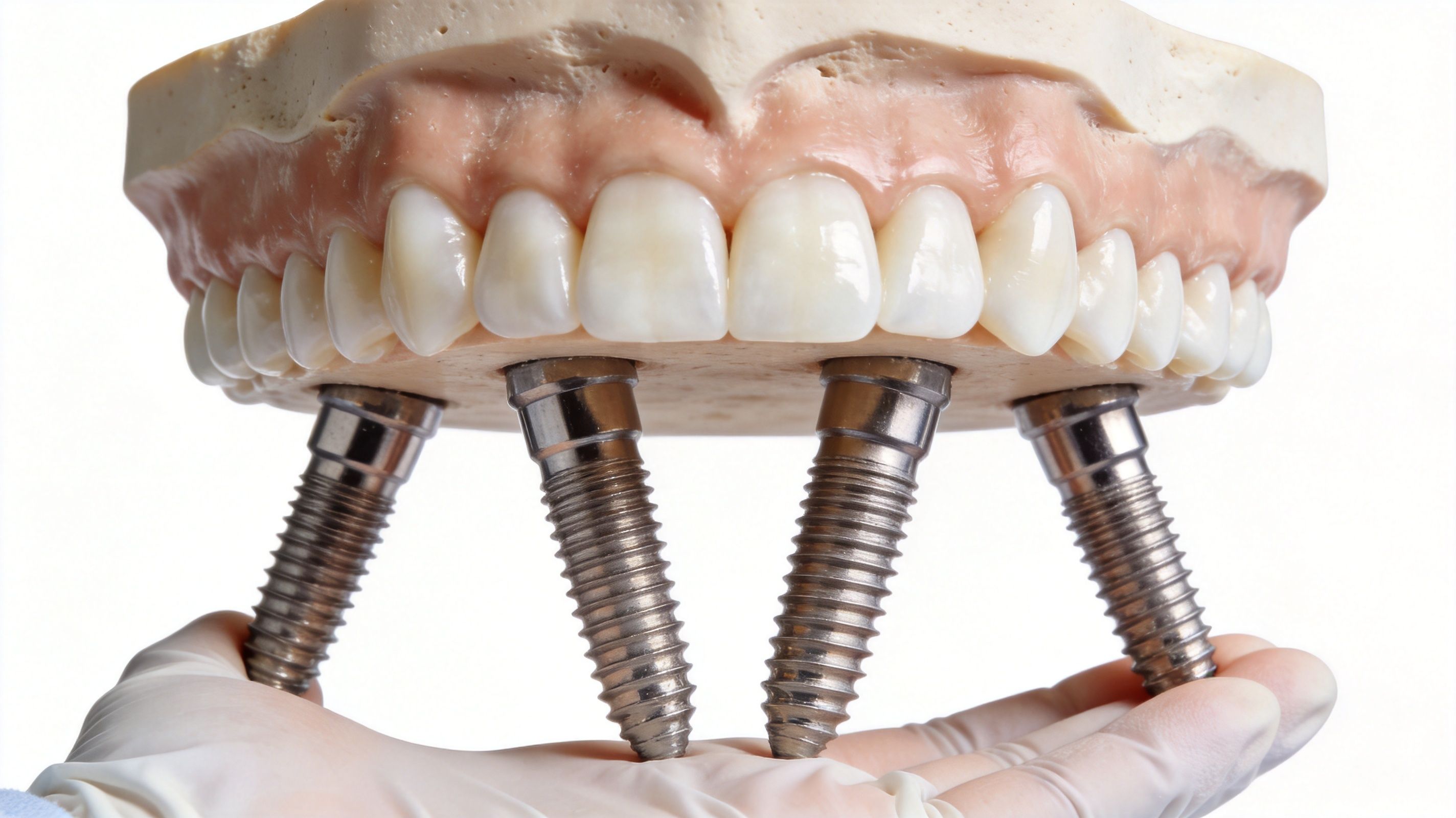










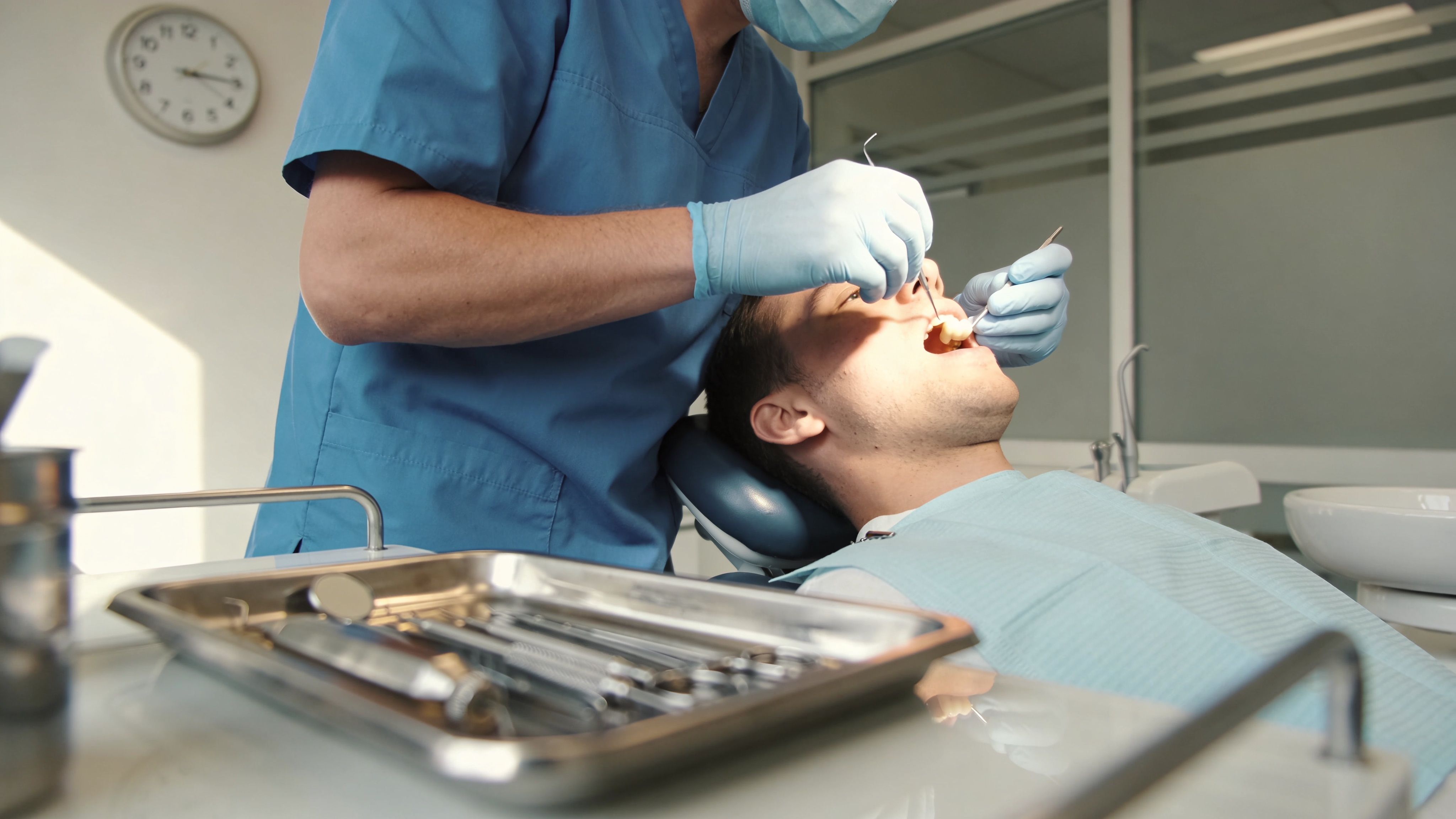

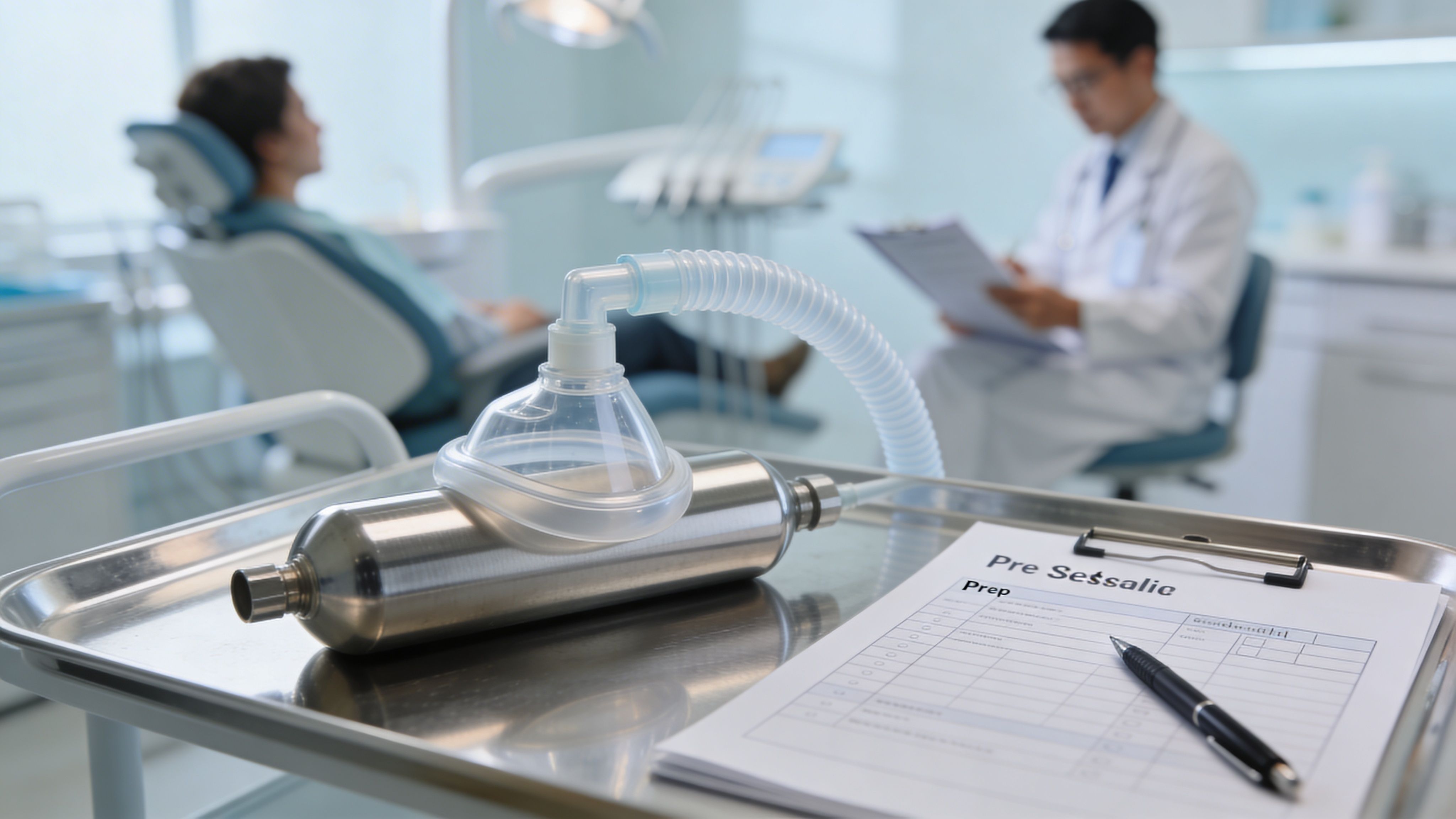
If you have been putting off a dental visit because the idea of drilling, pressure, or sitting in the chair makes you tense, you are not alone. Many patients in North Austin, Georgetown, Round Rock, and nearby communities start by searching for a dentist near me because they want care, but they also want to feel safe and comfortable while getting it.
Nitrous oxide, often called laughing gas, is one of the most familiar tools for easing dental anxiety. It can make a cleaning, filling, crown visit, or even a tooth extraction feel much more manageable. But comfort only matters when it is paired with good judgment. The most important question is not “Can nitrous help me relax?” It is “Is nitrous the right choice for me?”
That is why the topic of contraindications for nitrous oxide becomes important. A contraindication means a reason not to use a treatment, or a reason to use extra caution. Knowing those reasons protects patients. It also helps anxious people understand that a careful dentist is not being overly cautious. A careful dentist is doing the job properly.
Your Trusted Dentist for Comfortable Care in North Austin
A patient from Georgetown comes in for a long overdue exam. She has sensitivity on one side, knows she may need restorative dentistry, and admits she almost canceled because dental visits make her nervous. Another patient from North Austin needs a consultation for dental implants after losing a tooth and worries more about the appointment than the treatment plan. A third patient from Round Rock wants help with a broken filling but keeps delaying because of fear.
These are ordinary situations in a modern dental office. Anxiety does not only show up during major procedures. It shows up before routine cleaning and exams, before dental x-rays, before a new patient exam, and before conversations about cosmetic dentistry near me or an emergency dentist visit.
Why patients ask about nitrous
Nitrous oxide has a reassuring reputation because many people know it as the option that helps them settle down without being fully asleep. For the right patient, it can make care feel lighter and more approachable. That matters when someone needs a filling, crown, root canal, extraction, or wants to move forward with dental implants near me but keeps postponing treatment.
Still, the safest sedation plan is always personal. One patient can use nitrous comfortably. Another patient should not receive it at all. A third may be a candidate only if the treatment team adjusts the approach carefully.
Safety starts before the mask goes on. The primary work happens in the medical review, the conversation, and the decision about whether nitrous belongs in the plan.
What a safety first dentist looks for
A thoughtful dental team does more than ask whether you feel nervous. They ask about breathing problems, medications, pregnancy, vitamin issues, and prior health events that could change how nitrous oxide affects your body.
That matters for patients looking for a dentist in Austin, TX or dentist in Georgetown, TX because modern dental care is not just about technology and convenience. It is about judgment. The same practice that handles preventive care, restorative dentistry, cosmetic services, and urgent dental pain also needs to know when a commonly used comfort option is the wrong fit.
When patients understand that screening is part of protection, not a barrier, they usually feel more confident moving forward with care.
Understanding Nitrous Oxide Sedation
Nitrous oxide sedation is often easiest to understand if you think of it as a calming layer, not as being put to sleep. You remain awake. You can still respond, ask questions, and follow directions. What usually changes is the edge of the experience. The sounds, sensations, and anticipation often feel less intense.
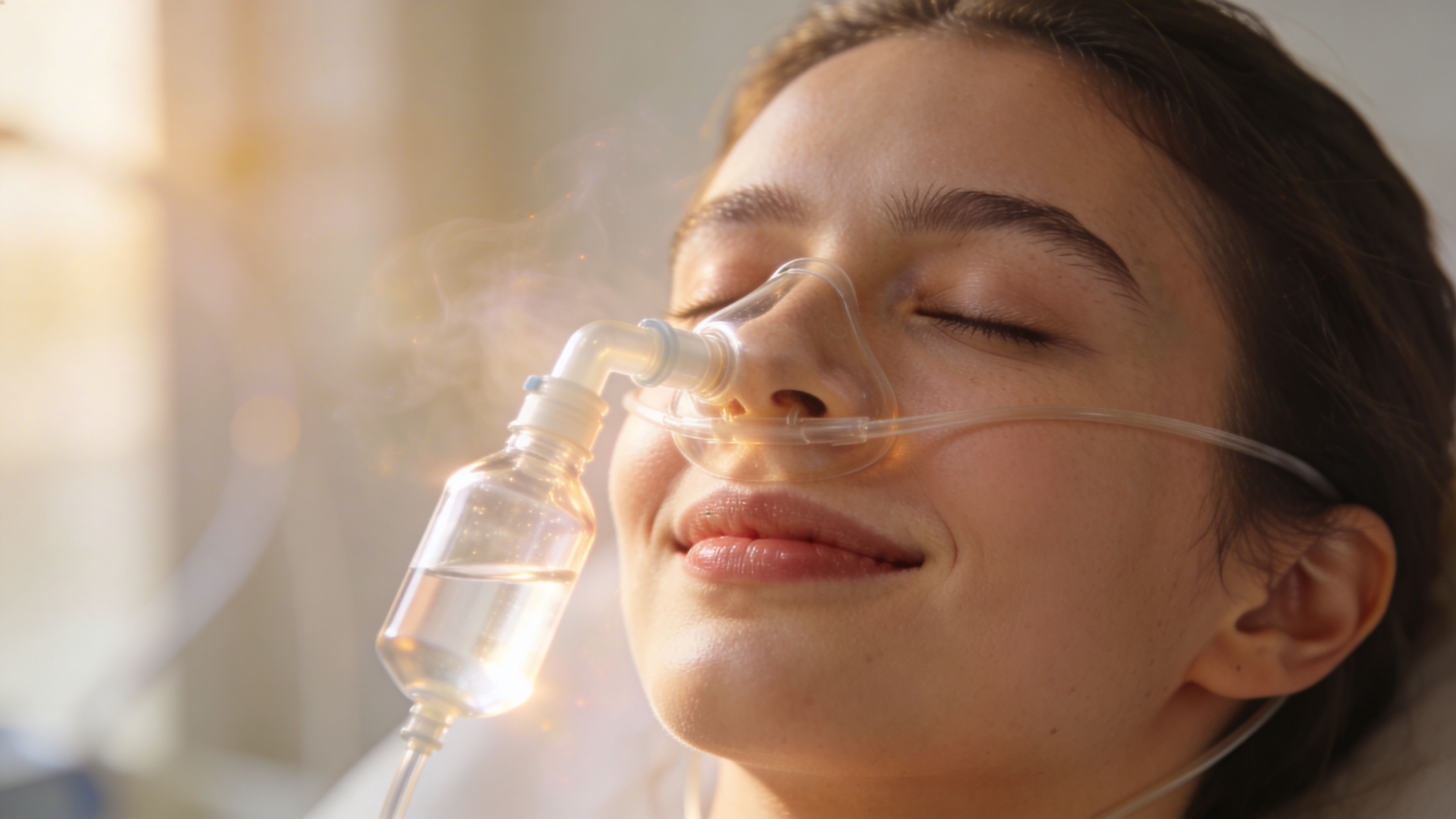
Many patients describe the feeling in simple terms. They may notice warmth, light tingling, a floating sensation, or a general sense that their body is no longer bracing for every step of treatment. That is why nitrous is often used for anxiety as much as for discomfort.
What it feels like in the chair
The gas is delivered through a small nose mask. You breathe through your nose while the team adjusts the level gradually. The point is not to make you feel disconnected. The point is to help you stay relaxed enough to get through care comfortably.
For some people, nitrous makes a short visit feel easier. For others, it turns a treatment they had been avoiding for months into something they can finally complete. That can make a real difference if you need:
- New patient exams and x-rays when anxiety has kept you away from routine care
- Fillings or crowns when sensitivity or a cracked tooth needs attention
- Tooth extraction visits when the idea of pressure causes stress
- Restorative dentistry such as bridges or more involved treatment planning
- Cosmetic dentistry consultations when nerves get in the way of starting care
Why it helps anxious patients move forward
A lot of dental fear is anticipatory. Patients tense up before anything has even happened. Nitrous can soften that cycle. When the body relaxes, patients often feel more willing to continue with the appointment instead of stopping and rescheduling.
That matters in practical ways. A comfortable patient can usually communicate better, sit more calmly, and complete treatment with less strain. From a clinician’s perspective, that creates a better visit for everyone.
Here is a brief overview:
| Aspect | What patients should know |
|---|---|
| Awareness | You stay awake and can communicate |
| Delivery | Nitrous is inhaled through a nose mask |
| Purpose | It helps reduce anxiety and makes treatment easier to tolerate |
| Common use | Helpful during exams, fillings, crowns, extractions, and other dental care |
| Recovery | The effects wear off quickly after treatment |
A short visual can make the process easier to picture:
What nitrous does not do
Nitrous is not the right answer for every patient, every procedure, or every medical history. It does not replace thorough numbing when numbing is needed. It also does not override conditions that make it unsafe.
Patients sometimes get confused about this. They hear that nitrous is common, so they assume it is automatically appropriate. In reality, a common treatment can still be the wrong treatment for a specific person. That is why discussions about contraindications for nitrous oxide are not alarmist. They are part of responsible care.
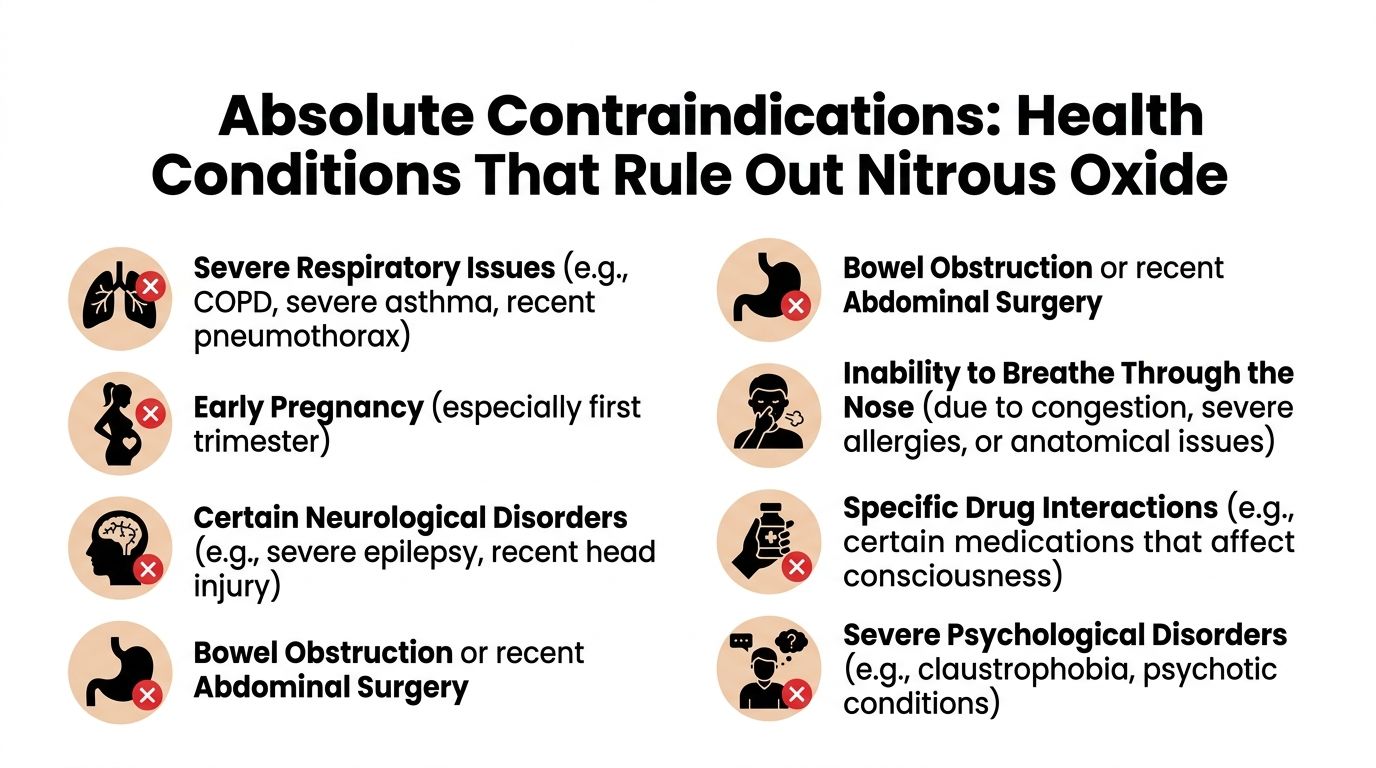
Absolute Contraindications Health Conditions That Rule Out Nitrous Oxide
A patient may come in expecting nitrous because it helped during a past filling, then mention a recent pregnancy, a history of B12 deficiency, or serious lung disease during the health review. At that point, the safest plan can change quickly. At 3D Dental, that change is not a setback. It is how we protect patients.
Some conditions rule nitrous oxide out completely because the risk is tied to how the gas works in the body, not to a patient’s pain tolerance or anxiety level. Our job is to catch those issues before treatment starts, explain the reason clearly, and offer a safer path forward.
Vitamin B12 deficiency
Known or suspected vitamin B12 deficiency is one of the clearest reasons to avoid nitrous oxide. According to the NCBI review on nitrous oxide safety and toxicity, nitrous inactivates methionine synthase, an enzyme involved in vitamin B12 and folate metabolism. In susceptible patients, that disruption can interfere with DNA and RNA synthesis, affect homocysteine metabolism, and contribute to megaloblastic anemia or significant neurologic injury.
In practical terms, nitrous can worsen a problem that is already affecting blood cell production and nerve health. A patient with an unrecognized deficiency may report numbness, tingling, weakness, balance problems, or unexplained fatigue. A patient with a known deficiency should not be treated as if nitrous is a routine comfort option.
At our office, this part of the health history matters. We ask about diagnosed B12 deficiency, prior neurologic symptoms, digestive disorders that affect absorption, and medications or medical histories that raise concern. If the answers suggest risk, we stop and choose another approach.
Early pregnancy
First trimester pregnancy is another absolute contraindication. The concern is tied to the same metabolic pathway involving vitamin B12 and folate, which matters more during a period of rapid cellular development.
Patients sometimes worry that hearing “no” to nitrous means delaying needed dental care. It does not. It means the sedation plan changes while the dental care is adjusted thoughtfully. If treatment is necessary, we discuss options that fit the stage of pregnancy and coordinate with the patient’s physician or OB when appropriate.
That conversation often lowers anxiety. Clear limits can feel reassuring when they are explained well.
Severe respiratory disease and trapped air conditions
Nitrous oxide is also unsafe in conditions where trapped air can expand or where breathing reserve is already severely compromised. This includes pneumothorax, bullous emphysema, severe COPD, and cystic fibrosis with significant respiratory involvement.
The reason is straightforward. Nitrous enters closed or poorly ventilated air spaces faster than nitrogen leaves them. In the wrong patient, that can enlarge trapped gas and create a respiratory problem during what was supposed to be a calming visit.
This is one of the trade-offs we weigh carefully in practice. Nitrous is helpful for anxiety, but calming a patient is never worth increasing breathing risk. If someone reports advanced emphysema, ongoing oxygen use, a collapsed lung history, or major shortness of breath with limited activity, the safer decision is to rule nitrous out and plan care another way.
Absolute no situations we screen for
These are the kinds of findings that usually make nitrous inappropriate:
- Known vitamin B12 deficiency
- First trimester pregnancy
- Pneumothorax
- Bullous emphysema
- Severe COPD
- Cystic fibrosis with substantial respiratory compromise
Patients do not need to memorize this list. They need a dental team that asks the right questions and takes the answers seriously.
Why ruling nitrous out can build trust
I know some anxious patients feel disappointed when nitrous is not an option. That reaction is understandable. Still, the safest dental visit is not the one that uses the most familiar sedation method. It is the one that matches the patient’s real medical picture.
At 3D Dental, saying no to nitrous in the wrong situation is part of good care. We would rather adjust the plan than ignore a warning sign. That is how comfortable dentistry stays safe dentistry.
Relative Contraindications When We Proceed with Caution
A patient may arrive expecting nitrous because a friend had an easy, relaxed visit with it. Then we learn they have mild COPD, a bad head cold, or a history of panic with anything covering the face. That does not automatically end the conversation. It does change how we make the decision.
Relative contraindications call for judgment, not shortcuts. At 3D Dental, we slow the process down, review the medical details, and decide whether nitrous will make treatment safer and easier, or add one more variable.
Mild to moderate respiratory disease
Breathing history often sits in this middle category. A patient with stable, mild respiratory disease may be very different from someone whose breathing is limited day to day, even if both describe the problem as “lung issues.”
The concern is practical. Nitrous can affect enclosed air spaces, and patients with chronic lung disease may tolerate it poorly if their condition is not well controlled. In a mild case, we may still consider it. In a borderline case, we may choose a different comfort plan because the benefit is small and the downside is avoidable.
Our review usually focuses on questions such as:
- How stable is the condition: Recent flare-ups, urgent care visits, or worsening shortness of breath matter
- What medications are being used: Rescue inhaler use, steroids, oxygen, or recent medication changes help show current control
- How the patient feels today: Active coughing, wheezing, congestion, or struggling to breathe through the nose can make nitrous a poor fit
- Whether monitoring is appropriate: If we proceed, we keep the approach conservative and watch the patient closely

Patients with snoring, airway obstruction, or diagnosed sleep-disordered breathing also deserve a closer review. If that sounds familiar, our guide to sleep apnea and dental treatment explains why airway details can affect more than one part of dental care.
Pregnancy requires case-by-case planning
Pregnancy changes the tone of treatment planning. After the first trimester, nitrous is sometimes considered on a limited, individualized basis, but “allowed” is not the same as “best choice.”
A short visit, good local anesthesia, breaks during treatment, and calm communication may provide enough support without adding sedation. If a pregnant patient is uncomfortable, nauseated, or already dealing with breathing changes, I would rather adjust the appointment than push through with a plan that feels less predictable.
Nasal breathing and mask tolerance
Nitrous only works well when a patient can breathe comfortably through the nose. Congestion from allergies, a cold, sinus pressure, or structural blockage can make the gas unreliable and frustrating. The problem in those cases is often effectiveness more than danger, but a sedation method that does not work smoothly is not much help to an anxious patient.
Mask tolerance matters too.
Some patients feel calmer as soon as nitrous begins. Others feel trapped by the nasal hood or become more aware of their breathing, which can trigger panic instead of easing it. Children and adults can both have that reaction. Pediatric dental guidance has long treated poor cooperation, severe anxiety around the mask, and impaired nasal breathing as reasons to use extra caution rather than force the issue.
A relative contraindication is a signal to pause, ask better questions, and choose the option the patient is most likely to tolerate well.
Dose and appointment length still matter
Safe nitrous use depends on more than whether a patient technically qualifies for it. Delivery matters. Concentration matters. Time in the chair matters.
Higher concentrations and long periods of administration increase the chance of side effects such as dizziness, disorientation, nausea, or a generally unpleasant recovery. That is why we use the lowest effective level, communicate throughout the visit, and stay ready to stop if the patient is not settling in the way we expected.
Why this category deserves respect
Relative contraindications are easy to underestimate because they do not sound as serious as a clear no. In practice, they deserve careful attention because good screening protects patients from preventable problems.
Two people can report the same condition and need different plans. One patient with asthma may do well with nitrous. Another may be better served by shorter visits, no sedation, and more pacing. Good care comes from matching the plan to the person in the chair, not from using the same routine every time.
Your Pre-Sedation Safety Screening at 3D Dental
Patients often assume the main part of sedation is the gas itself. In reality, the most important safety work happens before treatment begins. A strong pre-sedation screening lowers risk, catches problems early, and helps match the comfort plan to the person sitting in the chair.
The medical history review
The first step is a detailed medical history. This is not paperwork for its own sake. It is where many contraindications for nitrous oxide first become visible.
A proper review should look at:
- Breathing health: COPD, emphysema, prior lung issues, oxygen use, and current symptoms
- Pregnancy status: Including whether the patient may be in the first trimester
- Vitamin concerns: Known B12 deficiency, prior treatment, or neurologic symptoms that raise concern
- Heart health: Especially if medical issues could make elevated homocysteine more concerning
- Past sedation experiences: Good reactions, poor reactions, and whether a nose mask was tolerated
Medication and supplement discussion
Patients should bring up all current medications and supplements, not only prescription drugs. A dentist needs the full picture to make a good decision.
Some histories prompt additional questions rather than immediate exclusion. That is especially true when a patient has multiple medical conditions, recent changes in health, or is under the care of another physician. If you also deal with airway concerns at night, this overview on sleep apnea and dental treatment can help you understand why breathing history matters in dental planning more broadly.
Questions that may feel personal but matter clinically
Good screening often includes direct questions about anxiety, panic symptoms, claustrophobic feelings, substance use history, and whether the patient can breathe comfortably through the nose. These questions are not about judgment. They help the team understand whether nitrous is likely to calm the patient or make the appointment harder.
A useful checklist looks like this:
Confirm the reason for sedation
Is the main issue fear, gagging, treatment length, or a prior difficult experience?Check for absolute contraindications
If a clear no is present, the plan changes immediately.Review relative concerns
Stable respiratory disease, later pregnancy, and mask tolerance may require adjustment.Decide on monitoring and pacing
The plan should fit both the medical history and the procedure.Offer alternatives if needed
A patient is never helped by forcing the wrong sedation choice.
The safest dental visit is not the one with the most sedation. It is the one with the right level of support for that specific patient.
What patients can do before the visit
Patients help the process by being specific. If you have ever been told you have B12 deficiency, lung disease, or pregnancy-related concerns, say so early. If you had a bad reaction to sedation in another setting, mention it. If you cannot breathe through your nose because of allergies or congestion, that is worth bringing up too.
Transparency makes treatment easier. It also gives the team more ways to keep you comfortable.
Safe and Comfortable Alternatives If Nitrous Oxide Isnt for You
Being told that nitrous is not the best option can feel discouraging at first. Many patients hear “not a candidate” and assume the next visit will be stressful or painful. That is usually not the case. It means the comfort plan needs to be built differently.
Comfort without nitrous
For some patients, the best alternative is not another sedative at all. It is a combination of good local anesthetic technique, a calm pace, clear communication, and treatment broken into manageable steps.
That approach can work especially well for:
- Routine restorative visits such as fillings, crowns, and bridge work
- Dental cleanings and exams for anxious patients returning after time away
- Cosmetic consultations where fear is more about the setting than the procedure itself
- Emergency dental care when the priority is fast relief and focused treatment
A dentist who explains what is happening, pauses when needed, and checks comfort frequently can lower anxiety in a very real way.
When a deeper sedation plan makes more sense
Some patients do better with an alternative anxiolysis or sedation method that does not rely on inhaled nitrous. That choice depends on health history, procedure length, and the patient’s level of fear.
This is often relevant for longer visits such as extensive restorative work, implant planning, or oral surgery. A patient preparing for a surgical appointment may also benefit from practical guidance before treatment day. For example, this article on how to prepare for wisdom tooth extraction outlines the kind of planning that helps reduce stress before a more involved procedure.
Matching the comfort plan to the procedure
Different services call for different strategies. Here is the practical view:
| Patient need | Helpful approach |
|---|---|
| Mild anxiety during an exam | Reassurance, pacing, explanation, breaks |
| Strong anxiety but nitrous not suitable | Alternative sedation discussion based on medical history |
| Lengthy implant or surgical visit | More structured planning, comfort supports, and clear expectations |
| Emergency pain with high stress | Fast diagnosis, profound numbing, simple communication, focused treatment |
What does not work well
What usually fails is pretending every patient should tolerate treatment the same way. Another mistake is offering a comfort tool without checking whether it fits the patient’s medical background.
A better approach is flexible. If nitrous is not right, the question becomes, “What will help this person complete treatment safely and calmly?” That shift matters. It keeps the patient moving toward care instead of abandoning it.
Your Partner for Safe Dental Care in Austin and Georgetown
When patients search for a dentist near me, they are usually looking for more than a convenient address. They want a practice that will catch details, explain choices clearly, and protect them when a common treatment is not the right one.
That is exactly why the topic of contraindications for nitrous oxide matters. It shows whether a dental team is thinking beyond routine habits. A safety-minded office does not hand every anxious patient the same answer. It screens carefully, asks the right follow-up questions, and builds a treatment plan around the individual.
What patients in Central Texas should expect
Whether you need preventive care, a second opinion on a damaged tooth, tooth extraction, restorative dentistry, cosmetic dentist near me services, or help from an emergency dentist, you should expect a few basics:
- Clear explanations about what is recommended and why
- Modern diagnostics that support accurate treatment planning
- Attention to medical history before sedation decisions are made
- Respect for anxiety instead of dismissal
- Alternative comfort options when nitrous is not appropriate

A careful answer is a reassuring answer
Patients in Austin, Georgetown, Cedar Park, Round Rock, Wells Branch, and Liberty Hill should not have to choose between comfort and safety. Good dentistry requires both. Sometimes that means using nitrous thoughtfully. Sometimes it means not using it at all.
Either way, the right decision should leave you feeling informed, respected, and confident about the next step. Delaying care because of fear is common. Staying delayed because you think you have no safe options does not have to be.
If you are looking for thoughtful, modern dental care in North Austin or Georgetown, 3D Dental offers thorough treatment with a strong focus on comfort, clear communication, and patient safety. Whether you need a new patient exam, urgent treatment, cosmetic dentistry, restorative care, or a consultation for dental implants, you can schedule an appointment and get a plan built around your needs.
Ready to get started?
Schedule a free, no obligation consultation with our team and see what's possible for your smile!
Georgetown
- Mon-Thurs8:30am-5pm
- Fri8am-3:30pm
- Sat-SunClosed
Austin
- Mon-Tues8am-5pm
- Wed-Thurs9am-6pmFri8am-2pm
- Sat-SunClosed