
Teeth Whitening Near Me
Related Posts














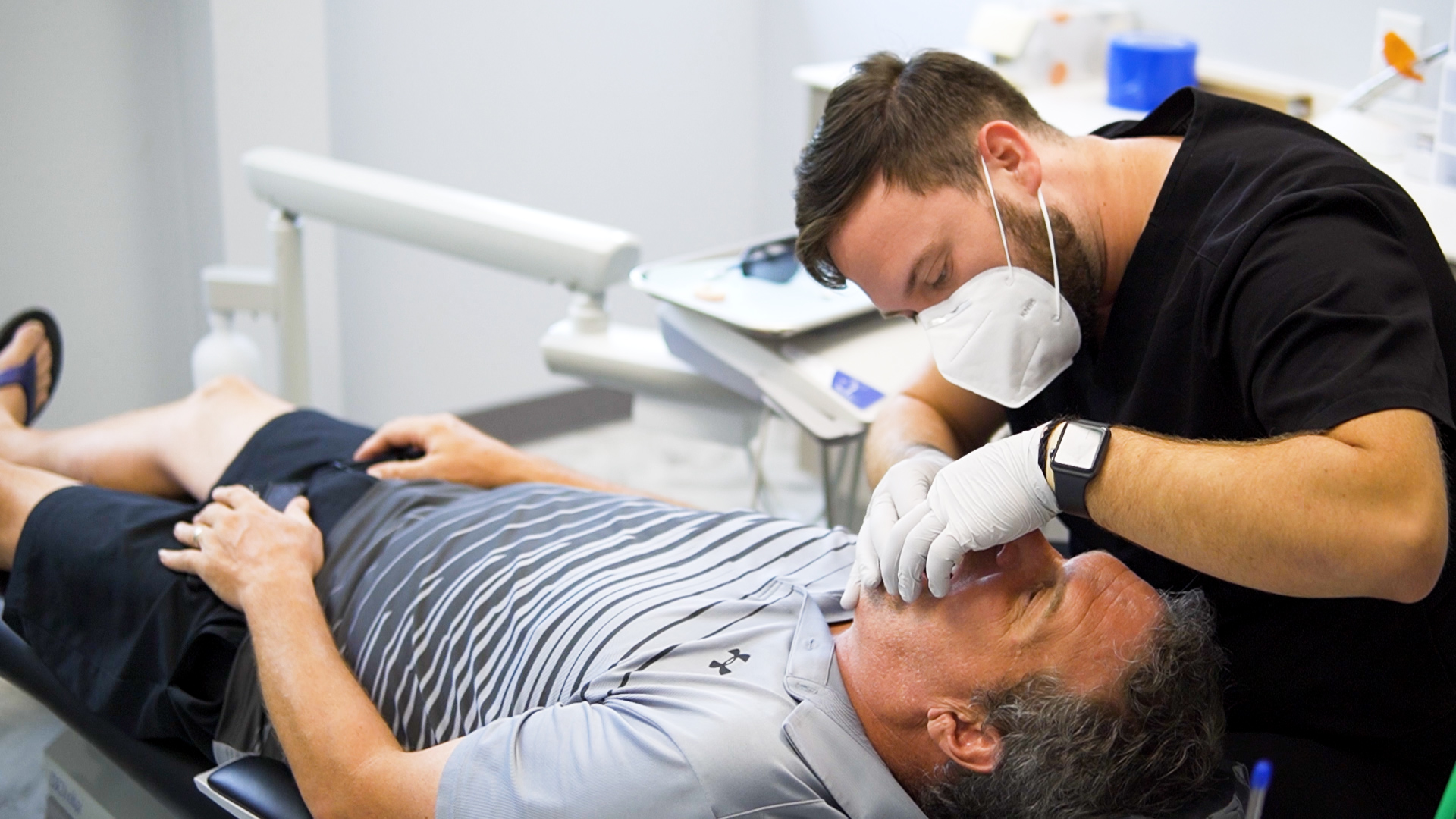
Teeth Whitening Near Me: The Fastest Way to Brighten Your Smile
A bright smile is one of the first things people notice about you. It shapes first impressions in job interviews, first dates, and everything in between. Yet for many people, years of coffee, wine, and everyday wear leave their teeth looking duller than they'd like—and no amount of whitening toothpaste seems to fix it.
If you've typed "teeth whitening near me" into a search bar recently, you're not alone. Millions of people search for professional whitening options every year, and the demand keeps climbing. The problem is that the internet is flooded with DIY kits, charcoal powders, and hydrogen peroxide hacks—most of which either don't work or actively damage your enamel.
This guide cuts through the noise. You'll learn why teeth stain in the first place, how professional whitening compares to at-home alternatives, what to expect from a professional treatment at 3D Dental, and how to protect your results long after you leave the chair. By the end, you'll have everything you need to make a confident, informed decision about brightening your smile.
Why Your Teeth Stain (and Why It's Not Always Your Fault)
Before exploring solutions, it helps to understand the problem. Not all stains are created equal—dentists typically classify discoloration into two categories: extrinsic and intrinsic.
Extrinsic Stains
Extrinsic stains live on the outer surface of your teeth. They're caused by the foods and drinks you consume daily—coffee, tea, red wine, and dark berries are common culprits. Tobacco use, both smoked and chewed, is another major contributor. These stains build up gradually, which is why most people don't notice them until the discoloration becomes quite pronounced.
The good news? Extrinsic stains respond well to professional whitening treatments. Because they sit on or just beneath the enamel surface, targeted bleaching agents can break them down effectively.
Intrinsic Stains
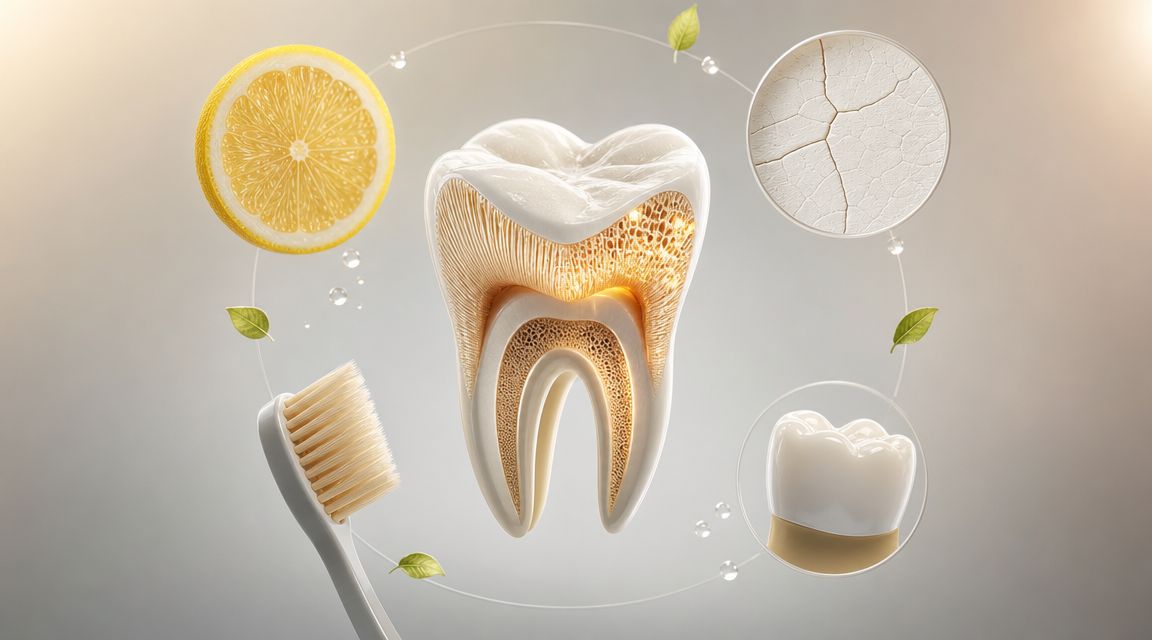
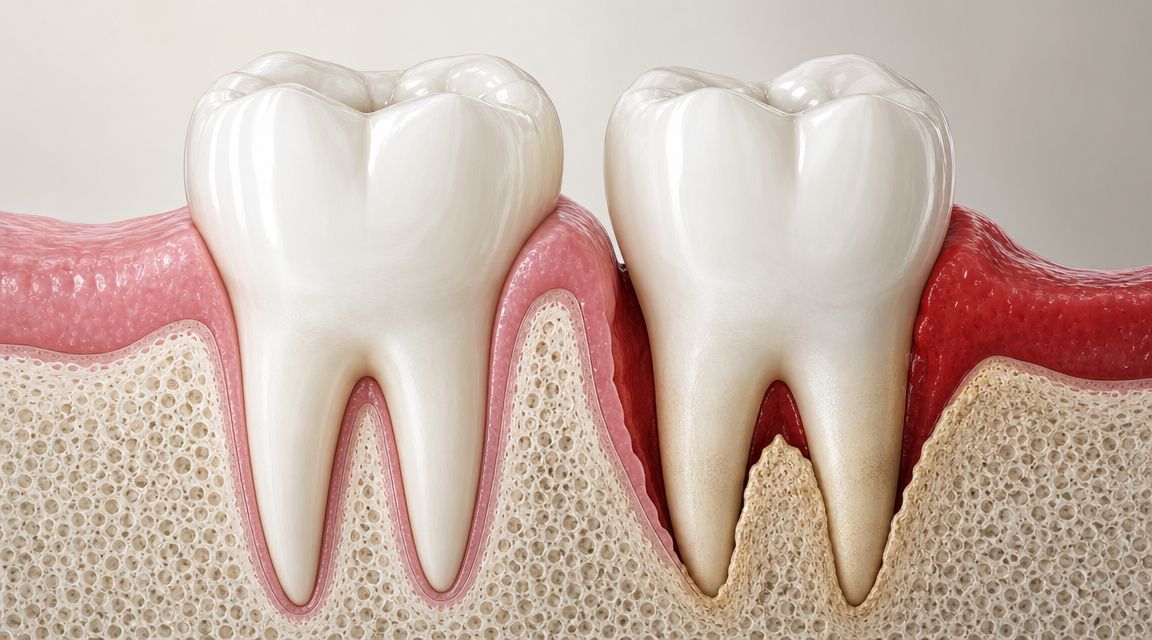
Intrinsic stains are a different story. These originate within the tooth itself—often caused by certain antibiotics (like tetracycline) taken during childhood, excessive fluoride exposure, dental trauma, or simply aging. As the enamel thins over time, the yellowish dentin underneath becomes more visible, giving teeth a naturally darker appearance.
Intrinsic stains are harder to treat and may not respond fully to standard whitening methods. A consultation with a professional is the best way to determine what's causing your discoloration and which treatment will deliver the best results.
Professional vs. At-Home Whitening: What the Research Actually Shows
Walk into any pharmacy and you'll find dozens of whitening strips, gels, and trays promising a Hollywood smile. Some of these products do work—to a degree. Over-the-counter whitening strips typically contain 10% or less hydrogen peroxide, which can lift surface stains over several weeks of consistent use.
Professional whitening, on the other hand, uses concentrations of 25–40% hydrogen peroxide, applied under controlled conditions. The difference in results is significant. A study published in the Journal of Dentistry found that in-office whitening produced faster and more dramatic results compared to at-home alternatives, often achieving six to eight shades of improvement in a single session.
Speed is just one advantage. When a dentist oversees the treatment, they protect your gums and soft tissues from irritation, calibrate the concentration based on your sensitivity levels, and assess any underlying issues—like cavities or gum disease—that might affect the treatment. Searching "teeth whitening near me" and booking a professional consultation is the smarter path, not just the faster one.
3D Dental: Advanced Whitening Technology, Patient-First Care
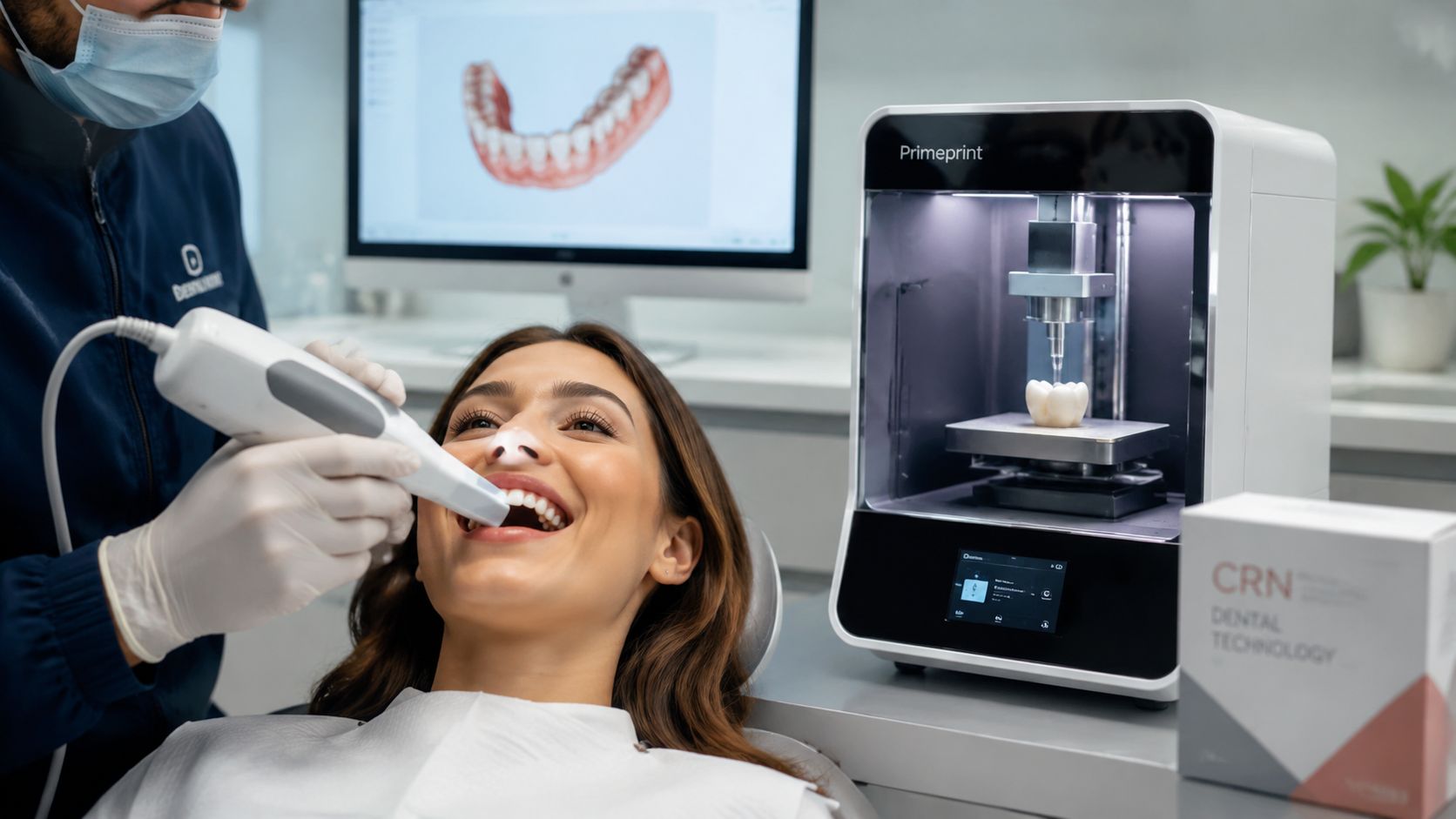
Not all dental practices offer the same standard of whitening. 3D Dental sets itself apart through a combination of advanced whitening technology and a genuinely patient-centered approach—meaning your comfort, safety, and results are the priority from start to finish.
3D Dental uses professional-grade whitening systems that are carefully matched to each patient's needs. Whether you're dealing with surface-level staining from years of coffee or deeper discoloration from other causes, the team tailors the treatment to achieve the most effective outcome for your specific situation.
What makes 3D Dental a go-to choice for patients searching for teeth whitening nearby is the combination of clinical expertise and a warm, welcoming environment. The team takes time to explain every step of the process, answer questions thoroughly, and ensure patients feel confident before any treatment begins.
What Happens During a Professional Whitening Treatment
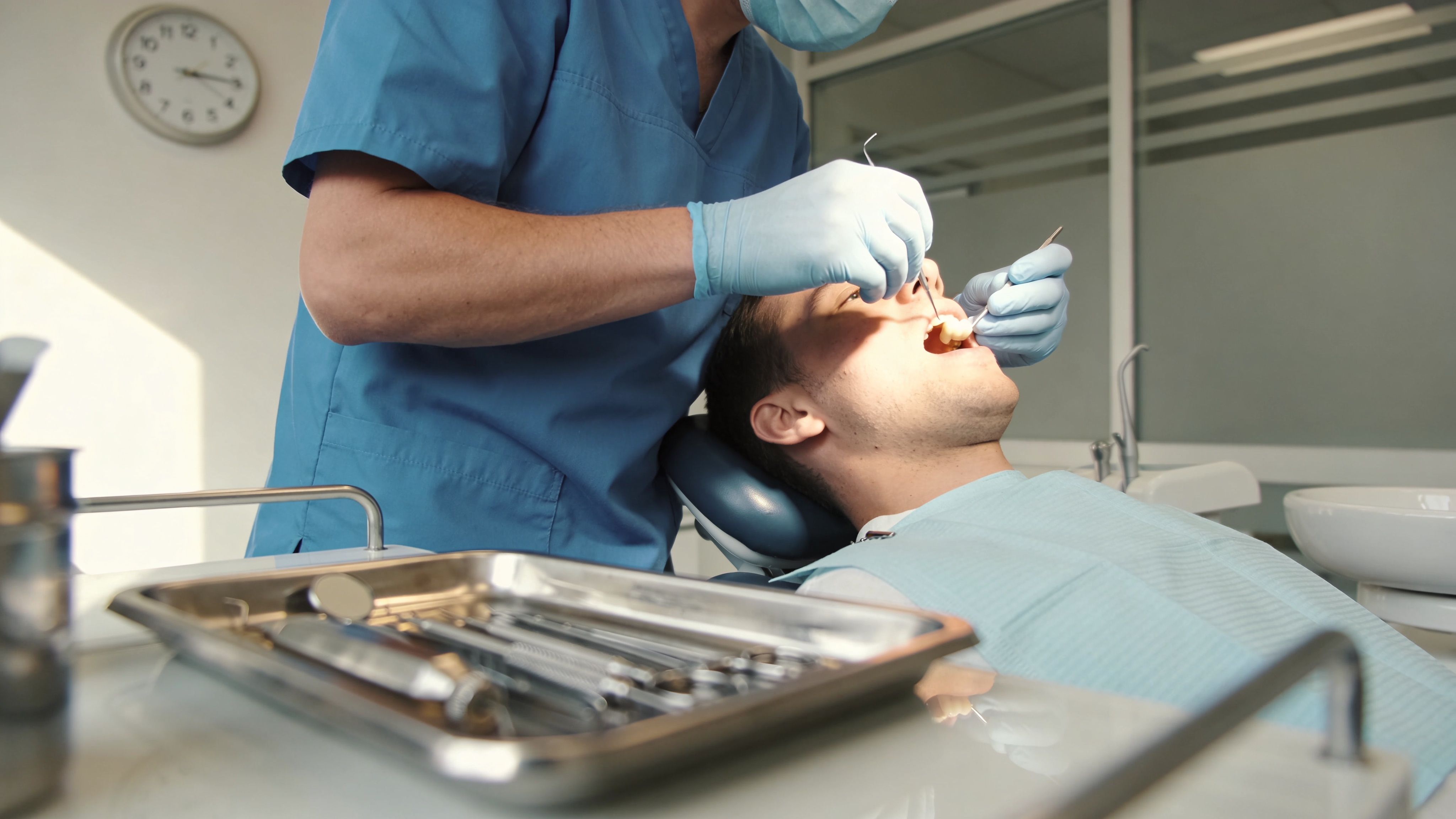
Knowing what to expect makes the experience far less intimidating. Here's a step-by-step breakdown of what a typical in-office whitening session at a professional practice like 3D Dental looks like:
Step 1 – Initial Consultation
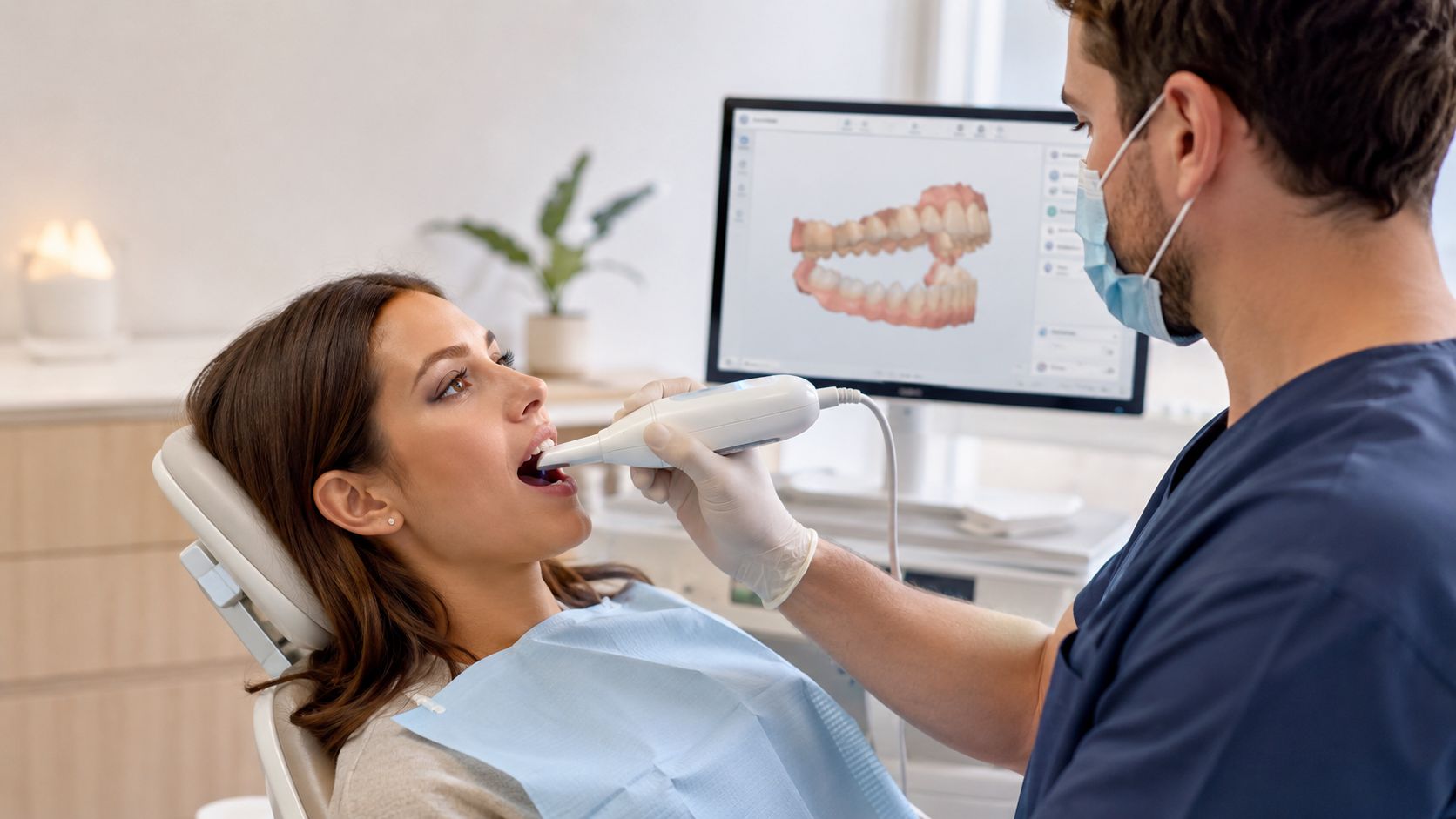
The dentist begins by examining your teeth and gums. This assessment determines whether you're a good candidate for whitening and helps identify any issues—such as sensitivity or enamel erosion—that need to be addressed first.
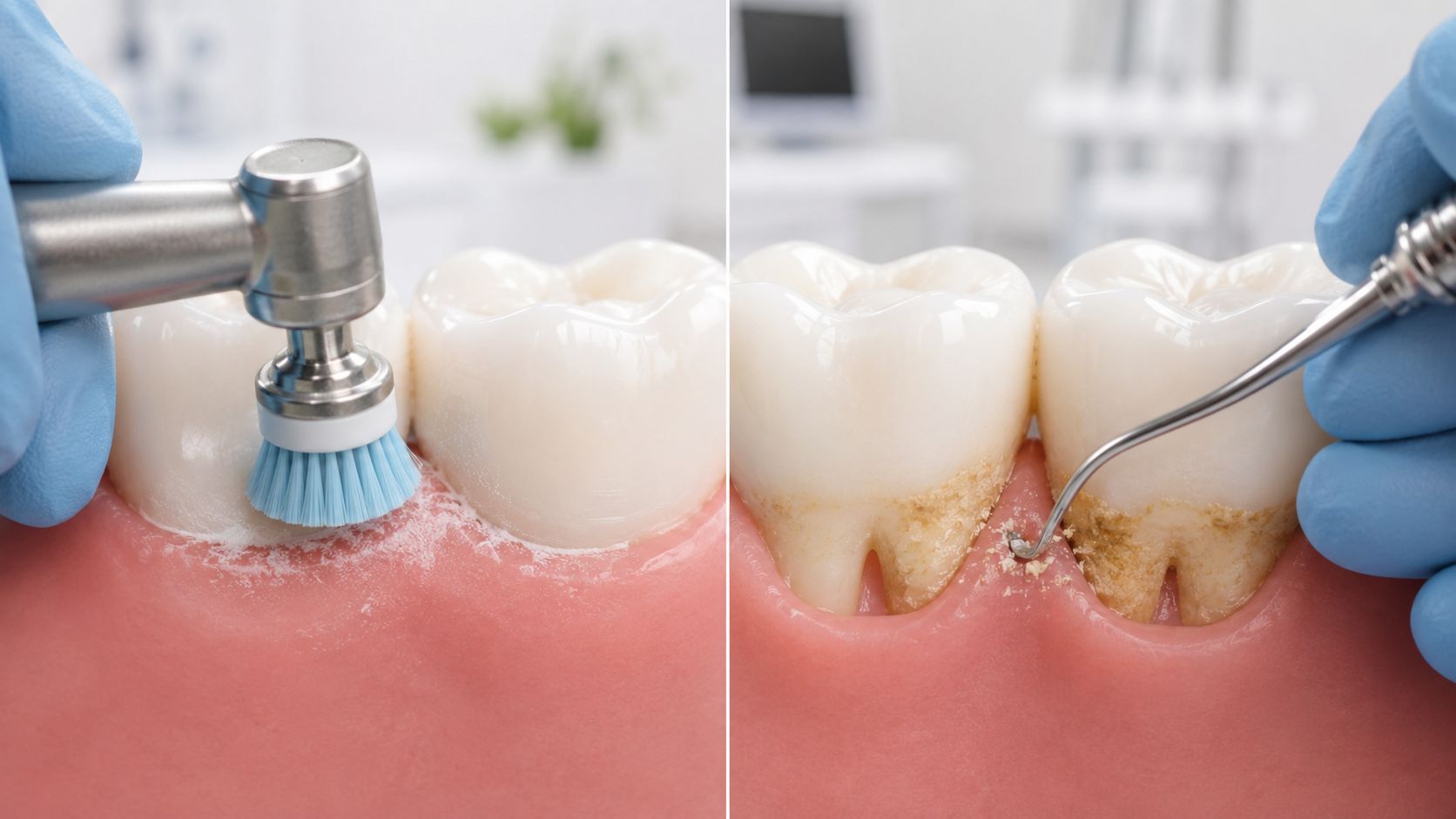
Step 2 – Pre-Treatment Cleaning
A professional clean removes plaque and tartar from the surface of your teeth. This ensures the whitening agent makes full contact with the enamel, rather than sitting on top of debris.
Step 3 – Gum Protection
The dentist applies a protective barrier to your gums and soft tissues. This shields them from the bleaching agent and prevents irritation during treatment.
Step 4 – Whitening Gel Application
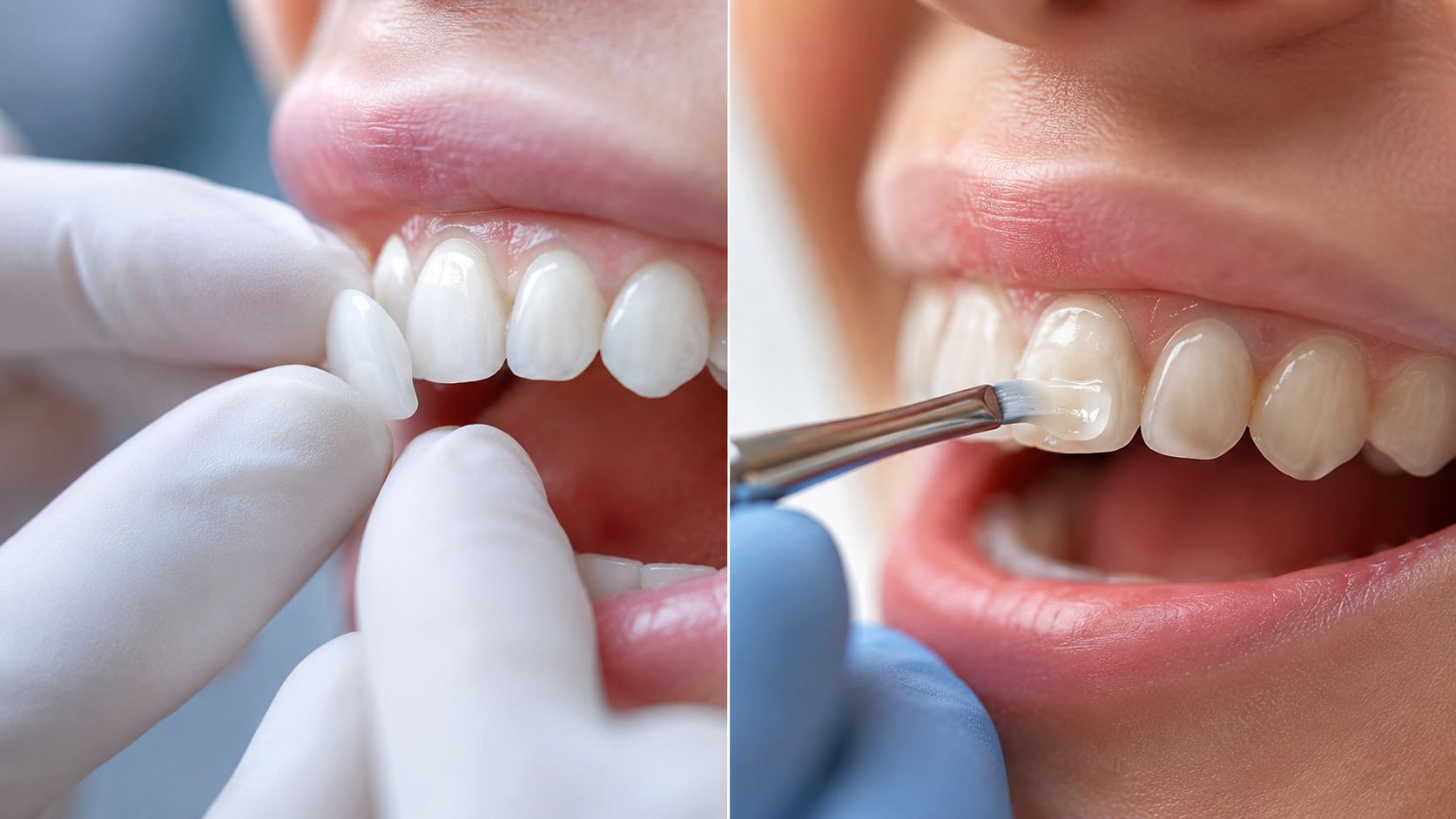
A high-concentration hydrogen peroxide gel is applied directly to your teeth. Depending on the system used, a special light or laser may be applied to activate the gel and accelerate the whitening process.
Step 5 – Multiple Rounds
The gel is typically applied in two to three rounds of 15–20 minutes each. Between applications, the dentist checks on your comfort and monitors progress.
Step 6 – Rinse and Reveal
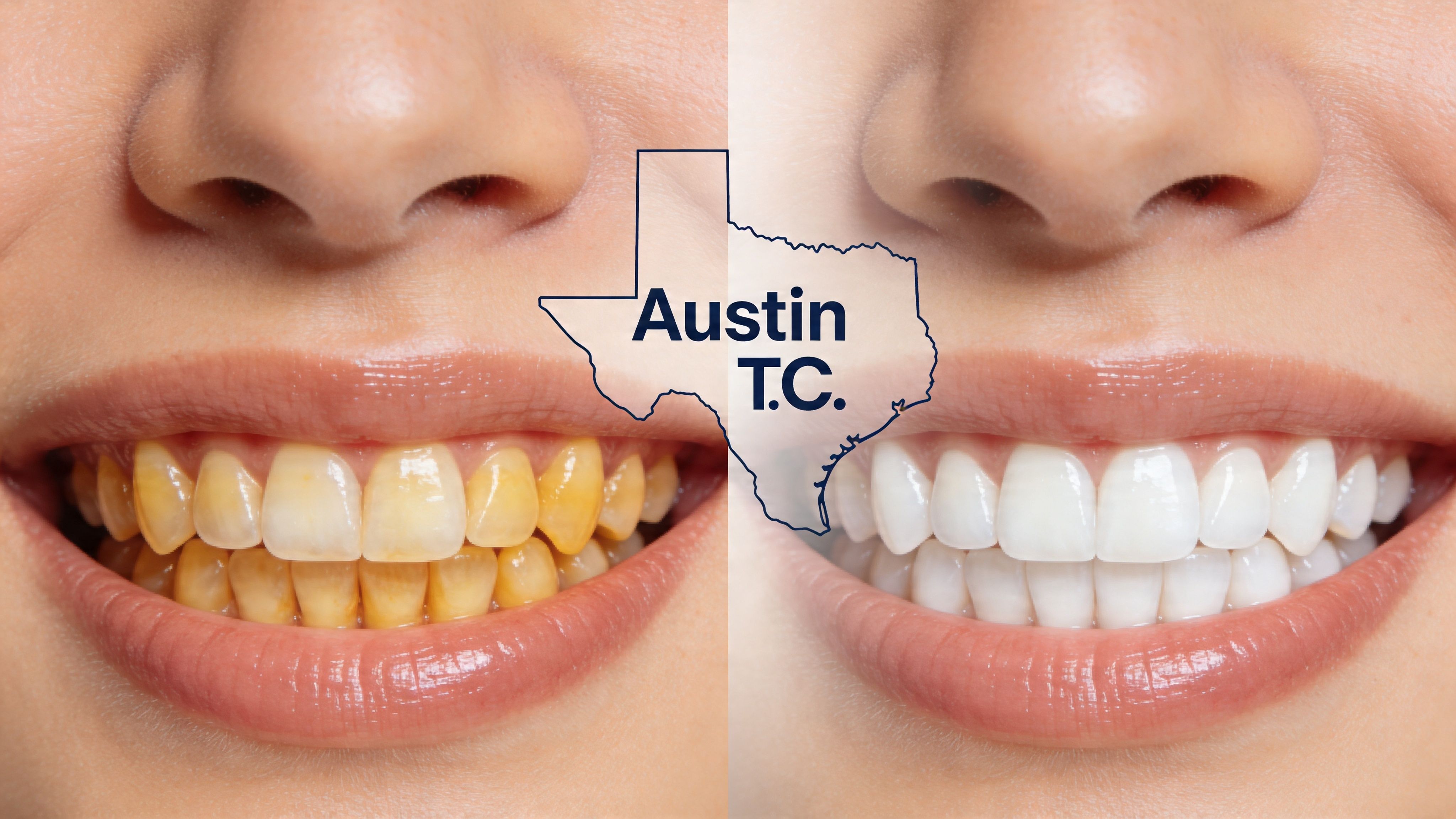
Once the treatment is complete, the gel is thoroughly rinsed away. Most patients see results immediately—teeth that are noticeably brighter and several shades lighter than when they walked in.
The entire appointment generally takes between 60 and 90 minutes. It's one of the most impactful changes you can make to your appearance in under two hours.
Common Myths About DIY Whitening (And Real Risks Worth Knowing)
The internet has no shortage of whitening "hacks." Here's the truth behind some of the most popular ones:
"Activated charcoal is a natural whitener."
Charcoal is highly abrasive. Regular use can wear down enamel—the protective outer layer of your teeth—leaving them more vulnerable to sensitivity and decay. The American Dental Association does not recommend charcoal-based dental products.
"Lemon juice and baking soda remove stains."
Baking soda has mild abrasive properties that can remove surface stains, but mixing it with lemon juice creates an acidic compound that erodes enamel over time. Once enamel is lost, it doesn't grow back.
"Oil pulling whitens teeth."
Oil pulling—swishing oil around your mouth for an extended period—has some evidence supporting oral hygiene benefits, but there is no credible clinical evidence that it whitens teeth.
"Whitening toothpastes are just as effective as professional treatments."
Whitening toothpastes rely on mild abrasives or low concentrations of peroxide. They can help maintain results or remove minor surface stains, but they cannot replicate the results of a professional treatment.
The risk with all of these methods isn't just ineffectiveness—it's the potential for real, lasting damage. Enamel erosion leads to increased sensitivity, higher cavity risk, and a more yellowed appearance over time, since the darker dentin becomes more exposed.
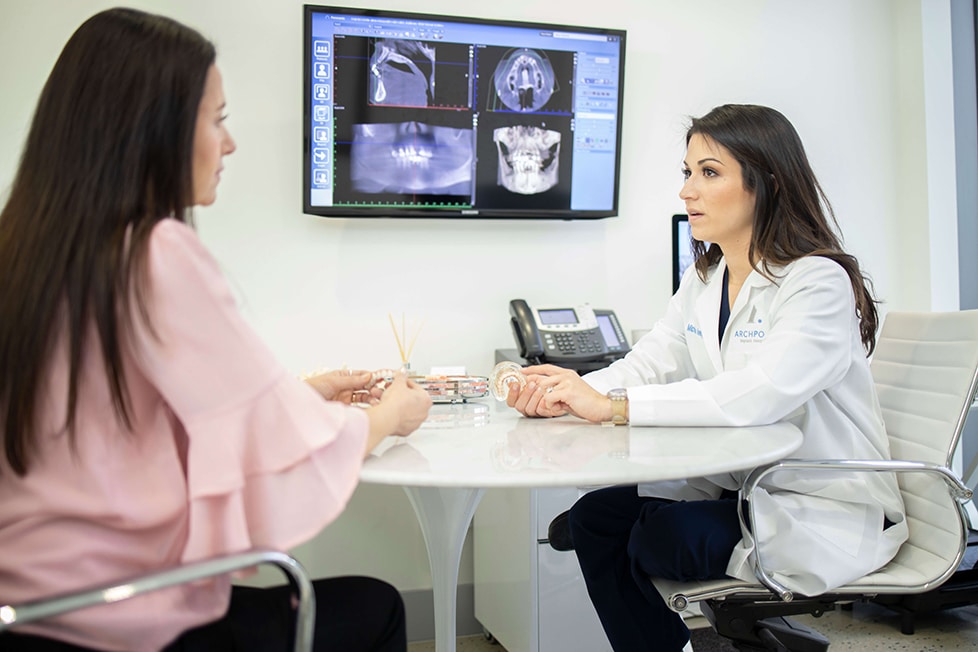
How to Maintain Your Results After Professional Whitening
Professional teeth whitening delivers impressive results, but those results aren't permanent. What you do in the weeks and months that follow matters enormously.
Watch what you eat and drink. For the first 48 hours after treatment, your teeth are especially porous and susceptible to restaining. Avoid coffee, tea, red wine, tomato-based sauces, and dark-colored berries during this window. After that, moderation is key.
Use a straw. When drinking staining beverages, a straw reduces direct contact with your teeth.
Rinse after meals. Swishing water around your mouth after eating or drinking can help wash away pigmented compounds before they settle into your enamel.
Maintain a solid oral hygiene routine. Brush twice daily with a fluoride toothpaste, floss daily, and visit your dentist regularly for professional cleanings. This removes surface buildup before it has a chance to stain.
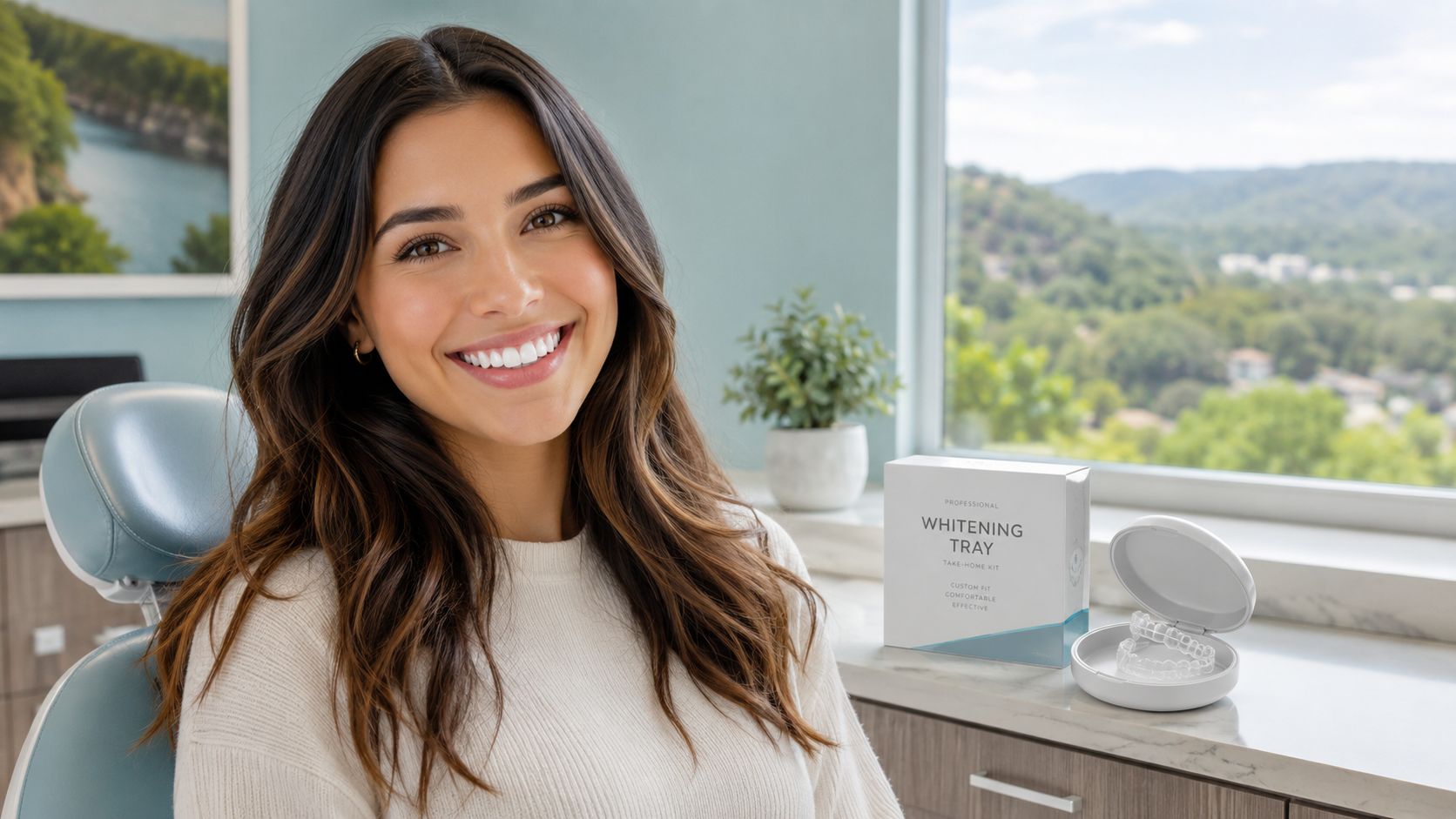
Use touch-up treatments as needed. Many dental practices, including 3D Dental, provide take-home whitening trays after in-office treatment. These can be used periodically to maintain brightness between professional appointments.
Quit smoking. Tobacco is one of the most significant contributors to tooth discoloration. No whitening treatment will deliver lasting results if smoking continues.
Your Brightest Smile Is Closer Than You Think
A whiter smile is one of the most straightforward ways to boost your confidence—and with professional whitening, it doesn't have to take weeks or involve risky DIY experiments. The results speak for themselves: faster, safer, and more dramatic than anything you'll find on a pharmacy shelf.
If you've been putting it off, now is a good time to stop waiting. The team at 3D Dental is ready to help you achieve the smile you've been after, with a personalized treatment plan built around your goals and your comfort.
Book a consultation with 3D Dental today and take the first step toward your brightest smile yet.
3D Dental Texas
https://maps.app.goo.gl/XMPCB3A1TnEpUHFAA
(512) 831-7918
12854 Research Blvd Austin TX 78750
Ready to get started?
Schedule a free, no obligation consultation with our team and see what's possible for your smile!
Georgetown
- Mon-Thurs8:30am-5pm
- Fri8am-3:30pm
- Sat-SunClosed
Austin
- Mon-Tues8am-5pm
- Wed-Thurs9am-6pmFri8am-2pm
- Sat-SunClosed