
Emergency Dentist for Root Canals in Austin, TX
Related Posts





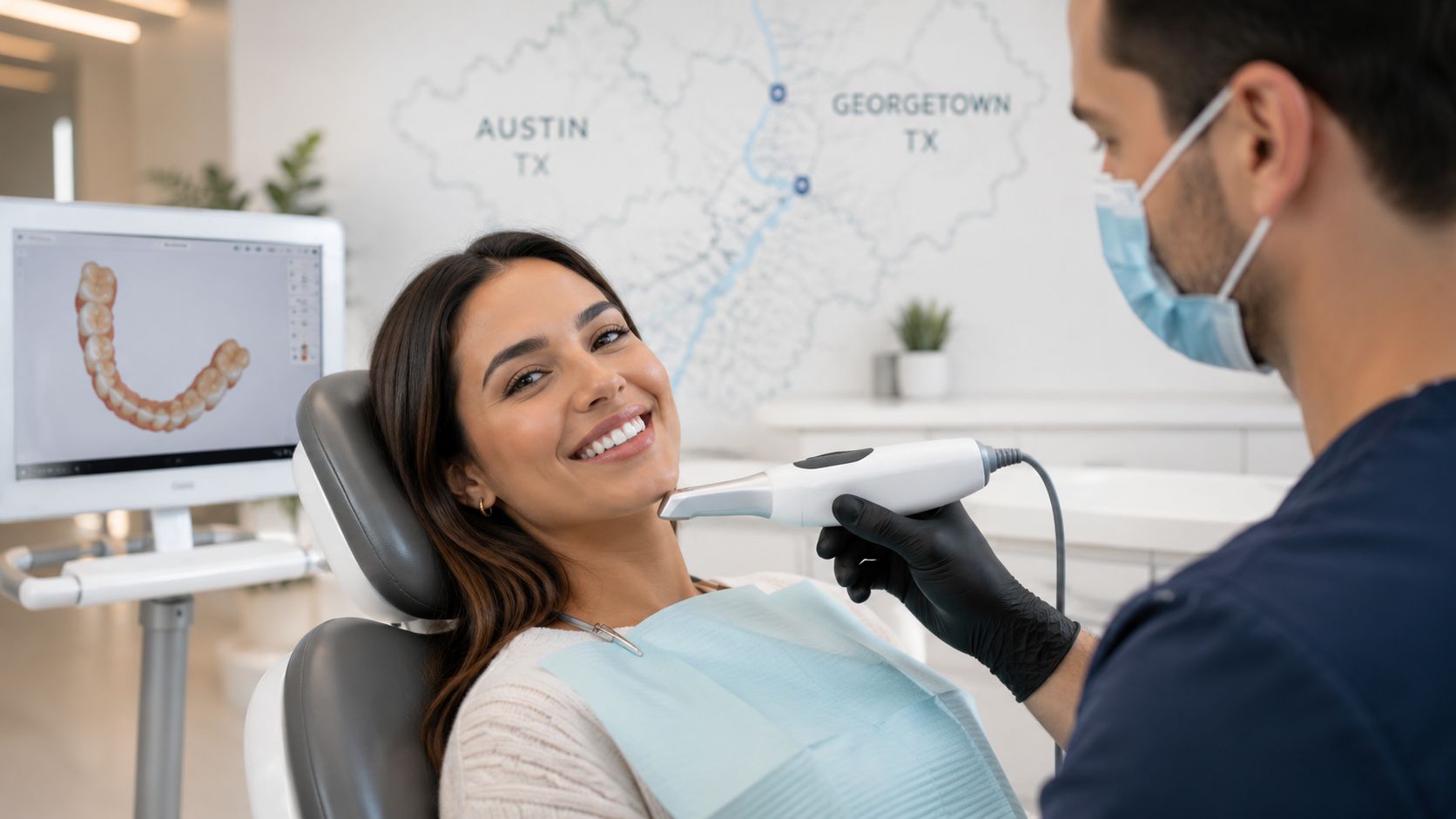

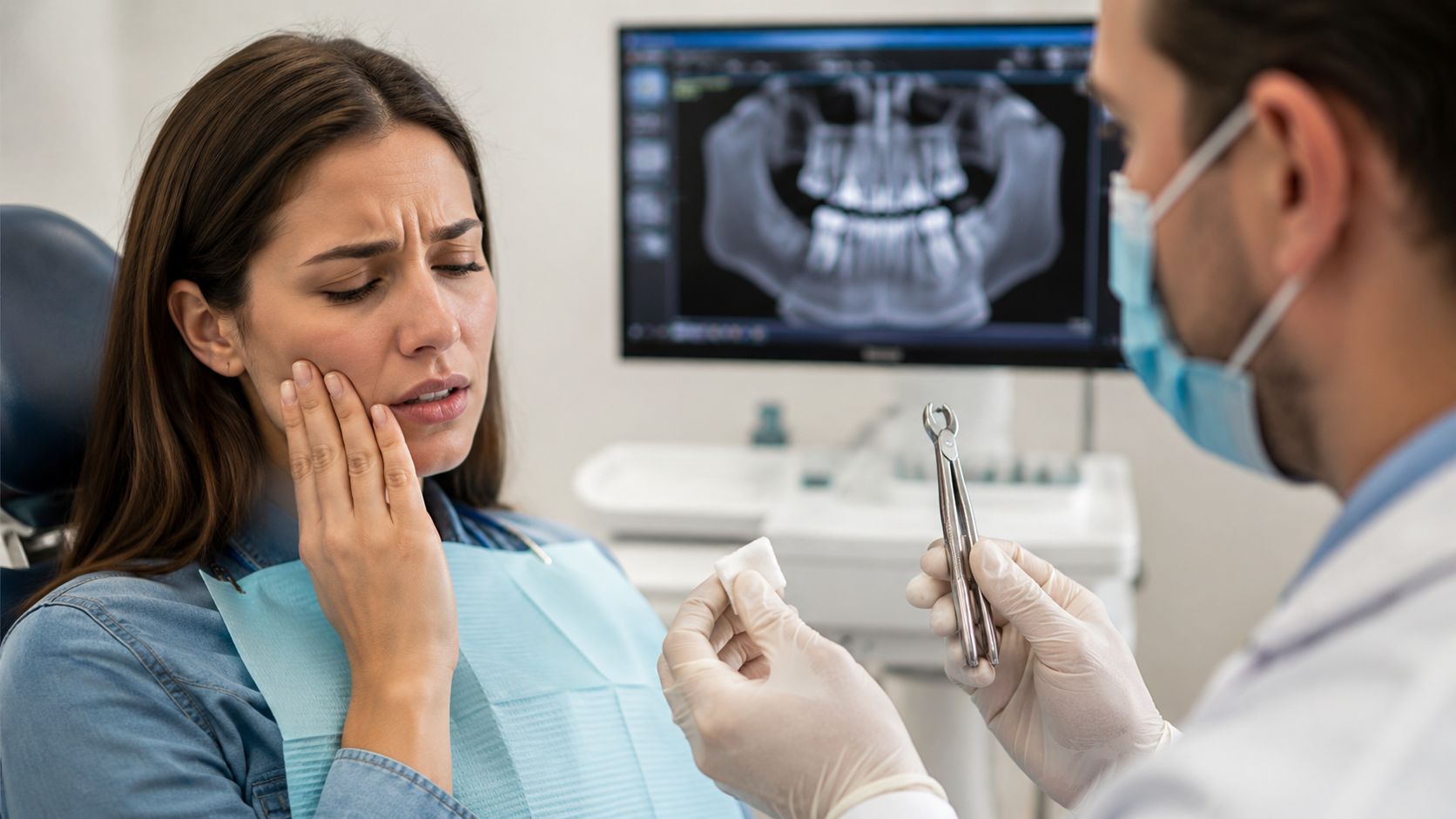
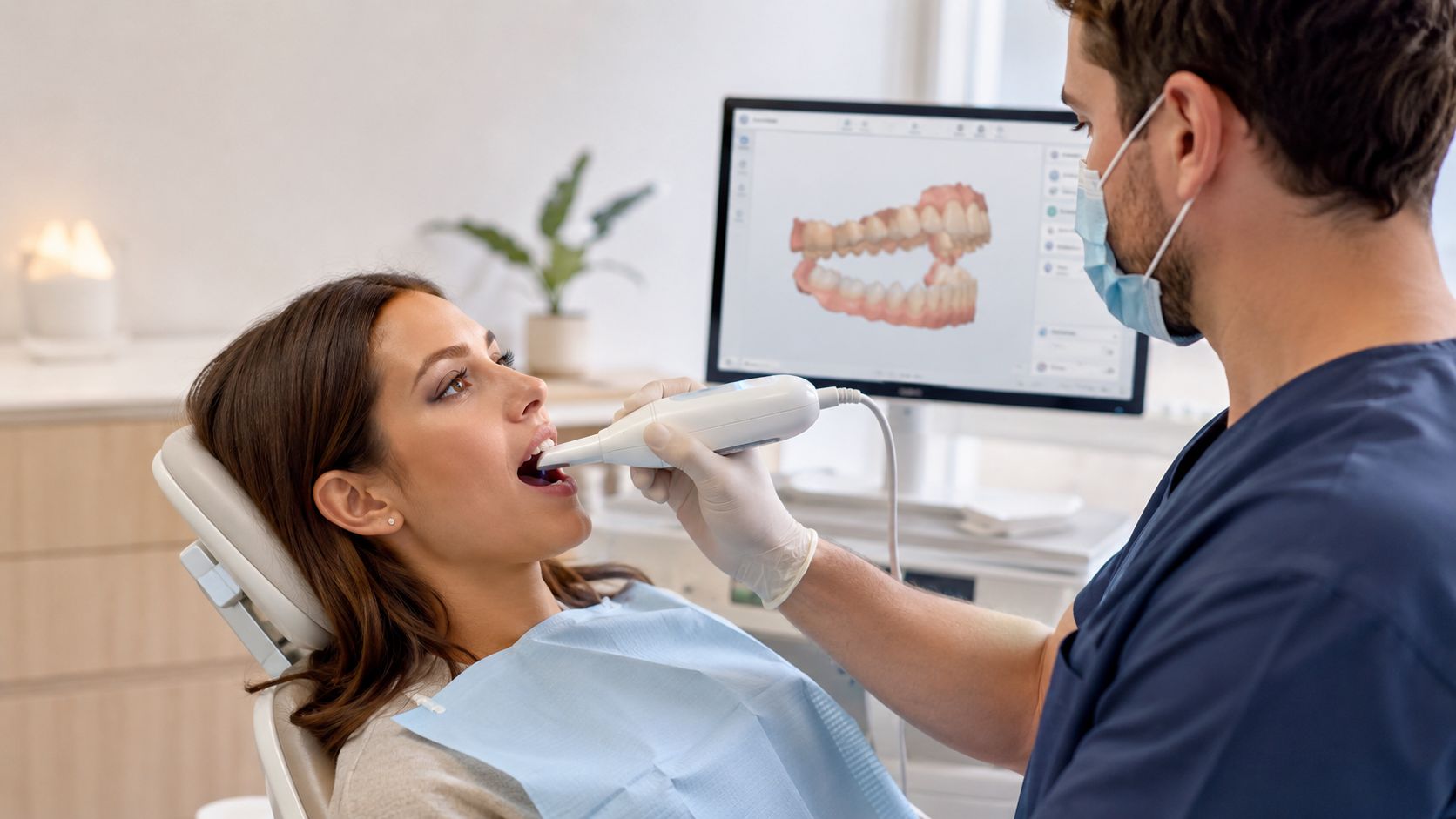

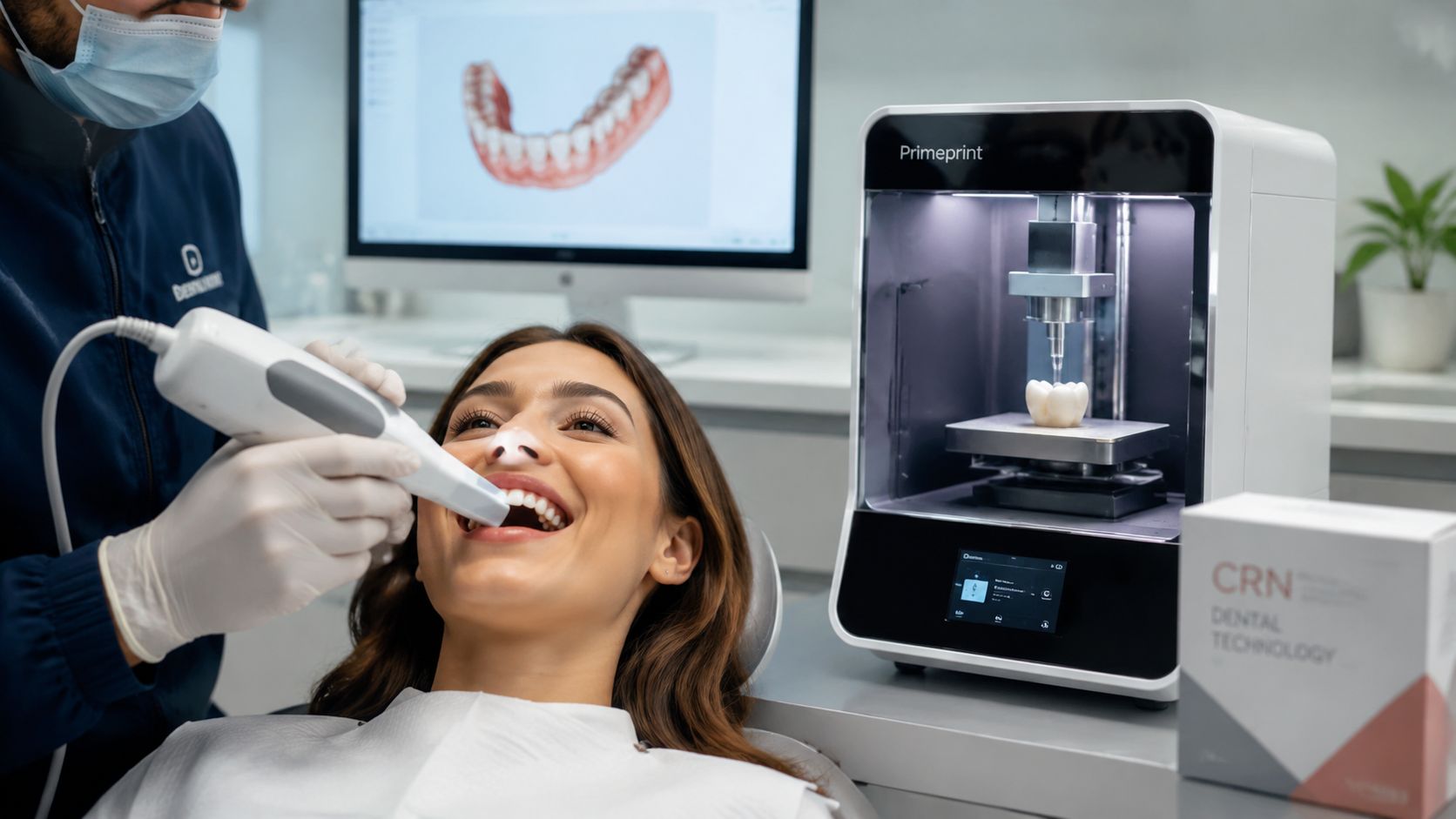
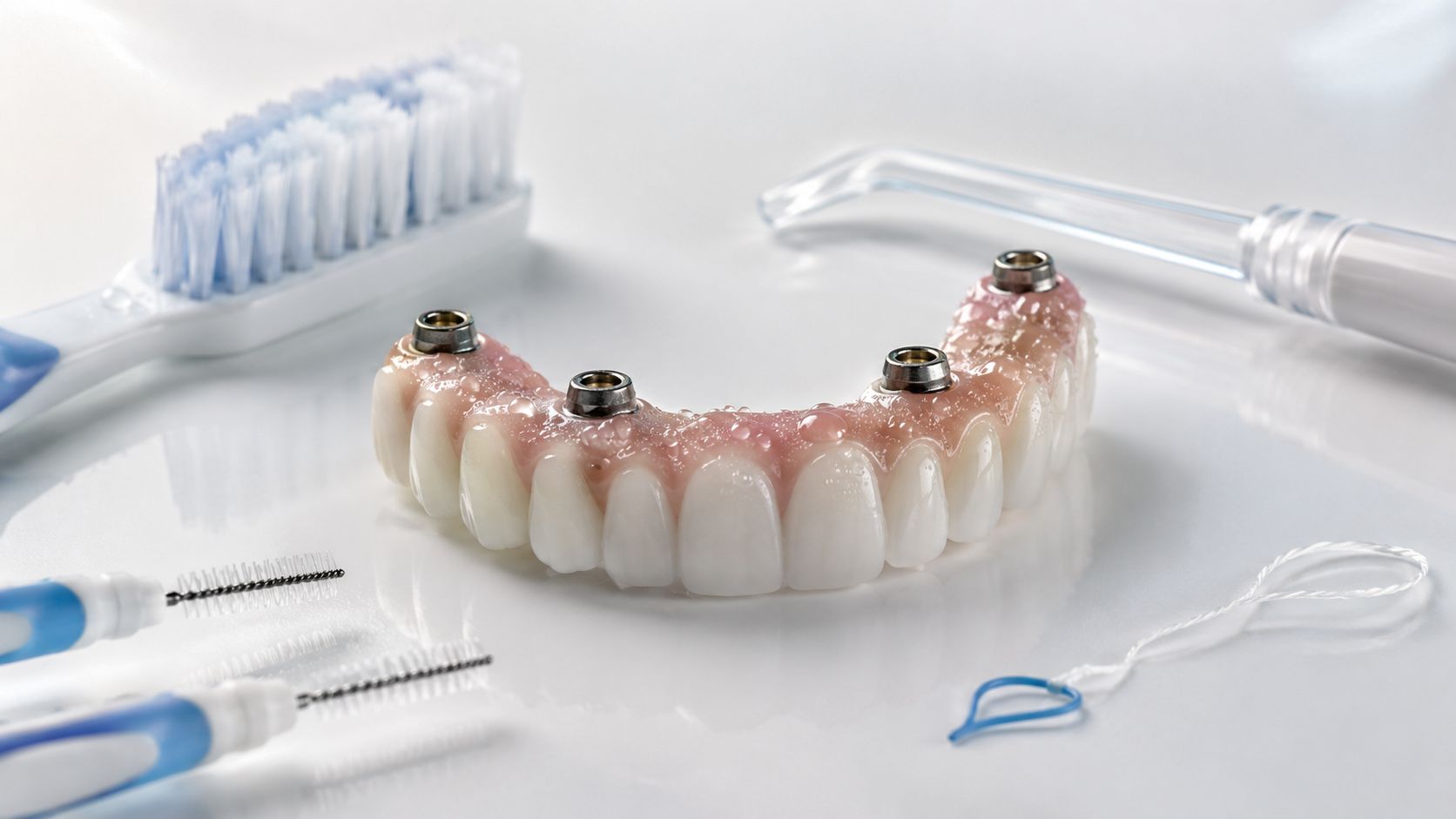
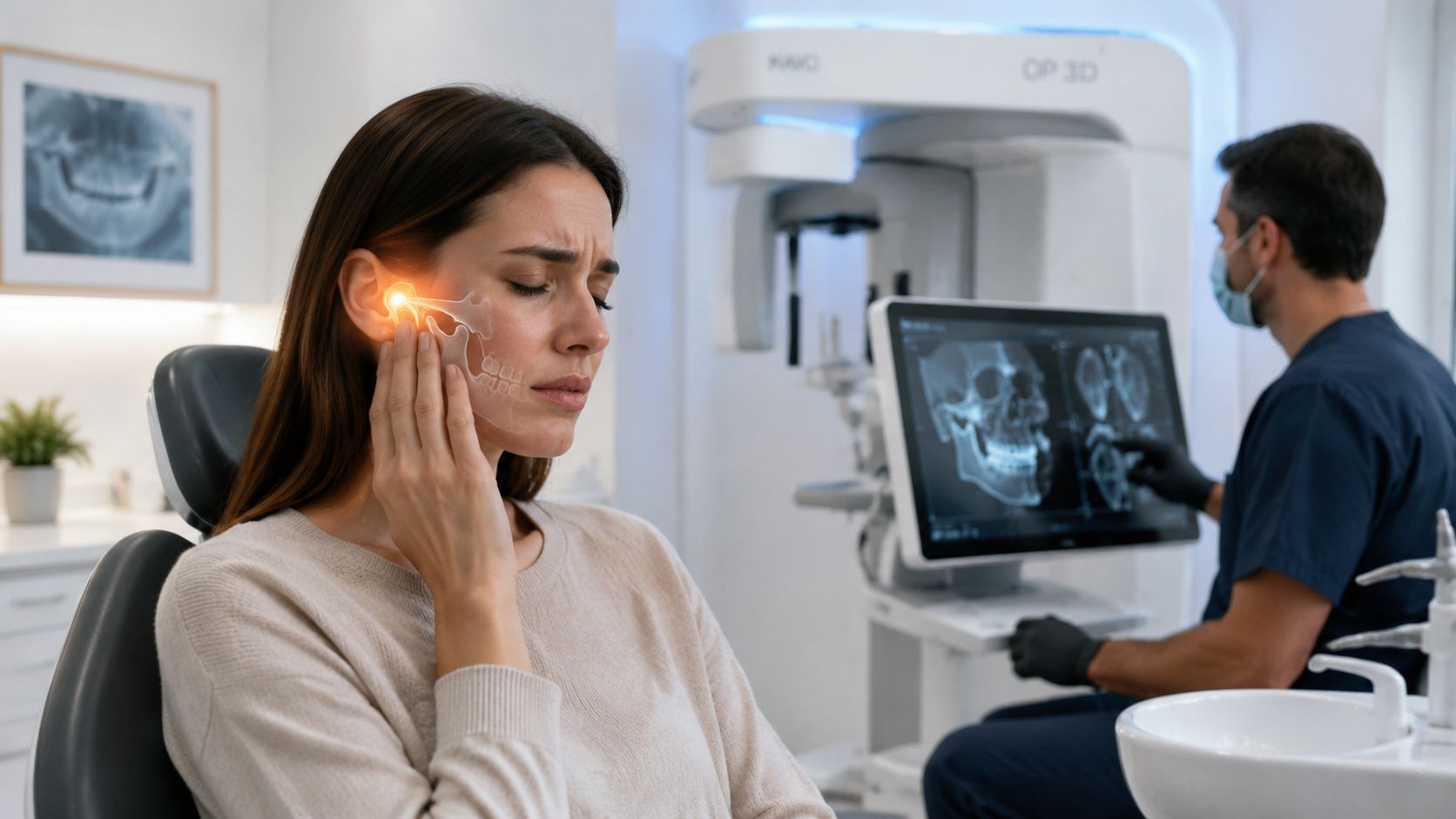
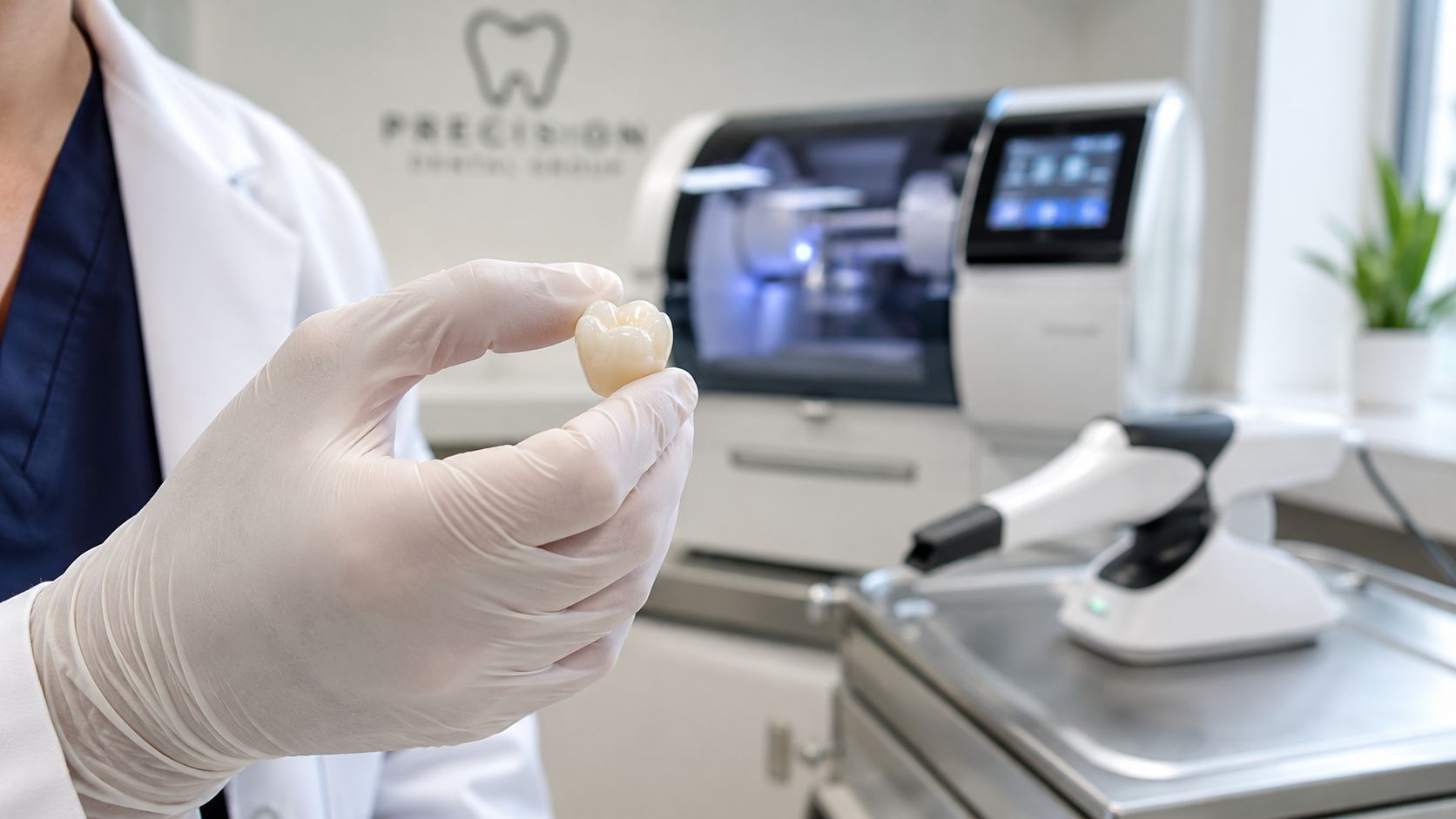

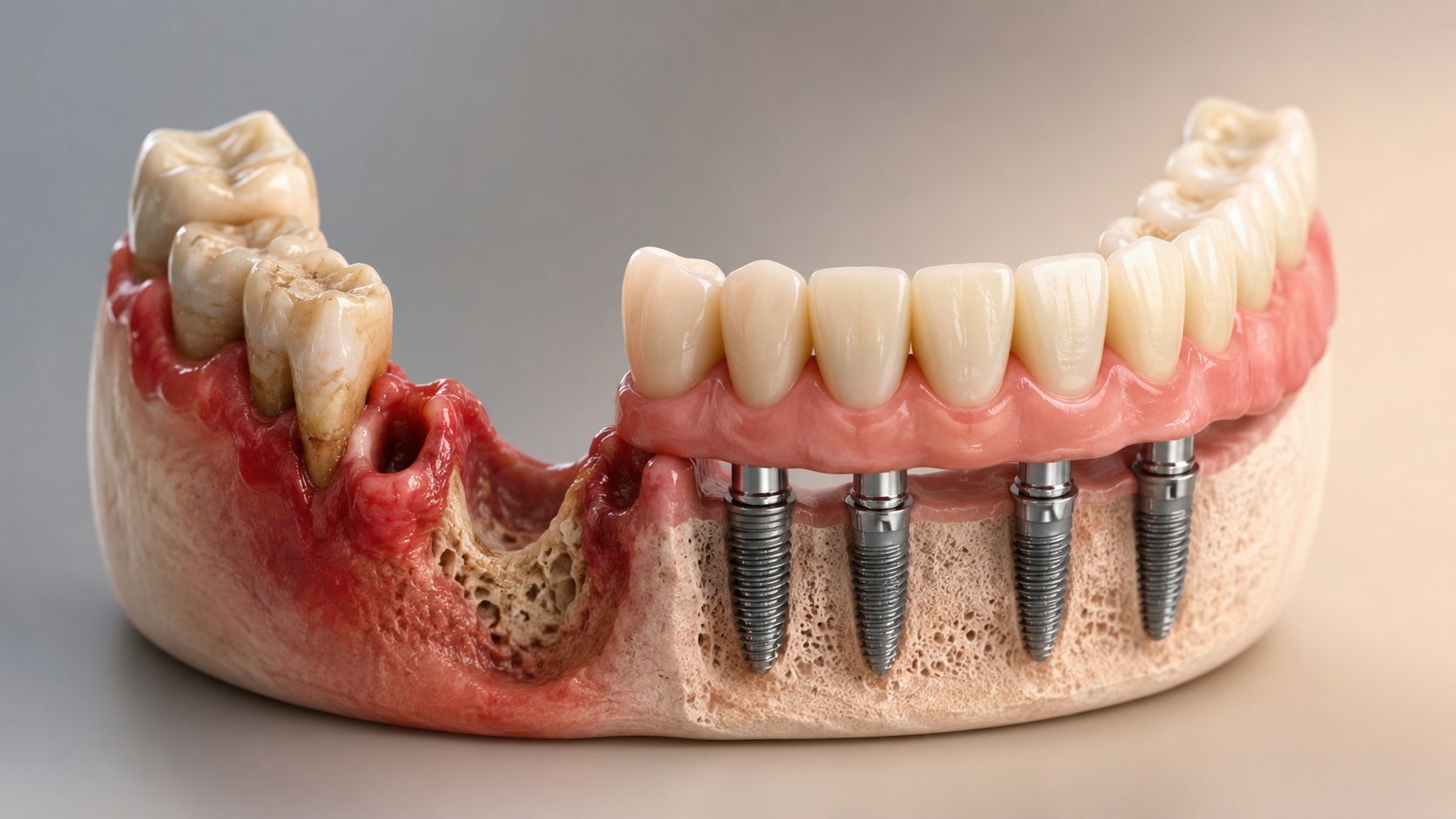
























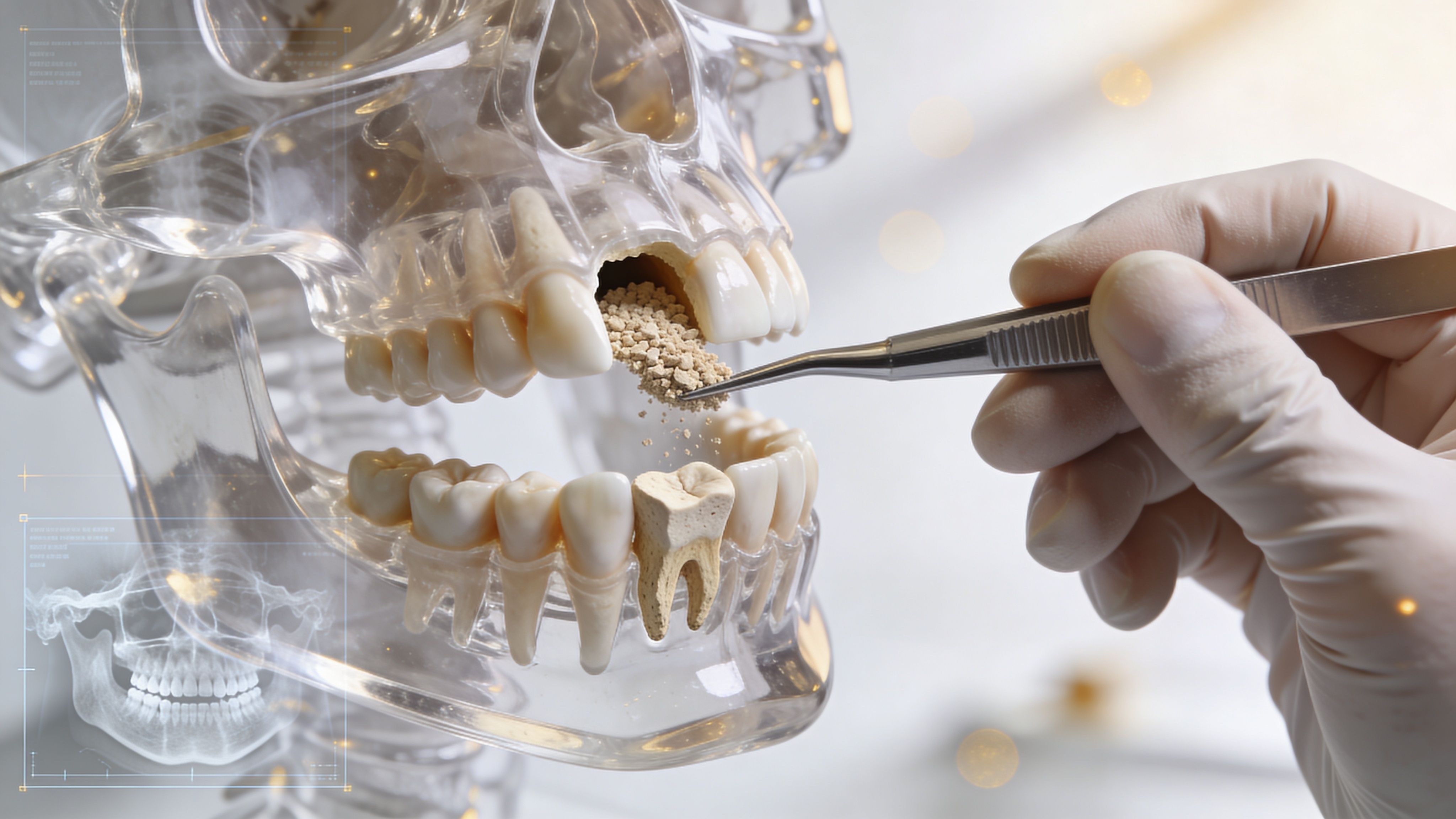





When you’re in the throes of a severe toothache, the last thing you want to deal with is the anxiety of a surprise bill. If you're searching for an emergency dentist in Austin or Georgetown, TX, you likely need answers fast. The average cost for a root canal without insurance can range anywhere from $700 to $2,000 per tooth. This price tag depends heavily on which tooth is causing the trouble and how complex the procedure needs to be.
Understanding The Cost Of Saving Your Tooth In Austin
That intense, throbbing pain from an infected tooth is a clear sign you need an emergency dentist. Financial stress shouldn't be part of the equation. Here at 3D Dental, we believe in being completely transparent so our patients across Austin, Georgetown, and nearby communities like Wells Branch can make informed, confident decisions about their dental care.
Think of it this way: a straightforward fix on an accessible front tooth is a very different job than a more involved procedure on a large molar tucked away in the back of your mouth. While the goal is always the same—to save your natural tooth, clear out the infection, and put an end to the pain—the path to get there varies. A root canal is a key restorative dentistry service we provide to relieve pain and promote a healthy smile.
To give you a clearer picture, here’s a look at the typical out-of-pocket cost ranges based on the tooth's location.
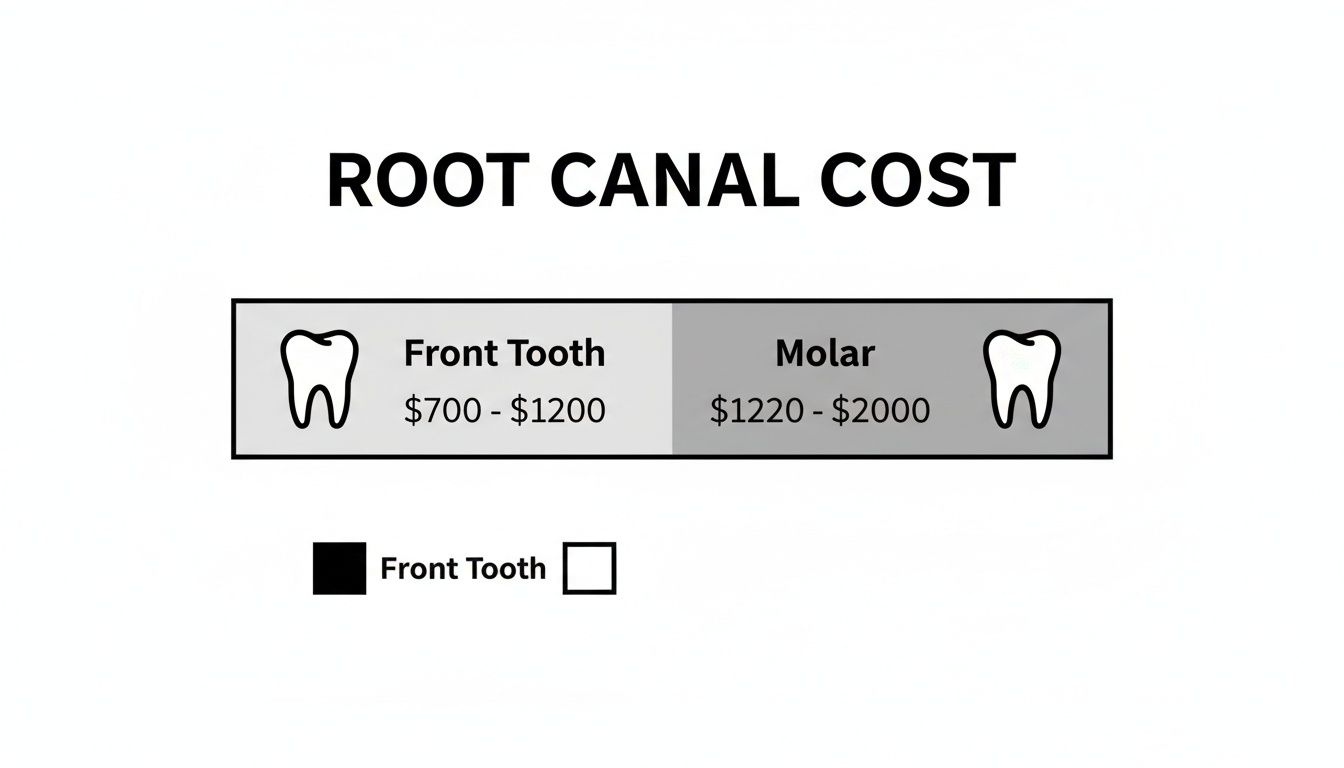
As you can see, molars cost more simply because they have more roots and canals, requiring a greater degree of time and precision from your dentist in Austin, TX.
Why A Root Canal Is A Smart Investment in Your Health
While the upfront cost is a real consideration, choosing a root canal is one of the smartest investments you can make in your long-term health. The main alternative—a tooth extraction—might seem cheaper at first, but it almost always leads to more significant and expensive problems down the line.
When a tooth is missing, it can cause:
- Jawbone Deterioration: The jawbone can begin to shrink and weaken in that area without a tooth root to keep it stimulated.
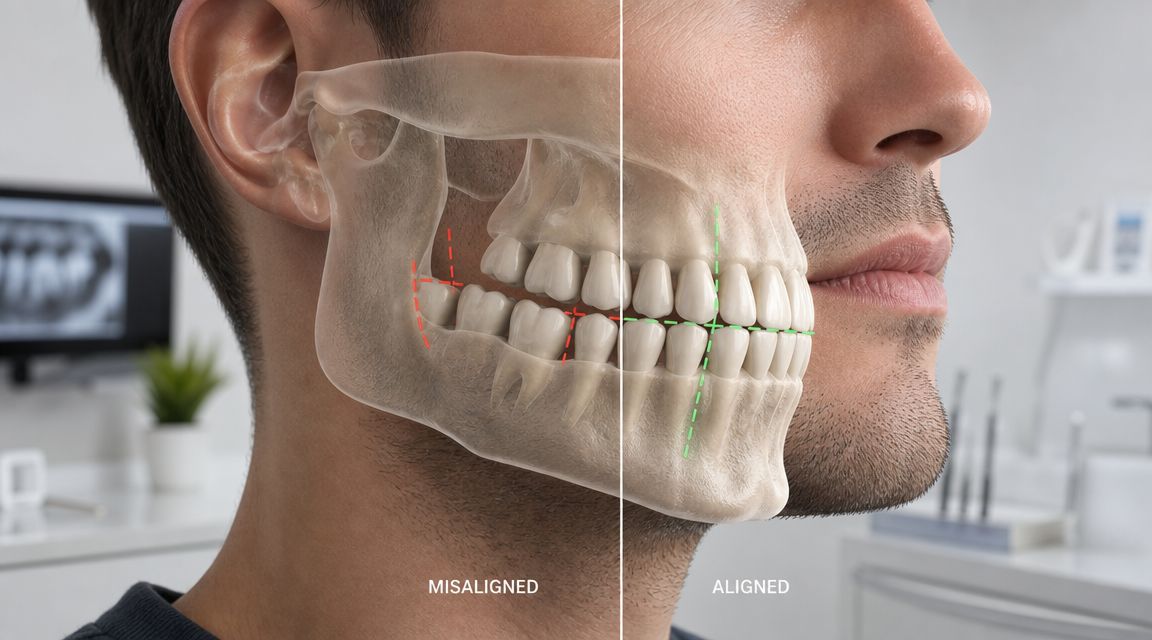
- Shifting Teeth: Your other teeth may start to drift into the empty space, throwing off your bite and creating alignment issues that may require cosmetic dentistry to fix.
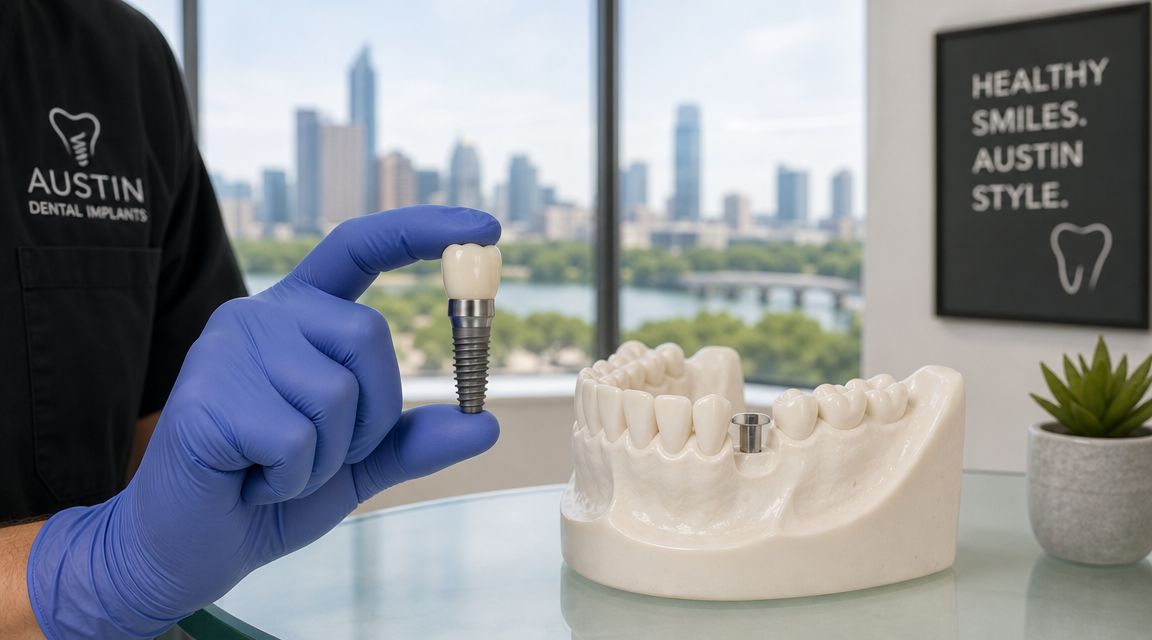
- Future Restoration Costs: Sooner or later, you'll likely need to replace that missing tooth with a dental implant or a bridge to restore proper function, which can cost far more than the original root canal.
By saving your natural tooth, you aren't just getting out of pain—you're protecting the entire structure of your mouth and preventing a chain reaction of future dental problems. A root canal is truly the best way to preserve the health and integrity of your smile.
National Averages Vs. Local Dental Care In Georgetown & Austin
Looking at nationwide data can give you a solid baseline for what to expect. This table breaks down the typical out-of-pocket costs for just the root canal procedure, based on national averages. Complexity is the biggest factor, which is why molars almost always cost more.
Estimated Root Canal Cost Without Insurance in 2026 (Procedure Only)
These national averages are a great starting point. You can explore more about these national averages to see how they stack up.
Here at 3D Dental, our focus is on serving our local communities in Austin, Georgetown, Cedar Park, and Round Rock with compassionate, high-quality dental care. We know cost is a real concern, and our team is ready to walk you through our transparent pricing and flexible financial solutions to get you the treatment you need, stress-free. As your trusted local dentist, we're here to help.
Key Factors That Influence Your Final Root Canal Cost
If you've ever found yourself wondering why there isn't a single, flat-rate price for a root canal, you're definitely not alone. The final cost is a lot like a car repair bill—it all depends on what's really going on under the hood. Here at 3D Dental, we believe in total transparency, making sure every patient from Austin to Georgetown knows exactly what goes into the price from the very beginning.
Breaking down these components demystifies the average cost for a root canal without insurance and puts you in the driver's seat. At our practice, there are no surprises, just clear, patient-focused care from a dentist near you.
Tooth Location and Complexity
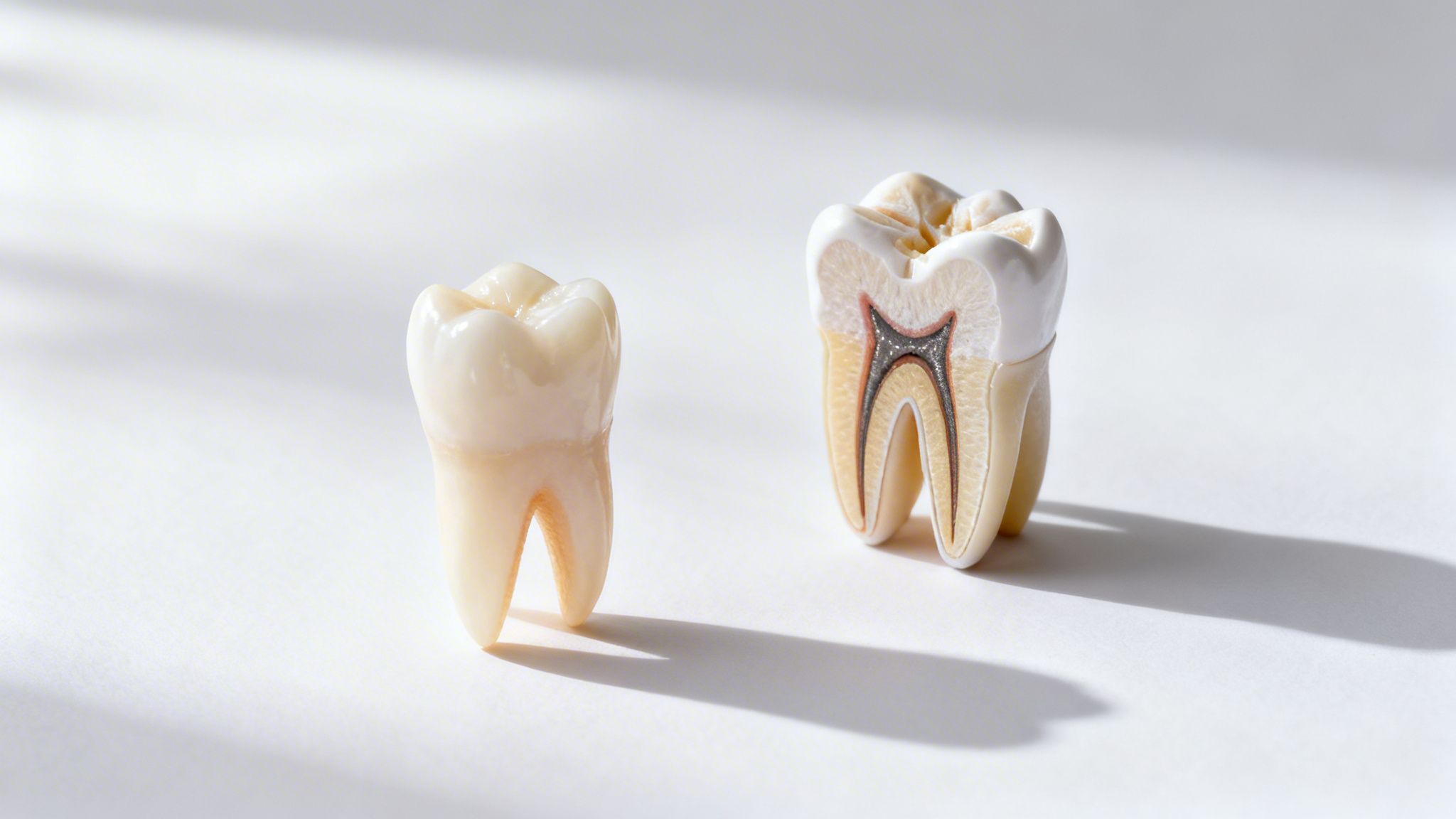
The single biggest factor dictating the cost is which tooth needs saving. Think of your front teeth (incisors) as having a simple, single-lane road inside—just one root canal. They're much easier for our Austin dentists to access and treat, which makes the procedure more straightforward and less expensive.
Your molars, way in the back, are a different story. They’re more like a complex highway interchange with multiple roots, each containing its own tiny, branching canal system. Treating a molar requires a lot more time, precision, and skill, which naturally makes the procedure more involved and increases the cost.
- Front Teeth (Incisors): These typically have just one root canal, making them the simplest and least expensive to treat.
- Bicuspids (Premolars): These often have one or two canals, adding a bit more complexity.
- Molars: These can have three or more canals, requiring the most intricate and time-consuming work.
General Dentist vs. Endodontist
Who performs the root canal is another key piece of the puzzle. A general dentist is perfectly equipped to handle many routine root canals, especially on those simpler front teeth. But for tougher cases—like a molar with sharply curved canals or a tooth where a previous root canal has failed—you might get a referral to an endodontist.
An endodontist is a dental specialist who does one thing all day, every day: root canals. They’ve gone through years of extra training and use specialized equipment, like high-powered surgical microscopes, to navigate even the most difficult anatomy. While their expertise often comes at a higher price (general dentists may charge 20-30% less), their specialized skills can be absolutely essential for saving a complicated tooth.
Geographic Location and Practice Technology
It’s no secret that the cost of living varies from place to place, and dental fees are no different. The price for a procedure in a major metro area like Austin, TX, might look different than it would in a smaller town or another part of the country.
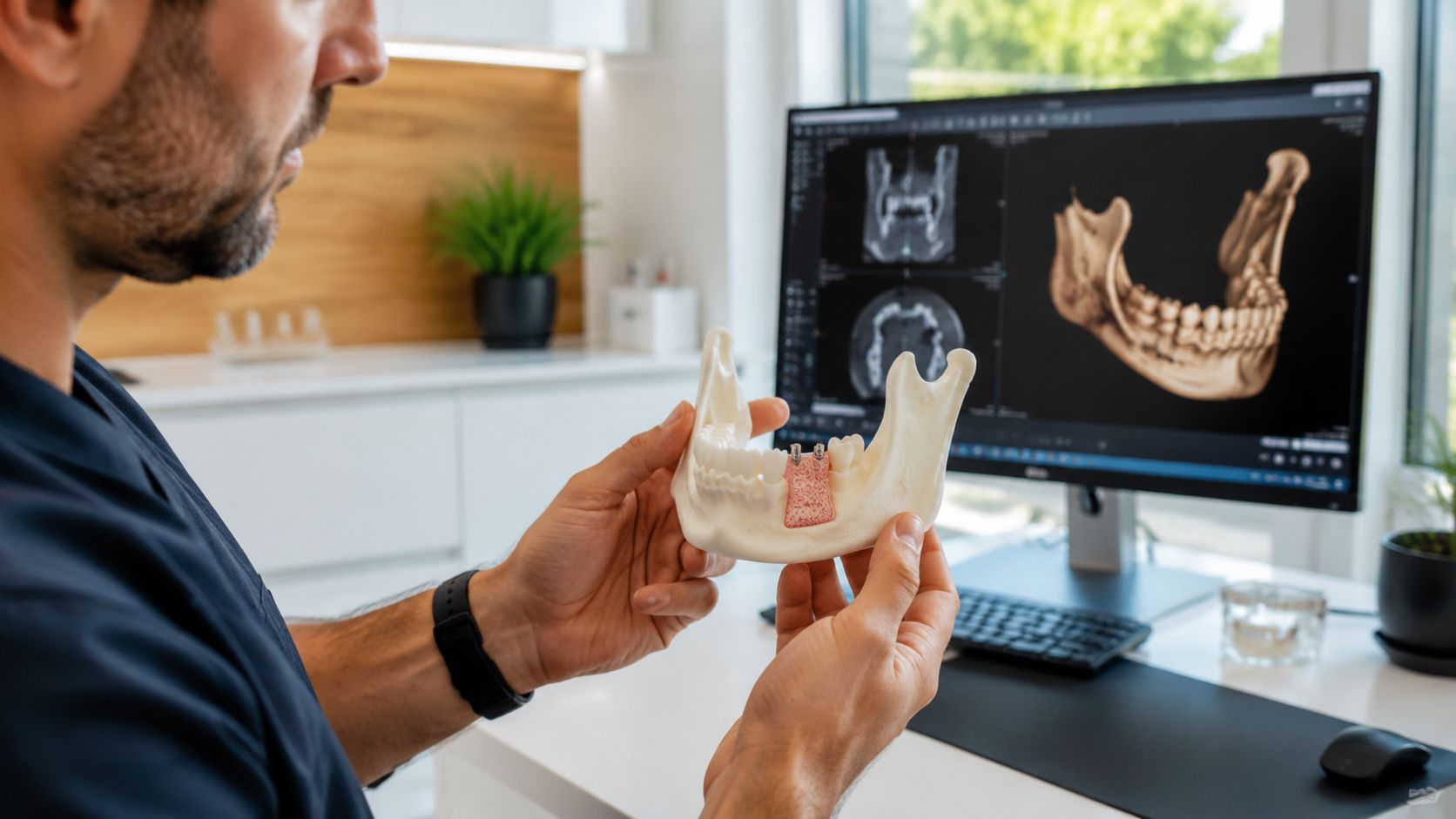
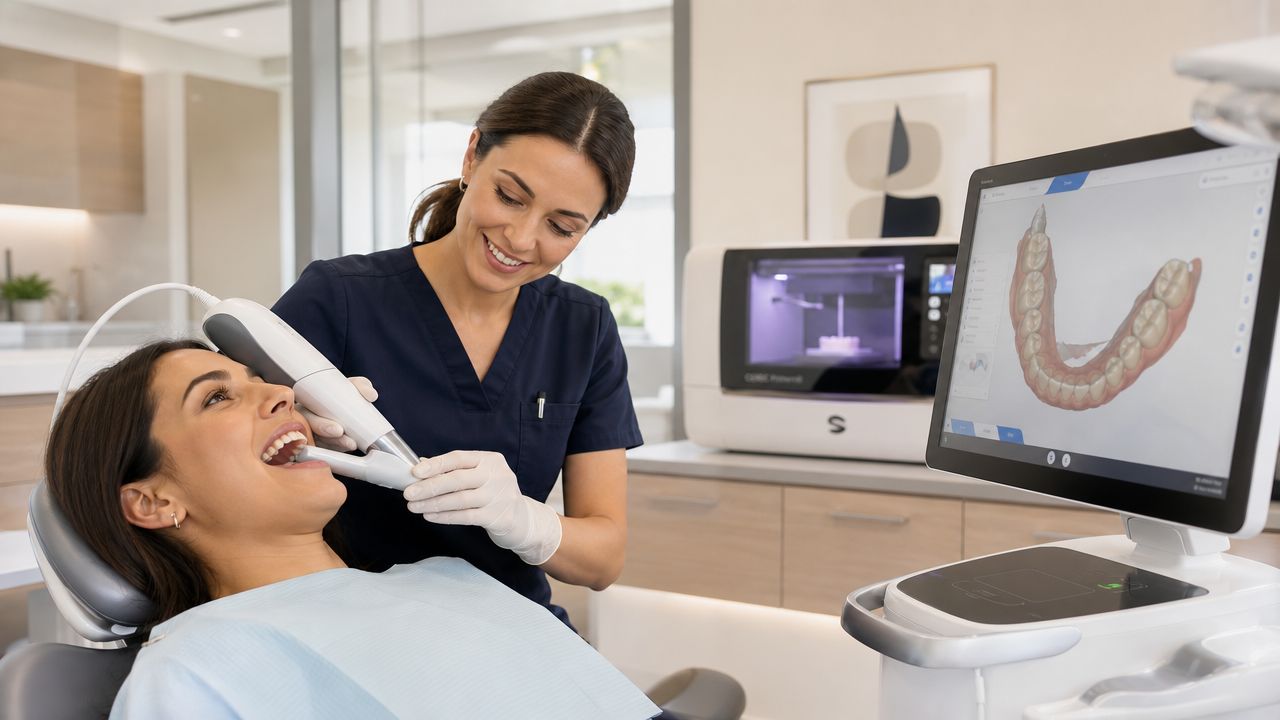
The technology used by the practice also plays a role. Here at 3D Dental in Austin and Georgetown, we use advanced 3D CT scans (CBCT) to get an incredibly precise look at your tooth’s anatomy. This state-of-the-art imaging lets us see the exact shape and position of your roots in three dimensions, which leads to a far more predictable and successful treatment. While it adds a small amount to the initial cost, it helps us prevent future complications and avoid the need for more expensive retreatments down the road.
The All-Important Dental Crown
One thing people often forget to budget for is the final restoration. A root canal is fantastic at cleaning out the infection and saving the tooth, but the process can leave the tooth more brittle. To protect it from fracturing, we place a dental crown on top. It’s like a custom-fit helmet that restores the tooth's strength and lets you chew on it for years to come.
The cost of the crown is almost always separate from the root canal procedure itself. This is a necessary final step to ensure the long-term survival of your tooth, especially for molars that endure heavy chewing forces.
When you add it all up without insurance, the investment can be significant. Nationwide, a root canal alone can average $600-$2,000+, and the final crown can add another $1,000-$3,000. You can learn more about the full cost breakdown to see how all these factors contribute to the total investment in your smile.
Is a Root Canal a Better Investment Than a Tooth Extraction?
When you’re dealing with a painful, damaged tooth, one of the first questions that comes to mind is often about cost. It’s completely understandable to wonder, "Wouldn't it be cheaper and easier just to have a tooth extraction?"
On the surface, an extraction seems like a quick, affordable fix. But this is a classic case of a short-term solution creating much bigger, more expensive problems down the road. At 3D Dental, we see patients from Austin to Georgetown grapple with this decision, and our first goal is always to help you see the full picture.
Saving your natural tooth is almost always the best investment you can make in your long-term oral health.
The Hidden Costs of a Missing Tooth
Think of your teeth as a perfectly fitted stone archway. Each stone helps support the others, keeping the whole structure strong. When you remove one stone, the others start to shift and the arch begins to weaken. An extraction might get rid of the immediate pain, but it creates an empty space that can set off a chain reaction of dental issues.
- Shifting Teeth and Bite Problems: The teeth on either side of the gap will naturally begin to drift and tilt into the empty space. This messes with your bite alignment, which can lead to trouble chewing, jaw pain, and even TMJ disorders.
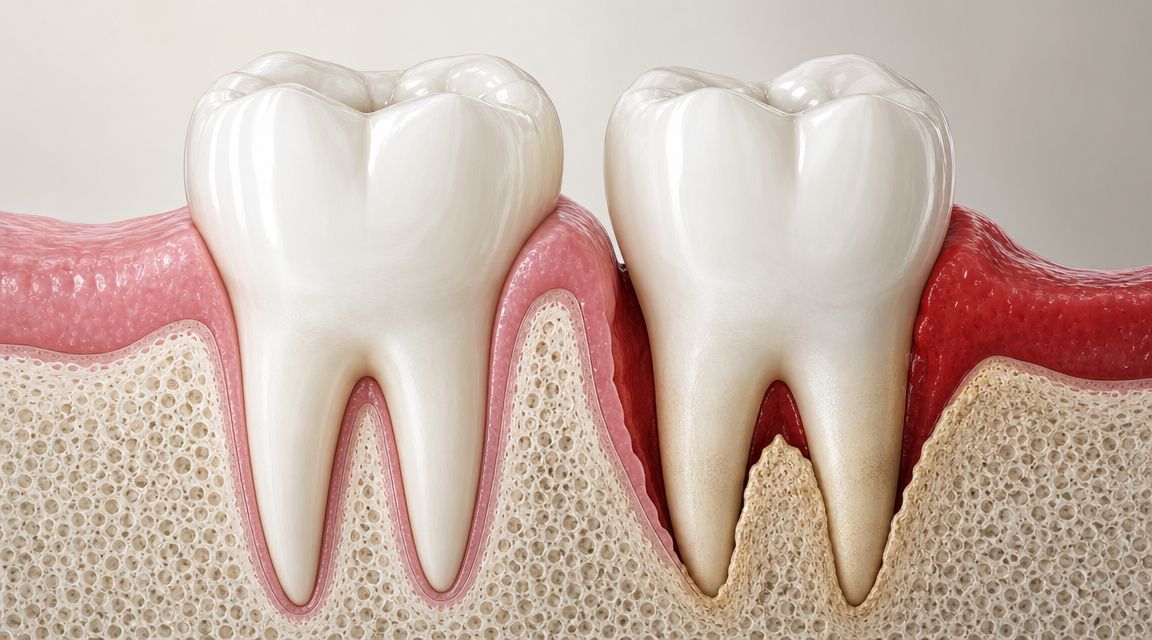
- Jawbone Deterioration: Your tooth’s root is more than just an anchor; it actively stimulates the jawbone, keeping it strong and dense. Once the tooth is gone, that part of the bone stops getting the signal to rebuild and starts to shrink away.
- Changes in Facial Structure: Over many years, this bone loss can actually change your facial profile, leading to a sunken-in look that can make you appear older.
- The Inevitable Replacement Cost: Sooner or later, that gap will need to be filled to restore your ability to chew properly and stop the other teeth from moving. Solutions like dental implants near me or bridges are far more involved and expensive than the original root canal would have been.
Choosing extraction over a root canal is like putting a small bucket under a leaky roof. It seems like you've contained the problem, but you haven't fixed the source of the leak. A root canal actually repairs the roof, preserving the structure and preventing future damage.
Long-Term Cost Comparison: Root Canal vs. Extraction and Implant
To really see the value, it helps to look at the numbers over time. A root canal saves your natural tooth, while an extraction almost always means you'll need to pay for a replacement later to protect your oral health.
Here’s what that financial commitment looks like for a patient without insurance, comparing the immediate expense to the true long-term cost.
While the initial bill for an extraction is lower, the total cost spirals once you add in the necessary replacement. In fact, studies show that over the long run, choosing a root canal can save you 60-75% compared to the full cost of an extraction followed by a dental implant, which can easily run from $3,000 to $5,000 per tooth. Plus, with today's techniques giving root canals a 95% survival rate after 10 years, you're making a sound investment. You can explore more insights on root canal cost-effectiveness to better understand this value.
At our dental practices in Austin and Georgetown, we often work with patients who chose an extraction years ago and are now facing the resulting complications. We’re always here to help our neighbors in communities like Wells Branch, Cedar Park, and Liberty Hill restore their smiles, but we’d much rather empower you to make the most cost-effective decision from the very beginning. Saving your natural tooth is a win for both your health and your wallet.
What to Expect During Your Root Canal at 3D Dental
Let's be honest—hearing the words "root canal" can make anyone a little nervous. But at 3D Dental, our entire goal is to turn that initial worry into a feeling of genuine relief. For our patients across Austin, Georgetown, and nearby communities like Wells Branch, we’ve refined a process that prioritizes clarity, absolute comfort, and the best technology available to make your experience smooth and painless.
Knowing what’s coming can make all the difference. The modern root canal isn't the scary ordeal you might have heard about; it's a precise, gentle treatment designed to get you out of pain for good.
Your Journey to Pain Relief with Your Austin Dentist
From the moment you walk into our Austin or Georgetown office for your new patient exam, our focus is entirely on you. We’ll walk you through each step, making sure you feel informed and in control the whole time.
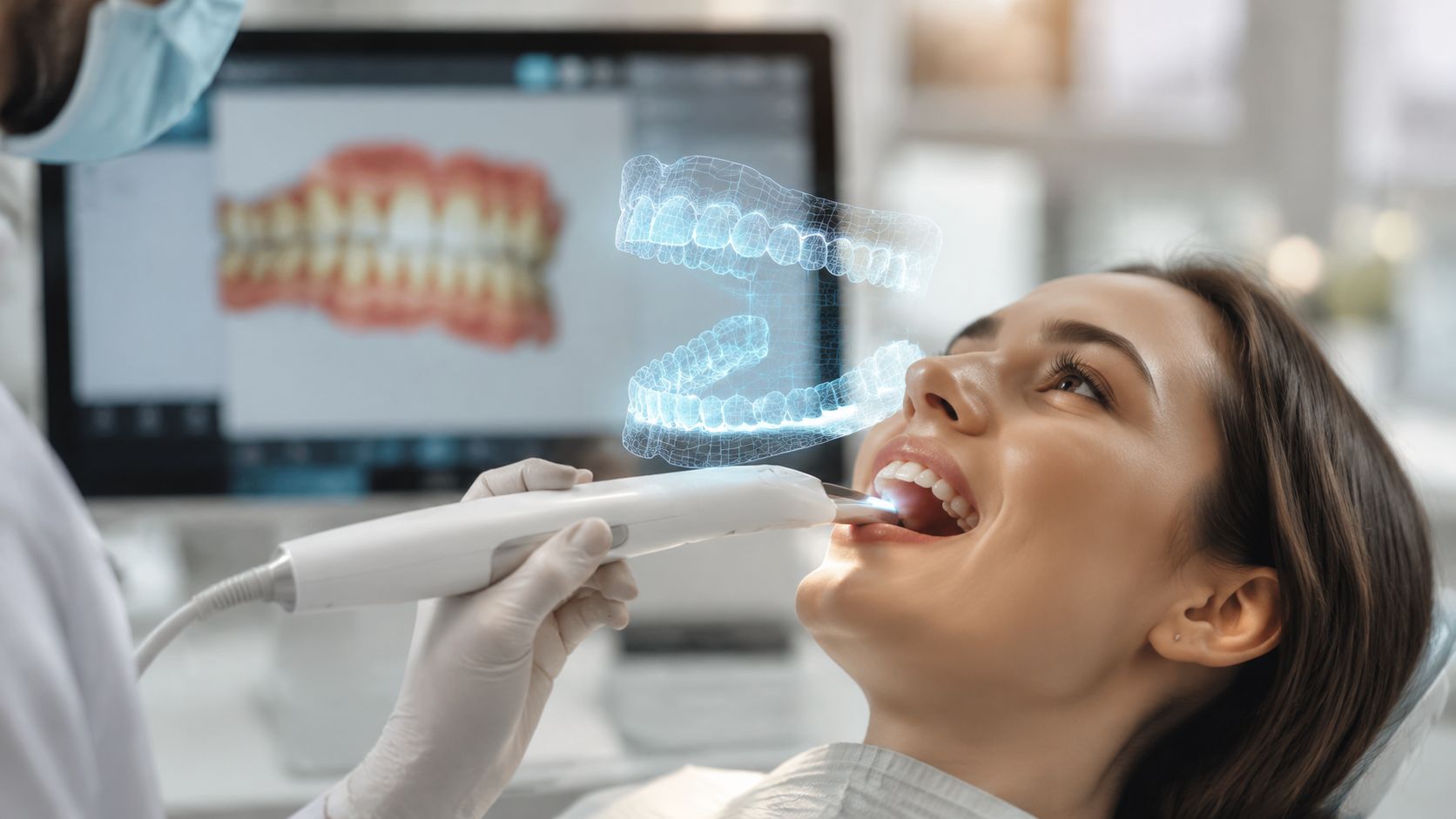
- Advanced Diagnosis with 3D Imaging: We never guess when it comes to your health. The process starts with dental x-rays and a 3D Cone Beam Computed Tomography (CBCT) scan. This gives us a stunningly detailed, three-dimensional map of your tooth, its roots, and all the surrounding bone. This level of precision lets us pinpoint the infection and plan your treatment with an accuracy that old-school X-rays just can't provide.
- Ensuring a Truly Painless Experience: Your comfort is our number one priority. Period. Before we do anything else, we'll make sure the area is completely numb using effective local anesthesia. You won't feel pain during the procedure—the only sensation should be relief from the nagging toothache that brought you to us.
- Gently Removing the Infected Tissue: Once you’re totally numb, your dentist makes a tiny opening in the tooth to access the inner pulp chamber. Using highly specialized instruments, we carefully remove the infected or inflamed tissue from inside the tooth and its root canals.
- Meticulously Cleaning and Shaping: With the damaged tissue gone, we meticulously clean, disinfect, and shape the now-empty canals. This is a critical step to remove every last bit of bacteria and ensure the infection can't come back.
- Sealing and Protecting Your Tooth: Finally, we fill the clean canals with a biocompatible, rubber-like material called gutta-percha. This seals the tooth from the inside out, protecting it from any future problems. We then place a temporary filling to close the opening while your tooth heals.
A root canal at 3D Dental isn’t just about fixing a problem; it’s a calm, controlled process focused on preserving your natural tooth and ending your discomfort. Our blend of compassionate care and sophisticated technology ensures a predictable, stress-free experience.
After a short healing period, we'll have you back to place a permanent dental crown. Think of it as a custom-fitted helmet that restores your tooth's strength, function, and appearance, allowing it to last a lifetime. To see how we put this all into practice, you can learn more about our specific root canal process at 3D Dental.
Making Your Root Canal Affordable Without Insurance in Austin, TX
Okay, let's talk about the most pressing question: how can you actually afford the care you need, especially right here in the Austin area? Seeing the numbers is one thing, but knowing you have real, practical ways to manage the cost is what provides true peace of mind.
At 3D Dental, we genuinely believe that financial worries shouldn't stand between you and a healthy, pain-free tooth.

Our goal is to shift the focus from the problem of cost to the solution of accessible care. We're here to provide our neighbors in Austin, Georgetown, and the surrounding communities like Cedar Park with top-tier dental work that fits into a real-world budget.
In-House Payment Plans Designed for Our Community
One of the most direct ways we help patients manage the average cost for a root canal without insurance is with our own in-house payment plans. These aren't some rigid, out-of-the-box programs. We sit down with you to create a payment schedule that actually works for your life.
Think of it as a partnership. Our treatment coordinators will walk you through the entire cost—from the root canal itself to the final dental crown—and help break it down into monthly payments you can handle. This puts you in control, allowing you to get treated right away without the stress of paying the full amount all at once.
What you get with our in-house plans:
- Direct & Simple: You work with our team, not a faceless third-party company.
- Customized for You: We tailor every plan to your specific budget and timeline.
- No Hidden Fees: We believe in complete transparency. You'll know exactly what to expect from day one.
Our mission is to make saying "yes" to your health an easy, stress-free decision.
Treat Now, Pay Later with Third-Party Financing
Beyond our in-house options, we’ve also partnered with trusted financing companies like Cherry and Sunbit. These services are built specifically for healthcare expenses and provide a popular "treat now, pay later" model so you can get the care you need immediately.
When you're dealing with an unexpected dental emergency, these financing options can be a total lifesaver. They let you break down the root canal cost into small, predictable monthly payments—often with low or even 0% interest for those who qualify.
The application process is incredibly fast and simple, and you can usually do it right here in our office. Decisions are almost instant, so you can approve your treatment plan and move forward on the very same day. It removes the financial roadblock and lets you focus on what really matters: getting out of pain.
Your Partners in Accessible Dental Care
Dealing with a toothache is stressful enough; figuring out how to pay for treatment shouldn't add to your worries. Whether you're in Round Rock, Liberty Hill, or just down the road here in Austin, our team at 3D Dental is here to support you. We will help you navigate every option, from our flexible in-house plans to our financing partners.
We are committed to finding a solution that works for you. Your health always comes first.
Ready to Find Relief in Austin or Georgetown?
A nagging toothache doesn't have to control your life, and worries about cost shouldn't keep you from getting the dental care you need. We know that choosing to save your tooth with a root canal is a big decision, but it's one that can end your pain for good and protect your oral health for years to come. Here at 3D Dental, your trusted dentist in Austin, TX, our entire team is focused on one thing: making this process as comfortable, affordable, and stress-free as we possibly can for you.
We've built our practice around clear, transparent pricing and a patient experience that truly stands apart, all powered by some of the most advanced technology in dentistry. It’s our privilege to serve our neighbors in Austin, Georgetown, Cedar Park, and Round Rock, helping families get back to smiling. That first step toward relief is much closer than you think.
Your health and comfort are everything to us. We get the urgency of dental pain and have designed our practice to provide the expert care you need, right when you need it, without the financial guesswork.
Schedule Your Consultation With a Dentist Near Me
Ready to finally put that tooth pain behind you? Our team is here and ready to help. We’ll walk you through the simple steps to book your new patient exam and consultation at a time that works for your schedule. You can book your visit right now through our online portal or just give our office a call.
We want to show you what modern, patient-first dentistry really feels like. We’ll answer every question you have about the procedure, break down the average cost for a root canal without insurance, and map out a financial plan that actually works for you. Contact 3D Dental today, and let our team in Austin and Georgetown provide the high-quality, compassionate care you deserve.
Frequently Asked Questions About Root Canal Costs and Care
When we talk with our patients in Austin and Georgetown about root canals, a few key questions almost always come up. It's completely normal to want to know more before making a decision. We've put together some straightforward answers to help you feel confident and clear about the process.
Is a Root Canal Painful?
This is the number one question we hear, and the answer is simple: No, a modern root canal isn't painful. In fact, the entire point of the procedure is to get you out of the severe pain caused by an infected tooth.
At 3D Dental, we use highly effective local anesthesia to make sure the area is completely numb before we start. Most of our patients tell us the experience feels a lot like getting a simple filling. The most powerful sensation isn't the procedure itself—it's the immediate relief from that relentless, throbbing ache.
Do I Always Need a Dental Crown After a Root Canal?
For the vast majority of cases, yes, getting a dental crown is a critical final step. Think of it this way: a tooth that needs a root canal has usually been hollowed out by decay and infection, leaving it weak and fragile. Once the procedure is done, the tooth can become brittle and much more likely to fracture.
A crown acts like a custom-fit helmet, covering and protecting the entire tooth. It’s not just an add-on; it’s essential for a few reasons:
- It brings the tooth back to its full strength for biting and chewing.
- It shields the treated tooth from cracking under pressure.
- It creates a final seal against bacteria, protecting your investment for the long haul.
We almost always recommend a crown, especially for your molars which do all the heavy lifting when you chew. It's the best way to ensure the tooth you saved lasts a lifetime.
How Long Does Recovery Take After a Root Canal?
Recovery is usually surprisingly fast. You may feel some minor tenderness for a day or two as the inflammation in the surrounding gum tissue settles down, but this is easily handled with over-the-counter pain relievers like ibuprofen.
Most people are back to their normal routine, whether it's work or school, the very next day. We’ll send you home with clear, simple aftercare instructions to make sure your recovery is as smooth and comfortable as possible.
What Happens If I Delay Getting a Root Canal?
Putting off a root canal is one of the riskiest things you can do for your health. An infection brewing inside your tooth won't heal on its own—it will only get worse.
Waiting can open the door to some serious problems:
- Worsening Pain: The ache will likely intensify until it becomes unbearable, requiring an emergency dentist.
- Facial Swelling: An abscess, which is a painful pocket of pus, can form at the root tip and cause your face, jaw, or neck to swell.
- Spreading Infection: The infection can travel from the tooth into your jawbone. In rare but dangerous situations, it can even enter your bloodstream and impact your overall health.
- Losing the Tooth: If you wait too long, the tooth can become so damaged that it’s impossible to save. At that point, a tooth extraction becomes the only option.
Tackling the problem early is always the safest, most predictable way to end the pain and keep your natural tooth right where it belongs.
At 3D Dental, we are committed to providing clear answers and compassionate dental care for our communities in Austin and Georgetown. If you're dealing with tooth pain or just have more questions about the average cost for a root canal without insurance, please don't be a stranger. Contact us today to book your consultation and take that first step toward lasting relief.
Ready to get started?
Schedule a free, no obligation consultation with our team and see what's possible for your smile!
Georgetown
- Mon-Thurs8:30am-5pm
- Fri8am-3:30pm
- Sat-SunClosed
Austin
- Mon-Tues8am-5pm
- Wed-Thurs9am-6pmFri8am-2pm
- Sat-SunClosed