
Pediatric Dentist Near Me
Related Posts

















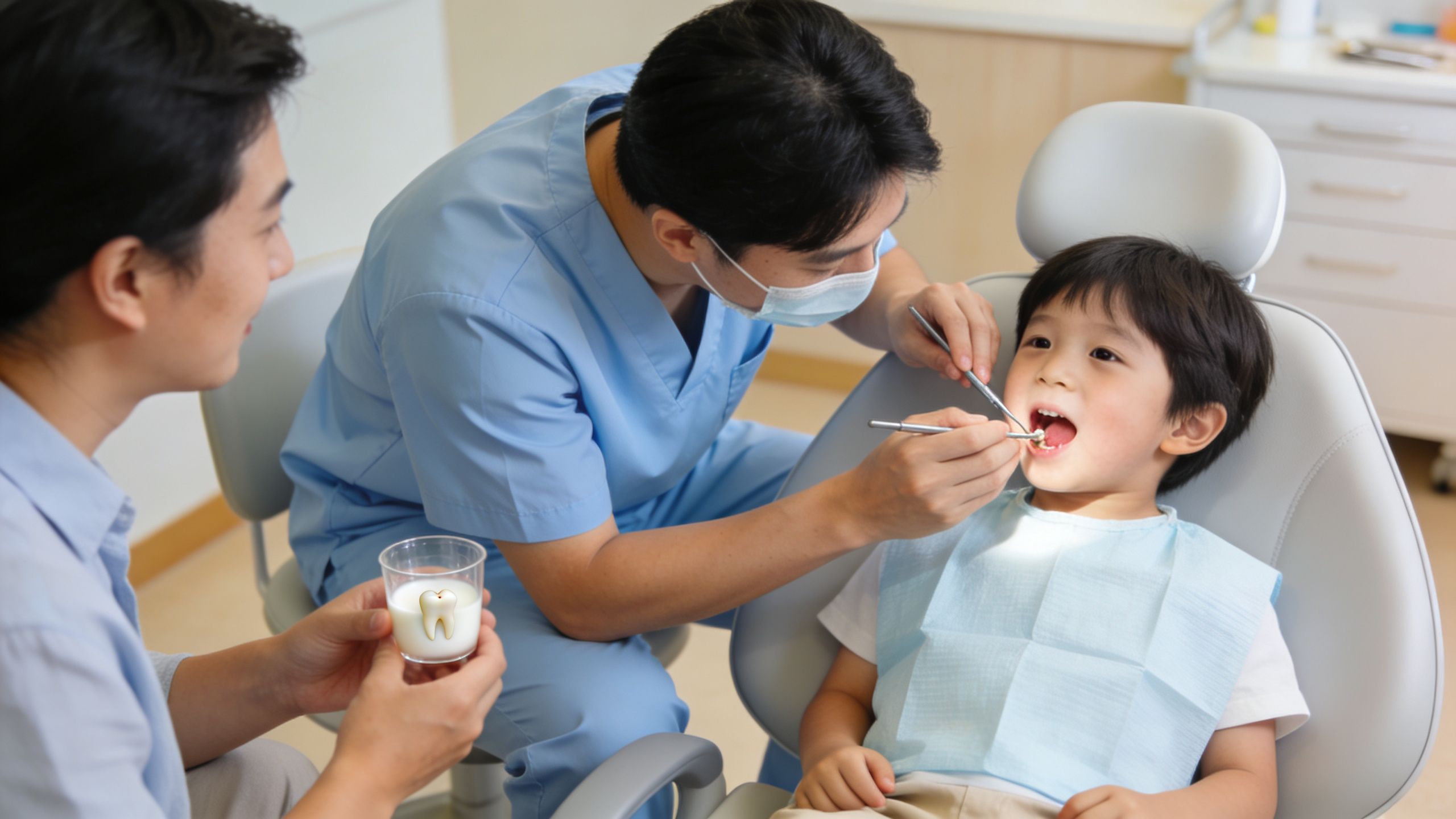











Finding the Best Pediatric Dentist Near Me: A Parent’s Guide to Stress-Free Smiles
Your child's first dental visit sets the tone for how they'll feel about the dentist for the rest of their life. Get it right, and you're building a foundation of trust, healthy habits, and stress-free checkups for years to come. Get it wrong, and you could be dealing with dental anxiety that follows them well into adulthood.
Finding the right pediatric dentist near me isn't just about convenience—it's about finding someone who understands children, makes them feel safe, and provides the kind of care that keeps little teeth healthy from the moment they arrive. But with so many options out there, knowing where to start can feel overwhelming.
This guide walks you through everything you need to know: why early dental visits matter, how pediatric dentists differ from general dentists, what to look for when searching locally, and how to prepare your child for their first appointment. By the end, you'll feel confident making one of the most important health decisions for your child.
Why Early Dental Visits Matter More Than You Think
Most parents assume that baby teeth aren't a big deal. After all, they fall out eventually. But this common misconception can lead to problems that affect your child's permanent teeth, jaw development, and overall health.
The American Academy of Pediatric Dentistry (AAPD) recommends scheduling your child's first dental appointment by their first birthday, or within six months of their first tooth appearing. Early visits allow dentists to:
- Monitor tooth development and catch alignment or spacing issues before they worsen
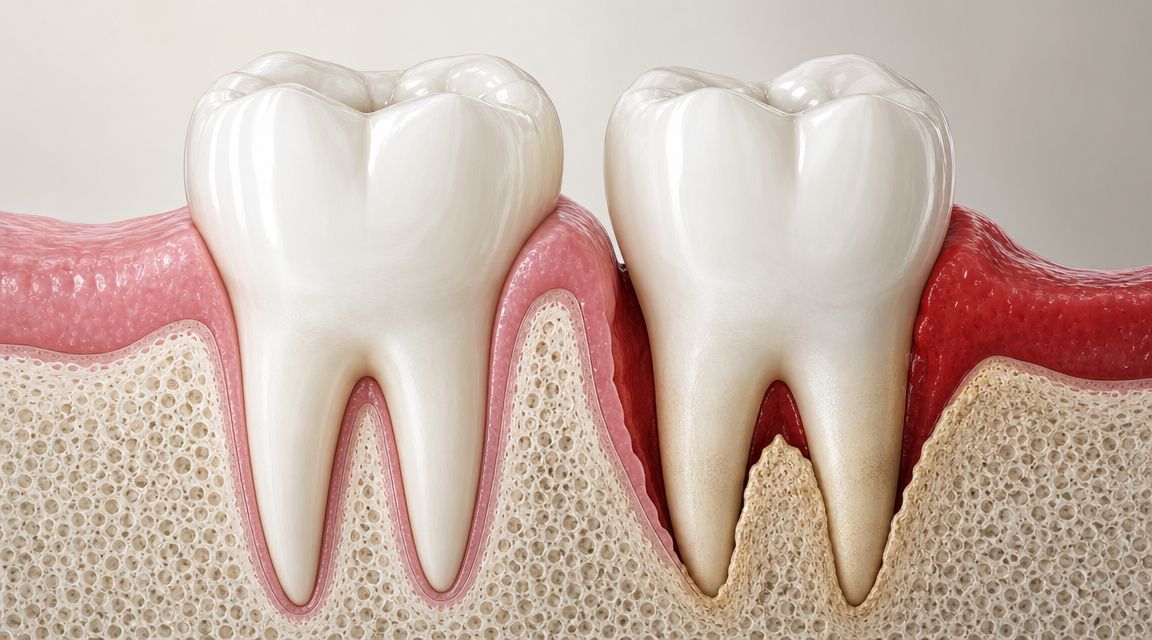
- Detect early tooth decay, which affects roughly 20% of children aged 5 to 11 in the US
- Educate parents on proper brushing techniques, diet choices, and thumb-sucking habits
- Familiarize children with the dental environment so future visits feel routine, not frightening
Children who start visiting the dentist early are significantly less likely to develop dental anxiety. They also tend to have better oral hygiene habits as adults. That first appointment might seem small, but its impact is anything but.
General vs. Pediatric Dentist: Why Specialization Matters
When it comes to dental care for children, the choice between a general dentist and a pediatric dentist can make a significant difference. While both types of dentists are qualified professionals, pediatric dentists receive additional training focused specifically on the needs of children. This includes studying child psychology, behavior management techniques, and treatments for developing teeth.
Pediatric dentists create a welcoming, kid-friendly environment designed to reduce anxiety and foster positive experiences. They are particularly skilled in addressing age-specific concerns, such as tooth development, teething discomfort, and early orthodontic issues. Additionally, they are experienced in managing common childhood habits, like thumb sucking and prolonged pacifier use, which can affect oral health.
On the other hand, while general dentists are well-equipped to provide excellent care, they may lack the specialized training and tools to handle complex pediatric cases or ease the fears young children sometimes experience. By choosing a pediatric dentist, parents can ensure their child receives tailored care focused on their unique developmental needs.
How to Search for the Best Pediatric Dentist in Your Area
Searching "pediatric dentists near me" is a reasonable starting point, but the results alone won't tell you much about quality or fit. Here's a more strategic approach:
Start with referrals. Ask your child's pediatrician for a recommendation. Pediatricians often maintain a short list of trusted local specialists. Fellow parents in your neighborhood or school community are another valuable resource—firsthand experience carries more weight than a star rating.
Check board certification. Look for a dentist who is board-certified by the American Board of Pediatric Dentistry (ABPD). Certification requires additional examinations beyond standard licensing and signals a higher level of commitment to the specialty.
Read reviews with a critical eye. Look for patterns rather than individual comments. Multiple reviews mentioning a patient, caring team are more telling than a handful of five-star ratings. Pay attention to how the practice responds to negative feedback—it reveals a lot about their values.
Verify insurance and location. A great dentist who's an hour away or out of network creates unnecessary barriers. Shortlist practices that are accessible and compatible with your insurance plan before you go deeper in your research.
Tour the office before committing. Many pediatric dental practices offer a brief introductory visit. Use it. Observe how the staff interacts with children in the waiting room. Does the environment feel welcoming? Are there distractions for anxious kids? Trust your instincts.
Key Qualities to Look for in a Pediatric Dentist
Once you've narrowed down your options, evaluate each practice against these key criteria:
A Child-Centered Environment
The physical space should feel like it was designed with kids in mind. Bright colors, age-appropriate books and toys, a friendly reception team—these aren't superficial details. They actively reduce anxiety before a child even sits in the chair. A clinical, adult-focused environment can heighten stress in young patients.
Patient, Communicative Staff
Watch how the dental team interacts with children during your initial visit. Do they get down to the child's level? Do they explain what they're doing in simple, non-threatening language? Skilled pediatric dental staff know how to build rapport quickly and handle reluctance with warmth, not frustration.
Modern Technology and Techniques
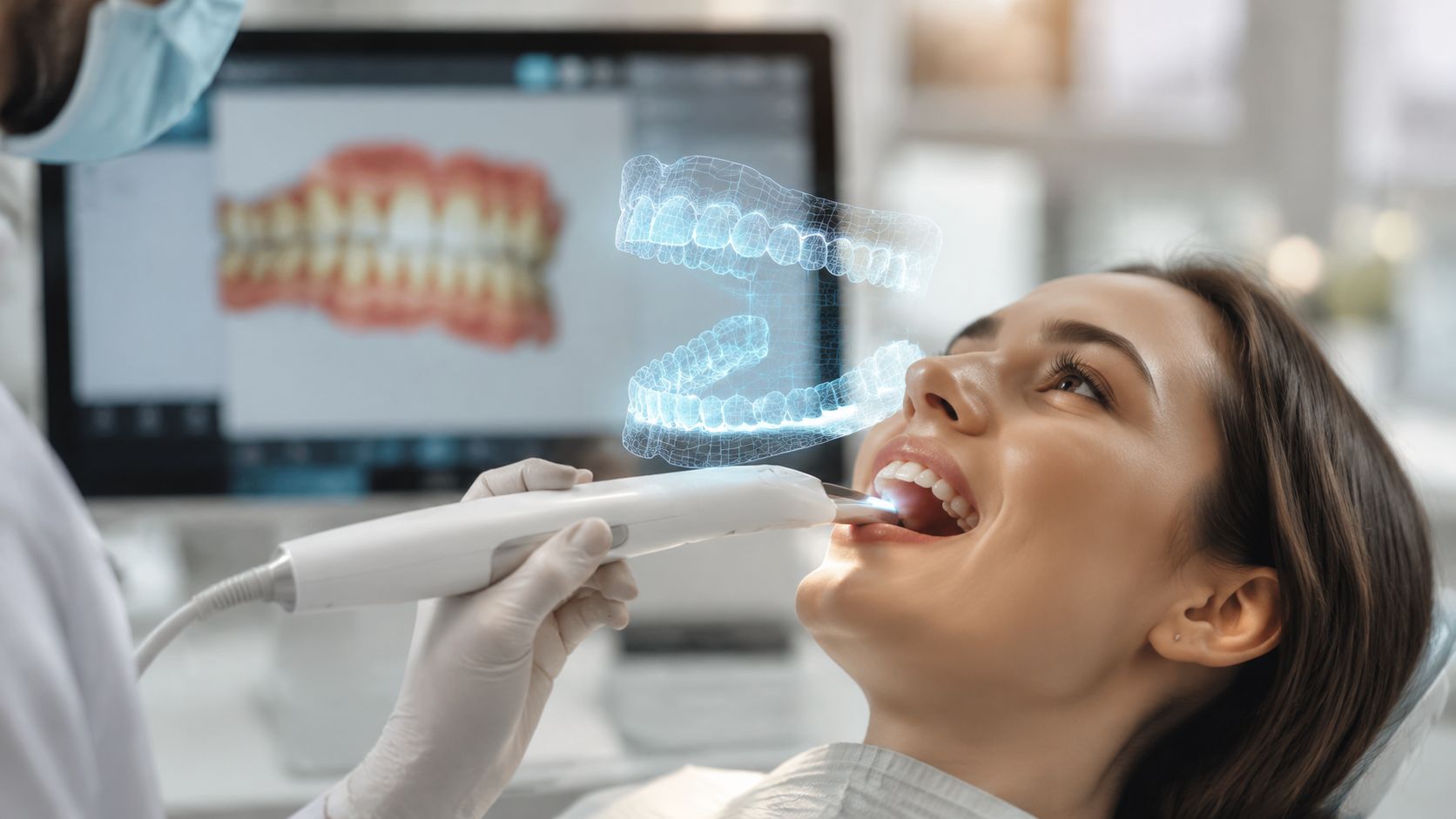
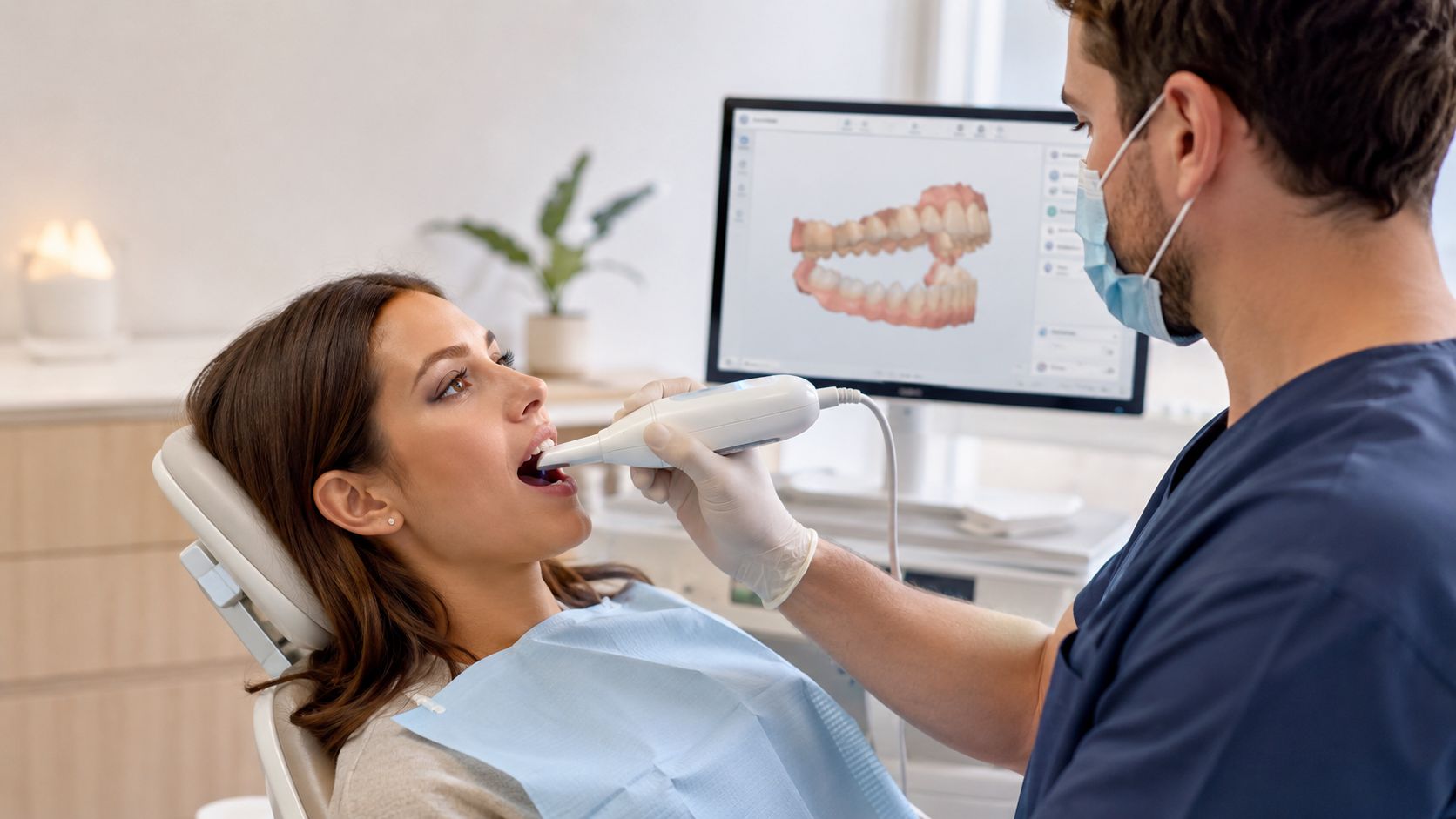
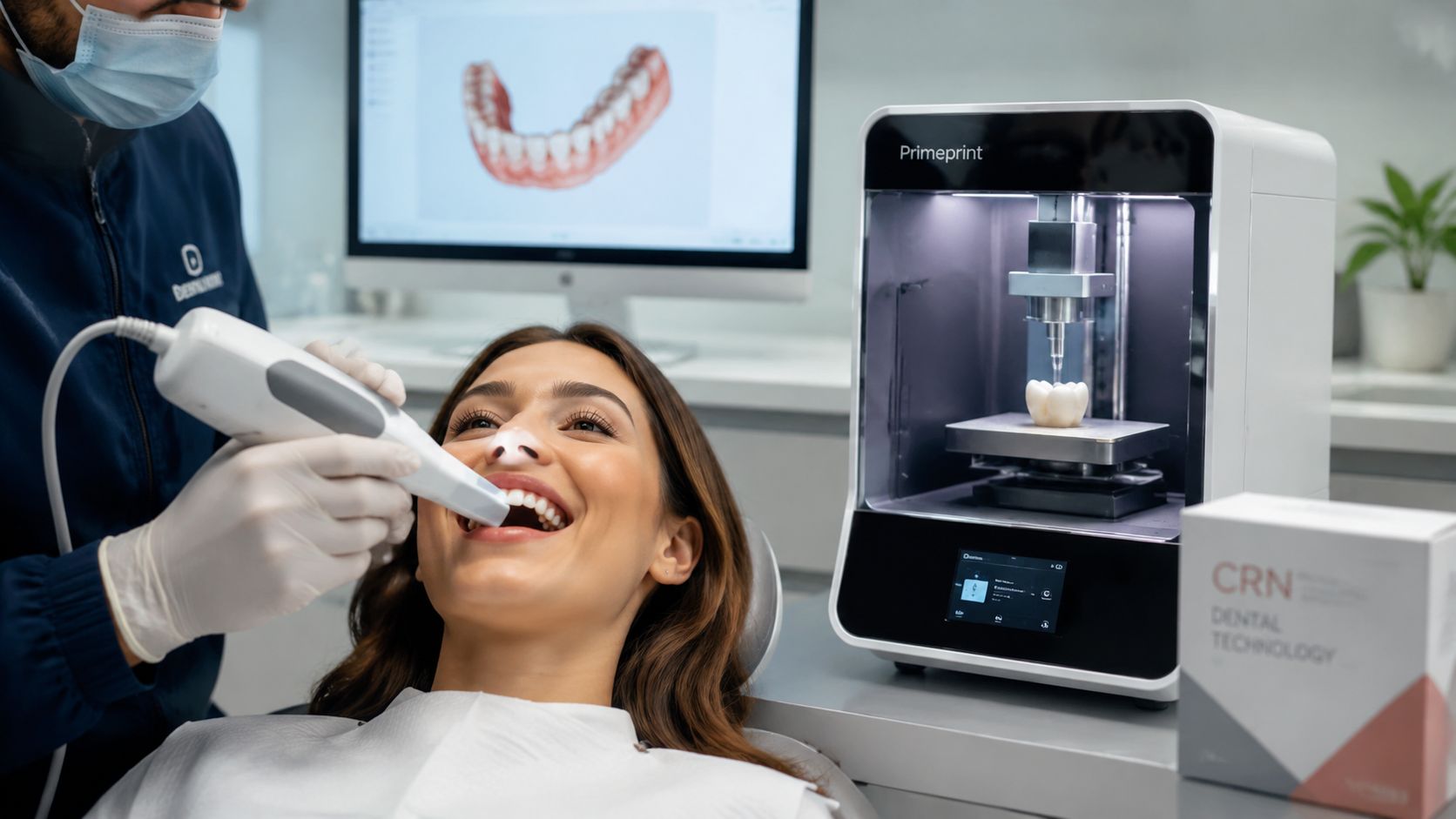
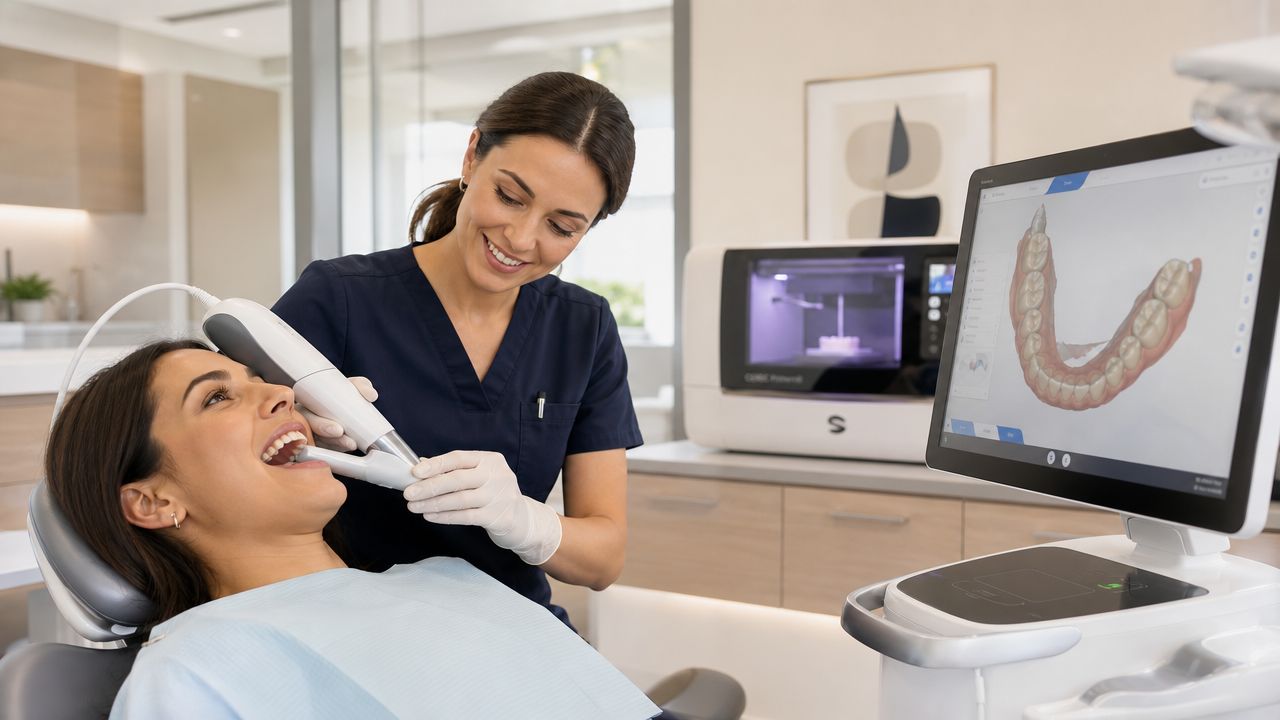
Up-to-date technology improves both accuracy and comfort. Digital X-rays, for example, emit significantly less radiation than traditional X-rays and produce faster results. Laser dentistry can treat cavities with minimal discomfort, reducing the need for drills and numbing injections. Practices that invest in modern equipment are investing in your child's experience.
Transparent Communication with Parents
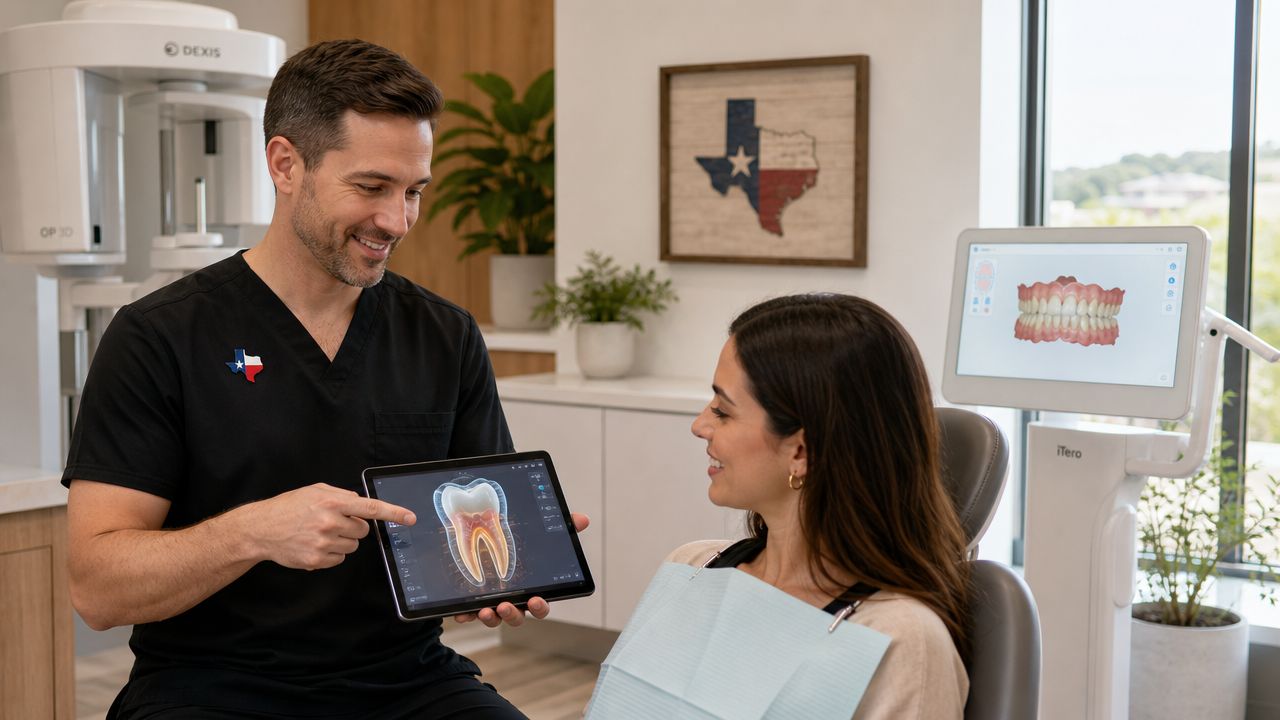
A good pediatric dentist keeps you informed—before, during, and after treatment. They explain diagnoses clearly, outline treatment options without pressure, and answer questions honestly. If you ever feel rushed or dismissed, that's a red flag worth taking seriously.
3D Dental: Advanced Pediatric Care Built Around Your Child
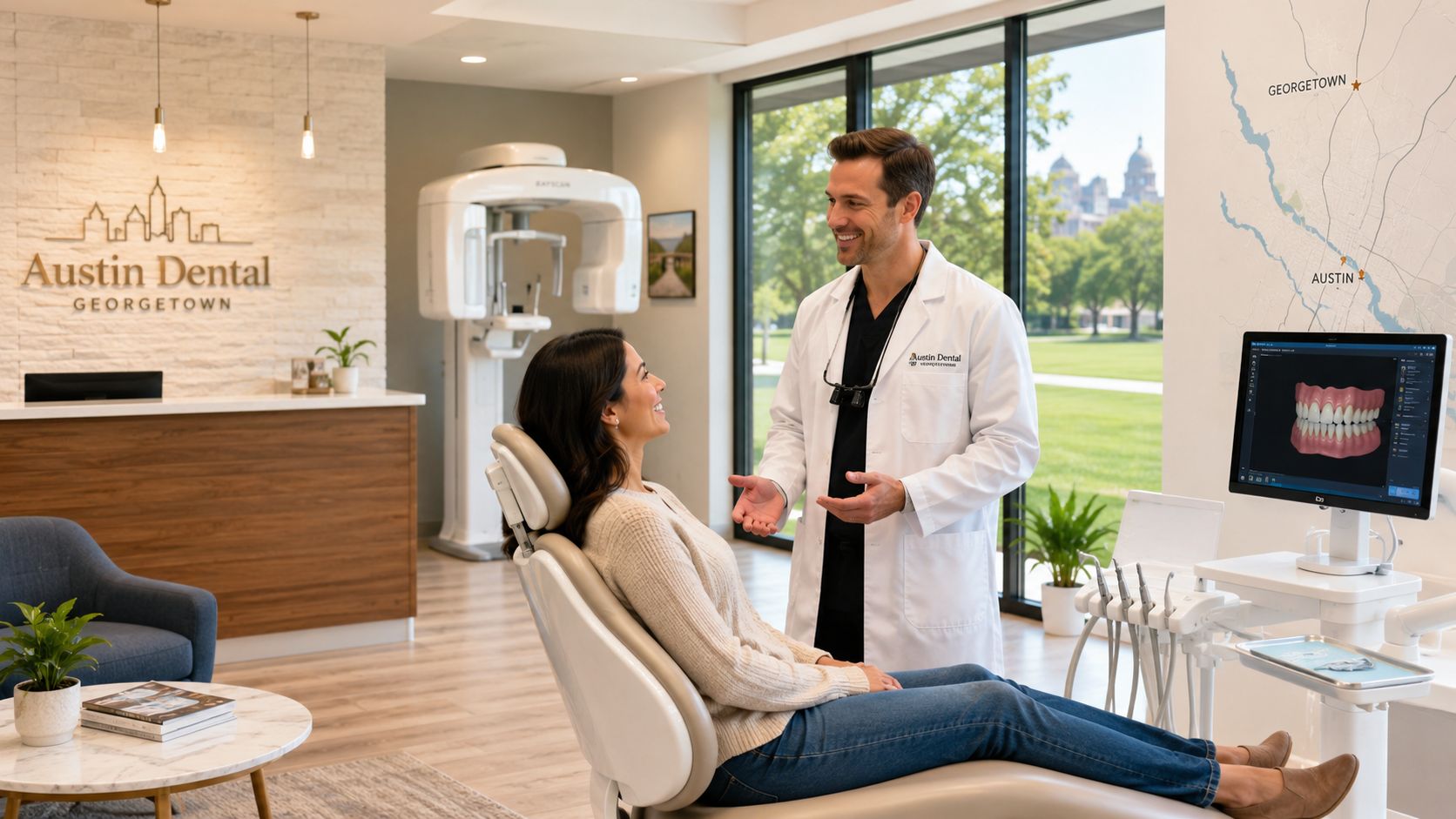
If you're searching for a pediatric dental practice that checks every box, 3D Dental is worth knowing about. Designed with both children and parents in mind, 3D Dental combines advanced technology with a genuinely child-friendly approach to care.
The team at 3D Dental understands that every child is different. Some kids bounce into the chair with zero hesitation. Others need more time, more reassurance, and a team that knows exactly how to provide it. 3D Dental's staff are experienced in managing dental anxiety and creating an environment where children feel comfortable enough to engage—rather than just endure—their appointments.
From routine checkups and cleanings to more complex restorative procedures, 3D Dental offers comprehensive pediatric services under one roof. Parents appreciate the clear communication, the modern facility, and the consistency of care that builds real trust over time.
If you're looking for a pediatric dentist who prioritizes your child's comfort as much as their oral health, 3D Dental is a strong place to start.
Preparing Your Child for Their First Dental Appointment
Even with the best pediatric dentist in the world, some children are going to be nervous. That's completely normal—and largely manageable with a little preparation at home.
Talk about it early and positively. Introduce the idea of going to the dentist a few days before the appointment. Keep your language upbeat and simple: "We're going to meet a dentist who helps keep your teeth strong and healthy." Avoid words like "hurt," "needle," or "drill."
Read books or watch videos about dental visits. There are plenty of age-appropriate children's books and animated videos that demystify the dentist's office. Familiar storylines featuring beloved characters can make the concept feel approachable.
Play pretend at home. Set up a simple "dentist game" where you take turns counting each other's teeth with a toothbrush. It makes the tools and process feel familiar before they encounter them in a clinical setting.
Keep your own anxiety in check. Children are perceptive. If you're tense or worried, they'll pick up on it. Aim for a calm, matter-of-fact attitude—even if you personally have some dental anxiety yourself.
Reward the experience, not the outcome. Plan a small, fun activity after the appointment regardless of how it goes. This creates a positive association with dental visits over time.
Common Pediatric Procedures and Preventative Care
Understanding what your child might need helps reduce the surprise factor for both of you. Here are some of the most common services pediatric dentists provide:
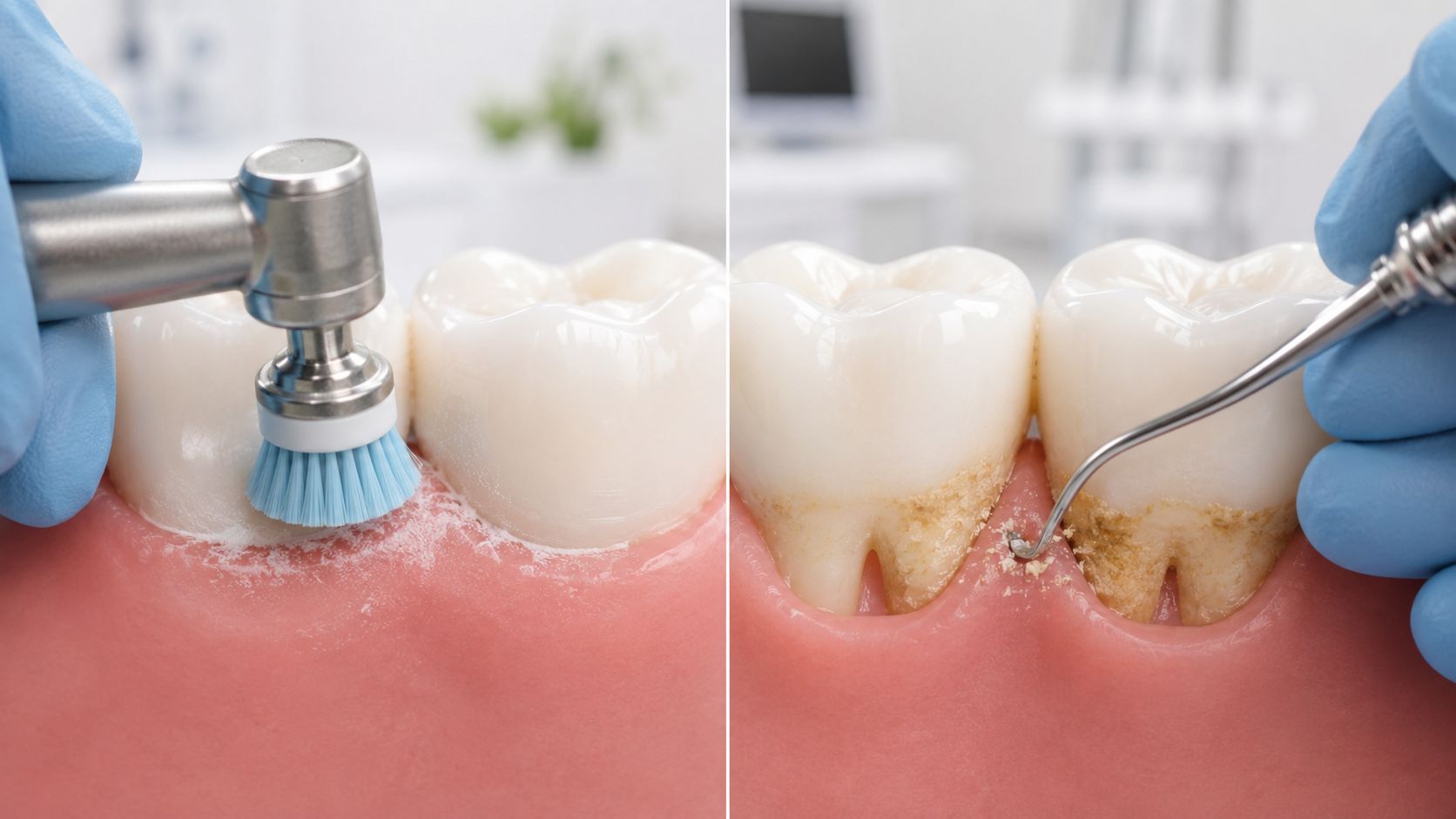
- Examinations and cleanings: Routine visits every six months to monitor development and remove plaque buildup
- Fluoride treatments: Topical applications that strengthen tooth enamel and reduce decay risk
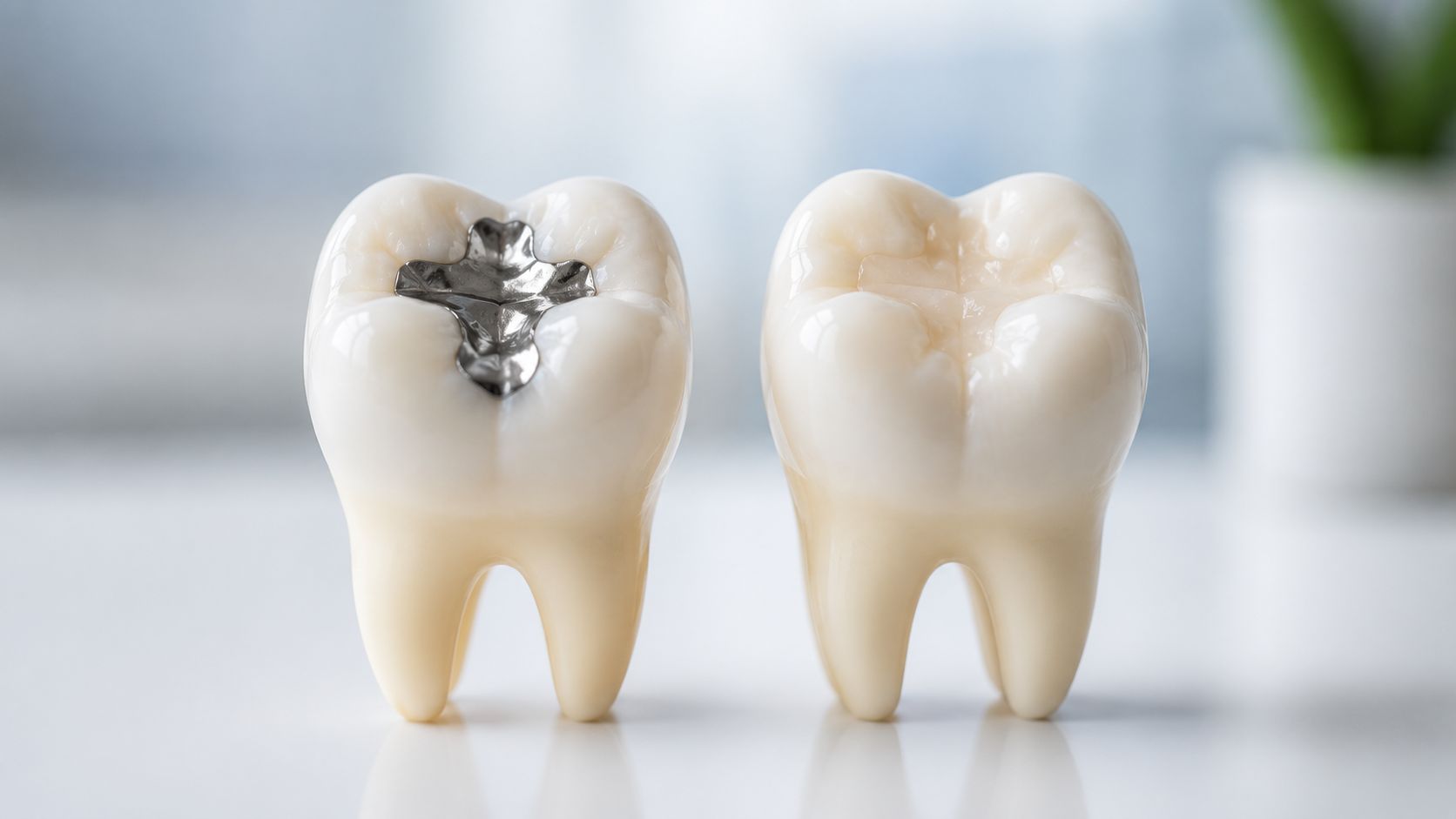
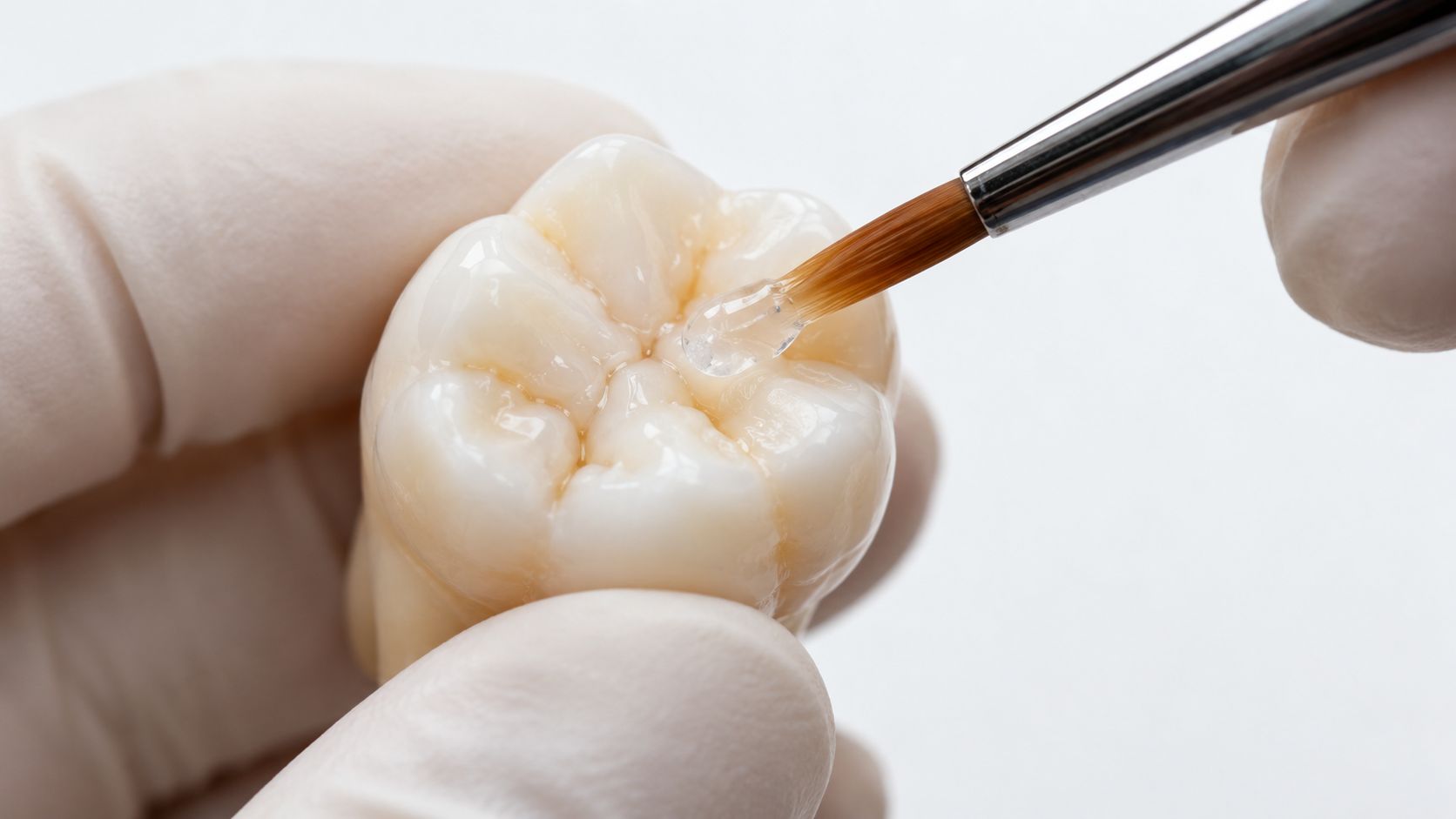
- Dental sealants: Thin protective coatings applied to the back teeth to prevent cavities in hard-to-reach areas
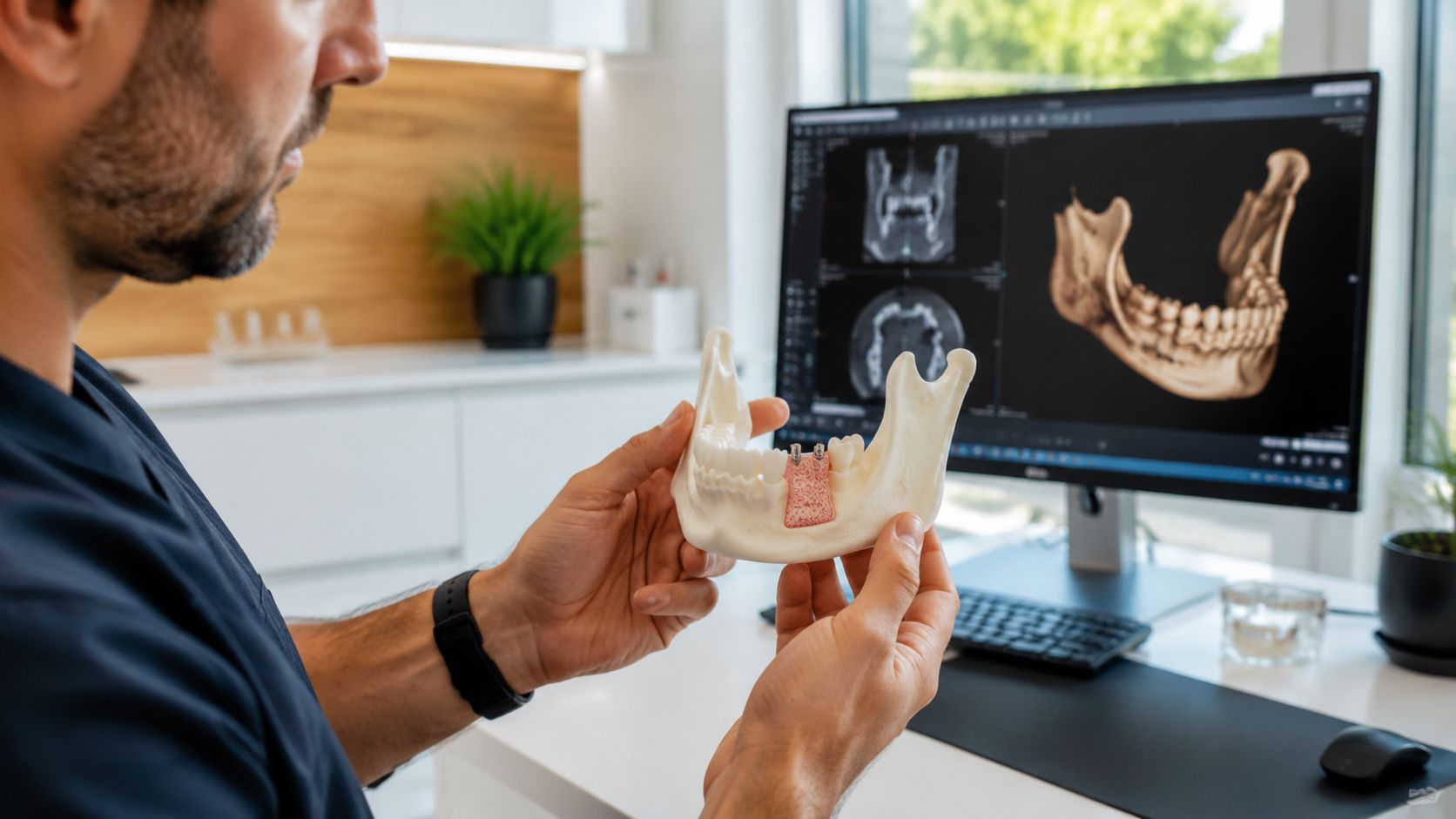
- X-rays: Periodic imaging to check for decay between teeth and monitor root and jaw development
- Fillings: Treatment for cavities, often using tooth-colored composite resin for a natural appearance
- Space maintainers: Devices used to hold space for permanent teeth when a baby tooth is lost early
- Orthodontic assessments: Early evaluations to identify potential alignment issues before they require extensive correction
Preventative care is always the priority in pediatric dentistry. The goal is to intercept problems early—not just treat them once they've developed.
Building a Foundation for a Lifetime of Healthy Smiles
The dentist your child sees in their early years shapes not just their oral health, but their entire relationship with dental care. A positive experience builds confidence. A negative one can create barriers that persist for decades.
Take the time to find a practice that genuinely serves your child—one where the team is skilled, the environment is welcoming, and the care is proactive. Whether you choose 3D Dental or another trusted local provider, the most important step is simply getting started.
Book that first appointment. Your child's smile will thank you for it.
3D Dental Texas
https://maps.app.goo.gl/XMPCB3A1TnEpUHFAA
(512) 831-7918
12854 Research Blvd Austin TX 78750
Ready to get started?
Schedule a free, no obligation consultation with our team and see what's possible for your smile!
Georgetown
- Mon-Thurs8:30am-5pm
- Fri8am-3:30pm
- Sat-SunClosed
Austin
- Mon-Tues8am-5pm
- Wed-Thurs9am-6pmFri8am-2pm
- Sat-SunClosed