
Dental Implants Near Me Austin, TX
Related Posts
















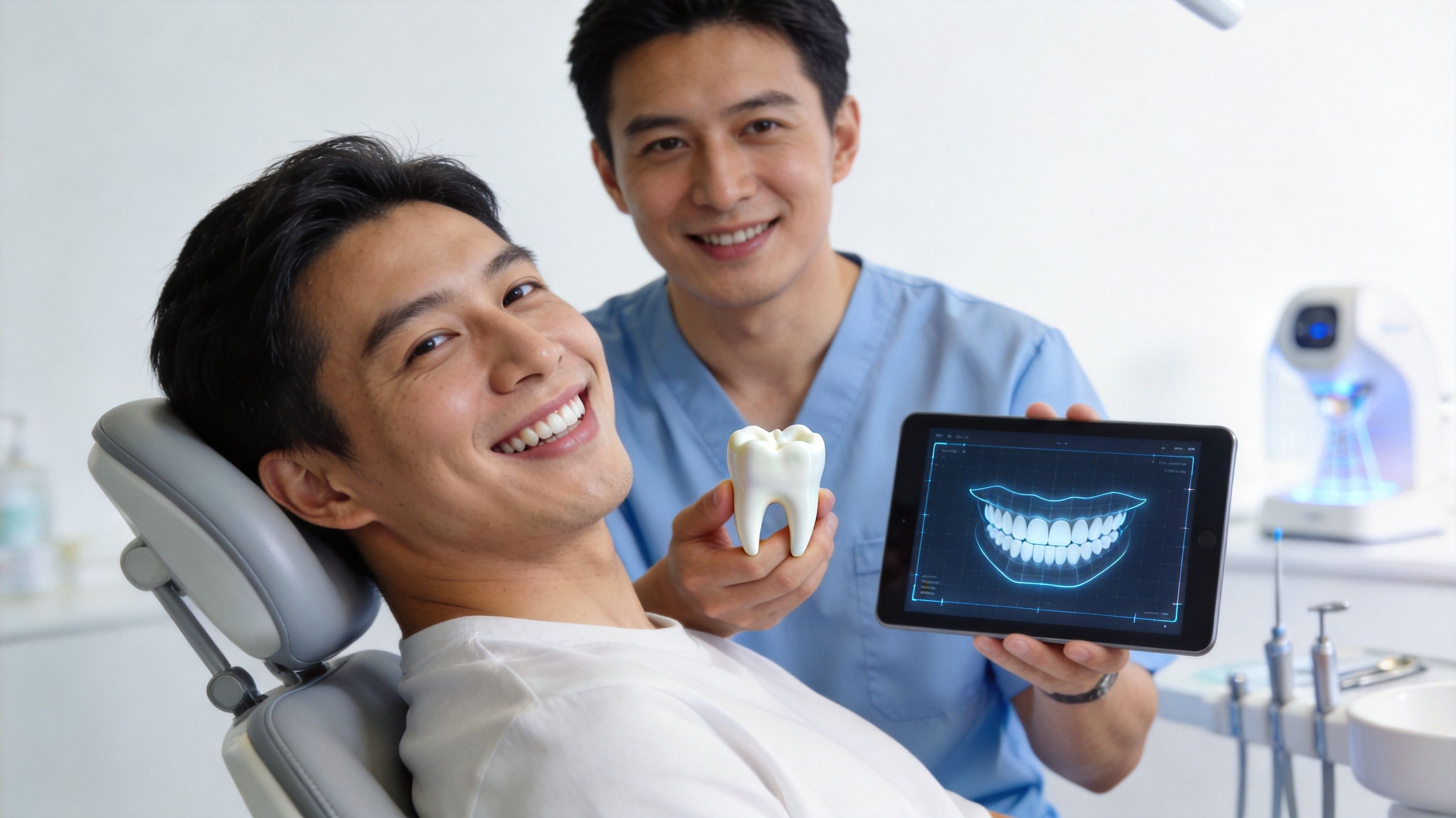









Dental Implants Near Me Austin TX: Modern Solutions for a Stronger, Healthier Smile
Regaining the confidence to smile, speak, and eat favorite foods without a second thought is a wonderful reality made possible by modern dental technology. Missing teeth can significantly impact daily life, causing discomfort and making social interactions stressful. Fortunately, advanced restorative dentistry provides a permanent way to overcome these challenges and achieve optimal oral health.
For many Austin residents dealing with missing teeth, traditional solutions like dentures or bridges may not offer the stability and natural feel they truly desire. These older methods often slip, require messy adhesives, or involve filing down perfectly healthy adjacent teeth. Because of these drawbacks, dental implants have emerged as the gold standard for permanent tooth replacement across the dental industry.
By understanding what dental implants are, how the process works, and what to look for in a provider, patients can make an informed choice. This comprehensive guide explains the entire journey, highlighting the benefits and the role of cutting-edge technology. Choosing this treatment is a powerful step toward a stronger, healthier, and much more confident smile.
What Are Dental Implants? A Foundation for Your Smile
The Three Parts of a Dental Implant
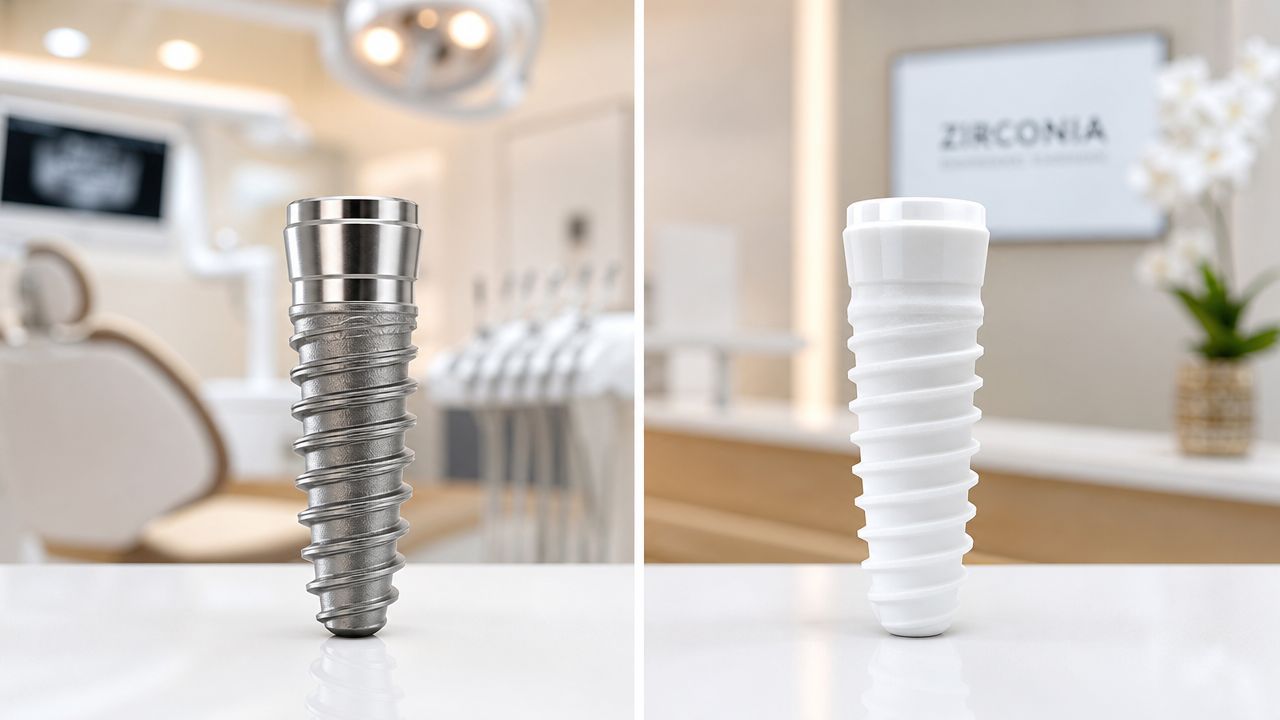
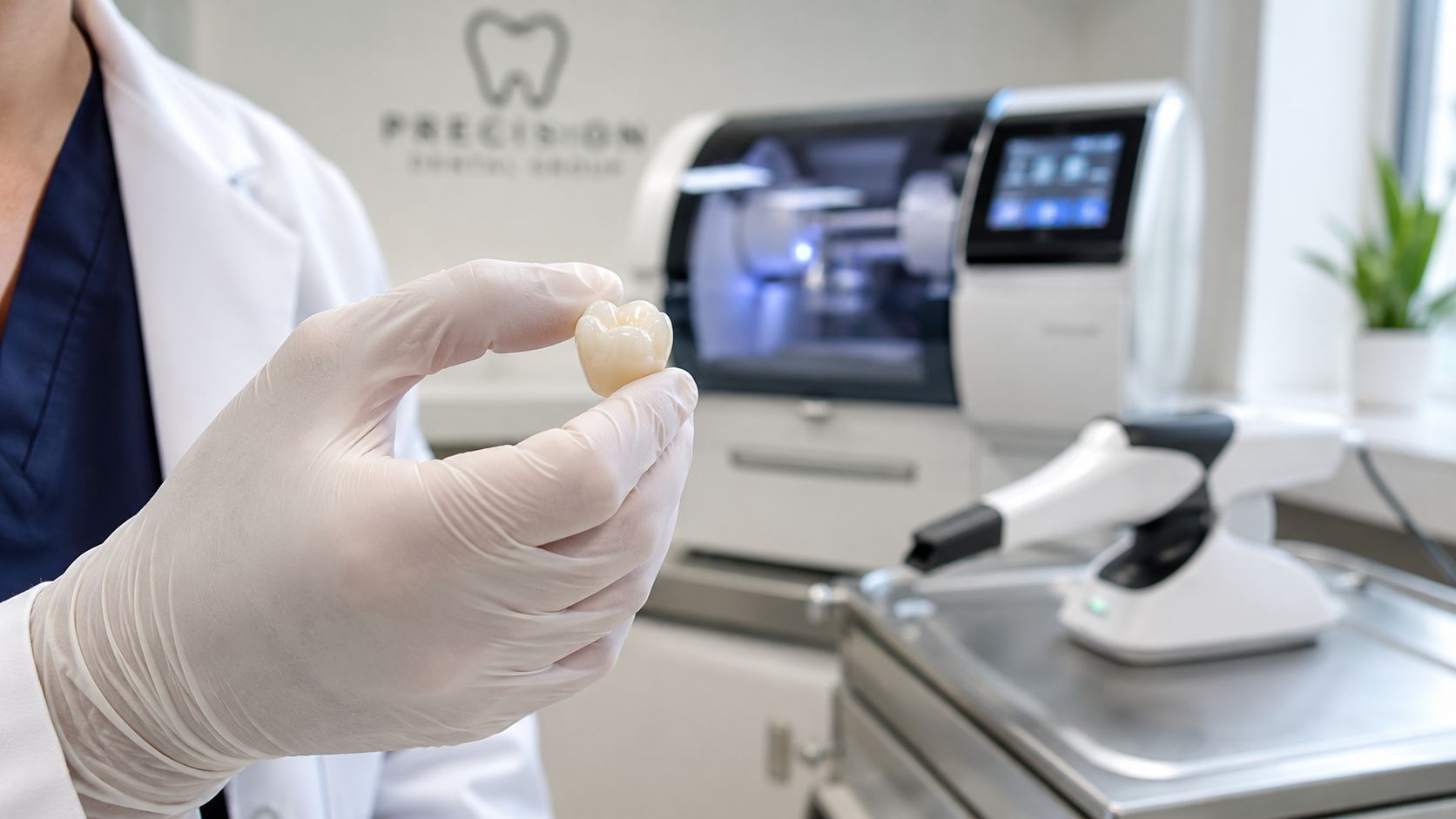
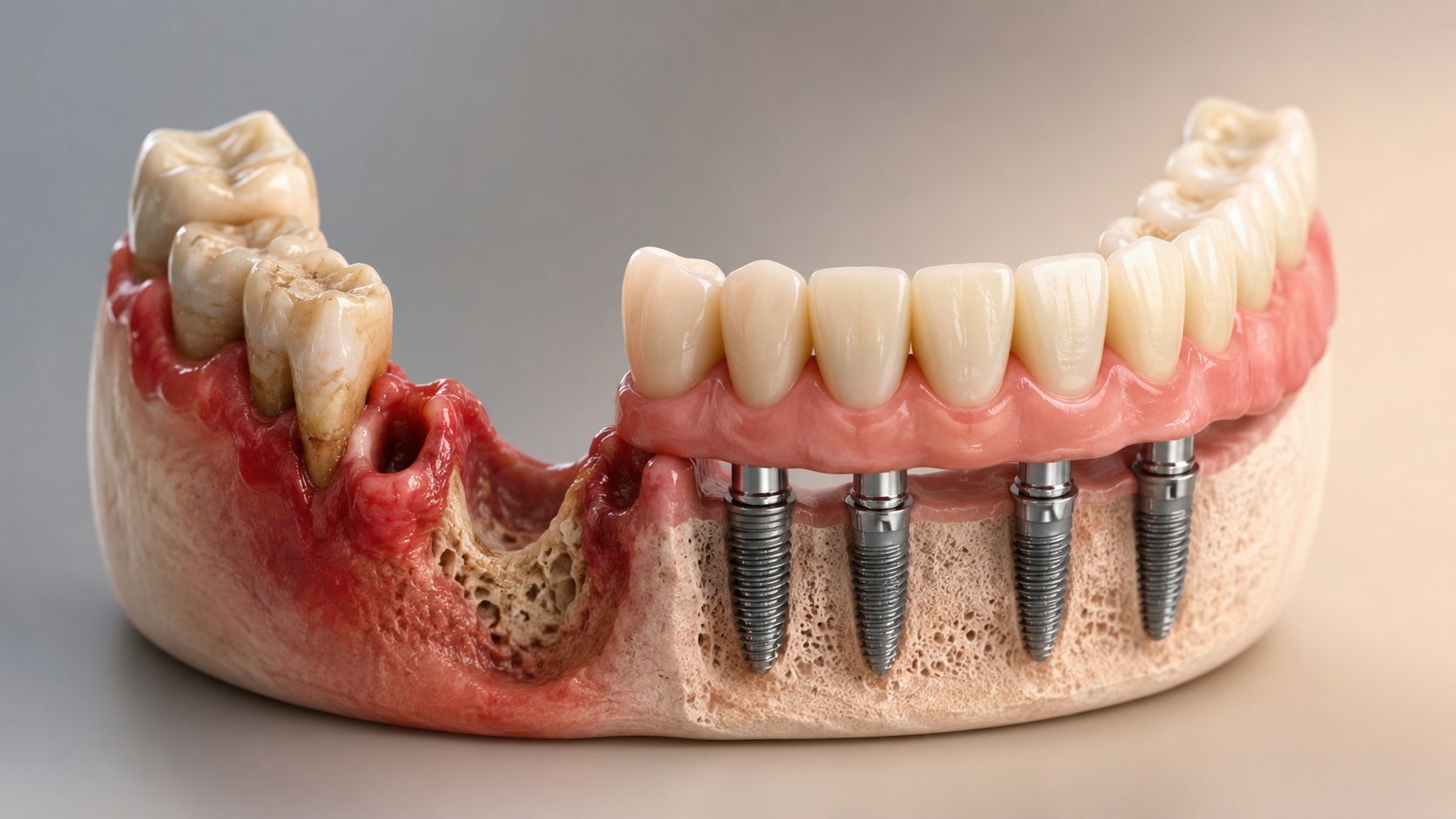
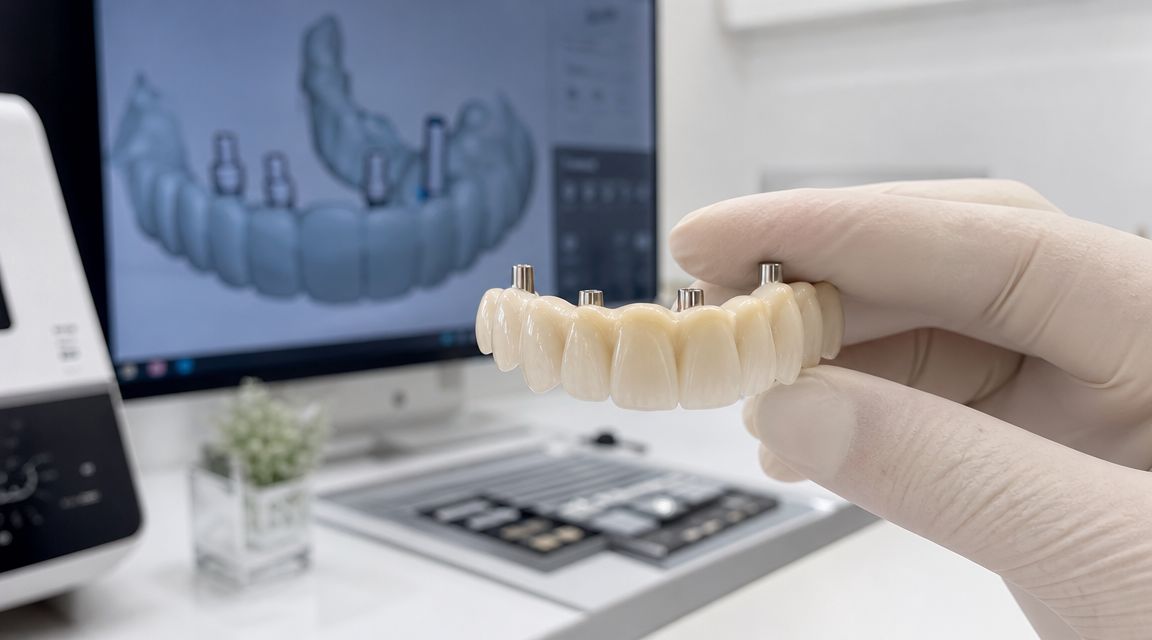
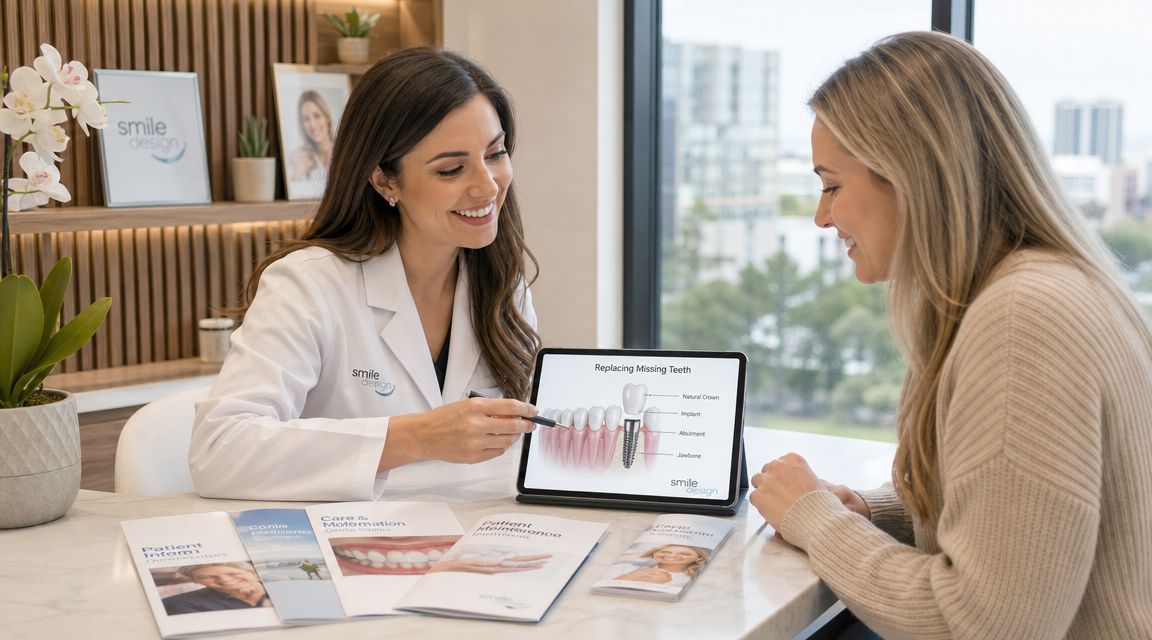
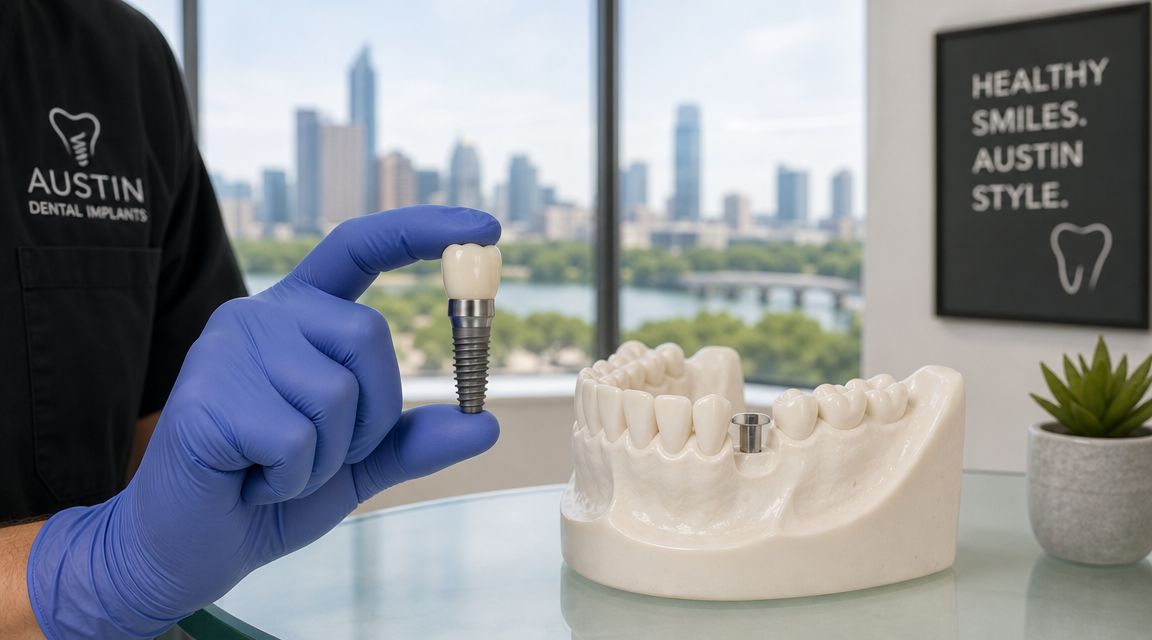
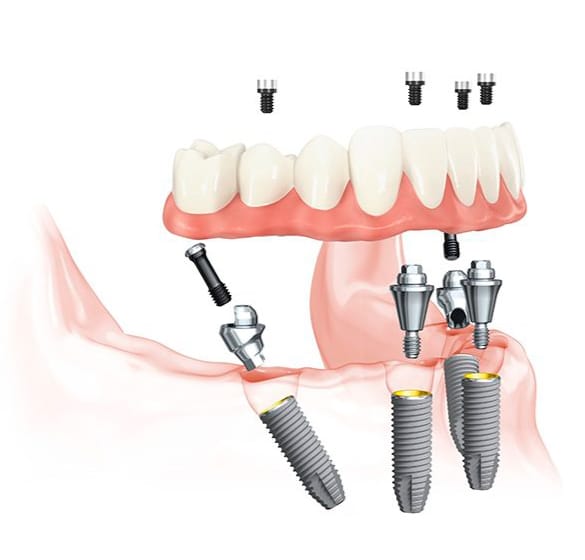
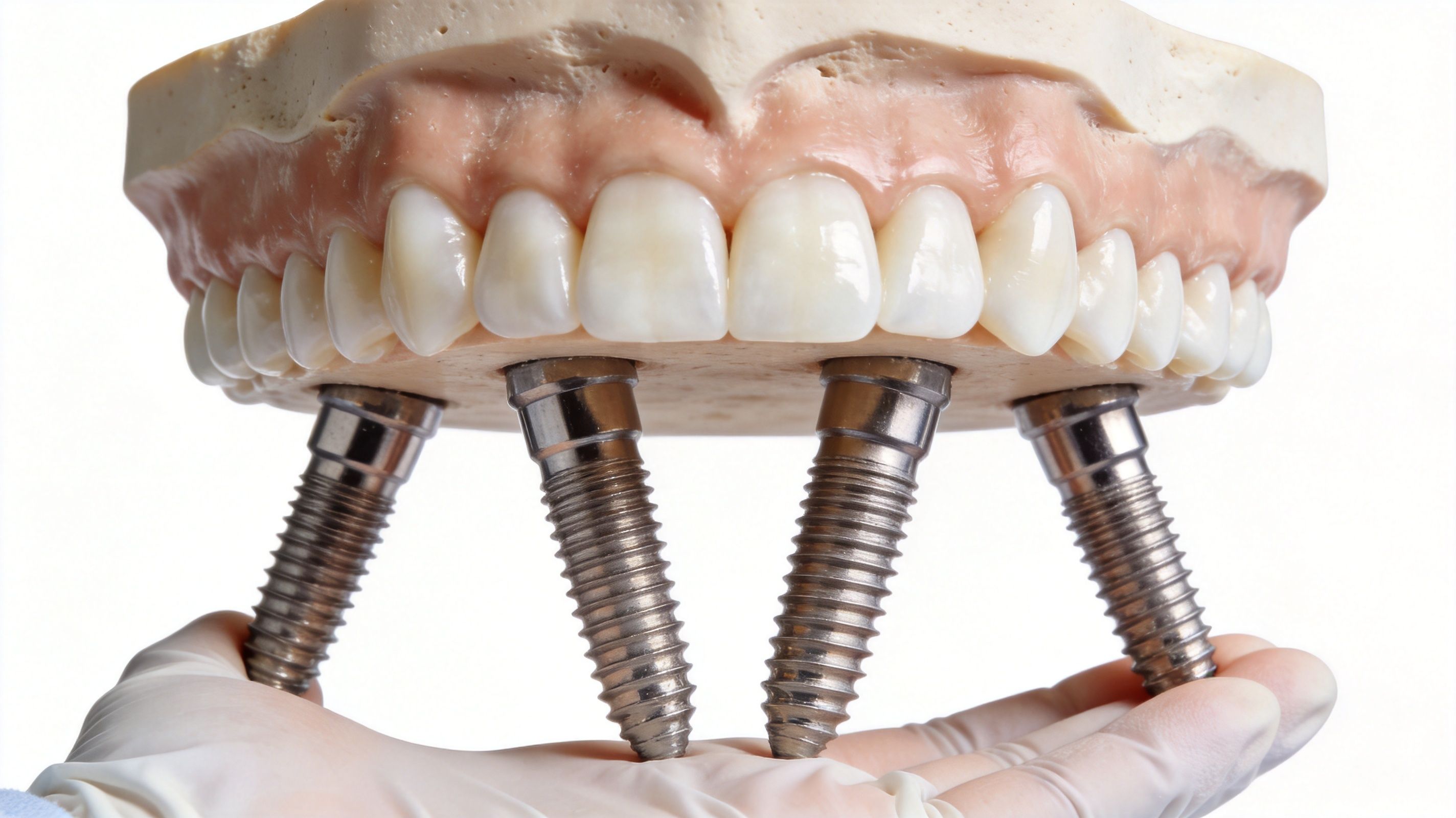
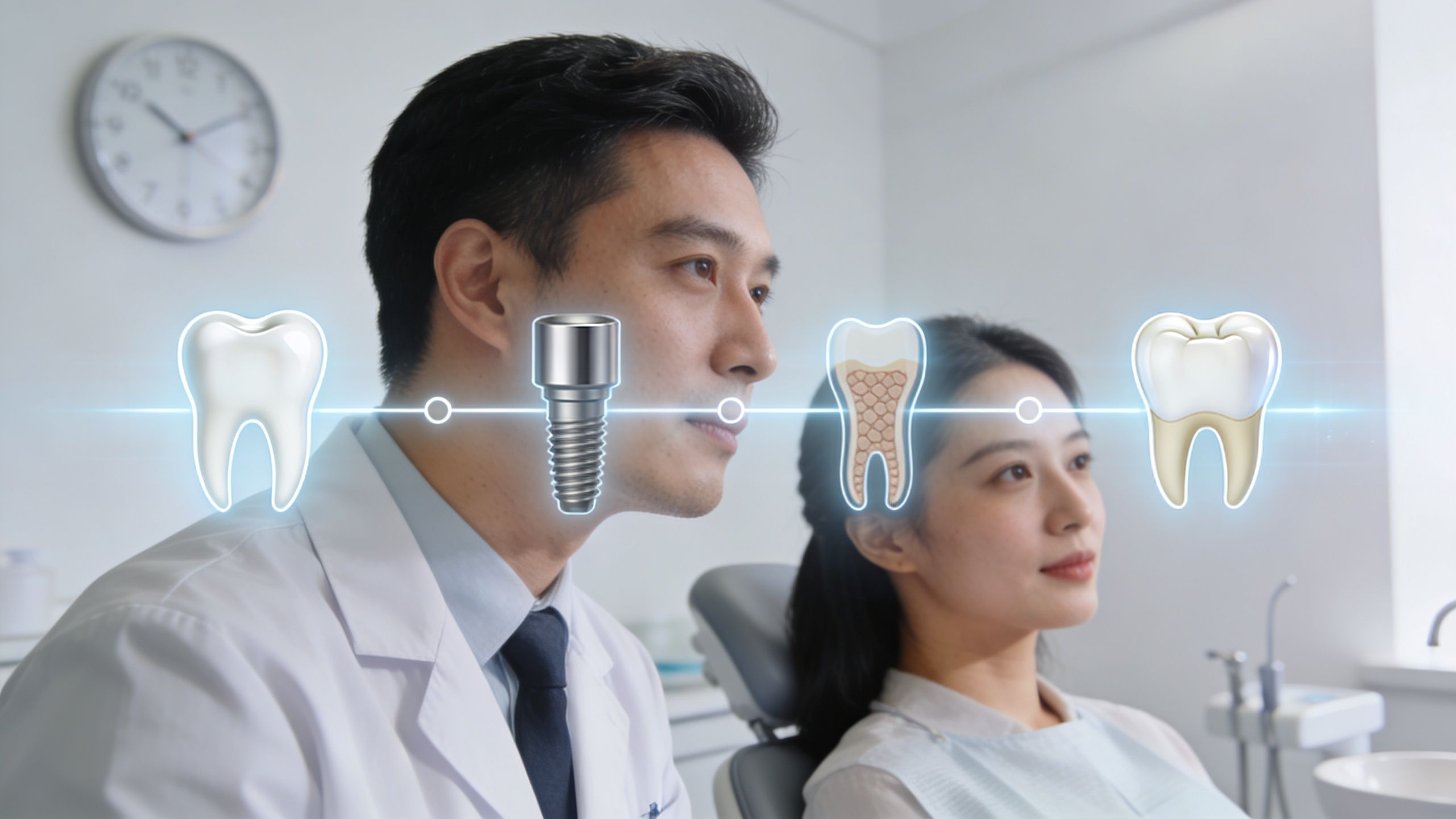
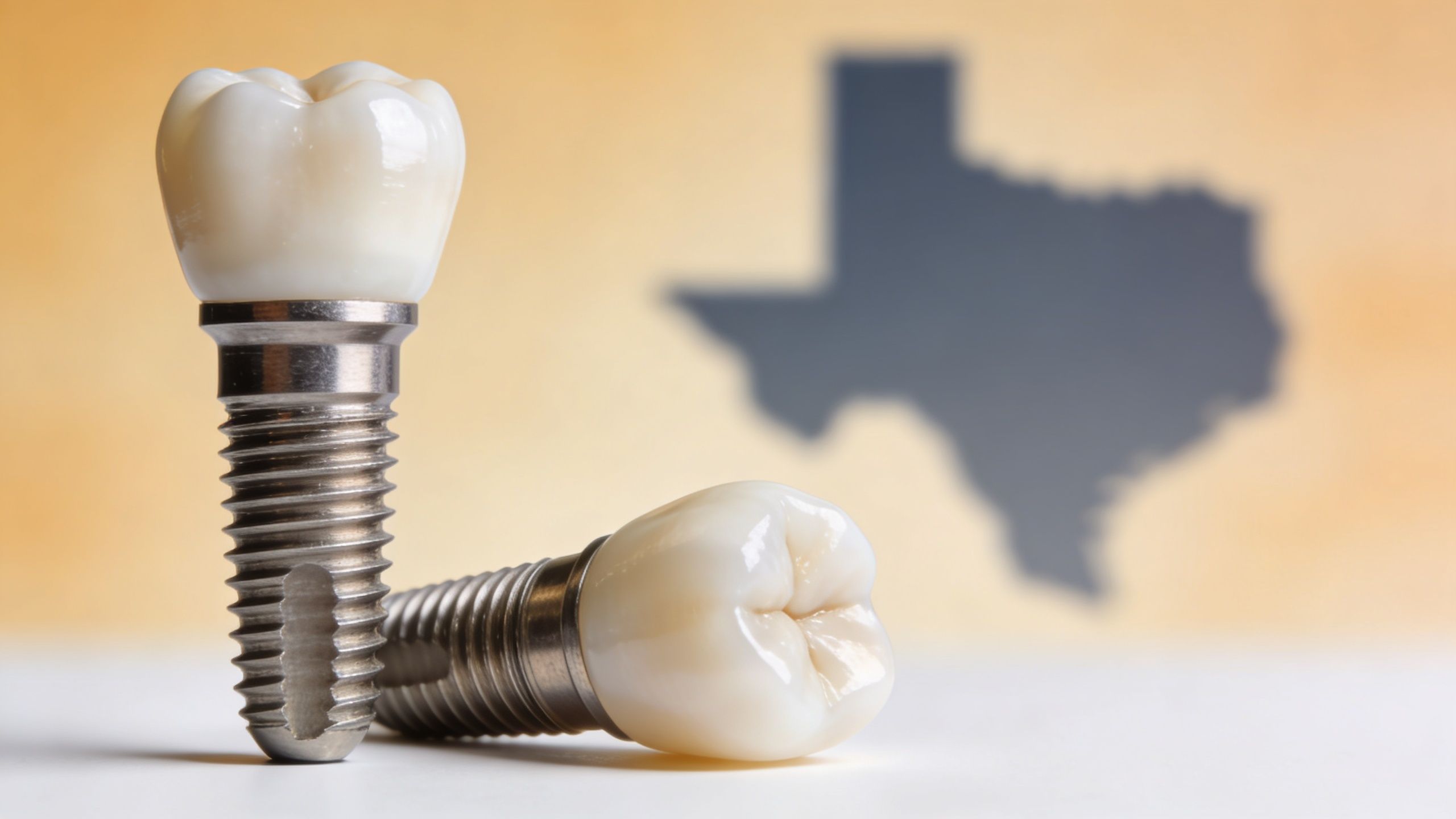
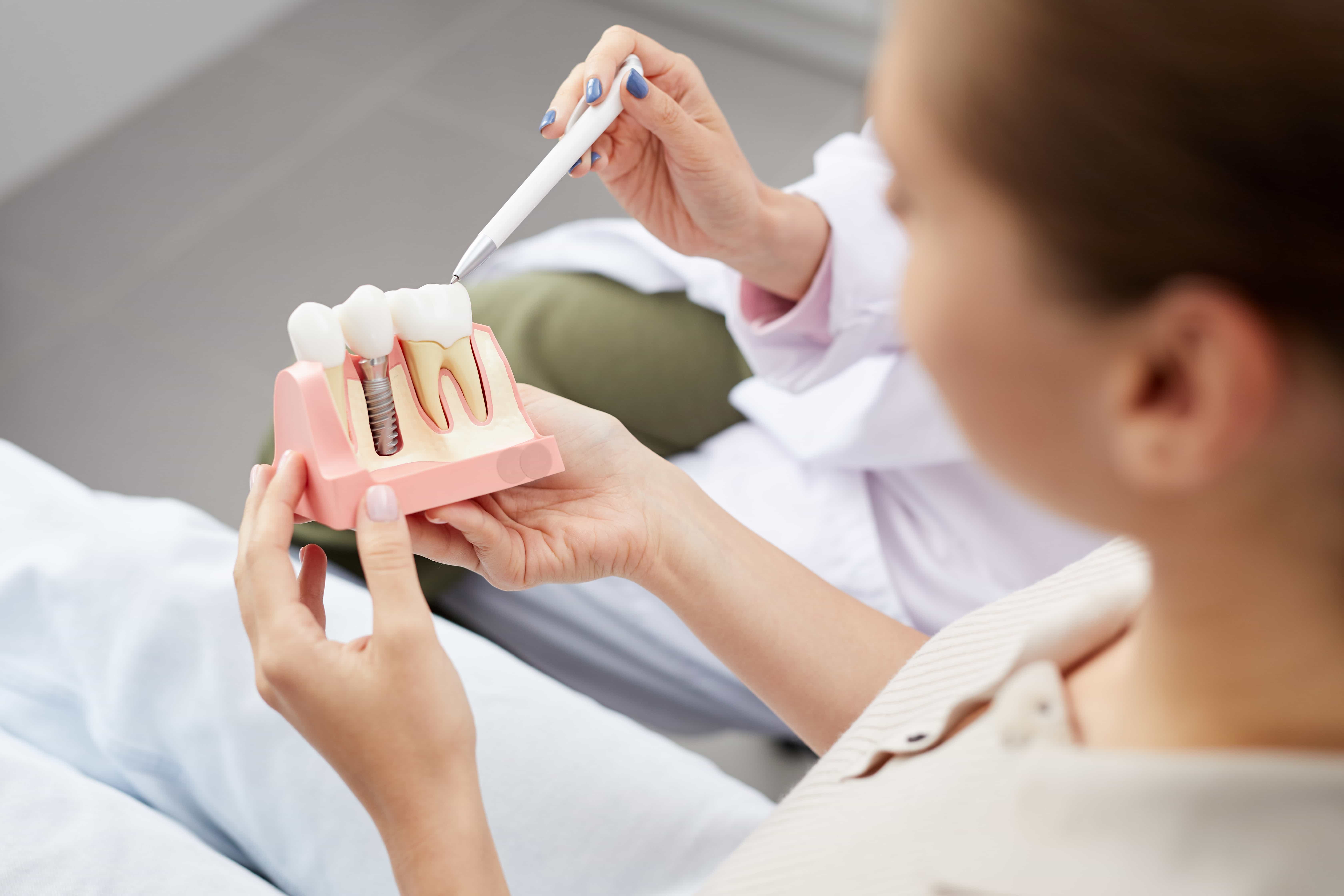
A complete implant restoration consists of three distinct components working together to replicate a natural tooth. First, the implant post itself acts as the root, surgically placed deep into the jawbone for maximum stability. Next, the abutment serves as a sturdy connector piece that sits just above the gum line. Finally, the crown is the highly customized, visible portion of the tooth designed to perfectly match the surrounding natural teeth in both color and shape.
How Implants Fuse with Your Jawbone
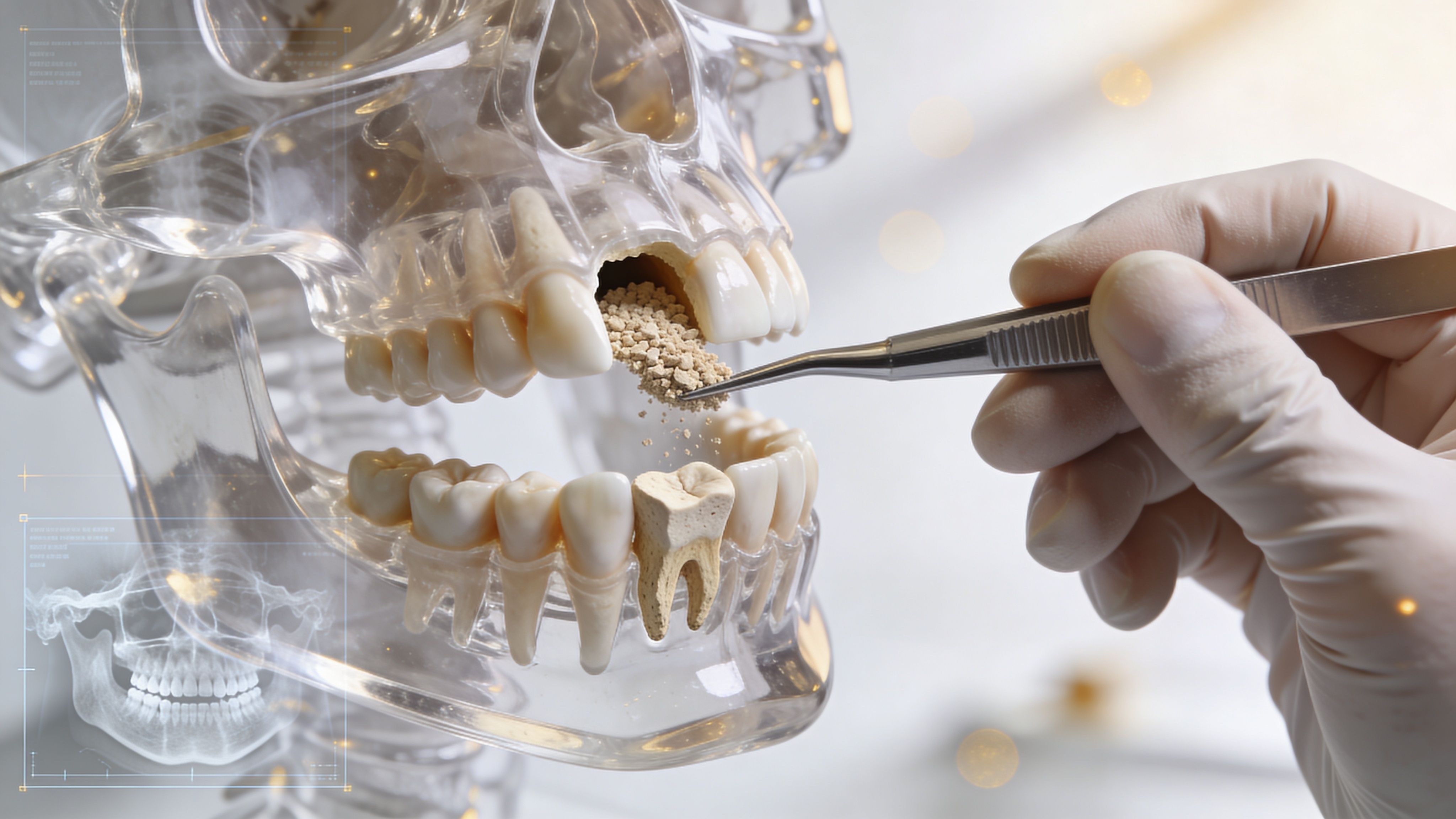
The true strength of this treatment relies on a biological process called osseointegration. Because titanium is biocompatible, the living bone tissue actually heals and grows entirely around the threaded post over a period of several months. This fusion securely anchors the metal root in place, ensuring it will never slip or shift while chewing or speaking. It effectively makes the artificial root a permanent part of the facial skeletal structure.
Implants vs. Bridges and Dentures
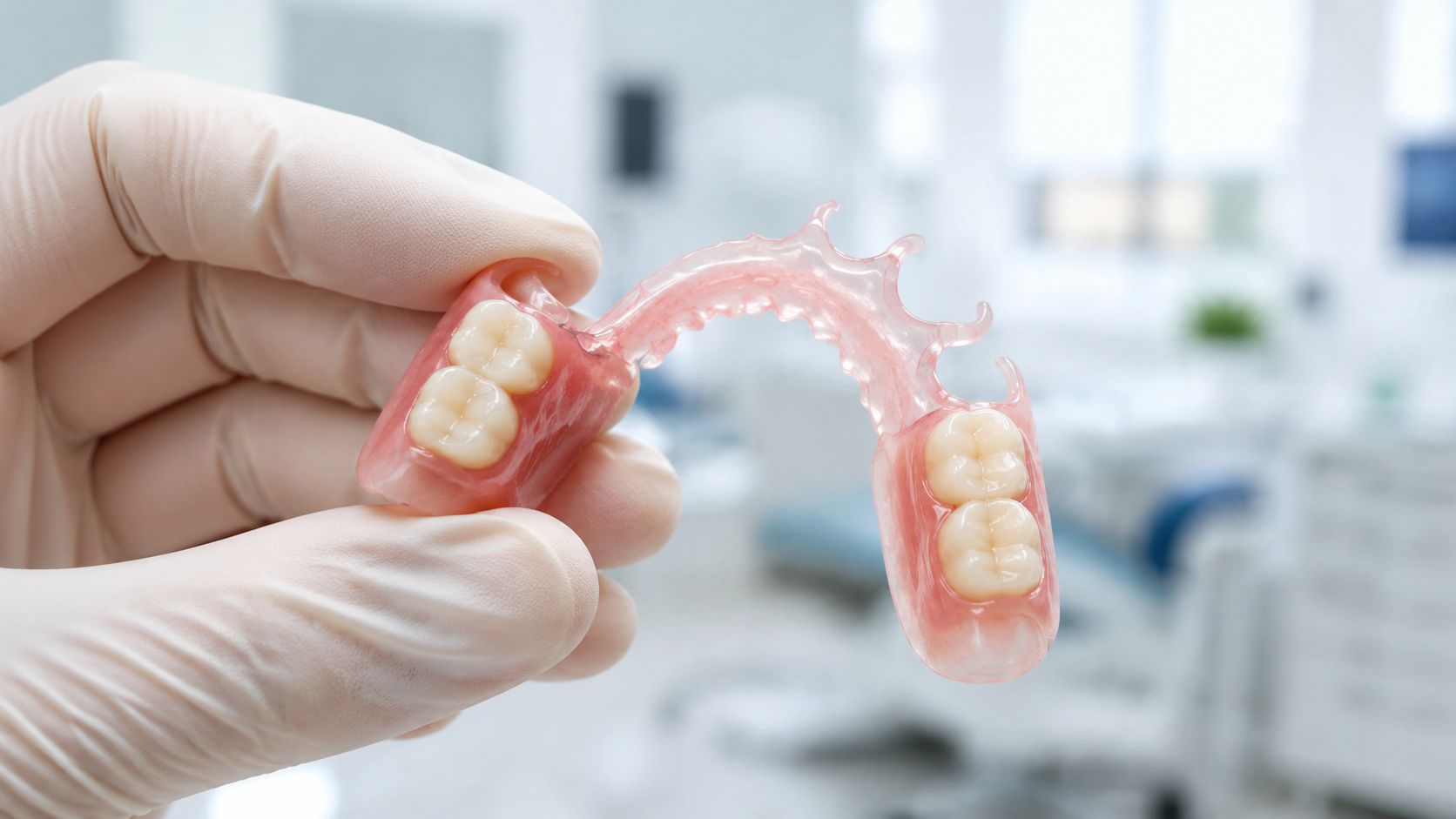
While bridges and traditional dentures have been used for decades, implants offer superior stability, function, and longevity compared to these older tooth replacement options. Dentures rest on the gums and can cause friction, while bridges require altering adjacent healthy teeth for support. Implants operate entirely independently, preserving surrounding healthy teeth while delivering a biting force nearly identical to natural dentition.
The Benefits of Choosing Dental Implants
Protecting Your Jawbone Health
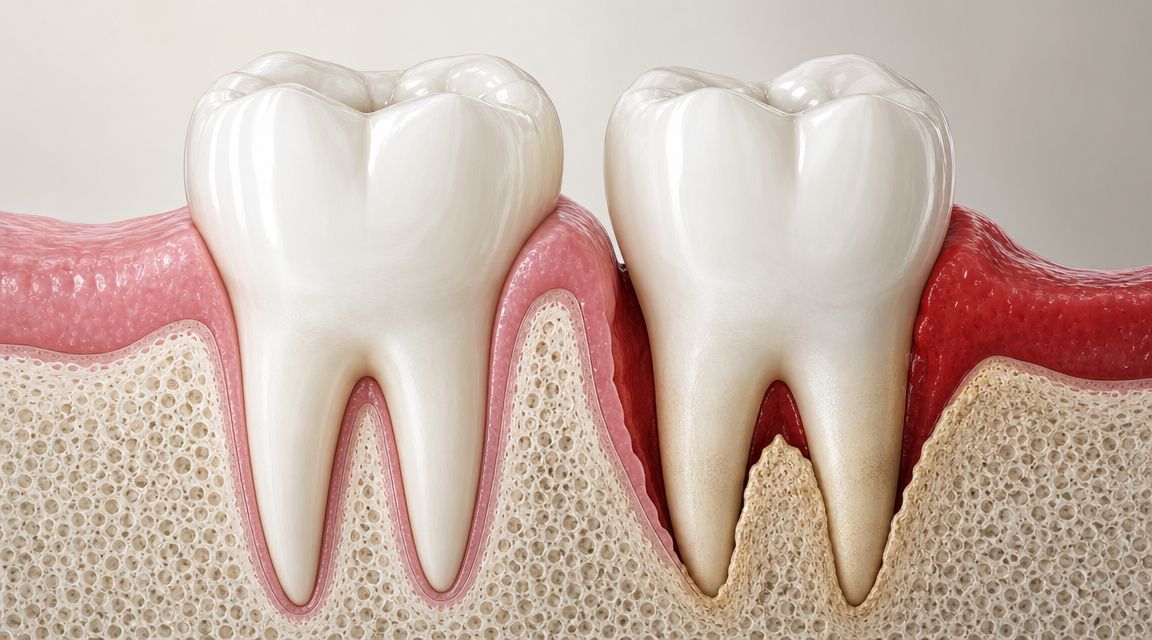
One of the most critical advantages is the protection of underlying jawbone health. When a tooth goes missing, the jawbone in that area stops receiving stimulation from chewing, which quickly leads to bone deterioration and a sunken facial appearance. The titanium post acts exactly like a natural root, providing the necessary stimulation to halt bone loss and preserve the natural shape of the face.
Restoring Natural Function and Appearance
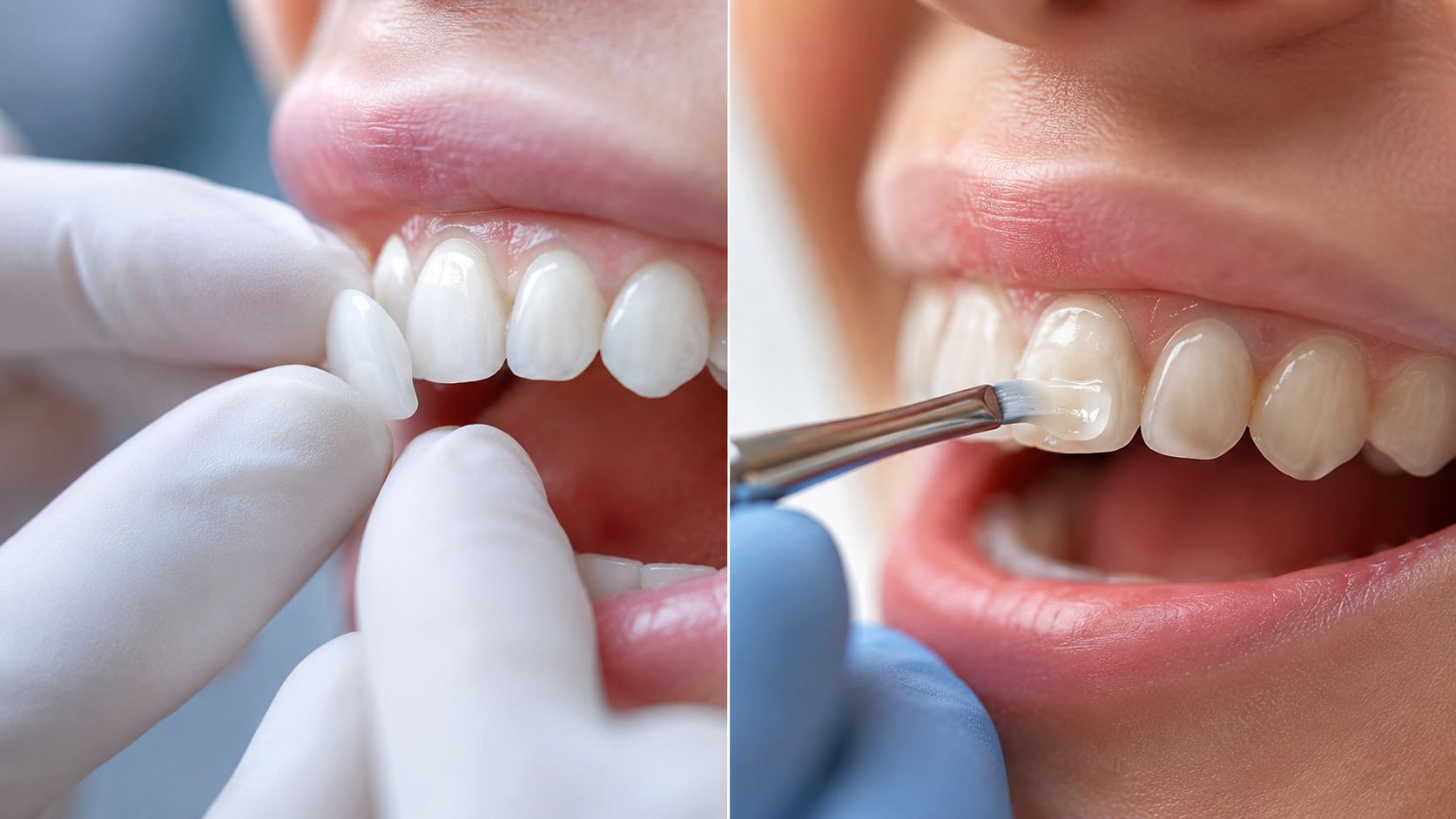
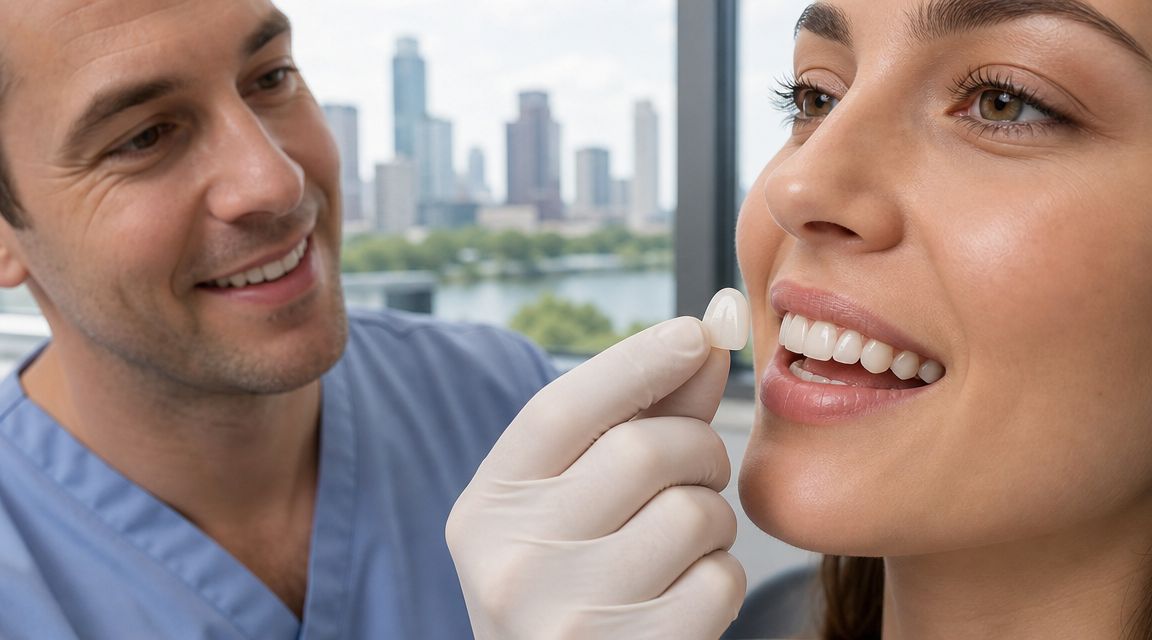
Patients highly value the ability to eat, speak, and smile with the exact same confidence as they would with their natural teeth. Unlike removable appliances that might click or shift awkwardly, these permanent restorations remain firmly in place during all daily activities. The custom-crafted crowns are virtually indistinguishable from real teeth, allowing for a seamless and beautiful appearance.
A Durable, Long-Lasting Solution
With proper care and maintenance, these restorations are designed to last a lifetime, making them a wise long-term investment for oral health. While traditional bridges or dentures typically need to be replaced every five to ten years due to wear and changing bone structure, a successfully integrated titanium post remains stable indefinitely. This long-lasting nature provides immense peace of mind and excellent long-term value.
Am I a Good Candidate for Dental Implants?
The Importance of Good Overall Health
Successful surgery and healing require patients to be in relatively good overall health before beginning the procedure. Factors like active gum disease, uncontrolled diabetes, or certain autoimmune conditions can negatively impact the body's ability to heal and fuse bone to the titanium post. A thorough medical history review ensures that any potential risks are managed and that the environment is perfectly primed for a successful outcome.
Assessing Jawbone Density
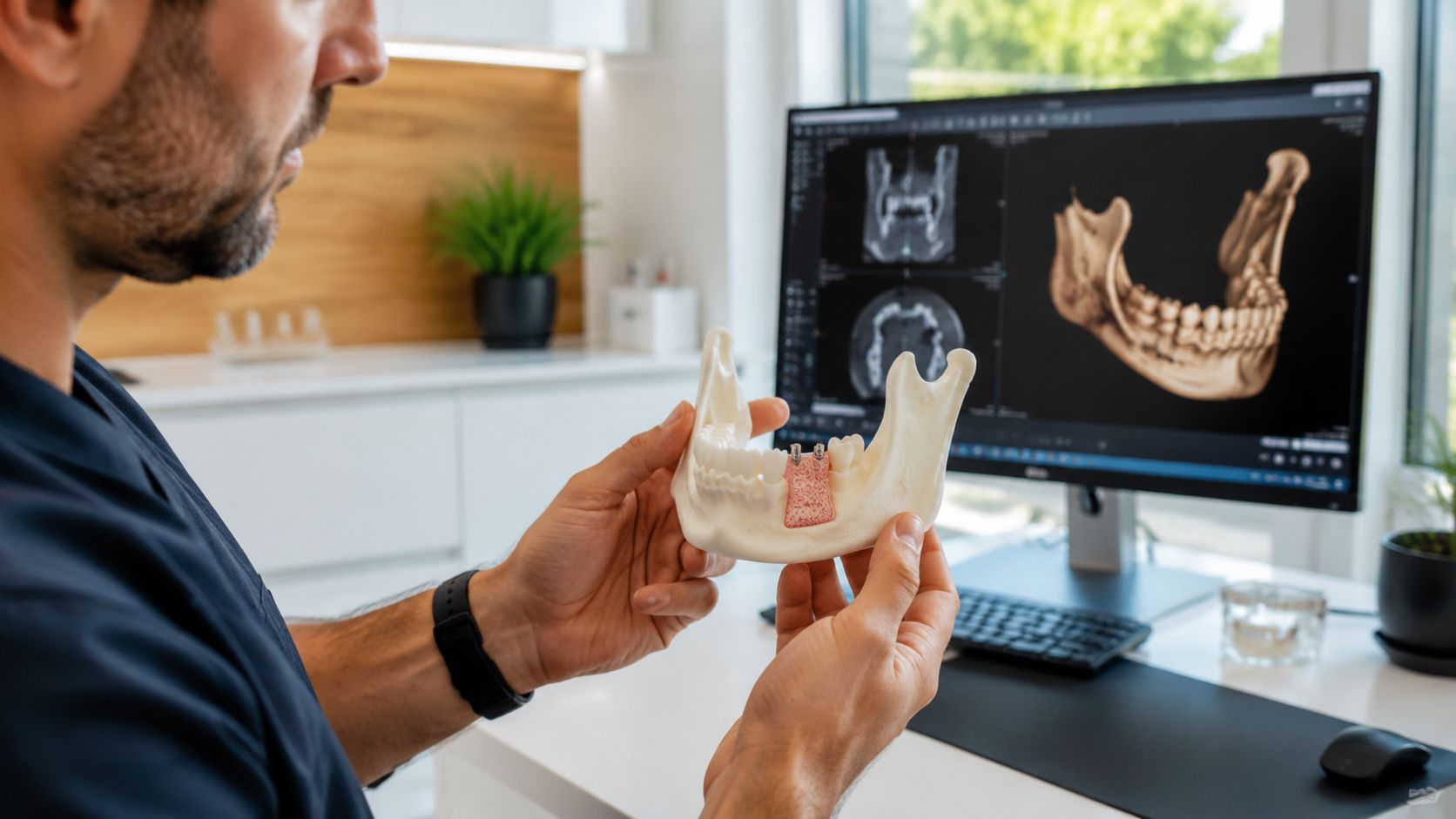
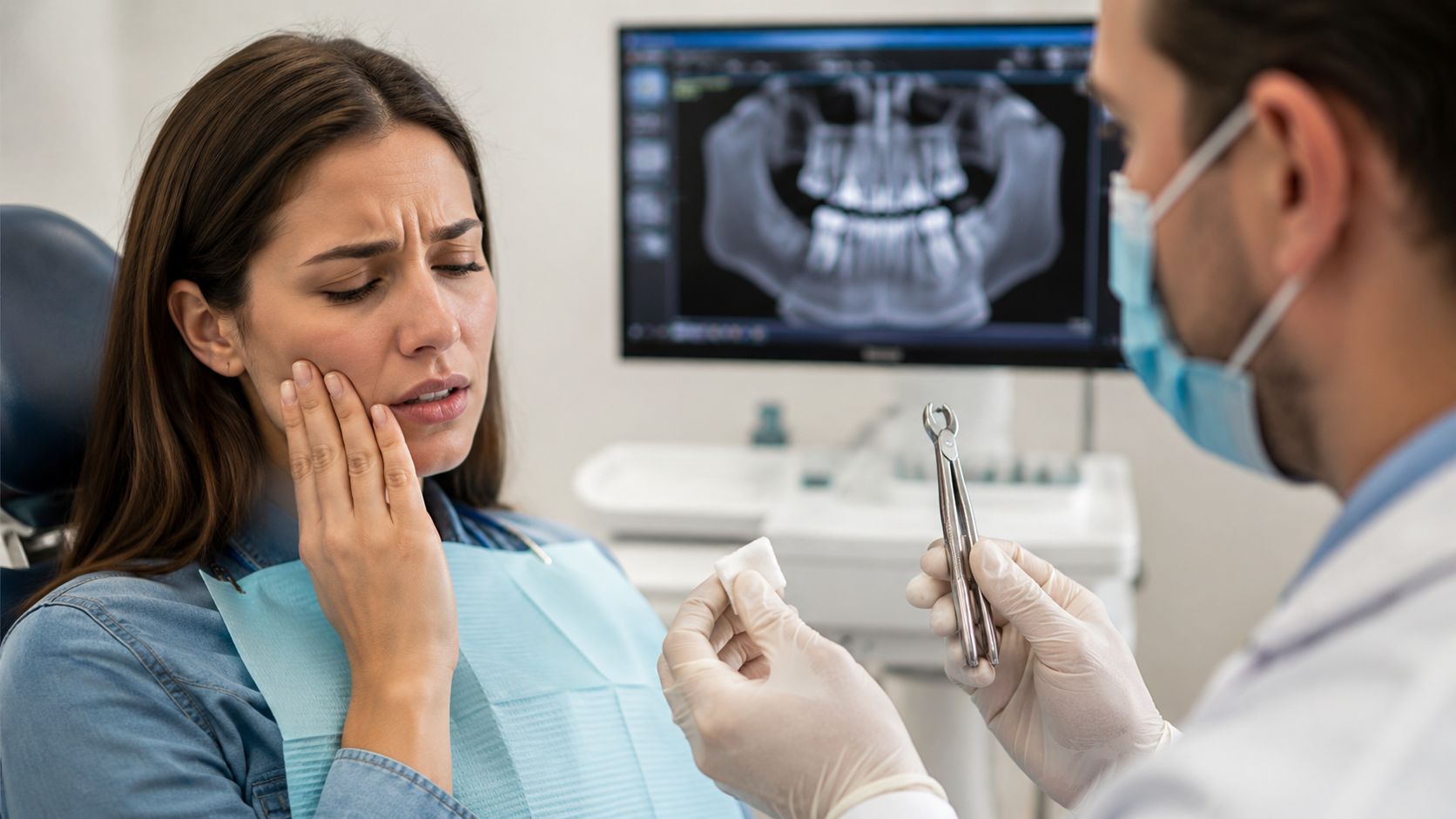
Dentists must evaluate the current bone structure to determine if there is sufficient density and volume to support the titanium root. Because the post relies on strong surrounding bone for its stability, a thin or degraded jawbone might fail to hold the fixture securely. Advanced imaging is utilized during the consultation to measure bone width and height with pinpoint accuracy.
Exploring Bone Grafting Options
Patients with insufficient bone density are not automatically disqualified from receiving treatment, thanks to modern bone grafting procedures. A bone graft involves adding specialized grafting material to the weakened area, which encourages the body to generate new, healthy bone over a few months. Once the grafted area fully heals, the jaw becomes strong enough to securely hold the titanium post, making the patient fully eligible for the restorative procedure.
The Role of 3D Technology in Implant Procedures
Precise Planning with 3D CT Scans
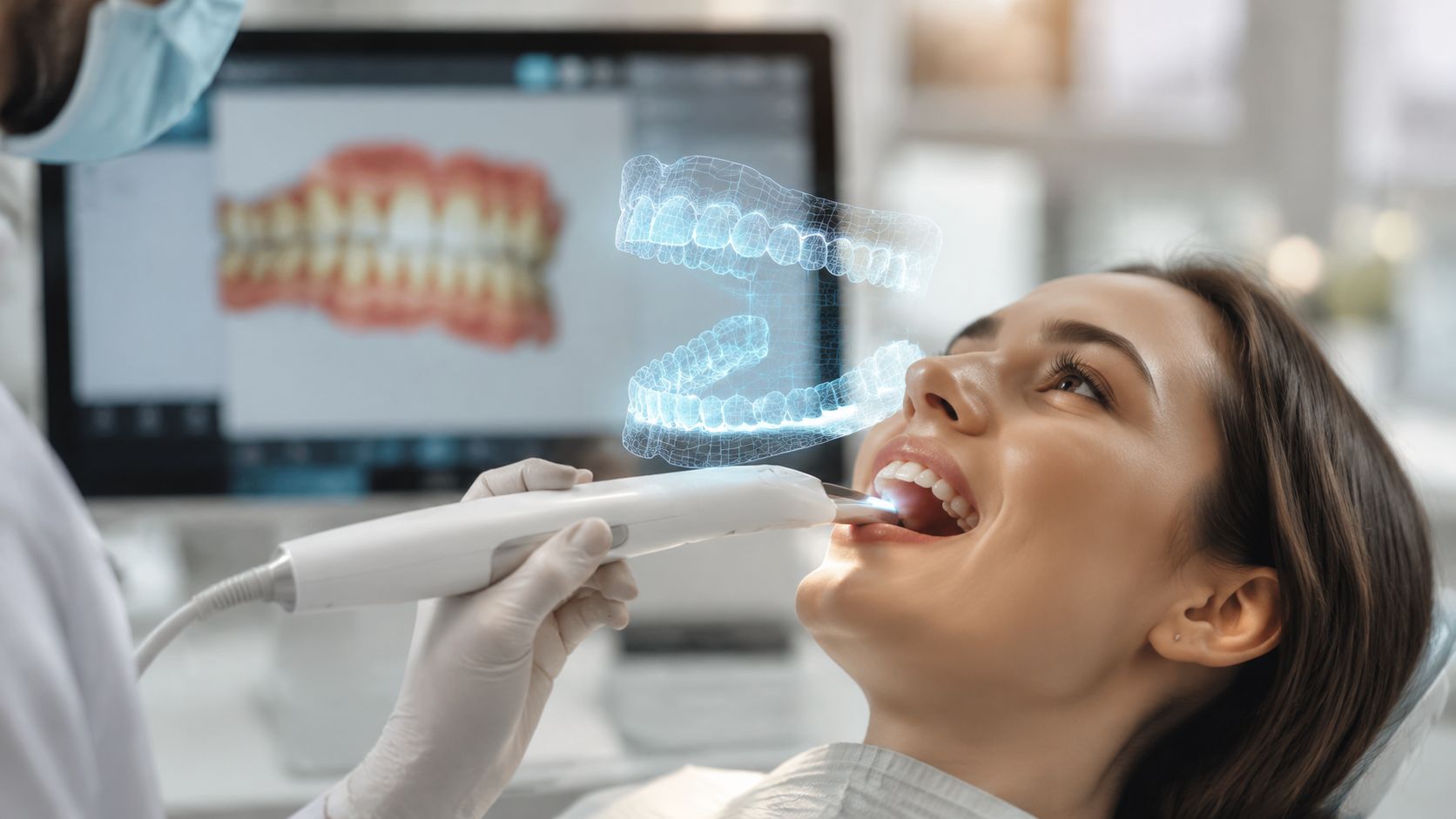
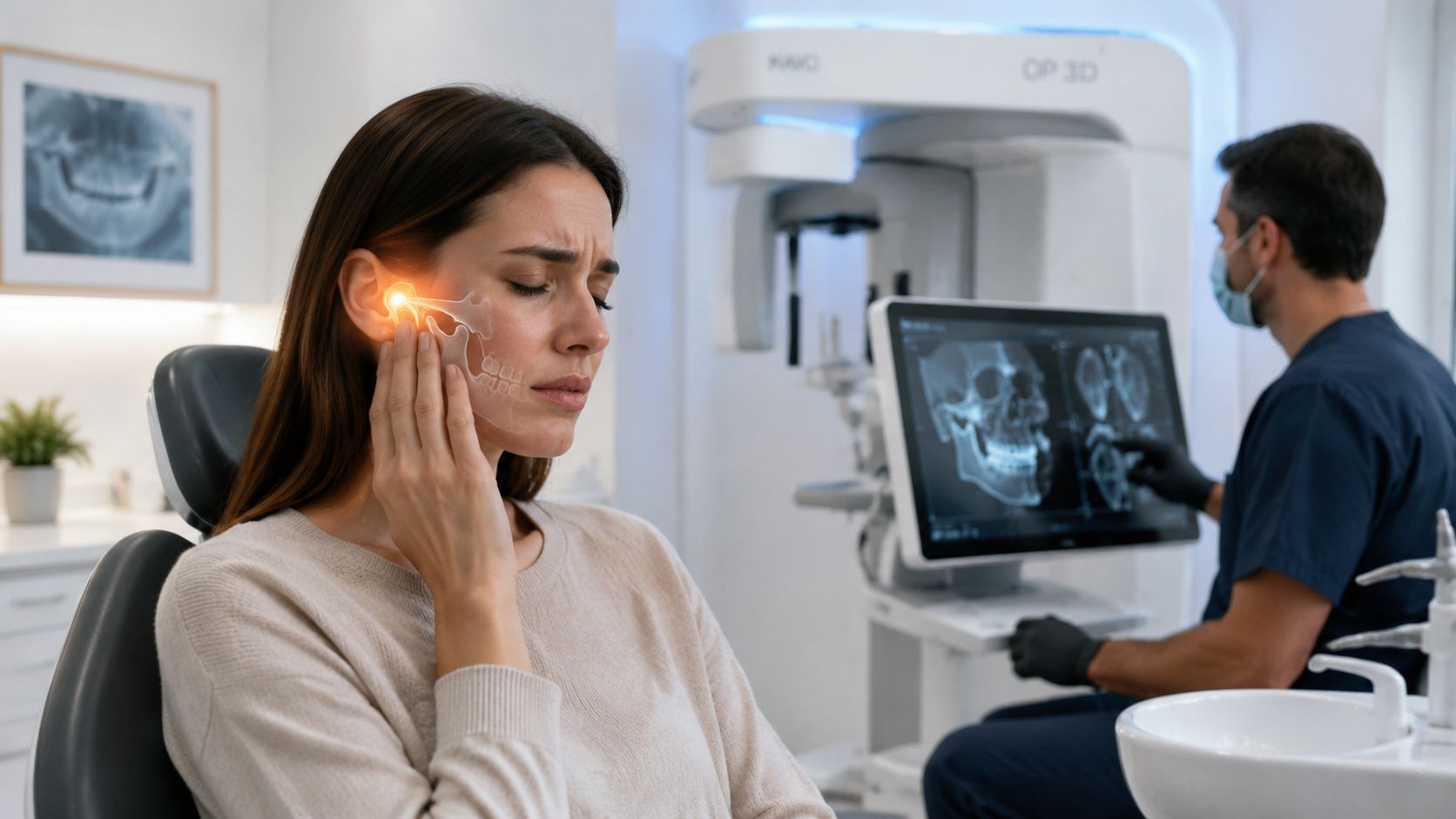
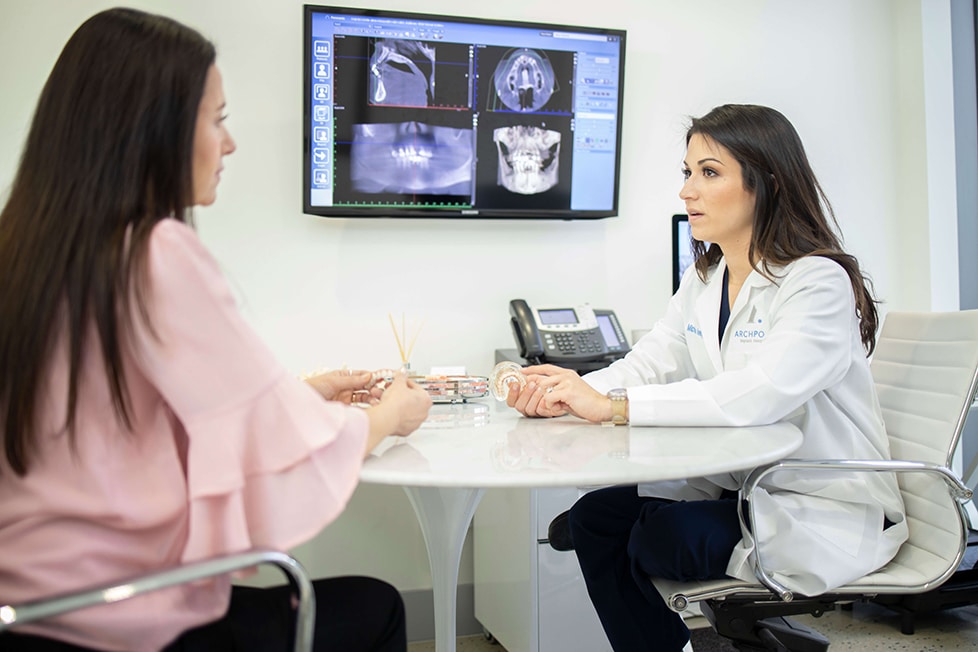
Modern dentistry relies heavily on 3D CT scans to provide a comprehensive, 360-degree view of the entire oral cavity. This 3D imaging allows the dentist to carefully map out vital anatomical structures like nerves, blood vessels, and sinus cavities prior to any surgical intervention. By knowing exactly where these structures are located, the procedure becomes incredibly safe, highly predictable, and far less invasive.
Creating Surgical Guides for Accuracy
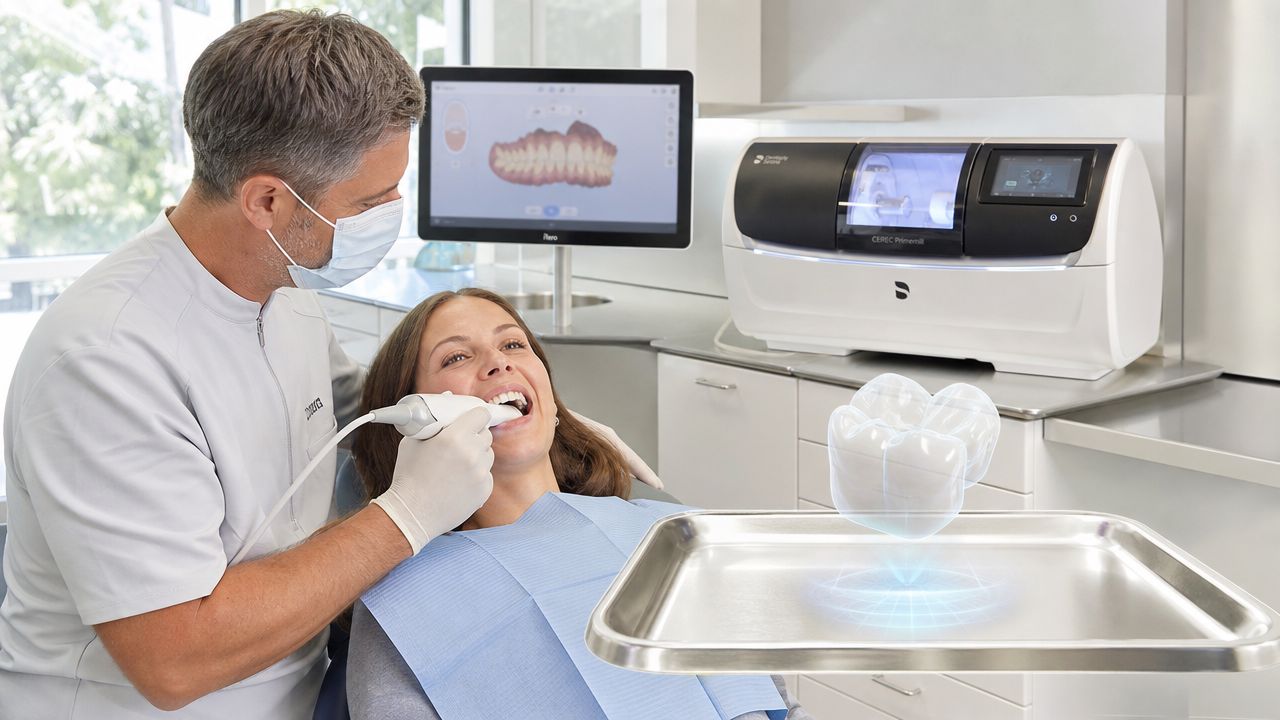
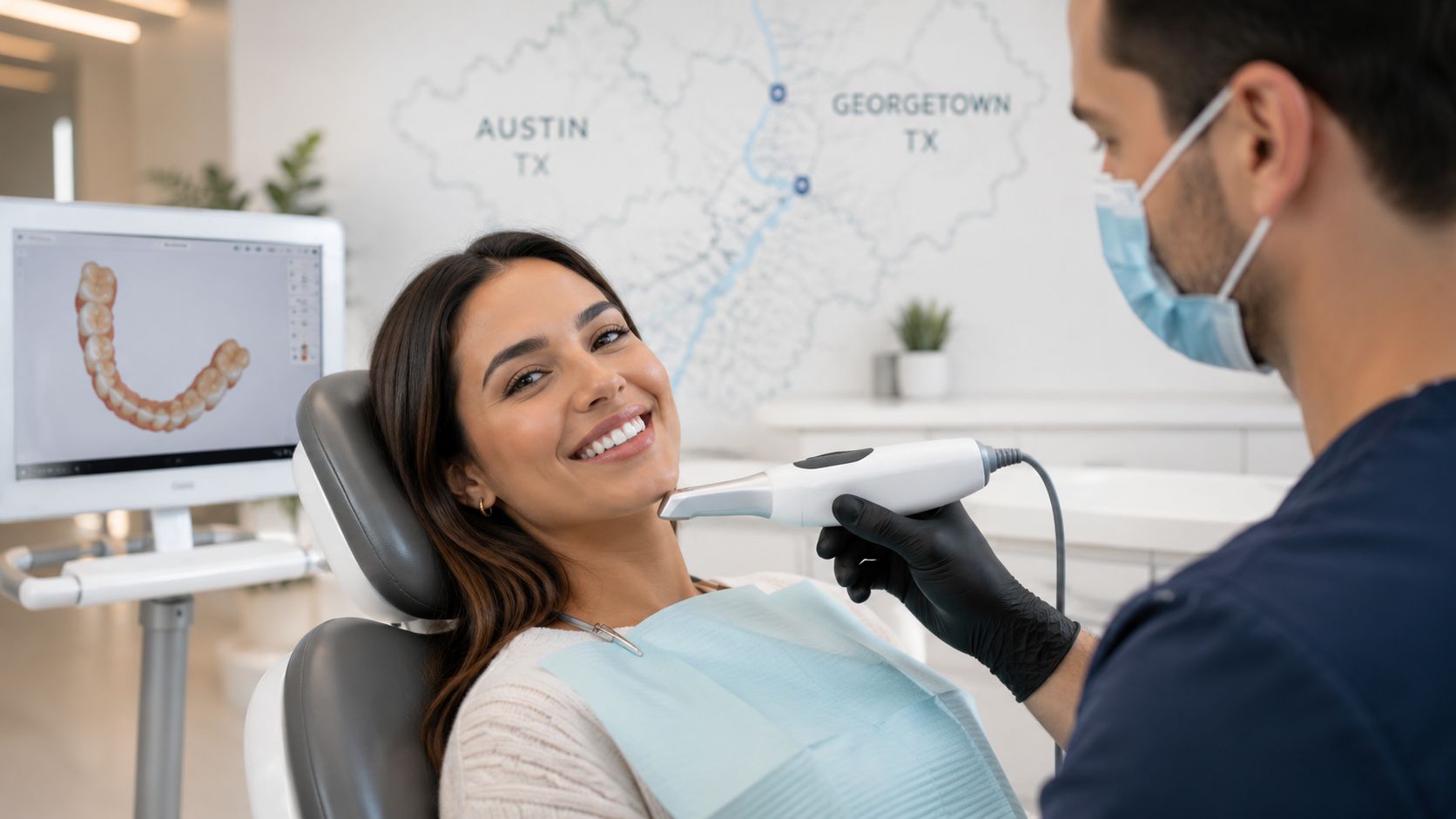
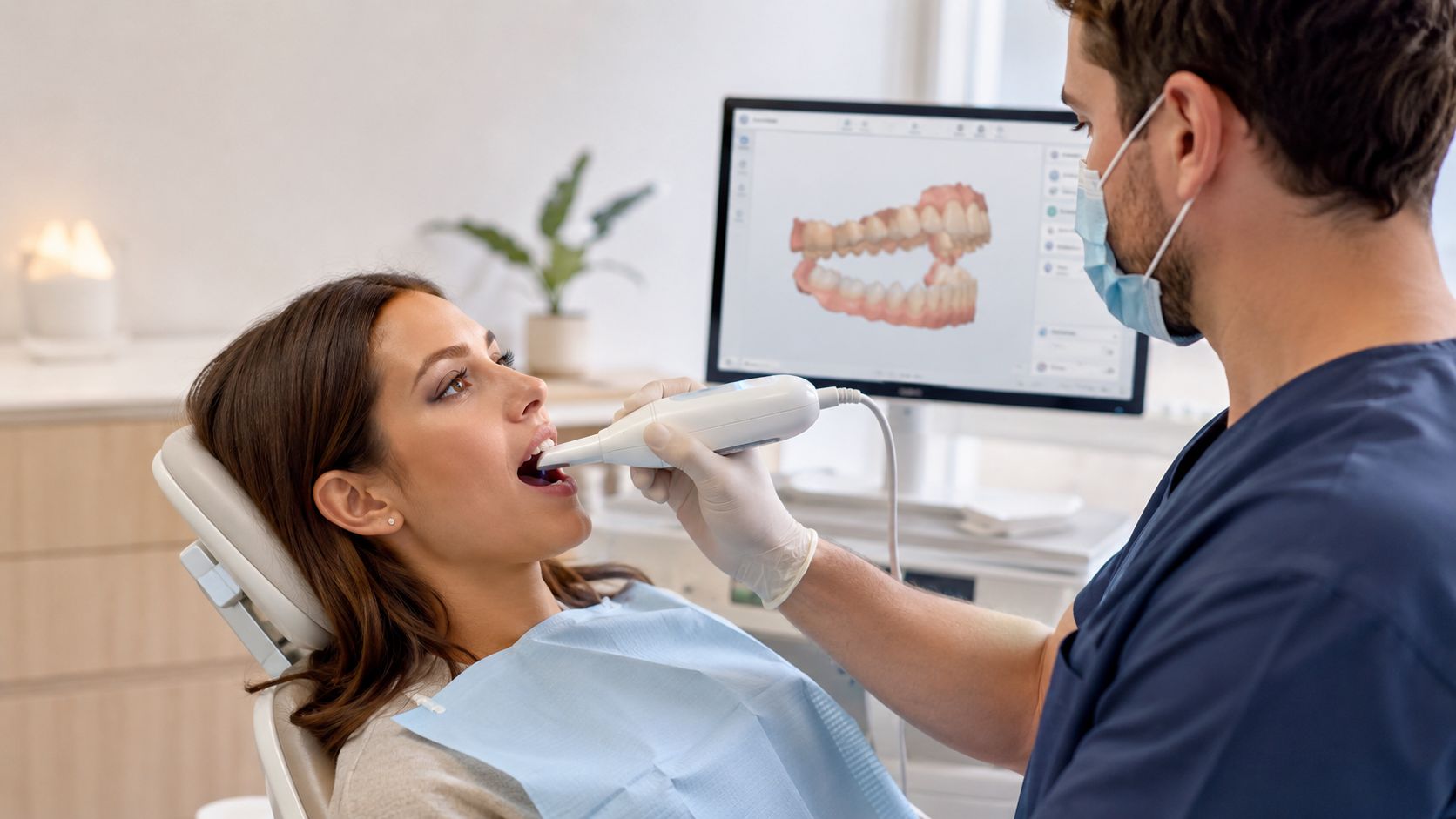
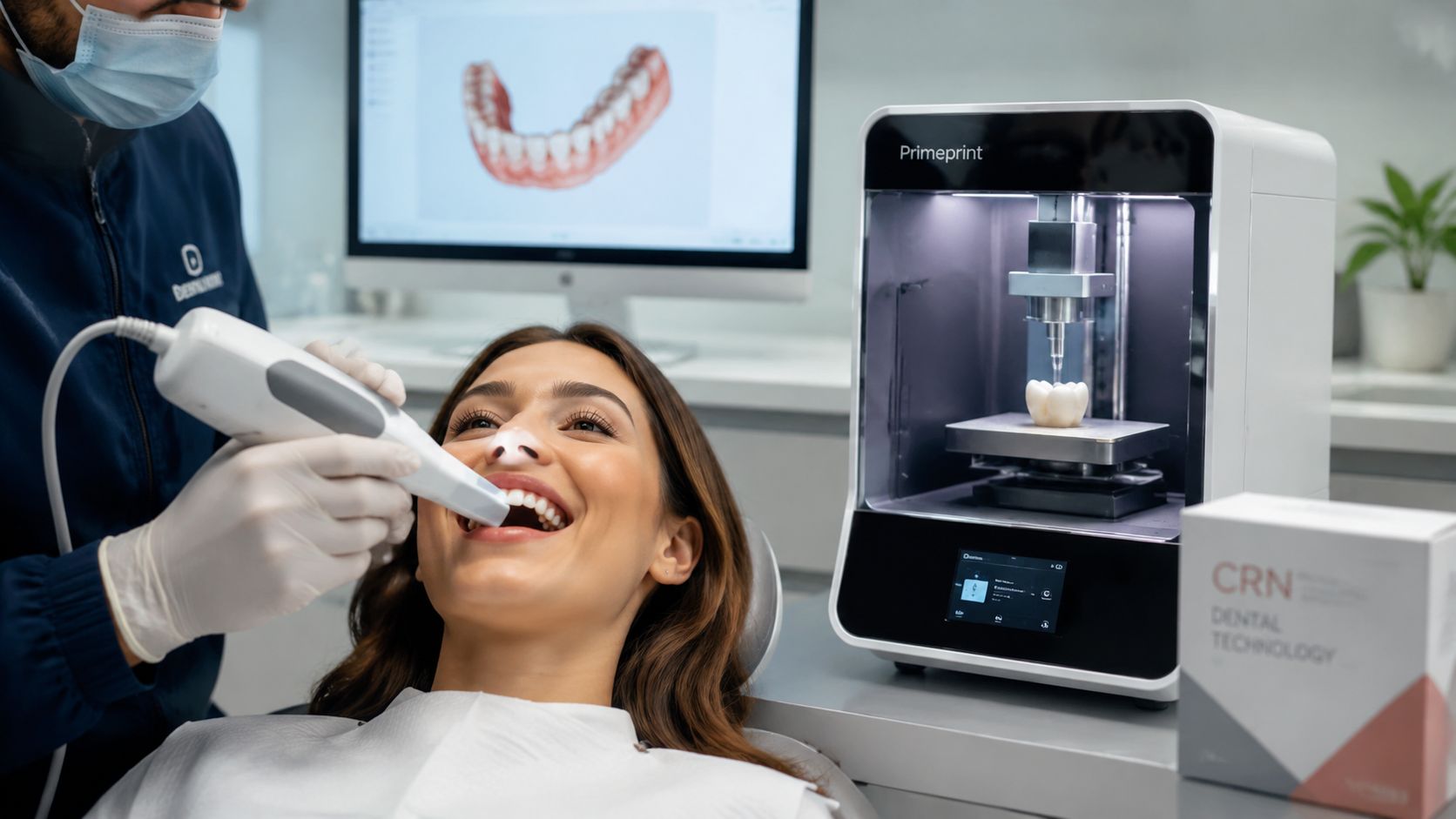
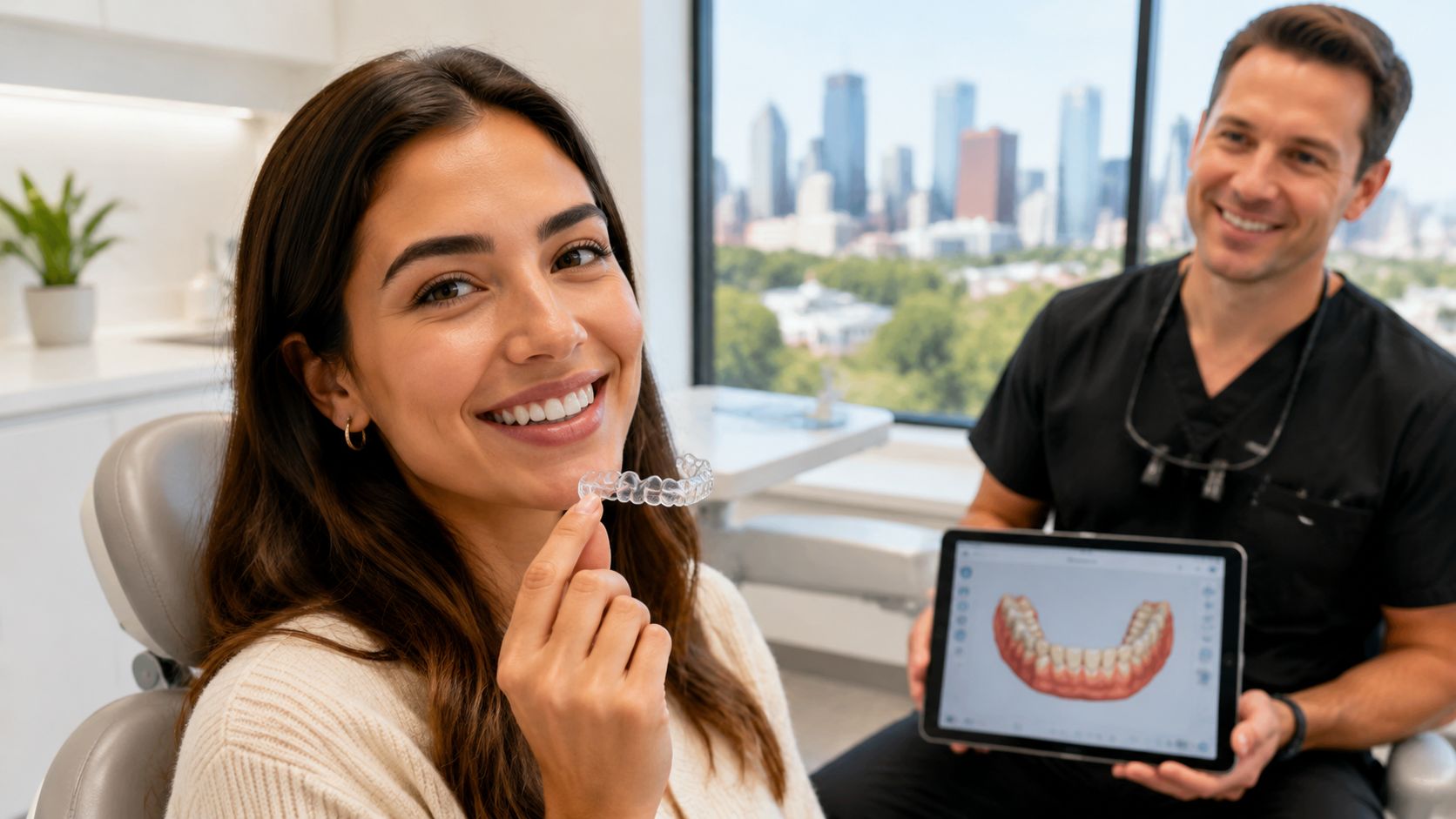
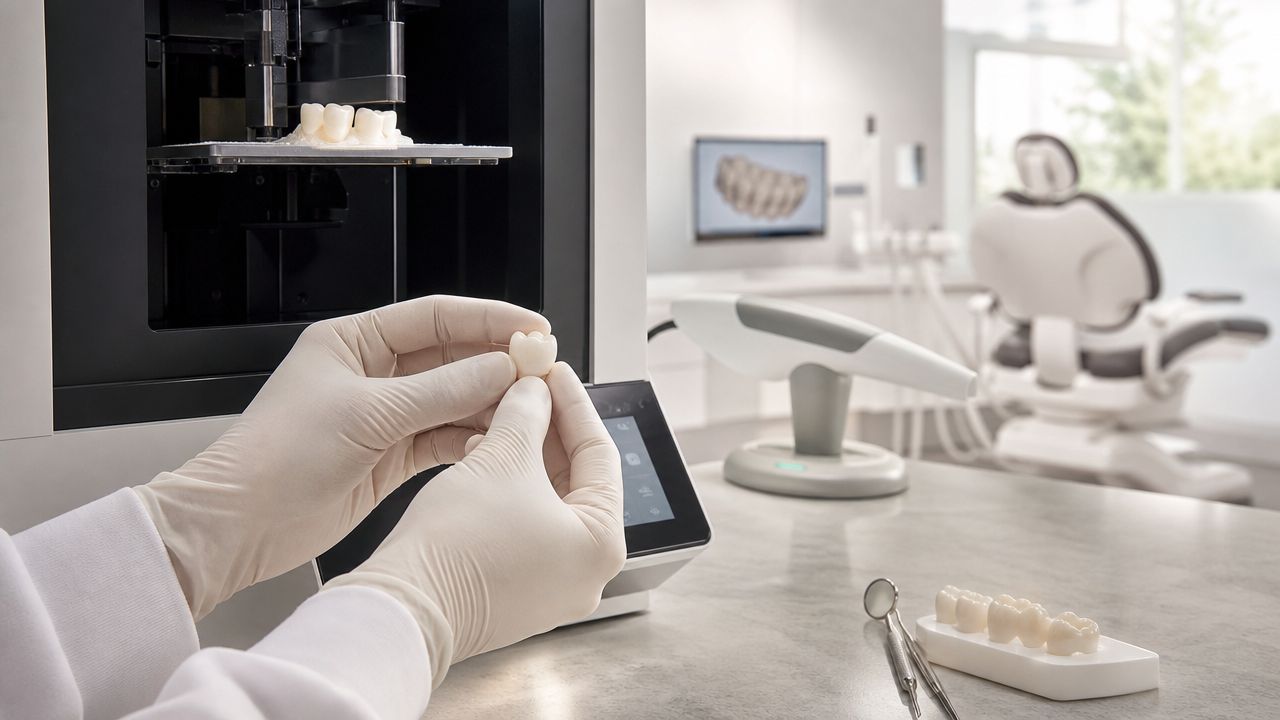
Digital scans and state-of-the-art 3D printing technology are used to create custom surgical guides for the placement procedure. These specialized guides fit snugly over the gums during surgery, directing the exact angle, depth, and positioning of the drill. This eliminates the guesswork often associated with freehand surgery, ensuring perfect positioning and an optimal aesthetic result.
Evaluating Airway and Overall Health
Comprehensive 3D scans do much more than simply look at teeth and bones; they also assess the airway and surrounding tissues. Linking dental health to overall well-being is a major focus in modern dentistry, and spotting restricted airways can help diagnose sleep apnea or breathing issues. This holistic approach ensures that the chosen treatment plan supports both a beautiful smile and excellent systemic health.
The Dental Implant Process: Step by Step
The Initial Consultation and Treatment Plan
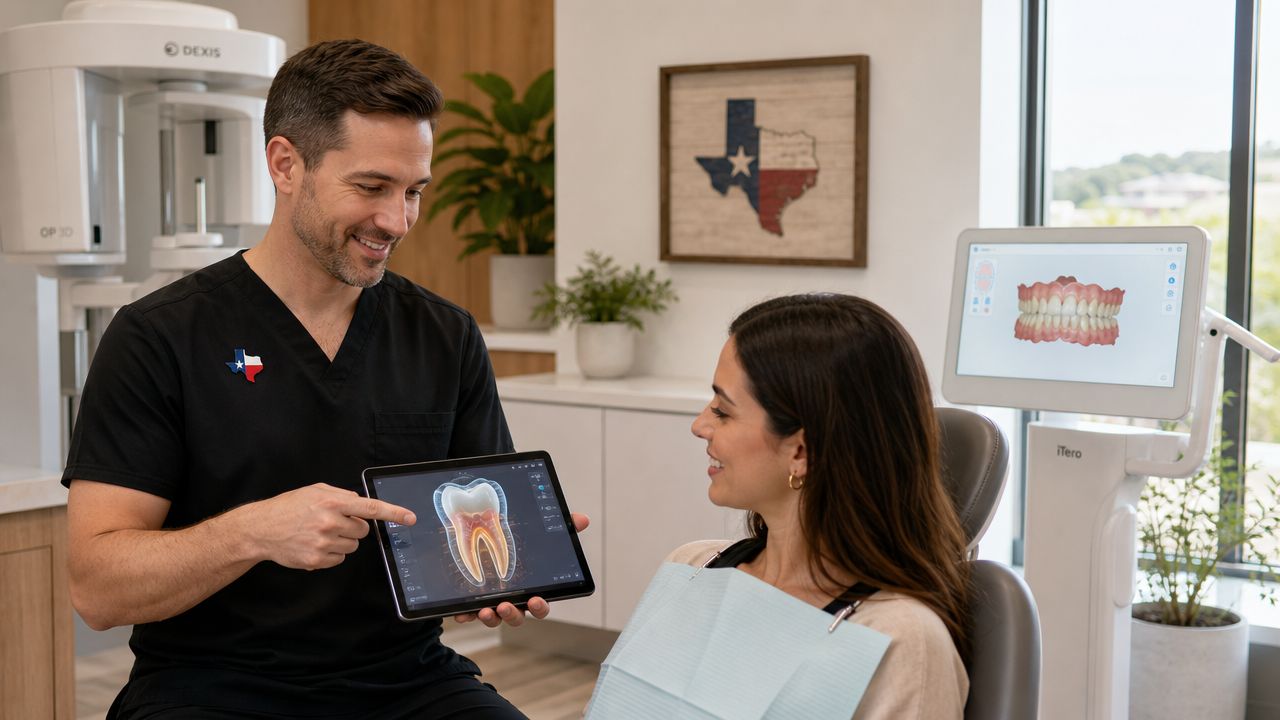
The journey begins with a comprehensive initial consultation, where the dentist evaluates oral health, reviews medical history, and takes advanced digital images. Based on this thorough assessment, a highly personalized treatment plan is carefully crafted to address the patient's specific needs and aesthetic goals. This visit is also the perfect time to ask questions and understand exactly what the upcoming phases will entail.
The Implant Placement Procedure
During the surgical phase, the titanium post is precisely and gently placed into the pre-planned location within the jawbone. Local anesthesia and modern sedation options ensure the patient remains completely comfortable and relaxed throughout the entire appointment. Following the placement, a healing period of several months is typically required to allow the bone to fully integrate with the new artificial root.
Attaching Your Final, Custom Crown
Once the osseointegration process is fully complete and the gums have healed, the final restorative phase takes place. A highly customized, naturally colored crown is securely attached to the abutment, completing the visual and functional aspects of the smile. The patient leaves the office with a fully restored bite, ready to enjoy all their favorite foods with absolute confidence.
Understanding the Value of Dental Implants
Factors That Influence Treatment Costs
Several variables contribute to the final price of the procedure, making each patient's situation entirely unique. The total number of teeth being replaced, the necessity of preliminary procedures like extractions or bone grafting, and the specific materials chosen for the final crown all play a role in the overall investment. A detailed breakdown is always provided during the consultation so patients understand exactly what is included.
Navigating Dental Insurance for Implants
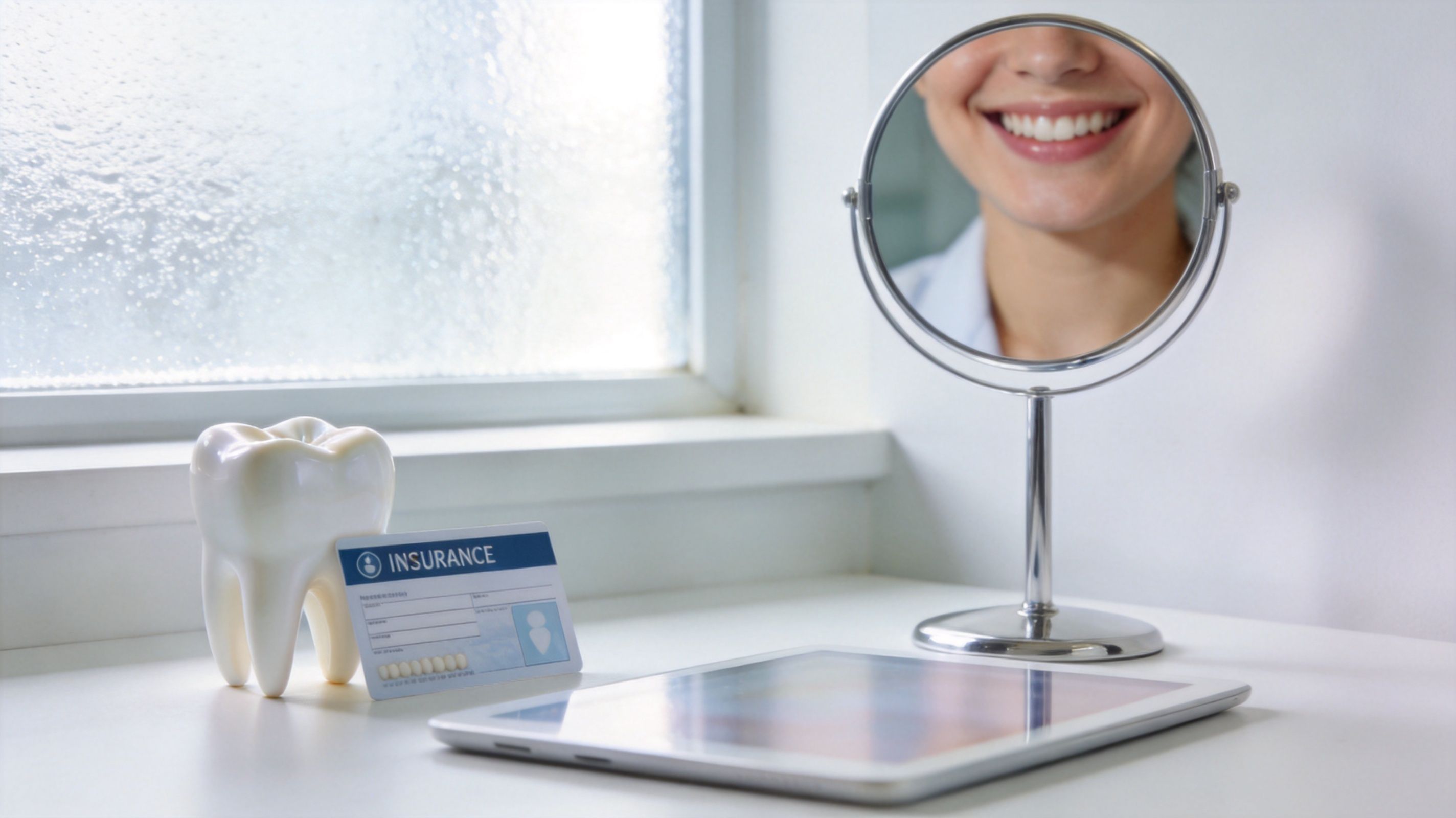
Understanding insurance benefits can be confusing, but asking the right questions helps clarify what aspects of the treatment are covered. While some policies view the titanium post as an elective procedure, they may still cover a portion of the crown, the extractions, or the diagnostic imaging. Dental office staff typically assist patients in maximizing their available benefits to help reduce out-of-pocket expenses.
Flexible Financing and Payment Options
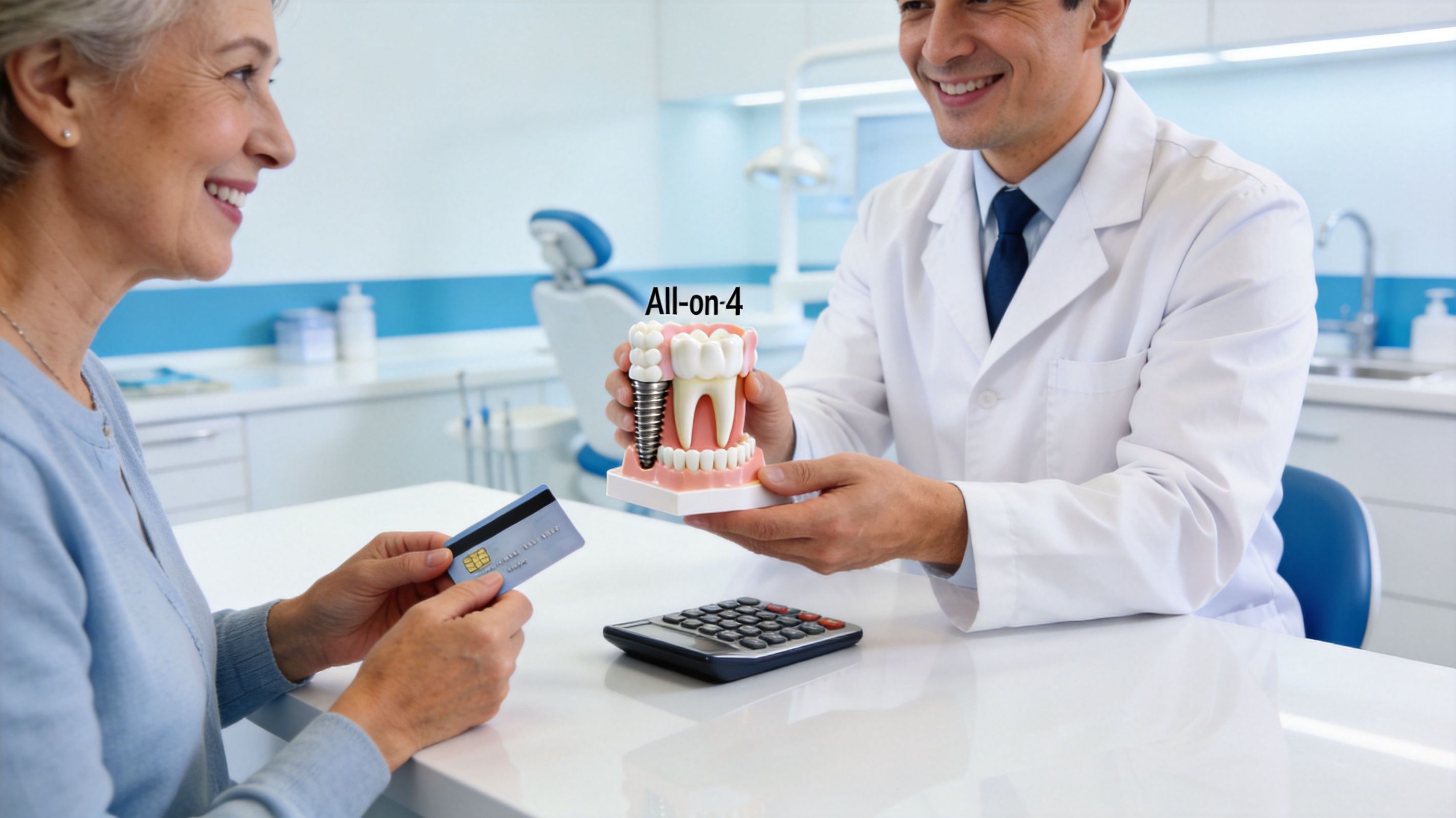
To make state-of-the-art care accessible, many dental clinics offer highly flexible payment plans and third-party financing solutions. These options allow patients to break down the total cost into manageable monthly payments that fit their household budget. By utilizing these resources, individuals can proceed with necessary care immediately without experiencing financial strain.
Caring for Your New Dental Implants
Daily Brushing and Flossing Techniques
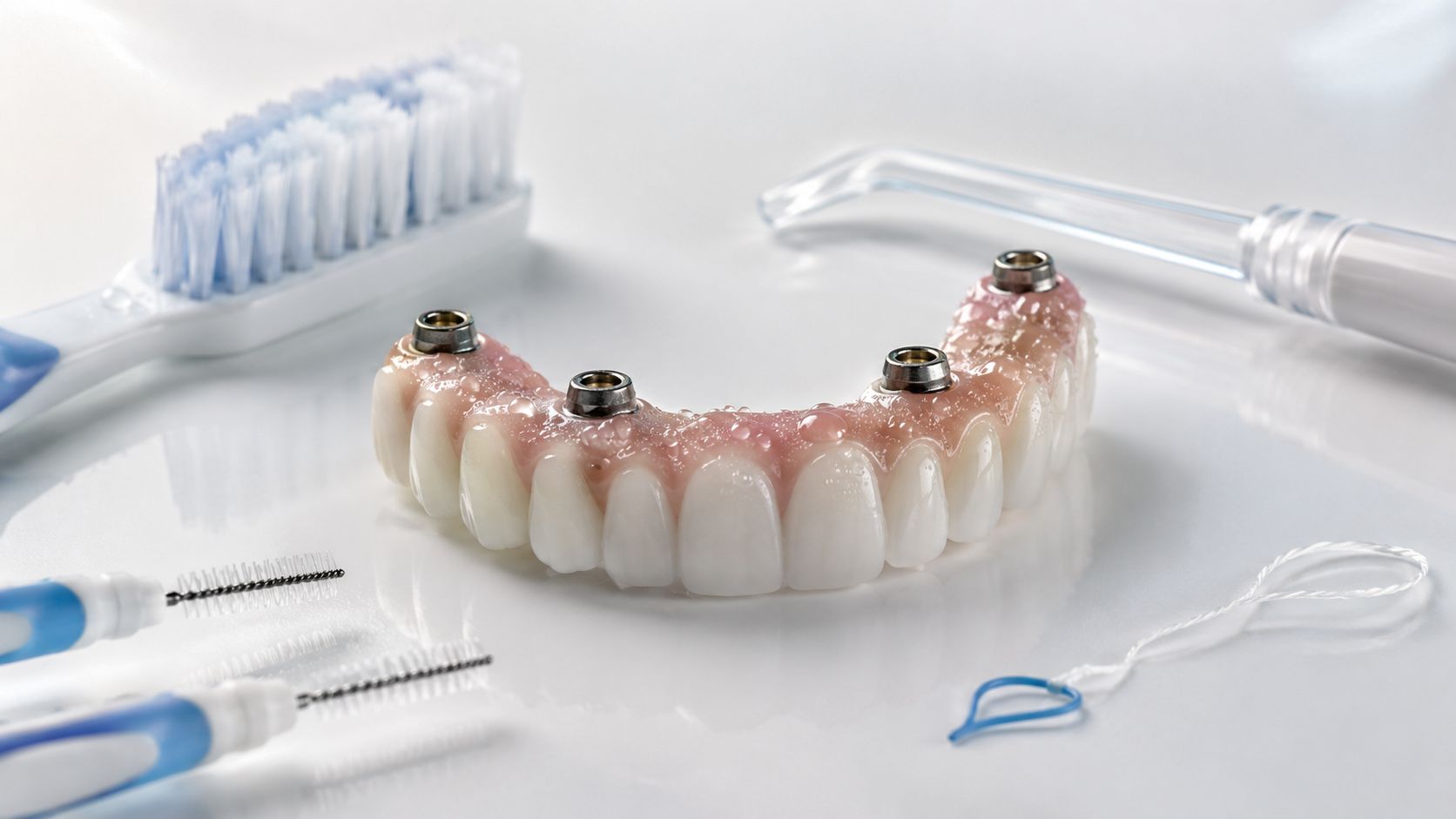
Consistent daily oral hygiene is the best way to keep the artificial crown and the surrounding gums clean and healthy. Brushing twice a day with a soft-bristled toothbrush and using non-abrasive toothpaste prevents plaque buildup around the gum line. Flossing daily, or using a water flosser, is equally important to remove food particles and bacteria that can cause inflammation.
The Importance of Regular Dental Checkups
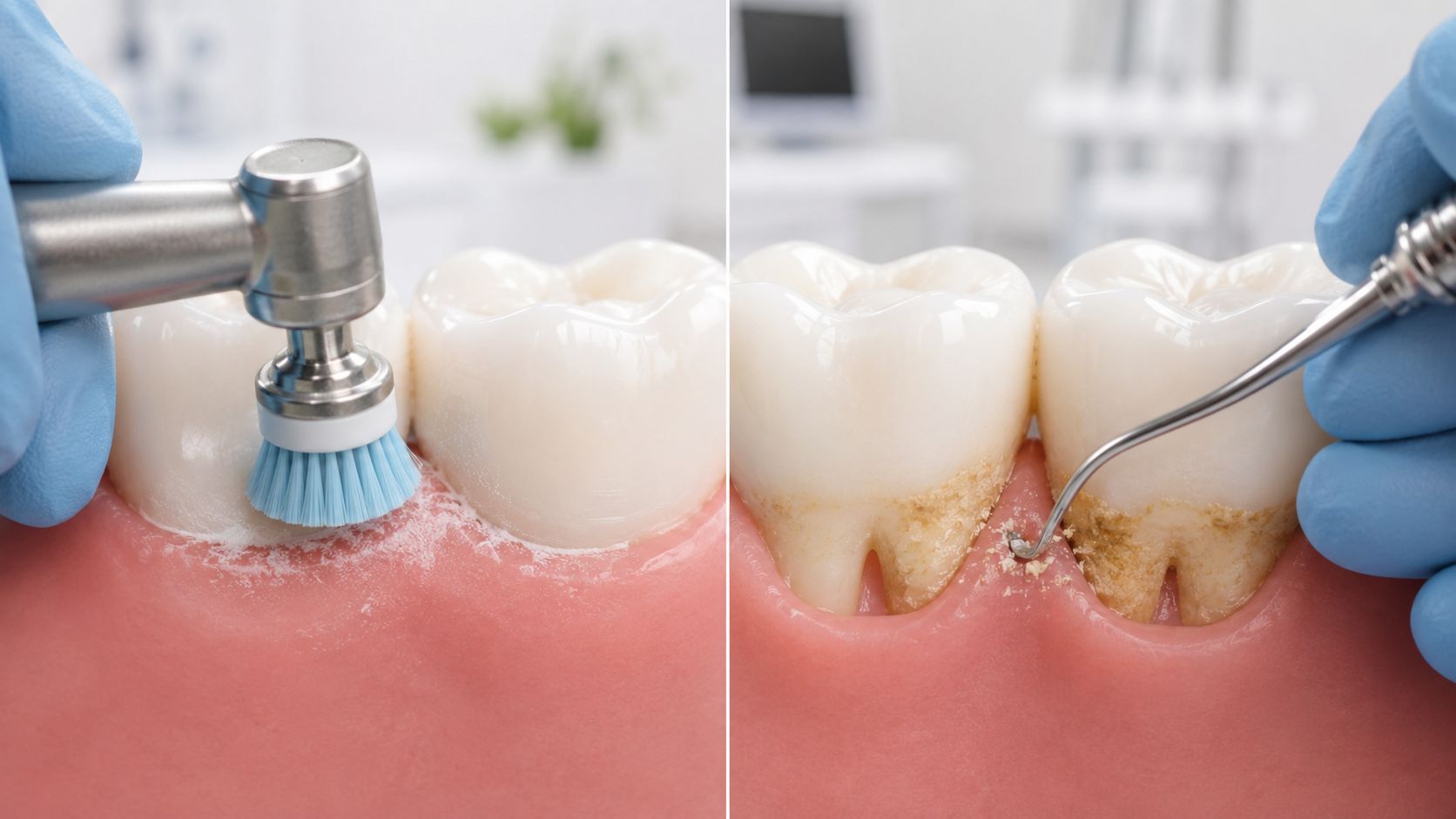
Professional cleanings and comprehensive exams every six months are absolutely crucial for monitoring the long-term health of the restoration and the supporting bone. During these visits, dental hygienists use specialized instruments that safely clean around the titanium post without scratching the surface. The dentist also takes routine x-rays to verify that the underlying bone remains dense and securely attached to the fixture.
Foods to Avoid (and Enjoy!)
Immediately following the surgical placement, patients must stick to a soft food diet to avoid placing undue pressure on the healing surgical site. However, once the site is fully healed and the permanent crown is attached, there are virtually no dietary restrictions. Patients experience the complete freedom to confidently bite into crisp apples, chew tough meats, and enjoy all their favorite meals once again.
Achieve a Lasting Smile with 3D Dental in Austin
Precision Implantology with 3D Technology
The use of 3D CT scans and advanced digital planning at 3D Dental ensures every fixture is placed with optimal accuracy and safety. State-of-the-art equipment provides highly detailed views of the jawbone, nerves, and sinus cavities, which drastically reduces surgical risks. This commitment to utilizing the latest technology guarantees a smooth procedure and an aesthetically flawless final result.
Comprehensive Care from Start to Finish
Patients benefit tremendously from an all-in-one approach, where every step of the journey is handled right inside a single comfortable office. From the initial 3D imaging and surgical placement to the final creation of the custom crown, there is no need to travel to multiple specialists. This streamlined process saves valuable time and ensures consistent, high-quality care throughout the entire treatment timeline.
A Team Dedicated to Your Comfort
The welcoming professionals at 3D Dental prioritize clear communication and a gentle touch to make every patient's experience overwhelmingly positive. Dental anxiety is taken very seriously, and a variety of comfort measures and sedation options are always available. The staff focuses on creating a relaxing, stress-free environment where patients feel fully supported and highly valued.
Single Tooth Replacement vs. Full Arch Solutions
Replacing a Single Missing Tooth
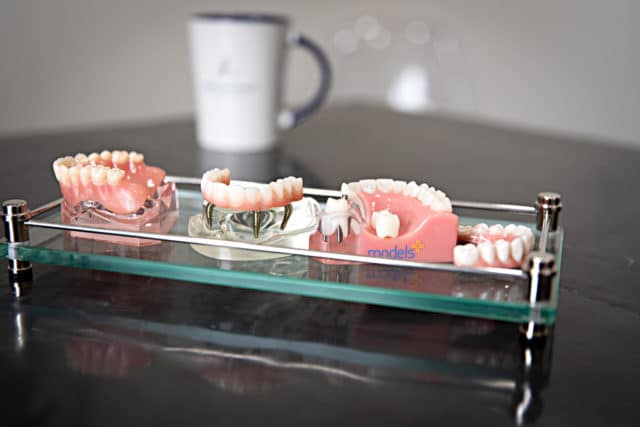
When a single tooth is lost due to injury or decay, an individual titanium post and custom crown perfectly restore the gap in the smile. This targeted approach is highly beneficial because it operates independently and does not require grinding down the healthy neighboring teeth for support. The result is a highly functional, natural-looking replacement that blends in flawlessly with the rest of the mouth.
Implant-Supported Bridges for Multiple Teeth
If a patient is missing several teeth in a continuous row, two or more strategically placed posts can comfortably support a custom dental bridge. Instead of resting on natural teeth or relying on the gums, the bridge is firmly anchored to the titanium roots. This provides a incredibly strong chewing surface and prevents the bone loss that would otherwise occur in the empty spaces.
All-on-4® and Full Arch Restoration
Innovative solutions like the All-on-4® method use just four to six precisely angled posts to support a full, permanent denture for a complete smile makeover. This technique is ideal for patients who have lost all their teeth on the upper or lower arch and want a permanent alternative to traditional removable dentures. The new set of teeth is firmly fixed in place, restoring full chewing power and incredible facial aesthetics in a very short amount of time.
Key Questions to Ask Your Implant Dentist
Inquiring About Experience and Training
It is highly recommended to ask the dentist about their specific, formal training in implantology and how many successful procedures they have performed. Experience matters greatly in surgical settings, and a doctor with a long track record of success will be well-equipped to handle any anatomical challenges. Asking to see before-and-after photos of previous patients can also provide great peace of mind.
Discussing the Technology Used
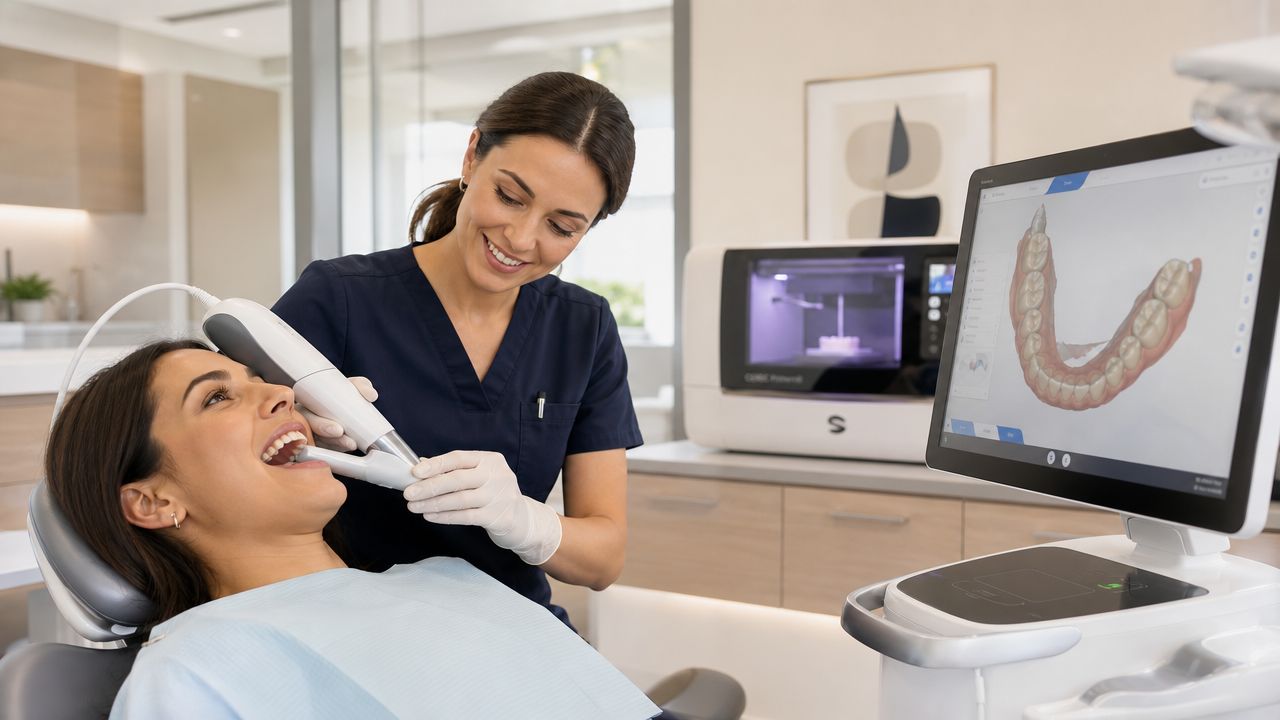
Patients should find out exactly what kind of imaging and surgical planning technology the office uses to ensure maximum precision. An office utilizing modern 3D CT scanners, digital impressions, and 3D-printed surgical guides demonstrates a deep commitment to patient safety and excellent outcomes. Traditional 2D x-rays simply do not provide the level of detail required for the safest, most predictable surgical placements.
Clarifying the Timeline and Follow-Up Care
Asking for a clear, written breakdown of the entire process helps patients understand the timeline from the first surgery to the final restoration. Healing times can vary based on individual biology and whether preliminary bone grafting is required. Discussing the long-term follow-up care and maintenance protocols ensures the patient is fully prepared to protect their new smile for decades to come.
Start Your Journey to a Restored Smile
Choosing modern tooth replacement is a powerful step toward completely restoring functionality, soaring confidence, and excellent overall oral health. By fully understanding the biological process, the numerous long-term benefits, and the extreme importance of advanced 3D technology, patients can comfortably pursue this life-changing solution in Austin. The journey from a compromised bite to a fully functioning, beautiful set of teeth is highly accessible and deeply rewarding.
Ready to explore if this permanent restorative option is the right choice? Schedule a free, no-obligation consultation with the team at 3D Dental in Austin TX and see what's possible for a brighter, healthier future.
Ready to get started?
Schedule a free, no obligation consultation with our team and see what's possible for your smile!
Georgetown
- Mon-Thurs8:30am-5pm
- Fri8am-3:30pm
- Sat-SunClosed
Austin
- Mon-Tues8am-5pm
- Wed-Thurs9am-6pmFri8am-2pm
- Sat-SunClosed