
Dentists Near Me
Related Posts



















From Checkups to Cosmetic Fixes: Dentists Near Me Who Do It All
Most people only think about finding dentists near me when something goes wrong—a cracked tooth, a nagging ache, or a smile they've been meaning to fix for years. By then, you're already scrambling to find someone who can help quickly, which is rarely the best way to make an important healthcare decision.
The smarter approach? Finding a single, full-service dental clinic before you need one. A practice that handles everything from routine cleanings to complex restorations means fewer referrals, less time coordinating appointments across multiple offices, and a care team that actually knows your dental history. That's the kind of convenience most patients don't realize they're missing—until they find it.
This guide breaks down what to look for in a comprehensive dental provider, what modern dentistry actually looks like today, and why clinics like 3D Dental are redefining what it means to get quality care close to home.
Why a Full-Service Dental Clinic Changes Everything
Seeing a specialist for every dental issue sounds thorough, but it creates real friction. You get a referral from your general dentist, wait weeks for an available appointment, repeat your medical history to a new provider, and hope your records transfer correctly. All of this for a single procedure.
Full-service clinics eliminate that cycle. When your dentist handles preventative care, restorative work, and cosmetic treatments under one roof, your care becomes more coordinated and consistent. The same team that placed your filling can monitor it over time. The same provider who spots early gum disease can also recommend whitening options once your oral health is back on track.
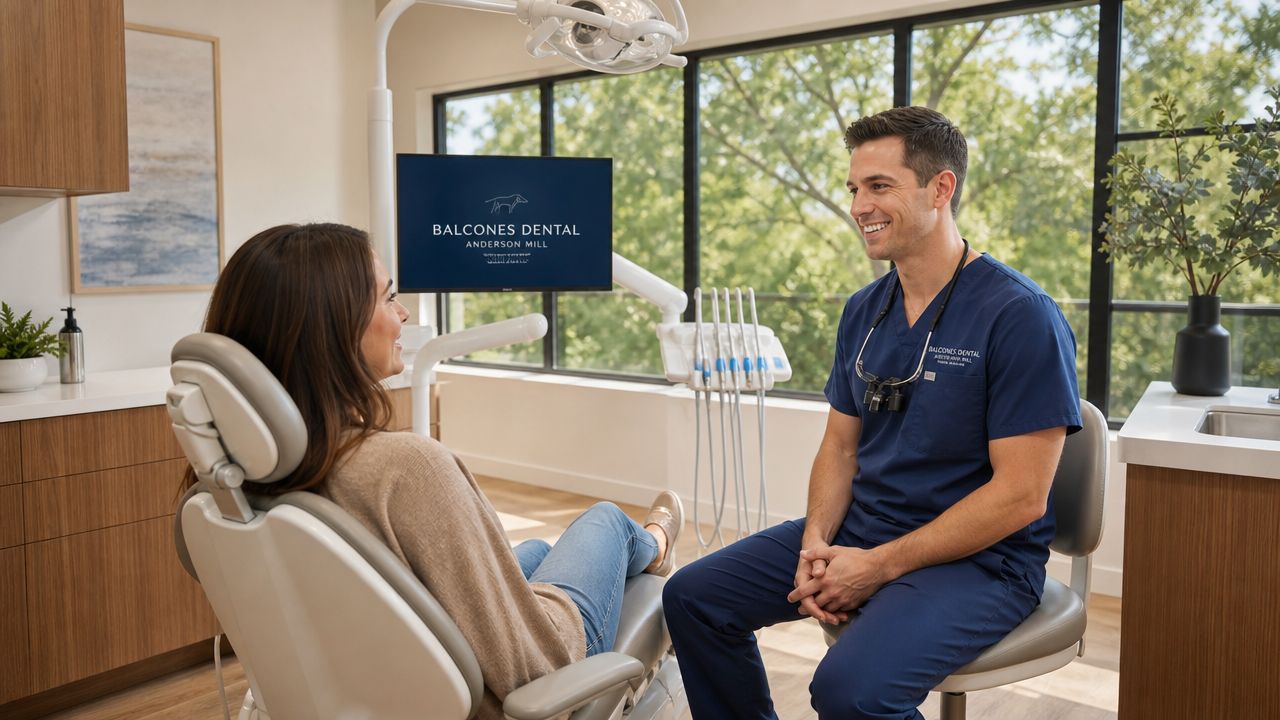
There's also a trust factor. Ongoing relationships with a single dental team tend to produce better outcomes. Your dentist learns your anxiety triggers, your bite patterns, your history—details that matter when making treatment decisions.
Preventative Care: The Foundation of Good Oral Health
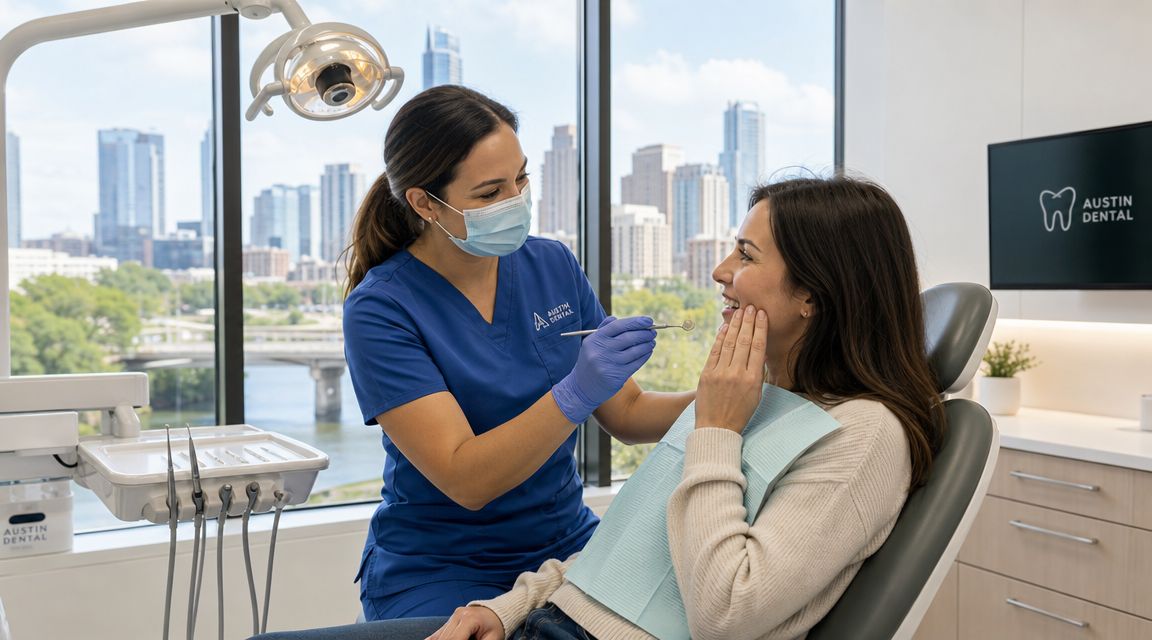
Preventative dentistry is the most straightforward part of dental care, yet it's where most long-term problems are either caught or missed. Regular checkups—typically every six months—give your dentist the chance to identify issues before they escalate into more complex (and expensive) treatments.
A standard preventative visit usually includes:
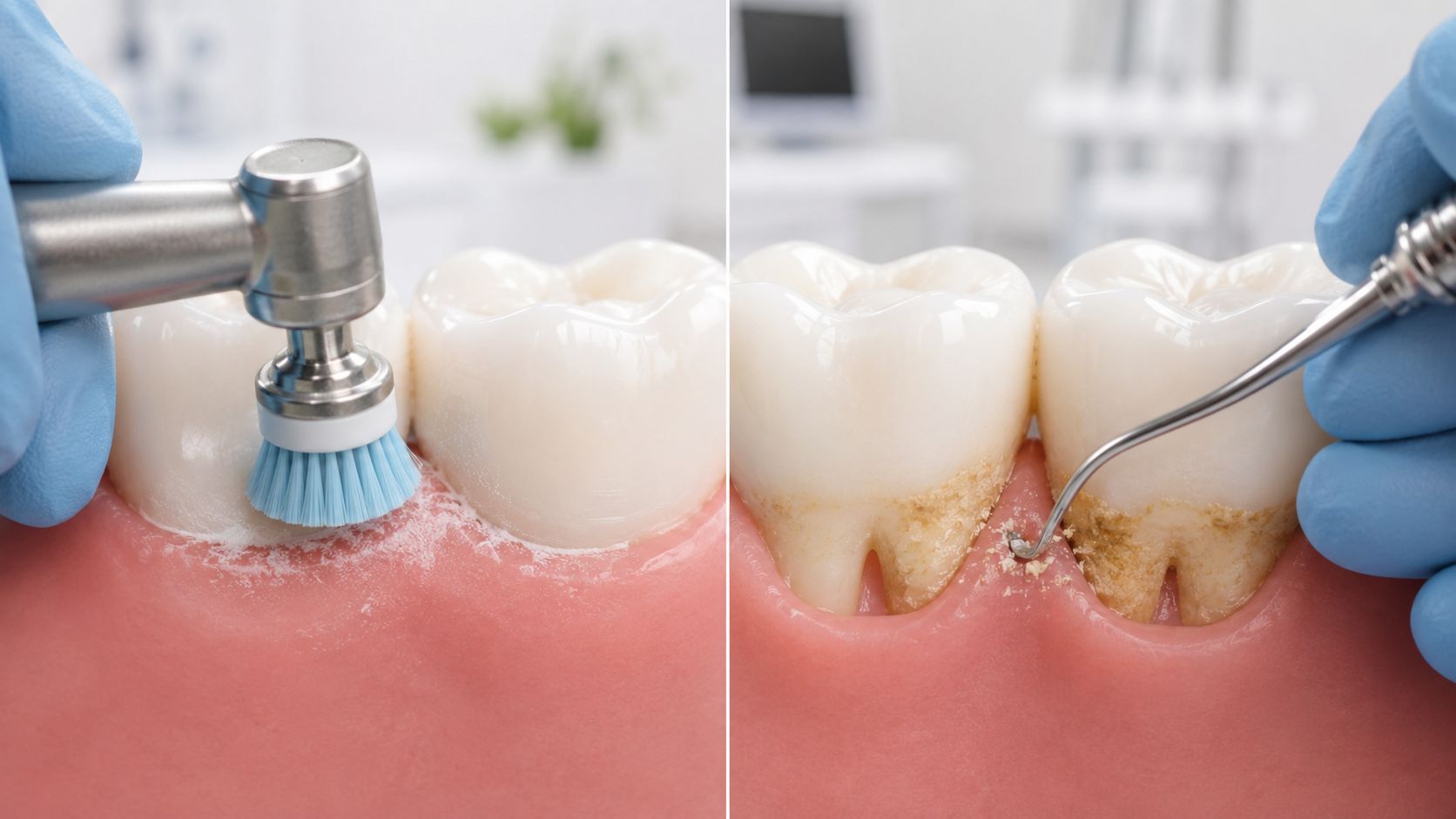
- Professional cleaning: Removing plaque and tartar buildup that brushing can't reach
- Oral cancer screening: A quick but critical visual and physical examination
- X-rays: Periodic imaging to detect decay, bone loss, and other issues invisible to the naked eye
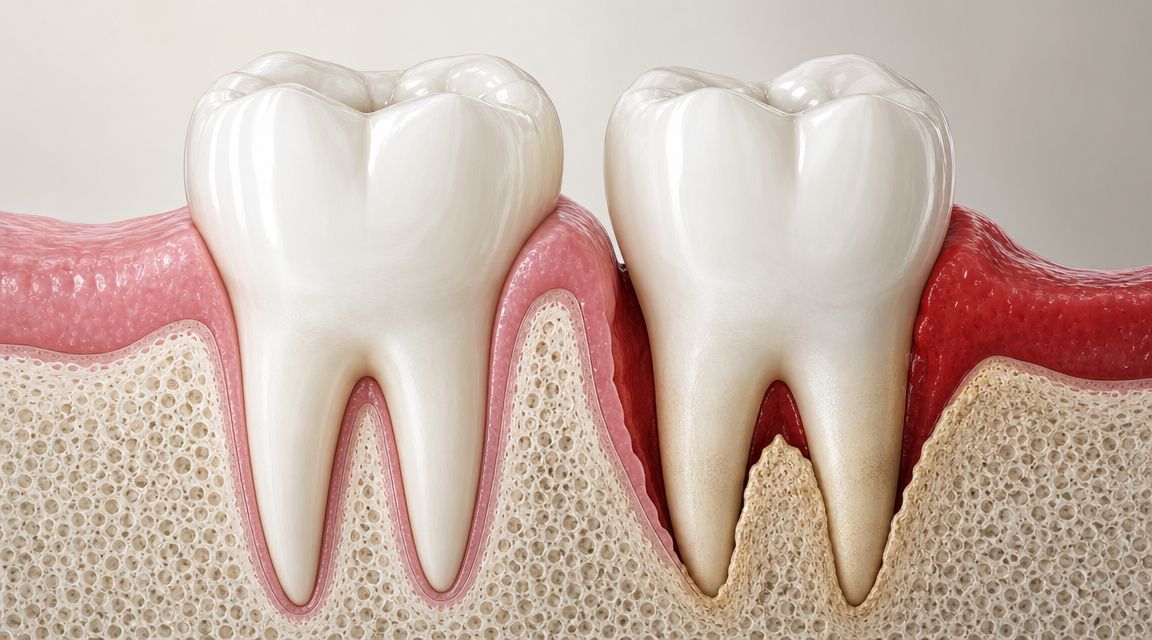
- Gum health assessment: Measuring pocket depths to catch early signs of periodontal disease
Beyond the clinic, preventative care extends to at-home habits—brushing twice daily, flossing, and managing diet choices that affect enamel strength. A good dental team won't just clean your teeth; they'll help you understand why certain habits matter and how to maintain them between visits.
Restorative Dentistry: From Minor Fixes to Major Rebuilds
Even with excellent preventative care, most people will need some form of restorative treatment at some point. The range of what falls under "restorative dentistry" is broader than many patients realize.
Fillings and Crowns
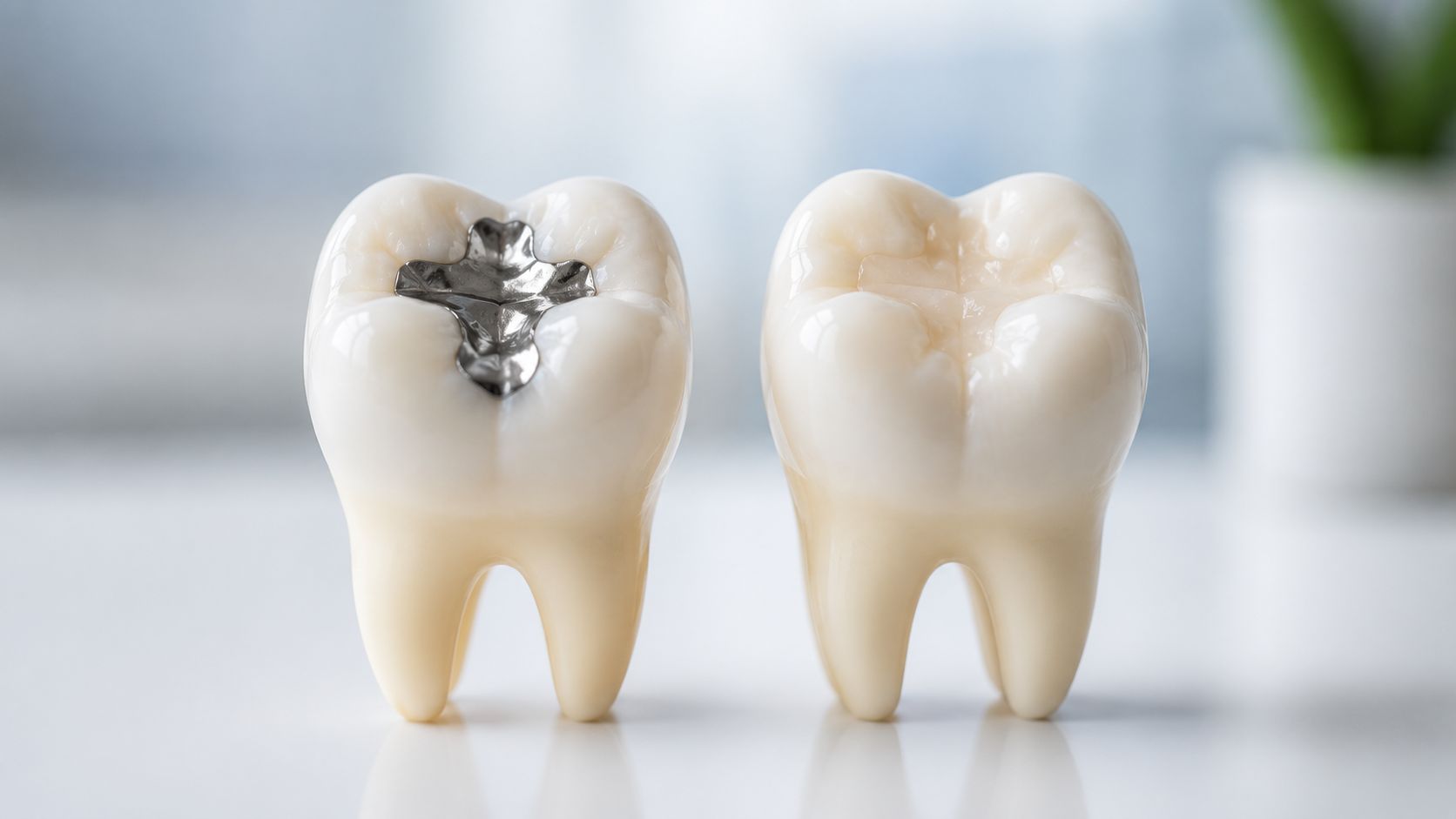
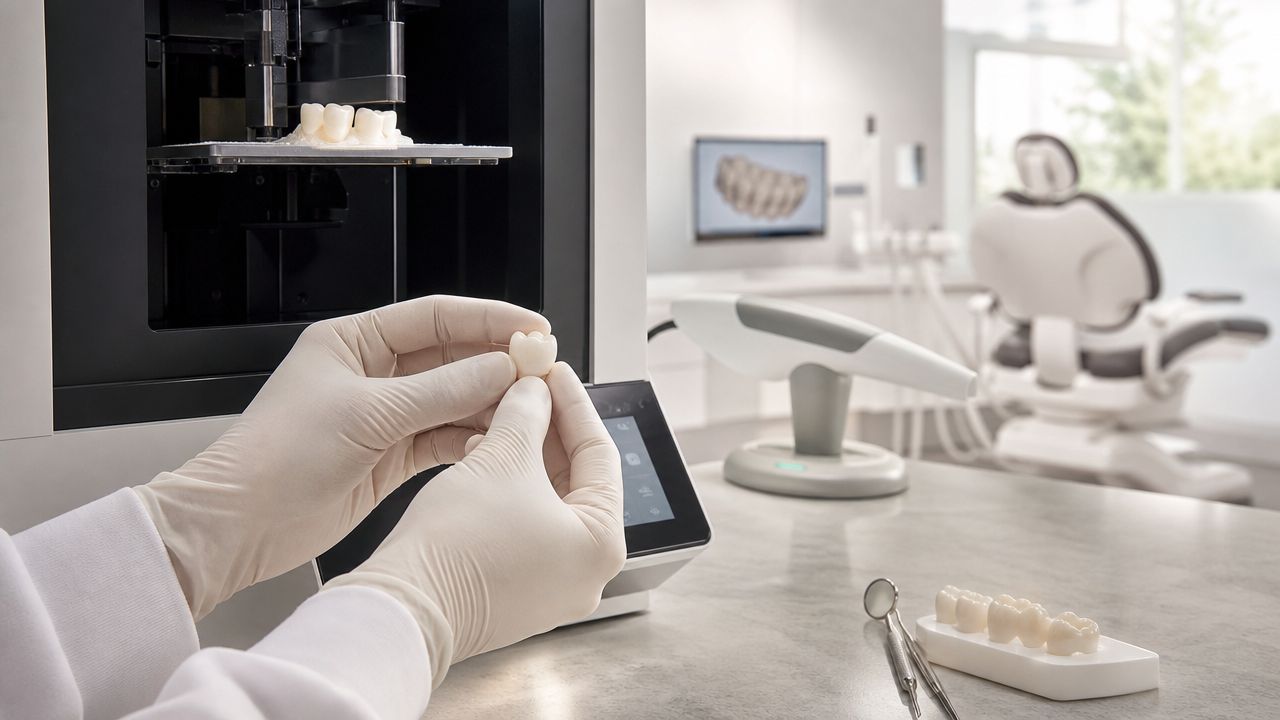
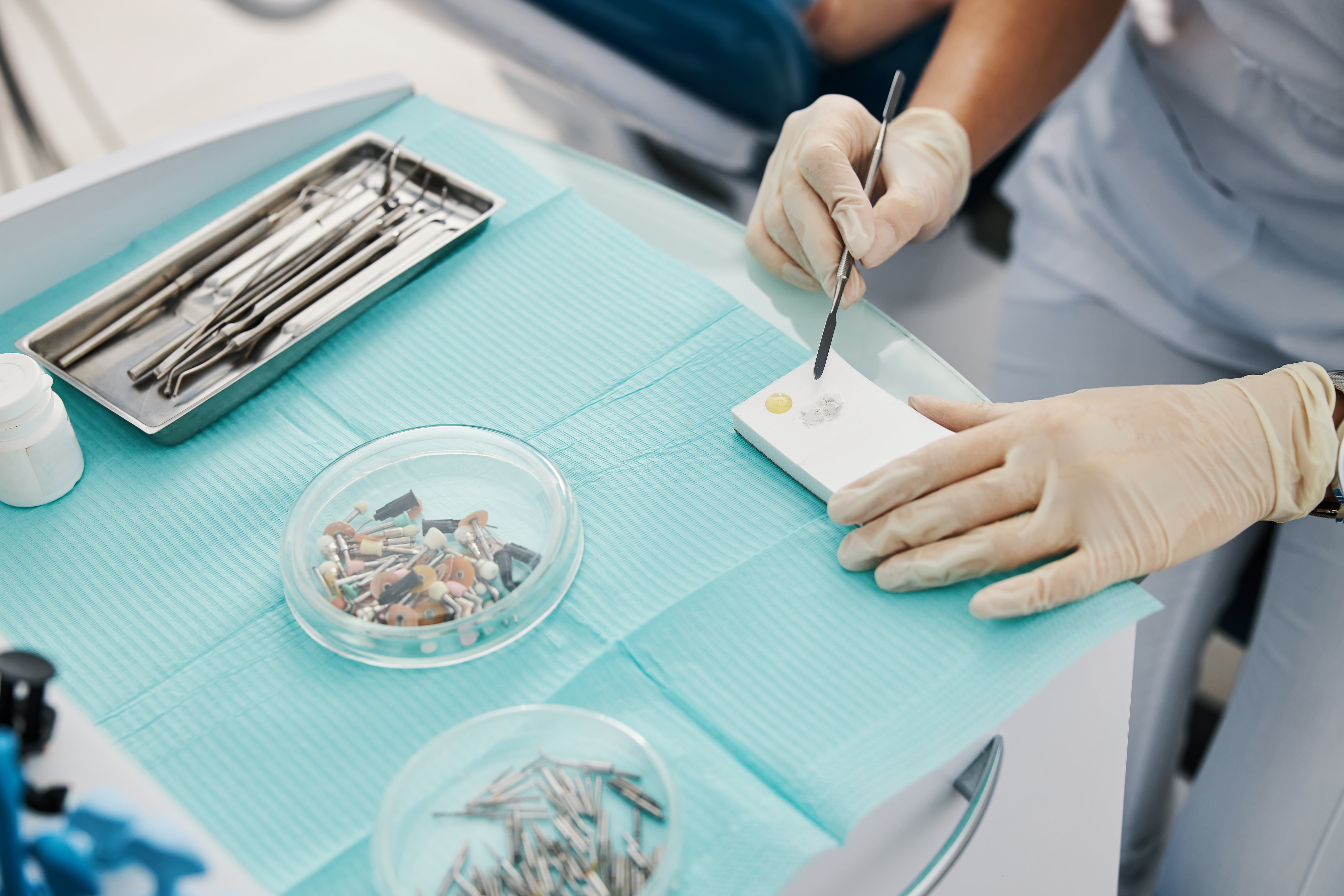
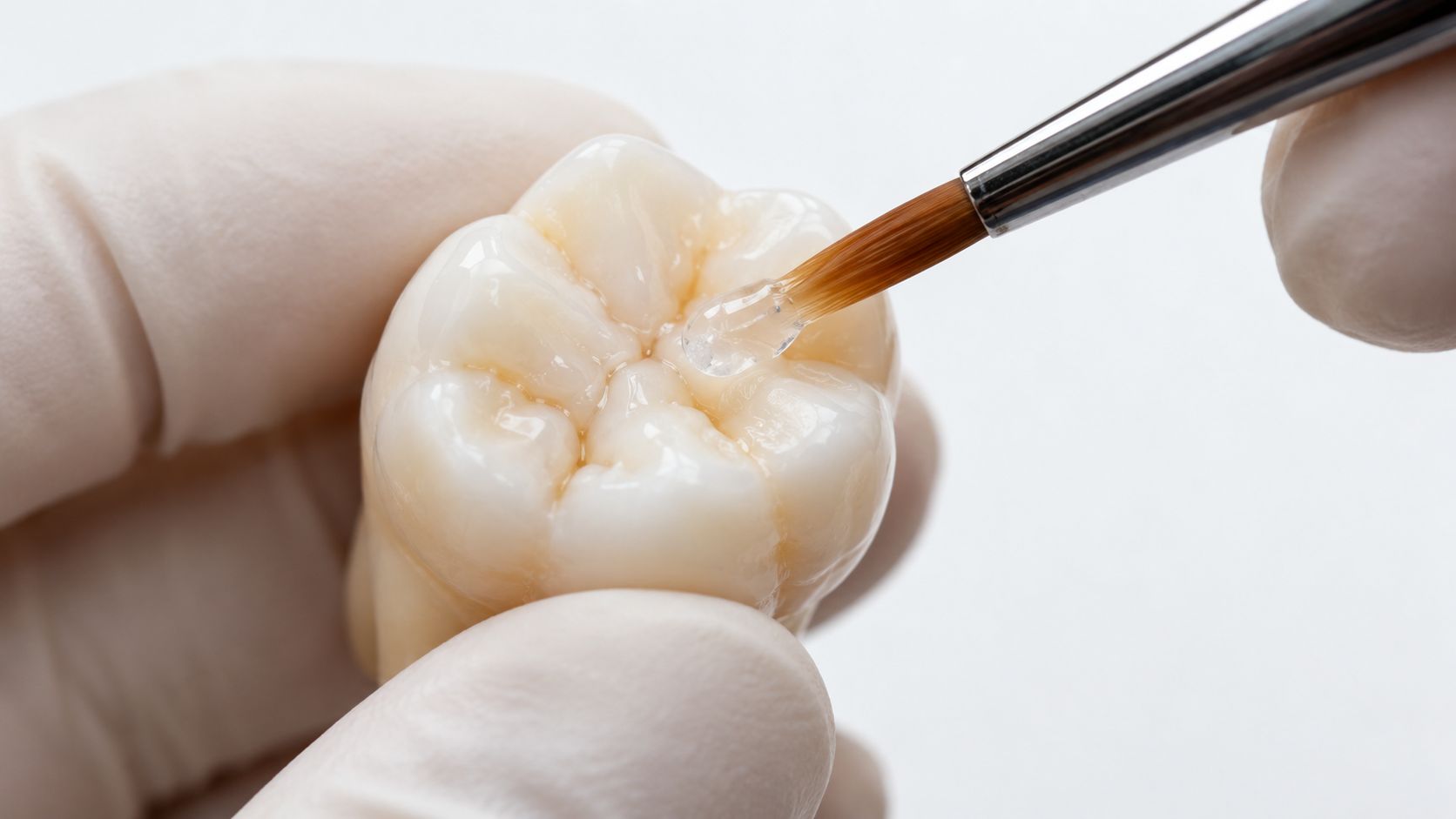
Tooth-colored composite fillings have largely replaced silver amalgam for cavities, offering a more natural appearance and strong adhesion. For teeth with more significant damage or decay, crowns—custom-fitted caps that cover the entire tooth—restore both function and aesthetics. Modern crowns can often be fabricated and placed in a single visit at clinics equipped with the right technology.
Root Canals
Few dental procedures have a worse reputation than root canals, largely undeserved. When decay reaches the inner pulp of a tooth, a root canal removes the infected tissue, cleans the canal, and seals the tooth—typically saving it from extraction. With local anesthesia and modern techniques, the procedure is far more comfortable than its reputation suggests.
Dental Implants
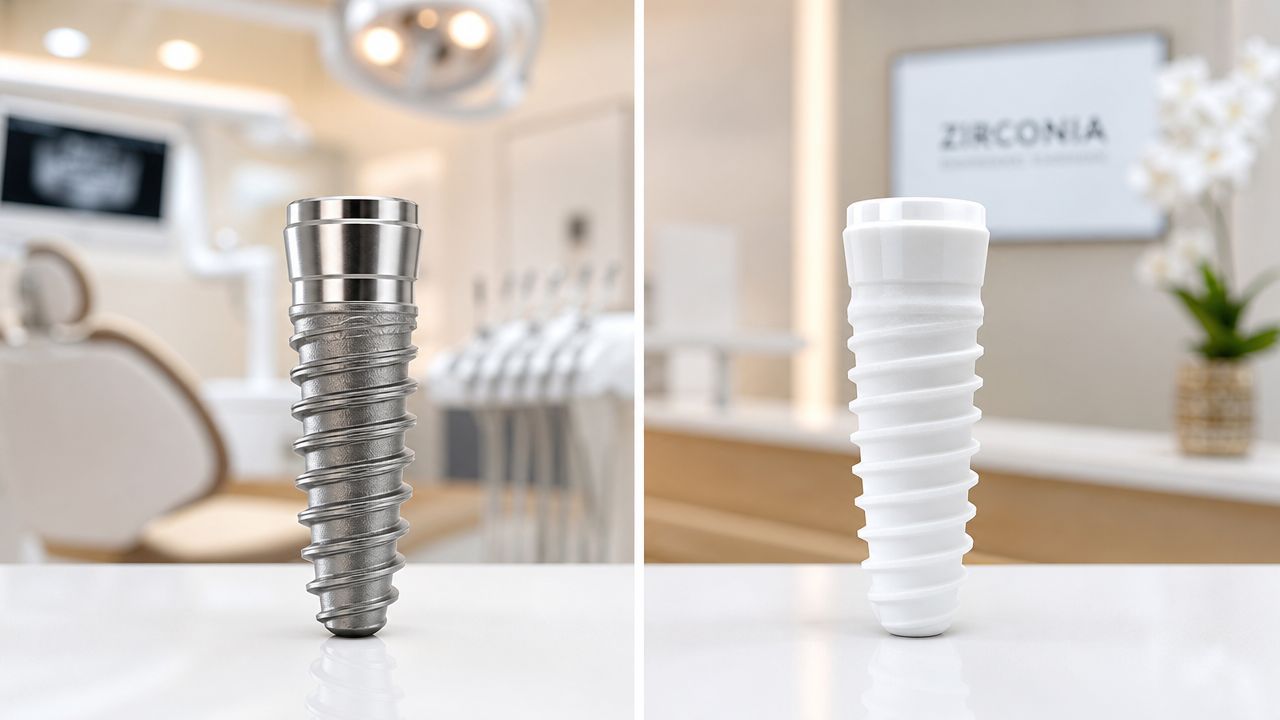
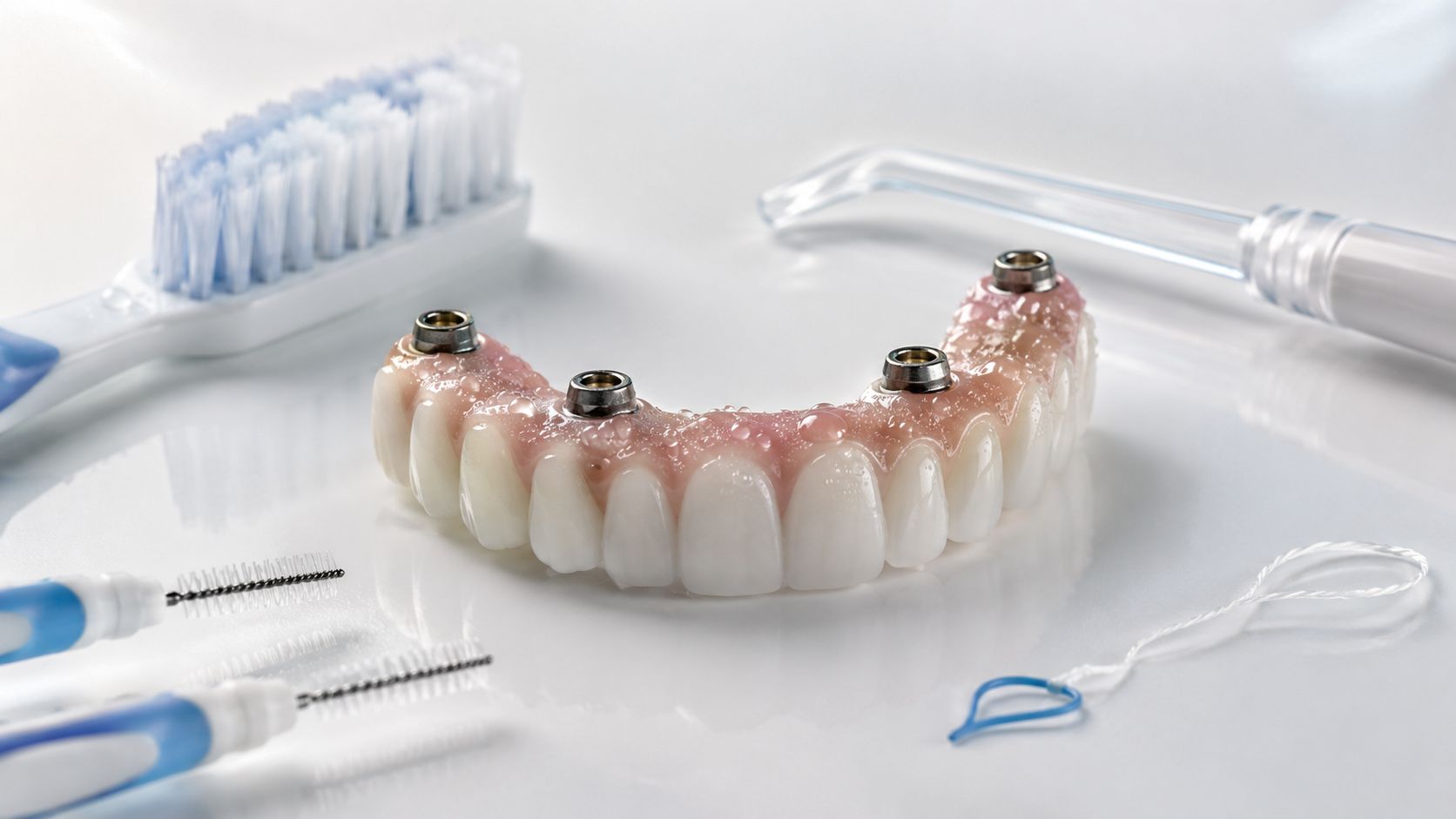
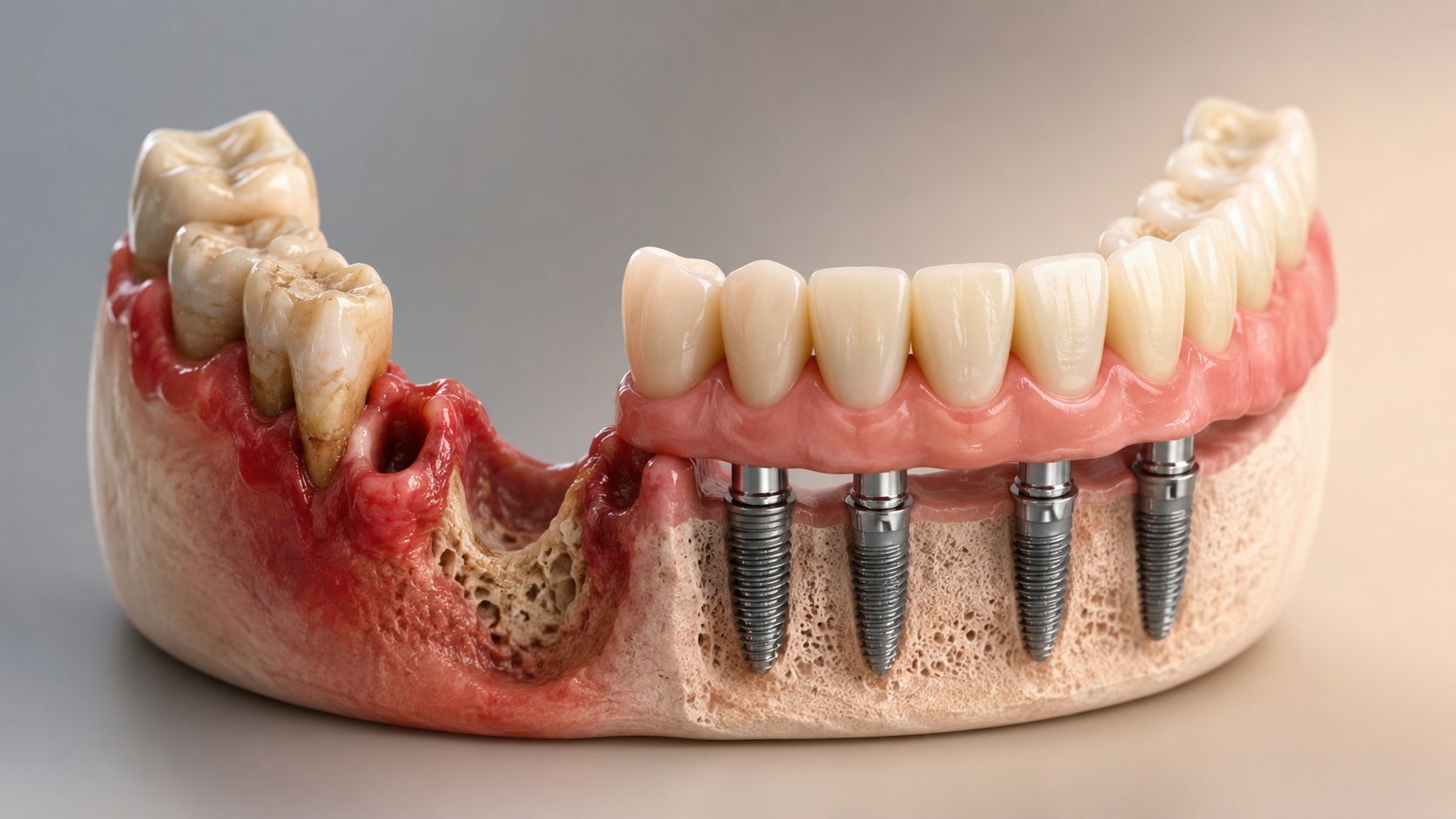
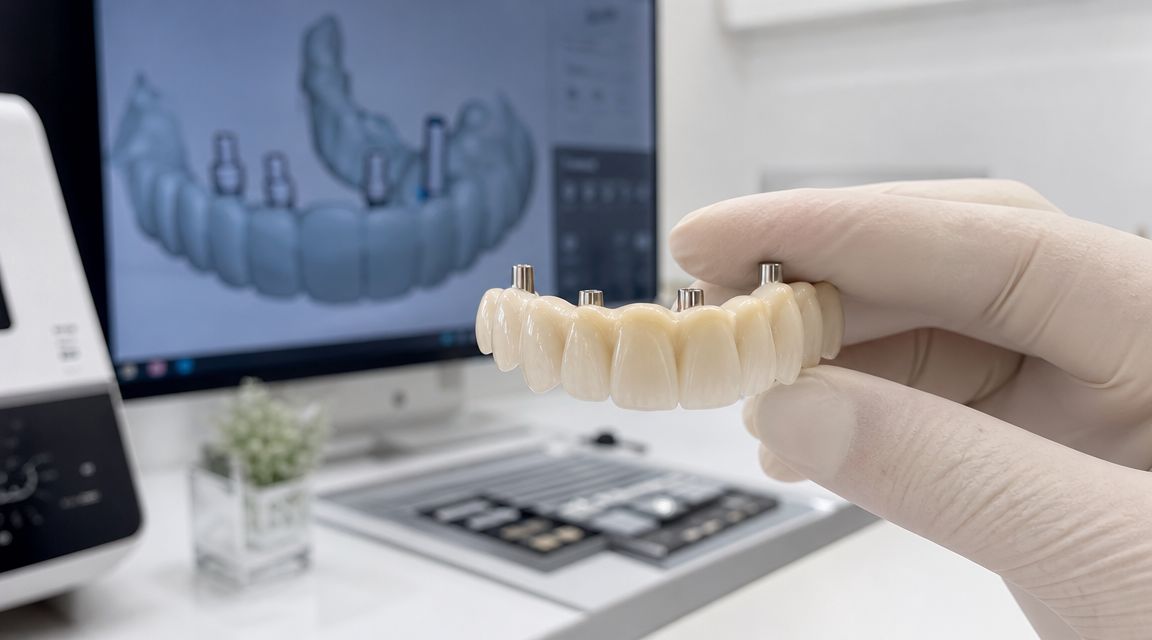
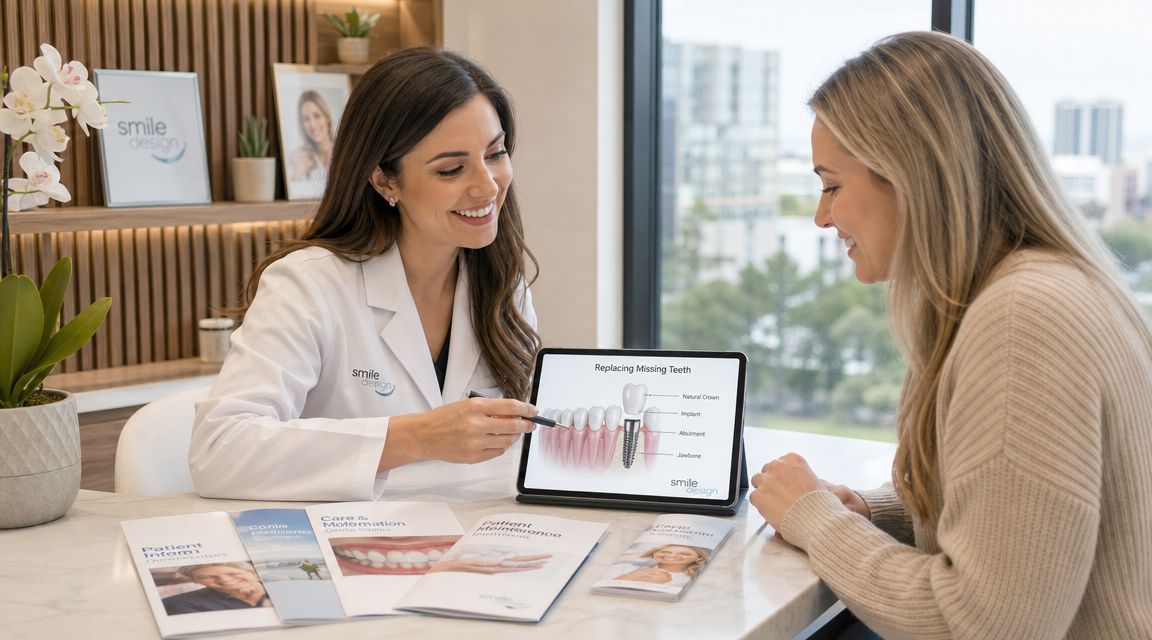
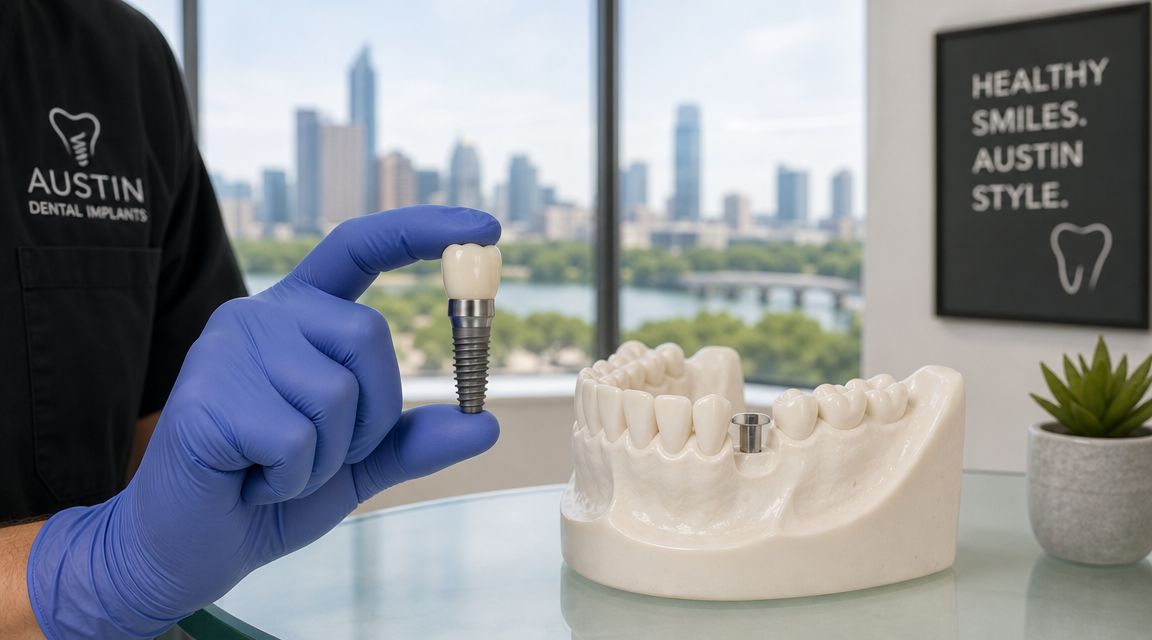
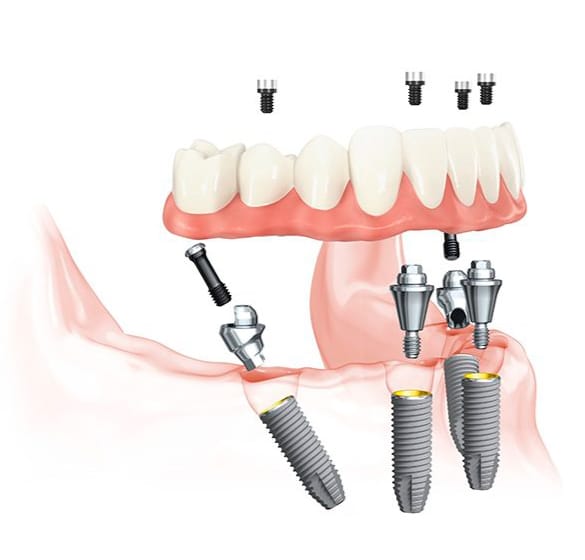
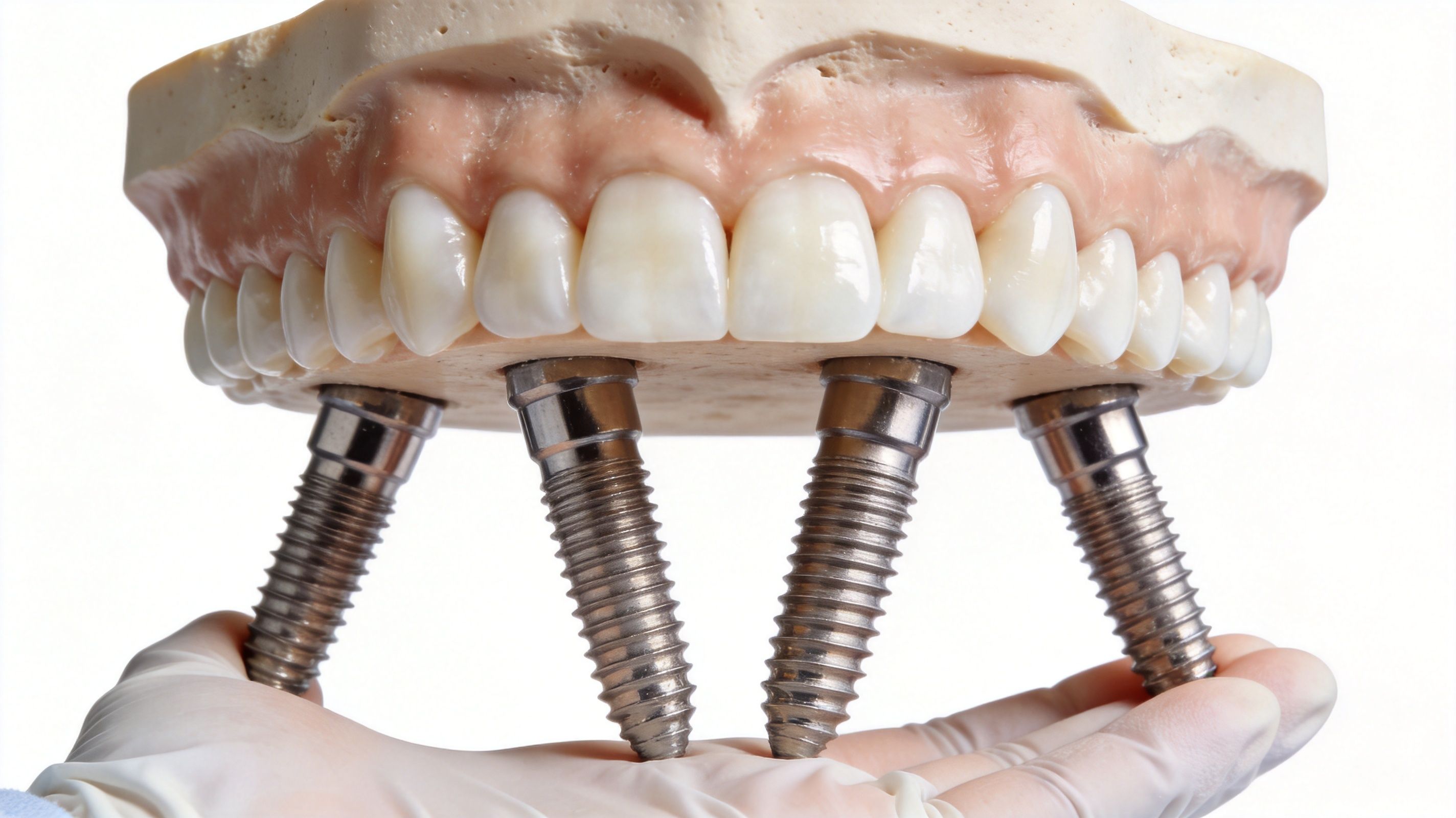
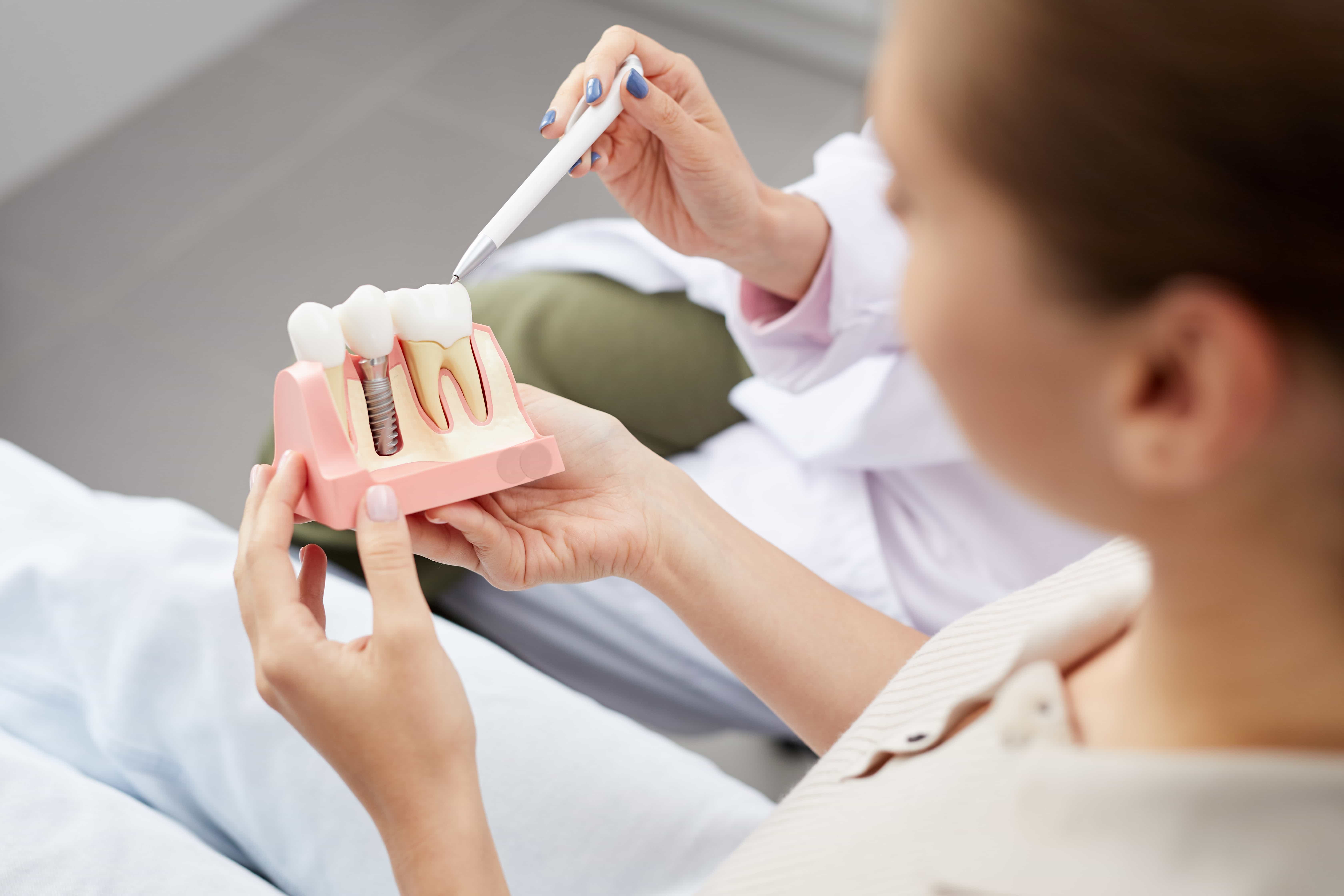
For patients with missing teeth, implants have become the gold standard in tooth replacement. A titanium post is surgically placed into the jawbone, where it fuses over time before a custom crown is attached on top. The result looks, feels, and functions like a natural tooth. Unlike bridges or partial dentures, implants don't rely on neighboring teeth for support and help preserve jawbone density over time.
Dentures and Bridges
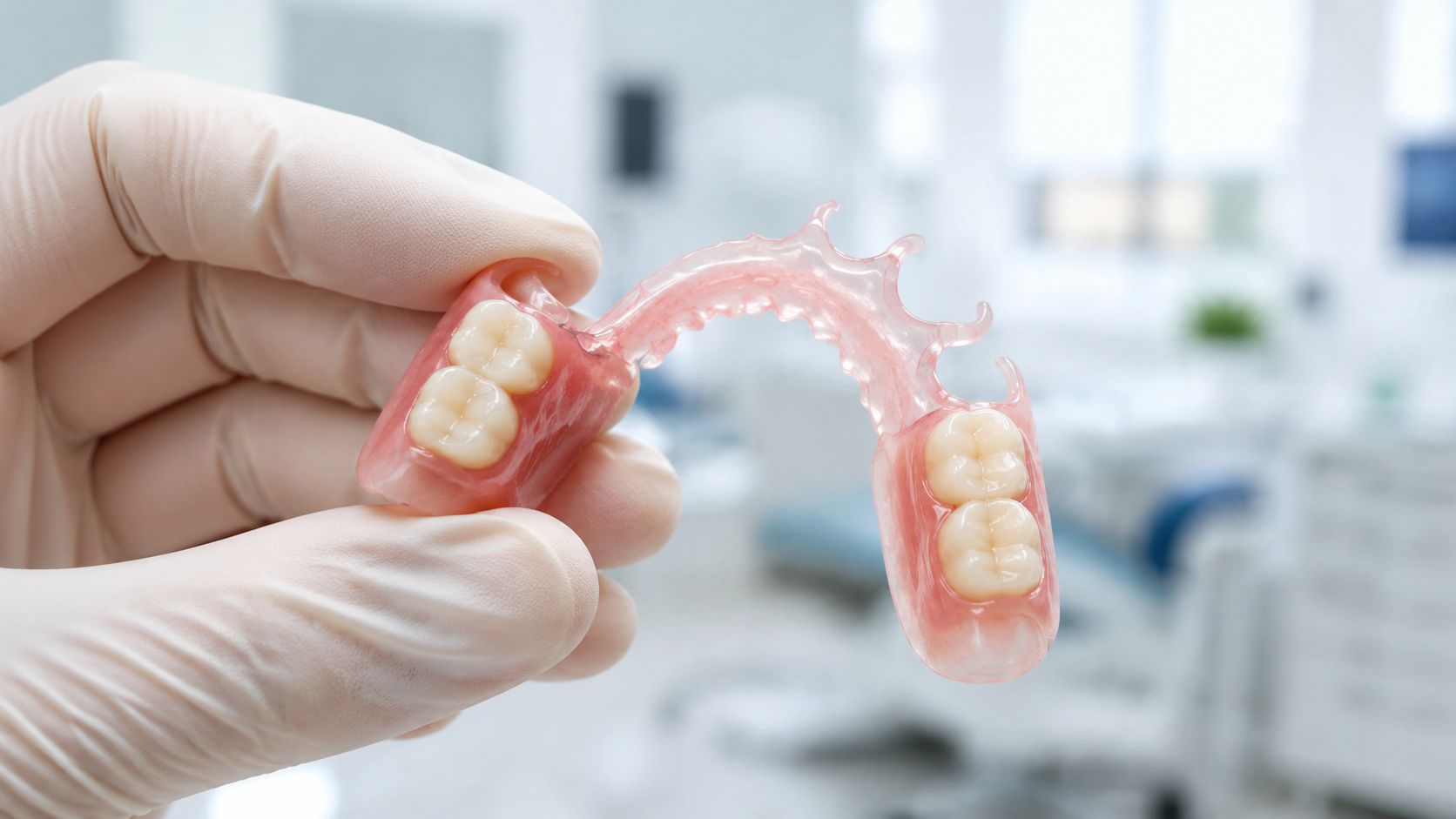
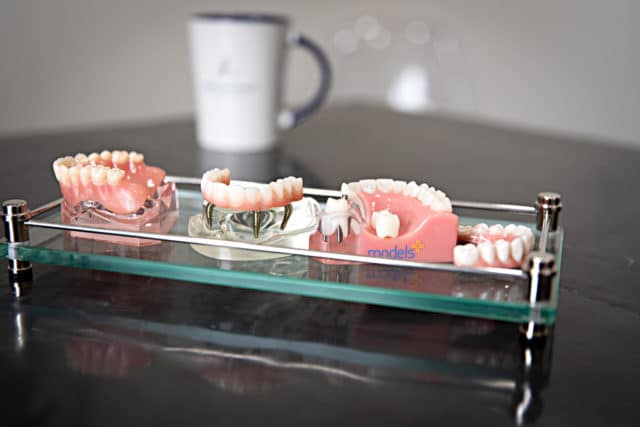
Not every patient is a candidate for implants, and fixed bridges or full and partial dentures remain practical options for tooth replacement. A comprehensive dental clinic will walk you through the right solution based on your specific anatomy, bone health, and lifestyle.
Cosmetic Dentistry: More Than Aesthetics
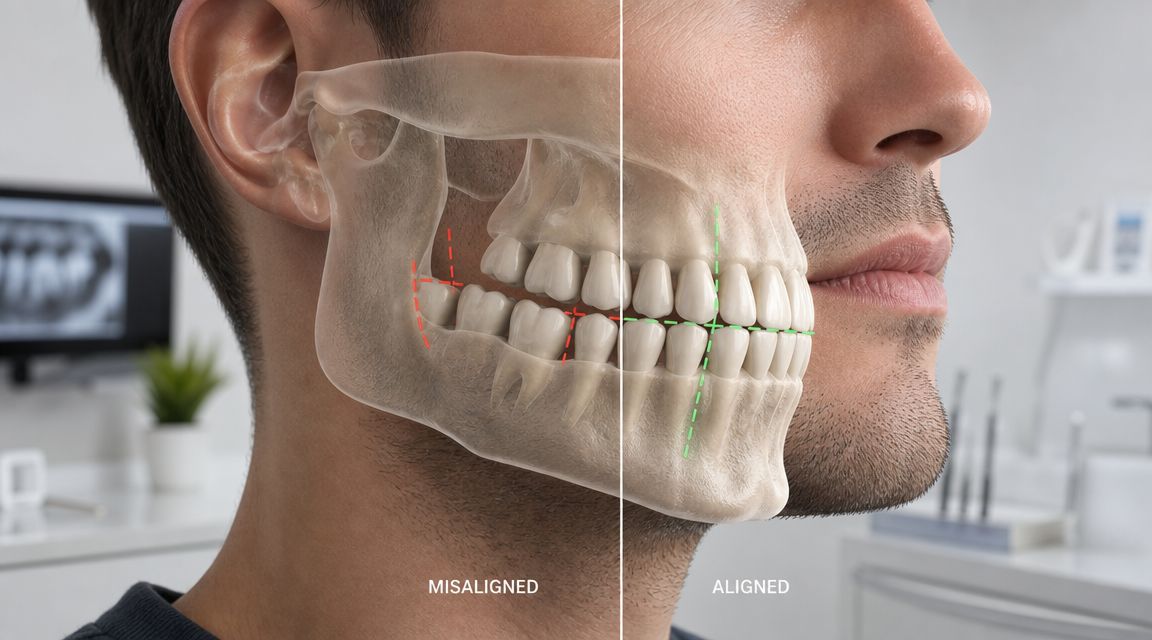
The line between cosmetic and functional dentistry is thinner than most people think. Straightening misaligned teeth improves bite function as much as appearance. Replacing a missing tooth with a well-fitted restoration prevents shifting and bone loss. Treating discoloration can reveal surface erosion that needs addressing.
That said, many patients genuinely want to improve their smile—and modern cosmetic dentistry offers more options than ever.
Teeth Whitening
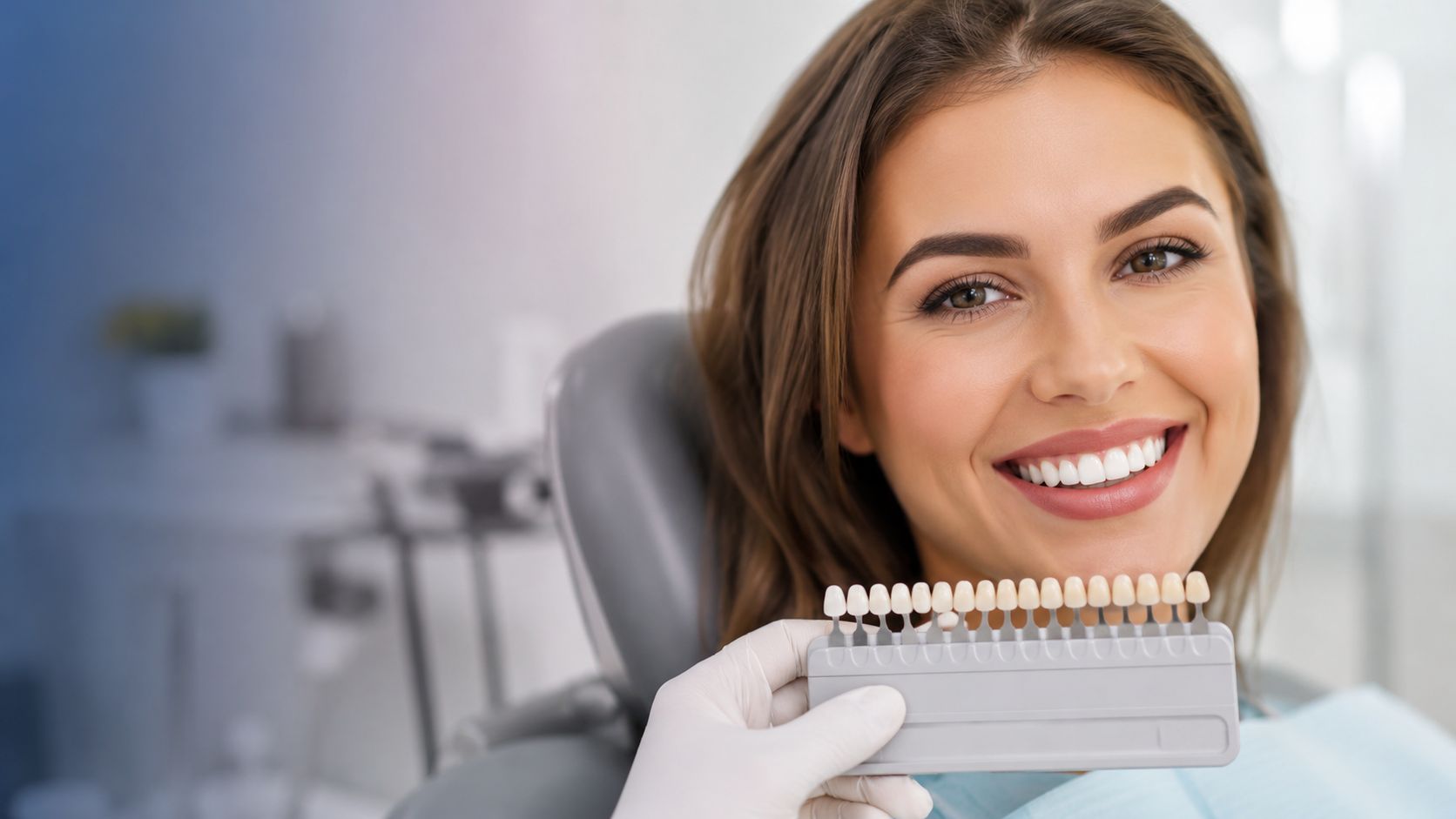
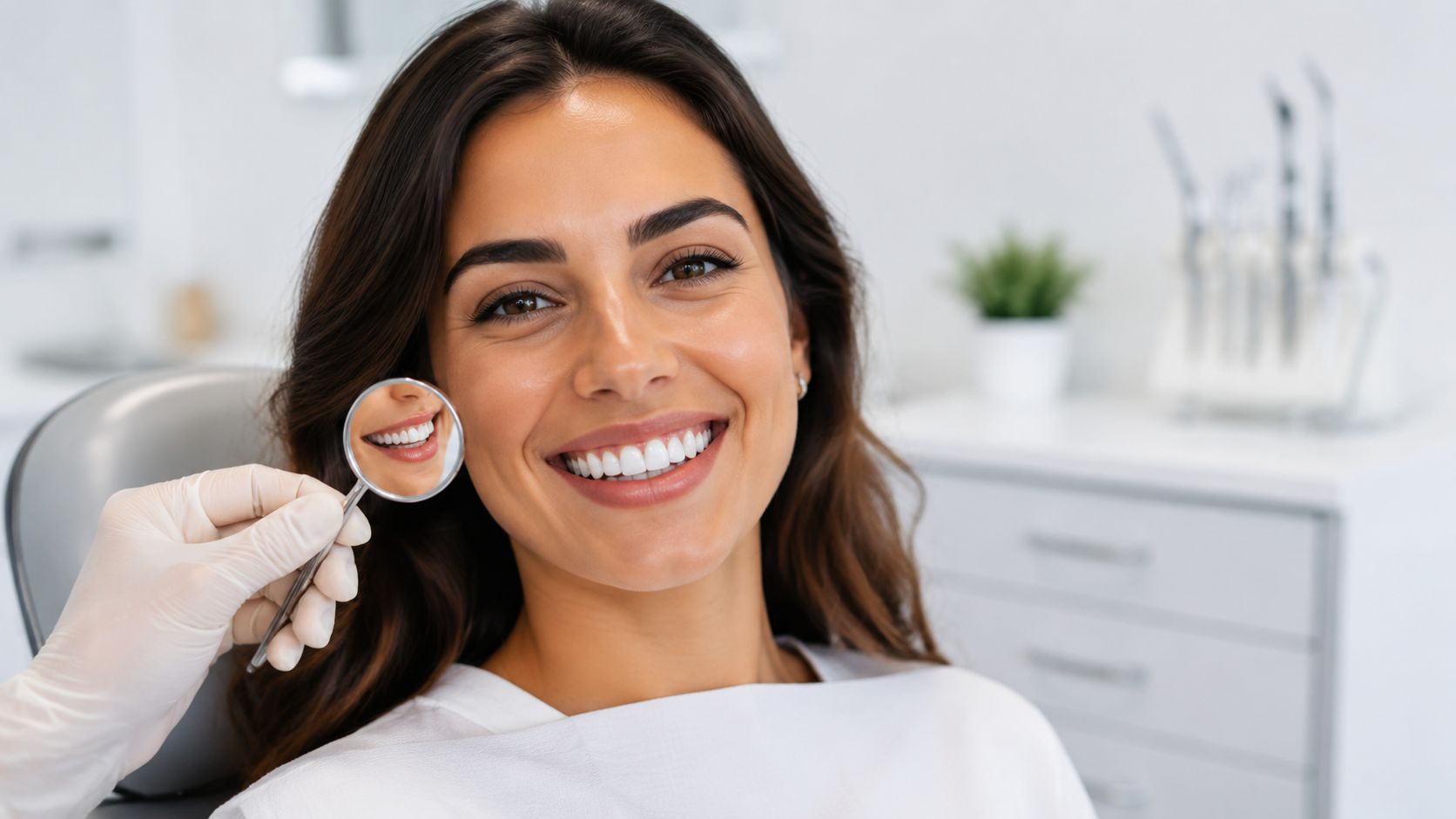
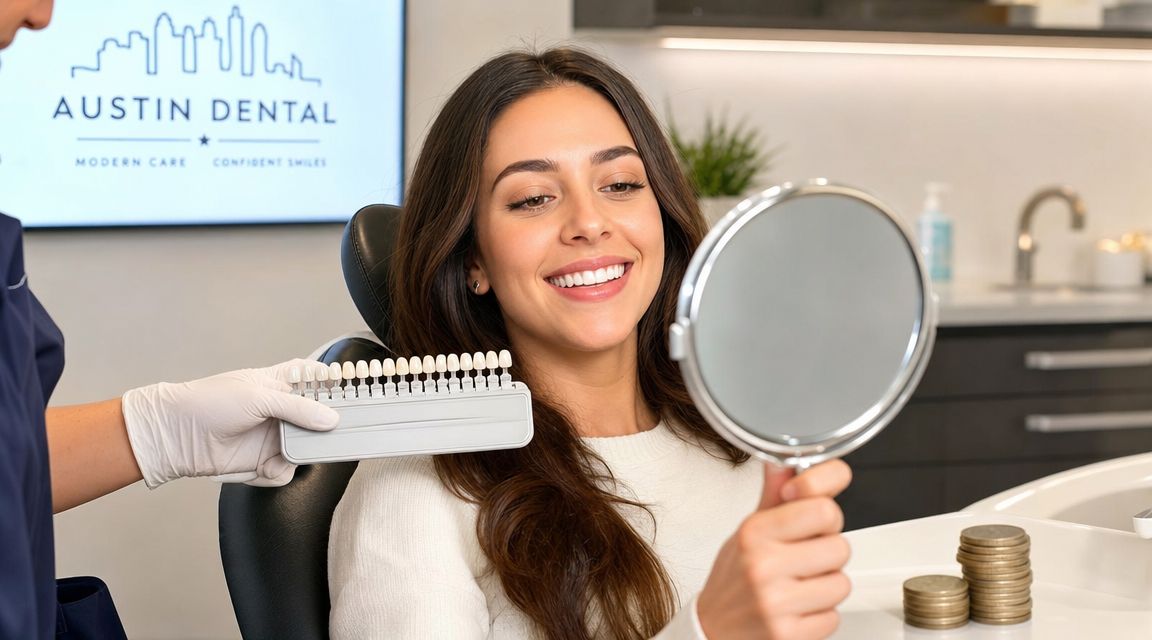
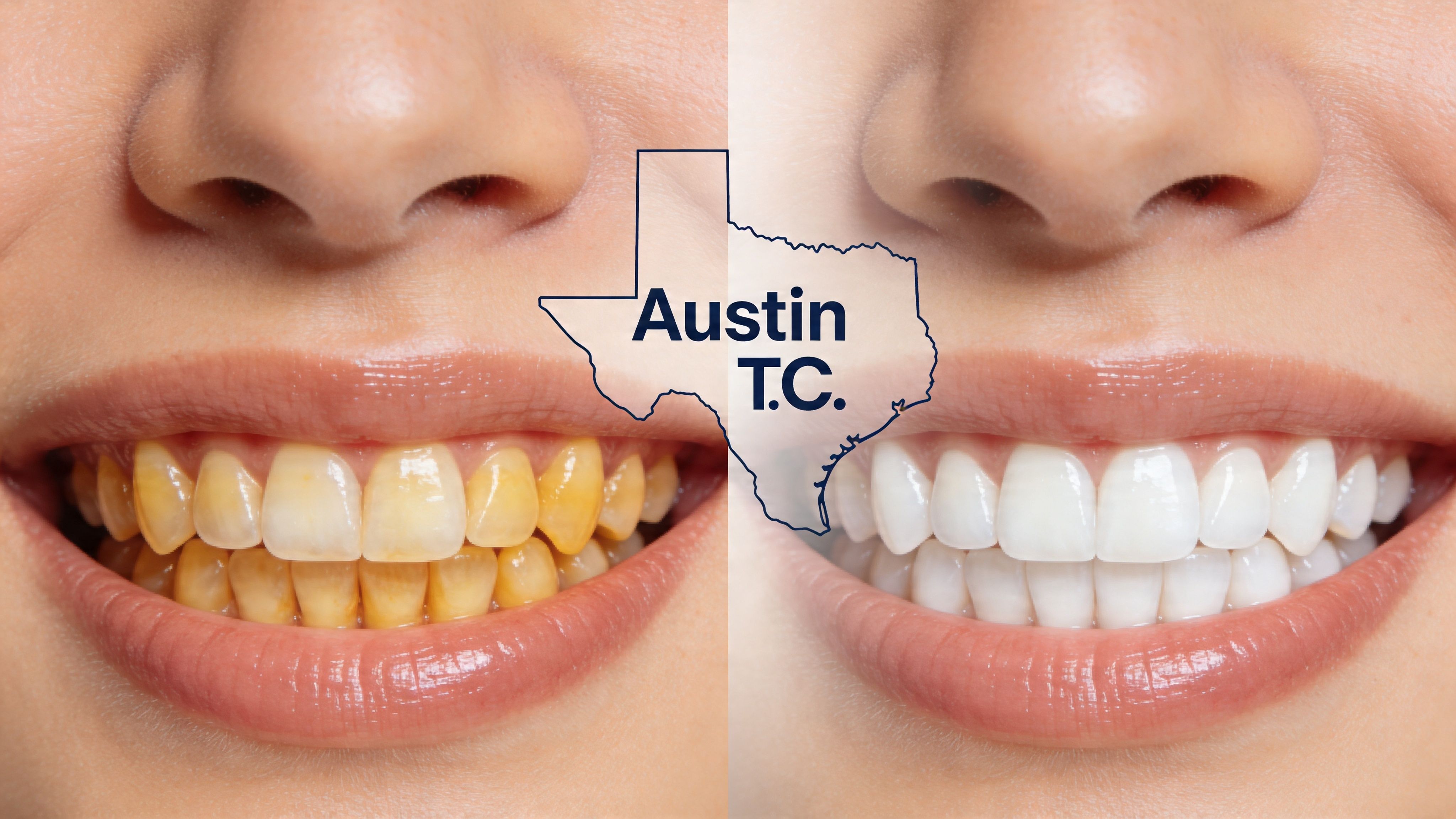
Professional whitening treatments deliver faster and more uniform results than over-the-counter products. In-office procedures can lighten teeth by several shades in a single appointment, while take-home trays offer a more gradual approach with custom-fitted trays and professional-grade gel.
Veneers
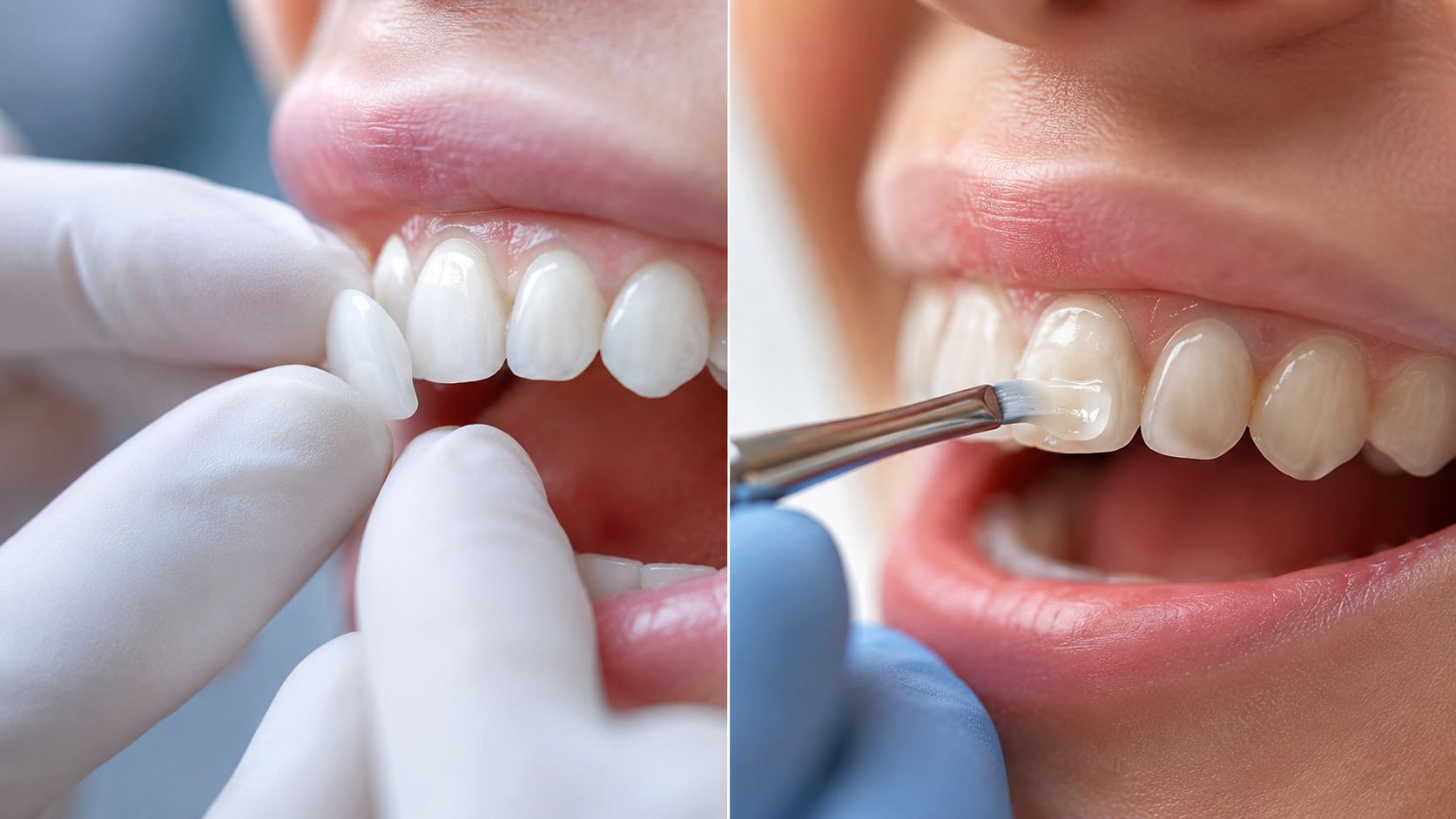
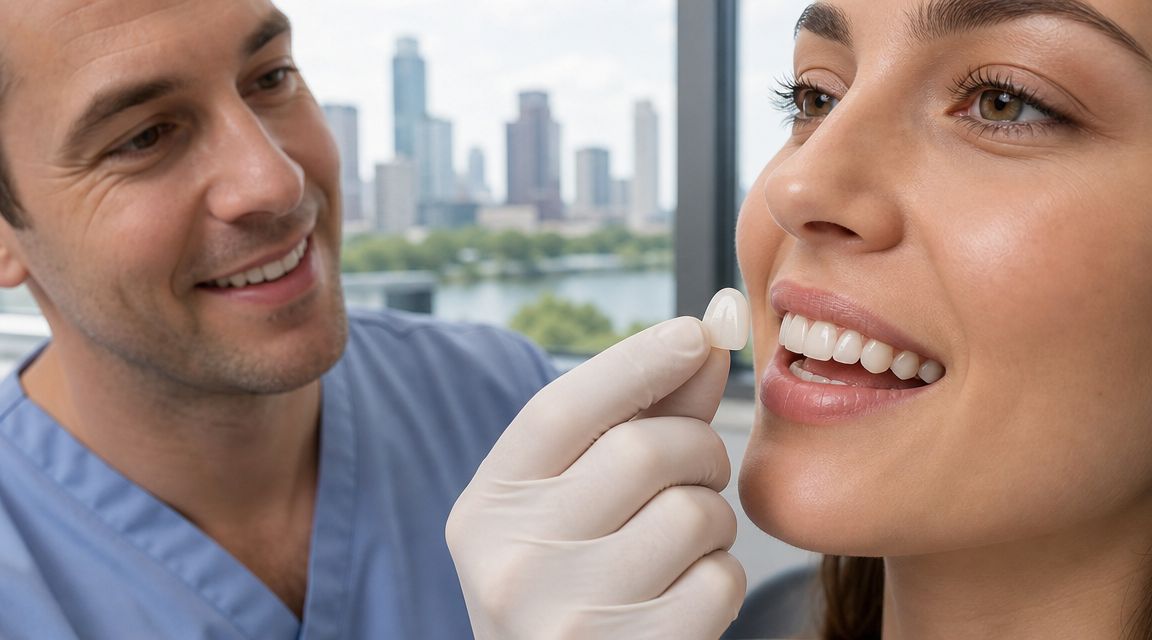
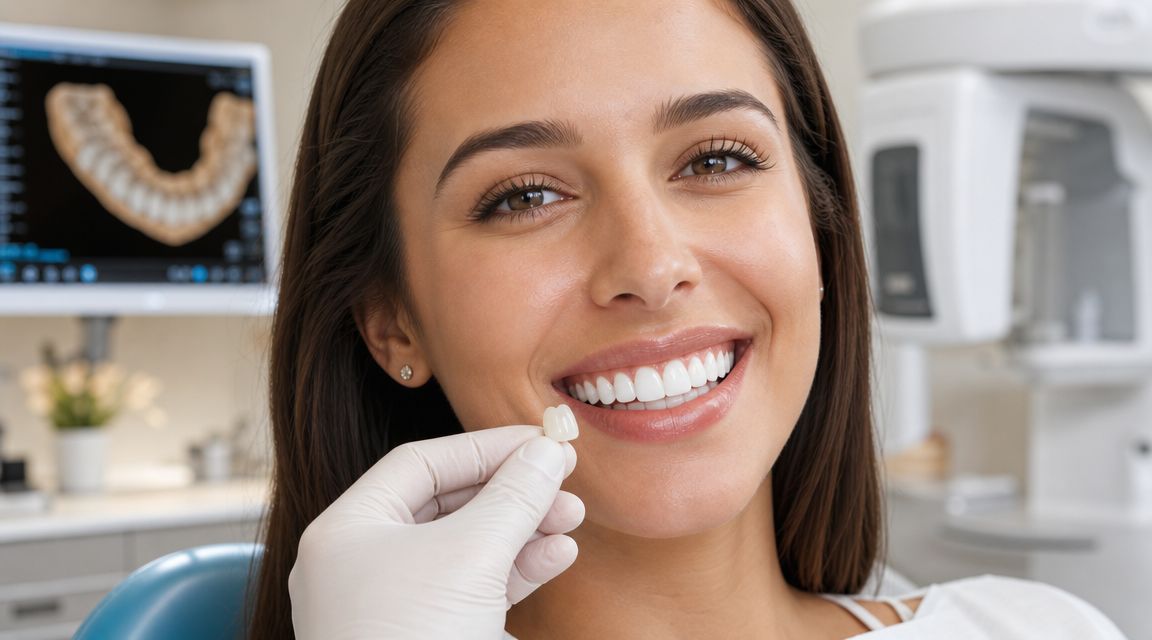
Porcelain veneers are thin shells bonded to the front surface of teeth, correcting chips, cracks, gaps, and permanent discoloration. They require minimal enamel removal and, when done well, are virtually indistinguishable from natural teeth. Composite veneers offer a more affordable alternative and can often be applied in a single visit.
Clear Aligners
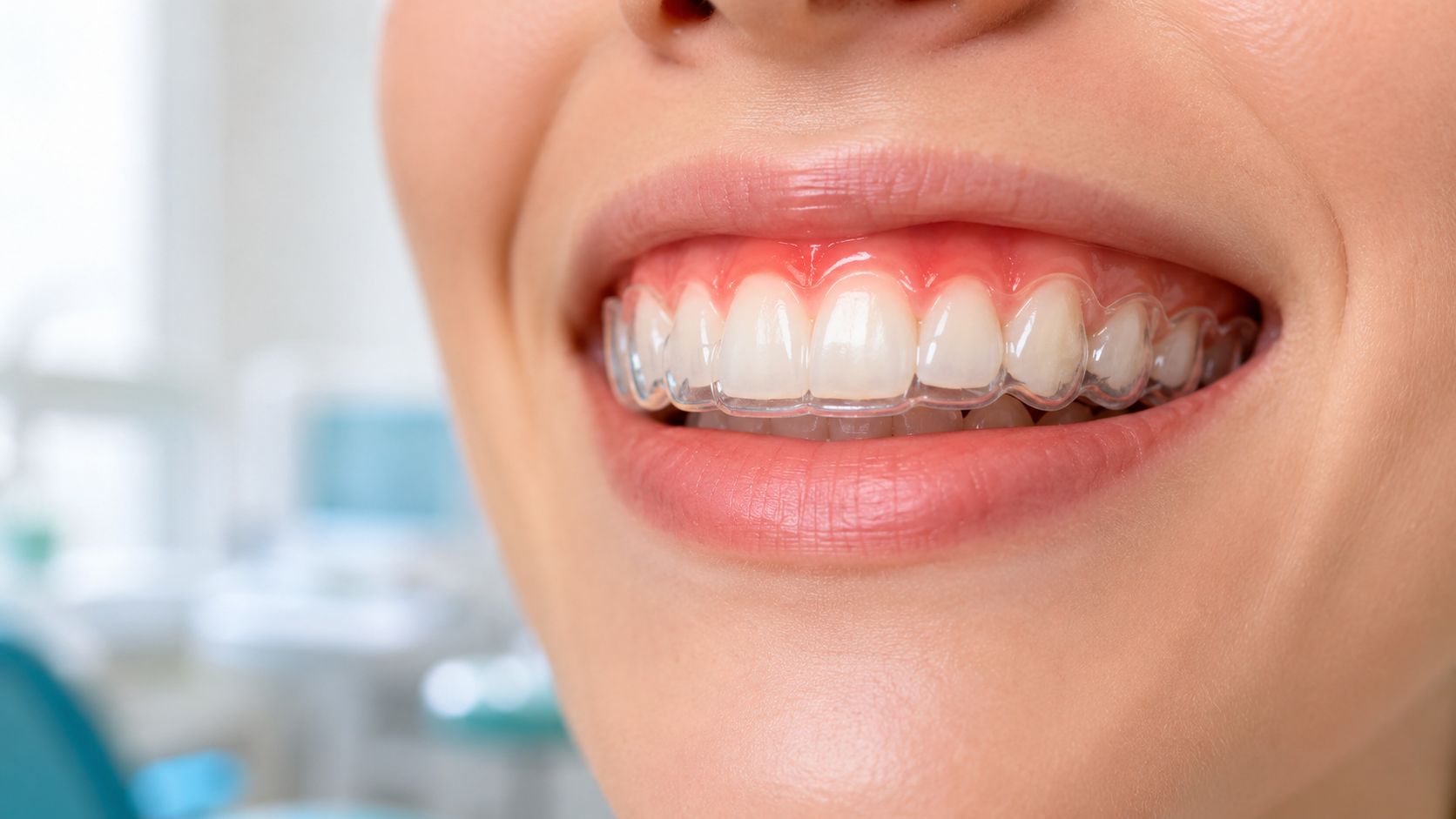
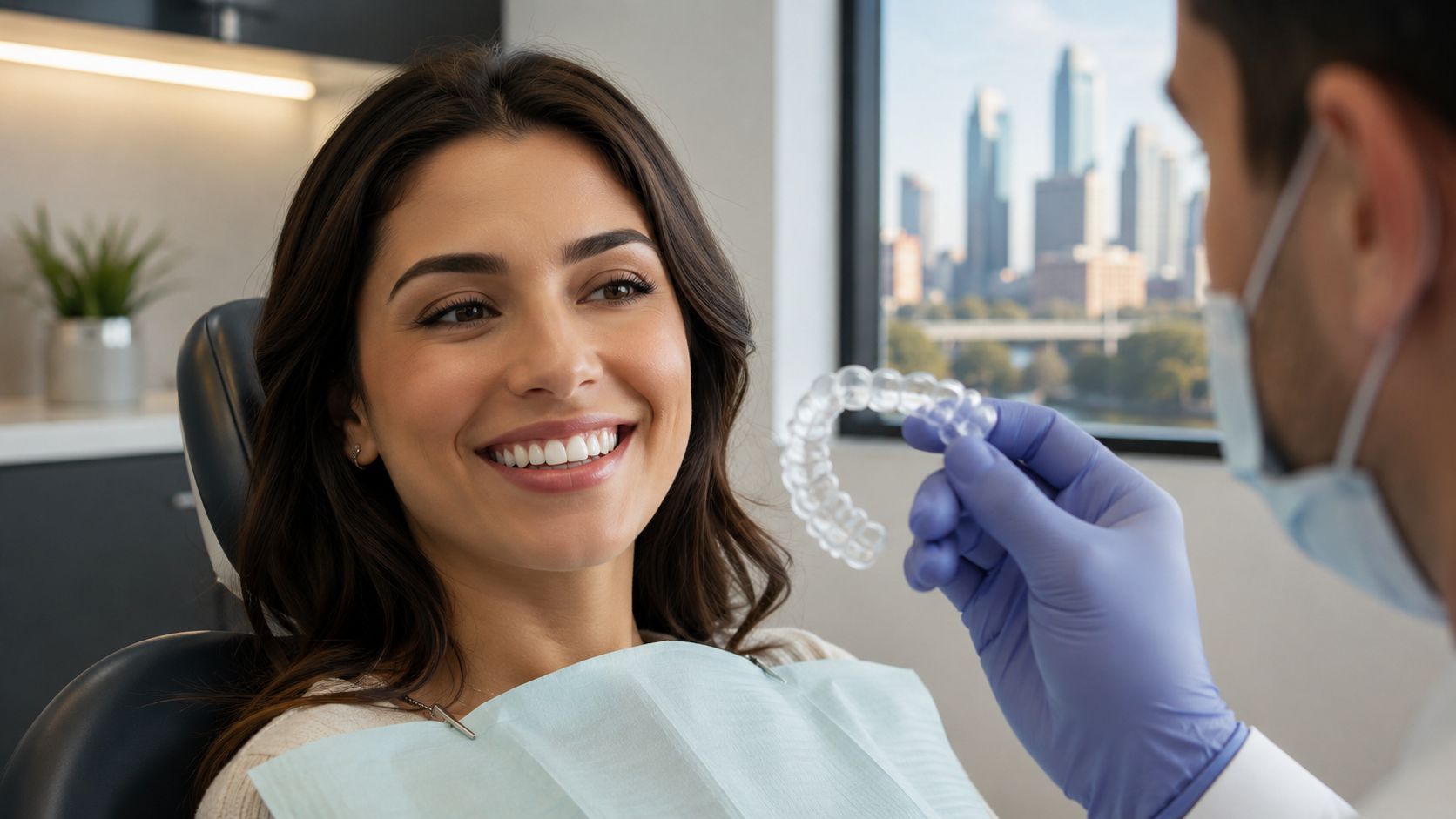
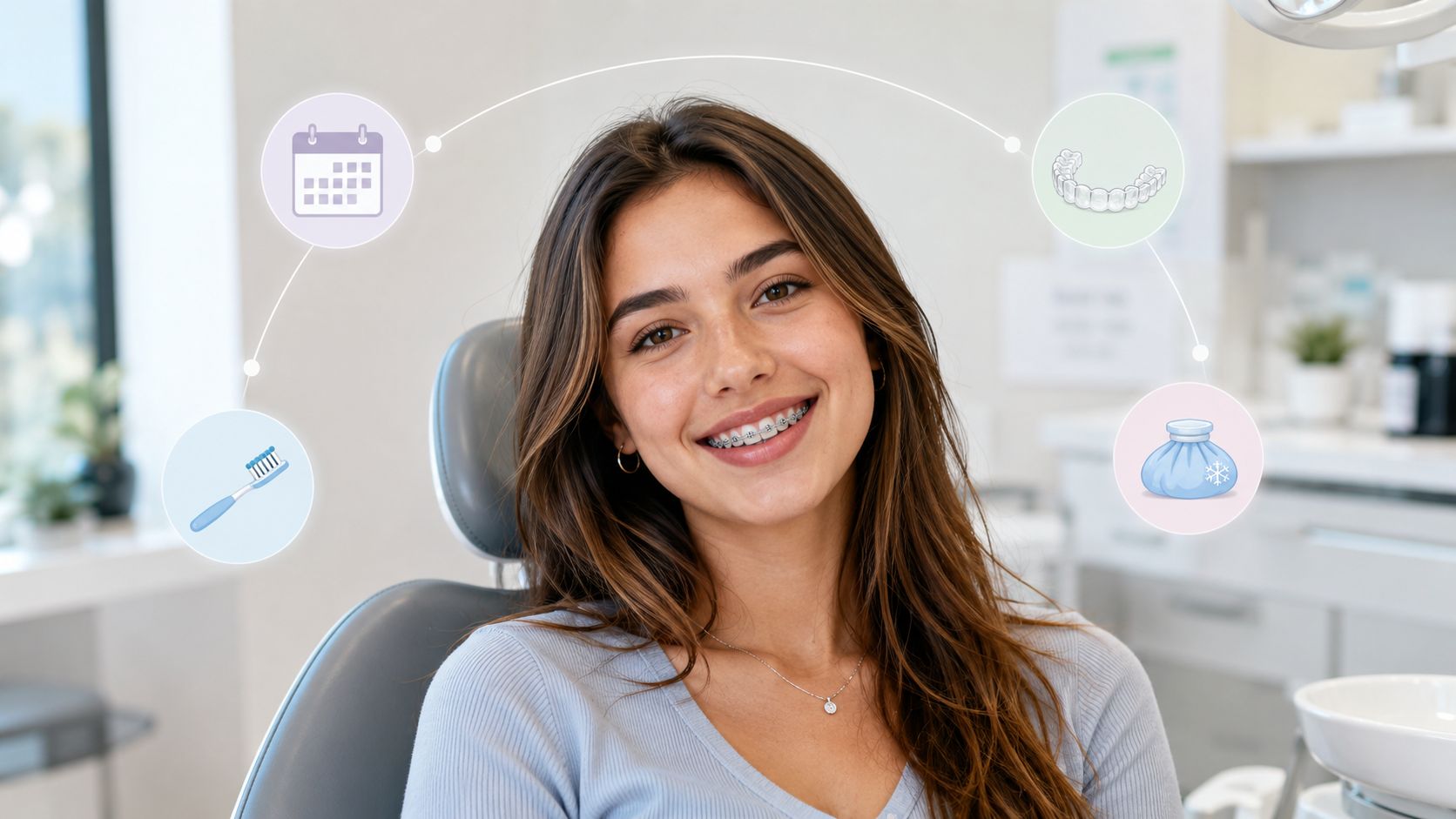
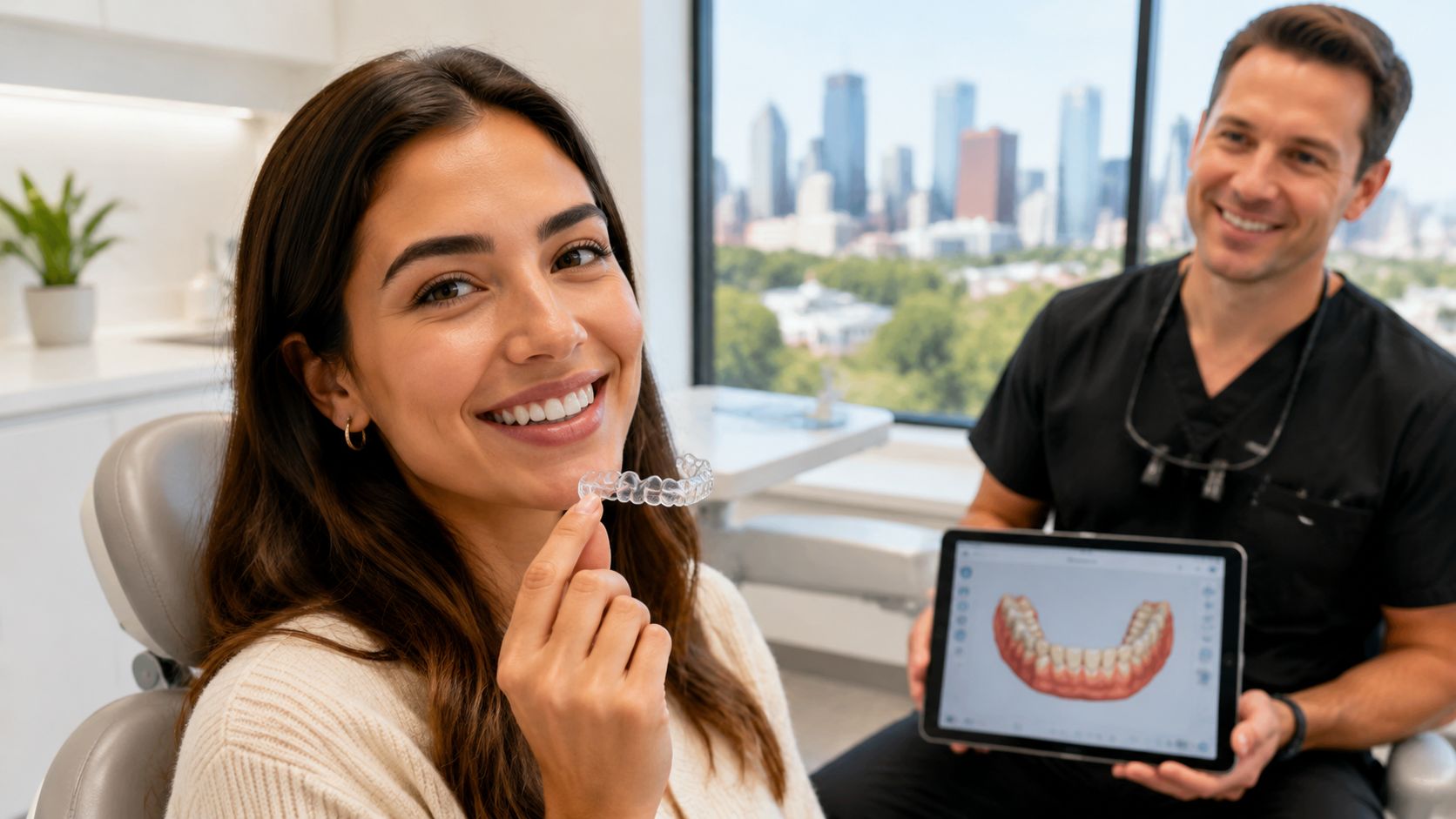
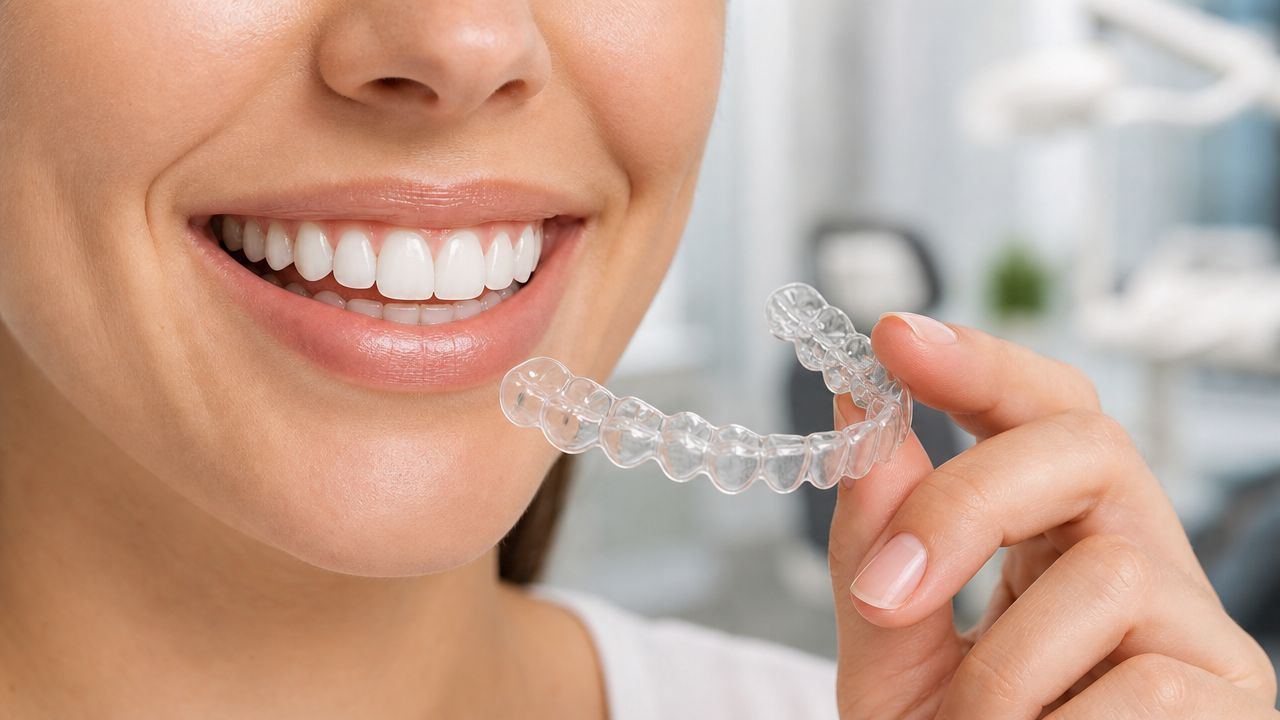
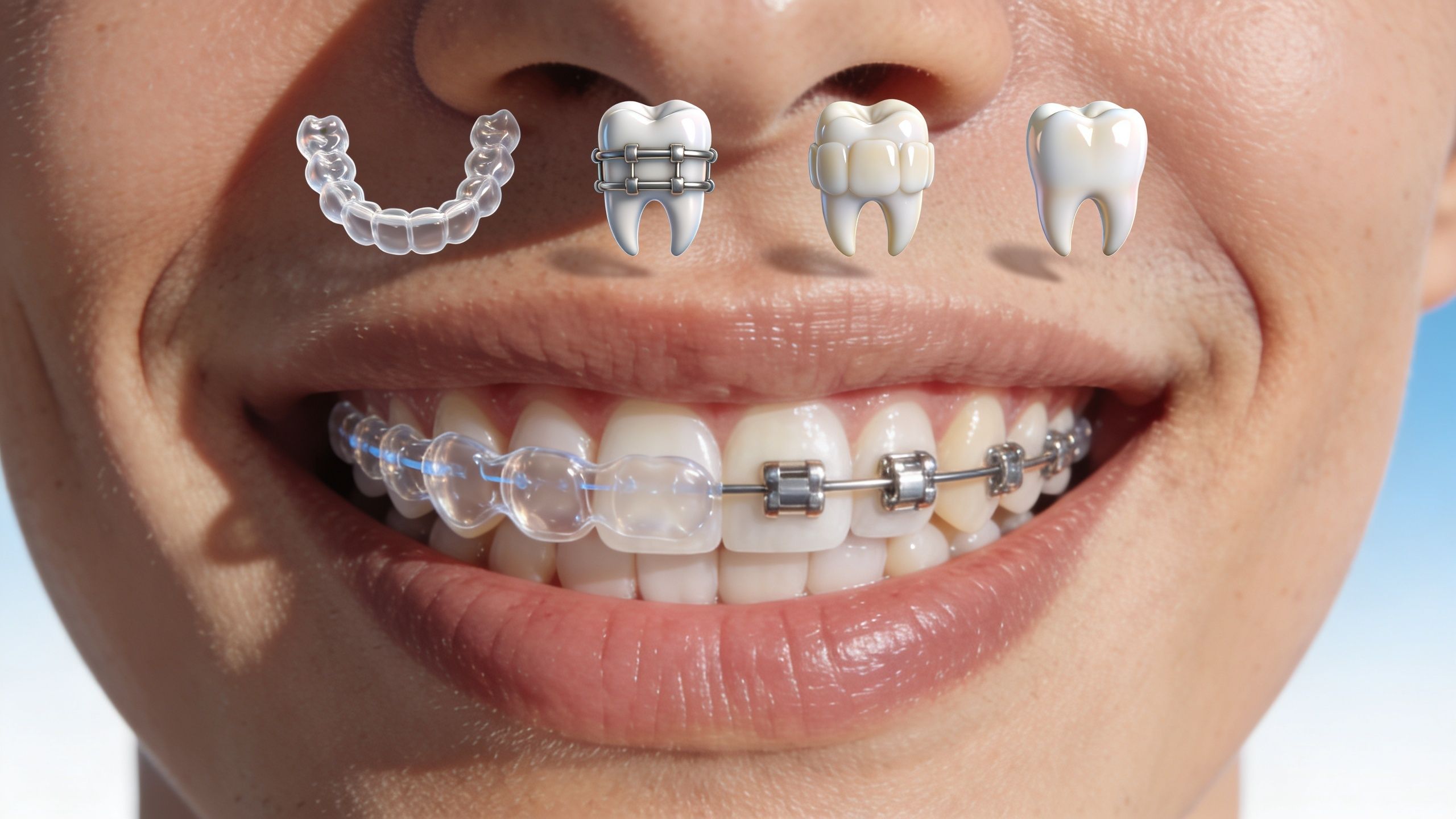
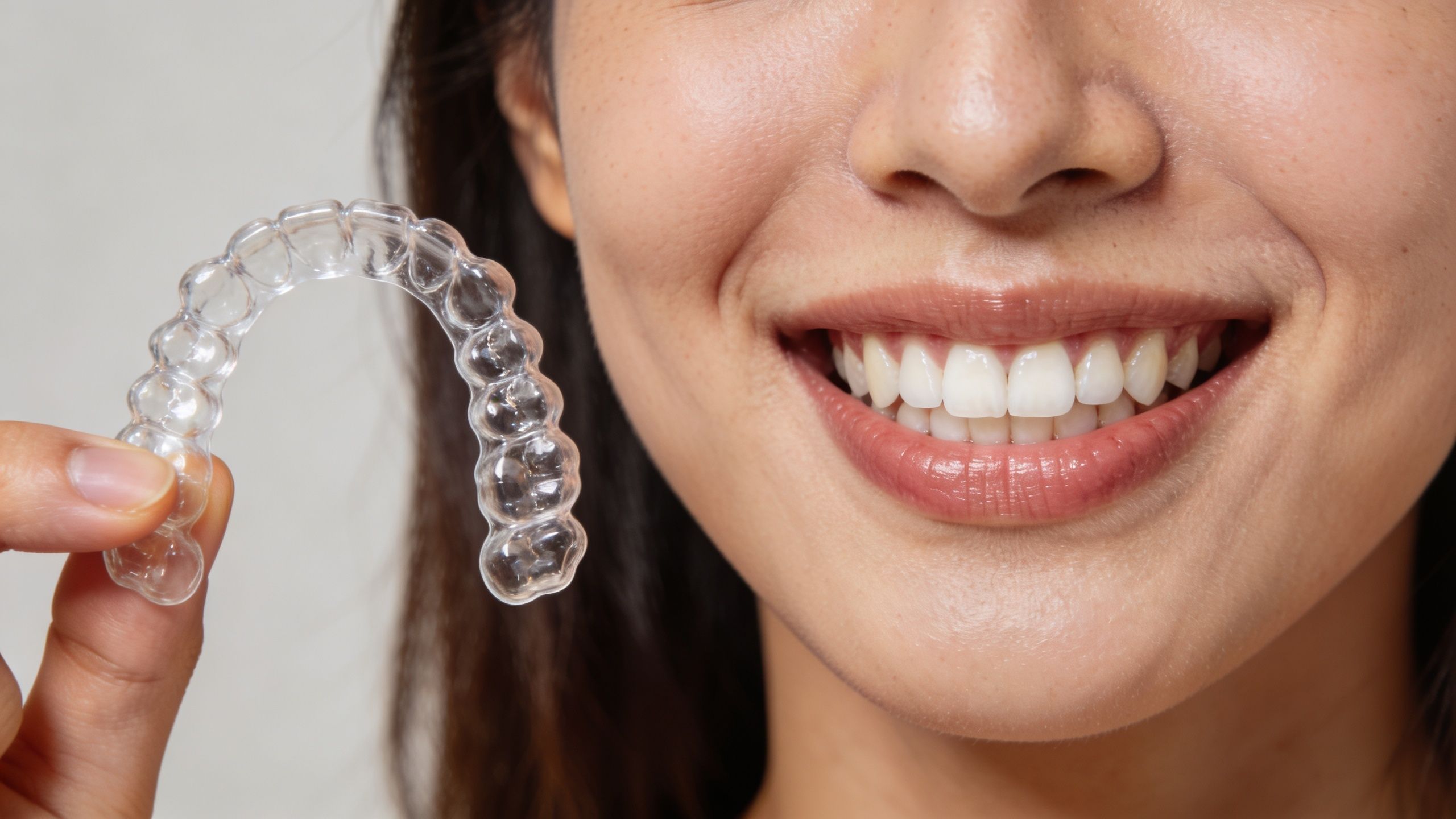
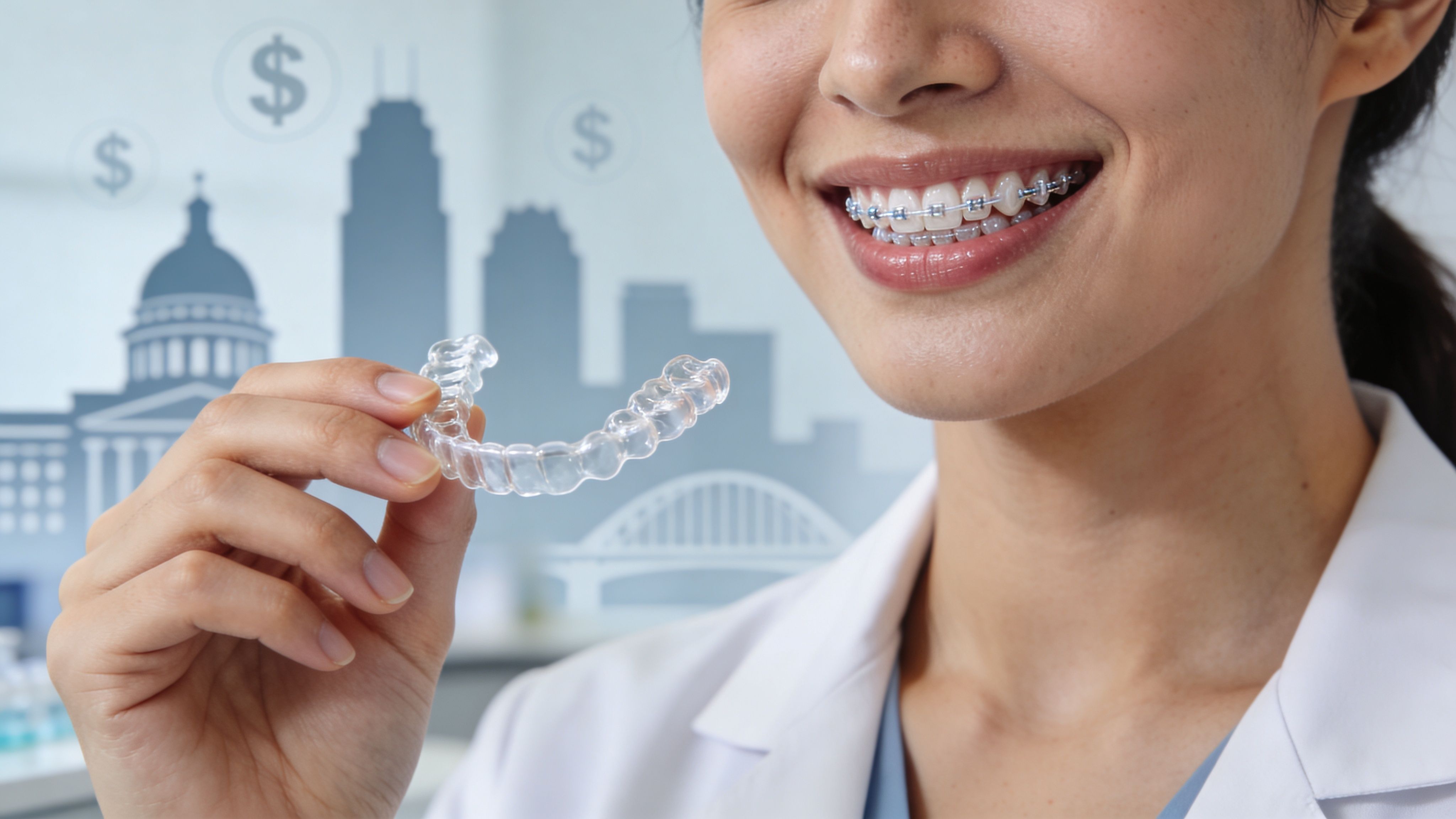
Orthodontic treatment has shifted significantly toward discreet options. Clear aligner systems like Invisalign use a series of custom plastic trays to gradually shift teeth into alignment—without the brackets and wires of traditional braces. Many general dentists now offer aligner therapy in-house, making it accessible without a separate orthodontic referral.
The Technology Advantage at 3D Dental
The quality of dental care is increasingly tied to the quality of the tools being used. 3D Dental is built around this principle, integrating advanced technology into every stage of patient care.
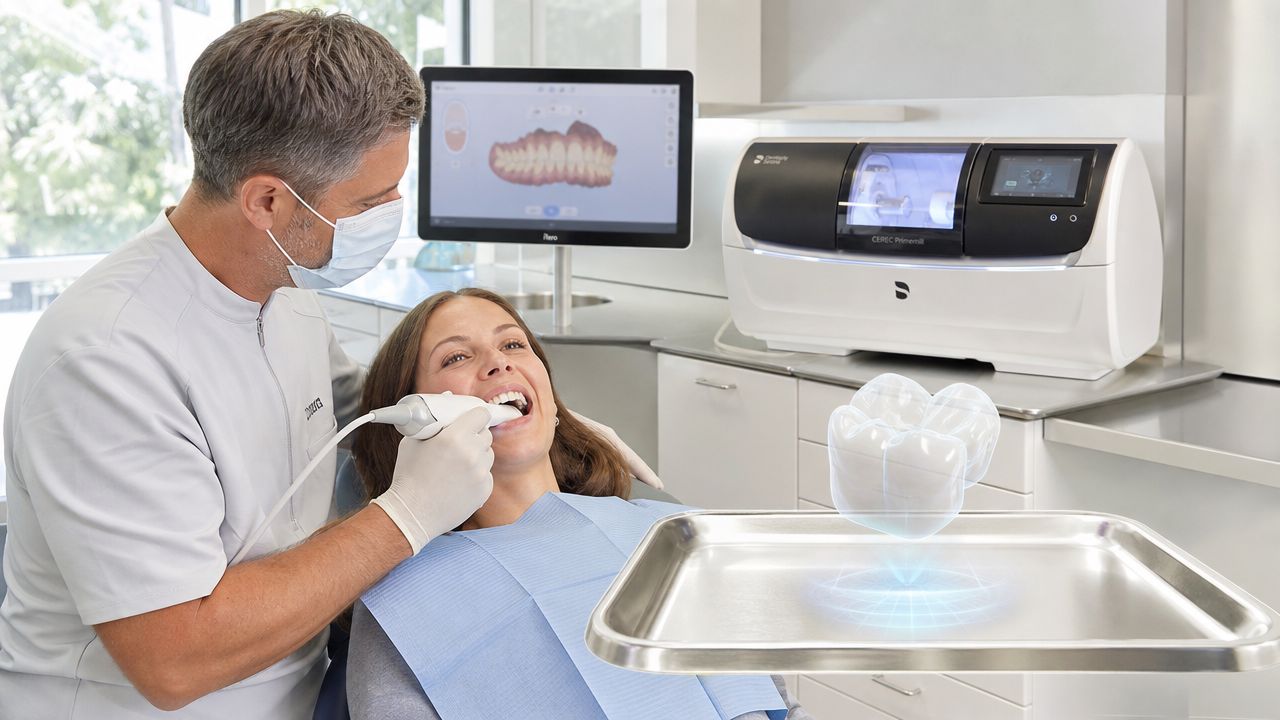
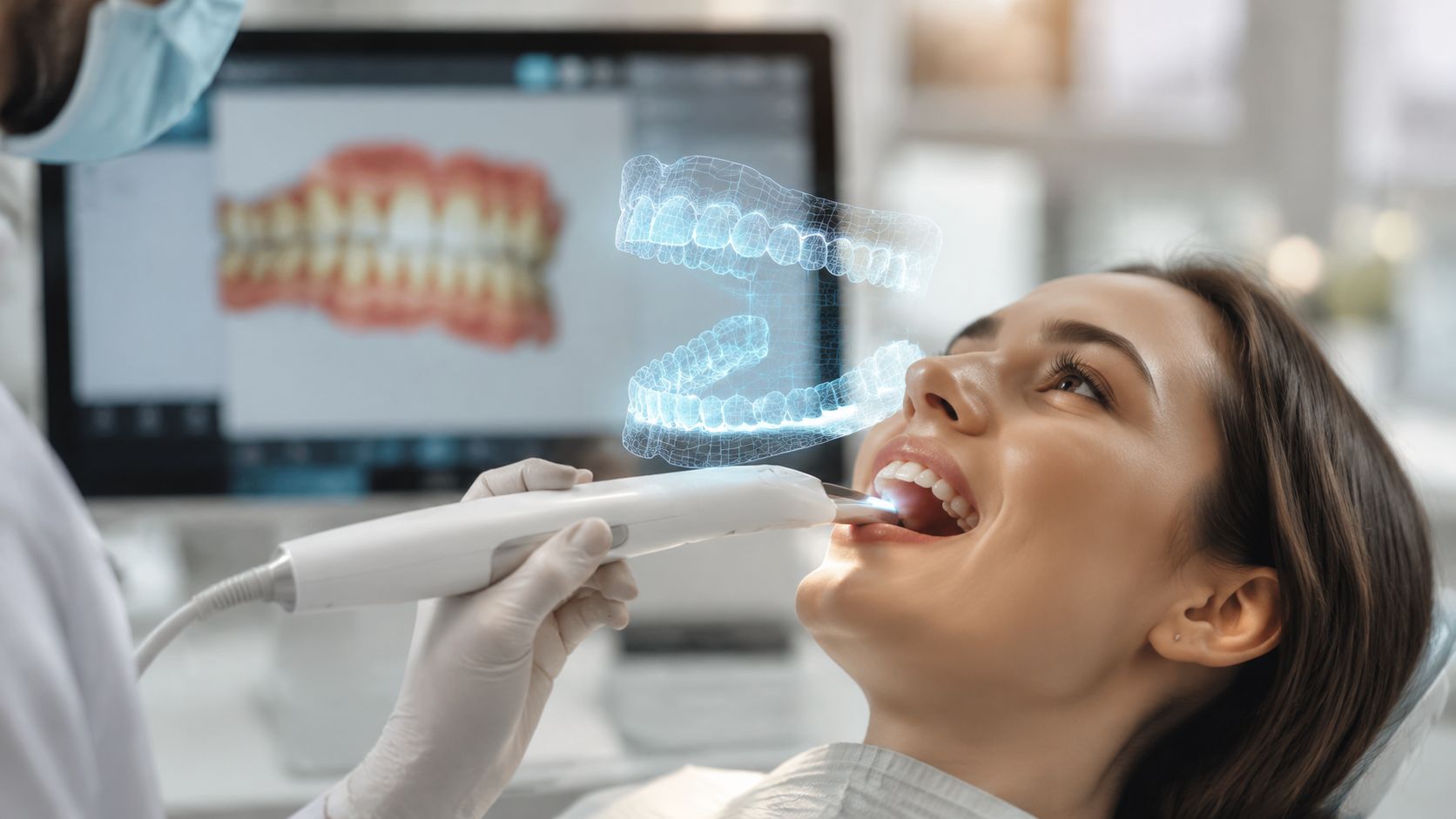
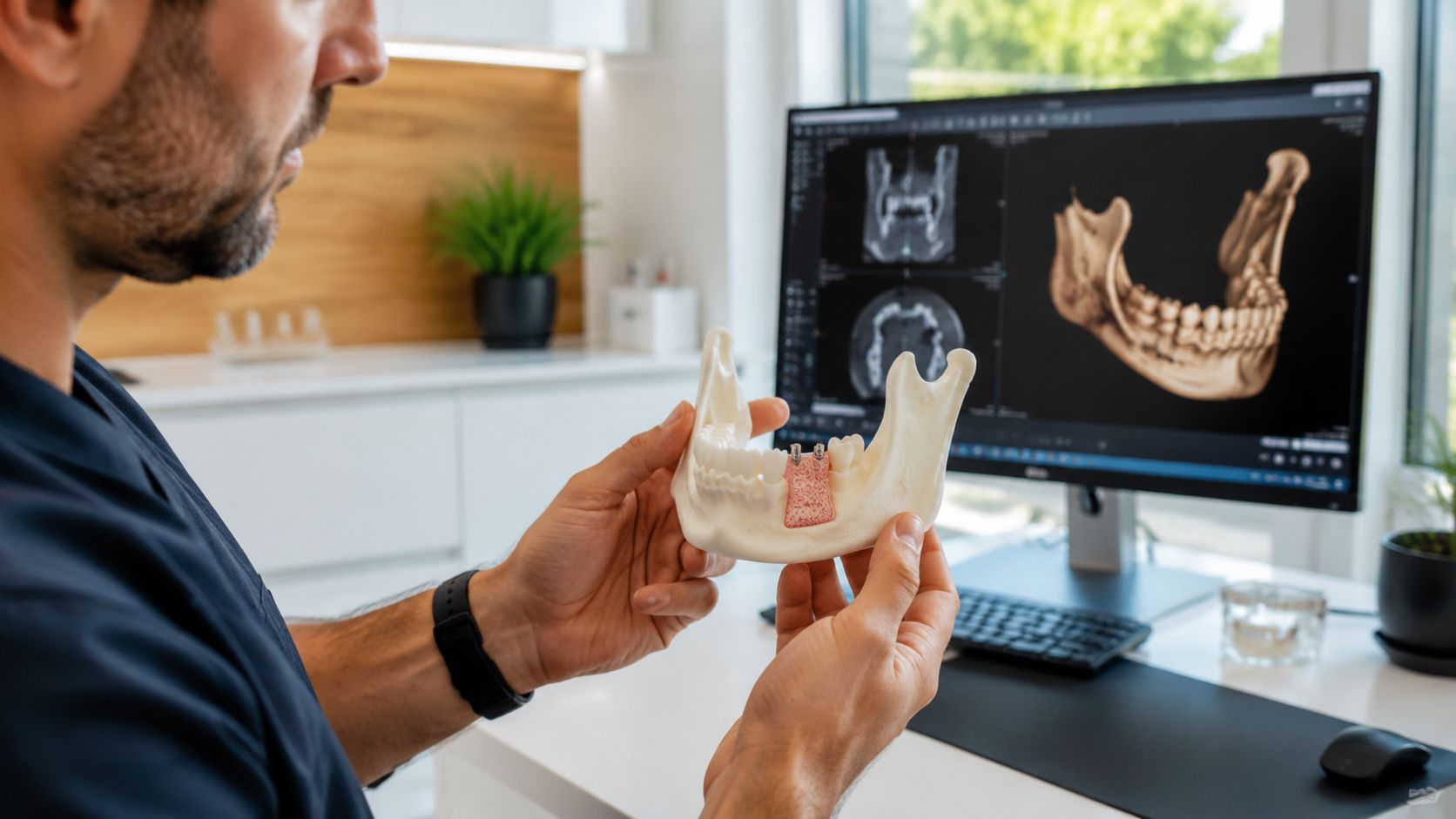
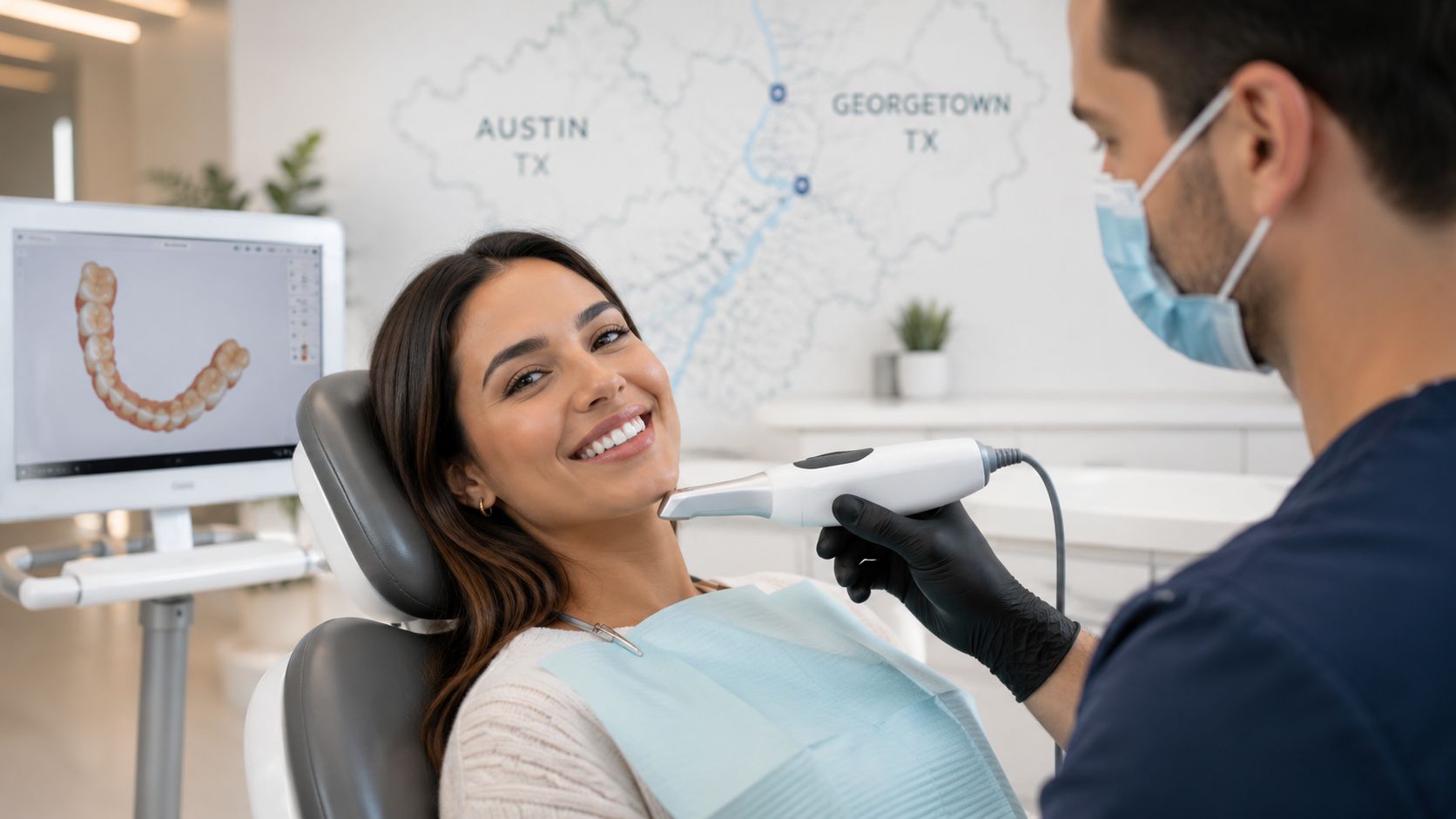
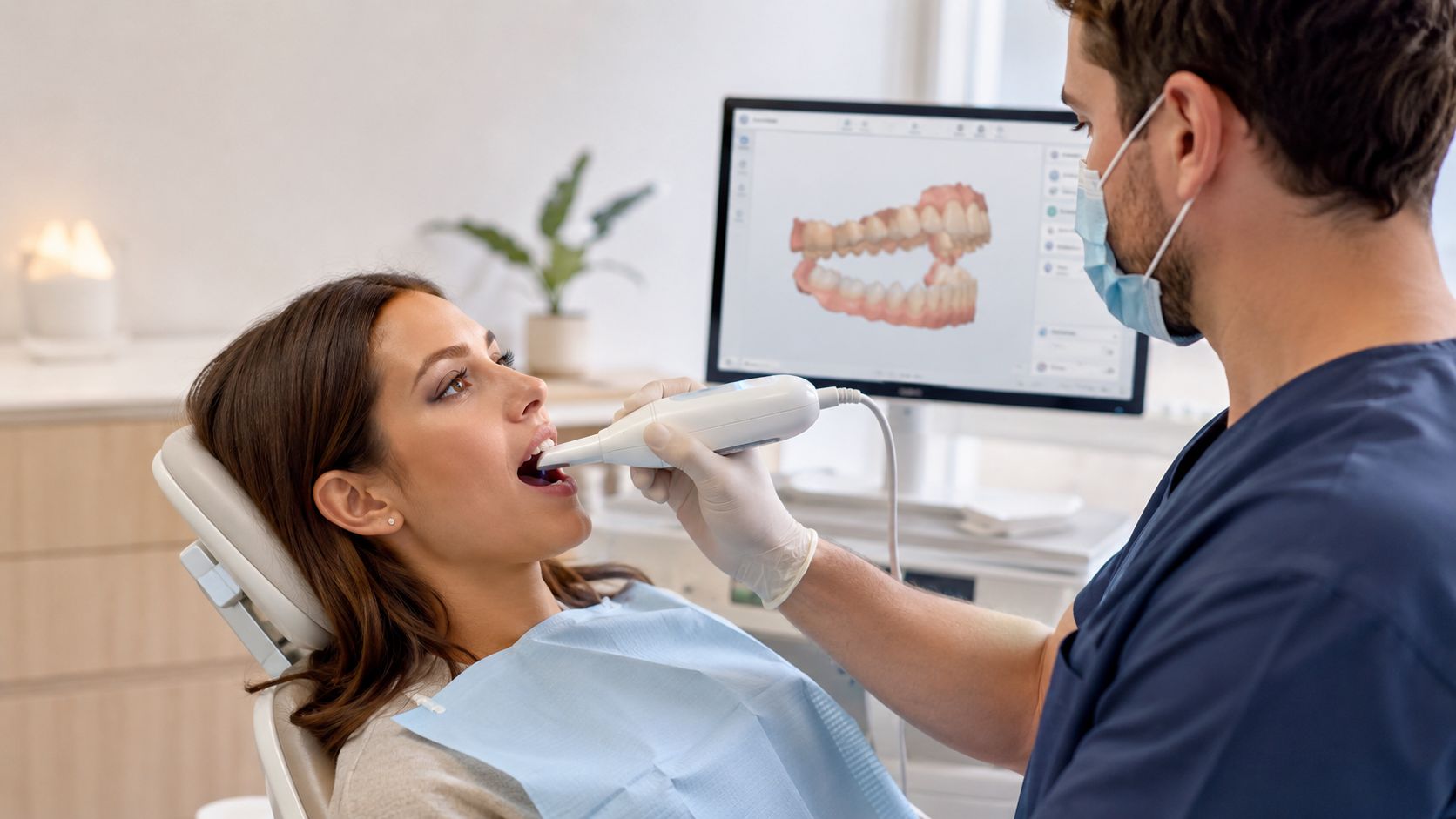
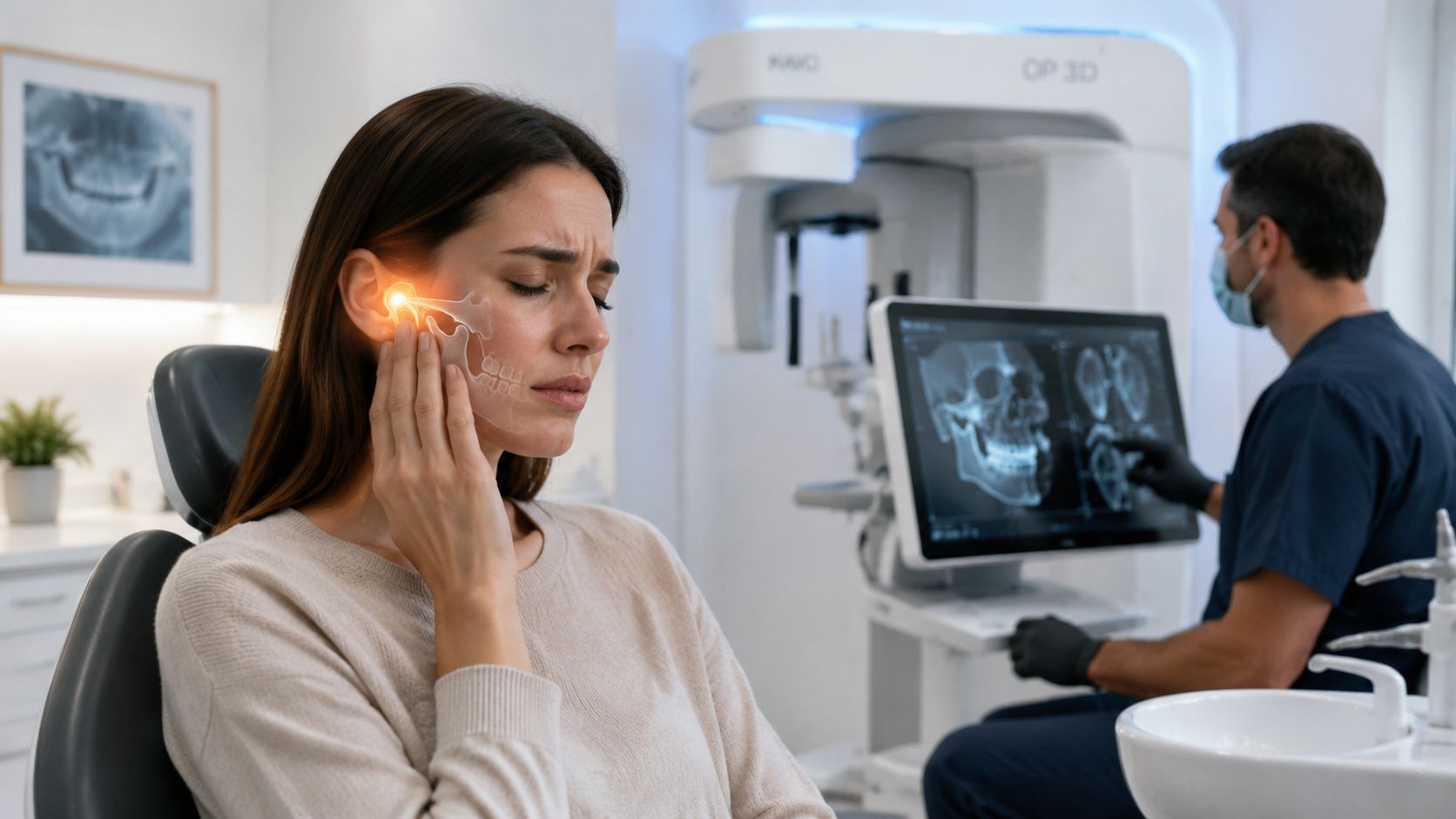
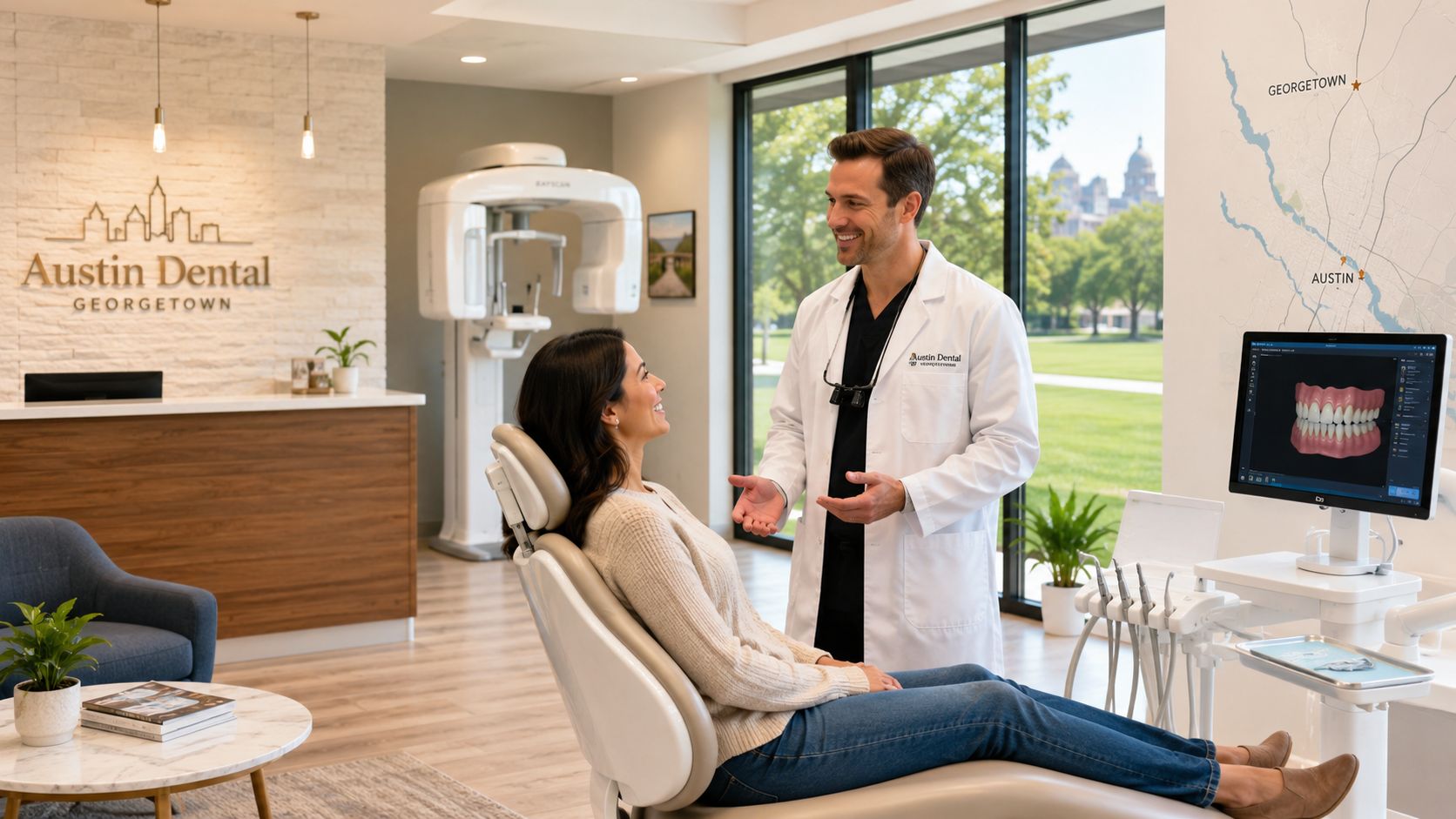
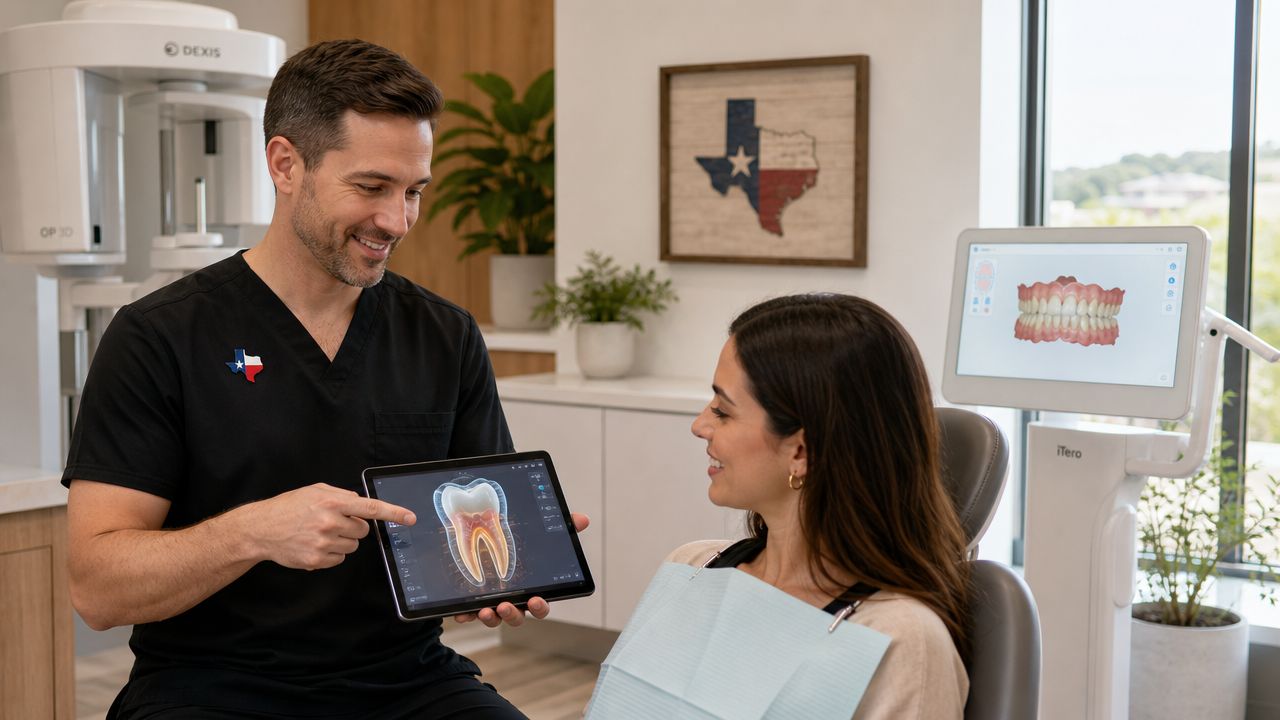
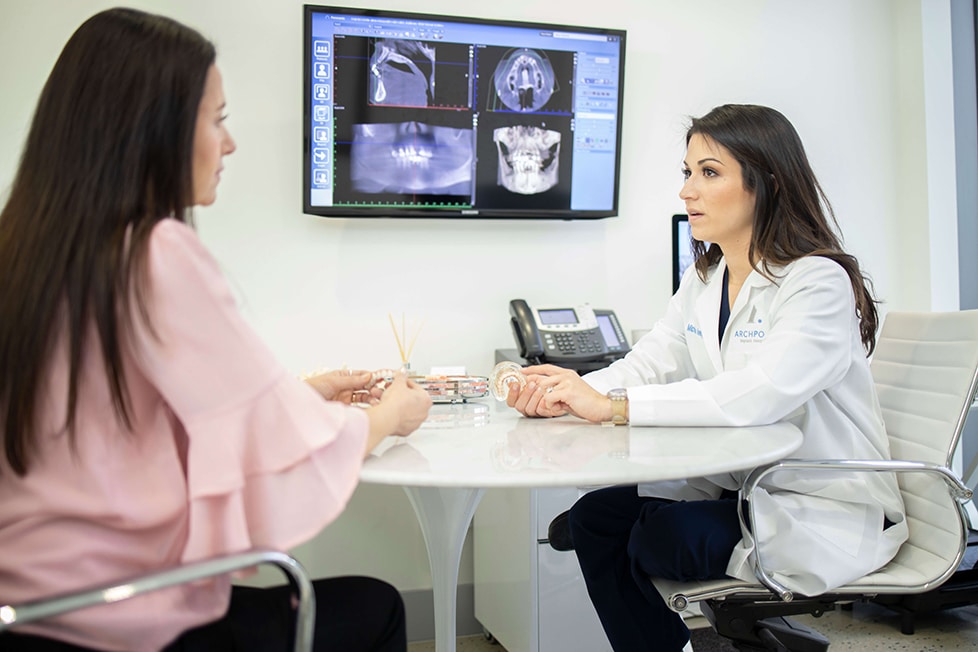
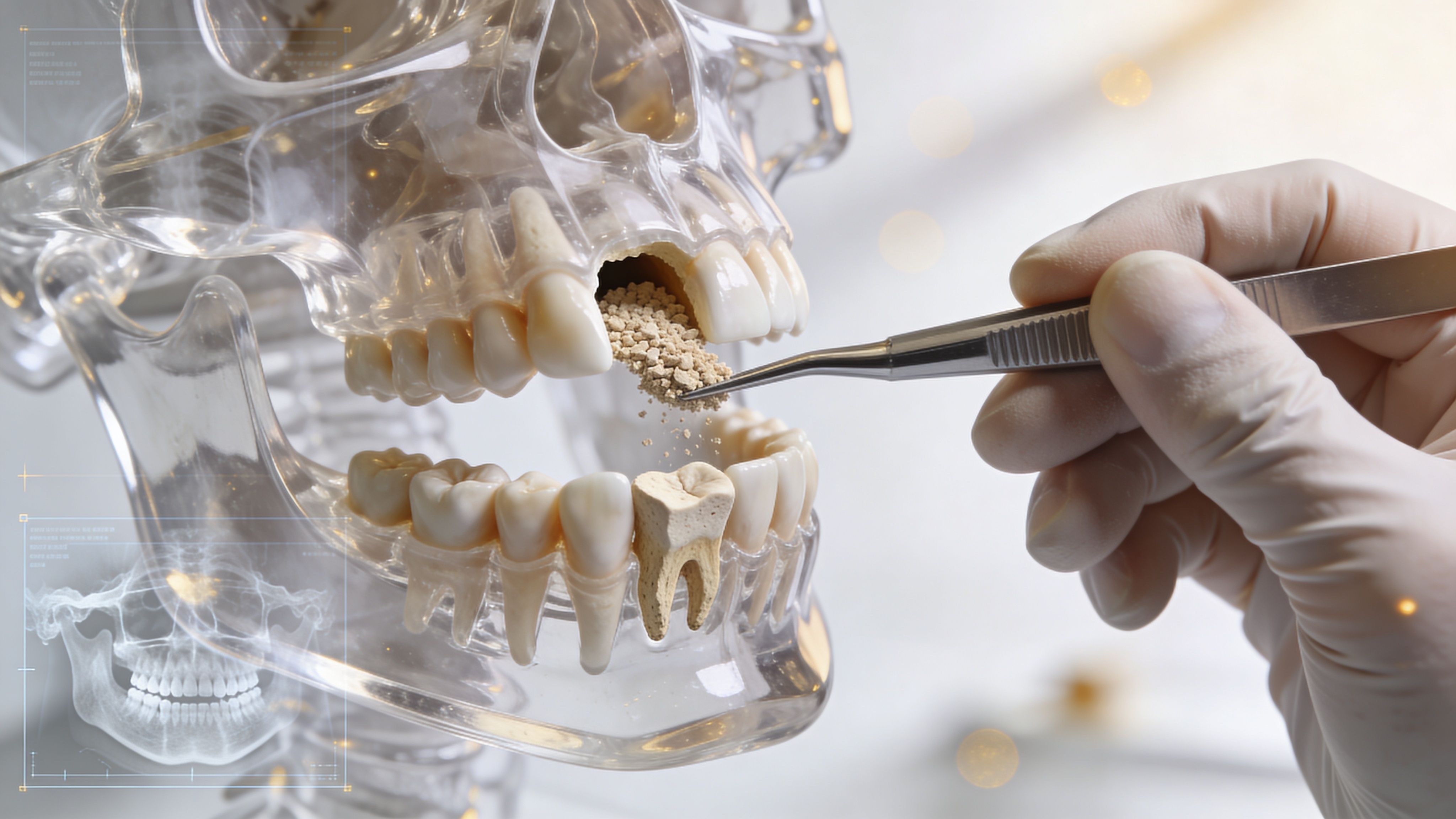
Digital X-rays and 3D cone beam CT imaging give clinicians a detailed, three-dimensional view of teeth, roots, and surrounding bone—critical for accurate implant placement, root canal assessment, and complex extractions. Intraoral cameras allow patients to see exactly what the dentist sees, making it easier to understand diagnoses and treatment options.
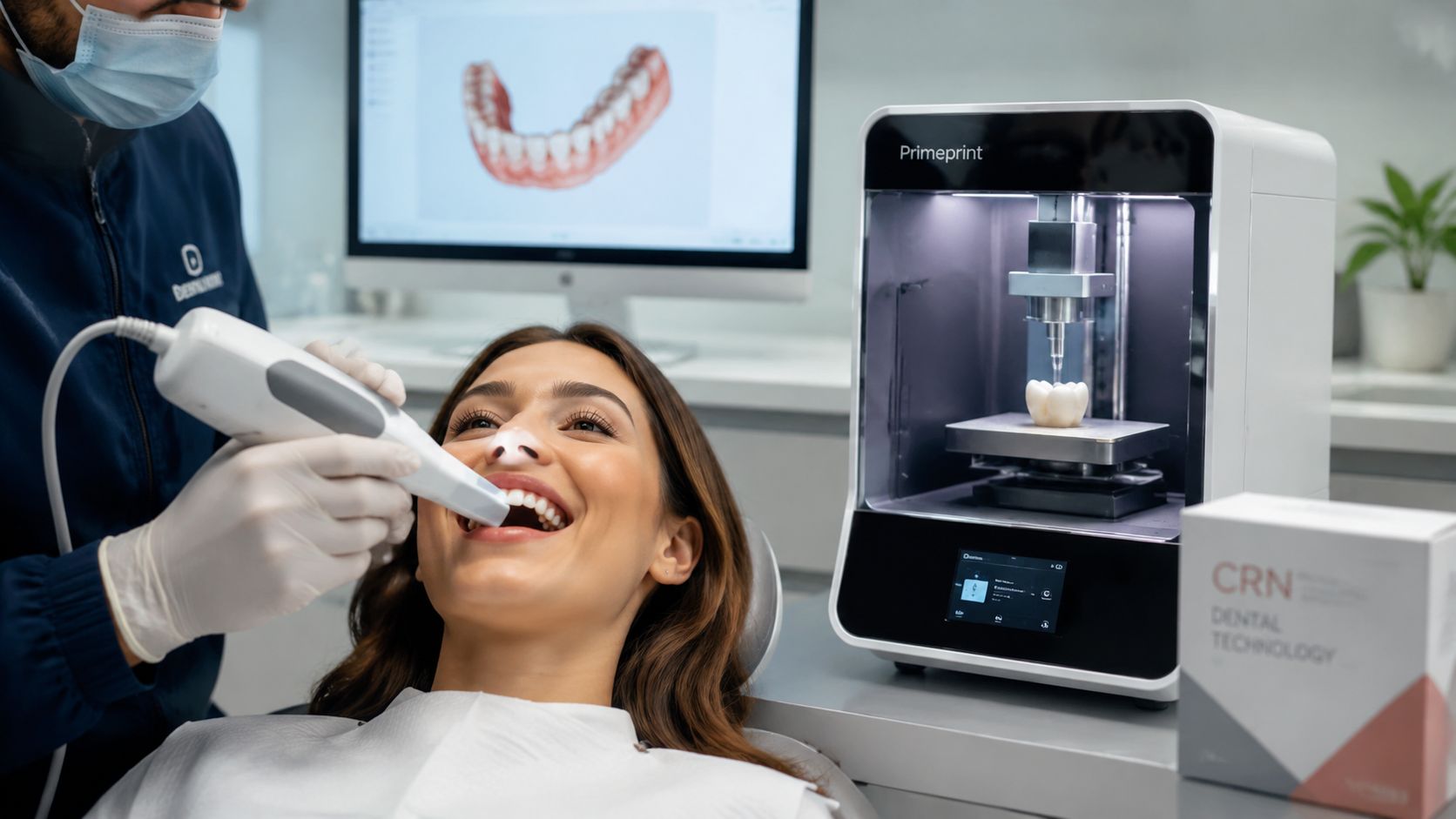
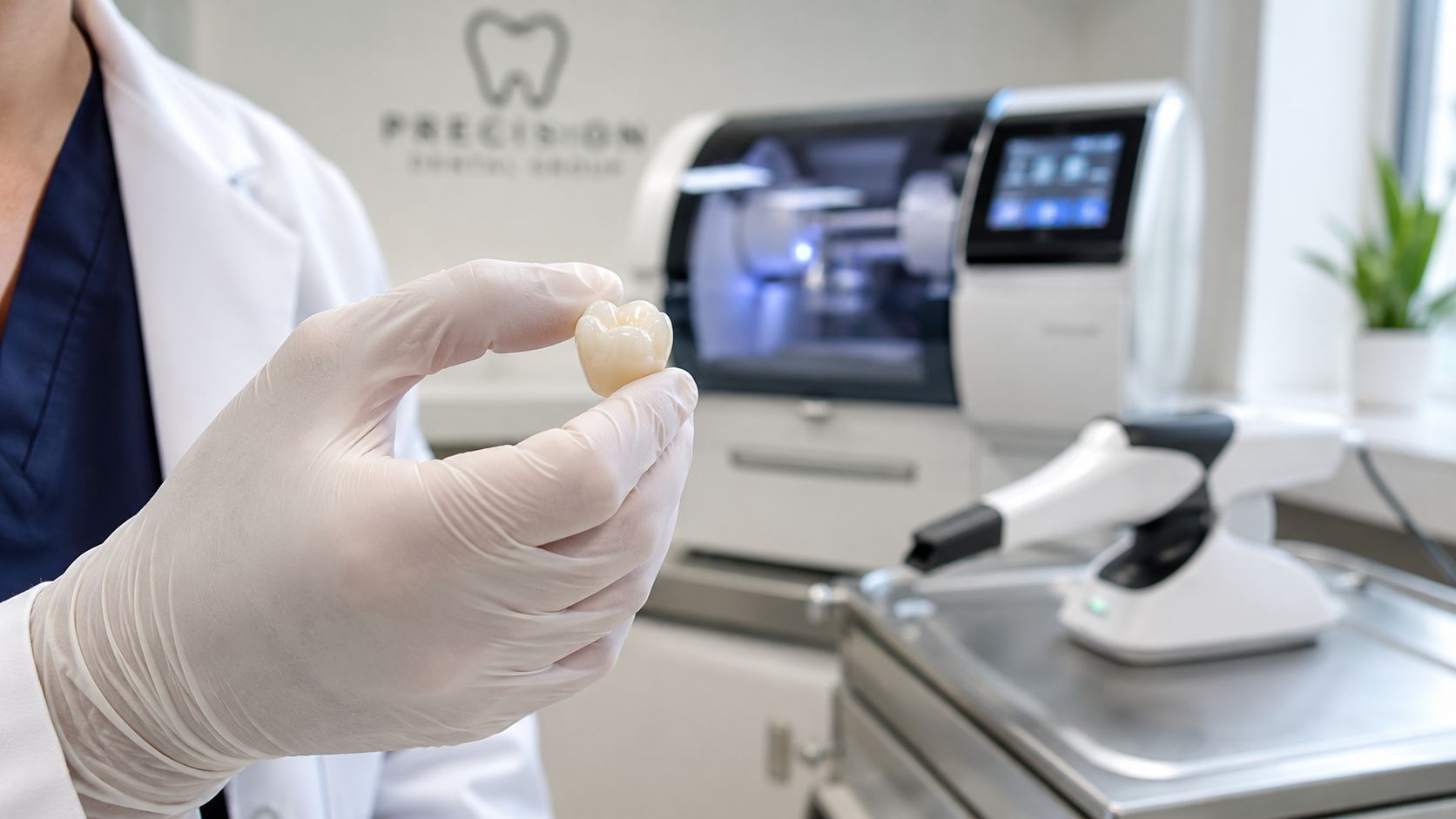
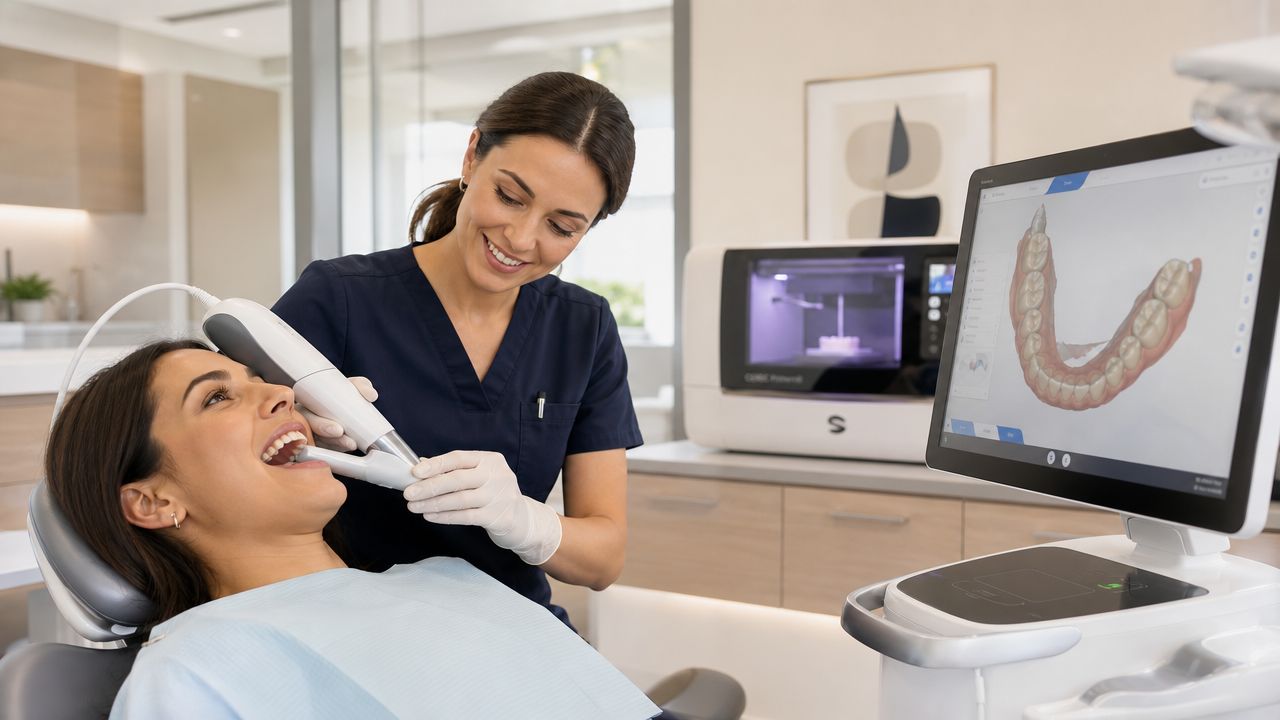
Same-day crown technology using CAD/CAM systems means patients no longer have to wait weeks for a lab-fabricated restoration and live with a temporary crown in the interim. The tooth is scanned digitally, the crown is designed on-screen, milled on-site, and placed—all in one appointment.
This level of integration reflects a broader shift in dentistry: care that's faster, more accurate, and less reliant on guesswork. For patients, that translates to fewer appointments, more predictable outcomes, and a clearer understanding of what's happening in their own mouths.
What to Look for in a Local Dentist
Finding a dentist near me close to home is a start, but proximity alone isn't enough. When evaluating a dental practice, consider the following:
Range of services: Does the clinic handle general, restorative, and cosmetic care, or will you be referred out for anything beyond a cleaning? A practice that manages most treatments in-house saves you time and keeps your care consistent.
Technology: Modern imaging, digital records, and in-house fabrication capabilities are indicators of a practice that's invested in quality. Ask what tools they use and why.
Patient communication: A good dental team explains your diagnosis clearly, presents treatment options without pressure, and respects your timeline and budget. If you leave an appointment more confused than when you arrived, that's a red flag.
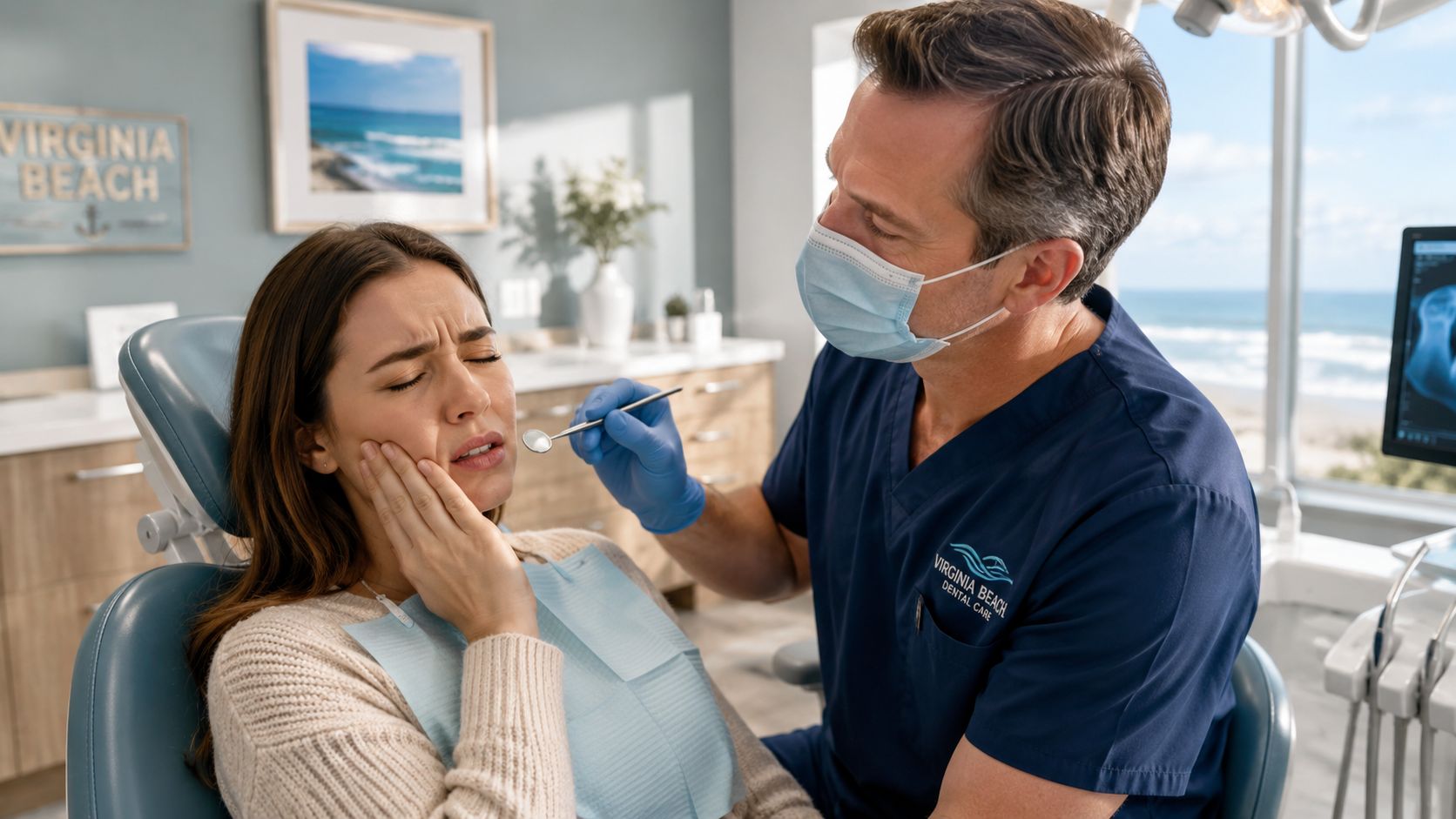
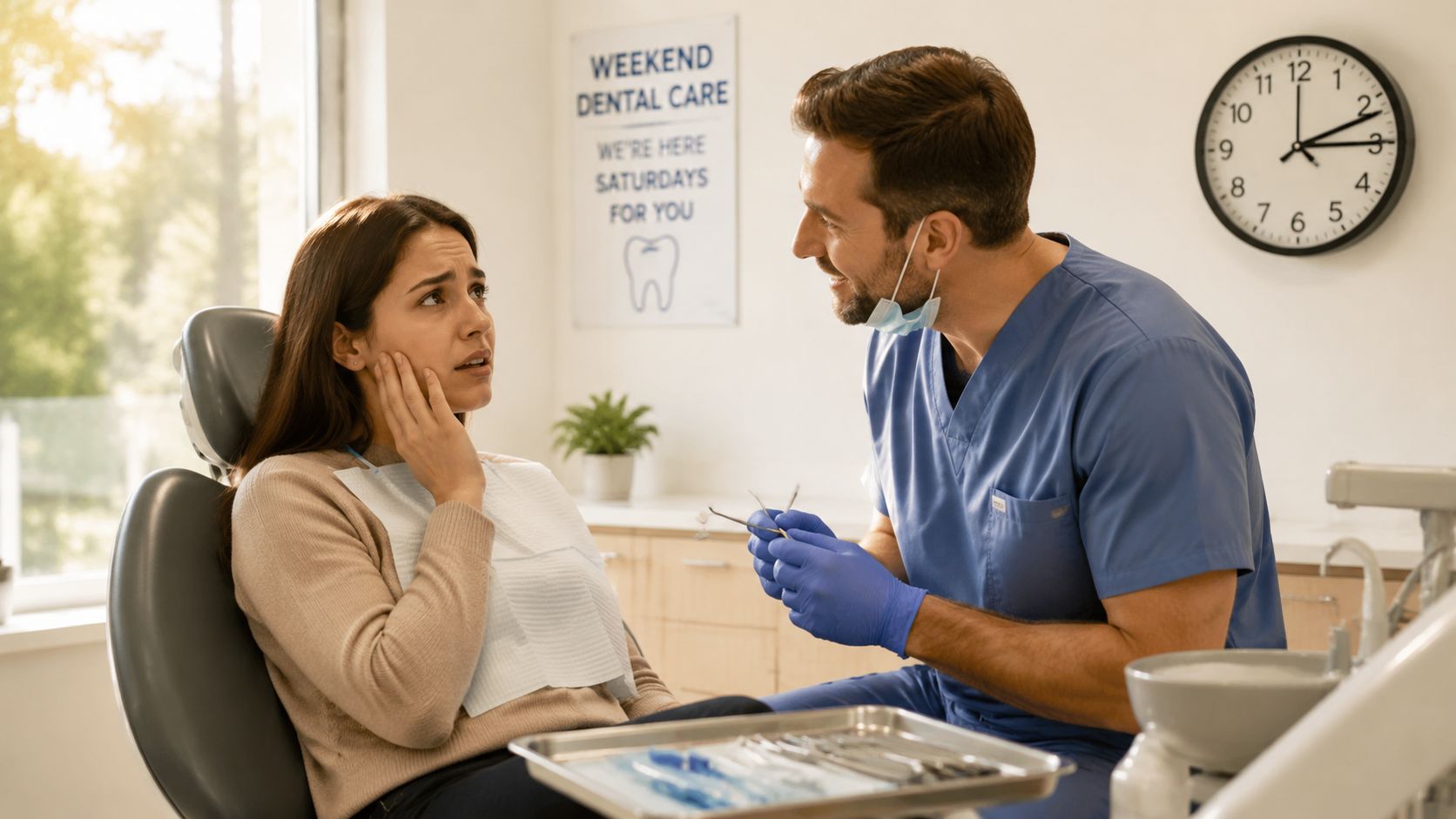
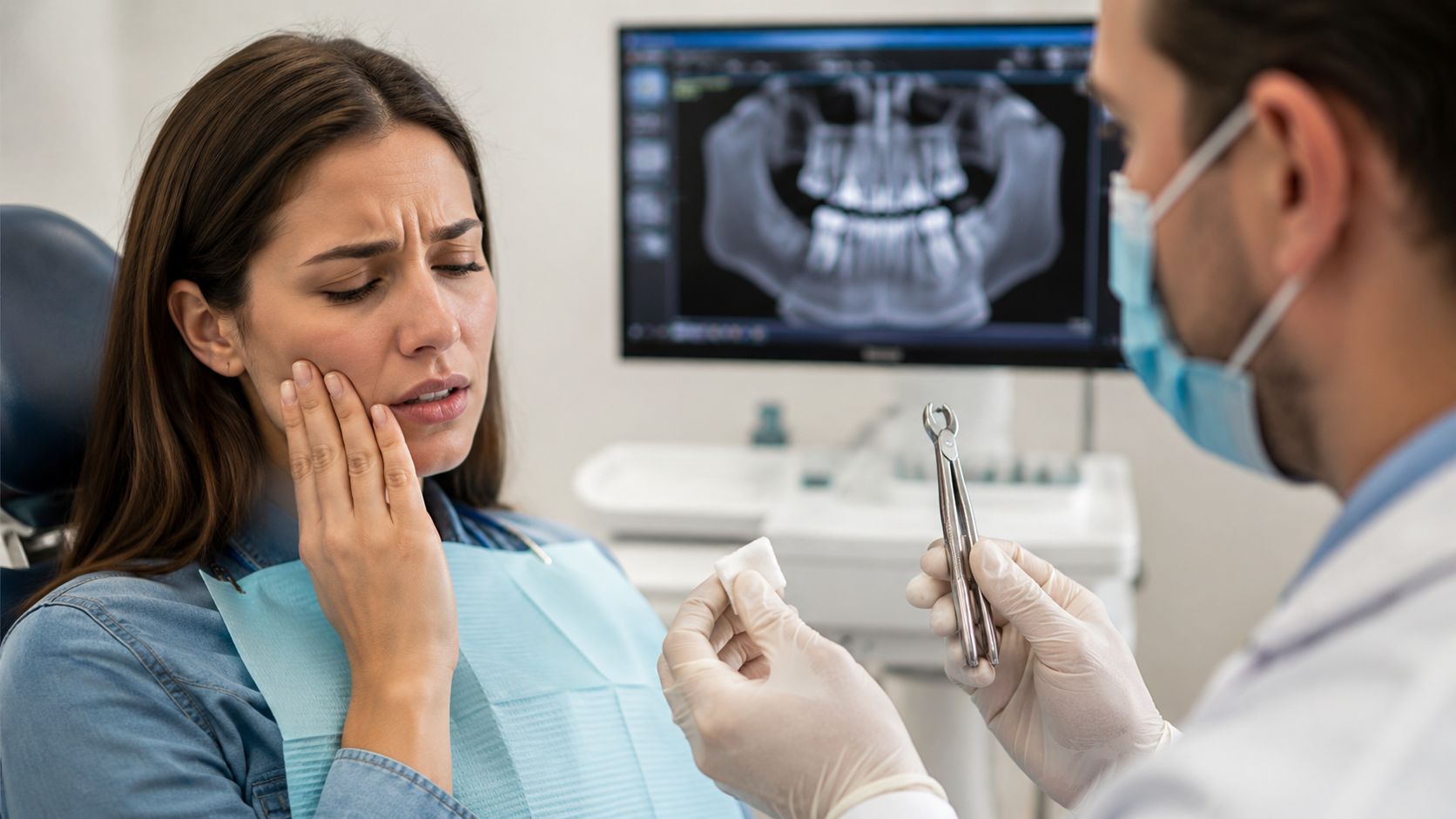
Emergency availability: Dental emergencies—broken teeth, lost crowns, sudden pain—don't follow business hours. Knowing whether your clinic offers same-day or after-hours emergency appointments matters when something goes wrong unexpectedly.
Reviews and reputation: Patient feedback gives you a realistic picture of what the experience is actually like. Look for consistent themes across reviews rather than isolated comments.
Frequently Asked Questions
How often should I visit the dentist?
Twice a year is the standard recommendation for most adults, but patients with a history of gum disease, high cavity risk, or certain medical conditions may benefit from more frequent visits. Your dentist will advise based on your specific situation.
Can one dentist really do everything?
Many trained general dentists offer a wide scope of services including fillings, crowns, implants, and cosmetic treatments. Clinics like 3D Dental are specifically designed to handle complex cases in-house, reducing the need for specialist referrals.
Is cosmetic dentistry covered by insurance?
Cosmetic procedures like whitening and veneers are typically not covered by insurance, as they're considered elective. However, some treatments that have both cosmetic and functional benefits—like crowns or implants—may be partially covered depending on your plan.
What should I do in a dental emergency?
Contact your dental clinic as soon as possible. For a knocked-out tooth, keep it moist (ideally in milk or between your cheek and gum) and seek care within 30 minutes for the best chance of saving it. Avoid over-the-counter numbing gels as a long-term solution—they mask pain without treating the cause.
Taking the Next Step Toward Lifelong Oral Health
Good dental care is cumulative. The habits you build, the checkups you keep, and the clinic you trust over time all add up to an outcome that goes well beyond a clean set of teeth. Oral health is closely linked to cardiovascular health, diabetes management, and overall quality of life—factors that make choosing the right dental partner genuinely important.
3D Dental offers a starting point worth considering: a comprehensive practice equipped with modern technology and a team focused on making dental care straightforward, accessible, and built around your long-term health. Whether you're overdue for a cleaning, exploring treatment options, or simply looking for a clinic you can rely on year after year, the right place to start is closer than you think.
3D Dental Texas
https://maps.app.goo.gl/XMPCB3A1TnEpUHFAA
(512) 831-7918
12854 Research Blvd Austin TX 78750
Ready to get started?
Schedule a free, no obligation consultation with our team and see what's possible for your smile!
Georgetown
- Mon-Thurs8:30am-5pm
- Fri8am-3:30pm
- Sat-SunClosed
Austin
- Mon-Tues8am-5pm
- Wed-Thurs9am-6pmFri8am-2pm
- Sat-SunClosed