
A Patient's Guide to the Best Foods for Braces in Austin & Georgetown, TX
Related Posts











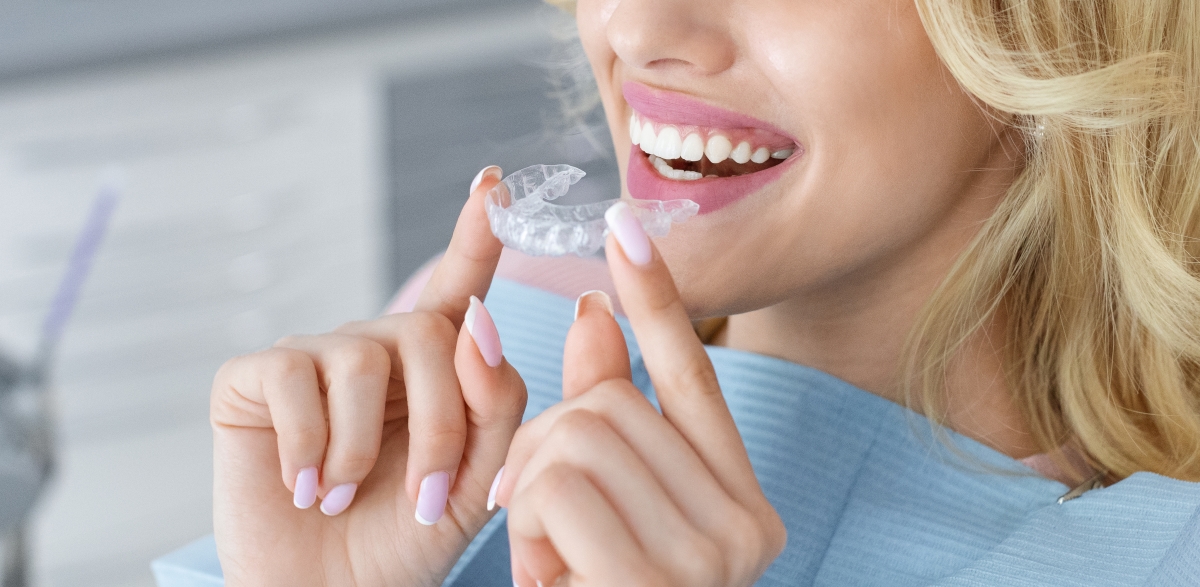
















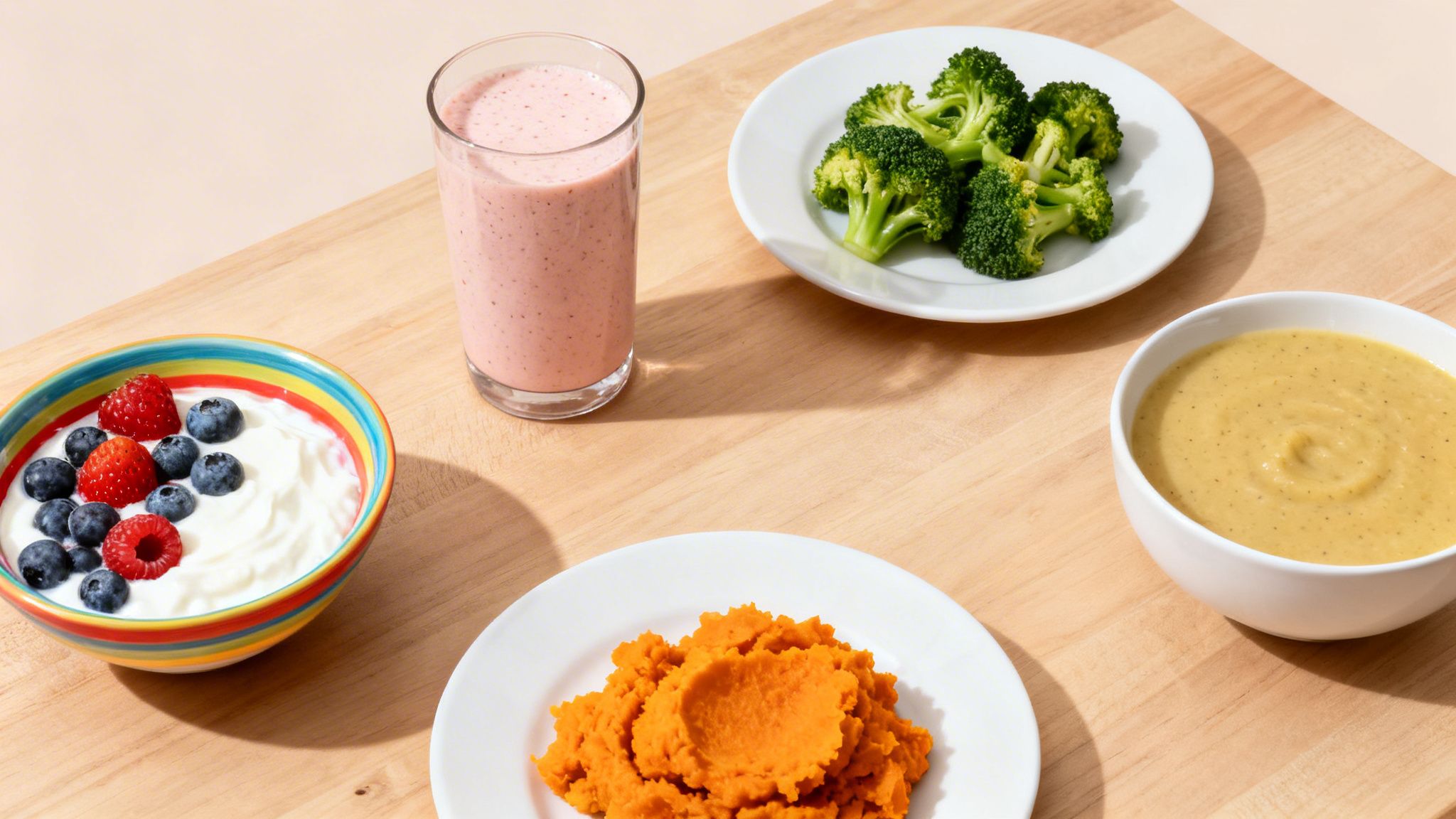
Getting braces is an exciting step toward a healthier, more confident smile. But it also comes with a common question: "What can I actually eat?" If you're feeling worried about your new orthodontics, experiencing a sore mouth, or just unsure how to adjust your diet, you're not alone. At 3D Dental, we reassure our patients in Austin and Georgetown, TX, that you don't have to survive on milkshakes alone.
As your trusted local dentist serving communities from Cedar Park to Round Rock, we've created this complete guide to the best foods for braces. Our goal is to give you delicious, safe, and nutritious options that support your orthodontic journey and help you avoid a painful emergency visit. This list is designed to make eating simple, relieve discomfort, and keep your treatment on track.
Whether you've just had your braces put on in our Austin office or are returning from an adjustment in Georgetown, this guide will help you eat comfortably. We'll explore a variety of brace-friendly foods, offer practical tips, and show you how easy it is to enjoy satisfying meals while working toward the beautiful smile you deserve. From soft fruits that soothe a tender mouth to proteins that help you feel full, let's explore the ultimate orthodontic-approved menu.
1. Soft Fruits and Berries
When you first get your braces, or right after an adjustment, your teeth and gums can be quite sensitive. This is where soft fruits and berries become an essential part of your diet. They are among the best foods for braces because they are gentle on your hardware, requiring minimal chewing pressure that could otherwise damage brackets or dislodge wires.
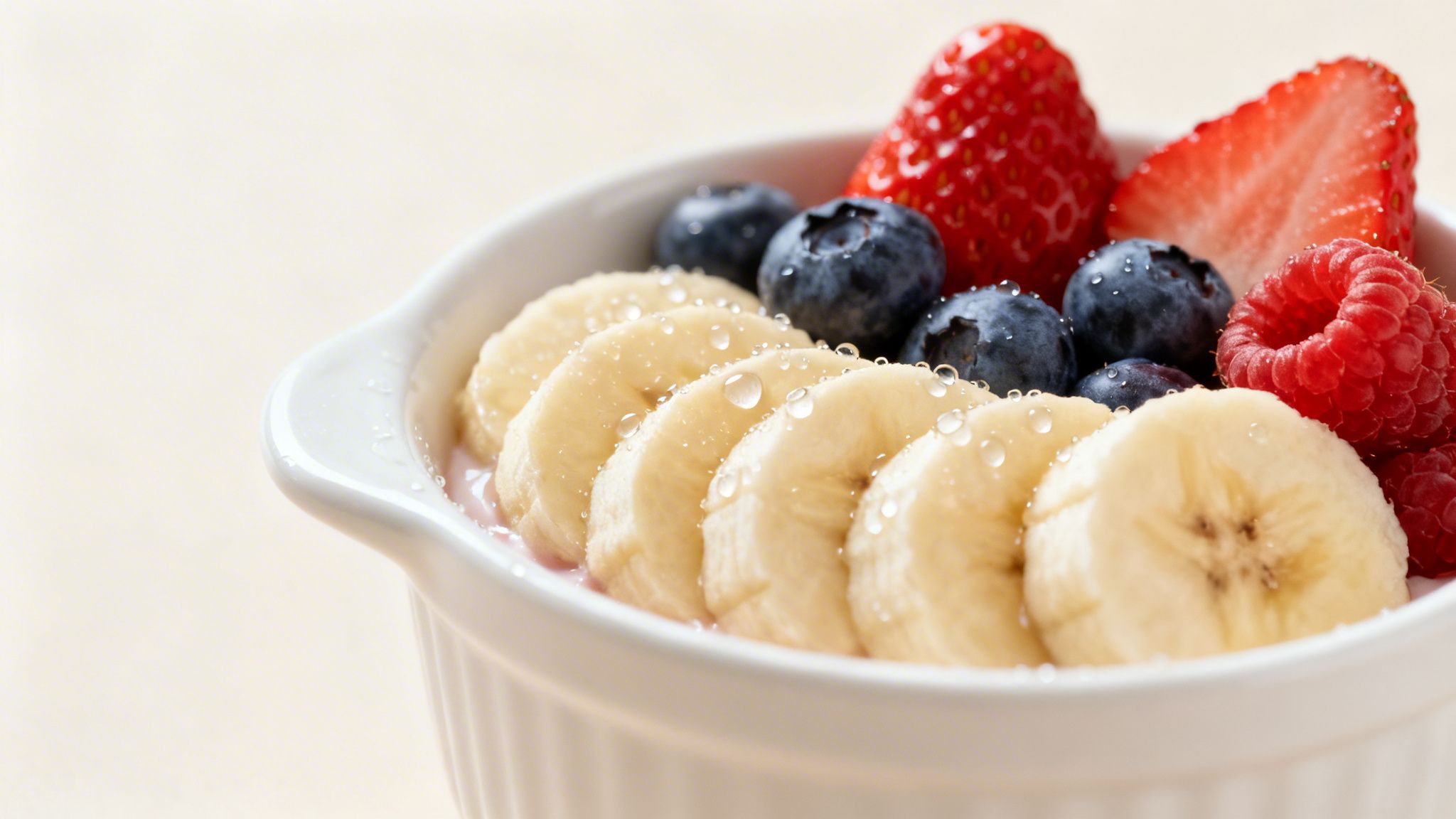
The nutritional value of these foods is also a major benefit. Fruits like bananas, strawberries, and blueberries are packed with vitamins and antioxidants. Vitamin C, found abundantly in berries, is crucial for gum health and helps your mouth heal and adapt to the orthodontic appliances. As you begin your orthodontic journey, having a good understanding of what to expect is helpful; you can learn more about how to prepare for braces to make the transition smoother.
Practical Ways to Enjoy Soft Fruits
Making fruits a regular part of your braces-friendly diet is simple with a few adjustments. Instead of biting directly into a whole fruit, which can put stress on your front brackets, focus on preparation.
- Smoothies: Blending soft fruits with yogurt or milk creates a nutritious, easy-to-consume meal or snack. This is especially comforting during the first few days after an adjustment when chewing feels like a chore.
- Small Pieces: Always cut fruits like bananas and ripe peaches into small, bite-sized pieces. This eliminates the need for forceful biting and makes chewing more manageable.
- Thawed Berries: Frozen berries can be too hard and cold for sensitive teeth. Let them thaw to room temperature, which softens them perfectly for mixing into oatmeal or yogurt.
Pro Tip: After eating berries or other colorful fruits, be sure to rinse your mouth with water. This simple step helps prevent staining on the elastic ligatures of your braces and reduces sugar sitting on your teeth, which is vital for preventing cavities during your treatment with our dental team in Austin, TX.
2. Yogurt and Soft Dairy Products
Navigating your diet with new braces can feel challenging, but creamy and soft dairy products offer a simple, safe, and satisfying solution. Foods like yogurt, pudding, and soft cheeses are some of the best foods for braces because they require virtually no chewing. This makes them perfect for days when your mouth is sore after an adjustment, as they won't put any pressure on sensitive teeth or delicate orthodontic hardware.
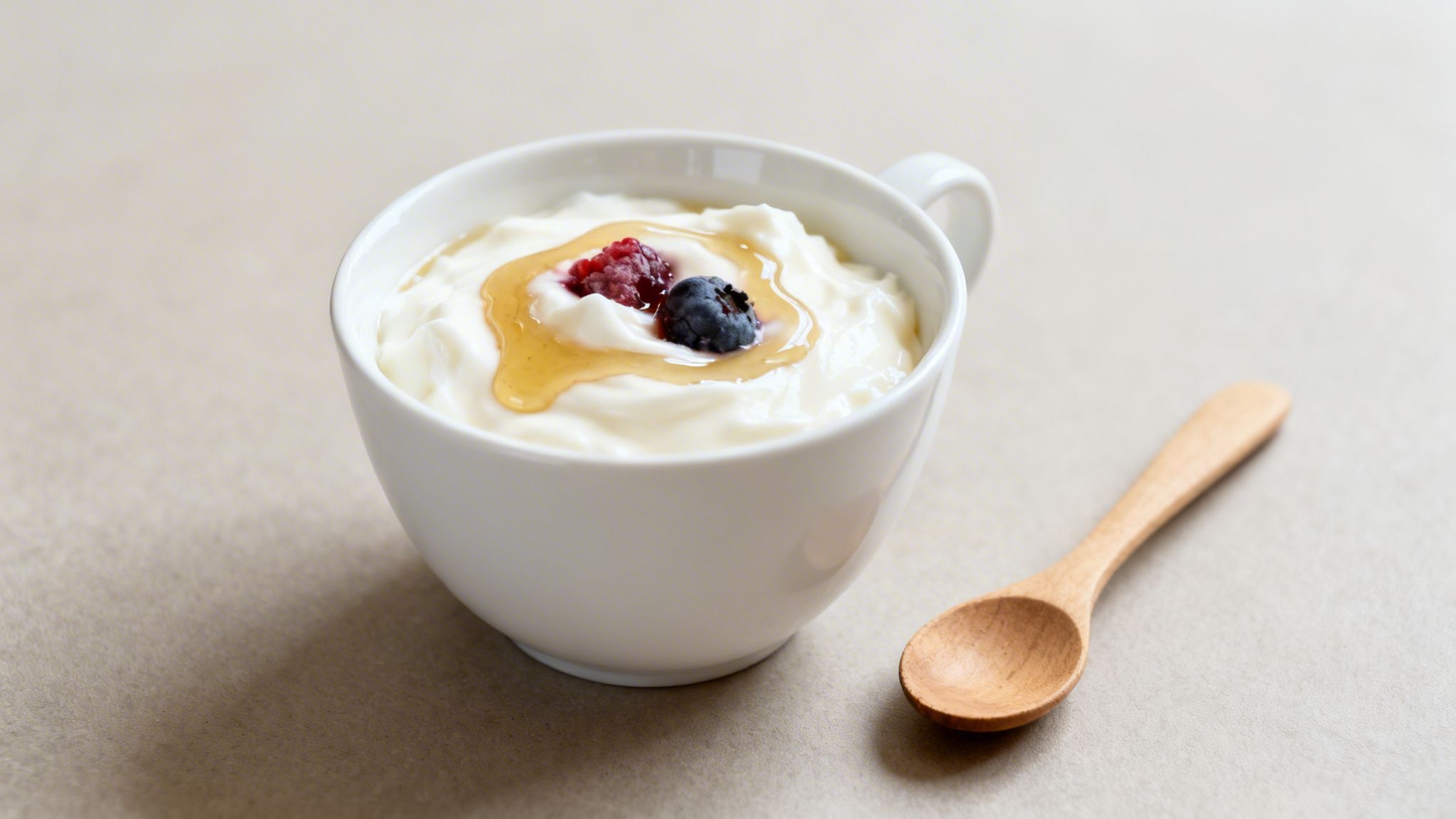
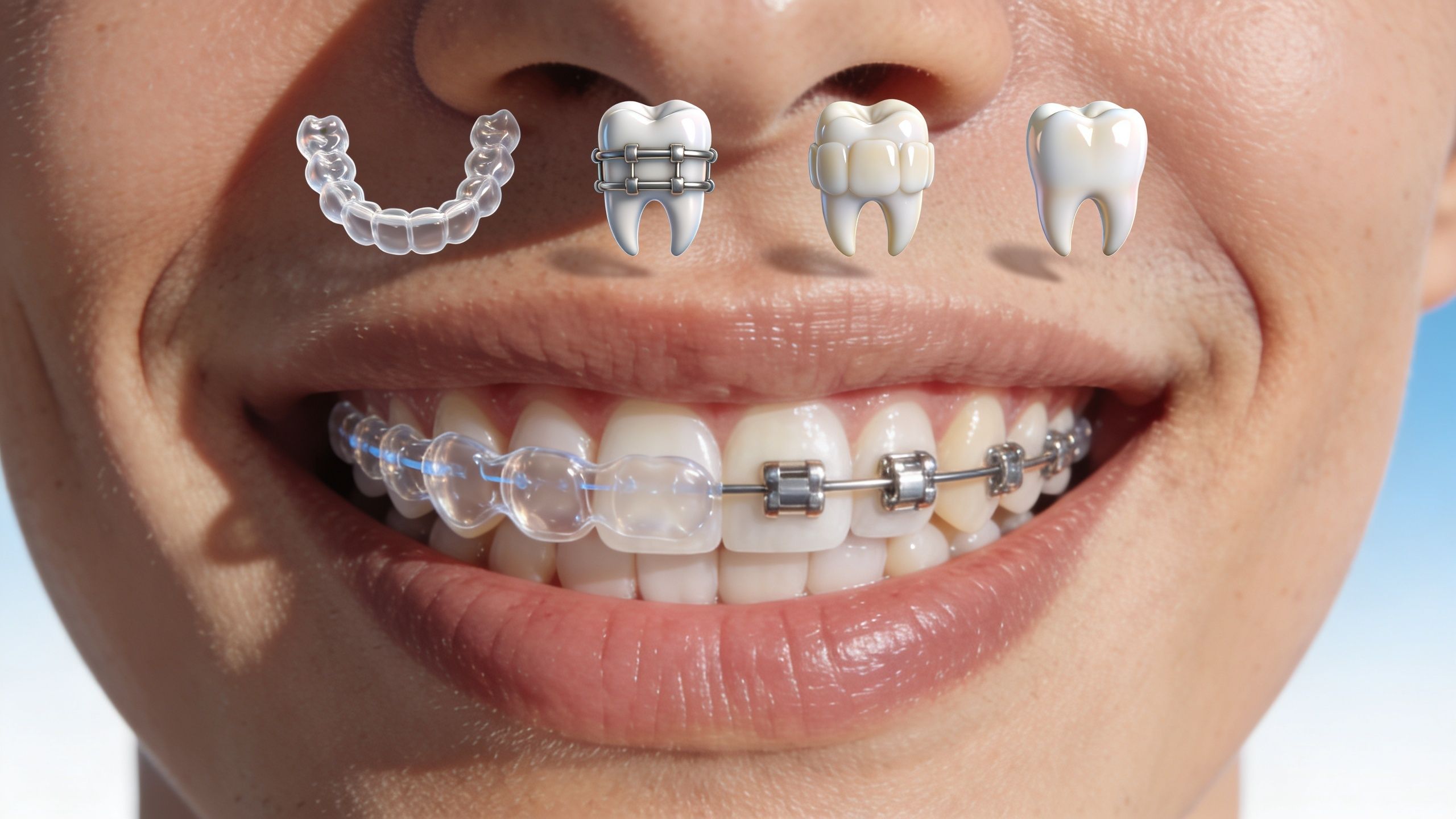
Beyond their soft texture, these dairy options are nutritional powerhouses for oral health. They are rich in calcium and protein, which are vital for strengthening tooth enamel and supporting jaw bone density during your treatment. The probiotics found in yogurt also contribute to a healthier balance of bacteria in your mouth, which can help keep your gums healthy. Deciding on the right orthodontic treatment is a significant step; you can explore the differences between traditional options and modern alternatives to see which is best for you by comparing braces vs. clear aligners.
Practical Ways to Enjoy Soft Dairy
Incorporating soft dairy into your daily routine is easy and can add variety to your meals and snacks. With a few smart choices, you can maximize both comfort and nutritional benefits.
- Choose High-Protein Options: Opt for Greek yogurt over regular varieties to get a significant protein boost, which helps you feel full longer and supports muscle and bone health.
- Go Low-Sugar: Select sugar-free pudding cups or plain yogurt to minimize sugar exposure. You can add natural sweetness with a drizzle of honey or a few soft fruit pieces.
- Pair for Flavor and Nutrients: Mix soft ricotta cheese with thawed berries or add a spoonful of applesauce to plain yogurt. This adds flavor, fiber, and essential vitamins without compromising the braces-friendly texture.
Pro Tip: Dairy products, especially those with added sugar, can contribute to plaque buildup. After enjoying yogurt or pudding, it's a good practice to rinse your mouth with water. This simple action helps wash away residual sugars and acids, protecting your teeth and braces from potential decay and staining here in Austin, TX.
3. Soft Grains and Bread Products
Carbohydrates are a primary energy source, and giving them up isn't necessary when you have braces. Soft grains and bread products are fantastic staples because they are easy on your orthodontic hardware. Items like well-cooked pasta, oatmeal, and soft breads provide comfort and sustenance, especially when your mouth is feeling tender. They don't require the forceful chewing that can damage brackets or wires, making them one of the best foods for braces.
Aside from being gentle on your appliances, these foods are often fortified with essential nutrients like B vitamins and iron, which support overall health. A well-balanced diet is critical during orthodontic treatment to keep your teeth and gums strong as they shift into their new positions. Enjoying these soft carbs ensures you're getting the energy you need without putting your braces at risk.
Practical Ways to Enjoy Soft Grains
Incorporating soft grains and breads into your meals is simple. The key is in the preparation, ensuring that everything is soft enough to be eaten comfortably without jeopardizing your orthodontic work.
- Softer Pasta: When preparing pasta, cook it a minute or two longer than the package's "al dente" instructions. This extra cooking time makes it much softer and easier to chew. Pair it with smooth, creamy sauces instead of chunky ones.
- Crustless Bread: The crust on bread can be surprisingly tough and may pop a bracket off your front teeth. Simply remove the crusts before making a sandwich or lightly toasting it. Stick to soft white or wheat breads over artisan loaves with hard, chewy crusts.
- Creamy Cereals: Oatmeal, cream of wheat, and grits are excellent breakfast choices. They are not only soft but also warm and soothing, providing significant relief for a sore mouth after an adjustment.
Pro Tip: Grains, especially starchy ones like bread and pasta, can easily get stuck in and around your brackets and wires. Always rinse your mouth with water immediately after eating and be extra diligent with your flossing and brushing routine to prevent plaque buildup and potential cavities during your treatment in Georgetown, TX.
4. Soft Proteins (Eggs, Fish, and Ground Meat)
Protein is vital for your body's healing process, which is especially important as your teeth, gums, and jaw adjust to orthodontic treatment. Soft proteins are some of the best foods for braces because they deliver essential amino acids for tissue repair without requiring the forceful chewing that can damage your orthodontic hardware. Options like eggs, flaky fish, and ground meats are soft enough to be enjoyed even when your mouth is feeling tender.
These foods are gentle on your brackets and wires, minimizing the risk of a broken appliance that could delay your treatment progress. Including them in your diet ensures you get the necessary nutrients to support a healthy mouth and body throughout your orthodontic journey. This focus on a supportive diet is a key part of successful orthodontic care at our dental practice in Austin, TX.
Practical Ways to Enjoy Soft Proteins
Preparing proteins to be braces-friendly is straightforward. The key is to focus on cooking methods that result in a moist, tender texture that falls apart easily and requires minimal chewing.
- Proper Preparation: Cook ground beef, turkey, or chicken until tender, and consider adding a sauce, broth, or gravy to keep it moist and easy to swallow. For fish like salmon or cod, baking or steaming makes it flaky and simple to eat with a fork.
- Scrambled or Soft-Boiled: Eggs are an excellent, inexpensive protein source. Scramble them until they are very soft, or prepare them soft-boiled. Avoid fried eggs with crispy edges that could be difficult to chew.
- Vegetarian Options: Soft tofu is a fantastic alternative that can be scrambled just like eggs or blended into smoothies and sauces for a protein boost. Well-cooked lentils and beans are also great choices.
Pro Tip: After enjoying a meal with ground meat or flaky fish, it's a good idea to brush and floss carefully. Small particles can easily get trapped around your brackets and under your wires, so thorough cleaning is essential for preventing plaque buildup and maintaining oral hygiene during your treatment in the Austin, TX area.
5. Smooth Nut and Seed Butters
Protein is vital for tissue repair and strength, which is especially important as your teeth and gums adjust to orthodontic forces. Smooth nut and seed butters offer a fantastic source of protein and healthy fats that are completely braces-friendly. Unlike whole nuts, which are on the "do not eat" list, the creamy texture of smooth peanut, almond, or sunflower seed butter poses no threat to your orthodontic hardware. They are one of the best foods for braces because they deliver dense nutrition without requiring forceful chewing.
The healthy fats and protein in these butters help you feel full and energized, making them an excellent addition to any meal or snack. They provide essential nutrients that support overall health, which in turn contributes to a more efficient and comfortable orthodontic treatment experience. Getting enough protein helps your body adapt to the changes happening in your mouth, from shifting teeth to minor gum inflammation.
Practical Ways to Enjoy Smooth Butters
Incorporating these nutritious spreads into your diet is easy and can make meals more satisfying, particularly when your food options feel limited. The key is to always choose creamy versions and avoid chunky varieties entirely, as the hard nut pieces can easily damage brackets and wires.
- Boost Your Breakfast: Swirl a spoonful of almond butter into your morning oatmeal or yogurt. This adds flavor, protein, and staying power to your meal without any risk to your braces.
- Smarter Snacking: Spread a thin layer of smooth peanut butter on soft, crustless bread or apply it to banana slices. This combination provides a balanced snack of carbohydrates, protein, and potassium.
- Blend into Smoothies: Add a tablespoon of sunflower seed butter to a fruit smoothie. It makes the drink richer and more filling, perfect for days when your teeth are too tender to chew much at all.
Pro Tip: Nut butters are sticky. After eating, swish vigorously with water and be extra diligent with your oral hygiene routine. Use a floss threader or water flosser to clean thoroughly around each bracket, as the sticky residue can easily get trapped and increase your risk of cavities during your orthodontic care in Austin, TX.
6. Soft Vegetables (Steamed or Cooked)
Getting enough vitamins and minerals is crucial for maintaining healthy gums and teeth, especially during orthodontic treatment. Soft, cooked vegetables are among the best foods for braces because they deliver essential nutrients without posing a risk to your brackets and wires. Raw, hard vegetables like carrots or celery can easily damage your hardware, but steaming or boiling them until they are tender makes them perfectly safe and easy to eat.
Well-cooked vegetables like sweet potatoes, carrots, and spinach become soft enough to require very little chewing force. This gentleness is a relief, particularly after an adjustment when your teeth are most sensitive. These foods provide critical nutrients like Vitamin A, which supports saliva production and mucous membranes, and Vitamin K, which is important for bone health, including the jawbone that supports your teeth.
Practical Ways to Enjoy Soft Vegetables
Incorporating cooked vegetables into your diet is simple and can be quite delicious. The key is proper preparation to ensure they are soft enough for your braces.
- Steam or Boil: Cook vegetables like broccoli, carrots, and cauliflower until they are "fork-tender," meaning a fork can easily pierce them. This is the gold standard for braces-friendly texture.
- Mash or Puree: For ultimate comfort, especially during sore days, mash cooked vegetables. Mashed cauliflower with herbs or mashed sweet potatoes with a little butter are both nutritious and soothing options. You can also puree them into soups.
- Cut into Small Pieces: Always cut even soft vegetables into small, bite-sized pieces. This minimizes the work your teeth have to do and reduces any potential stress on your orthodontic appliances.
Pro Tip: After eating fibrous vegetables like spinach or broccoli, be diligent about cleaning. These foods can easily get trapped in and around your brackets. Floss carefully and rinse with water to dislodge any particles, helping prevent plaque buildup and keeping your treatment on track at our Austin, TX, practice.
7. Soups and Broths
When your mouth is feeling particularly tender, especially during the first few days with new braces or after a tightening appointment, warm soups and broths are exceptionally comforting. These liquid-based meals are among the best foods for braces because they require no chewing, which eliminates pressure on sensitive teeth and delicate orthodontic hardware. They offer a simple way to stay nourished and hydrated without risking damage to brackets or wires.
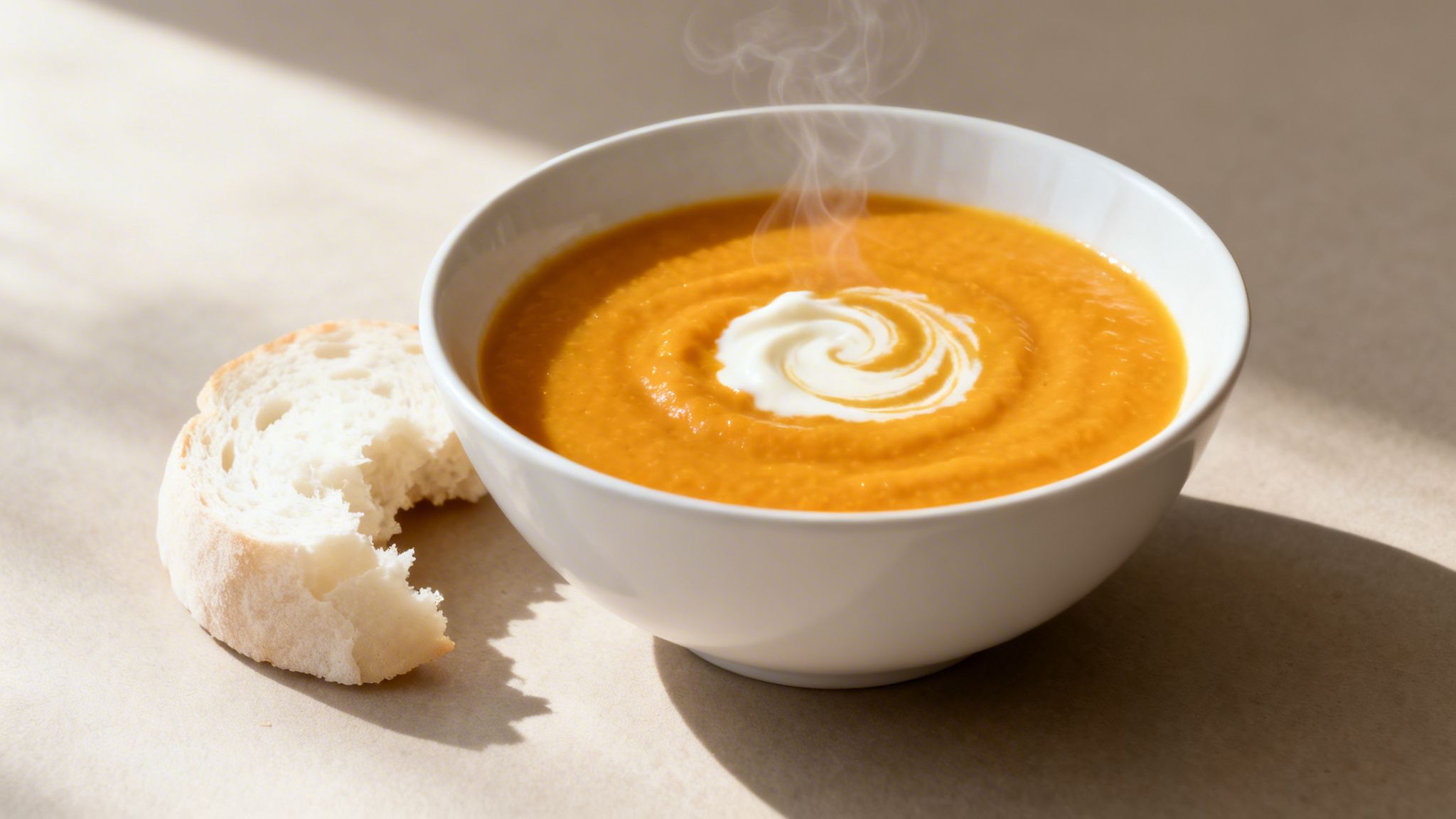
Beyond the immediate comfort they provide, soups are a fantastic source of balanced nutrition. Whether you choose a creamy tomato soup, a clear chicken broth with soft noodles, or a blended butternut squash soup, you can easily incorporate a wide range of vitamins and minerals. This is important for maintaining your overall health, which directly supports your oral health and the progress of your orthodontic treatment.
Practical Ways to Enjoy Soups and Broths
Soups can be a satisfying meal at any stage of your braces journey, not just during times of discomfort. With a few simple considerations, you can make them a go-to option that is both delicious and safe for your smile.
- Blend for Smoothness: If a soup contains chunky vegetables or meats, run it through a blender to create a smoother, creamier consistency. This removes any hard pieces that might be difficult to chew or could get stuck in your braces.
- Cool It Down: Extremely hot temperatures can make already sensitive teeth and gums feel worse. Always allow your soup to cool to a warm, comfortable temperature before eating.
- Boost with Soft Additions: Enhance your soup with soft, braces-friendly ingredients. Think well-cooked noodles, shredded chicken, or soft-cooked vegetables that have been mashed or cut into very small pieces. Dipping soft bread (with crusts removed) is also a great option.
Pro Tip: After enjoying a bowl of soup, especially creamy or tomato-based varieties, rinse your mouth with water. This helps wash away any lingering food particles, sugars, or acids, protecting your teeth from decay and preventing potential stains on the elastic bands of your braces. For patients in the Georgetown area, maintaining this type of oral hygiene is key to a successful outcome.
8. Smoothies and Blended Drinks
Smoothies and other blended drinks are one of the best foods for braces, especially when your mouth is feeling particularly sore. They combine multiple soft, nutritious ingredients into a single, easy-to-consume meal that requires no chewing. This completely bypasses the risk of damaging your orthodontic hardware and provides soothing relief for tender teeth and gums, making them ideal after an adjustment or during the initial days of treatment.
Beyond convenience, these drinks are nutritional powerhouses. You can pack fruits, vegetables, protein, and healthy fats into one glass, ensuring you get the vitamins and minerals needed for strong teeth and healthy gums. For orthodontic patients, maintaining excellent nutrition is key to supporting the biological process of tooth movement and keeping gum tissues resilient.
Practical Ways to Enjoy Smoothies
Making smoothies a staple is simple and allows for endless creativity. The goal is to maximize nutrition while minimizing chewing and potential damage.
- Boost with Protein: Add a scoop of protein powder or a generous spoonful of Greek yogurt. This will make your smoothie more filling and provide the protein necessary for tissue repair and overall health.
- Sneak in Greens: Blend in a handful of spinach or kale. These leafy greens are packed with vitamins, and their flavor is easily masked by fruits like bananas or mangoes.
- Use Frozen Fruit: Using frozen bananas, berries, or mango chunks creates a thicker, colder, and more satisfying texture. The cold temperature can also help numb a sore mouth, providing extra comfort.
- Prep in Advance: Make smoothie packs by portioning out fruit, greens, and other solid ingredients into freezer bags. When you're ready for a meal, just dump a bag into the blender with your liquid of choice for a quick and easy option.
Pro Tip: While smoothies are great, they can contain sugar from fruits. Always rinse your mouth with water immediately after finishing your drink. This helps wash away sugars and acids, protecting your tooth enamel and preventing potential staining of your braces' elastic bands. This is a crucial step in maintaining your oral hygiene with our orthodontic team in Austin, TX.
Top 8 Braces-Friendly Foods Comparison
| Item | Preparation Effort | Resource Requirements | Expected Outcomes | Ideal Use Cases | Key Advantages | Main Drawbacks |
|---|---|---|---|---|---|---|
| Soft Fruits and Berries | Low — wash, slice or blend | Fresh or frozen fruit; optional blender | Vitamin C, antioxidants, gentle on braces | Quick snacks, smoothies, dessert substitute | Nutrient-dense, easy to eat, supports gum healing | Possible staining, seeds may lodge, frozen hardness if unthawed |
| Yogurt and Soft Dairy Products | Very low — ready-to-eat | Refrigeration; spoon; choose low-sugar varieties | Calcium and protein for enamel and tissue repair | Snacks, protein boosts, post-adjustment comfort | High bioavailable calcium, safe for all braces | Added sugars increase cavity risk, can leave residue |
| Soft Grains and Bread Products | Medium — cook or soften | Stove/oven, pot; soft bread or well-cooked pasta | Steady energy from carbohydrates, easy chewing | Main meals, meal bases, bulk meal prep | Versatile, filling, affordable | Refined grains lower nutrition, can be sticky/crumbly |
| Soft Proteins (Eggs, Fish, Ground Meat) | Medium — cook gently to tenderness | Stove, utensils; tender proteins or ground meat | Complete proteins for tissue repair and healing | Main meals, recovery nutrition, protein-focused dishes | Essential amino acids, supports healing, braces-safe when soft | May stick to brackets, requires proper cooking to stay moist |
| Smooth Nut and Seed Butters | Low — spread or blend into dishes | Smooth, no-chunk jars; soft bread or fruit | Calorie-dense protein and healthy fats | Quick snacks, smoothies, vegetarian protein source | Concentrated nutrients, satiating, versatile | Sticky (adheres to braces), high-calorie, hard to clean |
| Soft Vegetables (Steamed or Cooked) | Medium — steam, boil, mash | Steamer/pot; time to cook until fork-tender | Vitamins (A, C, K), minerals, fiber for gum health | Side dishes, purees, blended soups, meal prep | Nutrient-rich, safe when cooked, supports oral health | Cooking may reduce some vitamins, fibrous bits can trap |
| Soups and Broths | Low–Medium — heat or simmer; blend if needed | Pot/blender; ingredients; low-sodium options | Hydration, balanced nutrition, soothing for gums | Meals when sore, quick nutritious meals, freezer meals | Safe for all braces, combines food groups, soothing | Can be high in sodium, temperature must be monitored |
| Smoothies and Blended Drinks | Medium — blend ingredients | Blender, refrigeration, varied ingredients | Concentrated nutrients from multiple groups, braces-safe | Meal replacements, on-the-go nutrition, picky eaters | Highly customizable, zero chew risk, portable | Can be high in sugar, may be less filling, staining risk |
What to Expect at Your Orthodontic Visit in Austin or Georgetown
Navigating your diet with new braces can feel like a significant challenge, but as we've explored, it's an opportunity to nurture your body and support your orthodontic treatment. Mastering the art of choosing the best foods for braces is more than just avoiding a broken bracket; it's a fundamental part of ensuring your journey to a straighter smile is comfortable, efficient, and successful. The choices you make at every meal contribute directly to the health of your gums and teeth as they adjust.
By embracing soft, nutrient-rich foods, you are taking an active role in your own care. At 3D Dental, we believe that informed patients achieve the best results.
Benefits of Choosing the Right Foods for Braces
When you visit our dental practice for your orthodontic care, we provide comprehensive guidance. A braces-friendly diet improves your experience by:
- Preventing Pain: Soft foods reduce pressure on sore teeth after adjustments.
- Avoiding Emergencies: Avoiding hard and sticky foods prevents broken brackets and bent wires, saving you from needing an emergency dentist appointment.
- Supporting Oral Health: Nutrient-rich foods strengthen teeth and gums, while avoiding sugary options reduces your risk for cavities around the brackets. Proper dental care, including routine cleaning and exams, is vital during treatment.
- Promoting a Brighter Smile: After your braces are removed, your healthy teeth will be ready for cosmetic dentistry services like teeth whitening to complete your transformation.
Your Next Steps: Building a Brighter Smile with Confidence
Understanding which foods to eat is the first step. The next is building the confidence to apply this knowledge every day. This period of wearing braces is temporary, but the healthy habits you build can last a lifetime. More importantly, the stunning, straight smile you achieve will be a permanent reward for your diligence. It's a journey that enhances not just your appearance but also your confidence and long-term oral health.
Here at 3D Dental, we are committed to being your partner throughout this entire process. We don't just put on the braces and send you on your way. Our dedicated orthodontic team in Austin and Georgetown, TX, provides continuous support and a full range of restorative dentistry services. We believe an informed patient is an empowered patient. From routine cleanings that keep your teeth healthy under your hardware to cosmetic services like teeth whitening after your braces come off, we offer a complete circle of care for patients in our community, including Wells Branch, Cedar Park, and Round Rock.
Ready to take the next step or have more questions about what your orthodontic journey could look like? The expert team at 3D Dental is here to provide personalized guidance on everything from the best foods for braces to the ideal treatment plan for your unique smile. As a trusted dentist in Austin and Georgetown, we are currently accepting new patient exams. Schedule your consultation today and discover how we can help you achieve the healthy, beautiful smile you deserve.
Ready to get started?
Schedule a free, no obligation consultation with our team and see what's possible for your smile!
Georgetown
- Mon-Thurs8:30am-5pm
- Fri8am-3:30pm
- Sat-SunClosed
Austin
- Mon-Tues8am-5pm
- Wed-Thurs9am-6pmFri8am-2pm
- Sat-SunClosed