
Wisdom Teeth Removal Recovery Tips: Your Guide to Healing in Austin, TX
Related Posts





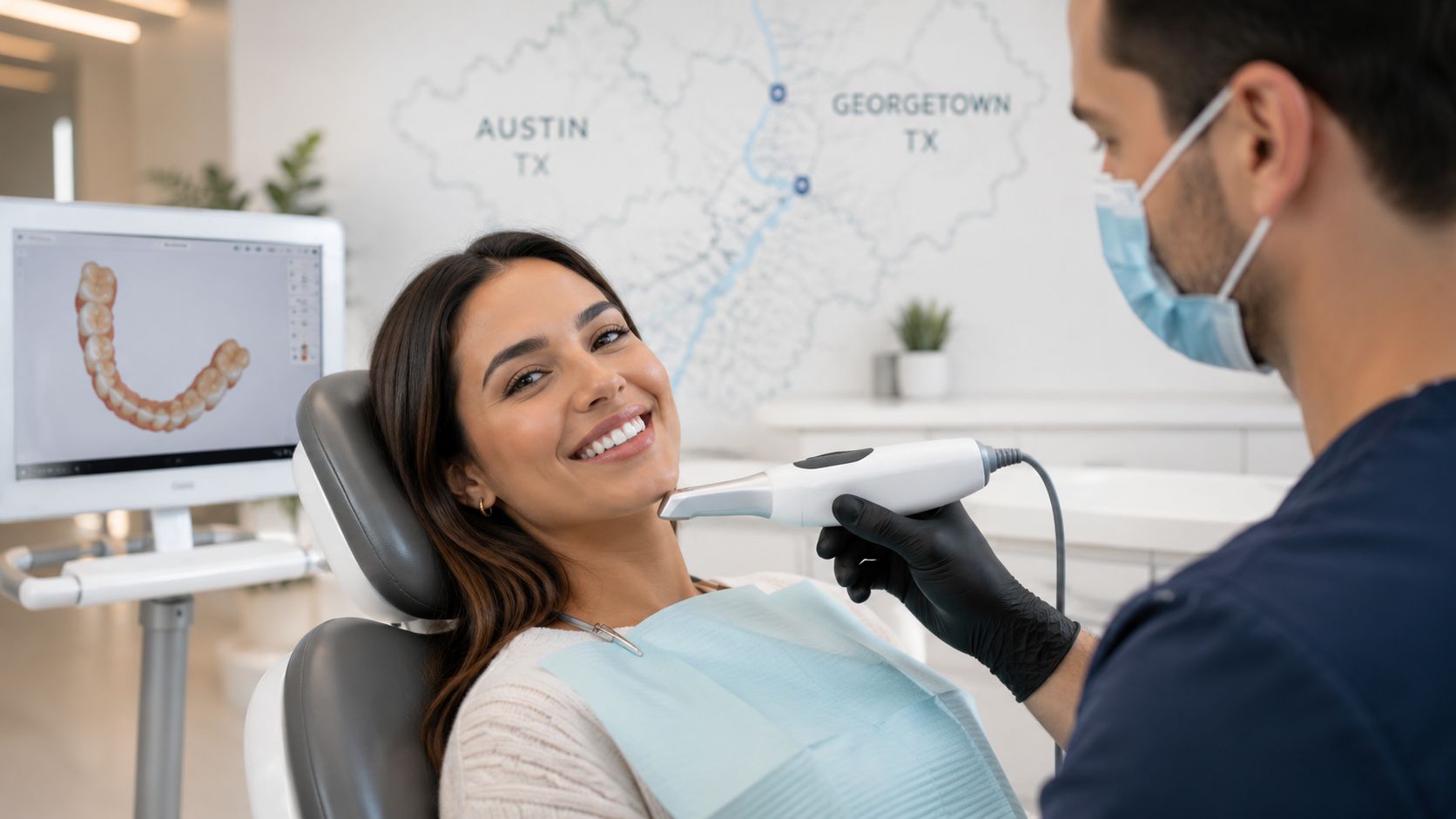

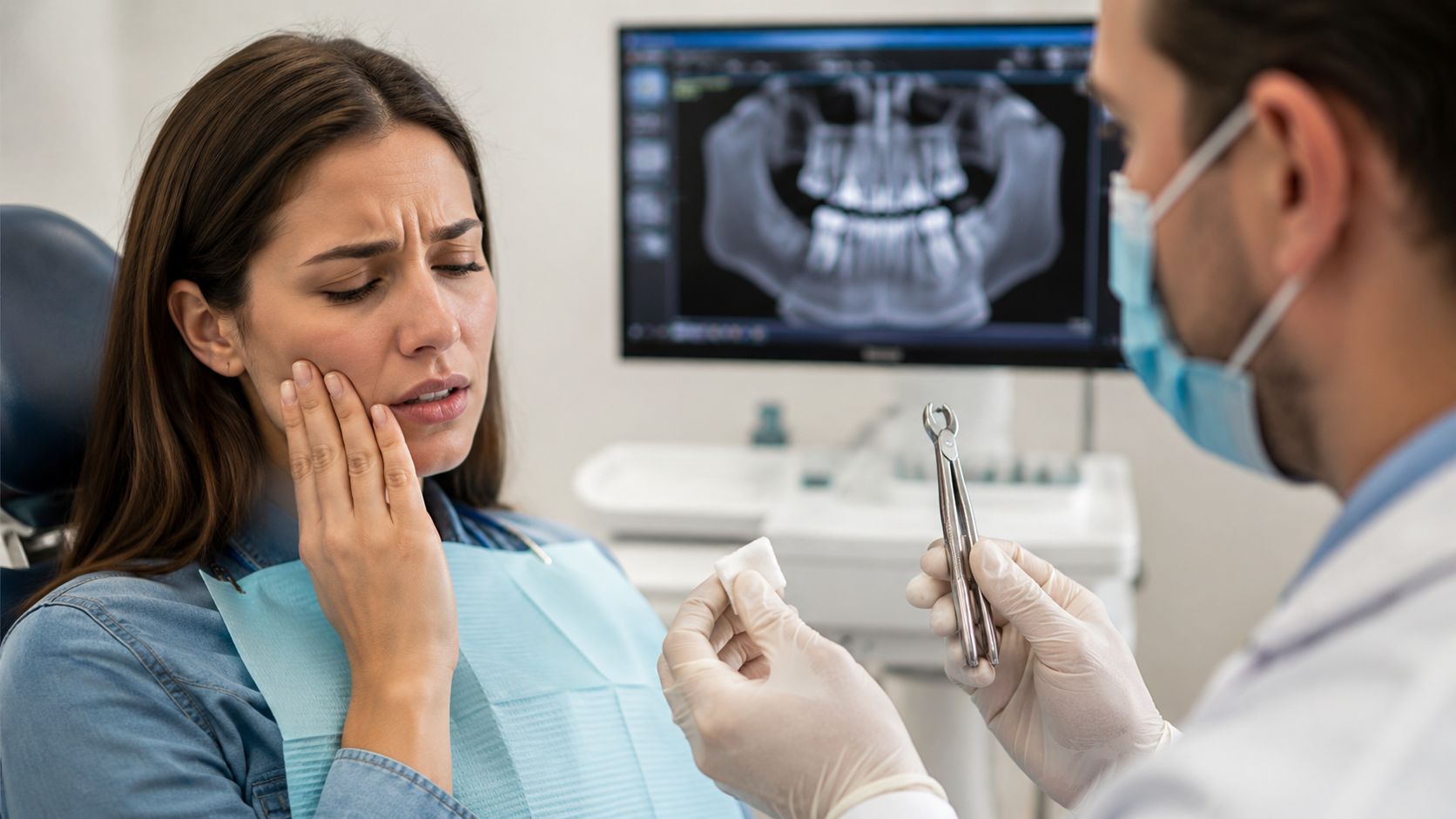
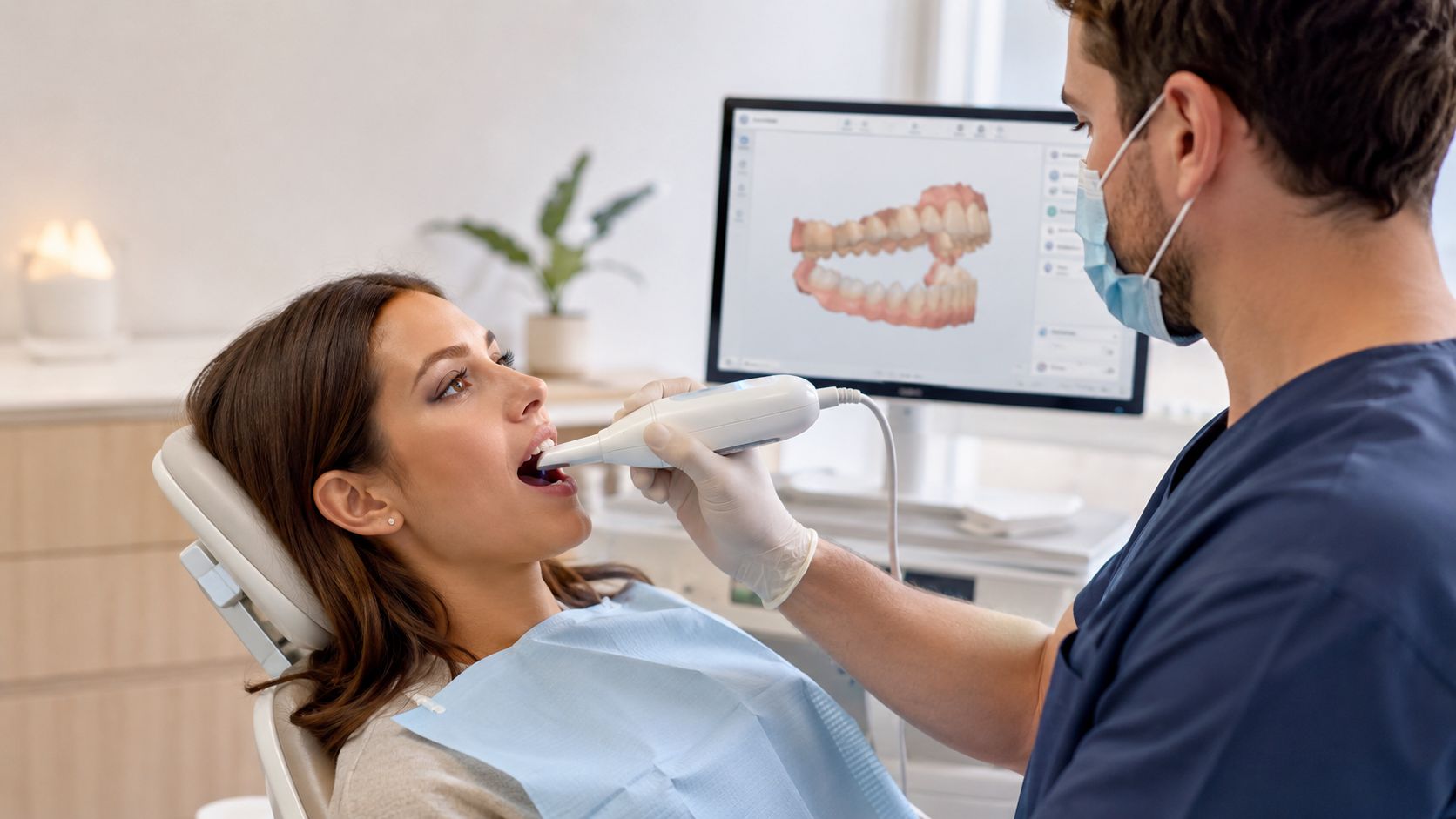

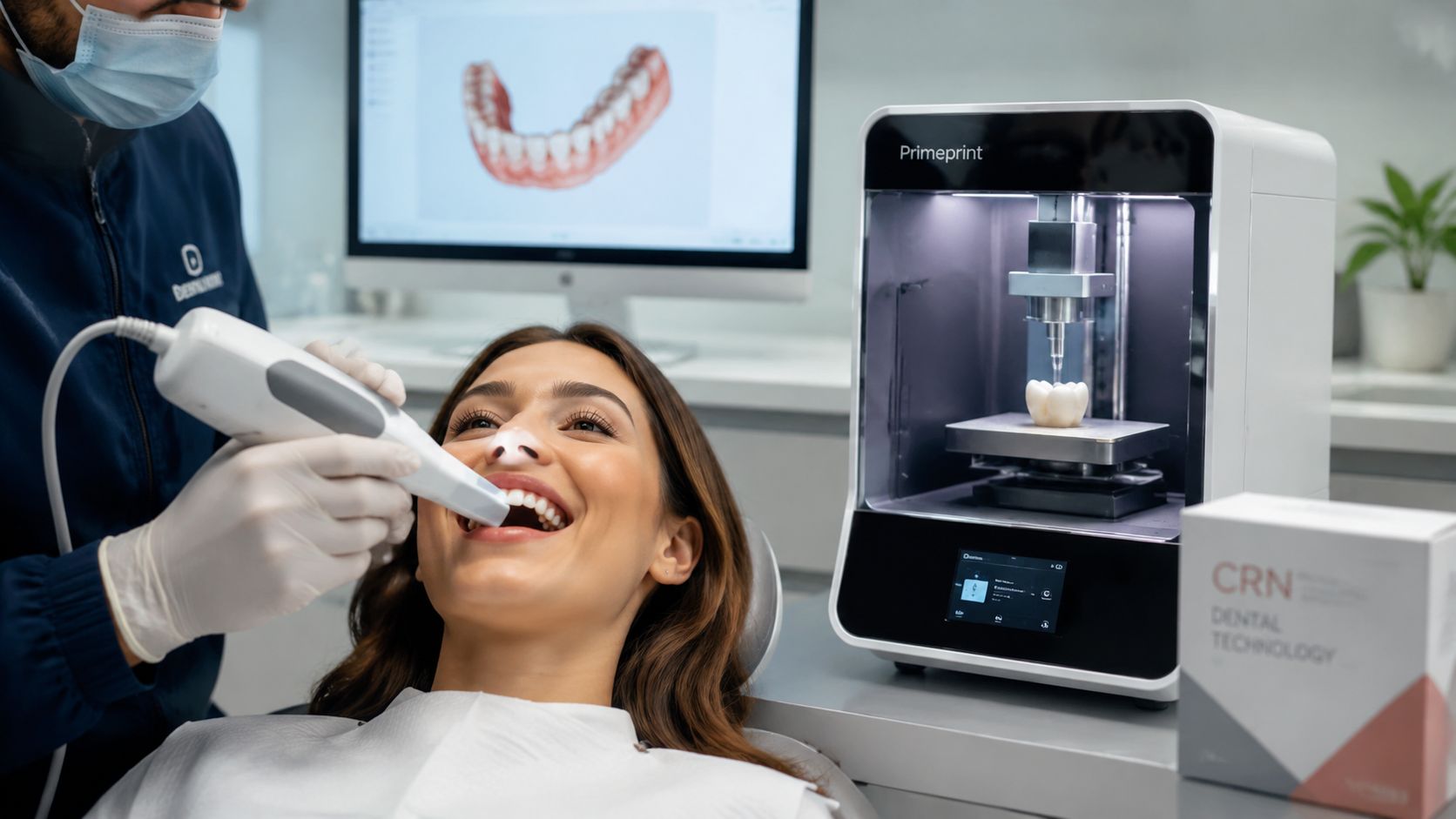
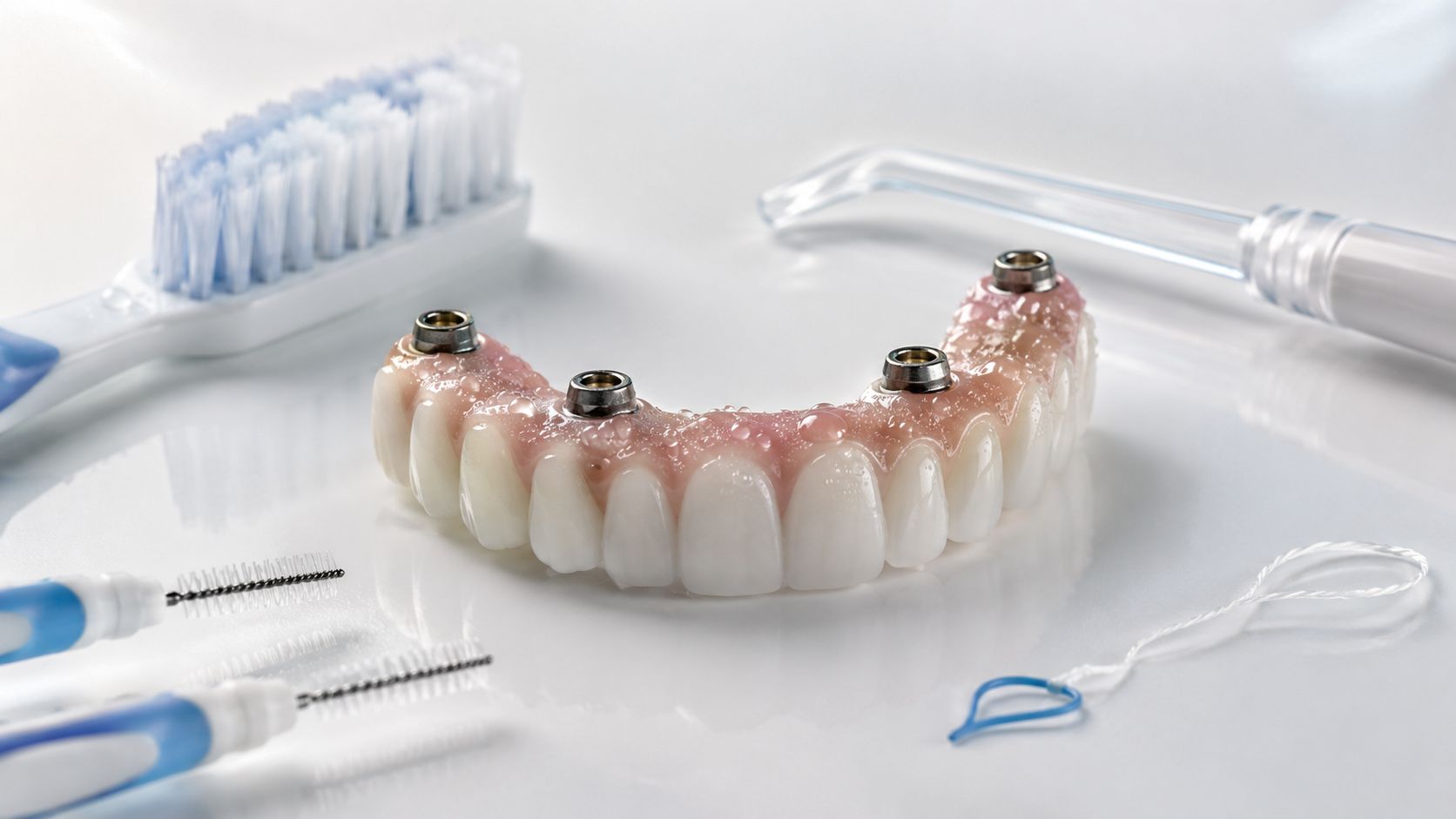
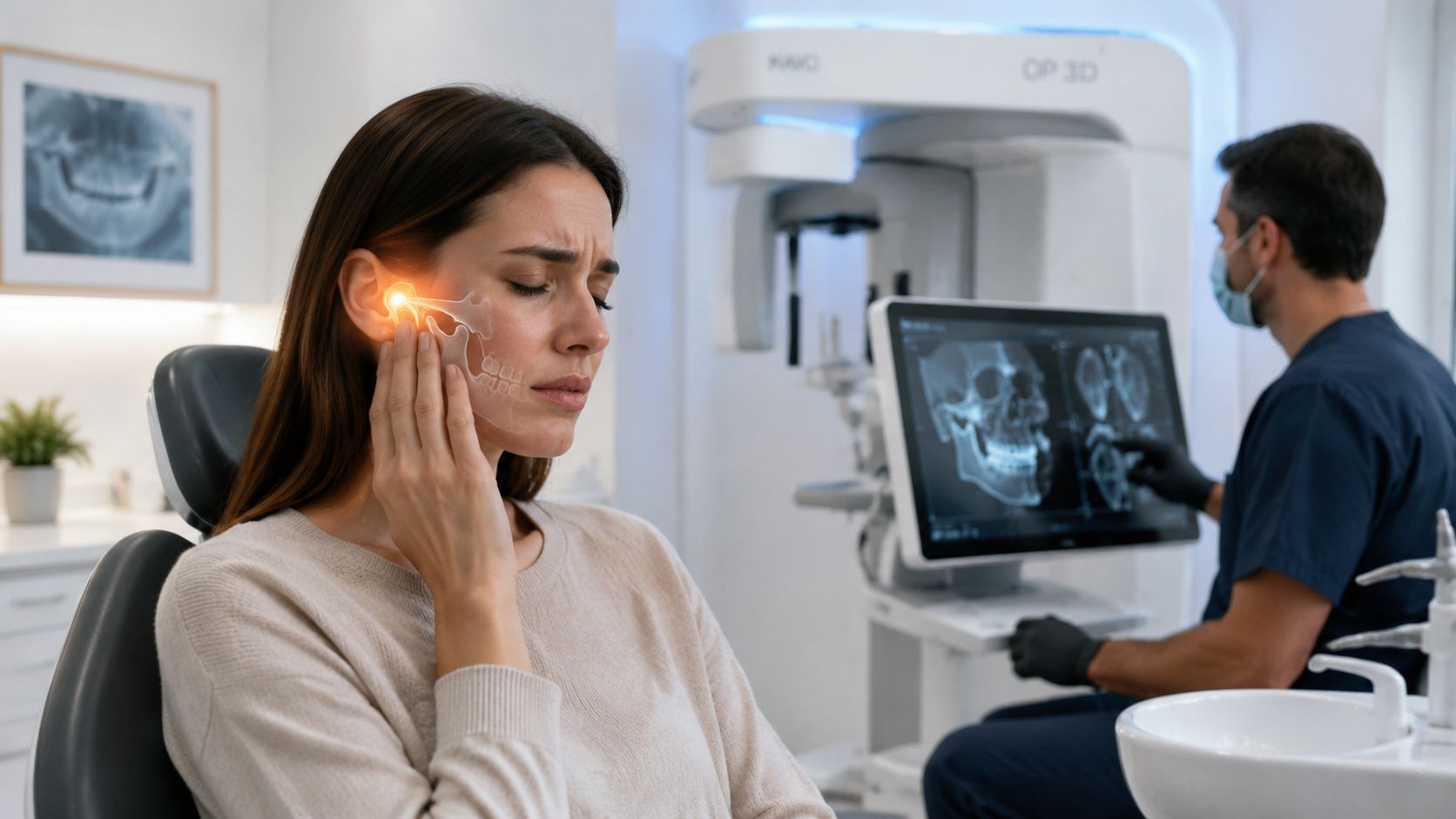

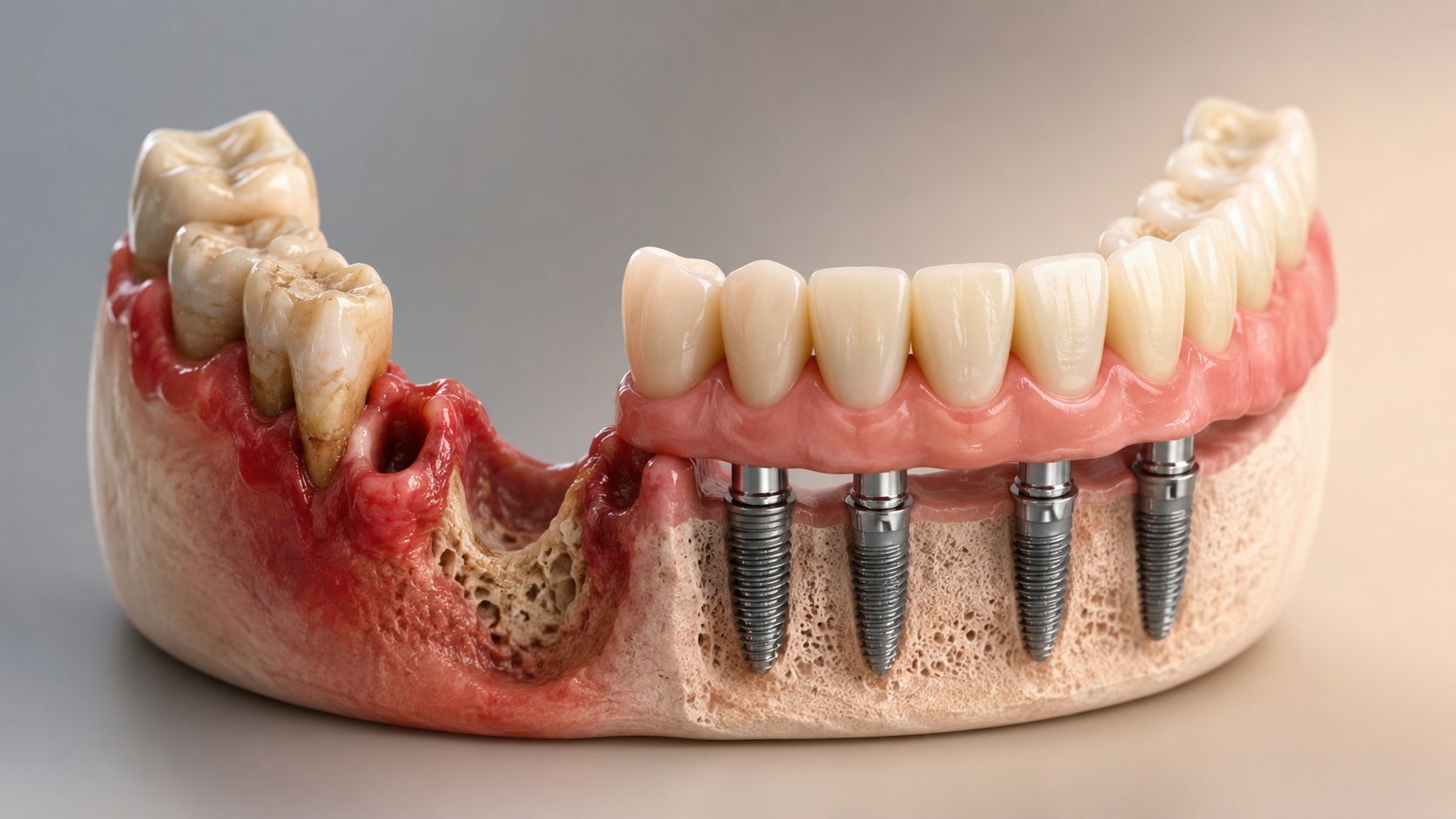

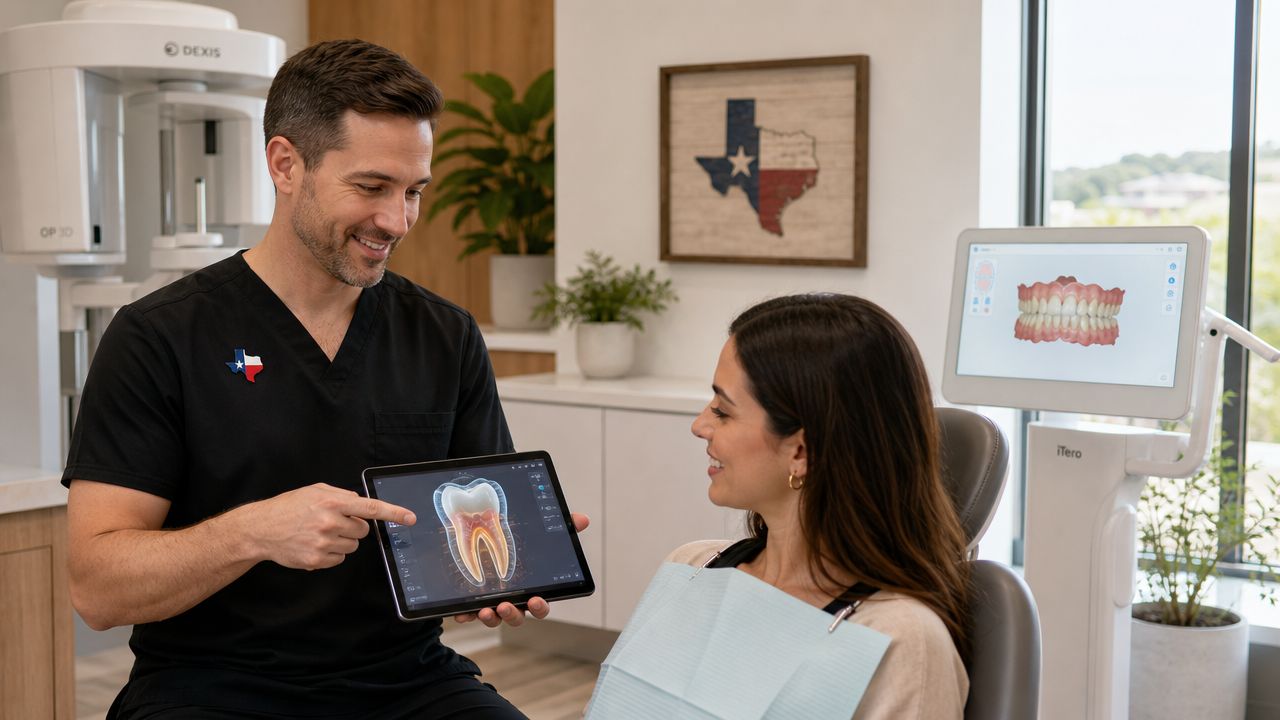
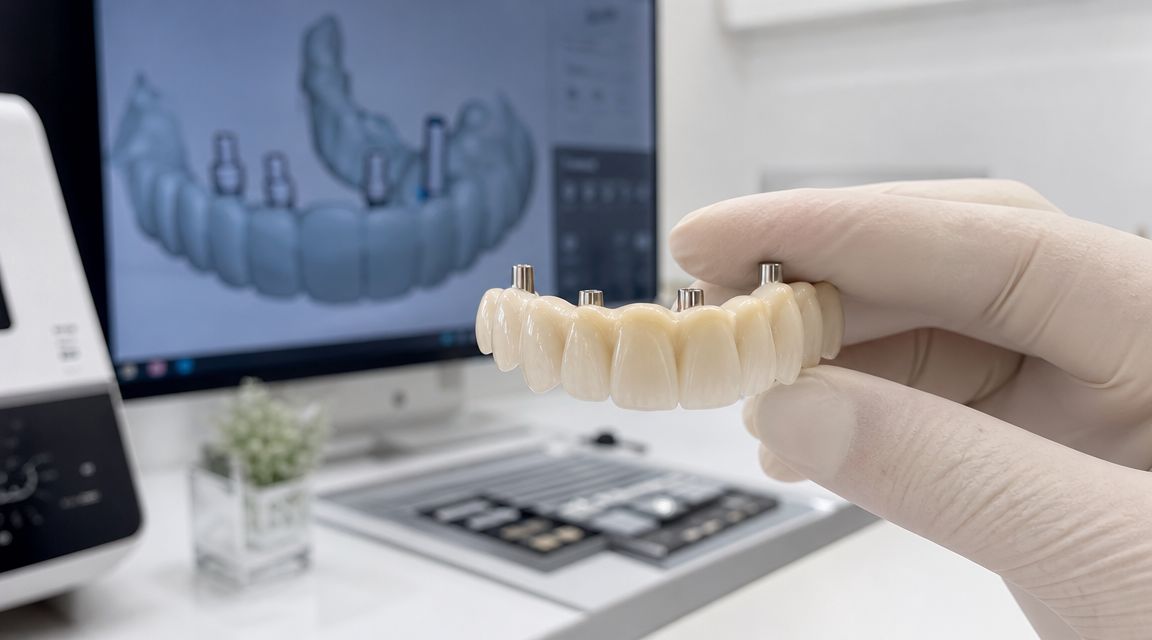
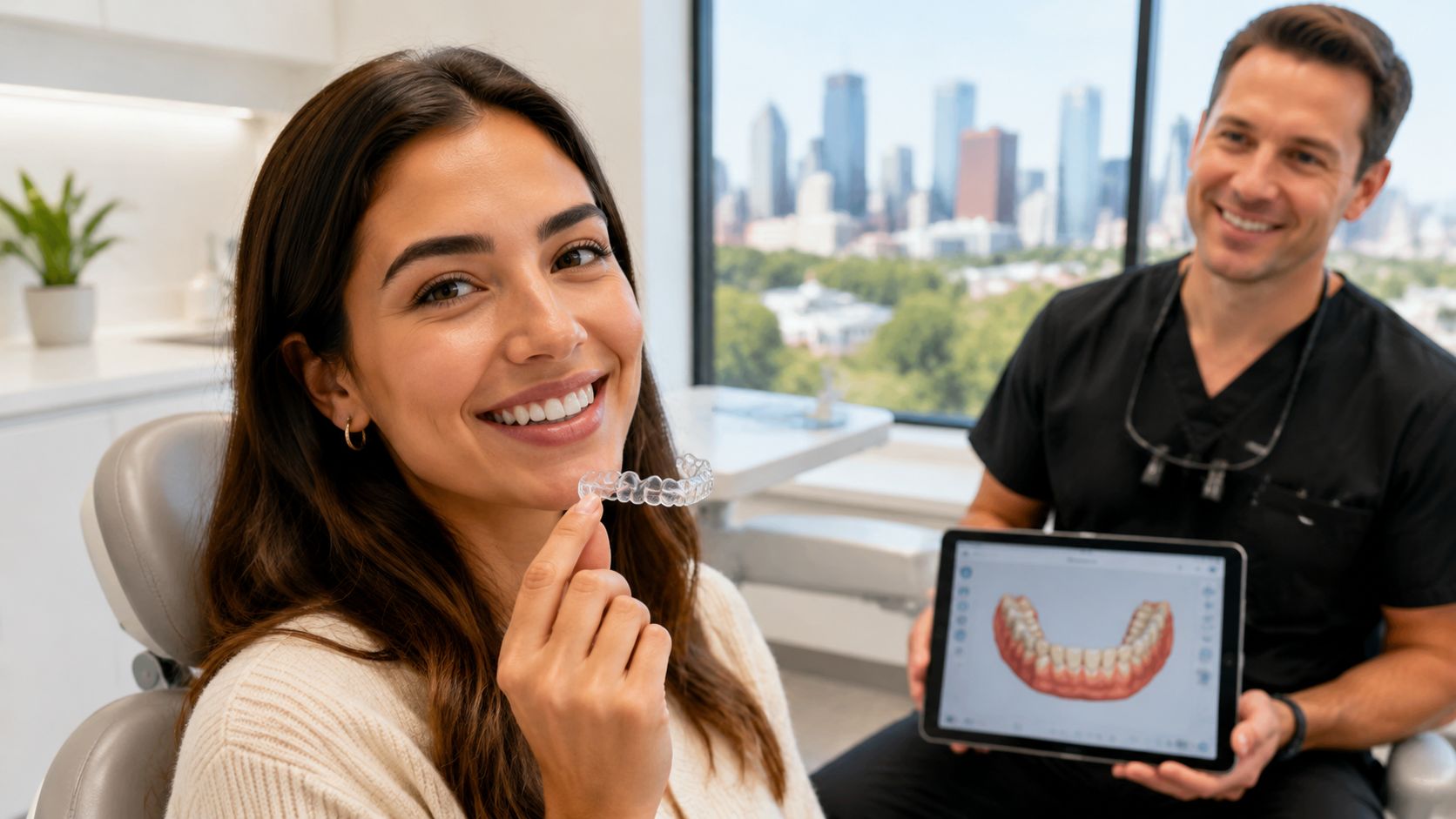







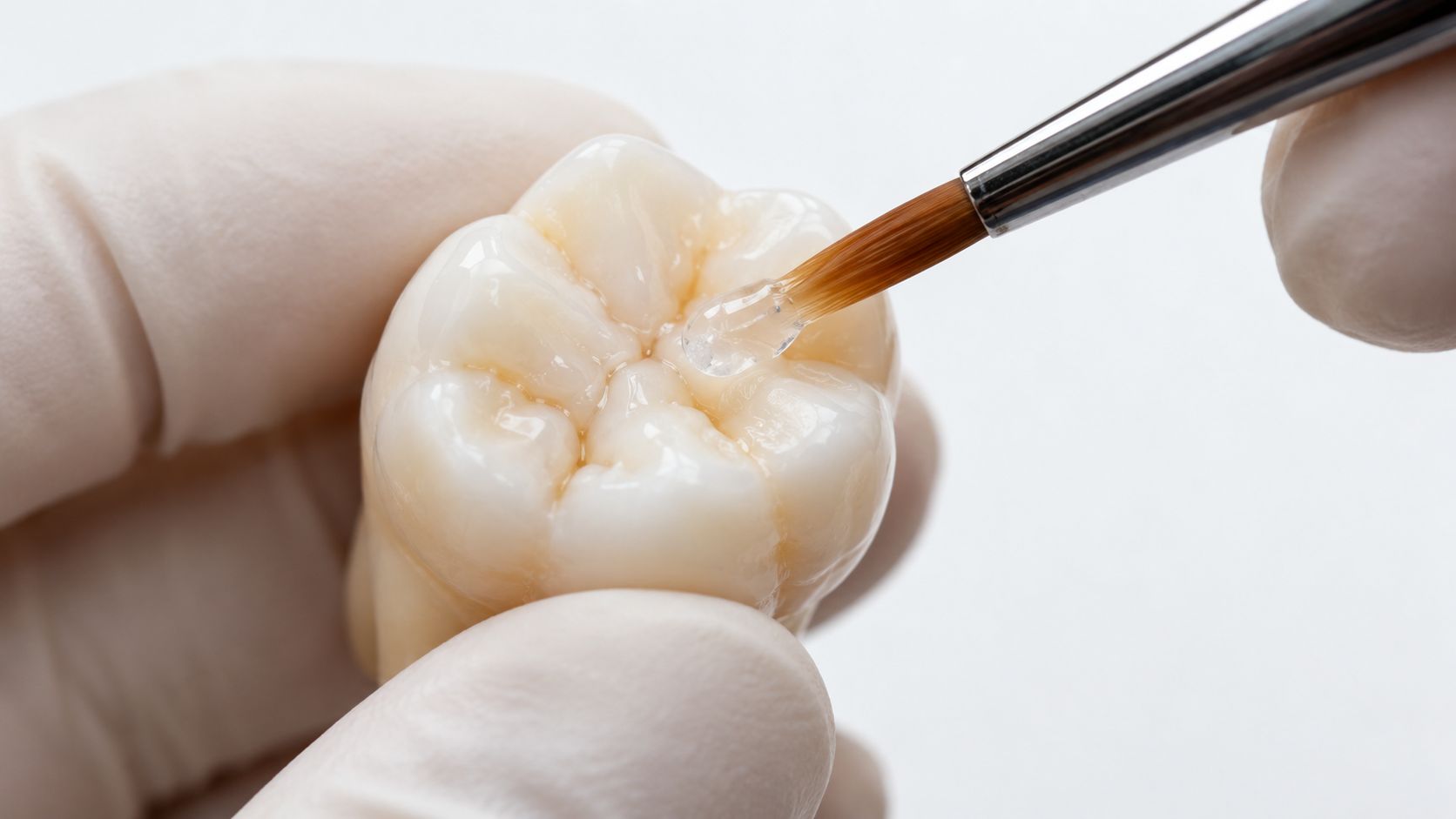
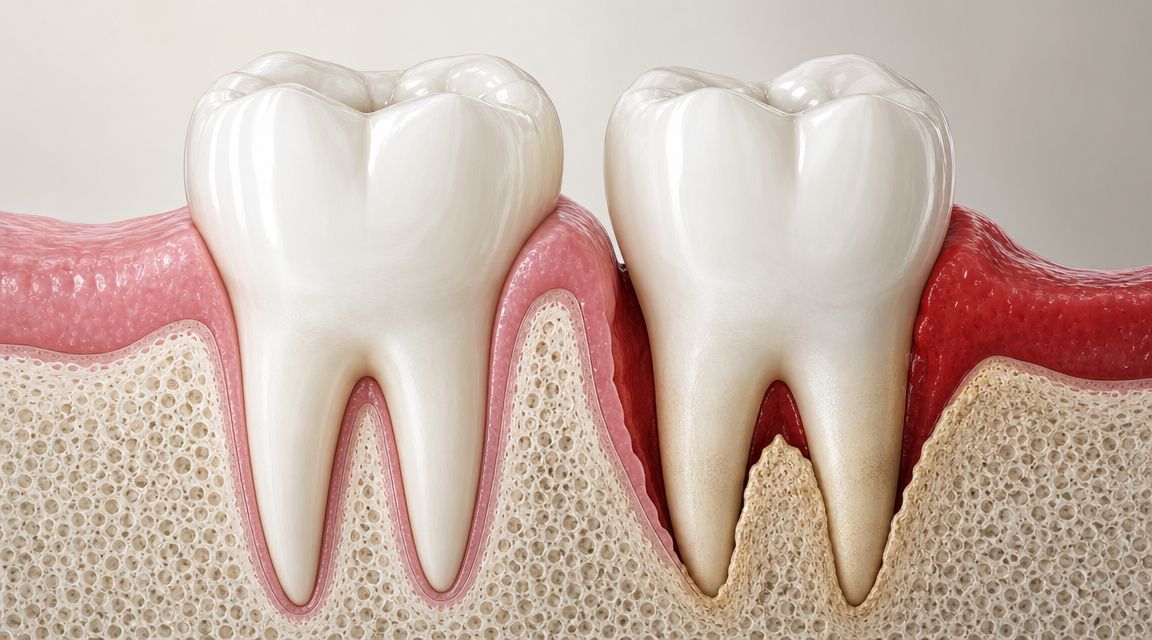






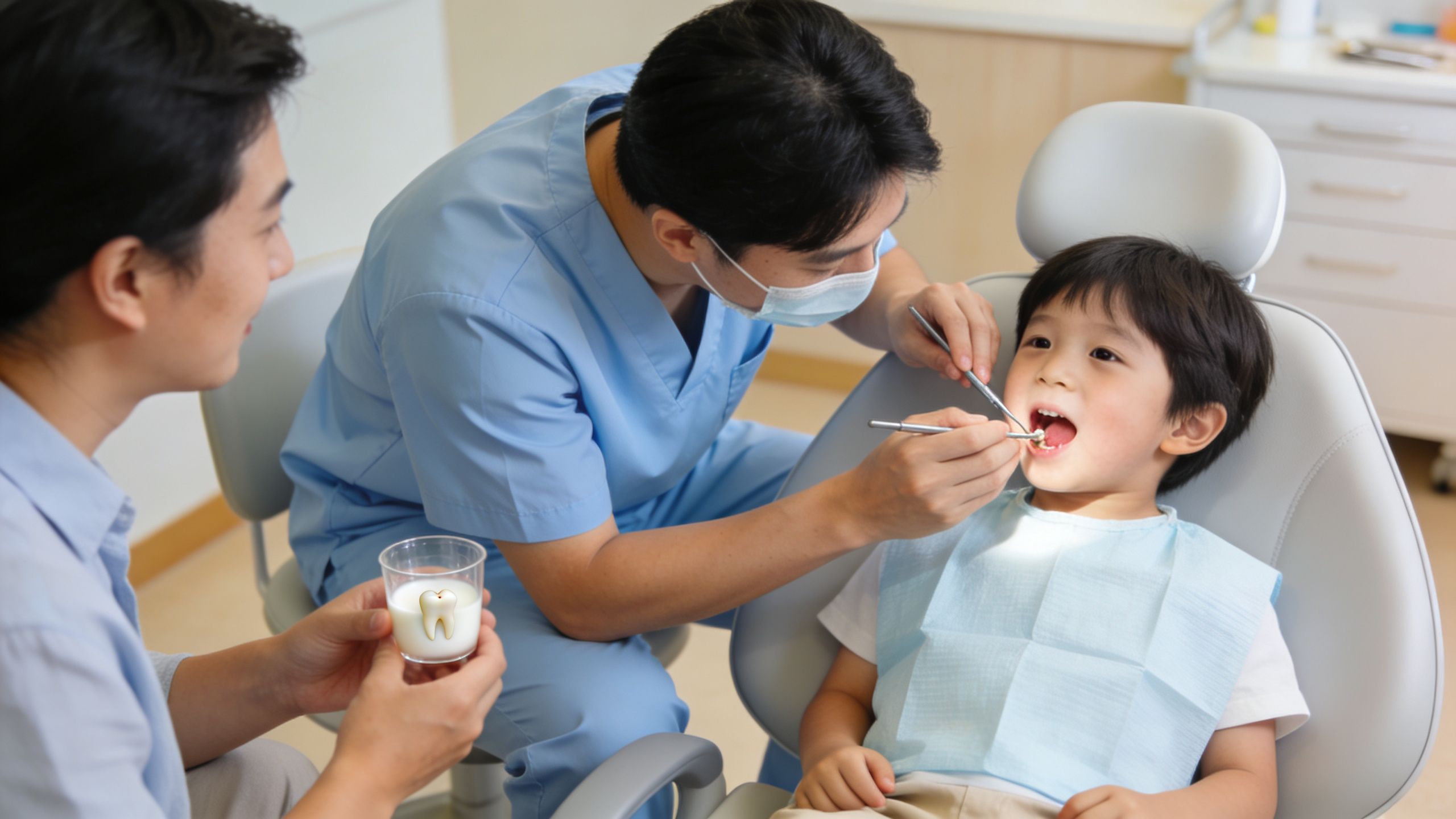






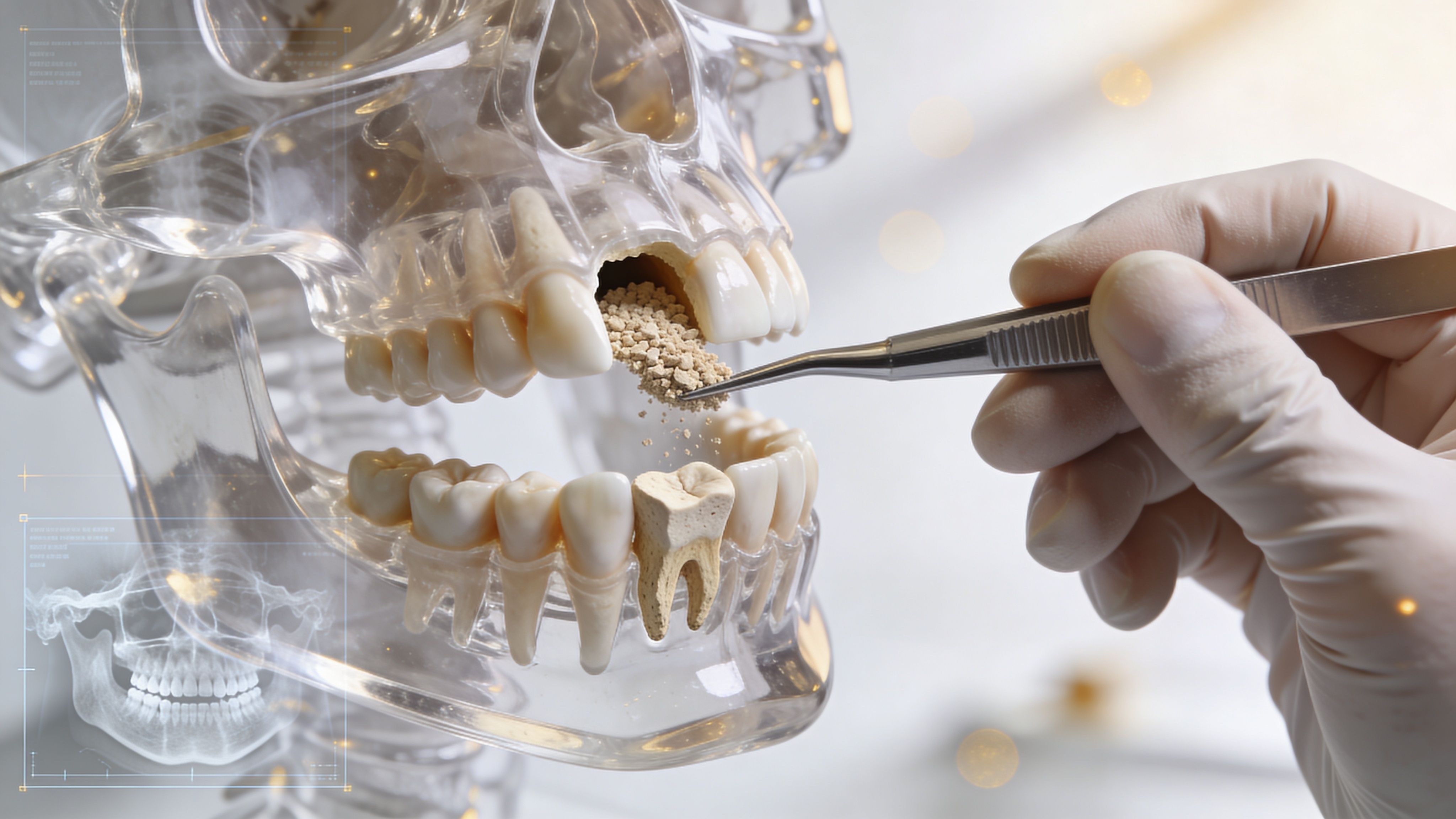




Experiencing wisdom tooth pain can be disruptive, and the thought of a wisdom tooth extraction can bring on feelings of uncertainty. If you're in Austin, Georgetown, or nearby areas like Cedar Park and Round Rock and have been searching for a "dentist near me" to address tooth pain or swelling, you've come to the right place. At 3D Dental, our first priority is your comfort and well-being. We understand that a successful procedure is only half the battle; a smooth, quick recovery is just as important for getting you back to your life.
This guide provides trusted, patient-focused wisdom teeth removal recovery tips based on our extensive experience helping patients throughout the Austin and Georgetown communities. We will walk you through each step of the healing process, from managing the first 24 hours to ensuring long-term oral health. Our goal is to demystify your recovery, build your confidence, and position you for a fast, complication-free healing journey. As your local dentist, we are here to provide not just exceptional dental care, but also the reassurance and support you need.
From immediate post-op care to managing pain and diet, these tips are designed to answer your most pressing questions. Whether you require a simple tooth extraction, are considering cosmetic dentistry, or need an emergency dentist, our team is committed to providing the highest standard of care. Let’s begin your path to a comfortable and efficient recovery.
1. Ice Therapy Application in the First 24-48 Hours
Immediately following your wisdom teeth removal, one of the most effective steps you can take is to begin ice therapy. This simple action is a cornerstone of our recommended wisdom teeth removal recovery tips because it directly addresses the body's natural inflammatory response. Applying cold packs to the outside of your cheeks constricts the blood vessels in the area, which helps significantly reduce swelling, inflammation, and discomfort. For our patients in Austin and Georgetown, this is the first line of defense against post-operative swelling.
The first 24 to 48 hours after your procedure represent the critical window for this method. During this period, swelling typically reaches its peak. By being diligent with ice application from the moment you get home, you can get ahead of the swelling before it becomes more pronounced. This proactive approach is key to a more comfortable recovery process and is a standard part of the restorative dentistry care we provide.
How to Correctly Apply Ice Therapy
To get the most benefit and avoid any risk of skin irritation, follow a specific schedule. The most effective protocol is to apply the ice for 20 minutes, then remove it for 20 minutes. This on-and-off cycle allows the area to cool down and reduce inflammation without becoming overly cold.
Here are some actionable tips for implementing ice therapy:
- Use the Right Tools: A commercial gel pack designed for facial use is ideal. If you don't have one, a bag of frozen peas or crushed ice wrapped in a thin, dry towel will also work perfectly. Never apply ice directly to the skin.
- Set Reminders: It’s easy to lose track of time when you're resting. Set a recurring timer on your phone for 20-minute intervals to maintain the schedule consistently.
- Combine with Elevation: For maximum effect, keep your head elevated above your heart. Propping your head up with two or three pillows while you sleep or rest helps gravity pull fluid away from the surgical sites, further minimizing swelling.
Our patients at 3D Dental in Austin and Georgetown who consistently follow this 20/20 ice schedule often report a noticeable reduction in swelling by the third day, leading to a smoother overall recovery.
2. Soft Diet Progression and Nutritional Support
After your wisdom teeth are removed, your body begins an intensive healing process that requires significant energy and nutrients. Adopting a strategic diet is one of the most vital wisdom teeth removal recovery tips because it provides the essential building blocks for tissue repair. A structured soft diet protects the delicate extraction sites from irritation while ensuring you receive the protein, vitamins, and minerals necessary for accelerated healing.
This approach involves starting with liquids and gradually advancing to soft solids over the first 7-10 days. Following this plan helps prevent painful complications, such as a dry socket, while supplying your body with the fuel it needs to recover efficiently. Proper nutrition is a key component of the excellent dental care we provide to patients from Wells Branch to Liberty Hill, TX.

How to Correctly Progress Your Diet
The goal is to nourish your body without disrupting the healing clot. Start with cool, smooth liquids and slowly introduce heartier, soft foods as your comfort level improves and our dental team advises. This gradual progression is key to avoiding setbacks and promoting a bright, healthy smile post-recovery.
Here are some actionable tips for managing your post-extraction diet:
- Plan Your Meals: Before your surgery, stock your kitchen with items like Greek yogurt, protein powder, applesauce, mashed potatoes, and bone broth. Having these on hand will make it easier to stay nourished.
- Prioritize Protein: Protein is critical for tissue regeneration. Aim for nutrient-dense smoothies made with protein powder or Greek yogurt. Blending soft-cooked chicken or fish into soups is another excellent way to meet your needs.
- Avoid Suction and Irritation: Do not use straws for at least a week. The suction can dislodge the blood clot, leading to a dry socket. Also, avoid crunchy, spicy, or hot foods that can irritate the surgical sites.
Our patients at 3D Dental in Austin and Georgetown who receive and follow our detailed dietary guidance report greater satisfaction and a quicker return to their normal diet.
3. Prescribed Medication Management and Pain Control
Properly managing your medications after wisdom teeth removal is a critical step for a smooth and comfortable healing process. This is one of the most vital wisdom teeth removal recovery tips because it directly addresses pain and the risk of infection. Your dentist at our Austin or Georgetown office prescribes specific medications for a reason, and following their instructions exactly is your best defense against complications.
Most protocols will include antibiotics to prevent infection in the vulnerable extraction sites and pain relievers to manage discomfort. Understanding how and when to take these medications is essential for keeping pain at a manageable level and ensuring your recovery stays on track. Proactive pain medication, taken before discomfort peaks, is a key part of the emergency dentist services we provide to relieve pain effectively.
How to Correctly Manage Your Medications
To ensure the effectiveness of your pain control and infection prevention strategy, precision and consistency are key. Never deviate from the schedule provided by your dentist. Waiting until pain is severe makes it much harder to control.
Here are some actionable tips for proper medication management:
- Create a Schedule and Set Alarms: The easiest way to stay on track is to create a written log or use your phone's alarms to remind you which medication to take and when.
- Take with Food and Water: Many antibiotics and some pain relievers can cause stomach upset. Taking your dose with a small amount of soft food (like applesauce) and a full glass of water can prevent this.
- Complete the Full Antibiotic Course: This is non-negotiable. Even if you start to feel completely better, you must finish all your prescribed antibiotics to prevent a serious infection.
- Alternate Pain Relievers: For effective, around-the-clock pain management, our dental team often recommends alternating between ibuprofen and acetaminophen. This approach provides better pain relief and can reduce the need for stronger prescription opioids.
Patients at our 3D Dental offices in Austin and Georgetown receive clear, printed medication instructions. Those who follow these schedules report significantly lower pain levels and have a nearly infection-free recovery rate.
4. Gentle Oral Hygiene and Socket Care Without Disruption
Maintaining cleanliness in your mouth after surgery is a delicate balance. One of the most important wisdom teeth removal recovery tips involves keeping the area clean without disturbing the healing extraction sites. Starting 24 hours after your procedure, gentle oral hygiene becomes critical for preventing infection. Aggressive rinsing or brushing can dislodge the vital blood clot, leading to a painful condition known as dry socket.

This careful approach prevents bacteria from accumulating while allowing the blood clot to remain securely in place. This clot acts as a natural bandage, protecting the underlying bone and nerves. This "no disturbance" approach is a universal standard in dental care and is a key part of the instructions we provide after any tooth extraction at our Austin and Georgetown locations.
How to Correctly Practice Gentle Oral Hygiene
Beginning the day after your surgery, you will start rinsing with a warm salt water solution (half a teaspoon of salt in an 8-ounce glass of warm water). This simple mixture helps cleanse the area without using harsh chemicals.
Here are some actionable tips for keeping your mouth clean safely:
- Rinse Passively: Instead of forcefully swishing, simply take a mouthful and gently tilt your head from side to side. Let the water fall out of your mouth into the sink. This is effective and safe.
- Time Your Rinses: Perform these gentle salt water rinses after every meal and before bed to remove food particles.
- Be Careful with Your Toothbrush: You can resume brushing your other teeth the day after surgery, but be extremely careful to avoid the extraction sites for the first week.
- Avoid Harsh Products: Do not use commercial mouthwashes containing alcohol for at least the first two weeks, as they can irritate the healing tissues. Rely on gentle salt water rinses.
Patients at our 3D Dental offices in Austin and Georgetown who master the gentle head-tilt rinse technique report feeling cleaner and more comfortable without disrupting the healing process. Protecting the blood clot is your top priority in the first week.
5. Adequate Rest and Sleep Positioning for Optimal Healing
Following your wisdom teeth extraction, your body's primary job is to heal, and proper rest is the single most important factor. This is a non-negotiable part of our wisdom teeth removal recovery tips because it is during sleep that your immune system operates at its peak. Limiting activity and adopting specific sleep positions will directly influence your healing speed.
Allowing your body to focus its energy on the surgical sites is essential. Strenuous activity increases blood pressure, which can dislodge the crucial blood clot, leading to bleeding or a dry socket. Prioritizing rest for the first few days gives your body the resources it needs to mend tissue, reduce swelling, and fight potential infections. This is a core benefit of planning for your dental care.
How to Correctly Implement Rest and Sleep Positioning
For the first 3 to 5 nights, your sleeping position is critical. Keeping your head elevated above your heart uses gravity to help drain fluid away from your face, which can significantly decrease peak swelling. Patients who follow this advice often report a more comfortable recovery.
Here are some actionable tips for optimizing your rest period:
- Prepare Your Recovery Space: Before your procedure, arrange two or three pillows on your bed or couch to ensure your head remains properly elevated.
- Schedule Downtime: Plan to take at least 3-4 days off from work, school, and strenuous activities. Uninterrupted rest is crucial.
- Avoid Driving: Do not drive for at least 24-48 hours after your surgery, and only resume once you are no longer taking prescription pain medication and feel fully alert.
- Gradually Return to Activity: Listen to your body. Begin with light walking after 3-5 days. You can typically return to your normal exercise routine after 7-10 days, but get clearance from your dentist first.
At 3D Dental, we have observed that our patients in Austin and Georgetown, TX who commit to dedicated rest experience significantly fewer complications, leading to a faster and more comfortable recovery.
6. Hydration and Avoiding Dry Socket Risk Factors
Proper hydration is a fundamental component of a successful recovery. Staying well-hydrated supports your body’s natural healing processes and helps prescribed medications work as intended. Equally important is actively avoiding behaviors that increase your risk of developing a painful complication known as dry socket. This condition happens when the protective blood clot in the empty tooth socket is dislodged prematurely, exposing the underlying bone and nerves.

Dry socket is the most common post-operative complication, causing severe pain that begins three to five days after your procedure. Following specific wisdom teeth removal recovery tips focused on prevention is your best defense. The suction created by smoking or using a straw can easily dislodge the crucial blood clot. By prioritizing hydration and avoiding these triggers, you can significantly reduce your risk.
How to Stay Hydrated and Prevent Dry Socket
A proactive approach to both hydration and clot protection is essential. The first week after your surgery is the most critical period. Focus on drinking plenty of water while consciously avoiding any action that creates suction in your mouth.
Here are some actionable tips for preventing dry socket:
- Avoid All Suction: Do not use straws for at least one week. Drink directly from a glass. Also, avoid forceful spitting or swishing. Let water fall out of your mouth into the sink.
- Stop Smoking: Smoking dramatically increases the risk of dry socket. Quit smoking for as long as possible, but at a minimum for 72 hours before your extraction and at least 7 days after.
- Set Hydration Goals: It's easy to forget to drink enough water when you're resting. Set a reminder on your phone to stay on track. Well-hydrated patients often report better pain management and quicker healing.
- Write Reminders: Place a sticky note that says "NO STRAWS" on your water bottle or near the sink as a constant visual cue.
At 3D Dental, our patients in Austin and Georgetown who diligently follow these dry socket prevention protocols have a complication rate of less than 1%. We emphasize that avoiding smoking and straws is a critical instruction for a comfortable recovery.
7. Signs of Complications and When to Contact Your Dentist Immediately
Knowing the difference between normal post-operative symptoms and the warning signs of a complication is a crucial part of our wisdom teeth removal recovery tips. While some swelling, bruising, and manageable discomfort are expected, certain symptoms demand immediate professional attention. Recognizing these signs ensures you can seek help quickly, preventing a minor issue from becoming a more serious problem.
Your body will be healing for several days, but any sudden change for the worse is a red flag. Paying close attention to your symptoms, especially from day three onward, is key. As your trusted emergency dentist in Austin and Georgetown, we want you to know that early intervention is the most effective way to address complications like dry socket or infection.
How to Differentiate Normal Healing from a Complication
After surgery, your dentist will provide you with specific instructions, but it's important to remain vigilant. Trust your instincts; if something feels wrong, it is always better to call our office than to wait.
Here are some actionable signs that require you to contact us:
- Severe or Worsening Pain: Discomfort should gradually decrease after day three. A sudden increase in severe, throbbing pain around day 3-5 could be a dry socket.
- Persistent Fever: A persistent low-grade fever or a sudden higher temperature can indicate an infection.
- Excessive Bleeding: Oozing is normal for the first 24 hours, but continuous, bright red bleeding that doesn't stop with firm pressure is not.
- Difficulty Swallowing or Breathing: Significant swelling that makes it hard to swallow, breathe, or fully open your mouth requires immediate attention.
- Signs of Infection: Pus, a foul-smelling discharge from the extraction site, or a bad taste in your mouth are clear signs of infection.
At 3D Dental, our emergency dental care availability in Austin and Georgetown, TX, ensures that complications are addressed promptly. Patients who contact us at the first sign of a problem often find relief within hours of treatment.
8. Follow-Up Appointments and Progressive Healing Monitoring
Your role in a successful recovery doesn't end when the initial pain and swelling subside. Attending scheduled follow-up appointments is a vital wisdom teeth removal recovery tip because it allows your dentist to professionally monitor your healing. These check-ins, part of our standard cleaning and exams protocol, confirm everything is progressing as expected and catch potential issues before they become serious.
While it can be tempting to skip a follow-up if you feel fine, much of the crucial healing happens below the surface. A trained eye can spot subtle signs of trouble that patients might miss. This professional partnership ensures your mouth fully returns to a state of optimal health and function, whether you've had a tooth extraction or are undergoing treatment for dental implants.
How to Correctly Approach Your Follow-Up Care
To gain the full benefit of professional monitoring, be an active participant. Your appointments are an opportunity for you to ask questions and for our team at 3D Dental to assess your progress.
Here are some actionable tips for managing your follow-up schedule:
- Schedule Before You Leave: The easiest way to ensure you don’t forget your check-up is to book it with our front desk staff in Austin or Georgetown before you leave our office.
- Prepare Your Questions: Between appointments, keep a running list of any questions or concerns. This helps you get the most out of your visit.
- Track Your Symptoms: Note any changes or improvements. Being able to provide a clear timeline of your recovery helps your dentist make a more accurate assessment.
- Complete the Full Schedule: Even if you feel 100% recovered, it's important to attend all recommended appointments to confirm the healing process is complete.
At 3D Dental, our detailed follow-up protocols are a key part of our commitment to excellent long-term outcomes for our Austin and Georgetown patients, supporting a complete, complication-free recovery.
Learn more about our approach to patient care and wisdom tooth extraction procedures.
8-Point Wisdom Teeth Recovery Comparison
Schedule Your Wisdom Tooth Consultation with 3D Dental Today
Navigating your wisdom teeth removal recovery is a journey of small, intentional steps. By following these wisdom teeth removal recovery tips, you are taking active control over your healing. You've learned about the critical roles of ice therapy, a soft diet, and proper medication management. These are proven methods for a smoother, more comfortable recovery and represent the high standard of dental care we provide in Austin, TX.
Mastering these tips transforms what can be a daunting experience into a manageable one. Understanding how to protect the extraction site, position yourself correctly for sleep, and prevent dry socket gives you the tools to avoid common complications. Each tip builds upon the last, creating a strong framework for successful healing and a bright, healthy smile.
What to Expect When You Choose 3D Dental
When you visit our dental practice in Austin or Georgetown, you can expect a patient-first experience designed to put you at ease.
- Comprehensive New Patient Exams: Your visit will begin with a thorough evaluation, including dental X-rays, to understand your unique needs. We address your pain points and create a personalized treatment plan.
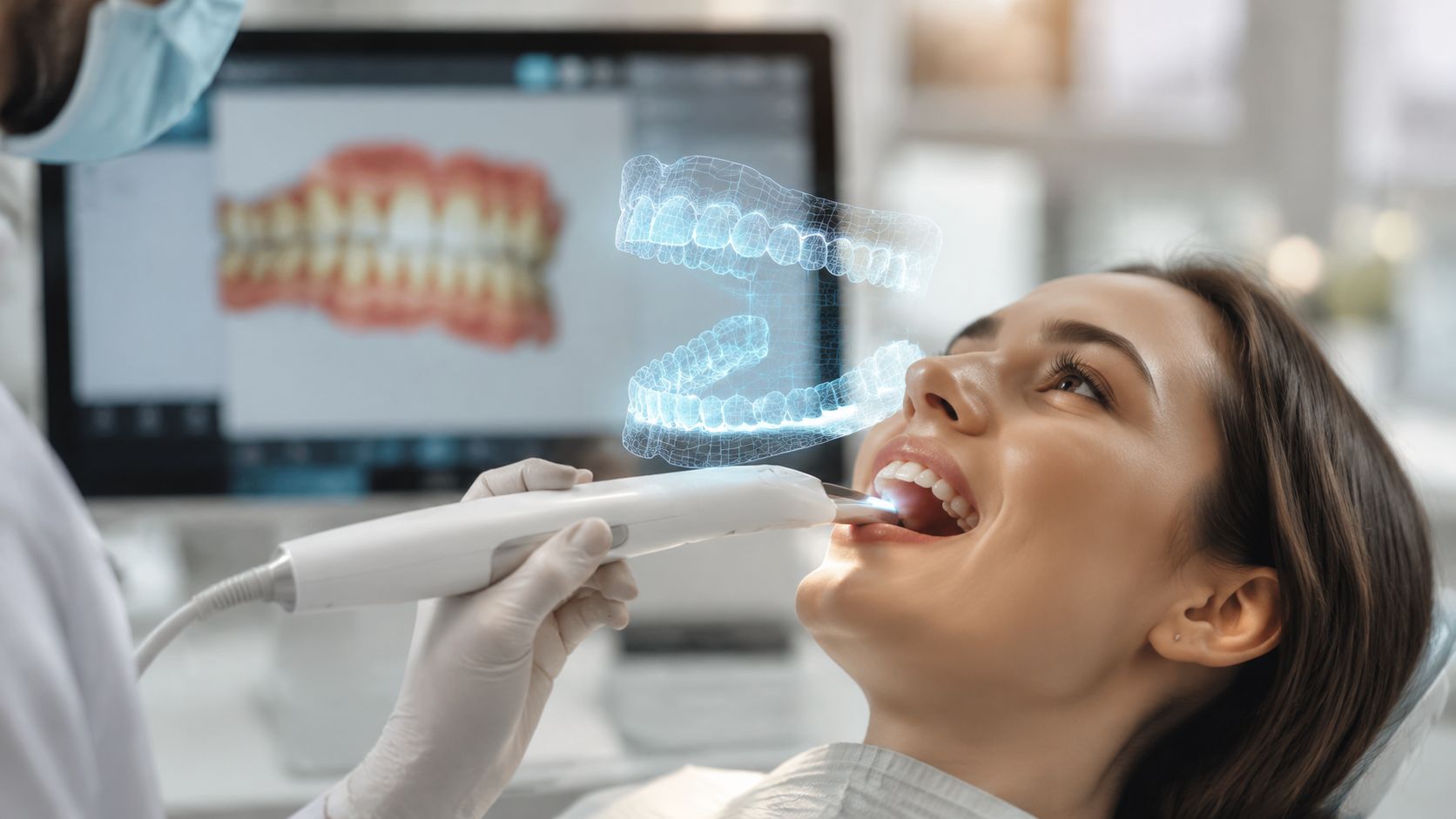
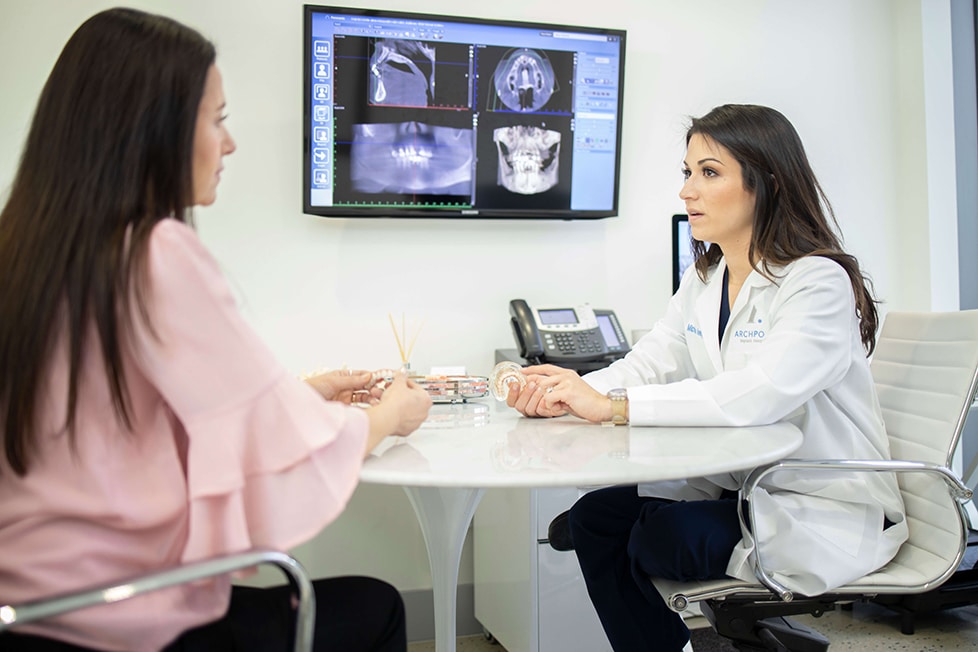
- Advanced Dental Technology: We utilize state-of-the-art tools like 3D dental X-rays to ensure precise and effective treatments, from tooth extraction and dental implants to cosmetic dentistry.
- A Focus on Your Health: We believe that excellent dental care improves not just your smile, but your overall well-being. Our restorative dentistry services are designed to relieve pain and promote long-term mouth health.
Following our guidelines minimizes discomfort, reduces the risk of complications like dry socket, and helps you return to your normal routine much faster. It's about preserving your long-term oral health and ensuring the extraction site heals perfectly.
Your Trusted Dentist in Austin and Georgetown, TX
At 3D Dental, we are deeply committed to serving our communities in Austin and Georgetown, TX. We understand that needing a tooth extraction can be stressful, which is why we prioritize patient comfort, clear communication, and clinical excellence. As the "dentist near me" that residents from Wells Branch to Cedar Park and Liberty Hill rely on, we have built our practice on a foundation of trust and advanced care.
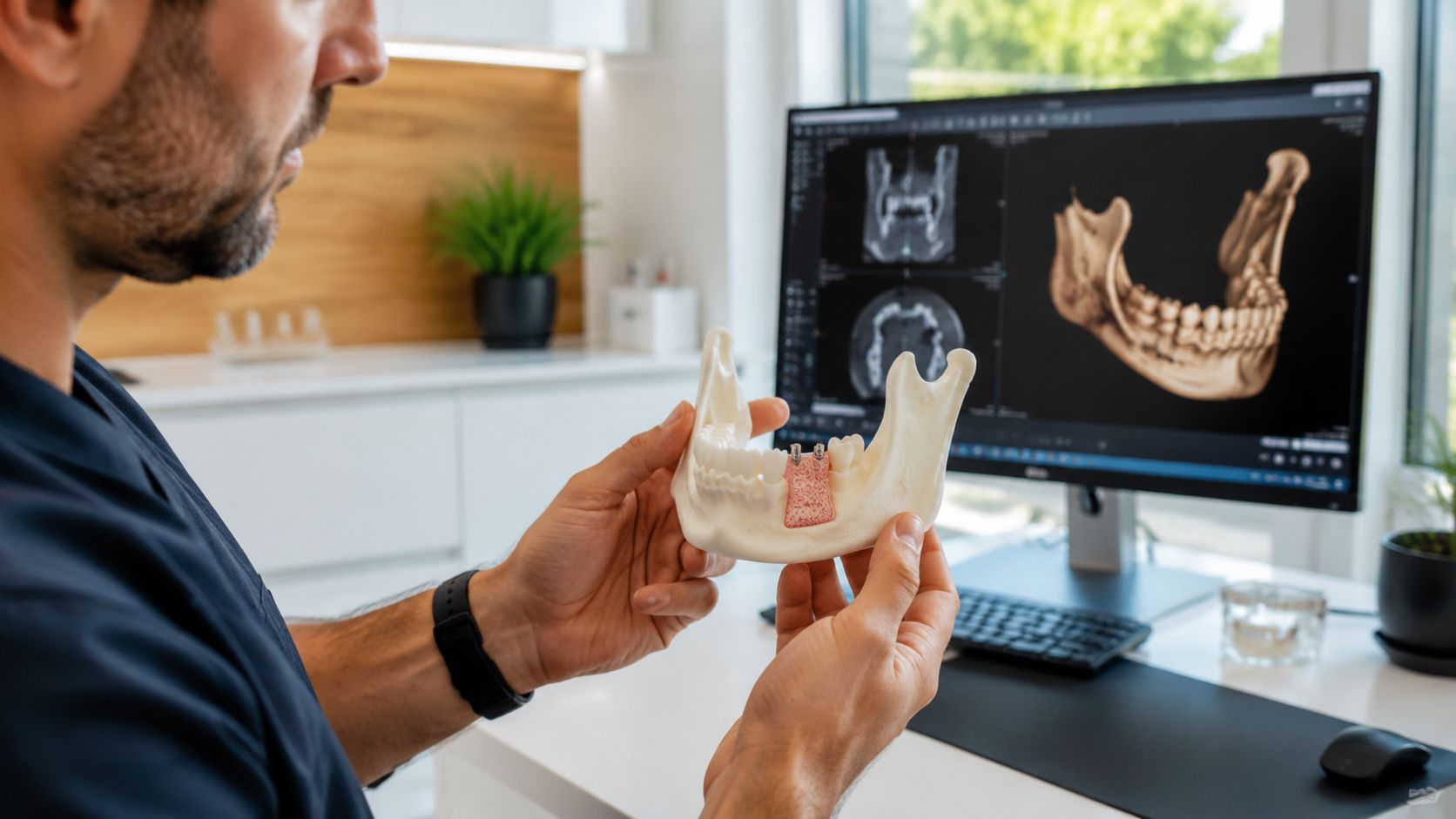
Our state-of-the-art facilities are equipped with 3D CT imaging technology, allowing for incredibly precise diagnostics for everything from wisdom tooth removal to complex dental implants. This technology, combined with our compassionate team, ensures your experience is as smooth and comfortable as your recovery. We believe everyone deserves access to great dental care.
Your oral health journey is important to us. Don't let wisdom tooth pain or anxiety about the procedure hold you back any longer.
Ready to take the next step toward a healthy, pain-free smile? The expert team at 3D Dental is here to guide you through every stage of your wisdom tooth removal. Visit 3D Dental to schedule your new patient exam and learn why we are the trusted choice for families in Austin, Georgetown, and the surrounding communities.
Ready to get started?
Schedule a free, no obligation consultation with our team and see what's possible for your smile!
Georgetown
- Mon-Thurs8:30am-5pm
- Fri8am-3:30pm
- Sat-SunClosed
Austin
- Mon-Tues8am-5pm
- Wed-Thurs9am-6pmFri8am-2pm
- Sat-SunClosed