
Emergency Dentist Near Me
Related Posts


























Emergency Dentist Near Me: The Ultimate Guide to Quick Dental Care
Dental emergencies are unpredictable and often strike at the worst possible moments. One minute you're enjoying a weekend barbecue, and the next, you're dealing with a cracked tooth. You could be on a critical work trip when a sudden, throbbing abscess develops, or watch in horror as a friendly soccer game ends with a knocked-out tooth. These situations are more than just inconvenient; they're urgent and demand fast, decisive action. Knowing exactly where to go and what steps to take can make all the difference—often determining whether you save or lose a tooth.
This comprehensive guide is designed to be your go-to resource for handling any dental emergency. We'll walk you through how to identify a true crisis, what immediate first aid you can administer at home, and how to efficiently find the right emergency dentistry near me when every second counts. Furthermore, we'll demystify the process by explaining what to expect from the moment you walk through the clinic door.
As part of this guide, you'll also be introduced to 3D Dental, a modern practice built around providing rapid, technology-driven care for patients who need immediate help. By the time you finish reading, you will not only have a clear, actionable plan for your next dental emergency but also gain the knowledge to potentially prevent one from happening in the first place.
What Counts as a Dental Emergency?
Not every toothache requires a same-day visit, but some situations genuinely cannot wait. Understanding the difference helps you act quickly when it matters most.
Common Dental Emergencies
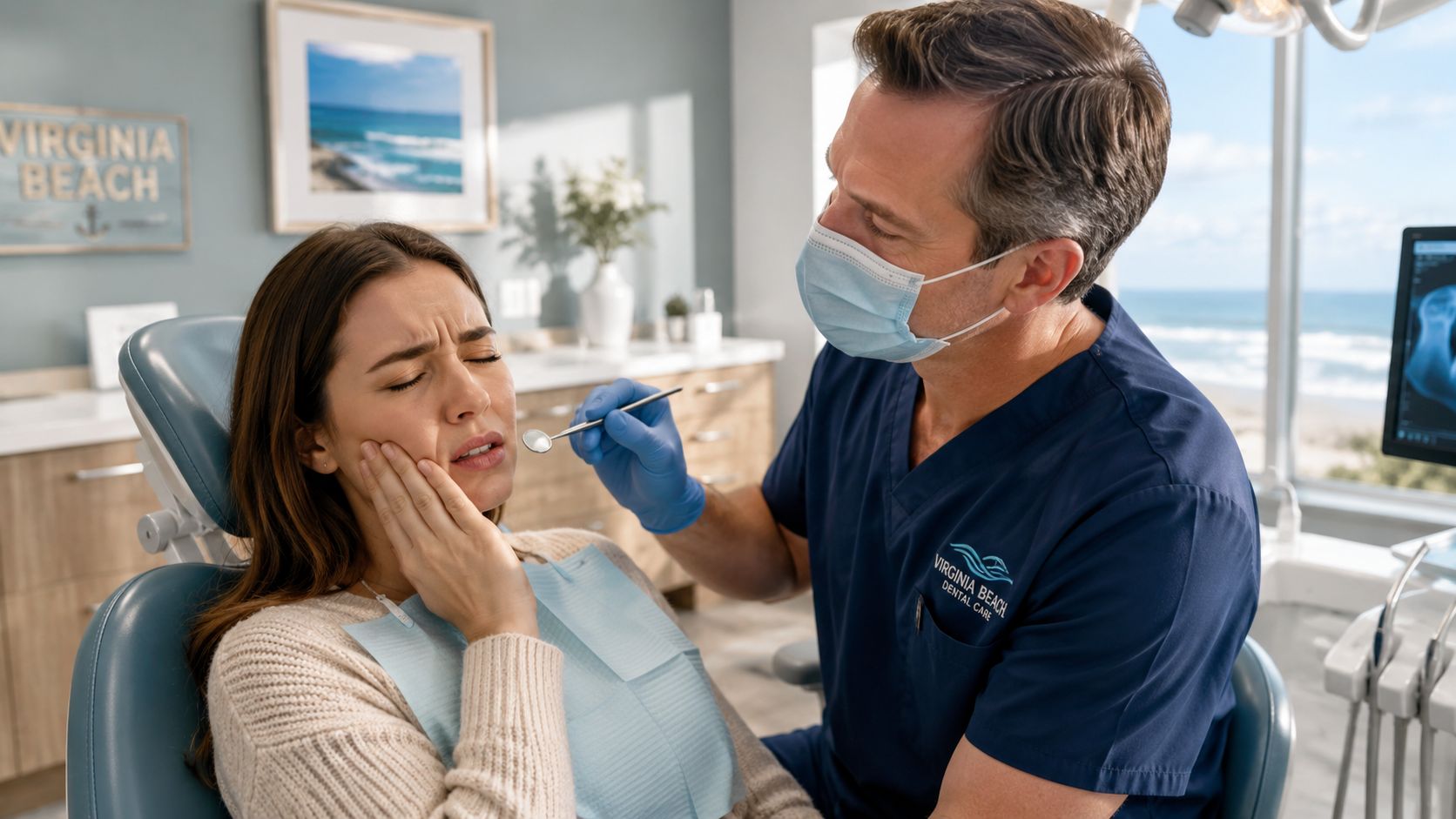
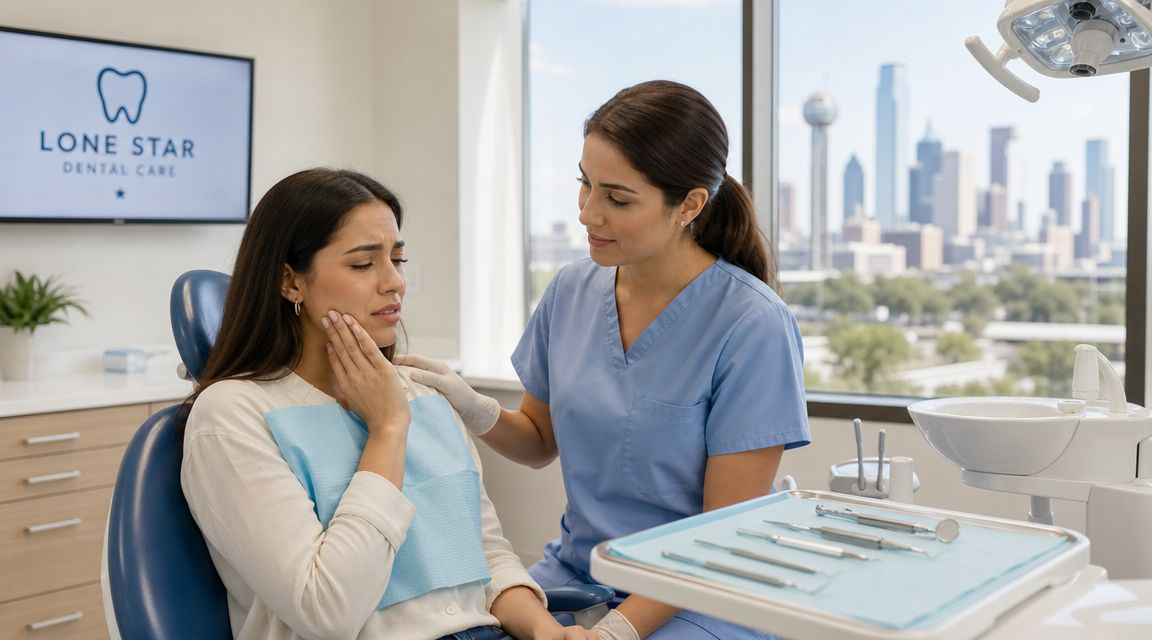
Severe toothache: Pain that is sharp, throbbing, or persistent may signal an infection, abscess, or deep decay. If over-the-counter pain relief isn't working, that's a red flag.
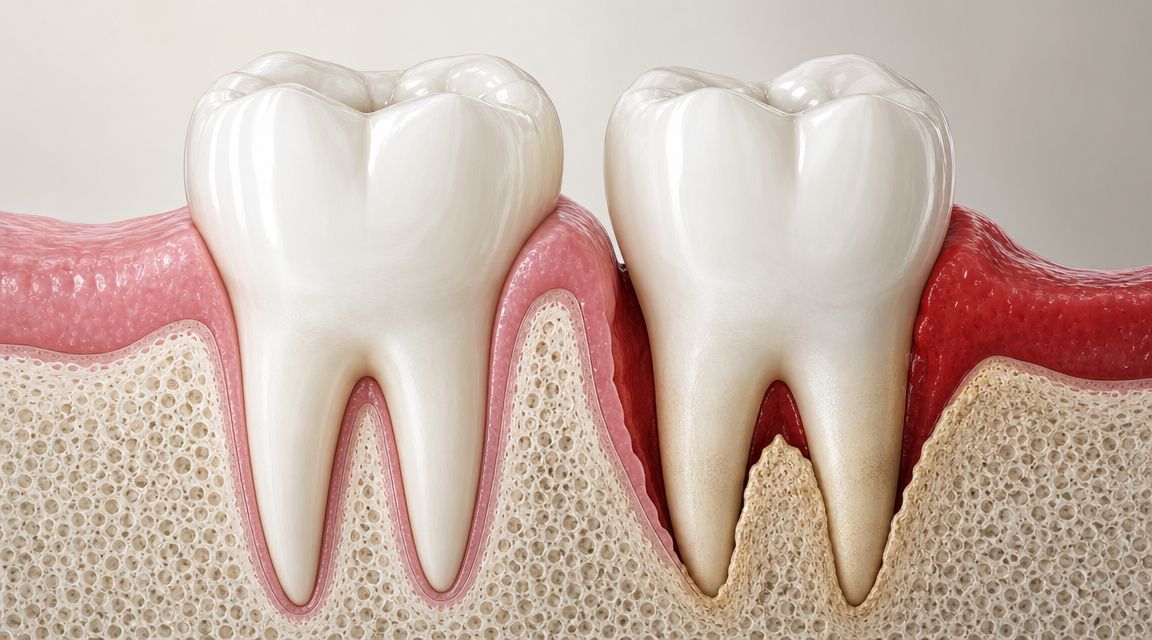
Chipped or fractured teeth: Minor chips are often cosmetic. A crack that extends into the root or causes significant pain is an emergency—especially if the tooth is sensitive to temperature or pressure.
Knocked-out (avulsed) tooth: This is one of the most time-sensitive situations in dentistry. If the tooth is re-implanted within 30 minutes, there's a much higher chance of saving it.
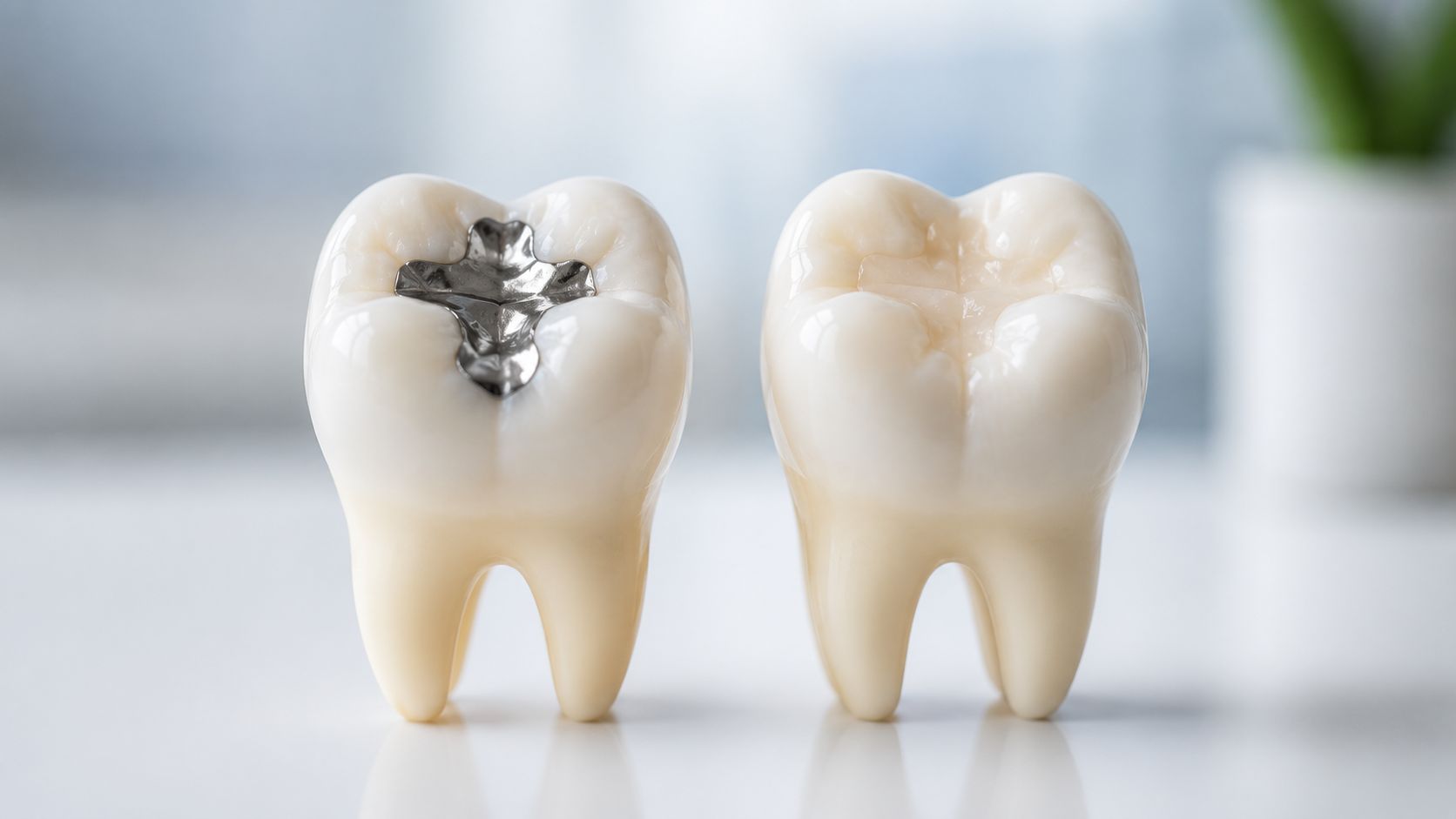
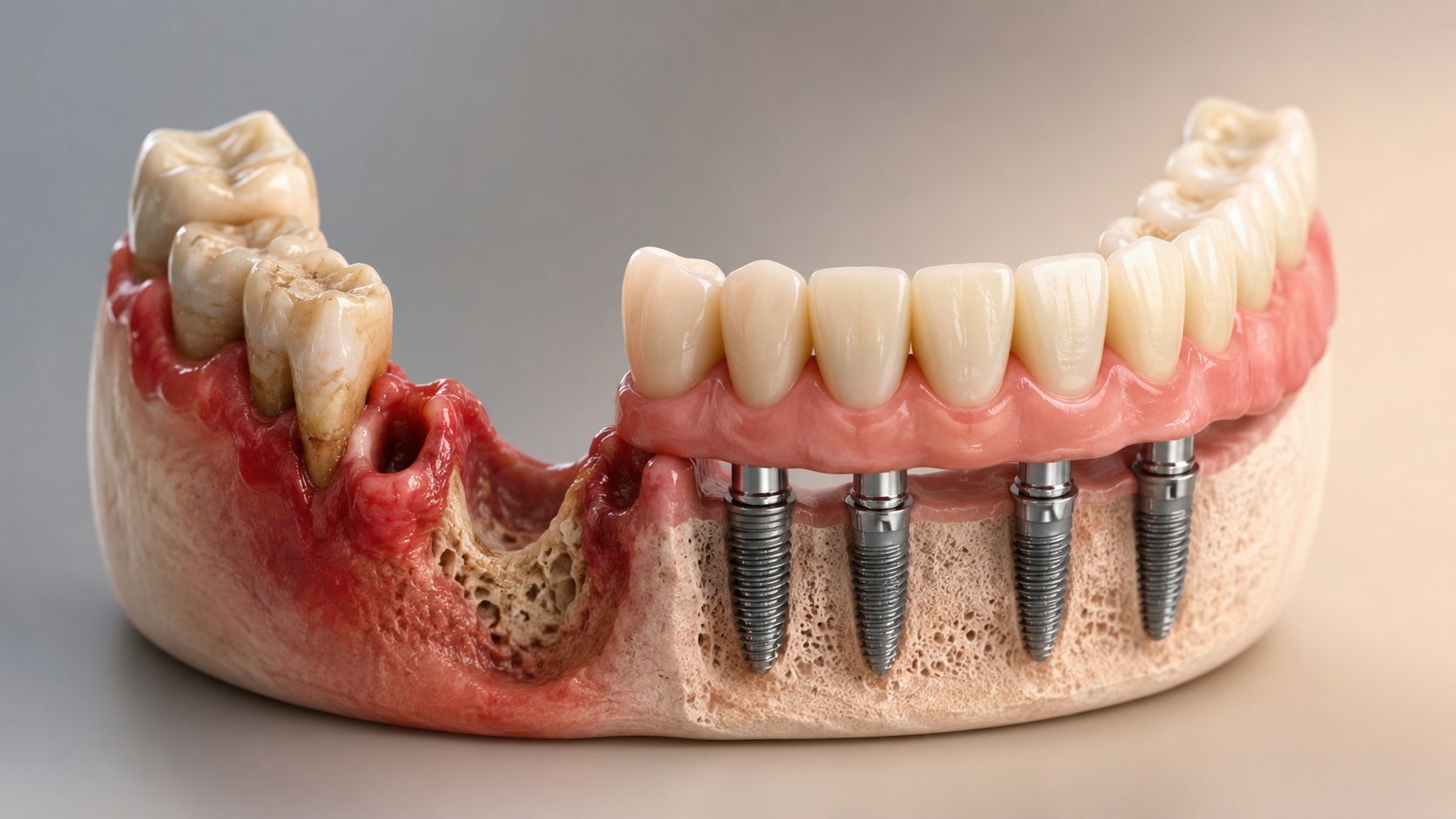
Lost fillings or crowns: A missing restoration can expose vulnerable tissue to bacteria and temperature changes. While not always painful immediately, it can escalate quickly.
Dental abscess: A pus-filled swelling near a tooth or in the gums is a sign of serious bacterial infection. Left untreated, it can spread beyond the mouth. Don't wait on this one.
Soft tissue injuries: Lacerations to the tongue, cheeks, or gums that won't stop bleeding require prompt attention.
If you're in pain, bleeding heavily, or experiencing facial swelling, treat it as an emergency and seek care immediately.
How to Find the Best Emergency Dentist Near You
Searching "emergency dentist near me" at 10pm is stressful. Having a plan in place before an emergency strikes makes a difficult situation much more manageable.
Steps to Locate Emergency Dental Care
Call your regular dentist first: Many dental practices reserve time in their schedules for urgent same-day appointments. Even after hours, their voicemail may include an emergency contact number.
Search online with specificity: Use terms like "emergency dentist open now" or "same-day dental appointment [your city]" to filter out practices that don't offer urgent care.
Check Google reviews and ratings: Look for recent reviews that mention emergency visits. Patients often describe wait times, staff responsiveness, and quality of care under pressure—useful details that standard listings won't tell you.
Confirm availability before you go: Call ahead to confirm the clinic is open, accepts walk-ins or same-day appointments, and can treat your specific issue. Not all emergency dentists handle every situation.
Consider urgent care dental clinics: Some cities have dedicated dental urgent care centers that operate like medical urgent care facilities—no appointment needed, extended hours, and broad treatment capabilities.
Ask about after-hours coverage: Some dental practices offer after-hours emergency lines for existing patients. This is worth asking about when you first register with a new dentist.
Spotlight on 3D Dental: Advanced Technology for Rapid Treatment
When speed and precision matter, the technology a clinic uses has a direct impact on the quality of care you receive. 3D Dental is built around this principle.
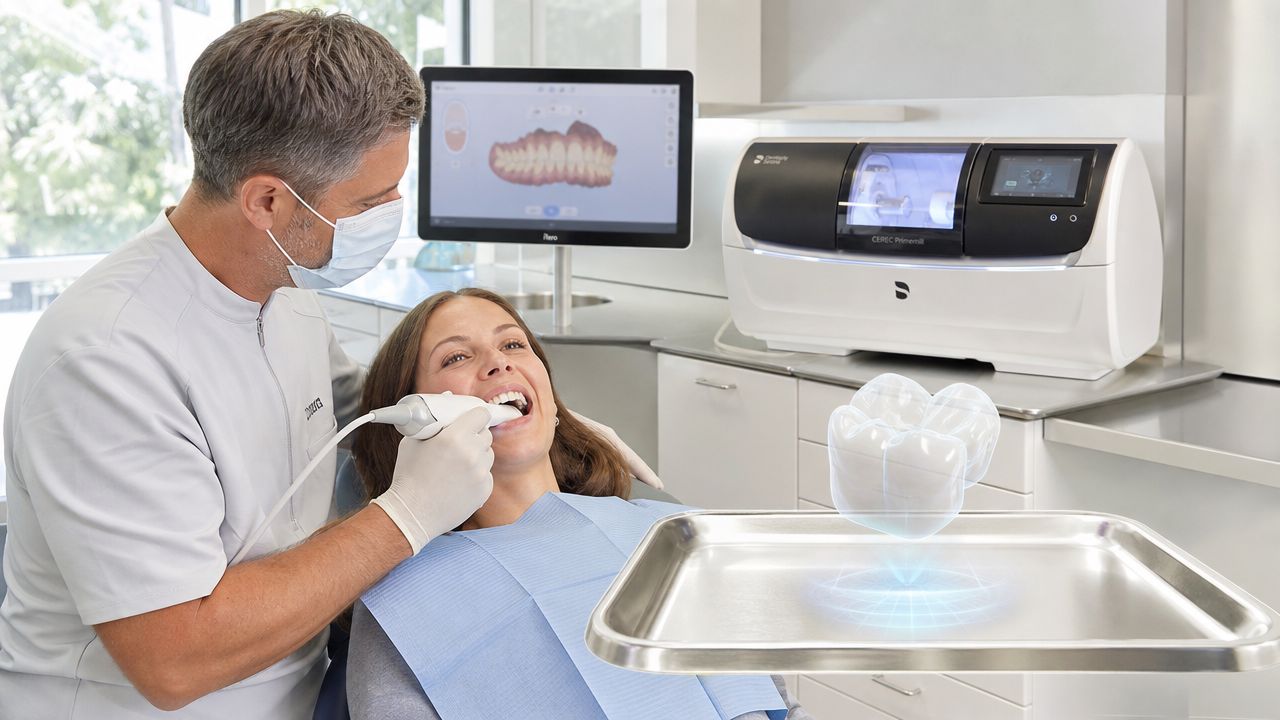
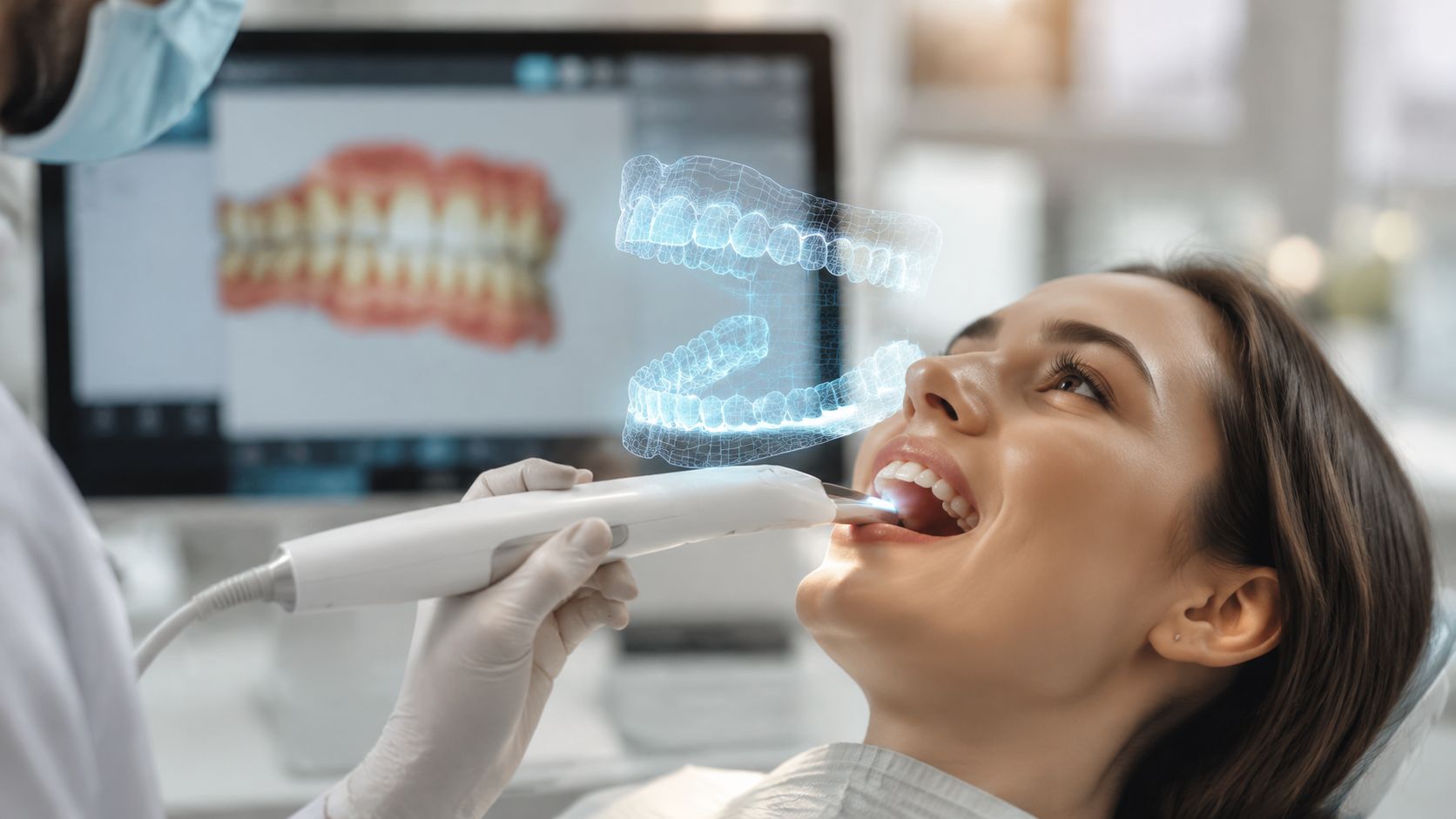
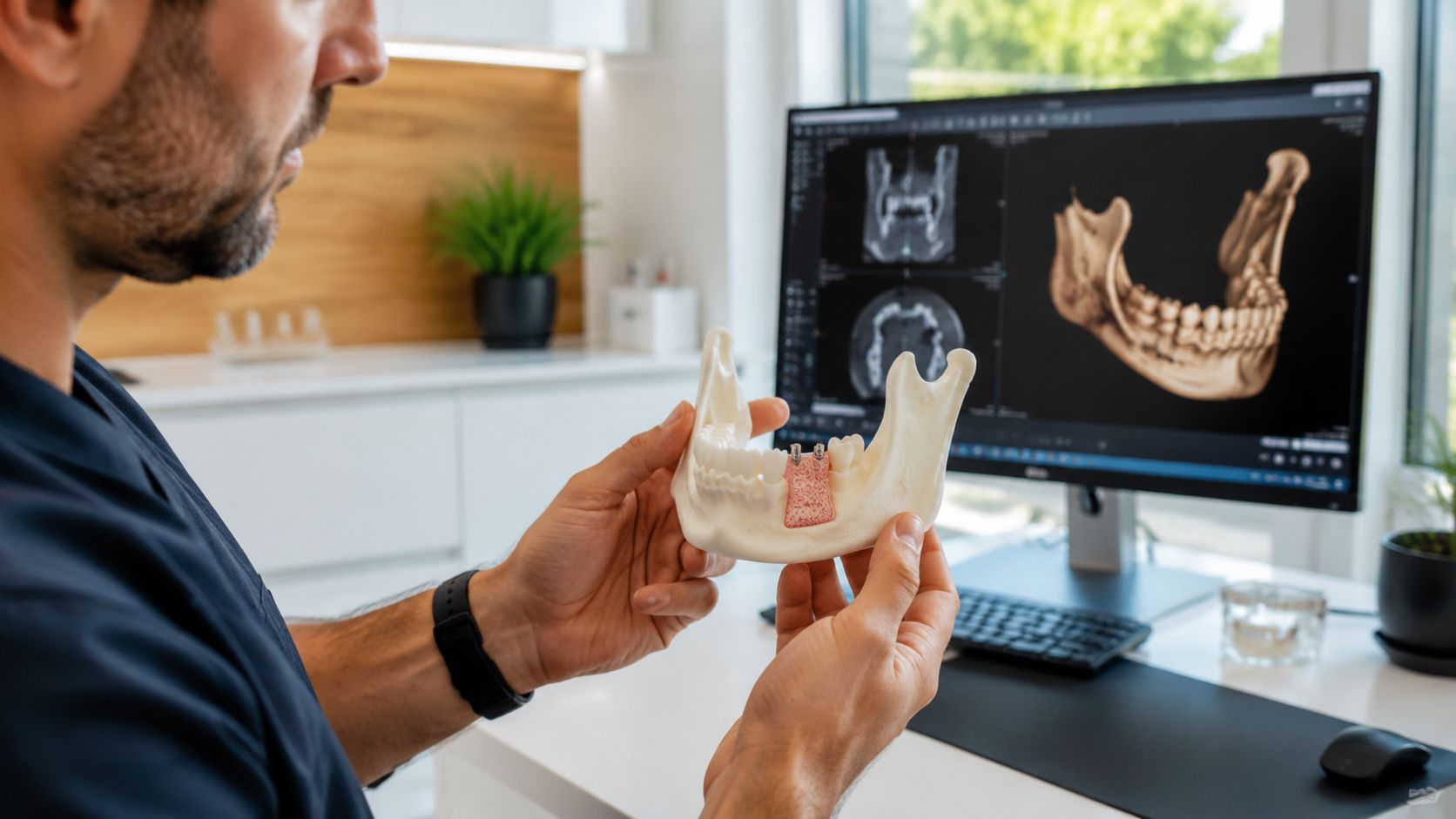
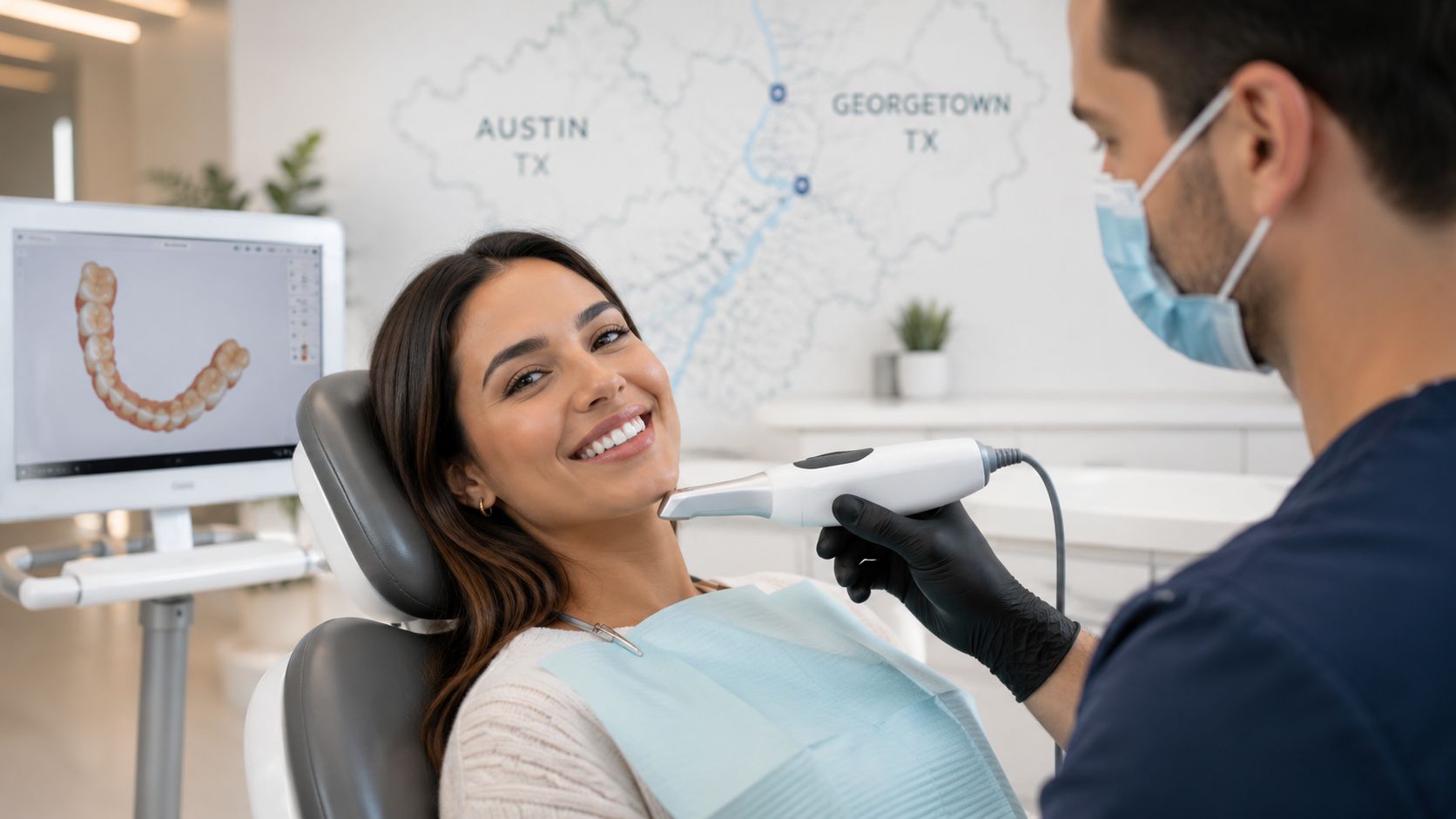
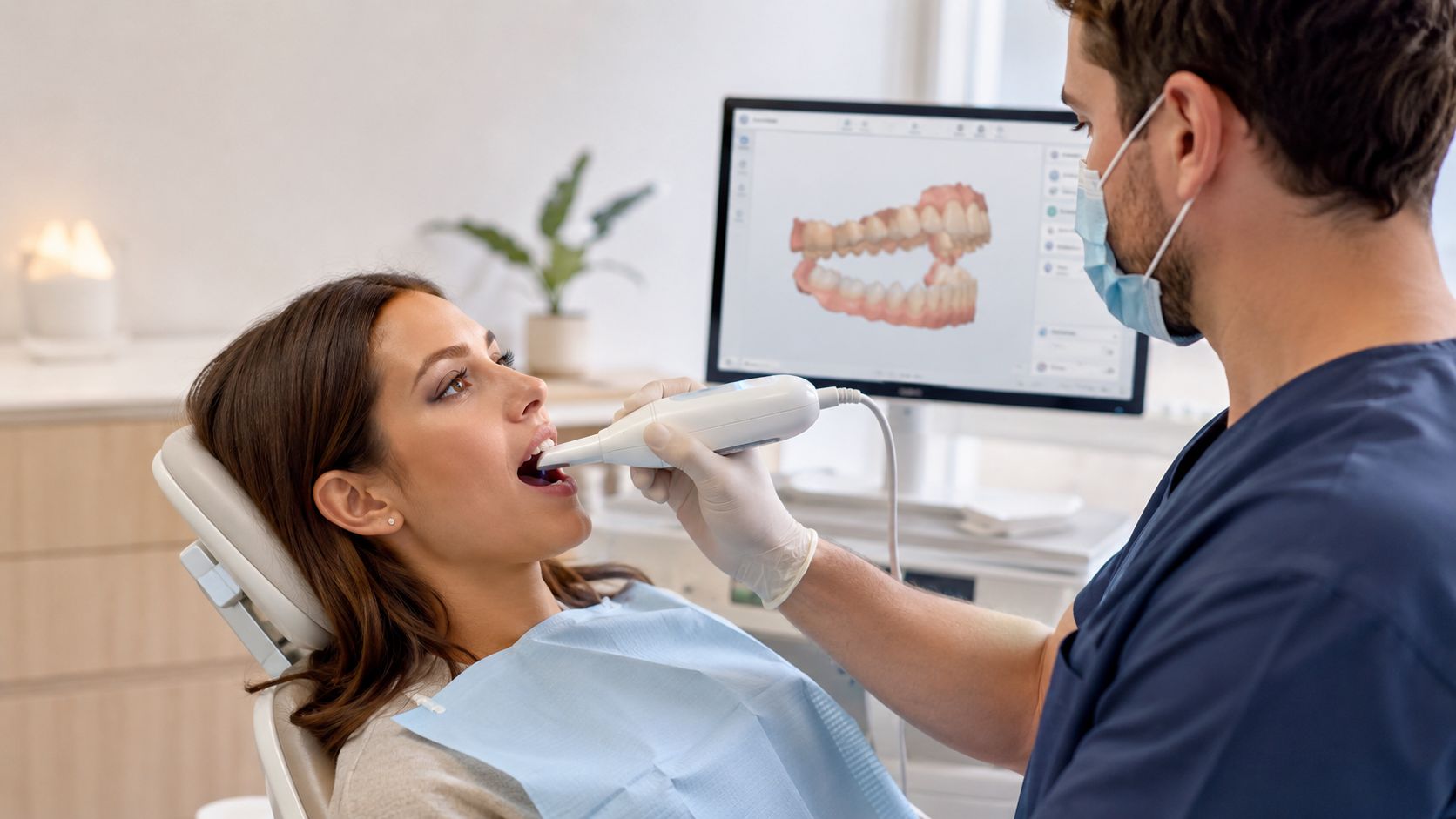
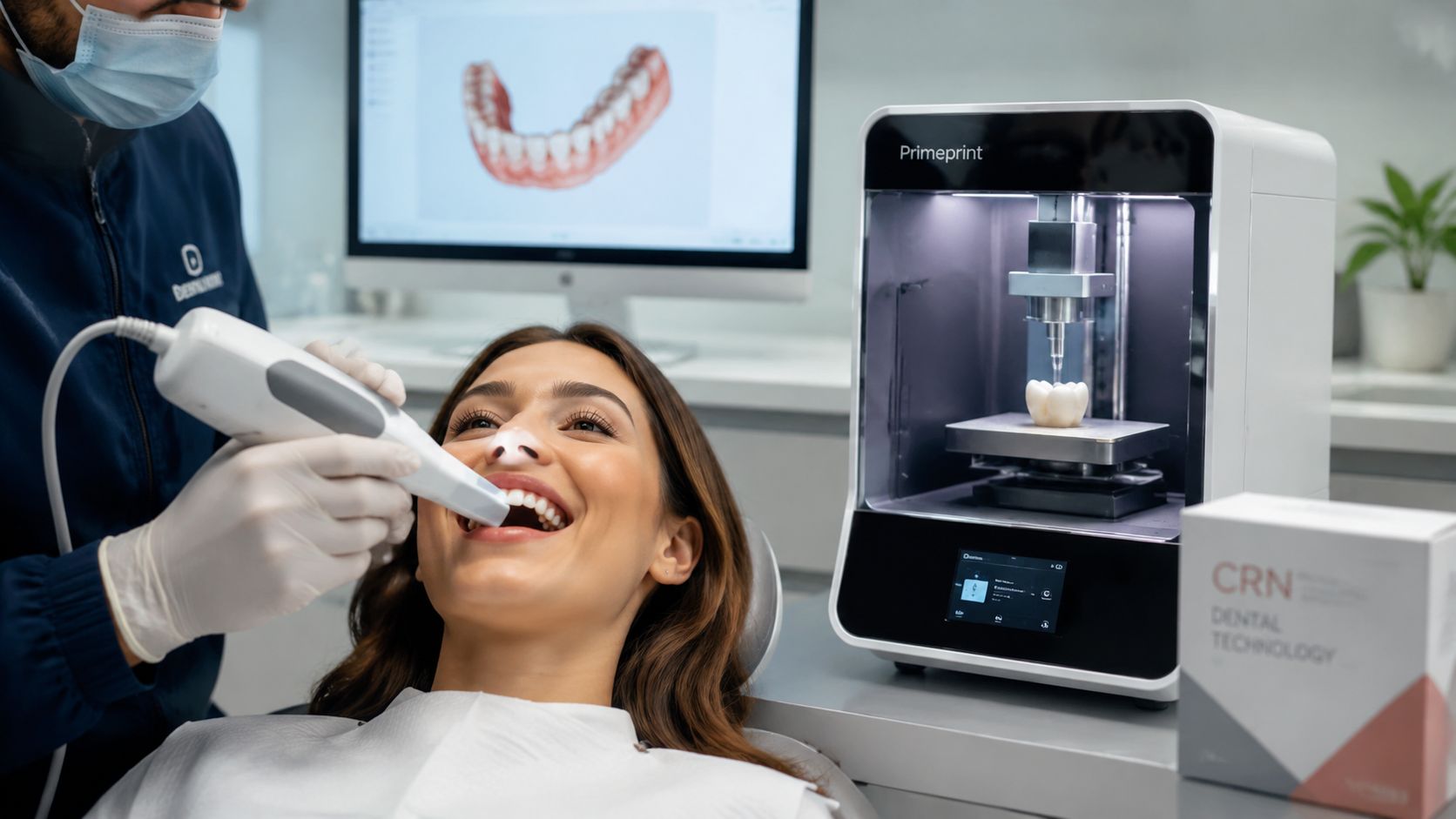
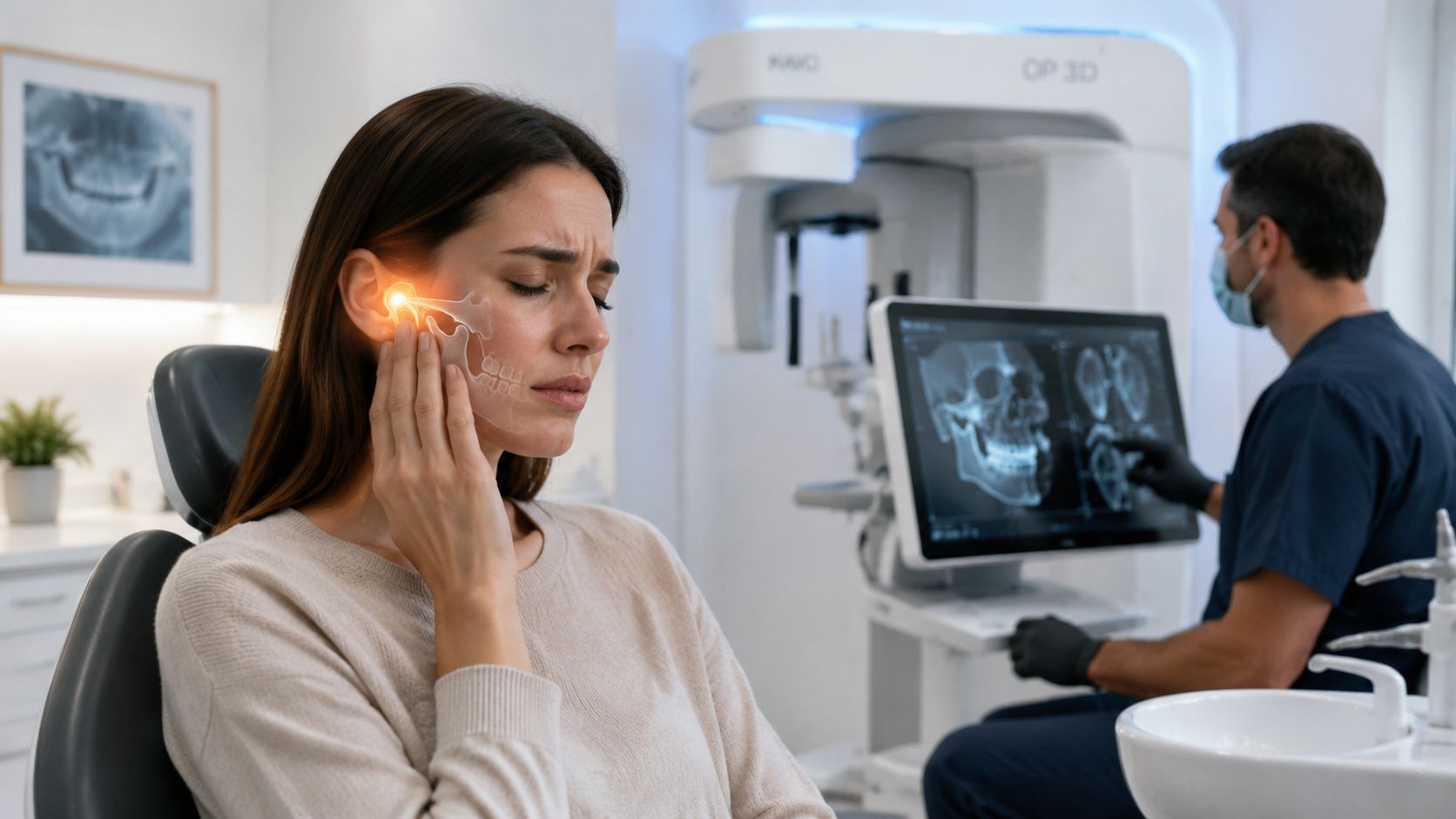
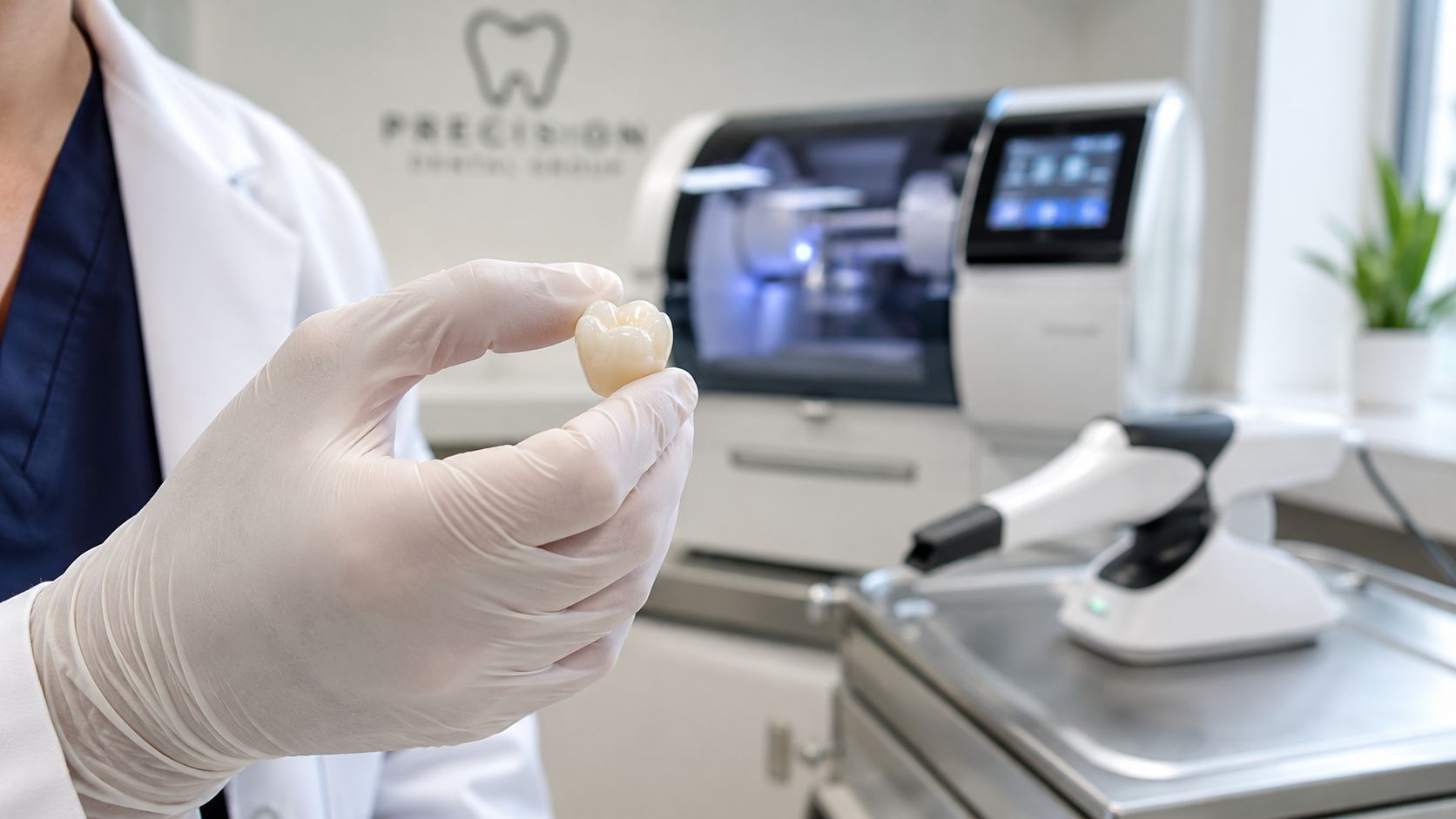
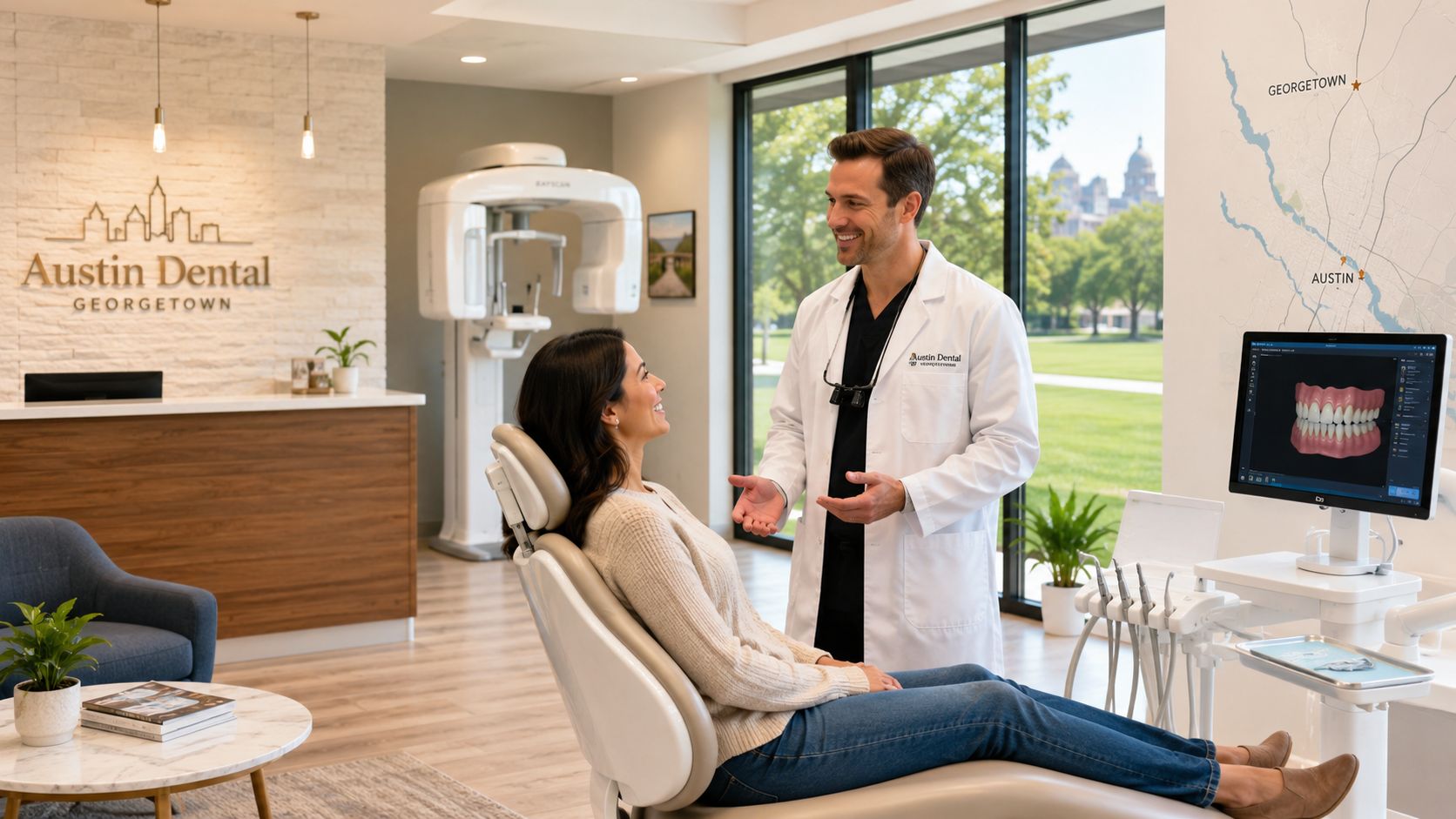
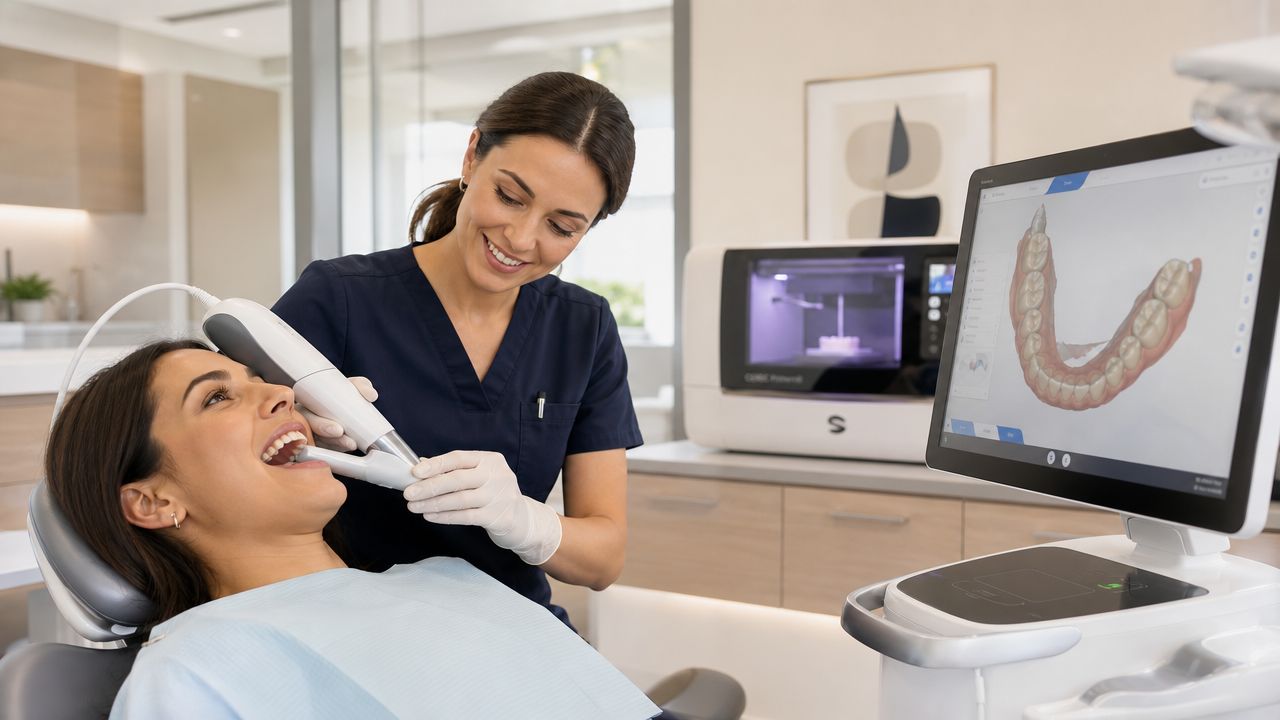
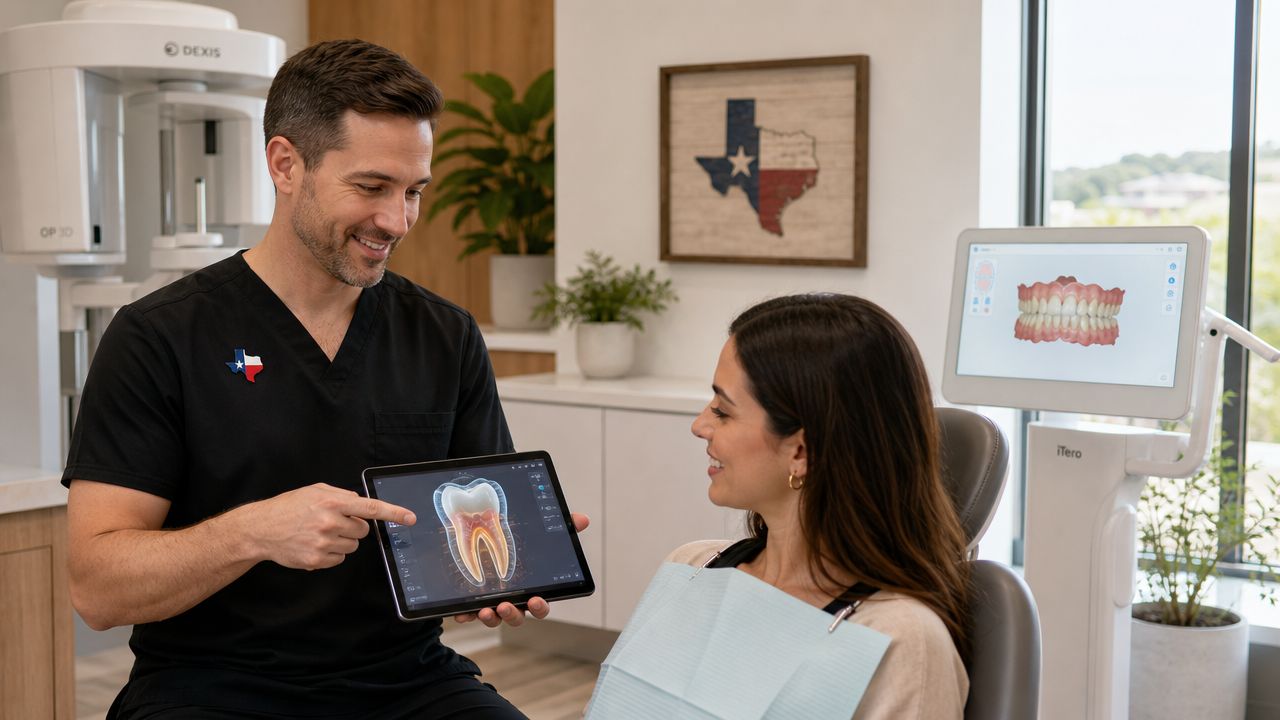
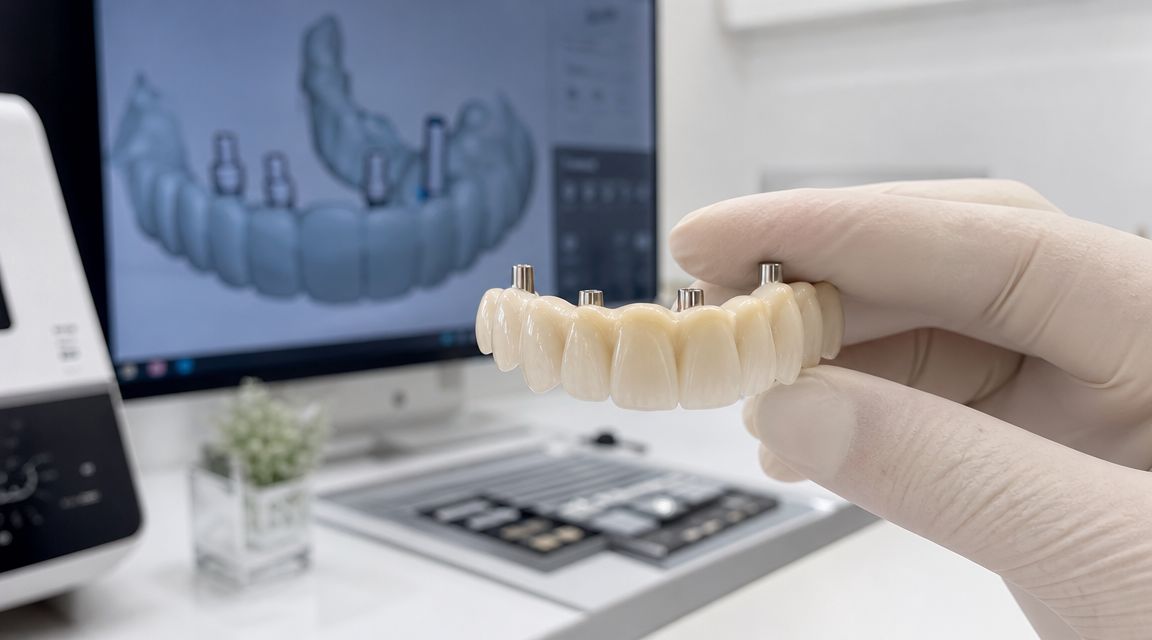
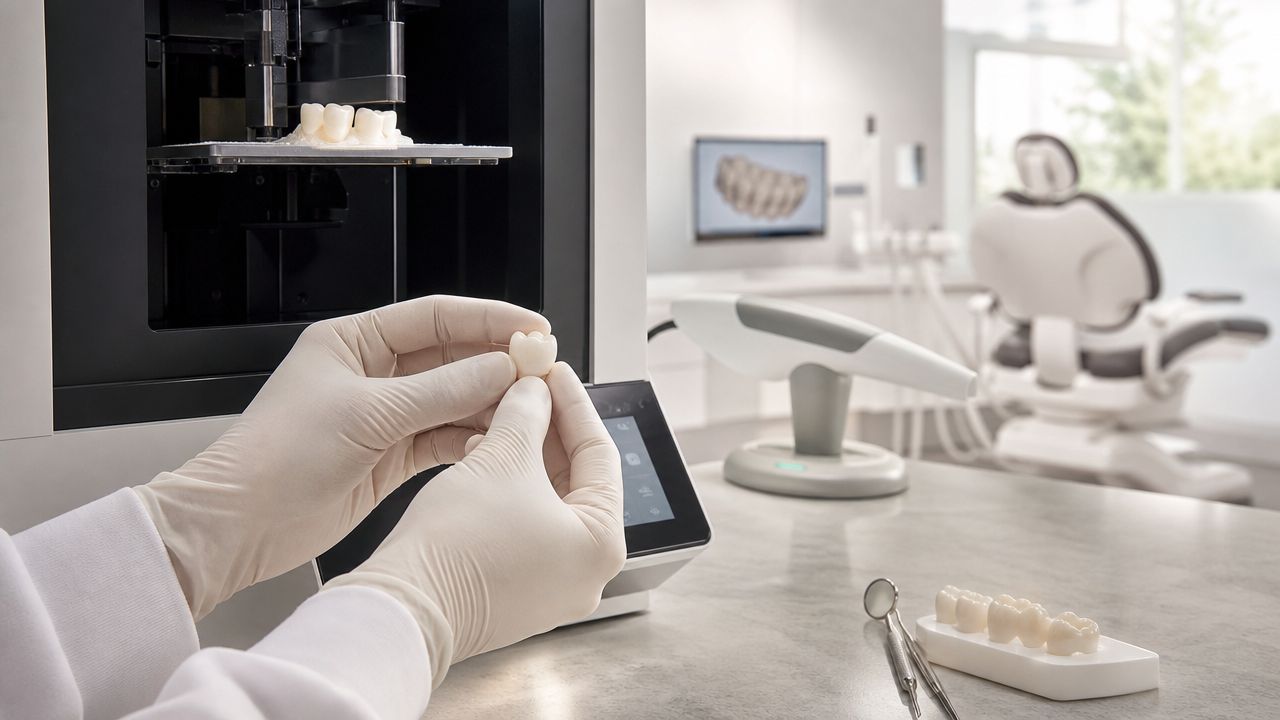
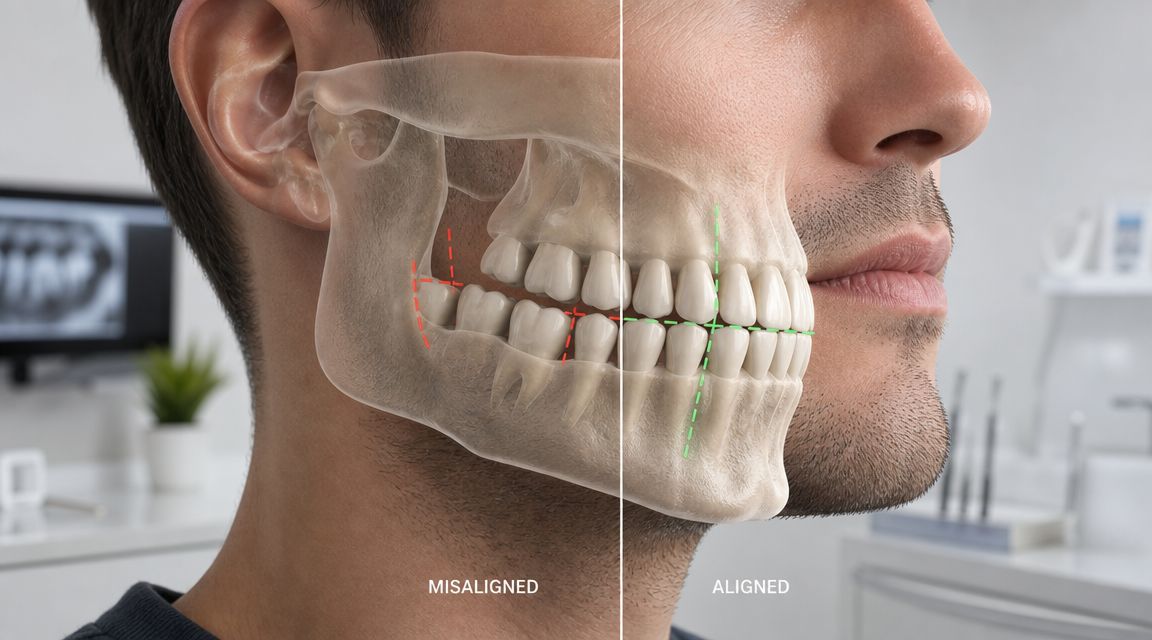
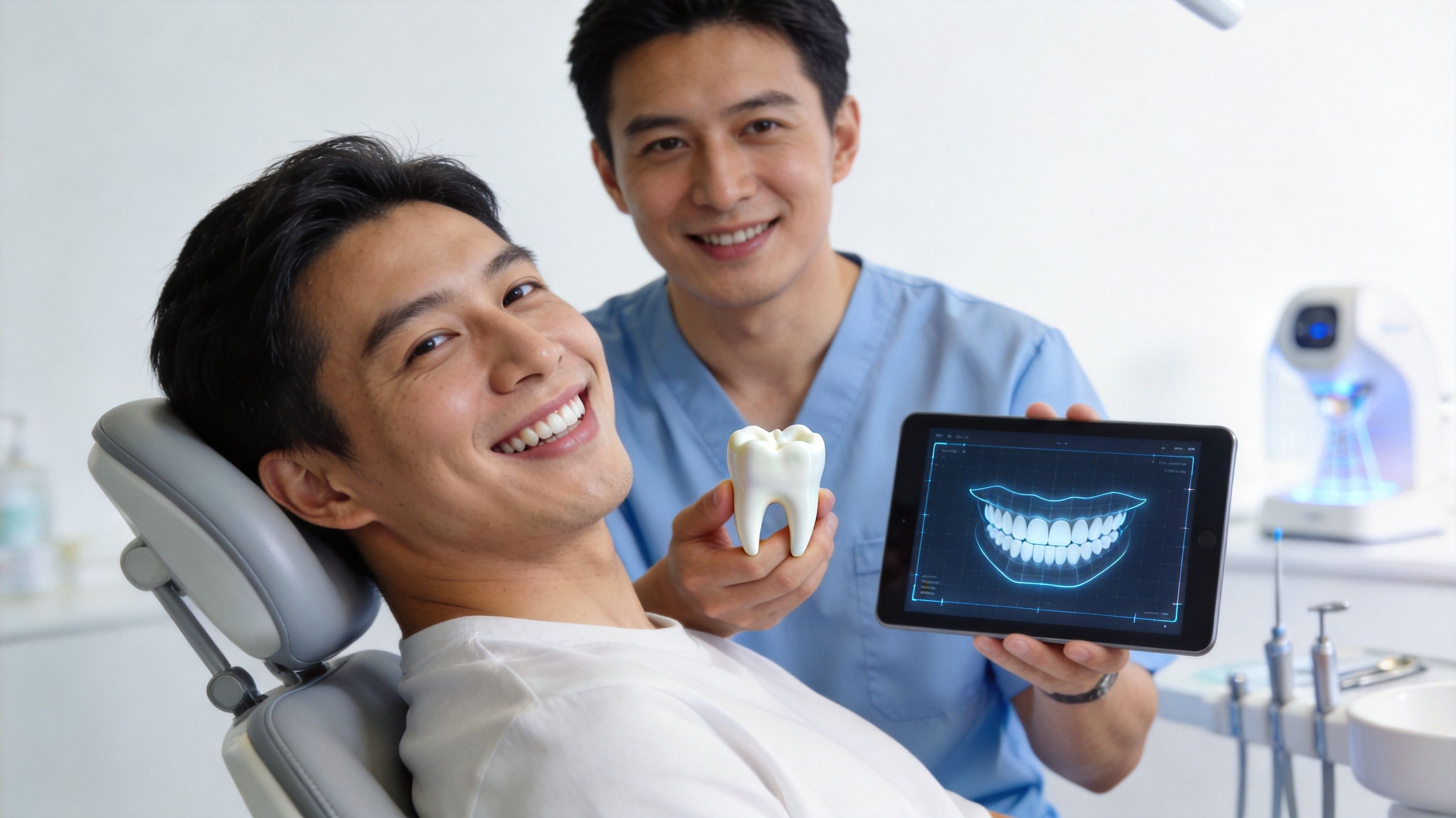
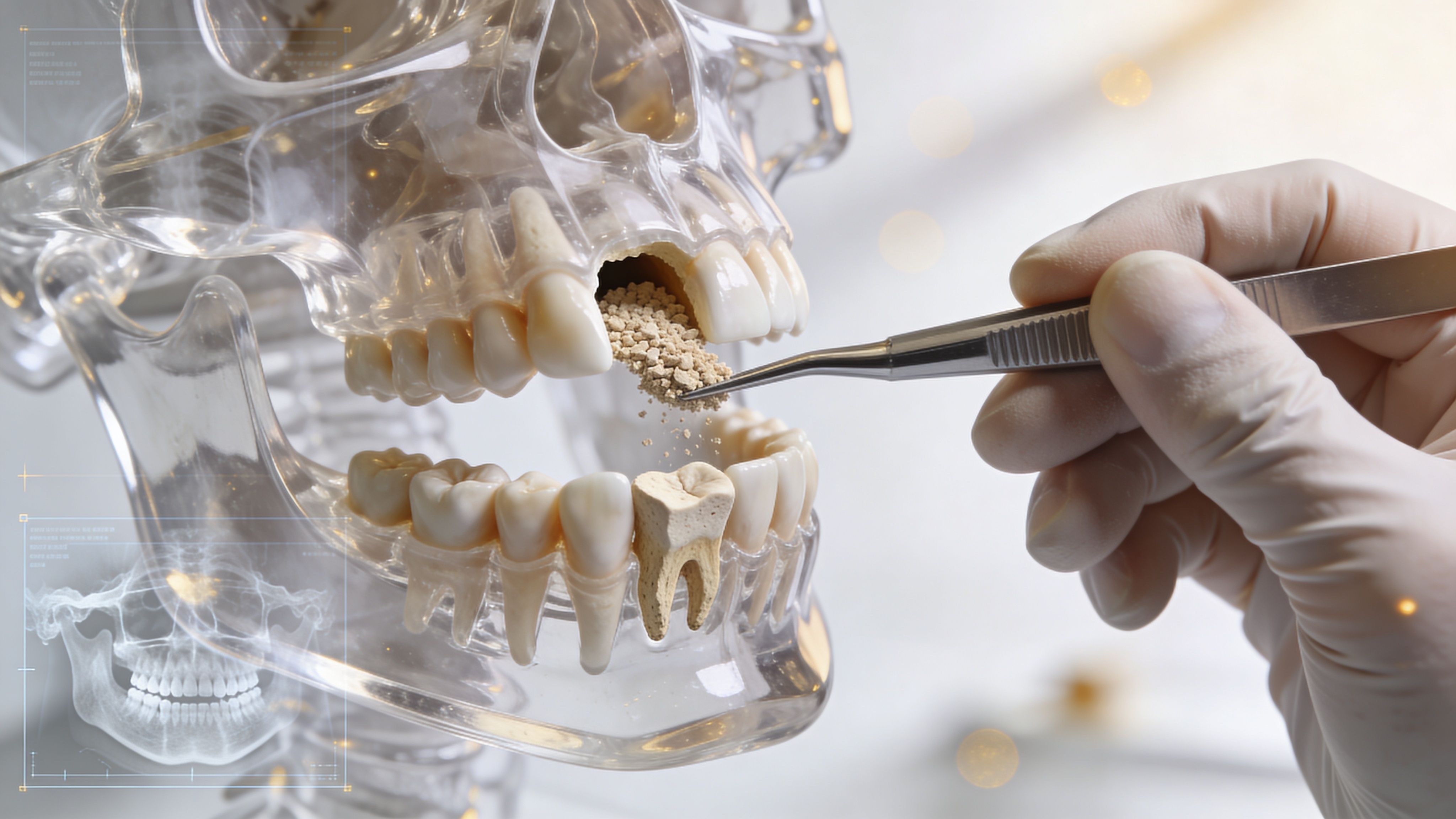
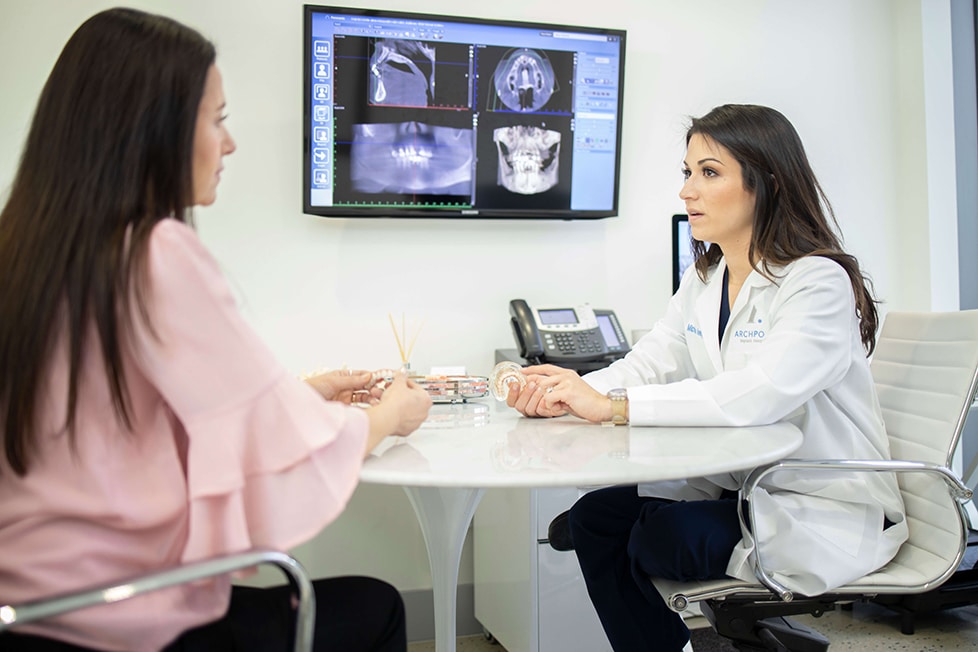
Using advanced 3D imaging and diagnostic technology, 3D Dental can assess dental emergencies with greater accuracy and speed than traditional methods allow. Instead of relying solely on conventional X-rays, their team uses three-dimensional scans to get a complete picture of what's happening beneath the surface—locating fractures, assessing bone integrity, and identifying infections with remarkable clarity.
This technology isn't just impressive—it's practical. Faster, more accurate diagnosis means faster treatment decisions. For patients dealing with acute pain or trauma, that translates directly to relief.
3D Dental's team is trained to handle the full spectrum of dental emergencies, from knocked-out teeth to abscesses to complex fractures. Their approach combines clinical expertise with technology-driven efficiency, so you spend less time waiting and more time recovering.
If you're looking for an emergency dentist that can handle complex cases quickly and accurately, 3D Dental is worth knowing about before you need them.
What to Expect During an Emergency Dental Appointment
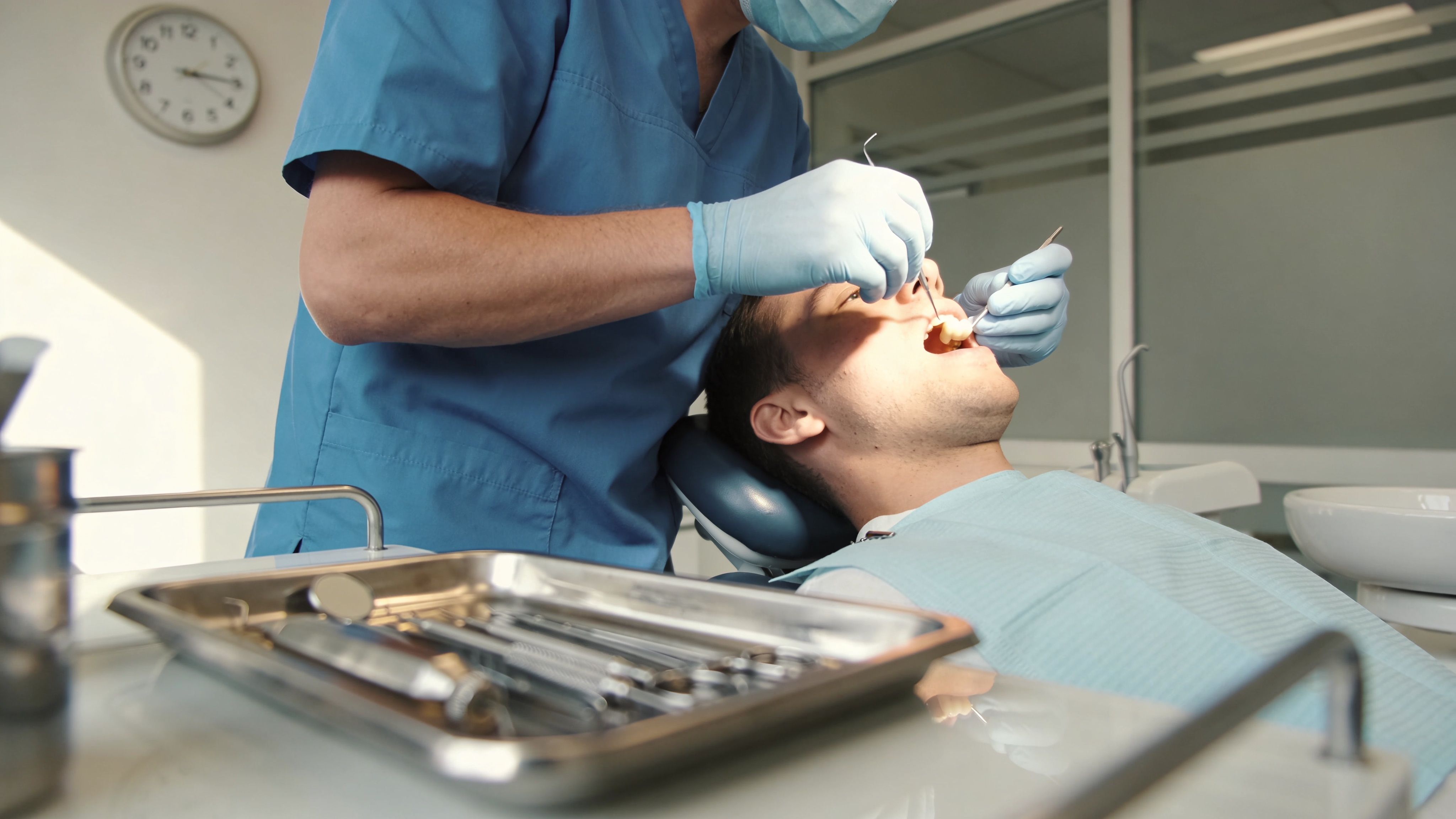
Walking into an emergency dental appointment when you're in pain can feel overwhelming. Knowing what to expect helps reduce anxiety and ensures you arrive prepared.
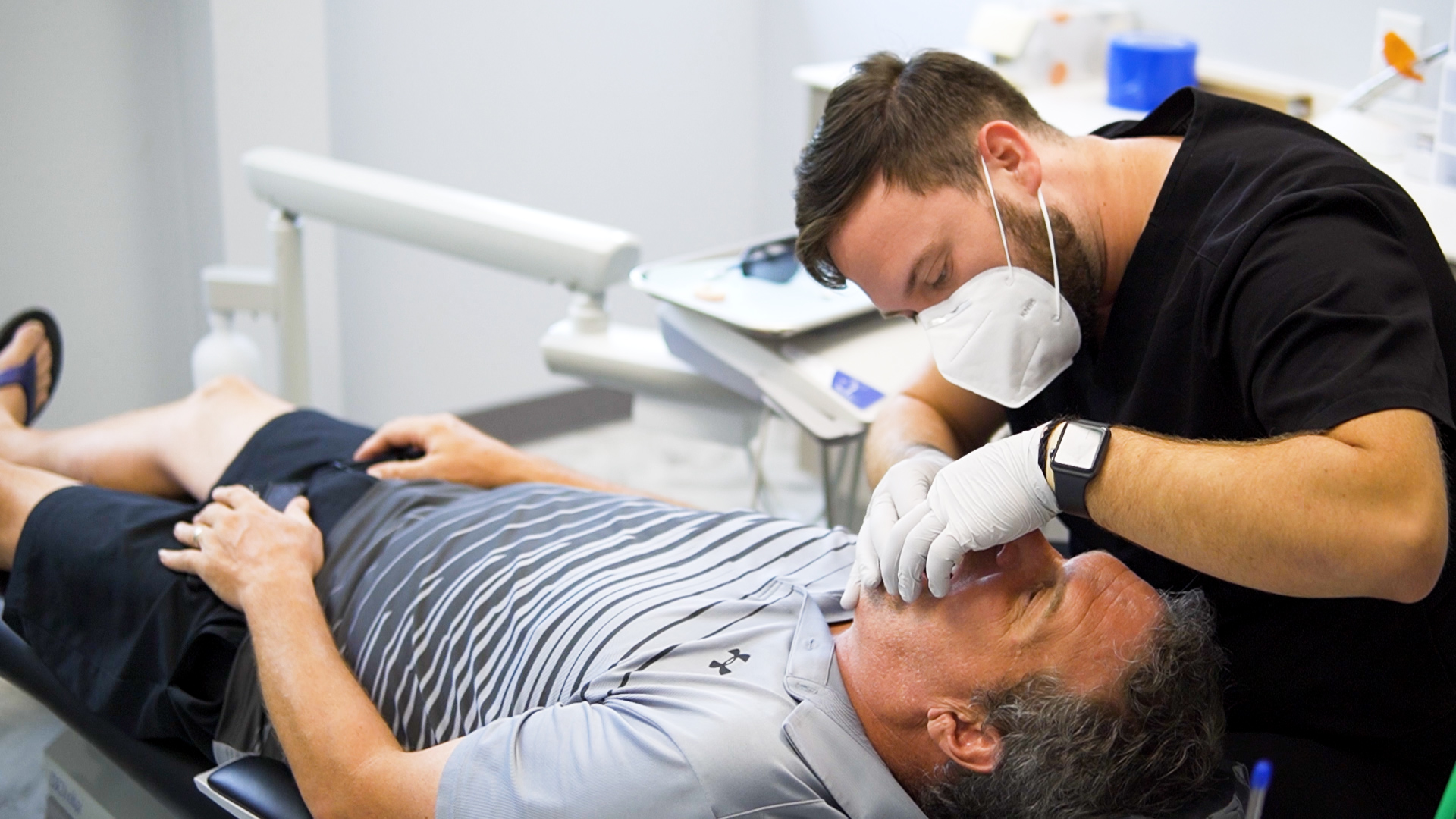
Triage and intake: The dental team will assess the urgency of your situation immediately. Be clear about your symptoms, when they started, and the level of pain you're experiencing.
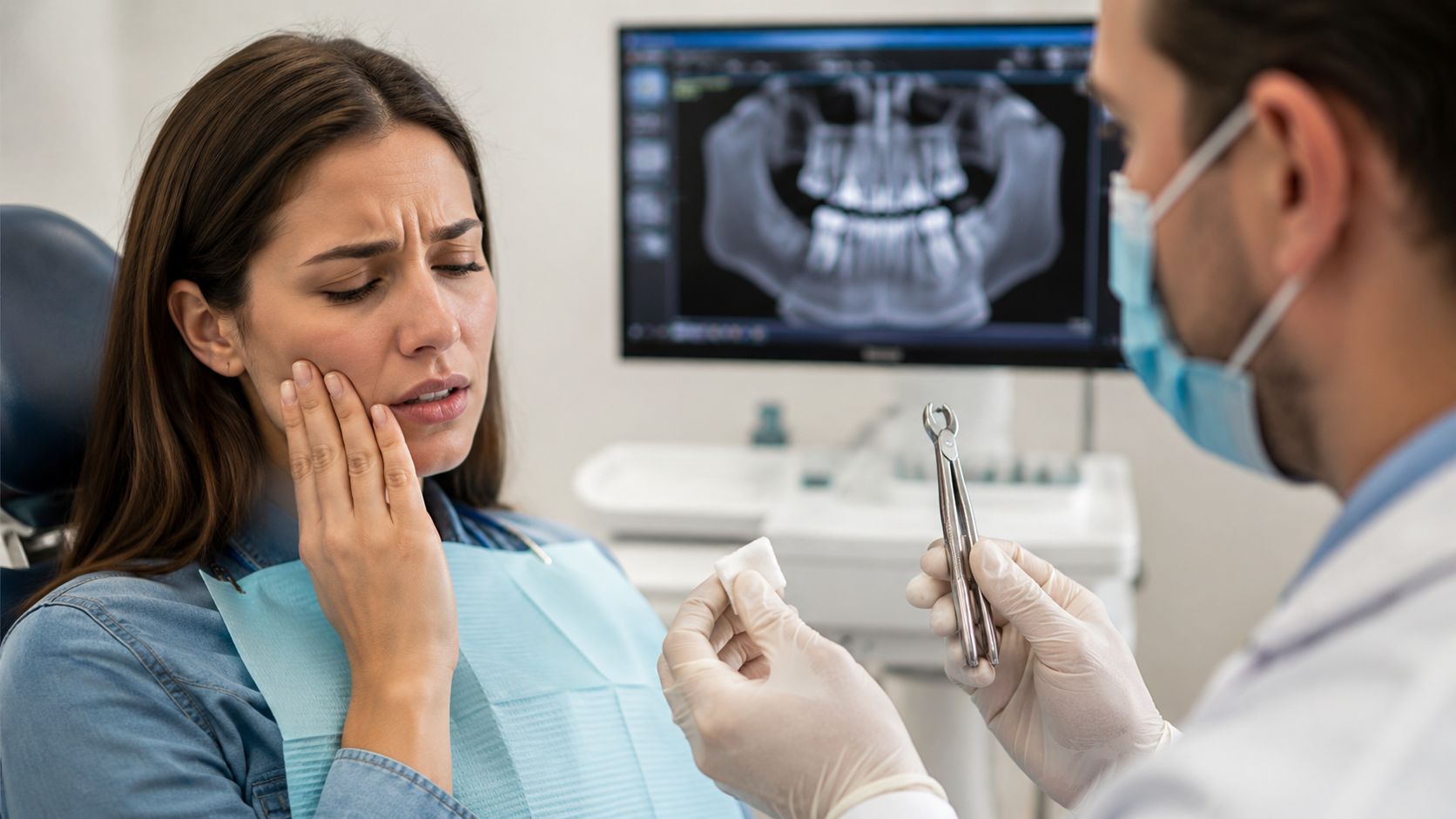
Diagnostic imaging: Expect X-rays or 3D imaging to help the dentist understand the extent of the problem. This step is critical for accurate diagnosis and treatment planning.
Pain management: Addressing your discomfort is a priority. Local anesthesia or other pain management options will typically be administered before any treatment begins.
Treatment: Depending on the issue, treatment may include tooth re-implantation, a temporary crown, abscess drainage, a prescription for antibiotics, or emergency extraction. Some cases are resolved in a single appointment; others require follow-up care.
Aftercare instructions: You'll leave with clear guidance on how to manage pain, what to eat, how to clean the area, and when to return. Follow these instructions carefully—they significantly affect how quickly you recover.
Step-by-Step First Aid Before You Reach the Clinic
Assess the Situation: Stay calm and identify the severity of the dental issue. Check for bleeding, swelling, or visible tooth damage.
Control Bleeding: If bleeding occurs, gently bite down on a clean piece of gauze or a damp tea bag. Apply steady pressure until bleeding lessens.
Clean the Area: Rinse your mouth with warm saltwater to clean the affected area and reduce the risk of infection. Avoid using mouthwash, as it may irritate the injury.
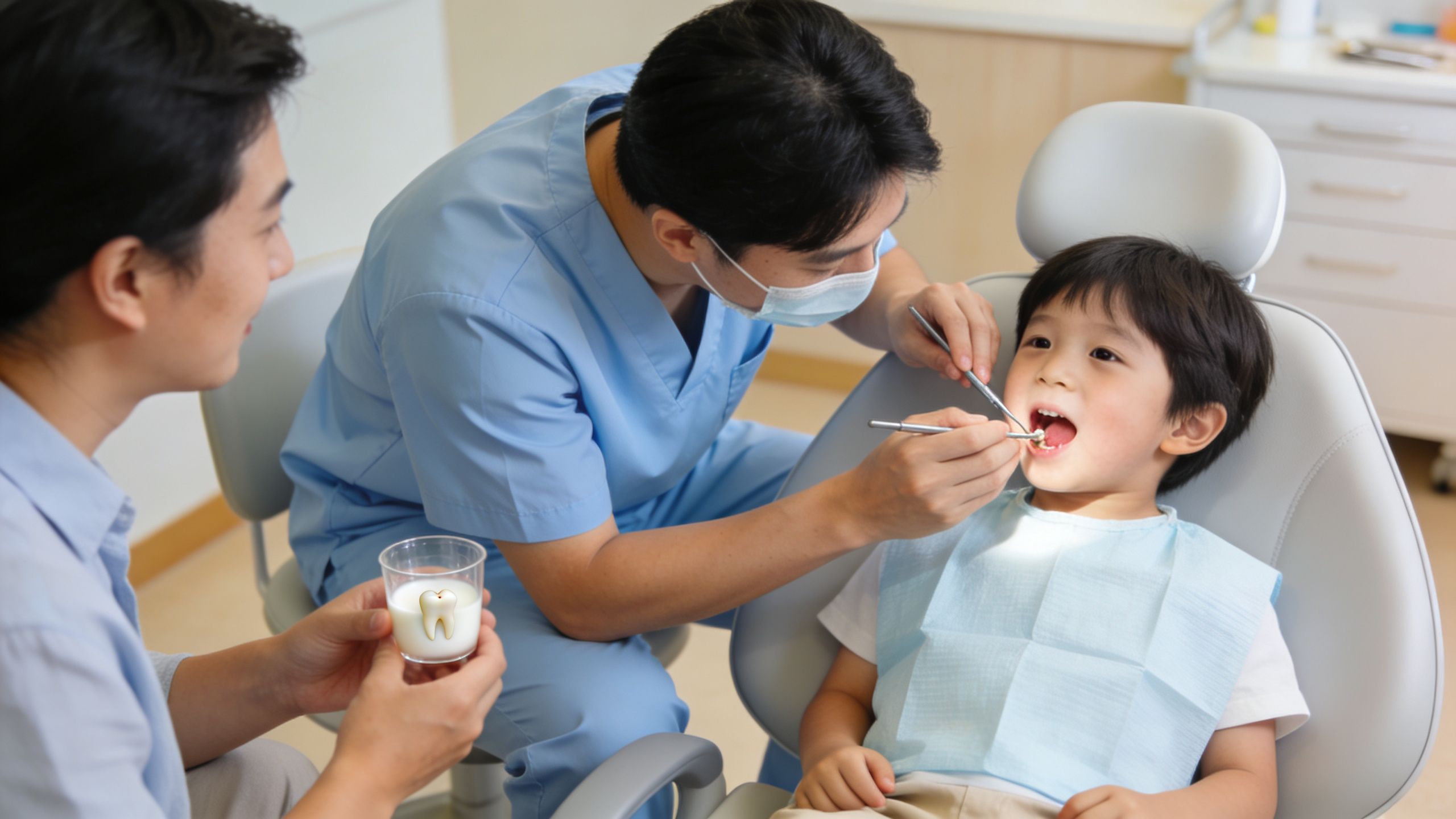
Preserve a Dislodged Tooth: If a tooth has been knocked out, handle it carefully by the crown (top) and avoid touching the root. Rinse it gently under running water without scrubbing and try to place it back into the socket. If this isn’t possible, store it in milk or saliva to keep it moist.
Manage Pain and Swelling: Place a cold compress on the outside of your cheek near the affected area to reduce swelling. Over-the-counter pain relievers can help manage discomfort, but avoid aspirin as it may exacerbate bleeding.
Protect the Area: Use dental wax or sugar-free gum to cover sharp edges of broken teeth or dental appliances to prevent cuts or irritation to your tongue or cheek.
Contact the Dentist Immediately: Call your dental clinic for an emergency appointment and share specific details about your situation to get advice on further steps to take.
Remember, acting quickly and following these steps can prevent further complications before professional dental treatment.
Costs and Insurance Considerations for Urgent Dental Visits
Emergency dental care can come with a higher price tag than routine appointments, but the cost of delaying treatment is often much greater—both financially and medically.
With dental insurance: Most plans cover emergency exams and X-rays, often at 80–100% after your deductible. Coverage for treatment varies—extractions and fillings are typically covered at different rates than crowns or root canals. Call your insurer before your appointment if time permits.
Without insurance: Ask about payment plans or in-house financing options. Many practices, including emergency dental clinics, offer flexible payment arrangements to make urgent care accessible. Some dental schools also provide emergency services at reduced rates.
Dental savings plans: These are membership-based discount programs offered directly by dental offices. For uninsured patients, they can provide meaningful savings on emergency visits.
Be upfront about cost concerns: Let the dental team know your situation. They can often prioritize the most urgent treatment and schedule less critical work for follow-up visits, helping you manage costs without compromising your care.
Preventive Measures to Avoid Future Dental Crises
The best emergency is the one that never happens. While accidents can't always be avoided, many dental emergencies stem from preventable issues.
- Attend regular check-ups: Biannual exams catch decay, cracks, and early-stage infections before they escalate.
- Wear a mouthguard during contact sports: Custom-fitted guards protect against tooth fractures and knockouts.
- Don't use your teeth as tools: Opening packaging or bottles with your teeth is a surprisingly common cause of fractures.
- Address dental pain promptly: Pain is a warning signal. Ignoring a mild toothache often leads to the more serious—and expensive—situation you were trying to avoid.
- Replace old fillings and restorations: Aging dental work is more likely to fail under stress. Regular monitoring keeps you ahead of potential problems.
Get Fast Relief with 3D Dental
Dental emergencies are unpredictable, but your response doesn't have to be. By recognizing the signs of a dental emergency, acting quickly with appropriate first aid, and knowing where to go for expert care, you put yourself in the best possible position to protect your oral health—and your overall wellbeing.
If you're in pain or dealing with dental trauma right now, don't wait. Contact 3D Dental for same-day emergency appointments backed by advanced diagnostic technology and a team equipped to handle urgent care with speed and precision. Your fastest path to relief starts with one phone call.
3D Dental Texas
https://maps.app.goo.gl/XMPCB3A1TnEpUHFAA
(512) 831-7918
12854 Research Blvd Austin TX 78750
Ready to get started?
Schedule a free, no obligation consultation with our team and see what's possible for your smile!
Georgetown
- Mon-Thurs8:30am-5pm
- Fri8am-3:30pm
- Sat-SunClosed
Austin
- Mon-Tues8am-5pm
- Wed-Thurs9am-6pmFri8am-2pm
- Sat-SunClosed