
How to Fix Stained Teeth: Austin & Georgetown Guide
Related Posts
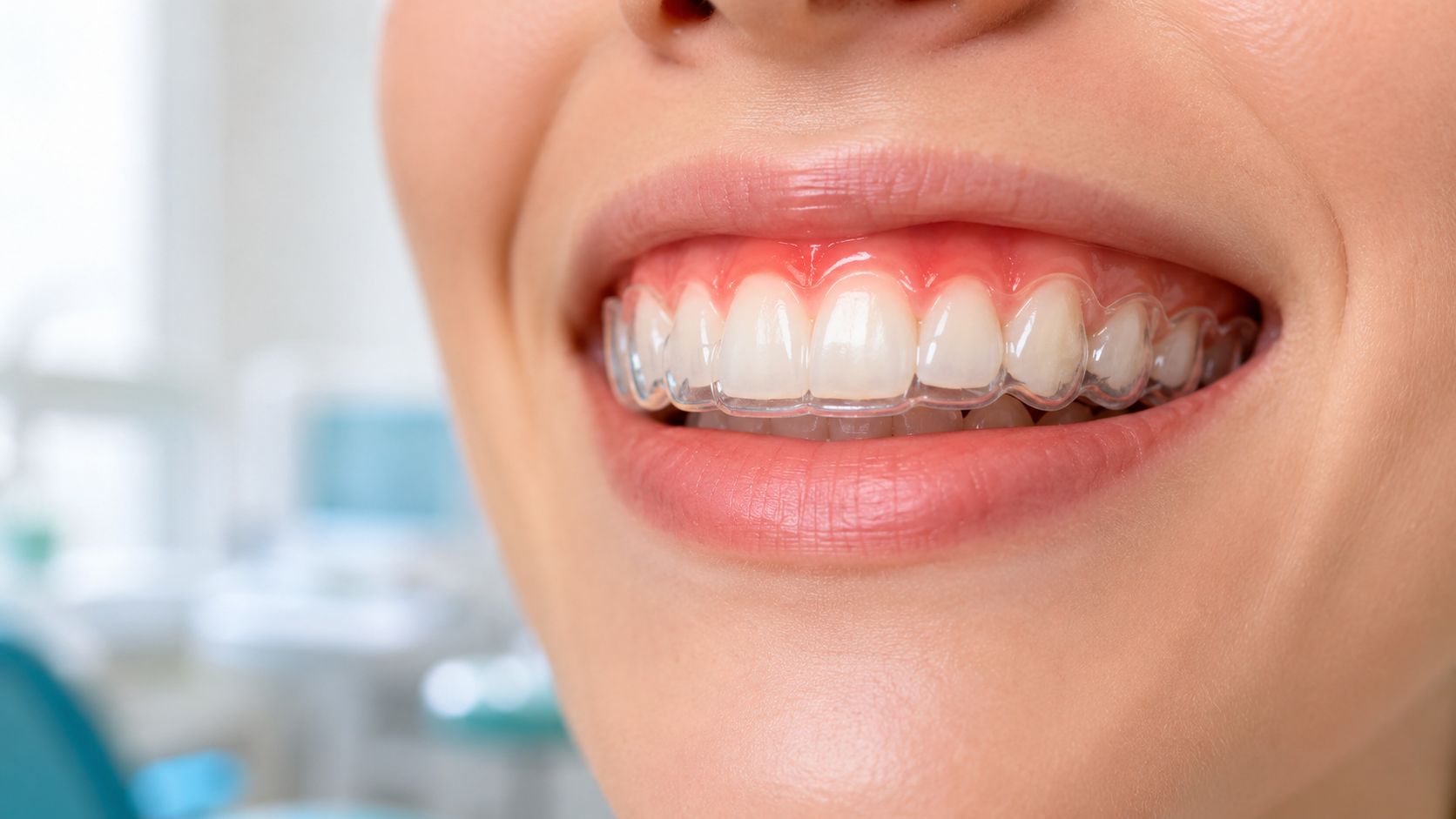

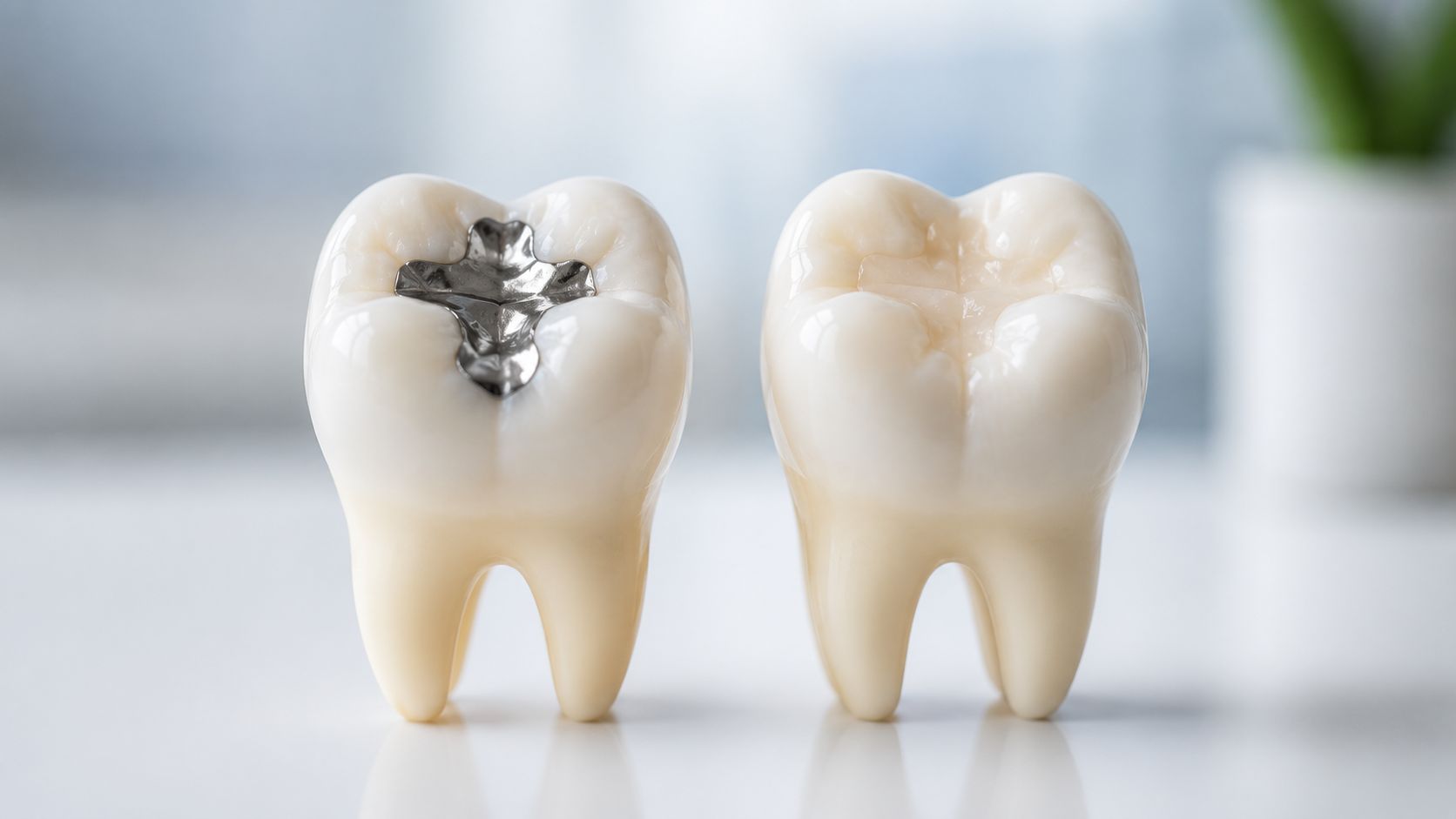
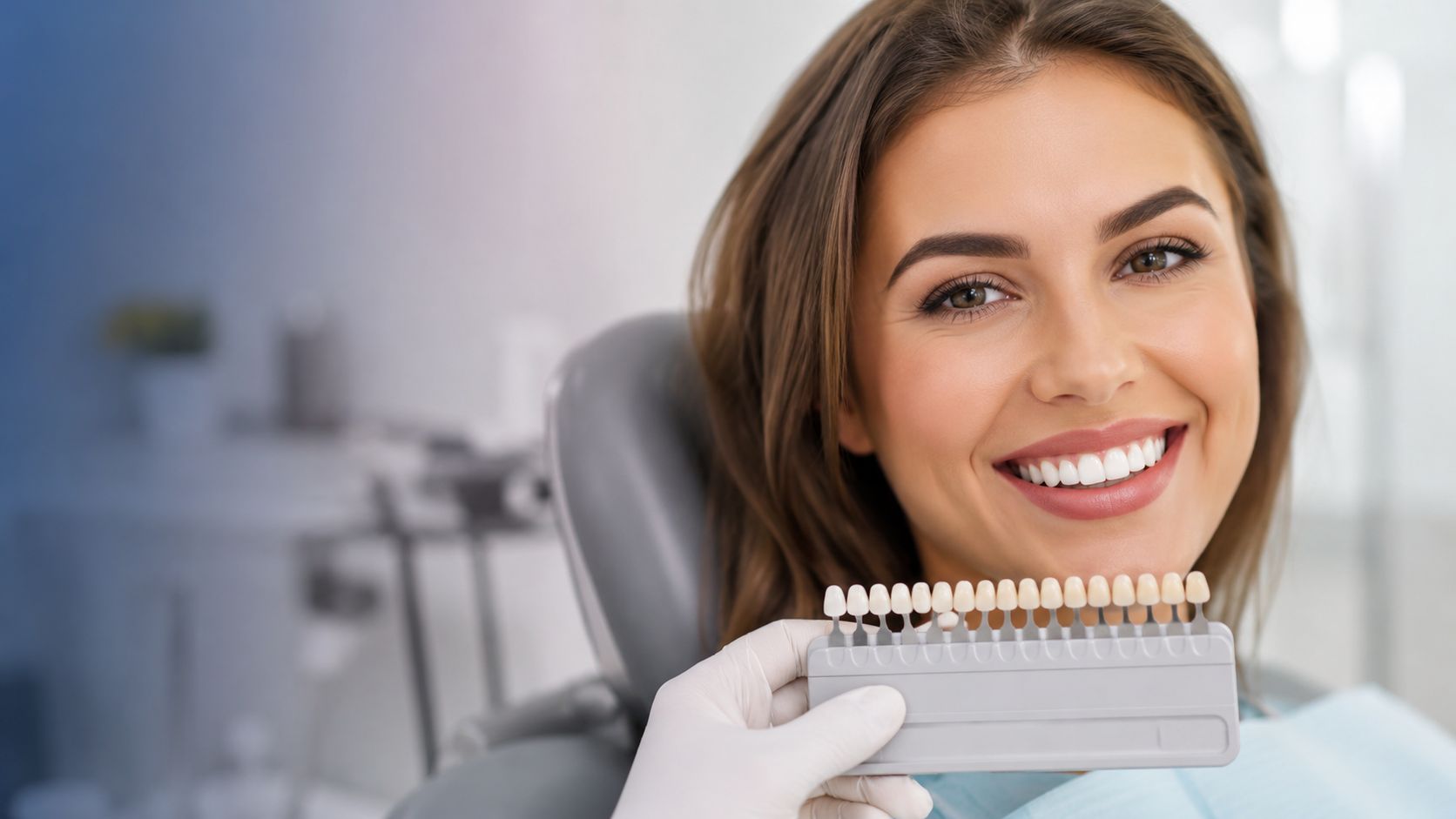

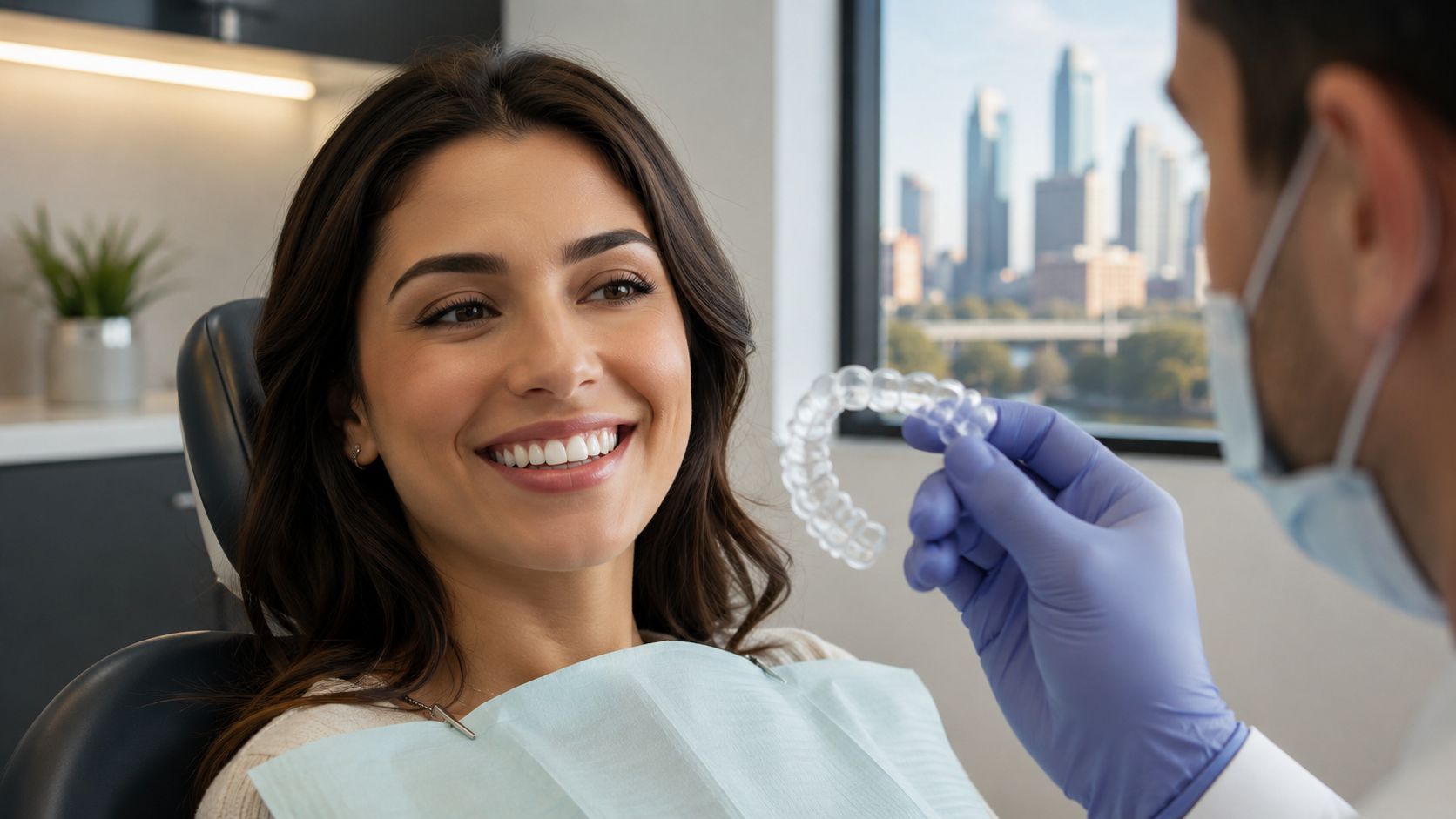
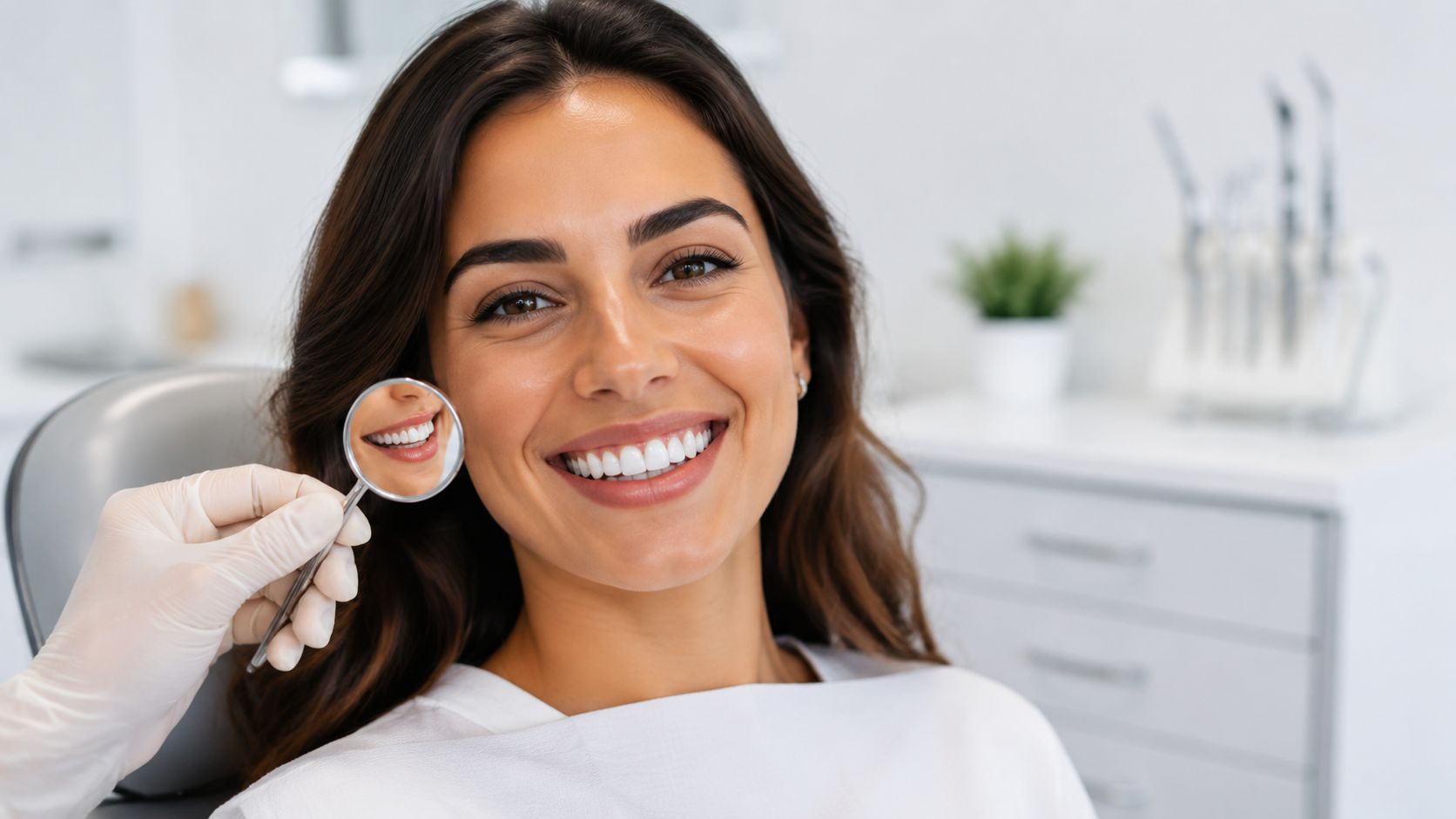
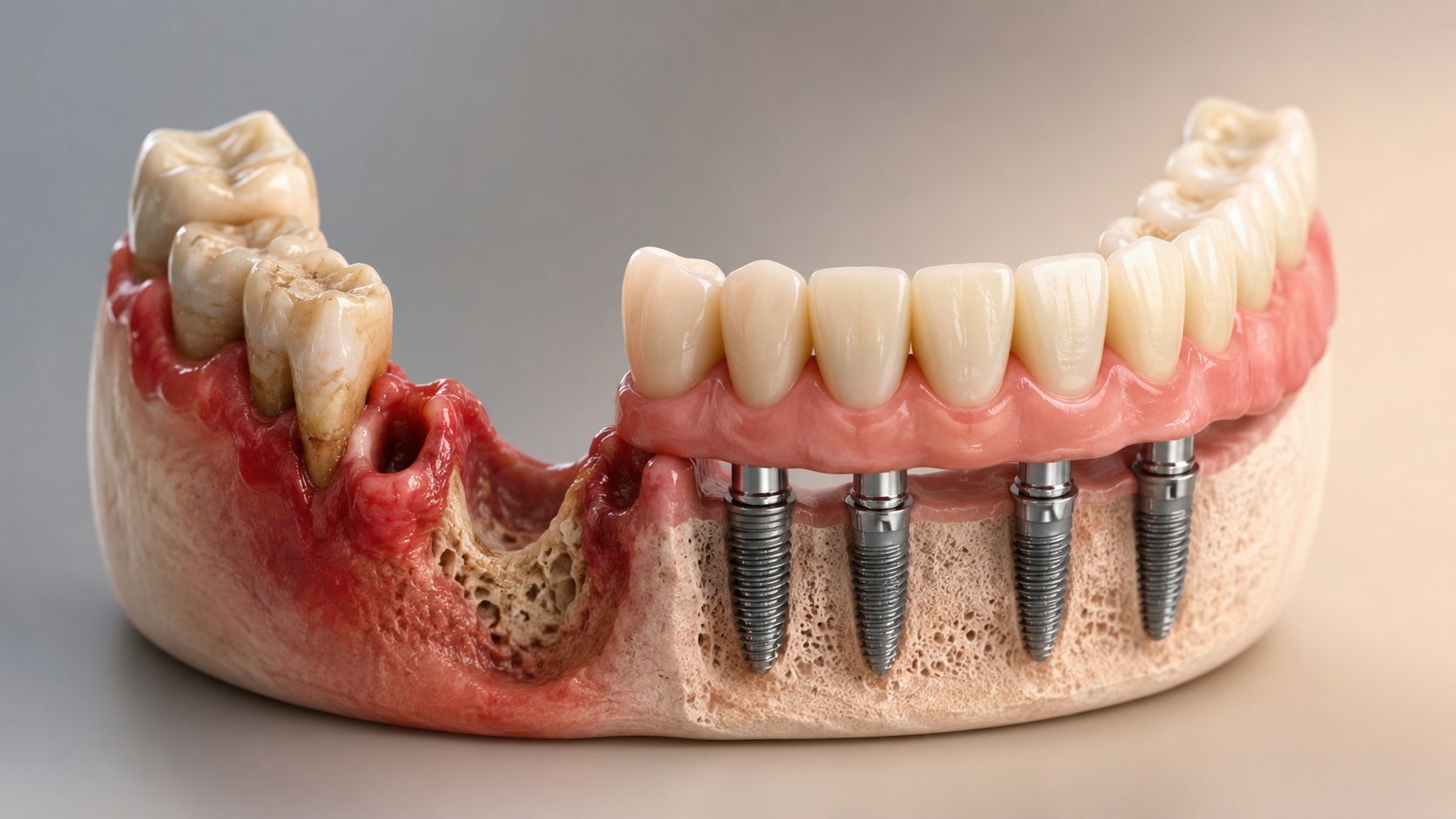
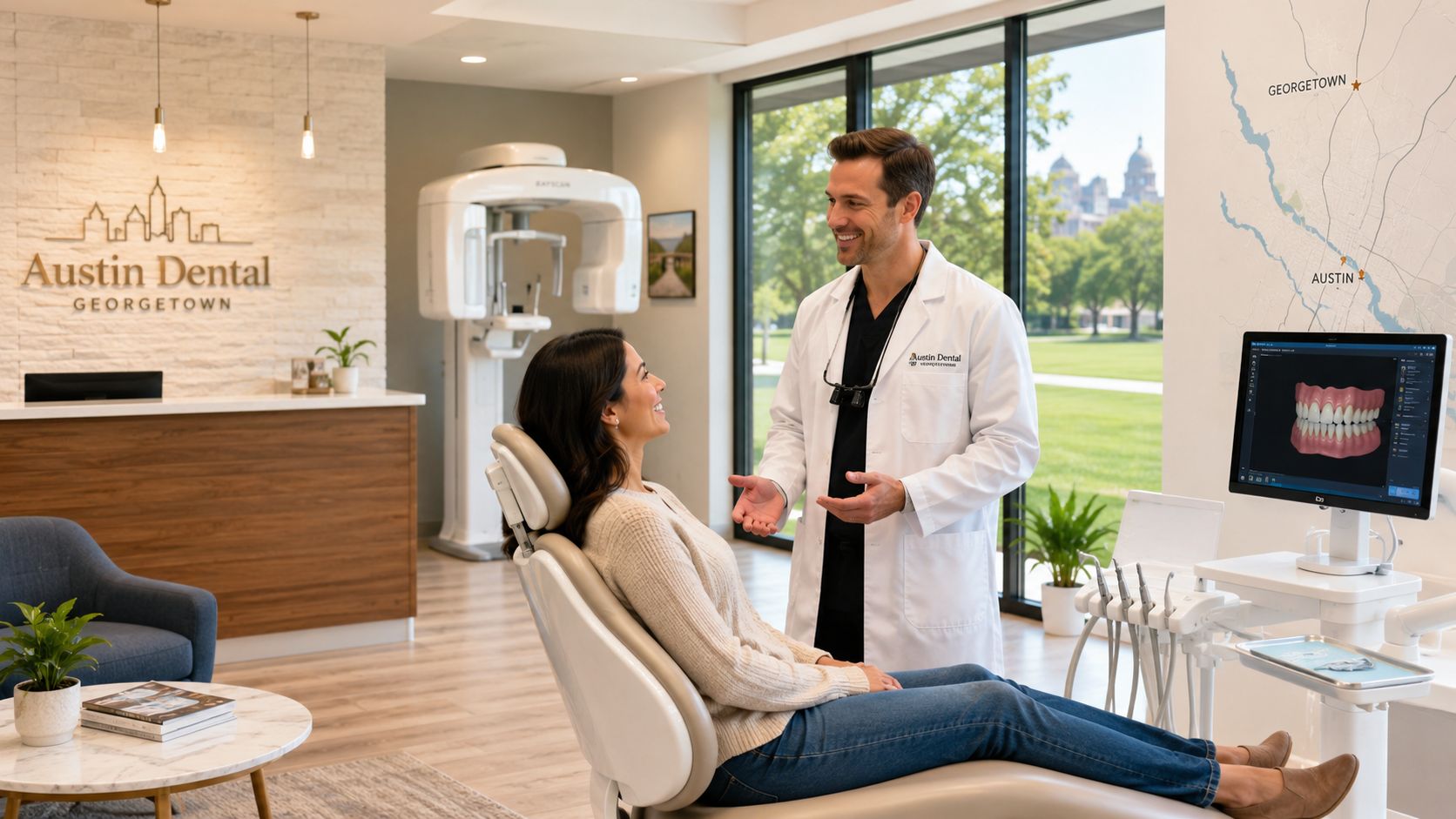















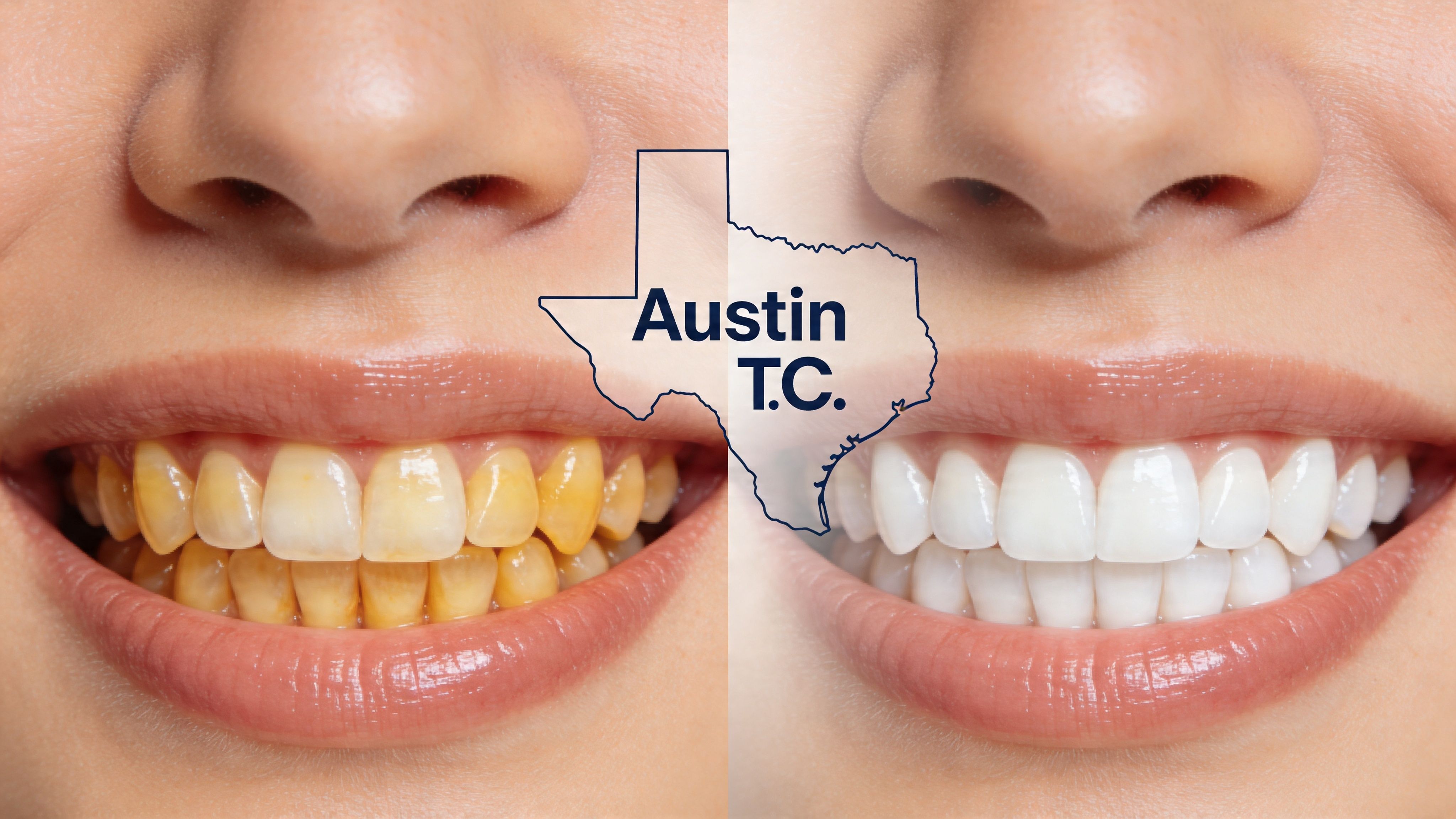
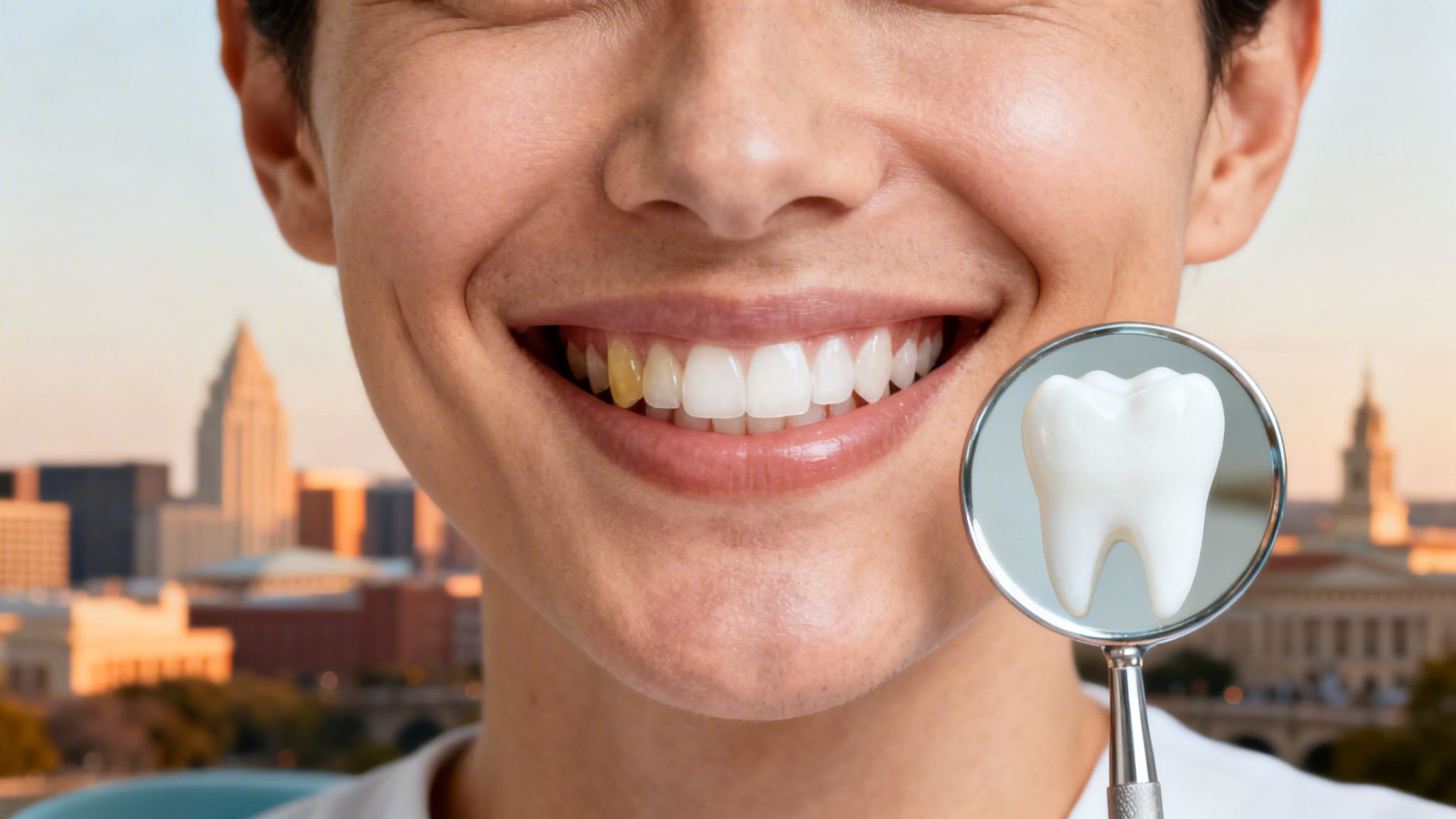
You notice it in photos first. Maybe it is the coffee color near the edges, a yellow cast that did not used to be there, or one tooth that looks darker than the rest. Brushing harder does not fix it. Whitening toothpaste helps a little, then seems to stall.
That is usually the point where patients start searching for how to fix stained teeth, a cosmetic dentist near me, or a dentist in Austin, TX who can tell them what will work. The right answer depends on the kind of stain you have, how deep it is, and whether the tooth itself is healthy.
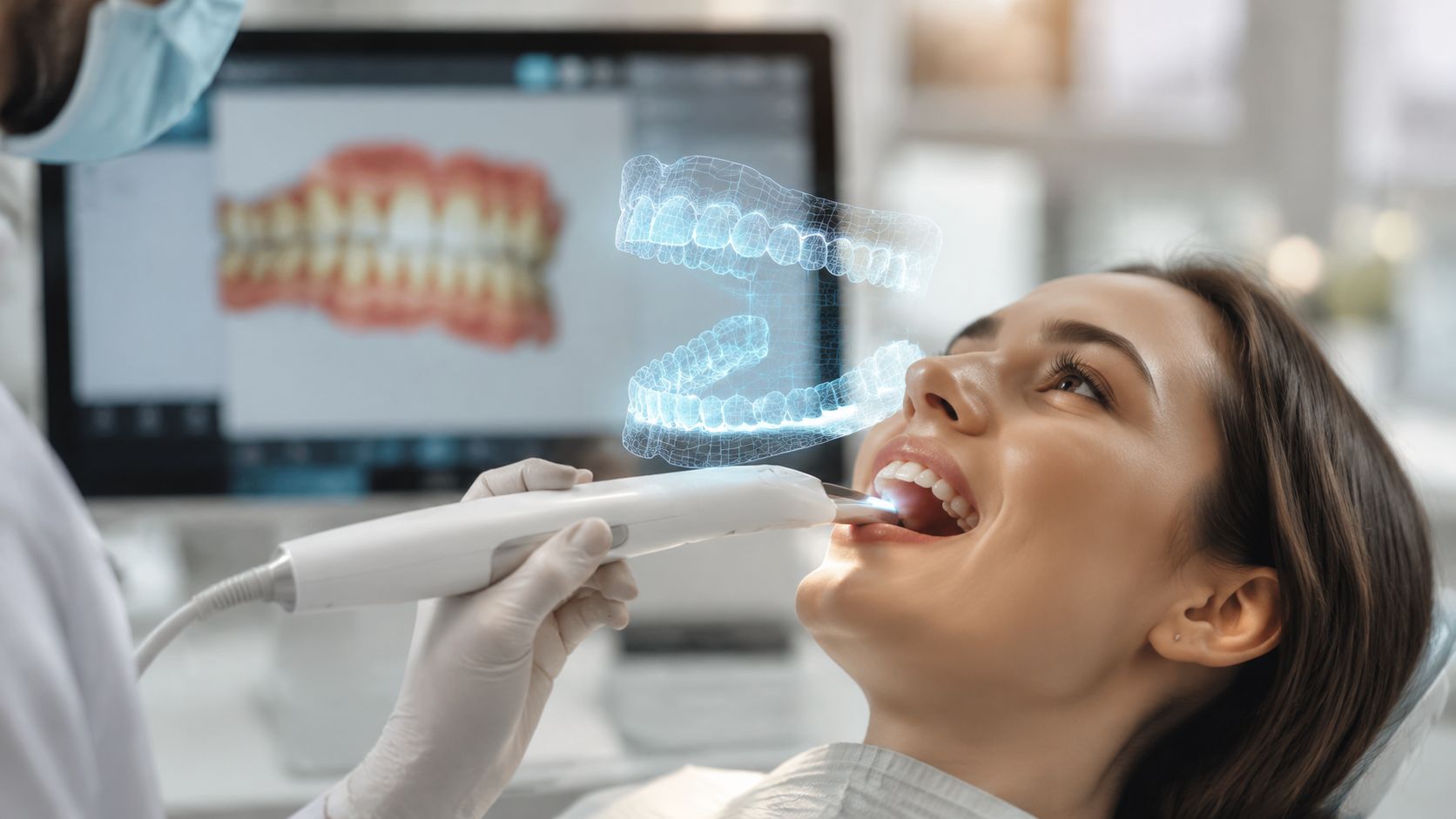
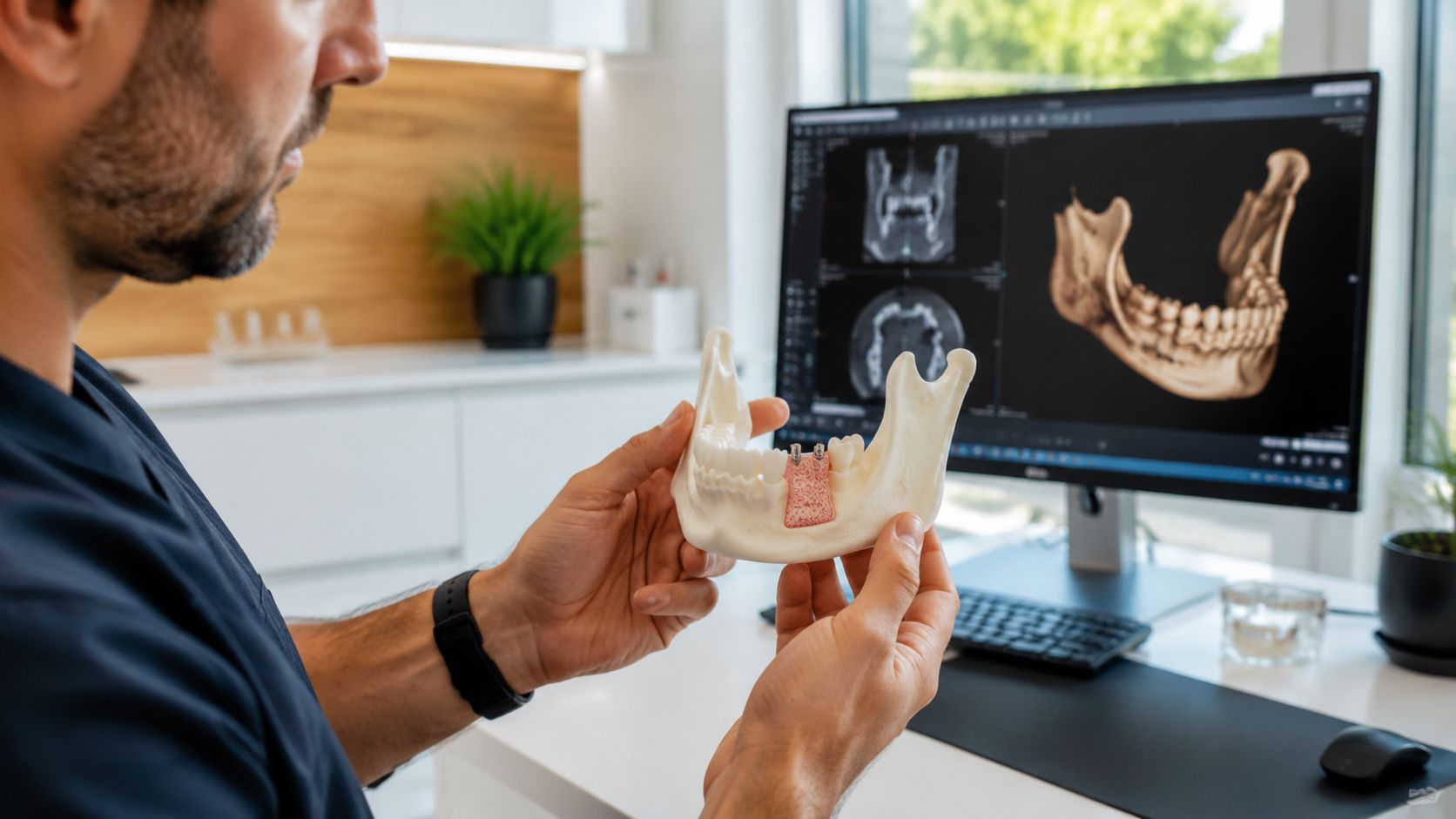
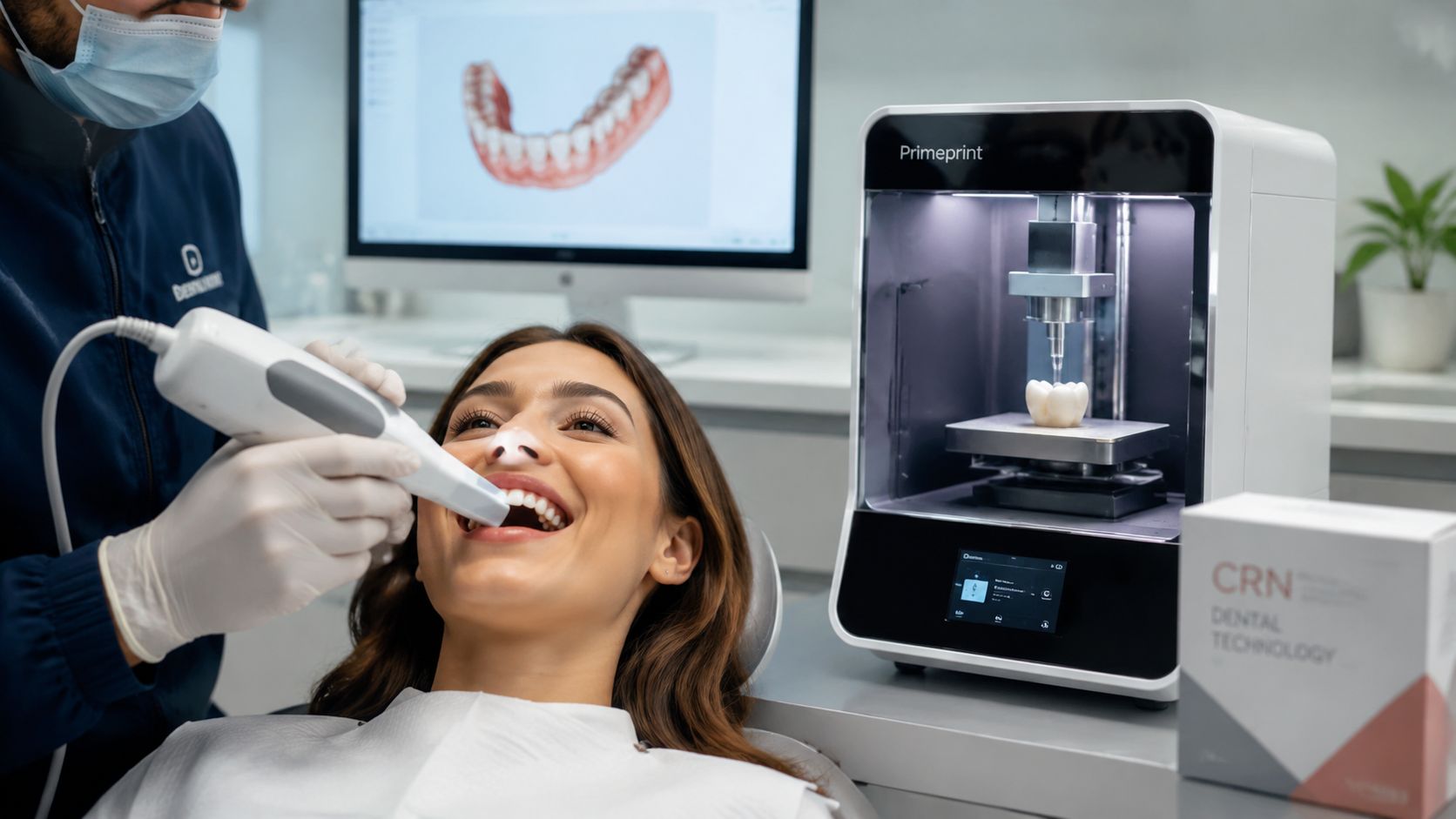
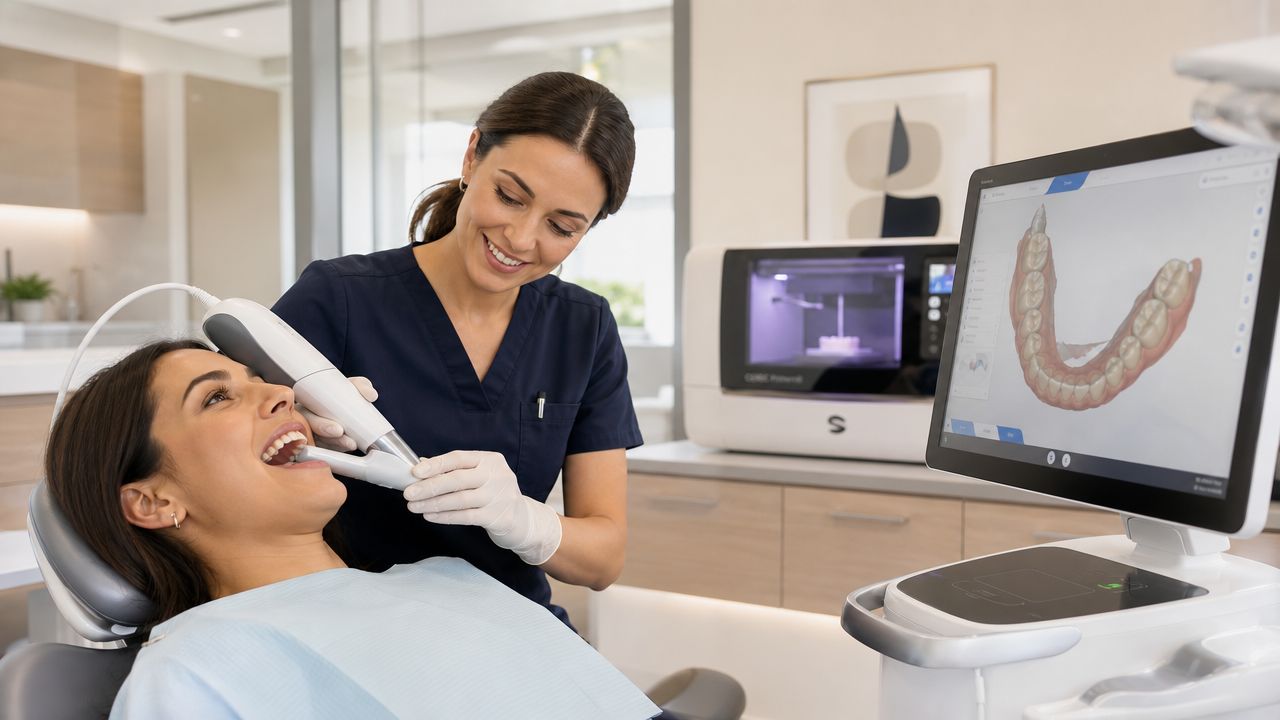
At a modern dental practice in Austin and Georgetown, the process should not be guesswork. With digital scans, 3D imaging, and an in-house workflow, it is possible to identify the source of discoloration clearly and choose a treatment that is safer, faster, and more precise than trial-and-error whitening.
Why Are My Teeth Stained? Understanding the Causes in Austin
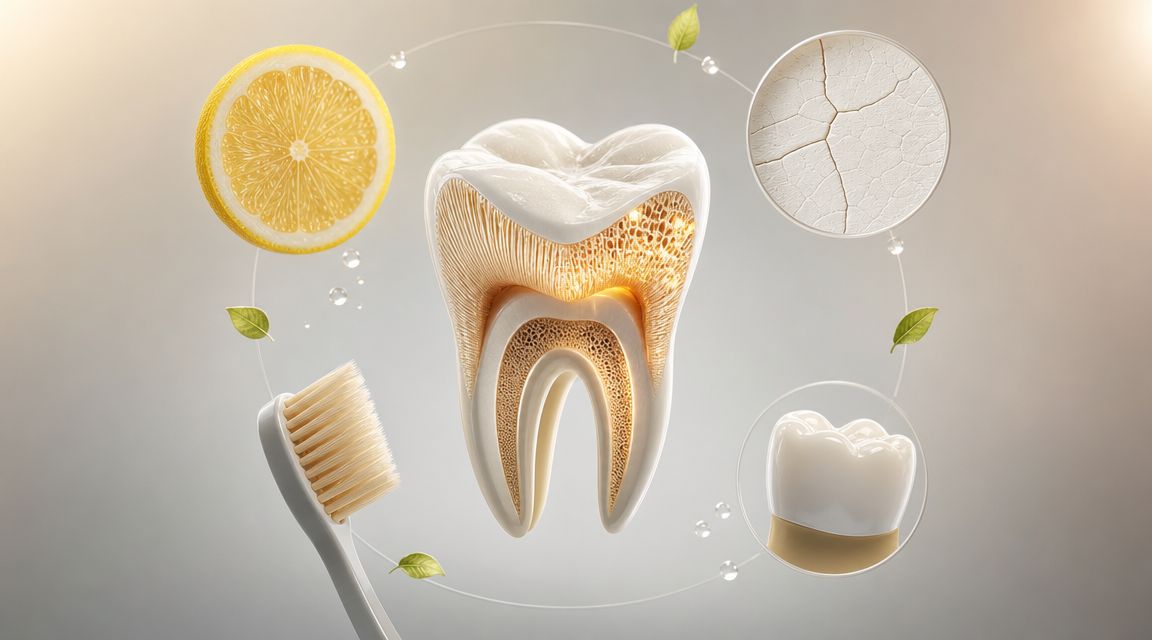
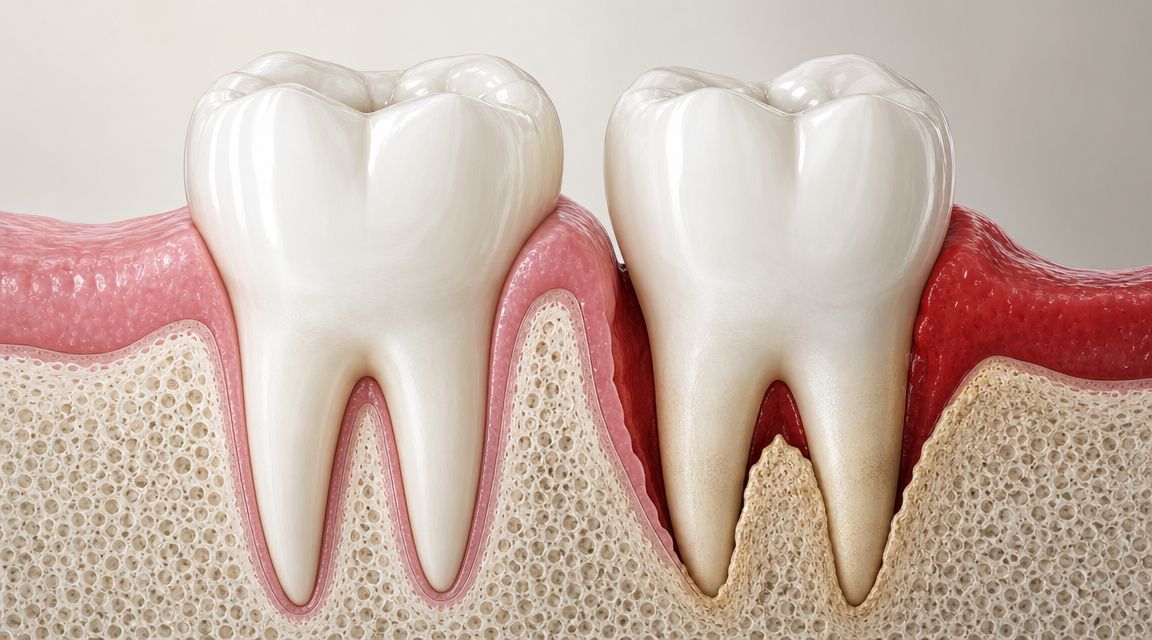
Tooth discoloration usually falls into two categories. The first is extrinsic staining, which sits on or near the outer surface of the tooth. The second is intrinsic staining, which is deeper inside the tooth and often needs a different fix.
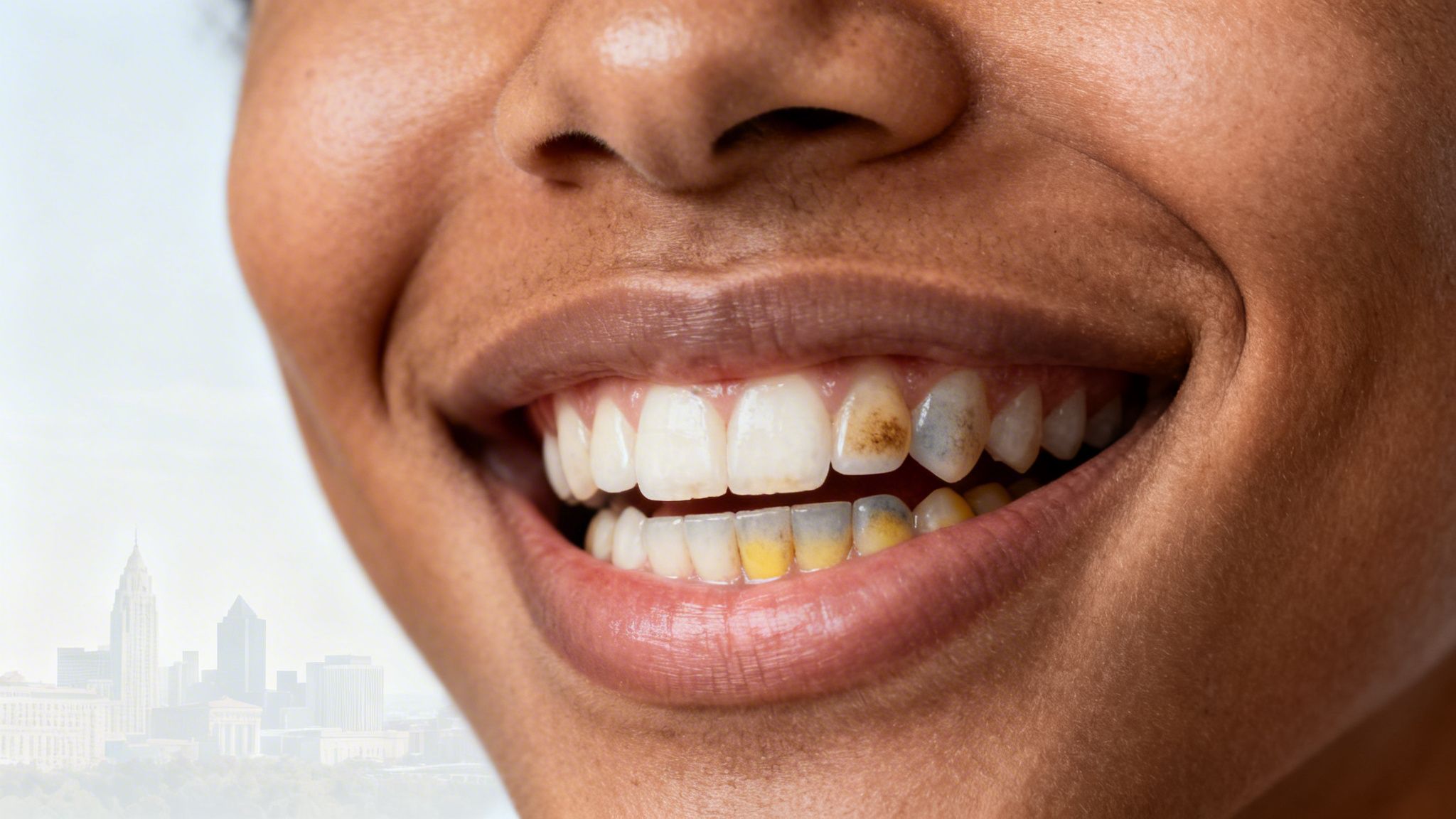
Surface stains from daily habits
Extrinsic stains are the ones commonly anticipated. They build up from what you drink, eat, and use every day. In Austin, that often means coffee, tea, red wine, or tobacco.
Daily habits play a major role in tooth color. Regular coffee use can stain the teeth of up to 70% of drinkers, and tobacco causes visible yellowing in about 80% of users due to tar and nicotine, as noted in this overview of common causes of stained teeth.
These stains tend to collect in tiny surface irregularities in enamel. Even if your teeth are healthy, enamel is not perfectly smooth. Dark pigments settle in over time and dull the smile.
Deep stains inside the tooth
Intrinsic stains are different. They are not just on the outside. They develop within the tooth and can come from aging, trauma, certain medications, or changes inside a tooth after it has been injured.
A simple way to think about it is this:
| Type of stain | What it usually looks like | What often causes it |
|---|---|---|
| Extrinsic | Yellow, brown, or surface darkening | Coffee, tea, wine, tobacco, plaque buildup |
| Intrinsic | Gray, dark, uneven, or one tooth darker than others | Aging, trauma, medication-related discoloration, internal tooth changes |
Deep stains do not always respond well to store-bought whitening. If one tooth is much darker than the others, that can point to an internal issue rather than a simple surface stain.
Tip: If your whole smile looks generally yellow, whitening may help. If one tooth looks gray or much darker than the rest, schedule an exam before trying more whitening products.
Why the cause matters
Patients often ask for a fast whitening fix when what they need is a diagnosis. That matters because the treatment for coffee stains is not the same as the treatment for trauma-related discoloration.
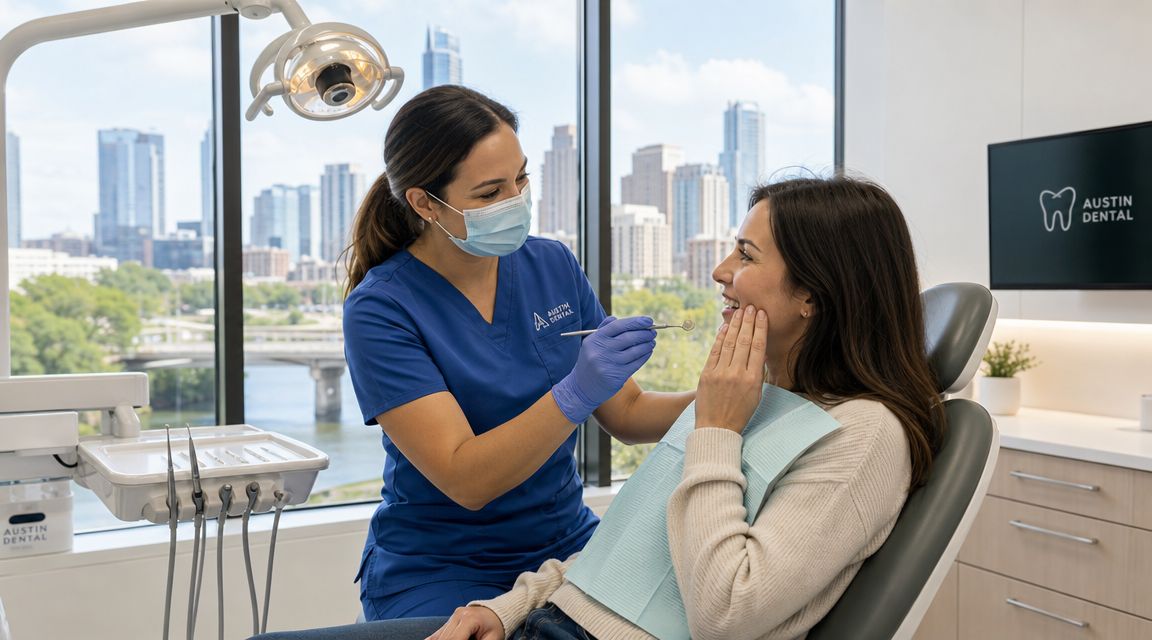
It also matters for comfort and safety. A dentist who uses digital imaging and careful clinical evaluation can tell whether you need a cleaning, in-office whitening, bonding, veneers, or treatment for a single non-vital tooth. That precision saves time and helps avoid spending money on products that were never likely to work.
At-Home Whitening and Over-the-Counter Fixes
Many individuals start at home. That is reasonable. Whitening toothpaste, strips, pens, and gel kits are easy to buy, and they can help with mild surface staining.
The problem is not that these products never work. The problem is that they work within limits.
What over-the-counter products can do
Whitening toothpaste is mostly a maintenance product. It can help lift fresh surface residue and make teeth look cleaner, but it does not change deep discoloration.
Strips and gel kits go a little further. They can be useful for minor extrinsic stains when used correctly and consistently. For someone with light staining from coffee or tea, they may produce a modest improvement.
A few trade-offs matter:
- Whitening strips: They can miss curved or crowded areas, so results may look uneven.
- Generic trays: If the fit is poor, gel often spreads onto the gums and causes irritation.
- Abrasive pastes: Some “whitening” formulas rely more on scrubbing than bleaching, which can be rough on sensitive teeth.
- DIY remedies: Acidic or abrasive home methods can create more problems than they solve.
If you want a fuller breakdown of home versus professional options, this post on the best way to whiten teeth gives a practical overview.
Where at-home treatment usually falls short
At-home products are not ideal for moderate staining, deep discoloration, or uneven color. They also do not tell you why the tooth is dark.
That is where people get stuck. They keep trying stronger strips or longer wear times, hoping the result will improve. Instead, they often end up with sore gums, tooth sensitivity, and a smile that still looks patchy.
A better way to think about over-the-counter whitening is as a small step, not a complete plan.
Key takeaway: Home whitening can be useful for mild surface stains and upkeep. It is rarely the most reliable answer for deeper, older, or uneven discoloration.
What does not work well
Harsh scrubs, charcoal powders, and improvised home mixtures get attention because they sound simple. In practice, they are unpredictable. If a method depends on scraping, rubbing, or repeated abrasion, it may make teeth look cleaner briefly while doing nothing for the cause of staining.
When stains have been there for a while, or when the color change is inside the tooth, professional evaluation is usually the point where progress starts.
Professional Teeth Whitening at Your Austin Dentist
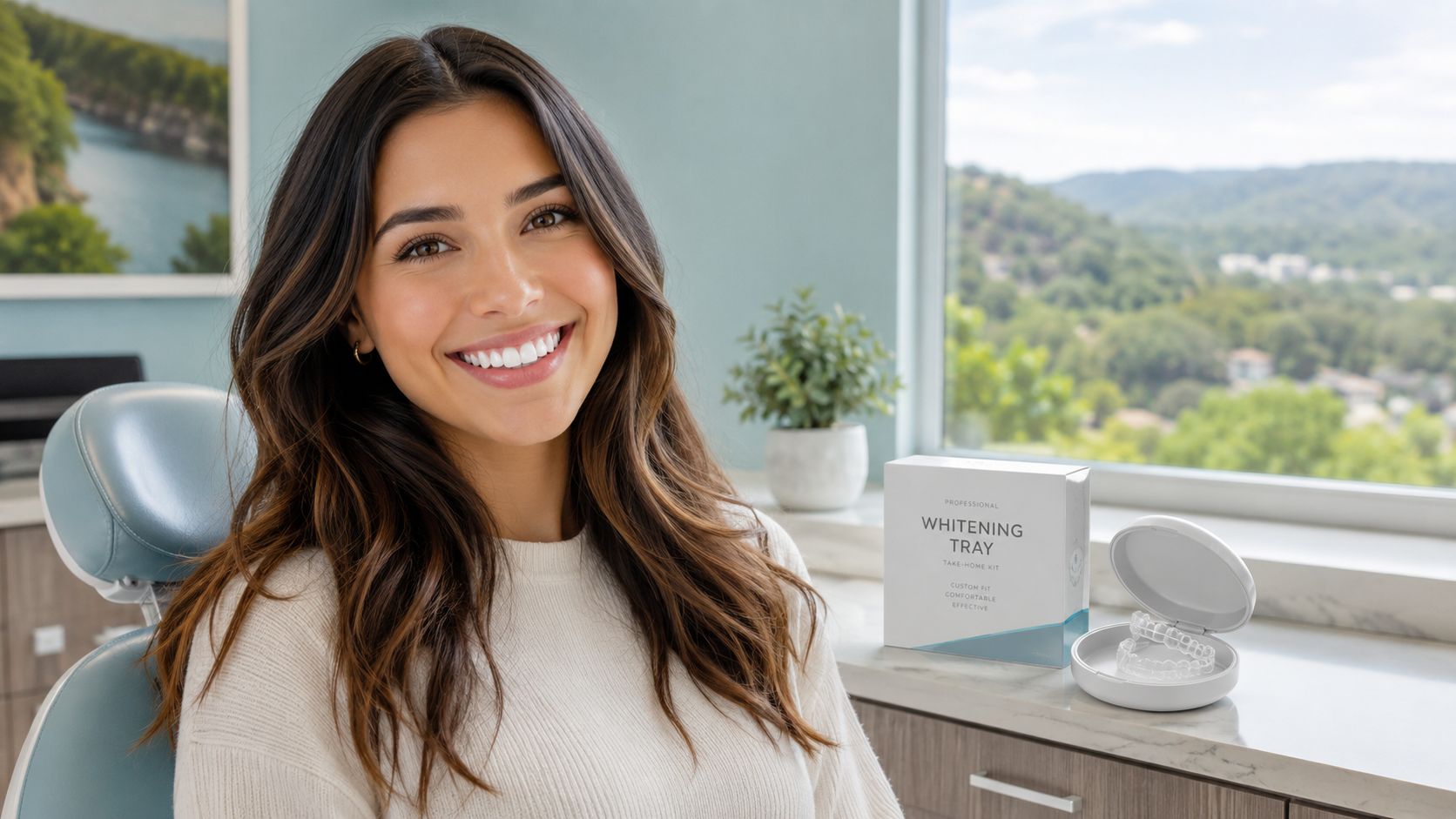
For noticeable surface stains, professional in-office whitening is usually the fastest and most predictable option. It is designed for patients who want visible change without spending weeks testing products that may or may not work.
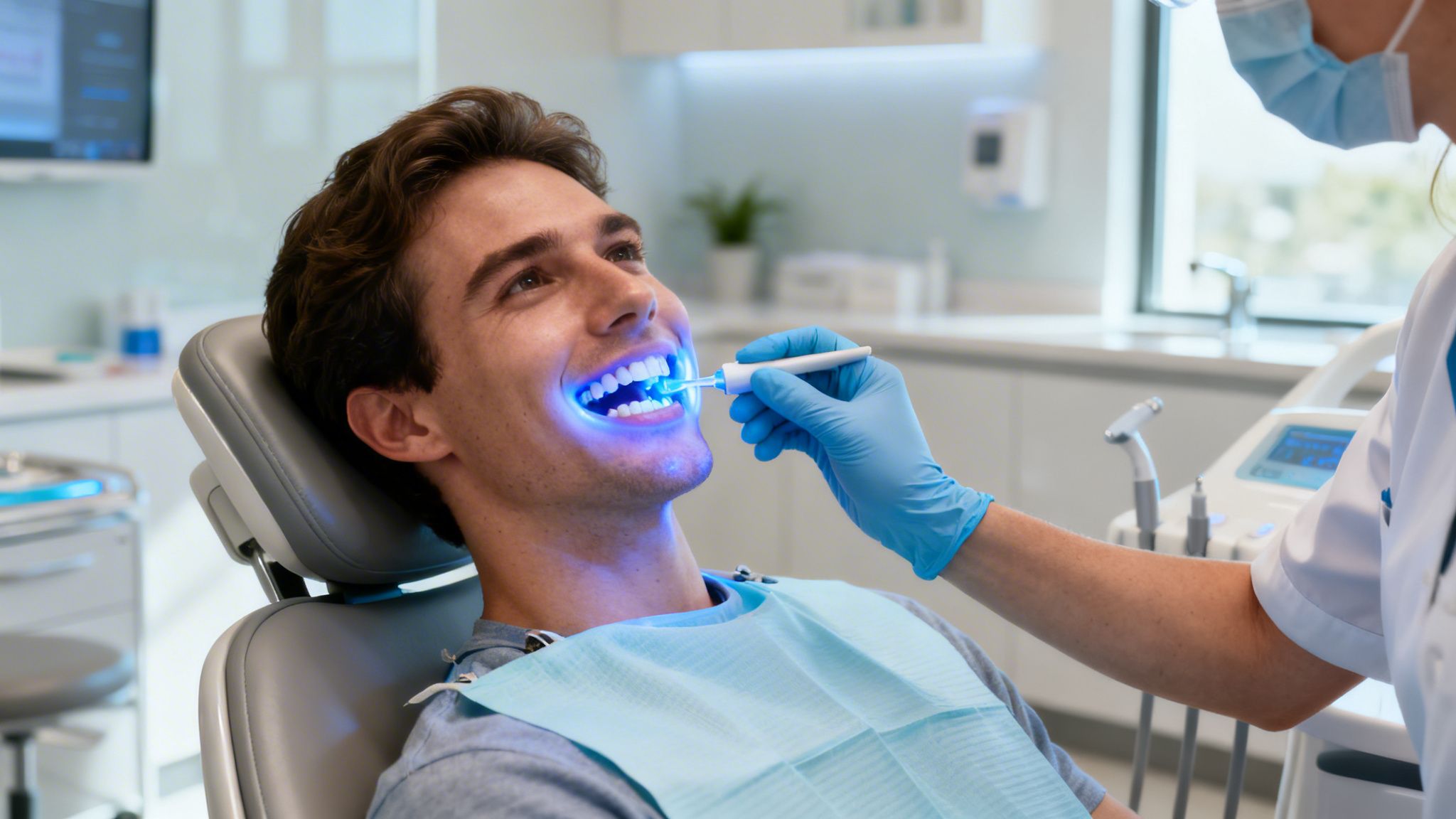
Professional in-office whitening can brighten teeth by three to eight shades, has over 80% patient satisfaction for shade improvement, and 91% of dentists recommend it for safely treating moderate to severe stains, according to this summary of professional whitening outcomes.
Those numbers match what patients are usually looking for. They do not want a tiny improvement. They want a smile that looks cleaner, brighter, and more even.
Why in-office whitening works better
The main advantage is control. In a dental office, whitening is not just stronger. It is also more carefully planned.
A dentist can first confirm that the stain is a whitening case, check for existing dental work, and protect the gums before the whitening gel is applied. That matters because crowns, veneers, and fillings do not whiten the same way natural teeth do.
Professional treatment also helps with common problem areas:
- Uneven staining: The gel is applied more precisely.
- Stubborn buildup: A cleaning and exam can happen first if needed.
- Tooth sensitivity concerns: Protective steps can be built into the visit.
- Time pressure: Results are visible much sooner than with home products.
What the visit feels like
Most patients are relieved by how straightforward the process is. The teeth are evaluated, the gums are protected, and the whitening gel is applied in controlled phases. You are not guessing about wear time or trying to keep strips from sliding around.
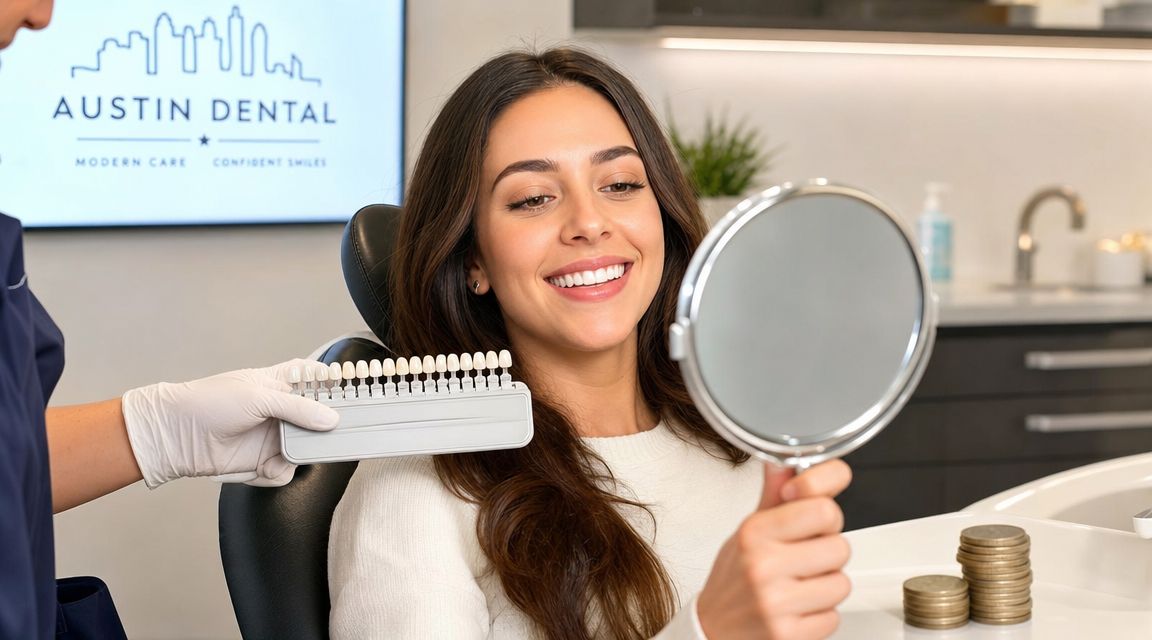
The goal is a cleaner color shift without damaging surrounding tissue. With digital imaging and accurate shade assessment, the treatment plan can be matched to the type of discoloration instead of using a one-size-fits-all approach.
Here is a quick visual overview of professional whitening:
When whitening is the right choice
In-office whitening is usually a strong fit when the teeth are healthy and the discoloration is mostly external. It works especially well for staining tied to coffee, tea, wine, and tobacco.
It is less ideal when a tooth is dark because of trauma or internal damage. In those cases, whitening may not give the result you want, or it may need to be paired with a different cosmetic solution.
That is why a local exam matters. A patient searching for a cosmetic dentist near me often thinks only in terms of whitening, but the key question is whether whitening is the right tool for that specific smile.
Advanced Cosmetic Solutions for Deep Stains
Some stains are too deep, too uneven, or too stubborn for whitening alone. When that happens, the focus shifts from bleaching the tooth to covering or reshaping the visible surface in a natural way.
For many adults in Austin, Georgetown, Wells Branch, Cedar Park, Round Rock, and Liberty Hill, this is the point where cosmetic dentistry becomes more practical than repeated whitening attempts.
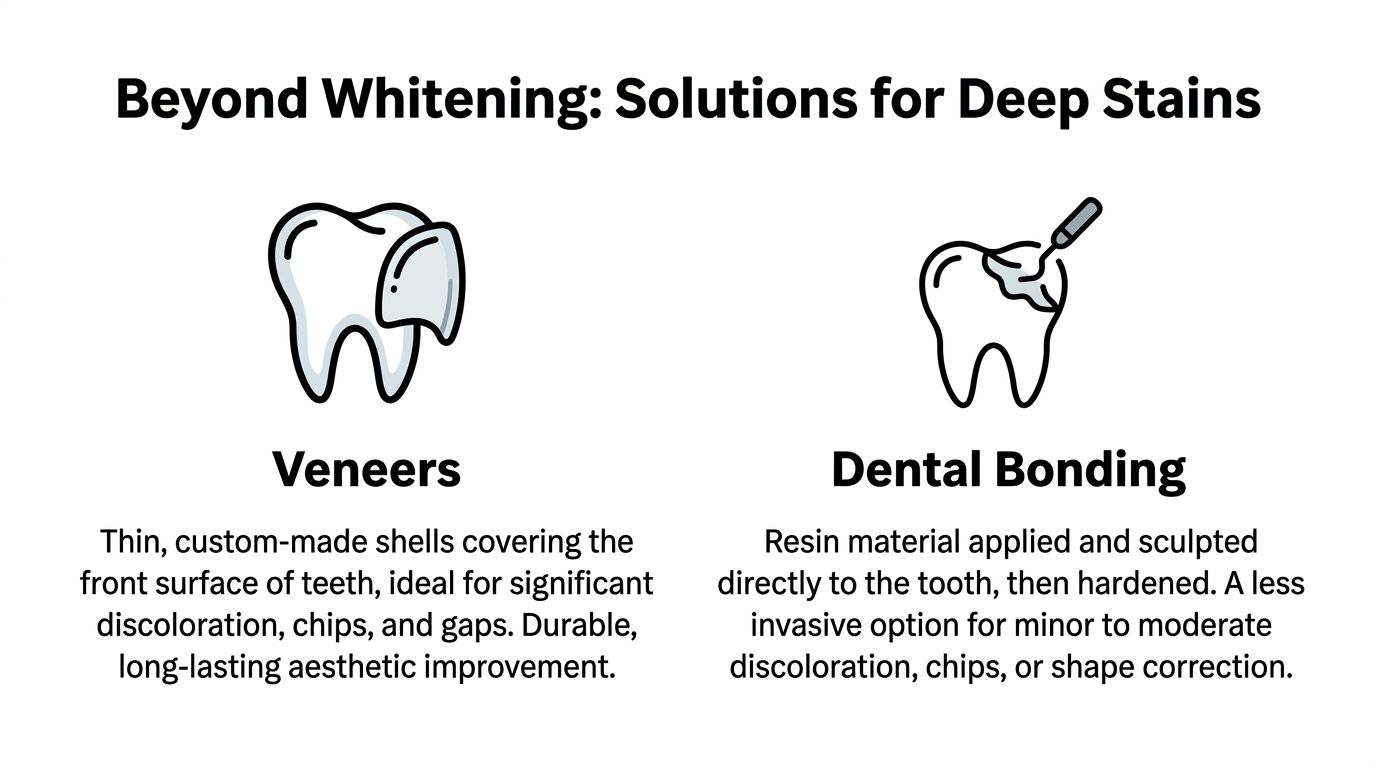
Veneers for severe discoloration
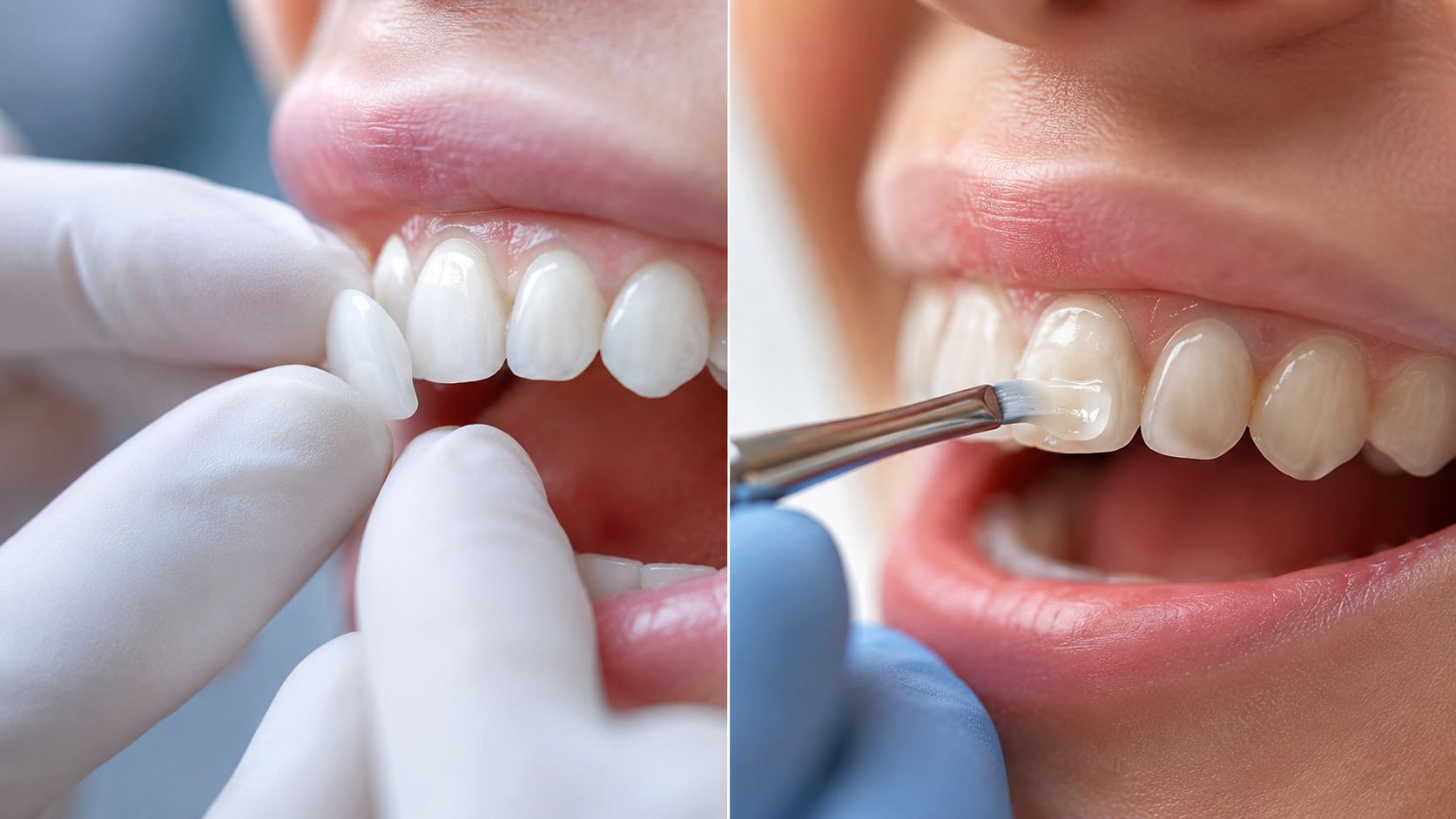
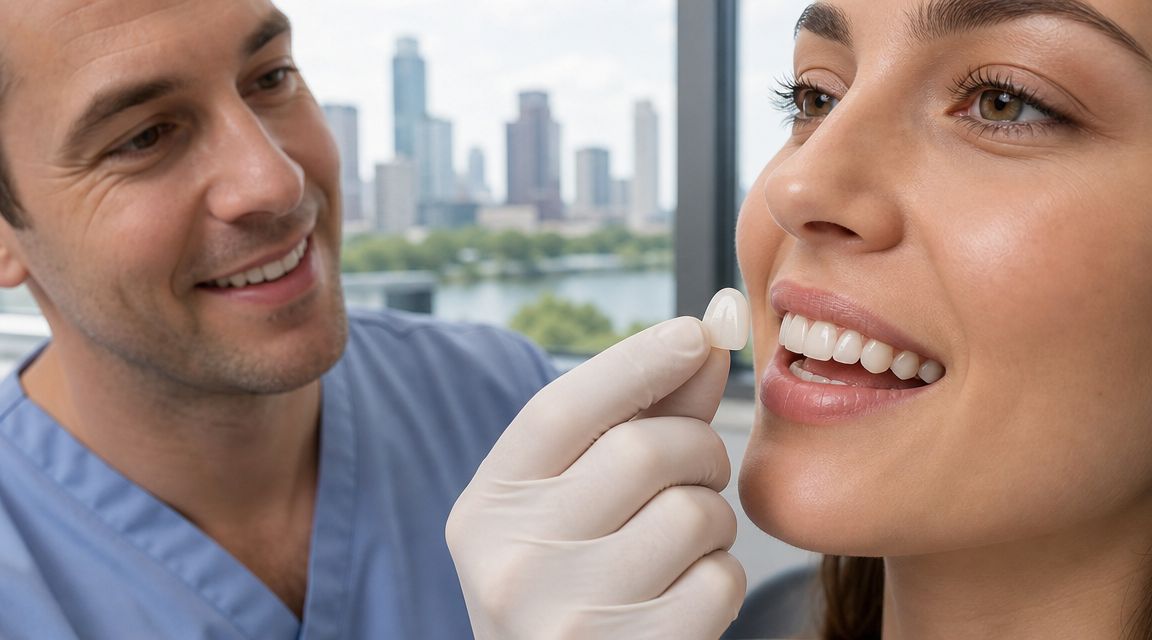
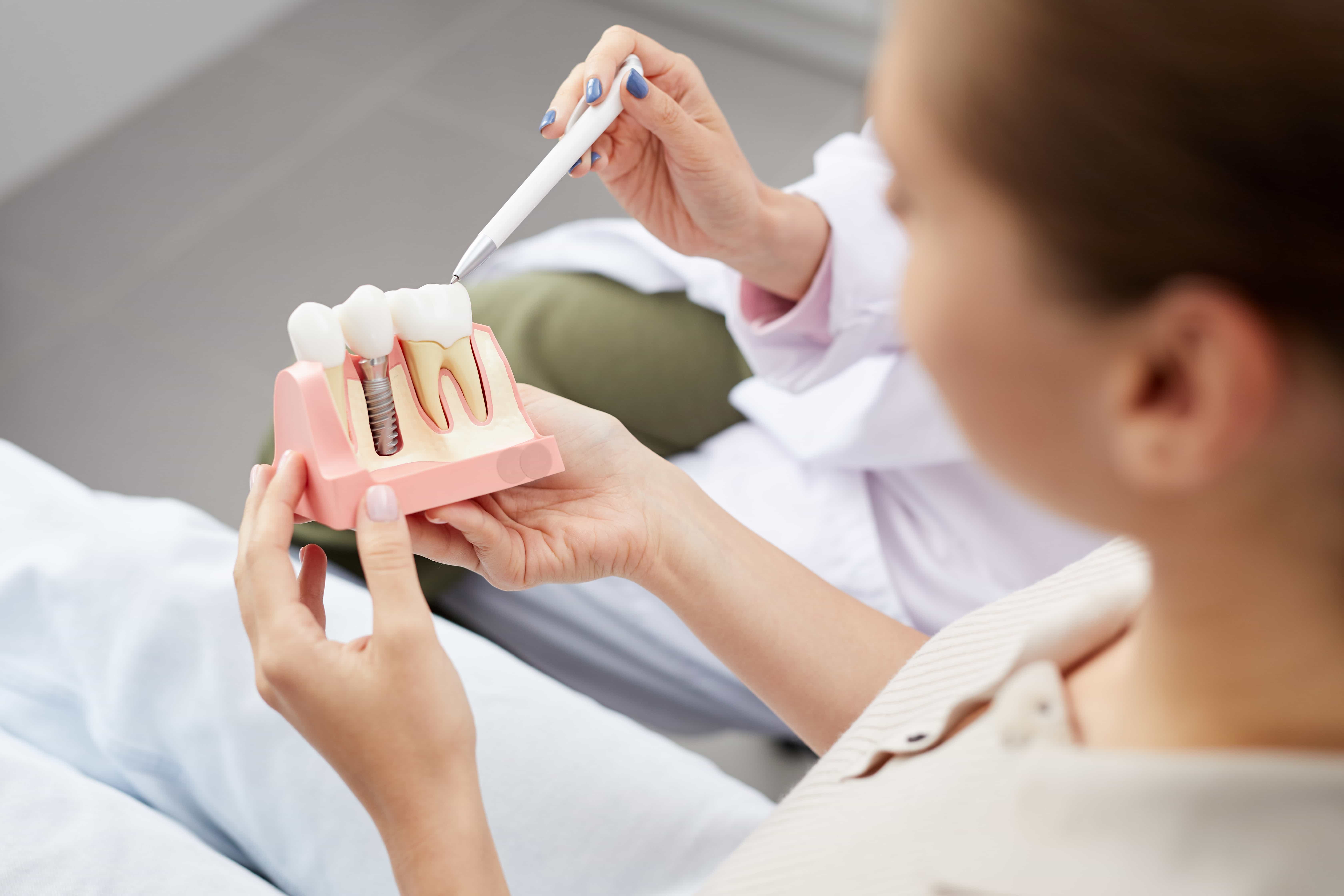
Veneers are thin porcelain shells bonded to the front of the teeth. They are often the most effective option for stains that do not respond well to whitening, especially intrinsic discoloration.
Dental veneers are a durable long-term solution for severely stained teeth, with 95-98% success rates over a 10-15 year lifespan and 99% resistance to future staining from coffee or tobacco because porcelain is non-porous, as described in this review of veneers for stained teeth.
Veneers do more than hide color problems. They can also improve shape, close small gaps, and create a more even smile line. That makes them a strong choice when discoloration comes with other cosmetic concerns.
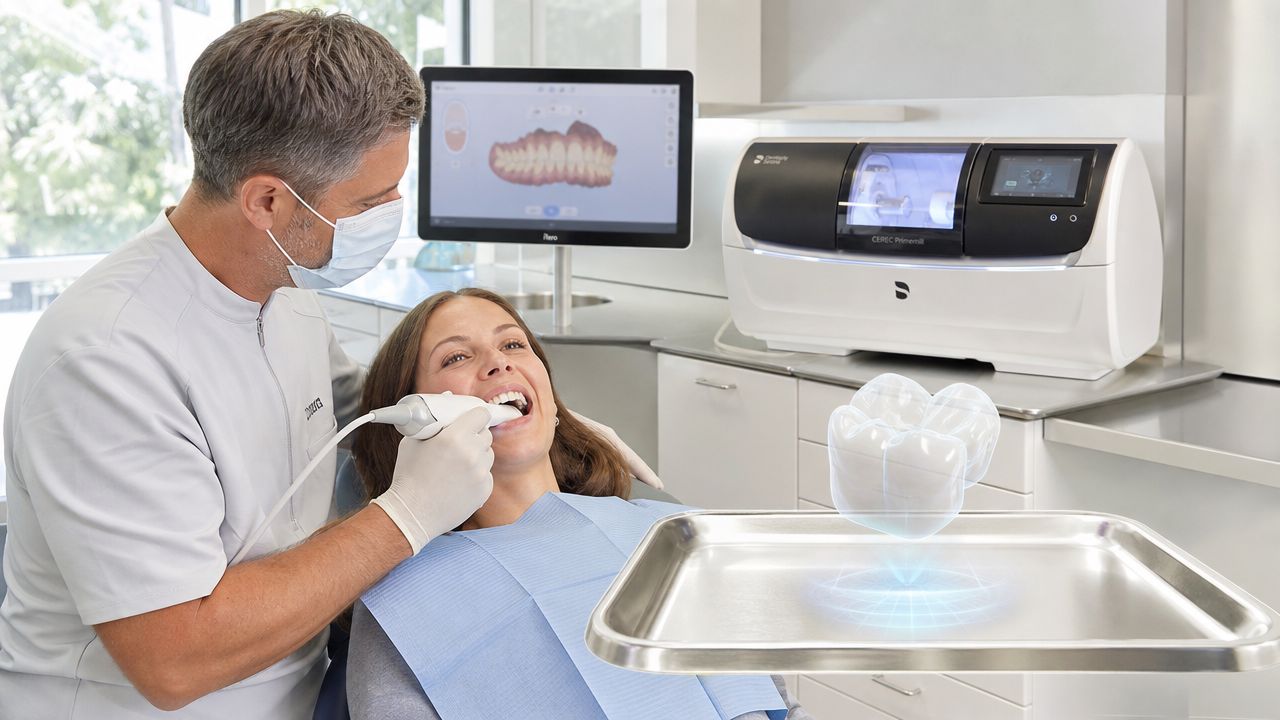
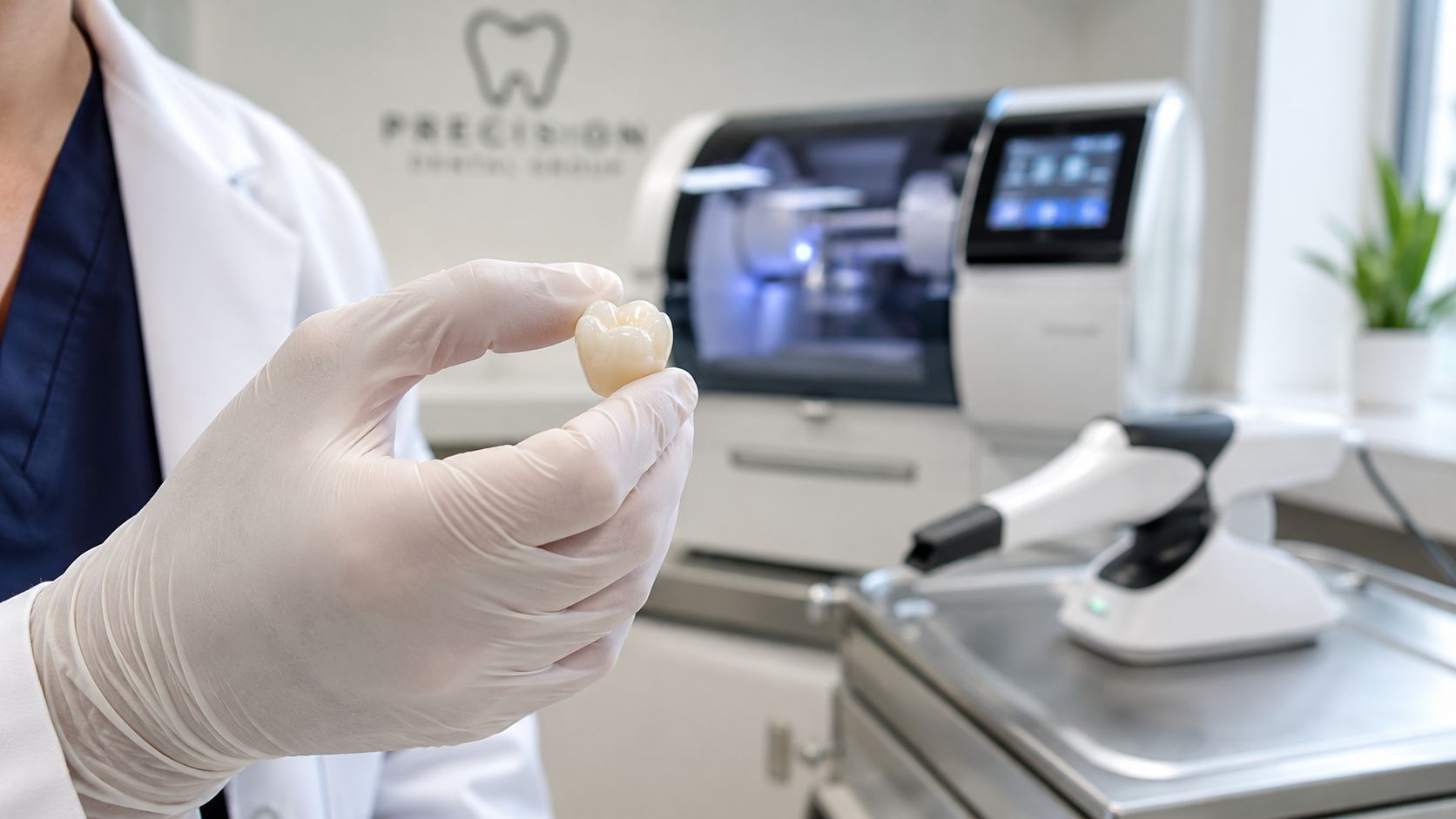
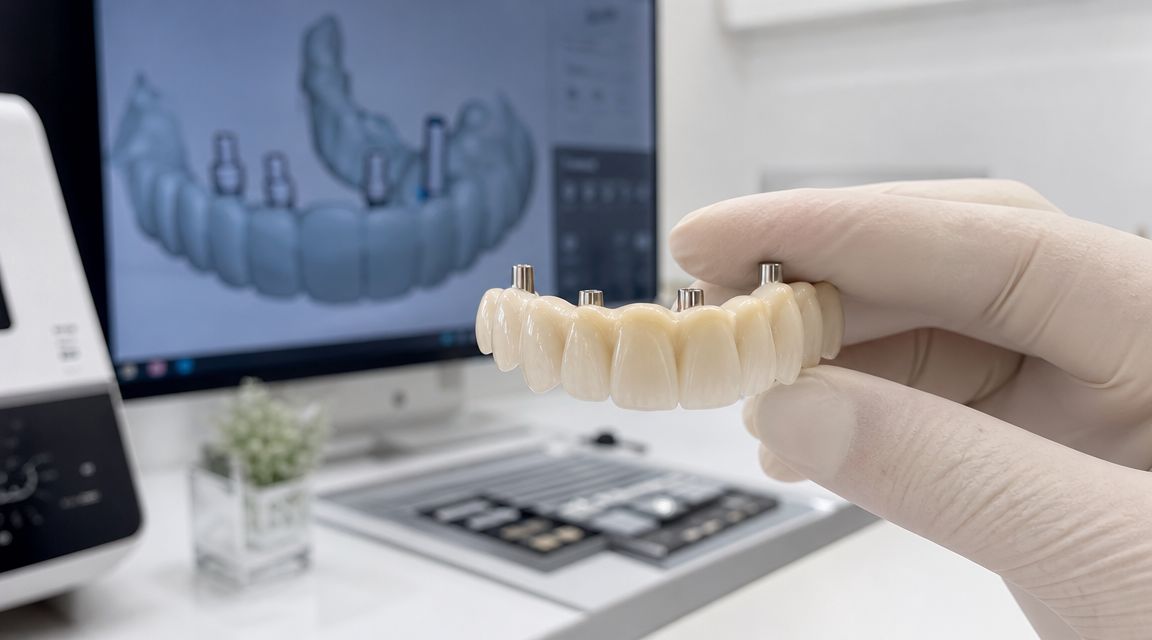
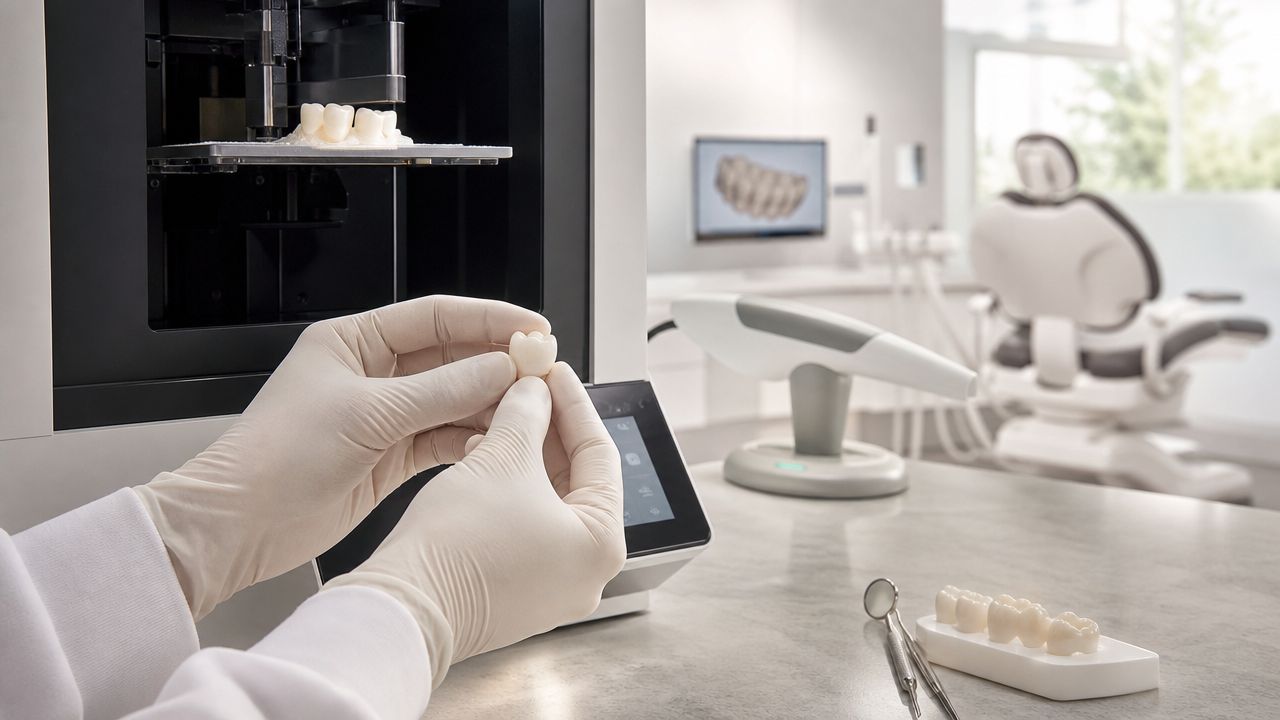
In a modern digital workflow, veneers become more efficient and more precise. Intraoral scans replace messy impressions. Shade planning is more accurate. An in-house lab and 3D printing can speed up the process and improve fit because the dentist and lab team are working from the same digital records.
Bonding for smaller corrections
Composite bonding is more conservative than veneers. Instead of placing a porcelain shell, the dentist applies tooth-colored resin directly to the tooth, shapes it, and polishes it.
Bonding can be a good choice for:
- Localized discoloration: One area or one tooth that needs masking.
- Small chips with stain: Cosmetic repair and color improvement in one visit.
- Shape correction: Minor contour changes without a larger restoration.
Bonding is often appealing because it preserves more natural tooth structure and can be completed quickly. The trade-off is that it is generally less stain-resistant and less durable than porcelain.
A practical comparison
| Option | Best for | Main advantage | Main trade-off |
|---|---|---|---|
| Veneers | Deep stains, multiple cosmetic issues, long-term smile design | Strong stain resistance and longevity | Requires more planning and tooth preparation |
| Bonding | Smaller areas of discoloration, chips, minor cosmetic changes | Conservative and efficient | More maintenance over time |
Tip: If the main problem is deep internal discoloration across visible front teeth, veneers usually offer a more complete cosmetic reset. If the issue is smaller and more isolated, bonding may be enough.
When a single dark tooth needs a different plan
Not every deep stain should be covered immediately. If one tooth darkened after trauma or root canal treatment, the cause may be internal. In that situation, the right treatment can be an internal bleaching approach rather than a veneer on an otherwise healthy tooth.
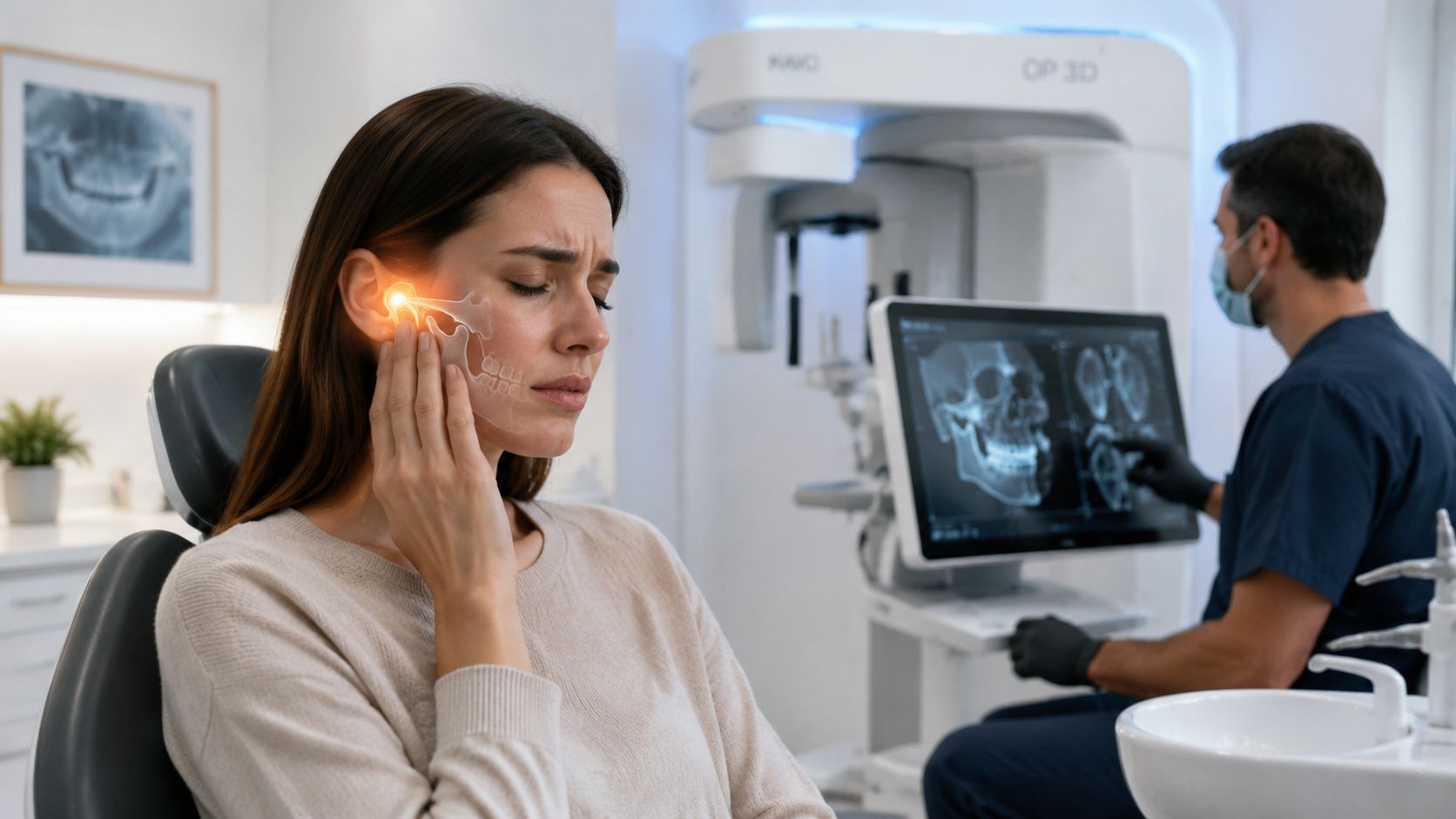
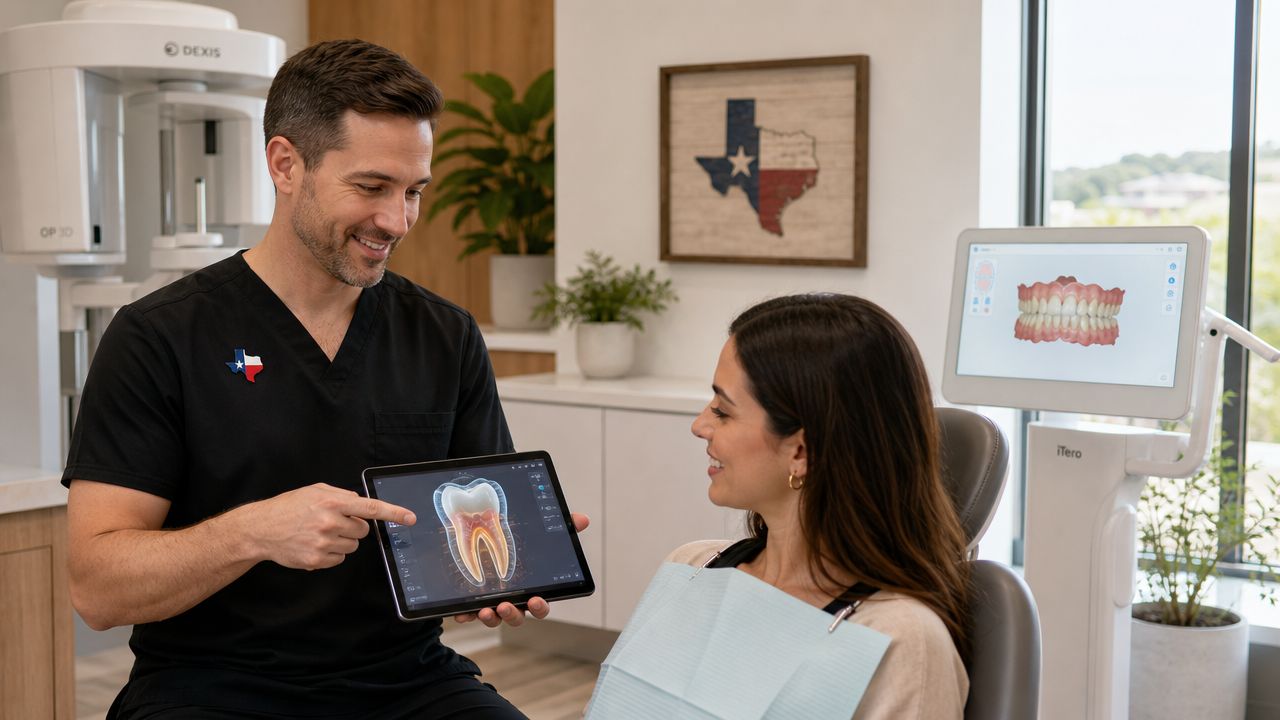
Advanced diagnostics are important here. A dentist using 3D imaging and detailed digital records can distinguish between a cosmetic masking case and a tooth that needs internal evaluation first. That leads to a plan that is both more conservative and more accurate.
Your Journey to a Brighter Smile at 3D Dental
A stained smile consultation should feel clear, not rushed. Patients usually arrive with one main question. Can this be fixed, and if so, what is the simplest reliable option?
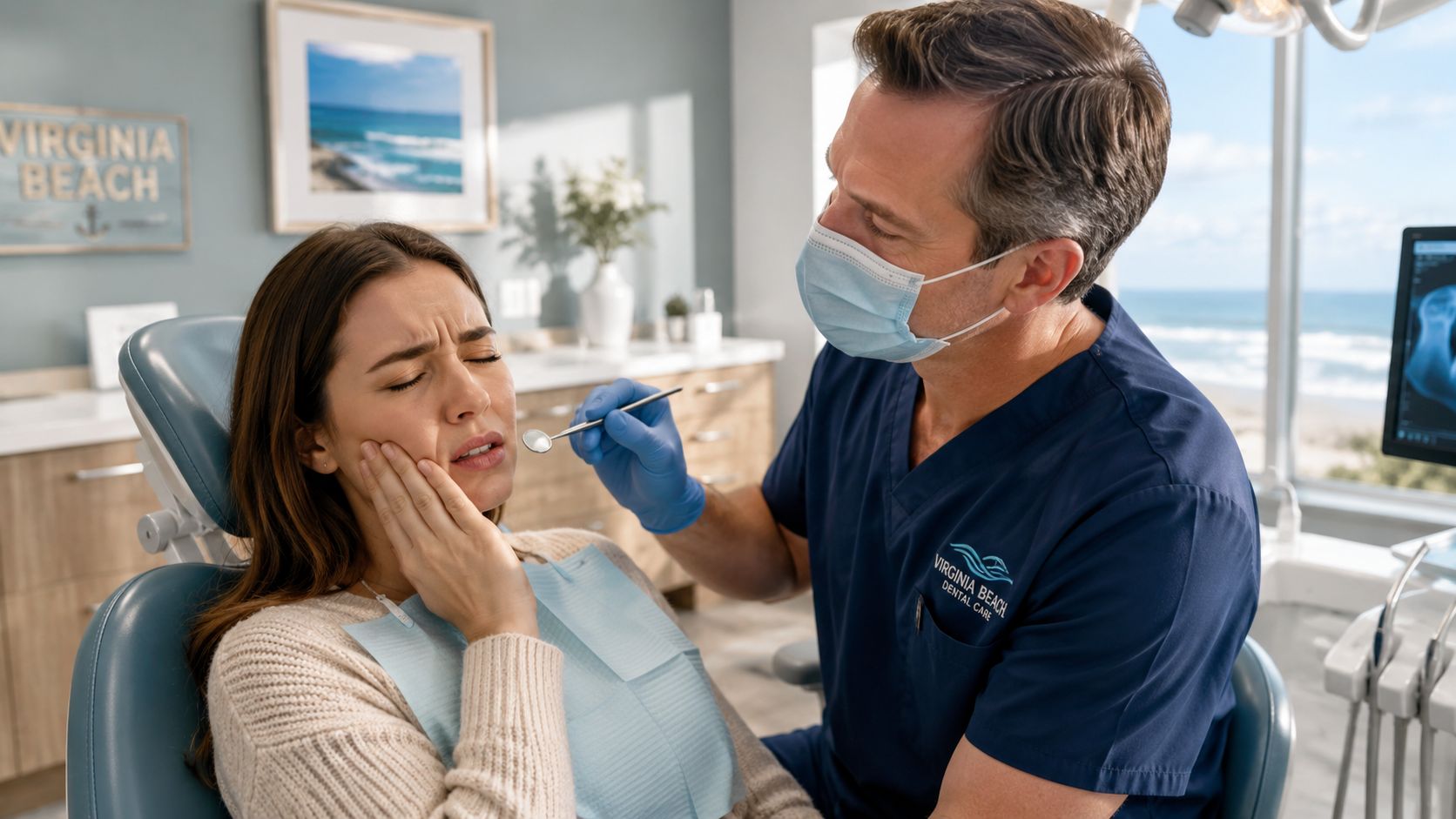
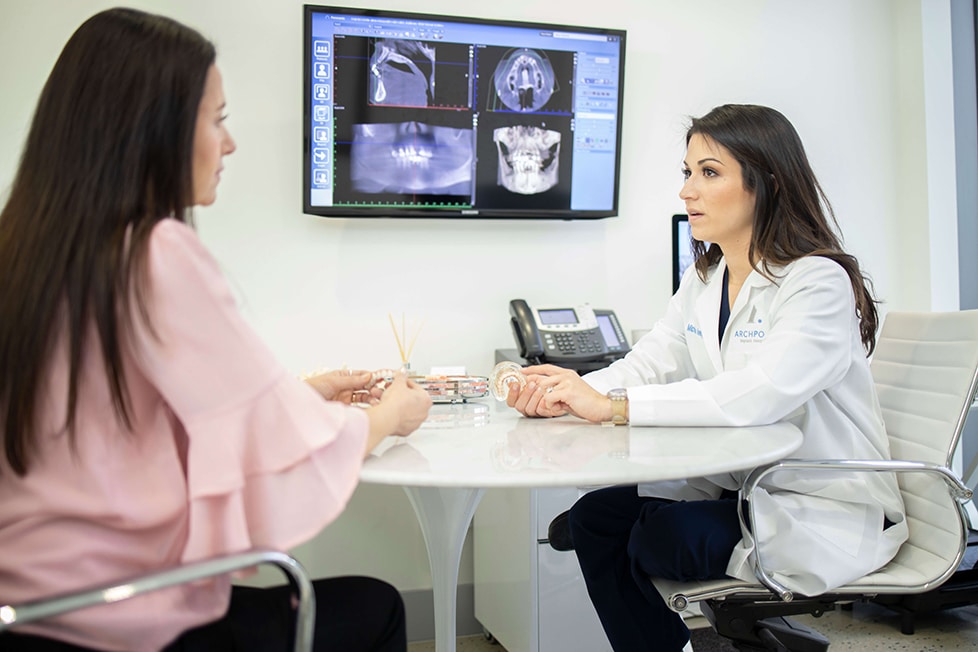
The first step is a careful exam. That includes photographs, digital imaging, and a close look at whether the discoloration is external, internal, generalized, or limited to one tooth.
The consultation and digital workup
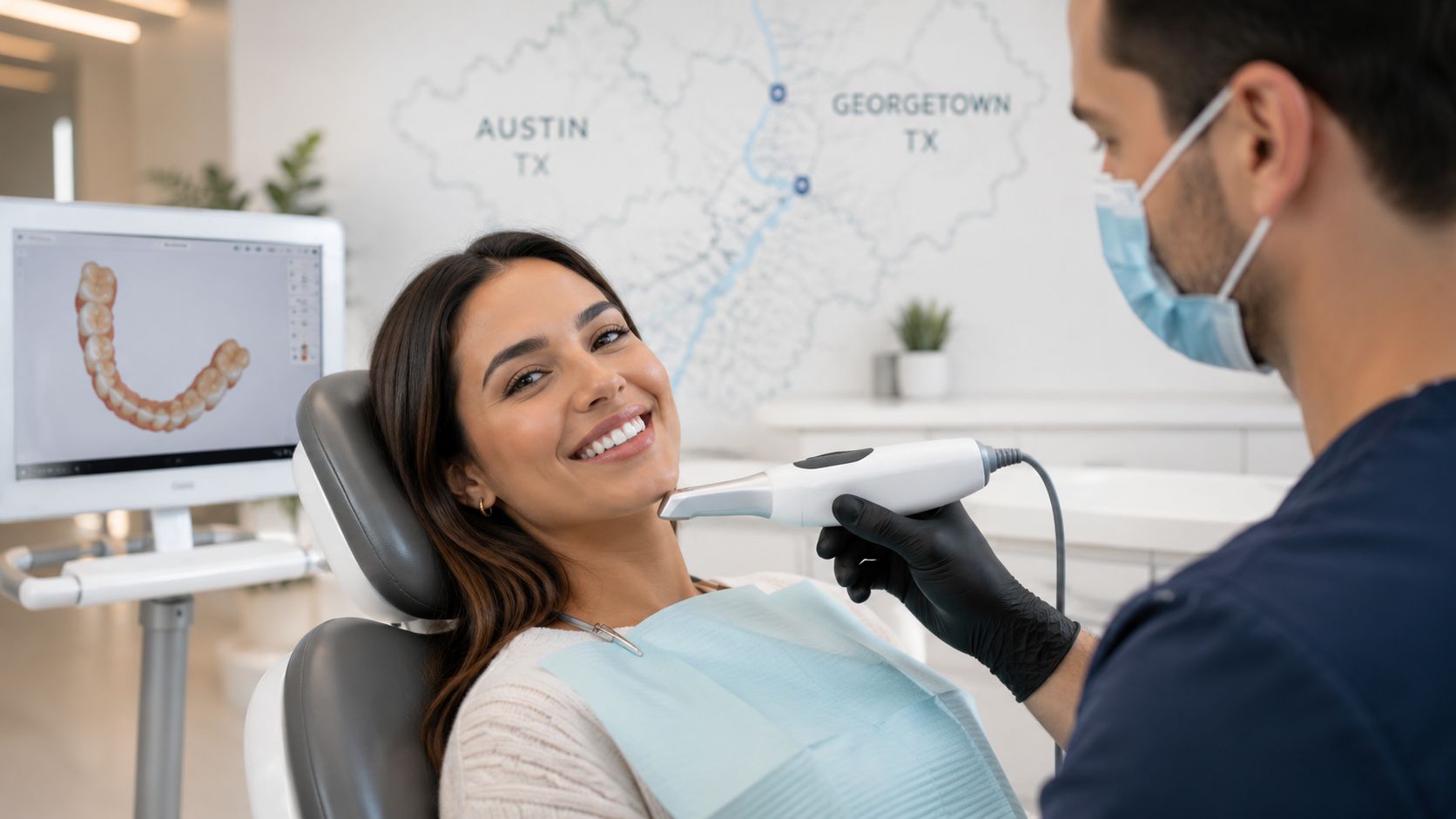
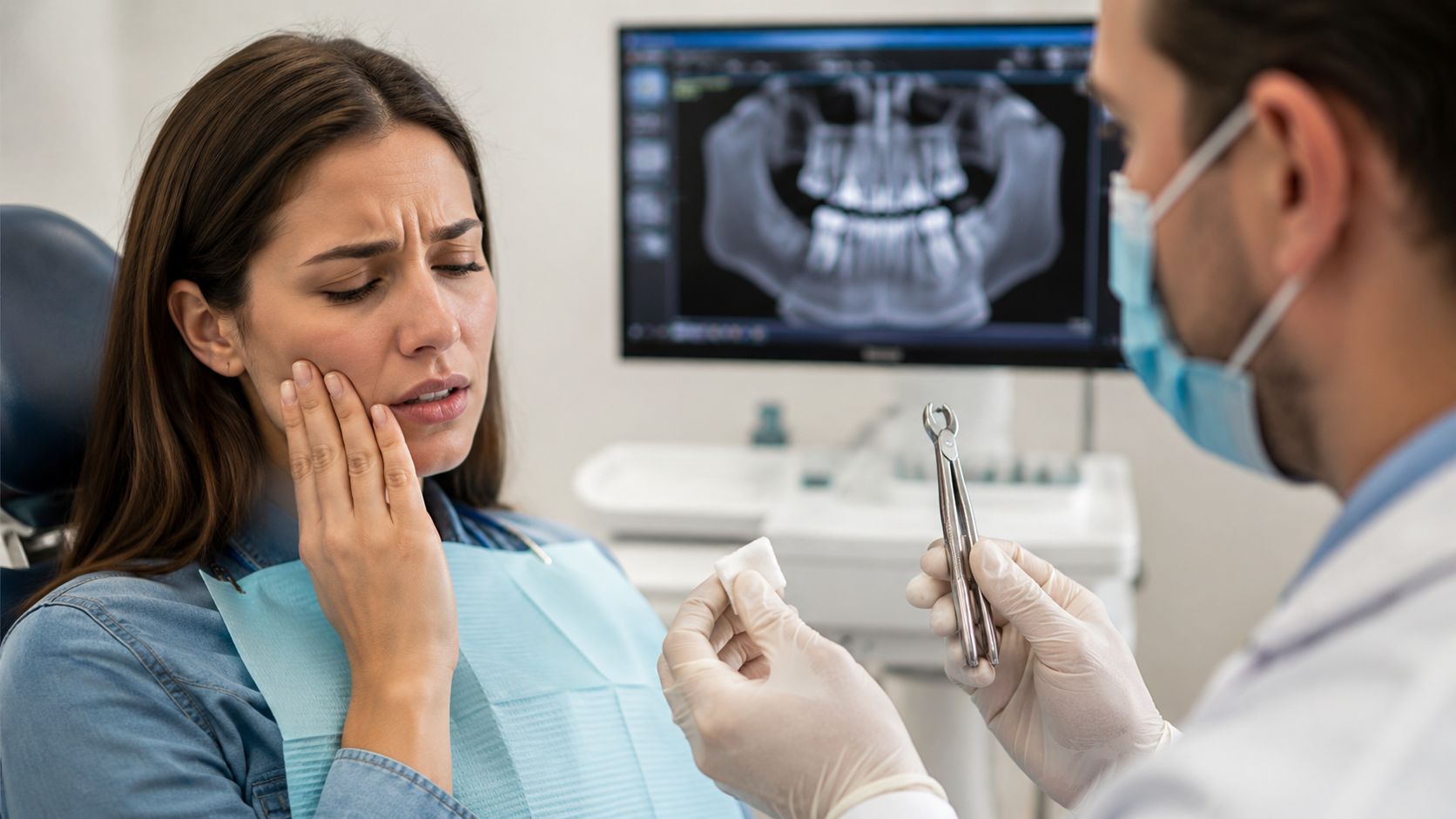
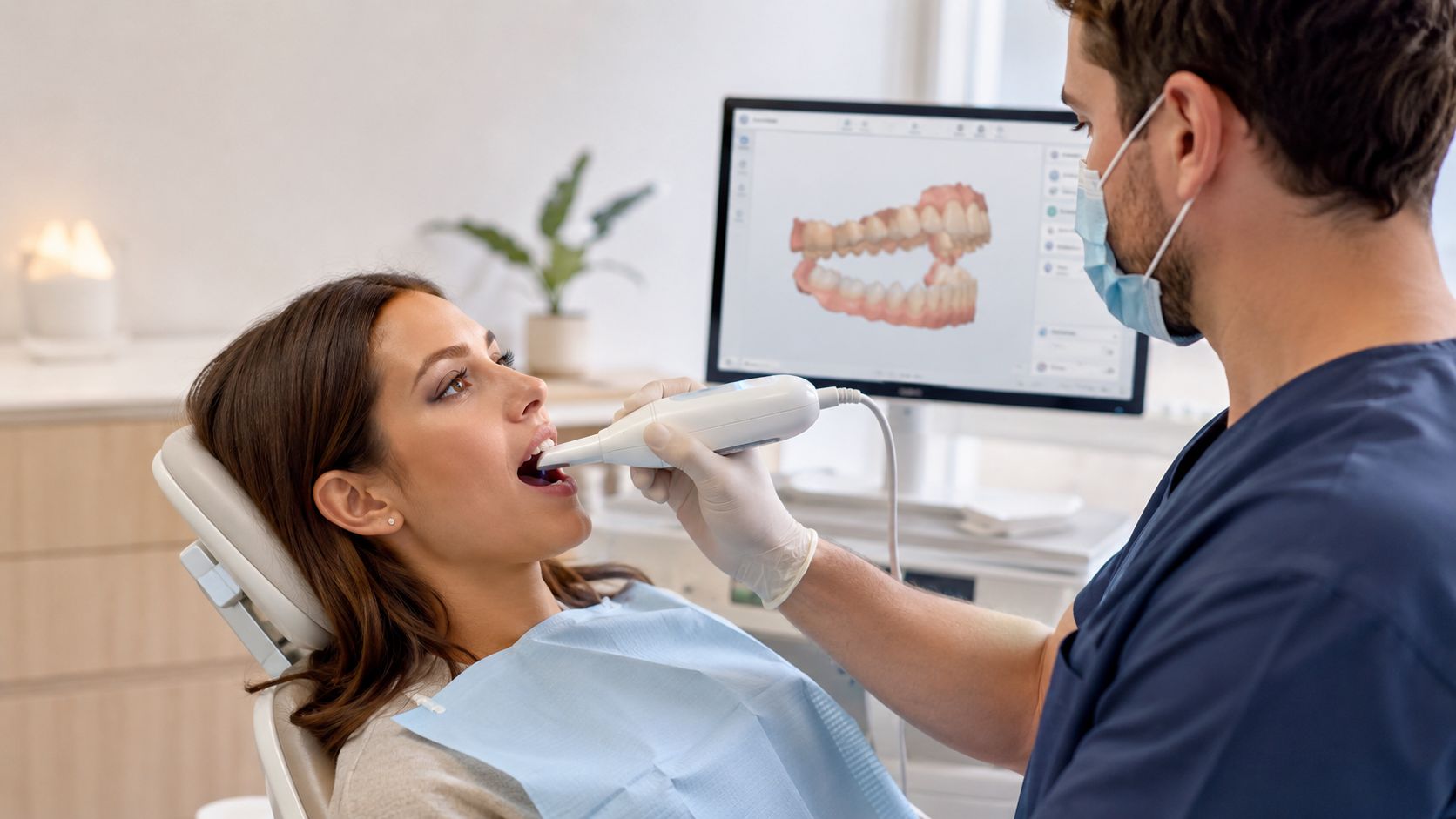
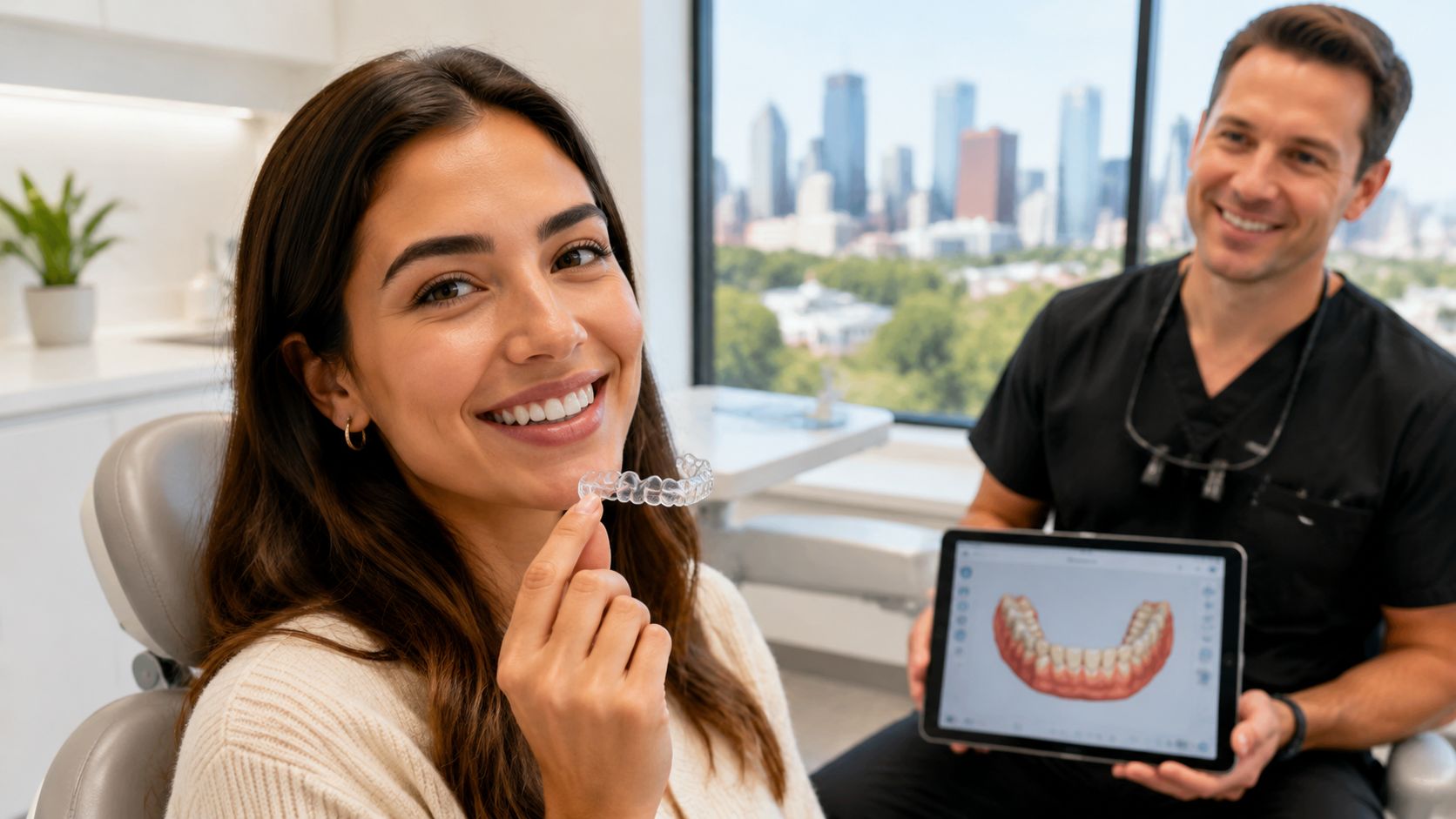
At 3D Dental, that process can include 3D CT imaging, intraoral scans, and digital shade evaluation so treatment decisions are based on the actual source of the problem rather than visual guesswork alone. This is especially useful when a patient is also considering related care such as crowns, orthodontics, implants, or a broader cosmetic update.
That technology changes the experience in practical ways. If whitening is appropriate, the team can confirm it quickly. If veneers or bonding make more sense, digital scans help plan the result more precisely. If a dark tooth suggests internal changes, imaging helps determine the next step before cosmetic work begins.
What a whitening appointment typically involves
For patients choosing in-office whitening, the appointment is usually efficient and structured. A typical session involves applying 25-40% hydrogen peroxide gel, sometimes activated with an LED light, in 2-3 short applications during a single 60-90 minute visit. This approach can achieve 5-10 shade improvements, and a post-treatment fluoride varnish is used to help minimize sensitivity, according to this description of the in-office whitening process.
That level of detail matters because many patients worry about two things. Will it take too long, and will it hurt? A professionally supervised visit addresses both concerns more directly than at-home products can.
A treatment plan that fits real life
The next part of the visit is the conversation patients usually appreciate most. You should be told what will work, what probably will not, and what the trade-offs are.
That may sound like:
- Whitening first, then reassess one darker tooth.
- Bonding for a small discolored area on a front tooth.
- Veneers if the color issue is deep and the smile also needs shape correction.
- Restorative treatment first if a stain is hiding damage.
A good modern practice also makes logistics easier. Digital records support faster lab communication. In-house capabilities can shorten turnaround. Transparent pricing discussions and financing options such as Cherry and Sunbit help patients move forward without surprises.
Key takeaway: A key benefit of a digital dental workflow is not just newer equipment. It is more accurate diagnosis, better-fitting cosmetic work, and fewer delays between planning and results.
Maintaining Your Results and When to See a Dentist
Once you improve the color of your teeth, maintenance matters. Stains usually return gradually when the same habits continue and routine dental care gets pushed aside.
A few practical habits make a real difference.
How to keep teeth brighter longer
- Rinse after dark drinks: Water helps reduce how long pigments sit on enamel.
- Use a straw when possible: This can limit contact with coffee, tea, and other staining beverages.
- Stay consistent with brushing and flossing: Daily plaque control reduces surface buildup that holds stain.
- Keep regular cleanings and exams: Professional cleanings remove surface accumulation that brushing misses.
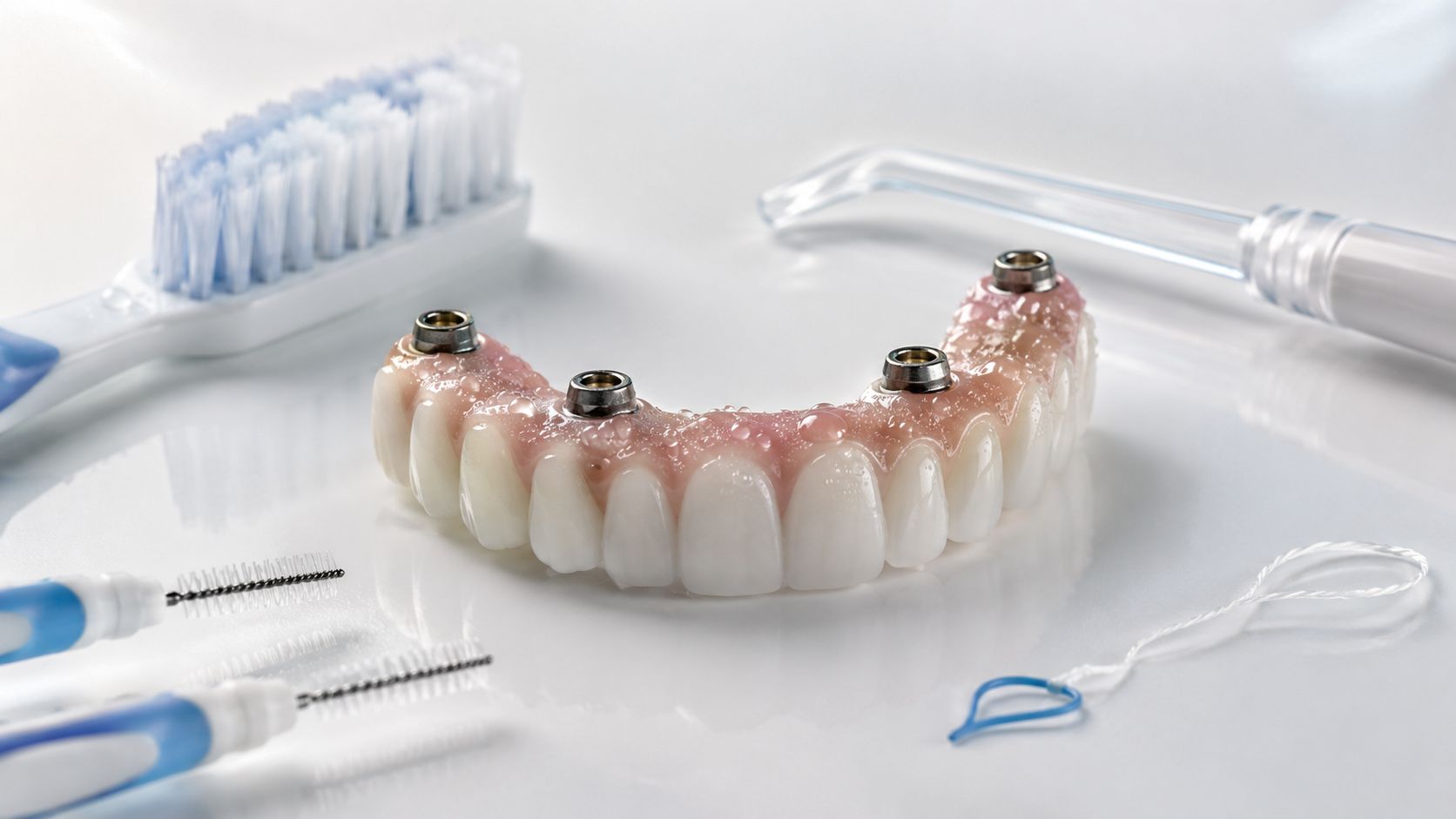
If you have veneers or bonding, maintenance is still important. Cosmetic work looks better and lasts longer when the surrounding teeth and gums stay healthy.
Signs it is time to stop trying home remedies
Some discoloration should not be managed with more whitening strips.
Schedule an exam if you notice:
- One dark tooth: This can point to internal tooth changes rather than surface staining.
- Stains that do not improve: Repeated home whitening without progress usually means the discoloration is deeper.
- New sensitivity: Whitening on already irritated teeth can make the situation worse.
- Color changes near old dental work: Fillings, crowns, and veneers need a professional review because they respond differently than natural enamel.
If you are searching for a dentist near me, a dentist in Austin, TX, or a cosmetic dentist near me because your smile looks darker, yellower, or more uneven than it used to, the simplest next step is an evaluation. That visit can also identify whether you need only cosmetic care or if there is a restorative issue involved.
A brighter smile is often very fixable. The key is choosing the treatment that matches the stain, instead of treating every discoloration the same way.
If you are ready to find out what will work for your smile, schedule a consultation with 3D Dental. Patients in Austin, Georgetown, Wells Branch, Cedar Park, Round Rock, and Liberty Hill can get a clear diagnosis, a realistic treatment plan, and modern options for whitening, veneers, bonding, restorative care, and more under one roof.
Ready to get started?
Schedule a free, no obligation consultation with our team and see what's possible for your smile!
Georgetown
- Mon-Thurs8:30am-5pm
- Fri8am-3:30pm
- Sat-SunClosed
Austin
- Mon-Tues8am-5pm
- Wed-Thurs9am-6pmFri8am-2pm
- Sat-SunClosed