
Dental Implants Near Me
Related Posts



























Dental Implants Near Me: What Patients Wish They Knew Earlier
Finding the right dental implant provider is one of the most important decisions you'll make for your oral health—and your confidence. Yet most patients only realize this after the fact. They wish they'd asked more questions, researched more thoroughly, or chosen a provider with the right technology from the start.
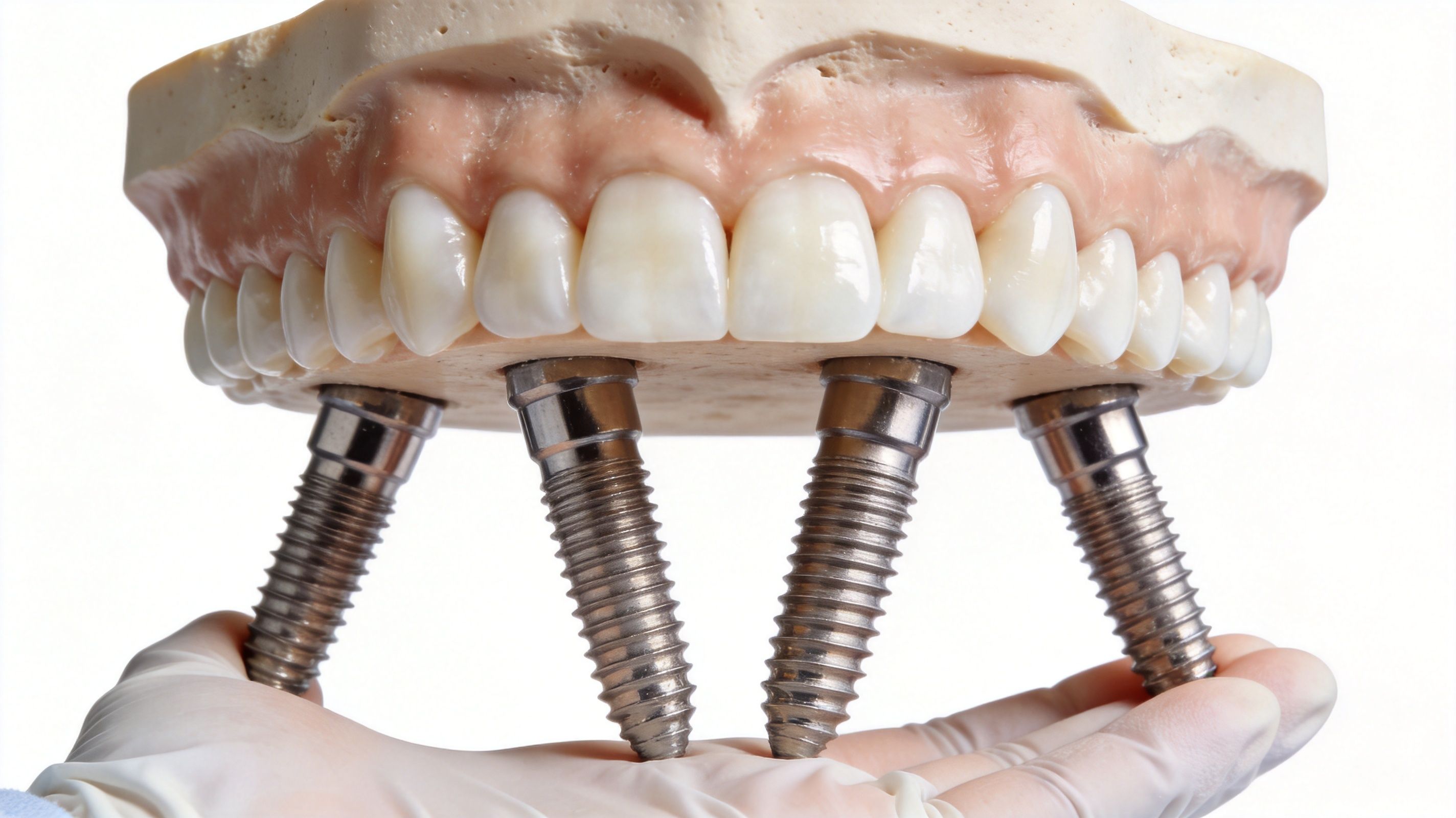
Dental implants are the gold standard for replacing missing teeth. With proper care, they can last a lifetime, function like natural teeth, and preserve the jawbone that dentures and bridges simply can't protect. But results vary significantly depending on the expertise of your provider, the technology they use, and how well you follow through on aftercare.
This guide covers everything patients wish they'd known before their first appointment—from what questions to ask during a consultation to how to avoid the most common regrets. If you're searching for "dental implants near me," consider this your starting point.
Why Choosing a Local Dental Implant Expert Matters
Not all dental implant providers are equal. While the procedure itself is well-established, the precision required demands a high level of skill and the right tools.
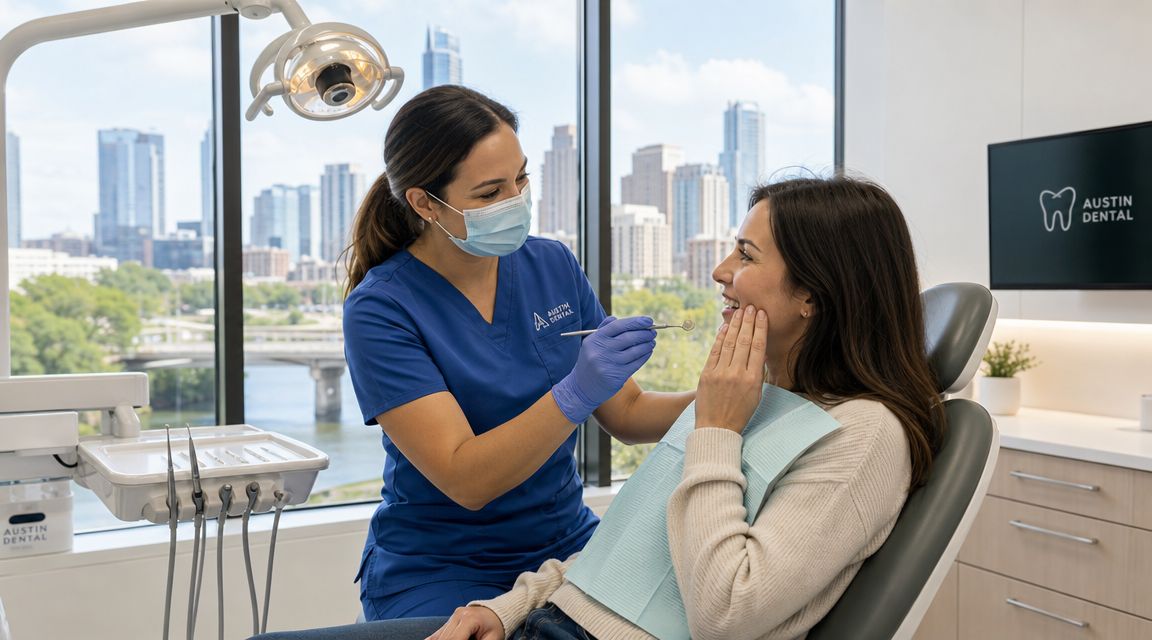
Choosing a local expert—rather than a general dentist who occasionally performs implants—means you're working with someone who has refined this specific skill set. Local specialists are also easier to reach for follow-up appointments, which are essential throughout the implant process. You're not just having a procedure; you're entering an ongoing relationship with your provider.
Proximity also means accountability. A specialist invested in their local community has strong incentive to deliver outstanding results and support you through every stage.
How 3D Dental Technology Is Changing Implant Outcomes
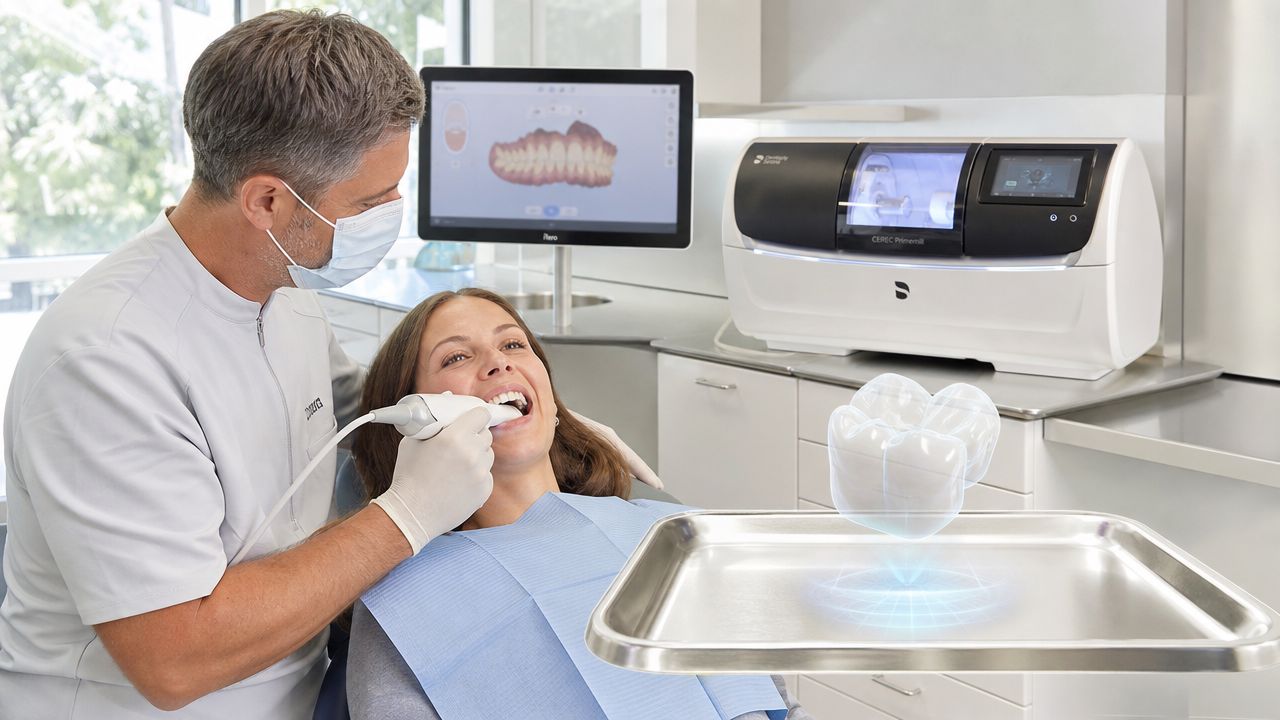
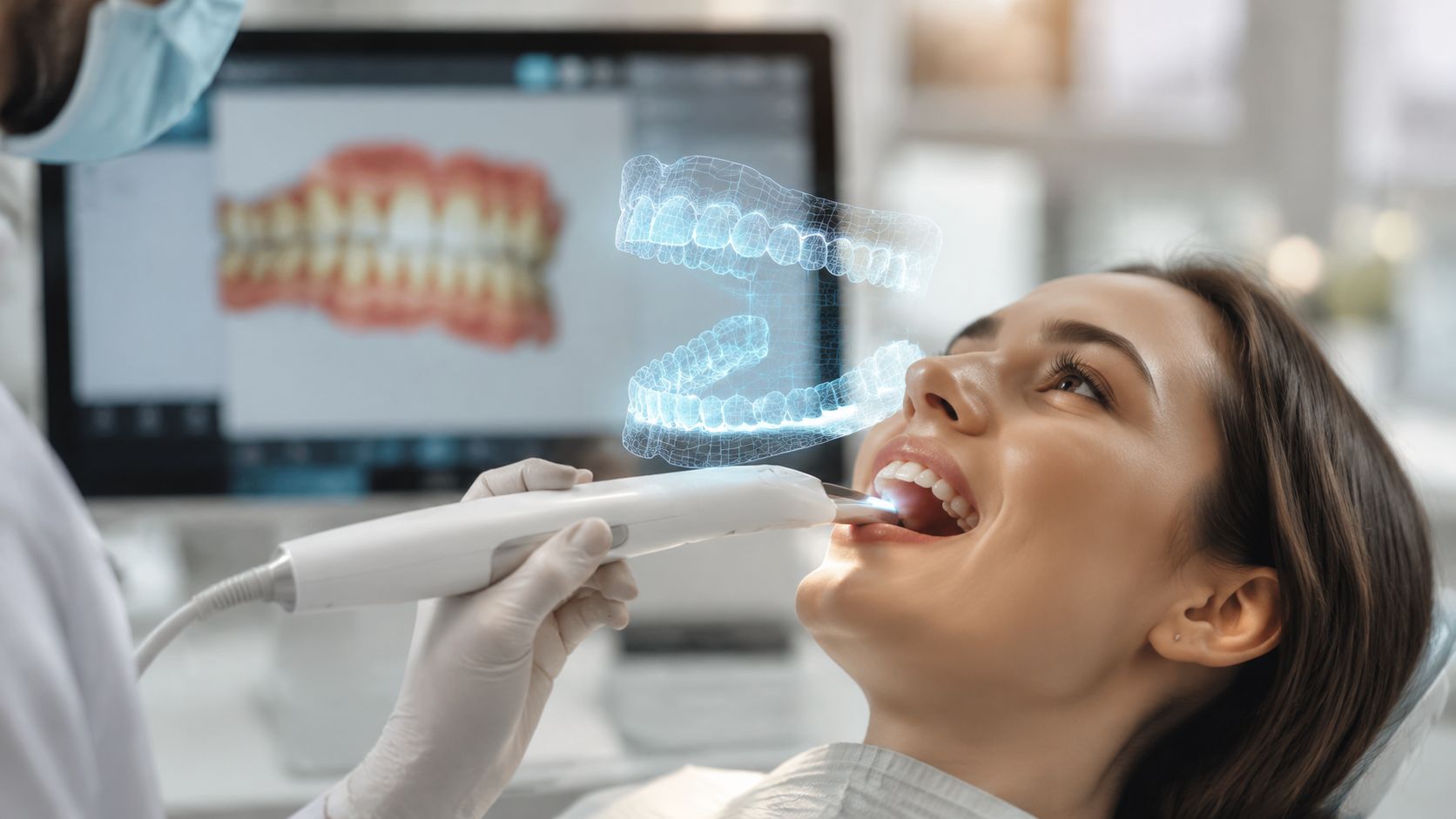
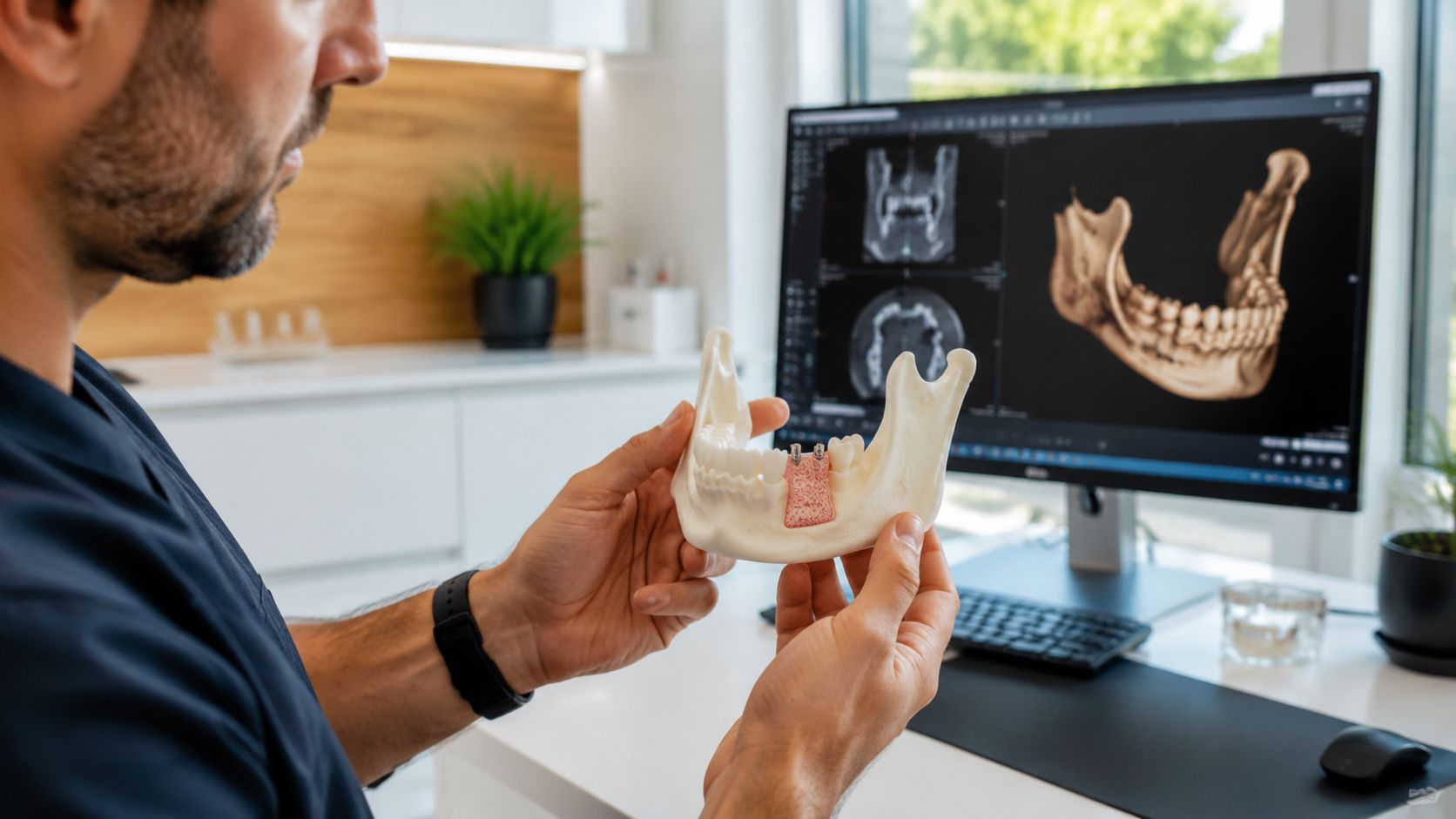
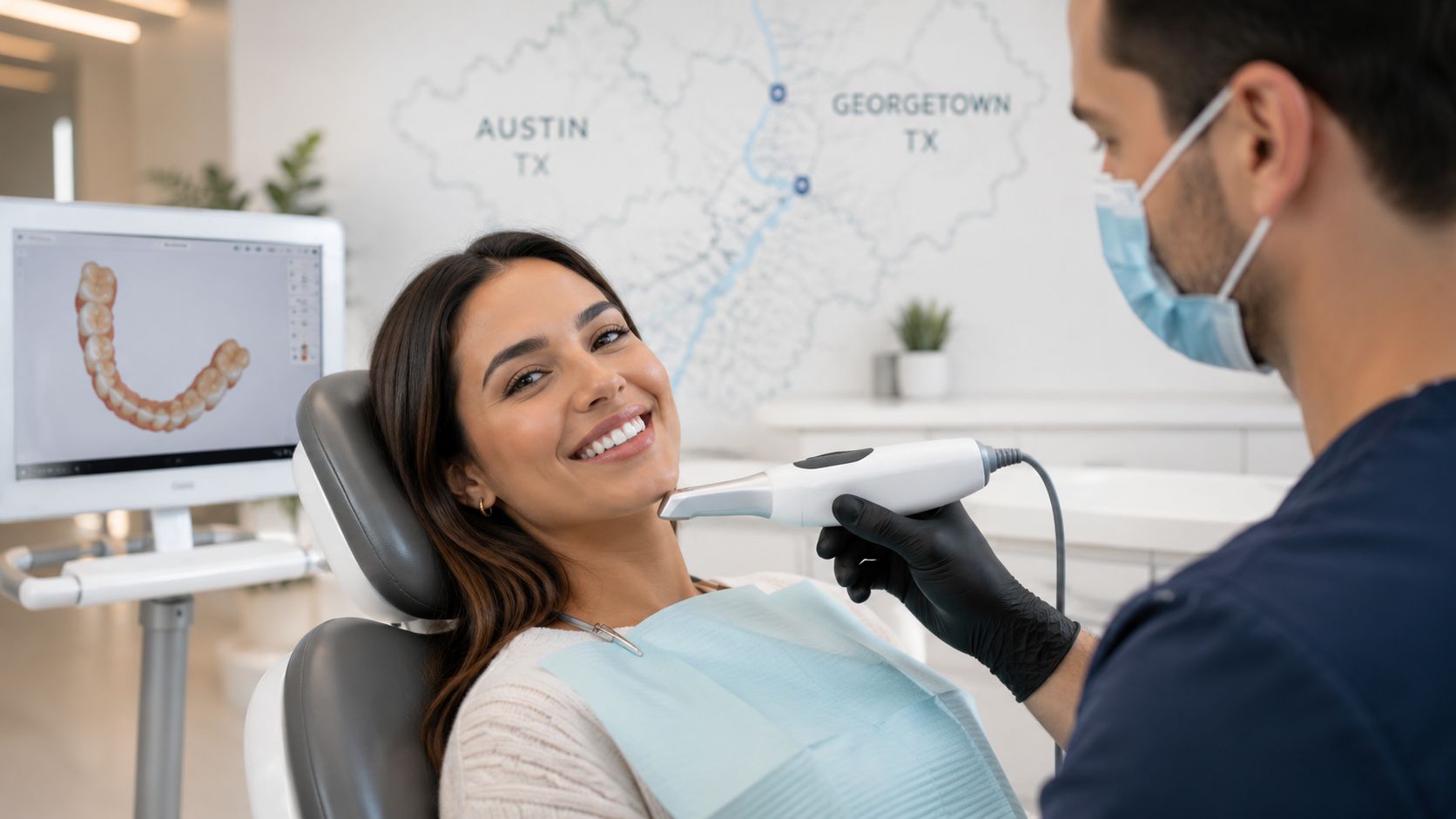
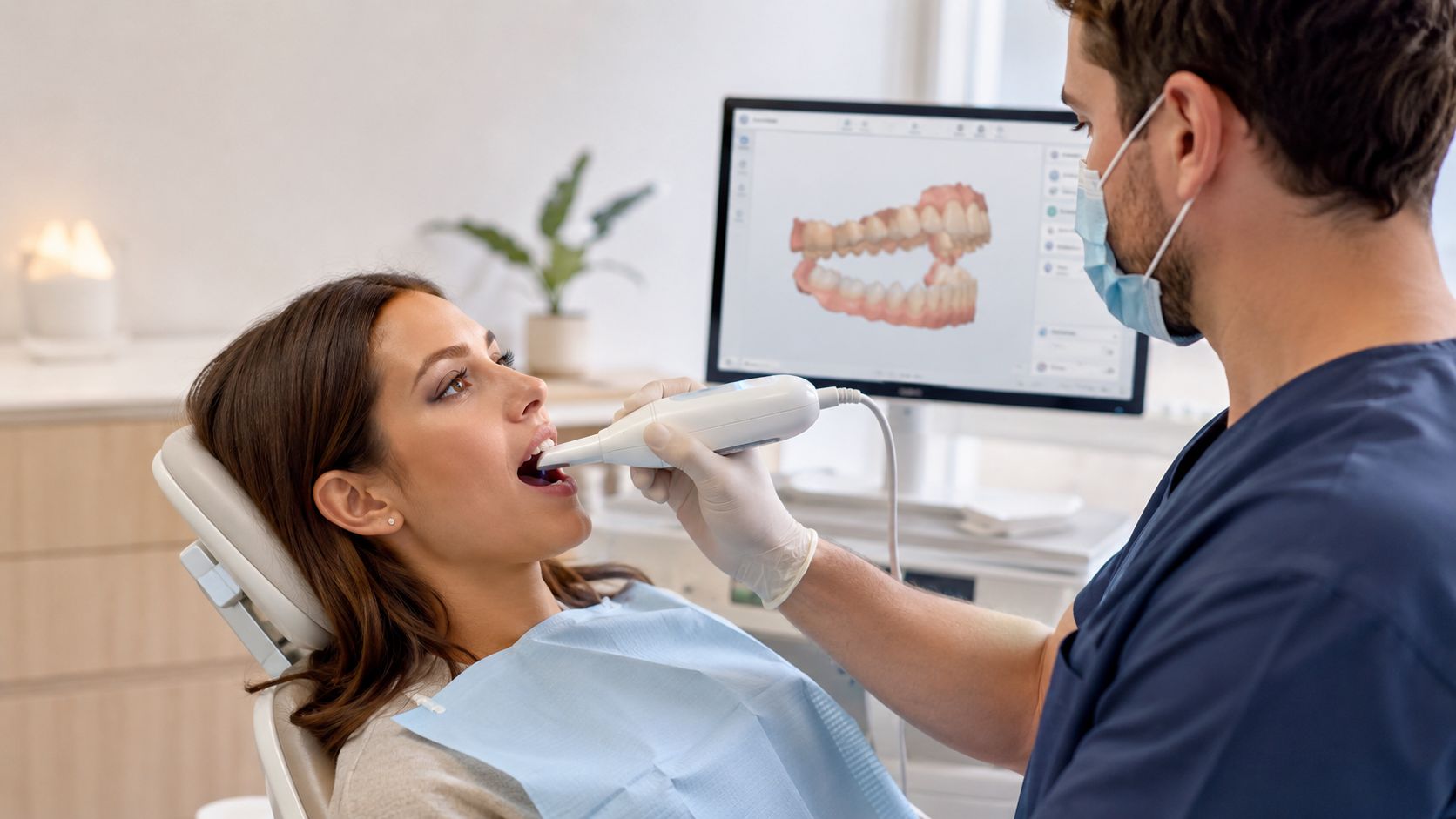
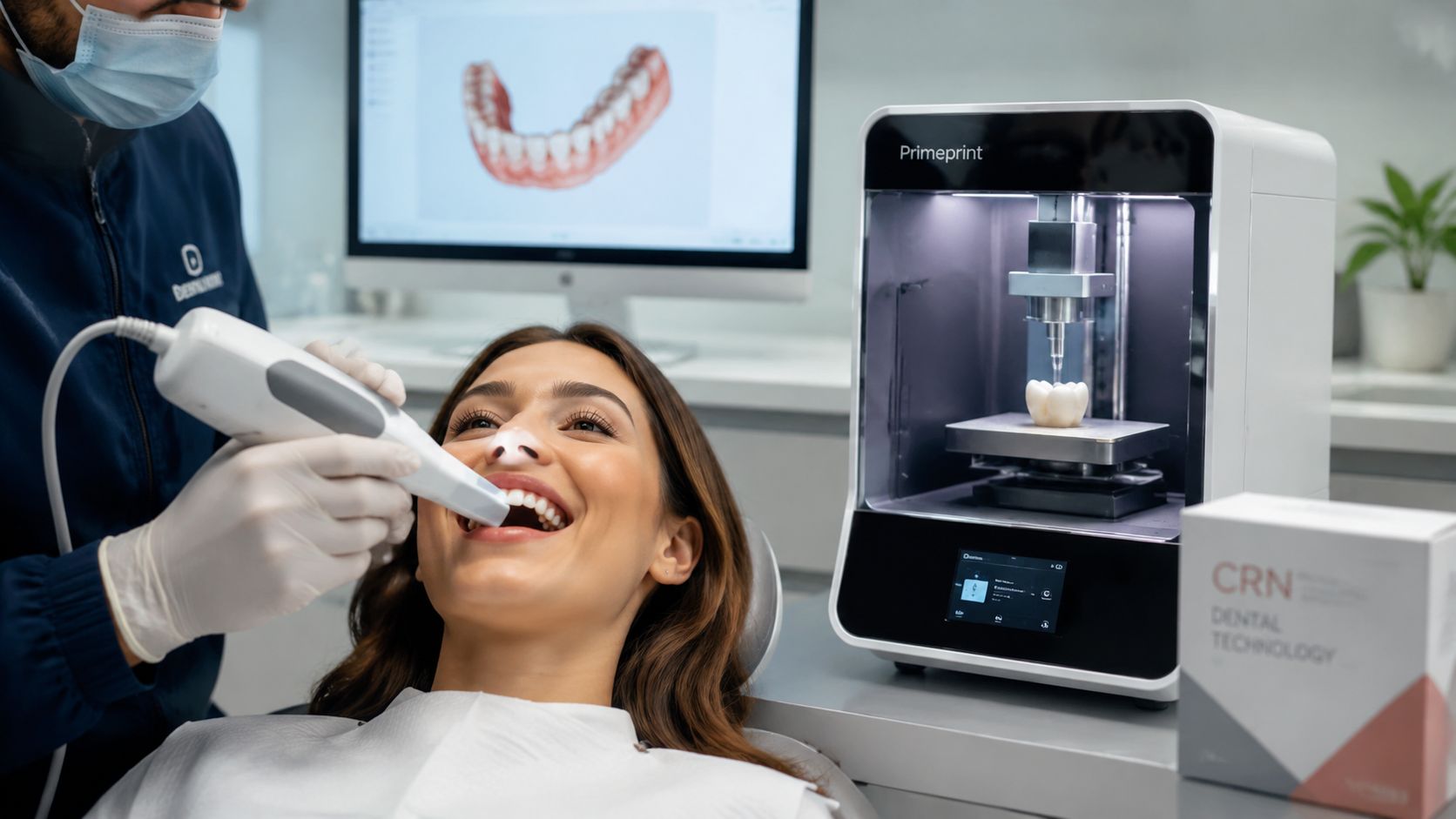
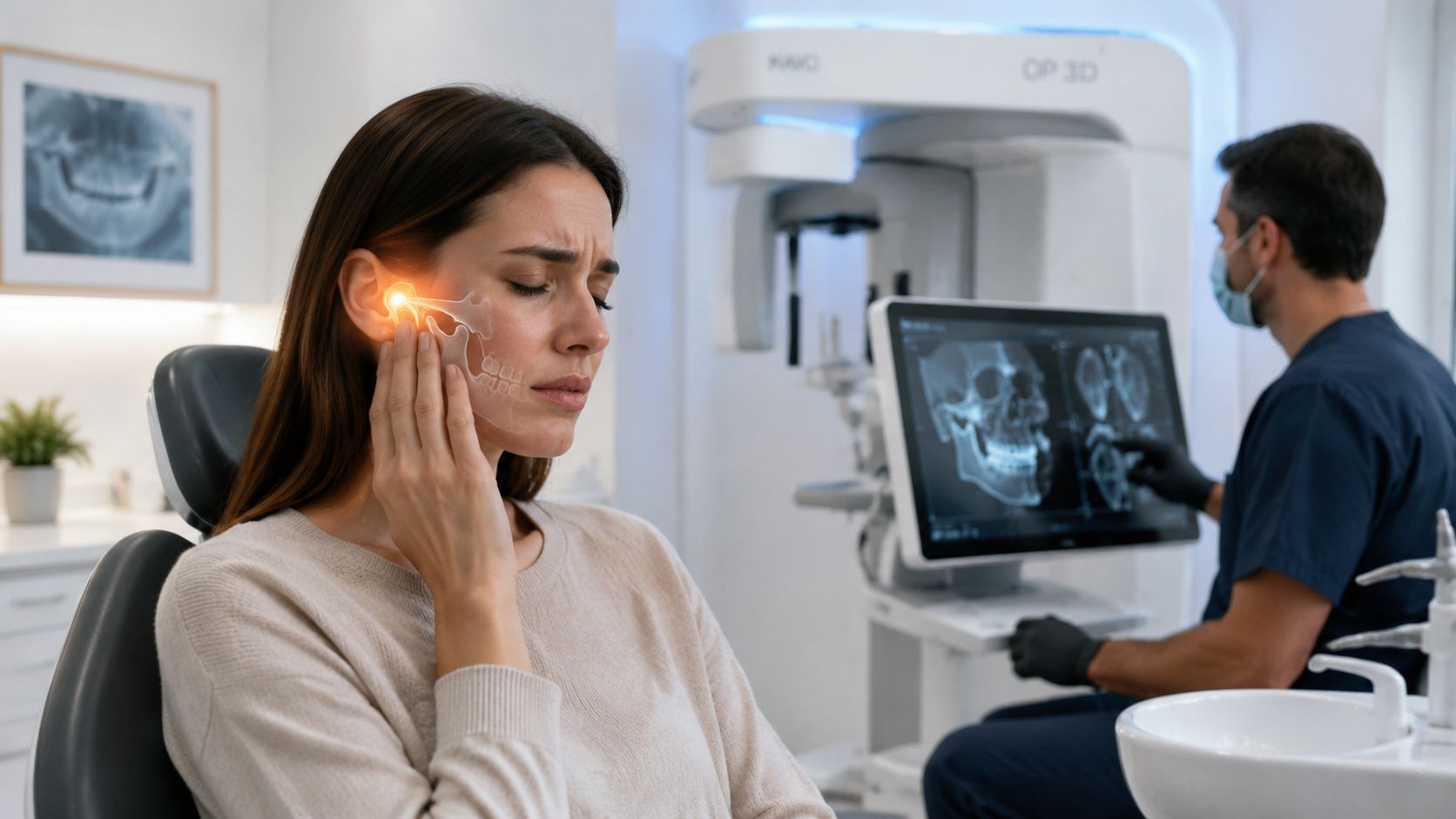
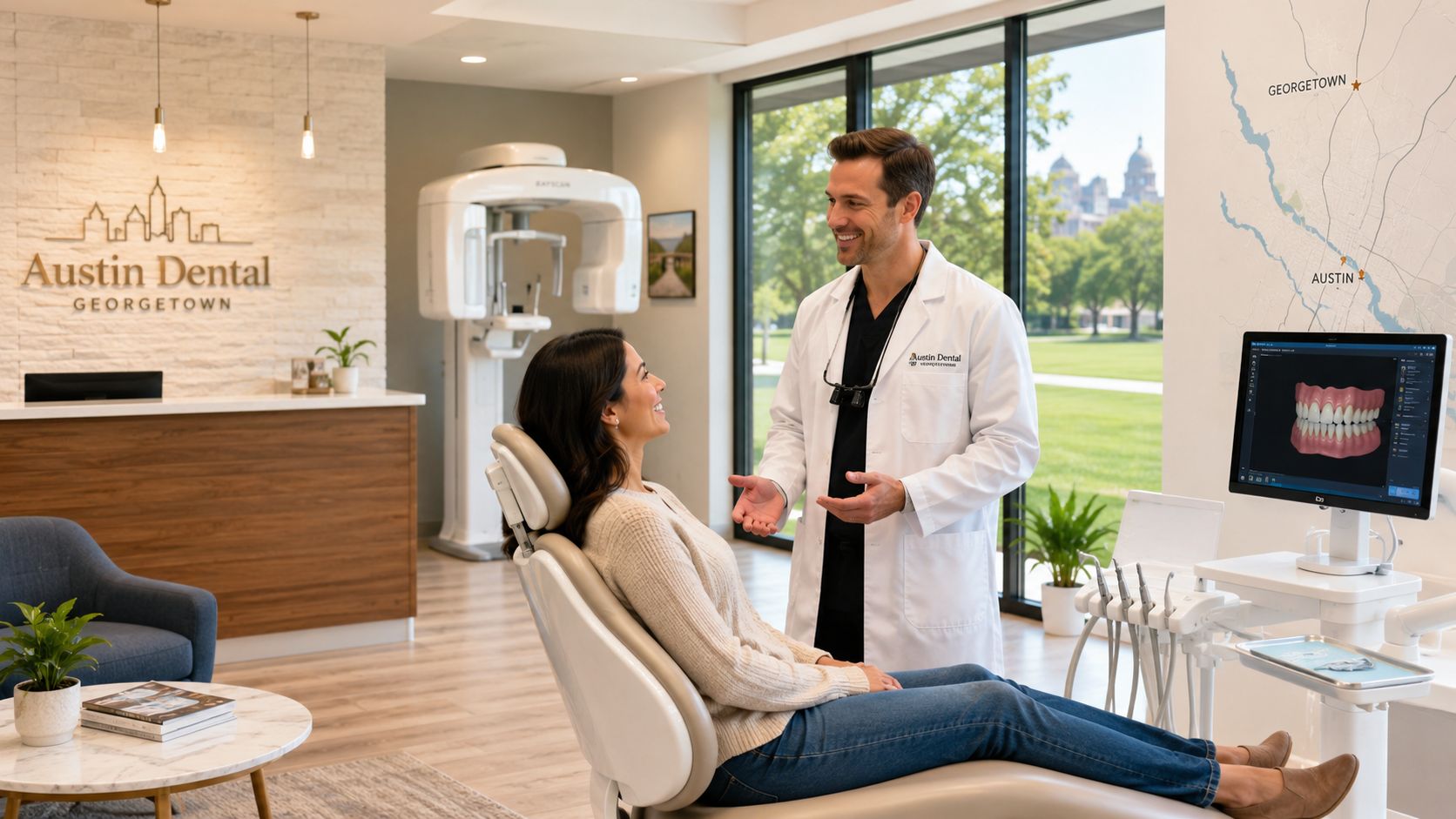
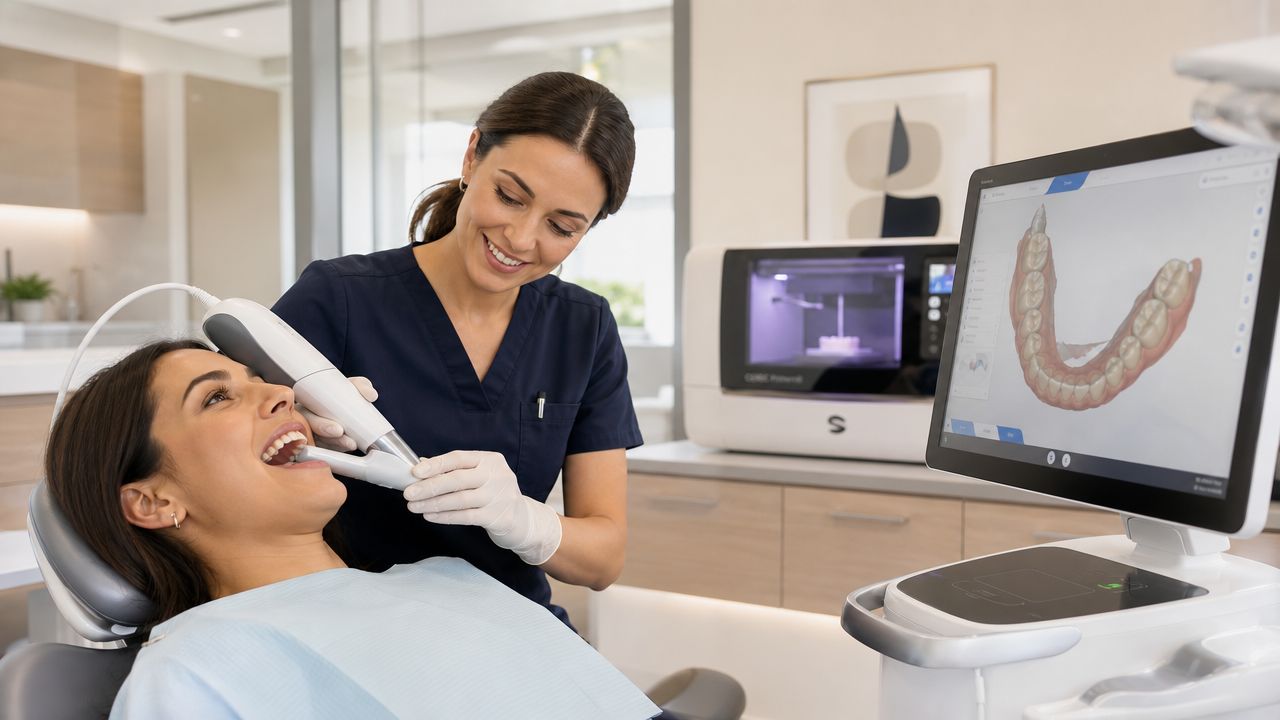
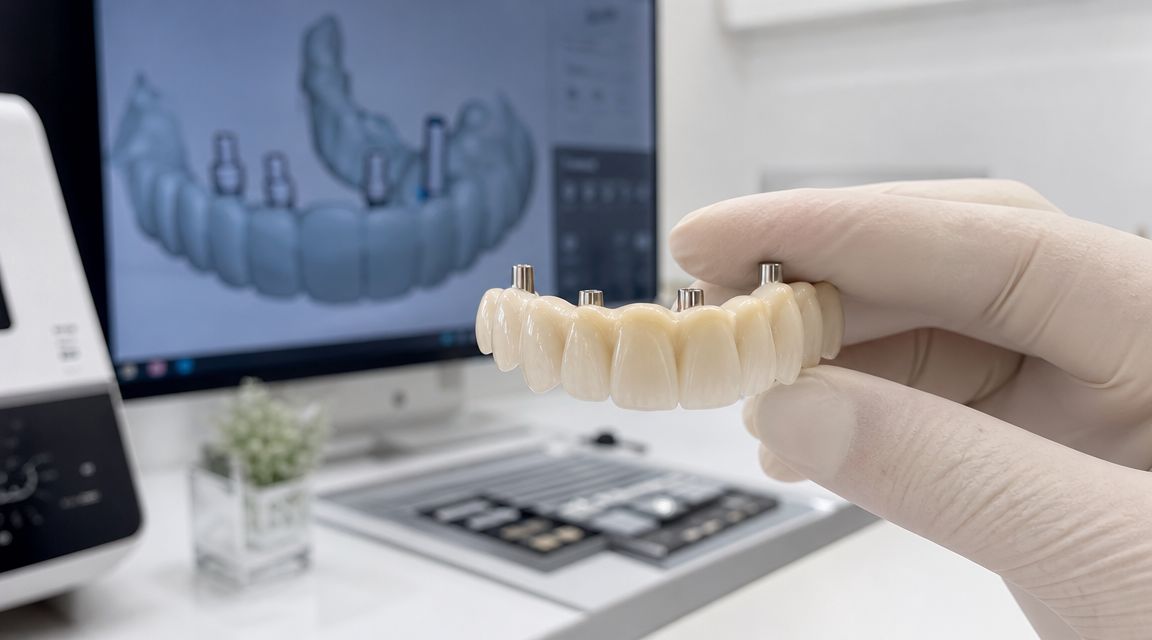
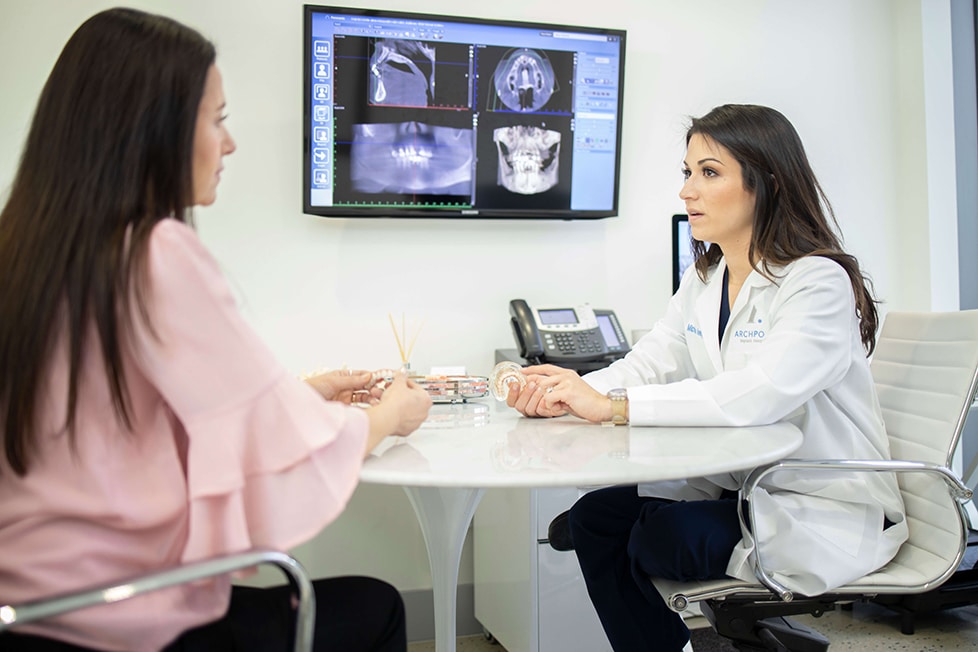
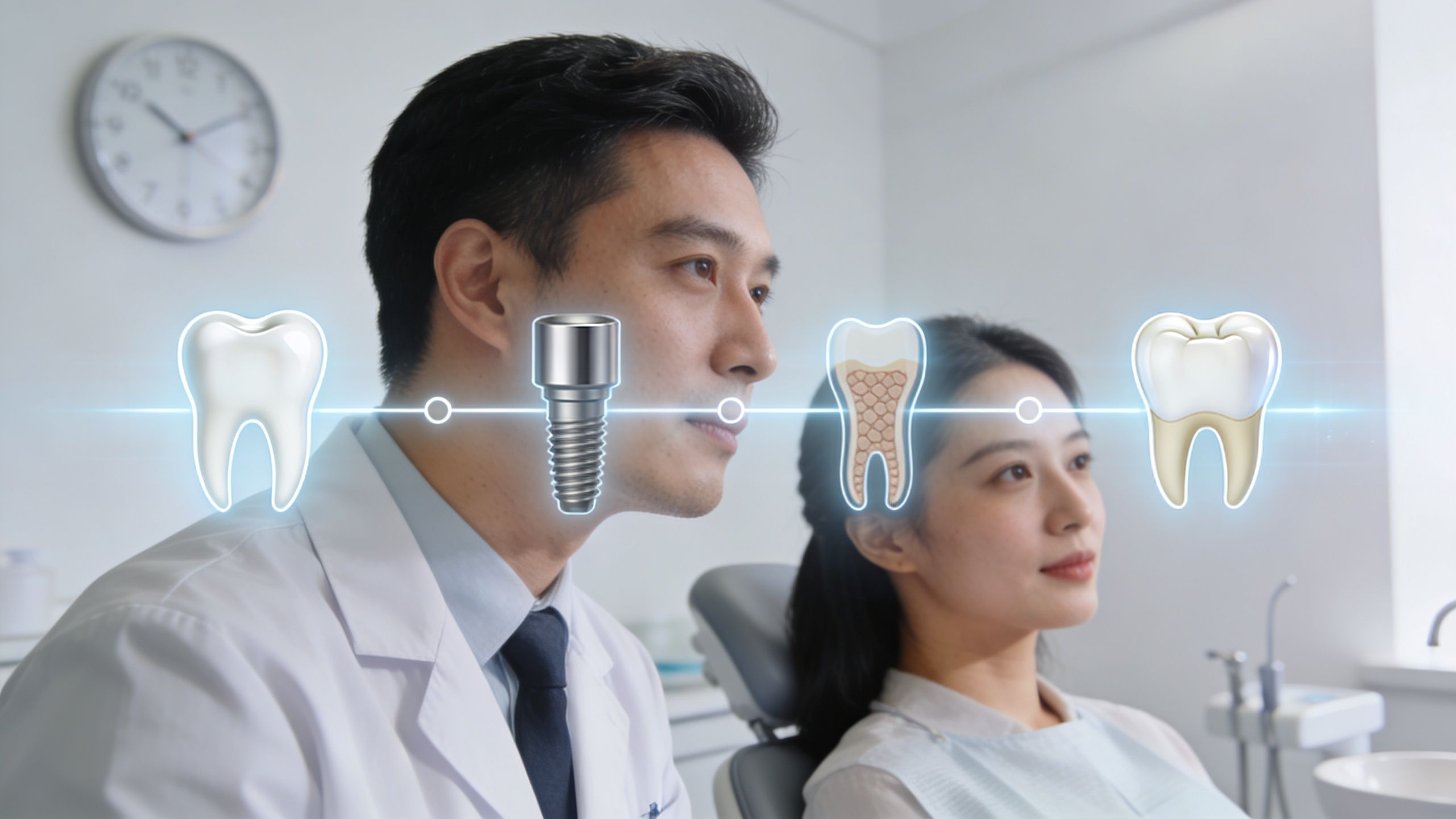
One of the biggest leaps forward in implant dentistry is the adoption of 3D imaging technology. Providers like 3D Dental use cone beam computed tomography (CBCT) scanning to capture a detailed, three-dimensional picture of your jaw, bone structure, teeth, and nerves—all before a single incision is made.
This matters for several reasons:
- Precise placement: 3D scans allow the surgeon to plan exactly where to position the implant, reducing the risk of nerve damage and improving long-term stability.
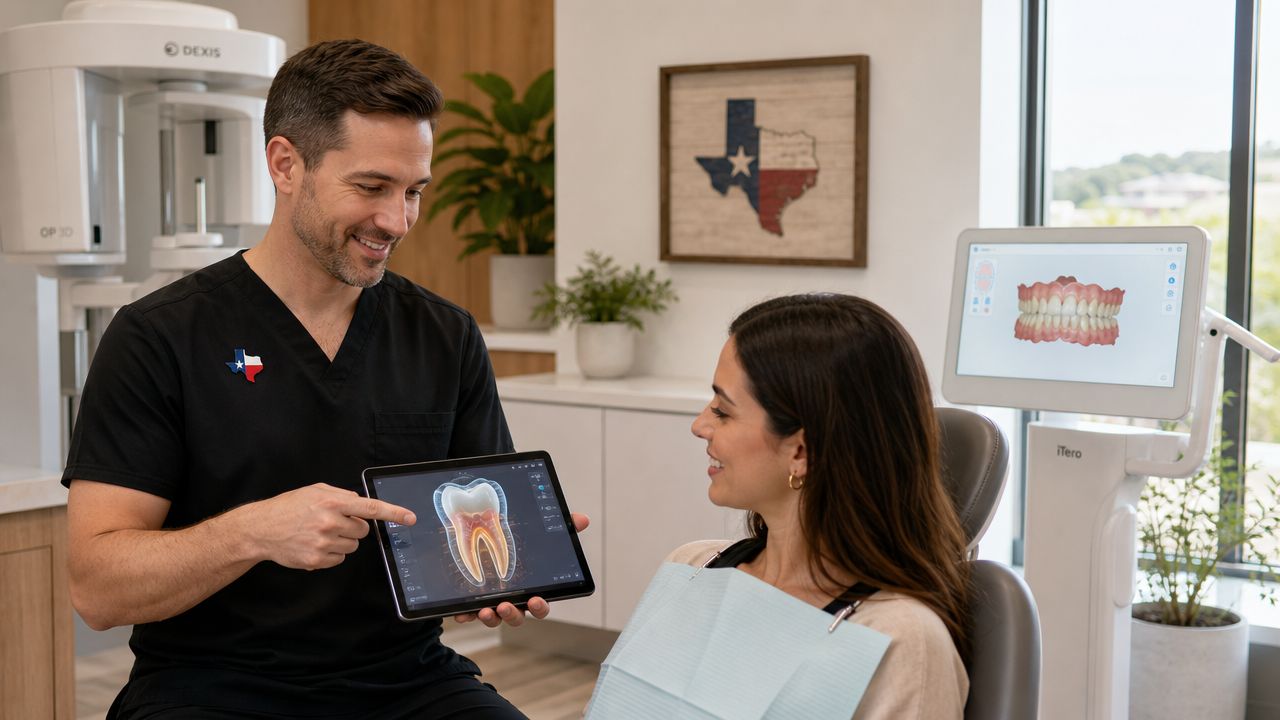
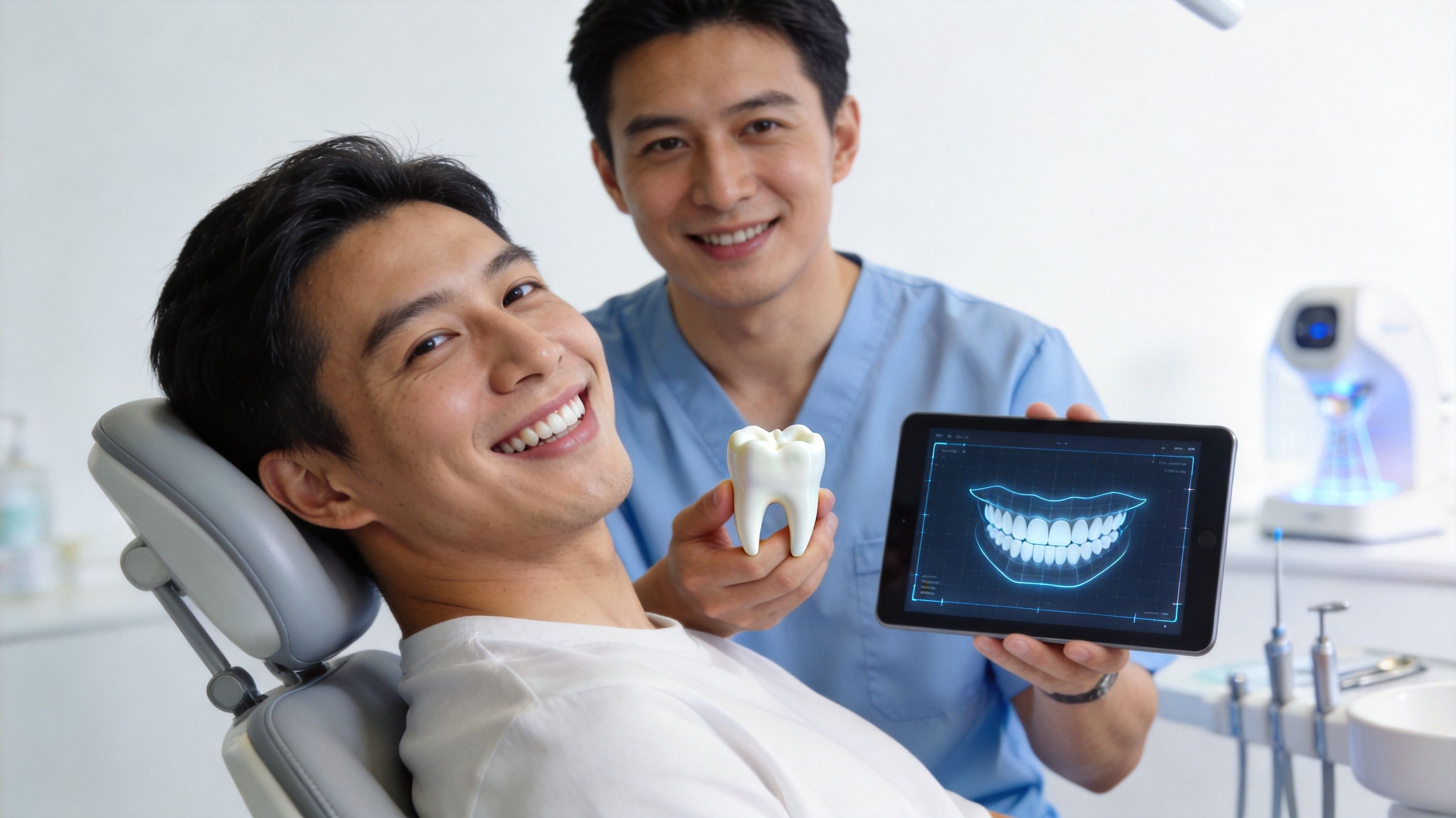
- Better patient communication: You can see your own jaw structure and understand the procedure before it begins.
- Fewer surprises: Traditional 2D X-rays miss critical details. 3D imaging reveals bone density, sinus proximity, and anatomical structures that could complicate the procedure if overlooked.
Patients treated with 3D planning technology consistently report more predictable outcomes and faster recovery. When evaluating providers near you, it's worth asking whether they use 3D imaging—and walking away if they don't.
What to Expect During Your Initial Consultation
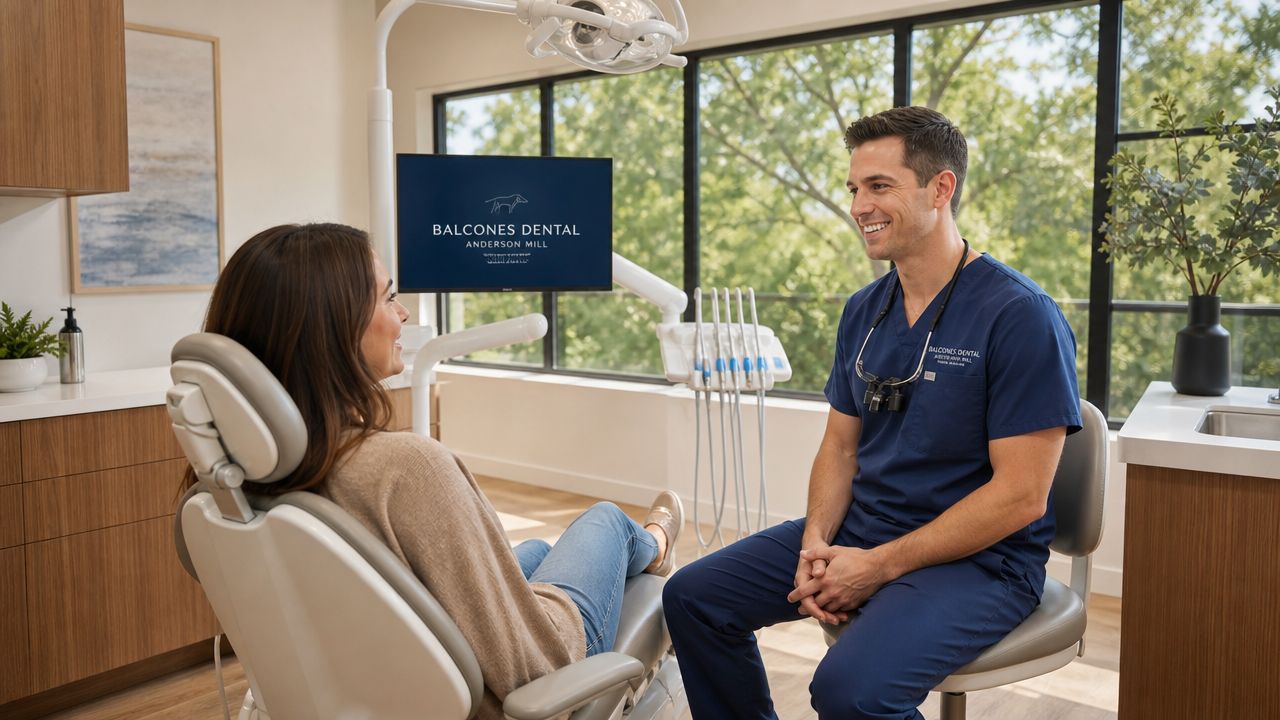
A thorough consultation sets the tone for everything that follows. At your first appointment, your provider should:
- Review your full dental and medical history
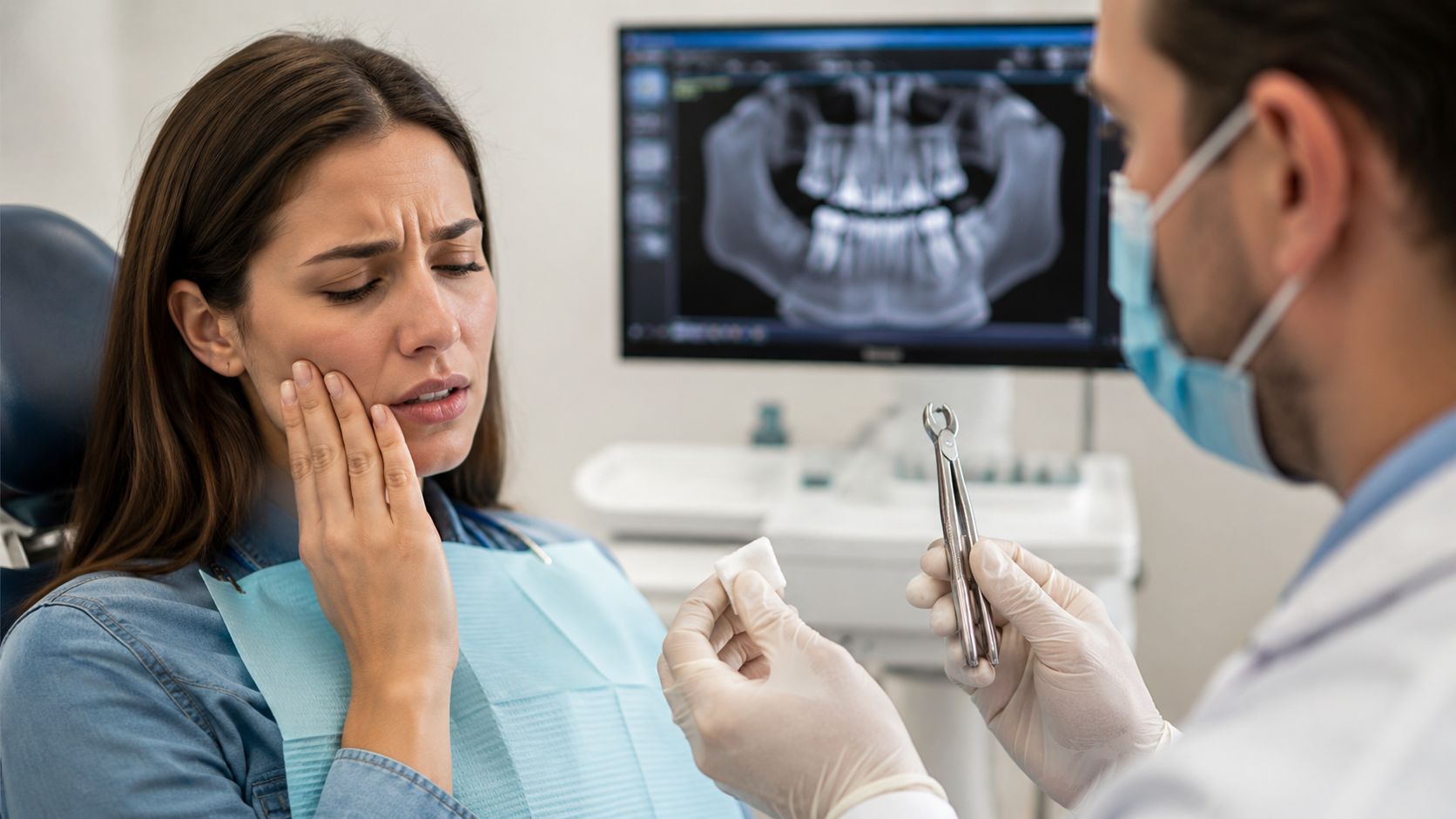
- Take 3D or advanced X-ray imaging of your jaw
- Assess your bone density to determine whether bone grafting is needed
- Discuss your aesthetic goals and functional needs
- Provide a transparent breakdown of costs and timelines
This is also your opportunity to ask questions. Don't hold back. Ask about the surgeon's experience, how many implants they place annually, what technology they use, and what their complication rate looks like. A confident, experienced provider will welcome these questions—not sidestep them.
Red flags during a consultation include vague timelines, pressure to commit on the same day, or a lack of detailed imaging before recommending treatment.
Dental Implants vs. Bridges and Dentures: The Long-Term Picture
Many patients facing tooth loss consider bridges or dentures first because they appear to be the simpler, more affordable option. But when you factor in long-term costs and health outcomes, implants often come out ahead.
Bone Preservation
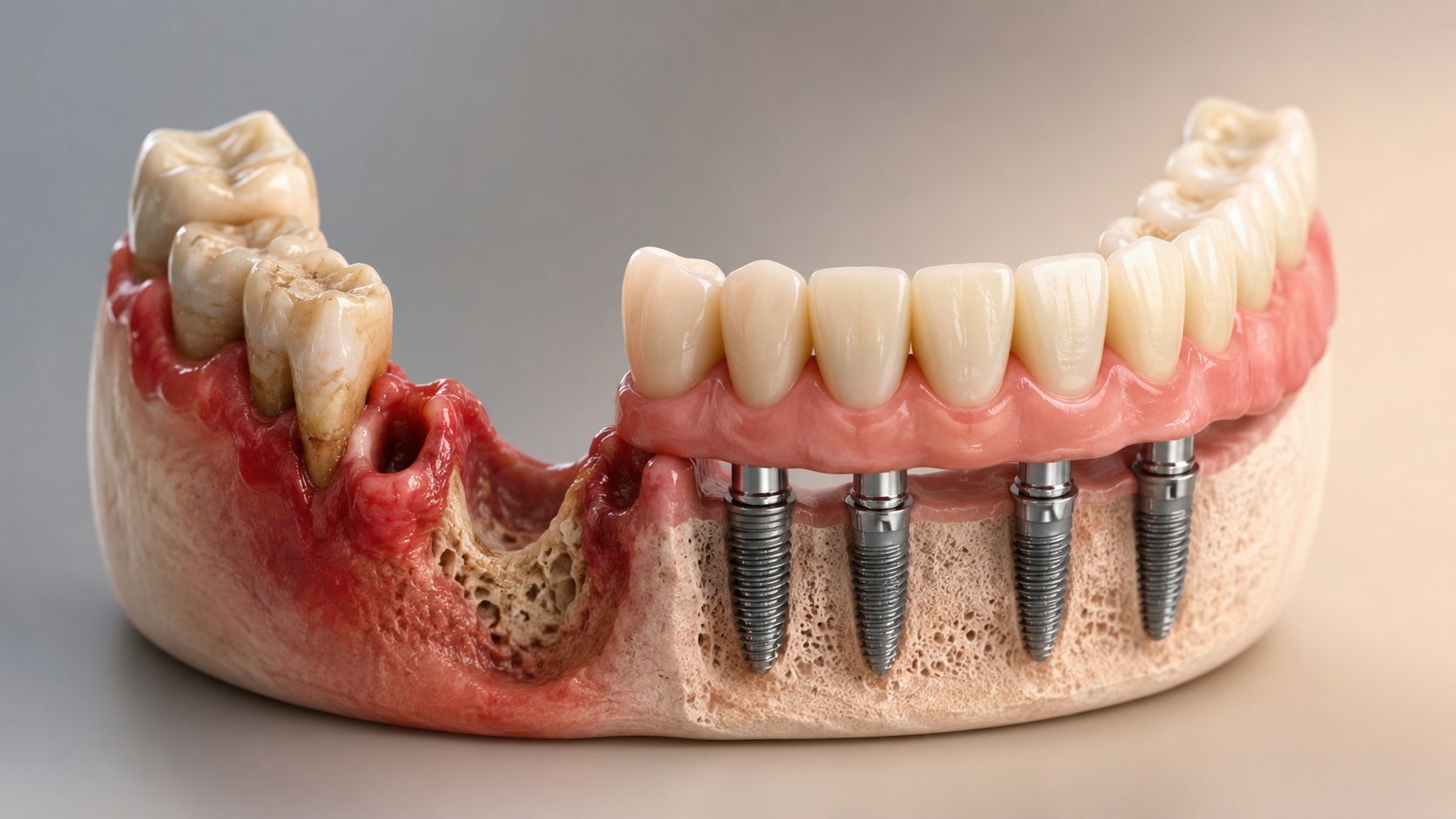
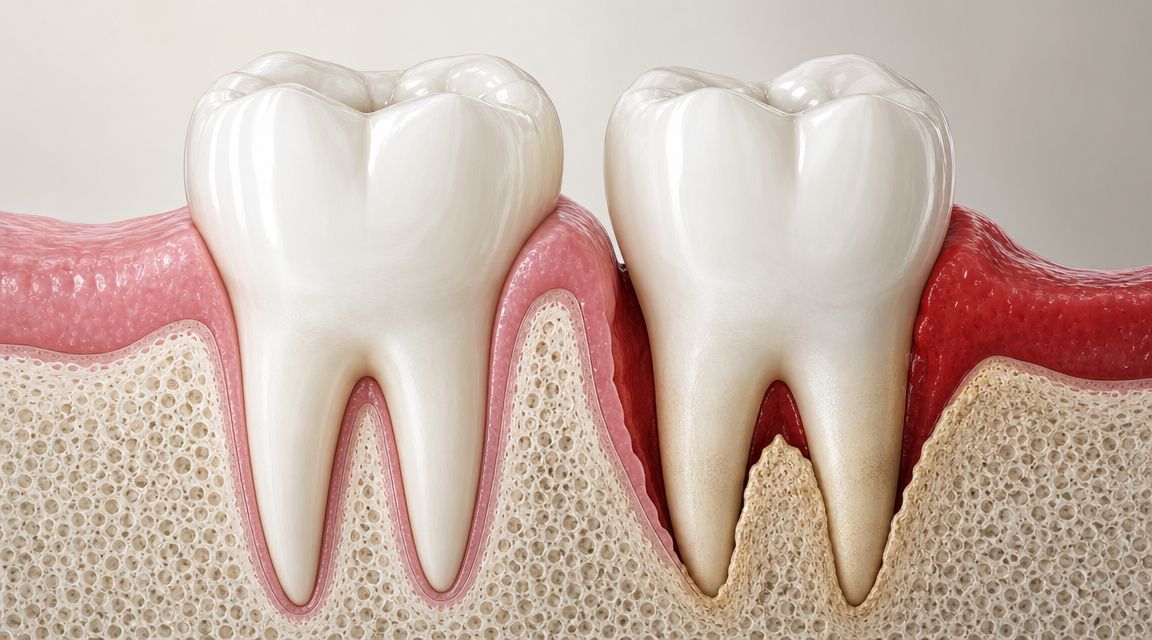
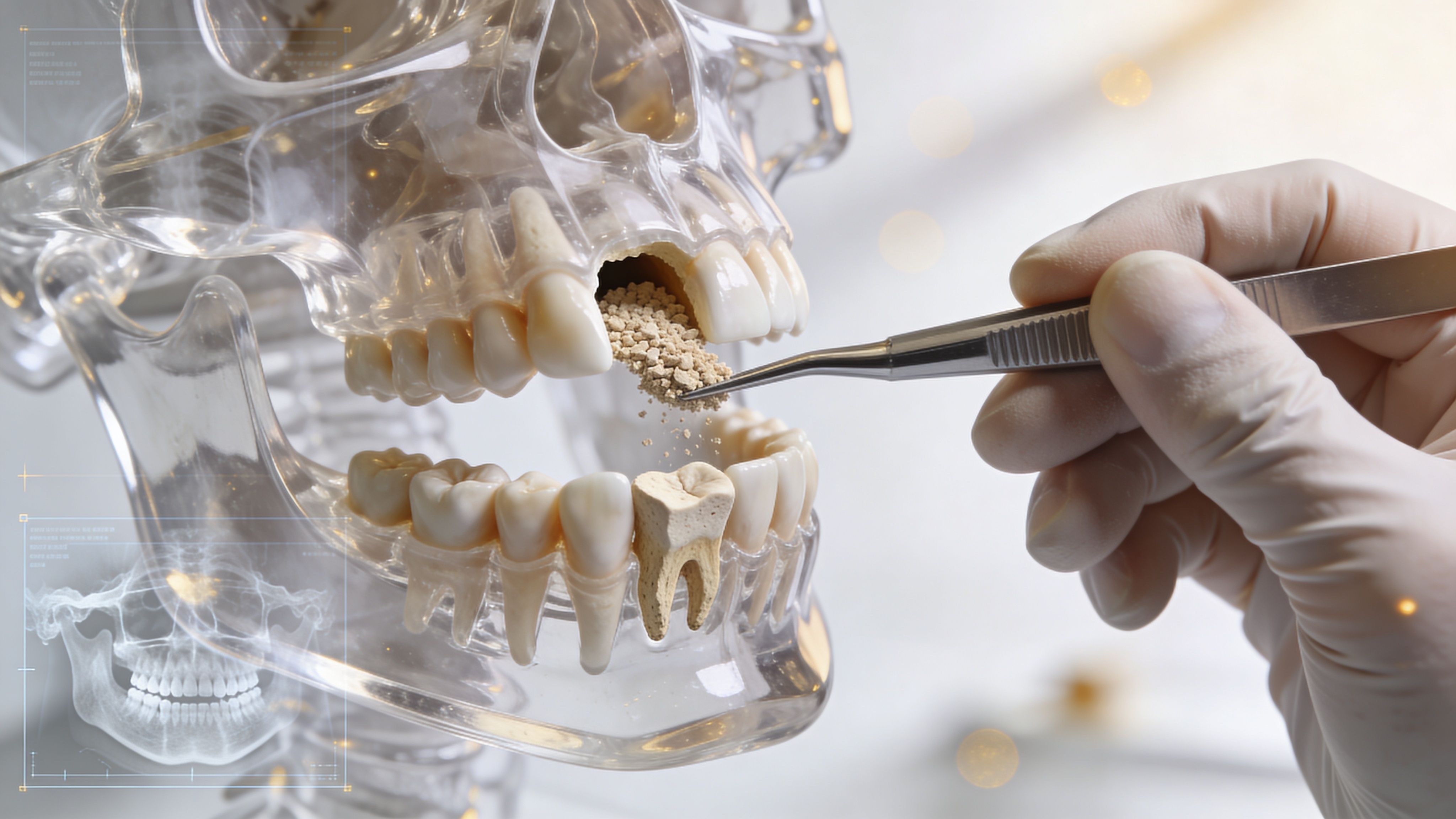
When a tooth root is lost, the jawbone beneath it gradually deteriorates—a process called resorption. Implants are the only tooth replacement option that stimulates the bone, preventing this loss. Bridges and dentures do not address bone resorption, which can lead to changes in facial structure over time.
Longevity
With proper care, implants can last 20 to 30 years, sometimes for life. Dental bridges typically need replacing every 10 to 15 years. Dentures may require relining or replacement every 5 to 8 years.
Cost Over Time
Implants carry a higher upfront cost, but the cumulative expense of replacing bridges or dentures—and treating the bone loss that follows—can exceed the initial implant investment.
Daily Function
Implants feel and function like natural teeth. You can eat, speak, and brush without restriction. Dentures, particularly lower ones, can shift and cause discomfort. Bridges require special flossing tools and can place stress on adjacent teeth.
The Implant Procedure: Step by Step
Knowing the process from start to finish can significantly reduce anxiety and help you prepare for your treatment journey. Here's a detailed breakdown of what you can expect at each stage.
Step 1: Initial Consultation and Strategic Planning
Your journey begins with a comprehensive evaluation. Using advanced 3D imaging technology, like a CT scan, combined with a thorough clinical assessment, your dental surgeon will meticulously map out the optimal position for your implant. This initial stage is crucial for ensuring a successful outcome. If your jawbone isn't dense enough to support the implant, a bone grafting procedure will be scheduled first. This requires a healing period of several months before the implant can be placed.
Step 2: Implant Placement Surgery
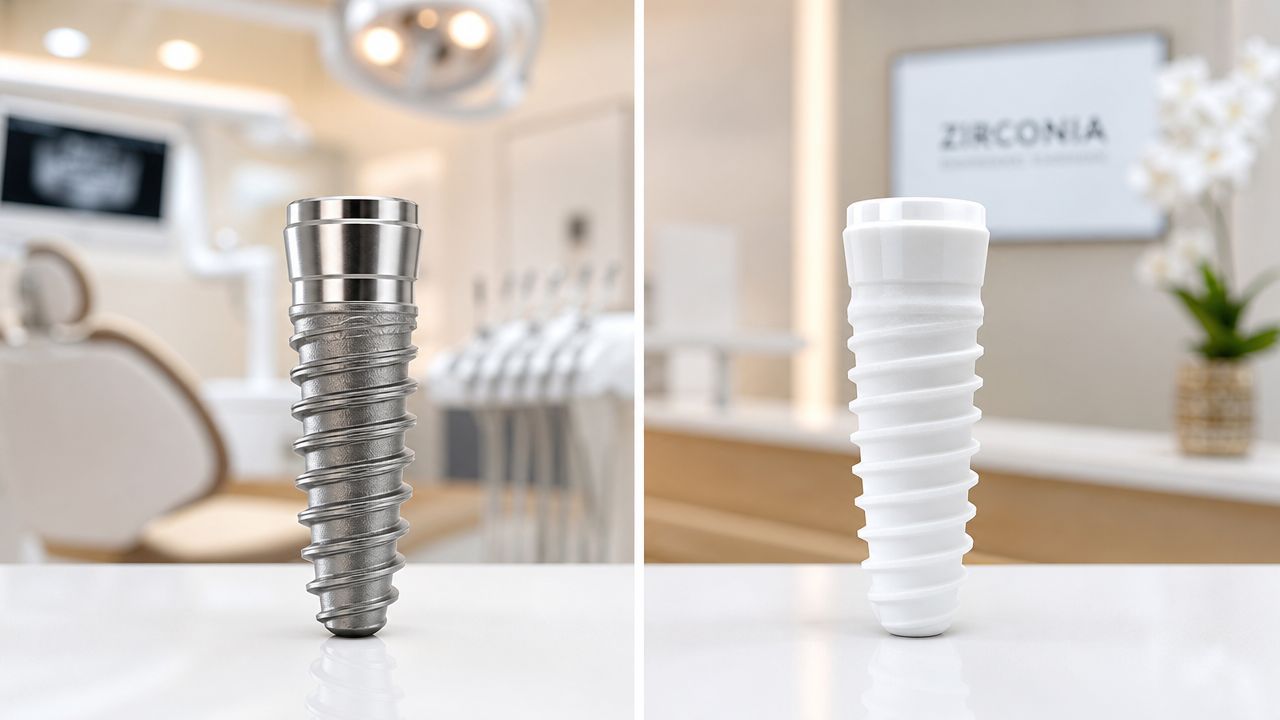
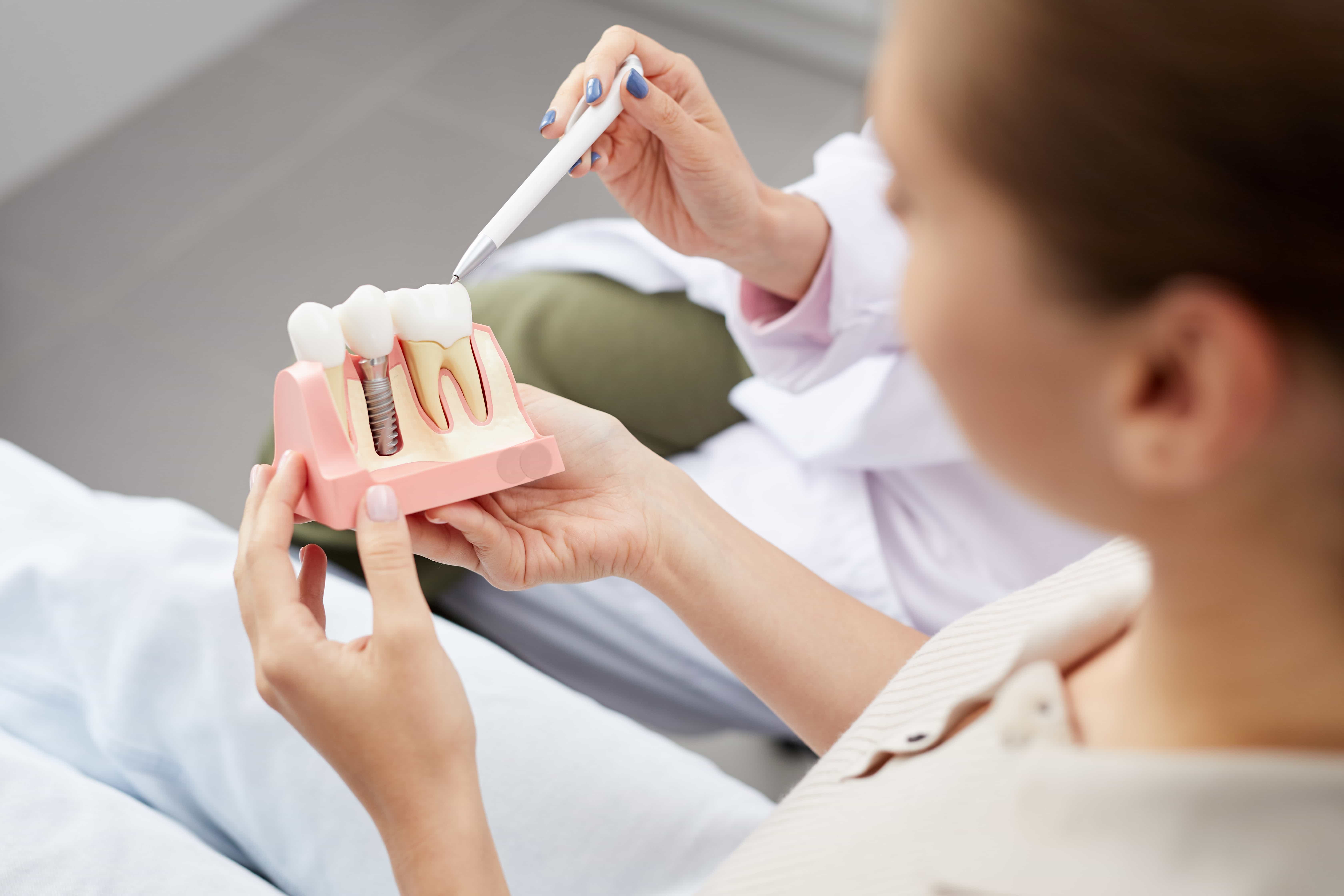
Next is the surgical placement of the implant. The small, screw-like titanium post is inserted directly into your jawbone. This procedure is performed under local anesthesia, and many patients report that the experience is much less painful than they anticipated. Post-surgery, you can expect some mild swelling, bruising, and discomfort for a few days, which can be easily managed with over-the-counter pain medication.
Step 3: Osseointegration—The Healing Phase
This is a critical healing period where the magic happens. Over the next three to six months, a remarkable process called osseointegration occurs, where your jawbone naturally grows around and fuses with the titanium implant. This fusion creates an incredibly strong and stable foundation, mimicking the root of a natural tooth. It is vital not to rush this stage, as proceeding too quickly is a leading cause of implant failure.
Step 4: Placing the Abutment
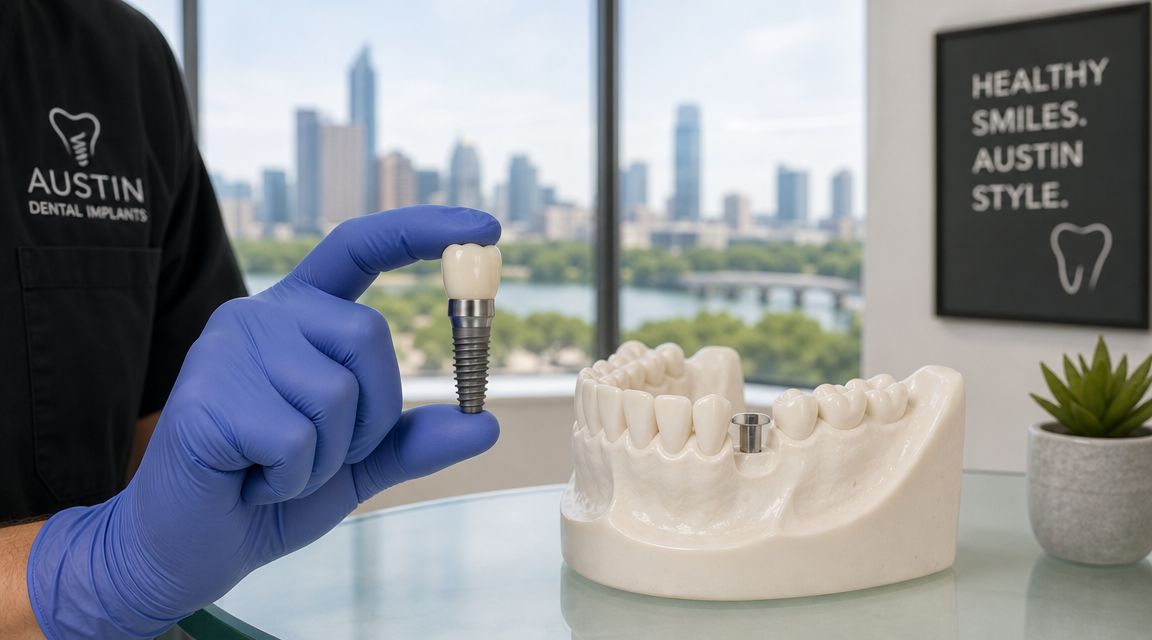
Once osseointegration is complete and your implant is securely anchored in the bone, a small connector piece called an abutment is attached to the top of the implant. This component sits just above the gum line and serves as the docking point for your final crown.
Step 5: The Final Restoration
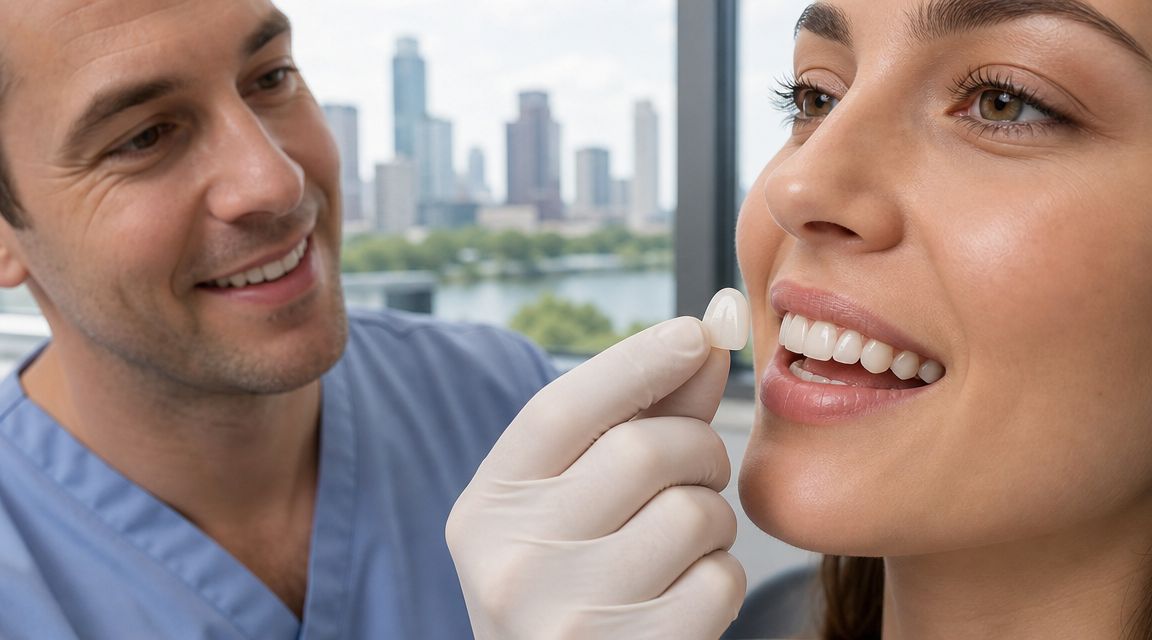
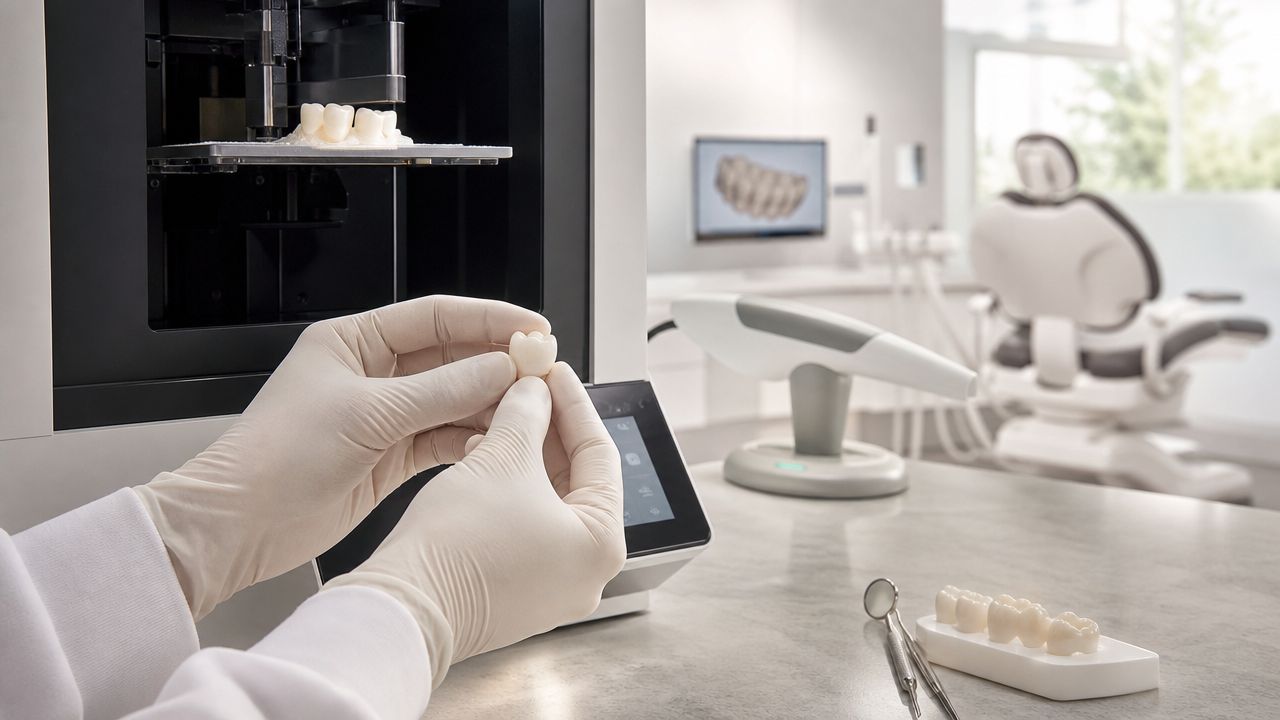
The last step is to attach your final restoration. A custom-made crown, meticulously designed to match the color, shape, and size of your surrounding natural teeth, is securely fitted onto the abutment. With the crown in place, your implant will look, feel, and function just like a natural tooth, and the procedure is complete.
Depending on individual healing and whether bone grafting was necessary, the entire process typically takes between three and nine months.
Aftercare Tips That Protect Your Investment
Dental implants are durable, but they're not maintenance-free. Following these aftercare habits gives your implant the best chance of lasting for decades:
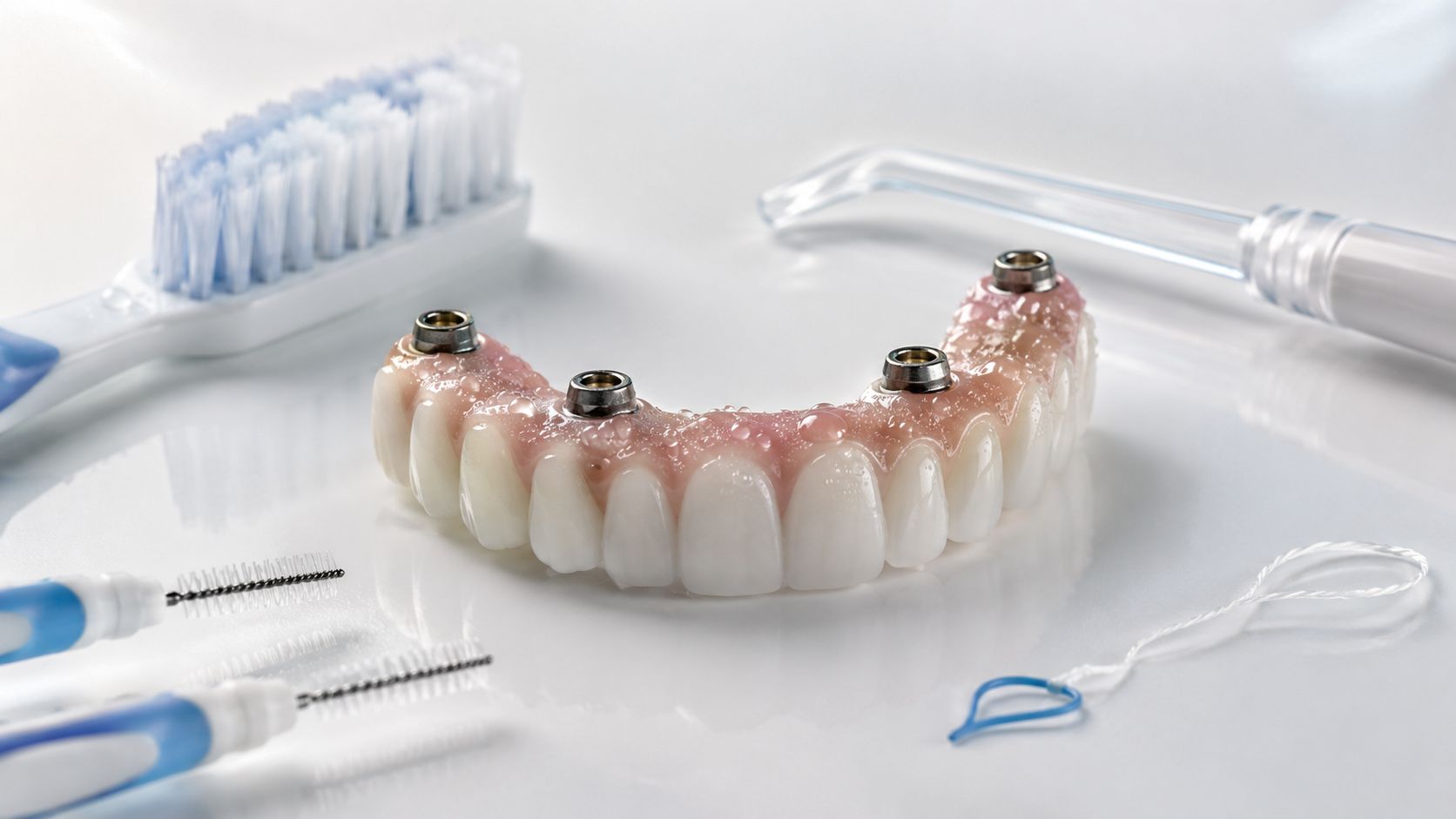
- Brush twice daily with a soft-bristle toothbrush. Electric toothbrushes work well around implants.
- Floss daily, paying attention to the area around the implant crown.
- Avoid smoking, which significantly increases the risk of implant failure by impairing healing and reducing blood flow to the gums.
- Limit hard foods in the early weeks post-surgery. Ice, hard candies, and crusty bread can put undue pressure on a healing implant.
- Attend all follow-up appointments. Your provider needs to monitor healing and catch any early complications.
- Wear a nightguard if you grind your teeth. Bruxism is one of the leading causes of premature implant failure.
Common Patient Regrets—And How to Avoid Them
Patients who've been through the implant process tend to share a few consistent regrets:
"I wish I hadn't waited so long." Bone loss progresses the longer a tooth is missing. Early intervention means less bone grafting, a simpler procedure, and a shorter timeline.
"I chose based on price alone." Bargain implants often mean inexperienced providers, outdated technology, or low-quality components. The cost of correcting a failed implant far exceeds the money saved upfront.
"I didn't ask enough questions." Patients who walked into consultations unprepared often left with incomplete information. Write your questions down before you go.
"I didn't follow aftercare instructions properly." Skipping follow-up appointments or returning to smoking too soon after surgery are two of the most preventable causes of complications.
The common thread? These regrets are almost entirely avoidable with the right information at the right time.
Financing and Insurance: What Local Patients Should Know
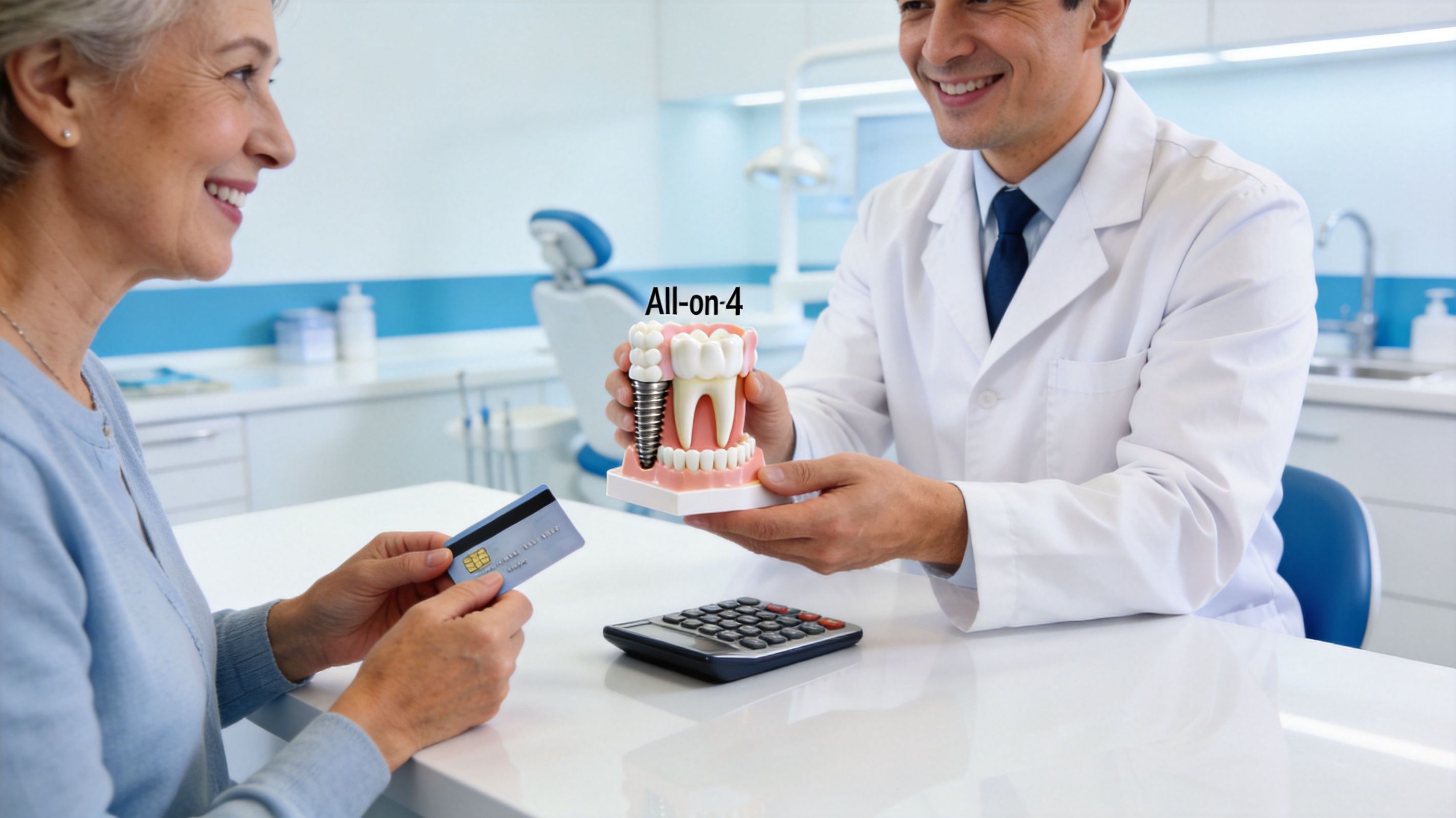
Dental implants are rarely covered in full by insurance, though some plans do cover portions of the procedure—particularly the crown or the bone graft. It's worth calling your insurer before your consultation to understand your benefits.
Many dental implant providers offer in-house financing plans or partner with third-party lenders like CareCredit or Sunbit, which allow patients to spread the cost over monthly installments. Some practices also offer discounts for paying in full upfront.
Questions to ask your provider about costs:
- Is the consultation fee applied toward treatment?
- What is included in the quoted price (imaging, abutment, crown)?
- Do you offer a payment plan, and is it interest-free?
- What happens if a complication arises—is that covered?
Getting a detailed, itemized quote in writing protects you from unexpected charges down the line.
Take the First Step Toward Your New Smile
Dental implants change lives. Patients consistently report improvements not just in how they eat and speak, but in their confidence, their social ease, and even their willingness to smile in photos.
The path to a successful outcome starts with one good decision: choosing the right provider. Seek out a specialist who uses advanced technology like 3D Dental imaging, who takes time to understand your needs, and who gives you a clear, honest picture of what to expect.
You now know what most patients only learn in hindsight. Use that knowledge. Book a consultation, ask the hard questions, and take the first step toward a smile built to last.
3D Dental Texas
https://maps.app.goo.gl/XMPCB3A1TnEpUHFAA
(512) 831-7918
12854 Research Blvd Austin TX 78750
Ready to get started?
Schedule a free, no obligation consultation with our team and see what's possible for your smile!
Georgetown
- Mon-Thurs8:30am-5pm
- Fri8am-3:30pm
- Sat-SunClosed
Austin
- Mon-Tues8am-5pm
- Wed-Thurs9am-6pmFri8am-2pm
- Sat-SunClosed