
Discover Your Best Bonding Material for Teeth
Related Posts
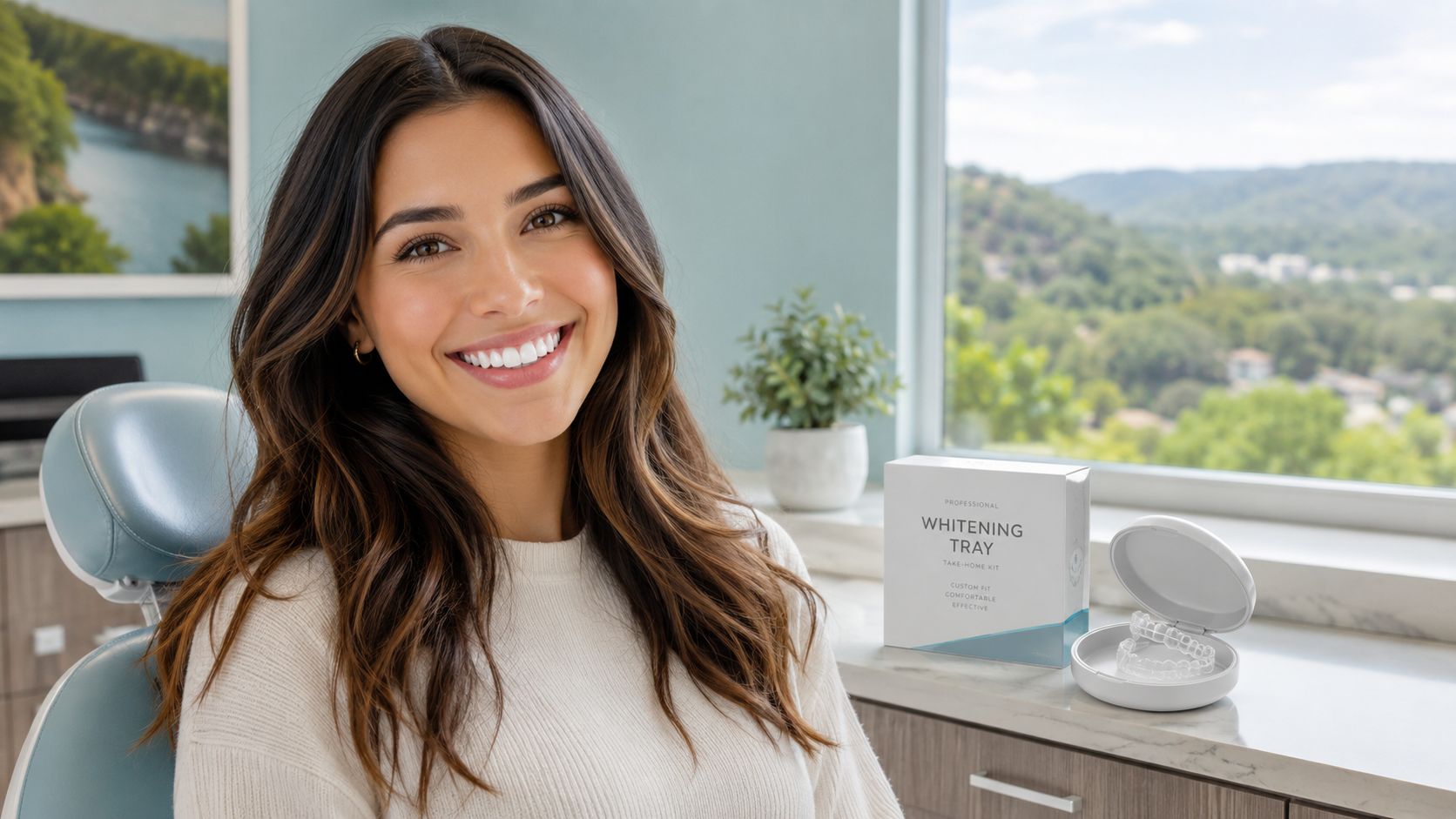
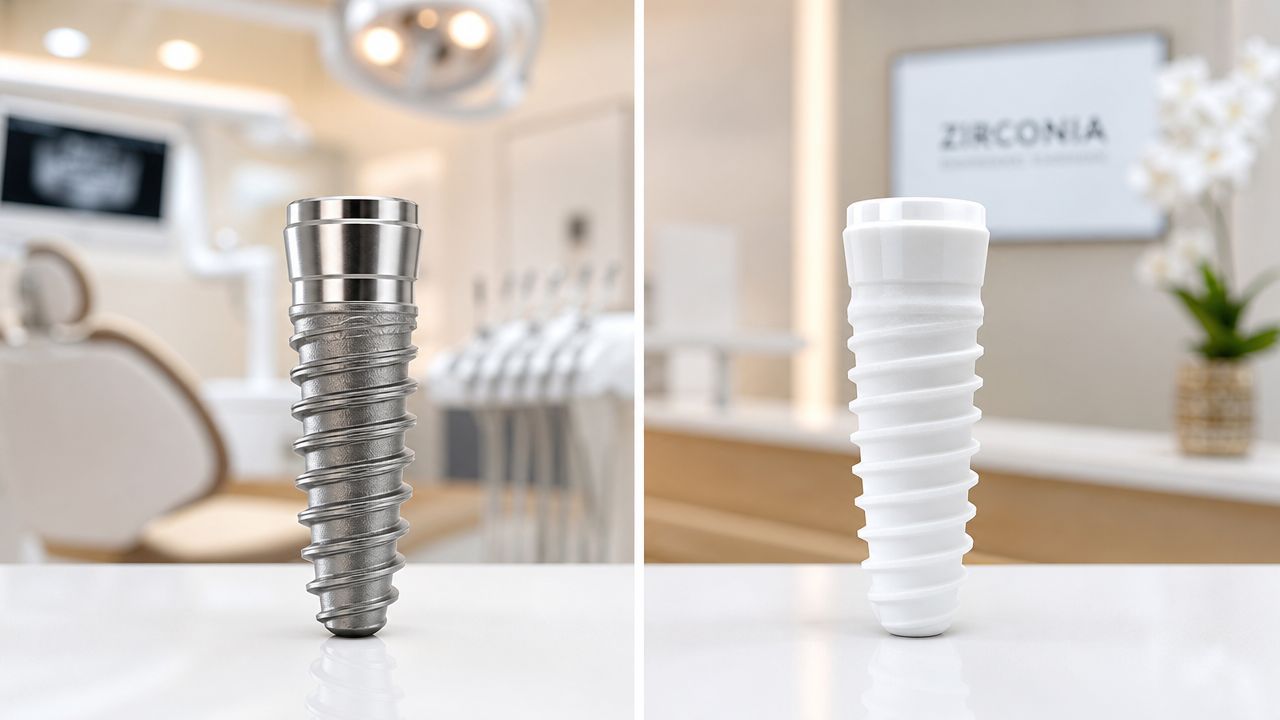
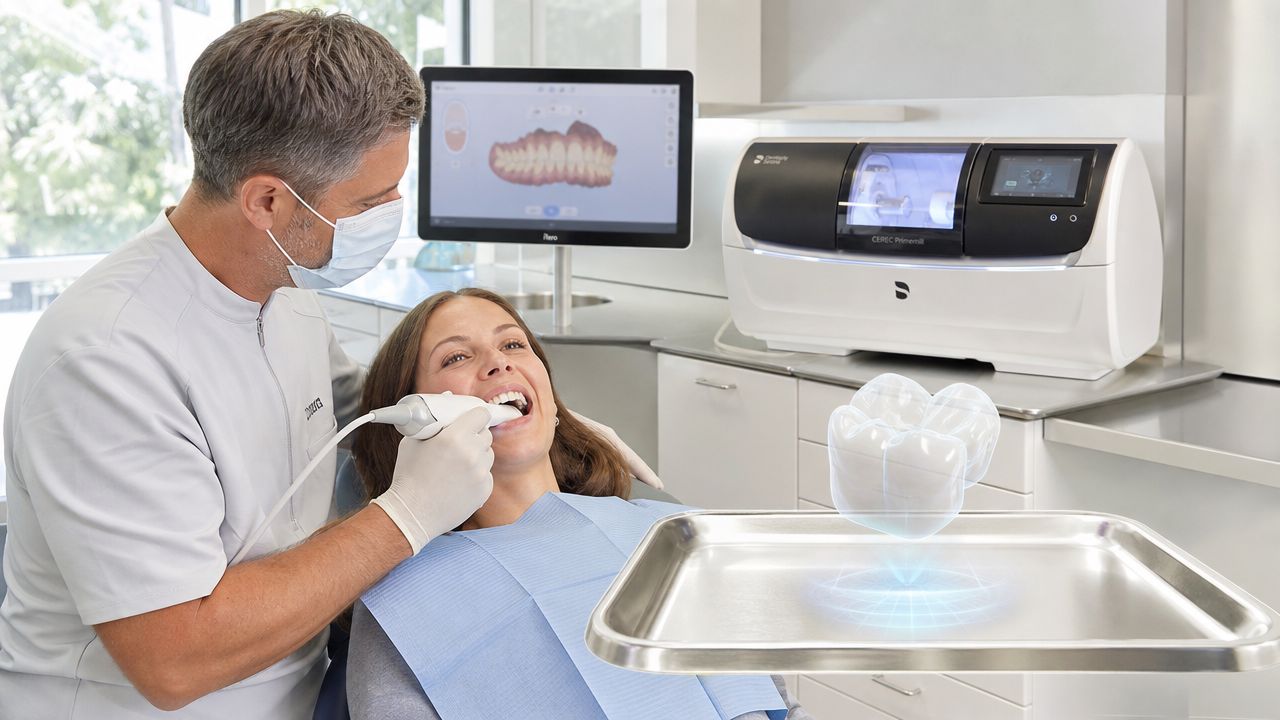
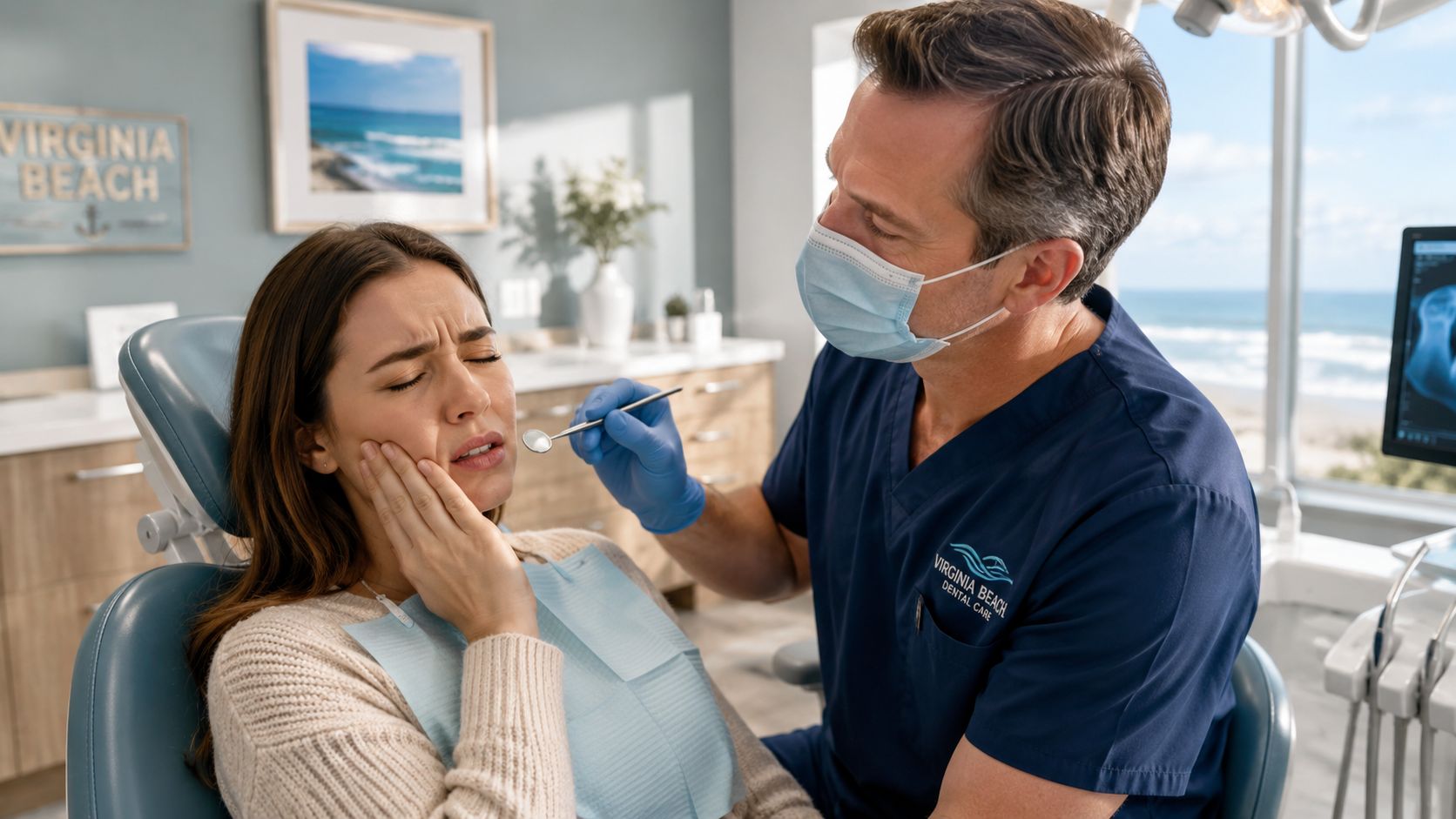
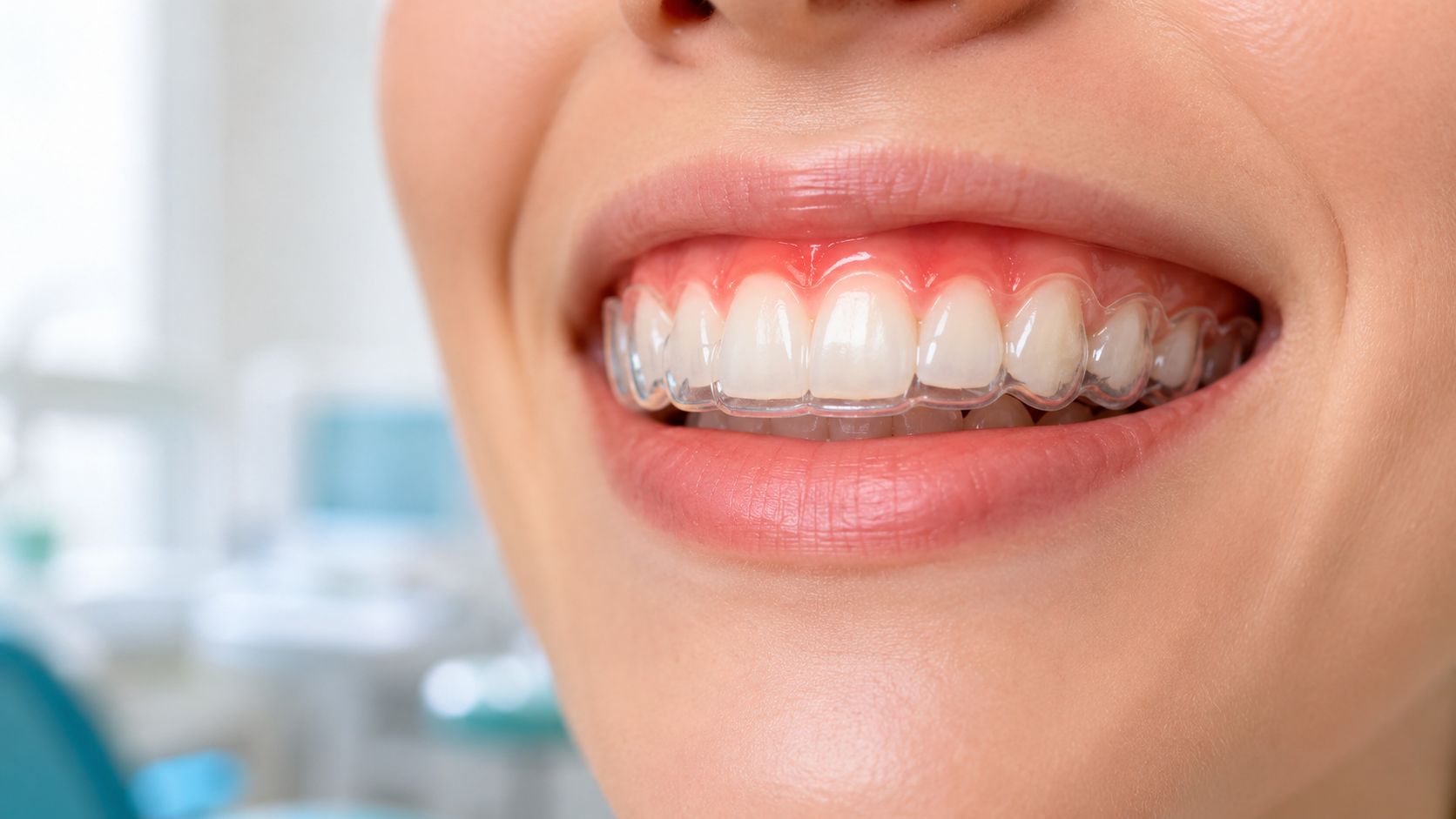

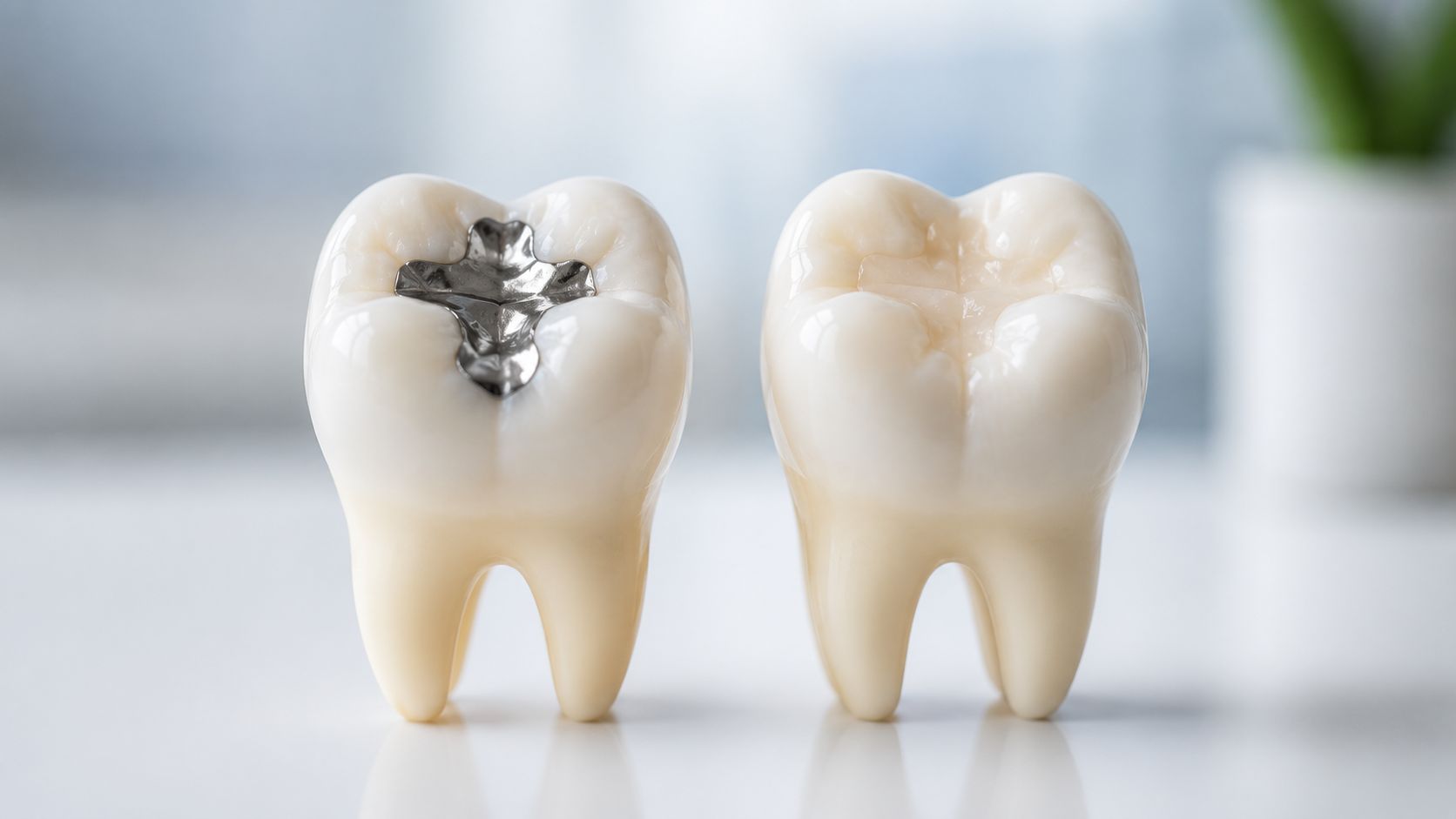
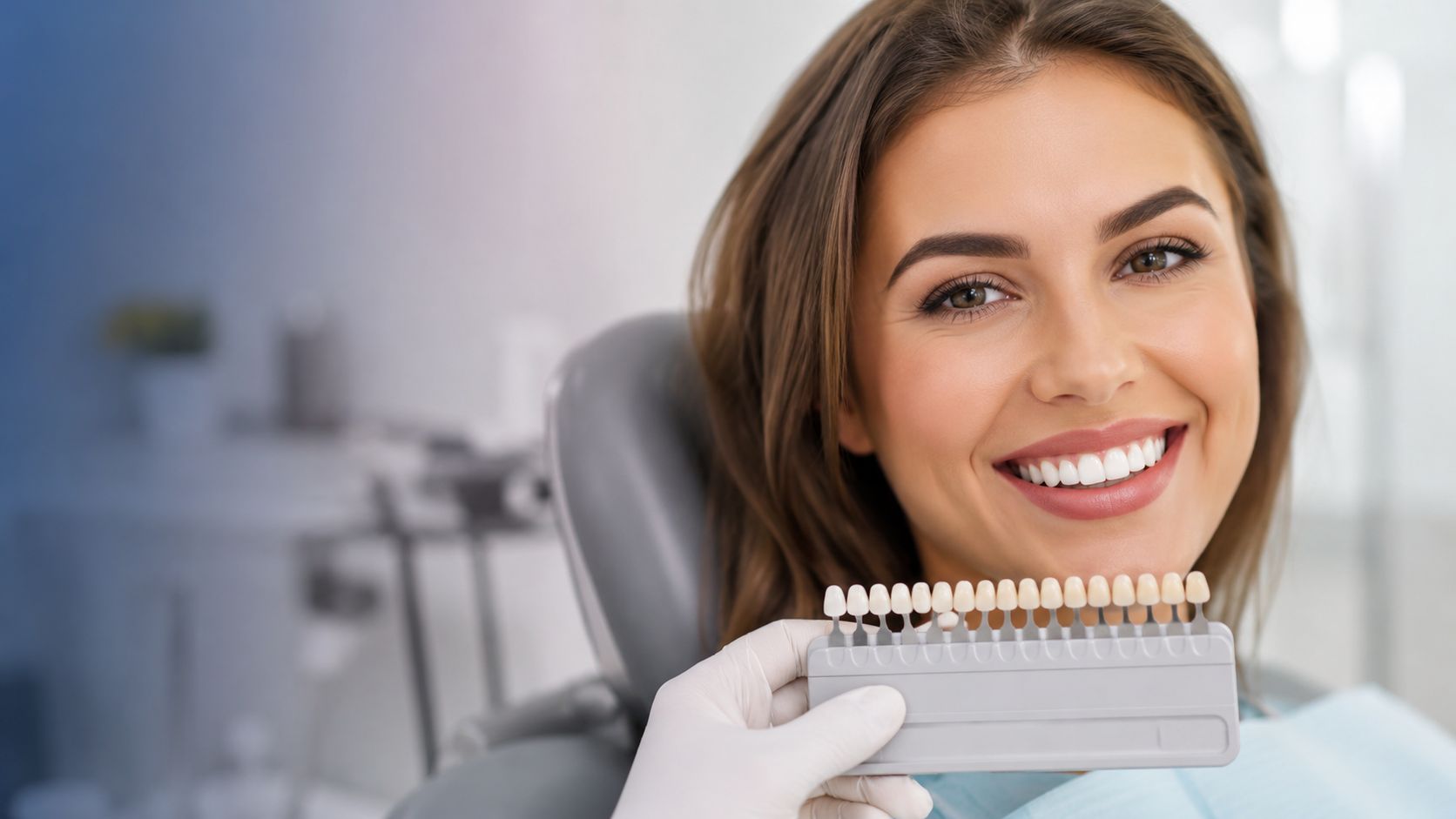
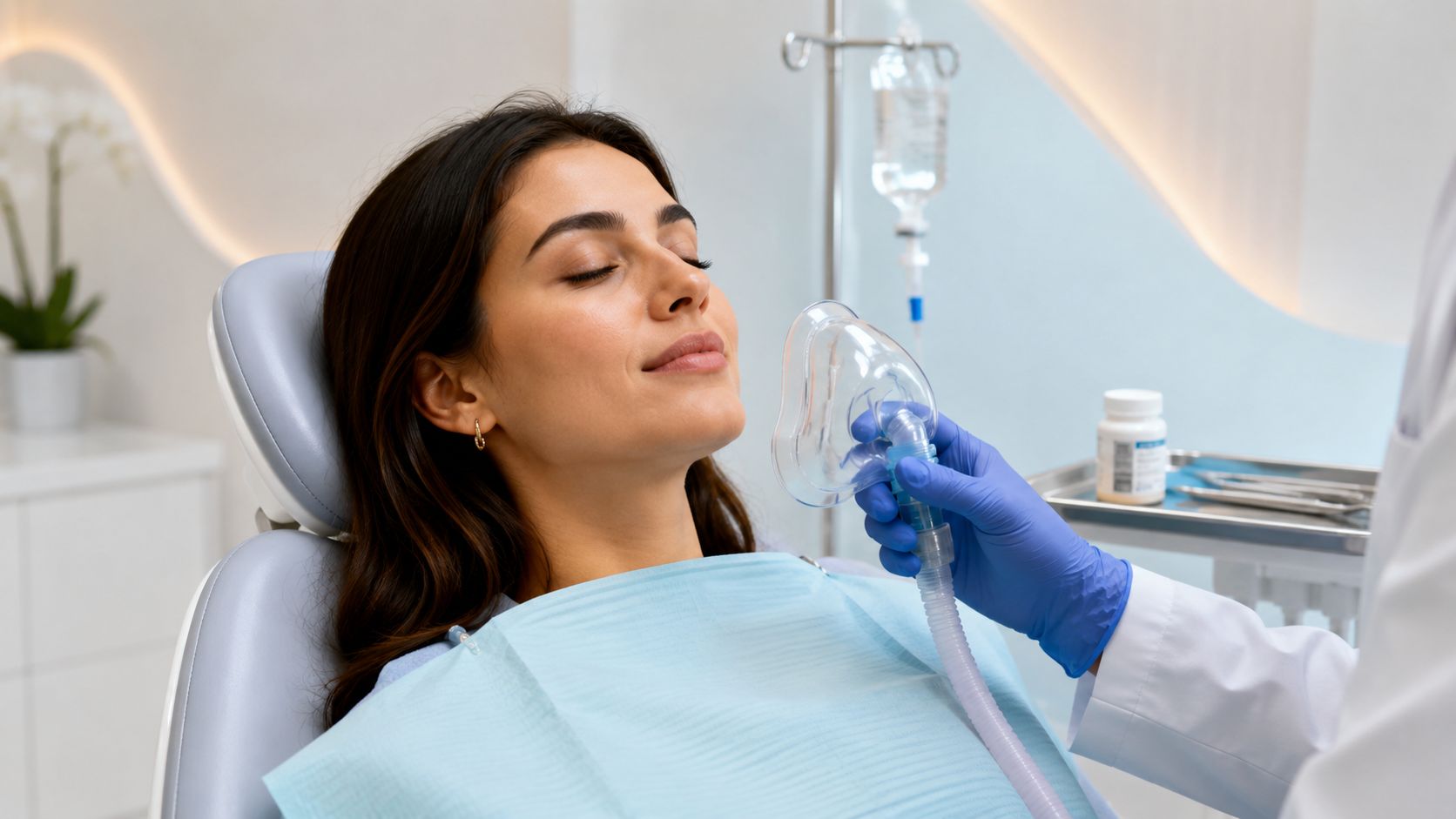
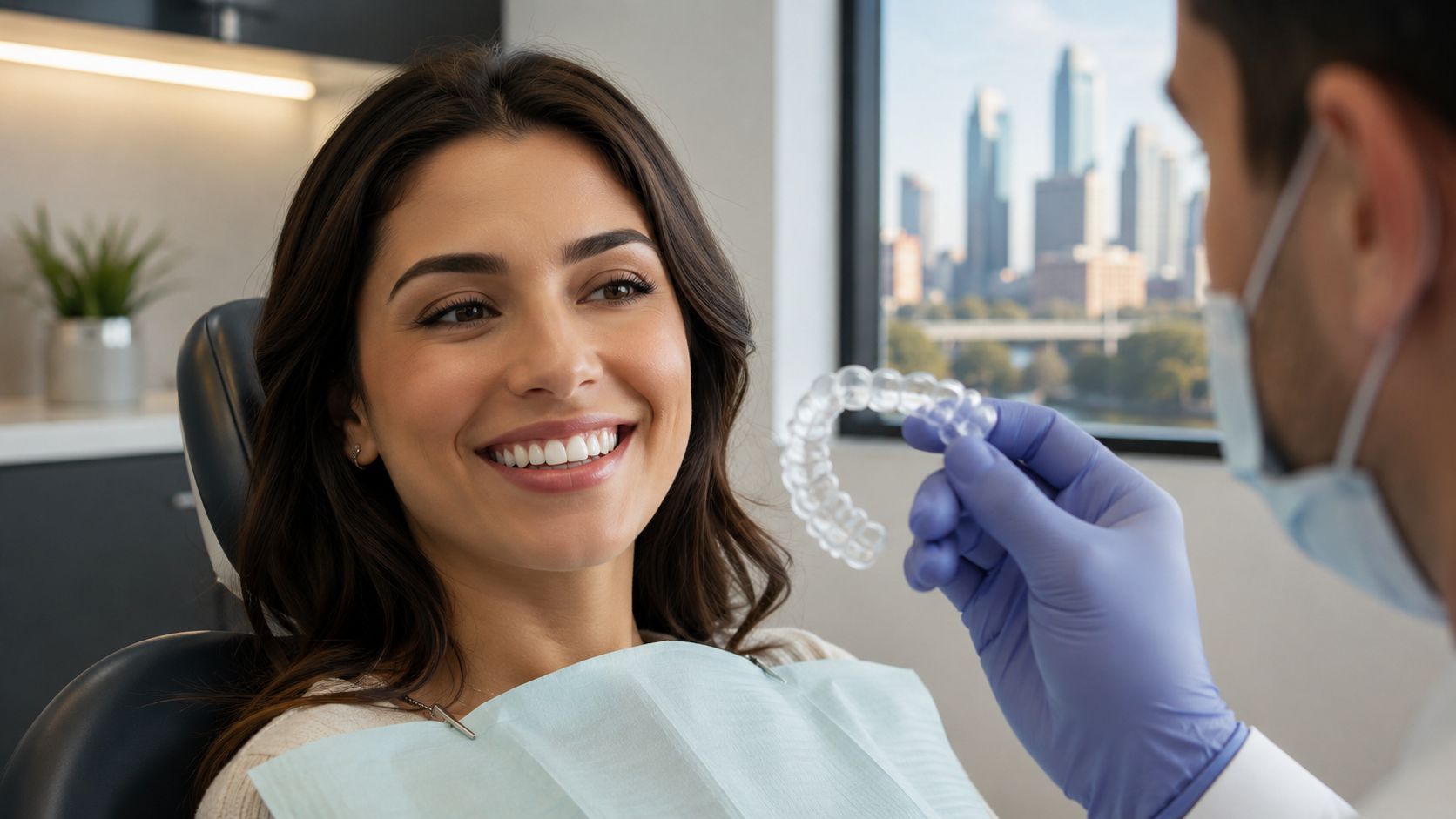
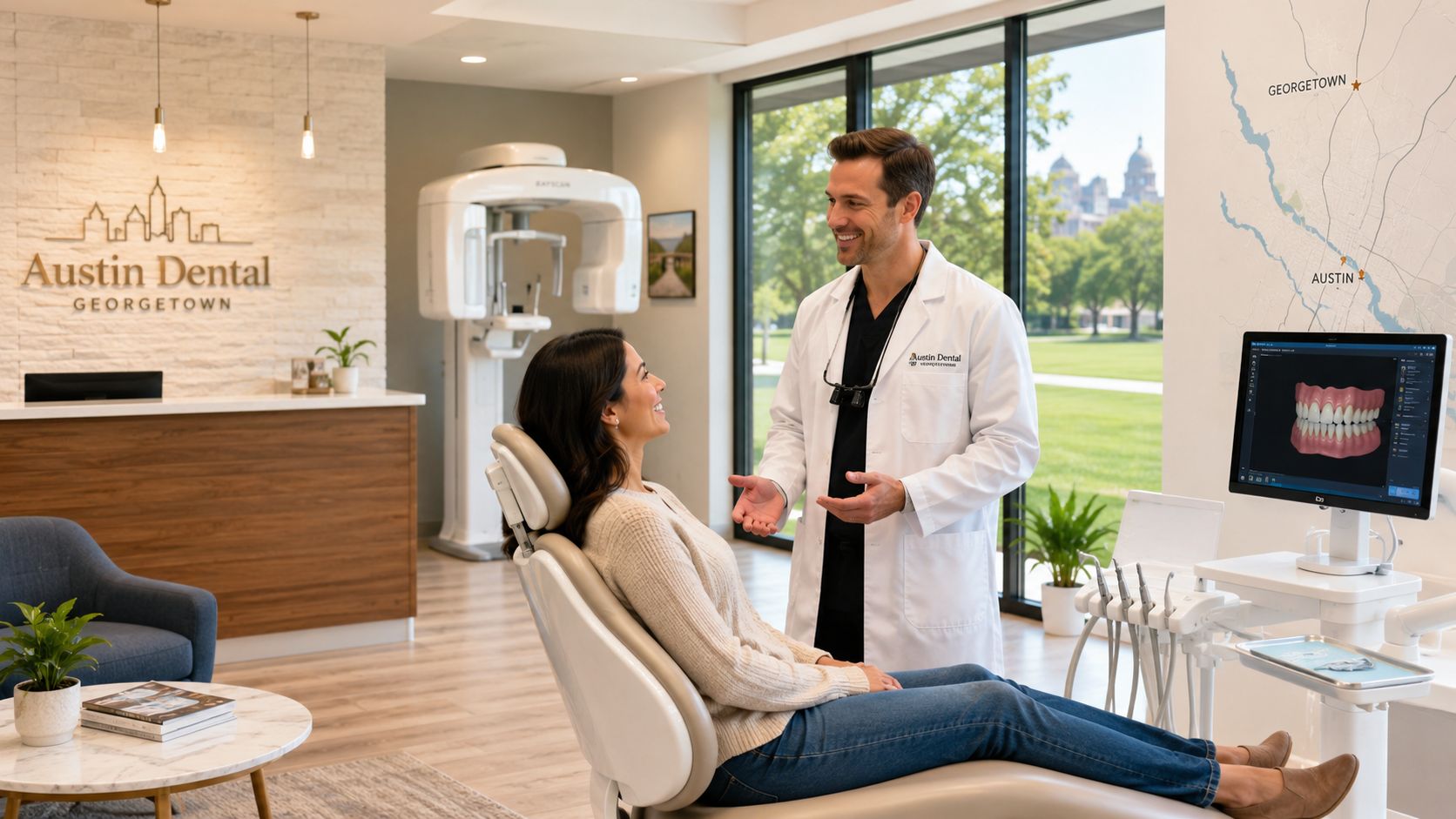
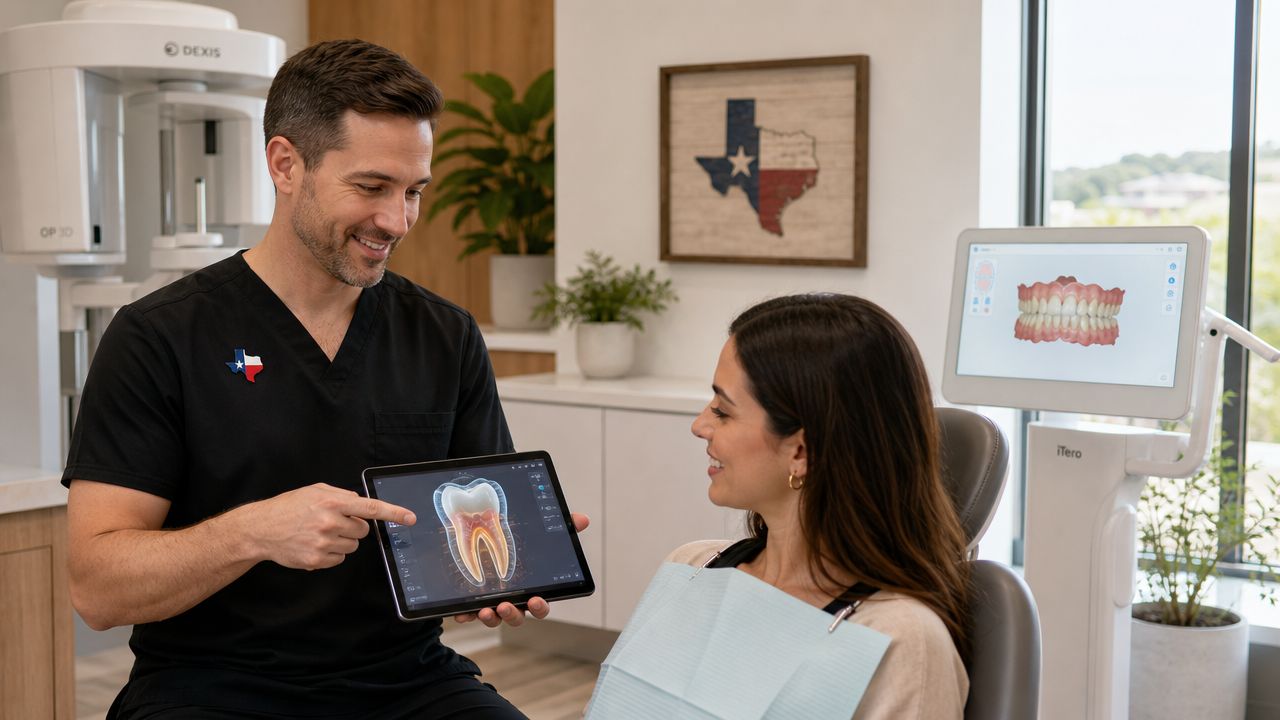
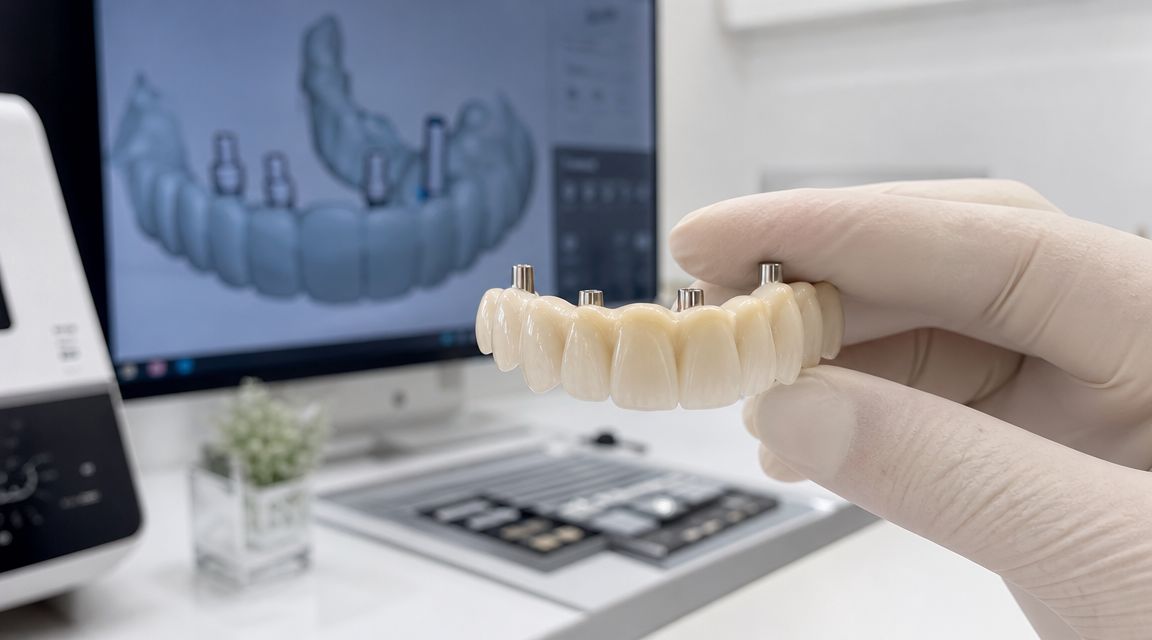
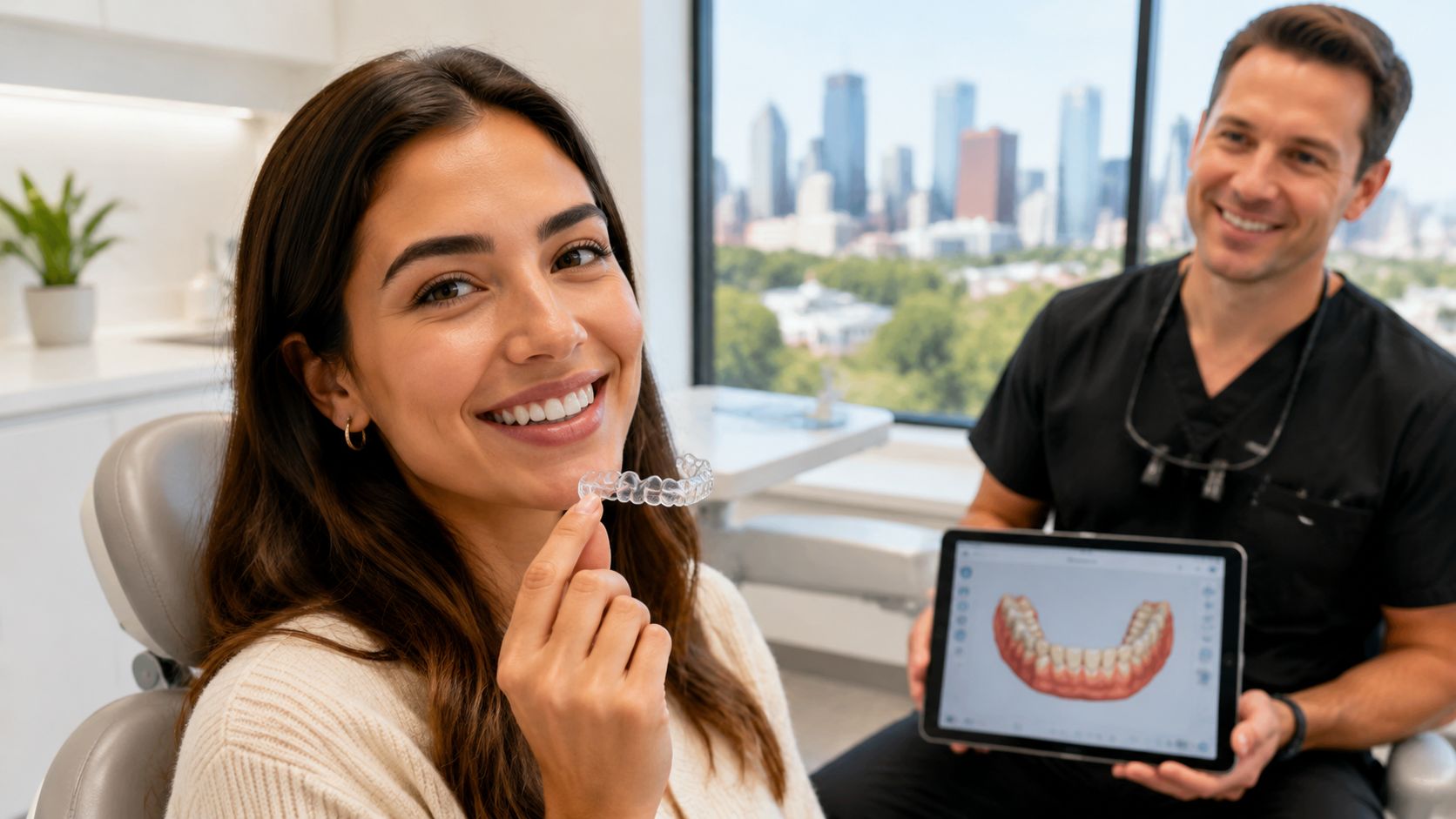
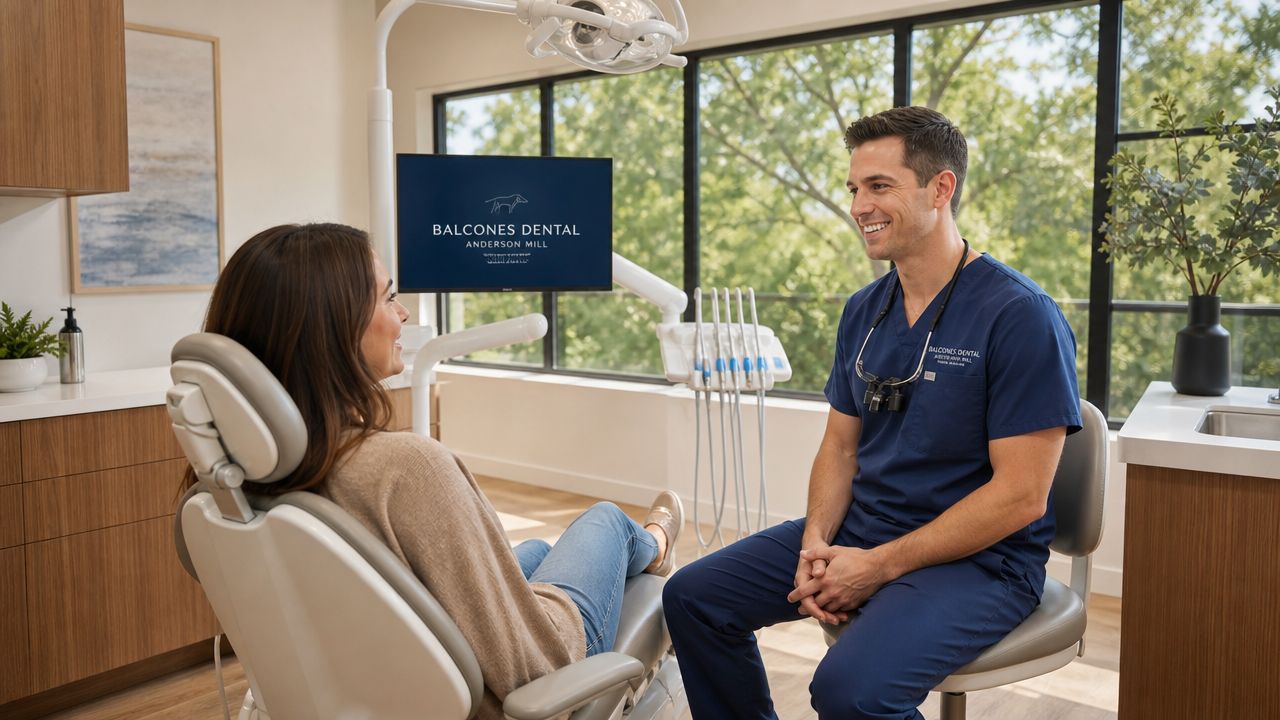
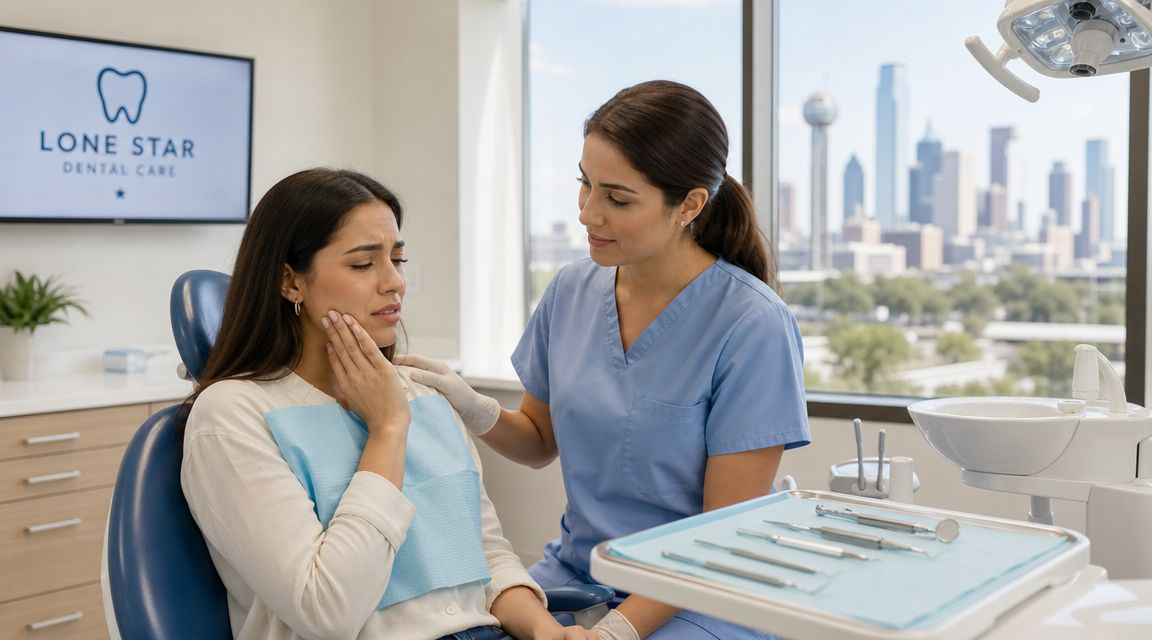

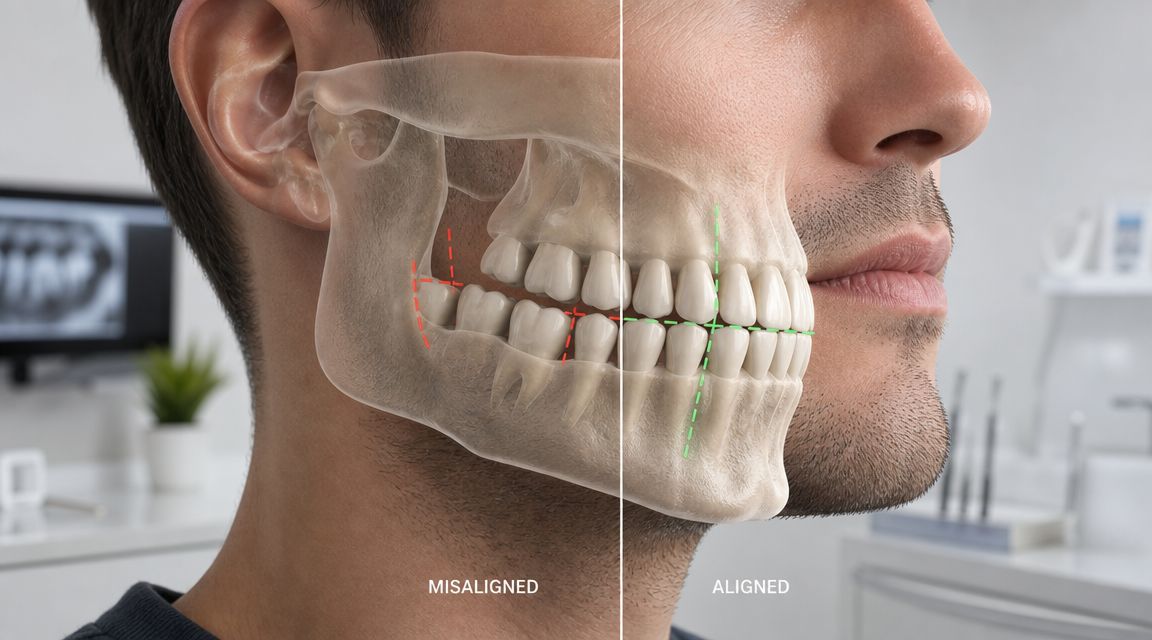
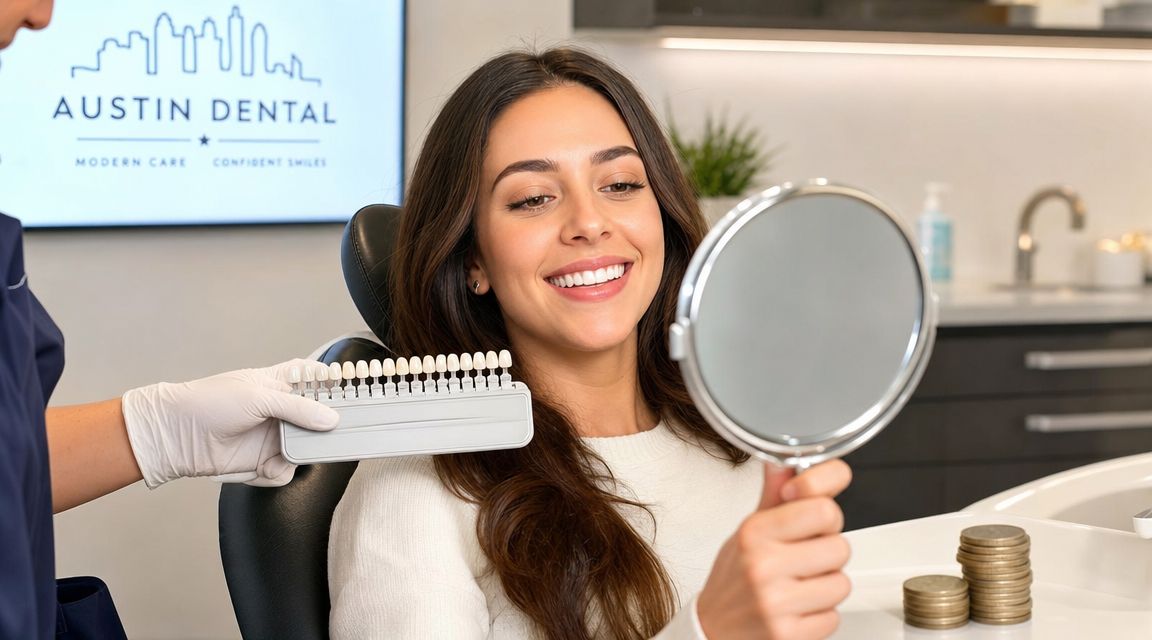
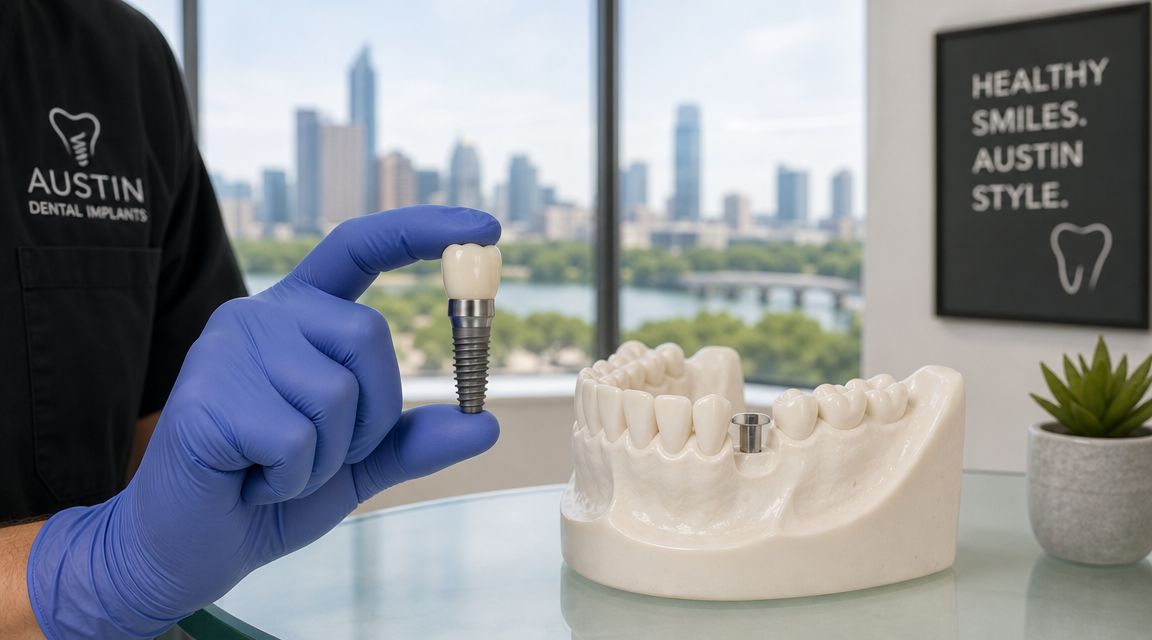
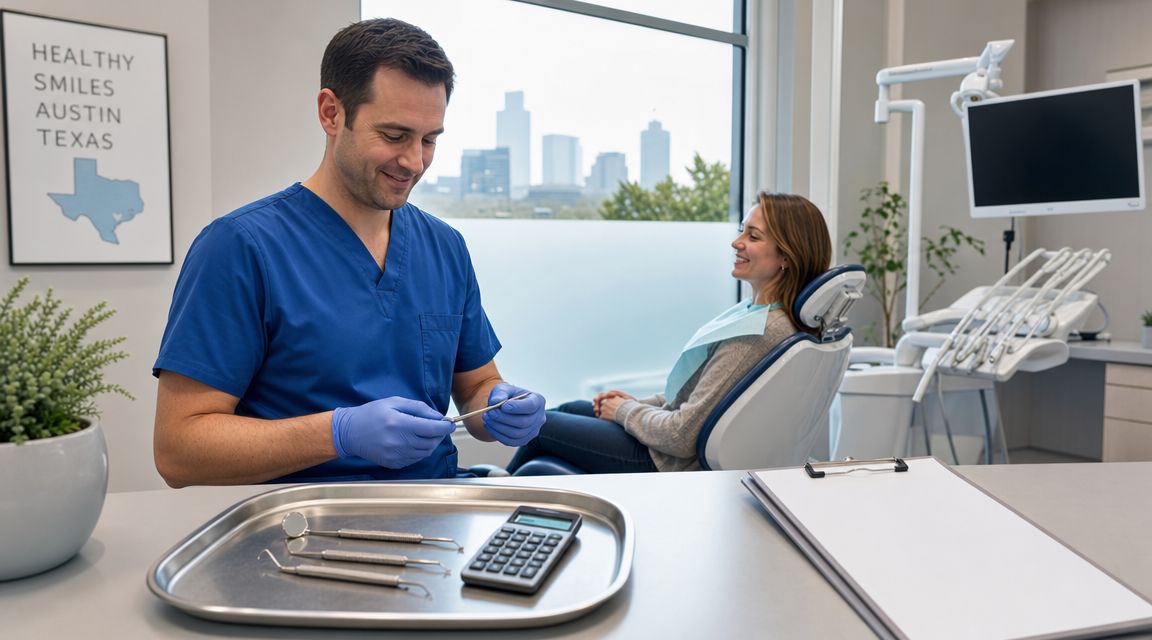
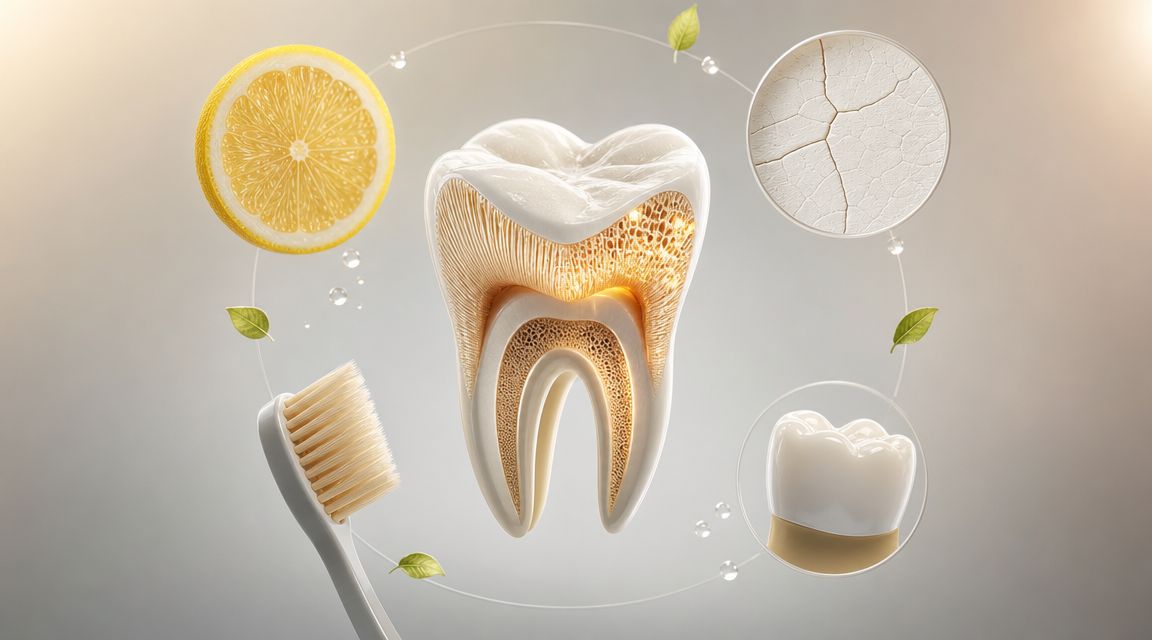

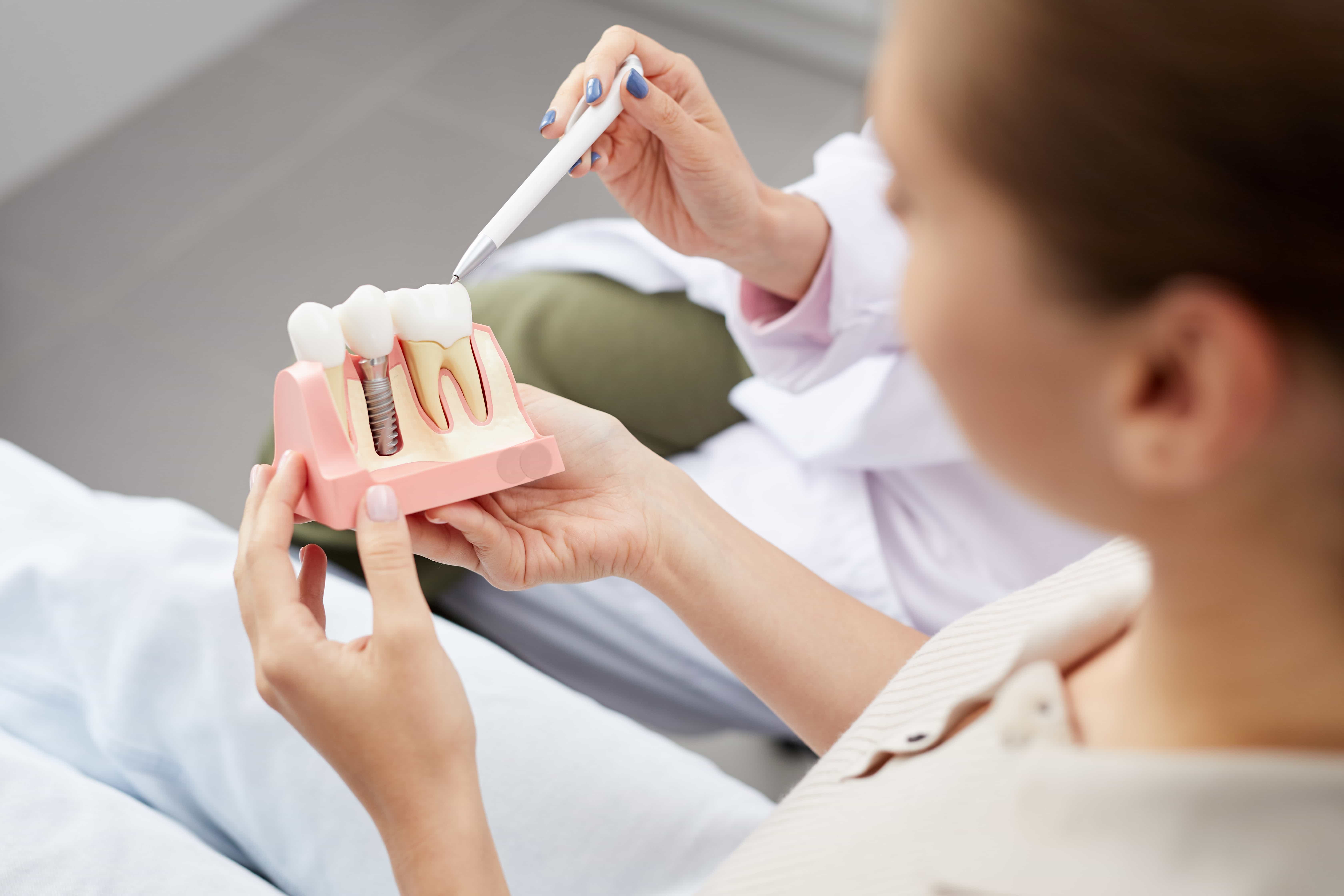
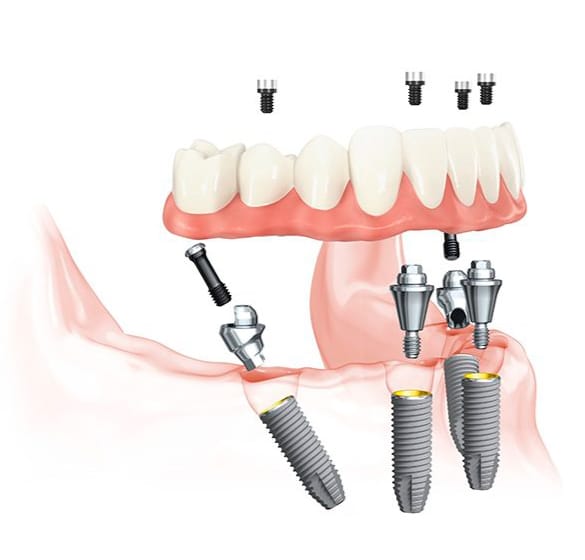
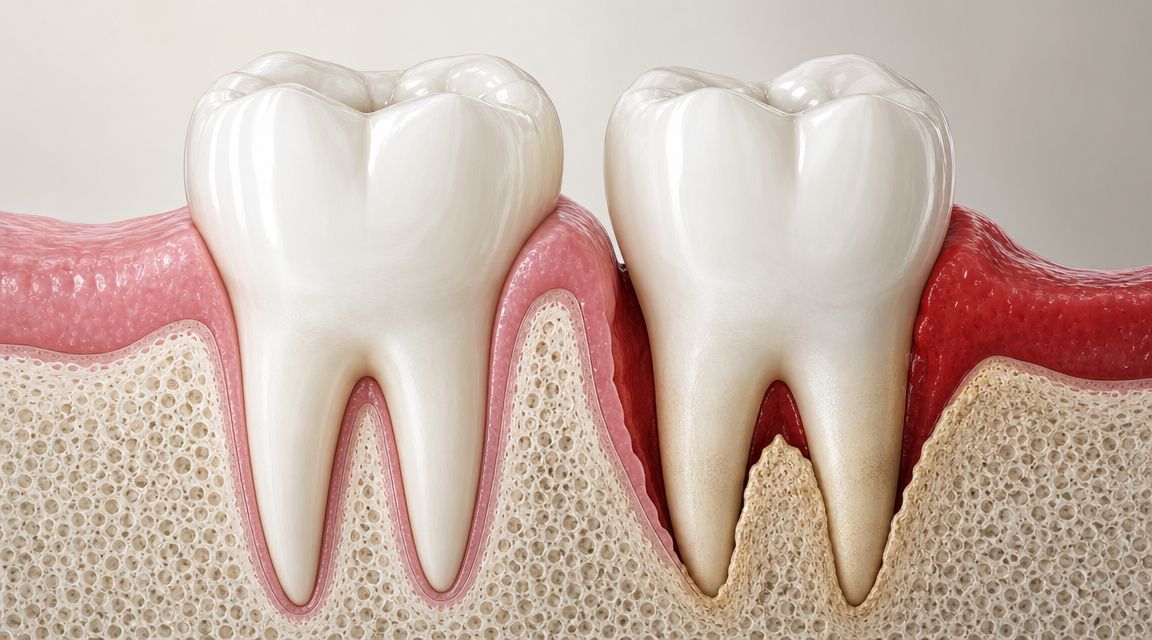








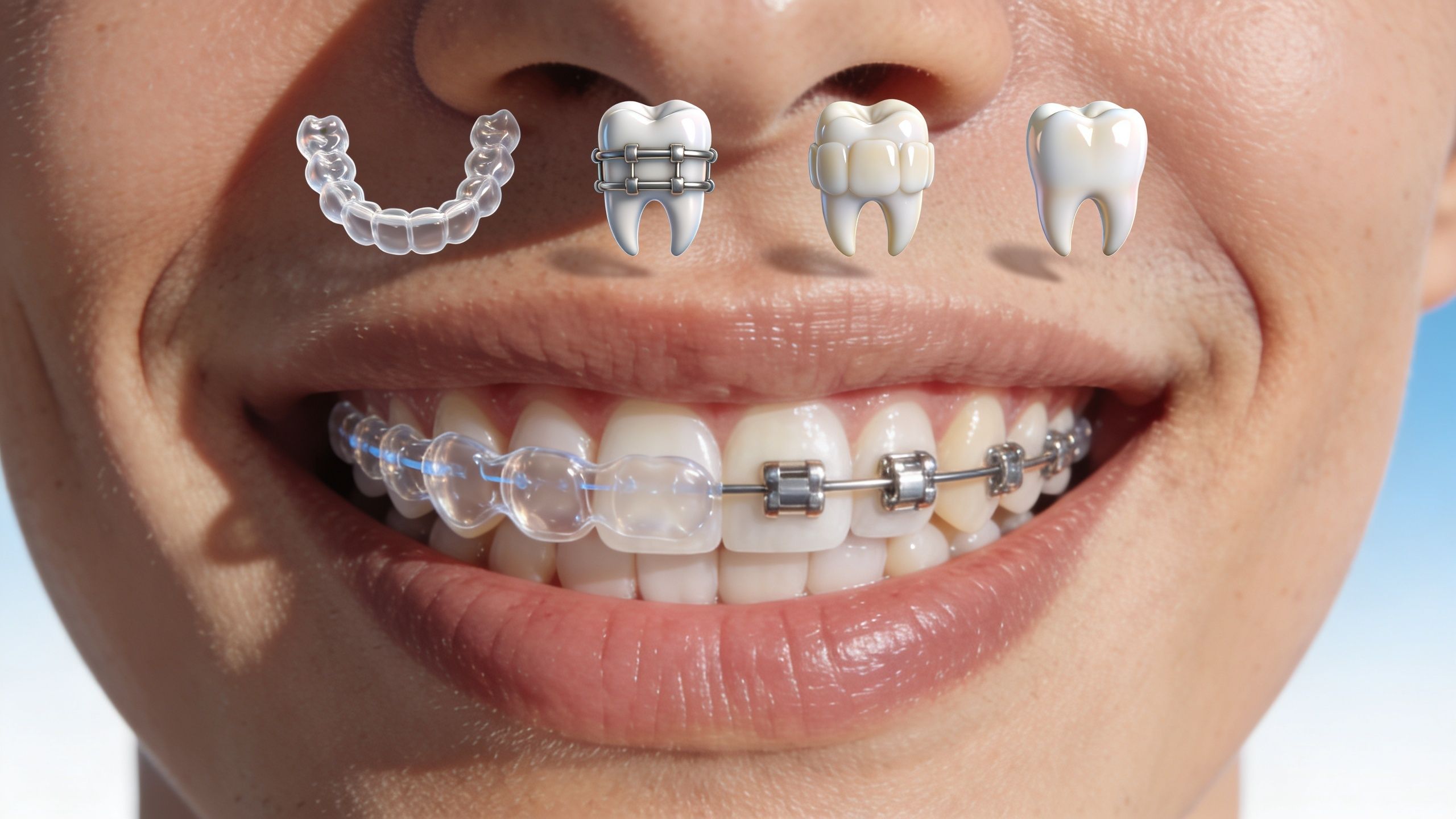





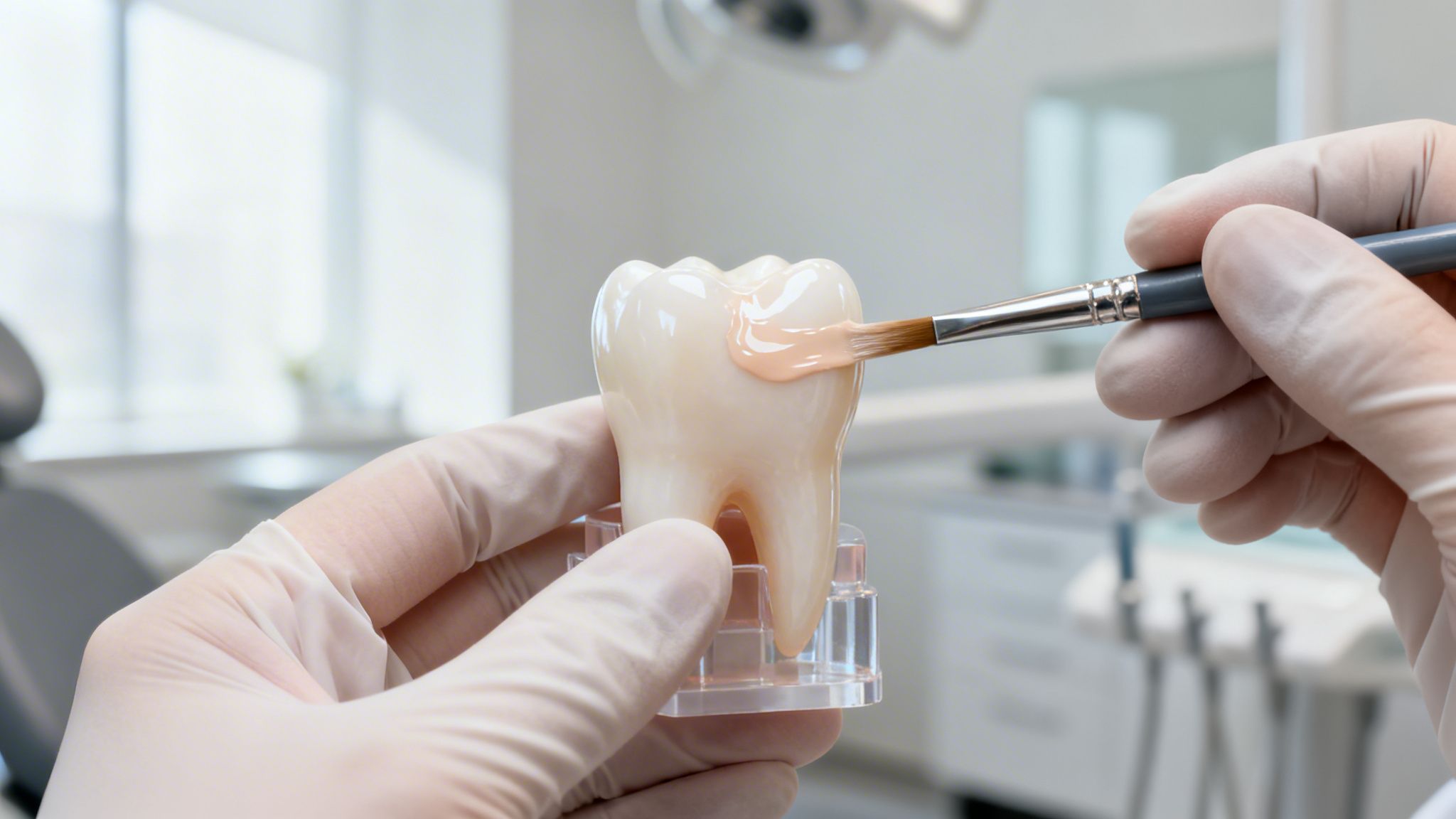
A lot of people start looking into bonding material for teeth after a small moment that suddenly feels big. You catch a chip on a front tooth in the mirror. A gap seems more noticeable in photos. A stain or worn edge makes your smile look uneven, even though the rest of your teeth are healthy.
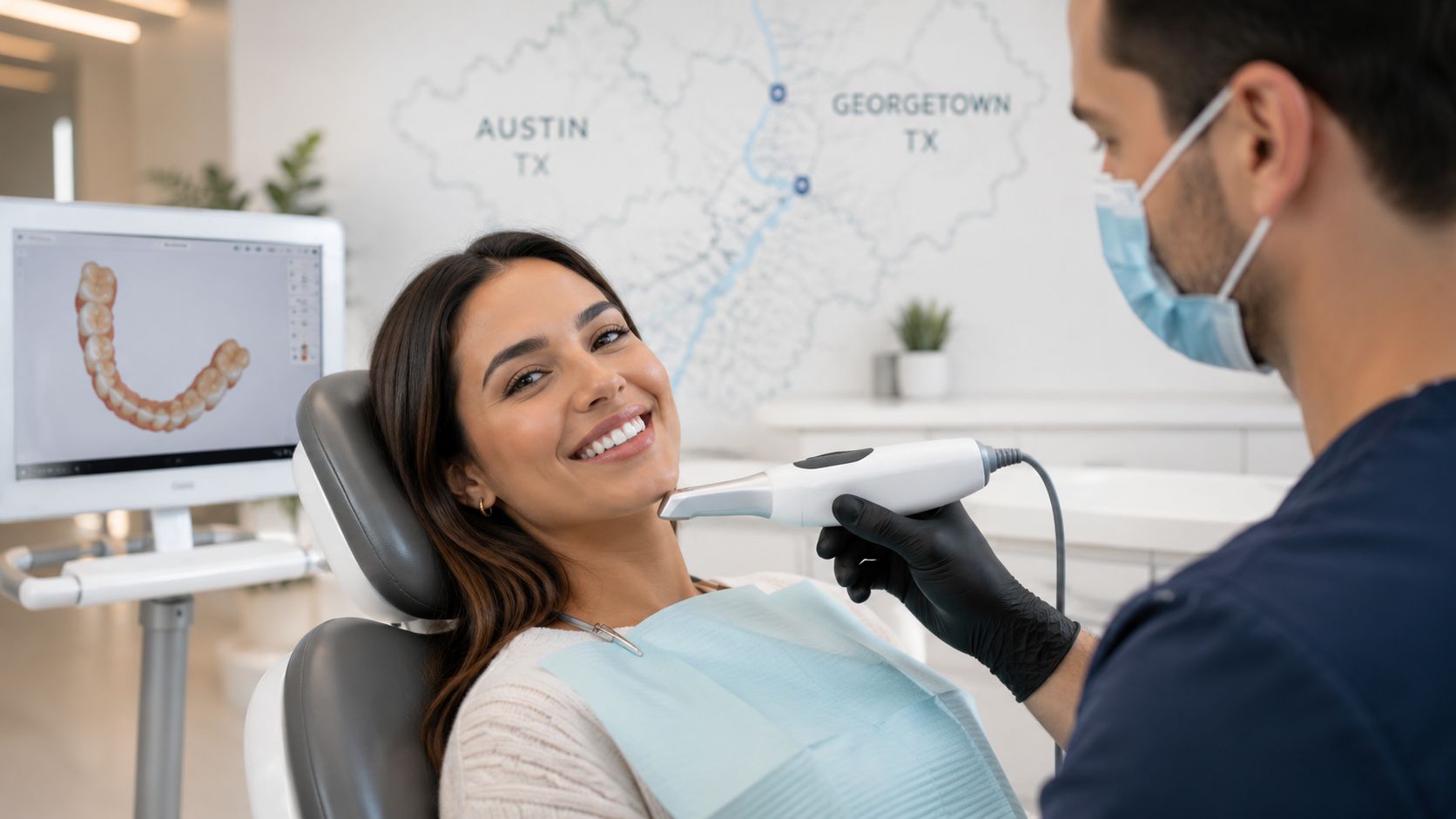
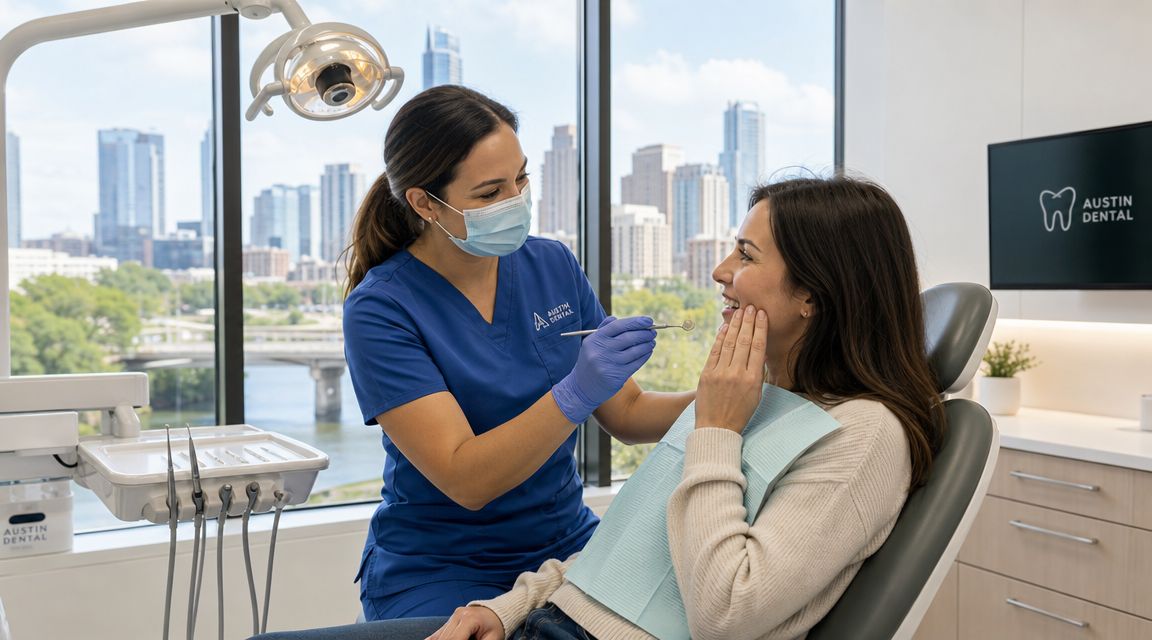
That kind of change can affect confidence quickly. It can also leave you wondering whether you need a cosmetic dentist, a restorative treatment, or just a simple fix from a trusted dentist in Austin, TX or Georgetown, TX.
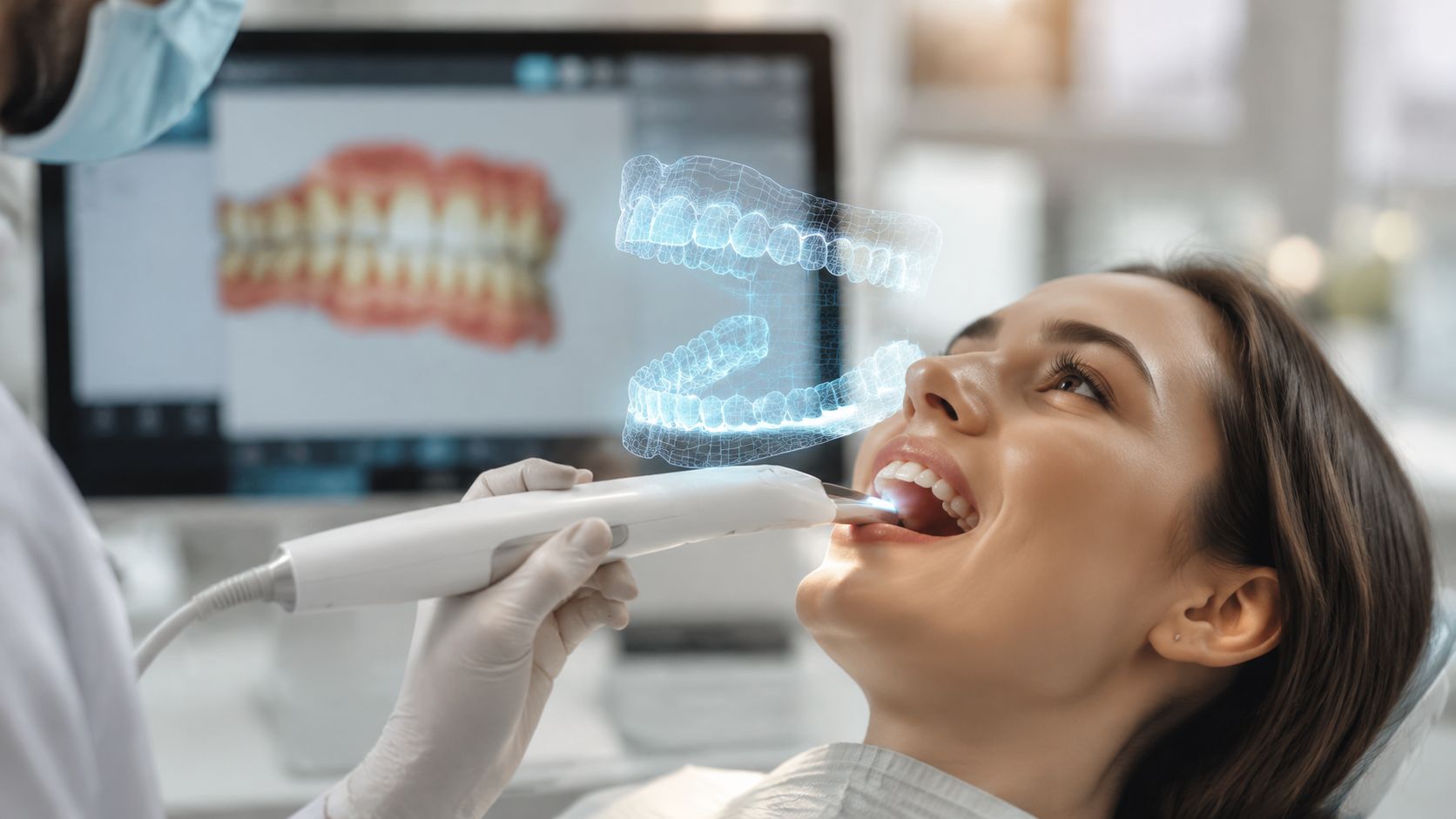
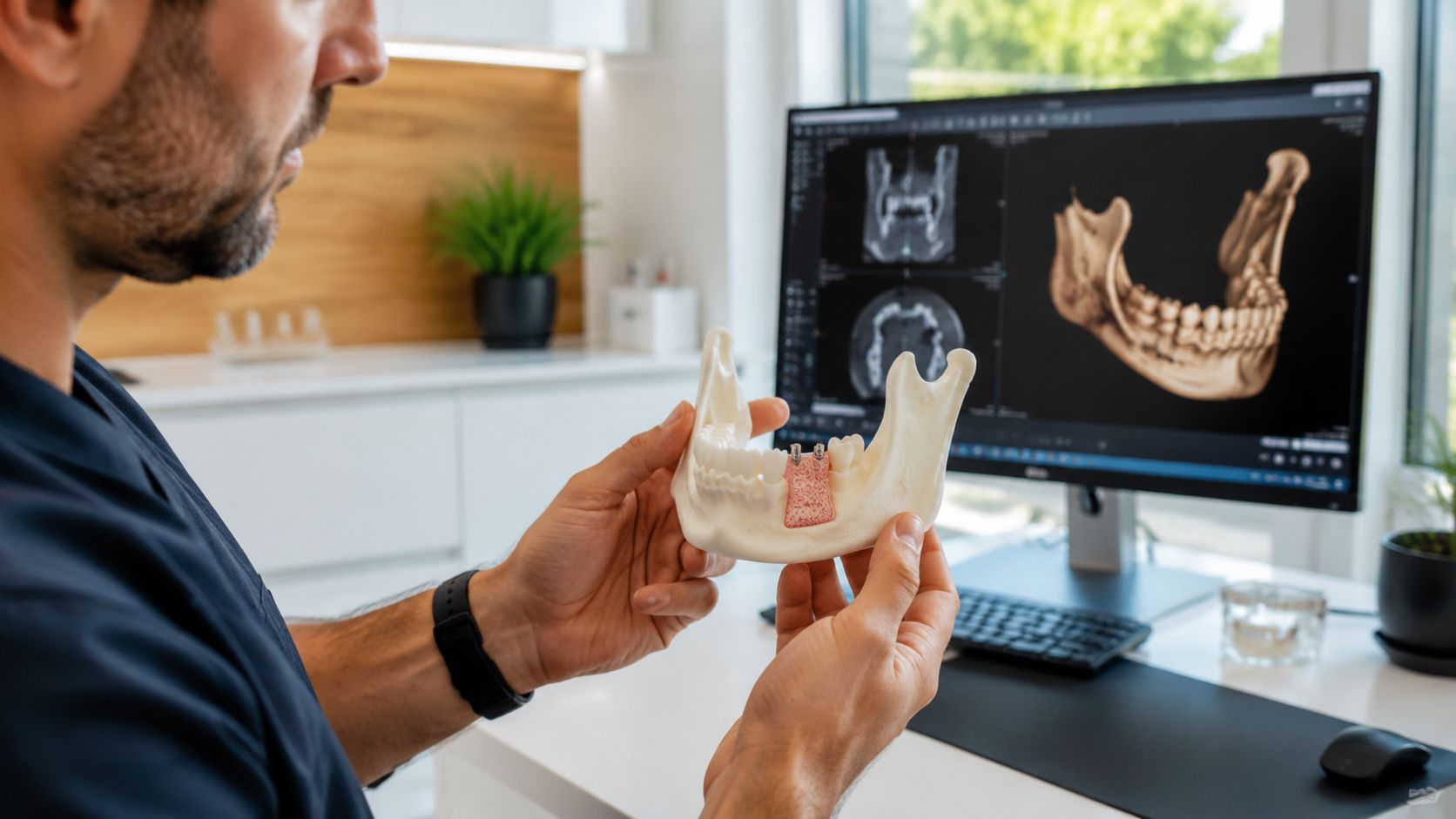
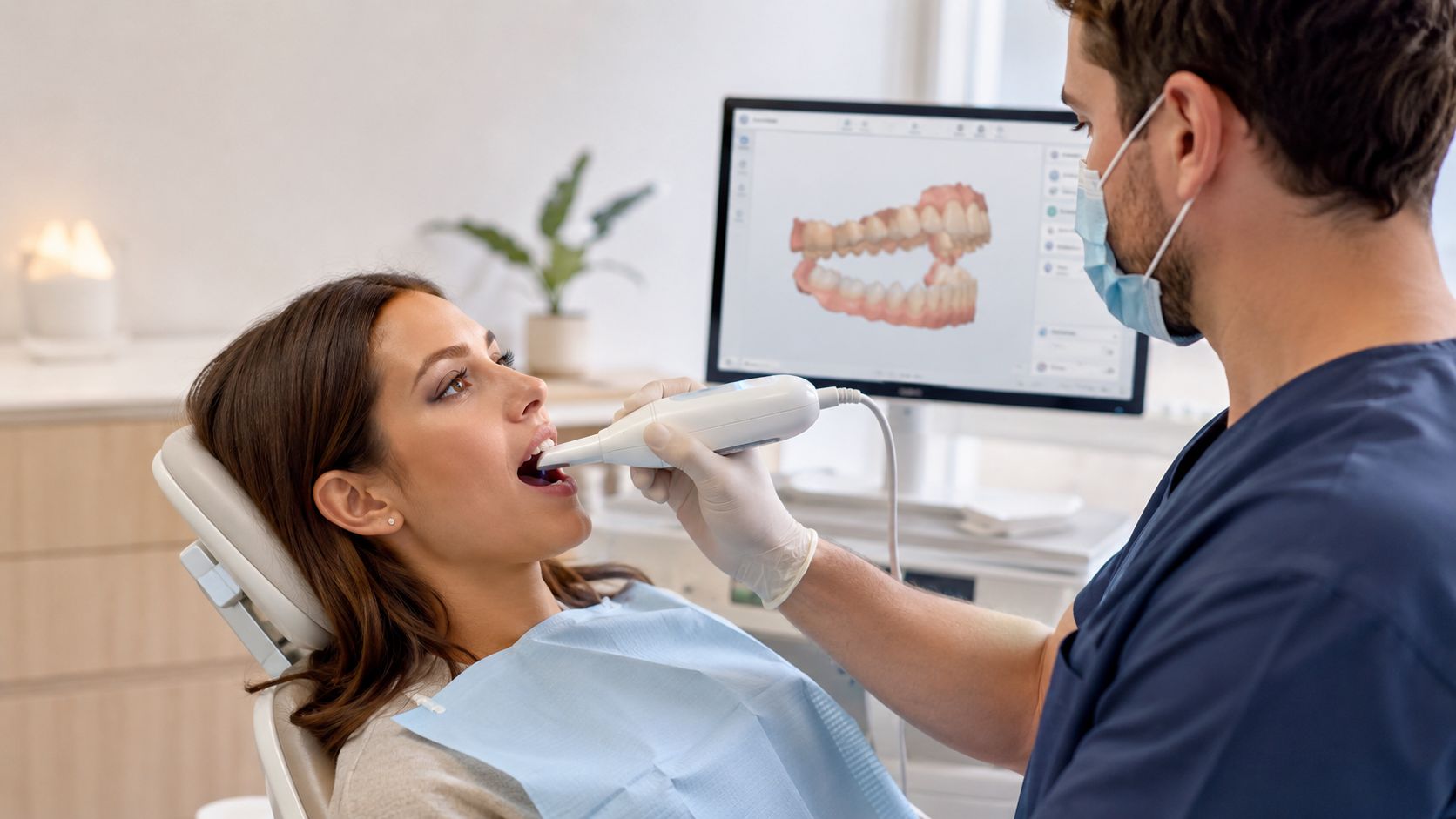
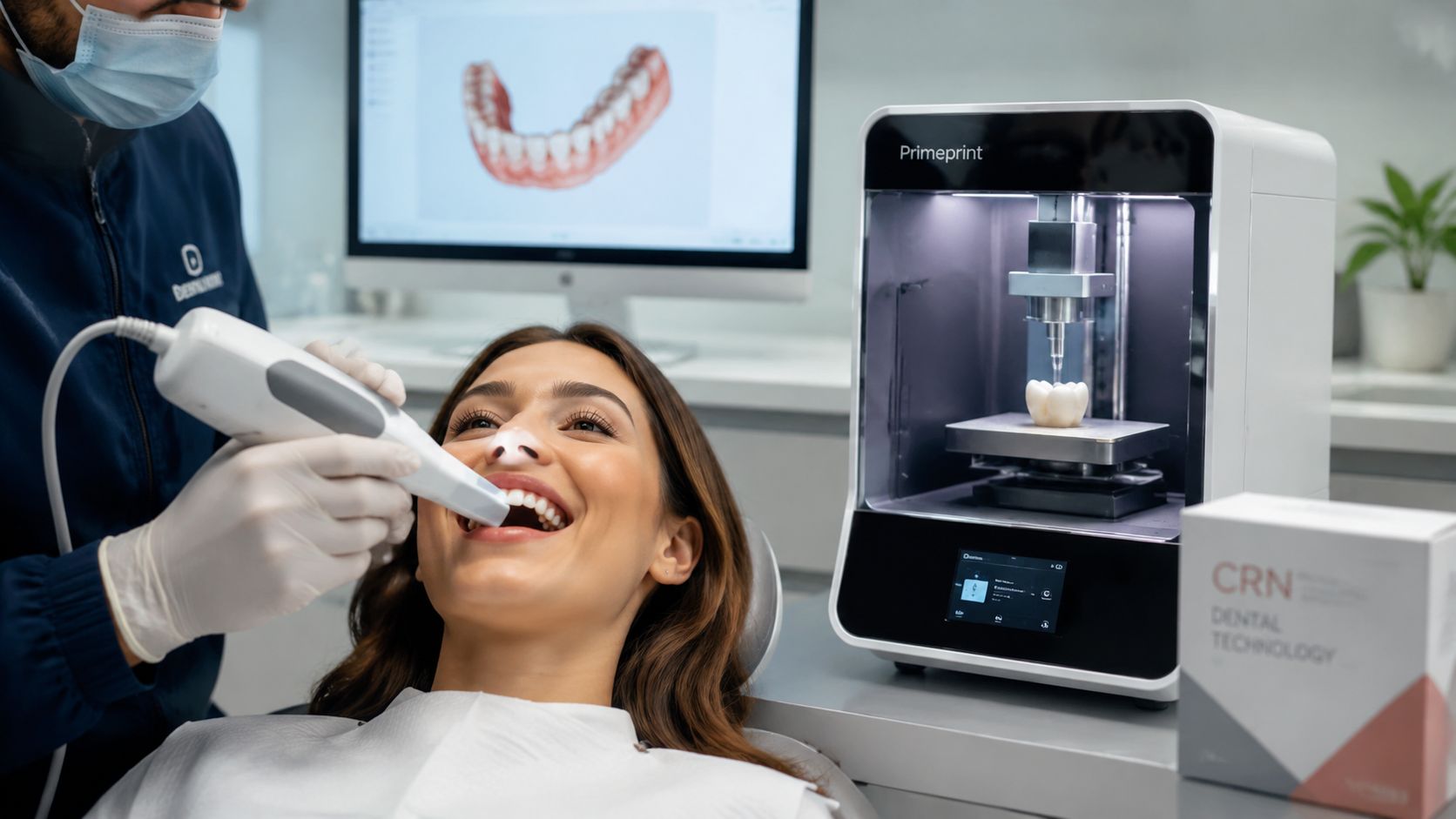
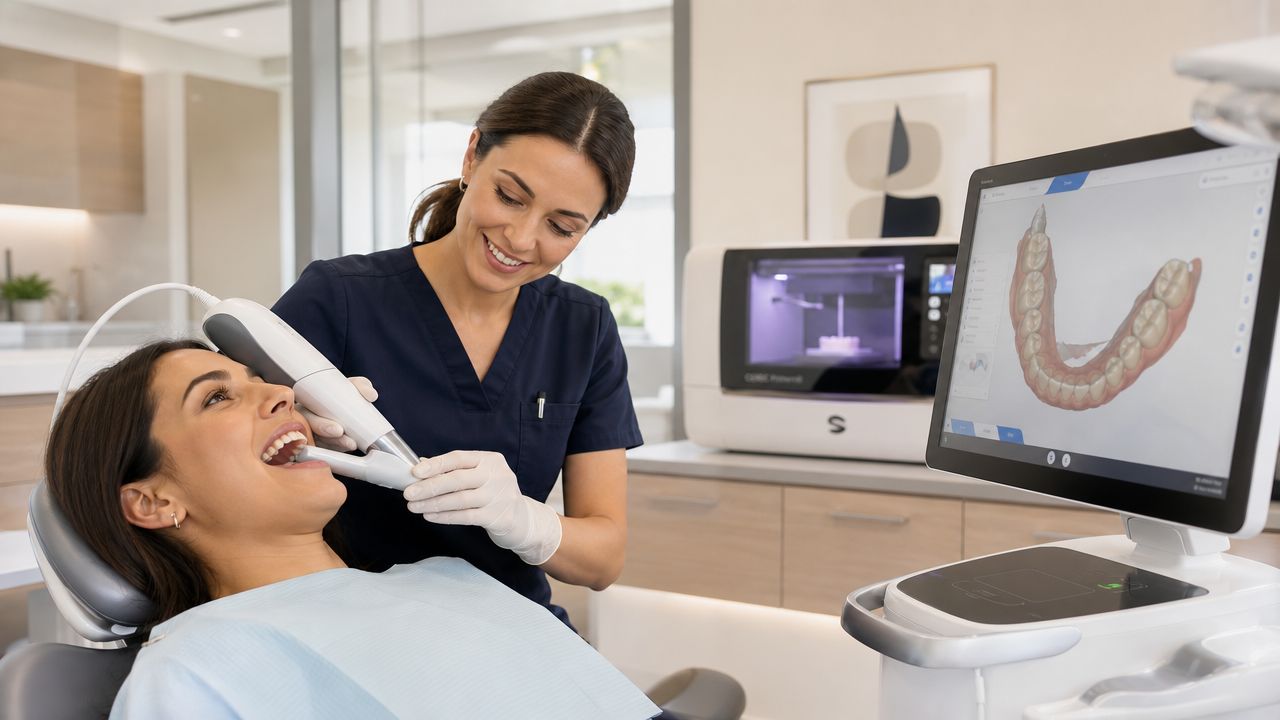
Modern dental bonding often gives patients a conservative, practical way to repair small flaws without moving straight to more involved treatment. The key is not just the material itself, but how the dentist selects it, handles it, and matches it to the demands of that specific tooth. In a tech-focused practice, digital scanners, 3D imaging, and an in-house lab can make that process more precise, more comfortable, and more predictable.
Your Trusted Cosmetic Dentist in Austin and Georgetown
A chipped tooth rarely hurts the way a dental emergency does. But it can bother you every time you smile, talk, or join a video call. The same is true for a narrow gap between front teeth or a tooth that looks shorter than the one beside it.
Patients searching for a cosmetic dentist near me often assume the answer has to be veneers. Sometimes that is the right call. Often, it is not. For small to moderate cosmetic changes, bonding can restore shape and symmetry with far less alteration to natural tooth structure.
In Austin and Georgetown, many patients want three things at once. They want the repair to look natural, feel comfortable, and fit into real life without a long treatment timeline. Careful material selection is essential in such cases.
When a small flaw needs the right fix
A front tooth chip is a good example. If the tooth is healthy and the damage is minor, a well-placed bonded repair can blend into the surrounding enamel and preserve almost all of the natural tooth. That makes it appealing for adults who want a fast cosmetic improvement and for families looking for practical restorative care from a local dentist near me search.
The same thinking applies to:
- Small chips and rough edges: These often respond well to direct composite bonding.
- Minor spacing concerns: Bonding can sometimes close or soften a gap without orthodontics.
- Shape corrections: A dentist can build up a worn corner or improve symmetry between teeth.
A strong cosmetic result starts with restraint. The best treatment is the one that solves the problem without overtreating the tooth.
Why local patients ask about bonding first
Bonding sits at the intersection of cosmetic and restorative dentistry. It can improve appearance, repair damage, and support conservative care. For patients in Austin, Georgetown, Round Rock, and Cedar Park, that makes it a common starting point when they want improvement without a major procedure.
It also fits naturally into broader care. A patient may come in for a new patient exam, dental x-rays, whitening consultation, or emergency visit after a chipped tooth. Bonding often becomes part of the treatment discussion alongside fillings, crowns, veneers, aligners, or even future implant planning if a more complex issue is involved.
Understanding Dental Bonding and How It Restores Your Smile
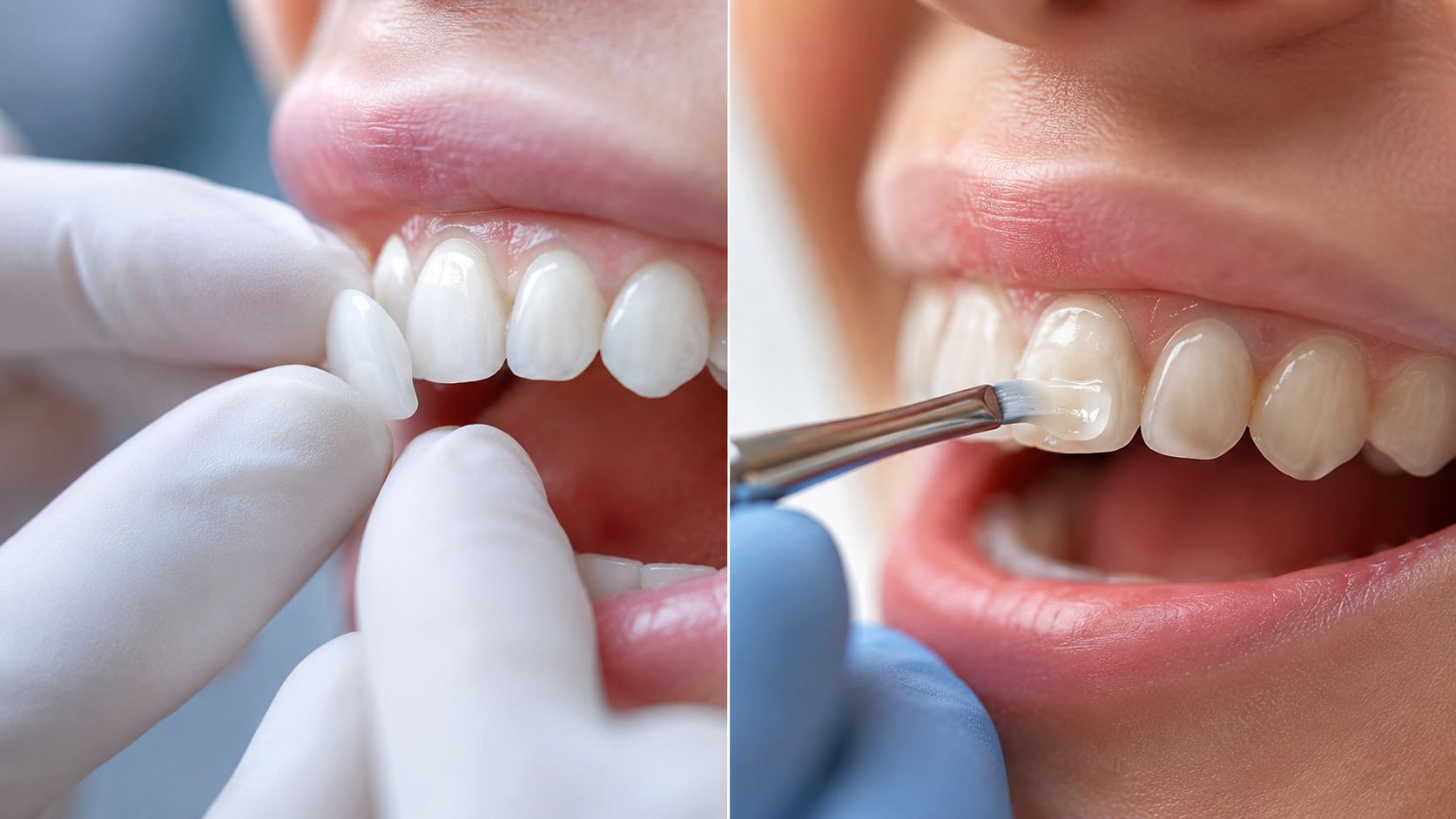
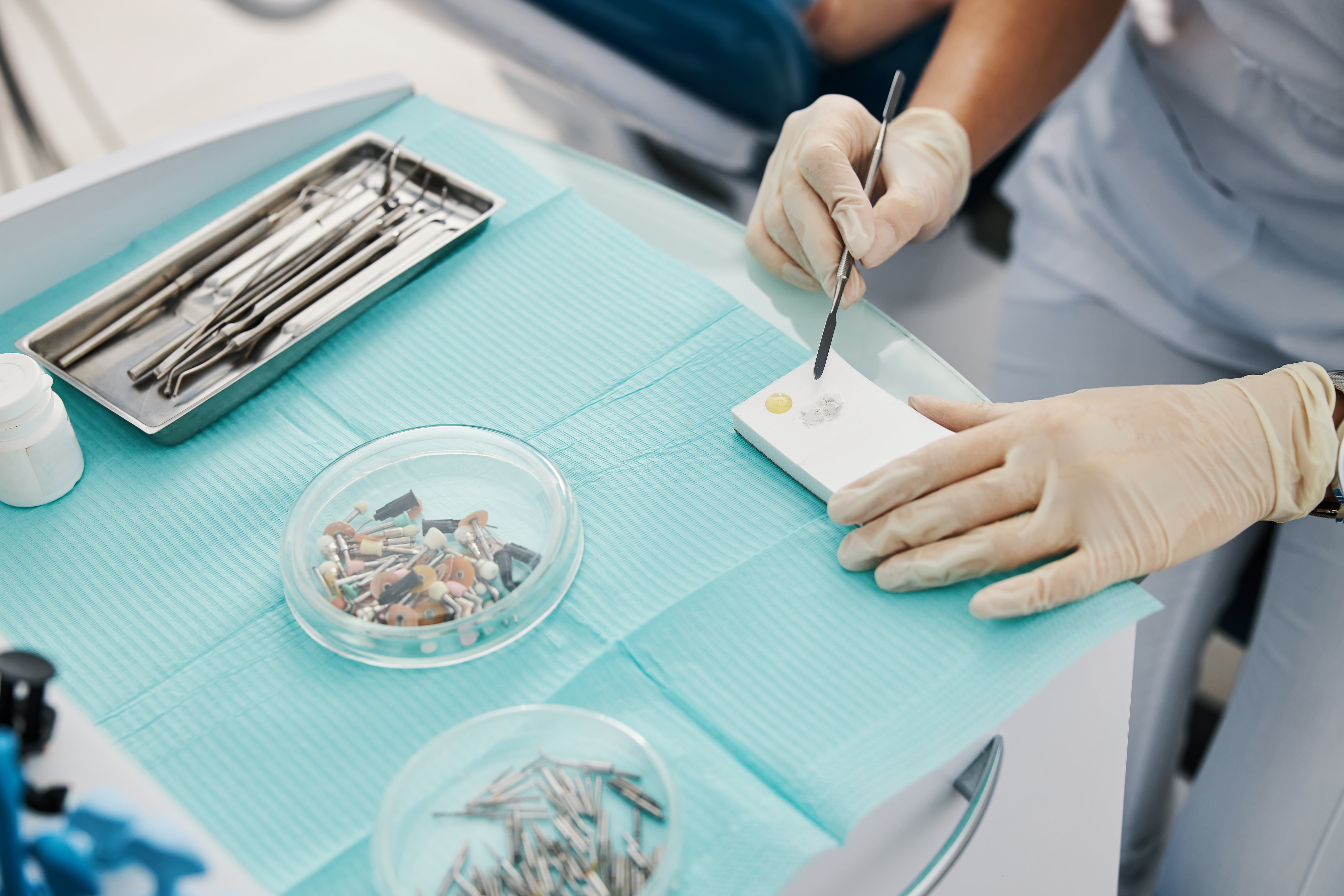
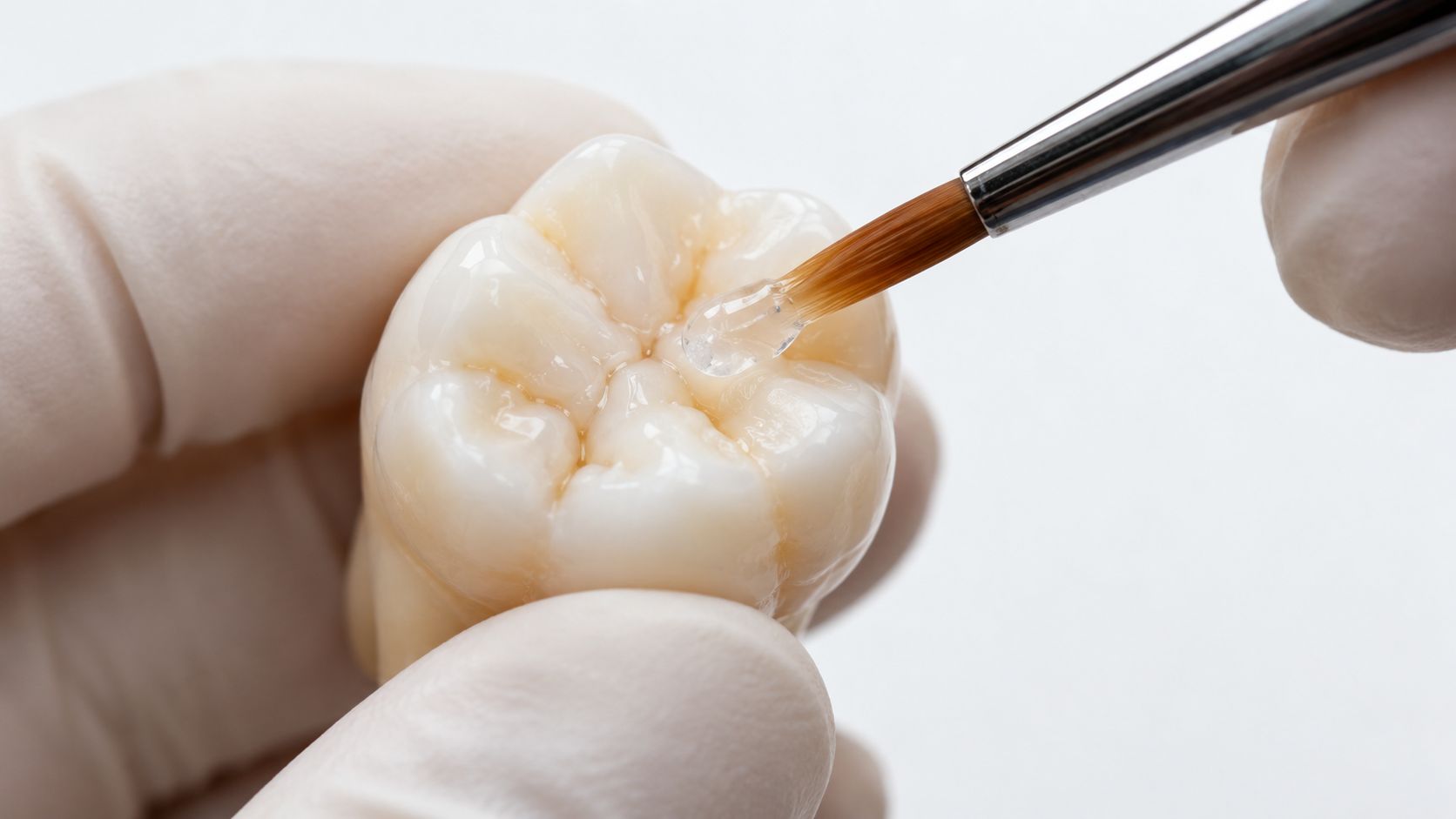
Dental bonding uses a tooth-colored composite resin that is applied directly to the tooth, shaped carefully, and hardened into place. This process resembles fine sculpting. The material starts workable, then the dentist refines contours, edges, and surface texture so the repair looks natural instead of obvious.
This is one reason composite resin is used so widely. According to WebMD’s overview of dental bonding, composite resin is utilized in approximately 72% of all dental restorations globally.
What the bonding material does
The material does two jobs at once. First, it replaces what is missing or improves what is uneven. Second, it attaches to the tooth through an adhesive process that helps it stay in place during normal use.
That makes bonding useful for:
- Repairing chips
- Smoothing cracks or worn edges
- Closing small gaps
- Improving tooth shape
- Blending discolored areas in select cases
For patients, the biggest advantage is often how conservative it is. Bonding typically requires very little removal of healthy enamel. In many cases, that means a more comfortable visit and a simpler path to improving your smile.
Why conservative treatment matters
When a treatment preserves natural tooth structure, it keeps future options open. That matters in cosmetic dentistry and restorative dentistry alike. A small defect does not always need a crown. A single uneven tooth does not always need a full veneer case.
Bonding can be especially helpful when the goal is refinement, not reinvention. It works best when the problem is localized and the bite forces on that area are manageable.
Bonding is often at its best when the change is targeted. Small repairs, thoughtful shaping, and careful polish tend to produce the most natural-looking results.
How the result becomes seamless
A good bonded restoration is not just placed. It is layered, shaped, and finished. Shade matching matters. Surface texture matters. Bite adjustment matters. If any of those steps are rushed, the tooth can feel bulky, look flat, or chip more easily.
That is why patients benefit when cosmetic planning is tied to digital imaging and close quality control. The material may be simple in concept, but the outcome depends heavily on clinical judgment and technique.
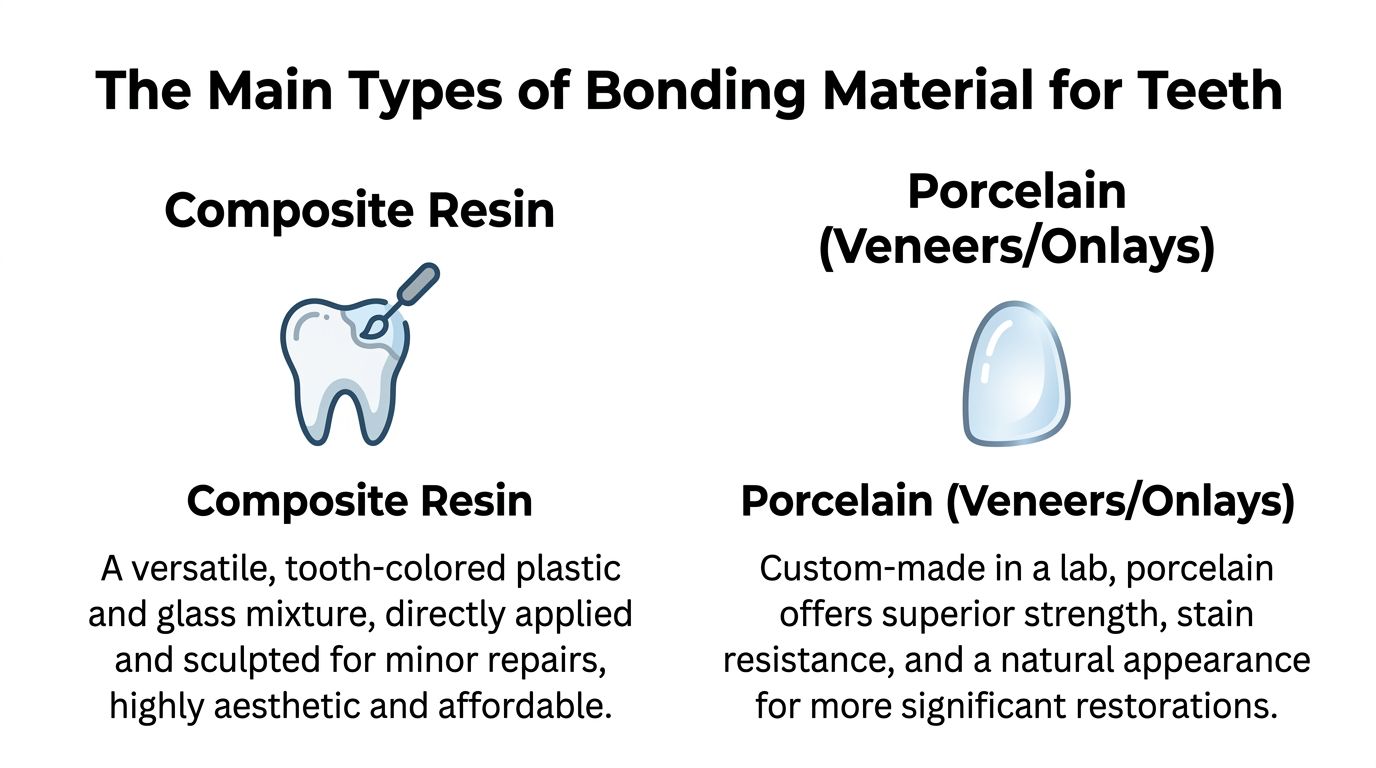
The Main Types of Bonding Material for Teeth
A patient may come in asking for “bonding” on a chipped front tooth, but the material choice is rarely one-size-fits-all. In our Austin practice, we choose bonding materials based on where the tooth sits in the smile, how much force it handles, how dry we can keep the area during treatment, and whether the restoration is made directly in the chair or designed digitally and finished through our in-house lab.
Composite resin for direct repairs
Composite resin is the material patients usually mean when they talk about cosmetic bonding. It is placed directly on the tooth, shaped by hand, cured with a light, and polished to blend with the surrounding enamel.
It works well for small chips, edge repairs, minor spacing concerns, and many tooth-colored fillings. The advantage is control. I can build shape in small layers, refine the contour, and adjust the bite in real time, which helps keep the tooth comfortable and natural-looking.
Its main benefits are straightforward:
- Excellent esthetics: Composite comes in multiple shades and translucencies, so the repair can match nearby teeth more closely.
- Conservative treatment: It usually allows us to preserve more healthy enamel than a more aggressive restoration.
- Single-visit efficiency: Many direct bonding cases are completed in one appointment.
Composite also has limits. It can stain, wear, or chip faster than porcelain in the wrong situation, especially on patients with heavy bite forces or grinding habits.
Adhesives that create the seal
The part patients do not see is often the part that decides whether the restoration holds up. Adhesive systems bond the tooth to the restorative material and help seal out bacteria and fluid.
Modern bonding agents are designed to interact with enamel, dentin, and in some cases restorative materials such as zirconia. As explained in this review of dentin bonding agents, some universal adhesives using 10-MDP achieve bond strengths of 25-40 MPa to materials like zirconia.
That matters in daily practice. A strong adhesive protocol can support a simple filling, but it also plays a role in veneers, crowns, and certain implant restorations where material compatibility and moisture control matter more.
Resin cements for veneers, crowns, and other indirect work
Indirect restorations are handled differently because they are fabricated outside the mouth, then bonded or cemented into place. Resin cements are commonly used for veneers, many ceramic restorations, inlays, onlays, and selected crown cases.
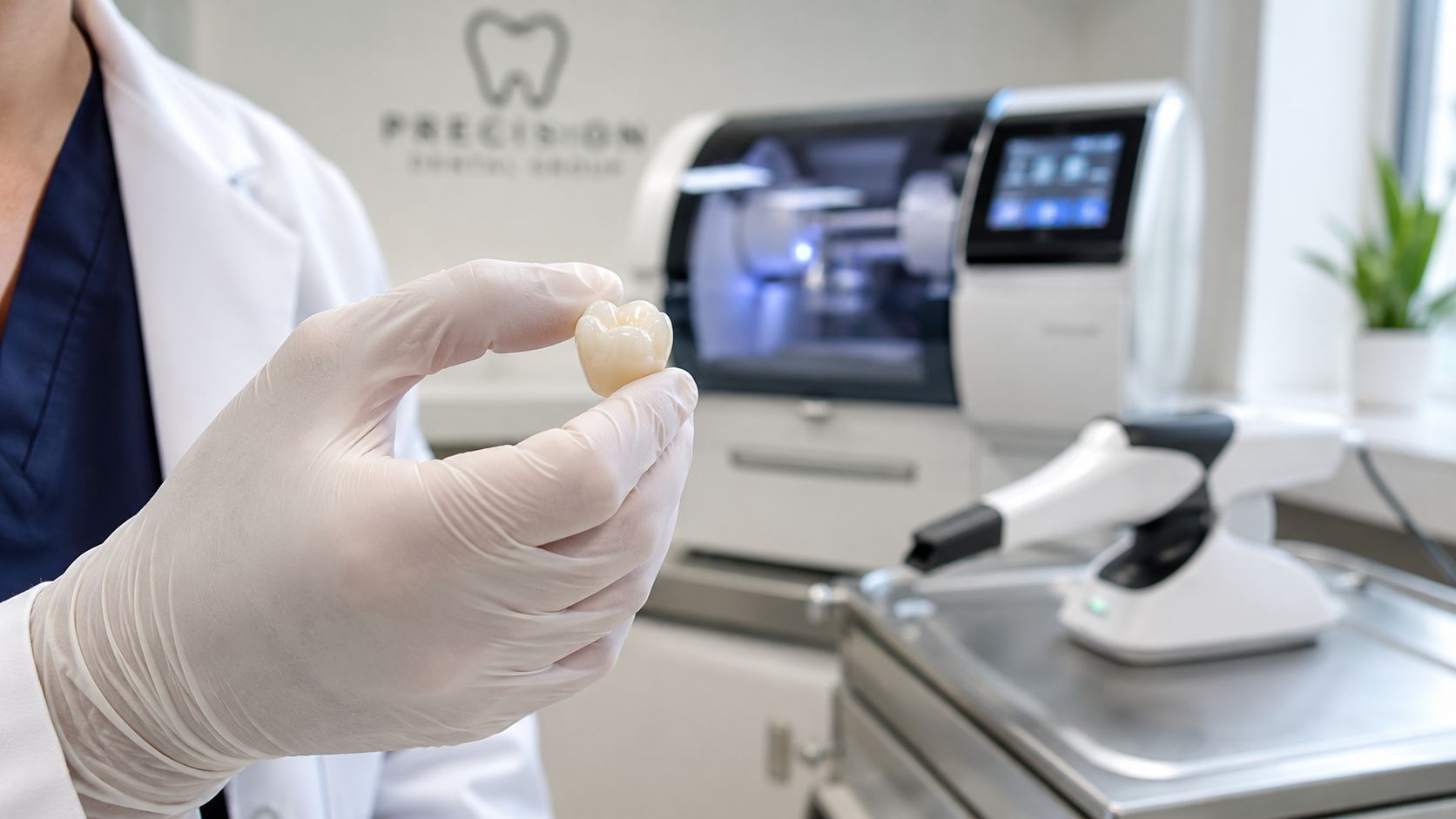
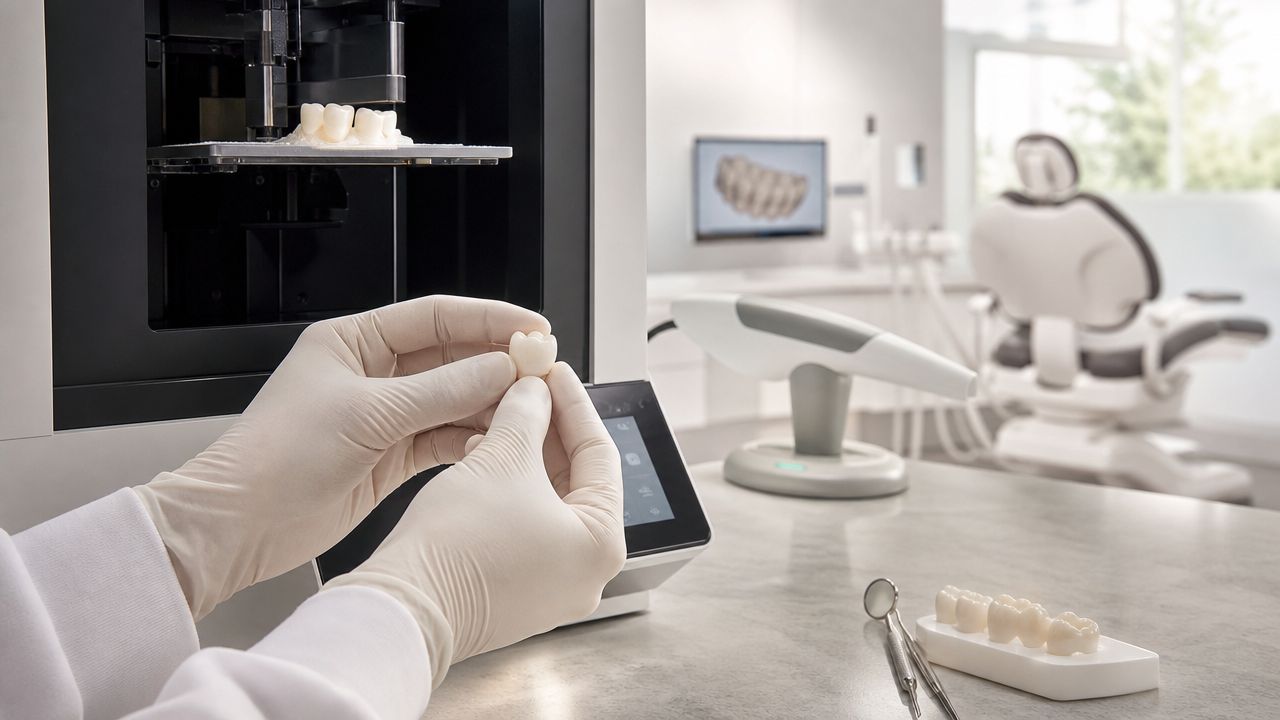
At 3D Dental, digital scans and our in-house lab change this decision in a practical way. We can review prep design, margins, contacts, and the restorative material before delivery, which helps us choose the bonding protocol more precisely. Better fit usually means less chairside adjustment, a cleaner seat, and a more predictable bond.
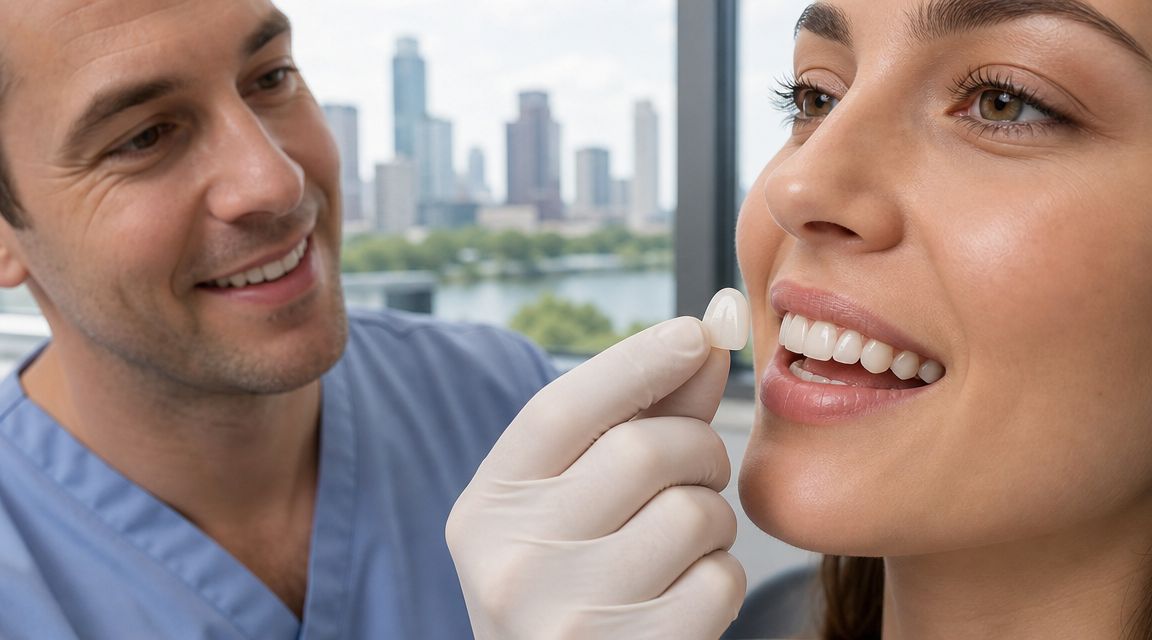
Patients comparing direct composite to porcelain often benefit from a closer look at composite vs porcelain veneers, because the material choice affects appearance, repairability, and long-term maintenance.
Glass ionomer and related materials
Glass ionomer is a different category. It is not usually the first choice for high-visibility cosmetic improvements, but it can be useful in the right restorative situation.
Dentists often consider it when fluoride release is helpful or when the treatment goal is more functional than cosmetic. In some cases, especially where isolation is less ideal, it offers practical advantages even though it does not deliver the same polish and esthetic performance as composite.
A simple comparison
| Material | Common use | Main advantage | Main limitation |
|---|---|---|---|
| Composite resin | Chips, small gaps, direct cosmetic changes, fillings | Conservative and tooth-colored | Can stain or chip over time |
| Dental adhesive | Bonds restorative material to tooth structure | Improves retention and seal | Very technique-sensitive |
| Resin cement | Veneers, crowns, indirect restorations | Strong option for lab-made restorations | Requires precise fit and isolation |
| Glass ionomer | Select fillings and restorative situations | Helpful in specific clinical cases | Usually not the first choice for highly cosmetic areas |
Common Dental Treatments Using Bonding Technology
Bonding technology shows up in far more procedures than patients realize. Even if someone comes in asking about a chipped front tooth, the same adhesive principles may also be part of their crown, veneer, aligner attachment, or implant restoration.
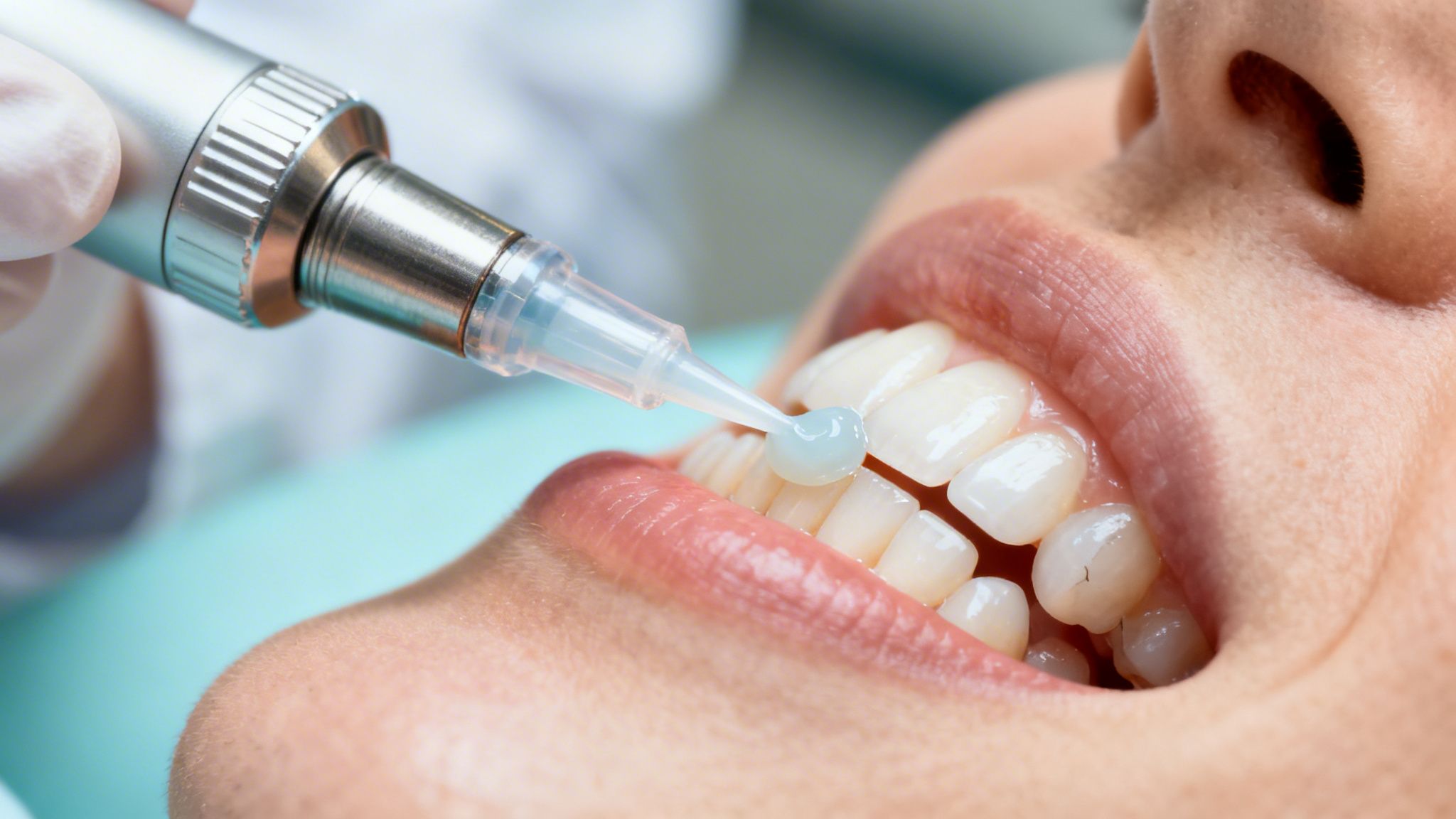
Cosmetic repairs for chips and gaps
This is the most familiar use. A patient notices a small chip after biting into something hard or sees a space that makes the front teeth look uneven. Direct bonding can often reshape that area quickly and conservatively.
Digital scanners help here because they give the dentist a close view of symmetry, edge position, and bite relationships before the material is placed. That can be especially useful when matching one front tooth to the other.
Crowns, veneers, and lab-made restorations
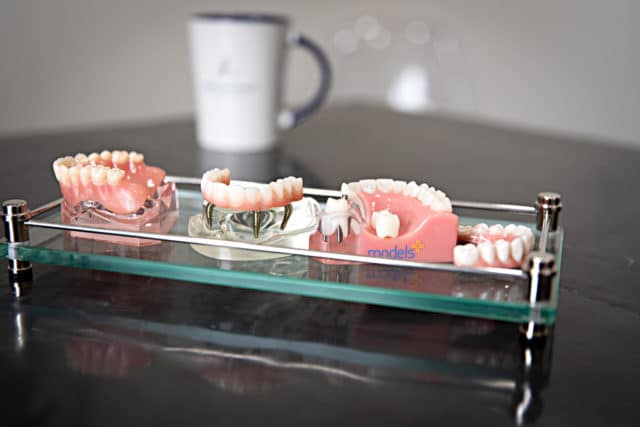
Bonding technology also supports indirect dentistry. Veneers and many crowns depend on careful adhesive handling so the restoration seats properly and remains secure.
Technique matters a great deal. According to this article on dental bonding systems, incomplete solvent evaporation during the priming stage can weaken the bond layer by up to 50%. That is a strong reminder that materials alone do not create durable results. Clinical precision does.
For patients, an in-house lab and advanced imaging can make a real difference in this context. When scanning, design review, and restoration adjustments happen in a tightly coordinated workflow, the final bonding appointment is often more controlled and more predictable.
Orthodontics and temporary restorations
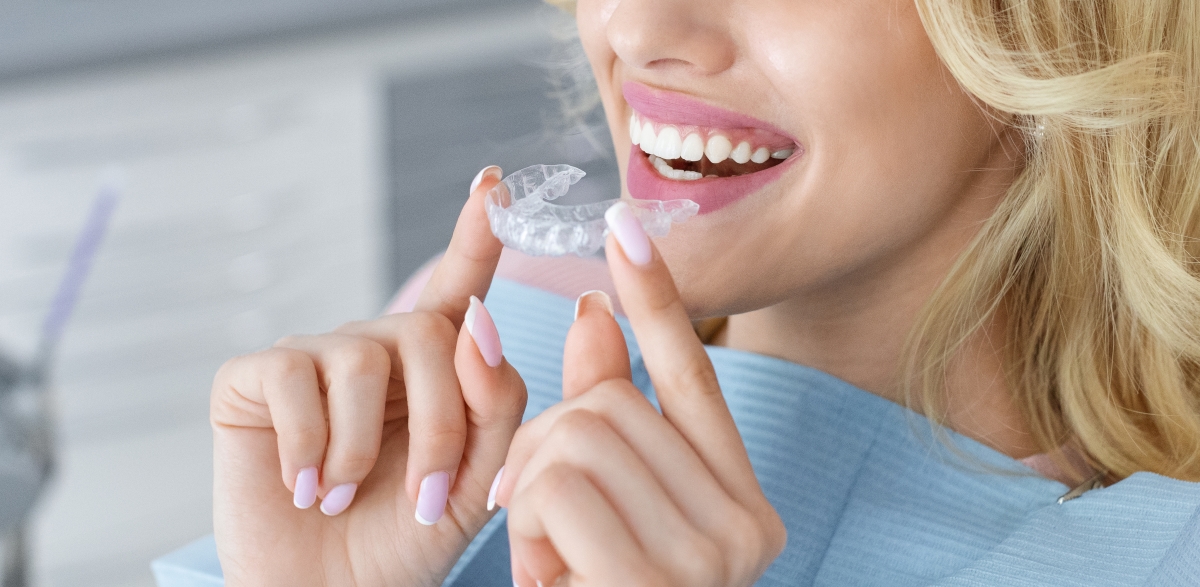
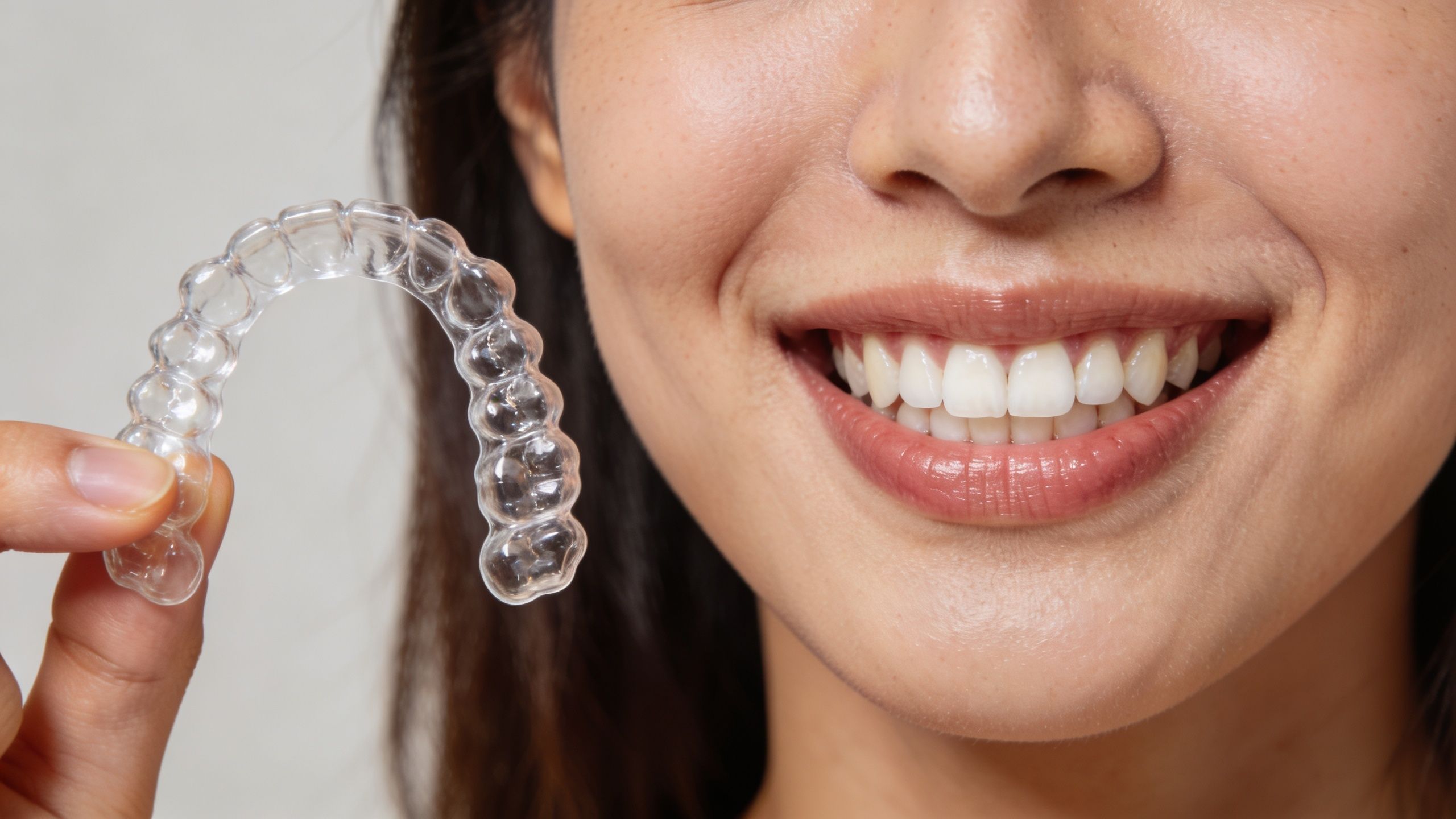
Bonding is also part of orthodontic care. Brackets must be secured to teeth reliably, and aligner attachments need accurate placement so tooth movement follows the plan.
Temporary restorations rely on bonding principles too. A provisional crown or other interim restoration has to protect the tooth, maintain function, and stay stable while the final restoration is being completed.
Why technology changes the outcome
A dentist can place bonding material without digital tools. But modern imaging improves the decision-making around it.
In practical terms, technology helps with:
- Shade and contour planning: Better visualization of smile design.
- Bite analysis: Reduced guesswork on where a bonded edge may be overloaded.
- Restoration fit: More precise coordination between the prepared tooth and the final piece.
- Patient comfort: Fewer surprises during delivery and adjustment.
For patients searching for a cosmetic dentist near me, dental implants near me, or a trusted office for restorative dentistry, bonding technology is often one of the hidden foundations behind the treatment that finally gets recommended.
The Pros and Cons of Choosing Dental Bonding
Dental bonding can be an excellent treatment. It is not the right answer for every tooth or every goal. The best consultations are honest about both sides.
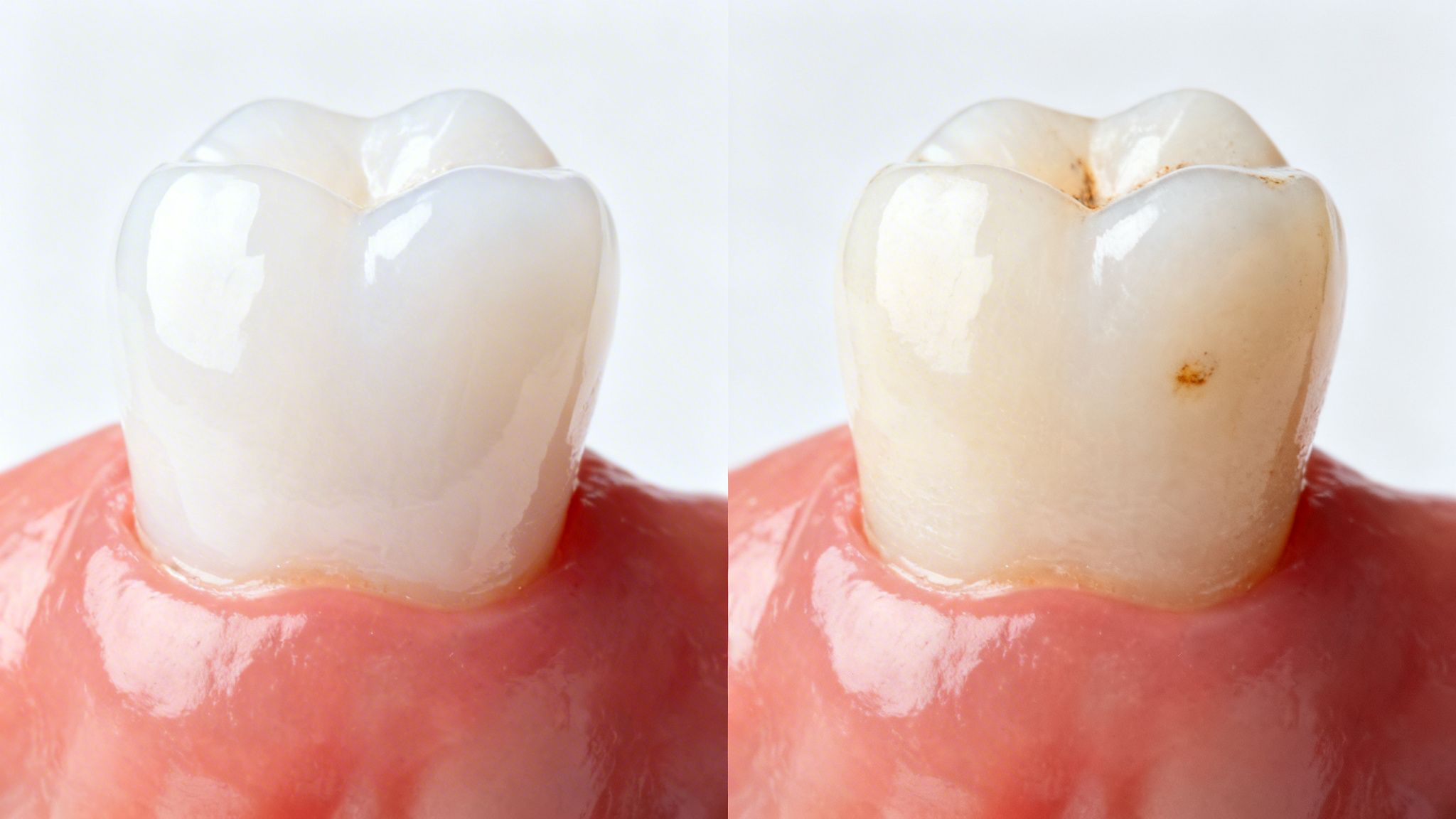
Where bonding works well
Bonding is appealing because it is conservative, efficient, and cost-effective. It often works well for patients who want to improve a small area without committing to a larger cosmetic case.
Common advantages include:
- Minimal tooth alteration: A strong choice when preserving enamel is a priority.
- Fast treatment: Many direct bonding procedures can be completed in a single visit.
- Aesthetic flexibility: Dentists can reshape and polish the material directly on the tooth.
- Lower upfront cost: It is often a more accessible cosmetic option than porcelain.
This makes bonding especially useful for modest repairs, transitional smile improvements, and patients who want to take a measured approach before considering veneers or more extensive restorative treatment.
Where bonding has limits
Composite resin is not porcelain. It does not resist wear and staining in the same way, and it can be more vulnerable in areas that take heavy bite pressure.
One of the most important practical trade-offs is replacement planning. As noted in this discussion of dental bonding longevity, replacements may be needed every 5-7 years. That does not mean every case fails on that schedule, but it is a reasonable part of long-term planning.
A realistic side-by-side view
| Bonding may be a good fit when | Another option may be better when |
|---|---|
| You have a small chip, minor gap, or shape issue | You want a broader smile makeover across several front teeth |
| You prefer a conservative treatment | You need maximum stain resistance |
| You want a faster, more affordable cosmetic improvement | The tooth takes heavy force or has more extensive damage |
| You are comfortable with future maintenance | You want a longer-term indirect restoration |
Bonding is often the best value when the problem is small and well defined. It becomes less ideal when patients expect it to behave like porcelain in high-stress areas.
What does not work well
Bonding tends to disappoint when it is asked to do too much. Large repairs on force-heavy teeth, poor bite relationships, untreated grinding, and unrealistic cosmetic expectations all increase the chance that the result will need revision sooner.
That is why the consultation matters more than the material alone. Good dentistry means choosing bonding when it is likely to succeed, and choosing something else when it is not.
How to Care For Your Bonded Teeth to Ensure Longevity
Bonded teeth do not need complicated maintenance. They do need thoughtful habits. The material is durable, but it is not indestructible.
Post-treatment guidance is often too brief, even though this patient education discussion on bonding maintenance notes that avoiding hard foods, managing grinding habits, and modifying oral hygiene can help reduce complications and extend longevity.
Daily habits that protect the bond
A few simple changes make a real difference:
- Avoid biting hard objects: Ice, pens, fingernails, and hard candy can chip bonded edges.
- Be mindful with staining foods and drinks: Coffee, tea, and red wine can affect appearance over time.
- Brush and floss gently but consistently: Good hygiene protects both the bonded tooth and the surrounding gums.
- Address grinding: If you clench or grind at night, a nightguard may help protect the restoration.
Why follow-up matters
Bonding usually fails gradually before it fails dramatically. A rough edge, bite imbalance, or early stain line is easier to fix when caught early during routine care than after a piece breaks off.
That is one reason regular exams and cleaning visits matter so much after cosmetic work. A dentist can polish minor surface changes, evaluate wear, and check whether the bite is putting extra stress on the area.
For patients who also have veneers, this guide on how to care for veneers covers helpful protection habits that overlap with bonded restorations as well.
Good aftercare is not complicated. Most bonded teeth last better when patients avoid avoidable stress and stay consistent with routine preventive visits.
Your Dental Bonding Appointment at 3D Dental
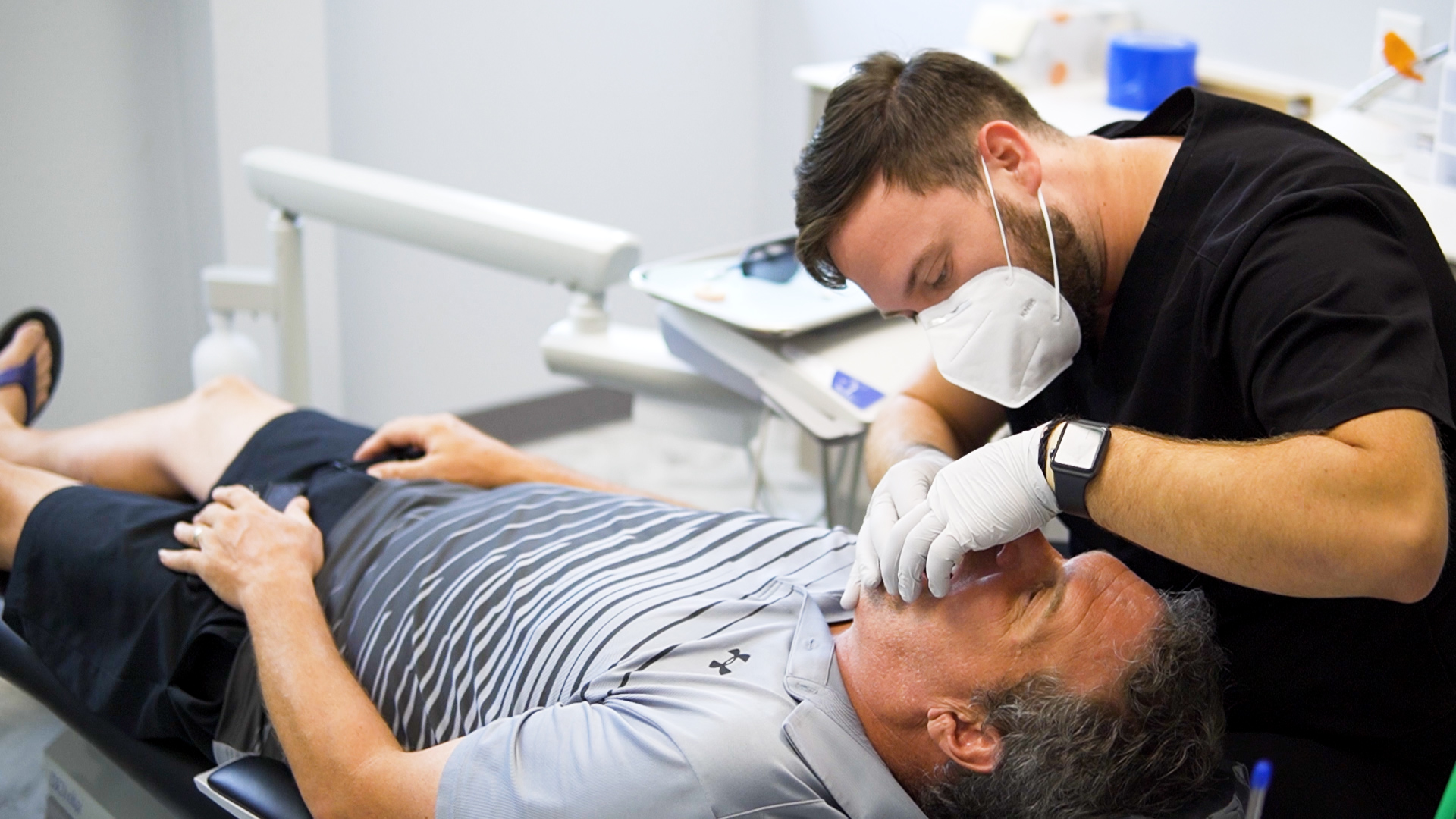
The appointment is usually much simpler than patients expect. Patients often come in worried that the process will be uncomfortable or that the repaired tooth will look obvious. A modern workflow is designed to reduce both of those concerns.
The consultation and digital planning
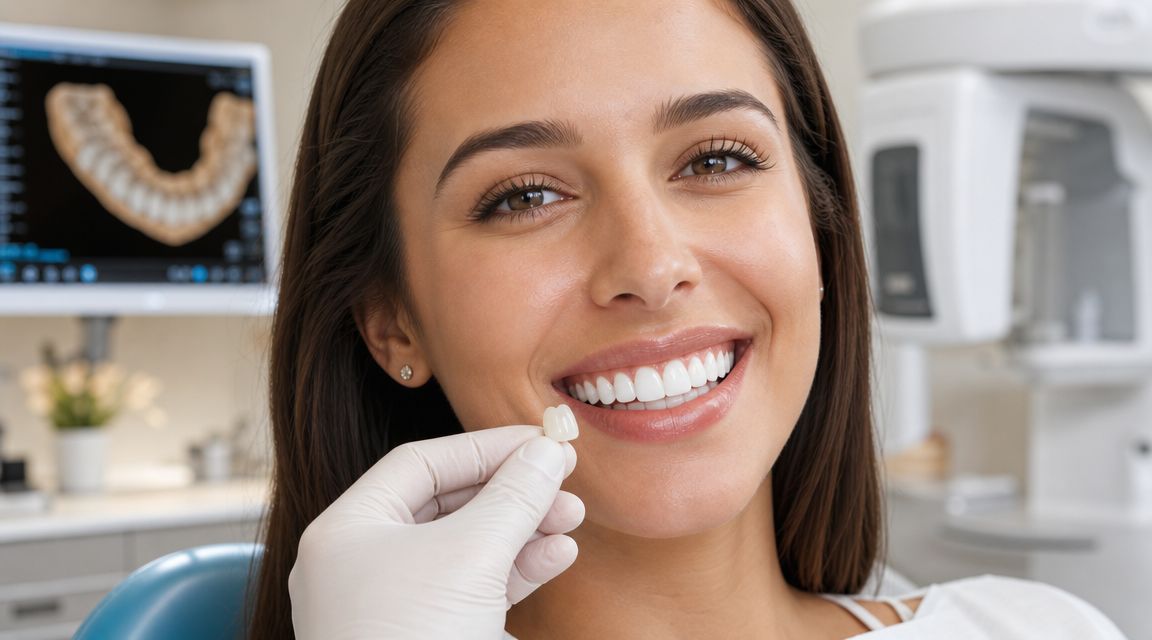
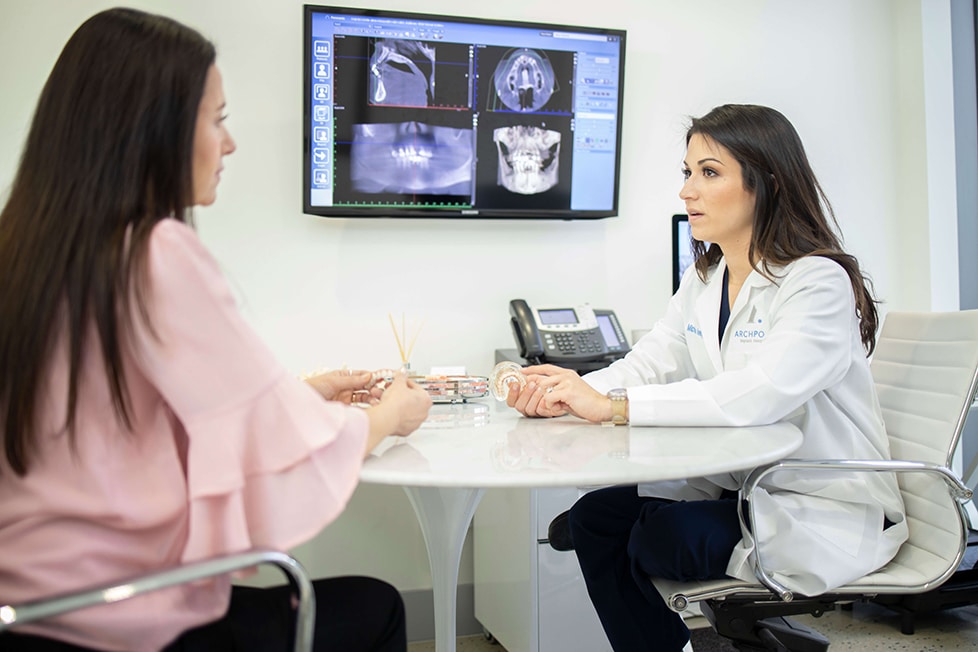
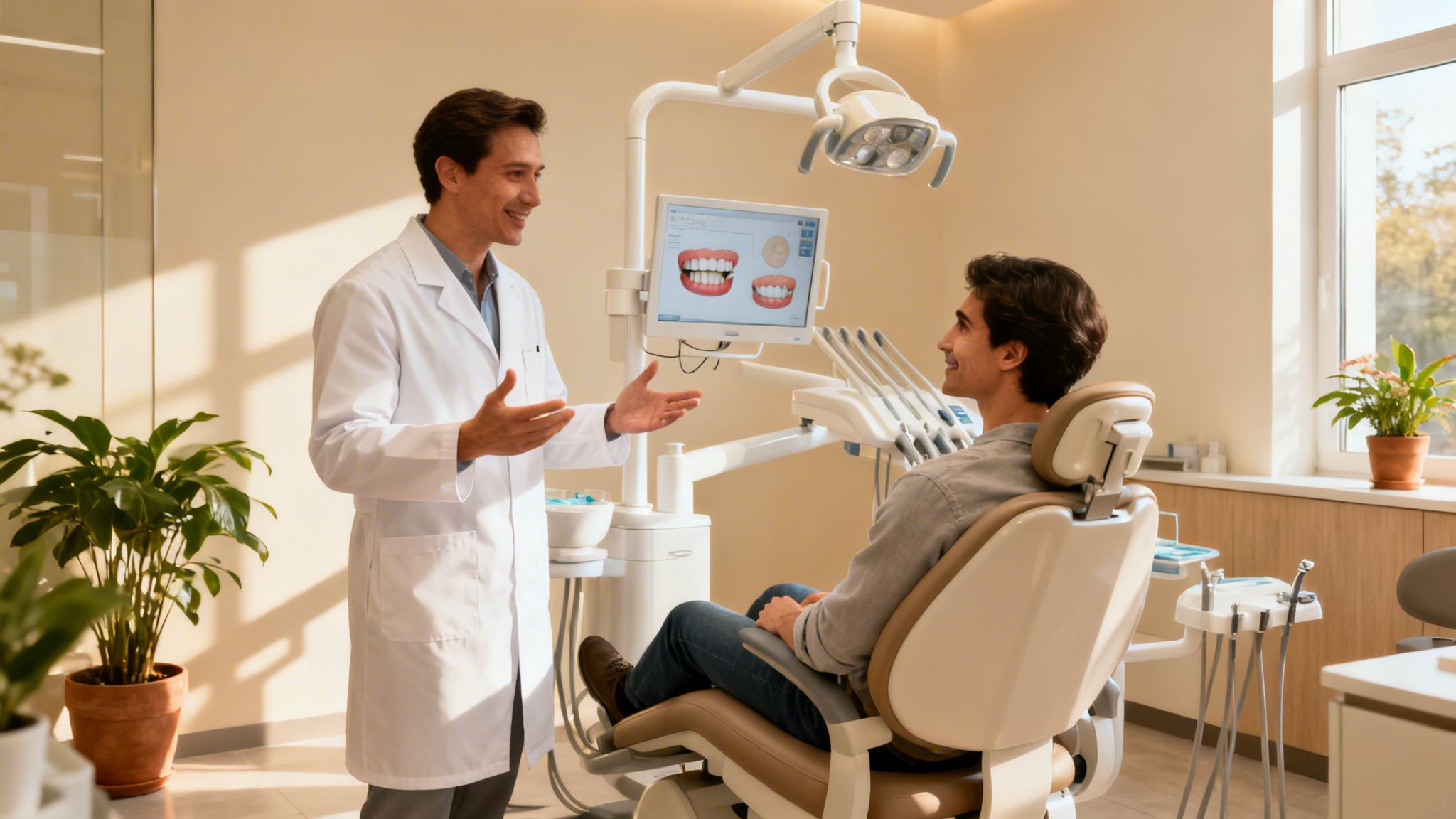
At a first visit, the dentist examines the tooth, the bite, and the surrounding smile. If needed, digital x-rays, intraoral scans, or 3D imaging help confirm whether bonding is the right option or whether a veneer, crown, orthodontic movement, or another restorative plan would serve the tooth better.
This step matters because the most natural repair is not always the most durable one. Front-tooth aesthetics, edge length, bite force, and adjacent tooth shape all affect the final recommendation.
A good consult also includes shade selection. Matching a bonded tooth is part color, part translucency, and part surface finish. That is why the result depends on both material choice and artistic finishing.
The treatment visit
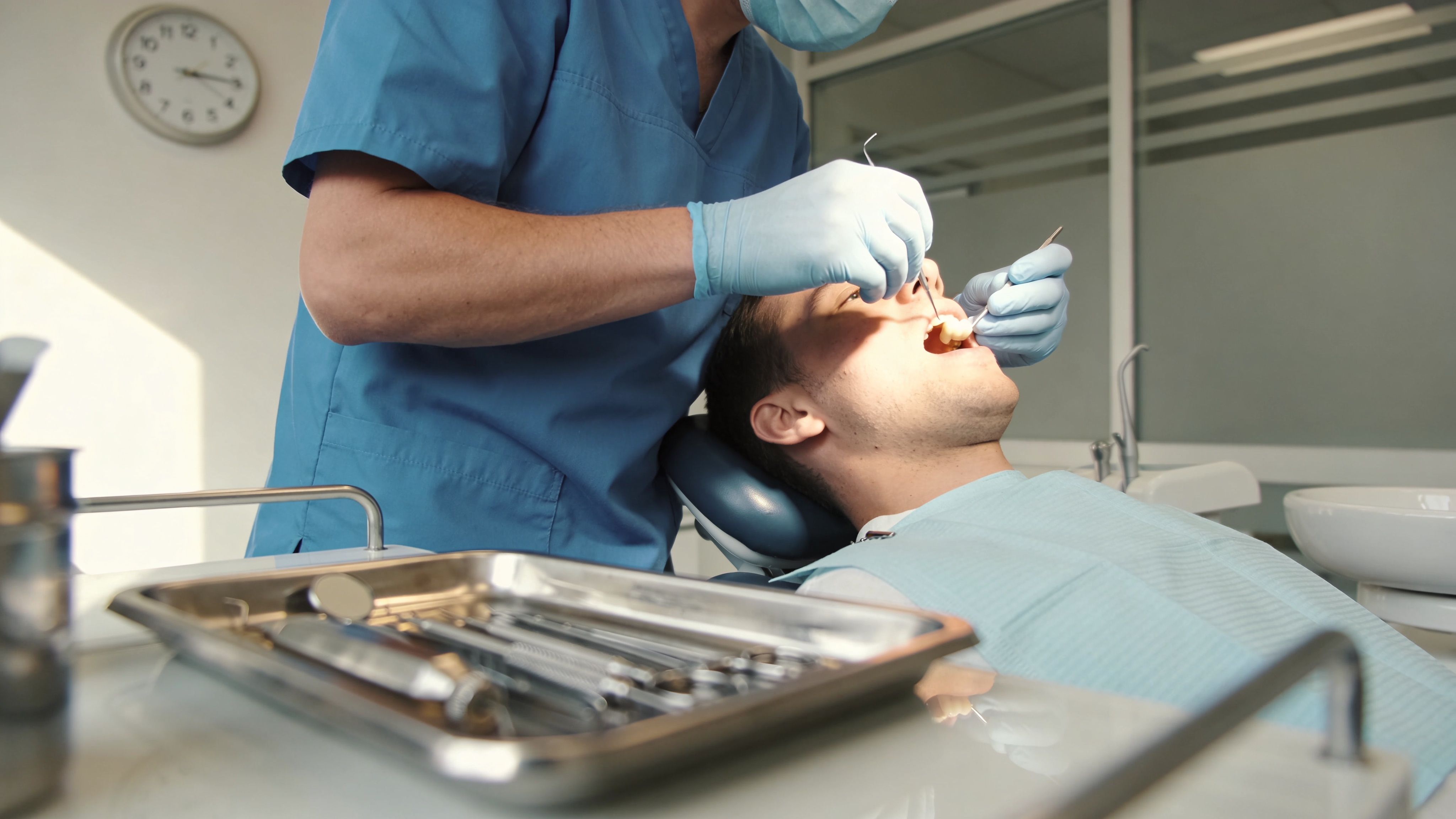
Once the plan is set, the procedure is typically straightforward. The tooth is prepared, the surface is conditioned, the bonding material is applied, and the dentist sculpts it in layers to refine shape and contour. A curing light hardens the material, and the final polish helps it blend into the surrounding enamel.
Patients often describe this visit as easier than they expected. In many cosmetic cases, little to no anesthesia is needed unless the bonding is also being used to treat decay or deeper structural damage.
Here is a closer look at what patients often want to know before treatment:
Where the in-house lab helps
Even when a patient starts with a question about bonding, the final treatment may involve a lab-made restoration. An in-house lab can improve the overall experience in such situations.
Benefits include:
- Faster turnaround: Restorations can often move through design and production more efficiently.
- Closer quality control: The clinical and lab teams can coordinate fit, shade, and contour more directly.
- Better continuity: Digital scans, imaging, and restoration design stay in one integrated workflow.
For patients in Austin, Georgetown, Wells Branch, Liberty Hill, Cedar Park, and Round Rock, that can mean a smoother path whether the solution is direct bonding, a veneer, a crown, or part of a larger restorative or implant plan.
Frequently Asked Questions About Dental Bonding
Is dental bonding painful
Usually, no. Cosmetic bonding is typically a comfortable procedure and often does not require anesthesia unless the tooth also has a cavity or deeper damage.
How much does dental bonding cost in the Austin area
Bonding is generally considered a cost-effective cosmetic treatment, especially compared with more extensive indirect options. The exact fee depends on the tooth, the amount of reshaping needed, and whether the procedure is cosmetic, restorative, or part of a larger treatment plan. Many patients also ask about insurance, financing, and monthly payment options when comparing treatment choices.
Can bonded teeth be whitened
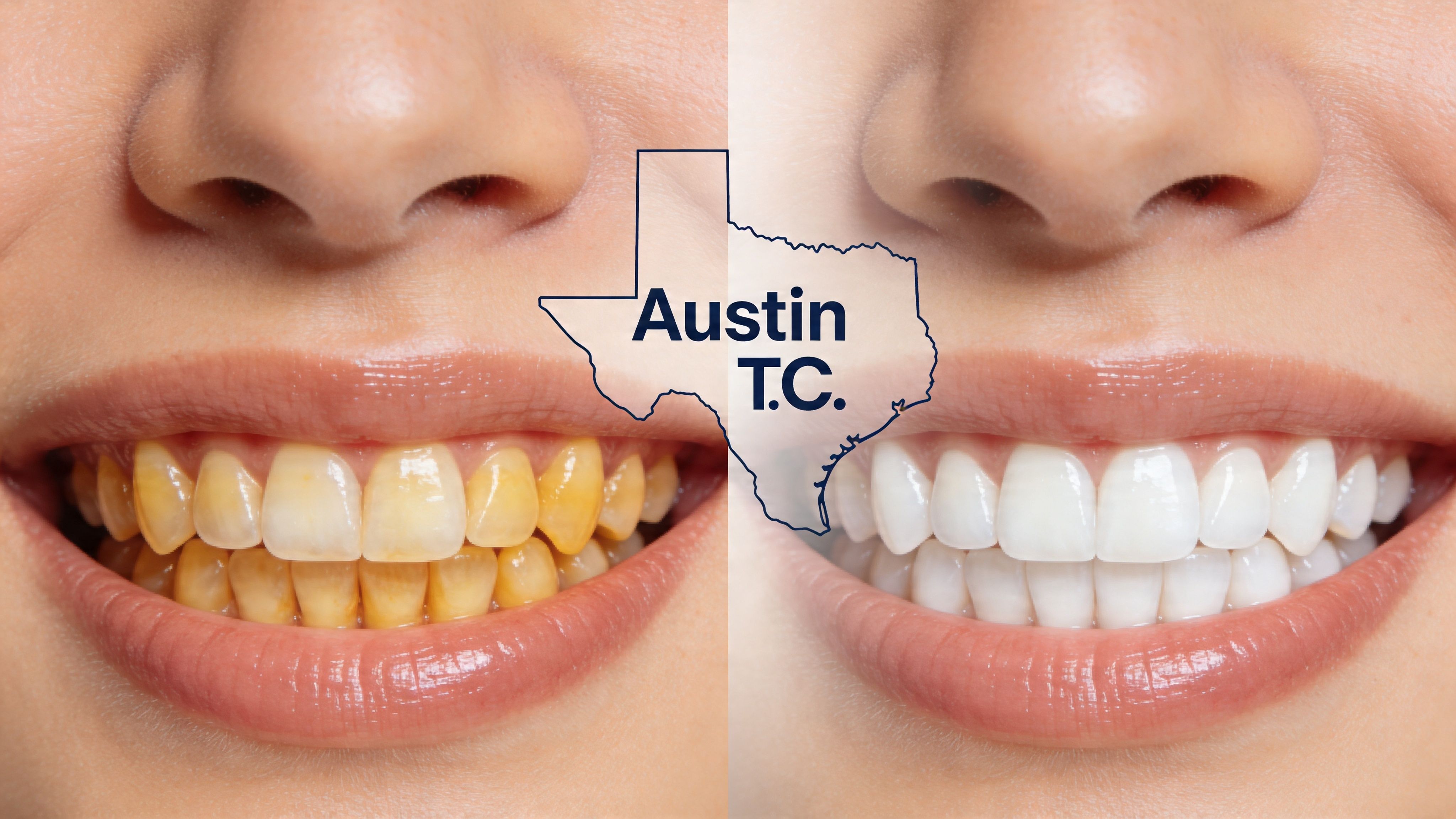
No. Bonding material does not whiten the way natural enamel can. If you are thinking about teeth whitening and bonding at the same time, it usually makes sense to whiten first so the composite can be matched to the brighter shade of your natural teeth.
If you are comparing options for a chipped tooth, a small gap, or a cosmetic touch-up, 3D Dental offers modern, patient-focused care in Austin and Georgetown, TX. The team combines digital imaging, advanced diagnostics, and an in-house lab to help patients find the right solution for comfort, appearance, and long-term function. Whether you are searching for a dentist near me, a cosmetic dentist near me, help with restorative dentistry, or a new patient exam, schedule a consultation to find out which bonding approach fits your smile best.
Ready to get started?
Schedule a free, no obligation consultation with our team and see what's possible for your smile!
Georgetown
- Mon-Thurs8:30am-5pm
- Fri8am-3:30pm
- Sat-SunClosed
Austin
- Mon-Tues8am-5pm
- Wed-Thurs9am-6pmFri8am-2pm
- Sat-SunClosed