
Can Retainers Cause Cavities? A Guide for Austin & Georgetown Patients in 2026
Related Posts



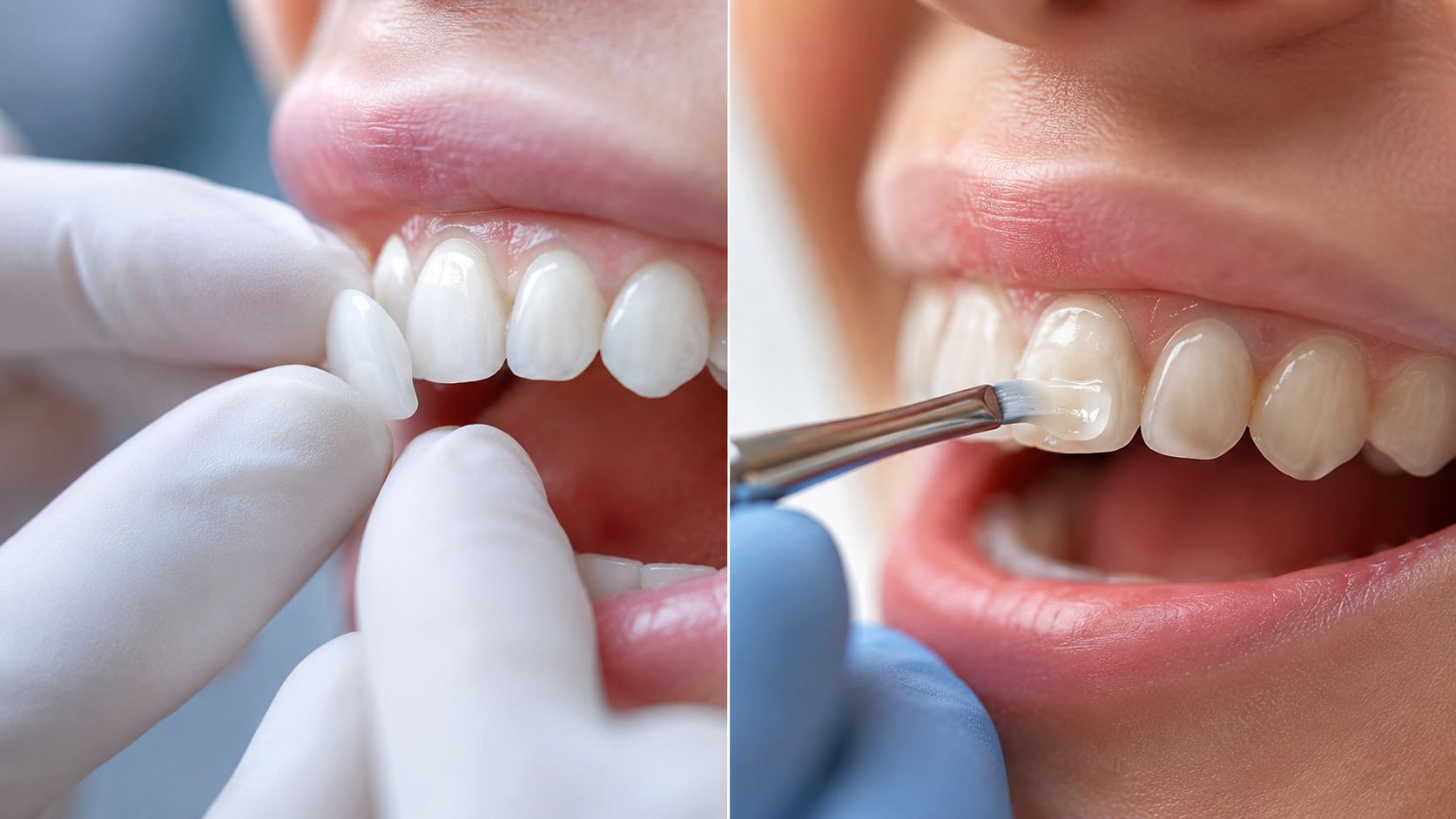
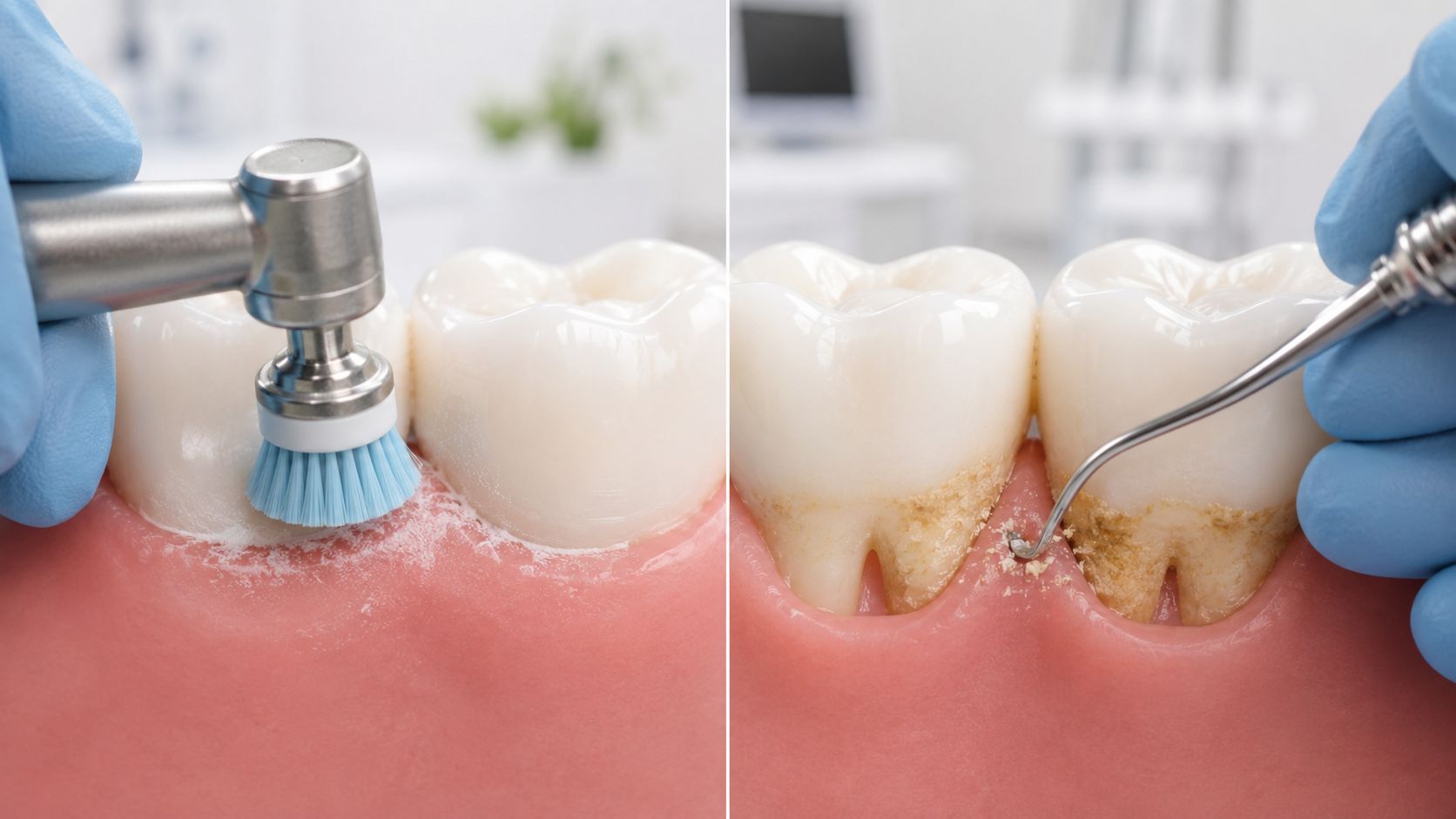

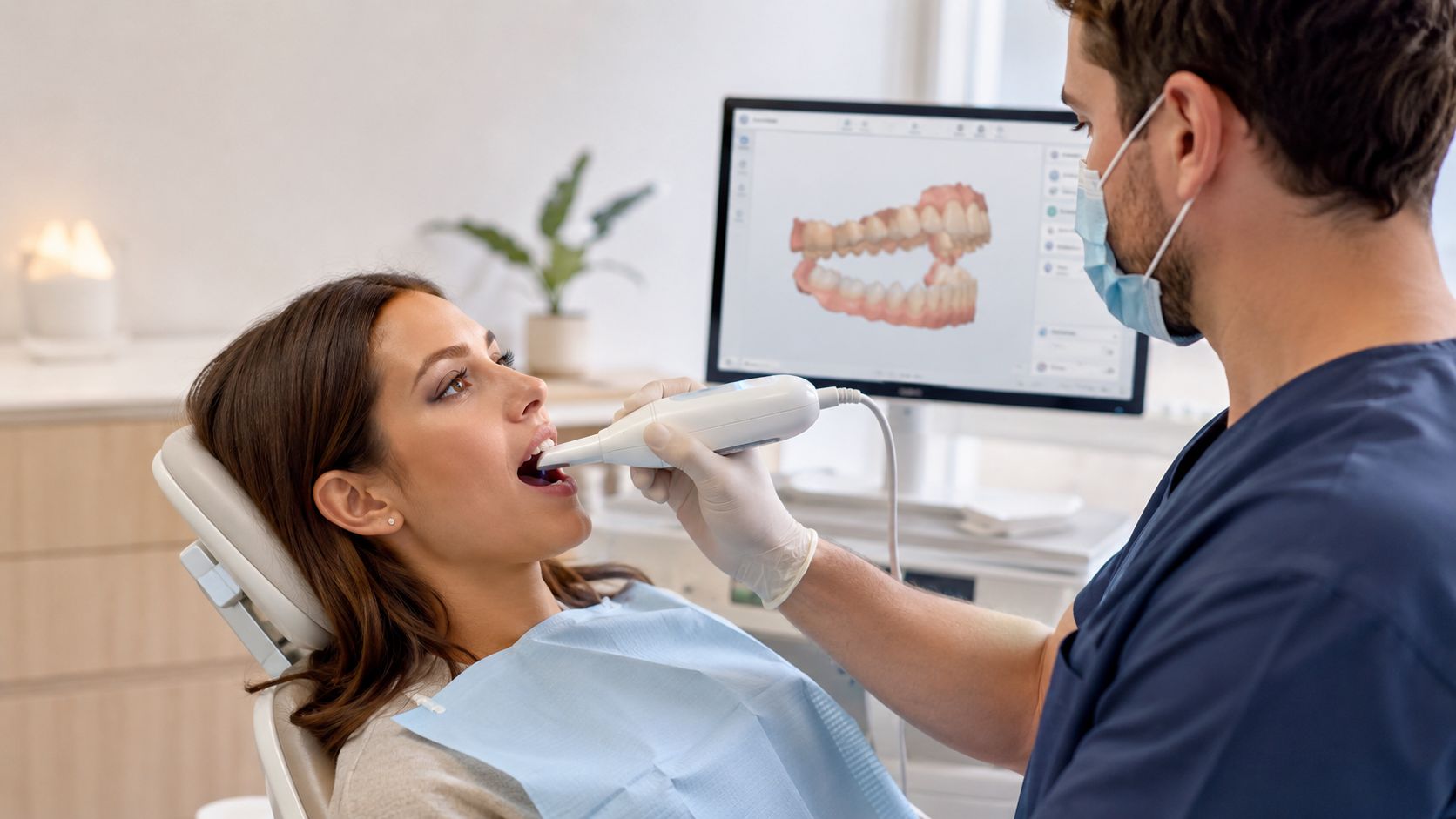



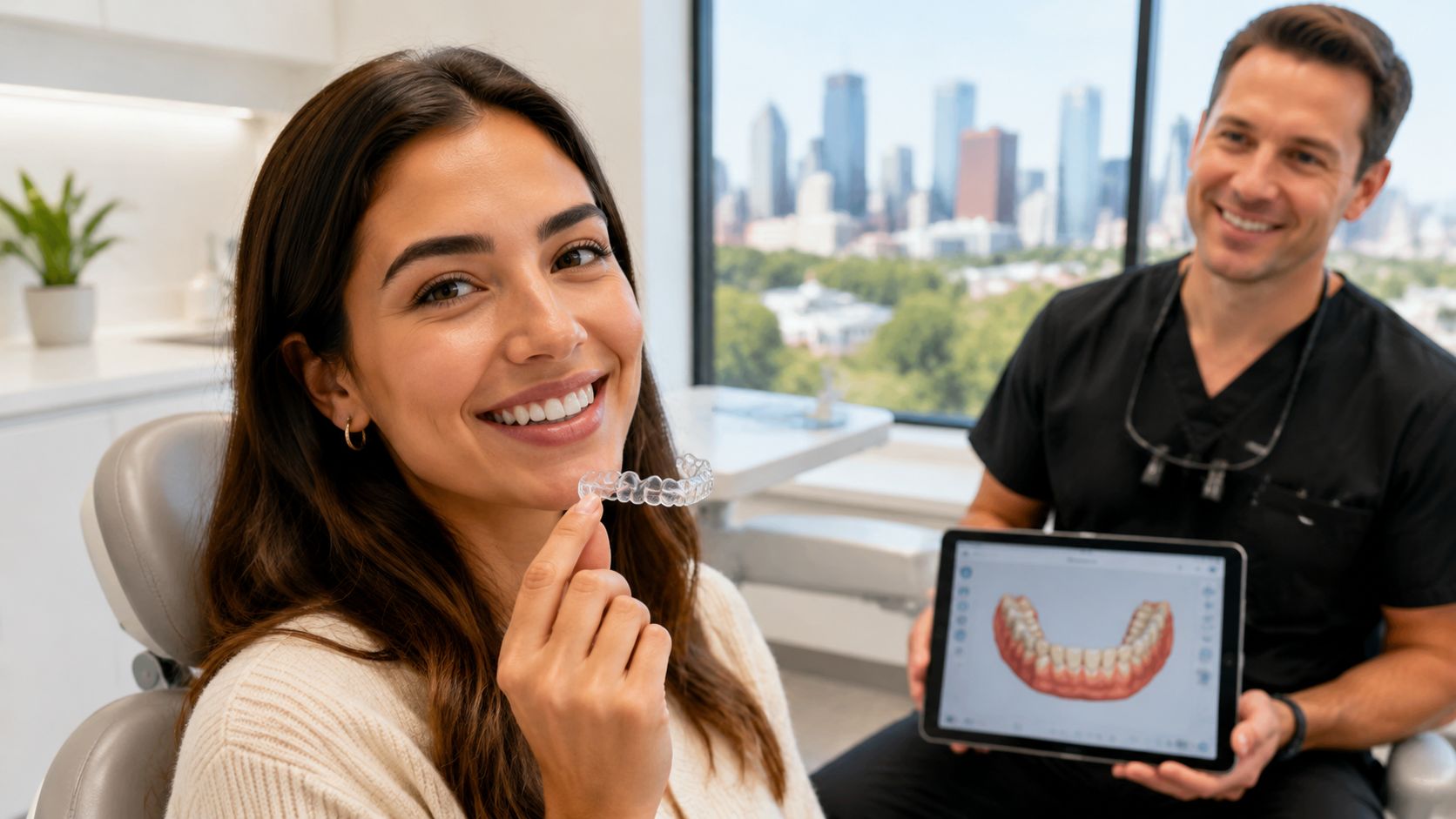
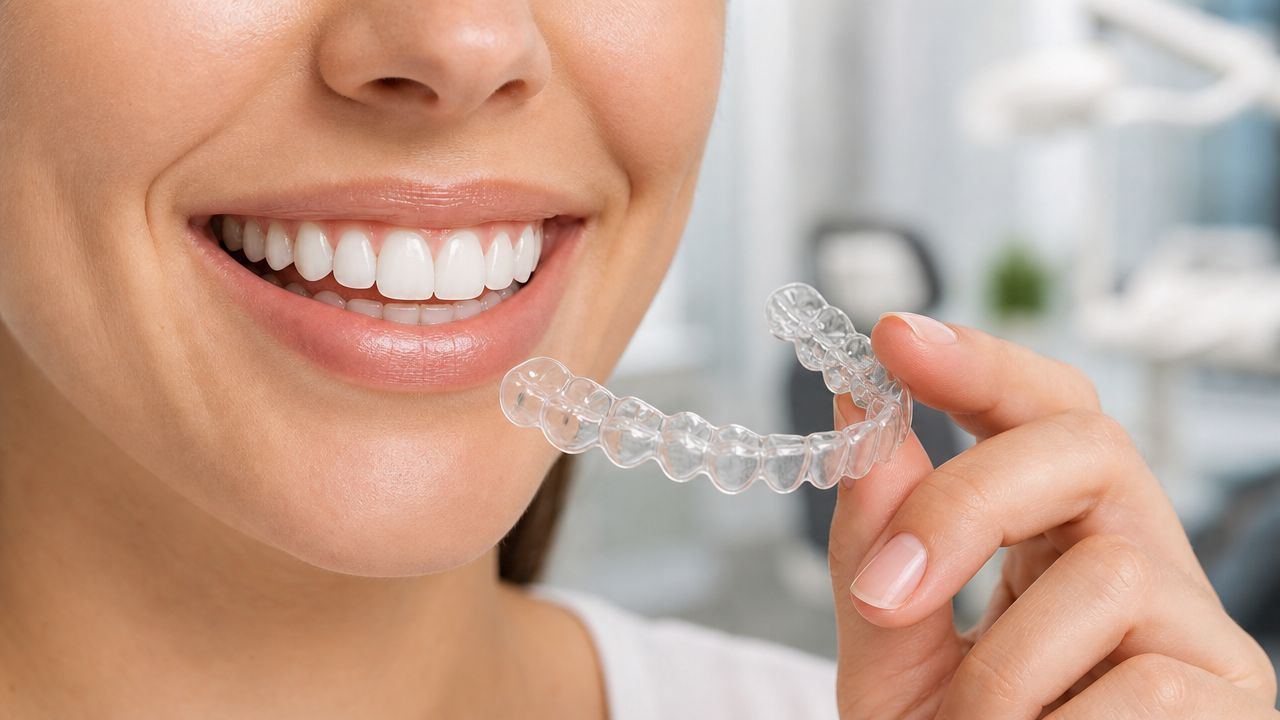

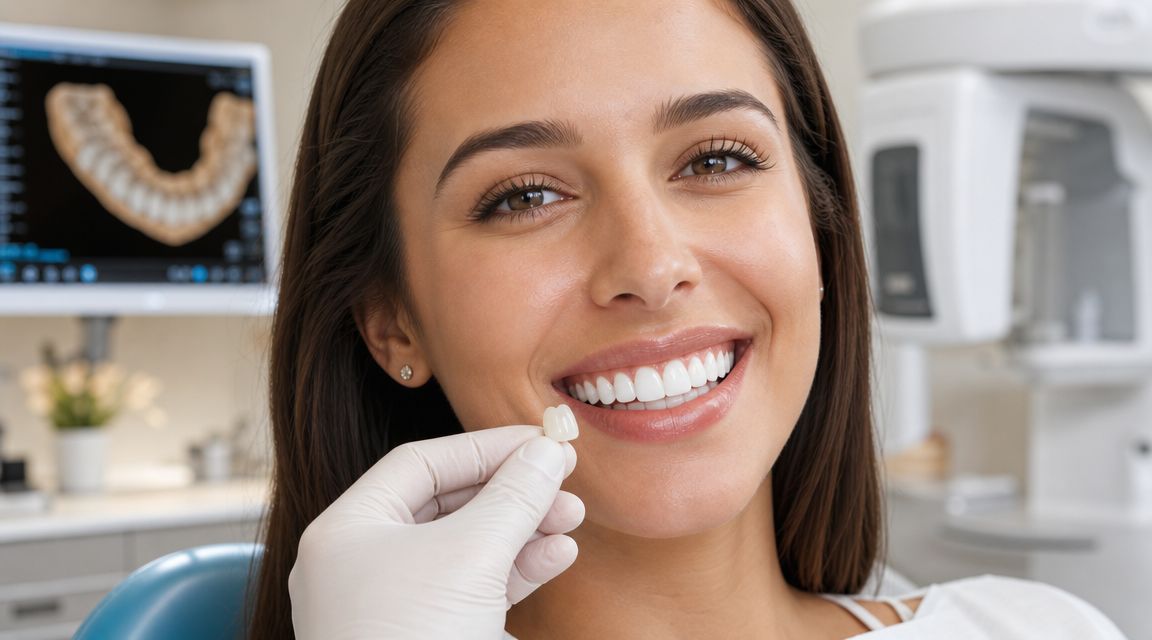

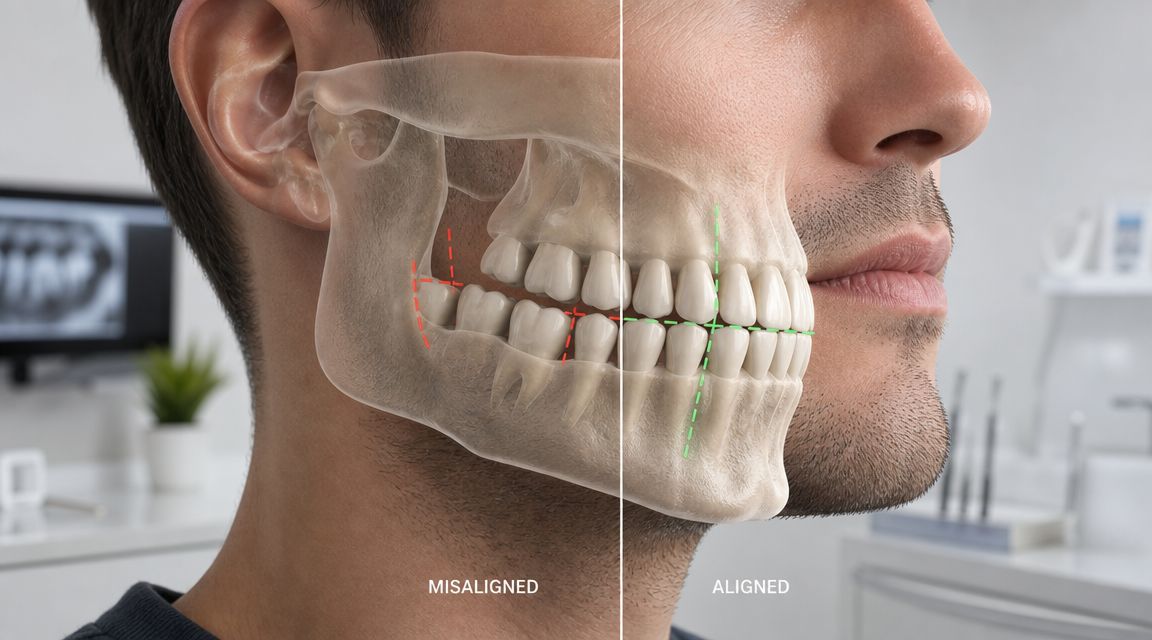




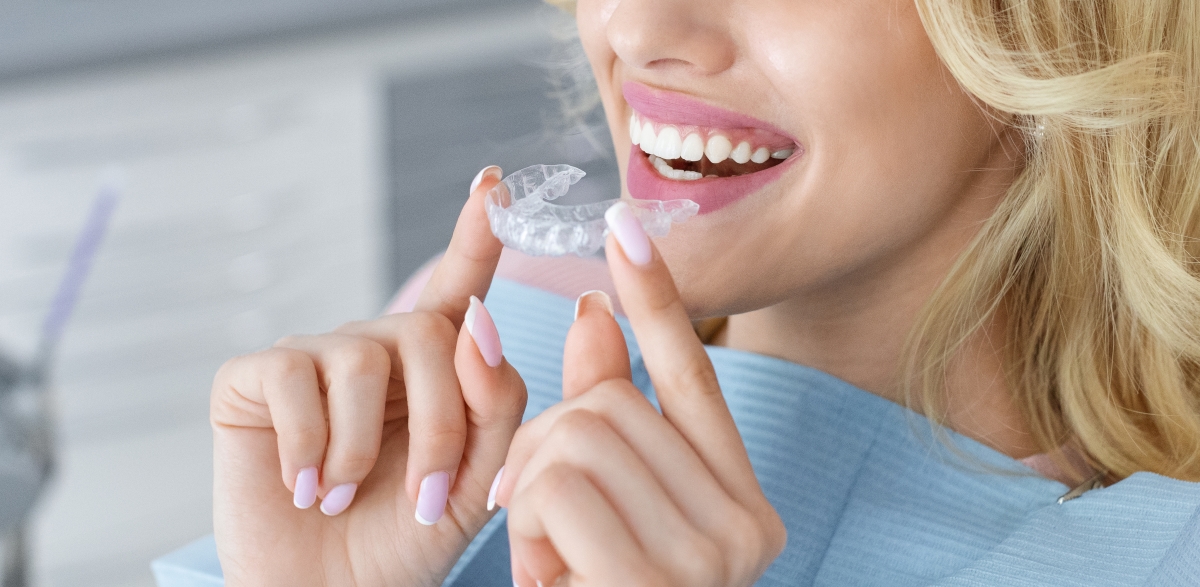














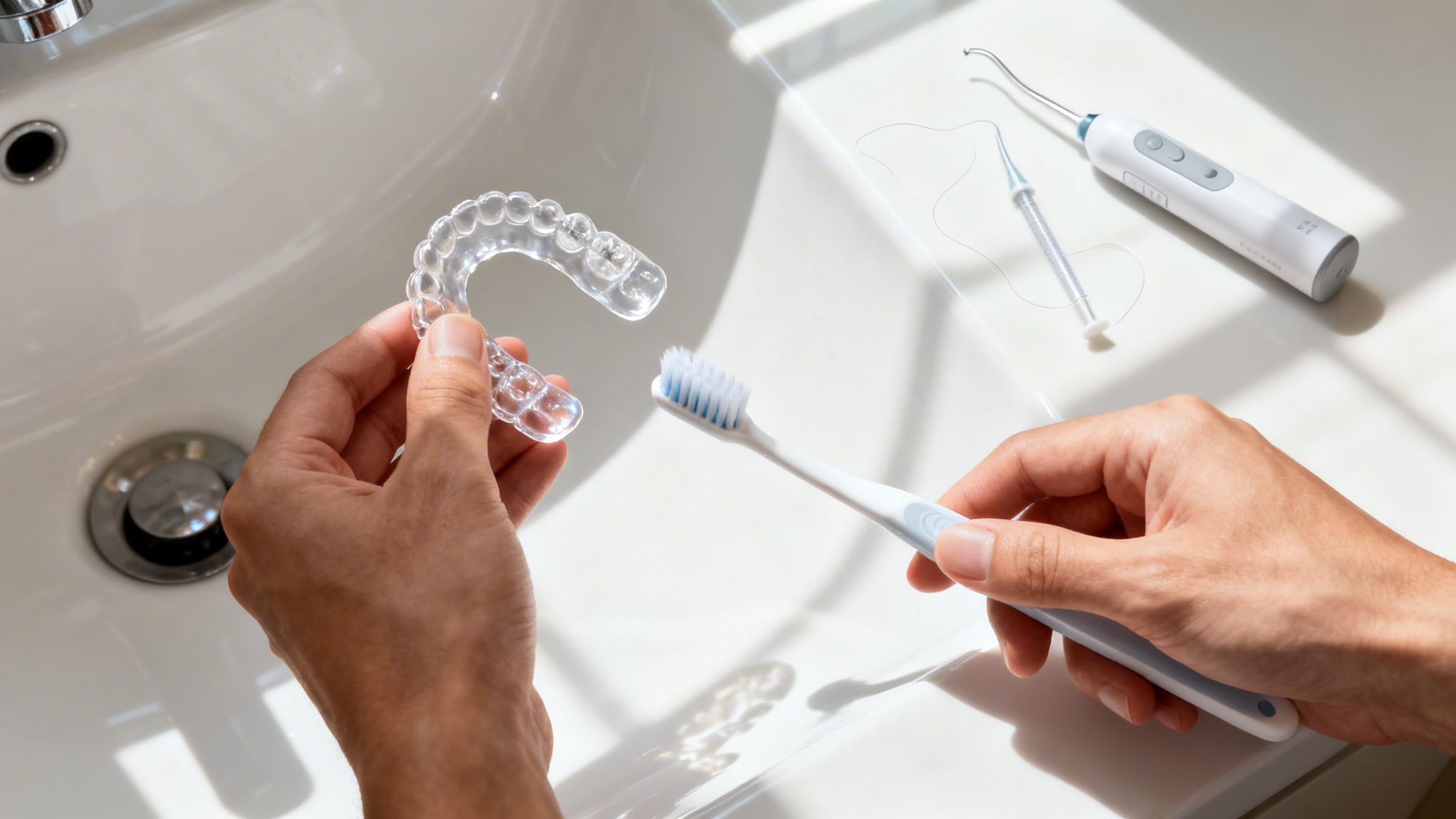
It’s a question we hear all the time at our Austin and Georgetown dental offices: "Will my new retainer give me cavities?" After going through months or even years of orthodontic treatment to get that perfectly straight smile, it’s completely understandable to worry about anything that might compromise it. As your trusted local dentist, we want to reassure you and provide clear answers.
So, let's get straight to it. No, the retainer itself doesn't cause cavities. The plastic or wire isn't the problem. The real issue is that a retainer, whether it’s removable or fixed, can make it easier for plaque and food particles to get trapped against your teeth. If you're looking for a dentist near me to help manage your oral health post-braces, our team is here to help.
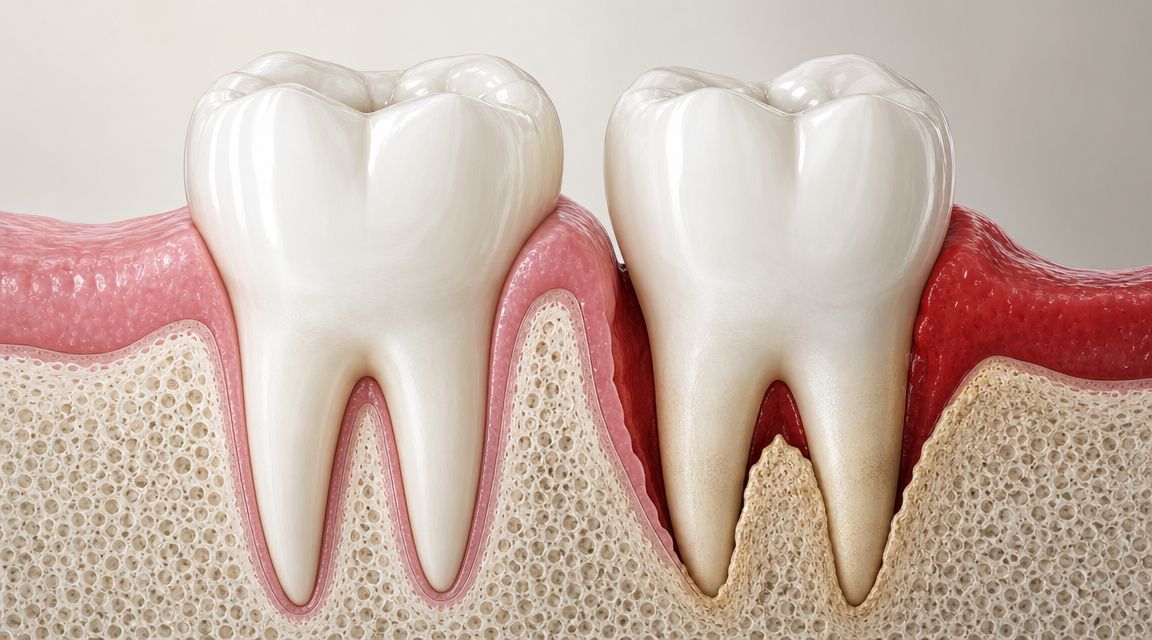
Think of it this way: your retainer can act like a tiny greenhouse for plaque. Without diligent cleaning, it creates the perfect warm, sheltered environment for cavity-causing bacteria to thrive on any sugars left behind. The risk isn't the appliance, but how well you clean your teeth and the retainer itself.
How Different Retainers Can Affect Cavity Risk
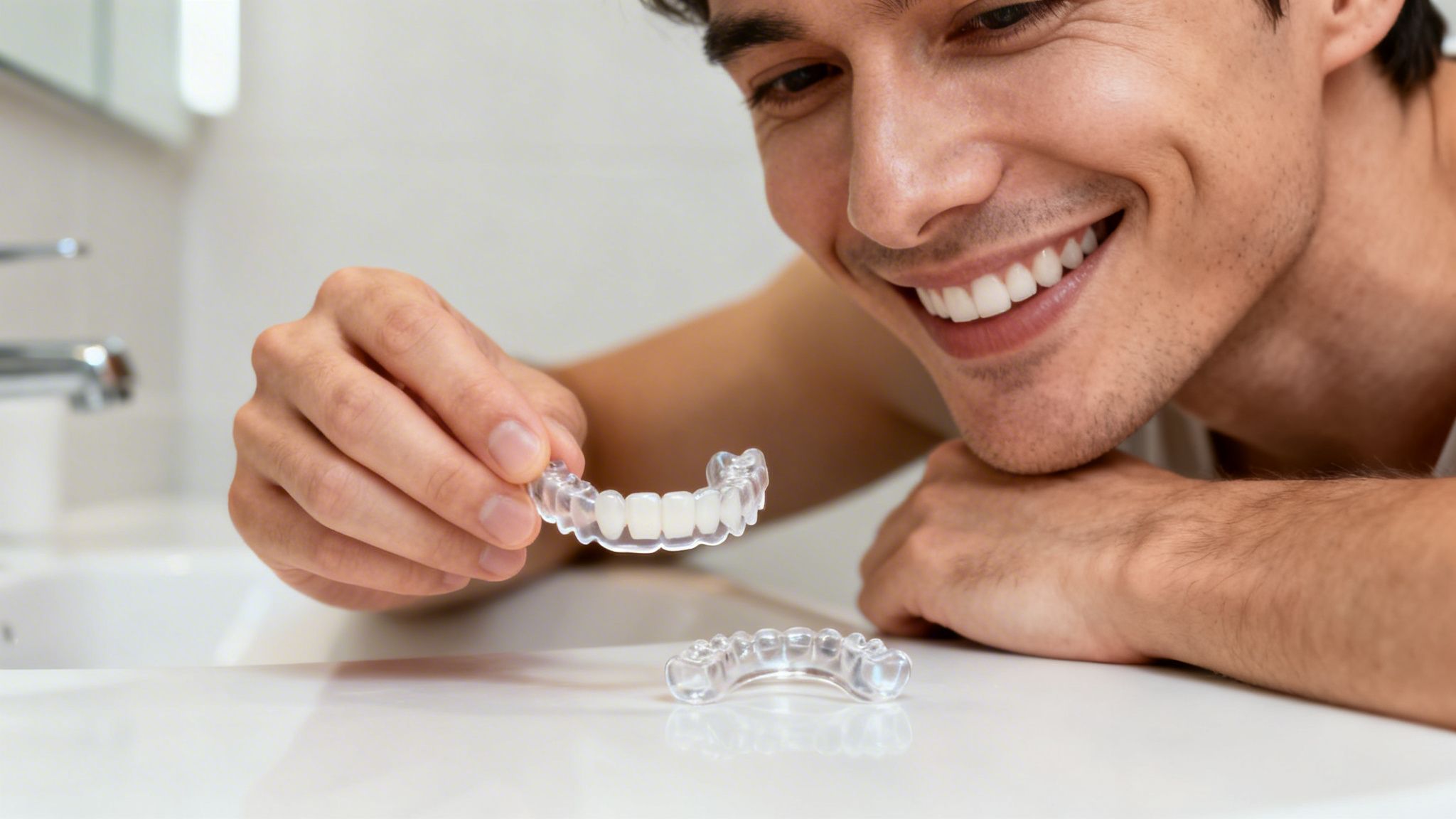
Protecting your investment after braces means wearing your retainer as prescribed. But maintaining excellent oral hygiene becomes even more crucial. The two main types of retainers come with their own unique cleaning challenges, and understanding them is key to preventing issues like tooth decay.
Fixed vs. Removable Retainers: What Our Dentists See
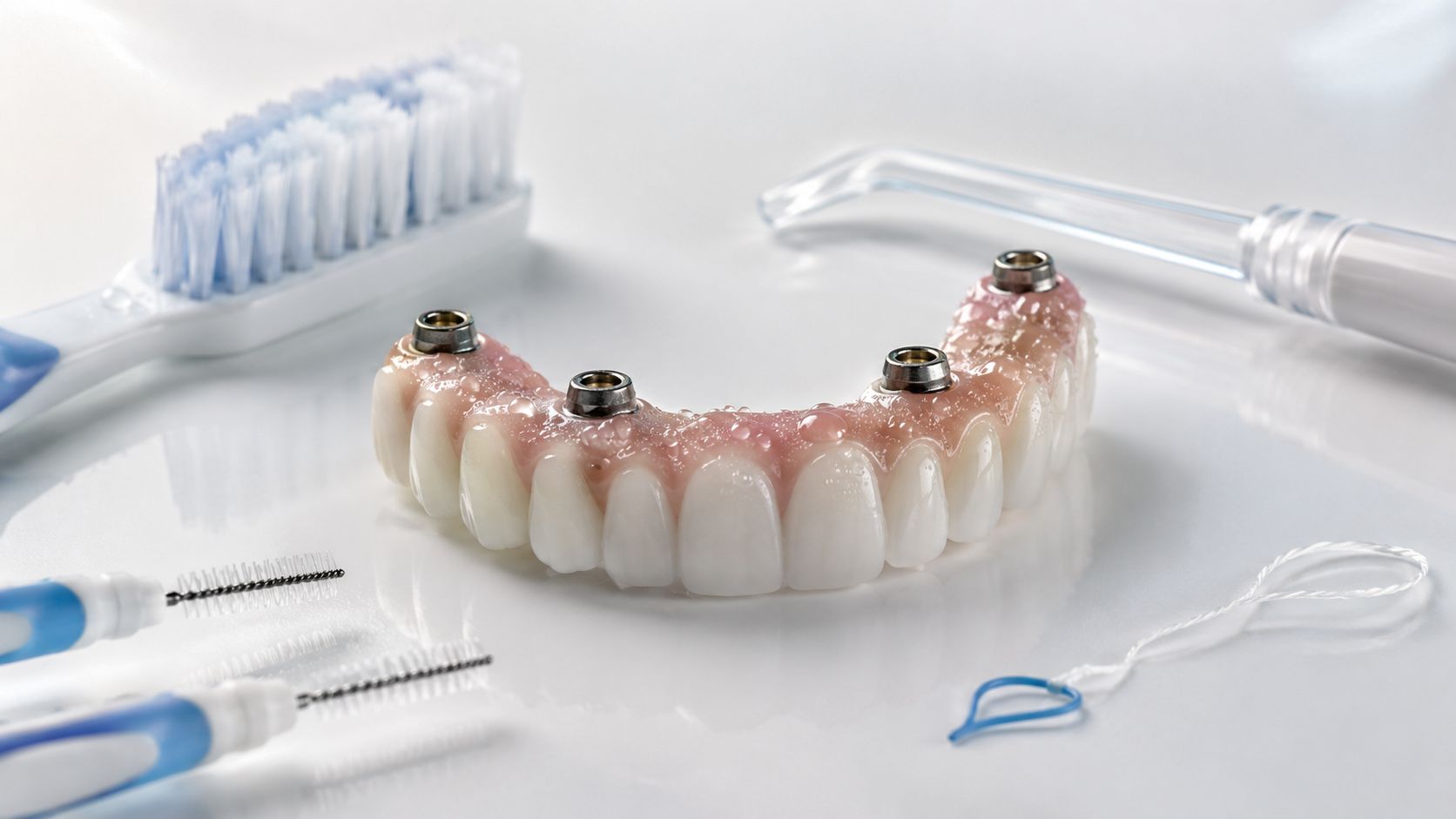
- Fixed Retainers: Also known as permanent or bonded retainers, these are thin wires glued to the back of your front teeth. They’re fantastic for ensuring your teeth stay put, but they also introduce new nooks and crannies where plaque loves to hide. Flossing around them requires a little extra effort with tools like a floss threader, which is essential for preventing decay.
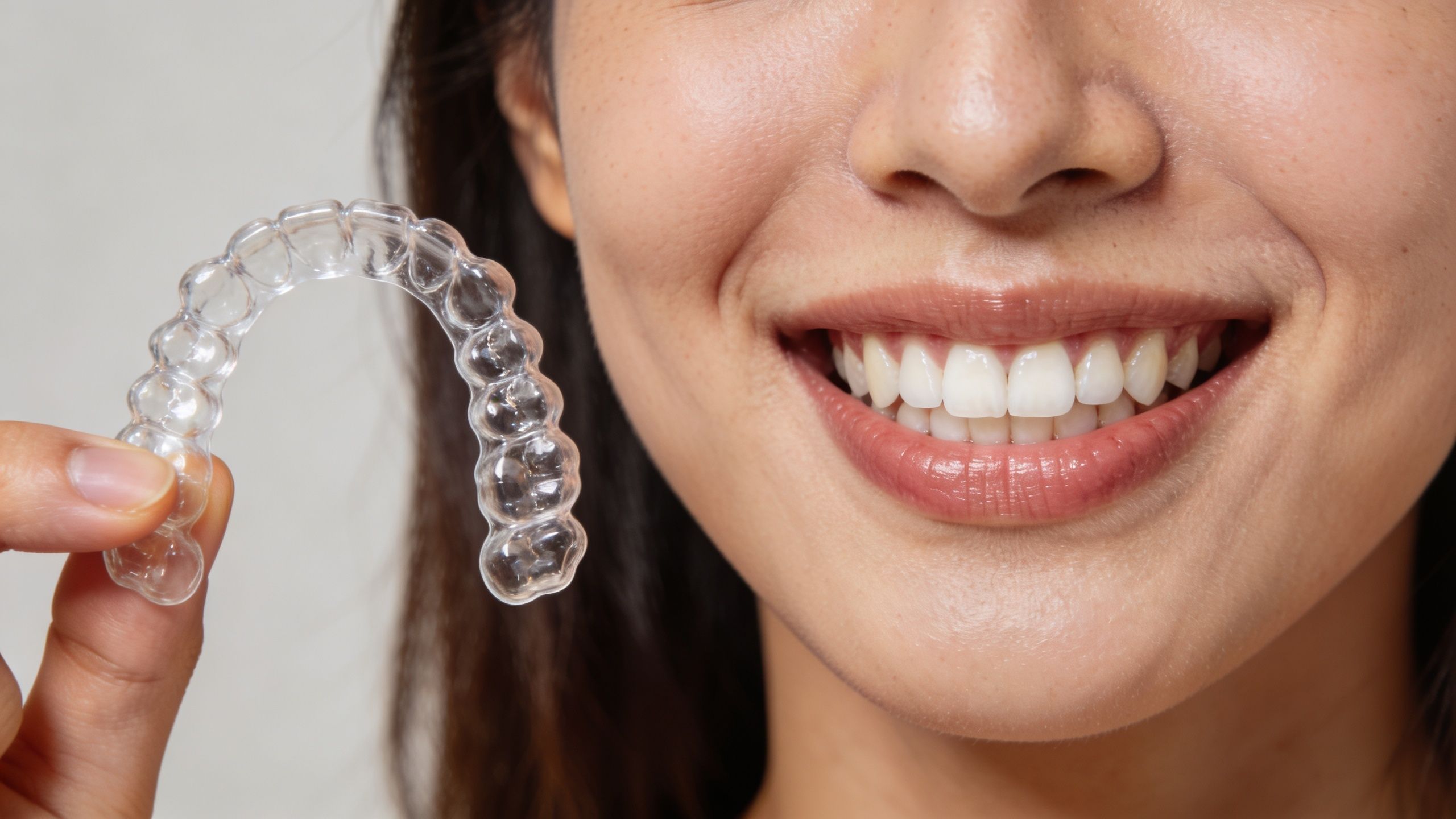
- Removable Retainers: This category includes clear plastic trays (like Essix retainers) and the more traditional Hawley retainers (wire and acrylic). Here, the risk comes from not cleaning your teeth and the retainer before popping it in, essentially trapping anything you've eaten against your enamel for hours.
To give our patients in Austin a clearer picture, here’s a quick breakdown of how each retainer type can influence your risk and the best way to stay ahead of any issues.
Retainer Type and Cavity Risk at a Glance
| Retainer Type | How It Can Increase Cavity Risk | Best Prevention Tip |
|---|---|---|
| Clear Plastic (Essix) | Traps plaque, bacteria, and sugar against the entire tooth surface if not cleaned properly before insertion. | Always brush and floss before wearing; clean the retainer daily with a soft brush and non-abrasive cleaner. |
| Hawley (Wire & Acrylic) | The acrylic plate can trap food particles against the roof of the mouth and teeth; the wire can accumulate plaque. | Brush the retainer thoroughly, paying special attention to where the wire meets the acrylic. |
| Fixed (Bonded Wire) | The wire creates a ledge that makes it difficult to floss normally, leading to significant plaque and tartar buildup. | Use a floss threader or water flosser daily to clean beneath the wire and between the teeth. |
Some research has even highlighted that clear, vacuum-formed retainers can accumulate plaque more readily than traditional Hawley retainers. This just means your daily cleaning routine is non-negotiable. You can learn more about how different retainers affect plaque buildup to understand the science behind it.
Ultimately, a straight, healthy, and cavity-free smile is completely achievable. At 3D Dental, we guide our patients from Cedar Park to Round Rock on the best practices for their specific retainer. With the right daily habits and regular professional cleanings and exams from a dentist near you, you can easily keep your smile in perfect condition.
How Retainers Create an Environment for Decay
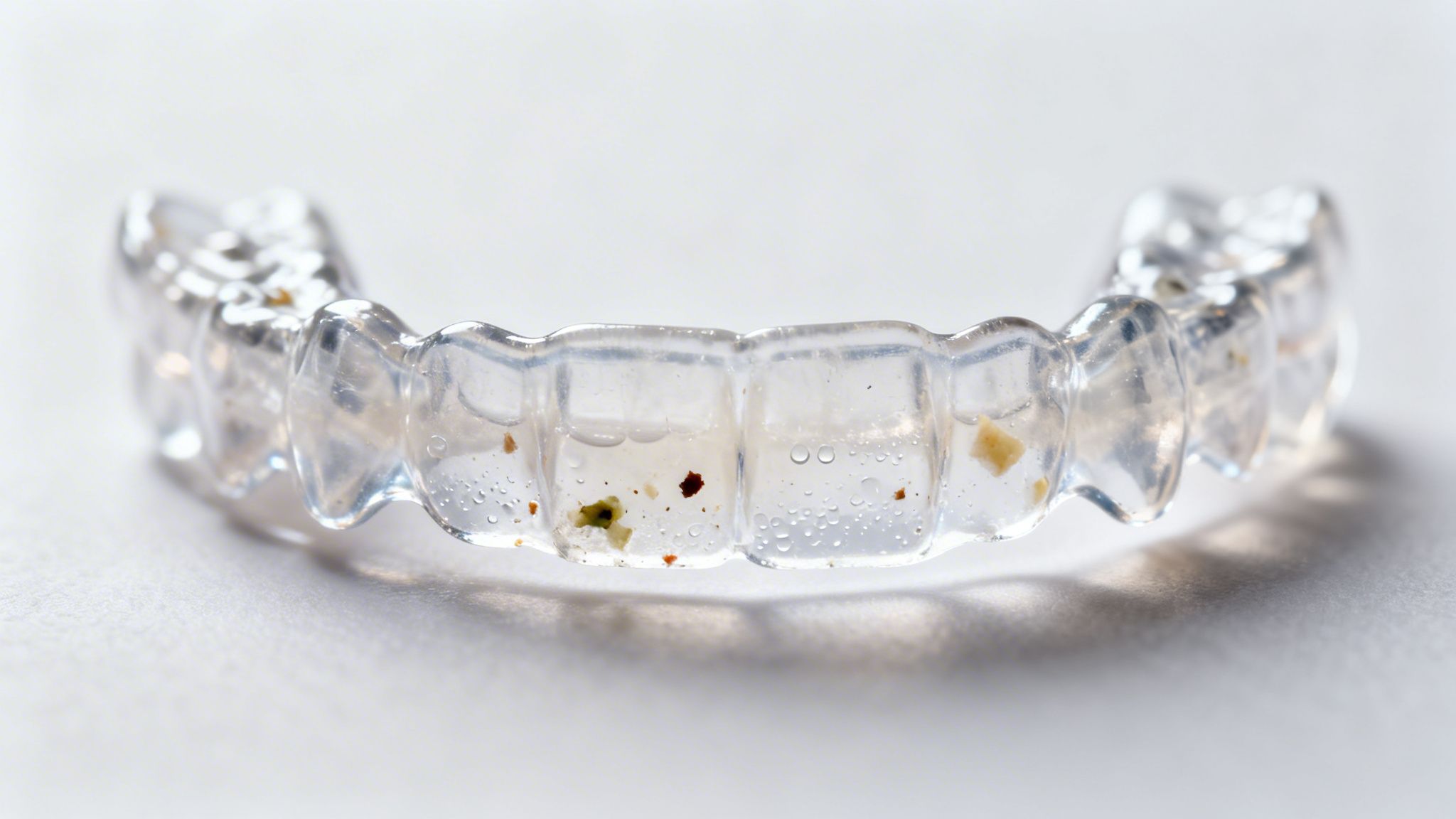
While the retainer itself isn't the culprit, it does fundamentally change the environment in your mouth. This shift can, unfortunately, make it easier for cavities to develop if you're not careful.
Think of your retainer as a tiny shield placed directly over your teeth. This shield blocks one of your body’s best natural defenses against decay: saliva. Ordinarily, your saliva is constantly working, rinsing away food particles and neutralizing the acids that plaque bacteria produce. When a retainer is snapped into place, it walls off your teeth from this protective flow. It creates a sheltered, quiet space where plaque can thrive without being disturbed.
Plaque Traps and Retainer Types
This problem can pop up with any kind of retainer, whether it's removable or permanently fixed to your teeth. Each type just creates its own unique "plaque traps" that you need to be aware of.
- Removable Retainers (Clear and Hawley): The biggest risk here is sealing food and sugar right against your enamel. If you sip on a sweet coffee or have a quick snack and then pop your retainer back in without brushing, you're essentially creating a sugar bath for your teeth that lasts for hours. This is a common issue we address with our
cosmetic dentistrypatients who want to protect their bright smiles. - Fixed Retainers (Bonded Wire): That little wire bonded to the back of your teeth is a lifesaver for keeping them straight, but it also creates tiny ledges and gaps. These spots are notoriously tricky to clean with just a toothbrush, making them perfect hiding places for plaque to build up and eventually harden into tartar.
Since the retainer keeps your teeth isolated from your saliva, any sugar or plaque that gets trapped has all the time in the world to start demineralizing your enamel—the very first step toward forming a cavity.
Understanding this is so important for our patients across North Austin and Cedar Park. It’s why we stress that an extra-diligent cleaning routine isn’t just a good idea after braces; it's absolutely essential for protecting your investment.
The Role of Bacteria
The main bacteria behind cavities, Streptococcus mutans, absolutely love the sugars and starches left in your mouth. As they feast on these leftovers, they churn out acids that eat away at your tooth enamel. When a retainer is covering the teeth, it can create a cozy, acidic, low-oxygen pocket where these bacteria can multiply like crazy.
If you don't clean it properly, your retainer can become a carrier, reintroducing colonies of these harmful bacteria to your teeth every single time you put it in. That's why our team at 3D Dental always emphasizes that cleaning your appliance is just as important as brushing and flossing. Regular cleanings and exams at our Austin or Georgetown offices allow us to get into those hard-to-reach areas and make sure no plaque gets left behind.
The Unique Challenges of Fixed Retainers
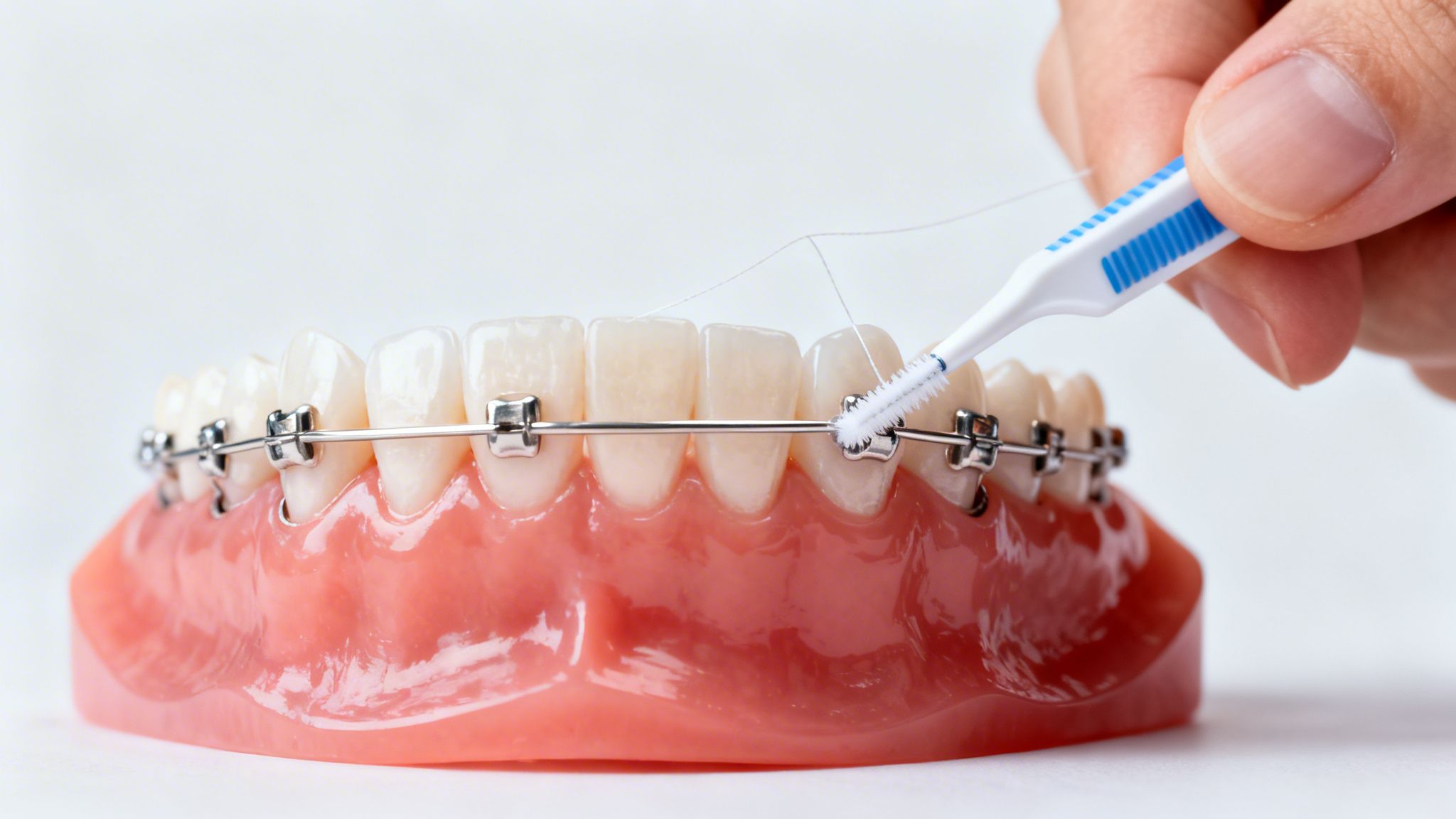
Fixed retainers—also known as permanent or bonded retainers—are fantastic at making sure your teeth don't drift back to their old positions. That thin wire we bond to the back of your teeth is on the job 24/7, protecting the investment you made in a straight smile. But as effective as it is, that permanent design introduces a few hygiene hurdles every patient in Austin, TX should know about.
The real challenge is that the wire and the bonding material create a new landscape on the back of your teeth, full of tiny ledges and crevices. These spots are almost impossible to clean effectively with just a toothbrush, turning them into perfect hiding places for plaque. If you're not meticulous, that sticky film of bacteria can build up fast.
Left unchecked, this plaque hardens into tartar, a concrete-like deposit that you can't remove at home. Tartar clinging to your retainer wire is a serious problem. It dramatically increases your risk for cavities and can also irritate your gums, leading to the redness, swelling, and bleeding that are the first signs of gingivitis.
Why Professional Dental Care is Essential
Simply put, you can't clean around a fixed retainer with your old brushing and flossing routine. Flossing, in particular, becomes a whole new ballgame. You can no longer just snap the floss between your teeth. Now, you need a special tool like a floss threader or a water flosser just to navigate under and around that wire.
This is exactly why regular dental care is non-negotiable when you have a permanent retainer. Your daily efforts are your best first defense, but they often can't get every last bit of trapped plaque.
And it's not just something we see in our office; the research backs it up. Studies show that teeth with fixed retainers host significantly higher levels of the exact microbes that cause cavities and gum disease. This lines up perfectly with findings of more plaque buildup and gum inflammation. You can dig into the research on fixed retainers and bacteria for a closer look.
At 3D Dental, our hygienists in Austin and Georgetown are experts in managing these challenges. We have specialized instruments designed to get into those hard-to-reach areas and gently, but thoroughly, clear away any plaque and tartar you've missed. These professional cleanings and exams are the key to keeping your smile not just straight, but genuinely healthy for years to come.
Removable Retainer Risks From Hawley to Clear Trays
You’ve finished your orthodontic treatment and that straight smile you worked so hard for is finally here. Now, a retainer is your smile's best friend, protecting that investment. While they're fantastic at their job, the two most popular styles—the classic Hawley and modern clear plastic trays—each have their own hygiene quirks.
As dentists serving Austin and Georgetown, we want to walk you through how to keep your smile not just straight, but also cavity-free for years to come.
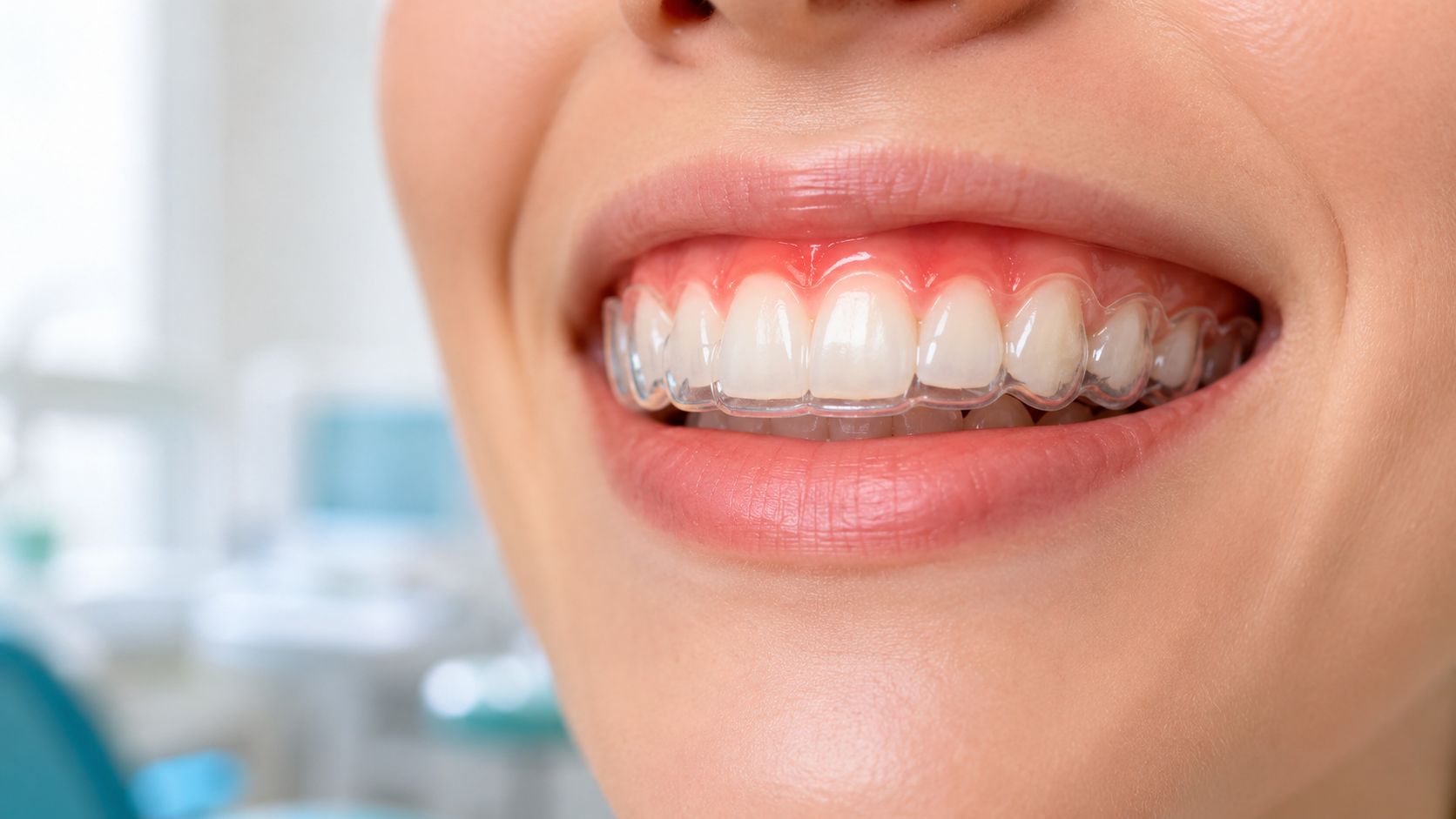
A clear plastic retainer, like an Essix tray, is a perfect, form-fitting glove for your teeth. This snug fit is what holds them in place so well, but it also means anything left on your teeth when you pop it in gets trapped right there. The biggest issue we see is when they seal sugars and acids directly against your tooth enamel. If you sip on anything other than plain water while wearing your trays, you’re essentially giving your teeth a sugar bath that can last for hours. This dramatically increases the odds of decay.
Hawley Retainers and Plaque Buildup
The trusty Hawley retainer, with its durable acrylic plate and metal wire, brings a different set of challenges. It doesn't cover your teeth as completely as a clear tray, but it still creates sneaky hiding spots for plaque. Plaque and bacteria love to hang out on the acrylic part that rests against the roof of your mouth. More importantly, the wire running across your front teeth can become a plaque magnet, especially where it connects to the acrylic. If that isn't cleaned off, you're just putting those germs right back onto your teeth every time you wear it.
Whether you live in Round Rock or Wells Branch, the golden rule is the same for both retainer types: a clean appliance is the first and most critical step toward a cavity-free smile. Your retainer must be spotless before it ever goes into your mouth.
Protecting Your Smile Is a Two-Part Job
At the end of the day, the risk doesn’t come from the retainer itself. It comes from what gets trapped between the retainer and your teeth. That's why our team at 3D Dental always tells patients their oral hygiene routine now has two equally important jobs:
- Cleaning Your Teeth: You have to be meticulous about brushing and flossing before you put your retainer in. By removing every last trace of food and plaque, you deny cavity-causing bacteria the fuel they need to do damage.
- Cleaning Your Retainer: Your retainer needs a daily cleaning, no exceptions. A dirty appliance will just reintroduce bacteria to your clean mouth, undoing all your hard work.
Regular check-ups with a trusted dentist in Austin, TX, are more important than ever. We can perform professional cleanings and inspect both your teeth and your retainer to make sure your smile stays as healthy as it is straight.
A Practical Guide to Cavity-Free Retainer Care
You’ve invested time and effort into achieving that perfectly straight smile. Now, the goal is to keep it that way—and keep it healthy. At 3D Dental, we know the key to protecting your orthodontic results is mastering your retainer care routine. It’s true that retainers can trap food, but that’s nothing to worry about with a simple, effective cleaning plan. This guide is your playbook for keeping your teeth and appliance sparkling clean.
Cleaning Your Removable Retainers
Whether you have a clear Essix-style tray or a classic Hawley retainer, daily cleaning is an absolute must. Think of it this way: you wouldn't put on dirty clothes, so why would you put a dirty appliance in your mouth?
- Rinse Immediately: The moment you take your retainer out, give it a good rinse under lukewarm water. This simple step washes away fresh saliva and plaque before they have a chance to harden.
- Gentle Brushing is Key: Use a soft-bristled toothbrush (one that's separate from your main one) and a bit of clear, unscented liquid soap. Gently brush every surface, inside and out. Avoid using toothpaste, as its abrasive particles can create tiny scratches where bacteria love to hide.
- Soak for a Deeper Clean: A few times a week, let your retainer soak in a specialized cleaning solution. These tablets dissolve stubborn buildup and give your appliance a thorough disinfection that brushing alone can't achieve.
A word of caution: never use hot water! It can easily warp the plastic, ruining the custom fit of your retainer. If you have clear trays, you can also check out our guide on how to clean Invisalign for more specific tips.
This diagram shows just how quickly sugars trapped by a retainer can turn into plaque, making daily cleaning so important.
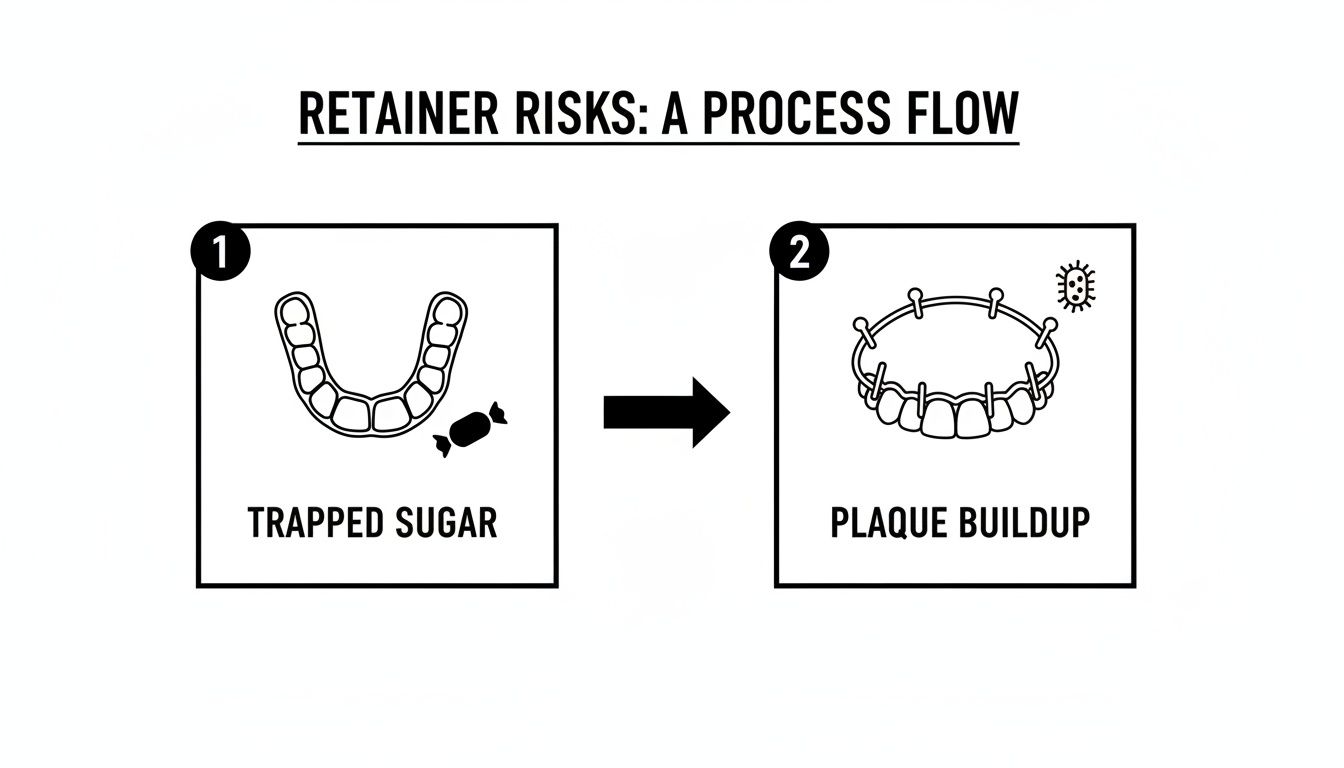
As you can see, both clear and Hawley retainers can become breeding grounds for plaque if they aren't cleaned properly every day.
Navigating Your Fixed Retainer
A fixed, or permanent, retainer is fantastic because you can't lose it, but it does require a little extra attention. The main goal here is to get rid of any plaque or food that gets stuck around the bonded wire.
- Become a Pro with a Floss Threader: This simple plastic tool is your best friend. It acts like a needle, helping you guide a piece of floss underneath the wire so you can clean between each tooth just like you normally would.
- Try a Water Flosser: Many of our patients in Liberty Hill and Cedar Park swear by their water flossers. It uses a targeted stream of water to flush out food particles and plaque from those hard-to-reach spots around the wire.
- Add an Interproximal Brush: These tiny, cone-shaped brushes are designed to get into the small spaces between your teeth and the wire that a regular toothbrush just can’t reach.
Staying on top of your daily hygiene is crucial. We've created this simple checklist to help our patients in Austin and Georgetown build a solid routine.
Daily Retainer Care Checklist
| Care Step | Removable Retainer (Clear & Hawley) | Fixed Retainer |
|---|---|---|
| Rinse | After every removal | N/A |
| Brush | Once daily with soft brush and soap | Twice daily (focus around wire) |
| Floss | N/A | Once daily with a floss threader |
| Soak | 2-3 times per week in a cleaning solution | N/A |
| Water Floss | Optional | Recommended daily for best results |
By making these steps part of your daily life, you’re actively protecting your orthodontic investment and ensuring your smile stays healthy and strong for years to come.
Warning Signs Your Retainer Needs a Professional Check
Even when you're doing everything right at home, your retainer can sometimes need a professional's touch. Think of it as a precision-calibrated tool, custom-made to protect your investment in a straight smile. Catching a small issue early can prevent it from spiraling into a bigger headache, like a new cavity or your teeth starting to shift. If any of the following red flags pop up, it’s a good signal to call your dentist in Austin, TX.
Key Symptoms to Watch For
- Persistent Bad Breath: If you’re dealing with bad breath that just won't quit, even right after brushing, it’s a big clue. This often points to significant bacterial buildup on the appliance or around the teeth it covers.
- Visible Buildup on the Retainer: See a cloudy film or chalky white spots you can't scrub off? That's hardened plaque, or tartar. It’s a magnet for harmful bacteria and needs a professional cleaning to remove.
- New or Worsening Tooth Sensitivity: Suddenly wincing when you drink something hot or cold? This could mean that acids from trapped plaque are beginning to wear down your enamel—the very first step toward a cavity.
- Changes in Fit: If your removable retainer suddenly feels wobbly, loose, or uncomfortably tight, something is off. An ill-fitting retainer isn't just ineffective; it can harm your teeth and gums.
Never try to "fix" a retainer on your own. Bending a wire or trying to patch a crack might seem like a simple solution, but it can permanently ruin the appliance and even cause your teeth to move in ways you definitely don't want.
If your retainer gets damaged or stops fitting, it’s time to act. Our team at 3D Dental helps patients all across Georgetown and Austin with these exact issues. We can take a look, give your appliance a professional-grade cleaning, or figure out if a new one is needed to keep your smile safe. We offer prompt emergency dentist appointments to make sure your smile stays protected.
Partner with a Dentist in Austin, TX to Protect Your Smile
Can retainers actually cause cavities? The answer is a reassuring one. With the right daily habits and consistent professional support from a trusted local dentist in Georgetown, TX, you can absolutely keep your smile decay-free. Think of your retainer as the guardian of your straight smile—and our team at 3D Dental is here to partner with you in keeping that smile both straight and healthy.
We get it. Life after braces brings a new set of routines. That's why we're here to help you navigate it all with confidence. Your commitment to wearing your retainer and keeping it spotless is your best first defense. The second, and just as crucial, is relying on your dental team.
Your Partner in Long-Term Oral Health
At 3D Dental, we’ve built our practice around providing the comprehensive care that retainer wearers in Austin and Georgetown need. Our entire approach is designed to ensure your smile stays in pristine condition for years to come.
- Specialized Cleanings: Our expert hygienists know exactly how to handle the unique challenges of retainers. We can meticulously clean around tricky fixed wires and professionally clean removable appliances to remove stubborn tartar.
- Restorative Care: If a cavity does sneak in, you're in the right place. We offer seamless
restorative dentistry, from simple fillings to crowns, to repair any damage and bring your tooth back to full health and strength. - Ongoing Monitoring: We encourage patients to bring their retainers to every dental appointment. This lets us inspect it for fit and damage, ensuring it’s still doing its job without putting your teeth at risk.
From our convenient locations in Austin and Georgetown to our welcoming staff, we want you to feel confident and comfortable in your care.
Worried about what might happen if you forget your retainer? We've got you covered. You can learn more in our related article, What Happens If You Don't Wear Your Retainer.
Don’t let the fear of cavities overshadow the joy of your beautiful, straight smile. Schedule your next cleaning and exam with us and see for yourself the dedicated care that keeps our patients in Cedar Park, Round Rock, and beyond smiling brightly.
Ready to partner with a dental team that puts your long-term health first? Contact 3D Dental today to schedule your new patient exam.
Ready to get started?
Schedule a free, no obligation consultation with our team and see what's possible for your smile!
Georgetown
- Mon-Thurs8:30am-5pm
- Fri8am-3:30pm
- Sat-SunClosed
Austin
- Mon-Tues8am-5pm
- Wed-Thurs9am-6pmFri8am-2pm
- Sat-SunClosed