
Pediatric Dentist Near Me Austin TX
Related Posts






































Pediatric Dentist Near Me Austin TX: Gentle Dental Care for Growing Smiles
When it comes to your child’s health, oral care is one of the most important foundations you can set early. Establishing good habits from the very first tooth not only prevents cavities but also encourages a lifetime of strong, healthy smiles. Starting oral care early helps children avoid common dental problems like tooth decay, gum disease, and misaligned teeth. Even before permanent teeth emerge, proper care sets the stage for good hygiene practices and reduces the risk of dental anxiety later in life.
This guide offers parents in Austin TX, valuable insights into pediatric dentistry, from a child's first visit to navigating common dental milestones. Understanding the specialized care available empowers families to make informed decisions regarding preventive treatments and routine check-ups. Parents can learn how to create a healthy smile that lasts, eliminating much of the anxiety typically associated with dental appointments.
The Importance of a Child’s First Dental Visit
When to Schedule the First Appointment
Understanding the "first visit by first birthday" recommendation is crucial for setting up a child for lifelong dental success. The American Academy of Pediatric Dentistry strongly advises that a child should see a dentist when their first tooth appears, or no later than their first birthday. This early introduction allows the dentist to monitor the growth and development of the child's jaw and teeth, catching potential issues before they escalate.
What to Expect During a Toddler's Dental Exam
A typical first visit focuses heavily on creating a calm, friendly, and introductory atmosphere to ensure the toddler feels entirely at ease. The dentist will perform a gentle knee-to-knee exam, allowing the child to rest comfortably on their parent's lap while the dentist briefly checks the teeth and gums. This non-invasive inspection helps identify any early signs of tooth decay while assessing the child's bite and oral tissue health.
Building a Positive Relationship with the Dentist Early On
Parents play a monumental role in preparing their children for their first dental visit to create a fun, fearless, and encouraging experience. Reading age-appropriate books or watching cheerful videos about visiting the dentist can effectively demystify the process and build excitement. Parents should use positive language when discussing the upcoming appointment, avoiding words like "pain," "shot," or "drill" that might inadvertently instill fear.
What Makes a Pediatric Dentist Different?
Specialized Training and Education for Children's Needs
Pediatric dentists complete two to three additional years of rigorous, specialized training after dental school to understand the unique dental development and psychological needs of children. This advanced education covers everything from infant oral health and child psychology to caring for patients with special healthcare needs. Because children are not simply small adults, their mouths are constantly growing and changing, requiring a nuanced approach to treatment and preventive care.
Creating a Kid-Friendly and Welcoming Office Environment
A pediatric dental office is intentionally designed with colorful decor, interactive games, and a highly trained, friendly staff to reduce anxiety and make dental visits enjoyable for young patients. The waiting area often resembles a vibrant playroom rather than a sterile clinical space, immediately putting children at ease the moment they walk through the door.
Child-Sized Equipment for Comfortable Treatment
Utilizing specialized tools and technology designed specifically for smaller mouths ensures a much more comfortable, safe, and precise experience for young patients. Standard dental equipment can easily overwhelm a child, but pediatric offices are outfitted with miniature mirrors, smaller digital X-ray sensors, and perfectly scaled dental chairs. This child-sized equipment minimizes physical discomfort and allows the dentist to work efficiently within the confined space of a tiny mouth.
Common Dental Issues in Young Children
Understanding and Preventing Early Childhood Caries
Identifying the causes of tooth decay in infants and toddlers, often referred to as baby bottle tooth decay, is the first step toward effective prevention. This specific type of decay frequently occurs when a child is put to bed with a bottle containing milk, formula, or juice, allowing sugars to pool around the teeth and feed cavity-causing bacteria. Parents can prevent this by exclusively offering water in bedtime bottles and gently wiping the baby's gums with a clean, damp cloth after each feeding.
Guidance on Teething and Soothing Your Baby's Gums
Managing teething discomfort safely and effectively helps both the baby and the parents get through this challenging developmental milestone with minimal stress. When teeth begin pushing through the gums, babies often experience swelling, irritability, and a strong urge to chew on objects. Offering a chilled, solid rubber teething ring provides soothing counter-pressure that significantly alleviates pain without the risks associated with liquid-filled or plastic toys.
Habits to Watch: Thumb Sucking, Pacifier Use, and Tongue Thrusting
Learning how common oral habits can affect dental alignment is vital for knowing exactly when it might be time to intervene. While thumb sucking and pacifier use are perfectly natural self-soothing behaviors for infants, prolonged continuation past the age of three can lead to an open bite or changes in the roof of the mouth. Tongue thrusting, where the tongue pushes against the front teeth during swallowing, can also gradually force the teeth out of their proper alignment over time.
Preventive Dental Care for Lasting Smiles
The Role of Dental Sealants in Cavity Prevention
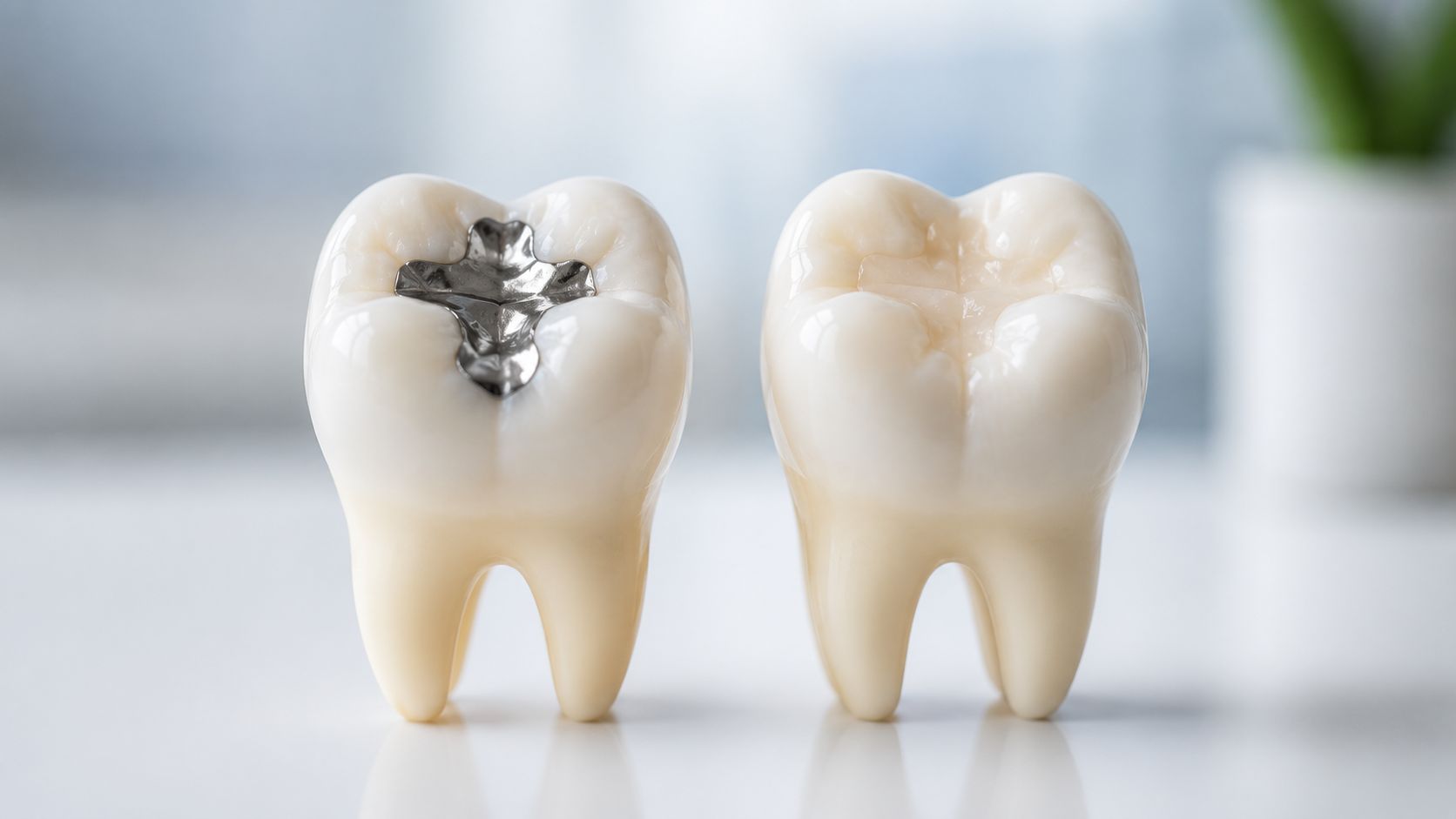
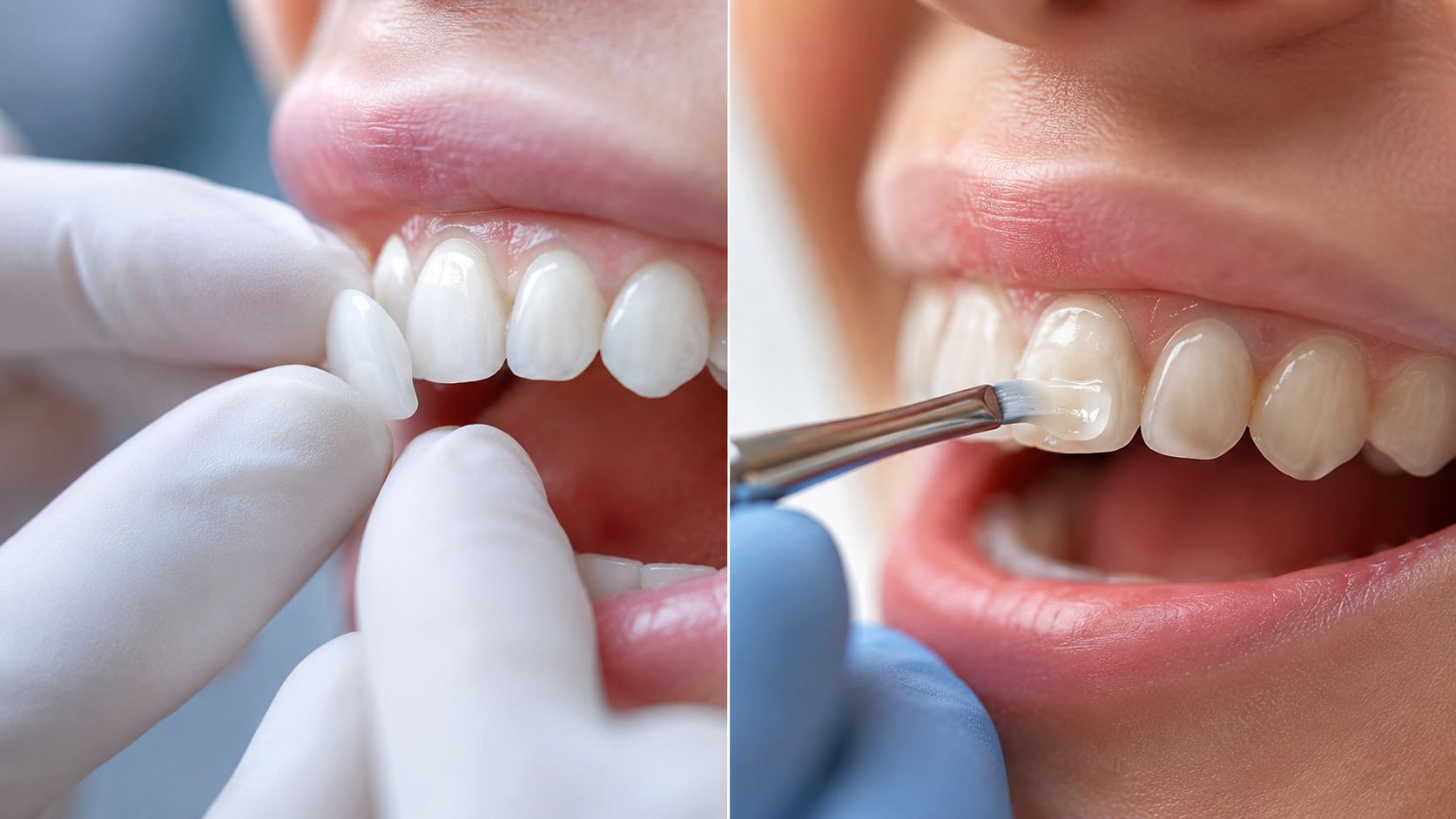
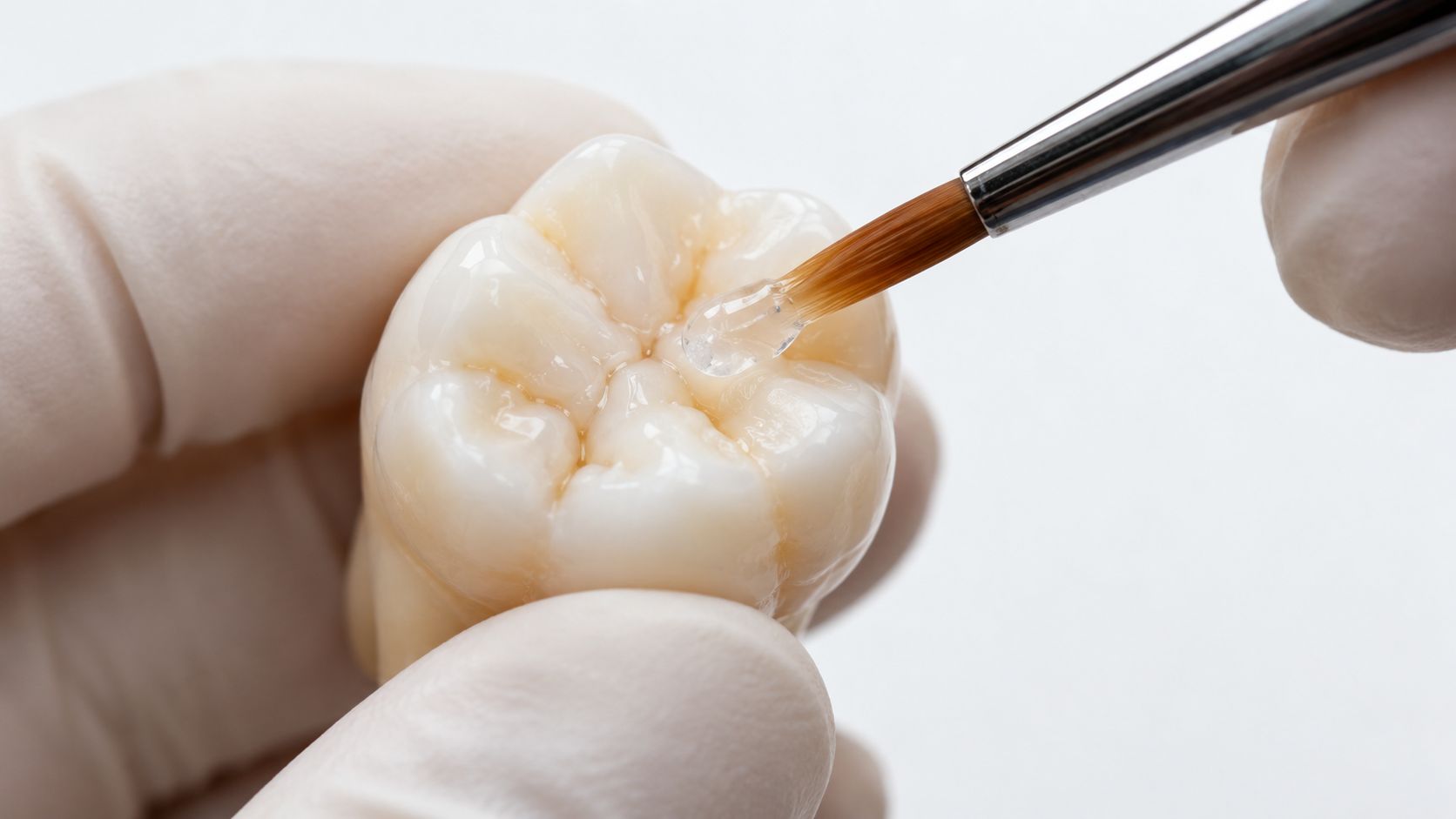
Dental sealants provide a highly effective protective shield over the chewing surfaces of molars to block out decay-causing food particles and plaque. The deep grooves and pits located on the back teeth are incredibly difficult to clean thoroughly with a toothbrush, making them highly susceptible to cavities. Applying a thin, biocompatible plastic coating to these vulnerable areas seals off the grooves, creating a smooth surface that is remarkably easy to brush clean.
Fluoride Treatments: Strengthening Teeth Against Cavities
Professional fluoride applications help remineralize tooth enamel, making the teeth significantly more resistant to the acid attacks that lead to rapid tooth decay. While children receive some fluoride from tap water and toothpaste, a concentrated professional treatment provides an essential extra layer of defense for developing teeth. The dentist paints a sticky fluoride varnish directly onto the child's teeth after a cleaning, allowing the minerals to absorb deeply into the enamel structure.
Teaching Effective Brushing and Flossing Techniques
Providing age-appropriate tips and tricks helps parents teach their children proper oral hygiene skills that they can confidently use for the rest of their lives. For toddlers, parents should handle the brushing, using a tiny smear of toothpaste and employing gentle, circular motions along the gumline. As children grow into preschoolers, they can begin practicing under close supervision, using a timer or a favorite song to ensure they brush for the full recommended two minutes.
Navigating Your Child's Dental Milestones
Losing Baby Teeth: What's Normal and When to Be Concerned
Understanding the timeline for when children typically lose their primary teeth helps parents recognize signs that may warrant a professional dental check-up. Most children begin losing their lower front teeth around the age of six, followed closely by the upper front teeth, with the process continuing gradually until around age twelve. If a baby tooth is highly mobile but refuses to fall out, or if a permanent tooth begins erupting directly behind the primary tooth, a dentist should evaluate the situation to prevent alignment issues.
The Eruption of Permanent Molars and Orthodontic Watch
Monitoring the arrival of the six-year and twelve-year molars is crucial for maintaining oral health and highlights the immense importance of early orthodontic evaluations. These large permanent teeth erupt behind all the existing baby teeth, and parents often miss their arrival because no primary teeth are lost to make room for them. An early orthodontic evaluation, typically recommended by age seven, allows the dentist to assess jaw growth and identify potential crowding or bite issues well before they become severe.
Dental Care for Kids in Sports: The Importance of Mouthguards
Custom-fitted mouthguards are a crucial piece of equipment for actively protecting a child’s teeth, gums, and jaw from serious injury during physical activities. While store-bought boil-and-bite mouthguards offer a basic level of protection, they are often bulky, uncomfortable, and can easily restrict a child's breathing and speech on the field. A custom mouthguard fabricated by a pediatric dentist fits perfectly to the exact contours of the child's mouth, offering superior shock absorption and maximum comfort.
Modern Pediatric Dentistry at 3D Dental of Austin
Advanced Diagnostics with Gentle Digital X-Rays
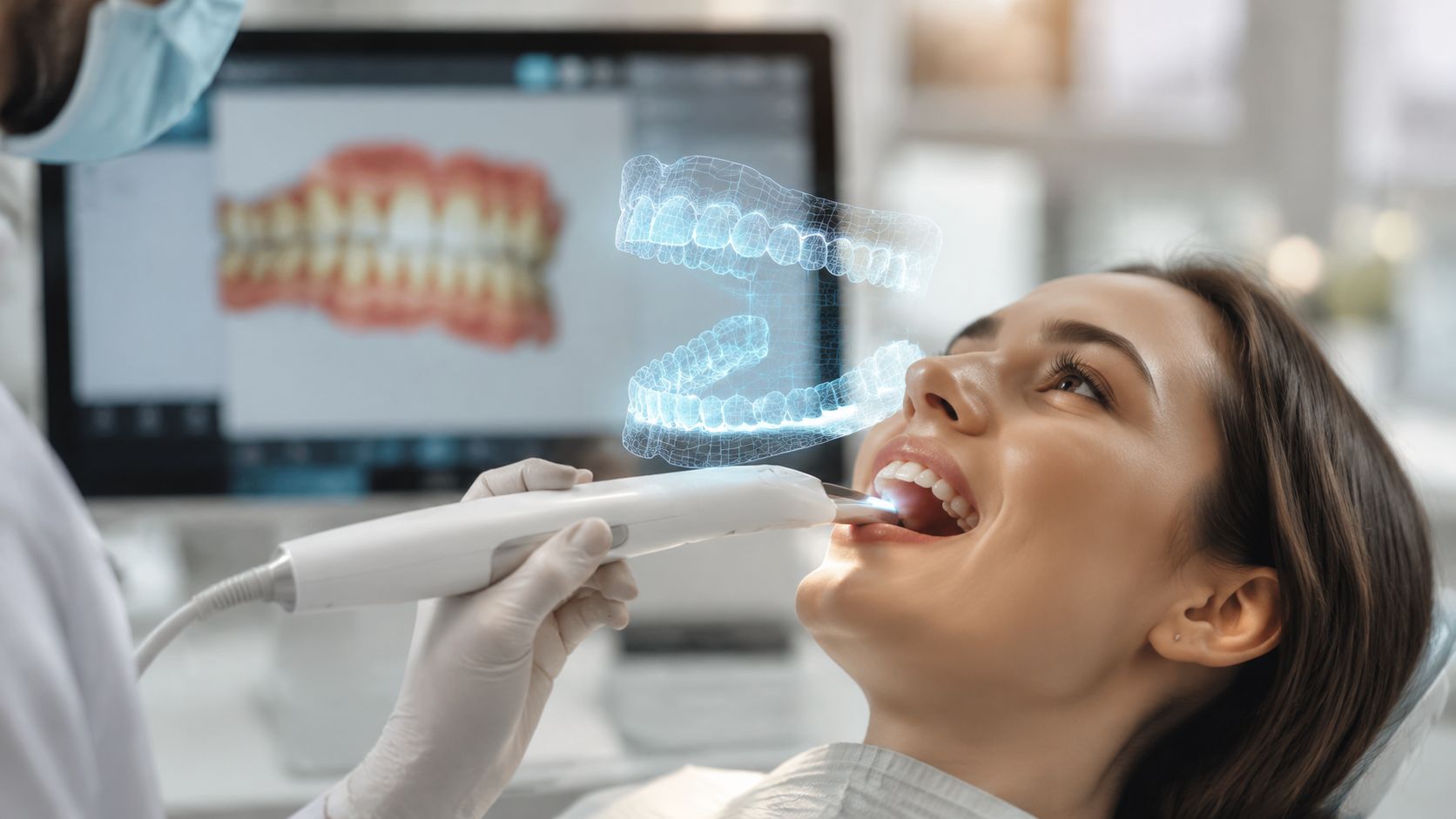
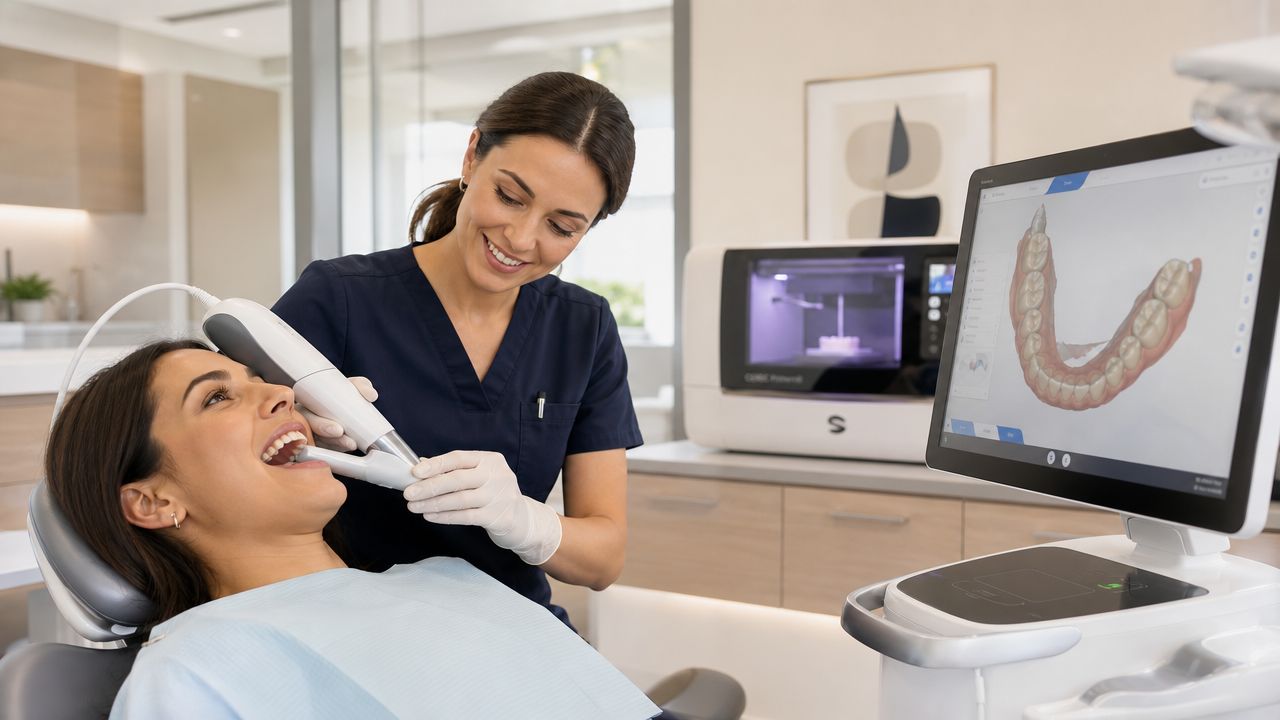
The utilization of low-radiation digital imaging safely and quickly provides a crystal-clear picture of a child’s underlying oral health. Modern digital X-rays expose patients to significantly less radiation than traditional film X-rays, making them an incredibly safe diagnostic tool for growing children. These high-resolution images instantly appear on a computer screen, allowing the dentist to immediately detect hidden cavities between the teeth, evaluate the development of un-erupted permanent teeth, and assess bone health.
A Compassionate Team Trained in Pediatric Care
The friendly professionals at 3D Dental demonstrate a profound commitment to making absolutely every child’s visit a remarkably positive and uplifting experience. Every team member, from the front desk coordinators to the clinical hygienists, is specifically trained in behavior management techniques designed to soothe and engage young patients. They understand that a calm, patient approach is the key to building lasting trust, and they take the time to explain every single step of the visit using gentle, child-friendly terms.
Partnering with Parents for a Lifetime of Health
Working collaboratively with families to create a highly personalized oral health plan guarantees that the dental care effectively grows and adapts alongside the child. A successful pediatric dental experience relies heavily on open communication, empowering parents with the knowledge they need to enforce excellent brushing and dietary habits at home.
Nutrition's Role in Your Child's Oral Health
Tooth-Friendly Snacks for Healthy Smiles
Offering a curated list of great-tasting, healthy snack ideas actively helps protect teeth instead of promoting rapid, widespread decay. Crunchy fruits and vegetables like apples, celery, and carrots act as natural toothbrushes, stimulating healthy saliva production which effectively washes away lingering food particles. Dairy products, particularly cheese and plain yogurt, are incredibly rich in calcium and phosphorus, minerals that naturally help remineralize and strengthen tooth enamel after meals.
The Hidden Sugars in Drinks and Foods
Uncovering surprising sources of hidden sugar in a child's daily diet is a critical step in making smarter, highly proactive choices for their long-term dental health. Many parents are shocked to learn that seemingly healthy items like fruit juices, gummy vitamins, flavored yogurts, and chewy granola bars are absolutely packed with added sugars that fuel cavity-causing bacteria. Even starchy carbohydrates like crackers and pretzels quickly break down into simple sugars in the mouth, sticking stubbornly to the teeth and leading to severe acid attacks on the enamel.
How a Balanced Diet Builds Strong Teeth from the Inside Out
Understanding the direct connection between essential vitamins and minerals and the development of strong teeth highlights why a balanced diet is absolutely imperative. Calcium and Vitamin D work synergistically to build robust jawbones and dense, highly resilient tooth enamel that can withstand the daily wear and tear of chewing. Vitamin C promotes incredibly healthy gum tissue, preventing inflammation and bleeding that can ultimately lead to serious periodontal issues later in life.
Special Needs Pediatric Dentistry in Austin
Creating a Supportive Environment for Every Child
Adapting the clinical approach and the office environment is essential to comfortably accommodate children with physical, developmental, or sensory sensitivities. Pediatric dentists utilize specific desensitization techniques, adjusting the lighting, minimizing loud noises, and offering quiet, private treatment rooms to prevent sensory overload for children on the autism spectrum.
Customized Treatment Planning for Unique Health Requirements
Understanding a child’s highly specific medical history is critical for a dentist to tailor the care and effectively address any unique health requirements. Children with certain genetic conditions, heart defects, or compromised immune systems often require specialized preventive protocols, such as prophylactic antibiotics, prior to routine dental cleanings. Medications taken for chronic conditions can frequently cause severe dry mouth or gingival overgrowth, issues that demand targeted, customized dental management to prevent rapid decay.
Building a Circle of Trust Between Patient, Parent, and Dentist
Fostering incredibly open communication and establishing a predictable, reliable routine ensures a successful dental experience for children with special healthcare needs. Introducing the child to the dental office through brief, non-clinical "happy visits" helps them gradually acclimate to the new sights, sounds, and faces without the pressure of an actual exam.
From Toddlers to Teens: Evolving Dental Needs
Addressing the Orthodontic Needs of Pre-Teens and Teenagers
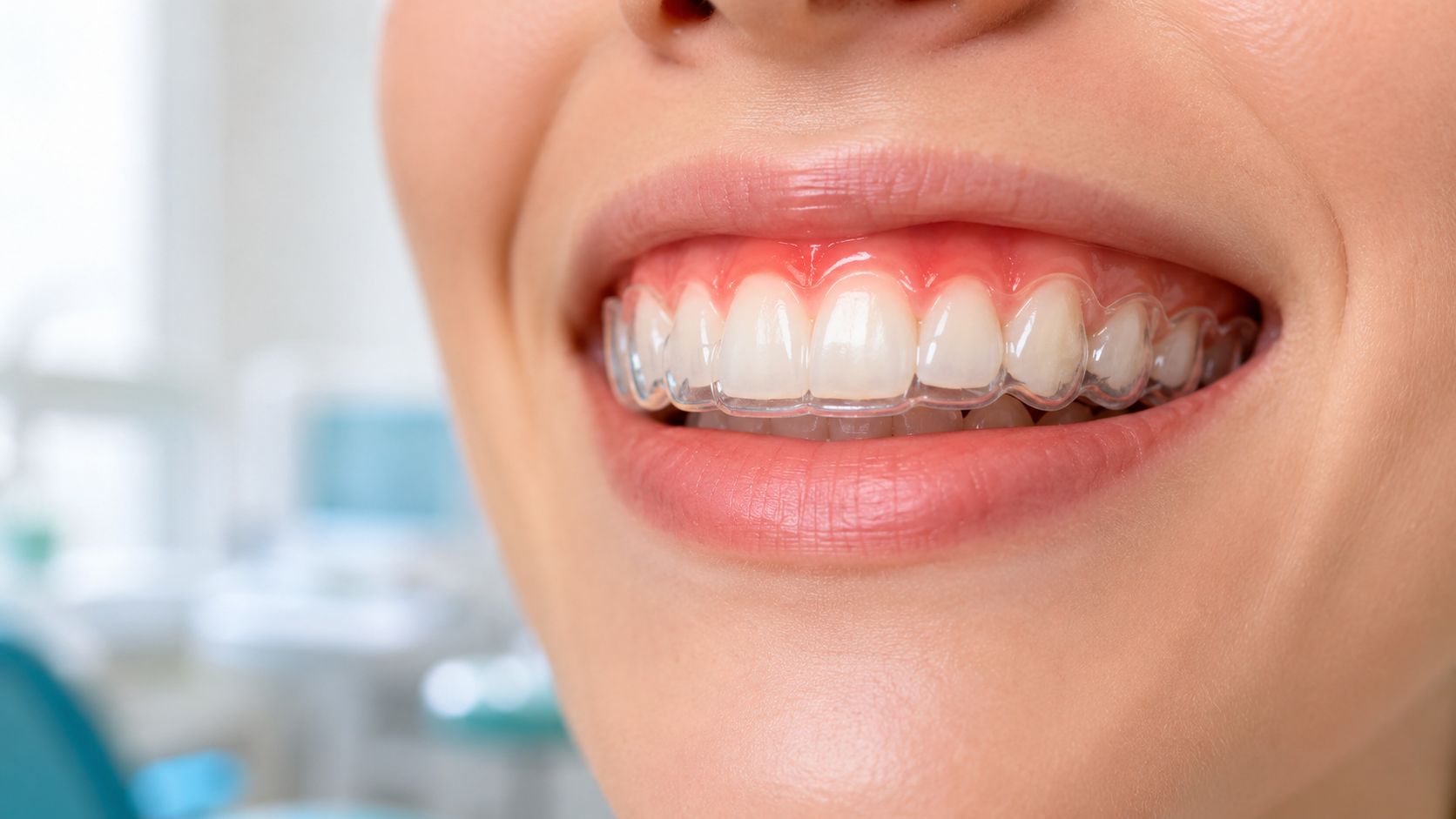
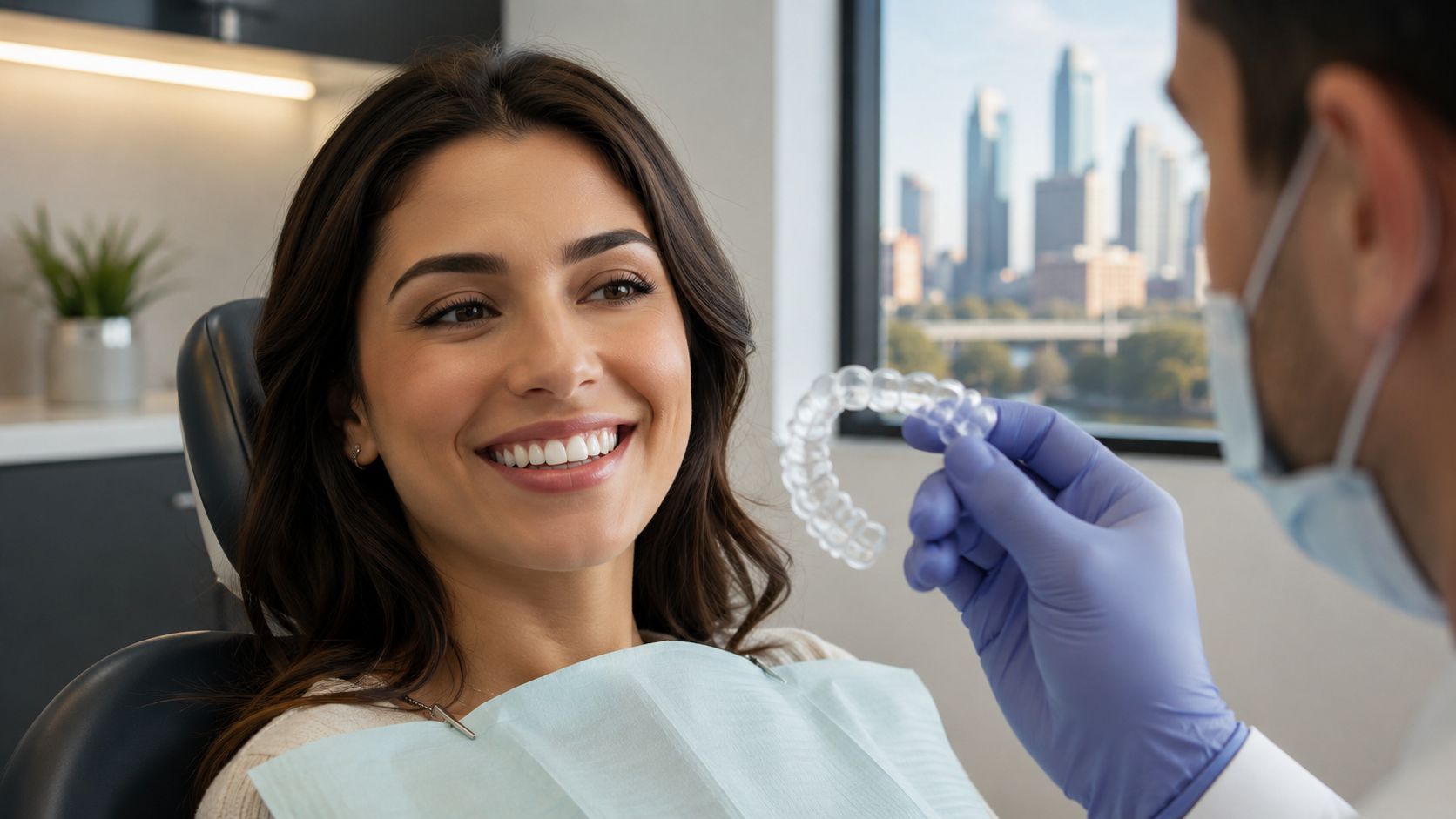
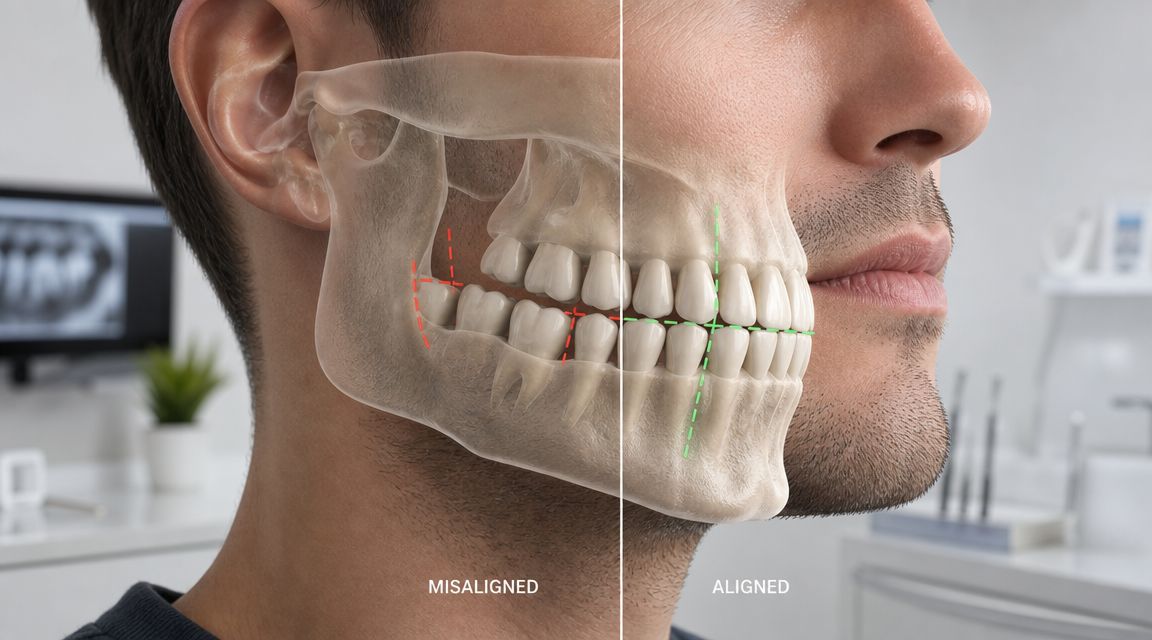
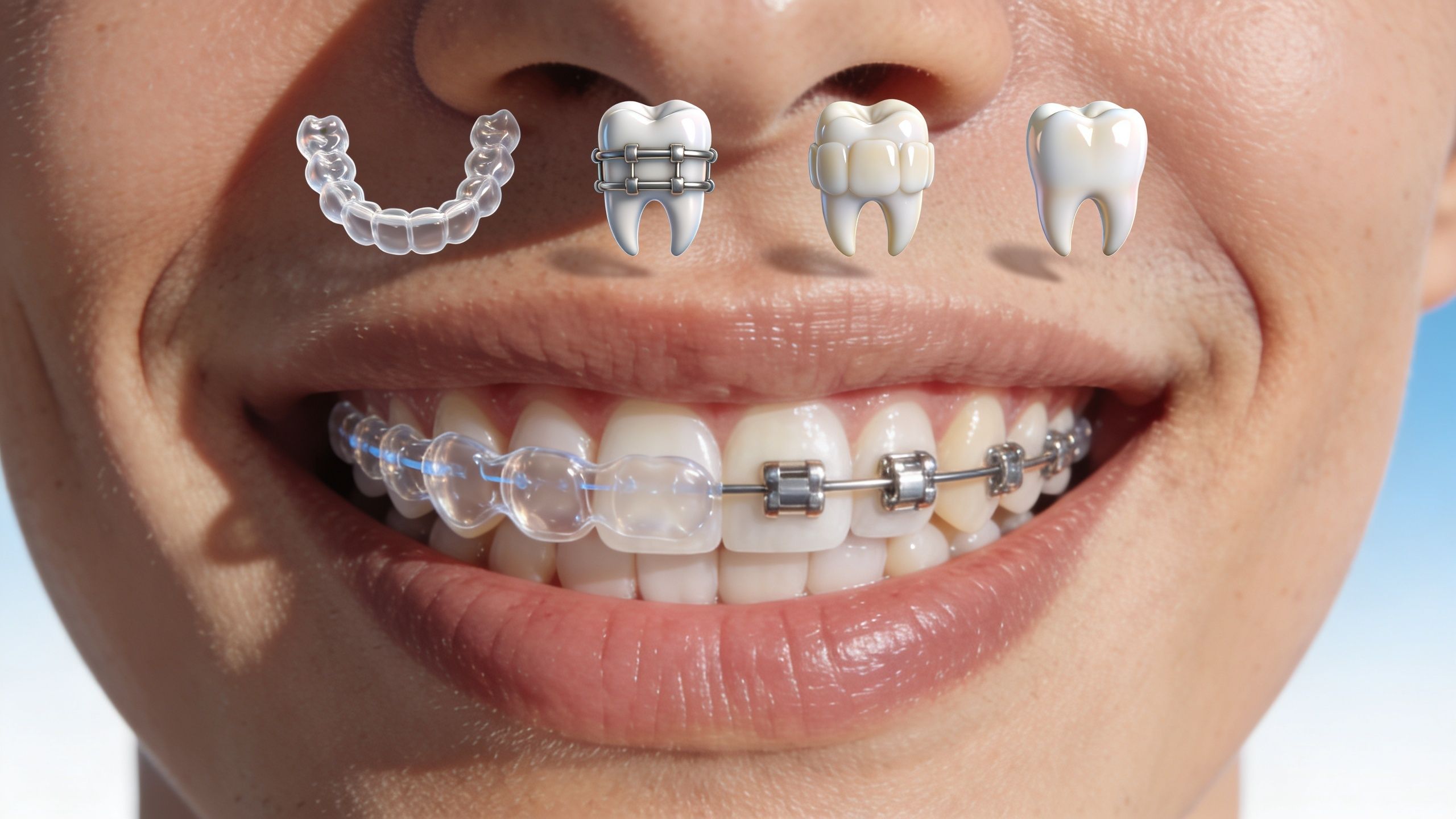
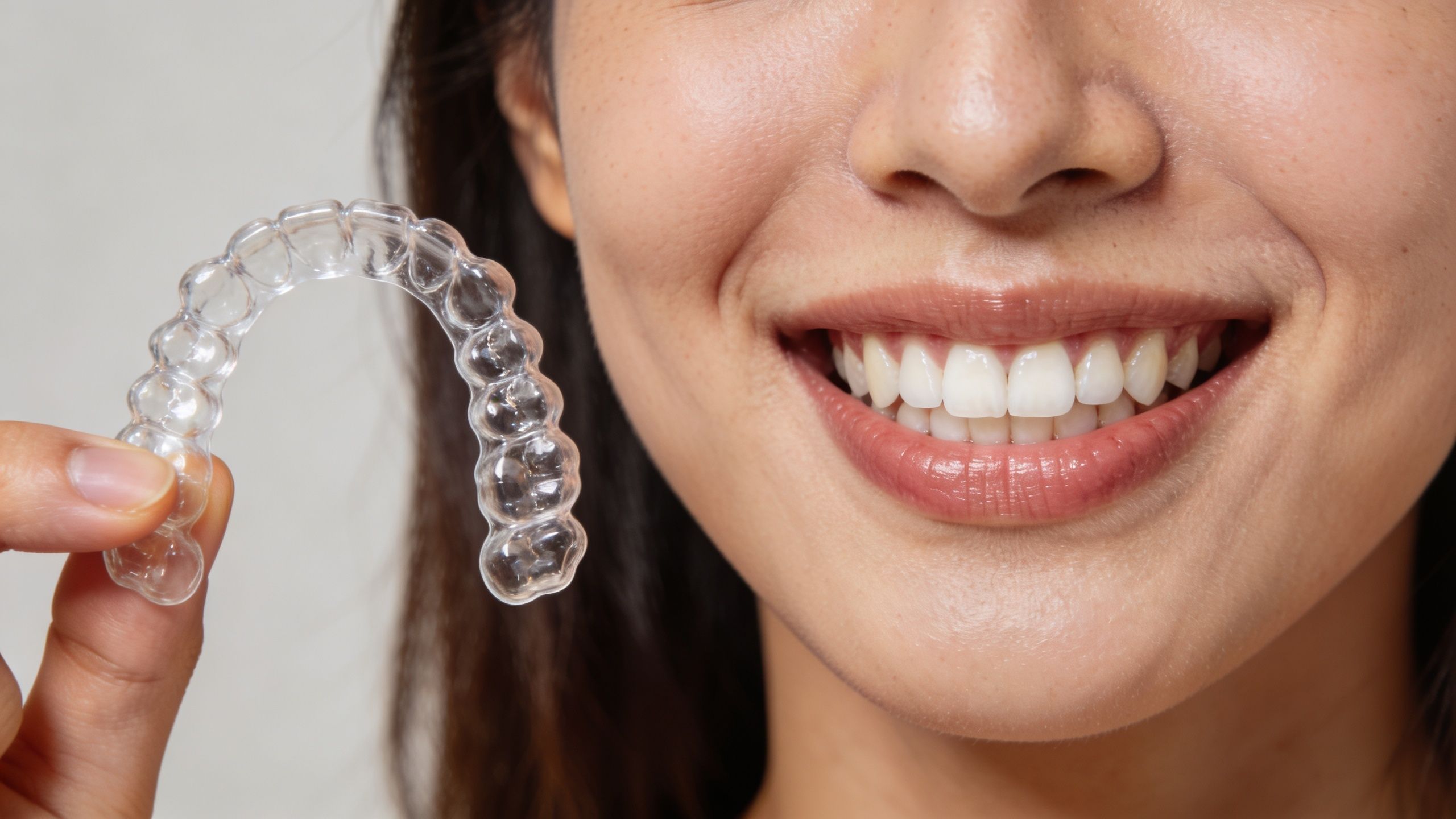
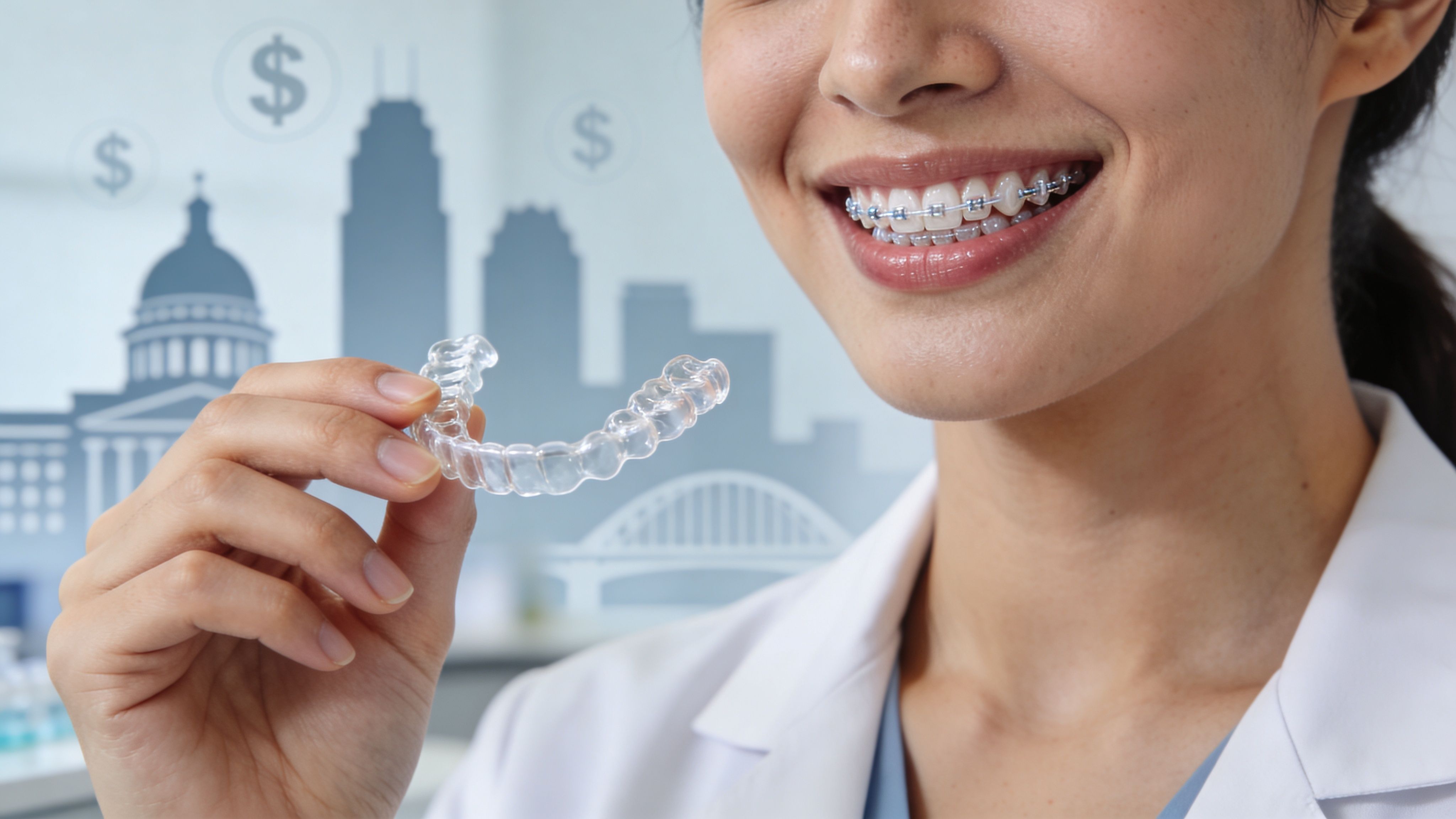
Providing a thorough overview of common alignment issues empowers families to explore the various options available, including traditional metal braces and modern clear aligners. As teenagers undergo rapid growth spurts, previously minor crowding or bite misalignments can suddenly become more pronounced, impacting both their oral function and their self-esteem. Traditional braces remain an incredibly effective, highly reliable solution for correcting complex bite issues and severely rotated teeth.
Wisdom Teeth: Monitoring and Management in Late Adolescence
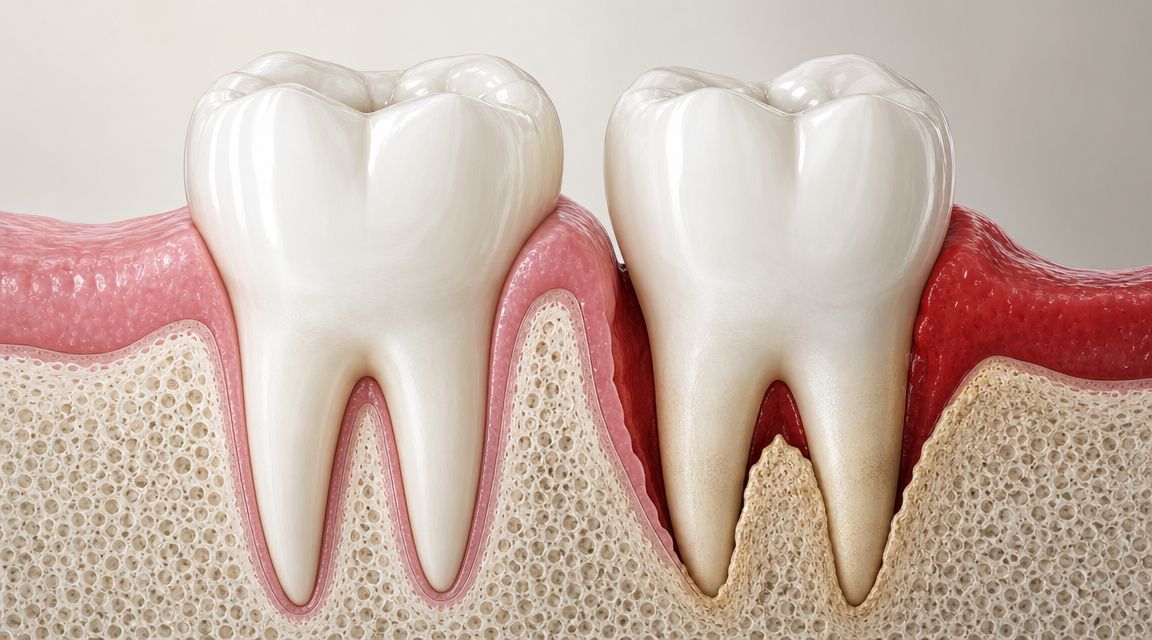
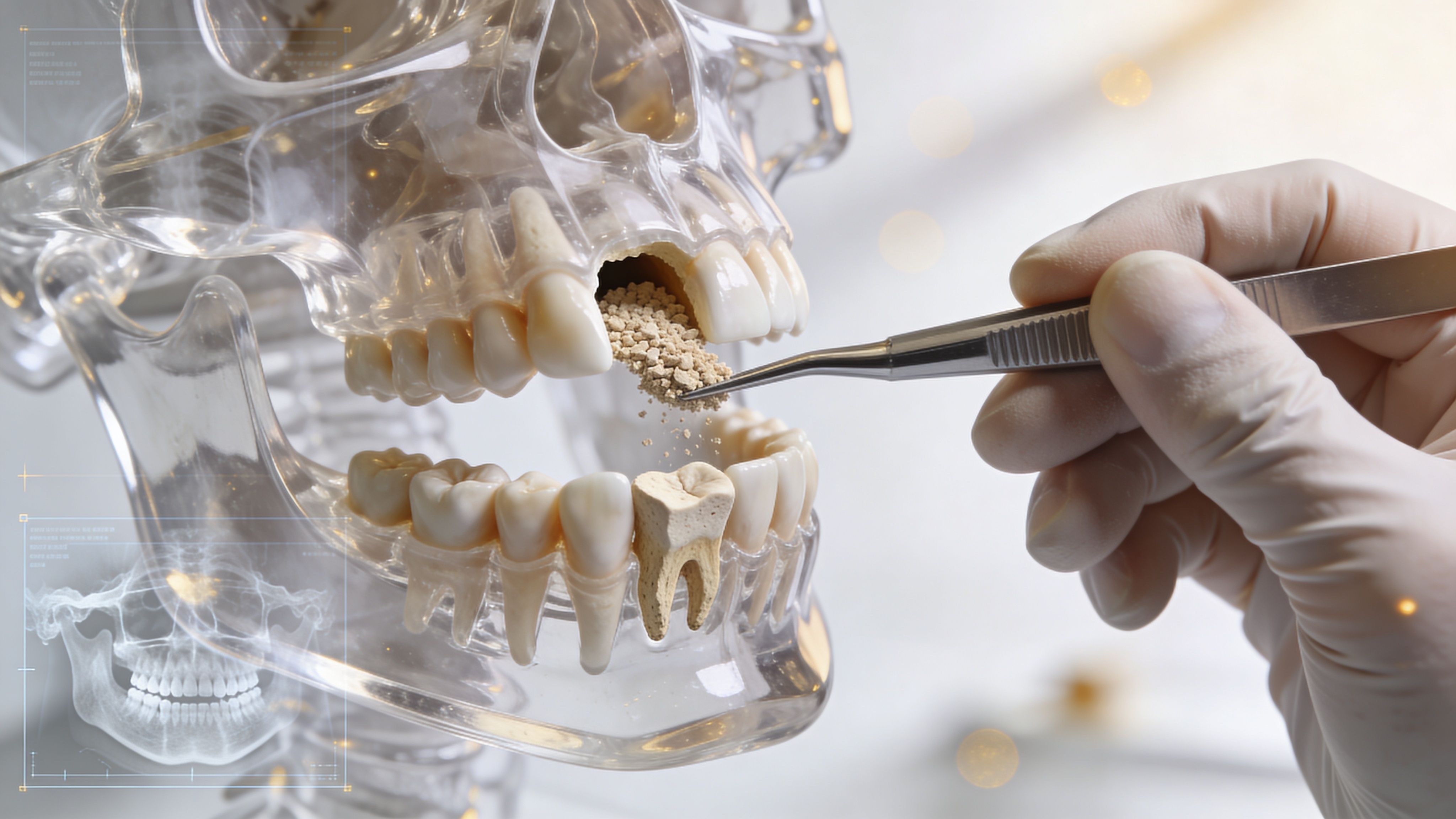
Knowing precisely what to expect regarding the development of third molars helps parents and teens prepare for the possibility that removal might be necessary. Wisdom teeth typically begin to emerge between the ages of seventeen and twenty-one, but the human jaw often lacks the adequate space to accommodate these large, final molars. If wisdom teeth become impacted beneath the gums or erupt at an awkward angle, they can cause severe pain, chronic infection, and permanent damage to the adjacent healthy teeth.
Promoting Oral Health Independence in Your Teen
Encouraging teenagers to take full ownership of their dental hygiene ensures they carry excellent habits into adulthood, from routine brushing to making incredibly smart dietary choices. As teens gain more independence, their dietary habits often shift toward highly acidic sports drinks, frequent snacking, and sugary coffee beverages that dramatically increase cavity risks.
Setting the Stage for a Lifetime of Healthy Smiles
Ensuring a child establishes a genuinely positive relationship with their dental health always begins with finding the right pediatric dental home. By focusing heavily on gentle techniques, early preventive care, and consistent, empowering education, parents can successfully set their children on a direct path toward a lifetime of radiant, healthy smiles. Starting dental visits early and maintaining a strict, consistent schedule for routine check-ups provides growing children with the specific tools and knowledge they need to maintain excellent oral hygiene as they mature into adulthood.
Embracing the guidance of a dedicated, specialized dental team alleviates parental anxiety and thoroughly answers the complex questions surrounding teething, nutrition, and orthodontics. For families seeking reliable, compassionate pediatric dental care in Austin, taking that first proactive step to schedule a consultation reveals exactly what a difference a truly child-focused approach can make. Establishing these healthy habits today secures a beautiful, pain-free smile for all the bright tomorrows.
Ready to get started?
Schedule a free, no obligation consultation with our team and see what's possible for your smile!
Georgetown
- Mon-Thurs8:30am-5pm
- Fri8am-3:30pm
- Sat-SunClosed
Austin
- Mon-Tues8am-5pm
- Wed-Thurs9am-6pmFri8am-2pm
- Sat-SunClosed