
Dentist in Austin, TX: Root Canal vs. Filling
Related Posts

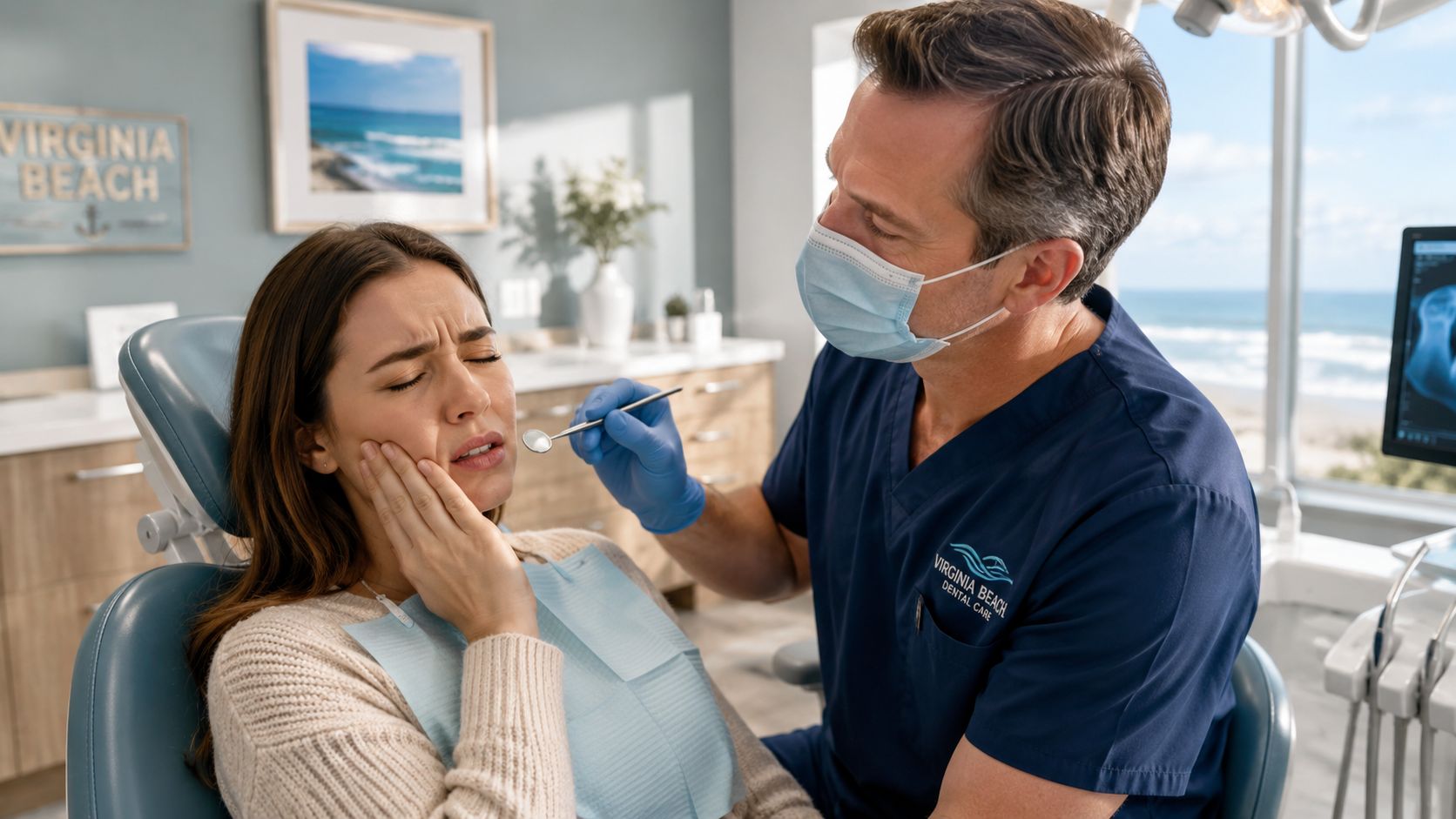

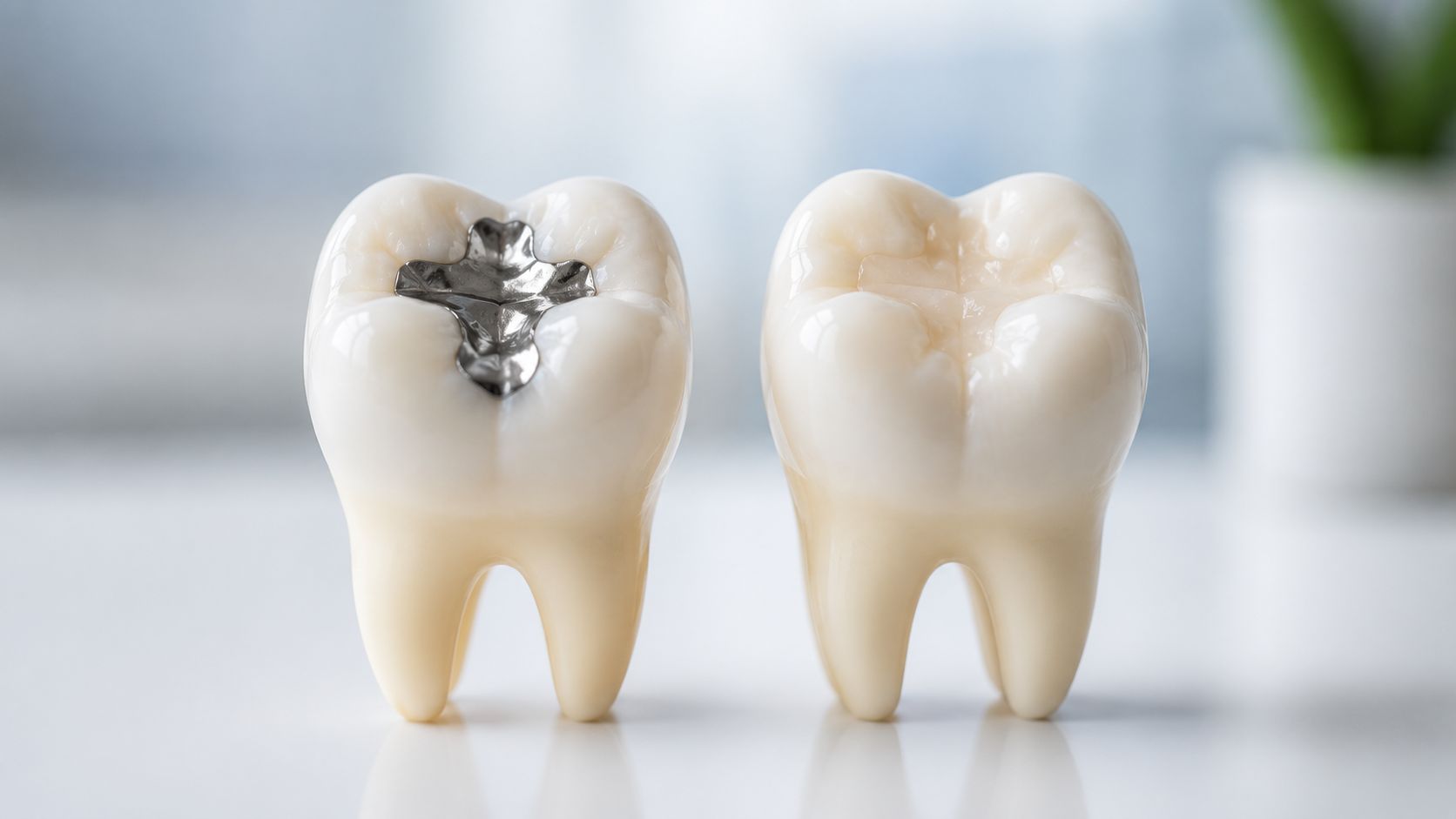





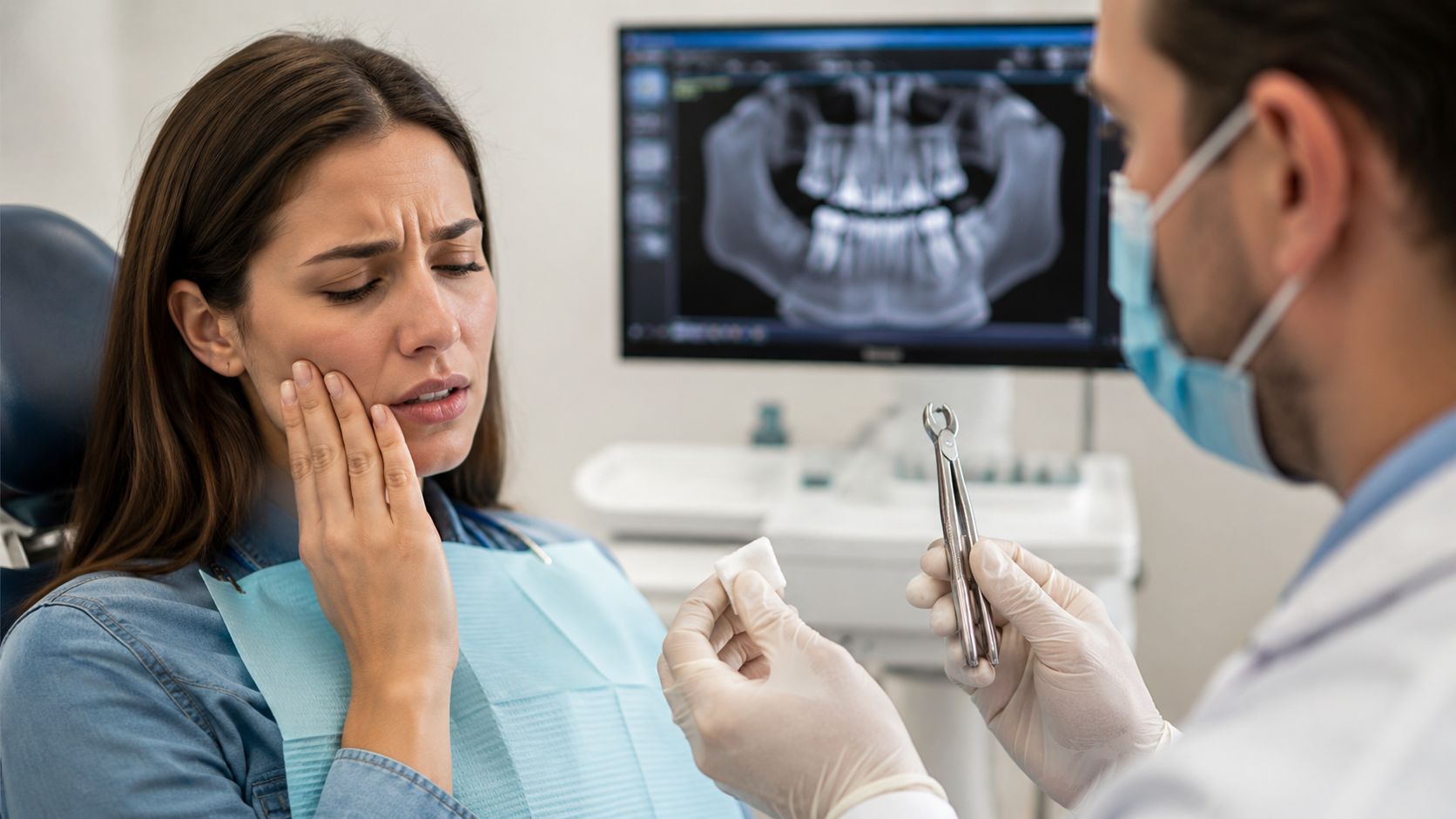




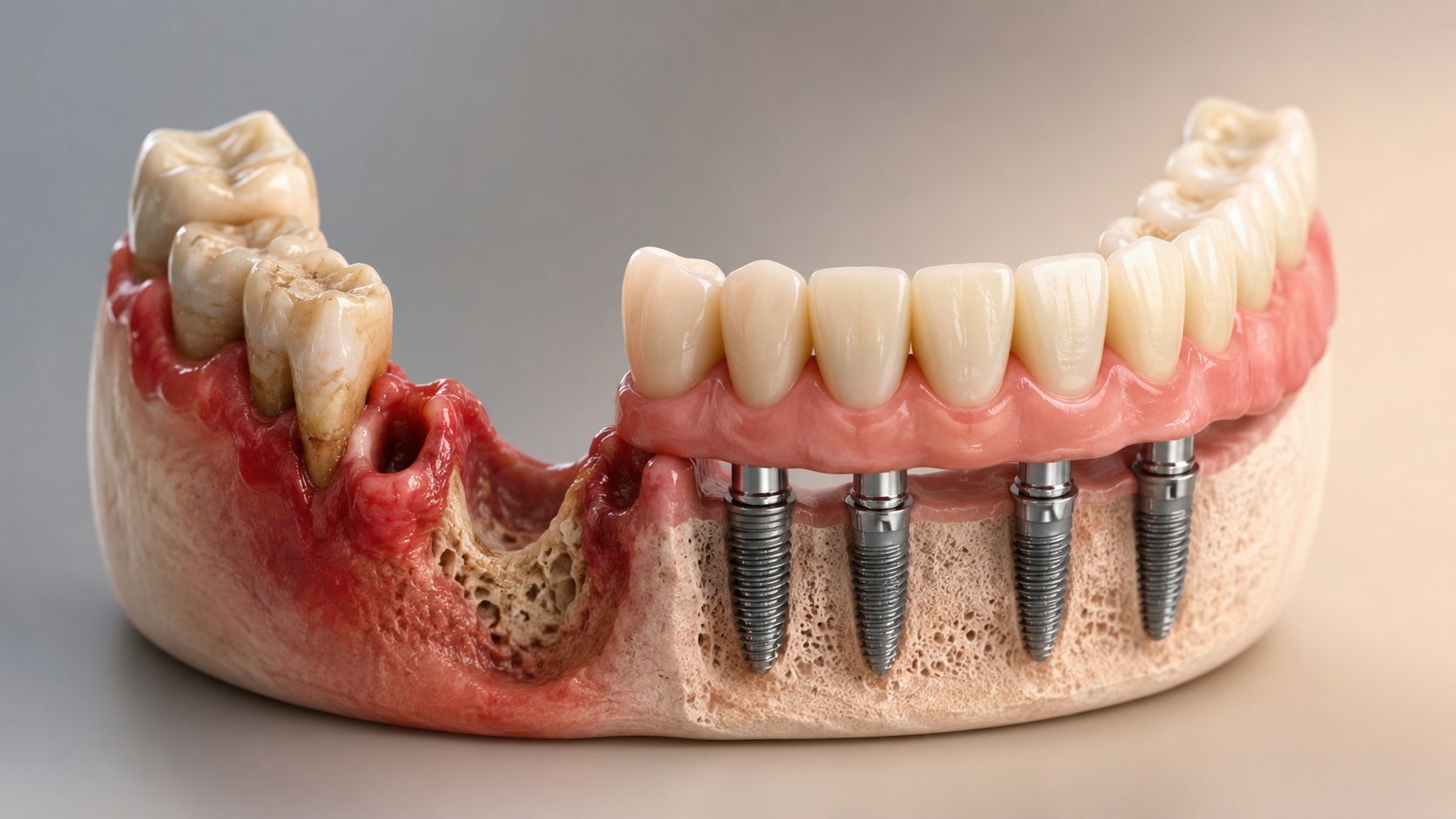



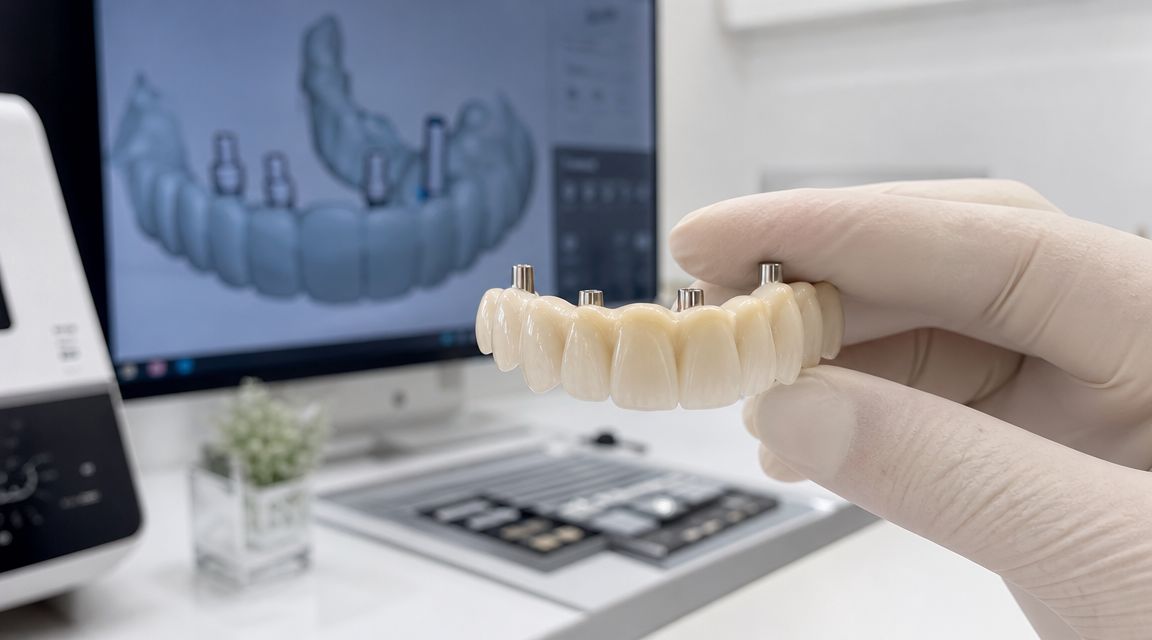






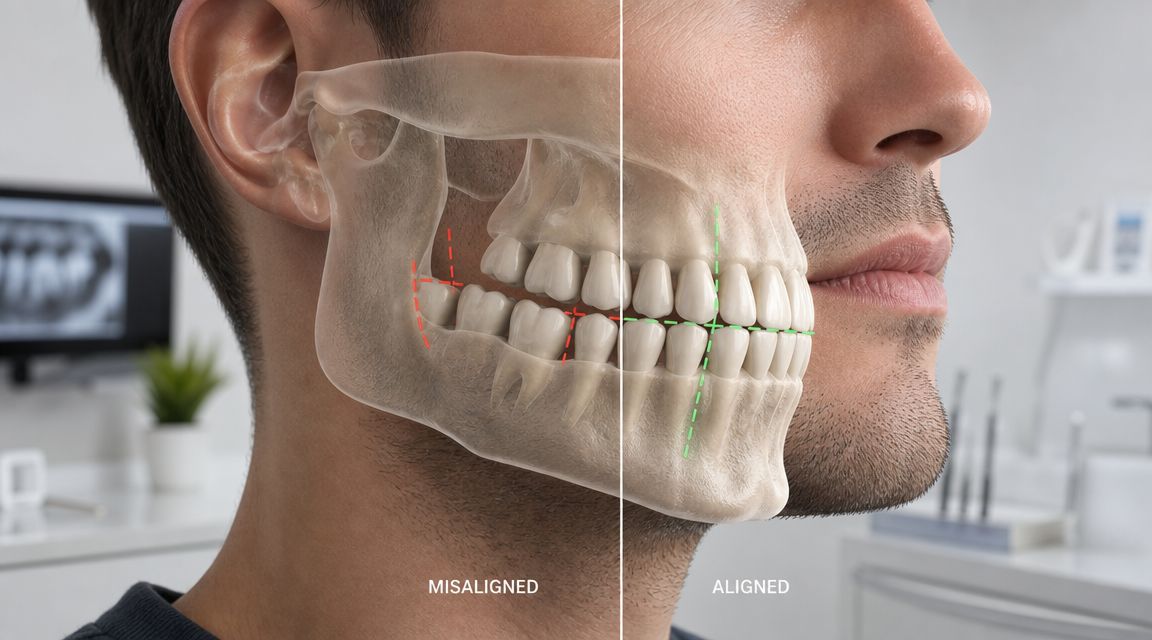


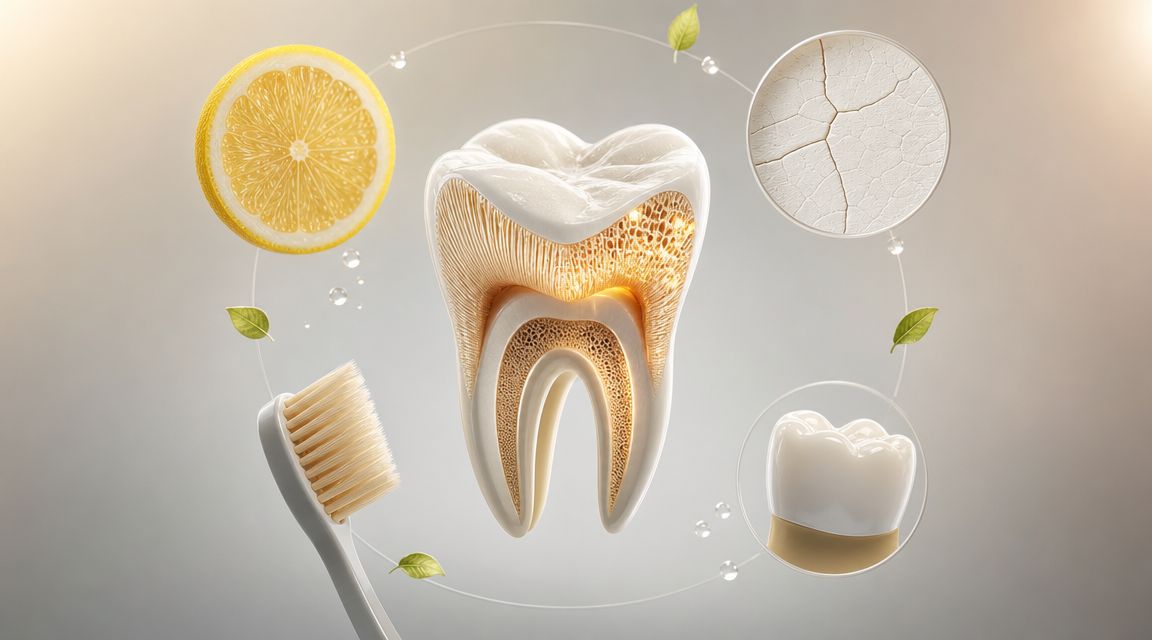



















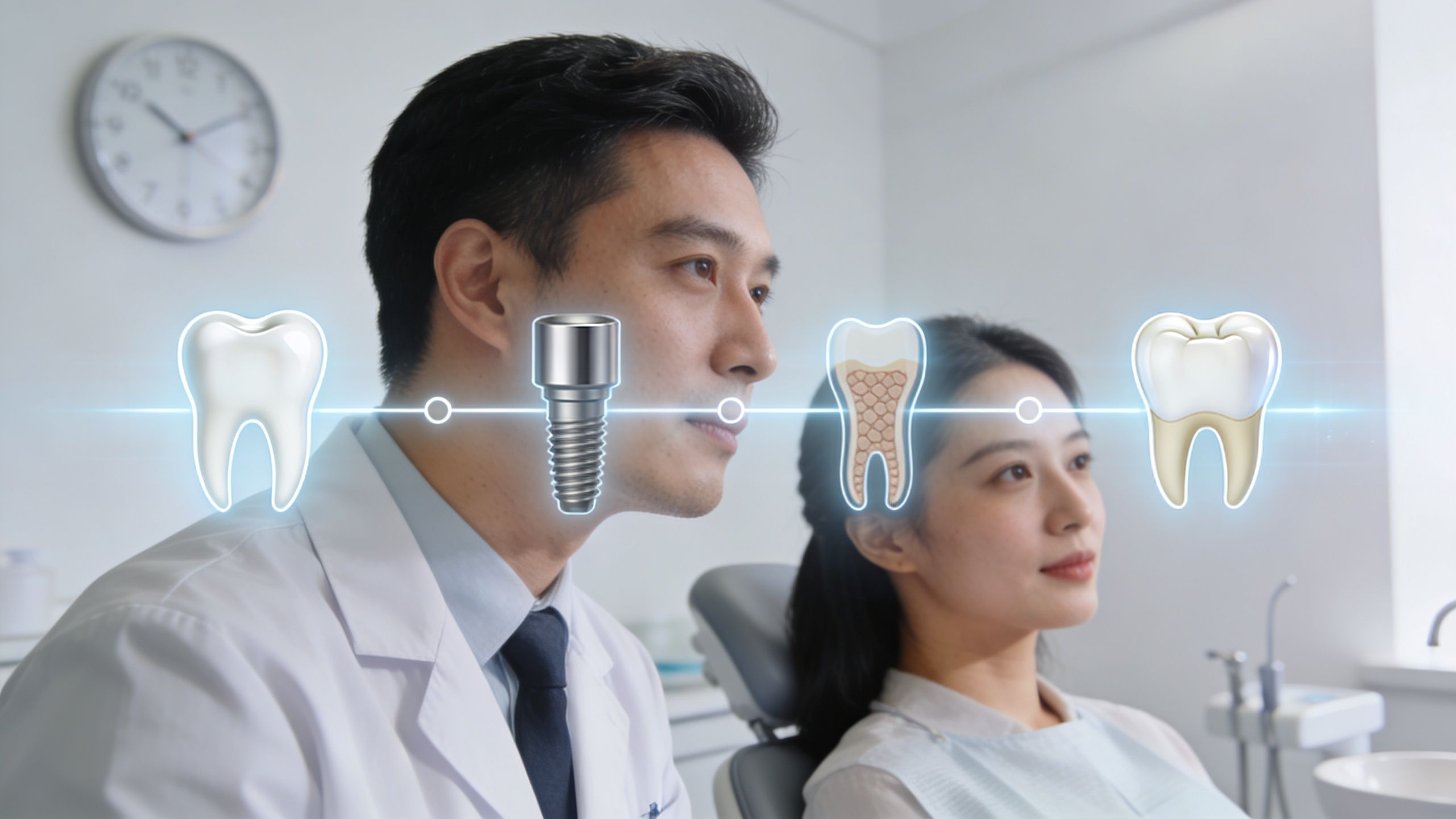



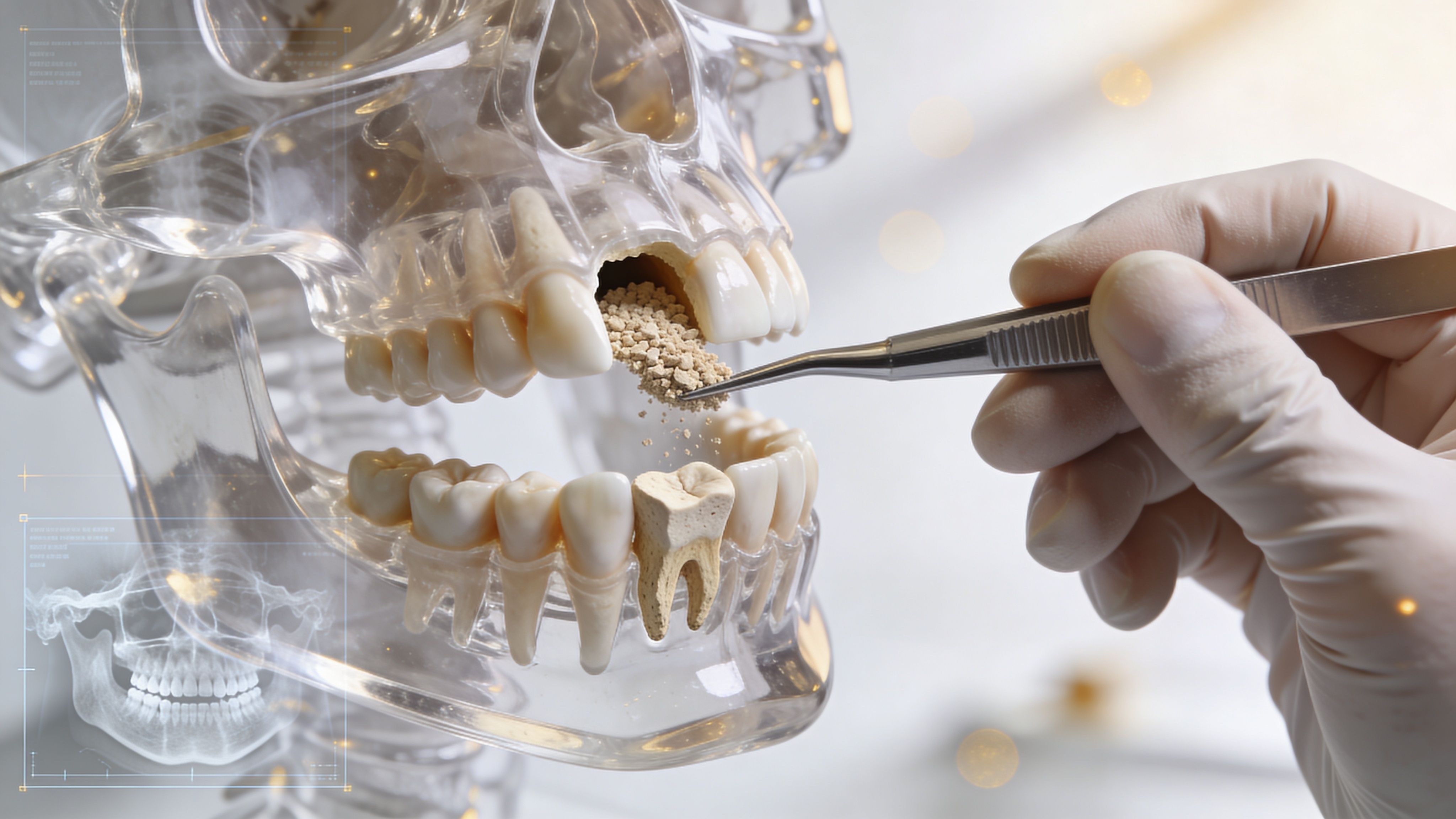




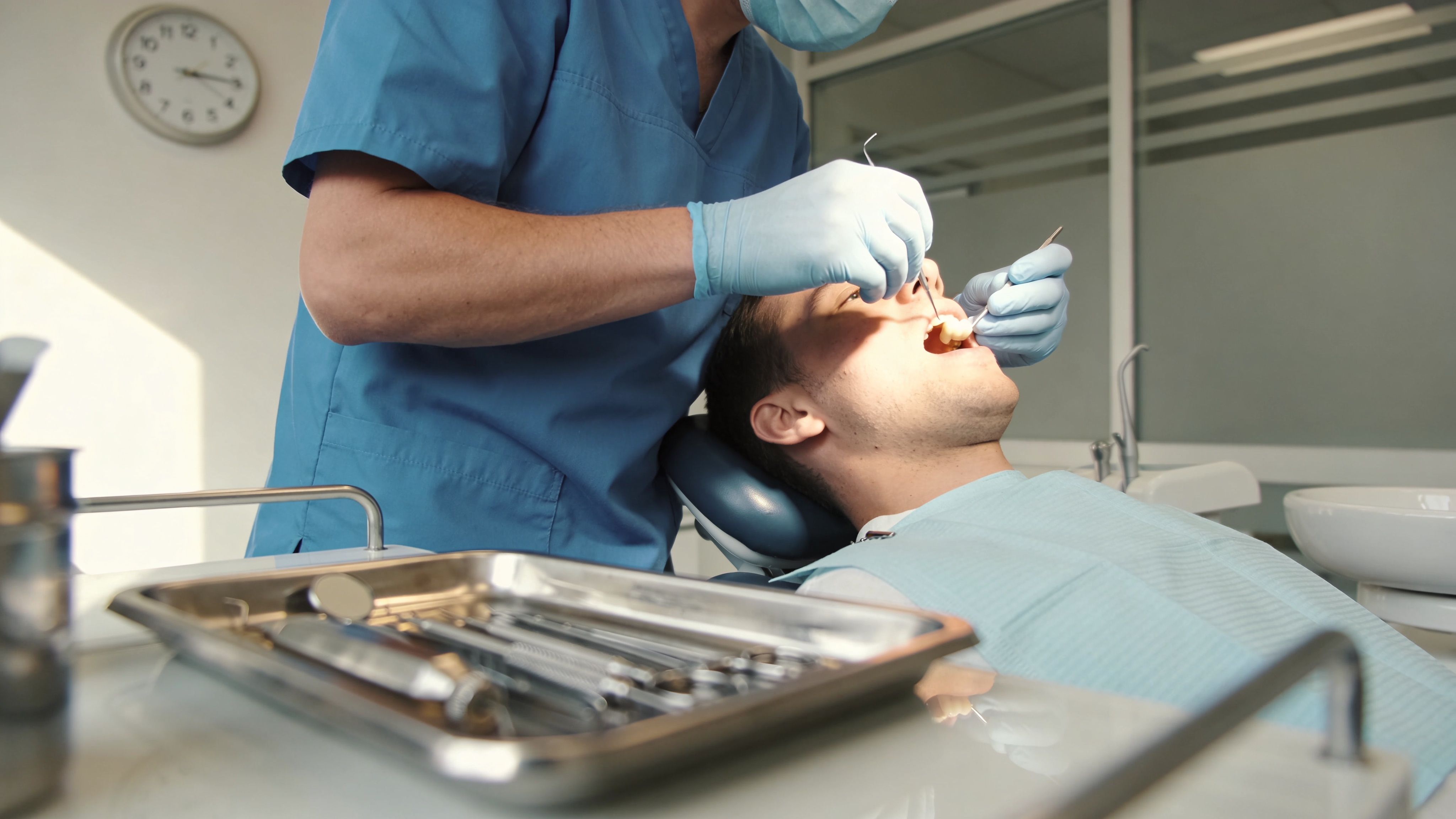

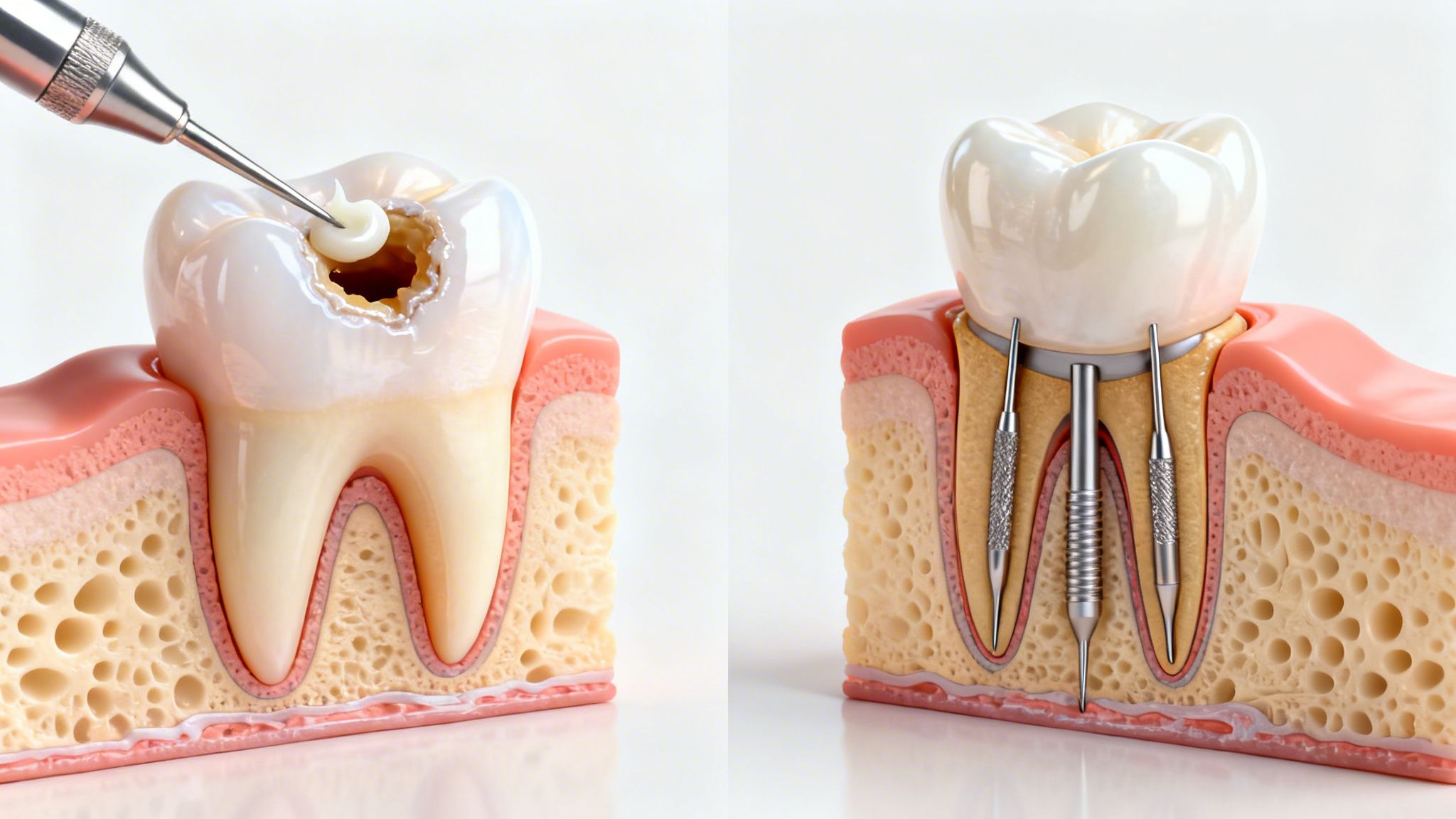
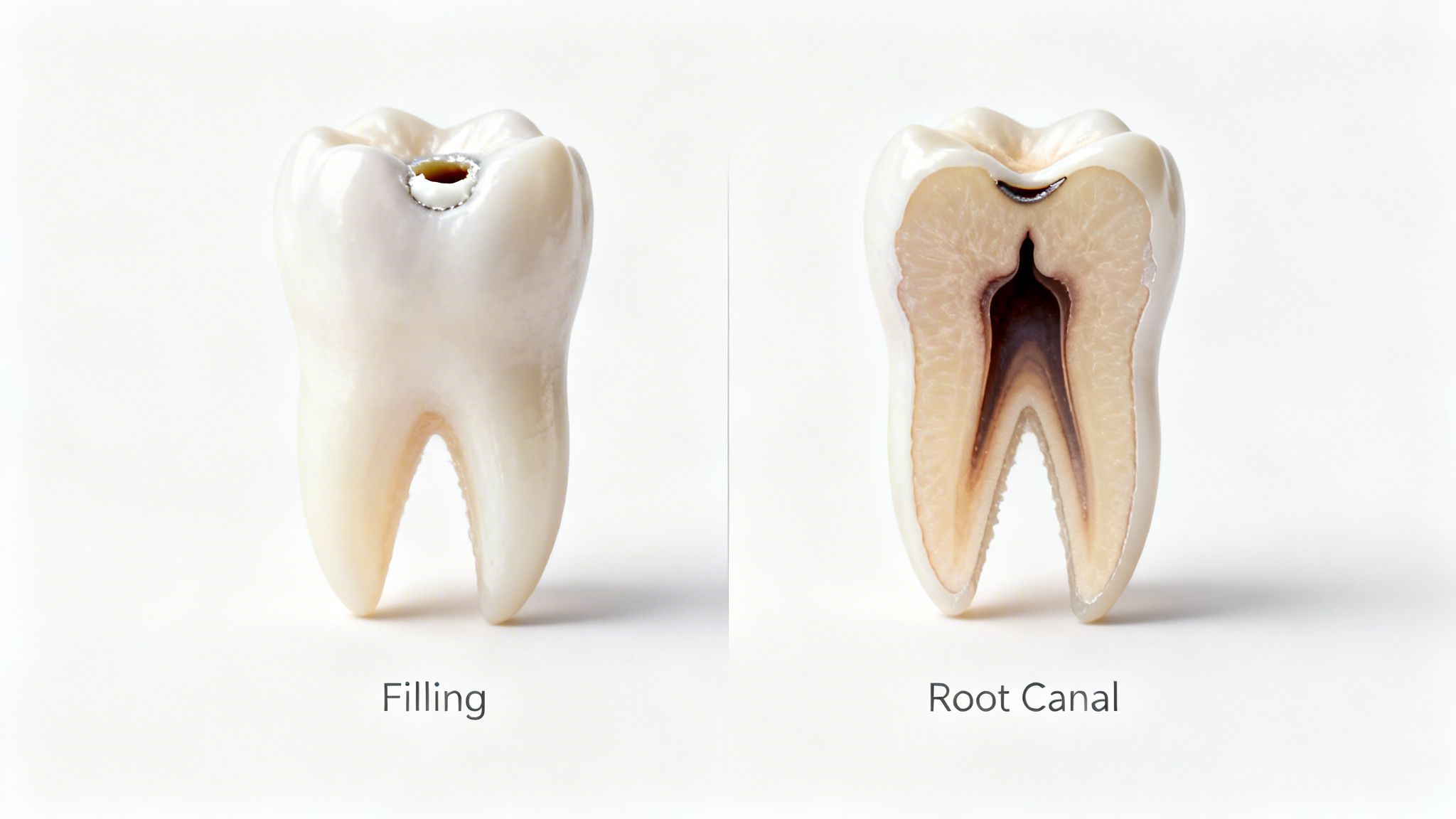
If you're dealing with a toothache that won't quit, you're likely wondering what treatment you need. Often, the solution comes down to two common procedures: a dental filling or a root canal. Understanding the difference is key, and it all comes down to how deep the problem goes. A filling is our go-to for fixing surface-level damage from a small cavity. A root canal, on the other hand, is what we need when there's a deep infection inside the tooth’s nerve tissue—it's the procedure that saves your natural tooth.
Why Your Tooth Hurts and How Our Austin & Georgetown Dentists Can Help
If you're in Austin or Georgetown, TX, experiencing a persistent toothache, your tooth is sending a clear signal that something is wrong. Figuring out the source of that pain is the first step toward relief, and it usually points us to one of two solutions: a dental filling or a root canal. As a trusted local dentist, we're here to help you understand the problem and find the right solution for your smile.
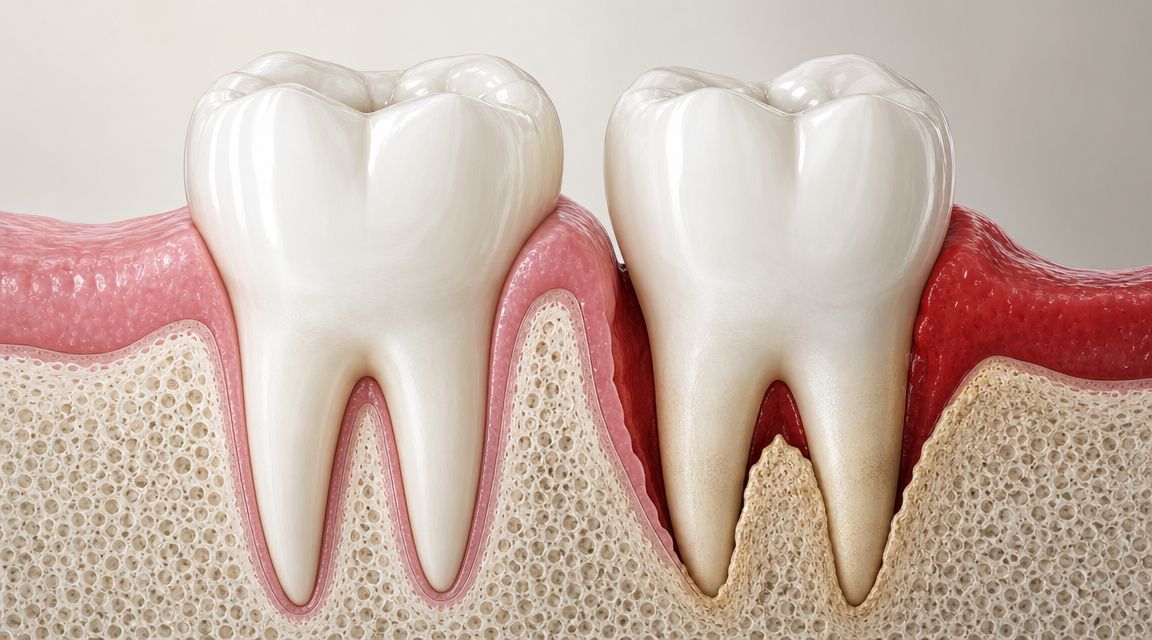
Choosing the right treatment is critical. For a small cavity on the tooth’s outer enamel, a dental fillings is a straightforward fix. But if decay has worked its way deep inside the tooth to the soft core—what we call the pulp, where nerves and blood vessels live—a simple filling won't solve the problem. At that point, a painful infection has likely set in, and a root canal is needed to remove the infected tissue and save the tooth.
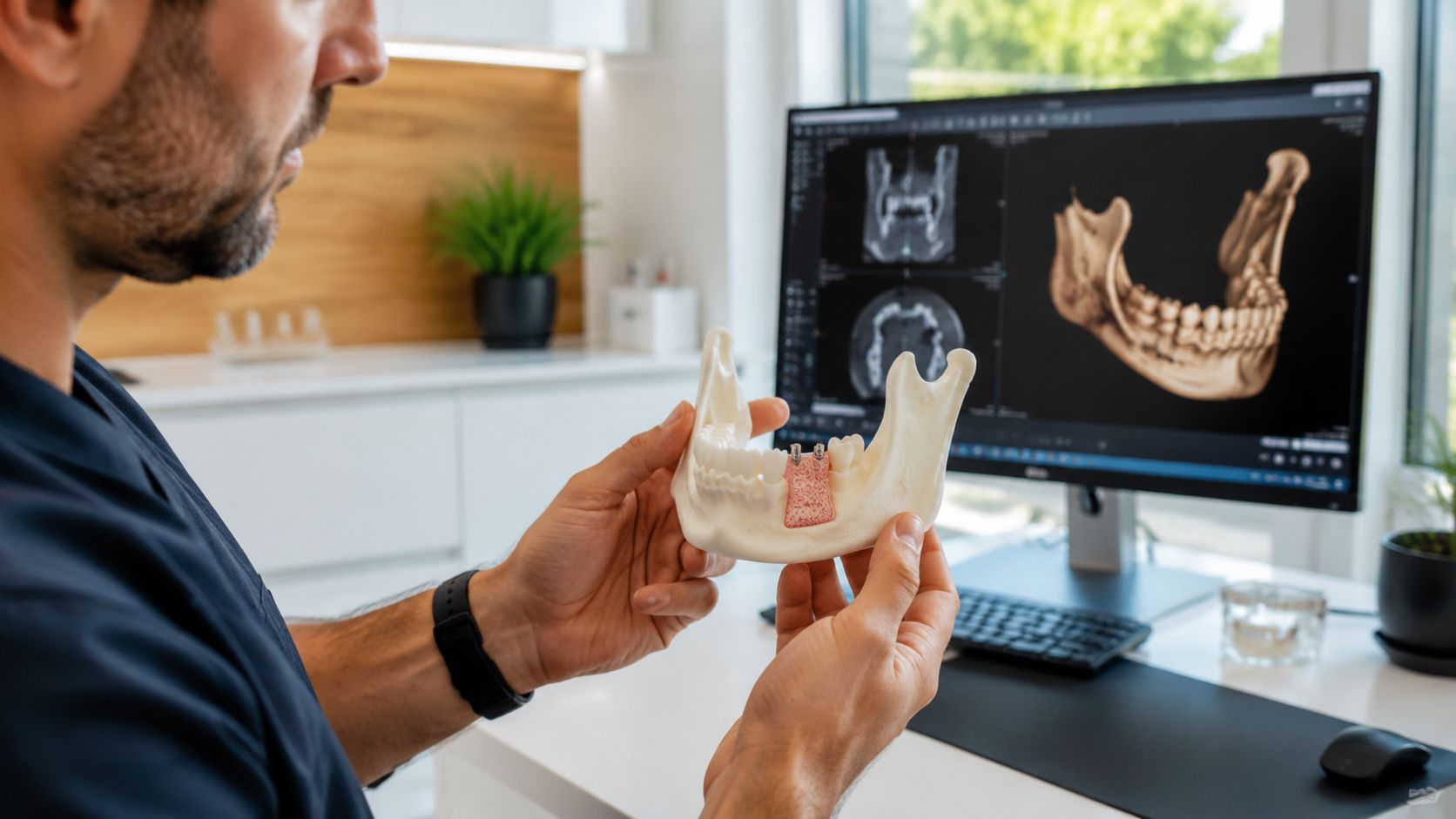
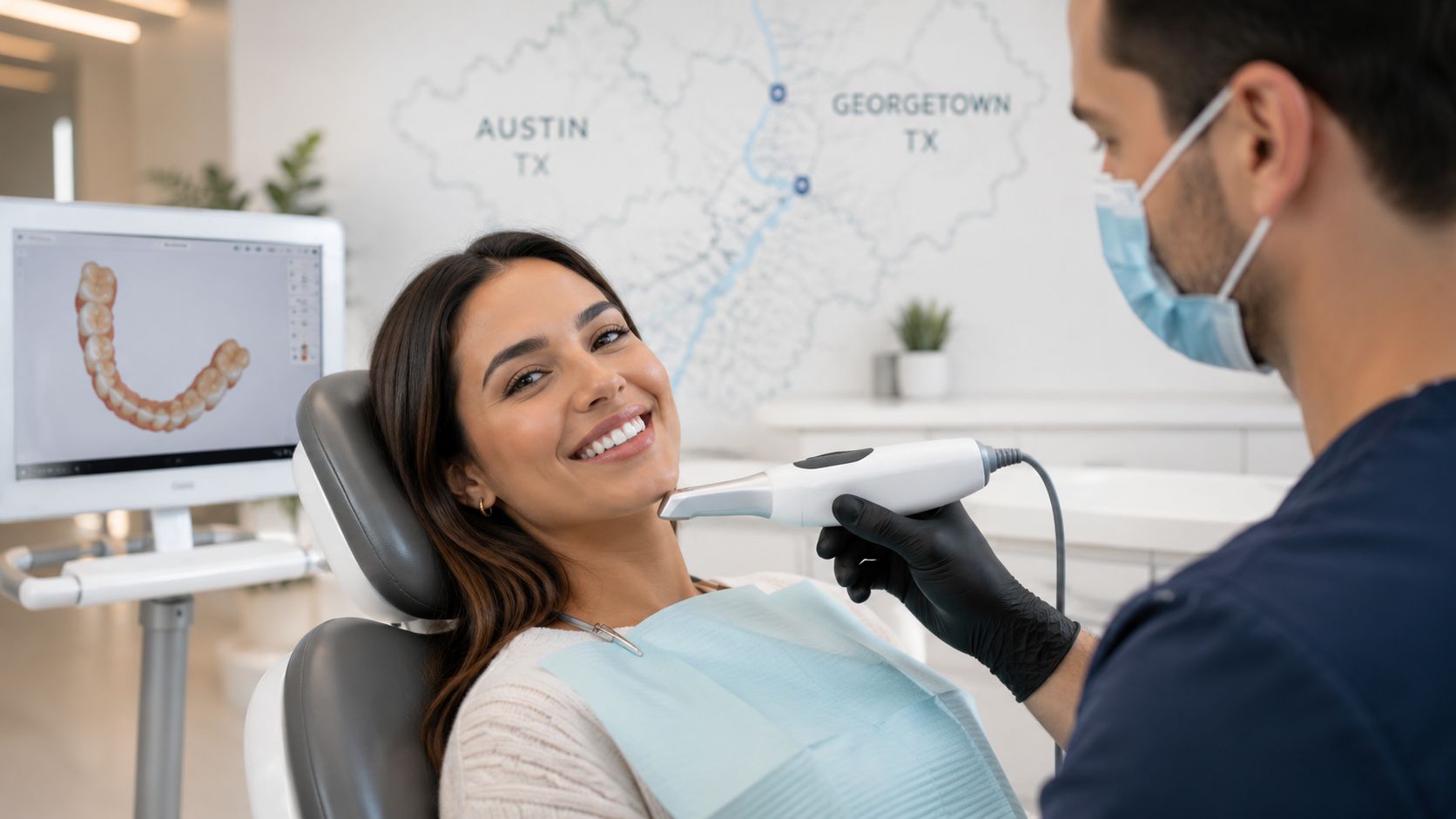
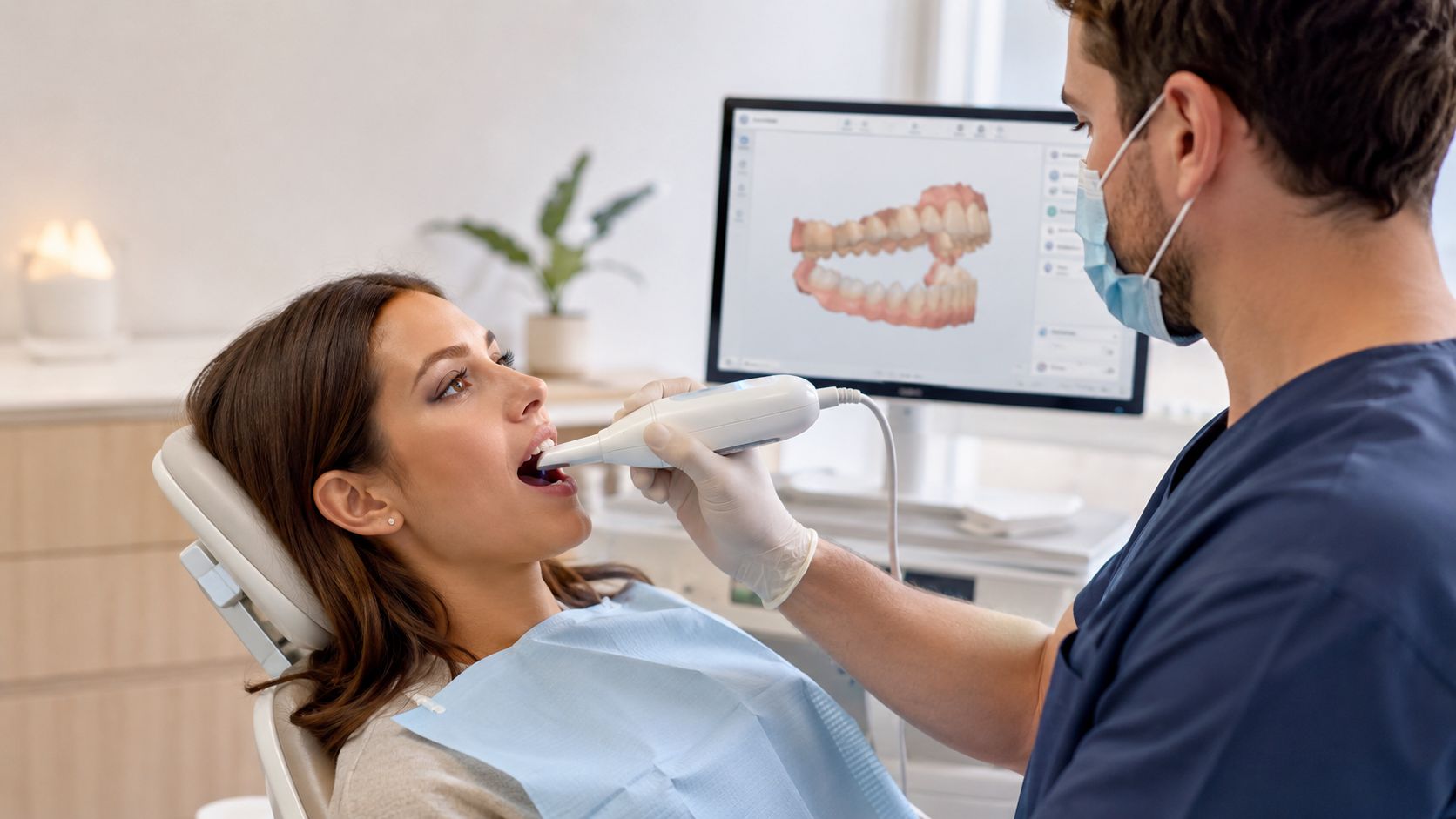
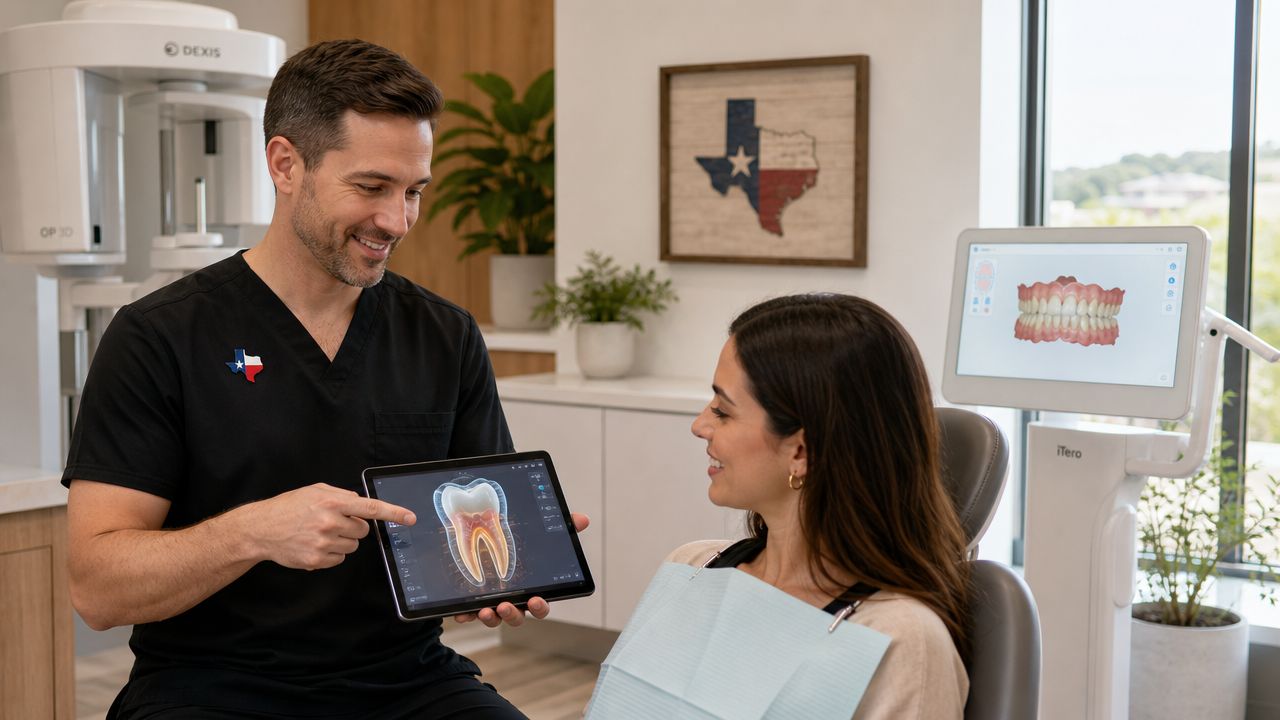
At 3D Dental, we help our neighbors in Austin, Georgetown, Cedar Park, and Round Rock find relief from tooth pain. We know how stressful dental issues can be, which is why we rely on advanced 3D CT imaging to get a perfectly clear picture of your tooth’s internal structure. This technology lets us see exactly how far the damage goes, so we can confidently recommend the right treatment, whether you need restorative dentistry or cosmetic services to brighten your smile.
Whether you're searching for an "emergency dentist near me" for a root canal or need a simple filling, our team is here to provide fast, compassionate care.
Comparing a Root Canal vs. a Dental Filling
This quick comparison helps you understand the core differences in procedure, purpose, and what to expect during your visit to our Austin or Georgetown dental practice.
What Is a Dental Filling and When Do You Need One?
A dental filling is one of the most common procedures we perform for patients in the Austin, TX area. Think of it as your tooth's first line of defense against decay. When a small cavity damages a tooth, a filling repairs the damage, restores the tooth’s strength, and stops a small problem from becoming a big one, helping you avoid more extensive restorative dentistry down the road.

When our patients ask about a root canal vs. a filling, the real difference comes down to where the decay is. A filling is the right solution as long as the decay is only on the hard, outer layers of the tooth—the enamel and dentin. If the cavity hasn't reached the sensitive inner nerve, or pulp, a simple filling is all you need to restore your oral health.
For our patients in Cedar Park and Round Rock, this is a quick, straightforward treatment that helps relieve pain and promote a healthy smile.
When Is a Filling the Right Choice?
You might need a dental filling if you’re noticing milder symptoms. It’s crucial not to ignore these signs, as a small cavity can easily grow and require more intensive work. Addressing it early is a key part of our dental care philosophy.
A filling is usually the right call if you experience:
- Sensitivity to sweets: A classic sign of a cavity is a sharp twinge of pain when eating something sugary.
- Mild sensitivity to cold: If a cold drink causes a brief discomfort that goes away quickly, decay is a likely culprit.
- A visible hole or dark spot: Sometimes you can see or feel a small pit on your tooth's surface during your daily cleaning.
- Food getting stuck: If food always seems to get trapped in one spot, that could be a cavity forming.
A dental filling is proactive dental care. By treating decay early while it's still on the surface, you stop it from tunneling deeper. This prevents a painful infection and the need for a root canal down the road, promoting overall mouth health.
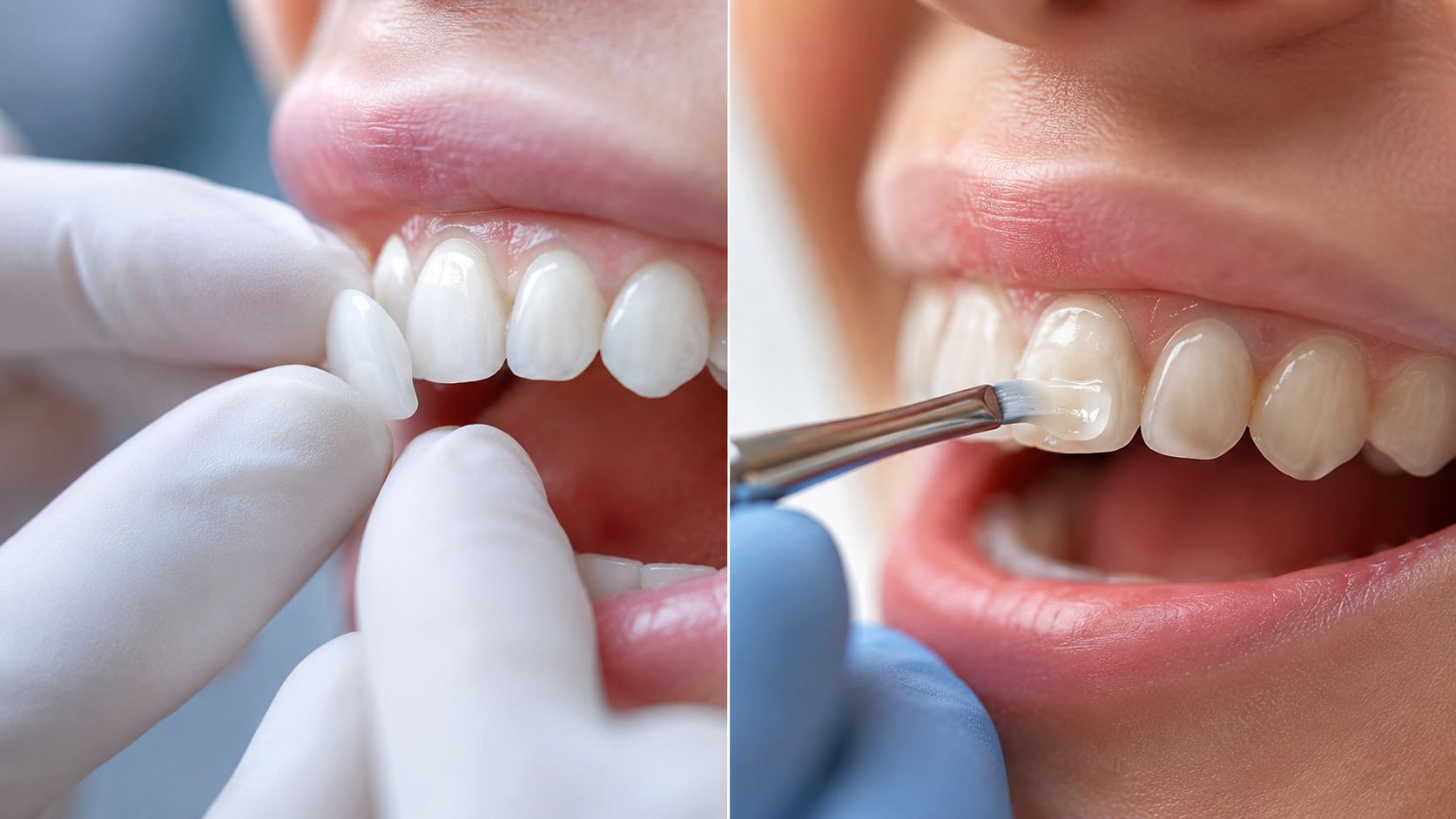
Catching and treating a cavity with a filling is a cornerstone of great oral health. The procedure is simple: we carefully remove the decayed part of the tooth, clean the area, and place a durable, tooth-colored material to fill the space. This brings the tooth back to its original shape and function, protecting it for years to come. This treatment is a fundamental part of the restorative dentistry we offer our patients in Austin and Georgetown.
What Is a Root Canal and How It Saves Your Tooth
When a cavity gets deep enough to infect the inner pulp—the live tissue and nerve at its core—a simple filling won't work anymore. This is when a root canal becomes the best, and often only, option to save your tooth. Despite old myths, a modern root canal at our Austin or Georgetown practice is not a source of pain; it's a procedure designed to get you out of pain and rescue a tooth that might otherwise require a tooth extraction.
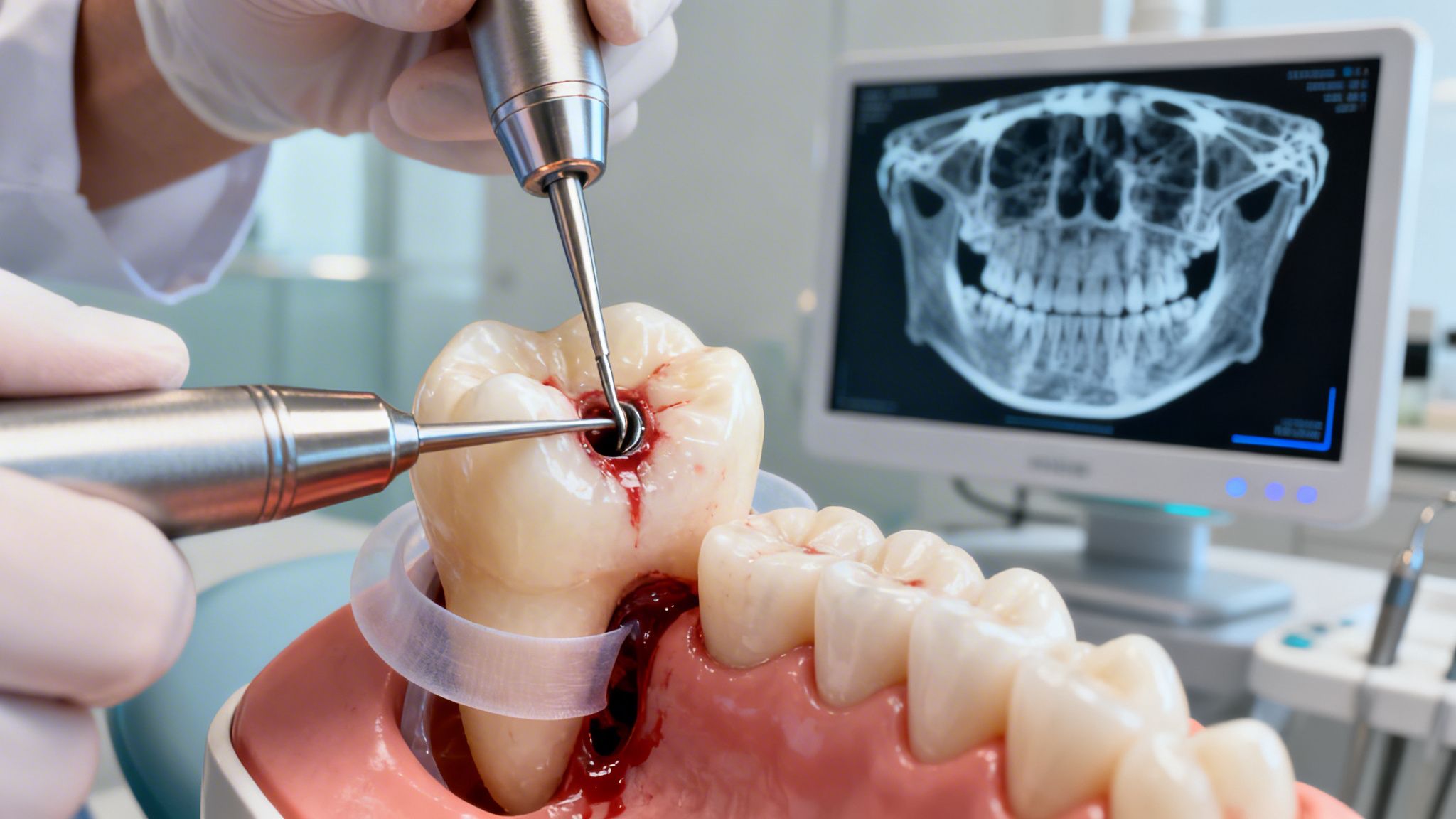
The real difference between a filling and a root canal is how deep the problem goes. A filling patches up decay on the tooth's surface. A root canal treats an infection inside the tooth's root system. That internal infection causes the intense, throbbing pain many of our Austin and Georgetown patients feel before calling us for an emergency dentist appointment.
Common Signs You Might Need a Root Canal
Putting off treatment for a deep tooth infection can lead to bigger problems, like a painful abscess or even losing the tooth. If any of these symptoms sound familiar, it's time to schedule a new patient exam right away at our dental practice.
Watch out for these signs:
- A severe, throbbing toothache that won’t quit.
- Pain from hot or cold foods that lingers long after you’re done eating or drinking.
- Swollen, tender gums right next to a particular tooth.
- A tooth that has started to look darker or discolored.
At 3D Dental, our entire focus is on eliminating your pain and keeping your natural smile intact. A root canal is a restorative treatment that saves a tooth that would otherwise need to be pulled, preserving your smile and oral health.
We want to assure our patients in Austin, Georgetown, and surrounding communities like Wells Branch: your comfort is our priority. We use effective local anesthesia to ensure the entire process is as comfortable as getting a routine filling. The procedure has a fantastic success rate; research shows that root canal treatments have a mean survival rate of about 86% over nearly seven years. At 3D Dental, we improve those odds with advanced bioceramic sealers and our on-site 3D CT imaging, which gives us a precise view to diagnose and treat the problem perfectly. You can read more about the research behind root canal success rates and see how our technology makes a difference.
A Look at the Procedure, Recovery, and Cost
Making a confident decision about your dental health starts with having all the facts. While both a filling and a root canal restore a tooth, the procedure, recovery, and financial investment are quite different. Knowing these details helps our patients in Austin and Georgetown understand why our team might recommend one path over the other for their dental care.
The biggest difference is complexity. A dental filling is usually a straightforward, single-visit treatment. It’s a quick, efficient way to handle surface-level decay.
Think of it this way: a filling is like patching a small hole in a wall, while a root canal is like repairing the complex wiring hidden inside. One fixes the surface; the other saves the entire structure from a deep-seated problem.
The Procedural Steps
Here’s a breakdown of what you can expect with each treatment when you visit our practice.
For a dental filling, the process is quick and minimally invasive:
- We numb the area to ensure you don’t feel a thing.
- The small, decayed part of the tooth is carefully removed.
- We clean the area and apply a durable, tooth-colored composite material, restoring the tooth’s shape and function.
A root canal is a more involved procedure we use to save a deeply infected tooth:
- We begin with local anesthesia for a comfortable, pain-free experience.
- A tiny opening is made to access the infected pulp inside the tooth.
- The infected nerve tissue is gently removed, and the inner canals are cleaned and disinfected.
- These canals are filled with a biocompatible material and sealed to prevent future infection.
- Finally, a dental crown is almost always placed over the tooth. This is a crucial step to protect it from fracture and restore its full strength.
Recovery and Aftercare
Recovery also highlights the contrast. After a filling, most people return to their day. The numbness wears off in hours, and any slight sensitivity is usually gone in a day or two.
Recovering from a root canal is also manageable. Mild soreness for a few days is normal and easily handled with over-the-counter pain relievers. The best part? That intense, throbbing pain from the infection will finally be gone, improving your overall health.
Cost and Financial Accessibility
The investment reflects the complexity. A filling is a lower-cost treatment. A root canal is a more significant investment because it’s a detailed procedure that saves your natural tooth from a tooth extraction and the higher cost of a dental implant.
At 3D Dental, we’re committed to making essential care accessible for our neighbors in Liberty Hill, Cedar Park, and Round Rock. While a root canal is a higher-cost treatment, we offer flexible solutions. We accept most insurance plans and partner with financing companies like Cherry and Sunbit, allowing you to get the care you need now and pay over time.
Symptoms That Signal You Need to See a Dentist
Tooth pain is your body's alarm system—a clear signal that something isn’t right. While understanding your symptoms is a good start, only a professional diagnosis from your "dentist near me" can pinpoint the issue. Whether you're in Austin, Georgetown, or nearby, it's critical to know the difference between the signs of a simple cavity and a much deeper infection that may require emergency dental services.
This flowchart illustrates how your symptoms can point toward either a filling or a root canal.
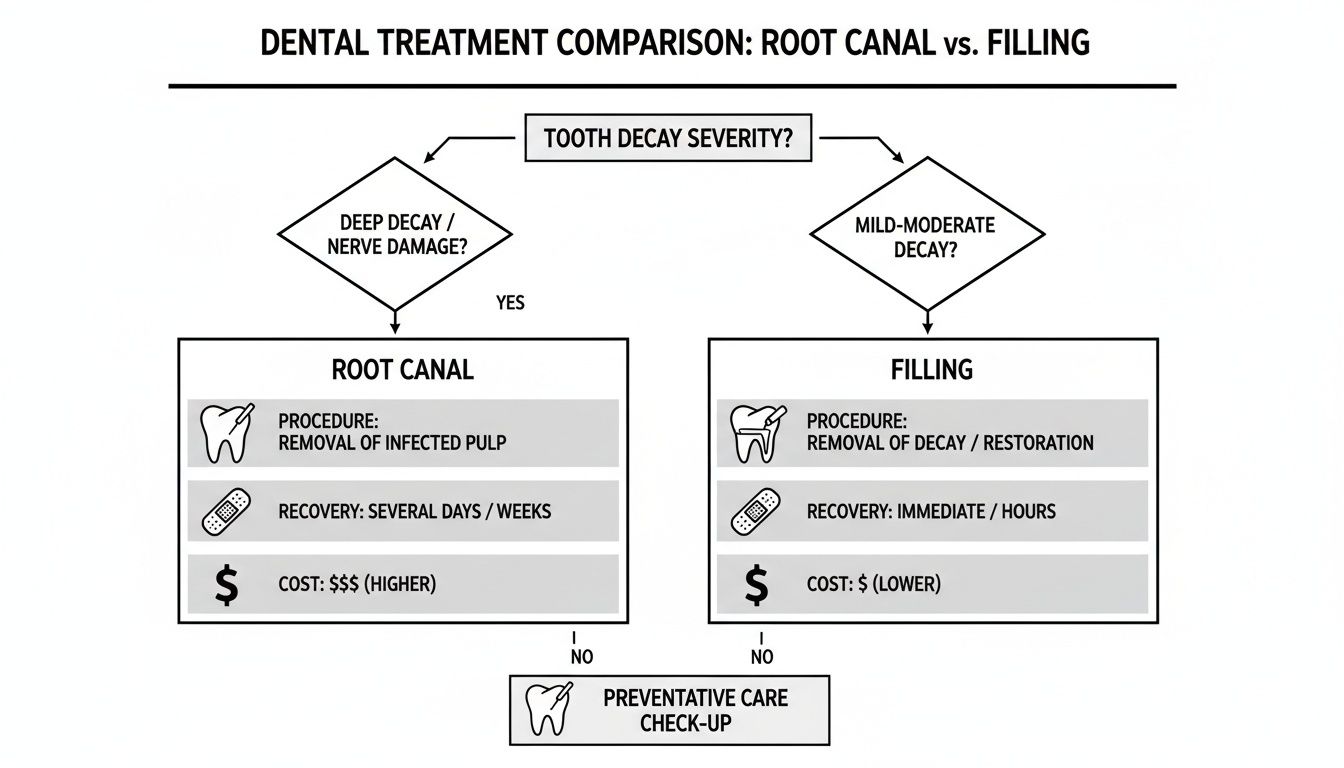
As a rule, minor, fleeting symptoms often suggest surface decay that we can treat with a filling. On the other hand, severe and persistent pain usually means the problem has reached the tooth's nerve, likely requiring a root canal.
Signs You Might Need a Dental Filling
A filling is our go-to for early-stage decay. The symptoms are often mild, but catching them early during a new patient exam is the best way to avoid a more complex procedure.
You may need a filling if you experience:
- A sharp, quick pain when eating sweets.
- Mild sensitivity to cold drinks that goes away quickly.
- A small, visible dark spot on your tooth.
- Food constantly getting stuck in one spot.
Warning Signs of a Deeper Infection
When symptoms become intense and don't go away, it's a strong indicator the infection has reached the tooth's inner pulp. These signs are urgent and mean you need to see a dentist right away. This is the core difference between needing a root canal versus a filling.
If you’re dealing with a severe, throbbing toothache that keeps you up at night, your tooth is in serious distress. This isn't something a filling can fix; it’s a clear sign of a deep infection requiring professional dental care.
A root canal is likely necessary if you have:
- A severe, throbbing, and constant toothache.
- Pain from hot or cold that lingers for 30 seconds or more.
- Noticeable swelling in the gums near one tooth.
- A discolored tooth that has started to look gray or dark.
If you're in the Austin or Georgetown area and experiencing these symptoms, don't wait. At 3D Dental, we use dental X-rays and 3D scans to get a definitive diagnosis and provide immediate relief. For more detail, read our guide on the signs you need a root canal.
What to Expect at Your 3D Dental Visit in Austin, TX
Knowing whether you need a filling or a root canal is one thing, but feeling confident in the team handling your care is everything. At 3D Dental, we’ve built our practice around your comfort and trust. From the first time you call our Austin or Georgetown office, you’ll find we do things differently, positioning ourselves as a trusted, community-oriented dentist.
We believe great dental care begins with listening. Whether you’re here for a routine cleaning and exam or you need an emergency dentist for severe tooth pain, our team takes the time to understand what’s going on. We explain your options clearly so you feel in control of your health.
Modern Technology for Better, More Comfortable Care
Our promise of a better patient experience is backed by advanced technology. It’s why families from communities like Wells Branch and Cedar Park trust us with their smiles, whether for restorative or cosmetic dentistry. We've invested in tools that make your treatment more accurate, faster, and far more comfortable.
- 3D CT Imaging: Our in-house 3D scans give us a crystal-clear picture of your teeth, roots, and jaw. This technology eliminates guesswork, allowing us to see precisely whether a filling will work or if a root canal is necessary to save the tooth.
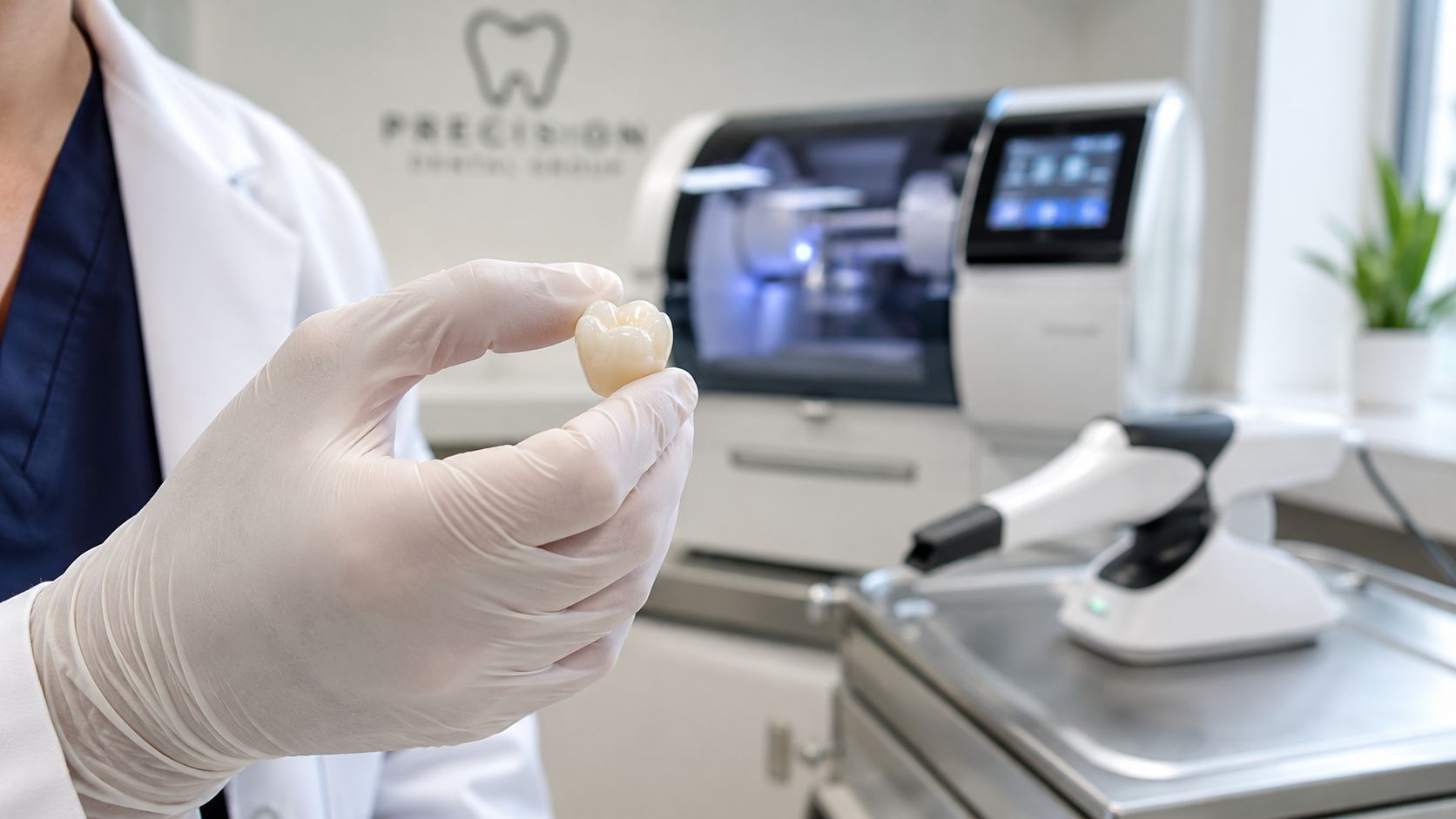
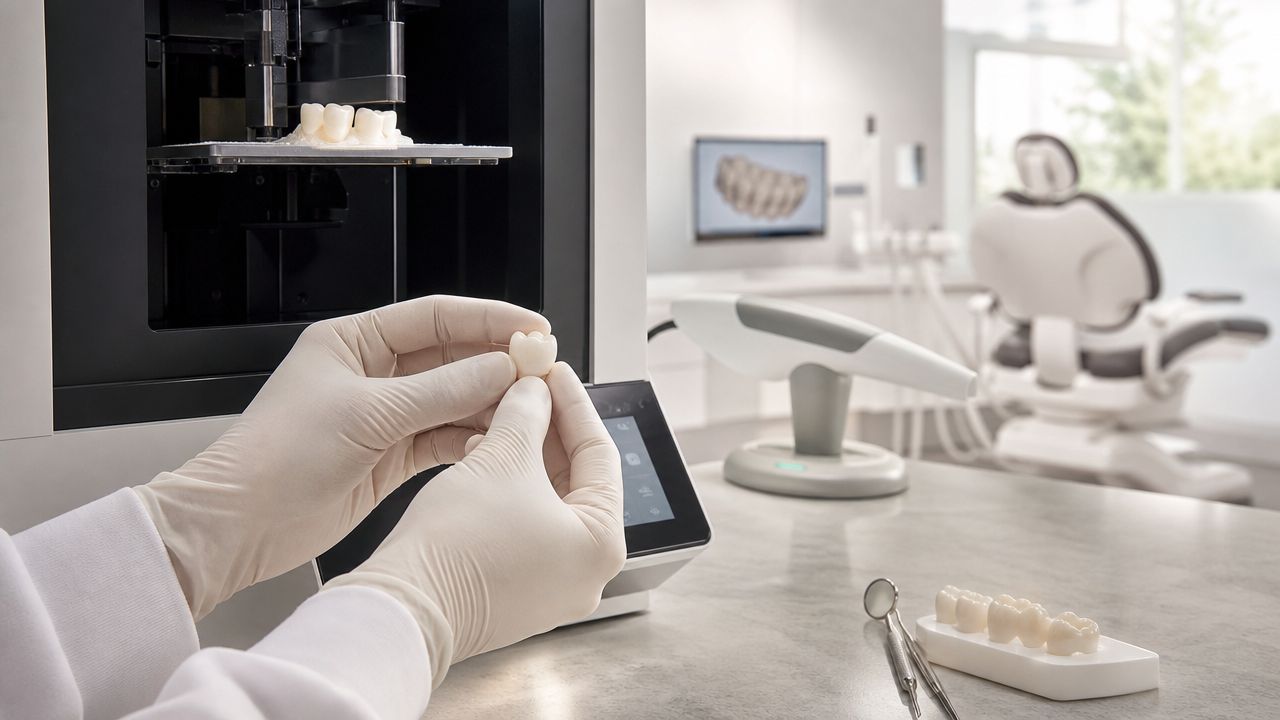
- In-House Lab: Having our own dental lab is a game-changer. We can create your permanent, custom-fit crowns right here, often much faster than other offices. That means fewer appointments and a quicker path to a healthy smile.
- Minimal Wait Times: Your time is valuable. We run on an appointment-only schedule to ensure you’re seen right away.
At 3D Dental, our goal is simple: to combine compassionate, community-focused care with the best technology available. We want you to feel confident and relaxed, knowing you’re in the hands of a team dedicated to your long-term oral health and a bright smile.
Whether you live in Round Rock, Liberty Hill, or right here in Austin, our team is here to provide a seamless and stress-free dental experience. We build lasting trust by delivering modern, effective care that always puts you first.
Your Questions About Dental Treatments, Answered
We get many questions about the difference between a root canal and a filling. Here at 3D Dental, we want our patients in Austin and Georgetown to feel completely informed and confident about their care. Let's walk through some of the most common questions we hear.
How Long Does a Crowned Root Canal Last Compared to a Filling?
A dental filling is a great solution for smaller cavities, and it can last anywhere from 5 to 15 years. Its lifespan depends on the material and your oral hygiene.
On the other hand, a tooth treated with a root canal and protected by one of our high-quality dental crowns can last a lifetime with proper care. The crown acts as a custom-fitted helmet for your tooth, restoring its strength and function for years to come.
Is a Modern Root Canal Painful?
No, it really isn’t. This is a persistent but outdated myth. We use effective local anesthesia to ensure the entire procedure is comfortable and pain-free.
A root canal is a procedure designed to relieve the severe, throbbing pain caused by a deep infection, not create more of it.
Why Can't I Just Get a Filling if I Need a Root Canal?
This is a fantastic question. A filling is a surface-level repair, perfect for decay in the outer layers of the tooth. However, it cannot remove an infection that has already reached the deep inner pulp.
Trying to place a filling over an infected nerve would be like putting a small bandage on a deep wound; it doesn't fix the real problem. It would only trap the infection inside, leading to more pain, a potential abscess, and ultimately, losing the tooth.
Is a Dental Crown Always Necessary After a Root Canal?
For back teeth like molars and premolars, a dental crown is almost always the next step after a root canal. When we remove the infected pulp, the tooth can become brittle and more likely to fracture under chewing pressure.
A crown provides that vital structural support and protection. It allows you to chew confidently and is key to ensuring the long-term health and survival of your saved tooth.
Don't let tooth pain stop you from getting the relief you deserve. If you're looking for a "dentist in Austin, TX" or Georgetown, the expert team at 3D Dental is here to provide a clear diagnosis and gentle, effective care. Schedule your appointment or request a consultation today by visiting us at https://www.3ddentaltexas.com.
Ready to get started?
Schedule a free, no obligation consultation with our team and see what's possible for your smile!
Georgetown
- Mon-Thurs8:30am-5pm
- Fri8am-3:30pm
- Sat-SunClosed
Austin
- Mon-Tues8am-5pm
- Wed-Thurs9am-6pmFri8am-2pm
- Sat-SunClosed