
How Long Does Invisalign Take? Austin, TX Timelines
Related Posts





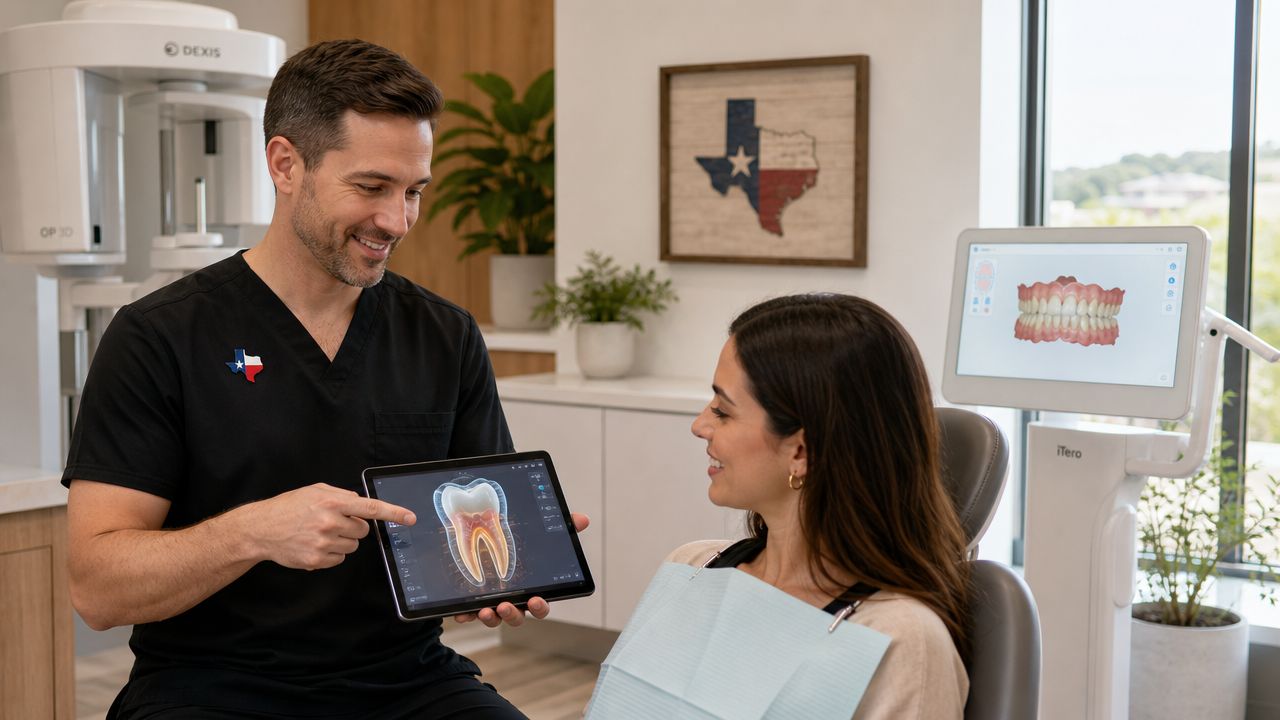
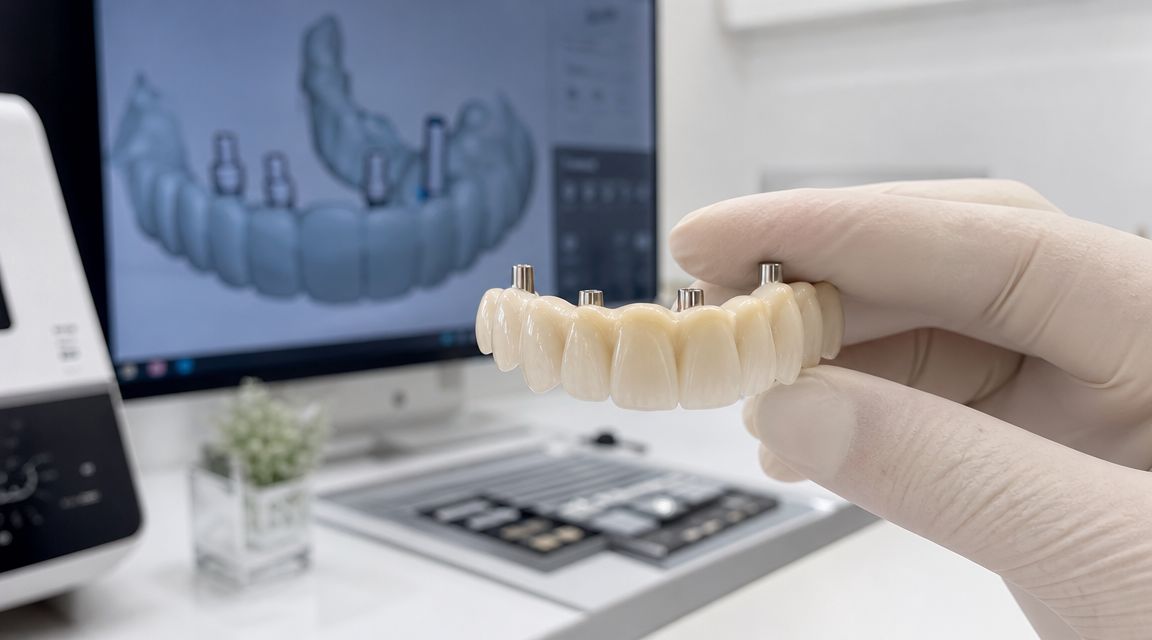
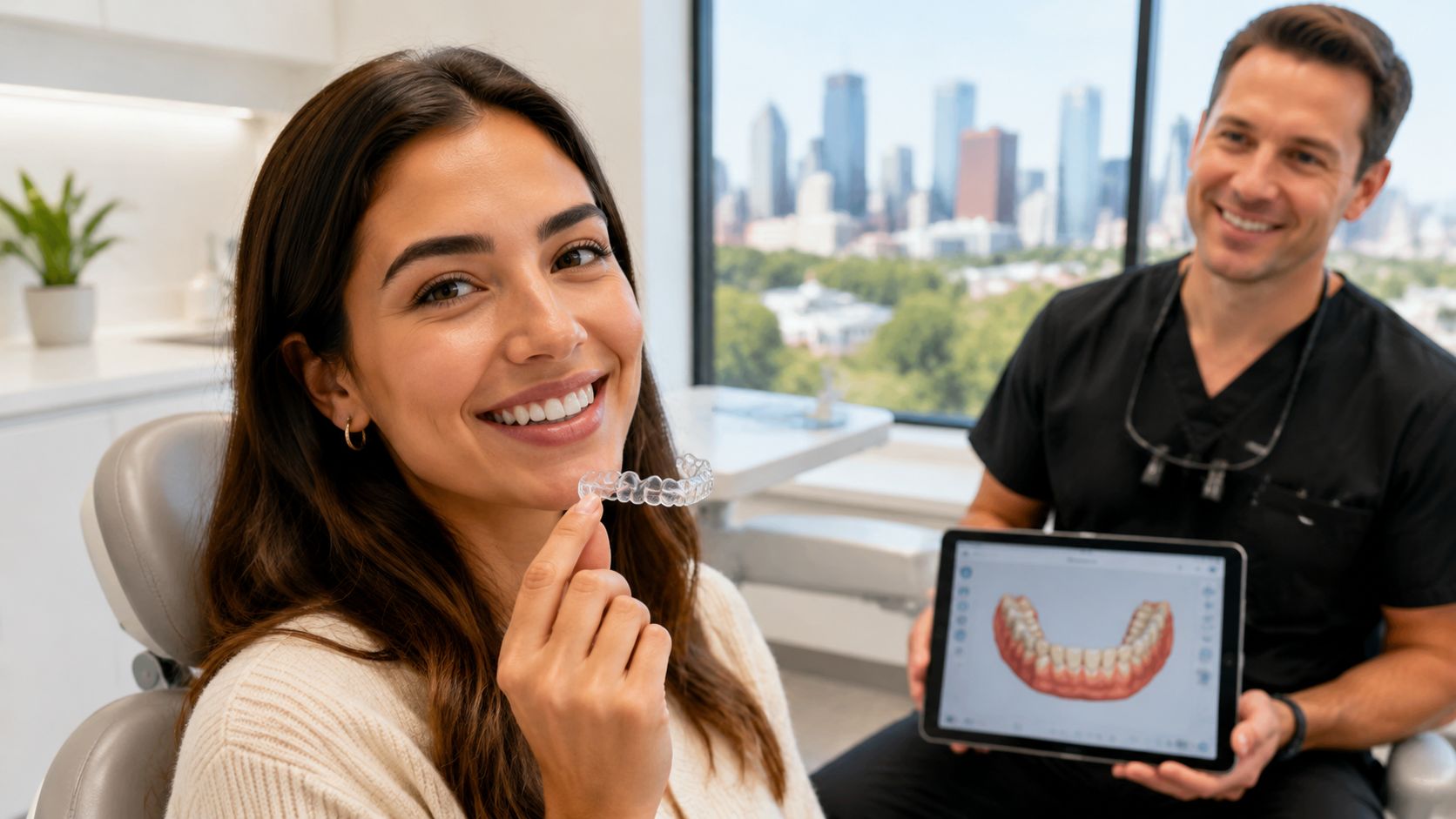















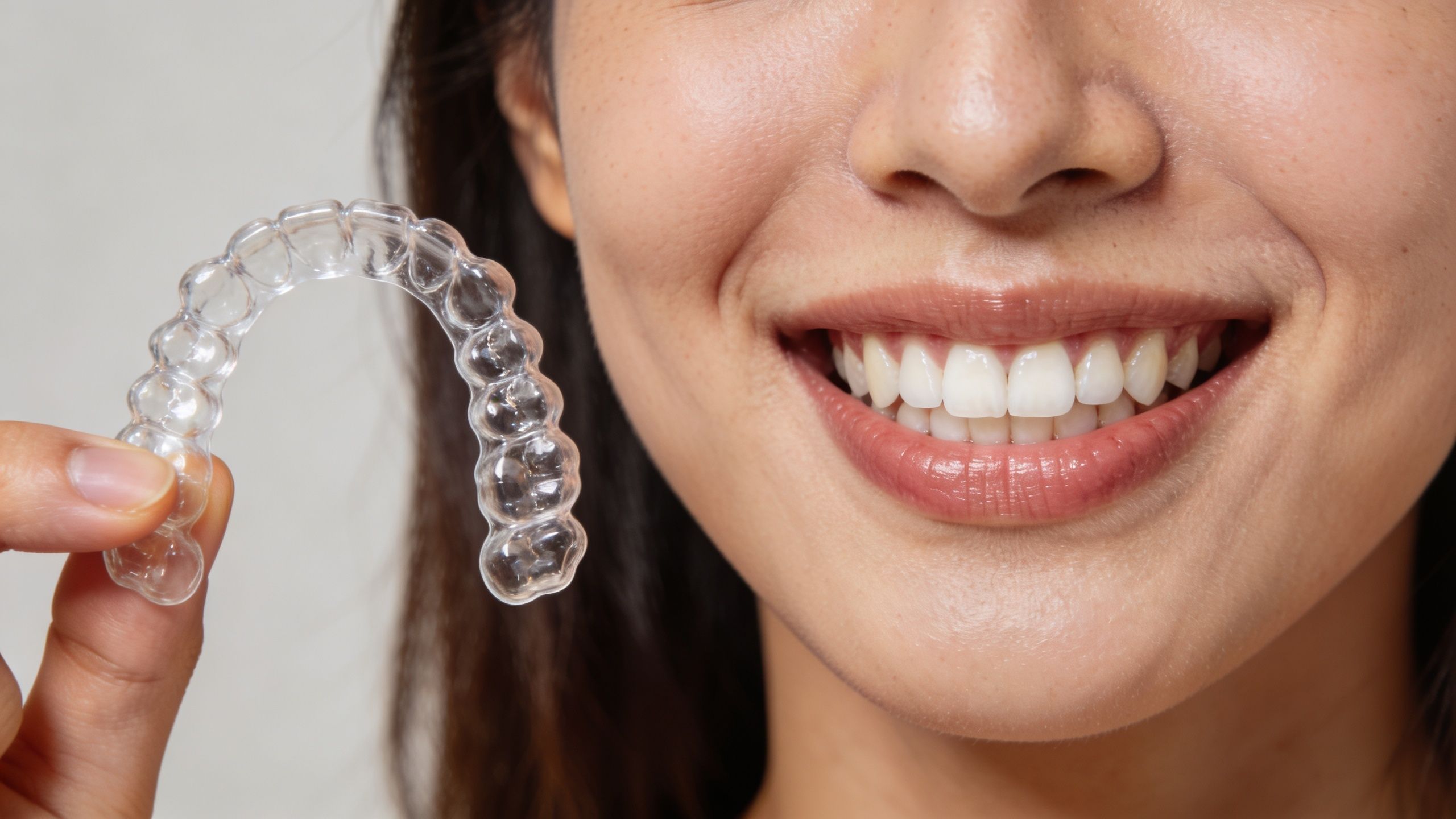



You’ve probably already asked the main question in a practical way. If I start Invisalign now, when will I be done?
That question usually comes up when someone is tired of hiding their teeth in photos, tired of putting off cosmetic dental care, and not excited about the idea of spending years in treatment. Around Austin and Georgetown, that often means busy professionals, parents, and teens who want a straighter smile without the look and hassle of metal braces.
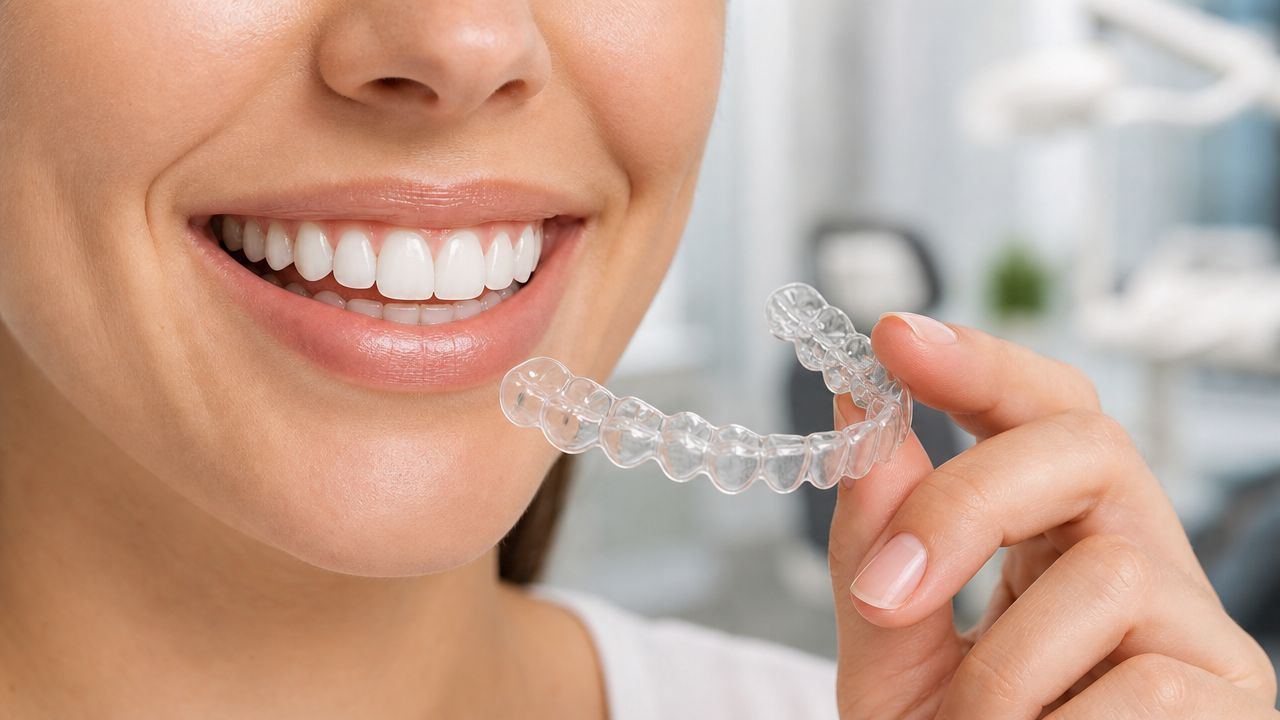
The good news is that Invisalign is often a faster, more flexible option than people expect. A less comfortable truth is that there isn’t one universal timeline. Your treatment length depends on what needs to move, how consistently you wear your aligners, and how precisely your plan is built from the beginning. Modern digital workflows make that process more predictable, which matters when you’re trying to fit orthodontic treatment into real life.
Your Guide to Invisalign Timelines from a Dentist in Austin TX
A common first visit goes something like this. A patient says they’ve wanted straighter teeth for years, but they kept delaying treatment because they assumed it would take too long. They may have looked up “dentist near me” or “cosmetic dentist near me” after a cleaning, a new patient exam, or even while exploring veneers, teeth whitening, or other smile improvements.
What usually changes their mind is learning that Invisalign isn’t a one-size-fits-all process. A small spacing issue doesn’t take the same amount of time as a bite correction. A patient who keeps aligners in as directed doesn’t have the same experience as someone who removes them for long stretches every day. The timeline gets clearer once we look at the details.
For families in Austin, Georgetown, Wells Branch, Cedar Park, Round Rock, and Liberty Hill, that clarity matters. Orthodontic treatment isn’t isolated from the rest of your dental care. It sits alongside routine dental x-rays, cleaning and exams, cosmetic dentistry planning, and sometimes restorative dentistry if there are worn, broken, or missing teeth to consider too.
Why patients ask this before anything else
Patients are not only asking about tooth movement. They’re asking about daily life.
- Work and school: They want to know how treatment fits around meetings, classes, sports, and social events.
- Comfort: They want to avoid the surprises that can come with brackets and wires.
- Planning: They may be timing treatment around weddings, graduation photos, or a job change.
- Budget: They want to understand whether a shorter, more predictable plan makes the investment easier to justify.
Treatment time matters, but predictable treatment time matters more. A clear plan is what helps patients stick with it.
If you’re searching for how long does Invisalign take because you want a realistic answer before booking, that’s the right instinct. Good orthodontic care starts with honest expectations, not optimistic guesses.
Understanding the Average Invisalign Treatment Time
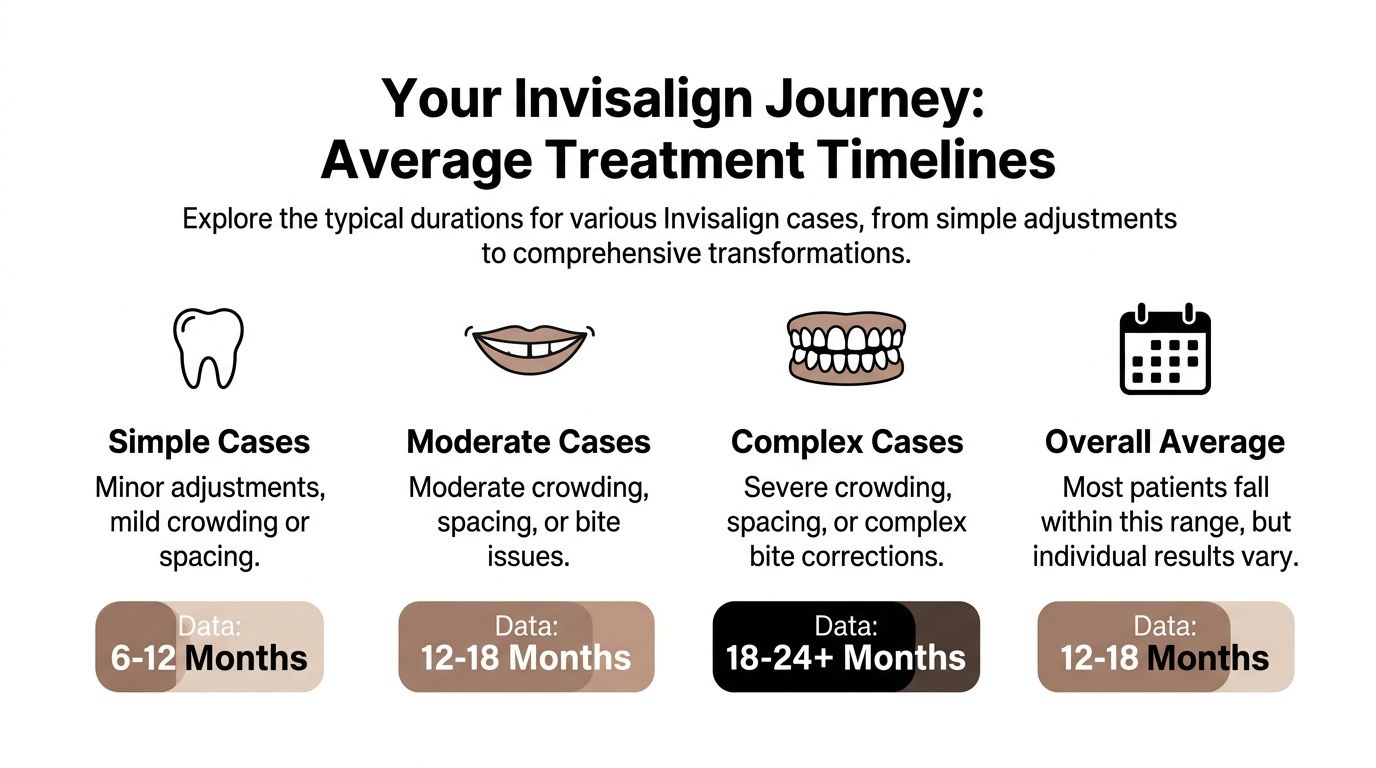
The shortest honest answer is this. Most Invisalign treatment falls in the 12 to 18 month range, and published data has found Invisalign treatment to be shorter than braces on average, with a mean treatment time of 18 months for Invisalign versus 24 months for braces in one comparative study (average Invisalign timeline research).
What the typical timeline looks like
Averages are useful, but patients need ranges that match the kind of correction they need.
| Case type | What it usually involves | Typical timeline |
|---|---|---|
| Mild | Minor crowding or small spaces | 6 to 9 months |
| Moderate | More noticeable crowding, spacing, or alignment concerns | 12 to 18 months |
| Complex | Significant tooth movement or bite correction | 15 to 24+ months |
Those ranges come from the same evidence-based timeline summary linked above. That’s the most practical way to answer how long does Invisalign take without oversimplifying it.
Why there isn’t one universal number
Two patients can both say, “My front teeth look crooked,” but need very different treatment.
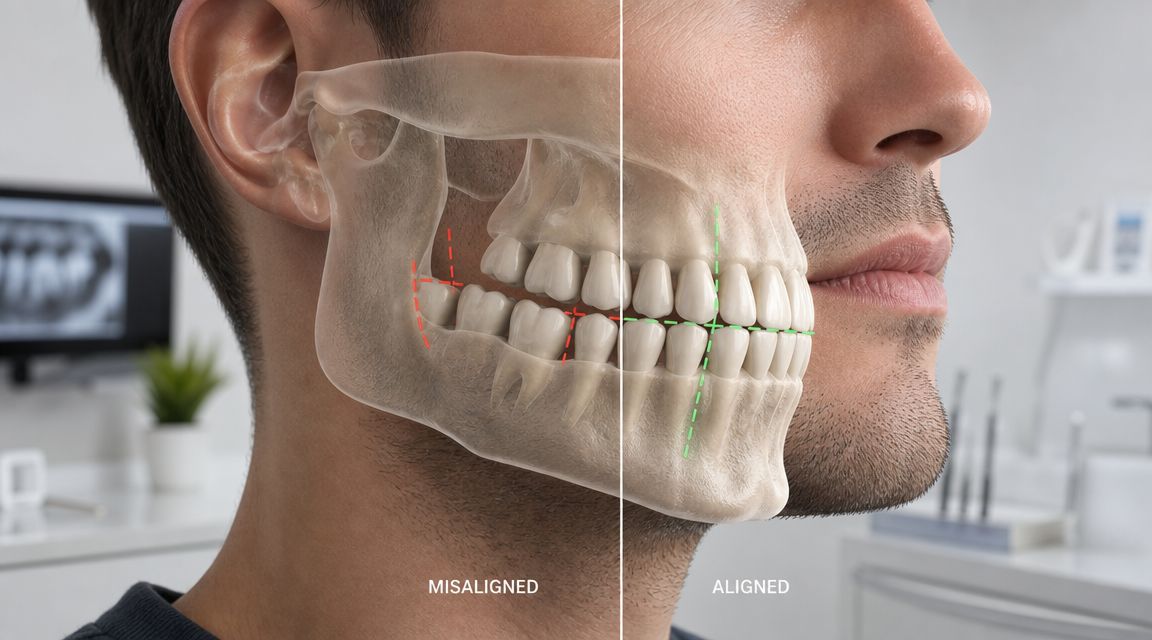
One person may only need a cosmetic alignment adjustment. Another may also have a bite issue, tooth rotation, or crowding farther back in the mouth that affects how the teeth fit together. The second case usually takes longer because more movements must happen in sequence.
Clinical reality: The visible problem in the mirror is not always the full orthodontic problem.
That’s also why digital planning matters so much. When a practice uses detailed scans instead of rough estimates, the expected timeline is based on actual tooth positions, spacing, and bite relationships.
What this means for patient expectations
If your case is simple, Invisalign can move quickly. If your case is moderate, the average range is still manageable for most adults and teens. If your case is more involved, a longer timeline doesn’t mean treatment isn’t worth doing. It means the goal is a complete correction, not a rushed cosmetic shortcut.
For patients who are also comparing options like braces, cosmetic dentistry, or restorative treatment, the key takeaway is straightforward. Invisalign often gives a shorter path for many cases, but the best timeline is the one built around your actual teeth, not a marketing promise.
Key Factors That Determine Your Personal Invisalign Timeline
The average timeline tells you what’s common. Your personal timeline depends on a smaller set of factors that have a big effect in real life.
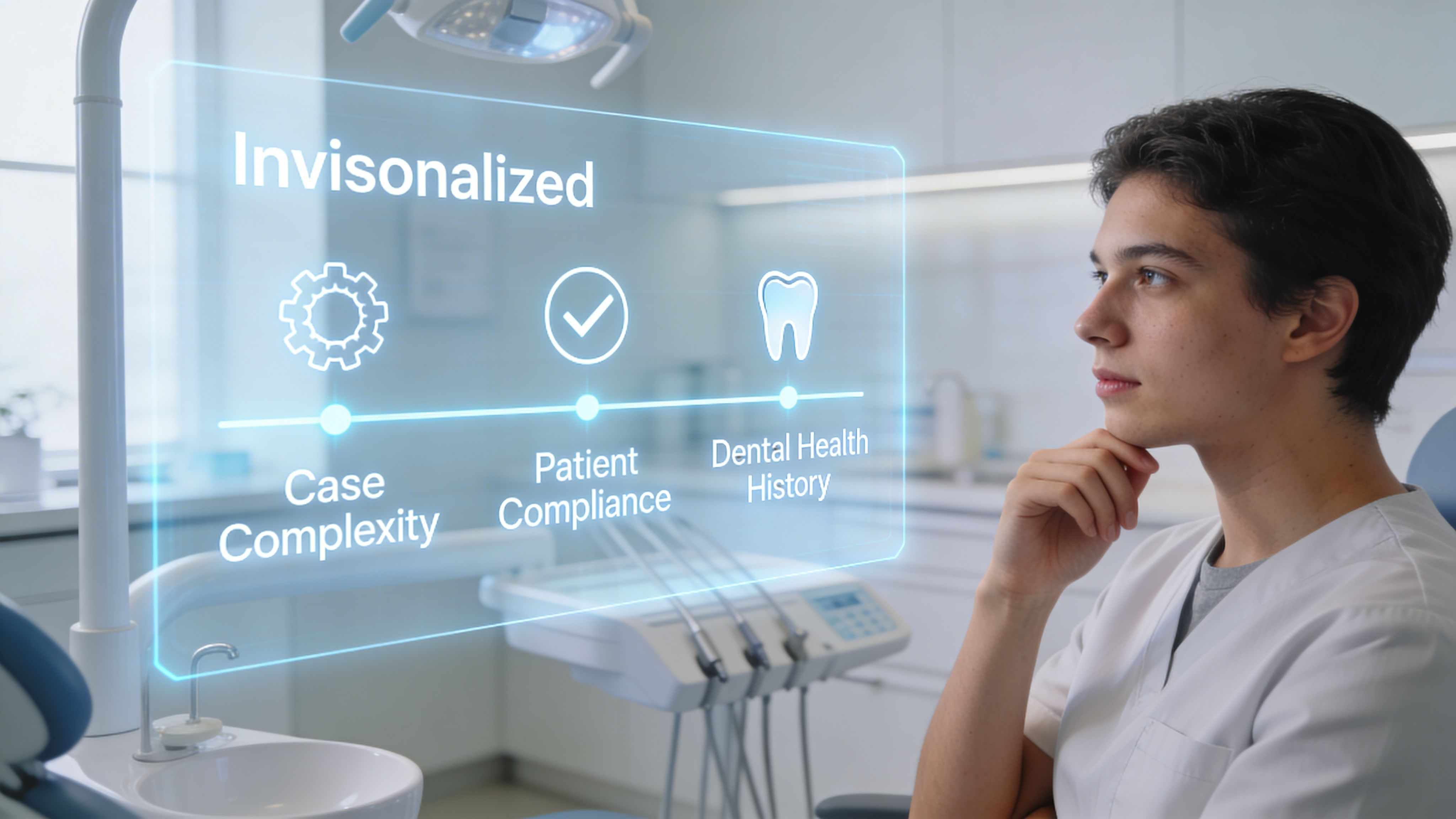
The clearest clinical breakdown is this. Orthodontic literature groups cases into mild, moderate, and severe, with mild cases at 6 to 9 months, moderate at 12 to 18 months, and severe at 18 to 24+ months. It also shows that wearing aligners for the recommended 20 to 22 hours a day is critical, and reducing wear to 18 to 20 hours daily can add 4 to 8 weeks over a 12-month cycle (factors that affect Invisalign treatment time).
Case complexity matters first
This is the biggest driver.
A small gap is usually simpler to correct than a rotated tooth. Straightening front teeth can also be easier than coordinating both arches and correcting how the bite closes. Patients often focus on what they can see, but treatment time often follows the hidden mechanics behind the smile.
Here’s how that tends to play out:
- Shorter cases: Minor spacing or mild crowding.
- Middle-range cases: Typical alignment concerns that need broader movement across multiple teeth.
- Longer cases: Bite correction, severe crowding, or movements that need refinements near the end.
Compliance changes everything
This is the factor patients control most directly.
Invisalign works because each aligner applies planned pressure for a specific period. If trays stay out too long every day, the teeth don’t track as intended. That doesn’t always cause dramatic failure. More often, it causes a slow drift off schedule that adds time later.
Practical rule: If you want the shortest safe treatment, wear aligners exactly as prescribed, not “most of the time.”
People who struggle with compliance often run into the same issues:
- Frequent snacking: Trays stay out longer than expected.
- Coffee habits: Patients remove aligners repeatedly throughout the day.
- Travel or irregular schedules: Tray changes and wear time become inconsistent.
- Missed check-ins: Small tracking problems aren’t corrected early.
Age and biological response also play a role
Younger patients often respond faster than adults, but age doesn’t decide success by itself. Adults still do well with Invisalign. What changes is how quickly teeth may respond and how carefully a plan needs to account for that response.
The more useful way to think about this is not “Am I too old?” It’s “What kind of tooth movement do I need, and how predictable will that movement be?”
A quick way to estimate your likely range
| If this sounds like you | Your likely timeline pattern |
|---|---|
| I only have minor spacing or slight crowding | Usually on the shorter end |
| My teeth are crooked and my bite feels off | Often lands in the middle or longer range |
| I’m disciplined about routines | More likely to stay on schedule |
| I know I’ll forget trays or remove them often | More likely to need extra time |
That’s why a useful consultation isn’t just about eligibility. It’s about matching the treatment to your habits, your age, and the actual complexity of your case.
The Invisalign Treatment Stages at 3D Dental
Patients usually feel more comfortable once they know what happens from start to finish. Invisalign is easier to manage when the process feels structured, not mysterious.
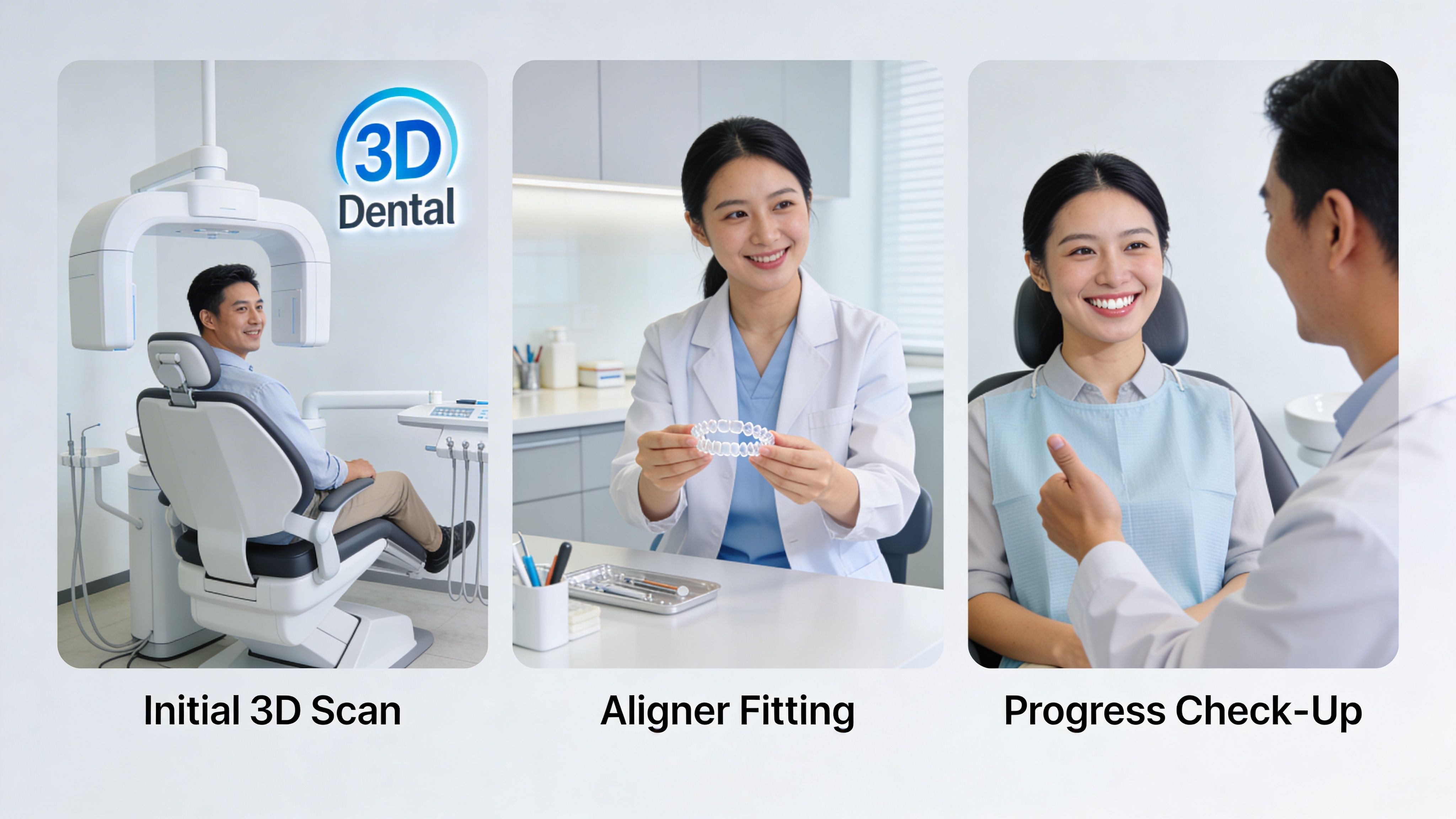
Consultation and digital records
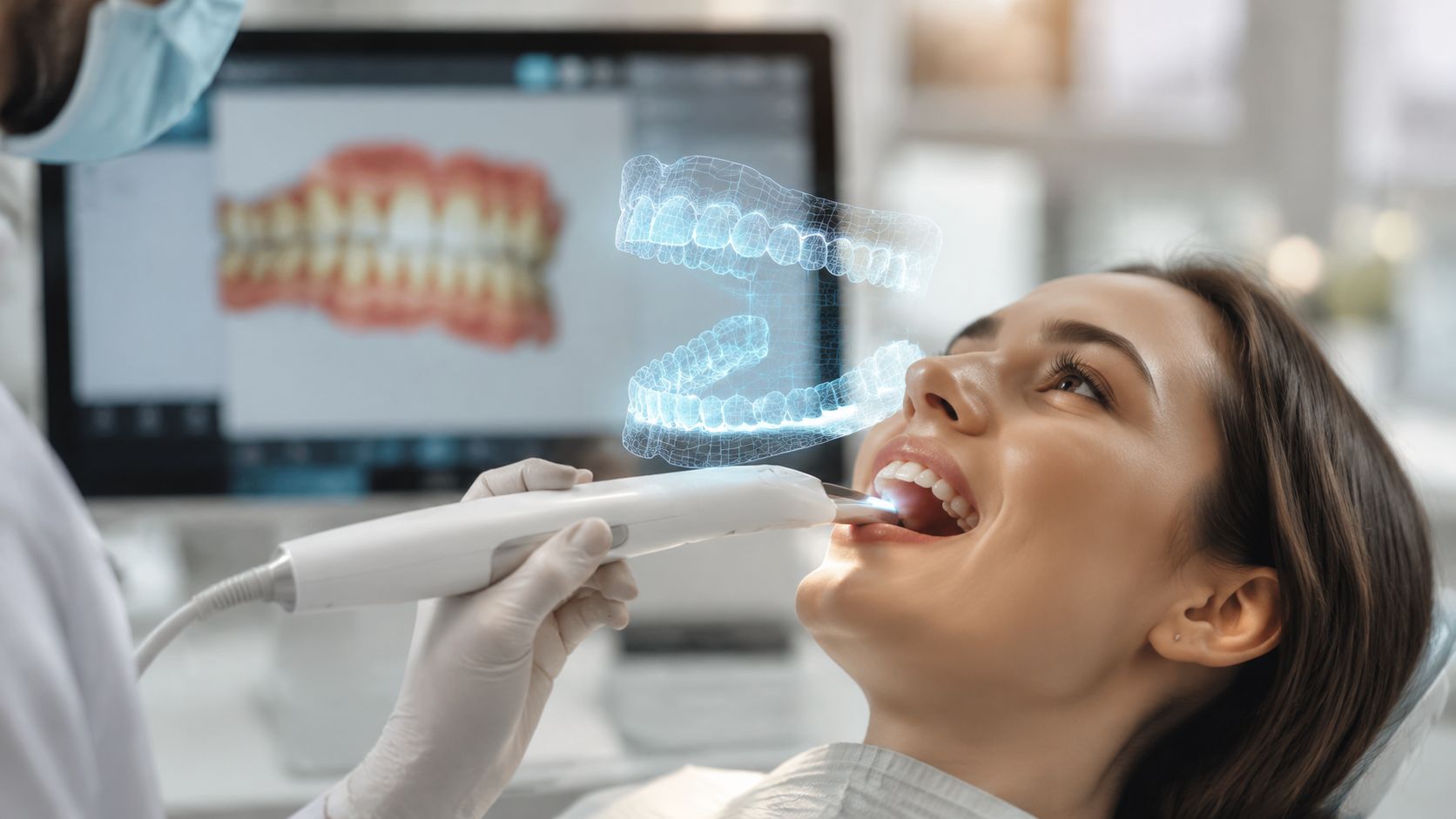
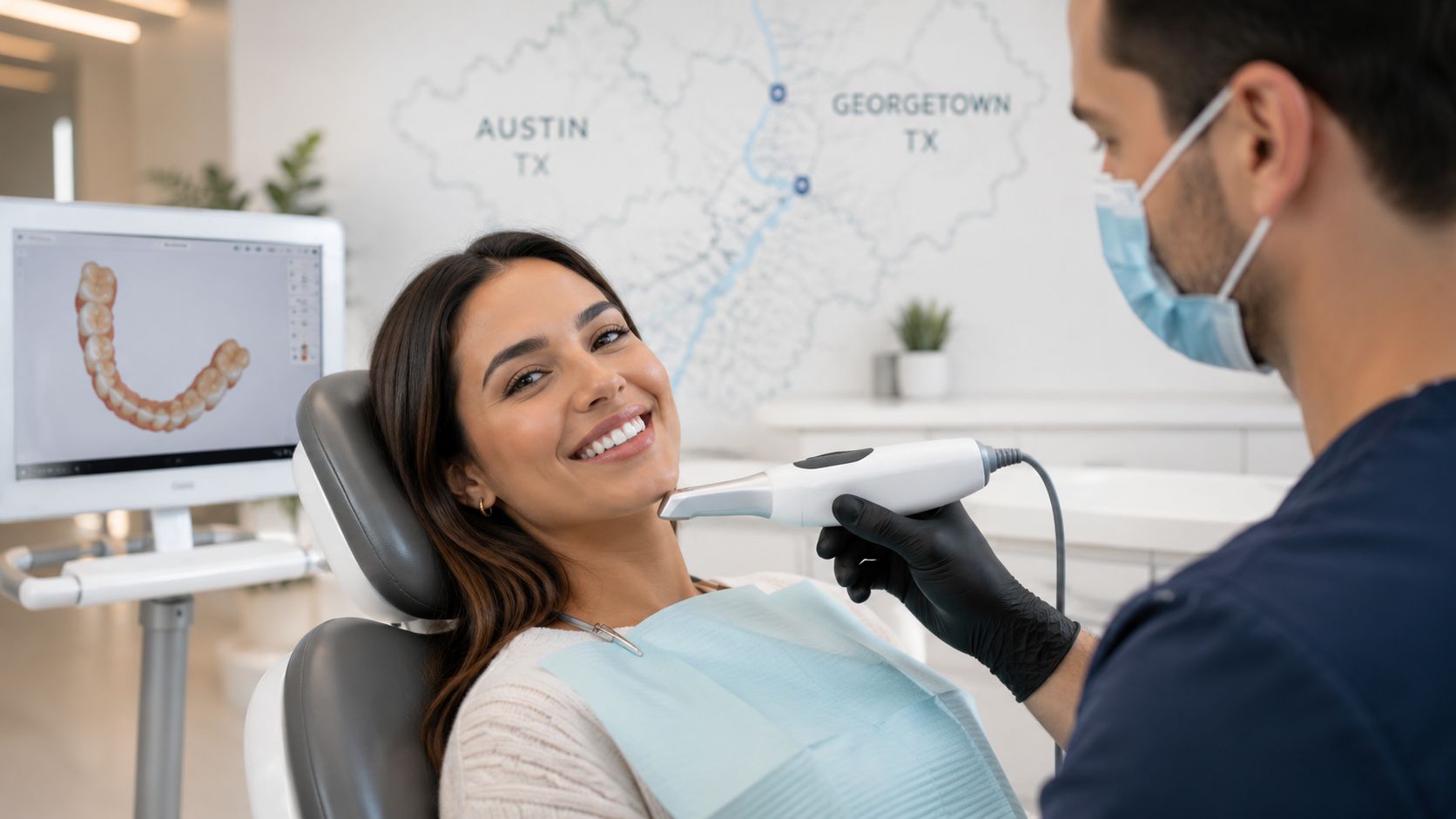
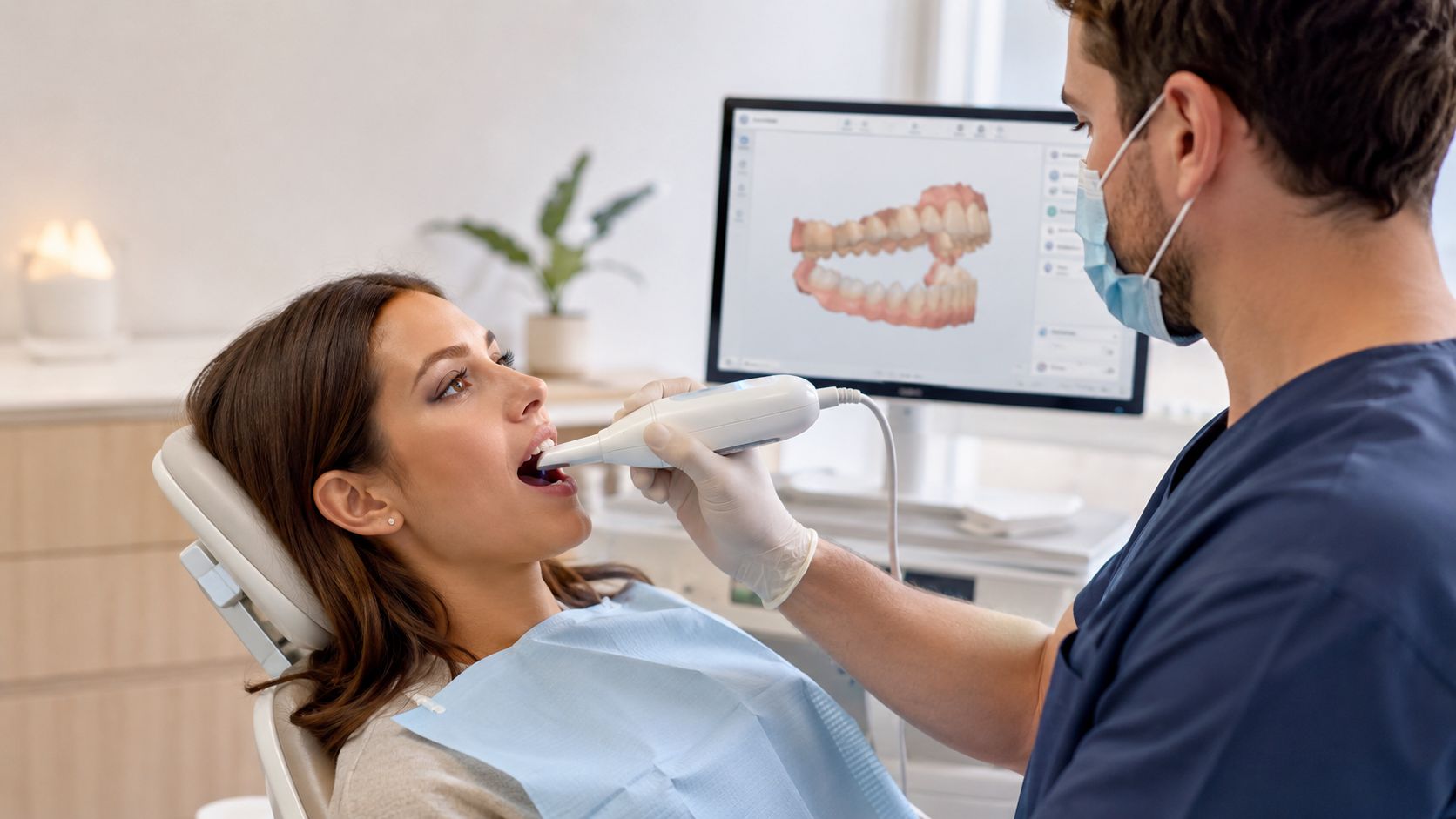
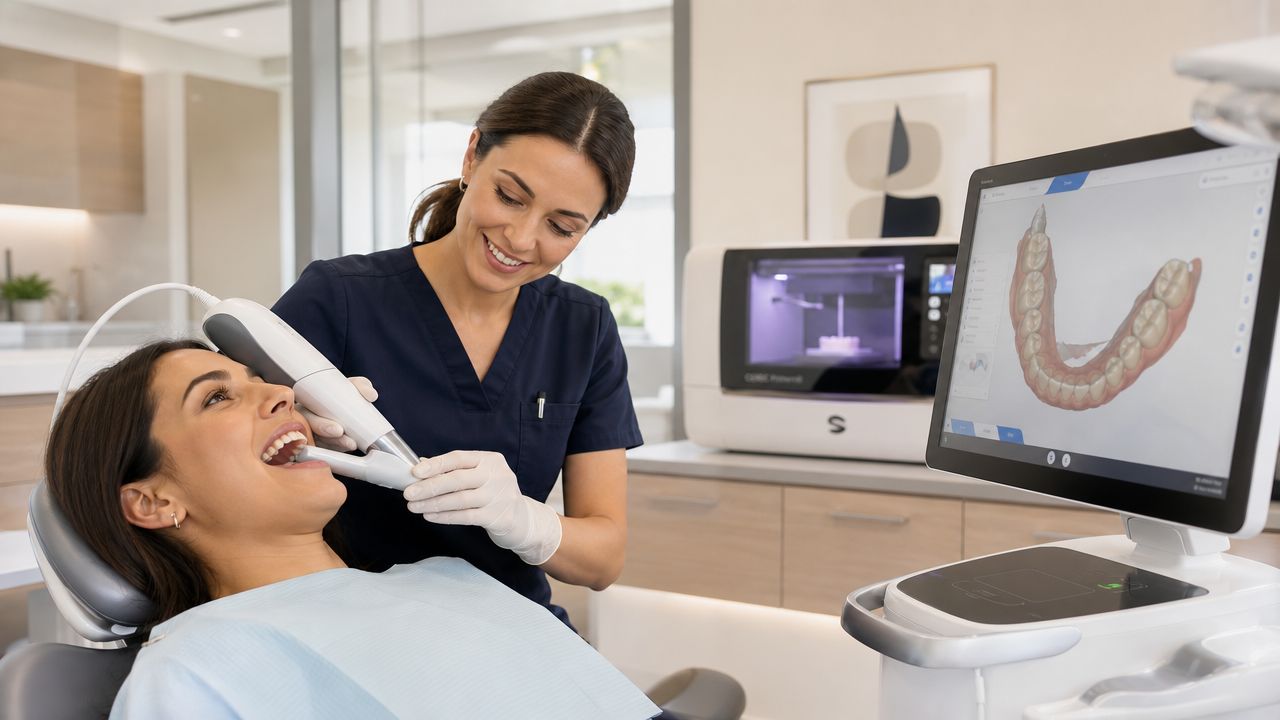
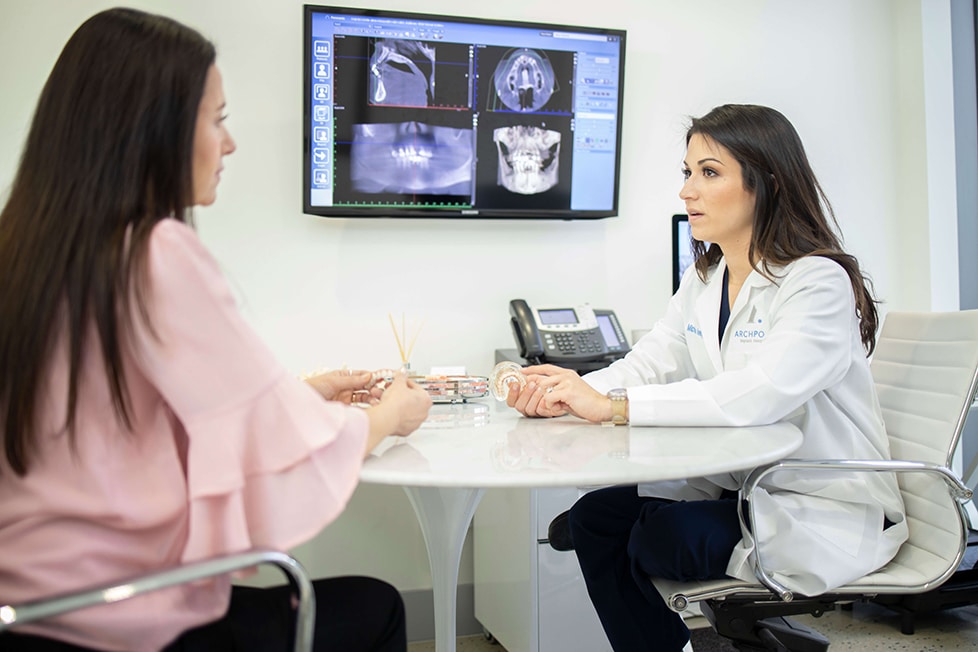
The first step is a full orthodontic evaluation. That includes a clinical exam, digital imaging, and a scan of your teeth. Modern scanning replaces the old impression-based approach that many patients disliked.
This stage is where a provider determines whether clear aligners are the right fit or whether braces, restorative treatment, or another plan makes more sense. If you want a simple primer on mechanics, this overview of how clear aligners work gives a helpful foundation.
Digital treatment planning
Once records are complete, your provider maps the sequence of movement. Precision matters at this stage.
The aligners aren’t just “straightening trays.” Each set is designed to move specific teeth in a specific order. When that plan is accurate, treatment tends to stay more predictable. When the initial plan is loose or incomplete, mid-course corrections become more likely.
Starting active treatment
When your aligners arrive, you’ll receive instructions on:
- Daily wear: Keep them in for the prescribed number of hours.
- Tray changes: Switch on the recommended schedule.
- Cleaning: Remove them for meals and clean both trays and teeth well.
- Storage: Use the case so trays don’t get lost or damaged.
Many patients settle into a rhythm quickly. The first few days usually involve adjustment to pressure and routine, then treatment becomes more automatic.
The patients who do best usually turn aligner wear into a habit early. They don’t negotiate with the routine every day.
Progress visits and possible refinements
Checkups let the provider confirm that your teeth are tracking as planned. These appointments are important because they catch small issues before they become larger delays.
Sometimes a patient finishes the main sequence and still needs refinements. That doesn’t mean treatment failed. It means the final details need additional aligners so the bite and alignment finish cleanly.
A typical journey often includes:
- Records and planning
- Delivery of the first aligners
- Active tooth movement
- Mid-course monitoring
- Refinement, if needed
- Retention
The final stage is retention
Finishing treatment is not the same as keeping the result. Teeth can shift after orthodontic treatment, so retainers matter.
Retention is where long-term success lives. A straight smile that isn’t maintained can lose some of its improvement over time. Patients considering cosmetic dentistry, implants, crowns, or other restorative dentistry often benefit from getting alignment stable first and then protecting it.
How Our Technology Can Speed Up Your Invisalign Treatment
The biggest difference between a smooth Invisalign case and a frustrating one often shows up before the first tray is ever worn. Better records create better planning. Better planning creates better-fitting aligners and fewer avoidable surprises.
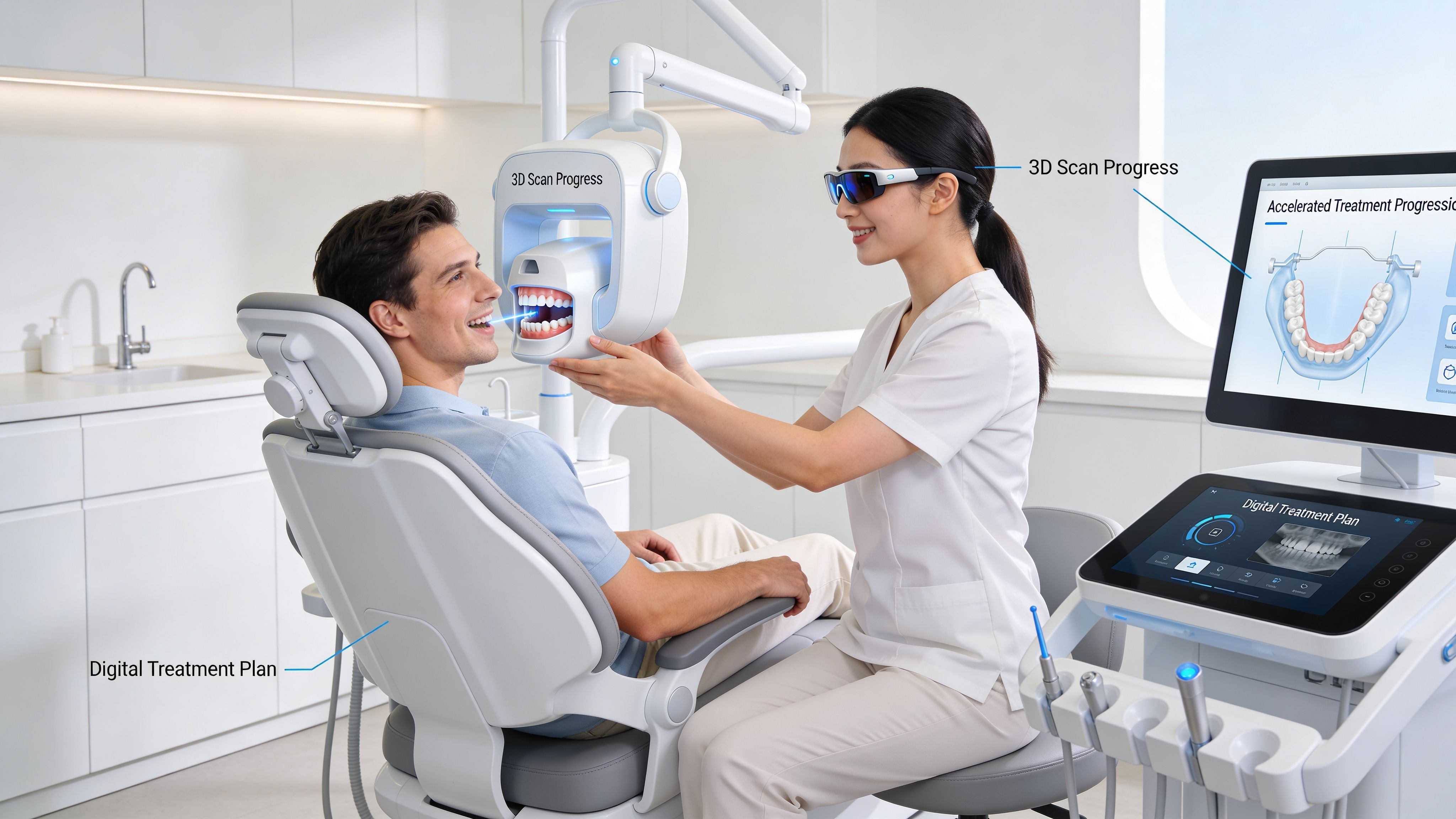
Precision at the start reduces guesswork later
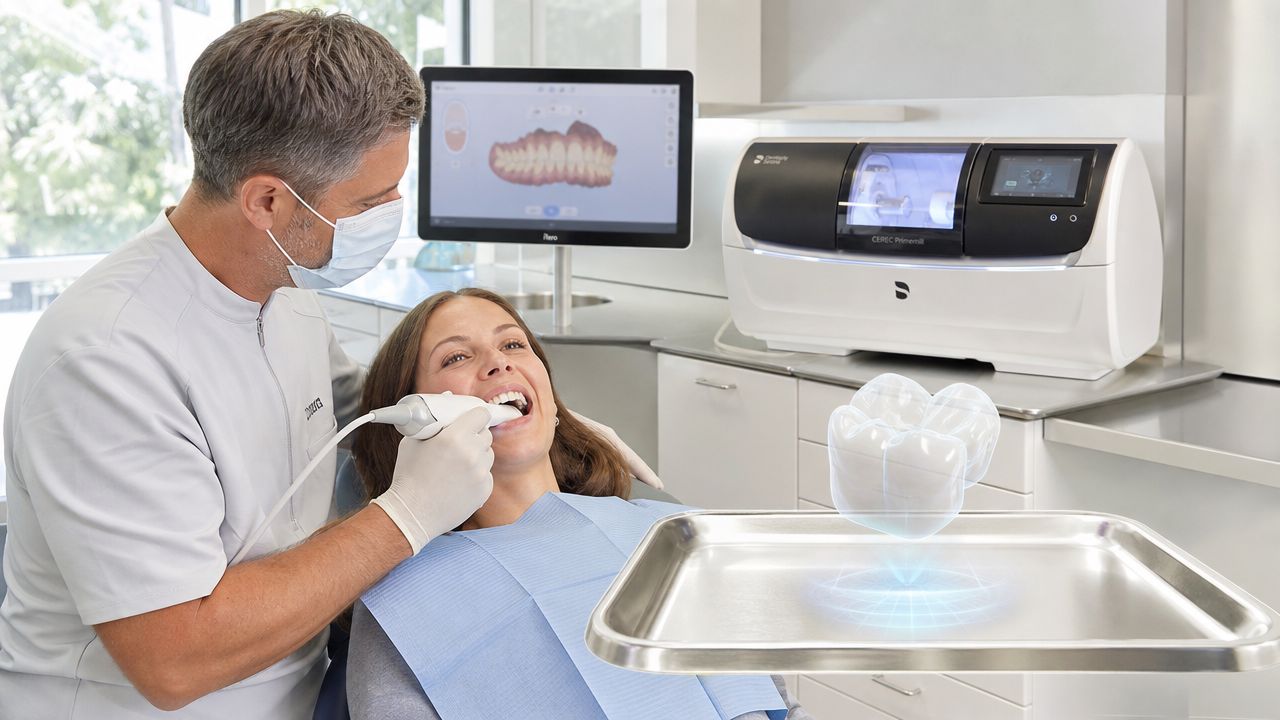
Digital intraoral scans and 3D imaging give a clearer picture than old impression methods. That matters because aligners are only as good as the model they’re built from.
When a scan captures tooth shape, spacing, and bite position accurately, the treatment plan can be more exact. In practical terms, that often means:
- Better tray fit
- Cleaner staging of tooth movement
- Earlier detection of bite issues
- Faster turnaround on adjustments and retainers
Patients feel this difference in small ways. Fewer surprises at tray delivery. More confidence that each aligner is doing what it’s supposed to do. Smoother progress checks.
Better planning helps with age-specific expectations
A common frustration in orthodontic education is that patients hear broad statements like “teens move faster than adults,” but they don’t get useful personal guidance. That gap is real. Sources often mention the pattern without giving specific side-by-side benchmarks. Advanced digital planning helps a provider model those differences more precisely and give more individualized timelines for teens and adults (discussion of age-specific planning gaps).
That’s especially helpful for families in Austin, Georgetown, Cedar Park, and Liberty Hill who may be comparing treatment for a parent and a teenager at the same time.
In-house capabilities matter too
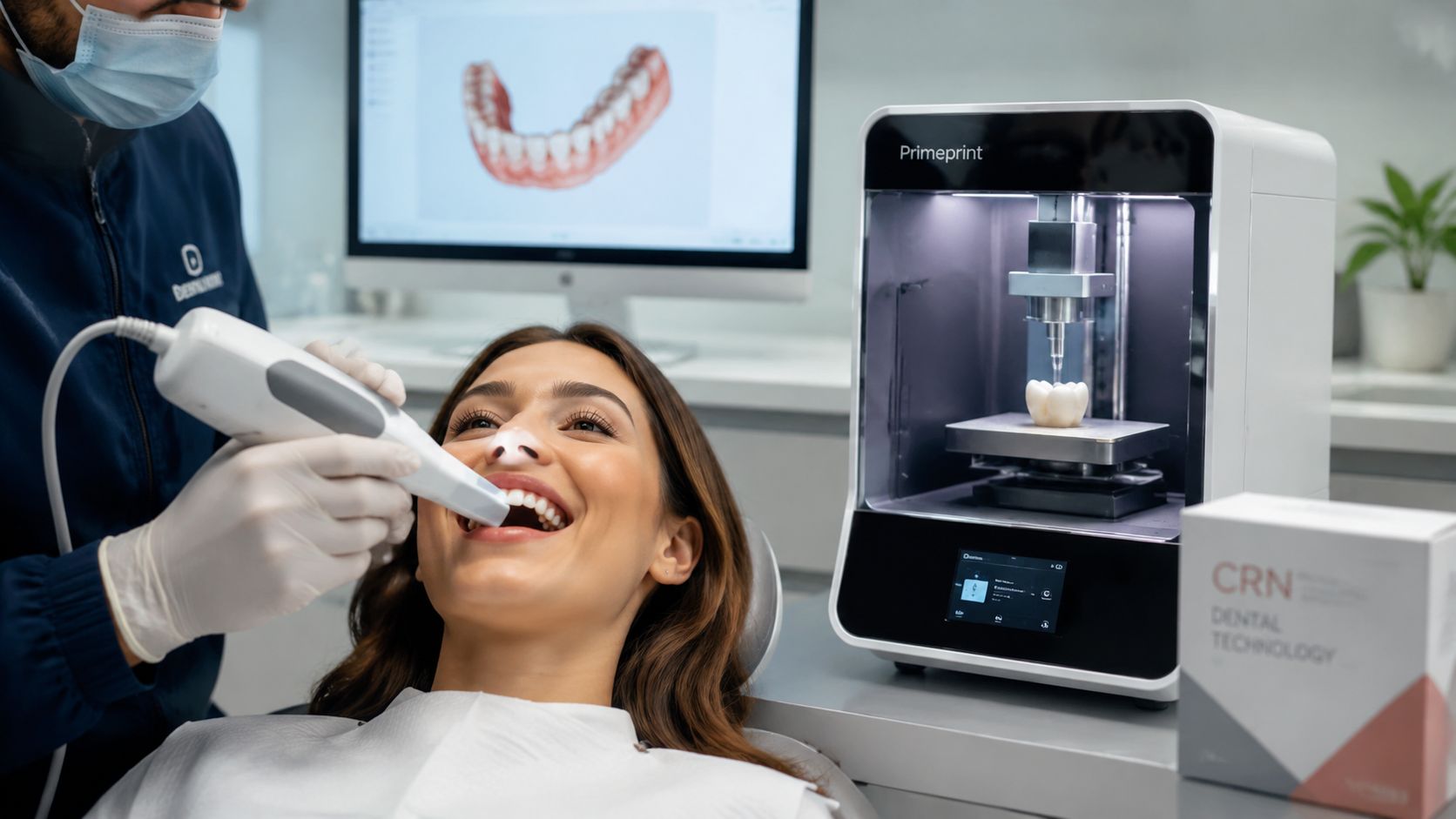
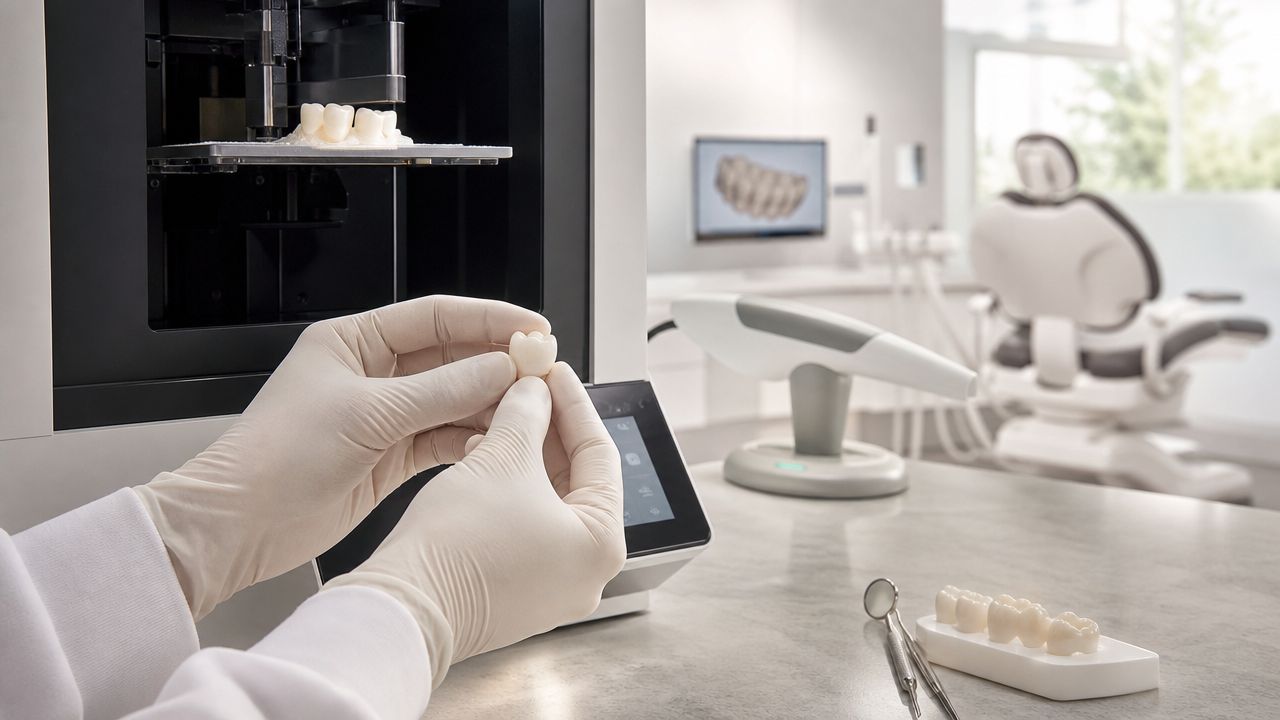
A modern practice with an in-house lab and 3D printing can often move faster when retainers, models, or follow-up appliances are needed. Patients may not see the lab work, but they feel the benefit when treatment stays organized and delays are minimized.
This is also where a technology-forward office supports more than orthodontics. The same digital ecosystem often improves cosmetic dentistry planning, restorative dentistry, implant workflows, and even emergency dentist visits when time matters.
A short visual overview helps show why digital workflows change the patient experience:
What technology can and can’t do
Technology can improve accuracy, efficiency, and predictability. It can’t replace compliance.
Even the best scan won’t help if aligners spend too much time in a napkin at lunch or on a desk during the workday. Faster treatment usually comes from the combination of precise digital planning and disciplined daily wear. One without the other is rarely enough.
Invisalign vs Braces How Timelines and Benefits Compare
For many patients, the main decision isn’t whether to straighten their teeth. It’s whether to choose Invisalign or braces.
A useful way to compare them is to separate treatment outcome from treatment experience. Both can work well. Published data shows high success rates for both, around 88 to 90 percent, while Invisalign is often faster with an average treatment time of 12 to 18 months compared with 18 to 36 months for braces in the verified summary used here. If you’re weighing the two options more directly, this comparison of braces vs clear aligners is a good companion read.
Where Invisalign often has the edge
- Appearance: Clear aligners are less noticeable than metal brackets.
- Comfort: Smooth trays tend to avoid many of the rubbing points that come with wires and brackets.
- Oral hygiene: You can remove aligners to brush and floss normally.
- Food flexibility: There are no bracket-related food restrictions because trays come out for meals.
For adults searching “cosmetic dentist near me,” those lifestyle factors often matter as much as the timeline itself.
Where braces may still make sense
Braces can be a strong option for patients who know compliance will be difficult. Because they stay on continuously, they remove the temptation to leave trays out too long. Some complex cases may also be better suited to fixed appliances, depending on the movements needed.
The best treatment is not the one that sounds easiest. It’s the one you’re most likely to complete successfully.
A practical comparison
| Decision point | Invisalign | Braces |
|---|---|---|
| Visibility | Clear and discreet | More noticeable |
| Removal | Yes | No |
| Cleaning | Easier for many patients | More effort around brackets |
| Diet | Remove for meals | Food restrictions apply |
| Routine | Requires strong compliance | Less patient-dependent day to day |
For many busy adults and image-conscious teens in Austin and Georgetown, Invisalign fits daily life better. For others, braces offer a more structured path. The right choice depends on both the orthodontic problem and the person wearing the appliance.
Questions to Ask Your Austin Invisalign Provider
A strong consultation should leave you with answers you can use, not general reassurance.
Bring questions that make the timeline concrete and personal. Ask what your digital scan shows, whether your case looks mild, moderate, or complex, and what factors could slow treatment down. Ask whether refinements are likely and how the office handles trays that stop tracking well.
A practical consultation checklist includes:
- Timeline question: Based on my scan, what is my expected treatment range?
- Planning question: What movements are likely to take the longest in my case?
- Refinement question: If I need additional aligners, how does that change the process?
- Lifestyle question: What should I do if work, school, or frequent meals make wear time harder?
- Financial question: What payment options are available, including Cherry or Sunbit?
One of the most important questions is also the one many patients never think to ask. What happens if I struggle to meet the wear-time goal? That issue deserves a direct conversation because the actual impact of non-compliance is often underexplained. A patient-centered office should discuss that openly and help you plan around daily habits from the start (why discussing non-compliance matters).
If you’ve been searching for a dentist in Austin, TX or Georgetown, TX who can give you a realistic Invisalign timeline instead of a vague estimate, that consultation is the right next step.
If you’re ready to find out how long Invisalign could take for your smile, schedule a consultation with 3D Dental. With advanced 3D imaging, digital scanning, an in-house lab, and a patient-first approach, the team helps adults and teens in Austin, Georgetown, Wells Branch, Cedar Park, Round Rock, and Liberty Hill get a clearer treatment plan from day one. Whether you’re also looking for a new dentist near me, cosmetic dentistry, braces, emergency dentist care, or complete dental care under one roof, 3D Dental makes it easier to move forward with confidence.
Ready to get started?
Schedule a free, no obligation consultation with our team and see what's possible for your smile!
Georgetown
- Mon-Thurs8:30am-5pm
- Fri8am-3:30pm
- Sat-SunClosed
Austin
- Mon-Tues8am-5pm
- Wed-Thurs9am-6pmFri8am-2pm
- Sat-SunClosed