
Affordable Dentist Austin TX: Your 2026 Guide
Related Posts





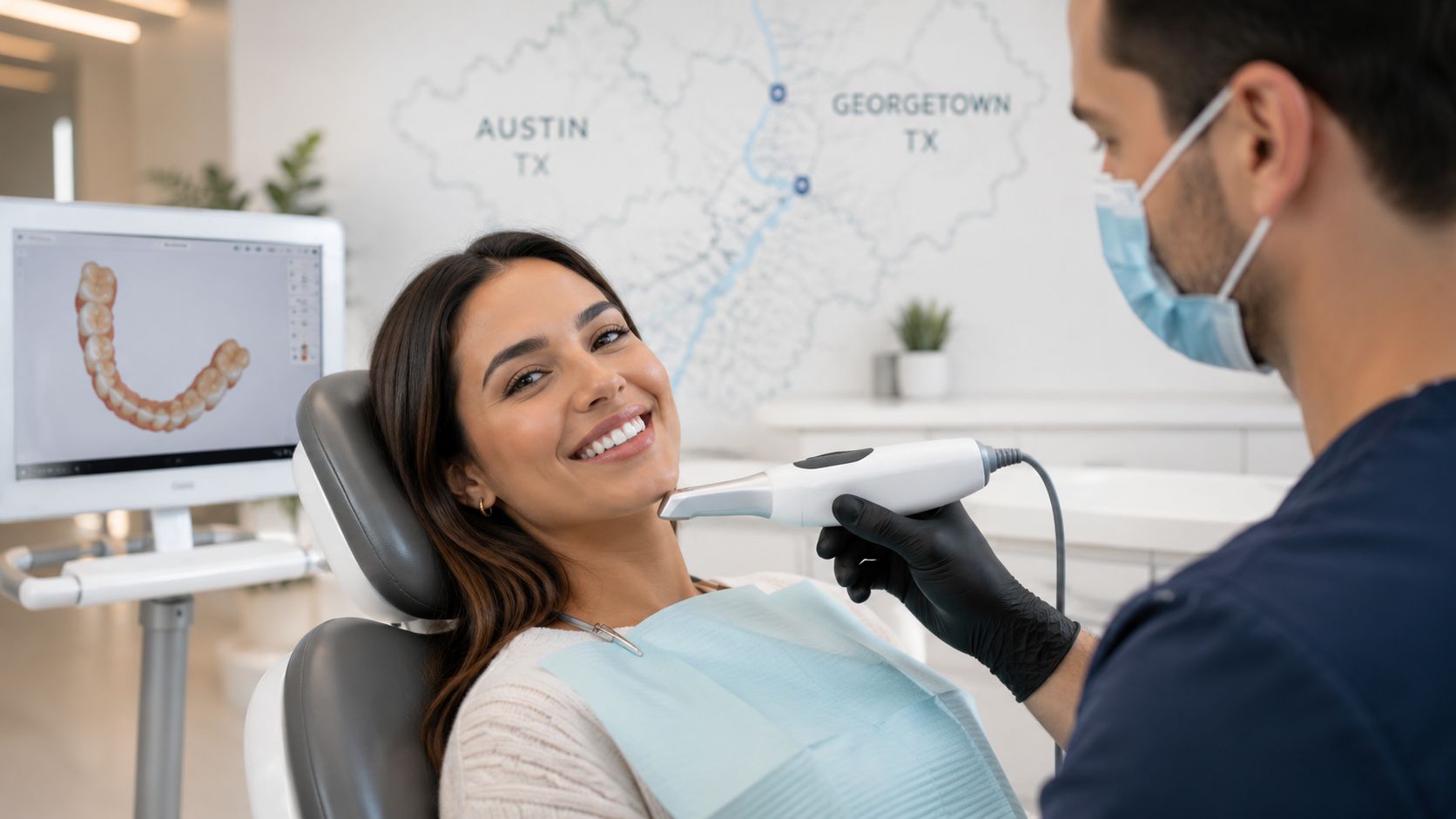
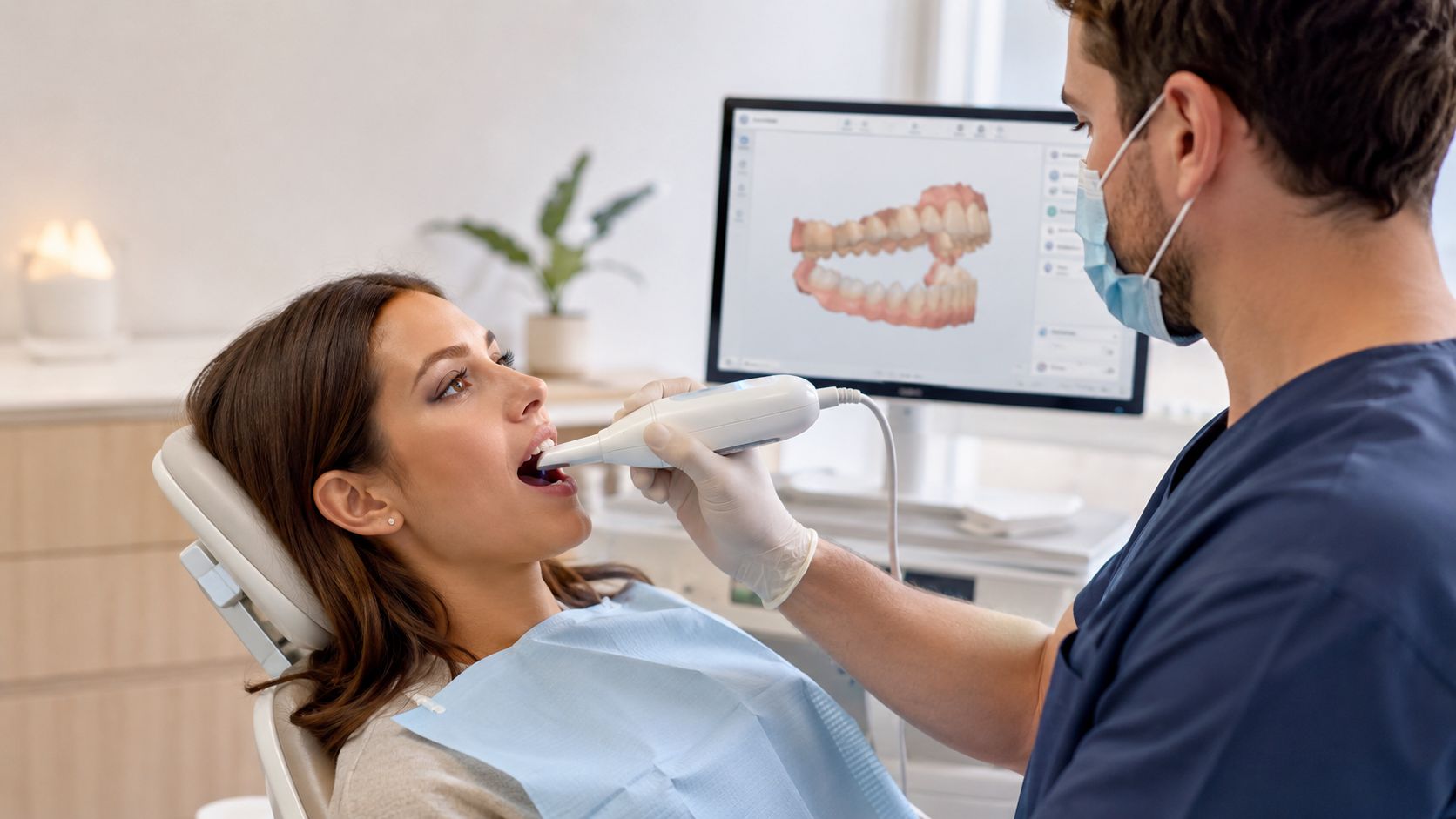



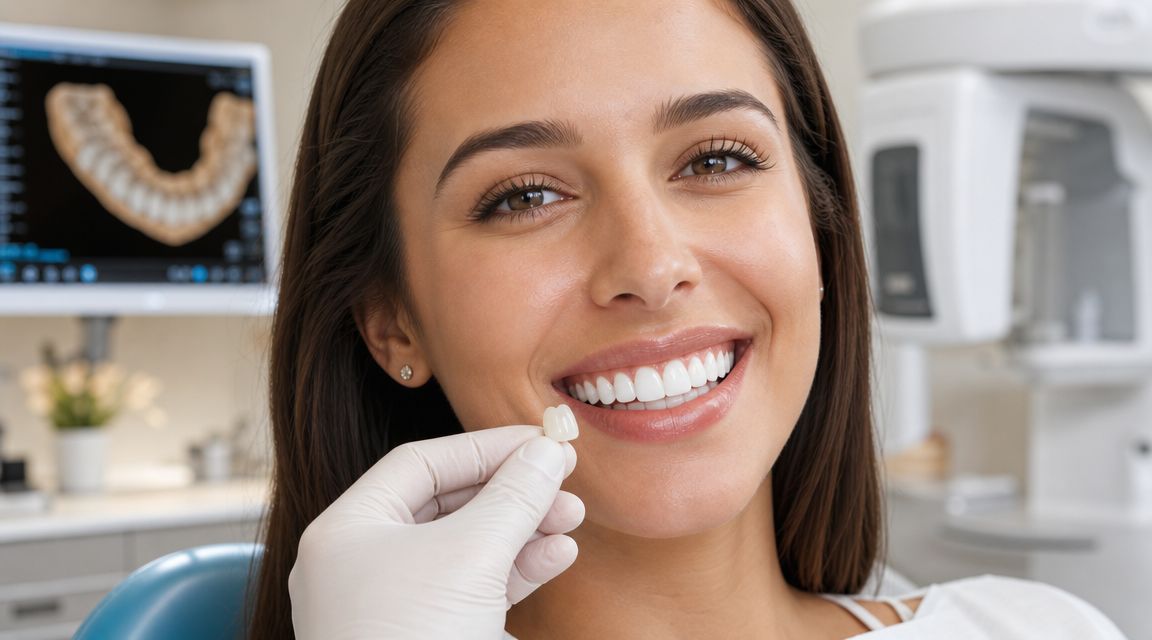
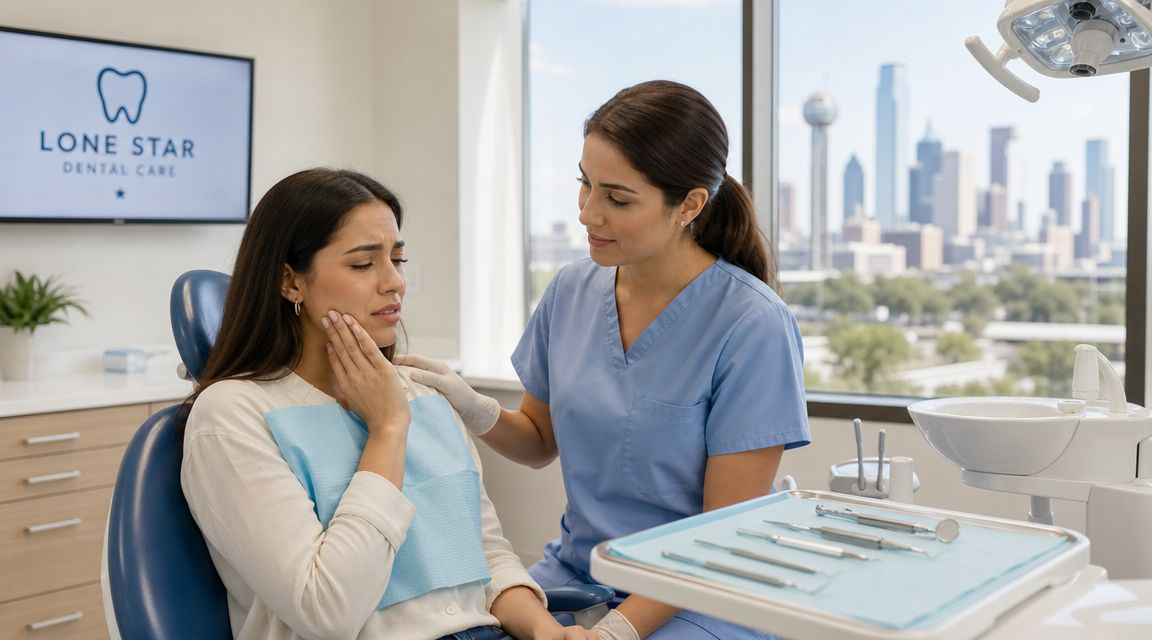

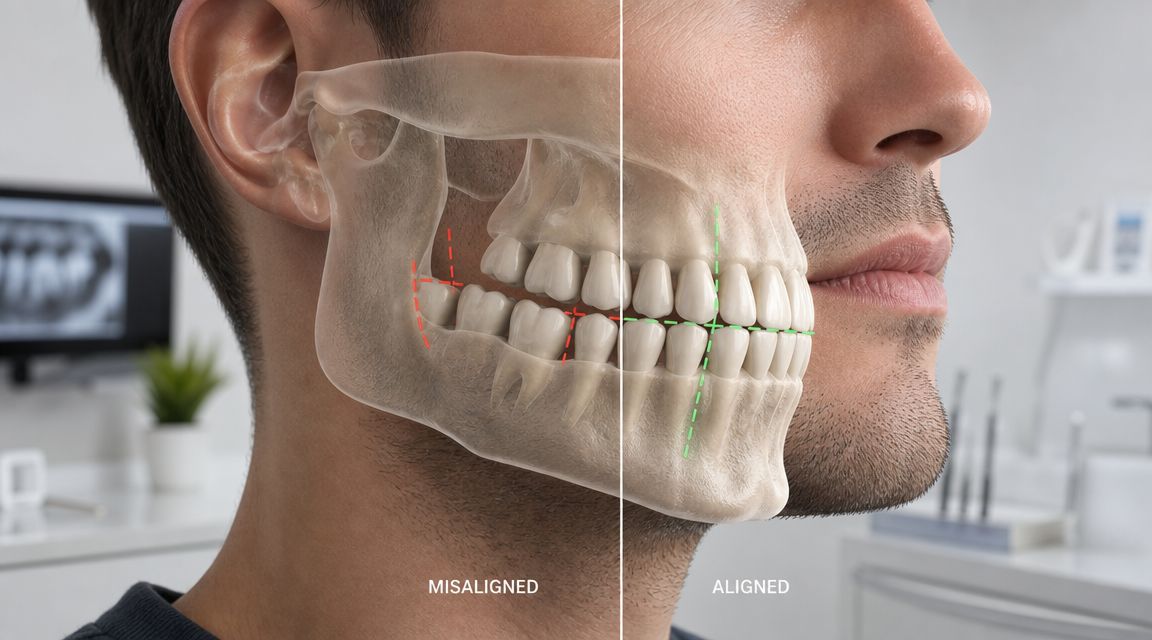

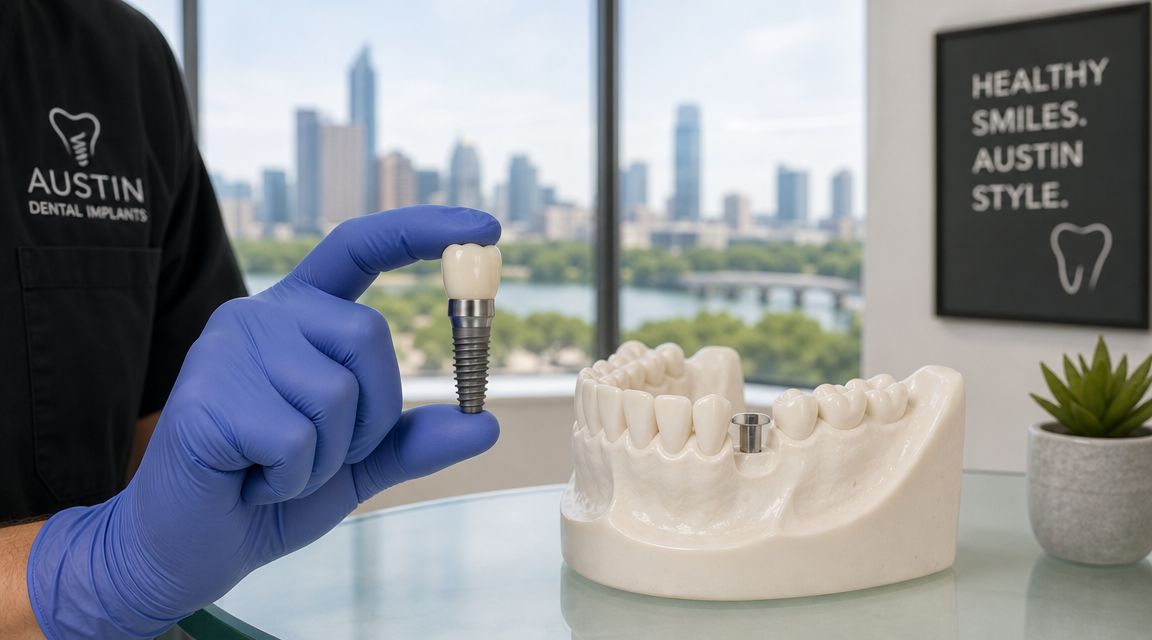







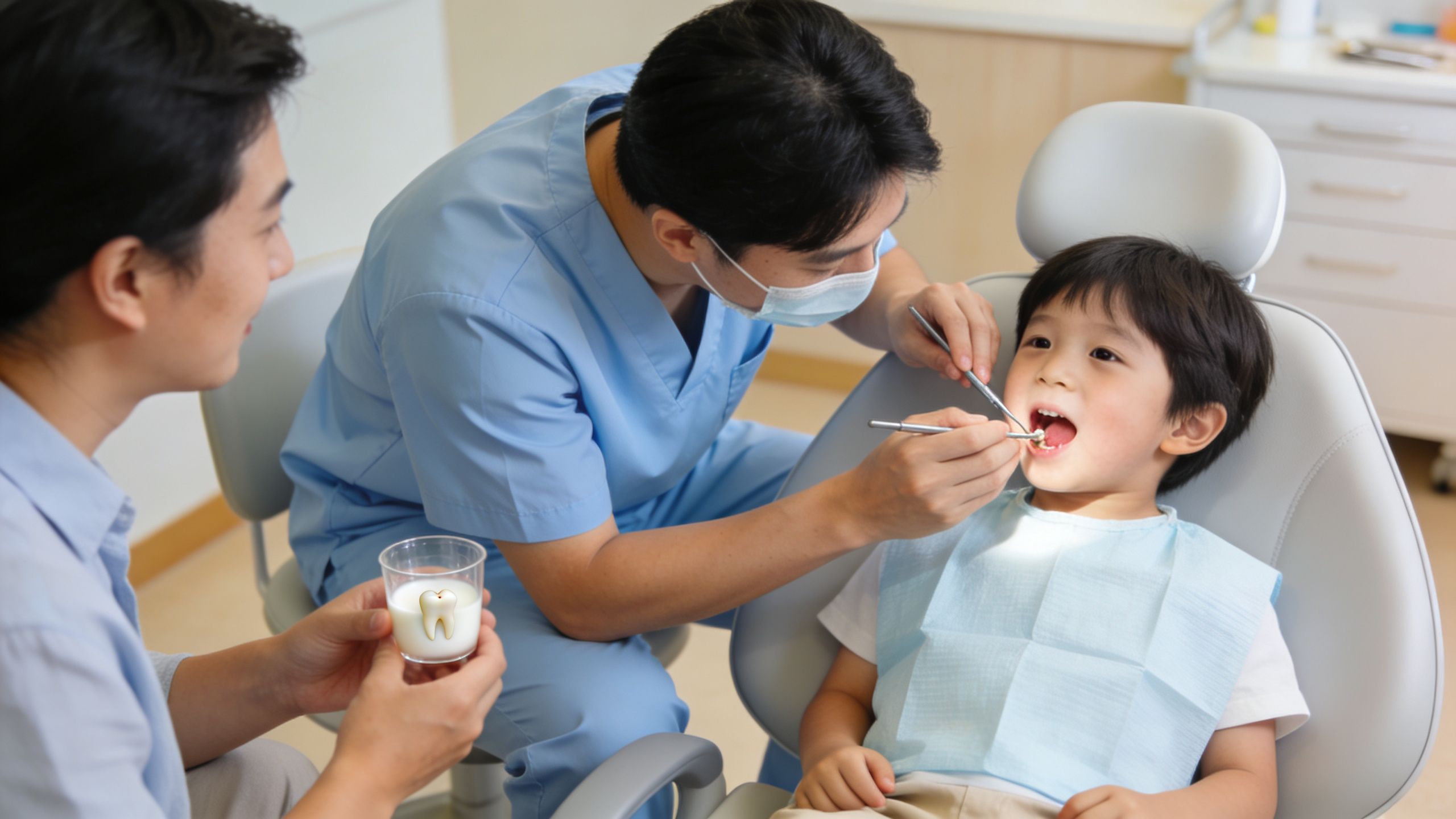










A tooth that starts throbbing on a Tuesday night can create two worries at once. The first is pain. The second is cost.
For many people in Austin, Georgetown, Wells Branch, Cedar Park, Round Rock, and Liberty Hill, the cost question is what delays care. They wait, hope it settles down, and search for terms like affordable dentist austin tx, dentist near me, or emergency dentist while trying to guess what a visit will really cost.
That hesitation is understandable. Dental care should feel clear, not intimidating. Patients deserve honest guidance on what affects price, which payment options help, and how to tell the difference between a low upfront fee and a smart long-term choice.
Navigating Dental Care Costs in Austin
A common situation looks like this. Someone has a chipped tooth, a lost filling, or bleeding gums that have been getting worse for months. They know they need a dentist in Austin, TX or Georgetown, TX, but they’re bracing for a surprise bill more than the appointment itself.
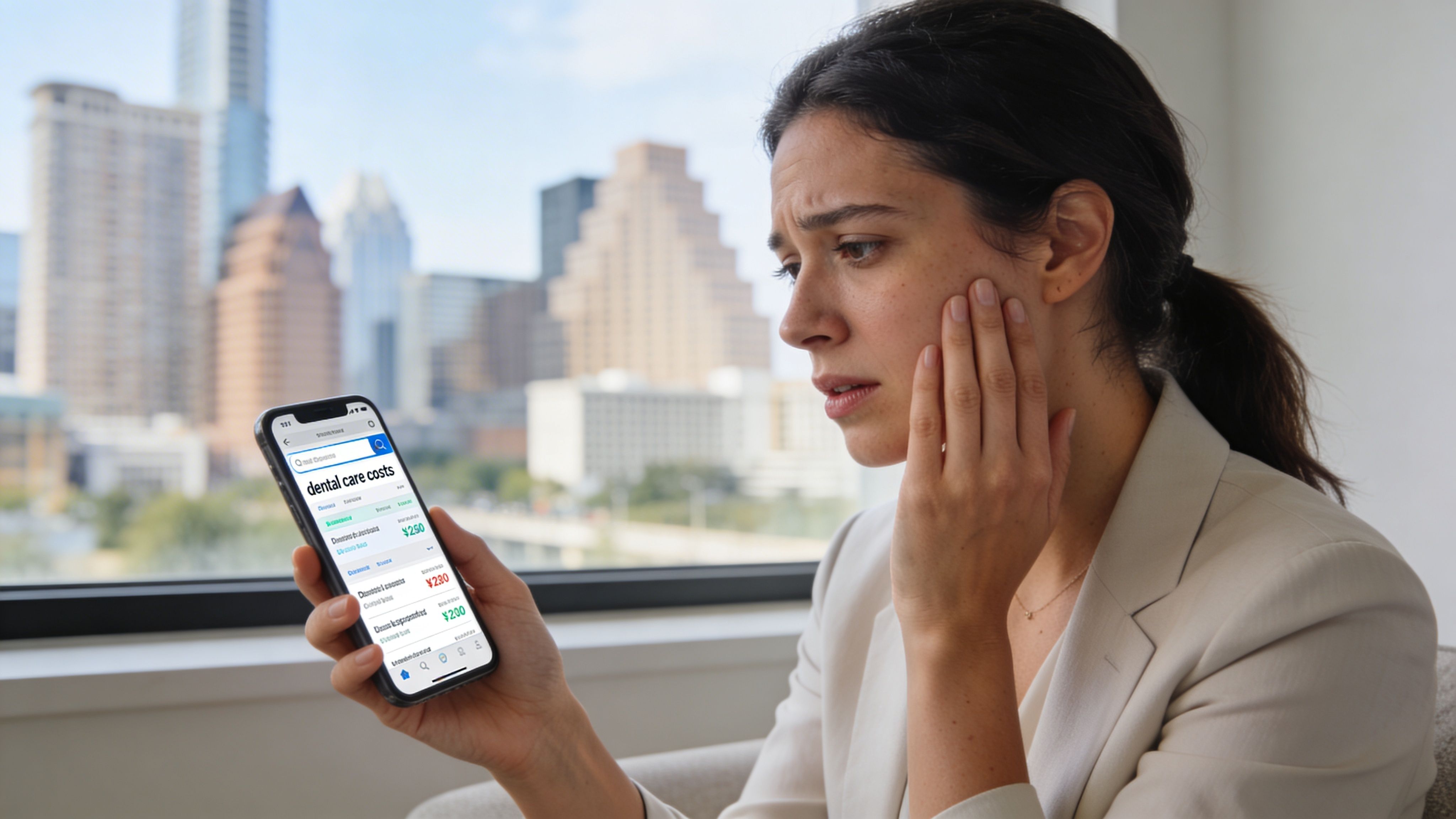
That concern isn’t irrational. Travis County has 919 dentists serving 1.39 million residents, yet 26% of people surveyed in the Austin area reported being unable to access dental services, according to Community Impact’s reporting on local dental access. Having providers nearby doesn’t always mean care feels reachable.
Why cost confusion keeps people stuck
Most patients don’t delay cleanings and exams because they don’t care about their teeth. They delay because they don’t know what comes next.
They wonder:
- What will the first visit include
- Will x-rays add more than expected
- If a cavity shows up, will that turn into a crown
- If they need a tooth extraction, can they spread out payments
- If they want dental implants near me, is that even realistic
Those are practical questions, not signs of avoidance.
Practical rule: The most affordable dental visit is often the one that happens before pain forces a bigger procedure.
The local reality in Austin and Georgetown
Austin keeps growing. Georgetown keeps growing. As families, retirees, students, and working adults move through Central Texas, many are juggling insurance changes, high household costs, and limited time off.
That’s why “affordable” has to mean more than a coupon. It has to include:
- Transparent planning so you know what’s urgent and what can wait
- Payment flexibility if treatment can’t be paid all at once
- Complete care so you’re not bounced from office to office
- Preventive support that reduces the chance of a bigger bill later
A patient-first dental office helps people sort treatment into what needs immediate attention, what should be scheduled soon, and what can be monitored safely. That approach lowers stress because the plan becomes understandable.
What helps
The patients who feel most confident about dental costs usually do three things well. They ask for a written treatment plan, they compare payment models instead of only comparing sticker prices, and they choose a dentist who can explain the long-term consequences of delaying treatment.
That matters whether you need a routine cleaning, cosmetic dentist near me services, a tooth extraction, emergency dental care, or a replacement option after a missing tooth.
Affordable care in Austin and Georgetown is possible, but it usually comes from clarity, not guesswork. Once you understand what common services tend to cost and which payment paths fit your situation, the search becomes much easier.
Understanding Dental Service Costs in Austin and Georgetown
The hardest part about dental pricing isn’t always the amount. It’s the range.
A simple exam can stay simple. A small cavity can remain a filling. But if decay, infection, fractures, or gum problems have advanced, treatment gets more involved. That’s why the same search for a dentist in Austin, TX can bring up very different pricing.
Common services and why prices vary
Several factors affect what patients pay:
- Diagnosis complexity. A straightforward cavity costs less to address than a tooth with deep decay and pain.
- Materials used. Restorative choices can change the fee.
- Tooth location. Front teeth and back teeth can require different approaches.
- Technology and lab workflow. Imaging, design, and fabrication methods influence time and cost.
- Whether care is preventive or urgent. Emergency visits often involve more than one problem.
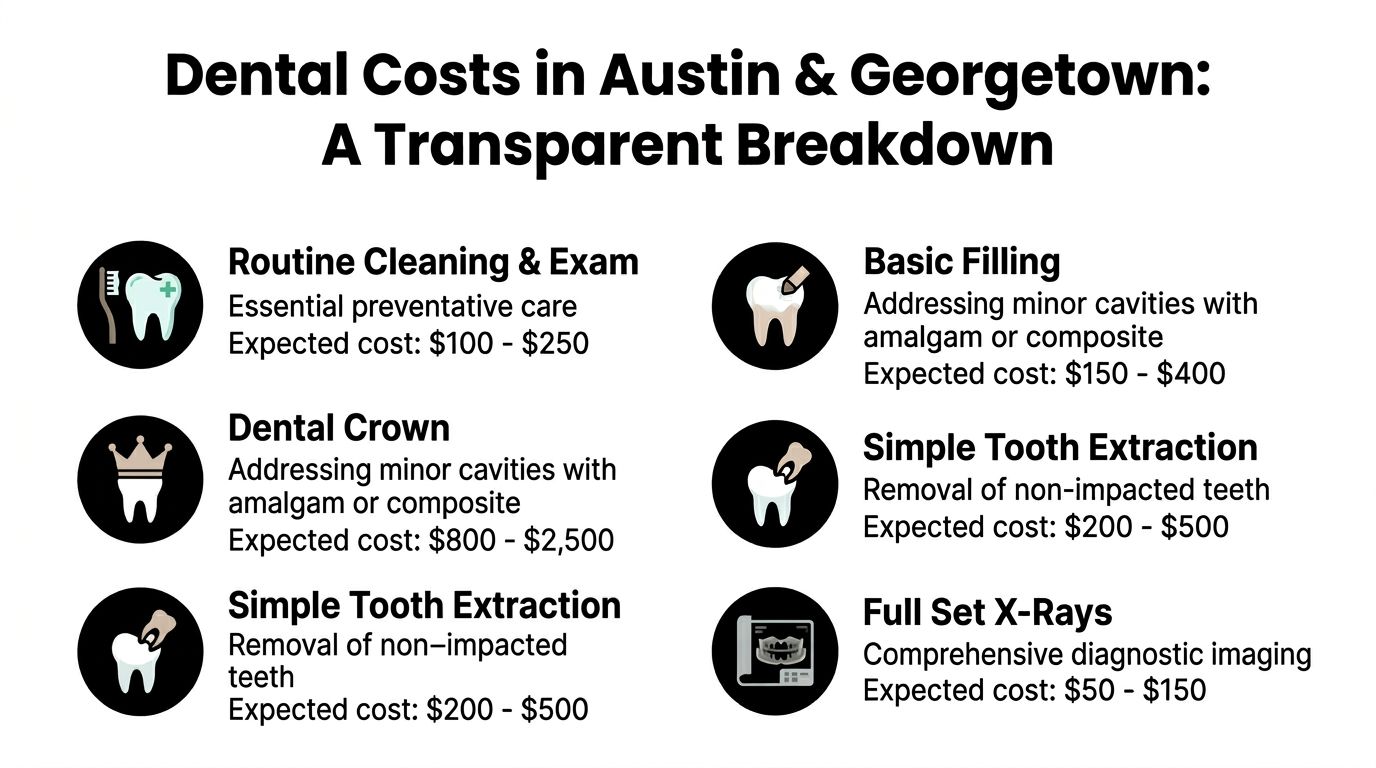
The infographic above shows a general snapshot of costs patients often encounter in Central Texas for cleanings and exams, fillings, extractions, and x-rays. Those figures are useful as orientation, but they aren’t a substitute for a personalized exam.
One verified benchmark patients can use
A dental crown is a good example of why comparison matters. In Texas, a dental crown averages $944 but can be found for as low as $473 through low-cost providers, according to Texas Quality Dental Health’s Austin low-income dentist listings.
That gap tells patients two things at once. First, prices can vary widely. Second, the lowest listed number doesn’t answer the full question of value.
A crown fee may reflect differences in:
- How much tooth structure remains
- Whether additional treatment is needed first
- How the restoration is made
- How many visits the process requires
- What follow-up support is included
The hidden cost of delaying “small” problems
Patients often search for an affordable dentist near me because they’re trying to avoid a major bill. That instinct makes sense. But the wrong kind of saving can backfire.
A missed cleaning can turn into gum inflammation. An untreated cavity can become pain. A cracked tooth that feels manageable can split further under chewing pressure.
A lower fee today doesn’t always mean a lower total cost over the life of the tooth.
That’s especially true for restorative dentistry. If the treatment plan solves the immediate symptom but doesn’t address the underlying issue, patients can end up paying twice.
How to use price information wisely
Use online pricing as a starting point, not a decision by itself. When you compare offices in Austin or Georgetown, ask for specifics.
Questions worth asking before you book
- What does the new patient visit include
- Will diagnostic x-rays be recommended at the first appointment
- If you find more than one issue, which treatment is urgent
- Can the office separate immediate treatment from elective treatment
- What payment options are available for larger cases
These questions matter whether you’re looking for routine dental care, cosmetic dentistry, restorative dentistry, dental implants, or emergency care.
What pricing should help you do
A useful estimate should reduce uncertainty. It should help you plan around work, family, insurance timing, and monthly budget. It shouldn’t make you feel like you have to agree to everything at once.
The right office will explain why one recommendation protects the tooth, why another is optional, and where postponing treatment is reasonable versus risky. That’s where affordability starts to look more like a care strategy than a discount.
Your Guide to Reducing Dental Bills in Central Texas
The smartest way to lower dental costs isn’t to chase the lowest quote. It’s to match the payment model to the type of care you need.
A cleaning and exam, a crown, clear aligners, a root canal, and full-arch replacement don’t fit the same financial strategy. Some patients do best with insurance timing. Others need financing. Some benefit from a membership plan because they’re uninsured and want predictable preventive care.
Start with the payment path, not the panic
When patients call after a broken tooth or sudden pain, the first concern is usually immediate relief. The second is whether the office can work with their budget.
That’s the right order. Deal with the problem, then choose the payment structure that supports the treatment plan.
The main cost-saving options
| Method | Best For | Key Benefit |
|---|---|---|
| Insurance | Patients with active dental benefits | Lowers out-of-pocket costs on covered care |
| Financing | Larger treatment plans | Spreads cost into manageable payments |
| In-house membership plan | Uninsured patients who want routine care | Predictable preventive value without traditional insurance |
| Sliding-scale or public clinic care | Basic care with tight budgets | Lower upfront pricing for essential services |
| Phased treatment planning | Patients with multiple needs | Lets urgent care happen first while less urgent care is scheduled later |
Insurance works best when you plan around it
Insurance can be very helpful, but only if you understand how it fits your treatment.
For example, a patient may benefit from handling diagnostics, preventive visits, and urgent restorative work within the same benefit period. Another patient may need to separate treatment into phases based on what’s covered now and what can wait.
What doesn’t work well is assuming insurance will define the best clinical choice. Insurance is a financial tool. It is not a diagnosis.
Financing can make complete care realistic
For bigger treatment plans, financing changes the conversation from “Can I pay all of this today?” to “Can I manage this monthly?”
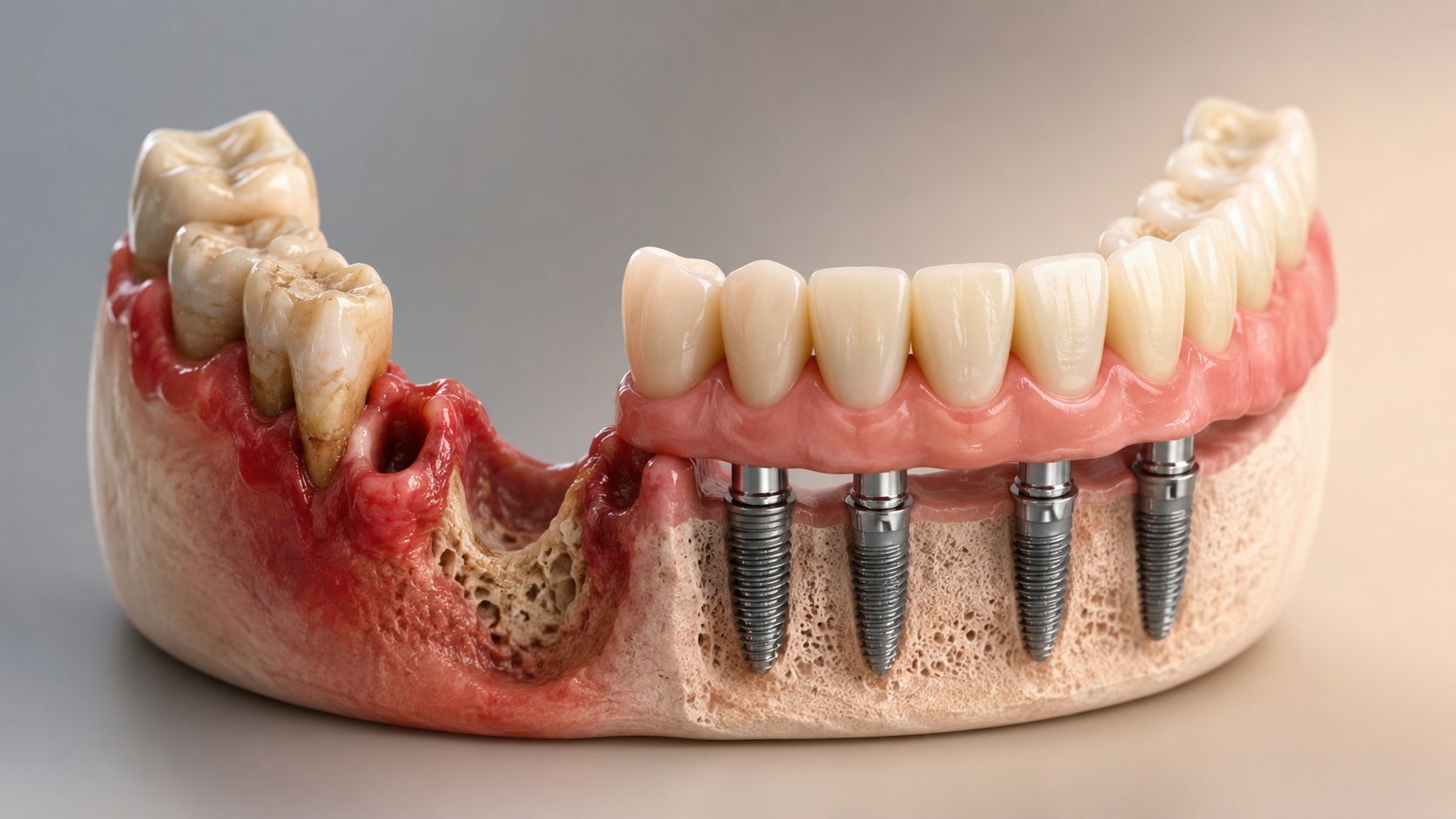
That matters for crowns, bridges, implants, orthodontics, cosmetic treatment, and urgent restorative care when several teeth need attention at once. Monthly payment options can allow patients to preserve teeth or replace missing teeth sooner instead of postponing care until the problem becomes harder to solve.
One practical place to review those options is the 3D Dental financing and insurance page, which outlines common payment pathways for patients comparing insurance support with flexible financing.
Key takeaway: A financing plan is useful only when the treatment itself is appropriate, clearly explained, and built around long-term function.
Membership plans help uninsured patients stay consistent
Traditional insurance isn’t the only way to make preventive dental care affordable. In-house savings plans can be a better fit for patients who want straightforward routine care without waiting on a third party.
These plans often work well for adults and families who need regular cleanings, exams, and x-rays, and who also want reduced fees on additional treatment. The main advantage is simplicity. You know you’re committed to maintaining care, and the office can give you a clearer picture of ongoing costs.
Sliding-scale clinics and public options have a real role
For some patients, public clinics, nonprofit care, or sliding-scale services are the right immediate answer. They can be especially important for essential treatment when budget is the deciding factor.
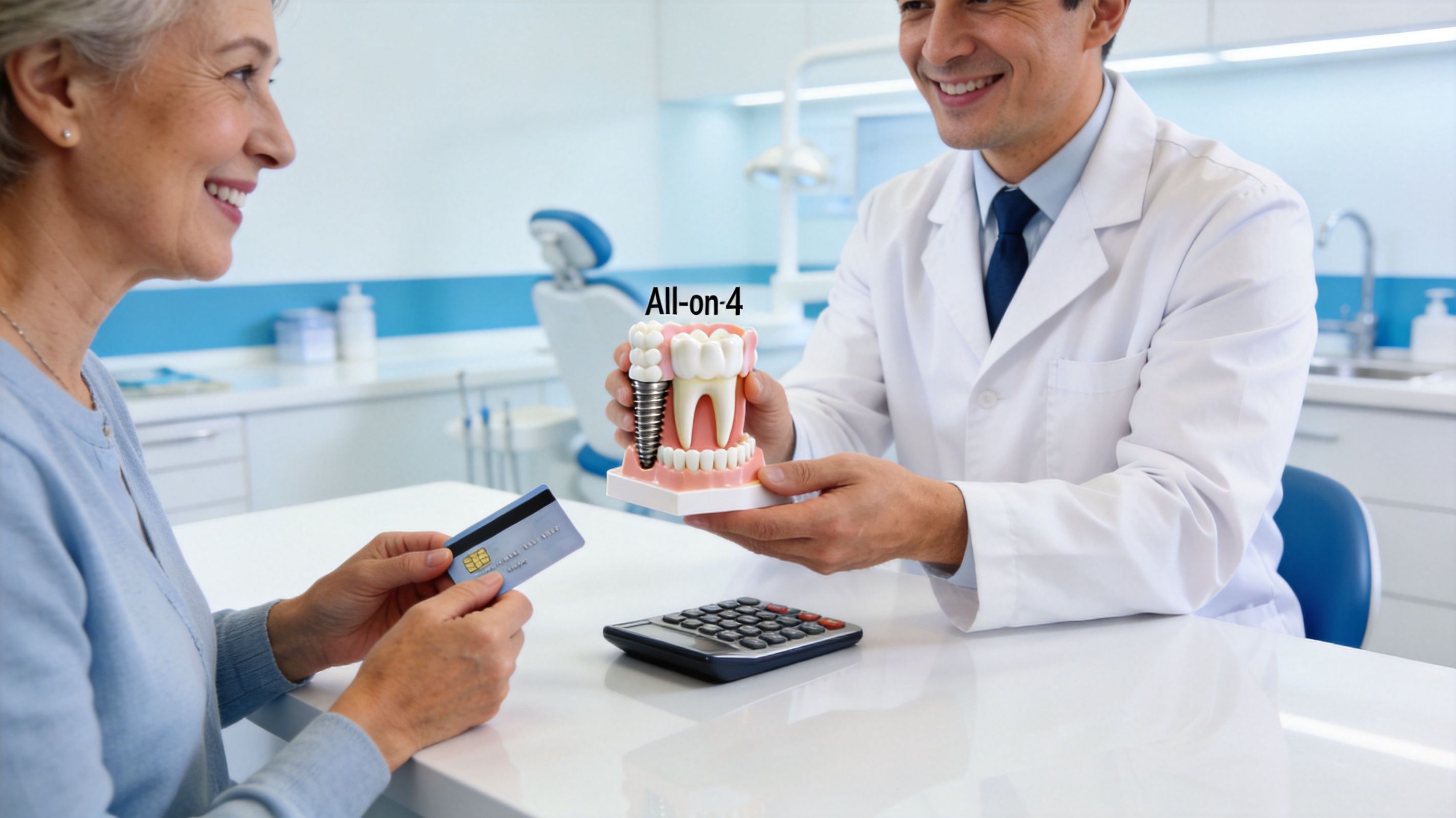
There is a trade-off, though. While clinics like Manos de Cristo serve thousands of uninsured patients on a sliding scale, they often lack advanced options like All-on-4 implants or clear aligners, as described on Manos de Cristo’s dental services information. Low cost and full scope don’t always come together in one setting.
That doesn’t make clinic care inferior. It means patients should match the setting to the treatment:
- Basic exams and urgent essentials may fit a sliding-scale model well
- Complex implant planning may require a private practice setup
- Orthodontic treatment often needs consistent follow-up and a broader service range
- Full-mouth rehabilitation usually depends on detailed diagnostics and coordinated treatment
Dental schools can reduce fees, but time matters
Some patients are willing to trade convenience for a lower fee. That can work when the problem is stable and the schedule is flexible.
It usually works less well when someone is in pain, has work constraints, or wants a treatment path that moves efficiently. Low price doesn’t help much if wait times, repeat visits, or fragmented care create other costs in the form of missed work, travel, or prolonged discomfort.
The questions that save the most money
Before you commit to treatment, ask:
- What happens if I wait
- Can this be phased
- Is there a lower-cost option that still protects the tooth
- Will a short-term fix make a larger treatment more likely later
- How do payments work if I need more than one procedure
Patients who ask these questions tend to make steadier decisions. They avoid paying for treatment they don’t need, and they avoid postponing treatment that will clearly become more expensive.
Affordability in Central Texas isn’t one thing. It’s a set of choices. The right one depends on whether your main challenge is being uninsured, needing urgent care, planning for cosmetic work, replacing teeth, or trying to keep routine dentistry on schedule without financial stress.
How to Choose the Right Value-Focused Dentist
Cheap and affordable are not the same word.
Cheap focuses on the invoice you see today. Value focuses on how well the treatment holds up, how clearly the plan is explained, and whether the office helps you avoid repeat problems. If you’re searching for an affordable dentist austin tx residents can trust, that distinction matters.

What value looks like in real life
A value-focused dentist does a few things consistently. The office explains what’s urgent, what’s optional, and what can be monitored. The team talks plainly about fees. The treatment plan considers how your bite, gums, bone, and habits affect the result.
That matters whether you need a cleaning and exam, tooth extraction, cosmetic dentist near me services, clear aligners, crowns, or dental implants near me.
Questions worth asking any office
Bring these questions to a consultation in Austin or Georgetown:
- If you find multiple issues, how do you prioritize treatment
- What diagnostic technology do you use to plan treatment
- How do you explain alternatives if one option is outside my budget
- Will I get a written estimate before treatment starts
- What follow-up is included if I have a problem after the procedure
- How do you handle dental emergencies
- If I want to improve my smile, how do you balance appearance with long-term tooth health
These questions do two jobs. They help you compare offices, and they reveal whether the dentist is thinking beyond the immediate procedure.
Ask a dentist how they decide between monitoring, restoring, and replacing a tooth. The answer will tell you more than a coupon ever will.
Technology matters when it changes decisions
Not every piece of technology changes value. Some does.
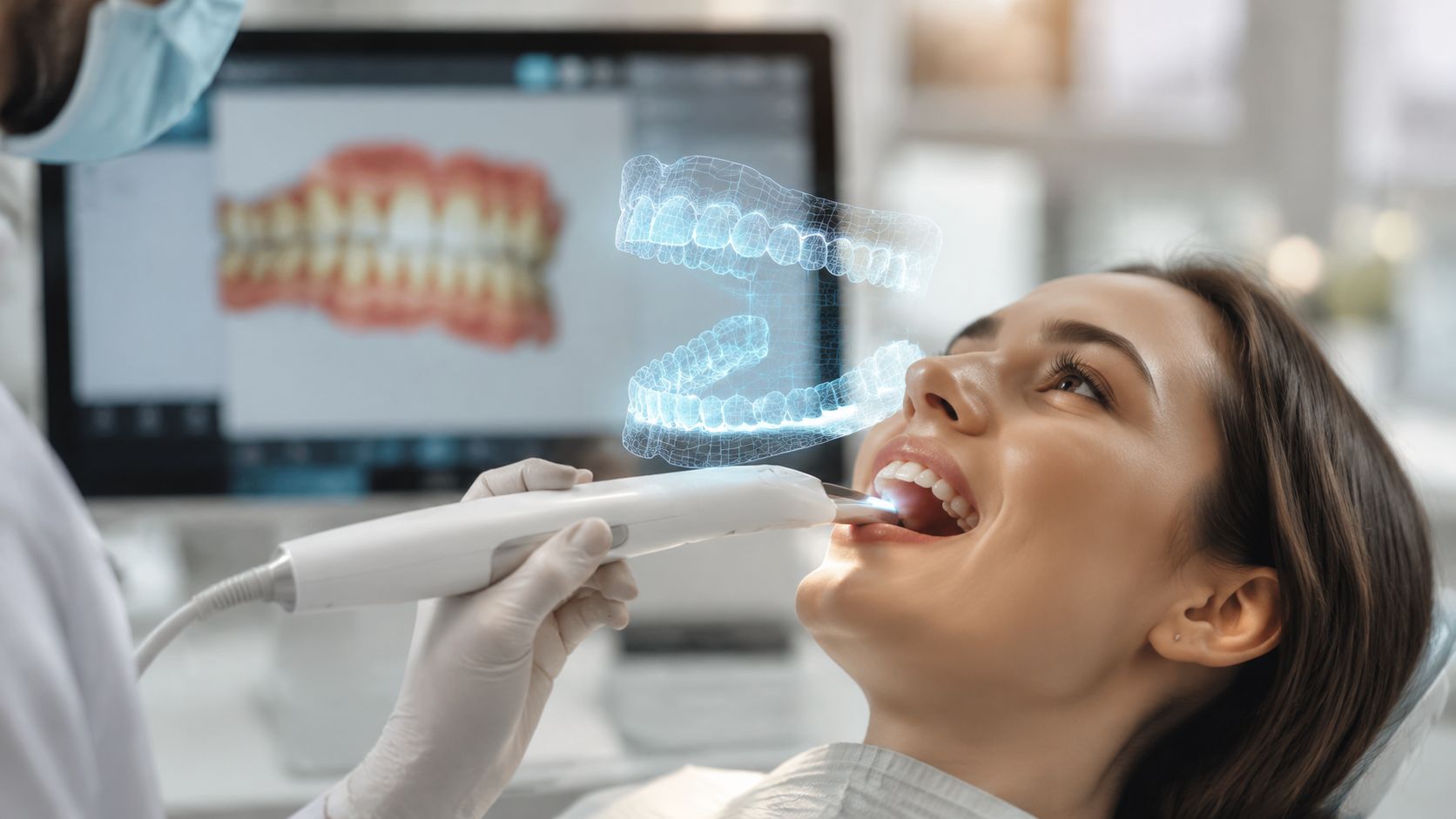
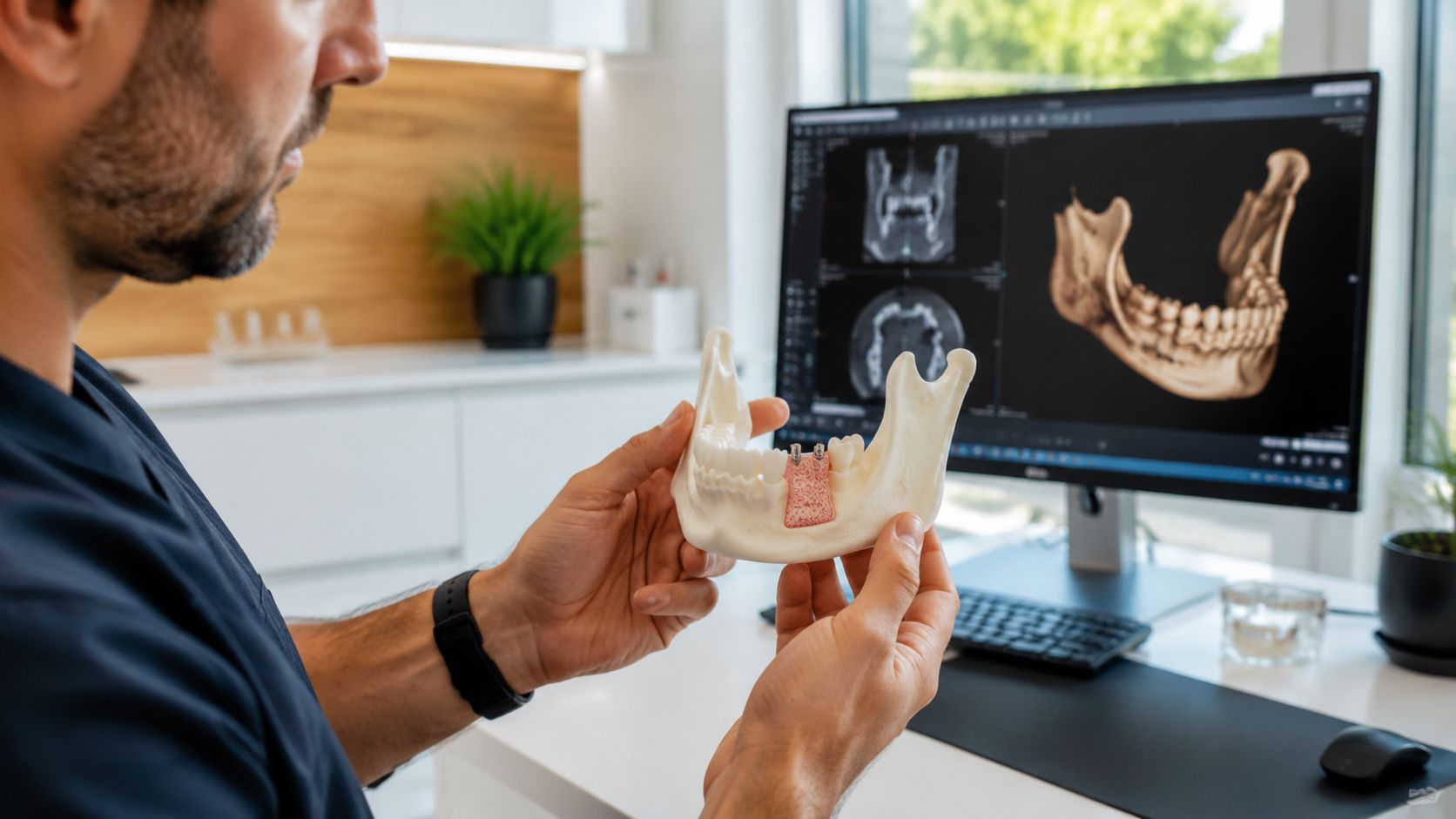
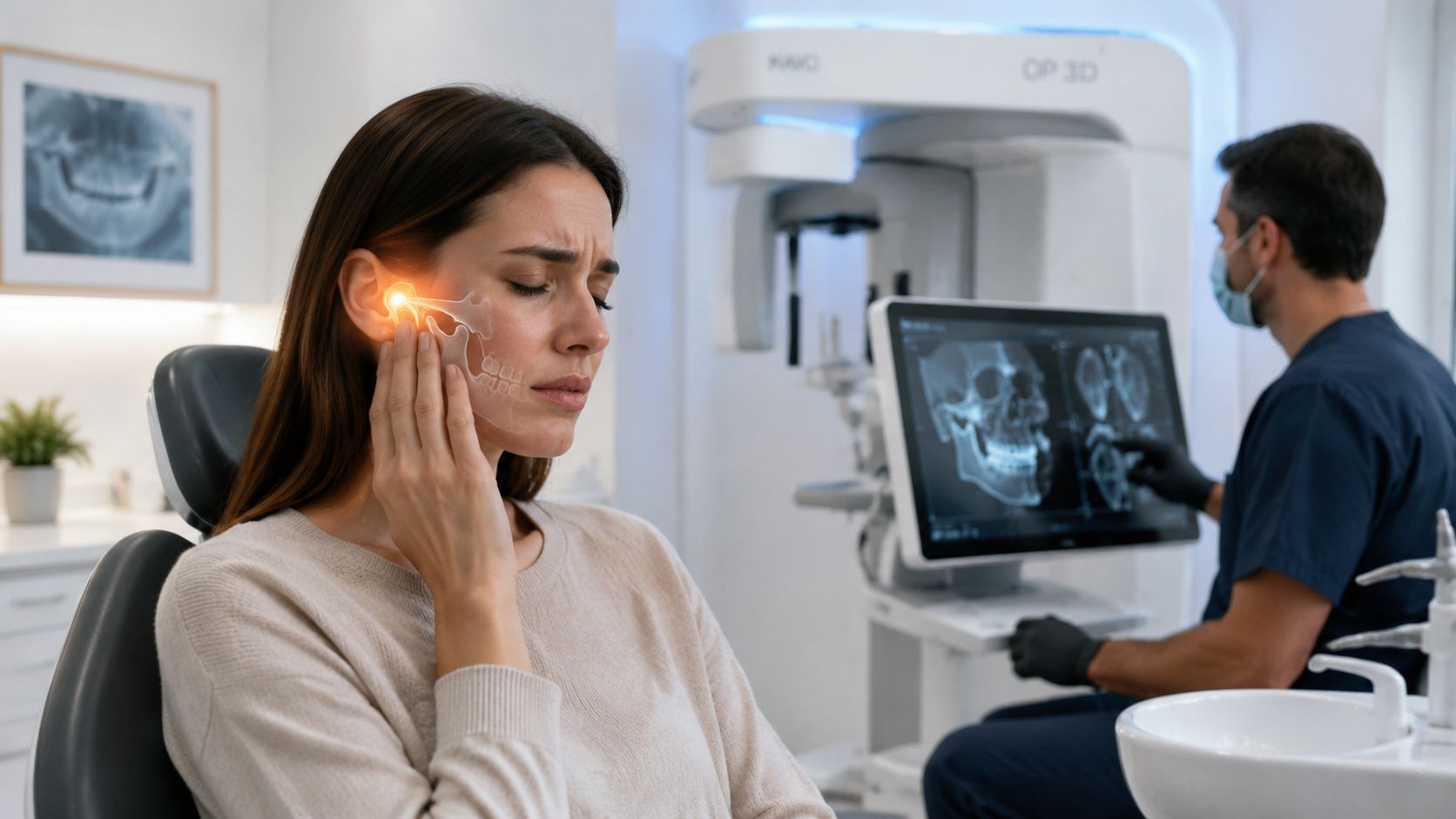
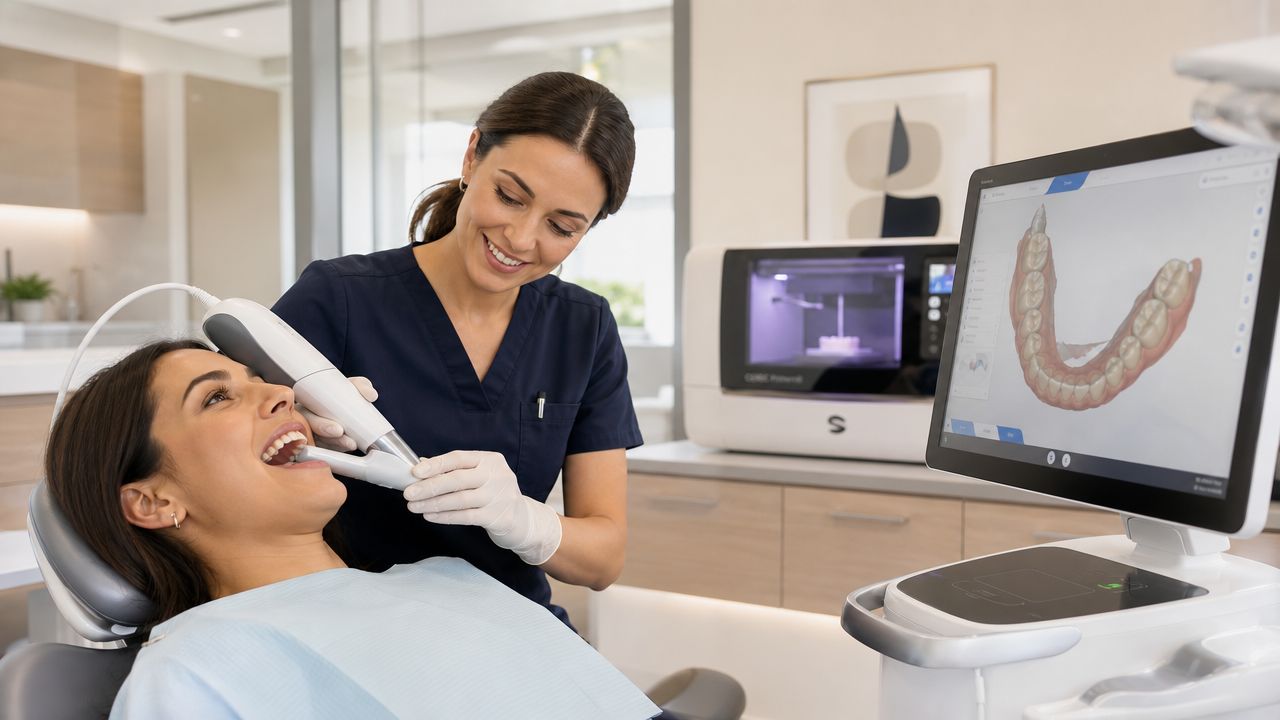
Better imaging can improve diagnosis. A more complete view of the tooth, bone, and surrounding structures can help the dentist avoid guesswork. That can mean fewer surprises, a better fit for restorations, and a stronger long-term result.
Value also shows up in workflow. If an office can coordinate preventive, restorative, cosmetic, orthodontic, and implant services in one place, patients usually spend less time repeating records, retelling their history, and managing separate recommendations.
Good affordability feels calm, not rushed
A value-focused office doesn’t force fast decisions unless the condition is urgent. It gives you enough information to say yes with confidence.
You should feel that the recommendation is built around your oral health and budget together. If the office can explain why a less expensive option is reasonable, or why a more durable option may save money over time, that’s a good sign.
The right dentist near me search result isn’t just nearby. It’s the office that treats affordability as planning, not pressure.
Red Flags to Avoid When Seeking Low-Cost Dental Care
Affordable care should feel transparent. If it feels confusing, rushed, or oddly vague, pay attention.
Patients sometimes assume that a low fee automatically means corners are being cut. That isn’t always true. Some offices are efficient, well-organized, and committed to keeping care accessible. The pertinent issue is whether the savings come from smart systems or from missing information.
Red flag one: no clear explanation of treatment
If a dentist recommends treatment but can’t explain why it’s needed in simple language, stop there.
A good office should be able to show you what they see, explain the problem, and describe what could happen if you treat it now versus later. If every concern somehow leads to the biggest possible procedure, that deserves a second look.
Red flag two: pricing that stays fuzzy until the chair
Patients shouldn’t have to decode their bill after the appointment. Some uncertainty is normal before an exam, but once a diagnosis is made, you should get a clear estimate and a practical conversation about options.
Watch for:
- Vague totals with no breakdown
- Pressure to approve treatment immediately
- No discussion of alternatives
- Confusion about what is included
- Silence around payment choices
Red flag three: the office avoids questions about follow-up
Dental work doesn’t end when you stand up from the chair. Restorations need to be monitored. Healing needs to be checked. Bite changes sometimes need adjustments.
If an office seems annoyed by questions about what happens after treatment, that’s a warning sign. Good care includes a plan for what comes next.
Low-cost care becomes expensive quickly when there’s no support after the procedure.
Red flag four: outdated systems that create avoidable delays
Patients don’t need flashy equipment. They do need a practice that can diagnose carefully, communicate clearly, and move treatment forward efficiently.
If scheduling is chaotic, records are hard to access, recommendations keep changing without explanation, or basic coordination feels disorganized, the lower fee may come with hidden costs in time and repeated visits.
Red flag five: sales pressure disguised as urgency
Some conditions are urgent. Swelling, infection, trauma, severe pain, and certain fractures need prompt care.
But “urgent” shouldn’t be used to rush patients into elective cosmetic treatment, large upgrades, or broad treatment acceptance without enough explanation. A trustworthy office can distinguish between immediate clinical need and optional next steps.
What to trust instead
Look for signs of steady, responsible care:
- A written plan
- Plain-language answers
- Respect for your budget
- Willingness to phase care
- Clear discussion of benefits and limits of each option
An affordable dentist in Austin, TX or Georgetown, TX should make you feel more informed after the conversation, not less. If you leave with more confusion than clarity, keep looking.
Affordable Excellence at 3D Dental in Austin and Georgetown
Patients usually don’t need a perfect dental office. They need one that makes hard decisions easier.
That means clear diagnostics, practical treatment planning, flexible payment options, and enough service range to handle both routine care and more complex needs without sending patients in circles. In Austin and Georgetown, that combination matters for families scheduling cleanings, adults considering implants, and anyone who needs an emergency dentist without added confusion.
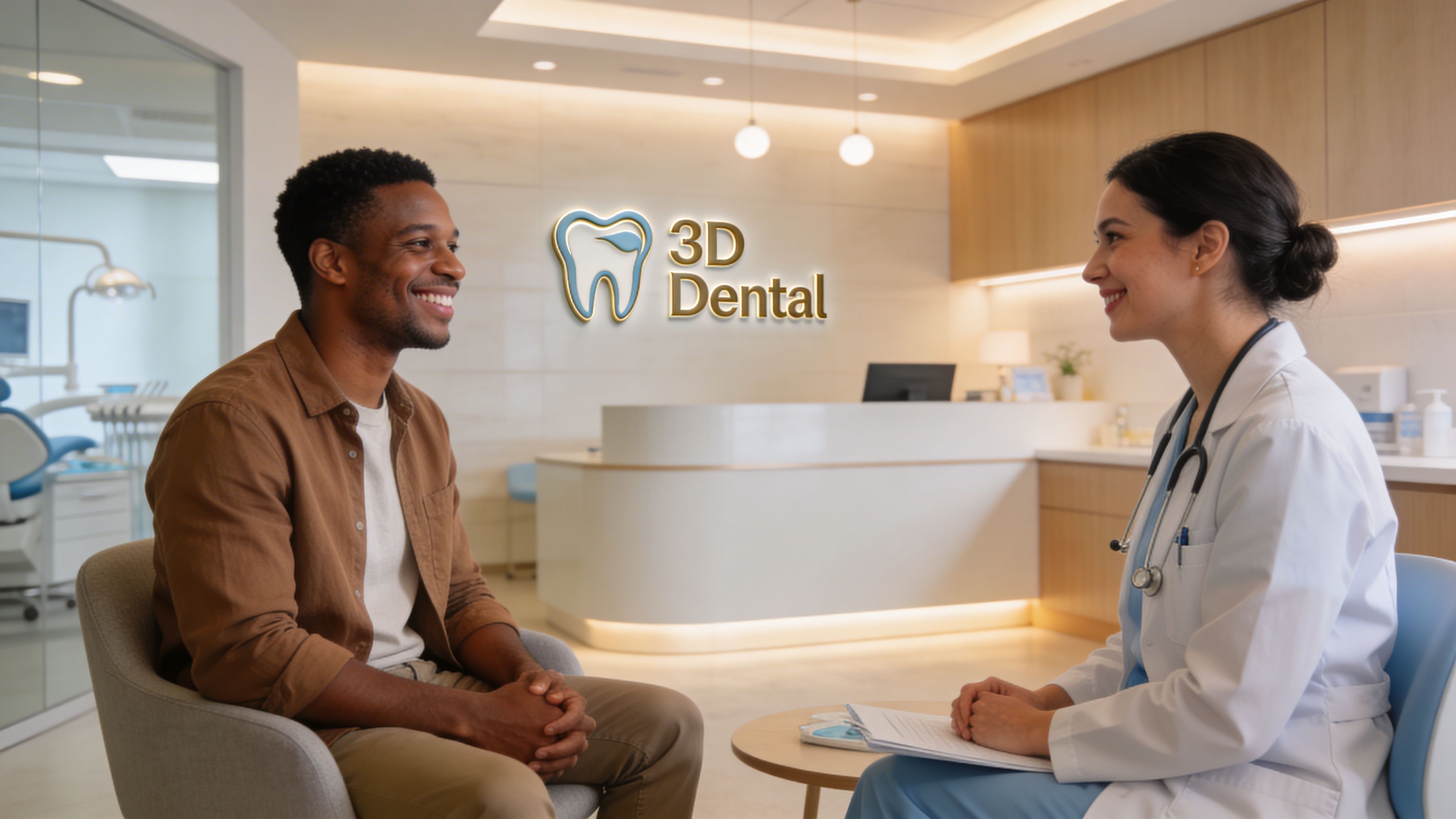
Where affordability and quality meet
The strongest value in dentistry usually comes from combining preventive care, accurate diagnosis, and treatment that matches the patient’s real goals.
That can mean a straightforward plan for new patient exams and routine cleaning visits. It can also mean a more involved path that includes crowns, bridges, root canals, wisdom tooth extraction, cosmetic dentistry, braces, clear aligners, or dental implants.
A modern office setup helps because it reduces friction. When diagnostics, planning, and treatment coordination happen under one roof, patients get more continuity and fewer surprises.
Why imaging quality affects cost over time
Diagnostic technology matters most when it helps the dentist make a better decision the first time.
Modern digital x-rays, like those used at 3D Dental, emit up to 80% less radiation than traditional film x-rays, according to Daylight Dental’s technology overview. Safer, more frequent monitoring can make it easier to catch issues early and protect the long-term value of previous dental work.
That matters for:
- Routine exams when small issues are easier to monitor
- Restorative dentistry when crowns or fillings need evaluation
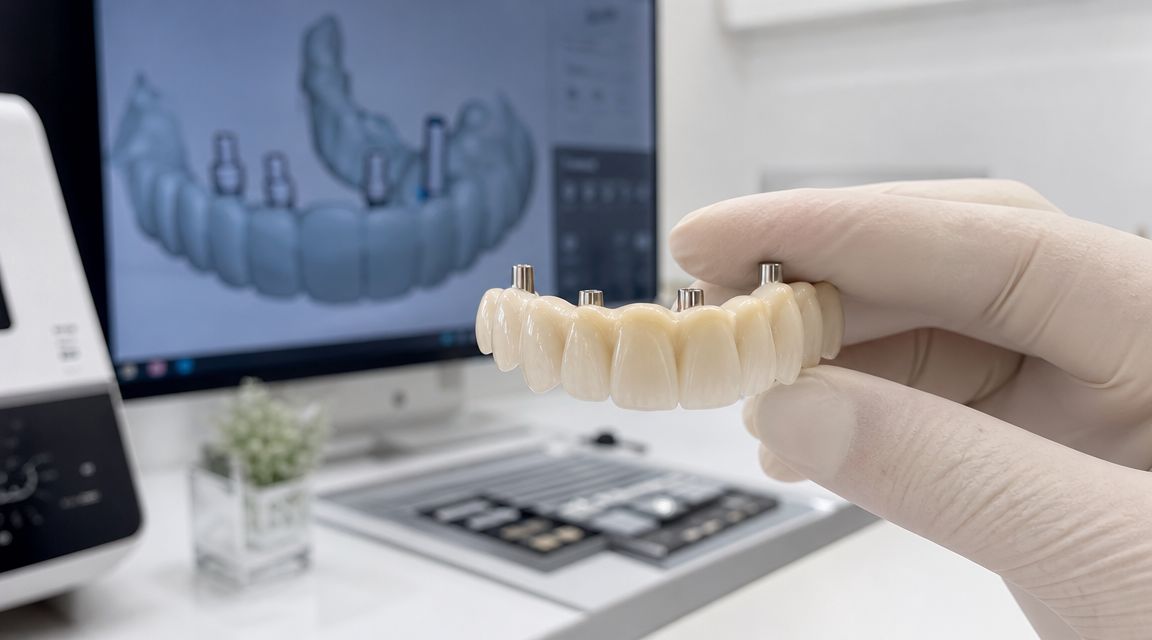
- Dental implants when planning depends on careful imaging
- Orthodontics when tooth movement should be guided precisely
- Emergency visits when the source of pain isn’t obvious from symptoms alone
Full-service care changes the patient experience
A broad service mix isn’t just convenient. It helps patients make more coherent decisions.
When preventive, restorative, cosmetic, orthodontic, periodontal, and implant services are available in one practice, the treatment plan can reflect the whole mouth instead of one isolated problem. That’s useful for adults balancing function and appearance, teens starting orthodontics, or patients deciding whether to save a tooth, restore it, or replace it.
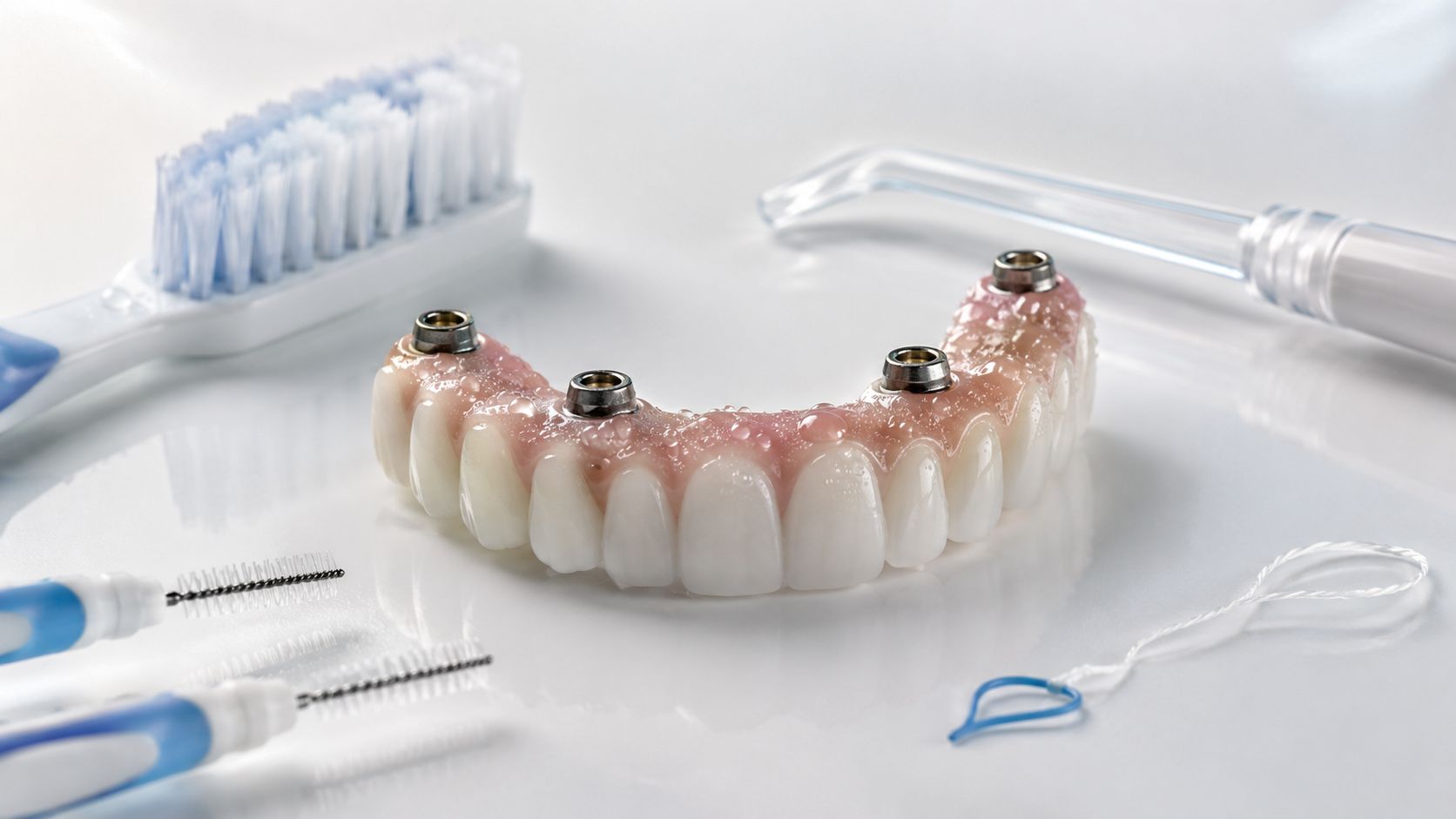
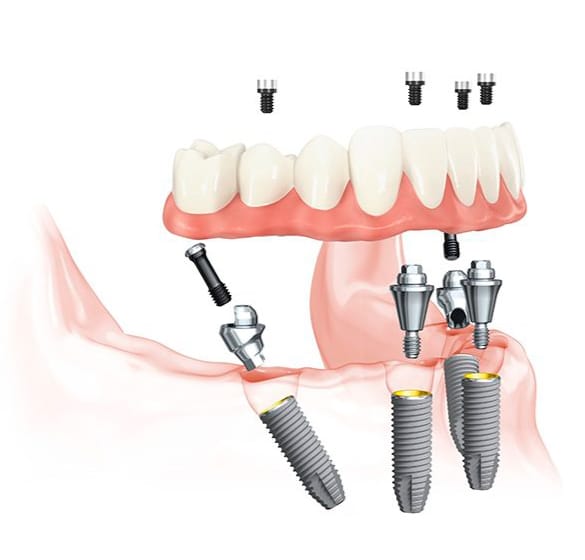
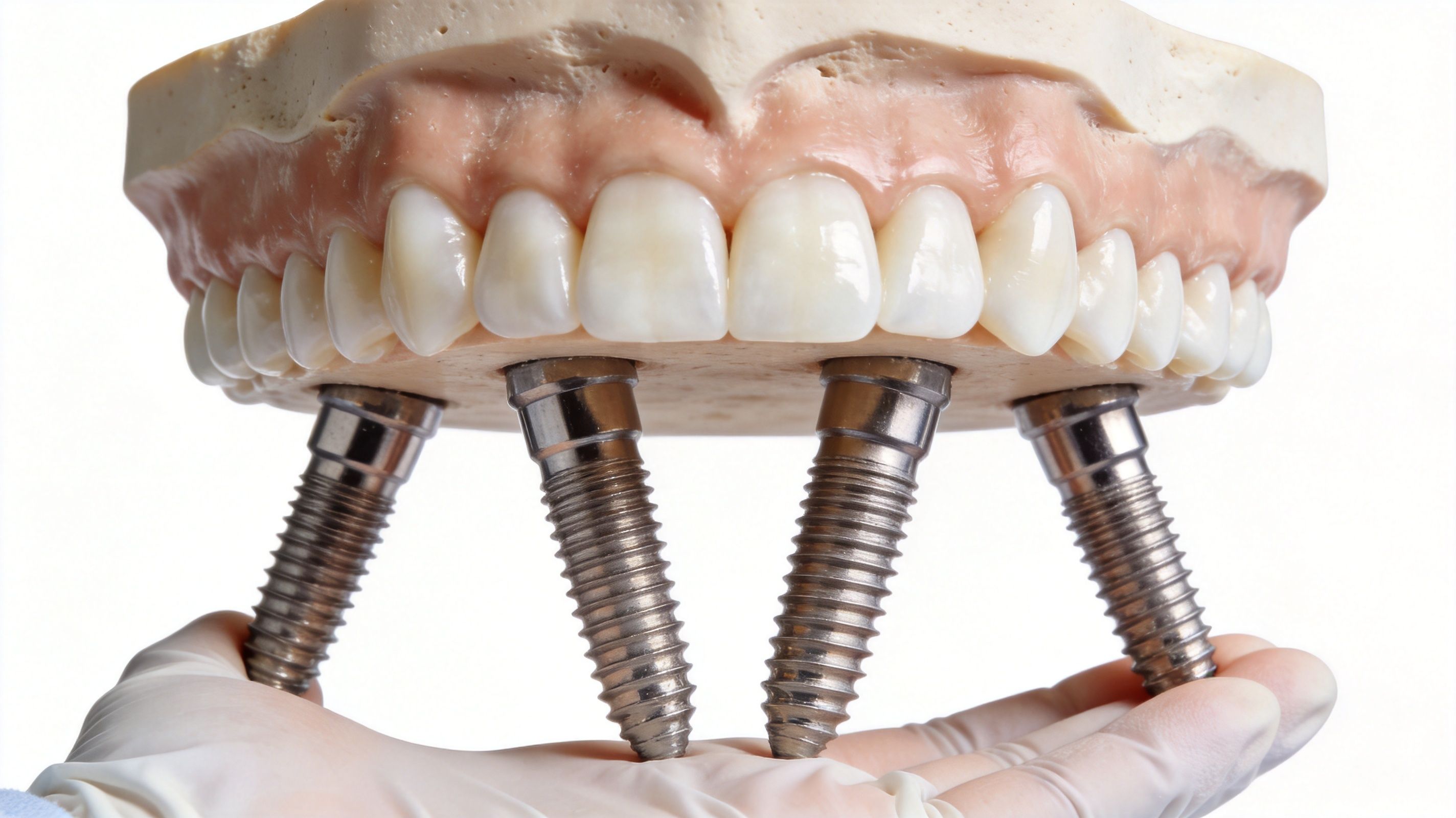
At 3D Dental, the available scope includes routine exams and cleanings, fillings, crowns and bridges, root canals, gum treatment, wisdom tooth extraction, emergency dental care, clear aligners, braces, veneers, whitening, and implant dentistry including single-tooth replacement and full-arch solutions.
In-house systems can reduce hassle
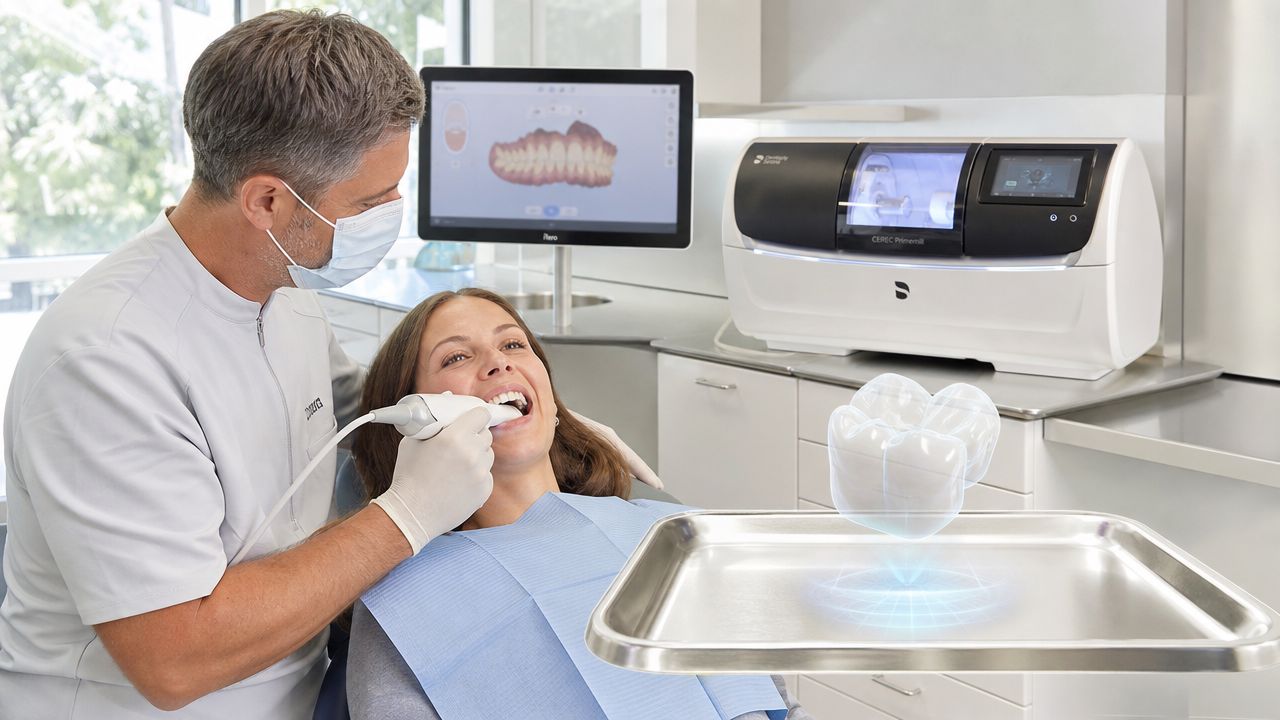
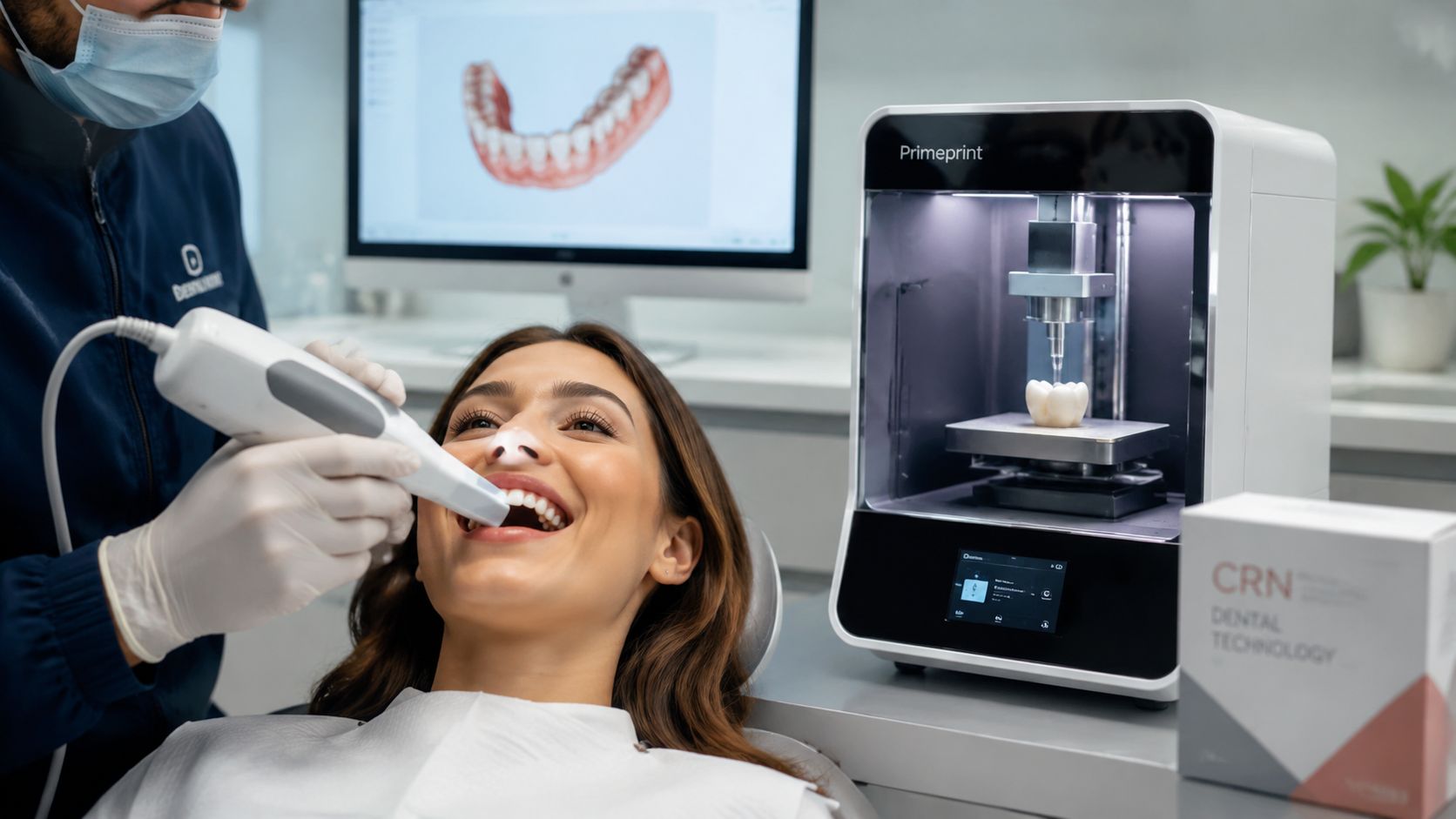
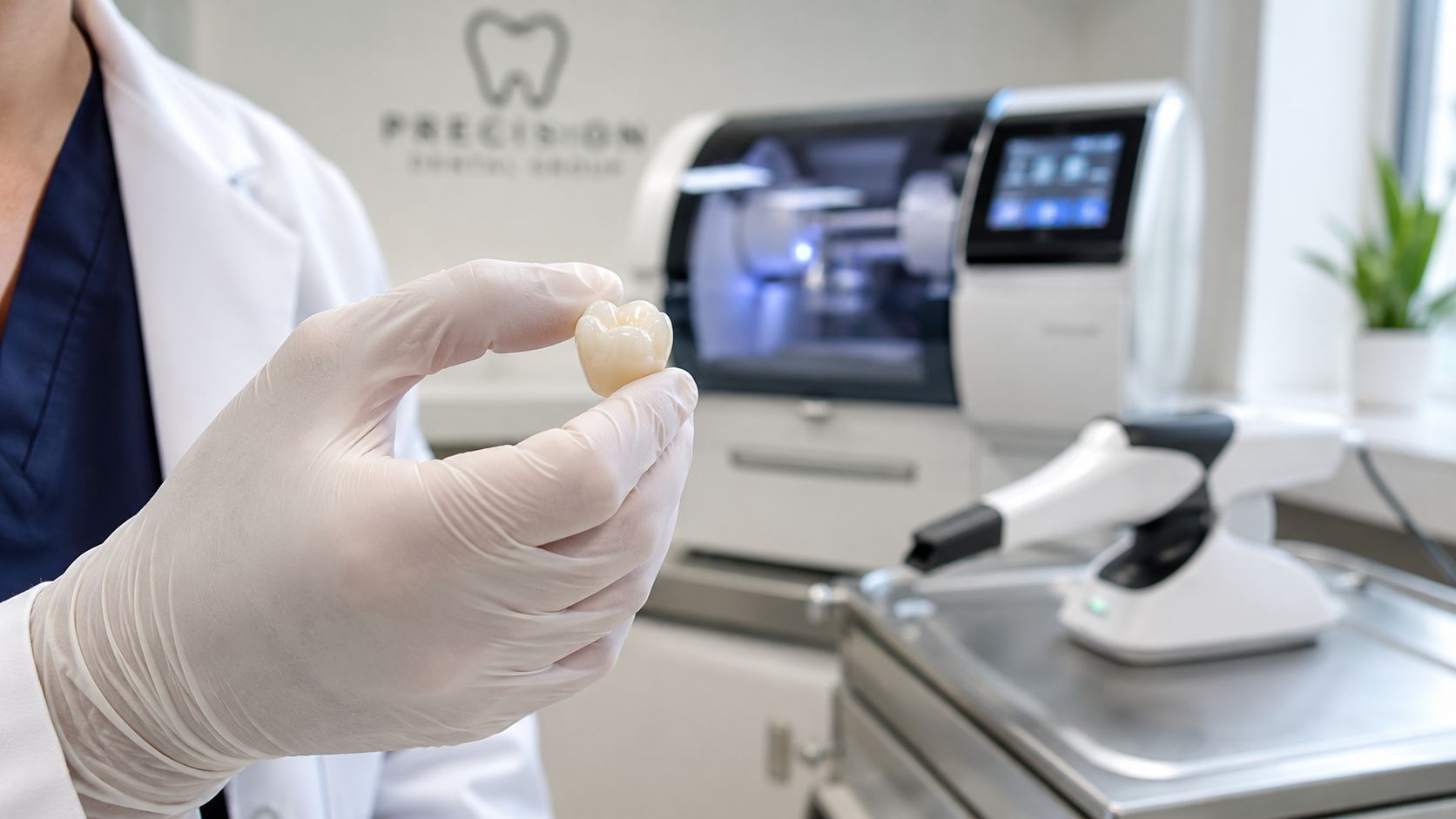
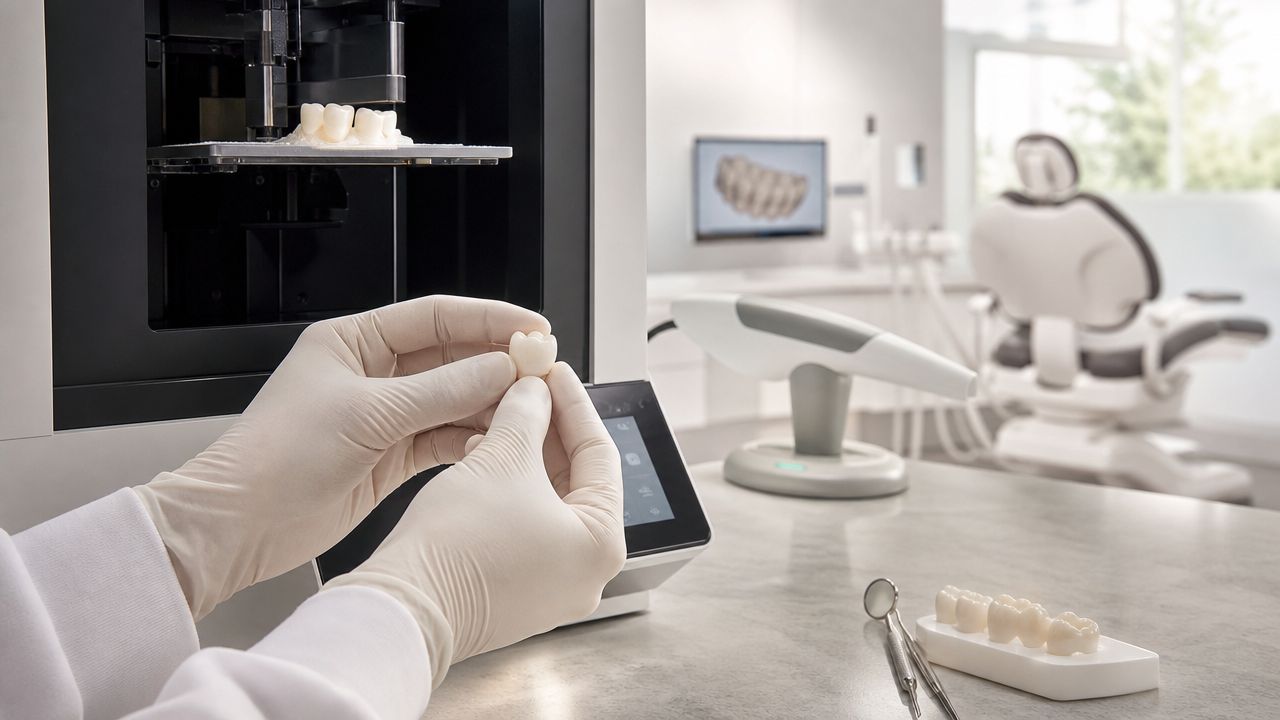
An in-house laboratory and digital workflow can help with speed, communication, and consistency. That doesn’t mean every case becomes simple, but it often means fewer moving parts.
For patients, that can translate into:
- More coordinated planning
- Fewer delays between diagnosis and restoration
- Less back-and-forth when adjustments are needed
- A smoother experience for cosmetic and restorative cases
That kind of workflow is especially useful when someone is already juggling work, school schedules, or an urgent dental problem.
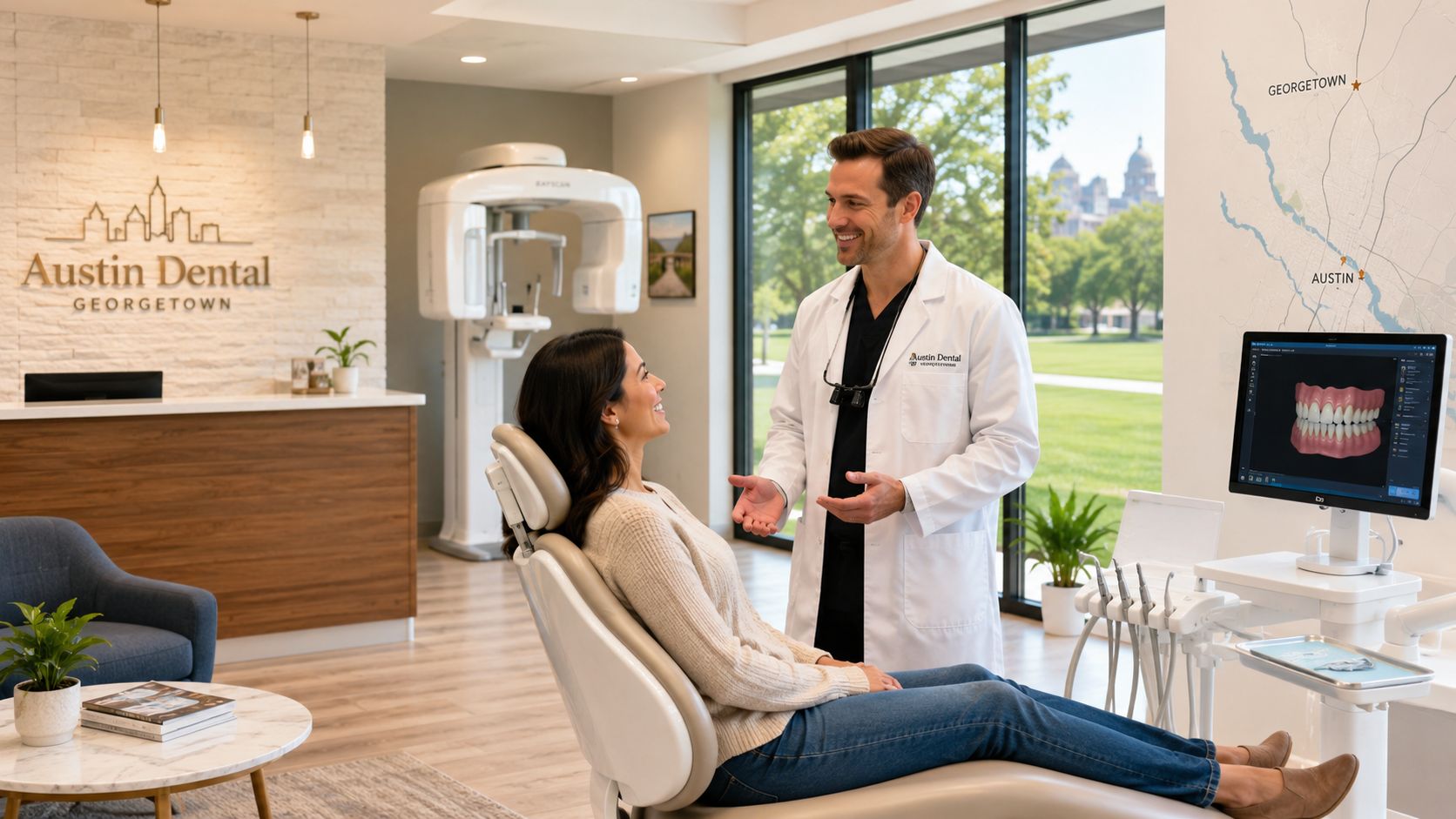
A closer look at the office and patient experience is below.
Payment flexibility matters just as much as treatment quality
Patients in Austin, Georgetown, Round Rock, and Cedar Park often need options, not a single payment path.
That can include insurance support, in-house payment arrangements, and third-party financing such as Cherry and Sunbit for patients who want to spread out the cost of larger treatment. For those without traditional insurance who still want consistent preventive care, a practical next step is reviewing the 3D Dental membership plans.
These payment tools matter most when the clinical plan is solid. A monthly payment only helps if the treatment is appropriate, clearly prioritized, and built around long-term oral health.
What patients can expect when they visit
A well-run appointment should feel organized from the beginning.
Patients looking for a dentist near me, emergency dentist, cosmetic dentist near me, or dental implants near me usually want the same basic things:
- A clear explanation of what’s wrong
- An honest outline of treatment options
- Respect for budget limits
- A realistic schedule
- Minimal waiting and efficient follow-through
That’s what makes a modern patient-first practice stand out. The care feels structured. You know what’s urgent, what can wait, what each option is meant to accomplish, and how payment can be handled without turning the visit into a sales conversation.
For families and adults across North Austin and Georgetown
Some patients need a new home for routine care. Others are dealing with a cracked tooth, missing teeth, bite problems, or a smile they’ve wanted to improve for years.
The right fit is the office that can meet those needs without making cost feel like a mystery. In practical terms, that means combining diagnostics, full-scope services, transparent planning, and workable payment options in one place.
For many Central Texas patients, affordability isn’t about finding the cheapest line item. It’s about finding care that solves the problem, protects future oral health, and fits real life.
If you’re looking for an affordable dentist in Austin, TX or Georgetown, TX, 3D Dental offers a practical place to start. Schedule a visit to discuss your needs, review treatment options clearly, and build a plan for preventive care, emergency treatment, cosmetic work, orthodontics, or dental implants that fits your health goals and budget.
Ready to get started?
Schedule a free, no obligation consultation with our team and see what's possible for your smile!
Georgetown
- Mon-Thurs8:30am-5pm
- Fri8am-3:30pm
- Sat-SunClosed
Austin
- Mon-Tues8am-5pm
- Wed-Thurs9am-6pmFri8am-2pm
- Sat-SunClosed