
All on 4 Dental Implants
Related Posts


























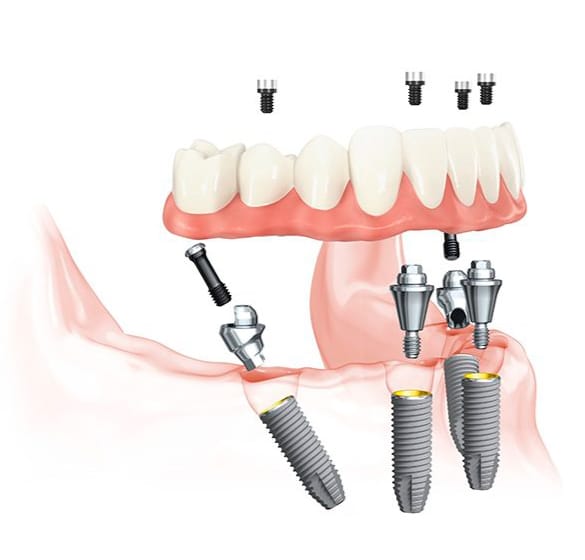
All on 4 Dental Implants: Cost, Benefits, and What to Expect
Tooth loss affects millions of adults—and the emotional and physical toll is real. Eating becomes a challenge. Smiling feels uncomfortable. Traditional dentures can help, but they come with their own frustrations: slipping, adhesives, and a far cry from the feel of natural teeth. All-on-4 dental implants offer a different path—one that's permanent, functional, and increasingly accessible.
This guide breaks down everything you need to know about All on 4 dental implants: how they work, what they cost, and what the process looks like from start to finish. You'll also learn how 3D Dental technology is changing the way implants are placed—making the procedure more precise, more comfortable, and more predictable than ever before.
What Are All-on-4 Dental Implants?
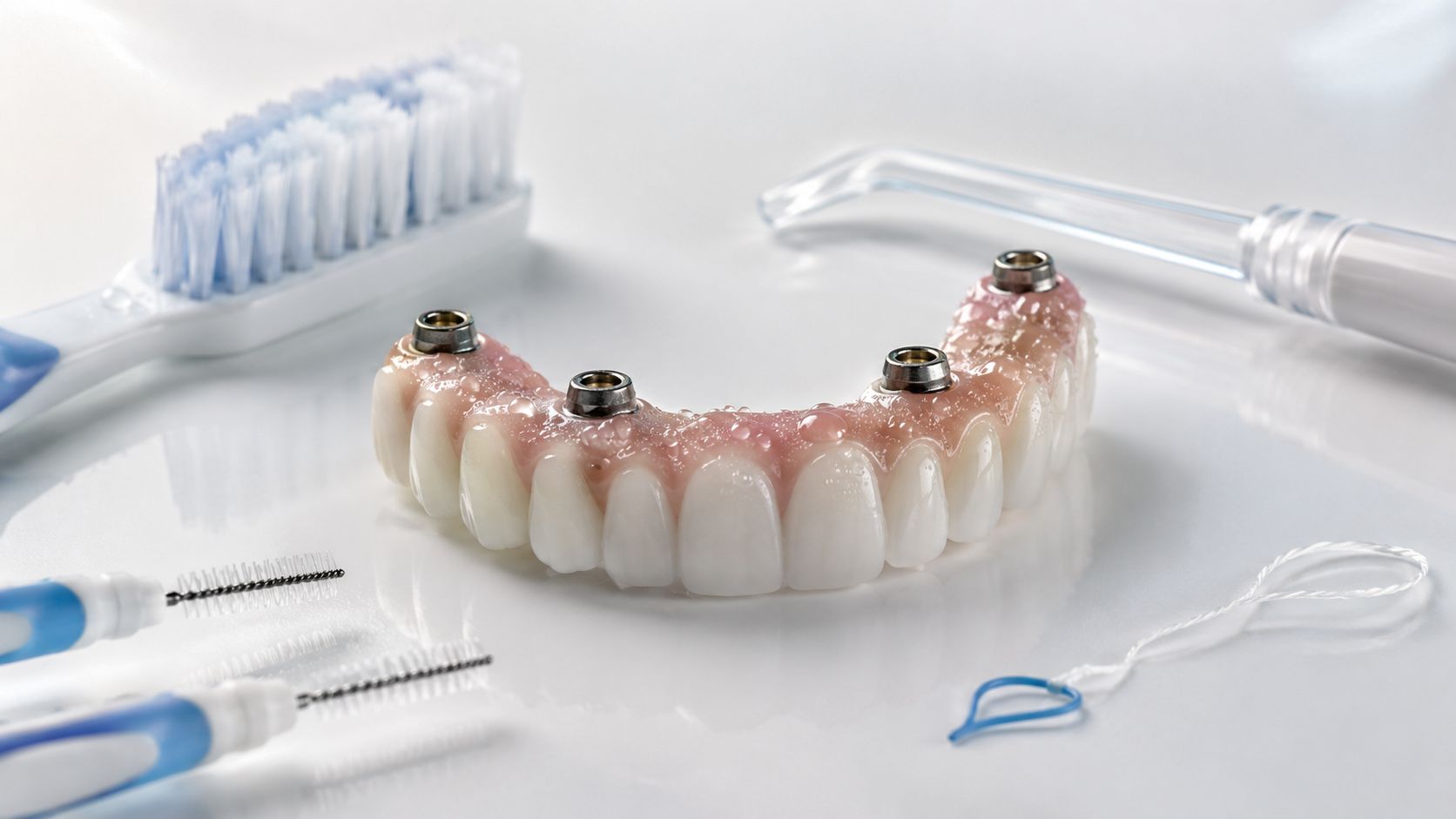
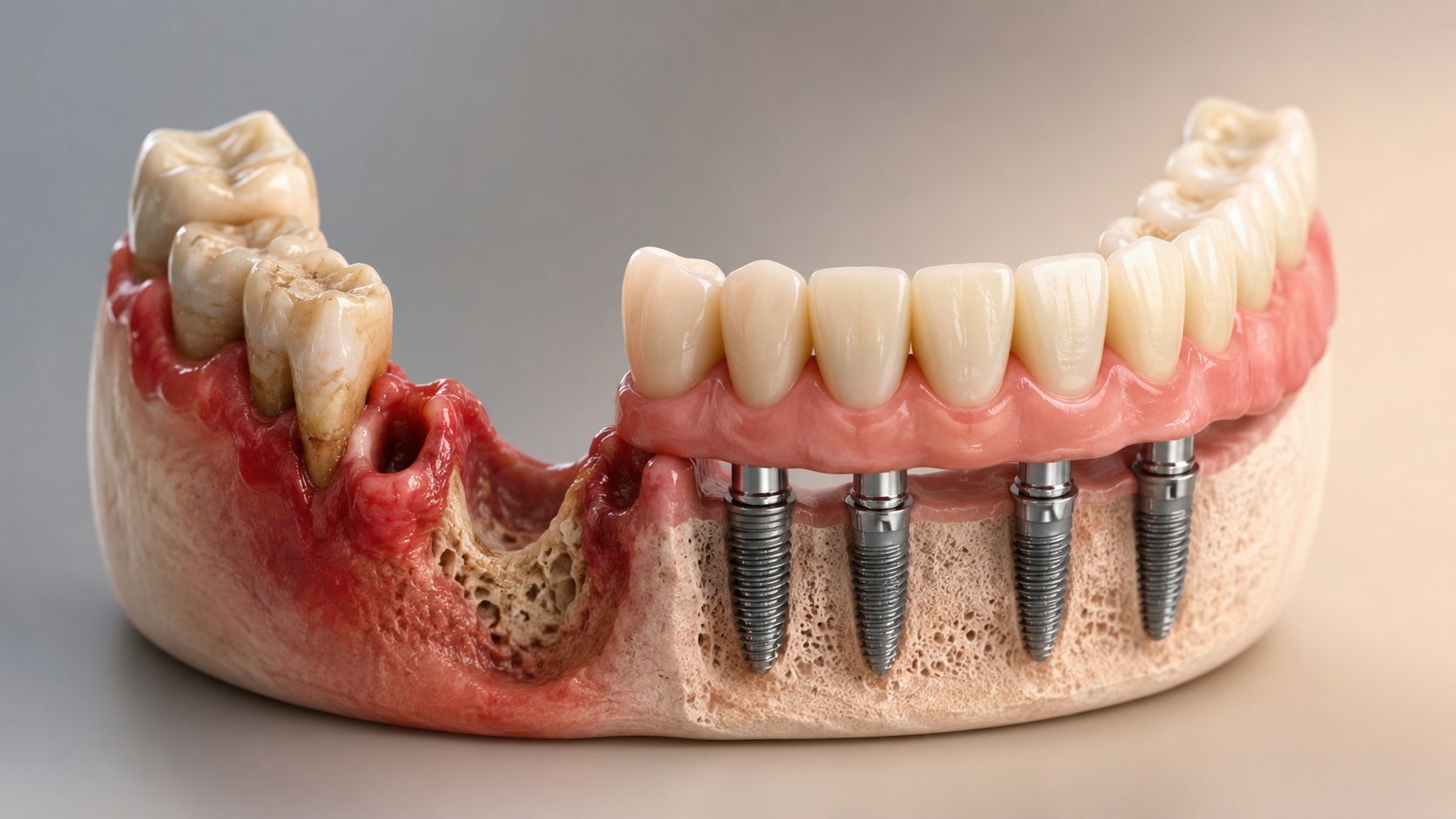
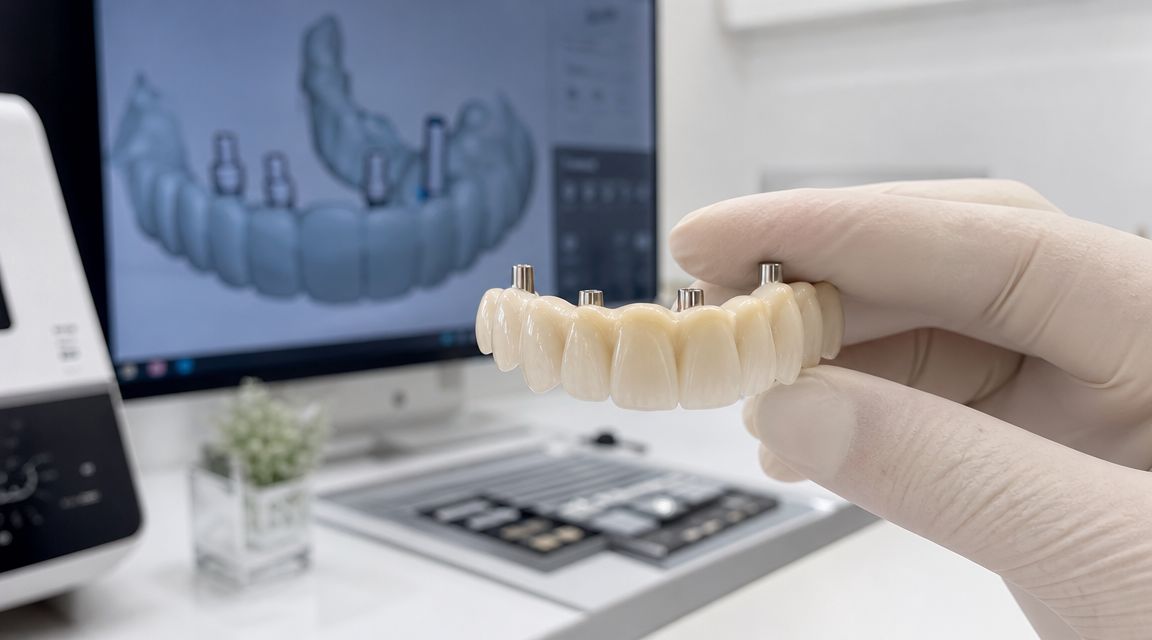
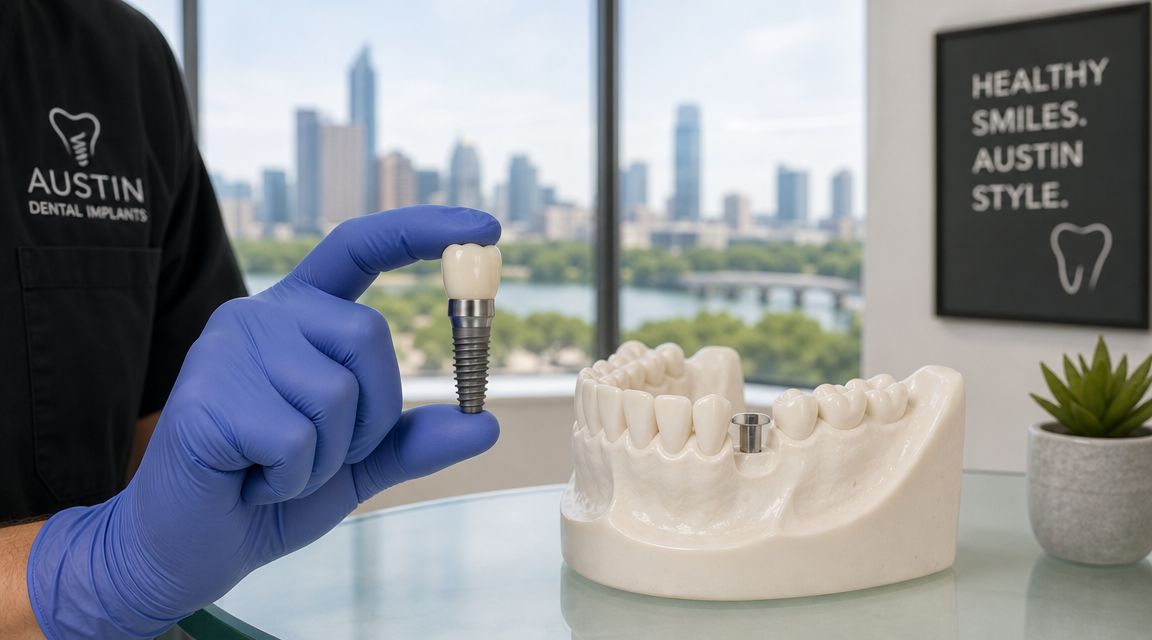
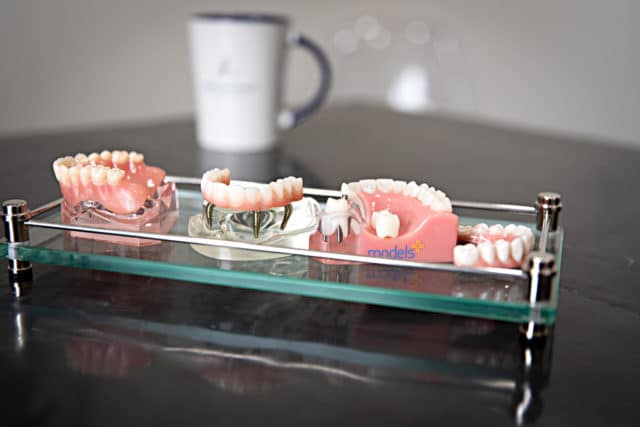
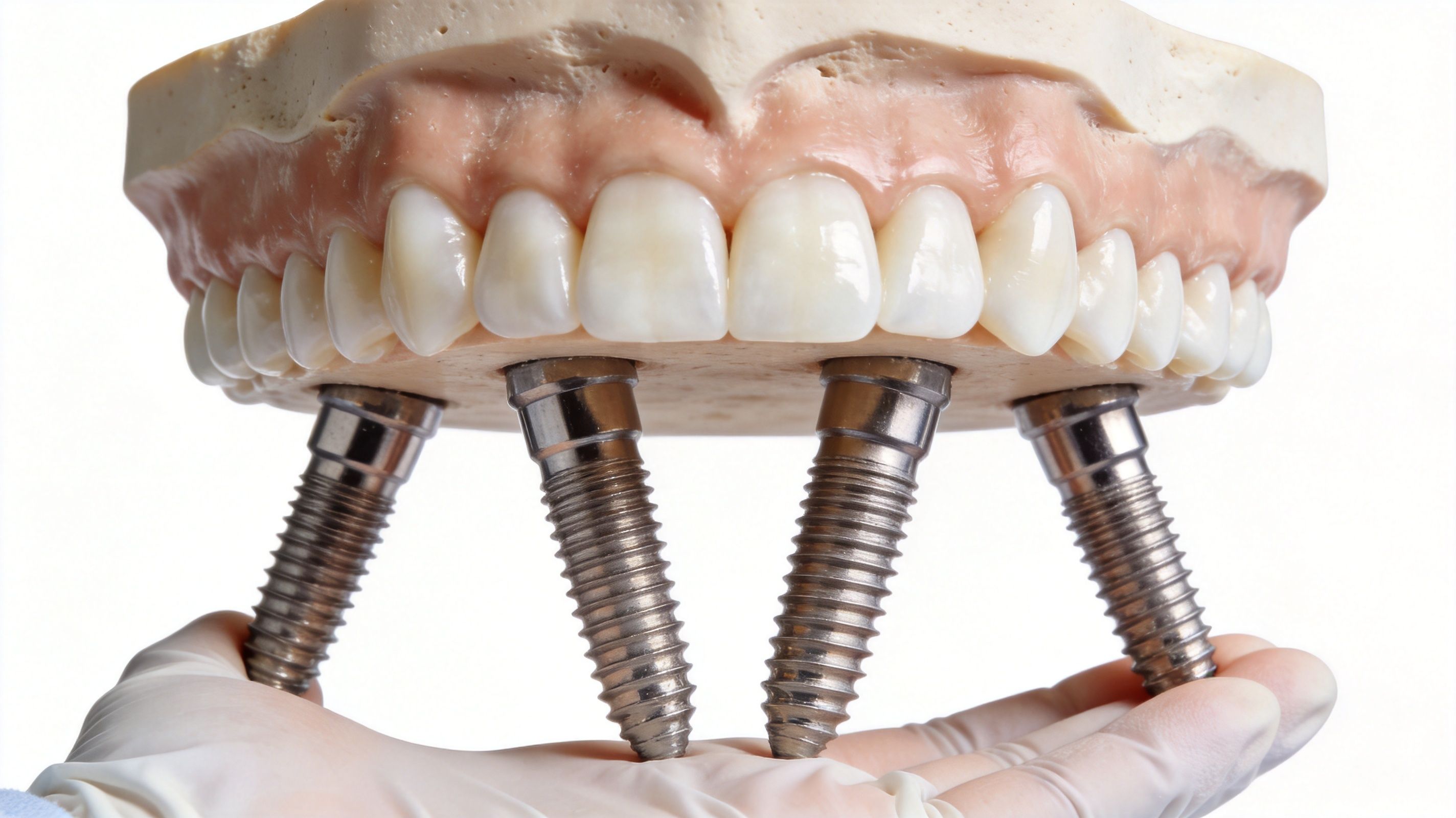
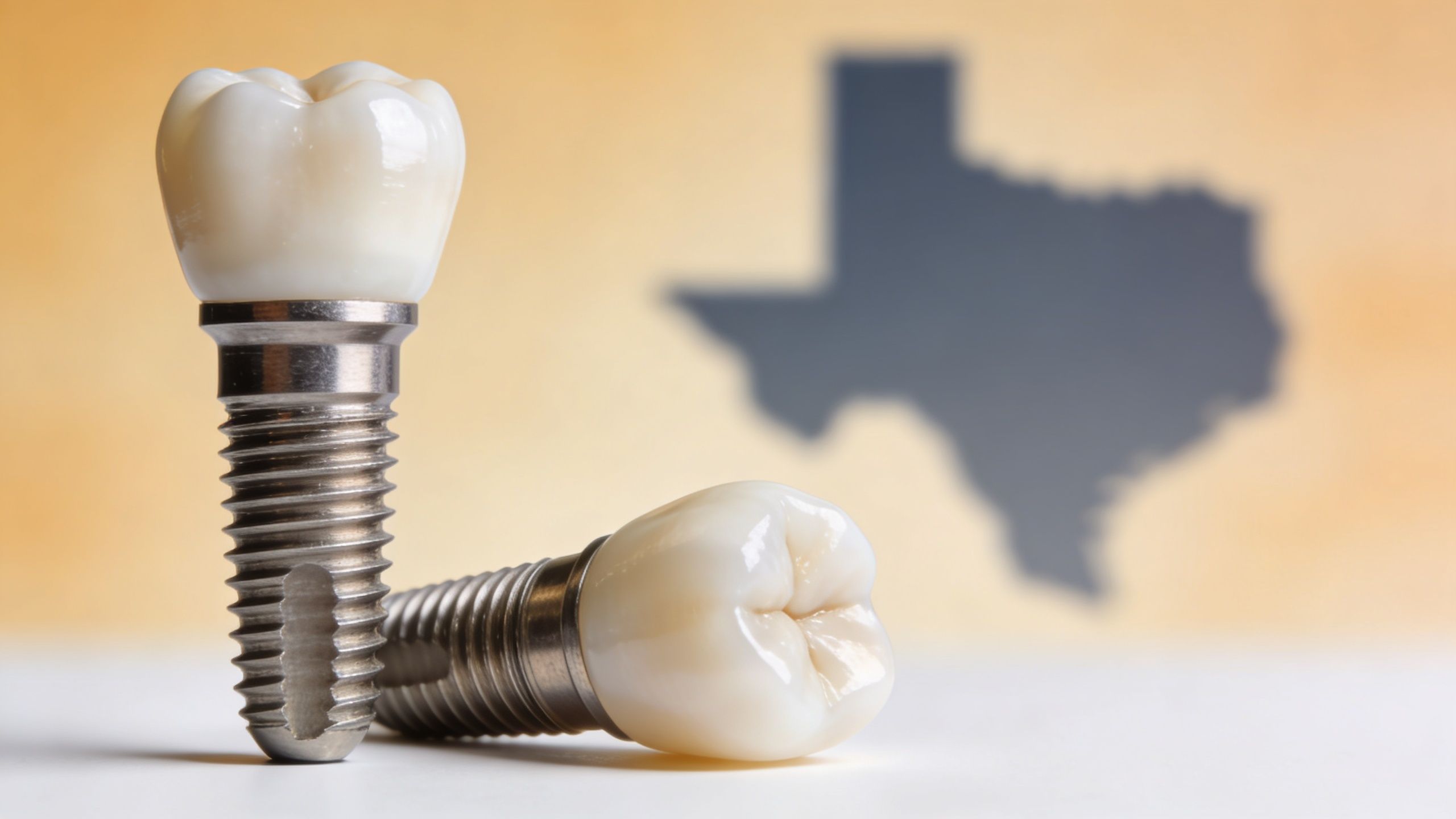
All-on-4 is a full-arch tooth replacement system. Rather than placing one implant per missing tooth, the procedure uses just four strategically positioned titanium implants to support an entire set of upper or lower teeth. The result is a fixed, non-removable dental prosthesis that functions just like natural teeth.
The technique was developed to maximize the use of available bone, particularly in patients who have experienced bone loss. By angling two of the four implants at up to 45 degrees, All-on-4 avoids the areas of the jaw where bone density is typically lowest—making bone grafts unnecessary for most patients.
How 3D Dental Technology Transforms the Procedure
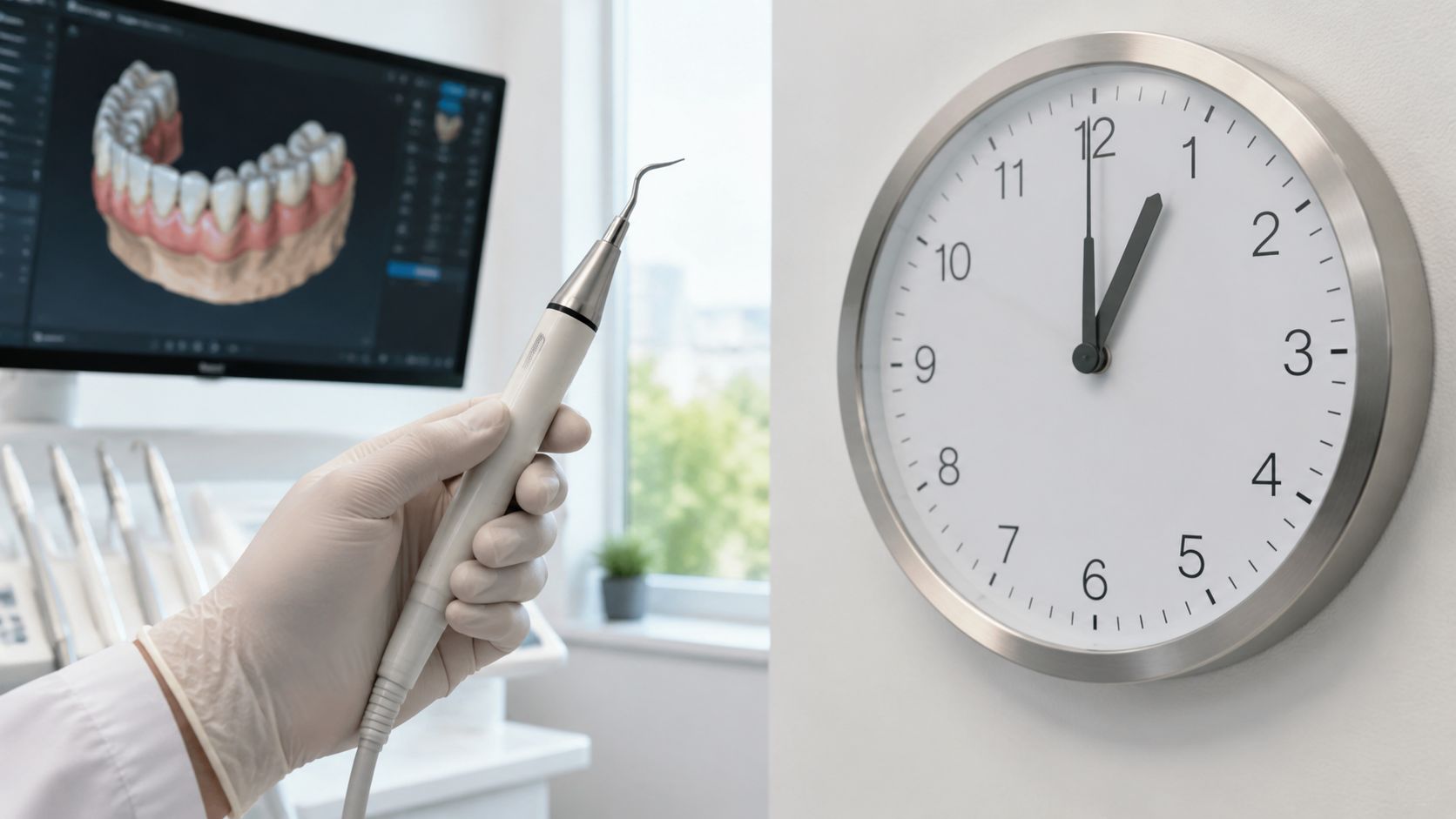
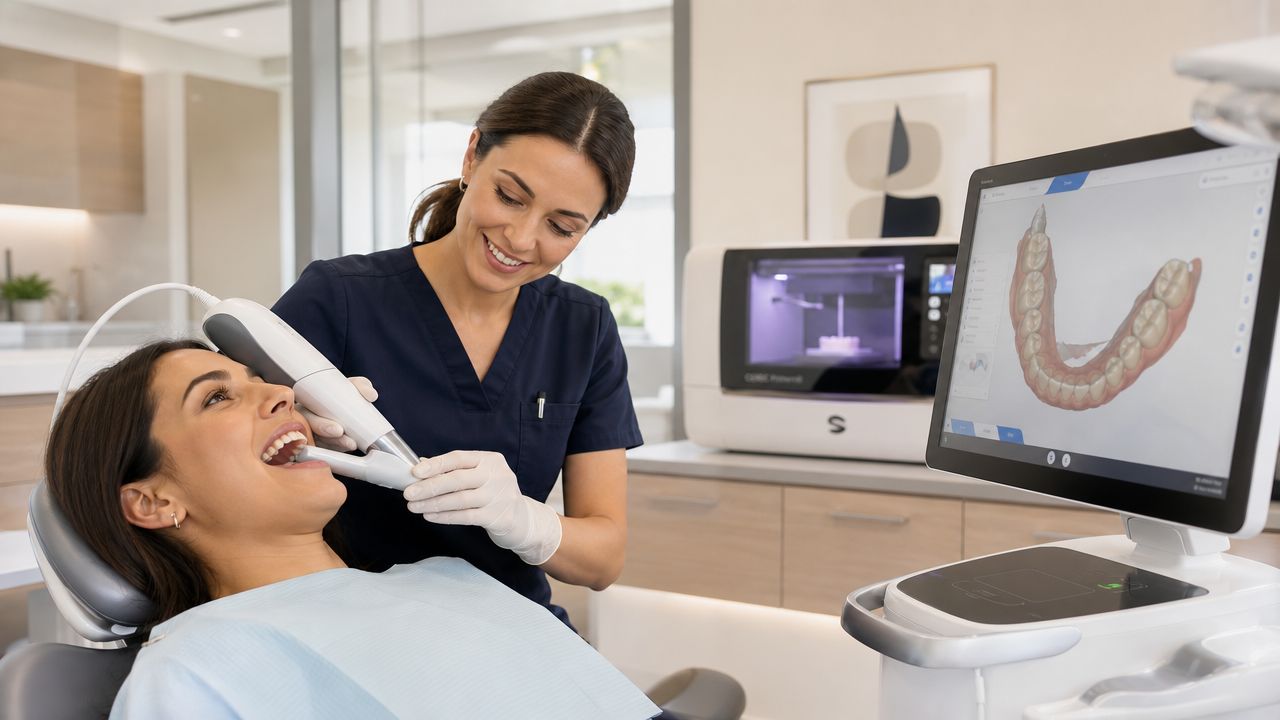
Traditional implant planning relied heavily on 2D X-rays, which gave dentists a limited view of the jaw structure. 3D Dental technology changes this entirely.
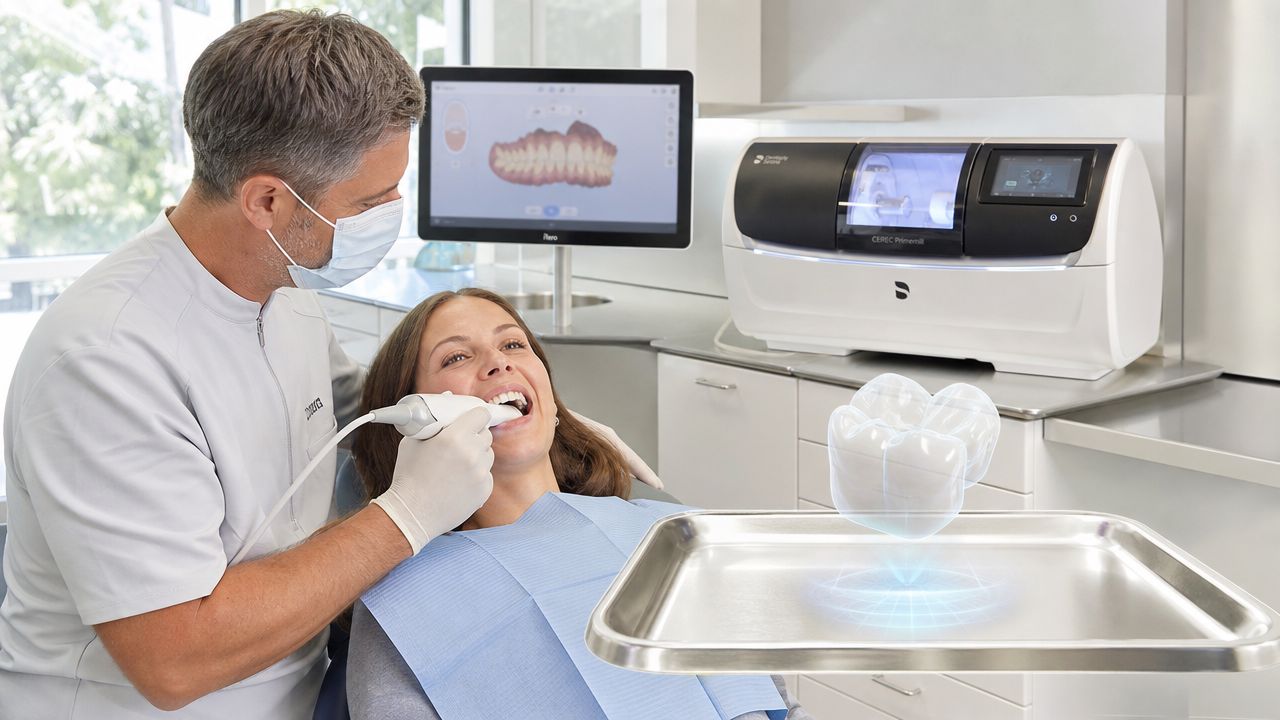
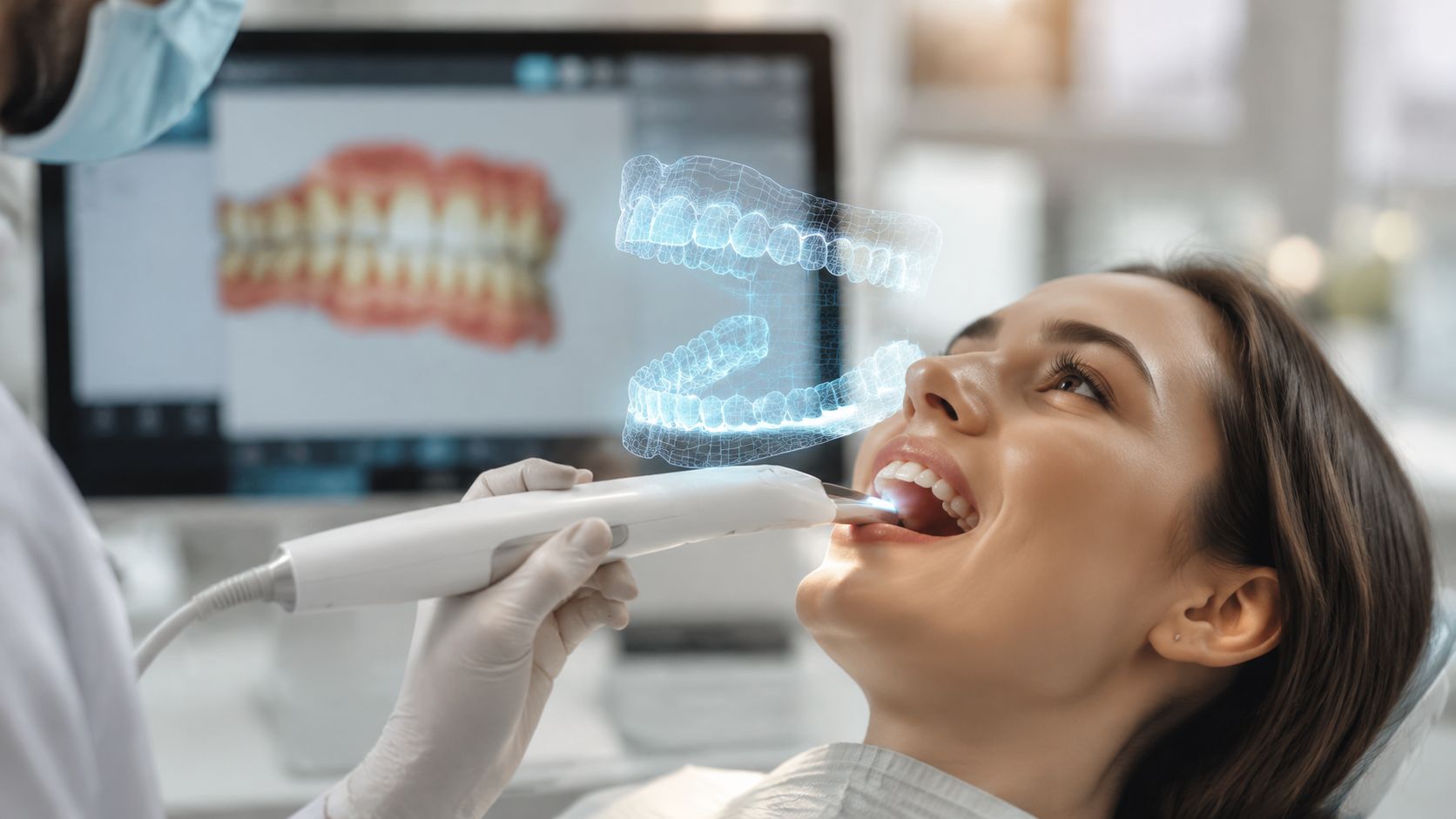
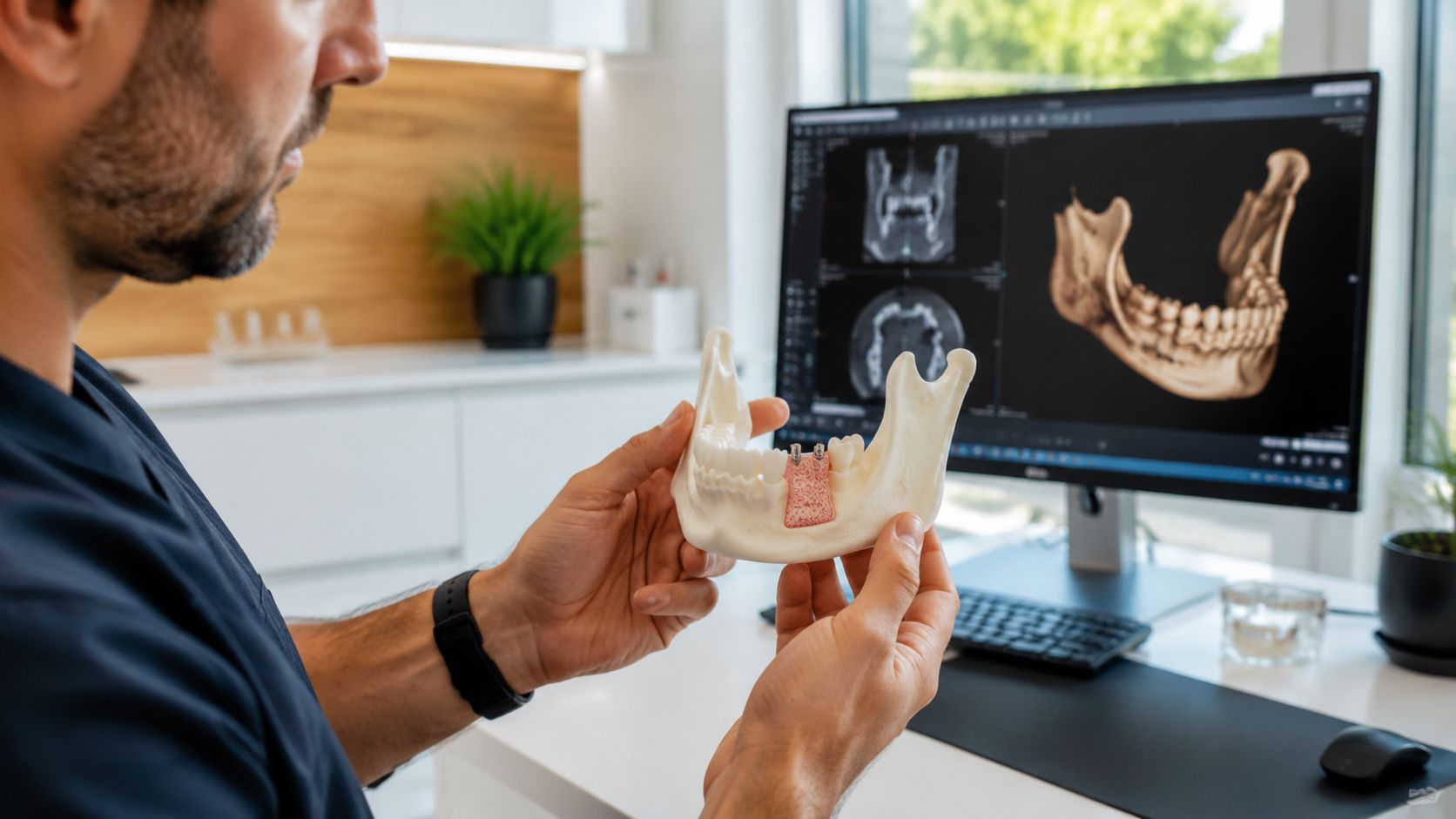
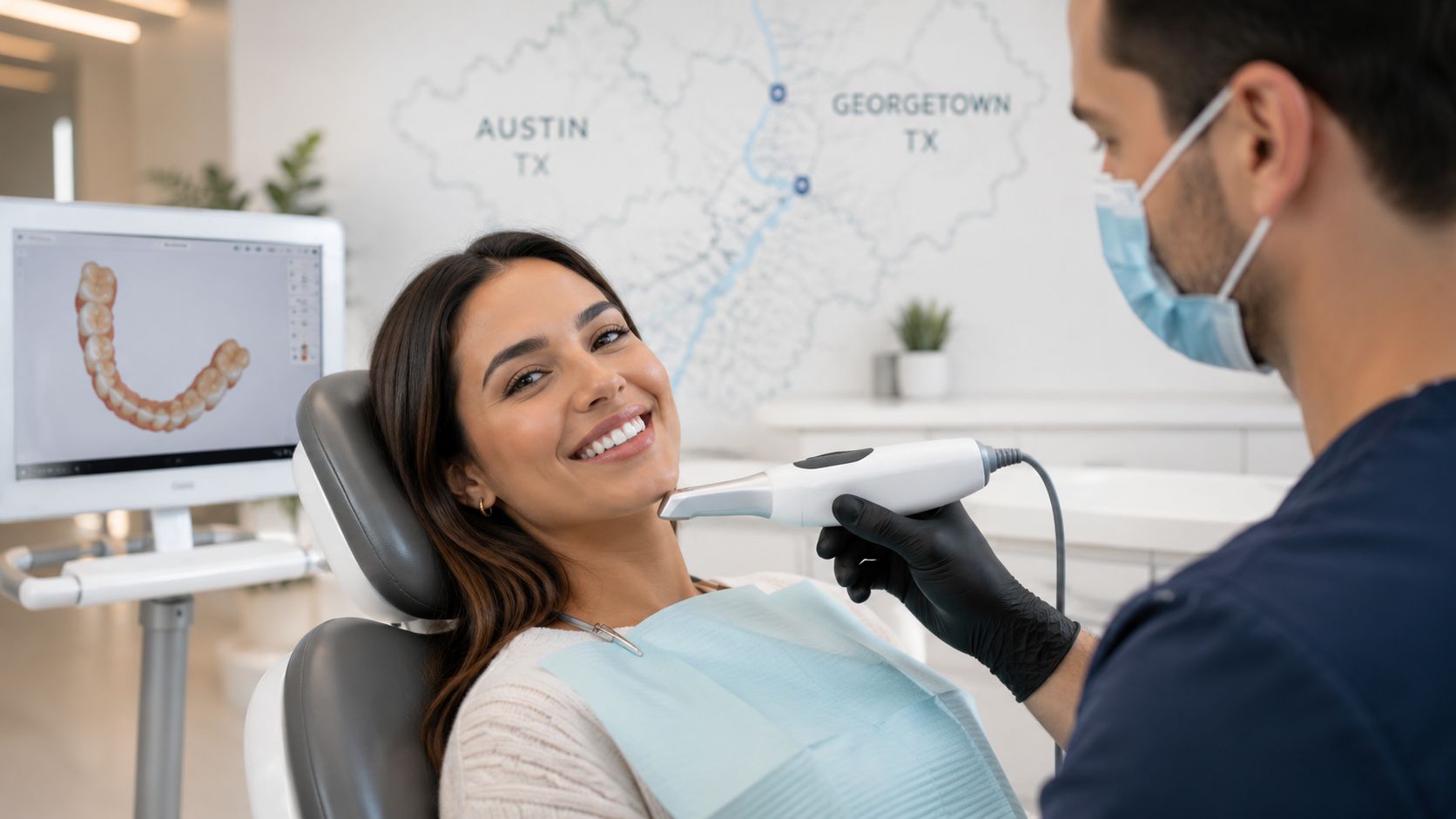
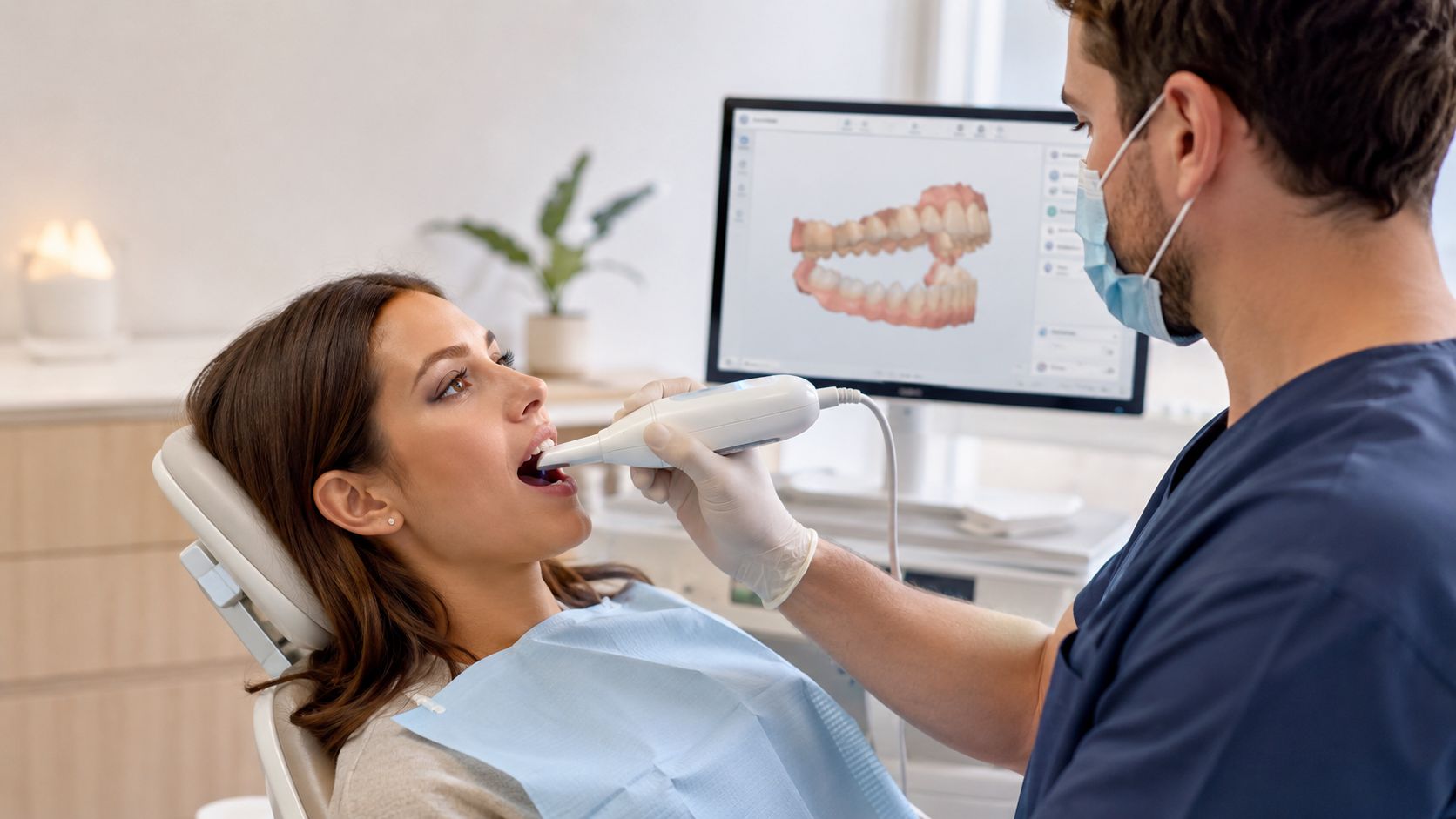
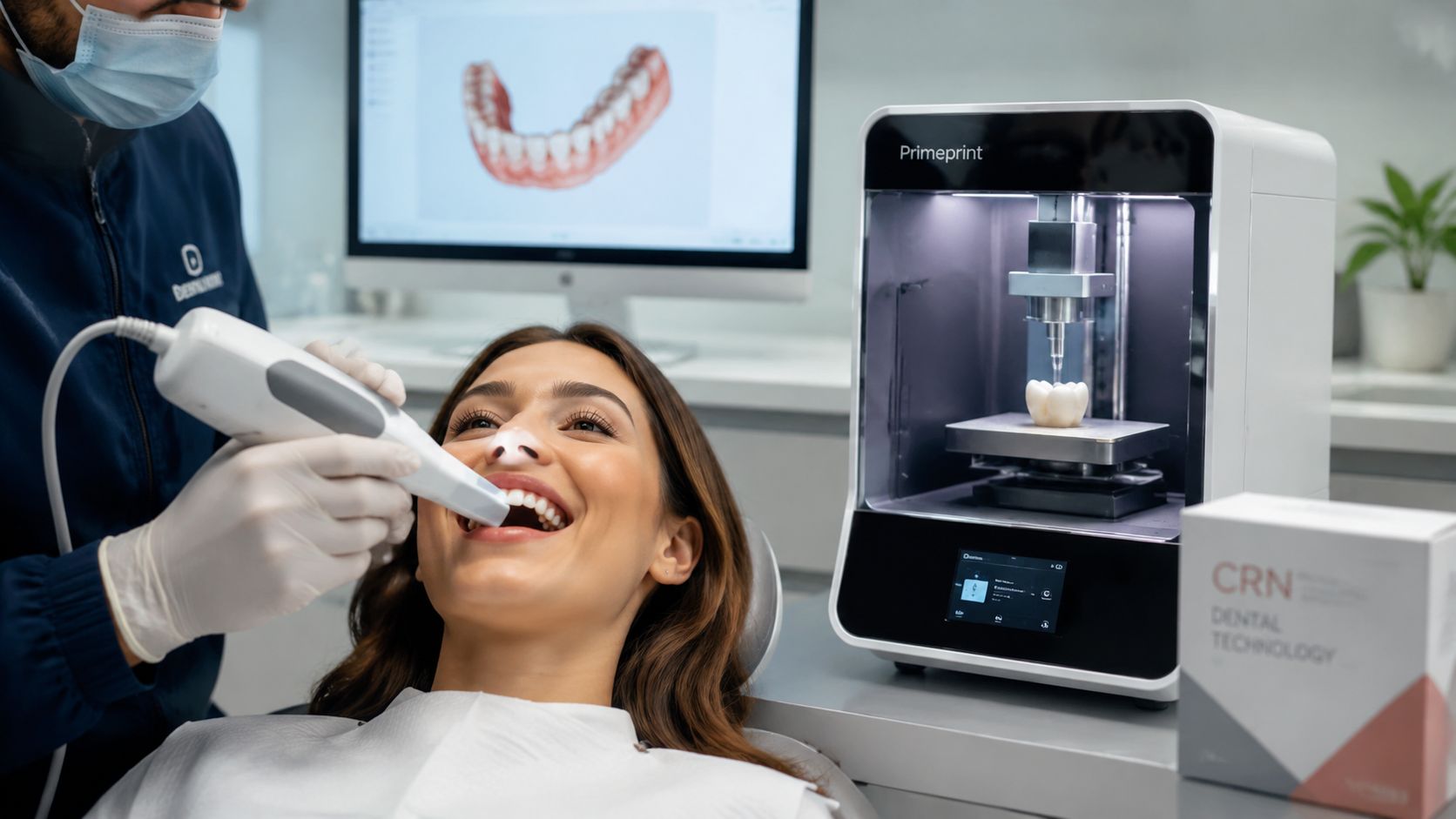
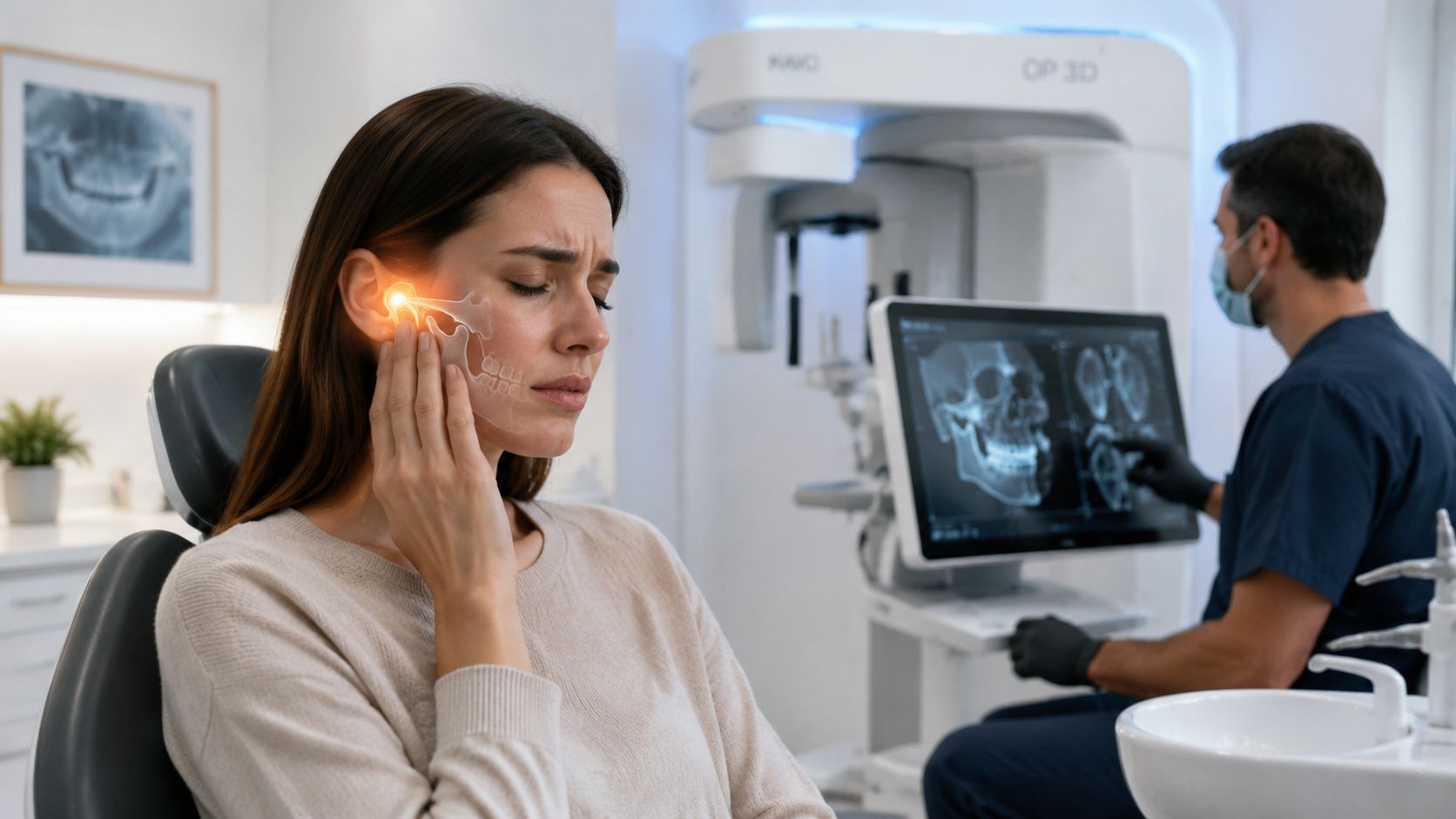
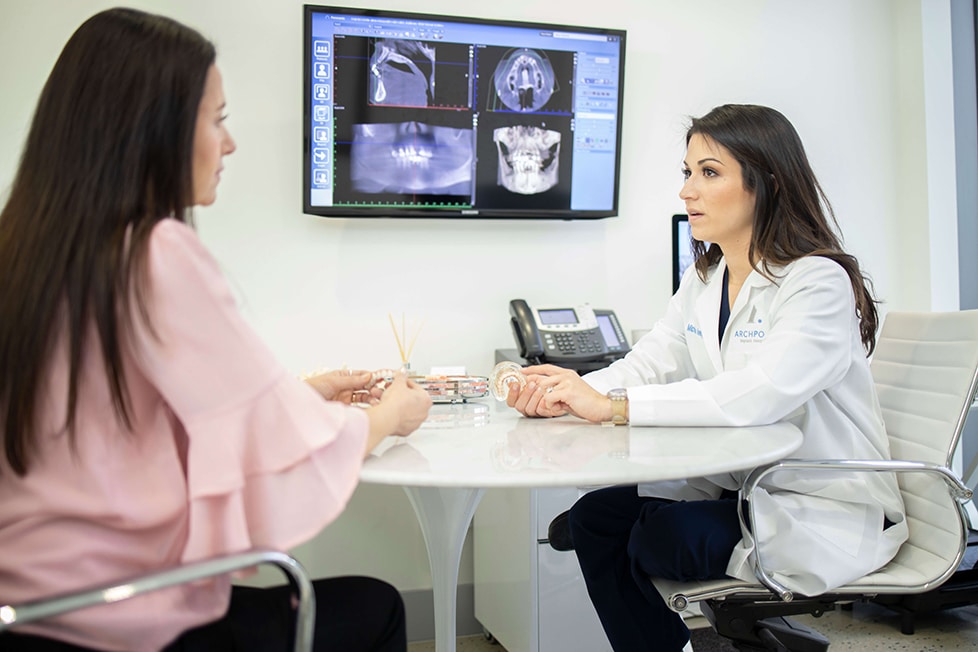
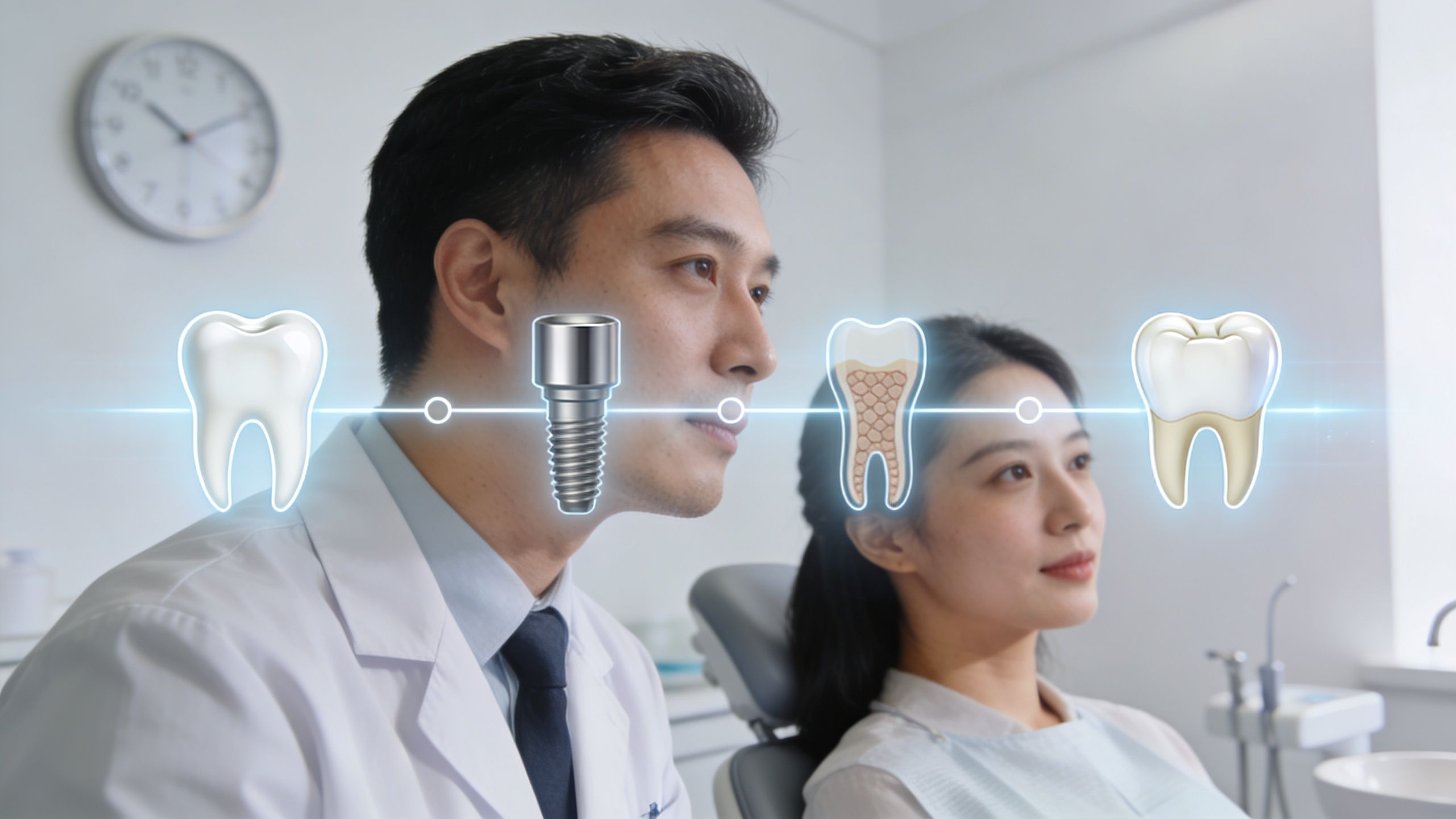
Using cone beam computed tomography (CBCT) scanning, 3D Dental provides a full three-dimensional image of the jaw, teeth, nerves, and bone density. This level of detail allows implant specialists to plan the exact position, angle, and depth of each implant before surgery even begins.
The benefits are significant. With 3D imaging:
- Surgical precision improves dramatically, reducing the risk of complications.
- Treatment planning becomes faster and more accurate, with fewer surprises in the operating chair.
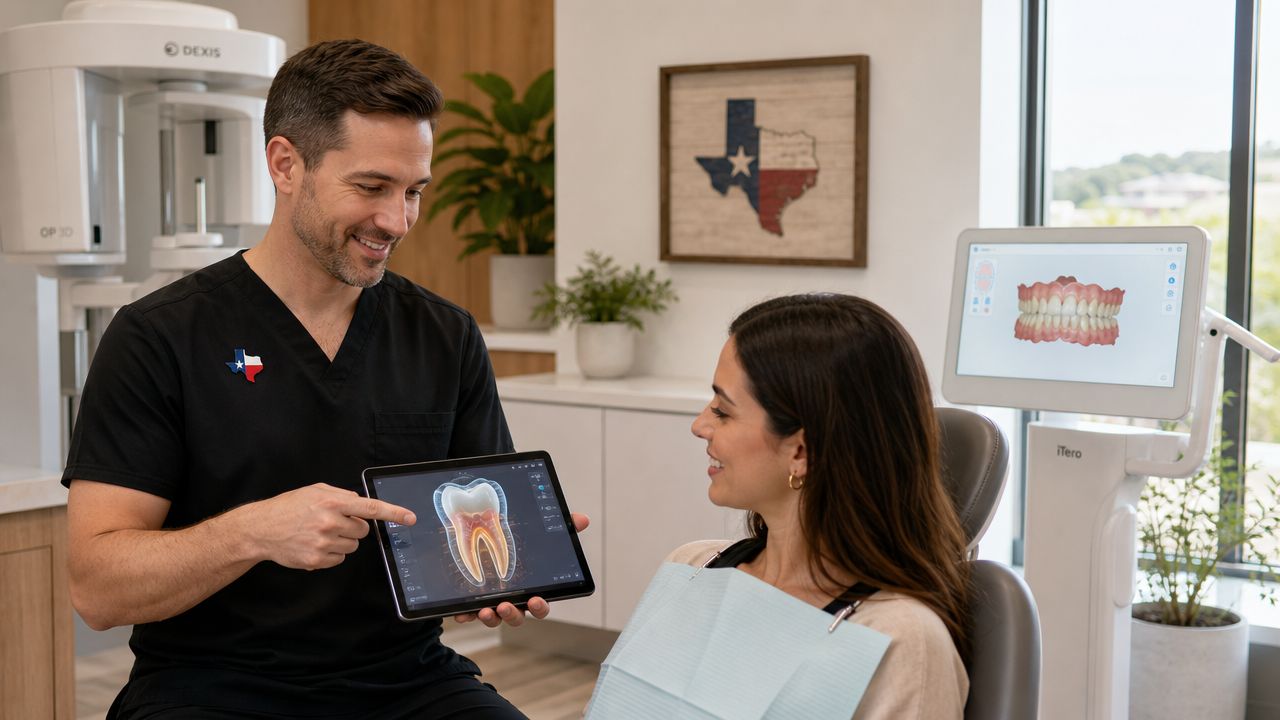
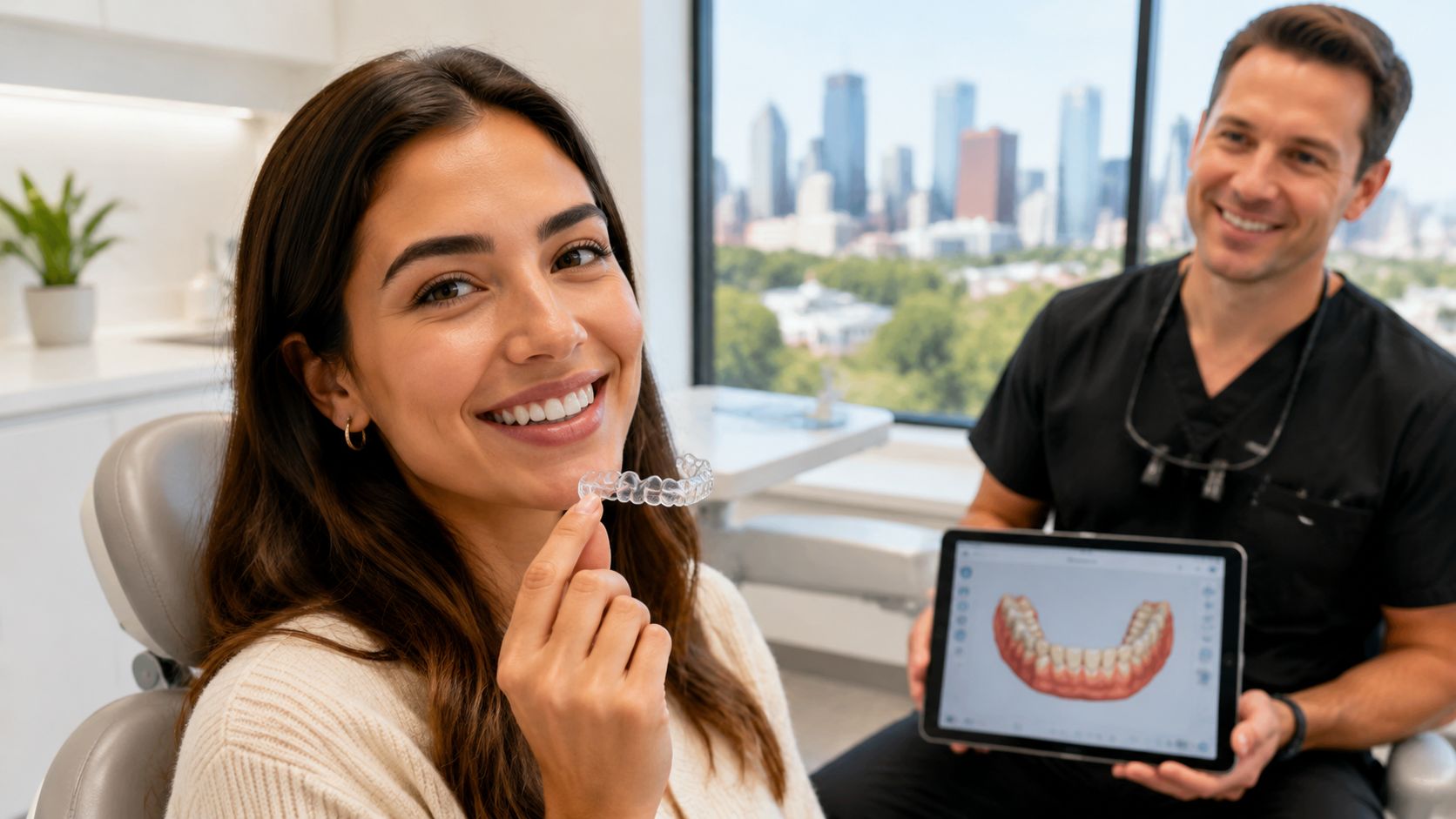
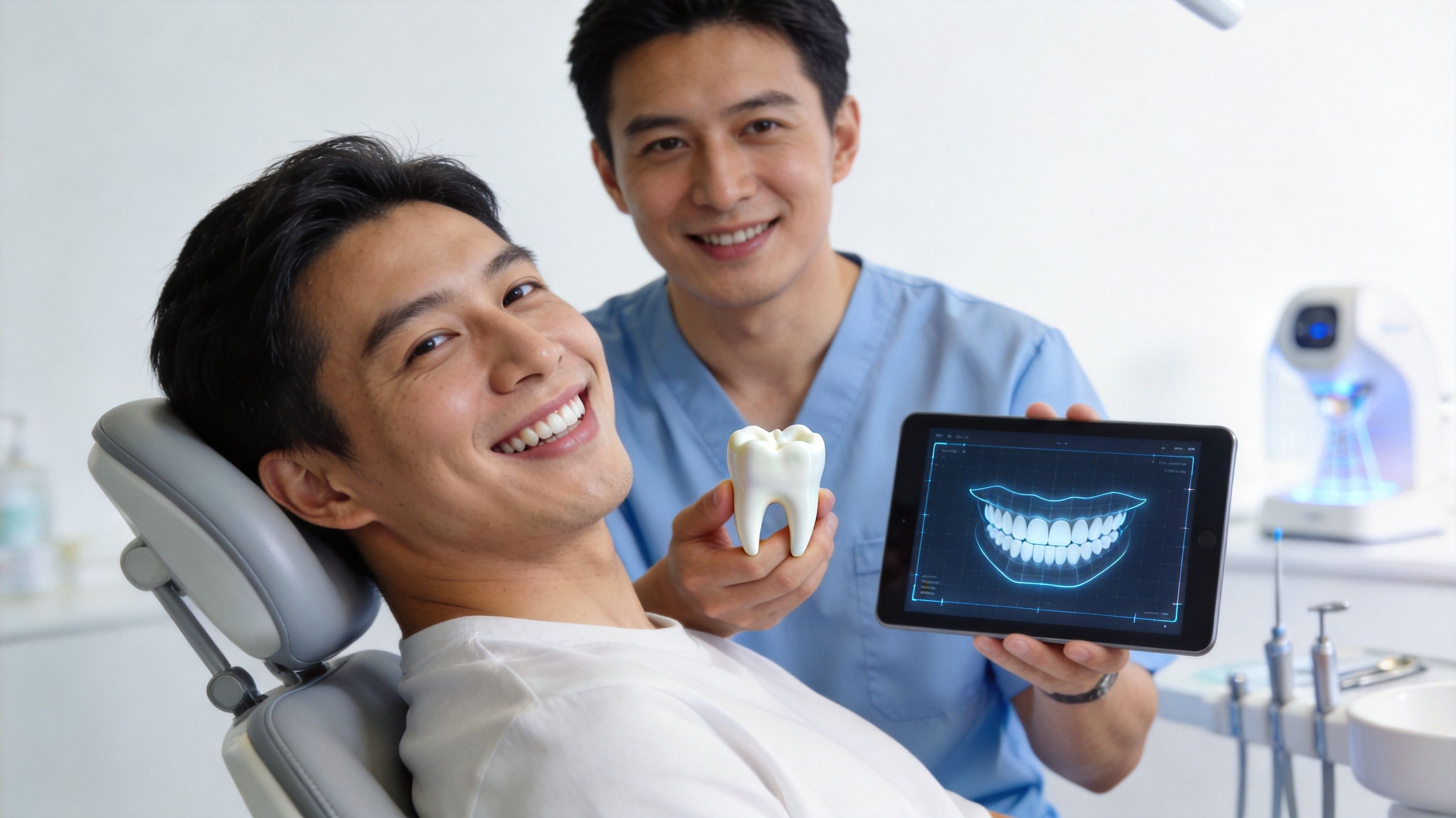
- Patient communication improves, since the 3D scans allow dentists to walk patients through the procedure visually before it begins.
For patients, this translates to shorter surgery times, less discomfort, and better long-term outcomes.
The Benefits of All-on-4 Dental Implants
Immediate Results
One of the most compelling advantages of All-on-4 is speed. In most cases, a temporary set of teeth is attached on the same day as surgery. Patients walk out with a functional smile—something that's simply not possible with traditional implant approaches, which can require months of healing between stages.
Improved Aesthetics and Confidence
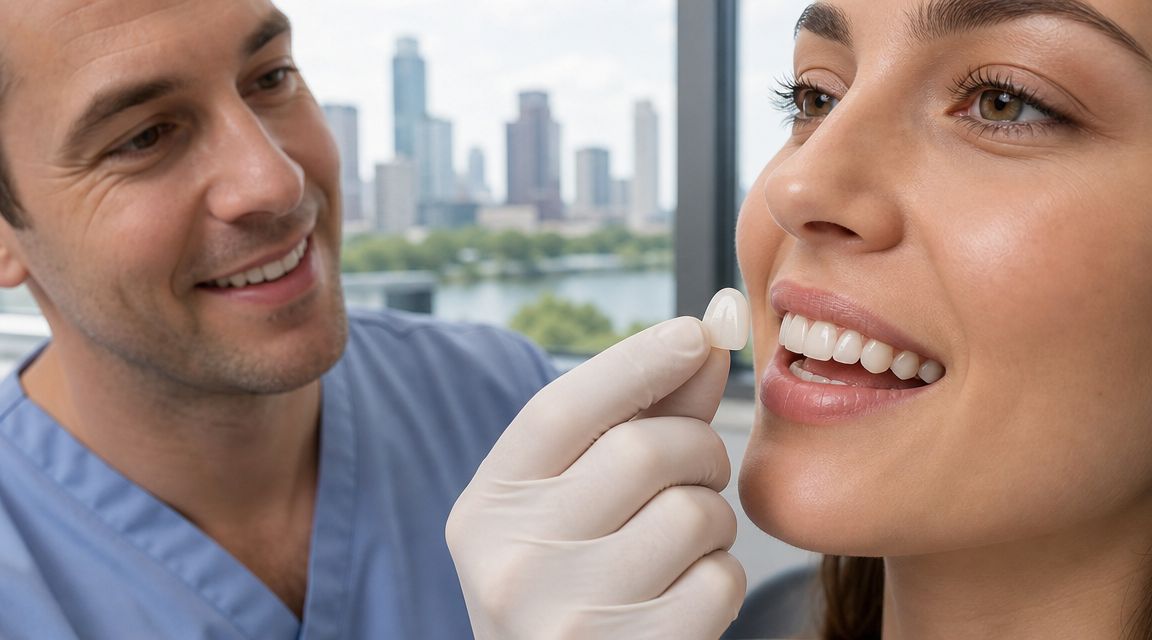
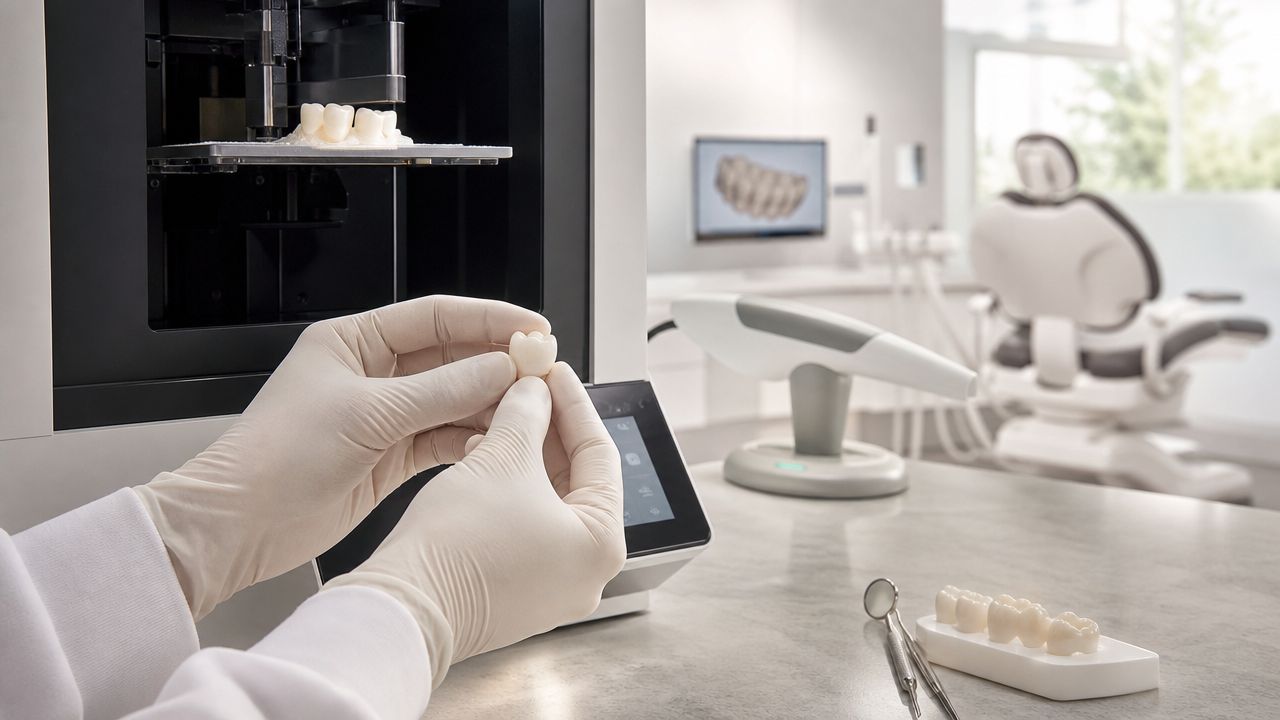
The prosthetic teeth used in All-on-4 are custom-designed to match the natural look of your smile. They're color-matched, sized to fit your face, and crafted from durable materials that resist staining. For patients who have spent years hiding their smile, the psychological impact can be just as significant as the physical results.
Bone Preservation
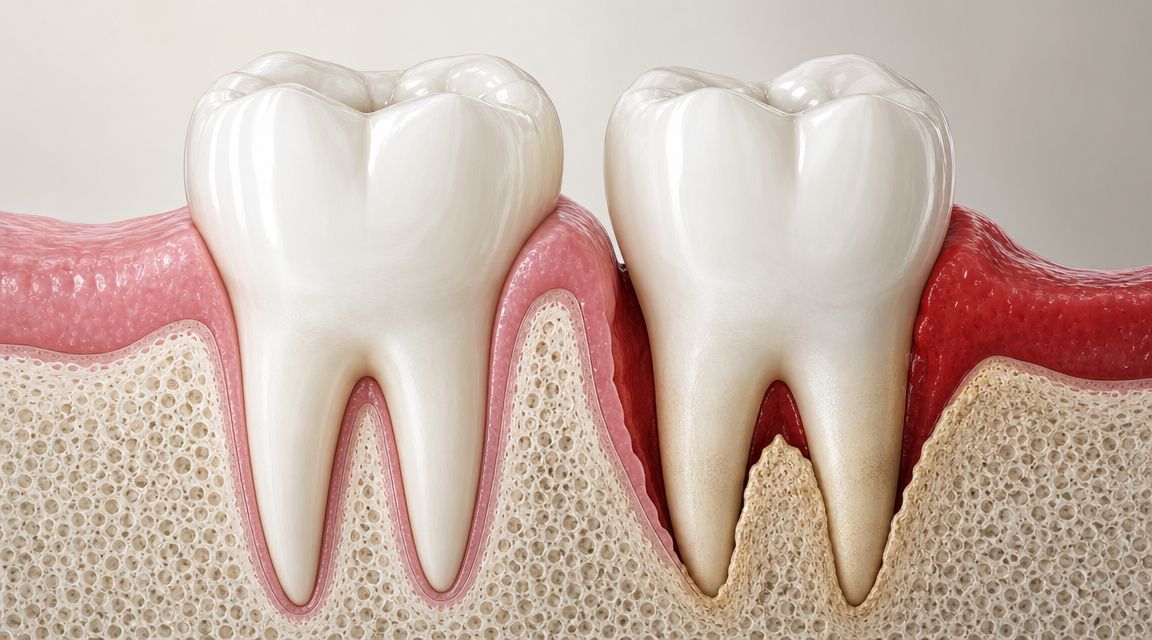
When teeth are lost, the underlying jawbone begins to deteriorate. This process—called resorption—can change the shape of the face over time, causing a sunken appearance around the mouth. Dental implants, including All-on-4, stimulate the bone in the same way natural tooth roots do, which slows or halts this deterioration.
No Need for Bone Grafting
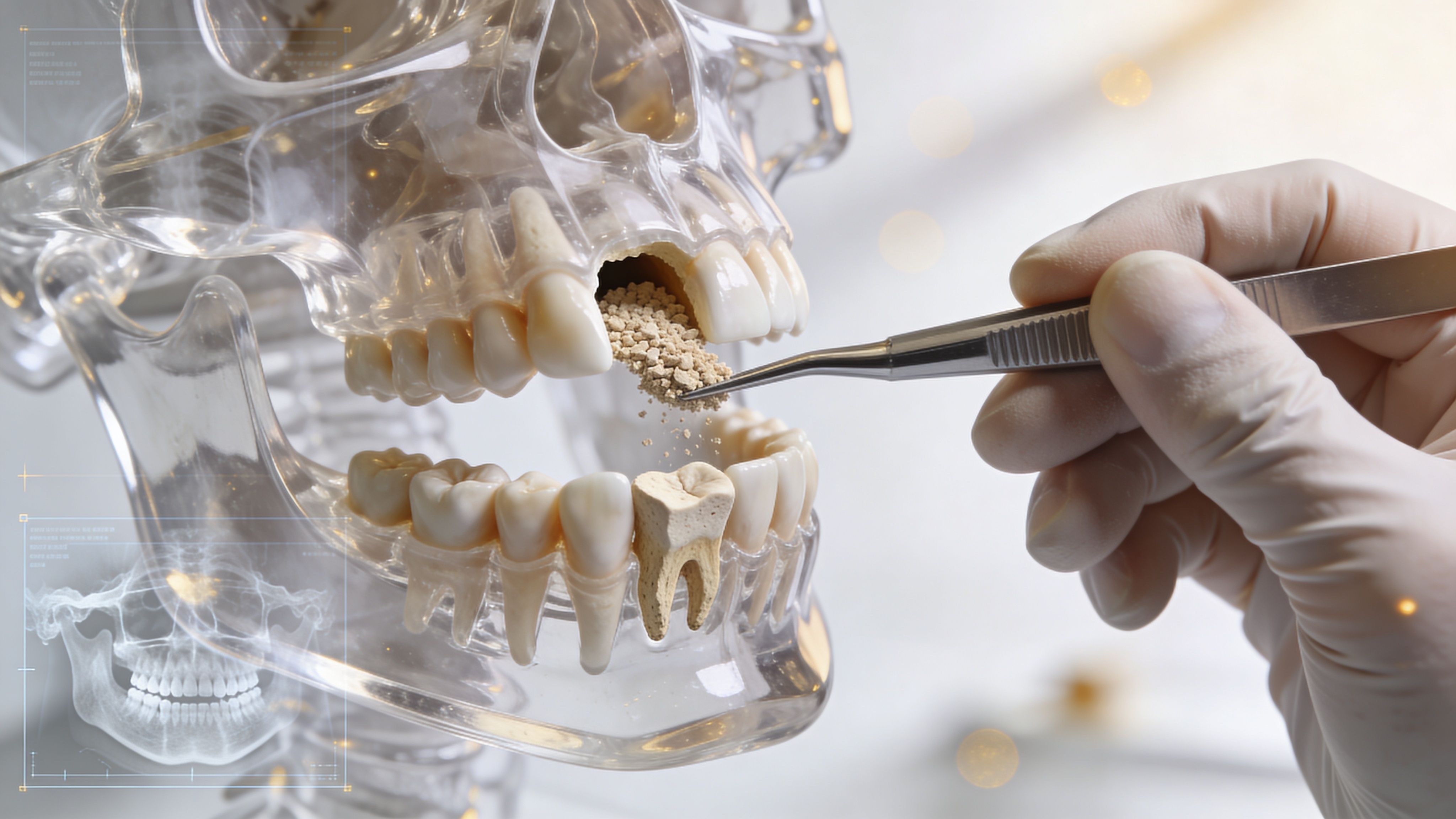
Traditional implants often require bone grafts when density is insufficient—a procedure that adds cost, recovery time, and complexity. The angled placement technique used in All-on-4 largely eliminates this requirement, making the procedure available to a wider range of patients.
Easier Maintenance Than Dentures
Unlike removable dentures, All-on-4 implants are fixed in place. They're cleaned like natural teeth—brushing, flossing, and regular dental check-ups. No adhesives. No overnight soaking. No movement while eating or speaking.
How Much Do All-on-4 Dental Implants Cost?
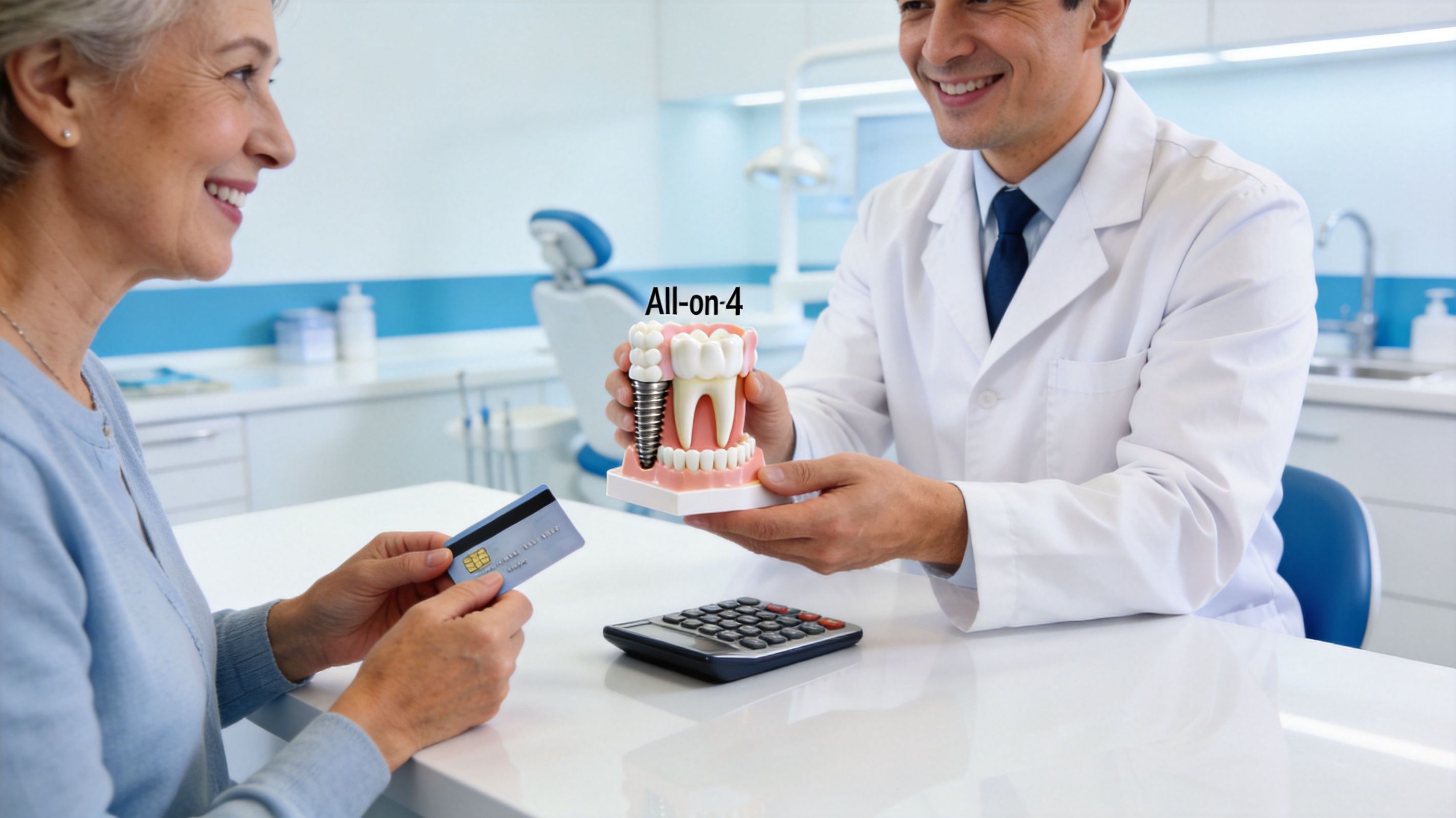
Cost is one of the most common concerns for patients considering All-on-4. The price varies based on several factors, but here's a general breakdown of what to expect.
Average Cost Range
In the United States, All-on-4 dental implants typically cost between $20,000 and $30,000 per arch. Full-mouth restoration (both upper and lower arches) can range from $40,000 to $60,000 or more.
Factors That Influence the Price
Geographic location: Dental costs vary significantly by city and region. Major metropolitan areas tend to charge more than suburban or rural practices.
Surgeon experience and credentials: A highly experienced implant specialist with advanced training may charge more, but the investment often pays off in precision and reduced complication rates.
Diagnostic technology: Practices using 3D Dental imaging and guided surgery may charge a premium, but the accuracy this technology provides can prevent costly revisions down the line.
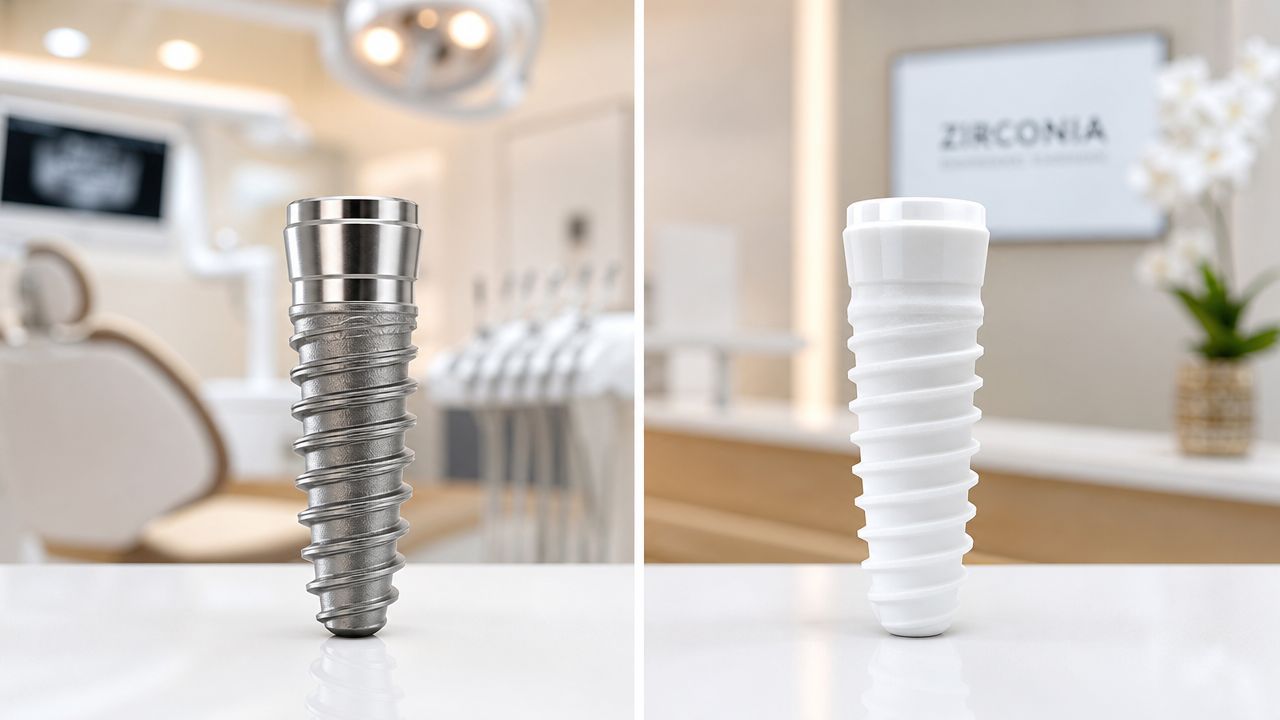
Type of prosthetic: The material used for the final prosthetic—whether acrylic, zirconia, or porcelain—affects the overall cost. Zirconia is the most durable and natural-looking option, and typically the most expensive.
Bone grafting or extractions: If any remaining teeth need to be removed, or if limited bone grafting is necessary, this adds to the total.
Is It Worth the Investment?
When you factor in the long-term costs of dentures (adhesives, replacements, adjustments), multiple individual implants, or repeated dental work on failing teeth, All-on-4 often proves cost-effective over time. Many clinics also offer financing options, making the procedure more accessible for patients on a budget.
What to Expect: From Consultation to Recovery
The Initial Consultation
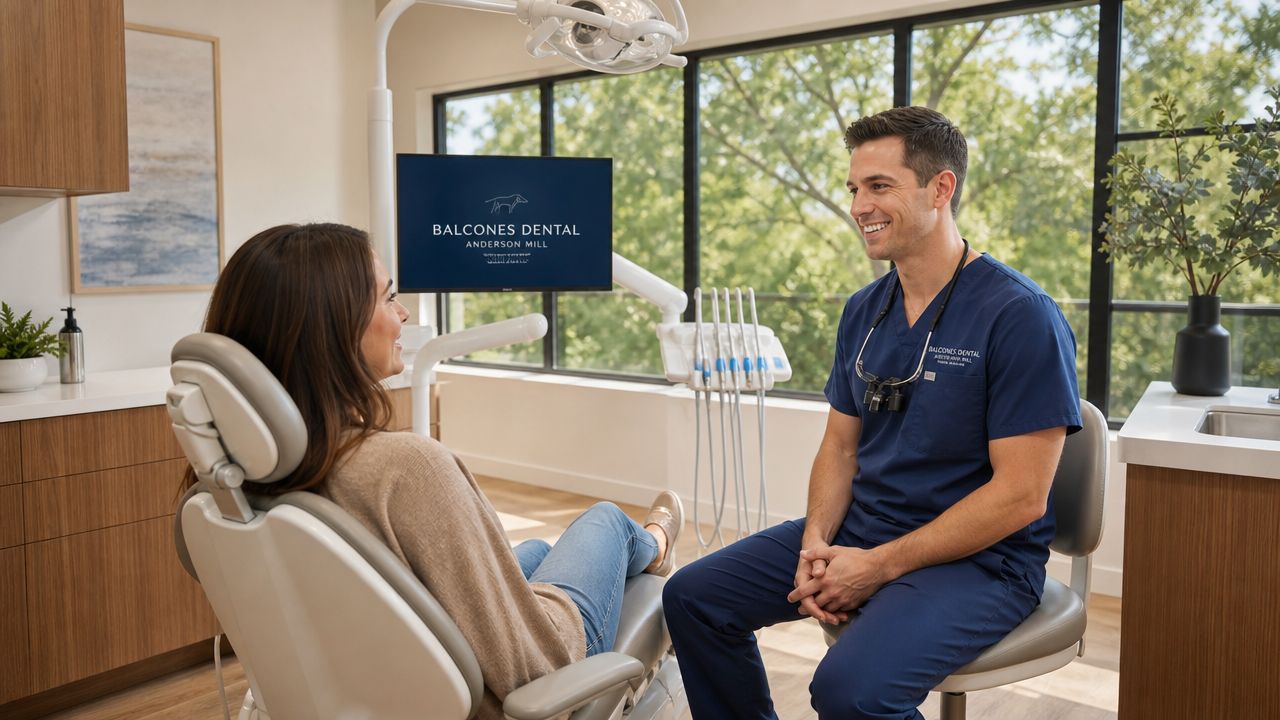
The process starts with a comprehensive evaluation. At a 3D Dental-equipped practice, this typically includes:
- A full 3D CBCT scan of your jaw and oral structures
- A review of your medical history and any existing dental conditions
- A discussion of your goals, concerns, and timeline
- A detailed cost estimate and treatment plan
This appointment is your opportunity to ask questions and understand what the procedure involves. A thorough consultation sets the foundation for a smooth surgical experience.
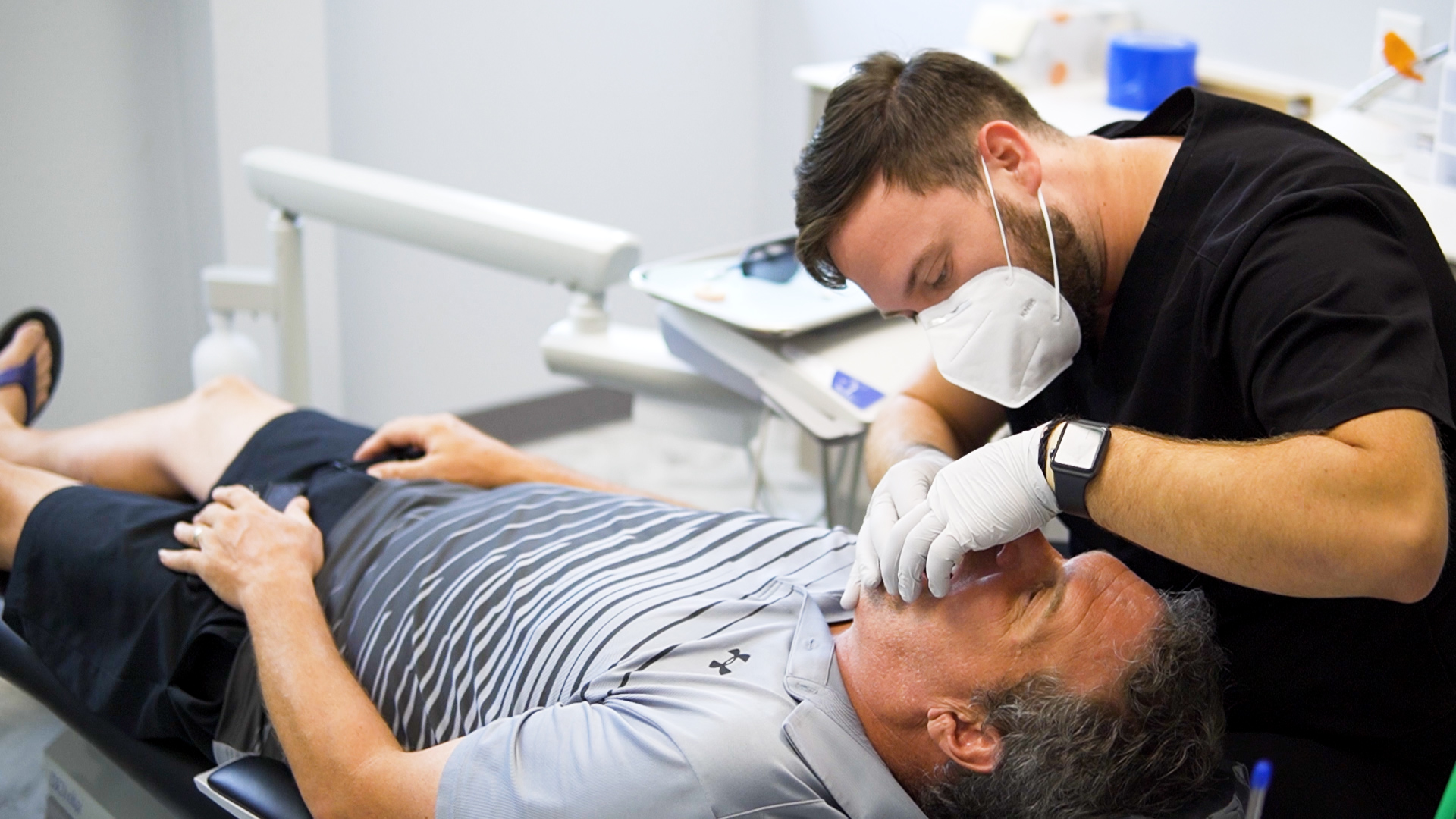
The Surgery
All-on-4 surgery is typically performed under local anesthesia, though IV sedation is available for patients who prefer it. The procedure generally takes three to four hours per arch.
Here's what happens during surgery:
- Any remaining failing teeth are extracted.
- The jaw is prepared for implant placement.
- Four implants are inserted at precise angles, guided by the pre-surgical 3D plan.
- A temporary prosthetic is attached to the implants on the same day.
Because 3D Dental technology allows surgeons to map out every step beforehand, the actual surgery is often faster and more straightforward than patients expect.
Recovery and Healing
The first few days after surgery involve some swelling, tenderness, and dietary restrictions. Soft foods are recommended for the initial weeks. Most patients are back to light activity within a few days and return to normal routines within one to two weeks.
Over the next three to six months, the implants fuse with the jawbone in a process called osseointegration. Once this is complete, the temporary prosthetic is replaced with the final restoration—a custom-crafted set of permanent teeth designed to last decades with proper care.
Why 3D Dental Is the Preferred Choice for Implant Placement
Precision matters in implant dentistry. Placing implants even a millimeter off course can affect aesthetics, function, and long-term success rates. 3D Dental eliminates much of the guesswork.
By generating a complete digital map of your oral anatomy, 3D Dental allows surgeons to:
- Identify the exact location of nerves and sinus cavities to avoid during placement
- Determine the ideal implant angle and depth for maximum bone contact
- Create surgical guides that translate the digital plan directly to the operating table
For patients, this means a safer procedure, a more predictable outcome, and a faster recovery. For surgeons, it means greater confidence at every stage of the process.
Frequently Asked Questions Regarding Longevity, Maintenance, and Candidacy for the Procedure
How long do All-on-4 implants last?
With proper care, All-on-4 implants can last 20 years or more. The titanium implants themselves are designed to be permanent; the prosthetic teeth may eventually need replacement after 10 to 15 years depending on wear.
Am I a good candidate for All-on-4?
Most adults who are missing all or most of their teeth in one or both arches are candidates. Good general health and sufficient jawbone density are the primary requirements. A 3D Dental scan during your consultation will confirm whether the procedure is right for you.
How do I care for All-on-4 implants?
Brush twice daily with a soft-bristle toothbrush, floss regularly using an implant-specific flosser or water flosser, and attend professional cleanings every six months. Avoid habits that stress the implants, like chewing on hard objects or grinding your teeth.
Is the procedure painful?
Most patients report that the procedure is more comfortable than they anticipated. Local anesthesia and sedation options ensure you feel minimal discomfort during surgery. Post-surgical soreness is manageable with prescribed or over-the-counter pain relief.
Can I eat normally after All-on-4?
After the initial healing period, yes. All-on-4 restores the ability to eat a wide variety of foods, including many that were difficult or impossible with dentures. During the healing phase, a soft-food diet is recommended.
Take the First Step Toward a Permanent Smile
All-on-4 dental implants represent a significant advancement in full-arch tooth replacement. They're faster, more functional, and more comfortable than traditional dentures—and with 3D Dental technology guiding the process, precision has never been higher.
If you're considering the procedure, the best next step is a professional consultation. A qualified implant specialist can assess your specific situation, walk you through the options, and provide a clear picture of costs and timelines.
Ready to restore your smile with confidence? Book your 3D Dental consultation today and take the first step toward permanent, natural-looking teeth.
3D Dental Texas
https://maps.app.goo.gl/XMPCB3A1TnEpUHFAA
(512) 831-7918
12854 Research Blvd Austin TX 78750
Ready to get started?
Schedule a free, no obligation consultation with our team and see what's possible for your smile!
Georgetown
- Mon-Thurs8:30am-5pm
- Fri8am-3:30pm
- Sat-SunClosed
Austin
- Mon-Tues8am-5pm
- Wed-Thurs9am-6pmFri8am-2pm
- Sat-SunClosed