
Can You Eat After Brushing Teeth? An Austin Dentist's Guide
Related Posts













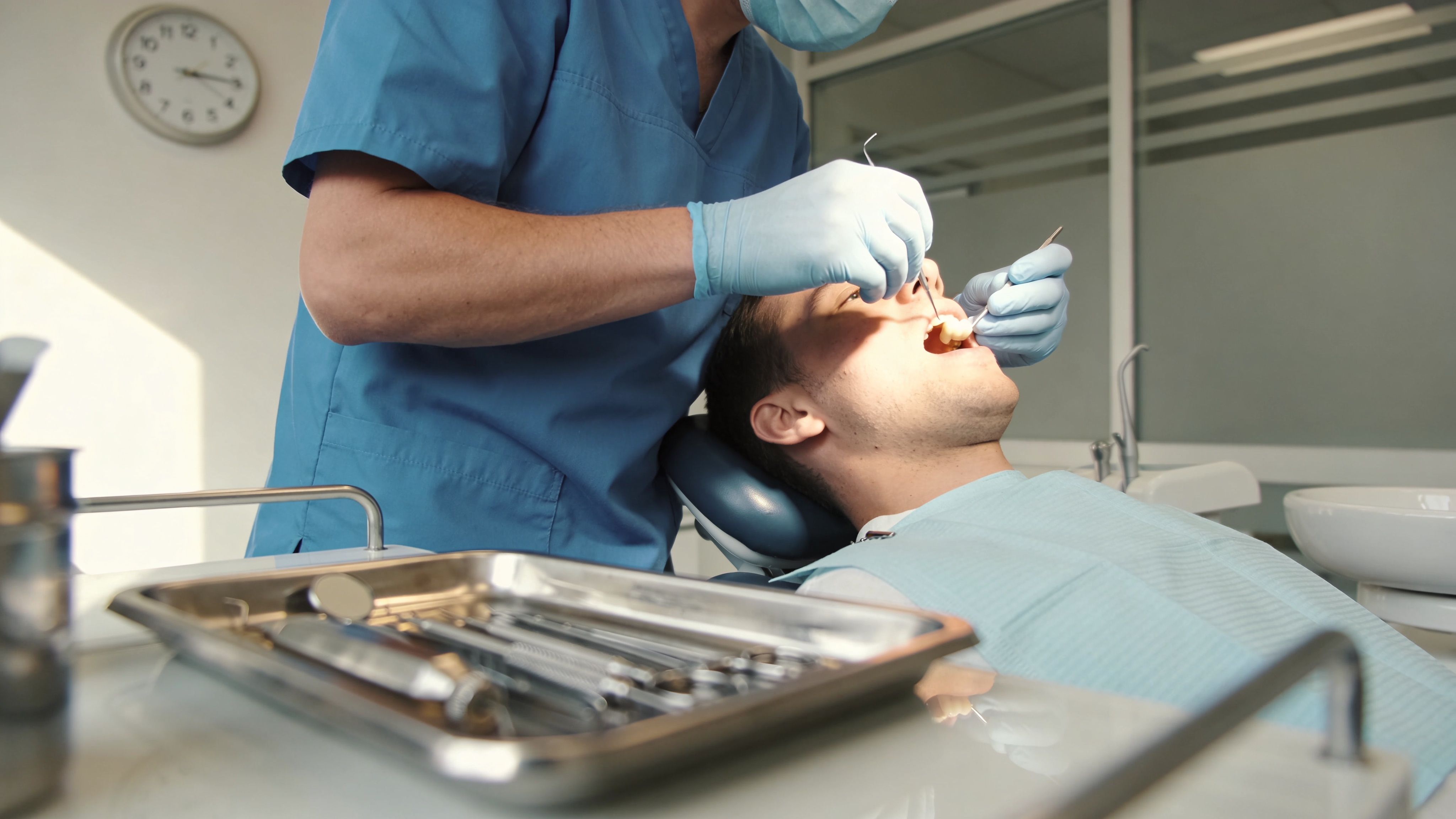
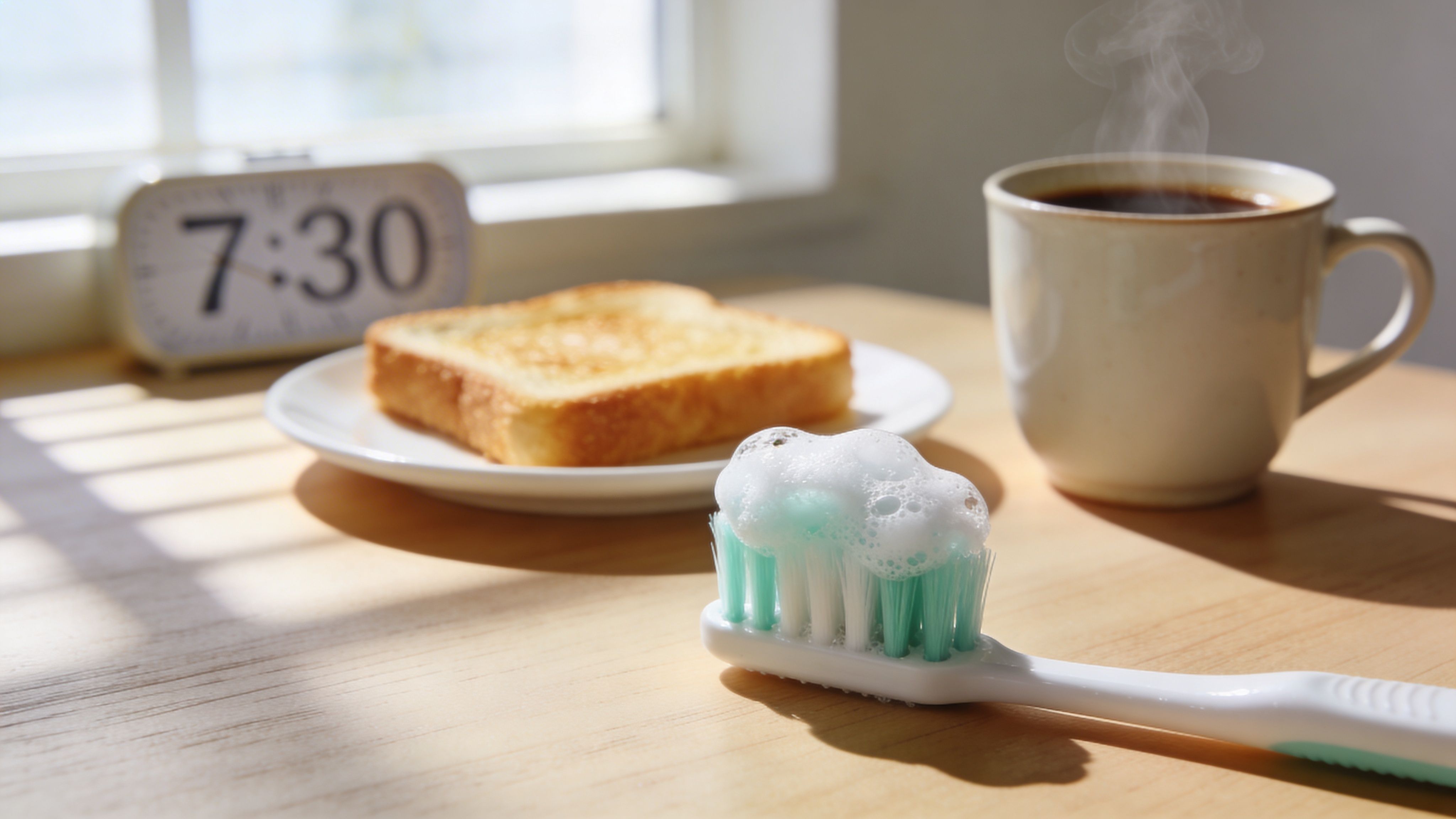
You brush your teeth, set the toothbrush down, and then it hits you. Can you grab coffee now? Eat breakfast? Have that late-night snack you were just thinking about?
The short answer is yes, you can eat after brushing teeth, but it is usually smarter to wait at least 30 minutes. That small pause gives your mouth time to settle and helps protect your enamel.
This matters more than many people realize. A daily habit that feels tiny can affect cavity risk, tooth sensitivity, staining, and the lifespan of dental work. If you live in Austin, Georgetown, Wells Branch, Cedar Park, Round Rock, or Liberty Hill, this is one of those simple home-care habits that supports everything your dentist does during cleanings, exams, cosmetic dentistry, restorative dentistry, and dental implants.
Some people are most concerned about natural teeth. Others are thinking about a bigger investment. If you have veneers, whitening, crowns, or you have searched for dental implants near me or a cosmetic dentist near me, timing after brushing becomes even more important. Good dentistry lasts longer when daily habits are working with it, not against it.
Your Trusted Austin Dentist Answers Can You Eat After Brushing
A lot of patients ask this in almost the same way.
They finish brushing before work, pour a hot drink, and wonder if the brushing was just undone. Or they brush before bed, remember they are hungry, and debate whether one snack really matters.
The reassuring answer is this. Eating after brushing is not forbidden. The bigger question is when and what.
The simple answer
Most dental professionals recommend waiting at least 30 minutes after brushing before eating. In many situations, 30 to 60 minutes is the standard advice. That waiting period helps protect enamel and gives fluoride toothpaste more time to do its job.
If you eat right away, especially something sugary or acidic, you are asking your teeth to handle stress at the exact moment they are most vulnerable. This is comparable to washing and waxing a car, then immediately driving through mud.
Where people get confused
Some readers assume brushing makes teeth instantly stronger.
Brushing is excellent for your oral health, but right after brushing, the tooth surface is not at its toughest. The mouth needs a little time to rebalance. That is why a freshly brushed mouth is not the ideal moment for orange juice, soda, sweet coffee, or a dessert.
Others think this rule only matters for people with dental problems. It does not. It matters for adults with healthy teeth, parents teaching kids good habits, and patients who have invested in cosmetic dentistry or restorative care.
Key takeaway: If you are wondering can you eat after brushing teeth, the safest everyday answer is yes, but wait 30 minutes first.
Why local patients ask this so often
In Austin and Georgetown, many busy families brush early and run out the door. Many professionals sip coffee on the commute. Many teens brush and then grab a quick breakfast. It is a normal routine.
The good news is that this is one of the easiest oral health upgrades you can make. No special device. No expensive product. Just a little timing.
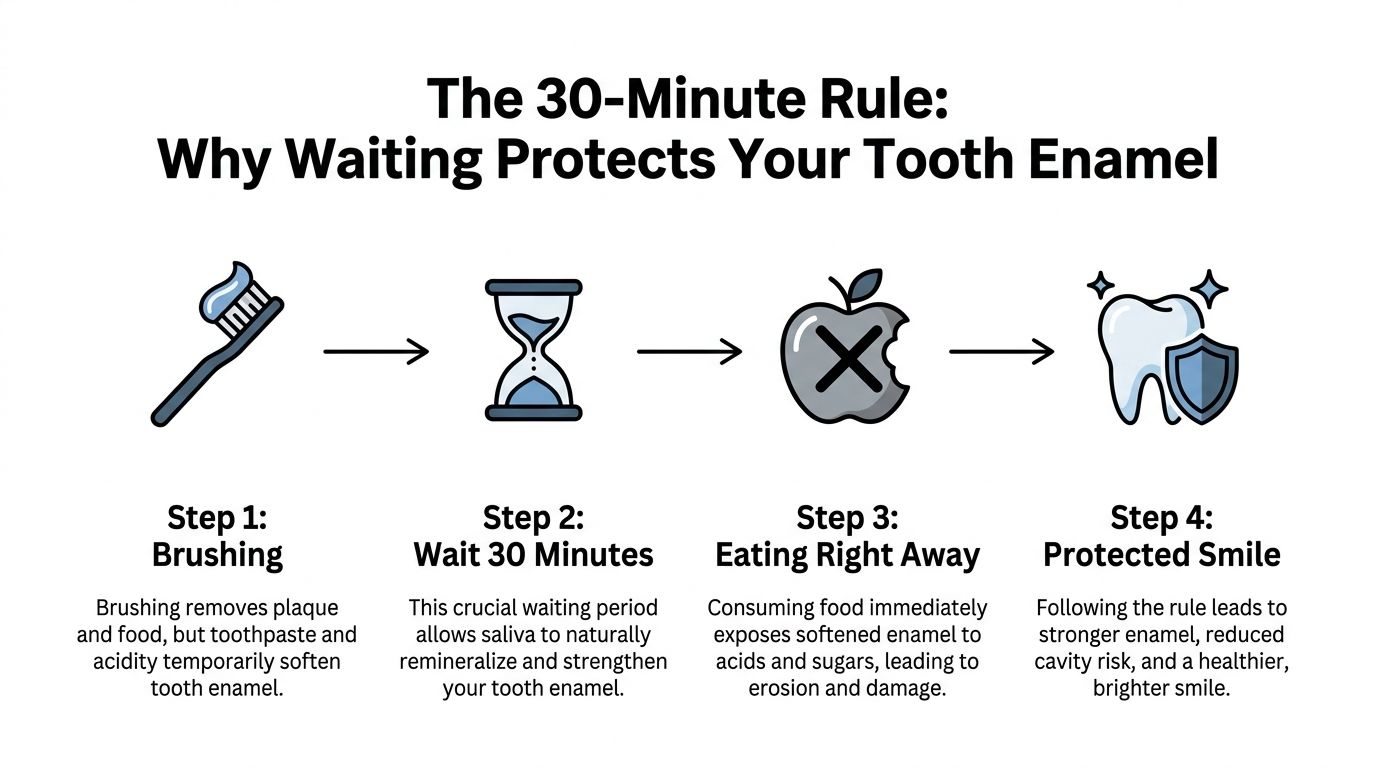
The 30-Minute Rule Why Waiting Protects Your Tooth Enamel
The reason behind the wait is easier to follow when you picture enamel like a hard surface that has just been cleaned and slightly disturbed.
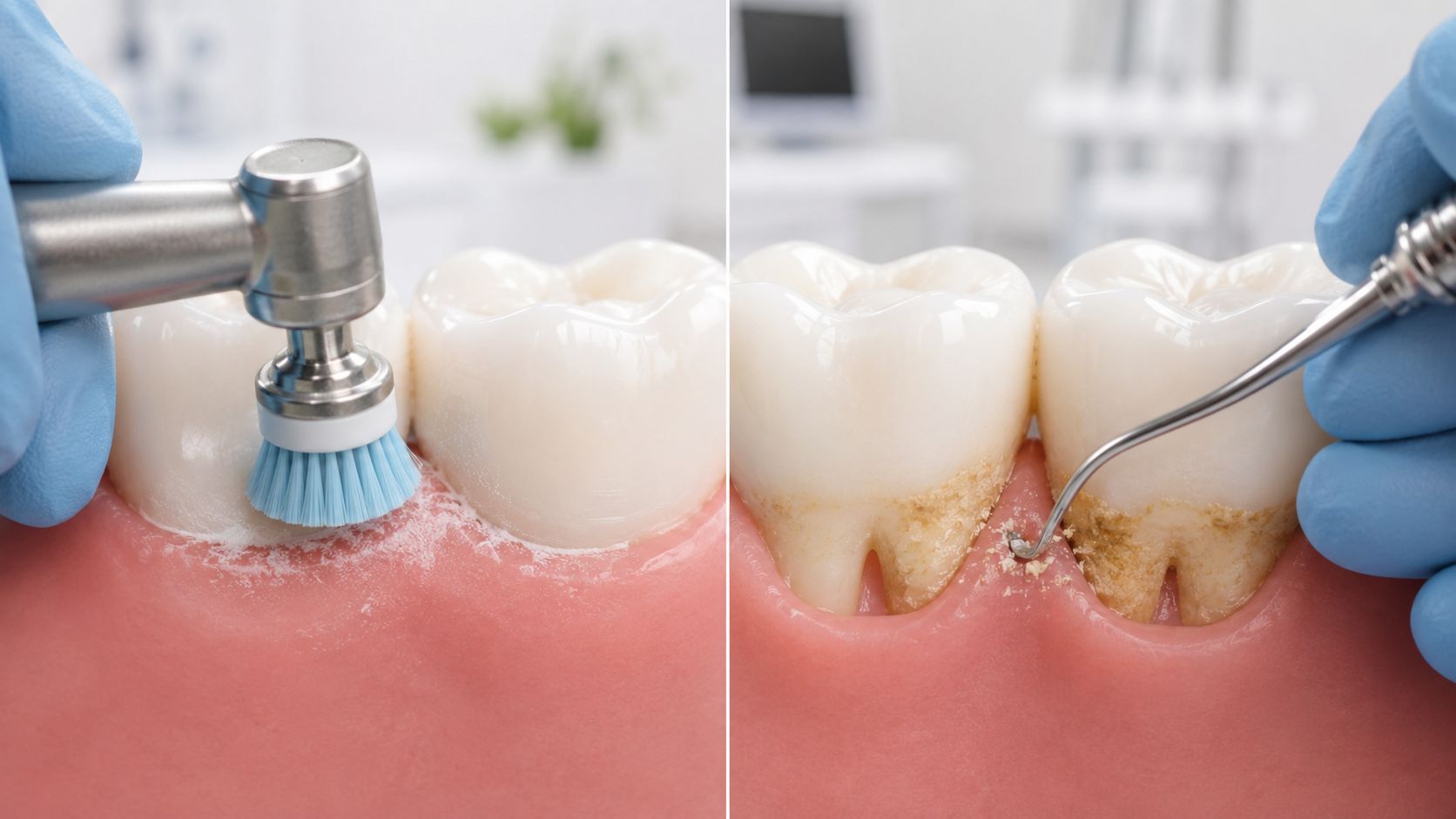
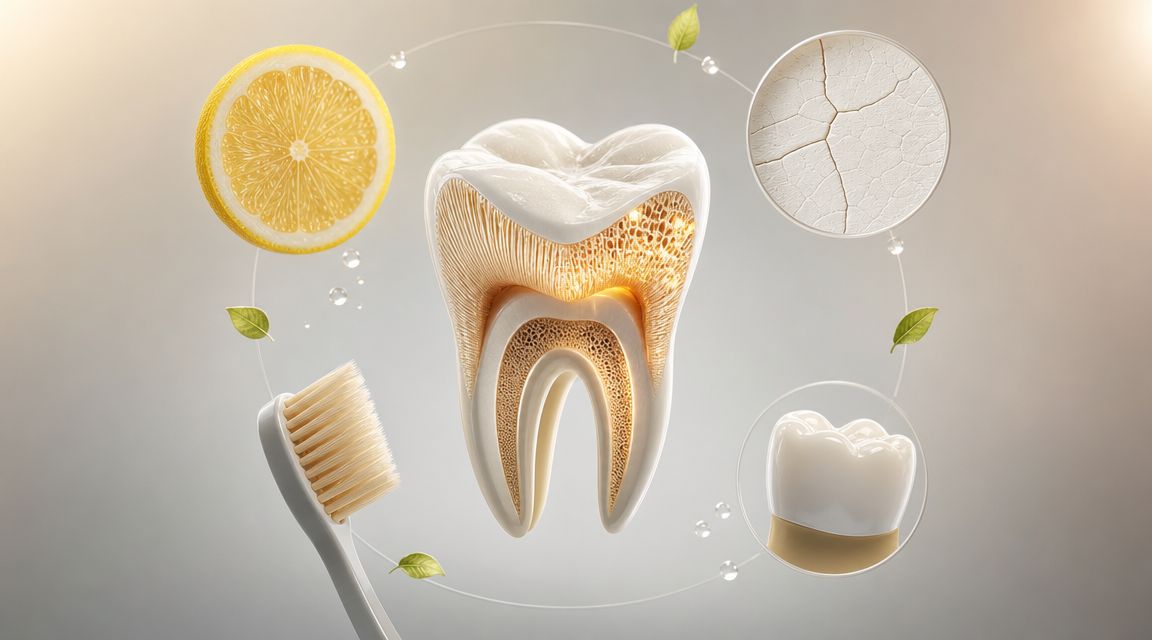
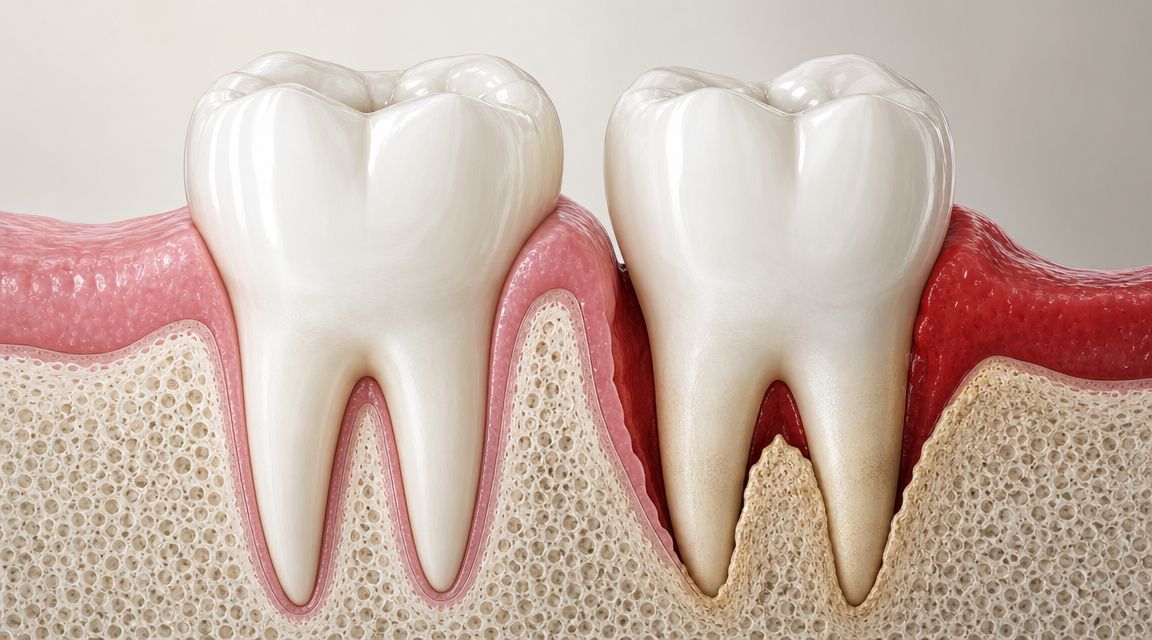
Right after brushing, the outer tooth surface is temporarily softened. The protective film on the teeth has been disrupted, and enamel is more open to wear. If food or drink enters the picture immediately, especially acidic or sugary items, the combination can be rough on the tooth surface.
Think of enamel like wet cement
Wet cement is not weak forever. It just needs time to set.
Your enamel is similar in one important way. After brushing, it benefits from a short recovery period. Saliva helps with that. Saliva brings minerals back to the tooth surface and supports remineralization, which is your mouth’s natural repair process.
That is why the 30-minute rule is not random. It gives saliva time to restore a more protective environment in your mouth.
What happens if you eat too soon
The biggest problem is not just food touching your teeth. It is the combination of softened enamel, acid, sugar, and friction.
A study on enamel wear found that tooth tissue loss reached 1.846 μm when brushing was combined with erosive meals, compared with 0.035 μm from brushing alone, showing how much more damaging the acid-and-abrasion combination can be when these factors stack together (study on tooth tissue loss after brushing and erosive meals).
That sounds technical, but the practical meaning is simple. Brushing by itself is not the main issue. Brushing plus immediate exposure to challenging foods or drinks is where the risk rises.
Why acidic foods are the main troublemakers
Some foods and drinks put more pressure on enamel than others.
A few common examples include:
- Coffee drinks with sugar that coat the teeth and feed bacteria
- Citrus juices that are acidic
- Soda and sports drinks that bring acid and sugar together
- Sweet breakfast foods that encourage plaque bacteria to make more acid
When these hit your teeth too soon after brushing, enamel has less protection.
Practical tip: If breakfast includes fruit juice, sweet coffee, or anything acidic, brush earlier and let your mouth rest before you eat.
Why this matters over time
One rushed breakfast will not ruin your smile.
The concern is repetition. If you brush and eat immediately day after day, the wear can add up. That can mean more sensitivity, more staining, more cavities, and eventually more need for restorative dentistry.
For anyone searching for a dentist in Austin, TX, a dentist near me, or help with preventive dental care, this is a good example of how small habits shape long-term results.
A Practical Guide to Post-Brushing Wait Times
Advice is most helpful when it fits real life.
You do not need to overthink every sip and bite. A simple rule that benefits many is to wait 30 minutes after brushing before eating or drinking anything other than water. If what you want is acidic or sugary, lean toward the longer end of the wait.
Recommended wait times after brushing
| Situation | Recommended Wait Time | Reason |
|---|---|---|
| Water | Usually okay right away | Water does not add sugar or acid and is the least disruptive choice |
| Neutral meal or snack | At least 30 minutes | Gives saliva time to help re-harden the tooth surface |
| Coffee, especially sweetened | 30 to 60 minutes | Coffee can contribute to staining, and sweetened drinks add sugar exposure |
| Acidic foods or drinks like citrus or soda | 30 to 60 minutes | Acid challenges softened enamel |
| Late-night snack after brushing | Best to avoid, or eat and clean again appropriately later | Saliva protection drops at night, so food sitting on teeth is a poor trade |
How to use this in the morning
If you wake up hungry, many people find it easier to eat first, then brush later. That can work well, especially if breakfast includes acidic foods or coffee.
If you prefer to brush first because you dislike morning breath, then keep breakfast simple and wait. That small change protects the work your toothbrush just did.
What if you do not wait
Many individuals will not notice immediate damage in the mirror.
What they may notice over time is:
- More staining
- More sensitivity
- More plaque buildup
- More cavity risk
If cavity prevention is one of your goals, this guide on how to prevent cavities naturally pairs well with the wait-time habit.
A useful rule for evenings
Night is less forgiving.
When you brush before bed, your best move is usually to make that the last thing you eat for the day. If you snack after that, food and sugar can sit in the mouth for hours. If it happens once in a while, do not panic. Just clean your teeth again appropriately before sleep if needed.
Special Instructions for Implants Cosmetic Work and Surgery
If you have invested in your smile, the question changes from “Can I eat after brushing teeth?” to “How do I protect the work I paid for?”
That is where timing becomes even more valuable. Dental implants, veneers, whitening, crowns, bridges, and healing surgical areas all benefit from a little extra care.
Dental implants need a cleaner environment
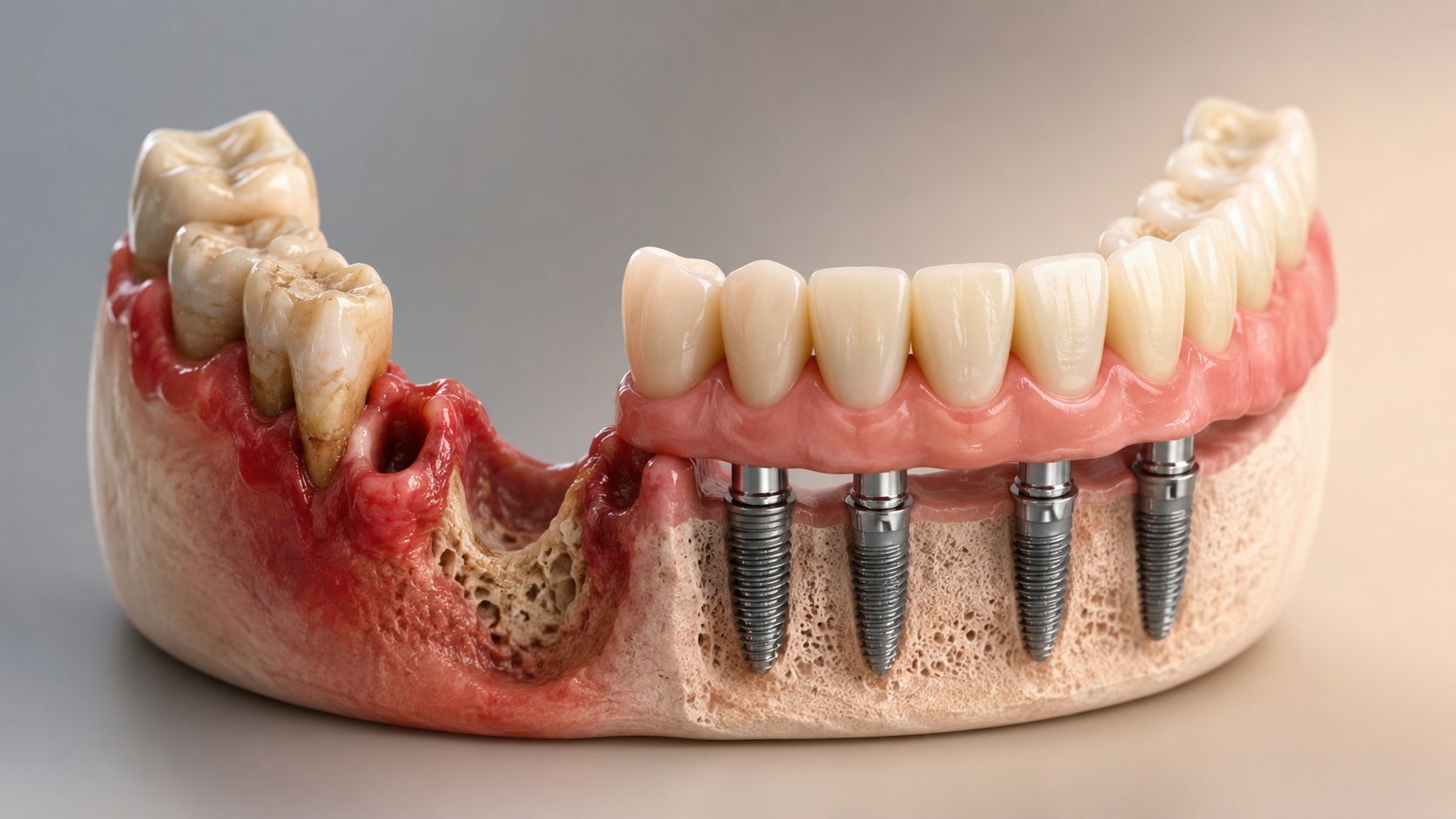
Implants do not get cavities, but the tissue around them still needs protection.
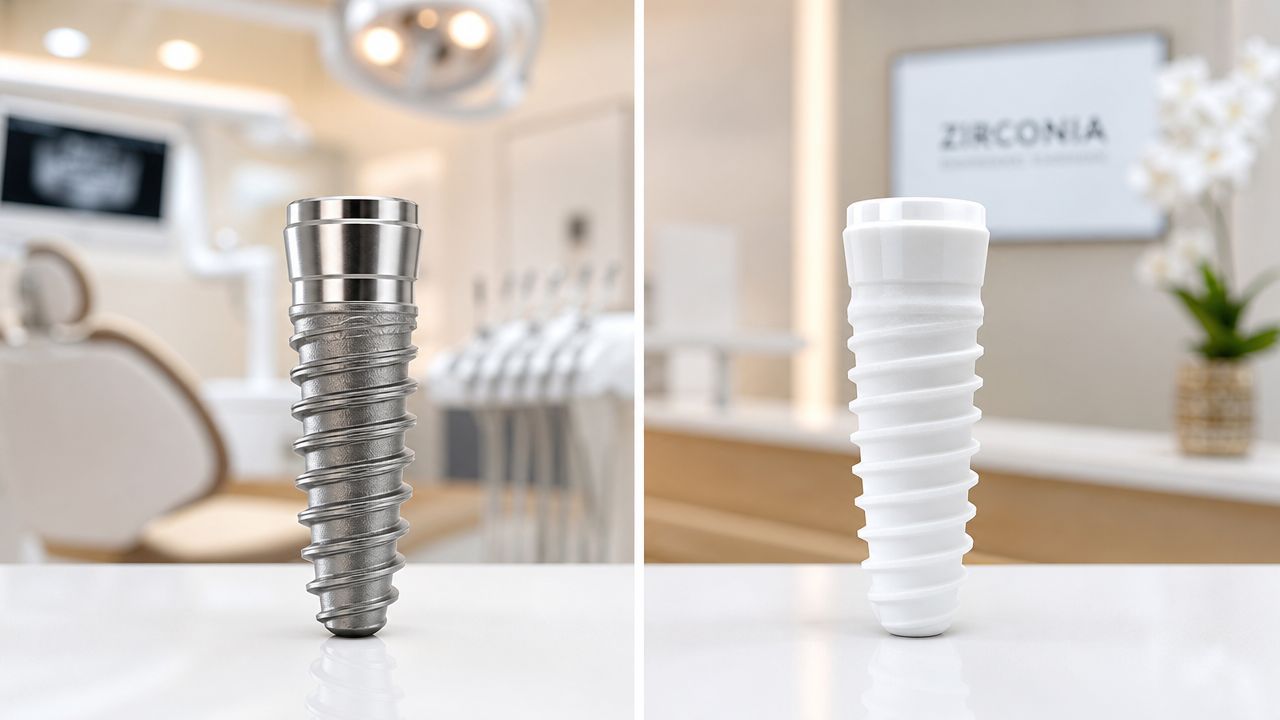
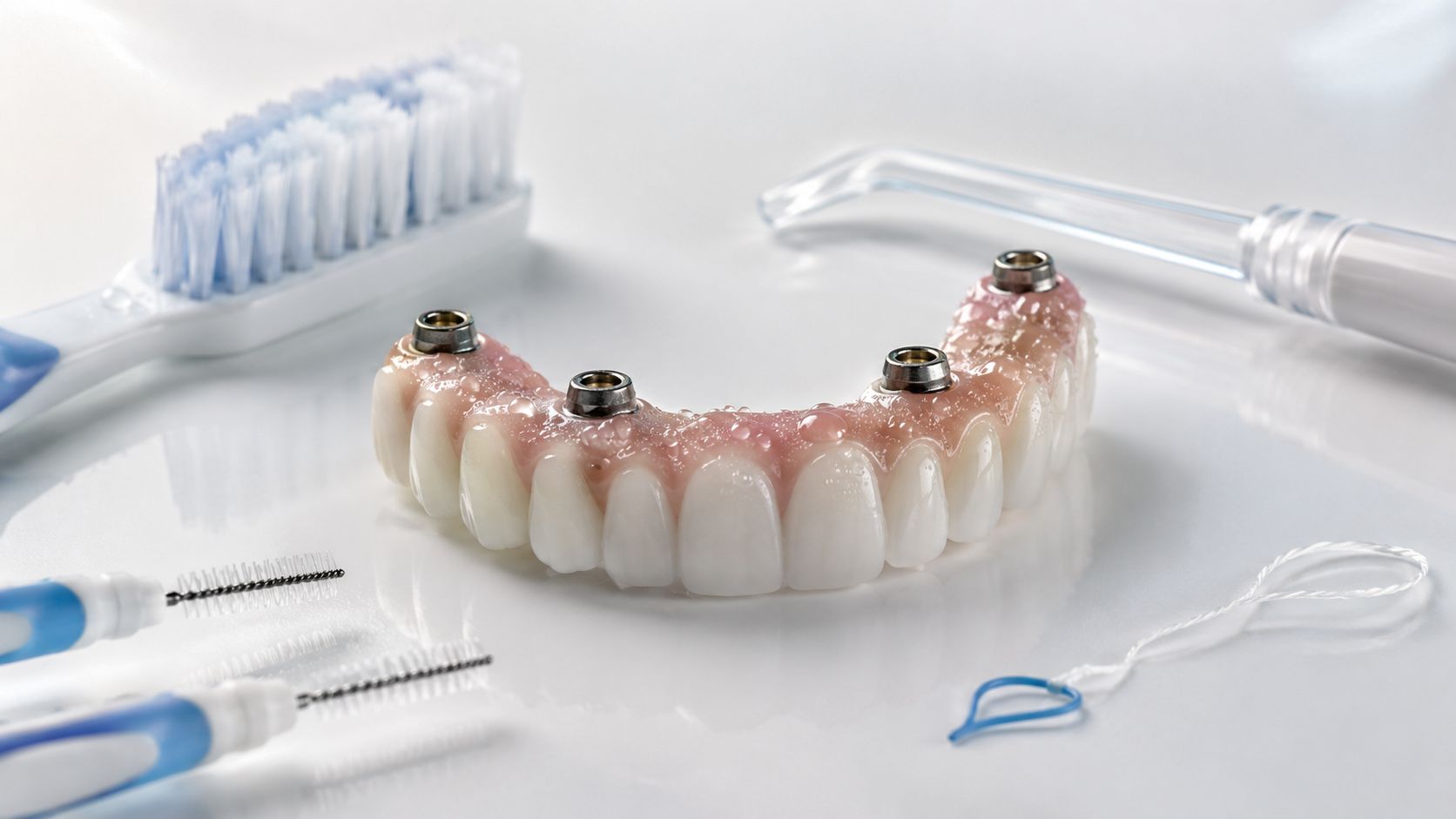
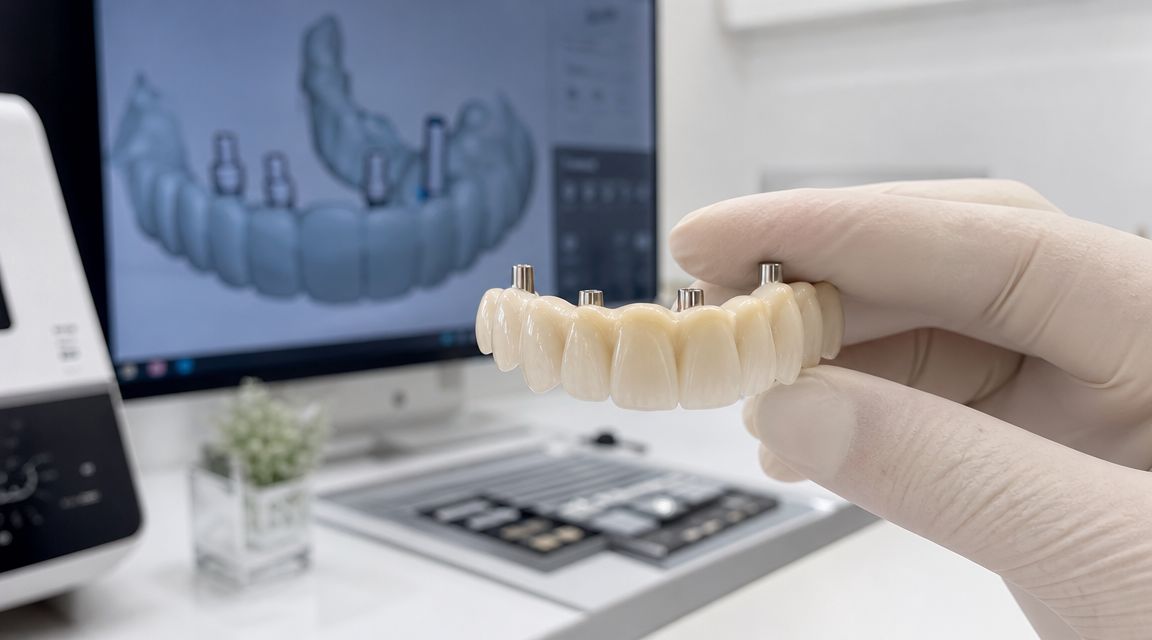
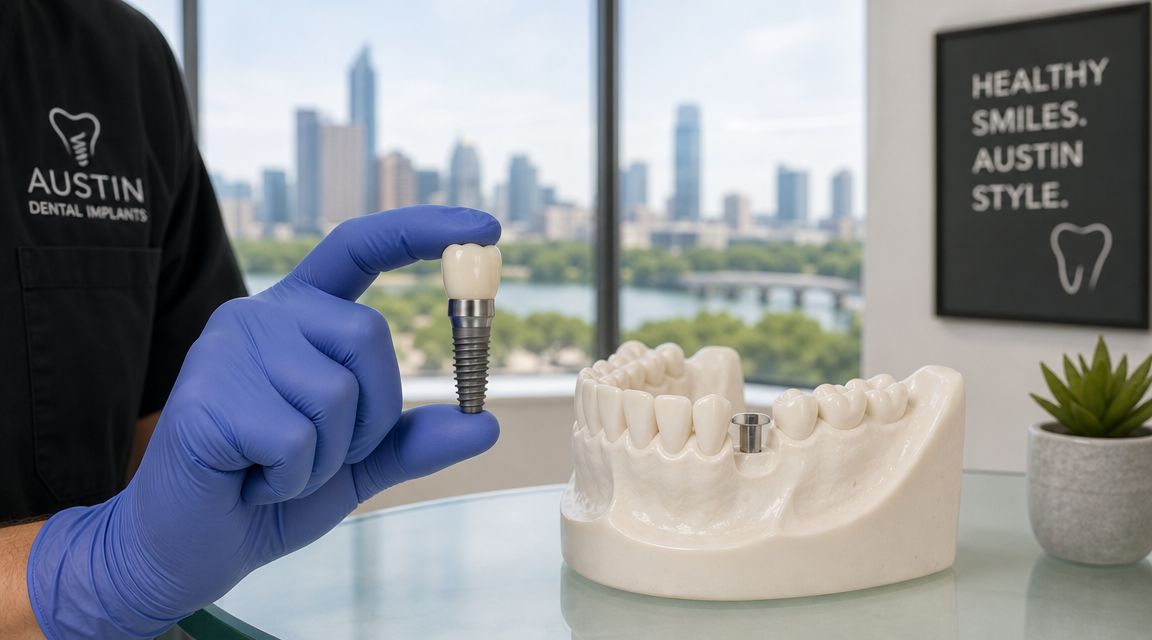
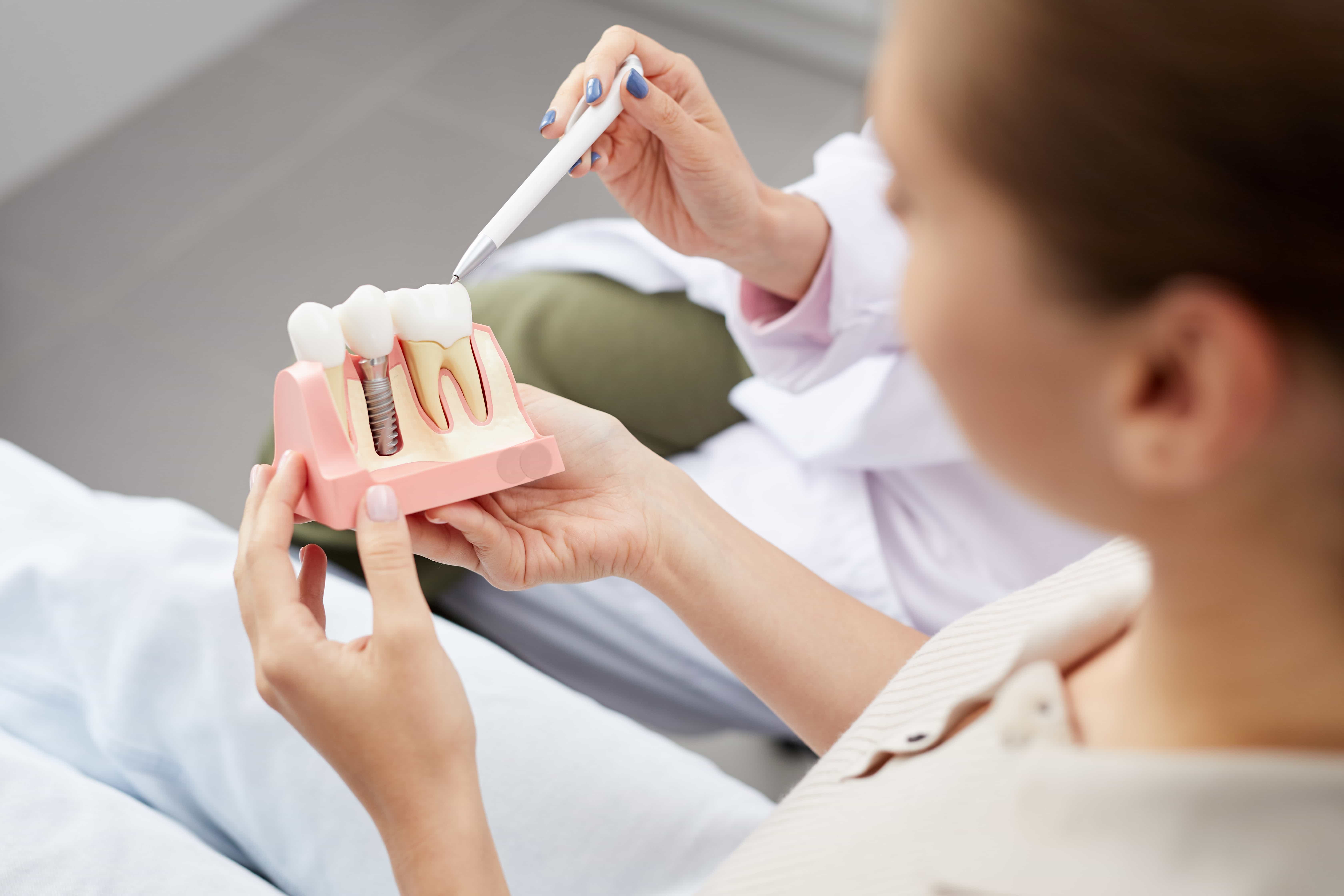
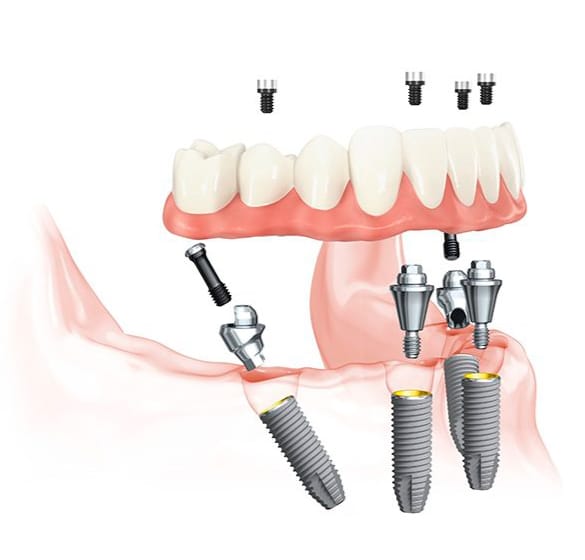
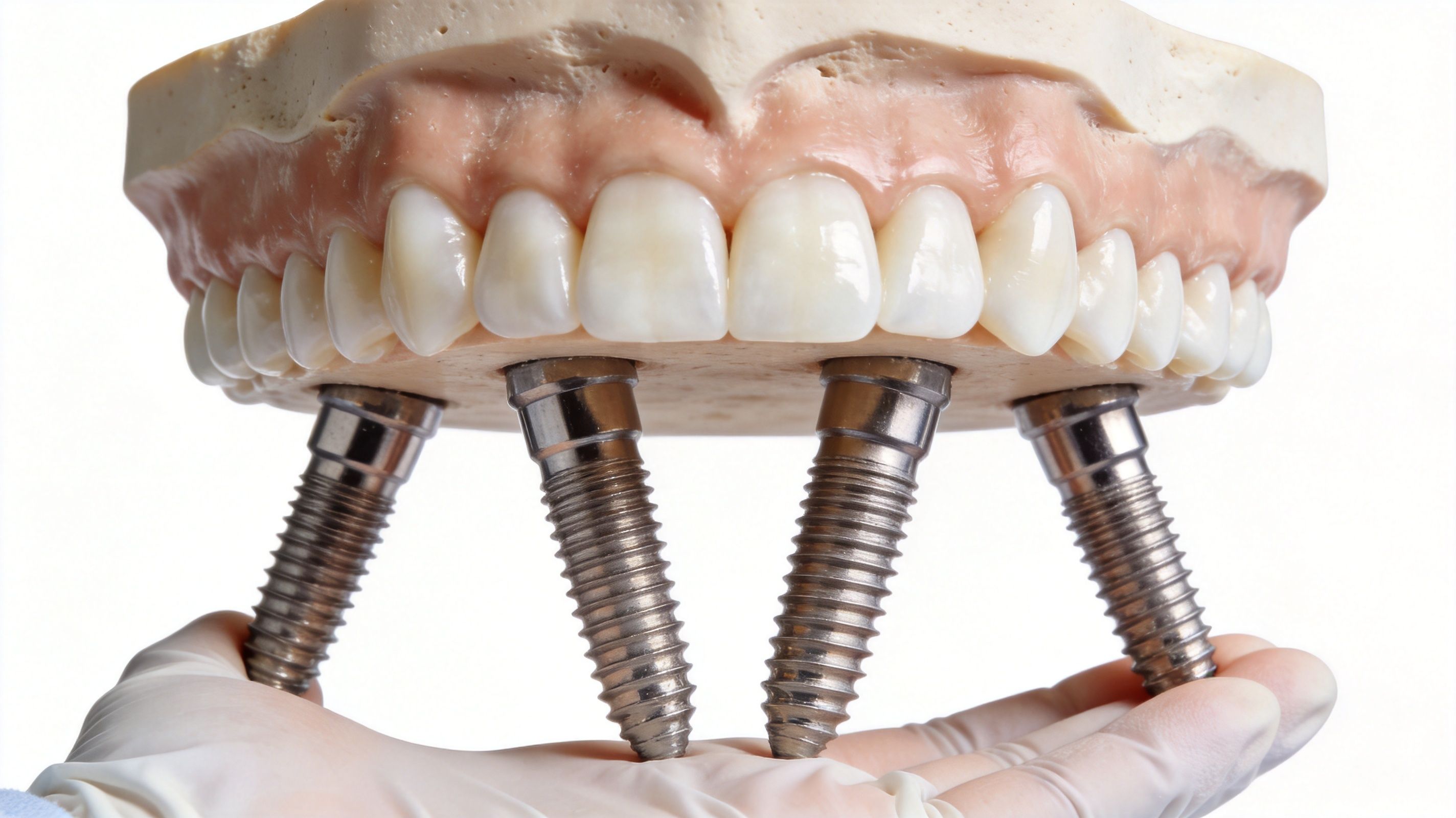
For patients with dental implants, waiting 30 to 60 minutes before eating is critical because it helps reduce biofilm buildup around titanium abutments and lowers the risk of peri-implantitis, which has a global prevalence of 12-43%. Immediate eating can also reduce fluoride’s protective effect by up to 50% and may work against the long-term integrity of implant restorations such as All-on-4 (guidance on wait time and peri-implantitis risk for implants).
If you have been looking for dental implants near me in Austin or Georgetown, this is one of those details that protects your result after treatment.
For more home-care guidance, this article on how to care for dental implants is a helpful next read.
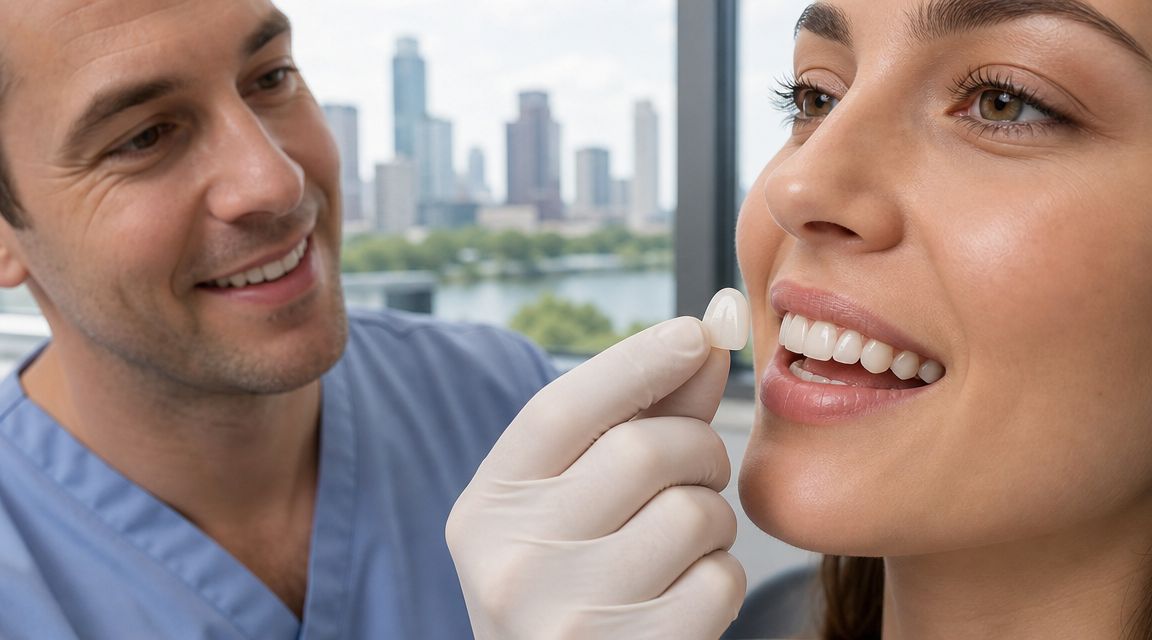
Veneers and cosmetic work deserve gentle habits
Veneers are durable, but they still sit in a mouth that can collect plaque and stain around the edges if habits are poor.
The issue is not that a veneer becomes fragile the second you brush. The issue is that the surrounding enamel, gumline, and bonding margins still benefit from low-acid, low-plaque conditions. If you rush into coffee or sugary foods after brushing every day, the cosmetic result may not look as bright or as clean over time.
That is why patients who want a cosmetic dentist near me often need guidance that goes beyond the procedure itself. The best cosmetic outcomes are maintained at home.
After whitening, timing matters for stain control
Freshly whitened teeth are more likely to pick up color from dark foods and drinks.
A simple way to think about it is this. If you have just brightened your smile, do not rush from the toothbrush to coffee, tea, or pigmented foods. Give your teeth a quiet window first. Then be selective about what you eat and drink for the rest of the day, based on the instructions your dental team gives you.
Tip for cosmetic patients: The more effort you put into timing and home care, the longer whitening and veneer results usually stay looking polished.
After tooth extraction or surgery, follow your dentist’s instructions first
This situation is different.
When you have had a tooth extraction, implant placement, gum treatment, or another oral surgery, the main goal is protecting the healing area. That usually means choosing soft foods, avoiding disturbing the site, and following the exact aftercare instructions you were given.
Do not assume general brushing advice overrides surgical instructions. Healing tissues need a custom plan.
A patient recovering from a wisdom tooth extraction has very different needs than someone with healthy teeth heading to brunch. If you are unsure, call your dental office and ask before eating.
Tips for Kids Building Healthy Habits with Your Family Dentist
Parents usually do not struggle with the science. They struggle with the schedule.
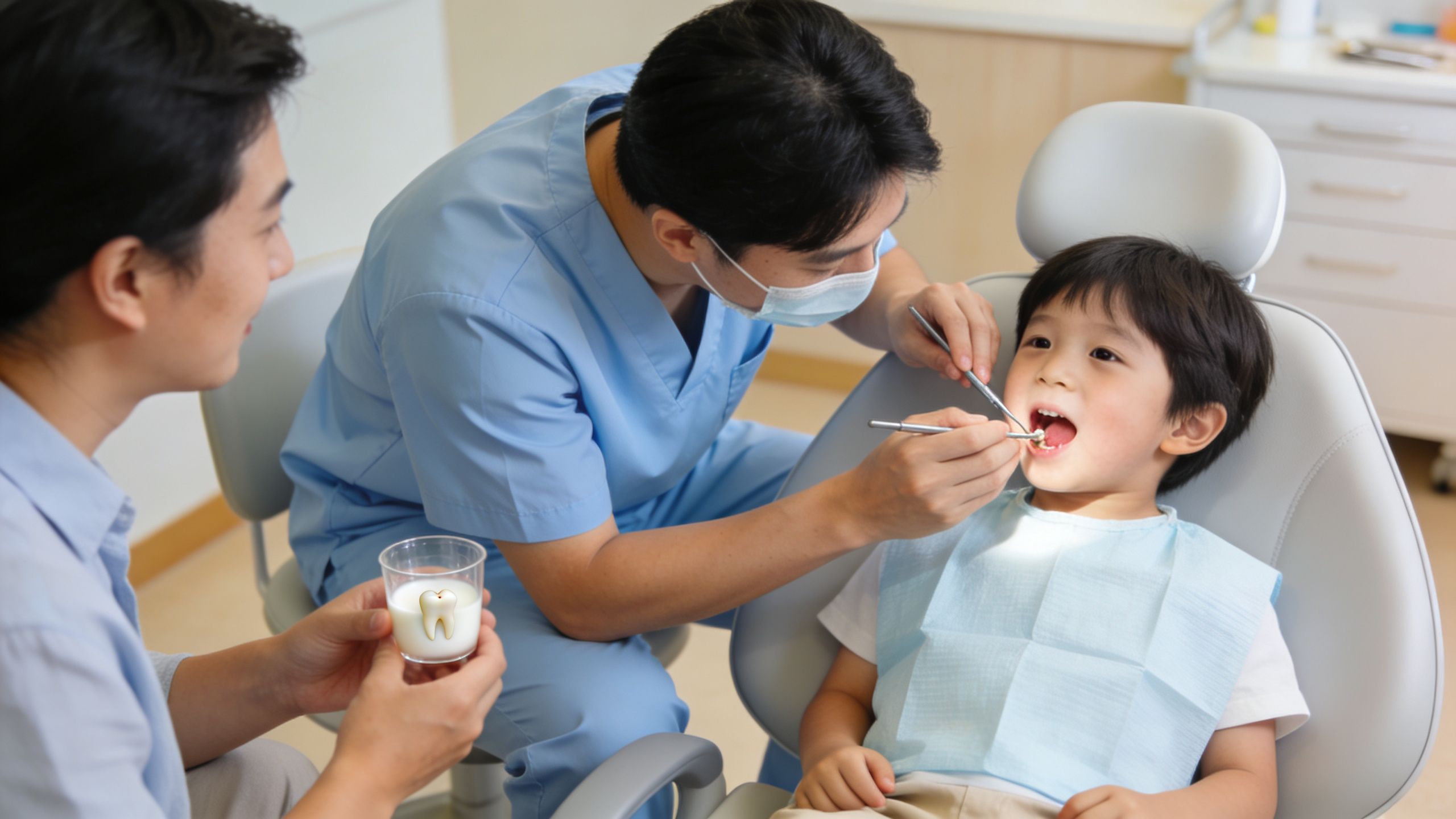
Kids brush, then ask for a snack. Kids brush, then remember they forgot milk. Kids brush, then suddenly need “just one bite” of something before bed. Teaching the wait after brushing is not about perfection. It is about building a pattern that feels normal.
Make the rule easy to remember
Young children do better with simple language.
Try phrases like:
- “Let the tooth vitamins stay on.” This works well for fluoride toothpaste.
- “Teeth are resting now.” Good for bedtime.
- “Food time is before brush time.” A useful family rule.
The goal is not to turn brushing into a lecture. The goal is to make the sequence predictable.
Build routines that reduce conflict
A smoother routine often works better than a stricter one.
Consider a few practical setups:
- After-dinner cutoff: Finish snacks earlier, then brush later
- Story after brushing: Replace snack requests with reading time
- Fun timer: Use a visible timer so children can see the wait
- Water only: If they want something after brushing, offer water
These routines help families in Austin, Georgetown, and Wells Branch avoid the nightly bargaining that can make oral care feel exhausting.
Parent reminder: A child who learns this early is more likely to protect their teeth, future fillings, orthodontic work, and cosmetic care later in life.
Show them, do not just tell them
Kids often learn faster when they can watch and copy.
This short video can help reinforce brushing habits in a kid-friendly way.
Children do not need a long explanation about enamel erosion. They need repetition, structure, and adults who stay consistent. That is why family dentistry is about coaching as much as cleaning.
For parents looking for a dentist near me or a family-focused dentist in Austin, TX, preventive habits like this are part of keeping future dental visits simpler and less stressful.
Protect Your Smile What to Expect at 3D Dental
Many people put off care because they expect a dental visit to feel rushed, confusing, or uncomfortable.
A better experience usually starts before you even walk in. You schedule an appointment, get clear guidance, and know where you are going. When you arrive, you are not guessing what happens next.
A visit built around clarity
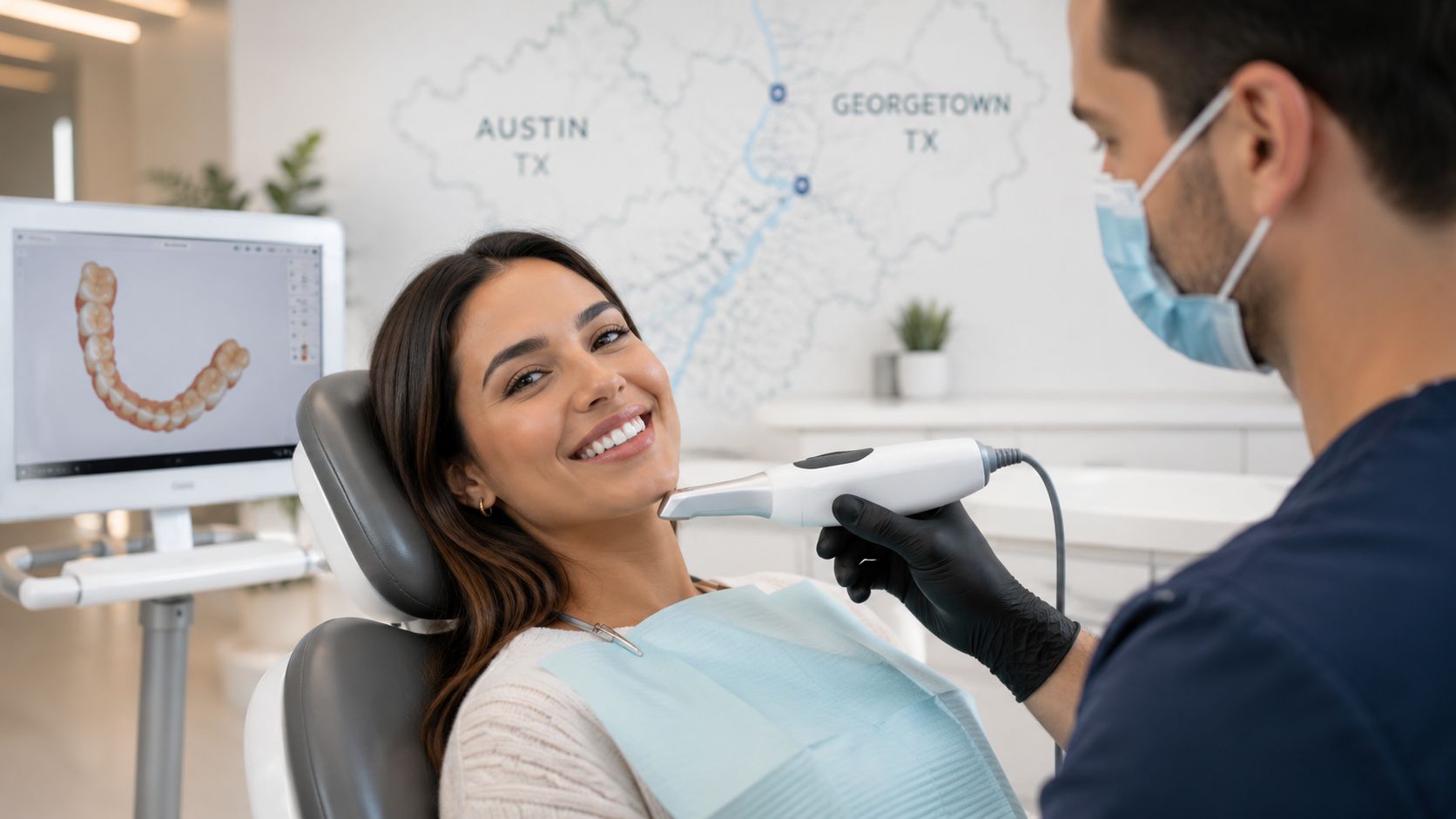
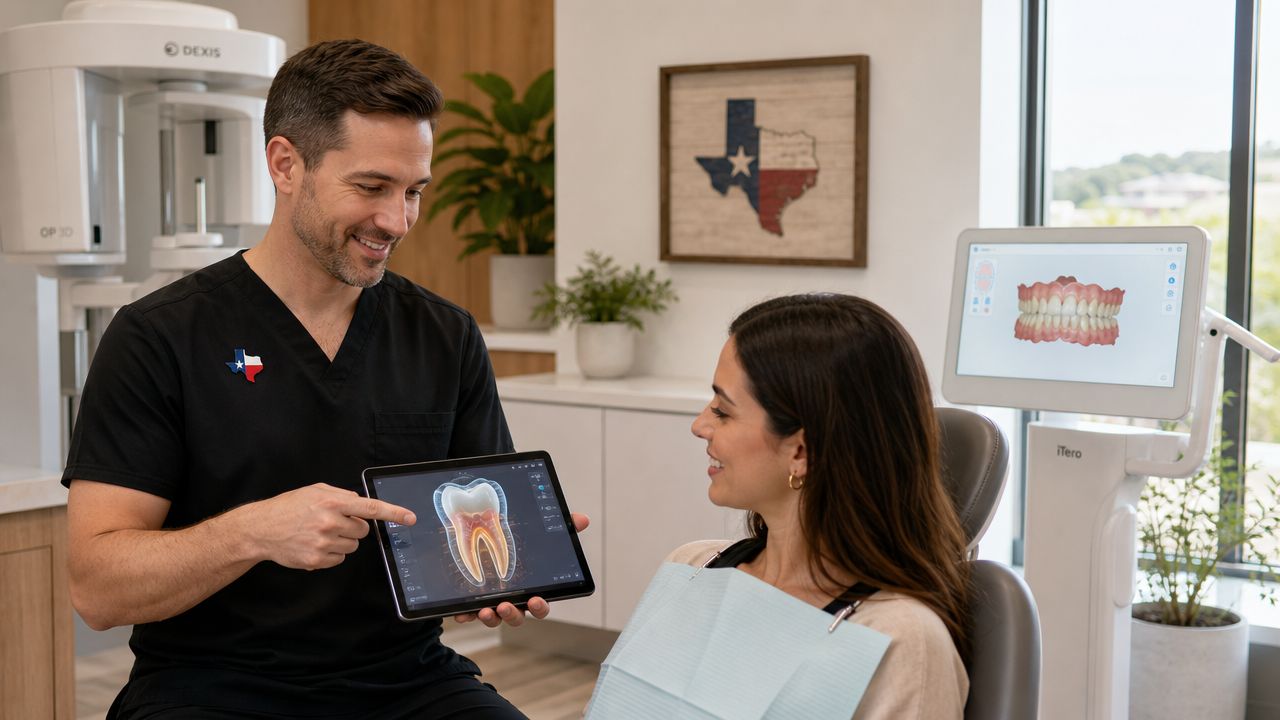
At 3D Dental, patients in North Austin and Georgetown can expect a modern, patient-first setting with careful attention to comfort.
A typical visit may include:
- A thorough exam: Your dentist reviews current concerns, habits, and goals
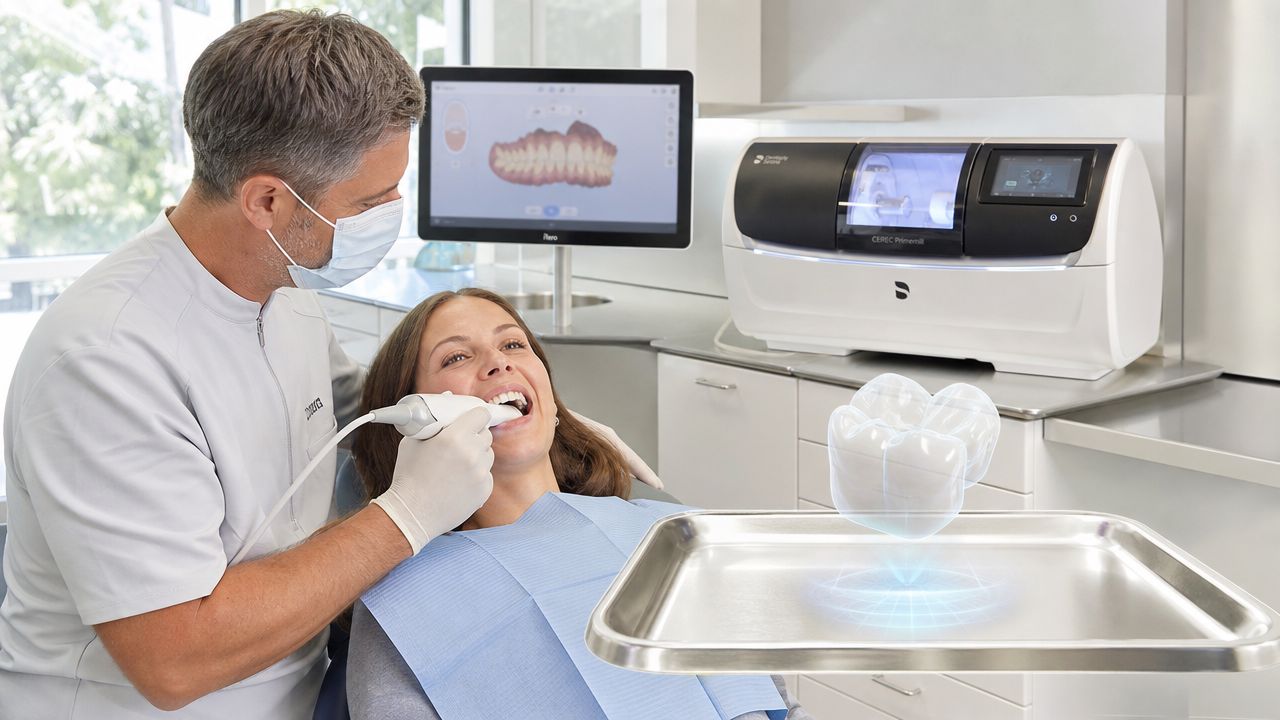
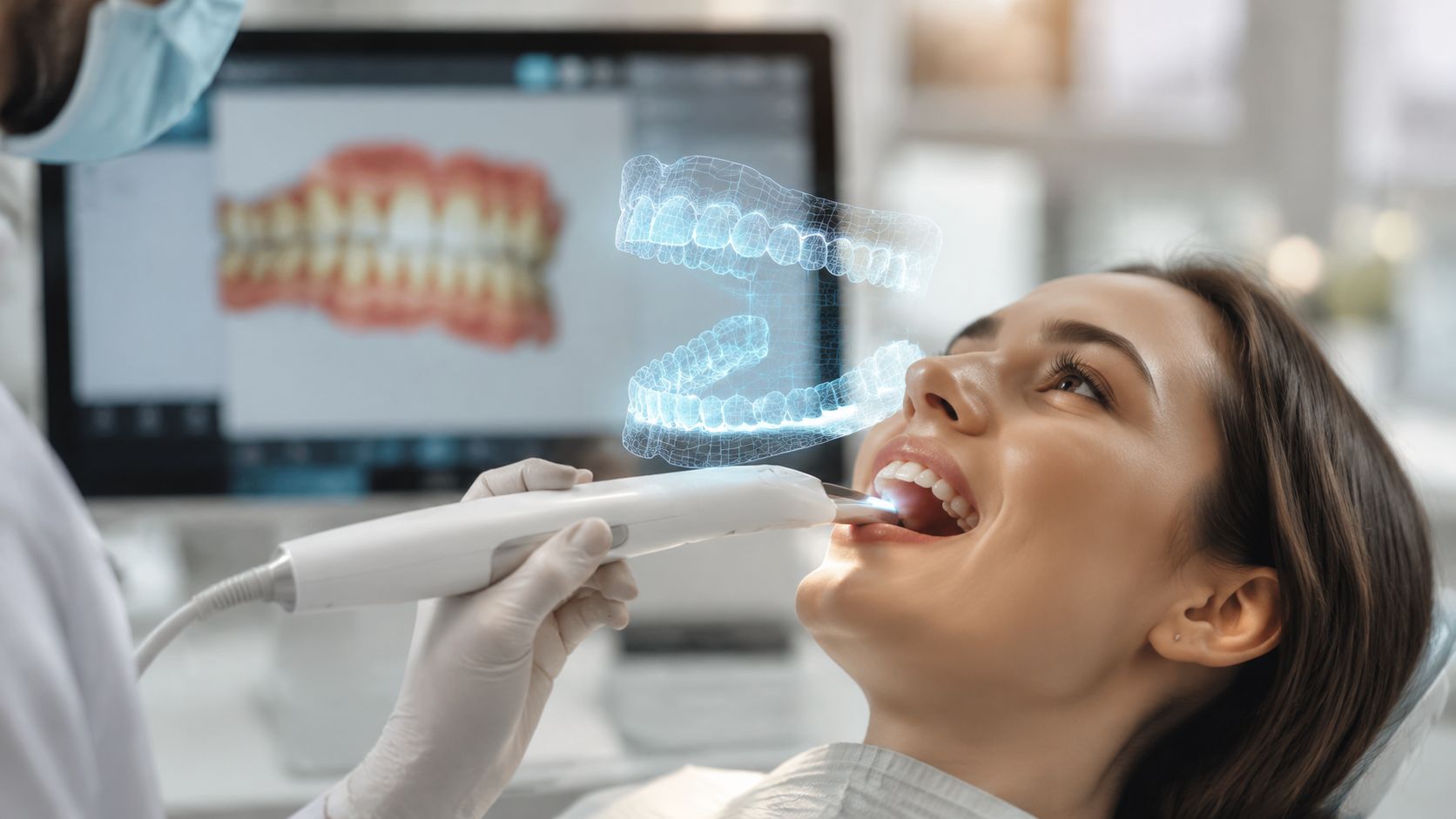
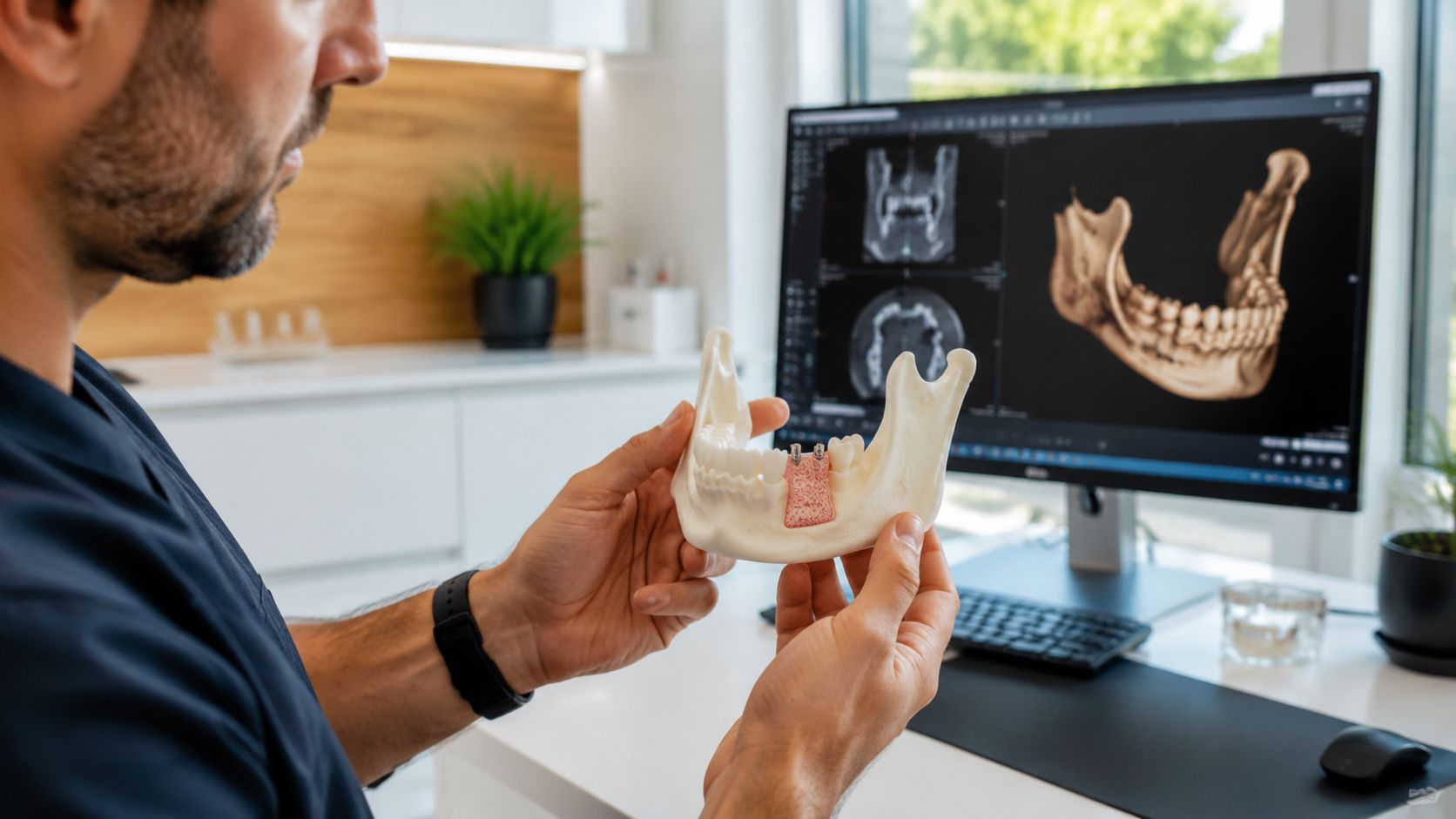
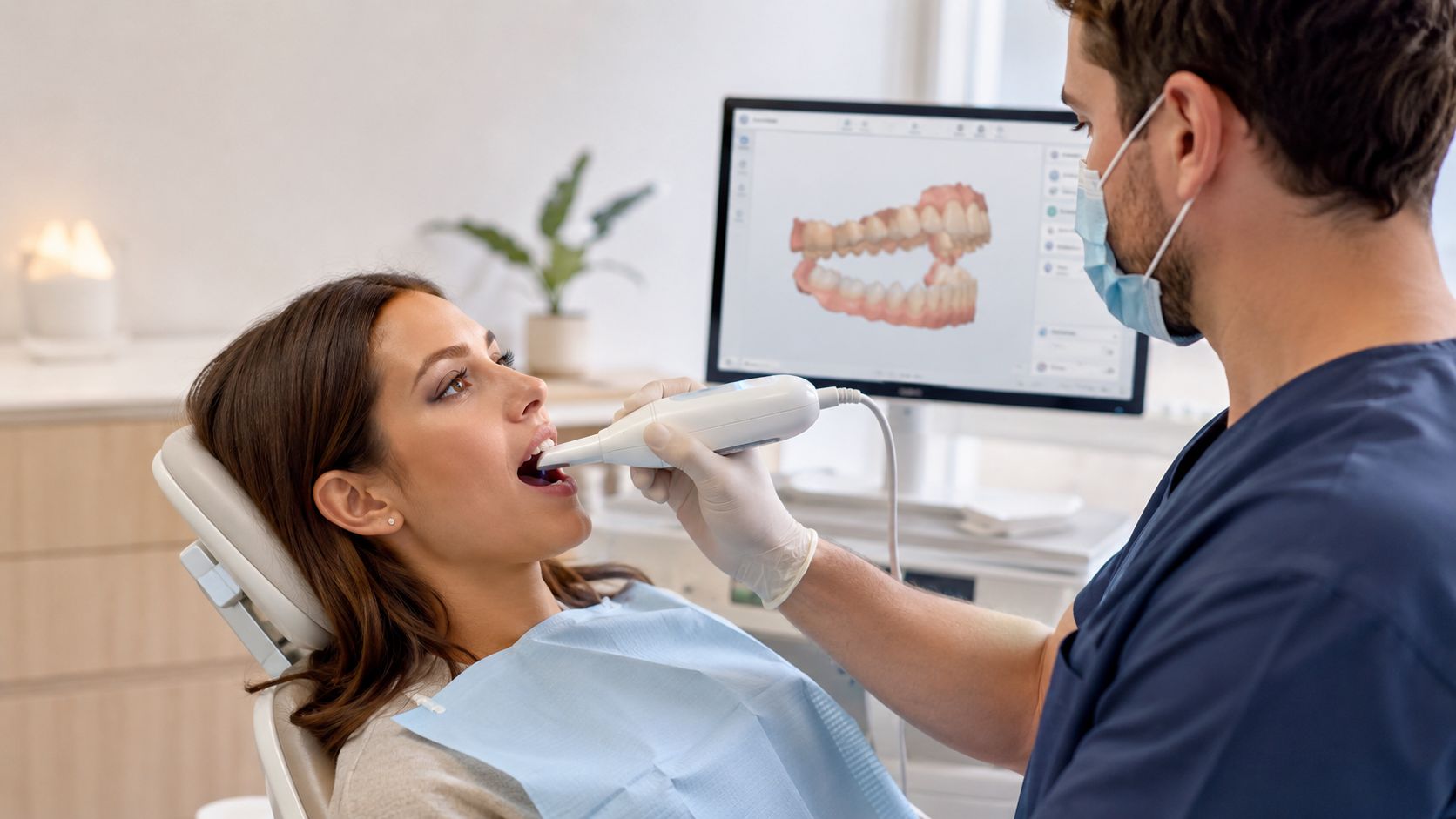
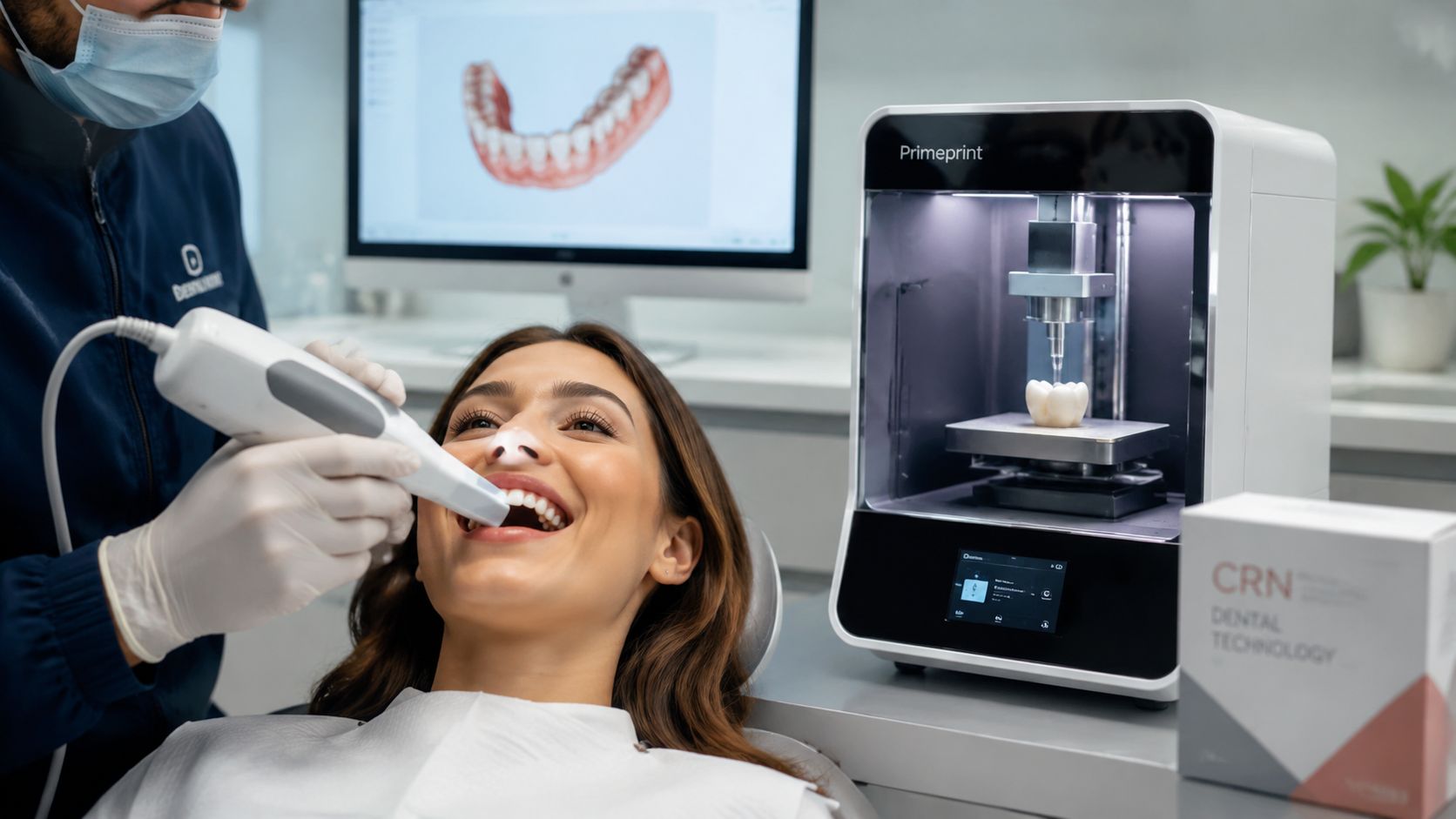
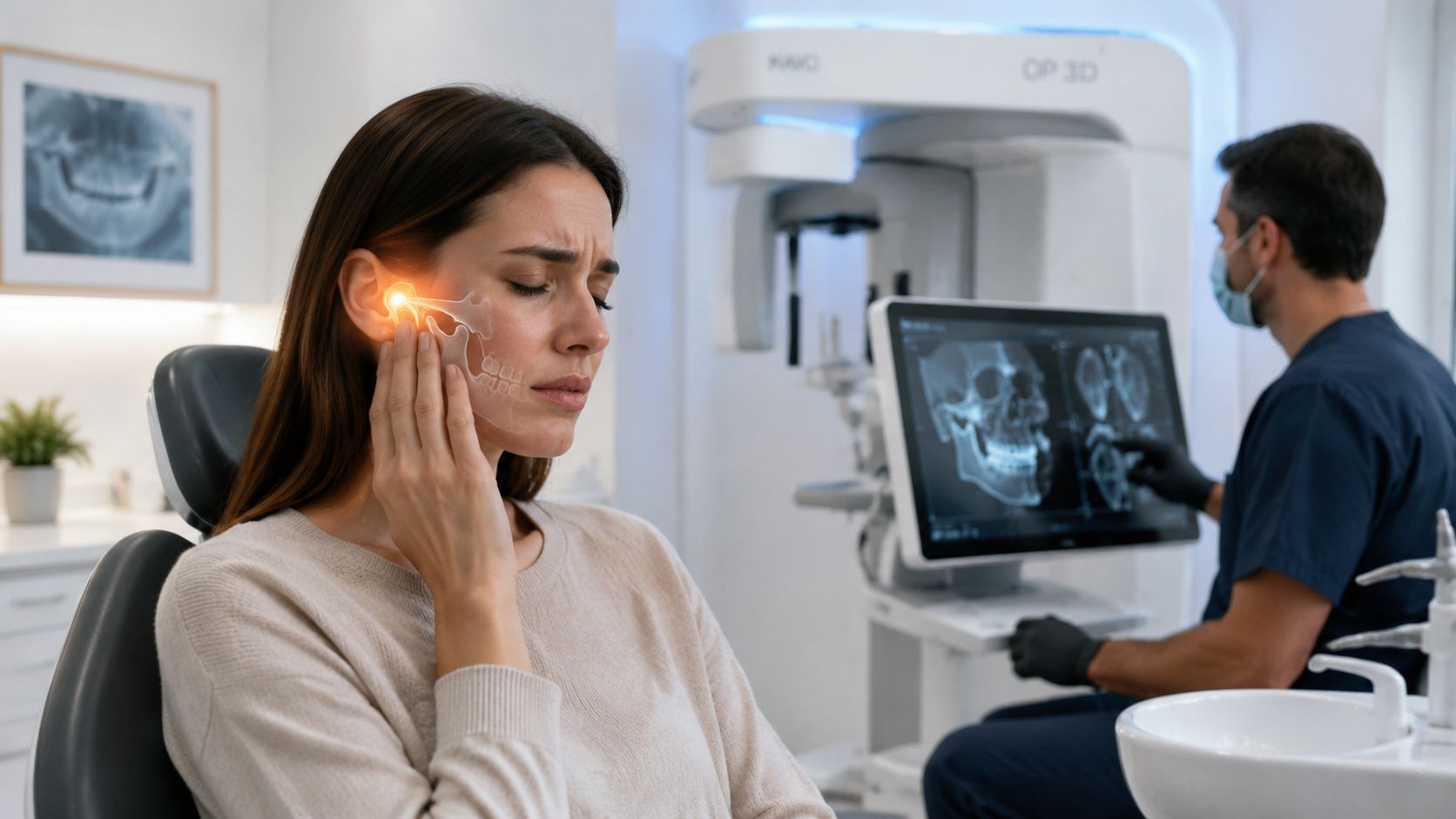
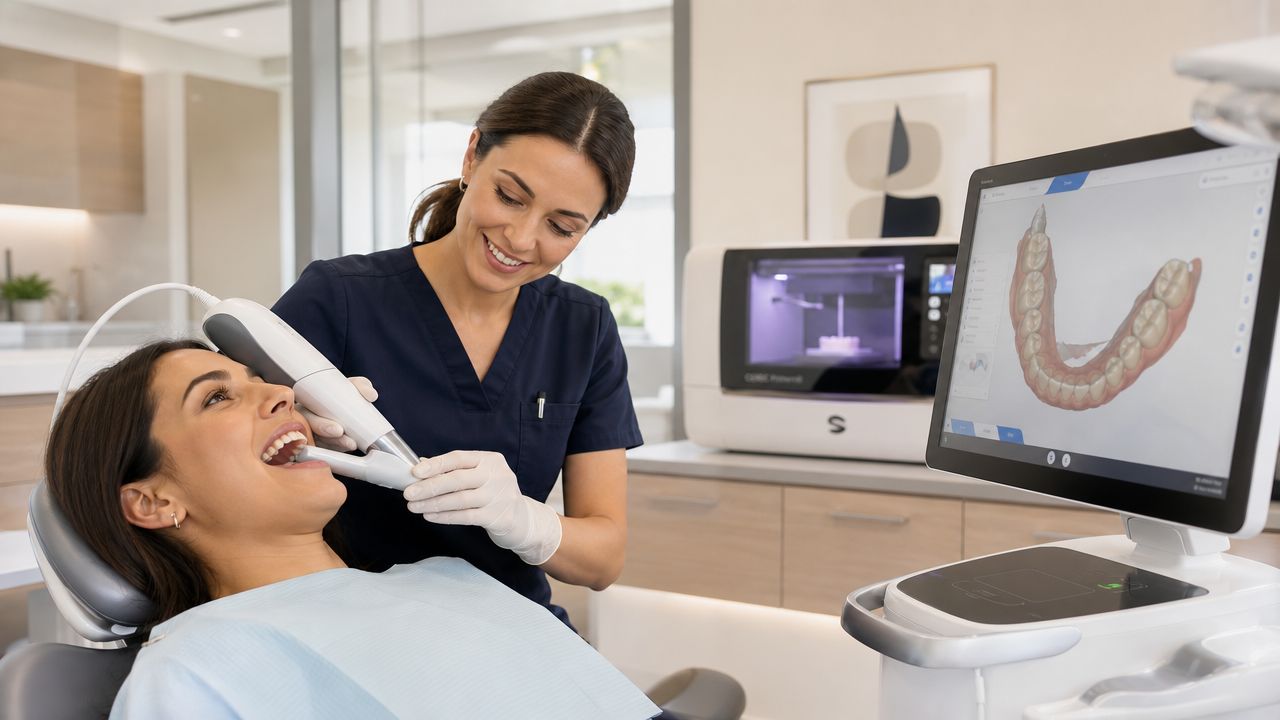
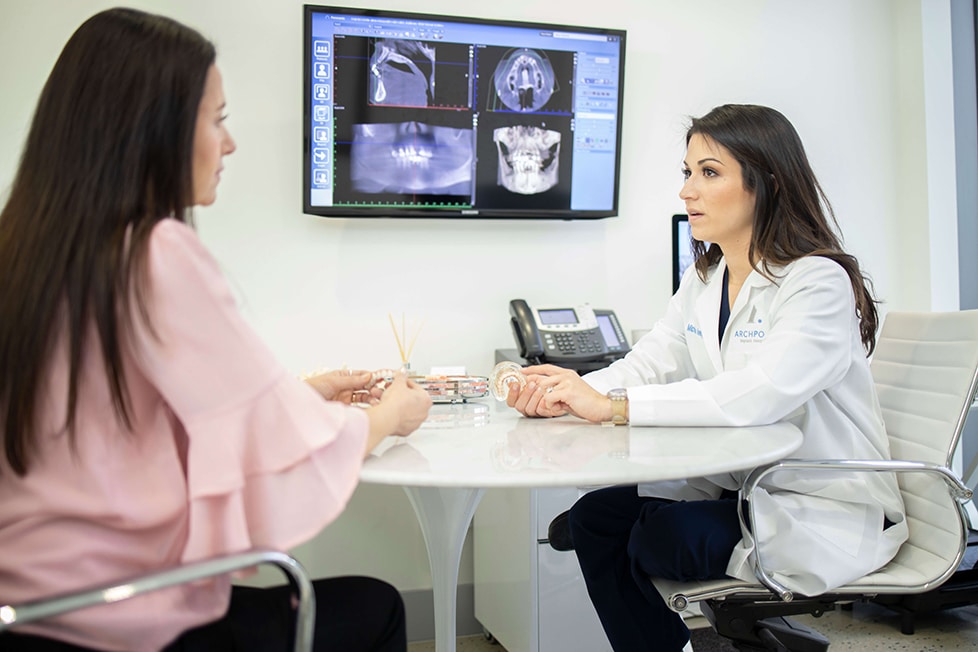
- Digital imaging: 3D CT imaging, digital scanners, and digital x-rays support precise diagnosis
- Clear treatment planning: You see what is happening and why it matters
- Practical next steps: Home-care guidance matches your treatment, whether you need preventive care or something more advanced
Support for everyday care and complex cases
Some patients come in for routine cleanings and exams.
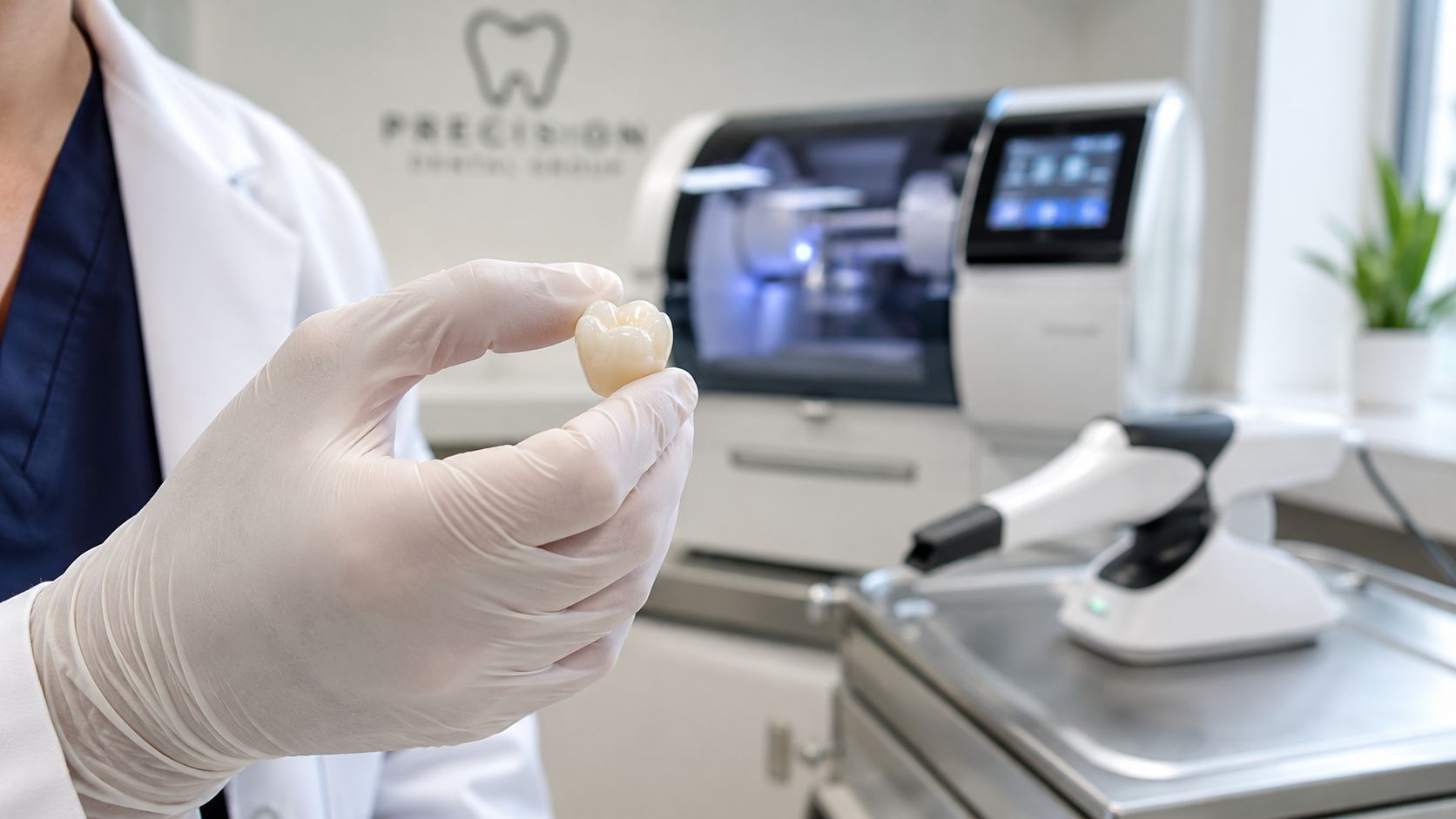
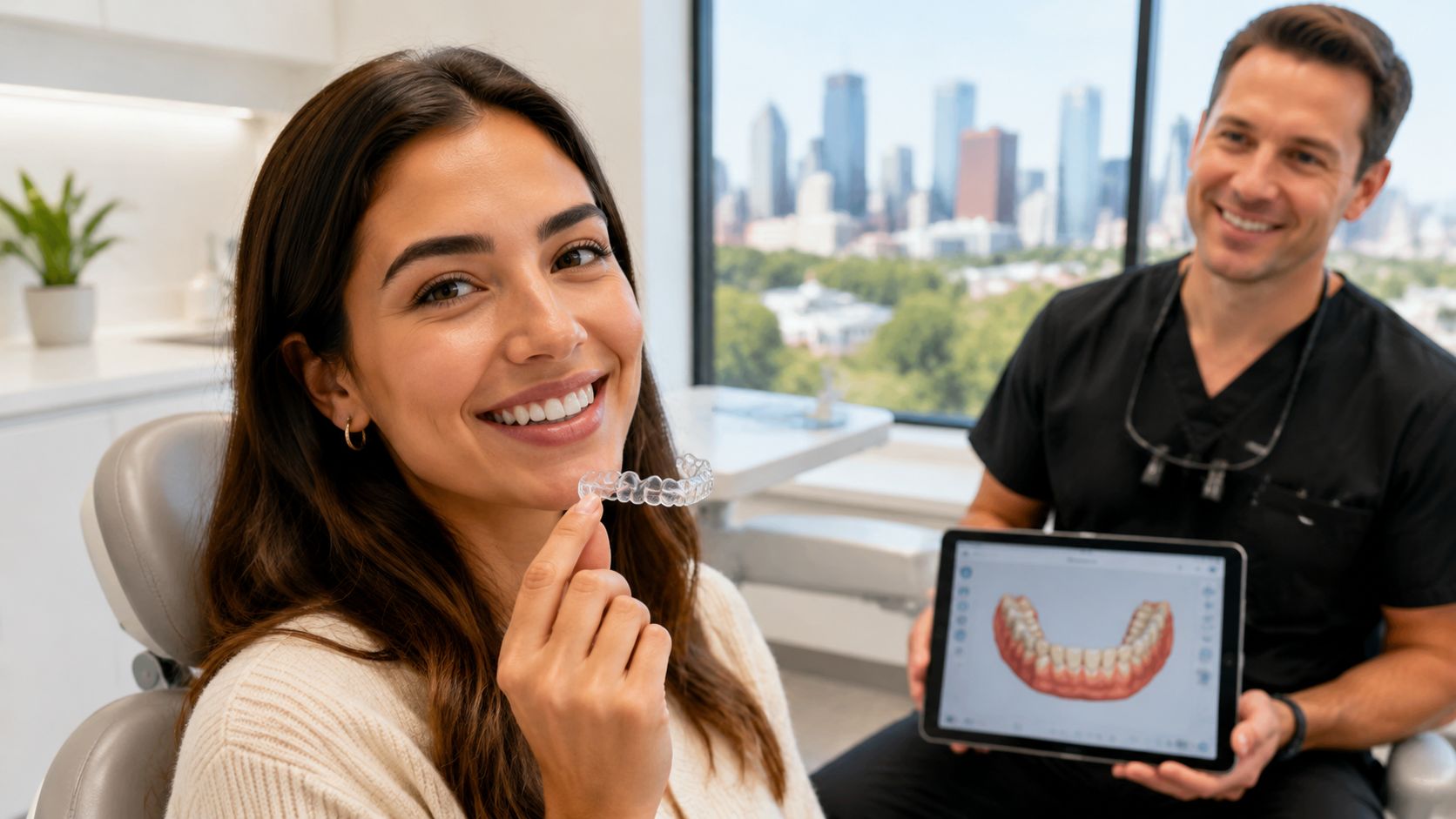
Others need more involved care, such as crowns, veneers, root canals, braces, clear aligners, gum treatment, wisdom tooth extraction, or emergency dentist services. Patients considering full-arch replacement or single-tooth replacement also benefit from advanced planning tools that help improve precision and efficiency.
Why the technology matters
Modern tools are not just about looking impressive.
They help the dental team spot problems earlier, plan treatment more accurately, and make appointments more comfortable. That matters whether you are coming in for a new patient exam, cosmetic consultation, or implant planning.
For many adults searching for a dentist near me in Austin or Georgetown, knowing what to expect lowers a lot of anxiety. Clear communication and organized care make it easier to stay consistent with dental health over time.
Your Oral Health Questions Answered by Our Georgetown Dentists
If you remember one thing from this article, remember this. If you are wondering can you eat after brushing teeth, wait at least 30 minutes whenever possible. That pause helps protect your enamel, supports fluoride, and makes your routine more effective.
Below are the questions people ask most often.
Can I drink water right after brushing
Yes. Water is generally the safest choice right after brushing.
Water does not feed bacteria the way sugary foods and drinks do, and it does not bring the same acid challenge as juice or soda. If you want something immediately after brushing, plain water is your best option.
Is it better to brush before breakfast or after breakfast
That depends on your routine.
If you like brushing first thing in the morning, wait before eating. If breakfast includes acidic foods or coffee, many people do well eating first and brushing later. The key is avoiding a pattern where enamel gets hit by acid and abrasion too close together.
What if I brush after an acidic meal
Wait before brushing.
Acid lowers the mouth’s pH and softens enamel. Brushing right away can add friction when the tooth surface is not ready for it. Giving your mouth time to recover is the safer choice.
Does this matter at night more than in the morning
Yes, for many people it does.
At night, saliva flow drops, so your mouth has less natural help washing away food particles and balancing acids. That is why bedtime brushing works best when it is the final step before sleep.
If I eat after brushing at night, what should I do
Do not assume the earlier brushing still covers you.
If you eat after brushing before bed, the practical answer is usually to clean your teeth again in a way that fits your dentist’s instructions and your own oral health needs. The goal is not to leave food and sugar on the teeth overnight.
Does this advice matter if I have veneers or implants
Yes.
Cosmetic and restorative dentistry lasts best when home care is steady. Veneers still need a healthy gumline and clean margins. Implants need careful hygiene around the restoration. Timing after brushing is a small habit that supports bigger dental investments.
I have tooth sensitivity. Could this be part of the problem
It could be.
Sensitivity can have several causes, but frequent acid exposure, enamel wear, and poorly timed brushing habits can contribute. If your teeth feel sensitive often, it is worth having a dentist evaluate the cause instead of guessing.
When should I schedule a dental visit
Schedule a visit if you are due for a cleaning, have sensitivity, notice staining that is getting worse, have questions about implants or cosmetic work, or want a more personalized routine.
That includes people searching for dentist in Austin, TX, dentist near me, cosmetic dentist near me, dental implants near me, tooth extraction, or emergency dentist care in Austin, Georgetown, Cedar Park, Round Rock, Liberty Hill, or Wells Branch.
If you want personal guidance on protecting your teeth, veneers, or implants, schedule a visit with 3D Dental. The team serves North Austin and Georgetown with preventive care, cosmetic dentistry, restorative treatment, dental implants, and patient-friendly support that helps you keep your smile healthy between visits.
Ready to get started?
Schedule a free, no obligation consultation with our team and see what's possible for your smile!
Georgetown
- Mon-Thurs8:30am-5pm
- Fri8am-3:30pm
- Sat-SunClosed
Austin
- Mon-Tues8am-5pm
- Wed-Thurs9am-6pmFri8am-2pm
- Sat-SunClosed