
How to Overcome Dental Anxiety: Calm Your Nerves
Related Posts




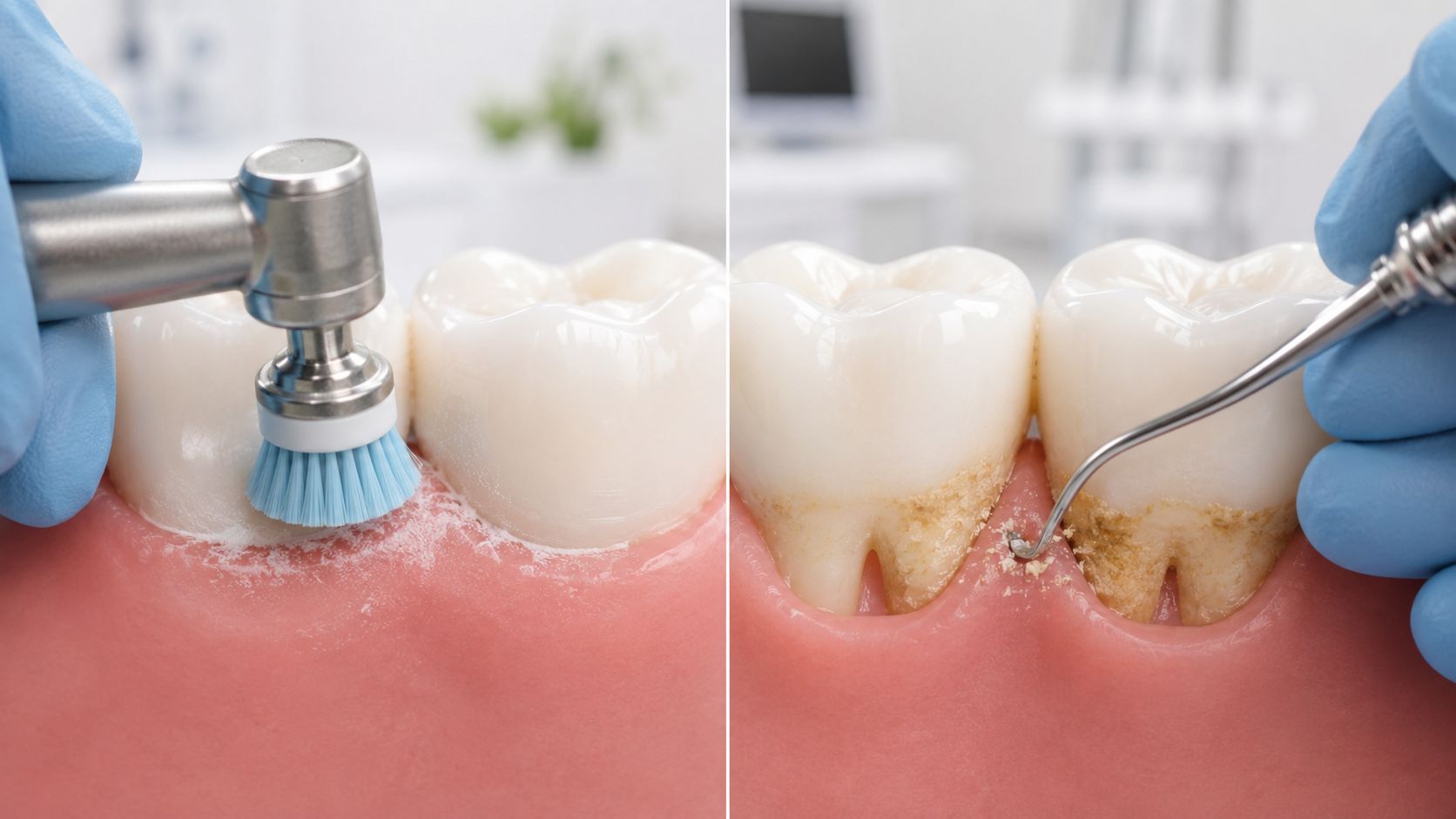



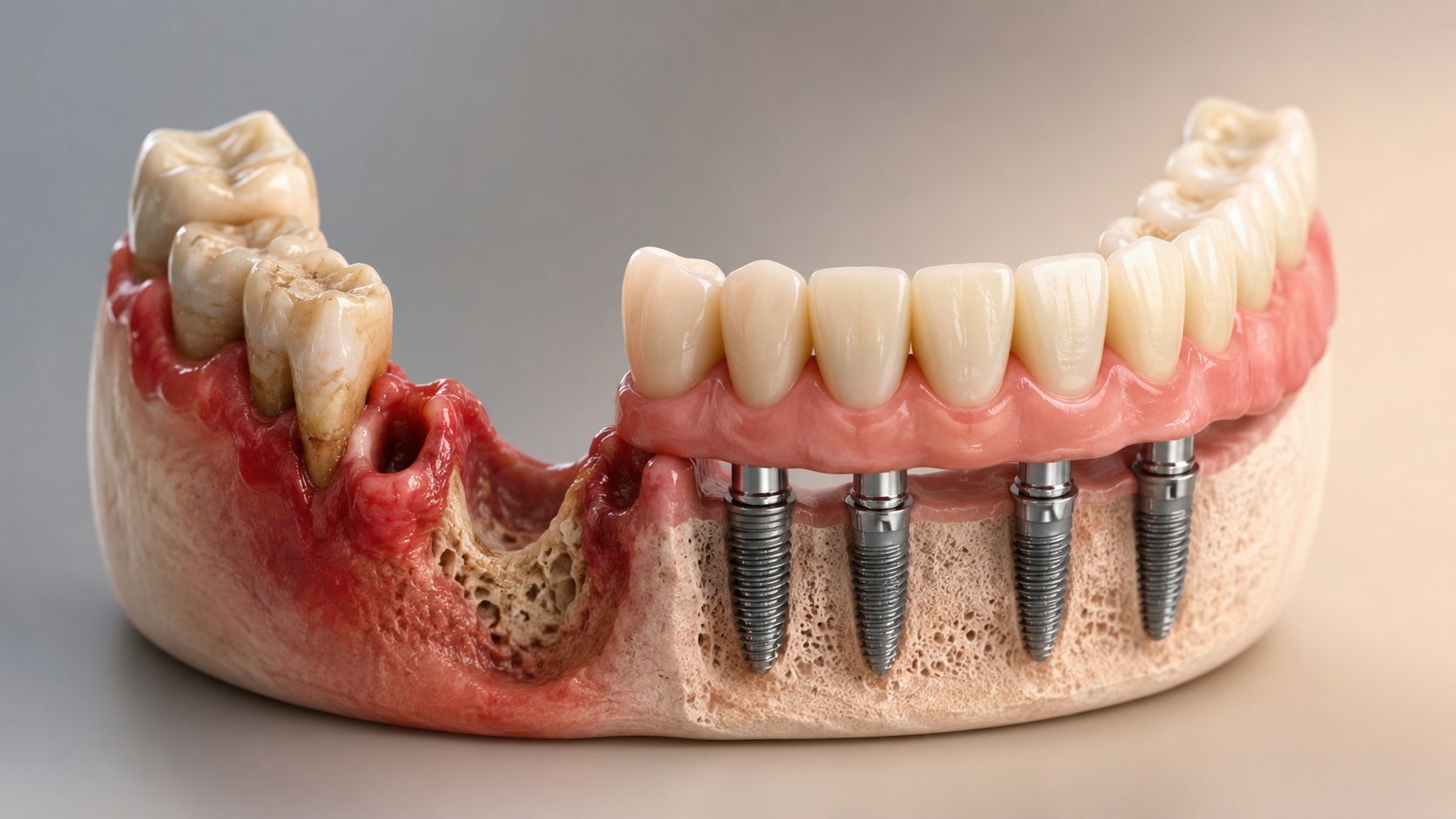
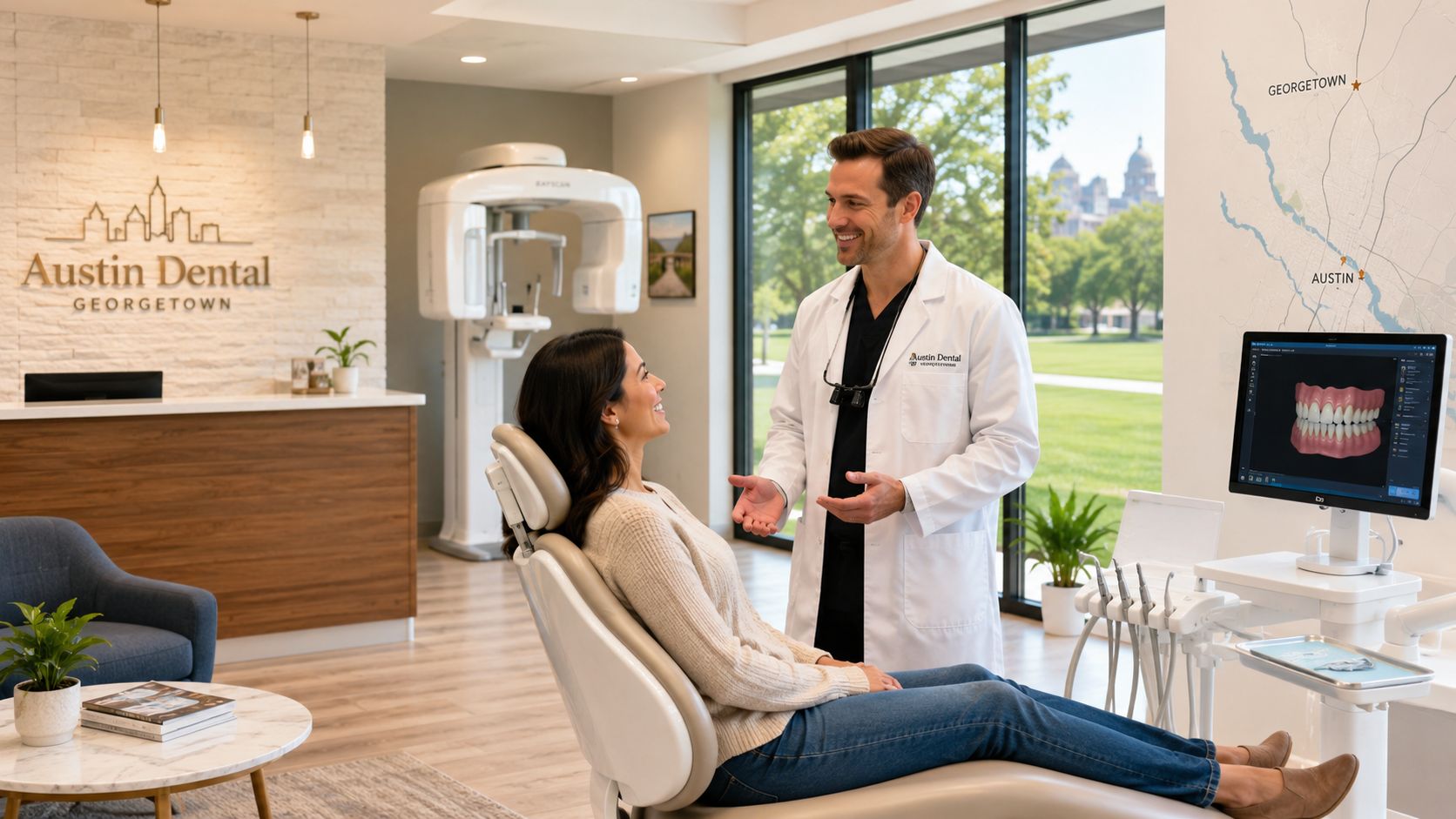
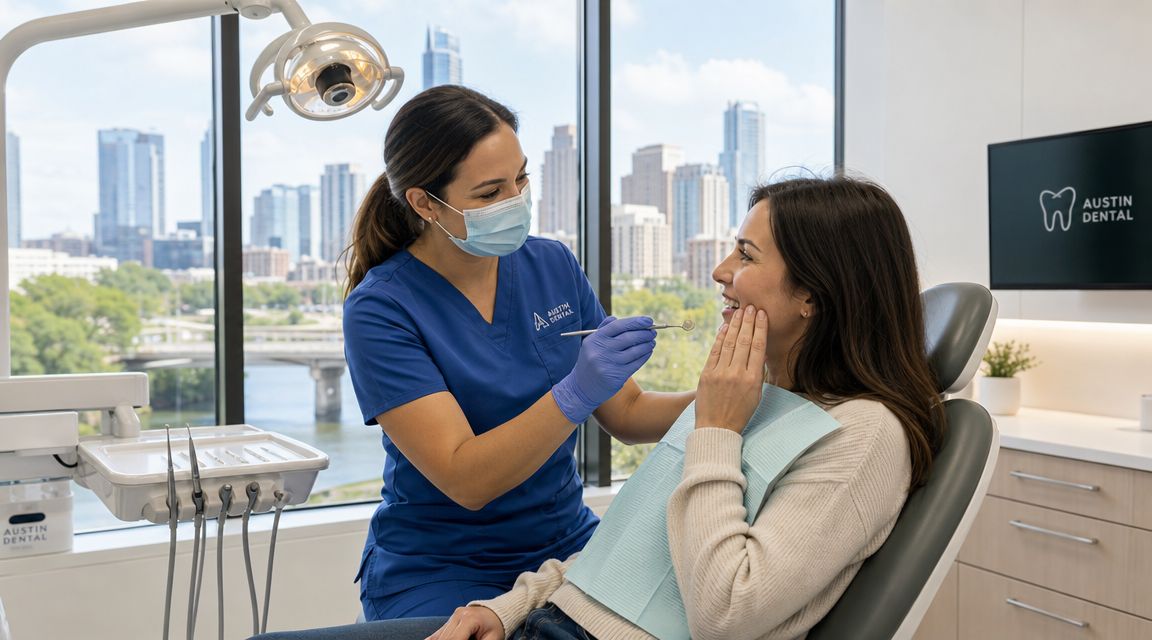

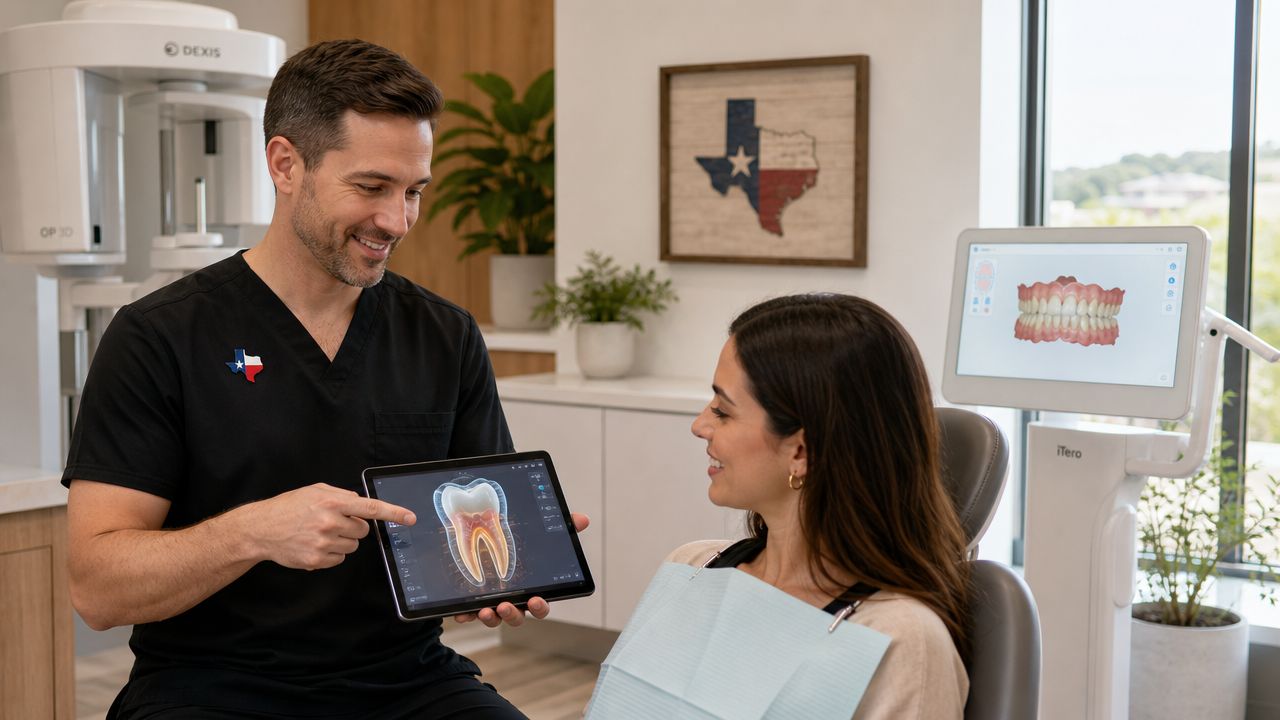
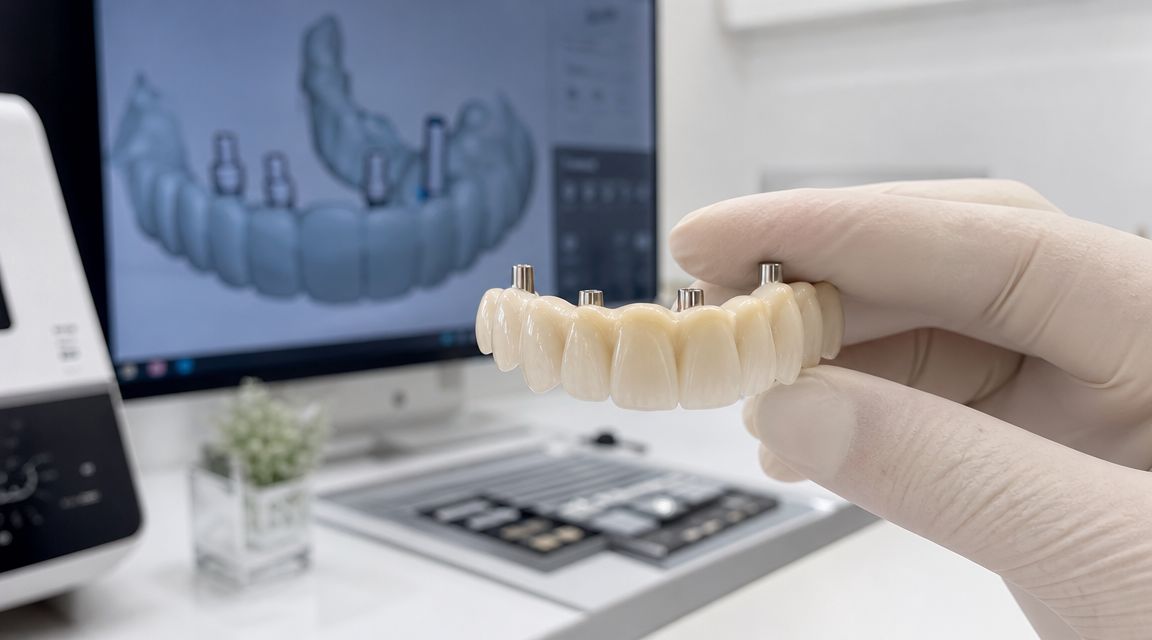
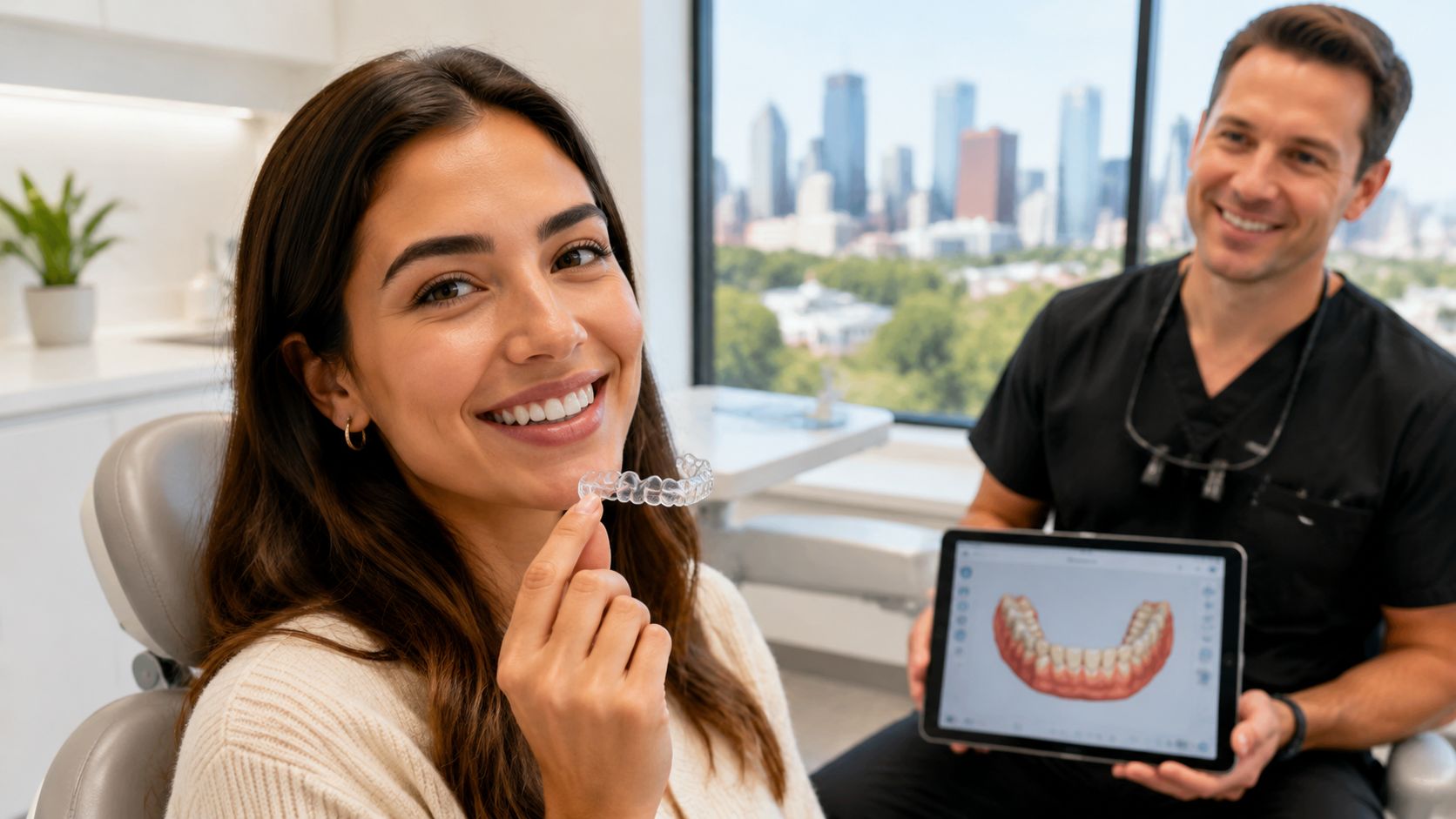
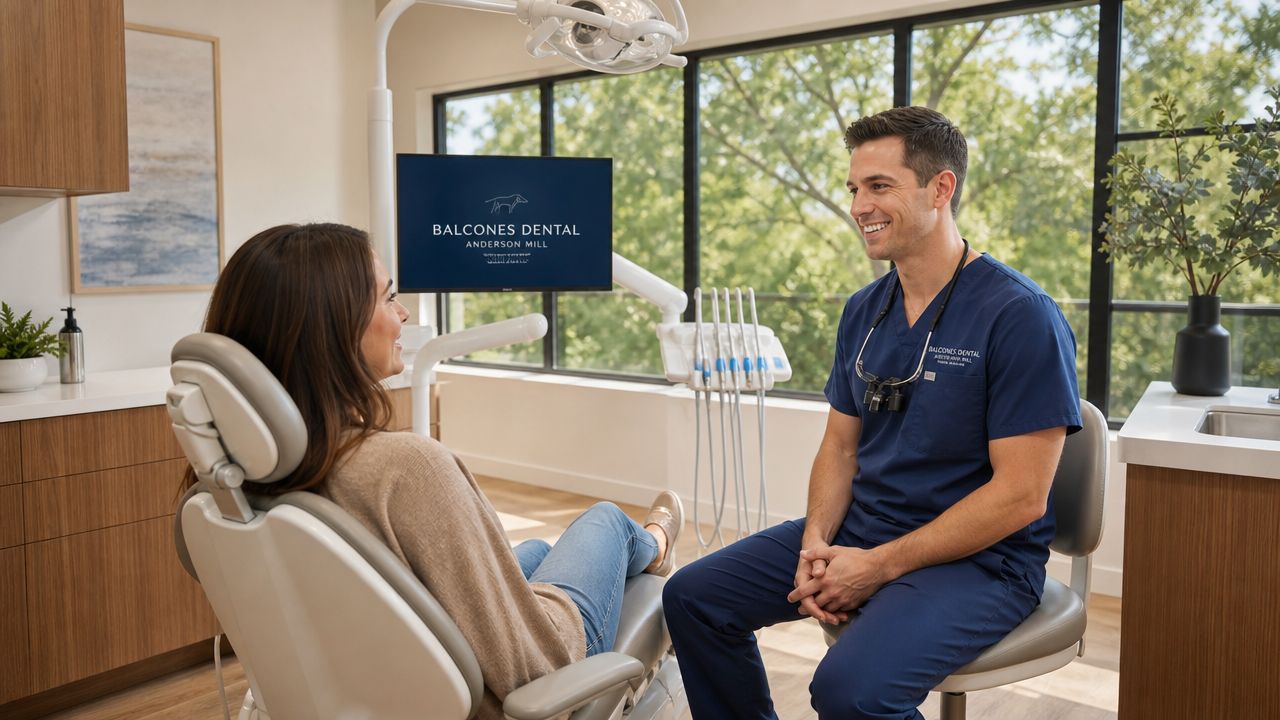




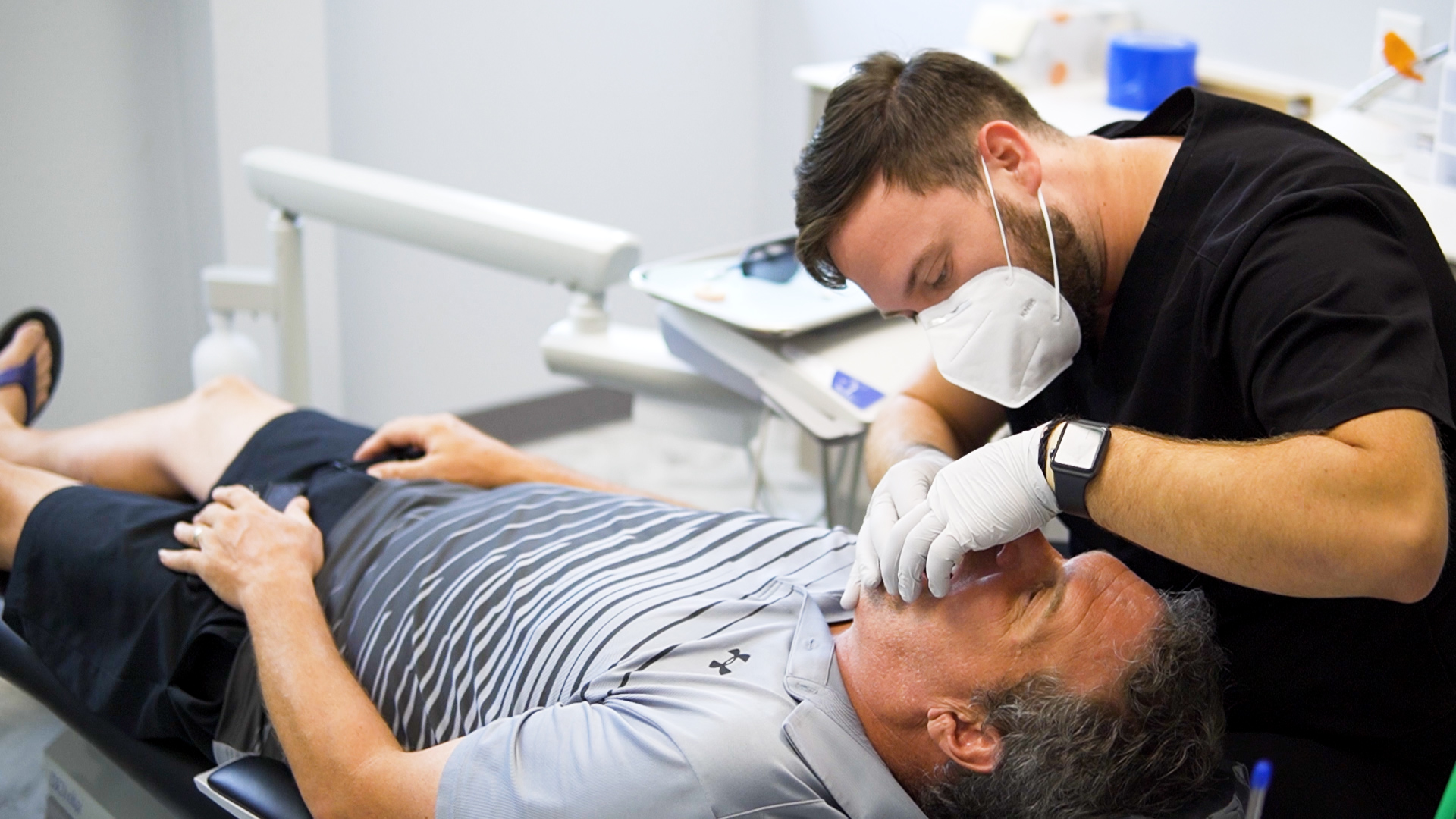
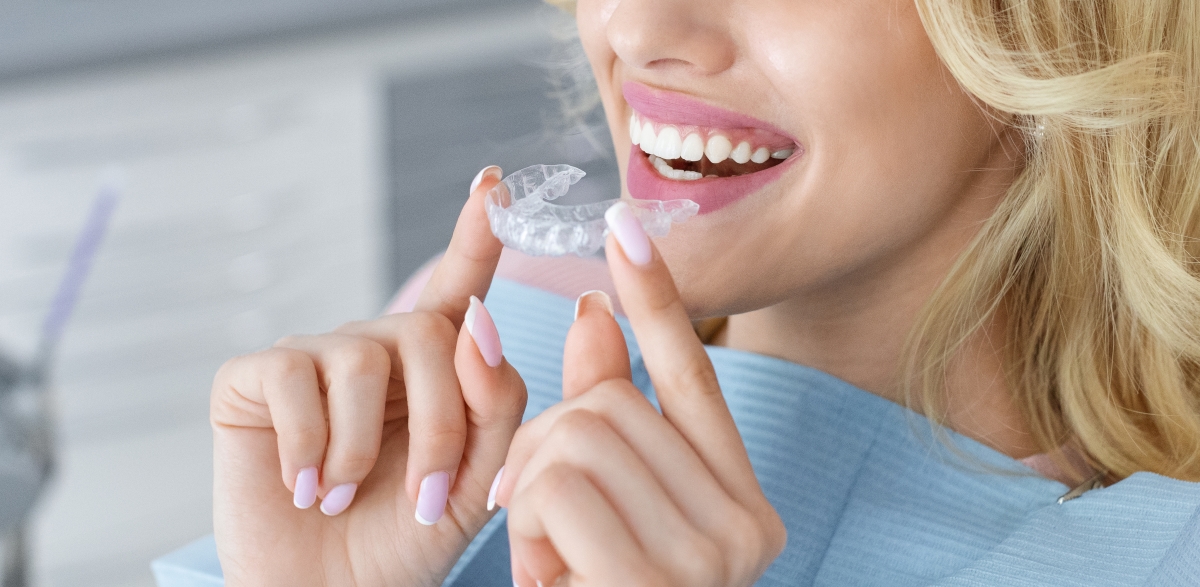
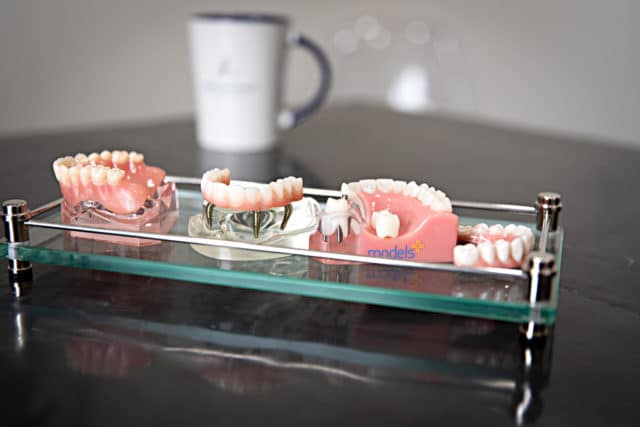
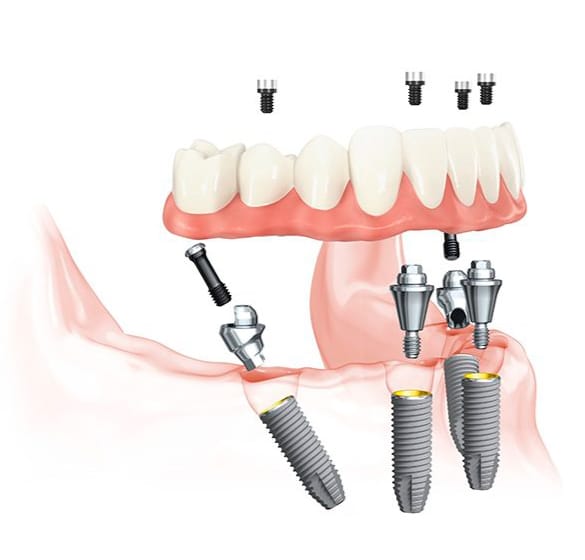














If you're reading this with one tab open on an appointment page and another tab ready to close it, you're not alone. A lot of patients want a healthier smile, relief from a toothache, or answers about dental implants near me, but the thought of sitting in the chair makes their chest tighten first.
That reaction is real. It can come from fear of pain, a rough experience years ago, embarrassment about how long it's been, or not knowing what will happen once the visit starts. The good news is that how to overcome dental anxiety isn't about forcing yourself to “just deal with it.” It starts with understanding what sets your nerves off and choosing a dental office that removes as many triggers as possible before treatment even begins.
Your Trusted Local Dentist for Dental Anxiety in Austin TX
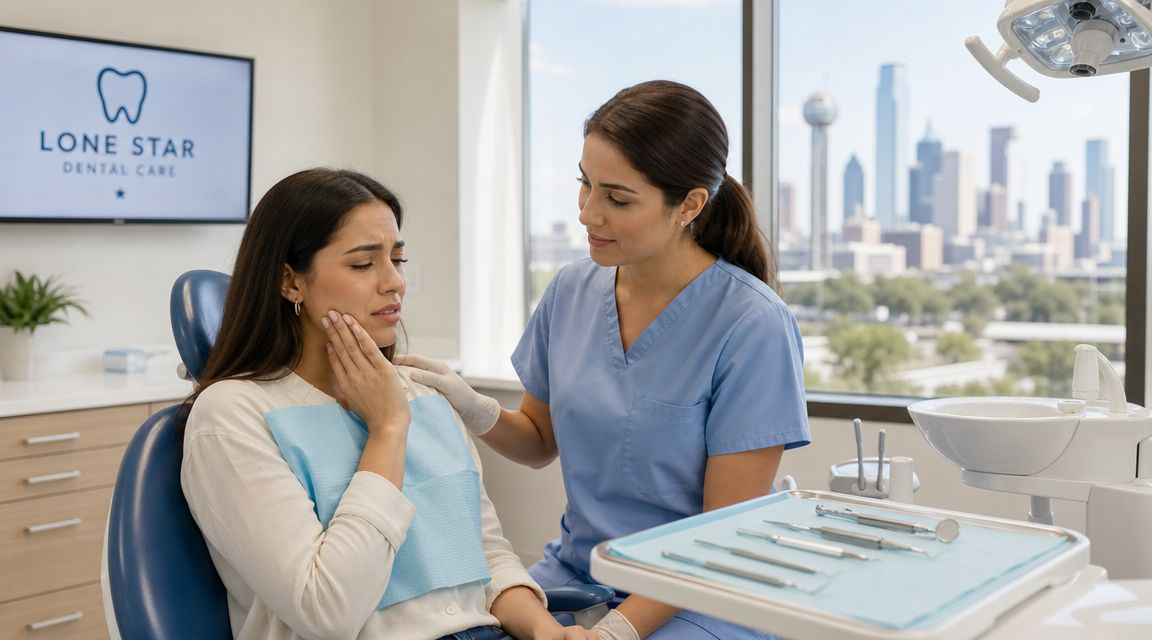
A patient often starts the same way. They notice a broken filling, a tooth that hurts when they chew, or bleeding gums during brushing. They know they need help. Then the mental spiral starts. Will this hurt? Will I need a tooth extraction? Will I be judged because it's been years since my last cleaning and exam?
Those worries are common, and they have real consequences. A 2021 systematic review on dental fear and anxiety established a global estimated prevalence of 15.3%, with severe dental fear and anxiety affecting 3.3% of adults. That matters because people with significant dental anxiety often avoid routine care until small problems become bigger ones.
For patients in Austin, Georgetown, Round Rock, and Cedar Park, that delay often shows up in familiar ways. A cavity that could have been handled with a simple filling turns into a deeper restorative dentistry issue. A tooth that might have been saved earlier becomes an emergency dentist visit. A patient who wanted cosmetic dentistry or dental implants near me puts off treatment because fear keeps winning.
A calm dental visit usually starts long before you sit in the chair. It starts when the team believes anxiety is a clinical concern, not a personality flaw.
That's the mindset patients should look for in a dentist in Austin, TX or Georgetown, TX. Anxiety management works best when it's built into the entire experience, from scheduling and communication to digital imaging, comfort planning, and the pace of treatment. The goal isn't to “power through.” The goal is to make care feel predictable, respectful, and manageable.
Understanding the Roots of Your Dental Fear

Fear gets easier to manage when you can name it. Many patients say they’re “afraid of the dentist,” but that phrase often covers several different triggers. One person fears the shot. Another fears the sound of the handpiece. Someone else fears losing control once treatment begins.
The impact is bigger than many people realize. According to an American Dental Association survey summarized here, 41% of respondents admit to skipping dental appointments due to anxiety. When visits are delayed, minor problems can become more complex issues that require emergency dental care or tooth extraction.
Fear of pain
This is the most common starting point. Sometimes it comes from an old dental visit. Sometimes it comes from hearing someone else’s story. Even when modern local anesthesia, digital x-rays, and careful planning make treatment much more comfortable than patients expect, the memory of possible pain can still control the decision to avoid care.
Pain anxiety also grows when patients don't understand what they’ll feel. If no one explains what numbness will be like, how long a procedure may take, or when to raise a hand for a pause, the imagination fills in the blanks.
Fear of losing control
Many anxious patients don't just dislike dental work. They dislike feeling trapped. Lying back, keeping the mouth open, hearing instruments, and not being able to see what the clinician sees can create a strong sense of helplessness.
That matters because control is one of the biggest levers in anxiety reduction. A patient who knows they can pause treatment, ask questions, or take things one step at a time usually feels safer than a patient who thinks the visit will happen to them.
Sensory triggers and old experiences
For some people, anxiety is tied to sound, smell, vibration, or the feeling of water collecting in the mouth. For others, the trigger is emotional rather than physical. Shame, embarrassment, or a previous visit where they felt rushed can stay with them for years.
Some patients aren't afraid of dentistry itself. They're afraid of being surprised, overwhelmed, or dismissed.
Identify your own pattern
If you want to know how to overcome dental anxiety, start by asking yourself which of these feels most true:
- Pain concern: “I'm worried the procedure will hurt.”
- Control concern: “I don't like feeling stuck in the chair.”
- Unknowns: “I get anxious when I don't know what happens next.”
- Past experience: “Something bad happened before, and I expect it again.”
- Embarrassment: “I’m afraid of being judged for my teeth or how long I've waited.”
That answer matters. The right solution for a fear of needles isn't always the same as the right solution for someone seeking cosmetic dentist near me after years of avoiding cleanings.
Your Pre-Appointment Plan for a Calmer Dental Visit

The best anxiety plan is practical. It gives you a few simple actions you can take before your appointment so you walk in with more control and less uncertainty. You don't need a perfect mindset. You need a plan.
Say it when you book
Tell the office you have dental anxiety when you schedule. Keep it short if that feels easier. “I’m nervous about dental visits” is enough. If you know your trigger, say that too. “Shots make me anxious,” “I had a bad experience before,” or “I need extra explanation before treatment” gives the team something useful to work with.
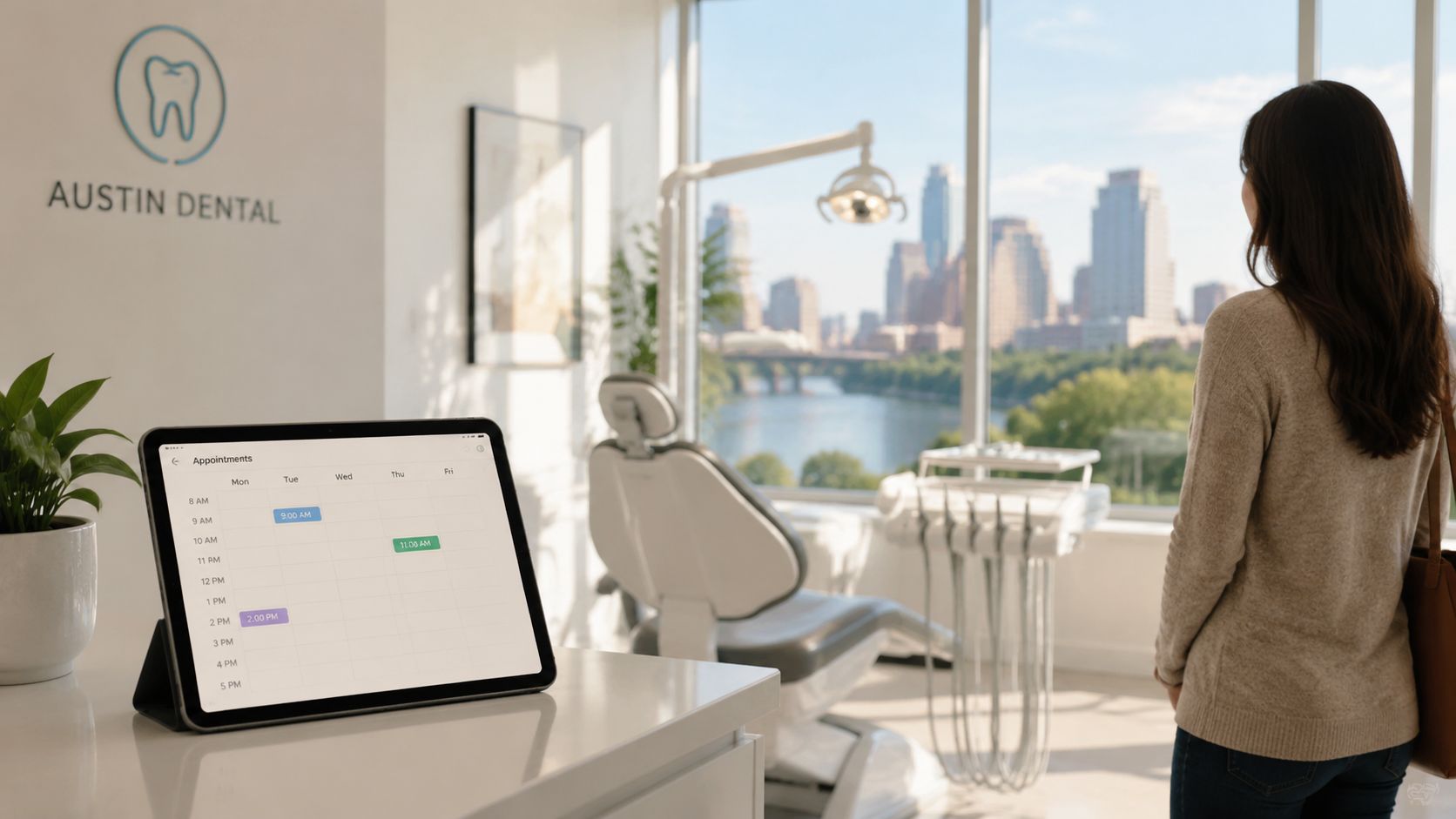
A good office can adjust pacing, appointment timing, and communication style before you arrive. If you're searching for a dentist near me, emergency dentist, or dentist in Austin, TX, ask how they help anxious patients during new patient exams, x-rays, and treatment consultations.
Use a short calming routine
You don't have to “think positive” your way out of anxiety. A body-based routine usually works better. One of the most practical options is diaphragmatic breathing. In clinical settings, Cognitive Behavioral Therapy has shown a 75% to 90% success rate in helping adults achieve sustained reduction in dental anxiety, and the methods often include a fear hierarchy, breathing skills, and gradual exposure, as described in this review of CBT approaches for dental anxiety.
Try this before you leave home and again in the parking lot:
- Inhale through your nose for 4 seconds
- Hold for 7 seconds
- Exhale slowly for 8 seconds
- Repeat several rounds
This doesn't erase fear. It lowers your body’s alarm response so you can think more clearly.
Bring structure to the visit
Write down three things before the appointment:
- Your main concern: tooth pain, overdue cleaning, implant consult, cosmetic question, or broken crown
- Your biggest trigger: pain, needles, noise, time in the chair, or embarrassment
- Your support request: breaks, step-by-step explanation, headphones, slower pace, or sedation discussion
Patients often feel calmer when they don't have to remember everything in the moment.
A quick visual can help reinforce that plan:
Make the day easier, not harder
Small choices can lower stress before a cleaning, dental x-rays, or restorative visit.
- Choose a lower-pressure time: If mornings are steadier for you, don't book late in the day after work stress has built up.
- Bring headphones: Music or a familiar podcast can reduce attention to sound-based triggers.
- Avoid rushing in: Arriving flustered raises your baseline tension.
- Eat appropriately for the type of visit: Follow the office’s instructions, especially if sedation may be involved.
- Bring a comfort item if it helps: A sweatshirt, stress ball, or anything grounding is fine.
Practical rule: Don't aim to be fearless. Aim to be prepared.
Ask for a first visit that feels manageable
For some patients, the first appointment shouldn't be a long treatment visit. It should be a conversation, an exam, and a plan. That's especially useful if you're looking for dental implants near me, orthodontics, cosmetic dentistry, or a second opinion after years away from care. A manageable first step often becomes the turning point.
In-Office Comfort and Sedation Dentistry Options
Once you're in the office, anxiety treatment should become more concrete. Here, comfort tools, pacing, local anesthesia, and sedation dentistry can make a major difference. Not every patient needs the same level of help, and not every procedure calls for the same approach.

Comfort starts before sedation
Sedation matters, but it isn't the whole story. Many patients do well when the dentist uses clear explanations, pause signals, gentle local anesthesia, and a slower pace. That approach is often called systematic desensitization in behavioral care. For severe dental anxiety, combining desensitization with sedation can be especially effective.
According to this overview of desensitization and sedation approaches, nitrous oxide can achieve a 30% to 50% anxiety drop, while IV sedation can provide 80% to 95% amnesia and euphoria, helping 90% of phobic patients complete multi-visit implant protocols.
Comparing the main options
Some patients need only local anesthesia and a reassuring pace. Others benefit from stronger relaxation support for wisdom tooth extraction, root canals, or longer implant procedures.
| Sedation Type | Level of Sedation | How It Feels | Best For | Recovery |
|---|---|---|---|---|
| Nitrous Oxide | Mild | Relaxed, lighter, calmer during treatment | Mild to moderate anxiety, shorter procedures, cleanings with strong gag reflex, fillings | Wears off quickly after the visit |
| Oral Sedation | Moderate | Drowsy, deeply relaxed, less focused on the procedure | Moderate anxiety, longer restorative visits, patients who get worked up before arriving | Recovery is slower and usually requires planning for the rest of the day |
| IV Sedation | Deeper conscious sedation | Very relaxed with reduced awareness and limited memory of treatment | Severe anxiety, surgical treatment, dental implants, wisdom tooth extraction, complex care | Requires recovery support and a ride arrangement |
| Local Anesthesia | Targeted pain control | Numb in the treatment area while fully awake | Nearly all restorative and surgical procedures | Numbness fades gradually after treatment |
Nitrous oxide
Nitrous oxide, or laughing gas, is often a strong first step for patients who want relief without feeling heavily sedated. You stay awake and responsive, but the edge comes off the appointment. It's useful for patients who fear the sounds, the setup, or the anticipation more than the treatment itself.
It's also important to know that nitrous isn't right for everyone. A careful medical review comes first, and some patients may have reasons to avoid it. This guide on contraindications for nitrous oxide explains why your dentist reviews your health history before recommending it.
Oral sedation and IV sedation
Oral sedation can help when anxiety starts well before the visit and builds throughout the day. It creates a deeper sense of calm than nitrous alone, though patients should expect lingering drowsiness.
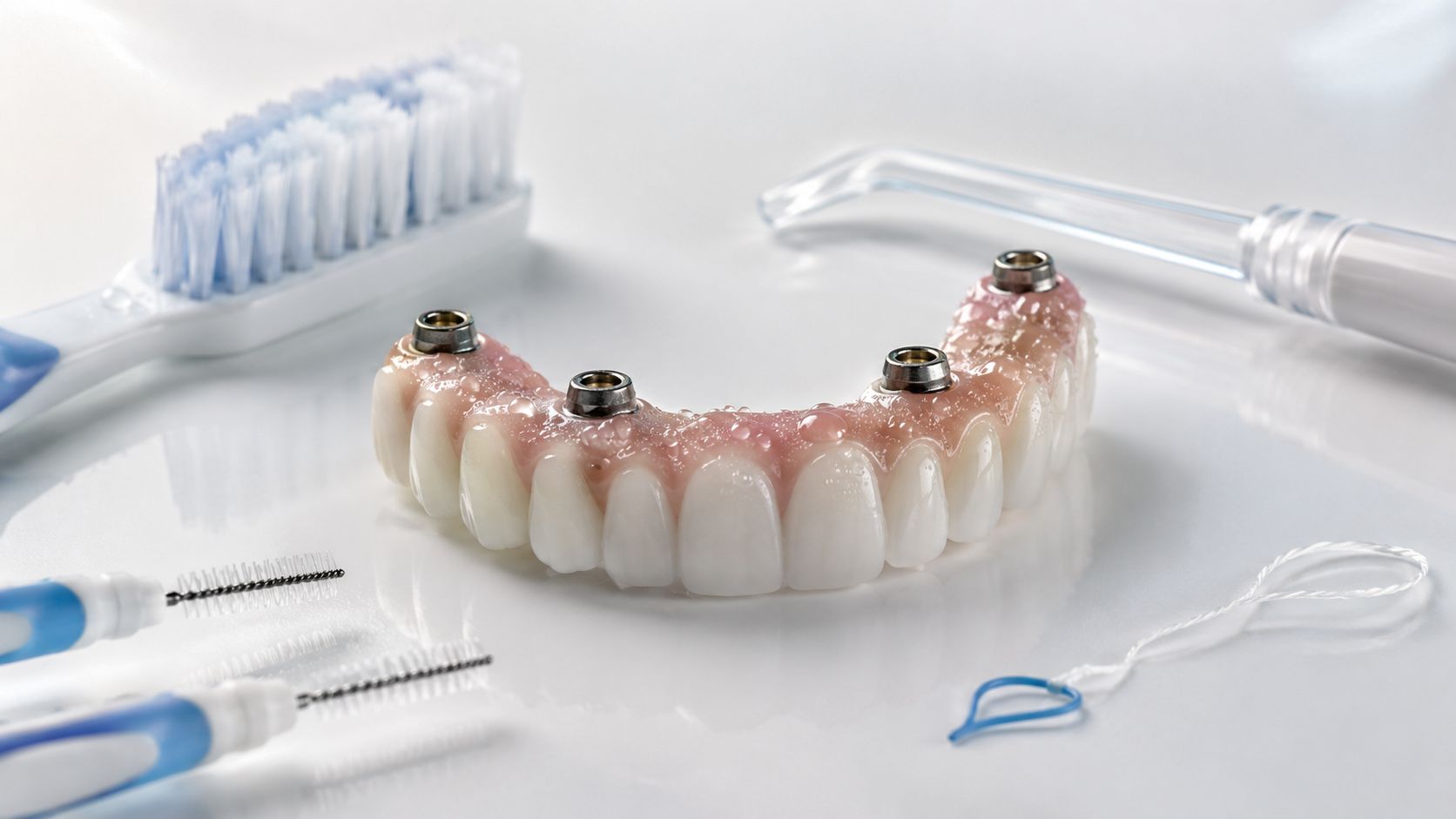
IV sedation is usually the most appropriate option when fear is severe or treatment is more involved. For someone delaying a needed tooth extraction or full-arch implant work because they can't tolerate the idea of being fully aware, IV sedation can completely change the experience.
The right question isn't “What is the strongest sedation?” It's “What level of support matches your procedure, medical history, and anxiety pattern?”
What doesn't work well
Two things tend to fail anxious patients. The first is under-treating the fear by assuming reassurance alone will fix it. The second is jumping straight to the deepest option without discussing simpler tools, logistics, and recovery.
Good sedation planning is collaborative. It should cover what you'll feel, how you'll get home if needed, what recovery looks like, and whether treatment should be completed in one visit or staged over time.
How Our Georgetown & Austin Dentists Redefine Your Experience
Most anxiety advice focuses on mindset. That helps, but it misses something important. A lot of dental fear is triggered by the environment itself. If the visit feels rushed, confusing, physically uncomfortable, or full of unknowns, anxiety rises fast. Modern technology and patient-centered systems can reduce those triggers in very practical ways.
Technology removes guesswork
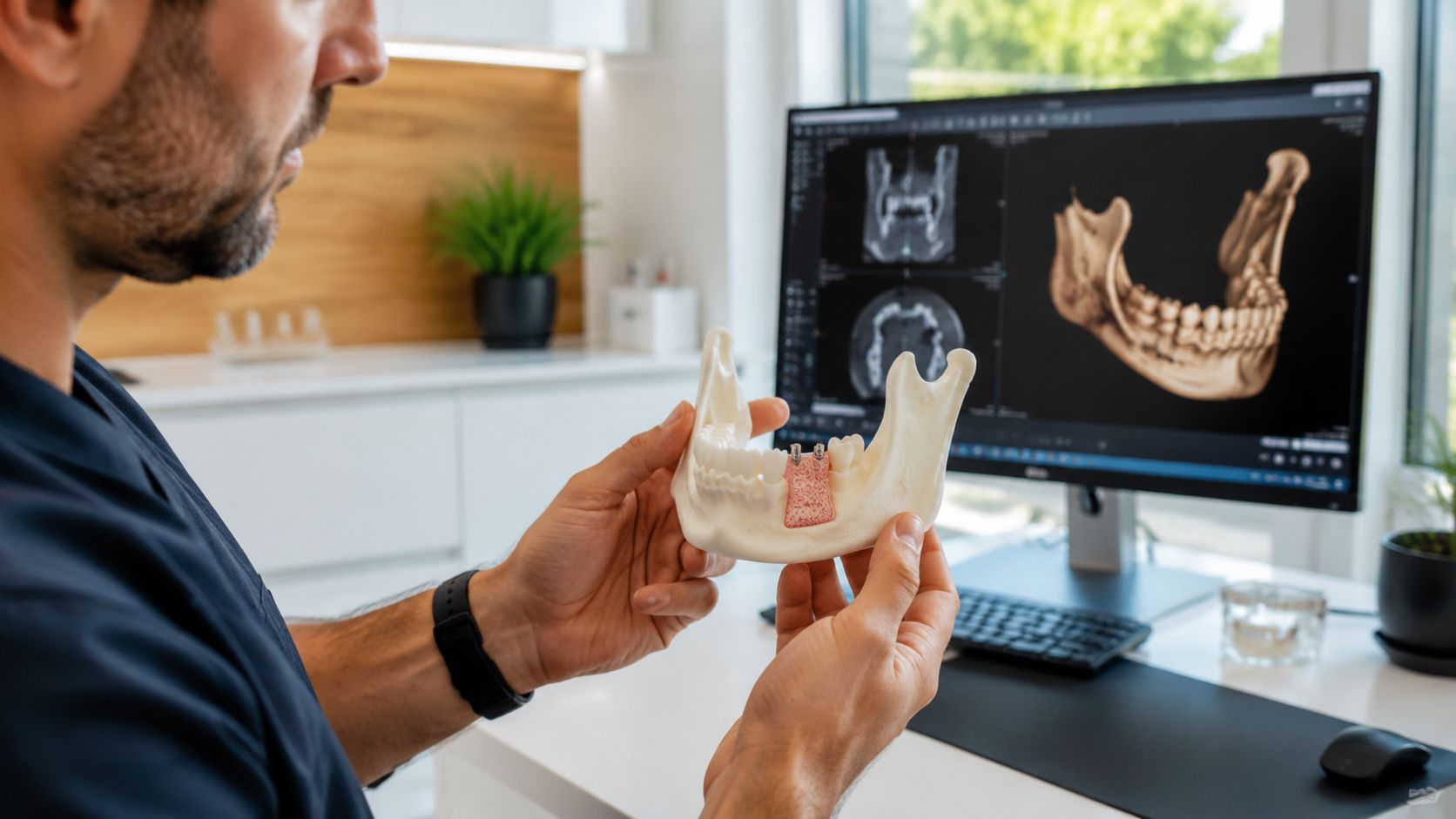
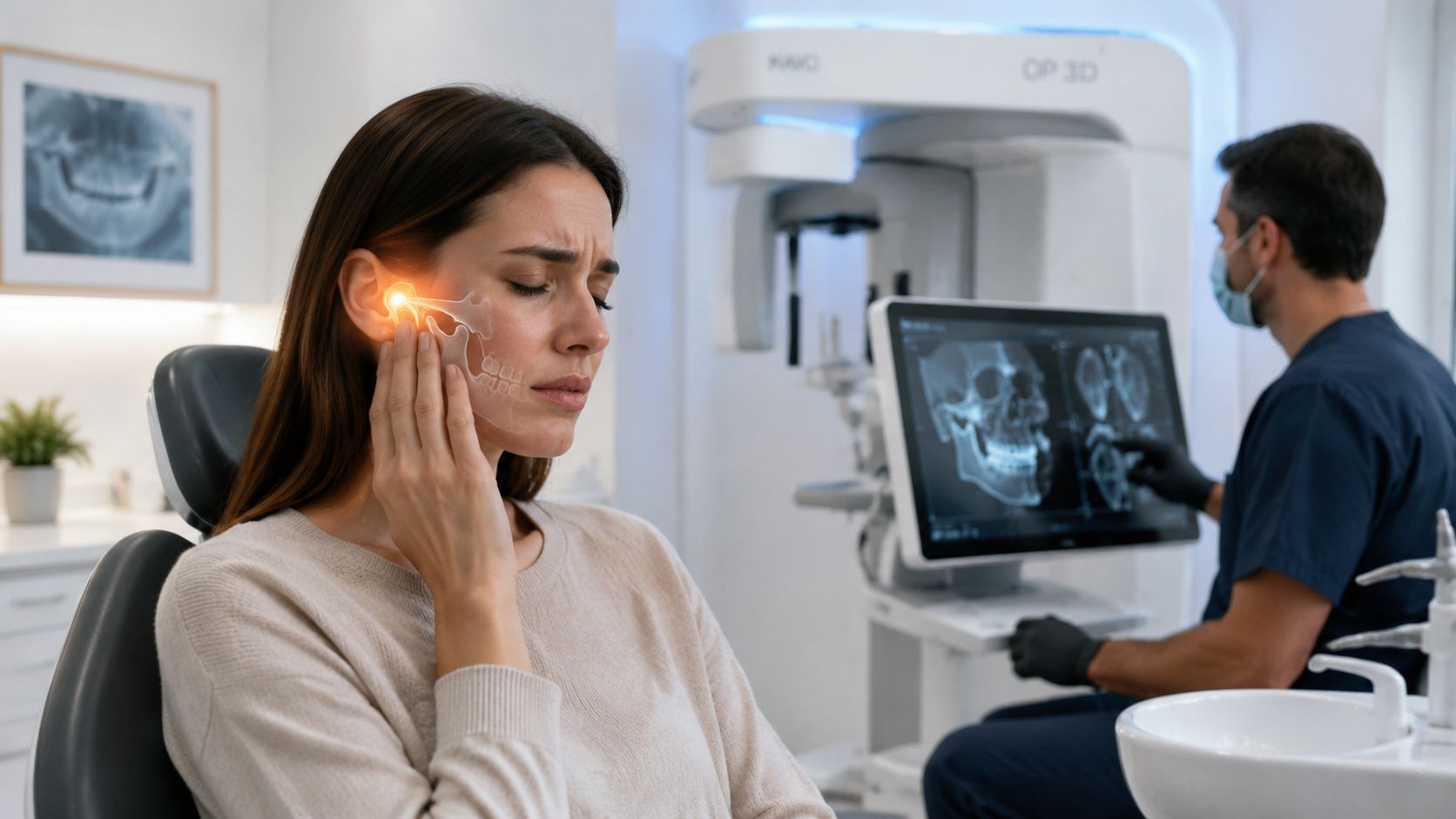
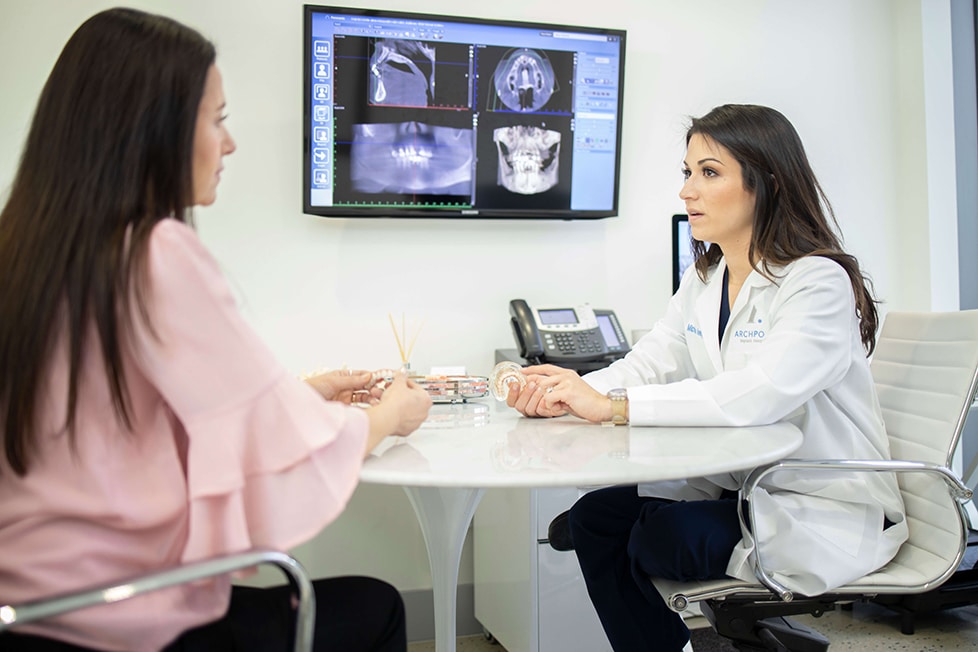
A major source of fear is not knowing what's happening inside your mouth. Advanced imaging changes that. Emerging research shows a correlation between poor airways and heightened dental anxiety, and a Central Texas study noted that 35% of anxious implant candidates had untreated airway issues, as summarized in this discussion of dental anxiety and phobia. For patients with complex needs, 3D CT airway scans can help identify issues that may be contributing to stress during treatment planning.
That matters because precision lowers uncertainty. A dentist who can evaluate bone, roots, nerves, sinuses, and airway-related factors with 3D CT imaging can explain treatment more clearly. Clear explanation helps anxious patients feel grounded.

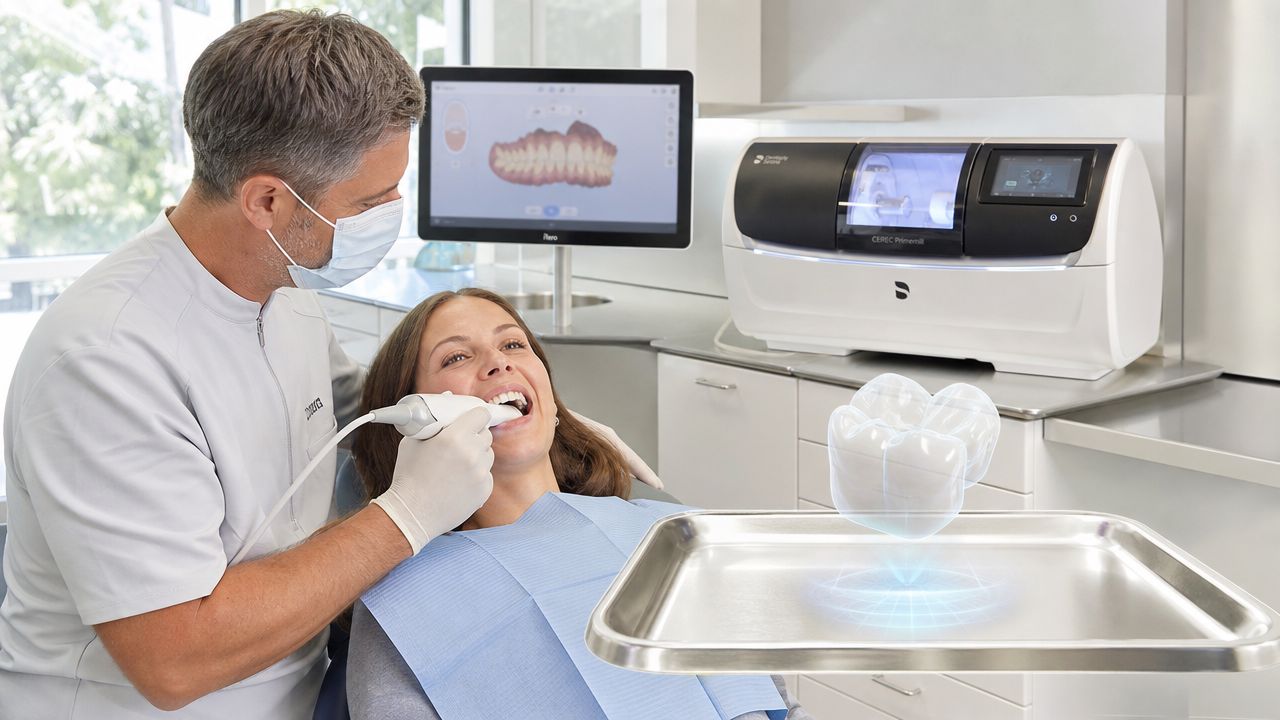
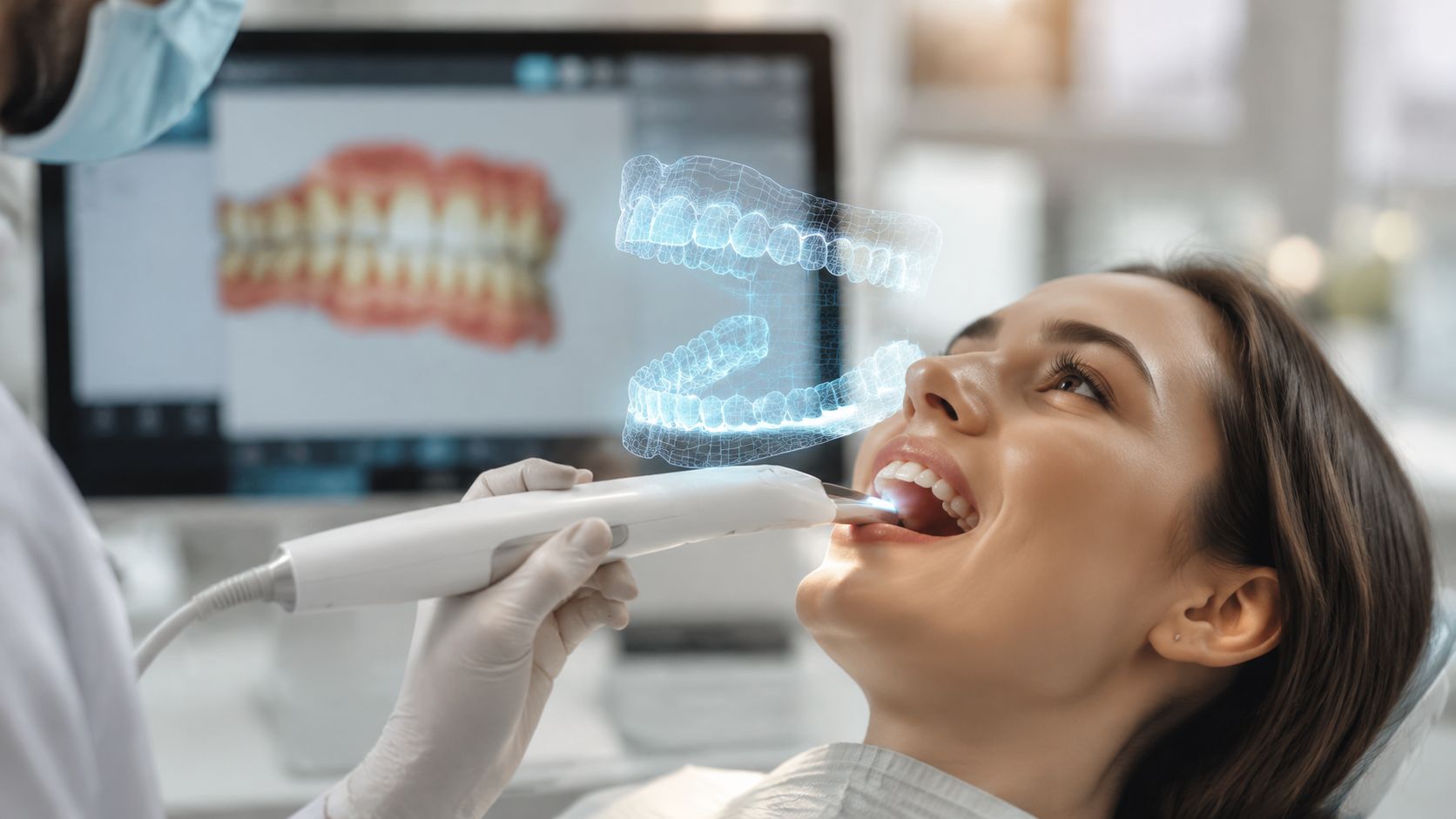
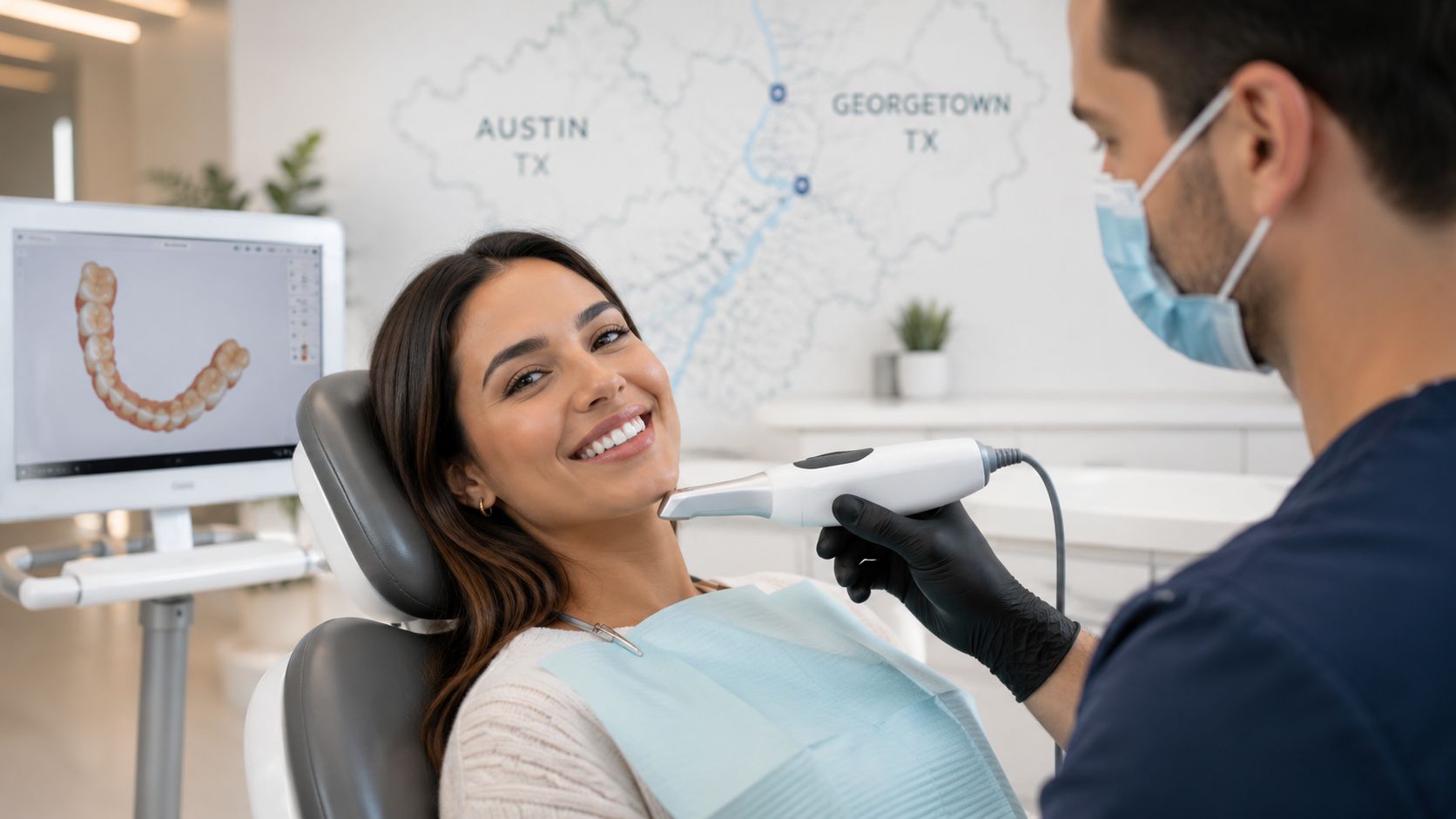
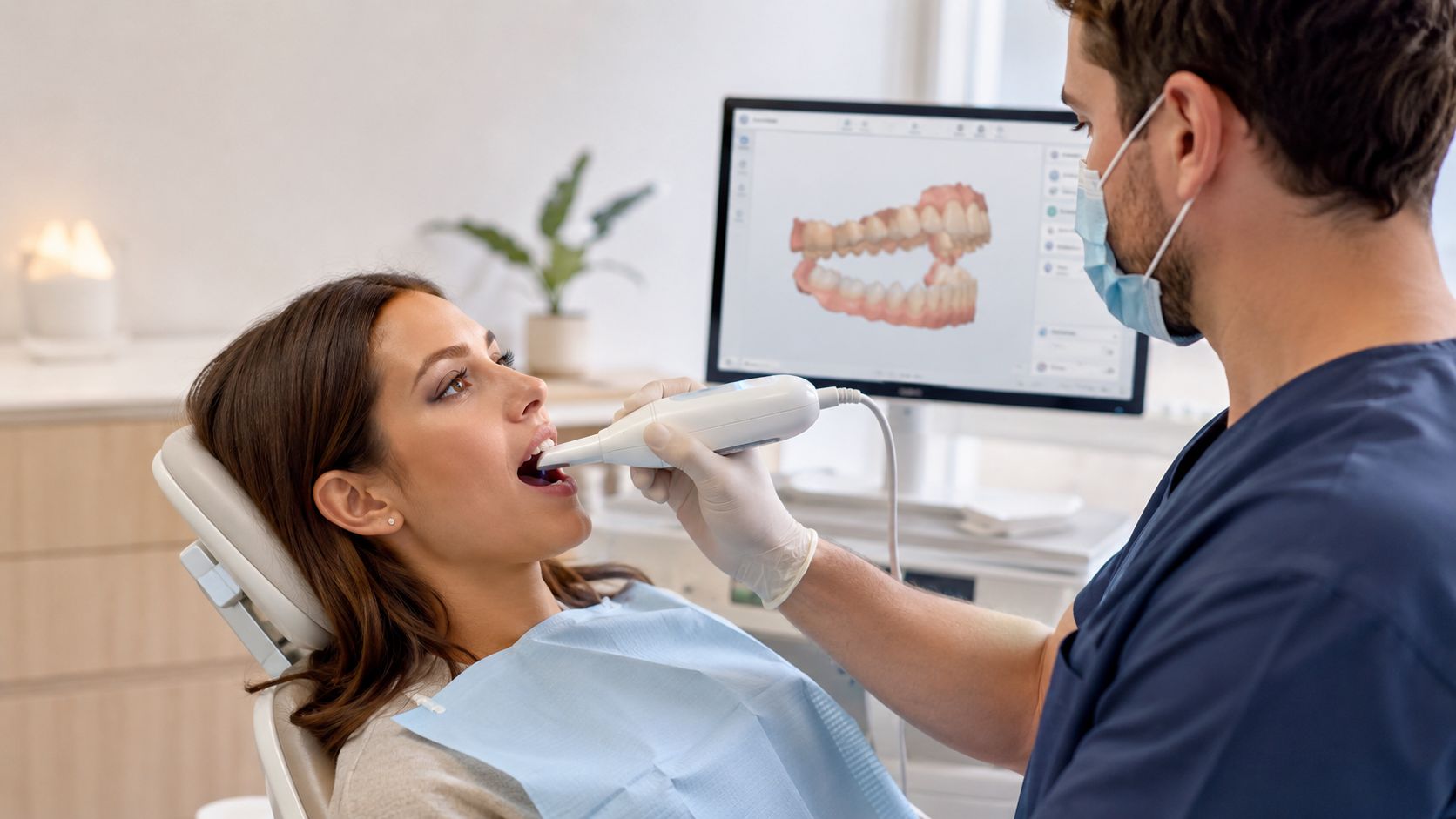
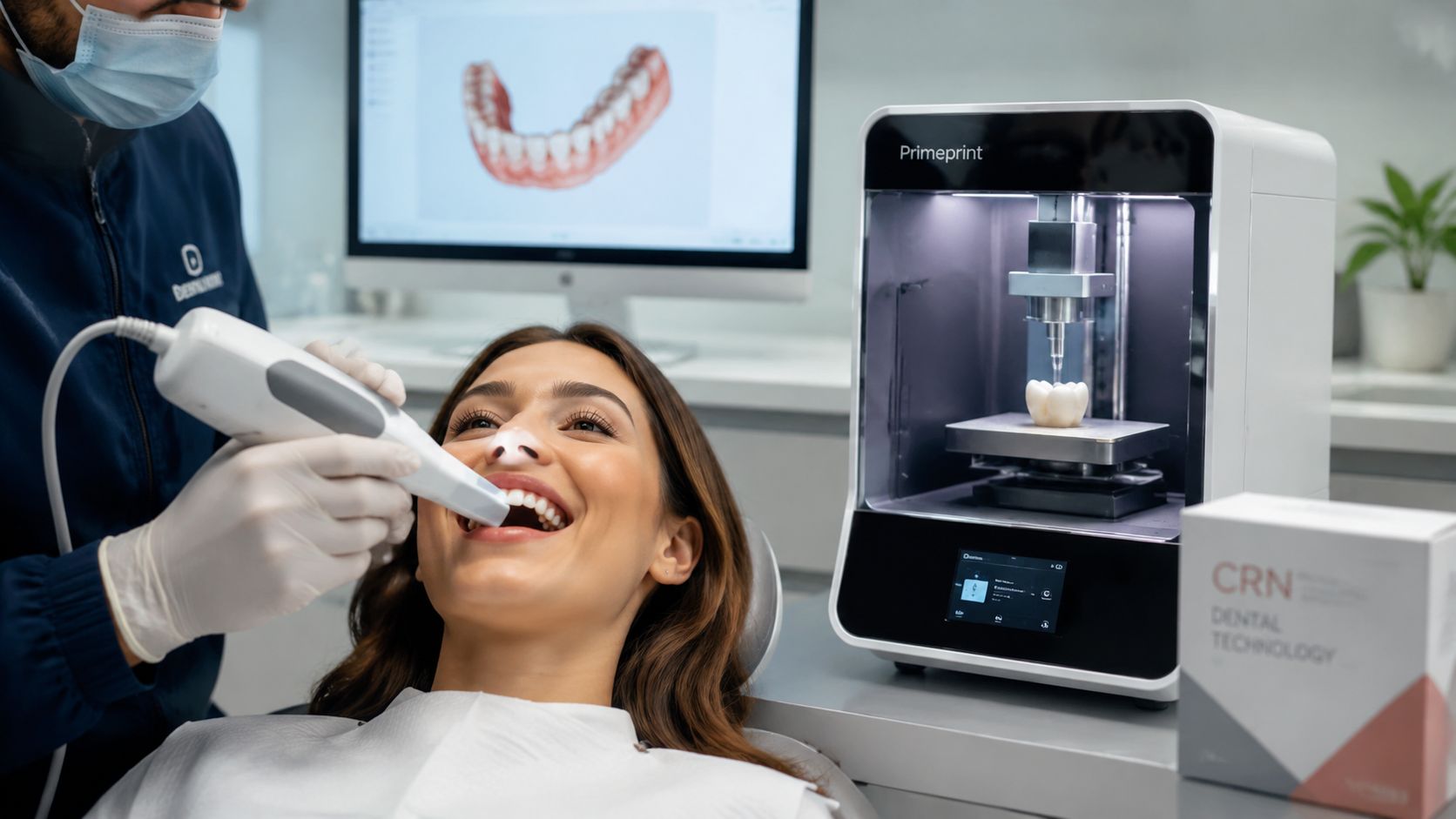
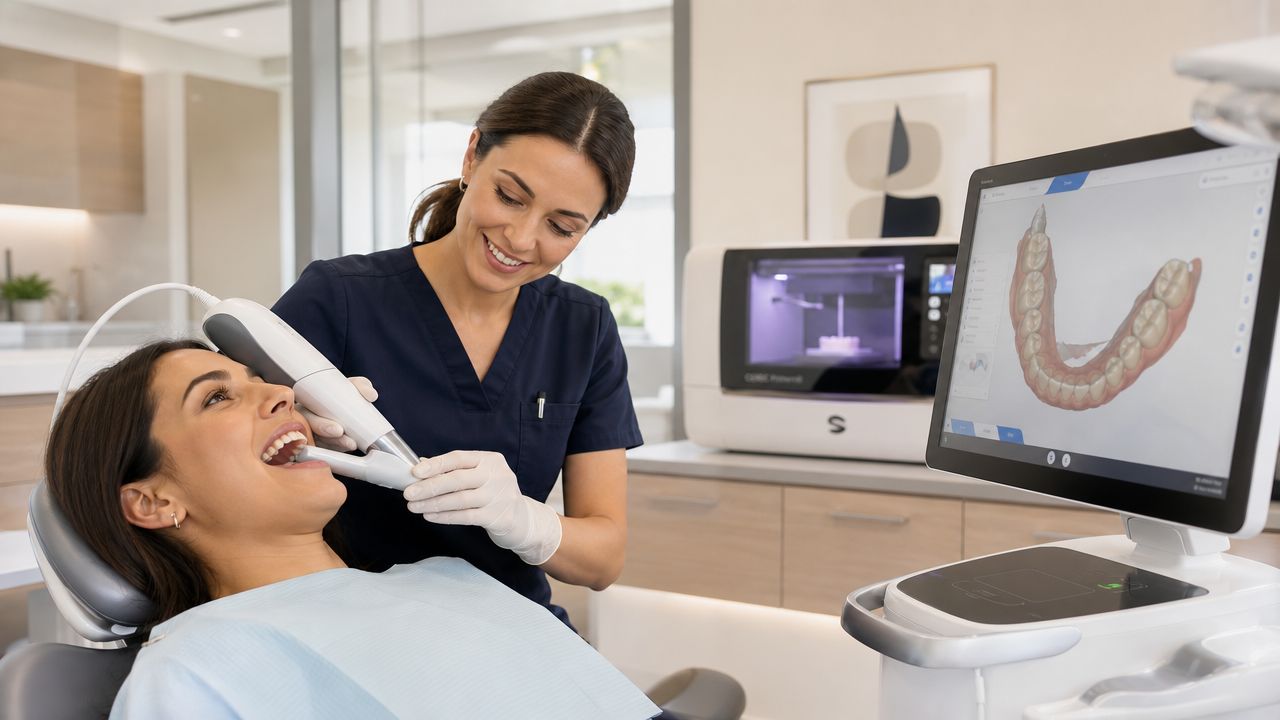
Digital impressions matter too. Many patients dread old-style impression material because it feels messy, bulky, and hard to tolerate. Intraoral digital scanners make the process easier for patients who have a sensitive gag reflex or dislike the feeling of losing control.
Better flow means less waiting and less spiraling
Anxiety often spikes in the waiting period, not just during the procedure. Sitting in a reception area, hearing office noises, and wondering how long the delay will be can make a manageable appointment feel overwhelming. That's why appointment flow matters.
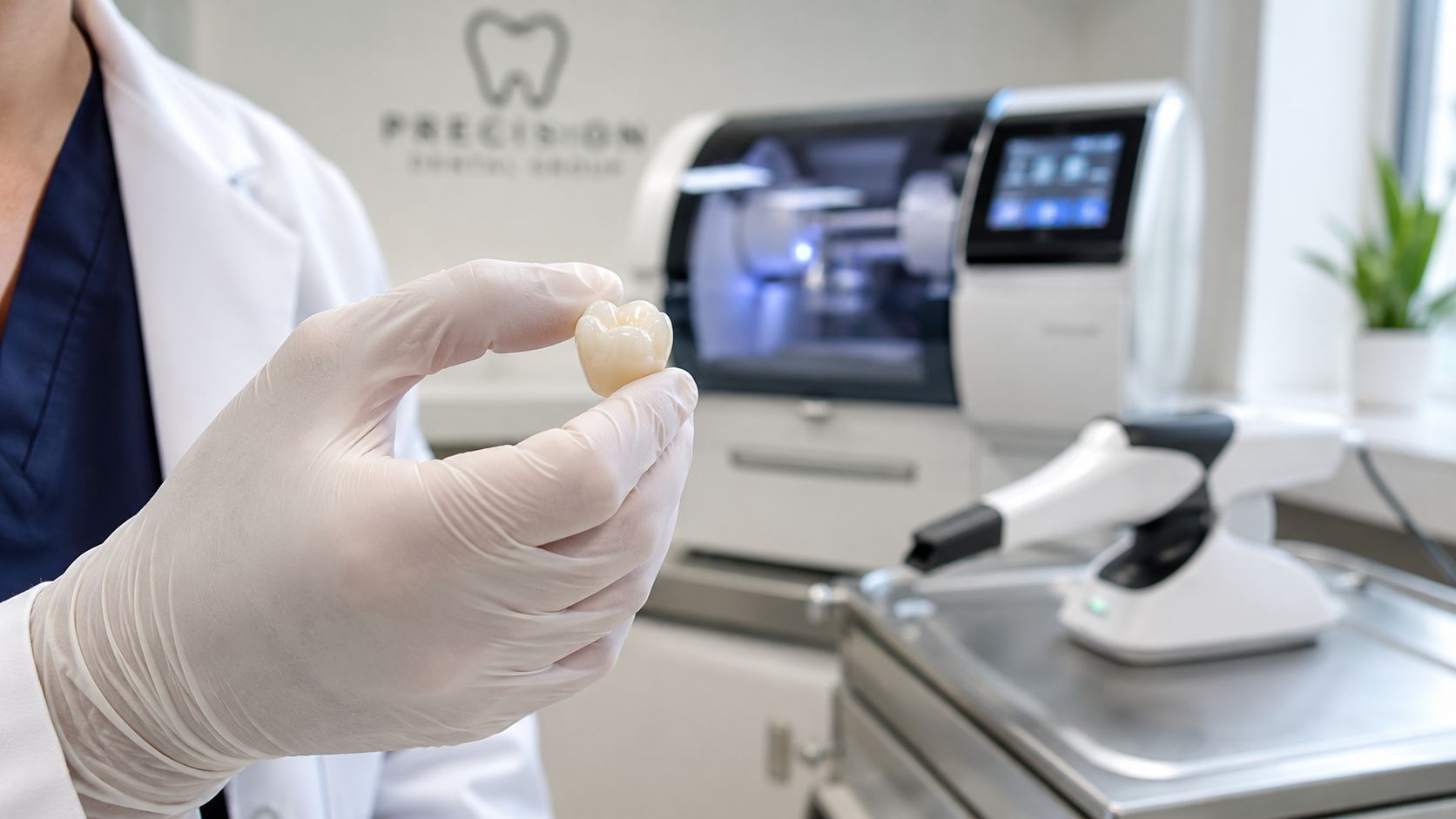
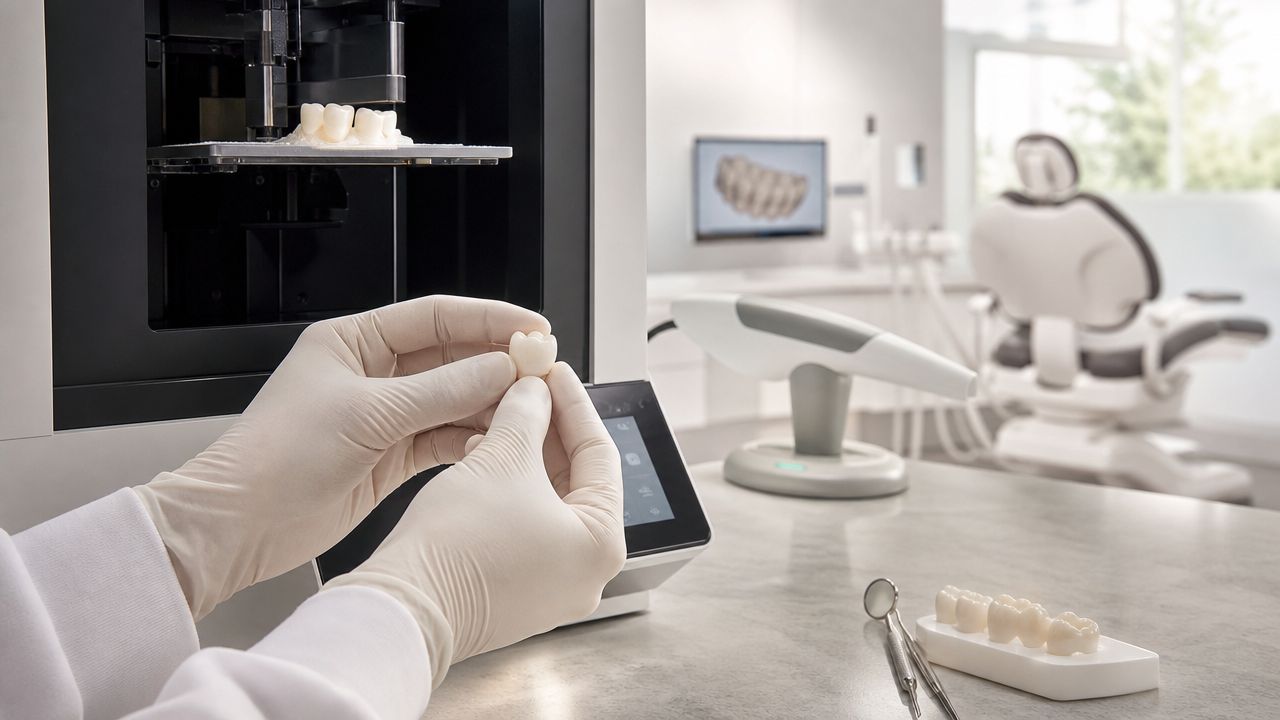
When a practice uses appointment-only scheduling, careful treatment planning, and efficient digital workflows, patients spend less time waiting and more time moving through a visit with purpose. In-house lab support and 3D printing can also reduce the back-and-forth that makes treatment feel drawn out.
Financial clarity helps too
Some people don't realize how much money stress feeds dental anxiety. They delay care because they expect a lecture, a surprise treatment plan, or uncertainty about cost. Transparent discussions around insurance, staged care, and financing options like Cherry and Sunbit reduce that pressure.
For patients exploring implants, veneers, braces, clear aligners, crowns, or emergency treatment in Austin or Georgetown, emotional comfort isn't separate from logistics. It includes knowing the next step, the timeline, and the financial path.
A calmer visit usually comes from fewer surprises. Better imaging, cleaner communication, and shorter waits all work in the same direction.
What to look for in a local office
If you're choosing a dentist in Georgetown, TX or a dentist in Austin, TX, look for details that directly affect anxiety:
- Advanced imaging: 3D CT scans and digital x-rays support more accurate planning.
- Digital scanning: A more comfortable alternative to traditional impressions.
- In-house capabilities: Faster turnaround and fewer disconnected steps.
- Respectful scheduling: Minimal wait times reduce anticipatory stress.
- Clear treatment planning: You should know what today is for before treatment starts.
If you're comparing providers, this guide on how to choose a dentist is a useful place to start.
Maintaining Your Confidence After a Positive Visit
A good visit shouldn't be treated like a one-time victory. It should become proof that your next appointment can go well too. That's how confidence builds. One calm cleaning, one comfortable filling, or one clear implant consultation can replace years of dread with a new expectation.
Try to lock in the next step before too much time passes. If your appointment went better than expected, schedule the next cleaning and exam while the experience is still fresh in your mind. Regular preventive care lowers the chance that you'll need the bigger procedures that often trigger fear in the first place.
A simple maintenance plan works well:
- Keep recall visits consistent: Familiarity reduces uncertainty.
- Repeat what helped: Headphones, a pause signal, nitrous, or extra explanation should stay in the plan.
- Notice the win: Remind yourself what went better than you expected.
- Speak up early: If anxiety starts rising again, say it before treatment day.
Anxiety loses power when dental care becomes routine instead of rare.
Your Questions About Anxiety-Free Dentistry Answered
Will I be judged if it's been a long time since my last visit
You shouldn't be. A professional dental team sees anxiety, delay, and dental problems every day. The job is to help you move forward safely, not make you feel worse about the past.
Is sedation dentistry safe
Sedation should always be based on your health history, medications, treatment needs, and anxiety level. That evaluation is what makes it appropriate and responsible. If sedation is part of your plan, your dentist should explain the option clearly and answer every question before treatment.
Can I ask for a slower first appointment
Yes. In many cases, that's the best way to begin. A focused exam, digital x-rays, and a treatment conversation may be more helpful than trying to do everything at once.
What if I need help paying for treatment
Ask early. Financial stress can intensify anxiety, so clear payment conversations matter. Many practices offer insurance coordination, staged treatment planning, and financing options for larger services such as restorative dentistry, orthodontics, or dental implants.
Will I need someone to drive me home
If your visit involves deeper sedation, you may need a ride home. The office should tell you exactly what to arrange before appointment day so there are no surprises.
If dental anxiety has kept you from getting the care you need, 3D Dental offers a modern, patient-first approach for families and adults in Austin and Georgetown, TX. From cleanings and exams to emergency dentistry, cosmetic care, and dental implants, the team uses advanced technology, thoughtful scheduling, and clear treatment planning to make visits feel more comfortable and predictable. If you're ready to take the first step, schedule a consultation and let the office know you'd like extra support for a calm, anxiety-aware experience.
Ready to get started?
Schedule a free, no obligation consultation with our team and see what's possible for your smile!
Georgetown
- Mon-Thurs8:30am-5pm
- Fri8am-3:30pm
- Sat-SunClosed
Austin
- Mon-Tues8am-5pm
- Wed-Thurs9am-6pmFri8am-2pm
- Sat-SunClosed