
Tooth Abscess Treatment At Home: Urgent Relief
Related Posts





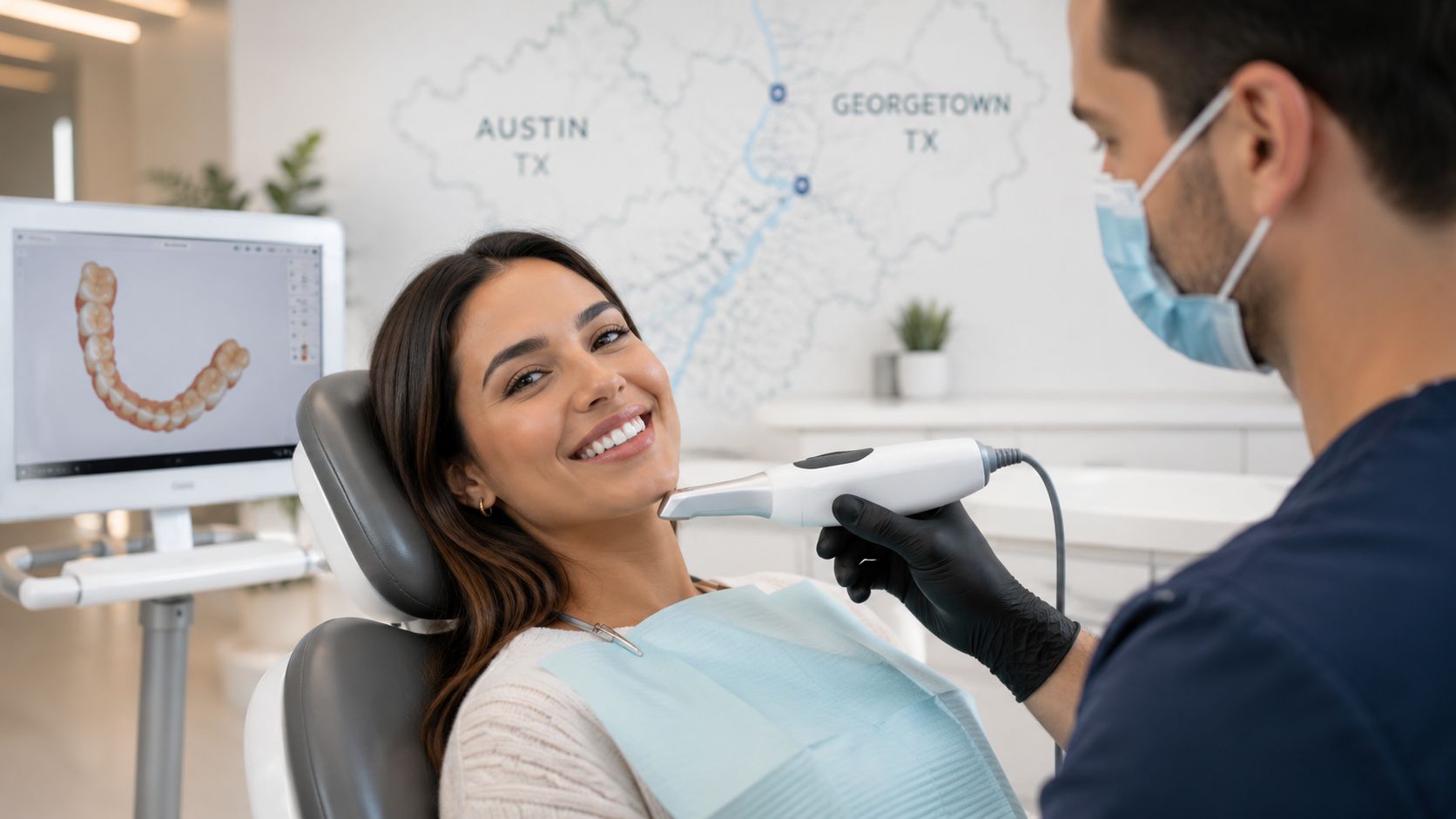
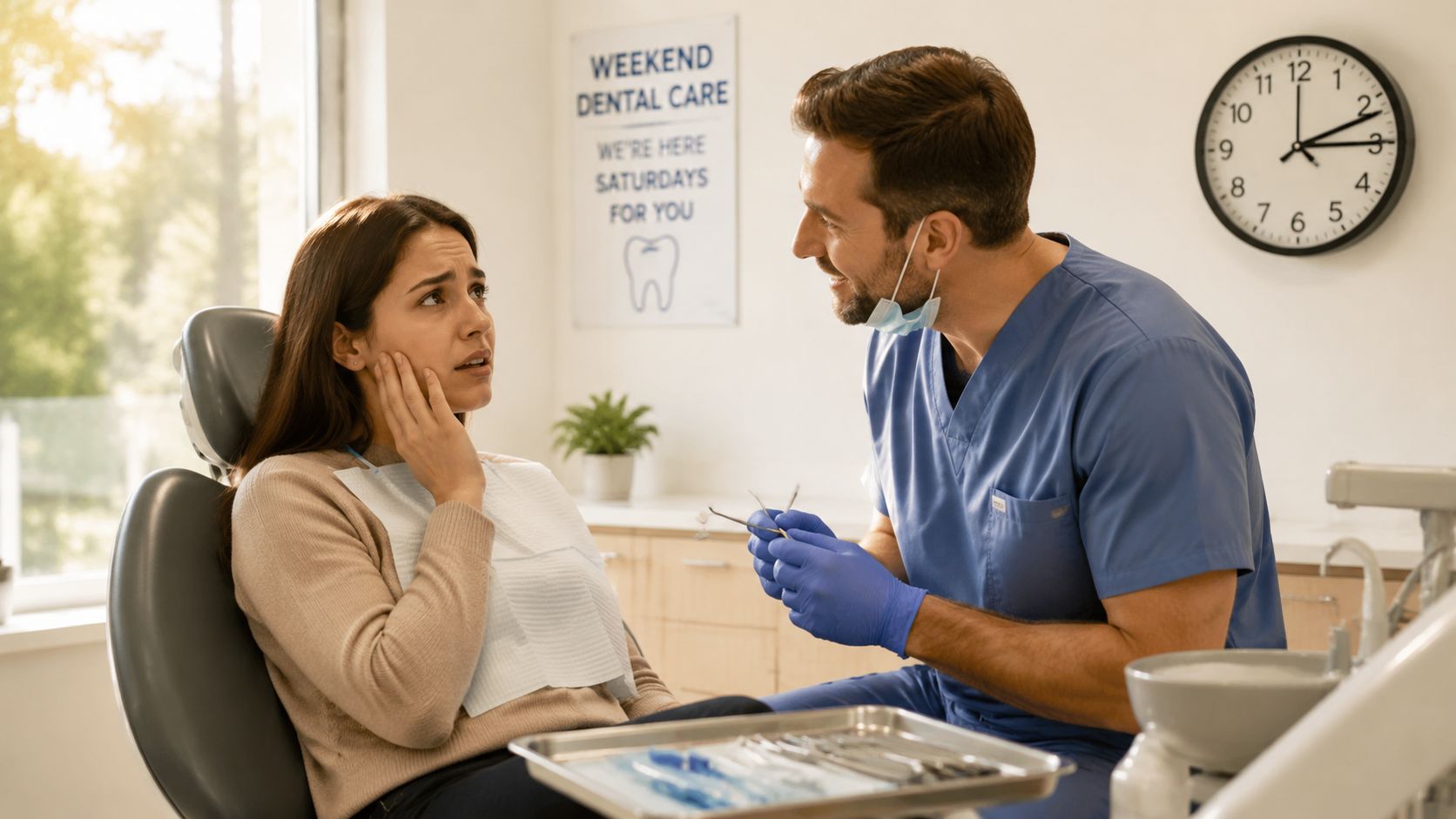
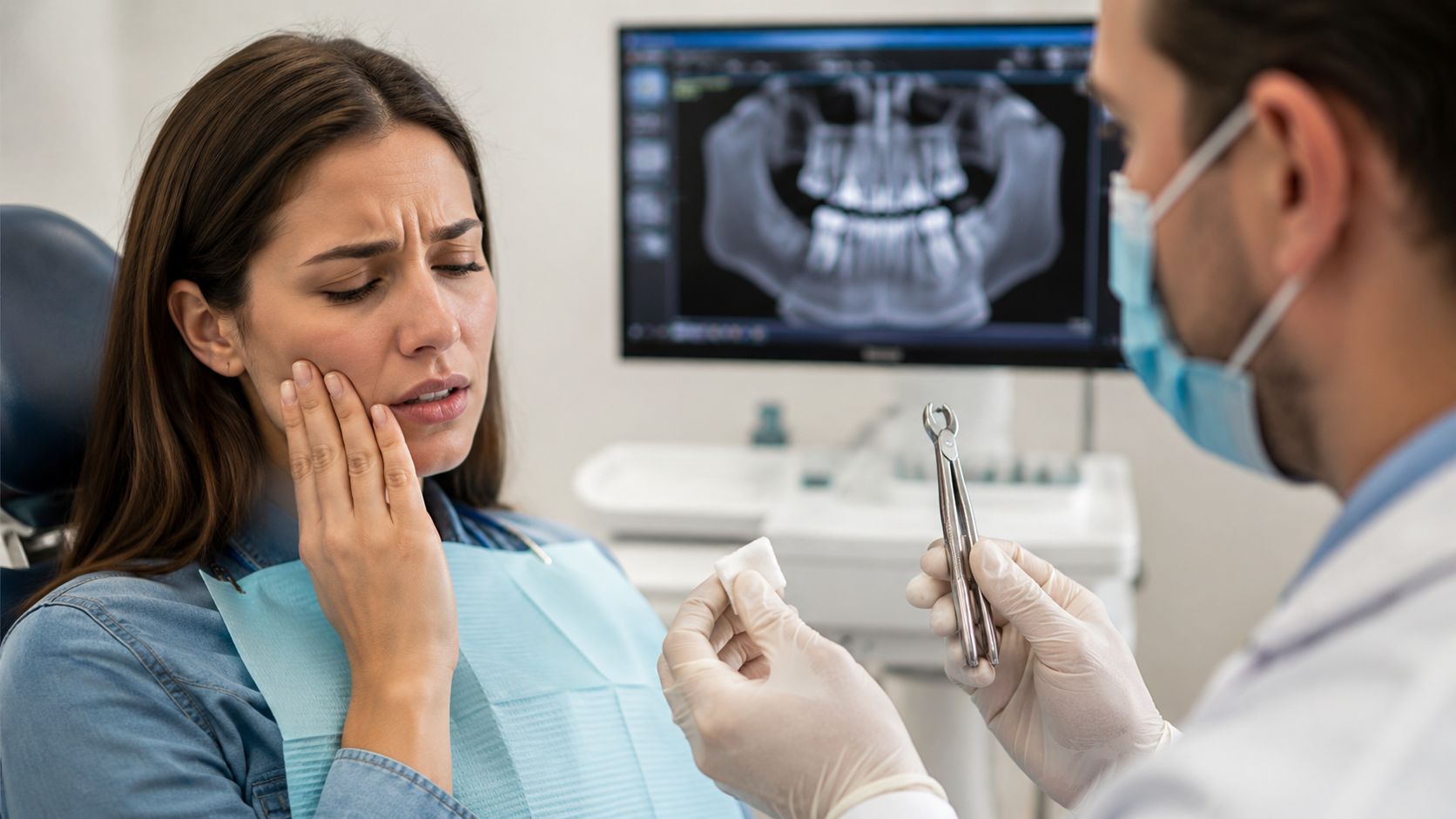
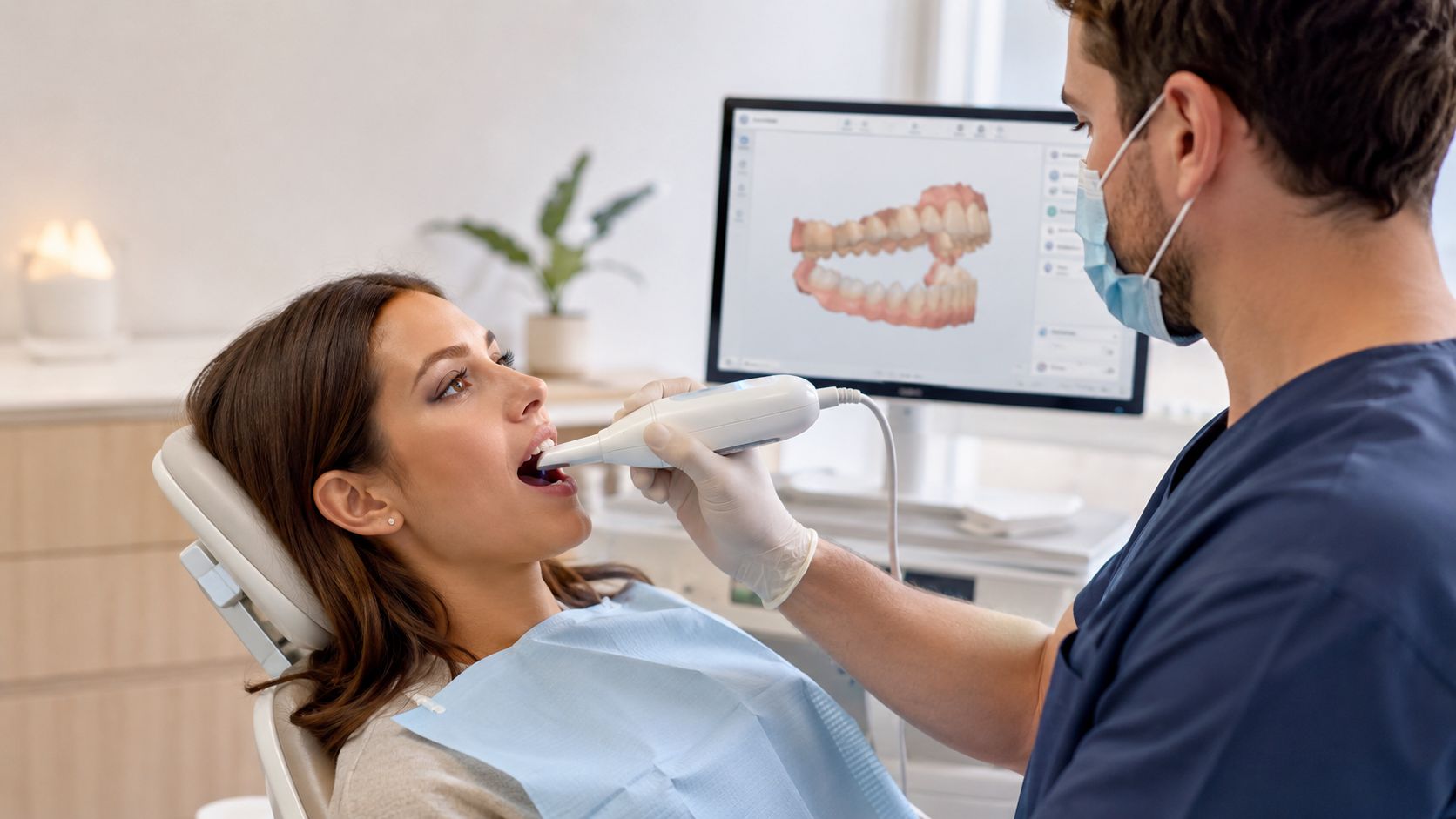






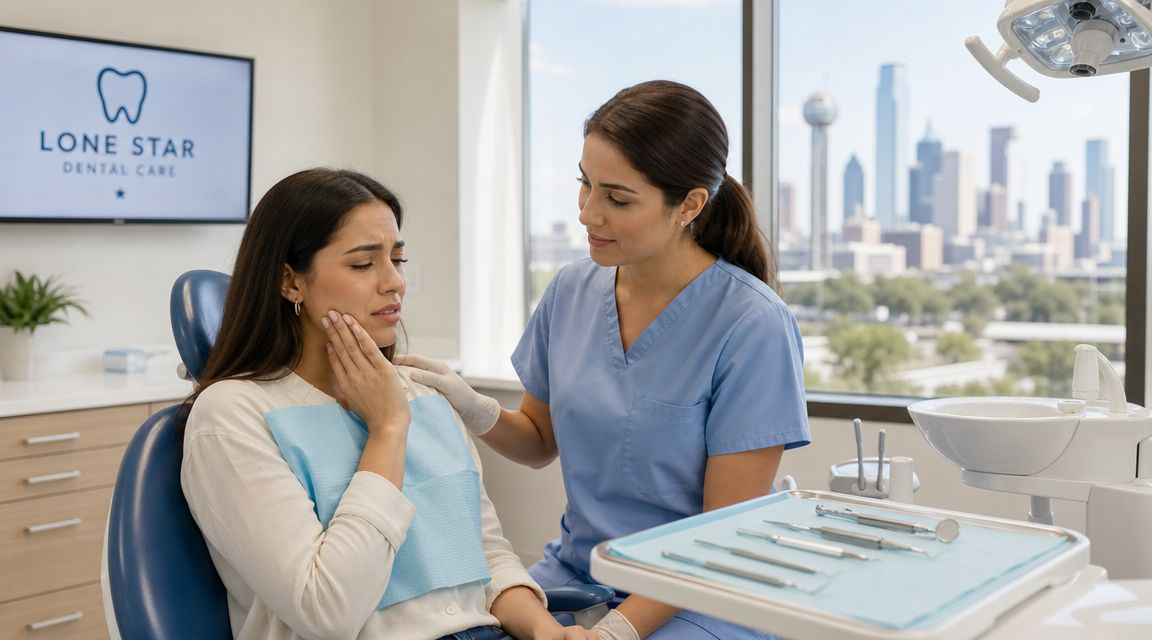




















A tooth abscess often starts the same way. A tooth that felt “annoying” yesterday becomes a deep, throbbing pain tonight. Your cheek may feel tender. Hot or cold drinks can set off a sharp jolt. Lying down makes the pressure worse, and now you’re online looking for tooth abscess treatment at home because you need relief right now.
That search makes sense. When you’re hurting, you want something safe you can do immediately. The important part is knowing the difference between temporary symptom relief and actual treatment. Home care can sometimes make the next few hours more manageable. It cannot remove the infection inside the tooth or gum.
For people in North Austin, Georgetown, Wells Branch, Round Rock, Cedar Park, and Liberty Hill, that distinction matters. Access, timing, work schedules, school pickup, and family logistics all affect how quickly someone can get seen. But an abscess is one of those dental problems where waiting can turn a painful night into a much bigger health issue.
Experiencing Tooth Pain? Your Guide from a Local Austin Dentist
An abscessed tooth usually doesn’t feel subtle. Patients describe it as pressure, pounding, or a heartbeat inside the tooth. Sometimes the pain travels into the jaw, ear, or side of the face. Sometimes the tooth feels “too high” when biting. Other times, the first sign is swelling near the gumline or cheek.

What catches many people off guard is how fast the situation can shift. You may start by thinking it’s just a cavity, a cracked tooth, or gum irritation. Then the area becomes more swollen, the pain becomes more constant, and home remedies stop doing much.
Why this search is so common
People often try to manage this on their own first. That’s understandable, especially if the pain starts after hours or on a weekend. But the scope of the problem is often underestimated. Dental abscesses affect approximately 200,000 Americans annually, with the 18 to 44 age group being most prone. However, only 13% of adults seek dental care for abscesses within a 4-year period, which points to significant undertreatment, according to dental abscess statistics reported here.
That gap matters because an abscess is not just “tooth pain.” It’s a bacterial infection with a source that usually needs dental treatment, not just pain control.
Practical rule: If you’re searching for tooth abscess treatment at home, use that search to get through the moment, not to convince yourself the problem will clear on its own.
What patients usually notice first
The symptoms aren’t always identical, but these are the complaints that commonly make people start looking for an emergency dentist:
- Throbbing pain that doesn’t settle down and may worsen at night
- Swelling in the gum, face, or cheek
- Pain with biting or pressure on the tooth
- Sensitivity to hot or cold that feels intense or lingers
- A bad taste or foul fluid if the area starts draining
A short delay for logistics is one thing. Repeatedly trying to “wait it out” is another. Once infection is involved, the safer mindset is this: reduce discomfort at home, then get a real diagnosis.
Why a diagnosis changes everything
The same pain can come from different problems. A deep cavity, a dying nerve, an infection at the root, or a gum-related abscess can all feel similar to a patient. The treatment is different for each.
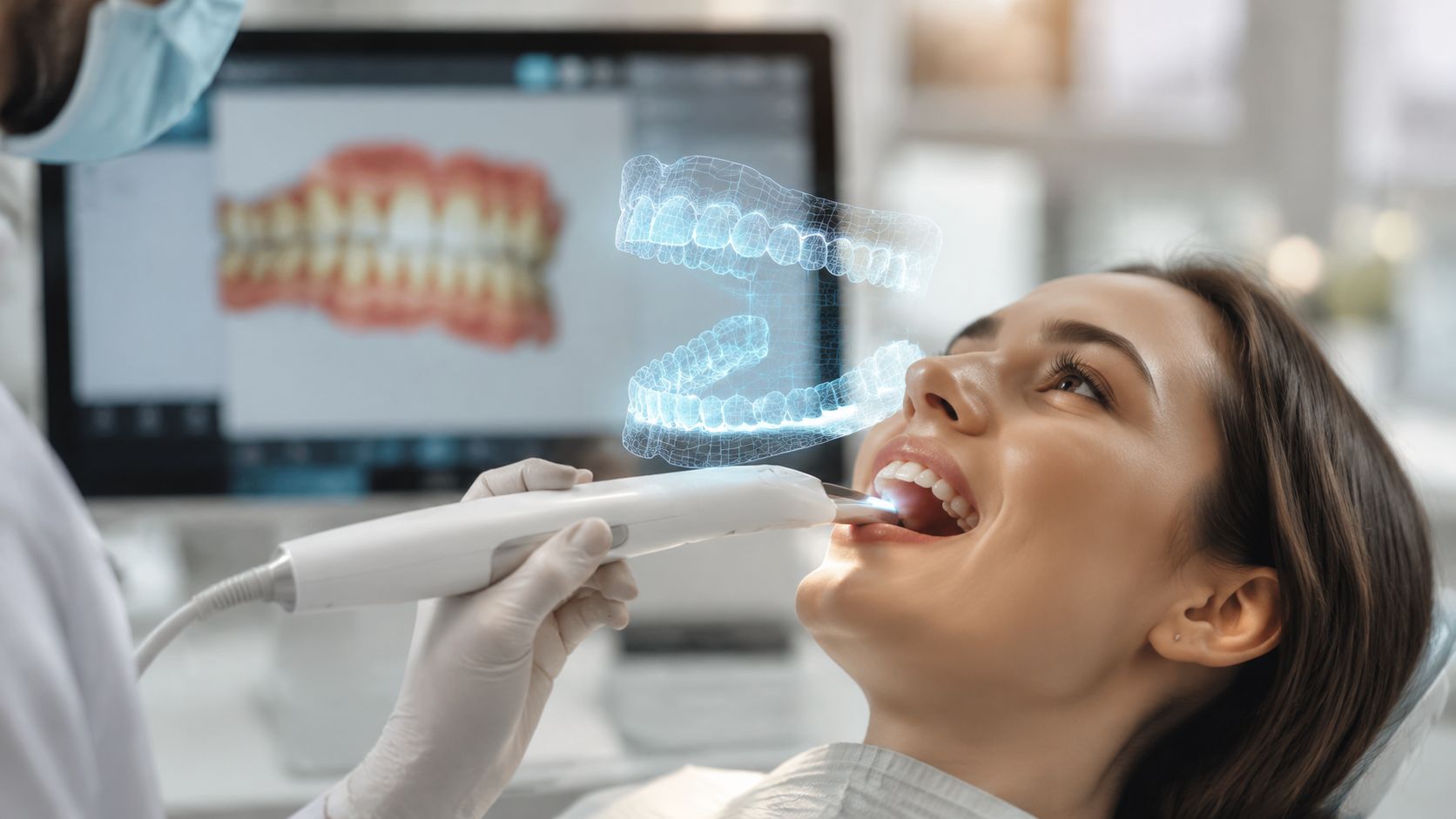
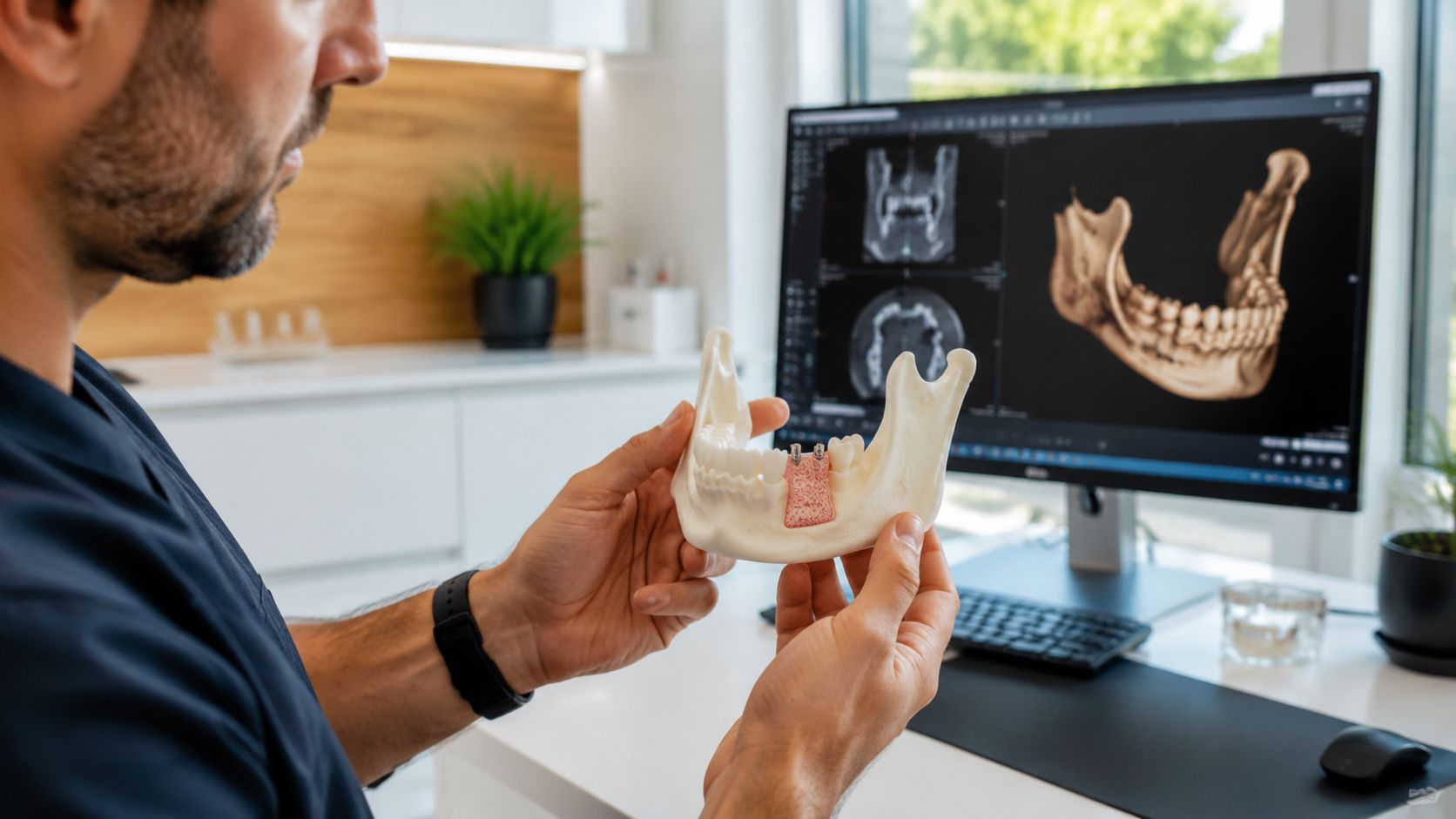
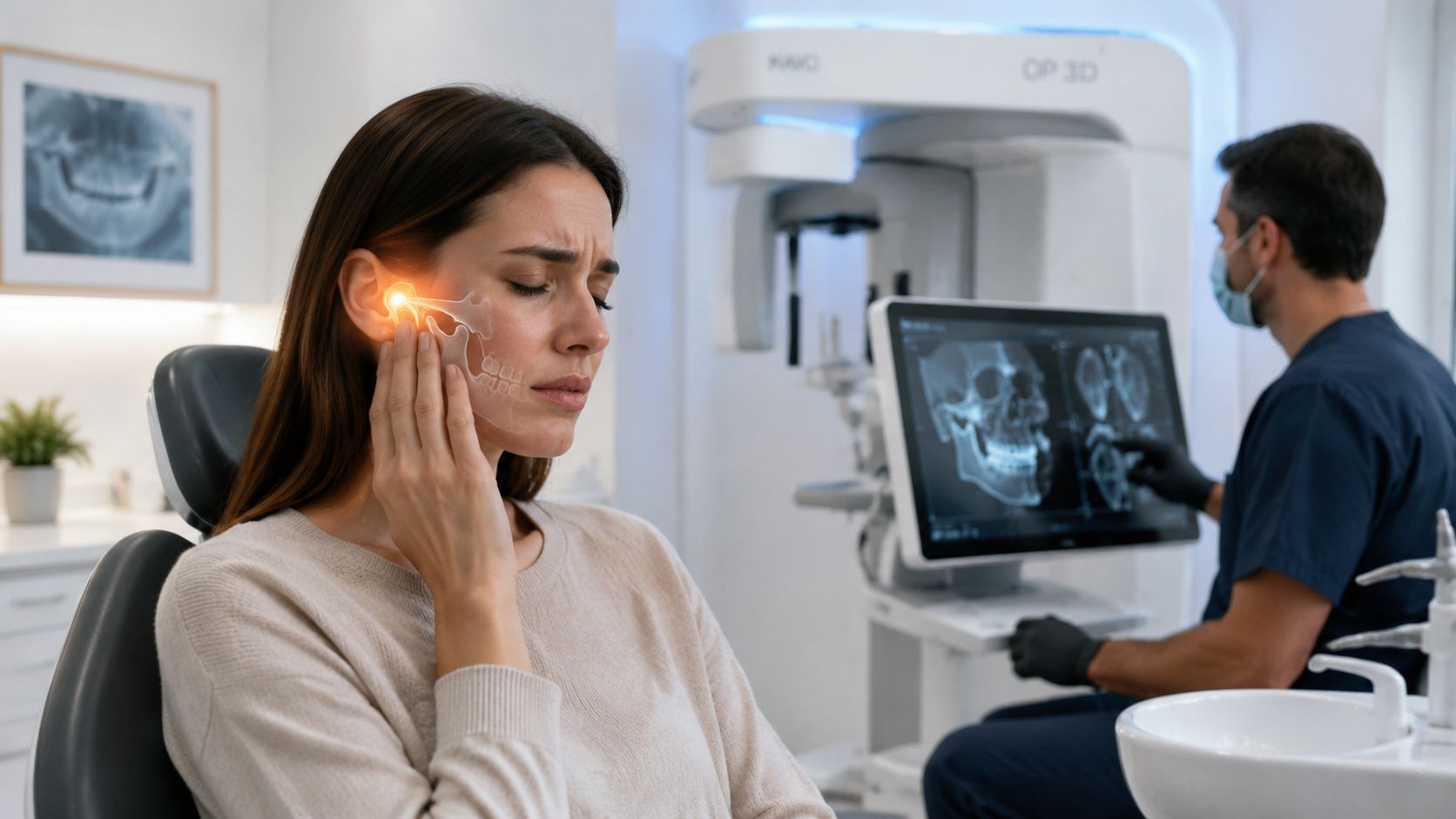
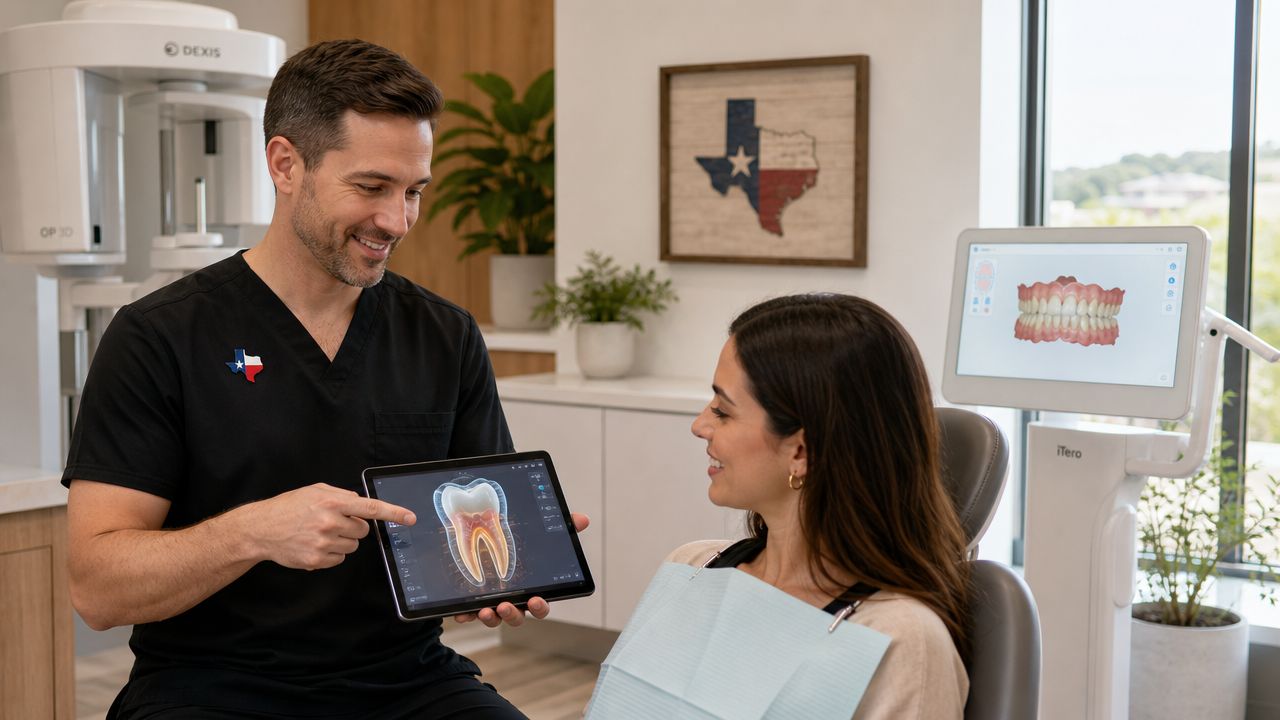
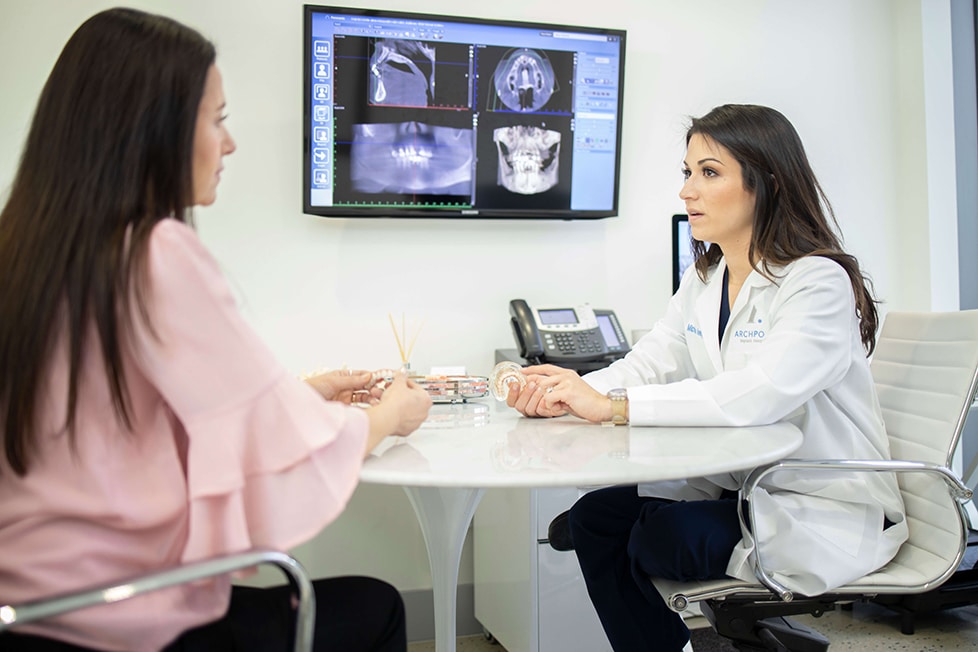
That’s why a dentist doesn’t just look at the sore spot and guess. Proper evaluation usually includes an exam, discussion of symptoms, and imaging to locate the source. In a modern office, that may include digital dental x-rays or 3D imaging to see whether the infection is coming from inside the tooth, around the root, or from the supporting gum tissues.
If you live in Austin or Georgetown and you’re dealing with this tonight, the best next step isn’t to panic. It’s to stay calm, avoid risky internet advice, use safe temporary measures, and move quickly toward professional care.
What Is a Tooth Abscess and Why Is It a Dental Emergency
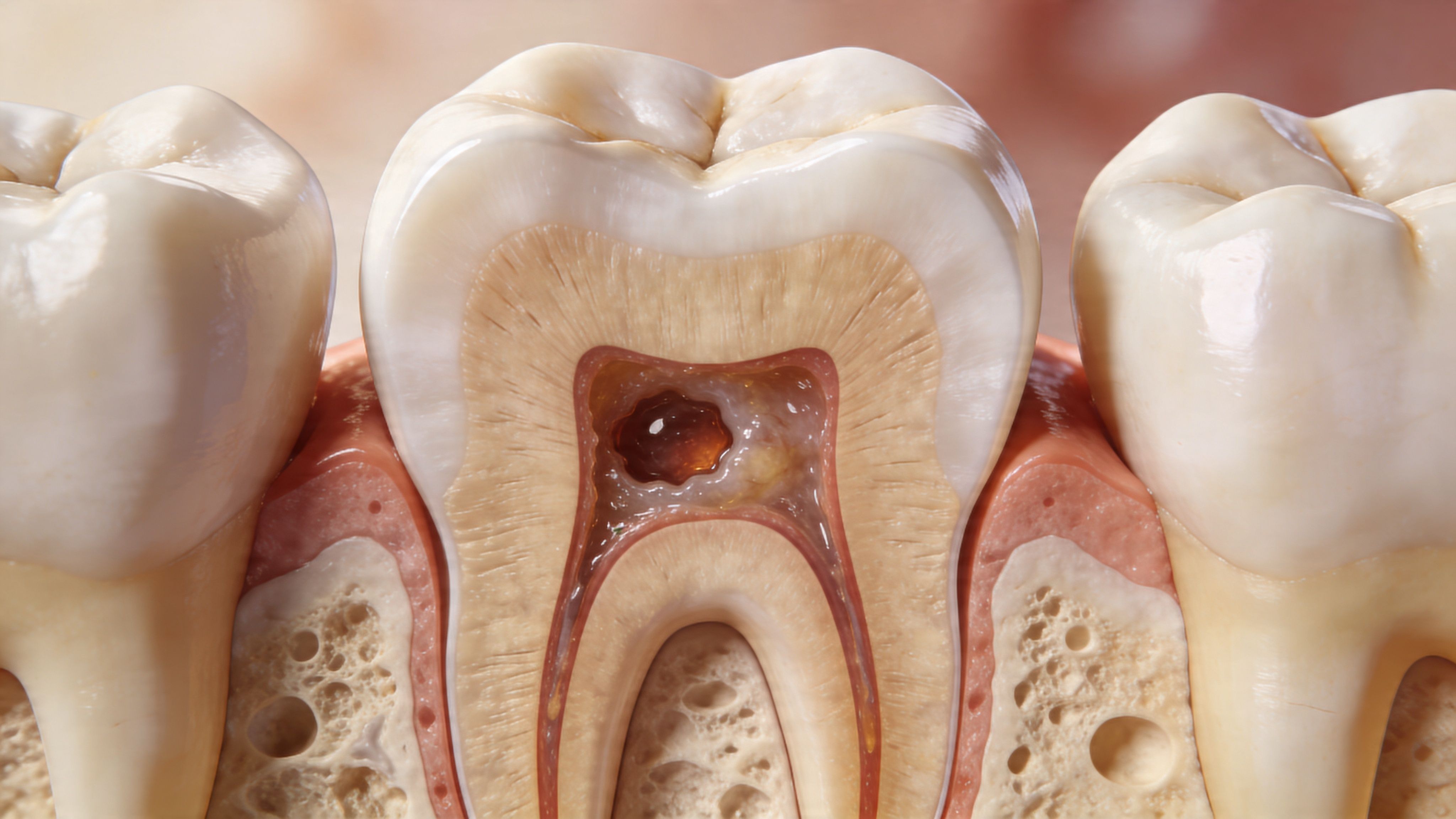
A tooth abscess is a pocket of pus caused by a bacterial infection. In simple terms, bacteria get into a place they shouldn’t be, your body sends inflammatory cells to fight it, and pressure builds inside a confined space. That’s why the pain can feel intense and deep rather than surface-level.
The two patterns patients hear about most
A dentist may describe the abscess by where it started.
| Type | Where it starts | What often causes it |
|---|---|---|
| Periapical abscess | Near the root tip | Deep decay, trauma, or a dying nerve inside the tooth |
| Periodontal abscess | In the gum and supporting tissues | Gum infection, trapped debris, or breakdown around the tooth |
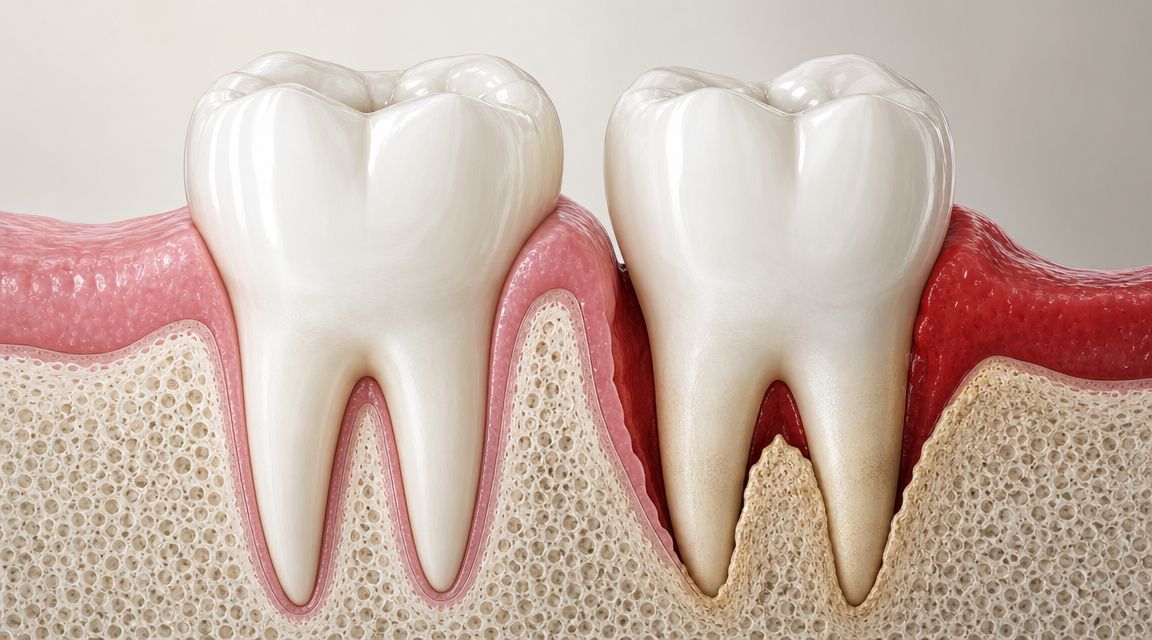
A periapical abscess usually begins inside the tooth. Bacteria reach the pulp, which contains the nerve and blood supply, then move down toward the root. A periodontal abscess starts more from the gum side.
Both are serious, but they don’t always look dramatic at first. A small swelling can still be tied to a significant infection below the surface.
Why dentists call it an emergency
An abscess is a dental emergency because the body doesn’t reliably “seal it off and finish the job” on its own. The pressure may change. The pain may fluctuate. The infection source still remains.
The moment an abscess forms, the goal shifts from comfort to control. You need to remove the source of infection, not just dull the symptoms.
Imaging matters. Dental x-rays can show infection patterns around the root. A more advanced scan can help define the extent of damage and guide treatment planning. If you’ve been told you may need endodontic treatment, this guide on signs you need a root canal can help you understand the pattern.
Why the pain can suddenly change
Some patients get confused when severe pain suddenly decreases. They assume the infection is gone. Sometimes the pressure has found a path to drain, which can reduce discomfort for a while. That isn’t the same as healing.
Other patients feel very little pain but have visible swelling. That can be just as urgent. The level of pain doesn’t always match the seriousness of the infection.
A useful way to think about it is this. A tooth abscess is less like a bruise and more like a sealed pressure problem with bacteria at the center. As long as the source remains, home care can only do so much.
Safe At-Home Care for Temporary Tooth Abscess Pain Relief
If you can’t get into a dentist immediately, there are a few measures that can help you manage symptoms more safely. These steps are for temporary relief only. They won’t cure the infection.
Use a saltwater rinse the right way
The most practical home measure is a warm saltwater rinse. According to Healthline’s guidance on abscessed tooth home remedies, dissolve ½ to 1 teaspoon of salt in 1 cup of warm water, swish gently for at least 30 seconds, keep the solution near the painful area, and repeat 4 to 6 times daily. The rinse helps create an osmotic effect that draws fluid from inflamed tissues and can temporarily reduce bacterial load.
Here’s the important part. It may reduce pain and swelling, but it won’t resolve the underlying infection.
A simple routine looks like this:
Mix carefully
Use warm water, not hot water. Warm feels soothing. Hot can increase discomfort.Swish gently
Don’t force the liquid hard into the area. A gentle rinse is enough.Spit it out completely
You’re rinsing, not holding it in your mouth for long periods.Repeat through the day
Consistency helps more than doing one aggressive rinse.
Best immediate step: A saltwater rinse is for calming inflamed tissue. It isn’t a substitute for drainage, a root canal, or an extraction when those are needed.
Supportive comfort measures that may help
Beyond rinsing, a few low-risk steps can make the pain more manageable while you arrange care.
Cold compress on the outside of the cheek
Use a cold pack wrapped in cloth against the face near the painful area. Keep it external. This can help with swelling and discomfort.Over-the-counter pain relief as directed on the label
Many adults reach for ibuprofen or acetaminophen. Follow the package instructions or your physician’s guidance, especially if you have medical conditions, stomach issues, kidney concerns, or take blood thinners.Keep your head raised
Some people notice more pressure when lying flat. Extra pillow support may make the night more tolerable.Choose softer foods
Chewing on the painful side can sharply increase pressure. Soft foods and avoiding extremes of temperature are usually more comfortable.
What these measures can and can’t do
Home care is useful when it buys you safe time. It’s not useful when it becomes an excuse to delay treatment.
Here’s a quick comparison:
| Home measure | What it may do | What it won’t do |
|---|---|---|
| Saltwater rinse | Temporarily soothe tissue and reduce irritation | Eliminate the abscess source |
| Cold compress | Reduce swelling and numb discomfort | Treat infection inside the tooth or gum |
| OTC pain reliever | Lower pain for a few hours | Remove pus, repair decay, or stop bacterial spread |
That’s the central truth behind tooth abscess treatment at home. Relief is possible. Resolution isn’t.
A good same-day plan
If you’re dealing with this right now, use a practical sequence:
- Start with a gentle warm saltwater rinse
- Take an OTC pain reliever if it’s safe for you
- Apply a cold compress to the cheek
- Avoid chewing on that side
- Arrange an urgent dental visit as soon as possible
That plan keeps the focus where it belongs. Comfort first, diagnosis next, treatment without unnecessary delay.
Common Mistakes to Avoid with a Suspected Tooth Abscess
The internet is full of advice that sounds logical when you’re desperate and in pain. Some of it can make the infection worse. With a suspected abscess, safety matters more than improvisation.
Don’t try to pop or drain it yourself
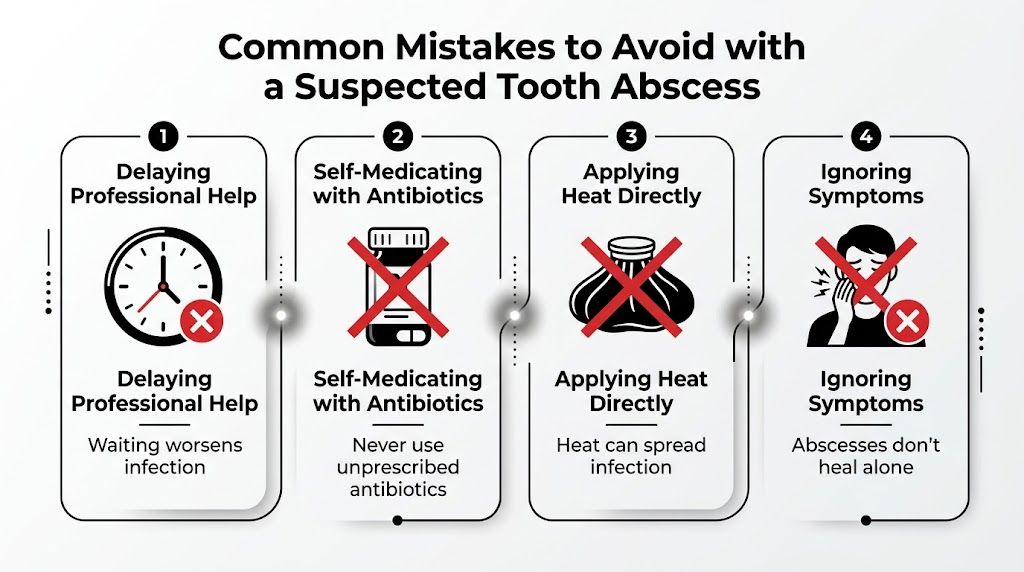
This is the biggest mistake. People see swelling and assume they should release the pressure. That can force bacteria into deeper tissues, create a bigger problem, and delay proper treatment.
A dental abscess needs sterile management and diagnosis of the actual source. Even if fluid comes out, that doesn’t mean the infection is solved.
Don’t place aspirin or harsh substances on the gum
Patients still try aspirin directly on the tooth or gum because they’ve heard it will “kill the pain.” It won’t treat the infection, and it can irritate or burn the tissue. The same caution applies to strong alcohol rinses or random household mixtures.
If a product isn’t meant for oral tissue, don’t put it in your mouth.
Don’t use leftover antibiotics
Taking antibiotics that weren’t prescribed for this specific problem is risky. The medication may be wrong, the dose may be wrong, and you may blunt symptoms without solving the source.
A tooth abscess is not a DIY medication problem. The correct treatment depends on where the infection started and whether the tooth can still be saved.
Don’t use heat on the outside of the face
Warm saltwater inside the mouth is one thing. Heat packs on the outside of the face are another. External heat can worsen the feeling of pressure and may aggravate swelling.
A cold compress is usually the safer comfort measure.
Don’t assume less pain means you’re fine
This mistake is easy to make. If the tooth stops throbbing as much, you may think the problem is ending. In reality, the infection may still be active even if pressure has shifted.
A quick checklist helps separate safe action from harmful action:
Safe
Gentle saltwater rinse, cold compress, soft foods, prompt dental follow-upUnsafe
Popping the swelling, placing aspirin on tissue, taking someone else’s antibiotics, delaying care because the pain changed
One more mistake deserves mention. Ignoring the problem because life is busy. School drop-off, meetings, and travel are real constraints. Infection doesn’t care about your calendar.
When to See an Emergency Dentist in Austin Immediately
Some abscesses are painful but contained. Others are moving toward a medical emergency. Knowing the difference can protect your health.

According to this discussion of home abscess management risks, untreated dental abscesses can lead to life-threatening systemic infections, and home management can worsen outcomes in 30% to 50% of cases because remedies do not drain the source of infection. For communities in Central Texas, where same-day access can sometimes be challenging, recognizing red flags early matters.
Warning signs that should move you from home care to urgent care
Call an emergency dentist right away if you have any of these:
- Swelling in the face or cheek that appears to be increasing
- Fever along with dental pain or swelling
- Difficulty swallowing
- Difficulty breathing
- Pain that is severe and not controlled by basic home measures
- A rapidly worsening condition, even if it started as a small toothache
These symptoms suggest the problem may be spreading beyond one tooth.
What this means locally
For families and working adults in Austin, Georgetown, Wells Branch, Round Rock, Cedar Park, and Liberty Hill, the temptation is often to get through the day and “see how it looks tomorrow.” That’s reasonable for many minor dental annoyances. It isn’t the right approach when swelling and infection are involved.
If you’re trying to decide whether this counts as a real emergency, it often helps to compare your symptoms with a local emergency guide like this emergency dental care overview.
Swelling changes the urgency. A painful tooth needs attention. A painful tooth with visible swelling needs faster attention.
The next video offers a helpful overview of emergency dental concerns and what patients should watch for.
If it’s after hours and you’re unsure
Use a simple decision path:
| Symptom pattern | Best next move |
|---|---|
| Pain without swelling | Use temporary home relief and arrange prompt dental evaluation |
| Pain with growing swelling or fever | Seek emergency dental care immediately |
| Trouble swallowing or breathing | Treat it as urgent and get immediate medical attention |
That framework isn’t about fear. It’s about speed. The right response at the right moment can prevent a much more serious situation.
Professional Tooth Abscess Treatment at 3D Dental
Once a dentist confirms an abscess, treatment focuses on one question. How do we remove the source of infection and relieve pressure safely? The answer depends on where the infection started and whether the tooth can be saved.
The main treatment paths
A professional exam usually leads to one of three directions.
First, the area may need to be drained. Draining the abscess reduces pressure and helps remove infected material. Patients often feel meaningful relief once that pressure is released.
Second, the tooth may be a candidate for a root canal. This is the usual path when the infection started inside the pulp of the tooth but the tooth structure is still restorable. The infected tissue is removed, the inside is cleaned and sealed, and the tooth is protected afterward.
Third, the tooth may need extraction if it can’t be predictably saved. This is sometimes the best health decision, especially when there is extensive structural damage or advanced infection.
What happens during the visit
Patients are often most anxious about the unknown, not the treatment itself. A typical emergency abscess visit is methodical.
Evaluation and imaging
The team checks the painful area, reviews symptoms, and uses digital x-rays or 3D imaging as needed.Diagnosis of the source
The goal is to identify whether the infection is coming from the nerve, the root area, or the gum support.Stabilization
Pressure relief, pain control, and planning happen first.Definitive treatment
That may be drainage, root canal care, extraction, or a staged plan if swelling needs to calm before the final procedure.
Most patients feel better once there’s a real plan. Uncertainty is exhausting. Clear diagnosis changes that quickly.
If the tooth can’t be saved
Losing a tooth is never the first goal. Saving natural teeth is usually preferred when it’s realistic and healthy. But when extraction is the right treatment, replacement matters too.
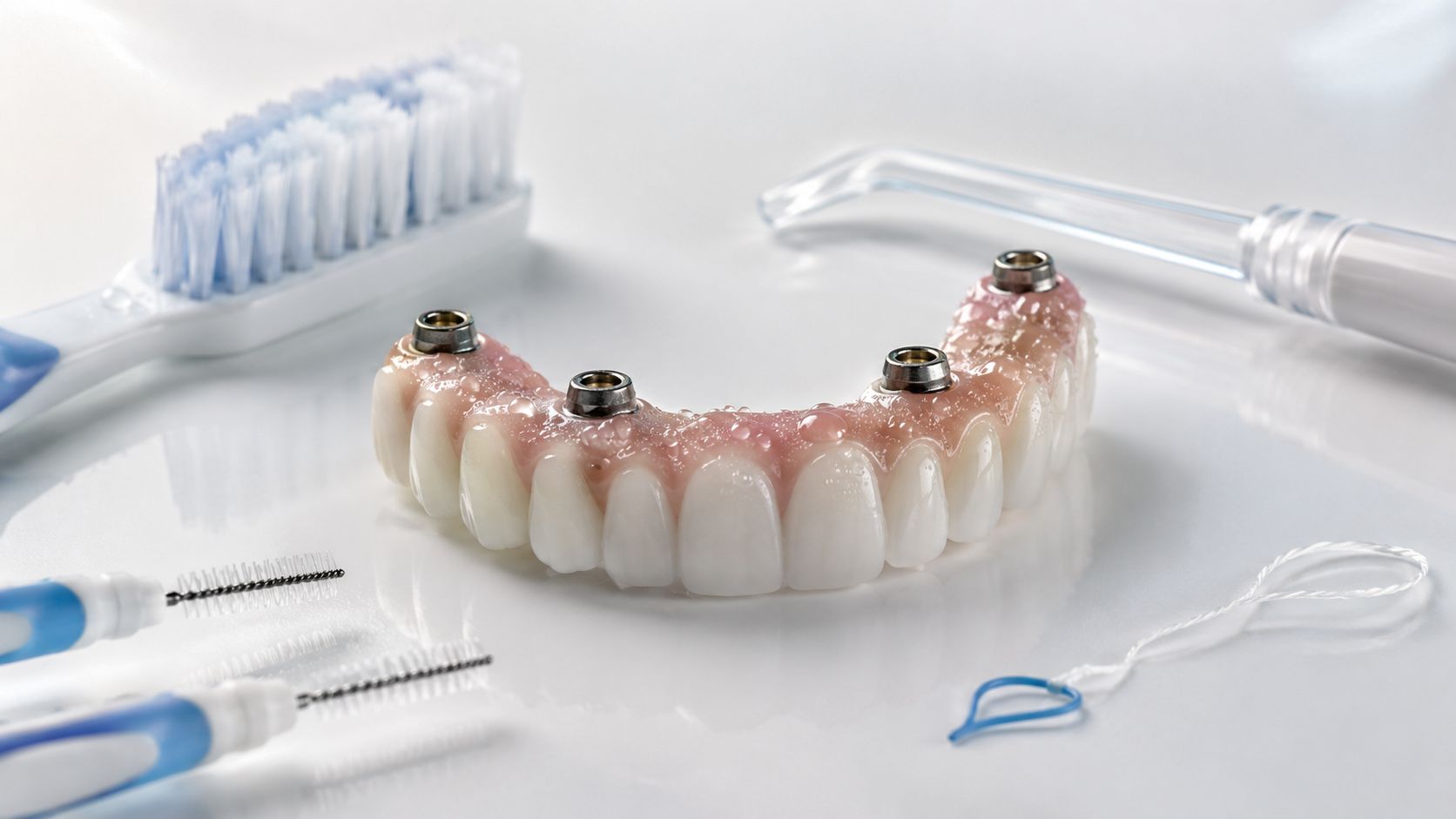
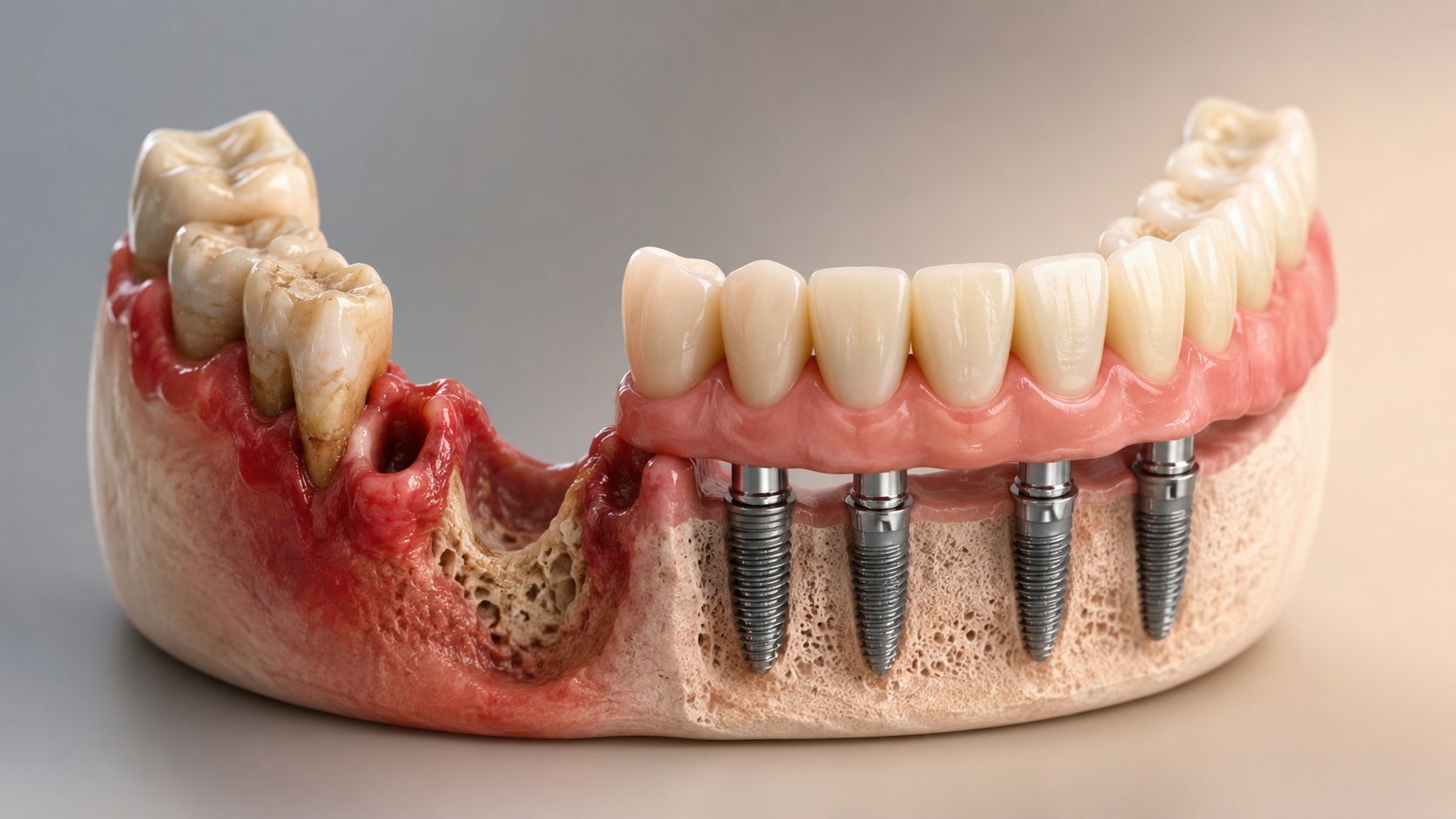
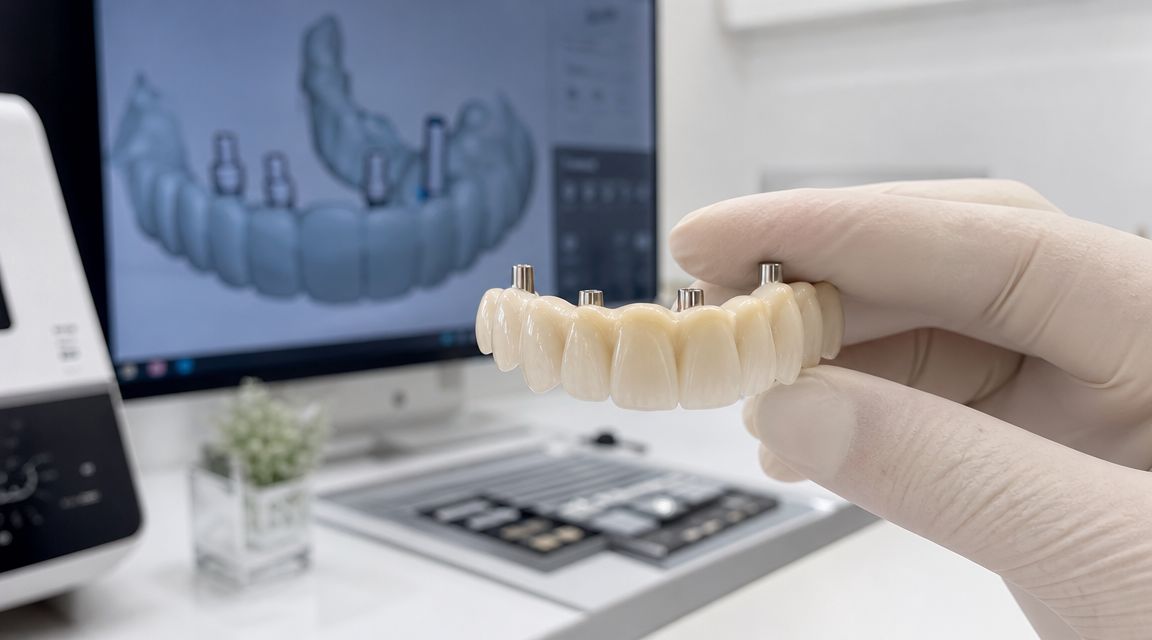
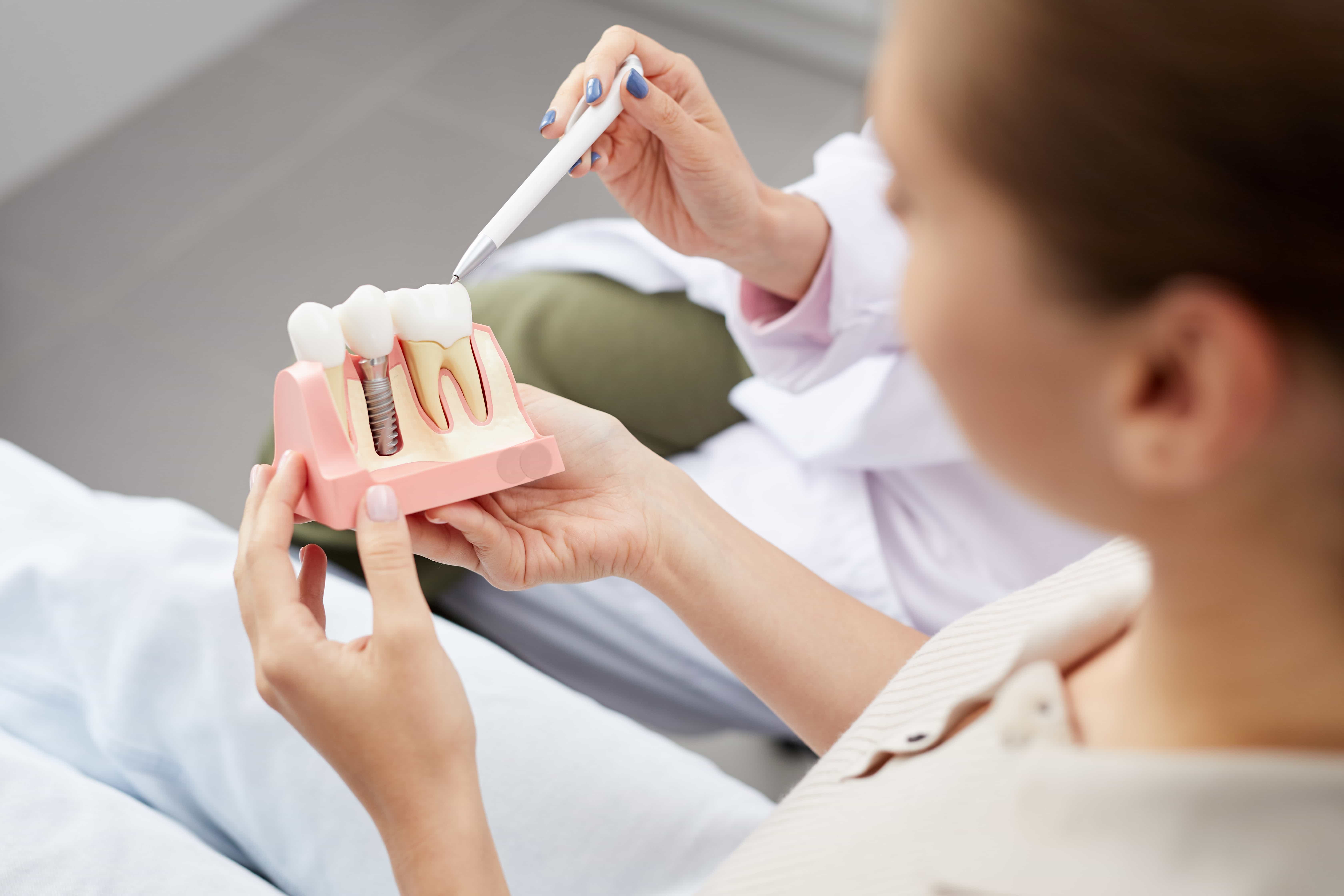
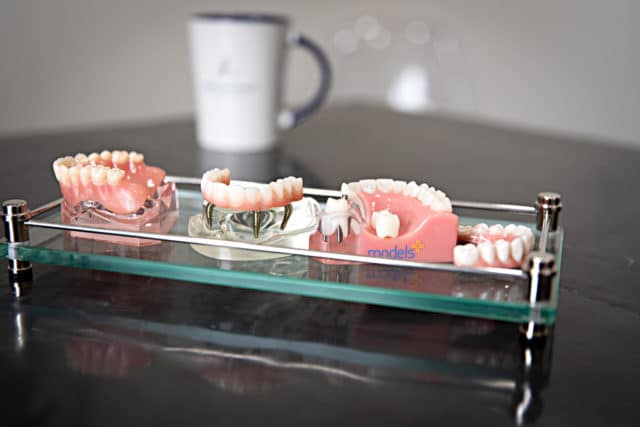
That’s where restorative planning comes in. Depending on the location of the tooth and your overall oral health, replacement options may include a crown and bridge or dental implants. For patients thinking long-term, implants can be a strong option because they replace the missing tooth at the root level and support function and appearance.
Why technology matters in abscess cases
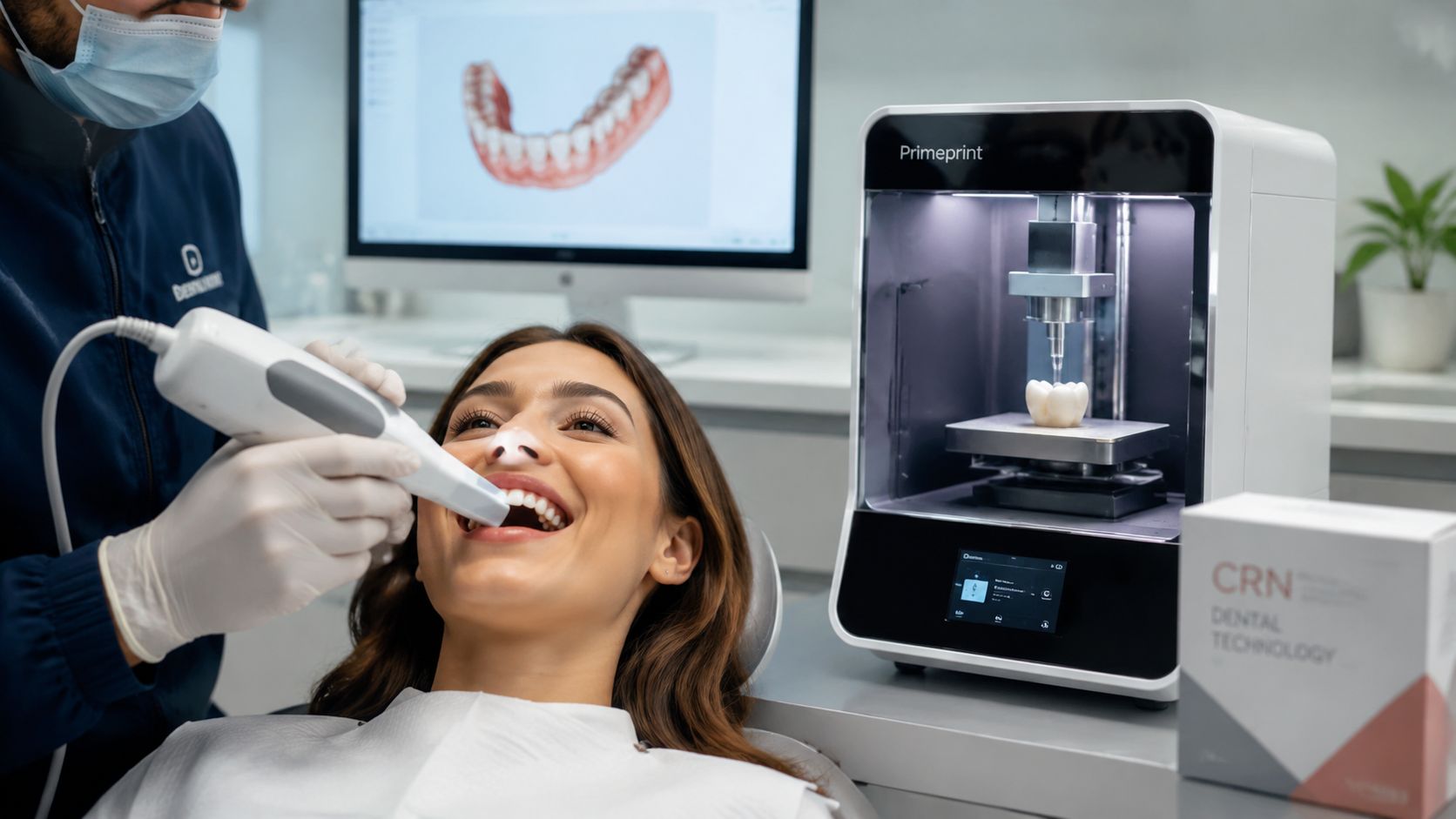
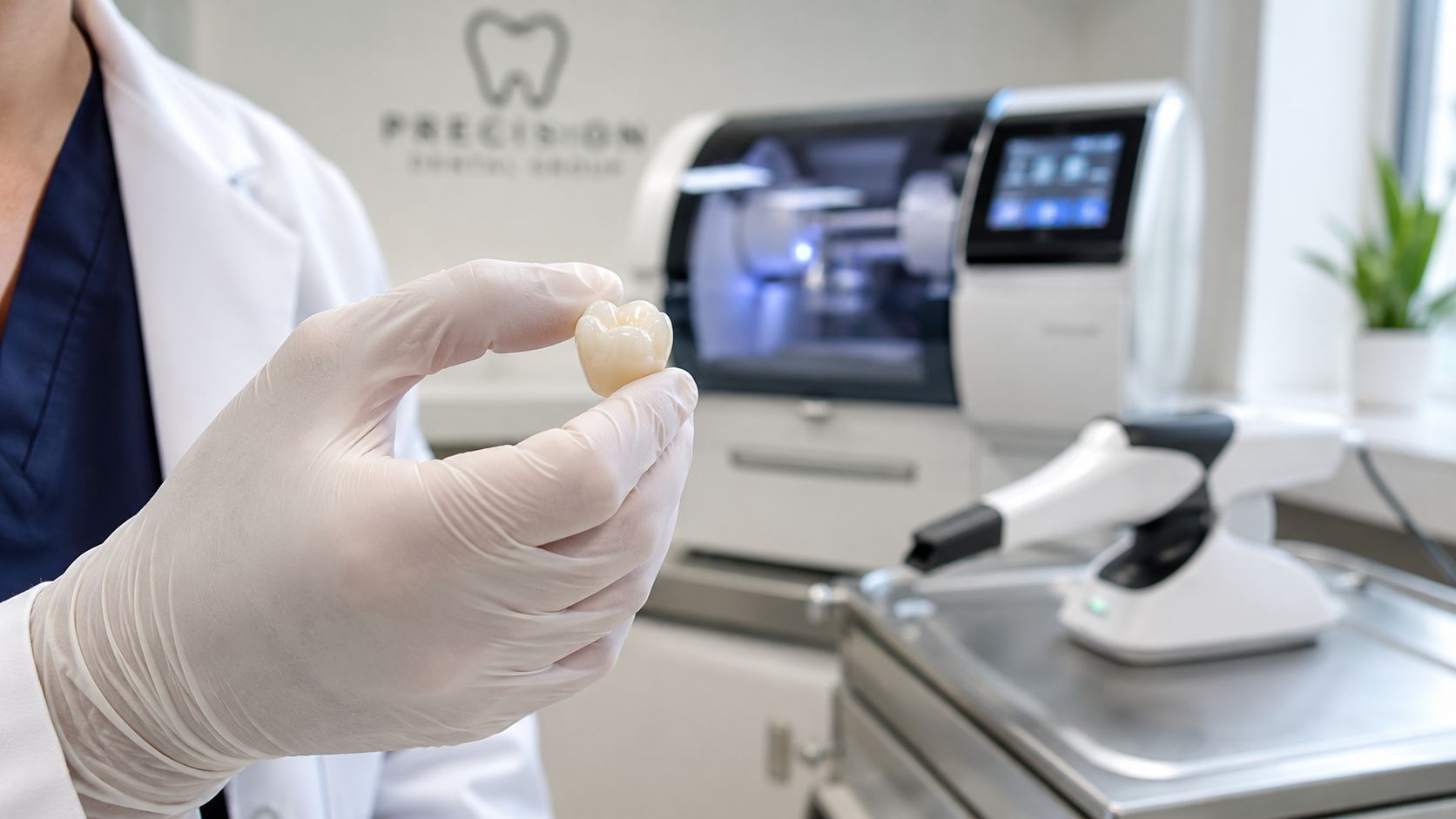
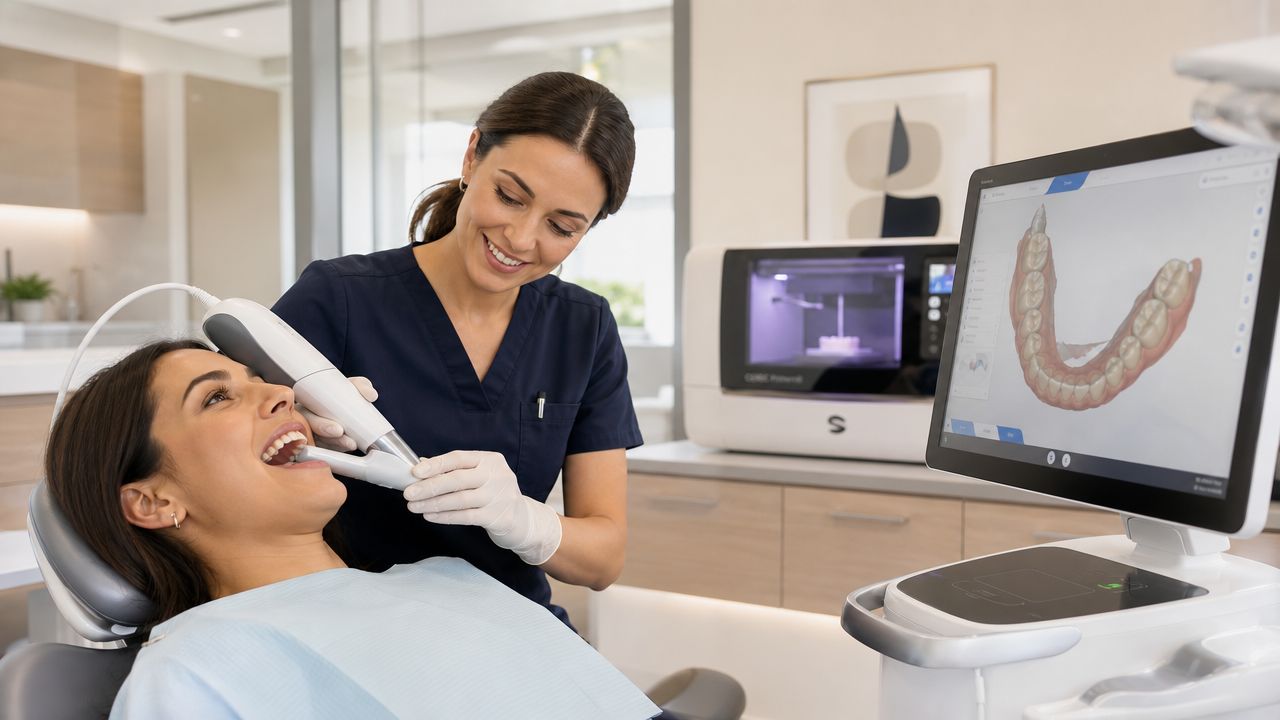
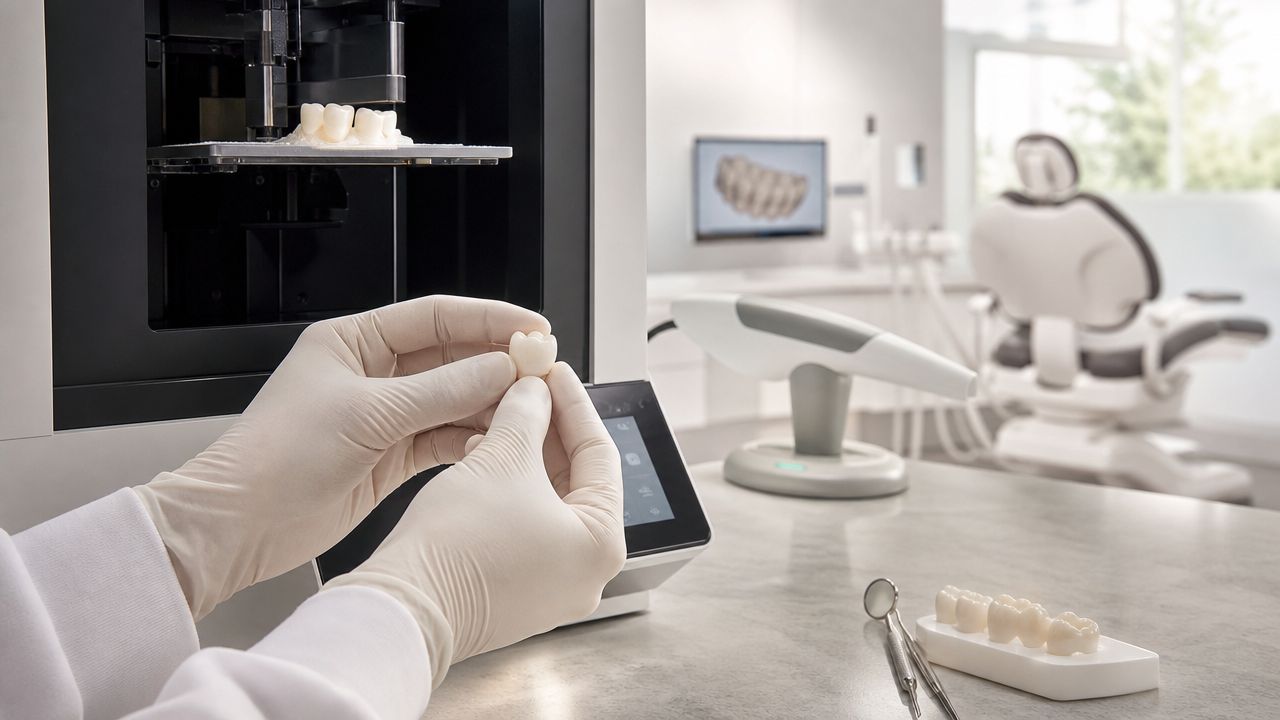
An abscess can look simple from the outside and be more complex underneath. Better diagnostics help dentists avoid guesswork. Digital x-rays, 3D CT imaging, digital scanners, and in-house restoration workflows all contribute to faster, more precise care planning.
That doesn’t just matter for emergencies. It matters for what comes after the emergency too. If you need a root canal, crown, extraction, or implant planning, coordinated treatment under one roof makes the process less fragmented and easier to understand.
Your Path to Relief at Our Austin and Georgetown Offices
When you’re dealing with an abscess, the experience you need is simple. You want to be heard, examined promptly, and given a clear answer. You don’t want judgment for waiting too long, and you don’t want confusing treatment talk when you’re already in pain.
That’s why the best emergency dental visits feel calm and structured. A good team starts by listening to what changed, where it hurts, and how long it’s been going on. From there, imaging and a focused exam help determine whether you need immediate drainage, a root canal, an extraction, or a phased treatment plan.
What patients can expect
At a modern office in Austin or Georgetown, the process should be straightforward:
Friendly check-in
You should know what happens next, not sit there guessing.Efficient diagnostics
Digital dental x-rays and advanced imaging help identify the true source.Transparent recommendations
You should hear what the problem is, what needs to happen first, and what can wait.Comfort-focused care
Emergency treatment should prioritize getting you out of pain while protecting your long-term oral health.
Practical concerns matter too
People don’t experience dental emergencies in a vacuum. They’re balancing work, childcare, commute time, and cost. The right dental office recognizes that and makes access easier with online booking, appointment-only scheduling that minimizes delays, and payment pathways that are easier to manage during urgent care.
3D Dental serves patients in Austin and Georgetown, TX, along with nearby communities such as Wells Branch, Cedar Park, Round Rock, and Liberty Hill. The practice provides emergency dental care as well as follow-up restorative services, including root canals, crowns, tooth extraction, dental implants, and broader family dental care.
Why prompt action helps everything else
Fast treatment doesn’t just relieve pain. It also improves your options. The sooner a dentist evaluates the abscess, the better the chance of controlling the infection before it causes more tissue damage or forces a more extensive procedure.
If you searched for “dentist near me,” “emergency dentist,” “tooth extraction,” or “dentist in Austin, TX” because of a swollen, painful tooth, trust the urgency that brought you here. Temporary home care can help you get through the moment. It should lead directly to treatment.
If you’re in pain, don’t wait and hope it settles down on its own. 3D Dental provides patient-first emergency dental care in Austin and Georgetown, with advanced imaging, clear treatment planning, and thorough follow-up care under one roof. If you’re dealing with a suspected abscess, swelling, or severe tooth pain, contact the office now to schedule the earliest available visit and get on the fastest path to real relief.
Ready to get started?
Schedule a free, no obligation consultation with our team and see what's possible for your smile!
Georgetown
- Mon-Thurs8:30am-5pm
- Fri8am-3:30pm
- Sat-SunClosed
Austin
- Mon-Tues8am-5pm
- Wed-Thurs9am-6pmFri8am-2pm
- Sat-SunClosed