
Laser Dentistry Austin: Gentle, Precise Dental Care
Related Posts

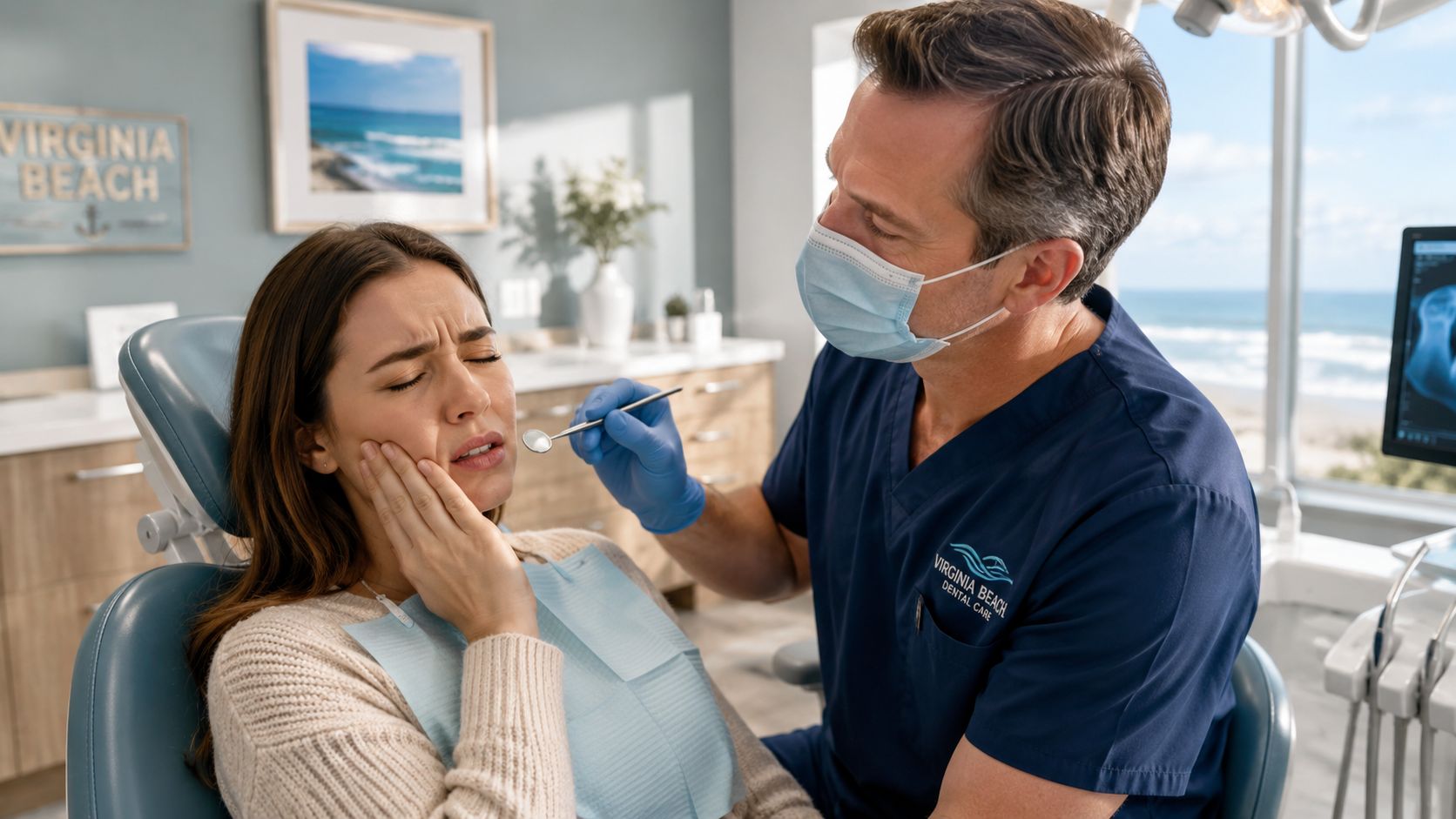

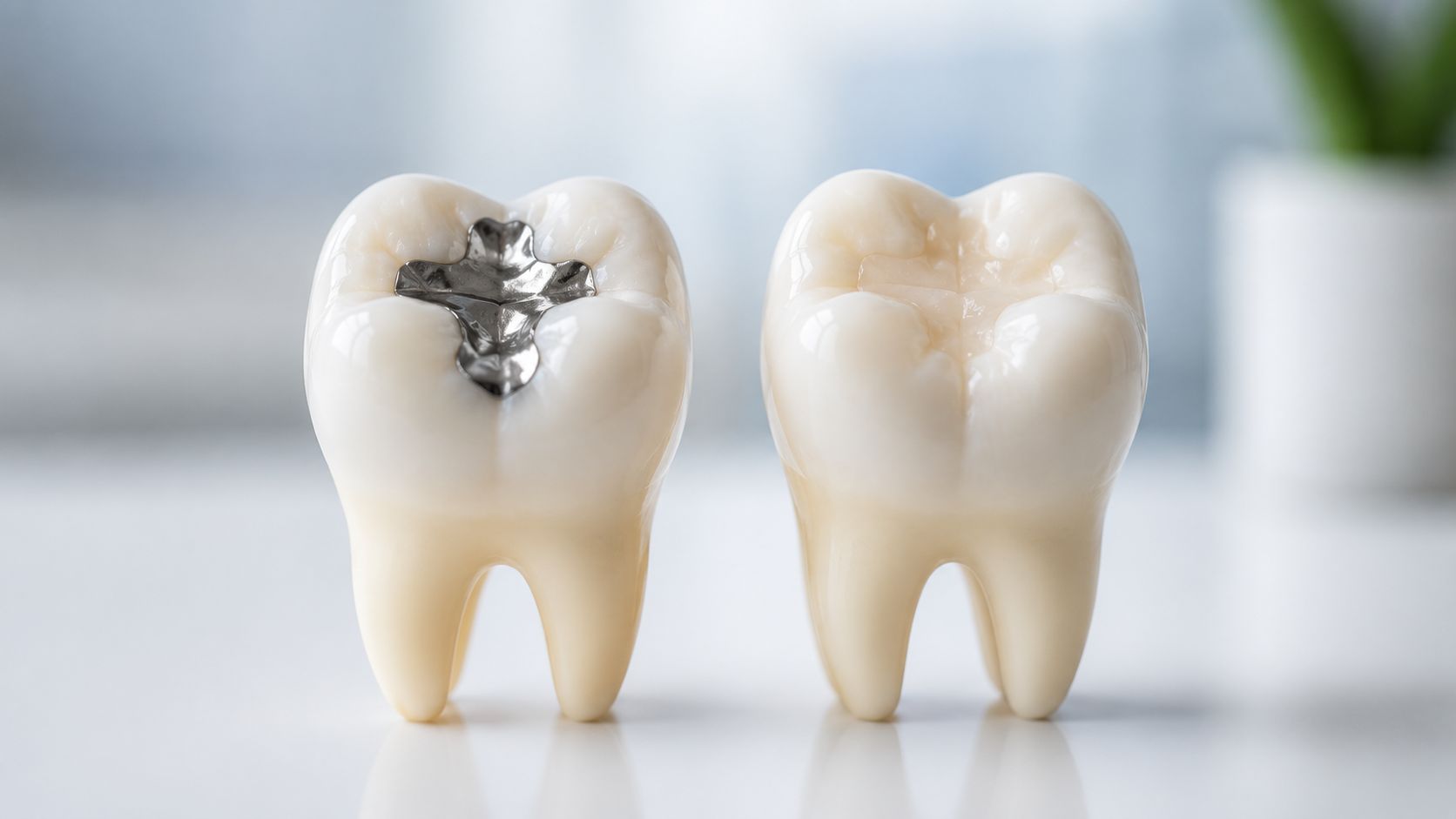
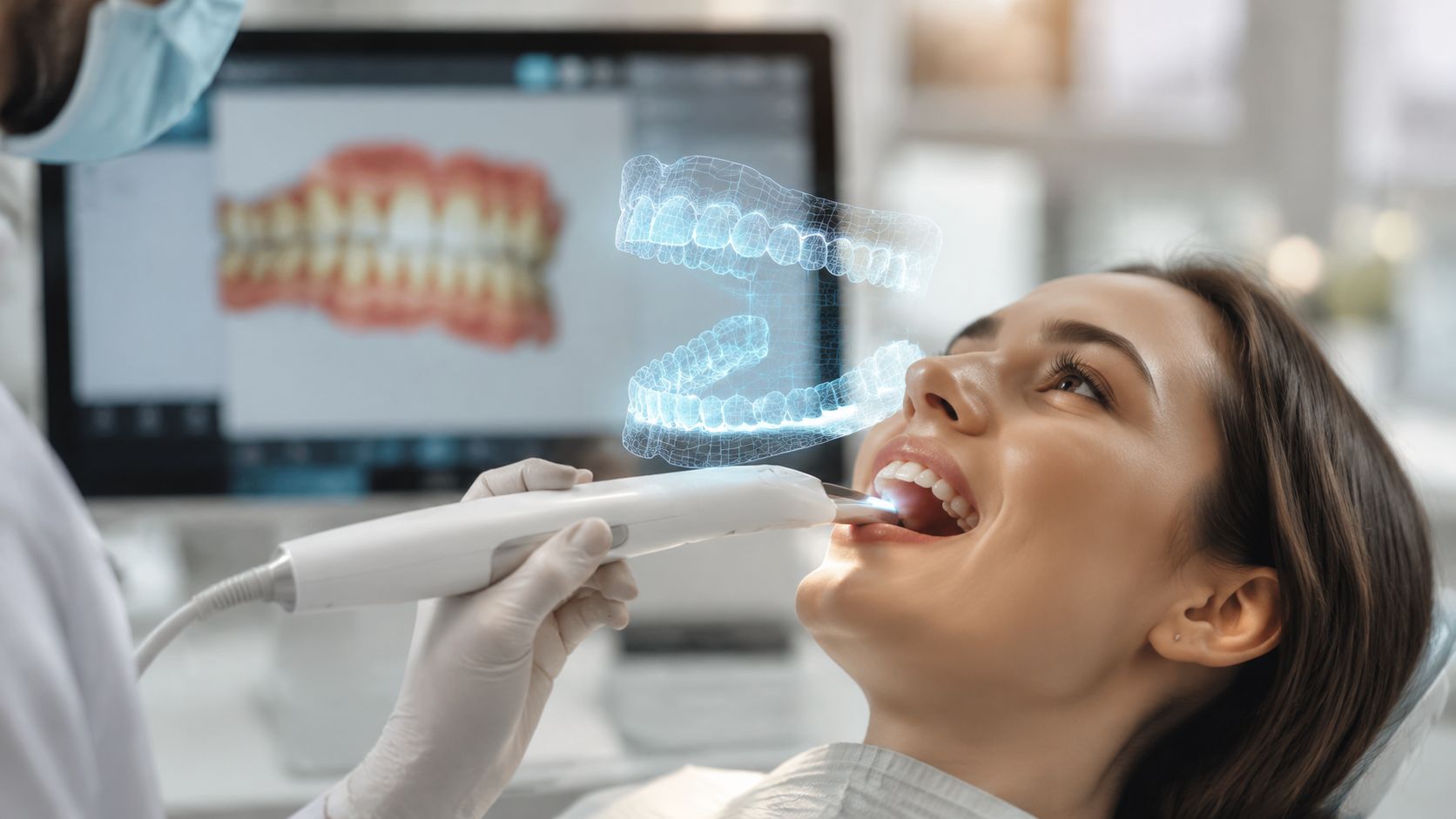
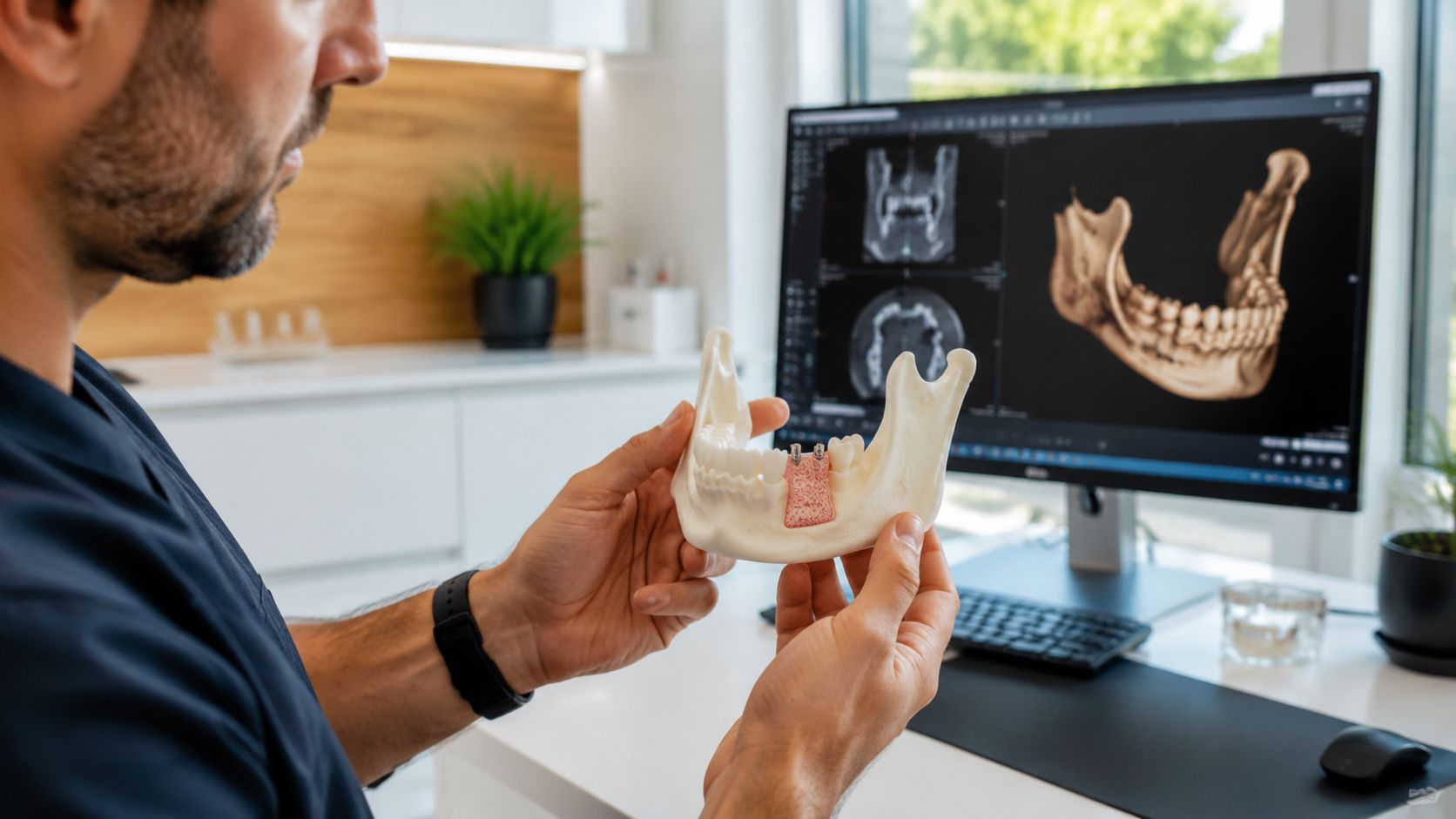
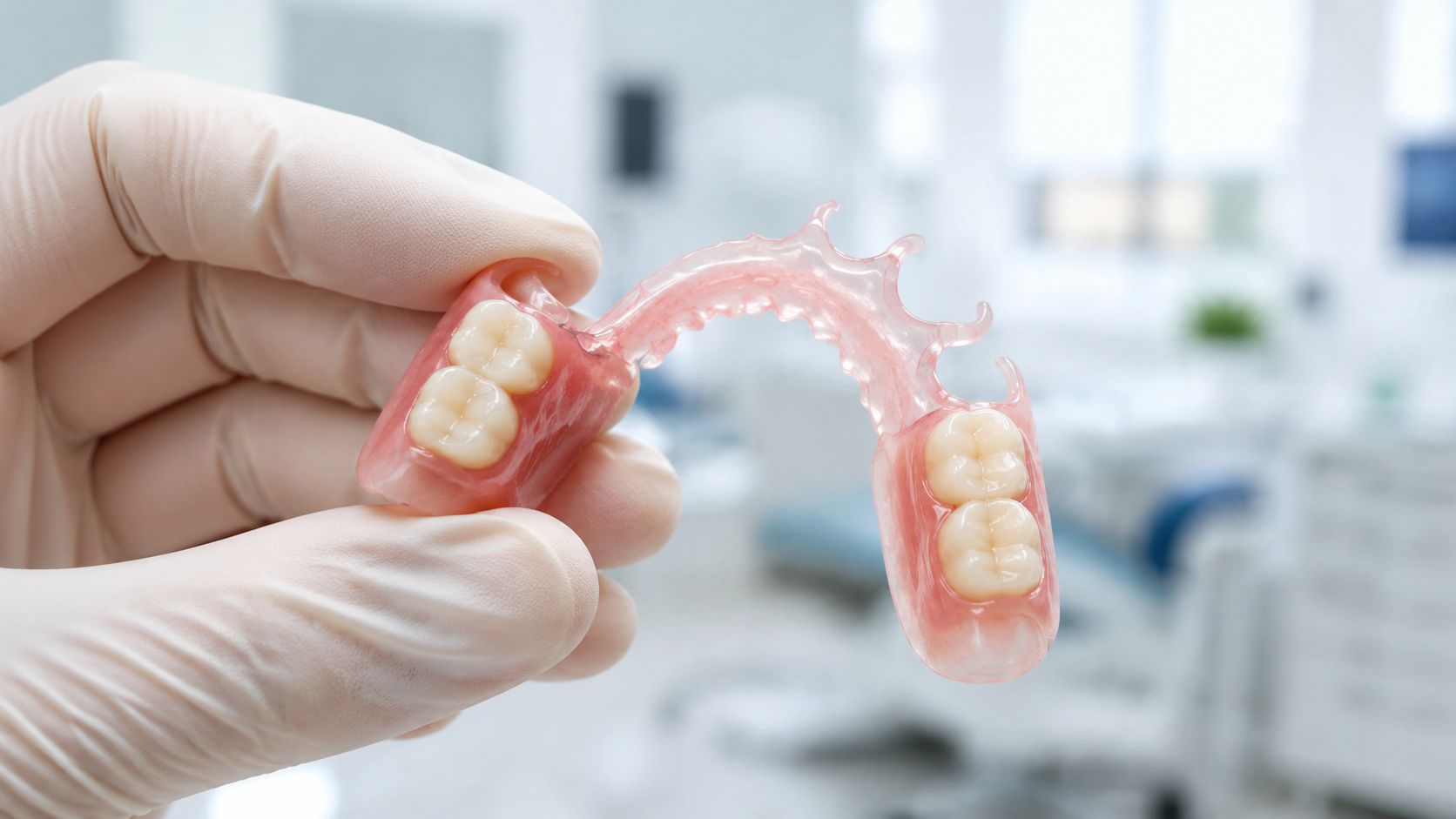
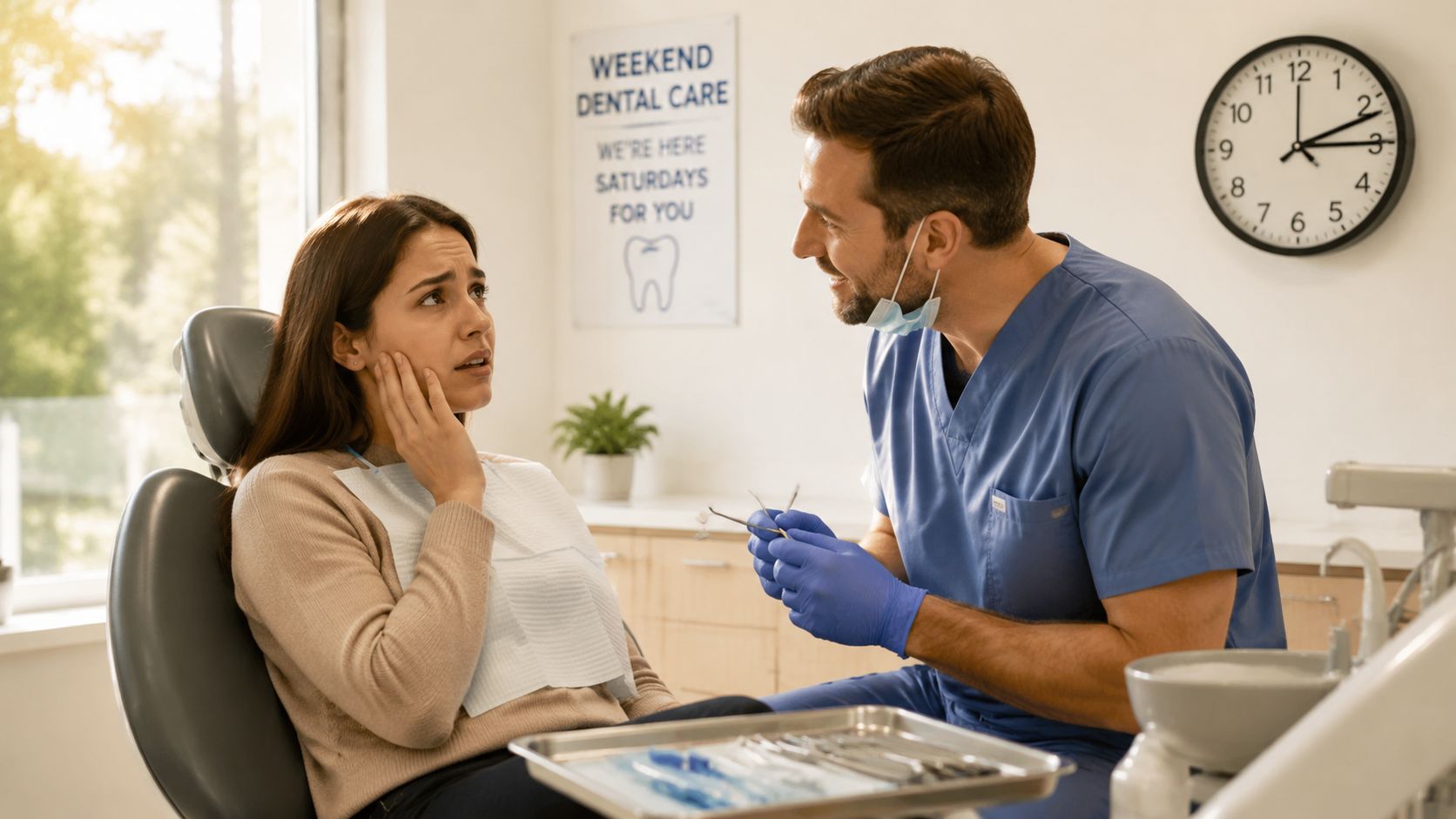
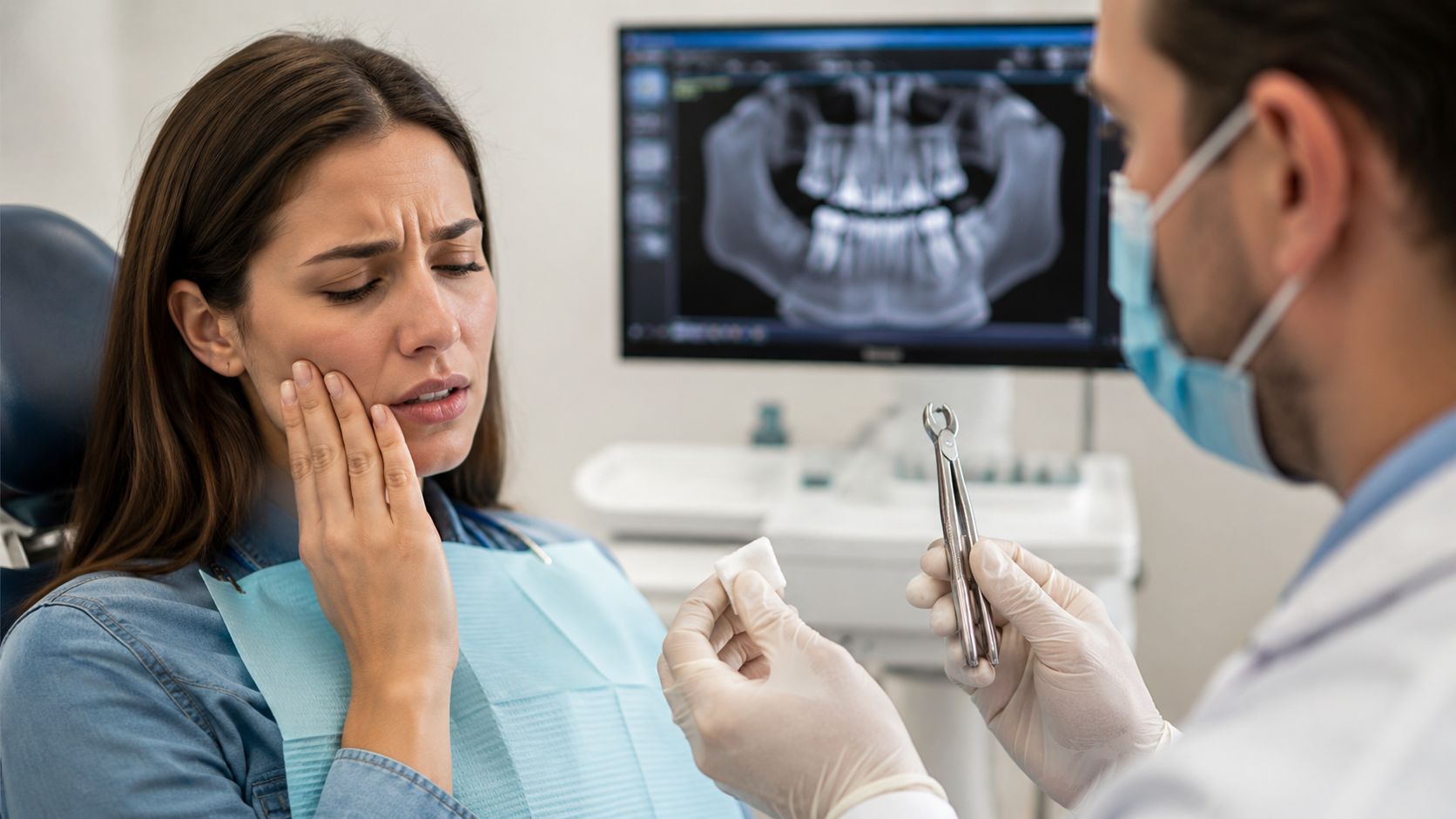
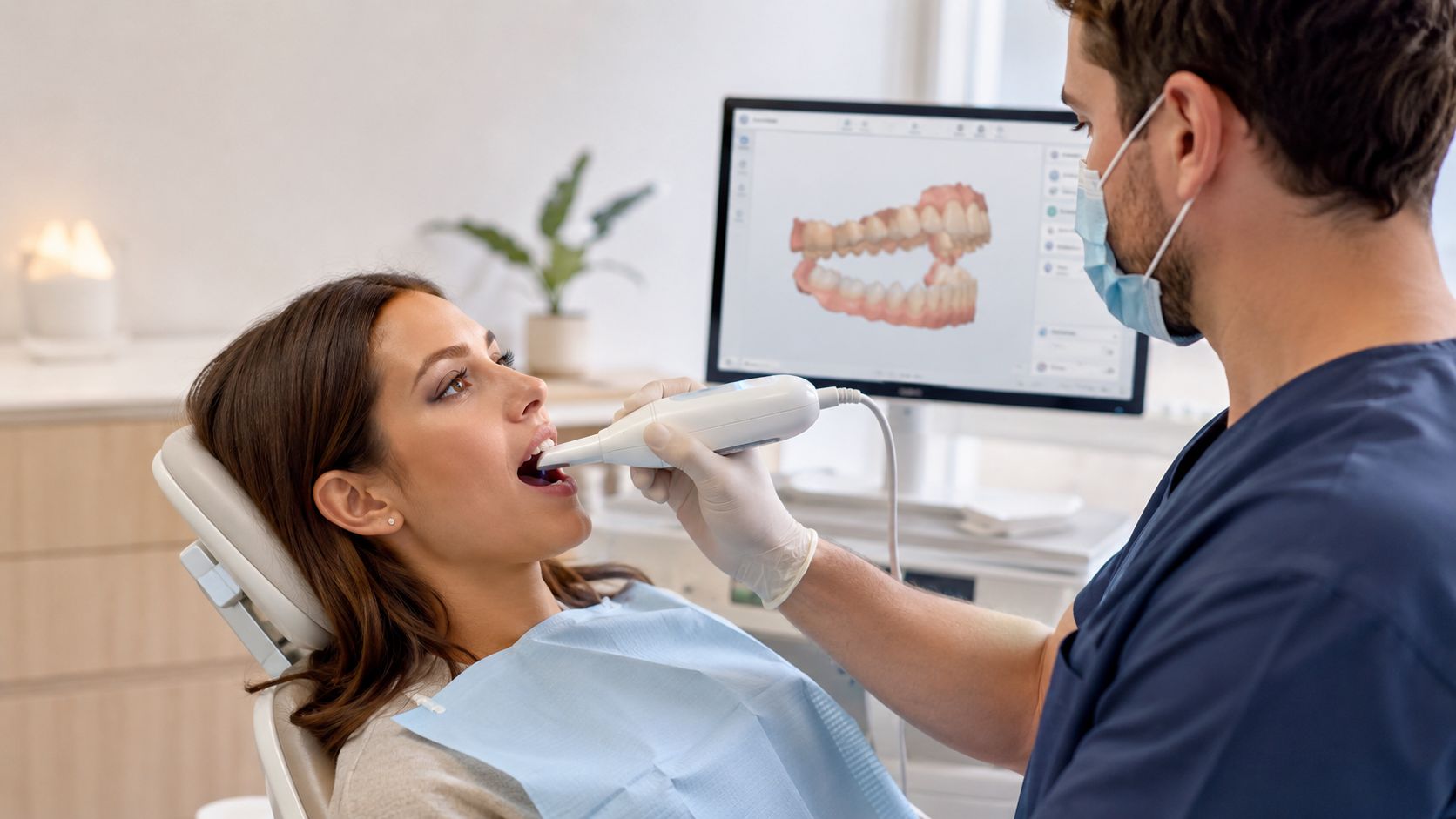
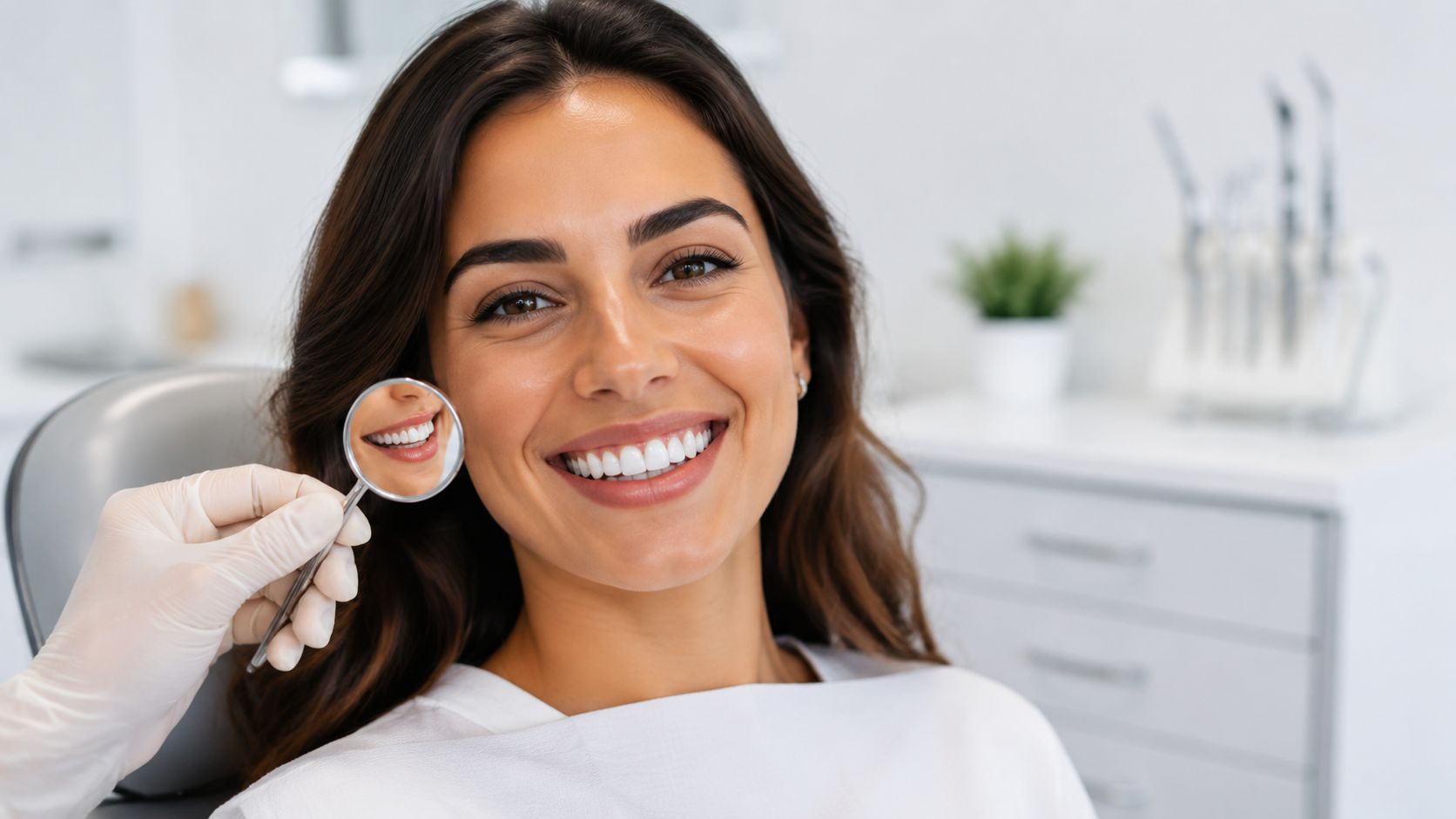
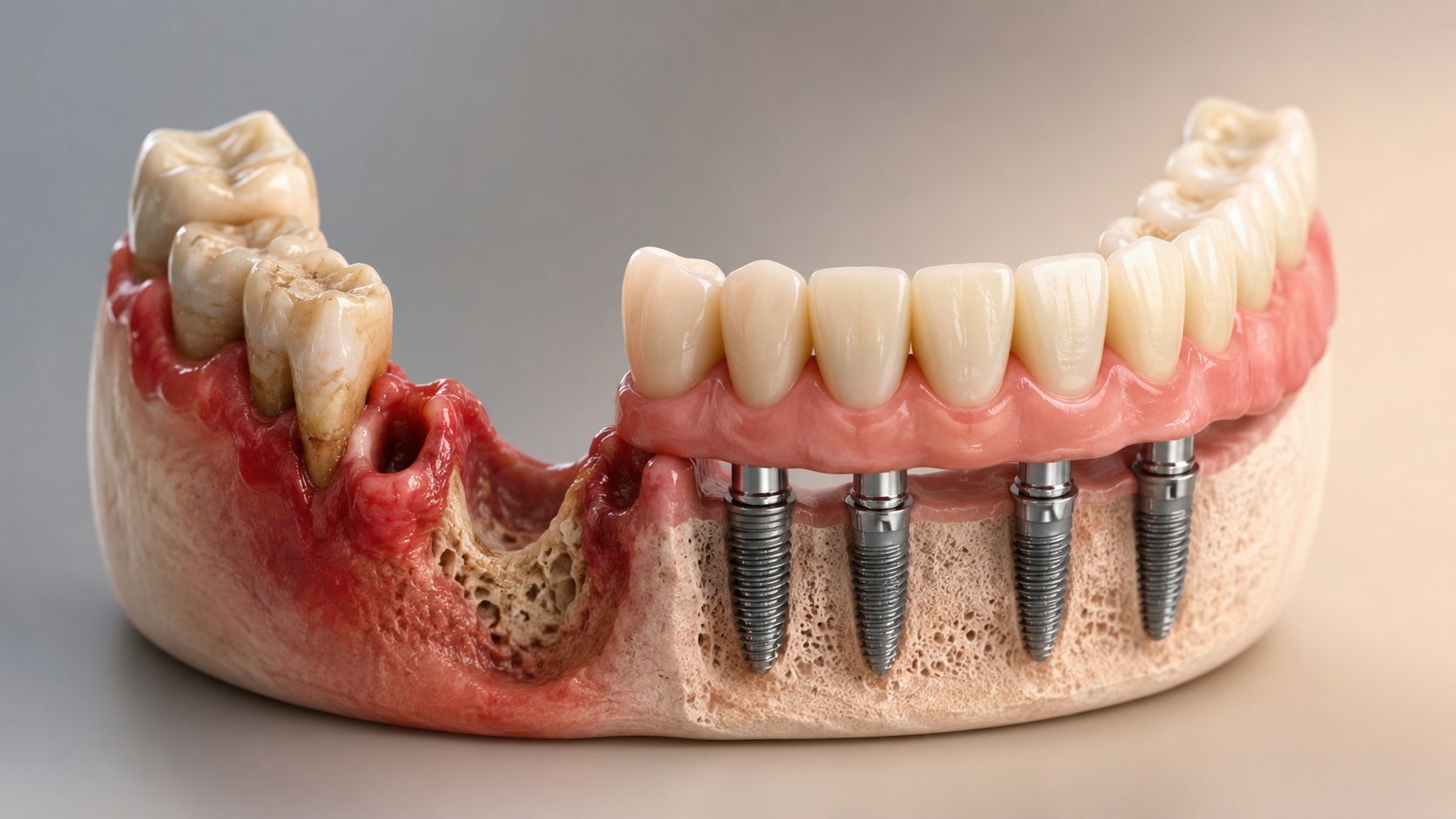
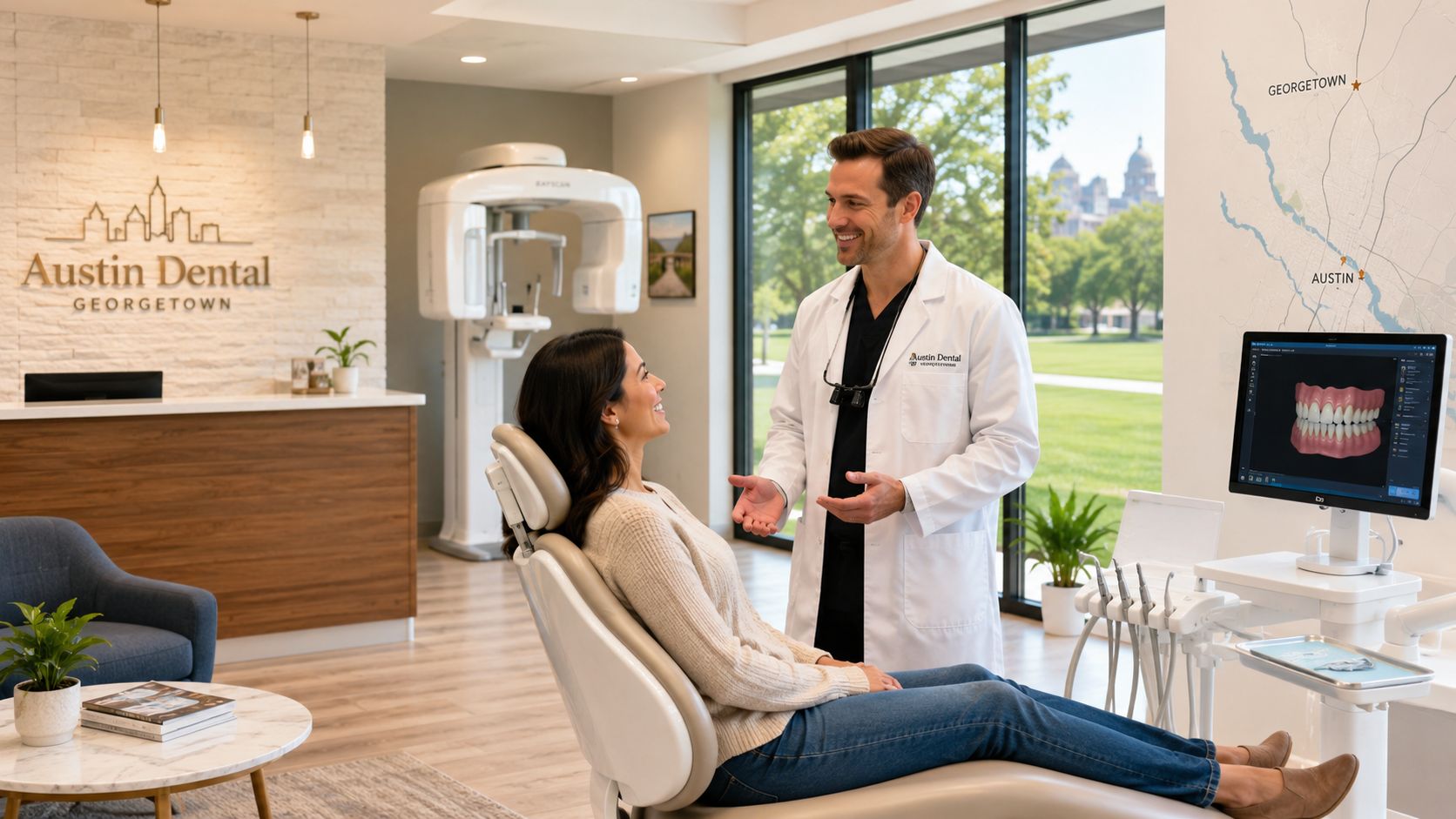
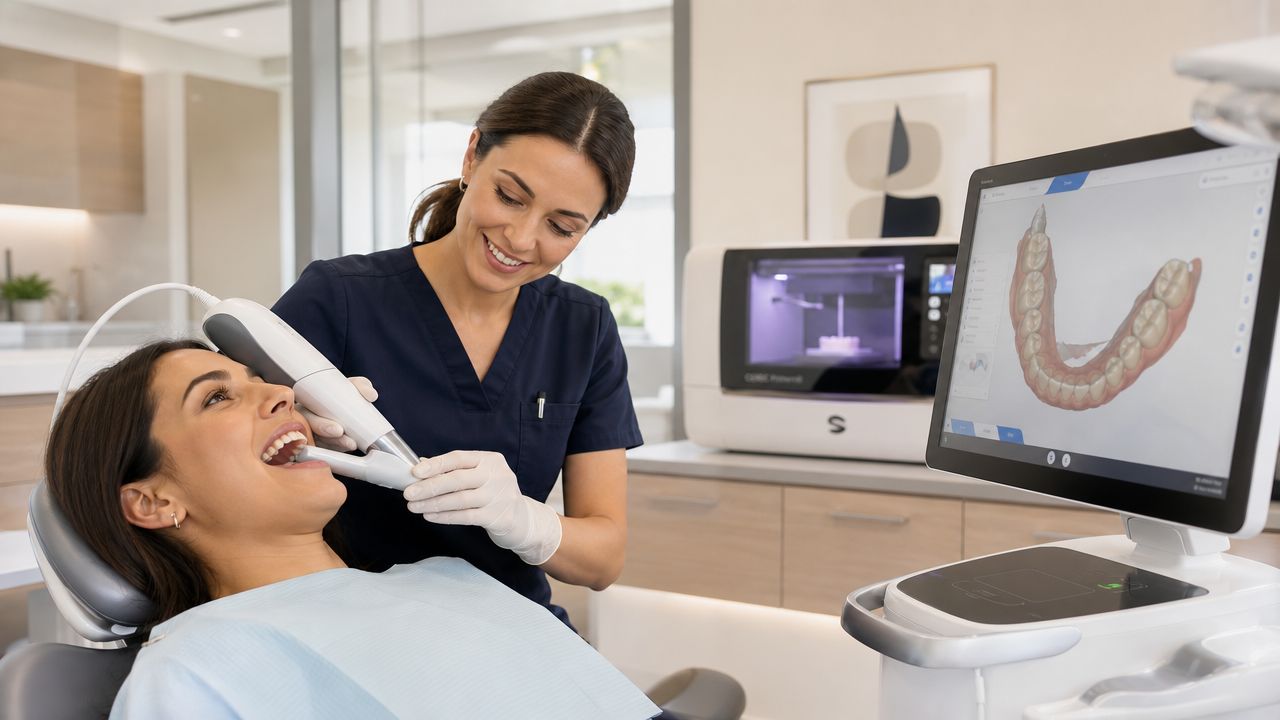
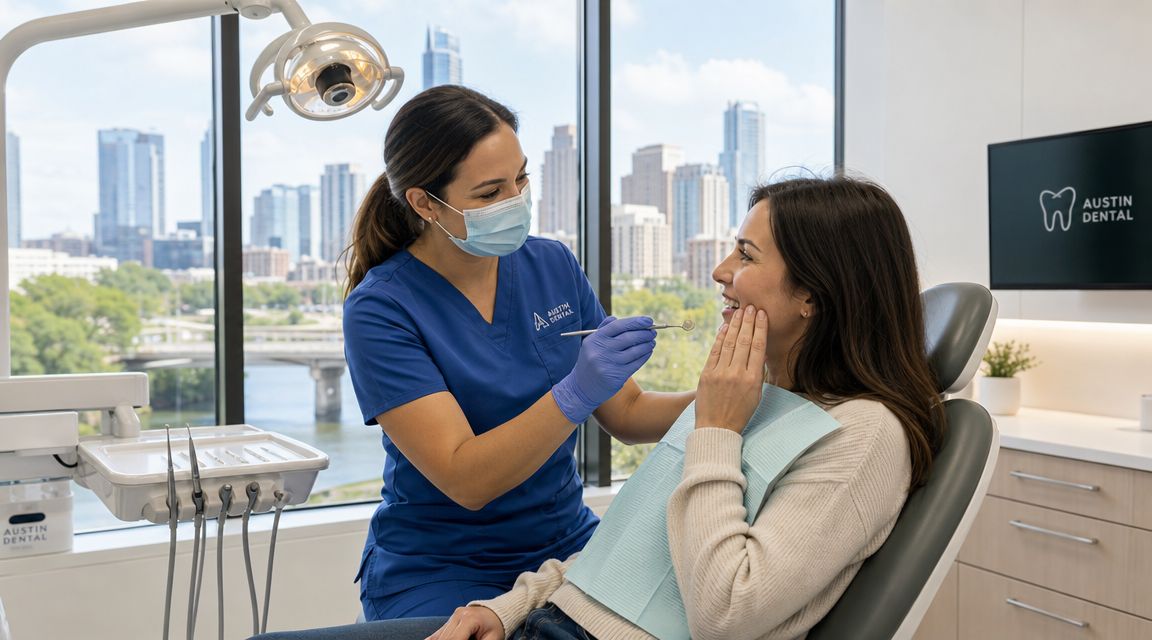
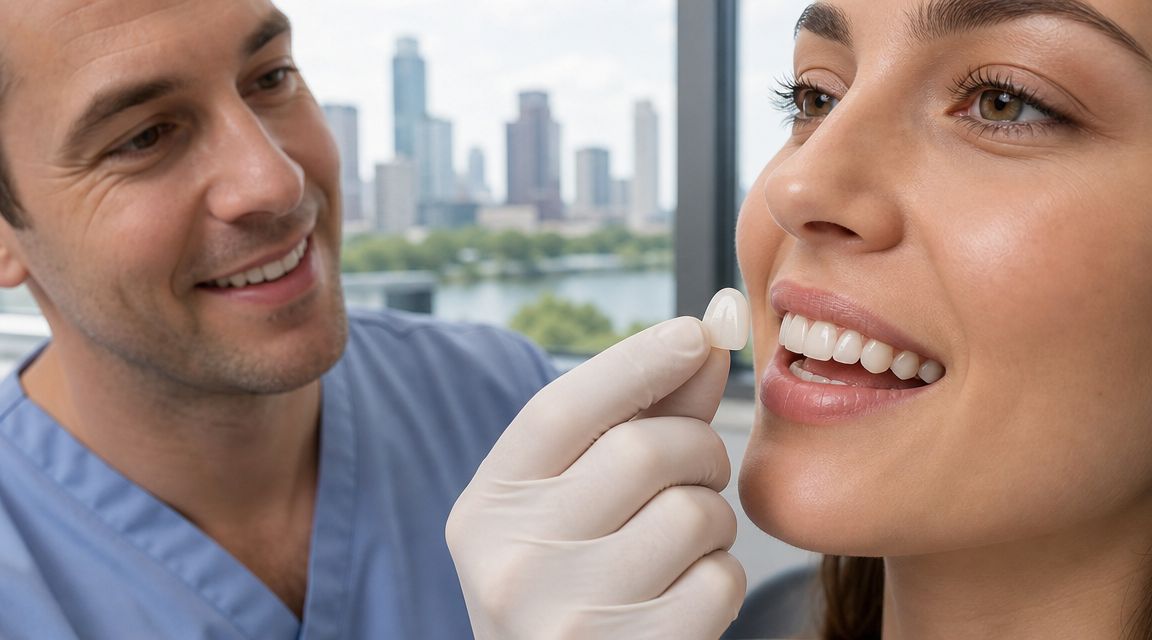
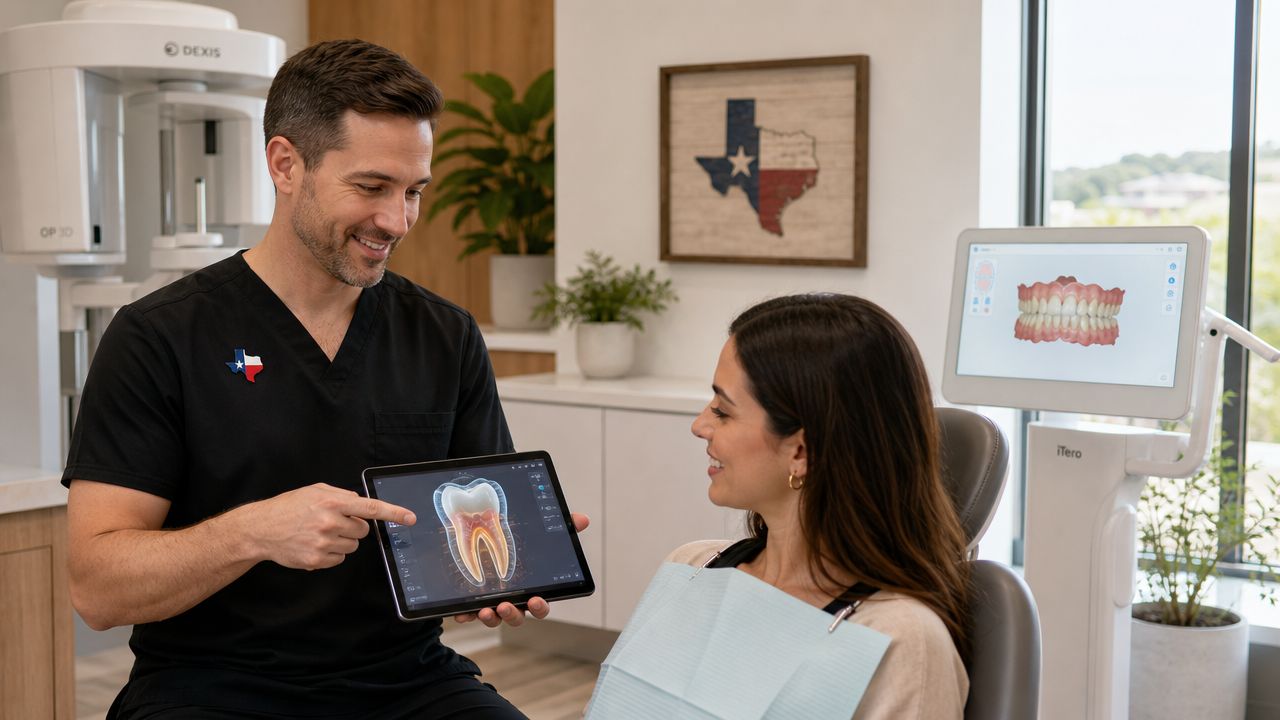
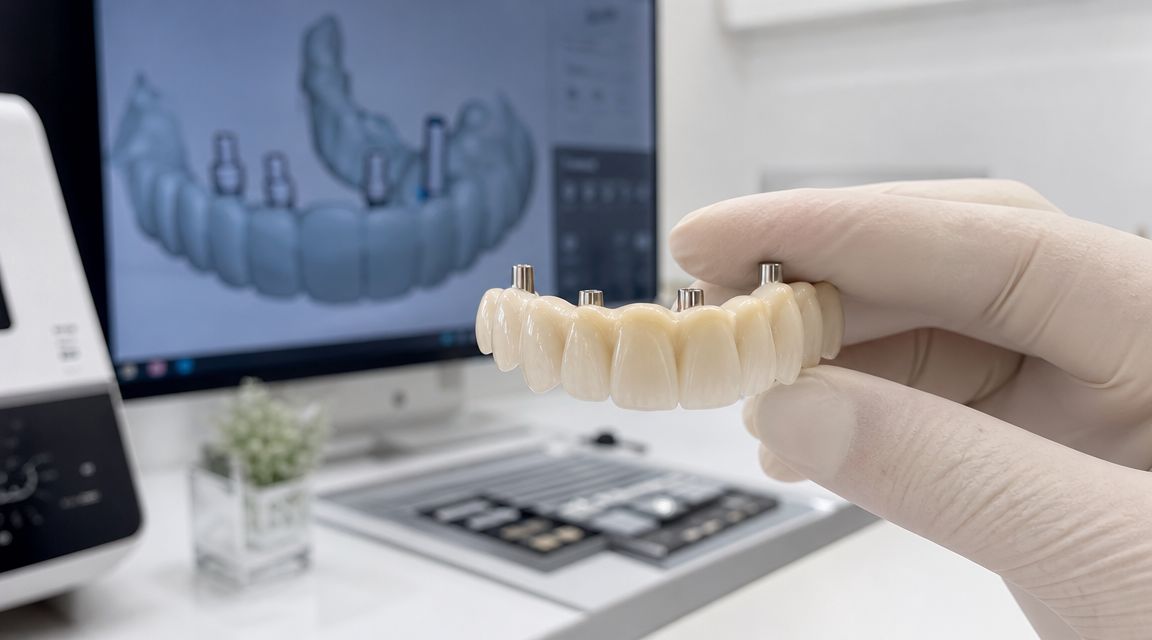
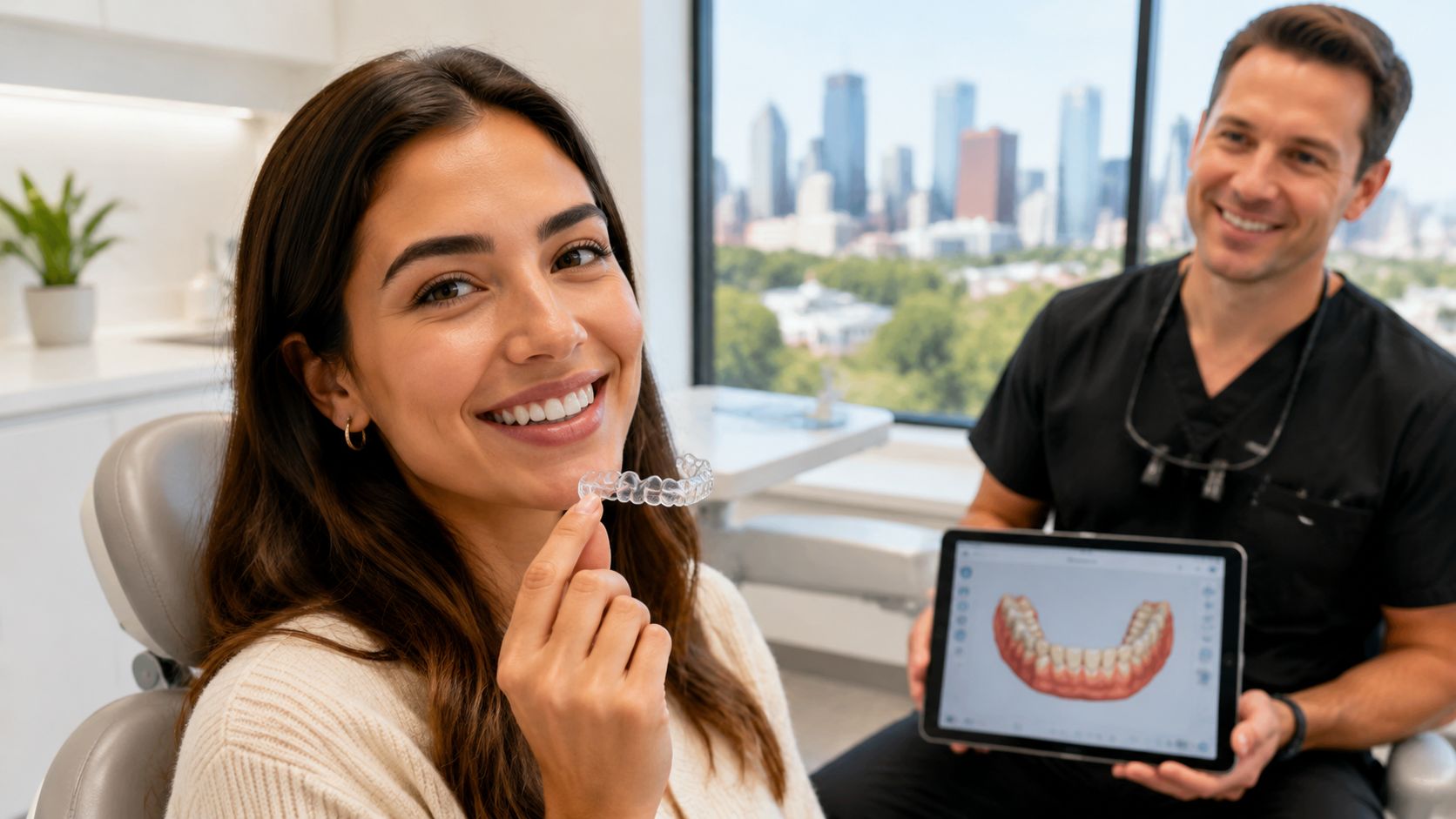
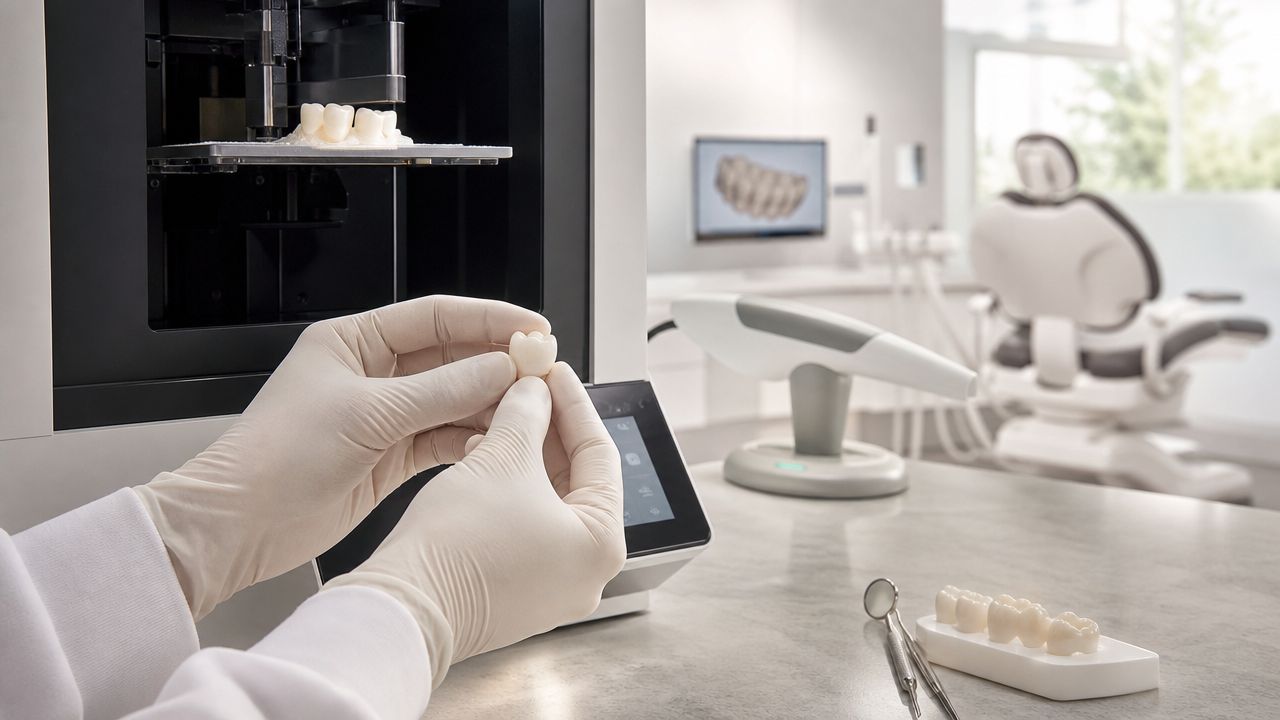

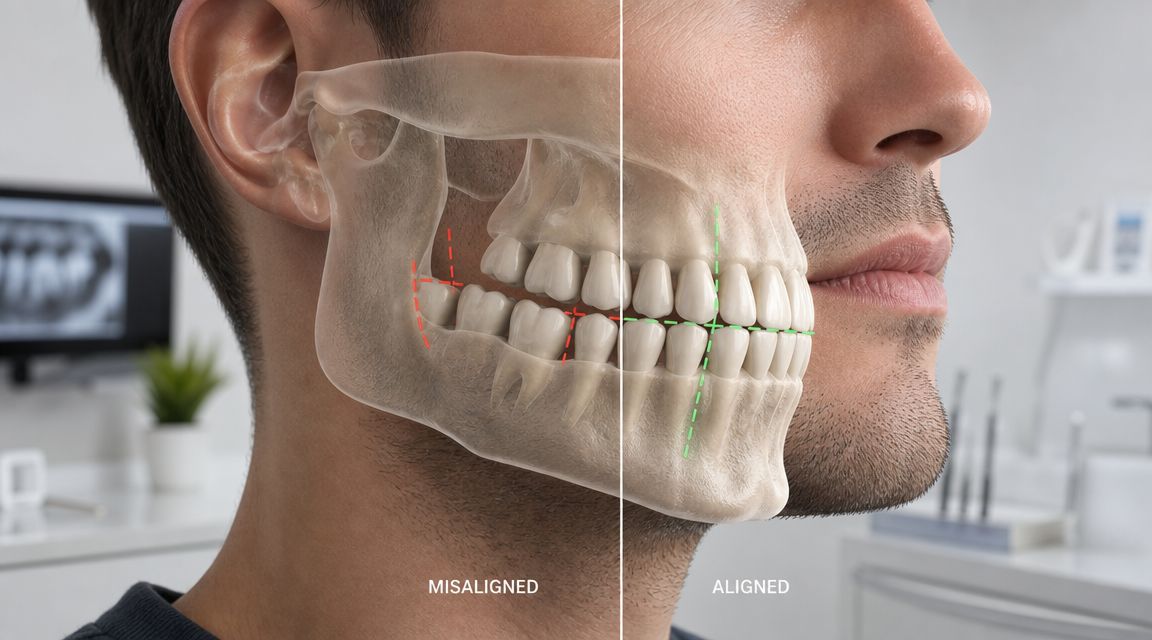
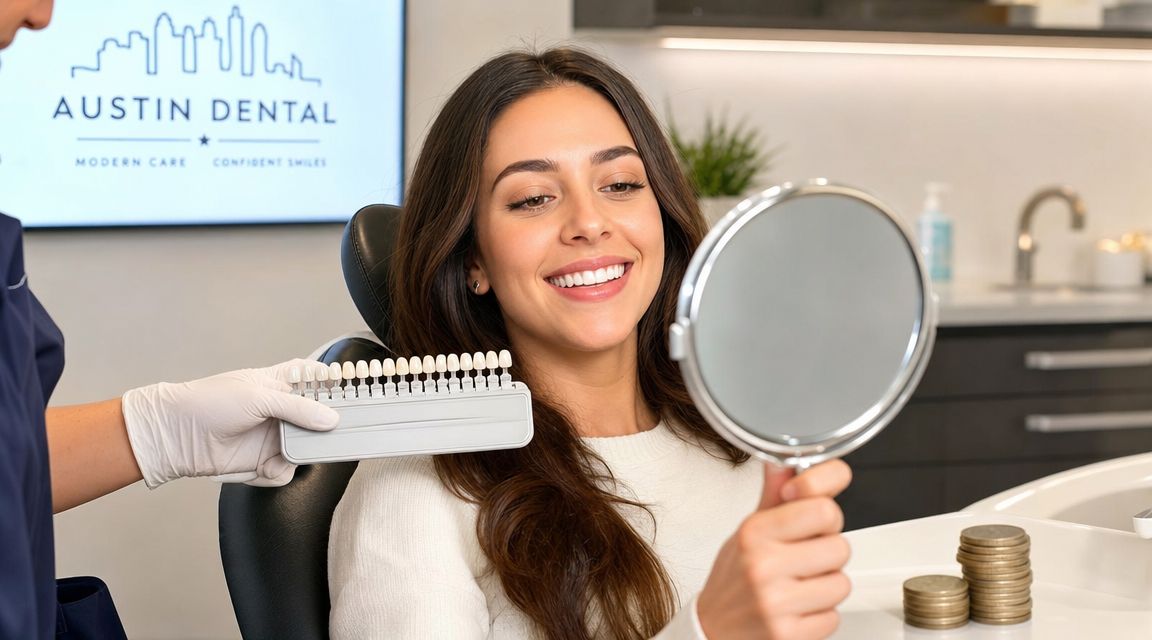
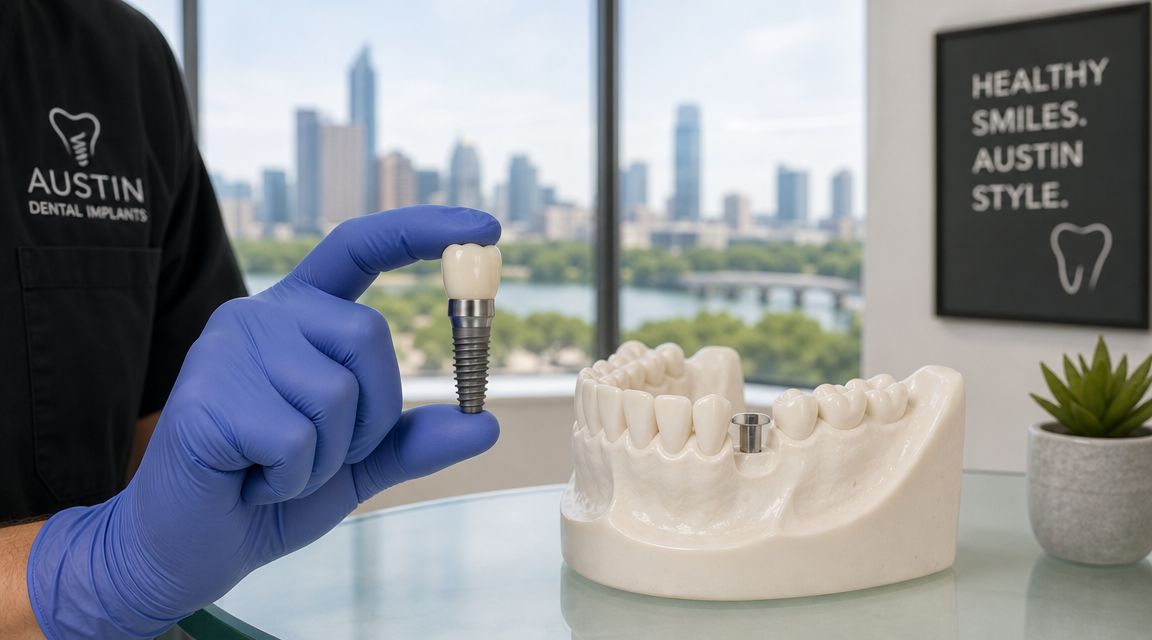

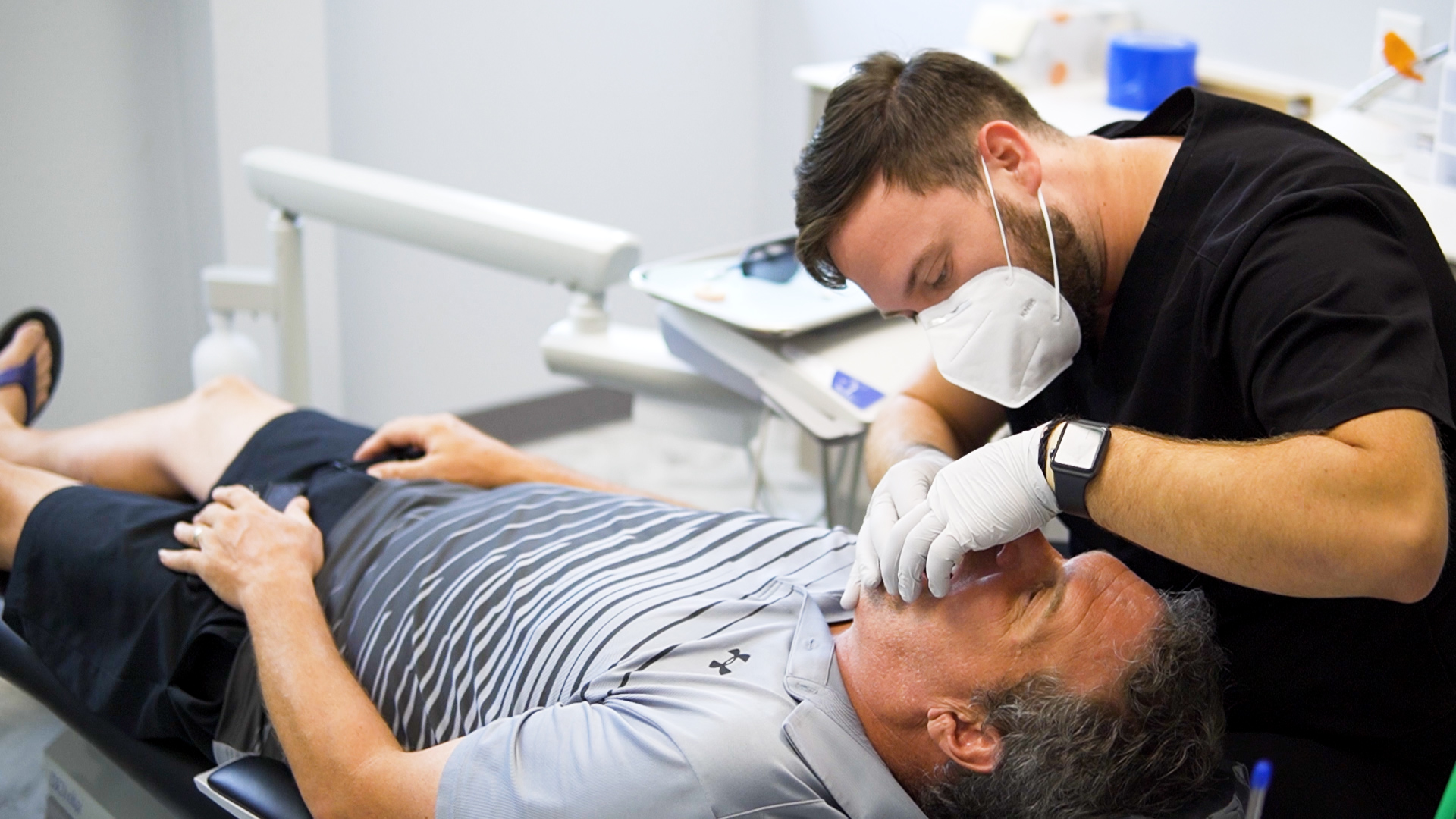
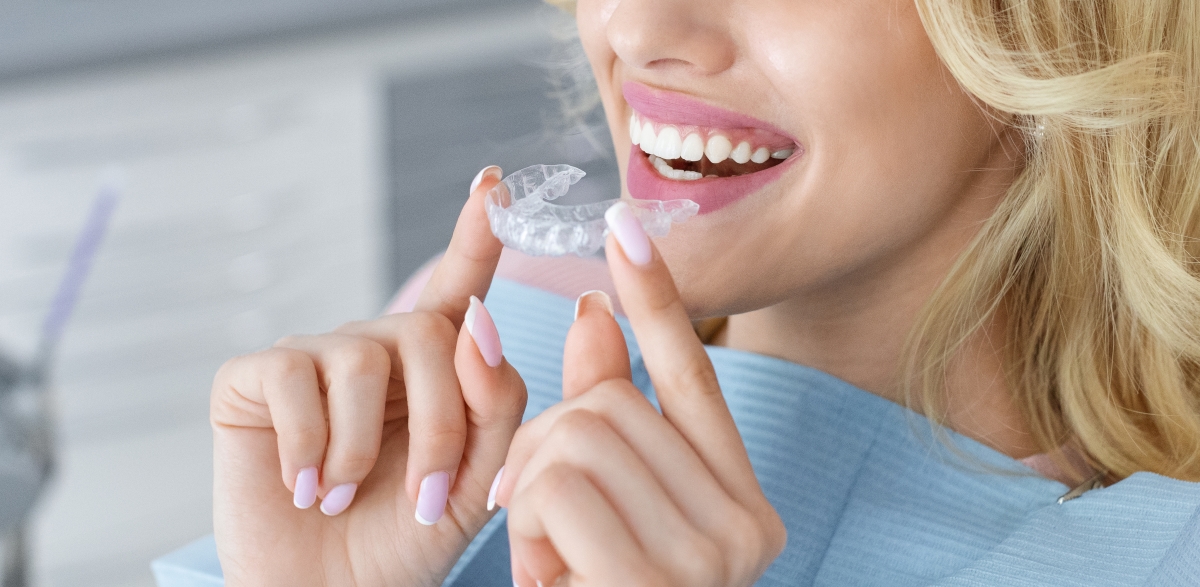
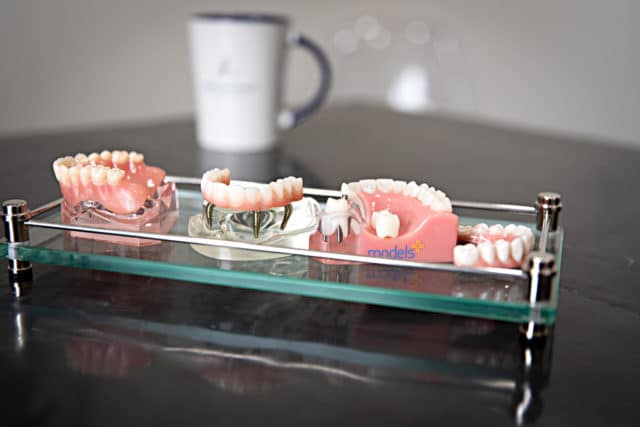
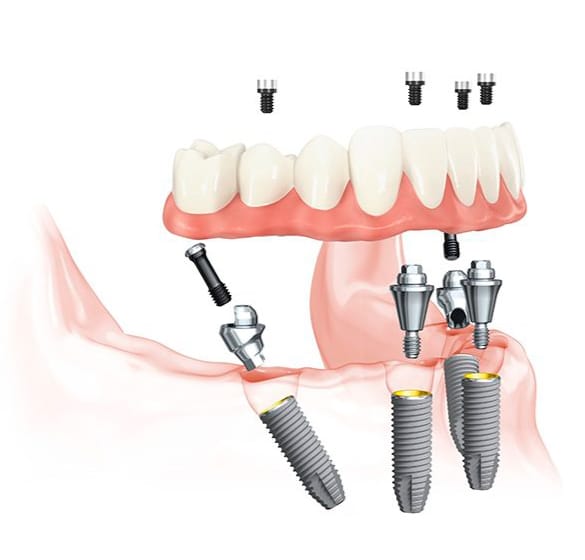
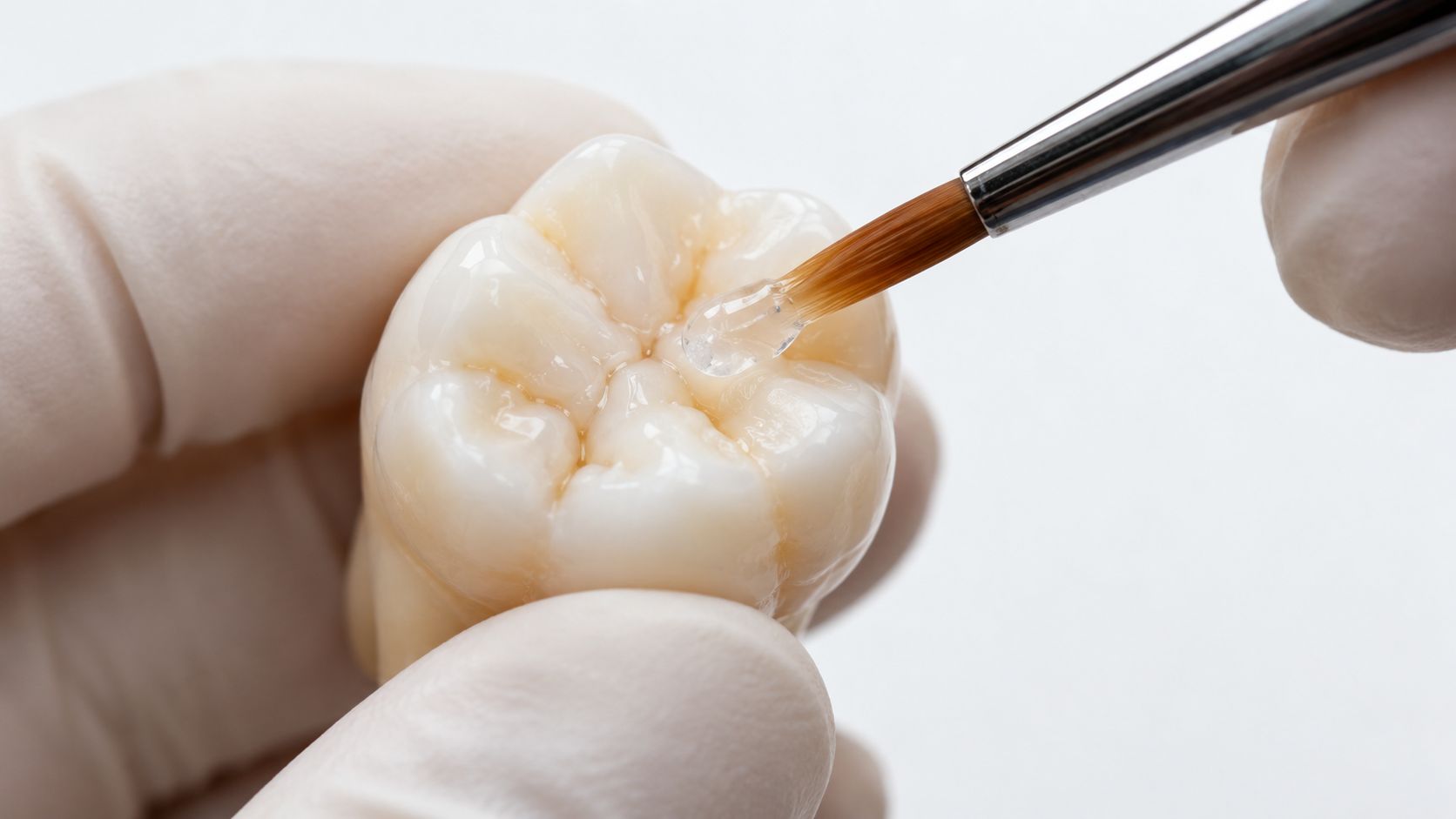
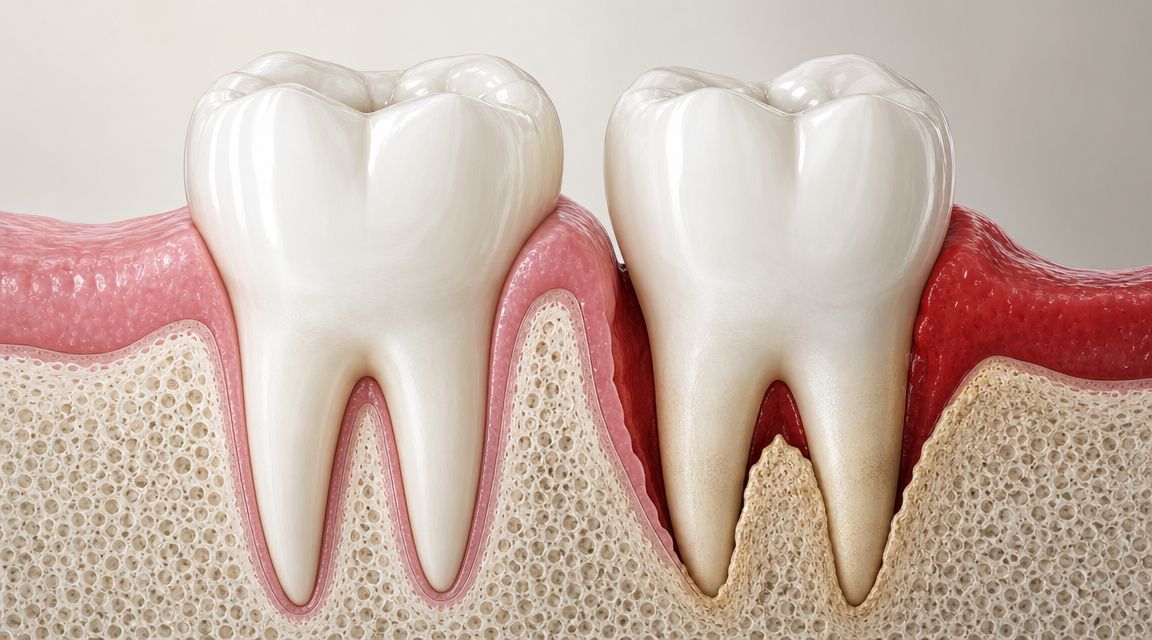






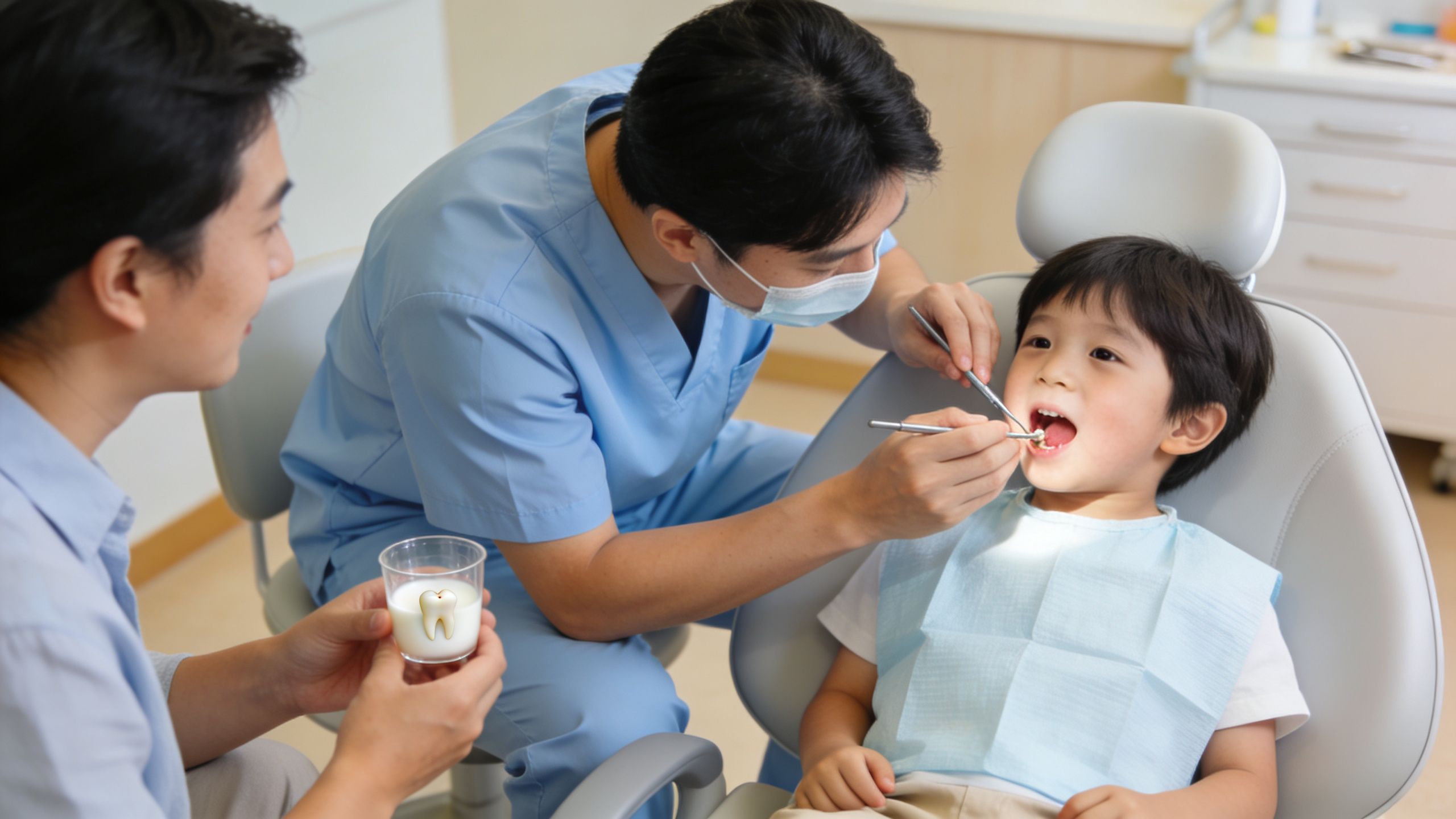
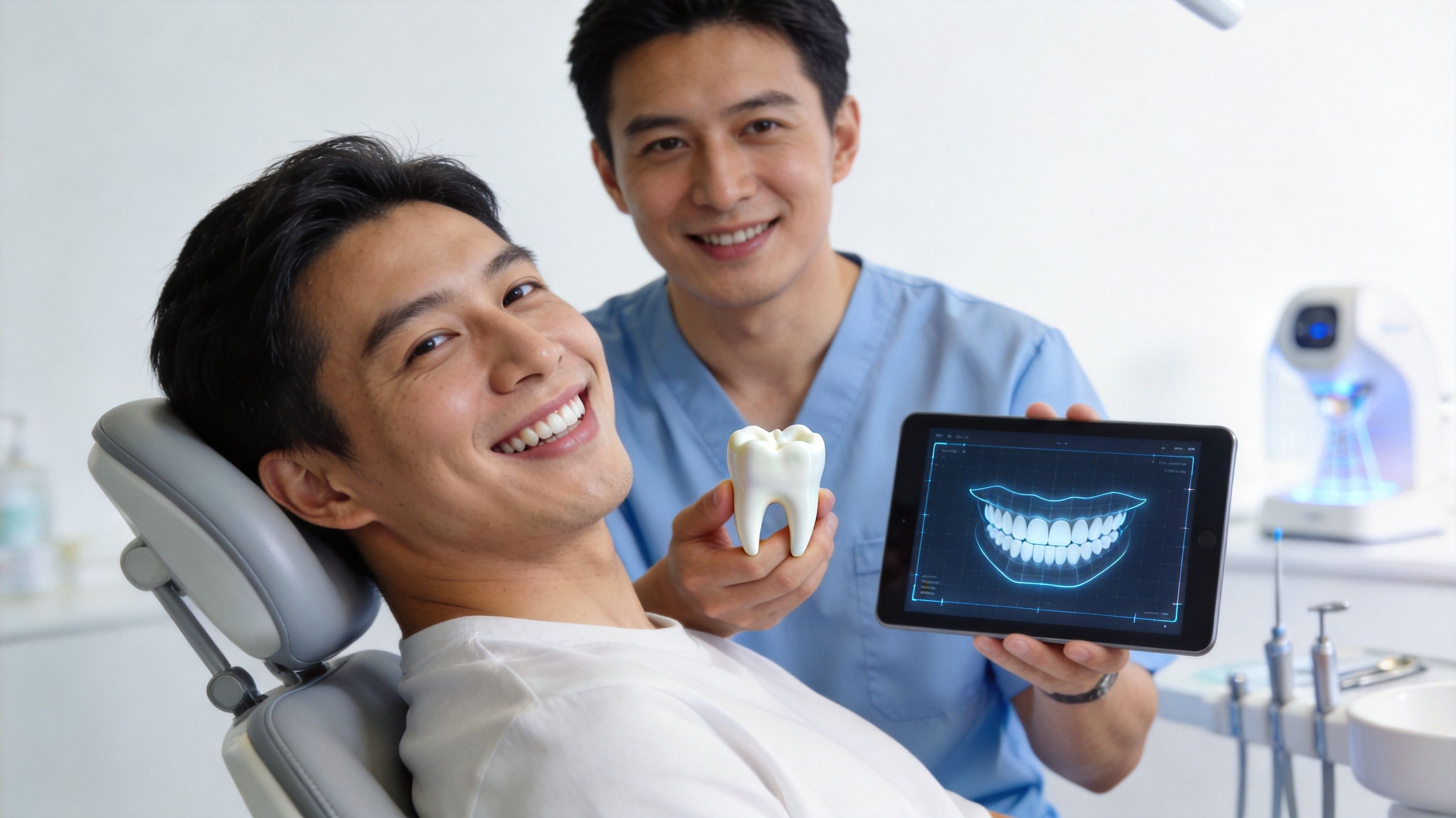





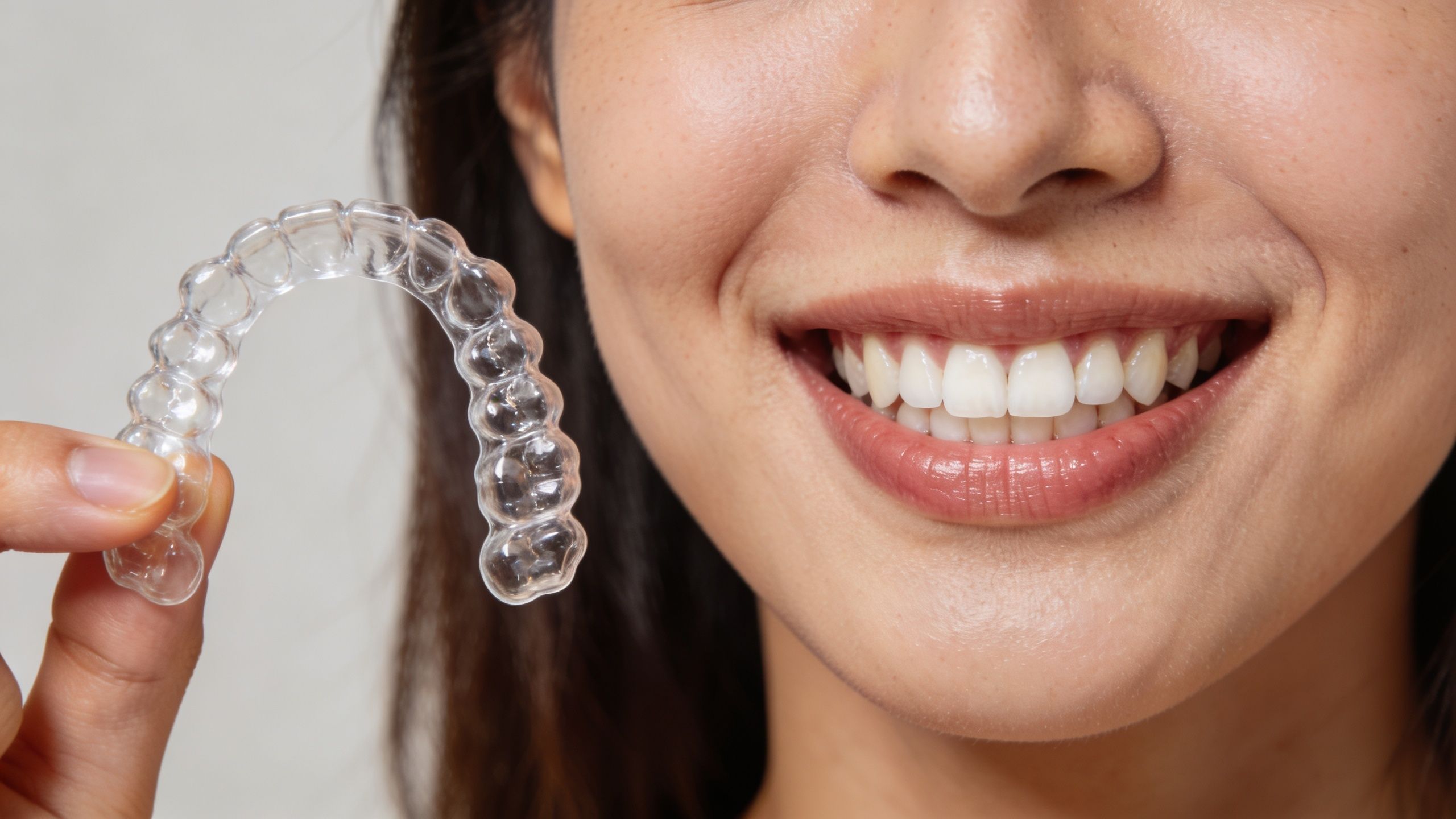
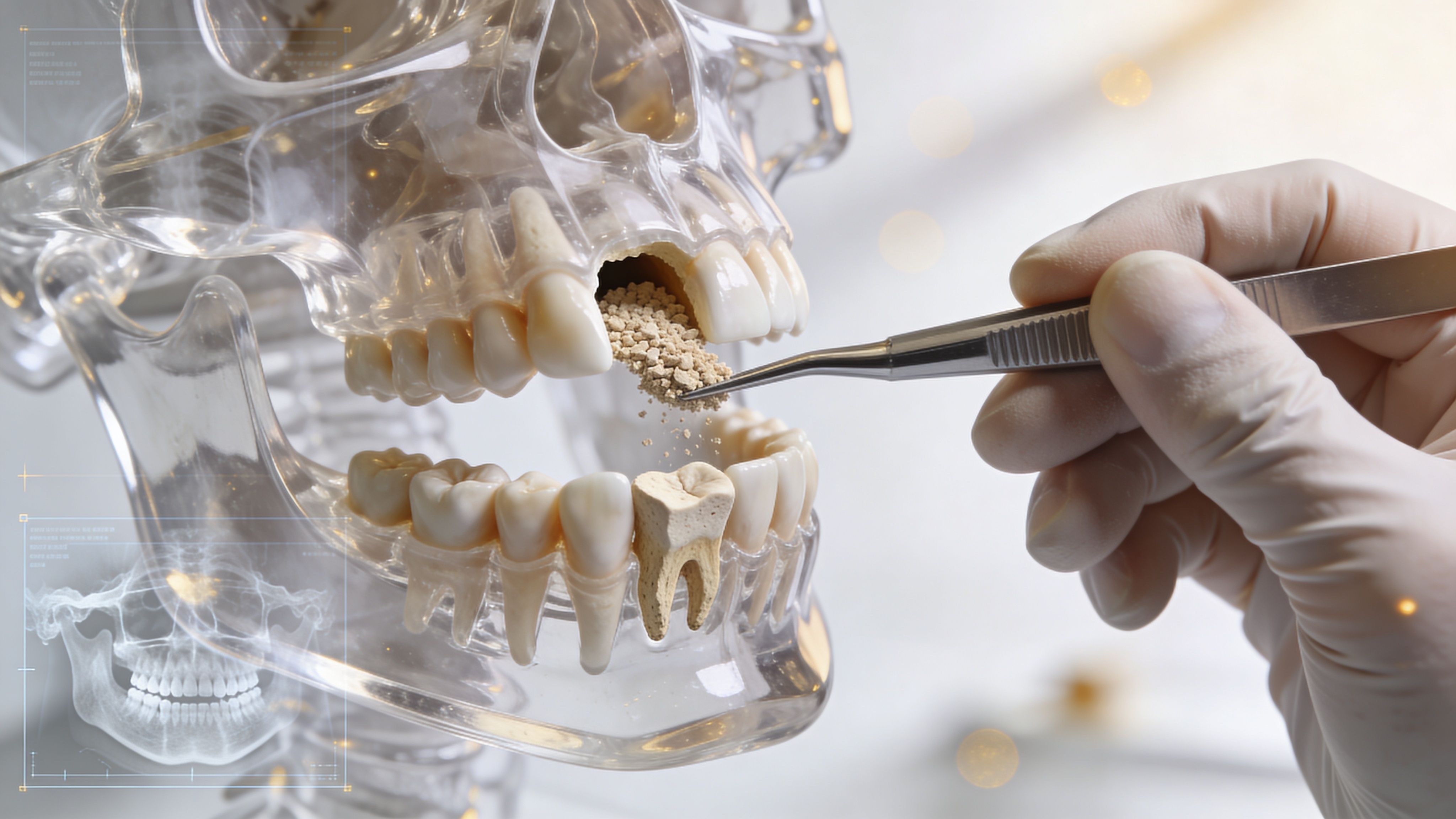



The reason many people delay dental treatment in Austin isn't a lack of concern. It's the memory of the drill, the vibration, the sound, or the expectation that a simple procedure will lead to soreness for days. That anxiety is real, and it affects everything from routine fillings to major decisions about dental implants, gum treatment, and cosmetic work.
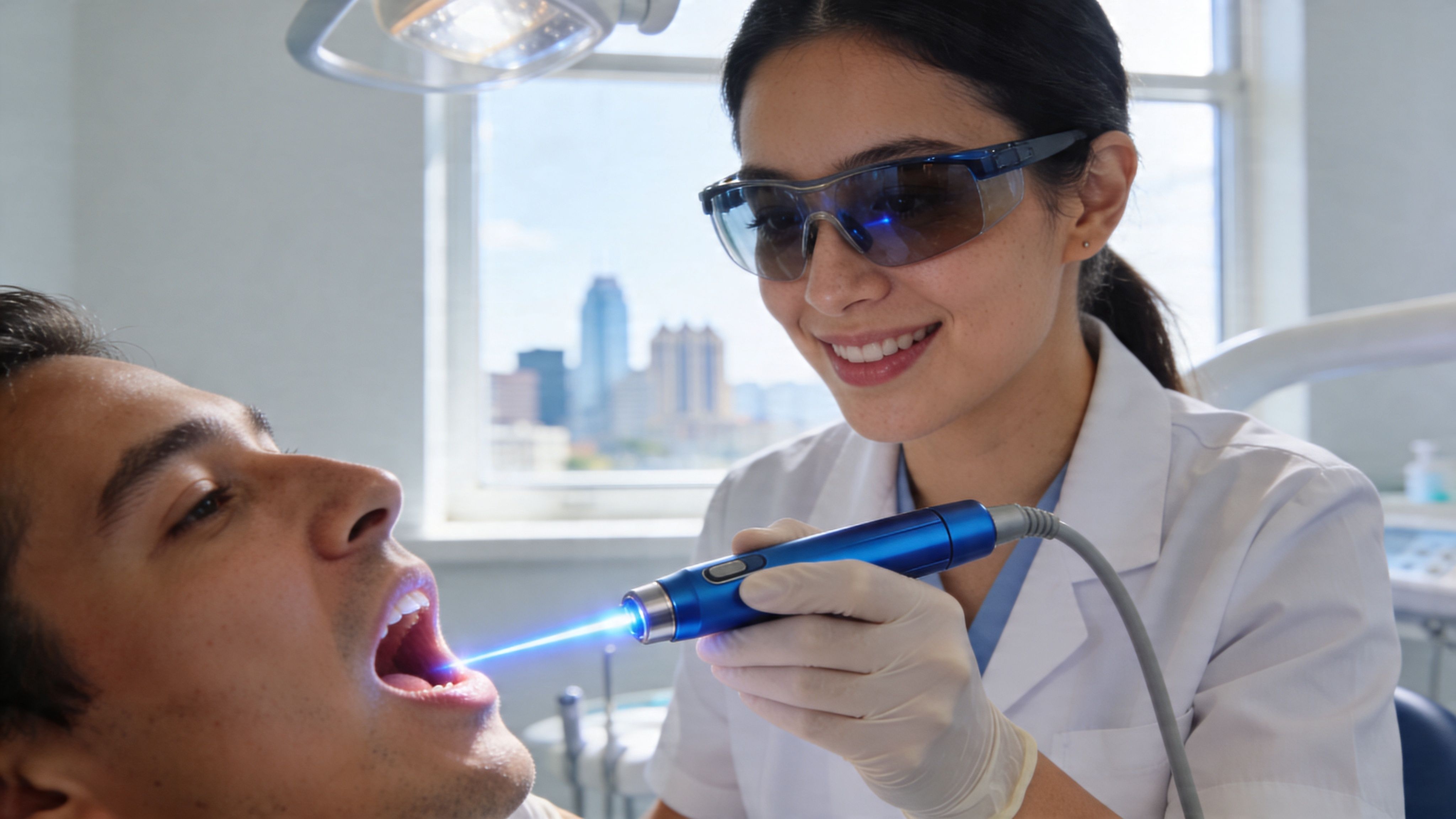
Modern laser dentistry changes that experience. Instead of relying only on traditional drills and scalpels, dentists can use focused light energy to treat teeth and gums with far more precision and less disruption to the surrounding tissue. For many patients, that means a calmer appointment, less bleeding, less swelling, and a much easier return to normal life afterward.
For people searching for laser dentistry austin, the appeal isn't just comfort. It's also about better control during treatment. That matters when you're dealing with gum disease, preparing for a dental implant, improving a gummy smile, or trying to preserve as much healthy tooth structure as possible.
A New Era of Comfortable Dentistry in Austin
If you've ever put off seeing a dentist in Austin or Georgetown because you were dreading the drill or the idea of gum surgery, you're not alone. Many patients don't fear dentistry itself. They fear the sensations they associate with older methods, including pressure, scraping, noise, bleeding, and a long recovery.
Laser dentistry offers a different path. It uses focused light instead of relying only on mechanical cutting tools, which gives the dentist much finer control over the treatment area. That precision matters because when less surrounding tissue is disturbed, patients usually feel the difference right away.
Austin patients often want care that fits into busy workdays, family schedules, and active routines. According to Grand Oaks Dentistry's overview of laser dentistry, laser procedures can involve dramatically reduced healing times and minimal post-procedure discomfort, with patients often returning to normal activities immediately after treatment. That same overview notes that laser technology minimizes trauma to surrounding areas, which means less pain, swelling, and bleeding than conventional methods.
Why comfort matters in real treatment decisions
Comfort isn't a luxury add-on. It changes whether people move forward with care.
Patients looking for a dentist near me or an emergency dentist often aren't comparing technology in abstract terms. They're asking practical questions. Will this hurt? Will I be swollen afterward? Can I get back to work? Will treatment feel manageable if I already have dental anxiety?
Practical rule: The easier a procedure feels, the more likely patients are to get needed treatment before a small problem becomes a larger one.
That matters across a wide range of care in Austin and Georgetown, including:
- Routine restorative care like fillings, where preserving healthy tooth structure matters
- Gum treatment when inflamed tissue needs careful, conservative management
- Tooth extraction and implant planning where healthy healing supports the next phase of care
- Cosmetic dentistry such as gum reshaping, veneers, and smile refinement
Why laser dentistry fits modern local care
Laser technology works especially well in practices focused on precise diagnostics, conservative treatment, and efficient recovery. For patients in Wells Branch, Cedar Park, Round Rock, Liberty Hill, Austin, and Georgetown, that's a meaningful upgrade from the idea that dental treatment has to be loud, invasive, and stressful.
Laser dentistry doesn't replace every traditional tool in every case. But when it's the right choice, it can make treatment more controlled, more comfortable, and easier to recover from. For many patients, that's the difference between postponing care and finally moving forward.
How Laser Dentistry Works
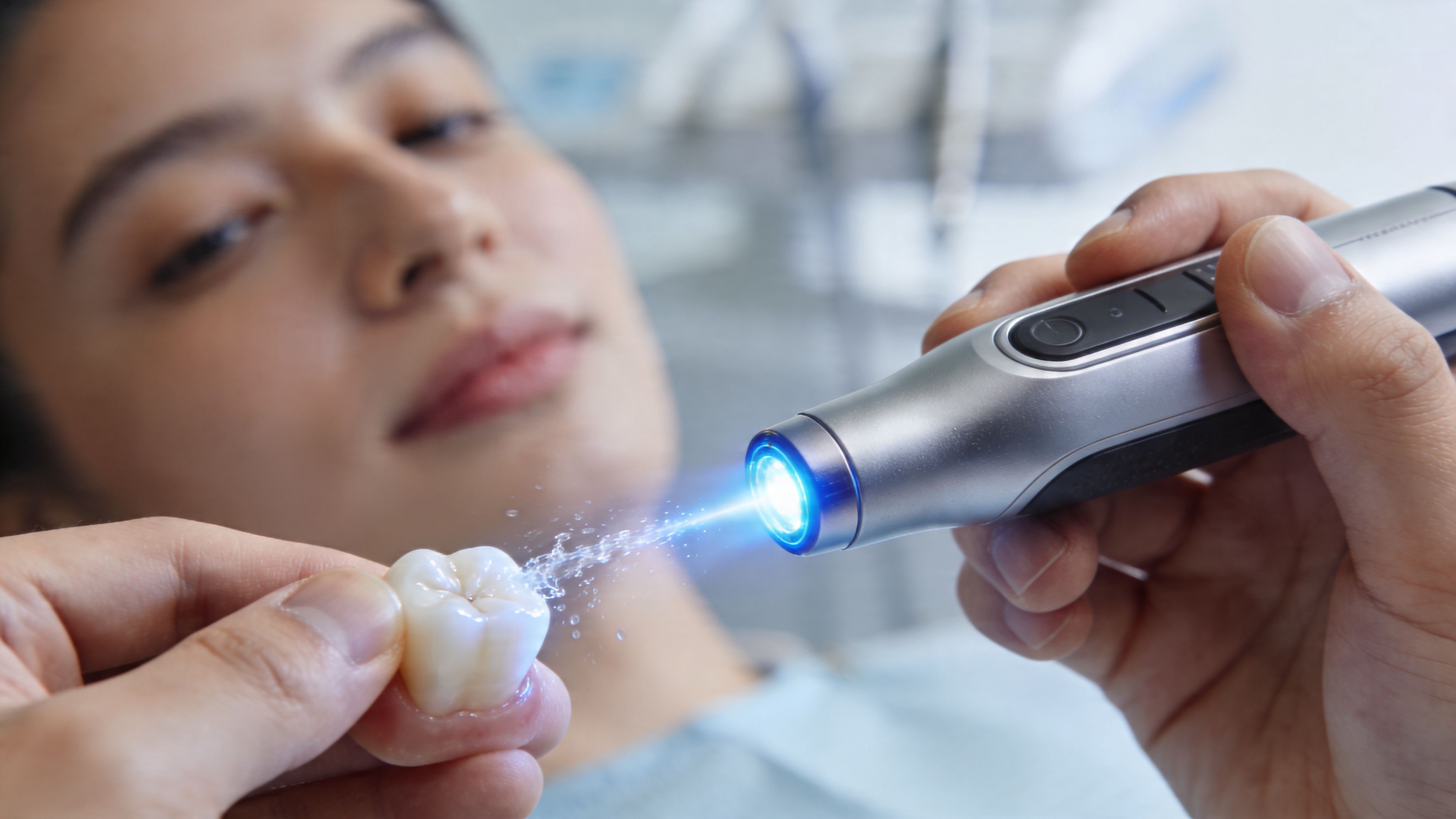
Laser dentistry sounds futuristic, but the basic idea is straightforward. A dental laser delivers focused light energy to a very specific area of the mouth. Depending on the setting and the type of laser being used, that energy can remove decay, reshape gum tissue, disinfect an area, or assist with delicate surgical steps.
For many patients, the easiest way to think about it is controlled energy plus precision. Instead of a spinning instrument physically grinding through tissue, the laser targets the treatment area with much less vibration and mechanical pressure.
The simple version patients can understand
Some laser systems pair light energy with a gentle spray of water. That combination allows the dentist to work accurately while limiting heat buildup and keeping the procedure more comfortable. In practical terms, it can feel less aggressive than the traditional drill-and-scalpel approach many patients expect.
That matters because heat, friction, and vibration are major reasons dental work feels intimidating. When those factors are reduced, the appointment often feels more manageable.
Hard tissue lasers and soft tissue lasers
Dental lasers are not all doing the same job. They are used differently depending on whether the dentist is treating the tooth itself or the gum tissue around it.
Hard tissue lasers for teeth and bone
Hard tissue lasers are used for procedures involving enamel, dentin, and in some situations bone-related preparation. These are the lasers patients often associate with cavity treatment and conservative restorative work.
One well-known example is the Waterlase MD system. According to the Waterlase MD brochure, it operates at a 2780 nm wavelength, and that wavelength is highly absorbed by water and the primary mineral in teeth. The same material explains that this allows for precise cavity preparation with minimal thermal damage, helping preserve more natural tooth structure compared with a traditional drill.
That point is important clinically. When the tool is selective and controlled, the dentist can often remove what needs to be removed without unnecessarily disturbing healthy surrounding structure.
Soft tissue lasers for gums
Soft tissue lasers are optimized for gum procedures. These are the tools commonly used for reshaping tissue, managing inflamed gum areas, and improving visibility in delicate surgical zones.
Their key advantage is control at the tissue edge. They can cut precisely while helping manage bleeding at the same time, which gives the dentist a cleaner field and gives the patient a more comfortable recovery.
Laser dentistry works best when the dentist matches the wavelength and settings to the exact tissue being treated. It isn't one generic beam. It's a category of tools used with different goals.
Why precision matters beyond comfort
Precision isn't only about making a procedure feel easier. It affects the outcome. In restorative work, precision helps preserve healthy tooth material. In gum treatment, it helps remove diseased tissue while limiting collateral trauma. In implant and cosmetic planning, it helps create more exact contours where small differences matter.
This short video gives a useful visual sense of how dental lasers are used in practice.
What laser dentistry does not mean
It's also worth being clear about what laser dentistry doesn't mean. It doesn't mean every patient will never need anesthetic. It doesn't mean every procedure can be done with a laser alone. And it doesn't mean traditional instruments have no role.
What it does mean is that many treatments can be performed with less noise, less vibration, and more tissue control than older methods alone. For patients searching for a dentist in Austin, TX or cosmetic dentist near me, that difference can make advanced care feel much more approachable.
Common Procedures Using Advanced Laser Technology
Laser dentistry becomes much easier to understand when you look at where it helps. In daily clinical care, lasers are not a novelty item. They are a practical tool for procedures where comfort, visibility, tissue control, and cleaner healing all matter.
Gum disease treatment
Gum therapy is one of the clearest examples. When gums are inflamed or infected, the goal isn't just to clean the area. The goal is to reduce bacterial load, remove diseased tissue when needed, and create better conditions for healing.
According to this explanation of laser dentistry and infection control, the laser beam naturally sterilizes the treatment area as it works. That is especially useful in periodontal therapy and root canal-related disinfection, where bacterial elimination is a major part of success.
For patients dealing with bleeding gums, tenderness, or deeper periodontal concerns, laser-assisted care can support a more conservative experience than many people expect from gum treatment. If you're exploring options for periodontal care, it helps to review dedicated information on gum treatment.
Where lasers help in gum therapy
- Bacterial reduction improves cleanliness within the treatment area during the procedure
- Tissue precision allows the dentist to target diseased gum tissue more selectively
- Bleeding control often improves visibility and can make the appointment feel less invasive
- Healing support matters for patients who want less swelling and an easier recovery
Cosmetic gum contouring
Some smiles look uneven not because the teeth are the wrong shape, but because the gumline covers too much enamel or sits asymmetrically from one side to the other. In those cases, laser contouring can refine the frame around the teeth.
This is one of the most satisfying cosmetic uses of laser dentistry because small gum adjustments can have a large visual effect. A more balanced gumline can make teeth appear longer, more symmetrical, and better proportioned without changing every tooth.
For patients considering veneers, crowns, or a broader smile makeover, clean gum architecture often matters as much as the restorations themselves. If the soft tissue isn't shaped well, even excellent cosmetic dentistry can look unfinished.
In cosmetic dentistry, the gums are the frame around the teeth. If the frame is uneven, the smile won't look fully balanced.
Cavity preparation without the usual drill feel
Many patients searching for a new dentist near me are really looking for a better filling experience. Lasers can help by removing decay with less of the vibration and pressure associated with the traditional handpiece.
This doesn't mean every cavity in every location is treated the same way. Some restorations still call for conventional tools at certain stages. But in suitable cases, laser cavity preparation can make the appointment quieter and less stressful.
That can be especially helpful for patients who have delayed treatment because they dislike the sound or sensation of drilling. It can also support a more conservative approach where preserving natural tooth structure is a priority.
Root canal disinfection support
Lasers can also serve as an adjunct in endodontic care. Root canal therapy depends heavily on cleaning the system well, not just filling it afterward. Because lasers assist with disinfection, they can add value in cases where bacterial control is a central concern.
The benefit here is not hype. It's practical biology. A cleaner treatment field gives the tooth a better environment for recovery and long-term stability.
Frenectomies and soft tissue releases
A frenectomy removes or releases a tight band of tissue, often under the tongue or lip. With a laser, this procedure is often more controlled than patients expect. The treatment area is precise, bleeding is minimized, and recovery tends to be simpler than people imagine when they hear the word surgery.
This can matter for children, teens, and adults depending on the clinical reason for the release. In all cases, tissue control is the advantage.
Teeth whitening and smile finishing procedures
Some practices also use laser technology as part of cosmetic treatment workflows such as whitening and soft tissue finishing. The exact protocol depends on the case, but the larger point is that lasers aren't limited to disease treatment. They can also support appearance-focused care where detail matters.
That is especially relevant for patients planning:
- Veneers or crowns where gum symmetry affects the final look
- Teeth whitening when cosmetic treatment is being staged efficiently
- Restorative dentistry that blends function with appearance
- Smile makeovers that require careful coordination between teeth and gums
When patients look for cosmetic dentist near me or teeth whitening in Austin and Georgetown, they often focus on the visible result. Laser technology helps with the steps that make that result look polished rather than artificial.
Comparing Laser Dentistry and Traditional Dental Tools
A patient deciding between a routine gum procedure and a larger investment such as implants or a smile makeover usually asks two practical questions first. How comfortable will treatment be, and how much disruption should I expect afterward? Those are the right questions, because the choice of instruments can affect both the procedure itself and the quality of the final result.
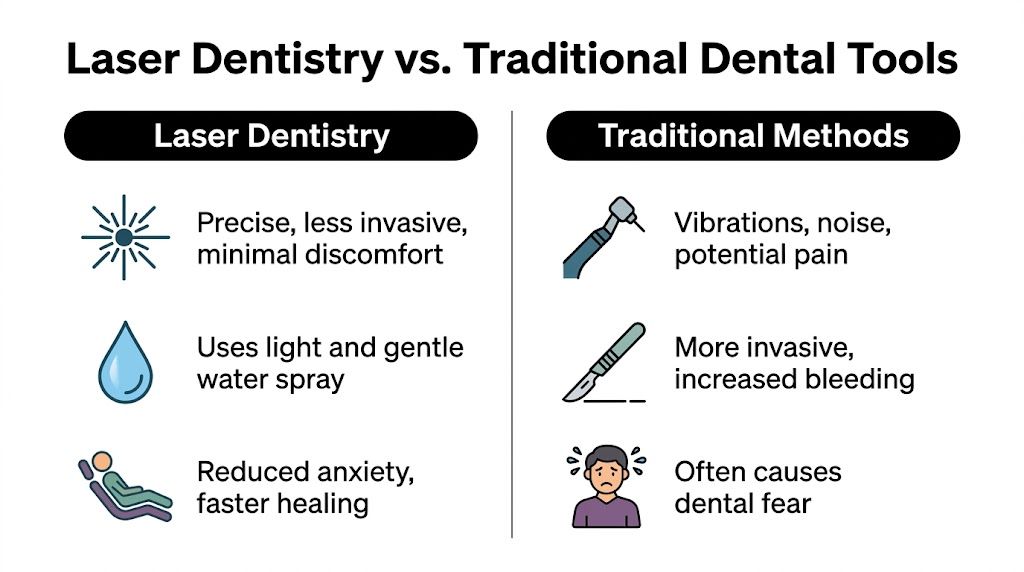
Traditional drills and scalpels remain reliable tools in dentistry. I still use them when they are the best option for the job. They cut mechanically, though, so patients often notice more pressure, vibration, noise, and, in soft tissue procedures, more bleeding.
Lasers work differently. They target tissue with concentrated light energy, which often gives the dentist finer control in selected procedures and gives patients a less stressful experience in the chair.
Laser Dentistry vs. Traditional Tools at a Glance
| Feature | Laser Dentistry | Traditional Tools (Drill/Scalpel) |
|---|---|---|
| Noise and sensation | Typically quieter, with less vibration | More noise, pressure, and vibration |
| Soft tissue handling | Precise tissue shaping with less bleeding in many cases | Mechanical cutting with more bleeding and suturing in some cases |
| Recovery | Often easier, especially for soft tissue treatment | Can involve more soreness and downtime |
| Precision | Targets specific tissue with high control | Effective, but often less selective in surrounding tissue impact |
| Infection control | Can support a cleaner field through inherent sterilizing action during use | Relies on conventional mechanical treatment and separate disinfection steps |
| Patient anxiety | Often easier for anxious patients to tolerate | More likely to trigger fear associated with drills and scalpels |
The difference patients often notice after treatment
For soft tissue care, many patients feel the contrast once the numbness wears off. Laser-treated areas often have less bleeding and swelling, which can make the first day or two easier to manage. For someone balancing work, school pickups, or a long Austin commute, that can mean less interruption to normal life.
That said, recovery depends on more than the tool alone. The size of the treatment area, the condition of the tissue, home care, and overall health all shape healing.
Where traditional tools still make sense
Laser dentistry does not replace every conventional instrument. Some restorative procedures still require a handpiece. Some surgical steps are better handled with traditional tools. In other cases, combining methods produces the cleanest and most predictable outcome.
That practical balance is especially important in higher-value treatment. If someone is planning implants, full-arch treatment, or a cosmetic case, the goal is not to use a laser for its own sake. The goal is to choose the method that protects healthy tissue, supports healing, and helps us create a stable, attractive final result. Patients who want to understand the long-term side of implant planning can review our guide on dental implant success rates and what influences them.
The right tool is the one that gives the dentist the best control for your specific procedure and supports the result you are paying for.
What lasers do well, and where judgment counts
Lasers are often a strong choice for:
- Gum reshaping and soft tissue refinement where contour and bleeding control affect the final appearance
- Selected cavity treatments where reducing drill sensation improves comfort
- Periodontal therapy and bacterial reduction where tissue preservation is a priority
- Pre-restorative and cosmetic tissue management when the gumline needs to look even around crowns, veneers, or implant restorations
The limits are just as important to understand. Not every practice uses the same laser systems, and not every dentist applies them with the same level of training or planning. Good outcomes come from accurate diagnosis, smart case selection, and using the right technique for the result the patient wants.
For Austin patients considering anything from emergency care to a full smile investment, that is the true comparison. Advanced technology helps most when it is tied to a clear treatment plan and a better end result, not merely added to the marketing.
Lasers for Superior Dental Implants and Smile Makeovers
Laser dentistry becomes even more valuable when the procedure has a larger goal than fixing one tooth. In implant cases, full-arch treatment, and cosmetic smile makeovers, small details in tissue management can affect healing, esthetics, and long-term stability.
That is why lasers are especially relevant to patients searching for dental implants near me or considering a major smile investment in Austin and Georgetown. The technology supports the steps around the final result, not just the final result itself.
Implant site preparation and tissue control
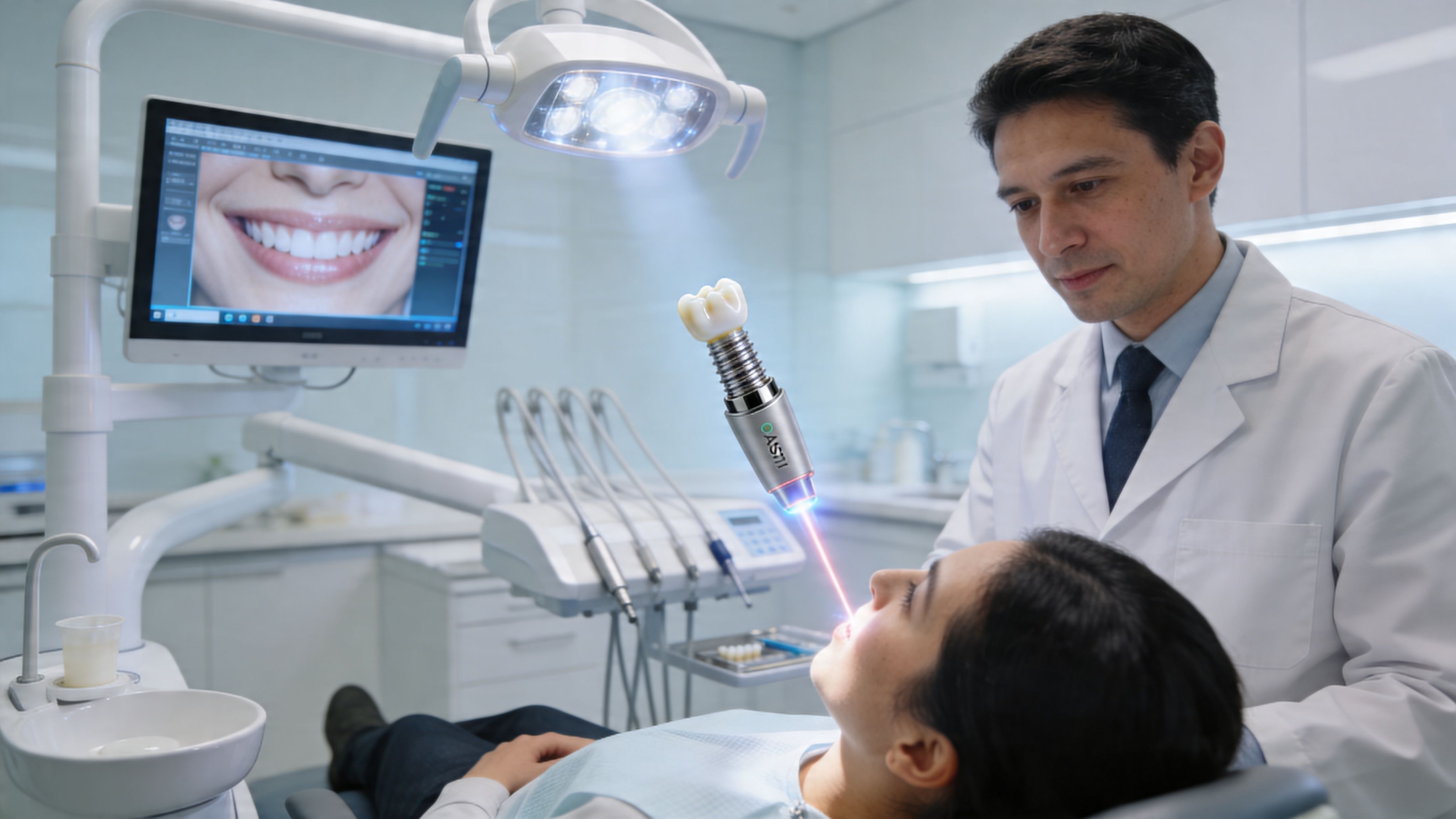
Implant treatment depends on precision from the beginning. The supporting gum tissue has to be healthy. The surgical site has to be clean. The contours around the implant need to support both function and appearance.
A 2025 study referenced by Aqua Dental's laser dentistry page reported that integrating lasers in dental implant site preparation reduced failure rates by 18% over a 5-year period compared with traditional methods, largely due to more precise bone reshaping and reduced infection risk.
That doesn't mean every implant case requires a laser. It does mean laser-assisted site preparation has meaningful value in cases where tissue precision and a cleaner surgical environment are priorities.
Why this matters for All-on-4 and full-arch treatment
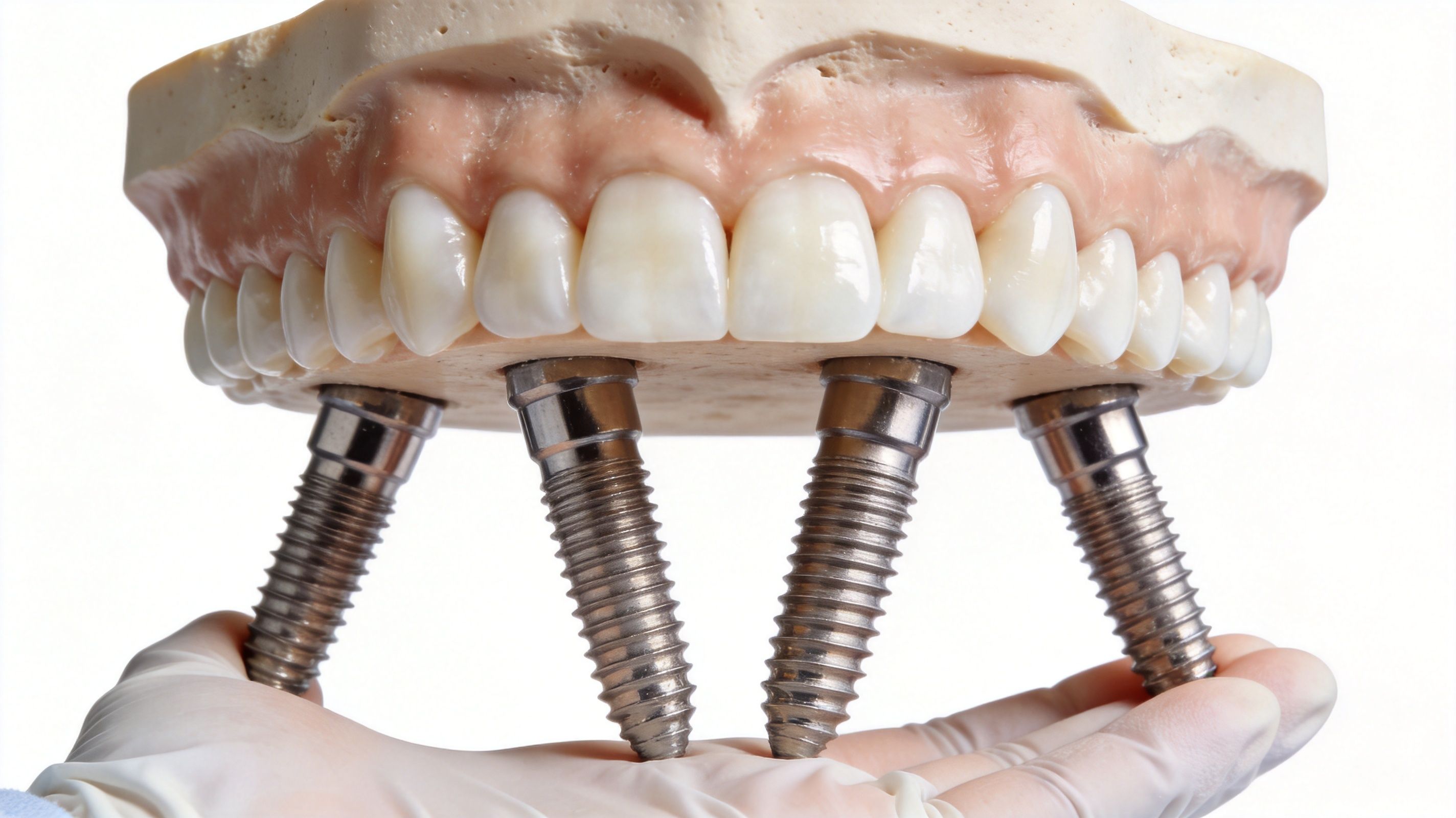
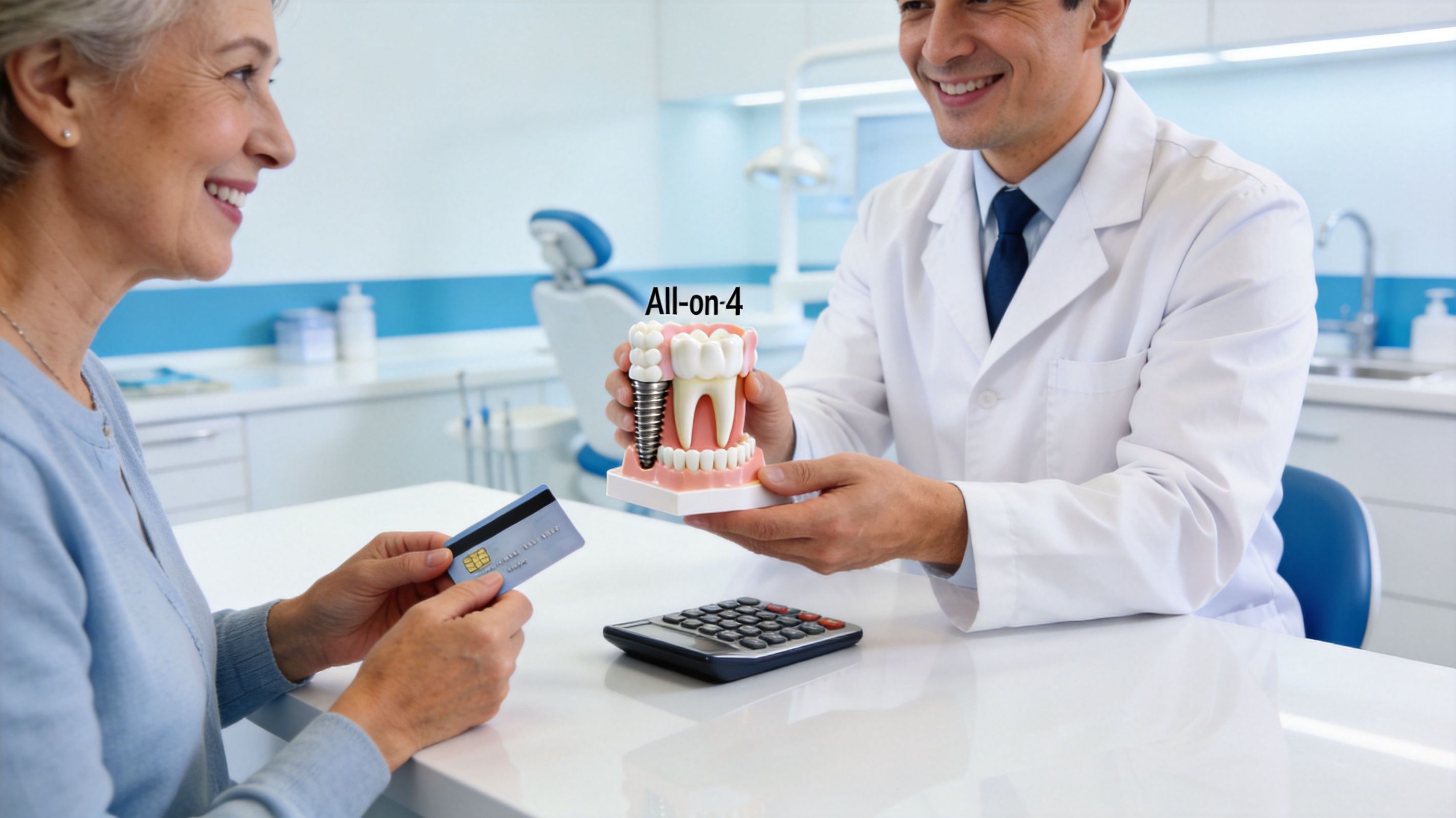
Full-arch solutions raise the stakes. In an All-on-4 style case, the patient isn't just replacing one tooth. They're rebuilding a smile, a bite, and often a lot of confidence at once.
In those cases, lasers can help in several ways:
- Soft tissue management around surgical sites and restorative contours
- Decontamination support where bacterial control matters for healing
- Precise reshaping when the gums must align well with the prosthetic design
- Comfort-focused care for patients who already feel overwhelmed by the scope of treatment
If you're considering implant treatment, it's helpful to review broader guidance on dental implant success rate so the planning factors make sense in context.
Better cosmetic outcomes start with the gums
Smile makeovers often focus on veneers, crowns, whitening, or replacing missing teeth. But the gums determine whether the final smile looks natural. If the tissue sits too low, too high, or unevenly across the front teeth, even beautiful restorations can look off.
Laser contouring gives the dentist a way to refine the gumline with a high degree of control. That is especially helpful when preparing for:
- Veneers that need balanced tooth display
- Crowns on front teeth where symmetry is easy to notice
- Implant restorations where the gumline must blend with nearby teeth
- Combination cosmetic cases involving shape, shade, and tissue redesign
The most attractive smile makeovers don't look "done." They look harmonious. The teeth, gums, and facial proportions all need to work together.
What patients should keep in mind
Laser technology improves the process, but it doesn't replace diagnosis, planning, or craftsmanship. The best cosmetic and implant outcomes come from combining imaging, restorative design, periodontal judgment, and precise execution.
For patients in North Austin, Georgetown, Wells Branch, and Liberty Hill, that's the practical value of laser-assisted care. It supports a healthier foundation and a more refined final result, especially when the treatment involves implants, full-arch reconstruction, or visible front-teeth esthetics.
Your Laser Dentistry Experience at 3D Dental
For most patients, the biggest question isn't how the laser works. It's what the visit will feel like. The answer is usually simpler than people expect.
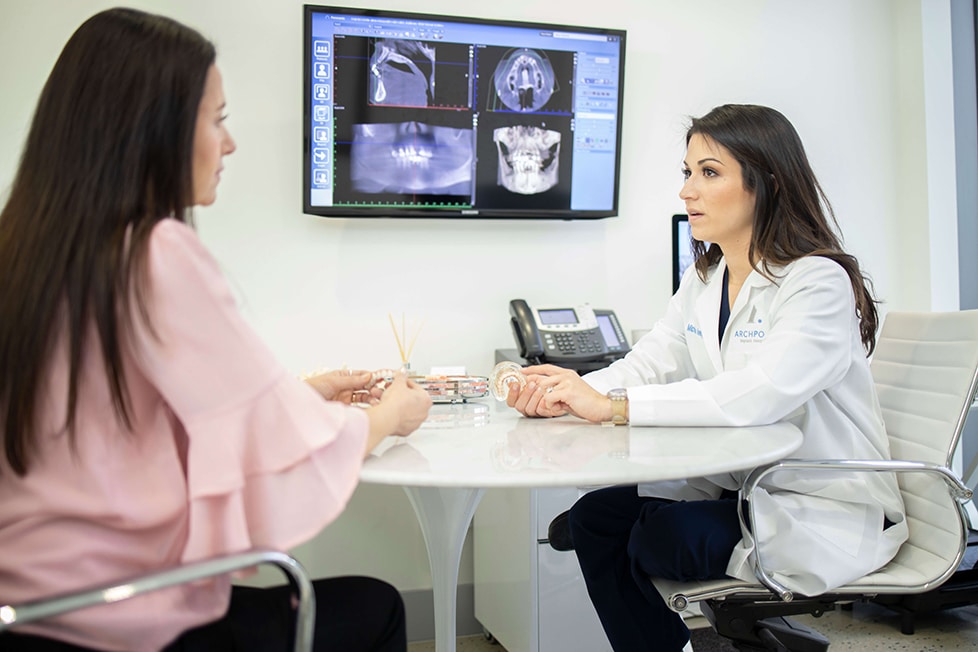
The process starts with diagnosis, not treatment. In a modern office, that means looking carefully at the tooth, gums, bone support, and bite before deciding whether laser care is the right choice. For implant planning or more involved restorative work, advanced imaging such as 3D CT scanning helps map the case clearly and avoid guesswork.
The consultation and planning stage
A good laser dentistry appointment begins with a thorough exam and a treatment plan that fits the actual problem. Some patients come in because they need a filling. Others are dealing with gum inflammation, a broken tooth, implant questions, or cosmetic concerns.
In each case, the important step is matching the tool to the goal. If a laser will improve tissue control, comfort, or healing, it becomes part of the plan. If another instrument is better for a specific step, that should be stated clearly too.
During the procedure
Most patients notice the difference in the atmosphere first. Laser procedures are often quieter than traditional drilling, and they don't create the same high-pitched sensation that many people dread. For anxious patients, that alone can lower stress.
The appointment itself usually feels more controlled and less chaotic. Depending on the procedure, there may be less pressure, less bleeding, and less of the rough mechanical feeling people remember from older dental visits.
For patients coming from Austin, Georgetown, Wells Branch, Cedar Park, Round Rock, or Liberty Hill, convenience matters too. A treatment approach that is calmer and easier to recover from often makes it much simpler to fit care into a normal week.
Recovery and aftercare
Recovery is one of the strongest reasons patients seek out laser dentistry austin. In many cases, post-treatment care is straightforward. The area may feel mildly tender, but healing is often smoother because the surrounding tissue has not been disturbed as aggressively.
Patients usually appreciate three things:
- A faster return to routine after many common procedures
- Less swelling or bleeding than they expected
- Clear aftercare instructions that don't feel overwhelming
A good dental visit doesn't end when the procedure is over. The recovery should feel manageable, predictable, and well explained.
That matters whether you've booked a cleaning and exam, restorative care, cosmetic treatment, or a more advanced consultation for implants or emergency dentistry. The technology is helpful, but the patient experience depends on thoughtful planning and clear communication from start to finish.
Frequently Asked Questions About Laser Dentistry
Is laser dentistry safe?
Yes, in the right hands and for the right procedure. Dental lasers are built for specific uses, and safe treatment depends on training, diagnosis, and selecting the proper settings for the tissue involved.
Patients should ask whether a laser is appropriate for their specific treatment, not whether a practice possesses one. At 3D Dental, we use laser technology where it improves precision, comfort, or healing, especially in procedures where soft tissue control can affect implant placement, gum symmetry, and final smile design.
Does laser dentistry hurt less than traditional treatment?
Many patients say it does.
Laser treatment often creates less vibration and less disruption to nearby tissue than traditional tools. That can make appointments feel calmer, which is helpful for patients who tense up around drills, scalpels, or the sound of dental equipment.
The experience still depends on the procedure. Some treatments are minor, while others are more involved and still call for local anesthetic. In practice, the benefit is a gentler approach in many cases, not a promise that every visit will feel the same.
Is laser dentistry better for implants and cosmetic work?
In many cases, yes, especially when gum tissue plays a major role in the final result. For dental implants and All-on-4 treatment, precise tissue management can support cleaner access, better visibility, and a more controlled healing phase. For cosmetic smile makeovers, lasers can help refine the gumline so the teeth look even, natural, and proportional.
Technology alone does not create a strong outcome. A great implant or cosmetic result still depends on planning, imaging, bite evaluation, and restorative skill. Laser dentistry improves part of that process by helping us treat soft tissue with more control and less trauma.
How much does laser dentistry cost in Austin?
The fee depends on the procedure, not just the tool used. A simple soft tissue treatment will be very different from laser-assisted care that supports implant treatment or cosmetic gum recontouring.
Insurance, when it applies, usually covers the dental procedure based on diagnosis and treatment code rather than the fact that a laser was involved. Patients should expect a clear explanation of what is being treated, what the fee includes, and whether financing is available before treatment begins.
Is laser dentistry worth it if I'm nervous about seeing the dentist?
For many anxious patients, yes. If past dental visits felt stressful because of noise, pressure, bleeding, or fear of the drill, laser-assisted care can make treatment feel more manageable.
That can be especially helpful when someone has delayed care and now needs more than a routine visit. We often see this with patients exploring implants, full-arch restoration, or cosmetic treatment after years of putting dentistry off. A consultation should answer two questions clearly: whether laser treatment fits your case, and whether it helps you reach the end goal of a healthier, more confident smile with less stress along the way.
If you need a dentist in Austin, TX, a cosmetic dentist near me, help with dental implants near me, or prompt care for a painful tooth, the next step is a consultation. The right office should explain your options clearly, including where laser technology improves comfort, precision, and healing.
Ready to get started?
Schedule a free, no obligation consultation with our team and see what's possible for your smile!
Georgetown
- Mon-Thurs8:30am-5pm
- Fri8am-3:30pm
- Sat-SunClosed
Austin
- Mon-Tues8am-5pm
- Wed-Thurs9am-6pmFri8am-2pm
- Sat-SunClosed