
Austin Guide: dental implants vs dentures pros and cons
Related Posts


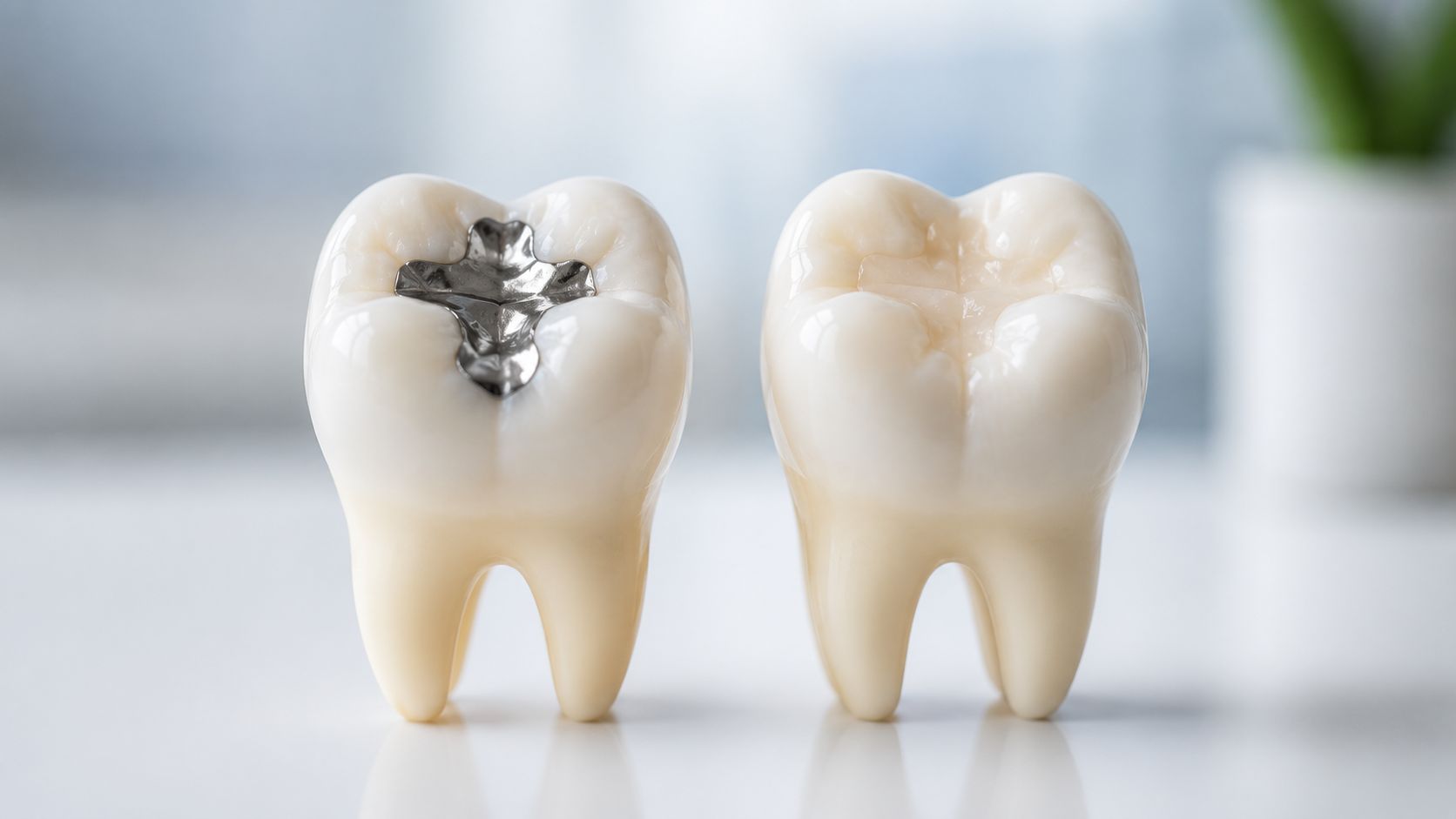


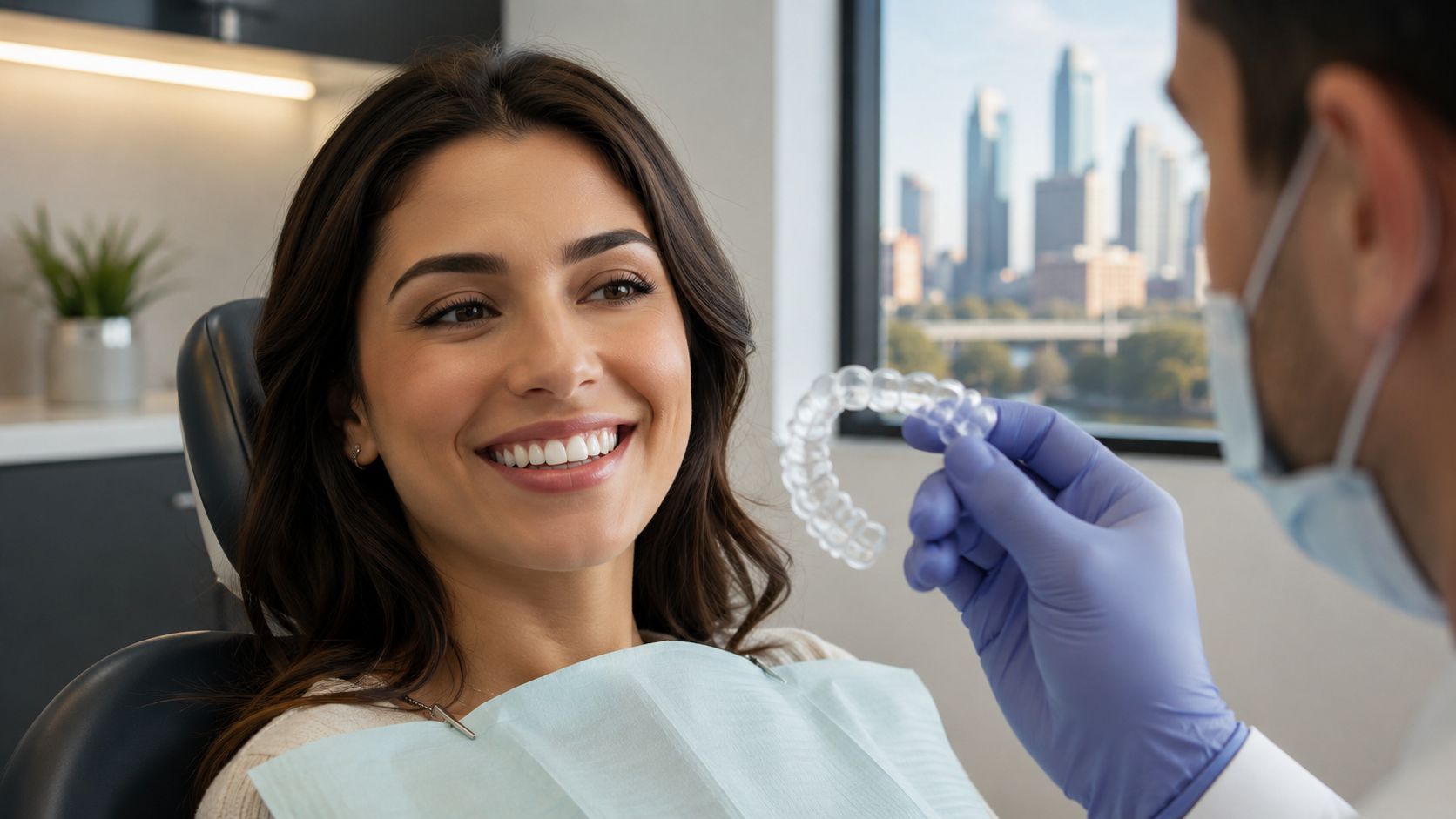
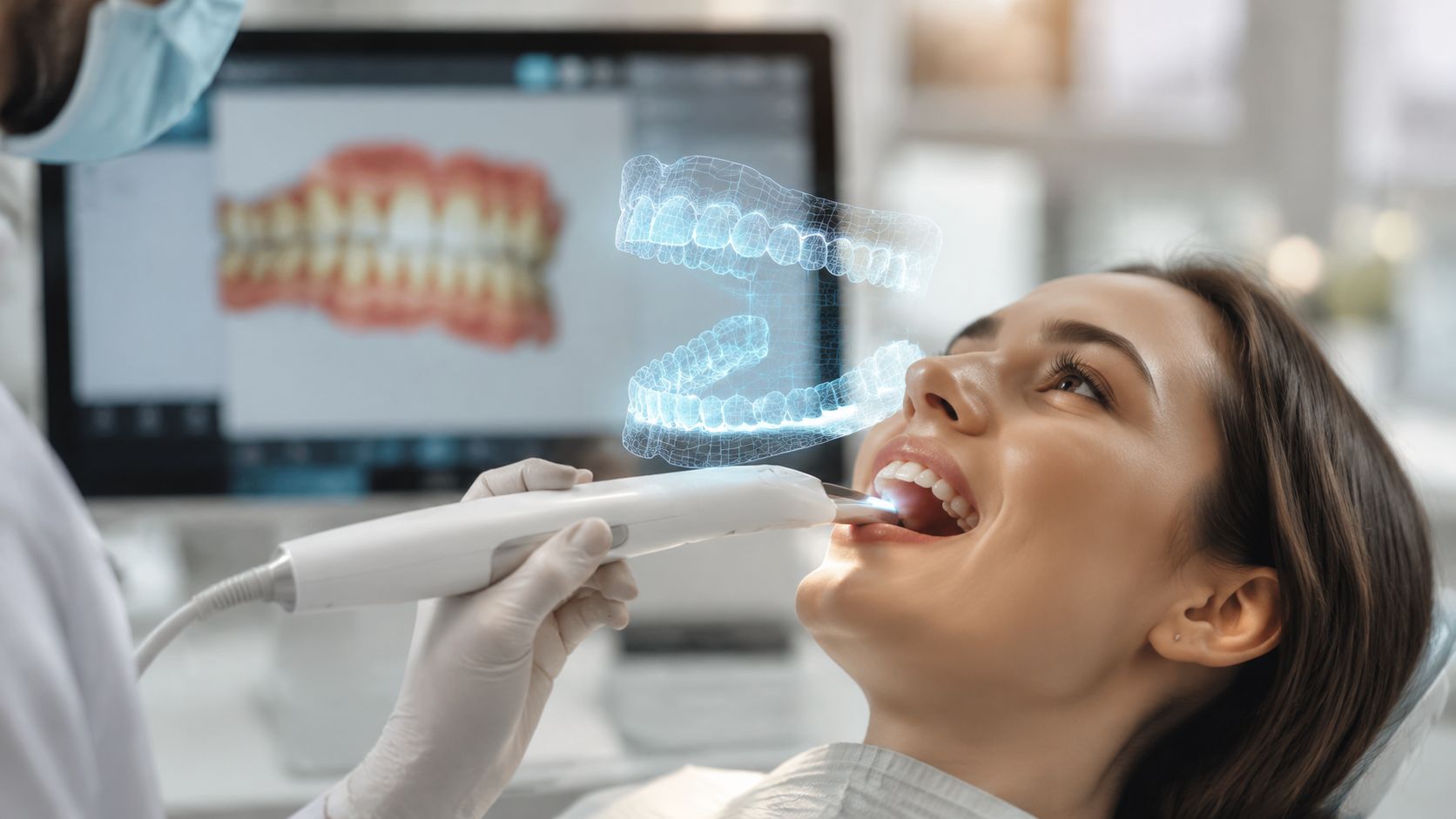
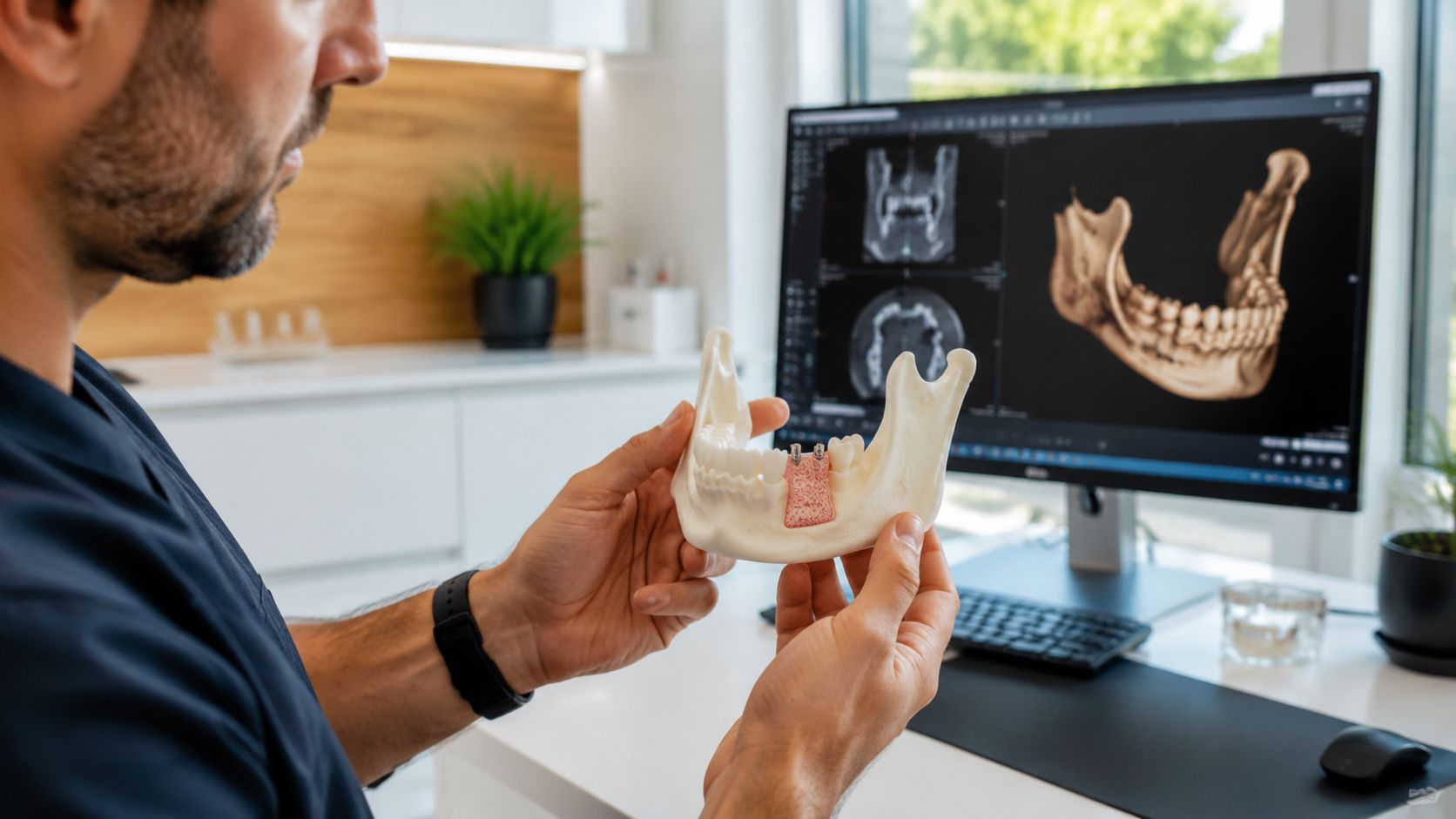
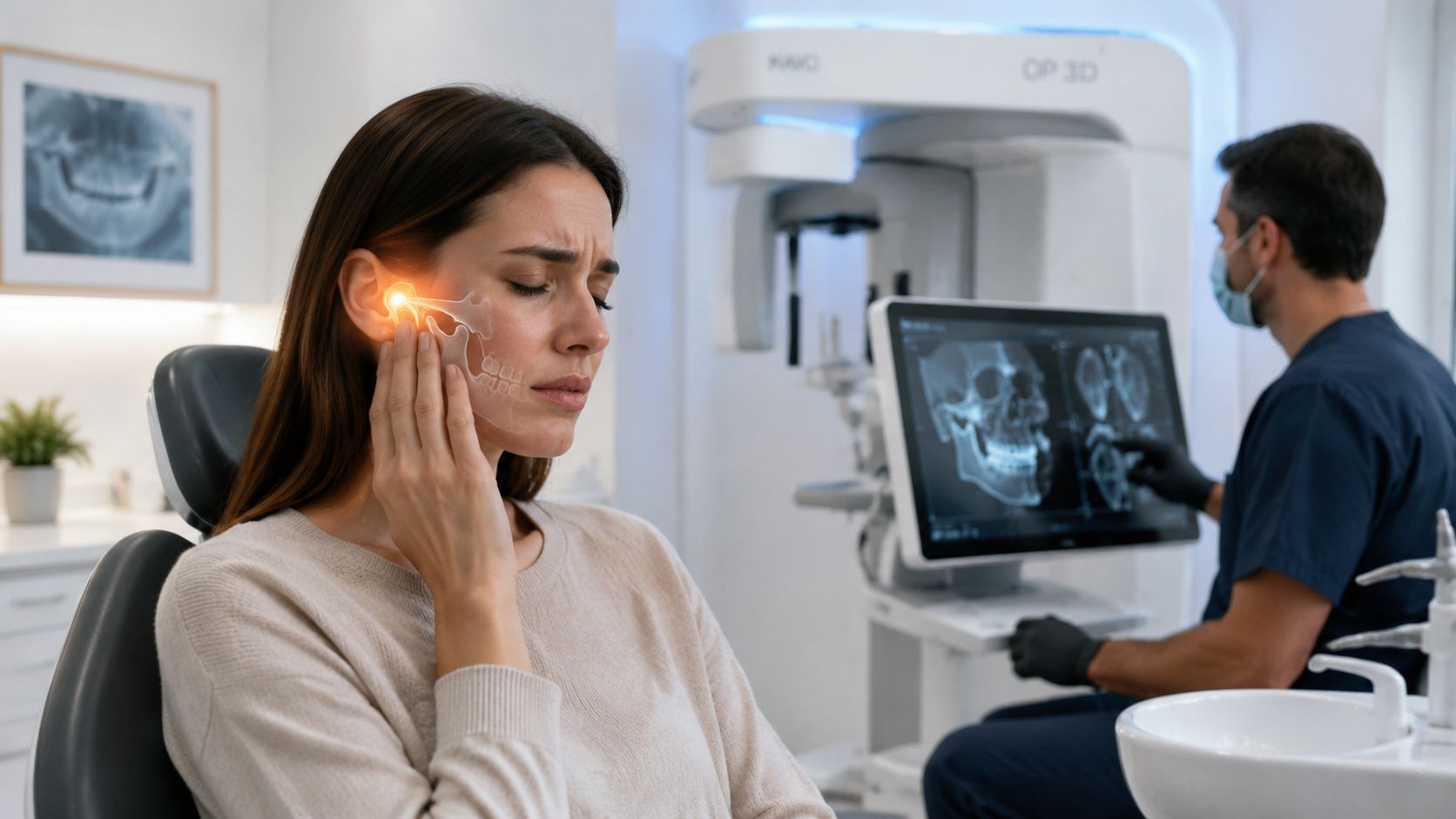
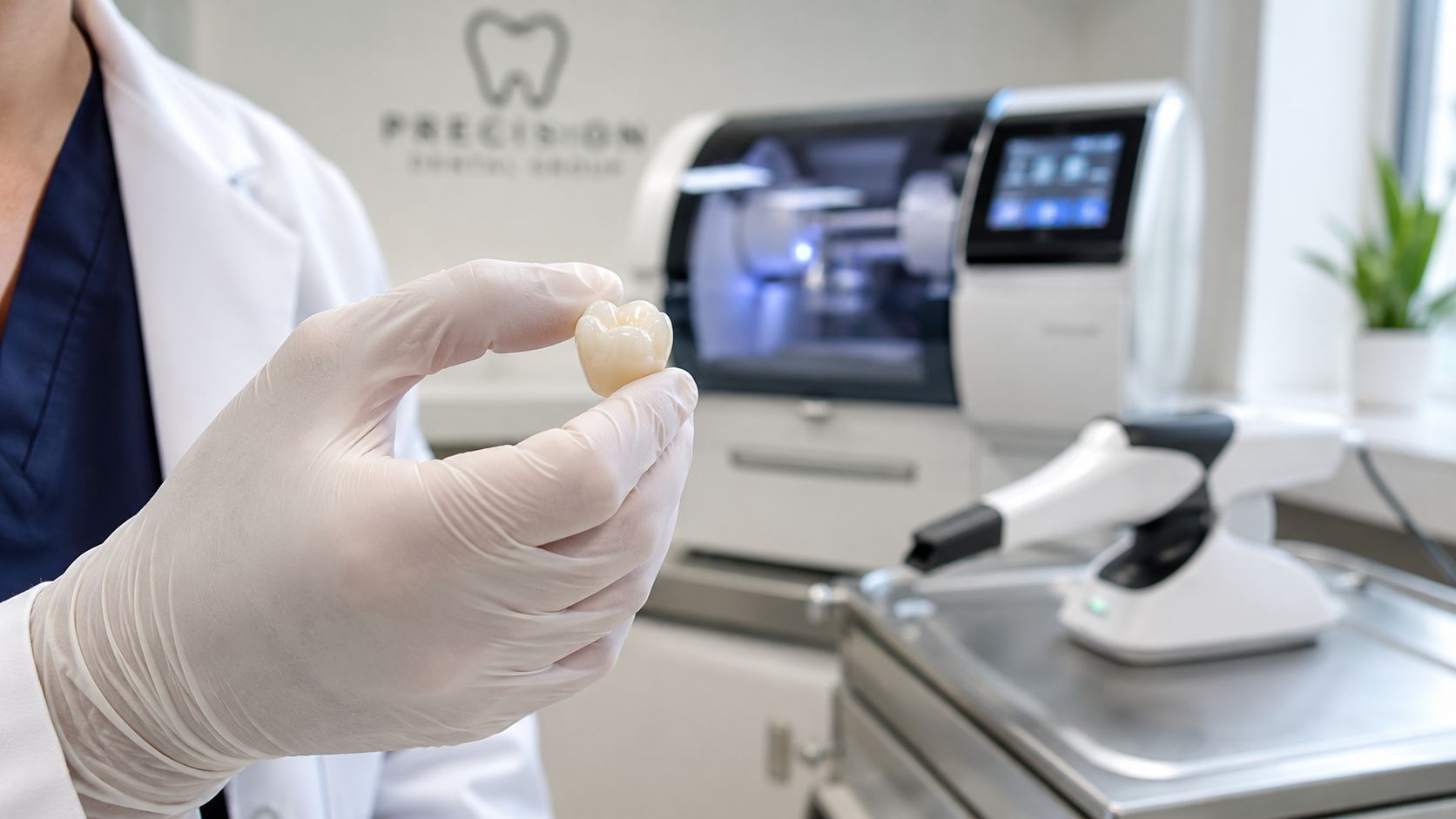

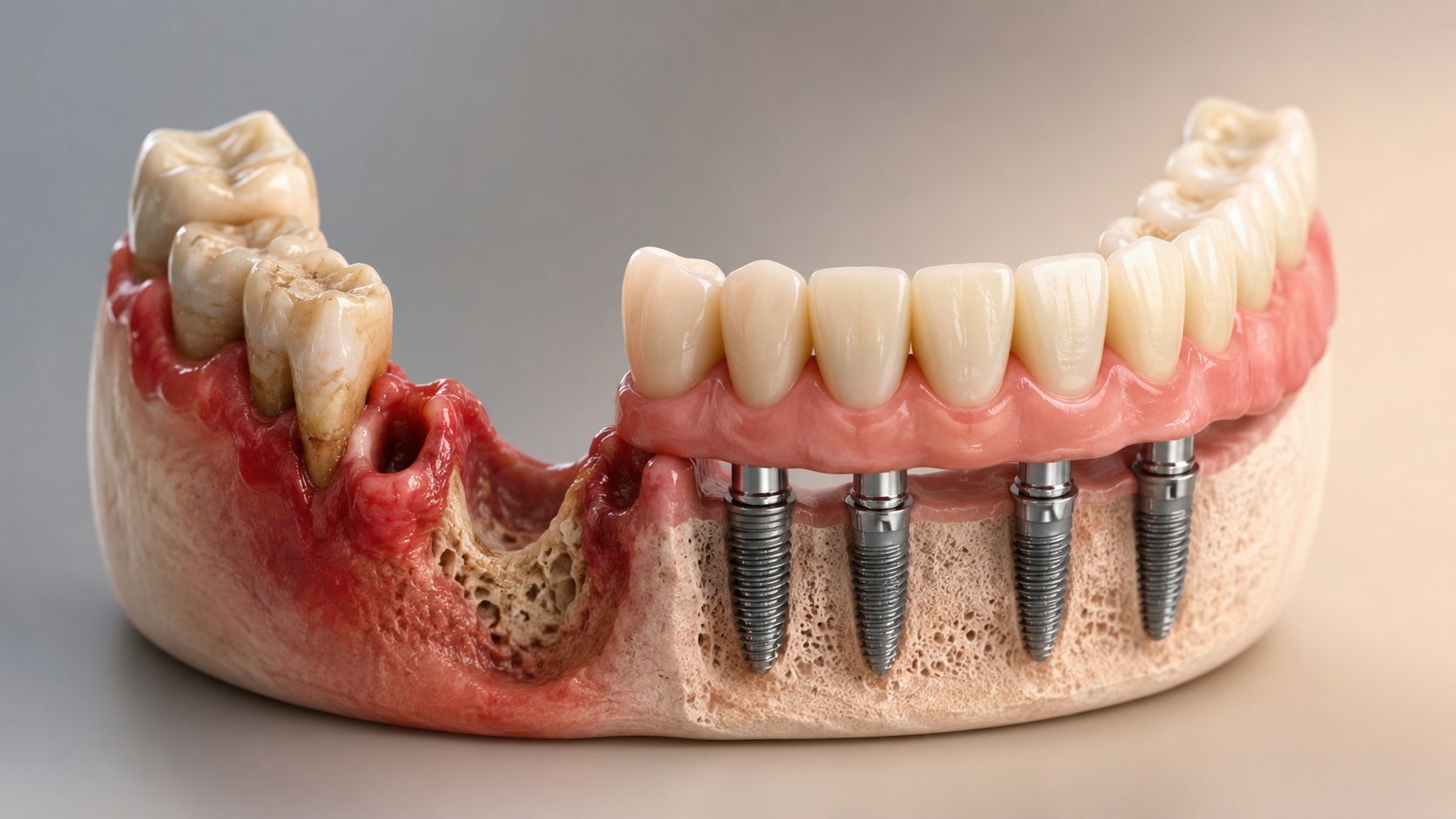
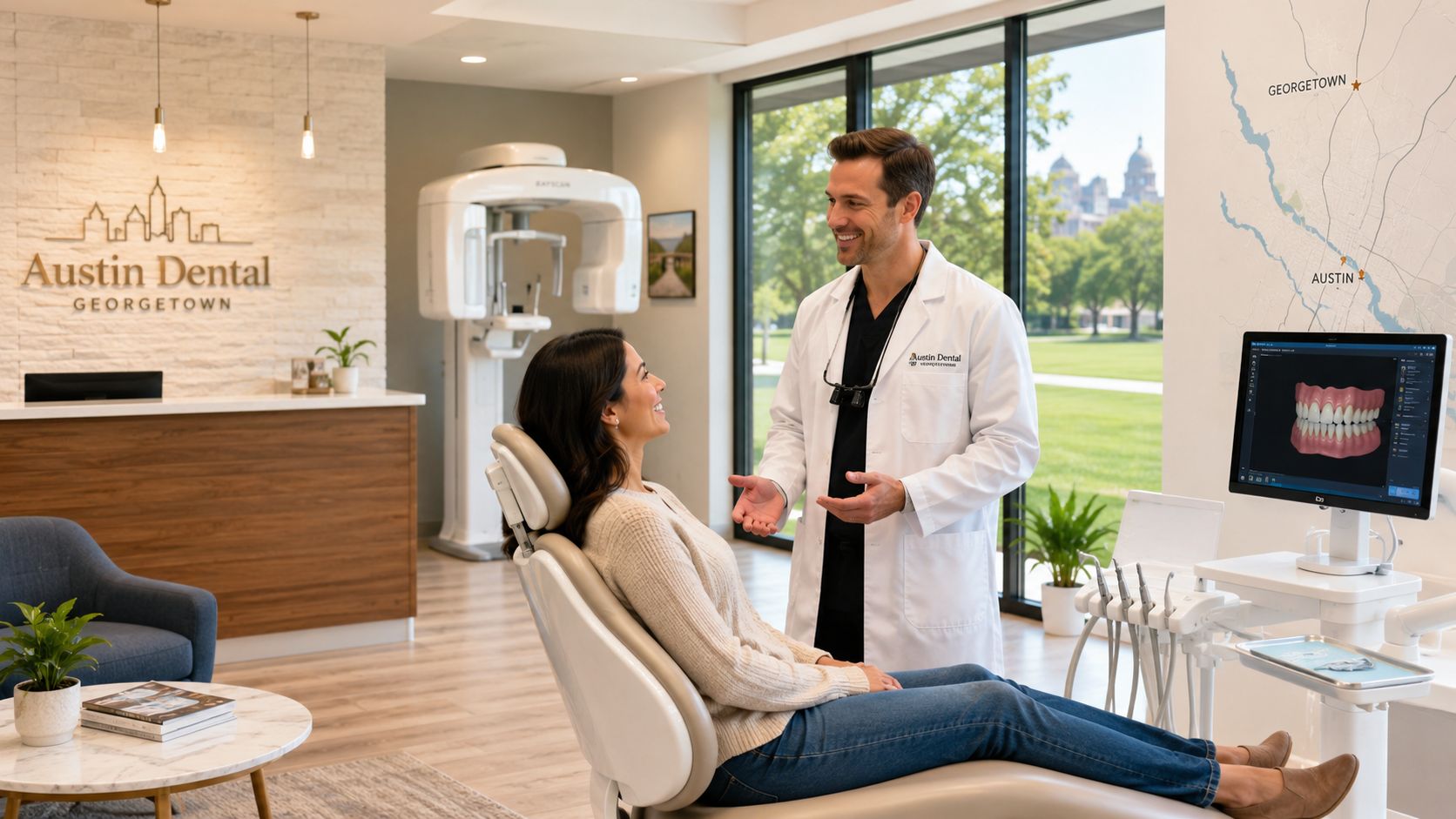
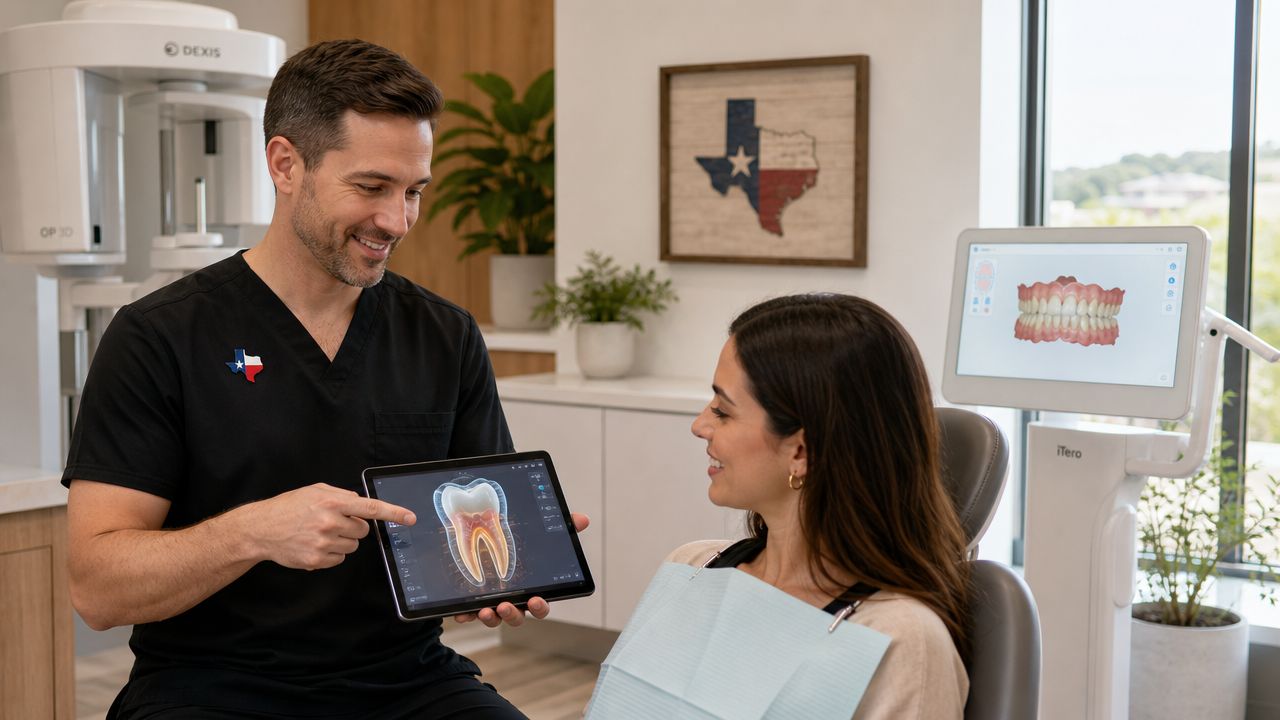
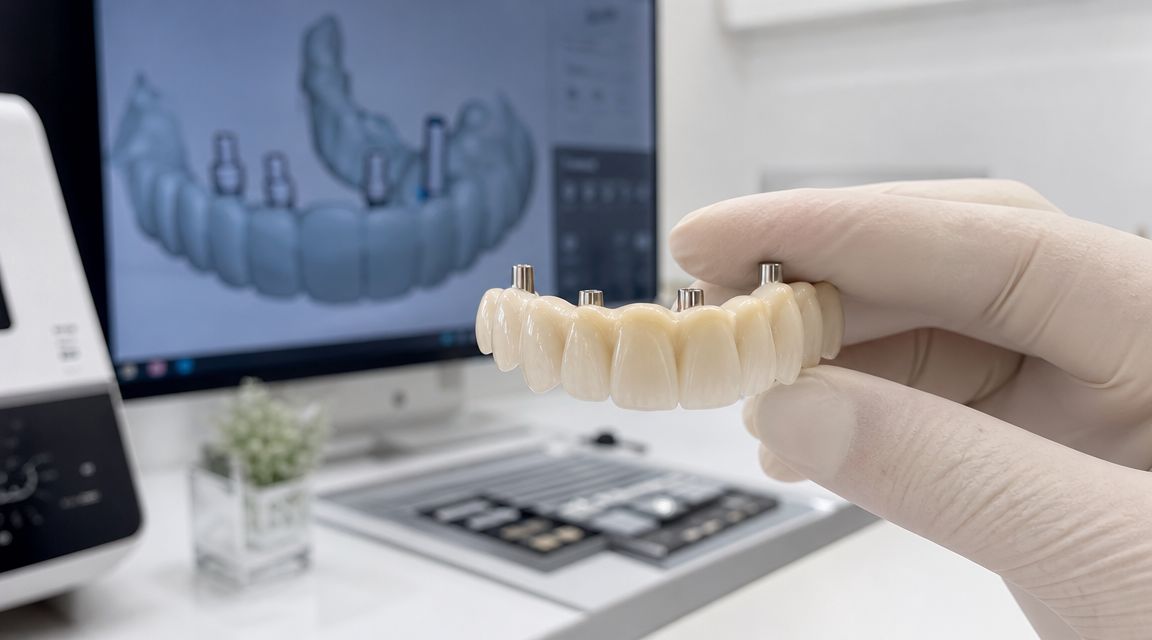
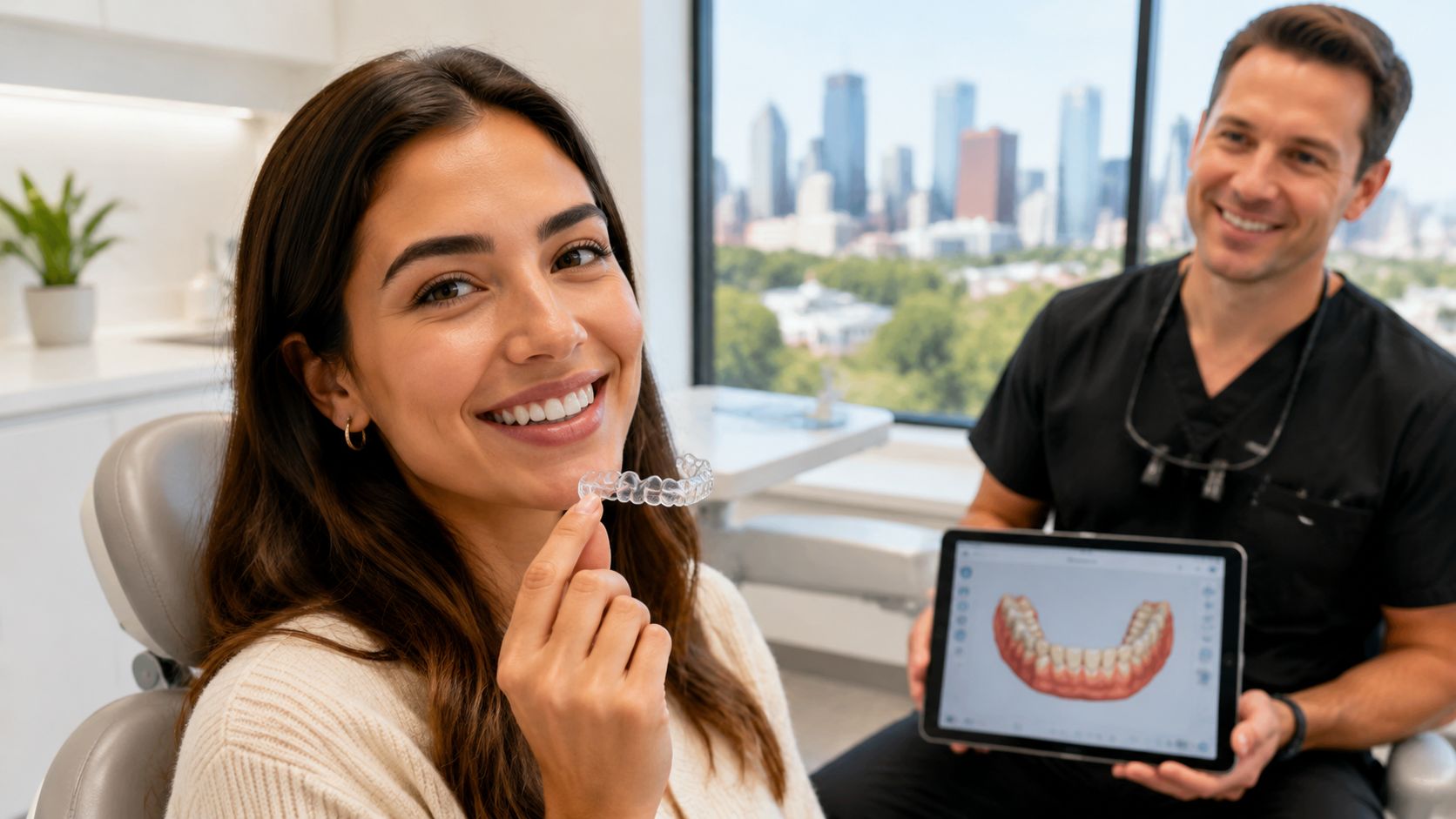














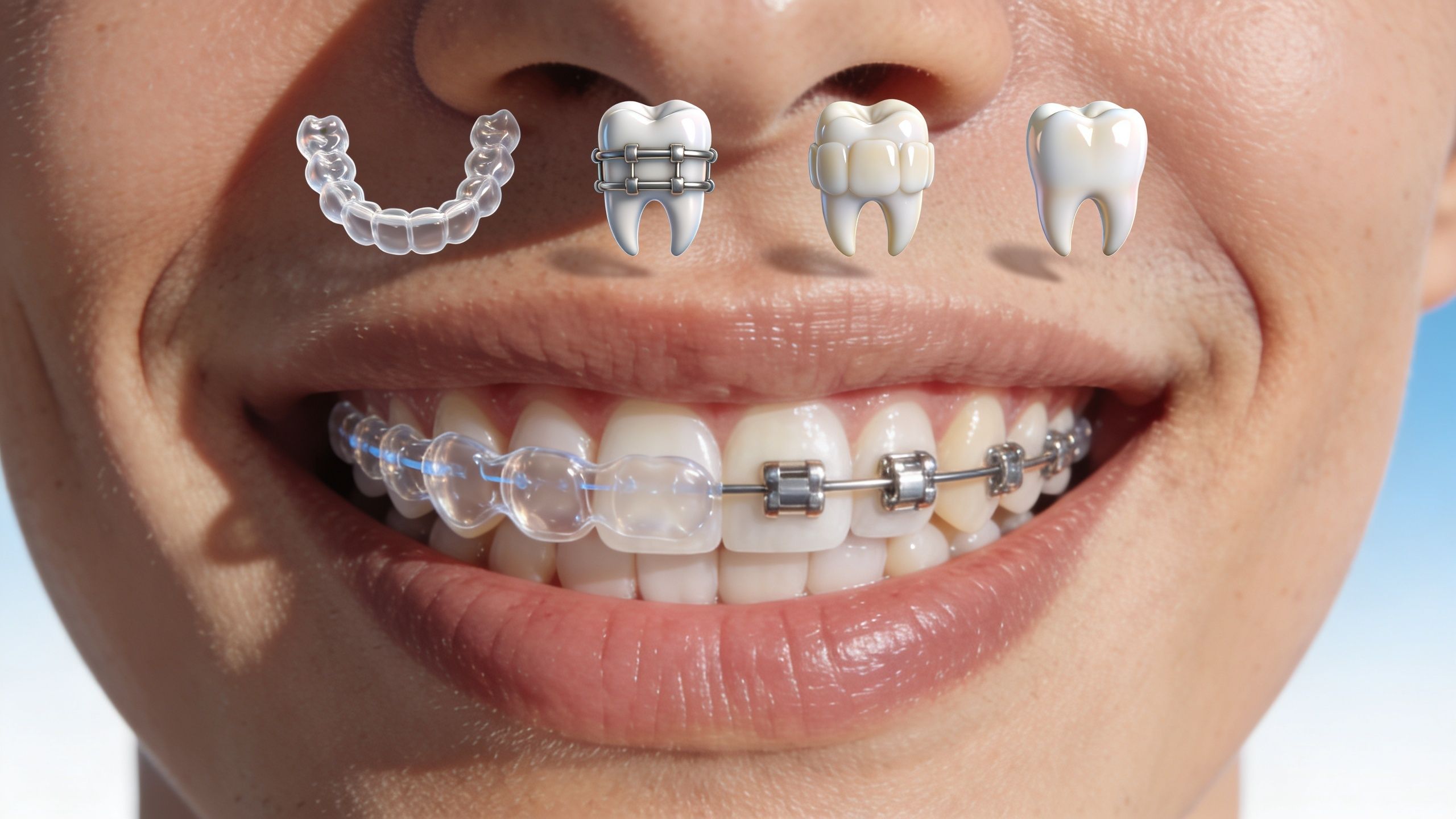


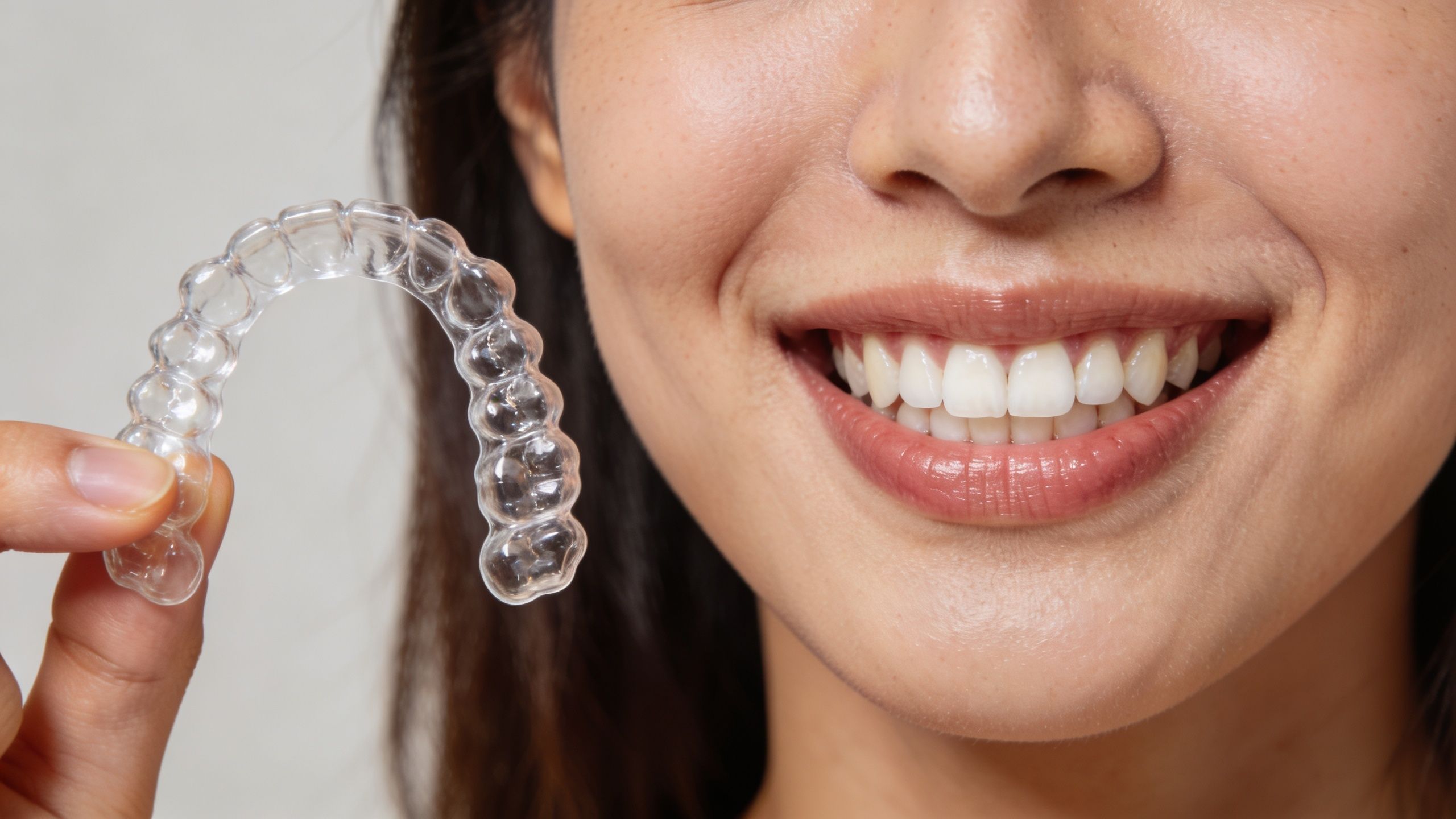



Losing teeth changes ordinary moments in unexpected ways. Meals become something you plan around. Photos feel awkward. Even simple conversations can make you wonder whether someone notices the gap, the movement of a denture, or the way you cover your mouth when you laugh.
For many adults in North Austin, Georgetown, Round Rock, Cedar Park, Wells Branch, and Liberty Hill, the question isn't whether to replace missing teeth. It's which option will fit your life. Some patients want the lowest upfront cost. Others want to stop dealing with slipping teeth, sore gums, or the worry that their smile looks different than it used to.
That is where a clear comparison helps. Dentures and dental implants can both replace missing teeth, but they do not work the same way, feel the same way, or age the same way. The differences show up when you eat, speak, clean your teeth, and look in the mirror months and years later.
Your Guide to a Confident Smile in North Austin
A common situation looks like this. Someone loses several teeth over time, puts off treatment, and learns to work around the problem. They chew on one side, choose softer foods at restaurants, and get very good at smiling without showing much teeth.
Then the workarounds stop working.
A removable appliance may start to feel loose. A front gap may become harder to ignore. A person who searched for a dentist near me or dental implants near me in Austin often isn't looking for trivia. They're looking for a way to eat comfortably, look like themselves again, and stop thinking about their teeth all day.

What patients usually want most
In consultation, the first concerns are usually practical, not cosmetic alone. People ask questions like these:
- Will I be able to chew normally again
- Will it look natural when I talk and smile
- How long will it last
- Is the lower-cost option going to cost me more later
- Am I even a candidate for implants
Those are the right questions.
The phrase dental implants vs dentures pros and cons sounds simple, but the answer depends on how much stability you want, how much treatment you're comfortable with, and how important long-term jawbone support is to your decision.
Missing teeth are rarely just a cosmetic issue. They affect chewing, speech, comfort, and how secure a person feels in public.
Why this decision matters in daily life
Tooth replacement isn't only about filling a space. It changes how force is handled when you bite, how your gums and jawbone are supported, and how much maintenance you take on at home.
That is why some patients in Georgetown choose dentures and feel relieved to have a faster, non-surgical solution. Others decide that they never want a removable option again and prefer implants because they want something fixed and more natural in function.
Both choices can help. But they help in different ways, and they ask different things of you.
Understanding Your Two Main Tooth Replacement Options
The two main choices are dentures and dental implants. They can both replace missing teeth, but they solve the problem from different starting points.
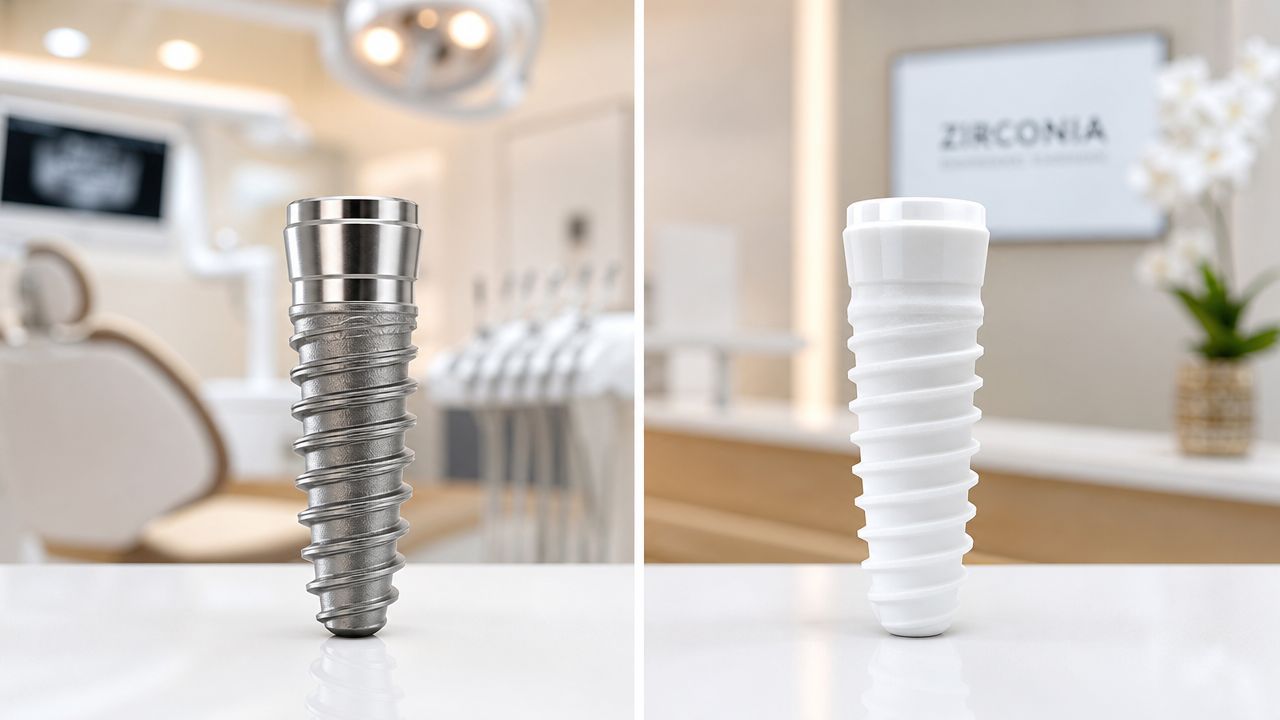
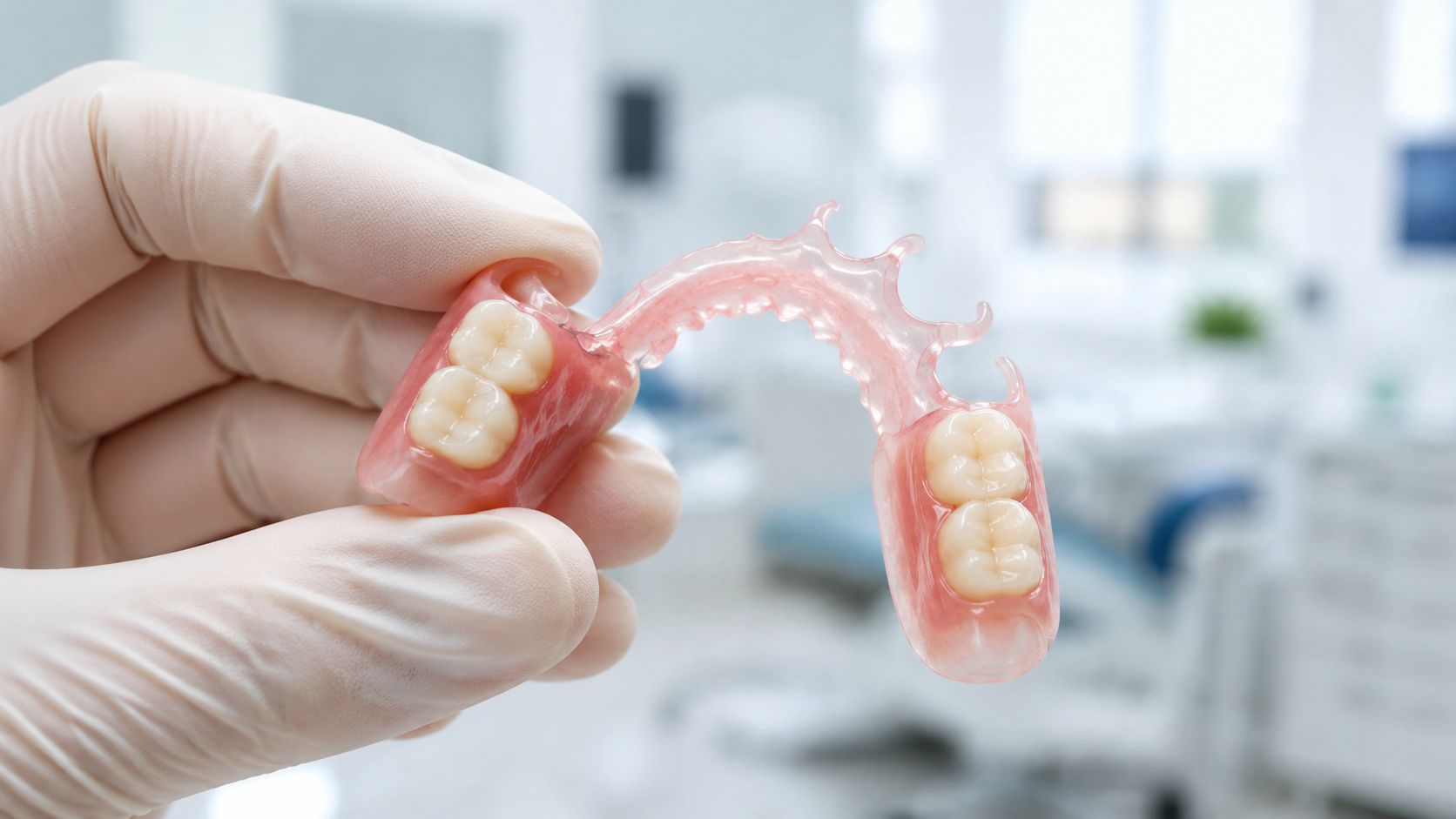
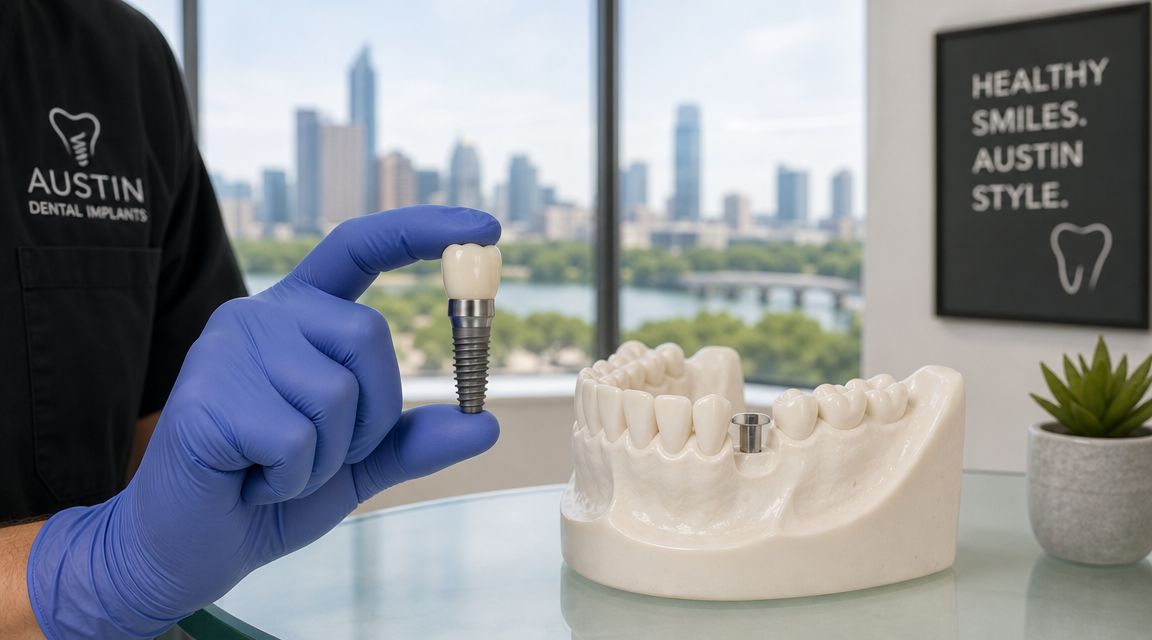
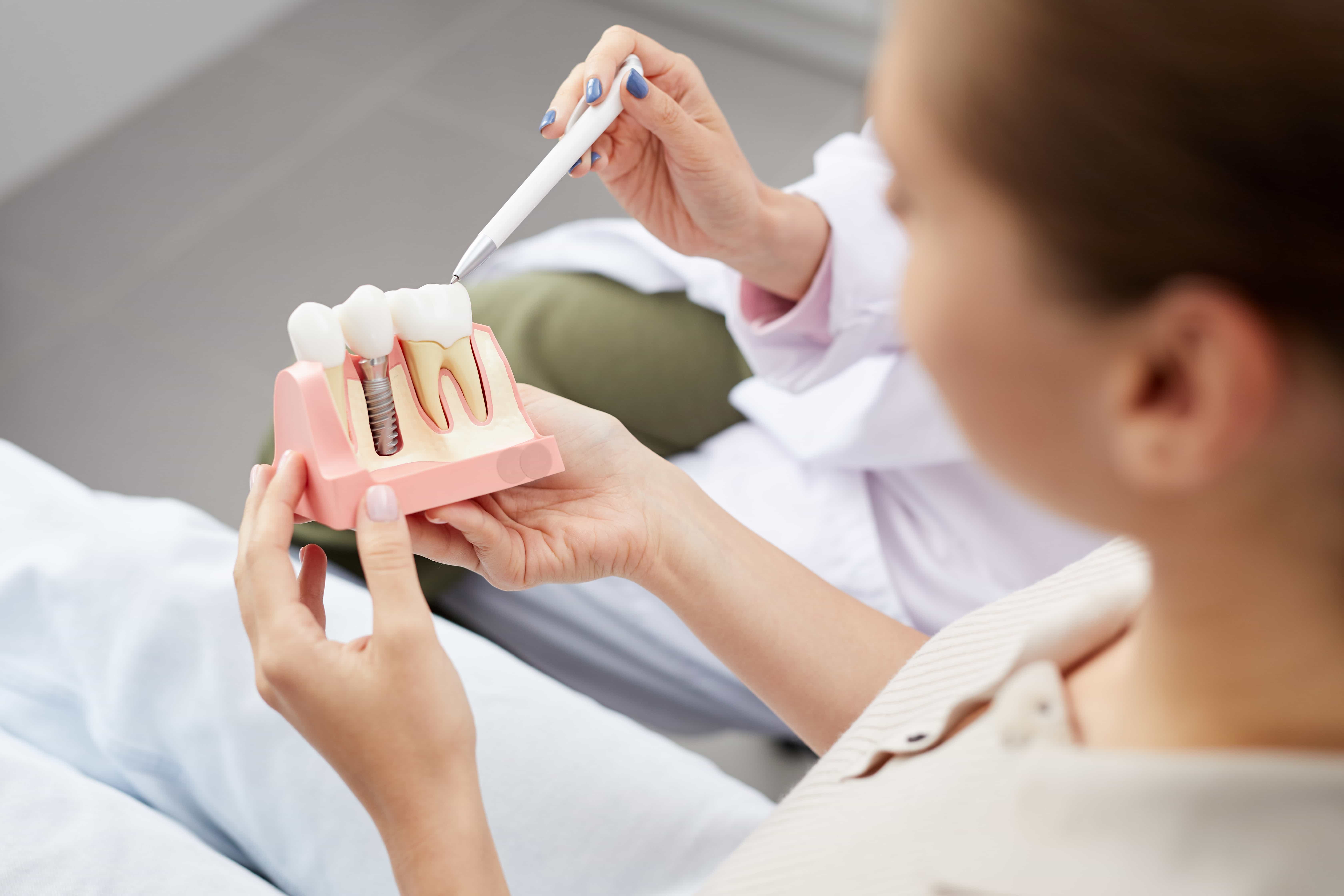
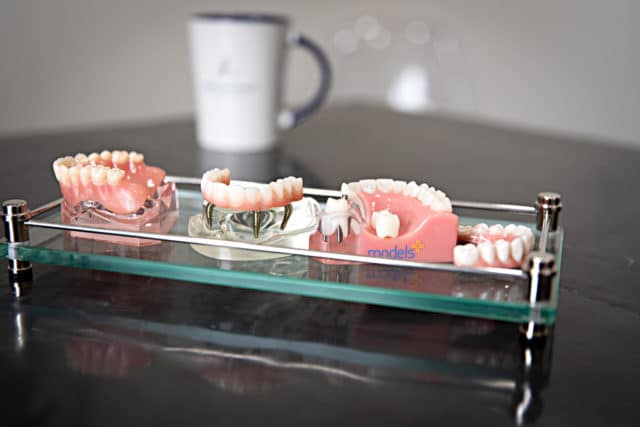
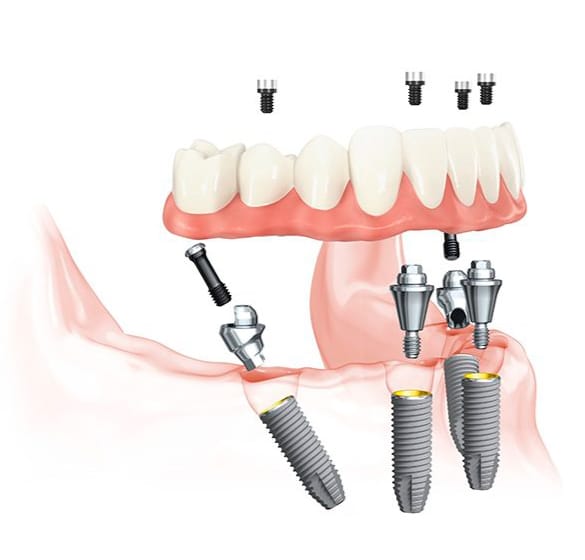
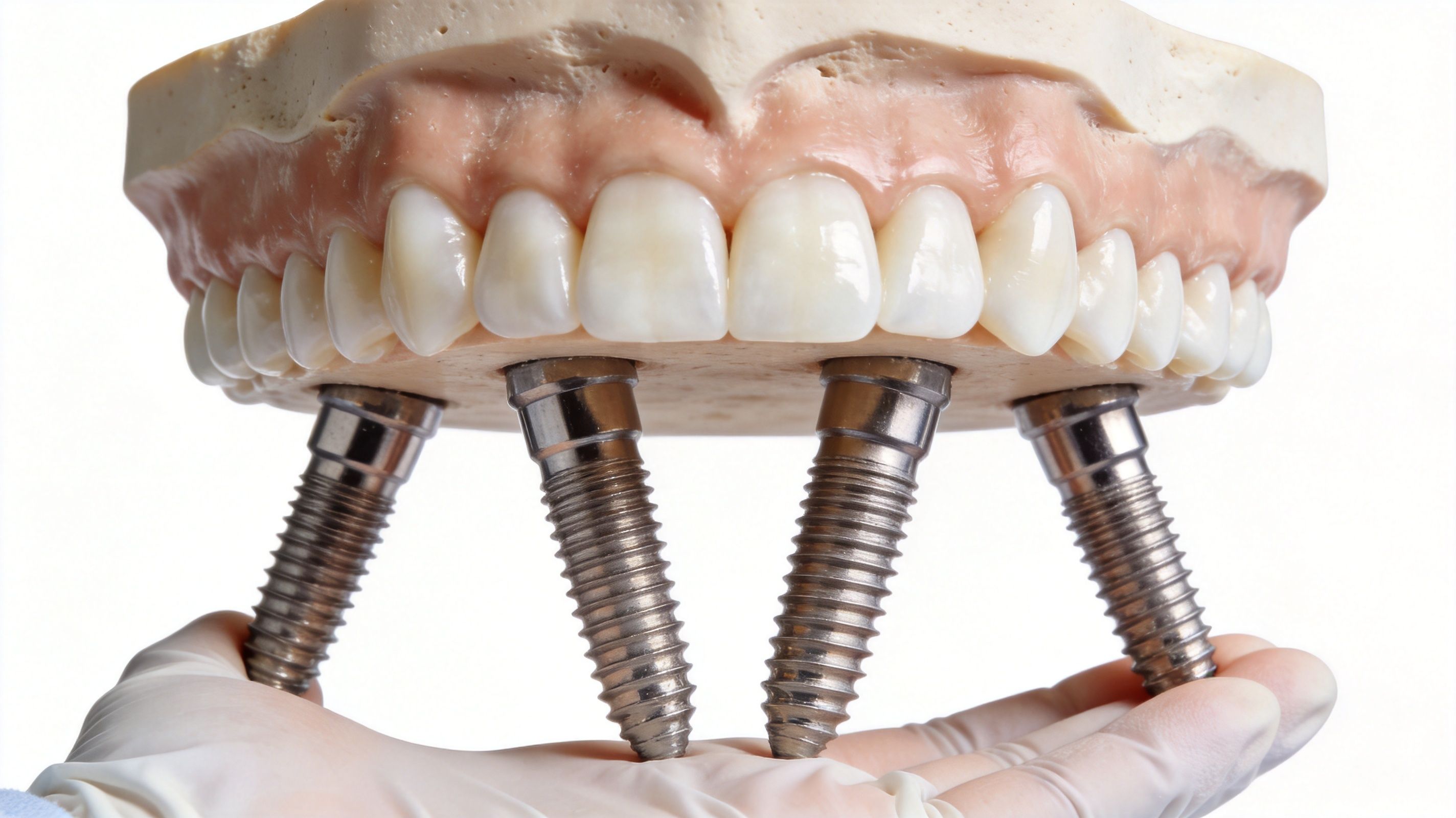
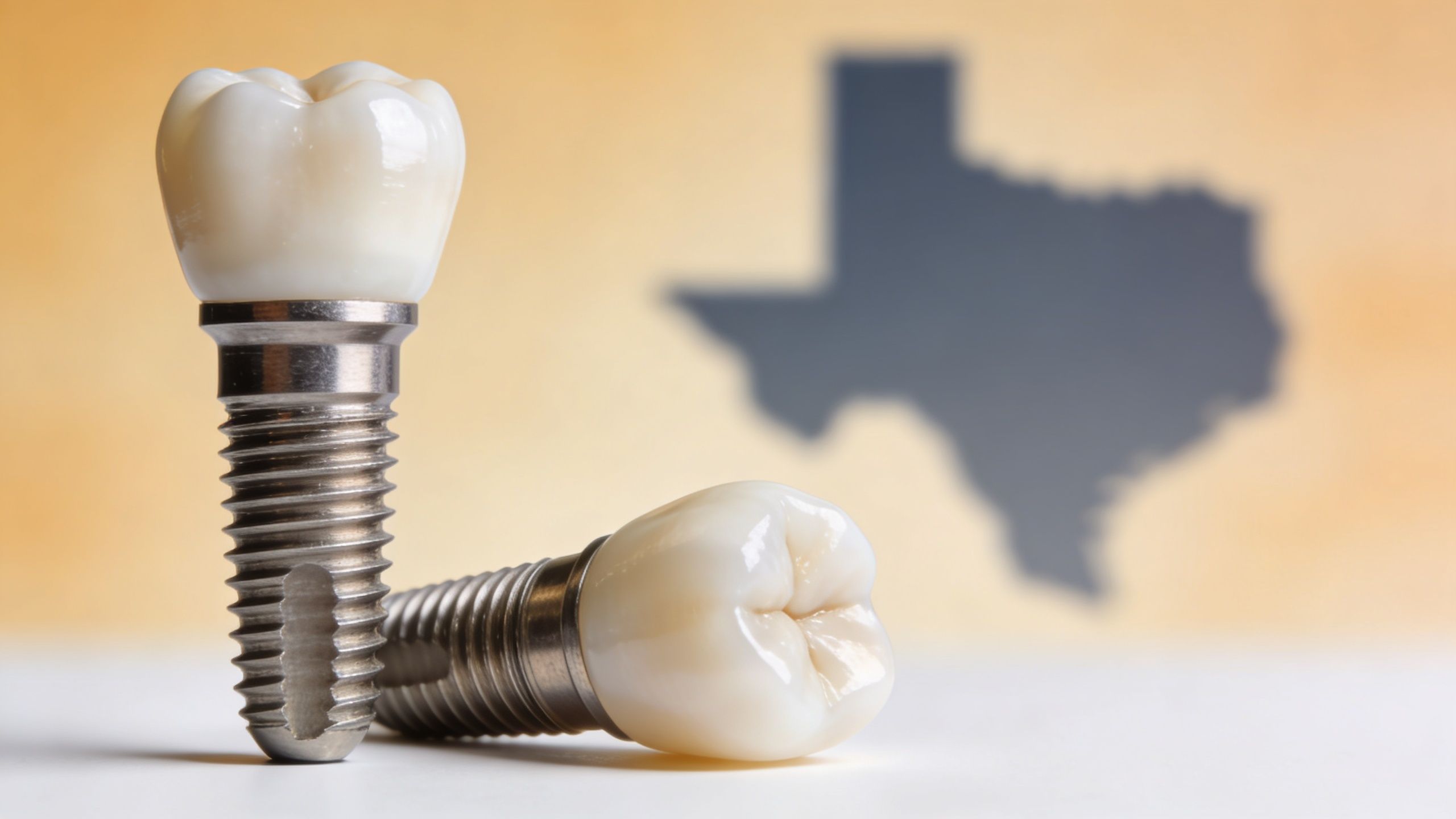
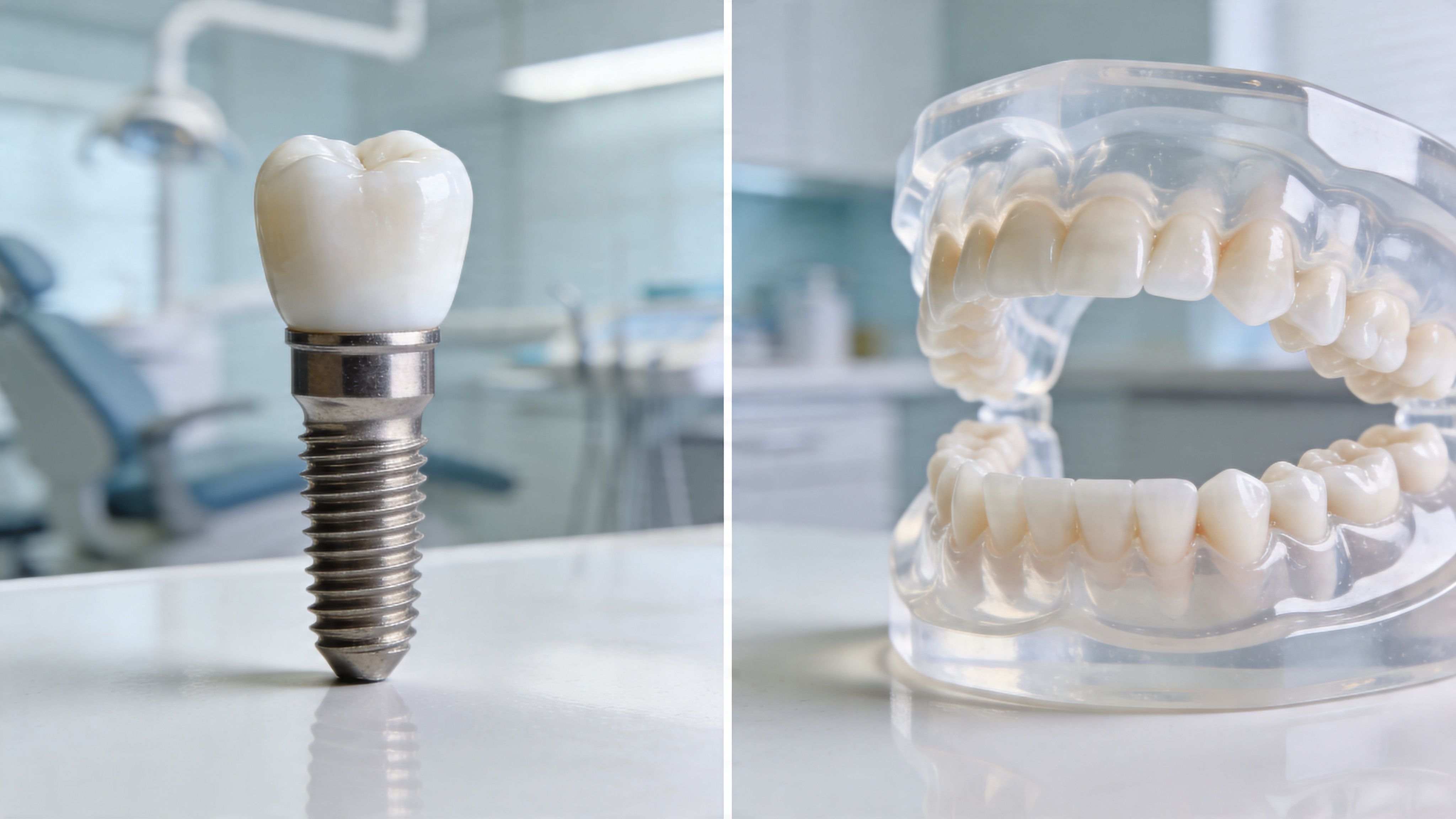
A denture is a removable prosthetic. It sits on top of the gums and replaces several teeth or a full arch. A dental implant is placed into the jawbone and acts like an artificial tooth root, which then supports a crown, bridge, or full-arch restoration.
What happens after teeth are lost
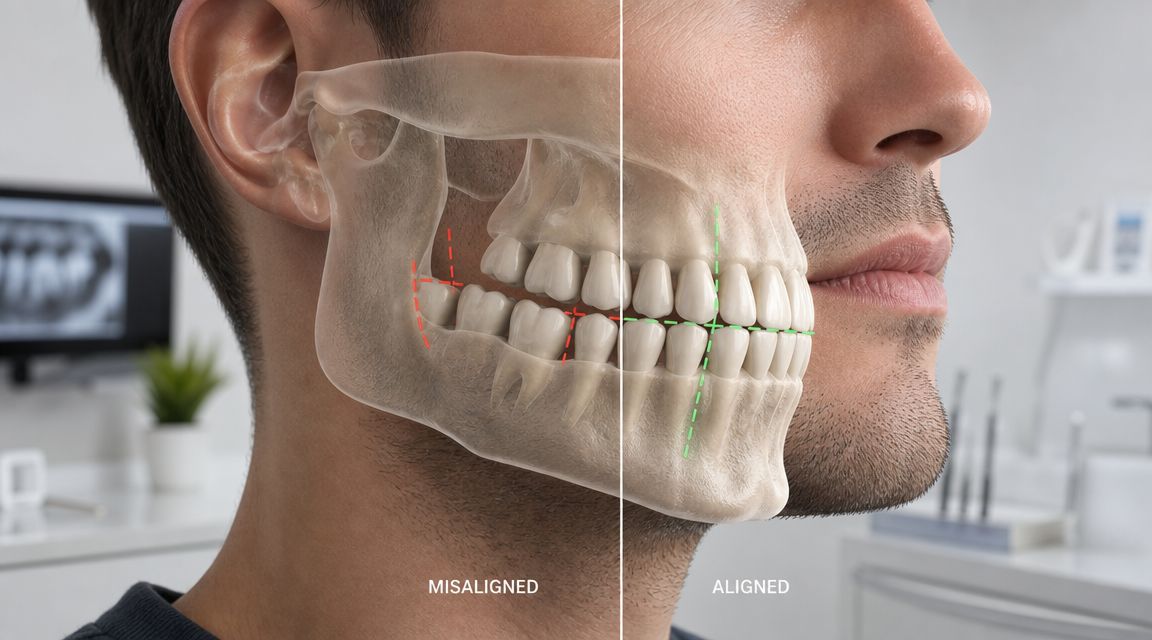
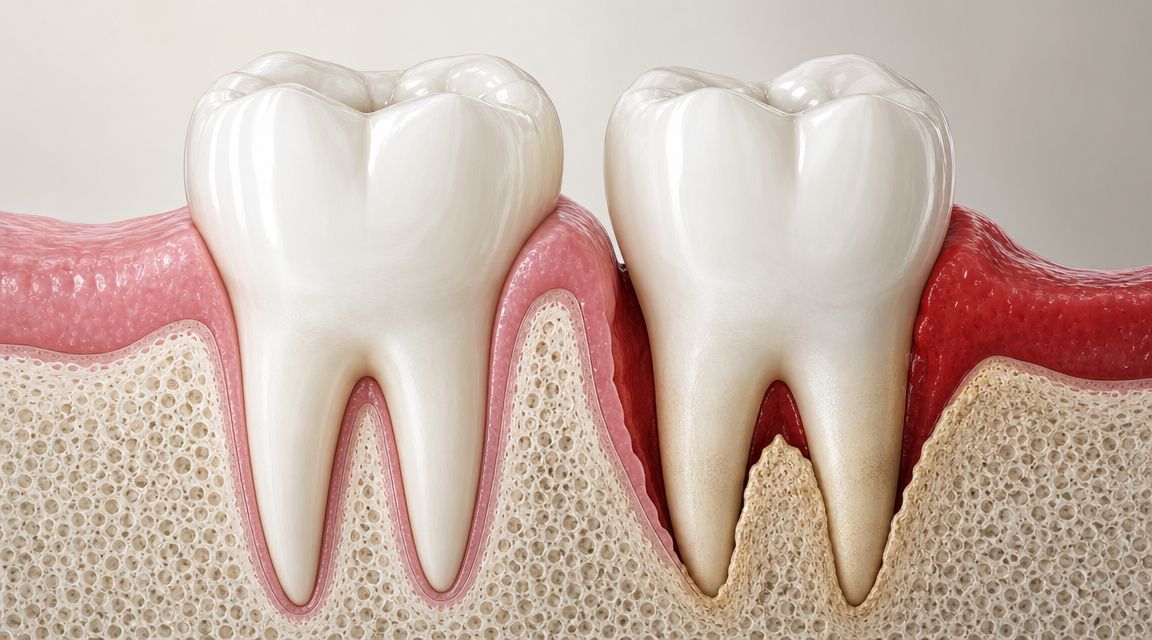
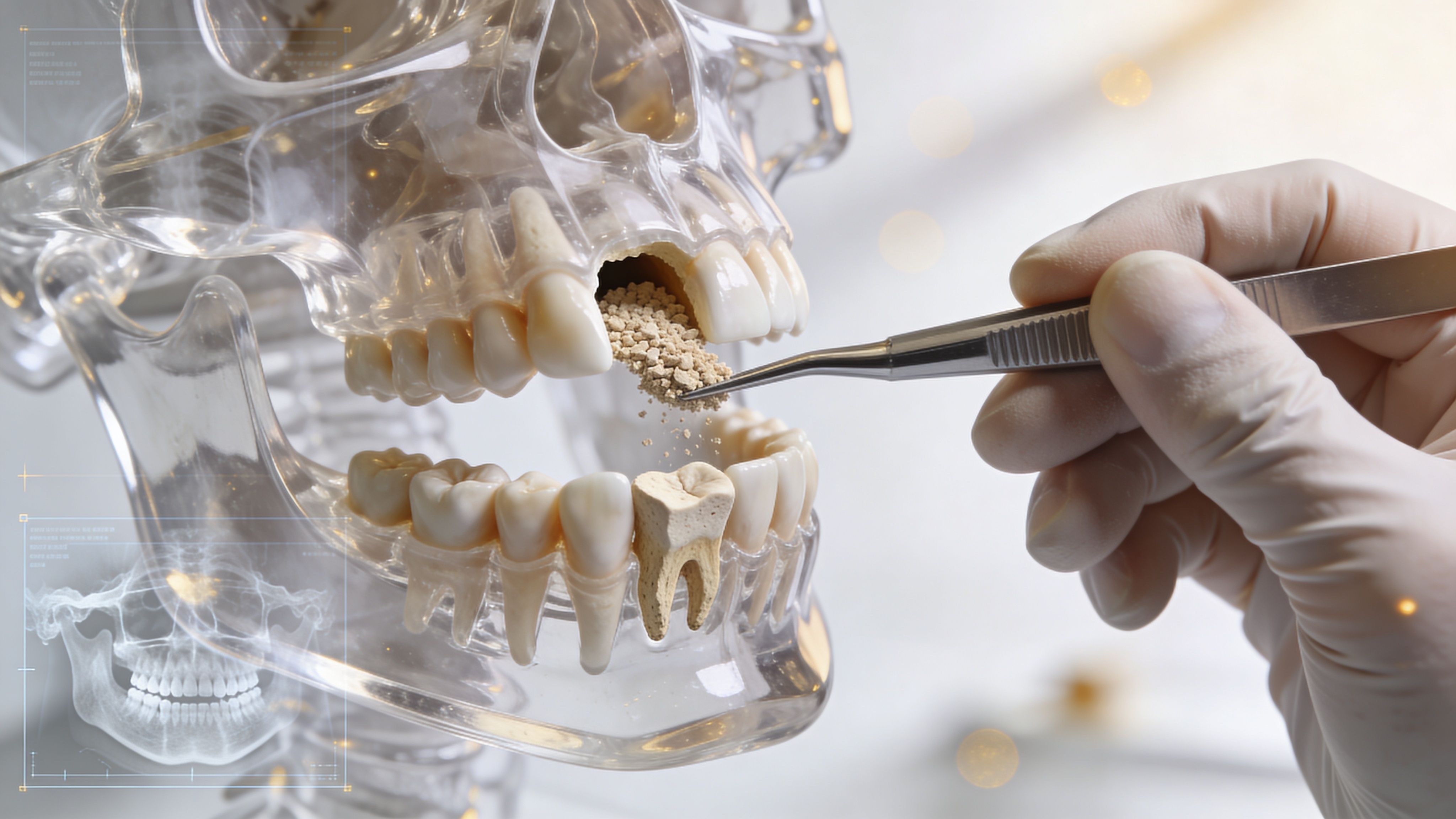
When a tooth is gone, the space is only part of the issue. The jawbone in that area also stops getting the same stimulation it used to receive from a natural root. Over time, that can change the shape of the ridge that supports your teeth and cheeks.
That difference matters because dentures rest on tissue, while implants are anchored in bone.
In the United States, over 36 million Americans are edentulous and 120 million are missing at least one tooth, and while dentures historically served about 90% of those cases, implant preference among adults ages 65 to 74 increased by 6.3% between 2019 and 2020, with adoption projected to hit 23% by 2026 according to this dental implants and dentures trend overview.
Dentures in plain terms
Dentures are often the more accessible first step because they don't require implant surgery. They can replace a full arch or multiple missing teeth, and they can be made even when bone loss is already present.
Patients often choose dentures because:
- They have a lower initial cost
- They want a quicker path to replacing teeth
- They prefer a non-surgical option
- Their current health situation makes them hesitant about implants
The trade-off is that dentures rely on fit, suction, and sometimes adhesives. As the mouth changes, the fit can change too.
Dental implants in plain terms
Implants are designed to anchor replacement teeth at the bone level. That changes the experience significantly. Instead of a prosthetic sitting on the gums, the restoration is supported by implant posts integrated with the jaw.
The big advantage isn't only that implants stay put. It's that they address the missing root problem in a way dentures do not.
Practical rule: If your top priority is a removable solution with a lower upfront entry point, dentures may fit. If your top priority is fixed support and bone preservation, implants usually make more sense.
A quick baseline comparison
| Option | How it works | Best fit for | Main drawback |
|---|---|---|---|
| Dentures | Removable teeth that rest on the gums | Patients seeking a non-surgical, lower upfront option | Can loosen, rub, and require future adjustments |
| Dental implants | Artificial roots placed in the jawbone to support replacement teeth | Patients seeking long-term stability and a more natural feel | Higher upfront cost and a longer treatment process |
A Side-by-Side Look at Function and Aesthetics
Differences between dentures and implants show up during ordinary life. Eating lunch. Ordering at a restaurant. Speaking in a meeting. Smiling without checking whether the teeth moved.
The table below gives a quick snapshot before looking at each category in more detail.
| Category | Dental implants | Dentures |
|---|---|---|
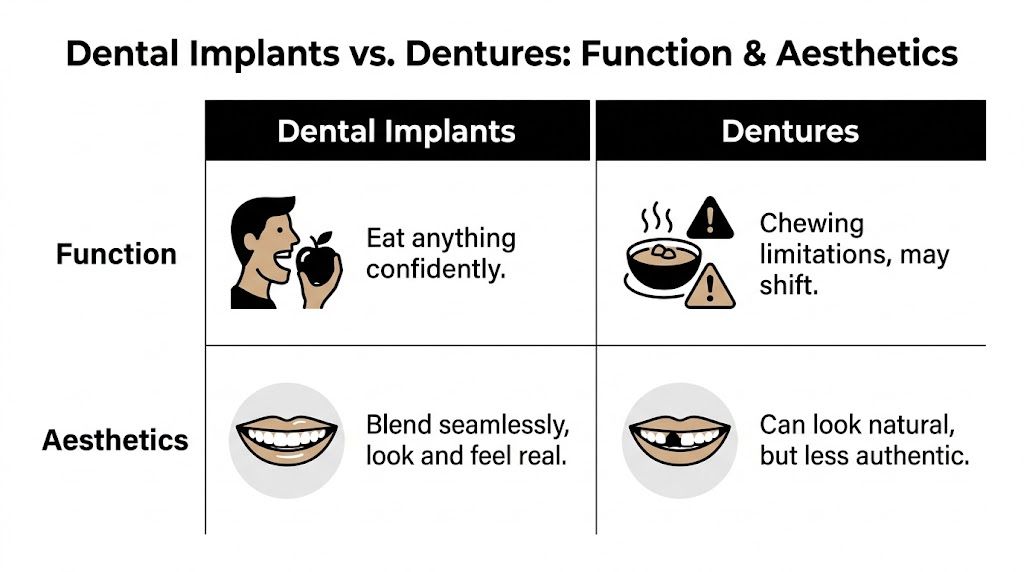
| Stability | Fixed support, minimal movement | Can shift or slip |
| Chewing | Stronger bite and wider food options | More food limitations |
| Feel | Closer to natural teeth | Bulkier, removable feel |
| Bone support | Helps preserve jawbone | Does not stimulate bone |
| Speech | Usually easier to adapt to long-term | May affect pronunciation at first and if fit changes |
| Maintenance | Brush and floss style home care | Remove, clean, and soak |
Chewing and stability
At this juncture, the biggest practical divide appears.
Traditional dentures can restore appearance and some function, but they don't usually behave like natural teeth. If the lower denture shifts, chewing becomes cautious. Patients often cut food smaller, avoid tougher textures, or chew more slowly to keep things stable.
A fixed implant bridge is different because force is distributed through implants anchored in the jaw. According to this chewing efficiency comparison from dental specialists, traditional dentures restore 25% chewing function, while fixed full-arch implant bridges such as All-on-4 restore 90% chewing efficiency.
Denture wearers often ask, "Can I eat with these?" Implant patients usually ask, "How soon can I get back to normal?"
That doesn't mean every denture patient struggles badly. Many do reasonably well, especially with softer foods and a well-made prosthetic. But if someone wants to bite into firmer foods with more confidence, implants usually perform better.
Appearance and feel
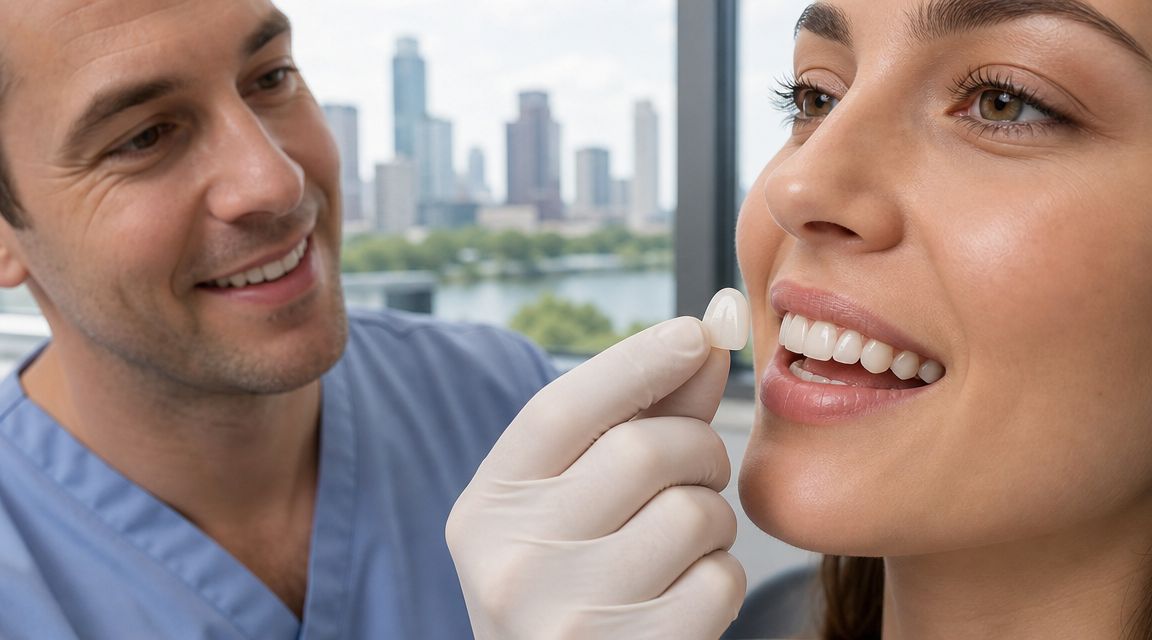
Both options can look attractive when they're designed well. The difference is less about whether they can look good and more about how authentic they feel in the mouth.
Dentures can replace lost tooth structure and support the lips. For some patients, that makes a dramatic cosmetic improvement. But because they are removable and rest on the gums, many people remain aware that they're wearing an appliance.
Implants tend to feel more integrated into daily life. They don't need to be lifted out at night, and they usually don't have the same bulk along the gumline or palate as a full denture.
What patients usually notice first
With dentures
The first thing many patients notice is the presence of the appliance itself. They may be aware of acrylic against the gums or the need to settle the denture into place.With implants
The first thing many patients notice is what they don't feel. Less movement. Less worry. Less need to think about whether the teeth are secure.
Jawbone health and facial support
One of the least visible but most important differences is what happens under the surface.
The jawbone needs stimulation. Natural tooth roots provide that. Implants can help replace that function because they are anchored in bone. Dentures do not stimulate the jaw in the same way, so the ridge can continue to shrink over time.
That is part of why some patients find that an older denture no longer fits the way it did at the beginning. The prosthetic did not necessarily fail. The mouth changed beneath it.
If you're trying to choose between "good enough for now" and "better for the long term," bone support is one of the clearest dividing lines.
Speech and confidence
Speech isn't just about pronunciation. It's also about confidence.
Dentures can work well, but they often come with an adjustment period. Some patients notice a change in certain sounds. Others become self-conscious when a denture feels as though it might lift or slide while talking.
Implants reduce that mental load because the teeth are fixed. Patients often describe the biggest benefit as freedom from monitoring the appliance every time they laugh, eat, or speak.
The short version
If your priority is appearance alone, both dentures and implants can improve a smile. If your priority includes predictable function, stronger bite, less movement, and a more natural everyday feel, implants have a clear edge.
The Treatment Journey From Consultation to Final Smile
The experience of getting dentures is very different from the experience of getting implants. One is primarily a prosthetic fitting process. The other is a restorative and surgical process planned around the bone, bite, and final tooth position.

The implant path
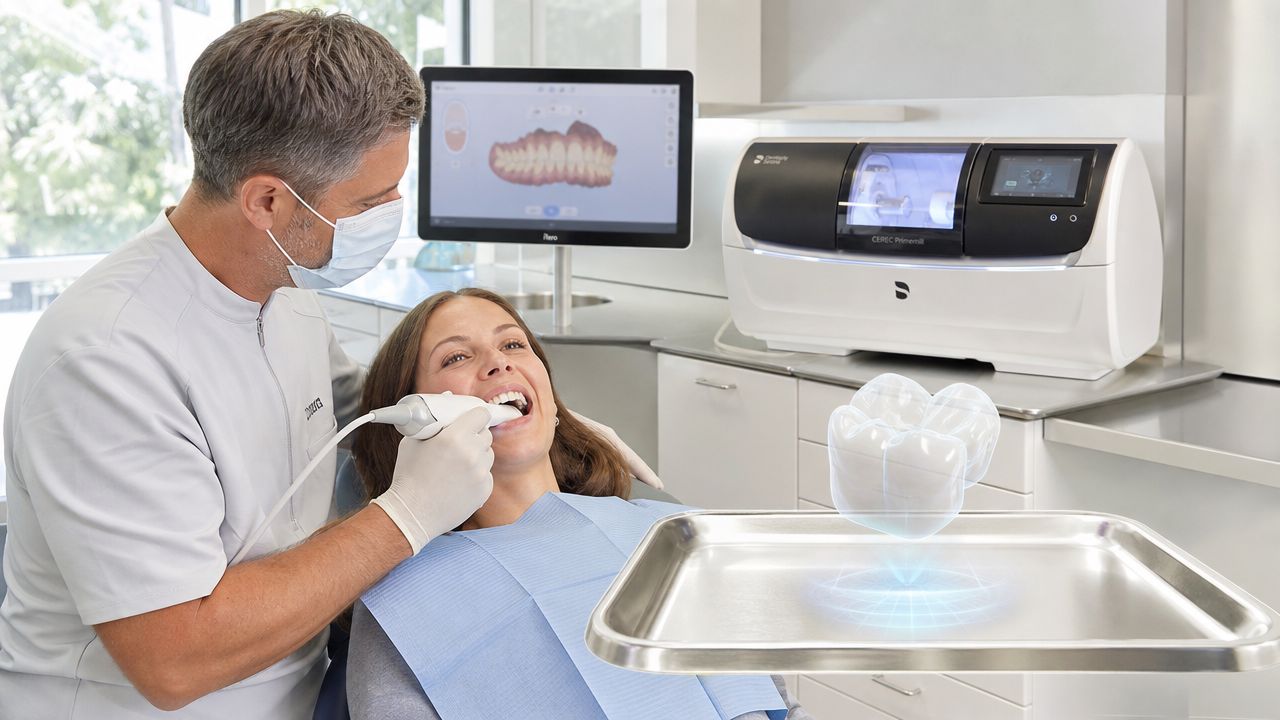
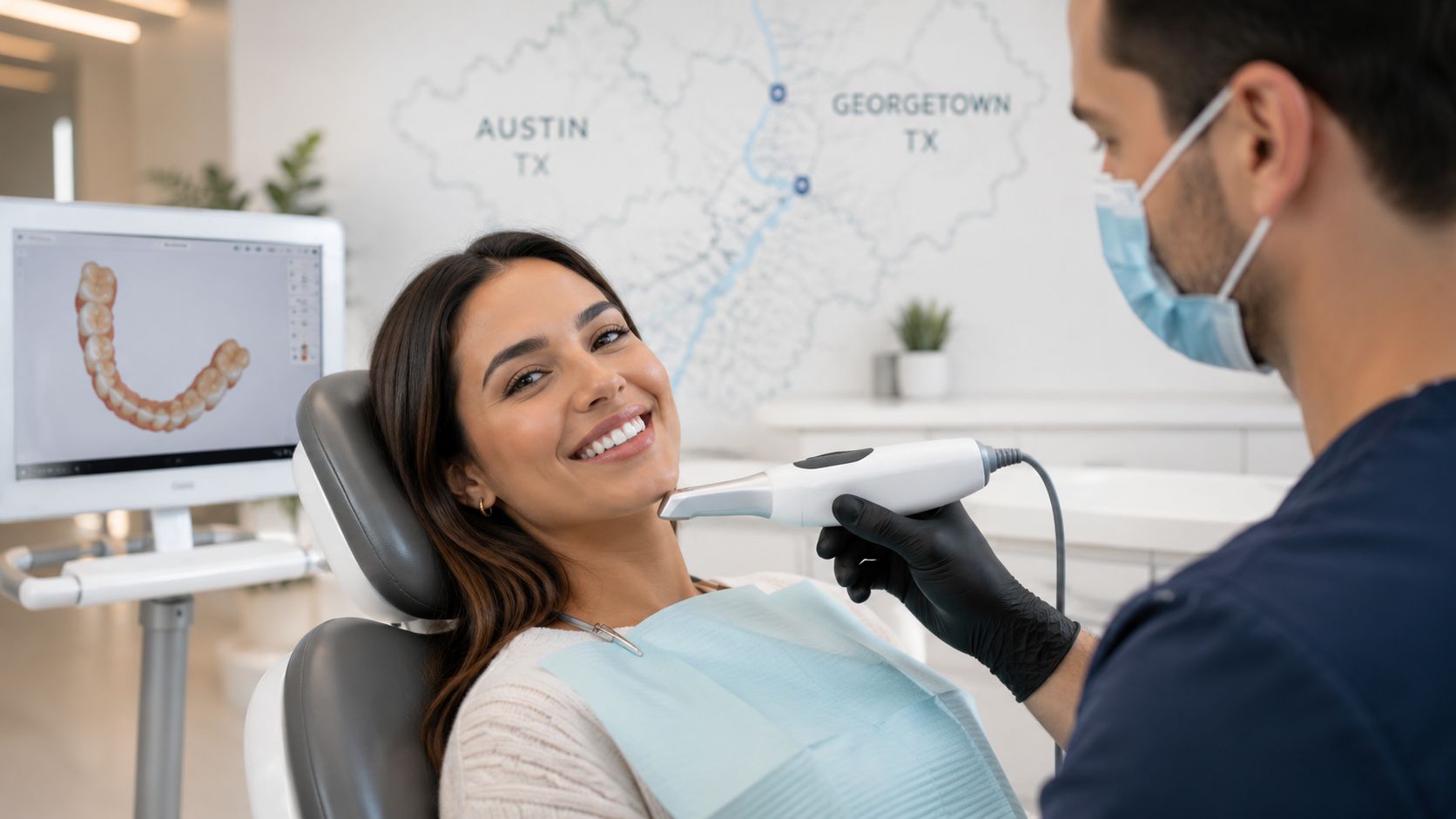
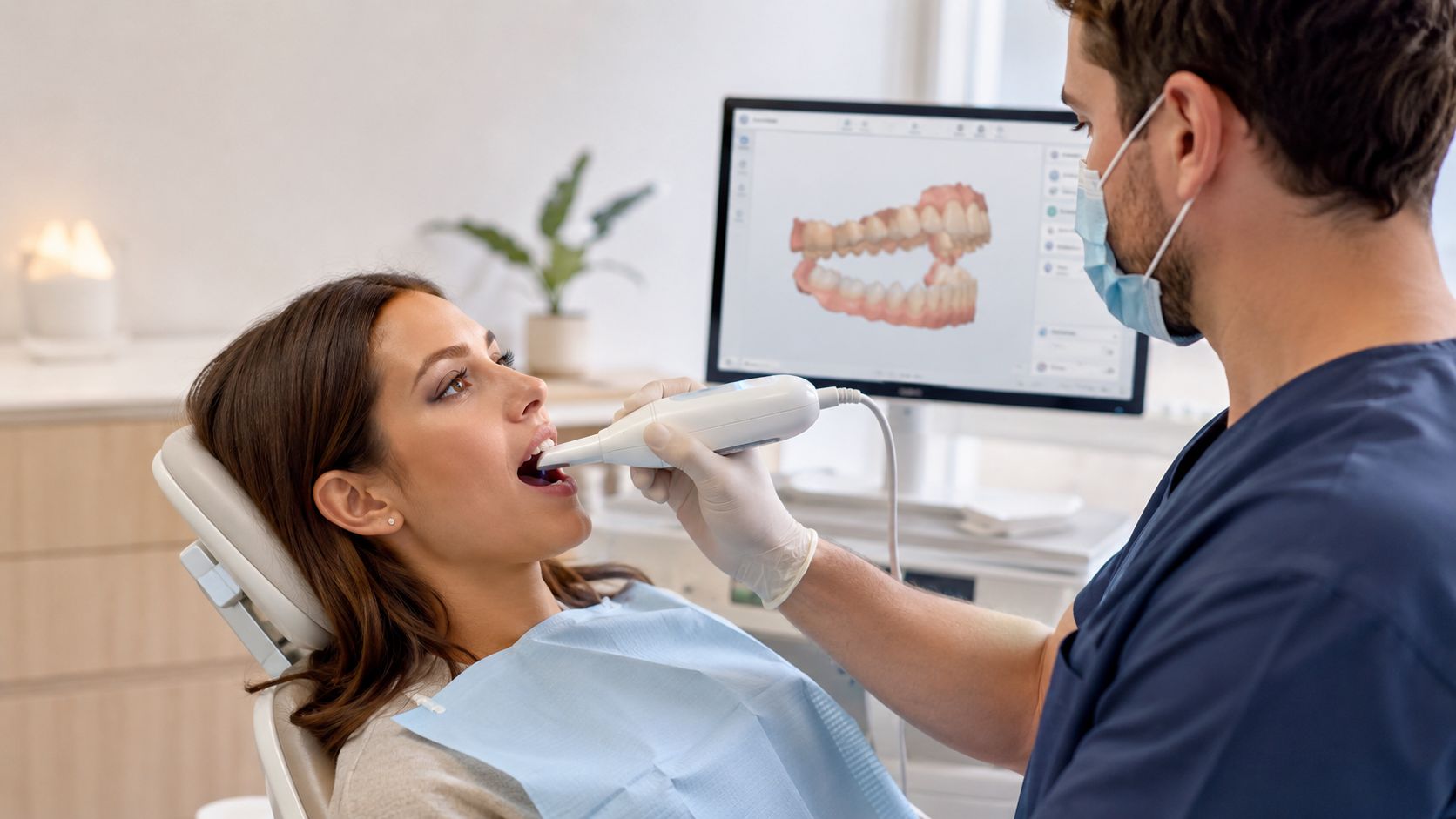
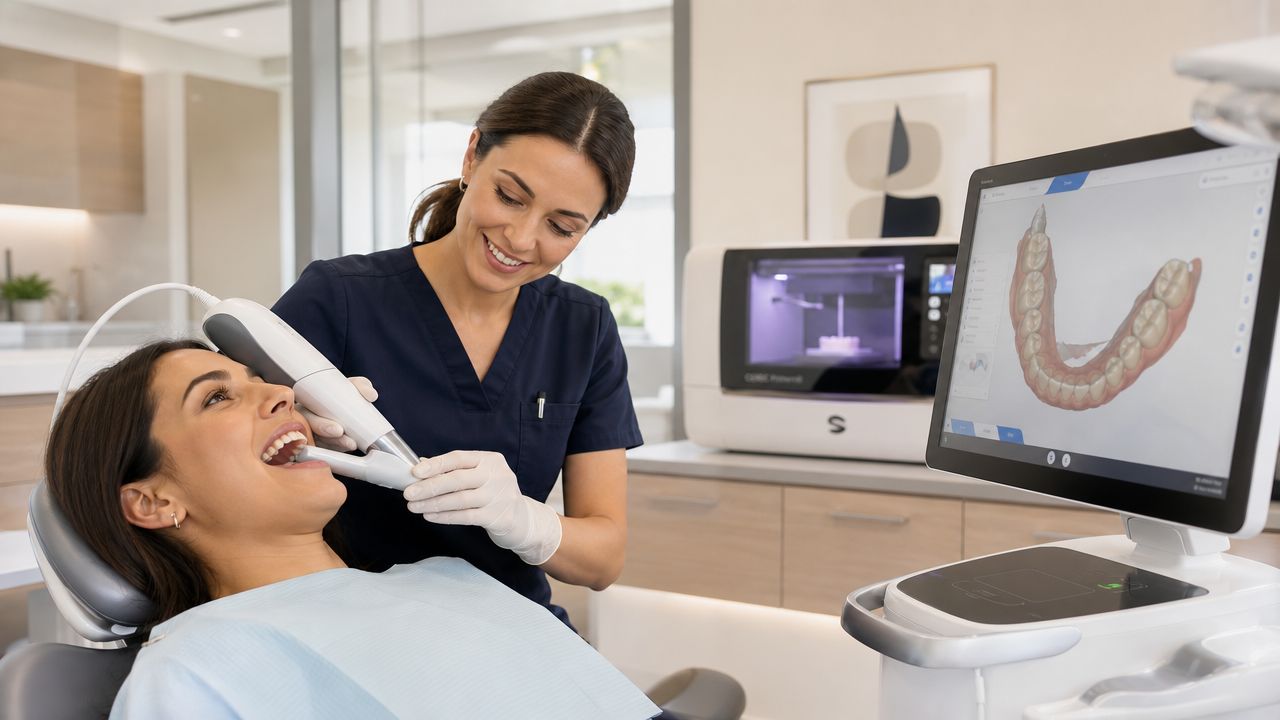
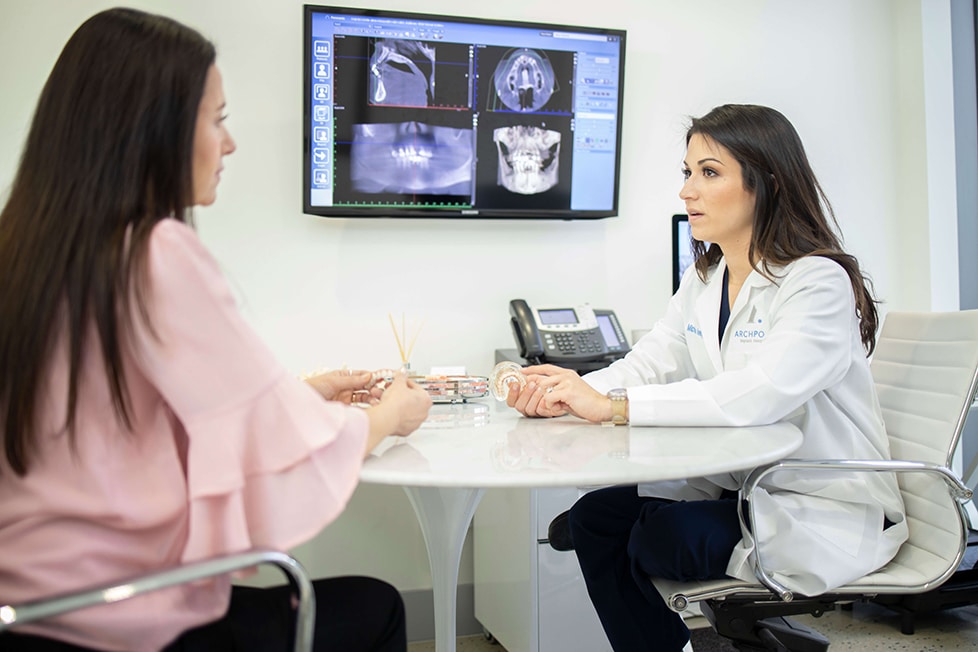
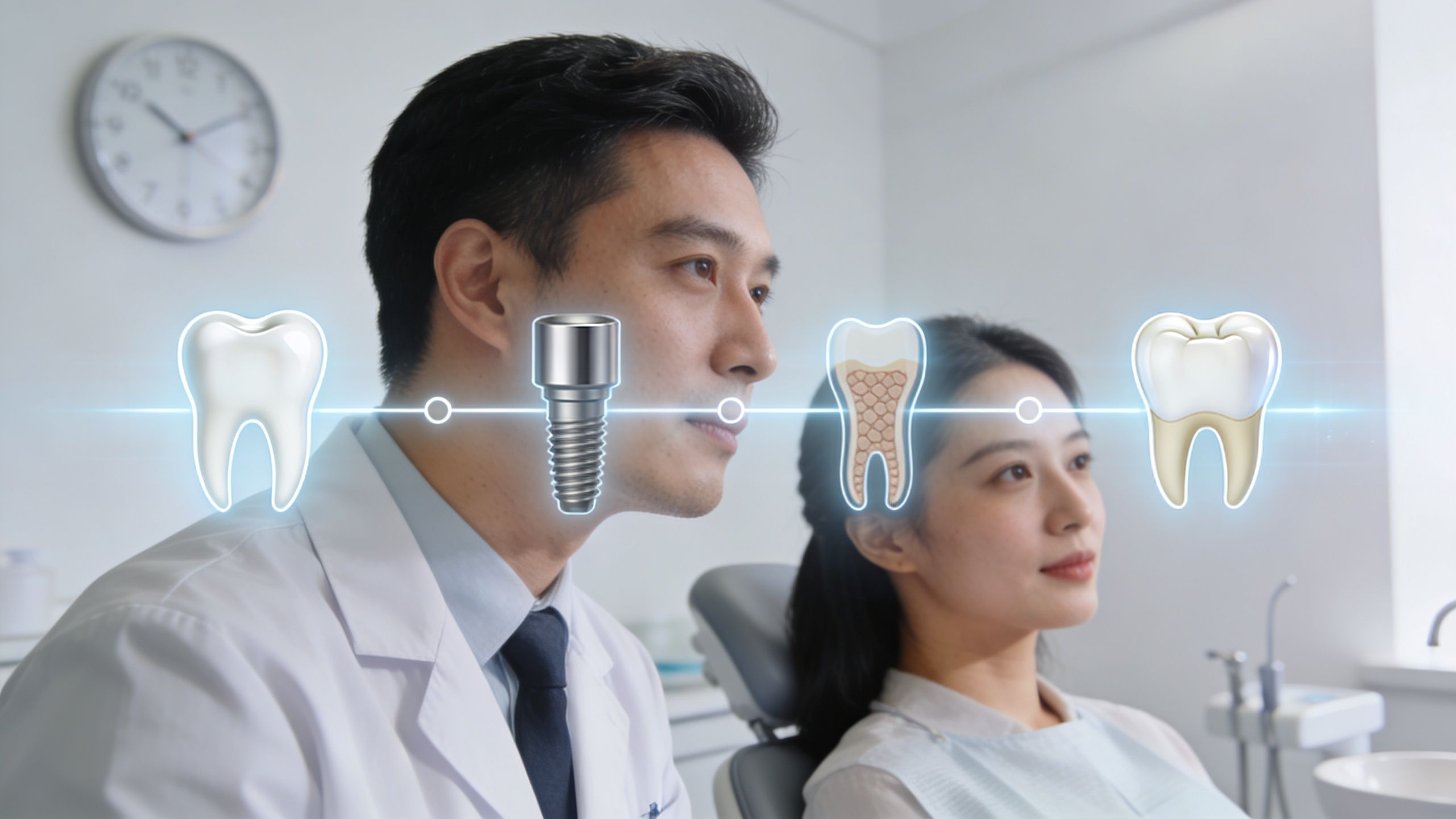
Implant treatment starts with diagnosis, not drilling. The first major step is imaging and planning. A 3D CT scan lets the dentist evaluate bone volume, spacing, sinus position, nerve location, and angulation before treatment begins.
That matters because good implant dentistry depends on precise positioning, not guesswork.
Patients then move through several stages:
Consultation and 3D planning
The team reviews missing teeth, bite, bone support, medical history, and goals for appearance and function.Implant placement
The implant is placed into the jawbone. Some cases are straightforward. Others may require a staged approach if the site needs added support.Healing and integration
The bone heals around the implant. During this phase, the implant becomes stable enough to support the final restoration.Final restoration
A crown, bridge, or full-arch prosthesis is attached after healing and bite verification.
For a broader overview of replacement choices, this guide on how to fix missing teeth helps patients compare common solutions.
The denture path
Dentures usually involve fewer clinical hurdles at the start. The process is non-surgical and focuses on fit, appearance, and bite relationship.
A typical sequence includes:
- Exam and impressions
- Jaw relation records
- Wax try-in to preview shape and appearance
- Delivery of the final denture
- Adjustment visits as sore spots or pressure points appear
The advantage is simplicity. For patients who want teeth replaced quickly, that can be appealing. The challenge is that dentures often need refinement after delivery because the soft tissue and bite need time to settle into the new prosthetic.
A lot of patients assume the non-surgical route means no recovery. That isn't quite true. Dentures may not involve implant surgery, but they can still require an adaptation period while the tongue, cheeks, and gums get used to the appliance.
A brief visual overview can help if you're comparing the two experiences side by side.
What the timeline feels like to a patient
Implants usually ask for more patience upfront. There are more checkpoints, more planning, and a healing phase. In return, the final result is often more stable and lower-maintenance in daily life.
Dentures usually get you to a visible tooth replacement sooner. In return, you take on more of the ongoing adaptation, removal, cleaning, and future fit changes.
A denture is often faster to deliver. An implant is often easier to live with long-term.
What works well and what doesn't
Implants work well for patients who want a fixed option and are willing to go through a staged process. They are less ideal for someone who wants the absolute shortest path or doesn't want any surgery.
Dentures work well for patients who want an immediate removable solution or need a lower initial investment. They are less satisfying for patients who know they will be frustrated by movement, adhesives, or repeated fit adjustments.
Comparing the Long-Term Costs and Lifespan
Cost deserves a more honest discussion than most online guides give it. A lot of patients compare only the first number they hear. That makes dentures look simple and implants look expensive. But a better question is this: what will this choice cost you over time, financially and practically?
Upfront cost versus total ownership
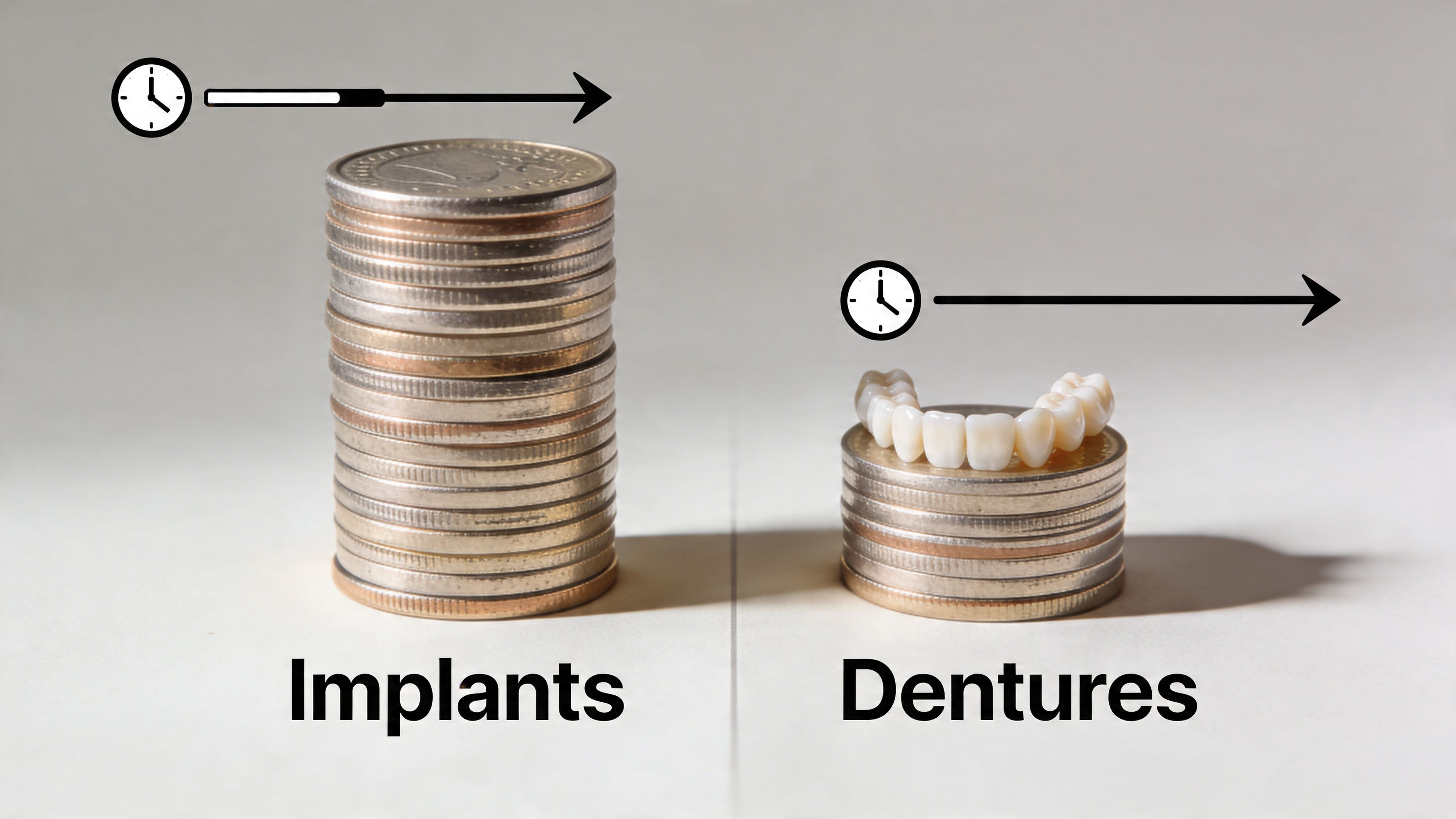
According to this implants and dentures cost comparison, full dentures cost around $1,000 to $3,000 per arch initially, while a single dental implant can cost $1,500 to $6,000. That same source notes dentures commonly need replacement every 5 to 10 years, while implants can have a service life of 20+ years.
That changes the math.
A denture may cost less at the beginning, but the long-term picture can include relines, remakes, adhesives, extra maintenance visits, and the practical cost of living with a solution that may become less stable as the mouth changes.
Why cheaper first doesn't always mean cheaper later
Dentures are often the right choice for budget reasons. That is real. It shouldn't be minimized. If someone needs teeth replaced soon and wants a lower initial entry point, dentures can solve a serious problem.
But long-term cost isn't only about replacing the appliance. It's also about the secondary effects of a removable option that doesn't preserve the jaw in the same way. Fit changes can mean more appointments, more adjustments, and a higher chance that a patient eventually wants to upgrade anyway.
Financial comparison at a glance
| Cost factor | Dentures | Implants |
|---|---|---|
| Initial entry cost | Lower | Higher |
| Replacement cycle | More frequent | Less frequent |
| Ongoing supplies | Often includes cleaners or adhesives | Usually routine oral hygiene items |
| Long-term stability | More likely to change with the mouth | More predictable once restored |
| Value focus | Short-term affordability | Long-term durability |
For many patients, the better question isn't "Which one costs less?" It's "Which one fits my budget without forcing me into a compromise I'll regret?"
Full-arch options and financing conversations
For full-mouth or full-arch treatment, modern implant options can make a fixed result more accessible than people assume. If you're researching lifespan and value, this article on how long dental implants last is a useful companion read.
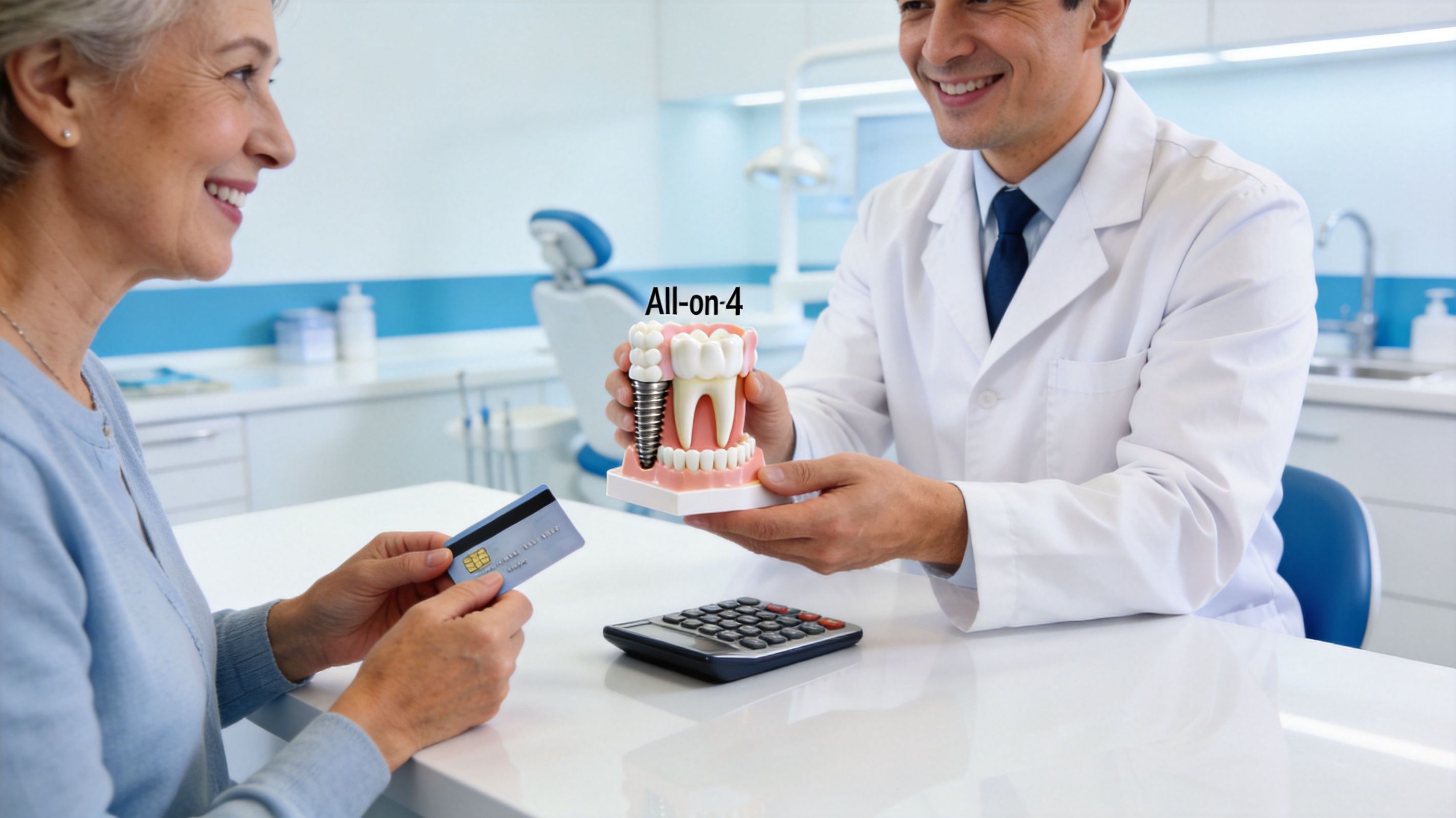
Financing also matters in practice. Many patients in Austin and Georgetown don't pay for advanced dentistry by writing one large check. They combine insurance benefits where available with monthly financing. Practices that work with Cherry and Sunbit can often make the conversation less about "Can I pay all of this today?" and more about "What monthly plan fits my household budget?"
The right treatment plan isn't always the one with the lowest sticker price. It's the one you can afford and still feel good about years from now.
Where quality of life belongs in the cost discussion
There is also the value of confidence, comfort, and convenience. If a patient is tired of removing teeth at night, planning meals around a denture, or worrying about slippage during social events, that daily burden has weight too.
Financially, dentures can make sense. Functionally and over the long run, implants often become the stronger investment.
Determining Your Candidacy and Daily Care Routine
Not every patient is an immediate implant candidate, and not every patient wants to be. That is normal. The right solution depends on bone support, health history, treatment goals, and tolerance for surgery and healing.
Who tends to do well with implants
Implants usually fit patients who want a fixed replacement and are ready for a more involved process. Good candidates often have enough jawbone support for placement or are open to treatment planning that addresses support needs first.
Implants can be a strong choice for people who:
- Want the closest thing to natural tooth function
- Dislike the idea of a removable appliance
- Prioritize jawbone support and long-term stability
- Are comfortable with a surgical treatment phase
A consultation matters because candidacy is not something you can judge from a mirror alone. Bone volume, bite forces, gum health, and medical history all affect the plan.
Who may prefer dentures
Dentures remain a valid treatment for many adults. They often make sense for patients who want to replace many teeth without implant surgery, need a more immediate solution, or prefer the lowest initial treatment cost.
They may also be the practical option for patients who are not ready for implant treatment right now but still need to restore appearance and basic function.
Choosing dentures first doesn't always close the door on implants later. For many patients, it's a stepping stone rather than a final decision.
Daily care feels different with each option
The at-home routine matters more than people expect. A restoration can look great in the office, but what you'll tolerate every day is what determines long-term satisfaction.
Implant care at home
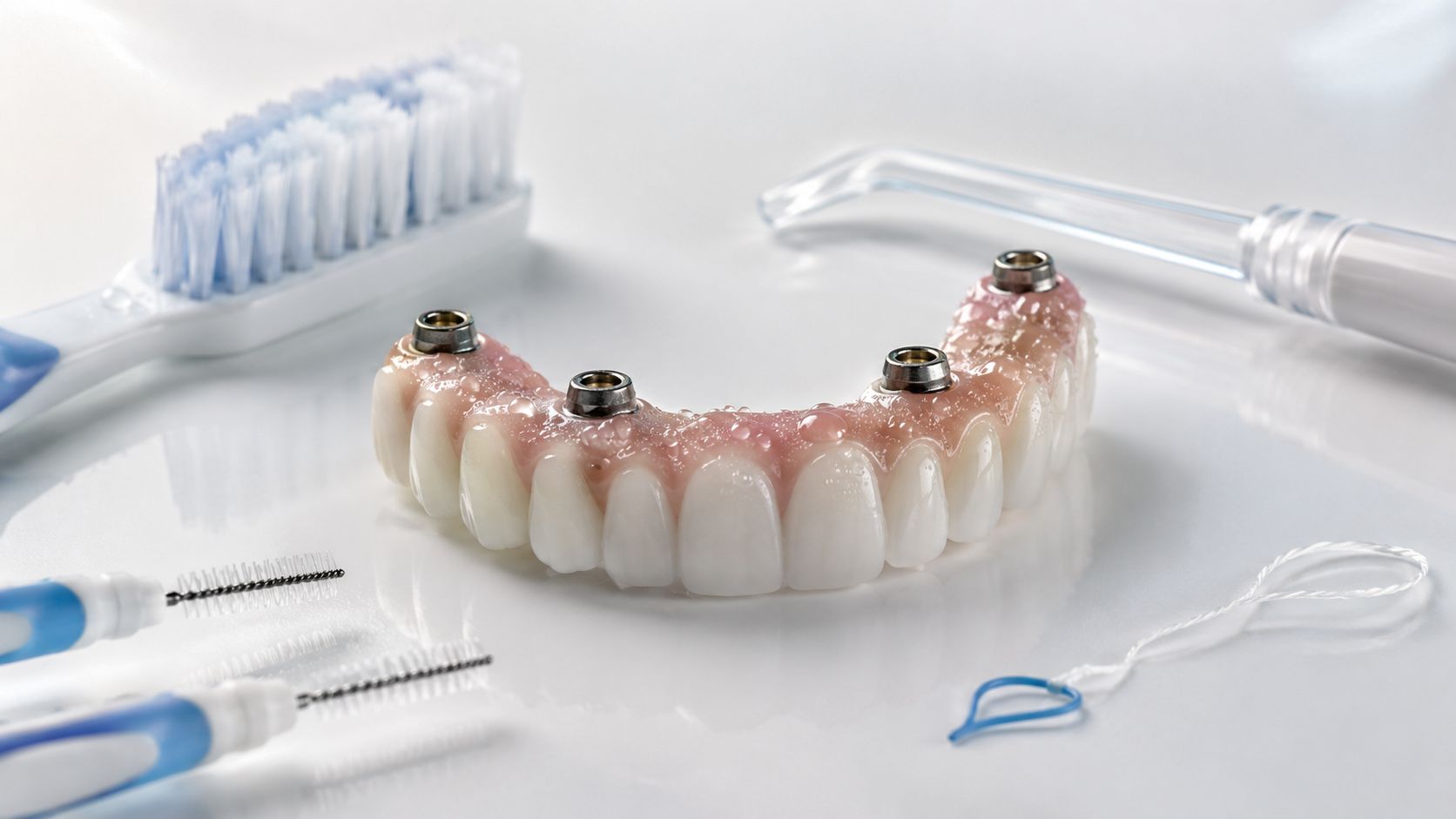
Implants are maintained much more like natural teeth. That usually means:
- Brushing carefully every day
- Cleaning around the gumline
- Keeping regular dental checkups
- Using floss or other recommended cleaning tools around the restoration
Patients often like the simplicity. There is no nightly removal and no soaking container on the bathroom counter.
Denture care at home
Dentures require a different pattern:
- Remove them for cleaning
- Clean the denture itself, not just the mouth
- Store or soak them properly when directed
- Monitor sore spots, looseness, or changes in fit
This isn't difficult, but it is different. Some patients don't mind it at all. Others know quickly that they want something fixed because the removable routine never feels natural to them.
Questions worth asking yourself
A useful self-check before a consultation is simple:
- Do I want teeth that come out or stay in
- Would I accept a longer process for a more natural result
- Will changing fit over time frustrate me
- Is my top concern upfront cost, or long-term value
Those answers often point clearly toward one option.
How We Help You Choose at 3D Dental
A smart decision on tooth replacement starts with diagnosis, not assumptions. That matters because two patients with the same missing teeth on the surface can need very different treatment plans once bone shape, bite, and gum support are measured carefully.
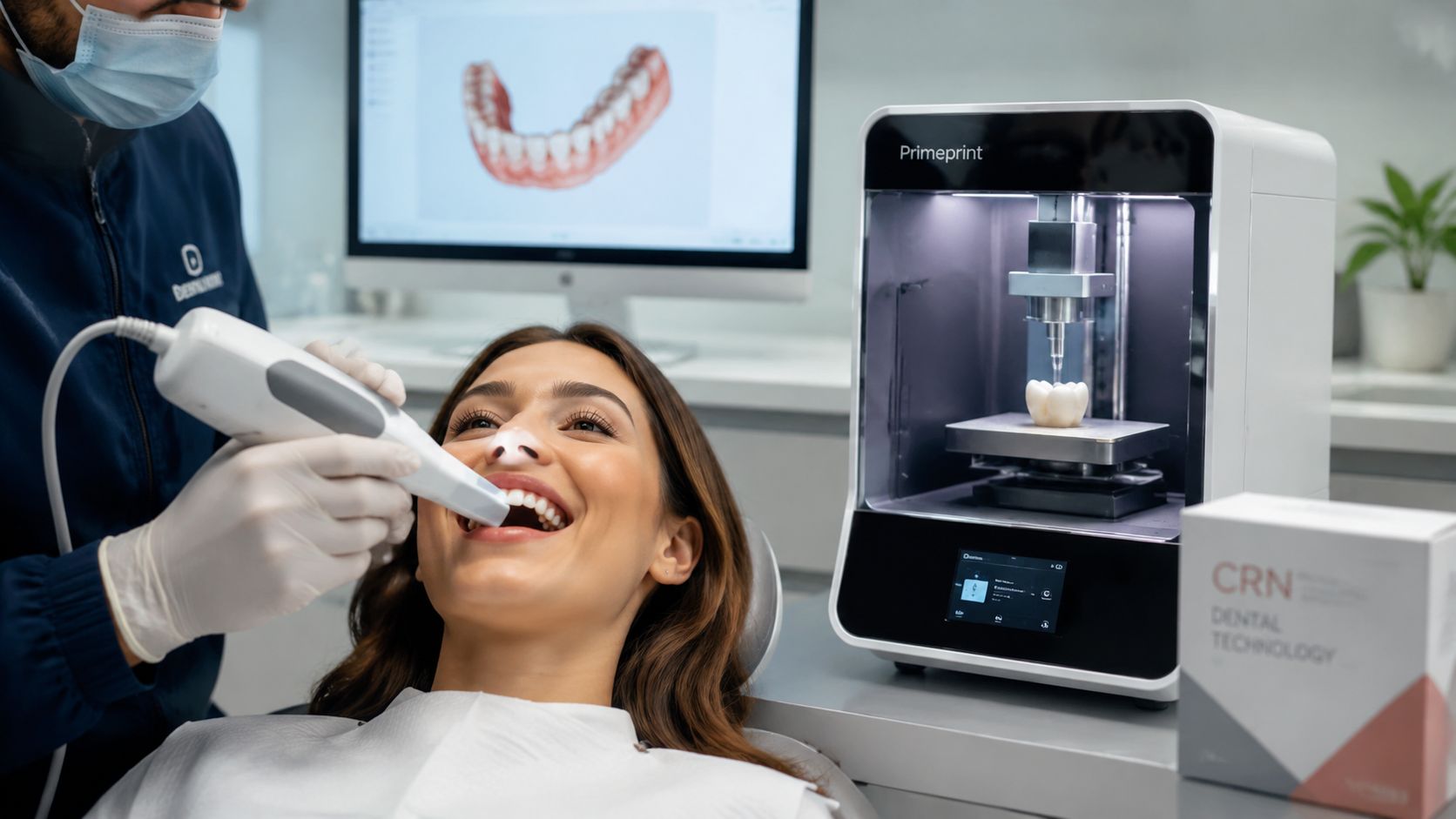
At 3D Dental, the consultation process is built around that kind of clarity. For patients in North Austin and Georgetown, 3D CT imaging helps the team measure bone volume, evaluate spacing, and map implant placement precisely. That technology removes guesswork and makes it much easier to compare what is possible now, what may need preparation first, and whether a fixed or removable option fits best.
Why personalized planning matters
The best plan is not always the most aggressive one. Sometimes a patient needs the fastest functional solution. Sometimes the right answer is a full-arch implant plan. Sometimes the smartest path is phased treatment that starts with one priority and builds from there.
A more detailed financial conversation matters too. According to this long-term implant and denture cost discussion, a key issue is the total 10-year cost including complications, and lifetime denture costs can equal or exceed implants. That same source notes that modern protocols like All-on-4 can cut implant costs by 30% to 40%, while offering 90% chewing efficiency.
What patients can expect in consultation
A strong consultation usually includes:
- 3D imaging and digital diagnostics
- A candid discussion of comfort, appearance, and budget
- Review of fixed, removable, and hybrid options
- A treatment sequence that matches real-life priorities
- A financing discussion, including Cherry and Sunbit, when needed
Patients searching for a dentist in Austin, TX, dentist in Georgetown, TX, or dental implants near me usually want more than a yes-or-no answer. They want a plan that respects their budget and still aims for a result they can live with comfortably.
Frequently Asked Questions About Tooth Replacement
Can I switch from dentures to dental implants later
Yes, many patients start with dentures and move to implants later. That often happens when they become frustrated by movement, repeated adjustments, or the removable routine. The key issue is whether the jawbone still provides enough support for implant placement, which is why an exam and 3D scan matter.
What is an All-on-4 implant bridge and how is it different
All-on-4 is a full-arch implant approach that supports a complete set of teeth on four implants. It differs from a traditional denture because it is fixed rather than removable for daily use. Patients often consider it when they want stronger chewing function and more confidence than a conventional denture can provide.
Are dental implants painful to get
Most patients are more comfortable than they expect because treatment is carefully planned and managed. The procedure itself is typically done with local anesthesia and, when appropriate, sedation options. The more common patient experience is soreness during healing rather than pain in the moment of treatment.
How do I know if my insurance will cover implants or dentures
Coverage depends on the specific plan. Some plans contribute more readily to dentures, while implant coverage varies. The practical next step is to have the office verify benefits and explain the difference between what insurance may help with and what can be financed through monthly payment options.
Which option usually feels more natural
Implants usually feel more natural because they are fixed and supported at the bone level. Dentures can look good and restore a smile, but many patients remain aware that they are wearing a removable appliance. If your main goal is to forget about your tooth replacement during the day, implants usually align better with that goal.
If you're weighing dentures against implants and want a clear, honest recommendation specific to your mouth, schedule a consultation with 3D Dental. Patients in North Austin and Georgetown can get advanced imaging, thoughtful treatment planning, and practical financing support in one place, so you can choose the option that fits your comfort, budget, and long-term goals.
Ready to get started?
Schedule a free, no obligation consultation with our team and see what's possible for your smile!
Georgetown
- Mon-Thurs8:30am-5pm
- Fri8am-3:30pm
- Sat-SunClosed
Austin
- Mon-Tues8am-5pm
- Wed-Thurs9am-6pmFri8am-2pm
- Sat-SunClosed