
Cosmetic Dentistry Before and After in Austin, TX
Related Posts

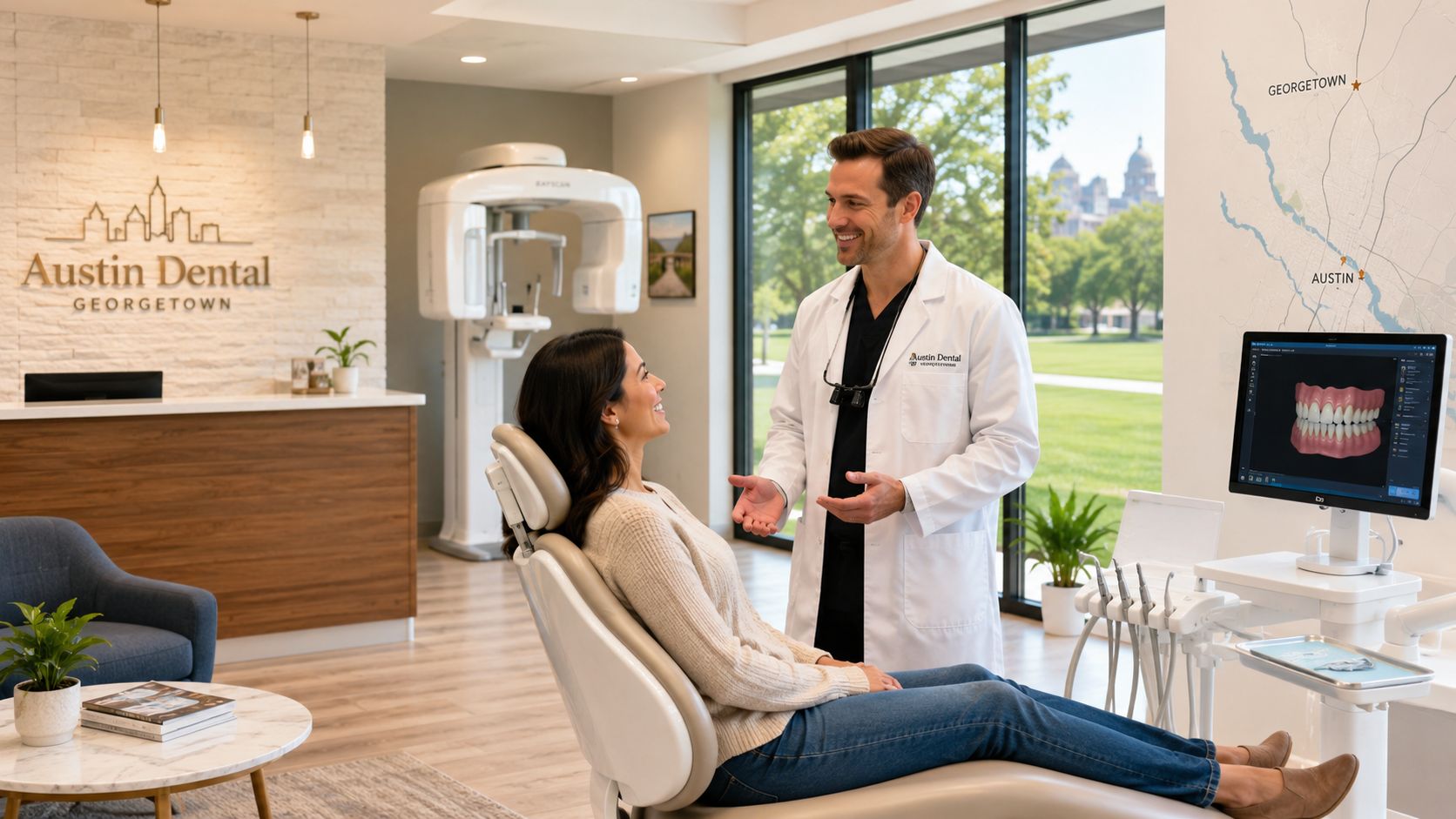
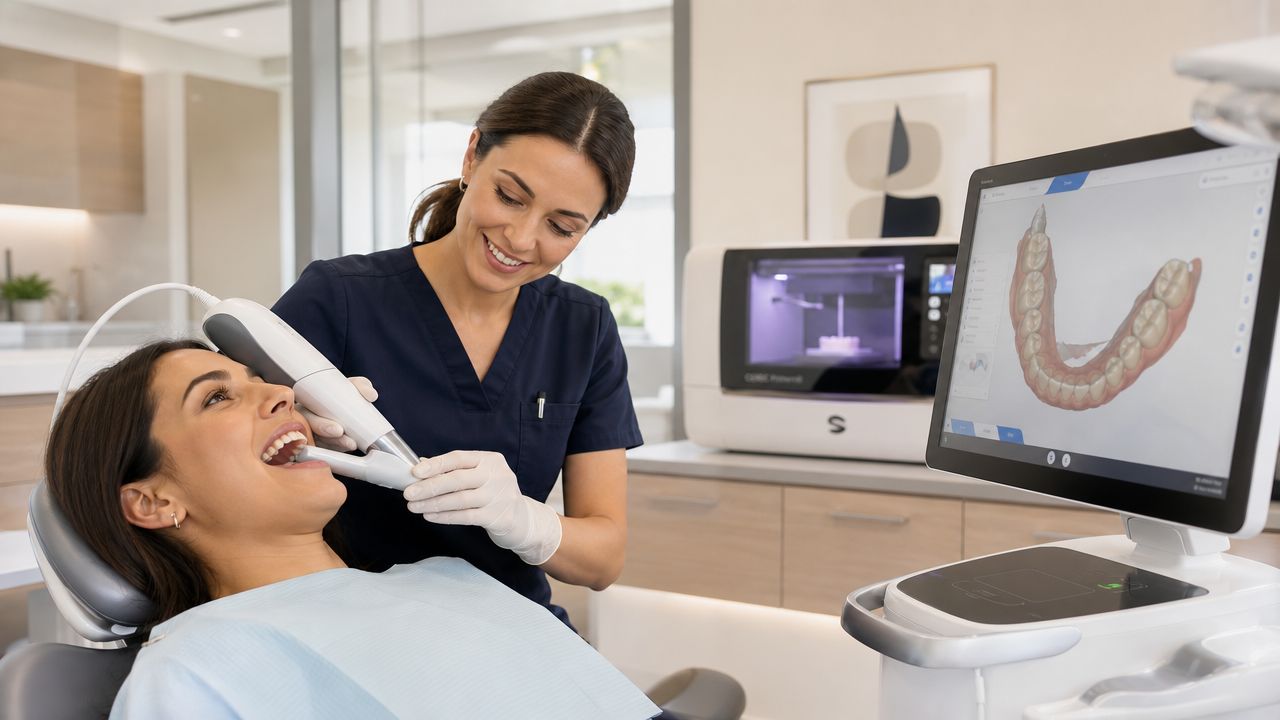
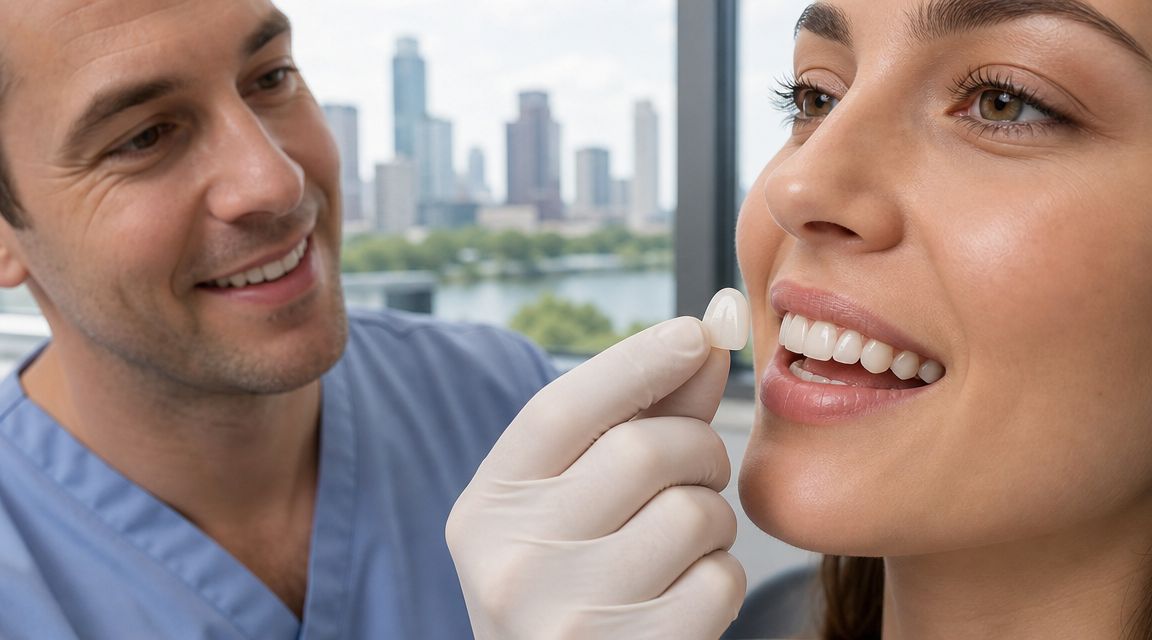
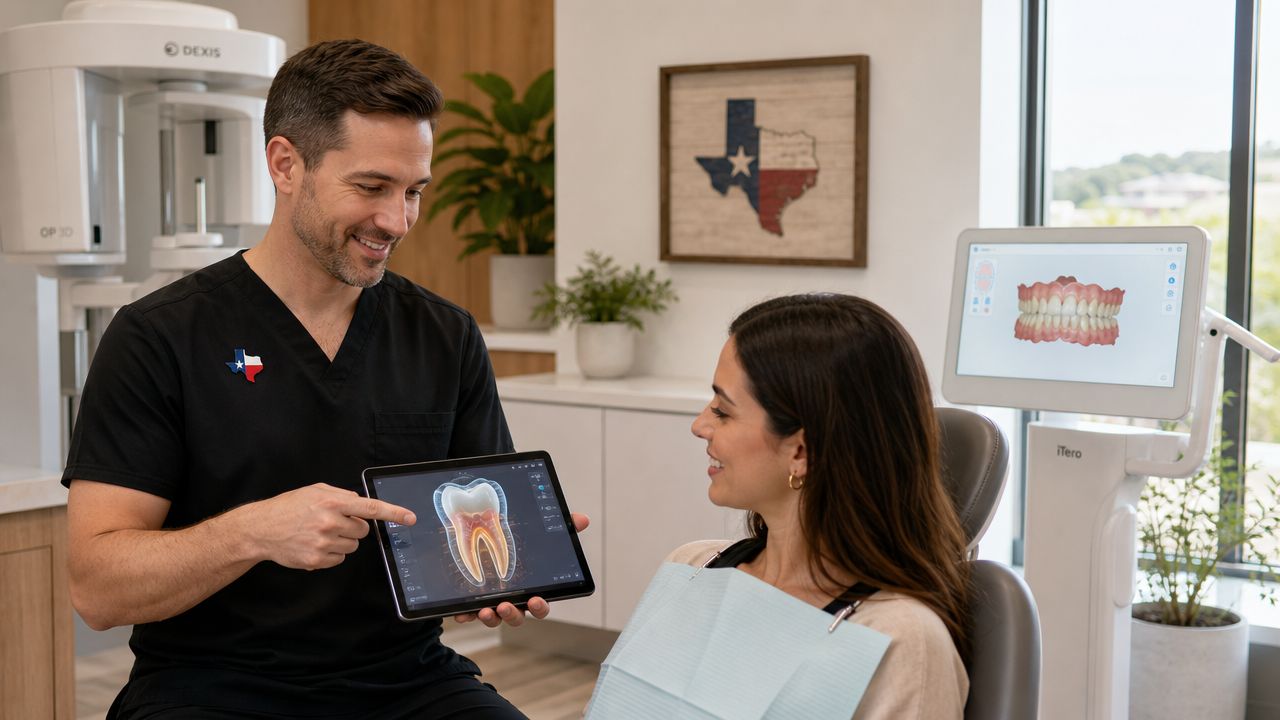
















Your Smile Transformation Starts in North Austin & Georgetown
Do you catch yourself smiling with your lips closed in photos, covering your mouth when you laugh, or hesitating before a work meeting because you’re self-conscious about your teeth? That feeling is more common than generally acknowledged. Many adults in North Austin and Georgetown want a smile that looks healthier, brighter, and more like how they feel inside, but they’re not always sure what cosmetic dentistry before and after really means in real life.
That’s where seeing actual patient journeys helps. A polished smile gallery can be inspiring, but many individuals want more than a quick snapshot. They want to know what the person was dealing with before treatment, what options were considered, how long the process took, what recovery felt like, and whether the result looked natural.
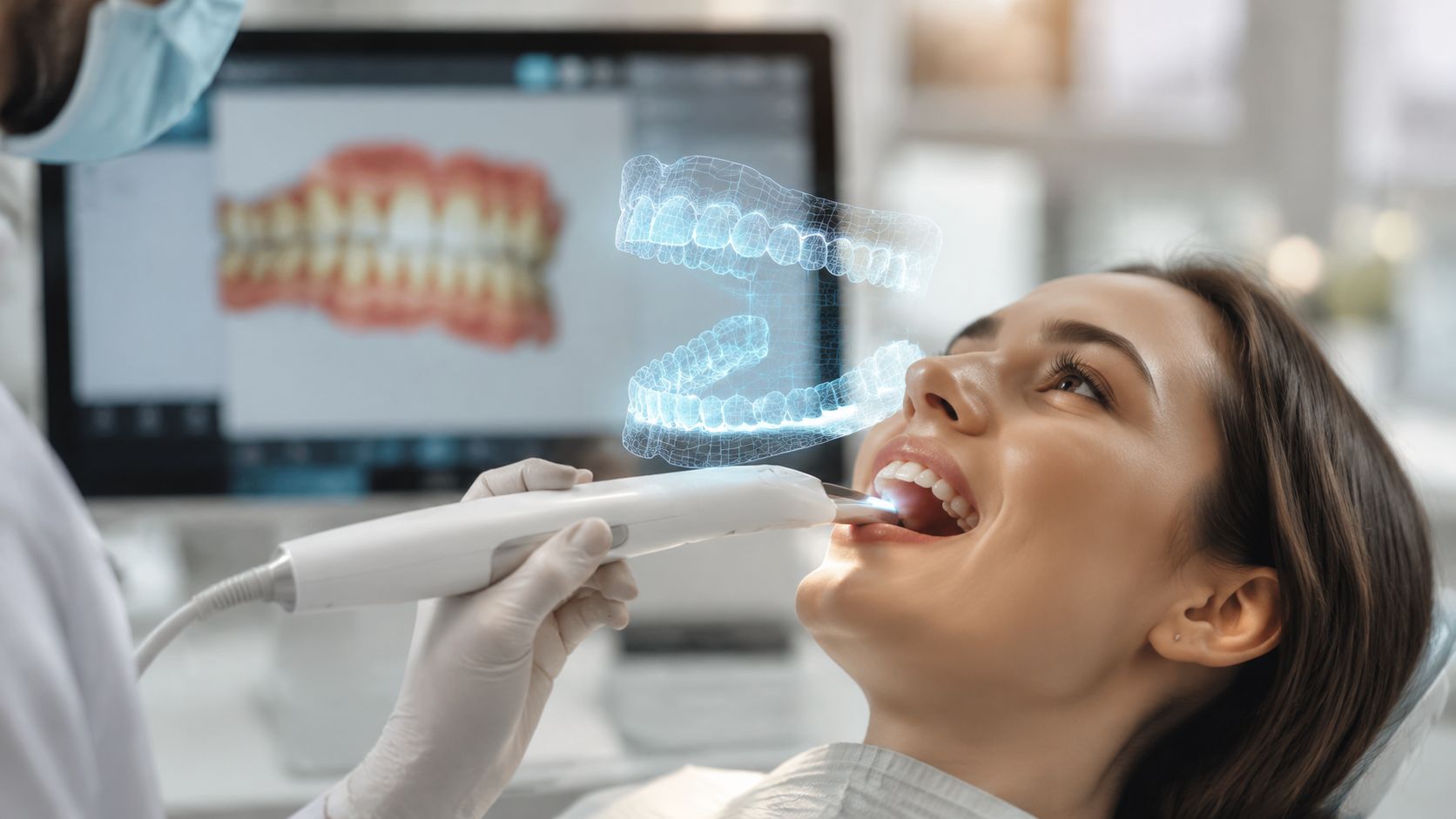
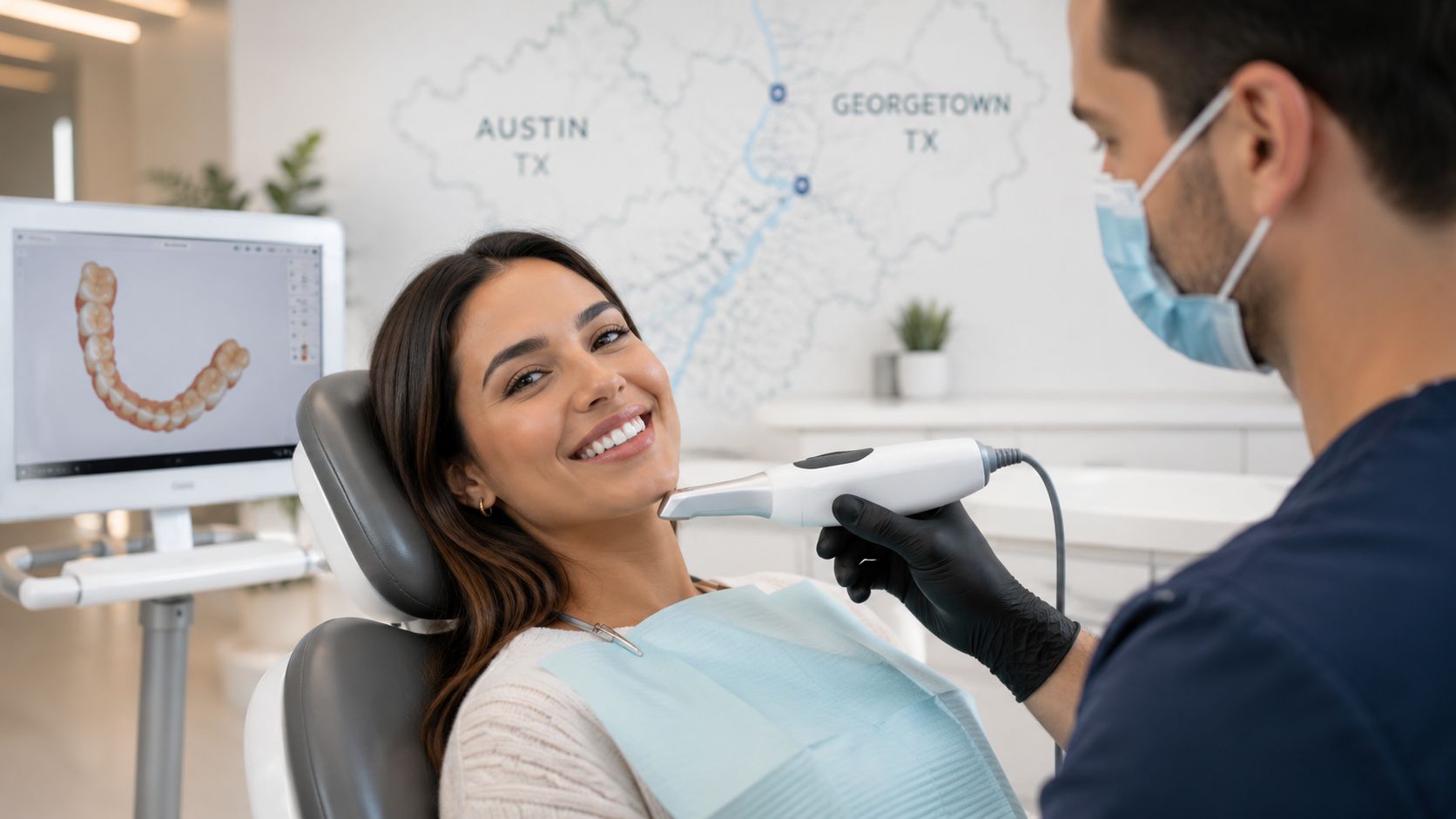
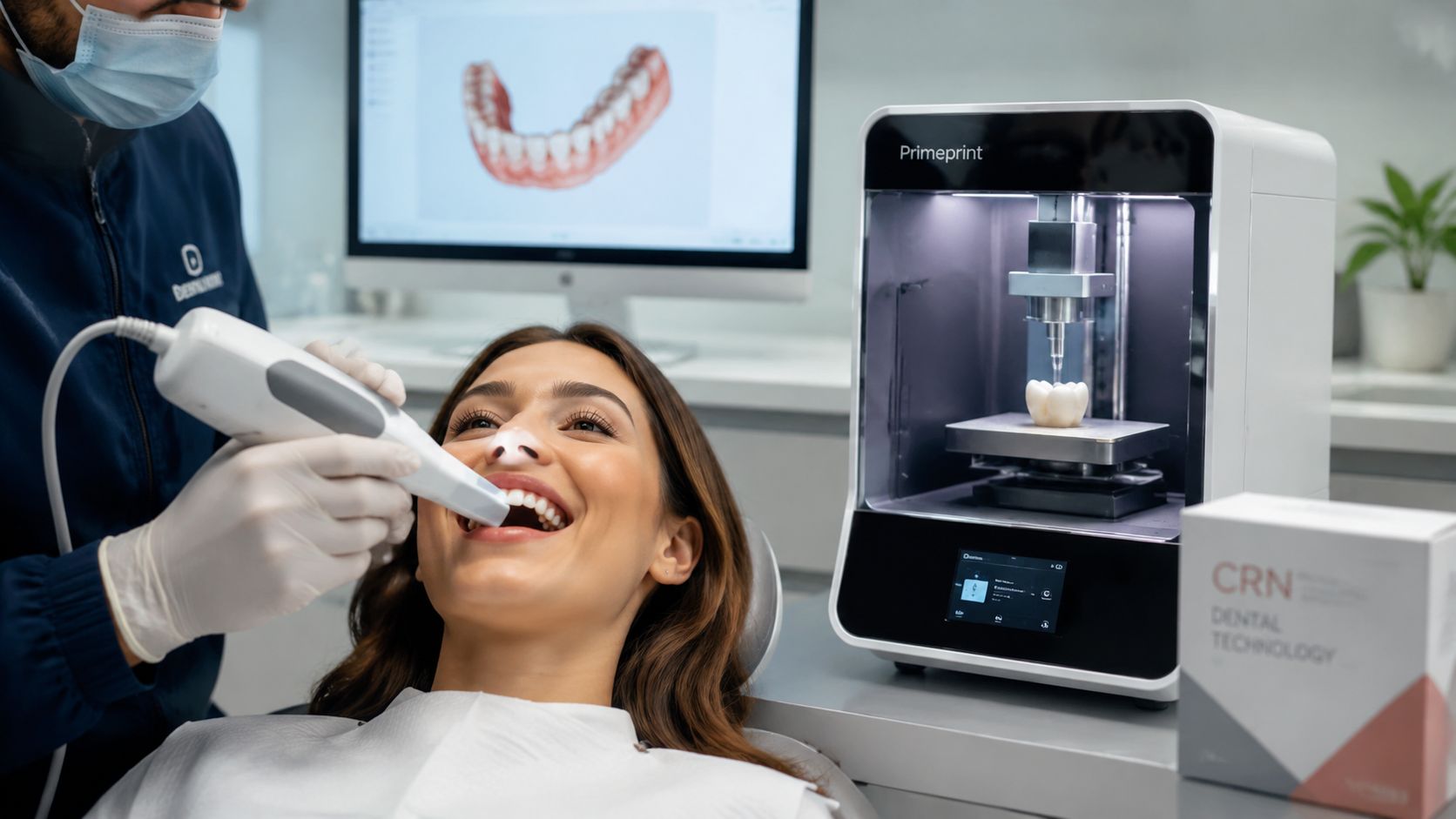
At 3D Dental, we take a patient-first approach to cosmetic and restorative dentistry in Austin and Georgetown, TX. We use 3D CT imaging, digital scanners, digital x-rays, and an in-house lab to plan treatment with precision and keep the process more efficient and more comfortable. That matters whether you’re looking for a cosmetic dentist near me, exploring dental implants near me, or searching for a dentist in Austin, TX or Georgetown, TX who’ll explain your options clearly.
Cosmetic dentistry has been evolving for centuries. Veneers first appeared in the 1930s as temporary fixes for Hollywood stars and became permanent, widely available treatment by the 1980s as bonding methods improved, according to this history of cosmetic dentistry overview. Today, cosmetic dentistry can be conservative, highly customized, and closely tied to long-term oral health.
Below are five real-world style smile journeys based on the kinds of concerns we help patients solve every day across Austin, Georgetown, Cedar Park, Round Rock, Liberty Hill, and Wells Branch.
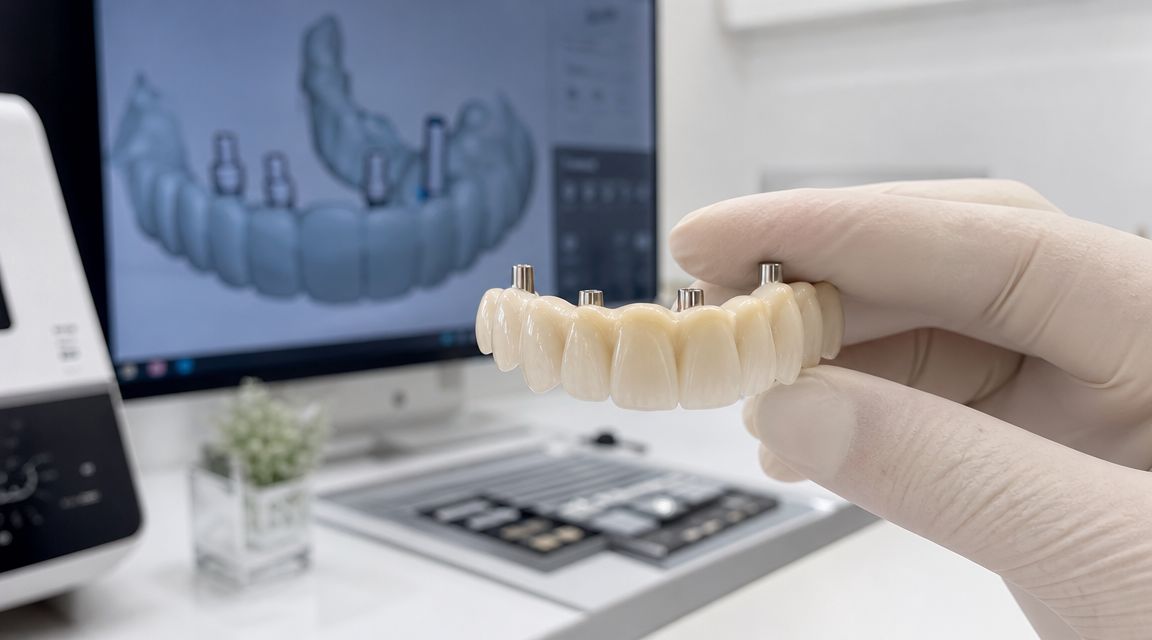
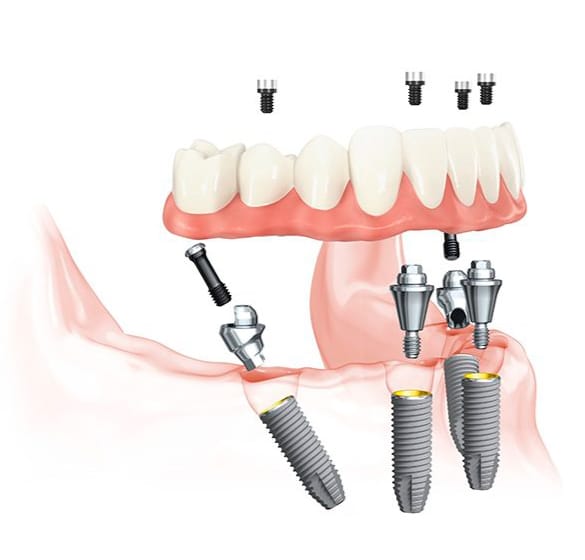
1. Case Study 1 Mark's Full-Arch Restoration with All-on-4® Implants
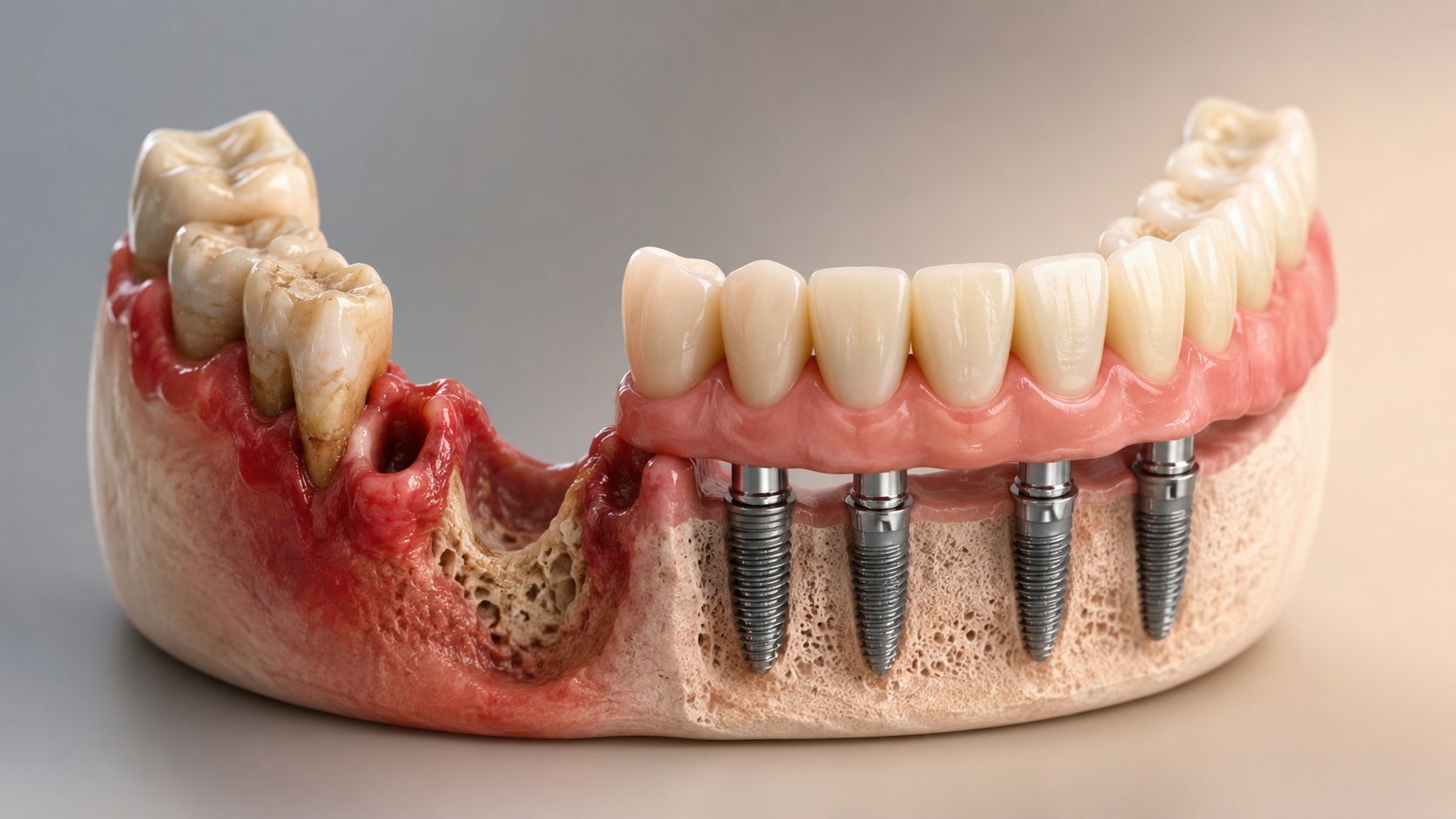
Mark came to our Austin office after years of dealing with failing teeth and a denture that never felt dependable. He lived in Round Rock and had reached the point where meals felt stressful instead of enjoyable. Crunchy foods were off the table, speaking clearly took effort, and he was tired of wondering whether his denture would shift at the wrong moment.
He wasn’t looking for a patchwork fix. He wanted stability.
What his before looked like
When someone searches for dental implants near me after struggling with dentures, the issue usually isn’t just appearance. It’s function. Mark’s teeth had broken down to the point that chewing was unreliable, and the denture he had depended on didn’t give him the confidence or bite support he needed.
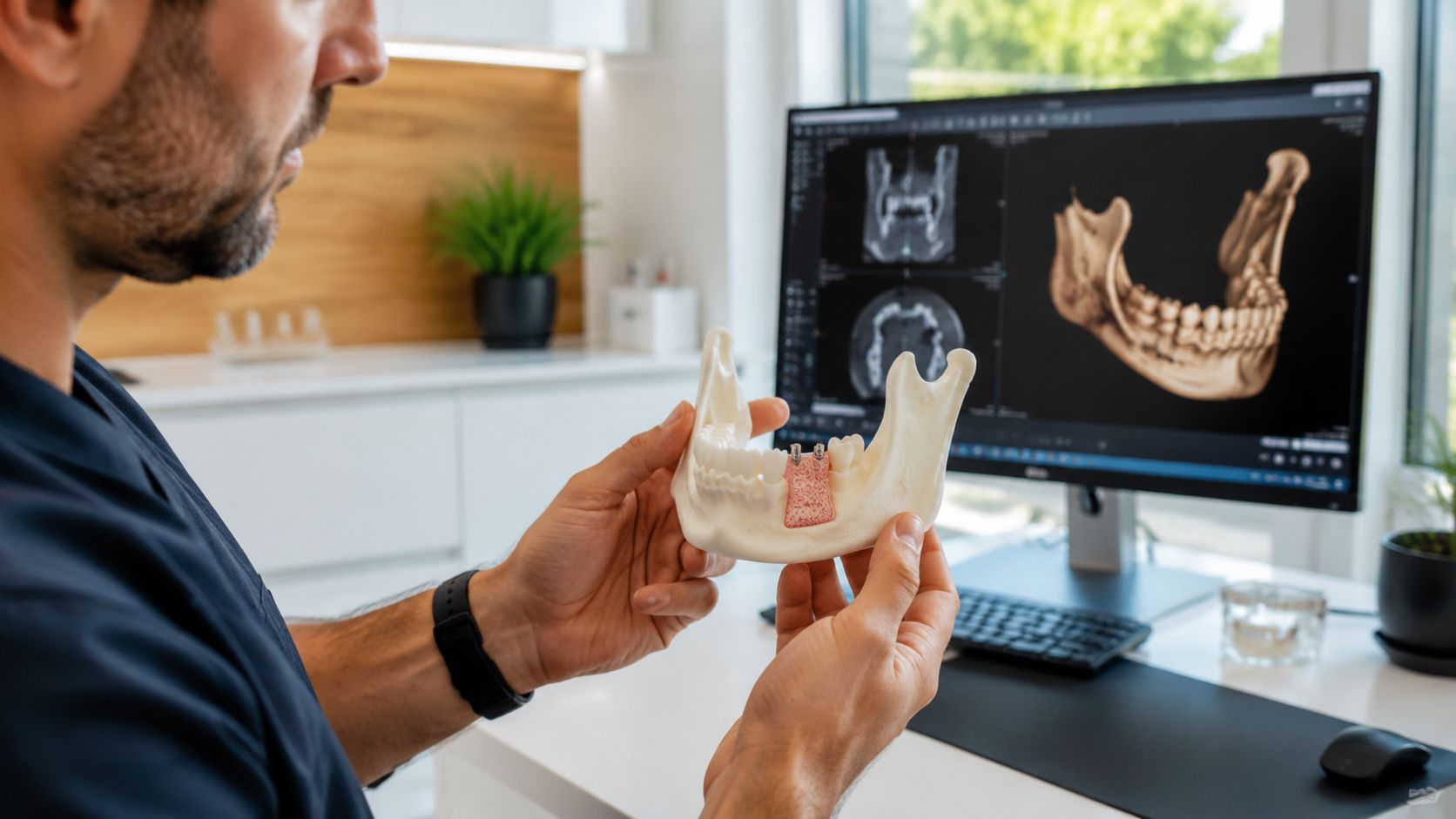
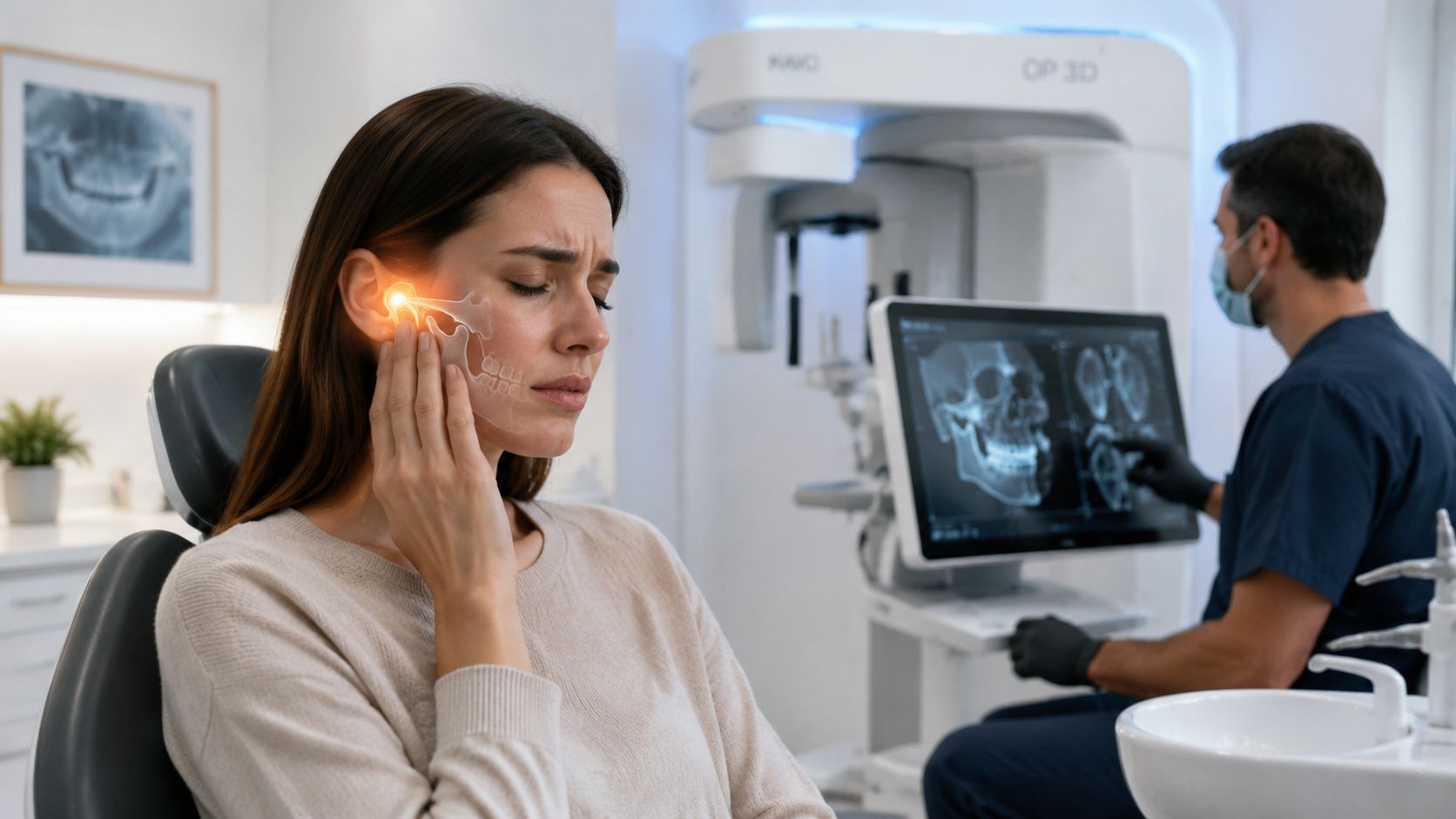
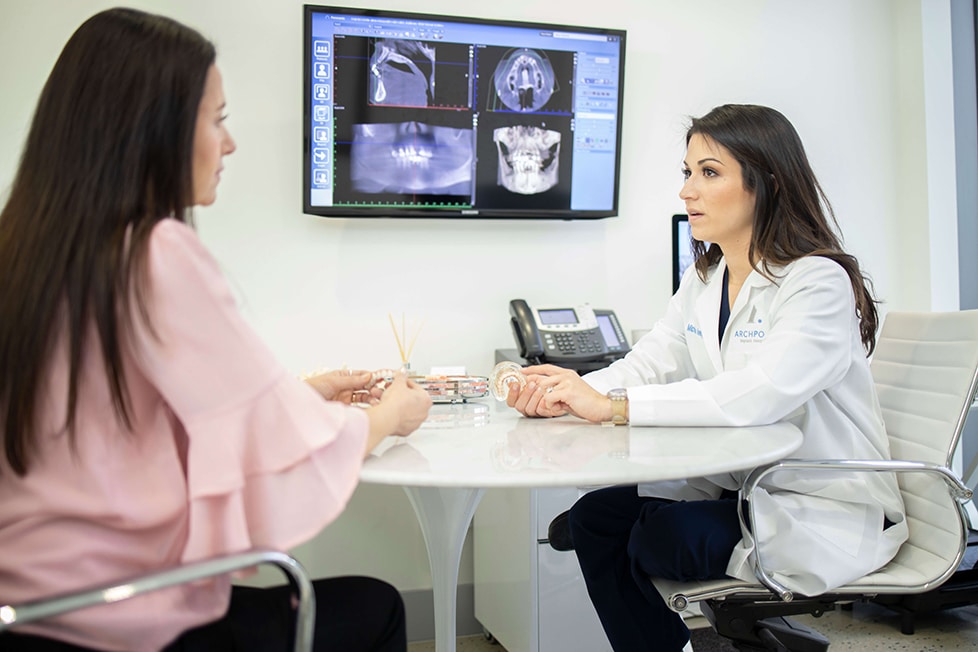
During his consultation, we used 3D CT imaging to assess bone support, look at overall oral health, and map implant positioning. That planning stage matters because a full-arch case isn’t only about replacing teeth. It’s about rebuilding the bite, facial support, and daily comfort.
We also talked about priorities:
- Stable chewing: He wanted to eat with more confidence.
- Natural appearance: He didn’t want teeth that looked bulky or artificial.
- Clear timeline: He needed to know each step before starting.
- Straight answers on cost: He wanted financing explained in plain language.
Why All-on-4® made sense
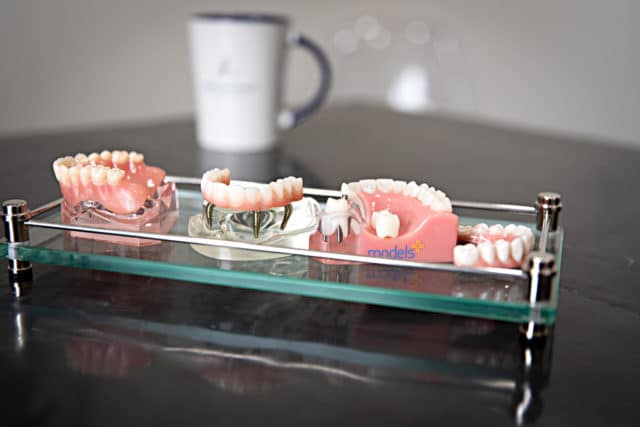
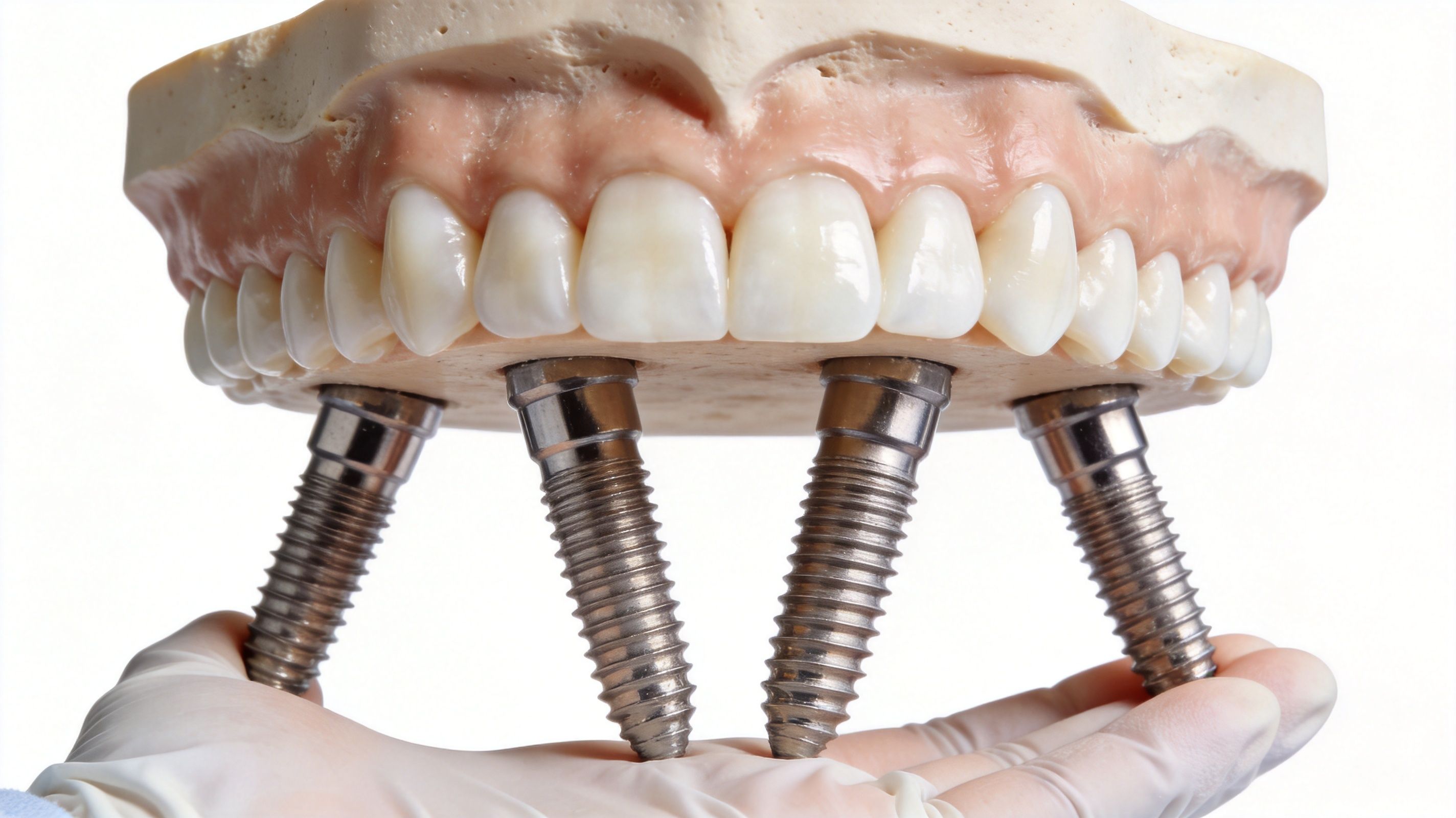
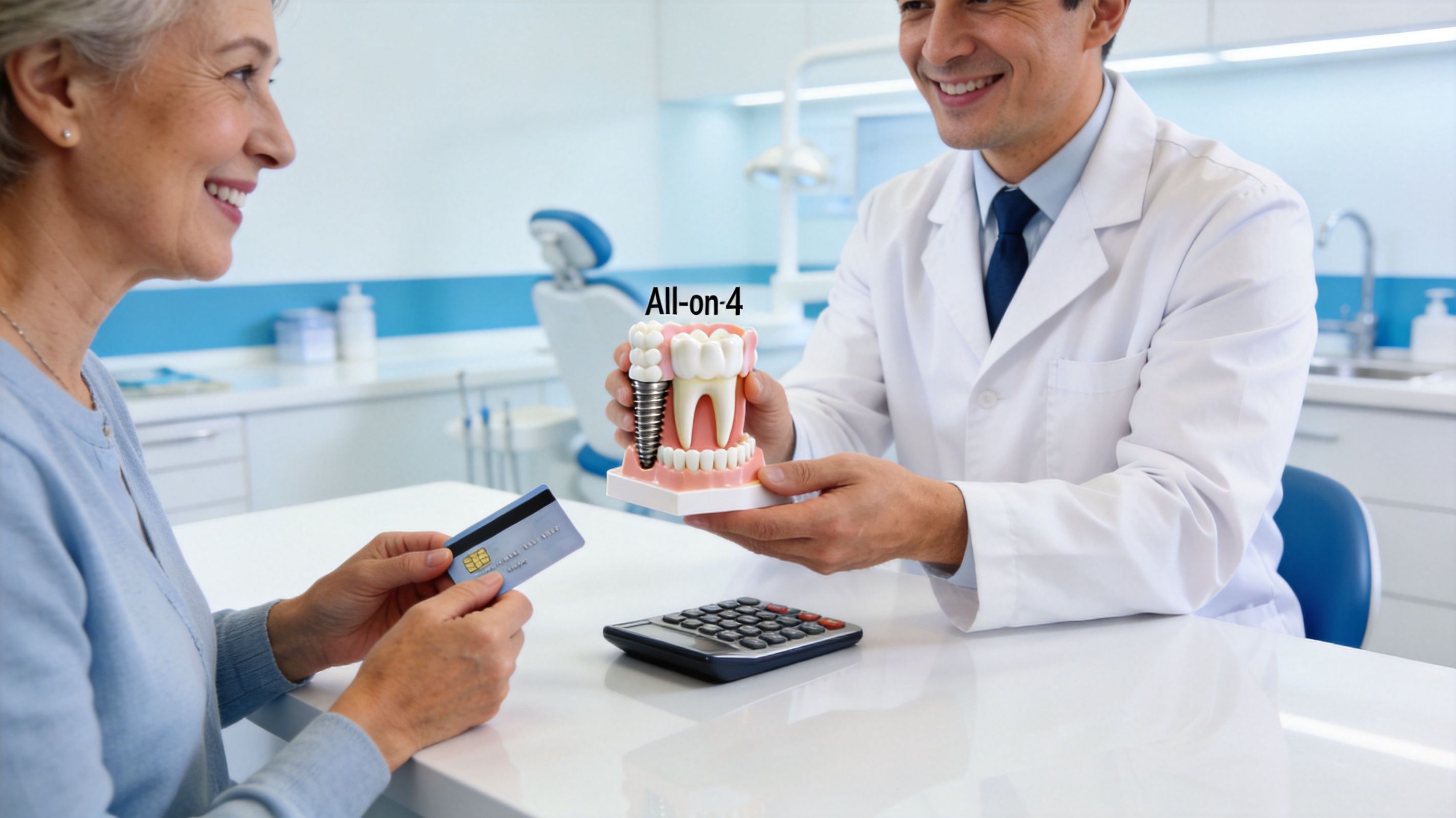
For Mark, the All-on-4® treatment concept offered the most efficient path to a secure full-arch restoration. Instead of replacing teeth one by one, this approach supports a full arch of teeth with strategically placed implants.
That gave him what a removable denture couldn’t. A stronger foundation.
Because 3D Dental has an in-house lab and advanced digital planning, we could coordinate his treatment with precision and keep the process efficient. That’s especially helpful in full-mouth cases, where fit, bite, and smile design all have to work together.
Practical rule: Full-arch treatment should solve eating, speaking, and confidence at the same time. If a plan only addresses appearance, it’s incomplete.
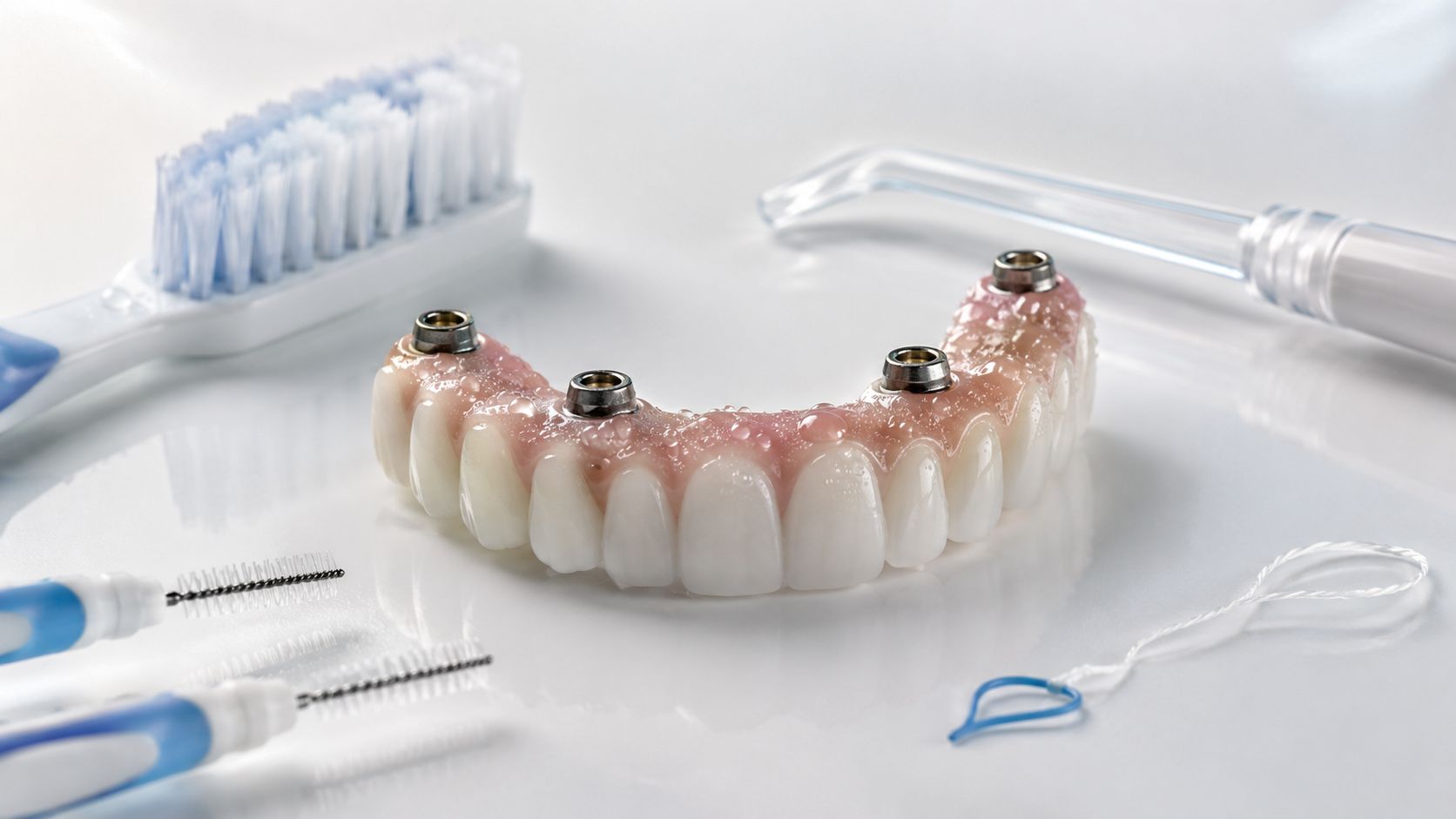
We also discussed recovery, hygiene, and long-term maintenance before treatment began. That conversation is important. Patients deserve to know what daily care looks like after the “after” photo.
The process and the after
Mark’s treatment started with diagnostics, digital scanning, and surgical planning. On procedure day, the focus was comfort, accuracy, and a smooth transition into his new smile. After healing milestones and follow-up visits, his final restoration delivered the look and function he had been missing for years.
His after wasn’t just a straighter, fuller smile. It was being able to order food without hesitation, talk without worrying about movement, and stop thinking about his teeth all day.
If you’re comparing options, our guide to full-mouth dental implants cost and treatment planning can help you understand how a full-arch case is typically structured.
One reason patients now move forward with cosmetic and implant treatment more readily is that these procedures are much more mainstream than they once were. A major boom in cosmetic dentistry took hold in the 1990s, and later the remote-work “Zoom boom” increased self-awareness around smiles. In the UK, 84% of British orthodontists reported increased adult patients, and 55% linked that rise to expectations and social factors. We see a similar mindset locally in Austin and Georgetown. Adults want treatment that looks natural and fits real life.
For Mark, the biggest change was simple. He stopped organizing his day around his teeth.
2. Case Study 2 Sarah's Confidence-Boosting Smile Makeover with Porcelain Veneers
Sarah was a young professional from Cedar Park who felt that her front teeth looked uneven in shape and color. Nothing was dramatically wrong, but every small detail stood out to her in photos and on video calls. She wanted a polished smile that still looked like her.
She also had a concern we hear all the time. She didn’t want to feel overtreated.

Her biggest question was whether veneers would look fake
A lot of patients type cosmetic dentist near me because they want a better smile, but they’re nervous about ending up with teeth that are too white, too square, or too flat. Sarah wanted brightness and symmetry, but she didn’t want a one-size-fits-all result.
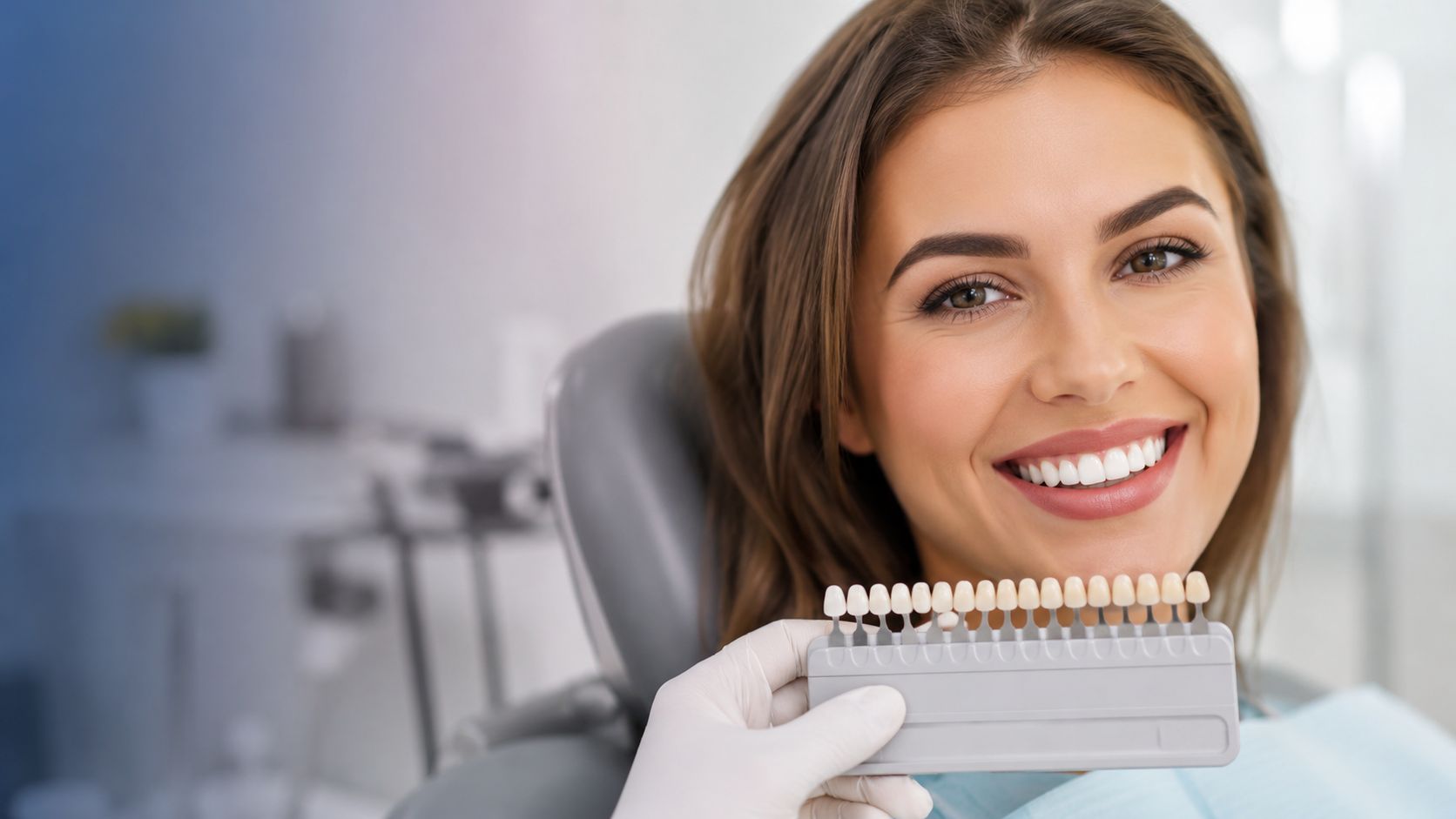
That’s where digital planning helps. We used a digital scanner to evaluate tooth shape, spacing, smile line, and how the front teeth related to her face. We also reviewed conservative alternatives before settling on porcelain veneers. In cosmetic dentistry, the best answer isn’t always the biggest procedure.
There’s also a real reason to be careful with veneer planning. Over-treatment is a valid concern, especially if minimal reshaping, whitening, or bonding could do enough. The concern is strong enough that some commentary on cosmetic makeovers now focuses on unnecessary enamel removal and the importance of conservative planning, as discussed in this overview of over-treatment risks in cosmetic dentistry transformations.
What we focused on in smile design
With Sarah, the goal wasn’t “perfect” in an artificial sense. It was balanced, bright, and believable.
We looked closely at several visual principles that guide front-tooth esthetics:
- Tooth proportion: The central incisors should look balanced in width and height.
- Side-to-side harmony: Lateral incisors and canines should support the smile, not distract from it.
- Symmetry: Small adjustments can make the whole smile feel more even.
- Facial fit: The smile has to suit the person, not just a template.
A published analysis of before-and-after restorative photographs identified four esthetic measurements used to benchmark cosmetic outcomes. In that research, the central incisor width-to-height ratio changed from 91.7% before treatment to 80.8% after treatment, moving closer to the ideal 75 to 80% range for natural esthetics. That’s the kind of principle we apply when designing veneers that look refined instead of overdone.
A good veneer case shouldn’t make people ask, “What did you have done?” It should make them think you look rested, healthy, and confident.
Sarah's after and why it worked
Her treatment was planned around subtle shape changes, color refinement, and alignment correction across the visible front teeth. Because we could use digital scans and collaborate closely with our in-house lab, the final veneers were customized for her bite and smile rather than copied from a generic style.
The result was brighter, more even, and more polished, but still natural-looking. Her lips framed the smile well, the proportions felt softer, and the teeth no longer pulled her attention in photos.
For patients in Cedar Park, Wells Branch, or North Austin considering cosmetic dentistry before and after results, Sarah’s case is a good example of what veneers do best. They can improve shape, shade, and overall smile balance in a controlled, highly customized way.
The best part of her after photo wasn’t the porcelain. It was that she no longer studied her own teeth every time she saw a camera.
3. Case Study 3 James's Seamless Single Tooth Implant
James, a busy dad from Georgetown, came in after losing a molar because a cracked tooth couldn’t be saved. He wasn’t interested in a temporary patch. He wanted a long-term replacement that felt solid and didn’t require altering the healthy teeth beside the gap.
That made his decision process different from a cosmetic veneer case. His question was less about “How white will it look?” and more about “Will this feel like a real tooth when I chew?”
Why he wanted an implant instead of a bridge
Missing one tooth can seem like a small issue, especially if it’s farther back in the mouth. In reality, even one gap can affect chewing, bite balance, and the way neighboring teeth carry force.
James liked the idea of preserving the teeth next to the space. A traditional bridge can be a very good option in some situations, but it usually involves preparing adjacent teeth to support the restoration. Since those teeth were healthy, a single implant was the cleaner choice.
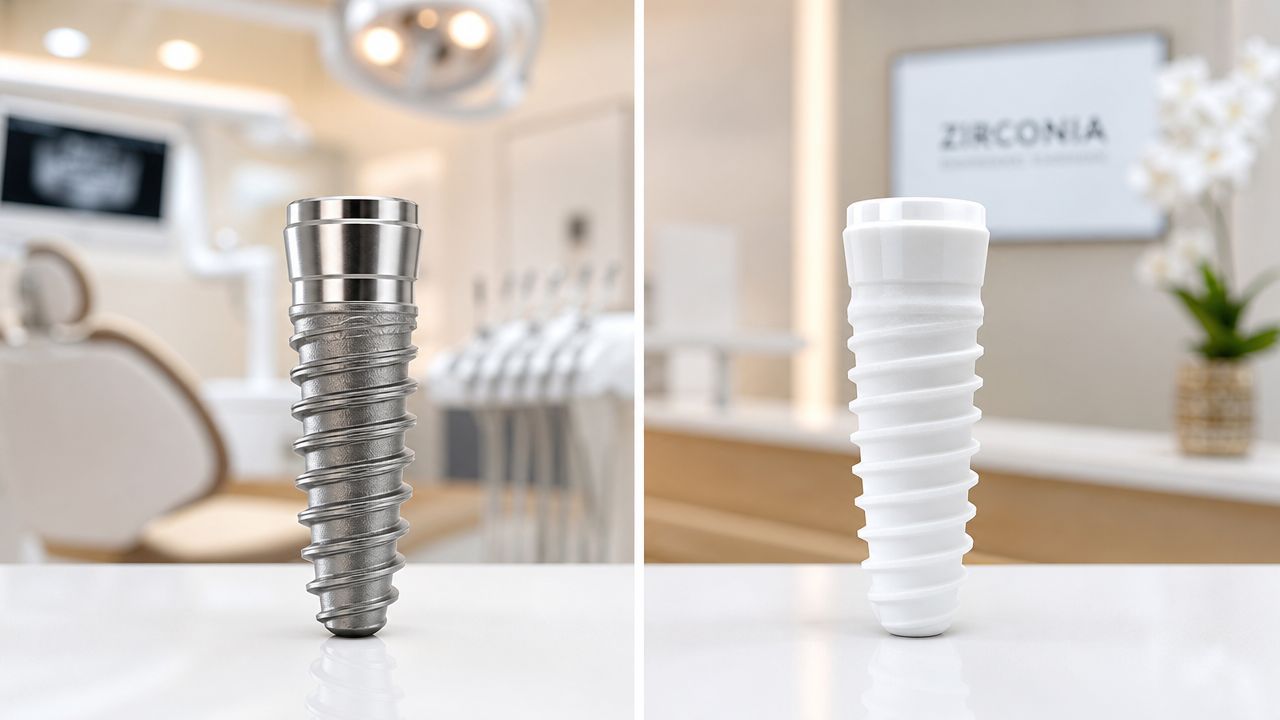
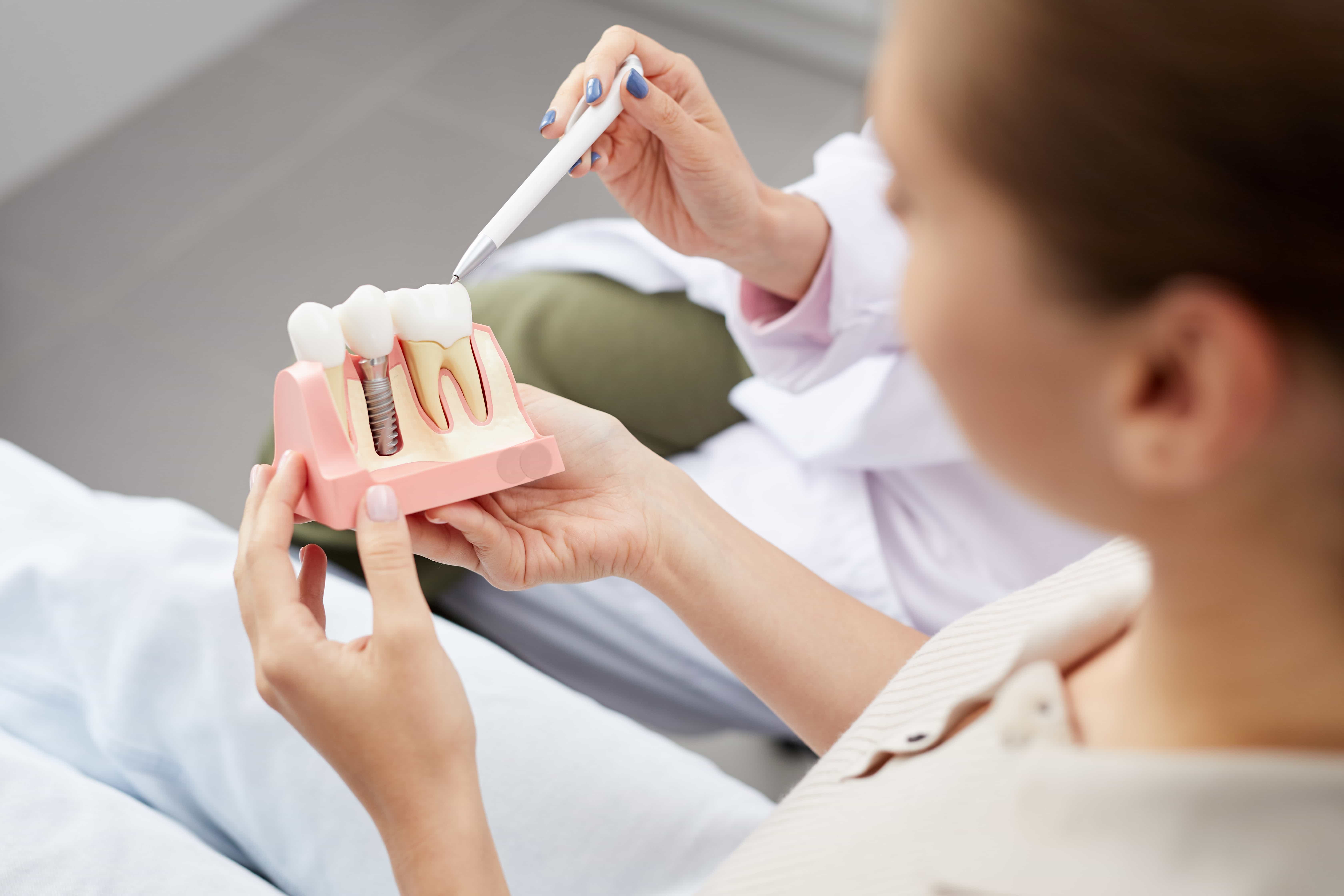
At his visit, we used 3D CT imaging and digital x-rays to check the area, assess bone support, and plan placement. That level of imaging helps us see structure clearly before treatment begins, which matters for implant positioning and final crown design.
The planning conversation patients rarely get elsewhere
A good single implant case isn’t only about putting an implant in bone. It’s about making the final crown blend with the surrounding bite, contact points, and gumline.
We discussed several practical issues with James:
- Timeline: Implant care usually happens in stages, not one rushed visit.
- Healing: He needed to know when he could return to normal chewing habits.
- Appearance: Even for a molar, contour and fit matter.
- Maintenance: He wanted to know how to clean around the implant properly.
Because 3D Dental combines surgical planning, restorative care, and an in-house lab workflow, patients don’t have to piece together treatment from multiple offices. That’s reassuring when you’re searching for a dentist in Georgetown, TX who can handle both the medical and cosmetic side of a missing tooth.
If you’re replacing one tooth, preserving the teeth next to it is often a major advantage.
His after felt normal, which was the point
The best single-tooth implant result often doesn’t look dramatic in a smile gallery. That’s because success means the restoration disappears into the rest of the mouth. It should chew comfortably, fit the bite, and look like it belongs there.
James’s final crown was designed to match the function of the missing molar. Once treatment was complete, he could chew on that side again without the awkwardness of a gap or the worry of stressing nearby teeth.
This kind of case also reminds patients that cosmetic dentistry before and after isn’t only about front teeth. Restorative dentistry and cosmetic dentistry overlap all the time. Replacing a missing tooth improves appearance, but it also supports daily comfort and long-term oral health.
For patients in Georgetown, Round Rock, and Liberty Hill, a single implant can be an excellent option when the surrounding teeth are healthy and you want a fixed replacement. It’s one of the most practical ways to restore one missing tooth without making the rest of the mouth do extra work.
James summed it up the way many patients do after implant treatment. He said the best part was forgetting the tooth had ever been missing.
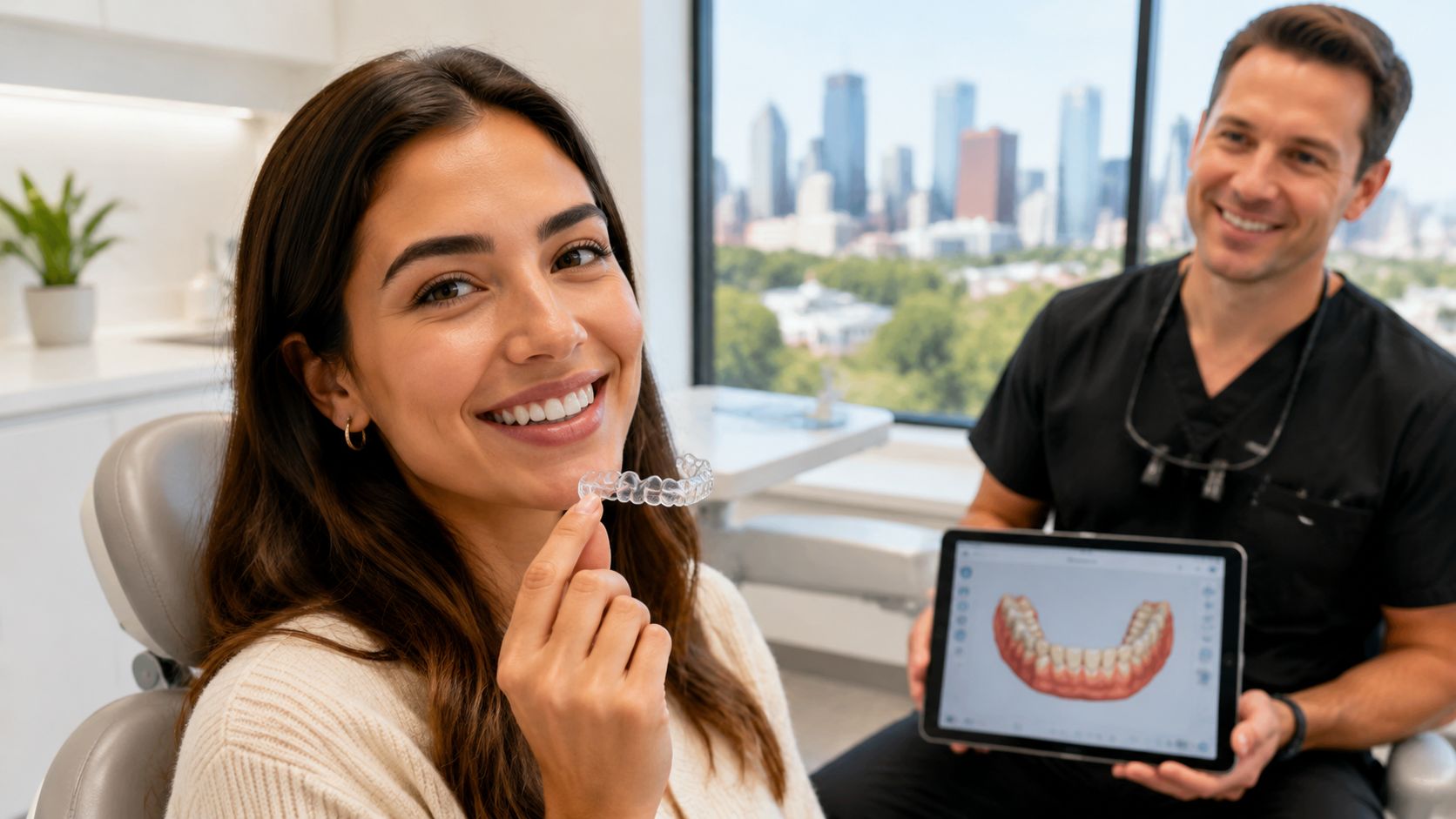
4. Case Study 4 Emily's Discreet Orthodontic Journey with Clear Aligners
Emily had wanted straighter teeth for years, but as an adult living in North Austin, she didn’t love the idea of metal braces at this stage of life. Her lower teeth had moderate crowding, and while she was bothered by the way they looked, she was just as concerned about keeping treatment discreet at work and socially.
She asked the question many adults ask. “Is there a way to straighten my teeth without everyone noticing?”
Why clear aligners fit her lifestyle
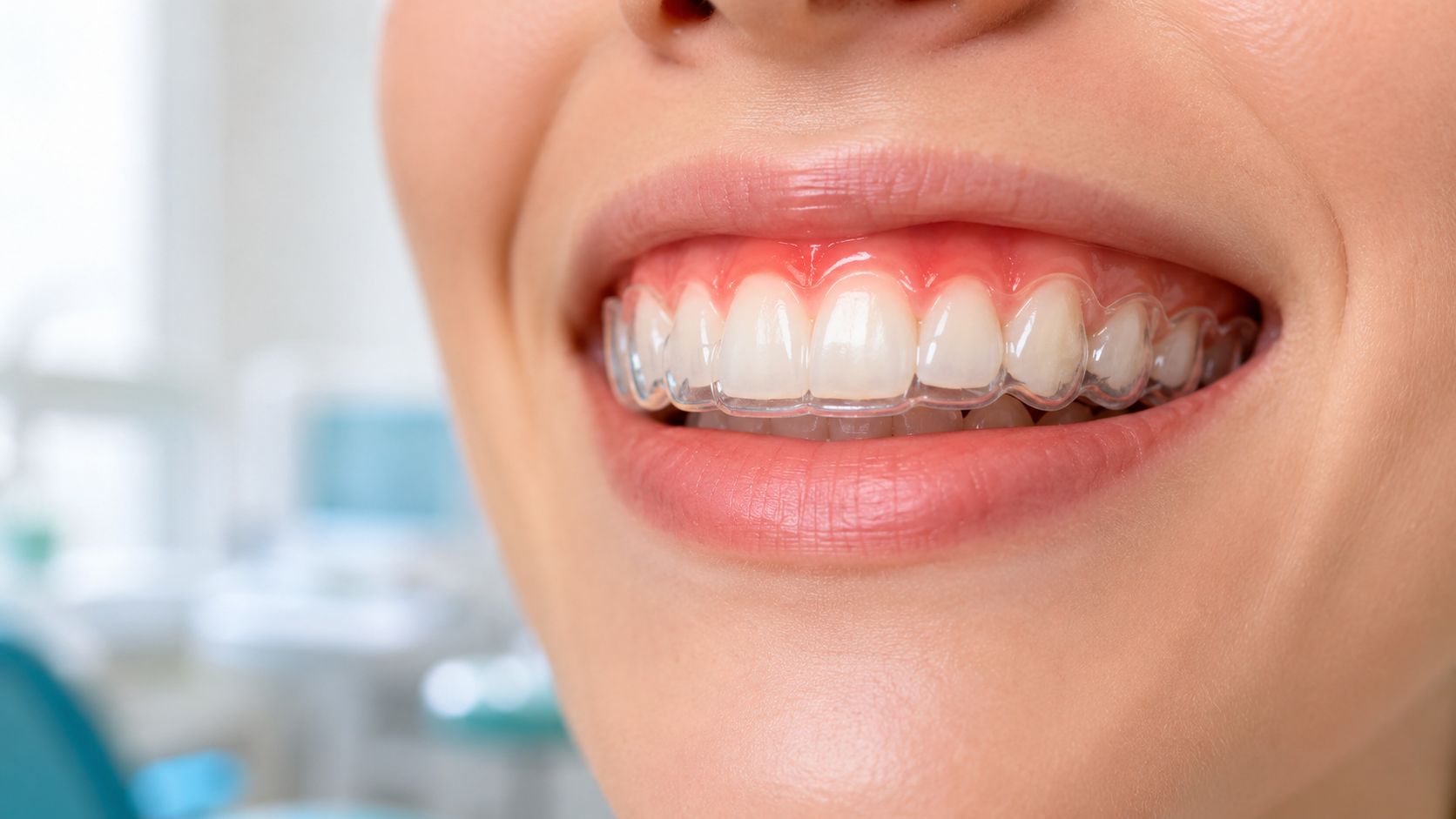
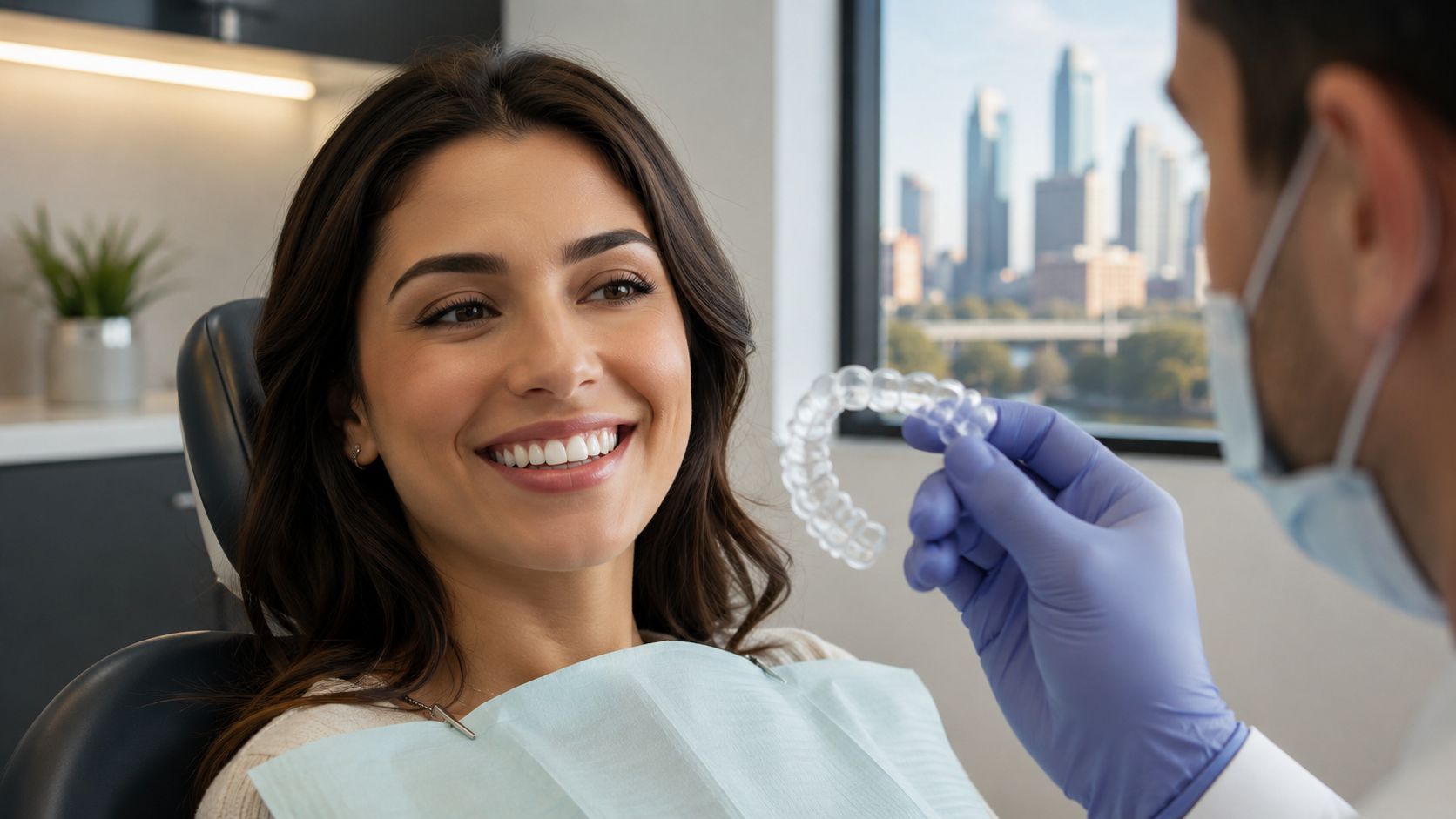
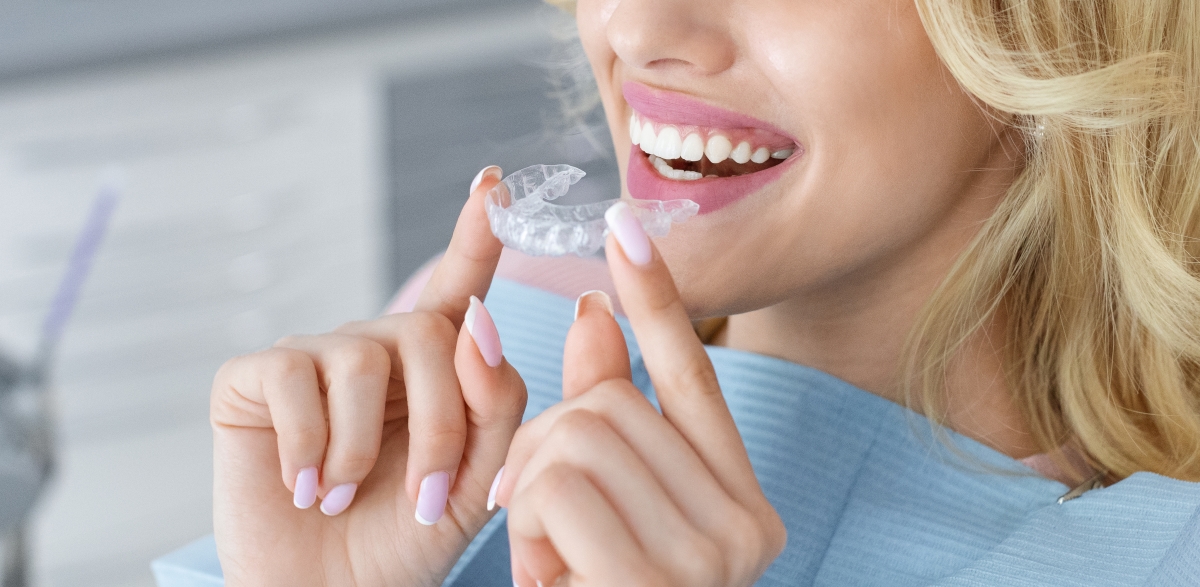
Clear aligners are often a strong fit for adults who want a less visible orthodontic option and who can stay consistent with wear. Emily liked that they looked subtle, removed easily for meals, and fit into her routine better than brackets and wires.
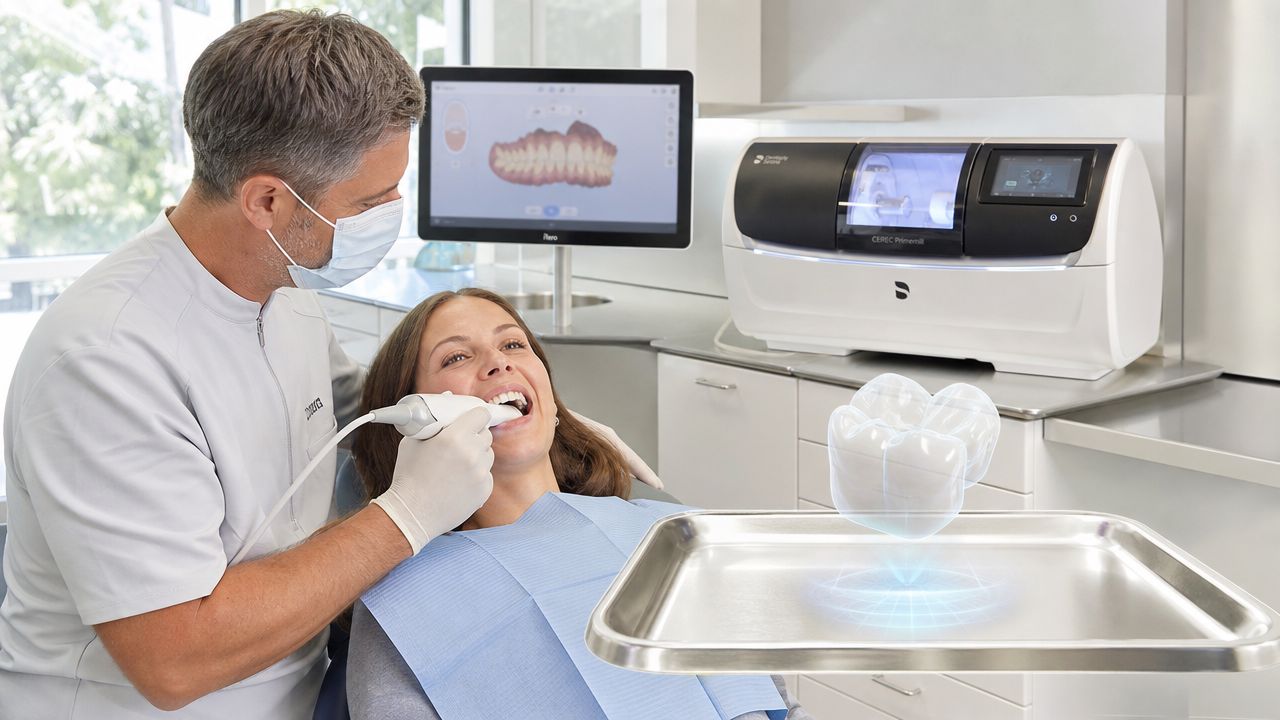
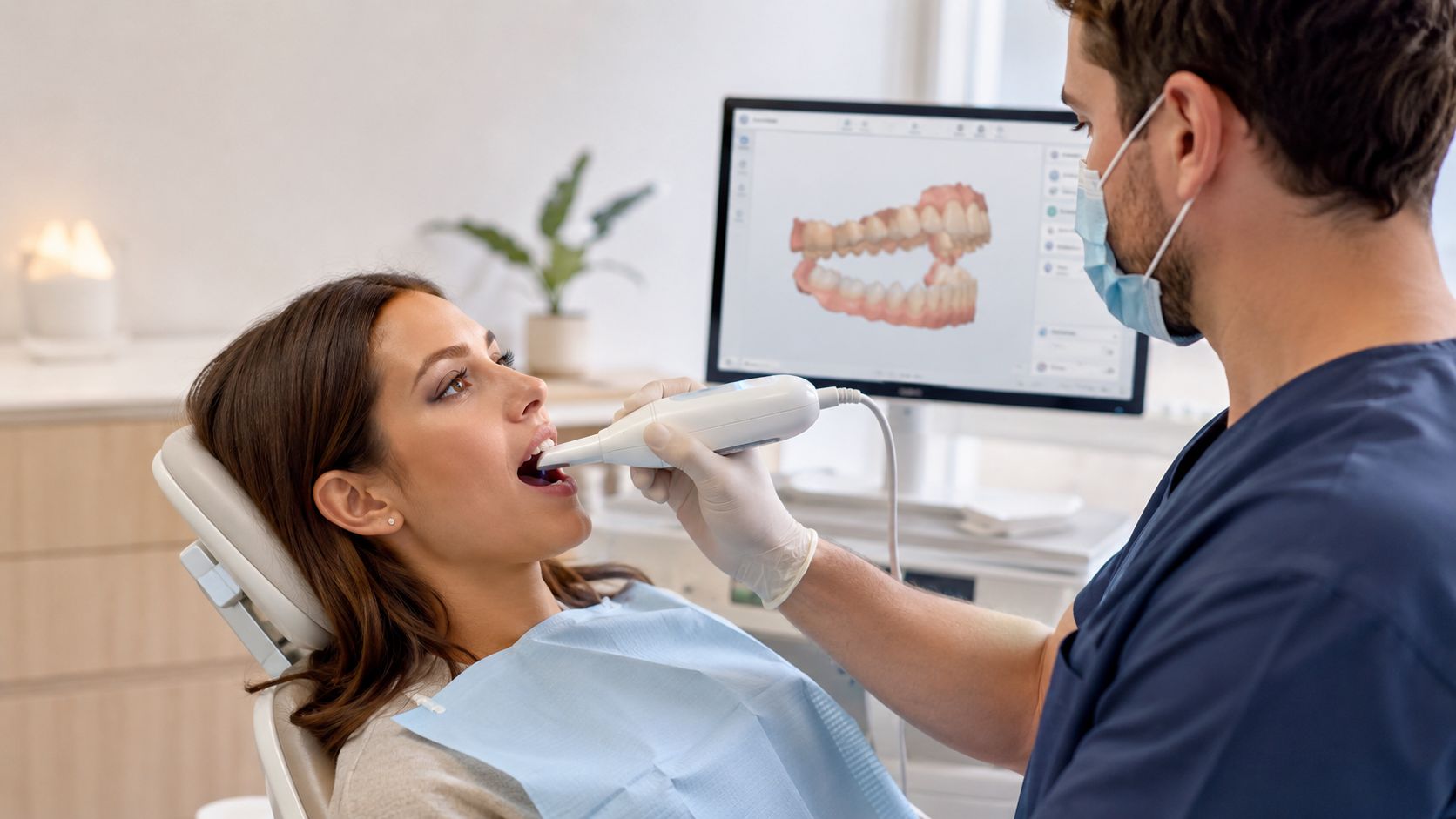
Her first visit included digital scans rather than messy traditional impressions. That gave us a precise view of tooth position and bite relationships, and it helped us explain what movement was realistic.
Adult orthodontic interest has clearly grown. During the remote-work era, many adults became more aware of their smile on camera, and this changed treatment demand. The increase in adult orthodontic visits noted earlier reflects a shift we also see in Austin and Georgetown. People aren’t only pursuing cosmetic care for major makeovers. They’re seeking small, meaningful improvements that feel manageable.
What her before and after really changed
Emily’s crowding was concentrated enough to be noticeable to her every day, but not so severe that she wanted a more complex path than necessary. The value of clear aligners in a case like hers is that treatment can be both cosmetic and functional.
Her “before” involved:
- Crowded lower front teeth: Harder to clean and visually uneven.
- Smile hesitation: She smiled carefully in close-up photos.
- Adult treatment concerns: She wanted an option that felt professional and low-profile.
Her “after” wasn’t about changing who she was. It was about getting the lower front teeth into a healthier, more even position so her smile felt cleaner and more balanced.
What patients should expect from the process
Clear aligner treatment works best when patients know it’s active care, not a passive product. Emily received a plan that mapped her tooth movement, follow-up visits to track progress, and guidance on wear and maintenance.
Because 3D Dental offers orthodontic care within a broader restorative and cosmetic setting, we can also discuss whether aligners alone will solve the concern or whether whitening, bonding, or reshaping might help once alignment is improved. That kind of full-picture planning matters if you’re looking for a cosmetic dentist near me and want your final result to look cohesive.
Clinical insight: Straighter teeth can improve appearance, but they can also make daily cleaning easier and reduce the visual distraction of crowding.
By the end of treatment, Emily’s lower teeth looked noticeably more aligned, and her overall smile appeared calmer and more polished. The change was subtle in the best possible way. Friends noticed she looked different, but not in a way that felt obvious or artificial.
For many adults in Wells Branch, Cedar Park, and North Austin, that’s the ideal outcome. They want visible improvement without broadcasting that they’re in treatment.
5. Case Study 5 Chloe's Quick and Affordable Smile Refresh
Not every cosmetic case needs veneers or implants. Chloe’s story is a good example of that.
She came from Liberty Hill with a healthy smile overall, but coffee staining and a few small chips on her front teeth kept bothering her. She had an event coming up and wanted a noticeable improvement without a long timeline, major tooth preparation, or a larger financial commitment.
A conservative plan was the right plan
Chloe didn’t need a complete smile makeover. She needed polish.
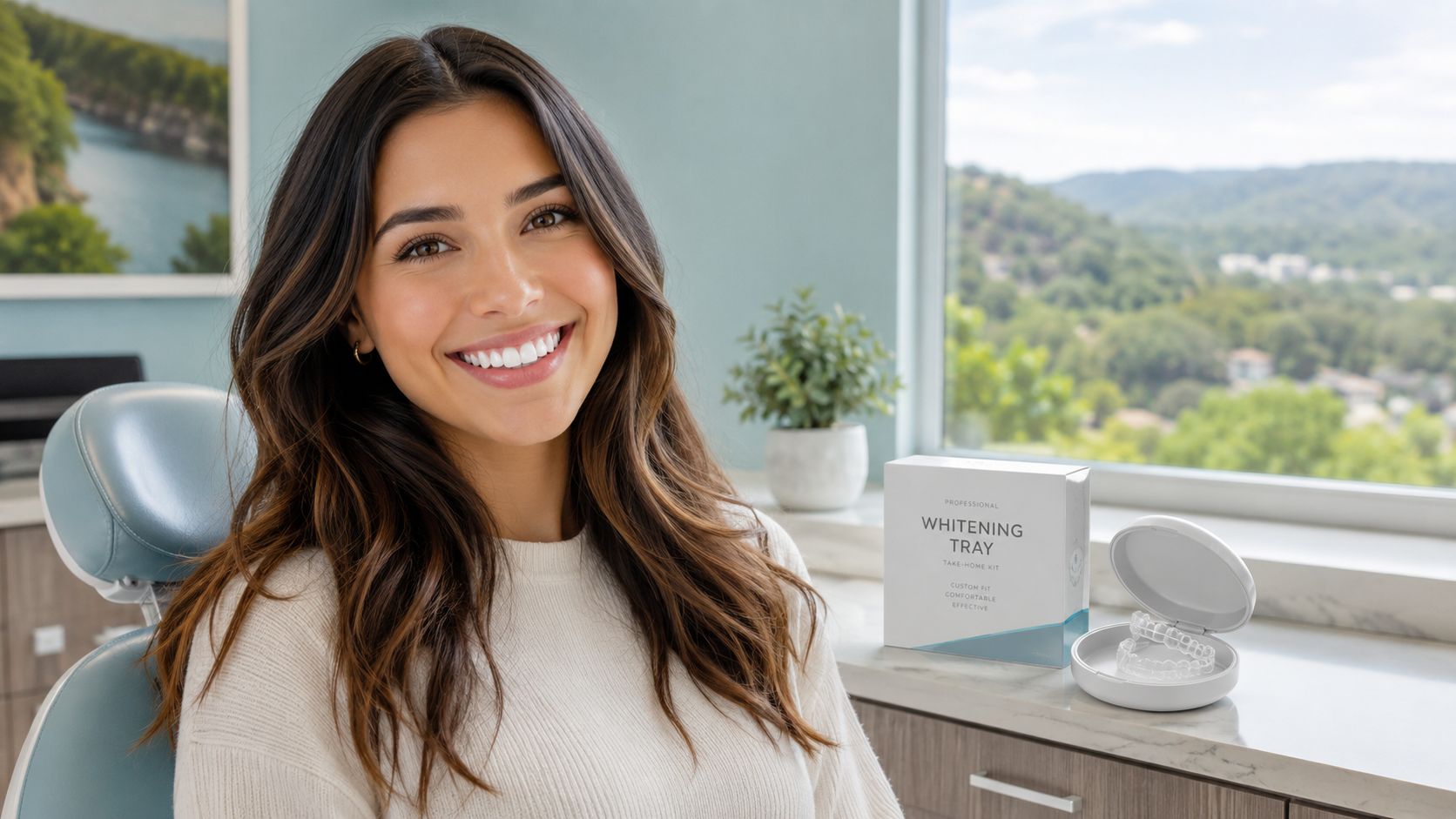
After an exam, digital photos, and a discussion of her goals, we recommended professional teeth whitening followed by cosmetic bonding to smooth the small chips. That combination can be a smart option when the teeth are healthy and the main concerns are shade and minor edge wear.
This kind of conservative approach matters in cosmetic dentistry before and after conversations. Patients often assume the only path to visible change is veneers, but that’s not always true. Whitening and bonding can create a fresh, camera-ready result while preserving more natural tooth structure.
Why maintenance matters after the after photo
One of the biggest gaps in online smile galleries is what happens later. Patients deserve to hear about upkeep, not just instant results.
Long-term durability and maintenance are especially important in conversations about veneers and bonding. Some patient education in the cosmetic space highlights a common gap in before-and-after content: people want more transparency about what happens years later, how materials hold up, and when touch-ups may be needed, as discussed in this review of smile gallery questions around long-term veneer and bonding maintenance.
For Chloe, that meant talking about simple habits that help results stay looking good:
- Stain awareness: Coffee, tea, and similar drinks can affect brightness over time.
- Chip prevention: Front-edge bonding needs reasonable care.
- Regular exams: Routine check-ins help us monitor polish, color, and wear.
- Touch-up expectations: Small refinements are sometimes part of maintaining cosmetic work.
Her after looked brighter, cleaner, and still natural
We completed whitening first so the shade base was where she wanted it. Then we used cosmetic bonding to refine the chipped areas and create smoother edges on the front teeth. The change wasn’t dramatic in the way a full veneer case is dramatic, but it was exactly what she wanted.
Her smile looked fresher. Photos looked better. She still looked like herself.
If you’re considering this kind of treatment, our teeth whitening before and after guide shows how simple color improvement can change the whole appearance of a smile.
Chloe’s case is a helpful reminder for patients in Liberty Hill, Georgetown, and Austin who are searching for cosmetic dentist near me results without jumping into a major procedure. Sometimes the best dentistry is the least invasive option that still gets you to your goal.
Good cosmetic treatment isn’t always about doing more. It’s about doing what fits your teeth, your timeline, and your budget.
Before & After Cosmetic Dentistry, 5-Case Comparison
| Procedure | Implementation complexity | Resource requirements | Expected outcomes | Ideal use cases | Key advantages |
|---|---|---|---|---|---|
| All‑on‑4® full‑arch implants (Mark) | High, surgical extractions, implant placement, prosthesis | 3D CT imaging, surgical team, implants, in‑house lab, anesthesia | Fixed full‑arch prosthesis restoring function and aesthetics long‑term | Patients with failing teeth or unreliable dentures needing full‑arch replacement | Same‑day temporary, strong function, predictable with digital planning |
| Porcelain veneers (Sarah) | Moderate, tooth preparation, esthetic design, lab fabrication | Digital Smile Design, minimal tooth prep, in‑house lab, custom porcelain | High‑impact cosmetic change with natural appearance | Correcting color, shape, minor misalignment for a “smile makeover” | Rapid aesthetic transformation, precise esthetic control via DSD |
| Single tooth implant (James) | Moderate, surgical implant placement, osseointegration | 3D CT scan, implant components, digital scan, lab crown (possible grafting) | Durable single‑tooth replacement that preserves bone and function | Replacing one missing tooth without affecting adjacent teeth | Long‑term solution, preserves neighboring teeth and bone |
| Clear aligners (Emily) | Moderate, digital treatment planning, sequential aligners over time | Digital scan, aligner fabrication, periodic office checkups | Gradual tooth movement to corrected alignment (months) | Mild to moderate crowding/spacing for adults and teens wanting discretion | Nearly invisible, removable, comfortable, digitally predictable |
| Whitening + cosmetic bonding (Chloe) | Low, in‑office whitening and chairside composite work | Whitening agents, composite resin, minimal chair time | Immediate brighter smile and repair of small chips; conservative result | Quick, affordable cosmetic refresh for stains and minor defects | Fast, low‑cost, minimal invasiveness with no downtime |
Ready for Your Own 'After' Photo? Let's Design Your Smile
You look in the mirror before work, tilt your head a little, and notice the same thing you have been noticing for months or even years. A missing tooth. Staining that no whitening toothpaste has touched. Crowding that makes your smile feel younger than you are in the wrong way. For many patients, the decision to improve a smile starts in moments like that. Quiet, personal, and tied to daily life.
That is why cosmetic dentistry before and after should be more than a photo gallery. Its value is understanding how a treatment fits your goals, how long it takes, what recovery feels like, and what it may cost over time. Throughout these Austin and Georgetown case studies, the goal has been transparency. You have seen named examples from our own practice, with real treatment paths for implants, veneers, clear aligners, bonding, and whitening.
Every smile plan starts the same way. We listen first, then examine carefully, then explain what we see in plain language. Some patients arrive asking for veneers when orthodontics or bonding may preserve more natural tooth structure. Others ask about implants because they are focused on the missing space, but the first step may be evaluating bone with 3D CT imaging or addressing gum health. A good plan works like a blueprint before a home renovation. If the measurements are off at the start, the final result will never feel quite right.
Technology helps us make those measurements with far more accuracy and comfort. We use 3D CT scans to study bone, roots, and anatomy before implant treatment. Digital scanners replace messy impressions for many procedures and let us evaluate bite, shape, and spacing with precision. Digital X-rays help us spot issues that may change the treatment plan. Our in-house lab also gives us more control over shade, fit, and timing, which matters when you want cosmetic work to look natural rather than obvious.
Patients also need practical answers, not just attractive images.
During a consultation, we discuss questions many people are hesitant to ask at first. Is this the most conservative option? How many visits will this take? Will I need temporary restorations? What will I be able to eat afterward? How long should I expect healing or adjustment to take? What financing choices are available if I want to phase treatment over time? Those details often determine whether a plan feels realistic.
For busy families and working adults in Austin, Georgetown, Cedar Park, Round Rock, Wells Branch, and nearby communities, convenience matters too. It helps to have one office that can address preventive care, cosmetic goals, restorative work, orthodontics, implants, and urgent dental problems without sending you from office to office. That continuity also means the doctor planning your smile can see the full picture, from oral health to bite function to long-term maintenance.
If you have been comparing before and after photos online, use them as a starting point, not the whole decision. The better question is whether your dentist can explain why a result was chosen, what tradeoffs were considered, and how the treatment was personalized for that patient. Mark's plan was different from Sarah's. James needed something different from Emily. Chloe wanted speed and affordability, while another patient may want the longest-lasting option even if it takes more time. Good cosmetic dentistry is personal because mouths, goals, budgets, and timelines are personal.
Whether you are considering All-on-4® treatment, a single tooth implant, porcelain veneers, clear aligners, whitening, bonding, crowns, or a broader smile makeover, the first step is straightforward. Start with a conversation and a thorough exam. From there, we can design a plan that matches your priorities and helps you understand what your own "after" can realistically look like.
If you are looking for a trusted 3D Dental team in North Austin or Georgetown, TX, we’re here to help with cosmetic dentistry, dental implants, clear aligners, cleanings and exams, restorative care, and emergency dental needs. Book online or call our office to schedule your consultation and take the first step toward your own before and after smile story.
Ready to get started?
Schedule a free, no obligation consultation with our team and see what's possible for your smile!
Georgetown
- Mon-Thurs8:30am-5pm
- Fri8am-3:30pm
- Sat-SunClosed
Austin
- Mon-Tues8am-5pm
- Wed-Thurs9am-6pmFri8am-2pm
- Sat-SunClosed