
How to Fix Crowded Teeth: A Guide for Austin & Georgetown
Related Posts







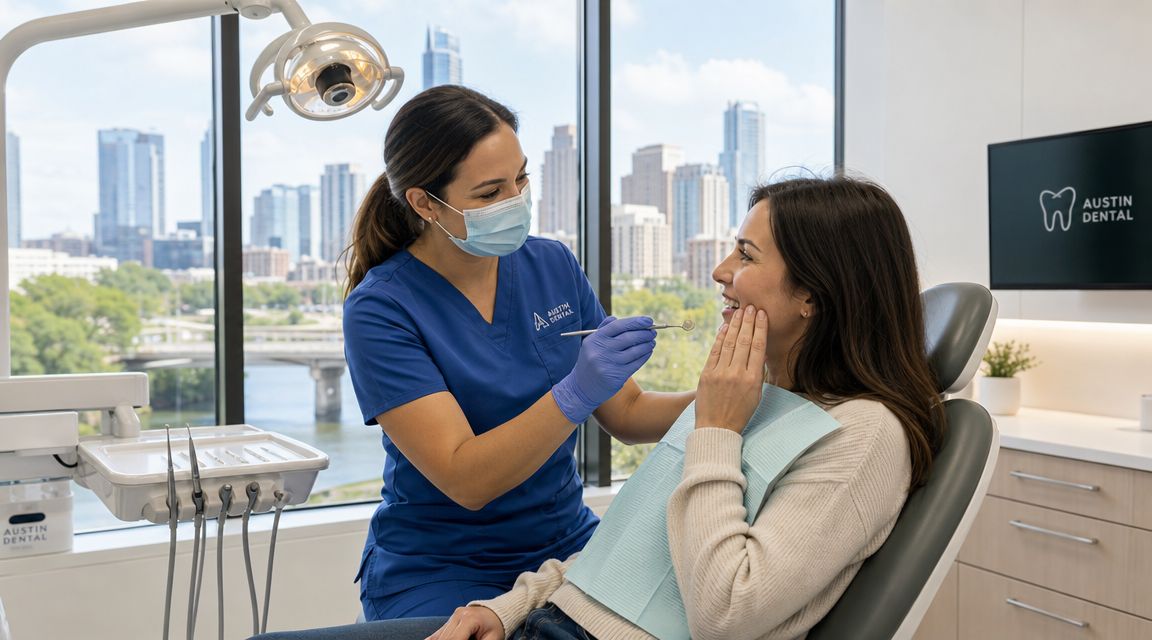

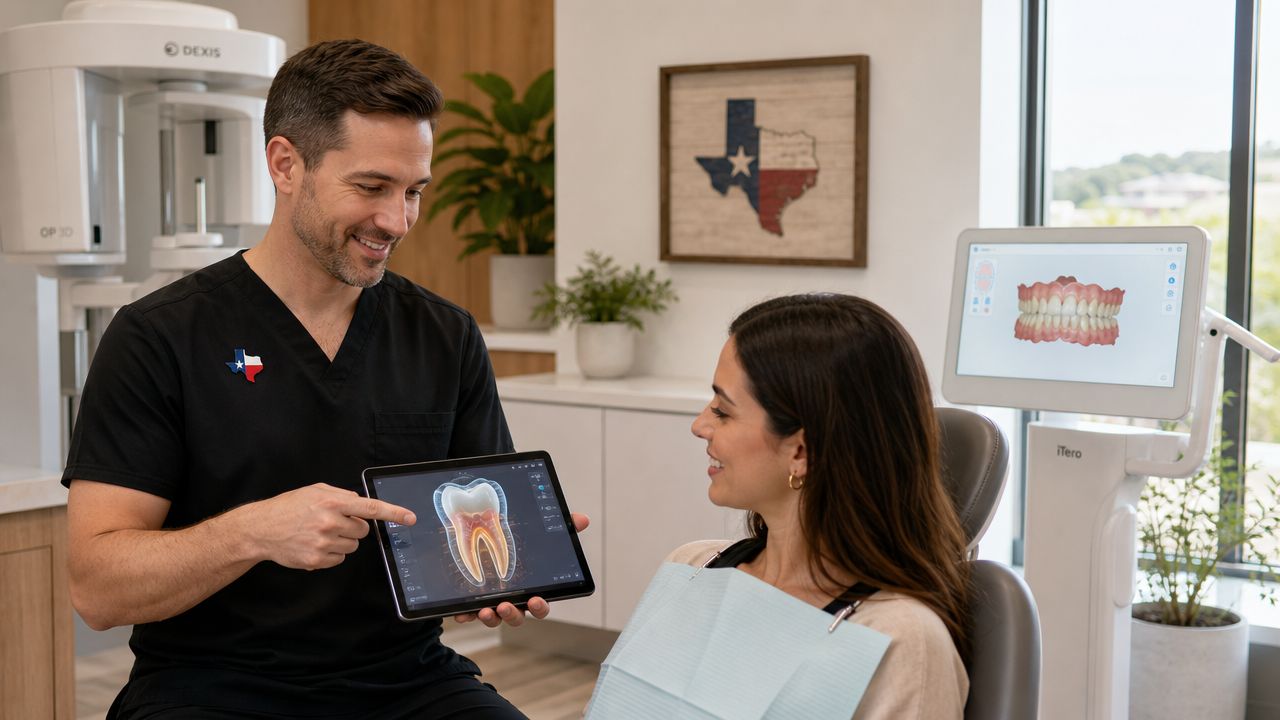
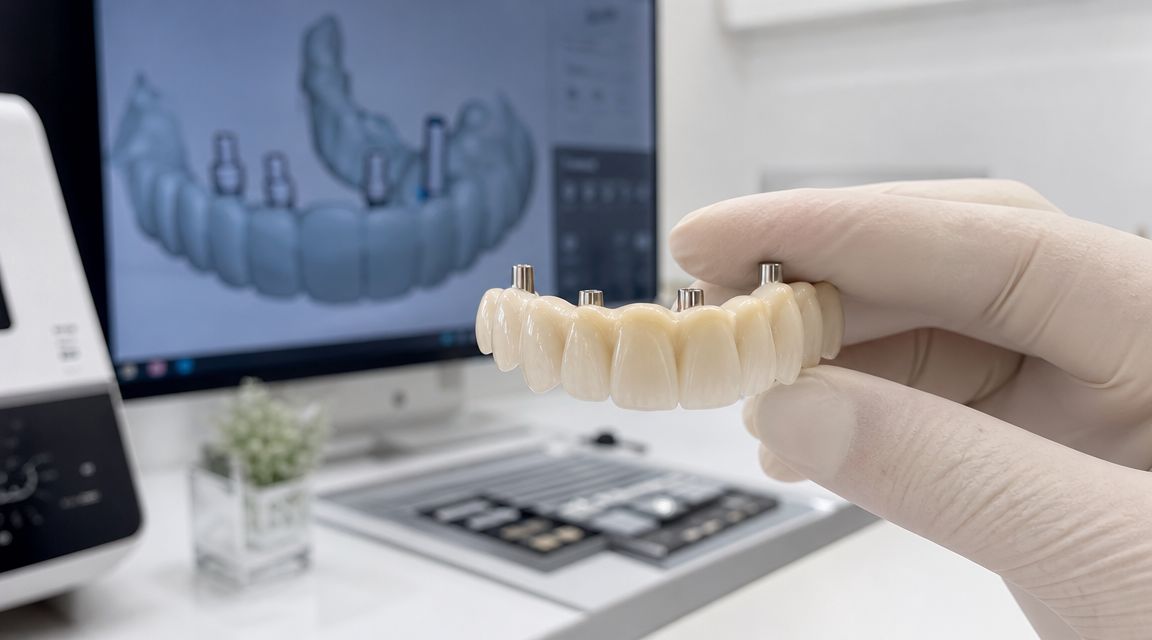
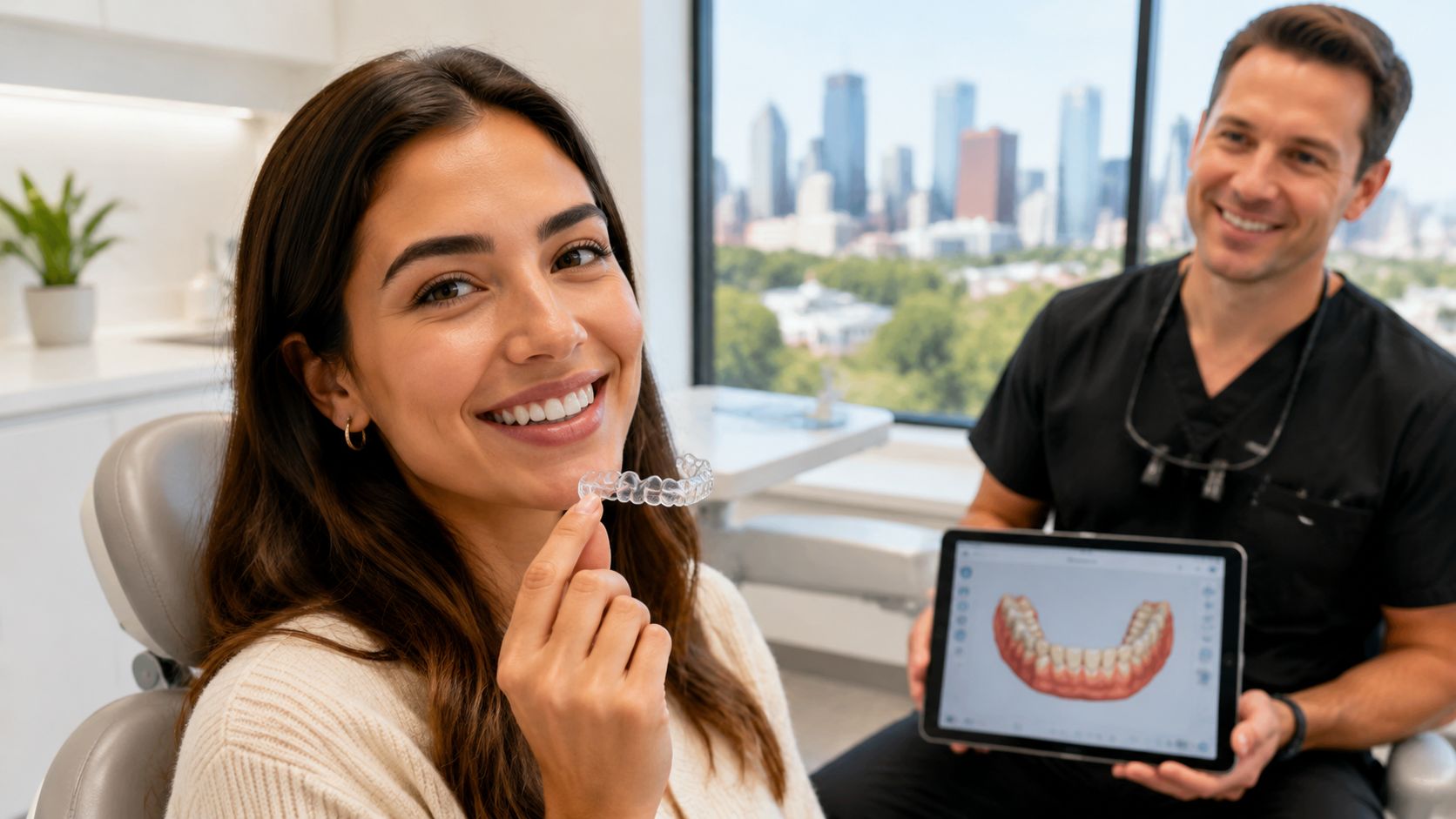
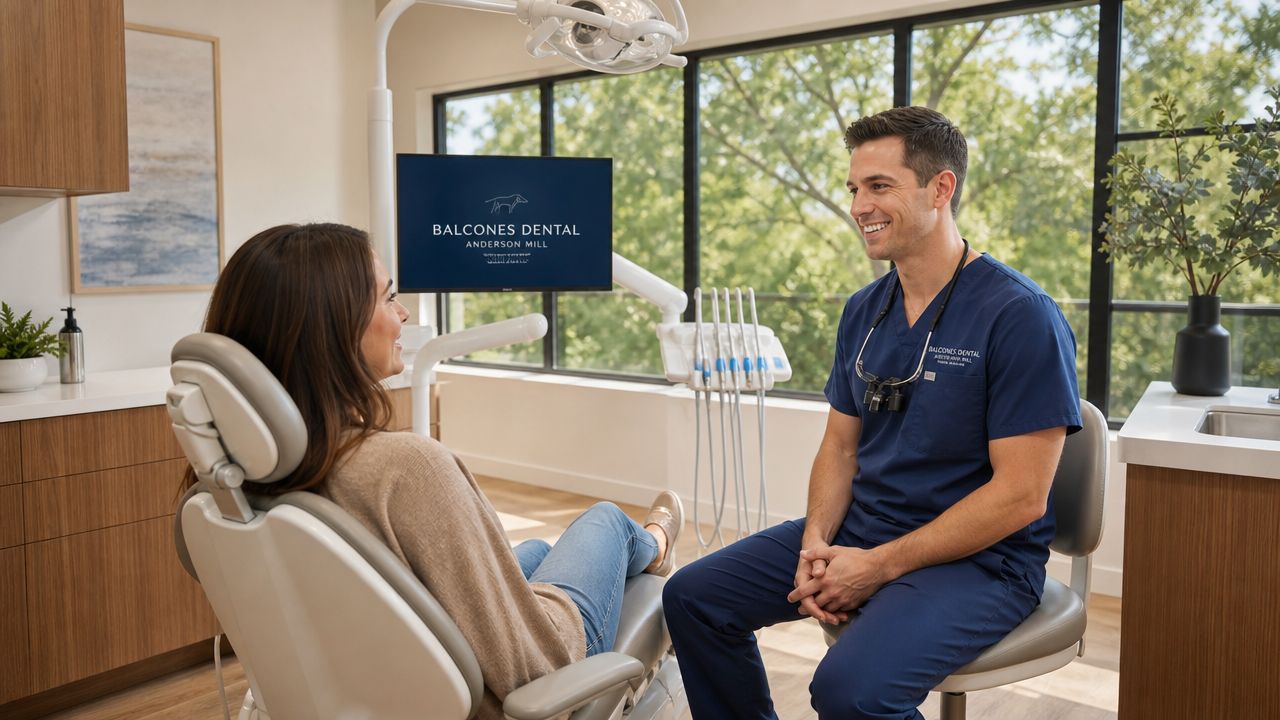
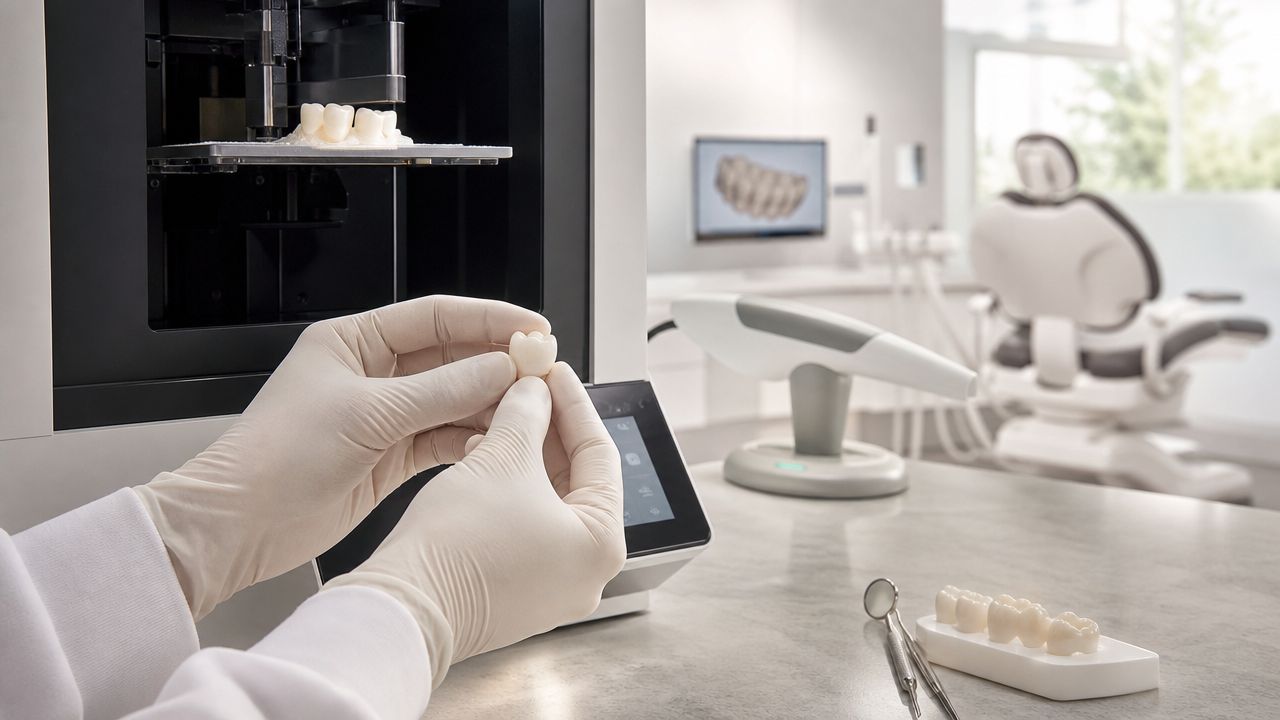
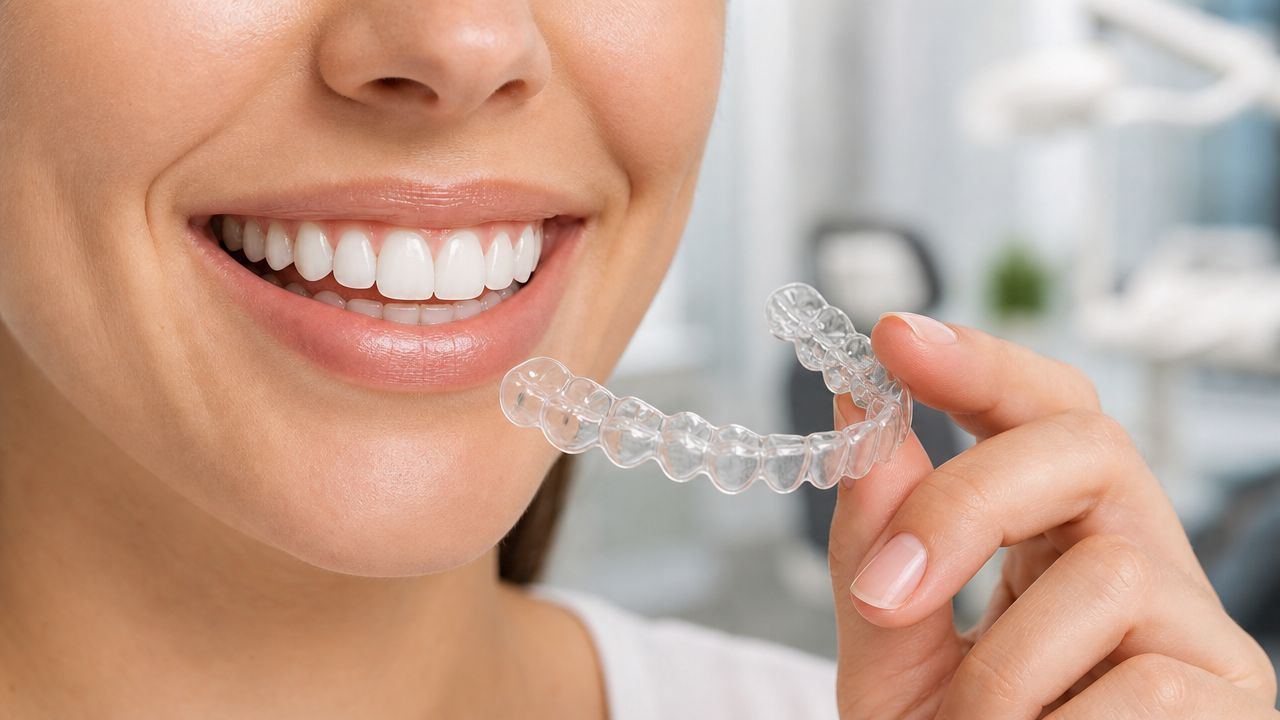

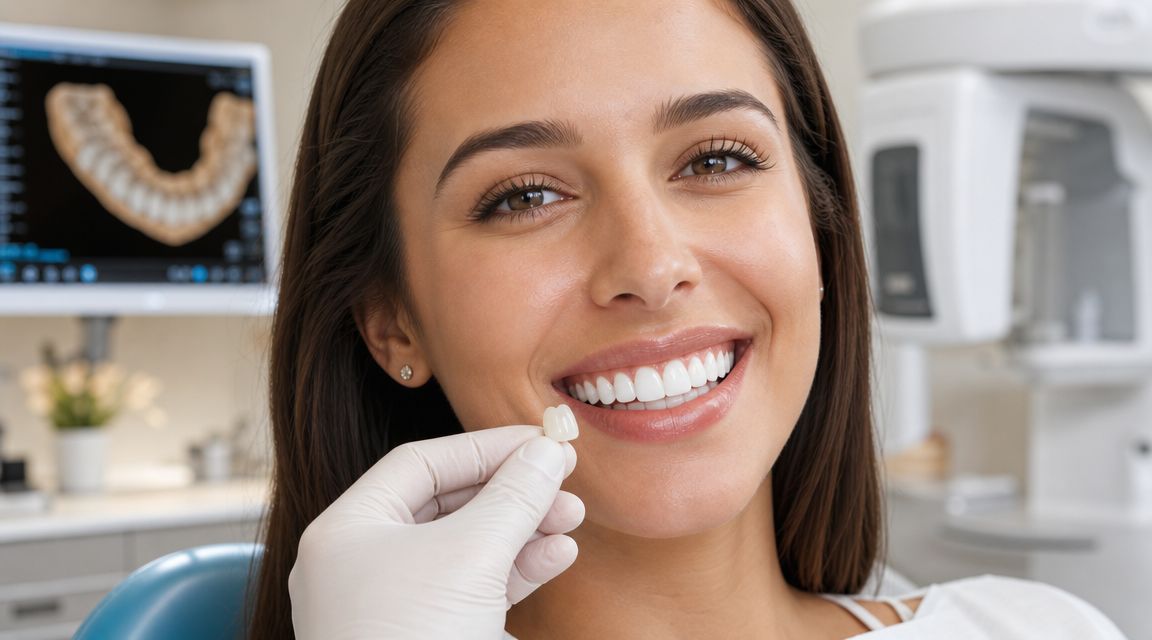























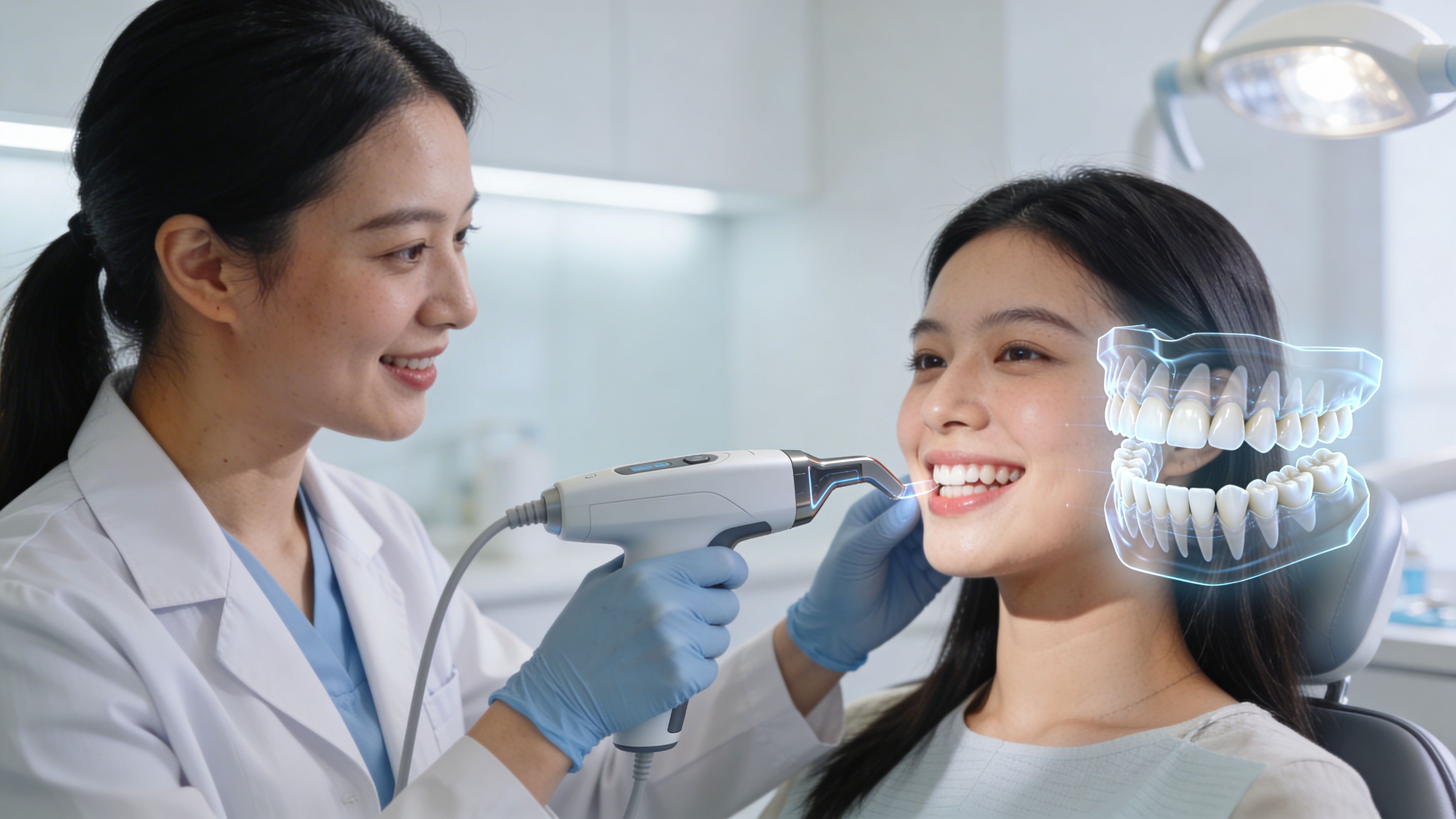
If you're reading this, there's a good chance you already know what crowded teeth feel like in daily life. You notice the overlap in photos. Flossing takes longer than it should. One area always seems harder to keep clean, no matter how careful you are.
A lot of patients in North Austin and Georgetown come in with the same question: how to fix crowded teeth without making the process confusing, uncomfortable, or one-size-fits-all. They don't want a generic answer. They want to know what will work for their smile, their schedule, and their budget.
At our offices, that conversation starts with listening. Some patients want the most discreet option possible. Others care more about speed, bite improvement, or avoiding extractions if they can. The right plan depends on what your teeth are doing now, not on a template pulled from an app.
Your Trusted Dentist for Fixing Crowded Teeth in North Austin
One patient story tends to repeat itself in different forms. An adult from North Austin says they've thought about straightening their teeth for years, but kept putting it off. A parent from Georgetown says their teen's teeth seem to be coming in with less and less room. Someone from Wells Branch or Round Rock says they tried to ignore it because it "wasn't that bad," until brushing around the overlap started getting frustrating.

Crowded teeth rarely feel like just one problem. They can affect confidence, but they also affect routine. Patients often tell us they spend extra time cleaning, worry about stain buildup in tight spaces, or feel unsure whether they need clear aligners, braces, tooth extraction, or another solution altogether.
Why local care matters
When you're searching for a dentist near me or a dentist in Austin, TX for orthodontic concerns, convenience matters. So does clarity. You shouldn't have to guess whether your treatment is based on a full exam or a rough estimate.
We serve patients from North Austin and Georgetown, along with nearby communities like Cedar Park, Round Rock, Liberty Hill, and Wells Branch. That local connection matters because follow-up care matters. Orthodontic treatment isn't a one-day service. It involves planning, monitoring, adjustments, and long-term support.
A crowded smile can often be improved more predictably when the doctor can evaluate your bite, gum health, bone support, and spacing in person.
What patients usually want to know first
Before they ask about trays or brackets, many patients want answers to practical questions:
- Will I need braces or can aligners work? That depends on how severe the crowding is and how your bite fits together.
- Is this only cosmetic? Usually not. Tight overlap can make home care harder and can affect long-term oral health.
- Can this be fixed without extractions? Sometimes yes, sometimes no. The decision should come from imaging and measurements, not guesswork.
- How do I know which option is safest? Professional diagnosis makes the difference, especially when treatment needs to move more than a few teeth.
Our role is to make the process understandable. That includes your exam, digital imaging, treatment options, timeline, and what happens after teeth are straight. If you're also looking for a new patient exam, dental x-rays, cosmetic dentistry, or full-service dental care in Austin or Georgetown, those needs can be coordinated under one roof instead of split across multiple offices.
What Causes Crowded Teeth and Why It Is More Than a Cosmetic Issue
You may notice one lower front tooth starting to overlap, then realize floss keeps shredding in the same spot or plaque returns there no matter how carefully you brush. That is often how crowding shows up in real life. It rarely starts as a purely cosmetic concern.
Crowded teeth develop when the dental arch does not have enough room for each tooth to sit in a healthy position. Heredity is a major factor. Some patients inherit a smaller jaw with relatively larger teeth. Others have teeth that erupt at angles, rotate as they come in, or drift after baby teeth are lost too early. We also see crowding develop gradually in adults as bite forces, wear, and natural tooth movement change the way the front teeth fit together.

At 3D Dental, we do not judge crowding by appearance alone. A smile can look only slightly irregular from the front while the scan shows a narrow arch, a rotated tooth trapped out of position, or bone and gum limits that affect how safely teeth can be moved. That is one reason DIY aligner plans and one-size-fits-all recommendations can miss important details.
The common reasons teeth become crowded
The underlying cause is usually a mismatch between available space and tooth position, but that mismatch can happen in several ways:
- Genetics: Tooth size and jaw size do not always fit well together.
- Eruption patterns: Permanent teeth may come in rotated, blocked, or out of sequence.
- Early loss of baby teeth: Nearby teeth can drift and reduce the space left for adult teeth.
- Arch form: A narrow arch can leave too little room for proper alignment.
- Changes over time: Adult teeth can shift gradually, especially in the lower front area.
Dentists also classify crowding by how much space is missing, because treatment choices change with severity. Mild crowding may be handled conservatively. Moderate or severe crowding may require more planning around bite position, enamel shape, gum health, or whether space should be created in a specific way.
Why crowding deserves treatment
Crowding affects oral health in practical, everyday ways. Overlapped teeth are harder to clean well. Food packs into tight contacts. Plaque sits longer in spots your toothbrush and floss cannot reach easily. As noted earlier, crowding can increase the risk of decay and gum problems because those areas are harder to keep clean.
There are also bite consequences. When teeth are twisted or pushed out of line, certain teeth can take more force than they were meant to handle. That can lead to uneven wear, small chips, tenderness, or gum recession around teeth that are already under strain.
Patients often describe the problem in simpler terms. One area always feels dirty. Floss catches in the same place. Cleanings take more effort. A tooth keeps getting more crooked in photos.
Mild-looking crowding can still matter
A small amount of overlap can still create a real problem if it sits in the wrong place. I have seen patients with only minor visible crowding but significant buildup behind one lower front tooth, or irritation around a tooth that sits just far enough out of line to change the bite.
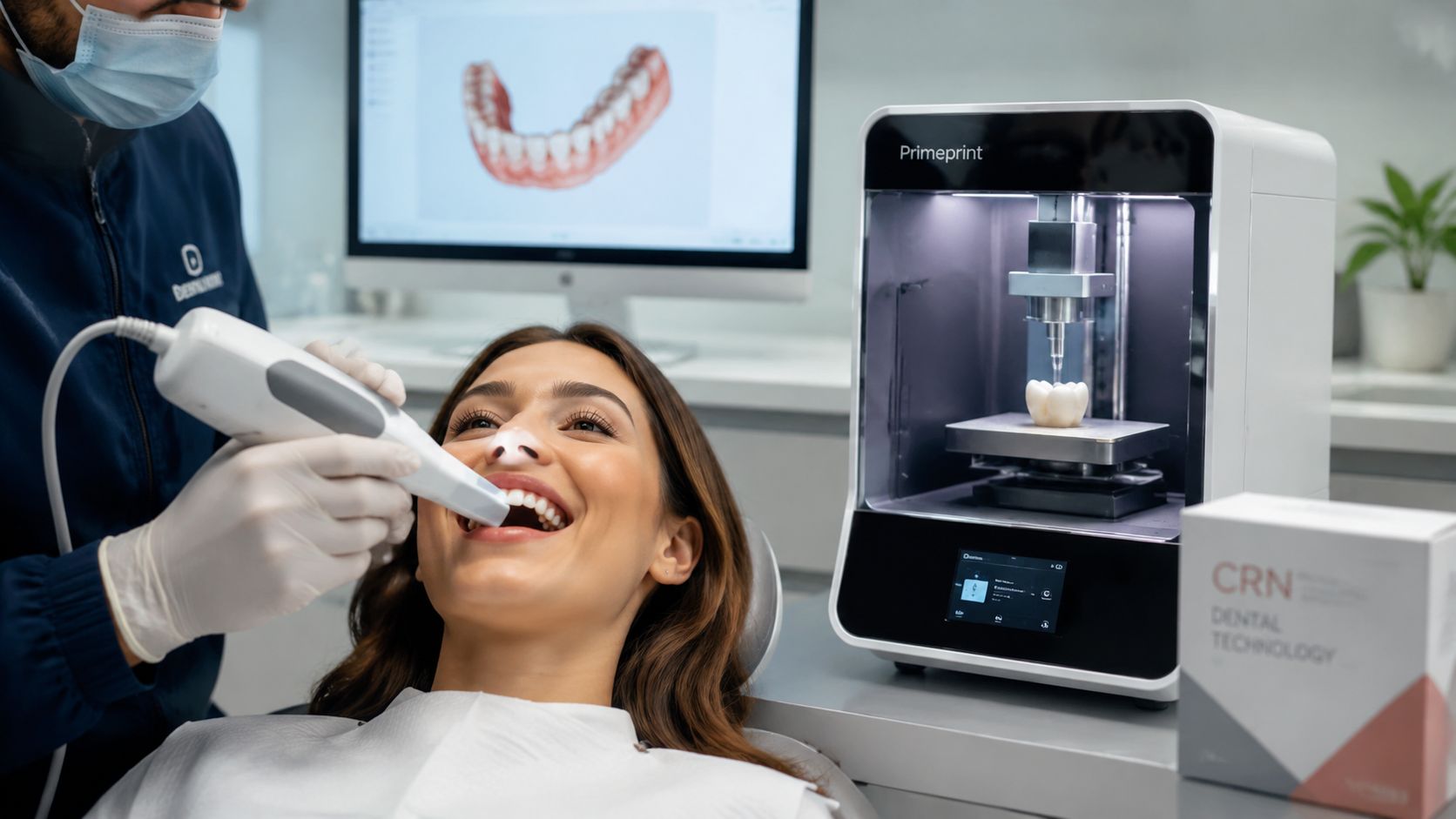
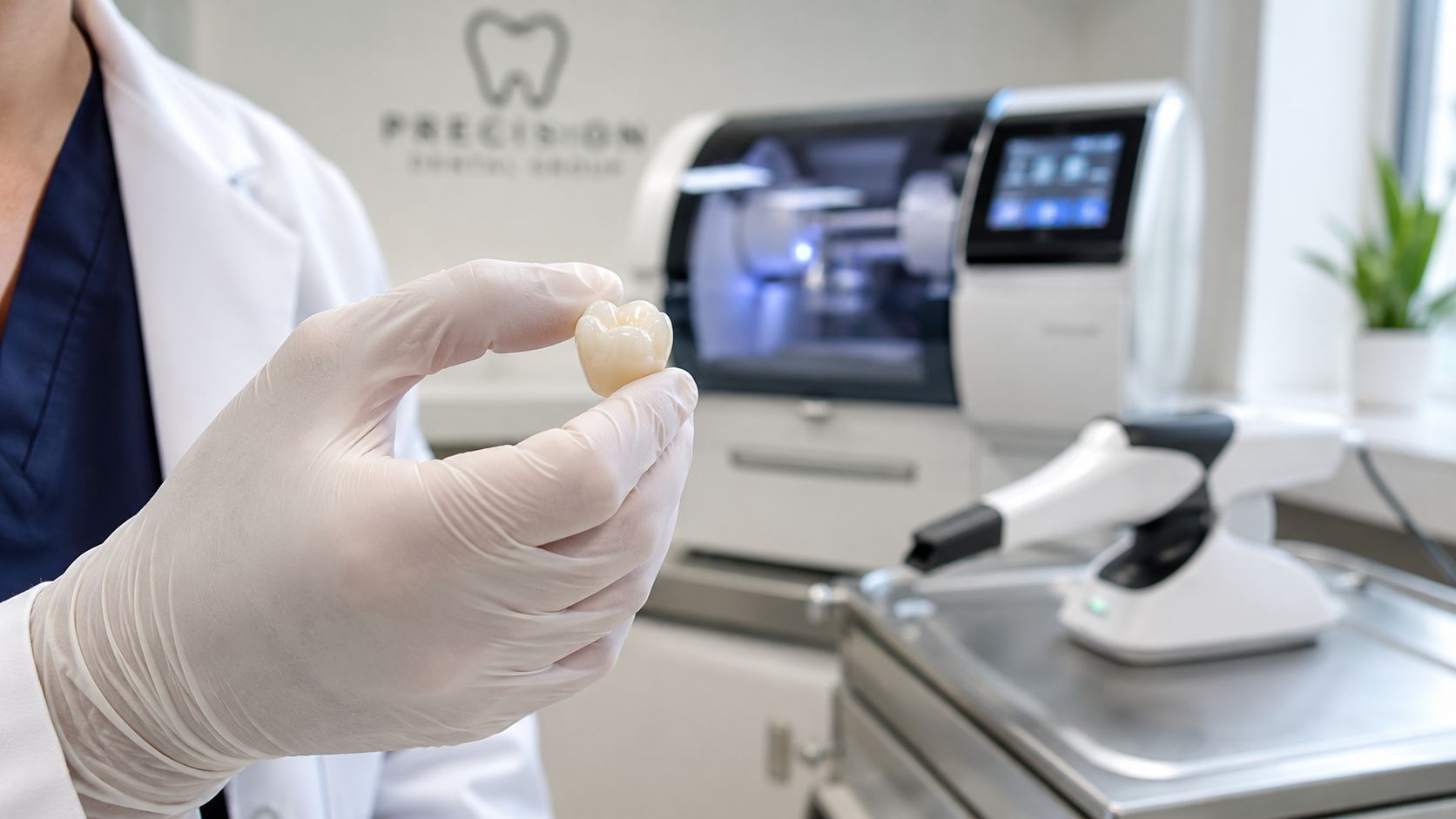
That is why diagnosis matters. With 3D imaging, digital scans, and our in-house lab support, we can look beyond the surface and measure what is causing the crowding before we recommend treatment. That approach gives patients a plan built for their mouth, not a generic template.
This short video helps visualize how alignment problems can affect the whole mouth over time.
What to Expect During Your Consultation for Crowded Teeth
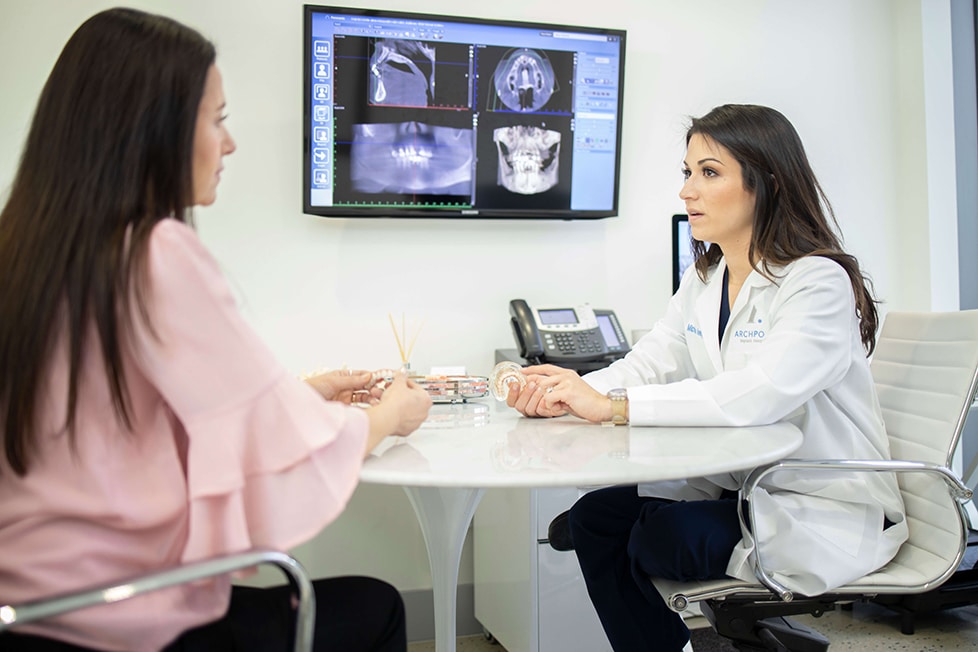
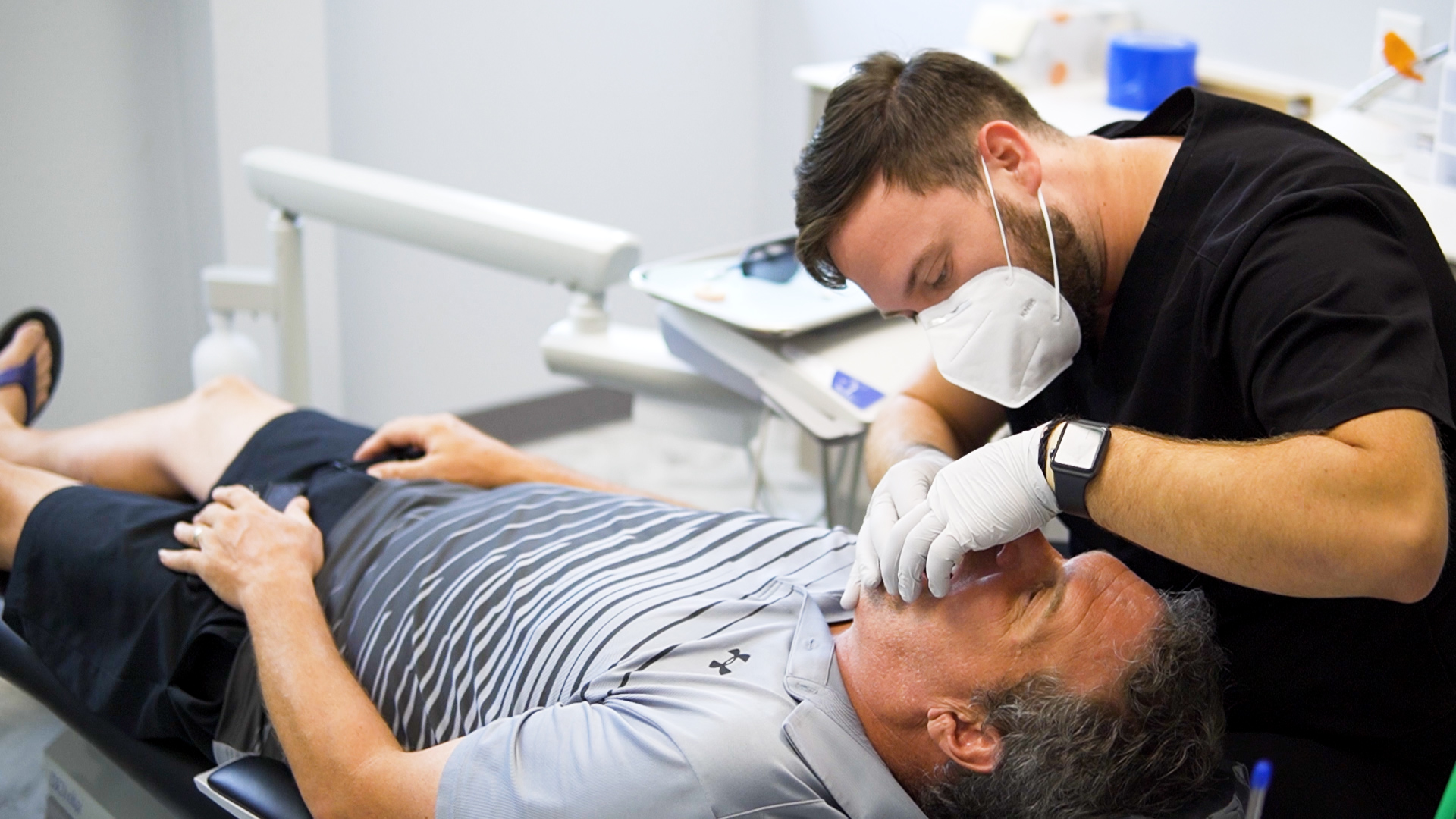
The first visit isn't about being rushed into treatment. It's about getting a complete picture of what's happening in your mouth.
For adults, that matters because crowding often shows up alongside other concerns. You might have worn enamel in one area, gum inflammation in another, or an old filling or crown that affects the final plan. For teens, the question may be whether there's enough room for teeth that are still erupting.
The first few minutes matter
A consultation usually starts with conversation before it starts with treatment. We ask what bothers you most. Some patients point to one tooth that turns inward in photos. Others are more concerned about bite comfort, cleaning difficulty, or whether they can avoid a visible appliance at work.
Then we move into the exam and records.
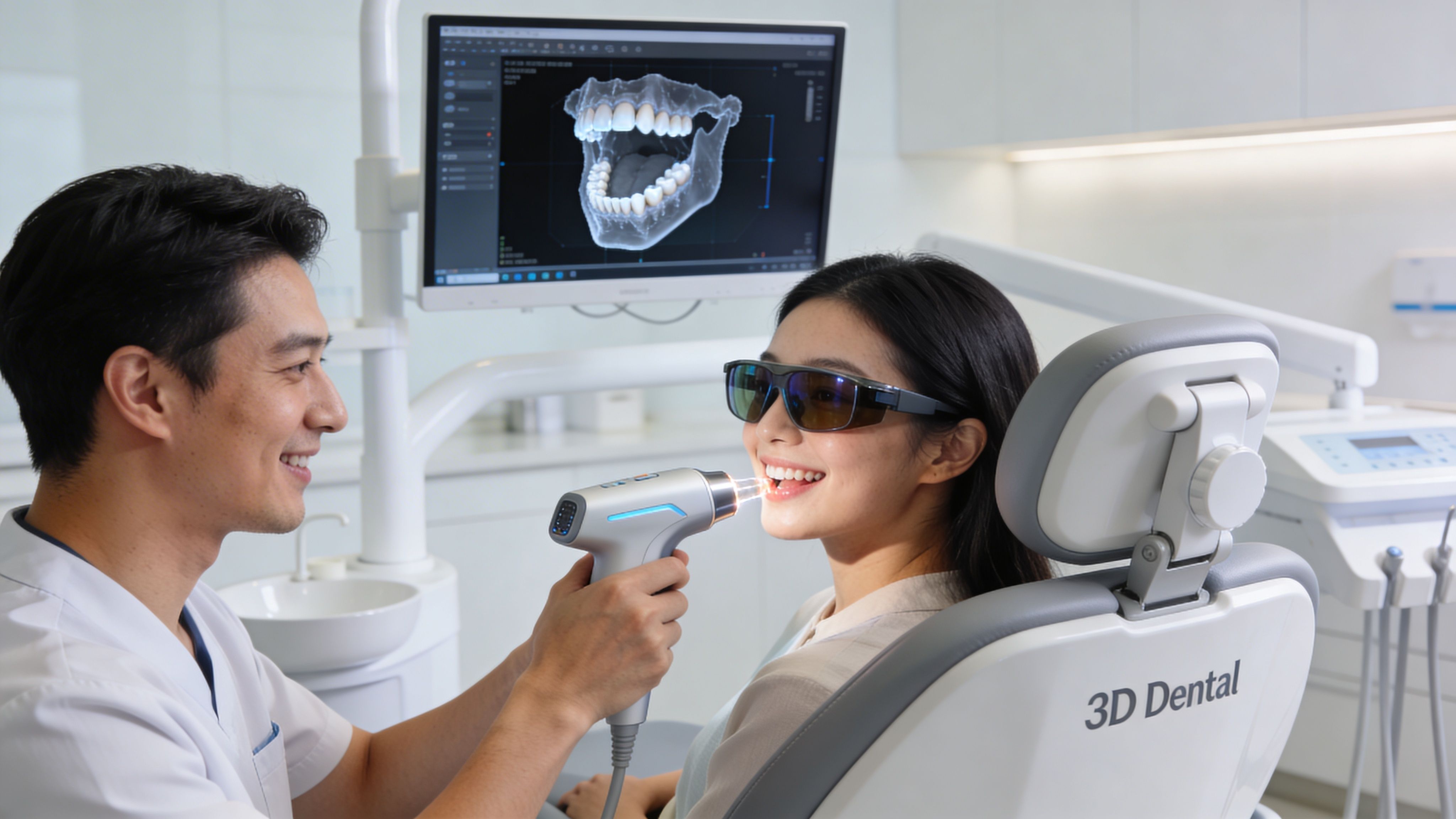
What we study before recommending treatment
Orthodontic treatment works better when the diagnosis is precise. A patient may look like a clear aligner candidate from the front, but a scan might show a bite issue, bone limitation, or spacing problem that changes the recommendation.
A full consultation may include:
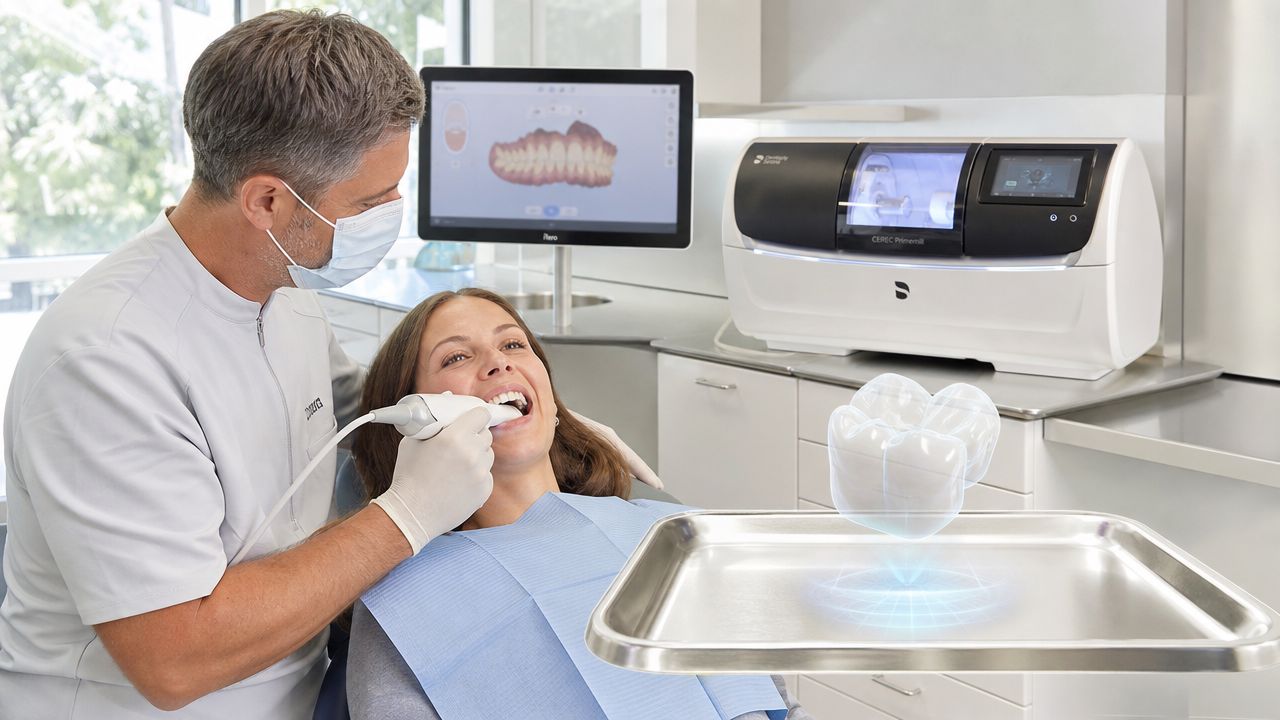
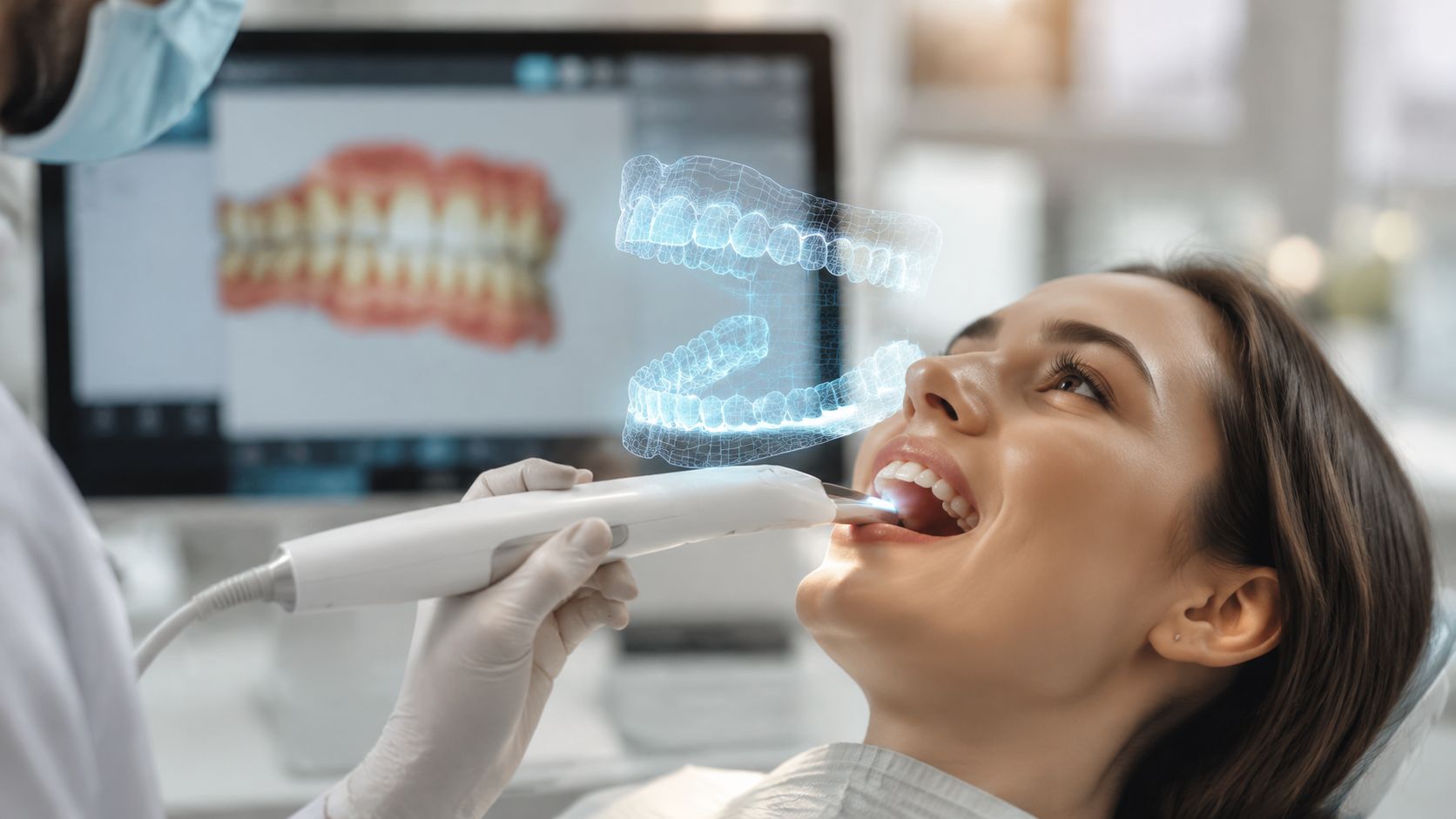
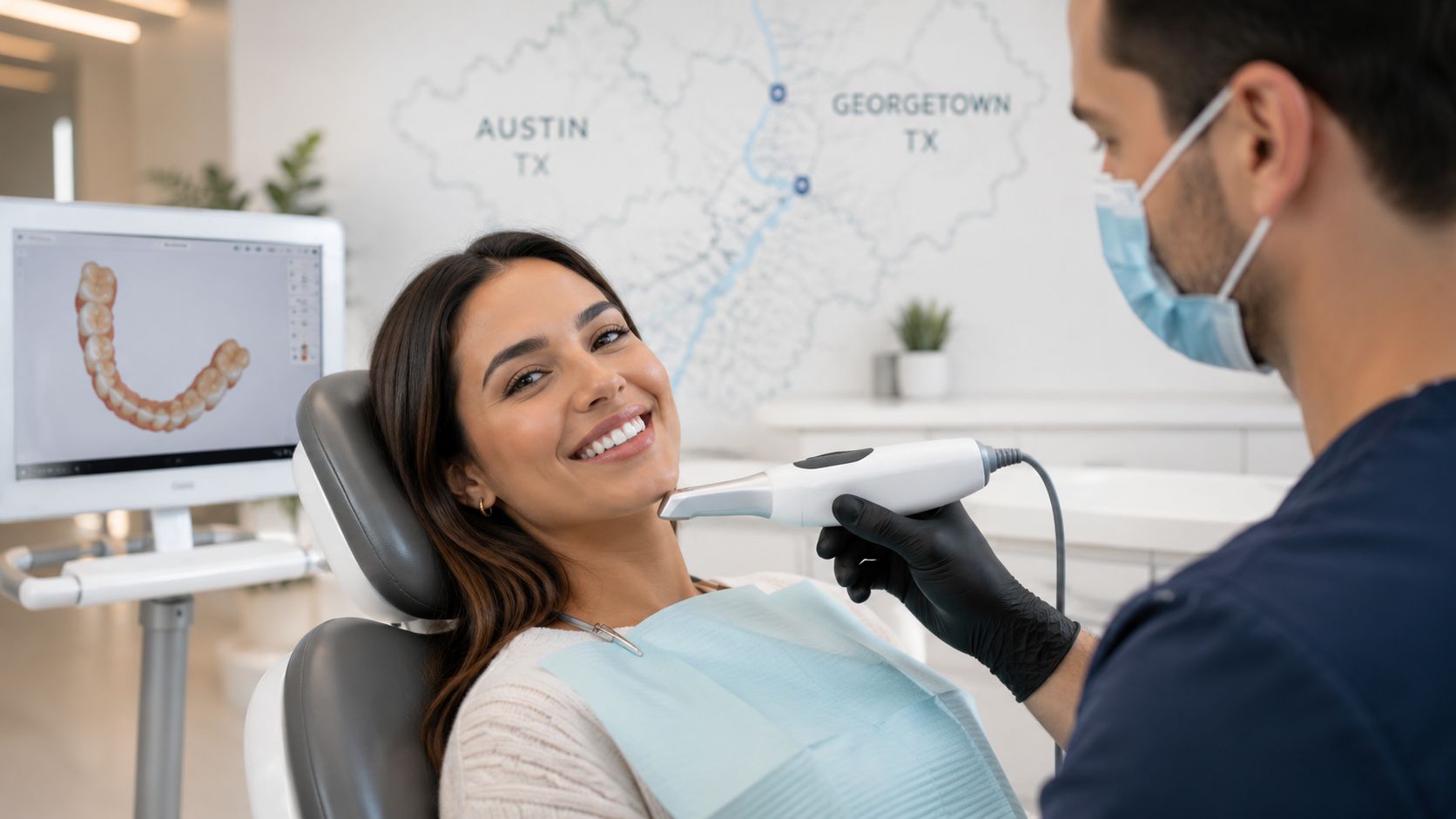
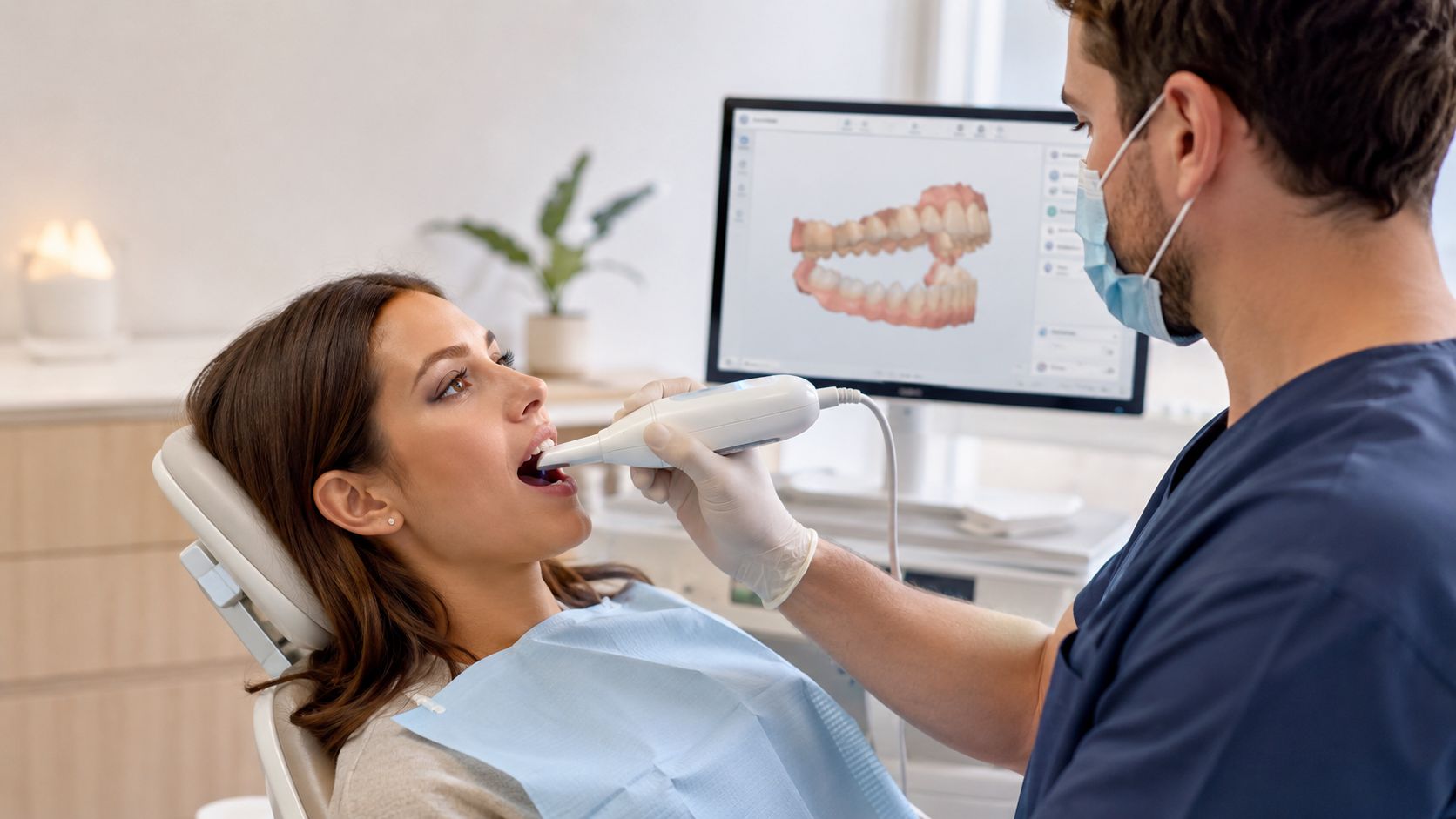
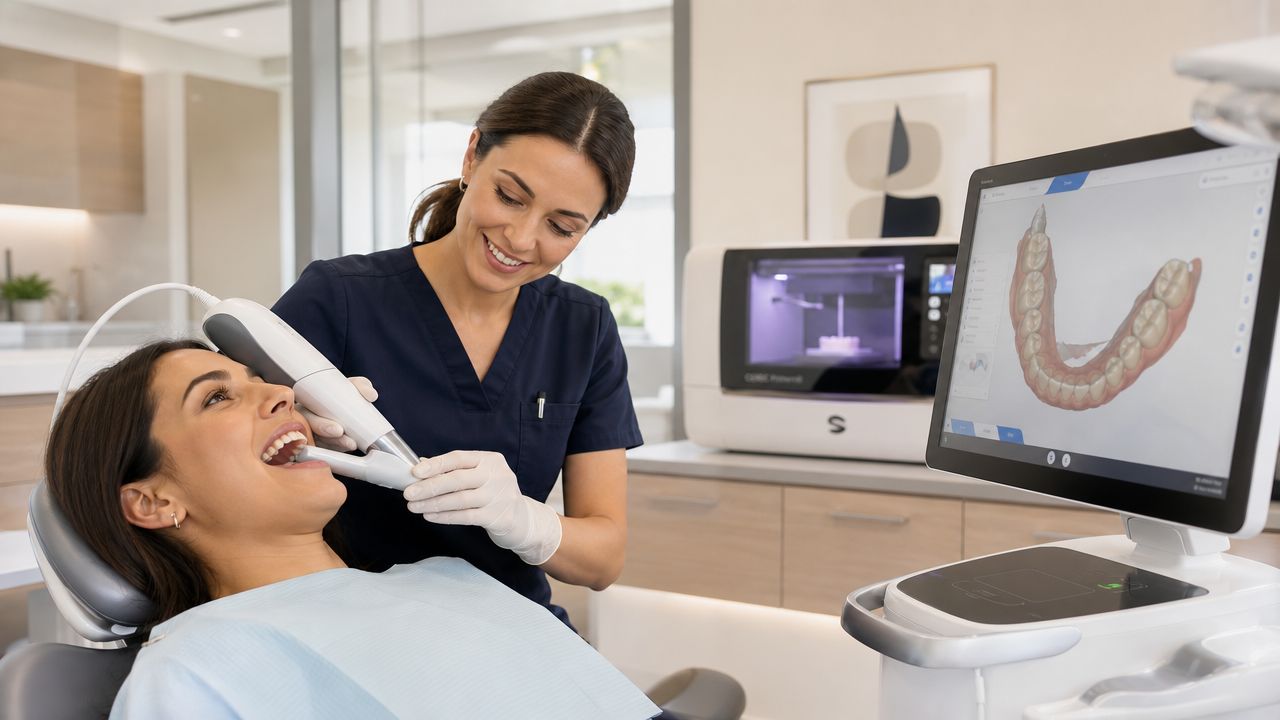
- Digital scans: These let us capture the shape of your teeth without traditional putty impressions.
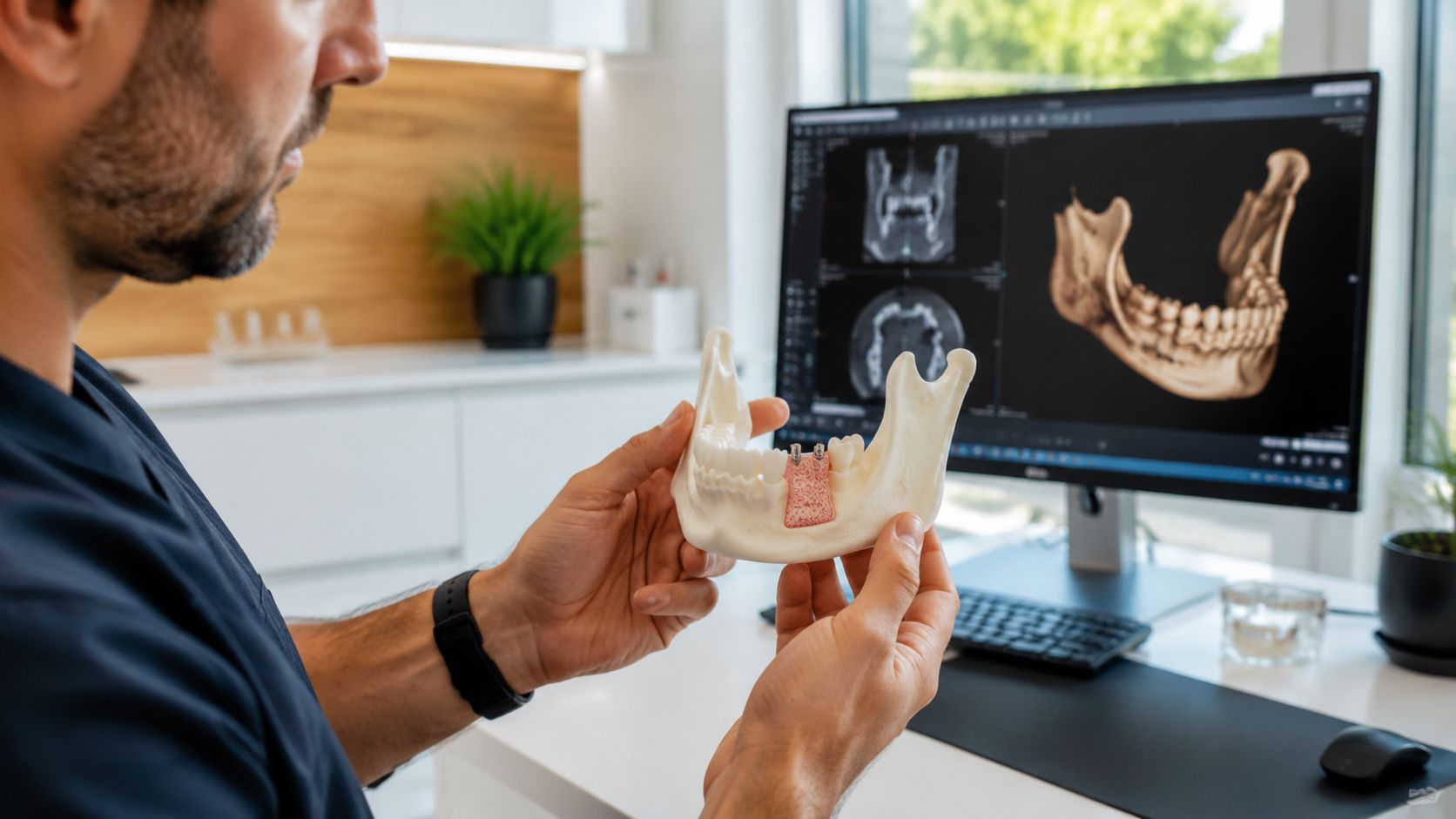
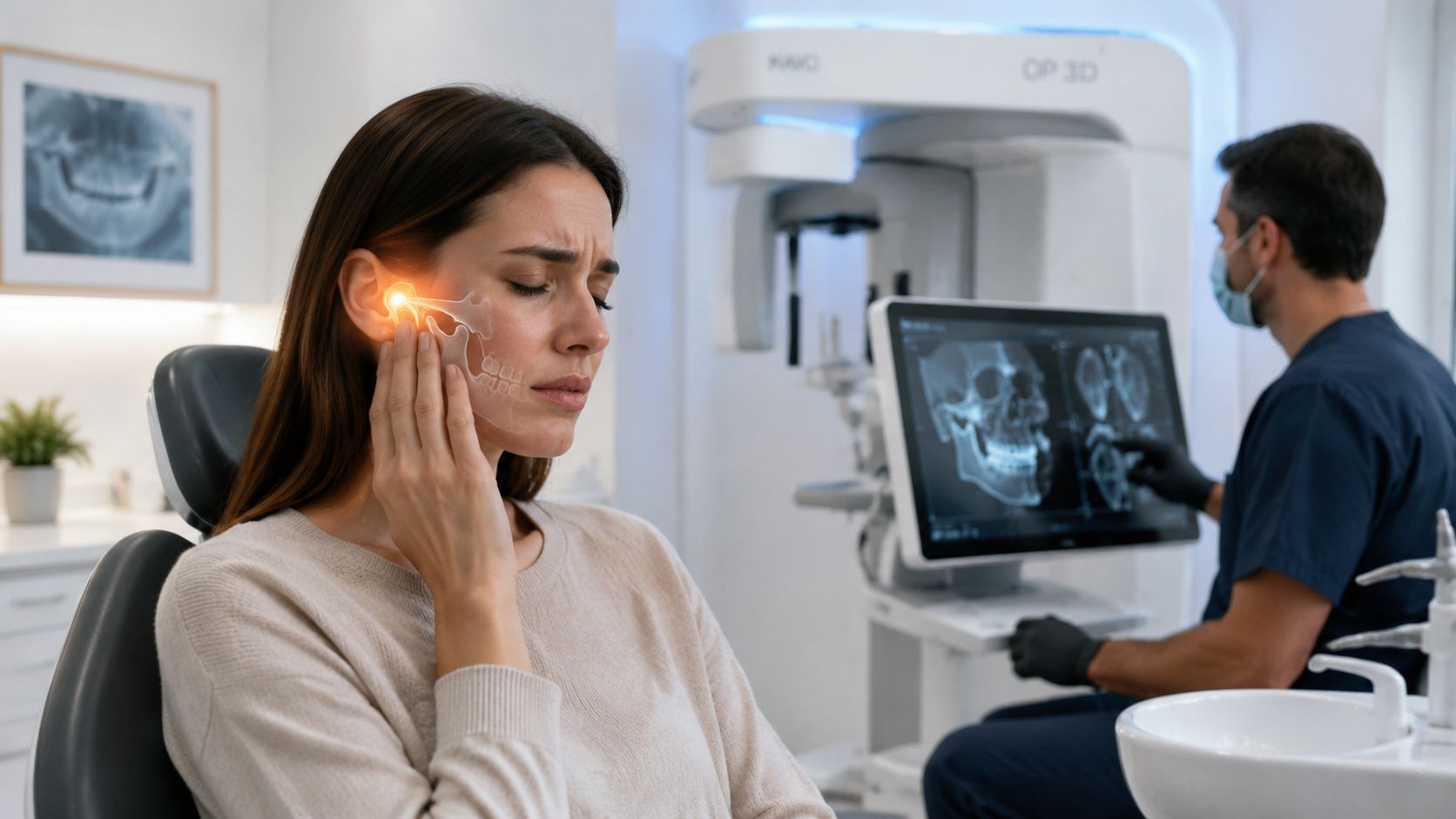
- Dental x-rays and 3D imaging: These help show tooth roots, bone support, eruption patterns, and hidden issues.
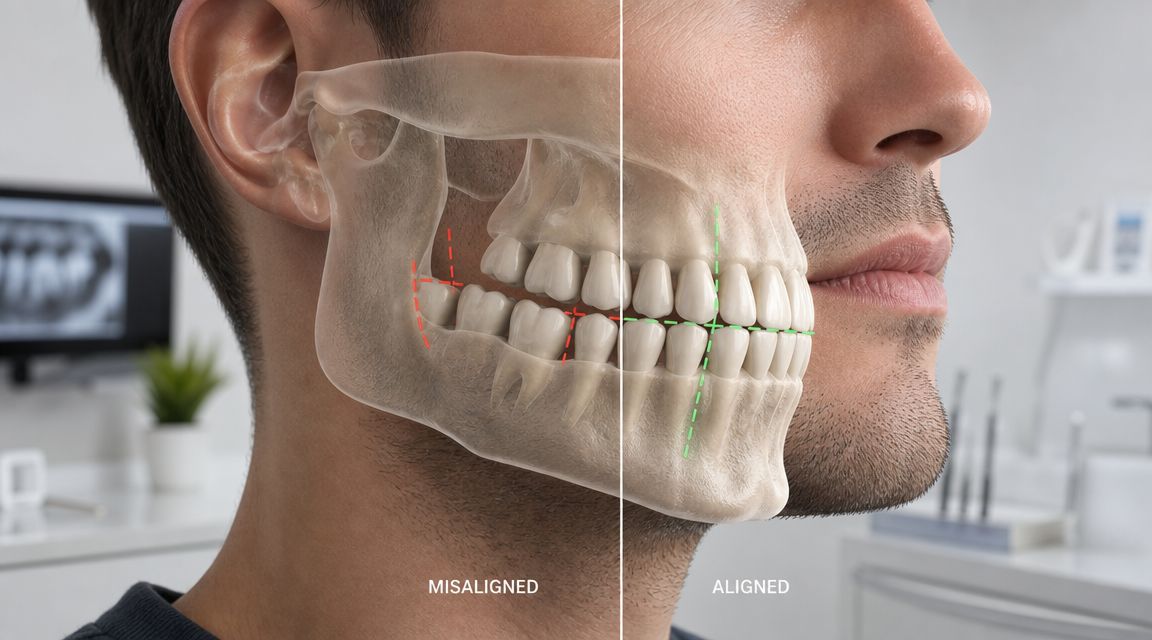
- Bite analysis: We check how your upper and lower teeth fit together, not just how the front teeth look.
- Gum and restorative review: Healthy gum tissue and stable dental work matter before tooth movement begins.
According to this summary on crowded teeth in adults and professional oversight, over 30% of adults experience teeth crowding, and treatment depends on accurate severity assessment. The same source notes that mail-order aligner treatment carries significant risks without professional oversight, while in-person care that uses 3D scans and detailed dental studies supports a multidisciplinary approach that improves predictability.
Why scans change the quality of the plan
A scan doesn't just make the visit feel modern. It changes decision-making.
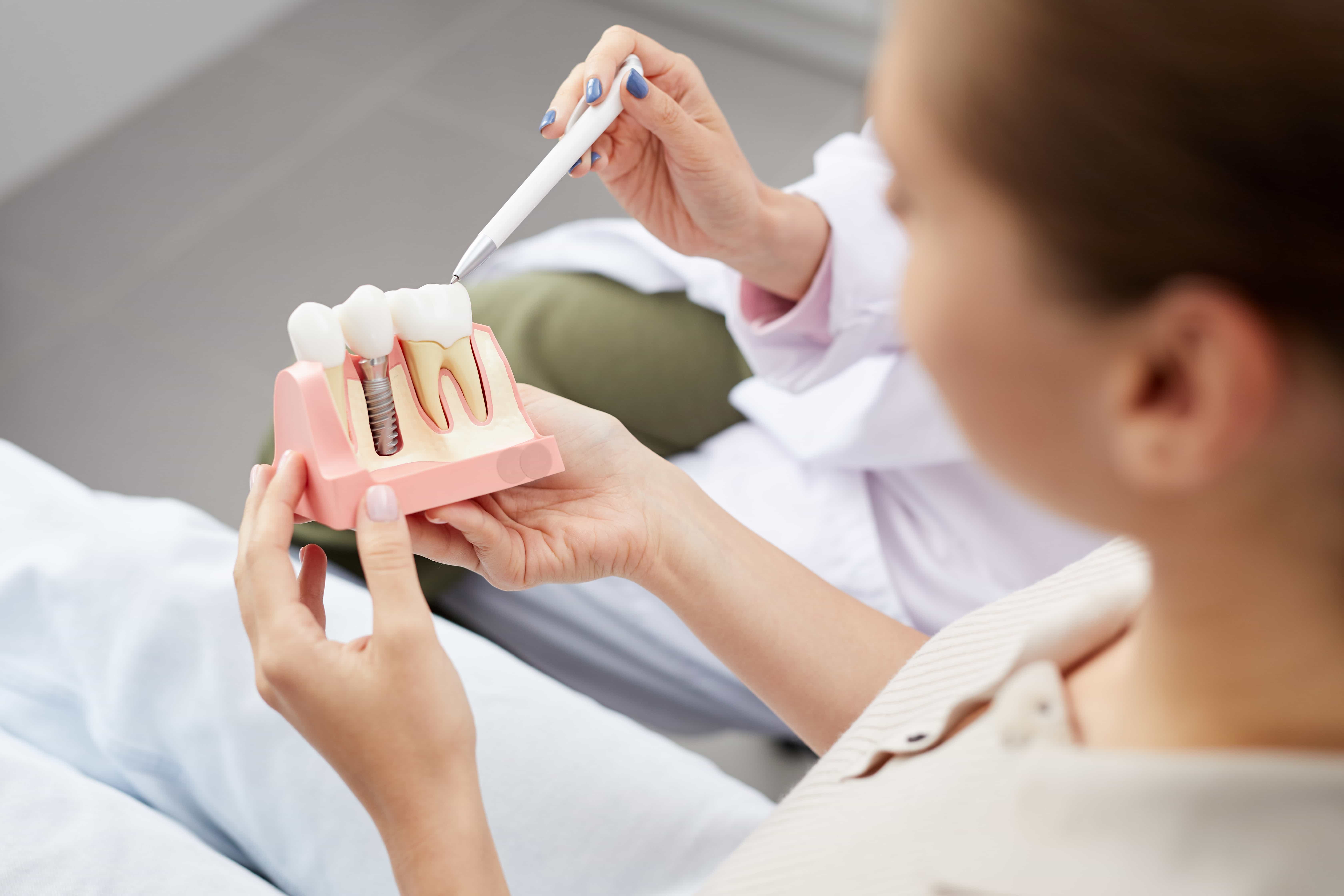
When we can review digital models and imaging in detail, we can look at how much space is missing, whether the case may respond to expansion or enamel reduction, and whether another issue needs attention first. If a patient also needs periodontal care, a filling replacement, cosmetic planning, or even future implant work, those pieces can be coordinated rather than treated as separate problems.
"The right orthodontic plan starts with the right measurements. If the diagnosis is off, the treatment will be too."
That difference is one reason remote, one-size-fits-all systems are limited. A mailed tray system can't examine your gums in person, confirm whether a tooth is rotating safely, or spot problems that only show up on imaging.
The treatment discussion stays personal
Once the records are complete, the conversation becomes practical. We talk about trade-offs, not sales talking points.
A patient who wants discreet treatment may be a good fit for clear aligners. Another patient may get a better result with braces because the teeth need stronger control. Some cases can be handled conservatively. Others need space creation, staged movement, or referral coordination within a broader treatment plan.
This is also where timing, appointments, and budget come in. Patients often want to know whether they can combine orthodontic care with teeth whitening later, whether an old crown will affect movement, or whether a tooth extraction might be part of the plan. Those are normal questions. The consultation is where those answers become specific to you.
Clear Aligners vs Braces and Other Solutions for Crowded Teeth
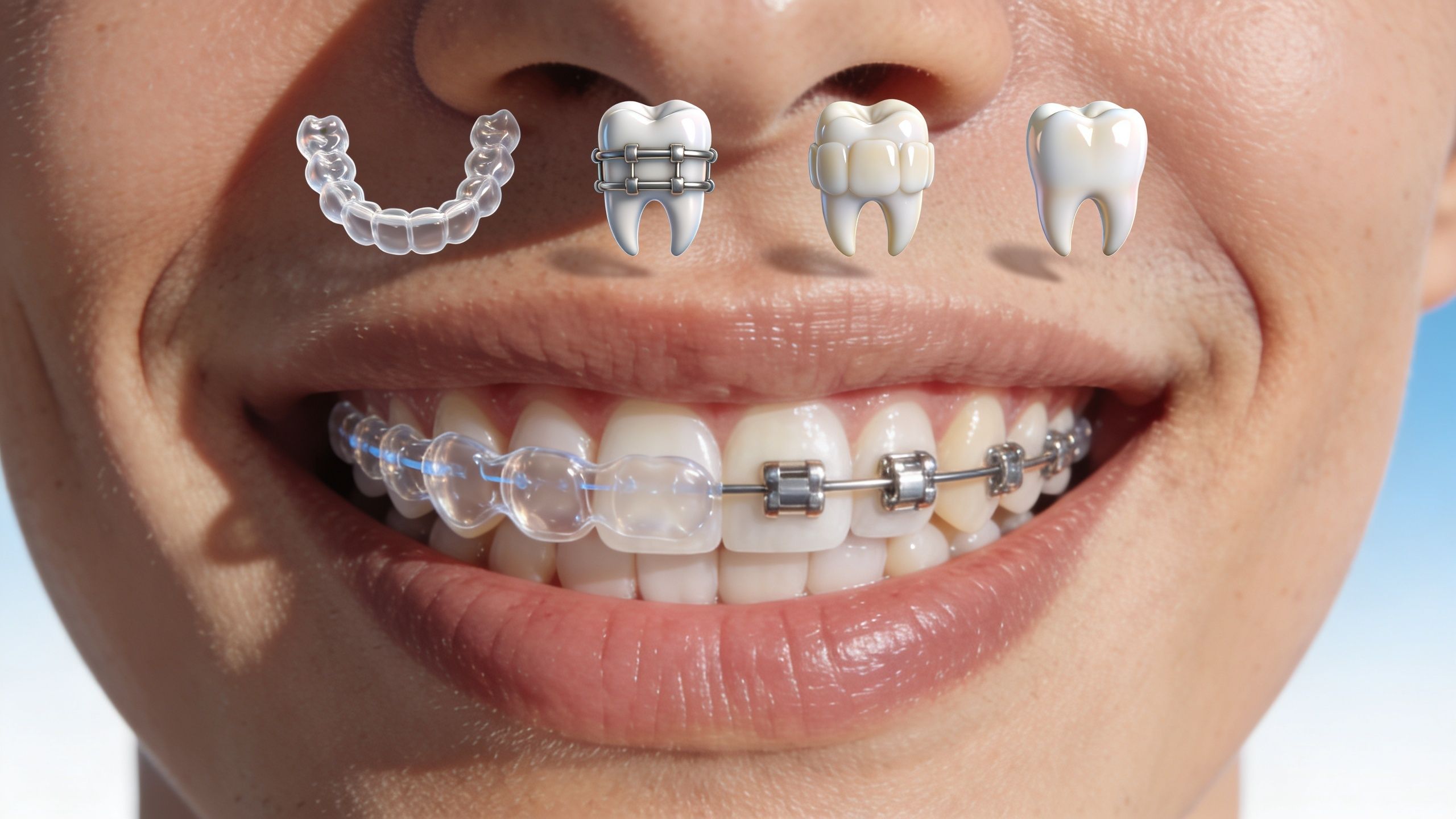
Some patients come in hoping clear aligners will solve everything. Others assume braces are the only real option. After we review the scan, bite, and space available, the choice is usually more specific than that.
The goal is not to force every crowded case into the same treatment. The goal is to move teeth safely, create enough room, and finish with a bite that is stable and healthy.
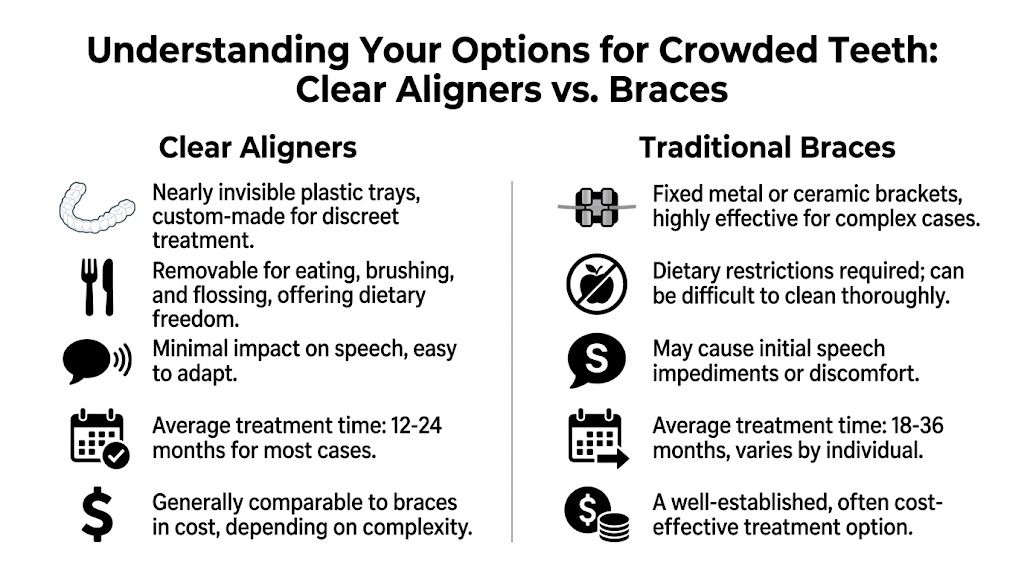
Comparing treatments for crowded teeth
| Treatment | Best For | Typical Timeline | Key Benefit | Considerations |
|---|---|---|---|---|
| Clear aligners | Mild to moderate crowding | Often 12 to 24 months | Discreet and removable | Requires consistent wear and good case selection |
| Traditional braces | Moderate to severe crowding | Varies by case | Strong control for complex movement | More visible and harder to clean around |
| Interproximal reduction | Mild to moderate space shortage | Used within a larger plan | Creates space without removing a tooth | Only appropriate in carefully measured amounts |
| Tooth extraction with orthodontics | Severe space shortage | Varies by case | Can create the room needed for alignment | Permanent decision, used selectively |
| Expansion or eruption guidance in younger patients | Developing arches in children | Varies by growth and appliance | Can create room during development | Timing matters and requires evaluation |
Clear aligners for mild to moderate crowding
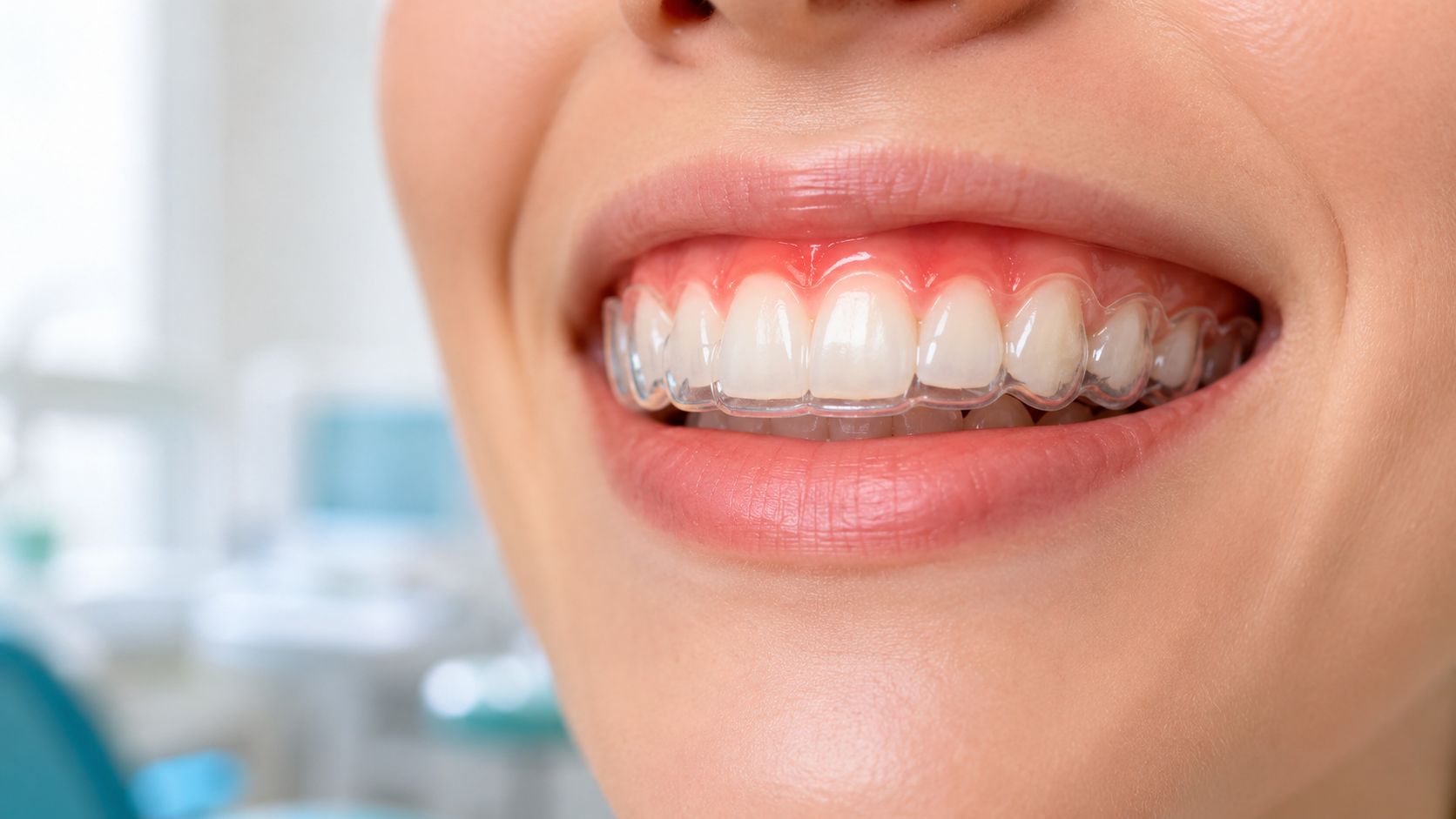
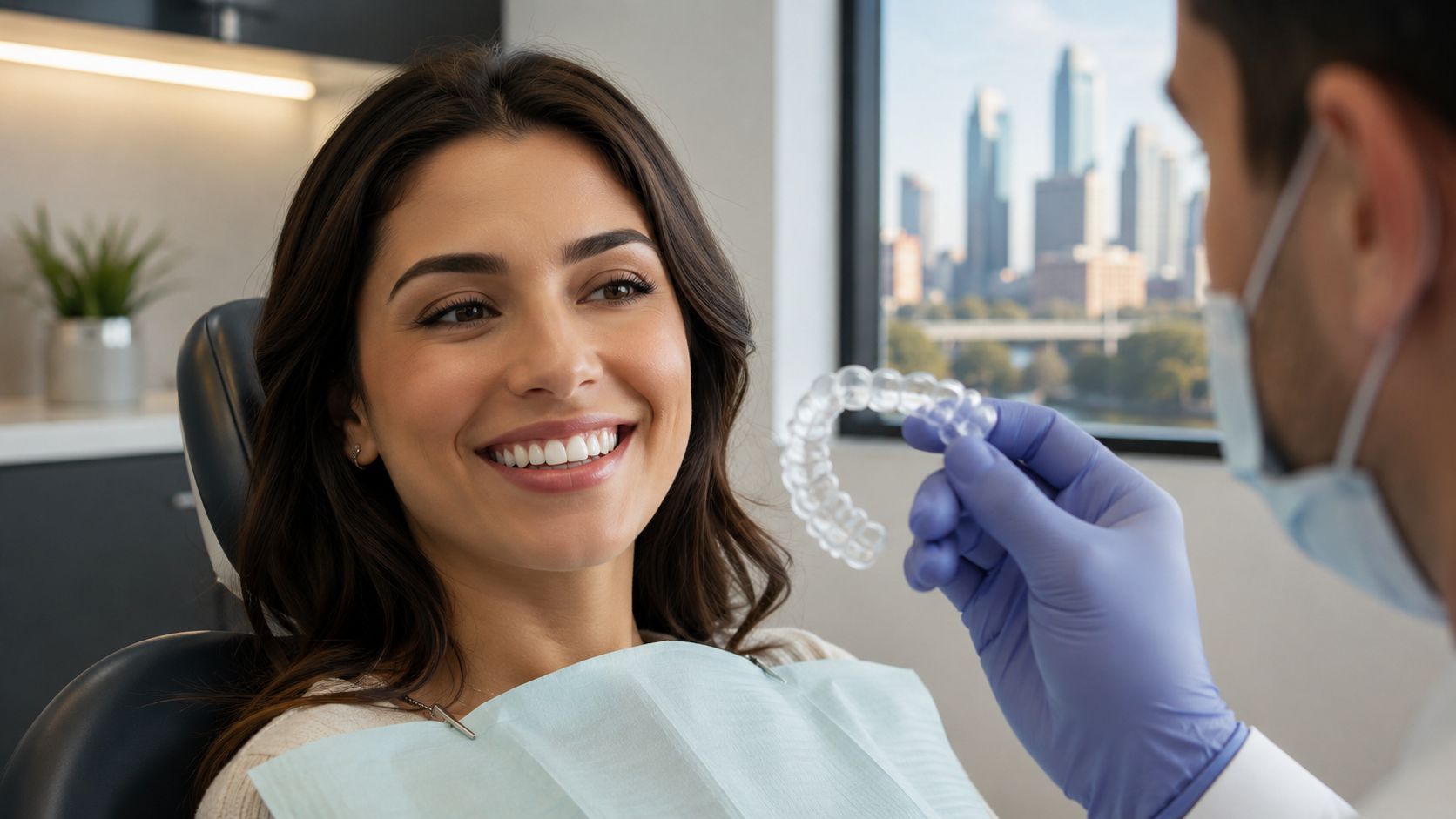
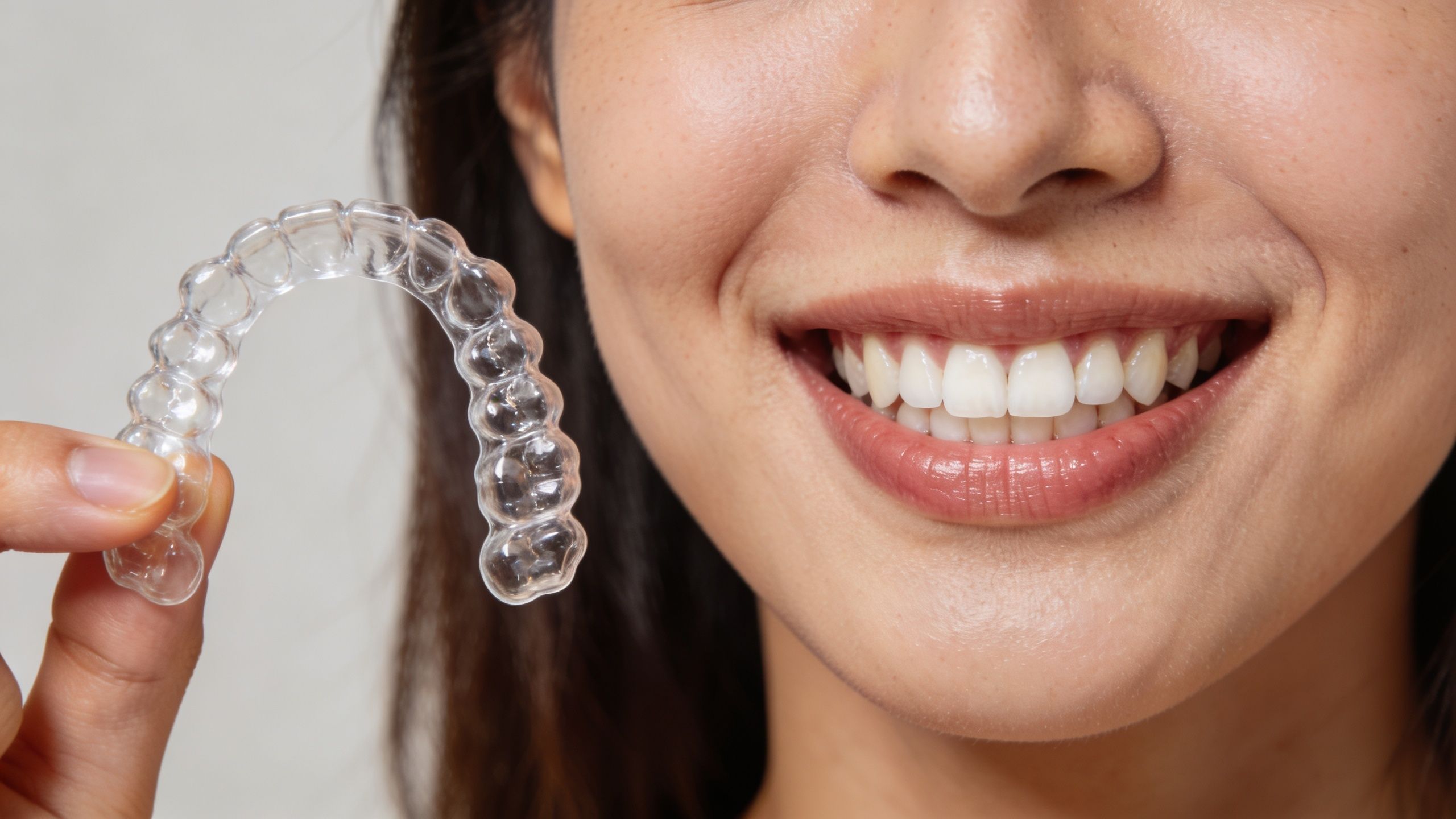
Clear aligners work well in the right case. Adults often prefer them because the trays are removable for meals, brushing, and flossing, and they are much less noticeable in daily life.
In our office, aligners tend to perform best when crowding is mild to moderate, the bite does not need heavy correction, and the patient will wear the trays as prescribed. That last part matters more than people expect. A well-designed aligner plan can still stall if trays stay out too long each day.
We also use digital scans and in-house planning to watch for details that DIY systems miss. A tooth that needs a specific attachment, enamel shaping, or a mid-course adjustment may not follow a generic tray sequence well. That is one reason professionally supervised aligner treatment is safer and more predictable than mail-order orthodontics.
A few practical trade-offs come up often:
- Appearance: Aligners are a low-visibility option for many adults.
- Hygiene: Brushing and flossing are simpler because the trays come out.
- Compliance: Treatment depends on consistent wear.
- Limits: Significant rotations, difficult root movement, and broader bite correction may respond better to braces.
Patients who want a side-by-side explanation can read our guide to braces vs clear aligners.
Traditional braces for stronger control
Braces still play an important role, especially when crowding is more advanced or the bite needs more than straightforward alignment. They give us stronger control over certain tooth movements and do not depend on remembering to put trays back in after every meal or coffee.
That makes a difference in cases with heavy rotation, teeth that need more precise root positioning, or crowding that affects the way the upper and lower teeth fit together. In those situations, braces are often the more efficient and more reliable choice.
Patients usually ask the right question. Are braces harder to live with? Yes, in some ways. They are more visible, food gets caught more easily, and cleaning takes more effort. For the right case, those inconveniences are often worth it because the mechanics are stronger and the margin for error is smaller.
Interproximal reduction when only a little space is missing
Interproximal reduction, or IPR, creates a small amount of space by reshaping enamel between selected teeth. It sounds aggressive, but when it is planned properly, it is a conservative tool.
We use it only after measuring carefully on scans and models. At 3D Dental, that planning matters. Removing too little may not solve the crowding. Removing too much is poor treatment. In the right patient, IPR can help us avoid extractions and keep the final smile looking natural instead of flared.
It is usually part of a larger orthodontic plan, not a stand-alone fix.
When extractions are part of the answer
Some arches do not have enough room to align every tooth without pushing teeth too far forward or creating an unstable result. In those cases, extraction can be the healthiest option.
Patients often feel uneasy when they hear that word. That reaction is understandable. Extraction is a permanent decision, so we recommend it selectively and only after we evaluate facial balance, bite goals, gum support, and how much space is missing.
Avoiding extractions at all costs can be just as problematic as recommending them too quickly. A personalized diagnosis matters here more than any internet rule of thumb.
Early treatment and expansion for younger patients
Children and teens sometimes have options that adults no longer have because the jaws are still developing. If crowding is caught early enough, growth guidance, selective expansion, or eruption management may create room before the problem becomes harder to correct.
A review indexed on PubMed found that some early treatment approaches showed measurable improvement in lower arch crowding in children, although the studies were small and the certainty of evidence was limited. That matches what we see in practice. Timing can make a real difference, but early treatment is not automatically the right move for every child.
What matters is identifying which young patients are likely to benefit and which ones are better monitored until the next stage of development.
What does not work as well as people think
Wisdom teeth are not the sole explanation for front-tooth crowding that many people have heard. Removing them does not reliably fix an already crowded smile.
Unsupervised orthodontic treatment is another common pitfall. A mailed tray system cannot check gum health in person, confirm that enamel reduction is being done safely, or revise the plan when teeth fail to track. That is where in-person care changes the outcome. We use digital scanners, 3D imaging, and close follow-up to adjust treatment as needed rather than hoping a one-size-fits-all sequence works.
Crowded teeth can often be corrected well. The best method depends on the diagnosis, not the marketing.
Keeping Your Teeth Straight After Treatment Retainers and Long-Term Care
You finish orthodontic treatment, look in the mirror, and finally see teeth that line up the way they should. A few months later, the retainer stays out for longer stretches, then stops being part of the routine. That is when small shifts often begin.
Retention keeps the result stable while the bone, gums, and supporting fibers adapt to the new tooth positions. Teeth are not locked in place the day aligners or braces come off. They need support, and the right retainer plan depends on how your teeth moved, how much crowding was corrected, your bite, and how likely you are to wear a removable appliance consistently.
At 3D Dental, we do not treat retainers as an afterthought. We use the records from your treatment, including digital scans, to check how your final result fits and to choose a retention approach that matches your case rather than handing every patient the same plan.
Why the type of retainer matters
The two main options are removable clear retainers and fixed retainers bonded behind certain teeth.
- Removable clear retainers: Easy to take out for meals and brushing. They work well for many patients, but only if they are worn on schedule.
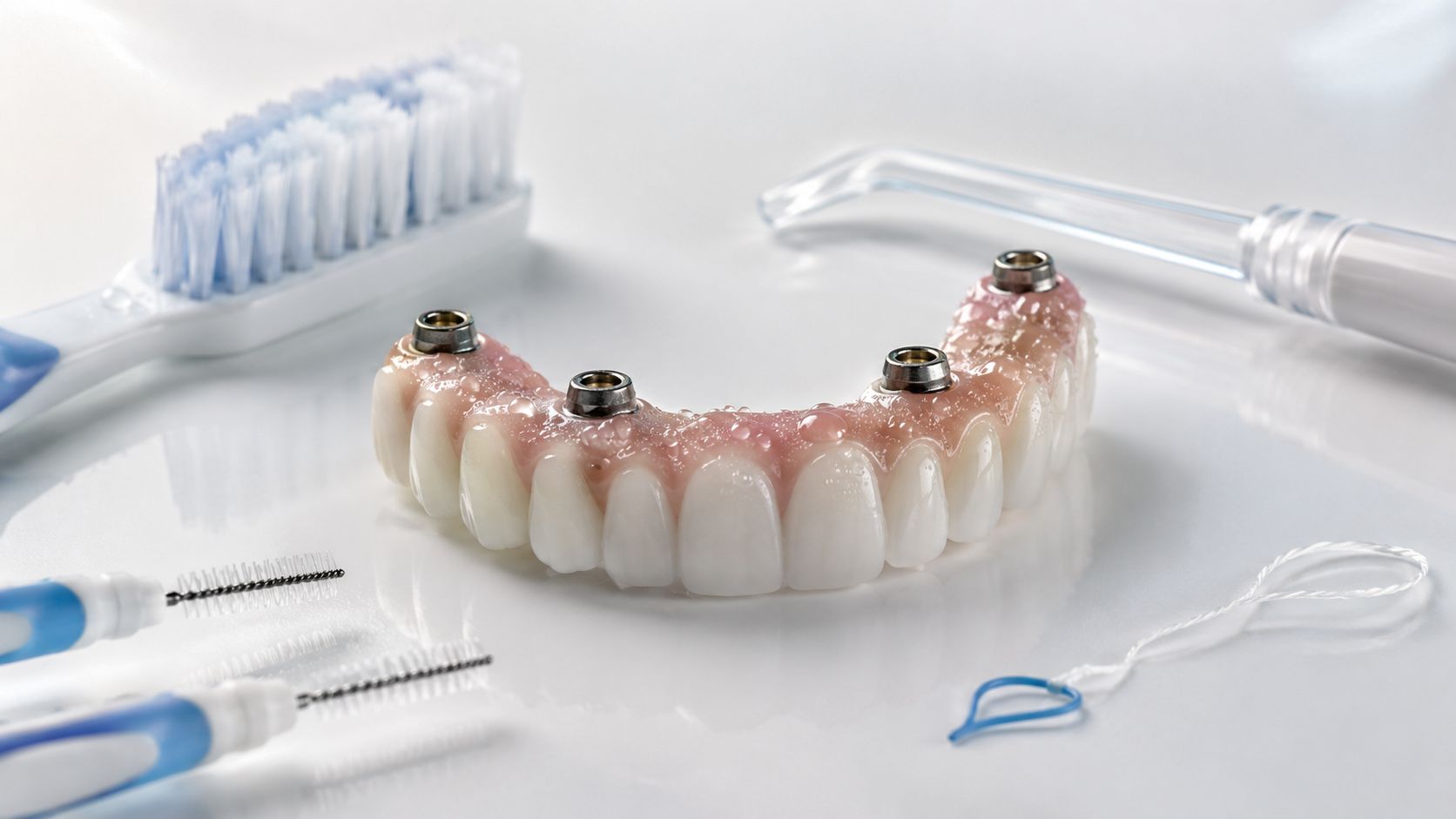
- Fixed retainers: Helpful for teeth that have a higher risk of shifting, especially the lower front teeth. They stay in place, but they make flossing more technique-sensitive and need periodic checks to confirm the bond and wire are intact.
Some patients do best with one type. Others benefit from a combination, such as a bonded retainer in one arch and a clear retainer in the other. That decision should come from the diagnosis and how stable the finished tooth positions are, not from convenience alone.
Daily habits that make a difference
Long-term success usually comes down to a few repeatable habits.
- Wear your retainer exactly as prescribed: The early retention phase matters most because the teeth are more prone to relapse.
- Clean it regularly: A retainer collects plaque and bacteria quickly if it is only rinsed and put back in.
- Keep it in a case when it is not in your mouth: Napkins, lunch trays, and bathroom counters are where many retainers disappear.
- Call us if it feels tight, cracks, or stops fitting well: A minor shift is much easier to correct than a larger relapse.
If you want a clearer sense of the risks, this article on what happens if you don't wear your retainer explains the consequences plainly.
Retention works better with regular dental care
Straight teeth still need routine cleanings, exams, and dental x-rays. Patients with fixed retainers need those visits even more because plaque can build up around the wire and the bonded areas are harder to clean well at home.
We also use these follow-up visits to catch changes early. A retainer that no longer fits, a bonded wire that has loosened, or new grinding habits can all affect long-term stability. In a practice with digital records and in-house support, it is easier to compare where things started, where they ended, and whether a small adjustment is needed before it turns into a larger problem.
Some patients choose cosmetic finishing after alignment, such as whitening or minor bonding. Others are relieved that brushing and flossing feel easier now than they did when their teeth were crowded. Both are good outcomes. The main goal is keeping the correction you worked for.
Schedule Your Smile Consultation with 3D Dental Today
If you've been putting off treatment because you weren't sure where to start, the first step is often less complex than many anticipate. A consultation can tell you whether your crowding is mild, moderate, or severe, what options fit your case, and whether your plan should involve clear aligners, braces, selective tooth extraction, or another approach.
For patients in North Austin and Georgetown, convenience matters. So does having a full picture. Our offices use advanced imaging, digital scanners, and in-house technology to make planning more precise and the process easier to follow. If you also need cleaning and exams, restorative dentistry, cosmetic dentistry, wisdom tooth extraction, or emergency dentist care, those needs can be addressed as part of the same relationship with your dental team.
We welcome patients from Austin, Georgetown, Cedar Park, Round Rock, Liberty Hill, and Wells Branch who are looking for a dentist near me, a cosmetic dentist near me, or a trusted local office for orthodontic care.
Flexible payment matters too. We support insurance, in-house payment options, and financing through Cherry and Sunbit so patients can move forward with a plan that fits real life.
If you're ready to find out how to fix crowded teeth with a personalized plan, schedule a consultation online or contact our office directly. We'll help you understand your options and what the next step should be.
Your Questions About Crowded Teeth Answered
A lot of patients ask these questions after years of working around crowding. They angle the floss, avoid certain photos, or assume they missed their chance to fix it. In our office, the answers usually become much clearer once we scan the teeth, check the bite, and look at the bone support in 3D.
Is fixing crowded teeth painful
Crowded teeth treatment usually feels more like pressure and soreness than pain. That tends to happen when teeth first start moving, after an aligner change, or after a braces adjustment. We plan movement in controlled stages so teeth shift safely instead of being pushed too aggressively.
Am I too old for braces or clear aligners
Age by itself is rarely the problem. Adults start orthodontic treatment every day, including patients who have had crowding for decades. What matters is whether your gums, jawbone, existing dental work, and bite make treatment a good fit. That is one reason we rely on digital scans and 3D imaging instead of guessing from appearance alone.
Do wisdom teeth need to come out to fix crowding
Usually, no. Wisdom teeth are often blamed for front teeth crowding, but they are not the sole explanation for front-tooth crowding that many people have heard. If wisdom teeth are causing infection, damage, or pressure in the wrong area, they may need separate treatment. If crowding needs correction, we treat the crowding with an orthodontic plan designed for your actual measurements.
Can crowded teeth be fixed without removing teeth
Sometimes. Mild and moderate crowding can often be corrected with clear aligners, braces, or small space-gaining adjustments such as interproximal reduction. Severe crowding may still call for extractions if that is the healthiest way to create room and protect the bite, roots, and gum support.
This decision should be individualized. A one-size-fits-all plan, especially one made without full records, can miss problems that affect stability and appearance later.
Will insurance or financing help
Sometimes, yes. Orthodontic coverage varies quite a bit, especially for adults, and many plans have age limits or lifetime maximums. Our team helps review benefits and explain what is covered, what is not, and what financing options may make treatment more manageable.
How long does treatment take
Treatment time depends on how crowded the teeth are, how the bite fits together, and which method gives the best control. A straightforward aligner case may move faster than a case with rotations, bite correction, or limited space. After we gather your records, we can give you a timeline based on your mouth, not a rough estimate from the internet.
If you're ready for answers and a personalized path forward, schedule a consultation with 3D Dental. We serve patients in North Austin and Georgetown, and we help families and adults across Cedar Park, Round Rock, Liberty Hill, and Wells Branch get clear, practical guidance on crowded teeth treatment.
Ready to get started?
Schedule a free, no obligation consultation with our team and see what's possible for your smile!
Georgetown
- Mon-Thurs8:30am-5pm
- Fri8am-3:30pm
- Sat-SunClosed
Austin
- Mon-Tues8am-5pm
- Wed-Thurs9am-6pmFri8am-2pm
- Sat-SunClosed