
How Long Does Teeth Whitening Last? Austin Dentist
Related Posts
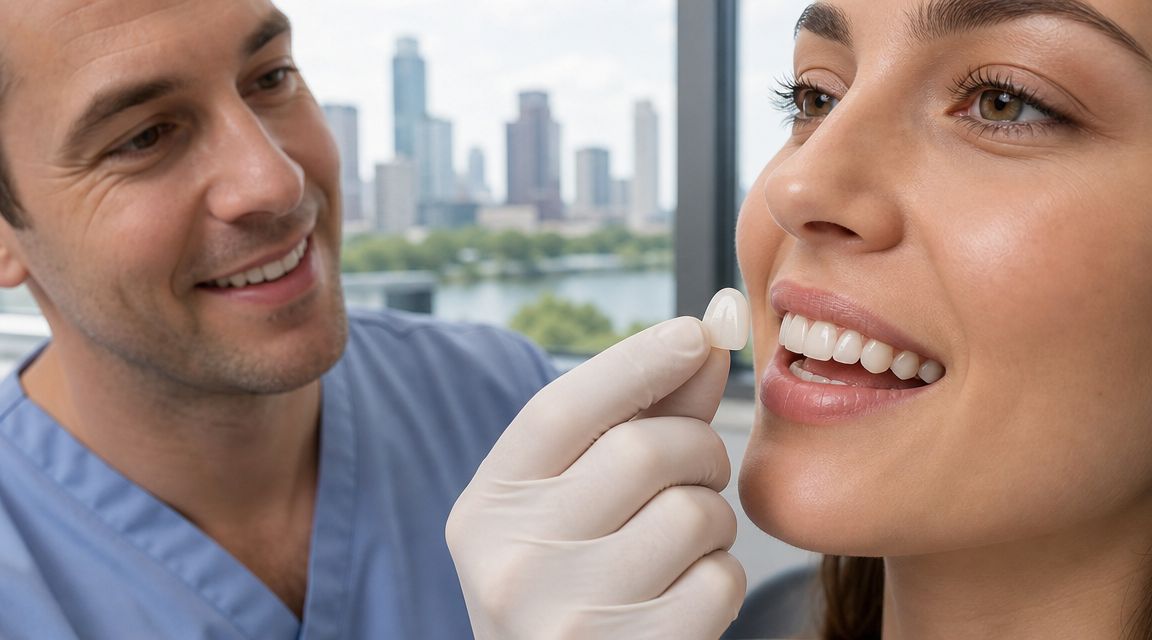
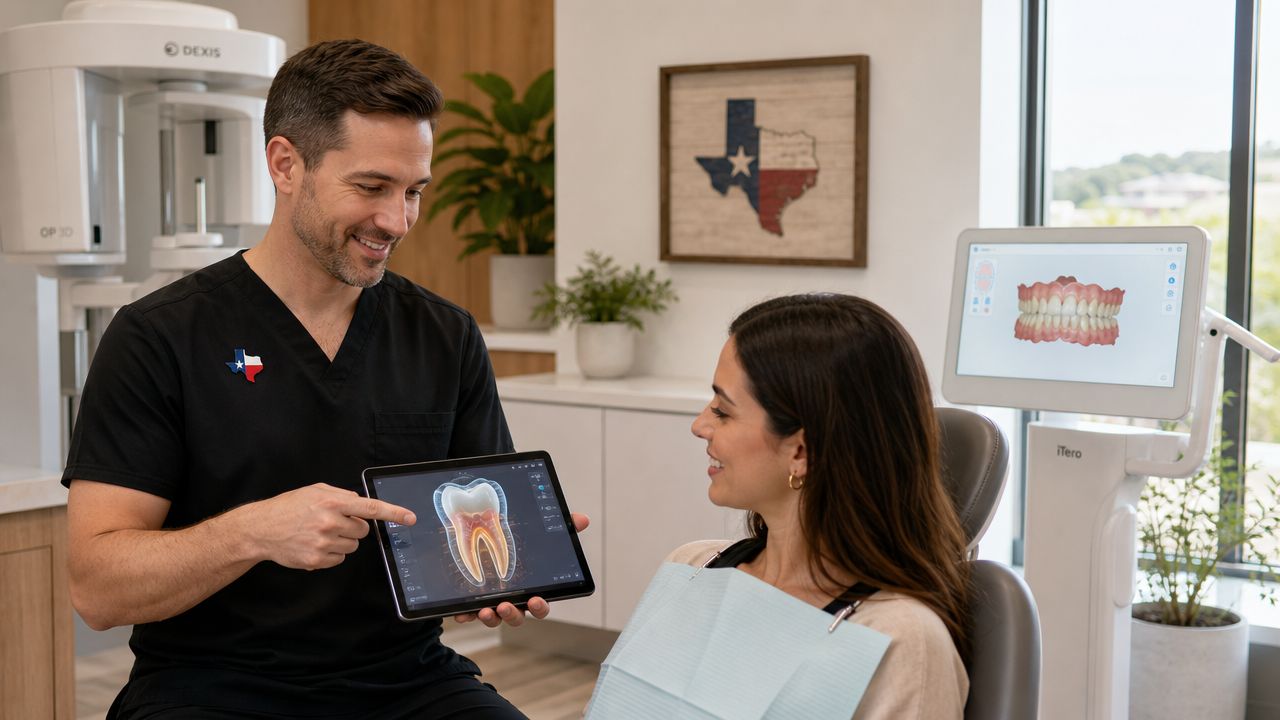
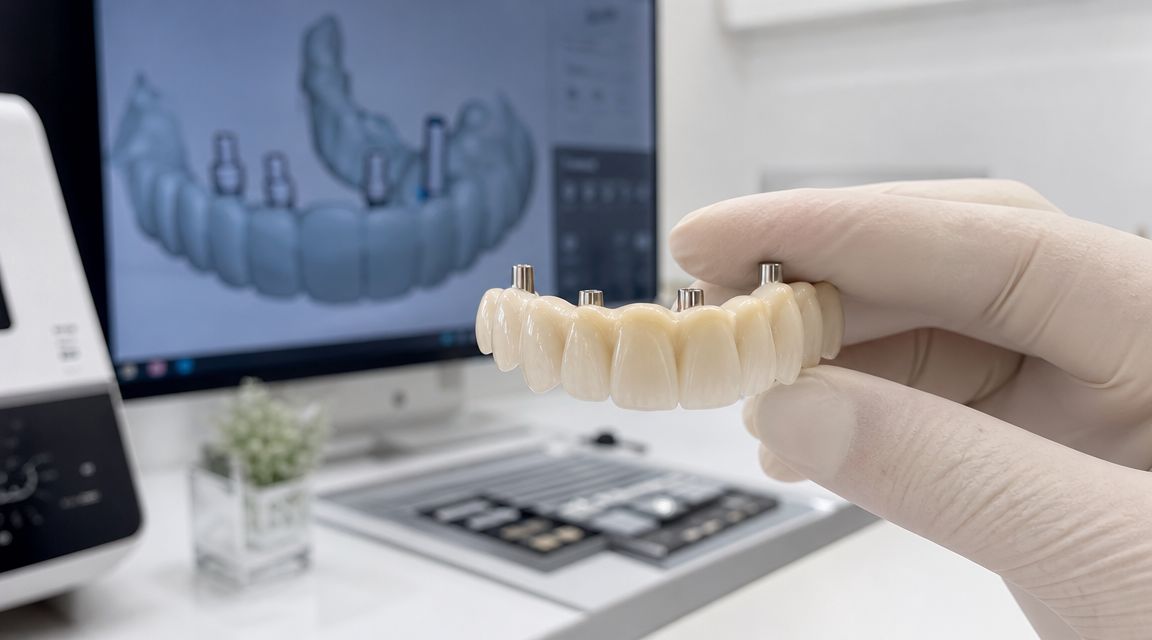
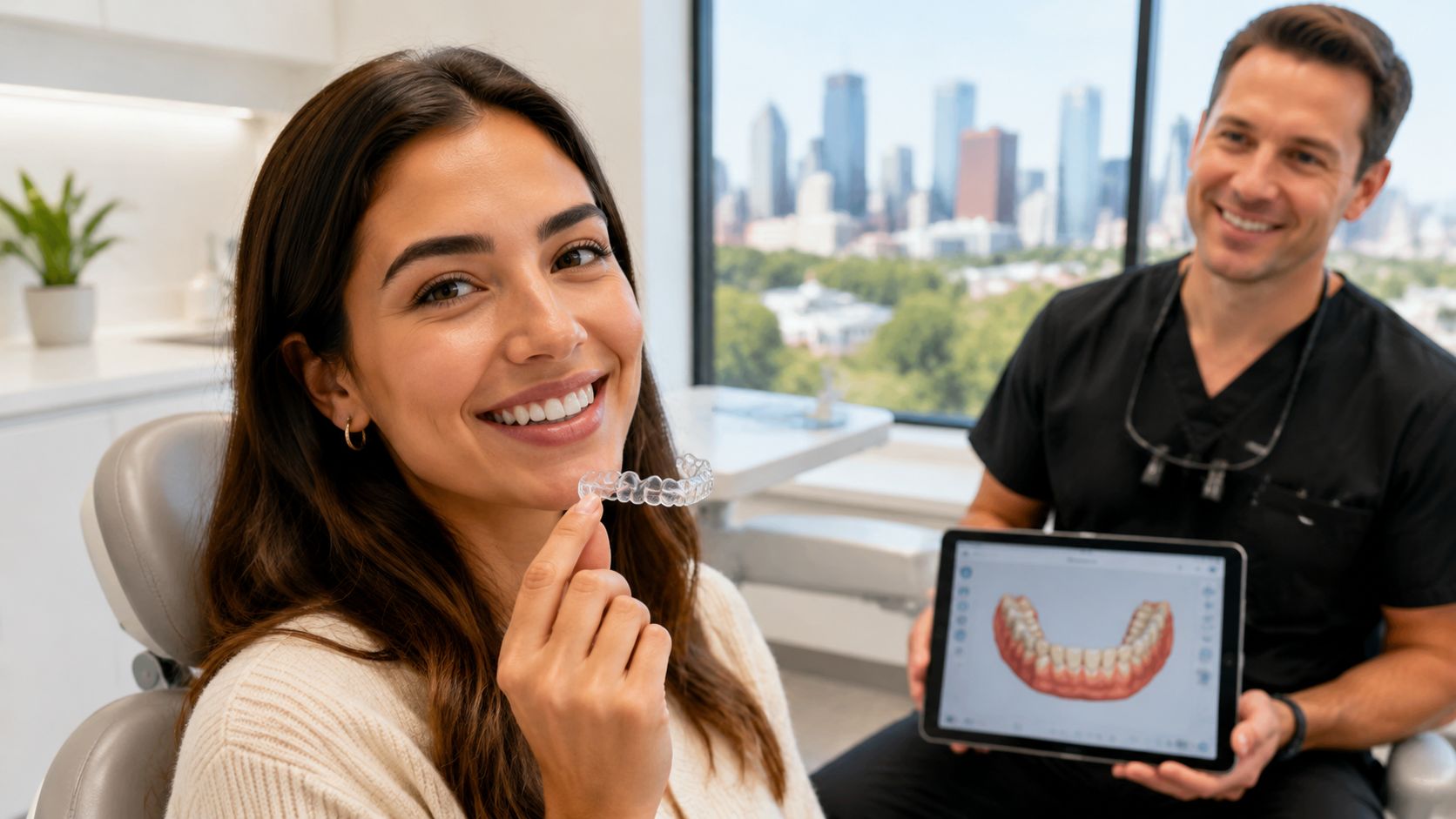














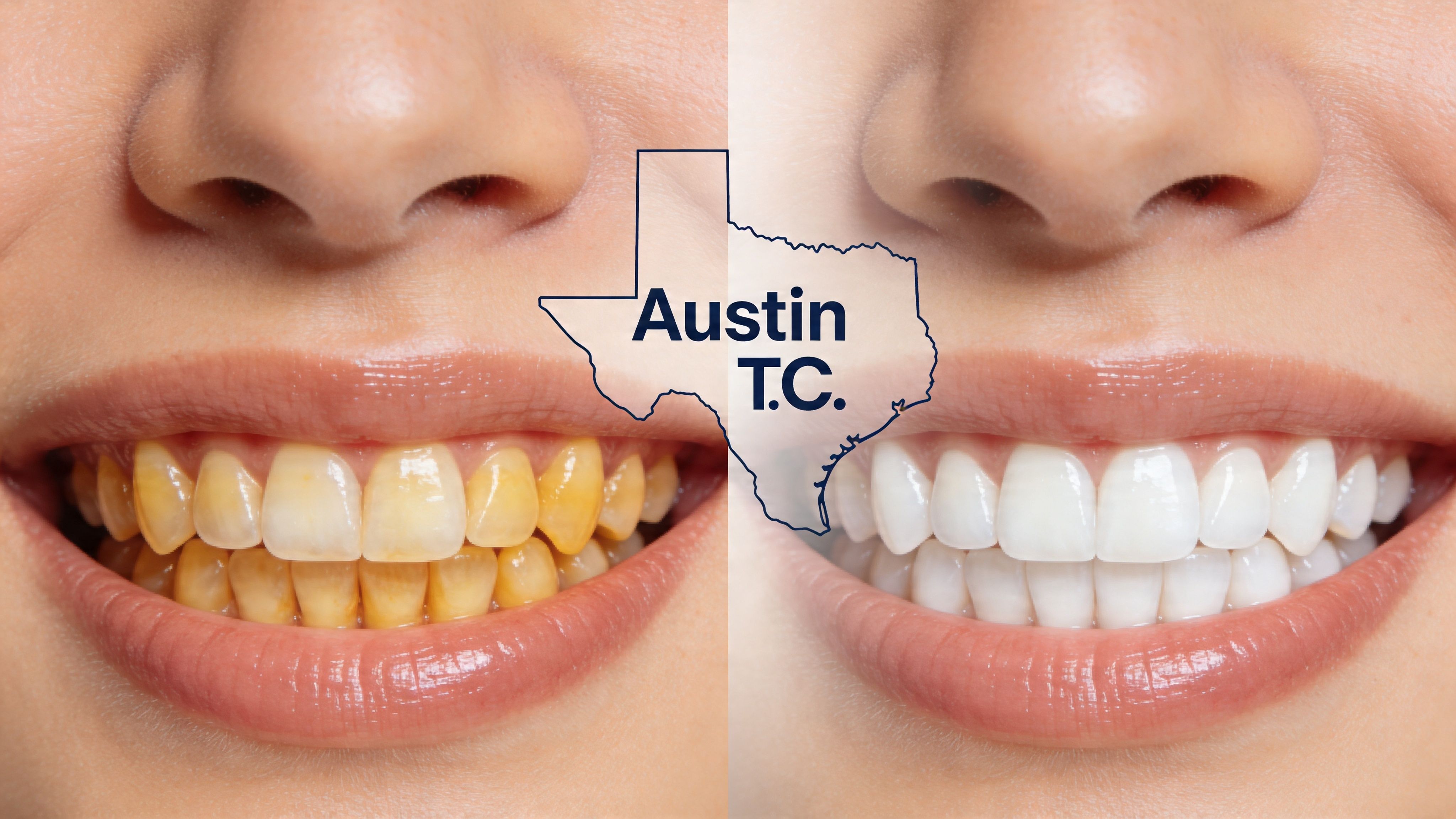
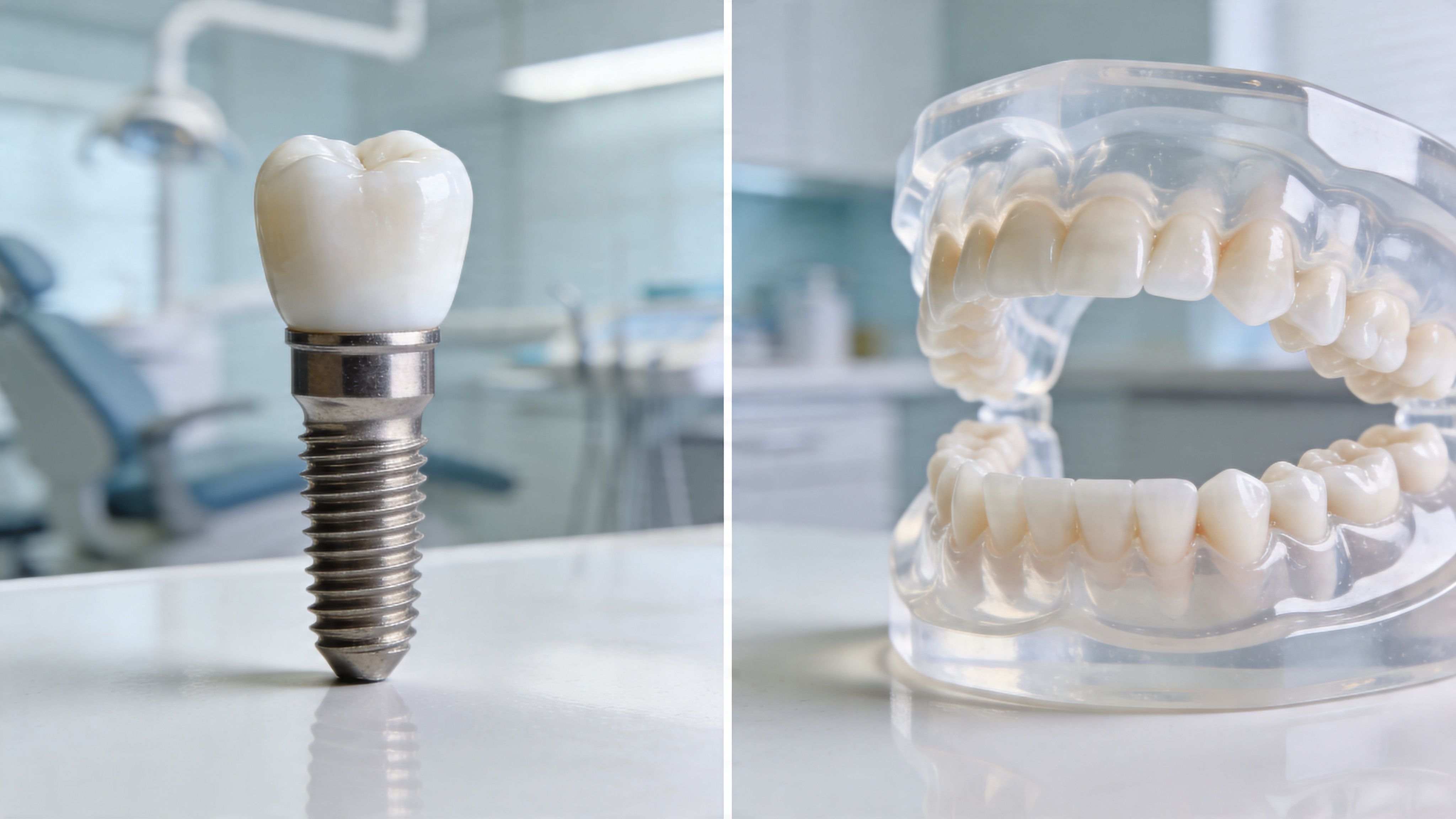
TL;DR: Professional in-office teeth whitening usually lasts 1 to 3 years on average, while dentist-supervised take-home trays can last 6 to 24 months when used correctly. The biggest reason results fade sooner or last longer is your daily routine, especially tobacco use, dark drinks, and whether you keep up with maintenance.
A lot of people start looking into whitening after a small moment that suddenly feels bigger than it should. They see themselves in a work photo, catch their smile in the bathroom mirror before dinner, or notice that their teeth look more yellow than they expected under bright light.
That concern is common, and it doesn't automatically mean anything is wrong with your teeth. In many cases, it means normal staining has built up over time from coffee, tea, red wine, tobacco, or age-related changes in enamel. The main question isn't just whether whitening works. It's how long does teeth whitening last, and what kind of option gives you results that feel worth it.
Achieve Your Brightest Smile with a Cosmetic Dentist in Austin
A patient might come in before a wedding, a job interview, or a family photo session and say the same thing in different words: “My teeth are healthy. I just wish they looked brighter.” That feeling is understandable. Even with good brushing habits and regular cleanings, teeth can still pick up years of color from everyday life in Austin, Georgetown, Round Rock, and Cedar Park.
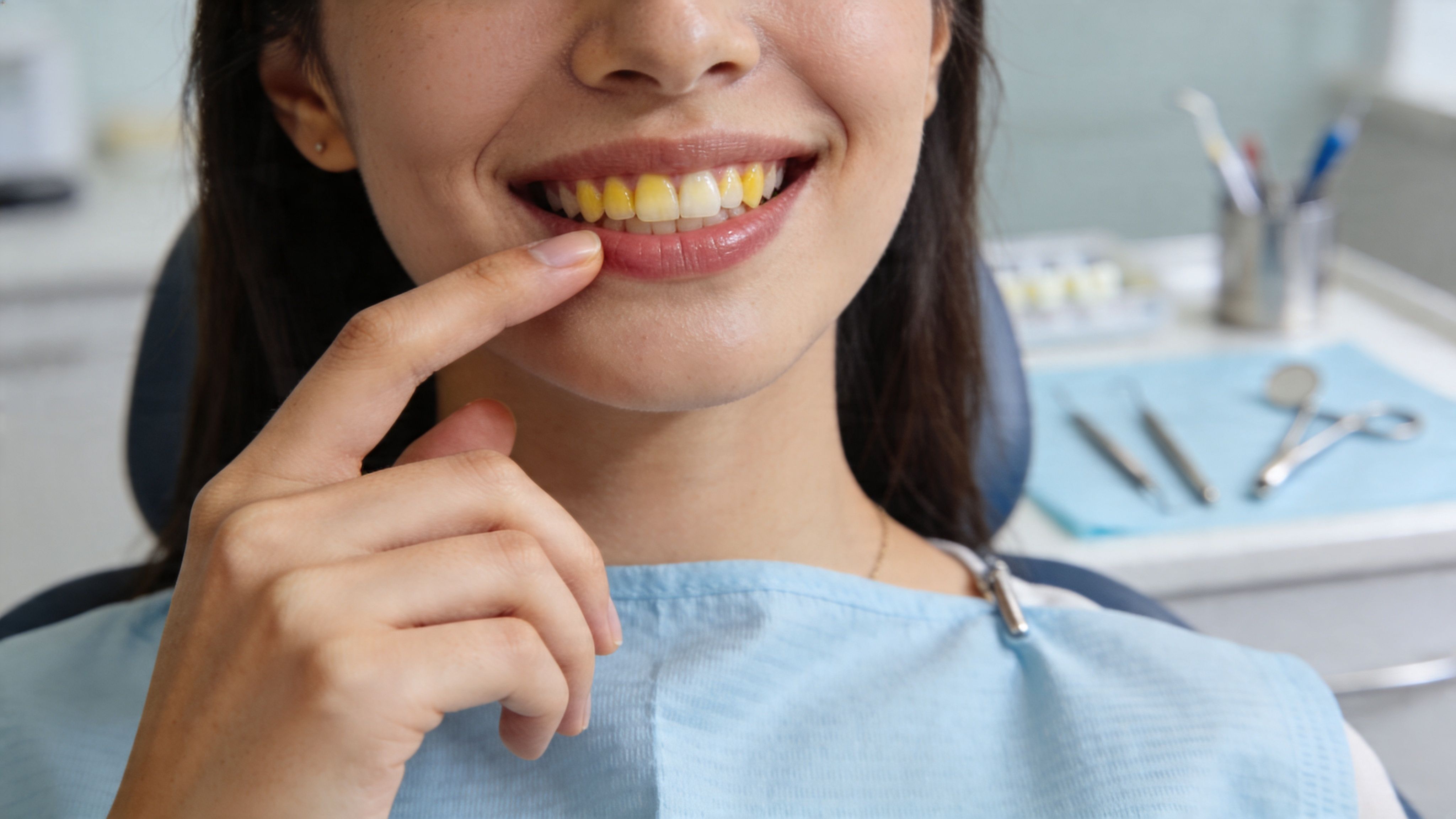
Whitening is one of the simplest ways to refresh a smile without changing the shape of the teeth or committing to a more involved cosmetic treatment. But expectations matter. Some patients want the fastest result possible. Others want something steadier and lower sensitivity. Some are dealing with deep stains, while others mostly have surface discoloration.
Why the answer depends on the kind of staining
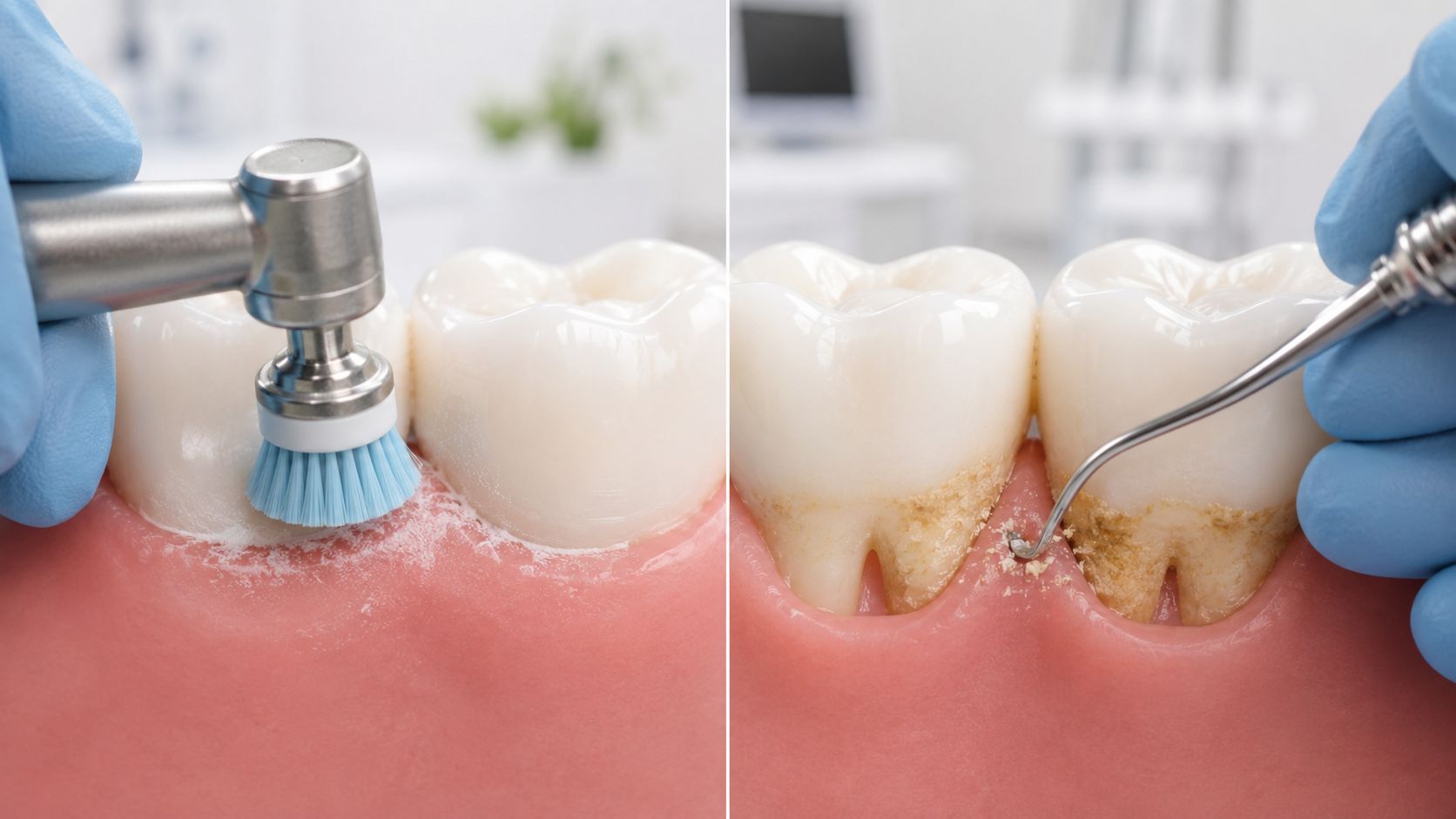
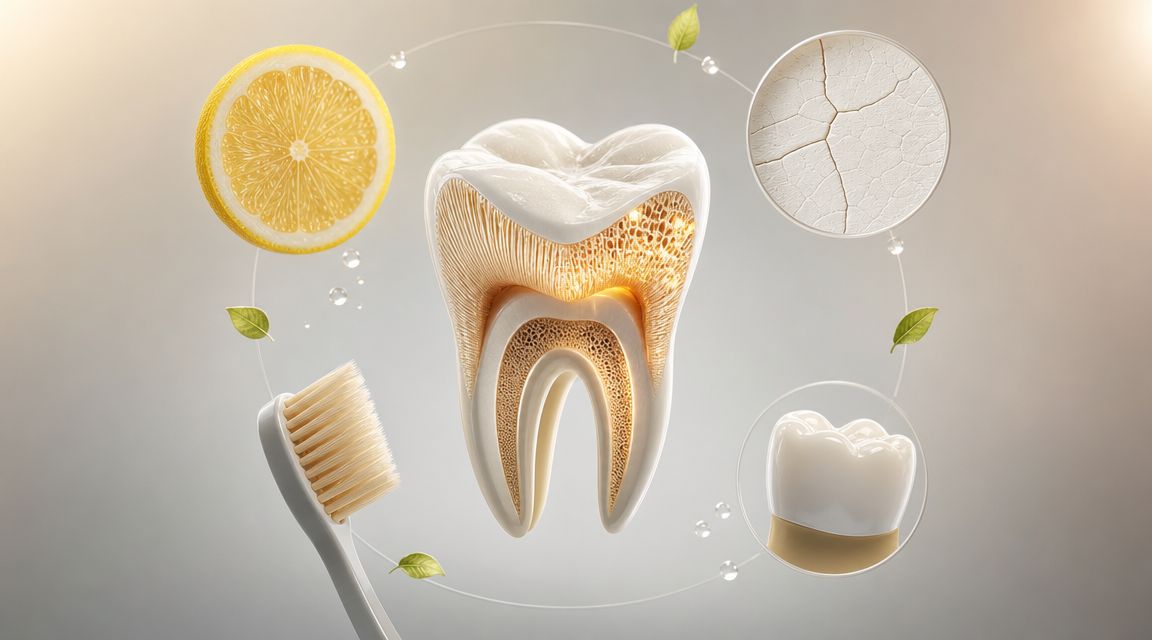
Not all discoloration behaves the same way. Some stains sit on the outside of the tooth from foods and drinks. Others are deeper and tied to age, trauma, or the natural color showing through thinner enamel.
That difference affects how predictable whitening will be and how dramatic the final result looks. A cosmetic dentist near me search often starts with color concerns, but the better first step is understanding what kind of discoloration you're dealing with.
A brighter smile is usually most predictable when whitening is matched to the type of stain, not chosen by convenience alone.
When whitening is the right cosmetic option
Whitening works best for natural teeth that are generally healthy but darker than you'd like. If the issue is chipped enamel, worn edges, or mismatched crowns, other cosmetic dentistry options may make more sense. That's why a proper exam matters, especially if you're also searching for a dentist in Austin, TX or dentist in Georgetown, TX for broader care like cleanings and exams, dental x-rays, veneers, or restorative dentistry.
For many adults, whitening is the first step. It can also fit into a larger plan if you're already considering a new patient exam, replacing old dental work, or improving your smile before treatment like veneers or crowns.
Comparing Your Teeth Whitening Options
A patient in Austin may want whiter teeth before a wedding, while someone in Georgetown wants a result that still looks good months from now. Those are different goals, and the right whitening method changes with the timeline, the type of stain, and how much upkeep fits your routine.
At 3D Dental, we compare whitening options based on predictability, comfort, and how well the treatment matches the person sitting in the chair.
Teeth Whitening Methods At a Glance
| Method | Typical Longevity | Effectiveness | Process |
|---|---|---|---|
| Professional in-office whitening | Longer lasting than store products and often the fastest way to brighten multiple shades | Strongest option for deeper and more stubborn discoloration | Performed in one office visit with high-concentration bleaching agents and close clinical supervision |
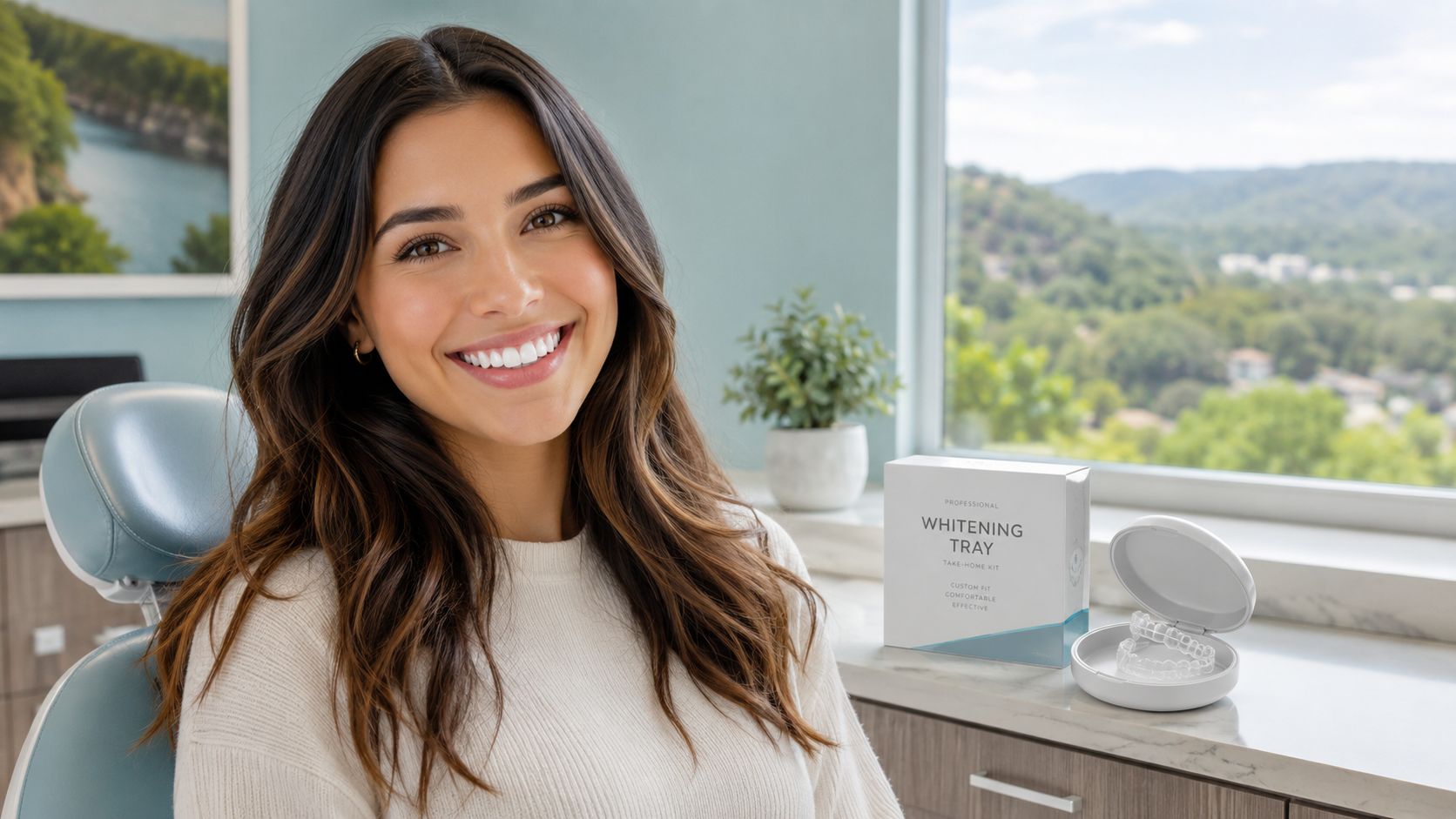
| Dentist-supervised take-home trays | Can hold their result for months with proper use and maintenance | Very effective for gradual, even whitening with better control than generic kits | Custom trays used at home on a prescribed schedule |
| Over-the-counter strips and gels | Shorter lasting and less predictable | Best for mild surface stain and modest improvement | Generic products with a less precise fit and lower control |
What store-bought products do well, and where they fall short
Store products are easy to buy and easy to start. For coffee or tea staining on otherwise healthy teeth, they can make a visible difference.
The trade-off is fit and consistency. Generic strips and trays do not adapt closely to the shape of your teeth, so gel contact can vary from one area to another. Patients often notice patchy whitening near the gumline or around rotated teeth. Sensitivity can also be harder to manage without guidance on product strength and timing.
For a mild refresh, they can be reasonable. For a cleaner, more even result, they usually leave people wanting more.
Why dentist-supervised trays are different
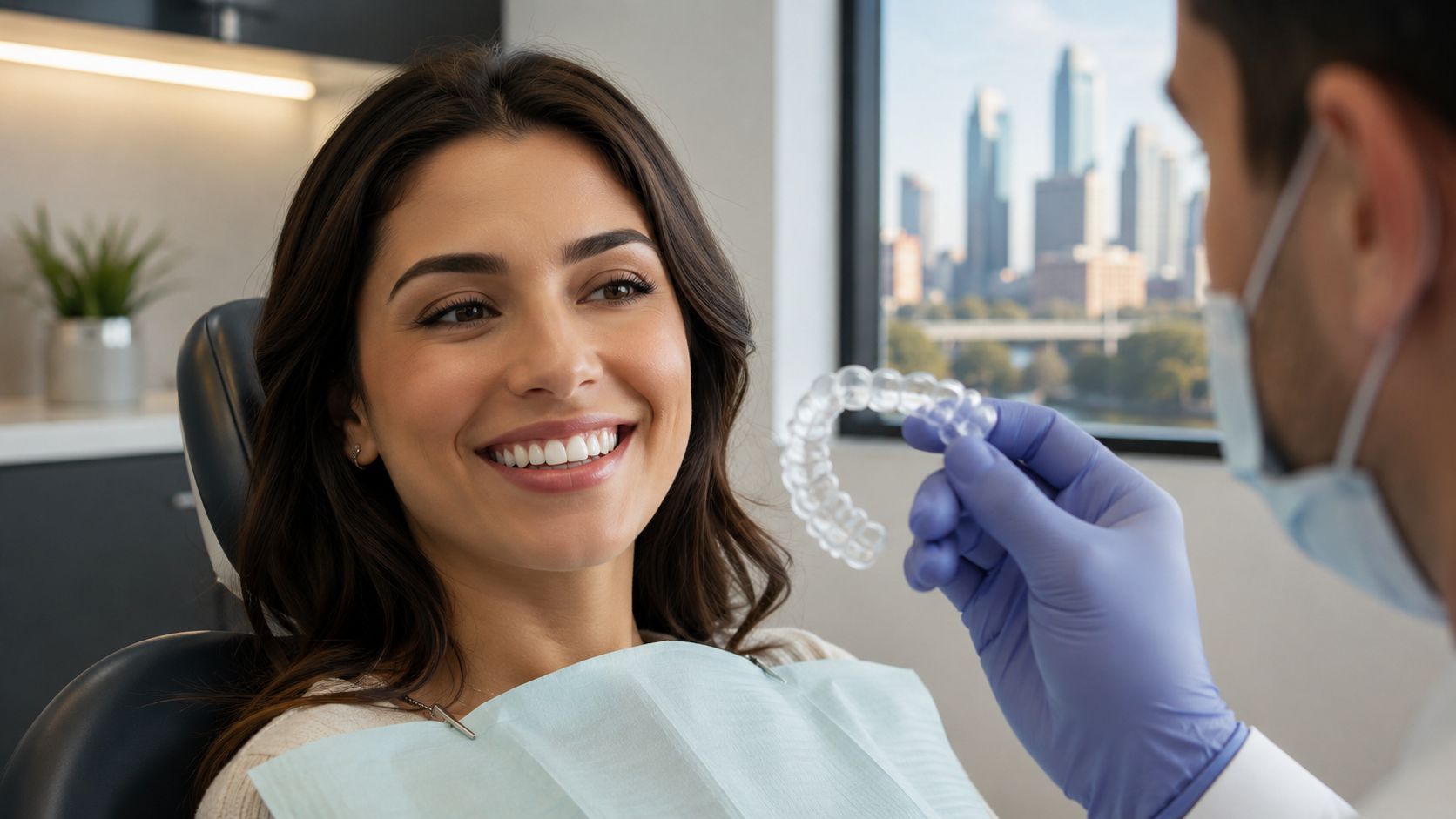
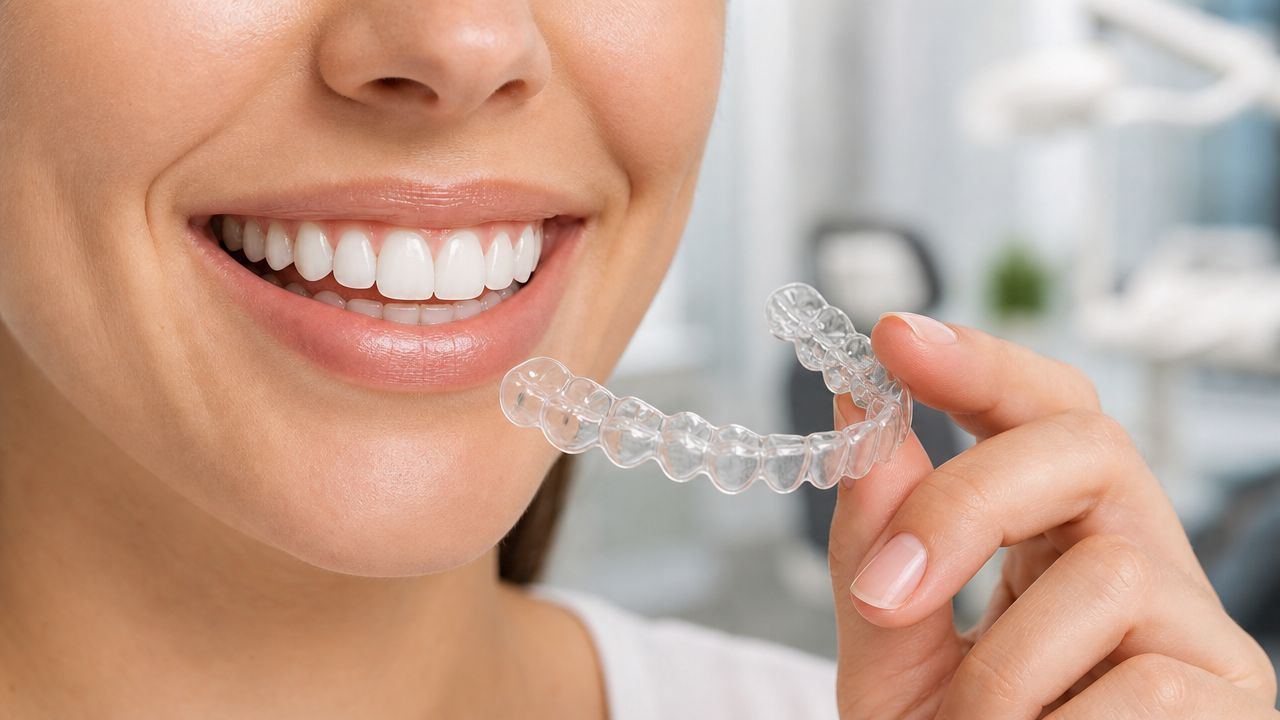
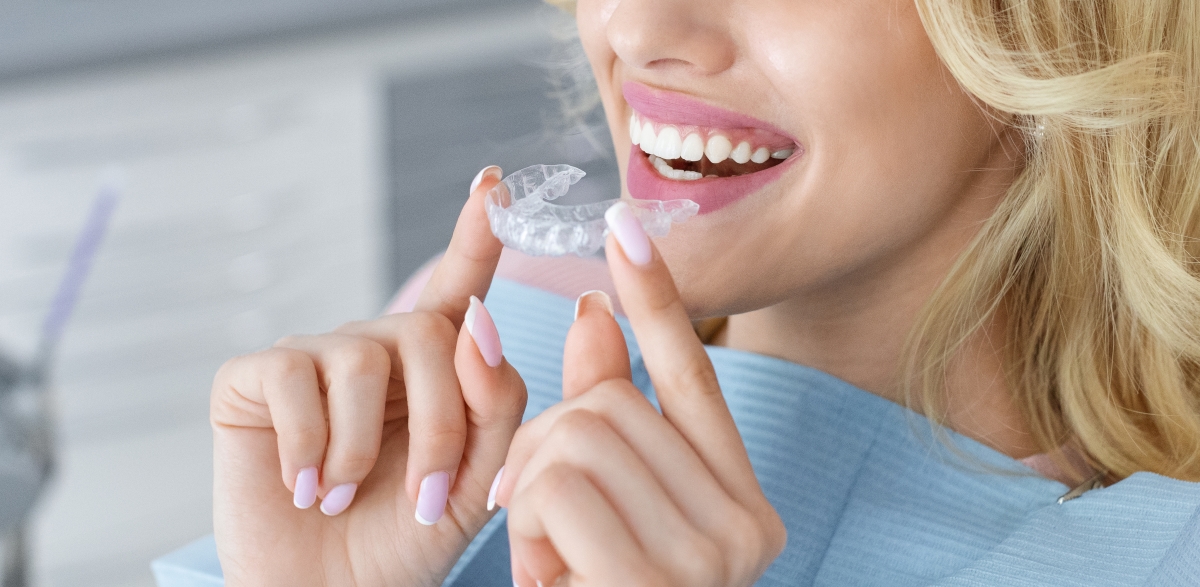
Custom trays are made to fit your teeth closely. That fit matters. It keeps the whitening gel where it should be, helps the shade improve more evenly, and gives us a better way to adjust the pace if sensitivity starts to show up.
A clinical review in the NIH's PubMed Central library found that dentist-supervised at-home trays using carbamide peroxide can maintain color improvement for extended periods, with strong long-term performance because the peroxide is released gradually over time in this review of whitening tray outcomes.
For many of our Austin and Georgetown patients, this is the middle ground. It gives more control than an over-the-counter kit and more flexibility than an in-office appointment alone. With 3D Dental's digital planning and customized recommendations, trays can be a very predictable option for patients who want to whiten on their own schedule.
If you're comparing approaches, our guide on the best way to whiten teeth can help you sort through the pros and cons.
Decision point: Choose store products for minor surface stains and convenience, custom take-home trays for controlled gradual whitening, and in-office treatment when you want the most dramatic professional change in the shortest time.
Why Professional Whitening Lasts the Longest
You leave a whitening appointment with a smile that looks noticeably brighter in the mirror, in photos, and under Austin sunlight. What makes that result hold up better is not just stronger gel. It is the combination of diagnosis, controlled application, and technology that helps us whiten teeth evenly and safely.
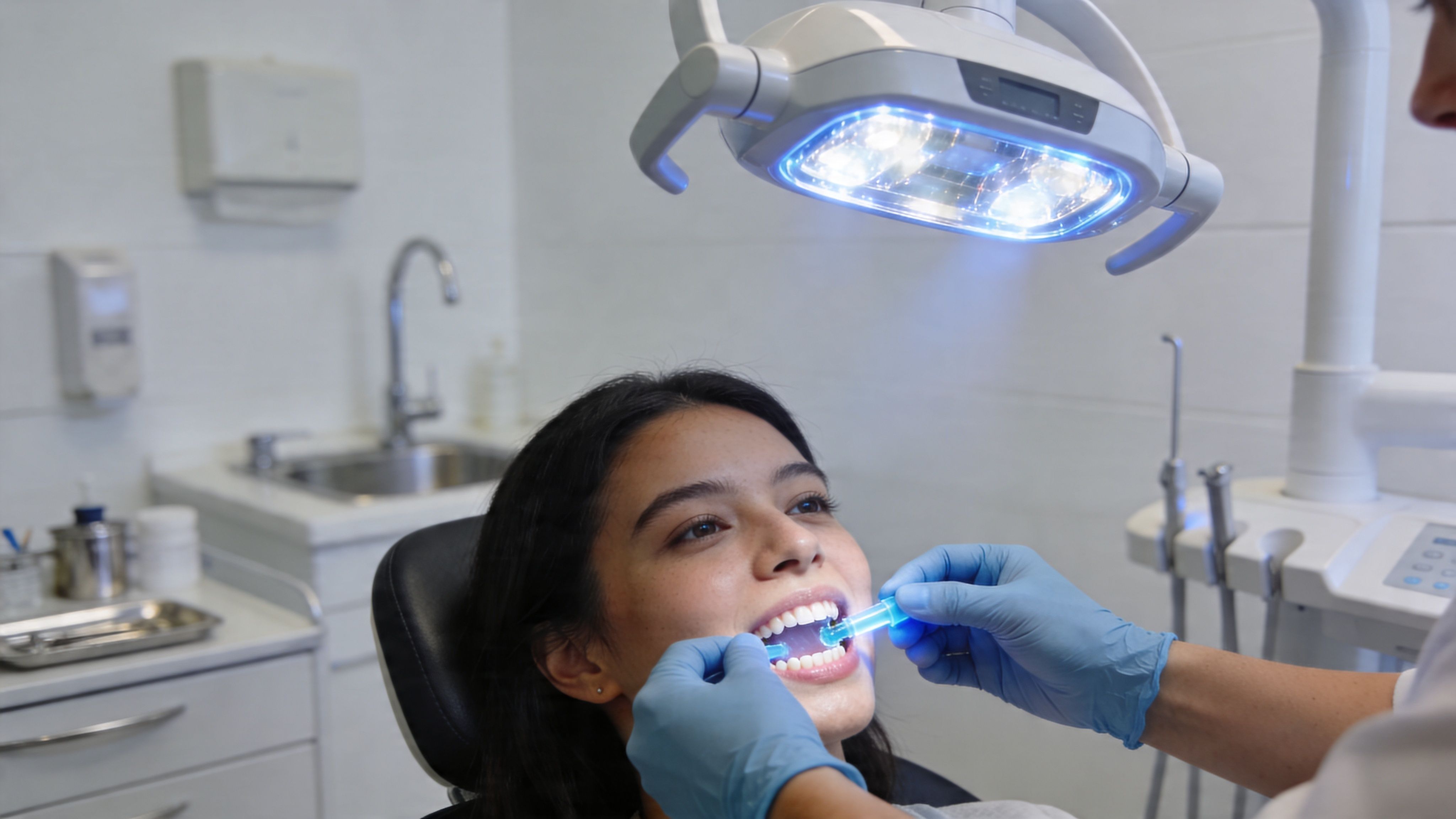
Professional whitening tends to last longer because it is planned around the actual cause of discoloration. Some patients have mostly surface staining from coffee, tea, or red wine. Others have deeper yellowing within the tooth. Those cases do not respond the same way, and a one-size-fits-all kit cannot adjust for that. In the office, we can choose the right concentration, protect the gums, and watch how your teeth respond during treatment.
What in-office whitening does better
The biggest difference is depth and control. Professional systems are designed to address discoloration that has built up below the surface, not just the film that sits on enamel day to day. That usually leads to a stronger initial improvement and a result that fades more gradually.
It also helps us avoid the patchy look patients sometimes get with store-bought products.
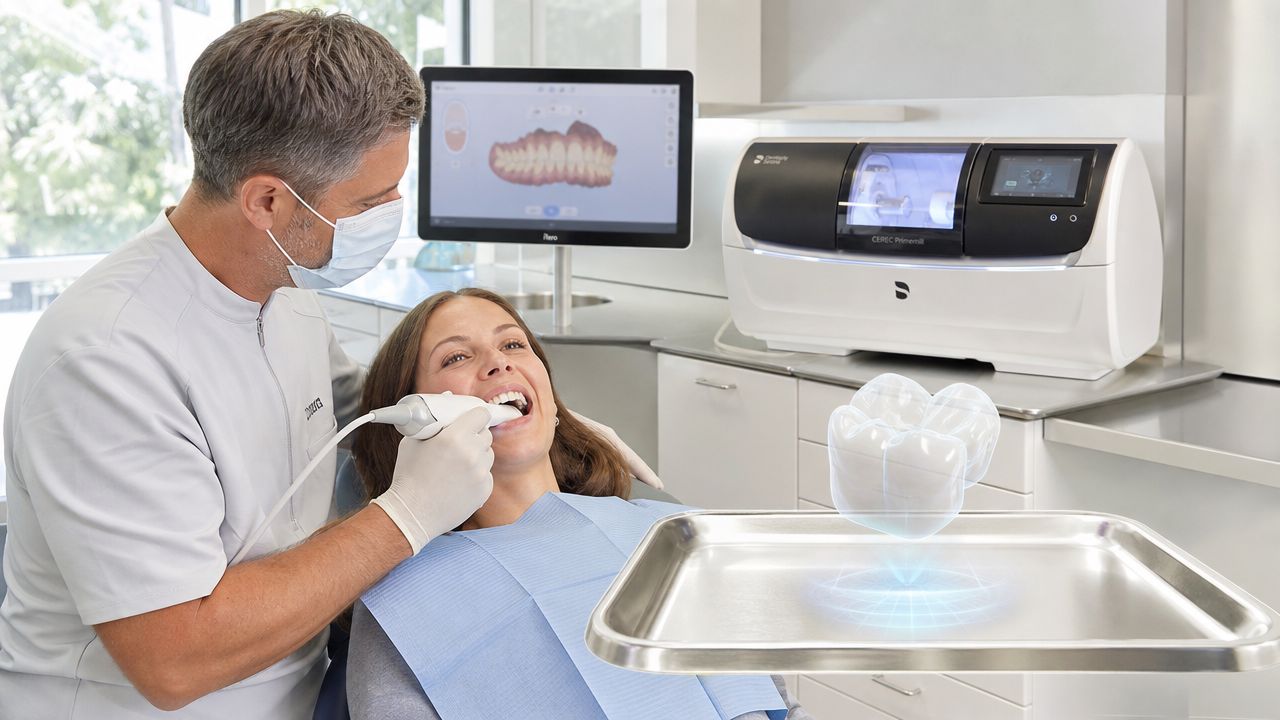
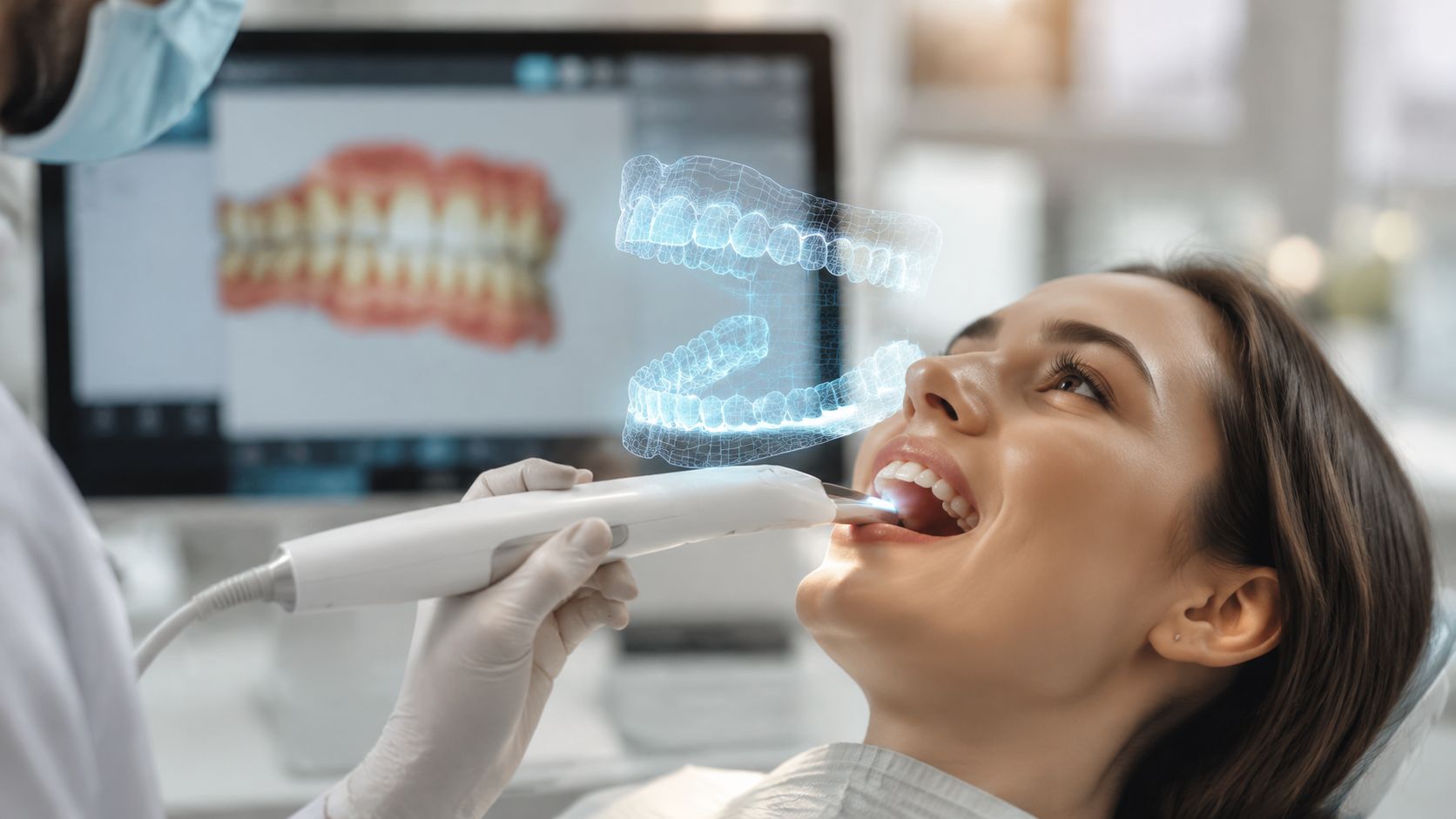
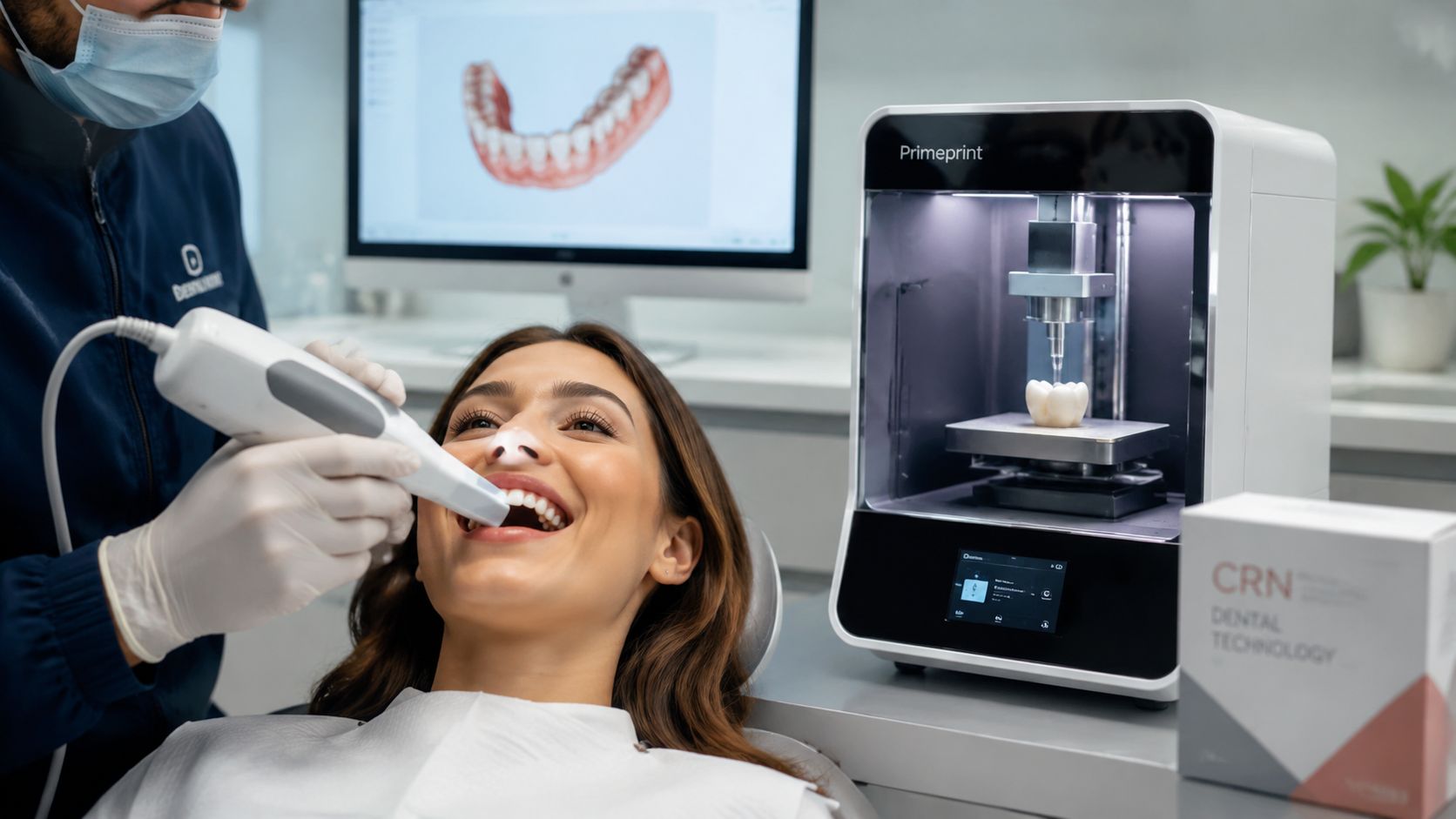
At 3D Dental, advanced imaging and digital planning make that process more predictable. We can spot areas of uneven shade, old bonding, enamel wear, and restorations before treatment starts. That matters because whitening does not change the color of crowns or fillings. If those details are missed, the smile can look mismatched even if the natural teeth get whiter.
Why supervision affects longevity
Longer-lasting whitening starts before the gel is applied. We check for plaque buildup, dehydration, gum irritation, enamel cracks, recession, and sensitivity risk. If a patient needs a cleaning first, or has one dark tooth that needs a different approach, those decisions improve the final result and help it hold its color better.
That is one reason professionally treated smiles often look more natural over time. The goal is not just to make teeth as white as possible in one visit. The goal is to reach a shade that fits your enamel, your existing dental work, and your maintenance habits so the result stays attractive and easier to maintain.
A short overview may help if you want to see what a professional appointment can look like:
Where advanced imaging helps
Technology does not replace clinical judgment. It sharpens it. With better imaging, we can identify stain patterns, monitor shade changes more accurately, and set realistic expectations before treatment begins.
For our Austin and Georgetown patients, that means fewer surprises. A patient with thin enamel, older front-tooth bonding, or heavy staining from years of coffee needs a different plan than someone preparing for a wedding or job interviews and starting with otherwise healthy enamel. Professional whitening lasts the longest because the treatment is customized, monitored, and built around your current smile.
Factors That Determine How Long Your Results Last
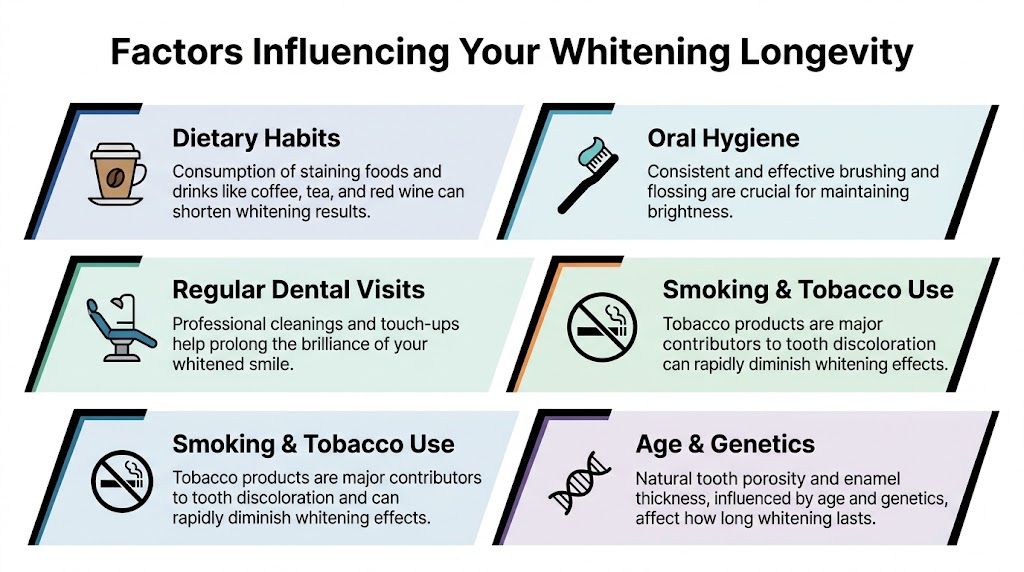
A patient can leave our Austin office with a noticeably brighter smile and still see very different long-term results from someone who had the same treatment. The difference usually comes down to stain exposure, enamel condition, and how well the whitening plan matched that patient from the start.
Foods, drinks, and daily habits
Coffee, tea, red wine, cola, berries, and curry are common reasons teeth lose brightness sooner. Many Austin and Georgetown patients are not doing anything wrong. They are exposing their enamel to the same pigments that caused staining in the first place.
Frequency matters as much as the food or drink itself. A single cup of coffee is different from sipping coffee all morning. Acid also plays a role because it can leave the enamel surface more likely to pick up new stain.
That is why whitening tends to last longer in patients who rinse with water after dark beverages, use a straw when it makes sense, and keep regular cleanings on schedule.
Tobacco shortens results quickly
Tobacco is one of the fastest ways to lose a fresh whitening result. Smoking and smokeless tobacco repeatedly expose teeth to heavy staining compounds, and those stains can return faster and look more uneven than food-related discoloration.
In practice, this is one of the clearest trade-offs. Patients who continue using tobacco often need touch-ups sooner. Patients who stop or cut back usually keep their brighter shade longer.
Enamel, age, and existing dental work affect the timeline
Teeth do not all whiten the same way, and they do not hold color the same way either. Thicker, healthier enamel usually gives us a better surface to work with. Thinner enamel can make the yellower layer underneath show through more easily, even after a successful treatment.
Age matters for similar reasons. Years of stain exposure, small areas of wear, and old dental work can all change how a whitening result looks over time. Crowns, veneers, fillings, and bonding also do not whiten like natural enamel, so a smile with mixed materials often needs closer planning if the goal is a result that still looks balanced months later.
A technology-based approach helps patients get more predictable outcomes. At 3D Dental, treatment planning is based on the actual condition of the teeth, not a one-size-fits-all whitening formula.
A few practical points set expectations clearly:
- Coffee does not cancel whitening: It usually means you will need better maintenance habits and occasional touch-ups.
- Thin enamel can limit the final shade: Teeth can still look brighter, but the result may be softer and more natural than a very opaque white.
- Deep or uneven discoloration often needs a customized plan: One visit may not be the right answer if staining is severe or if restorations are visible in the smile.
- Routine cleanings help results last: Removing new surface stain early helps preserve the brighter shade longer.
The main question is not just whether whitening works. It is how long your specific result is likely to hold, based on your habits, your enamel, and whether the treatment was designed for your smile from the beginning.
Your Personalized Whitening Plan at 3D Dental
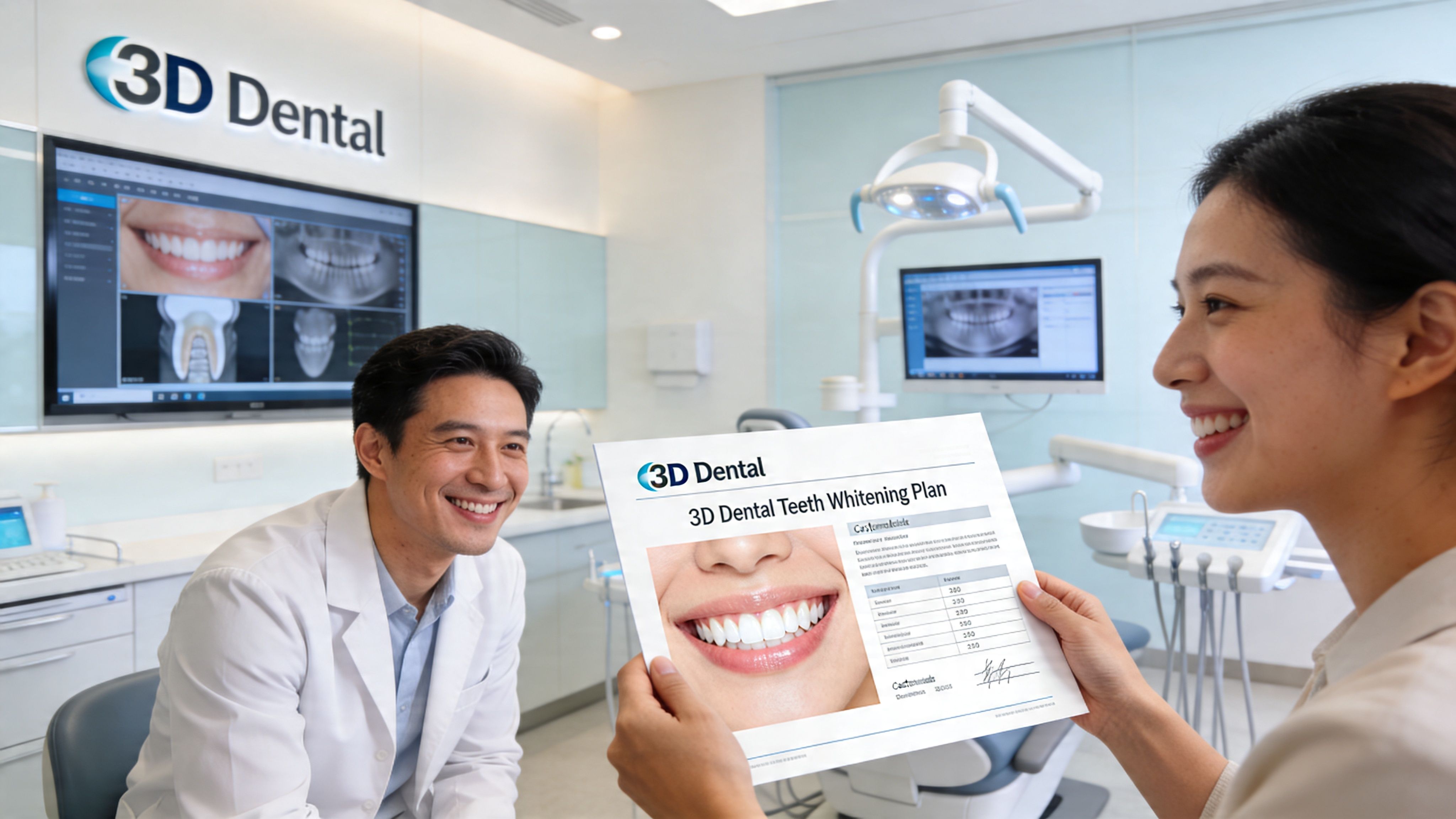
The best whitening results come from customization, not from using the same product the same way for every patient. That's where a modern practice approach makes a real difference for adults in Austin and Georgetown who want cosmetic dentistry that feels precise instead of rushed.
It starts with the full picture
A whitening consultation should do more than ask how white you want your teeth. It should check whether your teeth and gums are healthy enough for cosmetic treatment, whether there are restorations that won't whiten, and whether another service should happen first.
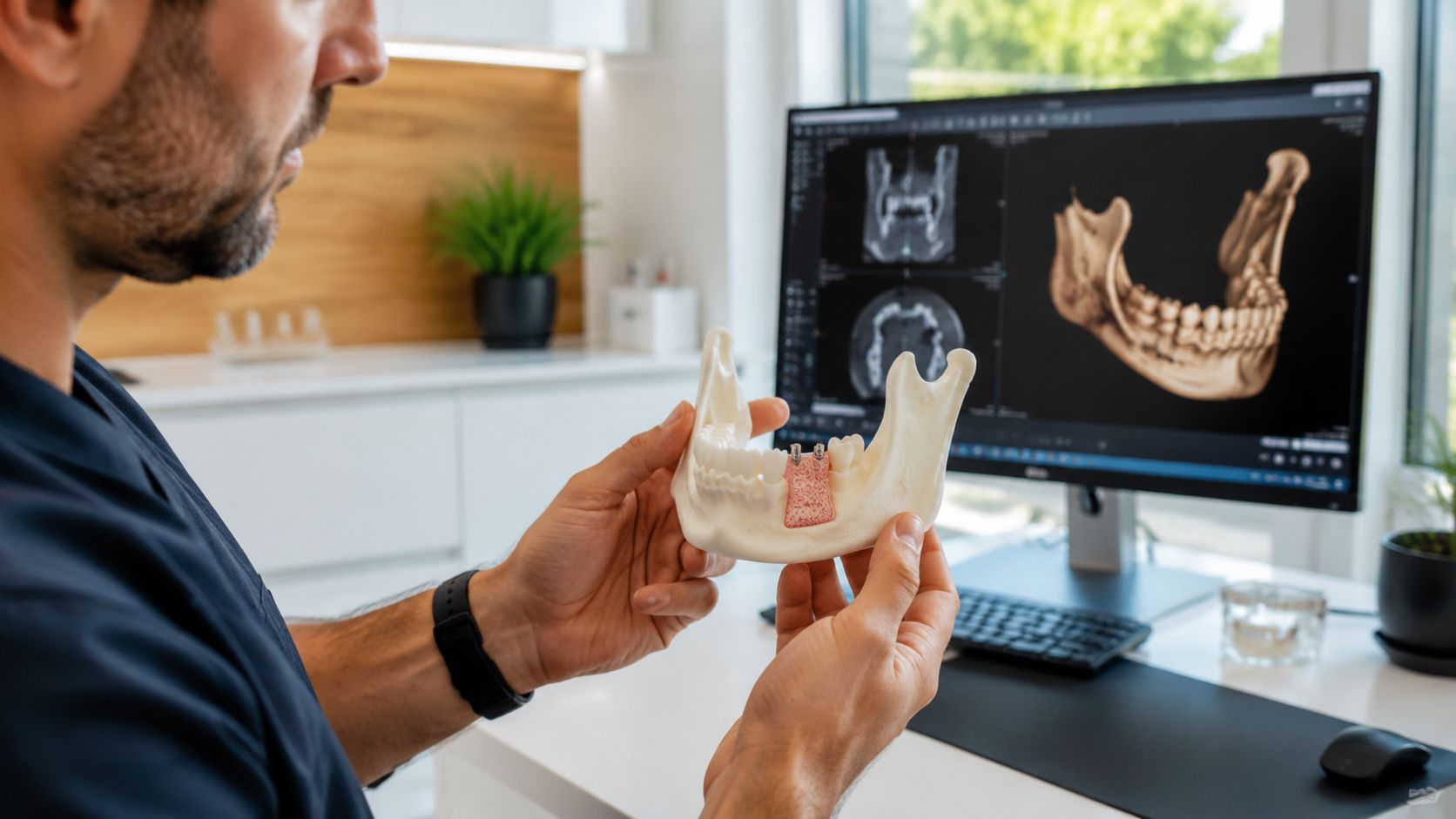
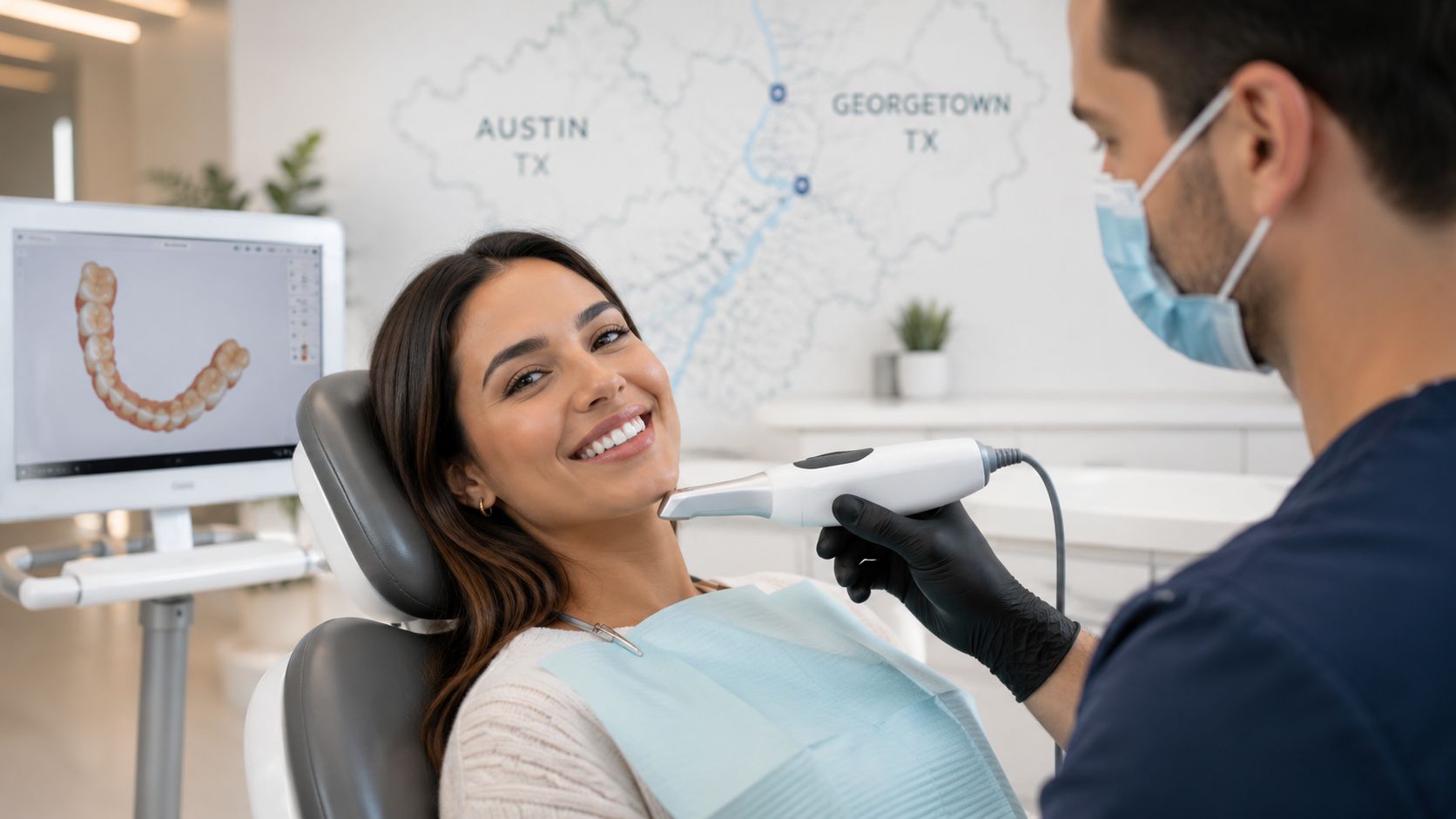
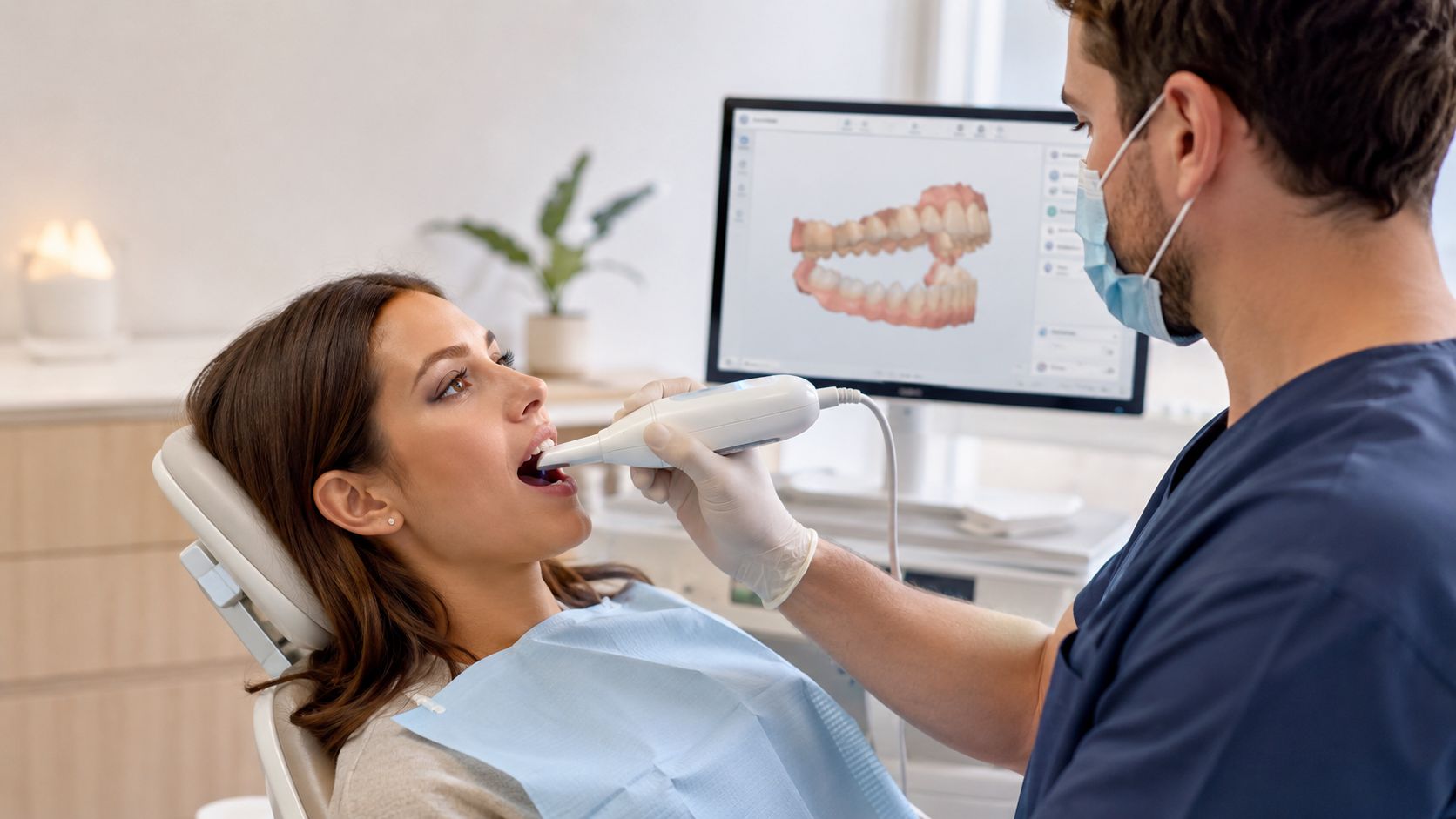
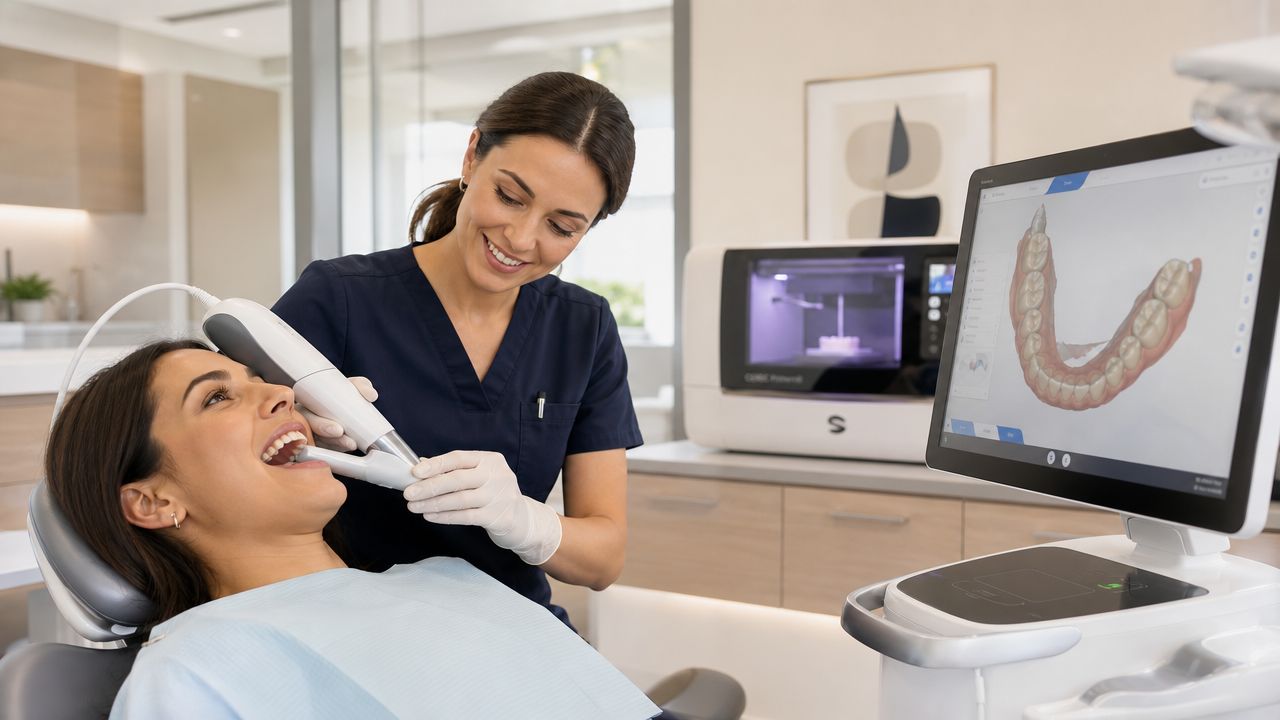
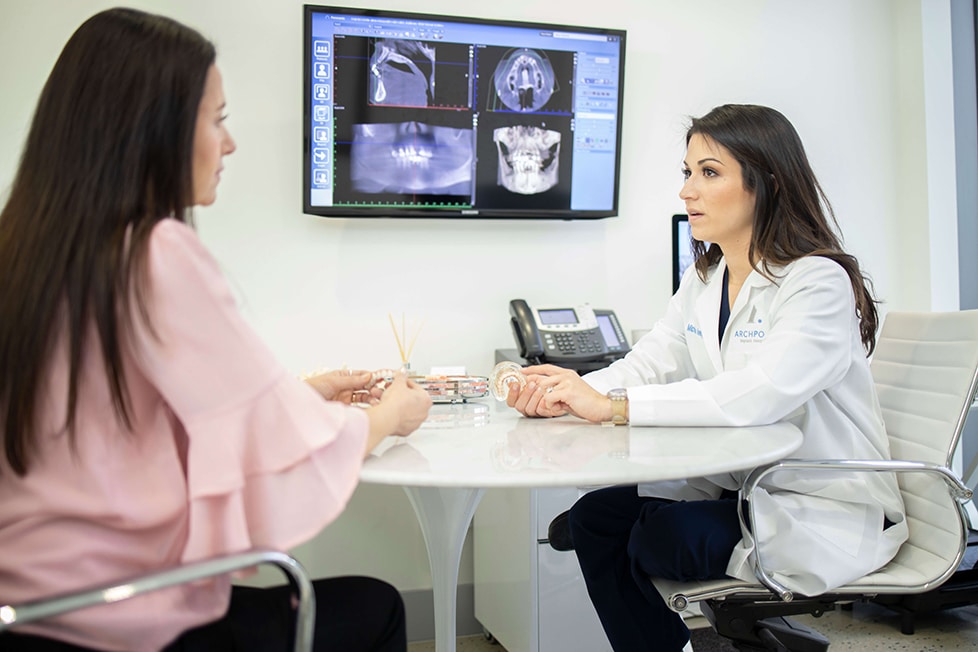
At a technology-forward office, that evaluation may include 3D CT imaging, digital x-rays, and digital scanners to look beyond the visible stain. Those tools help identify gum issues, worn enamel, dry mouth concerns, bite patterns, and existing crowns or veneers that may affect the final appearance.
This matters for patients who are also searching for a dentist near me because whitening is often part of a broader care relationship. You may also need a cleaning, exam, crown replacement, veneer planning, or treatment for sensitivity before whitening is the right move.
The plan should match your smile, not a template
Some patients want one strong in-office session. Others do better with custom take-home trays, especially if they want gradual control or have a history of sensitivity. Some need whitening before cosmetic work so future restorations can be matched to a brighter shade.
A thoughtful plan also accounts for the reality that crowns, veneers, and fillings don't whiten the way natural teeth do. If a front crown already looks darker or lighter than the surrounding teeth, the goal isn't just brighter teeth. It's a balanced smile.
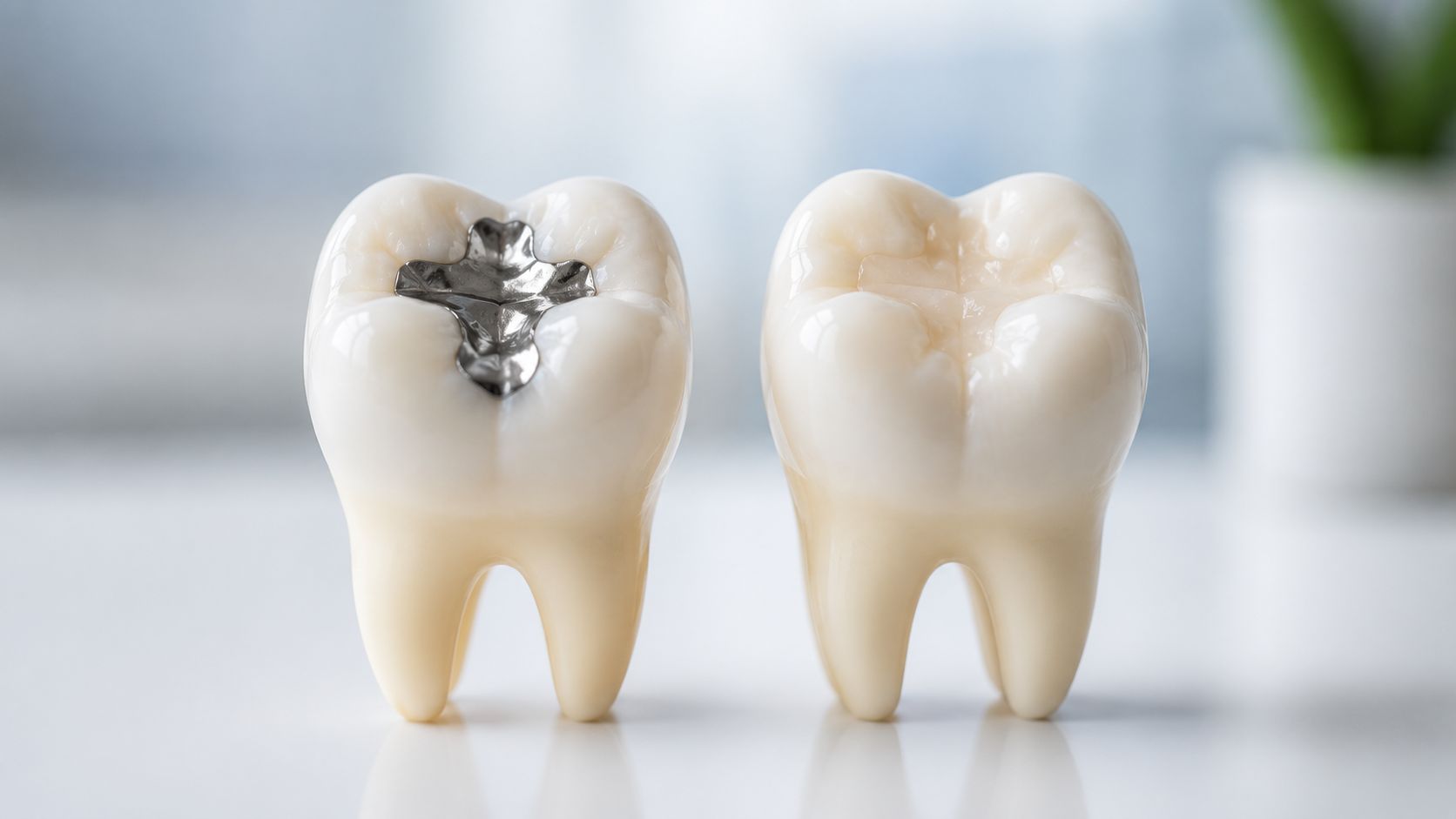
Clinical reality: Whitening improves natural tooth structure. It doesn't change the color of existing crowns, veneers, or tooth-colored fillings.
What patients can expect at a modern visit
A whitening appointment should feel organized and clear, not like guesswork. Patients typically want to know four things right away:
- Am I a good candidate
- Will this make my teeth sensitive
- How white can my smile realistically get
- What will I need to do to maintain it
In a well-run cosmetic dentistry office, those answers come before treatment begins. That same office should also be able to help if whitening is only one part of the plan and you also need restorative dentistry, emergency dentist care, tooth extraction, or eventually even cosmetic upgrades like veneers.
For patients in Georgetown, Wells Branch, Cedar Park, Round Rock, and nearby communities, that kind of detailed planning is often what makes results feel predictable instead of hit-or-miss.
At-Home Maintenance to Extend Your Bright Smile
Whitening doesn't end when the appointment does. The brighter smile lasts longer when your home routine protects it. Most patients don't need a complicated regimen. They need consistent habits that lower the chance of fresh stain settling back onto the teeth.
The maintenance habits that help most
A few simple steps go a long way:
- Brush and floss consistently: Daily plaque removal helps keep new surface stain from building up.
- Rinse after dark drinks or meals: Water helps clear away pigments after coffee, tea, wine, or sauces.
- Use a straw when it makes sense: For iced coffee or similar drinks, reducing contact with the front teeth can help.
- Keep up with professional cleanings: Cleanings remove the stain buildup that home care often misses.
- Follow touch-up guidance carefully: If your dentist recommends touch-up trays or periodic maintenance, use them as directed.
What doesn't work well
The biggest problem after whitening is overcorrecting. Patients sometimes reach for abrasive products, random online whitening hacks, or repeated unsupervised use of whitening agents when they notice a little fading. That can lead to irritation without giving them the even, controlled result they want.
If sensitivity is part of your concern, this guide to teeth whitening for sensitive teeth can help you understand safer options.
Keep maintenance tied to routine care
Whitening lasts better when it isn't treated as a one-time event. Pair it with regular dental care. A cleaning and exam can catch stain buildup early, confirm that your gums are healthy, and help you decide whether a small touch-up is enough or if another cosmetic step would make more sense.
For many patients, that's the practical formula. Good home care, sensible food and drink habits, and regular cleanings keep the result looking fresh far longer than whitening alone.
Common Questions About Teeth Whitening
Is teeth whitening safe for enamel
When whitening is done under professional guidance, it can be a safe cosmetic treatment for appropriate candidates. The key is making sure your teeth and gums are healthy first, choosing the right method, and not overusing whitening products. Problems usually come from poor fit, overuse, or using products without understanding whether your teeth are a good match for them.
Will whitening make my teeth sensitive
It can, but that doesn't mean it will be severe or long-lasting. Some patients notice temporary sensitivity during or after whitening, especially if they already have exposed roots, enamel wear, or a history of sensitivity. That's one reason a dental exam matters before treatment. The best approach is to plan around your sensitivity risk instead of hoping for the best.
Why didn't my crown or filling get whiter
Whitening works on natural tooth structure. Crowns, veneers, and tooth-colored fillings don't respond the same way. If those restorations are visible when you smile, the goal may be to whiten the natural teeth first and then decide whether existing dental work still matches well enough.
Is in-office whitening always better than take-home trays
Not always. In-office whitening is usually the fastest route and the longest-lasting professional option on average, but take-home trays can be an excellent choice for people who want a more gradual process or more control. The better option depends on your stain pattern, sensitivity, timeline, and whether you want the quickest change or a slower maintenance-friendly approach.
Can whitening replace other cosmetic dentistry
No. Whitening changes color. It doesn't change shape, alignment, chips, cracks, spacing, or worn edges. If those concerns are part of what bothers you, other cosmetic or restorative treatments may need to be part of the plan.
If you're looking for a trusted 3D Dental team in Austin or Georgetown to evaluate staining, explain your options clearly, and create a whitening plan that fits your smile, schedule a visit today. Whether you need cosmetic dentistry, a new patient exam, routine cleaning and x-rays, or a broader treatment plan, the right guidance can help you get brighter results that last.
Ready to get started?
Schedule a free, no obligation consultation with our team and see what's possible for your smile!
Georgetown
- Mon-Thurs8:30am-5pm
- Fri8am-3:30pm
- Sat-SunClosed
Austin
- Mon-Tues8am-5pm
- Wed-Thurs9am-6pmFri8am-2pm
- Sat-SunClosed