
How to Treat Receding Gums at Home: Dentist Tips
Related Posts







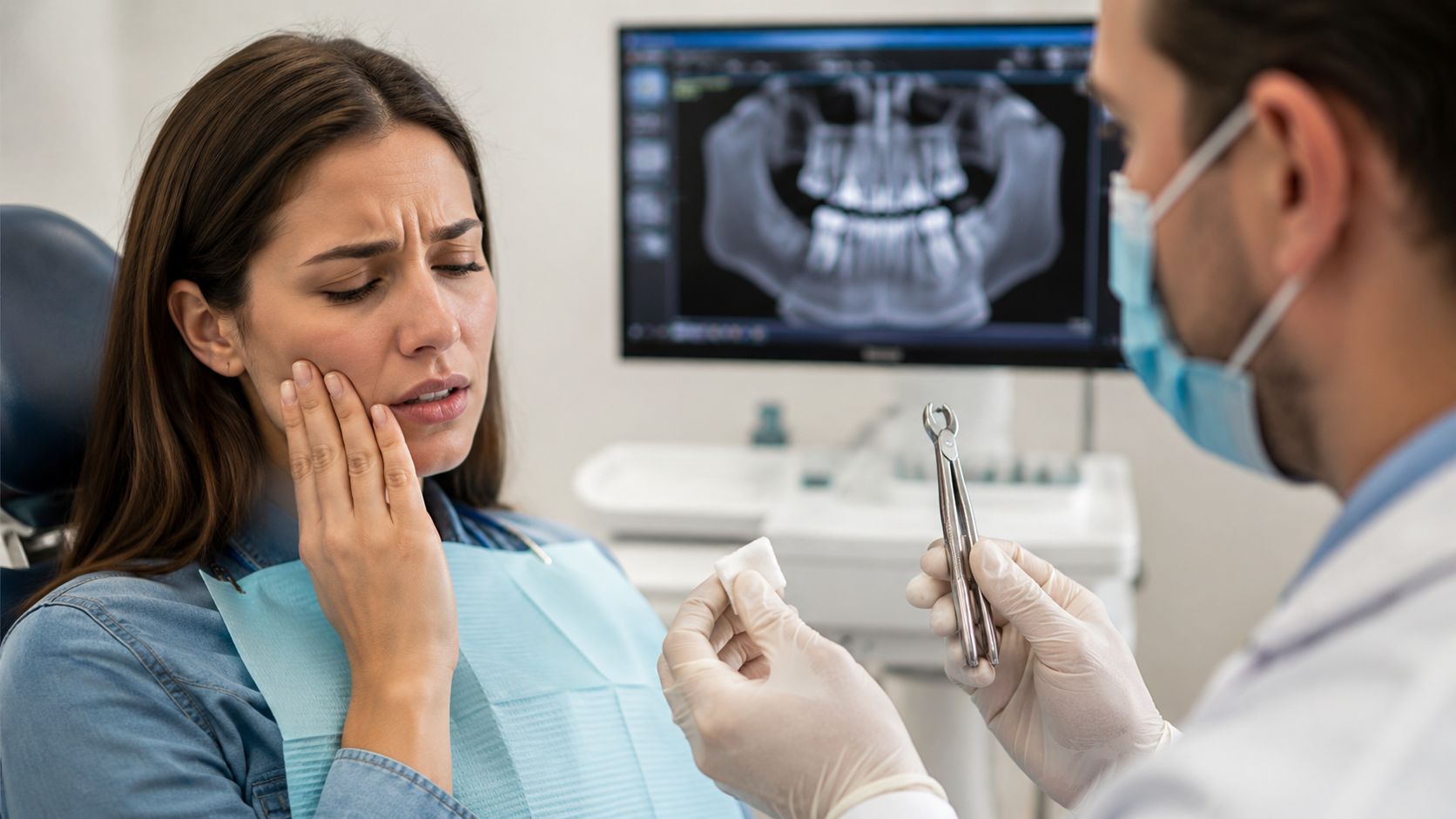






























If you've recently looked in the mirror and thought your teeth seem a little longer, or you've started feeling a sharp twinge when you drink something cold, you're not overreacting. Those are common early signs of gum recession, and they get people's attention fast.
Patients across Austin and Georgetown often ask the same question in different ways. Can I fix this at home? Is it serious? Should I wait and see if it settles down?
The honest answer is reassuring, but it has an important limit. You can do a lot at home to calm inflammation, reduce bacteria, and help keep recession from getting worse. What home care can't do is regrow gum tissue that's already been lost. Knowing that difference helps you make better decisions early.
Concerned About Receding Gums? A Message for Our Austin Neighbors
Gum recession can feel unsettling because it changes the way your smile looks and the way your teeth feel. Many people first notice it while brushing, flossing, or checking a sensitive area near the gumline.

The good news is that noticing it early gives you options. If you're searching for how to treat receding gums at home, the best approach is to think in two lanes. One lane is daily care you can start right away. The other is knowing when home care has done all it can and it's time for a proper dental evaluation.
What most people notice first
Some signs are subtle. Others are hard to miss.
- Longer-looking teeth can mean the gumline has moved.
- Sensitivity near the root often shows up with cold drinks, sweets, or brushing.
- A notch near the gumline may feel rougher than the rest of the tooth.
- Bleeding or irritation can point to inflammation that needs attention.
If any of that sounds familiar, don't panic. Recession is common, and it doesn't automatically mean you'll lose a tooth or need major treatment.
The most useful first step is simple. Stop guessing and stop scrubbing harder.
A practical way to think about it
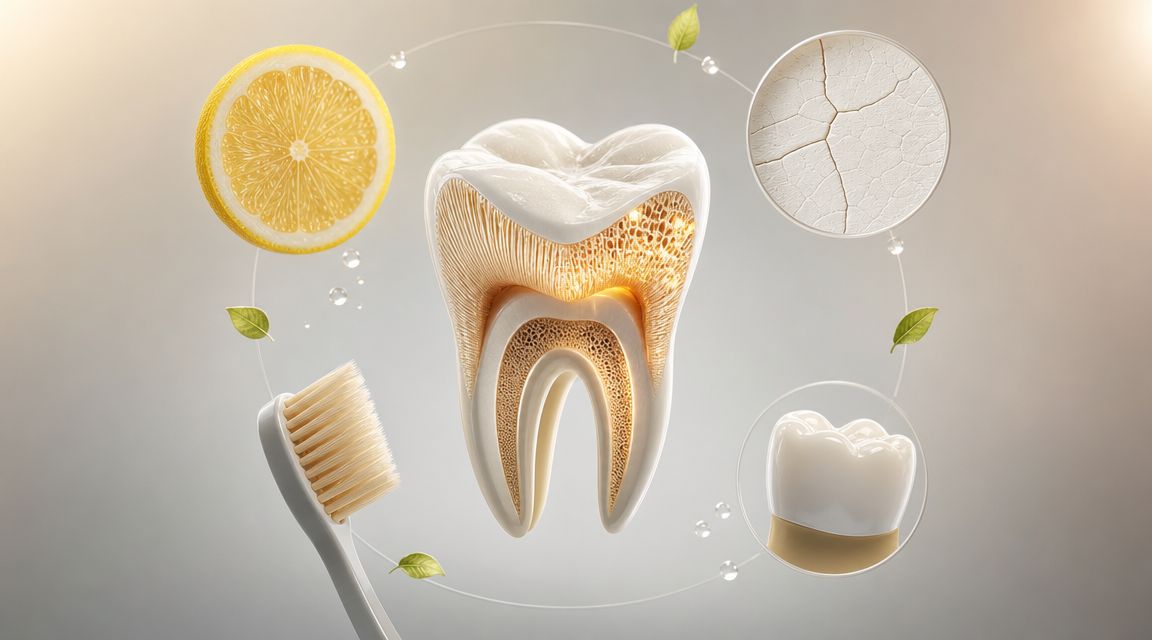
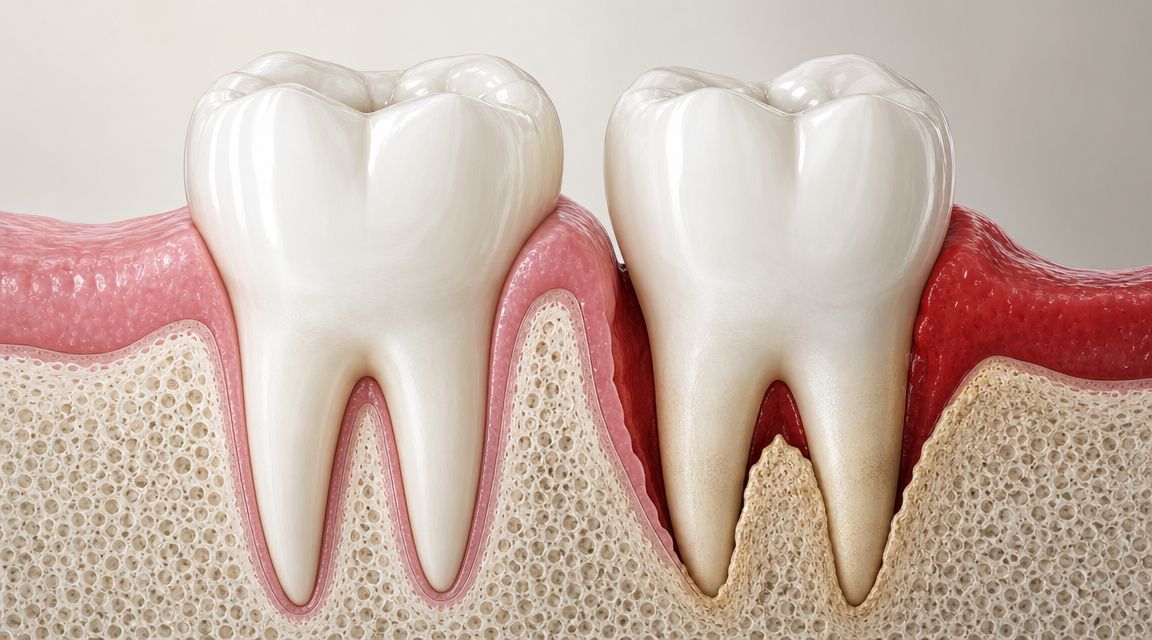
Your gums act like a collar around each tooth. When that collar pulls back, the root becomes more exposed. Roots aren't covered by enamel the way the top of the tooth is, so they tend to feel more sensitive and are more vulnerable.
That matters whether you're looking for a dentist near me, an emergency dentist, or routine cleaning and exams in Austin, Georgetown, Wells Branch, Cedar Park, or Round Rock. Receding gums often start without obvious signs, but they respond best when you address them early.
The home steps below are worth doing. They're not a substitute for treatment when disease is active, but they are an important part of protecting your mouth every day.
What is Gum Recession and Why Does It Happen
Gum recession means the edge of the gum tissue around a tooth wears away or pulls back, exposing more of the tooth or the root. It isn't just a cosmetic issue. It can affect comfort, cleaning, and long-term tooth support.
A simple analogy helps. Think of your gumline like the soil around the base of a plant. If that soil pulls away, the roots become exposed. The plant may still stand, but it's more vulnerable.
Causes you can control
A lot of recession starts with habits, not bad luck.
- Brushing too hard can wear away gum tissue over time.
- Poor plaque control allows irritation to build along the gumline.
- Inflamed gums are more likely to pull away from the tooth.
- Tobacco use can make gum problems harder to control.
The controllable part is important because it provides an advantage. Small changes in brushing pressure, flossing technique, and daily hygiene can make a real difference in slowing progression.
Practical rule: If your toothbrush bristles are splaying out quickly, you're probably brushing too hard.
Causes you can't fully control
Some people are more prone to recession even when they try to do everything right.
Genetics can influence gum thickness. Tooth position can matter too. Hormonal shifts can also affect gum tissue and make it more reactive.
That doesn't mean you're stuck with the problem. It means your home routine needs to be more intentional, and your checkups matter more.
Why it deserves attention
Gum recession affects nearly 88% of people over 65, and it's a primary cause of tooth sensitivity and cavities in older adults, according to Keystone Periodontal's review of natural ways to reverse gum recession. The same source also notes an important point patients often miss. Home remedies may help manage symptoms, but they can't regenerate lost tissue.
That distinction matters. If your gums are receding because of inflammation or periodontal disease, symptom relief alone isn't enough. You need to know what's driving it.
What recession can lead to
Here is the practical concern:
| Problem | Why it happens |
|---|---|
| Sensitivity | The root surface is more exposed |
| Higher cavity risk near the root | Root surfaces are more vulnerable |
| More plaque retention | Irregular gumlines can be harder to clean |
| Loose feeling or shifting | Support can be affected in advanced cases |
If you're trying to decide whether this is something to watch or something to act on, the answer depends less on how dramatic it looks and more on whether it is active, inflamed, painful, or progressing.
Actionable At-Home Care to Slow Gum Recession
Home care works best when it is gentle, consistent, and boring in the best possible way. The goal isn't to attack your gums. The goal is to reduce irritation every single day.

Change the way you brush
If you do one thing today, make it this. Switch to a soft-bristled toothbrush and lighten your pressure.
Use small circular motions rather than a hard back-and-forth scrub. Aim the bristles toward the gumline gently, not aggressively. If you use an electric toothbrush, let the brush do the work instead of pressing down.
A helpful test is your hand. Brush with about the pressure you'd use to clean a ripe tomato without breaking the skin.
Floss without snapping into the gums
Flossing helps when it's controlled. It hurts when it's rushed.
Guide the floss gently between the teeth. Curve it around one tooth, slide it below the edge of the gum carefully, then lift it out. Repeat on the neighboring tooth. Avoid sawing or popping the floss straight into the tissue.
Some patients with tenderness do better with a water flosser because it feels less traumatic. If string floss works for you, technique matters more than brand.
Use a saltwater rinse the right way
A simple saltwater rinse is one of the most practical home tools for inflamed gums. A 2016 study demonstrated that rinsing with 1 teaspoon of salt in 1 cup of warm water for 30 seconds, 2 to 3 times daily can soothe gum inflammation, and the article discussing that study explains that salt's antibacterial properties help reduce the bacterial load that contributes to gum disease in this overview of receding gum care and oral health changes.
Here's the key point. This rinse is for soothing and reducing irritation, not for rebuilding gum tissue.
If your gums feel tender or puffy, saltwater is a reasonable support step. If the gumline keeps moving, that's a diagnosis question, not a mouth-rinse question.
Be selective with products
When gums are irritated, harsher products usually backfire.
A practical product checklist:
- Toothbrush with soft bristles only
- Toothpaste for sensitivity if roots are exposed
- Alcohol-free antimicrobial mouthwash if your dentist has recommended one
- Avoid whitening or abrasive pastes if your gumline feels raw or sensitive
If a product causes burning, soreness, or a “clean but scraped” feeling, stop using it. A healthier mouth doesn't need to feel punished.
Watch your daily patterns
People often focus on the sink and miss the rest of the day. Gum recession can be aggravated by habits outside brushing.
Consider these adjustments:
- Clenching and grinding can add stress around the teeth. If you wake up sore or notice flattened teeth, mention it at your visit.
- Tobacco use works against gum health.
- Skipping cleanings and exams lets tartar stay where your toothbrush can't reach.
- Picking at the gumline with fingernails or objects can keep tissue irritated.
What home care can and can't do
Patients deserve a direct answer on this point.
Home care can:
- Reduce inflammation
- Lower bacterial buildup
- Improve comfort
- Help slow further recession
Home care can't:
- Regrow lost gum tissue
- Remove tartar below the gumline
- Correct advanced periodontal damage
- Replace treatment when a root is exposed and symptoms are progressing
That balance is the heart of how to treat receding gums at home. Start with gentle hygiene, reduce inflammation, and remove the habits that are making things worse.
The Role of Nutrition and Lifestyle in Gum Health
Your gums don't live in isolation from the rest of your body. Inflamed gums often reflect a bigger pattern that includes diet, stress, tobacco exposure, and how well your body supports healing.
Omega-3s and inflammation control
One of the clearer nutrition findings involves omega-3 fatty acids. Clinical trials show that a daily intake of 300mg of omega-3 fatty acids over 12 weeks can significantly reduce gum swelling and support the repair of inflamed tissues associated with receding gums, as described in this article on whether receding gums can be reversed naturally.
That matters because inflamed tissue is less stable. When the tissue is calmer, daily home care tends to be more comfortable and more effective.
A food-first approach can be sensible for many people. Fatty fish, nuts, and seeds are common dietary sources. Some people also use supplements, but it's wise to clear that with your physician if you're on other medications.
Food choices that support your gums
You don't need a perfect diet. You need one that stops working against you.
A useful framework:
| Supportive choice | Why it helps |
|---|---|
| Foods rich in omega-3s | Help support a healthier inflammatory response |
| Balanced meals | Support overall tissue repair and immune function |
| Fewer highly irritating habits | Reduce repeated stress on the gums |
This is also where consistency matters more than extremes. A short burst of “healthy eating” won't undo daily irritation. Better routines held over time usually matter more.
Lifestyle habits that can speed things up
Some habits make recession harder to control even when brushing and flossing are solid.
- Smoking or tobacco use can make healing more difficult.
- High daily stress may show up as clenching or grinding.
- Inconsistent oral care gives plaque more opportunities to stay at the gumline.
Healthier gums usually come from stacked habits, not one miracle remedy.
A lot of online advice overpromises. Nutrition can support your gum health from the inside out, but it still works best alongside excellent home care and professional diagnosis when symptoms persist.
When Home Remedies Are Not Enough Red Flags for a Dentist Visit
Some cases of recession are stable and mild. Others are active and need treatment sooner than people realize.
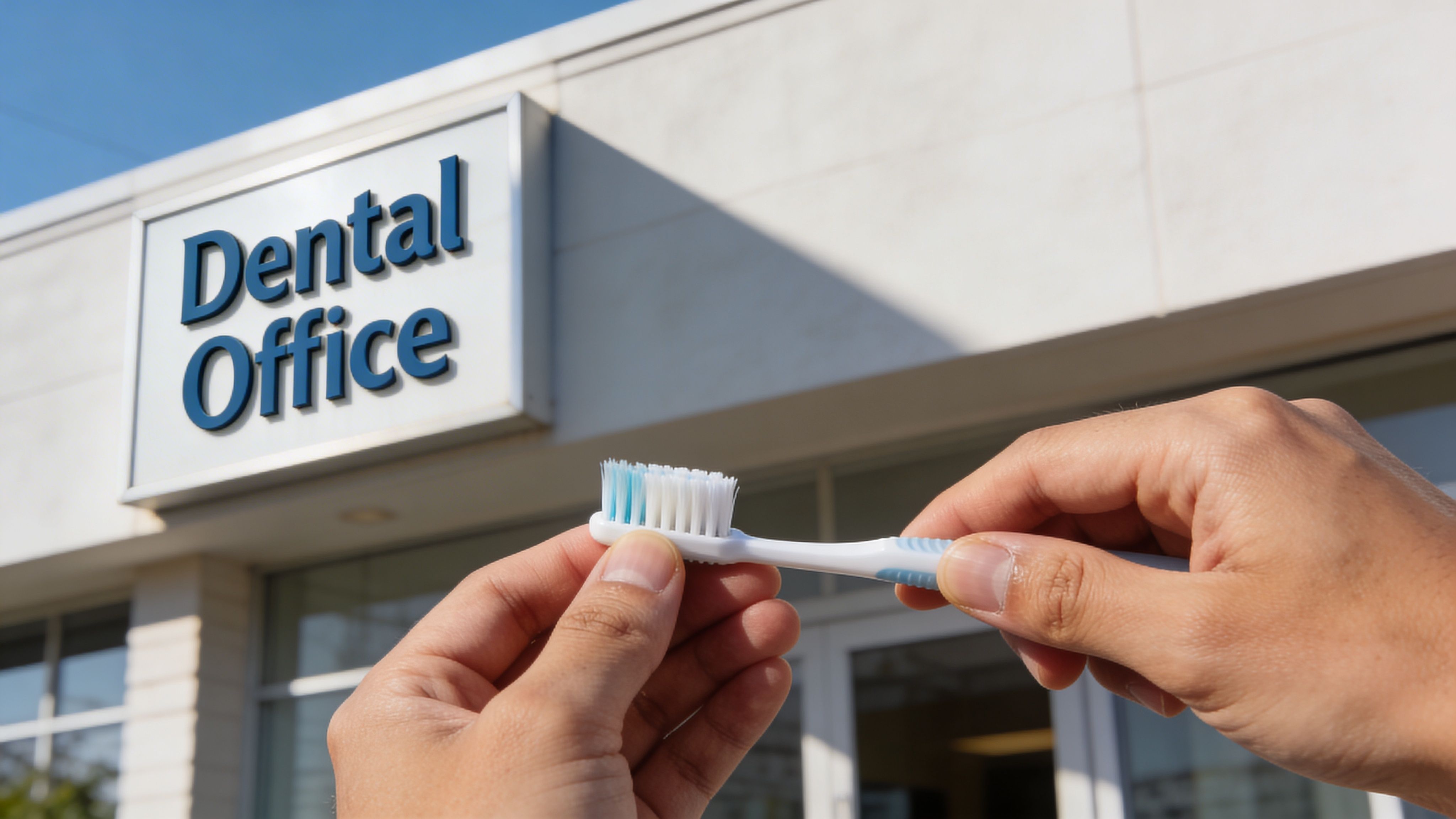
If your home routine is careful and your gums still feel worse, that is useful information. It often means the issue isn't a lack of effort. It's that the problem sits deeper than what you can reach at home.
Signs you shouldn't ignore
Make an appointment if you notice any of the following:
- Sensitivity that keeps returning even after switching to gentler products
- Visible roots or obvious gumline changes
- Bleeding, swelling, or ongoing tenderness
- Bad breath that doesn't improve with brushing and flossing
- A loose feeling in a tooth
- Food trapping around one area more than before
These signs don't automatically mean you need surgery. They do mean you need clarity.
Oil pulling and other popular remedies
Patients often ask about coconut oil, sesame oil, herbal rinses, and home mixtures they find online. Some of these may help with plaque control or comfort, but they have limits.
For example, a 2009 trial found that oil pulling took 40 days to achieve a 50 to 60% plaque index reduction, with zero evidence of tissue regrowth, as summarized in Healthline's review of natural remedies for receding gums. That is the trade-off in one sentence. A remedy may help reduce plaque, but it still doesn't bring gum tissue back.
If you want a clearer picture of the disease process behind recession, this page on periodontal disease treatment can help connect the symptoms to the underlying cause.
The right time to stop waiting
A lot of people wait because the area doesn't hurt all the time. That's understandable, but gum problems don't always announce themselves with severe pain.
Watch this short video for a simple visual explanation of why gum recession deserves attention and why timing matters.
The decision to see a dentist isn't a sign that home care failed. It's the next step when your symptoms suggest there may be tartar below the gums, active periodontal disease, root exposure, or loss of support that can't be managed with brushing alone.
For some patients, delaying treatment leads to larger problems later, including tooth extraction, restorative work, or dental implants near me searches they never expected to make.
Advanced Gum Treatment at 3D Dental in Austin and Georgetown
When recession goes beyond what you can manage at home, treatment becomes more precise and more individualized. That matters because recession isn't one single problem. Sometimes the main issue is inflammation. Sometimes it's buildup below the gumline. Sometimes it involves bite forces, exposed roots, or loss of support around the tooth.

What treatment may involve
A professional exam answers questions home care can't answer. Is the recession active? Is there bone loss? Is there tartar below the gumline? Is the tooth still stable?
Depending on what the dentist finds, treatment may include:
- Cleaning and exams with digital imaging to understand the full picture
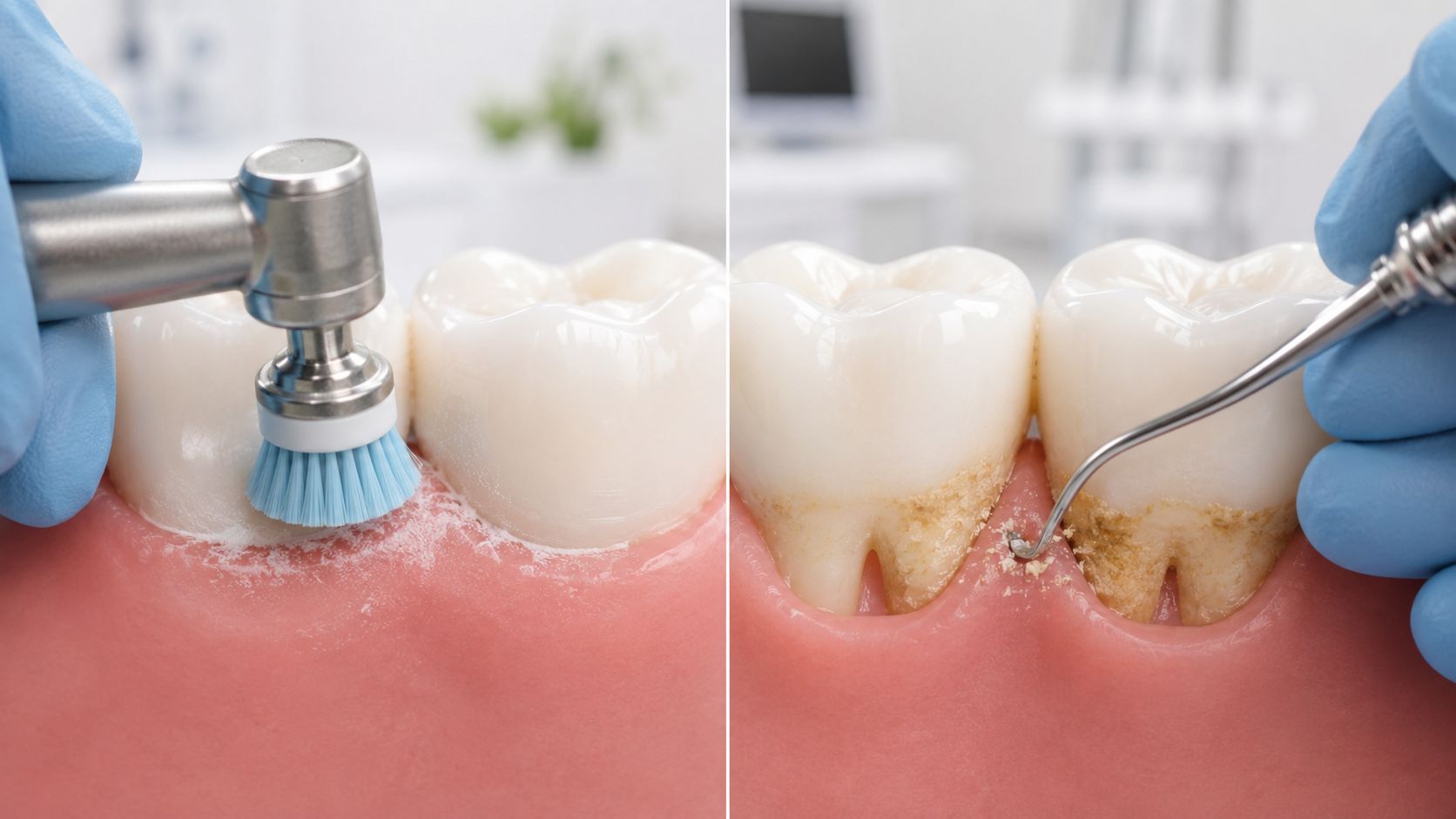
- Scaling and root planing to remove buildup below the gums
- Targeted gum treatment to control inflammation and disease
- Desensitizing and protective strategies for exposed roots
- Restorative planning if recession has already damaged teeth
- Implant planning if tooth loss has occurred
For patients who want to understand available options, the practice's gum treatment services page outlines the clinical side of care in more detail.
Why advanced diagnostics matter
Receding gums can look similar from person to person while behaving very differently underneath. One patient may have a stable, shallow recession caused mostly by brushing trauma. Another may have deeper periodontal involvement that needs urgent attention.
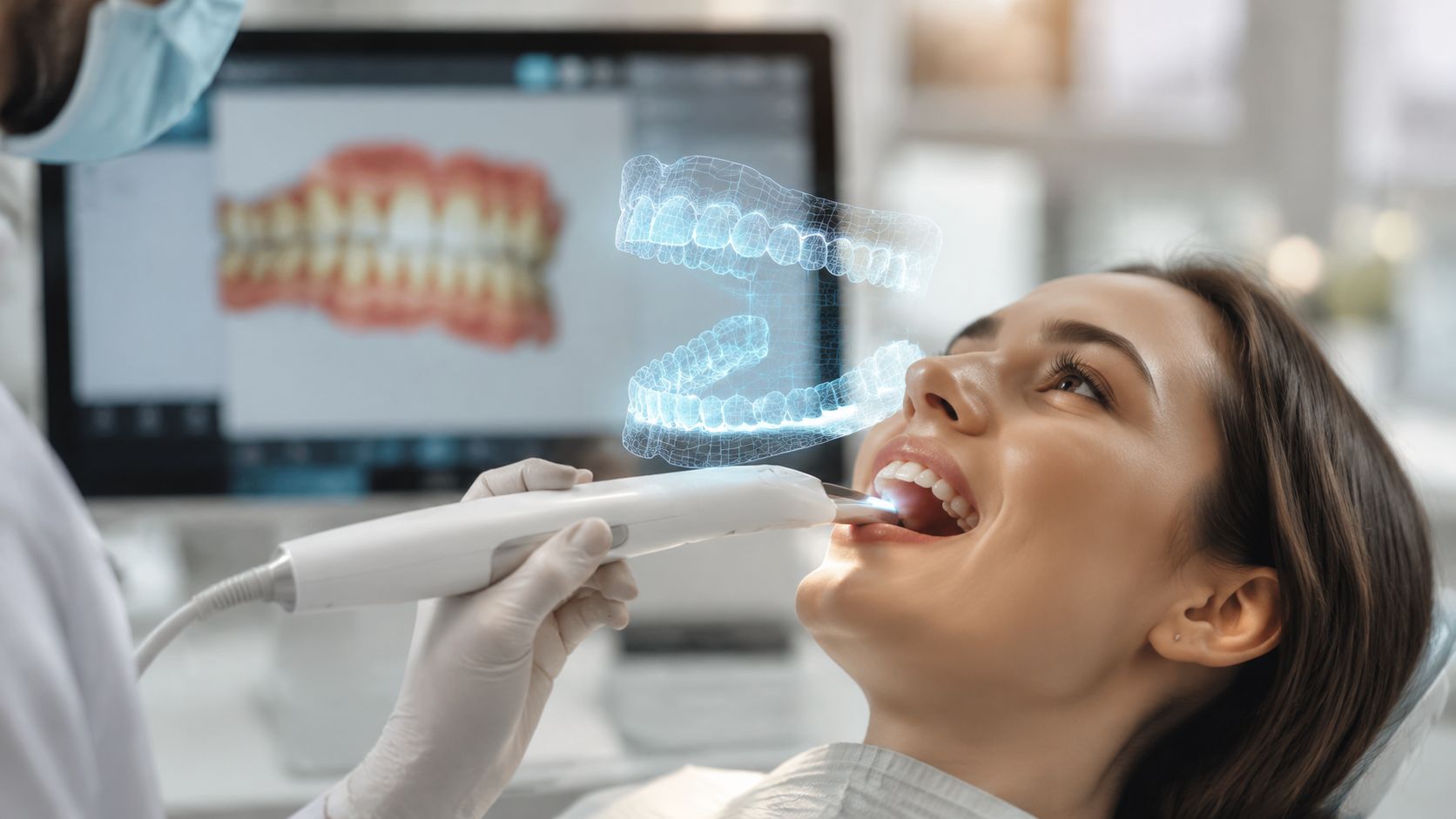
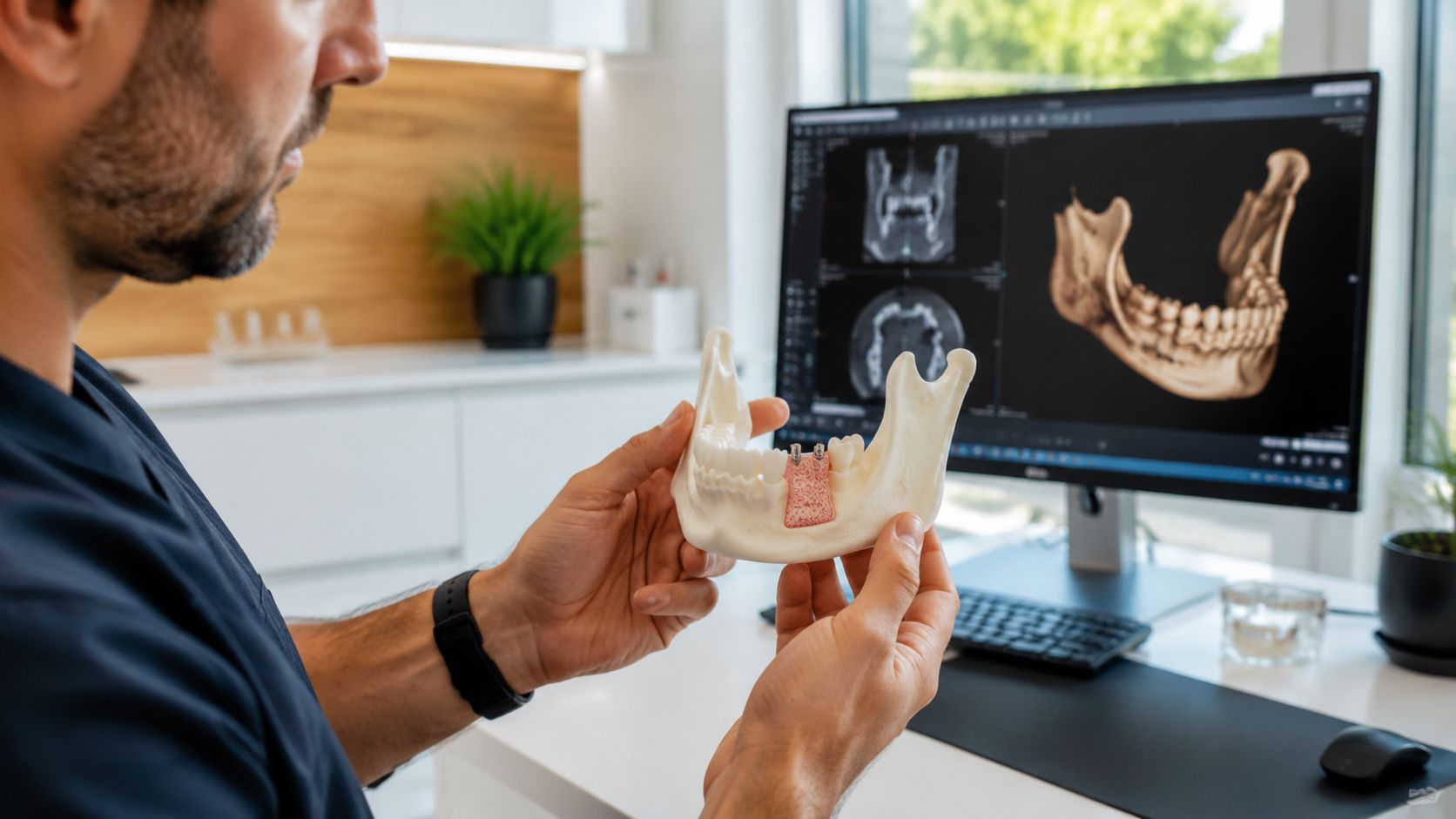
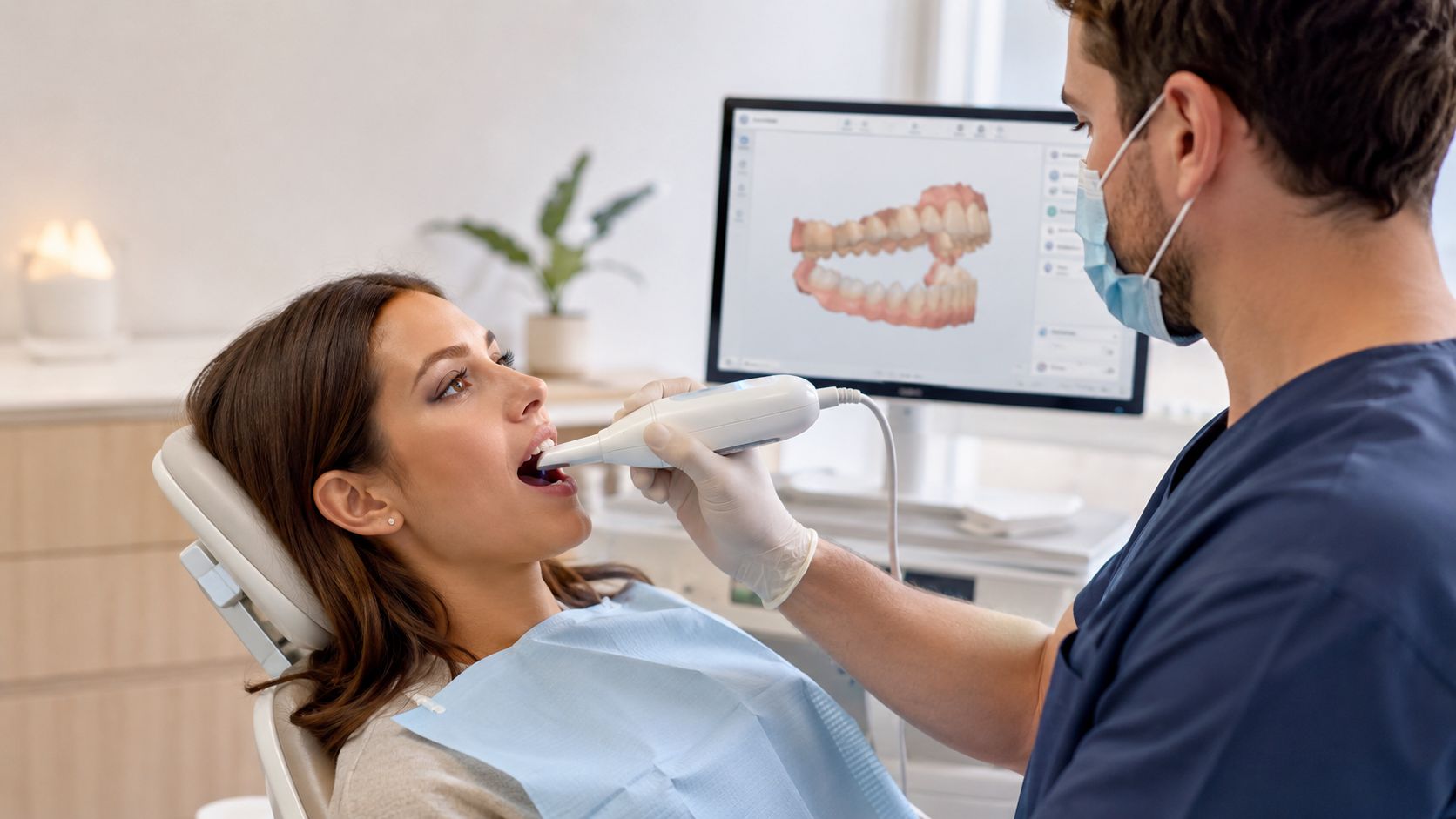
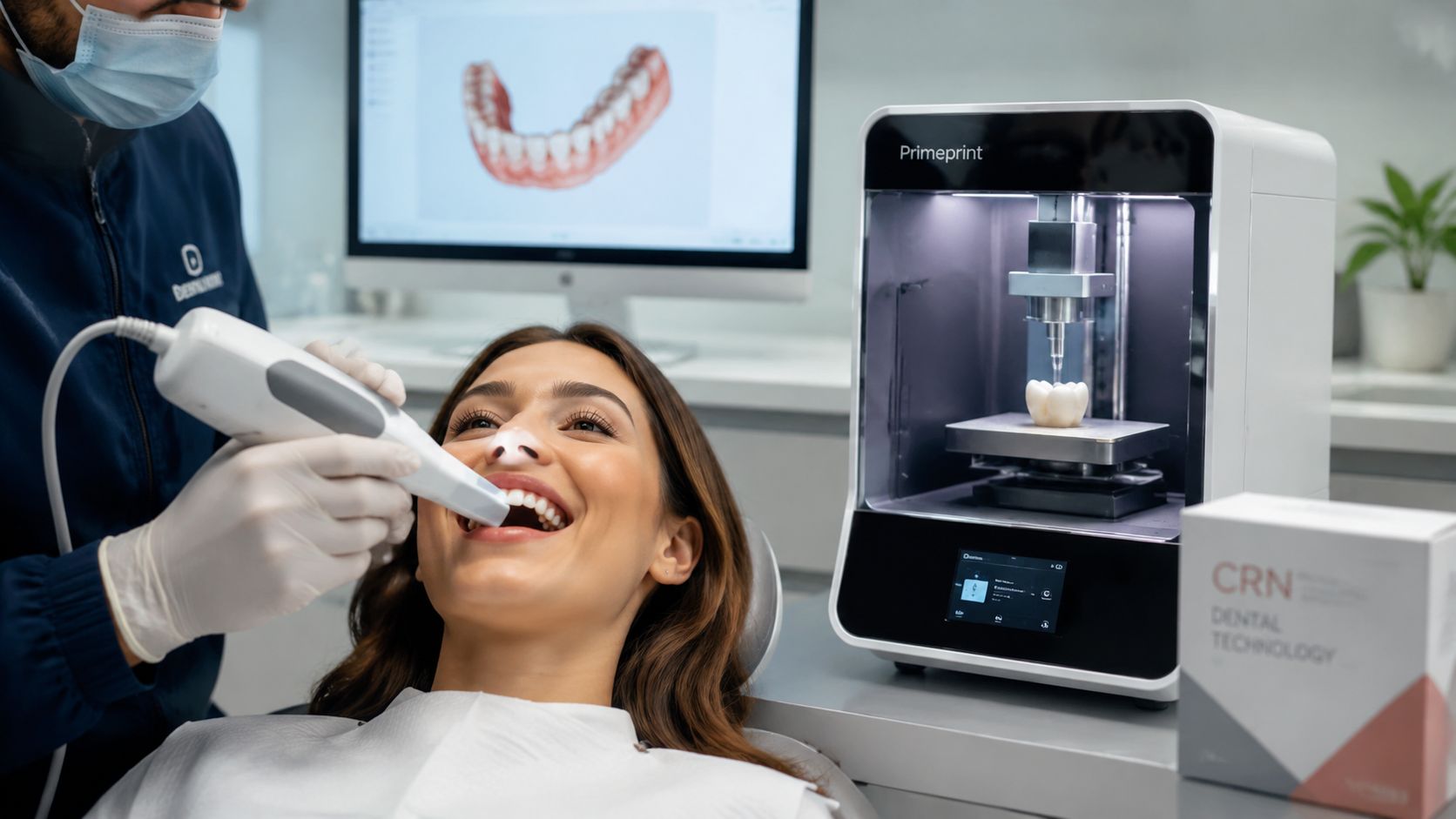
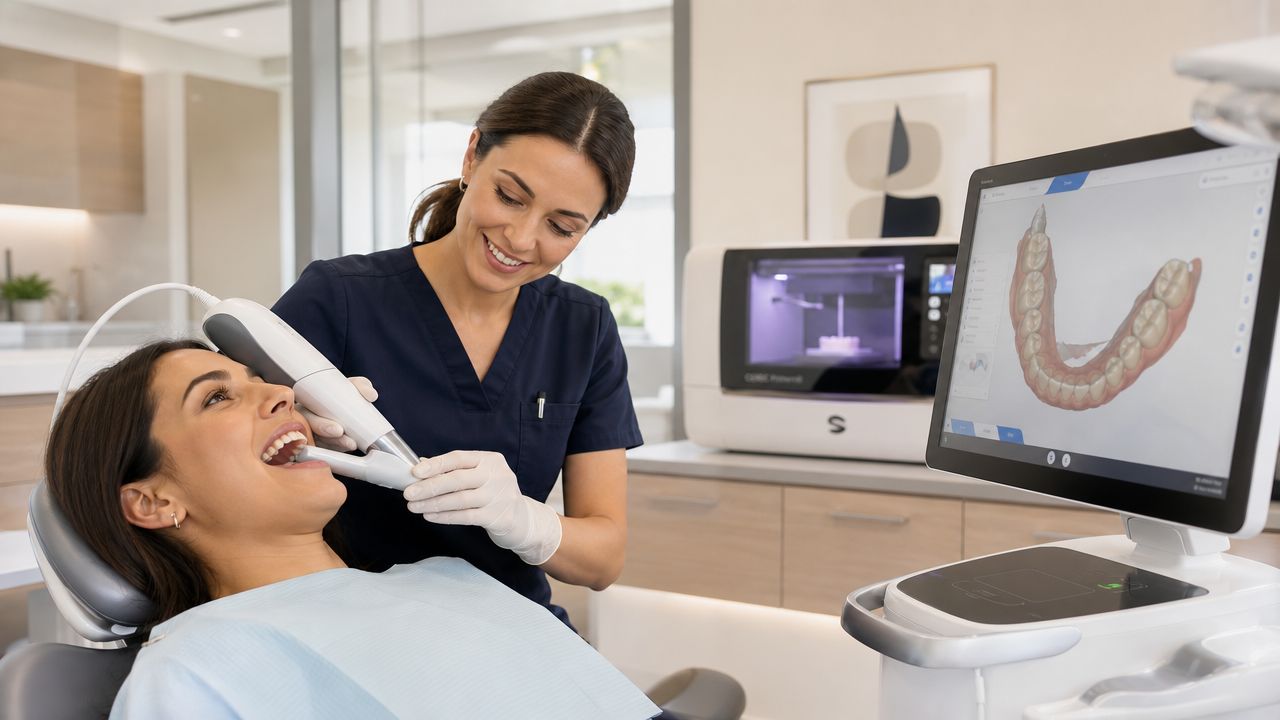
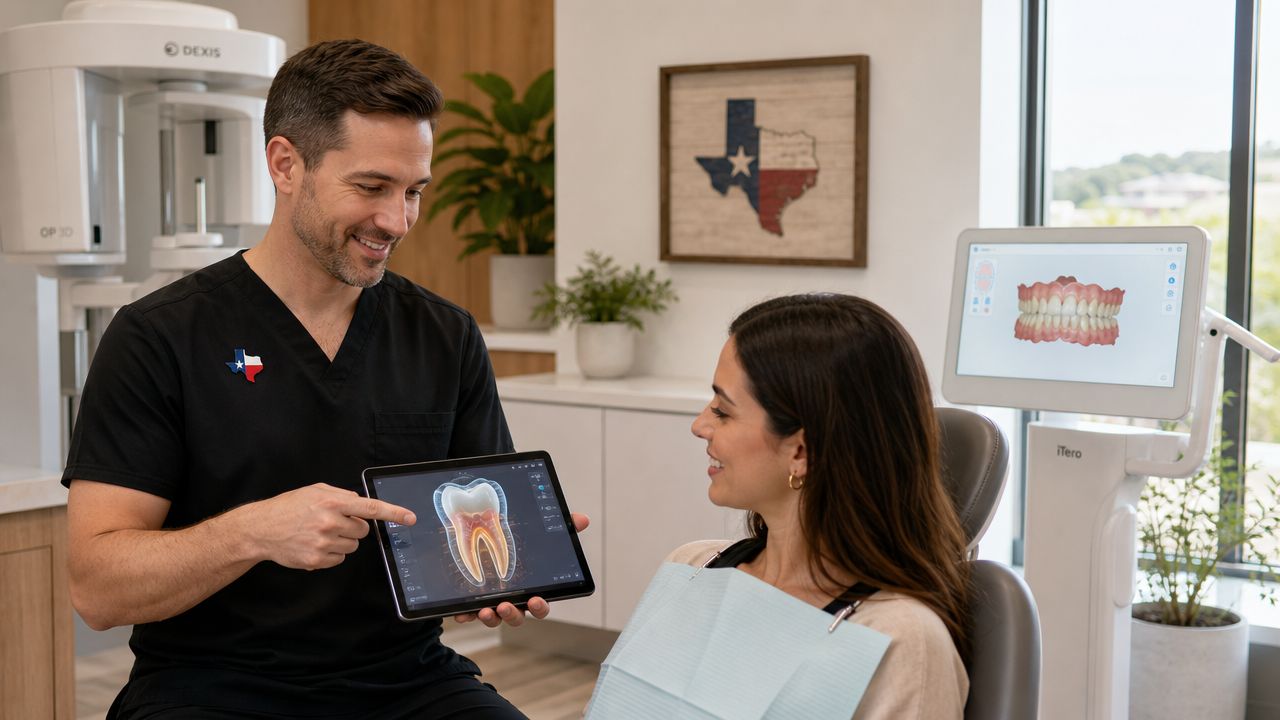
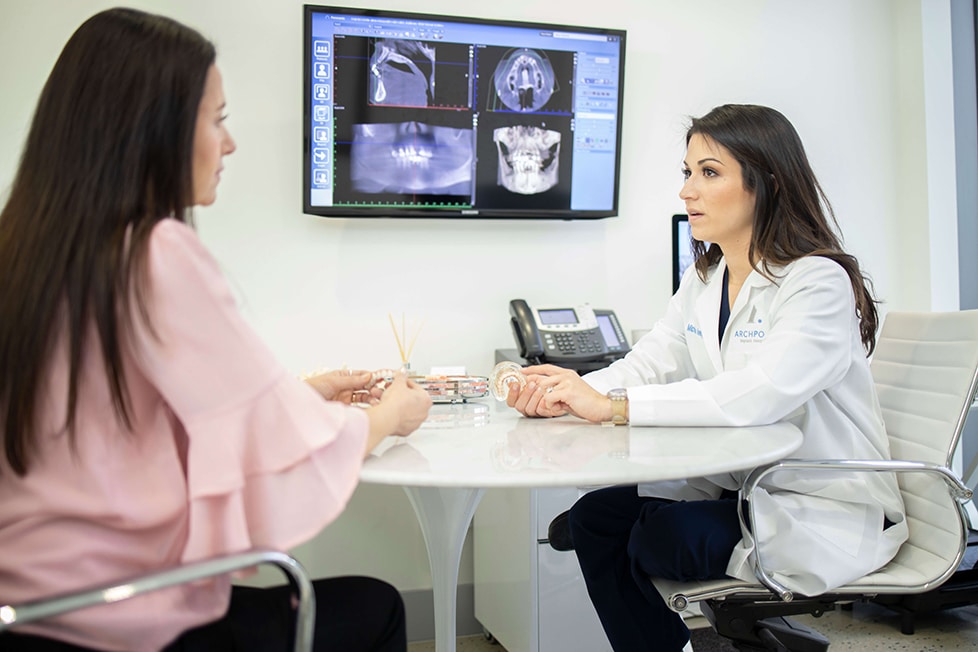
That's where modern diagnostics help. Digital x-rays, 3D CT imaging, and digital scanners can help the dental team see what is happening below the gumline, around the roots, and in the surrounding bone. That level of detail matters for treatment planning, especially when preserving teeth is the priority.
If tooth loss is part of the picture
Some readers searching for dentist in Austin, TX, dentist in Georgetown, TX, or cosmetic dentist near me are already dealing with advanced damage. In those cases, gum treatment may be only one piece of the plan.
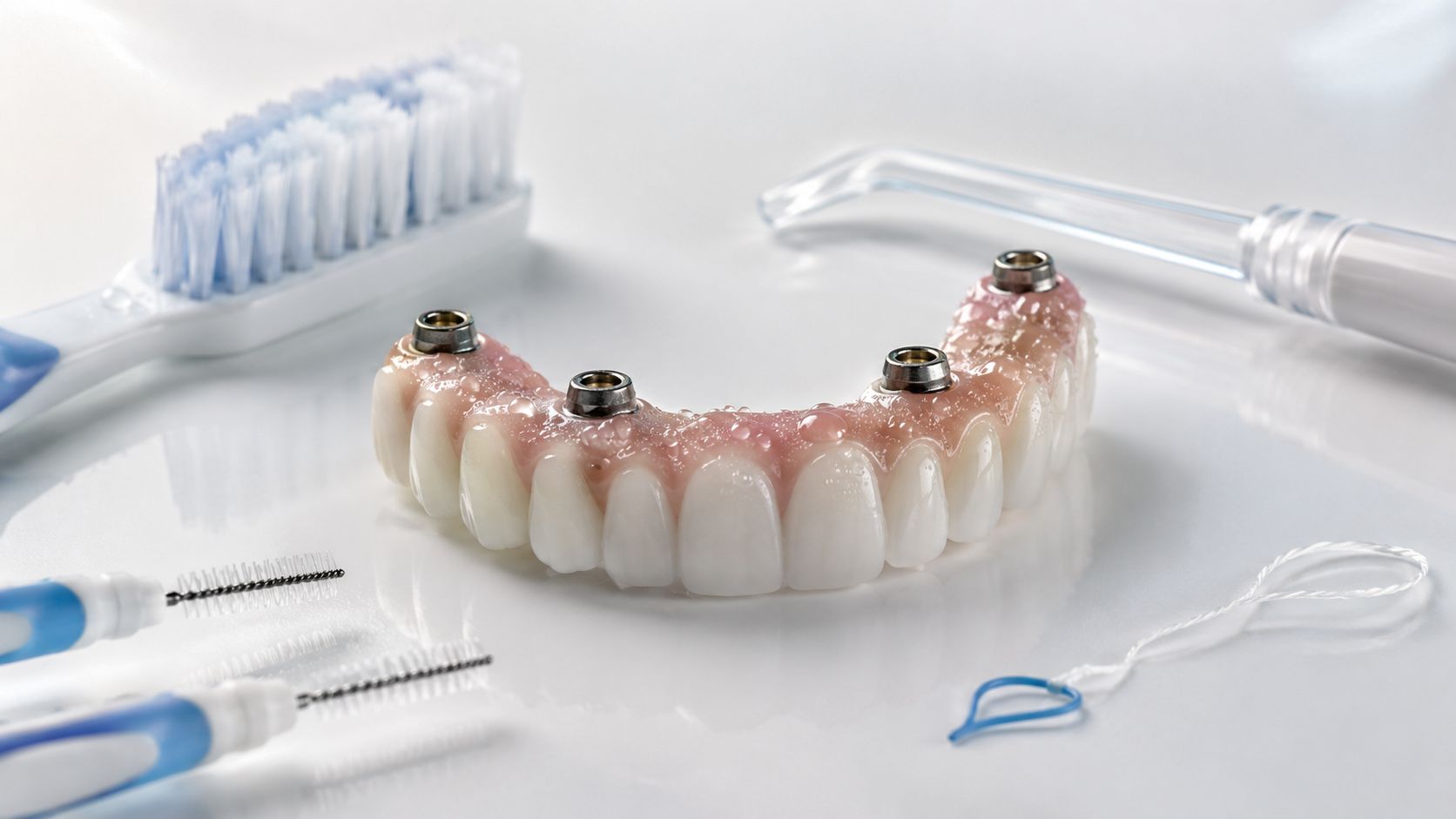
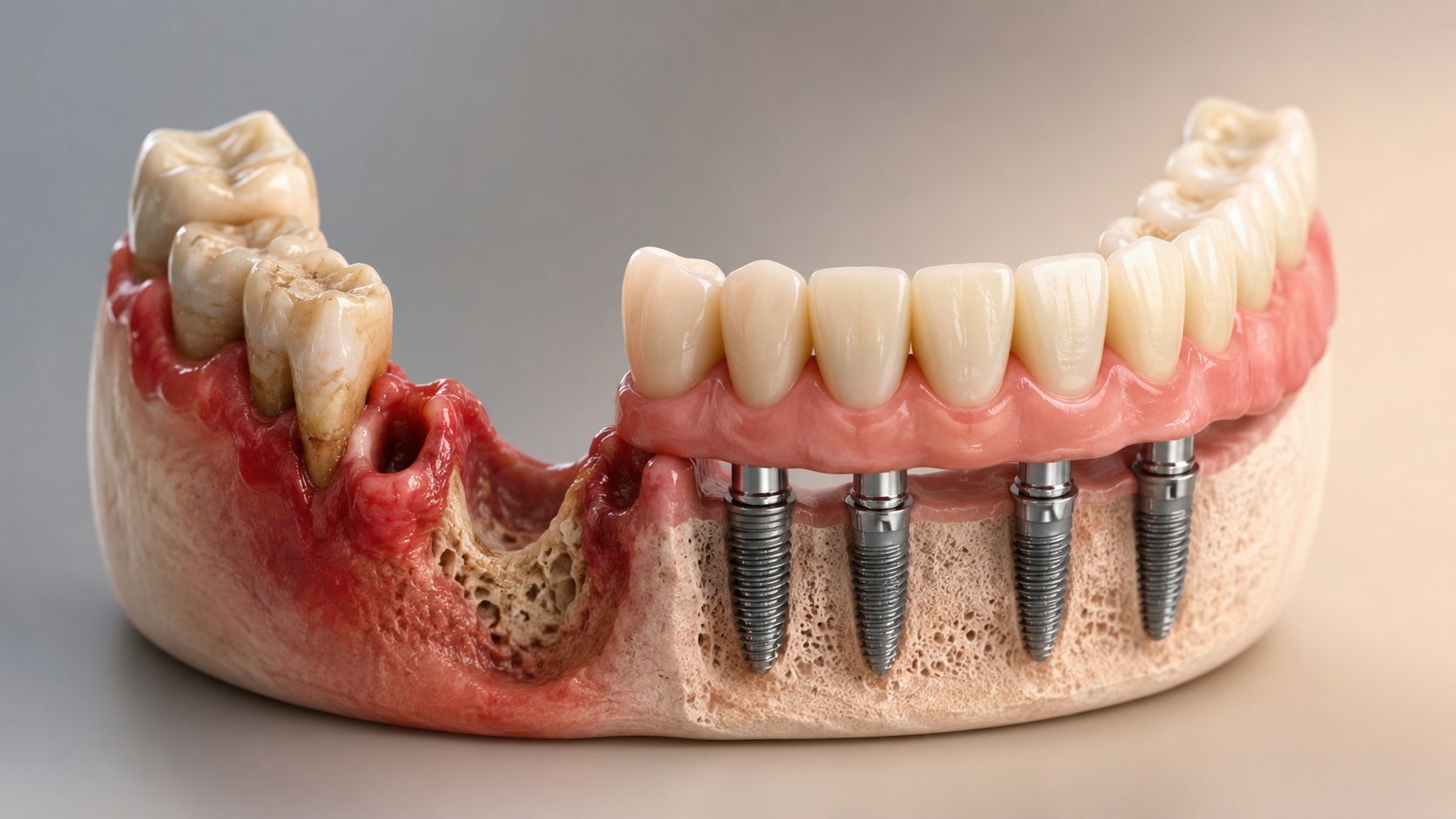
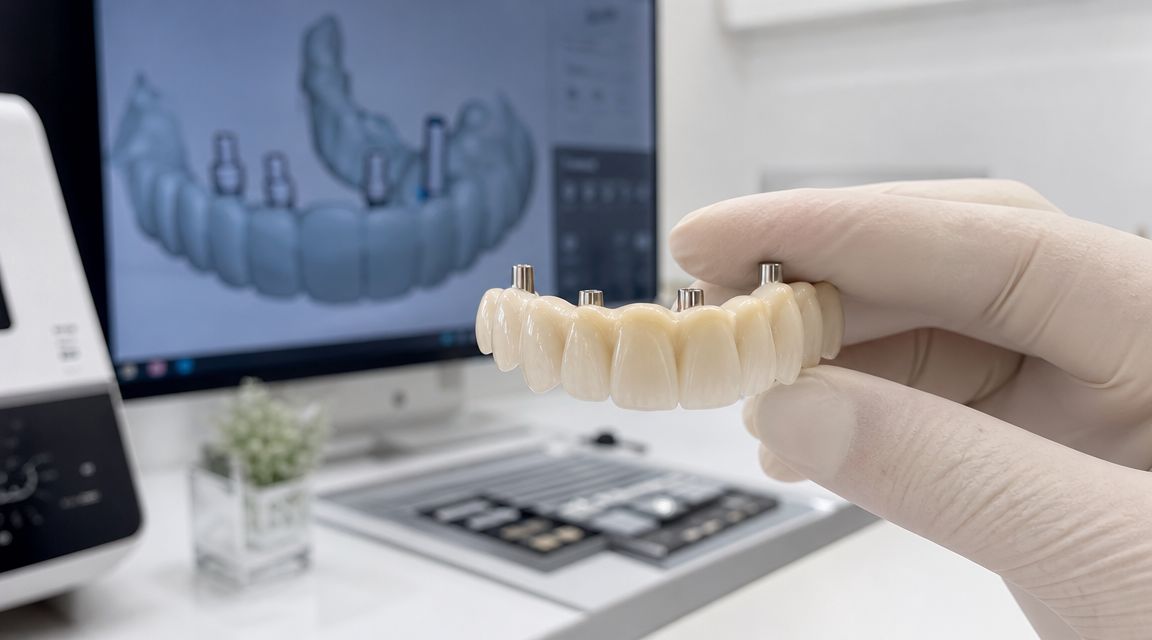
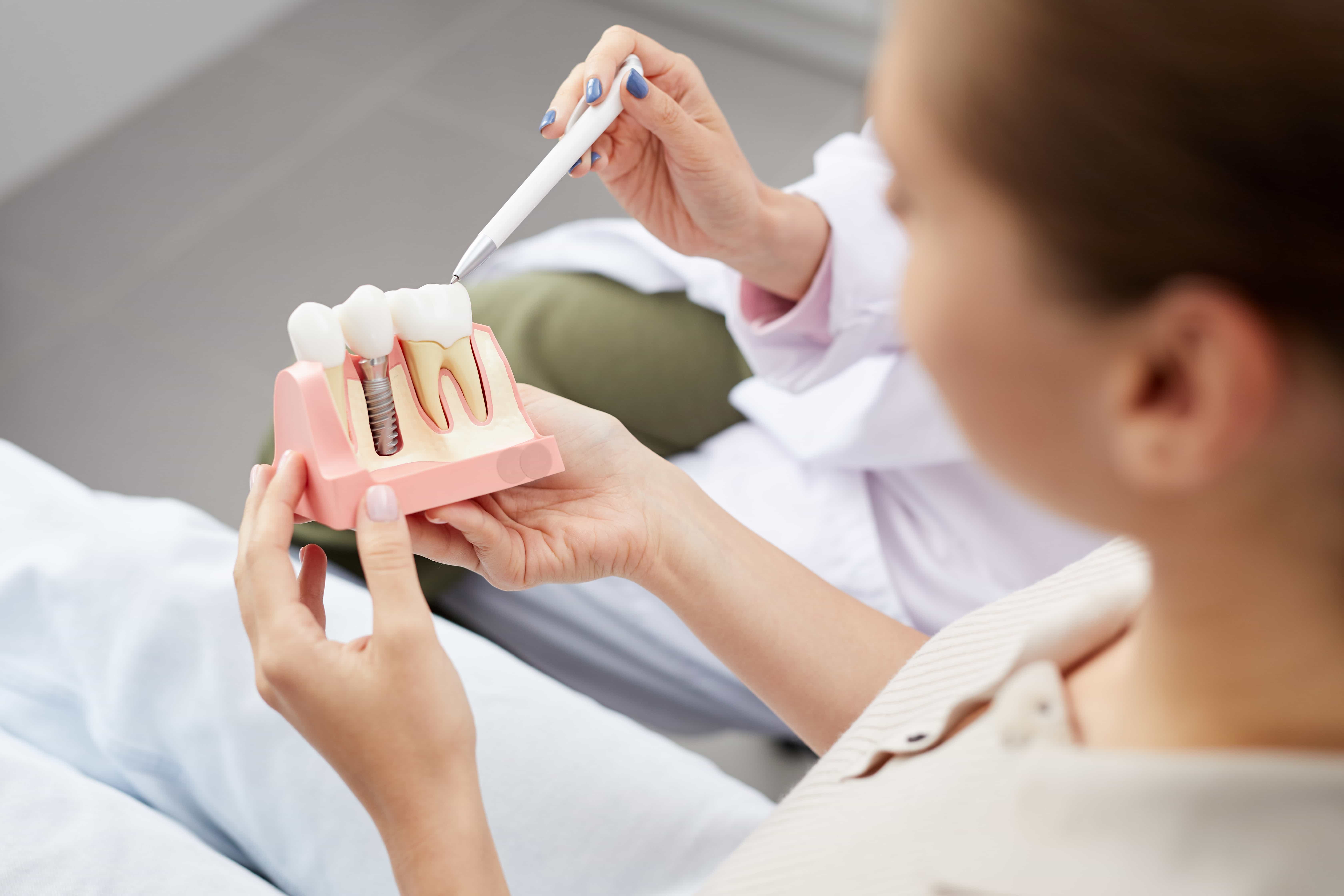
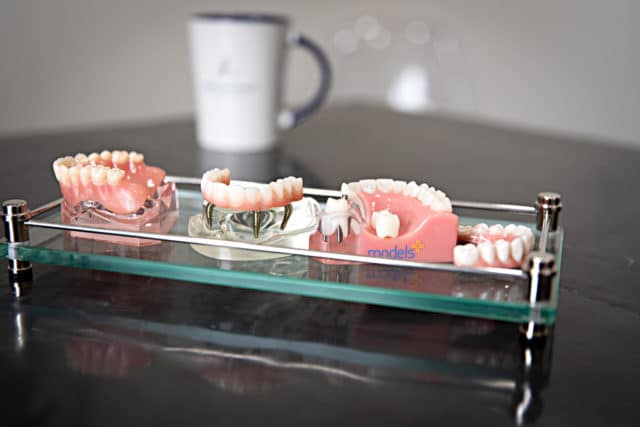
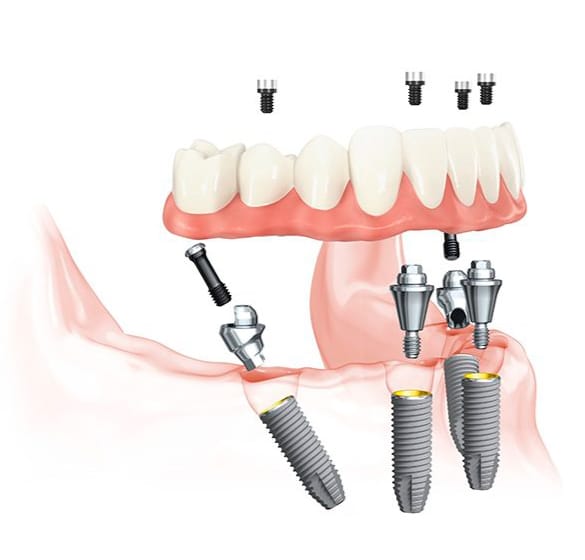
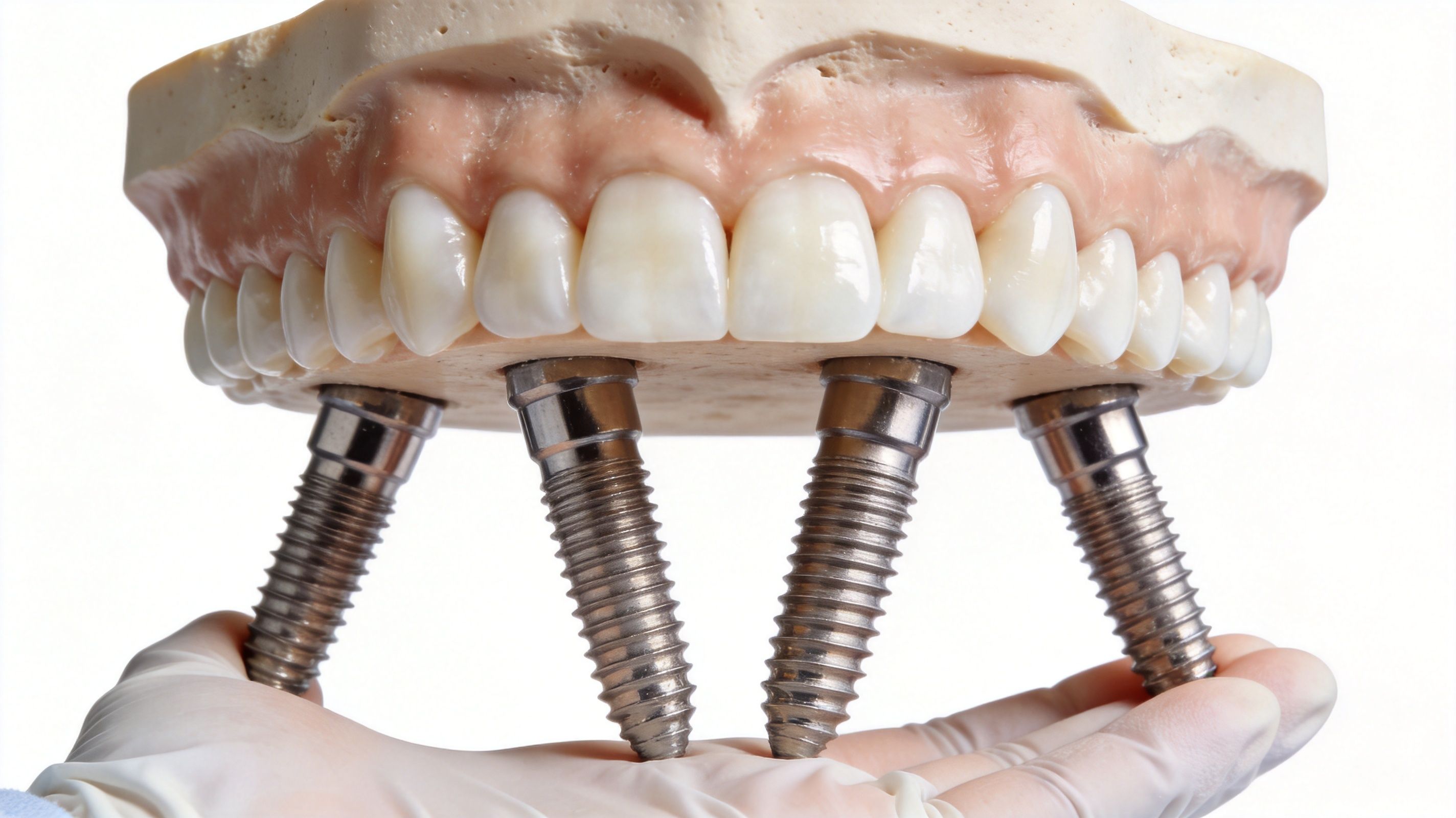
Severe recession can sometimes contribute to tooth loss or make a tooth difficult to save. If that happens, restorative options such as crowns, bridges, or dental implants near me become part of the conversation. For full-arch cases, some patients may also be candidates for more advanced implant solutions.
The value of a full-service office is that these decisions can be made with the same diagnostic records and a coordinated plan, rather than guessing from symptoms alone.
The best treatment plan is the one that matches the reason your gums are receding, not the one that sounds most aggressive.
What patients in Austin and Georgetown often need most
Most patients don't need drama. They need answers, comfort, and a plan they can follow.
That may mean a deep cleaning and improved home care. It may mean ongoing periodontal maintenance. It may mean restorative care after years of unnoticed progression. The key is that treatment becomes more effective once the cause is clear.
For families in North Austin, Georgetown, Cedar Park, Round Rock, Wells Branch, and Liberty Hill, that kind of clarity can make the difference between stabilizing a tooth and losing valuable time.
Your Path to Healthier Gums Starts Here
If you're worried about recession, the next step doesn't have to feel complicated. A good dental visit should lower your stress, not raise it.
A thorough exam usually starts with a conversation about what you've noticed. Sensitivity, bleeding, changes in the gumline, and any history of clenching or grinding all matter. From there, the dentist can use digital x-rays, scans, and a clinical exam to see whether the problem is mild irritation, active periodontal disease, or something more advanced.
What to expect at your visit
Most patients want three things from a first appointment. They want to know what's happening, whether it can be treated, and what comes next.
That usually means:
- A clear diagnosis instead of trial-and-error guessing
- A personalized plan based on your gum health, tooth support, and symptoms
- Straight answers about whether home care is enough or professional treatment is needed
If you're also looking for new patient exams, dental x-rays, restorative dentistry, cosmetic dentistry, or help from an emergency dentist, it's helpful to choose a practice that can connect gum health to the bigger picture of your smile.
You don't need to wait until the area looks severe. If your gums are receding, earlier evaluation usually gives you more conservative options and a better chance to protect your natural teeth.
If you're dealing with sensitivity, exposed roots, bleeding gums, or a gumline that seems to be moving, 3D Dental can help you get clear answers and a practical treatment plan. Patients in Austin and Georgetown can schedule an evaluation to find out whether simple home changes are enough or whether professional gum treatment, restorative care, or implant planning is the better next step.
Ready to get started?
Schedule a free, no obligation consultation with our team and see what's possible for your smile!
Georgetown
- Mon-Thurs8:30am-5pm
- Fri8am-3:30pm
- Sat-SunClosed
Austin
- Mon-Tues8am-5pm
- Wed-Thurs9am-6pmFri8am-2pm
- Sat-SunClosed