
Same Day Emergency Tooth Extraction in Austin & Georgetown
Related Posts







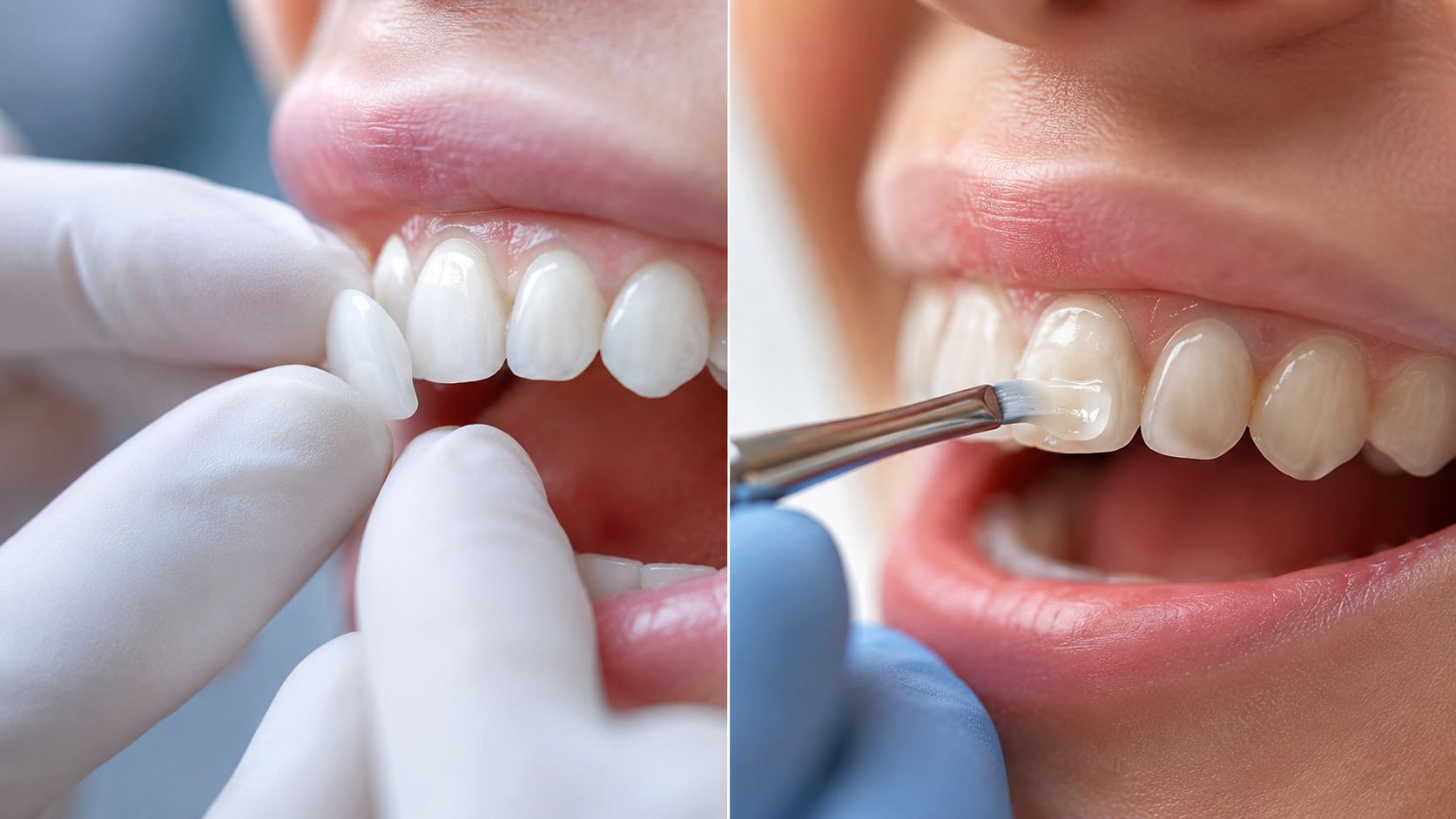
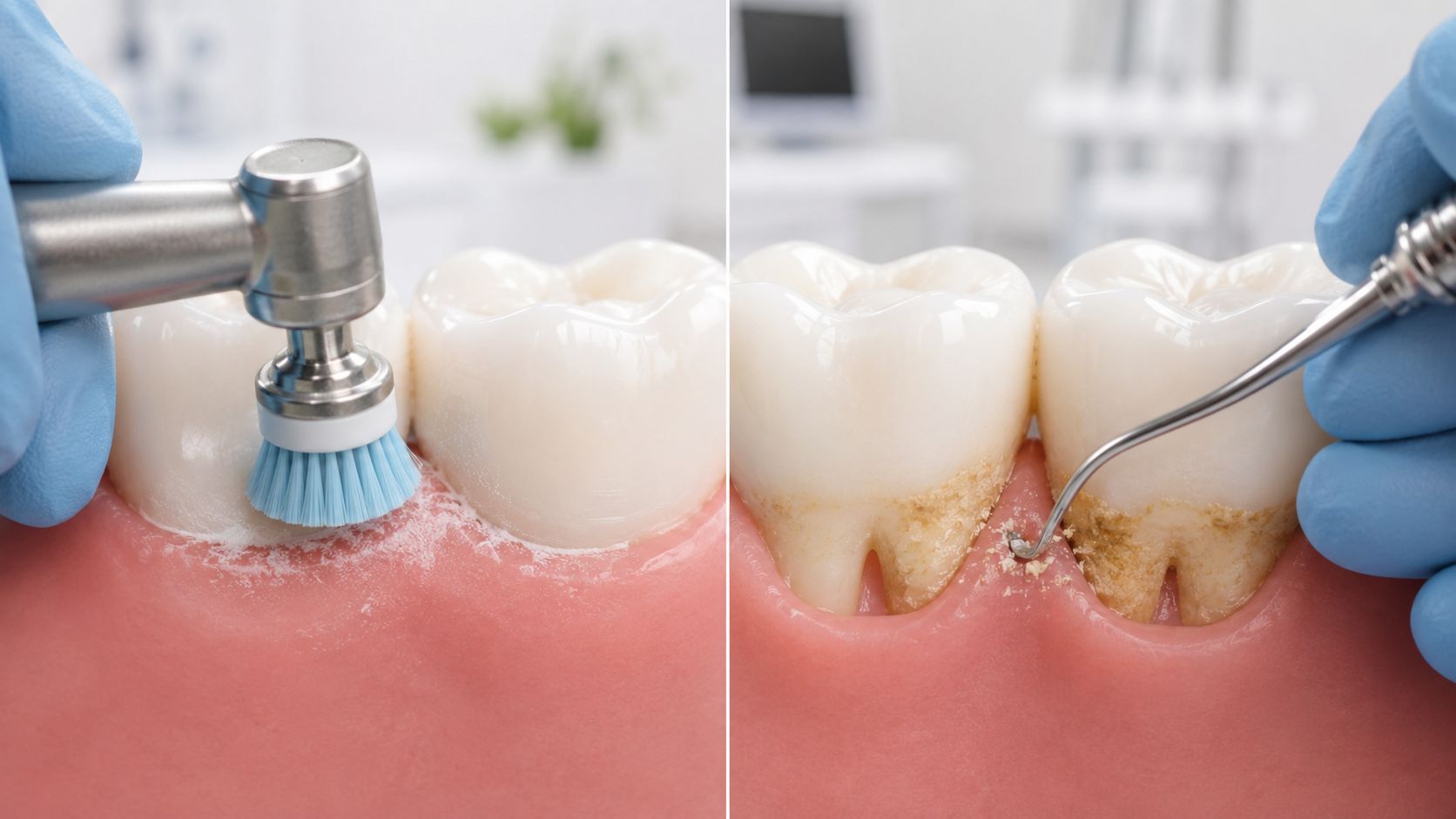


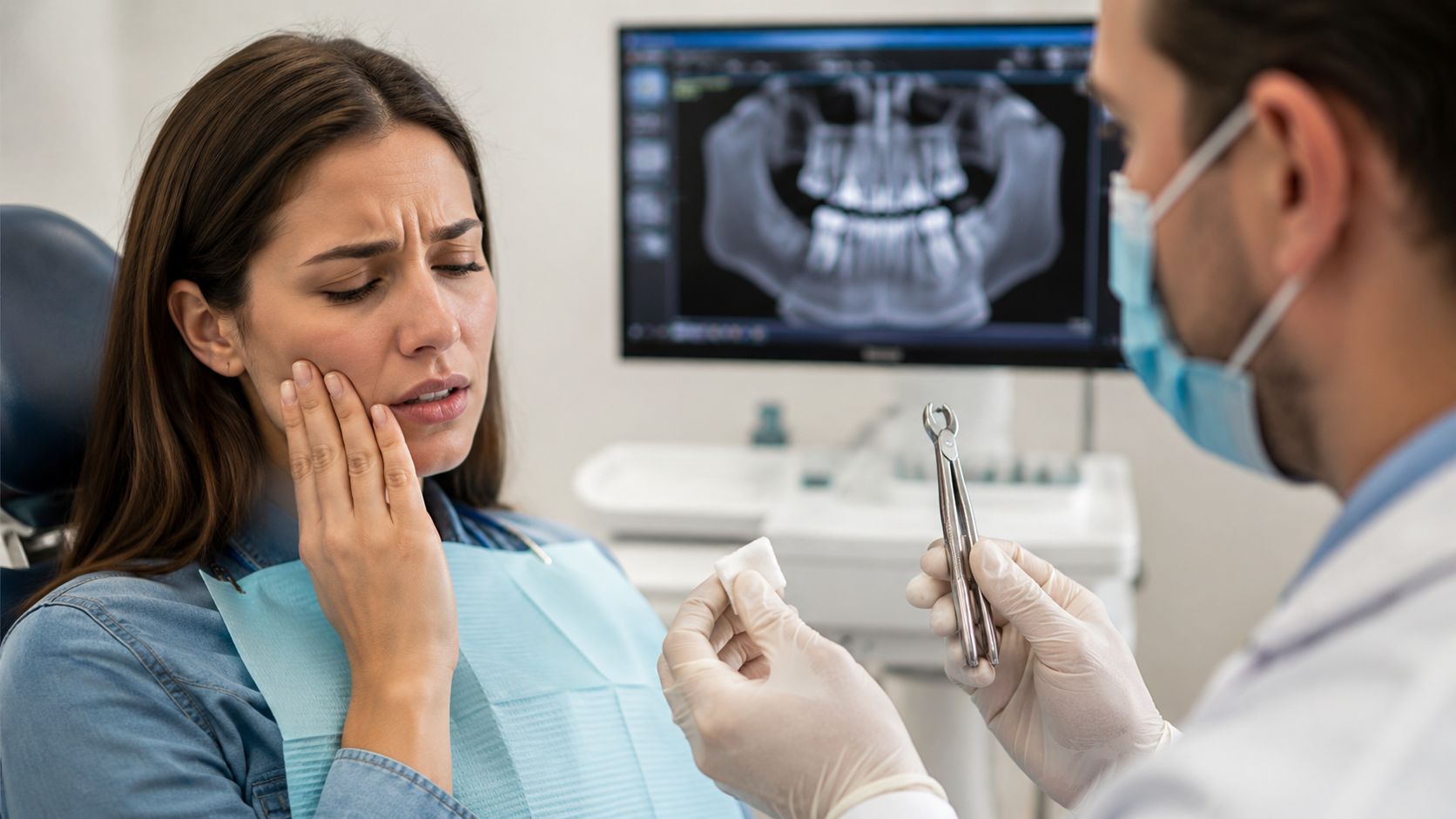
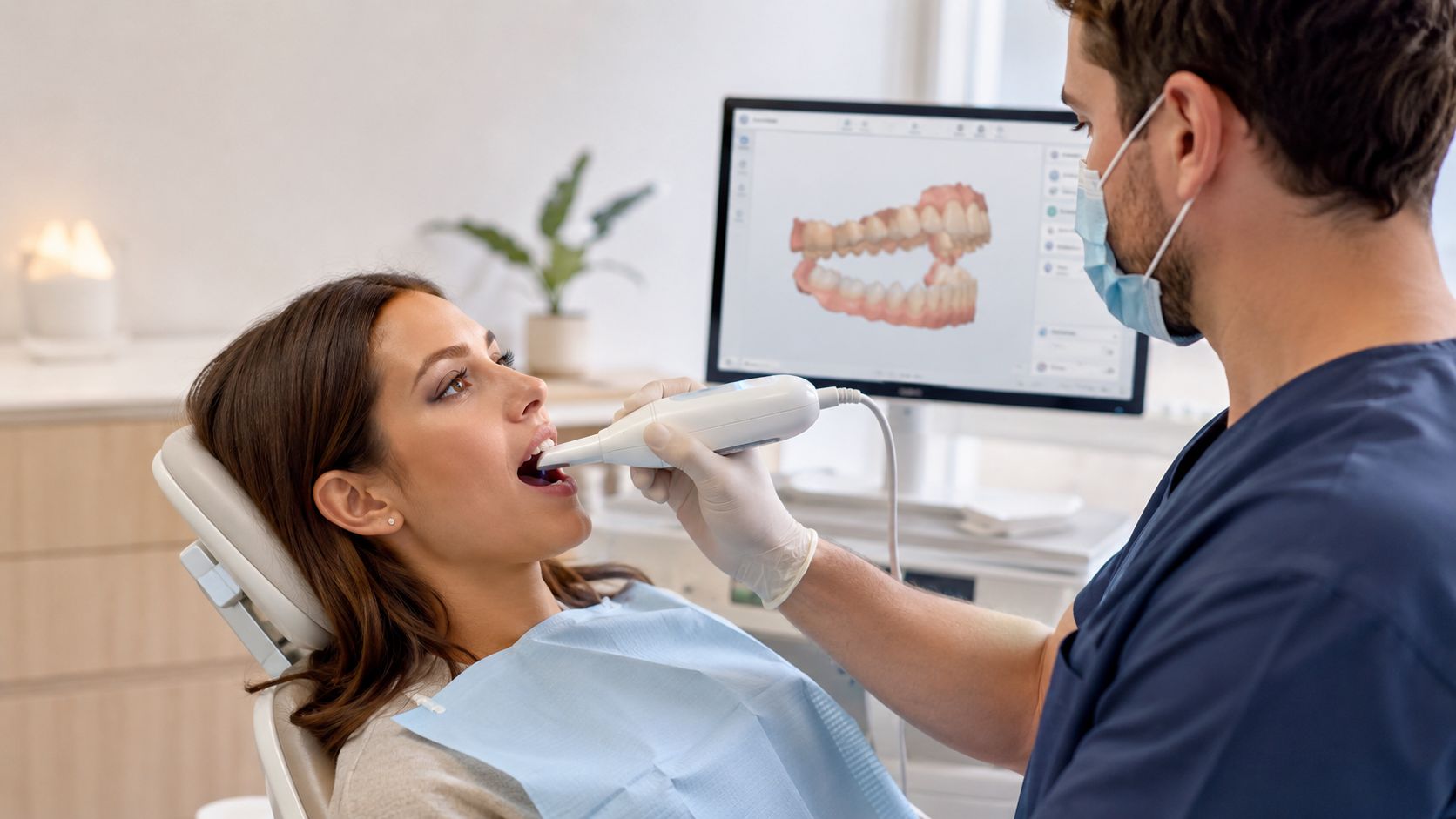






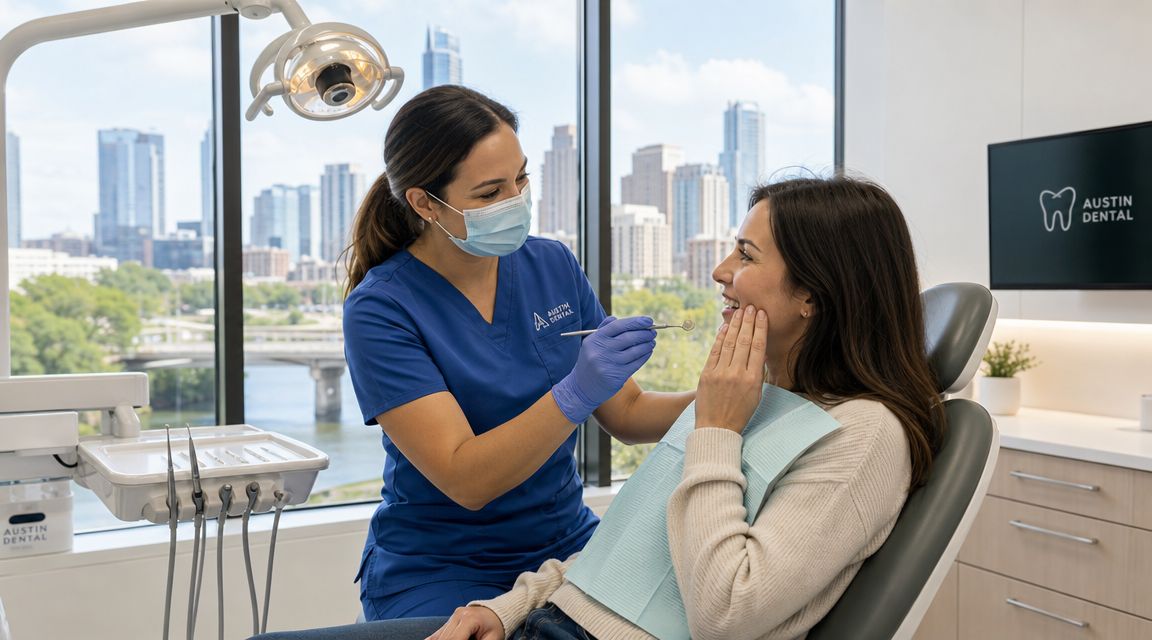

































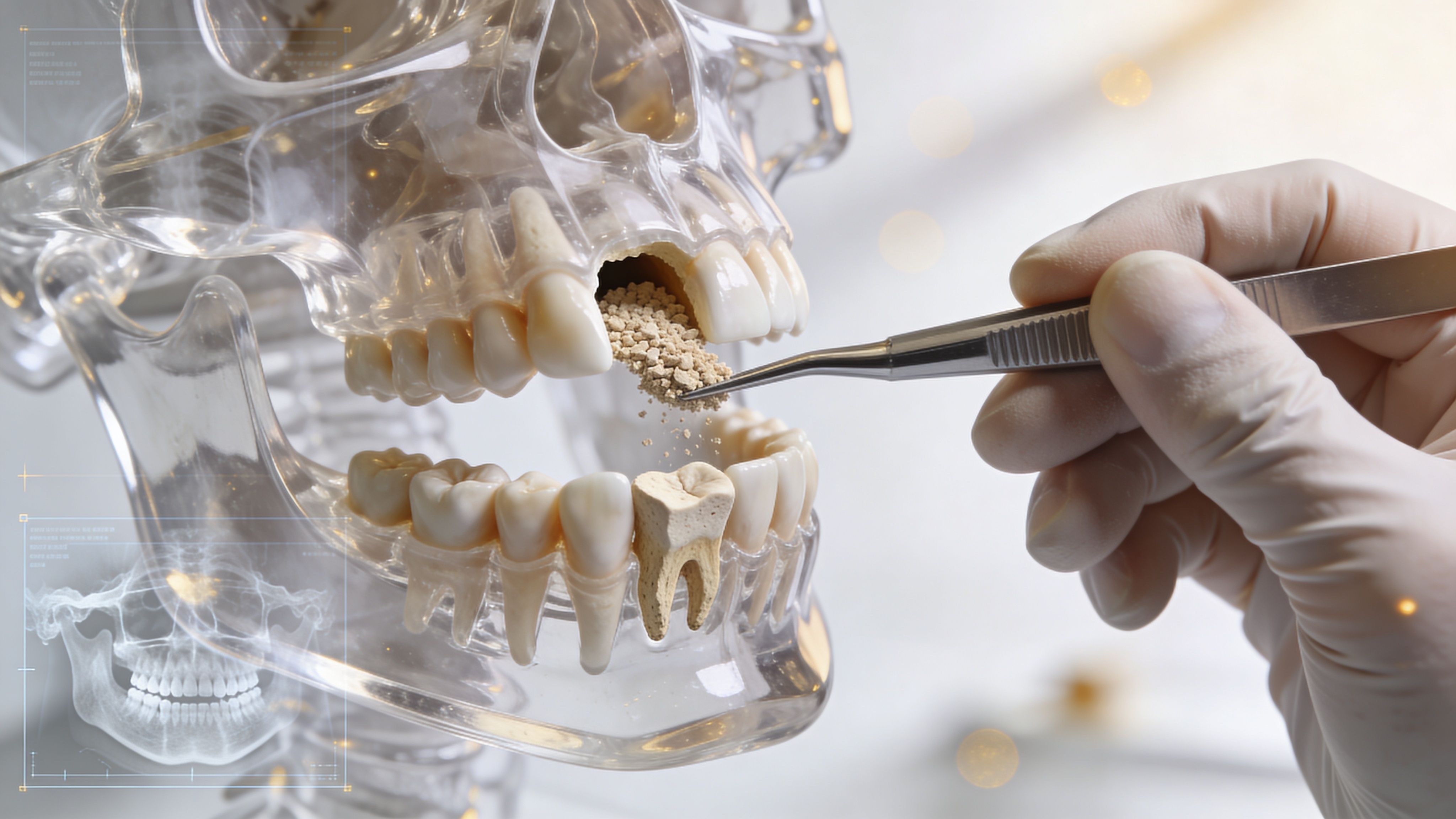




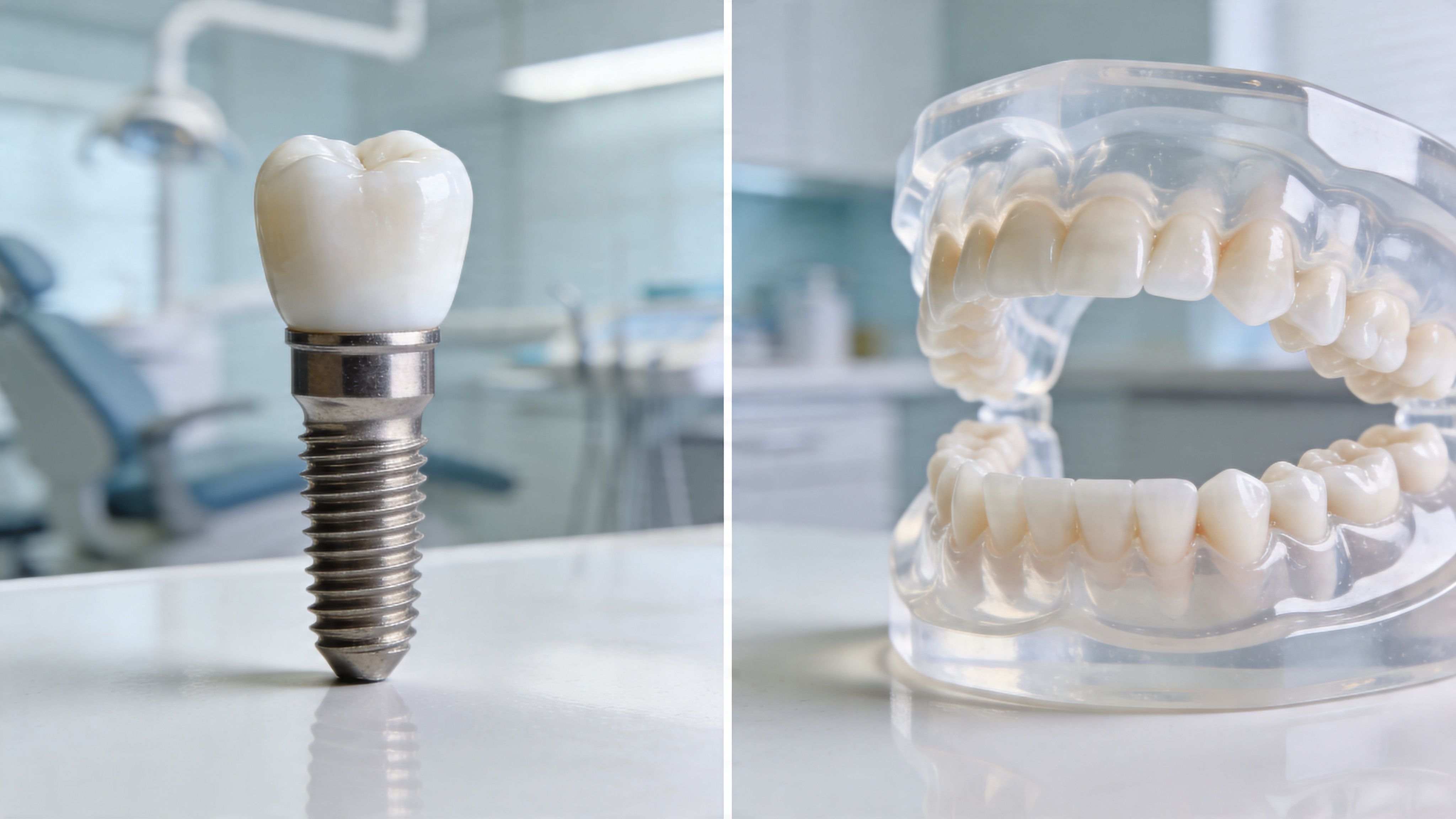
A bad toothache has a way of taking over everything. You stop chewing on one side. You can’t focus at work. Sleep gets broken into short stretches, and every hour that passes makes it feel more urgent to find an emergency dentist who can provide a solution.
For many people in Austin, Georgetown, Wells Branch, Cedar Park, Round Rock, and Liberty Hill, the hardest part is knowing where to go. If the tooth is badly infected, cracked, or beyond saving, a same day emergency tooth extraction may be the fastest way to stop the pain and protect your health. The good news is that modern emergency dental care is much more precise, comfortable, and organized than most patients expect.
Your Local Solution for Urgent Dental Pain in North Austin
It is 9:30 at night, your tooth has gone from sore to throbbing, and now even cold air hurts. By morning, many patients are dealing with swelling, poor sleep, and the question that matters most. Where can I be seen quickly by a dentist who can treat the problem?

At 3D Dental, we treat these calls every week for patients in North Austin, Georgetown, Wells Branch, Cedar Park, Round Rock, and nearby communities. The goal is simple. Get you out of pain, identify whether the tooth can be saved, and if it cannot, handle a same day emergency extraction as safely and comfortably as possible. That process starts with logistics as much as dentistry. A prompt phone call, a fast appointment, digital imaging, and a clear treatment plan all help shorten the time between severe pain and real relief.
Why patients often need a dentist instead of the ER
Hospital emergency rooms are the right place for facial trauma, uncontrolled bleeding, trouble breathing, or signs that an infection is spreading beyond the mouth. For a painful broken tooth or a dental infection, the ER often gives temporary medication and tells the patient to see a dentist as soon as possible.
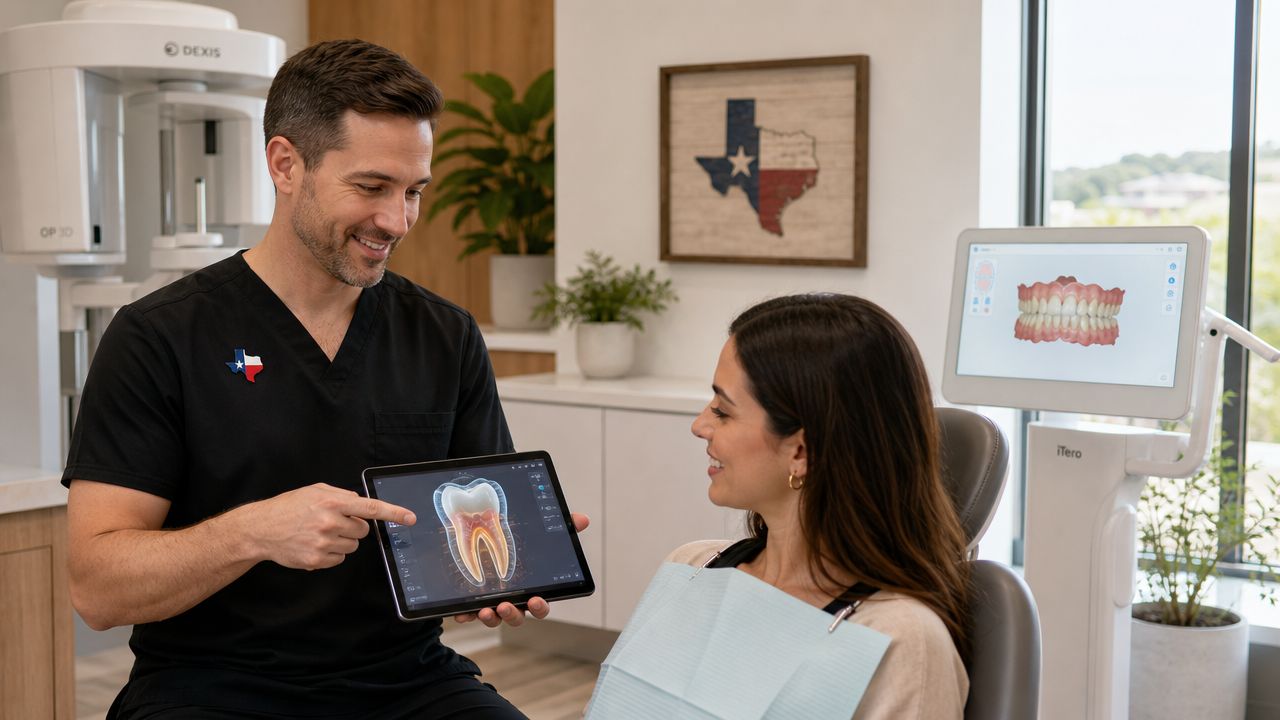
A dental office can usually do more in one visit. We can examine the tooth, take focused digital X-rays or 3D imaging when needed, check whether the damage extends below the gumline, and decide whether removal is the best option that day. That distinction is important because the problem is keeping you from eating, sleeping, or functioning normally.
What patients need in the first conversation
In our experience, emergency patients want clear answers, not a long lecture. They usually ask four things first:
- What is causing the pain
- Can the tooth be saved, or does it need to come out
- How quickly treatment can happen
- How we will keep the visit comfortable
Those are practical questions, and they deserve direct answers. At our North Austin and Georgetown offices, we also walk patients through the next steps that affect the visit in real life, including timing, sedation options, who can drive them home if needed, and payment choices such as Cherry and Sunbit. Clear clinical decisions matter. So does making the visit workable when you are in pain and trying to solve a problem fast.
If you are searching for a dentist near me, dentist in Austin, TX, or dentist in Georgetown, TX because a tooth has become unbearable, the first step is a same-day evaluation with a dental team that can diagnose and treat the source of the pain.
When is an Emergency Tooth Extraction Necessary
Not every painful tooth needs to come out. Some teeth can be treated with a filling, crown, root canal, or another restorative option. An emergency extraction becomes necessary when keeping the tooth would leave infection, pain, or structural damage in place.
Signs that removal may be the right treatment
The clearest situations are usually these:
- Severe pain that doesn’t calm down with basic medication
- Noticeable swelling in the face or gum
- A tooth that is broken so badly it can’t be predictably restored
- An infection that has damaged the tooth beyond a practical repair
- A failed prior treatment when the tooth no longer has a good long-term outlook
One useful benchmark is symptom severity. Clinical guidance on same-day emergency extraction selection notes that same-day extractions are often considered when pain is greater than 7 out of 10 and unresponsive to NSAIDs, or when there is facial swelling or limited jaw opening. That same source states that prompt intervention in these cases can reduce the risk of systemic infection by 80% within 24 hours.
What dentists look for during the exam
Pain matters, but pain alone doesn’t make the decision. The exam is about the whole picture. A dentist will check the tooth itself, the surrounding gum tissue, how much of the crown is still intact, whether there is active drainage or swelling, and whether the tooth can be restored in a stable way.
Medical history also matters. Some patients are good candidates for same-day treatment right away. Others need an adjusted plan because of medications, a current health condition, or the location and complexity of the tooth.
Practical rule: If pain is intense, the area is swollen, or you can’t open comfortably, don’t wait to “see if it settles down” on its own.
Problems that usually do not improve by waiting
A patient might hope a cracked or infected tooth will calm down over a weekend. Sometimes the pain briefly fades, but that doesn’t mean the problem is resolved. In fact, reduced pain can happen after the nerve tissue inside the tooth has deteriorated, which often means the underlying issue has advanced.
Emergency extraction is often chosen when delaying care is likely to lead to more swelling, more difficult treatment, or a more stressful recovery. That’s especially true when chewing is no longer possible on that side or when pressure in the gum keeps increasing.
When extraction is not the first choice
Dentists generally prefer to preserve a natural tooth when it can be predictably saved. If the tooth has enough healthy structure left, and the infection or inflammation can be treated effectively, extraction may not be the best first step.
That’s why a proper diagnosis matters. The goal isn’t to remove teeth quickly. The goal is to make the right decision quickly.
Your Emergency Extraction Journey at 3D Dental
Most patients feel better once they know what the visit will look like. The process is straightforward, and a good emergency appointment should feel organized from the first call through the moment you head home.
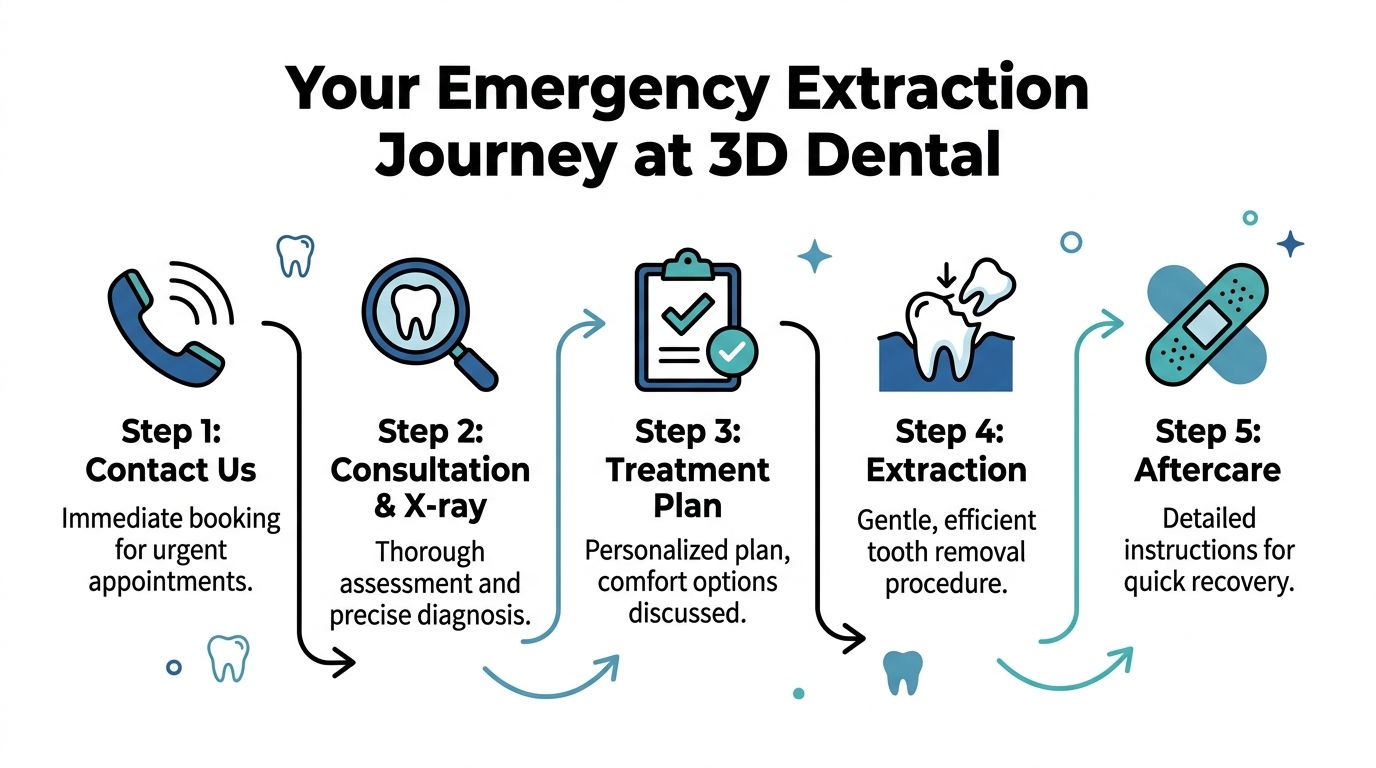
Step one, emergency contact and triage
When you call for urgent dental care, the first goal is to understand what’s happening. The team will usually ask about the location of pain, swelling, fever, trauma, broken tooth structure, and how long symptoms have been going on.
That conversation helps determine how quickly you need to be seen and whether you need immediate dental treatment or a higher-acuity medical setting. Patients from North Austin, Georgetown, Cedar Park, and Round Rock often feel calmer once they realize the visit has a clear path instead of uncertainty.
Step two, exam and imaging
Once you arrive, the exam starts with listening. A patient who says, “It hurts when I bite,” may have a very different problem from someone who says, “My face is swelling and I can’t sleep.” Both are emergencies, but not the same emergency.
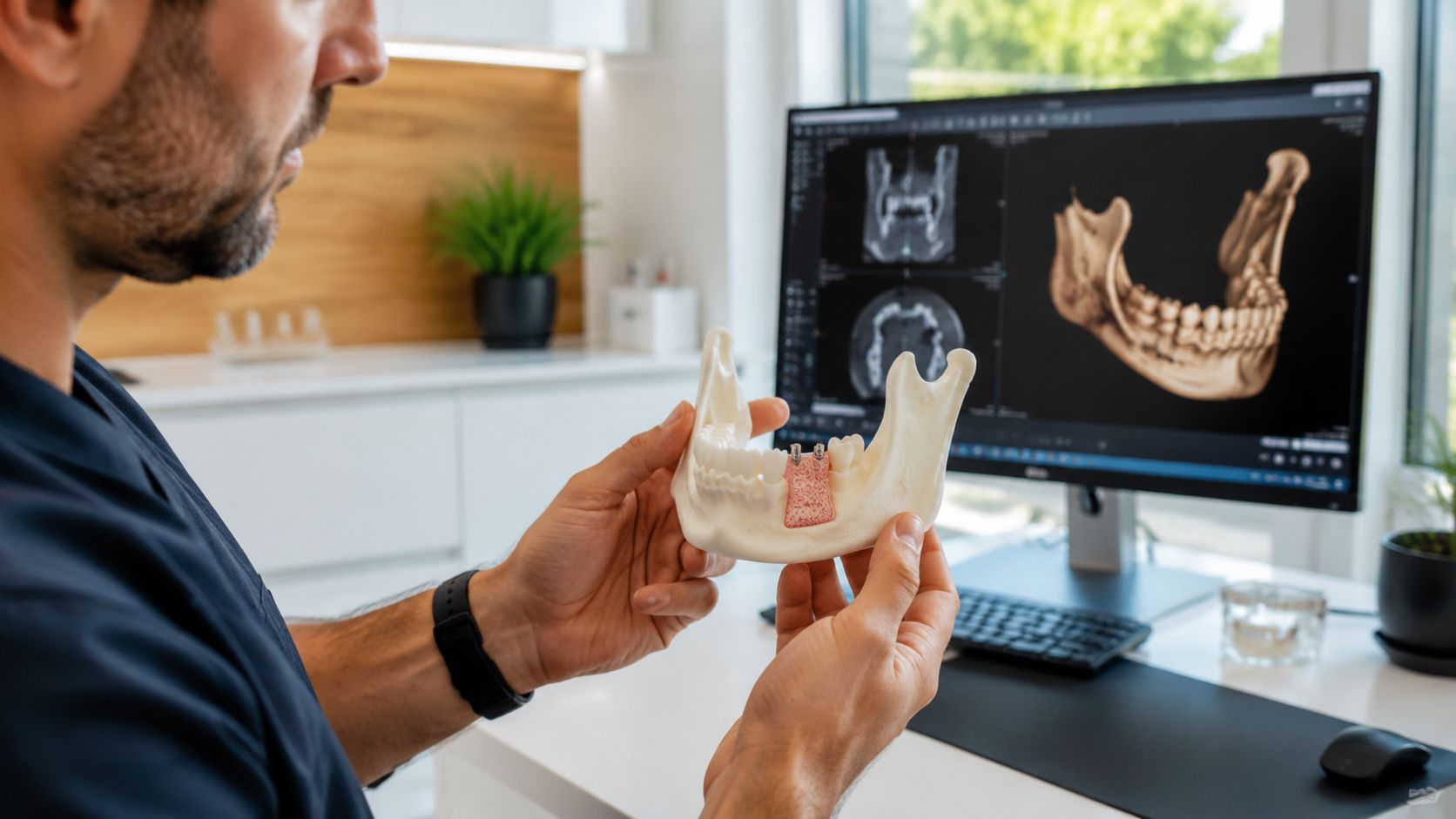
Imaging is where modern care makes a major difference. Guidance on same-day extraction imaging and CBCT planning explains that precise preoperative imaging with digital X-rays or CBCT is critical for successful same-day extractions, with over a 95% success rate in avoiding complications by identifying root shape and proximity to nerves. That same source notes that this approach can streamline diagnostics to under 15 minutes.
Step three, deciding between a simple or surgical extraction
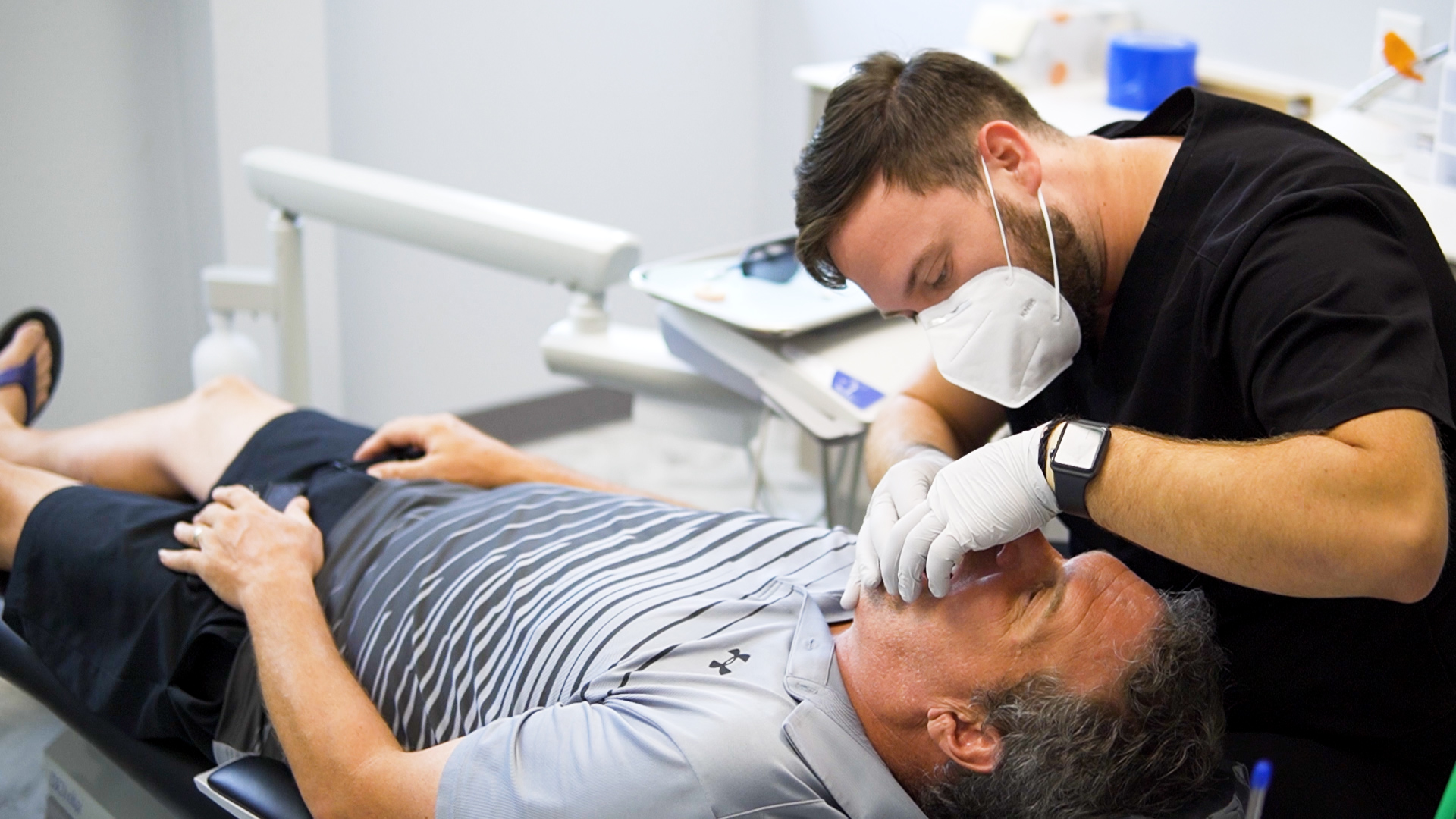
After the exam and imaging, the dentist determines the safest way to remove the tooth if extraction is the best option. Some teeth are fully visible and can be removed with a simpler technique. Others are fractured at the gumline, have difficult root shapes, or need a more surgical approach.
That distinction matters because it affects the instruments used, the expected appointment flow, and aftercare. It also helps set realistic expectations before treatment begins.
Here’s what patients are usually told at this point:
- Why the tooth needs to come out if it can’t be predictably saved
- What type of extraction is planned based on the tooth’s condition
- How the area will be numbed and what comfort options are available
- What the first days of healing will involve so there are no surprises
A calm explanation before treatment often lowers anxiety more than anything else. Patients do better when they know exactly what’s happening and why.
Step four, the extraction itself
Once the area is fully numb, the dentist removes the tooth as gently as possible. Patients often expect pain, but what they usually feel is pressure and movement rather than sharp discomfort. If a surgical approach is needed, the treatment is still methodical and controlled.
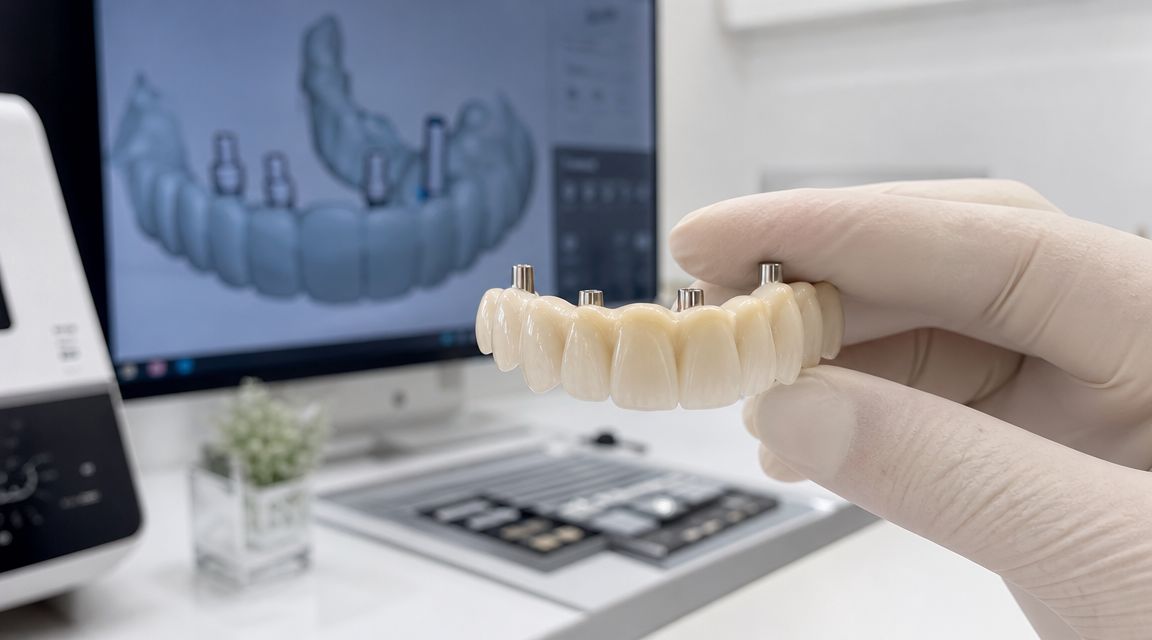
The main goals are to remove the source of pain, protect the surrounding tissue, and leave the area in the best condition for healing. In some cases, the conversation also includes what comes next, such as a future bridge, crown-supported plan, or dental implants near me search if replacement will be needed later.
Step five, immediate aftercare and the trip home
Before you leave, you should know how to bite on gauze, what to eat, what to avoid, and what symptoms are expected during normal healing. A good discharge conversation is simple, not rushed.
Patients also need to know when to call back. Persistent bleeding, increasing swelling, or pain that doesn’t follow the expected healing pattern should always be discussed with the office promptly.
Ensuring Your Comfort with Pain Control and Sedation
Fear of pain keeps many people from scheduling treatment, even when the tooth clearly needs help. That fear is understandable. The good news is that modern emergency dentistry focuses heavily on comfort, and pain control begins before the extraction starts.

Local anesthesia does the heavy lifting
For most same day emergency tooth extraction visits, the foundation is profound local anesthesia. In plain terms, the area is numbed thoroughly so the tooth can be removed without sharp pain. Patients may feel pressure, vibration, or movement, but the goal is a controlled and tolerable experience.
This is also why communication matters. If a patient still feels too much sensation, the dentist should know before proceeding further. Comfort is not something to “tough out.”
Sedation can make the visit much easier
Some patients aren’t mainly worried about pain. They’re worried about panic, gagging, shaking, or the feeling of being overwhelmed in the chair. In those situations, sedation options can make urgent treatment much more manageable.
A dentist will consider your health history, medications, and anxiety level before recommending the best comfort approach. If you’re curious about situations where nitrous oxide may not be ideal, this page on contraindications for nitrous oxide is a useful starting point.
Patients often feel more prepared after seeing a calm explanation of what an emergency visit can look like.
What works better than white-knuckling the appointment
Trying to get through an extraction while tense and afraid usually makes the visit feel longer. A better approach is to be direct about what bothers you. Tell the team if your main concern is the needle, the sound of instruments, the feeling of pressure, or general dental anxiety.
That gives the dentist a chance to tailor the appointment. Some patients need slower pacing and more explanation. Others prefer less detail and simple reassurance.
- Speak up early if you’ve had trouble getting numb before
- Mention past dental anxiety so comfort planning starts before treatment
- Ask about sedation options if anxiety is likely to keep you from getting care
- Bring a driver if advised for appointments involving certain relaxation methods
Patients usually do best when they stop trying to be “easy” and start being honest. Good emergency care adapts to the person in the chair.
Understanding Alternatives to Tooth Extraction
Removing a tooth can be the right choice, but it shouldn’t be the automatic choice. A careful dentist always asks whether the tooth can be saved first, and whether saving it would give the patient a strong long-term result rather than just a short-term patch.
When saving the tooth makes more sense
If the tooth still has enough healthy structure and the problem is primarily inside the tooth rather than destroying it from the outside, treatment such as a root canal and crown may be a better plan. In other cases, a large filling or crown can restore function if the fracture or decay hasn’t gone too far.
The decision comes down to predictability. If saving the tooth means repeated treatment with a poor outlook, extraction may be the more conservative choice over time.
Emergency treatment options comparison
| Treatment | Goal | Typical Time | Best For |
|---|---|---|---|
| Emergency filling or temporary repair | Reduce pain and stabilize the tooth | Often the same visit | Minor to moderate structural damage |
| Root canal treatment | Save the natural tooth by treating the inside | Depends on tooth condition and scheduling | Infected or inflamed teeth that are still restorable |
| Crown or buildup | Reinforce and protect remaining structure | Usually requires planning beyond the emergency visit | Teeth with enough healthy foundation left |
| Tooth extraction | Remove a tooth that cannot be predictably saved | Often possible the same day | Severe infection, major fracture, or non-restorable damage |
The trade-off patients should understand
Saving a tooth preserves natural chewing and avoids an extraction site. That’s a meaningful benefit. But preservation only makes sense when the tooth has a realistic future.
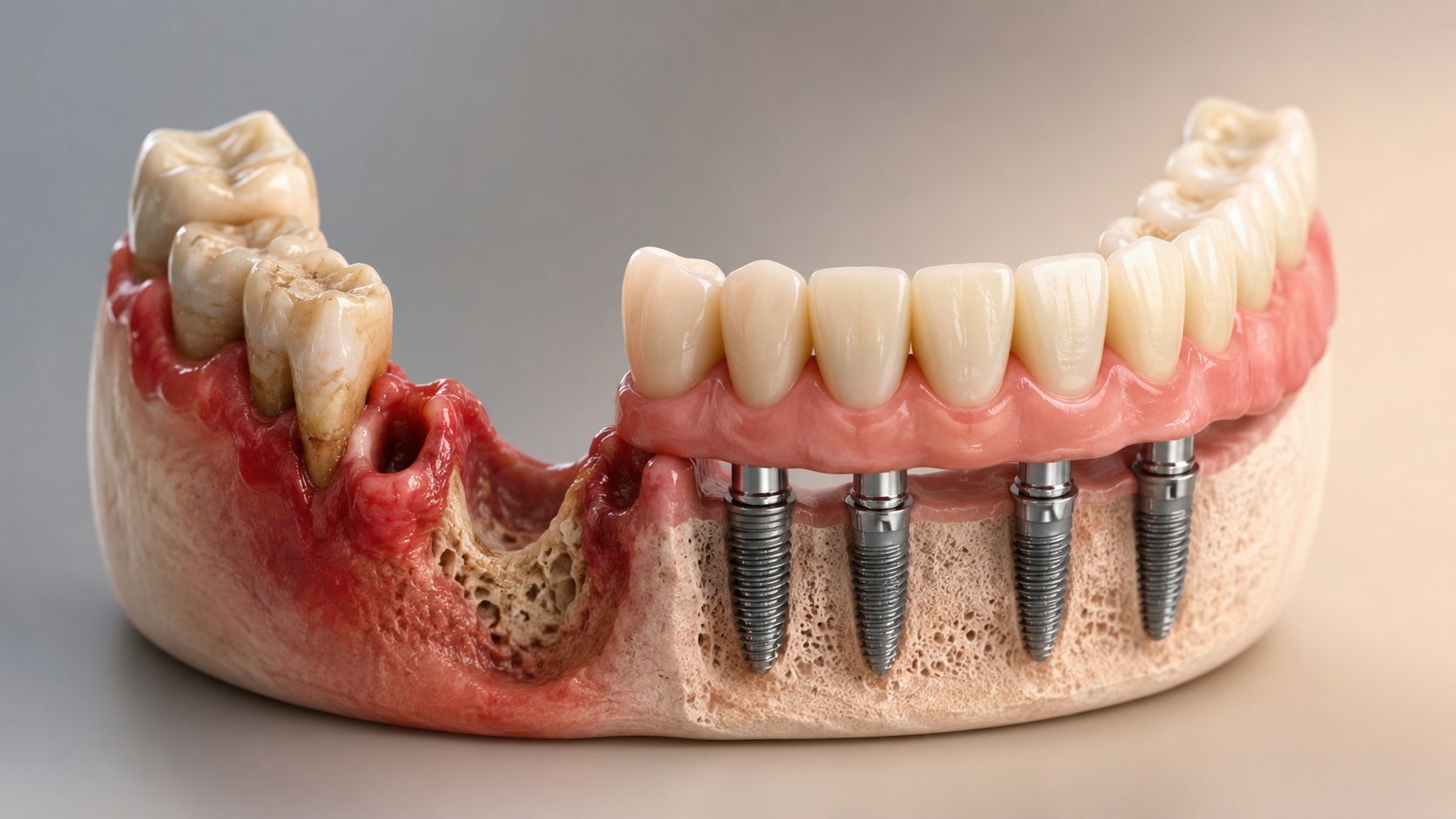
Extraction removes the immediate source of pain when the tooth is no longer a good candidate for repair. The trade-off is that you then need a plan for the missing tooth, especially in visible or high-function areas. That’s where restorative dentistry, bridges, and implant planning come into the conversation.
The best option isn’t always the one that keeps the tooth in place today. It’s the one that gives you the healthiest, most stable result going forward.
Cost Insurance and Financing for Your Emergency Care
A lot of patients call us from a parking lot, between meetings, or after a bad night with tooth pain, and the first question after "Can you see me today?" is often "What is this going to cost?" That concern is reasonable. In an emergency, people need clear numbers, clear options, and no surprises.

Why prompt dental treatment is often the practical choice
For most dental emergencies, getting treated in a dental office is usually the more direct and cost-conscious path. In Austin and Georgetown, that also means less time spent bouncing between facilities that cannot complete the extraction. A hospital ER can help with medical stabilization if swelling affects breathing or you have a broader medical emergency, but it often does not provide the dental procedure itself.
That delay can add cost without solving the source of the pain.
Insurance and Medicaid realities
Coverage varies by plan and by procedure. Some insurance plans help with the emergency exam, X-rays, and extraction. Others cover only part of the visit, especially if additional treatment, sedation, or follow-up care is needed.
Medicaid can be especially confusing for adults. This discussion of whether the ER will pull a tooth explains that adult Medicaid dental benefits are often limited to emergency or reduced services, which may leave extractions partially covered or not covered at all. Before treatment starts, our team works to give patients a realistic estimate based on the information available that day.
Options that can help you get care now
At 3D Dental, we try to make the financial side as straightforward as the clinical side. Patients coming to our North Austin or Georgetown locations often need same-day answers, not a long approval process after they are already in pain. That is why many ask about monthly payment options through Cherry and Sunbit.
You can review the practice’s emergency dental financing and insurance options before your visit or while coordinating treatment with our front desk.
A few questions are worth asking before you approve care:
- What is included in the emergency visit fee
- Whether imaging is billed separately or included in the exam
- How insurance estimates are calculated before treatment begins
- Whether Cherry or Sunbit is available for same-day treatment
- What the total range may be if the extraction is more complex than expected
Cost matters. Active infection, swelling, and a tooth that is breaking down usually get more expensive and harder to treat when care is postponed.
Frequently Asked Questions About Emergency Extractions
Will it hurt during the extraction
With proper numbing, patients usually feel pressure more than pain. If anxiety is part of the problem, sedation options may also help make the visit feel much easier.
Is it dangerous to wait a few days
Sometimes a short delay is manageable, but severe pain, swelling, or restricted jaw opening should be taken seriously. These symptoms can mean the situation is moving past a simple toothache.
Why see a dentist instead of going to the ER first
For most tooth infections and broken teeth, a dentist can diagnose the source and provide definitive treatment. The ER is important for medical emergencies, but it often cannot provide the dental procedure itself.
Can the tooth be replaced after it’s removed
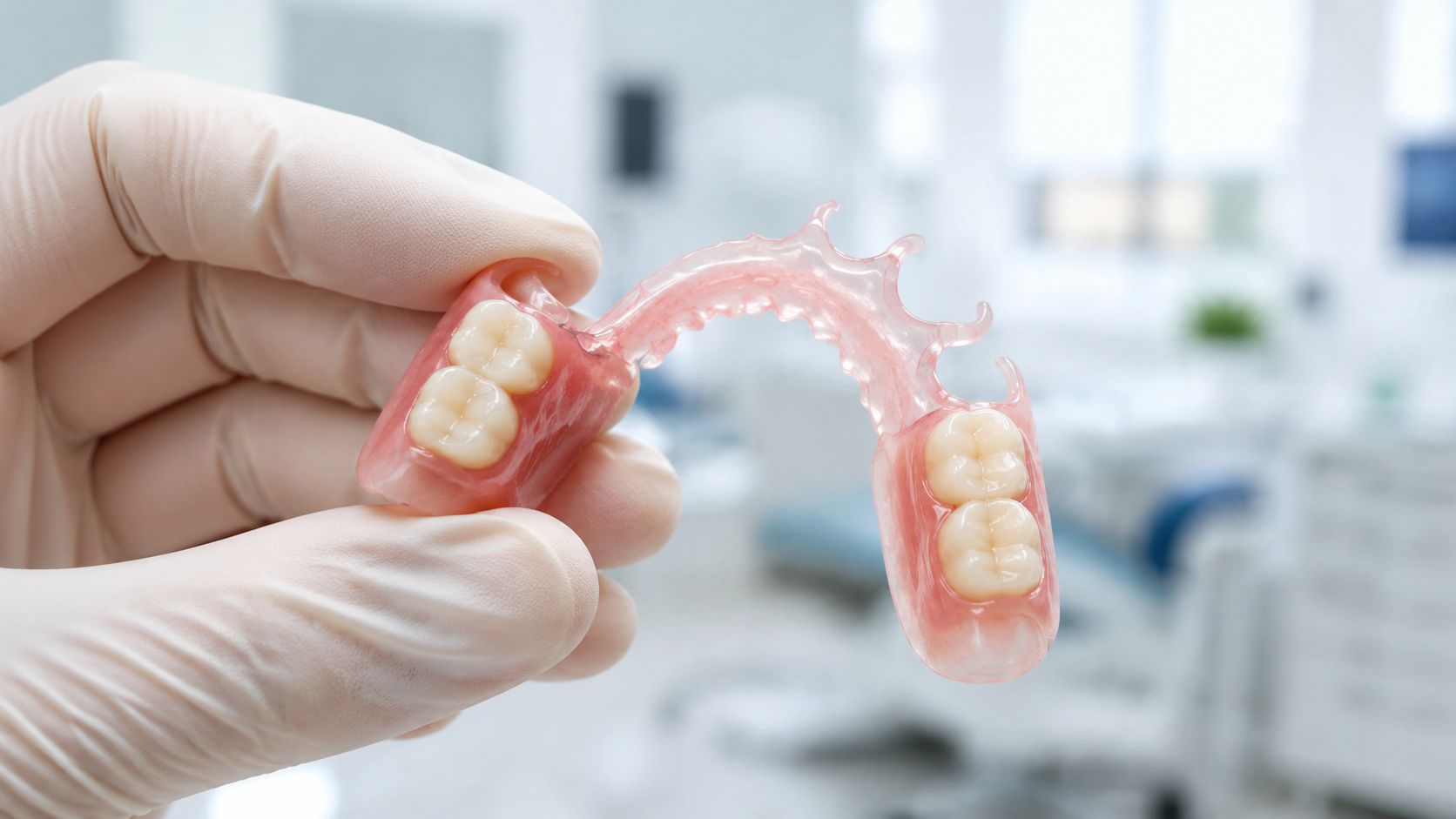
Yes. Depending on the tooth and your overall dental condition, replacement may involve a bridge, partial denture, or implant-based plan. If appearance or bite stability matters, it’s wise to discuss replacement early.
Do patients usually accept same-day treatment
Yes. Emergency dental treatment data shows a 93.3% treatment acceptance rate in emergency dental visits, with tooth extractions among the most common procedures. In real life, that reflects something simple. When people are in significant pain and understand the diagnosis, they usually want relief as soon as possible.
How long does recovery take
Initial healing begins right away, but every extraction is different. Recovery depends on whether the tooth was simple or surgical, whether there was infection, and how closely aftercare instructions are followed. Rest, a soft diet, and protecting the clot are all important.
If you’re dealing with severe tooth pain, swelling, or a broken tooth and need help now, 3D Dental serves patients in North Austin and Georgetown with modern emergency dental care, advanced imaging, flexible financing, and a patient-first approach. If you’ve been searching for a trusted emergency dentist, tooth extraction, or dentist near me in Central Texas, schedule an appointment and get clear answers fast.
Ready to get started?
Schedule a free, no obligation consultation with our team and see what's possible for your smile!
Georgetown
- Mon-Thurs8:30am-5pm
- Fri8am-3:30pm
- Sat-SunClosed
Austin
- Mon-Tues8am-5pm
- Wed-Thurs9am-6pmFri8am-2pm
- Sat-SunClosed