
How Often Should You Get Dental Xrays? Your 2026 Guide
Related Posts


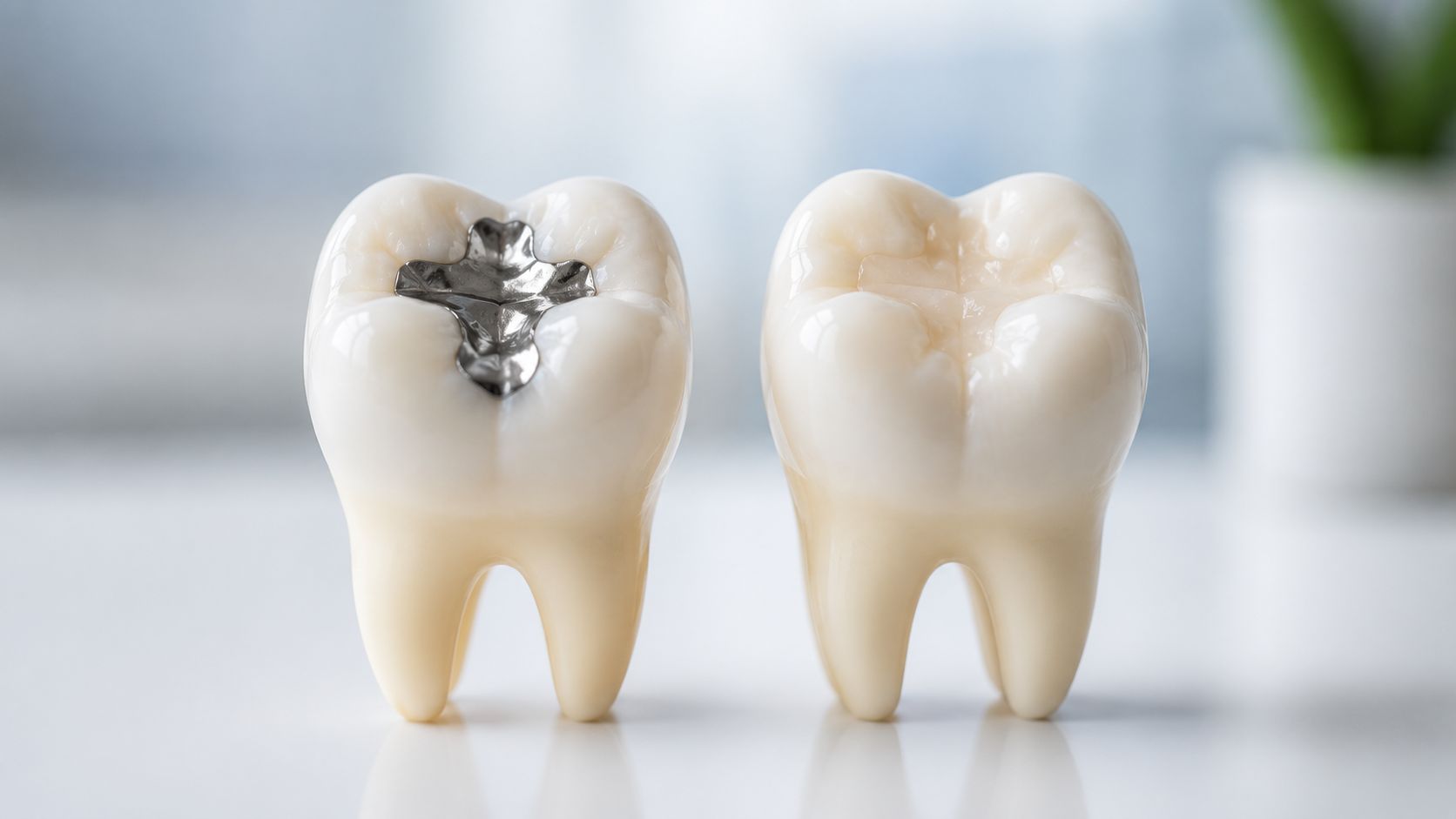



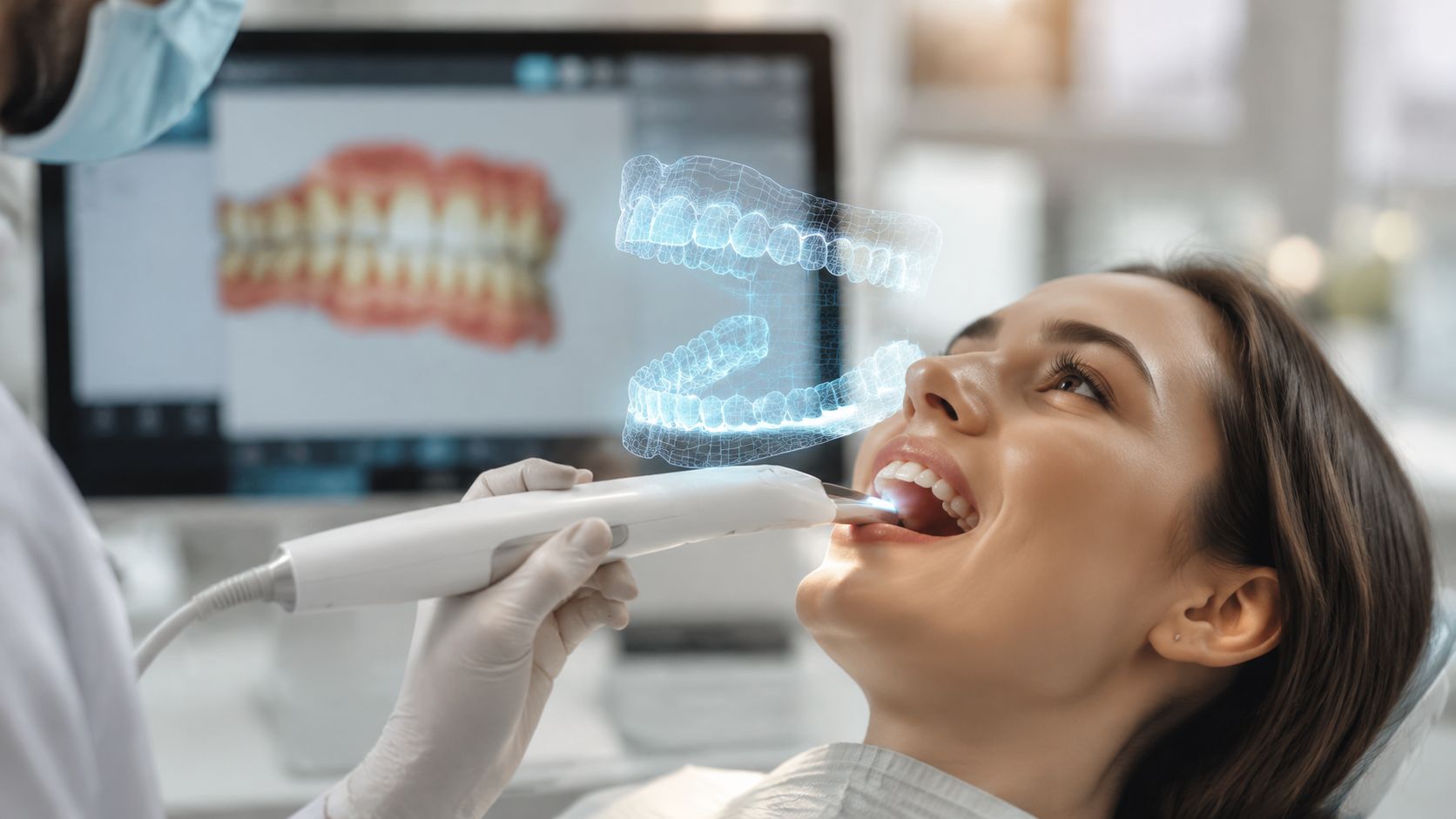
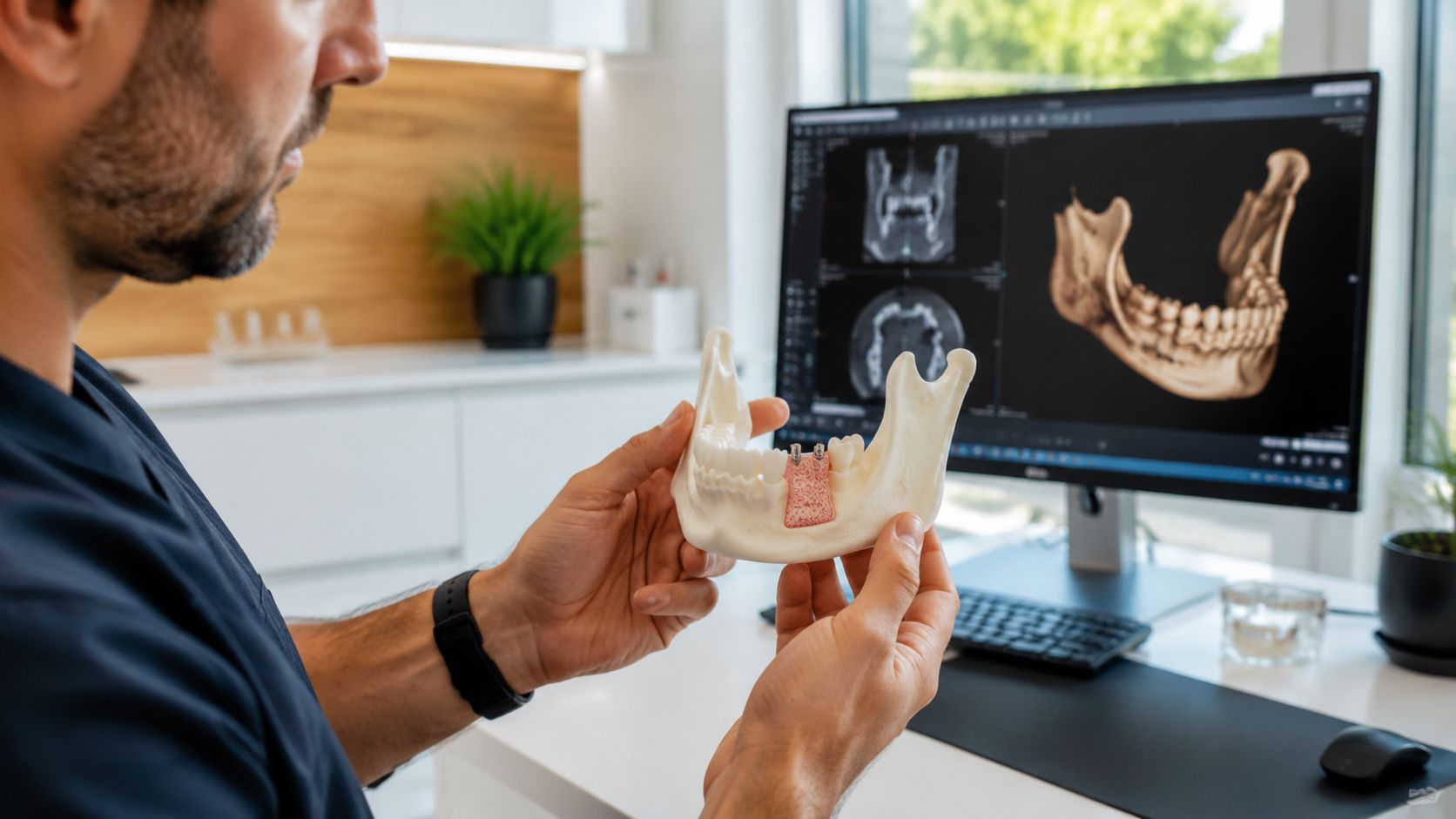
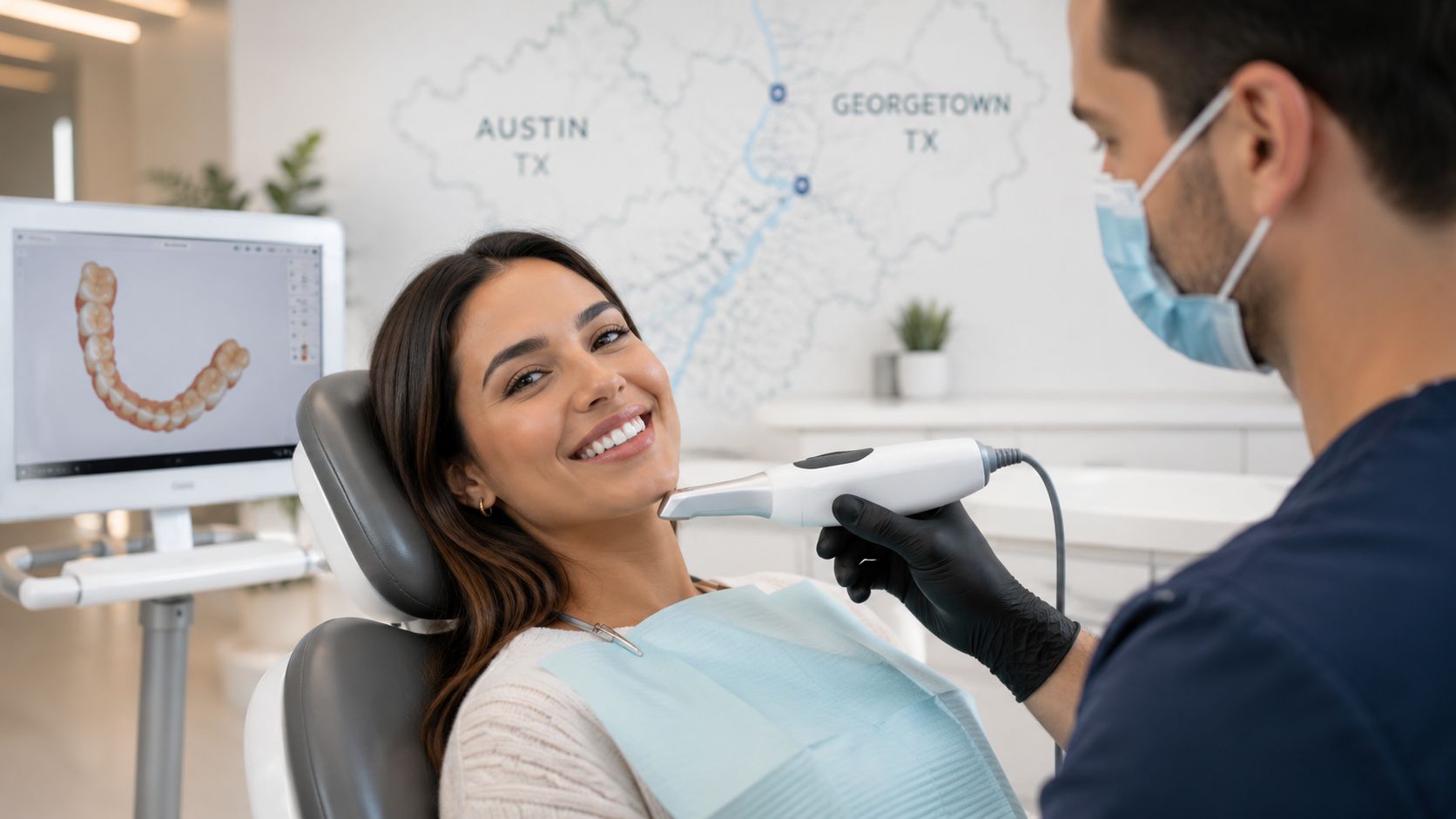

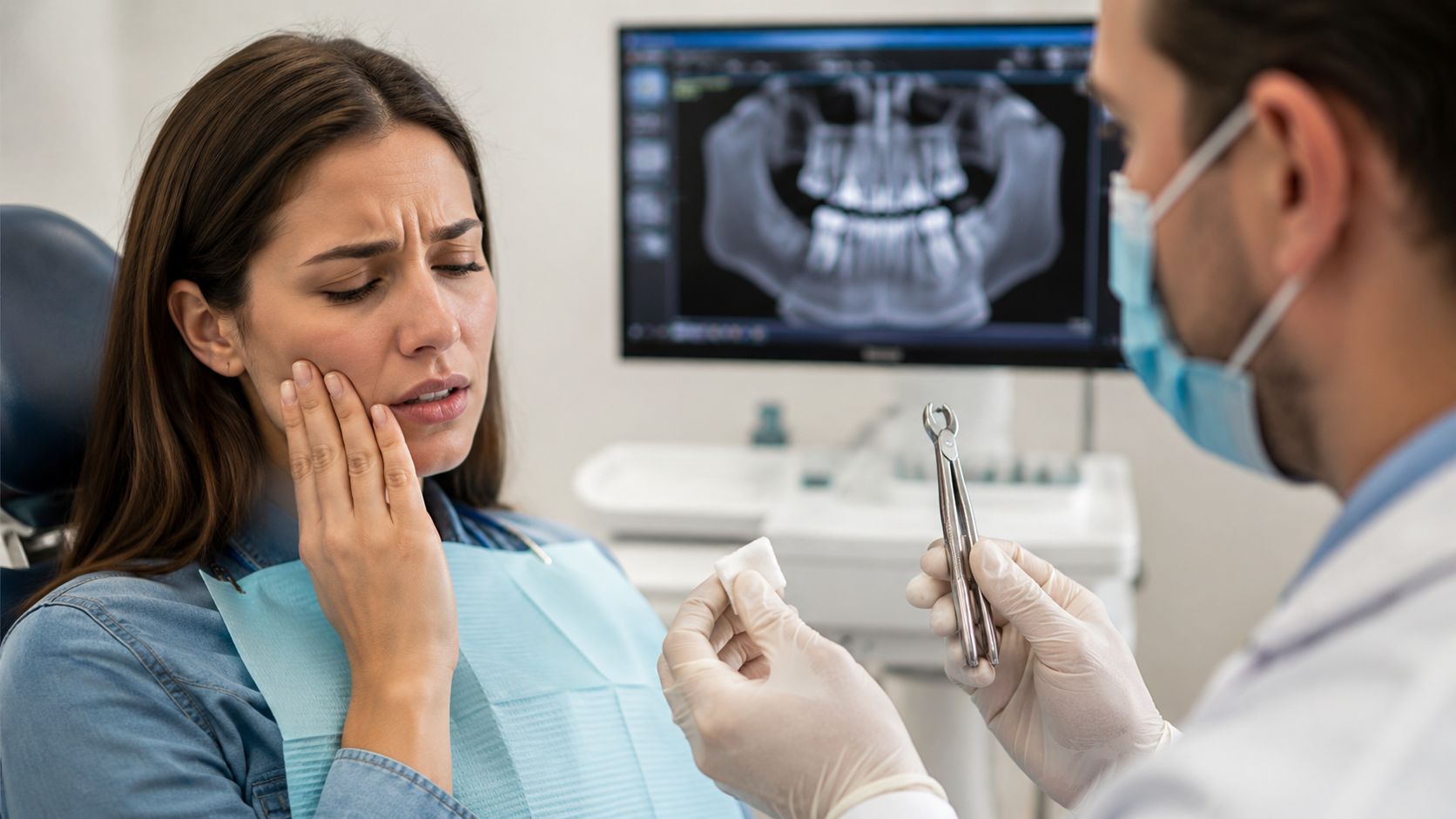
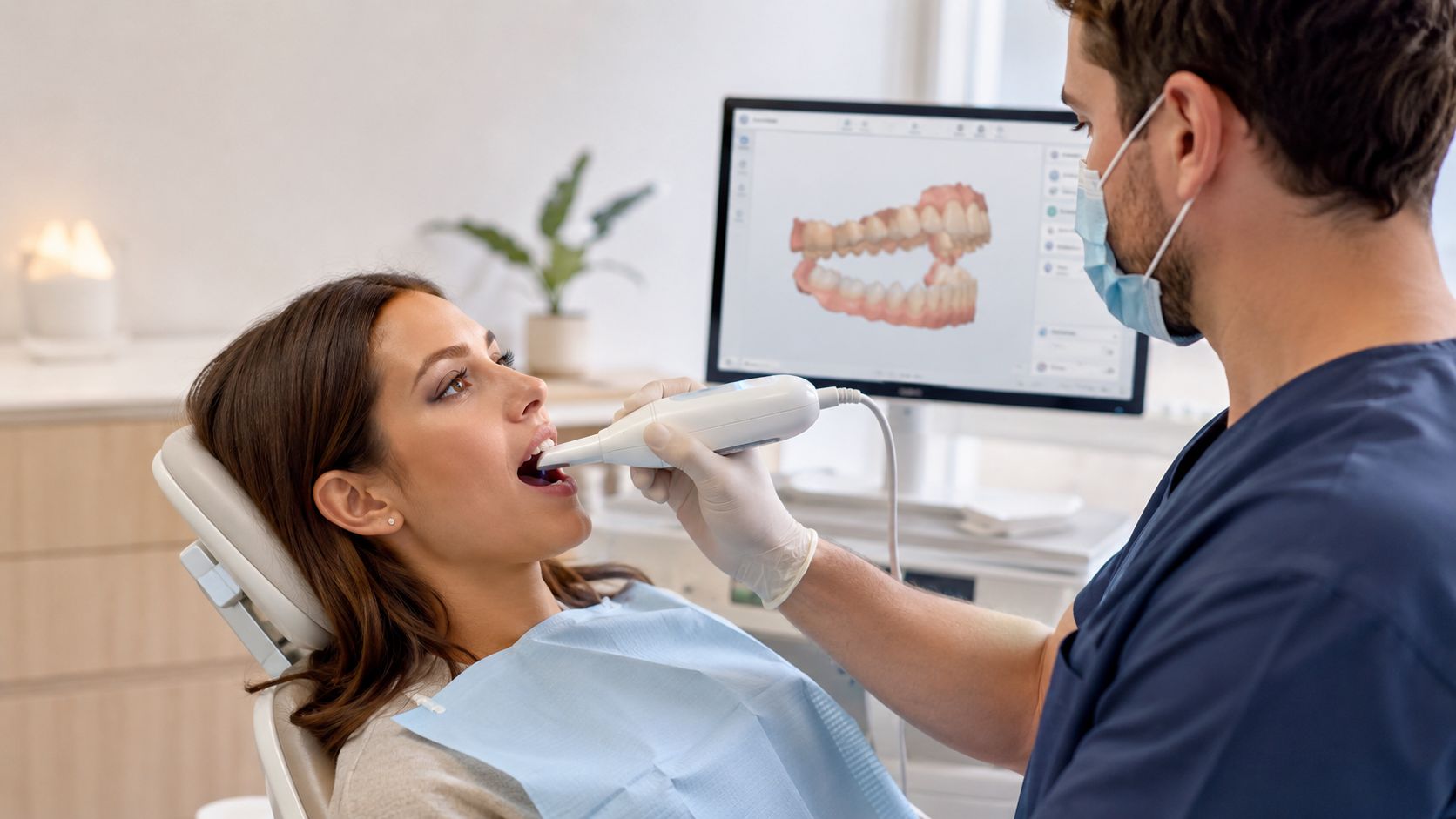

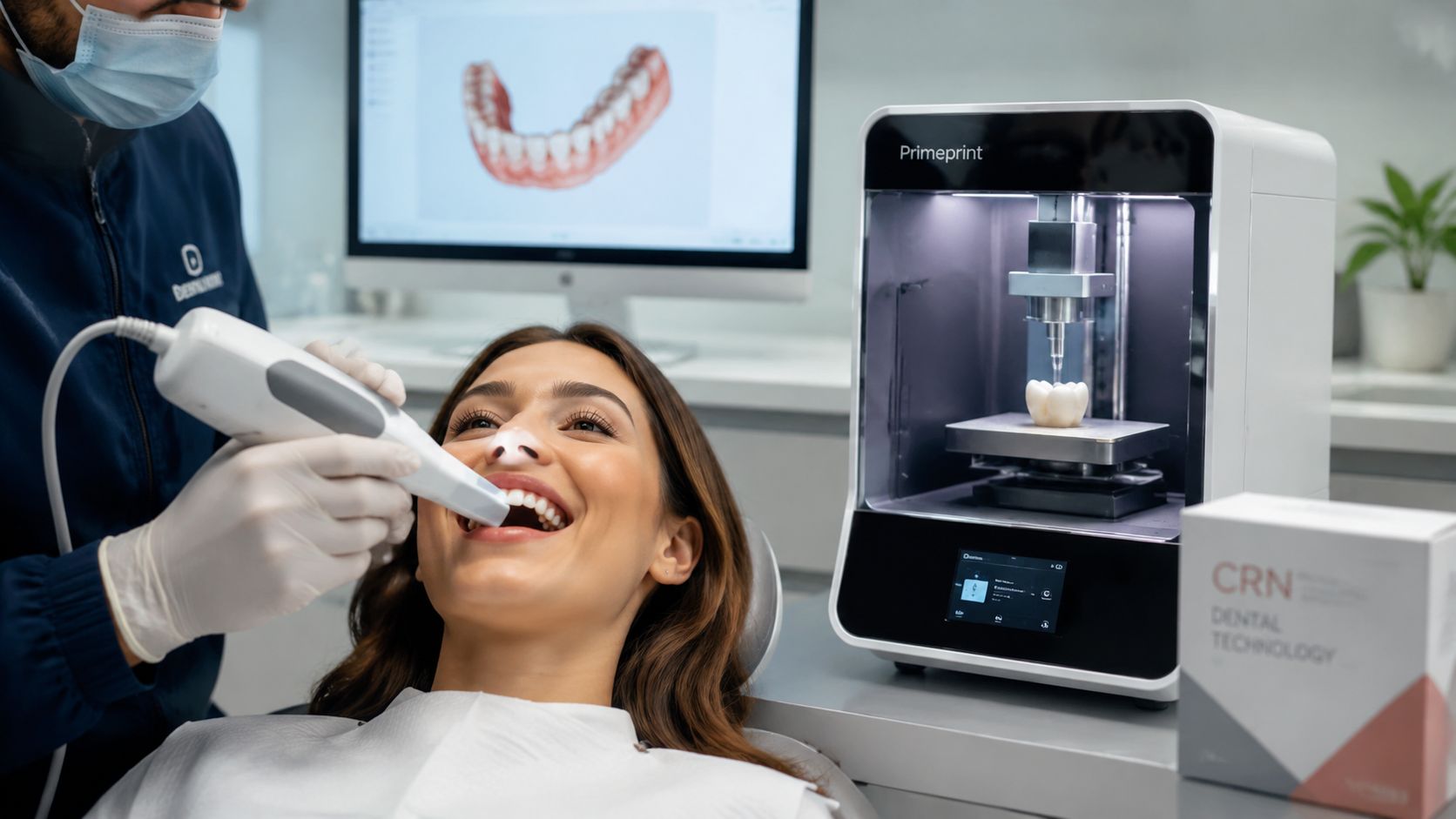


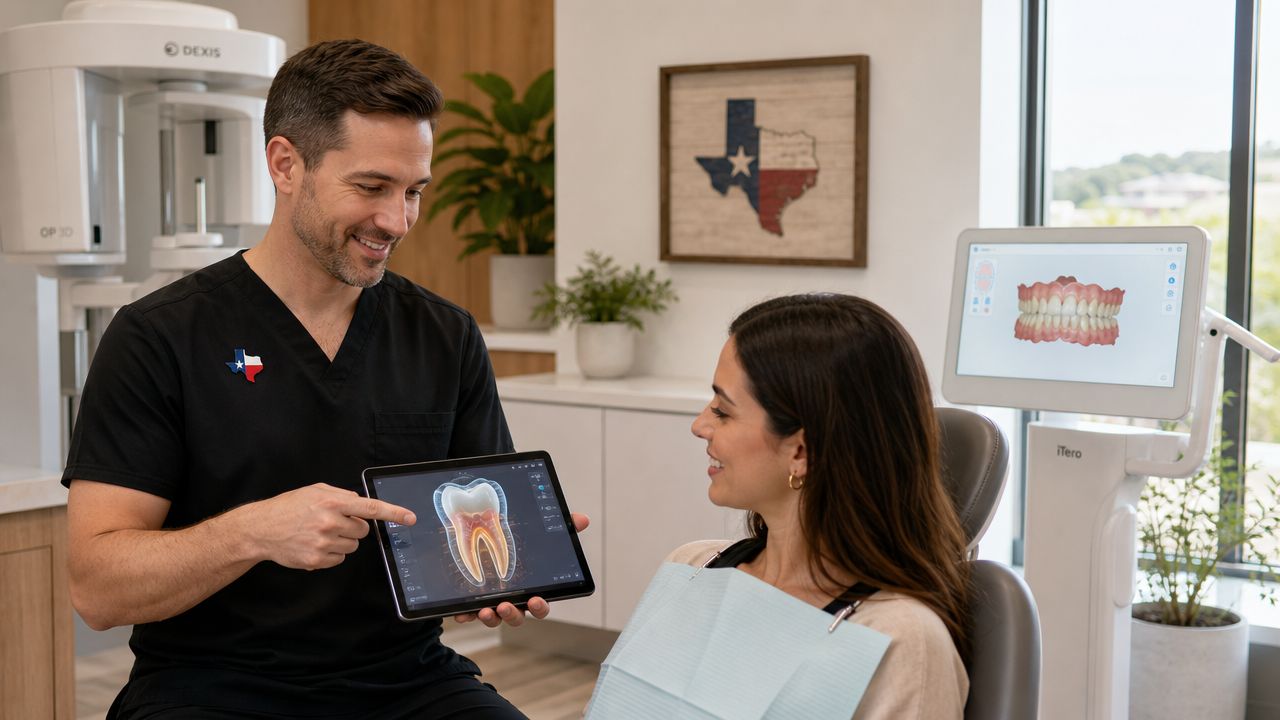
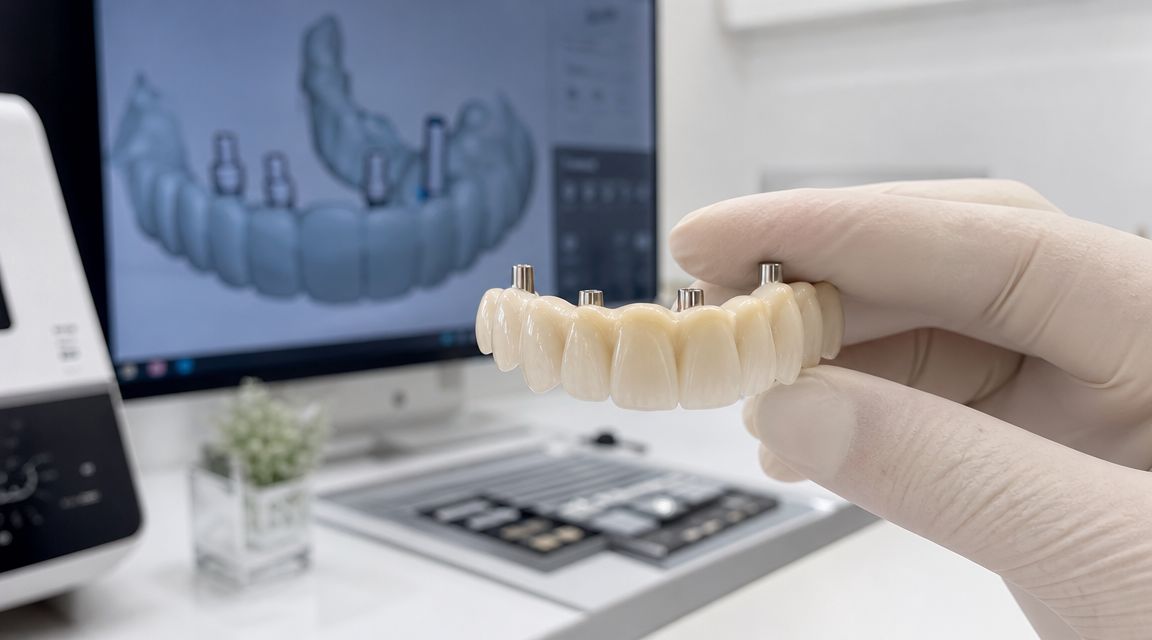
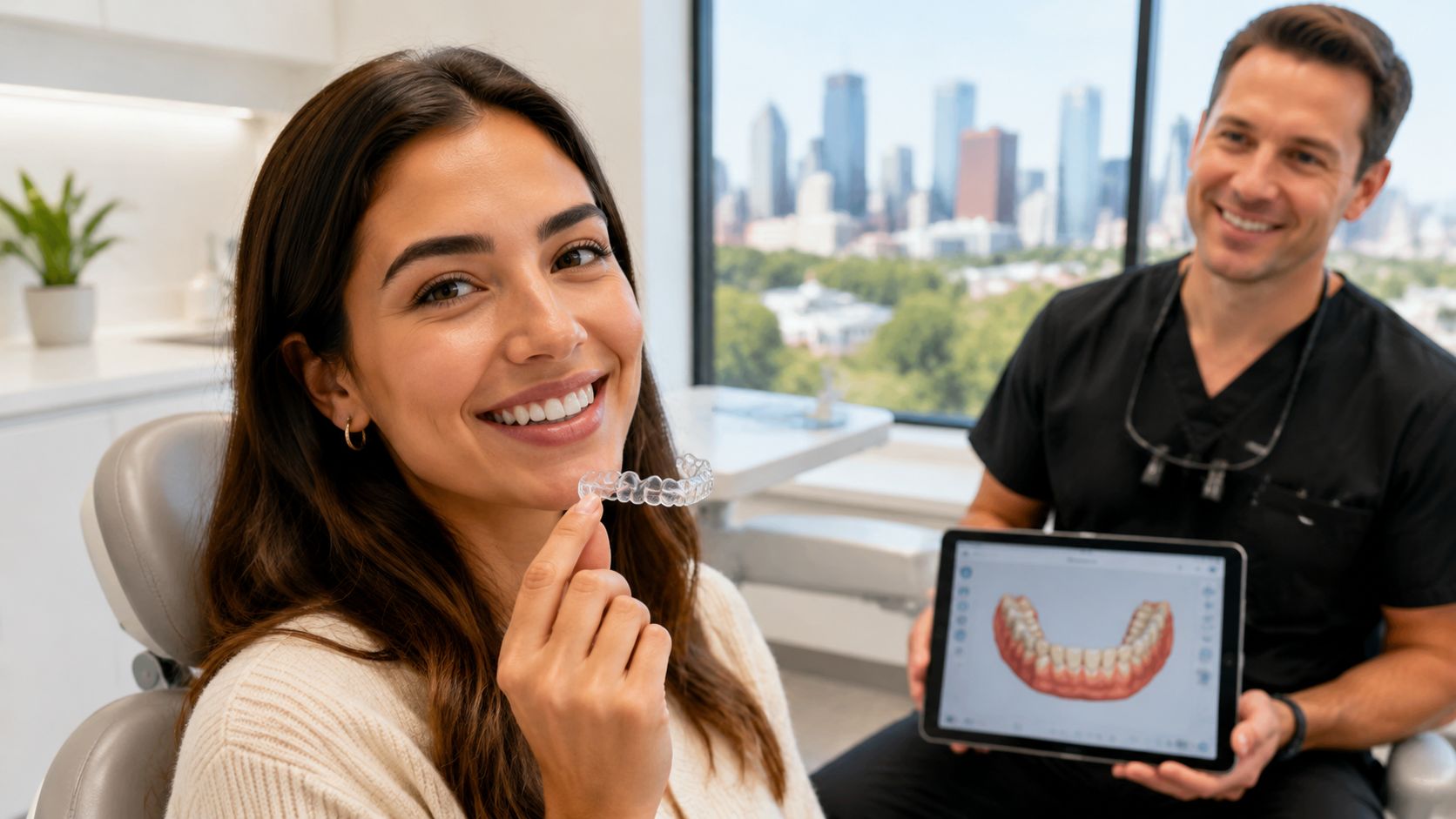
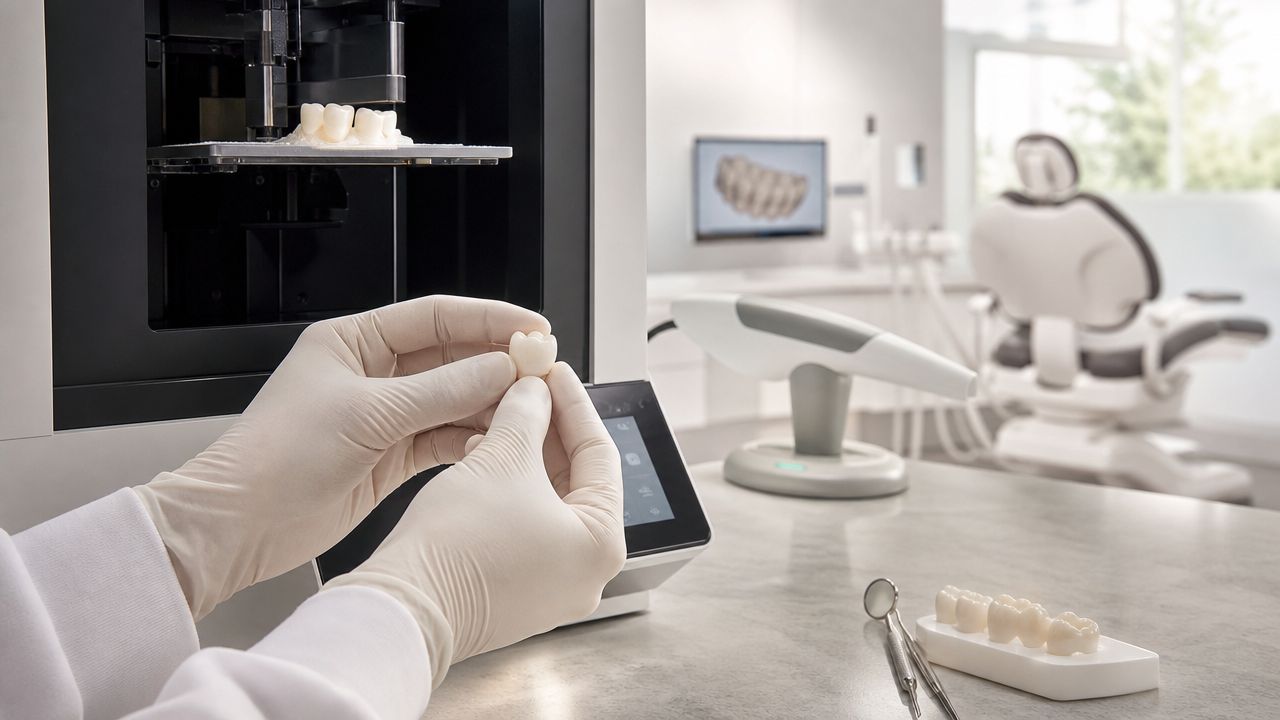




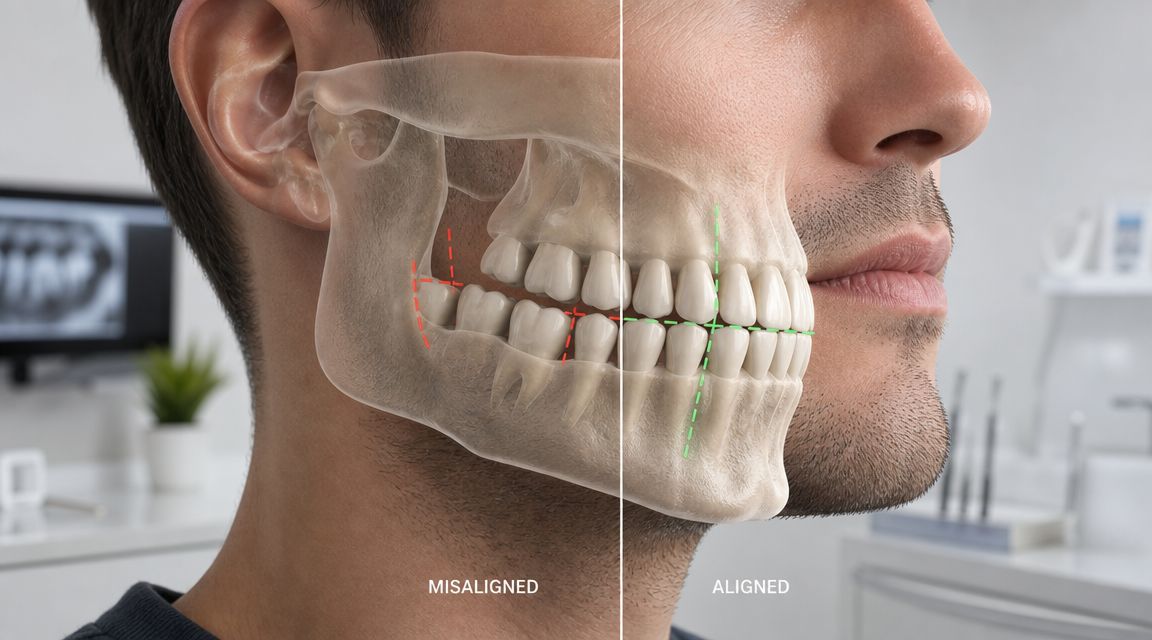

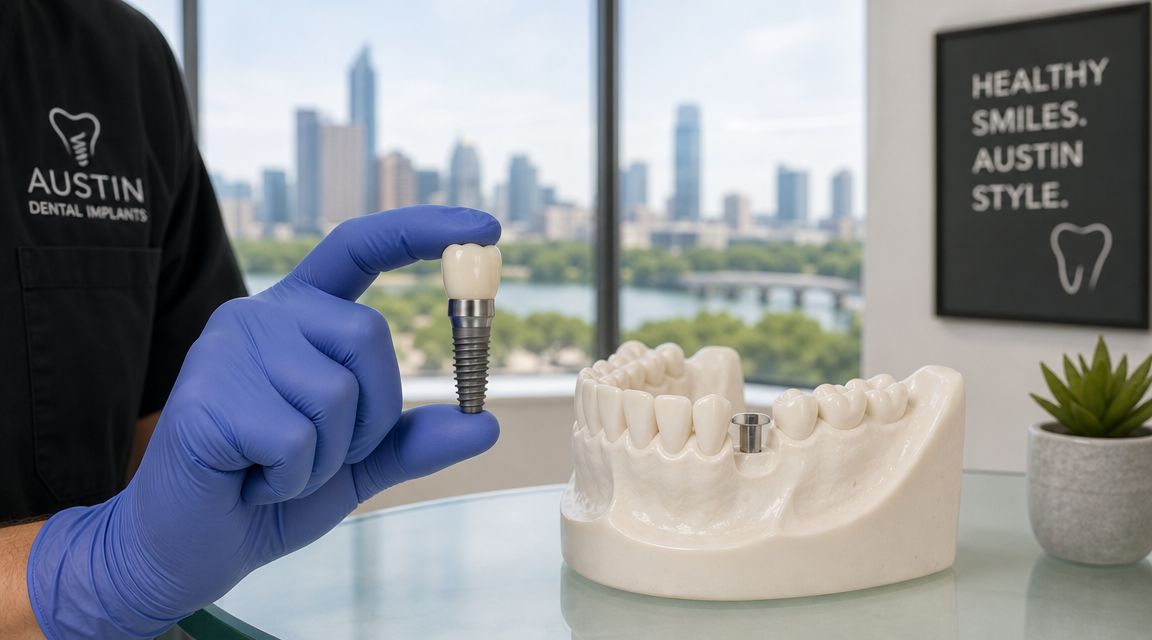

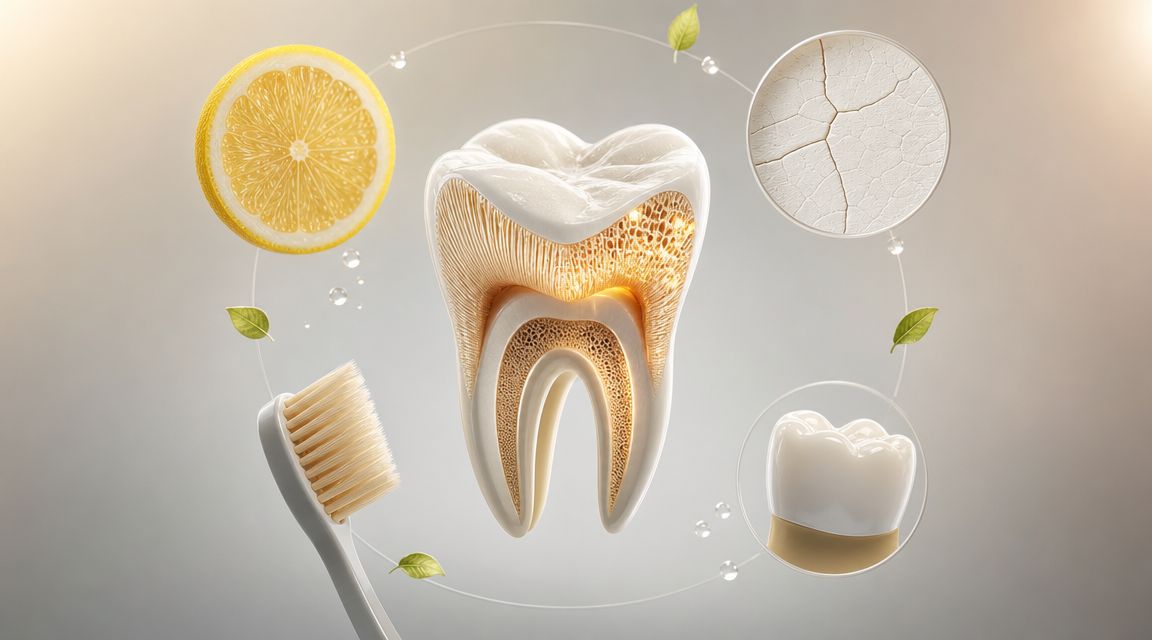
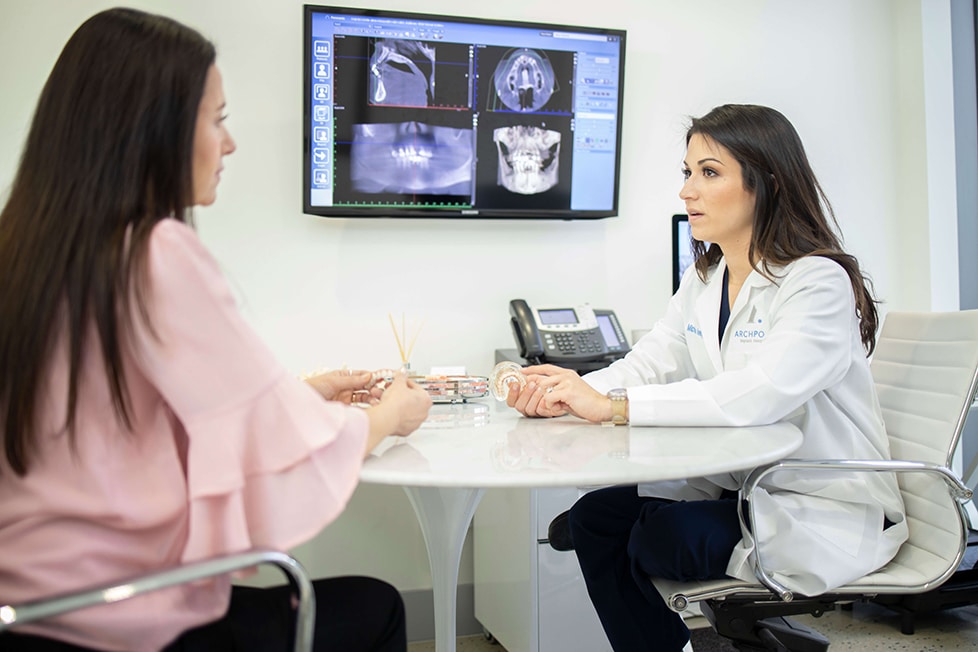

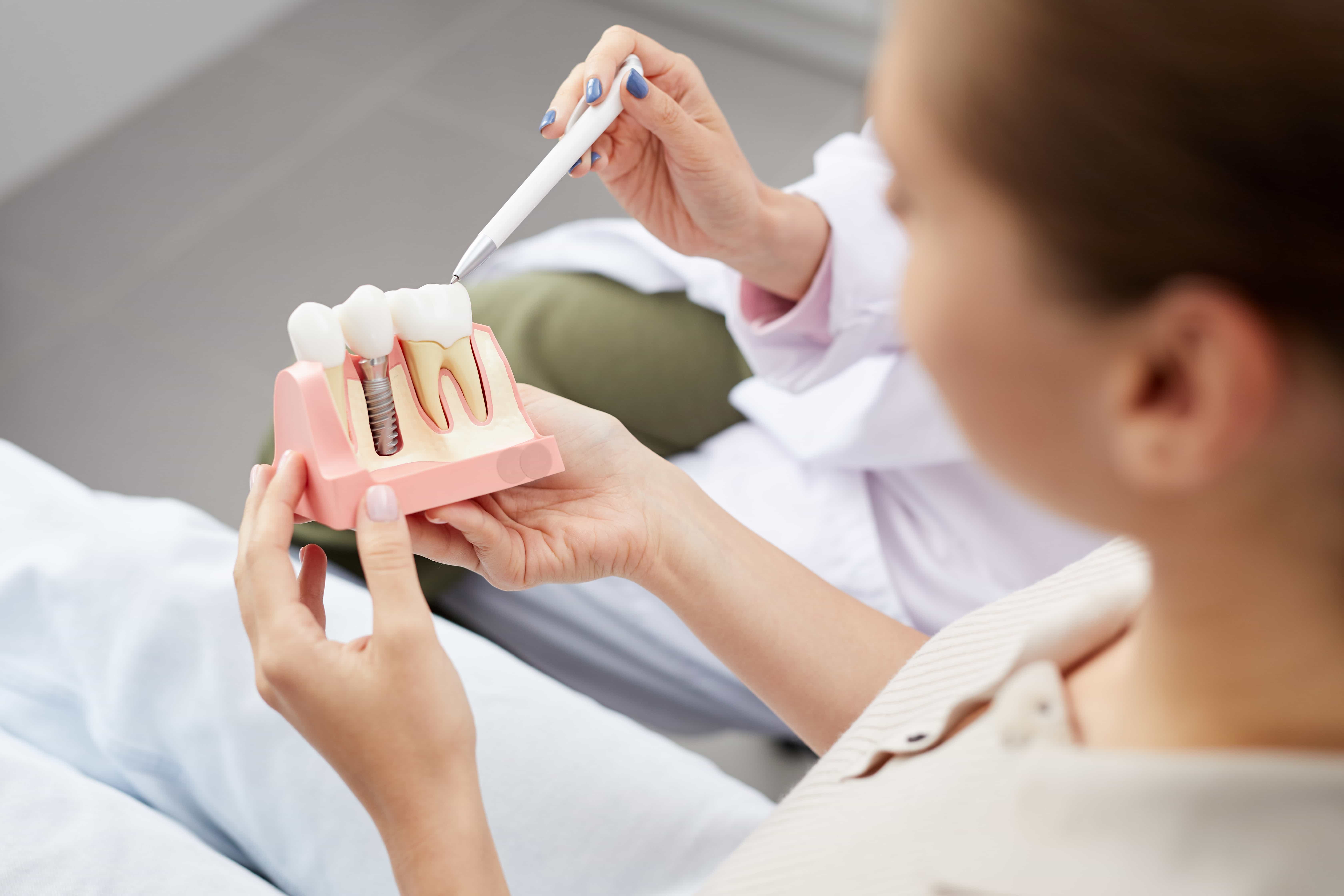
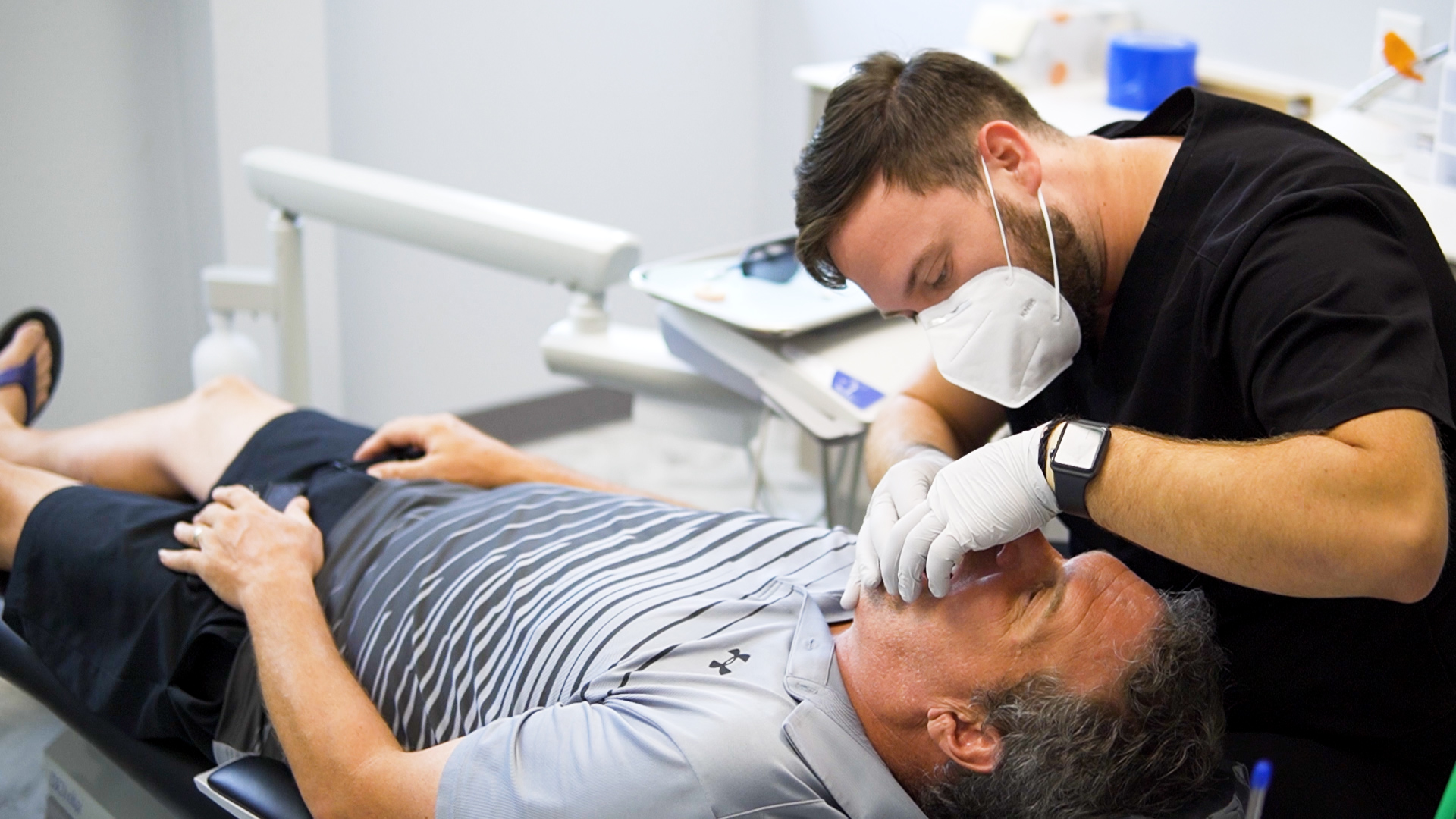

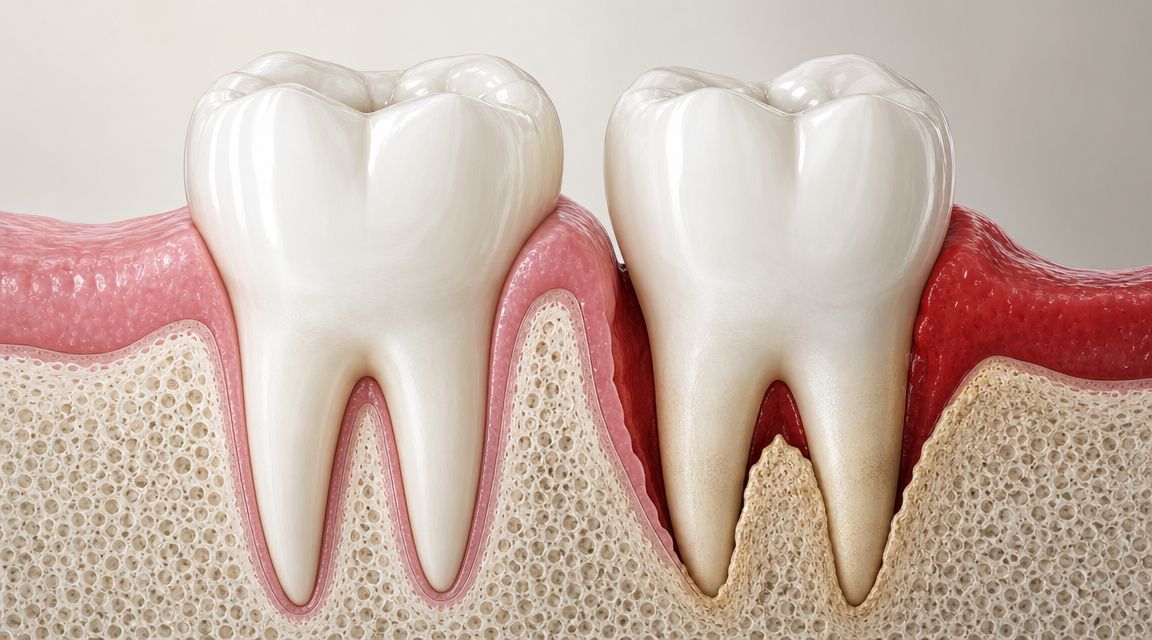










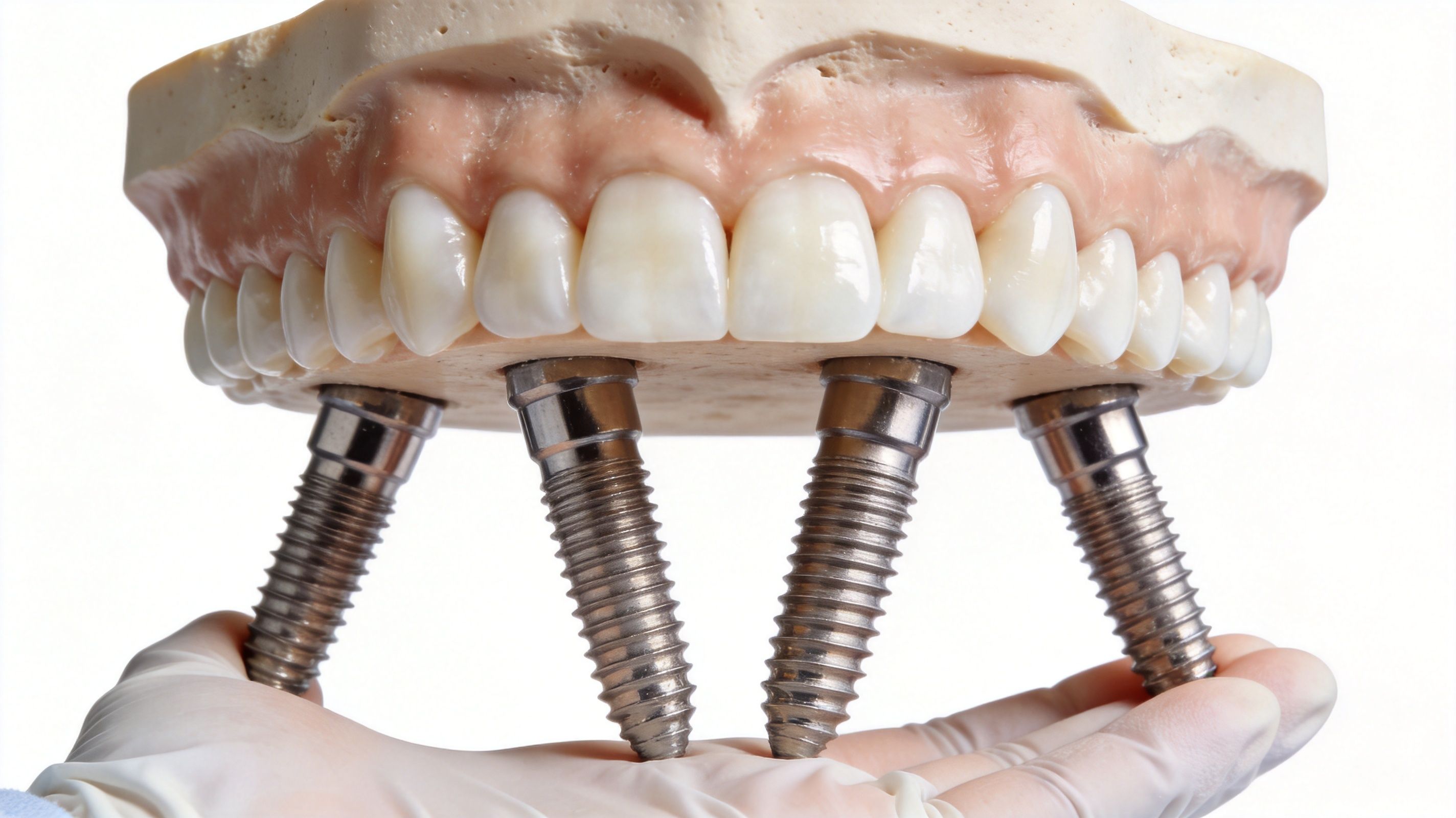










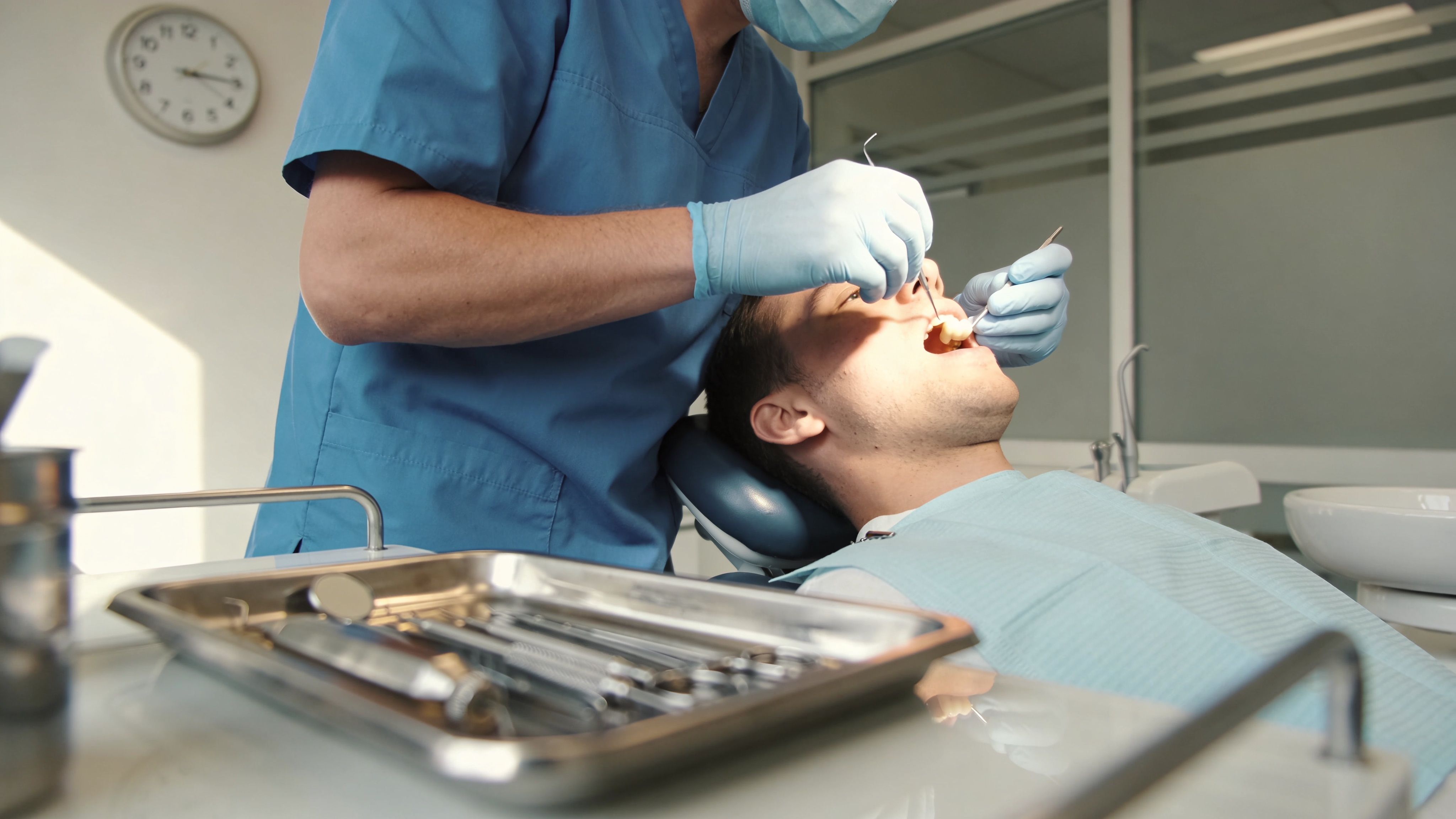

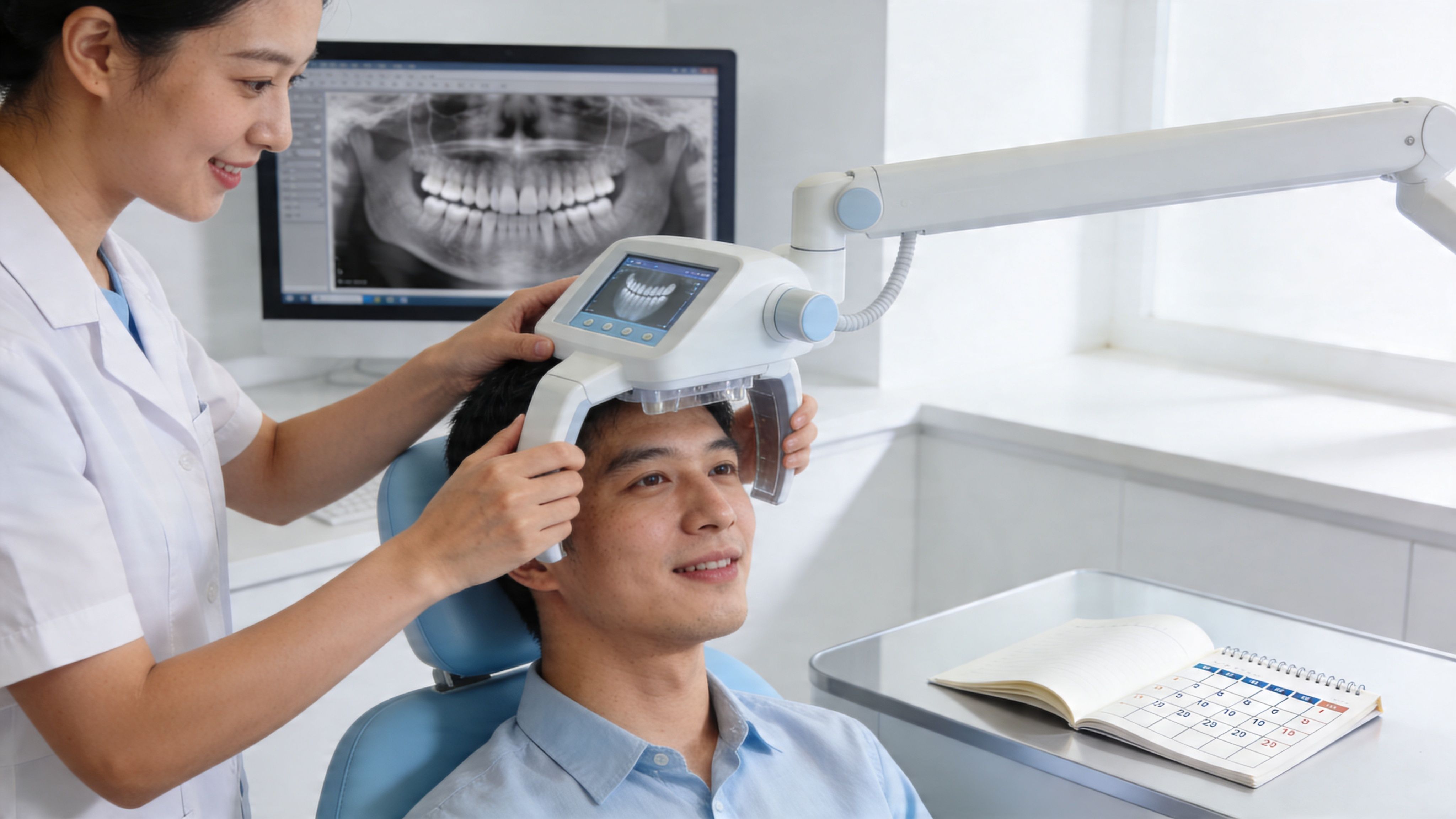
If you've ever sat back in the dental chair and heard, "It's time for X-rays," you may have wondered whether you really need them again. That's a fair question. Many patients in Austin and Georgetown have been taught to think of dental X-rays as a once-a-year routine, but modern dentistry doesn't work best on a fixed calendar.
The better question is how often should you get dental xrays based on your own risk. A healthy adult with a stable mouth doesn't need the same imaging schedule as someone with gum disease, multiple fillings, dental implants, or frequent tooth sensitivity. A child with developing teeth also has very different needs than an adult coming in for routine cleanings and exams.
That shift matters. Good dental care isn't about doing more. It's about doing what's necessary, at the right time, with the right technology.
Answering Your Questions About Dental X-Rays in Austin TX
You book a visit with a new dentist in Austin after a move, sit down for your exam, and hear that updated X-rays are recommended before treatment starts. The first question is usually the right one. Why do I need them again if I had X-rays at my last office?
Patients should ask that.
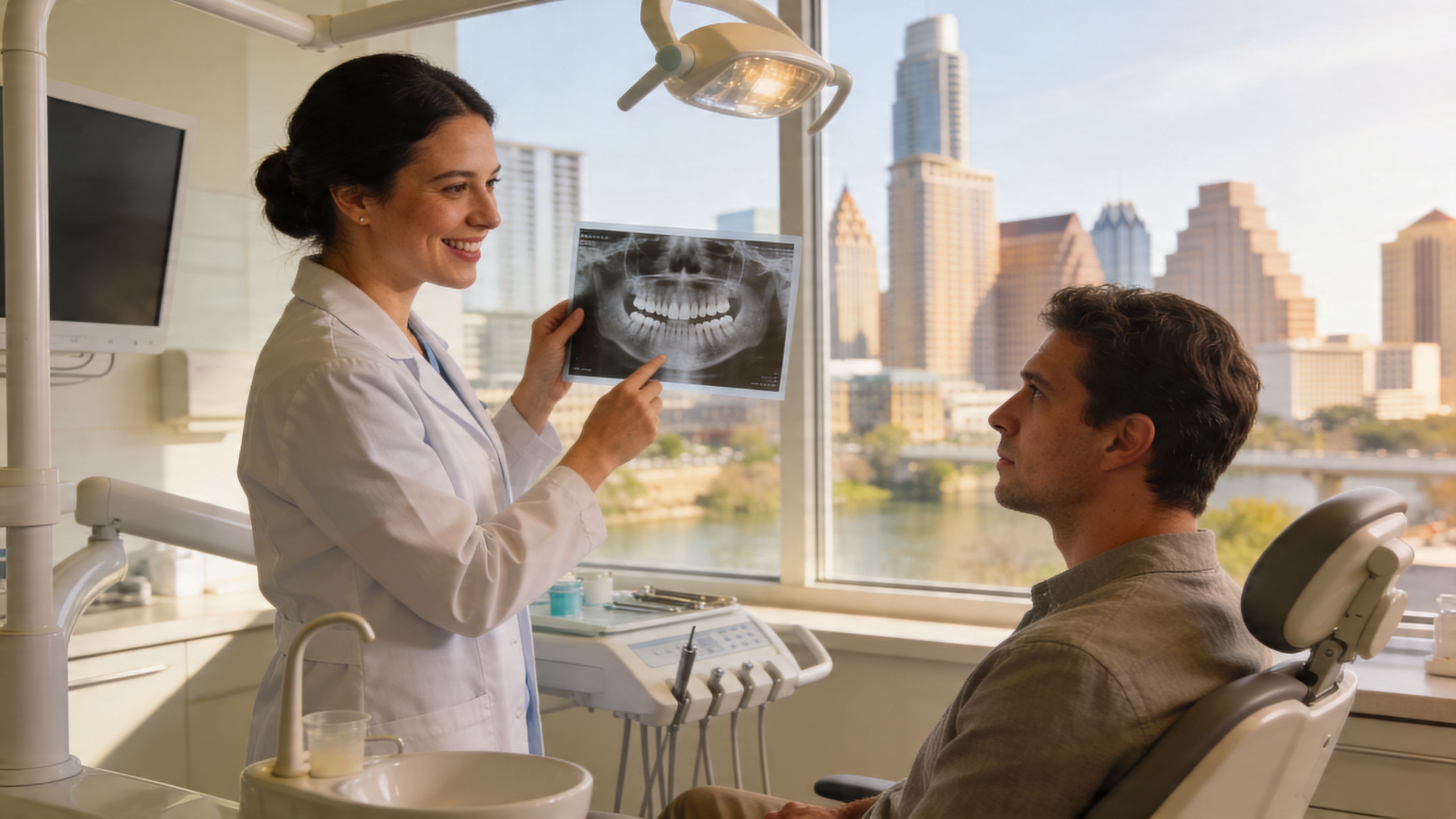
Across Austin, Georgetown, Cedar Park, Round Rock, Wells Branch, and Liberty Hill, many patients still expect a fixed yearly schedule because that was the old standard. Modern dental care is more precise than that. X-rays should match your age, dental history, current symptoms, and cavity or gum disease risk.
For some patients, existing images are still recent enough to use. For others, updated imaging gives the clearest and safest starting point for diagnosis and treatment planning. That decision should come with an explanation, not pressure.
Insurance adds to the confusion. Coverage may follow a calendar. Good clinical care should not. A patient with a stable mouth and low decay risk may not need imaging as often as someone with frequent cavities, bone loss, implants, pain, or a lot of existing dental work.
That is the shift patients deserve to understand.
At 3D Dental, we do not treat X-rays as an automatic yearly checkbox. We use a personalized approach based on what is clinically useful right now and what can be avoided. With modern digital imaging and 3D technology when indicated, we can keep exposure low while getting the detail needed to spot problems early and plan treatment accurately.
New patients often need special consideration. If you have changed dentists, had recent dental work, or are dealing with a symptom that was not present before, updated images may be helpful to confirm that nothing has changed and to establish a reliable baseline. If your prior X-rays are current and diagnostic, a careful office should review whether repeating them makes sense.
Patients make better decisions when they know the reason behind the recommendation. That is how dental X-rays should be handled in Austin today. Personalized, clearly explained, and based on risk rather than routine alone.
Why Dental X-Rays Are a Critical Diagnostic Tool
A patient can have a normal-looking exam, no swelling, and very little discomfort, yet still have decay between teeth, bone loss around a molar, or an infection developing near a root. That is why dental X-rays matter. They show the areas a mirror and clinical exam cannot fully reveal.
In practice, imaging changes treatment decisions every day. The purpose of dental X-rays is to make decisions based on evidence instead of guesswork.
What a visual exam misses
The visible part of a tooth is only part of the picture. Contact points between teeth, roots, supporting bone, and tissue below the gumline often hide the earliest signs of trouble. If those areas are not checked when indicated, problems can stay quiet until they require more involved treatment.
Dental X-rays can help detect:
- Cavities between teeth that may not be visible during an exam
- Bone loss from gum disease before it becomes advanced
- Abscesses or infection near the root of a tooth
- Impacted teeth, including wisdom teeth
- Changes around existing dental work such as fillings and crowns
- Jaw growth and eruption patterns in children and teens
The goal is not to take more images than necessary. The goal is to take the right images at the right time, using the lowest exposure that still gives a diagnostic result. That approach follows the ALARA principle recognized by the FDA guidance on dental X-ray safety.
Why this matters in real treatment decisions
Early findings usually give patients better options. A small cavity caught on a bitewing may need a simple filling. The same area, left undetected, can progress into pain, infection, or treatment that costs more and removes more tooth structure.
The same pattern applies to gum disease. Patients often do not feel early bone changes. X-rays let us measure support around the teeth and decide whether routine hygiene care is enough or whether periodontal treatment should start sooner.
That matters for planning, too.
Before crowns, implants, extractions, orthodontic treatment, or many cosmetic cases, the dentist needs to know what is happening under the surface. Root position, bone levels, old dental work, and hidden pathology affect whether treatment is straightforward or whether the plan needs to change.
Where X-rays fit in preventive care
Preventive care includes more than polishing teeth and checking for obvious problems. It includes finding disease while it is still small, manageable, and less expensive to treat.
At 3D Dental, that is where modern imaging earns its place. Digital X-rays and 3D imaging, when clinically indicated, let us get precise information while keeping exposure low and avoiding the old routine of taking images just because a calendar says it is time.
| Diagnostic need | Why it matters |
|---|---|
| Hidden decay check | Finds cavities before they spread and weaken more tooth structure |
| Bone level review | Shows periodontal support and helps track changes over time |
| Root evaluation | Identifies infection, cracks, or anatomy that affects treatment |
| Treatment planning | Guides implants, extractions, restorative work, and other complex decisions |
This is especially important in urgent visits. Dental pain does not always point clearly to the source. A patient may feel pressure in one tooth while the underlying problem is a cracked tooth next to it, an infection at the root, or bone changes that are not visible during the exam alone. Imaging helps pinpoint the cause so treatment matches the problem.
Your Personalized Dental X-Ray Schedule
A patient comes in feeling fine, no pain, no visible problem, and asks a fair question: "Do I really need X-rays today?" Sometimes the answer is no. Sometimes a small set of images is the reason we catch a cavity between teeth, early bone loss, or a problem under an old filling before it turns into a bigger repair.
That is why the right schedule is personal. The old habit of taking X-rays every year for everyone does not fit how dentistry is practiced well today. At 3D Dental, we set imaging intervals based on risk, current findings, age, dental history, and what we are trying to confirm or rule out.
As noted earlier, standard guidance supports an individualized schedule rather than a calendar-based routine. In practical terms, low-risk adults are often seen on a longer interval for bitewing X-rays. Adults with a higher chance of decay or gum problems may need them sooner. Children and teens are also assessed by risk because developing teeth and changing bite patterns can justify closer monitoring.
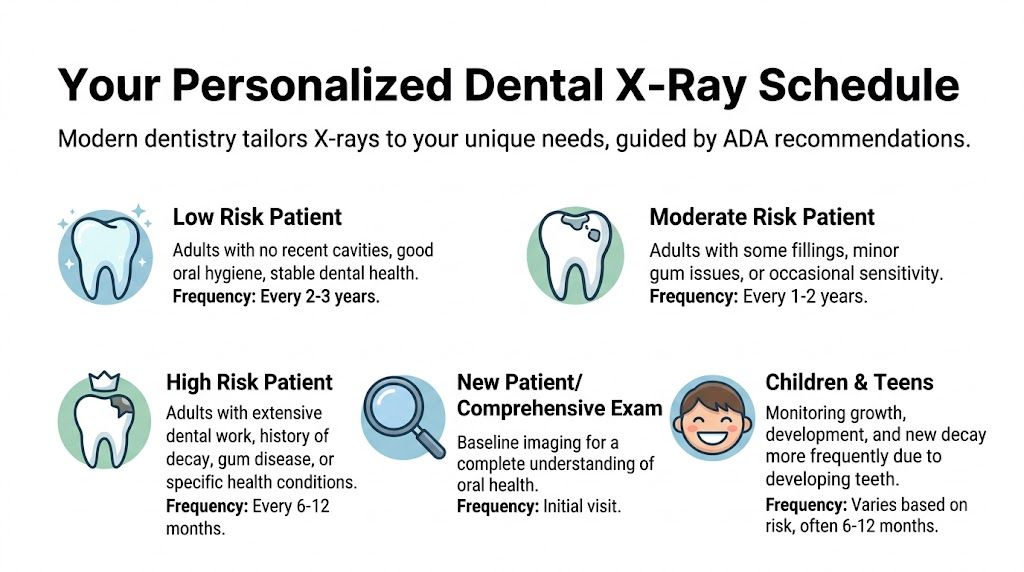
Recommended Dental X-Ray Frequency by Patient Risk Level
| Patient Profile | Recommended Bitewing X-Ray Frequency |
|---|---|
| Low-risk adult | Every 18 to 36 months |
| High-risk adult | Every 6 to 18 months |
| Children and adolescents | Every 6 to 24 months |
Low-risk adults
If your gums are healthy, your recent exams have been stable, and you are not getting new cavities, yearly bitewings may be more than you need. Many adults in this category do well with less frequent imaging.
That matters for two reasons. It avoids unnecessary exposure, and it keeps the focus on what is clinically useful instead of what used to be routine.
Higher-risk adults
Some adults need a shorter imaging interval because their mouth changes faster. That group includes patients with frequent cavities, gum disease, dry mouth, several older restorations, recession, or health conditions and medications that affect oral health.
In those cases, waiting too long can let a small problem become a crown, root canal, or extraction. The goal is to provide timely treatment while the issue is still smaller, simpler, and less expensive to manage.
A practical rule applies here. If your risk is higher, your imaging schedule should be closer.
Children and teens
Children are not just smaller adults. Teeth are erupting, jaw structures are changing, and decay between teeth can advance quickly.
Some kids need images more often because they have a cavity history or higher decay risk. Others with a very stable track record may need them less often. A personalized plan makes more sense than using the same interval for every child in Austin or Georgetown.
New patients and baseline images
For a new patient, we often need a starting point before we can decide on a long-term schedule. That may mean a full-mouth series or a panoramic image, depending on age, history, symptoms, and whether there are concerns involving roots, bone, wisdom teeth, or past treatment.
For healthy adults, those broader baseline images are usually not repeated as often as bitewings. They are updated when the clinical picture changes or when treatment planning calls for a fresh look.
Special situations that change the schedule
Routine prevention is only part of the story. Some visits call for imaging because there is a specific question to answer.
- Implant and restorative planning may require a more detailed view of bone and nearby anatomy.
- Extractions can require targeted images to evaluate root shape and position.
- Orthodontic care often depends on images that show eruption patterns and tooth position.
- Emergency visits may need same-day X-rays to locate pain, swelling, infection, or injury.
That is a very different decision from putting every patient on the same yearly cycle.
What patients should ask
Patients should feel comfortable asking why an X-ray is being recommended. I encourage direct questions because good decisions are easier when the reason is clear.
- What are you checking for today?
- Has my risk level changed since my last visit?
- Can we use recent images, or do we need new ones?
- Is this for routine screening or for a specific treatment decision?
That conversation helps you understand your care. It also helps us match the image, and the timing, to what your mouth needs. At 3D Dental, that is the standard: precise imaging, lower exposure, and a schedule built around the patient in the chair rather than an outdated yearly rule.
Advanced Imaging at 3D Dental Types of X-Rays Explained
Not every dental X-ray does the same job. Asking how often should you get dental xrays is only half the decision. The other half is knowing which kind of image is useful.
Some X-rays are quick screening tools. Others are designed for detailed planning before complex treatment.
Bitewings, periapicals, and panoramic images
Bitewing X-rays are the standard images for spotting cavities between back teeth and checking bone levels in those areas. These are the images commonly referred to as routine dental X-rays.
Periapical X-rays show the entire tooth from crown to root. They are useful when a dentist needs to check for infection, root problems, or changes around a specific tooth.
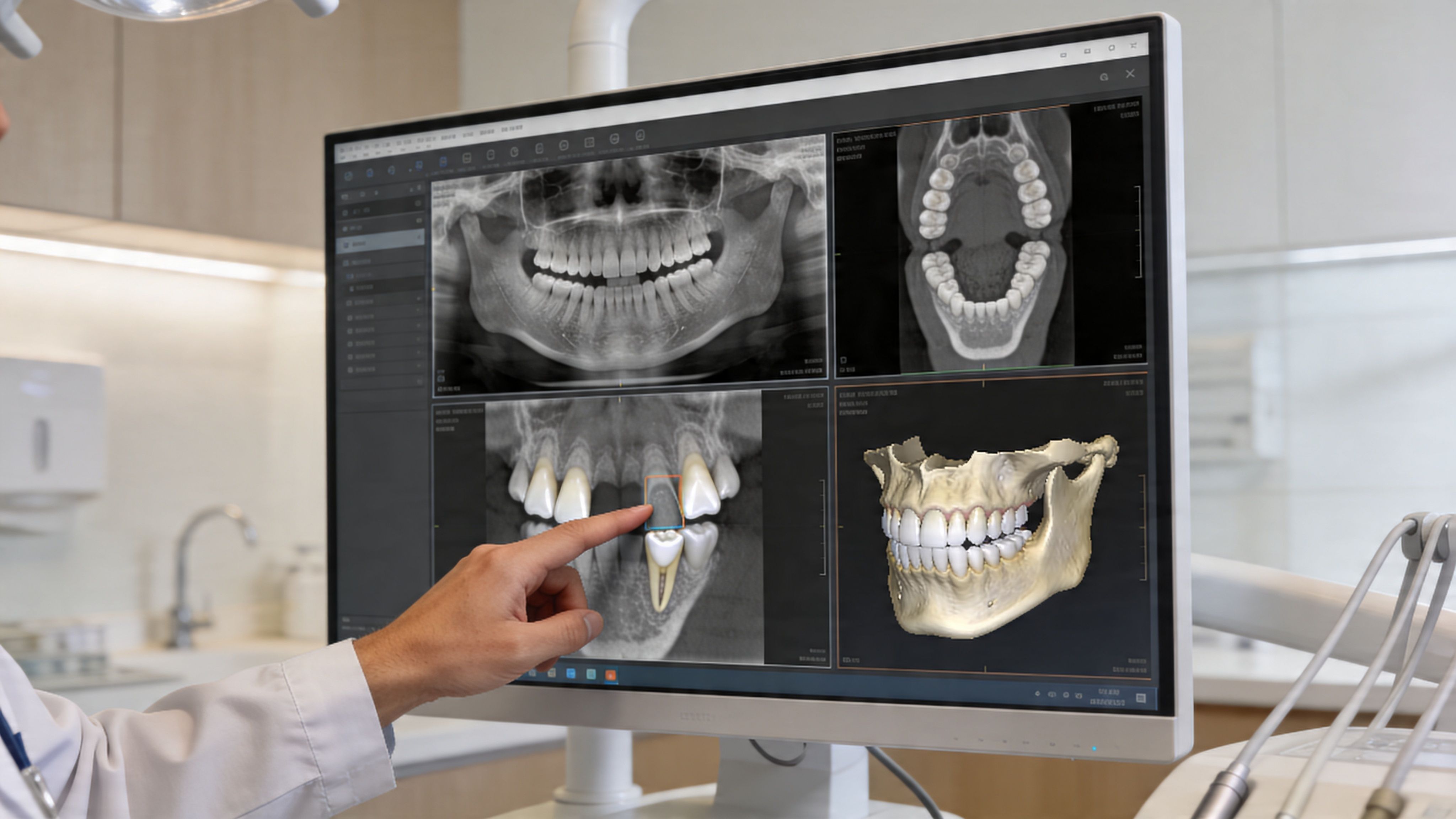
Panoramic X-rays capture a broad view of the mouth, jaws, and surrounding structures in a single image. They are often used for wisdom teeth, eruption patterns, jaw evaluation, and broader treatment planning.
When 3D imaging makes more sense
Two-dimensional X-rays are excellent for many routine needs. But there are cases where a flat image isn't enough.
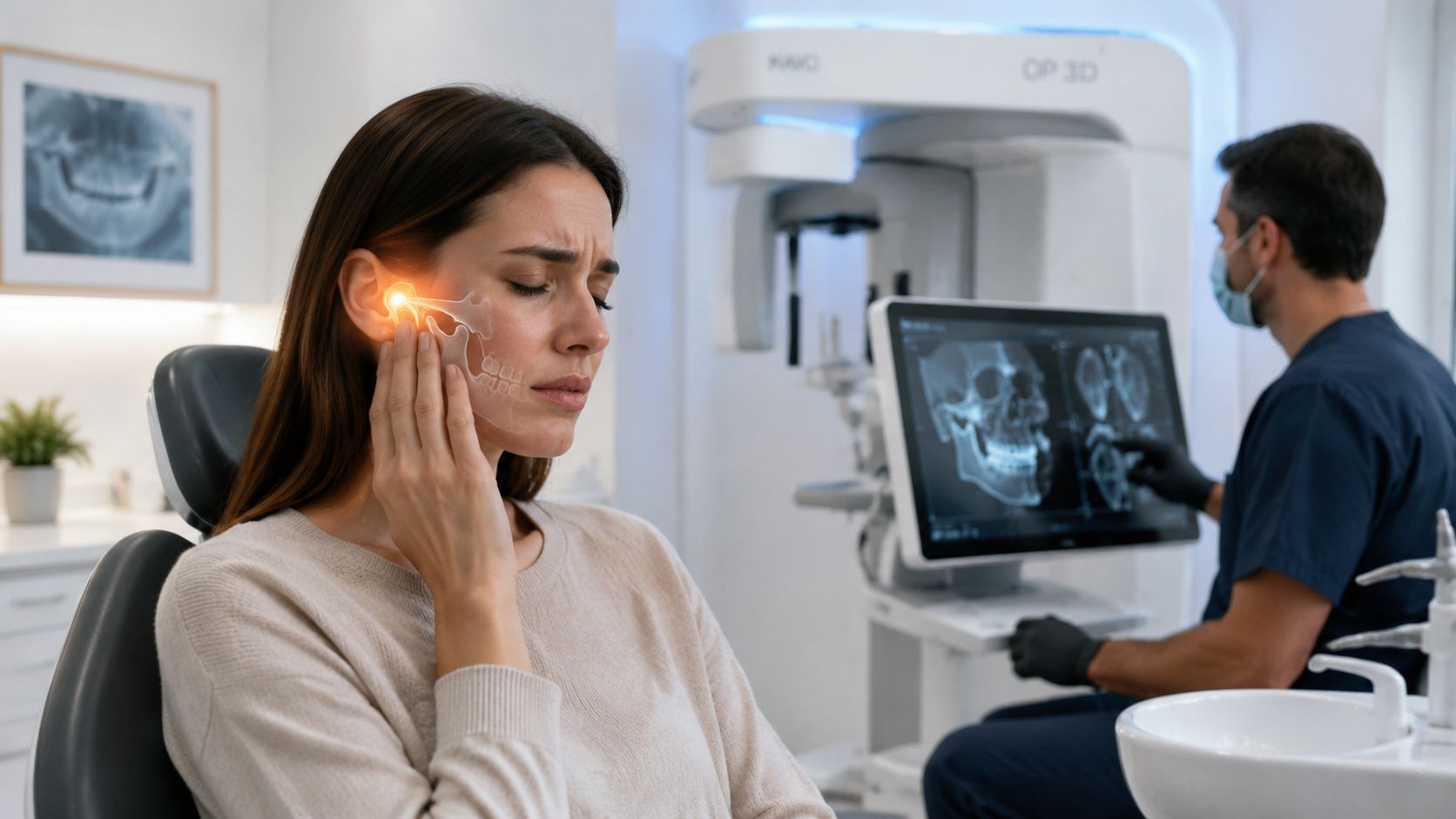
That is where 3D Cone Beam CT, or CBCT, becomes important. A CBCT scan gives a three-dimensional view of the teeth, bone, roots, nerves, and jaw anatomy. That added detail matters when planning treatment where precision is critical.
This is especially helpful for:
- Dental implants near me searches that lead to consults, because implant placement depends on bone volume and anatomy
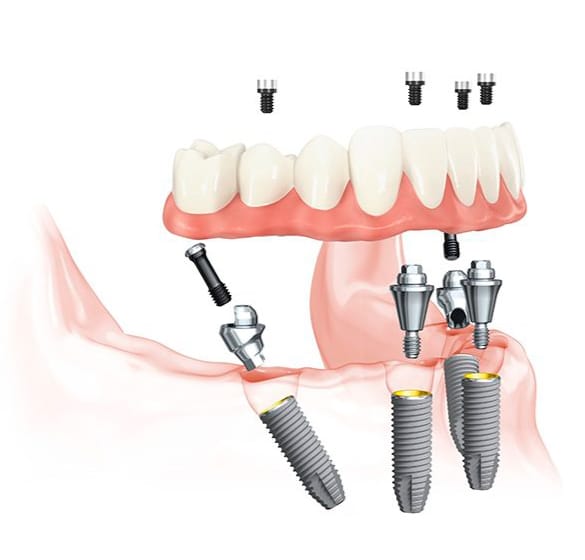
- All-on-4 planning, where angulation and bone support matter
- Wisdom tooth extraction, particularly when roots sit near important structures
- Orthodontics, when a broader view of jaw relationships is needed
- Airway evaluations, when anatomy affects function as well as dental planning
Choosing the right image instead of more images
Good imaging is not about ordering every possible scan. It is about choosing the most useful one for the clinical question at hand.
The right X-ray answers a specific question. The wrong one adds little and exposes the patient to an unnecessary step.
That principle is especially important in a modern practice serving Austin and Georgetown patients looking for everything from family dental care to cosmetic dentistry, restorative dentistry, and emergency treatment. Precision starts with selecting the right diagnostic tool, not the biggest one.
Is It Safe? Radiation Safety and Our Commitment to You
A common Austin scenario goes like this. A patient agrees that X-rays can catch problems early, then pauses and asks whether the radiation is really safe. That is a fair question, and it deserves a straight answer.
Dental X-rays do use radiation. With modern digital imaging, the dose is low, and the decision to take images should still be based on your needs, not an old yearly routine. The FDA guidance on dental radiographs supports that approach by emphasizing selection criteria, appropriate prescribing, and dose reduction.
What ALARA means in everyday care
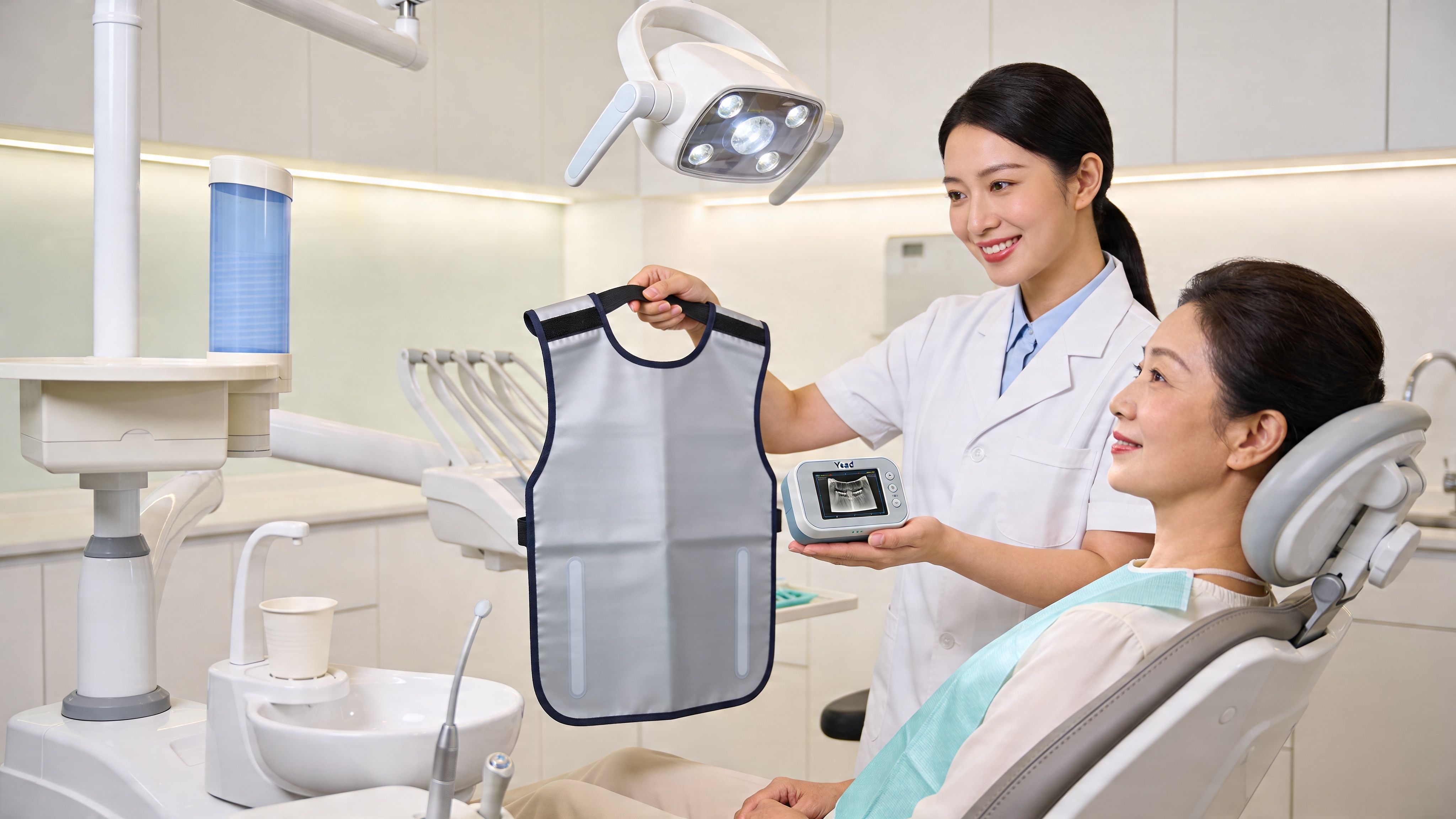
Dentists follow the ALARA principle, or As Low As Reasonably Achievable. In practice, that means taking images only when they are likely to change diagnosis or treatment, using the smallest appropriate field of view, and choosing settings that keep exposure low while still producing a useful image.
That shift matters. It moves care away from automatic scheduling and toward risk-based decisions.
At 3D Dental, that is the standard. A patient with stable oral health and low cavity risk may need a different imaging schedule than someone with active decay, gum disease, pain, implant needs, or a history of frequent dental work. Patients in Austin and Georgetown deserve that level of judgment.
Why modern technology matters
Technology affects both image quality and exposure. Digital sensors and modern imaging systems make it possible to capture detailed images more efficiently than older film methods, which helps us diagnose with less guesswork and fewer retakes.
That is one reason I encourage patients to ask what kind of imaging a practice uses and how often images are recommended. Those details tell you a lot about whether the office follows a personalized standard of care. They are also part of how to choose a dentist if you want a long-term dental home in Austin or Georgetown.
Patients also appreciate honest context. Radiation safety involves minimizing exposure and avoiding unnecessary imaging while still catching disease early. The goal is not to take more images. The goal is to take the right image at the right time for a clear clinical reason.
Here’s a short overview if you'd like a visual explanation of dental radiography and safety.
What works for safety
- Digital imaging instead of old film supports lower exposure and clearer chairside review.
- Targeted prescribing means images are taken to answer a specific diagnostic question.
- Modern equipment and technique reduce the chance of repeat exposures.
- Clear communication gives patients the reason for the image before it is taken.
Good safety standards are not about fear, and they are not about taking images on autopilot. They are about careful judgment, modern equipment, and a plan built around the patient in the chair.
Your New Patient Exam at 3D Dental in Austin and Georgetown
A first visit should feel organized, calm, and easy to understand. Many patients coming from Wells Branch, Cedar Park, Round Rock, or Liberty Hill are looking for exactly that after bouncing between offices or putting off care for too long.
A strong new patient exam starts with listening. If you're dealing with sensitivity, old dental work, cosmetic concerns, missing teeth, or a recent emergency, those details shape the exam and any imaging that may be needed.
What the appointment usually includes
Most first visits include a thorough review of your dental history, current concerns, and a clinical exam. If imaging is needed, the reason should be explained in plain language. The goal is to gather enough information to diagnose accurately, not to create a checklist of routine procedures.
Patients also want clarity. They want to know what the dentist sees, what can wait, what should be handled soon, and what treatment options are available.
A more comfortable, more transparent process
Modern visits are different from the old model many people remember. Digital tools speed up the process and make it easier to review findings chairside. That matters whether you're coming in for cleaning and exams, restorative dentistry, cosmetic dentistry, orthodontic treatment, or implant planning.
For patients who want a straightforward starting point, dental exams and cleanings at 3D Dental offer the kind of thorough visit that helps build a long-term plan instead of a short-term patch.
A good exam should leave you with answers, not just a bill and a reminder card.
What patients should expect afterward
By the end of the appointment, you should understand:
- Your current oral health status
- Whether any X-rays are needed now or later
- What treatments are urgent, elective, or preventive
- How to maintain or improve your dental health moving forward
That level of transparency is what makes it easier to trust your care and stay consistent with it.
Common Questions About Dental X-Rays Answered
Patients ask these questions all the time, and they should. A good recommendation should make sense to you, not just fit an old routine.
Can I refuse dental X-rays
Yes. You always have the right to decline X-rays.
What matters is understanding the trade-off. I can evaluate the teeth and gums I can see clinically, but I cannot directly see decay between teeth, infection at the tip of a root, bone loss under the gumline, or problems developing under existing fillings without imaging. If you choose to wait, that is your decision. You should also know it can limit how confidently a dentist can rule out hidden disease or recommend treatment.
Are X-rays safe during pregnancy
Pregnancy calls for judgment, not a blanket rule. If there is pain, swelling, trauma, or a concern about infection, imaging may still be appropriate because delaying diagnosis can create a bigger health problem. If there is no urgent concern, timing can often be adjusted.
Here is how we handle that at 3D Dental. We review why the image is being considered, whether it will change care today, and which study gives the answer with the least exposure.
Why does one office want X-rays more often than my insurance covers
Insurance schedules and clinical guidelines are not the same thing. Coverage is a benefit decision. It is not a diagnosis and it is not a standard of care.
The American Dental Association explains that X-ray timing should be based on age, oral health, risk for decay, signs of disease, and whether there are symptoms or a history that justifies imaging, as outlined in the ADA's Dental Radiographic Examinations recommendations. That is why two offices may recommend different intervals. One may still follow the older habit of routine yearly films. A risk-based practice will tailor imaging to what is happening in your mouth.
How do I know if my schedule is appropriate
Ask a direct question. What risk factors are driving this recommendation for me?
A clear answer should mention factors such as recent cavities, gum disease, dry mouth, large fillings or crowns, past root canal treatment, current symptoms, and whether previous X-rays are available and still useful. If the explanation is specific, the schedule is probably reasonable. If it sounds like the same answer given to every patient, it is worth asking more questions.
Ready to get started?
Schedule a free, no obligation consultation with our team and see what's possible for your smile!
Georgetown
- Mon-Thurs8:30am-5pm
- Fri8am-3:30pm
- Sat-SunClosed
Austin
- Mon-Tues8am-5pm
- Wed-Thurs9am-6pmFri8am-2pm
- Sat-SunClosed