
Invisible Braces for Adults Cost in Austin & Georgetown
Related Posts



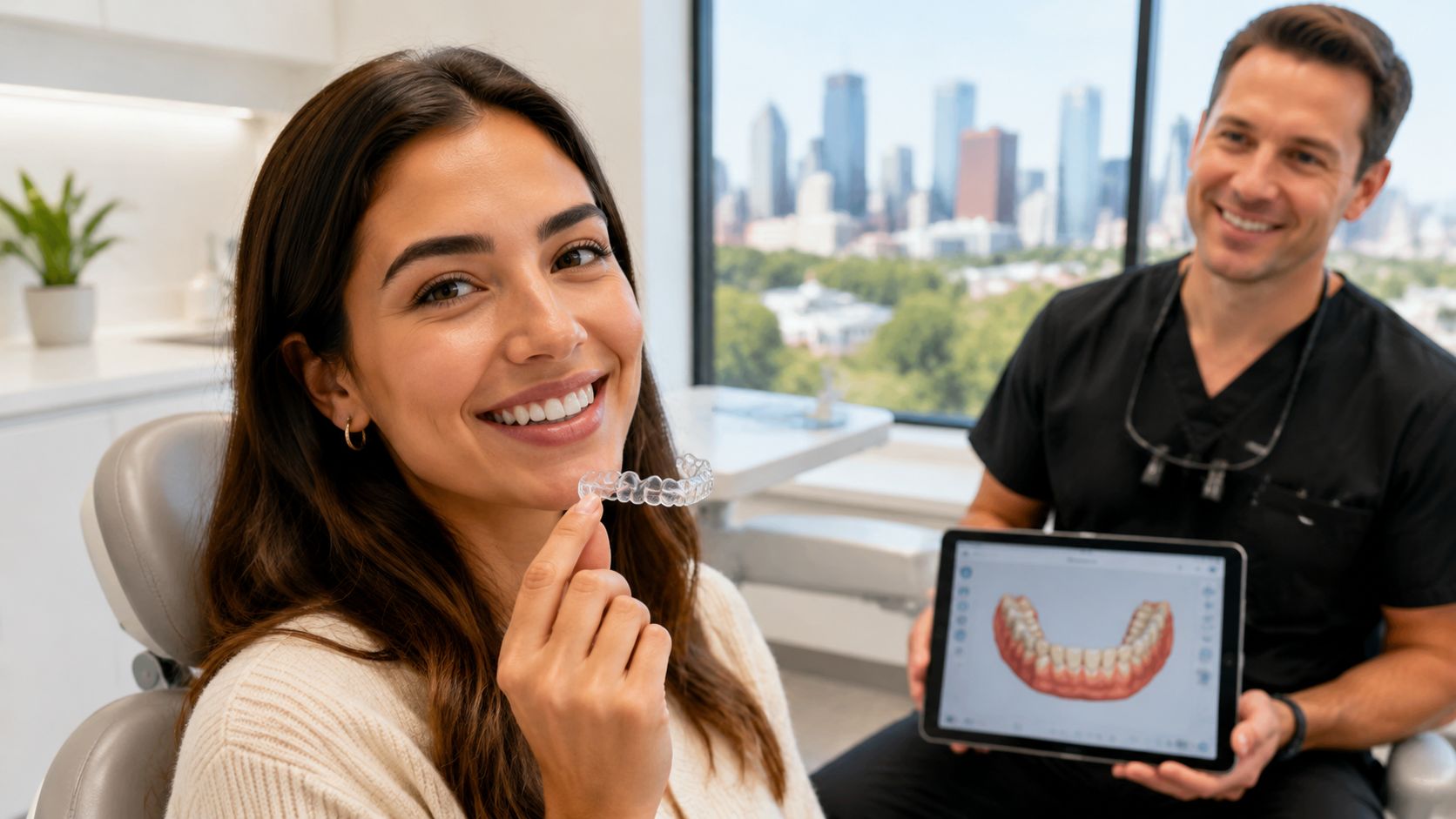
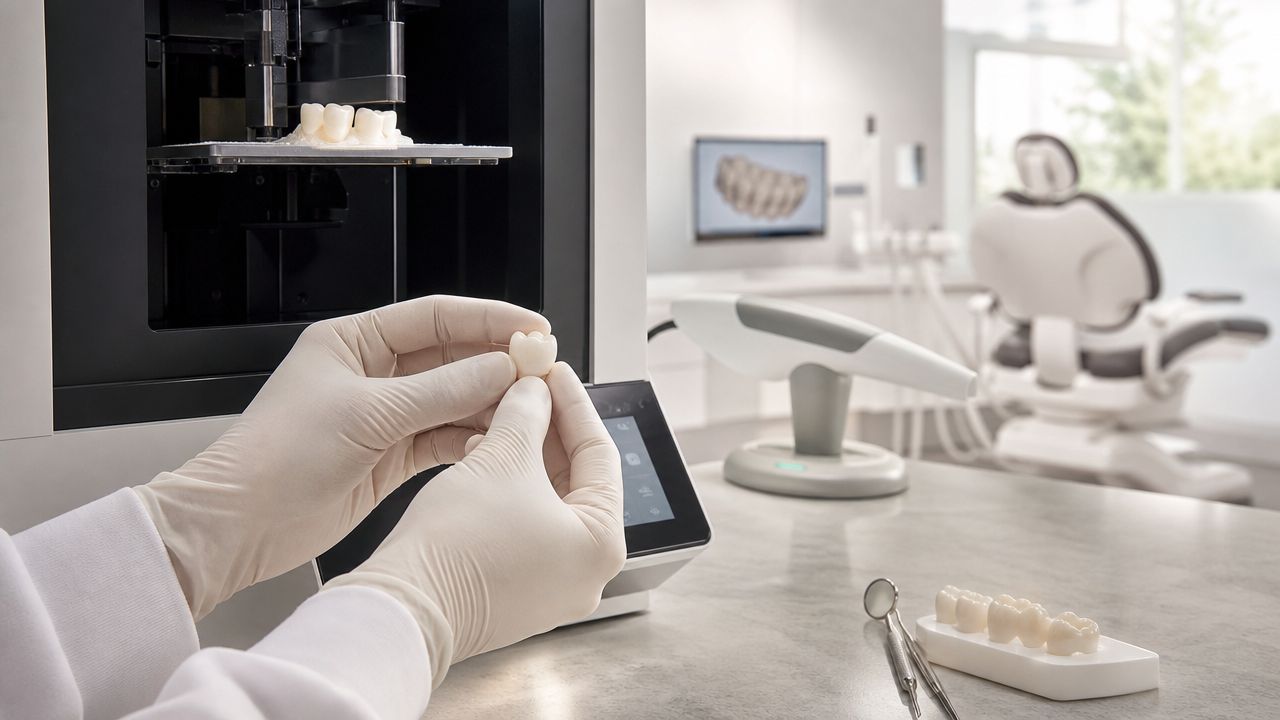
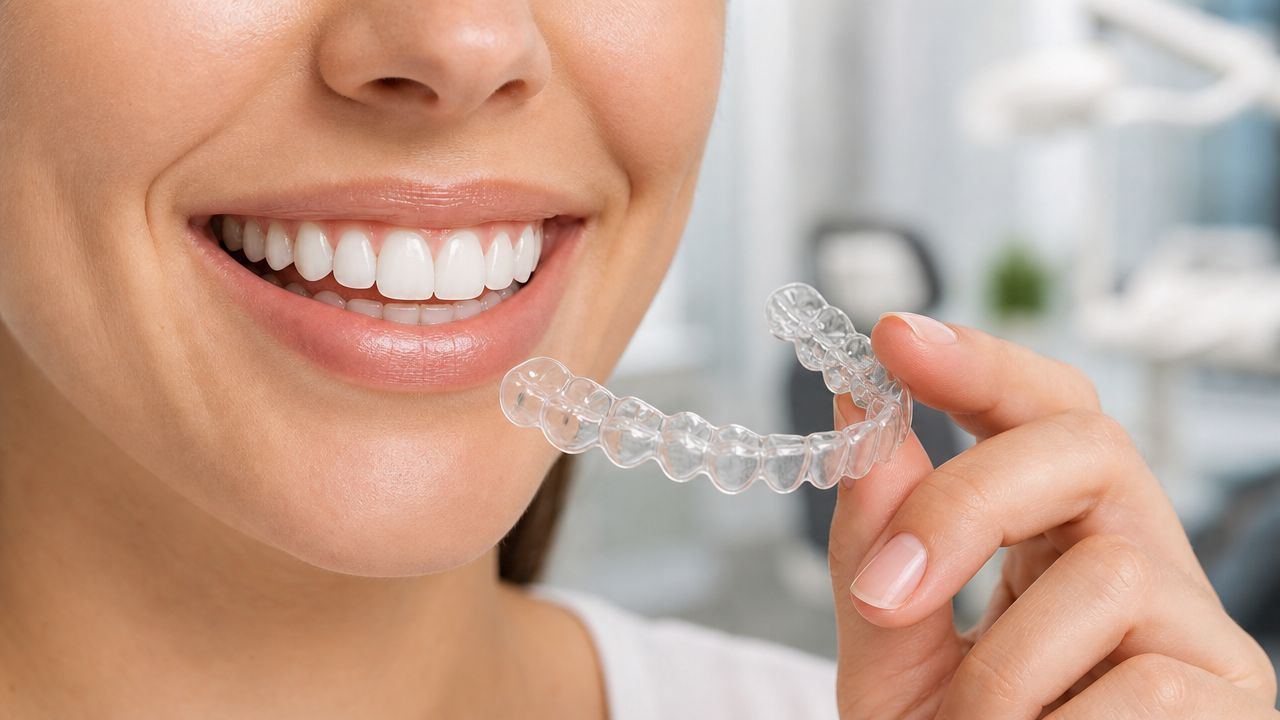
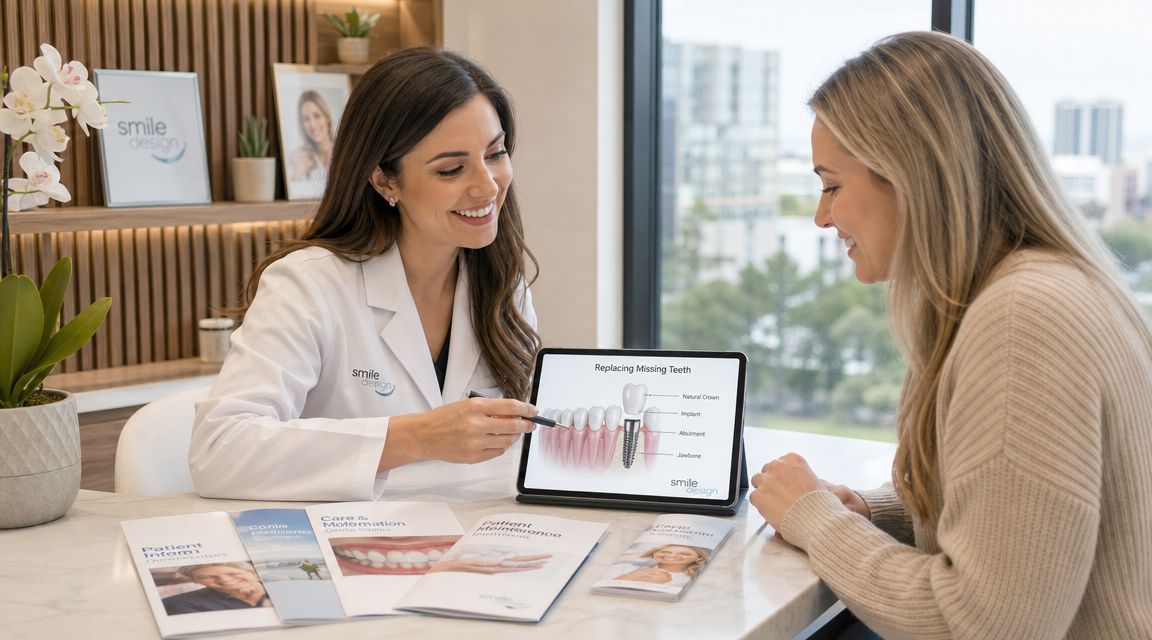
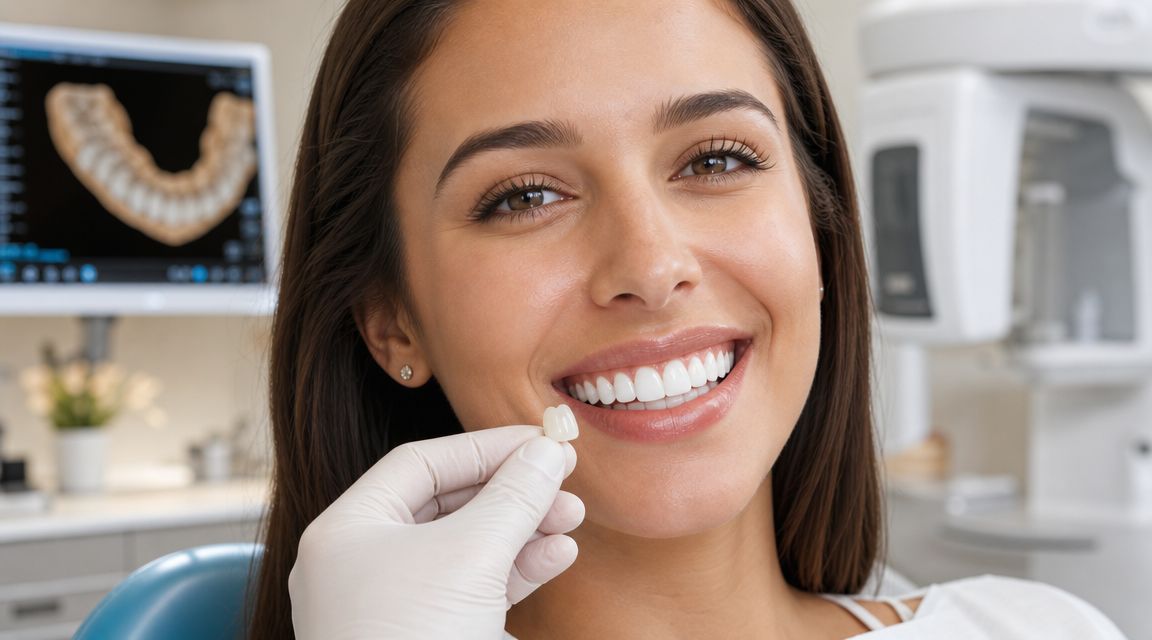

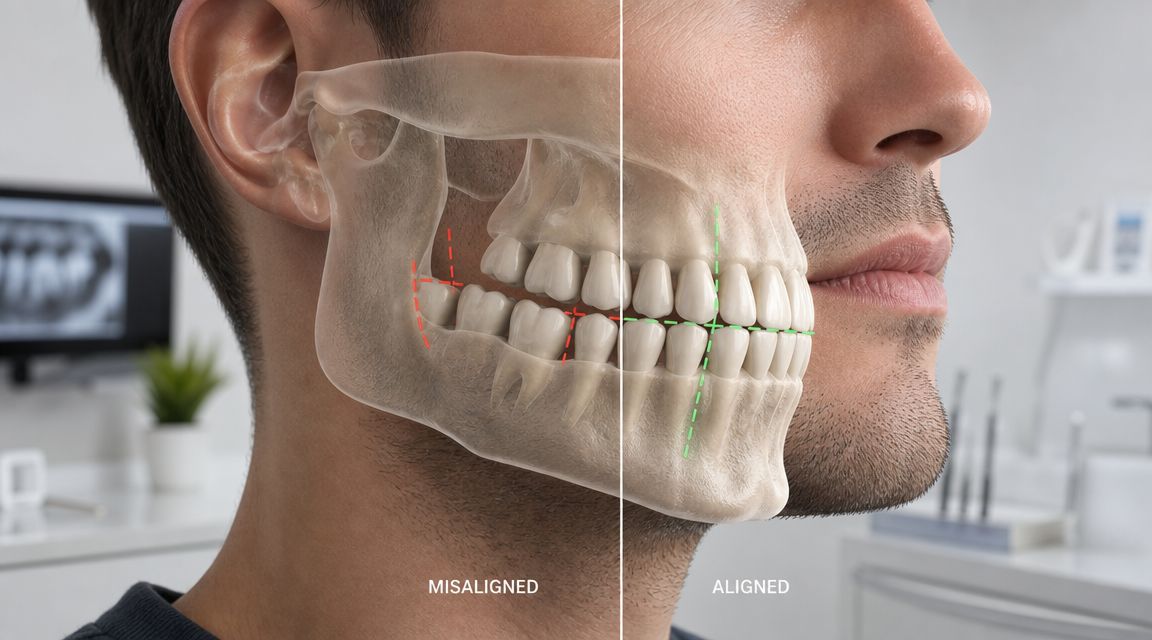












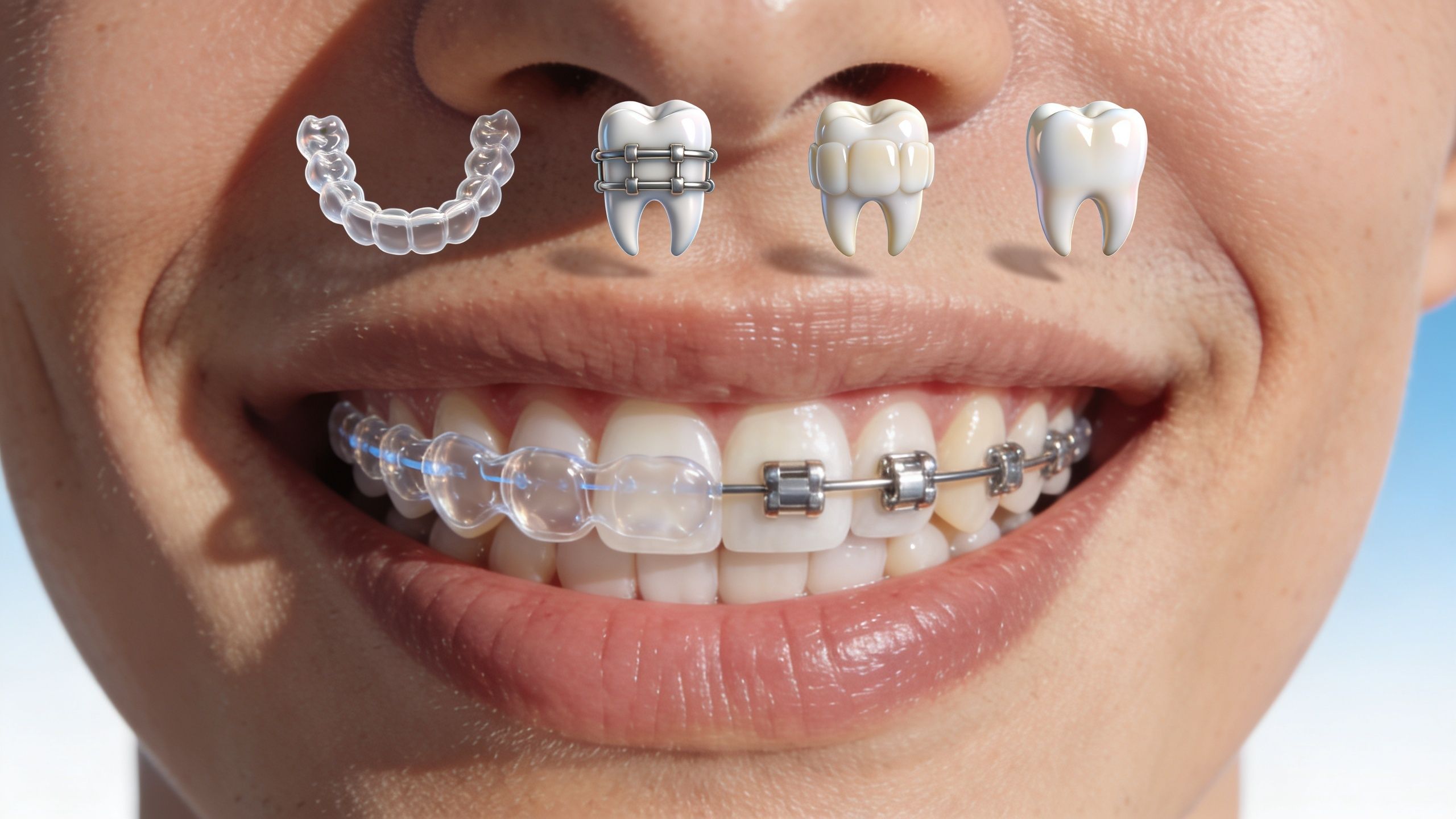





If you’re looking up invisible braces for adults cost in Austin or Georgetown, you’re probably in a familiar spot. You want straighter teeth, but you don’t want a mouthful of metal showing up in work meetings, family photos, or everyday conversations. You also want a straight answer on price, not a vague range with no explanation.
That hesitation is normal. Adults from North Austin, Georgetown, Round Rock, Cedar Park, Wells Branch, and Liberty Hill often start in the same place. They’re interested in cosmetic dentistry, they may already have a trusted dentist in Austin, TX for cleanings and exams, and they want to know whether invisible braces fit their goals, schedule, and budget.
The hard part is that cost depends on more than the appliance itself. A small cosmetic correction is very different from treating crowding, bite problems, or teeth that have shifted after earlier orthodontics. The good news is that modern treatment is more flexible, more discreet, and easier to plan than many people expect.
Your Guide to a Straighter Smile in North Austin
A lot of adults put this off for years.
They notice one front tooth turning inward in photos. They see crowding on the bottom teeth when they brush at night. They’ve thought about whitening, veneers, or other cosmetic dentistry options, but they know the foundation problem is alignment. Still, traditional braces feel like something they should have done as teenagers, not now.
That’s especially common for adults balancing work, family, and a full calendar in Austin and Georgetown. People want results that look professional, feel manageable, and don’t turn daily life upside down.
What adults usually want from treatment
Patients asking about invisible braces aren’t only buying a cosmetic fix. They’re usually trying to solve a mix of concerns:
- A cleaner look: They want straighter teeth without the look of metal brackets.
- More confidence: They’re tired of hiding their smile in social settings or on video calls.
- Practical care: They want something that fits around meals, brushing, flossing, and work.
- Better long-term function: Crowded or shifted teeth can make oral hygiene harder and can complicate future restorative dentistry.
A good adult orthodontic plan doesn’t just straighten teeth. It has to work with your real life.
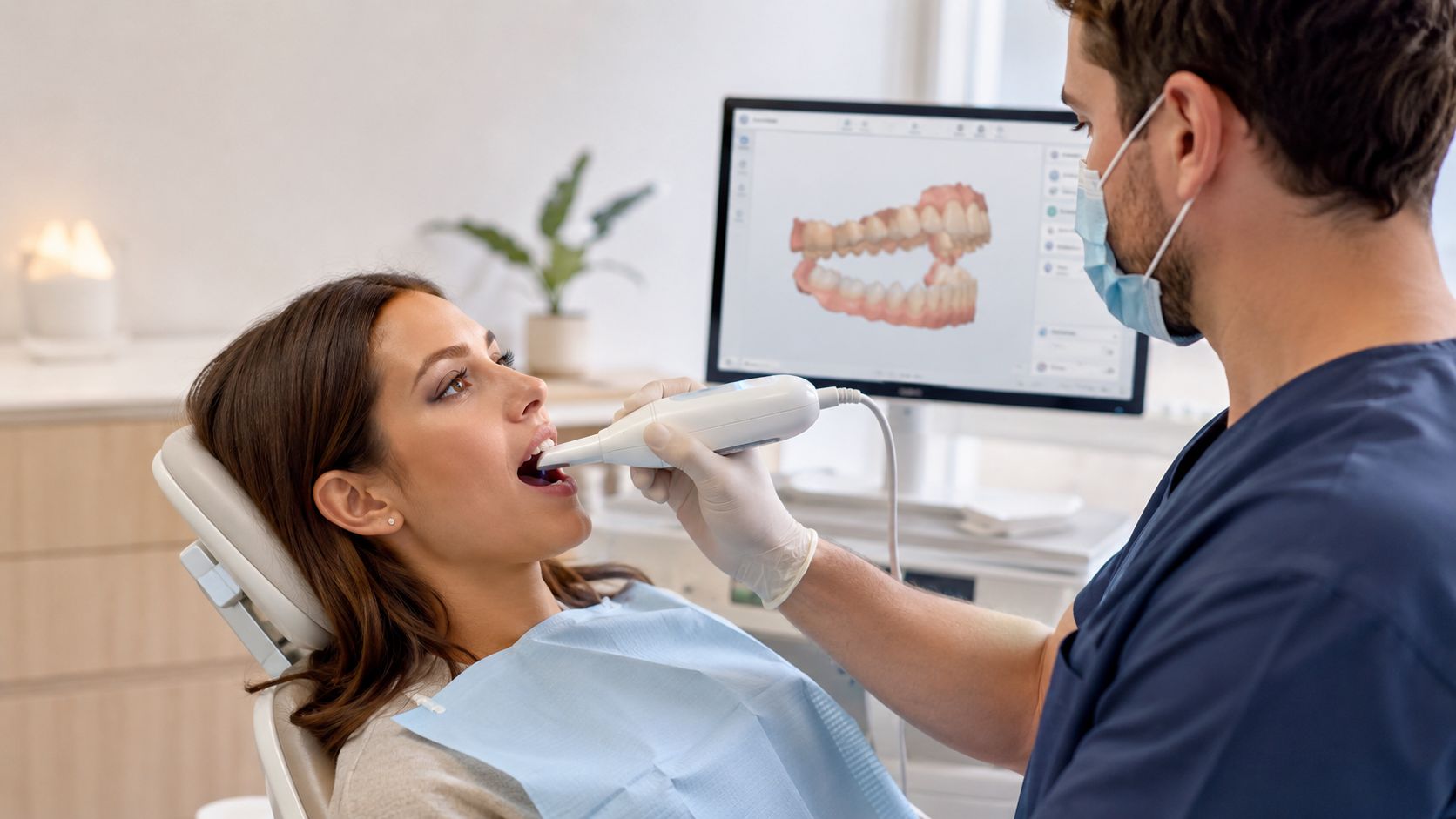
In a local dental practice, this conversation often starts the same way. A patient comes in for a new patient exam, dental x-rays, or a routine cleaning and says they’ve been thinking about straightening their teeth “for a while.” Once they see digital scans and understand the options, the question quickly shifts from “Can I do this?” to “What’s the smartest way to do it?”
Why local planning matters
National pricing articles can be useful, but they rarely answer what people in North Austin and Georgetown want to know. They don’t tell you how treatment choices affect office visits, whether existing crowns or cosmetic work matter, or how a dentist in Austin, TX evaluates whether clear aligners, ceramic braces, or another option makes more sense.
That’s where local diagnosis matters. A cosmetic dentist near you or a dentist in Georgetown, TX who uses digital scanning and treatment planning can usually tell very quickly whether your case is simple, moderate, or more involved. That makes the cost discussion much more accurate and much less frustrating.
What Are Invisible Braces for Adults
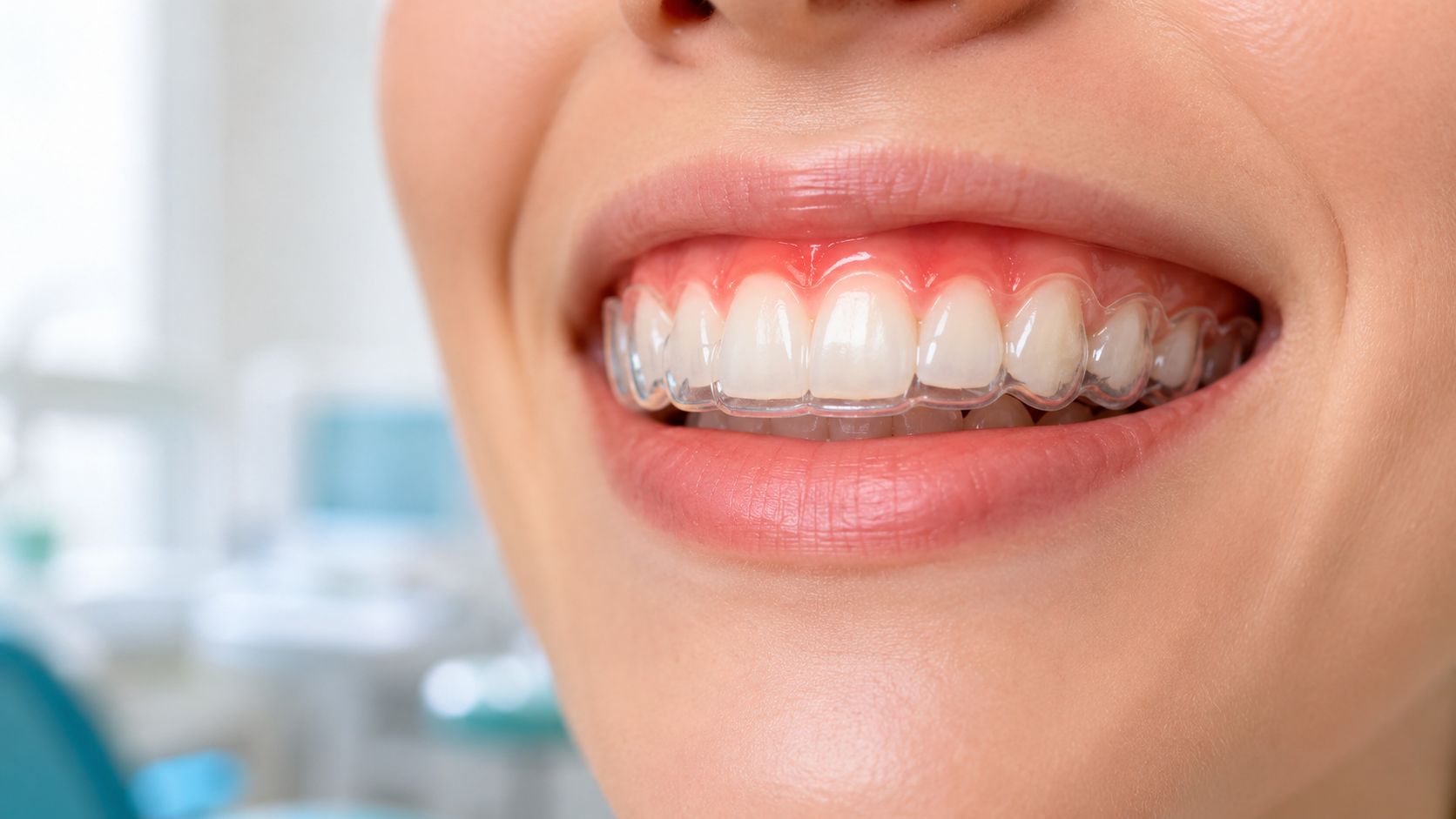
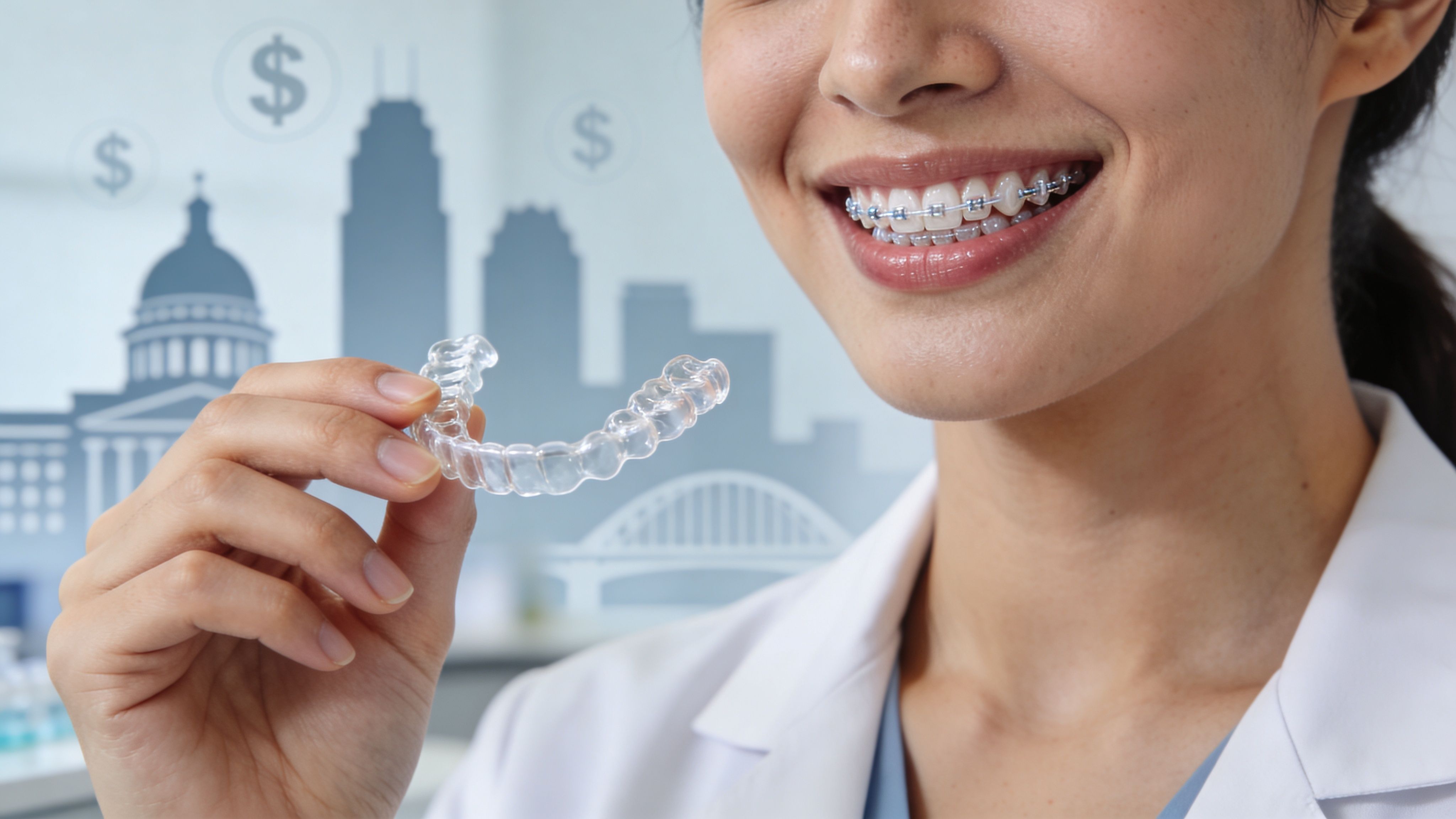
Invisible braces is a broad term. For adults, it usually means orthodontic treatment designed to be less noticeable than traditional metal braces. That can include clear aligners, ceramic braces, and braces placed behind the teeth.
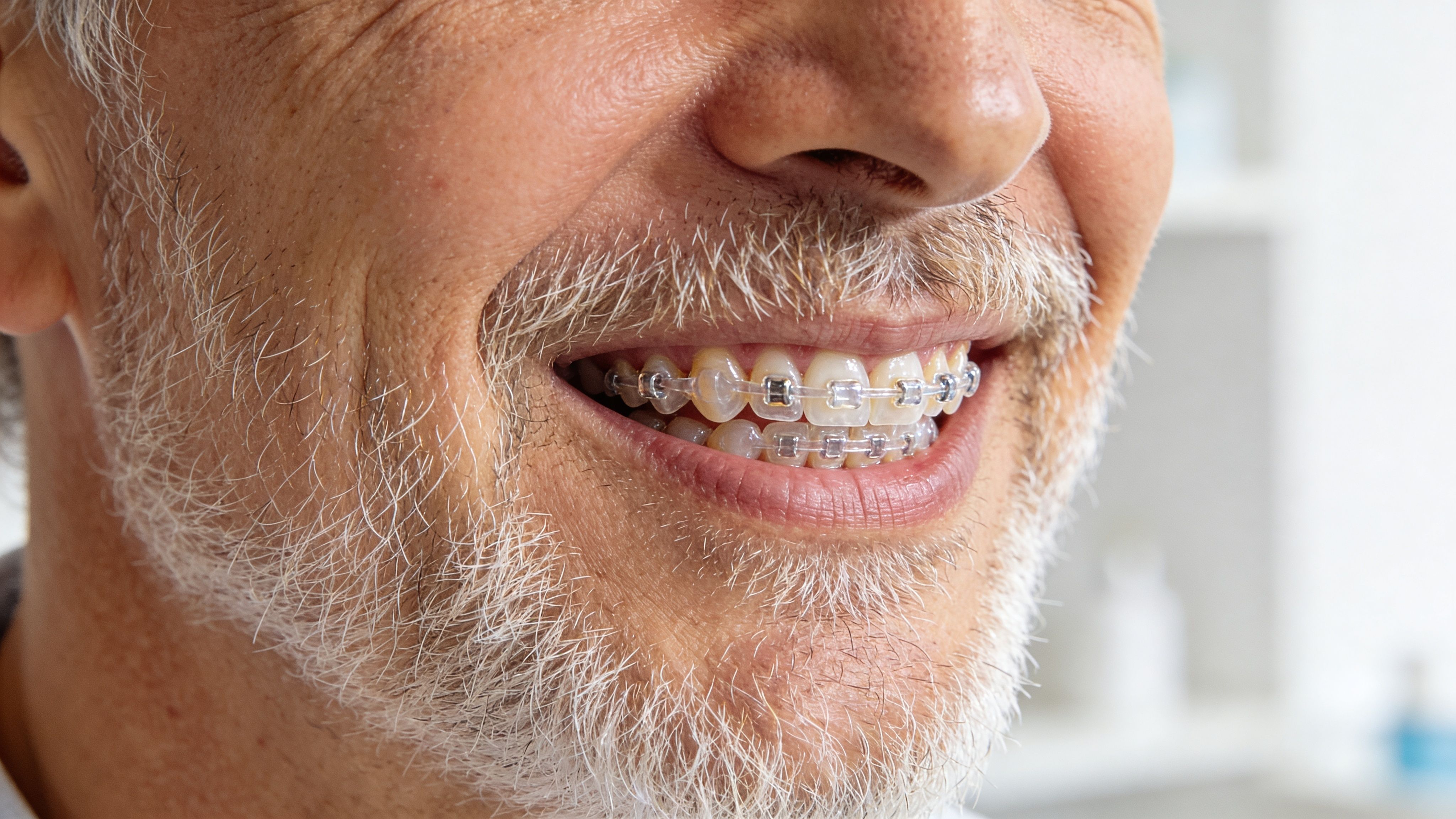
The appeal is easy to understand. Adults want something discreet, but they also want treatment that’s predictable and compatible with daily life. They don’t want to pause professional interactions, avoid smiling, or add complicated care to an already busy week.
The main idea behind adult invisible braces
Instead of relying on highly visible metal hardware, these systems use either clear materials or less visible placement to move teeth gradually. The treatment goal is still orthodontic correction. The difference is how that correction looks and feels during day-to-day life.
A major shift happened when removable clear aligners received FDA approval in 1998, which helped reshape adult orthodontics. By 2026 projections, aligner treatment lengths average 6 to 18 months, compared with 16 to 24 months for traditional braces, according to ConsumerAffairs coverage of invisible braces and Invisalign statistics.
Why adults tend to prefer these options
For adults, the biggest draw isn’t only appearance. It’s the combination of discretion and convenience.
- Clear aligners: Removable for meals and brushing
- Ceramic braces: Fixed in place but less noticeable than metal
- Lingual braces: Hidden behind the teeth
That difference matters if you work in a client-facing role, spend time on camera, attend social events often, or don’t want orthodontic treatment to be the first thing people notice.
What invisible braces can and can’t do
Invisible options can address many adult concerns, including spacing, crowding, and some bite issues. But not every system is ideal for every case. That’s where diagnosis matters more than marketing.
Some adults are great candidates for removable aligners because they want flexibility and can wear trays consistently. Others do better with fixed appliances because they don’t want the responsibility of taking aligners in and out all day. And for some complex cases, the most discreet option isn’t always the most efficient one.
The best appliance is the one that matches your tooth movement needs and your habits.
If you’ve been searching for a dentist near me, cosmetic dentist near me, or a dentist in Austin, TX who offers orthodontic care, the key is finding a practice that can show you your teeth digitally, explain the trade-offs in plain language, and recommend the right approach instead of the trendiest one.
Comparing Your Invisible Brace Options at 3D Dental
Adults usually compare three broad categories when they say they want invisible braces. Each one has a different balance of visibility, comfort, maintenance, and control.
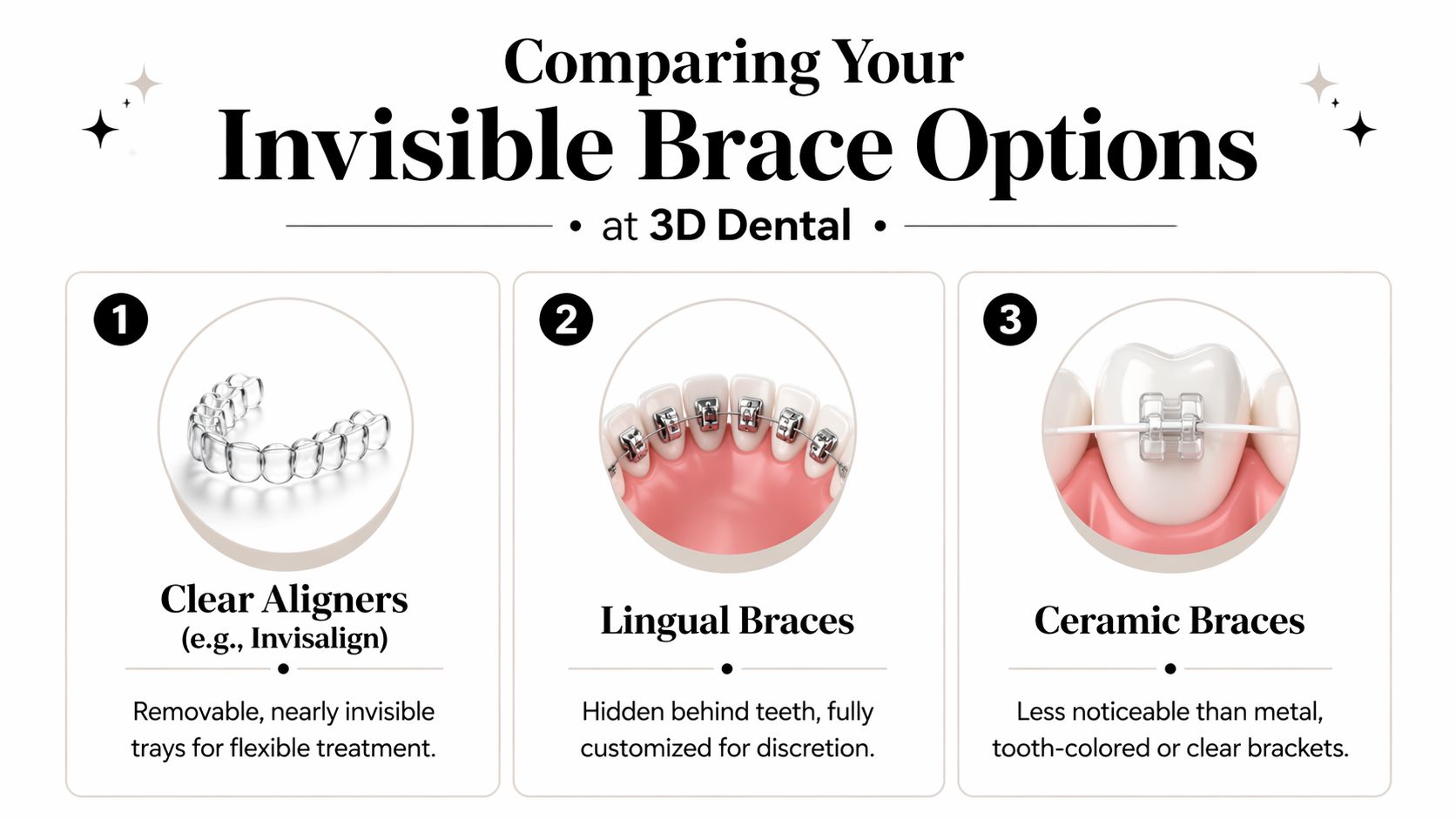
Invisible Brace Options Compared
| Feature | Clear Aligners (e.g., Invisalign) | Lingual Braces | Ceramic Braces |
|---|---|---|---|
| Visibility | Nearly invisible from conversational distance | Hidden behind teeth | Less noticeable than metal |
| Removal | Removable | Fixed | Fixed |
| Eating | Removed for meals | Stay on during meals | Stay on during meals |
| Cleaning | Easier to brush and floss normally | Harder to clean due to placement | More involved than aligners |
| Feel | Smooth trays | Can take time to get used to | Similar to braces with a gentler look |
| Best fit | Adults who want flexibility and discretion | Adults who want hidden treatment and don’t want removable trays | Adults who want fixed treatment with a more subtle appearance |
Clear aligners
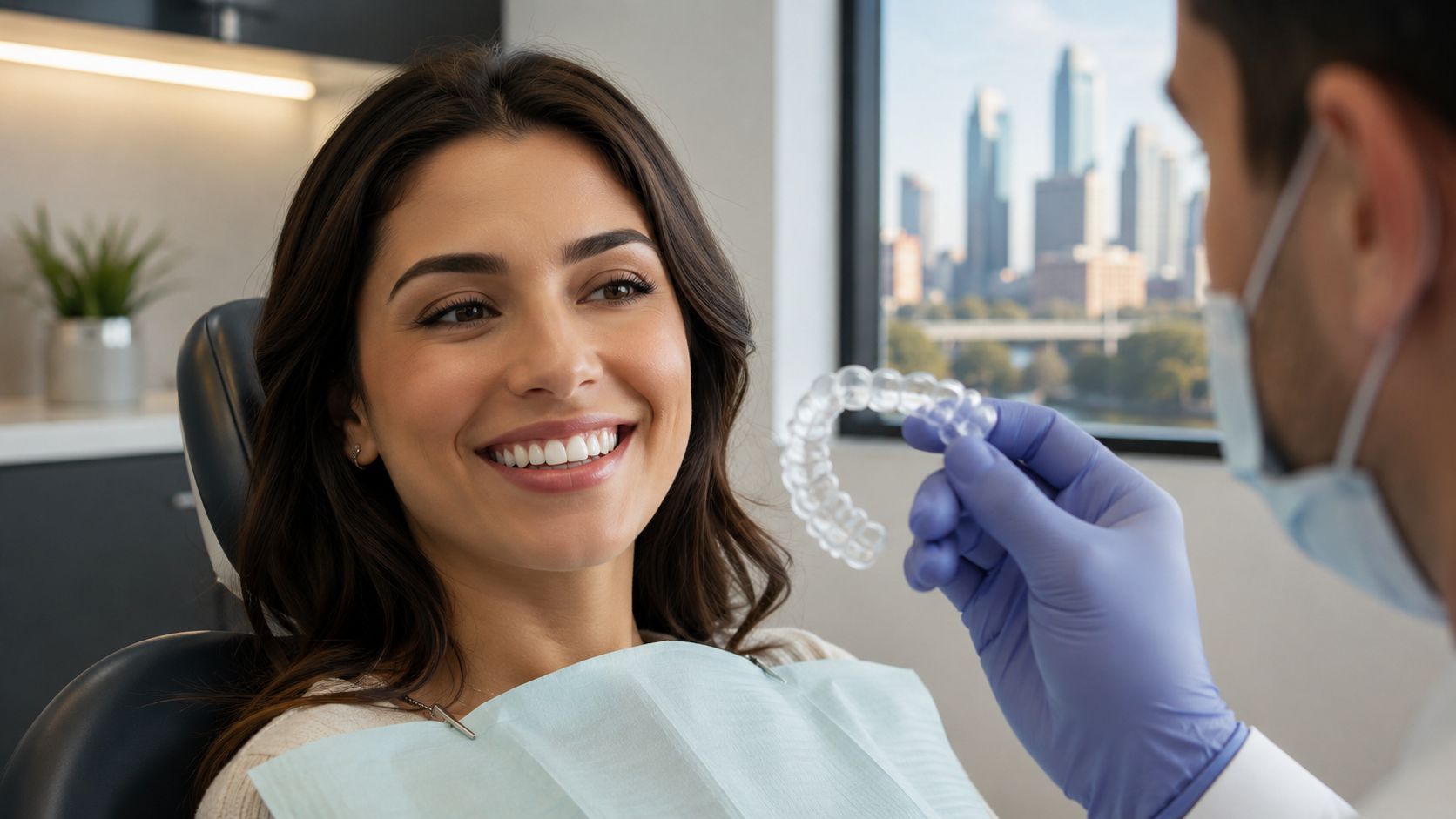
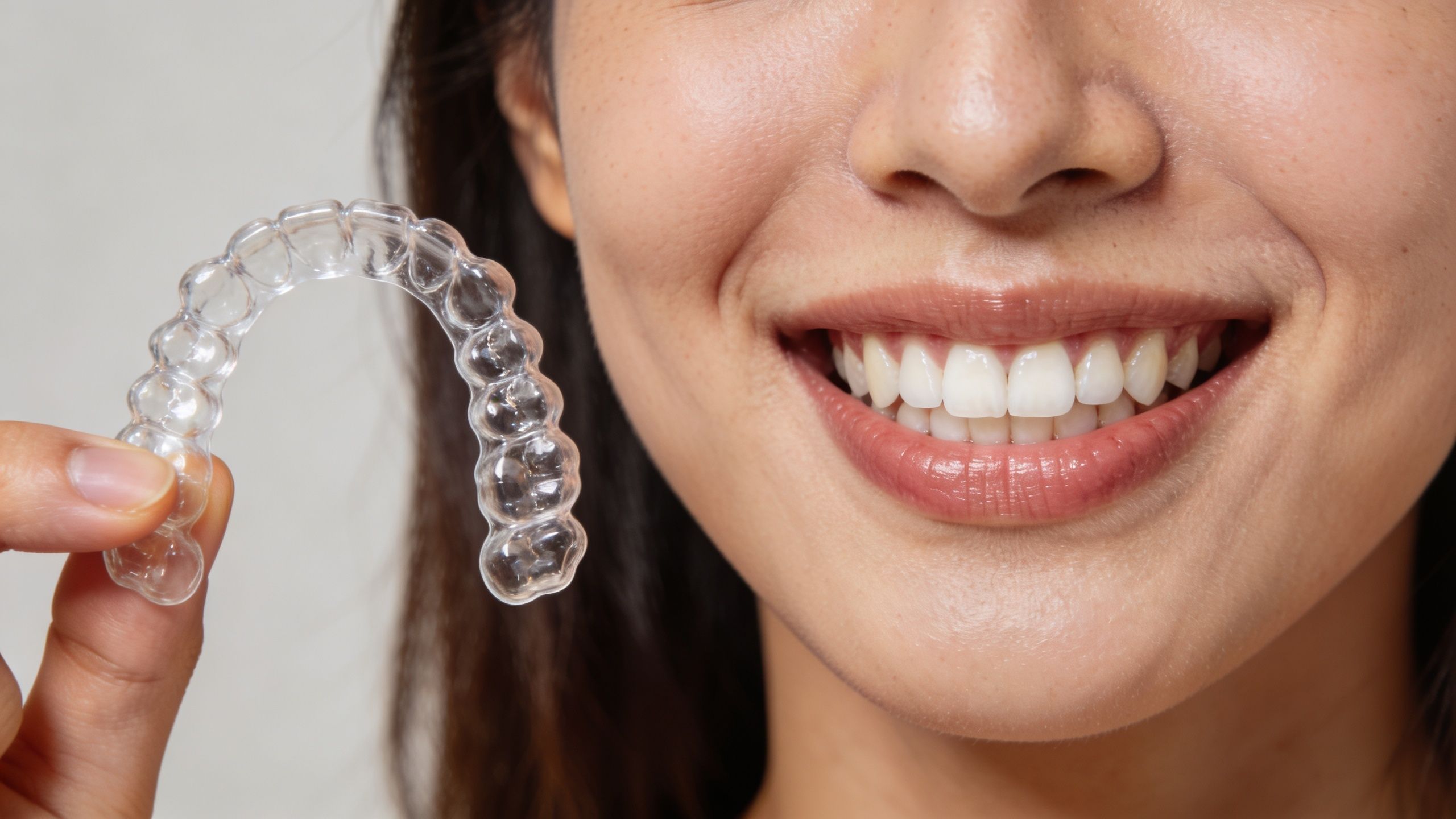
This is the option most adults ask about first. Clear aligners are removable trays made to fit your teeth and move them in stages. They’re popular because they blend into daily life well and don’t come with the food restrictions many people associate with braces.
They also make hygiene easier. You remove them to brush and floss, which is a major advantage for adults who are already managing crowns, fillings, or gum care.
The trade-off is responsibility. Removable treatment only works well when you wear it as directed.
Lingual braces
Lingual braces attach to the back side of the teeth, so they stay out of sight. For adults who want a fixed option but don’t want brackets visible from the front, they can be appealing.
They do take an adjustment period. Speech may feel different at first, and cleaning can be more involved. They also aren’t the first recommendation for every case or every bite pattern.
Ceramic braces
Ceramic braces use tooth-colored or clear brackets, so they’re less visible than metal braces while still giving the control of a fixed system. They can be a practical middle ground for adults who want consistent force without the look of traditional braces.
This option often works well for adults who want something discreet but know they may not be ideal candidates for removable trays.
What about at-home aligners
Low-cost at-home aligner systems get attention because they undercut office-based treatment. Some are priced 50% to 80% lower than provider-led care, but that lower cost comes with real trade-offs. According to Aspen Dental’s pricing discussion for Motto aligners, at-home clear aligners lack nuanced data for moderate-to-severe adult malocclusions, and orthodontic consensus indicates these cases often show a 20% to 30% higher failure rate without in-office oversight.
Lower price matters. So does knowing whether your teeth, roots, bite, and bone support the plan.
For adults with mild cosmetic movement, remote treatment may sound convenient. For cases involving bite correction, rotation, significant crowding, or teeth that need careful sequencing, in-person diagnosis and monitoring usually make the treatment safer and more predictable.
What Drives the Cost of Invisible Braces in Texas
A patient from Georgetown comes in expecting one simple number for clear aligners. After a scan, it becomes obvious that the fee depends on more than the trays. Bite correction, the number of aligners, how many refinement rounds may be needed, and how closely the case needs to be monitored all affect the final cost.

Case complexity usually has the biggest effect on price
Adults with mild spacing or minor crowding usually need a shorter, simpler plan than adults with rotated teeth, bite issues, or crowding that affects function. Pricing generally follows that difference. Smileie’s review of invisible braces cost in the USA places mild cosmetic cases lower, moderate cases in the middle, and complex cases at the top end.
That tracks with what we see in North Austin and Georgetown. Two patients can both ask for “invisible braces” and still need very different treatment plans.
One may need limited cosmetic movement. Another may need attachments, more trays, more visits, and a refinement phase after the first set of aligners.
What tends to raise or lower the fee
Several practical details shape the estimate:
- How far the teeth need to move: Closing a small space is different from correcting rotation, crowding, or a bite problem.
- How long treatment will take: Longer treatment usually means more aligners or more brace adjustments.
- Whether refinements are likely: Some adult cases need additional finishing stages to get the result right.
- Which system fits the case: Clear aligners, ceramic braces, and lingual braces involve different lab costs, materials, and chair time.
- How much in-office supervision is needed: More complex cases call for closer monitoring and more precise planning.
This is why I do not like giving meaningful price quotes by phone. A digital scan and exam usually answer the questions quickly. Patients who want a more detailed breakdown can review our guide on how much clear aligners cost.
Local costs in Texas are shaped by more than the appliance
National price ranges are useful for context, but they do not tell a North Austin patient what their case will cost. Fees in Texas vary by city, by doctor, and by how the practice plans and monitors treatment. Office overhead, lab relationships, digital technology, and the amount of doctor time built into the case all play a part.
That local difference matters. A practice using 3D scans, digital treatment simulation, and regular bite checks may charge differently than a low-touch model built around minimal follow-up. The lower quote is not automatically the better value if it leaves out diagnostics, refinements, or the level of oversight your teeth require.
A short video can also help make these cost variables easier to visualize.
Appliance choice changes the total investment
Ceramic braces, clear aligners, and lingual braces solve problems in different ways. Clear aligners are popular with adults because they are discreet and removable, but they depend on consistent wear. Ceramic braces offer strong control with less visibility than metal braces. Lingual braces can be the least visible option, yet they are often more technique-sensitive and can cost more because they are harder to place and adjust.
A good consultation starts with the diagnosis, your goals, and your budget together. In our area, the useful question is not “What is the cheapest invisible option?” It is “Which option gives me the result I want, with a fee and monthly payment I can handle?”
Practical rule: A low quote without a scan, bite evaluation, or discussion of refinements usually leaves out part of the real cost.
Making Your New Smile Affordable in Austin and Georgetown
Cost matters, but so does how that cost is paid. For many adults, the bigger question isn’t the full fee. It’s whether the treatment can fit into a monthly budget without creating stress.
That’s where insurance, tax-advantaged accounts, and financing make a real difference for families in Austin, Georgetown, Cedar Park, and Round Rock who are already budgeting for regular dental care, emergency dentist visits, or restorative dentistry.
Start with dental insurance
Many dental plans treat invisible braces similarly to traditional orthodontics. Average orthodontic benefits reach $1,772, according to Invisalign’s cost information. The same verified data also notes that many plans cover invisible braces in a way that can reduce out-of-pocket expense substantially.
That’s worth checking before assuming treatment is out of reach. Even if your plan doesn’t cover the full amount, orthodontic benefits can change the decision from “not possible” to “manageable.”
Payment paths that make treatment easier
A practical affordability plan often combines more than one tool.
- Insurance first: Apply orthodontic benefits before looking at financing.
- HSA or FSA funds: These can help with eligible out-of-pocket costs.
- Monthly financing: The remaining balance can often be spread out.
- In-house support: Some practices also offer direct payment arrangements.
The verified data shows that financing can bring payments as low as $58 per month in some cases after insurance, which is why monthly planning matters just as much as the total fee. If you want to review those options in one place, the page on financing and insurance outlines the kinds of payment support patients often look for, including in-house payment options and third-party financing such as Cherry and Sunbit.
What tends to work best for adult patients
Adults usually do best when the financial conversation is clear from the start. That means asking:
- What’s included in the treatment fee?
- Will insurance be checked before the final estimate?
- Is the quote for mild, moderate, or extensive treatment?
- Are monthly payment options available?
A transparent answer to those four questions is more helpful than a flashy promotion. It tells you whether the plan fits your budget and whether you’re comparing like for like.
Why affordability is about planning, not bargain hunting
The lowest sticker price isn’t always the most economical choice. If treatment needs revisions, stalls, or doesn’t address the bite properly, a cheap start can become an expensive detour. Adults with existing dental work, cosmetic goals, or restorative needs usually benefit from coordinated planning under one roof.
That’s especially relevant if you’re already searching for a cosmetic dentist near me, a dentist near me, or a dentist in Georgetown, TX who can coordinate cleaning and exams, dental x-rays, whitening, restorative work, and orthodontics without sending you in five different directions.
Your Invisible Braces Journey at 3D Dental
You come in for a consultation because you want straighter teeth, but you also want straight answers. How long will this take? Will clear aligners work for your bite? What will the monthly payment look like if you live in North Austin, Georgetown, or nearby?

The first visit
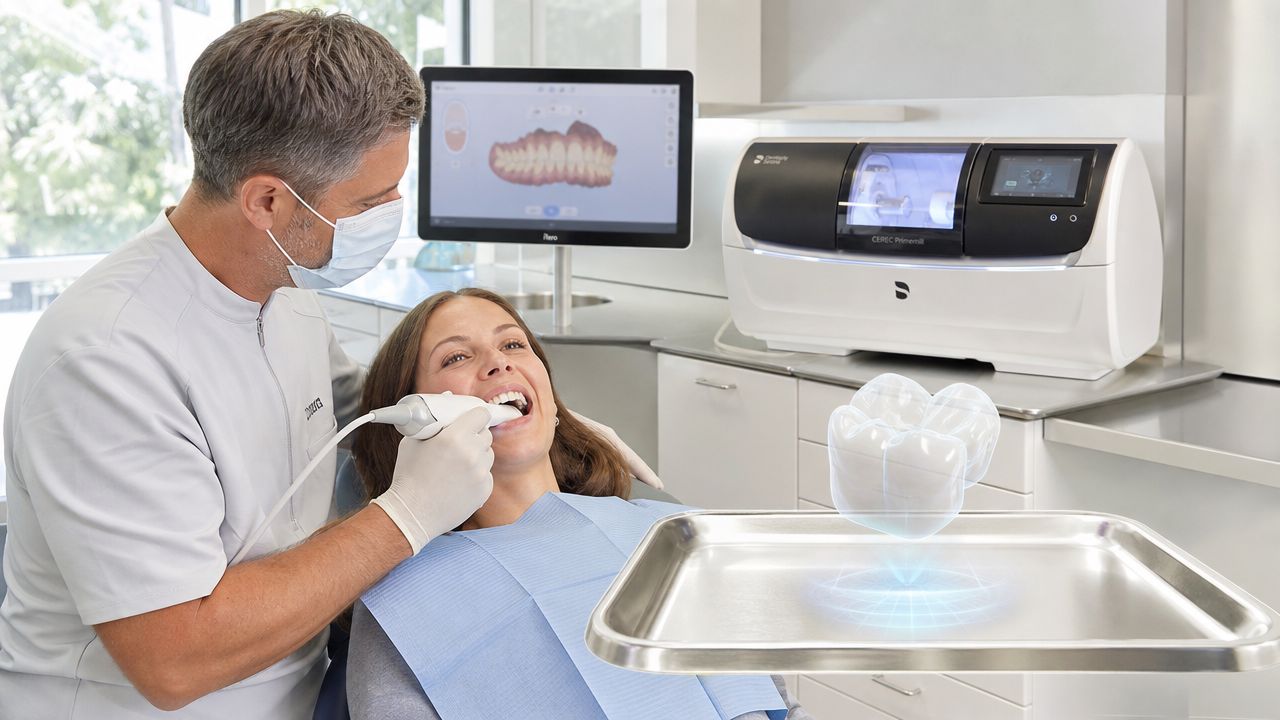
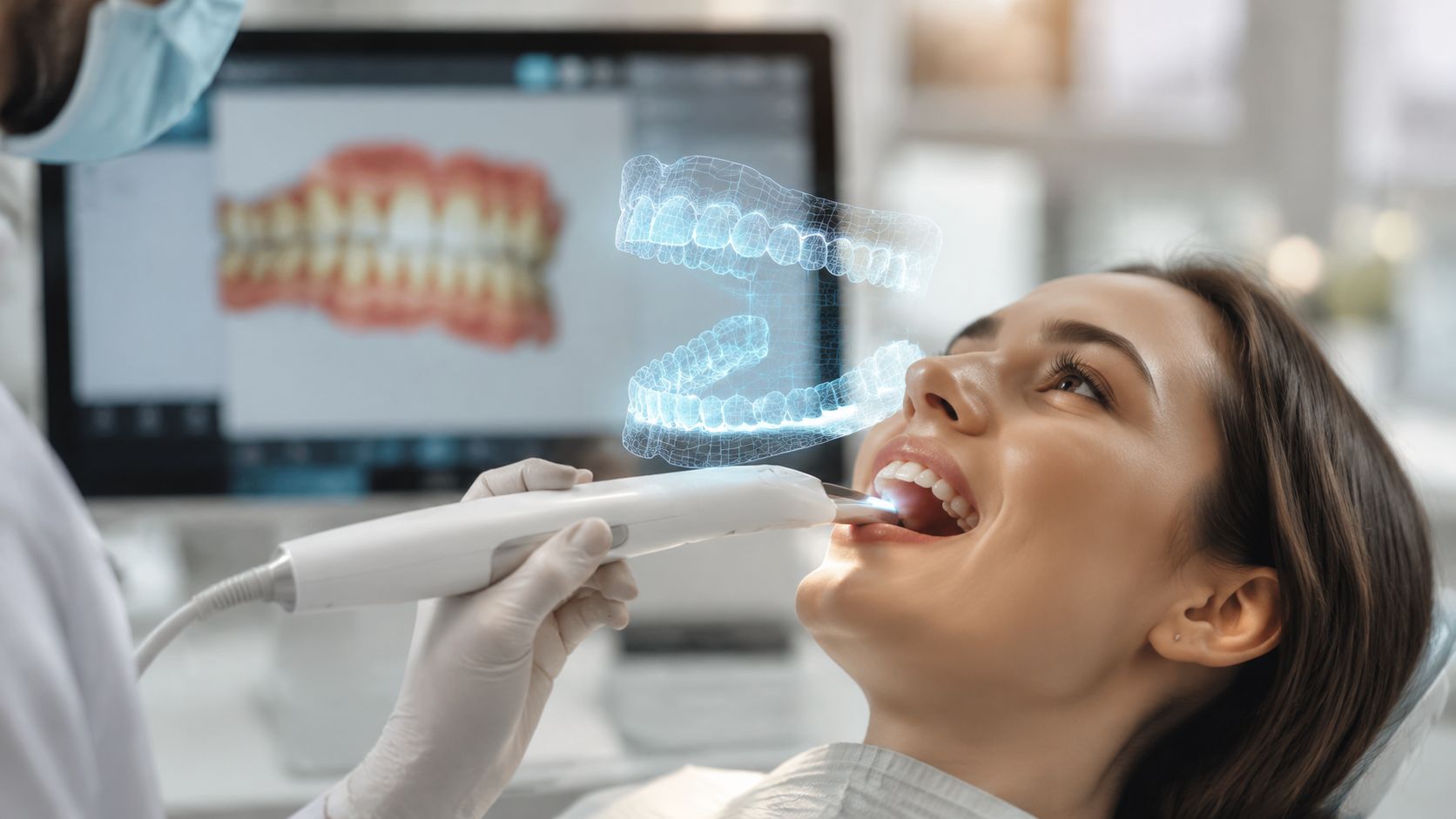
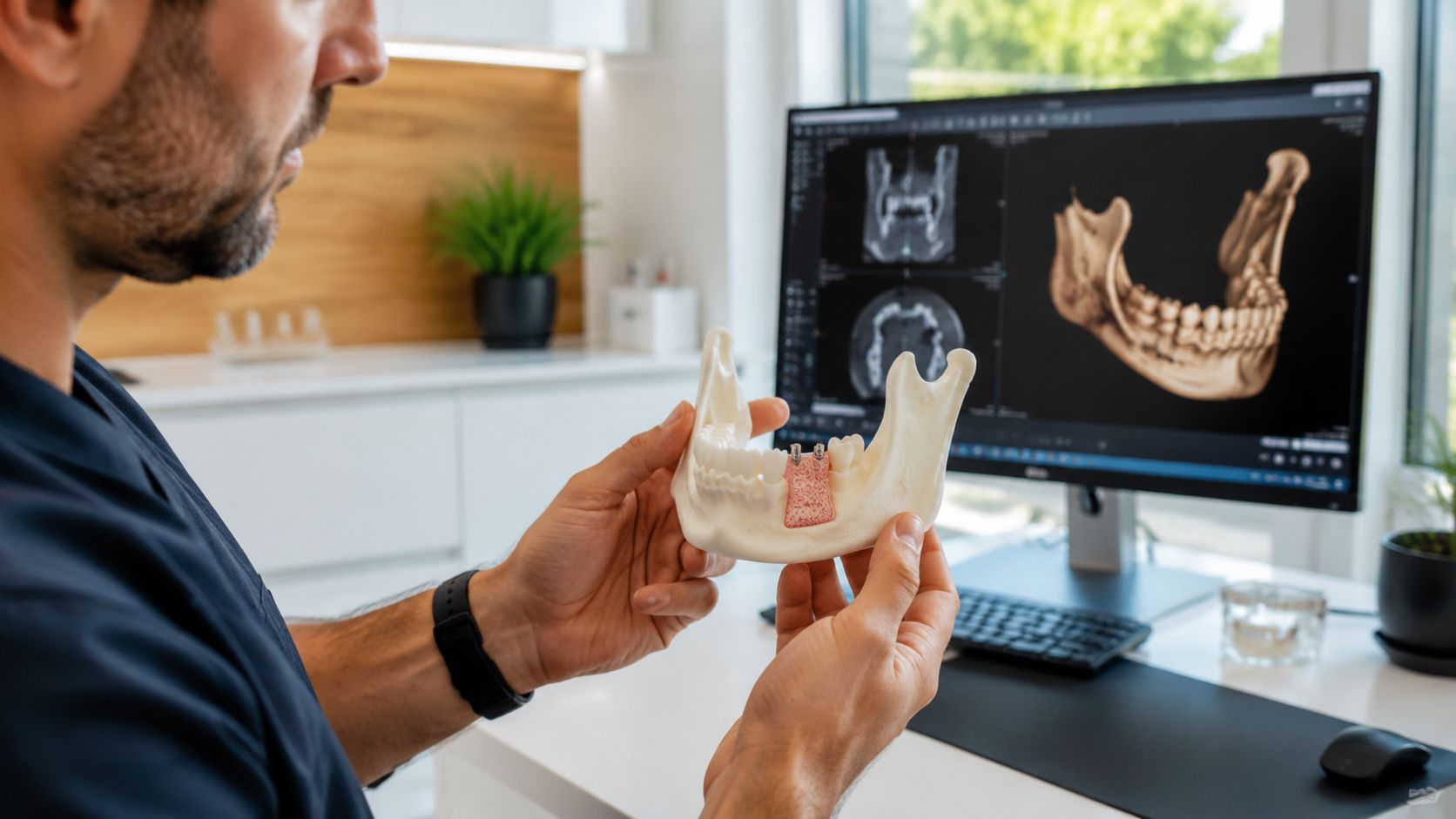
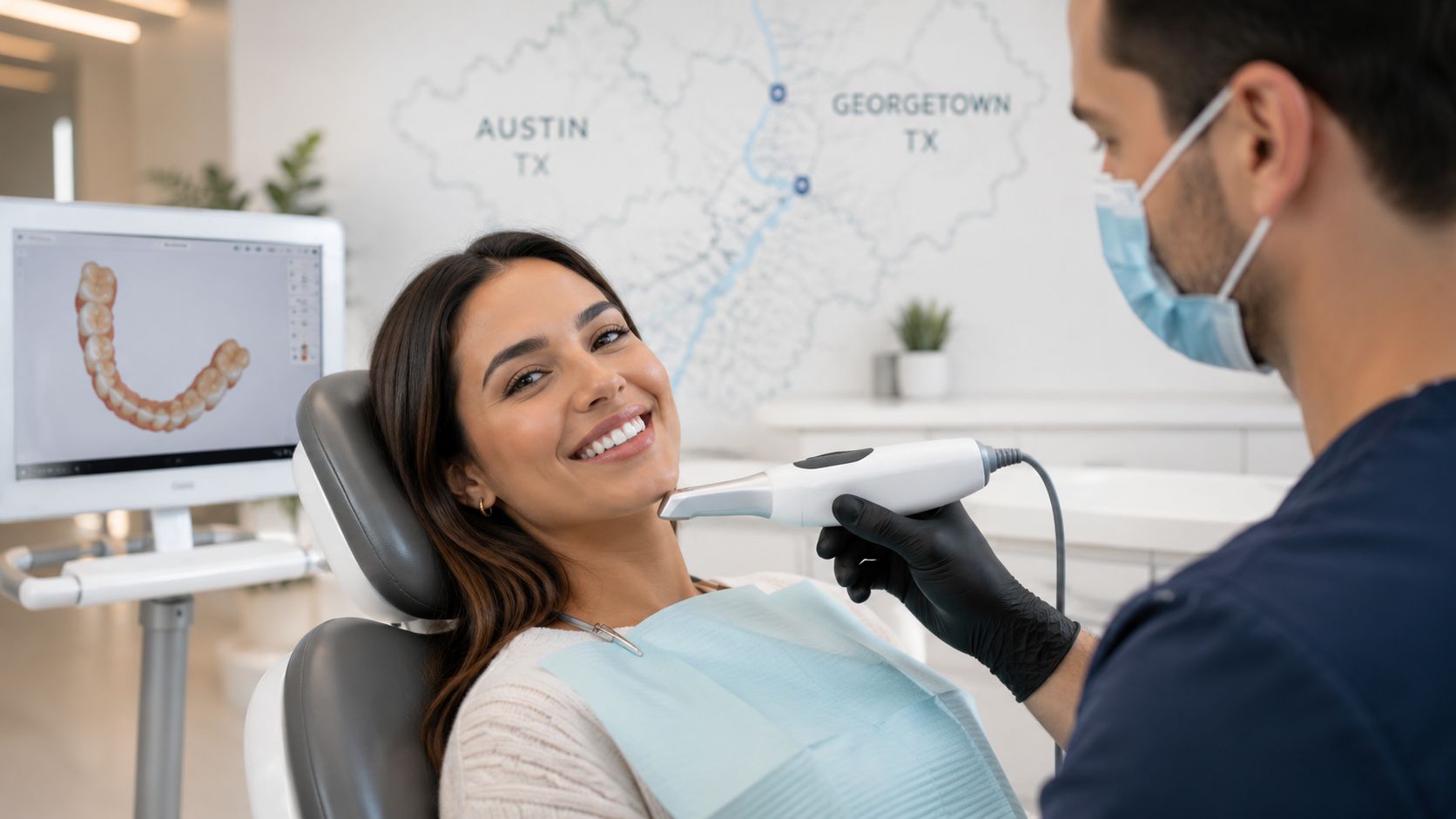
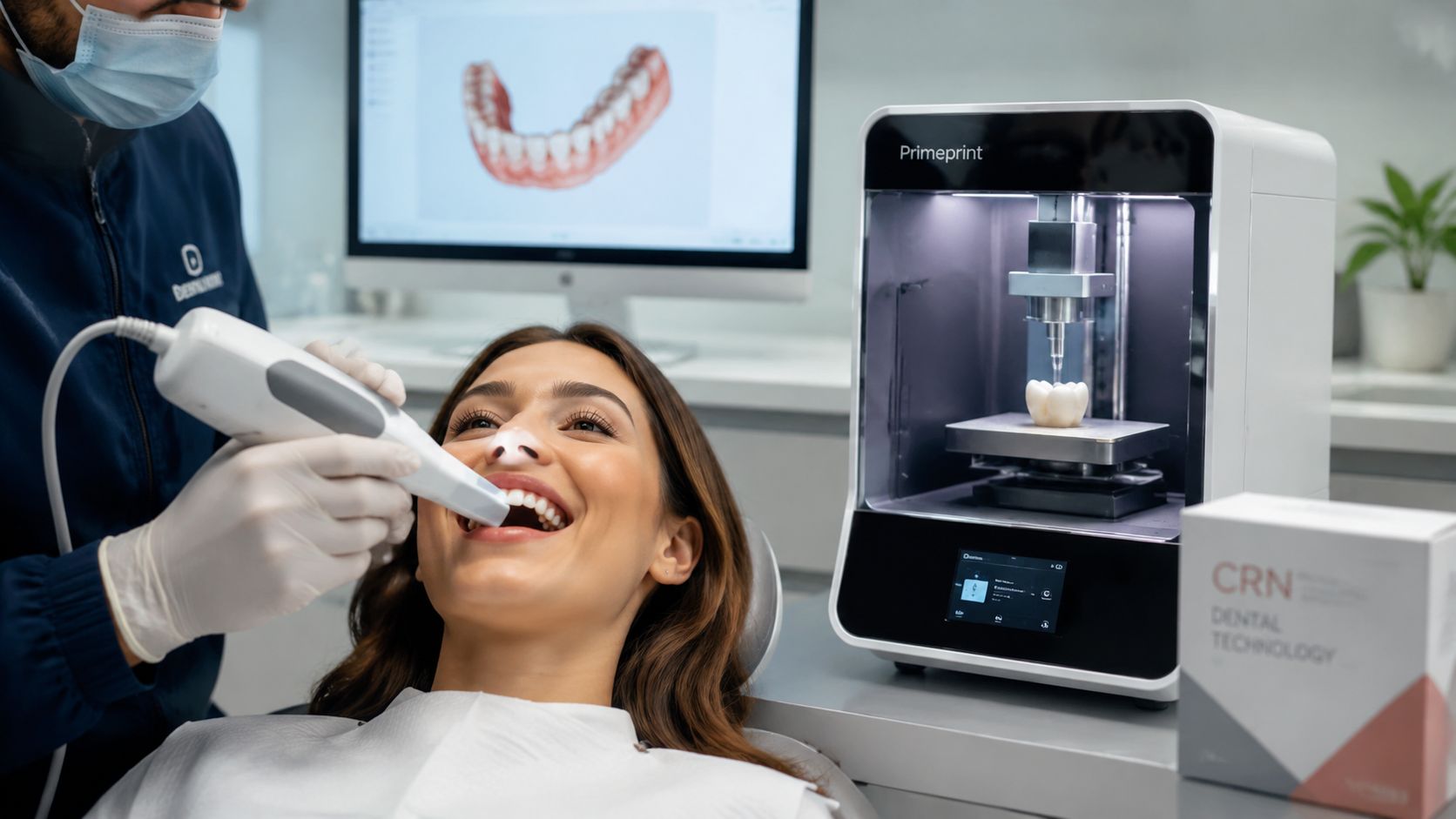
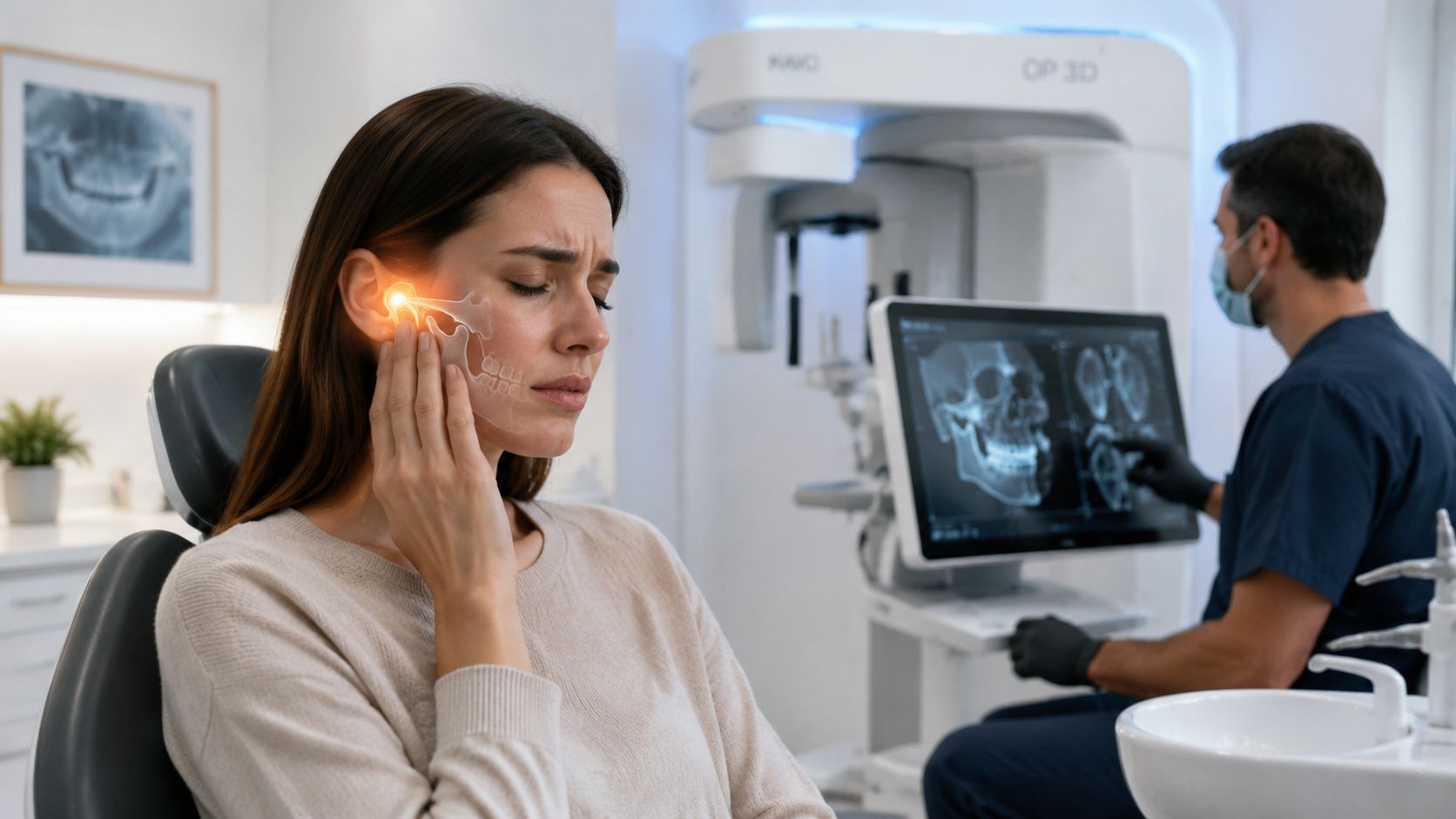
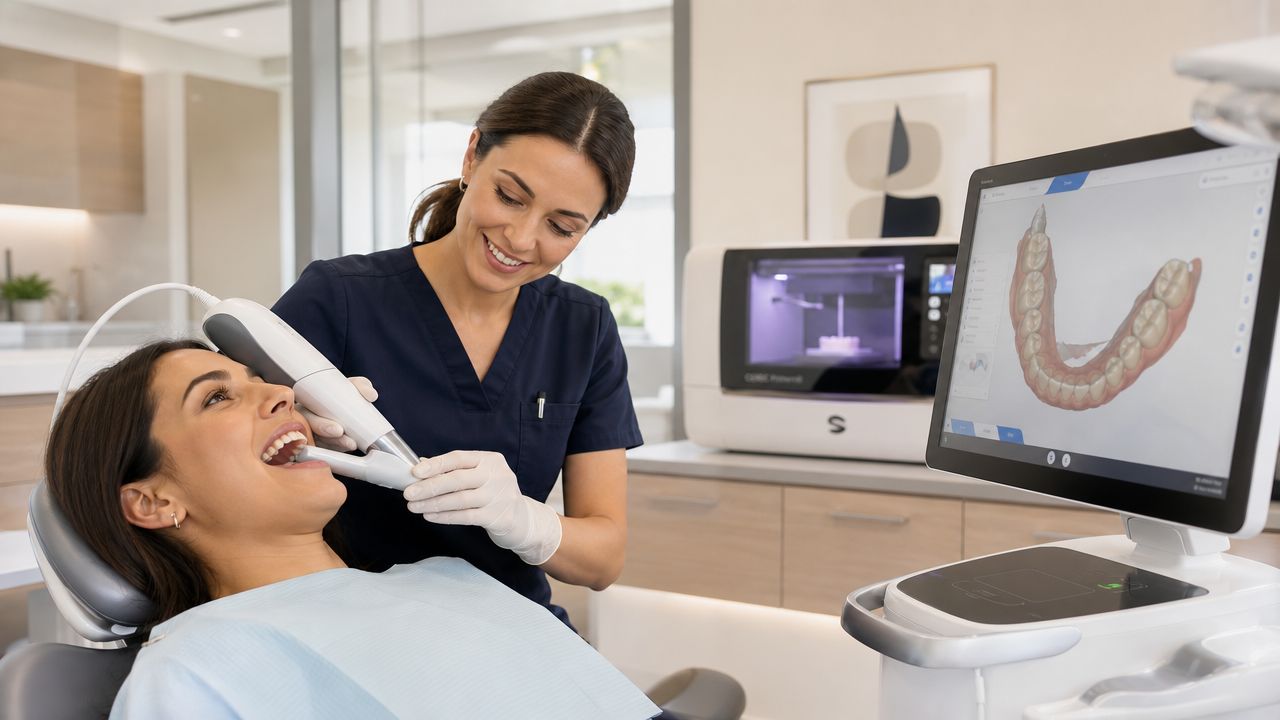
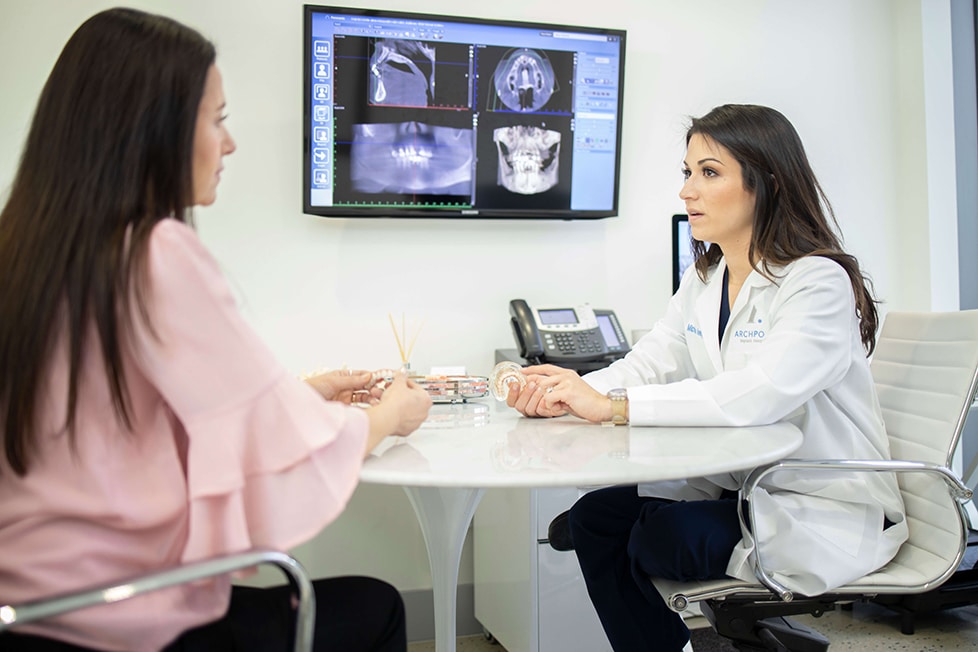
The process starts with a consultation, exam, and digital records. We use 3D CT imaging and digital intraoral scanning to check tooth position, bite fit, jaw support, and the condition of the surrounding gums and bone.
That level of detail matters for adults. A case may look simple in the mirror and still need more careful planning because of old fillings, crowns, gum recession, wear, or a bite that has shifted over time.
Building the treatment plan
After records are complete, the next step is choosing the option that fits both the mouth and the person. Some adults are strong candidates for clear aligners because they want a removable system and their tooth movement is predictable. Others get a better result with ceramic braces or another fixed approach, especially if control of certain tooth movements matters more than tray convenience.
This is also the point where the estimate becomes specific to your case. The fee depends on how much movement is needed, whether the bite needs correction, how long treatment is expected to last, and whether any dental work should be coordinated before or during orthodontics. Earlier in this guide, we covered the usual national range. In our area, the more useful question is what your plan includes and how it will be paid for month to month.
What treatment feels like over time
Treatment usually settles into a simple rhythm. Aligner patients come in for progress checks to confirm the trays are fitting well and the teeth are tracking as planned. Braces patients return for adjustments and monitoring.
Consistency matters more than speed.
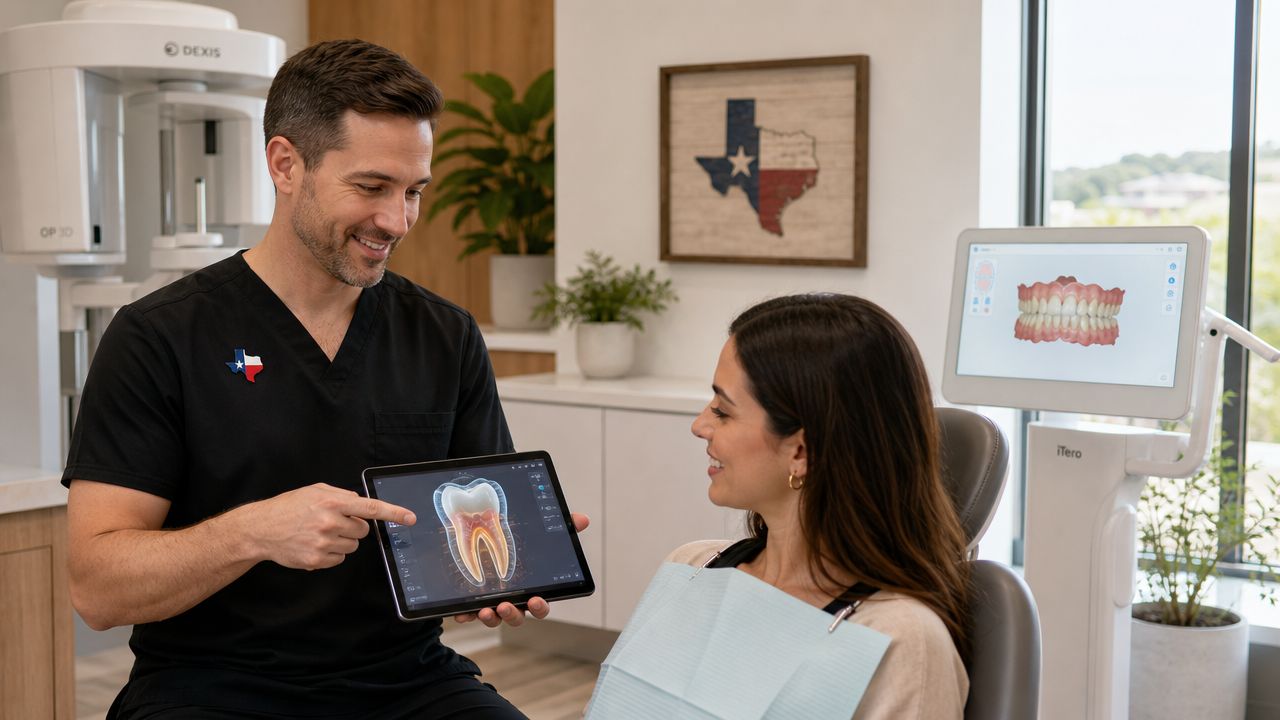
Adults in Wells Branch, Round Rock, Cedar Park, Liberty Hill, and Georgetown often tell us they feel more comfortable once they can see the plan on a screen instead of trying to guess what happens next. Clear records and regular check-ins make the process easier to follow, especially for busy professionals and parents fitting appointments around work and family schedules.
Finishing and retention
Once the teeth are in the planned position, treatment shifts to retention. Retainers keep the result stable and protect the time and money you put into the process.
This final stage is also when many adults choose any cosmetic refinements they have been putting off, such as whitening or updating older dental work so the whole smile looks balanced.
What patients usually want to know before starting
In a practice like ours, the journey is not only clinical. It is financial too. Adults in North Austin and Georgetown often want to know whether they can spread the cost out without delaying care. We offer in-house payment options along with Cherry and Sunbit, so the conversation can stay practical from the beginning.
That approach helps in two ways. You get a treatment plan based on your mouth, not a one-size-fits-all quote, and you can review payment choices that fit your budget before you commit. For many adults, that clarity is what turns orthodontics from “someday” into a real start date.
Frequently Asked Questions About Adult Orthodontics
Does invisible braces treatment hurt
Most adults describe it as pressure, not sharp pain. You may feel soreness when starting a new aligner or after an adjustment with braces, but it usually settles as your teeth adapt. Mild tenderness is part of teeth moving.
What happens after treatment is finished
You’ll need retainers. Teeth can shift after orthodontic treatment, so retention is what keeps your new alignment stable. This step is part of long-term success, not an optional extra.
Can I get invisible braces if I already have crowns or veneers
Often, yes. Existing dental work doesn’t automatically rule you out. The right answer depends on where that dental work is located, how your bite comes together, and whether the planned tooth movement is compatible with those restorations.
How do I clean clear aligners
Rinse them when you remove them, and clean them gently so buildup doesn’t collect on the trays. Since aligners are removable, oral hygiene is usually easier than with fixed braces. You still need to stay consistent with brushing and flossing before putting them back in.
Are invisible braces only for cosmetic cases
No. Adults often start because they want a better-looking smile, but treatment can also help when crowding or spacing affects hygiene, wear patterns, or bite function. The exact goal depends on the diagnosis.
Is an adult too old for orthodontic treatment
Healthy teeth and gums matter more than age. Adults choose orthodontic care at many stages of life. If your oral health supports tooth movement, age alone usually isn’t the limiting factor.
Can invisible braces be combined with other dental care
Yes. Orthodontics often fits into a broader treatment plan that may also include cleanings and exams, dental x-rays, whitening, restorative dentistry, or cosmetic dentistry. In some cases, aligning the teeth first makes later treatment more precise.
If you’re ready to get a clear answer on invisible braces for adults cost in North Austin or Georgetown, schedule a consultation with 3D Dental. The team can evaluate your teeth with advanced digital imaging, explain which option fits your case, and help you review insurance, in-house payment options, Cherry, and Sunbit so your treatment plan makes sense from both a clinical and financial standpoint.
Ready to get started?
Schedule a free, no obligation consultation with our team and see what's possible for your smile!
Georgetown
- Mon-Thurs8:30am-5pm
- Fri8am-3:30pm
- Sat-SunClosed
Austin
- Mon-Tues8am-5pm
- Wed-Thurs9am-6pmFri8am-2pm
- Sat-SunClosed