
All-on-4 Dental Implants Reviews: A 2026 Austin Guide
Related Posts


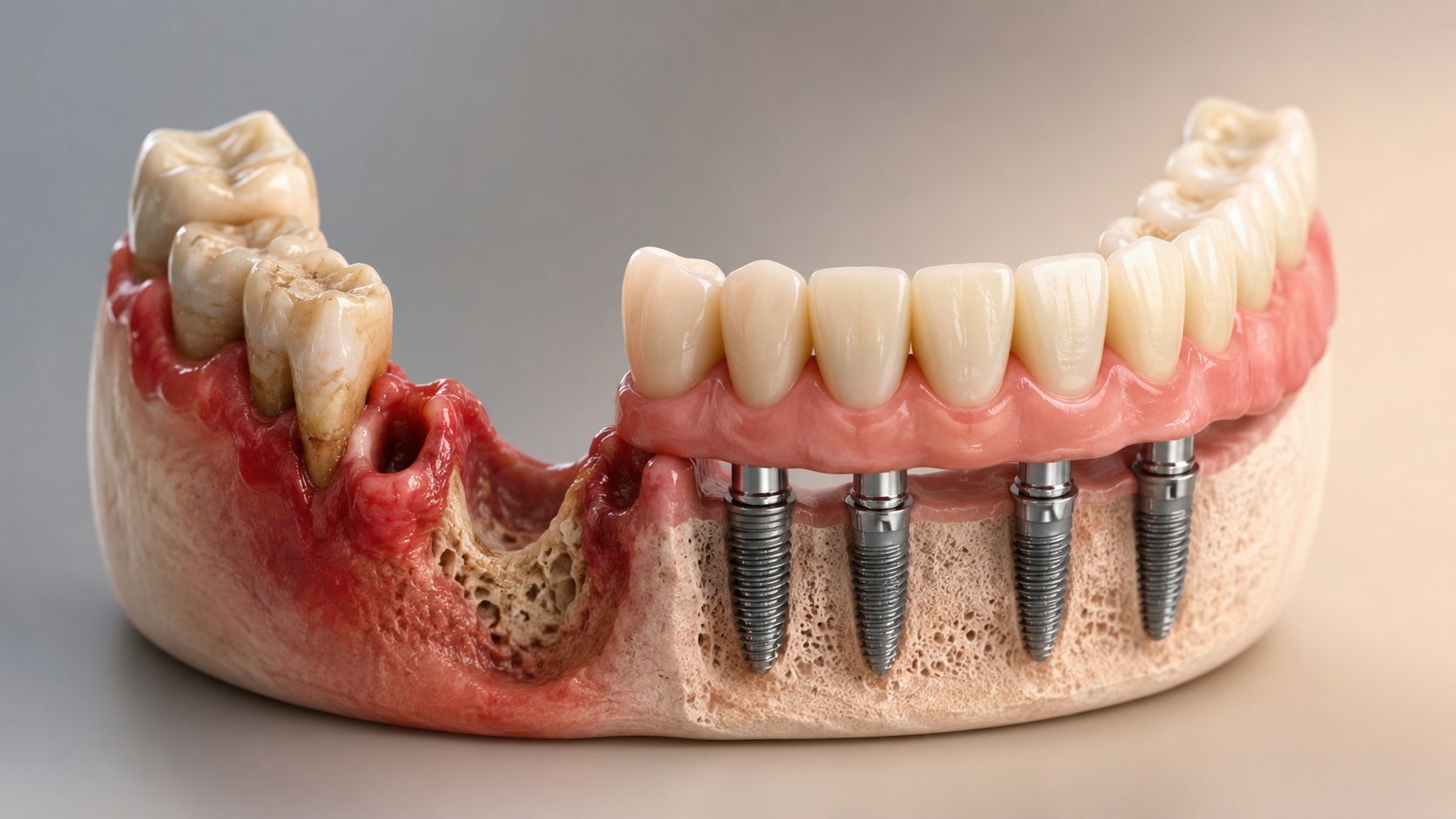







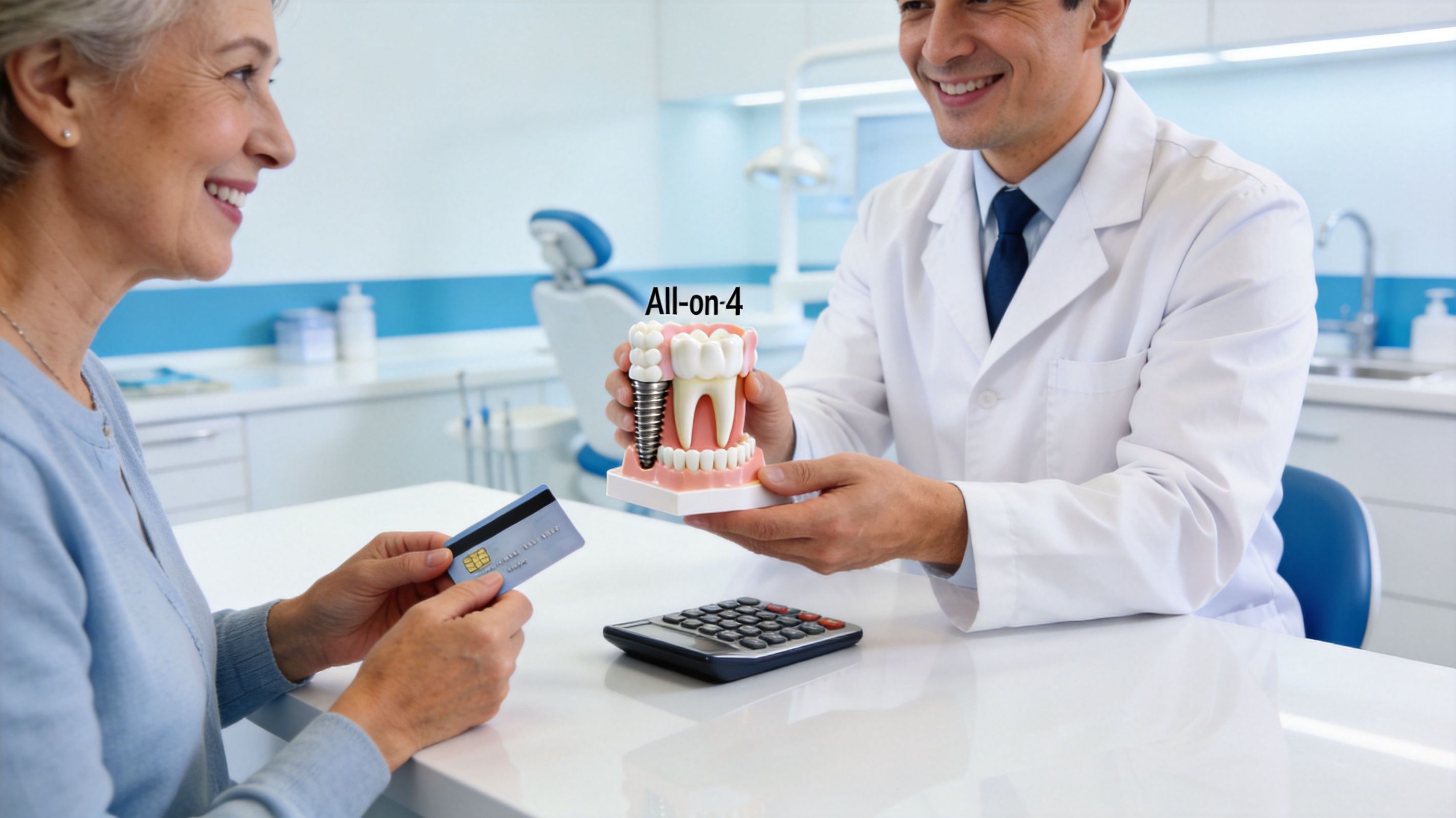








Deciding on All-on-4 treatment usually starts the same way. You’re missing teeth, wearing dentures you don’t love, or dealing with teeth that are failing one by one. You open a dozen tabs, search for all-on-4 dental implants reviews, and quickly run into a mix of glowing testimonials, scary forum posts, technical language, and national marketing that doesn’t tell you what care will feel like in Austin or Georgetown.
That confusion is normal. All-on-4 is a major restorative decision, and the review environment is noisy. Some platforms are useful for before-and-after photos. Some are better for recovery diaries. Others are best for spotting red flags in pricing, communication, or long-term maintenance.
At 3D Dental, we talk with Central Texas patients every week who are trying to separate real insight from sales copy. We serve Austin, Georgetown, and nearby communities like Round Rock, Cedar Park, Wells Branch, and Liberty Hill, and we know that local trust matters as much as clinical skill. A good review doesn’t just say “great dentist.” It tells you how the team communicated, how the treatment was planned, how problems were handled, and whether the final result felt worth it.
That’s why this guide gets to the point quickly. These are the review sources worth checking, what each one is good for, and where each one can mislead you if you read it too casually. Most important, it shows what transparent implant care should look like at a local practice. If you’re looking for dental implants near me, a cosmetic dentist near me, or a dentist in Austin, TX who can guide you from consultation through final restoration, this will help you research smarter.
1. 3D Dental: The Central Texas Gold Standard for Patient Experience
You can learn a lot from national review sites. You still need a local standard to judge them against. For Central Texas patients comparing All-on-4 options, 3D Dental gives that reference point because the full process, from diagnosis to final restoration, is visible and discussed clearly.
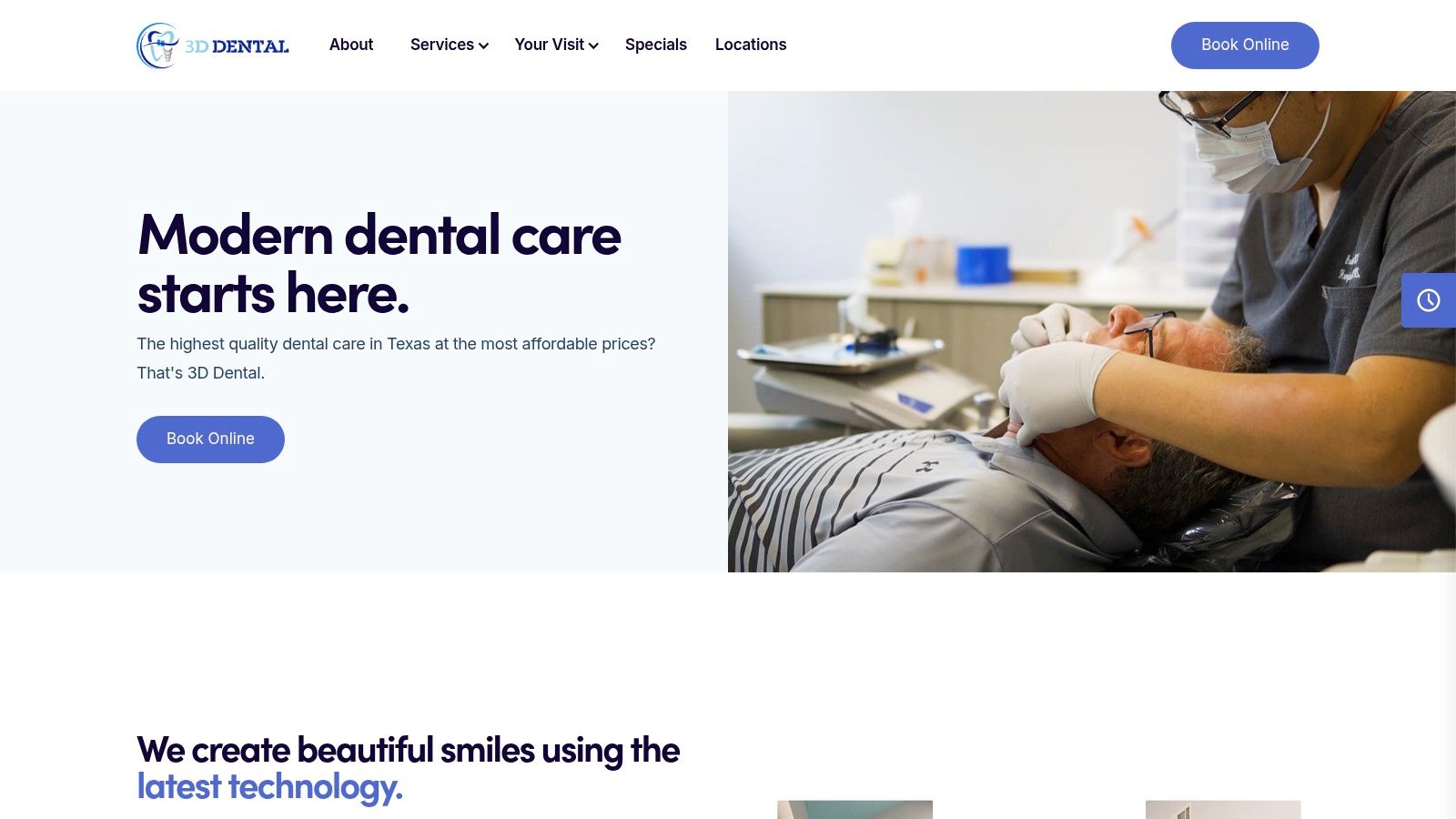
That matters more than many review roundups admit.
A strong All-on-4 review is not just about whether a patient likes the final smile. It should tell you how the office handled planning, whether the timeline made sense, how questions were answered, and what happened when the patient needed adjustments. In Austin and Georgetown, those details often matter more than star ratings because full-arch treatment involves surgery, temporaries, healing, bite refinement, and final teeth.
What stands out in the 3D Dental experience
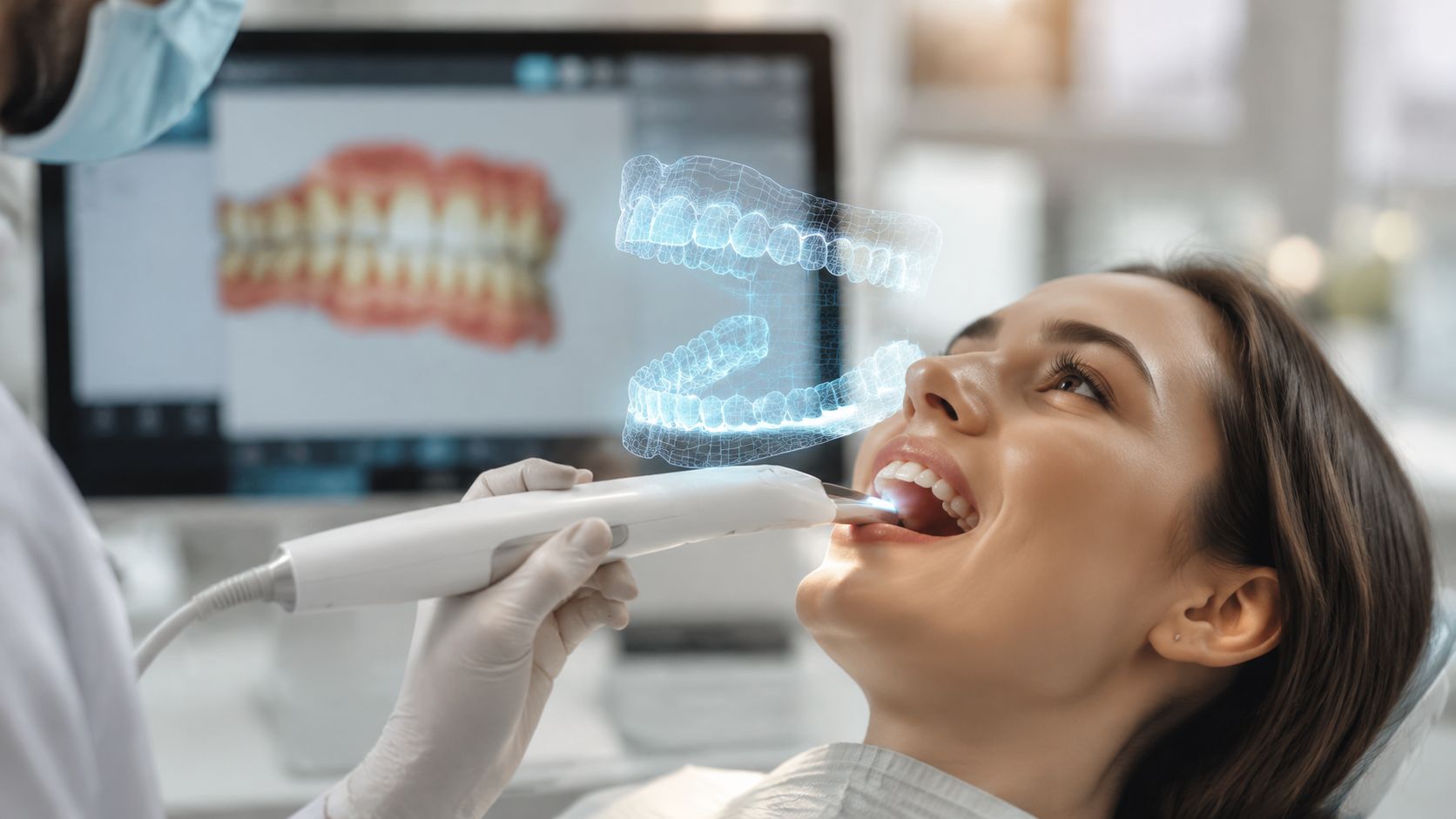
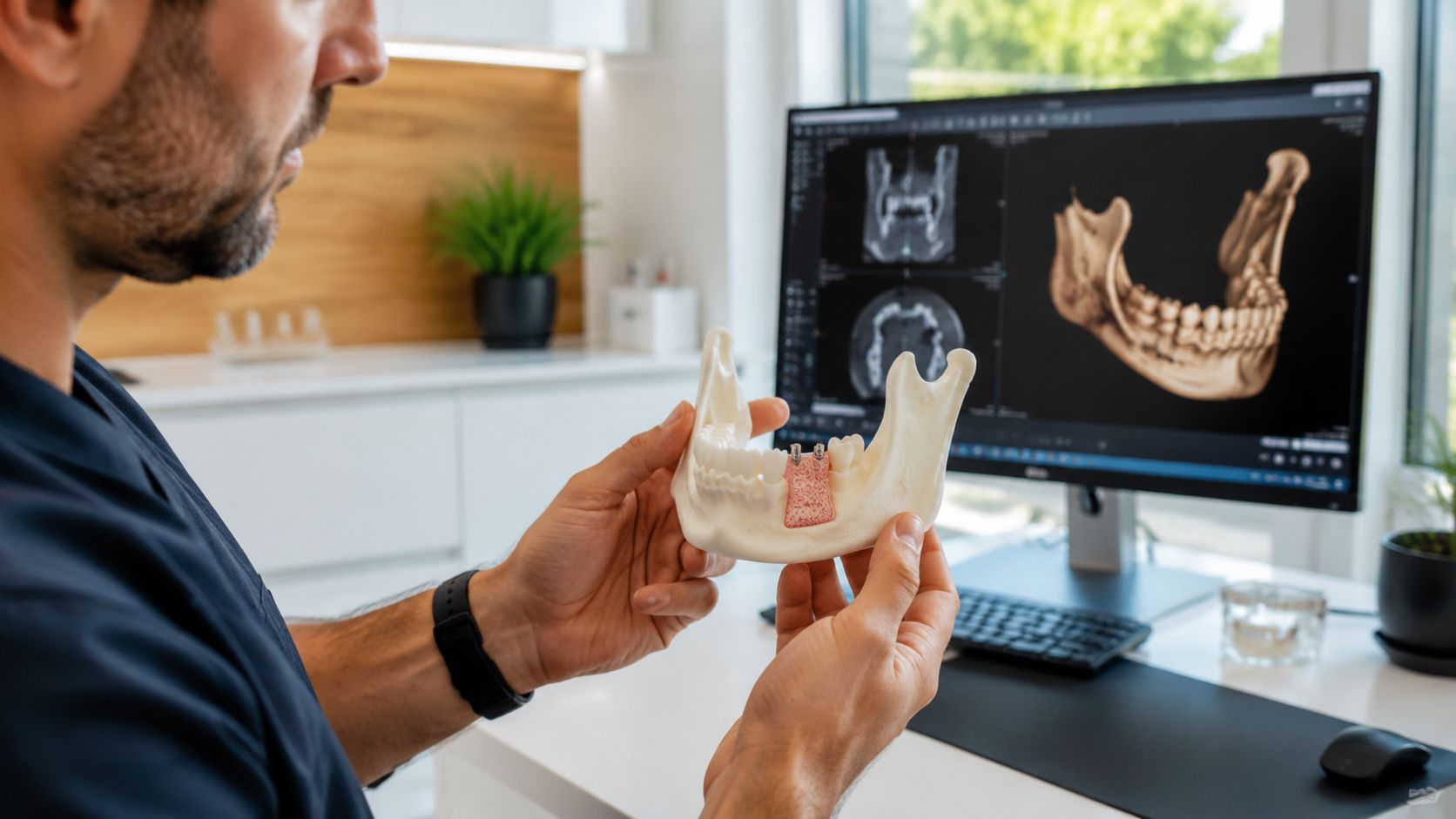
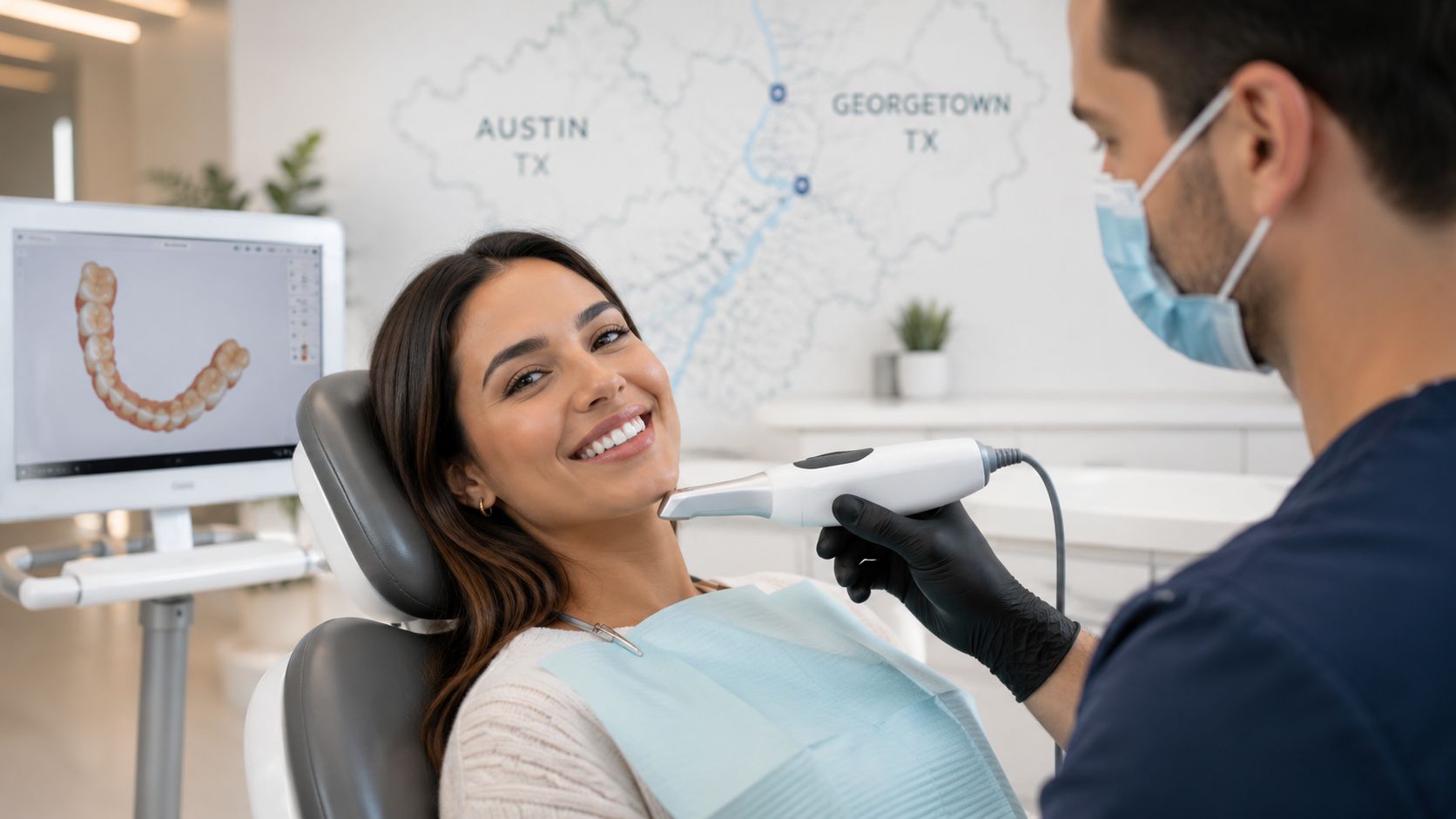
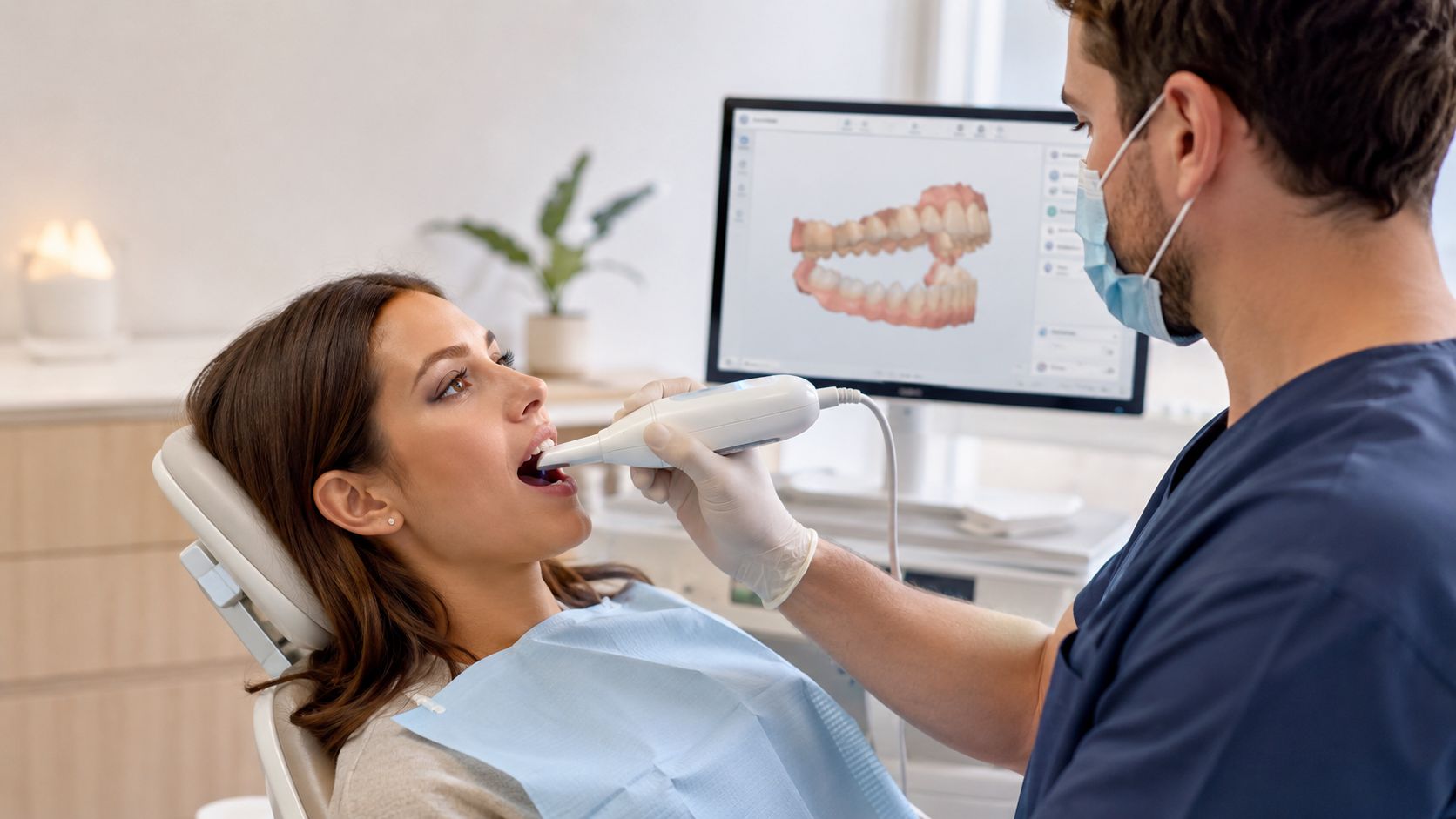
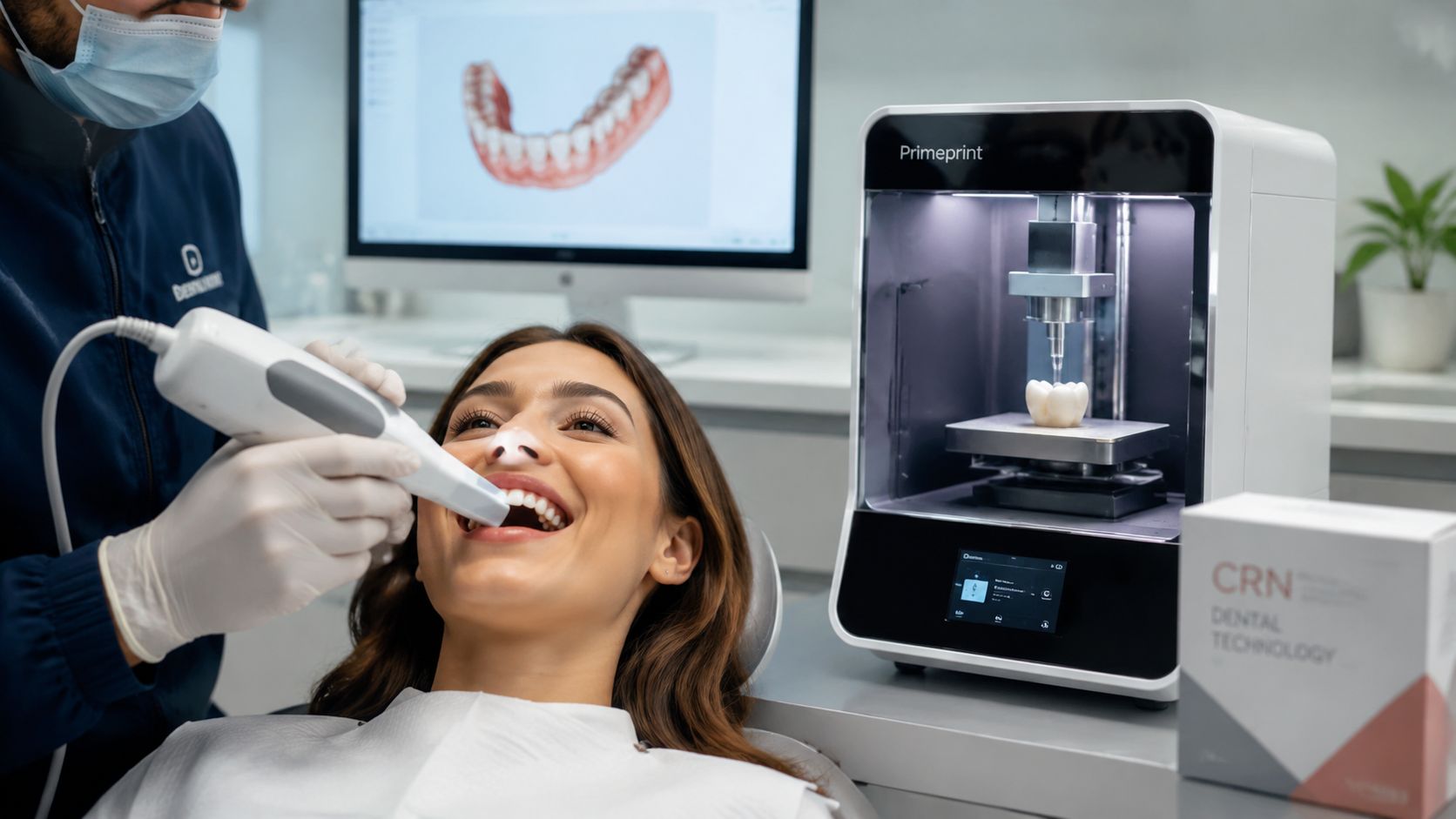
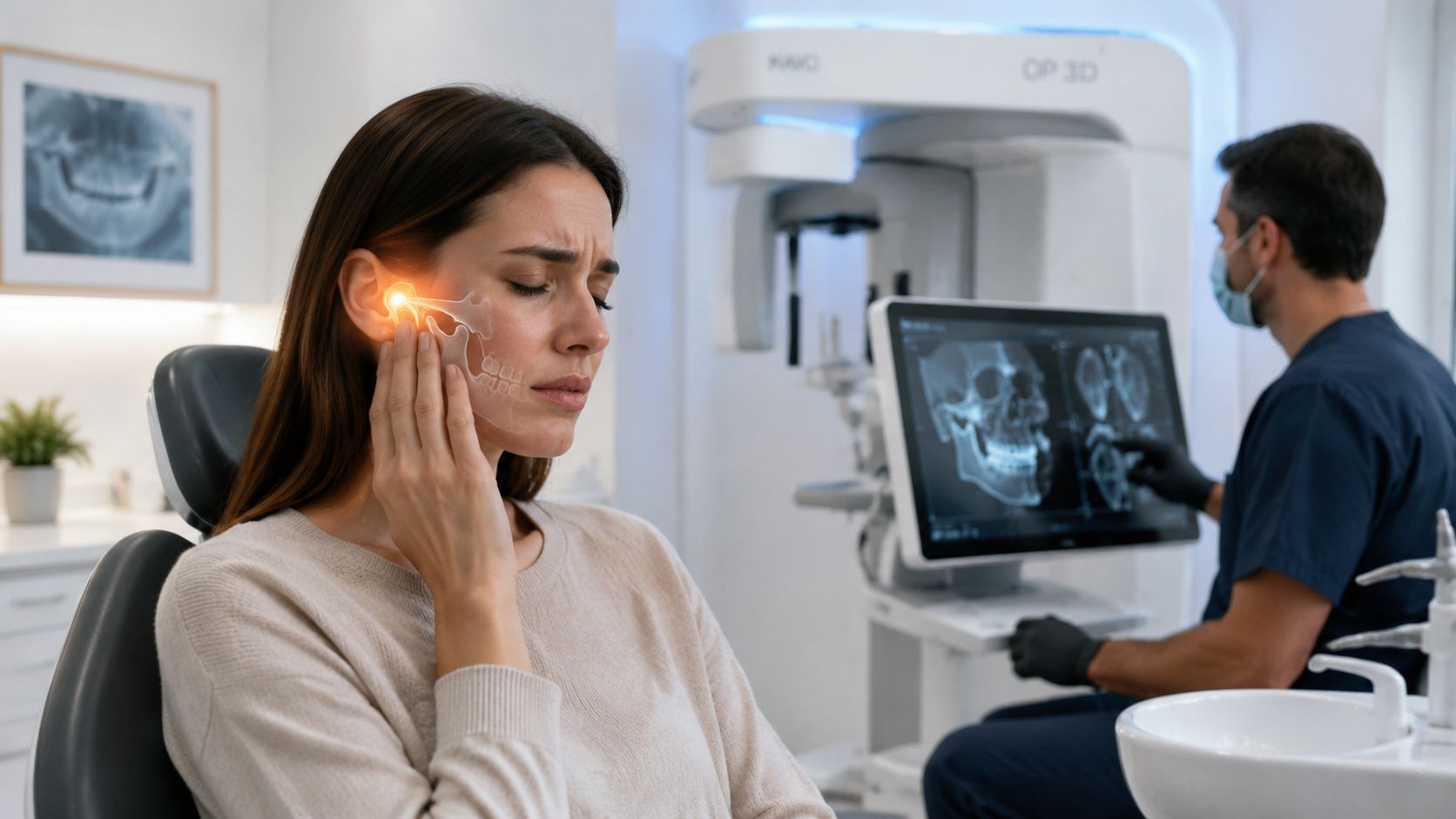
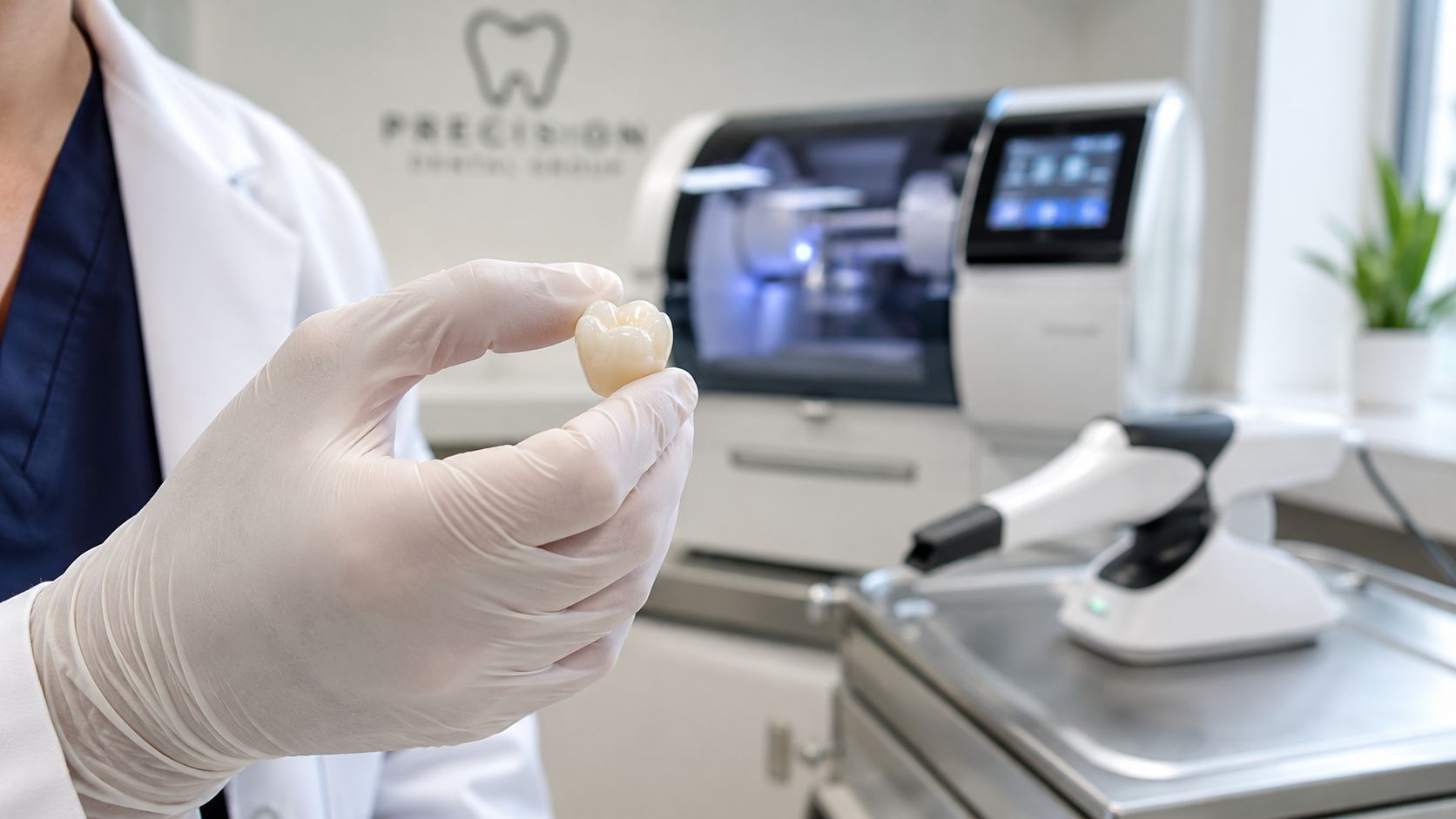
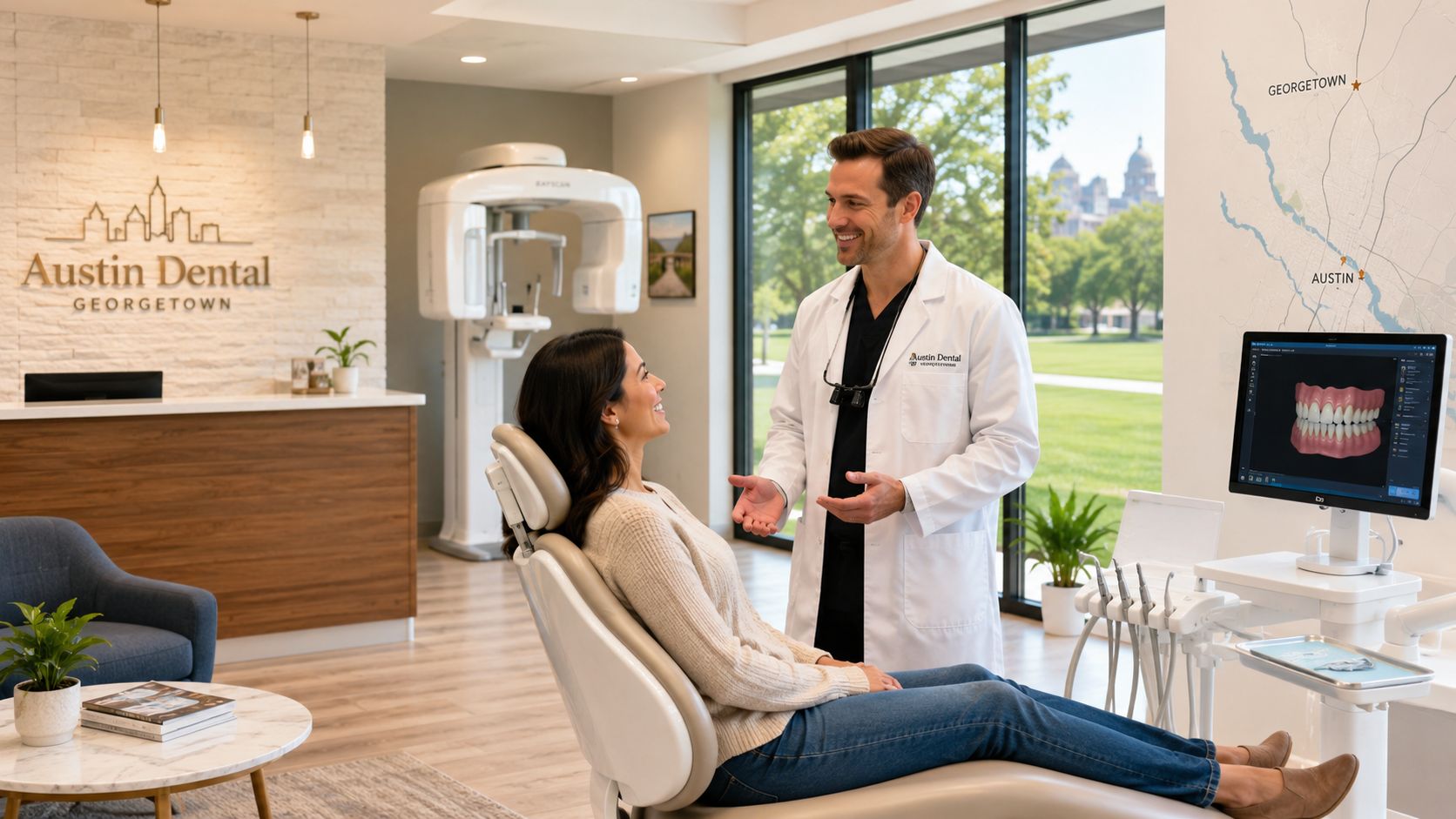
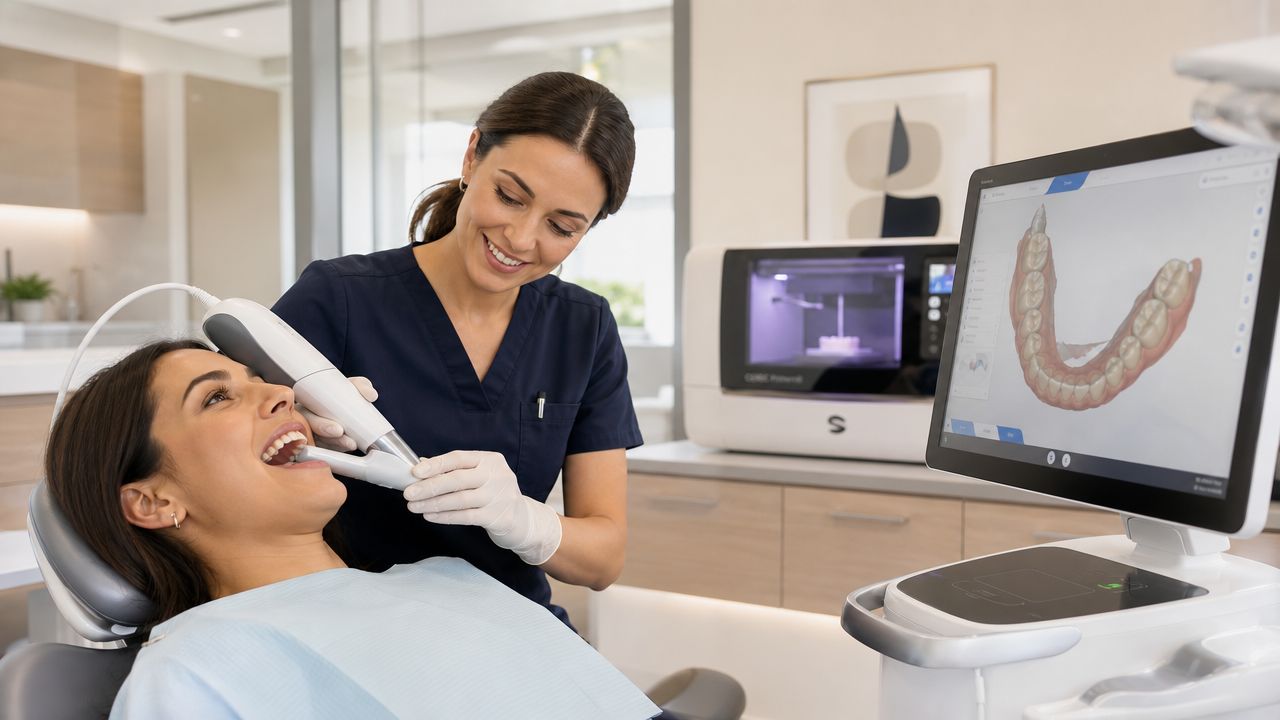
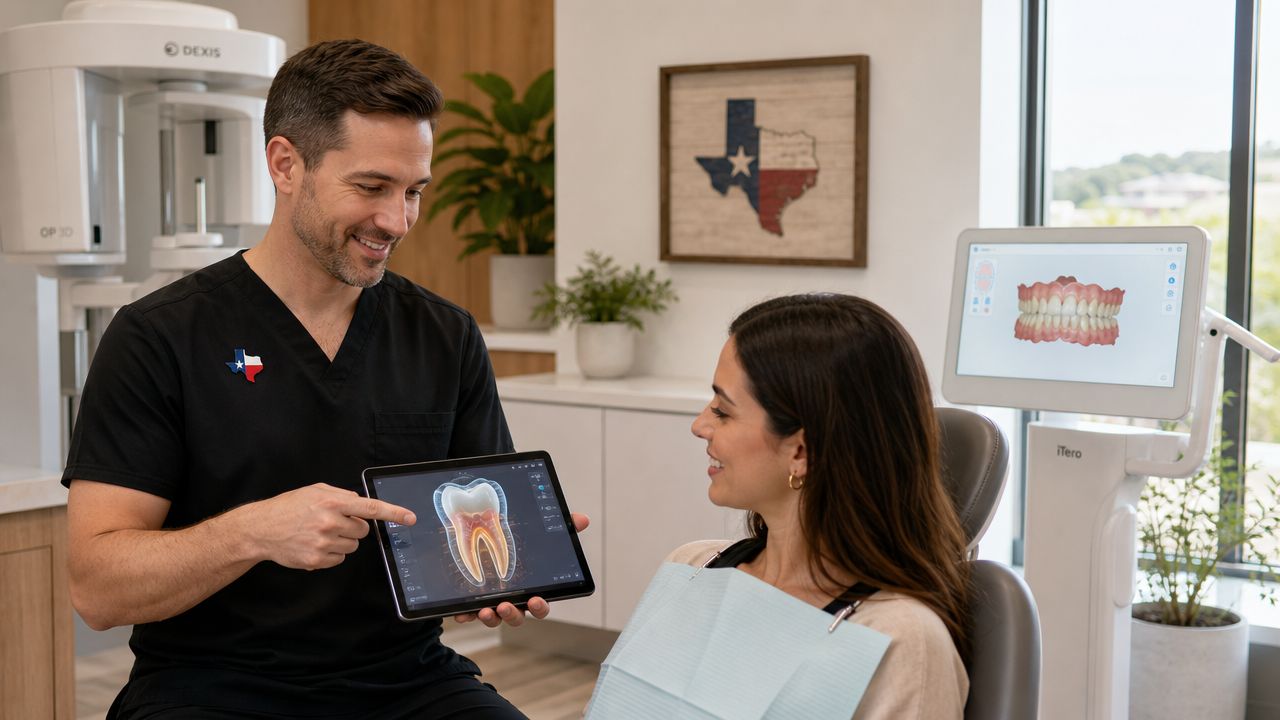
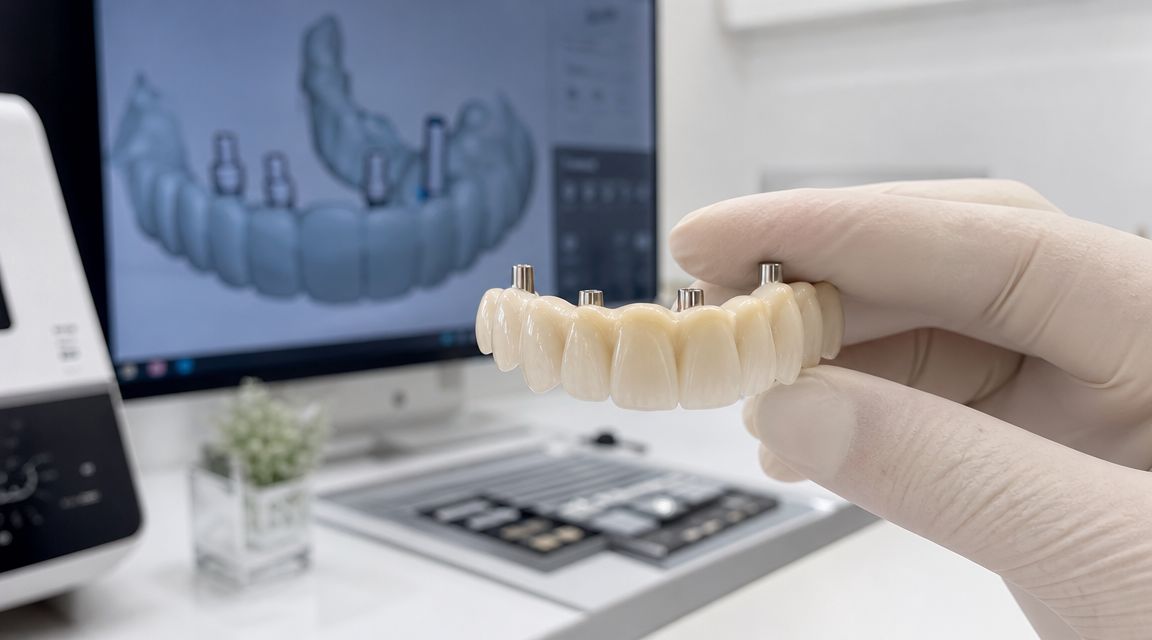
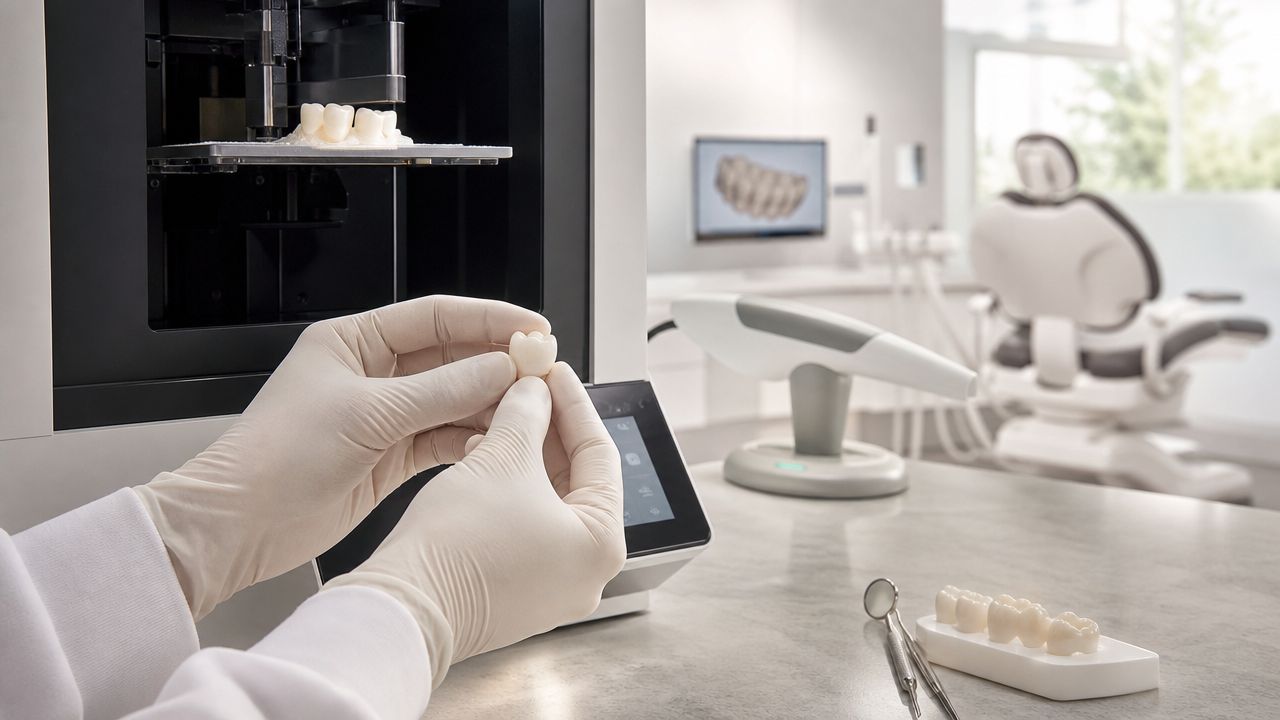
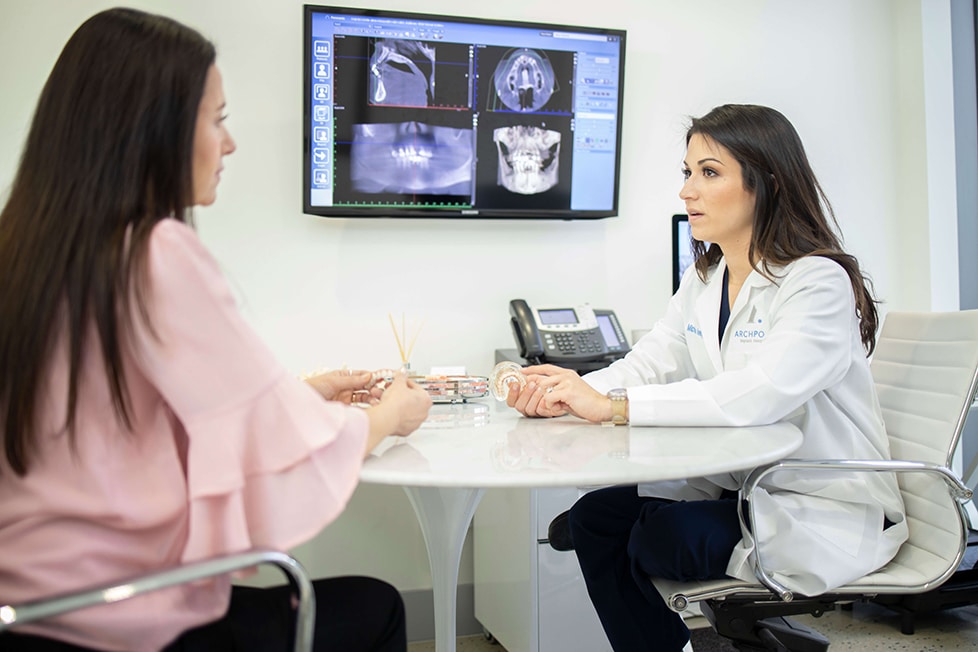
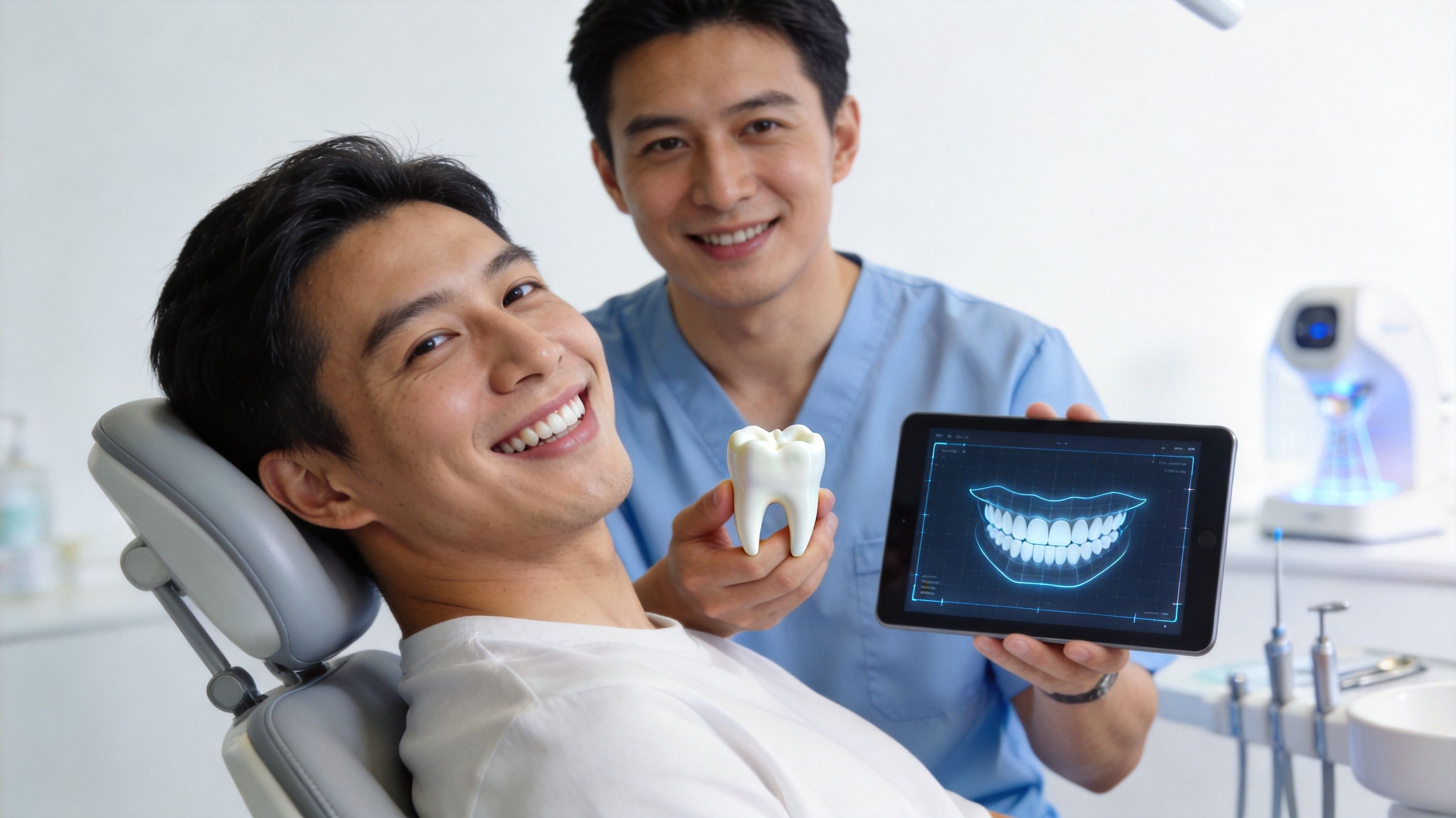
3D Dental keeps those steps closely coordinated. The practice uses 3D CT imaging, digital scanning, 3D printing, and an in-house lab, which helps the surgical and restorative sides of treatment stay aligned. For All-on-4 cases, that affects fit, comfort, esthetics, and how efficiently changes can be made if something feels off during the provisional phase.
Patients should also look closely at how many handoffs a case requires. One office may do the consult, another the surgery, and another the final teeth. That setup can work, but it often creates delays, communication gaps, and finger-pointing if the result needs revision. At 3D Dental, patients can move through exams, imaging, extractions when needed, implant planning, and final restorative care within one practice.
Practical rule: If the consultation feels fragmented, the treatment process usually will too.
That is one reason this practice works well as the local benchmark in a national review guide. Implant treatment is more common than it used to be, which gives patients more choices but also makes review reading harder. The right question is not just who has the most praise online. It is which office shows consistent planning, clear communication, and accountability from start to finish.
What local patients should notice in reviews
Patients in Austin, Georgetown, Round Rock, and Cedar Park usually care about the same few things once they get past marketing claims. They want to know whether the team explains options in plain language, whether appointments are organized, whether financing is discussed transparently, and whether the office can make timely adjustments during healing.
At 3D Dental, several features support that experience:
- Digital planning tools: 3D CT imaging, digital scans, and 3D printing support precise case design.
- In-house lab support: Adjustments and restorative coordination can happen faster than in offices that outsource every step.
- Broad in-office care: Preventive, surgical, restorative, and cosmetic services are available under one roof.
- Financing options: Cherry, Sunbit, and other payment pathways help patients review costs in a practical way.
Patients doing local research can also review 3D Dental’s page on All-on-4 dental implants in Austin, which explains how full-arch treatment is planned and what the process looks like in this market.
The trade-offs to know
No careful review of an implant practice should ignore trade-offs.
3D Dental is appointment-based, so busy patients may need to book ahead, especially for consultation and treatment planning visits. Pricing for All-on-4 is also case-specific. Bone condition, extractions, sedation needs, temporary restorations, and final material choices all affect the fee, so a flat online quote would be less honest than a proper workup.
That is what responsible implant care looks like. Patients deserve a clear diagnosis, a realistic plan, and a team that explains the why behind every recommendation. In Central Texas, that standard makes 3D Dental a useful starting point before you compare national platforms, anonymous forums, and chain-level review sites.
2. 2. RealSelf For Verified Photos and Worth It Scores
A patient from Round Rock might spend an hour comparing smile photos on RealSelf before ever calling a local office. That instinct makes sense. RealSelf’s All-on-4 review hub gives patients two things many review platforms do not: visible before-and-after cases and procedure-specific feedback gathered in one place.
That combination makes RealSelf useful early in the research process. You can quickly compare how different full-arch cases look, read how patients describe surgery and healing, and see whether they felt the result was “Worth It.” For someone trying to make sense of national all-on-4 dental implants reviews, that is a strong starting point.
What RealSelf does well
RealSelf is strongest as a visual expectation-setting tool.
Patients often post photos, timeline details, and comments about speech, chewing, soreness, confidence, and the difference between temporary teeth and the final bridge. Those details help because full-arch treatment is not judged by one photo alone. A case can look excellent in a polished image and still feel bulky, hard to clean, or disappointing to the patient if expectations were never aligned.
That is why I tell Central Texas patients to read beyond the star rating. Look for reviews that explain the middle of the process. Did the patient understand what the temporary stage would feel like? Did the office explain healing clearly? Was the final result close to what had been promised?
The most useful review shows the process, not just the reveal.
RealSelf also helps patients separate cosmetic excitement from treatment quality. If several reviewers mention strong communication, careful follow-up, and realistic guidance about the provisional phase, that usually says more than a glowing one-line comment.
Where RealSelf can mislead you
RealSelf has limits, and patients should know them.
The platform is still built around personal stories. A beautiful result in another state does not tell you how an Austin implant team diagnoses bone loss, designs the bite, handles sedation planning, or responds when a temporary needs adjustment. Those details shape the experience just as much as the final photo.
Older reviews can also distort expectations. Implant workflows, prosthetic materials, and digital planning methods have improved over time, so a review from years ago may describe a process that no longer reflects current care. Read for patterns, not exact timelines or headline prices.
Another common issue is selection bias. Patients with dramatic transformations are more likely to post photos, while patients with average but successful outcomes may stay quiet. That can make the platform feel more extreme than real day-to-day practice.
How to use RealSelf well if you live in Central Texas
Use RealSelf to sharpen your questions for a local consultation.
Bring in examples of smiles you like. Point out cases that look too bulky, too white, too short, or too square. Ask how your provider plans the temporary stage, what technology is used to design your bridge, and how adjustments are handled if speech or bite feels off after surgery.
Local execution matters. At 3D Dental, those review themes are addressed in a concrete way through 3D imaging, digital scans, and close restorative coordination, so patients are not left guessing about fit, function, or what comes next. That does not remove every trade-off, but it does make the process clearer, which is what many national review platforms cannot show.
For Austin and Georgetown patients, RealSelf works best as a visual research tool. The actual decision should come from a local exam, a candid discussion of trade-offs, and a treatment plan built around your anatomy rather than someone else’s photos.
3. 3. Reddit r Allon4ImplantDentures For Unfiltered Daily Diaries
A patient in Austin gets fixed teeth placed on Friday, feels relieved that the surgery is over, then spends the weekend wondering whether the pressure, speech changes, and soft-food routine are normal. That is the kind of real-time experience r/Allon4ImplantDentures captures well.
This subreddit is useful because people post during recovery, not months later after the roughest days have faded. You see questions about swelling, sleeping positions, sore spots, cleaning around the bridge, and the awkward period when patients are still learning how their temporary teeth feel. For someone researching All-on-4 reviews nationally, that daily detail fills a gap polished review platforms usually miss.
What this subreddit shows clearly
The strongest value here is the recovery diary format. A good number of posts read like a running log of the first week, first month, and first round of adjustments. That helps readers understand a basic truth about full-arch treatment. Same-day teeth can mean same-day appearance and early function, but it does not mean your mouth instantly feels normal.
Reddit users also talk openly about the temporary phase. That matters because temporary bridges are part of the treatment, not a side note. If a patient struggles with speech, bite pressure, or food choices during that stage, the quality of follow-up care matters just as much as the surgery itself.
You also learn which complaints are common and manageable, and which ones deserve a closer look from your dentist.
How to read these posts without getting misled
Reddit gives you honesty, but not context. One difficult story may reflect heavy bite forces, smoking, delayed follow-up, medical history, poor communication from the office, or unrealistic expectations. Another patient may describe an easy recovery because their case was simpler from the start.
Use the forum to spot patterns, then bring those patterns to a local consultation.
- Watch for repeat concerns. If many posters mention speech problems, pressure spots, or repeated temp adjustments, ask how your doctor plans for those issues.
- Separate healing from office systems. Some Reddit complaints are really about billing confusion, slow callbacks, or weak post-op instructions.
- Pay attention to maintenance talk. The long-term success of a full-arch case depends on hygiene, recall visits, and how well the prosthesis is monitored over time.
- Save specific examples. Screenshots or saved threads make it easier to ask direct questions in person.
For Central Texas patients, that last step is where local care makes the difference. At 3D Dental, we can take a Reddit concern that sounds vague online, such as “my bite feels off” or “I still lisp with my temporary,” and tie it to concrete factors like prosthetic thickness, tooth position, bite design, healing changes, and adjustment timing. That gives patients a clearer picture of what is expected, what can be corrected, and how closely they will be followed after surgery.
Used well, this subreddit prepares you for the day-to-day reality of treatment. It does not replace a diagnosis. It does help you walk into a consult in Austin or Georgetown with better questions, more realistic expectations, and a sharper sense of what good support should look like.
4. 4. Reddit r Dentures For Long Term Lifestyle Comparisons
A Central Texas patient who has worn dentures for years usually asks a different set of questions than a first-time implant shopper. They want to know what daily life feels like after treatment. Can you eat comfortably at a barbecue in Austin, speak clearly at work, and stop thinking about your teeth every few hours? That is why r/dentures is useful.
This subreddit gives you long-range lifestyle comparisons. People discuss removable dentures versus fixed full-arch teeth in plain language, with details about chewing, cleaning, sore spots, confidence, kissing, social meals, and the mental relief of not worrying about a denture shifting. Those details matter because All-on-4 changes function and routine, not just appearance.
Why this subreddit adds a different kind of value
Patients who have spent years managing adhesive, looseness, and lower denture movement often describe fixed teeth with more perspective than someone posting right after surgery. Their reviews usually focus on what changed after the excitement wore off. That makes the forum helpful for anyone deciding whether a fixed solution is worth the cost and commitment.
The trade-offs come through clearly too. Fixed teeth usually provide more stability and fewer day-to-day frustrations than removable dentures, but they still require adaptation, home care, and periodic maintenance. Speech may need refining. Bite adjustments are common. Cleaning is different, not simpler.
That is the conversation I want patients to have before treatment starts.
How to read these threads well
Search for posts from people who explain their starting point. A patient replacing a loose lower denture often reports a dramatic improvement in comfort and confidence. A patient replacing failing natural teeth may focus more on esthetics, healing, or how the temporary bridge feels.
Separate three topics as you read:
- Function. Can they chew better, speak clearly, and get through the day without irritation?
- Maintenance. Do they understand cleaning under the bridge, follow-up visits, and long-term prosthetic care?
- Lifestyle value. Did fixed teeth reduce embarrassment, food restrictions, or daily denture hassle enough to justify treatment?
That framework helps patients compare stories without getting pulled around by one emotional post.
For Austin and Georgetown patients, this forum often clarifies the real fork in the road. Stay with removable dentures and accept their limits, or invest in greater stability with fixed implant teeth and accept the higher upfront cost and maintenance that come with them. We discuss that choice directly at 3D Dental, including bone support, smile design, hygiene expectations, and budget. Patients who want a clear local reference can review our guide to All-on-4 dental implant cost in Austin.
The strongest reviews in r/dentures are not dramatic. They are specific. They explain what breakfast is like, whether speech improved, how cleaning fits into the day, and whether the result feels dependable six months or three years later. That is also how we set expectations at 3D Dental. We use CBCT imaging, digital planning, and close post-op follow-up to connect the promise of fixed teeth to the daily experience patients care about.
5. 5. Reddit r Dentalimplant For Cost and Quote Breakdowns
A patient sits in my Austin office with two treatment plans on the screen. The totals are far apart, but the bigger problem is that the line items do not match. One quote includes extractions, temporary teeth, and follow-up care. The other gives a lower starting number and leaves several major steps unclear. That is the kind of confusion r/Dentalimplant helps people sort through before they commit.
This subreddit is useful for cost literacy. Posts often focus on estimates, financing terms, implant brands, lab choices, and whether a proposal looks complete or stripped down. You will not get a reliable local price from someone in another state, but you can learn how experienced patients and clinicians question a quote.
The best way to use these threads is to study what is being purchased. For full-arch treatment, the total reflects surgery, planning, prosthetic design, materials, healing support, and aftercare. A lower fee can still be the more expensive choice if it leads to extra charges later, more appointments, or a result that is harder to maintain.
Read with a checklist in mind:
- Included services: Are CBCT imaging, extractions, sedation, temporaries, final bridge delivery, and post-op visits part of the quoted fee?
- Adjustment policy: If the bite needs refinement or the provisional needs changes, is that covered?
- Prosthetic details: Who is designing and making the bridge, and what material is being delivered at the final stage?
- Warranty and repairs: What happens if a tooth chips, a screw loosens, or the prosthesis needs to be remade?
- Financing terms: What is the monthly payment, how long is the term, and what does the total paid become over time?
Those questions matter because quote structure affects trust. Patients do better when they know what is fixed, what is variable, and what could change after surgery.
At 3D Dental, that conversation is handled upfront. We review diagnostics, bone support, temporary teeth, final restoration planning, and maintenance expectations before treatment starts. Patients who want a clear local reference can review our Austin All-on-4 cost guide before the consultation, then use that framework to compare proposals more intelligently.
Reddit also shows where people get tripped up. They compare one total against another without asking whether both offices are offering the same endpoint. An All-on-4 case with careful digital planning, stable temporaries, and long-term follow-up is a different product from a quote that covers surgery first and leaves major prosthetic decisions for later.
Cost matters. Clarity matters just as much. If a practice is vague before treatment, patients should expect the same communication problems once the case is underway.
6. 6. Trustpilot For National Chain Benchmarks
A Central Texas patient researching All-on-4 often sees the same pattern. One tab has glowing reviews for a national implant brand. Another has complaints about billing, handoffs, or poor follow-up. Trustpilot helps make sense of that contrast because it shows what patients report at scale across a large organization.
Trustpilot’s ClearChoice review page is useful for benchmarking the national chain experience. It is less useful for judging what your own care would feel like in Austin or Georgetown, where the quality of communication, planning, and follow-up depends on the specific team handling the case.
What benchmark reading can reveal
Large implant groups tend to generate repeat themes. Patients often praise organized scheduling, strong brand presentation, and a consultation process that feels polished. They also describe common frustrations, including being passed from one coordinator to another, getting different answers from different people, or feeling rushed during a major financial decision.
Those patterns matter.
All-on-4 treatment is not only a surgical event. It is a sequence of decisions about diagnostics, extractions, implant placement, temporaries, healing checks, final prosthetic design, and maintenance. Reviews from large chains can show whether that sequence feels coordinated or fragmented once a patient moves past the first consultation.
If multiple reviews mention pressure, unclear fees, or trouble reaching the right person after surgery, treat that as a patient-experience warning, not a one-off complaint.
Why local comparison still matters more
National reviews are best used as a reference point. They help patients see what a high-volume model can do well and where it can break down. Then the key question becomes local. Who is planning your case? Who answers when something feels off? Who explains the trade-offs if your bone, bite, or smile goals make the case more complex than the ad suggested?
At 3D Dental, that part is straightforward. Patients meet a team that uses CBCT imaging, digital planning, and case-specific prosthetic discussions without sending them through layers of sales staff. In practical terms, that means the same office guiding diagnostics is also responsible for explaining healing expectations, temporary teeth, and long-term maintenance in plain language.
That is the local standard Central Texas patients should use when reading national reviews. Trustpilot can show broad patterns. A private-practice consultation shows whether the care model is personal, consistent, and transparent enough for a life-changing procedure.
7. 7. Patient.info Forums For Post Op Troubleshooting Threads
A patient usually lands on a forum like Patient.info’s All-on-4 discussion thread after surgery, often late at night, searching a very specific question. Is this pressure normal? Why does food keep catching there? How long should speech feel off? That urgency makes these threads useful in a different way than polished review platforms.
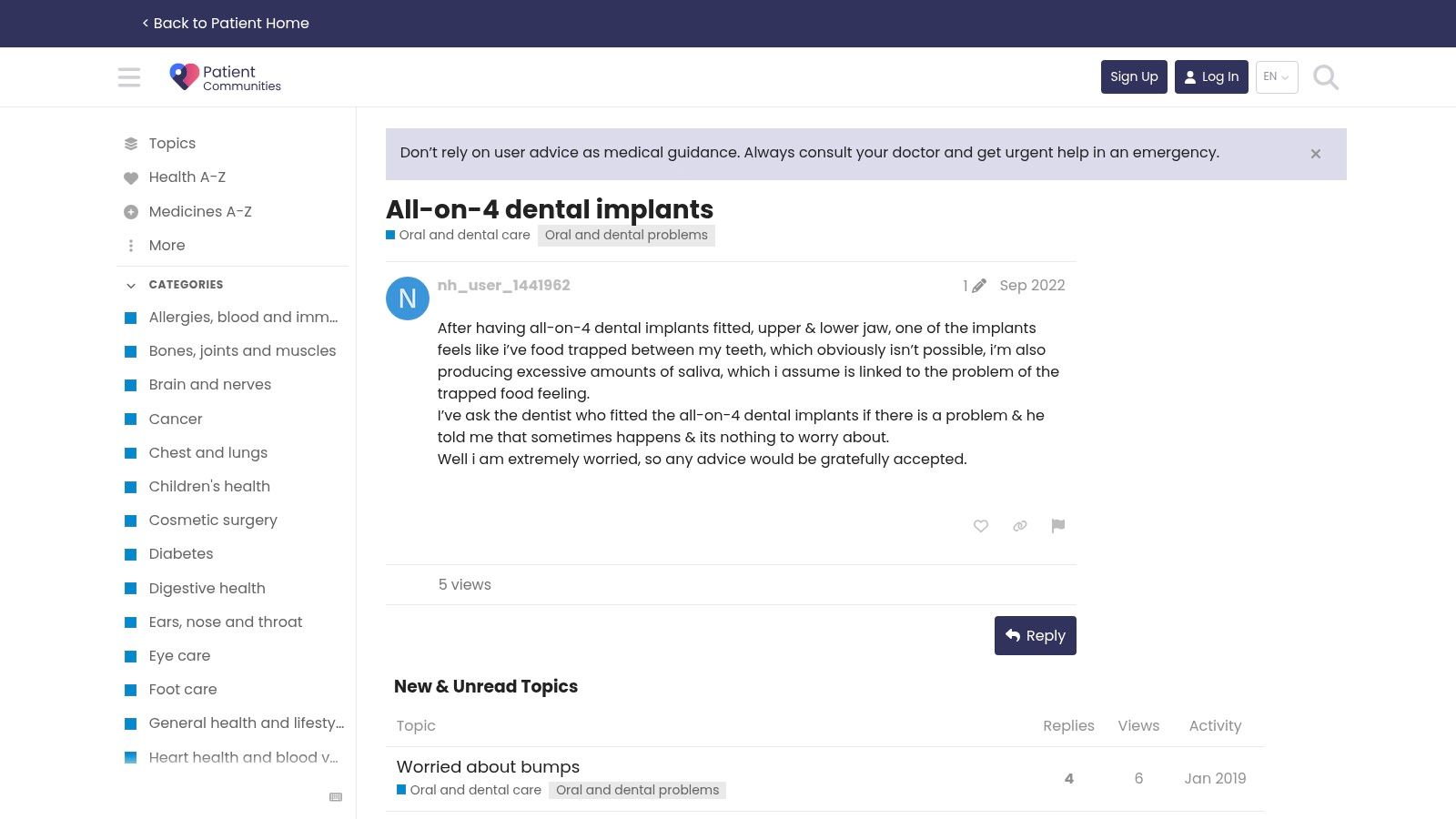
Patient.info is strongest after the consultation stage. It shows the questions patients ask once the temporary bridge is in, swelling has set in, and the day-to-day reality starts. You see recurring concerns about cleaning under the prosthesis, odd bite pressure, sinus-area sensitivity, saliva changes, and the difference between adapting to an upper arch versus a lower one.
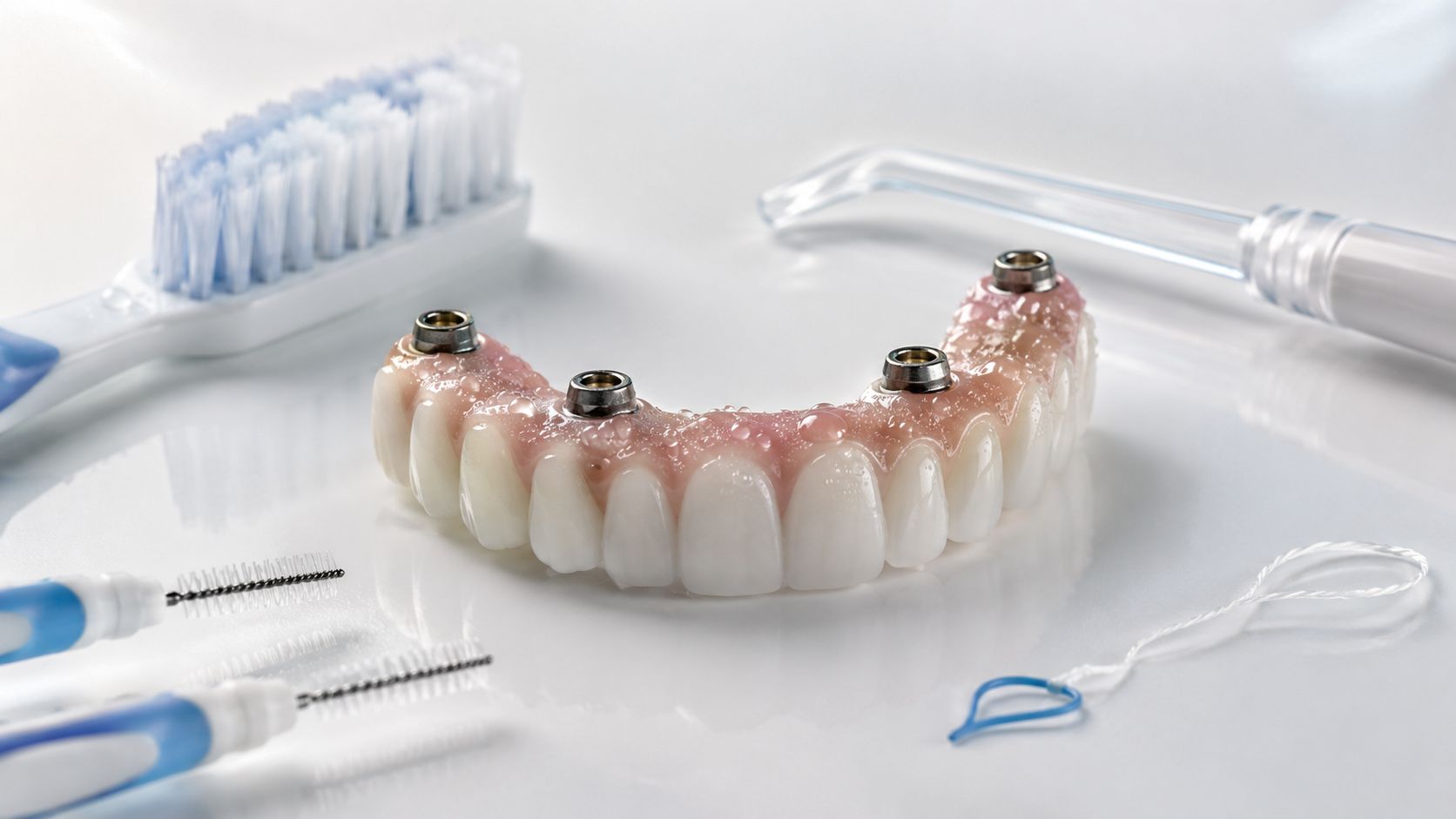
That kind of detail matters because All-on-4 success is not just about getting implants placed. Long-term results also depend on case selection, bite forces, home care, follow-up, and how clearly the office explains the temporary and final phases. A review of All-on-4 pros, cons, and failure patterns also points to risks such as peri-implant problems, poor bone conditions, overload, and hygiene-related complications. Forum threads often show what those issues feel like from the patient side, in plain language.
Use these discussions to sharpen your questions, not to self-diagnose.
If several posters describe food trapping, ask how the prosthesis will be shaped and how you will clean it at home. If upper-jaw patients keep mentioning sinus pressure or speech changes, ask how your anatomy affects healing and adaptation. If people sound anxious about repairs months later, ask who handles chipped acrylic, loosened screws, sore spots, and routine maintenance.
Three patterns tend to come up again and again:
- Adaptation worries: Patients want to know which sensations are expected and which ones need a call to the office.
- Hygiene learning curve: Fixed full-arch teeth still require technique, tools, and regular maintenance visits.
- Fear of being stuck later: Many patients are less worried about the surgery than about getting help quickly if something feels wrong.
That last point matters a lot in Central Texas. A forum can reassure you that your question is common, but it cannot examine your bite, check your tissue healing, or adjust a temporary that is rubbing. At 3D Dental, those conversations happen before treatment starts and continue through healing. Patients in Austin, Georgetown, Wells Branch, and Liberty Hill get clear instructions on cleaning, follow-up timing, temporary expectations, and what to do if something changes after surgery. That transparency is what strong local care should look like when you compare national review sources to a real practice close to home.
All-on-4 Reviews: 7-Source Comparison
| Item | Implementation complexity | Resource requirements | Expected outcomes | Ideal use cases | Key advantages |
|---|---|---|---|---|---|
| 1. 3D Dental: The Central Texas Gold Standard for Patient Experience | High, specialist-led clinical workflows and surgical planning | Clinic visits, 3D CT, digital scanners, in-house lab, specialist team | Predictable, personalized All‑on‑4 treatment with faster, precise restorations | Patients wanting a single-provider, full-service, in-person treatment | Integrated 3D workflow, in‑house lab, specialist care, flexible financing, strong local reviews |
| 2. RealSelf: For Verified Photos & 'Worth It' Scores | Low, online review browsing | Internet access and time to review listings and photos | Aggregated patient reviews, before/after photos, sentiment ("Worth It") indicators | Initial research, benchmarking outcomes and national price ranges | Procedure-specific reviews, verified photos, sortable provider details |
| 3. Reddit (r/Allon4ImplantDentures): For Unfiltered Daily Diaries | Low to moderate, manual searching and thread reading | Reddit access, time to read day‑by‑day posts and engage with community | Candid, detailed timelines and real-world recovery/maintenance insights | Seeking unfiltered patient journeys and peer support during recovery | Real-time diaries, detailed cost breakdowns, active peer advice |
| 4. Reddit (r/Dentures): For Long-Term Lifestyle Comparisons | Low, broader forum with wider topics | Time to search for All‑on‑4 relevant threads within larger community | Long-term lifestyle comparisons between removable dentures and fixed bridges | Evaluating long-term comfort, hygiene, and maintenance tradeoffs | Long-term patient perspectives and practical daily‑life advice |
| 5. Reddit (r/Dentalimplant): For Cost & Quote Breakdowns | Low, community posts focused on finances | Time to review quotes, comments on financing and warranties | Comparative pricing, what’s typically included in quotes, financing experiences | Preparing for consultations and comparing costs across providers | Cross-market price intelligence and discussions of warranties/financing |
| 6. Trustpilot: For National Chain Benchmarks | Low, brand-focused review aggregation | Internet access; search by provider or brand | Aggregate sentiment and trends for national clinic networks | Benchmarking large providers and spotting common systemic issues | Large sample size, date‑stamped trends, location variability visibility |
| 7. Patient.info Forums: For Post-Op Troubleshooting Threads | Low to moderate, forum thread reading | Forum access, time to read symptom-focused threads (UK-leaning) | Detailed post‑op symptom reports and practical troubleshooting tips | Developing specific post‑op questions and anticipating long‑term issues | Symptom/problem-solving threads and clinician/peer replies for troubleshooting |
Your Next Step to a Confident Smile in Austin
You read a glowing before-and-after review, then a Reddit post about swelling, then a one-star complaint about billing at a national chain. By the end, the procedure can feel harder to judge than it is. The main task is sorting each review source by what it helps you learn, then applying that information to your own case here in Central Texas.
That is the value of this guide. National review platforms can show patterns. Local care determines how those patterns play out in your mouth, on your timeline, and within your budget.
As noted earlier, long-term outcomes for All-on-4 are generally favorable when the case is planned carefully and patients keep up with maintenance. The part reviews often reveal more clearly is the difference between offices. One practice may communicate well, adjust temporaries promptly, and prepare patients for recovery. Another may leave patients guessing about fees, healing, or who to call when something feels off.
For Austin-area patients, those details matter just as much as the procedure itself. You need to know who is reviewing your bone support, whether imaging and design are handled precisely, how quickly adjustments can be made, and what kind of follow-up you can expect after surgery.
3D Dental gives patients a more transparent experience because the process is organized under one roof. The practice uses 3D CT imaging, digital scanners, 3D printing, and an in-house lab to plan treatment and support restorations with fewer handoffs between outside providers. That matters in real life. Fewer handoffs usually mean fewer delays, fewer communication gaps, and a clearer answer when a patient asks what happens next.
Good implant care should feel clear before it feels impressive.
That same coordination helps patients who need more than implant treatment alone. Some people come in needing extractions, an emergency visit, updated x-rays, or a broader restorative plan before implants even make sense. Handling those needs through one team can make the process easier to understand and easier to manage.
If you have been stuck comparing strangers' experiences online, the next step is not a rushed decision. It is a consultation where your anatomy, goals, health history, and budget are reviewed in plain language. In my experience, that is usually when the noise from reviews starts to settle and the decision becomes clearer.
Patients in Austin, Georgetown, Round Rock, Cedar Park, Wells Branch, and Liberty Hill deserve direct answers, careful planning, and follow-up that does not disappear after surgery. At 3D Dental, that means listening first, explaining trade-offs transparently, and building a treatment plan that fits function, comfort, and cost.
If you are ready for a clear plan instead of another night of mixed online reviews, schedule a consultation with the 3D Dental team in Austin or Georgetown for All-on-4 treatment, dental implants, cosmetic dentistry, emergency dental care, or routine exams and cleanings.
Ready to get started?
Schedule a free, no obligation consultation with our team and see what's possible for your smile!
Georgetown
- Mon-Thurs8:30am-5pm
- Fri8am-3:30pm
- Sat-SunClosed
Austin
- Mon-Tues8am-5pm
- Wed-Thurs9am-6pmFri8am-2pm
- Sat-SunClosed