
How To Fix Overbite Without Surgery
Related Posts


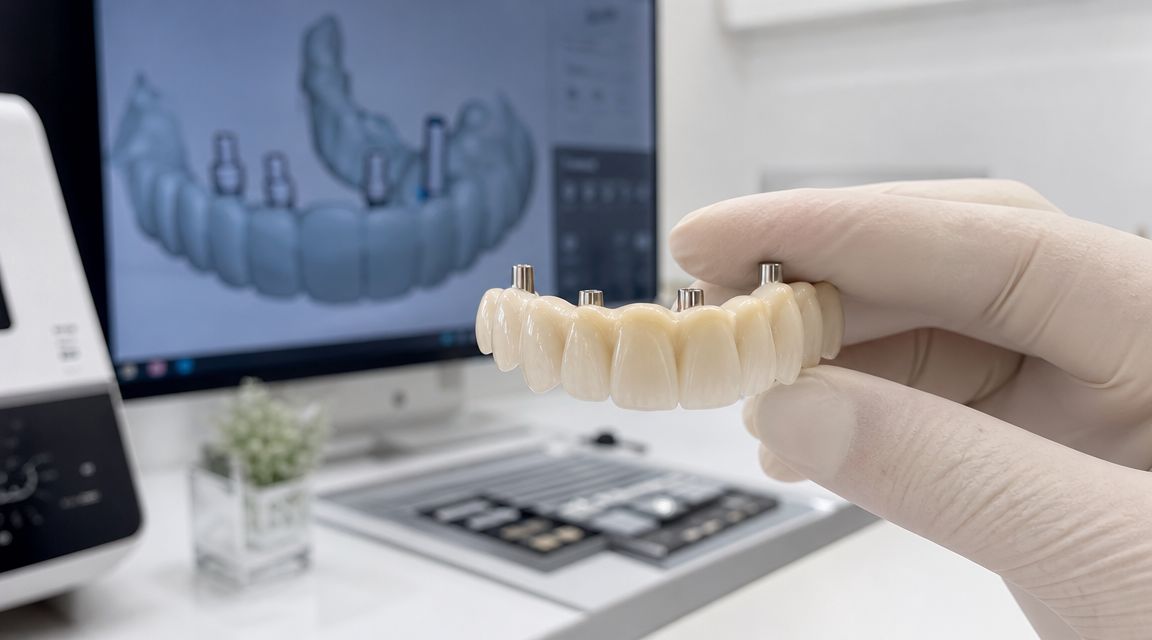
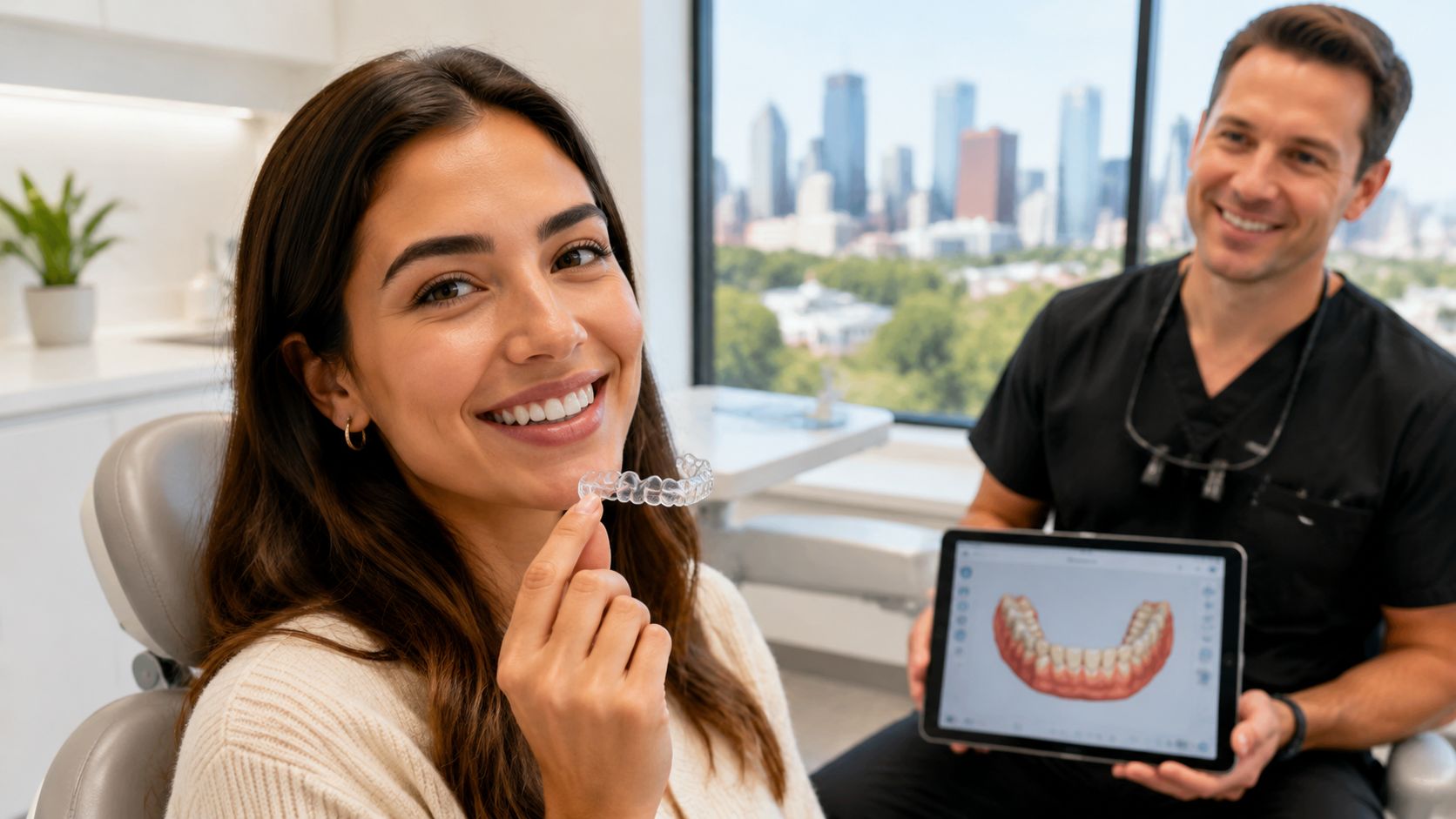
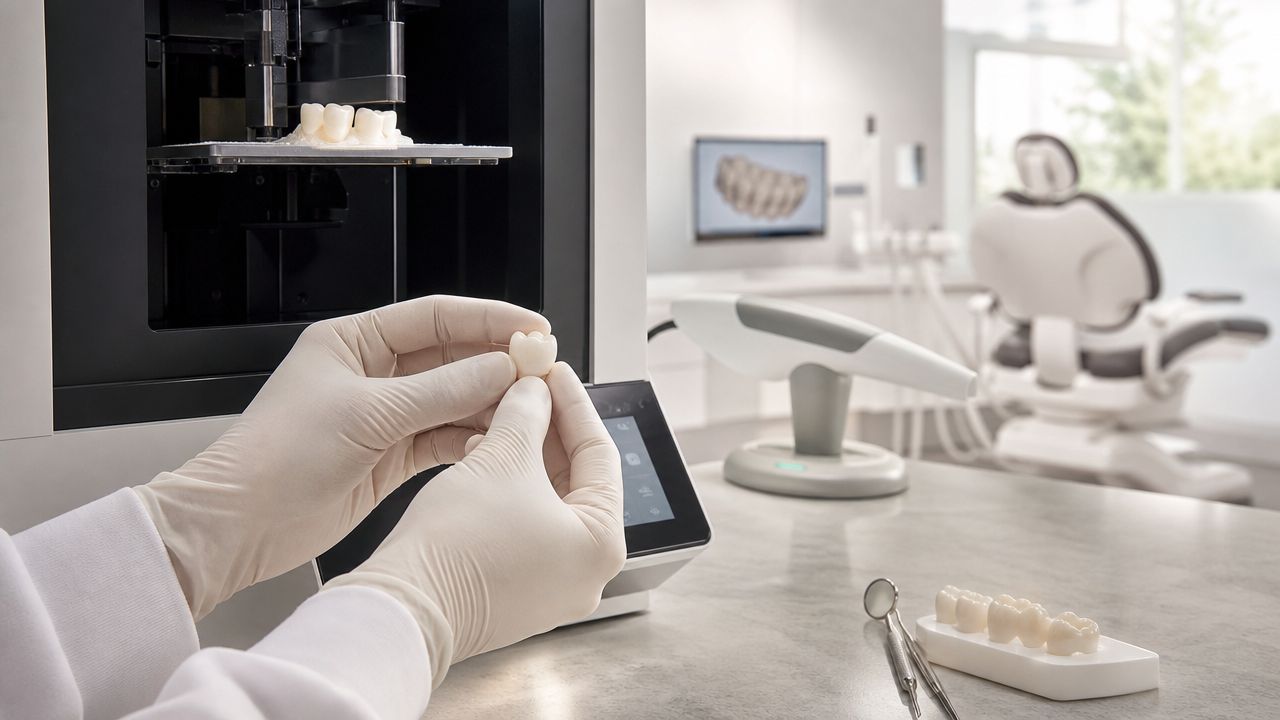












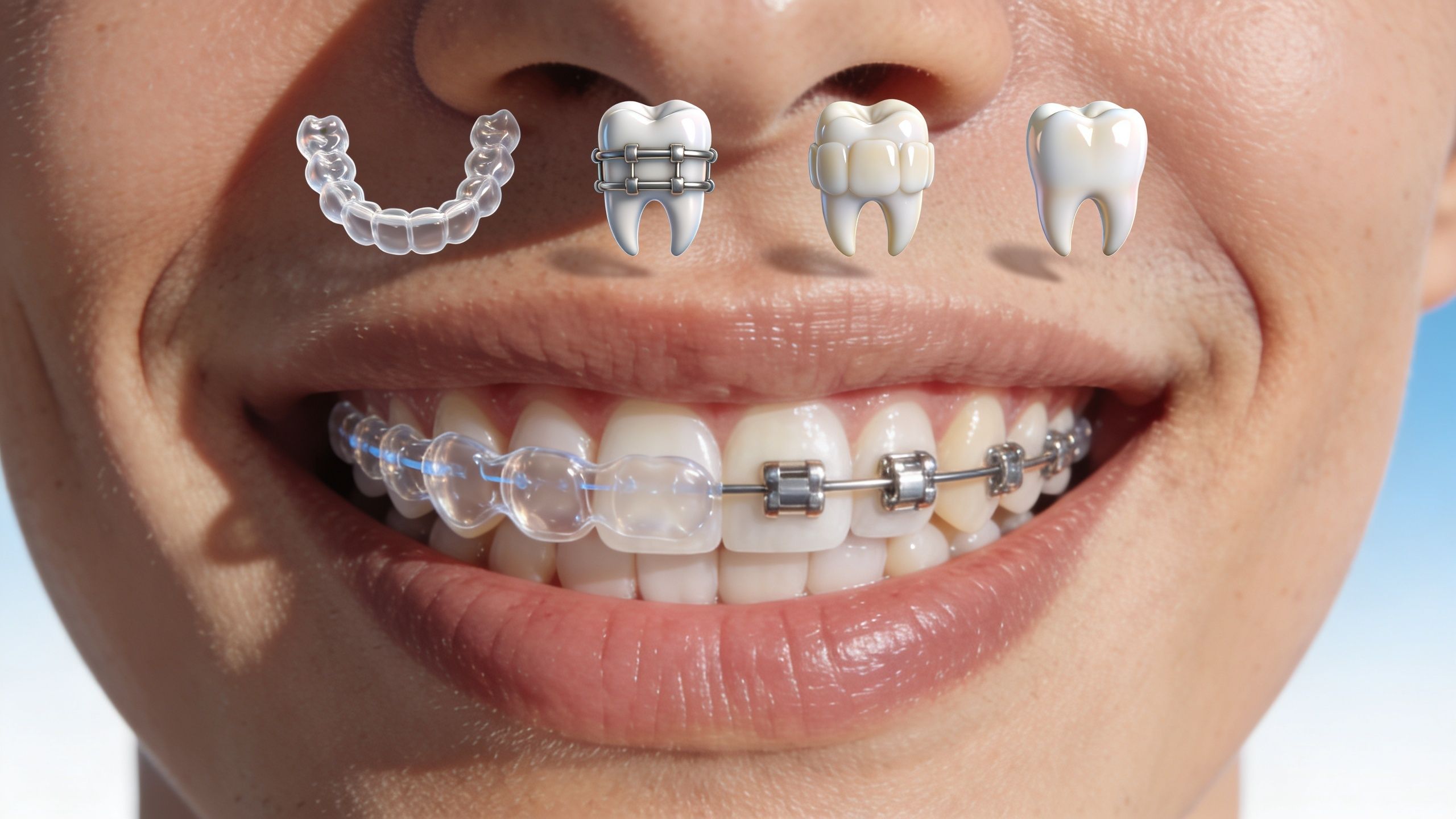




If you’re reading this, there’s a good chance you already notice your bite every day. Maybe your top teeth cover too much of the bottom teeth in photos. Maybe chewing feels awkward, your jaw gets tired, or you’ve started wondering whether you’ll need surgery to fix it.
It is often a relief to learn that many overbites can be corrected without surgery. Modern orthodontic care gives teens and adults more options than they used to have, including braces, clear aligners, growth-guided treatment for younger patients, and advanced planning with digital imaging. At our offices in Austin and Georgetown, patients often come in thinking they only have a cosmetic concern, then find out their bite is also affecting comfort, tooth wear, or long-term oral health.
If you’ve searched for a dentist near me or a dentist in Austin, TX because your smile feels off, this is the practical version of what you need to know. The right plan depends on what kind of overbite you have, how severe it is, whether your jaws are still growing, and what kind of result you want. Some treatments are simple and discreet. Others are more involved, but still avoid jaw surgery.
A Better Smile in Austin Without Surgery
A typical overbite story starts small. Someone avoids smiling broadly in family pictures. They notice their lower teeth disappearing when they talk. They chew more on one side, or they wake up with tension around the jaw and assume it’s just stress.
Then it becomes harder to ignore.
For some people in Austin, Georgetown, Cedar Park, Round Rock, Wells Branch, and Liberty Hill, the concern is appearance first. For others, it’s function. Food doesn’t bite cleanly. Front teeth seem to wear down faster than they should. The bite feels “deep,” crowded, or uncomfortable. A lot of adults also worry that fixing it will automatically mean surgery, metal braces for years, or a long, painful process.
That’s usually not the case.
What patients want most
Those looking into how to fix overbite without surgery want the same things:
- A realistic plan that matches their age, bite, and schedule
- A discreet option if they’re working, dating, presenting, or constantly on video calls
- Comfortable treatment that doesn’t take over daily life
- Clear answers on whether they need surgery
- A local office that can handle imaging, planning, and follow-up without sending them all over town
Those are reasonable expectations. They’re also why modern overbite treatment feels very different from the old idea of orthodontics.
Practical rule: If your bite is affecting comfort, chewing, or tooth wear, it’s worth evaluating even if your main concern is cosmetic.
Why local, high-tech care matters
The first step isn’t choosing braces or aligners. It’s getting the diagnosis right. A patient may say, “My top teeth stick out,” but that can come from tooth position, jaw position, growth pattern, or a mix of all three.
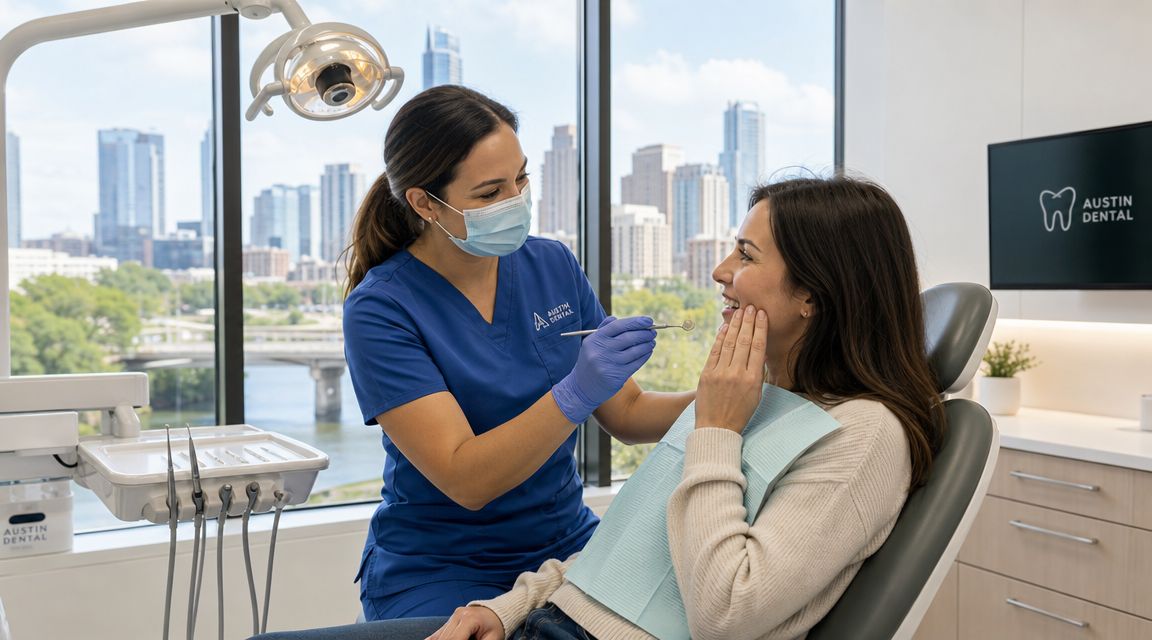
That’s why a well-equipped local office matters. In Austin and Georgetown, patients often want a place that can handle exams, digital records, treatment planning, and related dental care under one roof. If you also need cleanings and exams, dental x-rays, cosmetic dentistry, restorative dentistry, or even an emergency dentist for a separate issue, convenience matters.
A better bite can improve a smile, but it can also make daily life easier. That’s the part many people don’t realize until they start treatment.
Understanding Your Overbite and Why It Matters
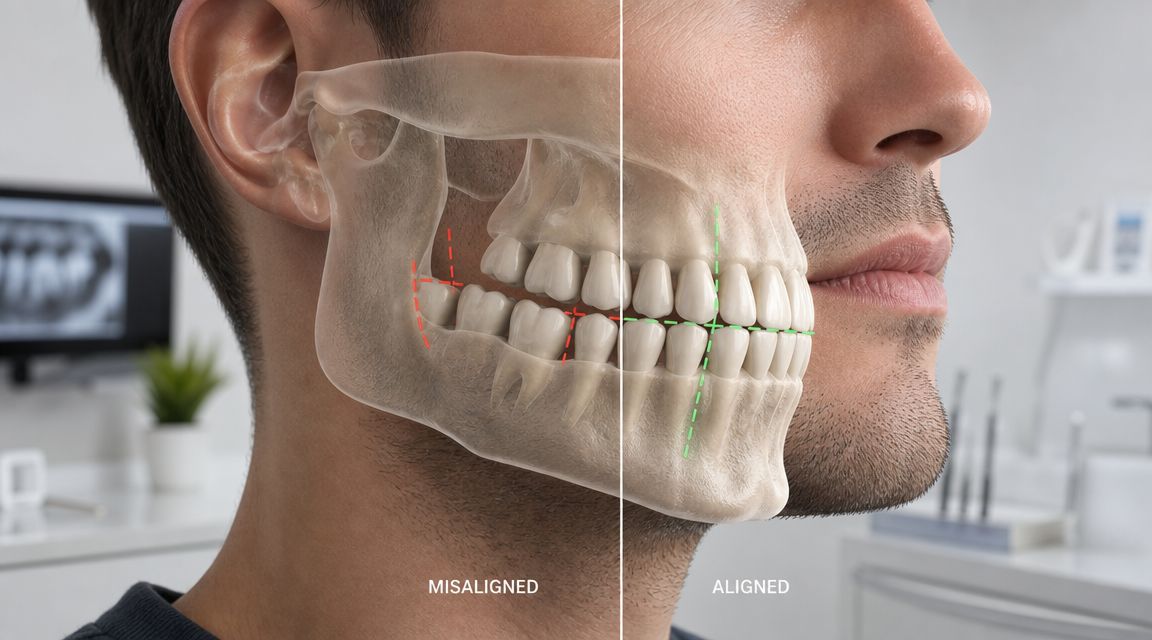
An overbite means the upper front teeth overlap the lower front teeth too much. A small amount of overlap is normal. The problem starts when that overlap becomes excessive and changes how your teeth, jaw, and muscles work together.
Some overbites are mostly about tooth position. Others come from jaw structure. That difference matters because it changes what kind of non-surgical treatment is likely to work.
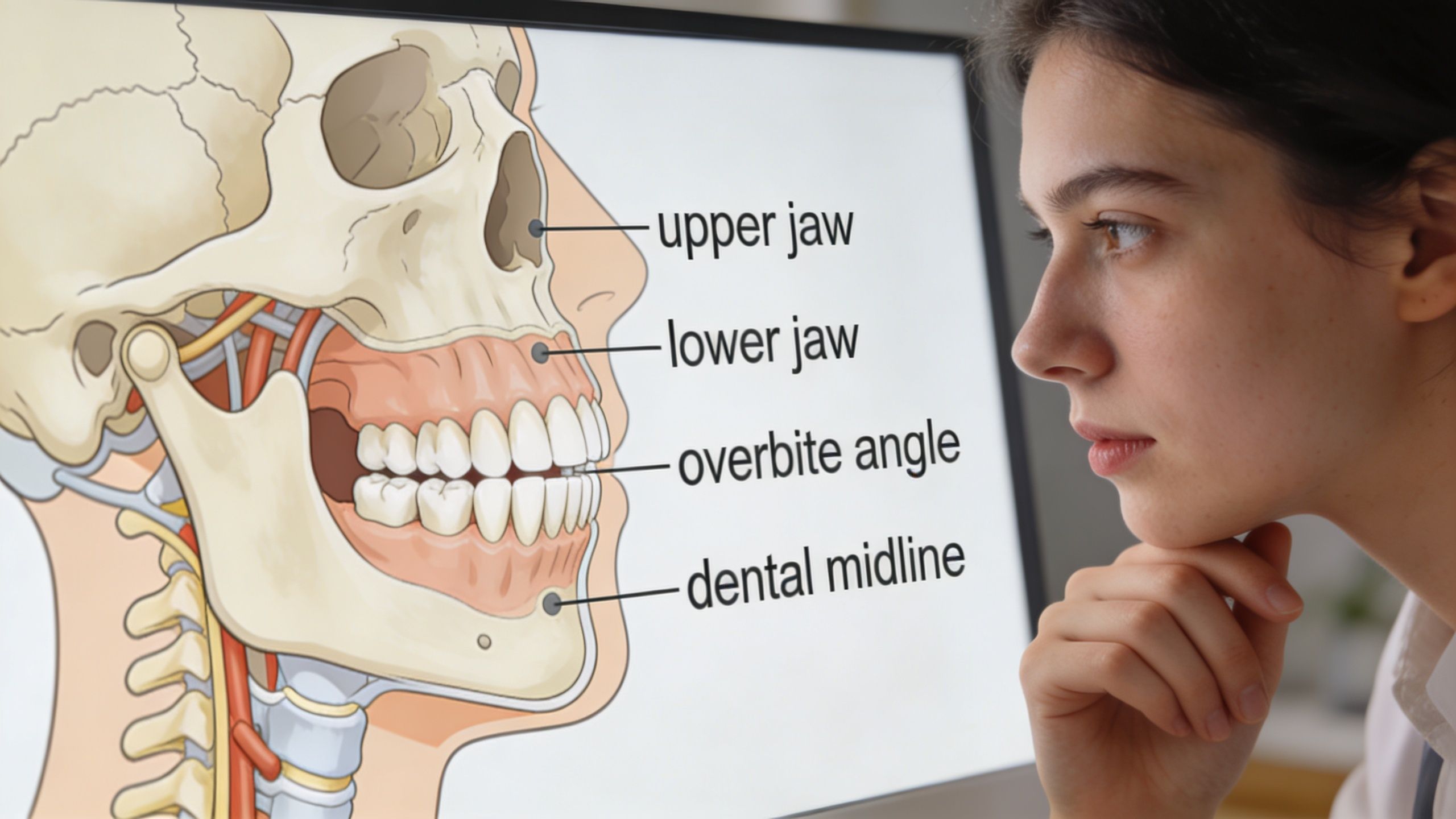
Dental overbite versus skeletal overbite
A dental overbite usually means the teeth themselves are tipped, crowded, or positioned in a way that creates too much overlap. These cases often respond very well to orthodontic tooth movement.
A skeletal overbite means the upper and lower jaws developed in a way that creates the problem. In children and teens, growth can sometimes be guided. In adults, treatment may involve more advanced camouflage mechanics if surgery is being avoided.
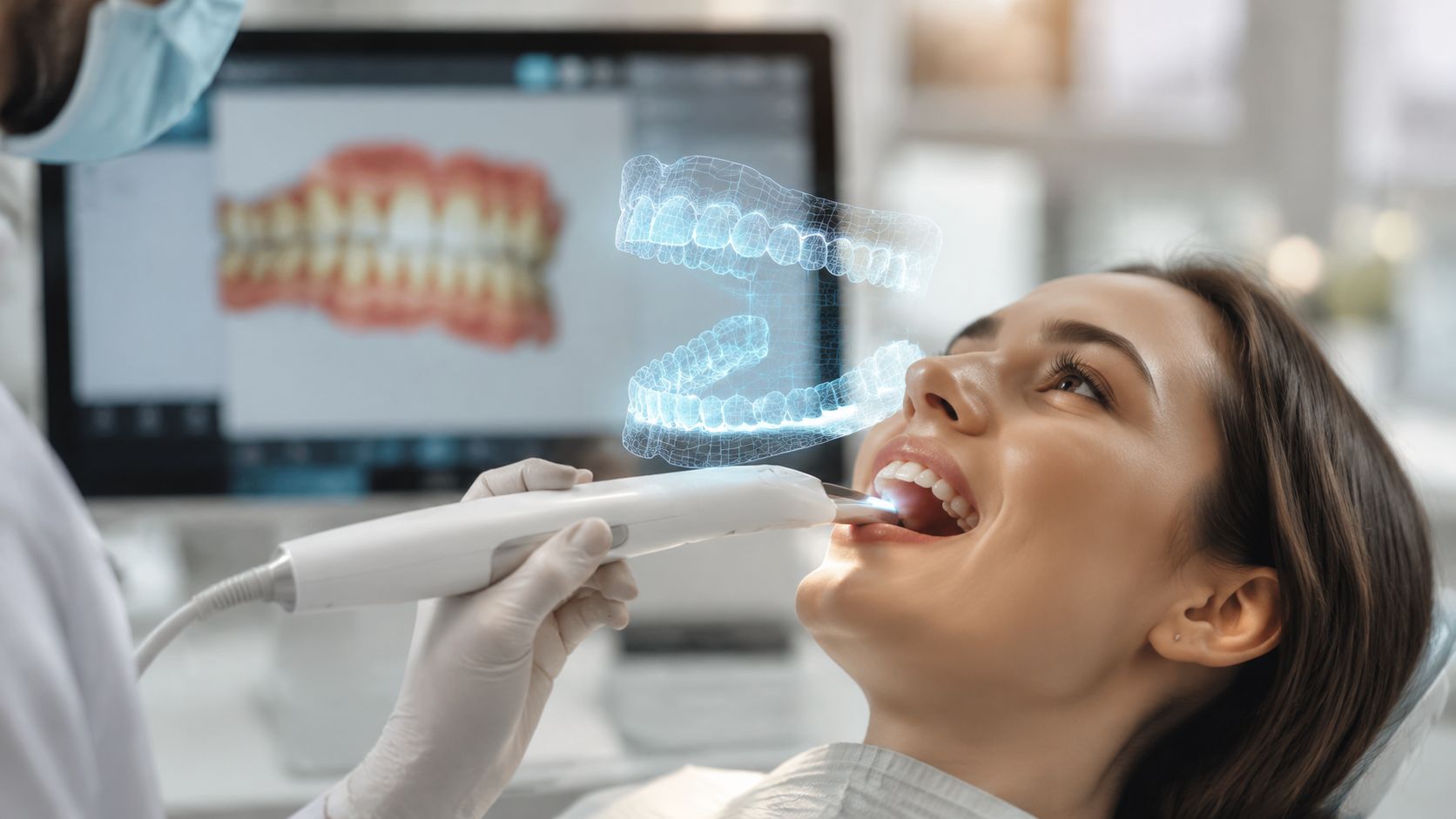
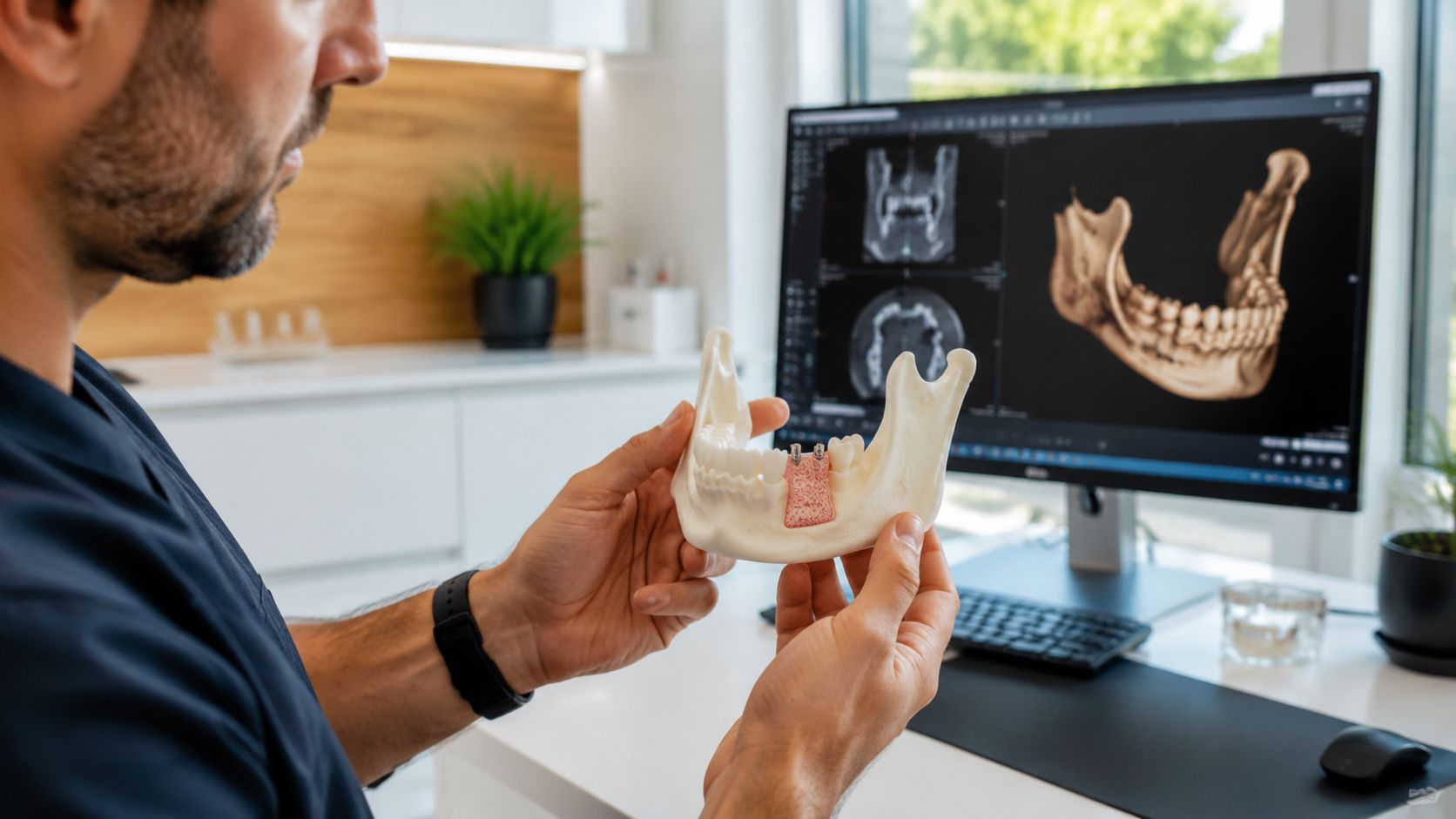
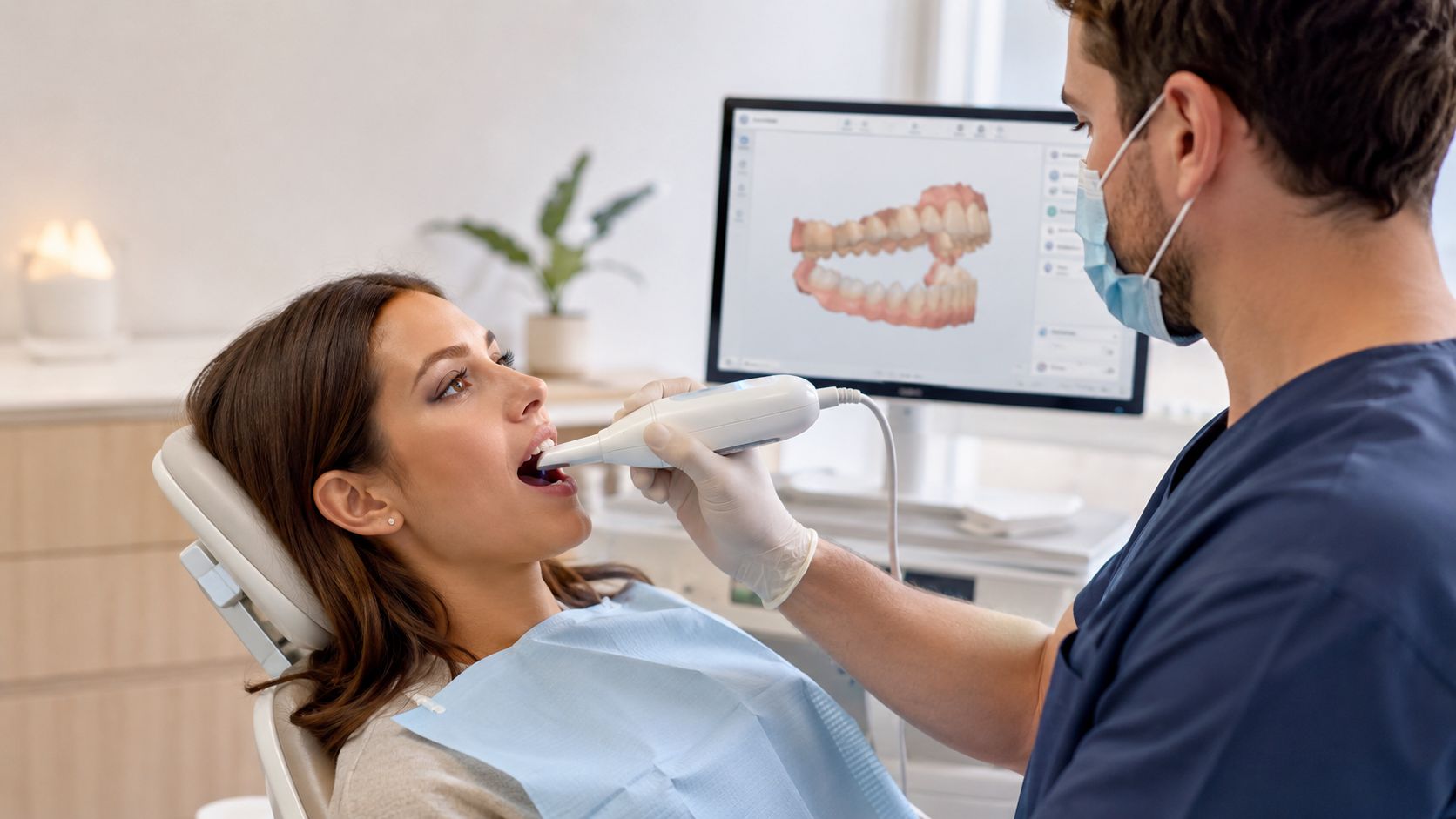
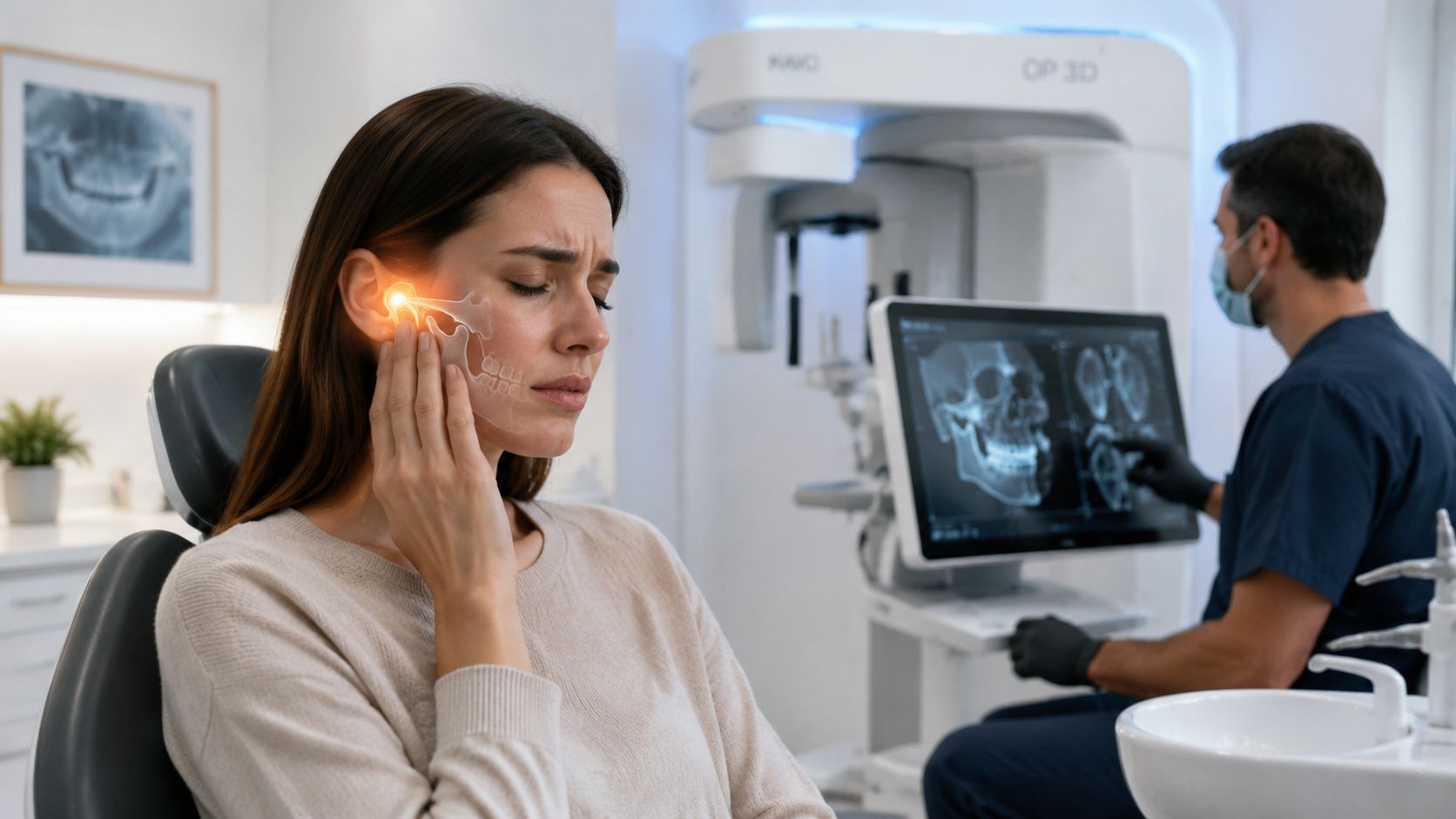
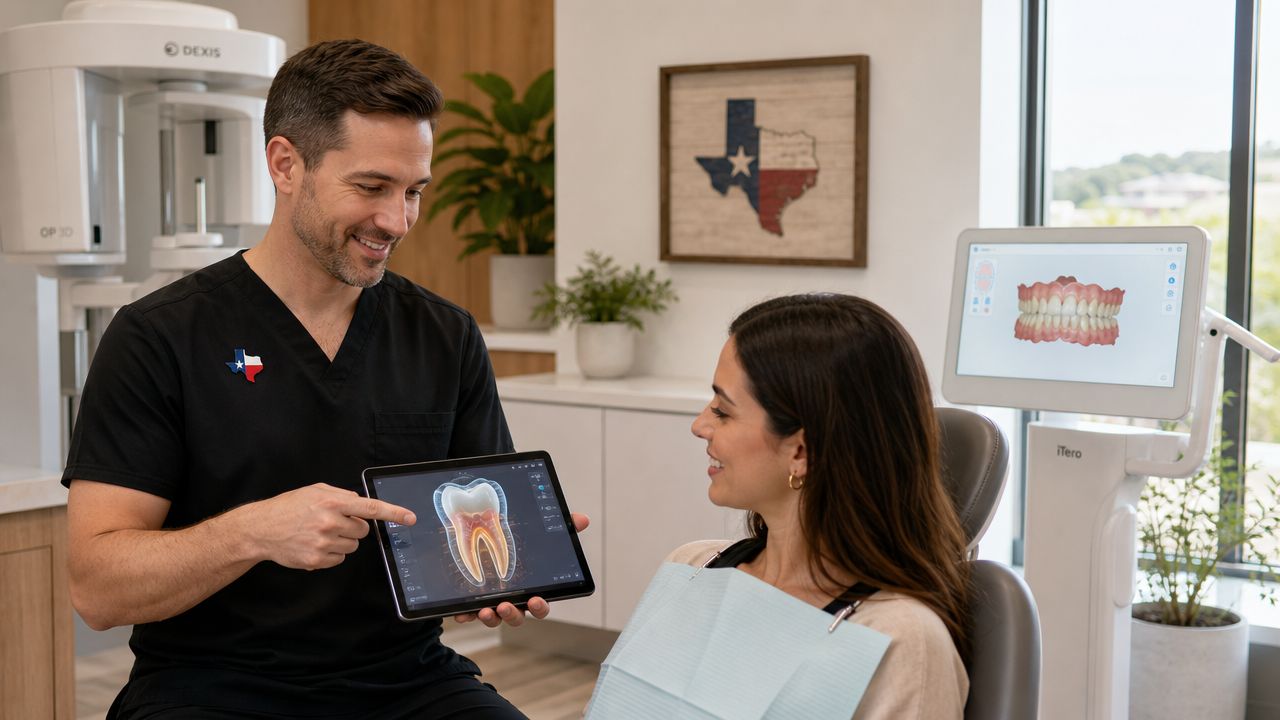
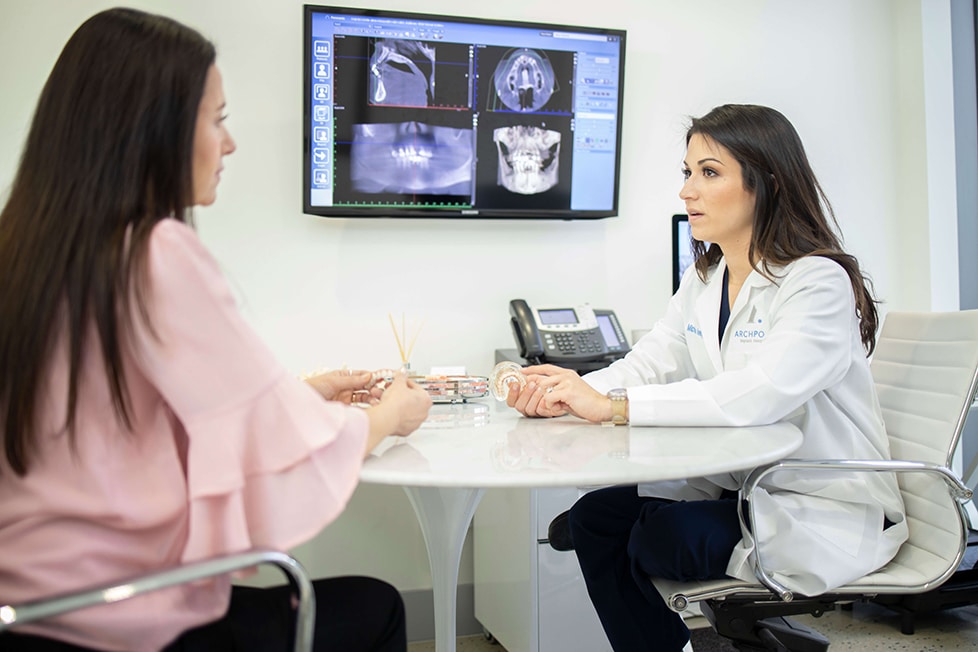
A good exam separates those two. That’s where digital scans and 3D CT imaging become useful. They help evaluate tooth position, jaw relationship, airway, and joints instead of relying only on a quick visual impression.
Signs patients notice before they know the term
Many people don’t walk in saying, “I have an overbite.” They say things like:
- My front teeth look too dominant when I smile
- My bottom teeth disappear behind the upper teeth
- My jaw clicks or feels strained
- I wear down my front teeth
- I avoid biting into certain foods
- My smile looks recessed or unbalanced
Those are everyday clues, not a diagnosis. Still, they’re enough reason to get checked.
Why it matters beyond appearance
An untreated overbite isn’t always “just cosmetic.” It can contribute to tooth wear, gum stress, jaw discomfort, and difficulty biting into food cleanly. Some people also notice speech changes or tension around the face and neck when the bite forces the jaw into an awkward position.
When the front teeth overlap too much, the lower teeth and jaw can lose room to function naturally. That can make small problems build over time.
A bite that looks minor in a mirror can still place heavy force on a few teeth every time you chew.
What usually causes it
Overbites can develop from inherited jaw patterns, oral habits, or the way teeth erupt and crowd over time. In younger patients, prolonged habits like thumb-sucking or tongue thrust can play a role. In adults, the cause is usually less important than identifying whether the problem is dental, skeletal, or mixed.
A straightforward way to consider this is:
| Type of overbite | Main issue | Common non-surgical approach |
|---|---|---|
| Dental | Teeth are out of position | Braces or clear aligners |
| Growth-related | Jaws still developing | Functional appliances with orthodontics |
| Adult skeletal | Jaw relationship is off | Orthodontic camouflage, sometimes with miniscrews |
| Very minor visual issue | Bite is acceptable but appearance bothers patient | Select cosmetic options in limited cases |
If you’re trying to figure out how to fix overbite without surgery, the answer starts with naming the type correctly. Everything after that gets easier.
Your Non-Surgical Treatment Pathways at 3D Dental
Once we know whether the overbite is mainly dental, growth-related, or a camouflage case in an adult, the treatment plan becomes much clearer. The goal is not to force every patient into the same appliance. The goal is to choose the method that fits your bite, your age, your day-to-day routine, and the result you want.
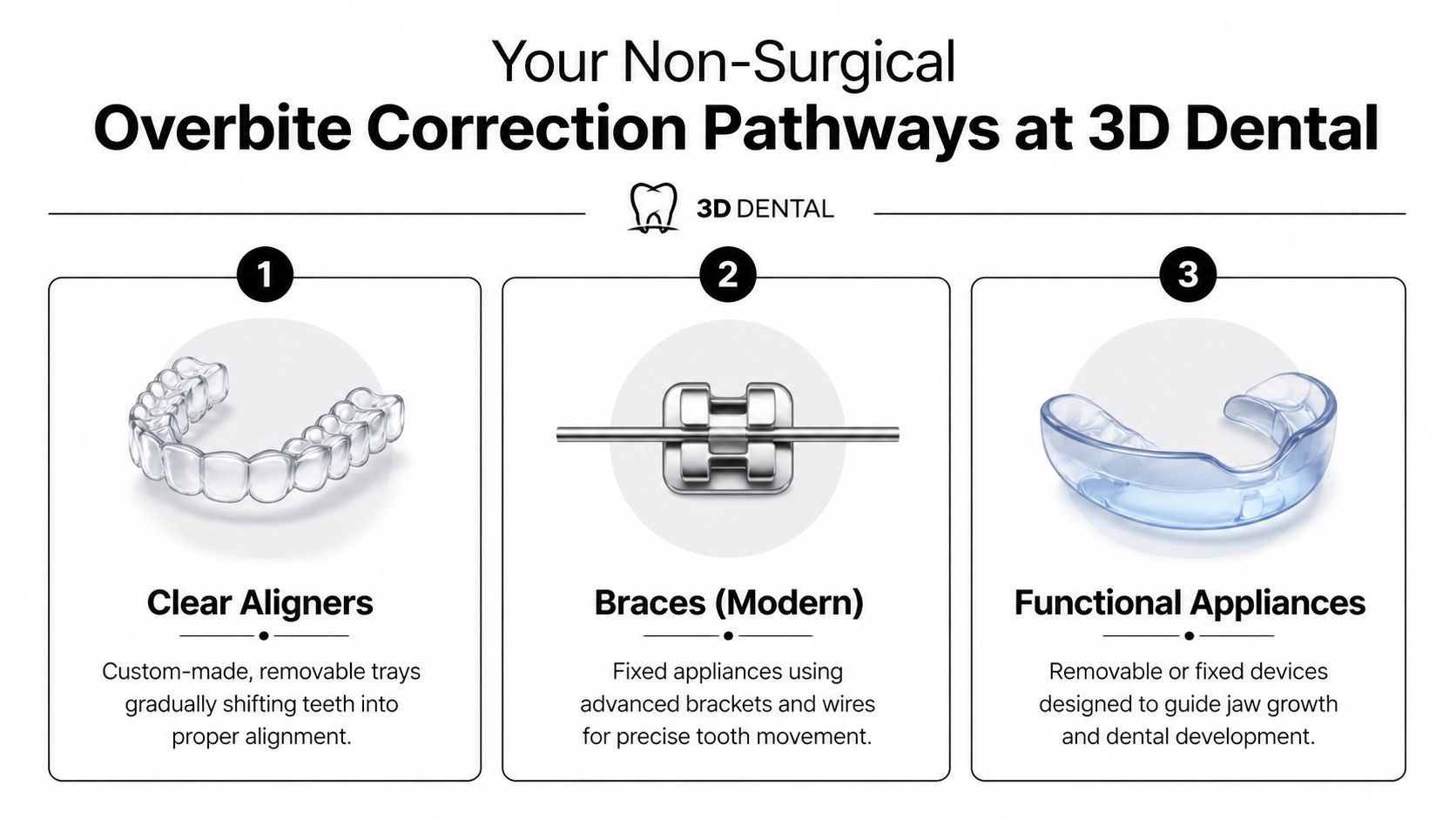
For many patients, treatment starts with either braces or clear aligners. Both can correct many overbites without surgery. The difference is how much control we need, how much complexity the bite has, and how reliably the appliance will be worn.
Traditional braces for precise control
Braces still give the orthodontist the widest range of control. They let us move individual teeth in a very exact way, coordinate both arches, and fine-tune how the bite fits together at the end.
A typical braces plan begins with records, diagnosis, and bite analysis, then moves into alignment, bite correction, and finishing. This braces-based overbite treatment review outlines that sequence and explains why photos, bite records, and 3D imaging such as CBCT can help classify the problem before active treatment starts.
Braces are often the better fit when the case includes several moving parts at once:
- Teeth that need detailed movement in multiple directions
- Crowding, rotations, or arch coordination problems along with the overbite
- A bite that needs elastics or other added mechanics
- A more complex correction where fixed control matters
There is a practical benefit patients appreciate once treatment begins. Braces stay on. That removes the daily decision-making that comes with removable trays.
Clear aligners for adults who want flexibility
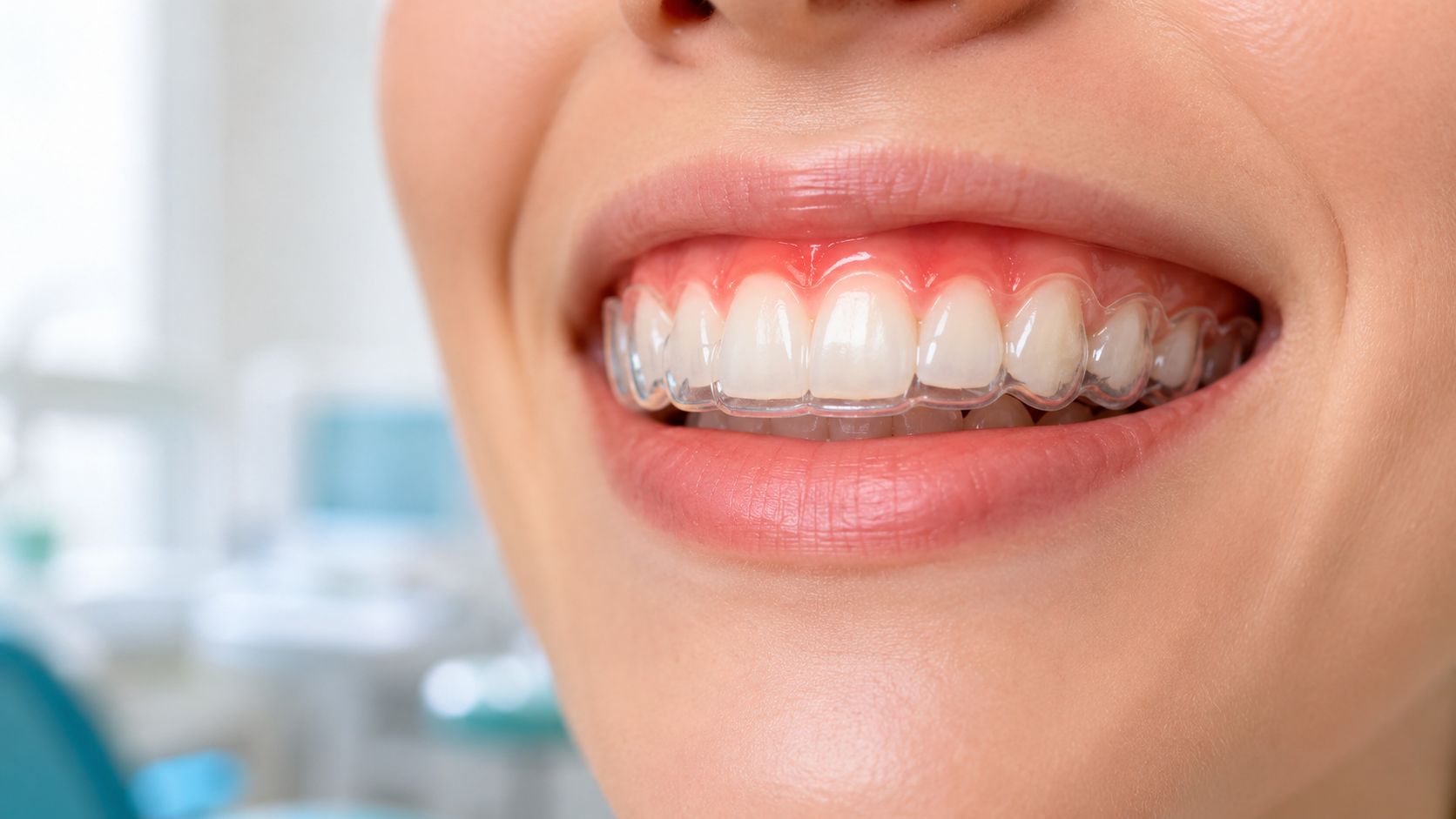
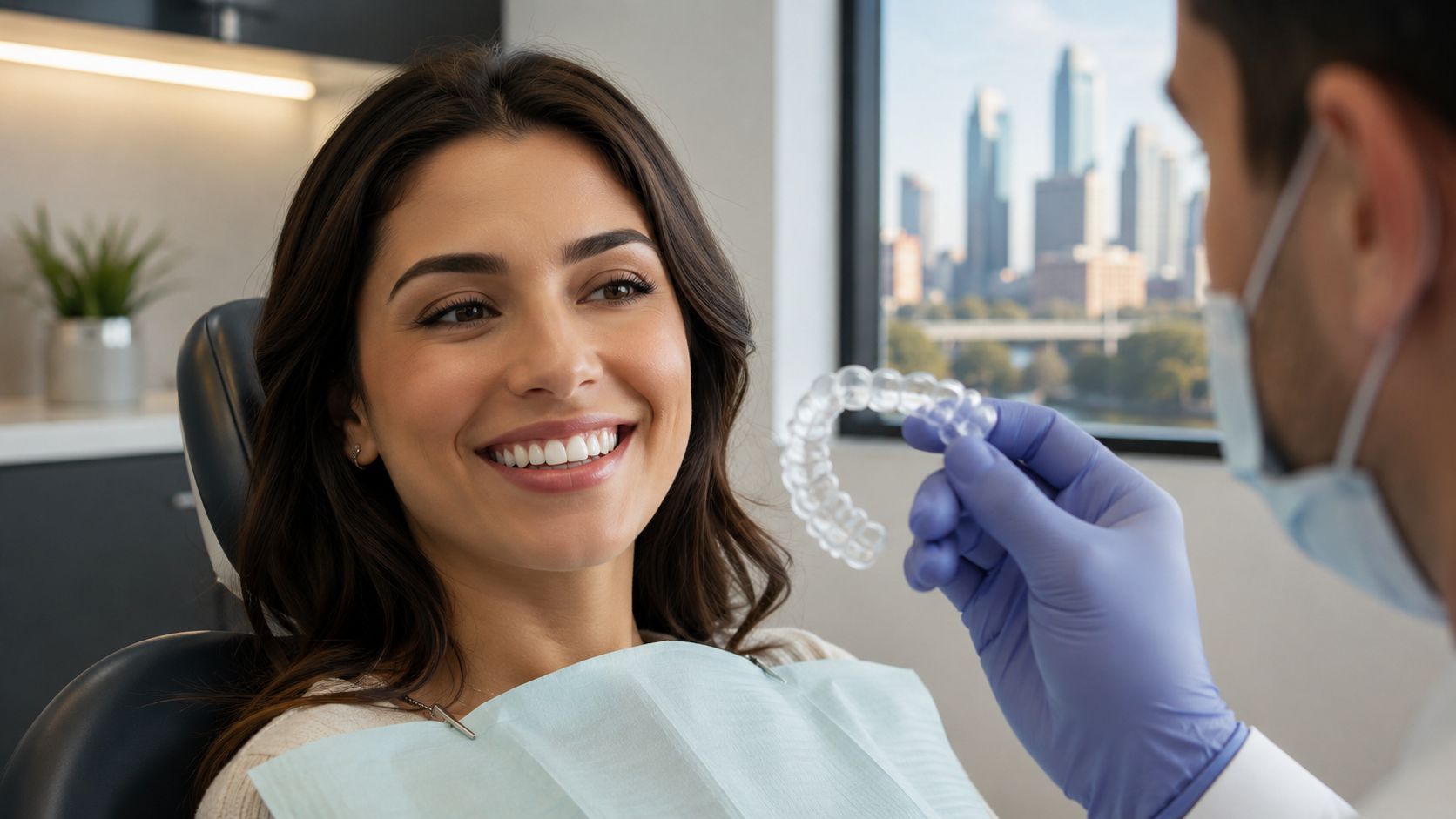
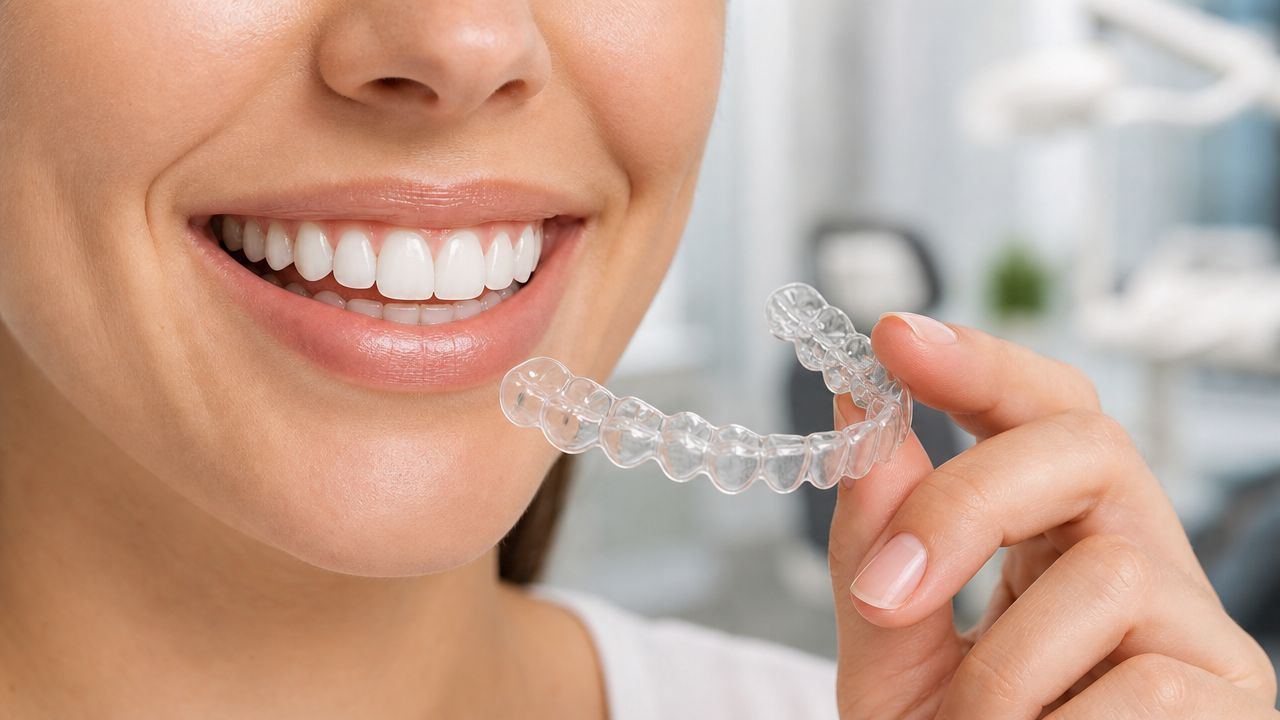
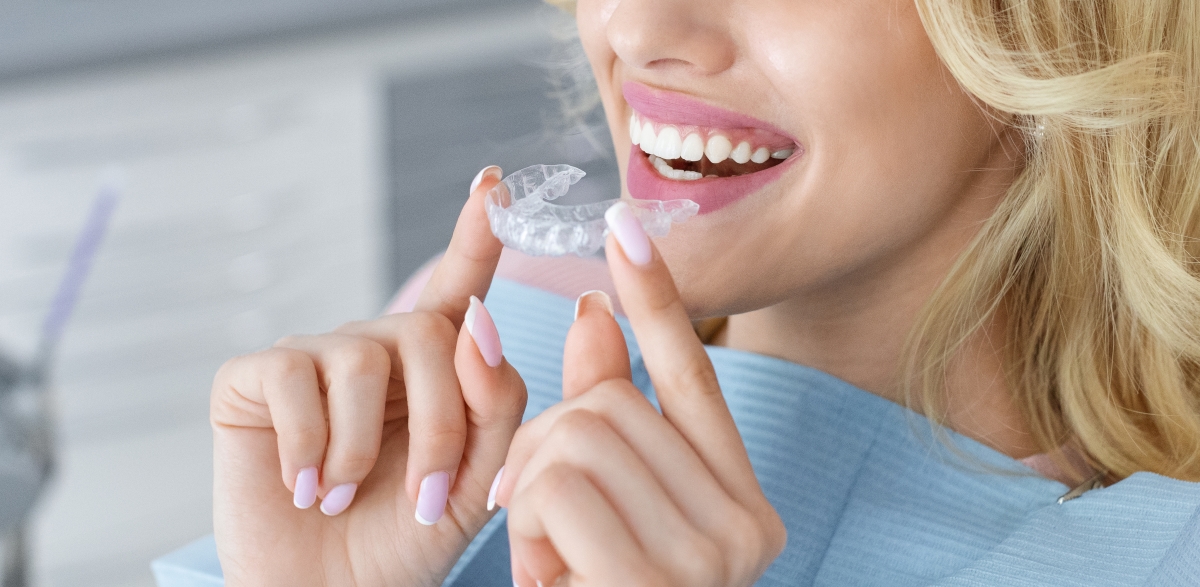
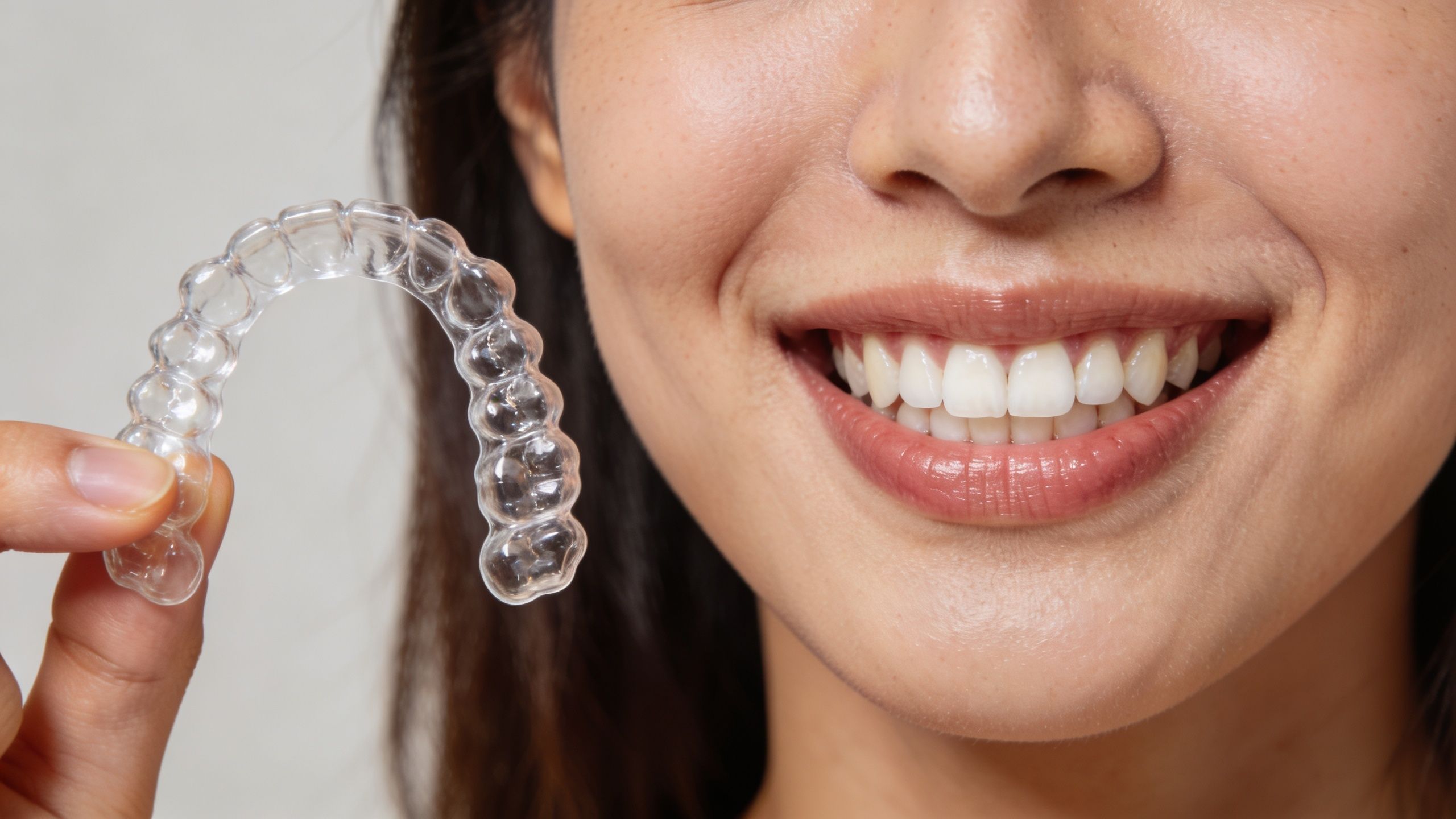
Clear aligners are a strong option for many mild and moderate overbites, and they can also work well in selected complex adult cases with careful planning. Adults often prefer them because they are less noticeable, easier to remove for meals, and simpler to brush and floss around.
They do ask more from the patient. If aligners are not worn as directed, the bite will not track the way the digital plan intended.
If you want a closer look at tray-based treatment, this explanation of how clear aligners work walks through the process clearly.
Aligners often make sense for patients who want:
- A lower-profile look at work or socially
- The ability to remove the appliance for meals
- Easier hygiene than cleaning around brackets
- A digitally planned series of staged tooth movements
The trade-off is straightforward. More freedom means more responsibility.
To compare the main options side by side, this chart is useful:
| Option | Best fit | Main advantage | Main trade-off |
|---|---|---|---|
| Braces | Mild to severe cases, especially complex movement | Precise control | More visible |
| Clear aligners | Mild to moderate, some severe adult cases | Discreet and removable | Requires strong compliance |
| Functional appliances | Growing children and teens | Can guide development | Timing matters |
| Miniscrew-assisted treatment | Select severe adult camouflage cases | Adds control without surgery | Not needed in every case |
A short video can help you visualize the difference between bite correction methods.
Functional appliances for younger patients
Children and teens have one advantage adults do not have. Growth can still be guided.
In the right age window, appliances can help improve how the jaws develop while orthodontic treatment is correcting tooth position. That timing can make a meaningful difference for a growing patient with a deeper bite or a developing jaw imbalance.
Functional treatment may be considered when a child has:
- A jaw relationship that is still changing
- A deepening bite as permanent teeth erupt
- Habits or airway concerns that affect development
- Crowding and bite problems happening together
Families often ask whether early treatment is always necessary. It is not. The key is catching the children who are more likely to benefit before that growth window passes.
Advanced camouflage for severe adult overbites
Adult patients with a stronger skeletal pattern sometimes assume surgery is the only real fix. In some cases, that is true. In others, orthodontic camouflage can still produce a very good result if the tooth positions, facial goals, and bone support allow it.
One option is miniscrew-assisted treatment. This overview of severe overbite correction without surgery describes how temporary anchorage can help with movements that are harder to achieve with standard mechanics alone, including intrusion and vertical control in selected adult cases.
Miniscrews may come up if the plan needs more control than elastics can reliably provide. They are not needed for every severe overbite, but they can expand what is possible without jaw surgery.
This approach may fit adults who have:
- An overbite with a skeletal component
- A need for stronger anchorage during correction
- Vertical issues that require close control
- A realistic goal of improving the bite without surgery
Limited cosmetic options for very minor cases
Some patients are not asking for true bite correction. They are bothered by how the front teeth look.
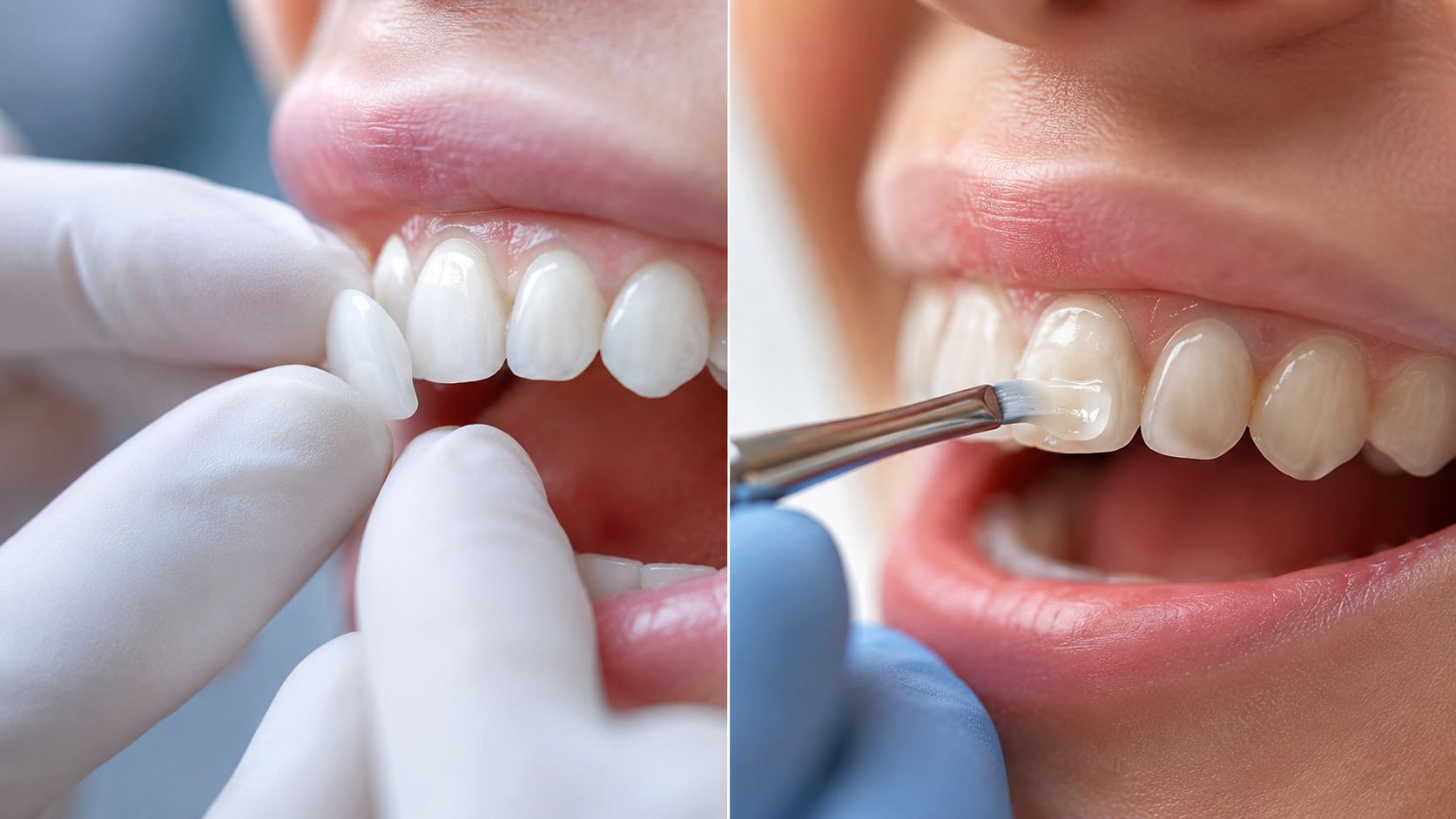
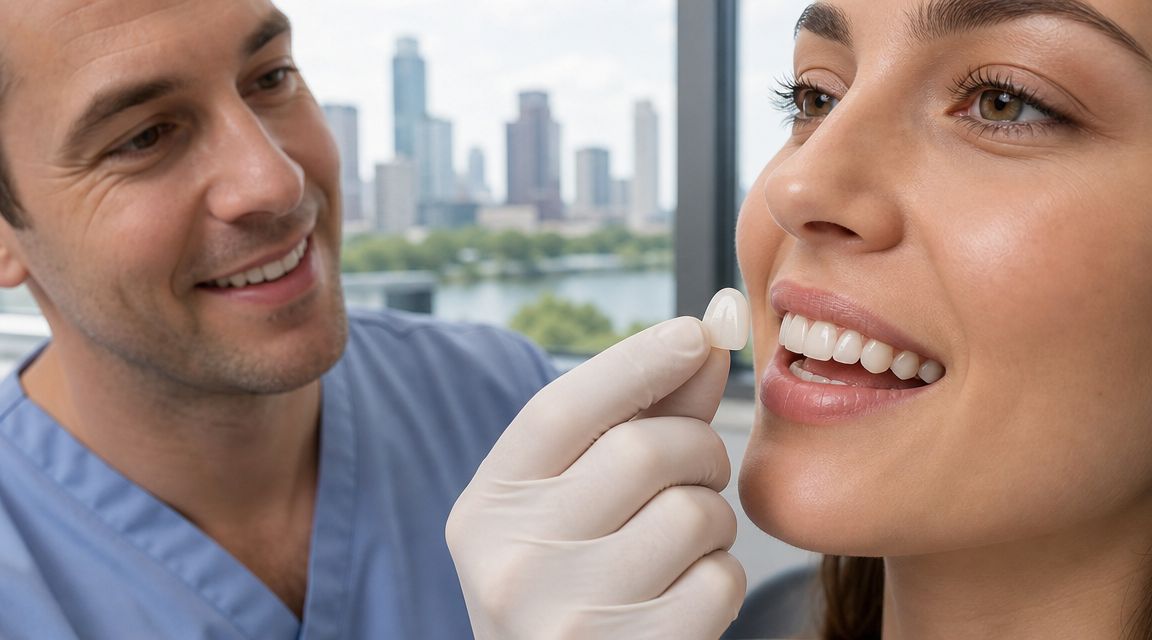
If the bite is stable and the issue is mainly visual, bonding or veneers may improve tooth shape and show less overlap. Those options do not correct the underlying jaw or tooth relationship, so they only make sense in narrow situations. Orthodontics changes position and function. Cosmetic dentistry changes appearance.
The tools that shape the treatment experience
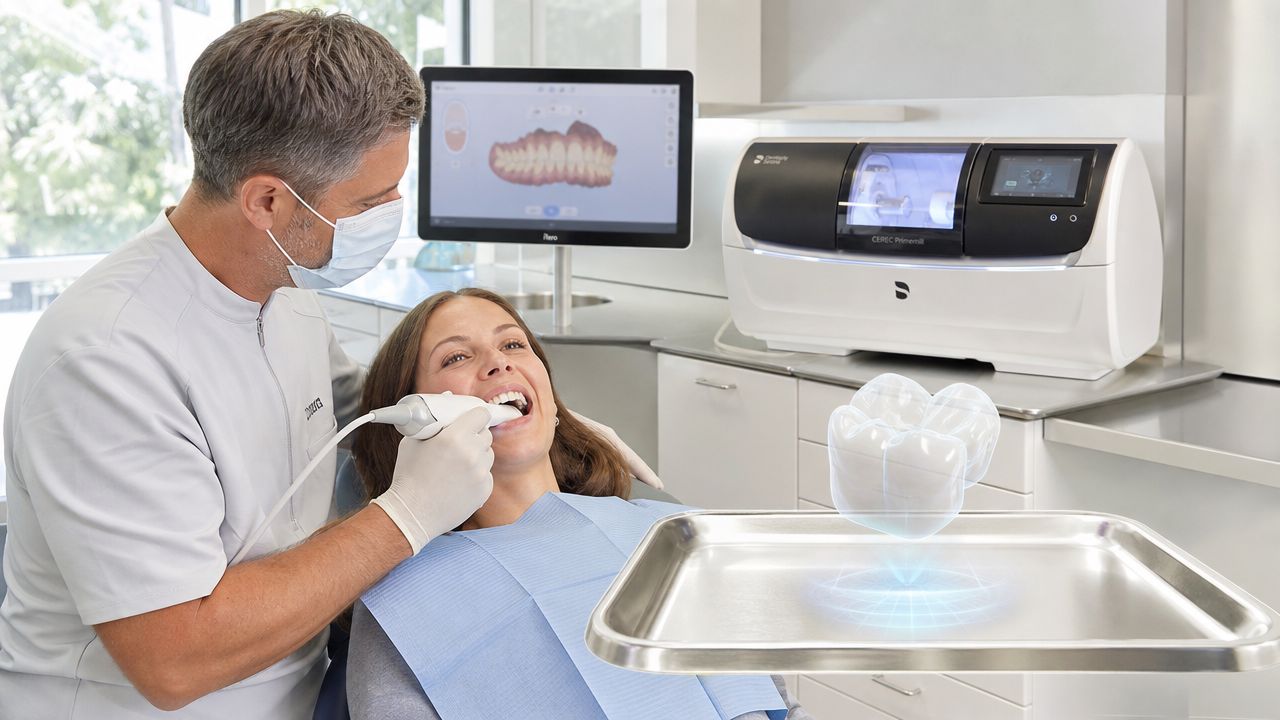
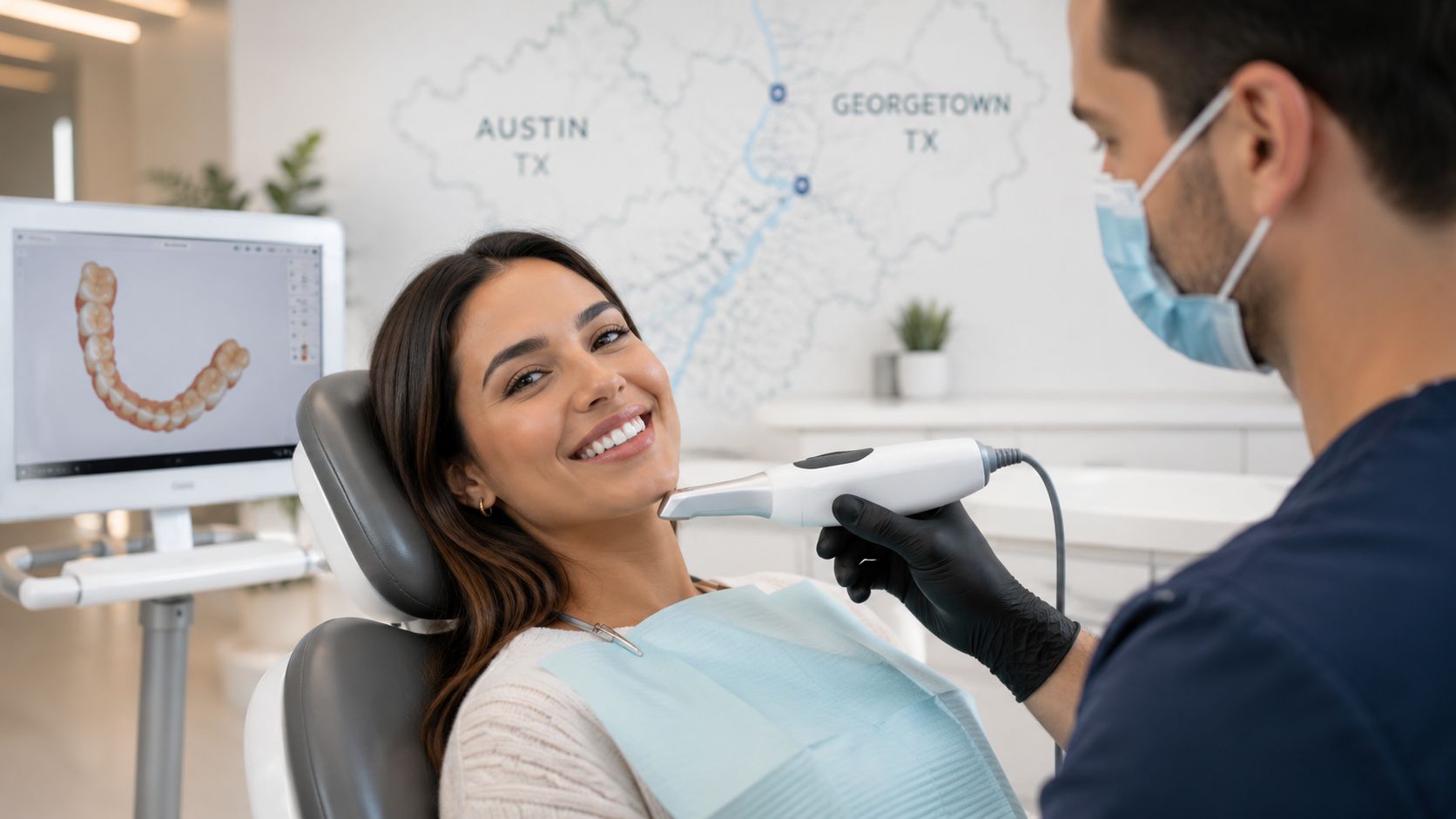
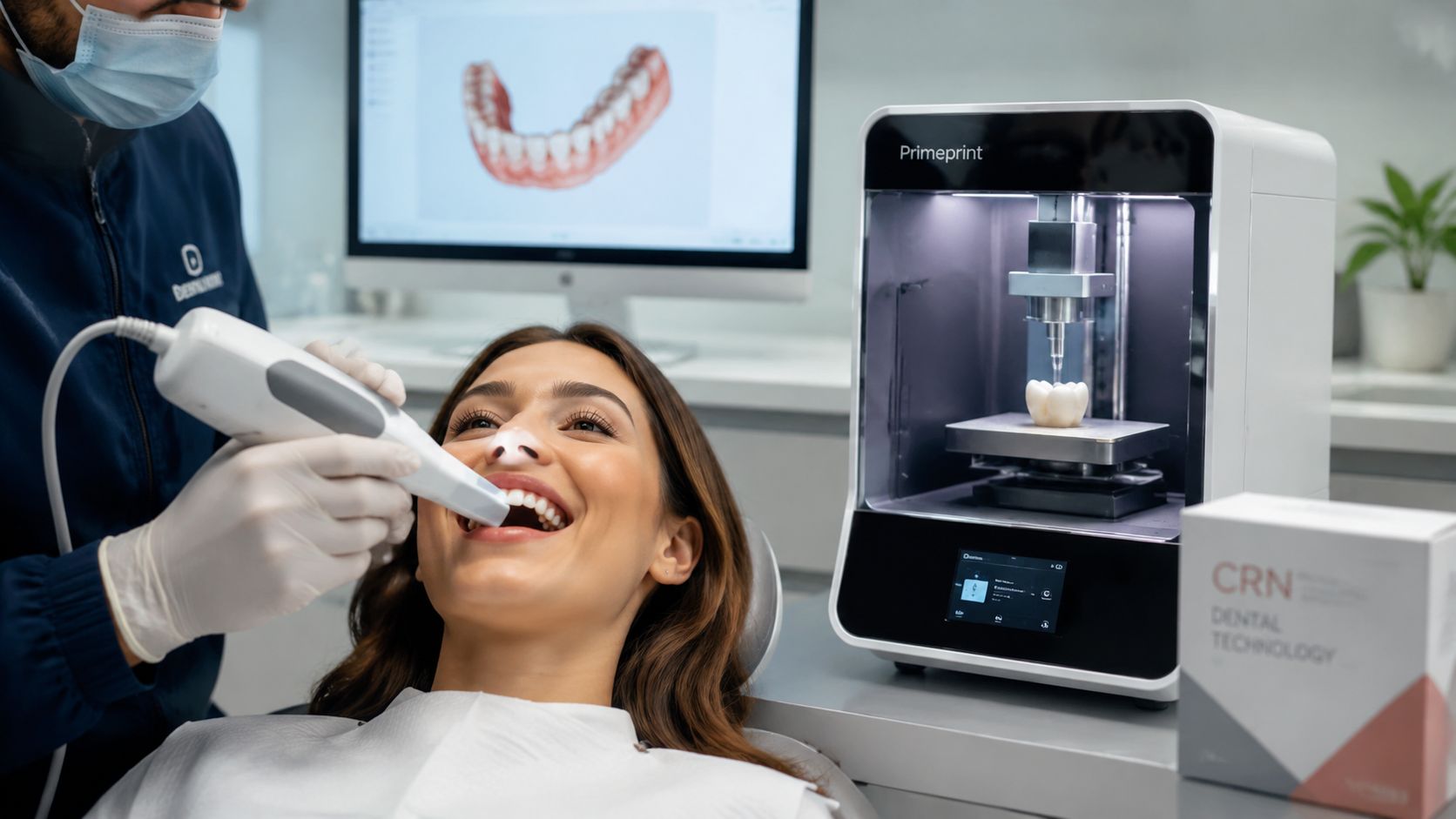
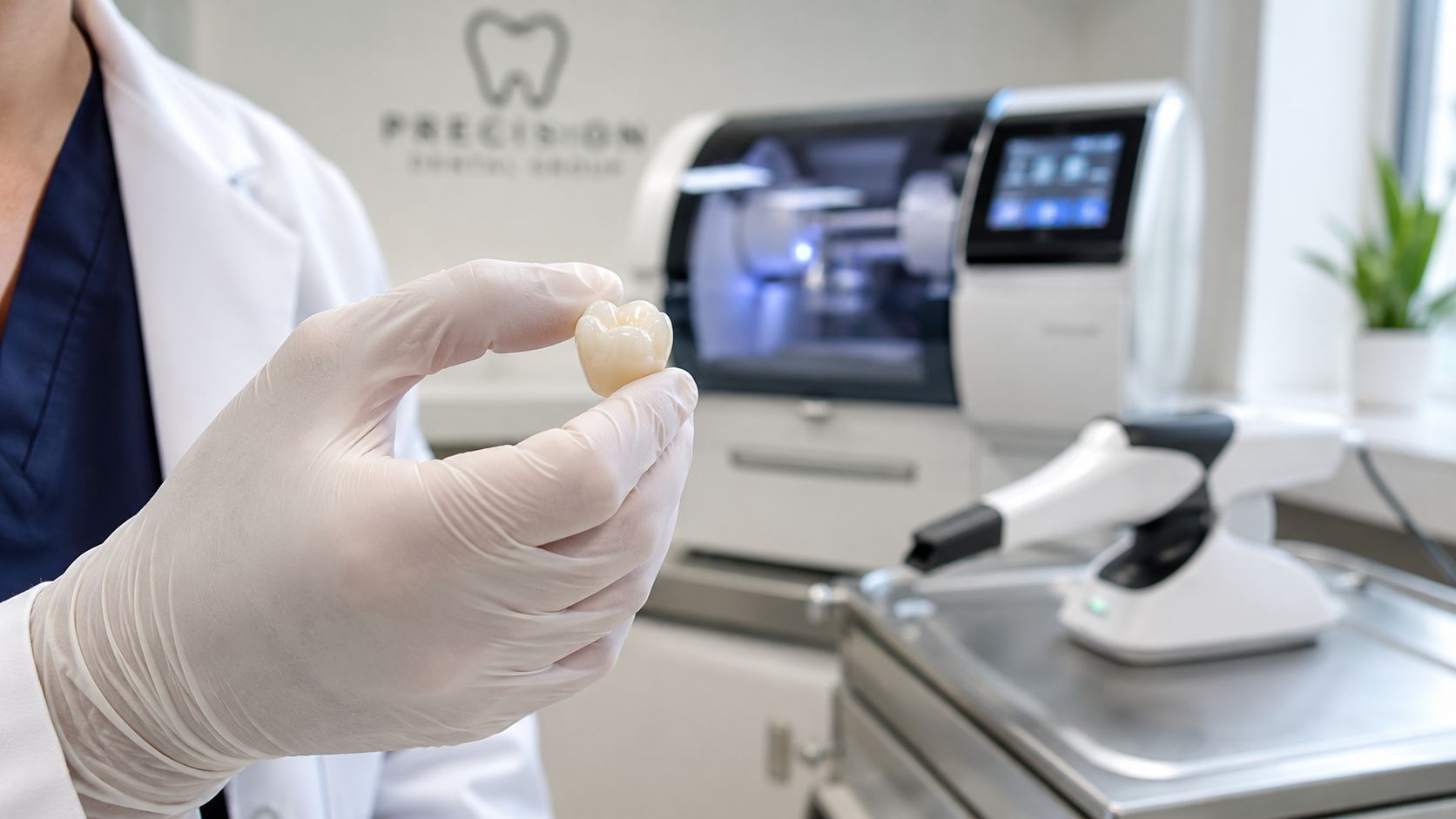
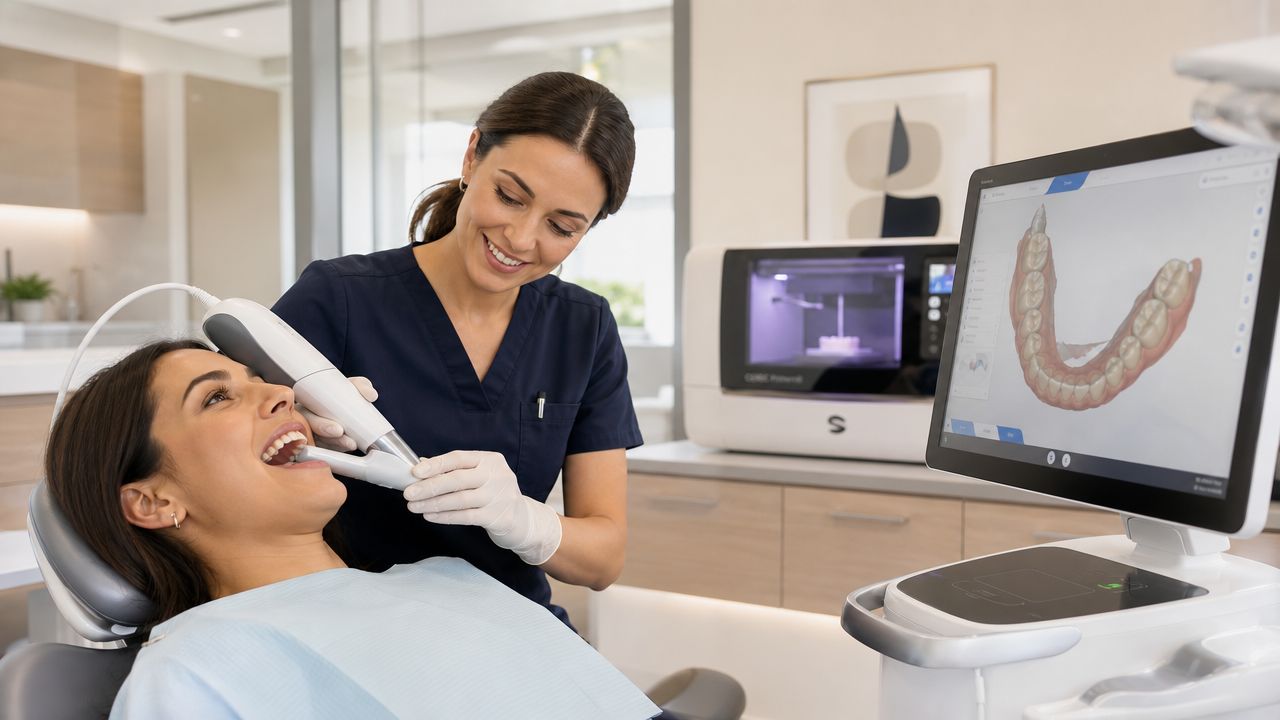
The treatment method matters, but so does the way the case is planned. Digital scanners, 3D CT imaging, and in-house 3D printing can make the process more accurate and more comfortable from the start. They help us study root position, bone support, and bite relationships in detail, then translate that information into a plan that is easier to monitor and adjust.
For patients in Austin and Georgetown, that usually means fewer surprises, more precise appliance design, and a smoother experience from the first scan to the final refinement.
The short version is simple. Many overbites can be corrected without surgery, but the right appliance depends on how your bite works, not which option sounds easiest at first.
Are You a Candidate for Non-Surgical Correction?
Many patients walk into our Austin or Georgetown office expecting a yes-or-no answer. After the exam, they usually find out the better question is more specific. What kind of overbite do you have, how much of it comes from tooth position versus jaw structure, and what result are you hoping to achieve?
That distinction matters because two patients with similar-looking front teeth can have very different treatment paths. One may be a good fit for clear aligners or braces alone. Another may need a plan that improves the bite significantly without fully changing the underlying jaw relationship.
A good candidate for non-surgical correction often has an overbite we can address with orthodontic tooth movement, growth guidance, or camouflage mechanics. We see that in many mild and moderate cases, and in some adult cases that look severe at first glance but still respond well to a carefully planned approach.
What we evaluate before recommending treatment
At 3D Dental, candidacy is based on records, not guesswork. We use a clinical exam, digital scans, and 3D CT imaging when needed to study how your teeth fit together, where the roots sit, and whether the supporting bone gives us room to move teeth safely.
Several details shape that recommendation:
- Whether the problem is dental, skeletal, or a mix of both
- How deep the bite is and whether the front teeth or back teeth are driving it
- Your age and remaining growth
- The health of your gums, bone, and teeth before treatment starts
- How realistic a non-surgical result will be for your face, function, and long-term stability
- How reliably you can wear aligners, elastics, or other appliances if your plan depends on them
That is why online photos and quick quizzes are limited. Candidacy depends on biology, bite mechanics, and goals.
When non-surgical treatment makes sense, and when it has limits
Many patients can avoid surgery. Some cannot, at least not if they want full correction of a large jaw discrepancy.
In adults with a pronounced skeletal issue, orthodontics can sometimes improve the bite and appearance without surgery, but there is a ceiling. If tooth movement starts pushing beyond what the bone and facial profile can support, the result may be less stable or less attractive than you expected. In those cases, a conservative recommendation is the safer one.
I tell patients this often. The best plan is the one that fits your anatomy and your goals, not the one that sounds easiest on day one.
What about exercises or natural correction?
Patients ask about this all the time, especially if they are trying to avoid braces, aligners, and surgery. Exercises and habit correction can support treatment in selected cases, especially for growing children or patients with tongue posture issues, but they do not replace orthodontic correction when teeth and bite relationships need to move.
If you are still deciding between appliances, this guide to braces vs clear aligners can help you compare how each option fits daily life, comfort, and treatment goals.
How you get a clear answer at 3D Dental
A consultation should leave you with more than a label. It should give you a plan.
At our offices, that usually starts with digital records and a close bite evaluation, followed by a conversation about what matters to you. Some patients want the strongest bite improvement possible. Others care just as much about appearance, comfort, treatment time, or staying within budget. Digital planning helps us show what is realistic before treatment begins, so you can choose with confidence.
For many patients, that is the point where the process feels manageable. You can see the path, understand the trade-offs, and know whether non-surgical correction is a smart option for your overbite.
Supporting Your Treatment for Lasting Results
A well-designed treatment plan can only do its job if daily habits support it. That is true whether you are in clear aligners, braces, rubber bands, or the retention phase after active treatment ends.
At 3D Dental, I want patients to know this part is not about being perfect. It is about being consistent enough to protect the progress we mapped out from your scans, photos, and bite analysis.
Habits worth correcting early
Small, repeated forces can work against overbite correction. In children, that may be thumb-sucking or chewing on objects. In teens and adults, the bigger problems are often tongue pressure against the front teeth, mouth-open posture, and inconsistent wear of aligners or elastics.
These habits do not affect every patient the same way. Some can be managed with coaching and close follow-up. Others slow treatment, limit how much correction we can hold, or increase the chance that teeth shift back afterward.
A few habits deserve early attention:
- Stop pressure habits such as thumb-sucking, pen chewing, or pushing the tongue against the front teeth
- Keep gums healthy because swollen, irritated tissue makes orthodontic treatment less comfortable and harder to monitor
- Wear appliances on schedule if your plan includes aligners, elastics, or retainers
Muscle training can help stability
Patients often ask whether tongue exercises can fix an overbite on their own. For a true dental or skeletal overbite, they usually cannot. Teeth and bite relationships need orthodontic forces to move into better positions.
Myofunctional therapy can still be useful in the right case. If a patient has a tongue-thrust pattern, poor lip seal, or a swallow pattern that keeps pushing on the teeth, muscle training may help the result hold more reliably after treatment. I see it as support for orthodontics, not a substitute for it.
That distinction matters.
Retainers protect the result you paid for
The end of treatment is exciting, but it is also when patients are most likely to relax too soon. Teeth can drift after braces come off or after the last aligner tray, especially if your bite started with crowding, spacing, or a deep overbite.
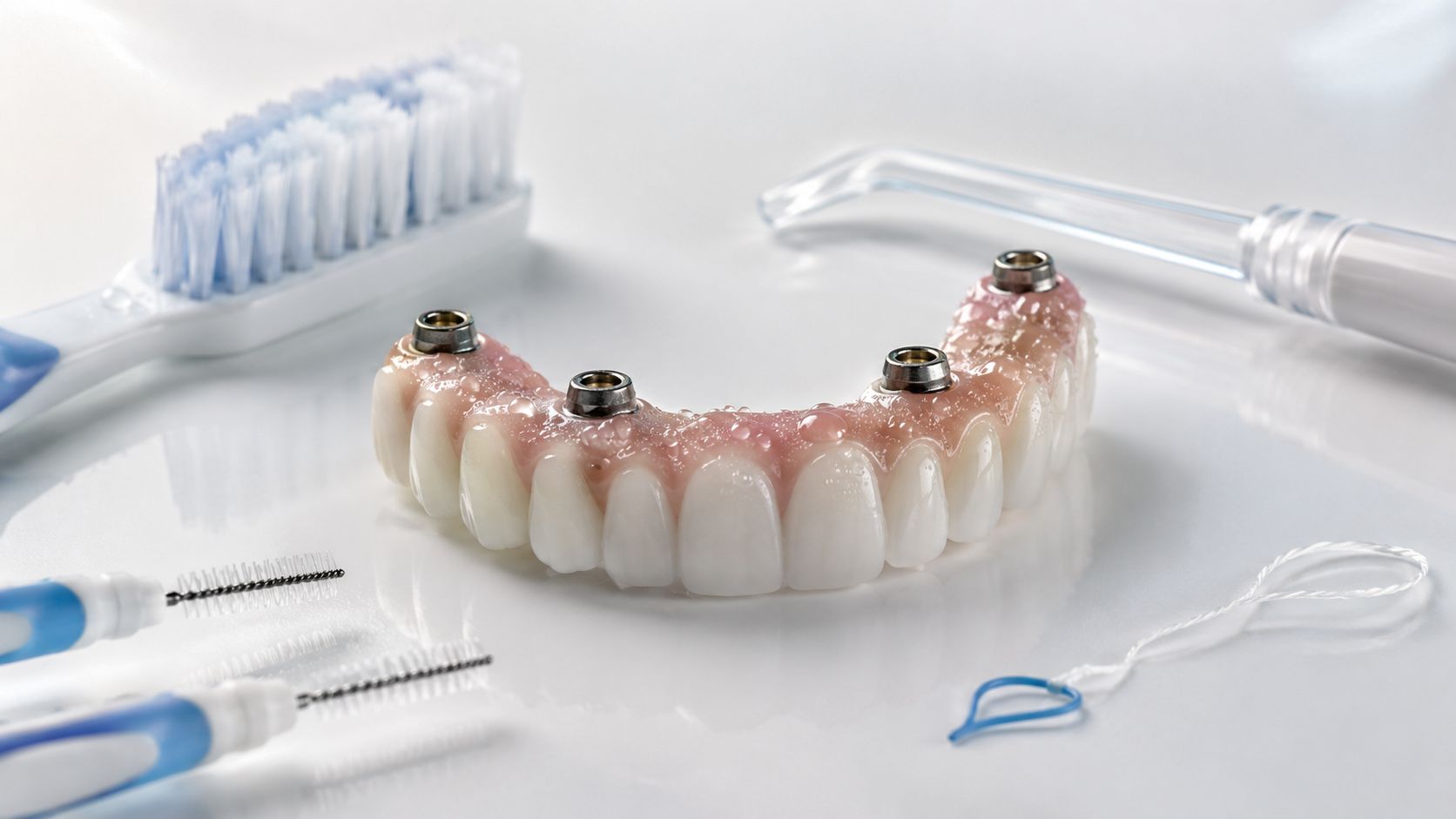
Retainers keep the correction stable while your teeth and surrounding tissues adapt to their new positions. If you wear them as directed, the bite is far more likely to stay where we worked to put it. If you do not, shifting can start before you notice it.
In our Austin and Georgetown offices, we set clear retainer instructions before active treatment ends, so there is no guessing about what comes next. That makes the finish of treatment feel just as organized as the start.
Your Overbite Correction Journey in Austin and Georgetown
The patient experience matters almost as much as the treatment plan. If care feels confusing, rushed, or hard to fit into your life, even a good plan becomes harder to complete.
Those seeking a dentist in Georgetown, TX or dentist near me want clarity from the first interaction. They want to know where to park, what the exam includes, whether the scans will be uncomfortable, how costs work, and whether they’ll leave with a real plan instead of a vague sales pitch.
What the first visit usually feels like
The process typically starts with scheduling by phone or online. Once you arrive, the team gathers the records needed to understand your bite, not just your chief complaint. That may include a new patient exam, digital x-rays, photos, and scans.
For overbite questions, this step matters because your treatment hinges on precision. If your bite also involves worn teeth, cosmetic concerns, restorative needs, or gum issues, it helps when those can be addressed in one coordinated setting instead of scattered across multiple offices.
Planning, comfort, and cost conversations
After records are reviewed, the conversation should be straightforward. Is this a braces case, an aligner case, a growth-guidance case, or a more advanced camouflage case? What’s the realistic timeline? What kind of follow-up will be involved?
That’s also when fees, insurance, and financing should be discussed clearly. Patients often appreciate knowing whether treatment can be paired with other services such as cleaning and exams, cosmetic dentistry, restorative dentistry, or a needed tooth extraction, depending on the overall condition of the mouth.
A comfortable office flow helps too. Appointment-only scheduling, digital systems, and in-house coordination can reduce unnecessary waiting and repeated visits.
Why comprehensive care helps
Overbite treatment rarely exists in a vacuum. Some patients also want teeth whitening after alignment. Some need restorations once the bite is corrected. Some parents bring in one child for orthodontic questions and end up scheduling family preventive care at the same office.
That broader support can make treatment simpler for busy families in Austin, Georgetown, Wells Branch, Cedar Park, Round Rock, and Liberty Hill.
- Preventive care helps keep gums and enamel healthy during treatment
- Cosmetic dentistry can refine the smile after teeth are aligned
- Restorative dentistry can rebuild worn or damaged teeth when the bite has contributed to wear
- Emergency dental services matter if an unrelated issue pops up during treatment
What patients usually want by the end
They want a bite that feels stable. They want their smile to look balanced. They want to know they chose a plan that matched both function and appearance.
A good orthodontic journey should feel organized from start to finish, not like a series of disconnected appointments.
That’s why the office experience matters. The right setting makes it easier to say yes to treatment and easier to stay on track once you start.
Frequently Asked Questions About Overbite Correction
Does dental insurance cover overbite correction with braces or aligners
Sometimes, yes. Coverage depends on your specific plan, your age, and whether the policy includes orthodontic benefits. Some plans help with braces, some apply to clear aligners, and some have lifetime orthodontic maximums or restrictions. The practical next step is a benefits review before treatment starts so you know what’s covered and what your out-of-pocket cost will be.
How quickly will I start to see changes in my smile
You may notice small visual changes early, but meaningful bite correction takes time. For non-surgical treatment, published guidance places many cases in the 18-36 month range depending on severity and compliance, as noted earlier in the article. The first visible change and the final functional result are not the same thing, so patience matters.
What are the risks of leaving a significant overbite untreated
The main concern is that the bite keeps placing force where it shouldn’t. Over time, that can contribute to front-tooth wear, gum stress, biting difficulty, and jaw discomfort. Some people also develop a smile they feel increasingly self-conscious about, which affects confidence as much as comfort.
Can adults still fix an overbite without surgery
Often, yes. Adults don’t have growth on their side, but they still have effective non-surgical options. Braces, clear aligners, and in some cases advanced anchorage methods can improve many adult overbites without jaw surgery. The key is an accurate diagnosis and realistic treatment goals.
Are braces better than clear aligners for overbite correction
Not always. Braces offer very strong control and are often favored for more complex movement. Clear aligners are more discreet and can work very well for many patients, especially when the case is appropriate and wear is consistent. The better choice is the one that fits your anatomy and your ability to follow the plan.
Is overbite correction only cosmetic
No. A lot of people start because they want a nicer smile, but treatment often helps with function too. A better bite can reduce damaging contact patterns, improve chewing, and protect teeth from further wear.
If you’re ready to stop guessing about your bite, schedule a consultation with 3D Dental. Patients in Austin and Georgetown can get a personalized exam, digital imaging, and a clear non-surgical treatment plan that fits their smile, comfort, and budget.
Ready to get started?
Schedule a free, no obligation consultation with our team and see what's possible for your smile!
Georgetown
- Mon-Thurs8:30am-5pm
- Fri8am-3:30pm
- Sat-SunClosed
Austin
- Mon-Tues8am-5pm
- Wed-Thurs9am-6pmFri8am-2pm
- Sat-SunClosed