
Cost of Full Mouth Dental Implants
Related Posts






























Cost of Full Mouth Dental Implants Explained (And How to Spot a Great Dentist)
Losing multiple teeth changes more than your appearance. It shifts the way you eat, speak, and carry yourself in everyday interactions. For many people, full mouth dental implants represent the most life-changing dental investment they'll ever make—and the most significant financial one.
The challenge? Pricing is rarely straightforward. Quotes can vary by tens of thousands of dollars between providers, leaving patients confused about what they're actually paying for and whether cheaper is ever a smart choice.
This guide cuts through that confusion. We'll break down exactly what drives the cost of full mouth dental implants, explain why two practices can quote wildly different prices for what seems like the same procedure, and share the green flags—and red flags—to watch for when choosing your dentist. By the end, you'll have a clearer picture of what full mouth restoration actually costs, and the confidence to make a decision that serves both your health and your wallet.
What Are Full Mouth Dental Implants?
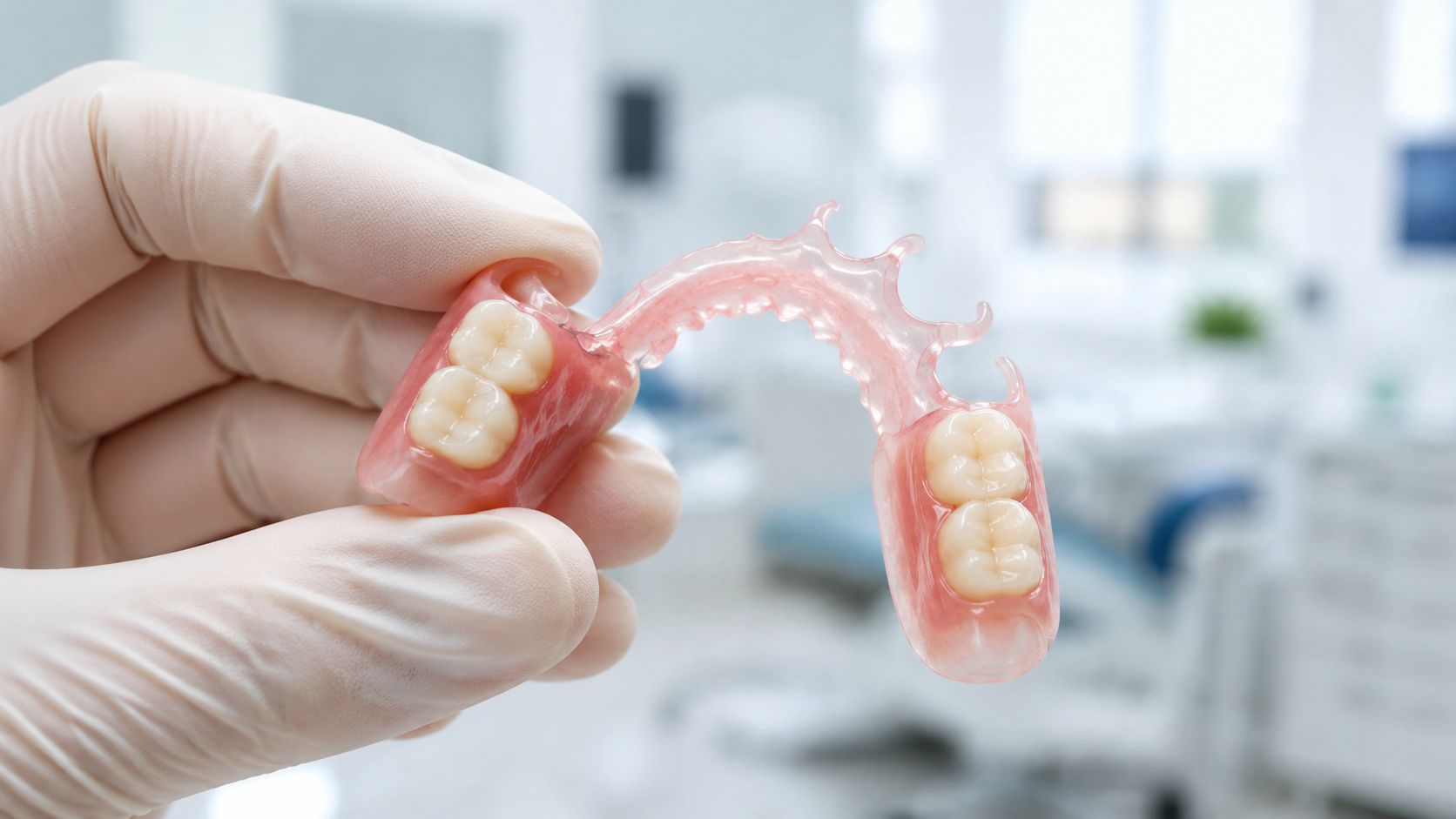
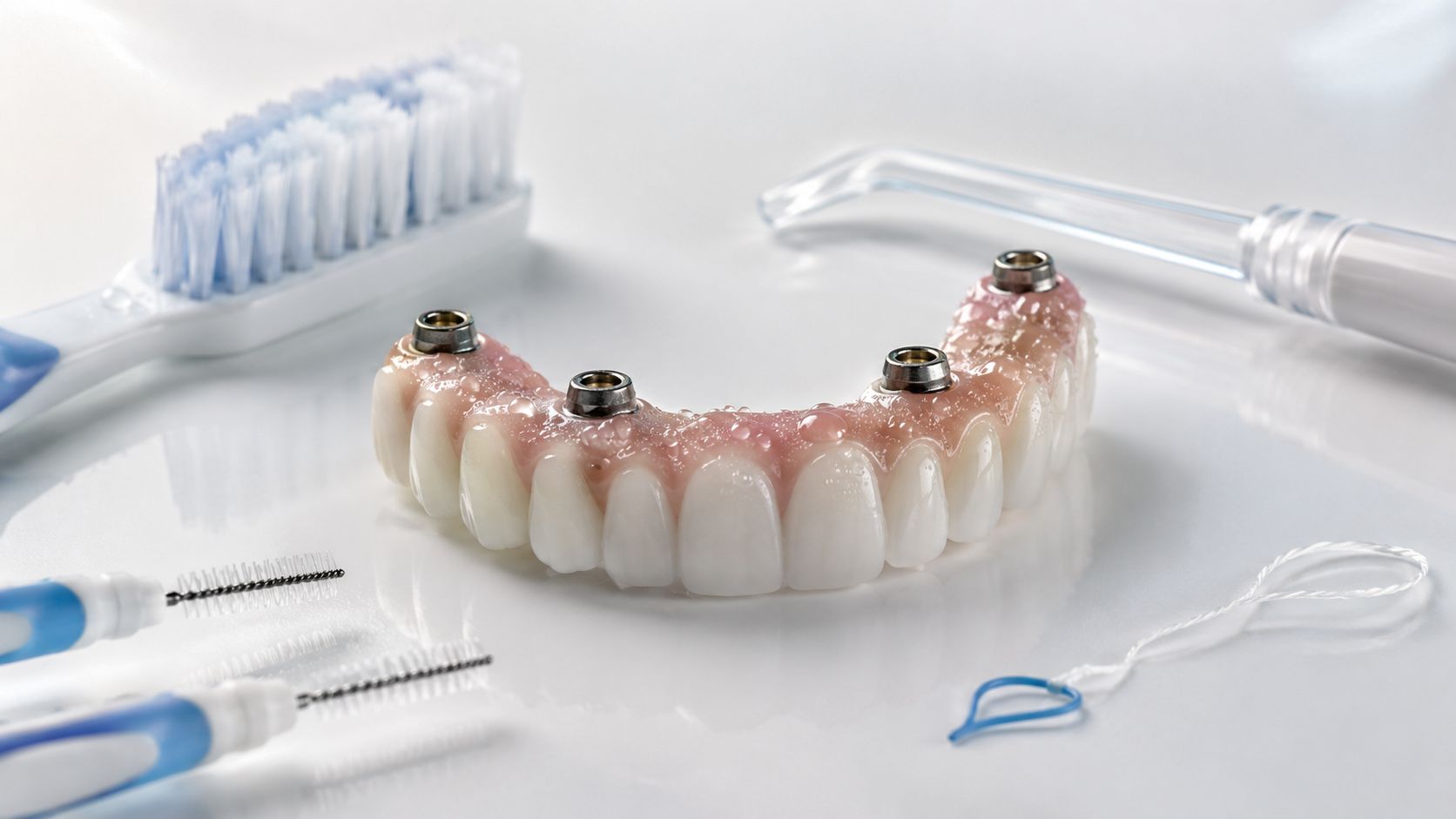
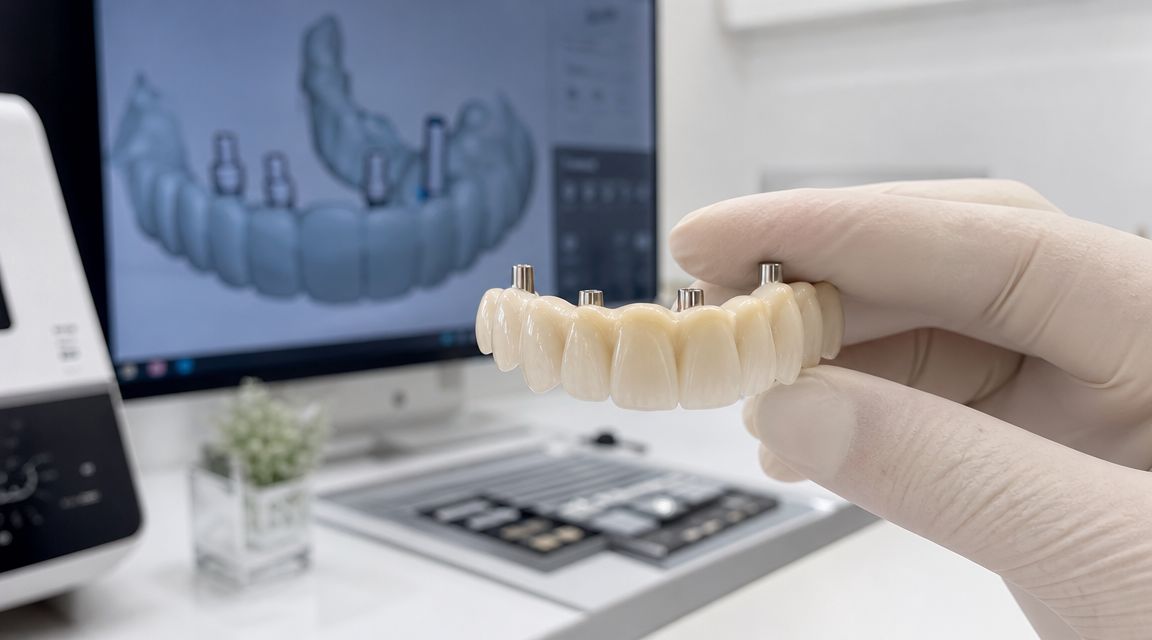
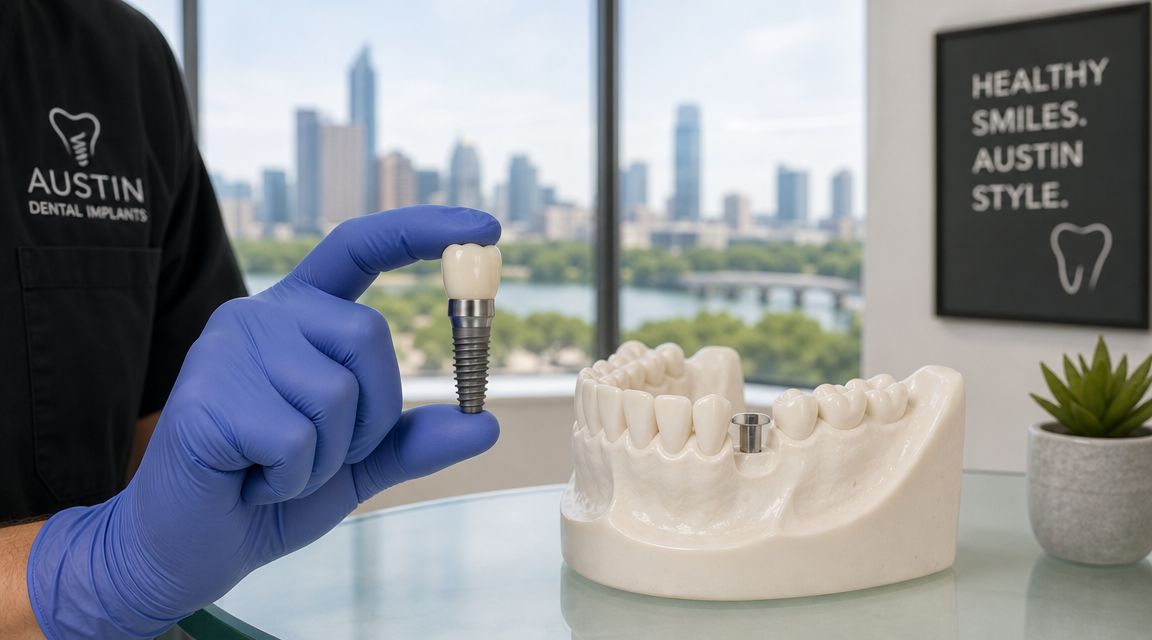
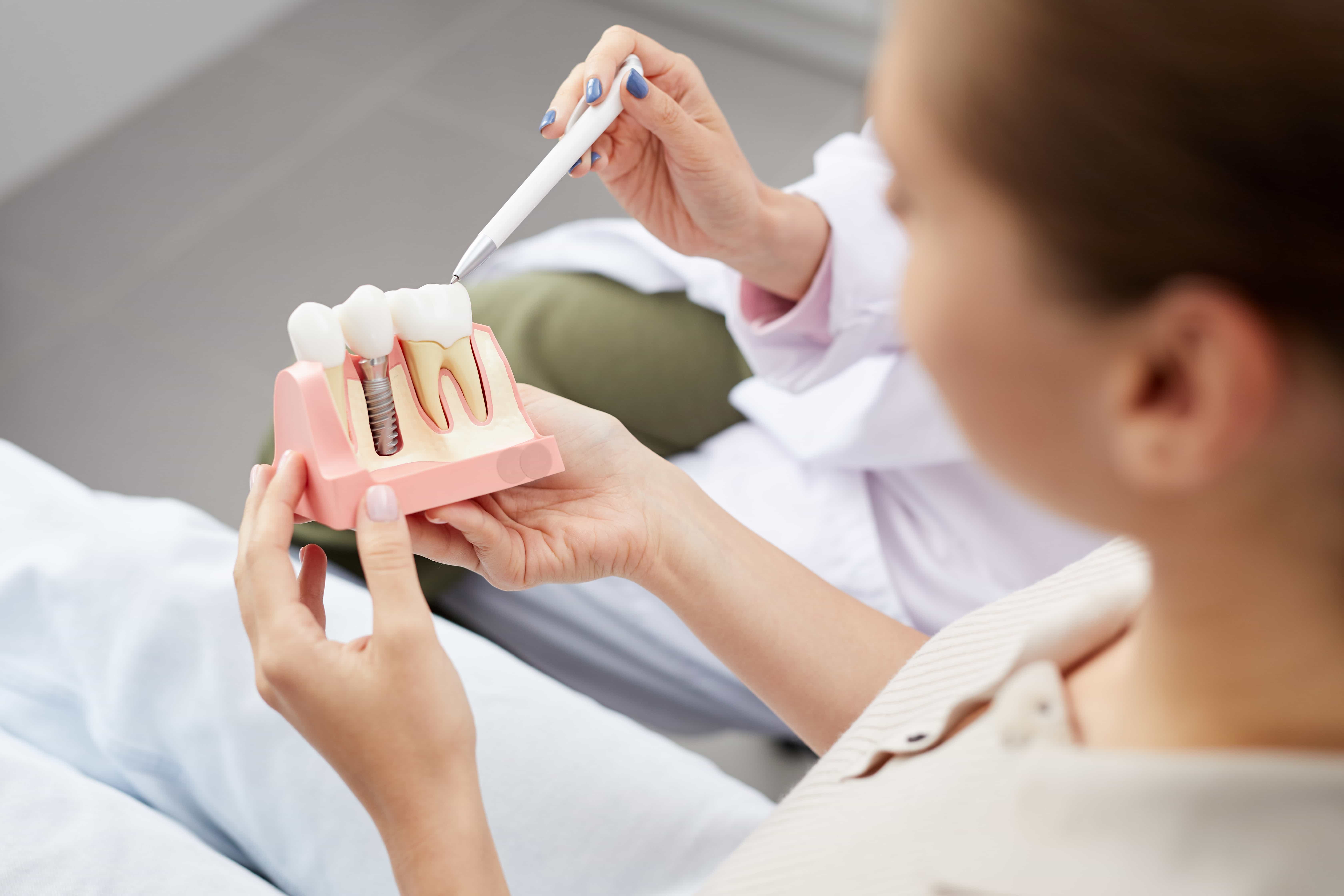
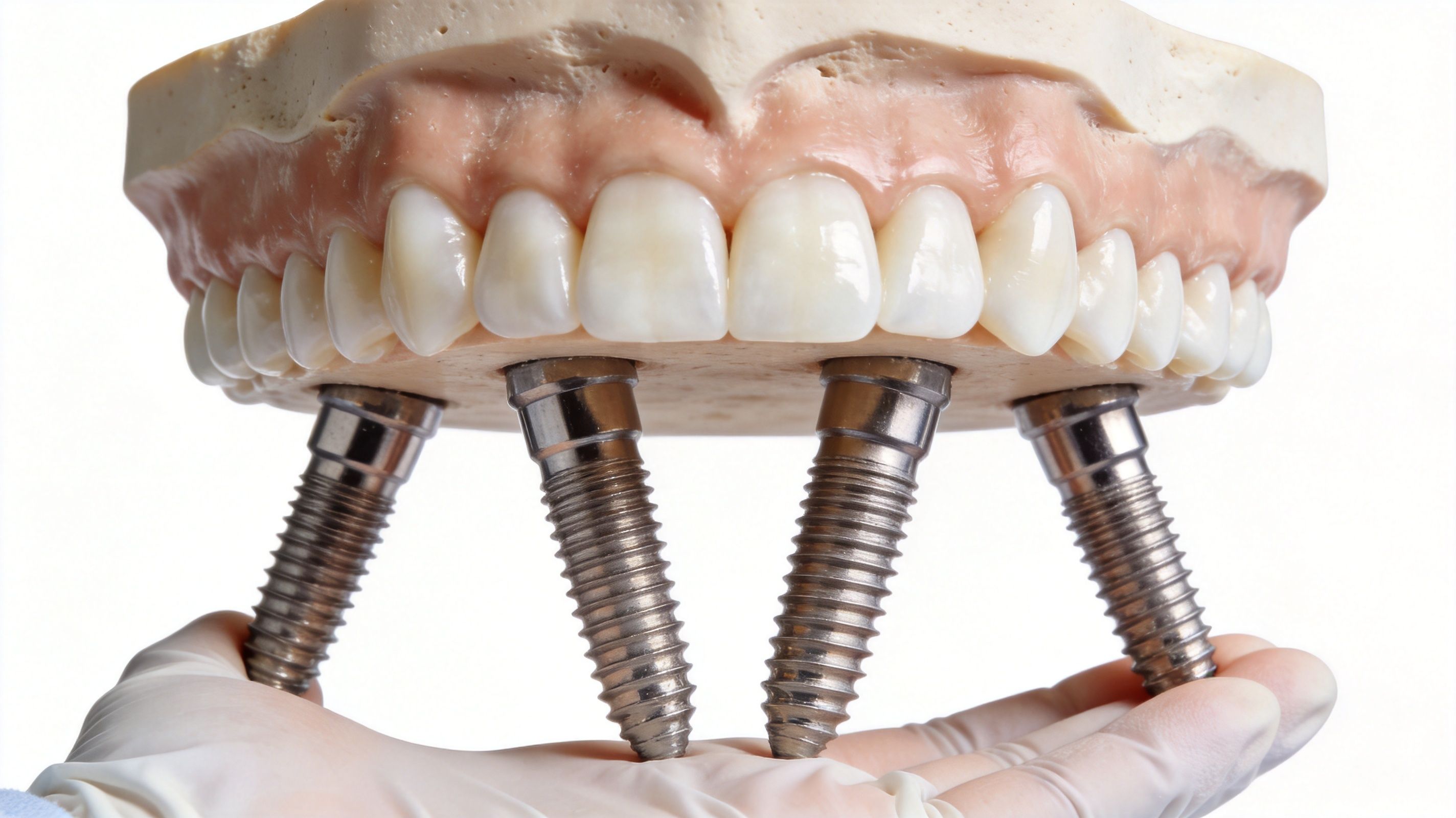
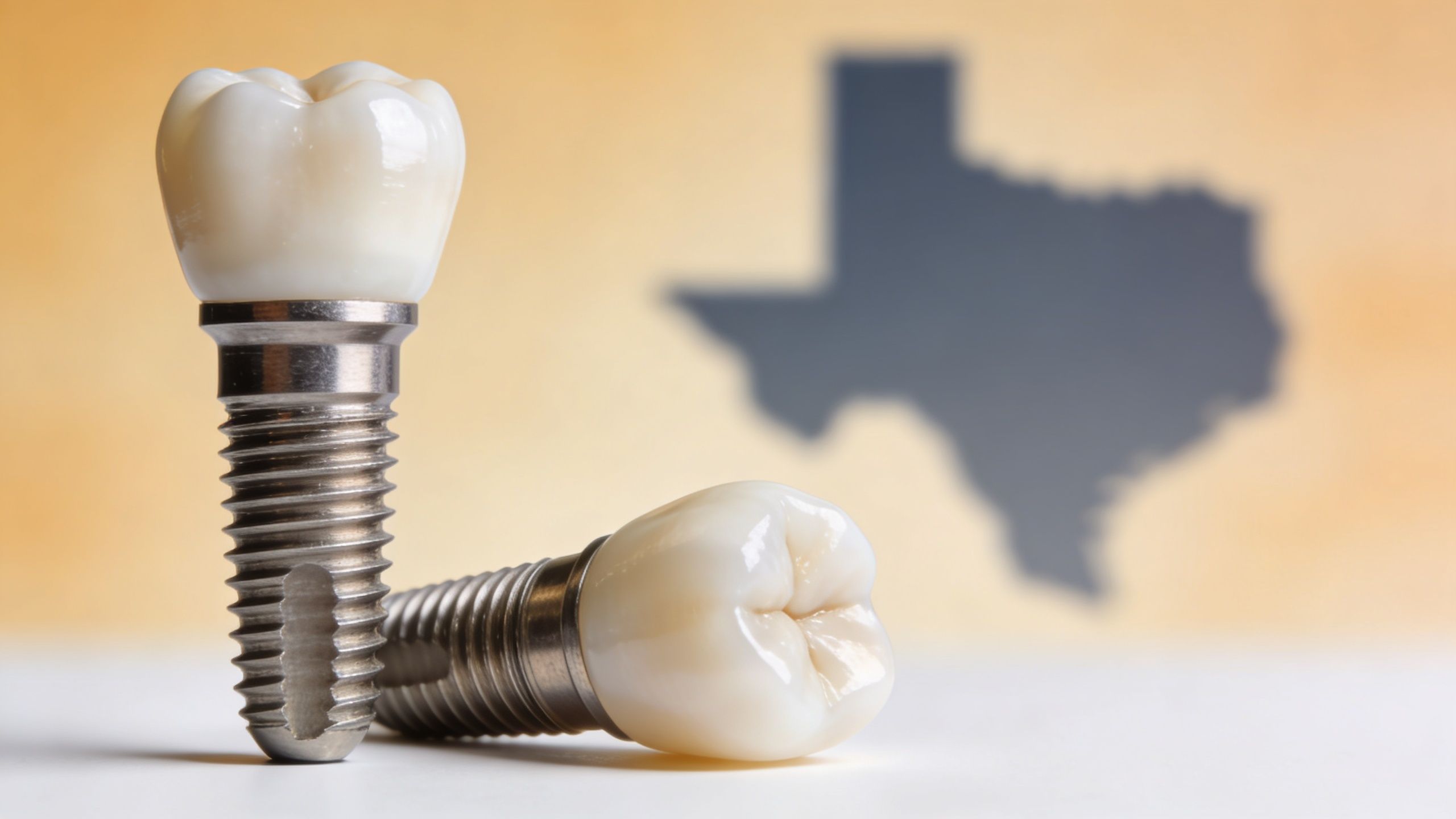
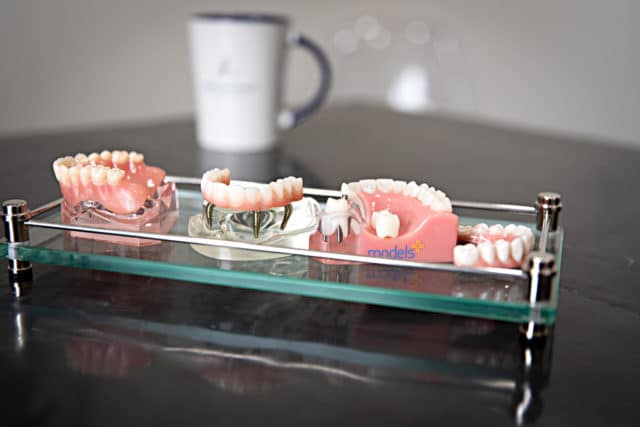
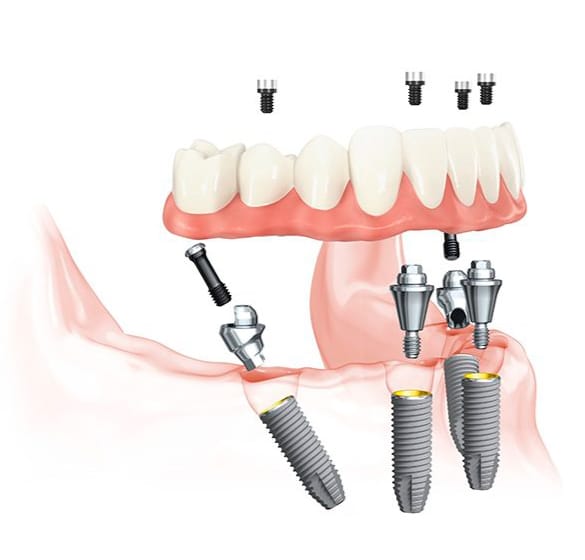
Full mouth dental implants replace all or most of your natural teeth using titanium posts surgically inserted into the jawbone. These posts act as artificial tooth roots, supporting permanent crowns, bridges, or implant-supported dentures.
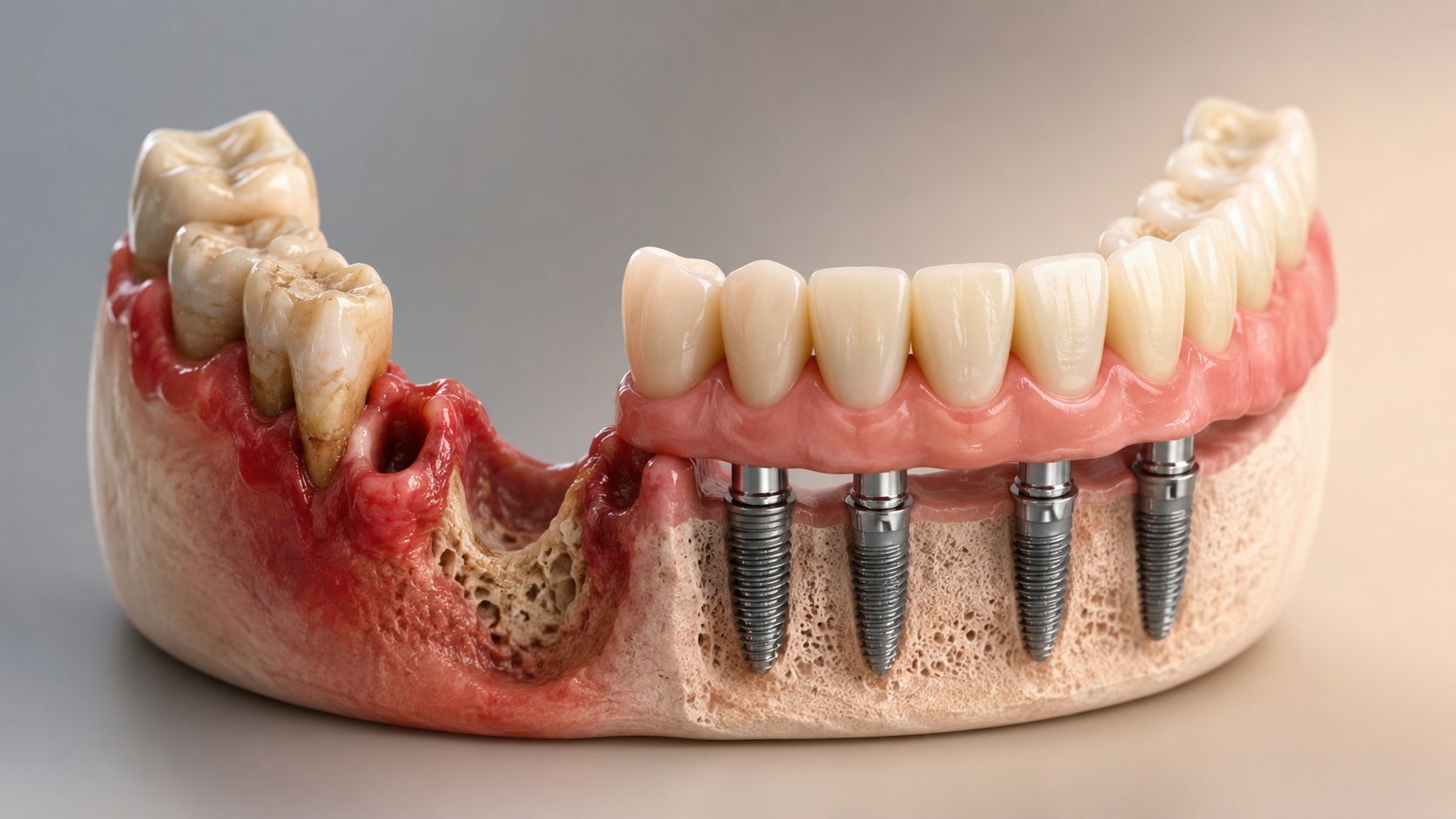
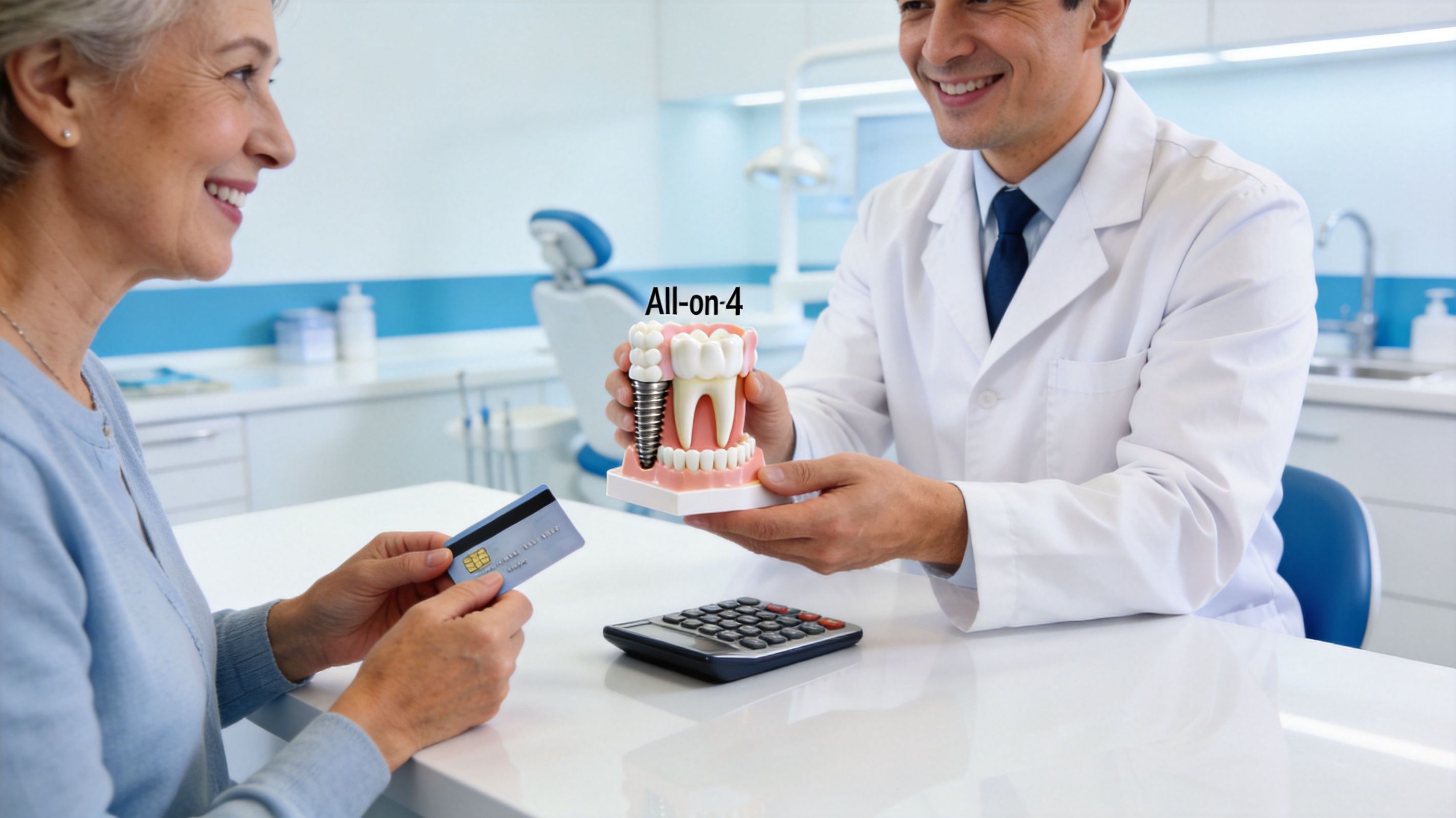
The most common approaches are All-on-4 and All-on-6, which use four to six implants per arch to support a full fixed bridge. These solutions are praised for their stability, durability, and natural appearance—and unlike traditional dentures, they don't slip or require adhesive.
For people dealing with severe tooth decay, advanced gum disease, or significant tooth loss, full mouth implants can restore not just their smile but their quality of life. Patients report improvements in nutrition (being able to chew properly again), speech clarity, and self-confidence.
Breaking Down the Cost: What You're Actually Paying For
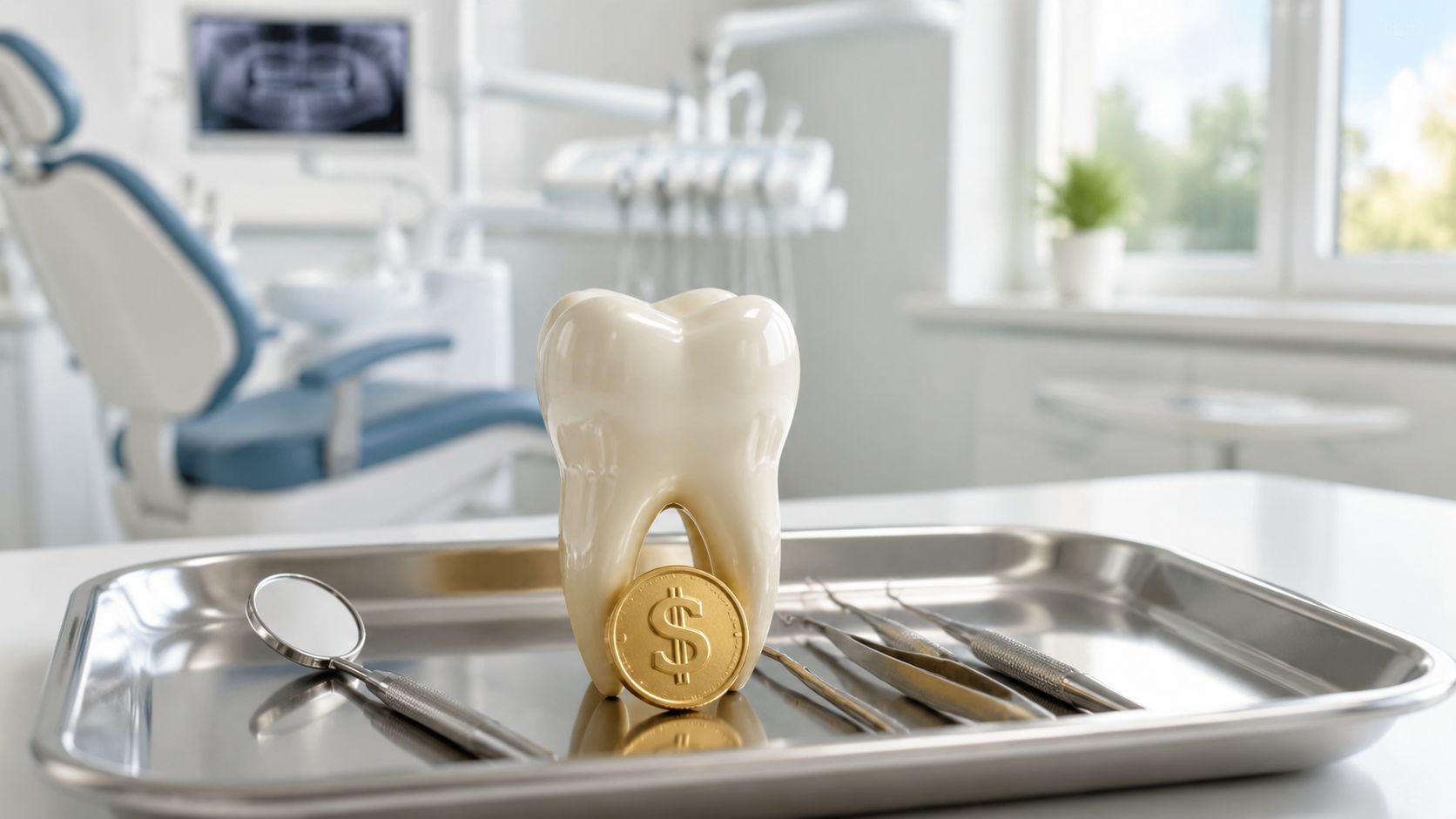
Full mouth dental implants in the United States typically range from $25,000 to $90,000 for a full restoration, depending on several factors. That's a wide range—and understanding what's inside that number helps you evaluate any quote you receive.
Materials
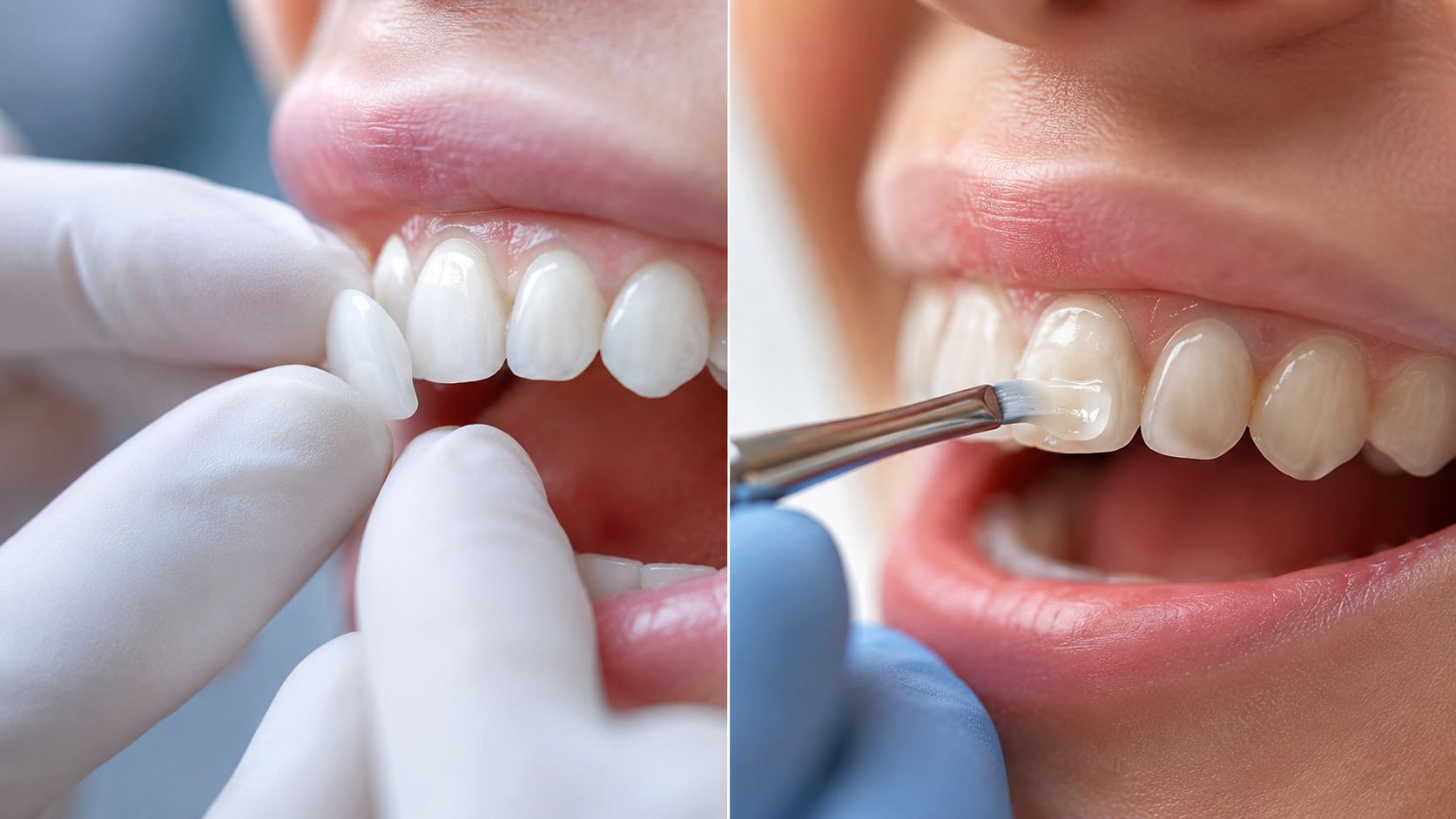
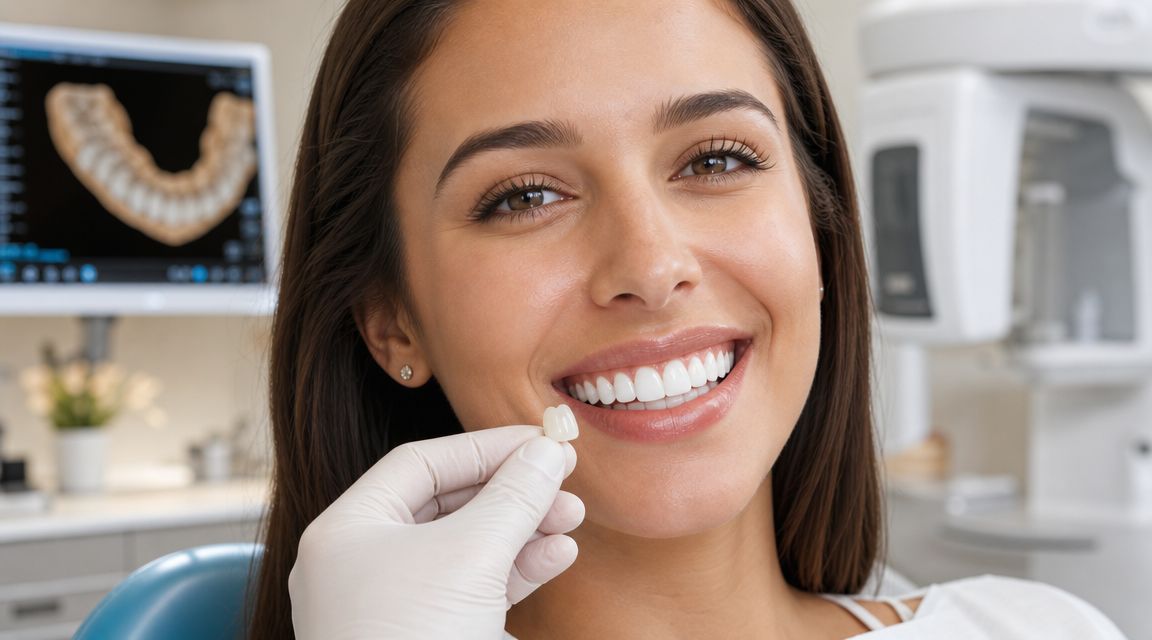
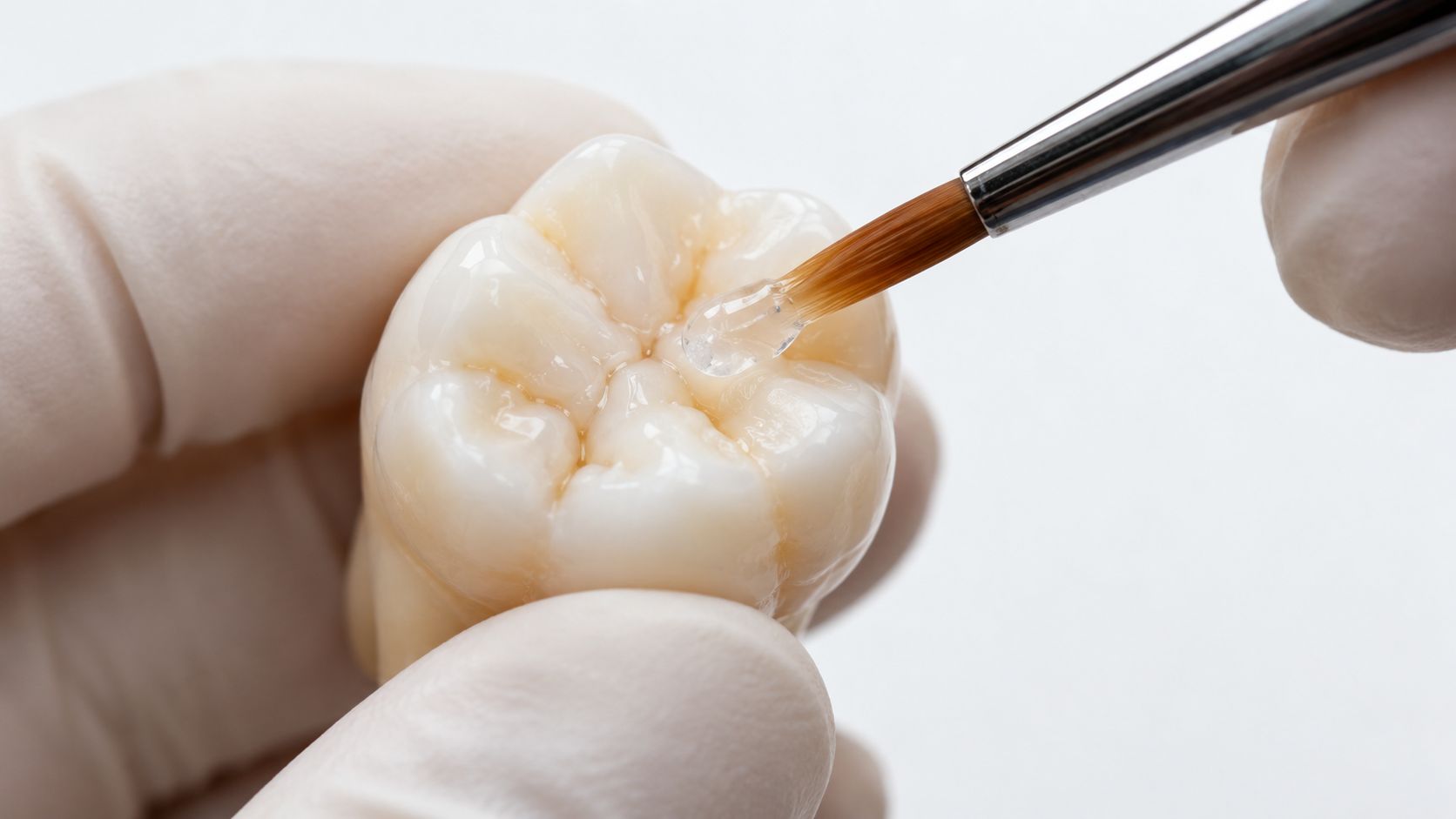
The implant posts themselves are almost universally made from medical-grade titanium, known for its biocompatibility and durability. The quality of the prosthetic teeth (crowns or bridges) placed on top varies more significantly. Options range from acrylic and composite resin to zirconia, which is considered the gold standard for aesthetics, strength, and longevity. Zirconia restorations cost more upfront but typically last longer and look more natural.
Laboratory Fees
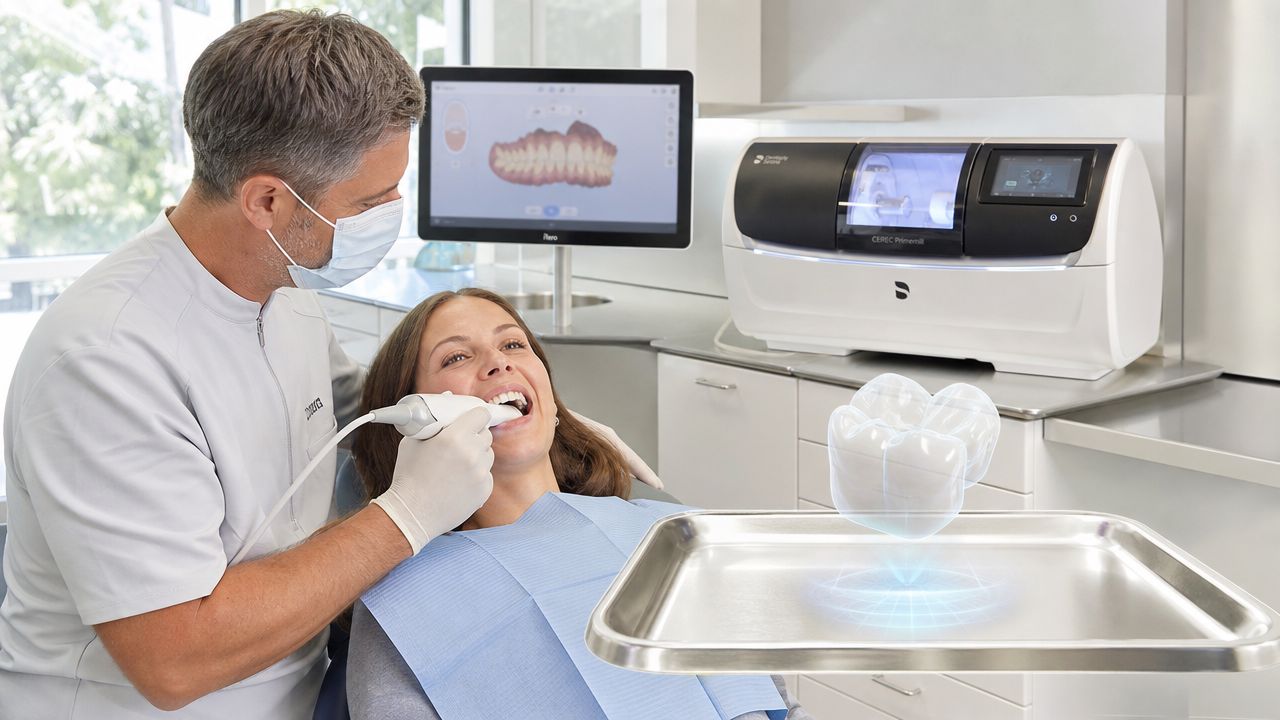
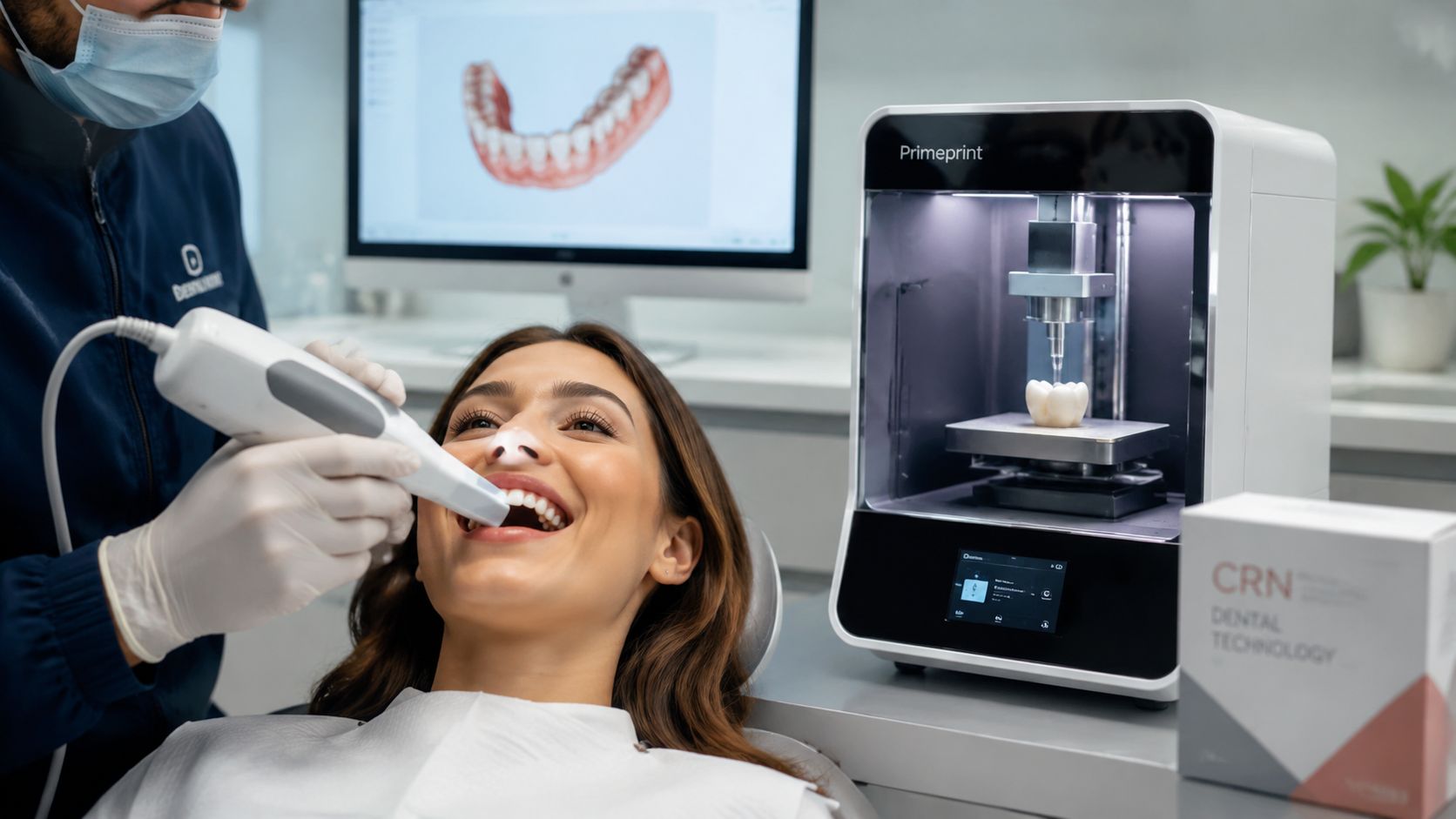
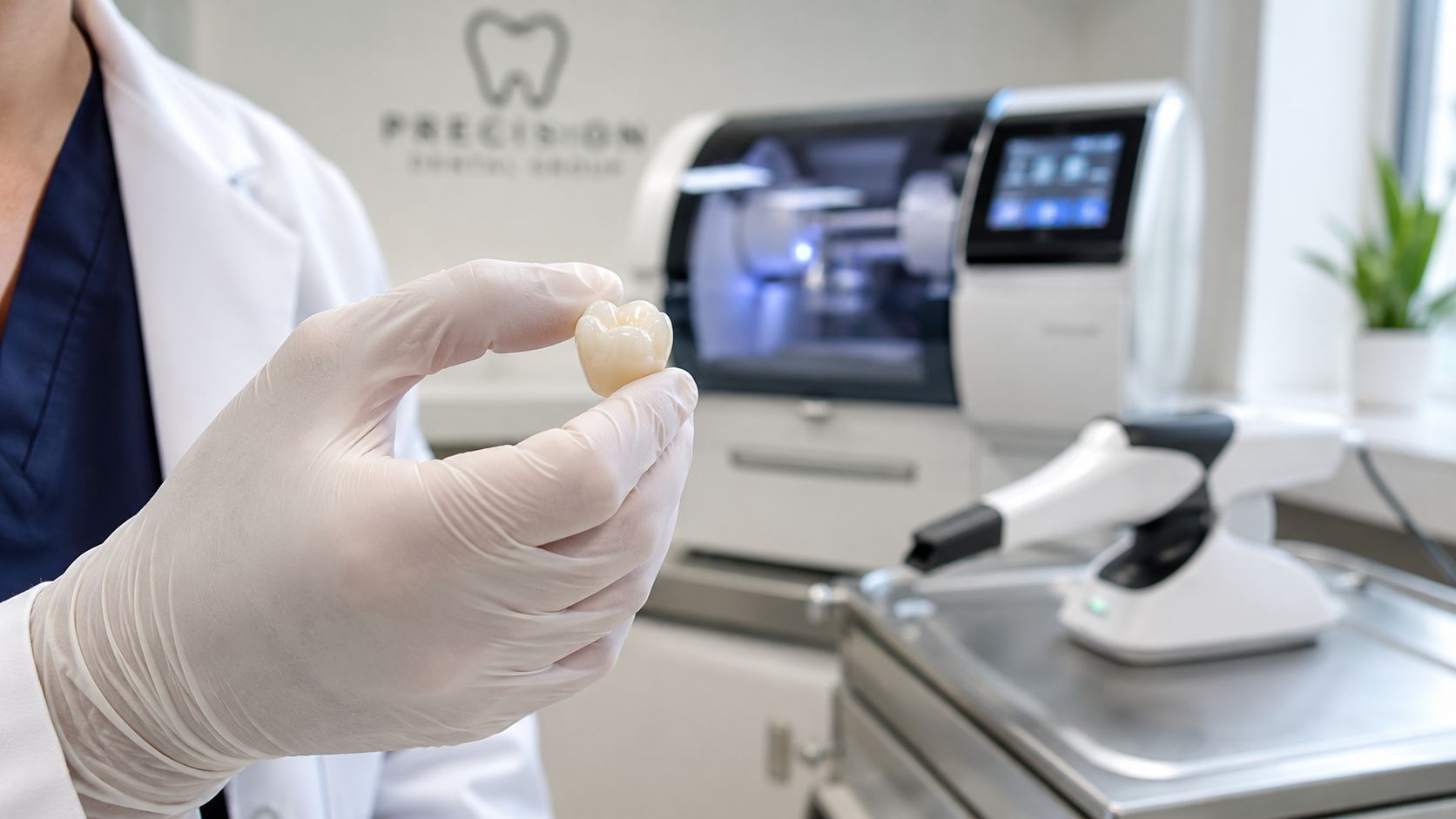
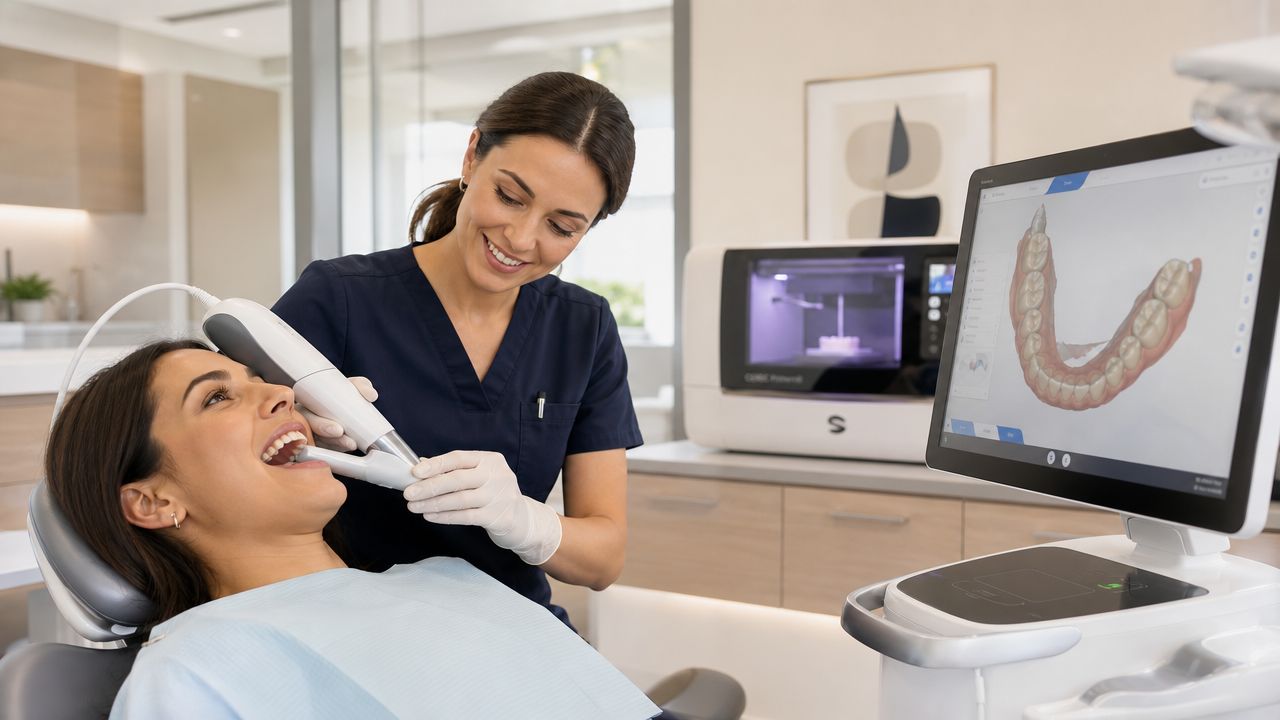
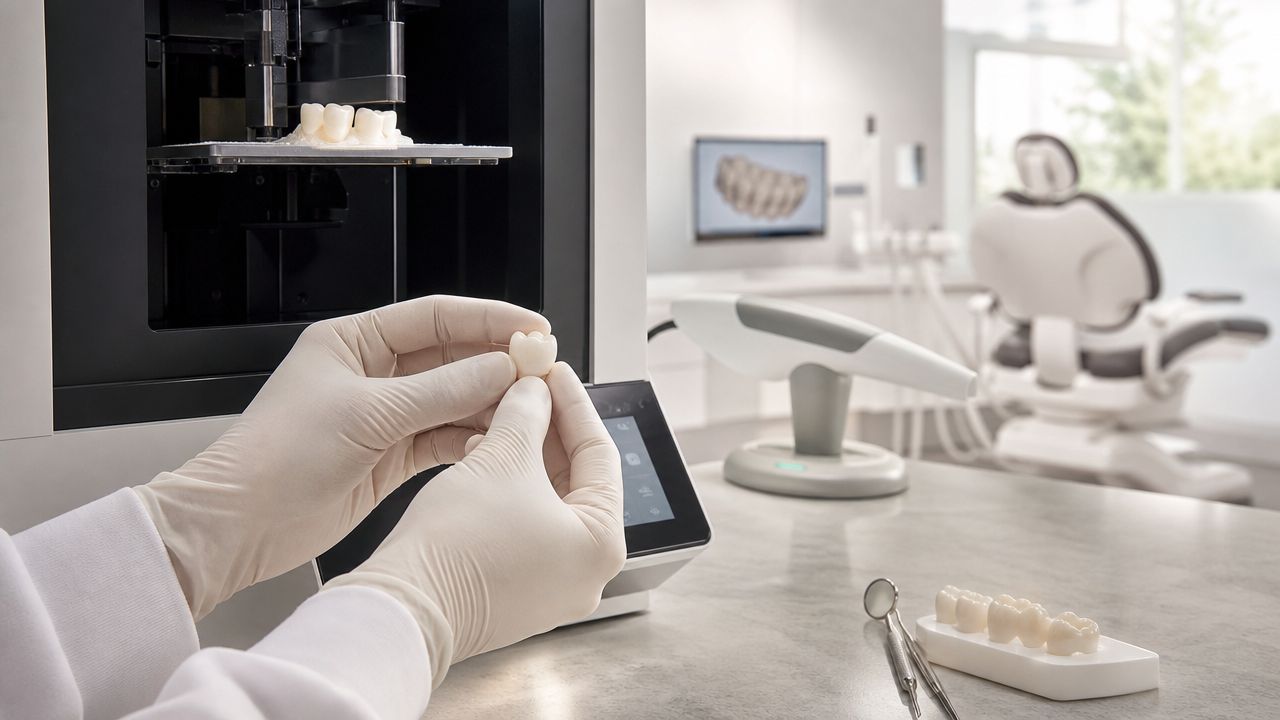
Your prosthetic teeth are custom-fabricated in a dental lab. Some practices use in-house milling technology (CAD/CAM), which speeds up production and can reduce error. Others outsource to external labs. High-quality lab work takes time, skill, and precision—and is reflected in the price.
Surgical Complexity
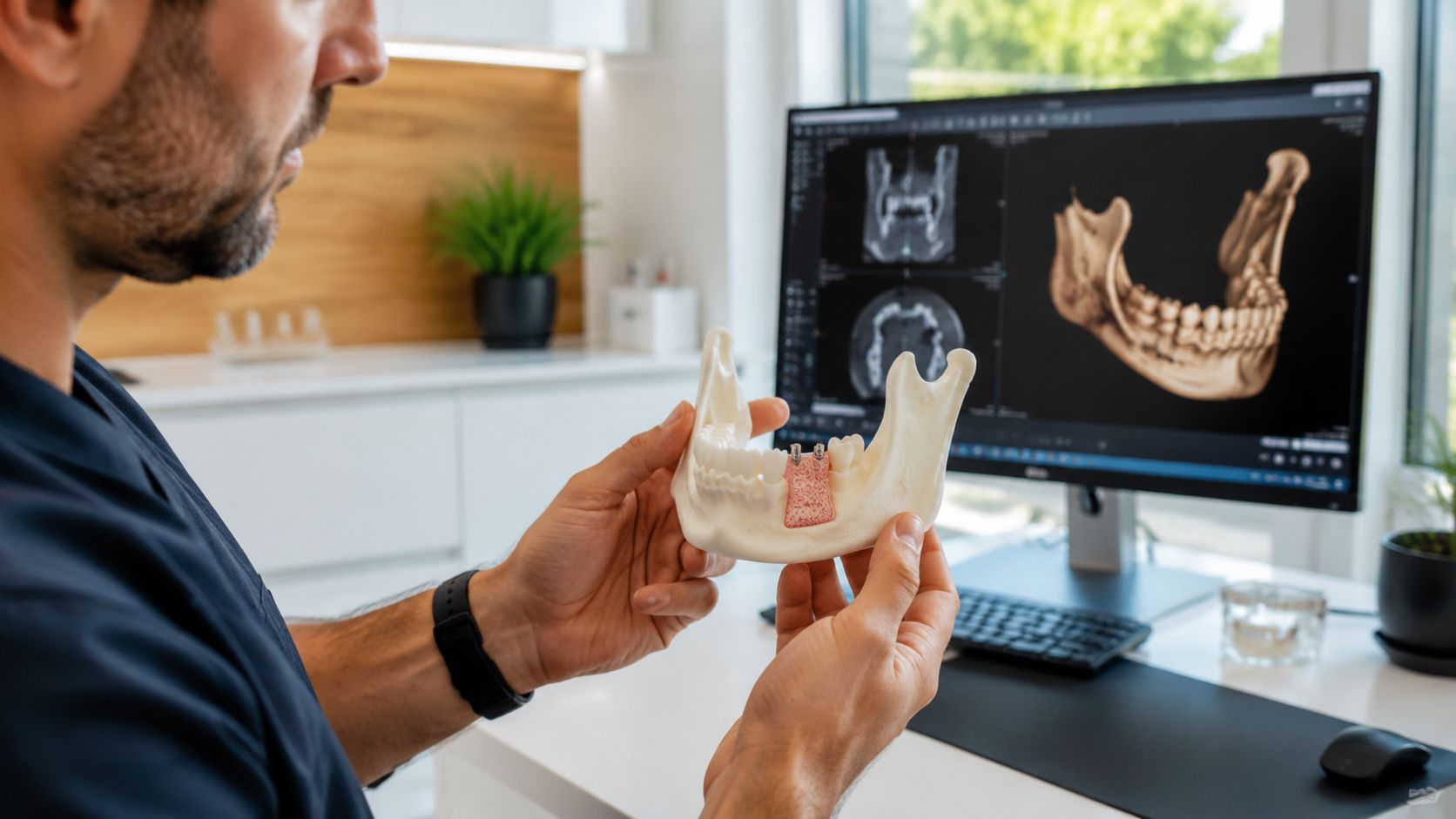
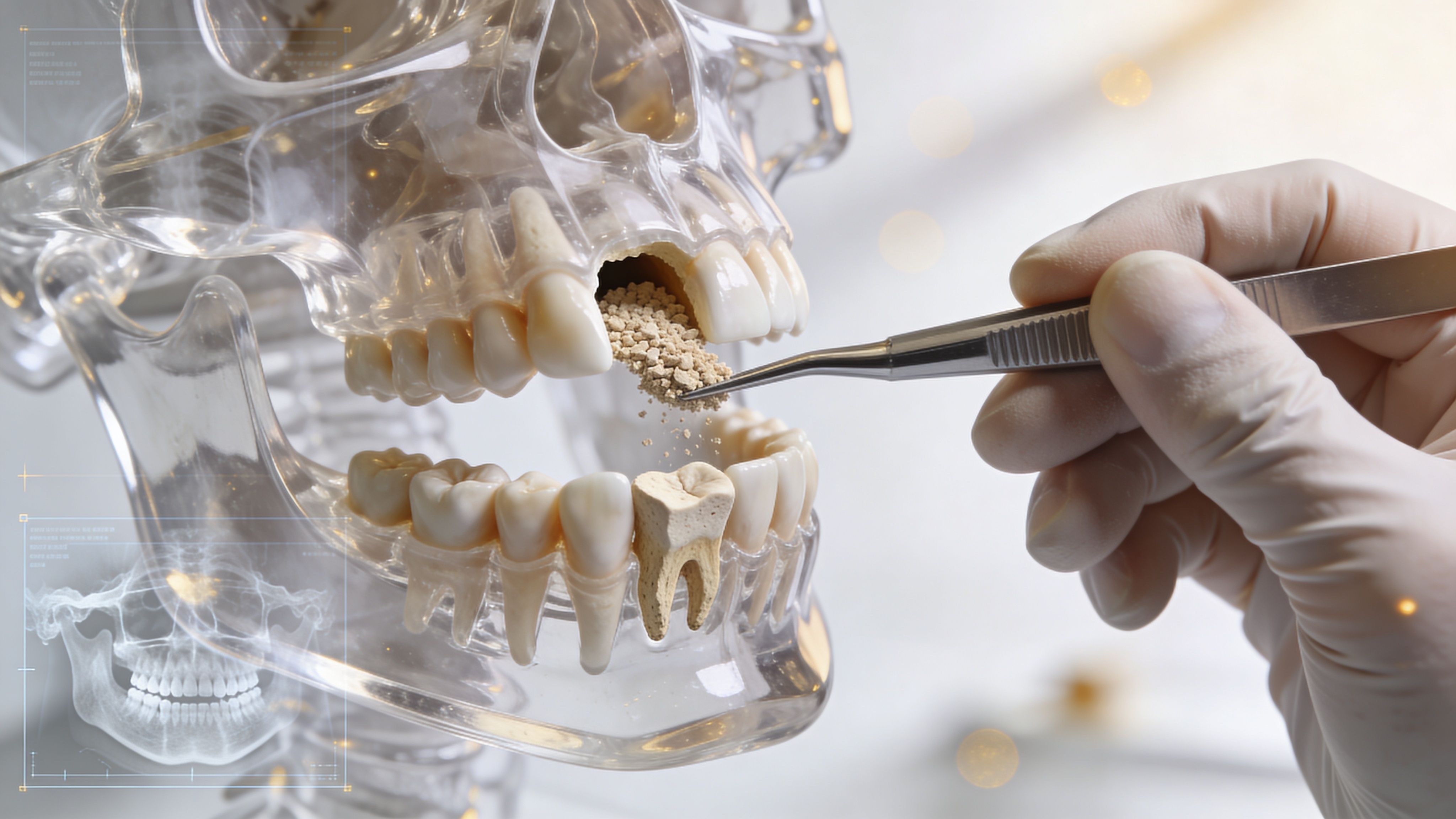
Not every patient arrives with a jawbone ready to receive implants. Extractions, bone grafting, sinus lifts, and other preparatory procedures each carry their own costs. A patient who needs extensive bone grafting will pay considerably more than someone with healthy, dense bone.
Technology and Imaging
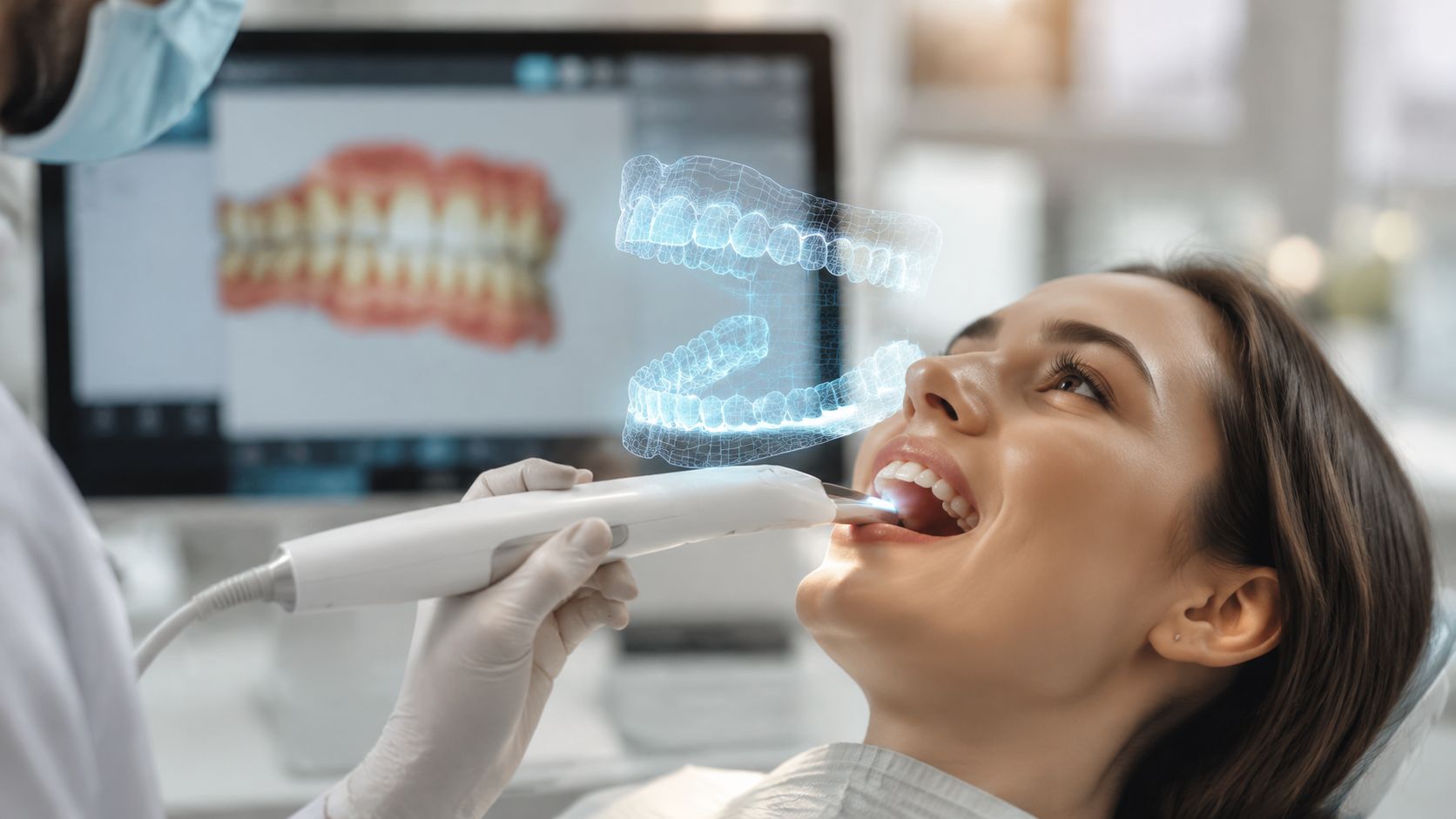
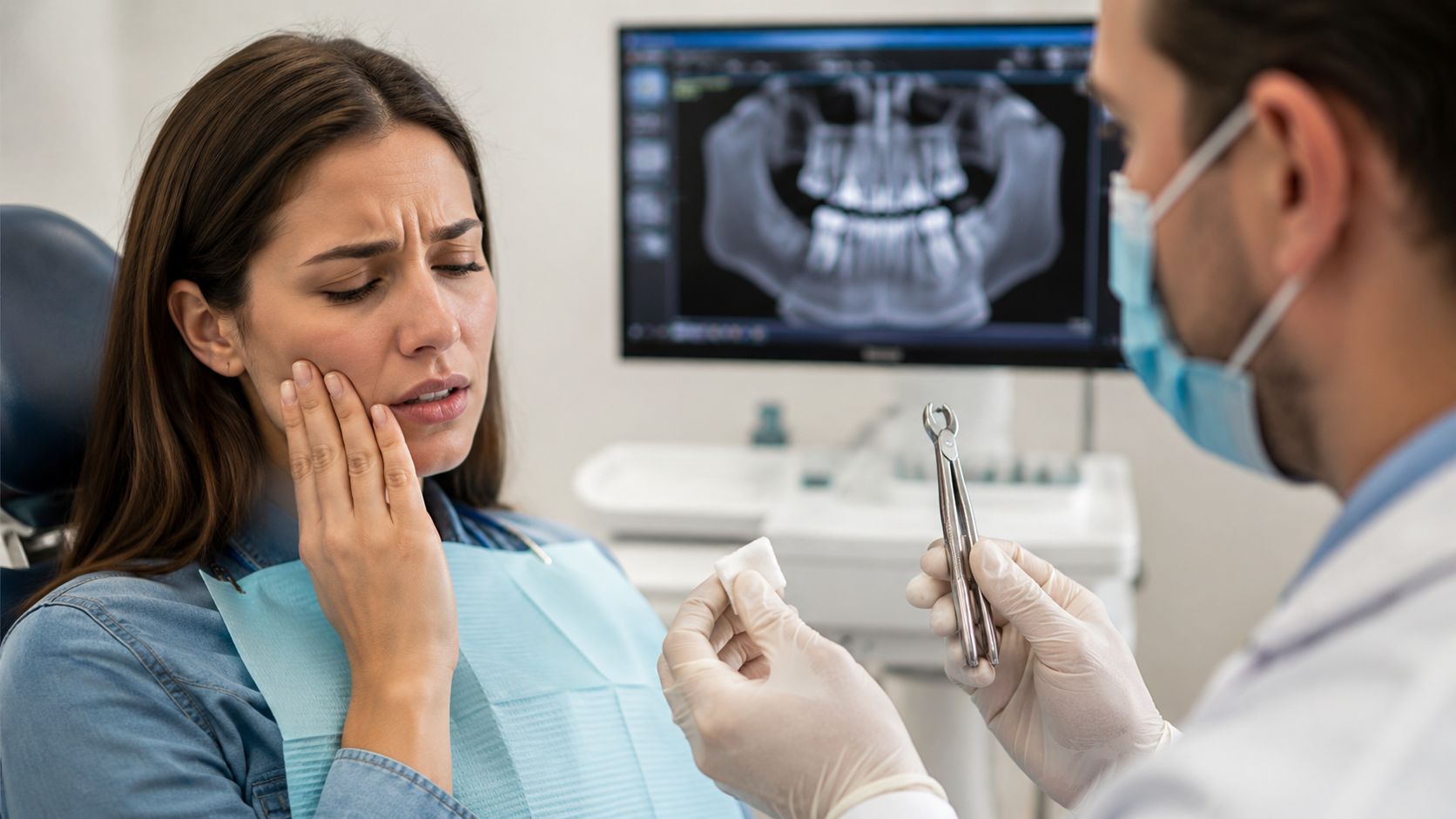
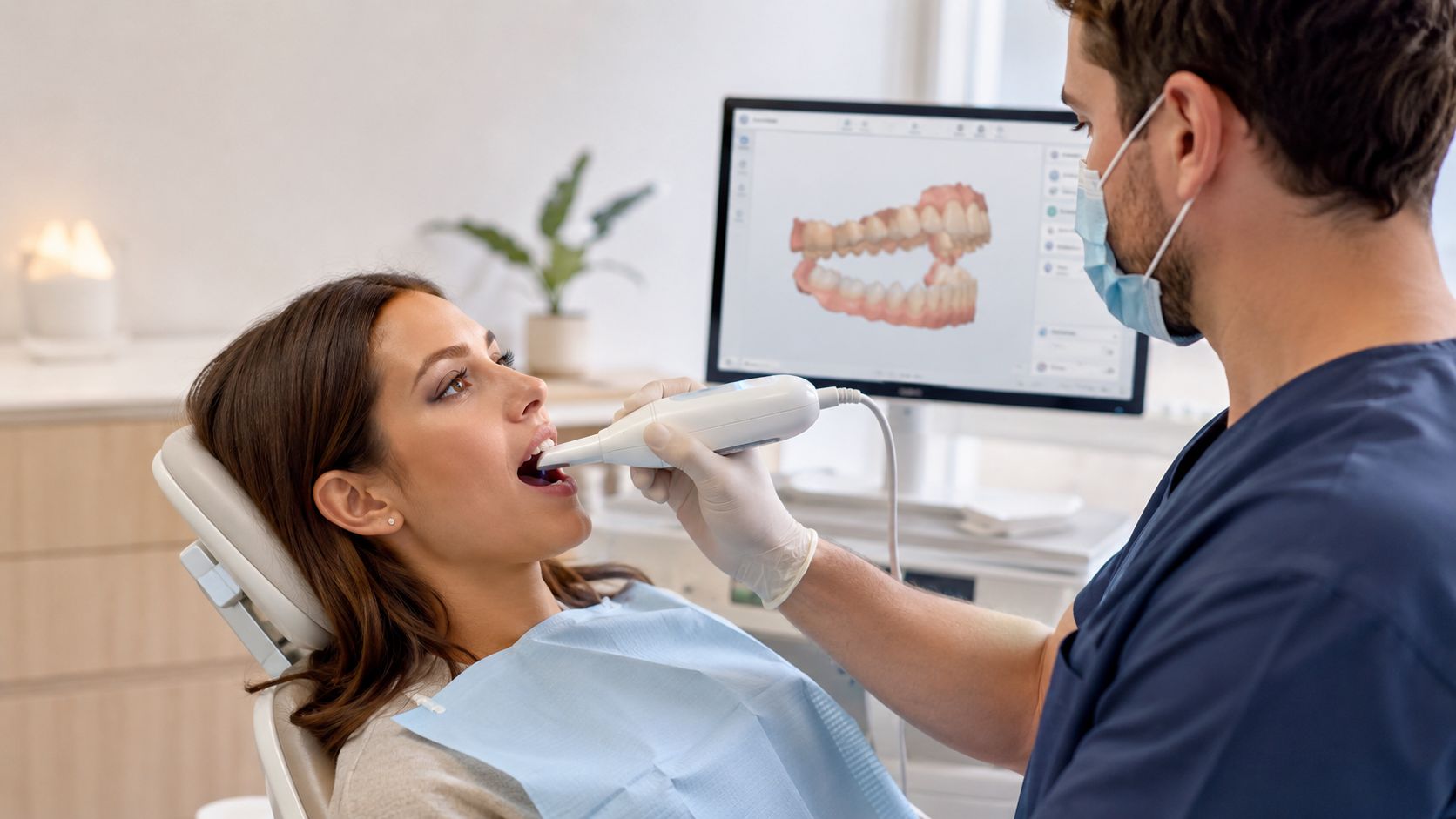
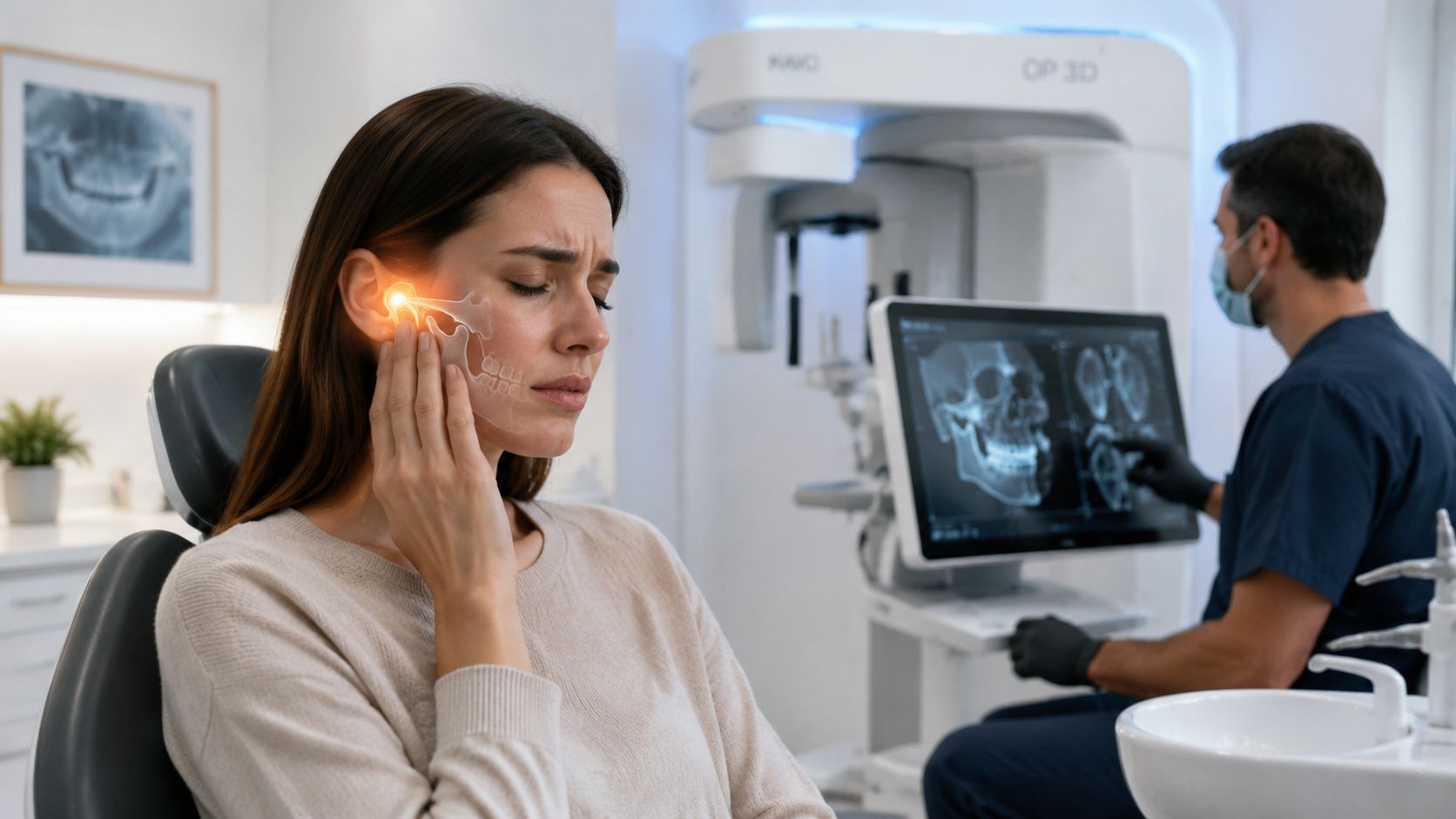
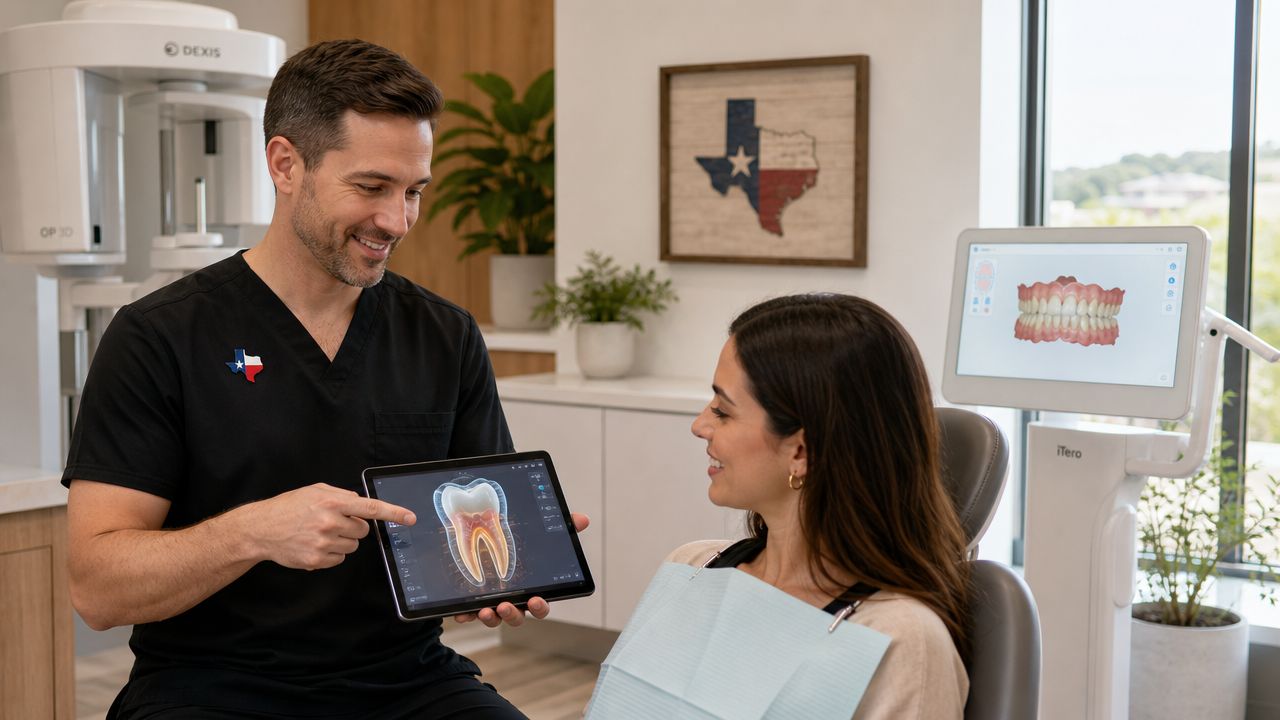
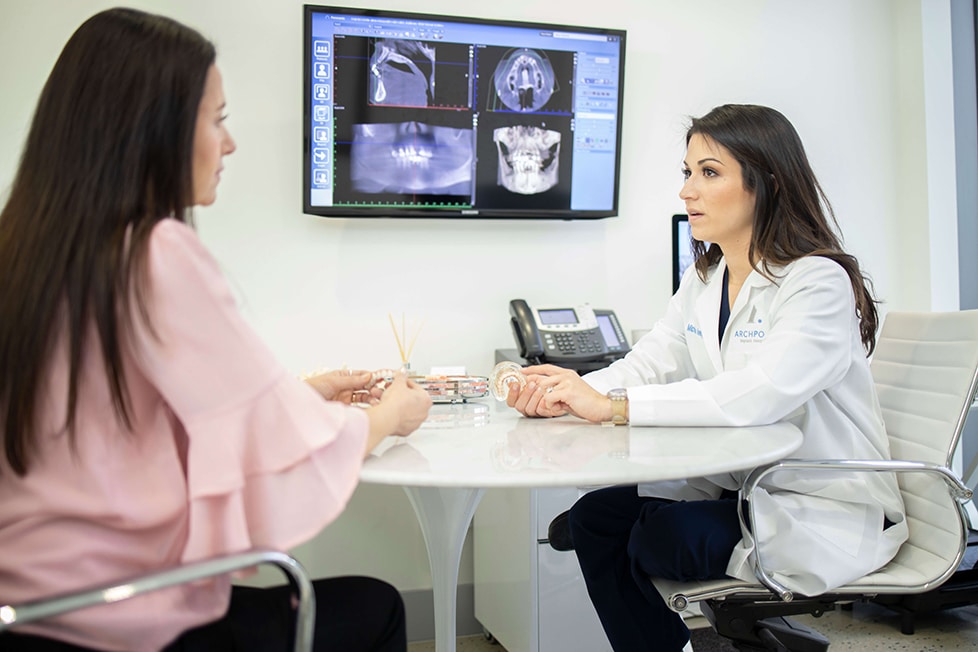
Advanced practices invest in cone beam CT (CBCT) scanners, 3D imaging systems, and digital planning software. These tools allow for precise implant placement, reducing surgical risk and improving long-term outcomes. The cost of this technology is factored into your treatment quote—but it's a cost worth paying.
The Dental Team
An experienced implant surgeon with advanced training commands higher fees than a general dentist offering implants as an add-on service. Specialist expertise matters enormously in implant dentistry, where precision is everything.
Why Prices Vary So Much Between Patients
Even within a single practice, two patients seeking full mouth restoration can receive very different quotes. Here's why.
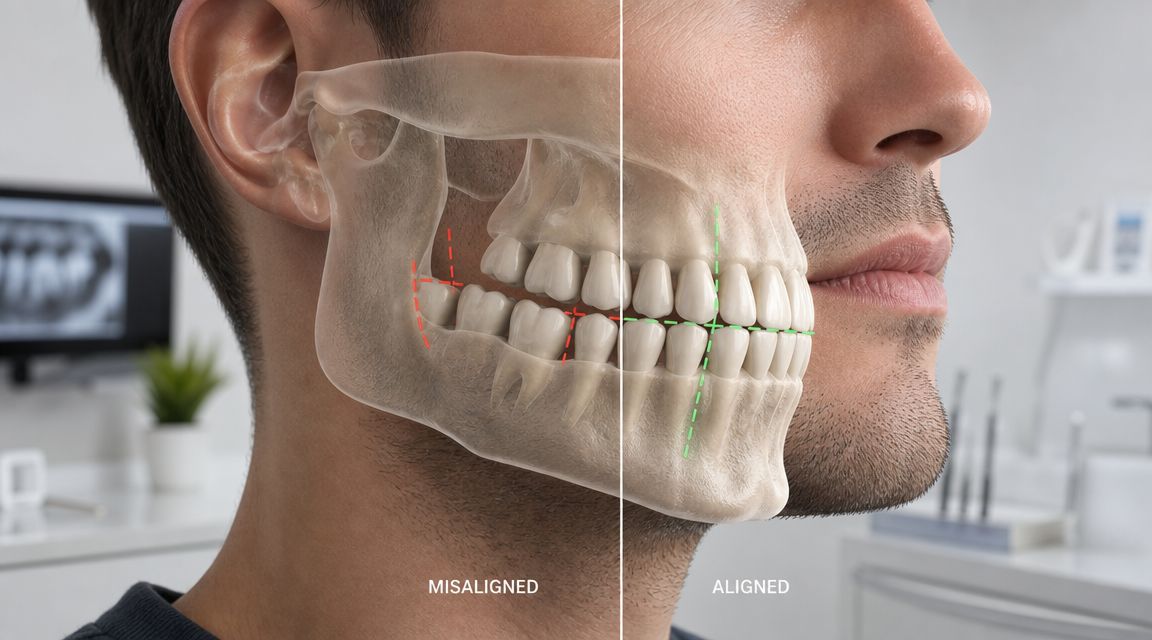
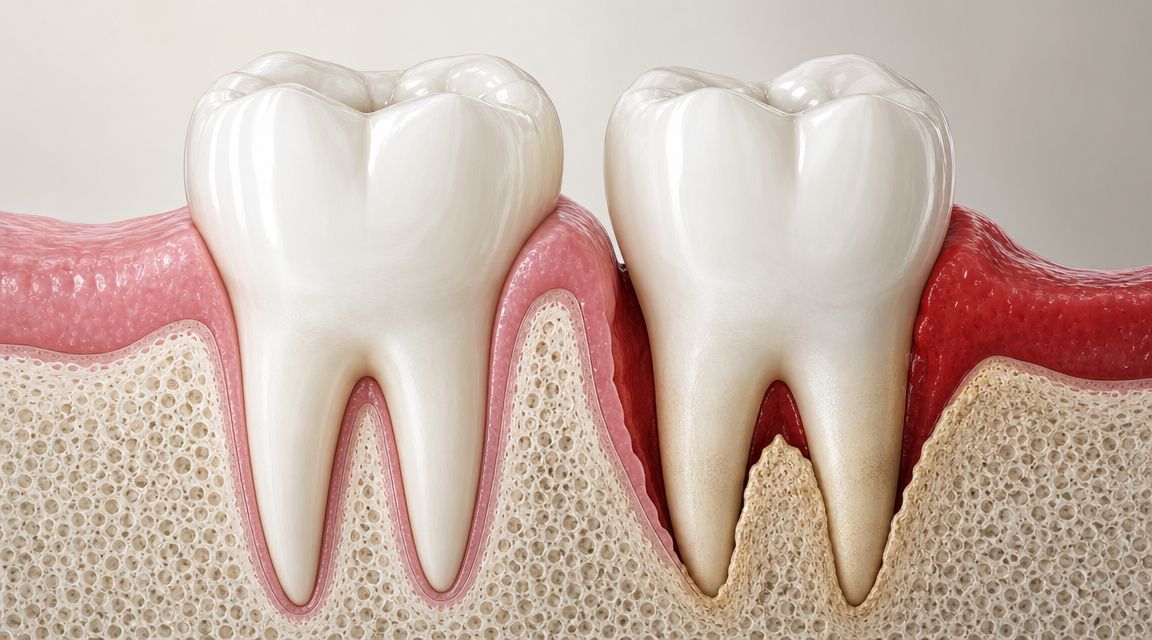
Bone density and volume play a major role. If you've been missing teeth for years, the jawbone in that area may have deteriorated—a process called resorption. Restoring bone through grafting adds both time and cost to your treatment.
The number of implants required affects the total. All-on-4 uses fewer implants than All-on-6 or individual implant placements, which brings costs down but may not suit every patient's anatomy or bite requirements.
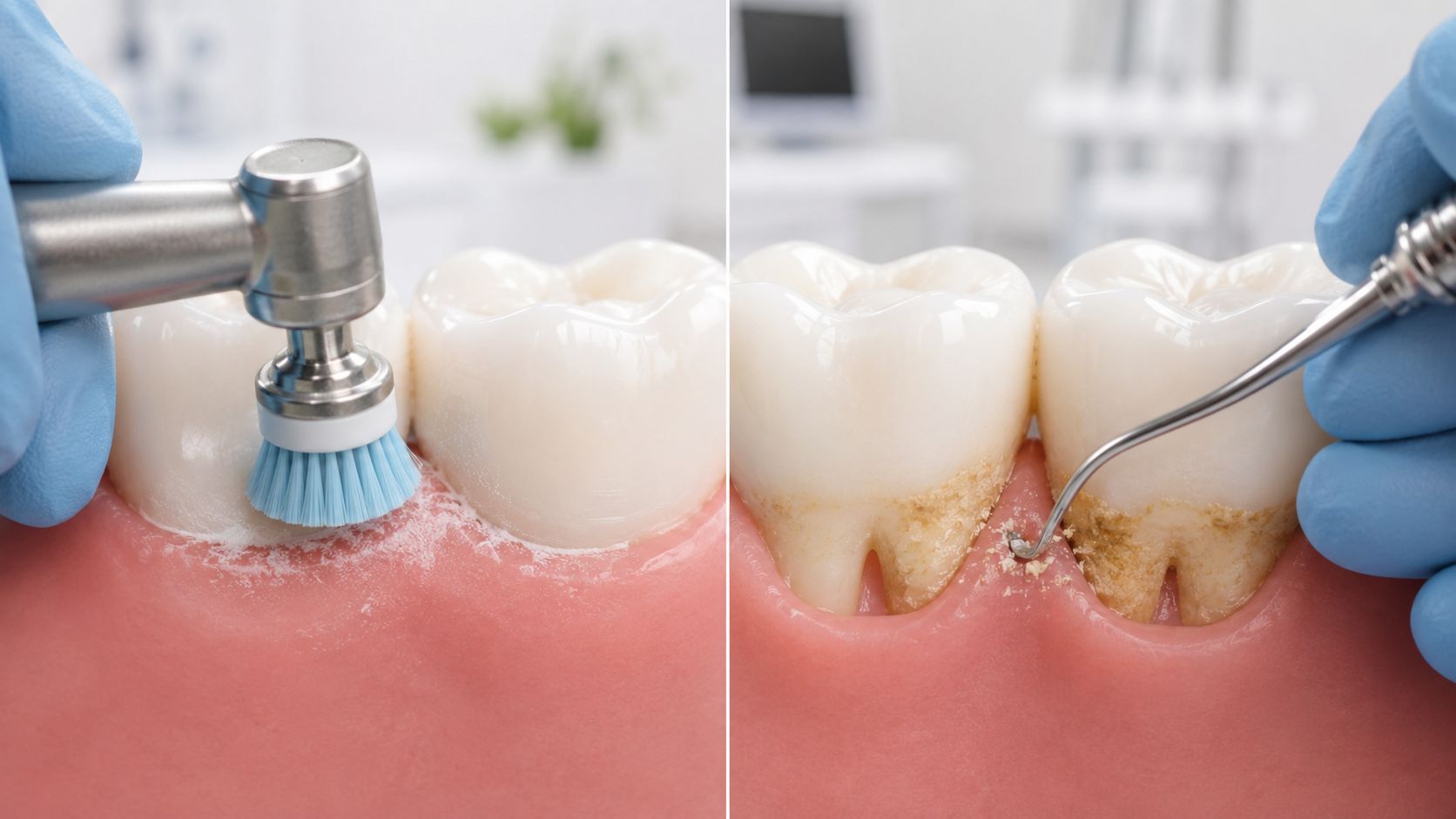
Your overall oral health determines how much preparatory work is needed before implants can be placed. Patients with active gum disease or infected teeth require treatment first.
Geographic location is a surprisingly large factor. Dental practices in major metropolitan areas face higher overheads—rent, staff wages, equipment costs—that are reflected in patient fees. Rural practices may charge less, but may also offer fewer advanced services.
The 3D Dental Advantage: Precision Planning That Protects Your Investment
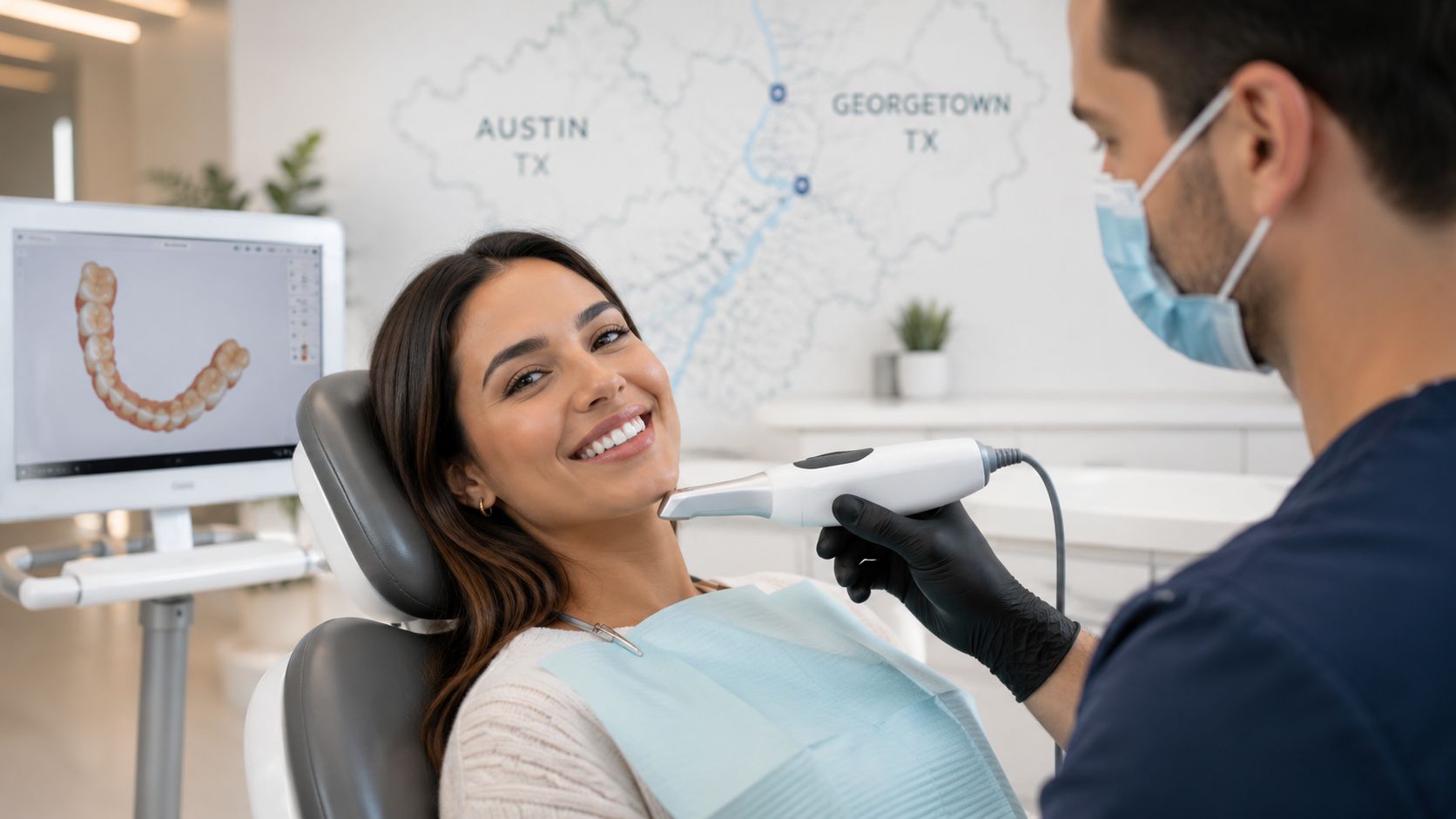
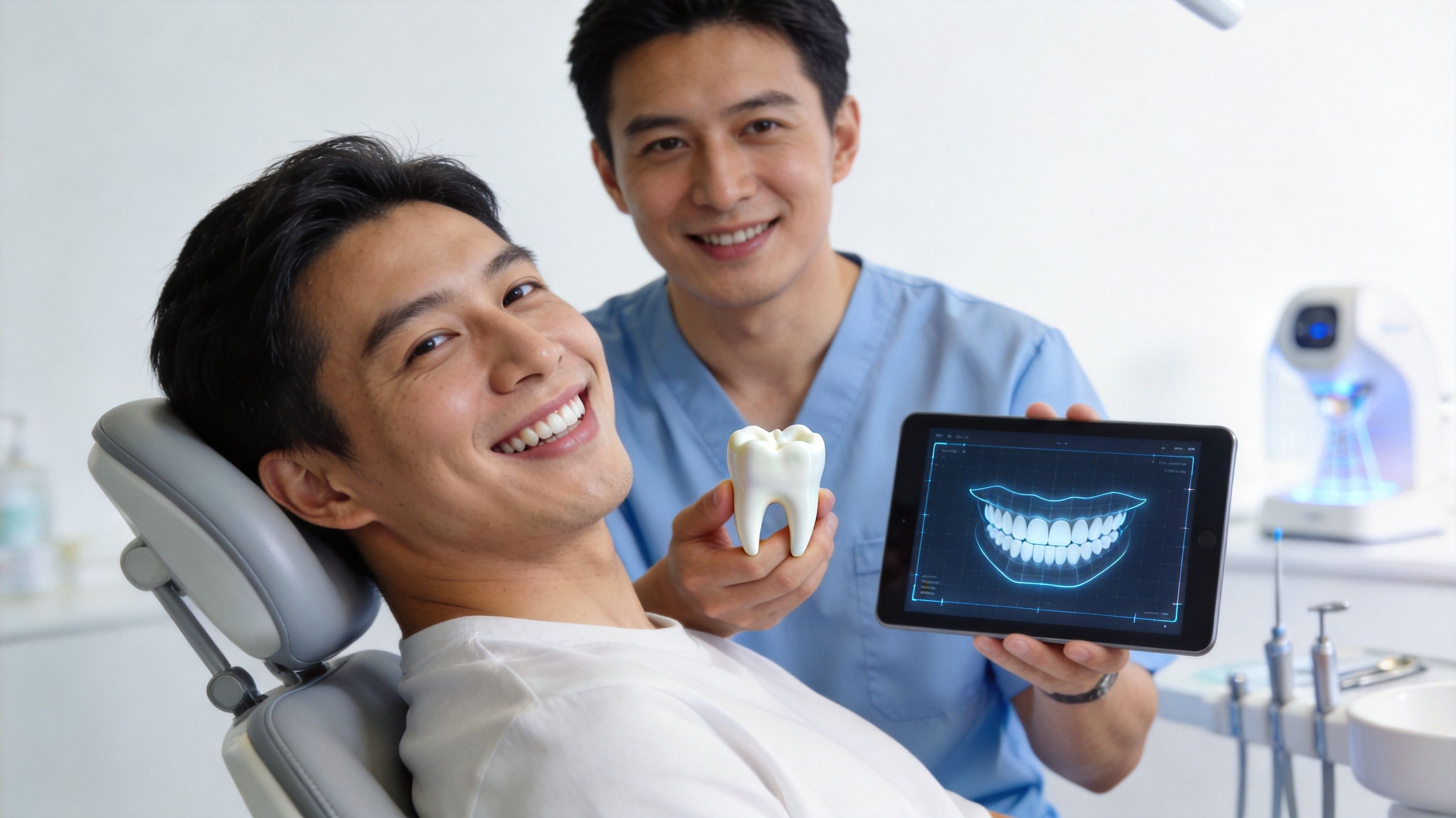
One of the most significant advances in implant dentistry over the past decade is 3D imaging and computer-guided surgical planning. At 3D Dental, this technology is central to how we approach full mouth restoration.
Here's why it matters: placing implants without detailed 3D imaging is like navigating without a map. A two-dimensional X-ray gives your dentist limited information about bone depth, density, and the location of nerves and sinuses. A cone beam CT scan, combined with digital planning software, creates a precise three-dimensional model of your jaw—allowing your surgeon to plan implant placement down to the millimeter before they ever enter the surgical suite.
This level of precision translates directly into better outcomes. Implants placed in optimal positions integrate more reliably with the bone, support the prosthetic teeth more effectively, and carry a lower risk of complications. For patients, it means less guesswork, greater confidence in the procedure, and a clearer understanding of the treatment plan before it begins.
At 3D Dental, we use advanced imaging to produce a fully customized surgical guide for each patient. The result is predictable, efficient surgery—and a restoration built to last.
Red Flags vs. Green Flags: How to Spot a Reputable Implant Dentist
Choosing the right provider is the single most important decision you'll make in this process. Here's what to look for—and what to walk away from.
Red Flags
Unusually low prices with vague explanations. A quote significantly below market rate might mean lower-quality materials, less experienced staff, or shortcuts in the planning process. Always ask what's included.
No 3D imaging or advanced diagnostics. Any practice performing full mouth implants without cone beam CT scanning is working with incomplete information. This increases surgical risk and reduces precision.
Pressure to decide quickly. Legitimate implant dentists understand this is a major decision. High-pressure sales tactics are a warning sign.
Limited implant experience. General dentists can legally place implants, but full mouth restoration is complex. Look for a provider with extensive, documented implant experience—ideally a specialist in oral surgery, periodontics, or prosthodontics.
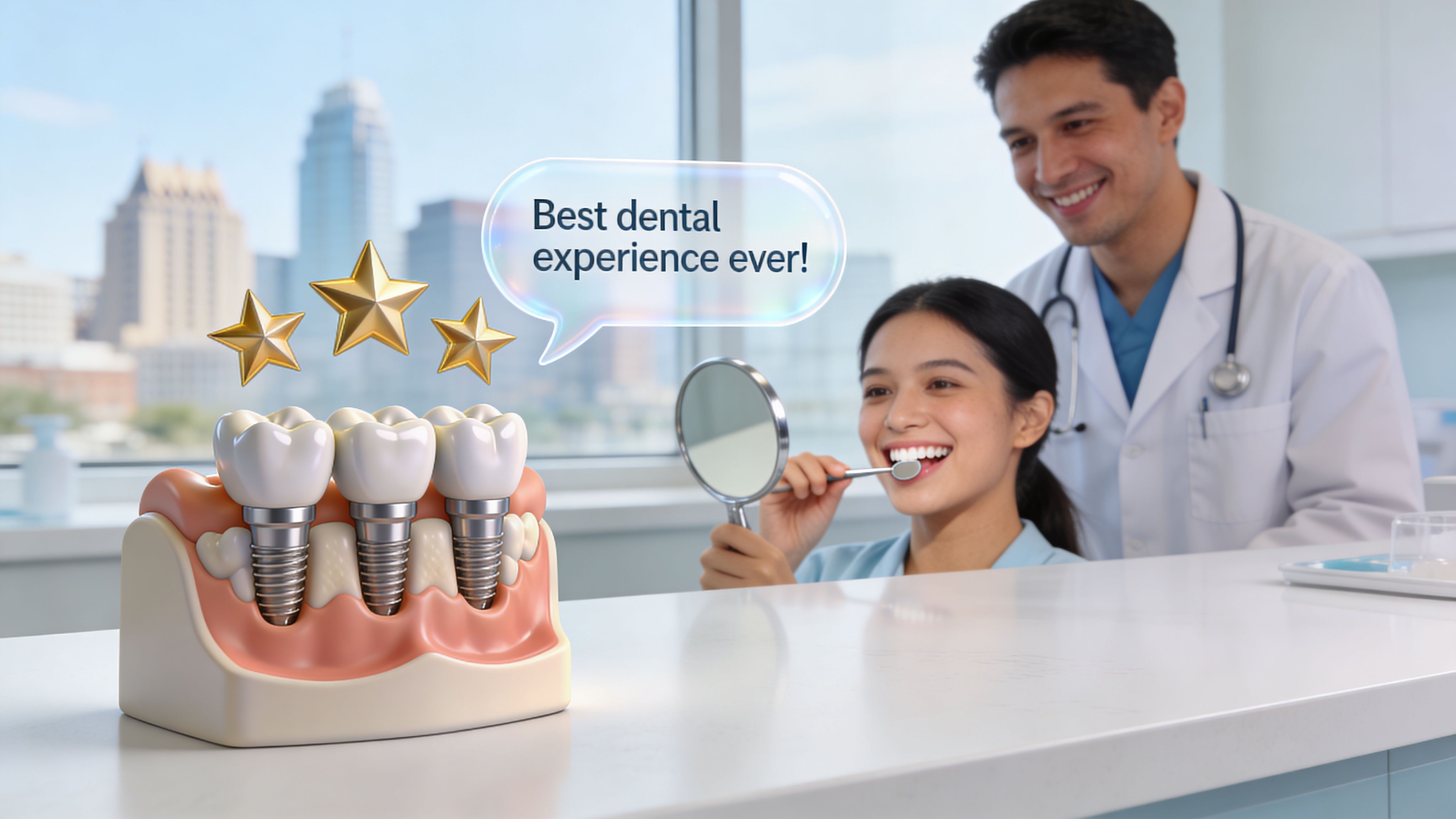
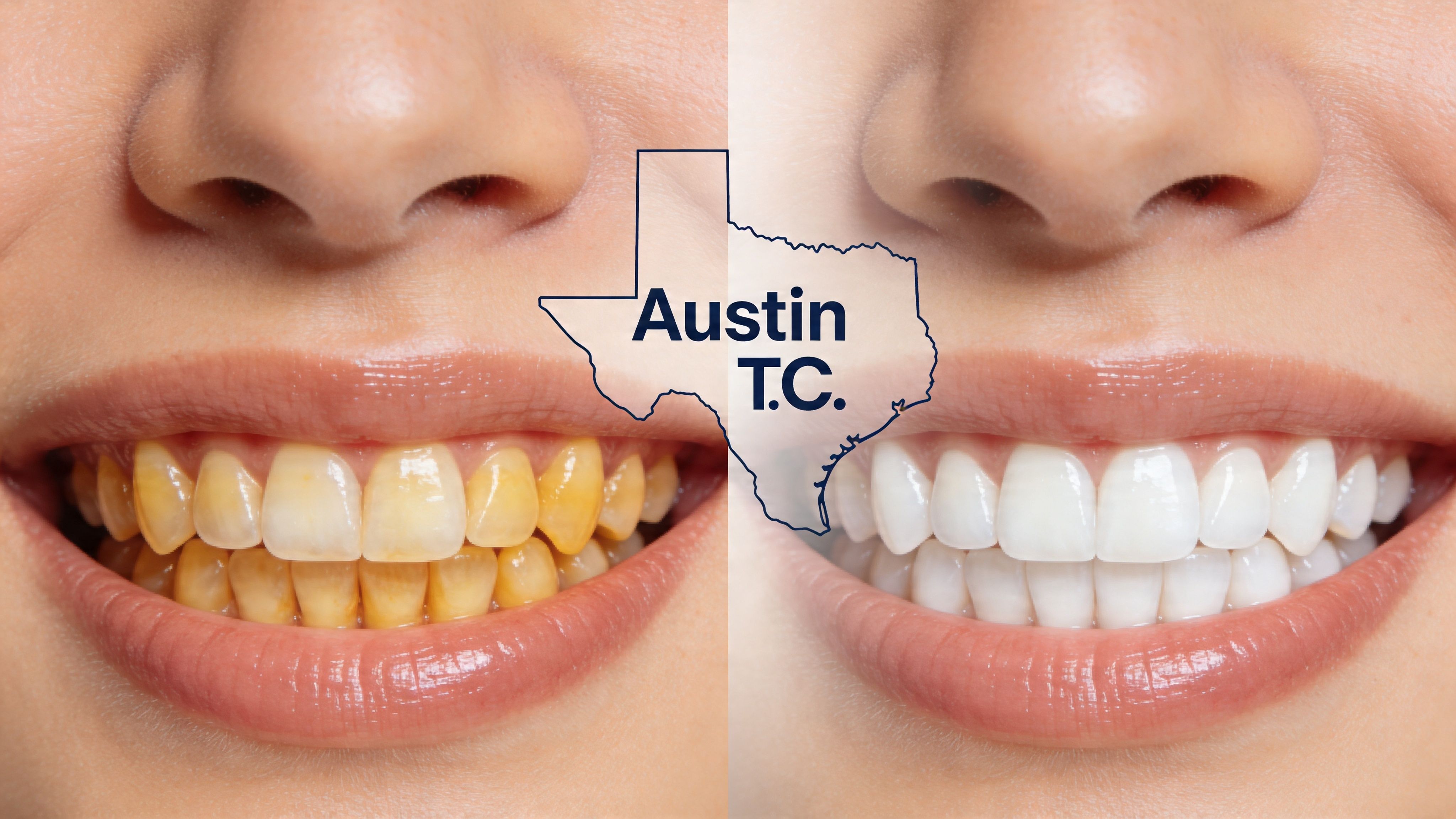
No before-and-after portfolio or patient reviews. A confident, experienced dentist will have results to show you. If they can't, ask yourself why.
Green Flags
A thorough consultation that includes imaging. A reputable practice won't quote you over the phone. They'll want to examine your bone structure, oral health, and overall suitability before recommending a treatment plan.
Transparent, itemized pricing. Good providers break down their quotes so you know exactly what each component costs—implants, lab work, surgery, follow-up care.
Clear credentials and specialist training. Ask about the dentist's qualifications, how many full mouth cases they've completed, and whether they stay current with continuing education.
Ongoing aftercare and warranty policies. Quality implant practices stand behind their work. Ask about what's covered if something goes wrong.
A team approach. Complex full mouth restorations often involve collaboration between a surgeon, a prosthodontist, and sometimes a periodontist. Practices with an integrated team typically deliver more comprehensive care.
Making It Affordable: Financing and Insurance Options
Full mouth dental implants are a long-term health investment—but that doesn't make the upfront cost any easier to manage. The good news is that several options can help bridge the gap.
Dental insurance rarely covers implants in full, but many plans contribute toward extractions, bone grafting, crowns, or other components of treatment. Review your policy carefully and ask your dental practice to help you maximize available benefits.
Flexible payment plans are offered by most implant practices, either directly or through third-party financing companies like CareCredit or Lending Club. These allow you to spread the cost over months or years, often at low or zero interest during promotional periods.
Health Savings Accounts (HSAs) and Flexible Spending Accounts (FSAs) can be used to pay for dental implants with pre-tax dollars, reducing the effective cost of your treatment.
Dental schools are another option for cost-conscious patients. Procedures are performed by supervised dental students and can be significantly cheaper—though treatment timelines are typically longer.
When comparing financing options, focus on the total repayment amount and interest rate, not just the monthly payment. A lower monthly figure can hide a higher overall cost.
Your Smile Is Worth the Investment
Full mouth dental implants aren't just a cosmetic procedure—they're a long-term dental health decision. They preserve jawbone, support facial structure, and restore the ability to eat and speak without limitation. When placed correctly and cared for properly, they can last decades.
The key is finding a provider who combines clinical expertise with advanced technology and genuine transparency. Don't let price alone drive your decision. Ask questions. Request an itemized quote. Look at real patient results. And make sure your dentist is using every tool available—including 3D imaging—to give you the best possible outcome.
At 3D Dental, we believe every patient deserves a clear picture of their treatment before it begins. If you're considering full mouth restoration, we invite you to schedule a consultation and find out exactly what's possible for your smile.
3D Dental Texas
https://maps.app.goo.gl/XMPCB3A1TnEpUHFAA
(512) 831-7918
12854 Research Blvd Austin TX 78750
Ready to get started?
Schedule a free, no obligation consultation with our team and see what's possible for your smile!
Georgetown
- Mon-Thurs8:30am-5pm
- Fri8am-3:30pm
- Sat-SunClosed
Austin
- Mon-Tues8am-5pm
- Wed-Thurs9am-6pmFri8am-2pm
- Sat-SunClosed