
Transform Your Smile: Dental Implants Georgetown TX
Related Posts


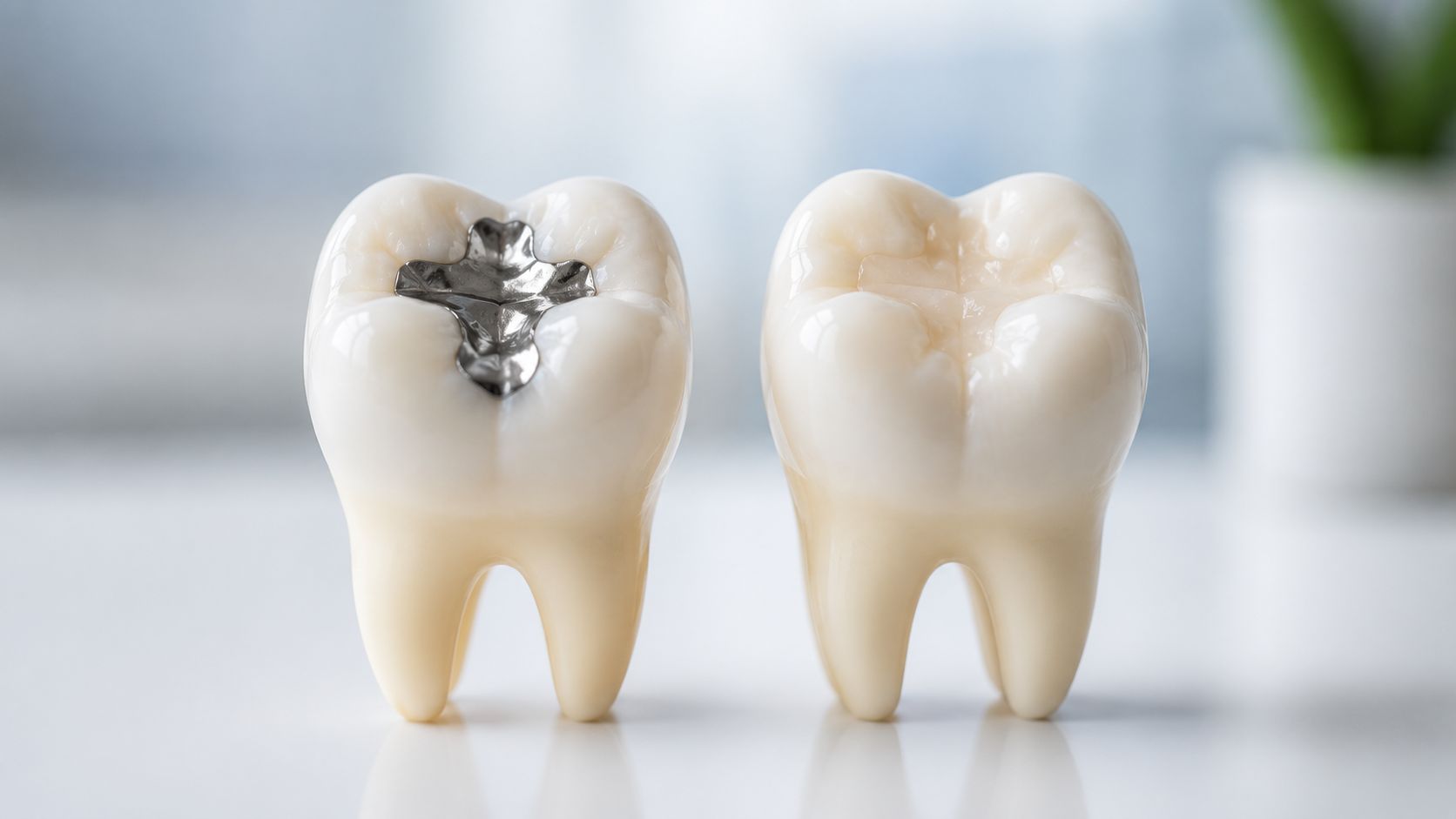



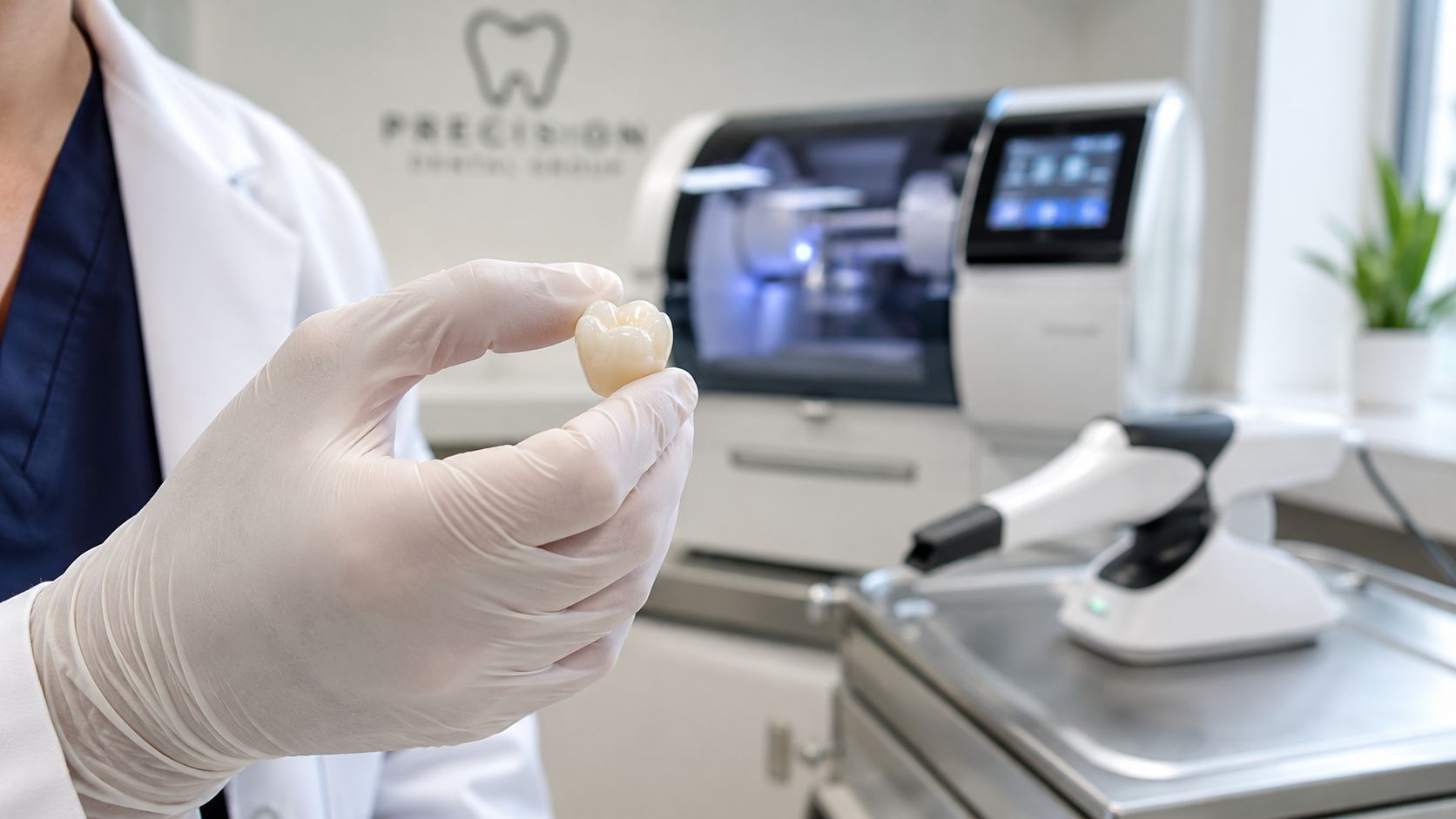

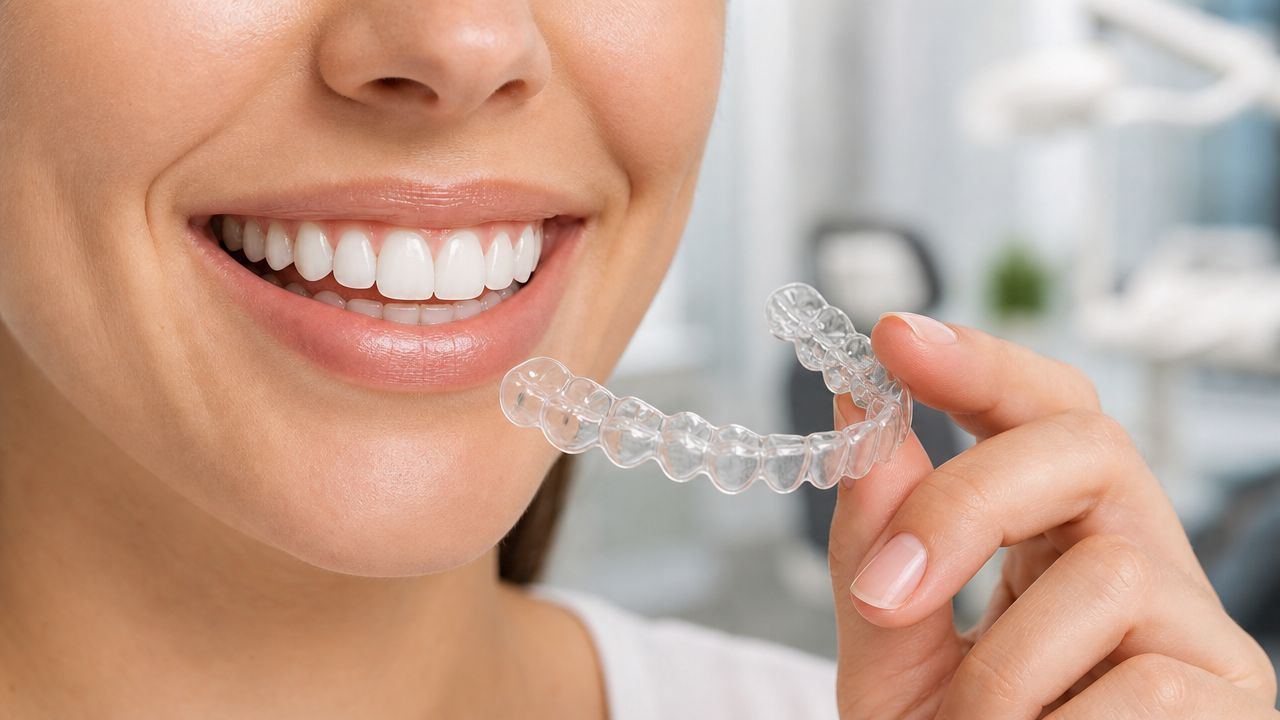

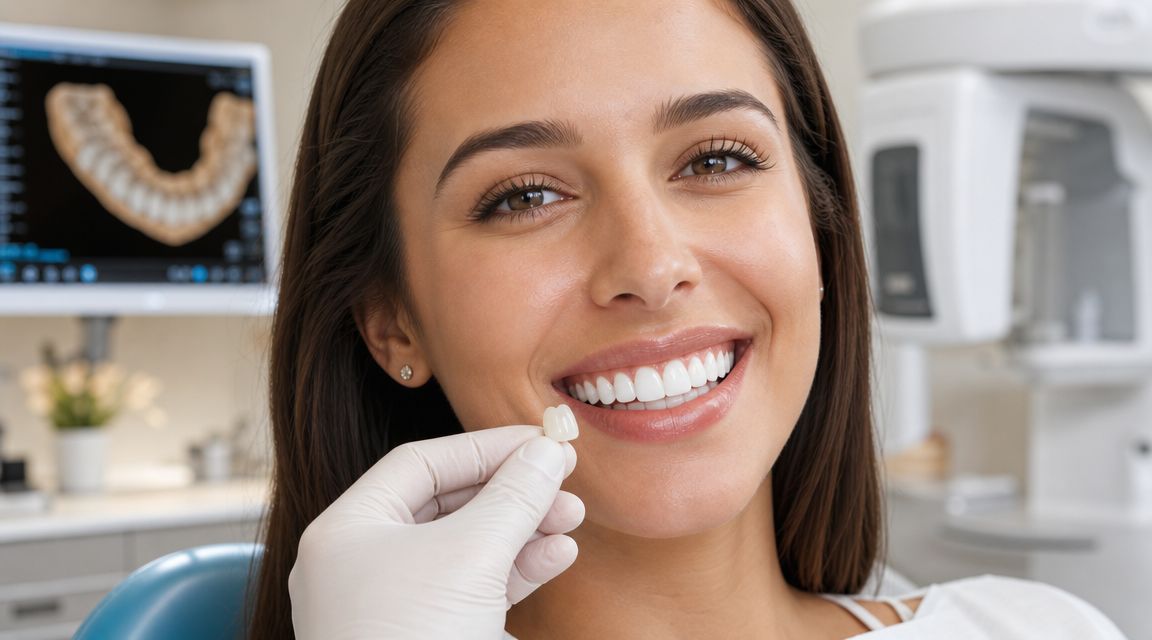

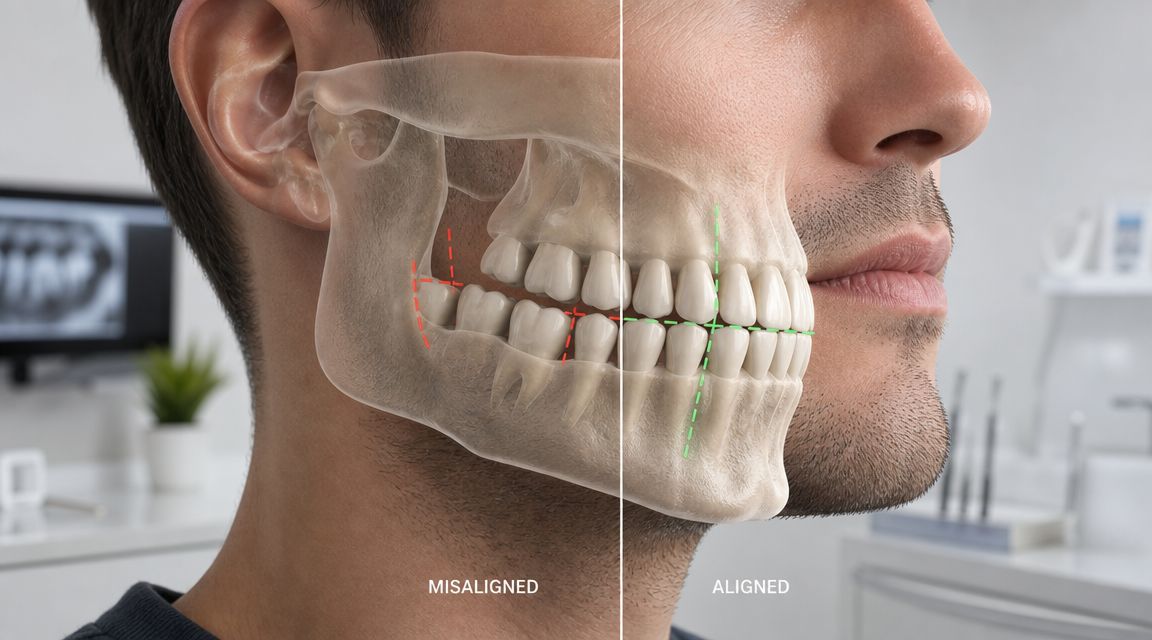









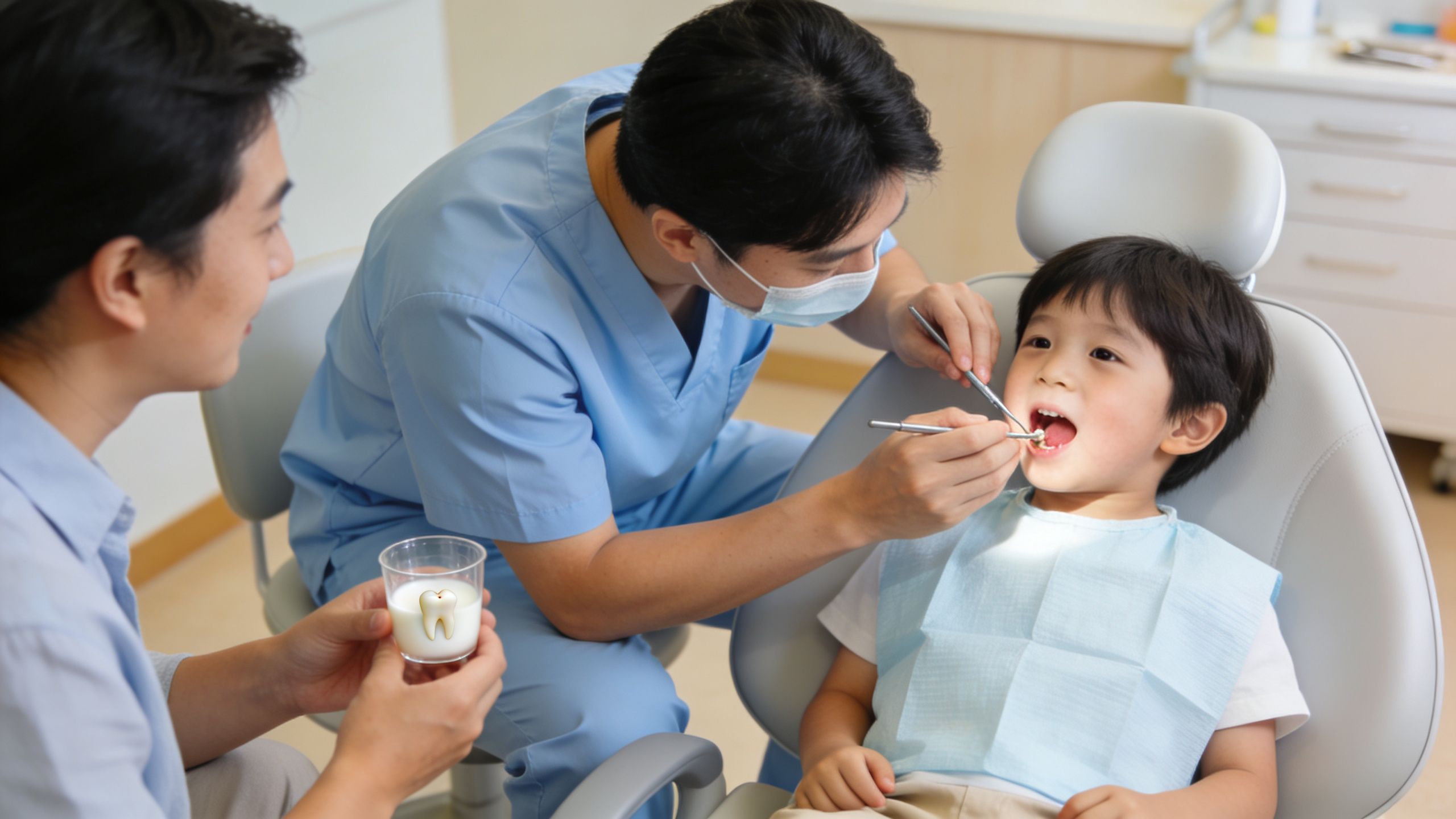
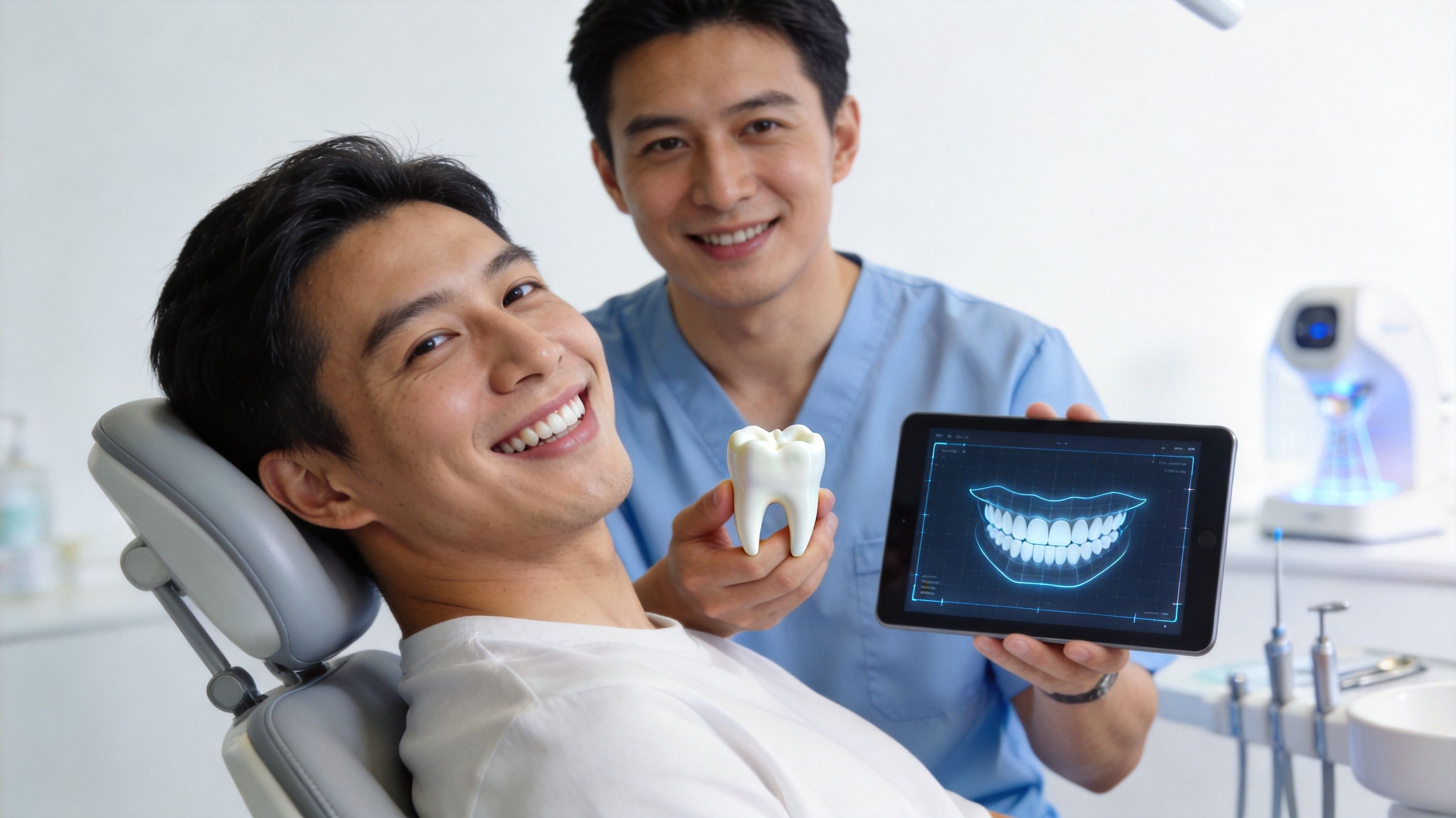

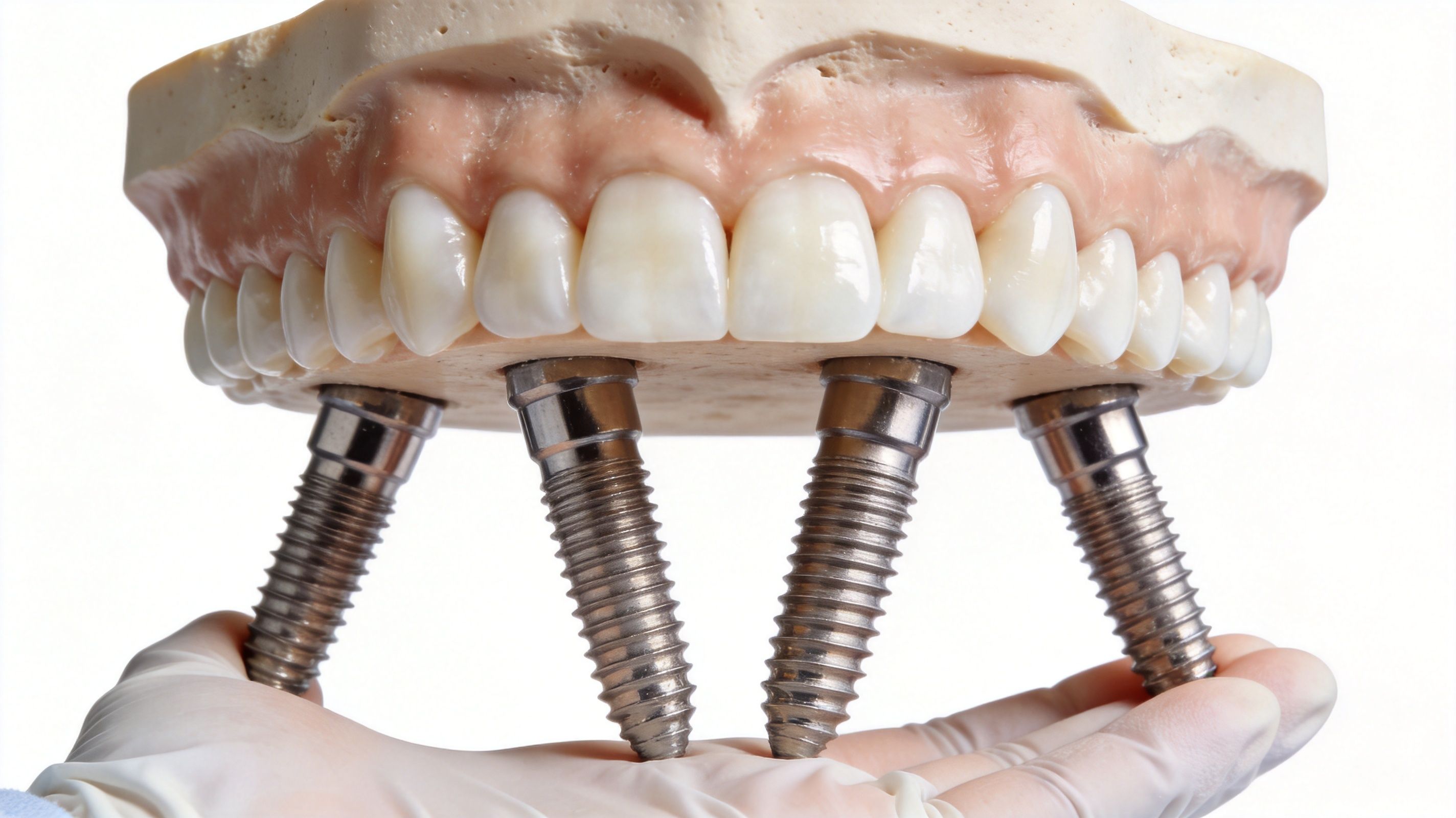
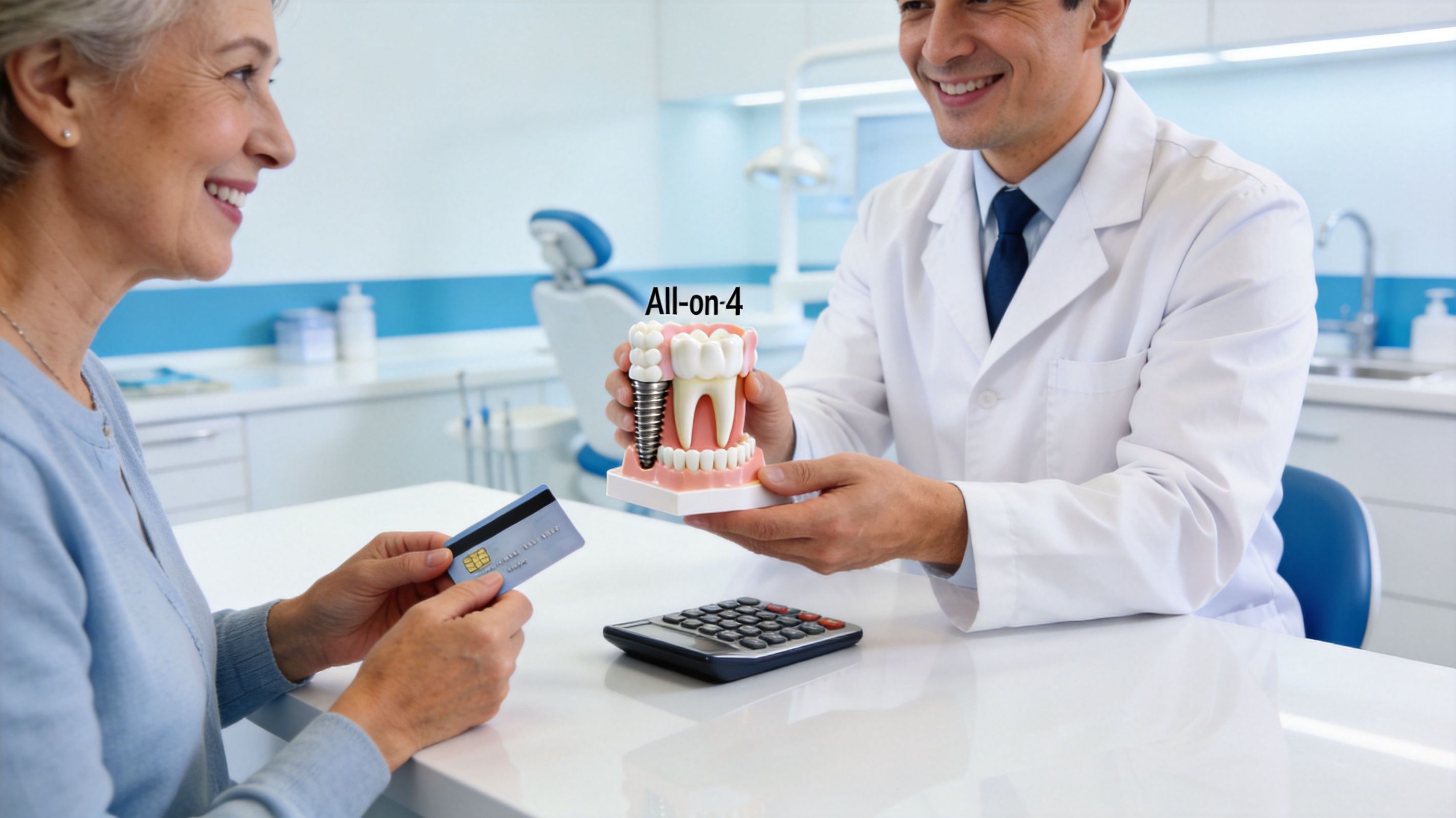



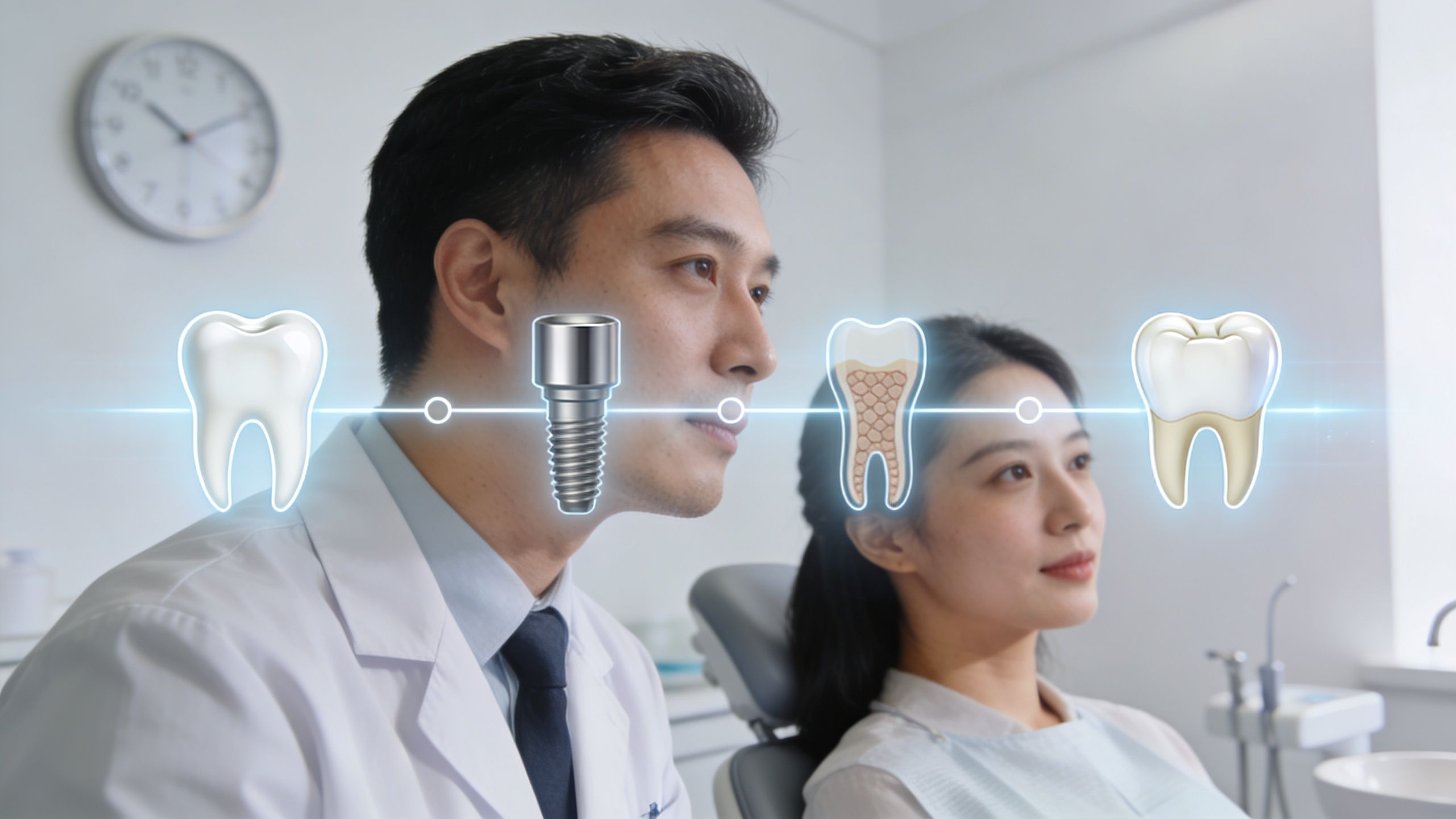

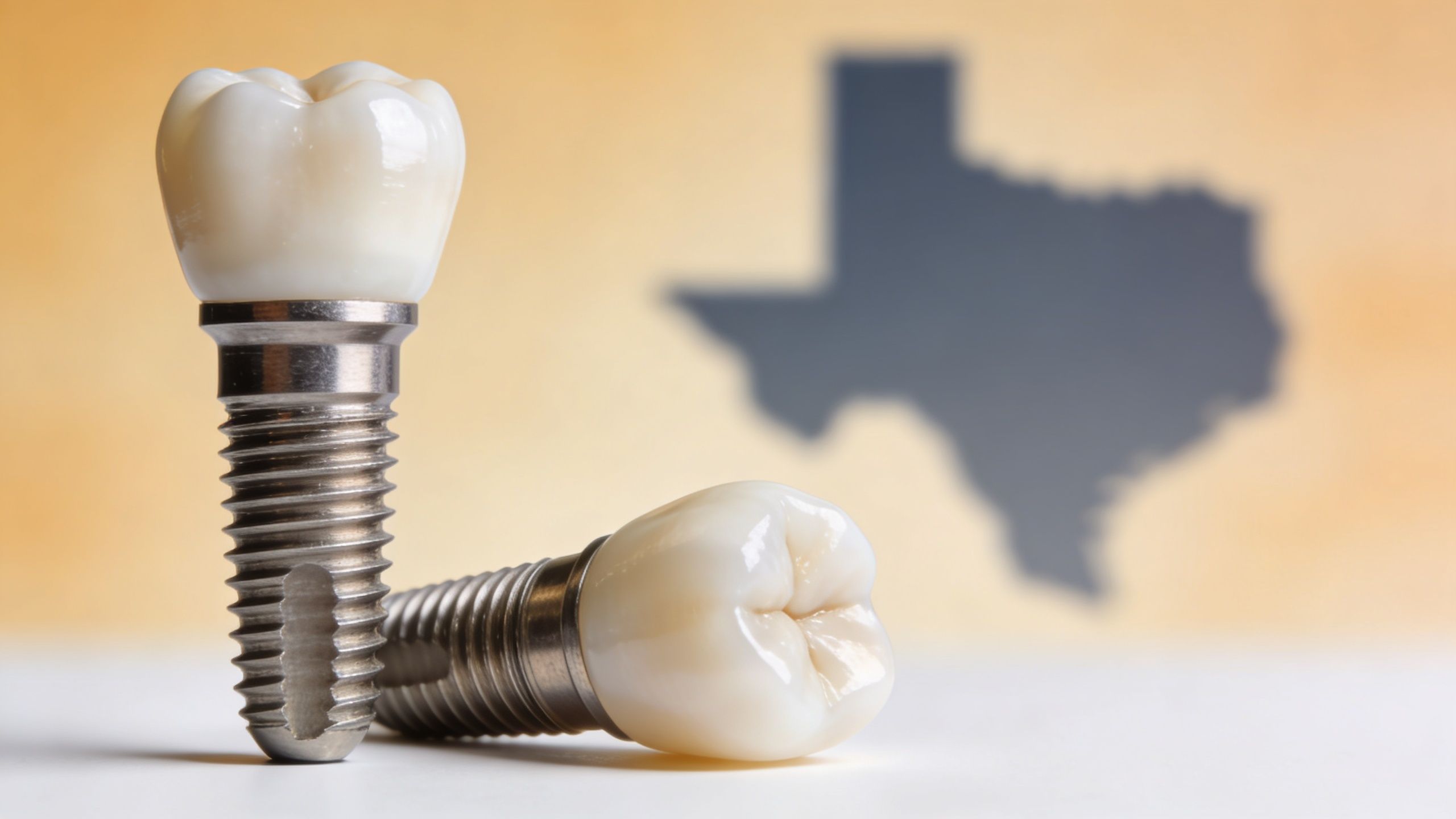
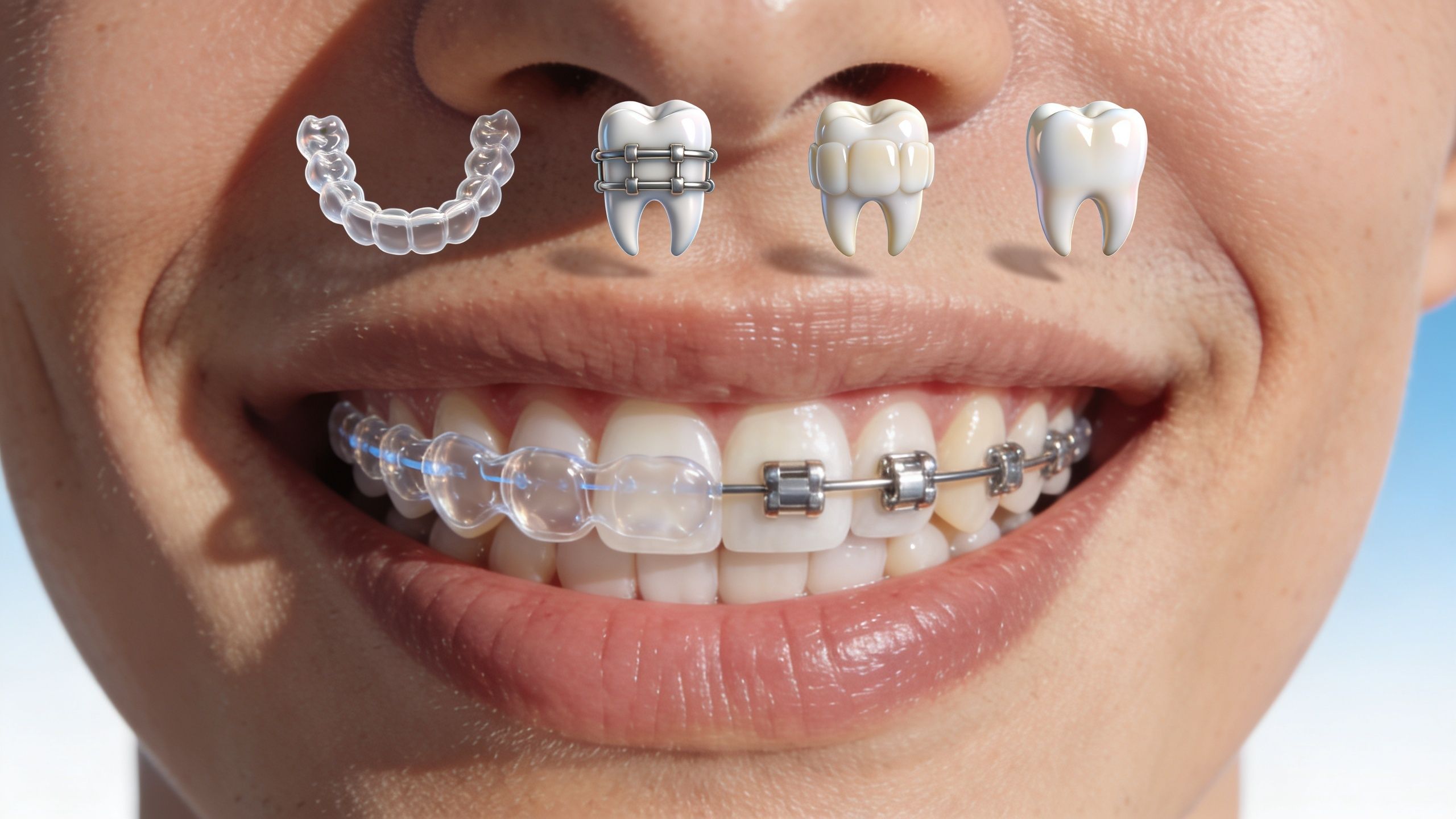


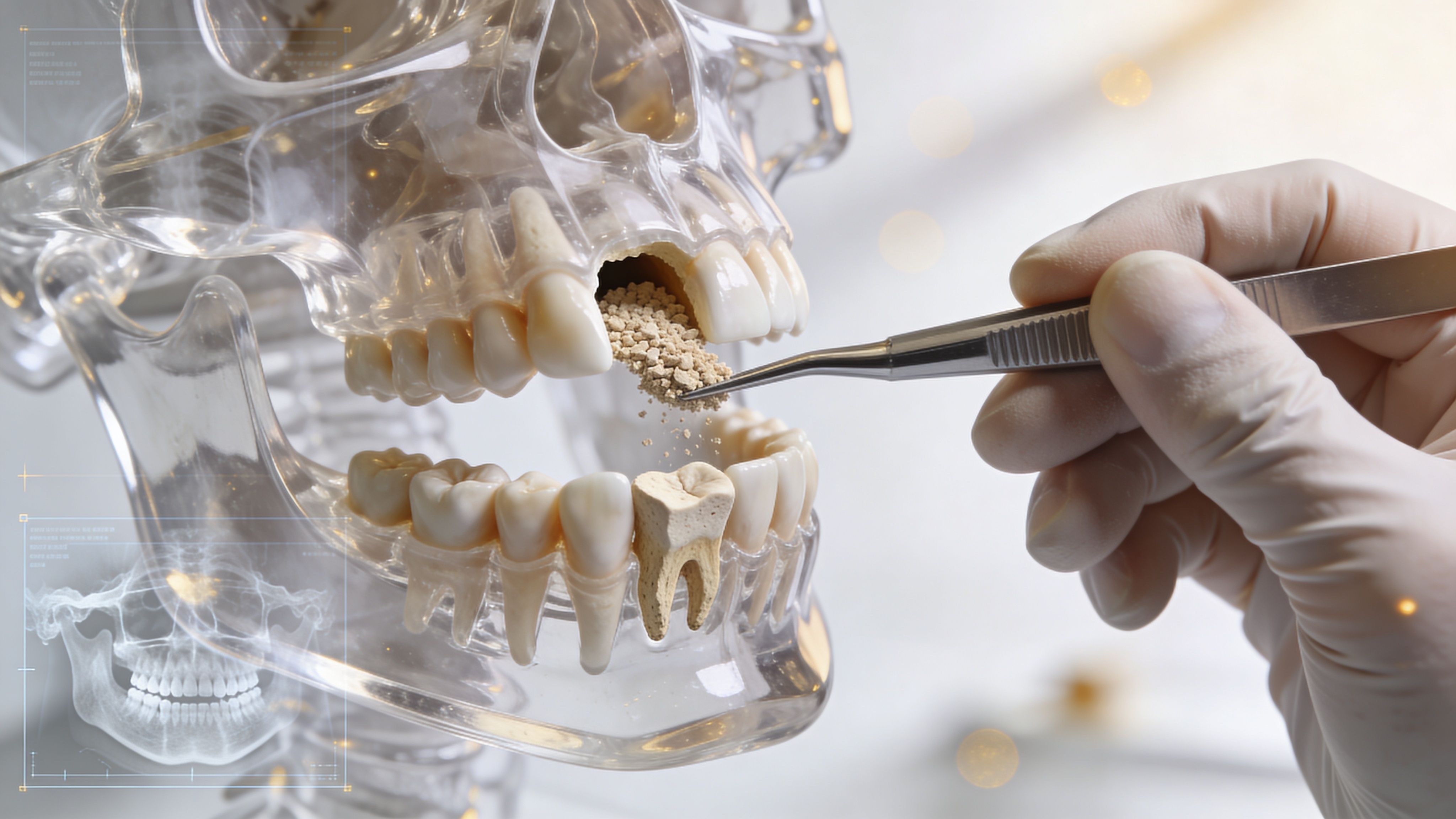




If you're searching for dental implants Georgetown TX, there's a good chance you're already feeling the daily cost of a missing tooth. It may show up when you smile in photos, when you chew on one side to avoid discomfort, or when you catch yourself covering your mouth mid-conversation. For some people, the problem is one missing tooth. For others, it's a denture that never feels secure or several failing teeth that make eating and speaking more stressful than they should be.
That frustration is real, and it usually doesn't stay limited to your mouth. Missing teeth can affect confidence, food choices, comfort, and long-term oral health. Patients from Georgetown, Round Rock, Cedar Park, Liberty Hill, Wells Branch, and North Austin often come in after putting it off for months or years, not because they didn't care, but because they weren't sure what the process involved, whether they were a candidate, or how they could afford it.
Dental implants can solve those problems in a way that feels stable, natural, and long-lasting. They aren't just a cosmetic fix. They replace the missing root structure under the gum, which gives them an advantage that traditional options don't have.
Restore Your Smile and Confidence in Georgetown TX
A lot of people wait to ask about implants because they think they need to be in severe pain before treatment makes sense. Usually, that's not what brings them in. More often, it's a quiet pattern that keeps getting worse. They stop biting into apples. They avoid steak or nuts. They smile with their lips closed. They start planning their day around what their teeth can handle.
In Georgetown and nearby communities, that story is common. Someone loses a back tooth and thinks, "I can manage." Then the space starts affecting chewing. A front tooth breaks or needs extraction, and confidence drops immediately. A loose denture begins to move at the wrong moment, and suddenly social events feel less comfortable than they used to.
Dental implants change that conversation because they focus on restoring both function and appearance. Instead of giving you something that sits on top of the gums and shifts with pressure, implants anchor replacement teeth into the jaw. That stability matters.
What patients usually want most
Patients aren't asking for anything flashy. They want simple things back.
- Comfort while eating so meals don't require planning around soft foods
- A natural-looking smile that doesn't draw attention for the wrong reasons
- Security when speaking without worrying that a denture or temporary tooth will move
- A clear plan that explains what happens first, what healing looks like, and what the final result can be
Missing teeth tend to affect confidence gradually. Restoring them often improves daily life just as gradually, then all at once.
For patients looking for a dentist near me or dental implants near me in Georgetown, TX, the most helpful place to start is with a full evaluation and an honest conversation. Some people are ready for a single implant. Some need preparatory care such as gum treatment, extraction, or bone support first. Others are better served by a full-arch option.
The right treatment starts with knowing exactly what you're working with, and that means looking beyond the visible gap.
What Are Dental Implants and How Do They Work
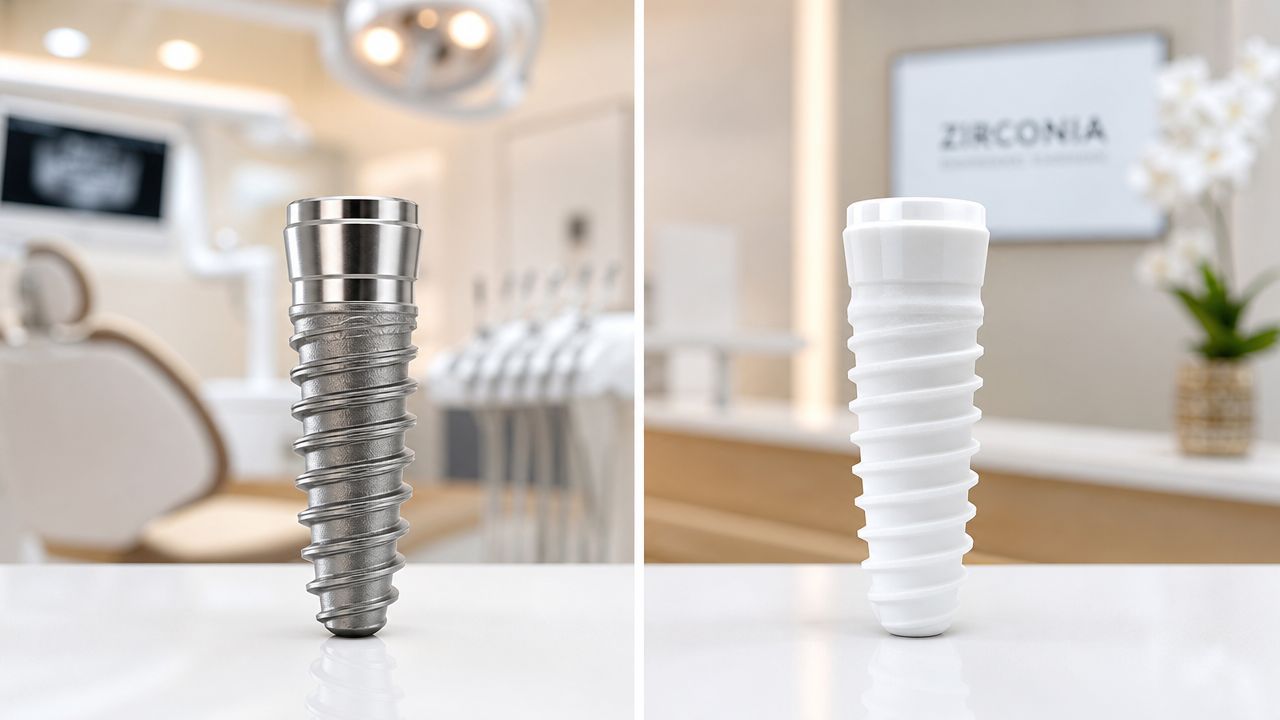
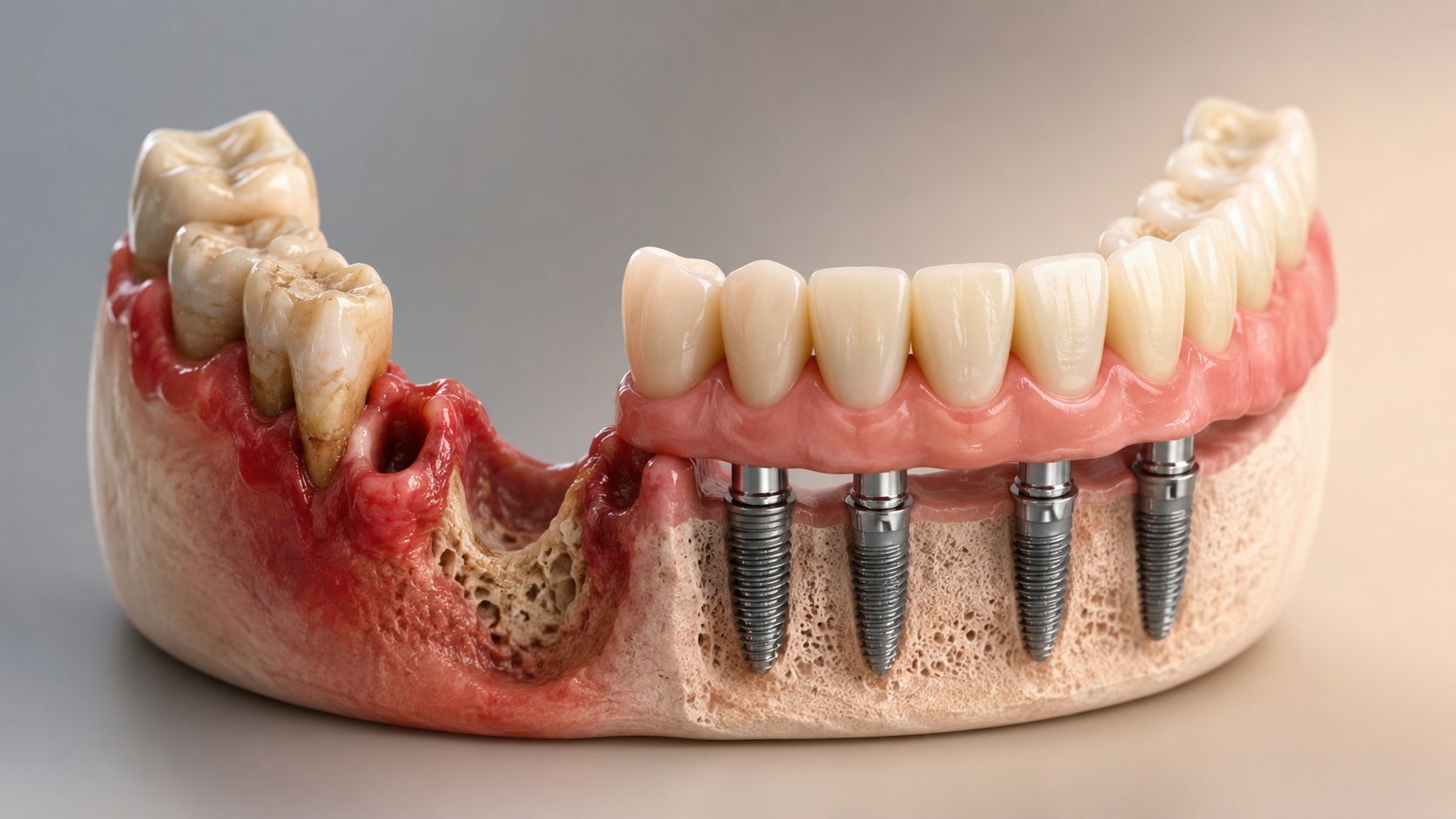
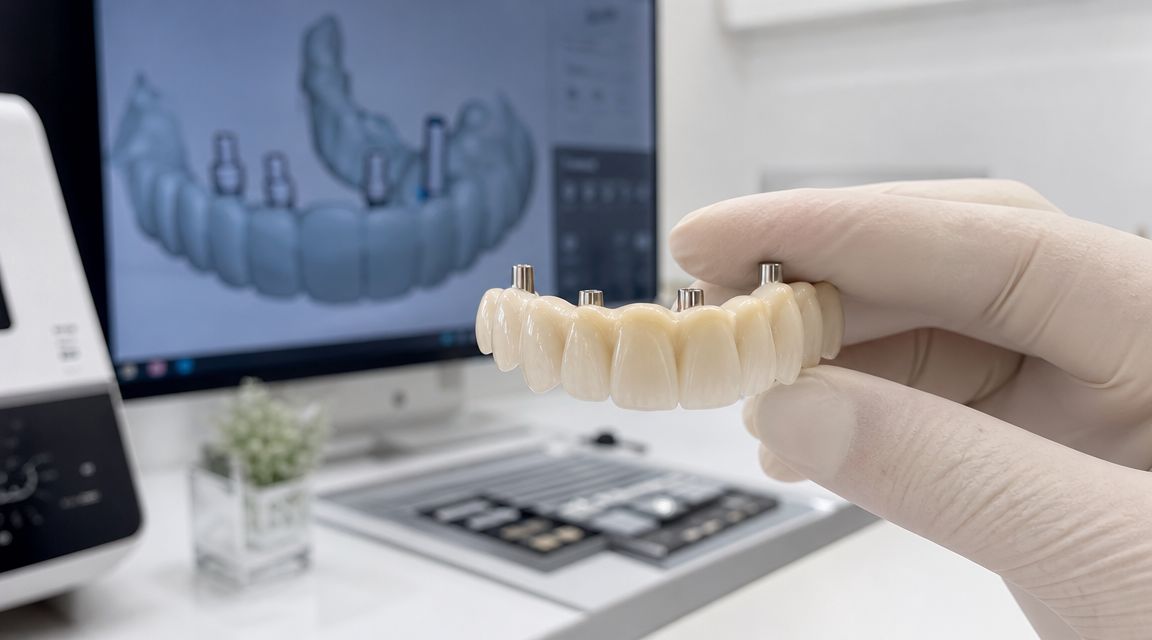
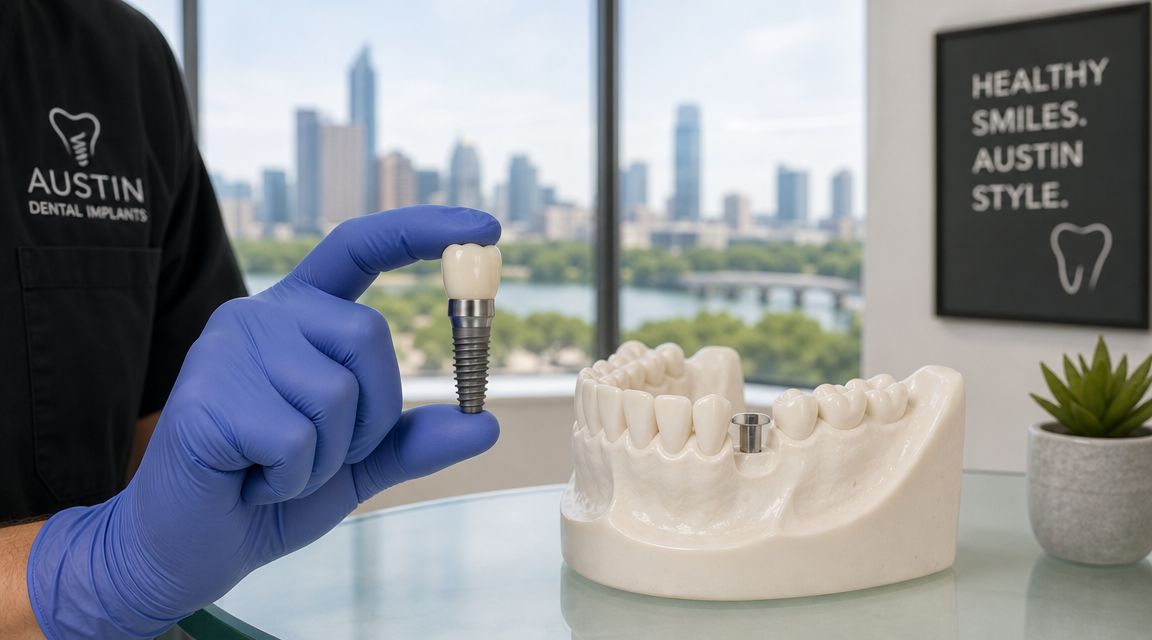
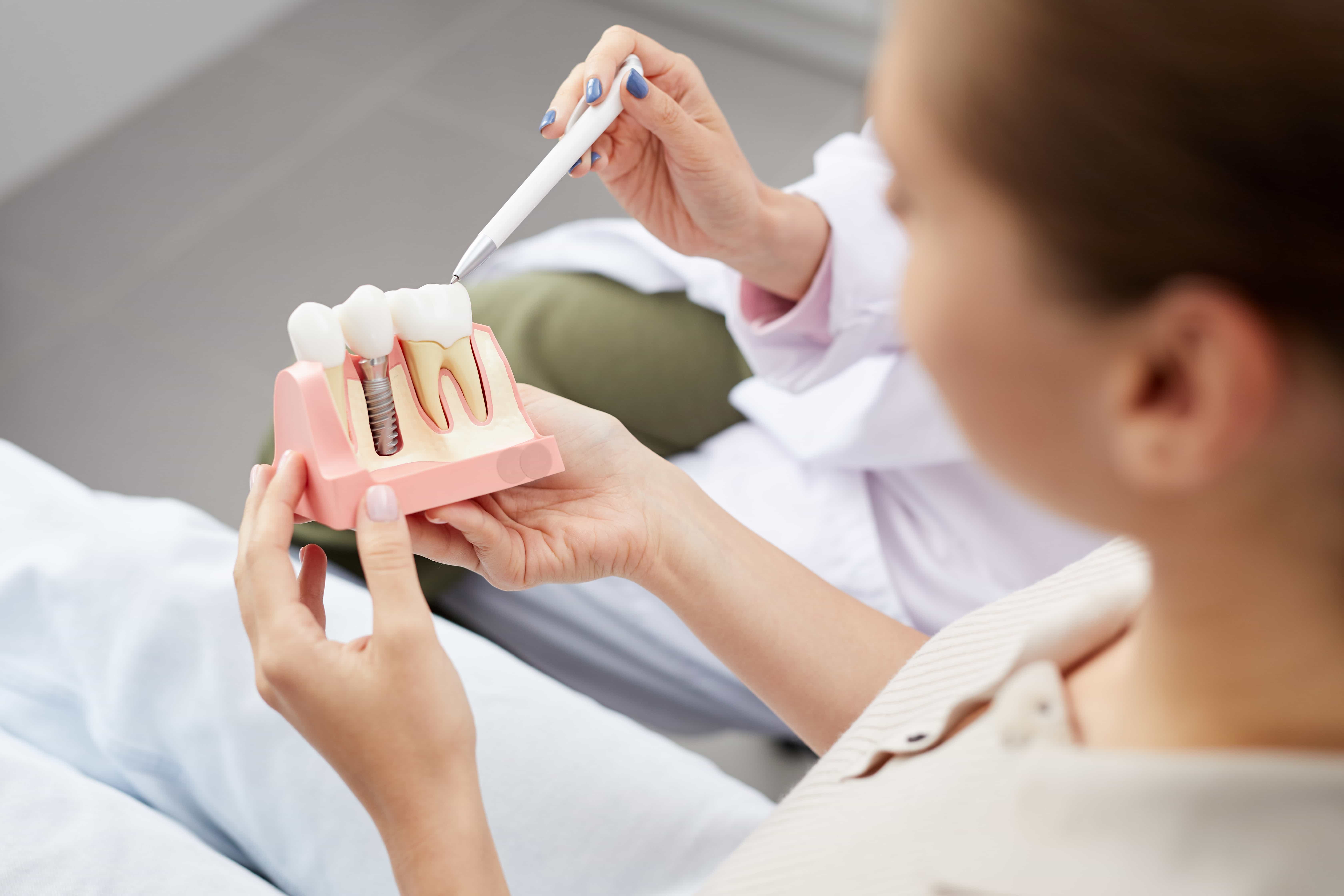
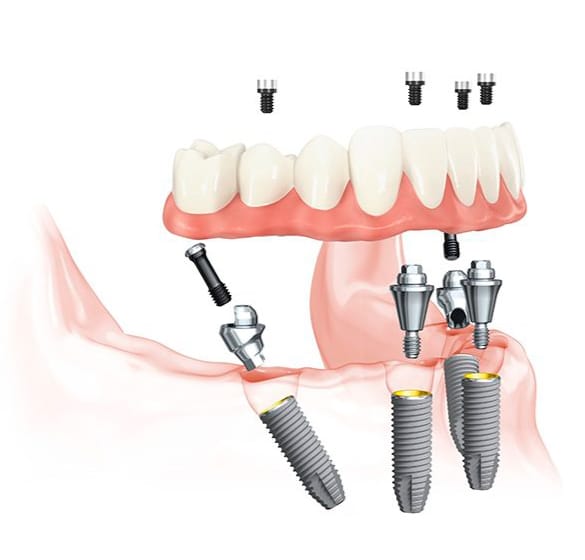
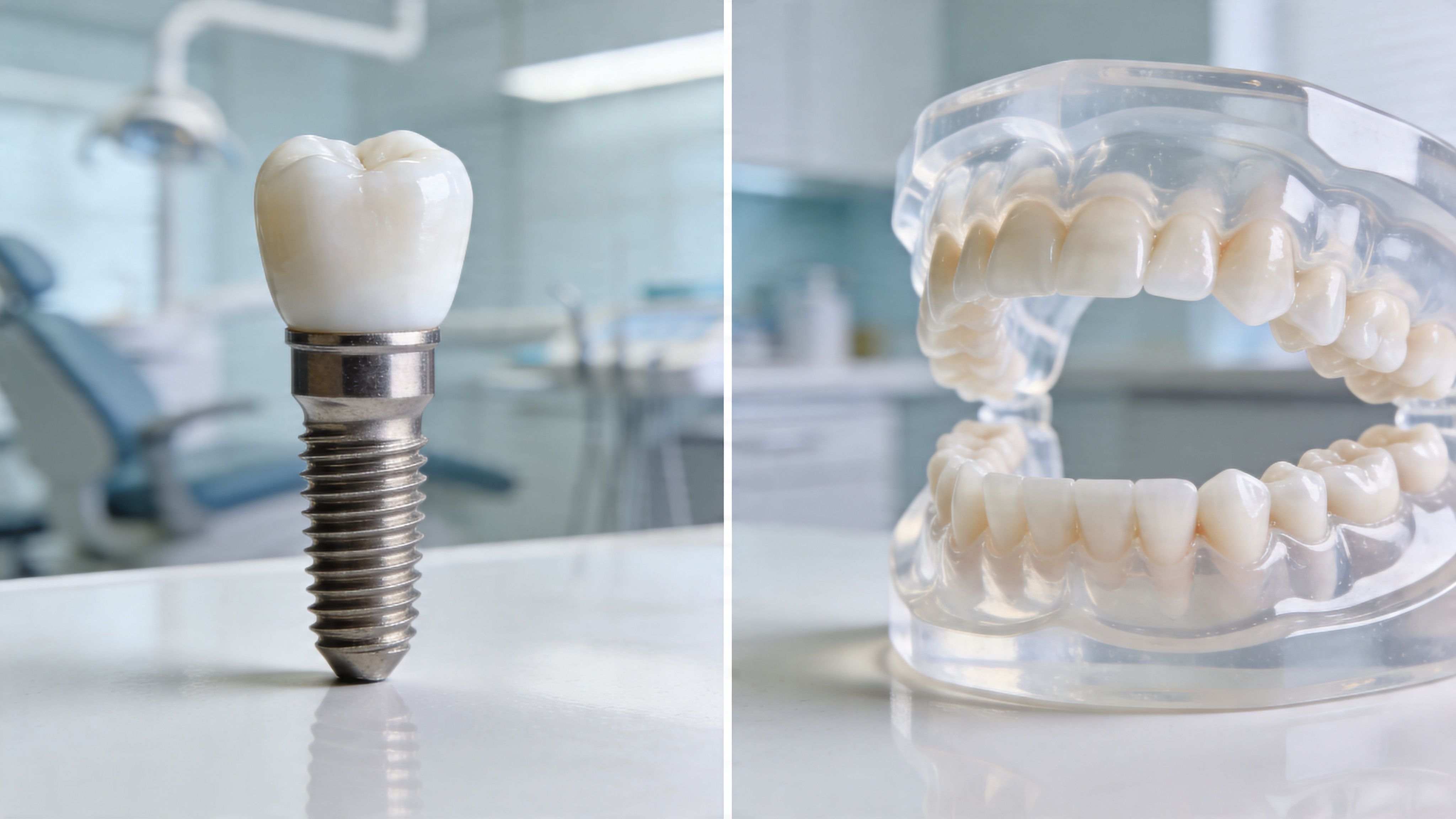
A dental implant replaces a missing tooth in three parts. The first part is the titanium implant post, which is placed in the jawbone and acts like an artificial tooth root. The second is the abutment, which connects the implant to the visible restoration. The third is the custom crown or other final prosthetic tooth that you see when you smile.

A simple way to think about it is a wall anchor. If you want a shelf to stay secure, you don't glue the shelf to the paint. You place a strong anchor into the wall first, then attach the shelf to that anchor. Dental implants work the same way. The strength comes from what is secured below the surface.
The three parts of an implant
| Part | What it does | Why it matters |
|---|---|---|
| Implant post | Sits in the jawbone | Replaces the missing root |
| Abutment | Joins implant and restoration | Creates a stable connection |
| Custom crown | Replaces the visible tooth | Restores appearance and function |
That structure is why implants feel so different from removable options. The goal isn't just to fill a gap. It's to rebuild the support system that a natural tooth once had.
What osseointegration means
The key biological step is osseointegration. That means the implant and the surrounding bone form a direct structural and functional connection. According to this Georgetown-area implant reference on osseointegration and bone assessment, this process achieves 95-98% success rates over 10 years. That same source notes that 3D CT imaging helps clinicians assess bone density more precisely and that, in All-on-4 cases, angled implants can reduce grafting needs by 80%.
That matters because implants don't succeed by chance. They succeed when placement, bone quality, healing, and restoration design all work together.
Why planning matters before surgery
Good implant treatment starts before anything is placed. We need to know:
- Bone shape and density so the implant has the right support
- Gum health because unhealthy tissue can compromise healing
- Bite forces so the final crown or prosthesis handles chewing properly
- Spacing and anatomy to place the implant in a position that works both functionally and cosmetically
A scan-based plan is one of the biggest differences between predictable treatment and guesswork. That's especially important if you've been missing a tooth for a long time or if you're considering full-arch treatment.
For a visual overview of how implant treatment works, this short video gives a helpful foundation before a consultation.
Practical rule: The implant itself is only one piece of the result. The diagnosis, planning, and final restoration design affect whether the tooth looks natural and functions well.
When patients in Georgetown ask whether implants are proven, the answer is yes. They are a well-established treatment with a biological basis, not just a cosmetic cover-up.
Who Can Benefit from Dental Implant Treatment
The best implant candidates usually have healthy gums, enough bone support, and a commitment to caring for their teeth after treatment. That said, many people assume they're not candidates when they do still have options.
If you've had a missing tooth for years, the concern is often bone loss. If you've had periodontal issues, the concern is gum health. If you wear a denture, the concern is stability. None of those automatically rule implants out. They change the planning.
Good signs for implant candidacy
You may benefit from an implant evaluation if any of the following apply:
- You have one missing tooth and want a fixed replacement that doesn't rely on neighboring teeth
- You have several missing teeth in one area and want stronger support than a removable partial
- You're frustrated with a loose denture and want more security while eating and speaking
- You have failing teeth and want to understand whether a staged restoration or full-arch solution makes sense
When extra preparation helps
Some patients need preliminary treatment before moving forward. That can include gum therapy, extraction of a non-restorable tooth, or bone grafting when support is limited. Those steps aren't signs that implants won't work. They're how complex cases become safer and more predictable.
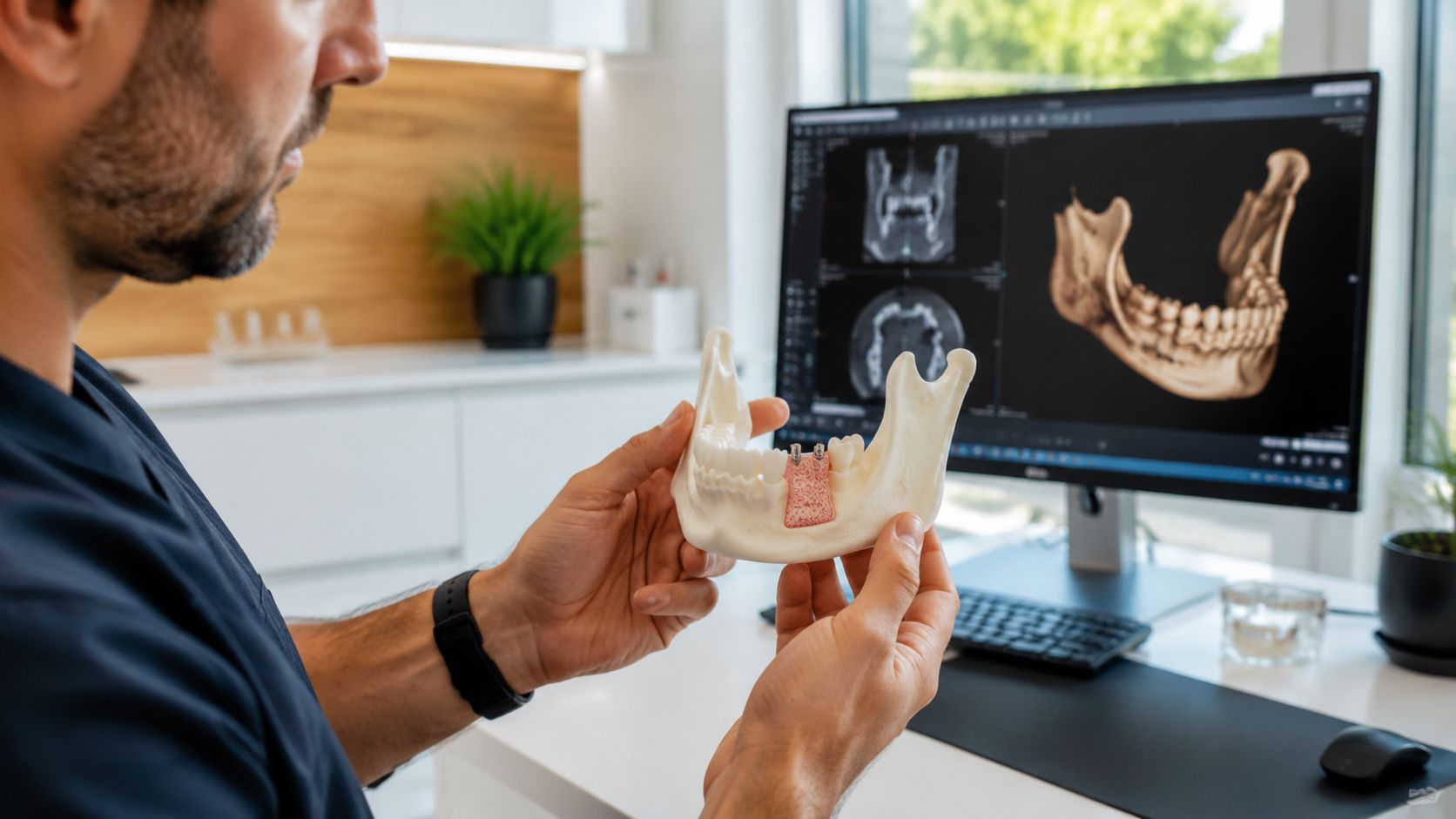
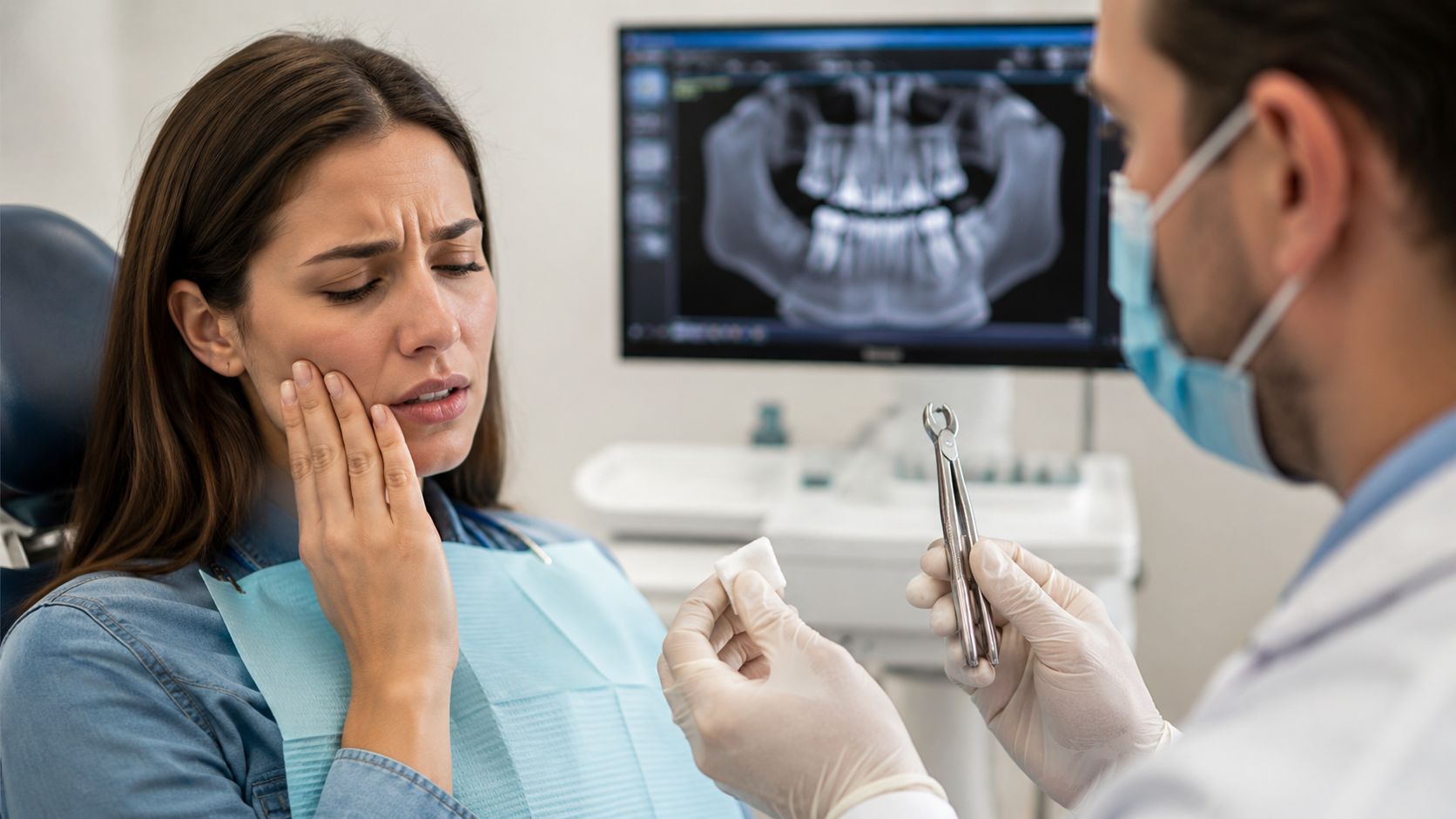
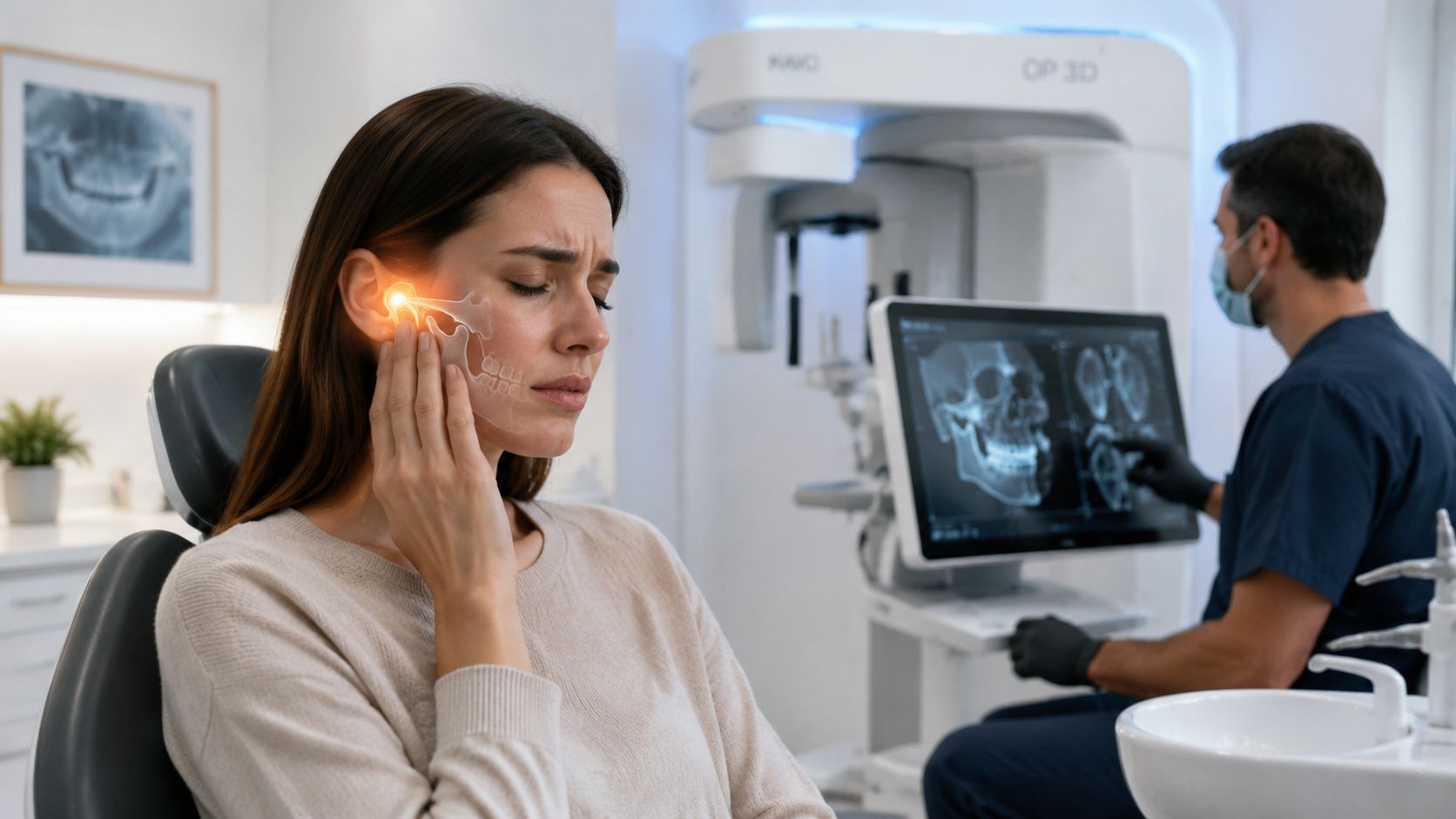
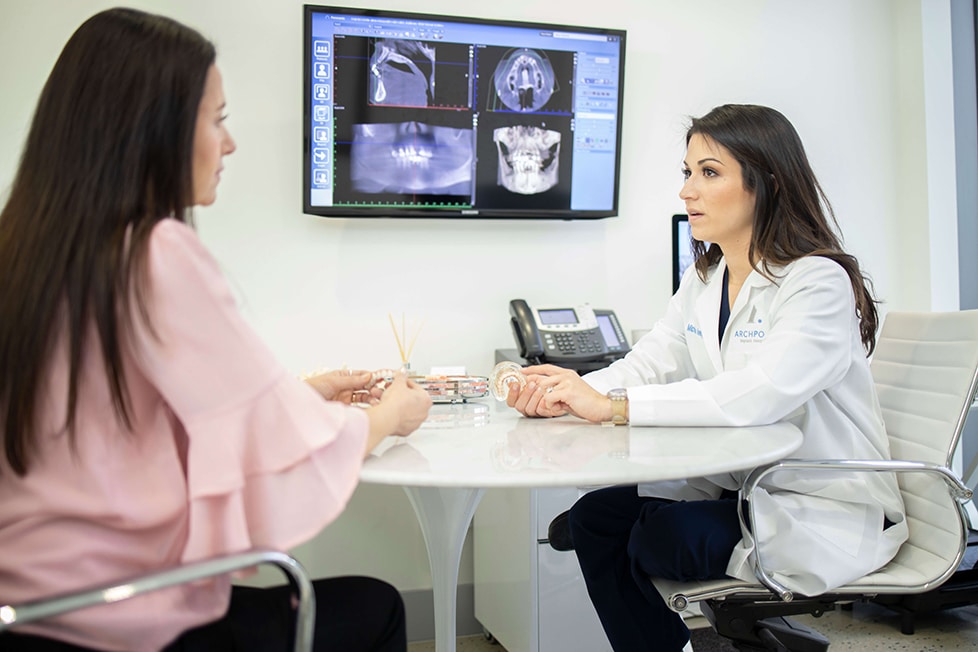
A thorough exam with 3D CT imaging gives a much better picture than a quick visual check alone. It shows bone contours, sinus position in the upper jaw, nerve location in the lower jaw, and whether the spacing supports a natural-looking restoration.
The question usually isn't "Can I get implants?" It's "What needs to happen first to give me the best chance of long-term success?"
This is also why choosing a practice that handles both routine and advanced care matters. Some patients come in thinking they need a tooth extraction only. Others arrive looking for a cosmetic dentist near me and realize the underlying issue is structural. Implant planning often overlaps with restorative dentistry, gum treatment, digital x-rays, and new patient exams.
If you're in Georgetown, Round Rock, Liberty Hill, Wells Branch, or North Austin and you're unsure whether implants are realistic for you, a candidacy exam is the most useful next step. It gives you facts, not guesses.
Your Dental Implant Options at 3D Dental
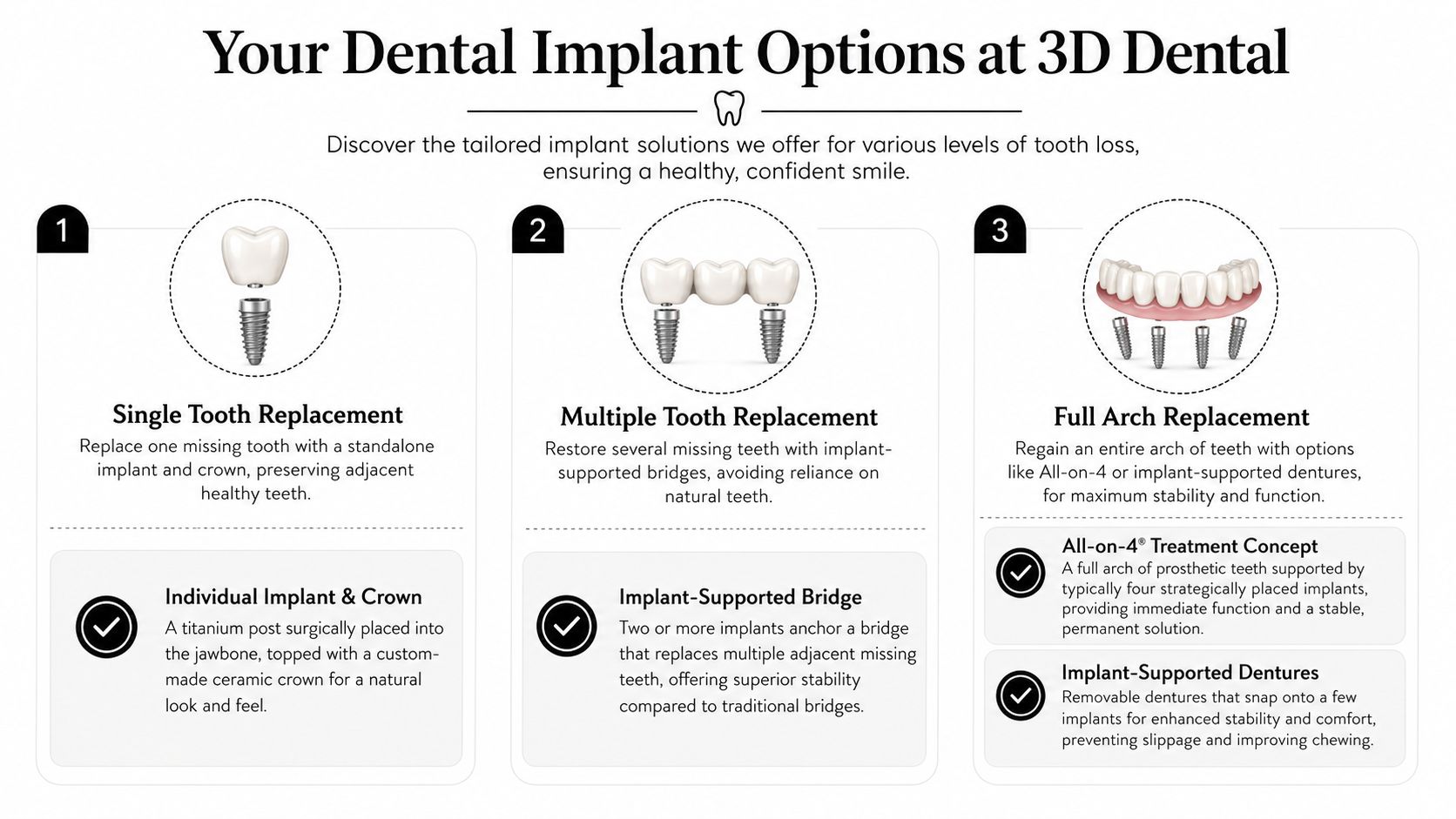
Tooth loss doesn't look the same for everyone, so implant treatment shouldn't either. Some patients need to replace one tooth without affecting the teeth beside it. Others need a more efficient way to replace multiple missing teeth. And some are dealing with an entire upper or lower arch that no longer functions well.
Single tooth replacement
If you're missing one tooth, a single implant with a custom crown is often the cleanest solution. The main advantage is that it replaces the missing tooth on its own. Adjacent teeth usually don't need to be reshaped the way they would for a traditional bridge.
This option tends to work well when the neighboring teeth are healthy and worth preserving. It also gives a very natural result when the implant is placed in the right position and the crown is shaped carefully to match the smile.
Multiple tooth replacement
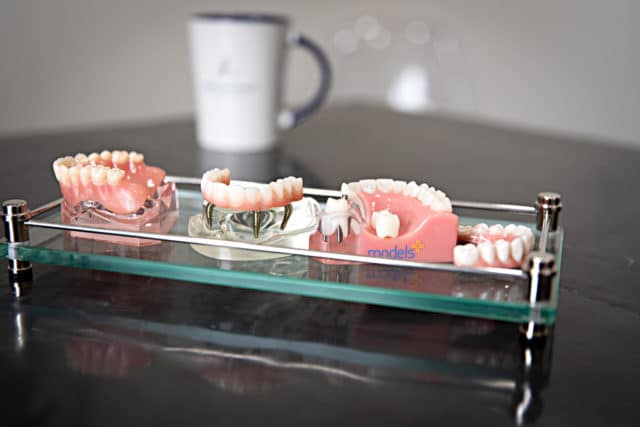
When several teeth are missing in a row, an implant-supported bridge may be a better fit than placing an implant for every single tooth. Instead of relying on natural teeth for support, the bridge is anchored by implants.
That changes the feel of the restoration. It can improve stability, reduce movement, and avoid placing unnecessary stress on nearby teeth that may already be carrying too much load.
A simple comparison helps:
| Situation | Common implant solution | Main benefit |
|---|---|---|
| One missing tooth | Single implant and crown | Preserves adjacent healthy teeth |
| Several adjacent missing teeth | Implant-supported bridge | Replaces a span without relying on natural teeth |
| Most or all teeth missing in one arch | Full-arch implant restoration | Restores function with fewer anchor points |
Full arch replacement
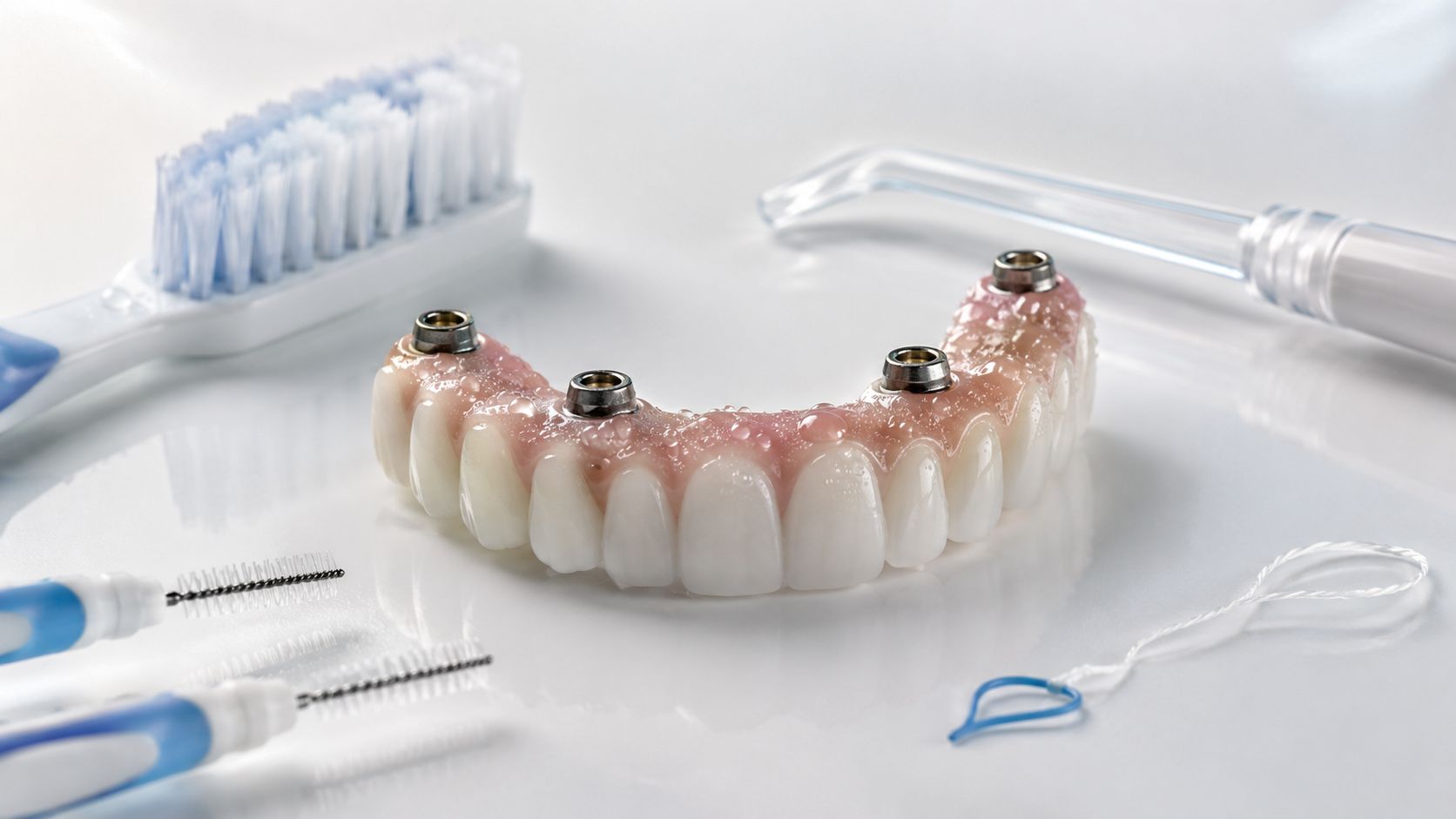
When an entire upper or lower arch needs to be restored, full-arch implant treatment becomes the focus, making All-on-4 especially important. According to this review of implant restorations and All-on-4 treatment timelines, All-on-4 uses four strategically angled implants to support a full-arch fixed prosthesis and has a 98.1% 5-year survival rate. That same source states the technique can eliminate 70-90% of bone grafting procedures and reduce overall treatment time from 9-12 months to 3-6 months.
Those numbers matter, but its true value is easier to understand in practical terms. A patient who has been living with unstable dentures may be able to move toward a more fixed, secure solution without the same amount of grafting that older approaches often required.
Which option usually works best
The best option depends on four things more than anything else:
- How many teeth are missing
- The condition of the remaining teeth
- The amount and shape of available bone
- Whether you want a fixed or removable result
Some people come in asking for the biggest treatment because they assume more treatment means a better result. That's not always true. If one implant solves the problem cleanly, that's often the smarter plan. On the other hand, patching around multiple failing teeth can become more expensive and frustrating over time than stepping back and planning a full-arch restoration correctly.
For patients weighing their options, the most useful consultation is one that compares these paths accurately and matches the treatment to the actual condition of the mouth.
Why Implants Are the Gold Standard for Tooth Replacement
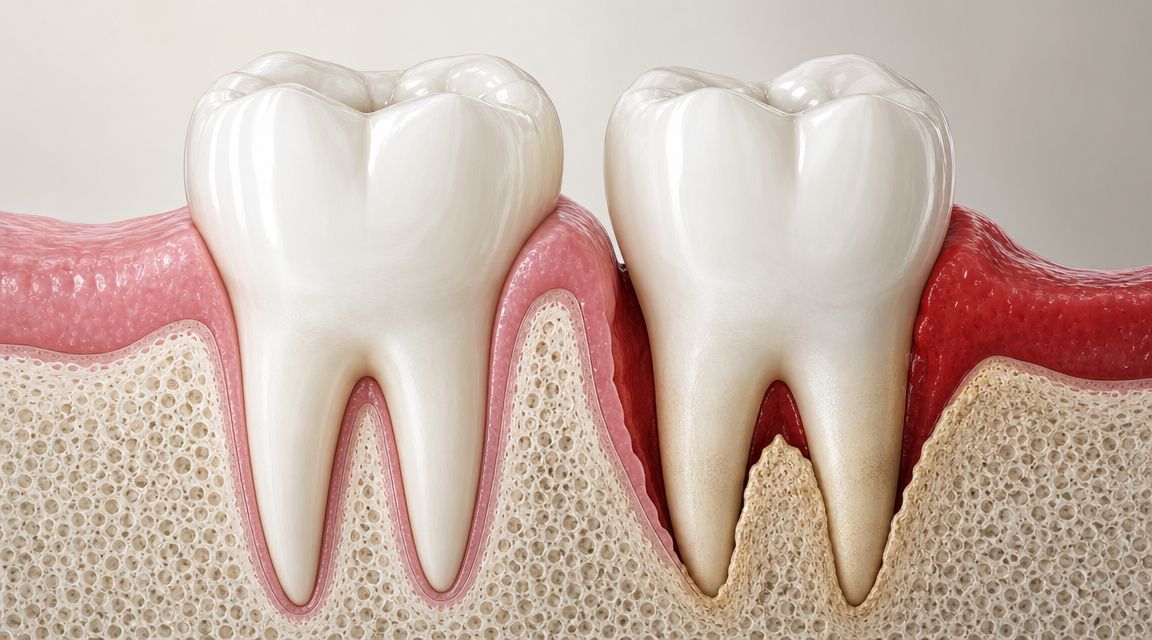
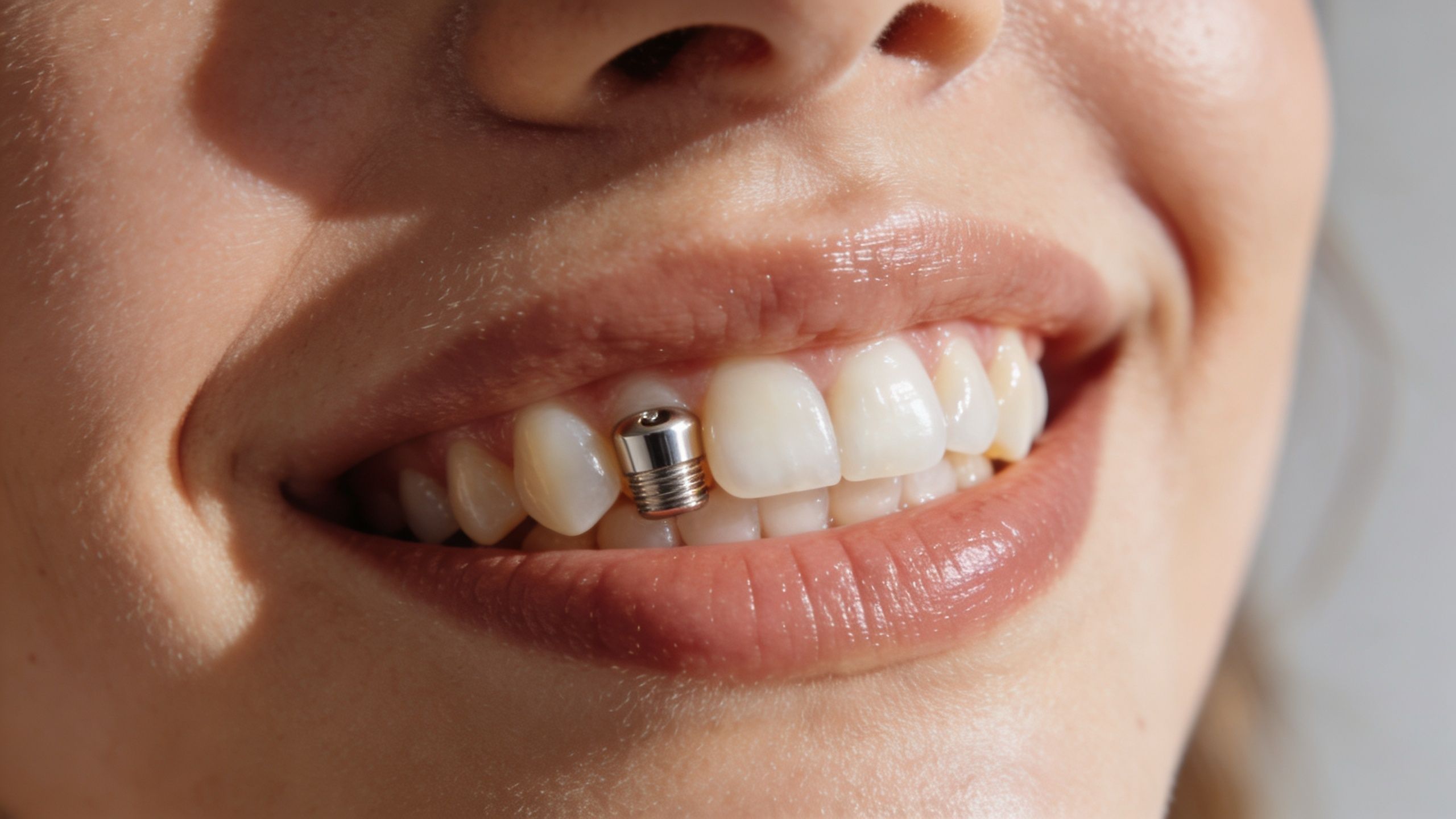
The biggest difference between implants and other tooth replacement options is that implants replace the root, not just the visible crown. That changes how the restoration feels, how it functions, and how the jaw responds over time.
Traditional bridges can be useful in the right case, but they depend on neighboring teeth for support. Removable dentures can restore appearance, but many patients struggle with movement, pressure spots, and reduced chewing confidence. Implants solve a different problem. They create support from within the bone.
What implants do better than removable options
Patients usually notice a few benefits first:
- Better stability because the tooth isn't resting loosely on the gums
- More confident chewing with less fear of slipping or shifting
- A more natural feel because the restoration is anchored, not just placed
- A cleaner long-term plan for preserving space after tooth loss
There is also a durability advantage. According to this overview of implant success and longevity, dental implants show a success rate exceeding 95% for the implant restoration process, and with proper maintenance they can last a lifetime.
Why the long view matters
People often compare implants to the upfront cost of other options, but that can miss the larger picture. A treatment that feels cheaper at the beginning may involve more movement, more replacement, more maintenance, or more compromise in what you can comfortably eat.
Implants ask for more planning up front. In return, they offer a more stable foundation.
A replacement tooth should do more than fill a space. It should help you chew, speak, smile, and maintain your oral health without constant workarounds.
For adults in Georgetown, TX who are looking for restorative dentistry, cosmetic dentistry, or a practical answer after tooth extraction, implants often become the standard against which other choices are measured. They aren't the right answer for every case, but when they fit, they usually provide the most complete replacement.
Your Implant Journey with Our Advanced Technology
The implant process is easier to understand when you see it as a sequence of decisions instead of one large procedure. Each phase has a purpose. Diagnosis comes first, then planning, then placement, healing, and final restoration.
Consultation and digital planning
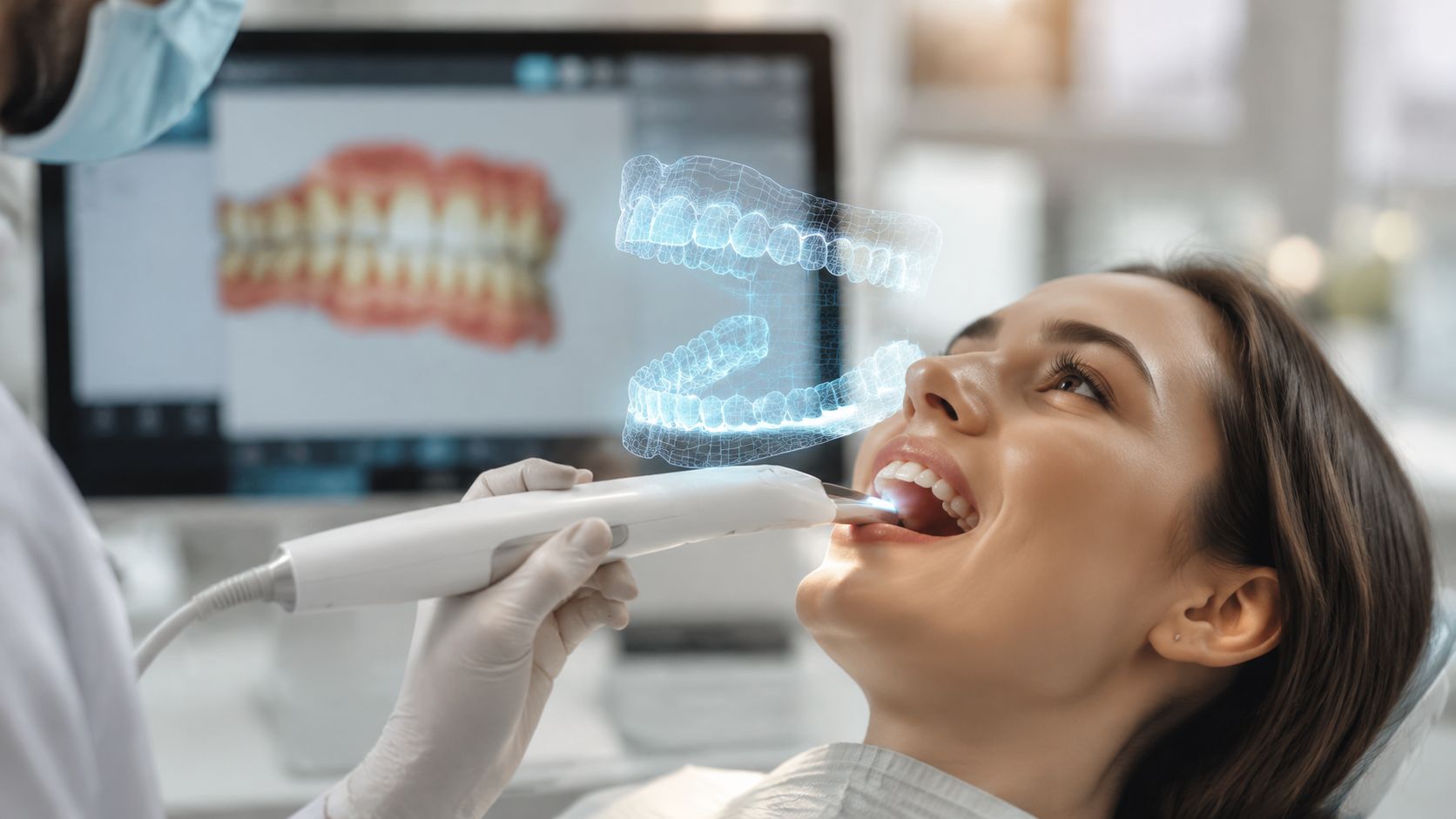
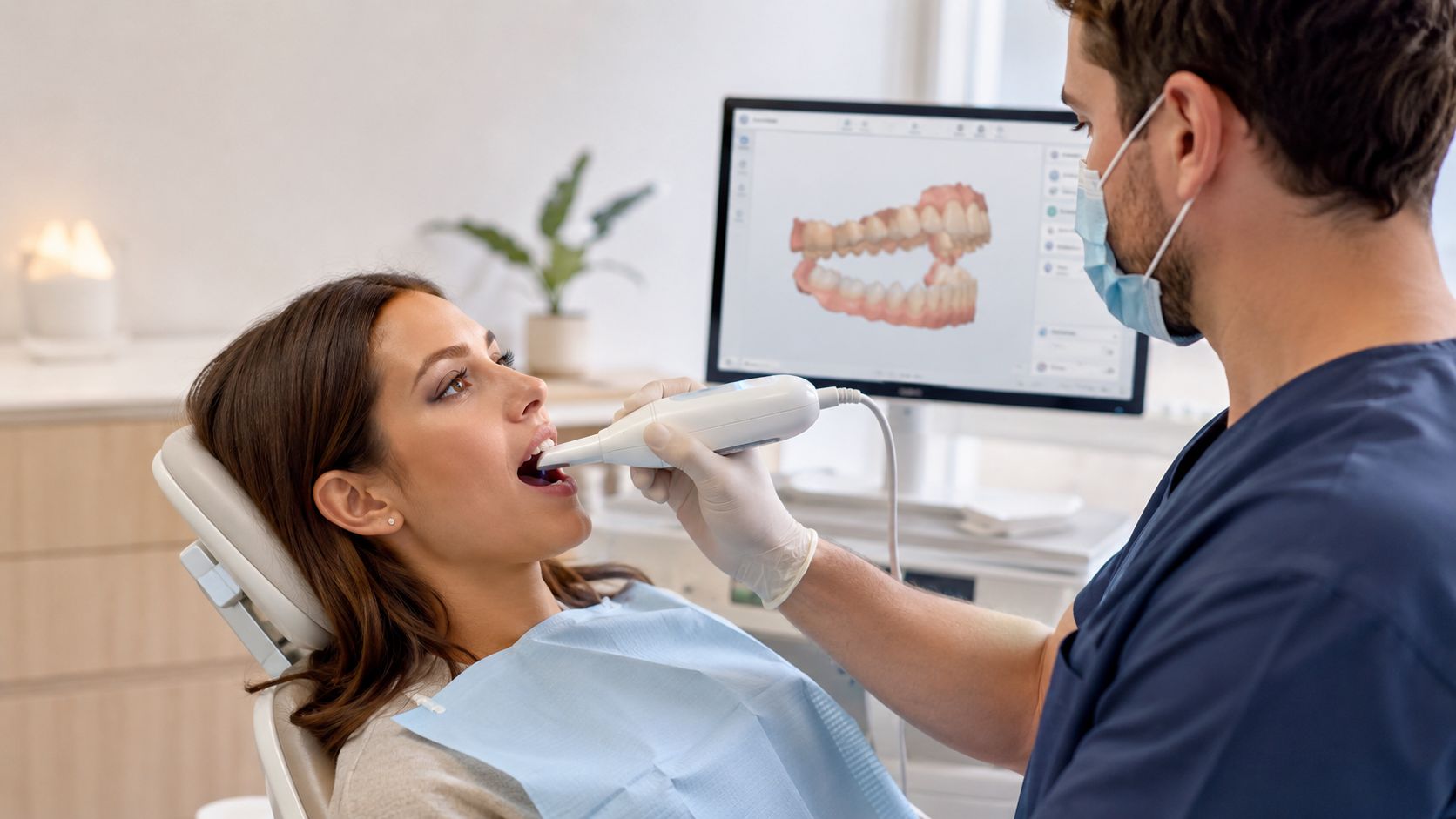
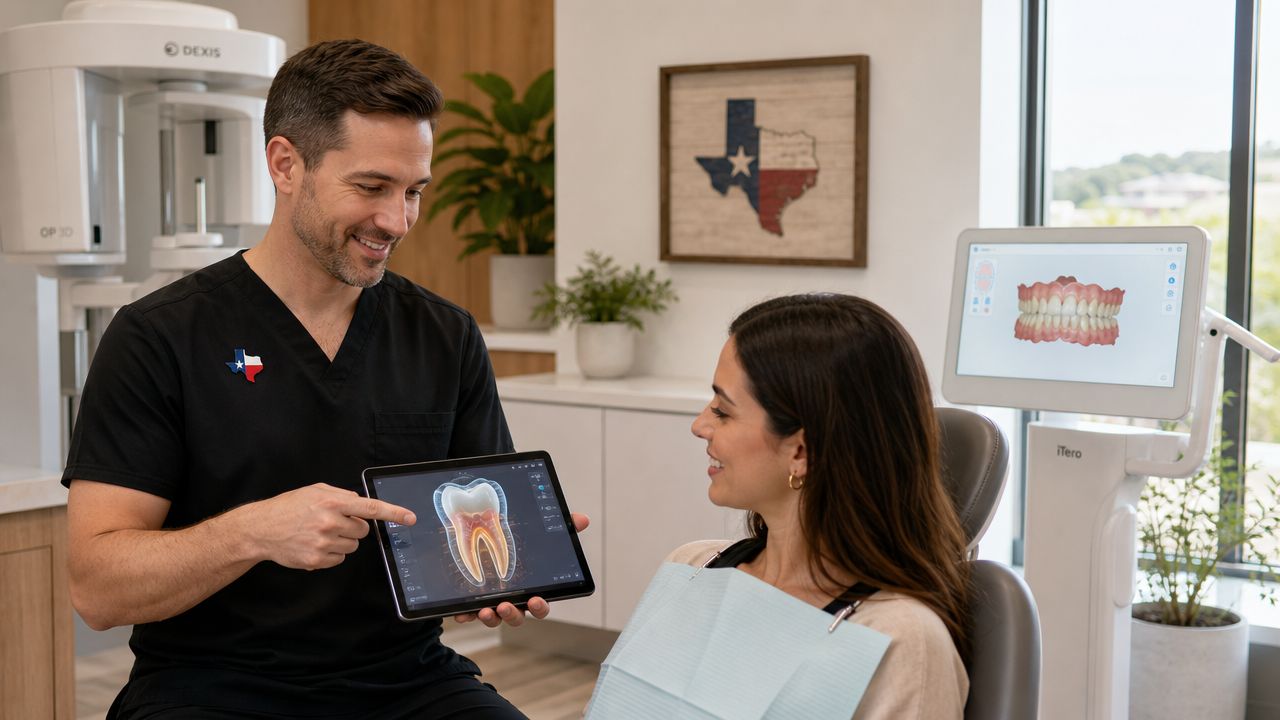
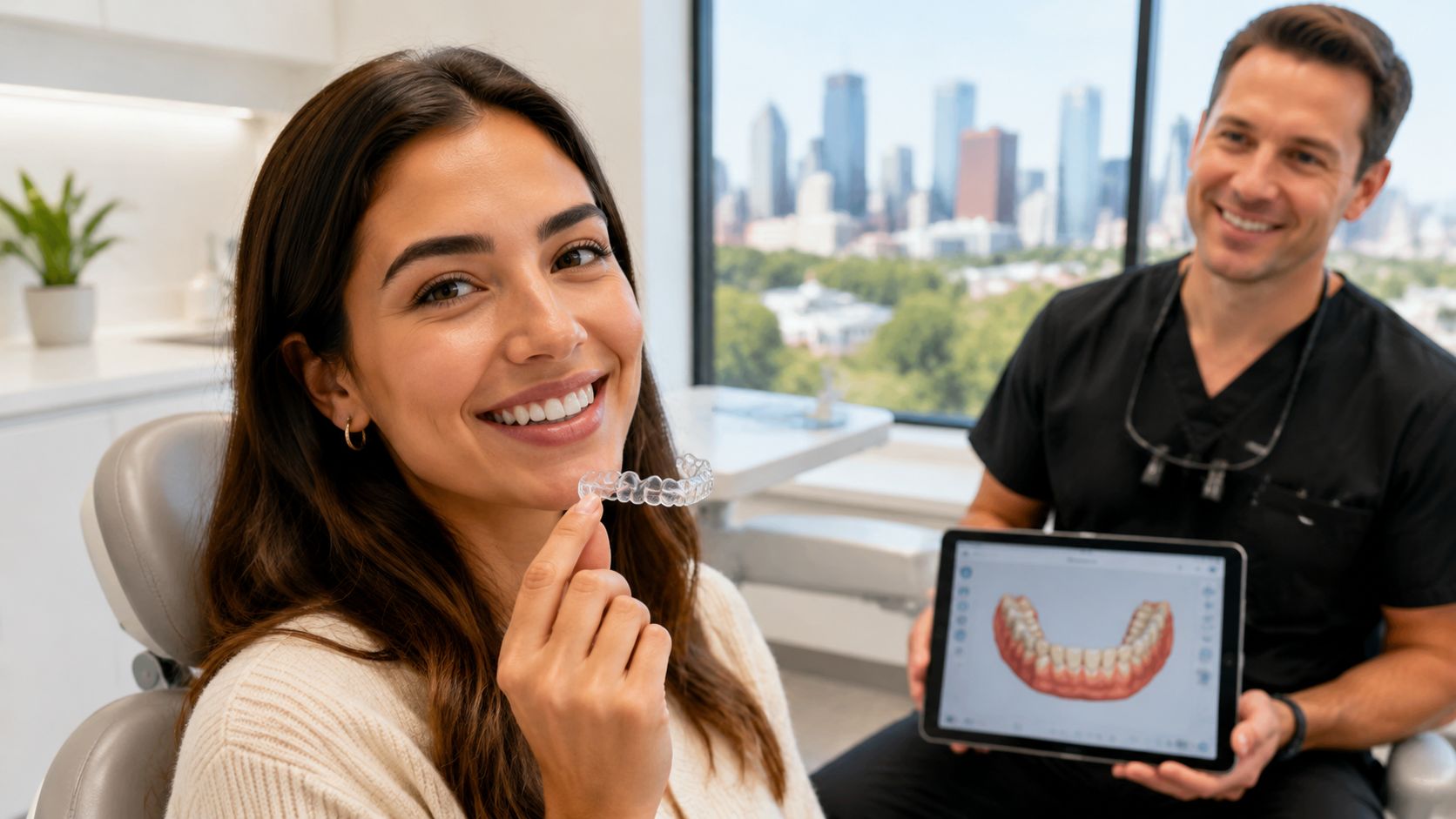
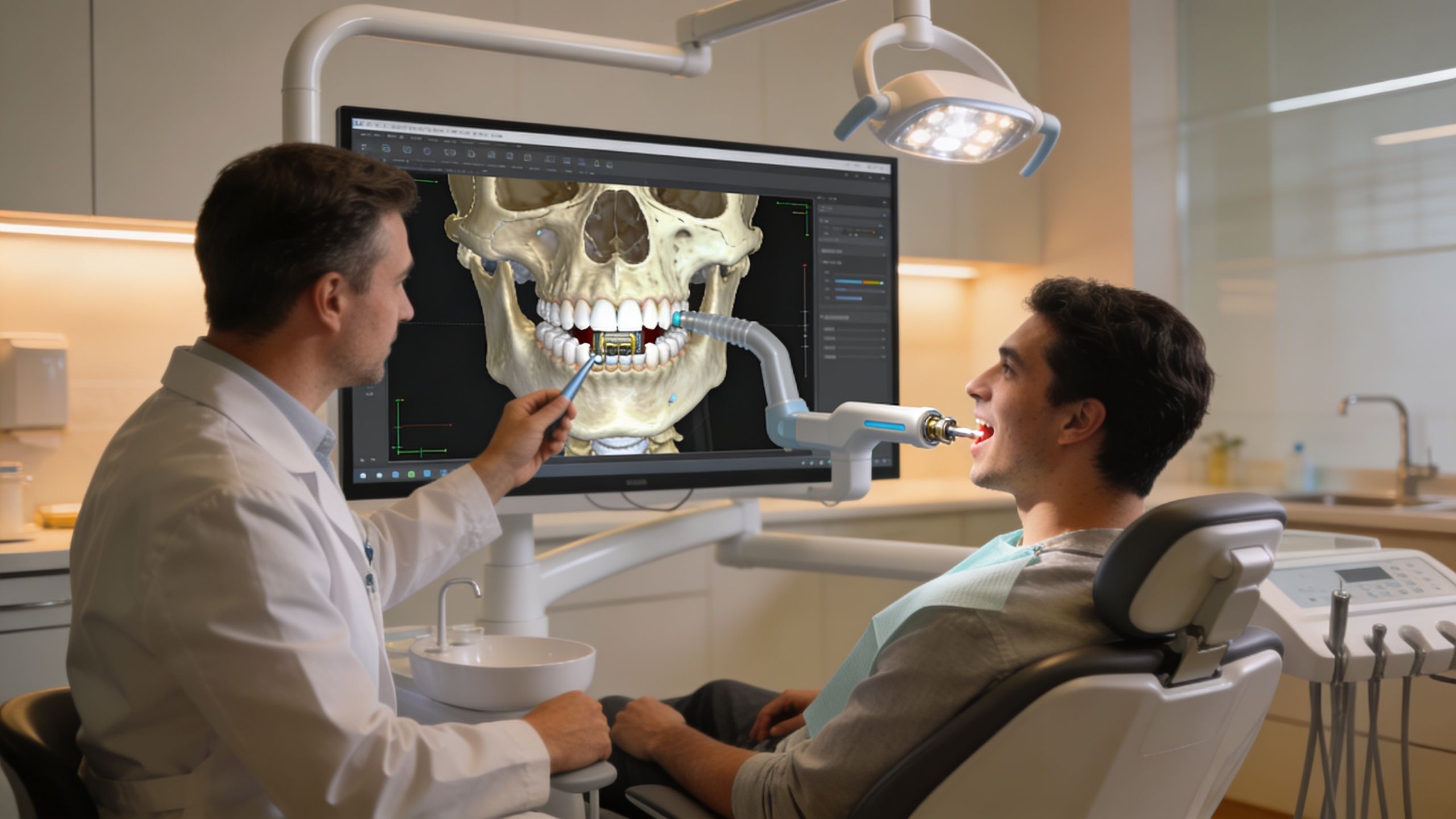
The first visit is about clarity. A proper implant consultation usually includes an exam, digital imaging, discussion of medical and dental history, and a review of what you want the final result to do for you. Some patients are most concerned about chewing. Others care most about smile appearance. Some need both solved at once.
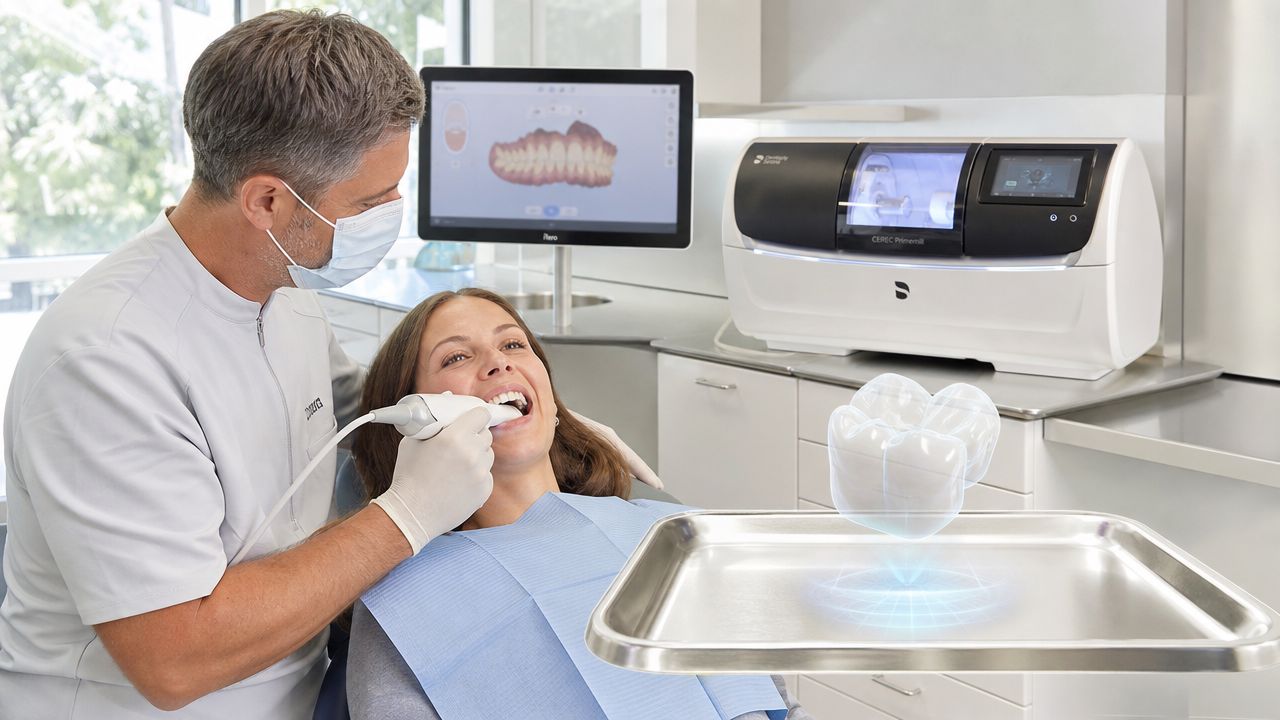
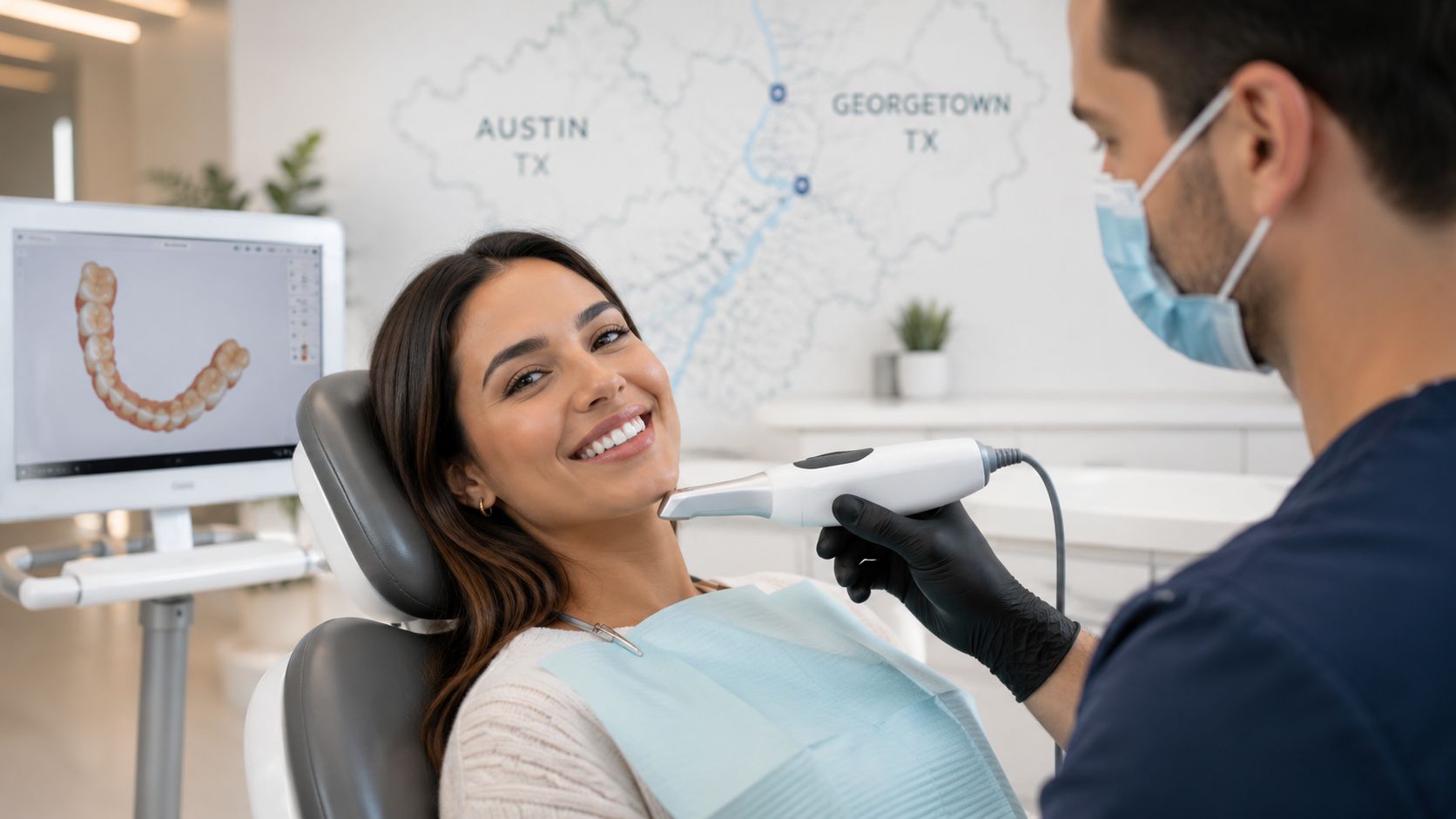
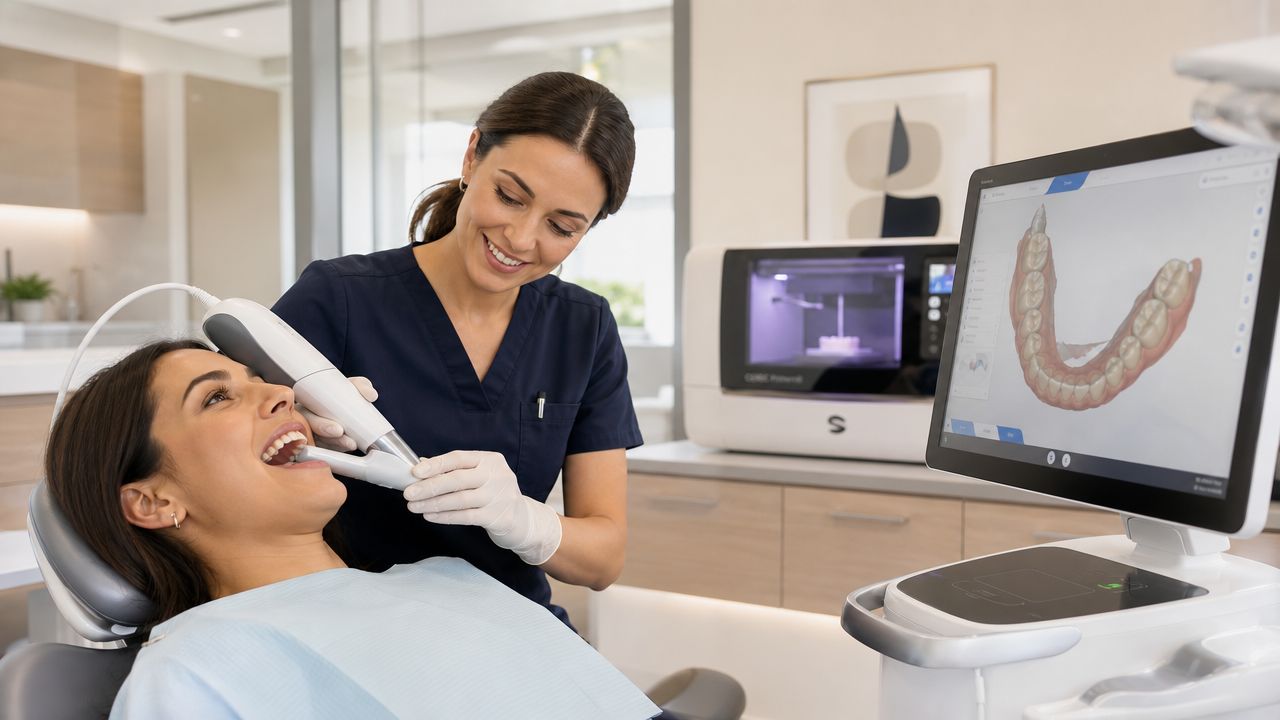
3D CT imaging changes the quality of that conversation because it shows bone volume, nearby anatomy, and the position needed for a restoration that fits your bite. Instead of estimating from a flat image, the team can assess the case in three dimensions.
This stage is also where other treatment may come into focus. A patient may need gum treatment first. Another may need a tooth extraction because saving the tooth won't provide a predictable outcome. In some cases, a cosmetic concern turns out to be a restorative issue first.
Surgical placement and healing
Once the plan is established, the implant is placed into the jawbone. After placement, the bone needs time to heal and integrate with the implant. That healing period is one reason implants are so reliable. The body is creating a true structural connection, not just accepting a removable device.
During this phase, patients usually want to know what works and what doesn't.
- What works is following the healing instructions closely, keeping the area clean, and showing up for rechecks
- What doesn't is putting excess pressure on a healing implant or ignoring gum inflammation because it seems minor
- What helps most is a restoration plan that respects the way your bite functions from the beginning
Healing isn't passive. The way you care for the site during recovery affects the final outcome.
Custom restoration and fit
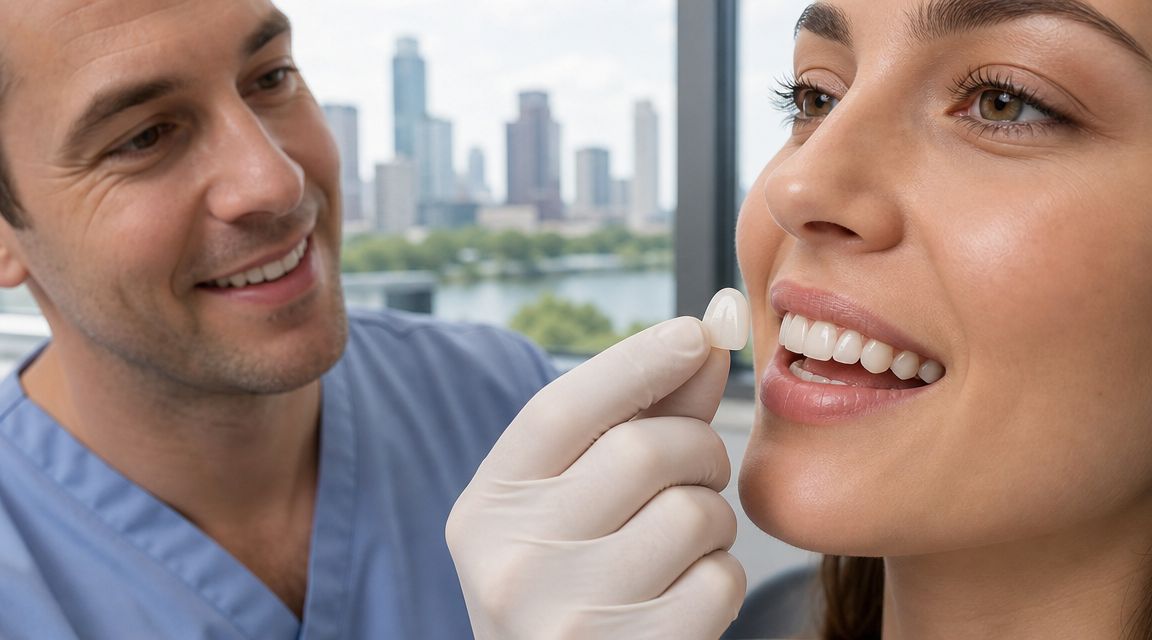
After healing, the final restoration is connected. This may be a crown, bridge, full-arch prosthesis, or an implant-supported denture depending on the treatment plan. Precision matters here. If the shape is off, the bite feels wrong. If the color is off, the tooth stands out. If the fit is off, the result may be harder to keep clean or less comfortable to use.
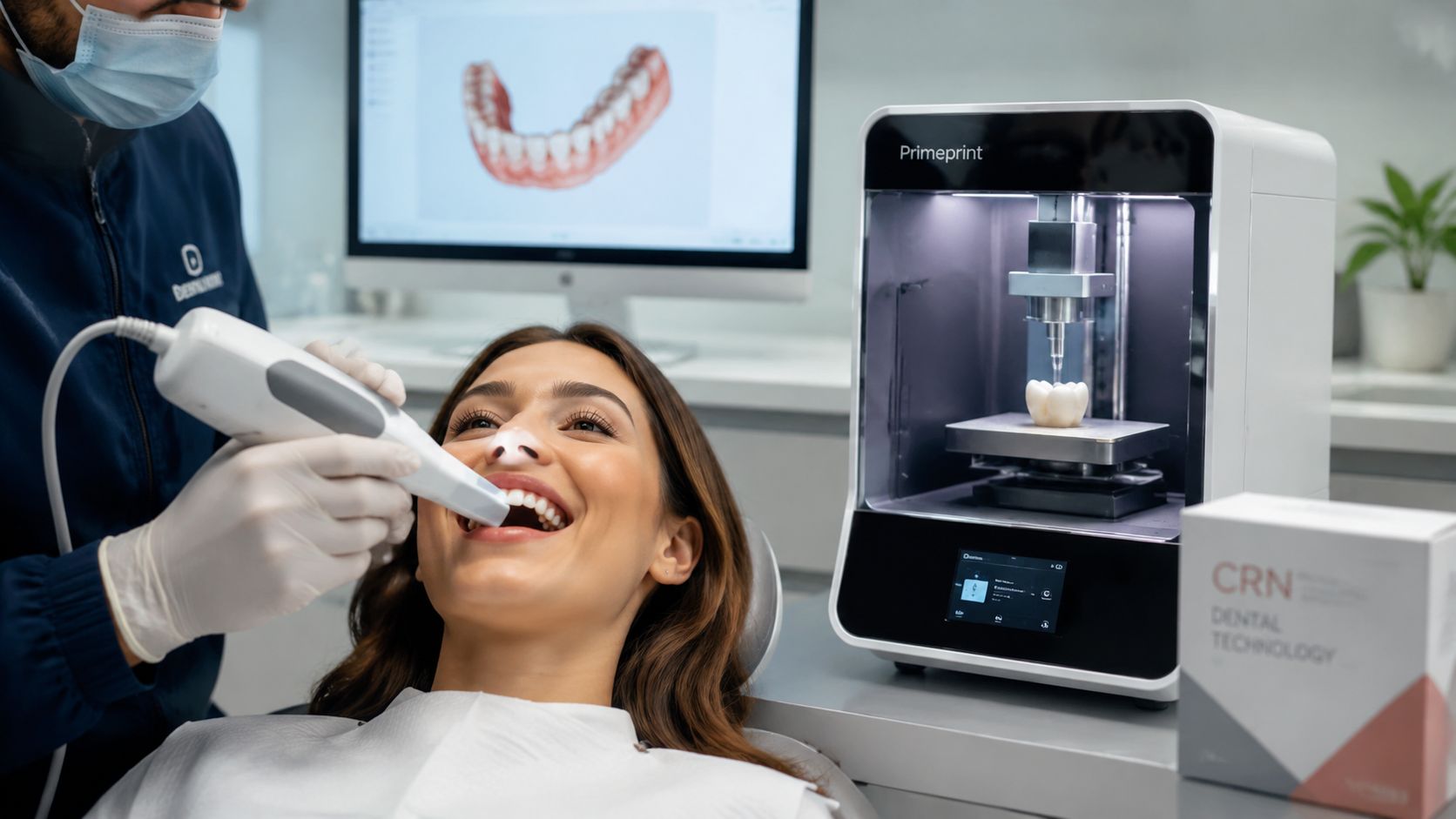
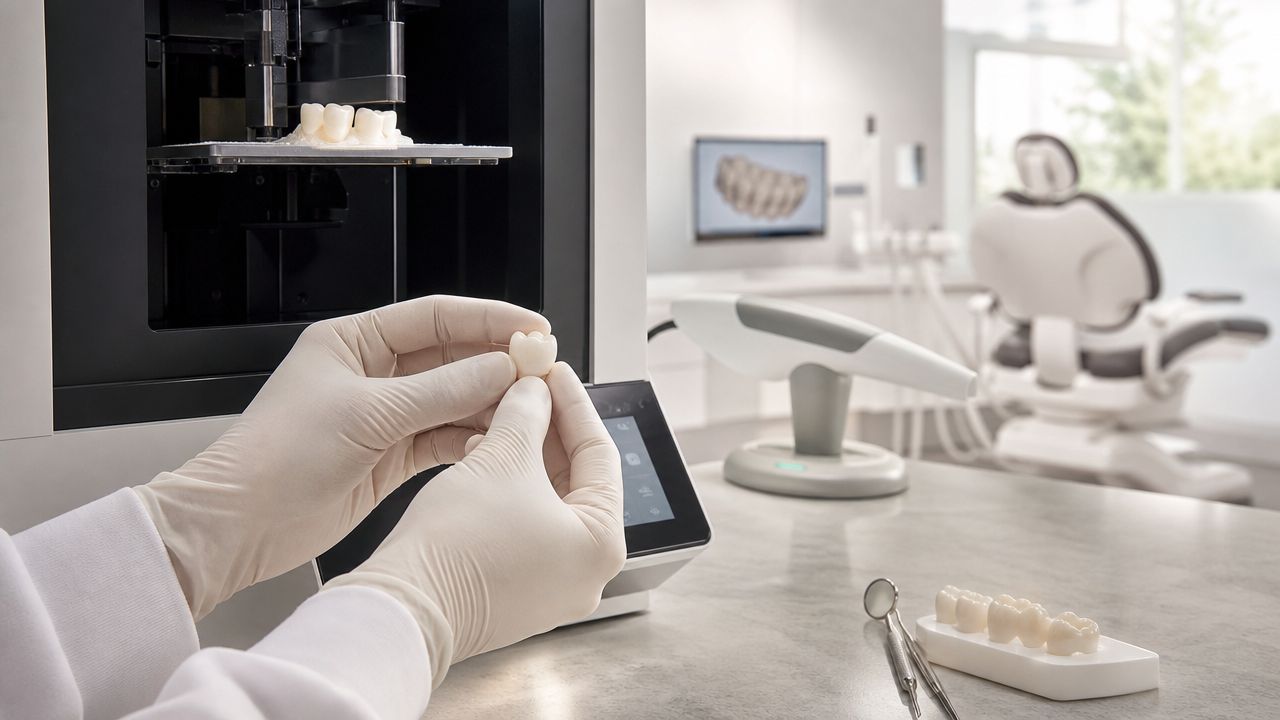
An in-house lab model can help with that stage because communication between planning, design, and final fabrication is tighter. It also helps when adjustments are needed, since changes don't have to move through as many outside steps.
For patients looking at dental implants near me, dentist in Georgetown, TX, or implant care close to North Austin, that's one reason integrated care matters. Diagnosis, surgery, and restoration should support each other.
One example is 3D Dental, which provides implant care with digital scanners, 3D CT imaging, and an in-house lab workflow under one roof. In practical terms, that setup supports planning accuracy, restoration customization, and faster coordination when a case needs refinement.
What your visits often include
| Stage | What happens | What patients get from it |
|---|---|---|
| Initial exam | Imaging, bite review, health assessment | A realistic treatment plan |
| Pre-treatment phase | Any needed extraction or gum preparation | A healthier foundation |
| Implant placement | Surgical insertion of implant | Root replacement below the gum |
| Healing period | Osseointegration and follow-up | Stable biological integration |
| Final restoration | Crown, bridge, or arch attached | Function and appearance restored |
This process is very different from a quick patch. That's exactly why it works so well when it's planned properly.
A Transparent Look at Your Investment and Financing
Cost is one of the first questions patients ask, and it should be. Implant treatment is a health decision, but it's also a financial one. Clear answers matter.
In the Georgetown area, the investment for a single dental implant can range from $3,000 to $4,500 from start to finish, according to this local breakdown of average dental implant costs and financing options. That same source notes that 3D CT imaging ranges from $350 to $515 when it isn't complimentary, and that patients with dental insurance may pay about $1,500 per implant annually depending on coverage. It also states that larger cases can reach $60,000 to $90,000.
Why the total can vary
The final cost depends on the condition of your mouth and the type of restoration needed. A straightforward single implant case is very different from a full-arch case that requires extractions, temporary teeth, or preparatory treatment.
Common factors include:
- How many teeth are being replaced
- Whether bone grafting or gum treatment is needed first
- The type of final restoration
- The imaging and planning required
- How much insurance contributes
What patients usually find frustrating is not that implants cost money. It's that many offices give only a starting number without explaining what's included, what might be added, or how payment can be structured.
Ways patients make treatment manageable
Affordability isn't only about the sticker price. It's also about how the treatment is phased and financed. Local implant financing options can include:
- Dental insurance when benefits apply
- HSAs and FSAs to use pre-tax funds for qualified care
- Cherry and Sunbit for treat-now-pay-later financing
- Structured payment planning based on case timing and treatment phases
If you want a more detailed explanation of what can affect pricing, this guide on how much dental implants cost is a useful next read.
A transparent cost discussion should answer three things clearly. What treatment you need, what is included in the estimate, and what payment options are available if you want to move forward.
Your Dental Implant Questions Answered
Is getting a dental implant painful
Most patients are relieved to find that the procedure is more manageable than they expected. The area is numbed, and comfort planning is part of treatment. The exact experience depends on whether you're having one implant placed or a larger surgical procedure, but the goal is controlled, well-managed care, not a painful ordeal.
How long do dental implants last
Implants are designed to be a long-term solution. Their lifespan depends on good placement, healthy gums, bite balance, and home care. The restoration on top may need maintenance over time, but the implant itself is intended to serve as a durable foundation.
How do I care for my implants after treatment
Daily home care still matters. You need regular brushing, flossing or other recommended cleaning tools, and routine dental checkups. Implants don't get cavities, but the surrounding gums and bone still need protection. For a practical overview, read these tips on how to care for dental implants.
What if I need financing help
That question comes up often, and it should. A local content gap is that many implant pages mention a starting price but don't explain payment options well. As noted in this discussion of affordability gaps in Georgetown implant content, detailed guidance on plans such as Cherry and Sunbit, and on how in-house labs can reduce costs by 20-30%, is often missing. That leaves many patients uncertain about whether treatment is realistic for them.
Do you serve patients outside Georgetown
Yes. Patients often come from Austin, Round Rock, Cedar Park, Liberty Hill, and Wells Branch for implant consultations, restorative dentistry, cosmetic dental care, tooth extraction needs, and emergency dentist visits. If you're searching for a dentist near me in North Austin or a dentist in Georgetown, TX, location shouldn't keep you from getting a clear implant plan.
If you're ready to talk through missing teeth, loose dentures, failing dental work, or full-arch options, schedule a consultation with 3D Dental. A focused exam, clear imaging, and a realistic treatment plan can show you what will work, what won't, and what it would take to restore your smile with confidence.
Ready to get started?
Schedule a free, no obligation consultation with our team and see what's possible for your smile!
Georgetown
- Mon-Thurs8:30am-5pm
- Fri8am-3:30pm
- Sat-SunClosed
Austin
- Mon-Tues8am-5pm
- Wed-Thurs9am-6pmFri8am-2pm
- Sat-SunClosed