
How to Finance Dental Implants: Affordable Solutions
Related Posts











































If you're researching how to finance dental implants, you're probably balancing two things at once. You want a lasting solution for a missing or failing tooth, but you also need the cost to fit real life.
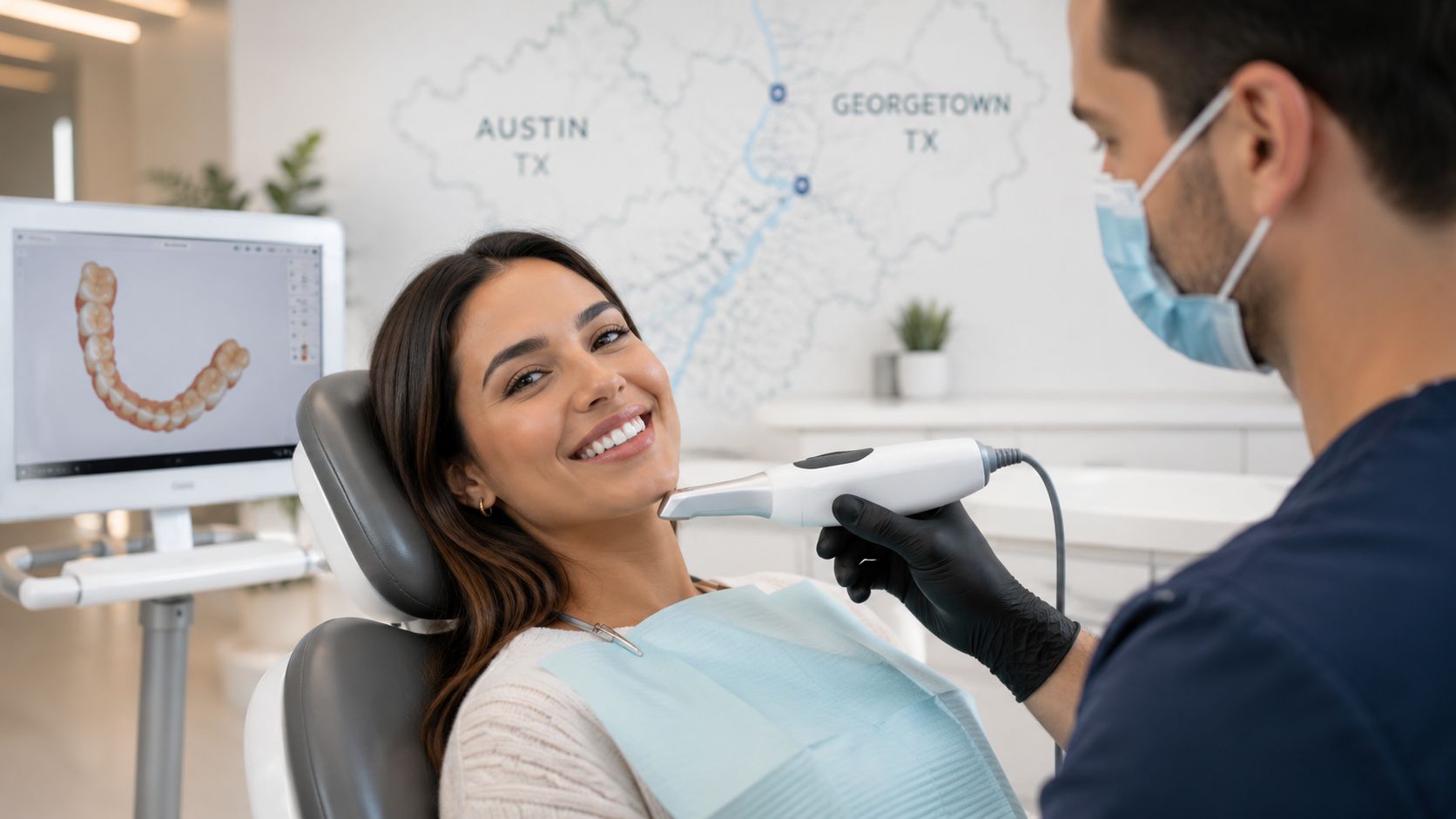
That tension is common for patients in Austin, Georgetown, Wells Branch, Cedar Park, Round Rock, and Liberty Hill. Many people start by searching for dental implants near me, then quickly realize the clinical decision and the financial decision go hand in hand.
The good news is that implant treatment usually doesn't require one large payment all at once. With a clear treatment plan, realistic budgeting, and the right mix of insurance, pre-tax funds, and monthly financing, many patients can move forward sooner than they expected.
Understanding the Full Cost of Dental Implants
A patient will often sit down for a consult expecting one price, then learn the treatment has several parts. That does not mean the estimate is inflated. It means implant care is built step by step, and each step affects the final fee.
Costs vary based on how much treatment is needed, which tooth or teeth are being replaced, and whether the mouth needs preparation before placement. A single implant case is very different from a full-arch case, and a straightforward replacement is very different from one that also requires extraction, grafting, or added cosmetic work. That is why the most helpful number is not a broad national average. It is a line-by-line treatment plan for your mouth.

What makes up the total fee
An implant estimate usually includes more than the implant itself. In many cases, patients are paying for diagnostics, surgical care, restorative work, and post-op monitoring.
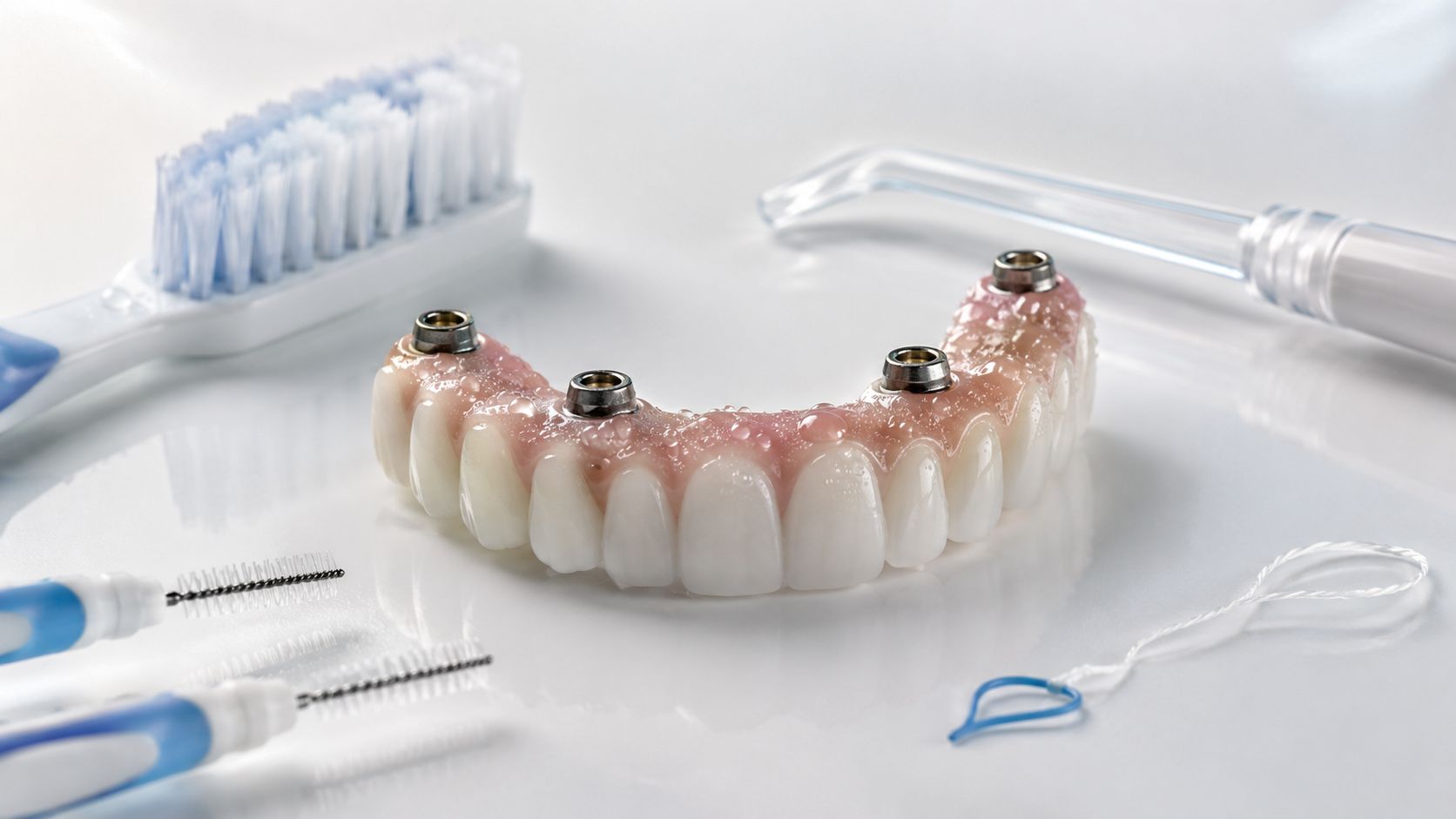
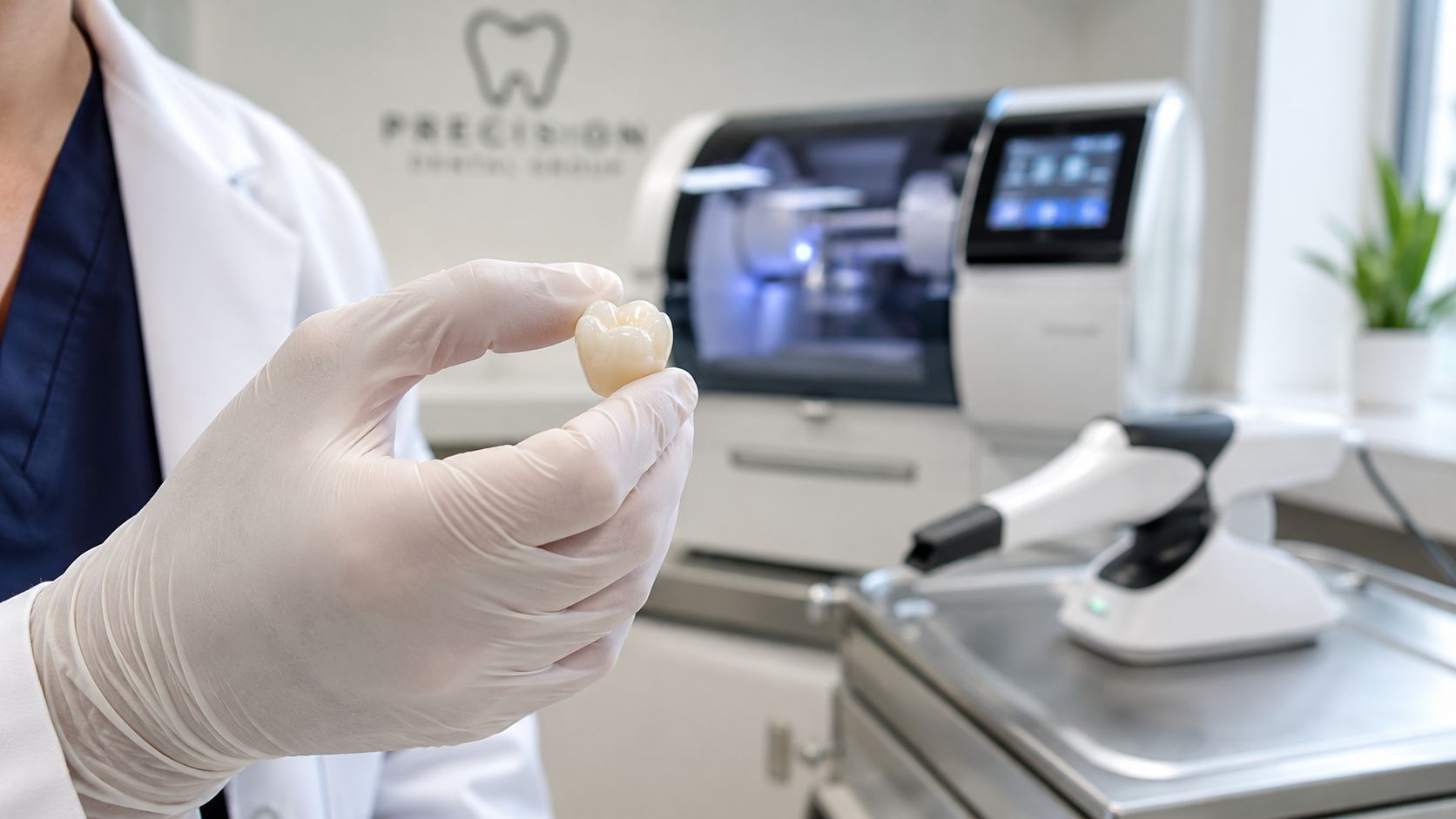
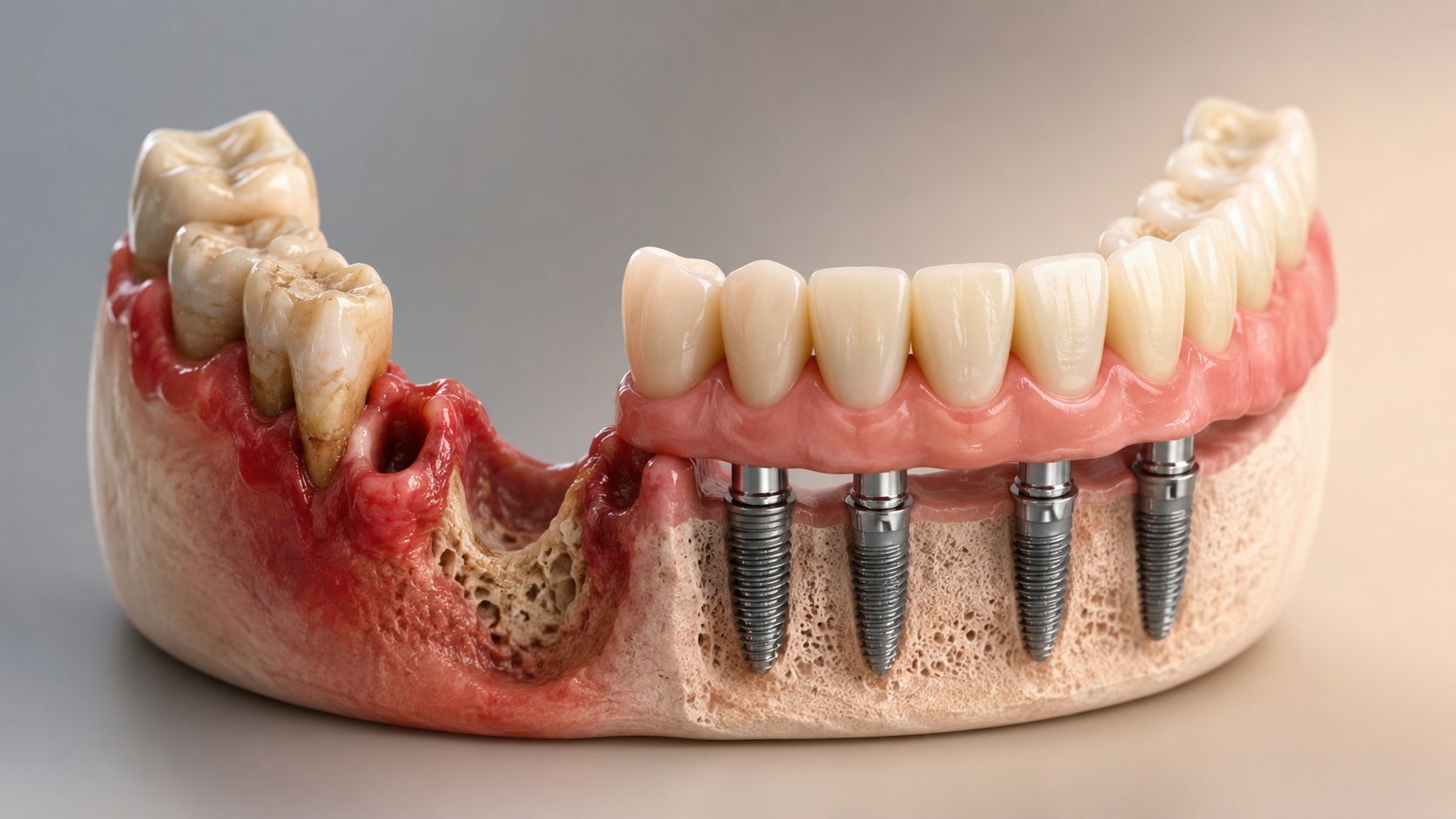
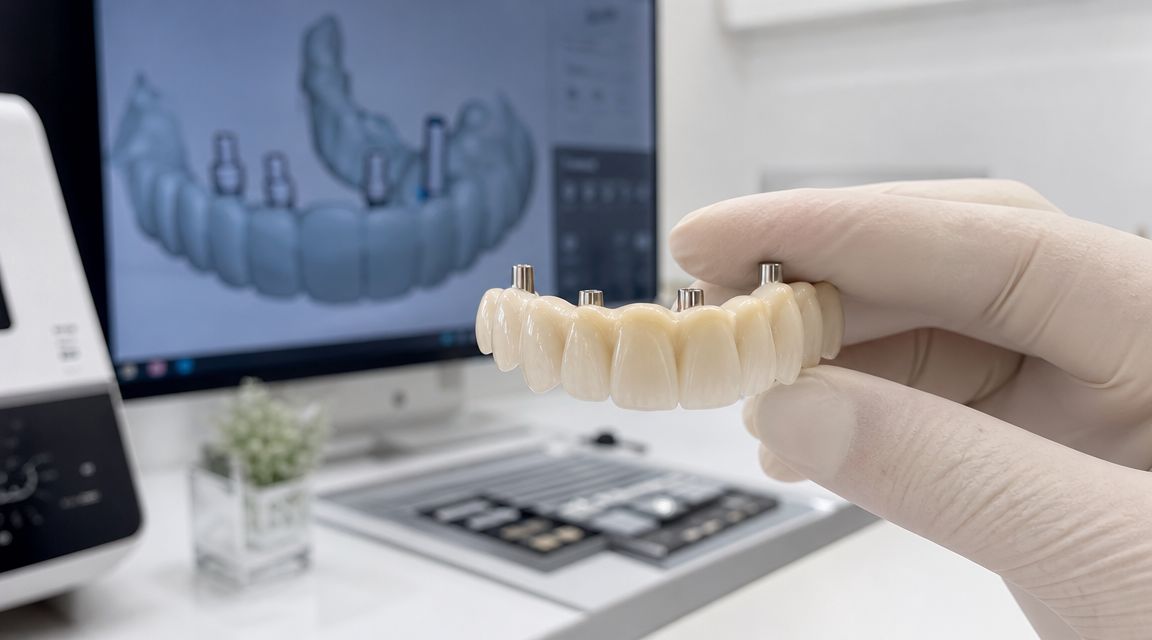
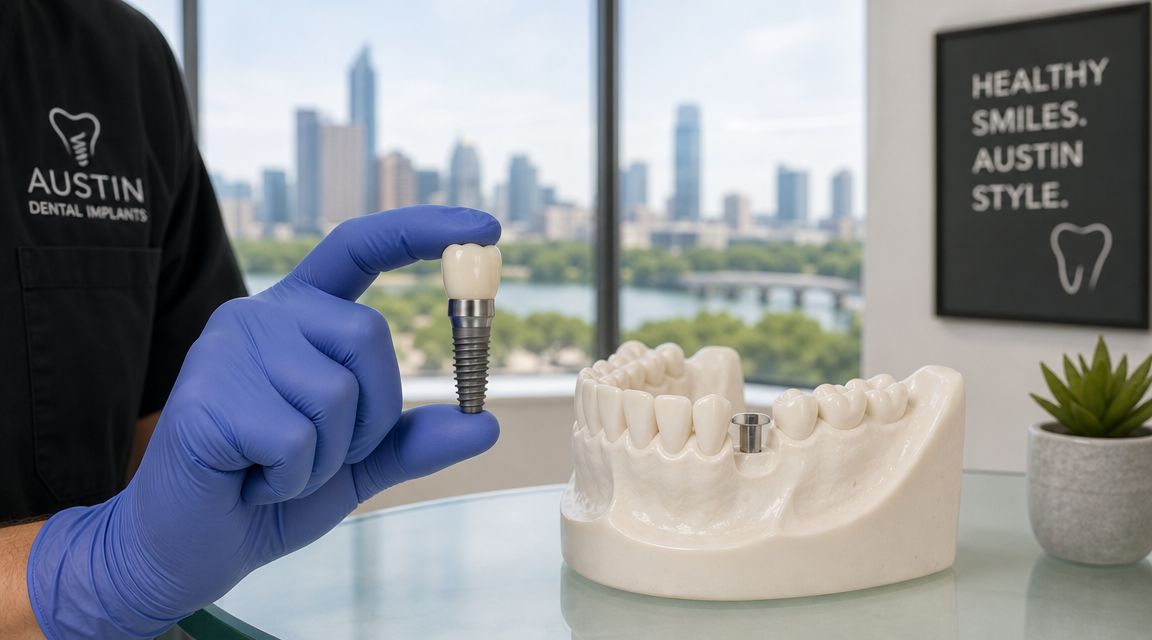
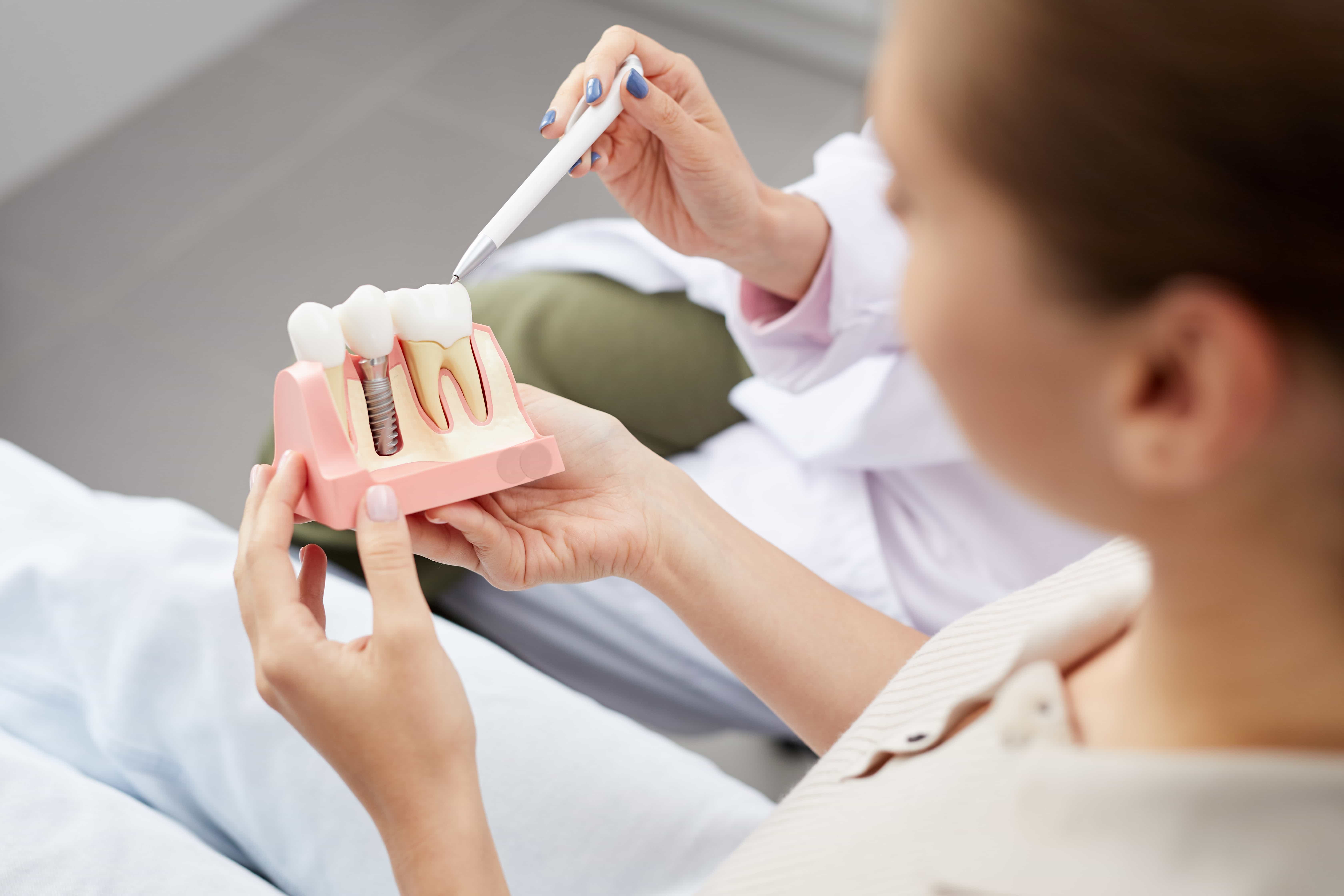
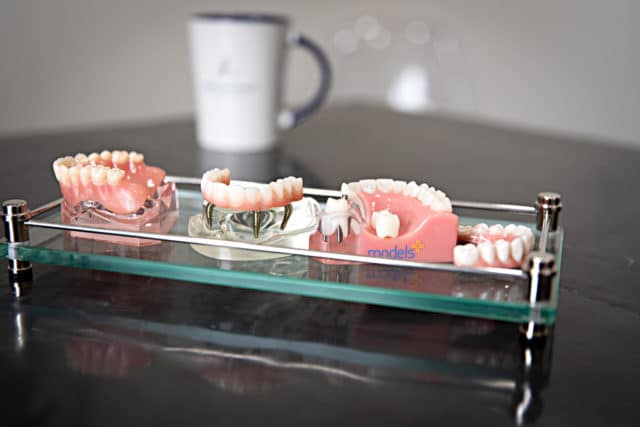
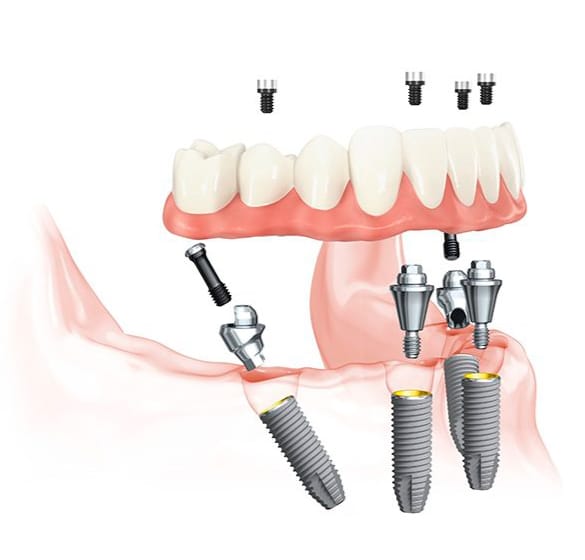
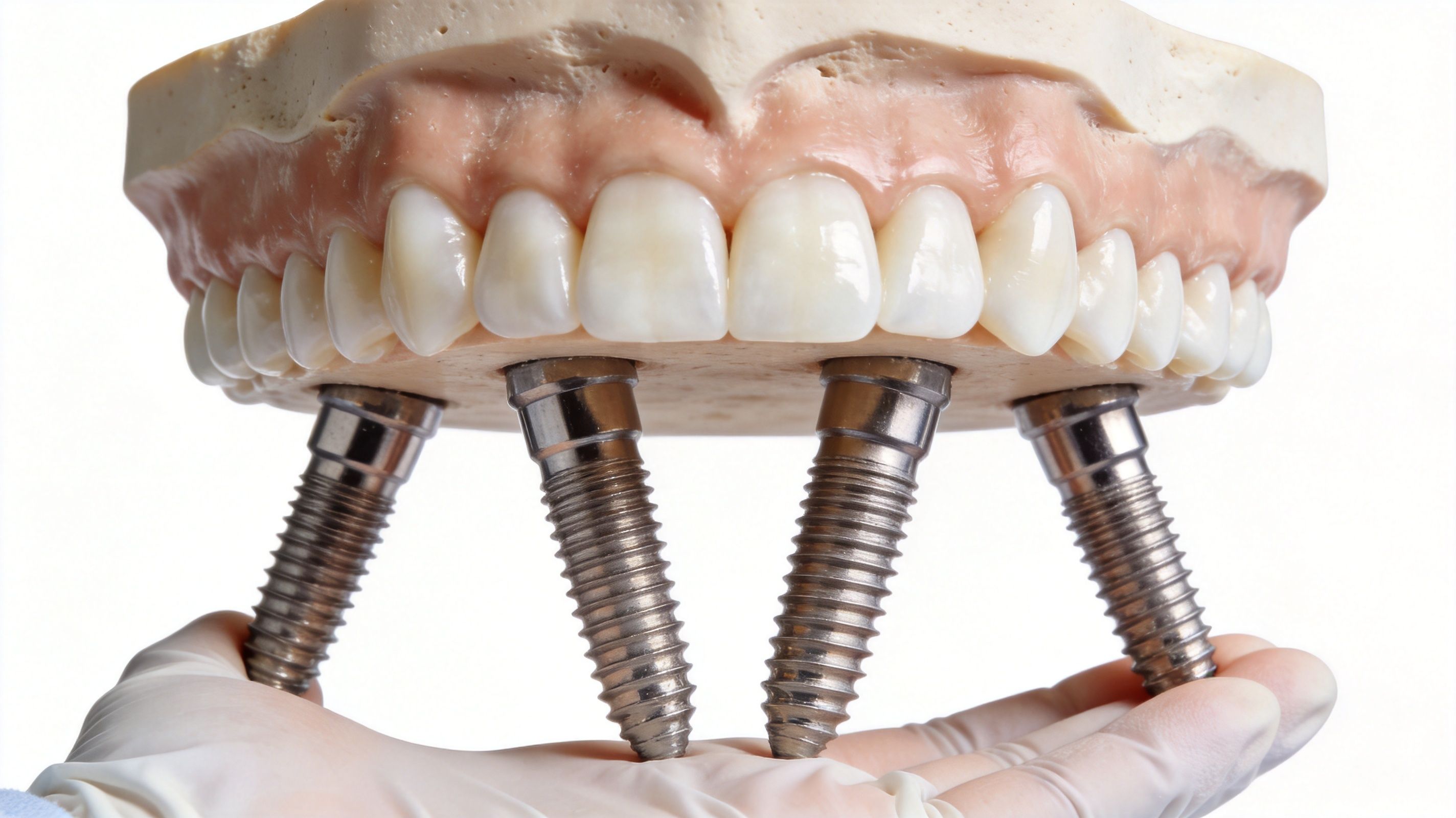
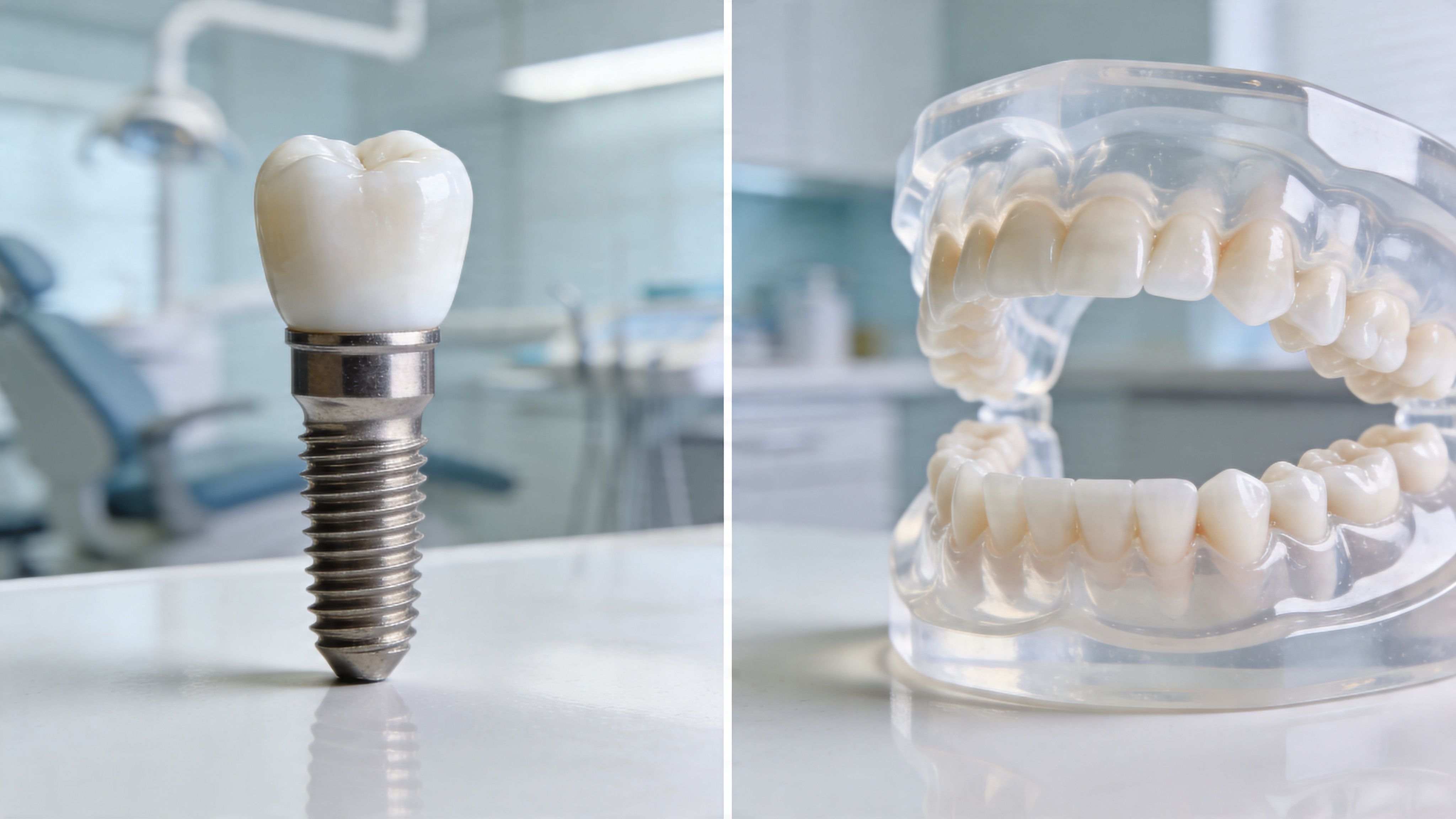
A typical plan may include the implant post placed in the jawbone, the abutment that connects the implant to the restoration, and the final crown or prosthesis that restores function and appearance. For larger cases, that restoration may be a bridge or a full-arch prosthesis rather than a single crown.
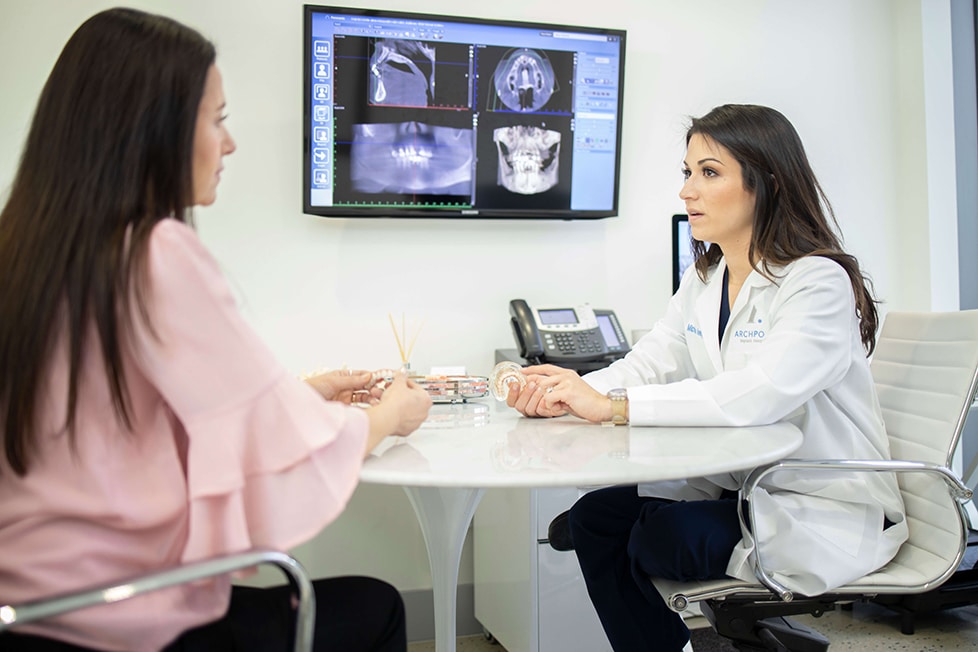
There is also the planning side of care. Imaging, examination, case design, and follow-up visits all affect the total cost because they affect the outcome.
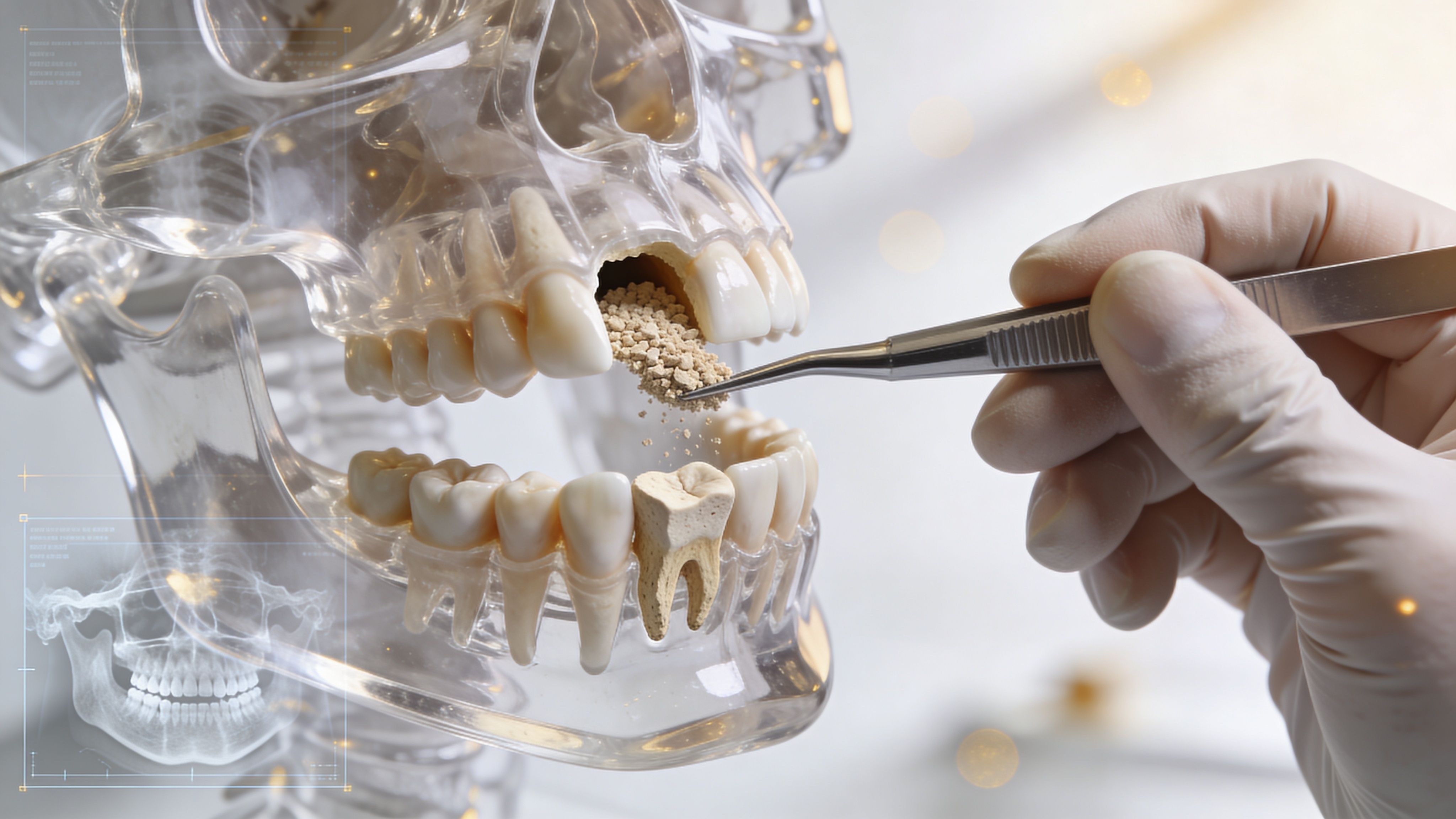
If a tooth cannot be saved, extraction may be part of the first phase. If bone volume is limited, bone grafting may be recommended before or during implant placement. Those steps add cost, but they also reduce the risk of placing an implant into a site that is not ready to support it well.
Why one quote can be higher than another
Two patients can both need an implant and receive very different estimates. In practice, that usually comes down to complexity, not inconsistency.
The number of teeth matters. The condition of the surrounding bone and gums matters. The location matters too. Replacing a front tooth often requires tighter control over shape, shade, and gum appearance than replacing a molar.
I also tell patients to look closely at what is included. One quote may bundle imaging, surgery, restoration, and follow-up. Another may show a lower starting price but leave out preparatory treatment or the final restoration. A lower number at the beginning can turn into a higher net cost once every required step is added back in.
A clear estimate should show whether it includes:
- Diagnostic planning, such as exams and imaging
- Surgical placement of the implant
- Restorative work, such as the crown, bridge, or full-arch prosthesis
- Preparatory procedures, including extraction or bone grafting if needed
- Healing and follow-up visits to check integration and fit
Why long-term value matters
Implants are often compared with bridges or removable options because the upfront fee is higher. That comparison is fair, but it should be a full comparison.
Implants can help preserve chewing function and support the jawbone in ways temporary or removable options may not. They may also reduce the cycle of repairing or replacing a short-term solution over time. For some Austin and Georgetown patients, that changes the conversation from "What does this cost today?" to "What am I likely to spend, maintain, and live with over the next several years?"
That is also why financing works best after the treatment plan is clear. Once each phase is defined, it becomes much easier to review insurance, HSA or FSA funds, and monthly payment options without guessing. Patients who want to review local payment options before their consult can start with 3D Dental's implant financing and insurance information, including treat now, pay later options available in North Austin and Georgetown through Cherry and Sunbit.
Your Financing Roadmap From Start to Finish
The easiest way to approach implant financing is to treat it like a sequence of decisions, not a single yes-or-no moment. Patients who do well with financing usually prepare before they apply.
Experts recommend a 6-step financing process that includes financial evaluation, cost research, comparing Point-of-Sale financing such as Cherry or Sunbit, seeking pre-approval with soft credit checks, reviewing loan terms carefully, and confirming the final plan before treatment, as outlined in this step-by-step dental implant financing guide.

Step 1 starts at home
Before you look at lenders, look at your own budget. The same expert guidance recommends targeting 670+ FICO for the strongest rates and keeping payments at 10% to 15% of discretionary income so the plan remains sustainable.
That matters because the right monthly payment isn't just the one a lender approves. It's the one you can comfortably carry while handling rent or mortgage, groceries, childcare, and everything else in your month.
A quick self-check helps:
- Review your credit profile: Know whether you're likely to qualify easily or may need a co-signer.
- Set a real monthly comfort zone: Don't choose a payment that looks fine on paper but creates stress every month.
- Decide your priority: Lowest monthly payment, lowest total interest, or fastest payoff.
A manageable payment usually beats an aggressive payment plan that looks good at approval and feels difficult by month three.
The consultation turns guesses into numbers
Once you have a budget range, the next move is getting a precise treatment plan. At this stage, implant financing gets much easier, because lenders and payment partners work from actual treatment costs, not rough estimates from online research.
Patients comparing options in North Austin and Georgetown often feel more confident after they receive a written plan that separates the surgical and restorative parts of care. That's also the right time to ask what is included, what may be optional, and whether treatment can be phased if needed.
For patients reviewing office payment resources, 3D Dental financing and insurance information shows the kinds of support available when you're planning care locally.
How to compare offers without getting lost
When you have the treatment quote in hand, start comparing financing choices side by side. Focus on the terms that affect your total cost and your monthly experience.
Look closely at:
- APR structure: Fixed rates are easier to budget than variable rates.
- Promotional periods: A 0% offer can work well if you know the exact payoff deadline.
- Fees: Origination fees and prepayment penalties can change the actual cost.
- Approval method: Soft-pull pre-approval is often useful when you're still deciding.
The same expert framework notes that hidden costs can include origination fees from 1% to 6% and prepayment penalties up to 3% in some arrangements, so reading the agreement matters as much as getting approved.
A short explainer can help if you're early in the process:
The final step is verification, not pressure
After pre-approval, pause before accepting anything. Confirm the term length, monthly amount, total repayment, and what happens if a promotional period ends before the balance is paid.
This stage is where many patients avoid expensive mistakes. A good financing plan should let you move forward with care while still feeling in control of your budget.
If you're searching for dental implants near me in Austin or Georgetown, this is the part that often changes the experience. The process stops feeling like a financial hurdle and starts feeling like a structured path to treatment.
Comparing Payment Options In-House vs Third-Party
A common Austin-area implant conversation starts the same way. The patient is ready for treatment, has some help from insurance or an HSA, and wants to know whether the remaining balance should stay with the office or go through an outside lender.
The right answer depends on the size of the case, the payoff timeline, and how predictable the monthly budget needs to be.
The main categories patients compare
Most patients use layers, not a single funding source. Insurance may reduce part of the surgical or restoration fee. HSA or FSA funds can cover eligible expenses with pre-tax dollars. Financing then fills the gap.
After that, the choice usually comes down to two paths.
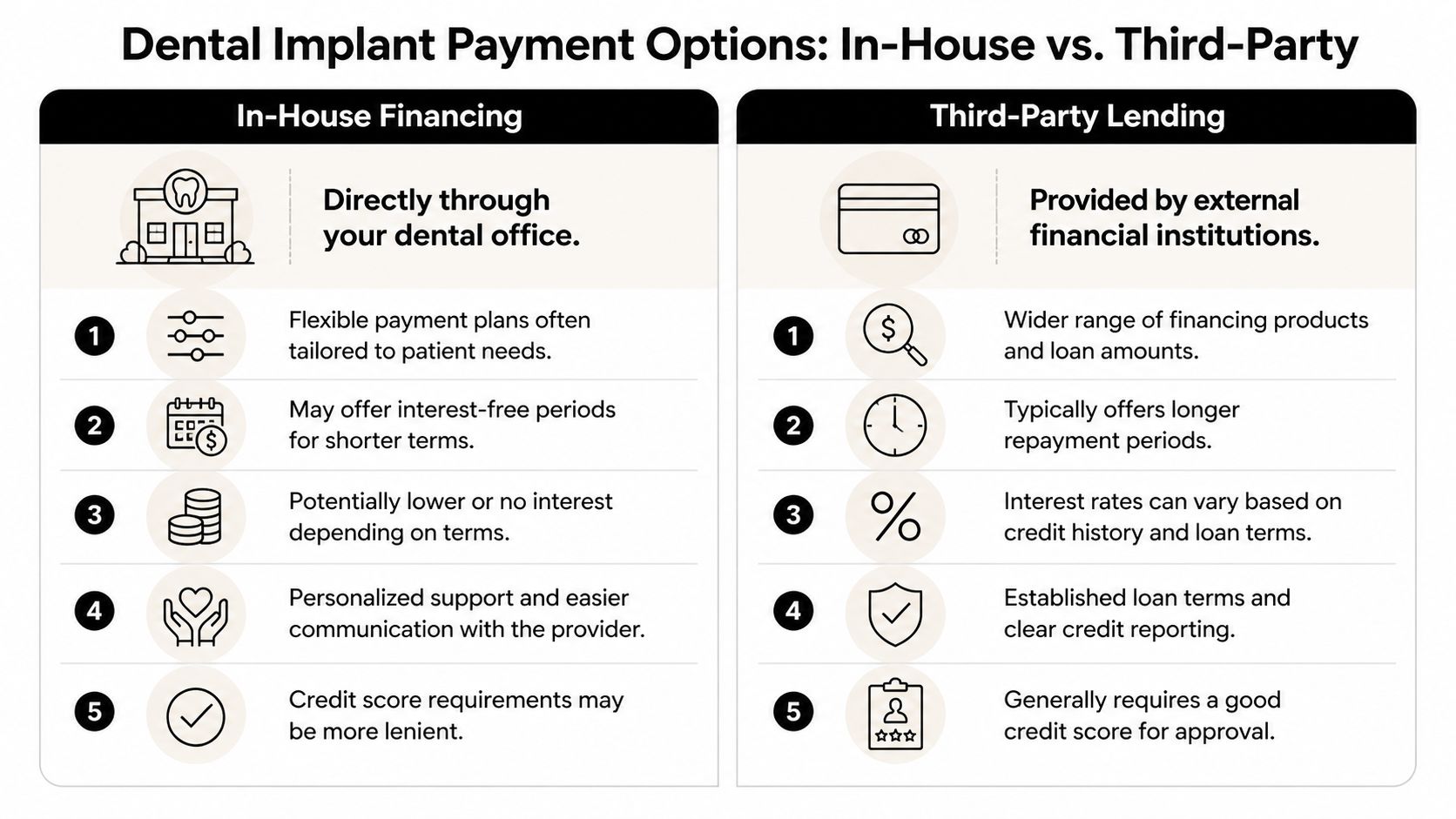
In-house or practice-based financing tends to feel simpler. The application is often faster, the payment process is familiar, and the office team can explain how it fits with your treatment schedule. This option can work well for smaller balances or shorter payoff periods.
Third-party financing usually offers more flexibility on larger cases. That matters for full-arch treatment, multiple implants, or staged care where a lower monthly payment is more realistic than a fast payoff. Approval, term length, and rate will depend on the lender and the patient's credit profile.
At 3D Dental, patients in North Austin and Georgetown often compare office guidance with treat-now-pay-later programs such as Cherry and Sunbit financing for dental treatment. That gives patients a local, actionable option instead of a generic suggestion to "find a lender."
Dental Implant Financing Options at a Glance
| Payment Method | Typical Cost Structure | Best For | Key Consideration |
|---|---|---|---|
| Insurance coordination | Varies by plan | Reducing the amount you need to finance | Coverage may apply to parts of treatment, not the full case |
| HSA or FSA | Pre-tax funds for eligible expenses | Patients who have already built up account balances | Annual contribution limits and timing rules can affect how much is available |
| In-house or POS financing | May include promotional periods or fixed monthly plans | Smaller balances, short payoff windows, fast application | Terms differ by office and promo deadlines need close review |
| Third-party healthcare financing | Rate and term vary by lender and credit profile | Larger balances or patients who need longer repayment | Monthly payment can look manageable while total repayment is much higher |
| Personal loan or credit union loan | Varies | Patients who want to compare outside offers | Best evaluated by total cost, not monthly payment alone |
What works well for different situations
A single implant case often fits a short repayment window. Patients in that position may prefer a promotional plan if the full balance can be paid within the stated period.
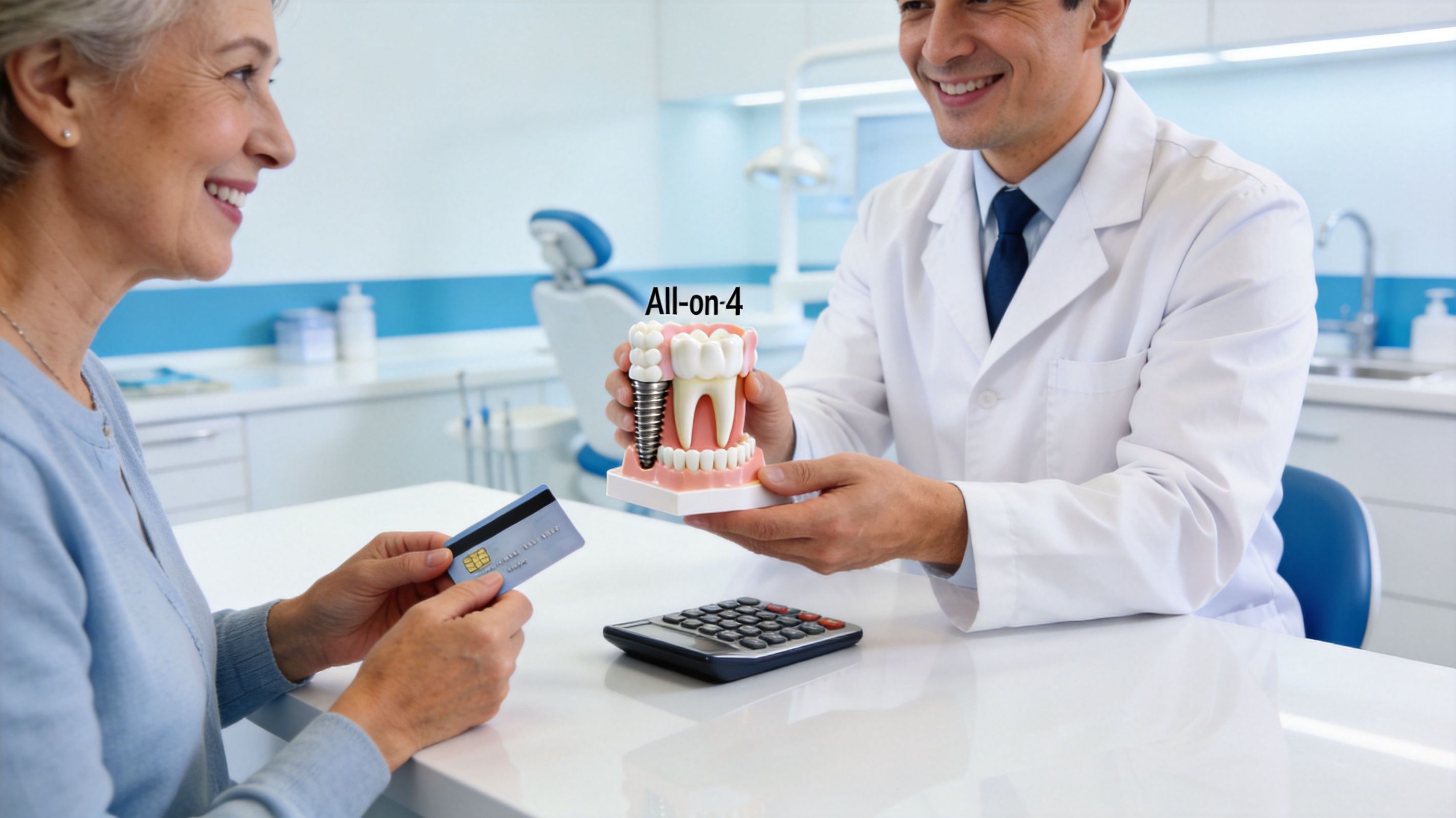
A larger case changes the math. Full-mouth reconstruction, implant dentures, and All-on-4 style treatment often push patients toward longer terms because preserving monthly cash flow matters. In those cases, third-party financing can make treatment possible sooner, but the trade-off is usually higher total repayment over time.
I encourage patients to compare options with one practical question in mind: Are you trying to minimize total cost, or are you trying to protect your monthly budget? Those are not always the same goal.
In-house vs third-party. The real trade-offs
In-house financing may be a better fit when:
- the remaining balance is relatively modest
- you want a short, predictable payoff plan
- you prefer working directly with the dental office
- you value speed and simplicity over shopping multiple lenders
Third-party financing may be a better fit when:
- the case fee is high enough that a longer term is necessary
- you want several term options to compare
- you need lower monthly payments to start treatment now
- you are comfortable reviewing lender terms closely before signing
The biggest mistake is choosing based on the lowest monthly payment alone. A lower monthly number can be helpful, but it can also mean paying for much longer or paying more interest overall.
Questions to ask before you choose
Patients in Austin and Georgetown usually make better financing decisions when they ask for the full picture in plain language:
- Is this a fixed payment plan or a promotional offer?
- If it is promotional, what happens to the balance if it is not paid off on time?
- How long is the term, and what is the exact monthly payment?
- What is the total amount repaid by the end of the schedule?
- Can I pay early without added fees or penalties?
Cherry and Sunbit can both be useful tools for qualified patients who want to start treatment before paying the entire fee upfront. The benefit is access. The responsibility is understanding the terms before treatment begins.
That balance matters. The best financing option is the one that lets you move ahead with implant care confidently, without creating a payment strain six months later.
Proven Tips to Lower Your Out-of-Pocket Implant Costs
Financing is only part of the equation. The other half is reducing how much you need to finance in the first place.
The most overlooked tool is often tax planning. Many patients know implants are a medical expense, but they don't realize how meaningful that can be when the procedure is timed and documented correctly.
Use the tax deduction if you qualify
A significant financial benefit is that unreimbursed dental implant expenses that exceed 7.5% of adjusted gross income may be deductible on a federal tax return. Verified guidance also notes that a $20,000 implant procedure could potentially reduce tax liability or generate a refund of $3,000 to $5,000 for a middle-income family, which can materially lower the net cost of treatment, according to this explanation of dental implant tax benefits.

That doesn't mean every patient will qualify in the same way. It does mean implant treatment is worth discussing with a tax professional, especially if the work is extensive and falls within the same tax year as other medical expenses.
Worth checking: If treatment is medically necessary and your unreimbursed expenses are high enough, the tax impact can change the real net cost more than patients expect.
Stack funding sources instead of relying on one
The most effective payment strategy is often a combination approach. Patients may use insurance where available, apply HSA or FSA funds, then finance only the remaining balance.
That structure can make the monthly payment more manageable and reduce total interest paid over time. It also gives you more control over which part of treatment gets covered by which source.
Useful ways to lower your out-of-pocket share include:
- Max out pre-tax accounts when possible: HSA and FSA dollars can soften the final out-of-pocket burden.
- Ask about phased treatment: In some cases, staging care can help align treatment with savings cycles or benefit periods.
- Review all included services: A complete written plan helps prevent surprise add-ons later.
- Avoid over-borrowing: Finance the necessary balance, not an inflated estimate.
Think beyond the first invoice
Implants can also reduce the financial churn that comes from temporary solutions needing repeated maintenance or replacement. Patients don't always think about long-term costs when they're focused on the immediate bill, but that's often where the value becomes clearer.
This matters when a missing tooth affects chewing, neighboring teeth, or overall oral stability. Waiting too long can also complicate treatment, especially if the area changes over time and requires additional restorative work later.
For patients searching for a cosmetic dentist near me, restorative dentistry, or dental implants near me in Austin or Georgetown, the smartest financial move is often the one that lowers repeat treatment over the years, not just the one with the smallest first payment.
Your Next Steps at 3D Dental in North Austin & Georgetown
For most patients, the process feels easier once there is an actual plan in front of them. A call or online booking is usually the point where uncertainty starts to turn into specifics.
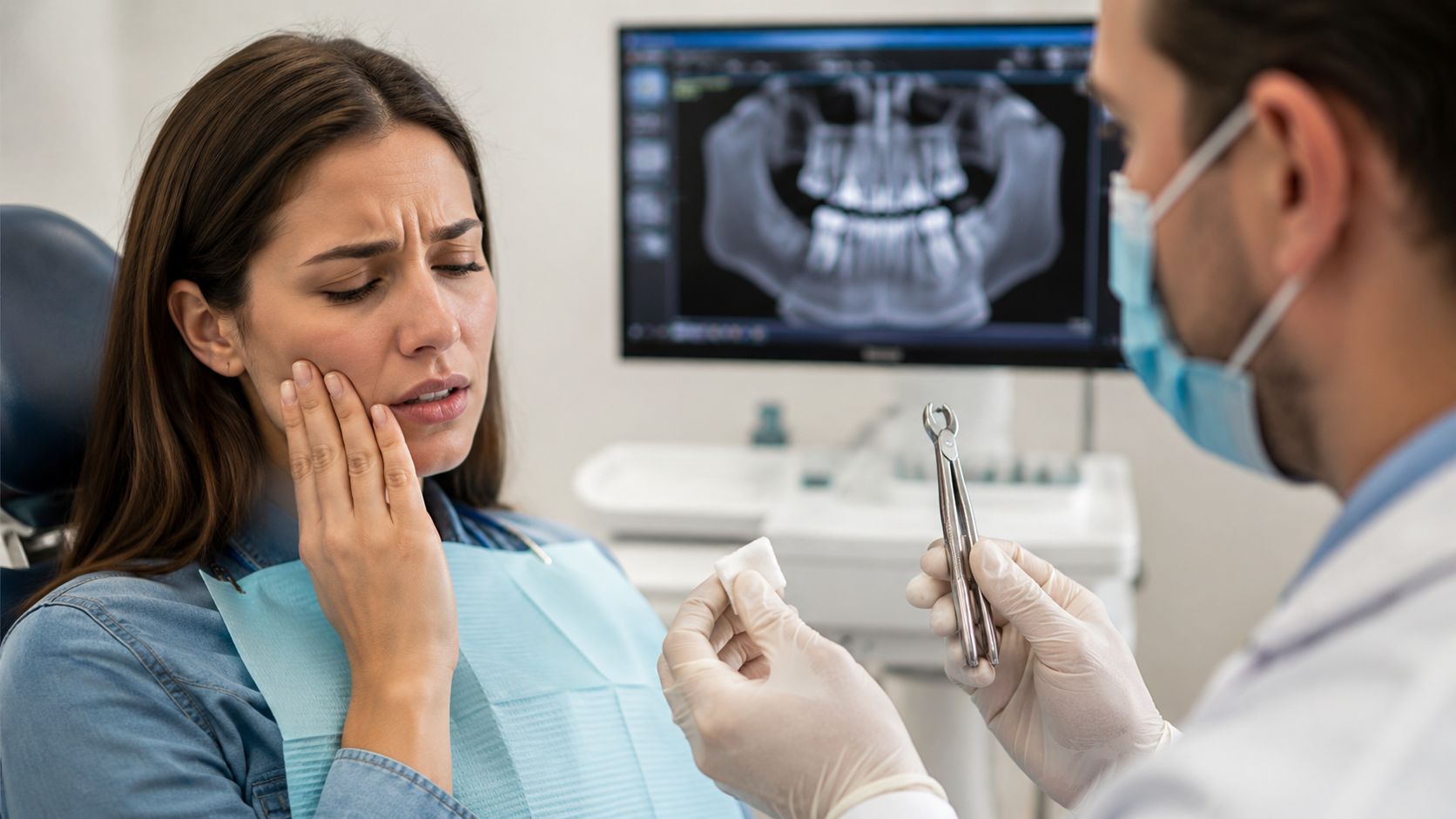
At the first visit, the focus is on diagnosis, imaging, and whether the tooth can be saved or should be replaced. Some patients arrive expecting implant treatment immediately and learn they first need a tooth extraction, gum treatment, or another restorative step. Others are ready for implant planning right away.
What the visit usually feels like
The financial conversation works better when the clinical side is clear. Once imaging and the exam show what is needed, treatment coordination becomes much more straightforward.
Patients are usually walked through:
- What problem is being treated: A missing tooth, failing tooth, multiple missing teeth, or a full-arch concern.
- Which services may be involved: Implant placement, crown or bridge work, possible extraction, and follow-up care.
- How payment can be organized: Insurance review, financing options, and timing of treatment phases.
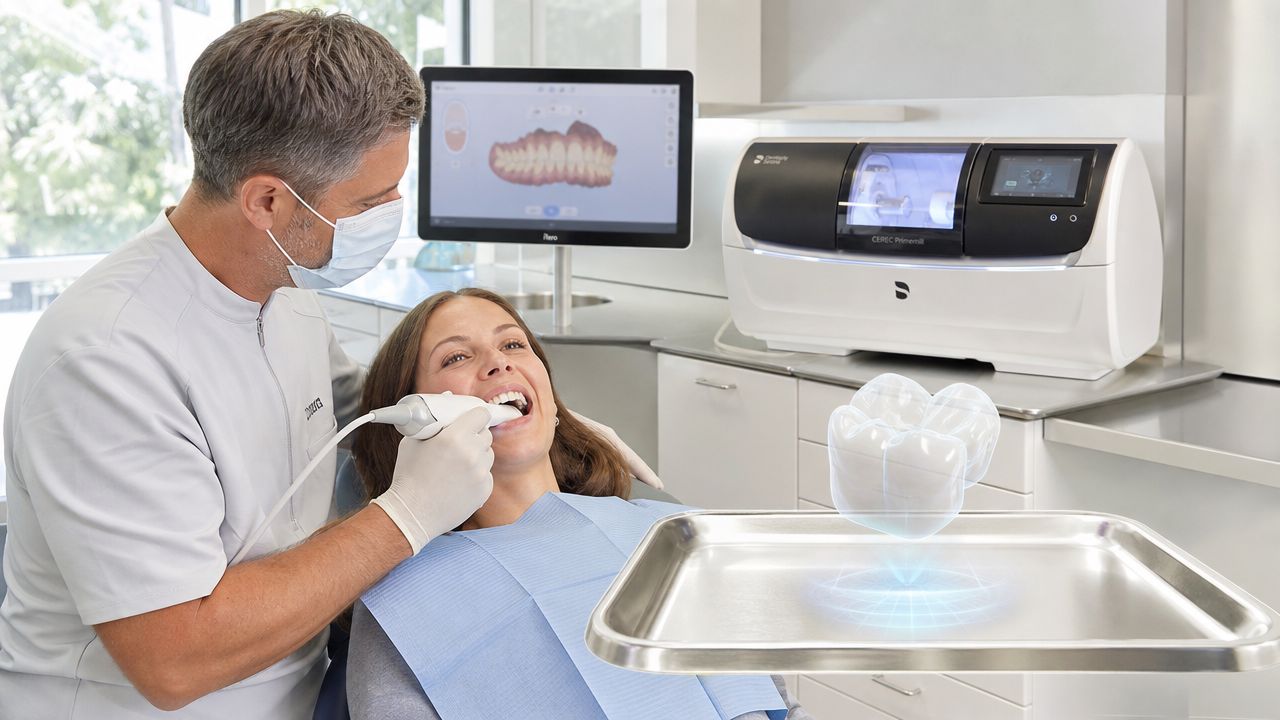
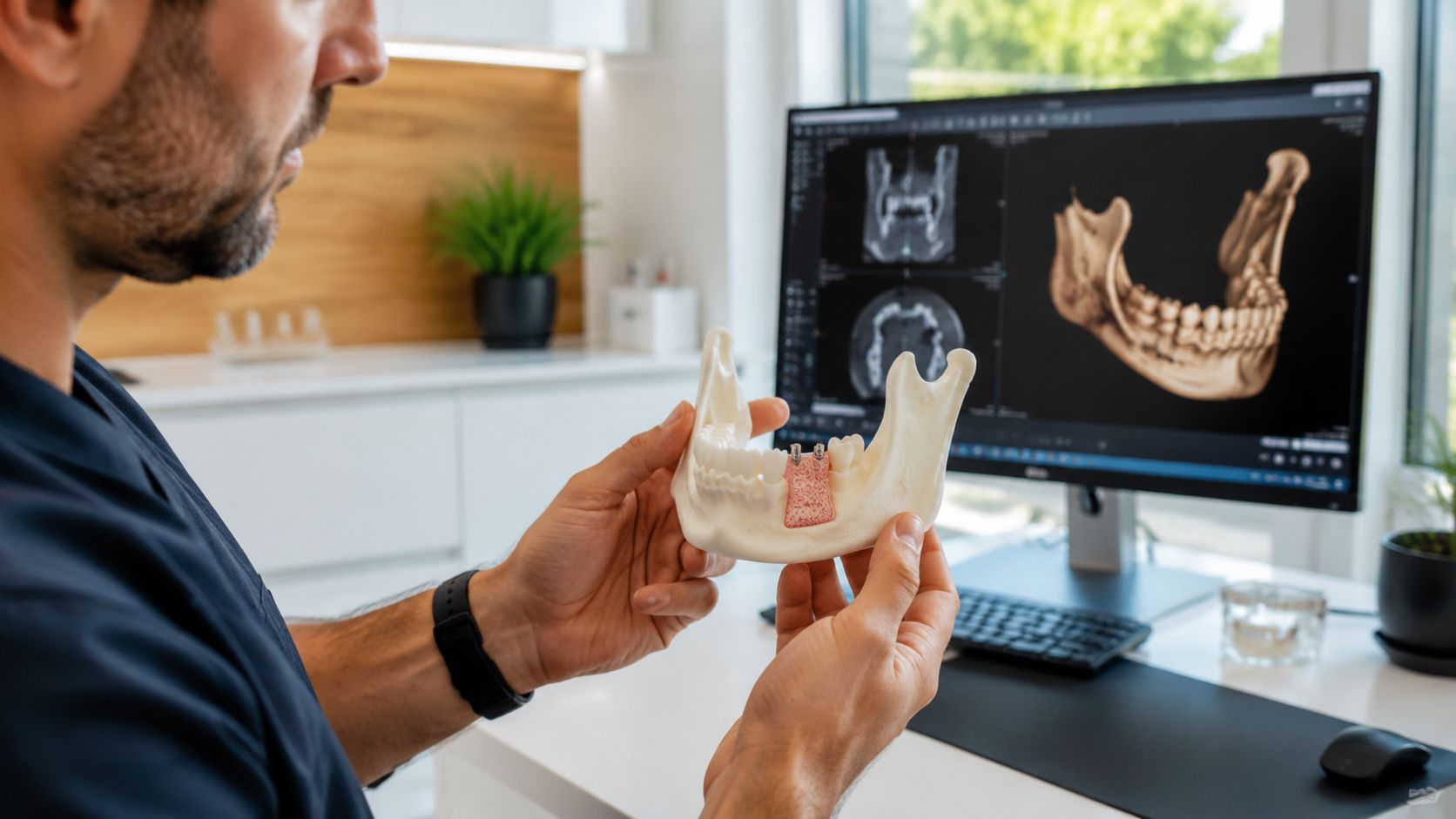
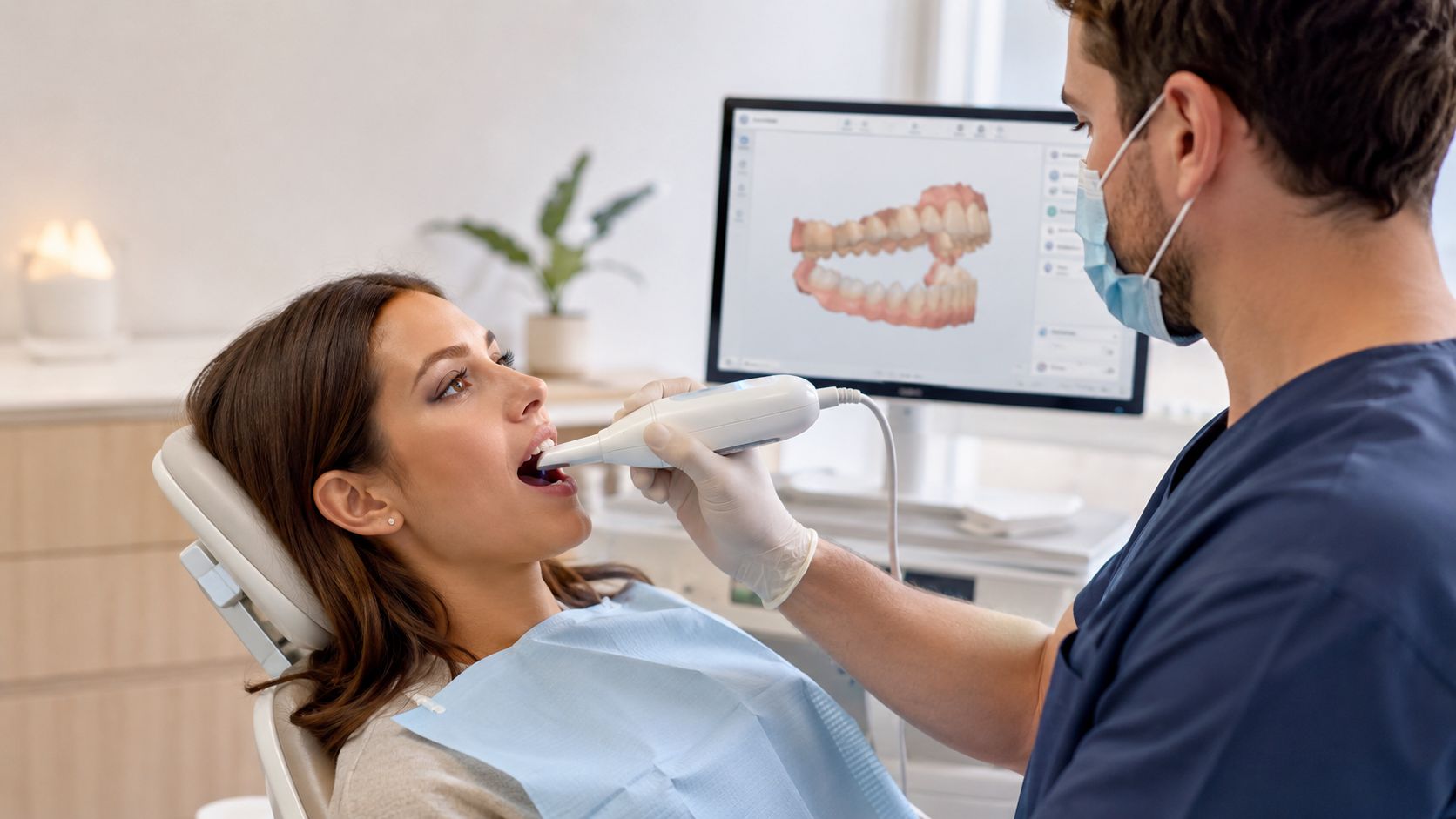
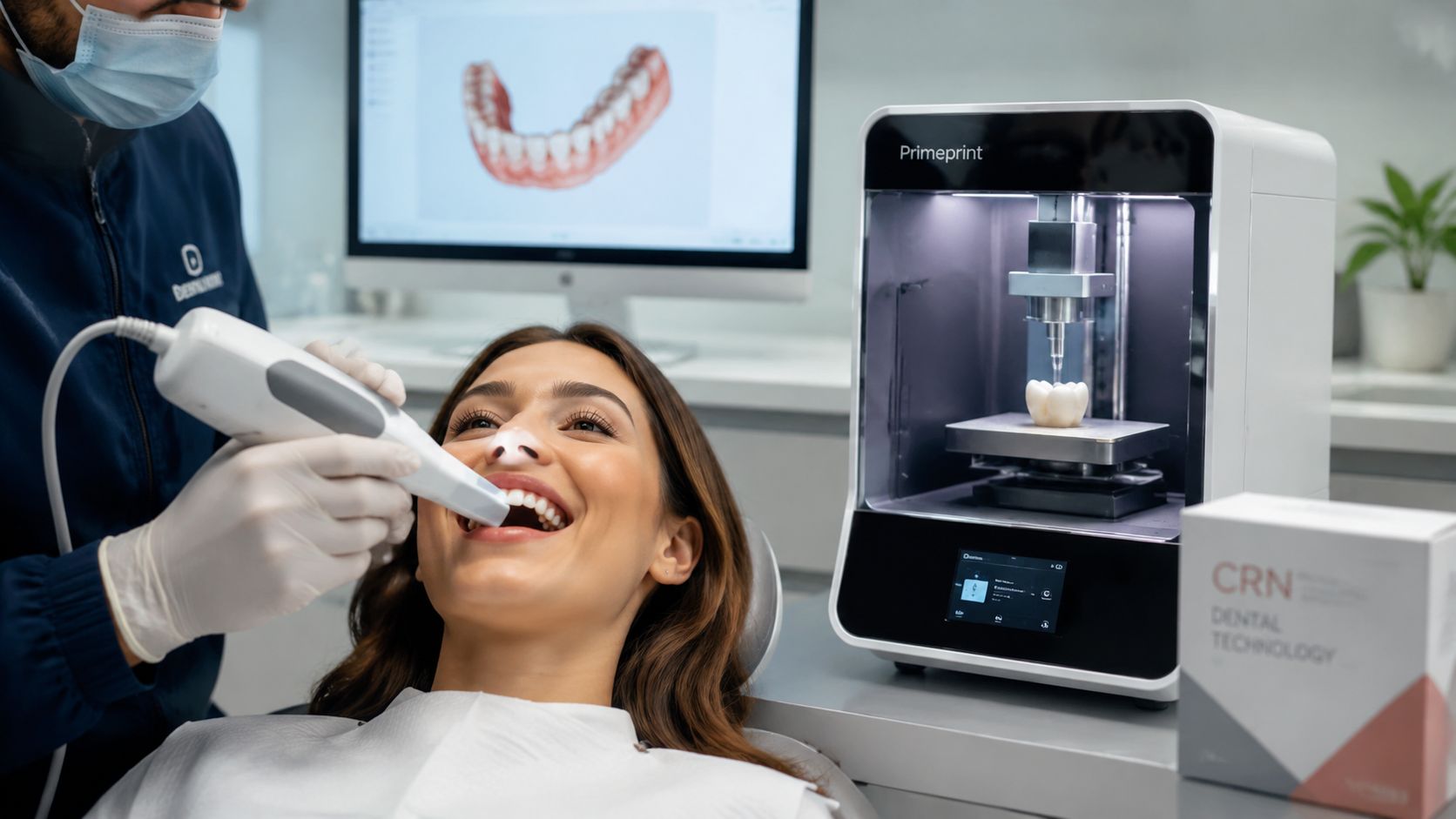
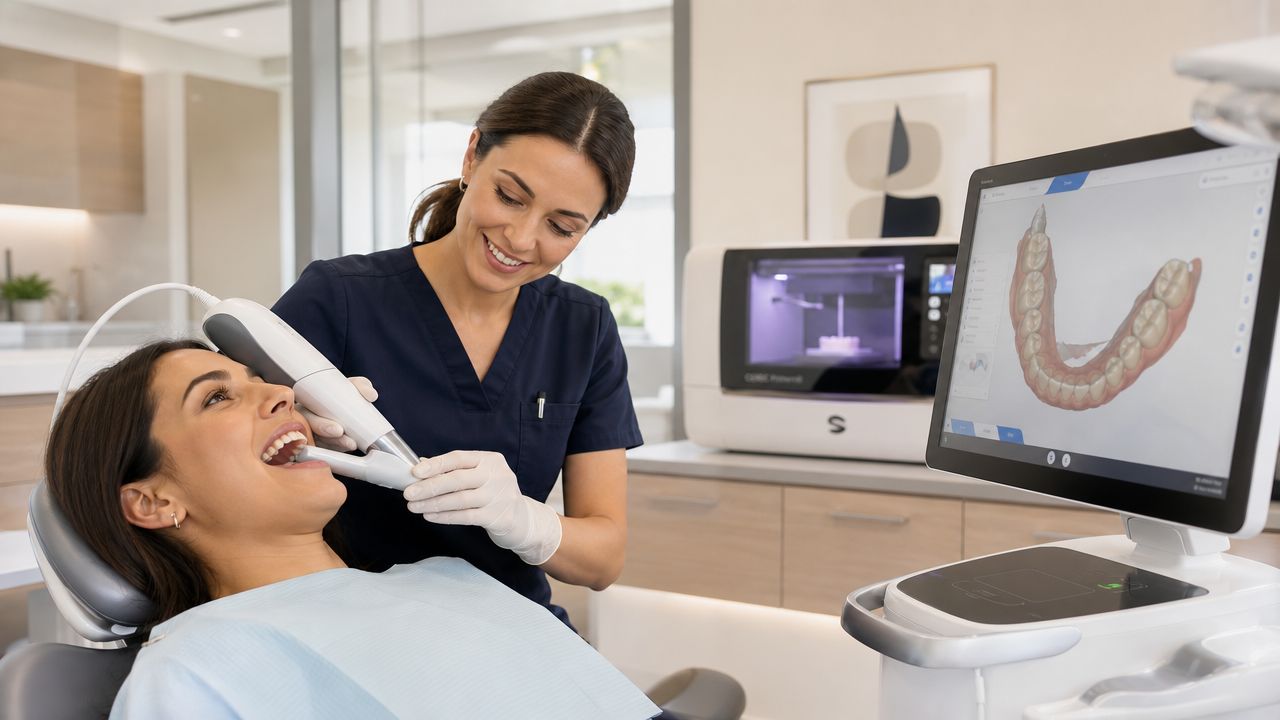
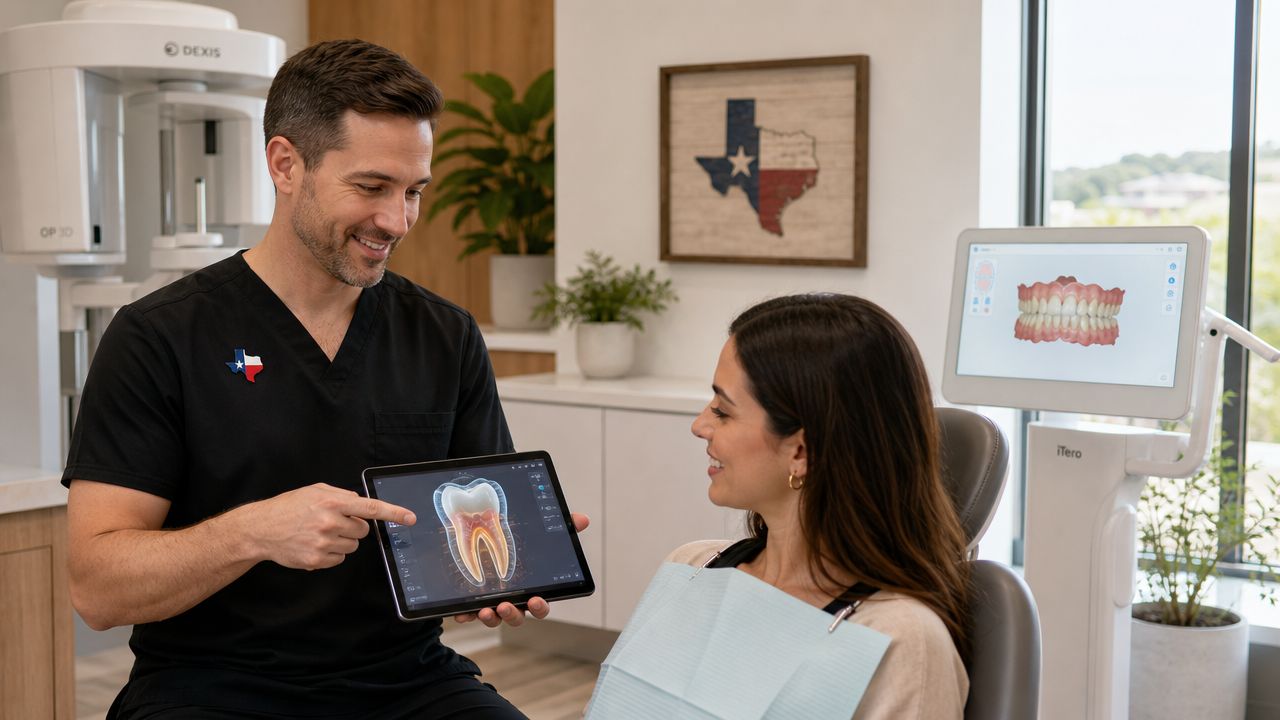
The advantage of modern imaging and digital planning is predictability. When a case is mapped carefully, patients can understand both the clinical sequence and the financial sequence with fewer surprises.
Why local support matters
People looking for a dentist near me or dentist in Georgetown, TX often want more than a list of payment products. They want someone to explain the options in plain language, help with paperwork, and make the decision feel manageable.
That local support matters just as much in implant dentistry as it does in routine cleaning and exams, dental x-rays, new patient exams, cosmetic dentistry, or even urgent visits with an emergency dentist. Good coordination removes friction.
A financing plan is easier to trust when the treatment plan, timeline, and payment terms all line up clearly.
For adults in North Austin and Georgetown, the next step is simple. Get the consultation, ask for the written breakdown, and compare options based on total cost and monthly comfort, not just the fastest approval.
Dental Implant Financing FAQs
Can I get financing for dental implants with lower credit?
Sometimes, yes. Approval depends on the lender, the size of the treatment balance, and your overall financial profile. If credit is a concern, ask whether pre-qualification uses a soft credit check and whether a co-signer is an option. Patients may also lower the financed amount by using insurance benefits, HSA funds, or FSA funds first.
How long does approval usually take?
Some point-of-sale financing options are designed for quick decisions. Timing varies by lender and by how complete your application is, but approvals can be fast when you have your treatment quote and basic financial details ready. The easiest applications are usually the ones submitted after the treatment plan is finalized.
Can I combine insurance and a payment plan?
Yes, that is often the most practical approach. Insurance may reduce part of the bill, and financing can then cover the remaining balance. Many patients also add HSA or FSA funds to reduce what they need to borrow.
Are 0% offers always the cheapest option?
Not always. A promotional plan can be a smart choice if you can pay the balance within the required period. If you can't, the cost can rise quickly depending on how the agreement handles unpaid balances after the promotion ends. Always compare the monthly payment you need for full payoff against your real budget.
Is it better to wait and save up?
That depends on the case. Waiting can make sense if treatment is stable and you're building funds quickly. But when a missing or failing tooth is affecting function, delaying care may create more treatment needs later. A consultation helps clarify whether waiting is reasonable or likely to increase complexity.
If you're looking for a clear path to how to finance dental implants in Austin or Georgetown, schedule a consultation with 3D Dental. The team can review your treatment needs, explain your payment options in plain language, and help you find a realistic next step toward restoring your smile.
Ready to get started?
Schedule a free, no obligation consultation with our team and see what's possible for your smile!
Georgetown
- Mon-Thurs8:30am-5pm
- Fri8am-3:30pm
- Sat-SunClosed
Austin
- Mon-Tues8am-5pm
- Wed-Thurs9am-6pmFri8am-2pm
- Sat-SunClosed