
What Causes Teeth Grinding at Night? Causes & Treatment
Related Posts





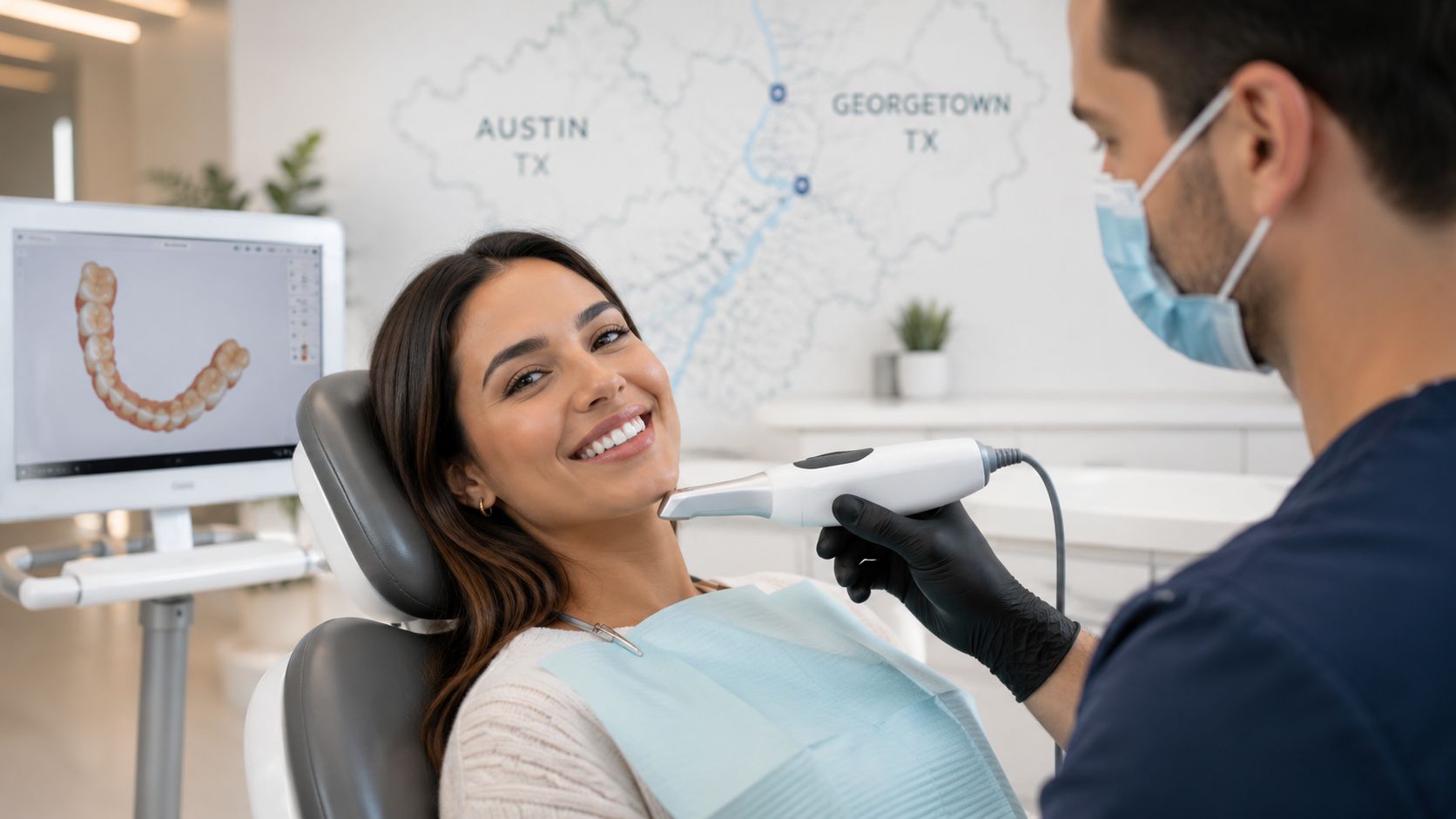
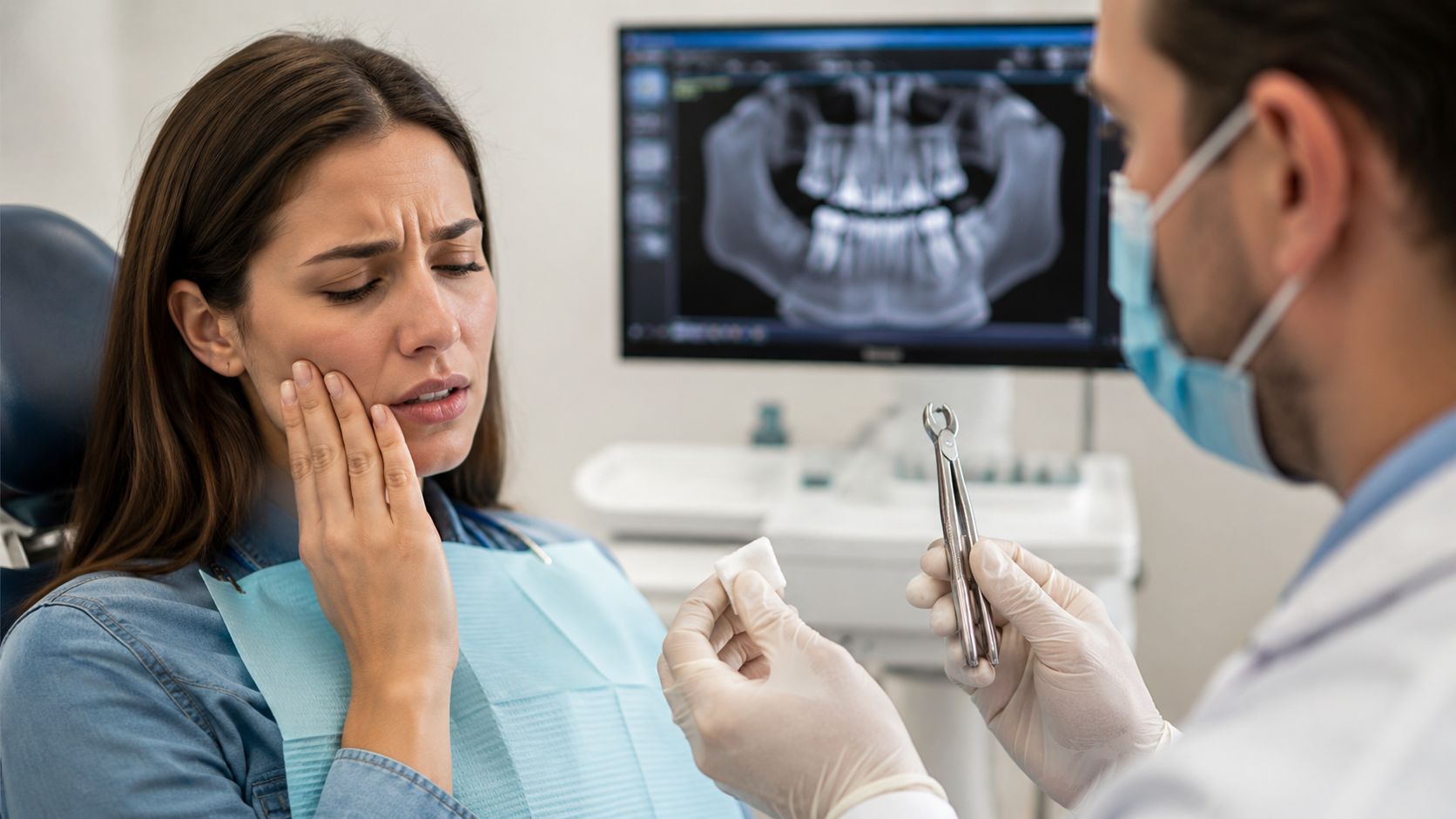
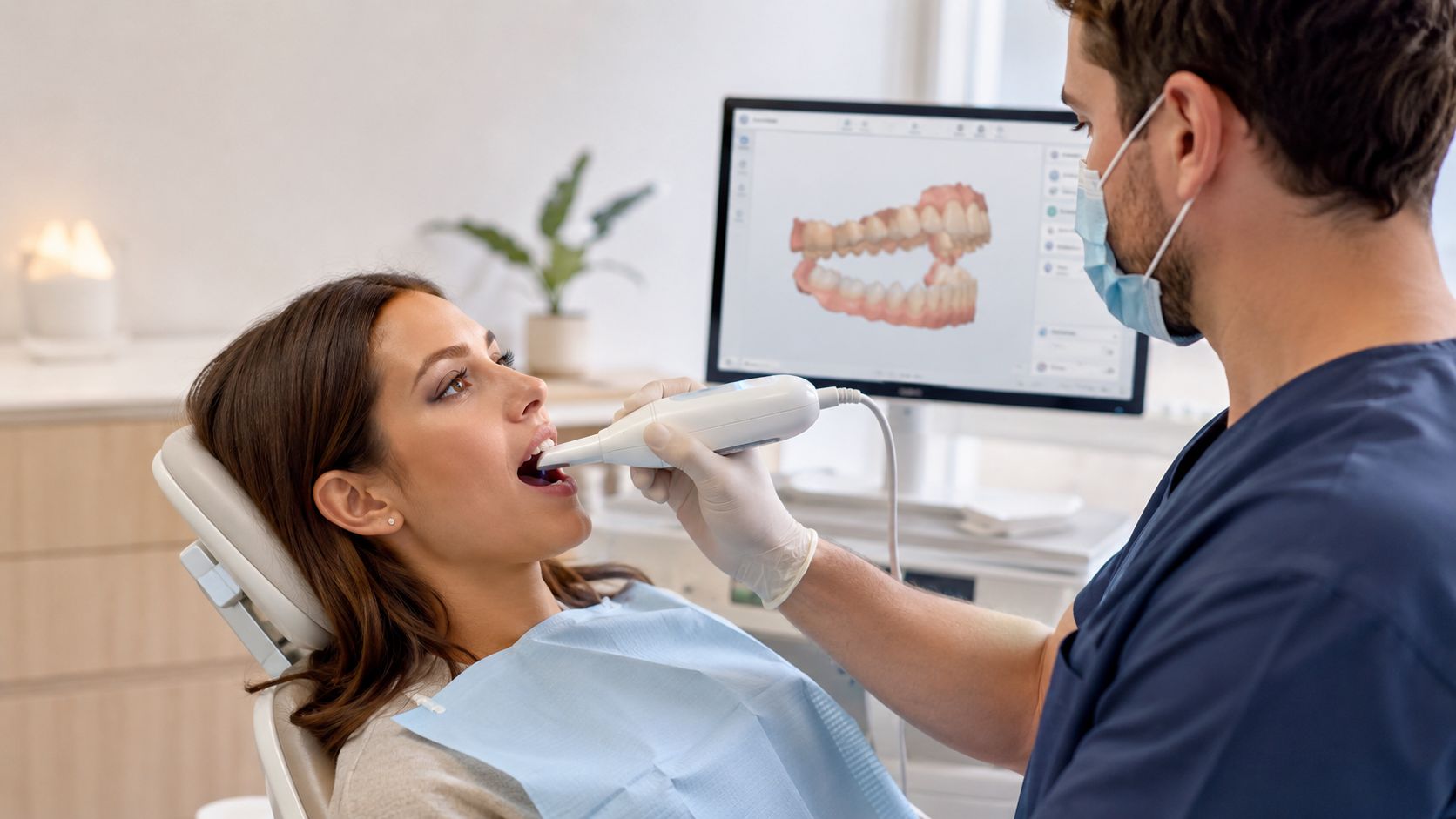


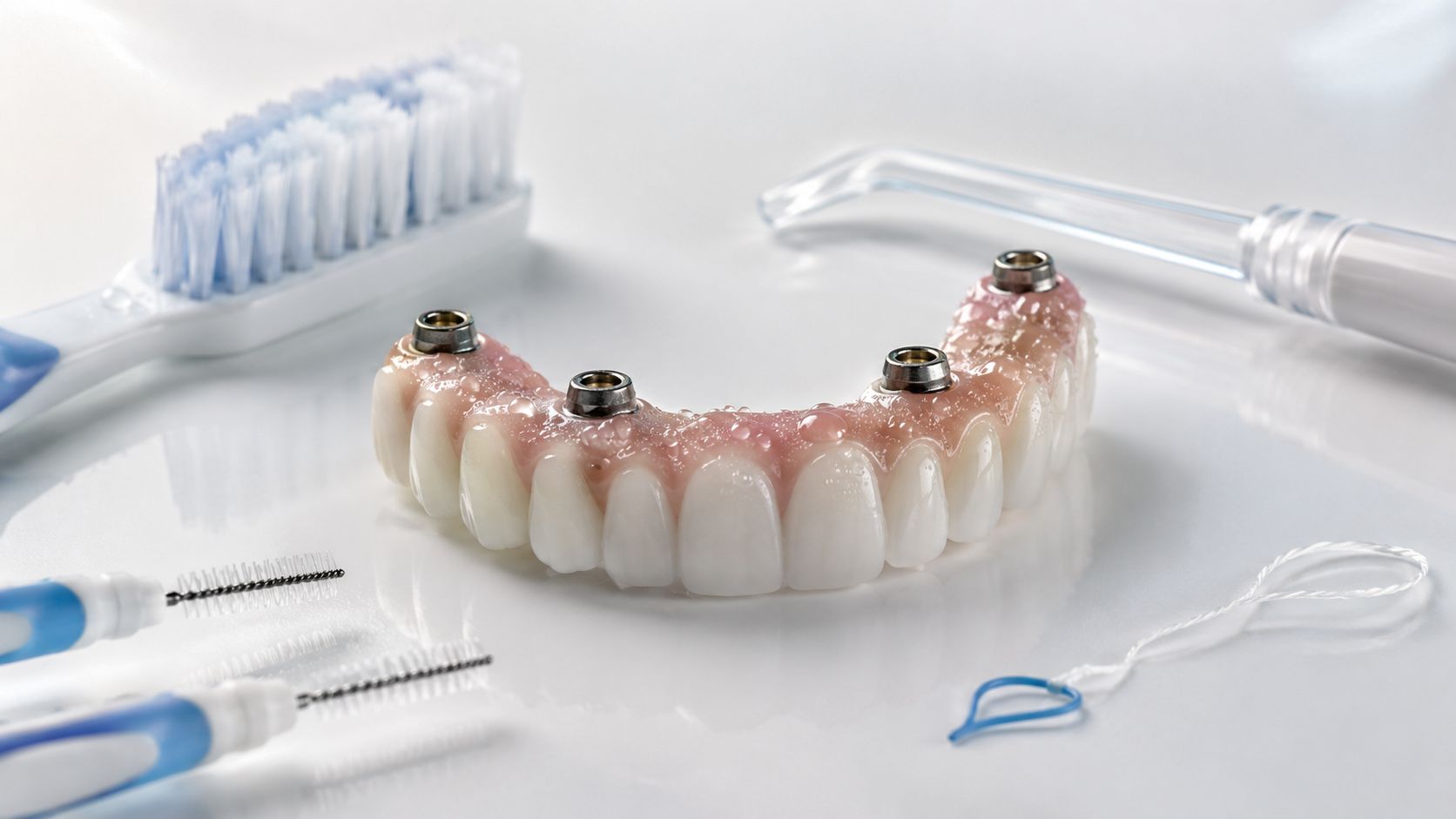
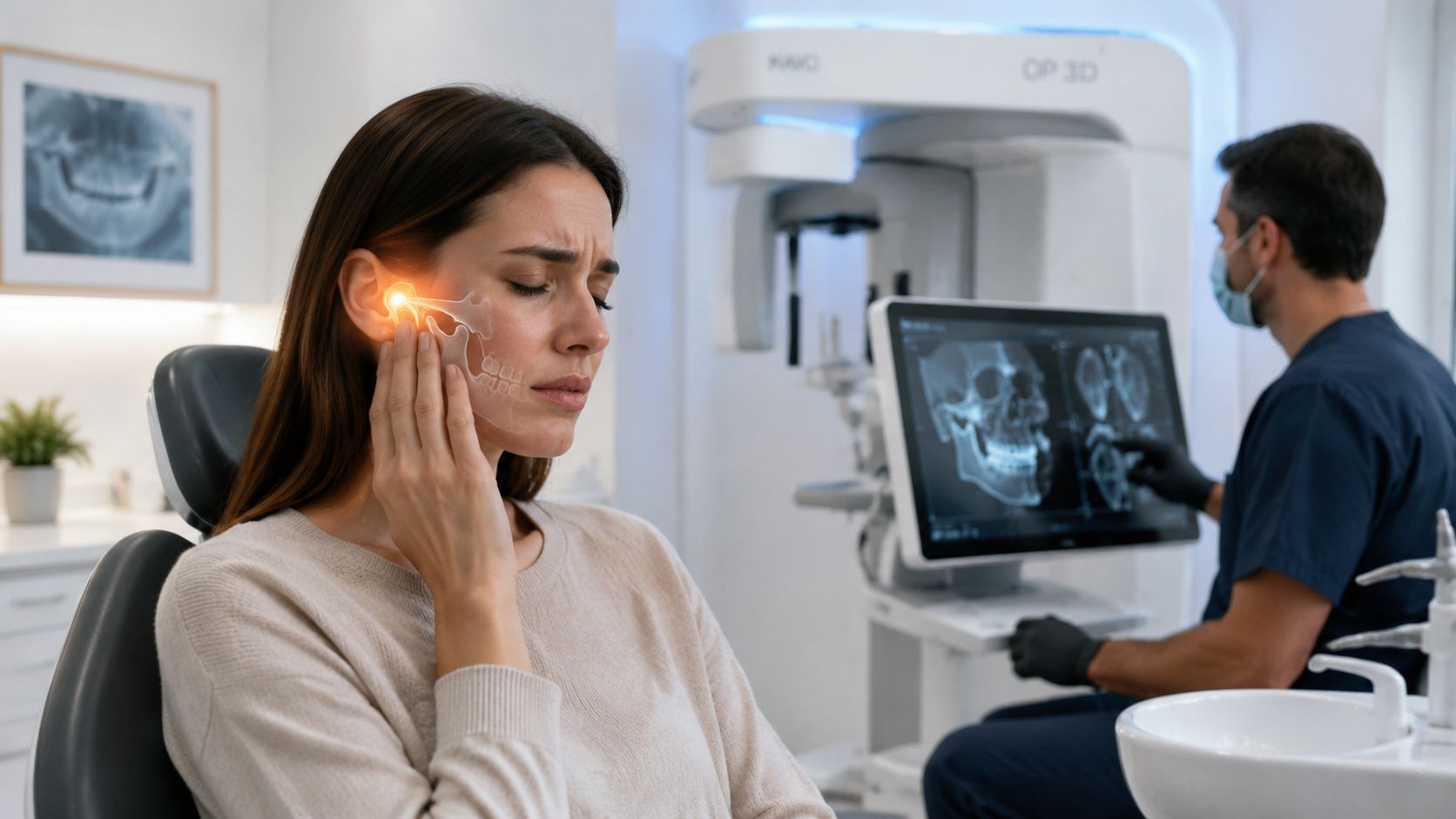






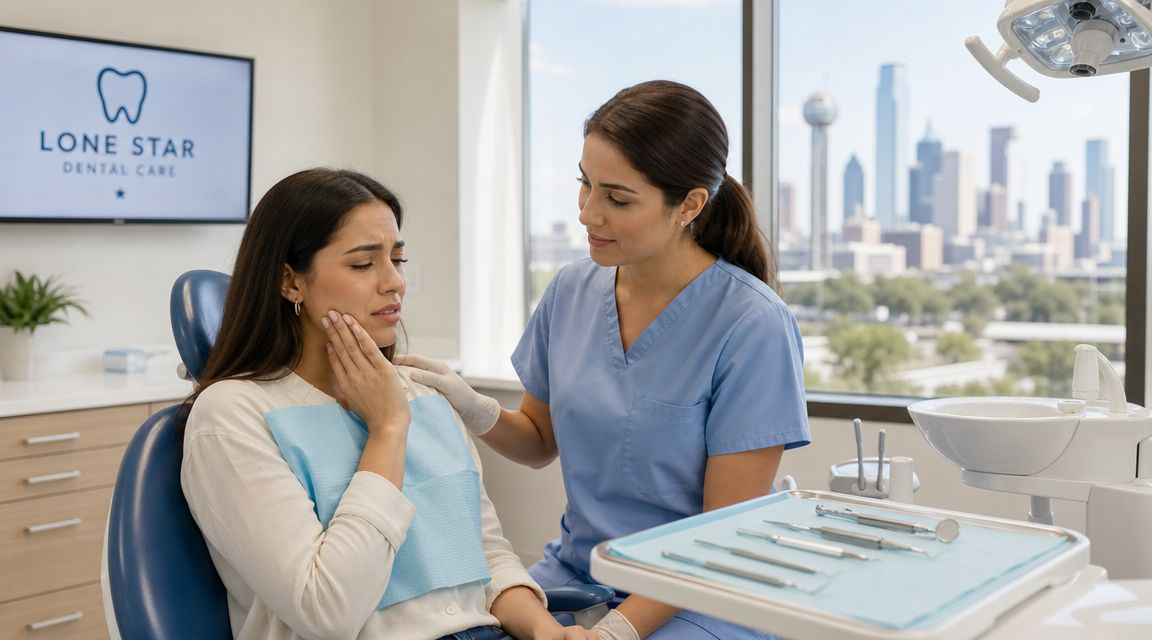


















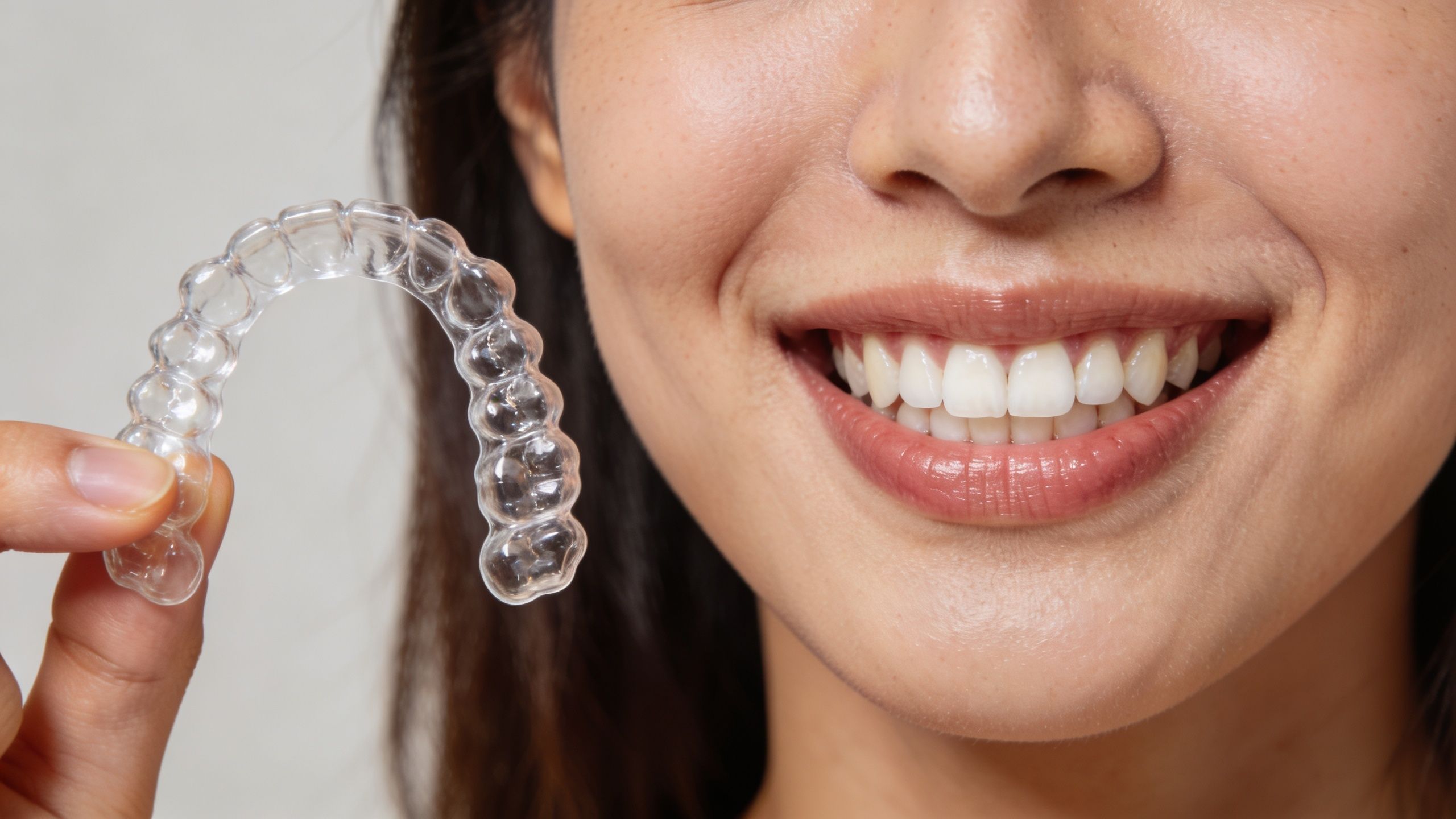
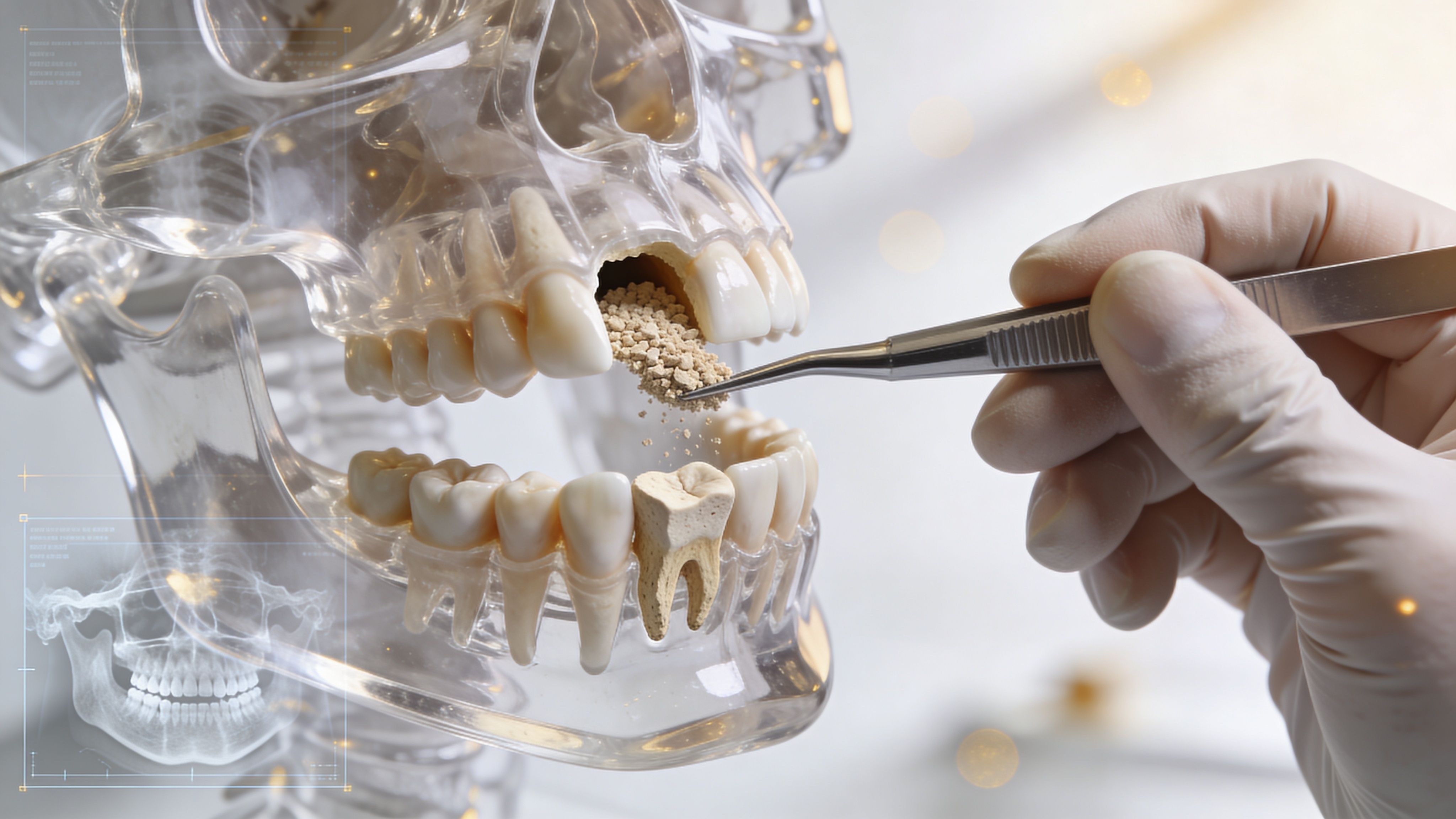




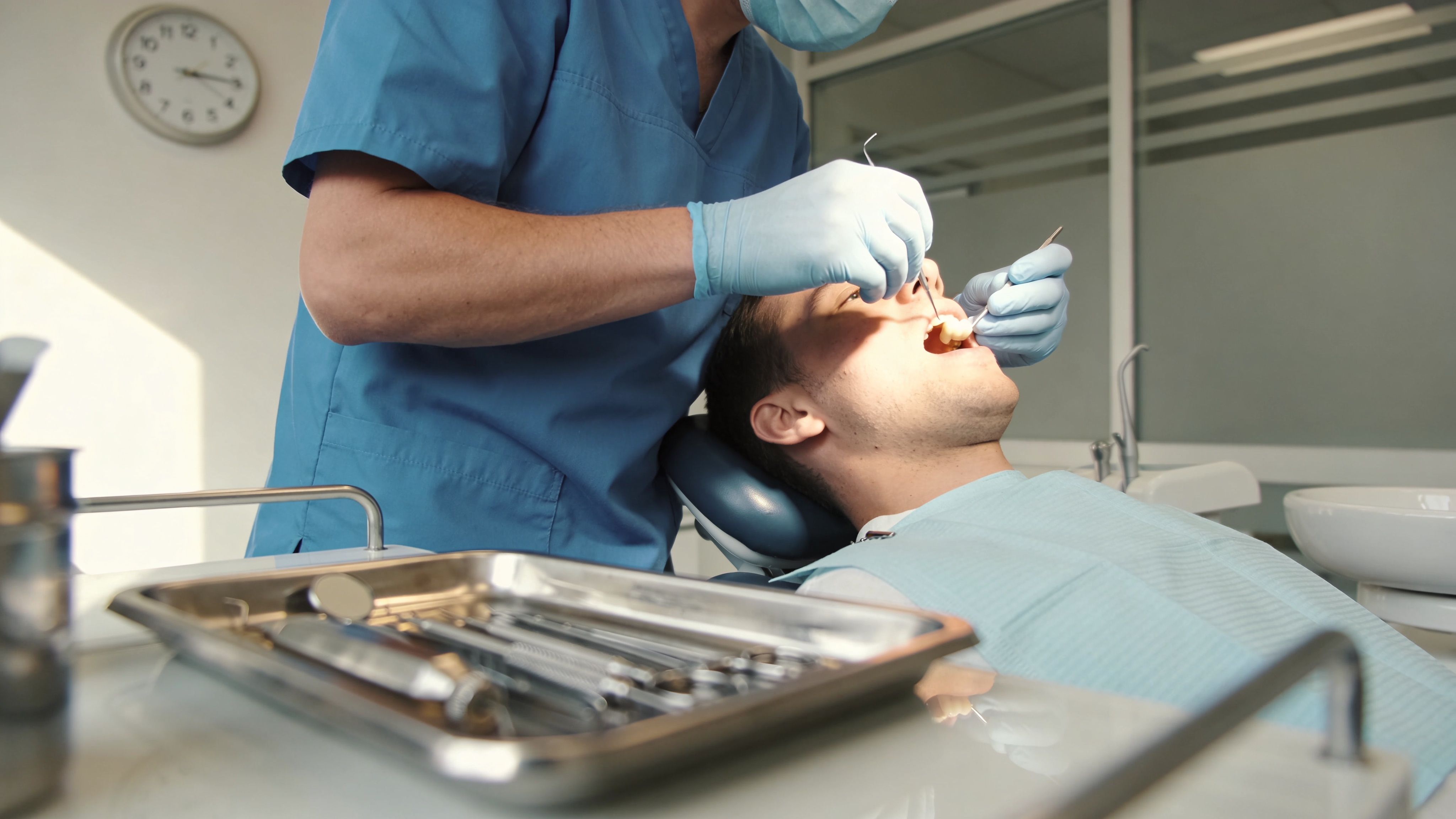


You go to bed tired, sleep through the night, and still wake up with a sore jaw, a dull headache, or teeth that feel strangely sensitive. By midmorning, your neck is tight and chewing feels off. Many adults in Austin and Georgetown describe that exact pattern before they learn they’ve been grinding or clenching their teeth during sleep.
That habit has a medical name: bruxism. It’s common, but it’s also easy to misunderstand. Some people assume it’s “just stress.” Others think it must be a bad bite. In reality, nighttime grinding often has more than one trigger, and one of the most overlooked causes is a sleep-related breathing issue.
A careful dental evaluation can do more than confirm wear on your teeth. It can help identify what causes teeth grinding at night in the first place, which matters because the right treatment depends on the underlying cause, not just the symptom.
Waking Up with Jaw Pain? Your Guide to Teeth Grinding in Austin TX
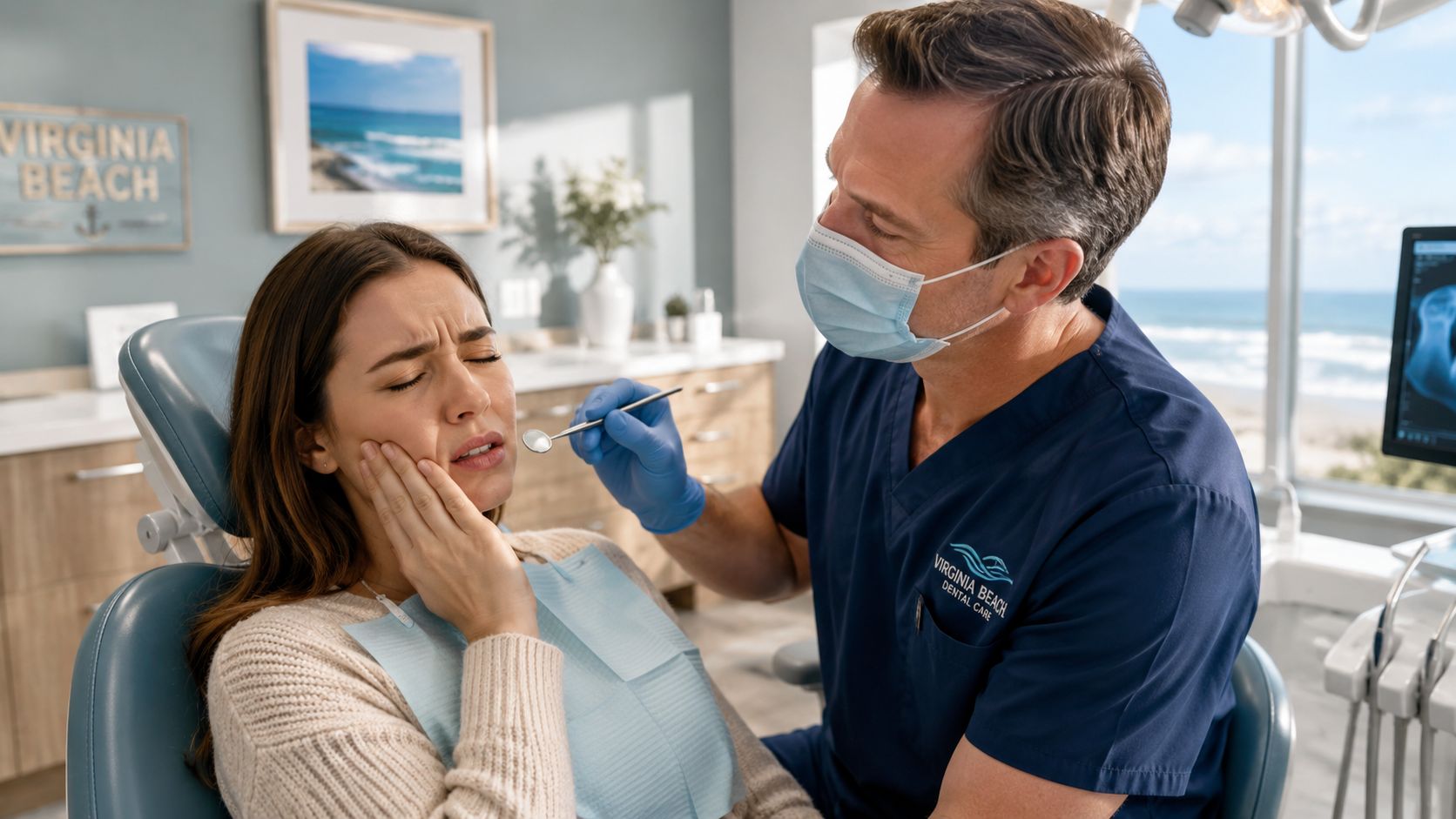
A lot of patients first notice the problem indirectly. They don’t say, “I grind my teeth.” They say their molars feel tender, their temples ache, or they keep waking up with tension in their face. Sometimes a spouse hears the sound before the patient knows anything is happening.
Sleep bruxism is the term for grinding or clenching during sleep. It isn’t rare. Research published in the National Institutes of Health notes that sleep bruxism affects 8% to 10% of adults globally, and regularly occurring sleep bruxism is reported by 8.6% of the general population in this review of bruxism prevalence.
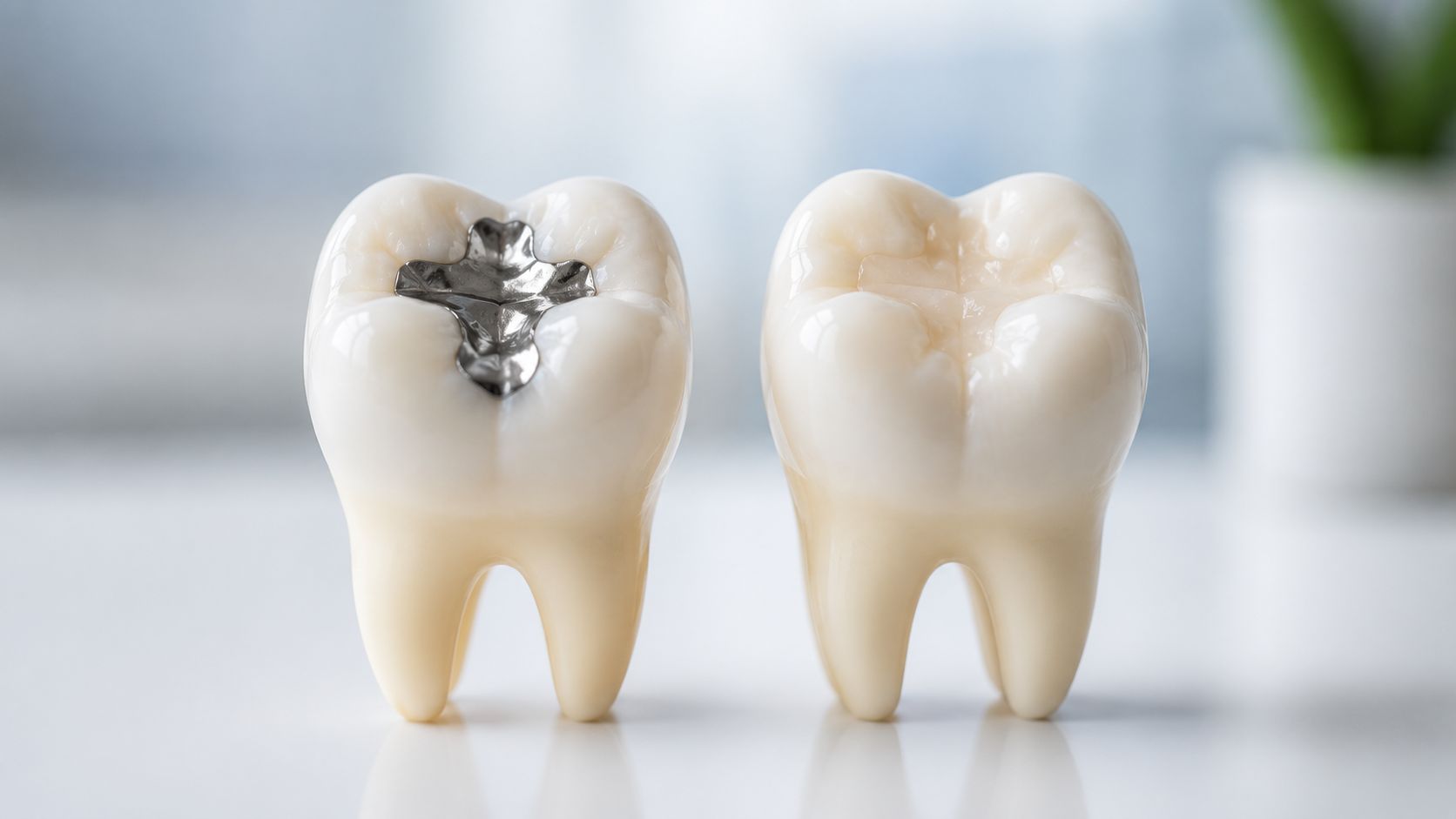
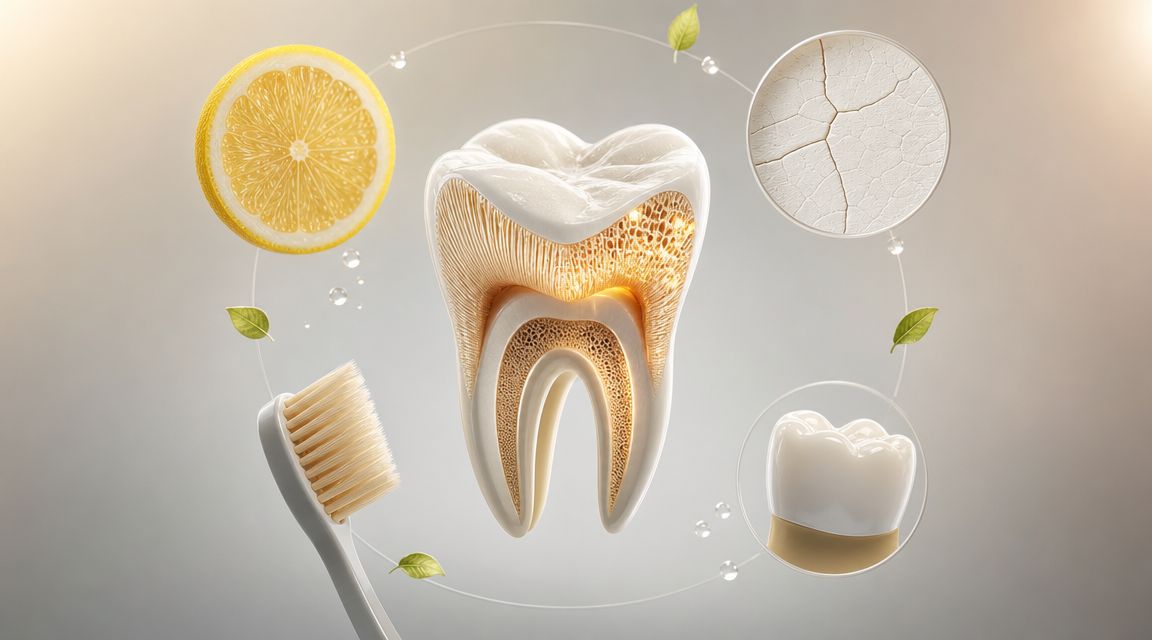
That matters because grinding doesn’t just create noise. It can strain the jaw joints, overwork facial muscles, wear down enamel, and disturb sleep quality. Some people notice symptoms right away. Others only find out when a dentist sees flattened teeth, chipped edges, or stress lines in the enamel during an exam.
What people often notice first
The early signs don’t always look dramatic. They often show up as everyday complaints that are easy to dismiss:
- Morning jaw soreness that fades as the day goes on
- Headaches near the temples after waking
- Tooth sensitivity without a new cavity
- Tight facial muscles or fatigue when chewing
- Interrupted sleep or waking without feeling rested
Many people live with nighttime grinding for months because the symptoms seem unrelated. Jaw pain, headaches, and worn teeth often trace back to the same habit.
In Austin, Georgetown, Wells Branch, Cedar Park, Round Rock, and Liberty Hill, this is a common reason people start looking for a dentist near me or a dentist in Austin, TX. They want relief, but they also want a clear explanation. That’s reasonable. When your teeth and jaw hurt, “just wear a guard” isn’t always enough.
Understanding Bruxism The Medical Term for Grinding Teeth
Bruxism means clenching, grinding, or gnashing the teeth. Some people do it while they’re awake. Others do it in their sleep. The nighttime version is usually harder to catch because you’re not aware of it when it happens.

What’s happening during sleep
When you grind at night, the jaw muscles contract repeatedly and press the upper and lower teeth together. That force gets transferred into the enamel, the ligaments that support the teeth, and the jaw joints. Over time, small stresses add up.
A simple way to think about it is this: your teeth are built for chewing food, not for prolonged clenching with no break. When that pressure happens over and over during sleep, even healthy teeth can start to show wear.
Sleep bruxism is different from occasional tension
Everyone clenches their teeth once in a while. Stressful driving, concentration at work, or a tough workout can make the jaw tighten briefly. That’s different from a recurring sleep pattern that leaves you with symptoms or visible damage.
Here are a few distinctions:
| Type | When it happens | What people notice |
|---|---|---|
| Awake bruxism | During the day | Clenching during focus, stress, or tension |
| Sleep bruxism | During sleep | Morning soreness, tooth wear, grinding sounds, poor sleep |
Practical rule: If your jaw hurts mainly in the morning, nighttime grinding moves much higher on the list of likely causes.
Bruxism also doesn’t affect only the teeth. It can involve the muscles of the face, the temporomandibular joints near the ears, and the tissues around the teeth. That’s why people sometimes seek help from an emergency dentist for a cracked tooth, a cosmetic dentist near me for worn front teeth, or a general dentist for chronic jaw discomfort that never fully goes away.
The Real Reasons You Grind Your Teeth at Night
Teeth grinding has a reputation for being simple. It isn’t. Stress plays a major role for many patients, but it’s only part of the picture. To answer what causes teeth grinding at night, it helps to separate common triggers into three groups: emotional and lifestyle factors, medical issues, and medication-related effects.

Stress and lifestyle can push the jaw into overdrive
Stress is one of the biggest contributors. Research cited by Fisher Pointe Dental says approximately 70% of bruxism occurs as a response to stress and anxiety in this overview of stress and bruxism.
That doesn’t mean every stressed person grinds, or that stress is the only explanation. It does mean the nervous system and emotional tension matter. In everyday practice, the pattern is familiar. People under pressure often report jaw tightness, poor sleep, shallow sleep, or increased clenching during periods of anxiety or frustration.
Lifestyle habits can make that pattern worse, including:
- Caffeine use late in the day, which can increase alertness and make it harder to settle into restful sleep
- Alcohol consumption, which may disrupt normal sleep patterns
- Smoking or nicotine use, which can act as a stimulant
- Irregular sleep schedules, especially when sleep becomes fragmented
Sleep apnea is often the missed cause
This is the part many patients haven’t heard before. Nighttime grinding can be related to sleep-disordered breathing, especially obstructive sleep apnea. In those cases, the body may not be grinding “because of stress” at all. The grinding can happen around brief sleep disturbances and airway problems.
If a patient says they’ve tried reducing stress but still wake with jaw pain, snore heavily, or feel exhausted in the morning, a broader evaluation makes sense. A standard exam may catch worn teeth. It may not explain why the grinding continues.
Persistent nighttime grinding deserves a deeper look when it comes with snoring, poor sleep, dry mouth on waking, or ongoing daytime fatigue.
It’s not always your bite
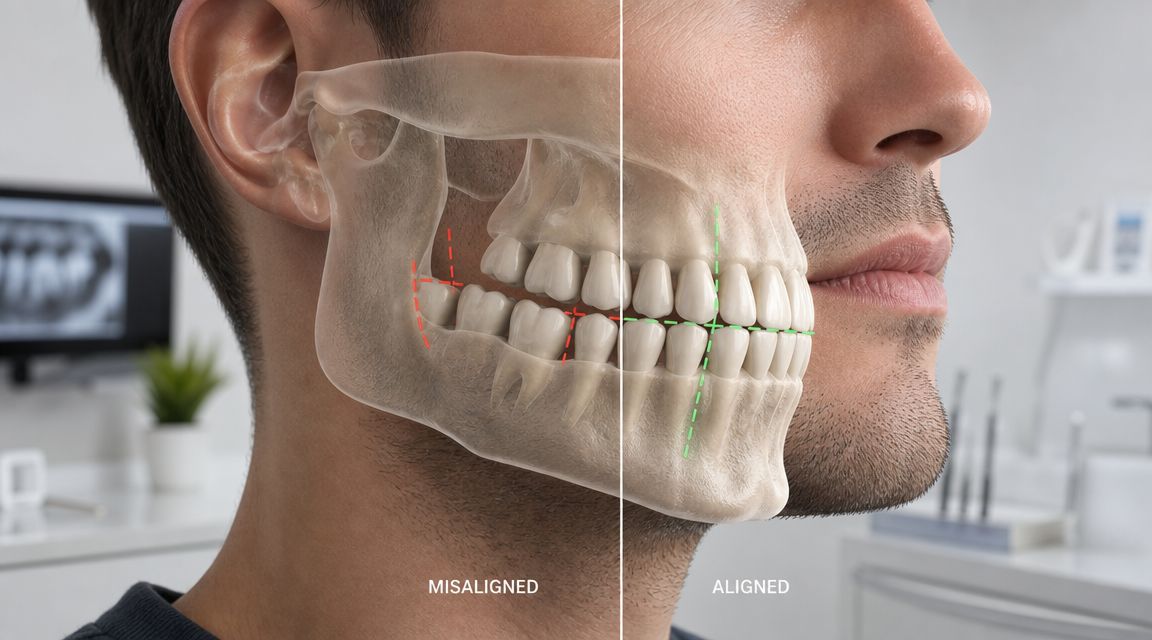
A lot of older patient education blamed grinding on a “bad bite.” That idea still circulates, but it doesn’t hold up well. The American Academy of Oral Medicine notes that numerous scientific studies have failed to show a definitive relationship between a bad bite and bruxism, and that grinding episodes are preceded by increases in brain activity and heart rate in this AAOM patient guide on tooth clenching and grinding.
That’s an important trade-off in treatment planning. Adjusting a bite or changing tooth shape might help in selected cases, but it won’t reliably solve grinding when the driver is neurological, behavioral, medication-related, or airway-related.
Medications and health conditions can contribute
Certain medications, including SSRIs, can be associated with grinding. Medical conditions can matter too. When the history points that way, a dental exam should connect with a broader health review rather than focus only on enamel wear.
Signs and Long-Term Risks of Untreated Bruxism
Nighttime grinding leaves clues. Some are easy to feel. Others are only obvious when a dentist sees the pattern in your teeth, bite surfaces, or jaw muscles.

Common signs patients notice
Bruxism doesn’t look the same for everyone, but several symptoms come up again and again:
- Flattened or worn teeth that look shorter or less defined
- Chipped edges or small fractures in enamel
- Sensitivity to cold, sweets, or pressure
- Jaw soreness near the joint in front of the ear
- Morning headaches or facial muscle fatigue
- Loose-feeling teeth or soreness when biting
- Broken dental work, especially fillings, crowns, or veneers under repeated pressure
Stress often sits in the background of these complaints. As noted earlier, research suggests approximately 70% of bruxism occurs as a response to stress and anxiety because psychosocial strain can disrupt sleep and contribute to jaw clenching.
What can happen if grinding continues
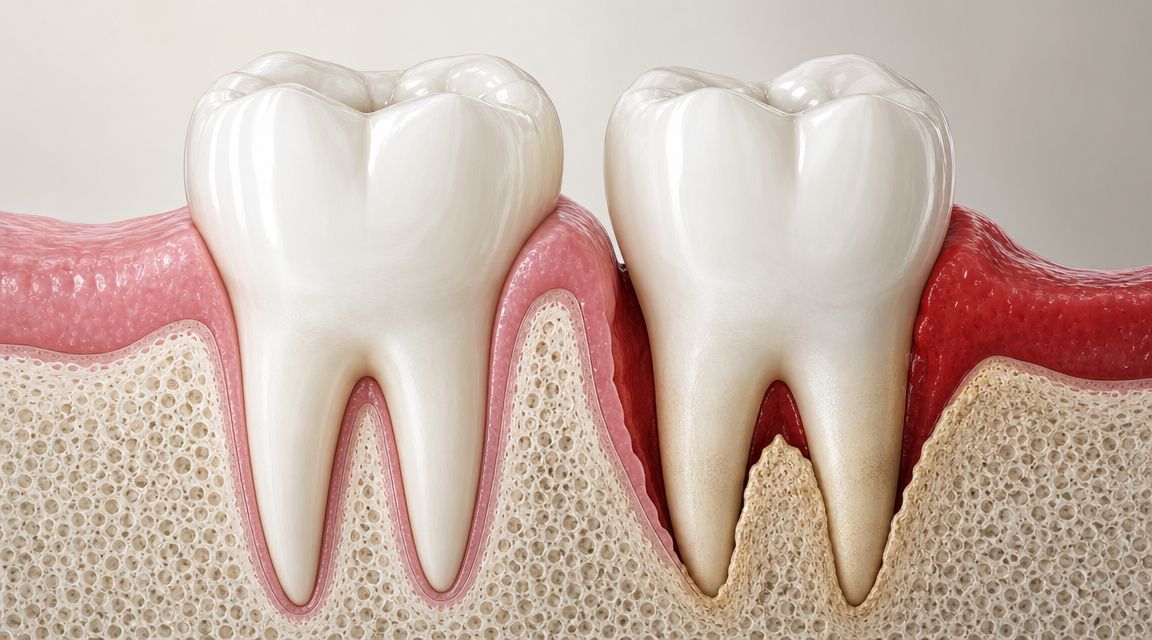
Bruxism is one of those conditions that patients can tolerate for a long time. That’s the problem. The damage usually develops gradually, and once enamel is gone, the body doesn’t grow it back.
Long-term grinding can lead to:
- Worsening tooth wear that changes how the bite fits together
- Cracks that deepen over time, sometimes leading to pain when chewing
- TMJ symptoms, including clicking, stiffness, and limited opening
- Damage to existing restorations, which may need replacement
- Cosmetic changes such as shortened front teeth or uneven smile edges
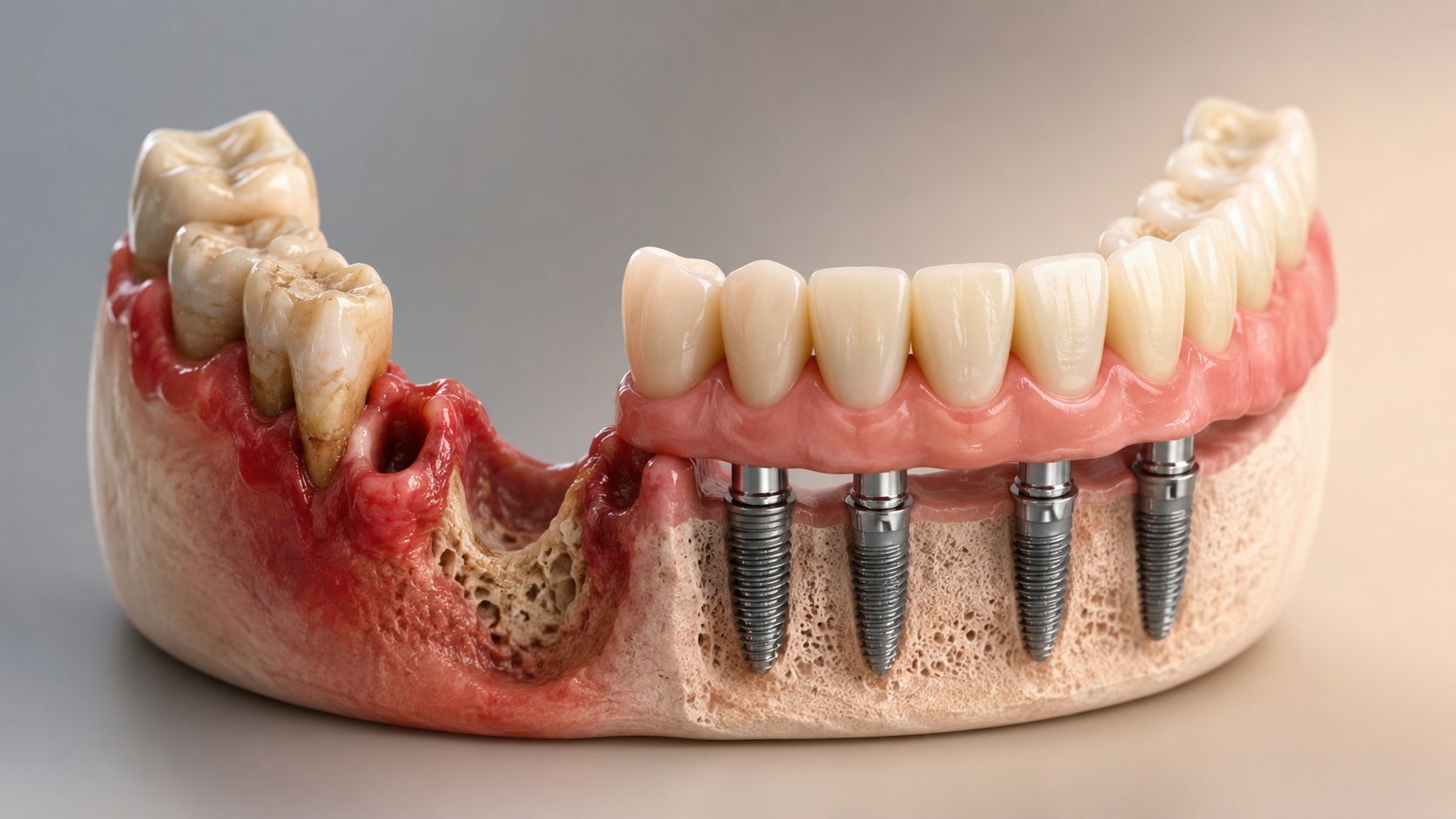
- Tooth loss in severe cases where a tooth becomes too damaged to save
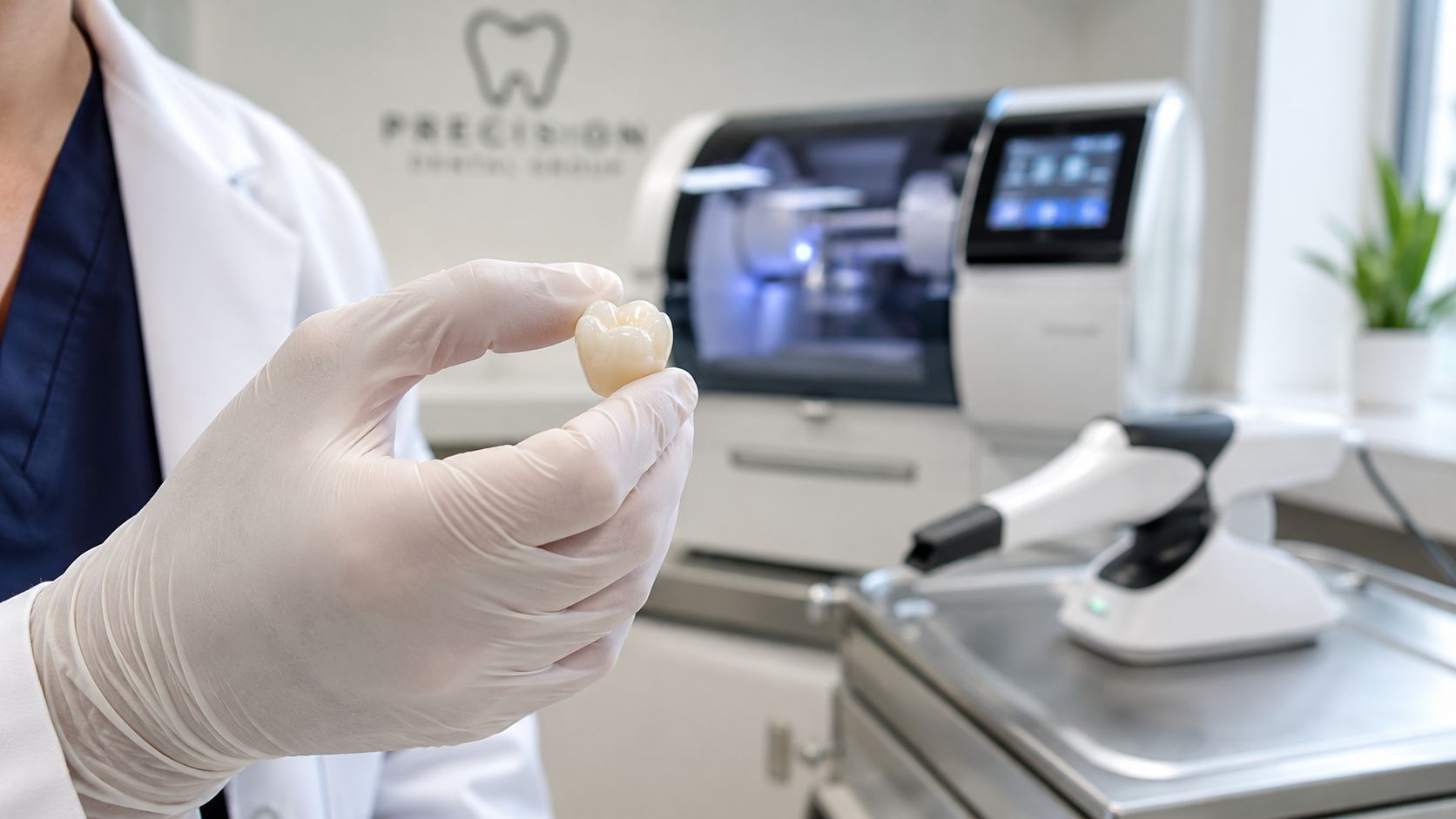
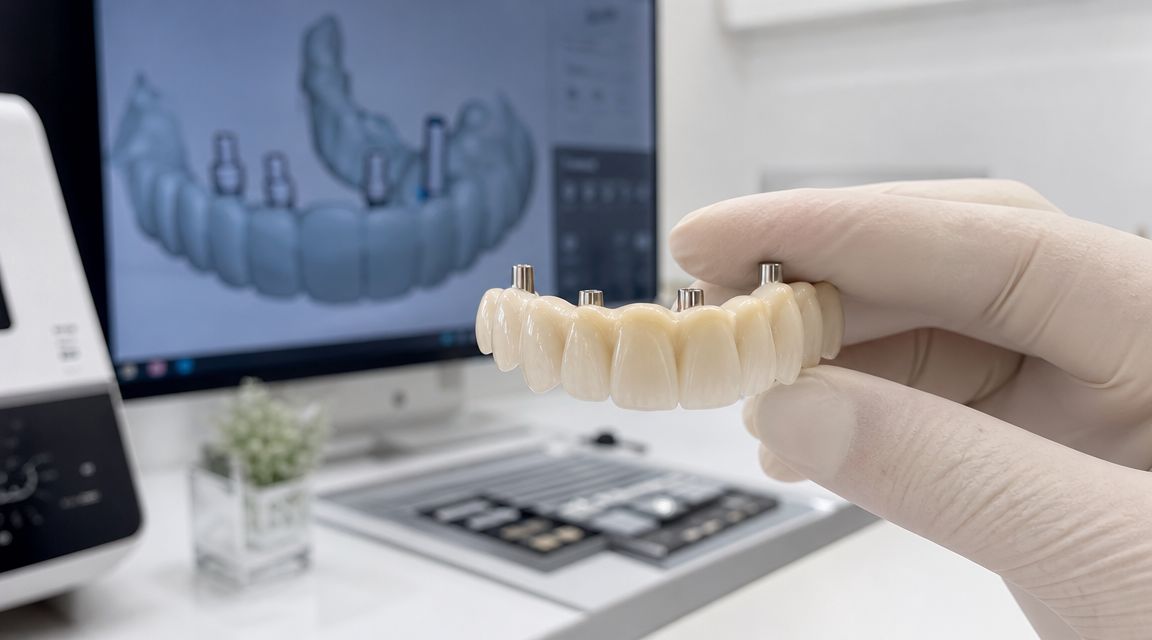
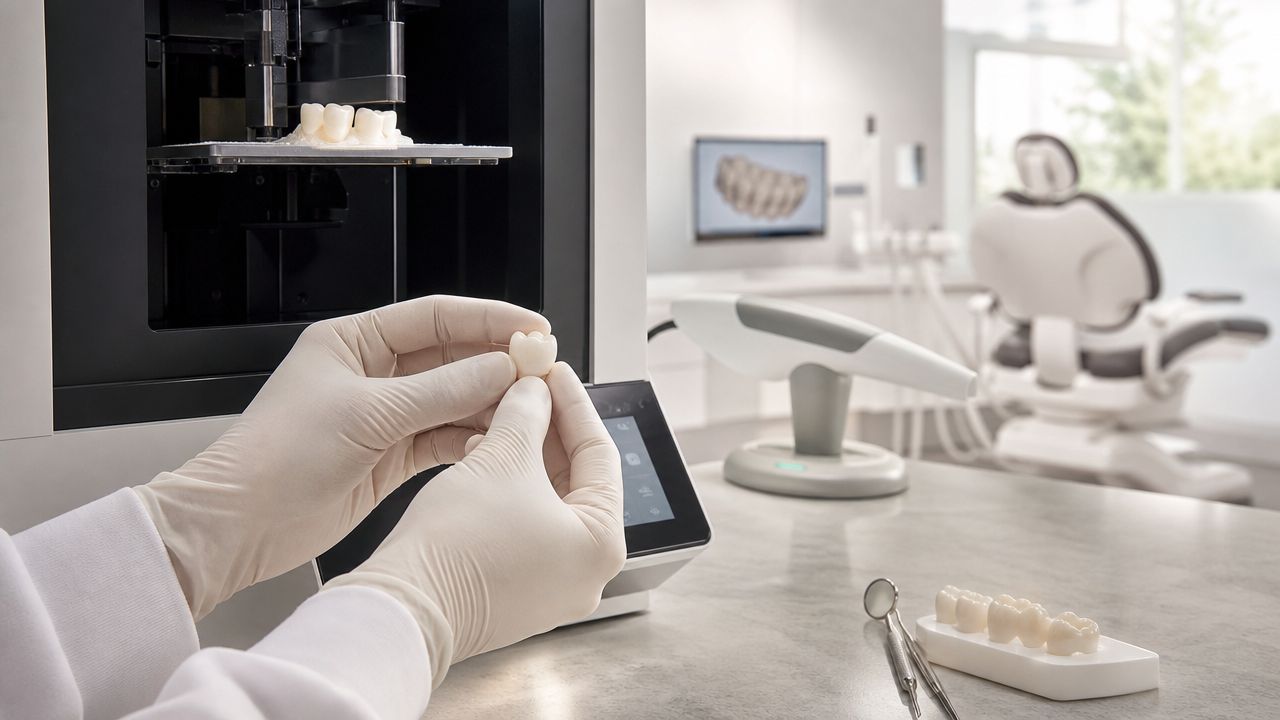
When wear becomes advanced, patients may need restorative treatment such as crowns, bridges, or even dental implants near me searches if a tooth can’t be preserved. If you’re comparing repair options, this overview of dental crowns and bridges cost can help explain how damaged teeth are commonly restored.
A short visual explanation may help connect the symptoms to what’s happening inside the mouth.
Small chips and sensitivity are often the early warning signs. Waiting until a tooth cracks usually means treatment becomes more involved.
How Your Dentist in Austin Diagnoses Nighttime Grinding
A quick glance at worn teeth can confirm that grinding is happening. It usually can’t explain why. That distinction matters because treatment works best when diagnosis goes beyond the visible damage.

A basic exam finds the damage
A standard dental visit may show:
- Flattened chewing surfaces
- Fractured filling edges
- Tender jaw muscles
- Notches or wear facets
- Tooth sensitivity without obvious decay
That’s useful, but it’s only the starting point. If the exam stops there, the patient may leave with protection for the teeth but no investigation into the trigger.
A more complete workup looks for the root cause
Modern diagnosis should connect dental findings with sleep history, airway symptoms, medication review, and imaging when appropriate. That’s especially important when grinding keeps happening despite stress reduction or when patients report snoring, restless sleep, waking unrefreshed, or dry mouth in the morning.
Research discussed by Rejuv Health notes that sleep apnea is one of the most common yet underdiagnosed causes of nighttime bruxism, and that the brain may trigger grinding as a survival response to restart halted breathing. The same article explains that an airway assessment can identify this root cause when a standard dental exam might miss it in this discussion of the sleep apnea and grinding connection.
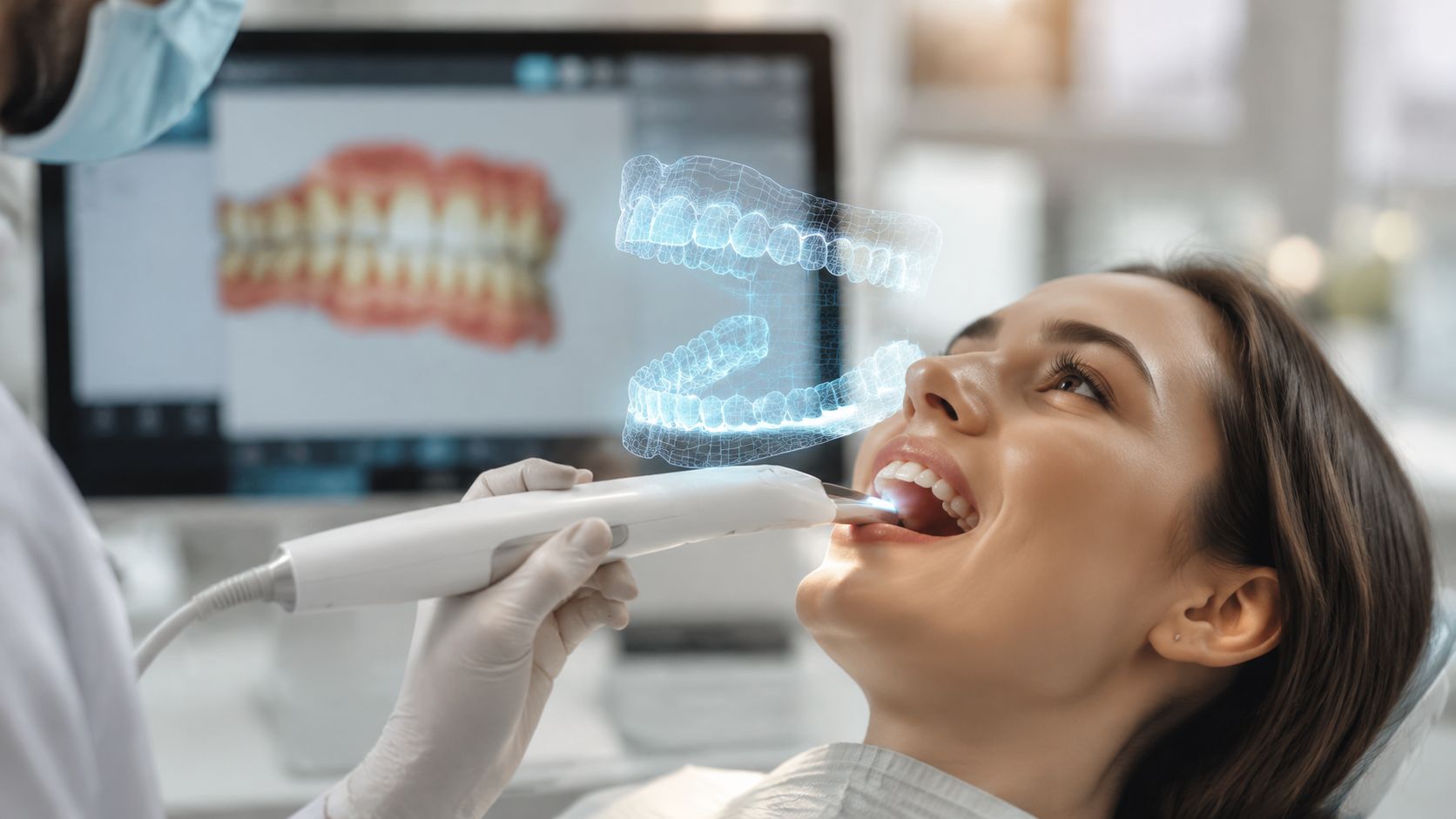
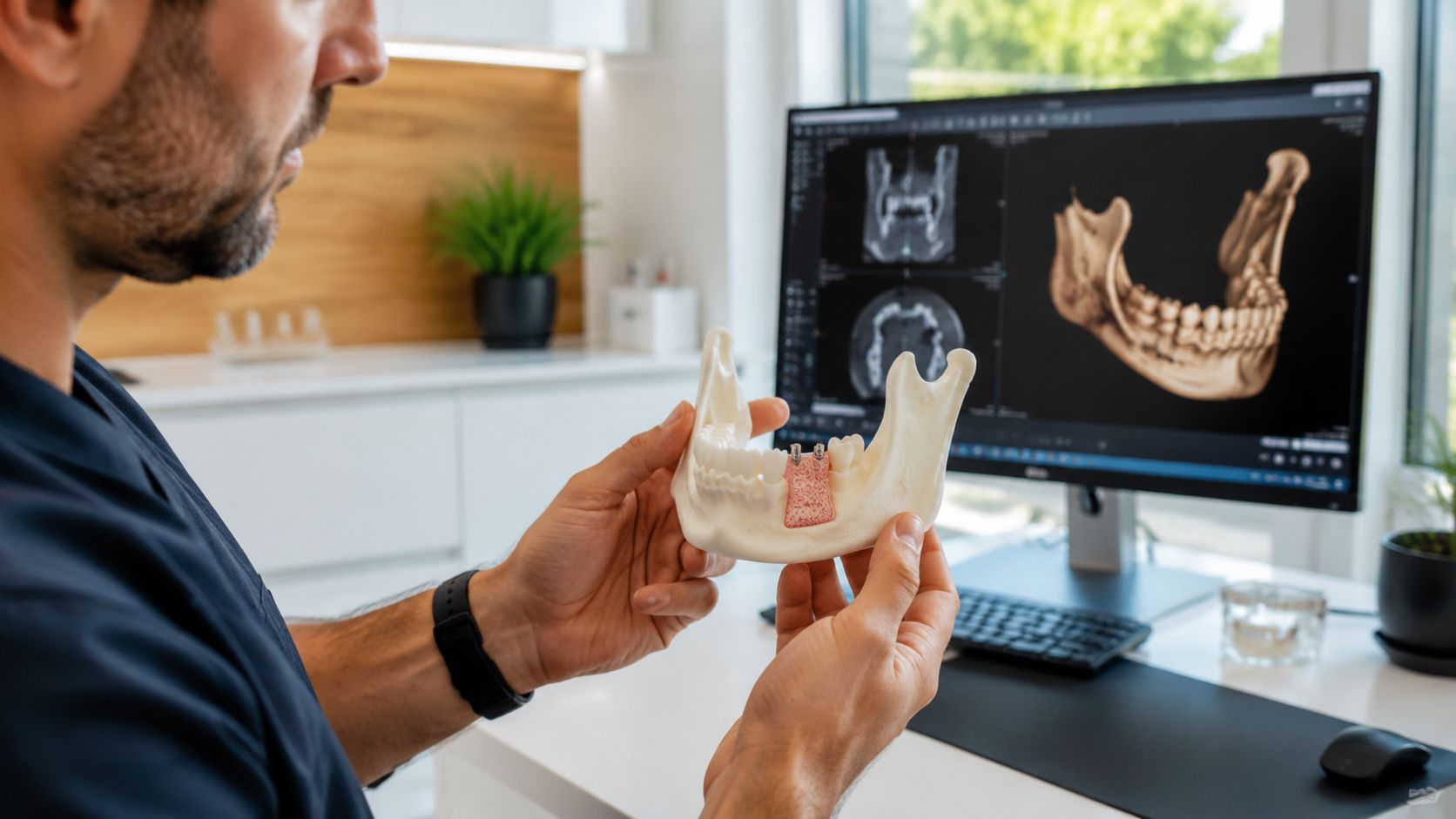
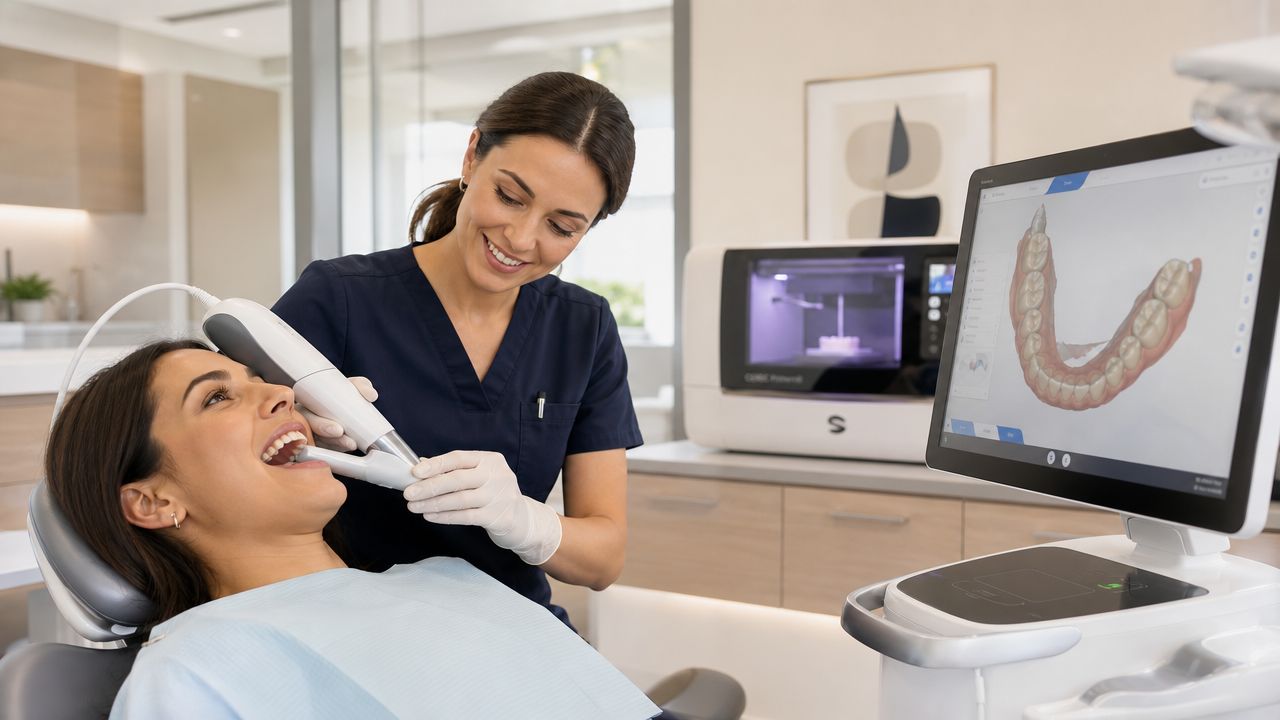
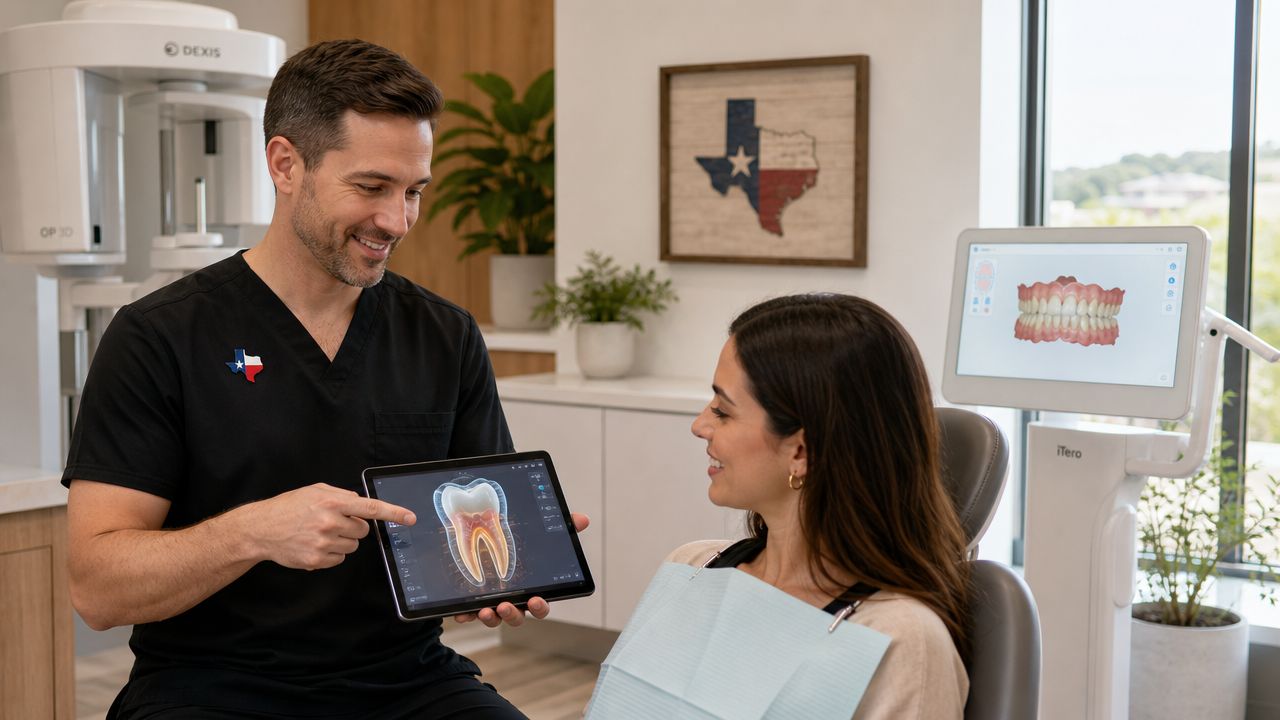
That’s where advanced tools become useful. Digital x-rays help assess the teeth and surrounding structures. 3D CT scans can add a clearer view of airway anatomy, bone support, and other factors that don’t show up as well on a routine exam. For patients searching for a dentist in Austin, TX or dentist near me, this is one of the biggest differences between a simple symptom check and a meaningful diagnosis.
What a thorough bruxism evaluation should include
A strong diagnostic process usually includes a combination of findings, not one single clue:
| Part of exam | Why it matters |
|---|---|
| Dental wear assessment | Shows the pattern and severity of grinding |
| Jaw joint and muscle exam | Identifies tenderness, tension, and joint strain |
| Sleep history | Screens for snoring, poor sleep, and fatigue |
| Medication review | Looks for possible drug-related triggers |
| Digital imaging and 3D CT when indicated | Helps evaluate structural and airway factors |
If the exam suggests an airway issue, that changes treatment. A night guard may still protect the teeth, but it may not address the reason the grinding is happening.
Effective Bruxism Treatments from Your Georgetown Dentist
The best treatment depends on what the exam finds. Some patients mainly need tooth protection. Others need help with a sleep-related breathing problem, medication review, or repair of teeth that have already been damaged. A one-size-fits-all approach usually falls short.
Custom night guards protect better than store-bought options
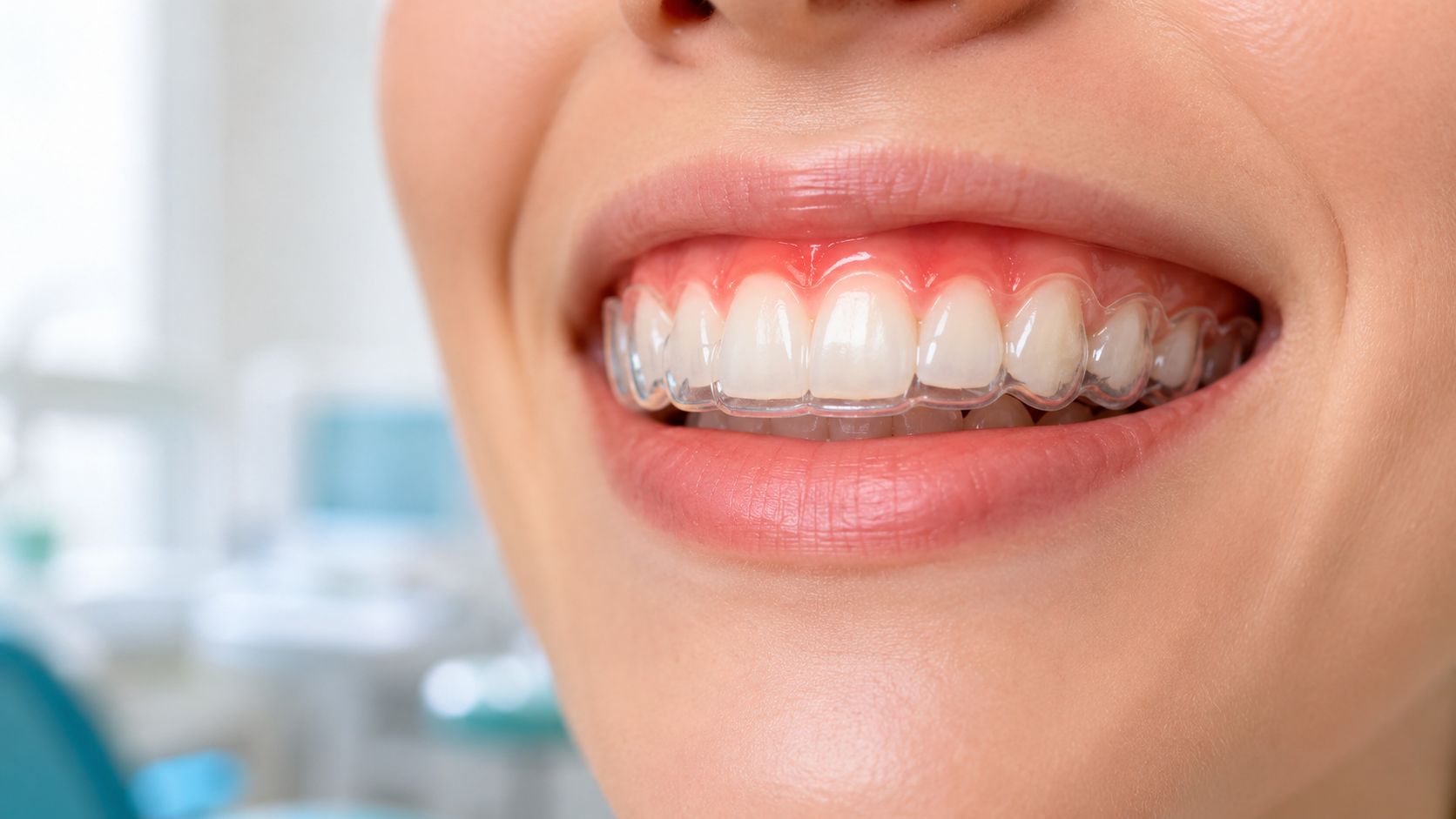
For many patients, the first line of defense is a custom oral appliance, often called a night guard. This isn’t the same as a soft, boil-and-bite tray from a pharmacy.
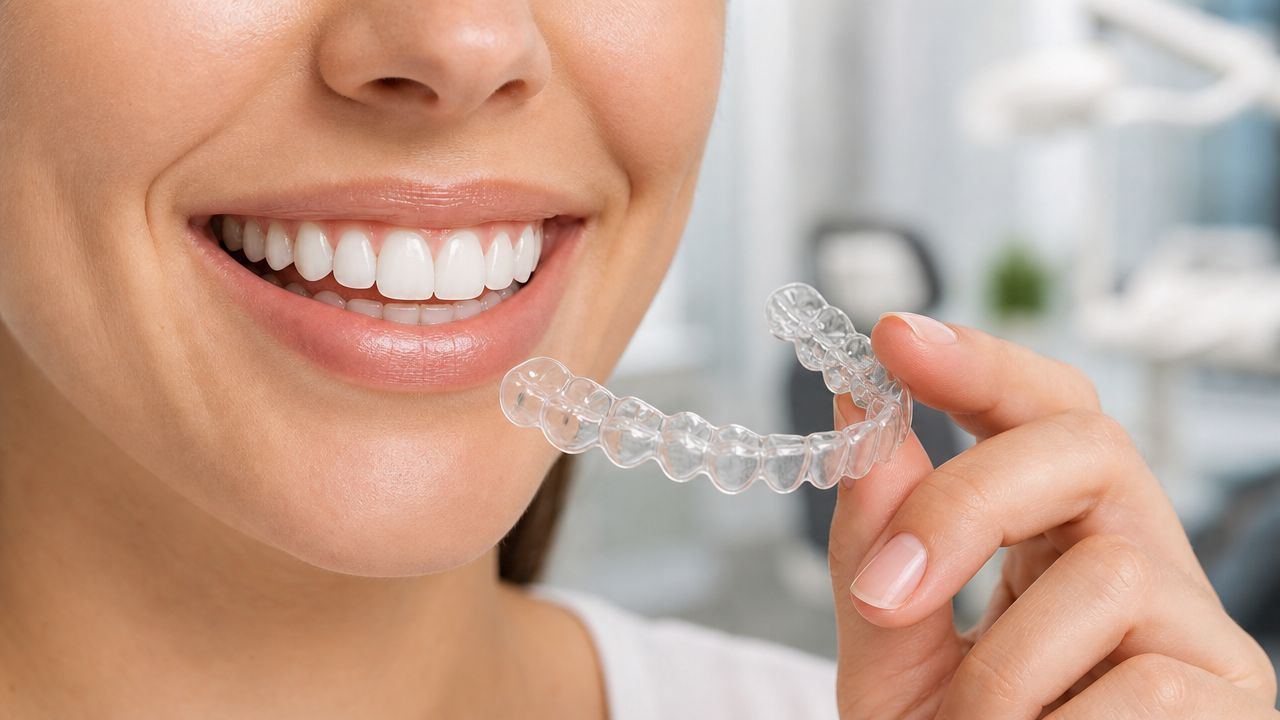
A professionally made guard is designed from your bite and tooth anatomy. It fits more precisely, sits more comfortably, and protects the enamel and restorations more predictably. Over-the-counter guards can be helpful in a pinch, but they’re often bulkier, less stable, and more difficult to wear consistently.
If a guard doesn’t fit well, patients stop wearing it. Protection only works when it’s comfortable enough to use night after night.
Root-cause treatment matters more than symptom control alone
A night guard can protect teeth from further damage. It does not always stop the body from trying to grind. That’s the major trade-off.
When the history points toward a breathing issue during sleep, patients often need evaluation for the airway problem itself. If that’s part of your situation, this article on sleep apnea and dental treatment explains how dental care can fit into a broader plan.
In other cases, treatment may include:
- Sleep habit changes if poor sleep timing is aggravating symptoms
- Medication review with the prescribing physician when a drug may be contributing
- Stress reduction strategies when emotional tension is clearly part of the pattern
- Jaw relaxation guidance for patients who also clench during the day
Repairing the damage already done
If grinding has worn, cracked, or shortened the teeth, protection alone won’t restore function or appearance. Depending on the case, treatment may involve:
- Dental crowns for teeth with structural loss
- Bonding or veneers for visible wear on front teeth
- Replacement of broken fillings
- Bridges or implants when a tooth can’t be saved
- Cosmetic dentistry if the smile has become uneven or flattened
That’s why patients in Georgetown, Austin, Cedar Park, and Round Rock often need a phased plan. First, identify the cause. Second, protect the teeth. Third, rebuild what has been damaged if needed.
Schedule Your Bruxism Consultation at 3D Dental Today
If you’re waking up with jaw pain, headaches, tooth sensitivity, or signs of wear, you don’t have to guess your way through it. Nighttime grinding is common, but it isn’t something to ignore. The right next step is a thorough exam that looks beyond the tooth surfaces and asks why the grinding is happening.
For patients in Austin, Georgetown, Wells Branch, Cedar Park, Round Rock, and Liberty Hill, that kind of visit should feel straightforward. You should expect a careful review of your symptoms, a detailed dental exam, imaging when needed, and clear guidance about whether the issue points to stress, tooth wear, airway concerns, or a combination of factors.
If you’ve been searching for a dentist near me, emergency dentist, cosmetic dentist near me, or help with worn teeth, jaw pain, tooth extraction concerns, or restorative treatment, this is exactly the kind of problem that benefits from early evaluation. Catching bruxism early can protect your teeth, improve comfort, and reduce the chance that you’ll need more extensive treatment later.
Relief usually starts with an answer. Once the cause is clearer, treatment becomes more effective and much more personal.
If you’re ready to get answers about nighttime teeth grinding, schedule a consultation with 3D Dental. Their team serves Austin and Georgetown with modern exams, digital imaging, 3D CT technology, airway evaluations, restorative dentistry, cosmetic care, and custom treatment plans designed to protect your teeth and relieve jaw pain.
Ready to get started?
Schedule a free, no obligation consultation with our team and see what's possible for your smile!
Georgetown
- Mon-Thurs8:30am-5pm
- Fri8am-3:30pm
- Sat-SunClosed
Austin
- Mon-Tues8am-5pm
- Wed-Thurs9am-6pmFri8am-2pm
- Sat-SunClosed