
Best Teeth Straightening Options for Adults: Best Teeth
Related Posts

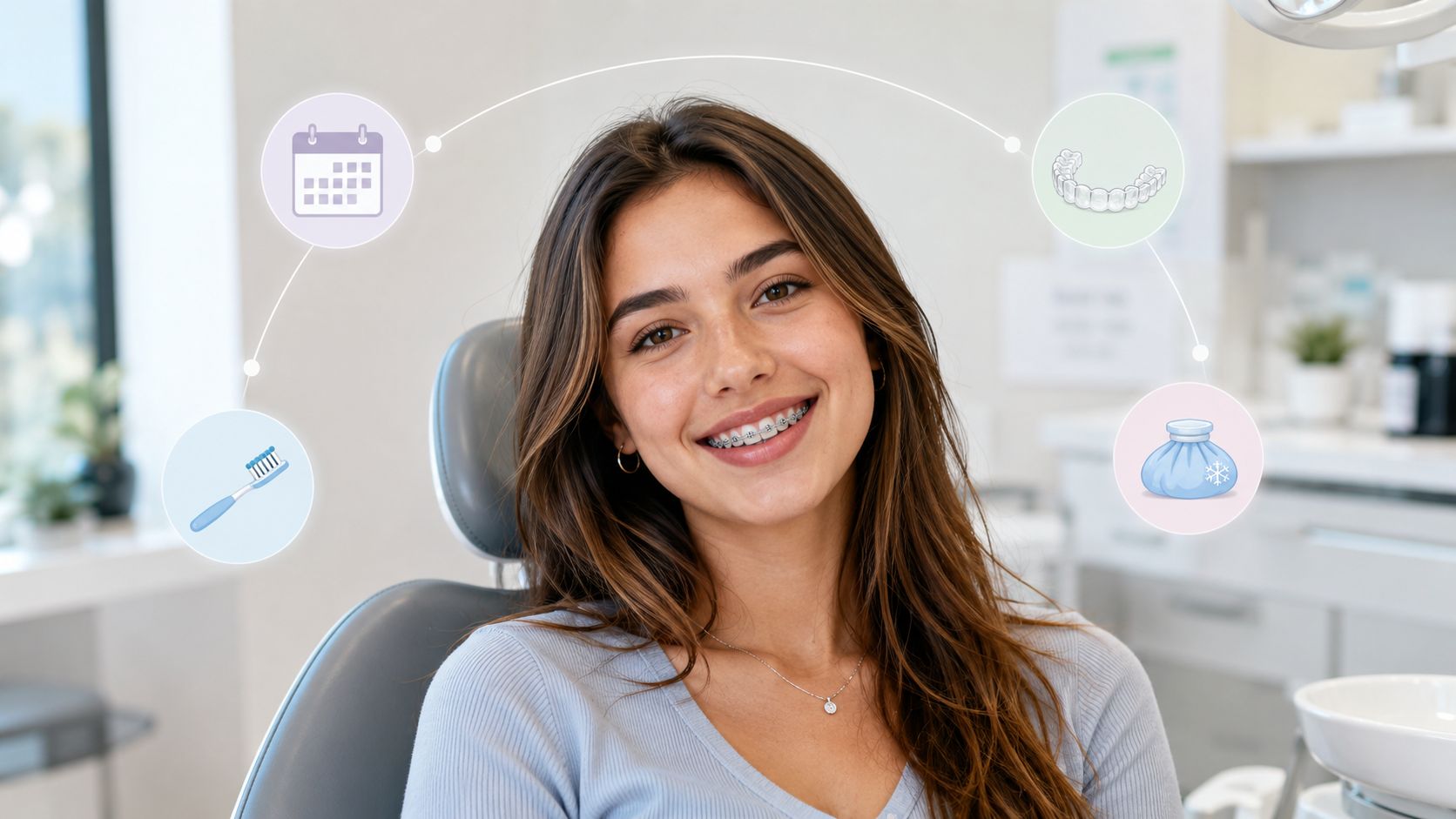
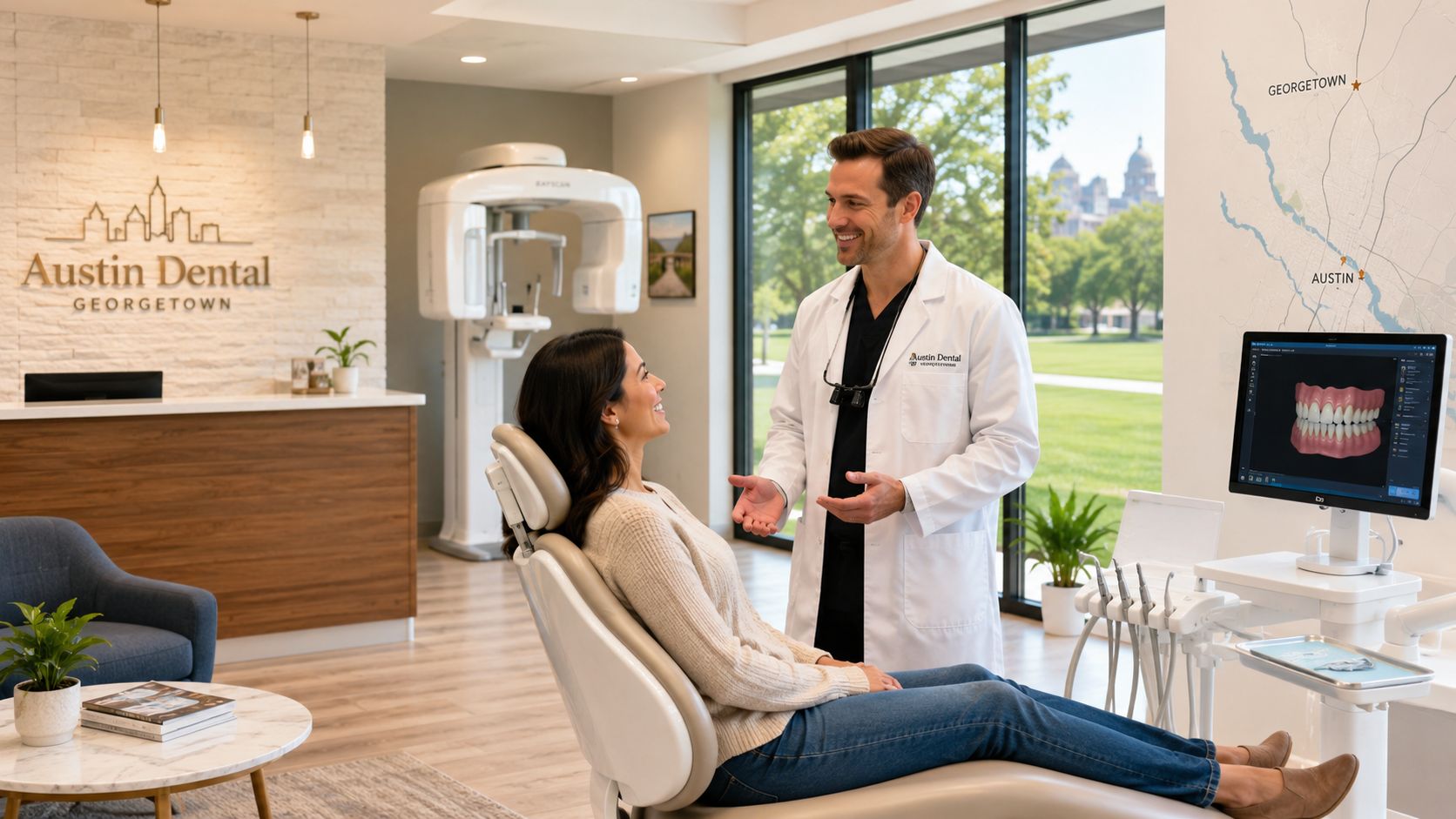














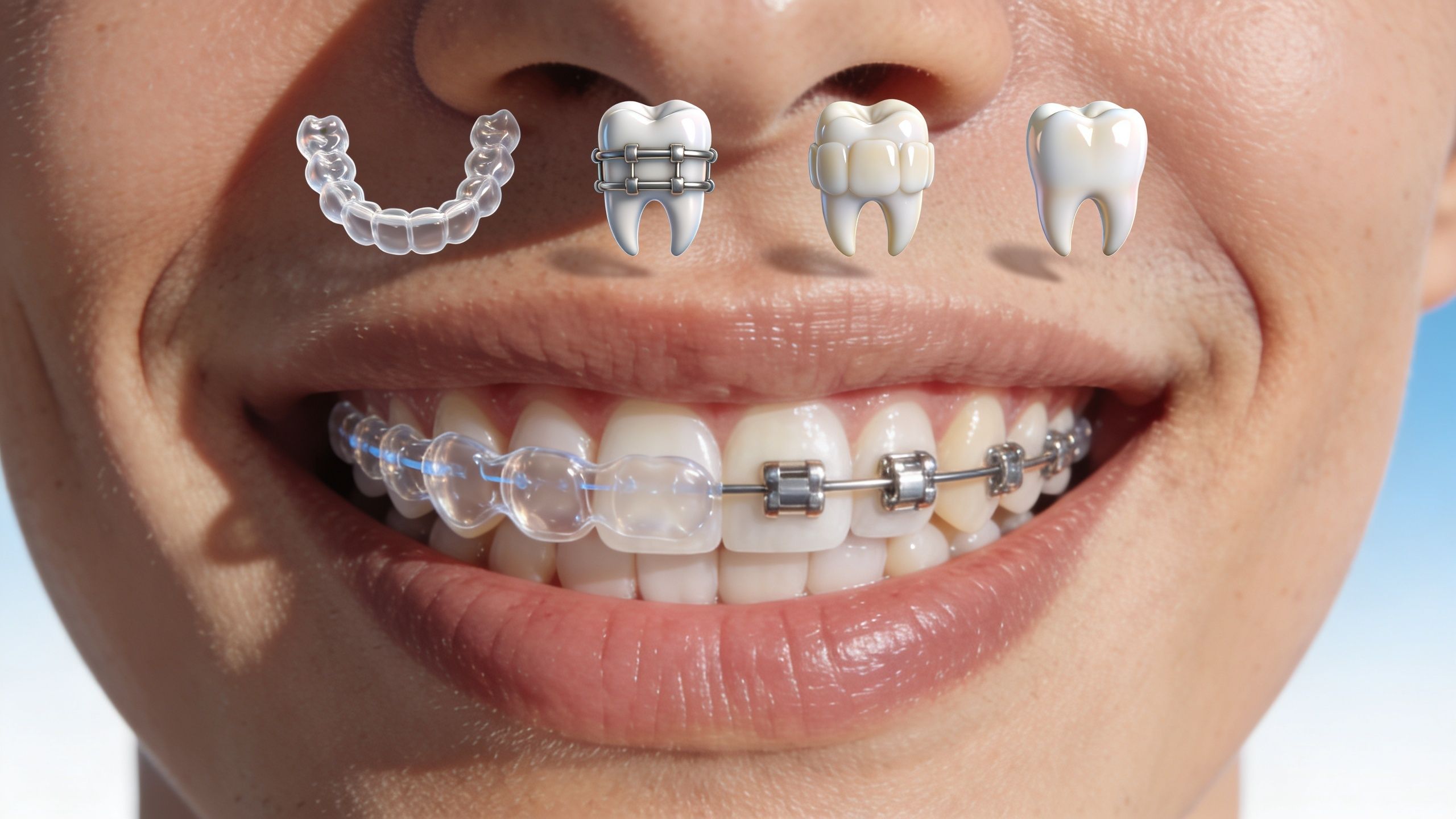
Your Guide to a Straighter Smile in Austin & Georgetown
As an adult, the thought of straightening your teeth can feel exciting and a little hard to sort through. You want a smile that looks better, feels healthier, and fits your daily life, but the options can seem similar until you sit down with someone who explains the key differences. That’s exactly where many patients start when they visit 3D Dental in Austin or Georgetown.
We see adults from Austin, Georgetown, Round Rock, Cedar Park, Wells Branch, and Liberty Hill who want clear answers before committing to treatment. Some are preparing for cosmetic dentistry, some want to fix shifting after braces years ago, and some are finally addressing crowding or bite problems that have bothered them for a long time. The right choice depends on your teeth, jaw, habits, budget, and how visible you want treatment to be.
Adult orthodontics is no longer unusual. One in three orthodontic patients is now over 18, and Invisalign alone has been used by 18 million people worldwide as of Q1 2025, with over half of Invisalign users being adults, according to the American Association of Orthodontists. That shift matters because it means adult treatment is now a normal part of modern dental care, not an exception.
If you’re searching for a cosmetic dentist near me or a dentist in Austin, TX or Georgetown, TX who can help you choose wisely, this guide will give you the practical version. Not the sales pitch. Just what tends to work best, where each option falls short, and how to decide what fits your life.
1. Clear Aligners (Invisalign and Similar Systems)
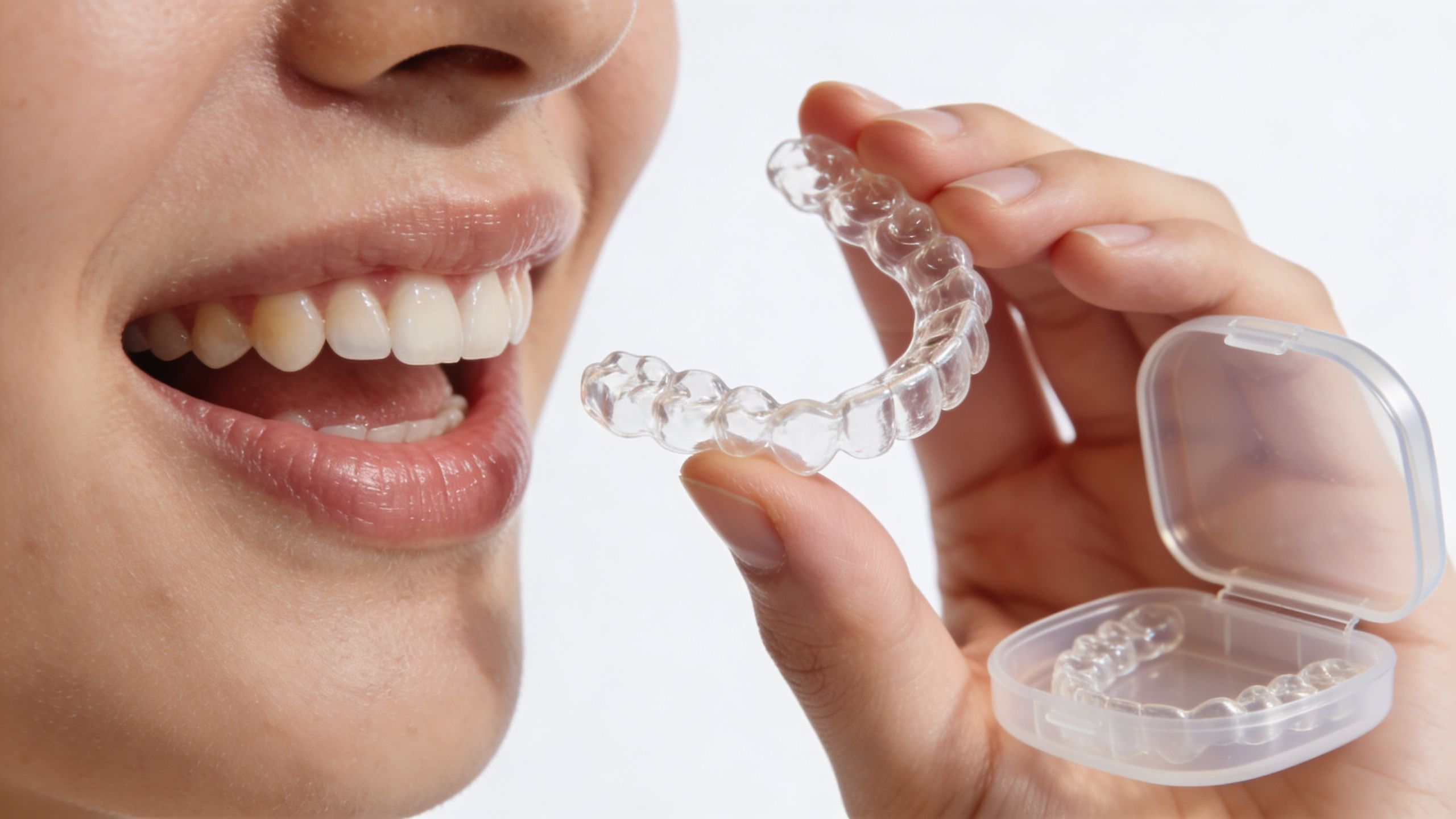
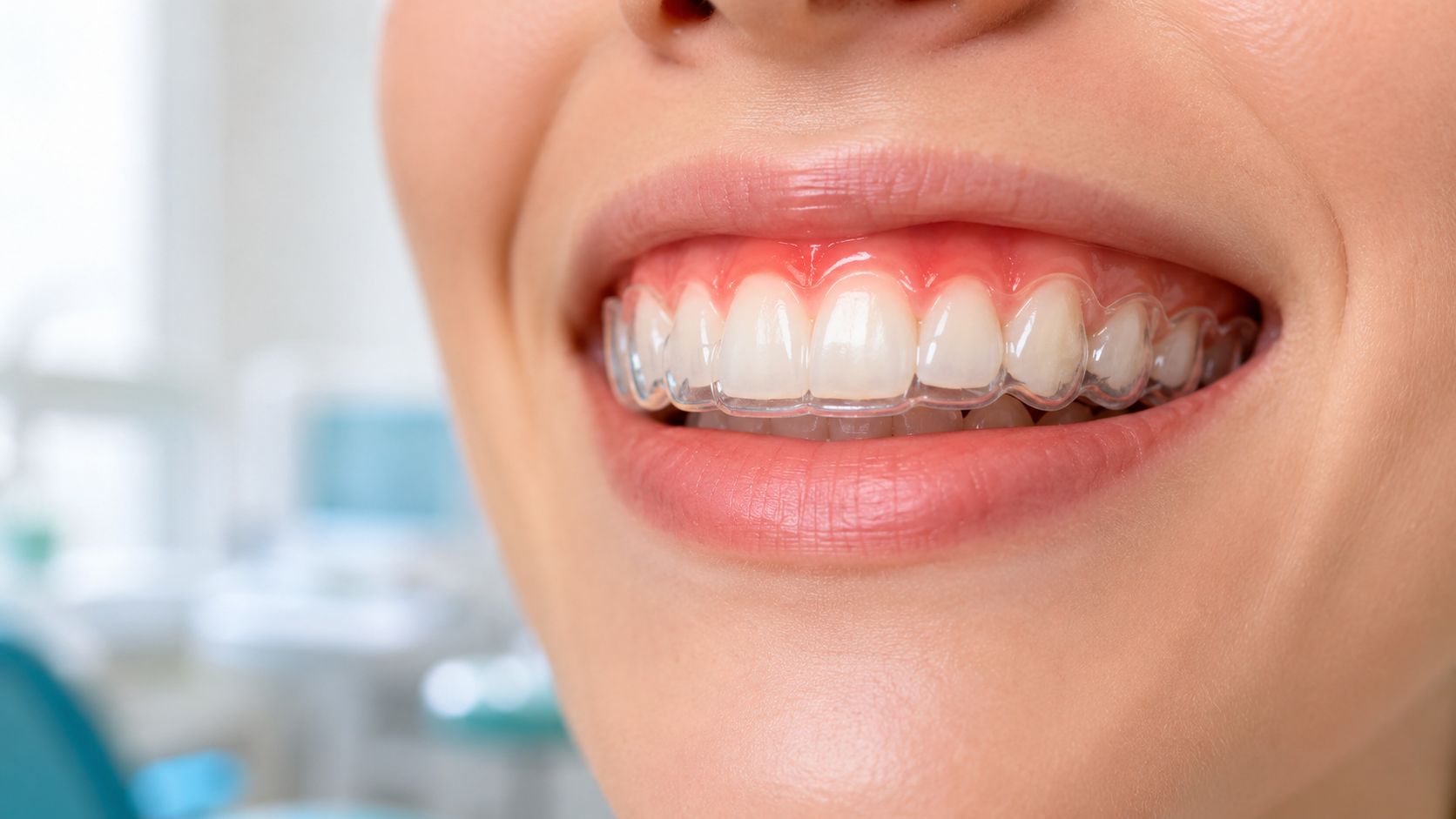
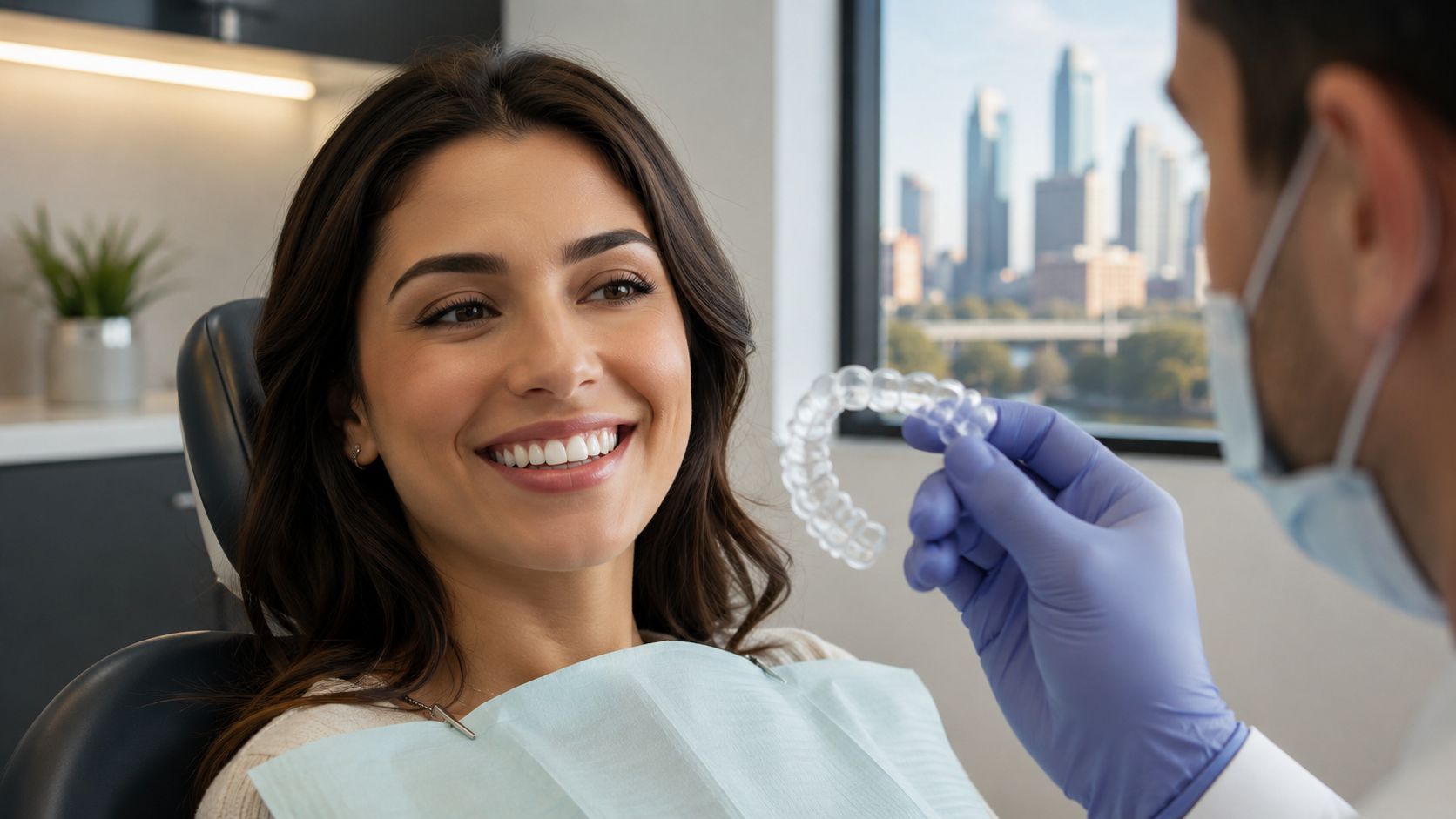
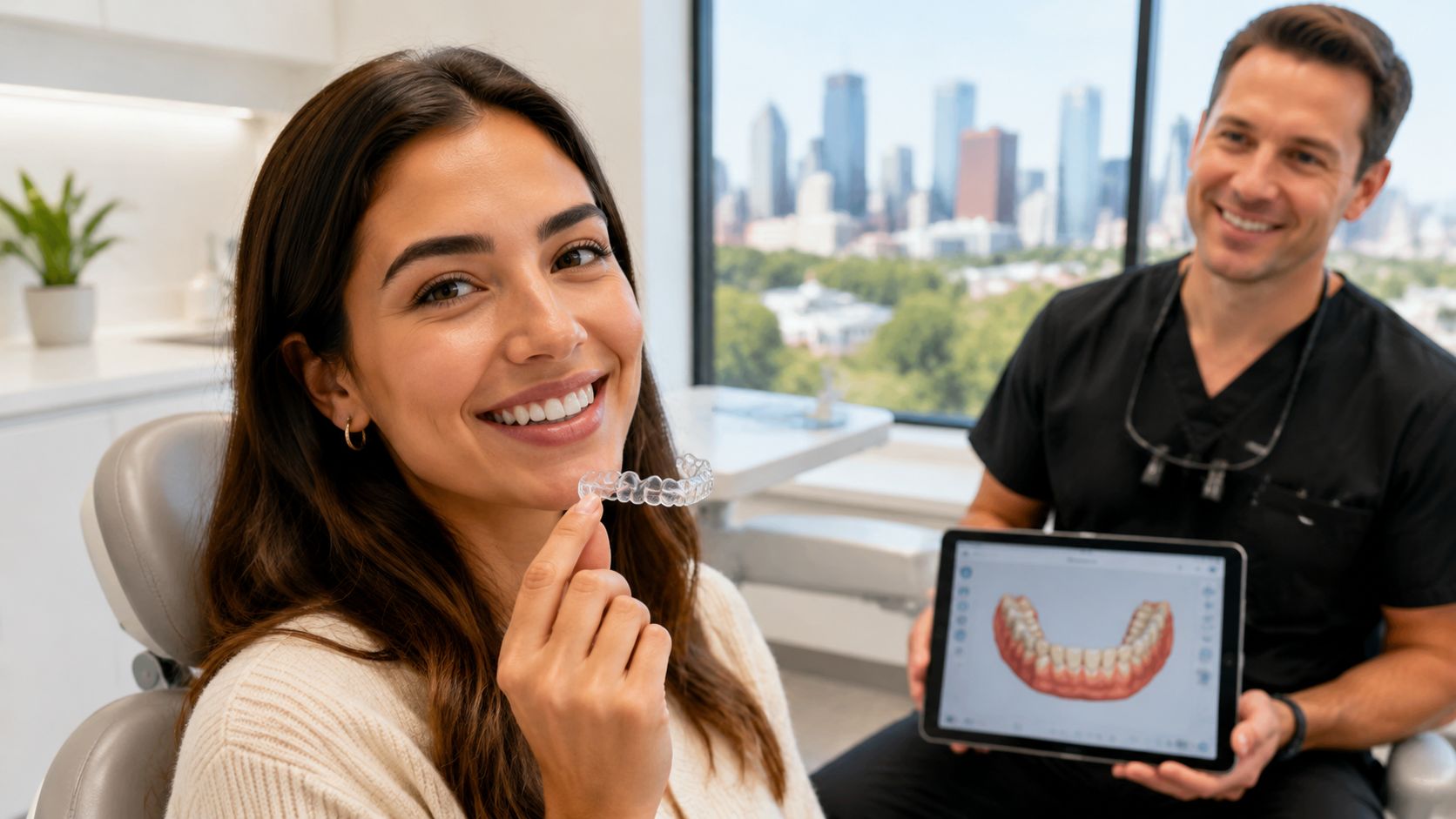
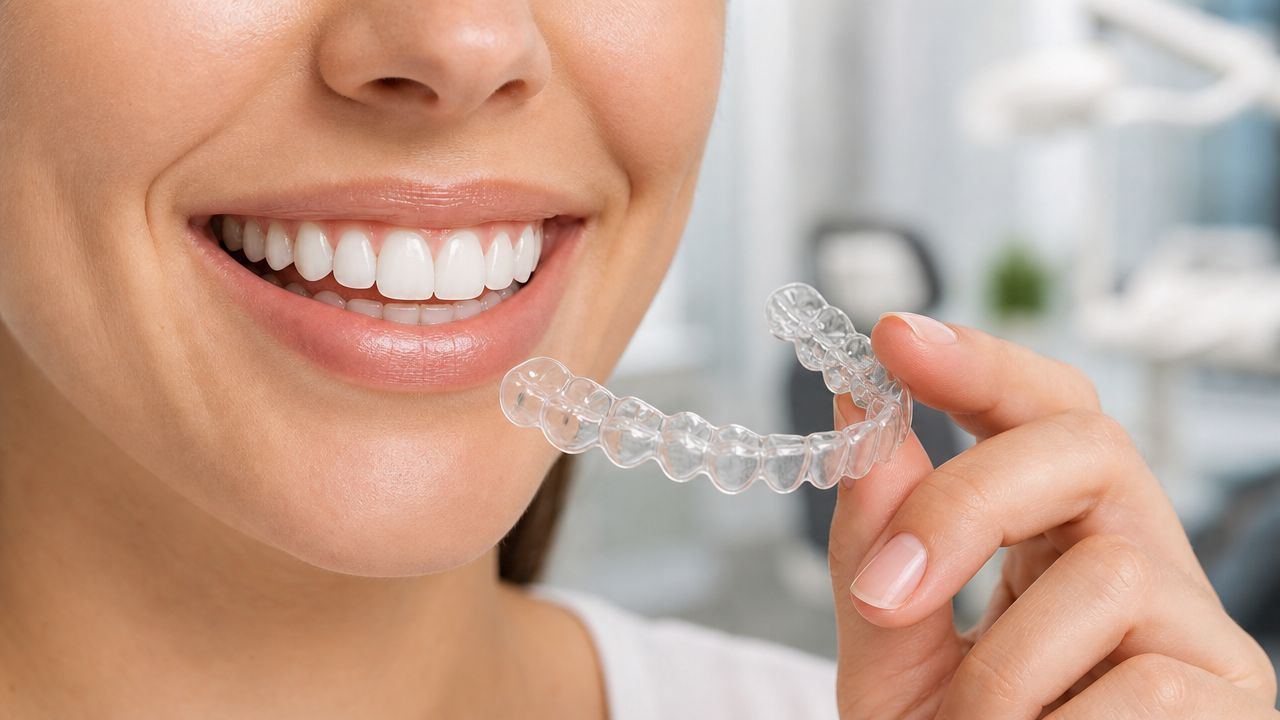
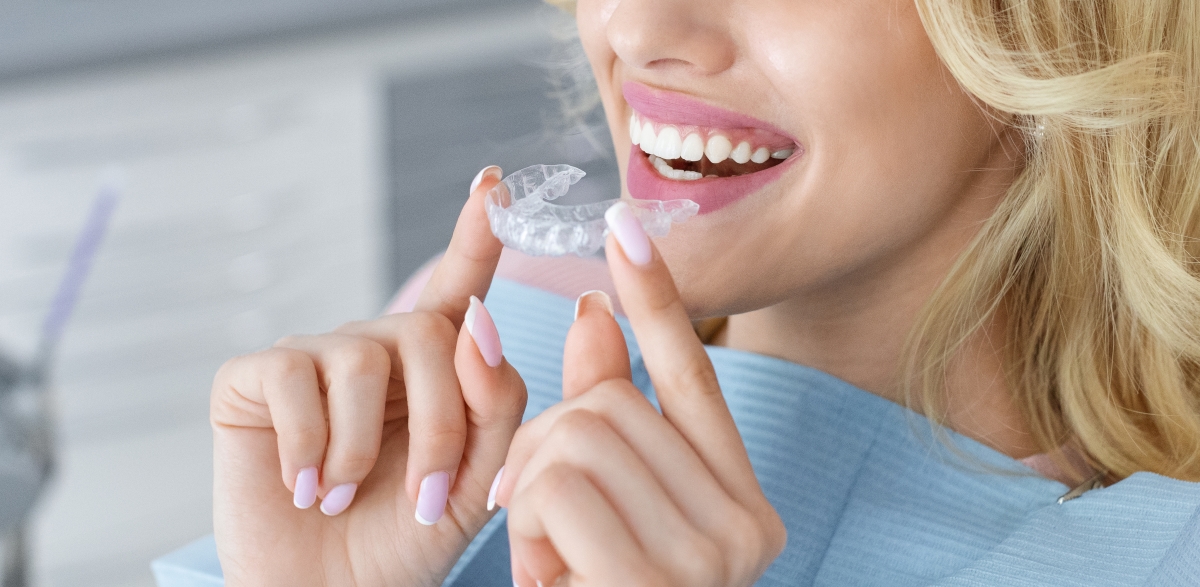
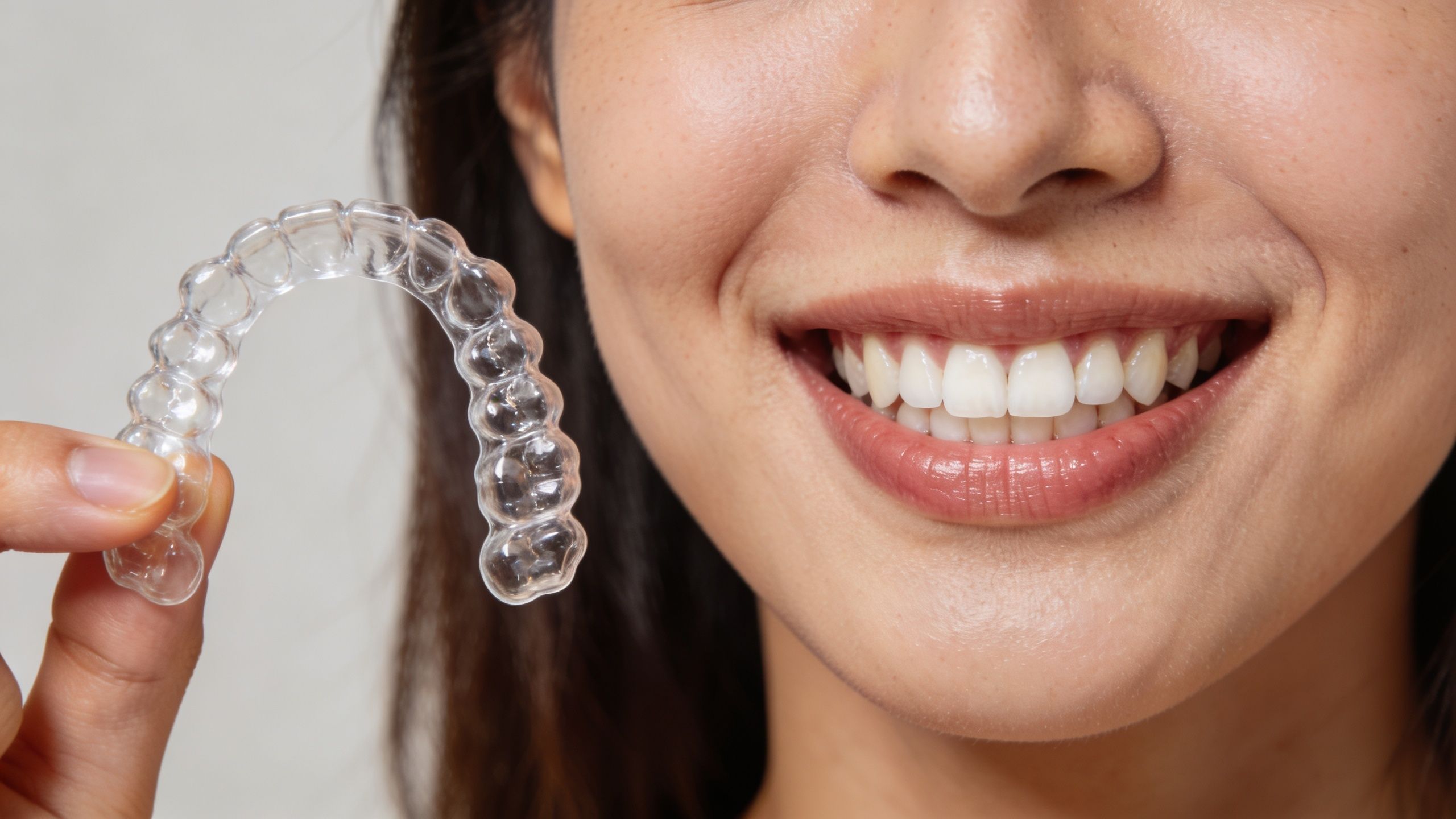
Clear aligners are the option most adults ask about first, and for good reason. They’re removable, hard to notice in social or work settings, and they let you brush and floss normally. For many adults in Austin and Georgetown, that combination makes them the easiest orthodontic treatment to live with day to day.
They also perform well when the case is chosen carefully. A comparative clinical study found a 75% reduction in the PAR index after 12 months with clear aligners, compared with 80% for conventional braces, which is a clinically minor difference. In that same study, patient satisfaction was higher with aligners at 85% versus 65% for braces, discomfort was lower at 2.3 on a 10-point pain scale versus 5.6, and average treatment time was 14.5 months versus 16.2 months for conventional braces, according to this clinical review of clear aligners and braces.
Who they fit best
A tech professional in Austin who has client meetings every week often wants treatment that won’t draw attention. A Georgetown business owner may want to keep a polished appearance while fixing crowding or spacing. Adults going back to school or changing careers often feel the same way.
That said, aligners only work if you wear them consistently. If you’re likely to take them out for coffee, lunch, dinner, and forget to put them back in, they can become an expensive delay instead of a solution.
Practical rule: Clear aligners are excellent for adults who want discretion and can stay disciplined with wear time.
What helps treatment go smoothly
- Set phone reminders: Wear aligners as directed each day so tooth movement stays on track.
- Use the case every time: Don’t wrap trays in a napkin during meals. That’s one of the easiest ways to lose them.
- Clean them at night: Use lukewarm water and a soft toothbrush, not hot water that can distort the tray.
- Bring questions to check-ins: If a tray feels off, say so early instead of waiting.
- Learn the trade-offs clearly: Our comparison of braces vs clear aligners helps adults understand where each option makes more sense.
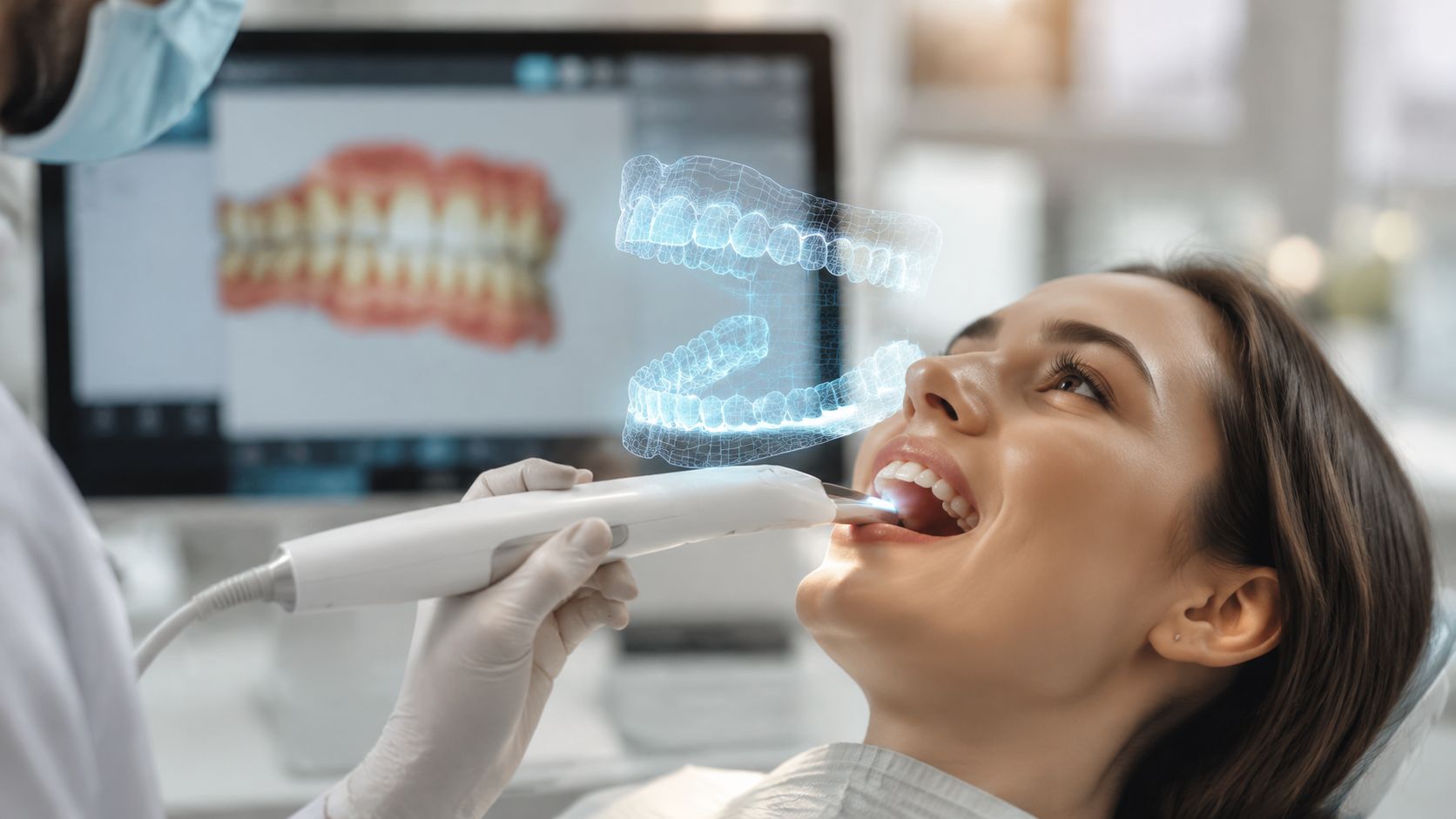
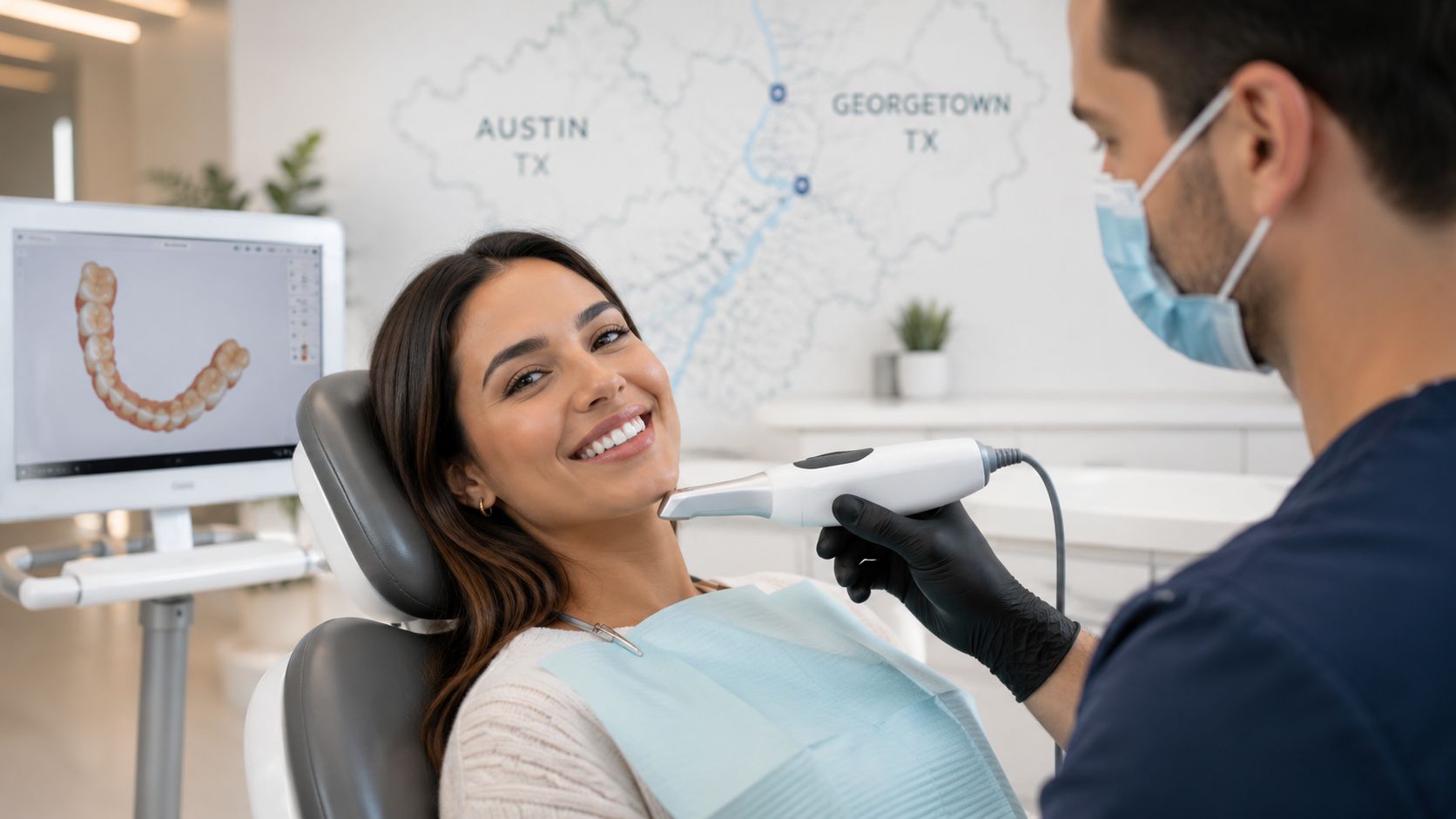
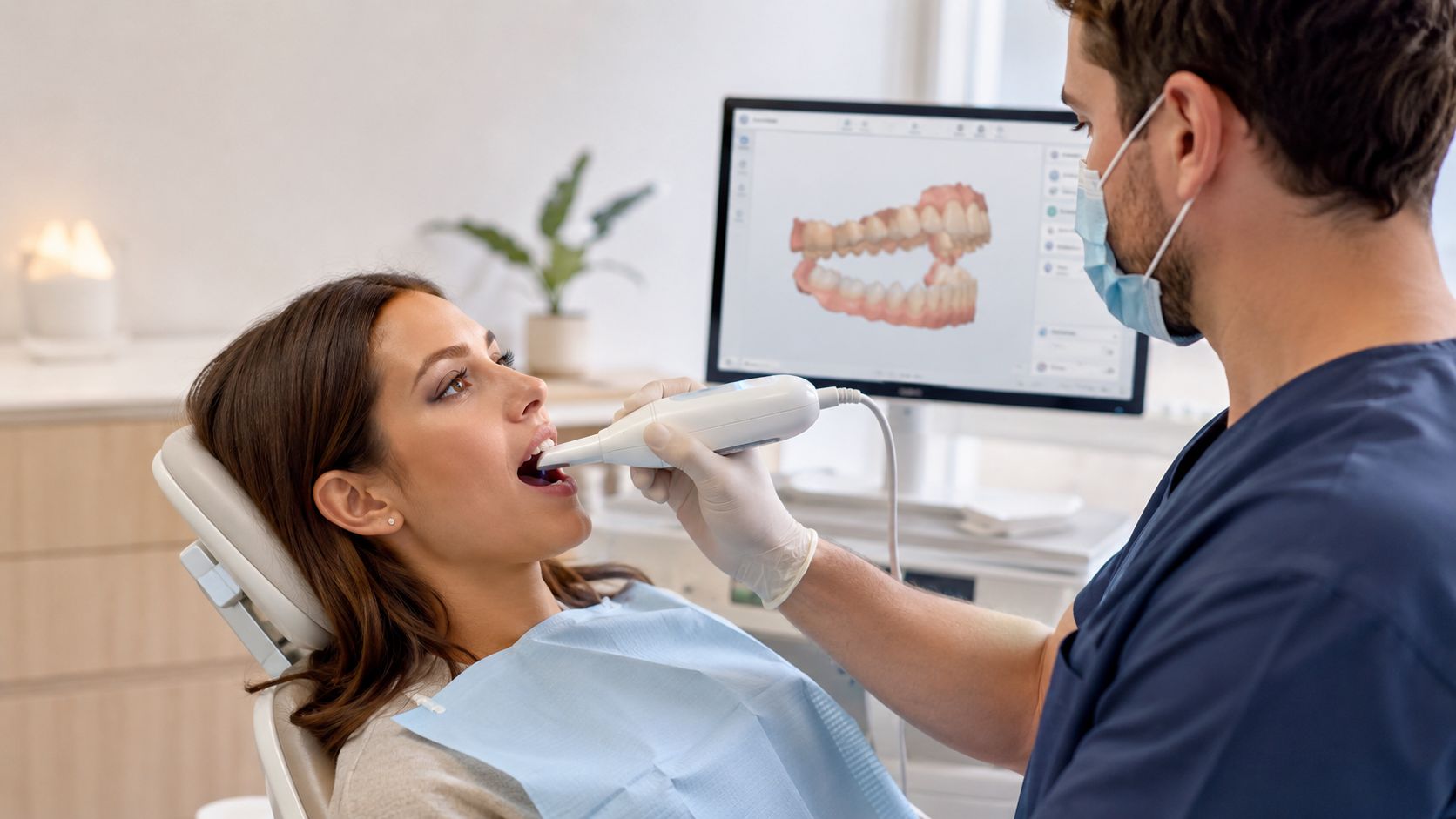
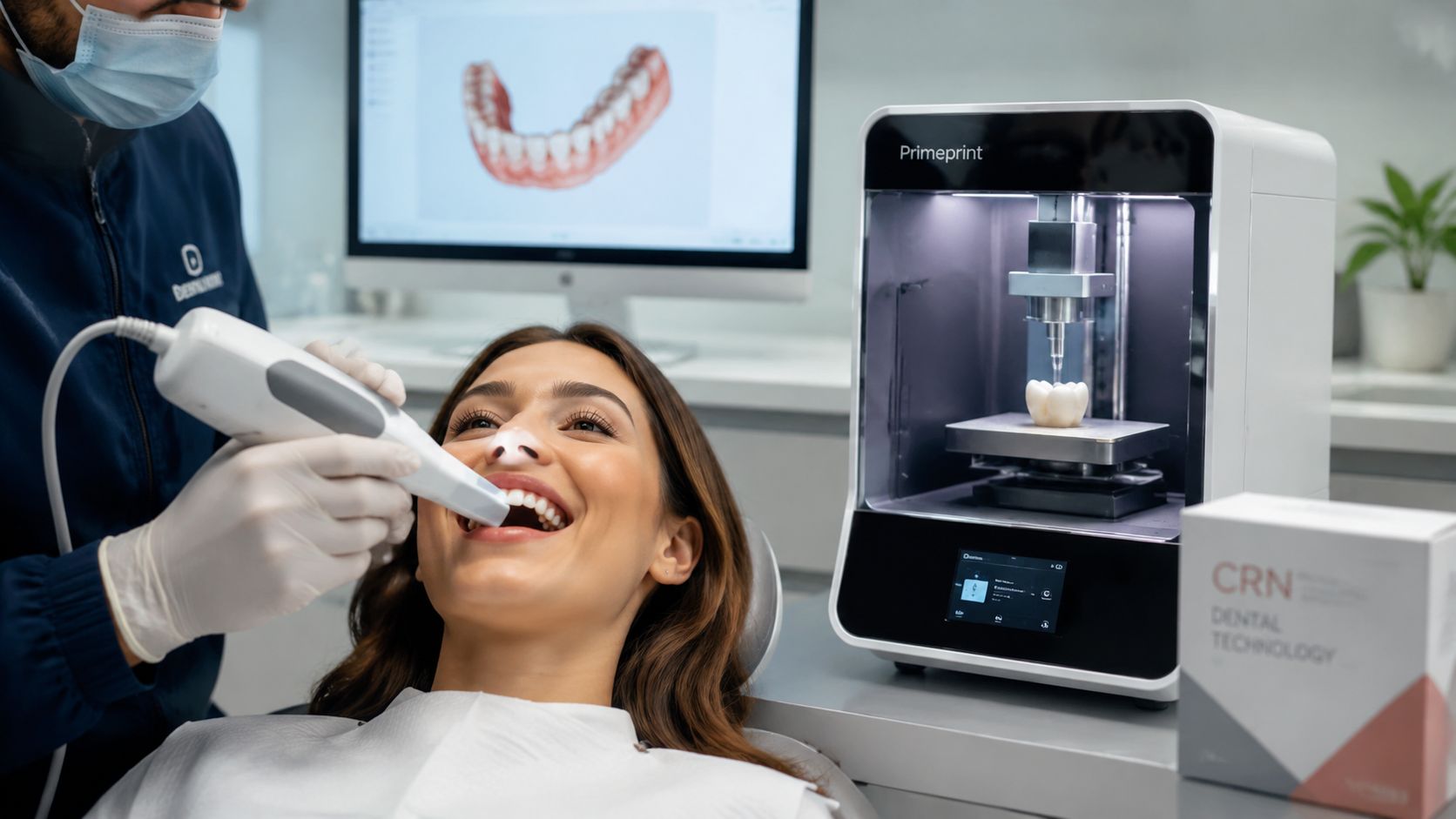
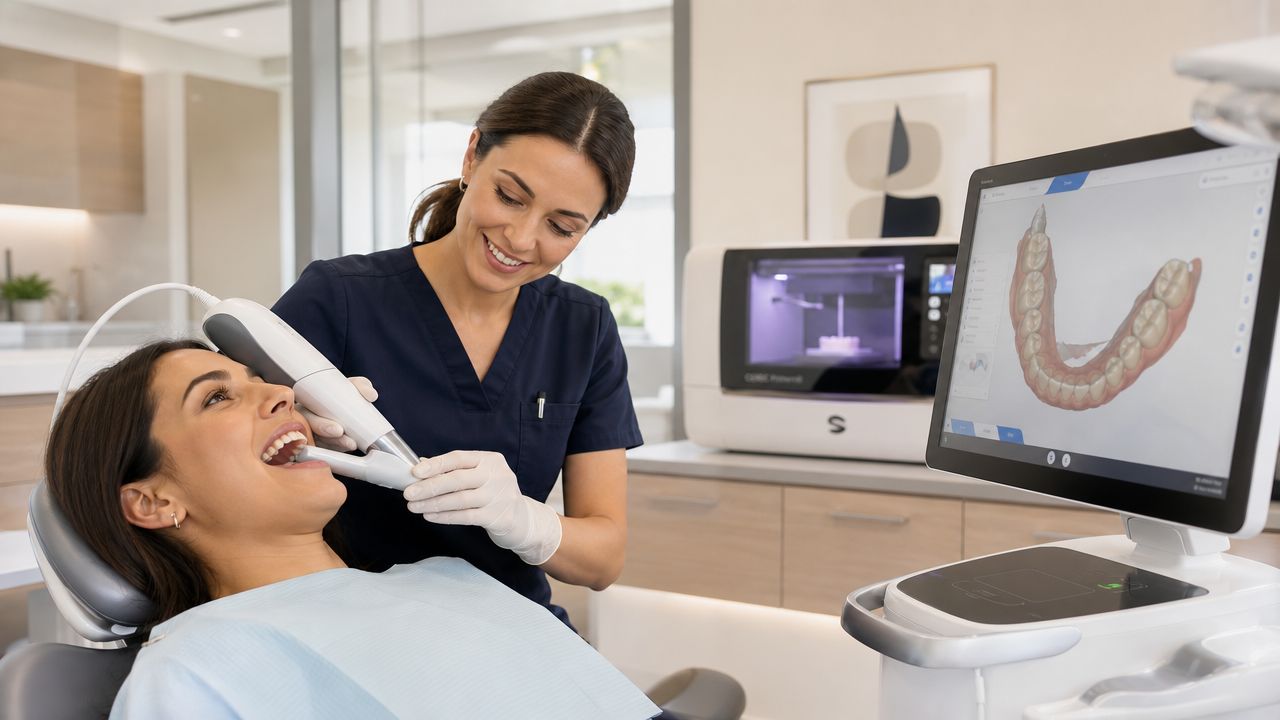
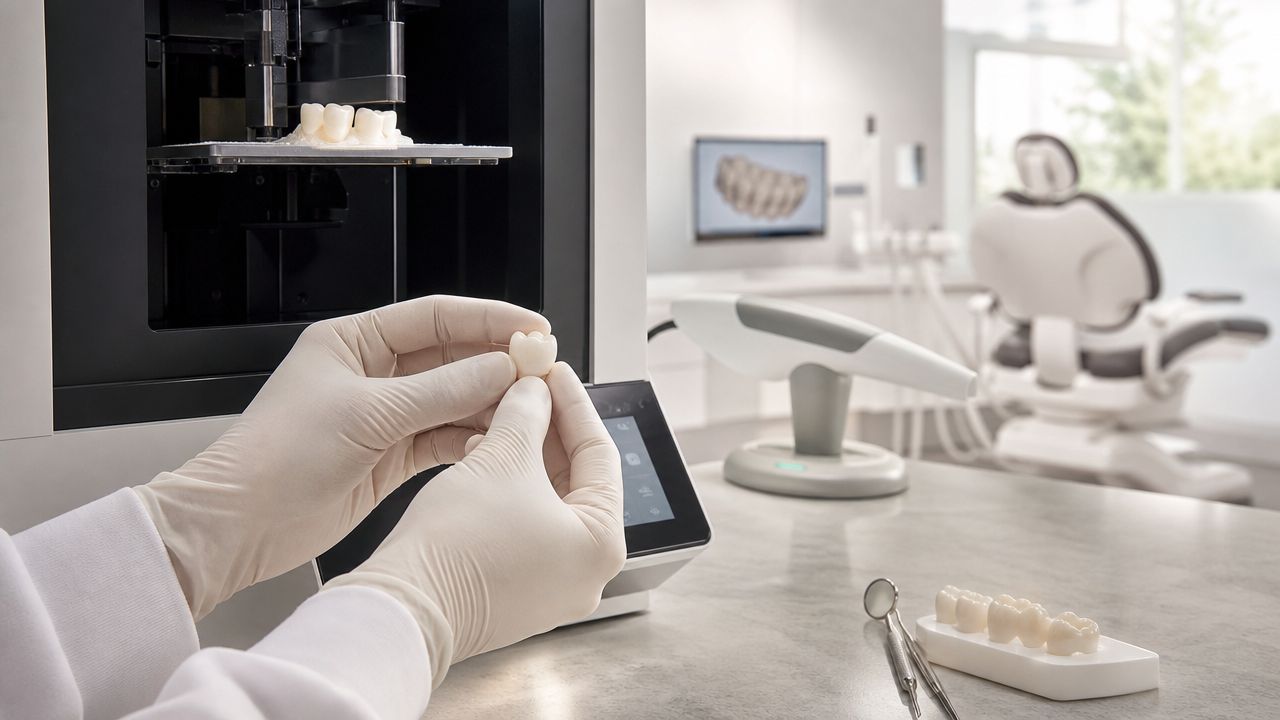
At 3D Dental, digital scans and 3D imaging help us decide whether aligners are a good match before treatment begins. That matters because convenience is a strength of clear aligners, but only when the plan fits the bite.
2. Traditional Metal Braces
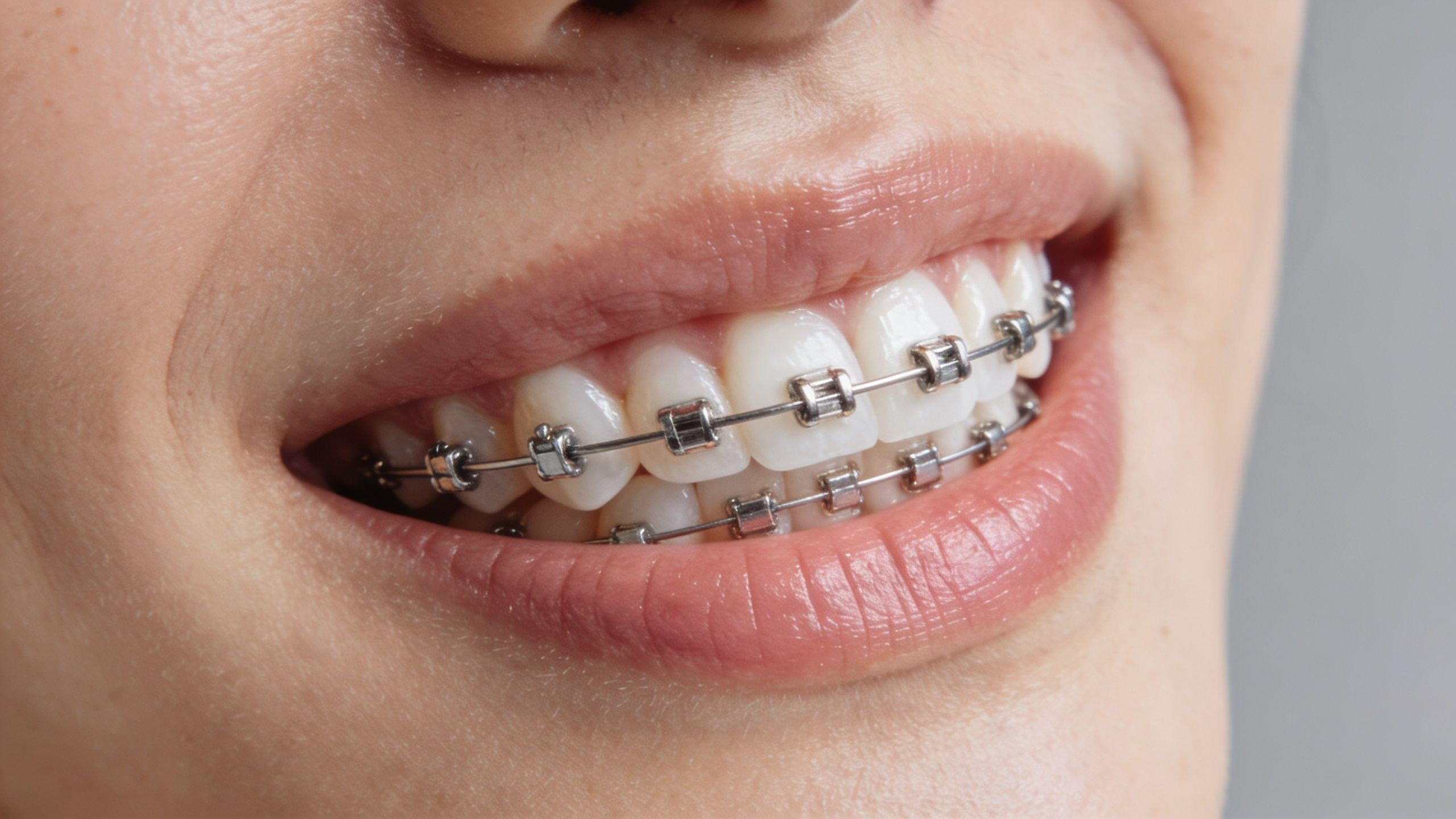
Metal braces remain one of the best teeth straightening options for adults when the problem is more than cosmetic. If teeth are severely crowded, rotated, or tied to a more complicated bite issue, braces often give the dentist or orthodontist more control.
This is the option I’d want an adult patient to seriously consider before ruling out anything visible. Adults sometimes come in focused only on appearance, but if the bite is the underlying problem, the most discreet treatment isn’t always the most predictable one. Braces are still the workhorse choice for cases that need steady, precise movement.
Where metal braces shine
Think of the Cedar Park patient who needs significant correction before moving forward with restorative work, or the Austin patient whose teeth have shifted in ways aligners alone may not handle well. Metal braces are especially useful when we need control over multiple teeth at once and don’t want success to depend on remembering to reinsert trays.
They’re also straightforward. Brackets stay on. The wire does the work. You don’t have to manage removable appliances throughout the day.
Adults often assume braces are only for teens. In practice, they’re often the most reliable answer for difficult bite mechanics.
The trade-offs are real
Metal braces are more visible. They can irritate lips and cheeks at first. Cleaning around brackets takes more effort, and sticky or hard foods can create avoidable repairs.
A few habits make a big difference:
- Brush with the right tools: Orthodontic brushes and floss threaders help clean around brackets and wires.
- Skip problem foods: Popcorn, hard candy, sticky snacks, and whole nuts are common troublemakers.
- Use wax early: Orthodontic wax can make the first adjustment period much easier.
- Keep hygiene visits on schedule: Adults in braces still need routine cleaning and exams to avoid cavities and gum irritation.
- Prepare before treatment starts: Our guide on how to prepare for braces can make the first few weeks easier.
For adults searching for a dentist near me in Austin, TX or Georgetown, TX, braces are worth discussing when your main goal is dependable correction, not just low visibility.
3. Ceramic or Tooth-Colored Braces
Ceramic braces sit in the middle ground between metal braces and clear aligners. They move teeth like braces do, but the brackets blend in more naturally with your tooth color. For many adults, that makes them easier to accept in professional or public-facing roles.
This can be a good fit for someone in Wells Branch or Liberty Hill who needs the strength of braces but doesn’t want the look of full metal hardware when smiling, speaking, or taking photos. They’re especially appealing when treatment needs are more involved than a simple aligner case.
Why adults choose them
Ceramic braces make sense for adults who want effective treatment without drawing as much attention to it. They’re common among patients preparing for a wedding, a career move, or a period of frequent face-to-face interaction where confidence matters.
They also help adults who know they won’t do well with removable trays. If compliance is the concern, fixed appliances often win.
What to watch for
Ceramic braces aren’t invisible. The wire can still show, and the brackets can stain around the edges if oral hygiene slips. They also require a little more care than metal braces because the material can be less forgiving.
A few smart choices help:
- Choose low-visibility components: Tooth-colored wires and clear elastics can make the braces blend in better.
- Be careful with staining foods: Coffee, tea, red sauces, and similar foods can affect how clean the braces look over time.
- Brush gently but thoroughly: You want good plaque control without being rough on the brackets.
- Ask about durability: Not every case is ideal for ceramic brackets, especially when bite forces are strong.
Ceramic braces are often the right compromise for adults who want better aesthetics without giving up the control that fixed braces provide. If your case is moderate or more complex, this option often deserves a serious look.
4. Lingual Braces (Invisible Braces Behind Teeth)
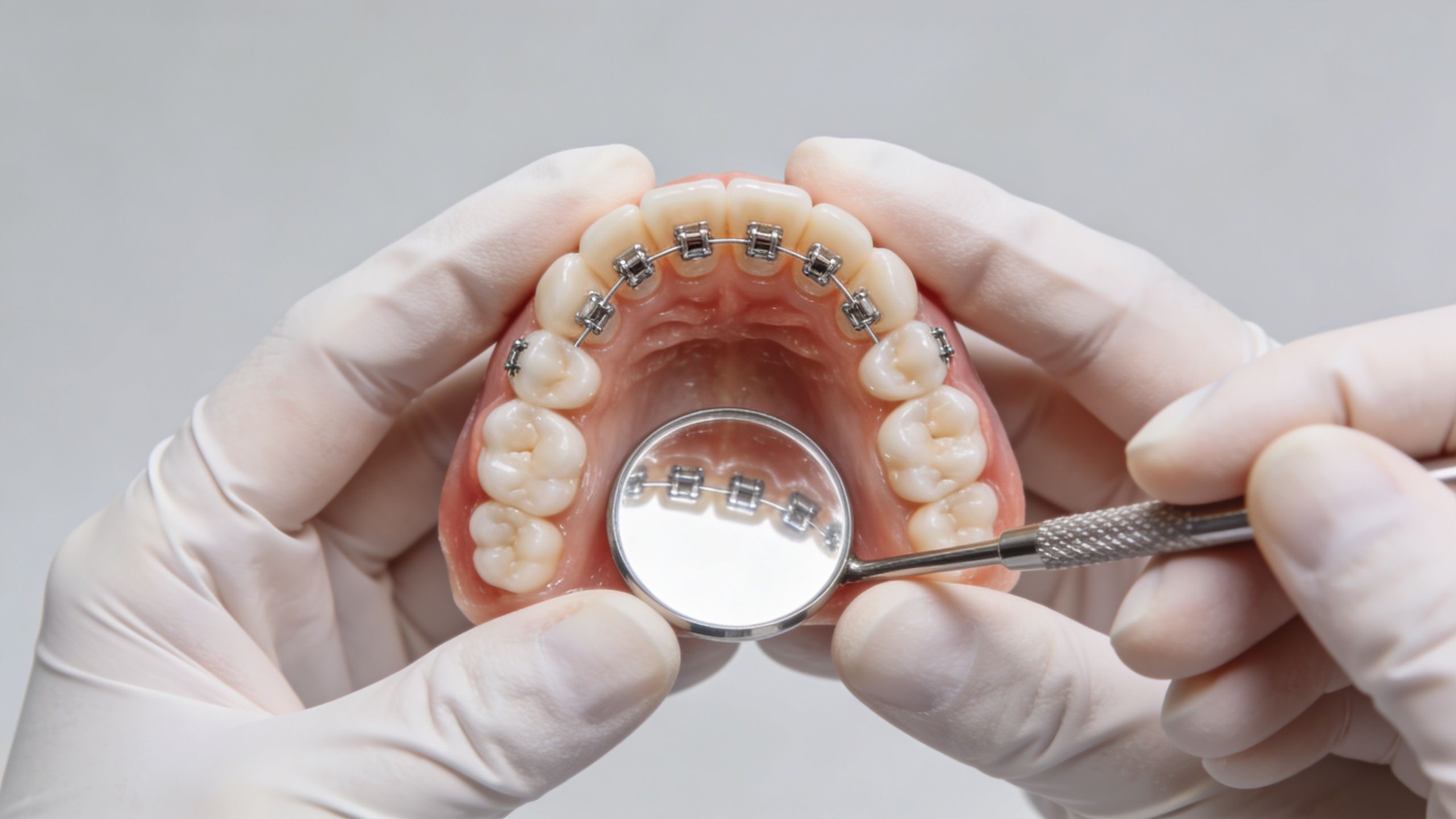
Lingual braces attach behind the teeth, so people don’t see them from the front. For some adults, that single feature makes them instantly attractive. They offer the force and control of braces while keeping treatment hidden in normal conversation.
This option tends to appeal to adults whose work depends heavily on appearance. That might be an Austin executive, someone on camera, or a professional who wants stronger mechanics than aligners but doesn’t want visible brackets.
The benefit is obvious. The adjustment is not.
Lingual braces can work very well, but they require patience. The tongue notices them immediately, and speech can feel different during the early adjustment period. Cleaning them is also more demanding because they’re harder to see and reach.
That doesn’t make them a poor option. It just means the adult choosing them should be doing it with clear expectations.
If your top priority is “I don’t want anyone to know I’m in treatment,” lingual braces can be worth the extra adaptation.
Best for the right personality
Lingual braces usually fit adults who are motivated, detail-oriented, and willing to accept a steeper learning curve. They’re less ideal for someone who already struggles with oral hygiene or wants the simplest treatment routine.
A few practical habits help:
- Use a water flosser: It can make daily cleaning much more manageable.
- Expect tongue irritation early: Orthodontic wax can help during the adjustment phase.
- Practice speaking aloud: Reading out loud at home often speeds up adaptation.
- Choose an experienced provider: Lingual systems are technique-sensitive and need careful planning.
- Keep cleaning visits regular: Professional maintenance matters more when brackets are hidden from view.
For adults comparing hidden options, lingual braces can be a strong answer when aligners aren’t enough and visibility is still a deal-breaker.
5. Self-Ligating Braces (Damon System)
Self-ligating braces use a built-in clip or small door rather than elastic ties to hold the wire in place. To the patient, that usually means a cleaner bracket design and a different maintenance experience than conventional braces.
Adults in Round Rock or Georgetown with packed schedules often ask whether there’s a braces option that feels a little more convenient. This is the category I’d discuss with them when they need fixed treatment but want a more modern system.
Where they can make sense
Some adults like self-ligating braces because they can feel less bulky in day-to-day use, and the bracket design can make cleaning a bit easier than braces with elastic ties. They’re available in metal and, in some cases, ceramic versions, so patients don’t have to choose between modern mechanics and appearance.
They’re not magic, though. They’re still braces. You still need to avoid damaging foods, keep appointments, and maintain healthy gums.
Good option, not automatic upgrade
The value of self-ligating braces depends on the case, not just the brand name. If a patient isn’t a clear aligner candidate but wants fixed treatment with efficient mechanics, they can be a practical choice. If the bite is highly complex, they may be helpful, but the full treatment plan matters more than the bracket label.
- Ask whether ceramic is available: Some adults want the self-ligating design with a less noticeable look.
- Stay diligent with home care: Easier cleaning doesn’t mean easy enough to skip flossing.
- Book visits in advance: Busy adults do better when check-ins are scheduled well ahead of time.
- Follow the food guidelines: Broken brackets still slow treatment, no matter which braces system you choose.
For adults who want braces but are looking for a somewhat smoother experience, self-ligating systems are worth considering during a consultation.
6. Cosmetic Alternatives (Veneers and Bonding)
Not every adult who says “I want straighter teeth” needs orthodontic tooth movement. Sometimes the goal is a more even-looking smile for photos, work, or confidence. In those cases, cosmetic dentistry may be the better fit.
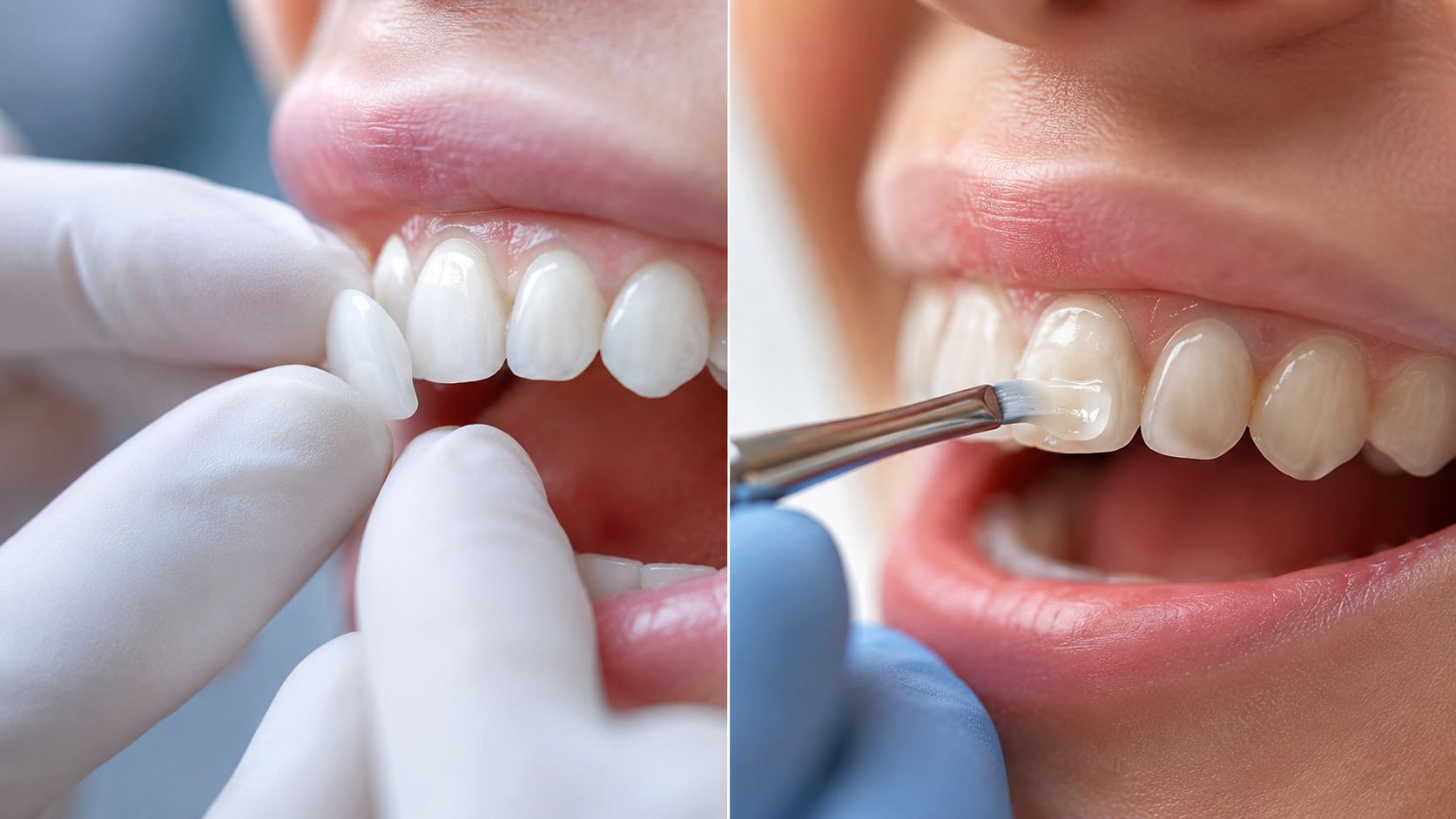
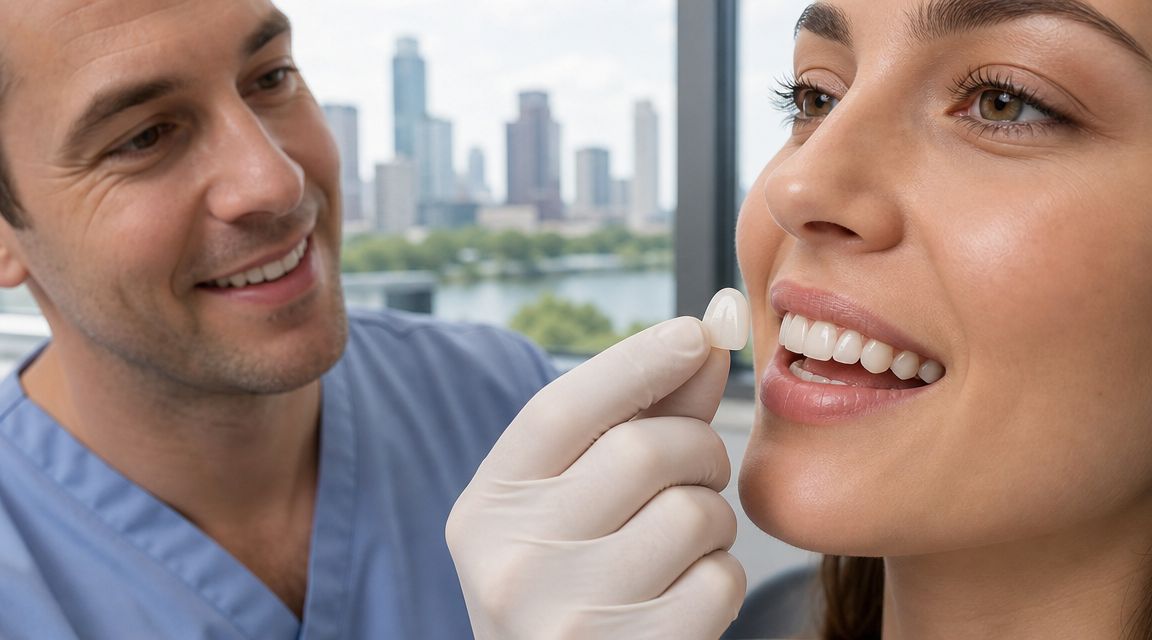
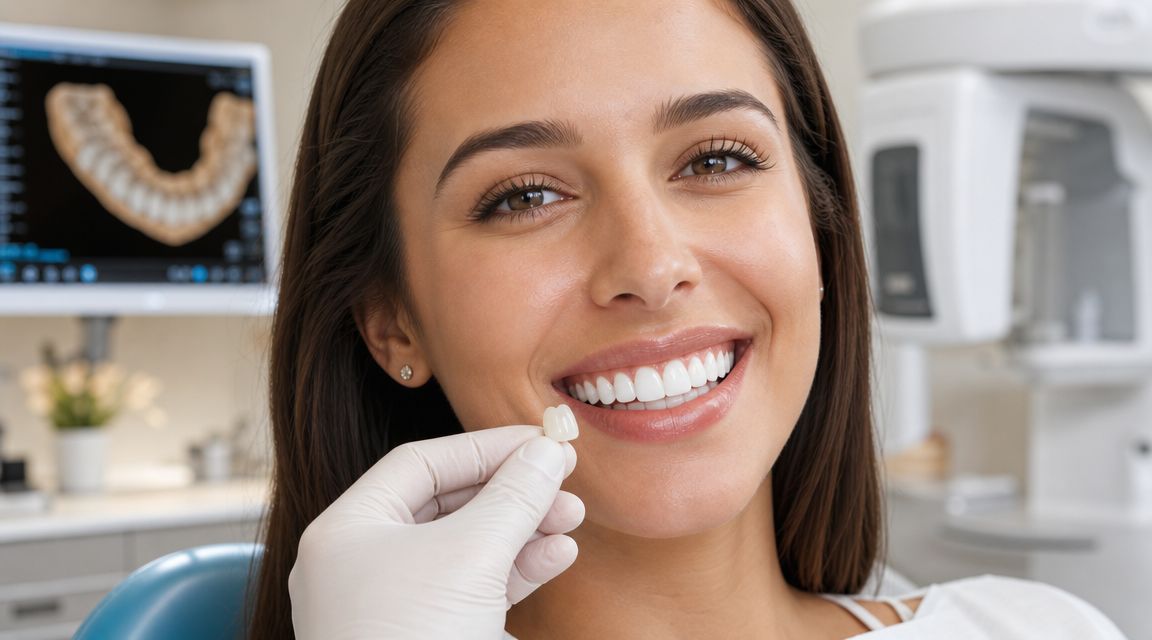
Veneers and bonding don’t move teeth. They change shape, contour, and visible alignment from the front. That makes them useful for small gaps, minor unevenness, worn edges, or a tooth that looks out of place even though the bite itself is acceptable.
When cosmetic treatment makes more sense
A patient in Austin may have one slightly rotated front tooth and staining that bothers them more than the actual alignment. Another patient in Georgetown may want to improve shape, color, and symmetry at the same time. For those people, cosmetic treatment can produce the look of a straighter smile without months of orthodontics.
That only works if the issue is mainly visual. If the teeth don’t fit together properly, cosmetic camouflage can leave the underlying problem untouched.
Cosmetic alternatives improve appearance. They do not correct bite mechanics.
Smart uses for veneers and bonding
This path can be a strong option when the goal is limited and specific. It can also pair well with other services if someone is already planning smile improvements.
- Start with a full exam: Bite problems, gum issues, or hidden decay should be ruled out first.
- Be clear about the goal: Wanting “straighter-looking” teeth is different from needing true orthodontic correction.
- Ask to preview the plan: Digital smile planning can help patients understand whether cosmetic reshaping will look natural.
- Protect the result: Bonding and veneers need good hygiene and sensible habits to avoid chipping or staining.
- Consider whitening timing: If color is part of the plan, whitening may need to happen before final shade selection.
For adults seeking a cosmetic dentist near me in Austin or Georgetown, veneers and bonding can be excellent options when the concern is minor and appearance-focused.
7. At-Home Aligner Systems (Direct-to-Consumer)
At-home aligners appeal to adults because they seem simple. Lower cost, fewer appointments, and treatment from home can sound ideal when life is busy. The problem is that convenience can hide risk if no one has properly examined the teeth, roots, gums, and bite first.
These systems are best reserved, if they’re considered at all, for very minor issues. A single small relapse after past braces might be manageable. Anything more involved deserves in-person evaluation before movement starts.
Why caution matters
One source discussing adult braces alternatives notes that adults can experience relapse after prior orthodontic treatment and that long-term retention is often overlooked, which is exactly why self-diagnosing a “small shifting issue” can be misleading in real life. Teeth may look slightly crooked, but the underlying problem could involve bite changes, gum support, or movement that needs closer supervision, as discussed in this adult orthodontic relapse and alternatives overview.
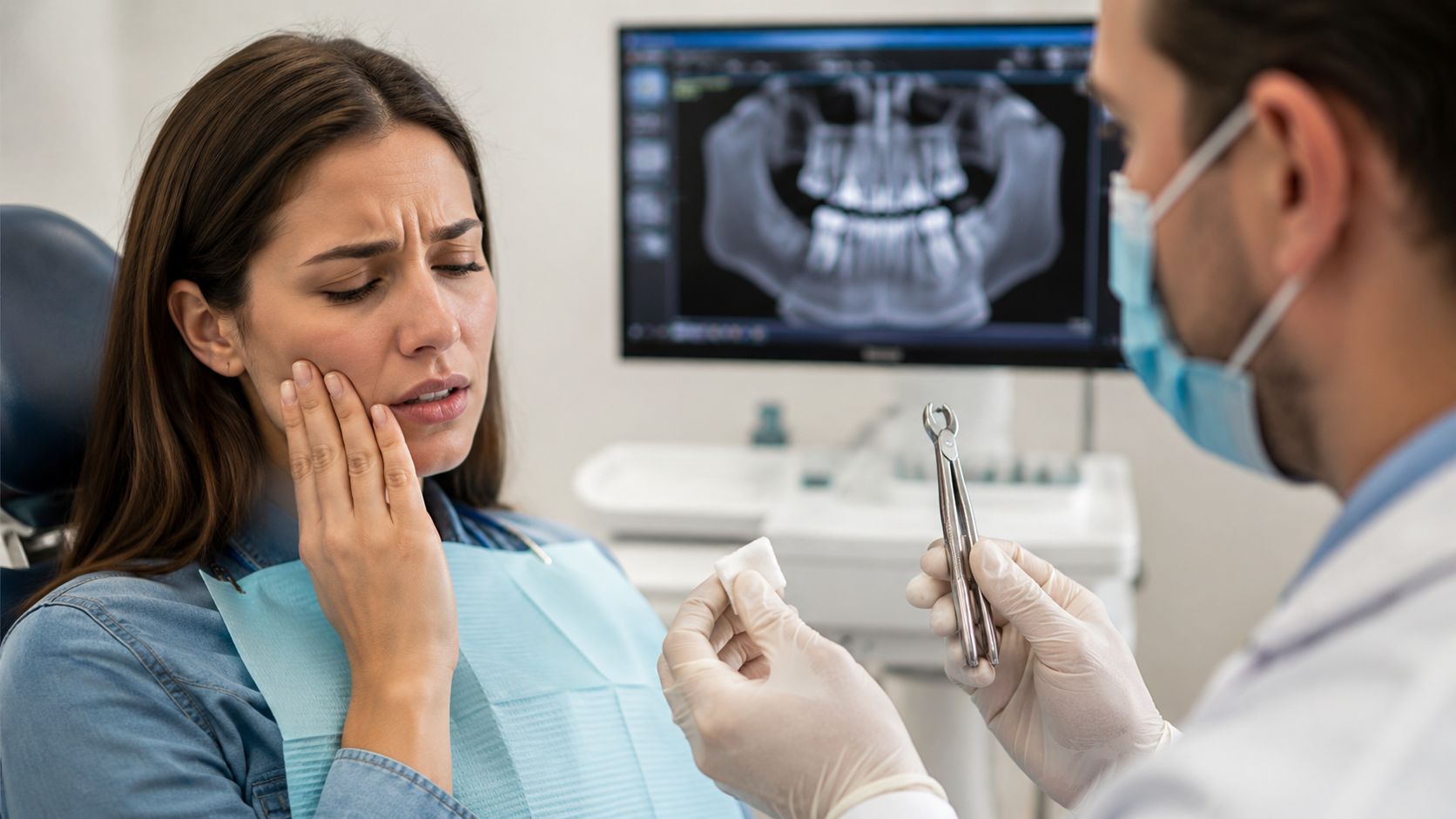
At 3D Dental, I’d strongly advise getting a full exam and dental x-rays before using any mail-order or remote aligner system. That step matters even when the case looks simple in a mirror.
If you’re considering them anyway
- Get examined locally first: An in-person dentist should confirm that your teeth and gums are healthy enough for movement.
- Keep expectations narrow: These systems are not a substitute for full orthodontic treatment.
- Understand the refinement process: You need to know what happens if the trays don’t fit or the teeth don’t track as planned.
- Plan for the possibility of retreatment: Fixing a poor result can be more complicated than starting with supervised care.
For adults in Austin, Wells Branch, or Round Rock searching for the cheapest path, this is the category where “less expensive” can become “more complicated” if the case wasn’t mild to begin with.
8. Surgical Orthodontics (Orthognathic Surgery)
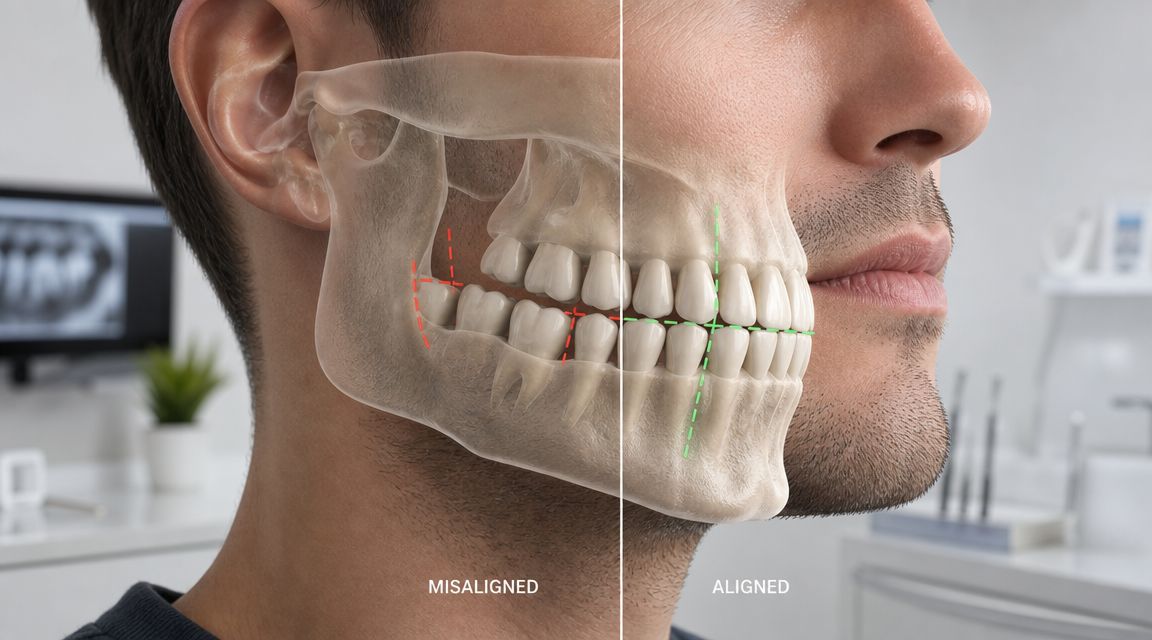
Some adults don’t just have crooked teeth. They have a jaw relationship that’s off enough that braces alone won’t solve it. When the upper and lower jaws are misaligned, surgical orthodontics may be the treatment that addresses the cause.
This usually involves orthodontic treatment combined with jaw surgery coordinated between dental and surgical professionals. It’s a more serious path, but for the right patient, it can improve function in a way no cosmetic solution can match.
When surgery enters the conversation
Adults with a pronounced underbite, open bite, facial asymmetry, or a recessed jaw may need more than tooth movement. Chewing can be inefficient. Speech may be affected. In some cases, airway concerns are also part of the picture.
The goal isn’t just to make the teeth look straighter. It’s to get the jaws and bite working together properly.
Commitment matters here
Surgical orthodontics isn’t the option people choose for convenience. It’s chosen because simpler treatment won’t correct the anatomy well enough. For the right adult, though, it can be the most honest and effective plan.
- Choose a coordinated team: Complex cases need shared planning between the restorative, orthodontic, and surgical sides of care.
- Expect a longer process: There is usually orthodontic work before and after surgery.
- Plan for recovery time: Work and home responsibilities need to be arranged ahead of time.
- Discuss dental and medical coverage early: Insurance questions are easier to sort out before treatment starts.
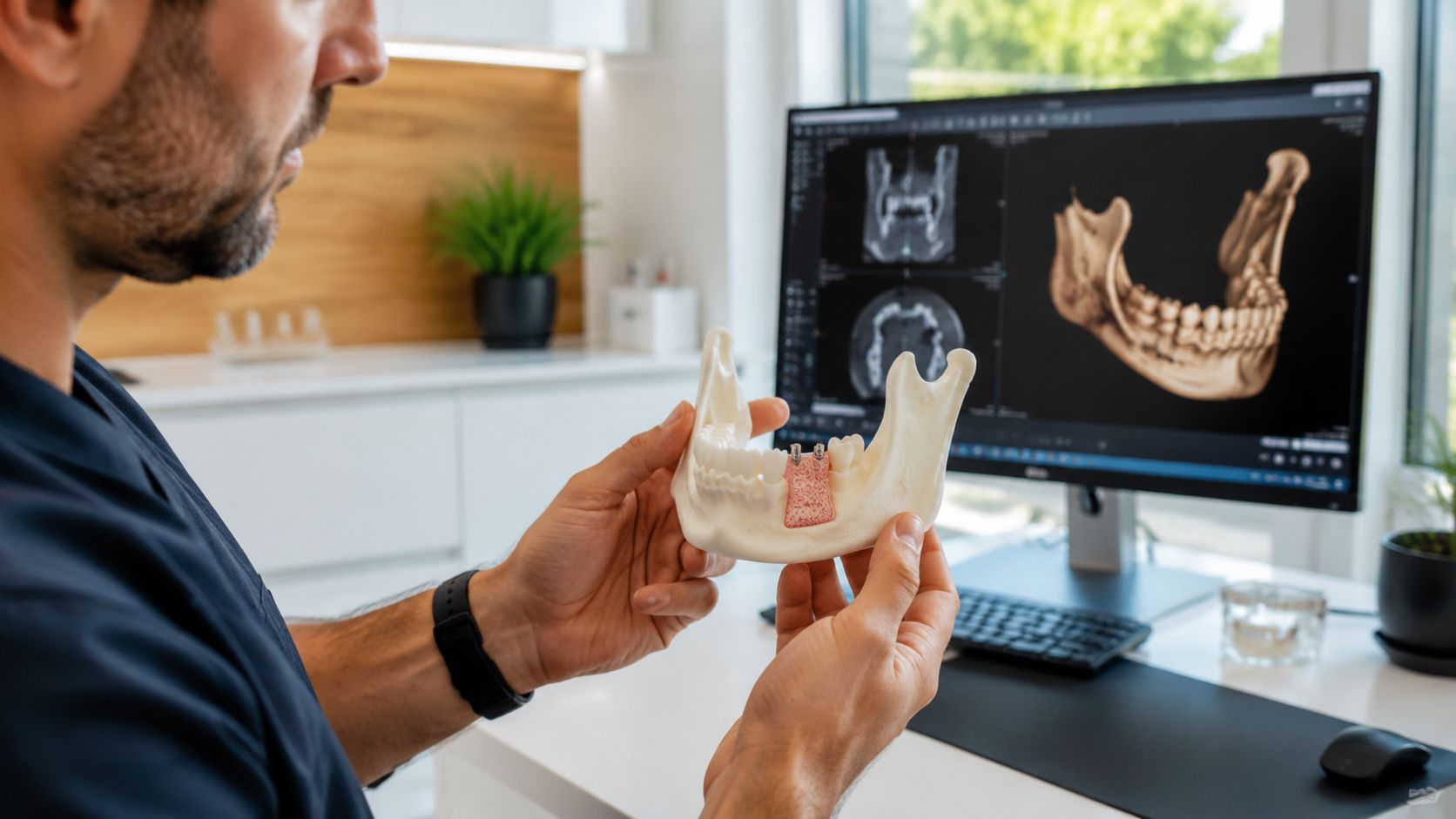
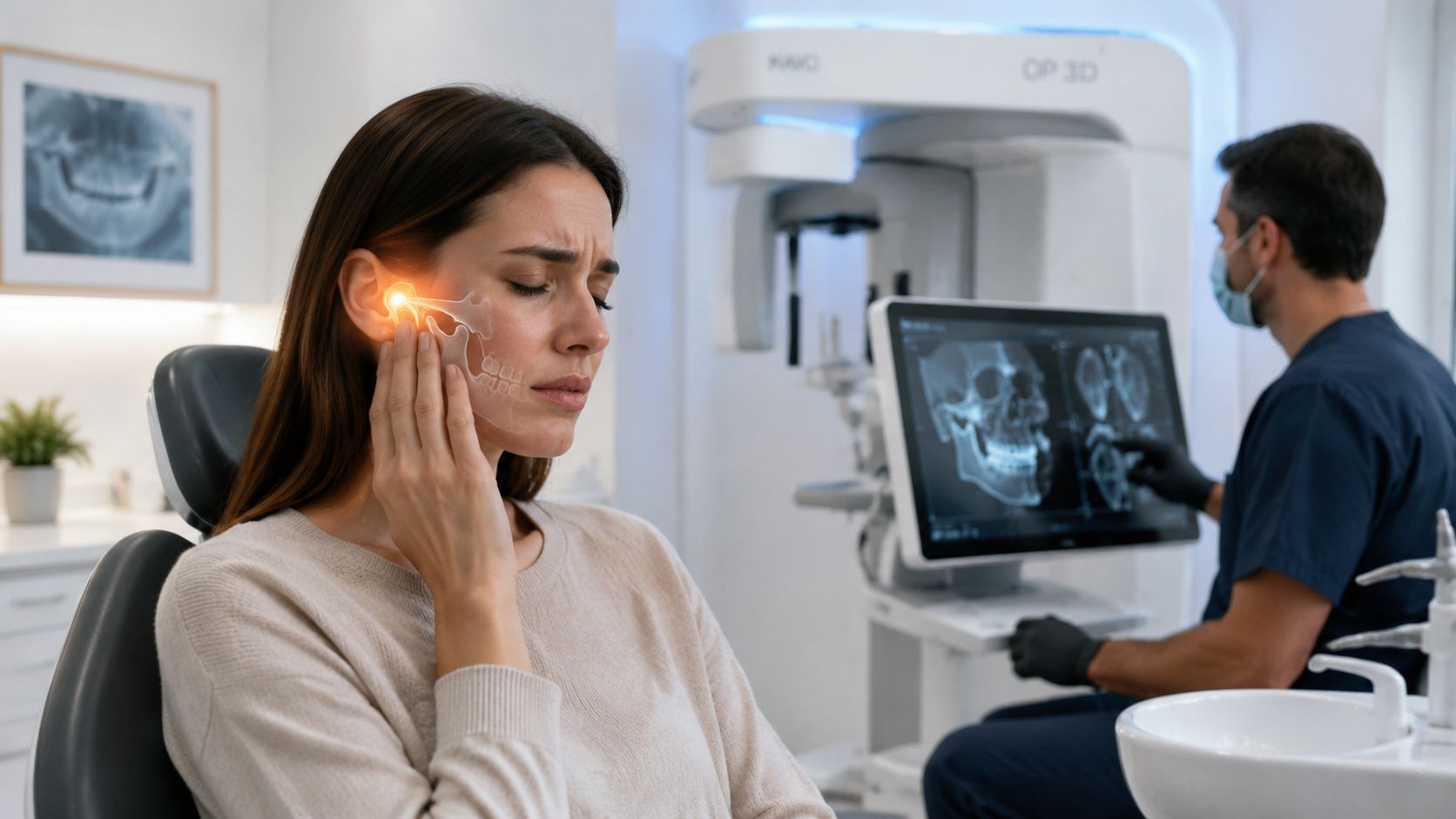
- Use full imaging: Detailed 3D imaging is especially valuable when the jaw position itself is part of the problem.
At a practice like 3D Dental, advanced imaging and a multi-specialist setting help determine whether a severe bite issue can be managed with orthodontics alone or needs a surgical discussion.
Adult Teeth Straightening: 8-Option Comparison
| Treatment | Implementation complexity | Resource requirements | Expected outcomes | Ideal use cases | Key advantages |
|---|---|---|---|---|---|
| Clear Aligners (Invisalign & similar) | Moderate, digital workflow, regular tray changes; high patient compliance needed | 3D scans, lab-fabricated aligners, periodic office checks; $3,000–$8,000 | Predictable cosmetic alignment for mild–moderate cases in ~12–18 months | Adults prioritizing discreteness and removability for mild–moderate crowding/spacing | Nearly invisible, removable, easier hygiene, fewer appointments |
| Traditional Metal Braces | Moderate, in‑office bonding and periodic adjustments; low wear compliance required | Chairside placement, regular adjustments every 4–8 weeks; $3,000–$6,000 | Highly effective for moderate–severe and complex bite issues in ~18–24 months | Patients with complex alignment or bite problems who prioritize effectiveness and cost | Strong control of tooth movement, works for nearly all cases, cost-effective |
| Ceramic / Tooth-Colored Braces | Moderate, similar to metal braces with added aesthetic care | In‑office placement, tooth‑colored components available; $4,000–$8,000 | Comparable effectiveness to metal braces for most cases in ~18–24 months | Adults wanting less visible braces while retaining orthodontic power | More discreet than metal, retains comprehensive control |
| Lingual Braces (behind teeth) | High, custom design and specialized orthodontic expertise required | CAD/CAM fabrication, specialist orthodontist, longer chair time; $8,000–$10,000+ | Full orthodontic effectiveness with complete front invisibility in ~18–30 months | Professionals needing total invisibility and full corrective power | Completely hidden from view, effective for complex problems |
| Self-Ligating Braces (Damon) | Moderate, different bracket mechanics; clinician training recommended | Specialized self‑ligating brackets (metal/ceramic), fewer adjustment visits; $4,000–$8,000 | Potentially faster and gentler tooth movement in ~12–20 months | Busy adults wanting fewer/shorter appointments and improved comfort | Reduced friction, easier hygiene, fewer/shorter visits |
| Cosmetic Alternatives (Veneers & Bonding) | Low–Moderate, restorative procedures; veneers require enamel removal | Dental lab work, 1–3 visits; cost per tooth $300–$2,500 (veneers higher) | Immediate aesthetic improvement; does not alter bite or tooth roots (weeks) | Adults with minor cosmetic flaws or needing a rapid smile makeover | Instant cosmetic results, improves shape/color, no orthodontic timeline |
| At‑Home Aligner Systems (DTC) | Low (consumer-driven) but clinically risky without in‑person exam | Impression/scan kit and remote monitoring; $1,800–$4,000 | Variable results; appropriate only for very mild cases in ~6–12 months | Budget-conscious adults with extremely minor relapse/spacing cleared by a dentist | Lowest cost and maximum convenience, minimal office visits |
| Surgical Orthodontics (Orthognathic) | Very high, multidisciplinary coordination and surgery required | Orthodontist + oral surgeon, hospital/surgical costs, long pre/post care; $20,000–$40,000+ | Corrects severe skeletal/jaw discrepancies; permanent functional and aesthetic improvement over 24–36+ months | Adults with severe jaw misalignment, facial asymmetry, or functional issues (breathing/chewing) | Only solution for skeletal problems; dramatic functional and facial correction |
Choosing Your Best Option at 3D Dental
The best teeth straightening options for adults depend on something more important than trends. They depend on diagnosis. The right treatment for one adult in Austin may be the wrong one for another adult in Georgetown, even if both say they want straighter front teeth. What looks like a simple cosmetic issue can sometimes trace back to crowding, bite imbalance, relapse after past braces, or jaw positioning that needs a more complete plan.
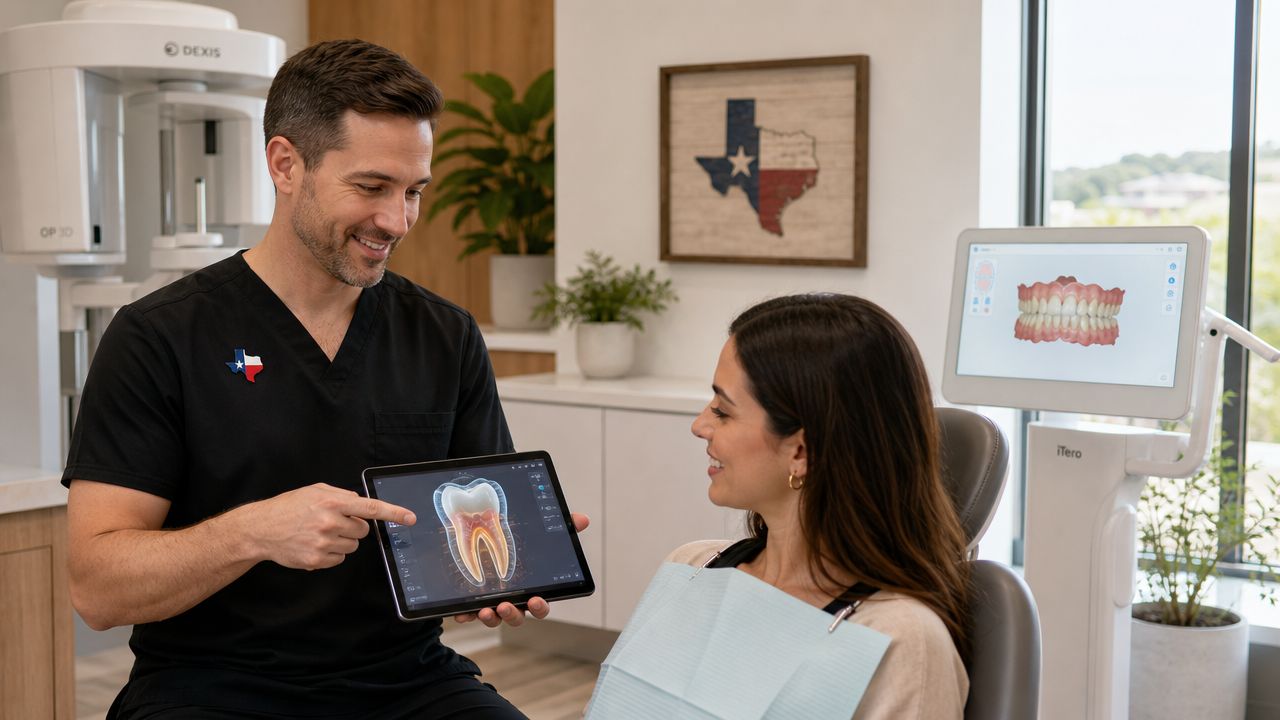
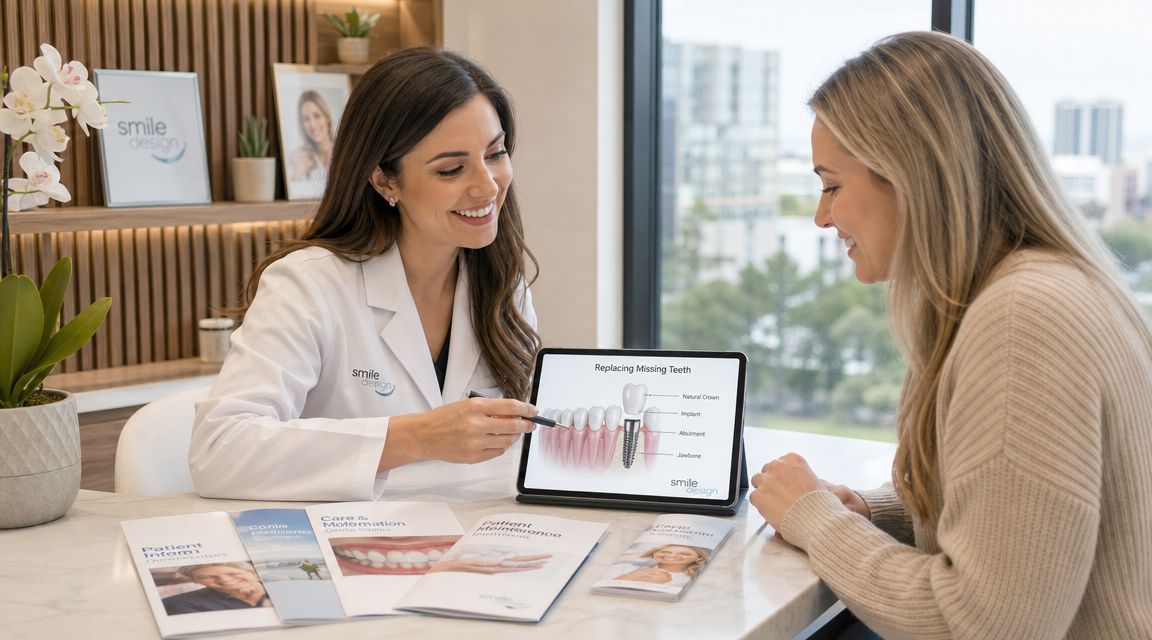
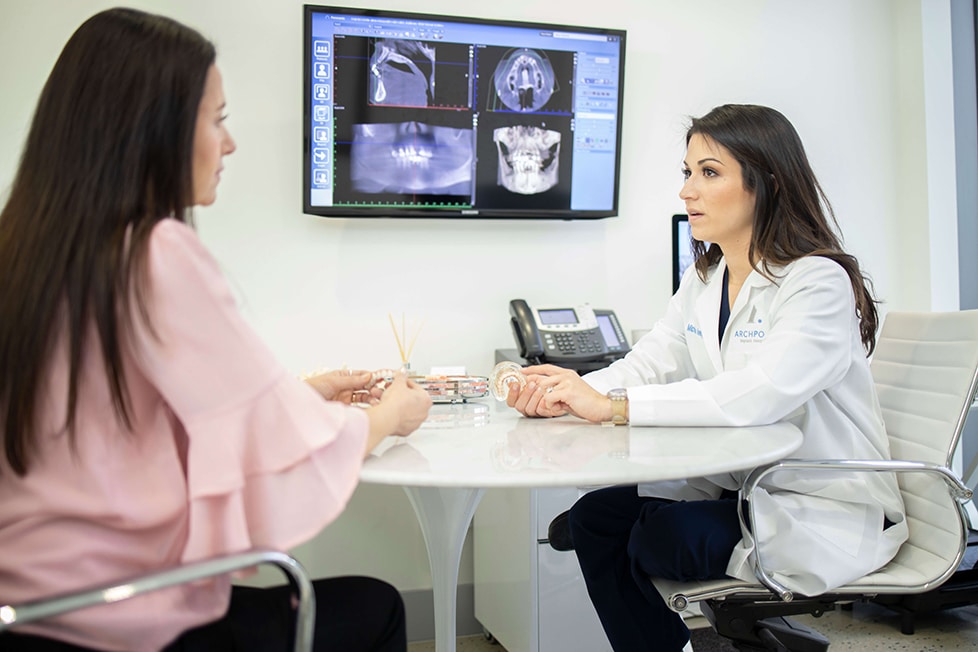
That’s why a professional consultation matters so much. At 3D Dental, the process starts with a thorough new patient exam and a close look at your teeth, gums, bite, and overall dental health. We use 3D CT imaging and digital scans to evaluate the structures you can’t assess from photos alone. That gives us a clearer picture of whether clear aligners, braces, cosmetic treatment, or a combined approach fits your case.
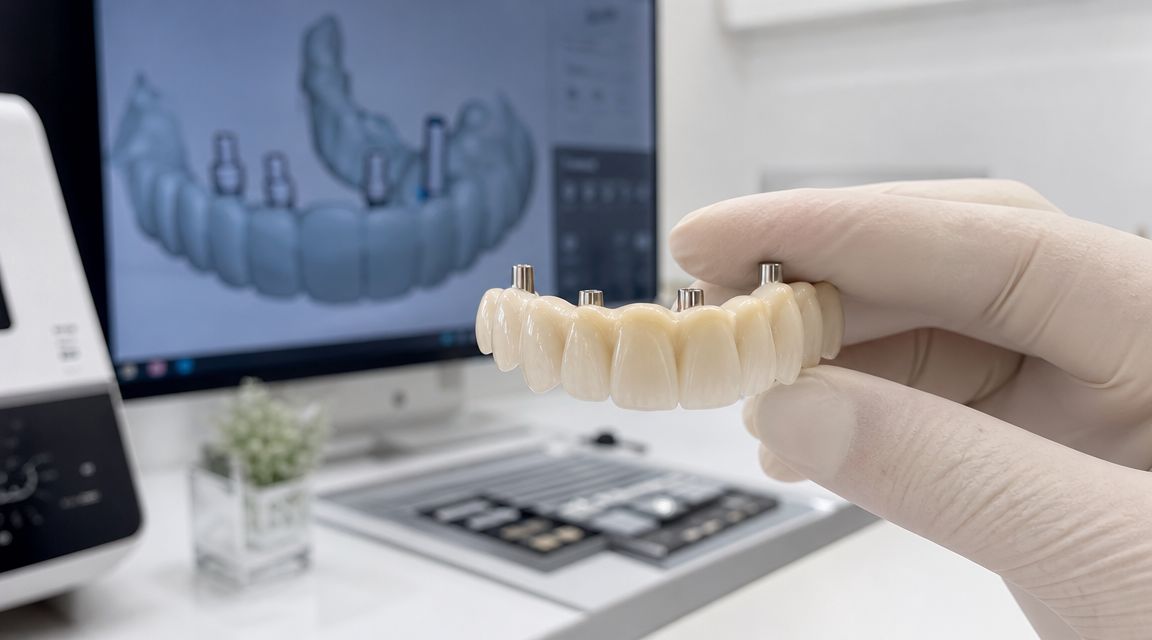
This kind of planning is especially helpful for adults who are also thinking about related care. Sometimes orthodontics comes before veneers. Sometimes alignment needs to happen before restorative dentistry or dental implants. Sometimes the answer isn’t orthodontics at all, but a cosmetic solution for a small visual concern. When multiple specialists can review the same records, treatment tends to be more efficient and easier to understand.
Cost and convenience also matter, and they should be discussed openly. One background source on invisible braces notes a broad treatment cost range of $1,100 to $7,000 depending on complexity and system type, which is one reason adults should get a personalized estimate instead of relying on online averages from generic searches, as outlined in this overview of aligner treatment findings. The best plan is the one that fits your mouth and your life, not just the one that sounds simplest on a website.
If you’re looking for a dentist near me, a cosmetic dentist near me, or a dentist in Austin, TX or Georgetown, TX who can help you compare your real options, 3D Dental offers adult orthodontic evaluations with digital imaging, clear treatment planning, and access to related services under one roof. That can make the process easier when your smile goals involve more than just straightening.
A straighter smile can improve confidence, but it can also make cleaning easier, support healthier function, and set up better long-term results for the rest of your dental care. The first step is finding out what fits you best.
If you’re ready to talk through aligners, braces, veneers, or a more complex bite correction plan, schedule a consultation with 3D Dental. We serve adults and families in Austin, Georgetown, and nearby communities with patient-focused dental care, digital imaging, and clear guidance on what makes sense for your smile.
Ready to get started?
Schedule a free, no obligation consultation with our team and see what's possible for your smile!
Georgetown
- Mon-Thurs8:30am-5pm
- Fri8am-3:30pm
- Sat-SunClosed
Austin
- Mon-Tues8am-5pm
- Wed-Thurs9am-6pmFri8am-2pm
- Sat-SunClosed