
Texas Dental Implant: Your Guide to a New Smile
Related Posts


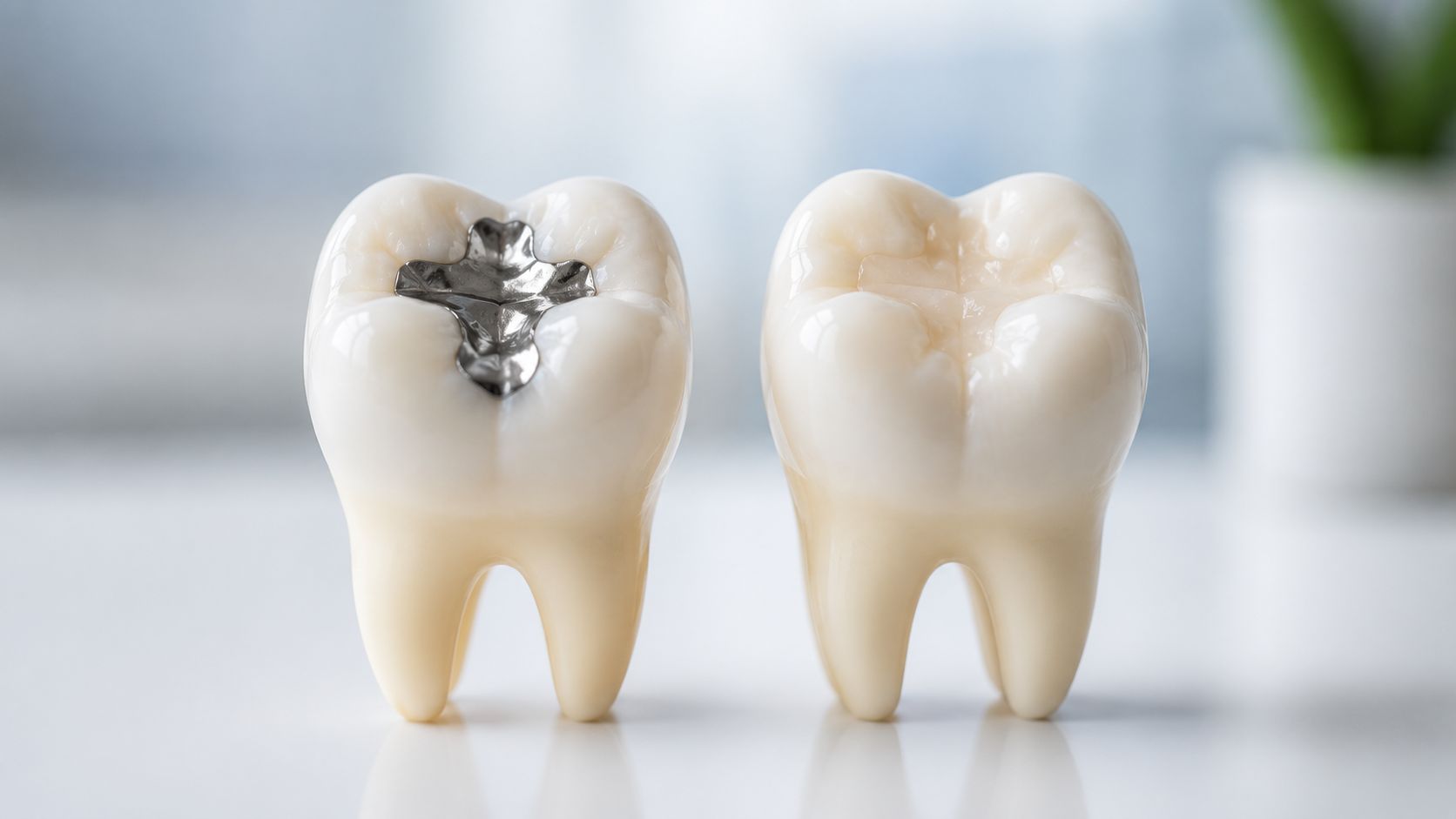



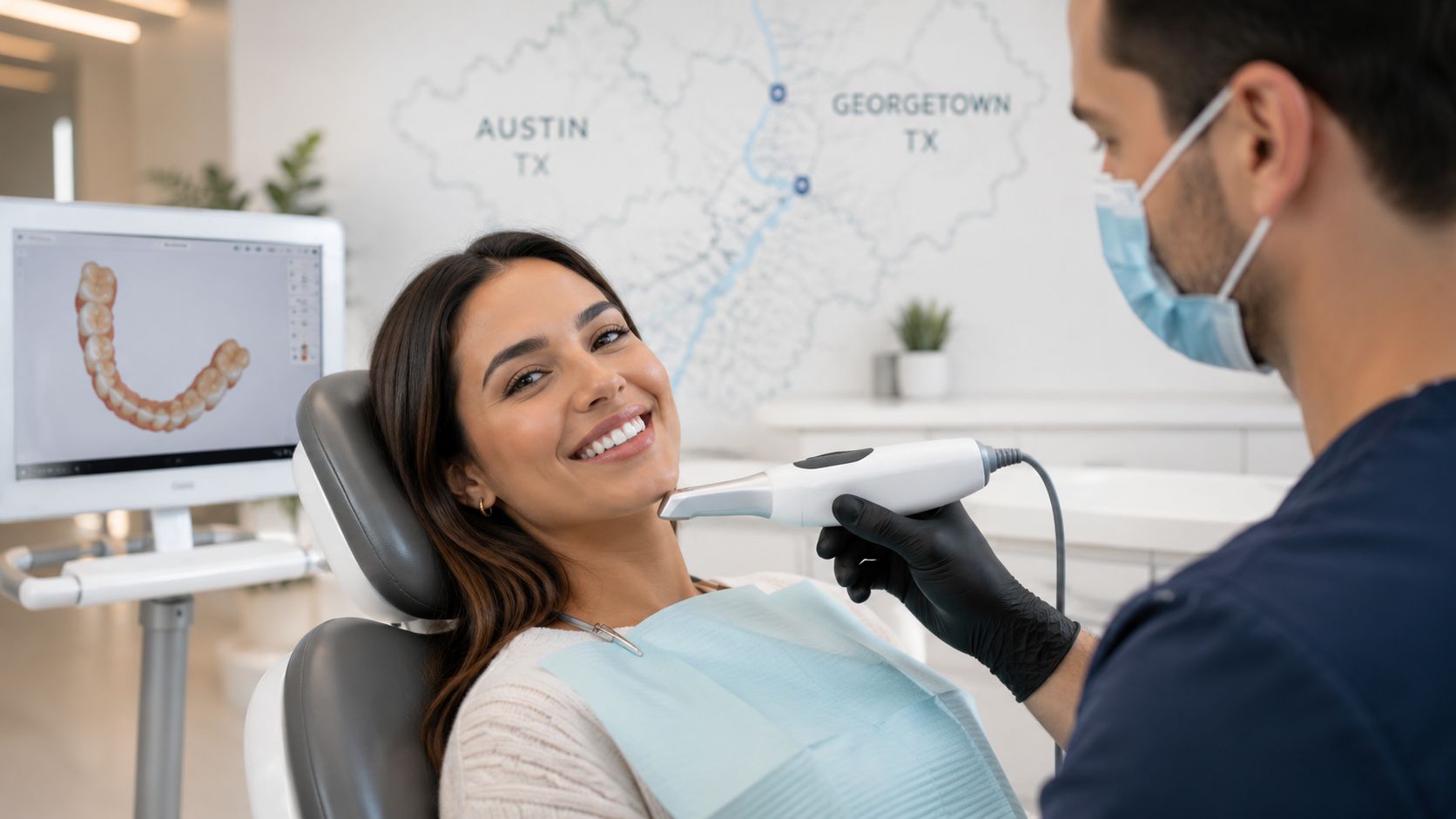
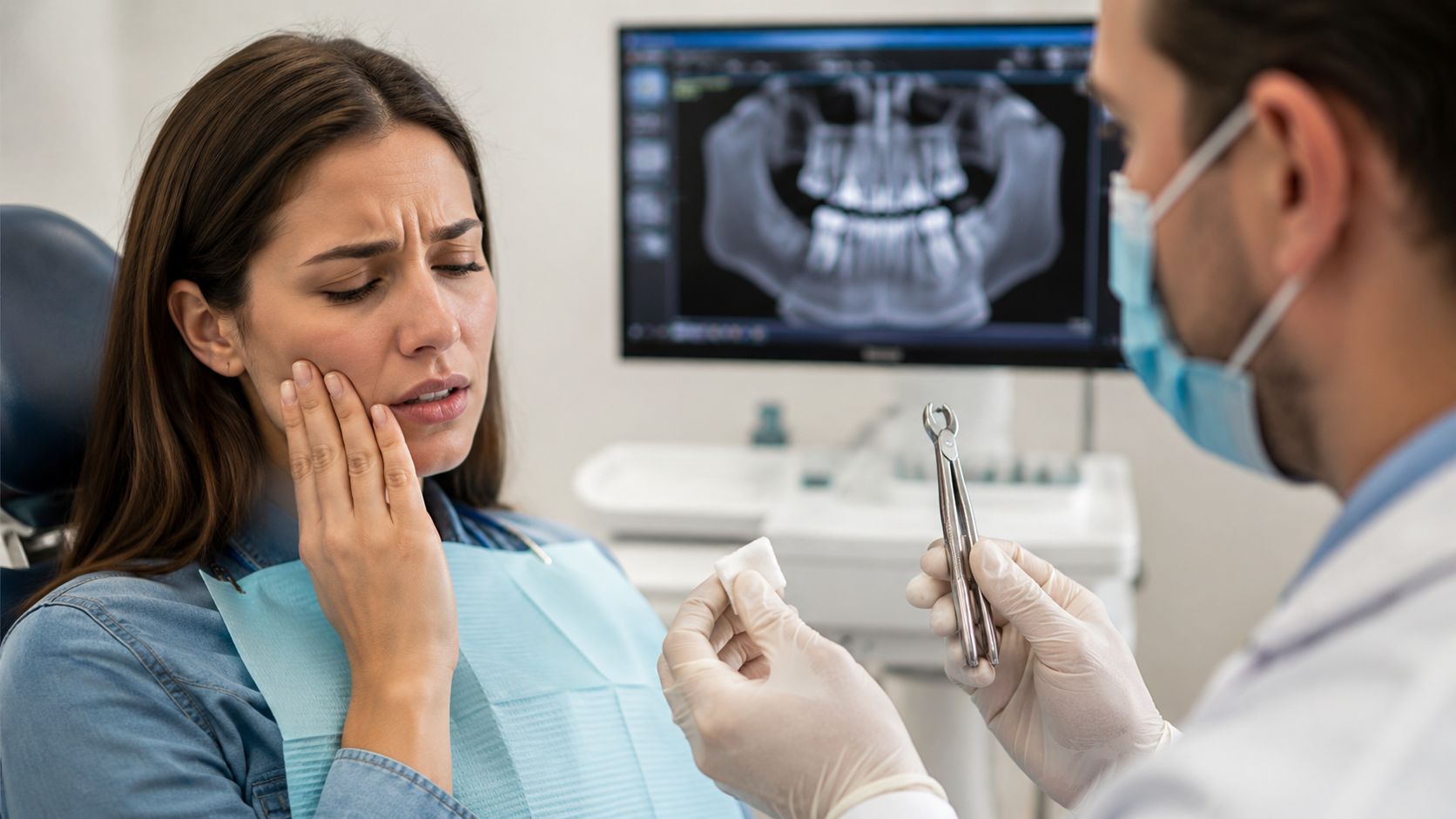


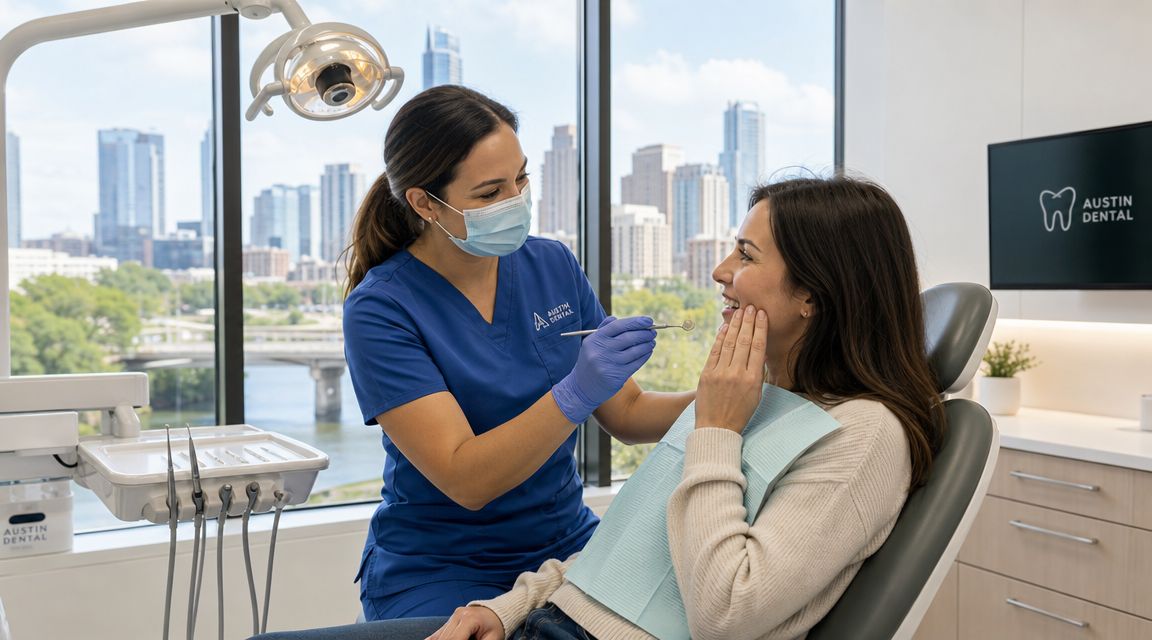
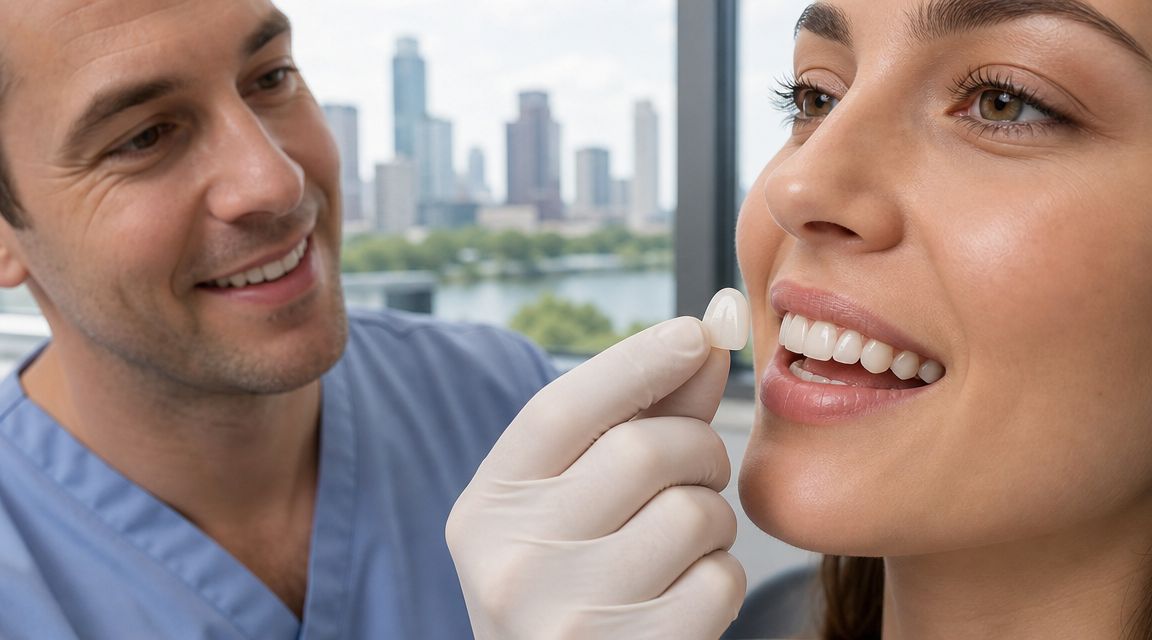

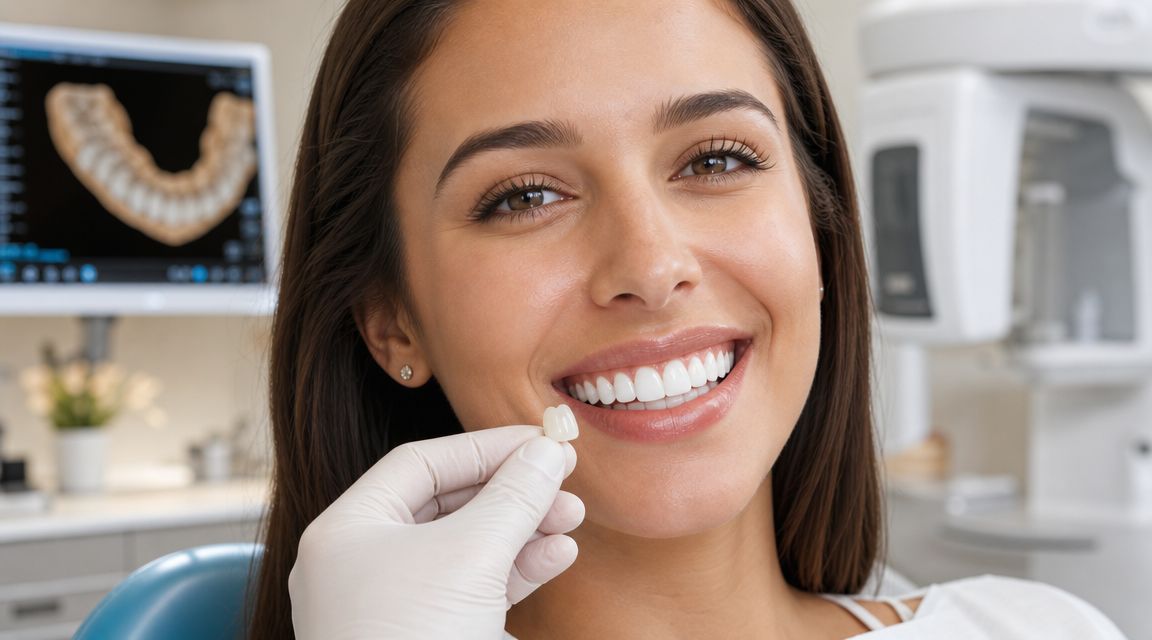

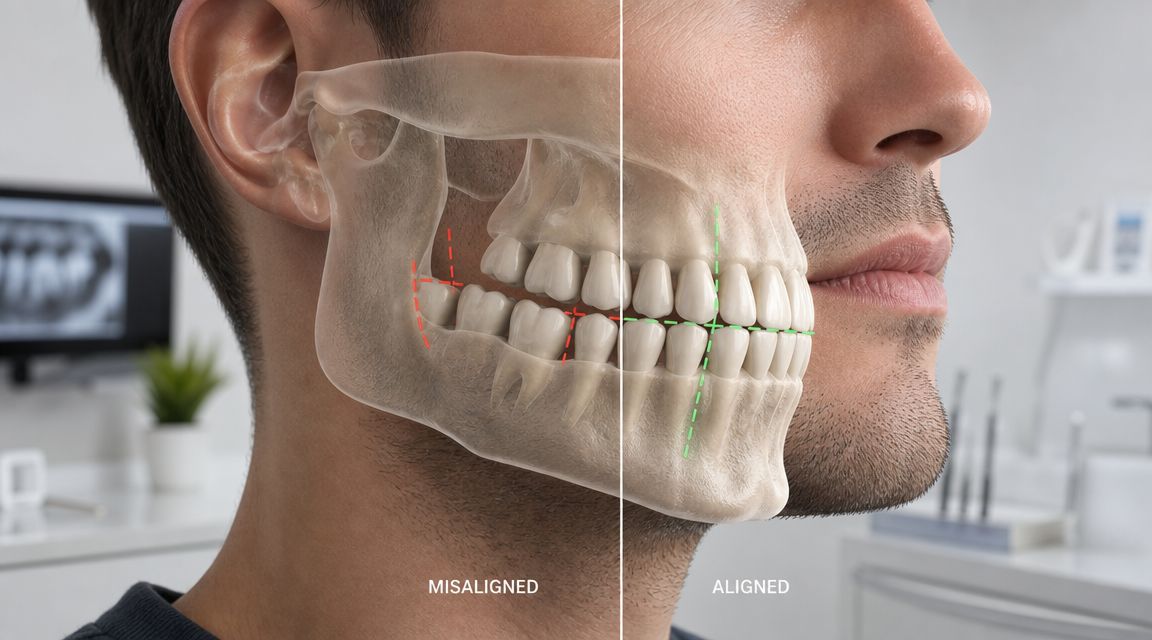

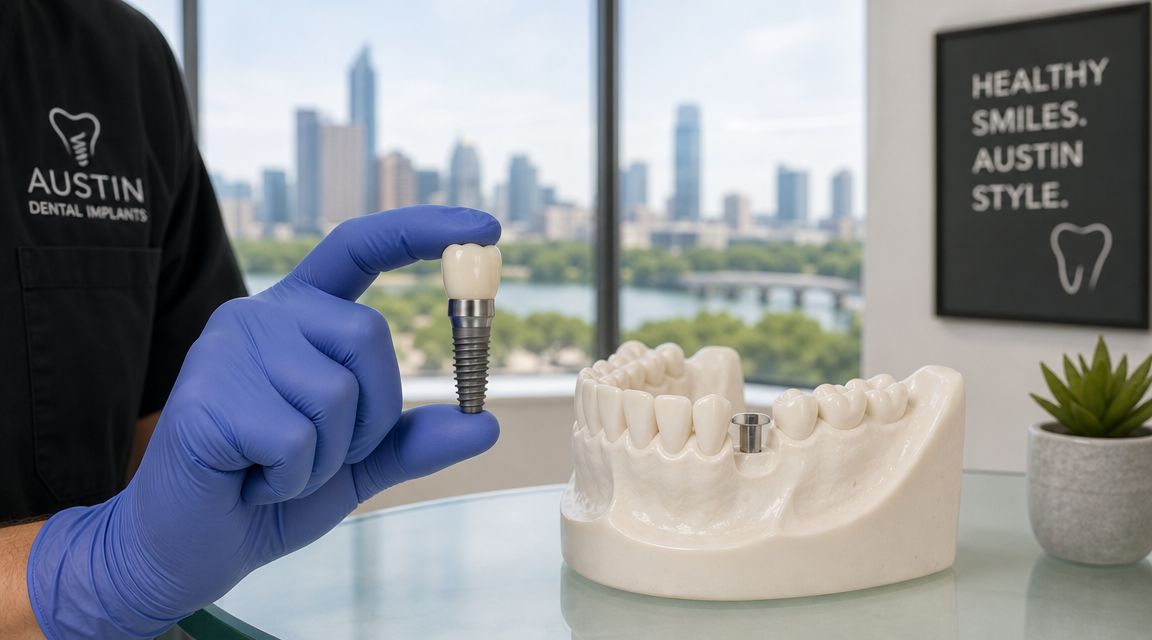



















Missing a tooth changes small moments first. You start chewing on one side. You avoid certain foods when you’re out in Austin. You catch yourself smiling with your lips closed in photos, at work, or over dinner in Georgetown. Then it stops feeling small.
A solid tooth replacement should do more than fill a gap. It should help you bite comfortably, protect the surrounding teeth, and make your smile feel natural again. That’s why so many patients looking for a texas dental implant aren’t just searching for a cosmetic fix. They’re looking for something that feels stable, looks right, and lasts.
For adults in Austin, Georgetown, Wells Branch, Cedar Park, Round Rock, and Liberty Hill, dental implants have become a practical answer to tooth loss. They can replace one missing tooth, several missing teeth, or an entire arch when the damage is more advanced. The key is choosing the right plan and the right team to guide it.
Your Local Guide to Restoring Your Smile in Austin
A lot of people wait longer than they should.
They tell themselves the missing tooth isn’t visible, or that they can still get by. Then everyday life keeps reminding them otherwise. A taco that’s harder to chew than it used to be. A front-facing video call that makes the gap feel more obvious. A loose partial denture that shifts when talking.
That’s the essence of the Central Texas implant conversation. It’s not just about replacing a tooth. It’s about getting back comfort, confidence, and predictability in daily life.
What patients usually notice first
The first problem is often function. Food starts catching in the open space. Nearby teeth can feel more stressed because they’re doing extra work. If the missing tooth has been gone for a while, the area can begin to feel different when you bite down.
The second problem is social. Even patients who are usually confident may start adjusting how they laugh, speak, or smile. That hesitation is common, and it’s one of the main reasons people search for a dentist near me or dental implants near me in Austin and Georgetown.
A missing tooth rarely stays just a cosmetic issue. It changes the way people eat, speak, and use the rest of their mouth.
Why implants matter locally
In a busy area like North Austin and Georgetown, convenience matters, but so does thorough care. Patients want answers that fit real life. They want to know whether they need a single implant, a bridge, an extraction first, or a full-arch option such as All-on-4.
They also want a practice that can handle more than the surgery alone. Many implant patients also need related care such as tooth extraction, gum treatment, temporary restorations, or ongoing restorative dentistry and cleanings after treatment.
A modern implant plan should feel organized, not overwhelming. It should start with a clear diagnosis, explain the trade-offs clearly, and move at a pace that protects long-term results. That’s especially important for patients in Austin and Georgetown who want a replacement tooth that doesn’t just look good in the chair, but works comfortably long after treatment is finished.
What Exactly is a Dental Implant
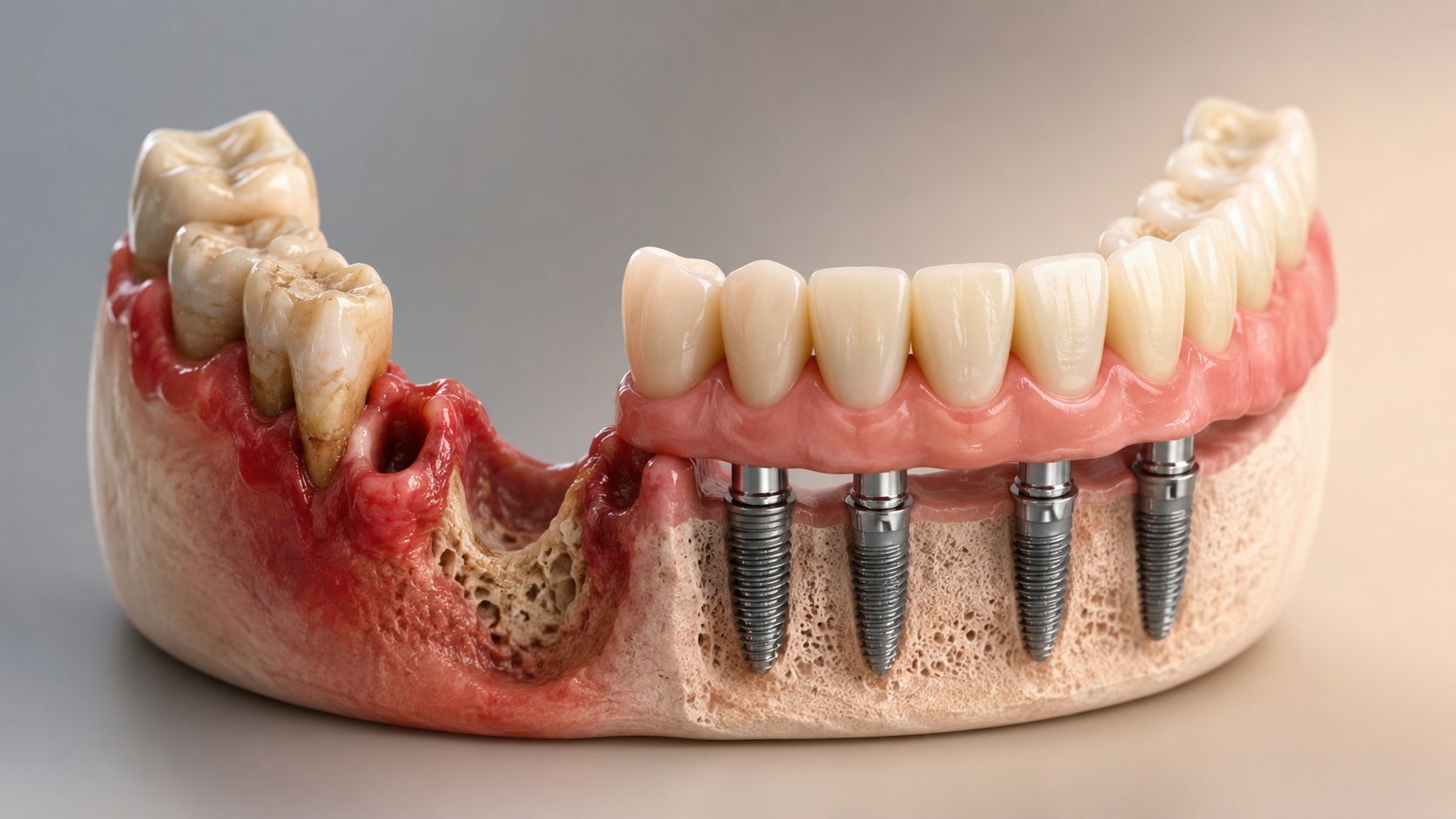
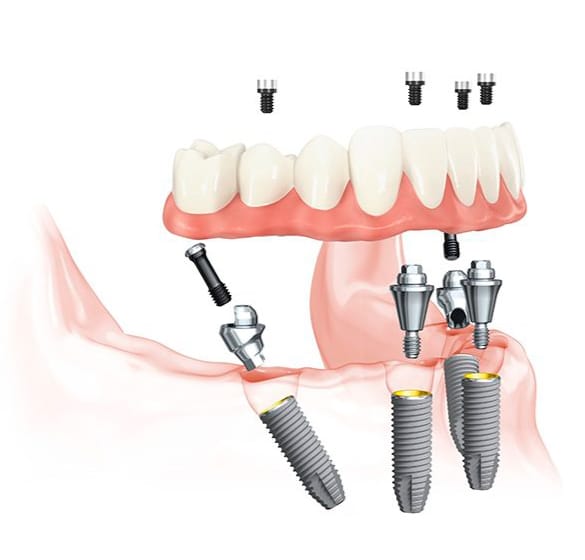
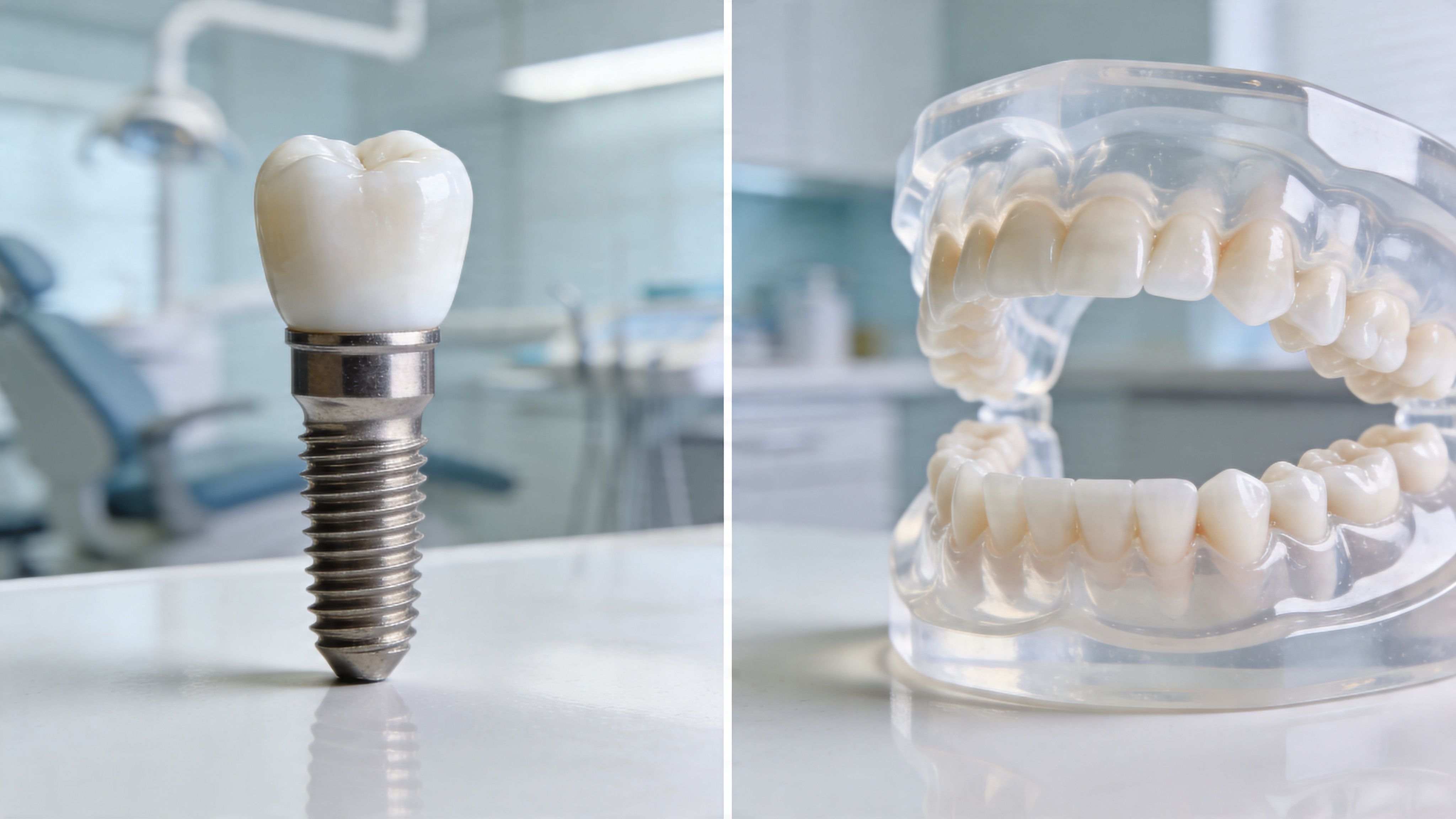
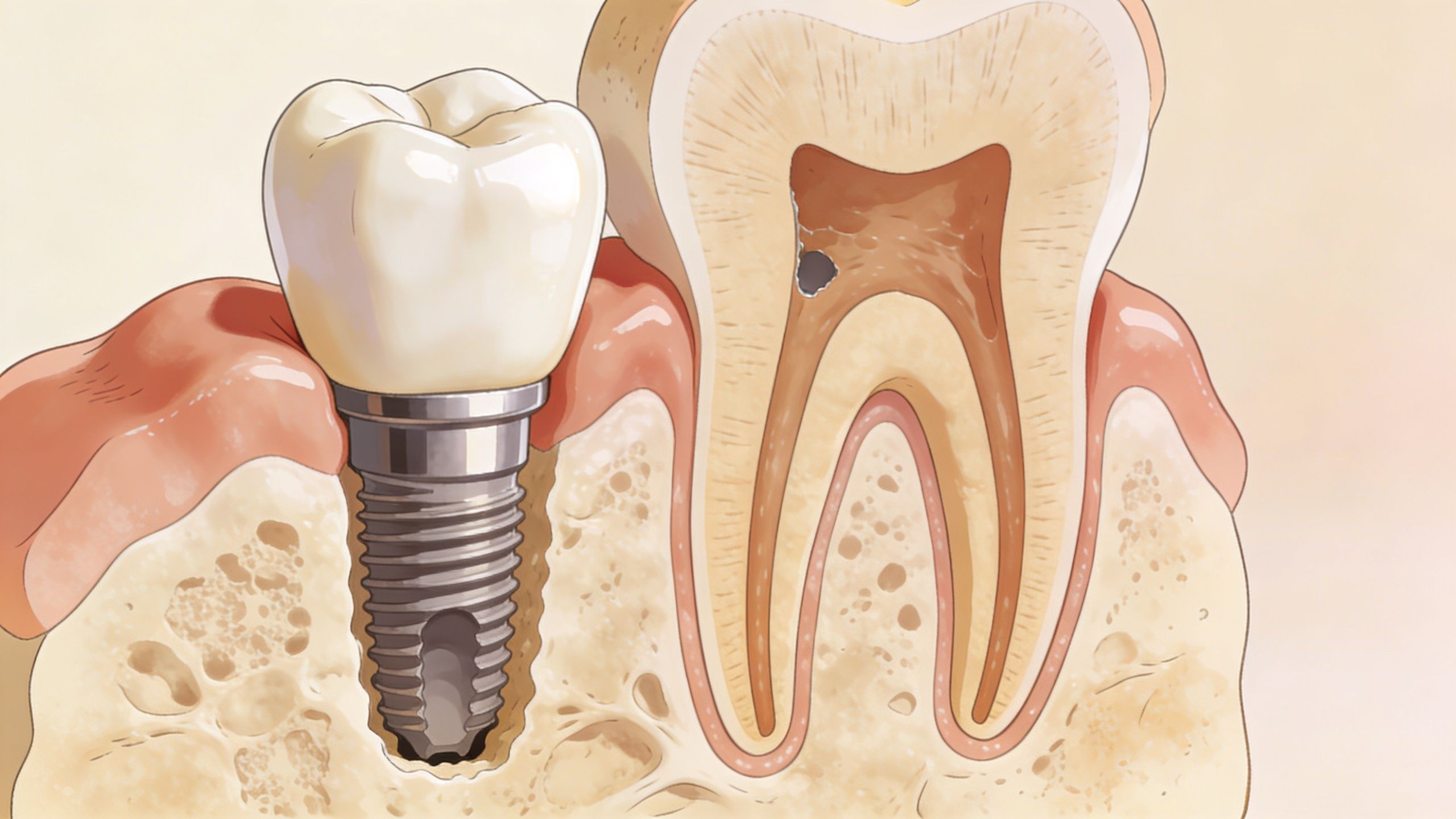
A dental implant is a replacement for the root of a missing tooth. It functions as a secure anchor placed in the jawbone. Once it heals, that anchor supports the new tooth above it so the result feels far more stable than a removable option.
This is one reason implants are no longer a niche treatment. Dental implants have become a mainstream solution for tooth loss, with prevalence among American adults missing teeth surging from 0.7% in 1999 to 5.7% in 2015-2016. Today, around 3 million Americans have implants, with 500,000 new patients added yearly, according to national implant trend data summarized here.
The three parts that matter
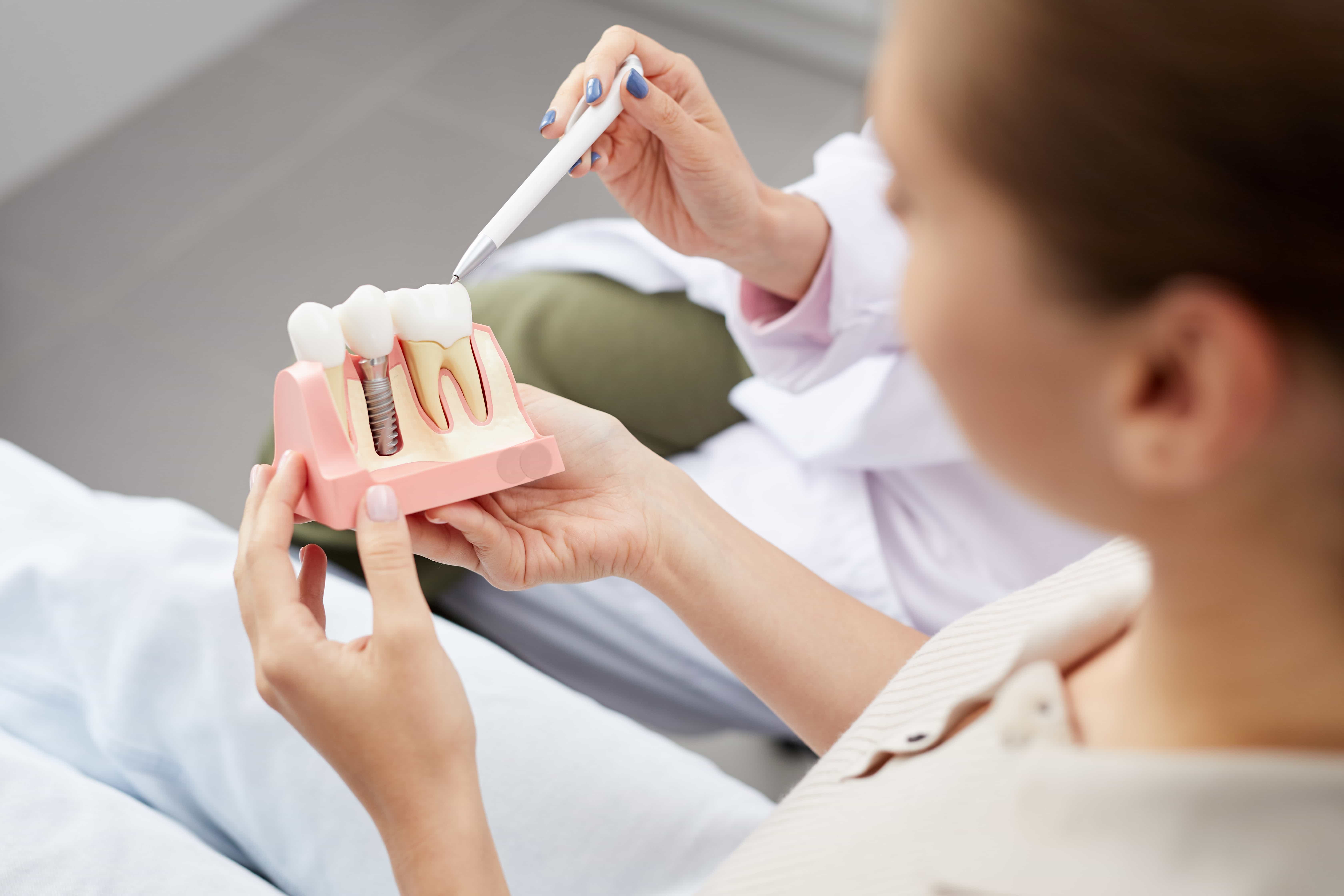
An implant restoration usually includes three pieces:
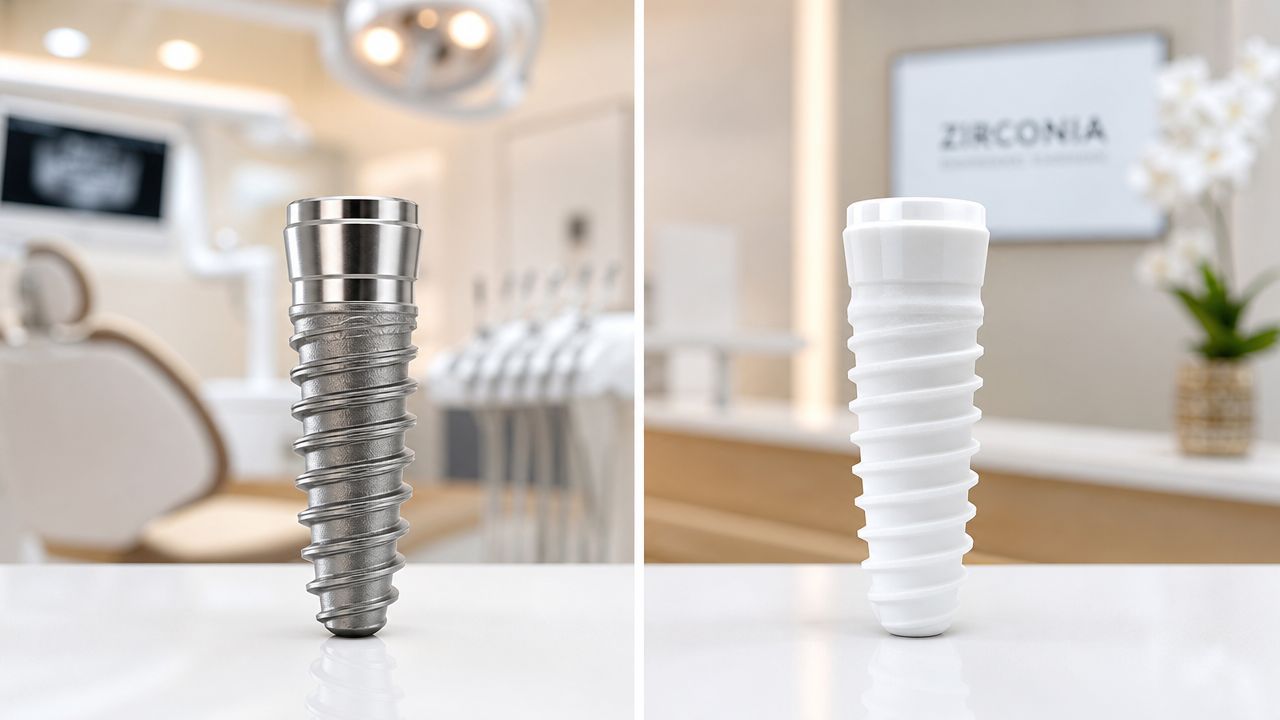
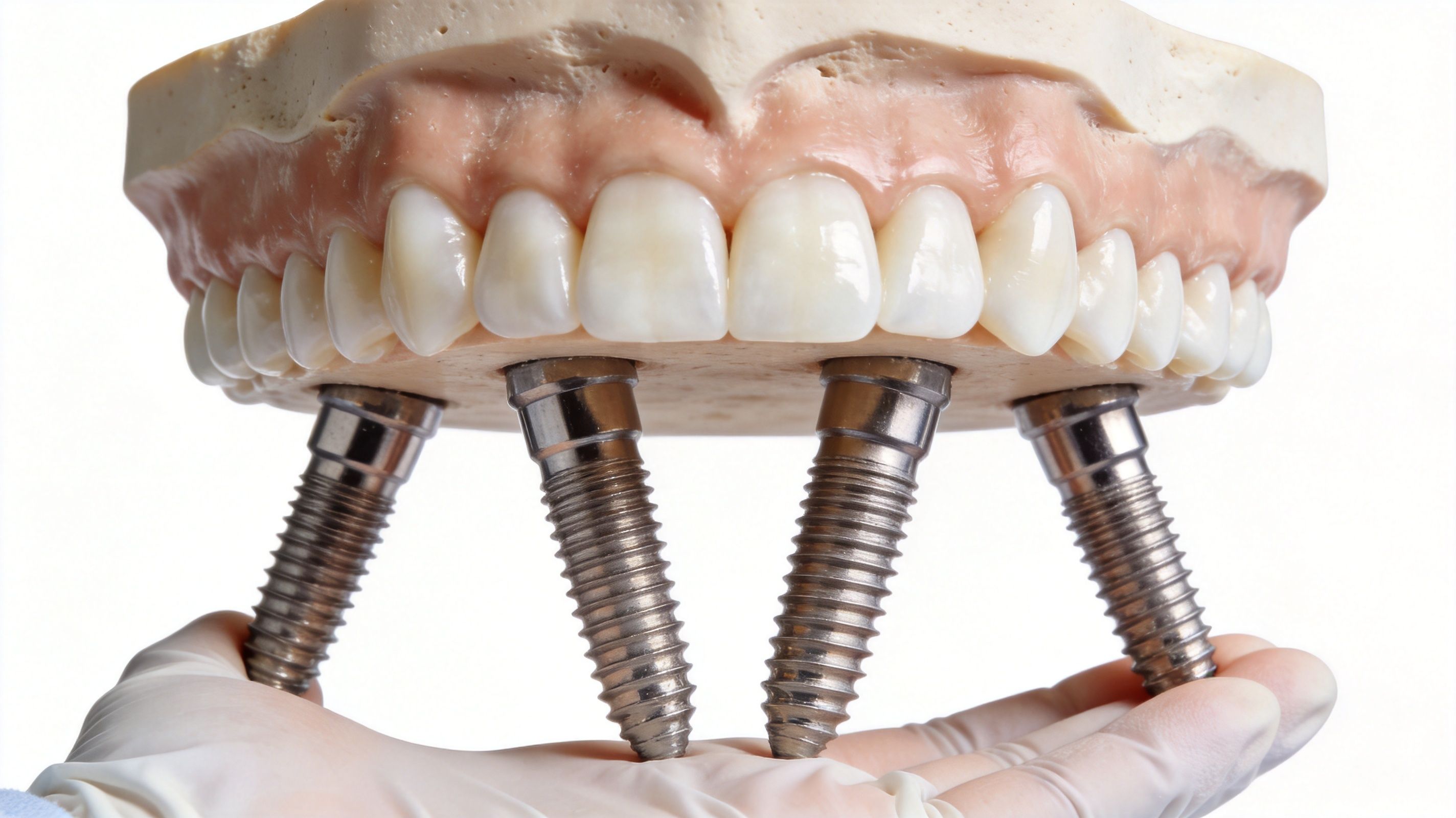
- The implant post is the titanium part placed in the jawbone. This acts like an artificial root.
- The abutment is the connector piece that joins the implant to the visible tooth.
- The crown is the custom-made tooth you see when you smile.
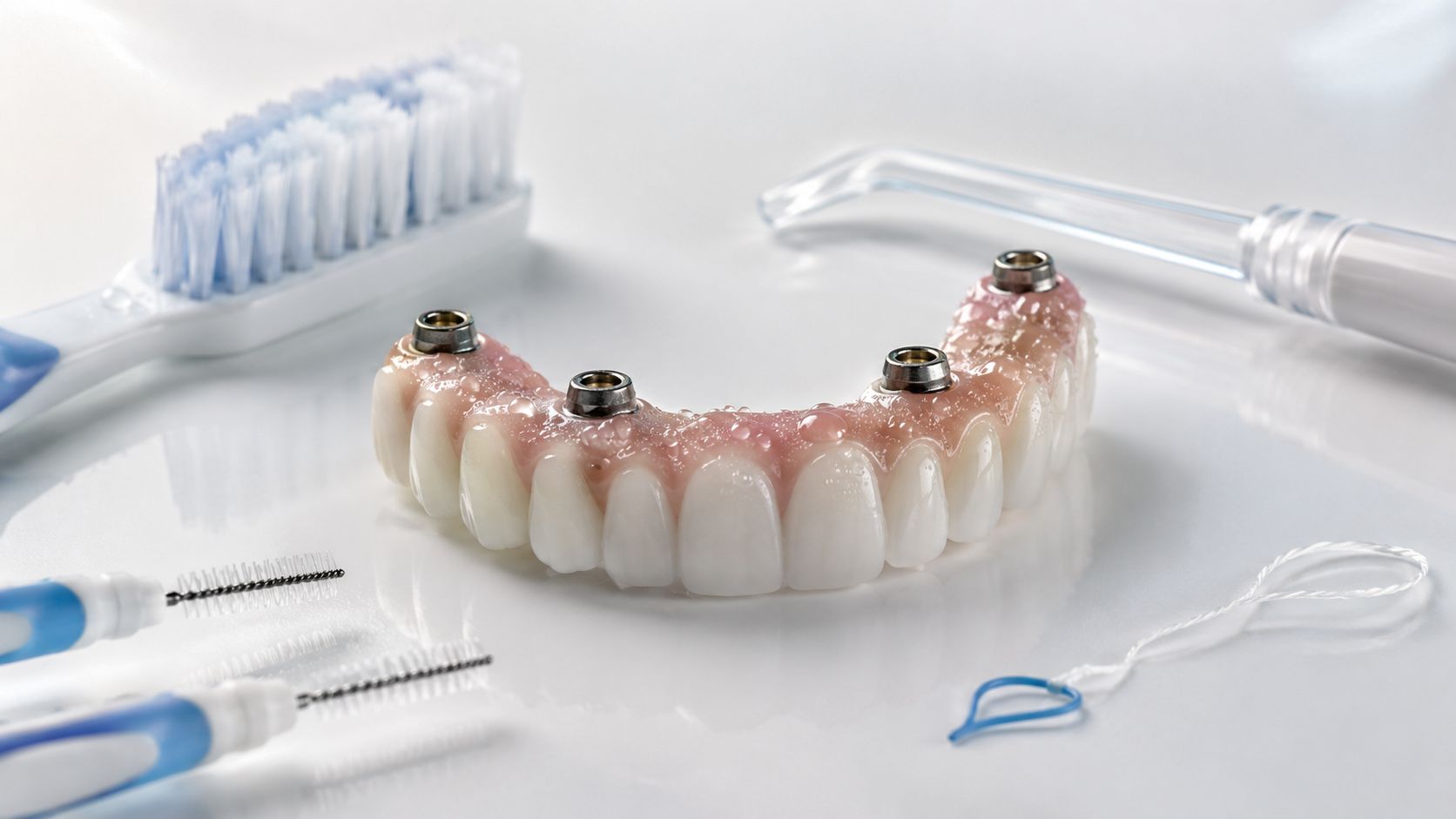
Each part has a different job. If one is planned poorly, the final tooth may look bulky, trap food, or feel off when you bite. Good implant dentistry pays attention to all three, not just the surgical step.
How the implant becomes stable
After placement, the bone heals around the titanium post. This process is called osseointegration. In plain terms, the implant becomes locked into the jaw so it can support chewing forces in a way that resembles a natural tooth root.
That’s why implant treatment takes planning and patience. Fast treatment can be appropriate in some cases, but speed by itself isn’t the goal. Stability is.
This short overview helps many patients visualize how the pieces work together:
Why implants feel different from other replacements
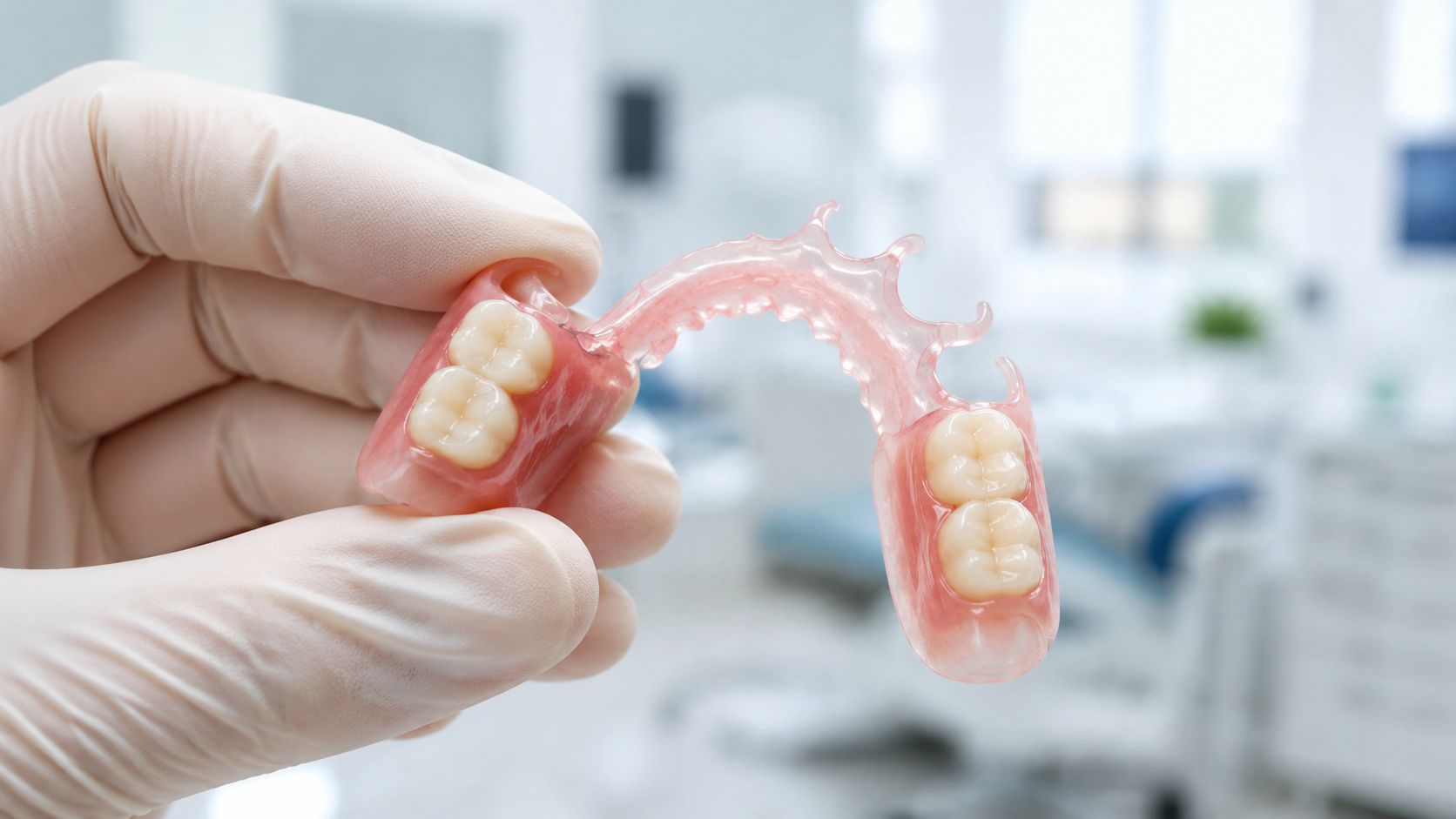
A removable denture sits on the gums. A traditional bridge relies on neighboring teeth for support. An implant stands on its own inside the bone, which is why it often feels more secure and more natural during eating and speaking.
Practical rule: The goal isn’t just to fill space. The goal is to rebuild support under the gumline so the final tooth has a stable foundation.
For patients searching for a dentist in Austin, TX or dental implants near me in Georgetown, that distinction matters. When the foundation is right, the replacement tends to look better, feel steadier, and fit daily life more comfortably.
Implant Solutions for One Tooth or a Full Smile
Not every missing-tooth case needs the same implant plan. The right option depends on how many teeth are missing, where they’re missing, how healthy the surrounding teeth are, and what kind of function you want back.
Some patients need one strong replacement. Others need a way to restore several teeth without wearing a removable appliance. Others have reached the point where a full-arch solution makes more sense than trying to save multiple failing teeth one by one.
The three most common implant paths
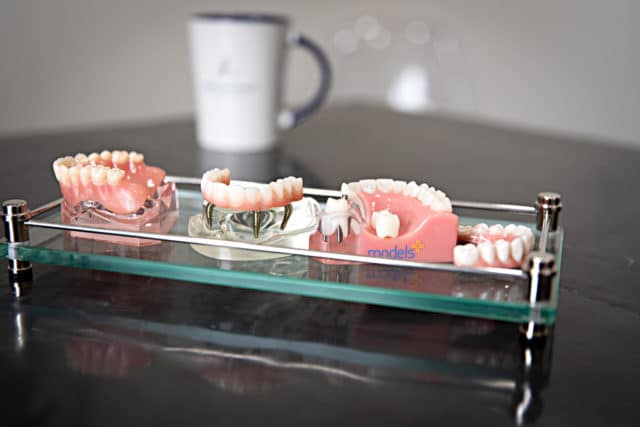
A single-tooth implant is usually the cleanest option when only one tooth is missing and the teeth on either side are healthy. Instead of trimming those neighboring teeth for a bridge, the implant supports its own crown.
An implant-supported bridge works well when several teeth in a row are missing. Rather than placing an implant for every single space, the doctor can use strategically placed implants to support multiple replacement teeth.
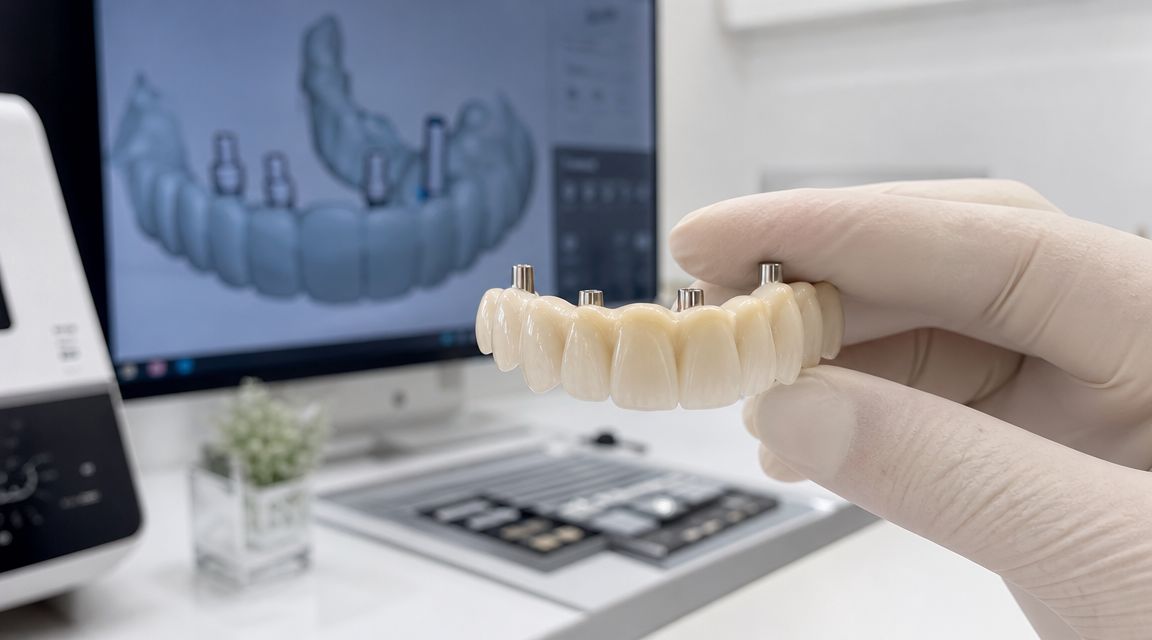
An All-on-4 style full-arch restoration is meant for patients missing most or all teeth in an arch, or for those with teeth that are too damaged to function predictably long term. This approach uses a limited number of implants to support a full arch of fixed teeth.
Comparing Dental Implant Options at 3D Dental
| Implant Type | Best For | Number of Implants | Key Benefit |
|---|---|---|---|
| Single-tooth implant | One missing tooth with healthy neighboring teeth | 1 | Replaces the missing tooth without relying on adjacent teeth |
| Implant-supported bridge | Several missing teeth in a row | Varies by case | Restores multiple teeth with stable support |
| All-on-4 full-arch solution | Most or all teeth missing in one arch | 4 in many cases | Replaces a full smile with a fixed restoration |
Which option tends to make the most sense
If the surrounding teeth are healthy, preserving them usually matters. That often points toward a single implant instead of a traditional bridge.
If several teeth are missing together, an implant-supported bridge can reduce the need for multiple separate restorations. It can also feel more stable than a removable partial.
If the mouth has widespread damage, recurring infections, loose dentures, or many failing teeth, a full-arch option may provide the clearest path forward. In those cases, trying to patch individual teeth can become more frustrating and less predictable over time.
The best implant plan isn’t the biggest one. It’s the one that solves the actual problem with the least unnecessary treatment.
Patients in Cedar Park, Round Rock, and Liberty Hill often come in assuming they already know which treatment they need. Sometimes they’re right. Sometimes a scan and exam show that a more conservative option is possible. Other times the opposite is true, and a larger reconstruction is the safer long-term call.
The Dental Implant Process at Our Central Texas Offices
Most implant anxiety comes from not knowing what happens next. A clear process changes that. When patients understand the sequence, the treatment feels manageable.
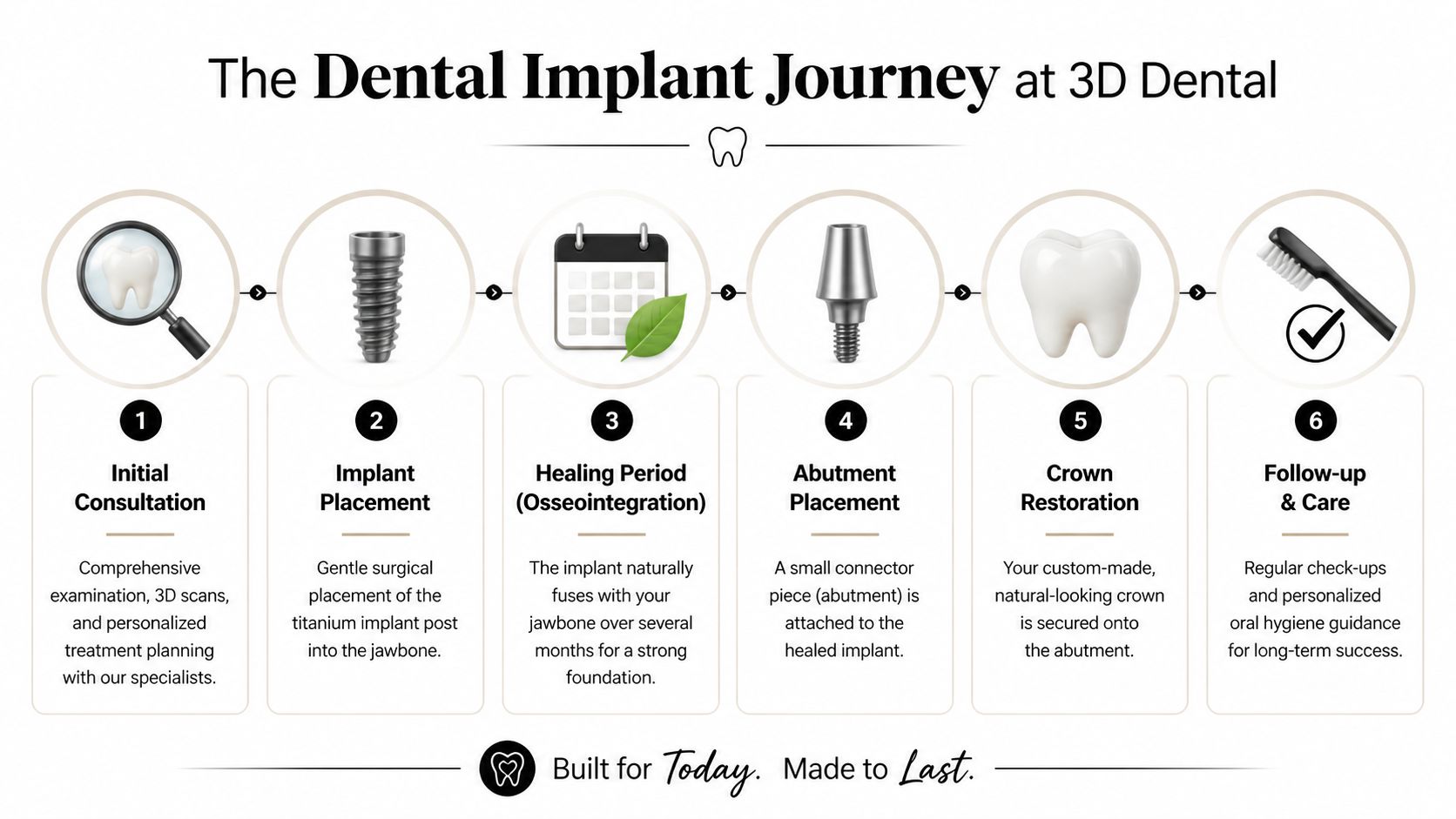
Step one starts with imaging, not guesswork
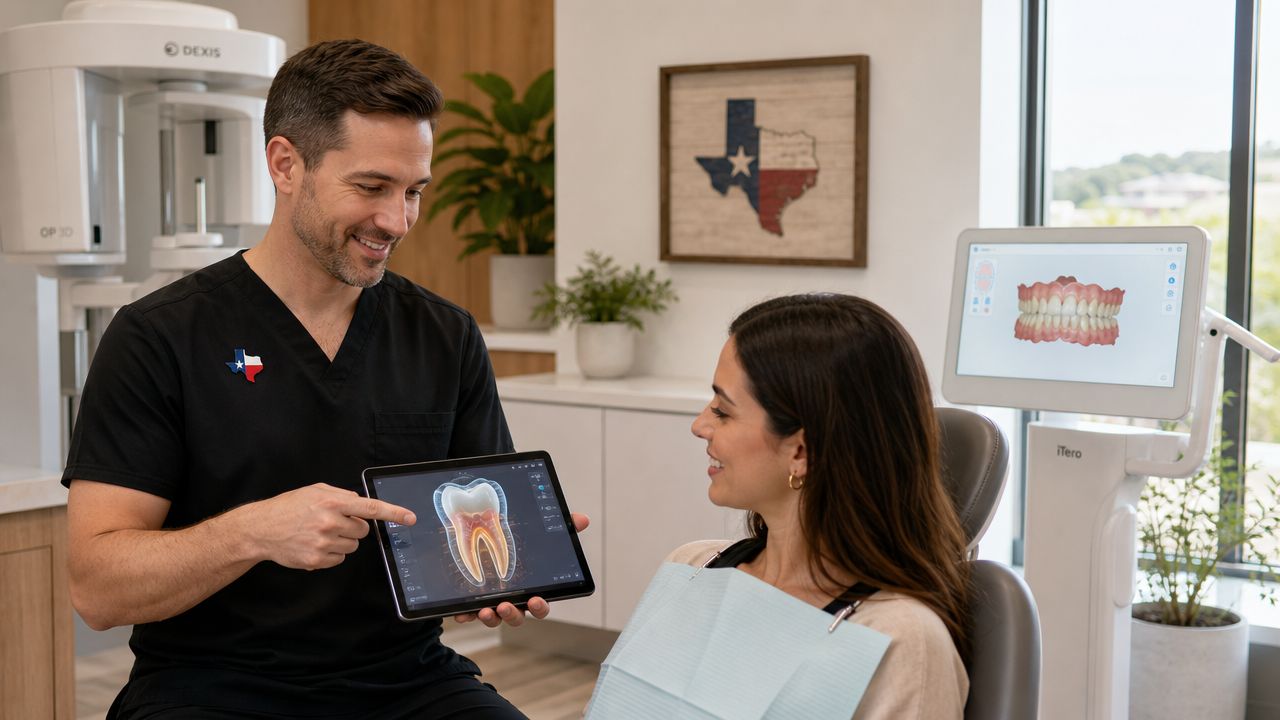
The first visit is a diagnostic visit. The team checks the tooth or teeth involved, the gums, the bite, and the available bone. If a tooth is already failing, that’s reviewed alongside any signs of infection, cracking, or bone loss.
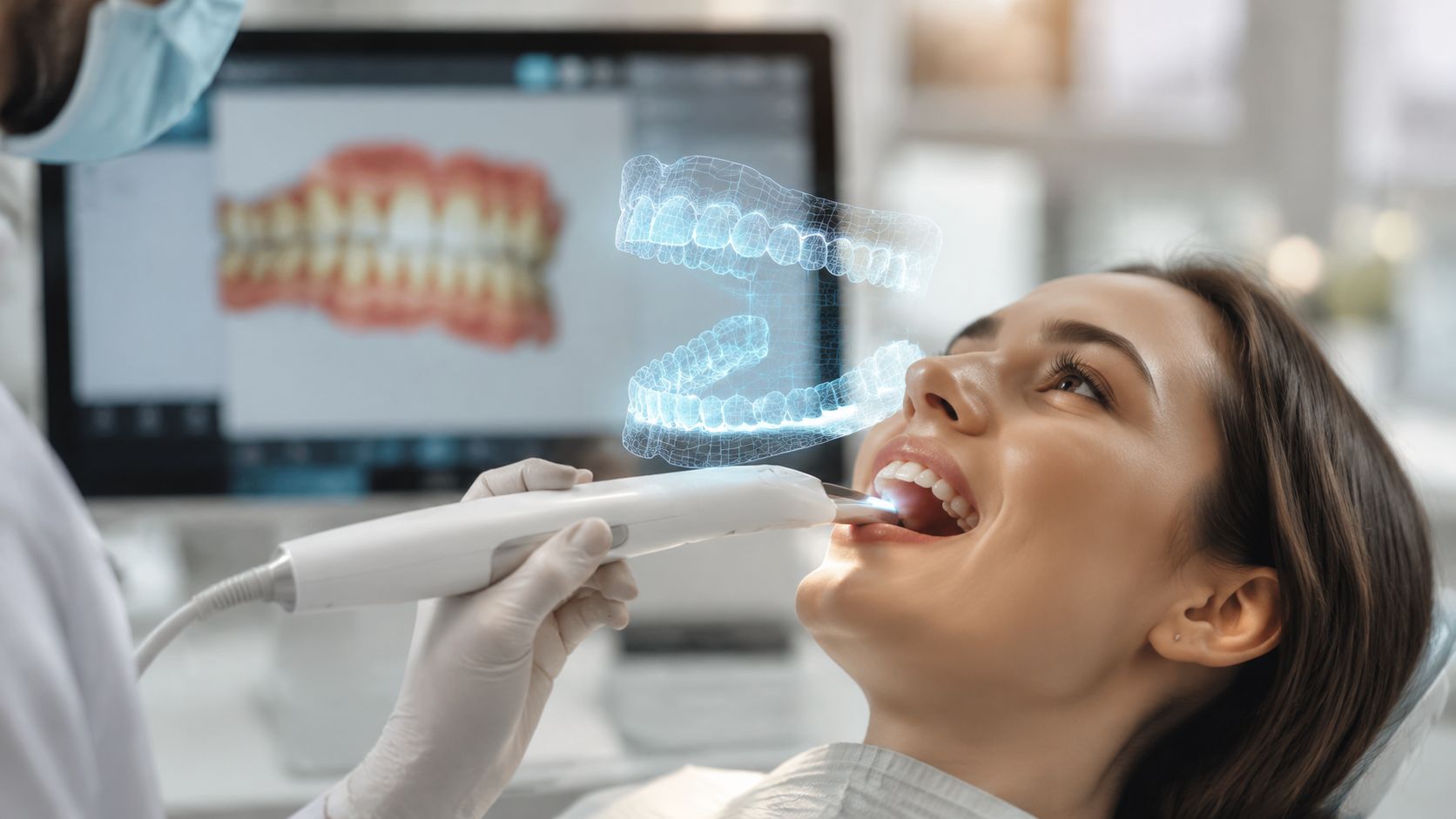
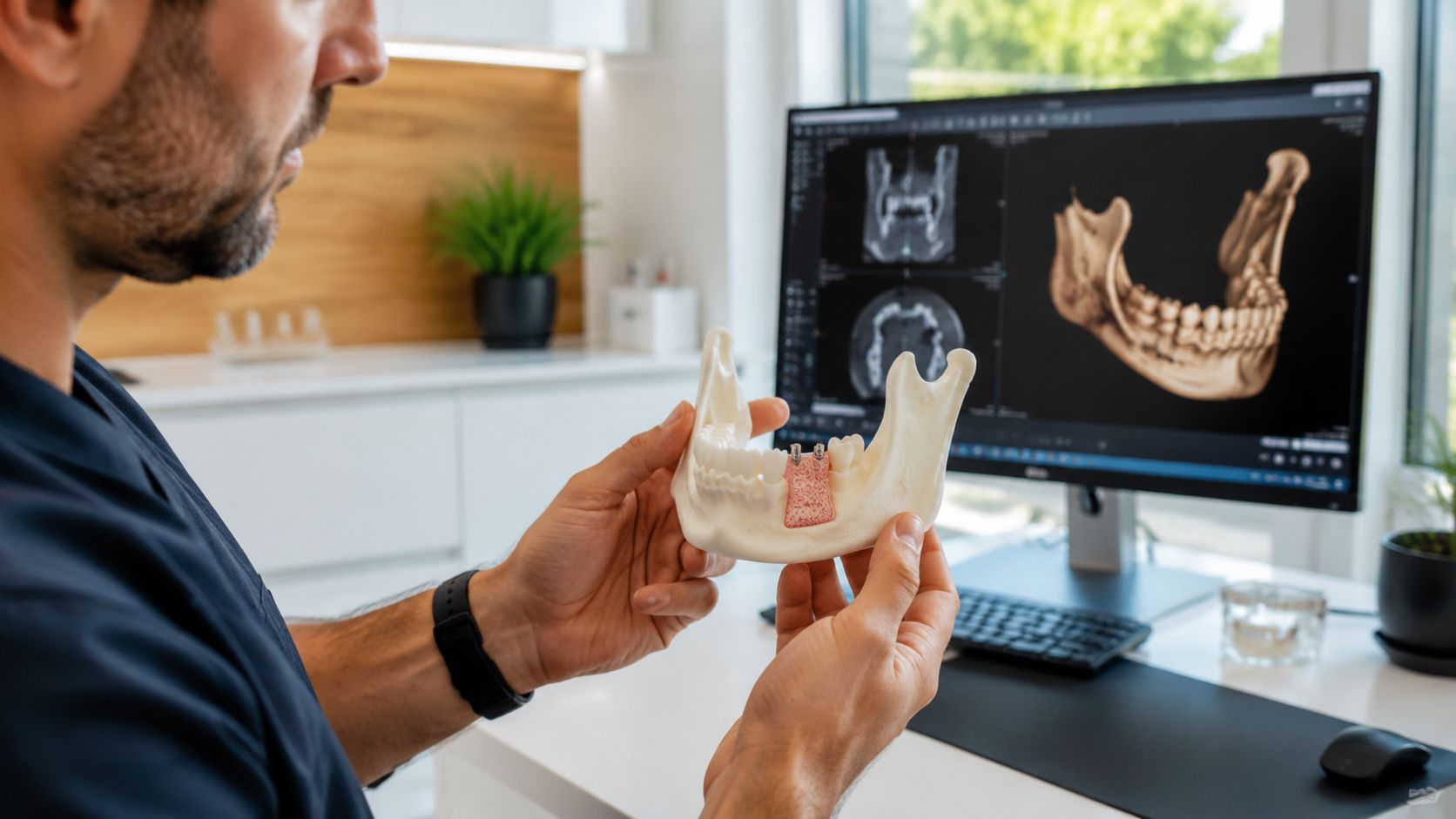
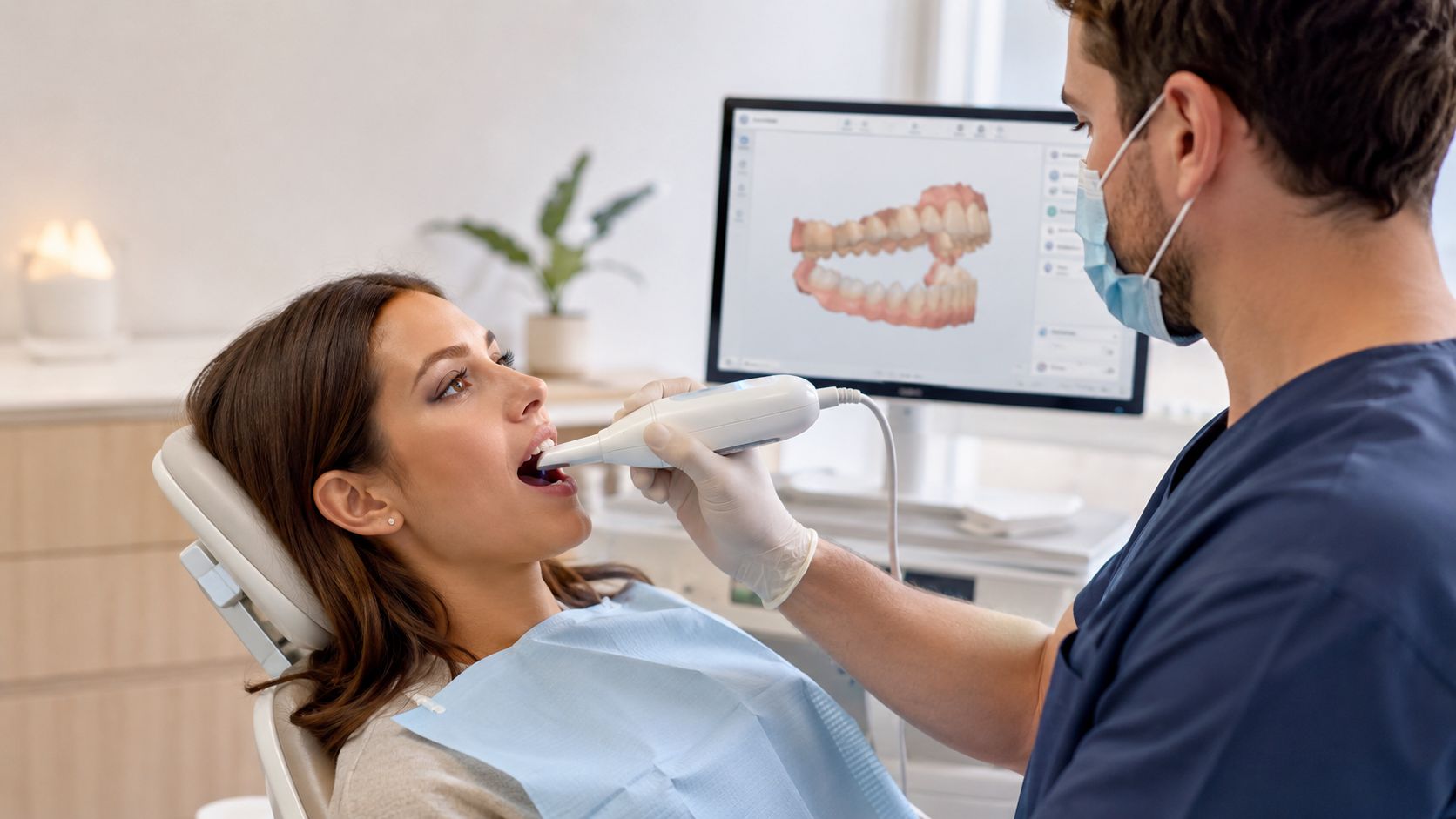
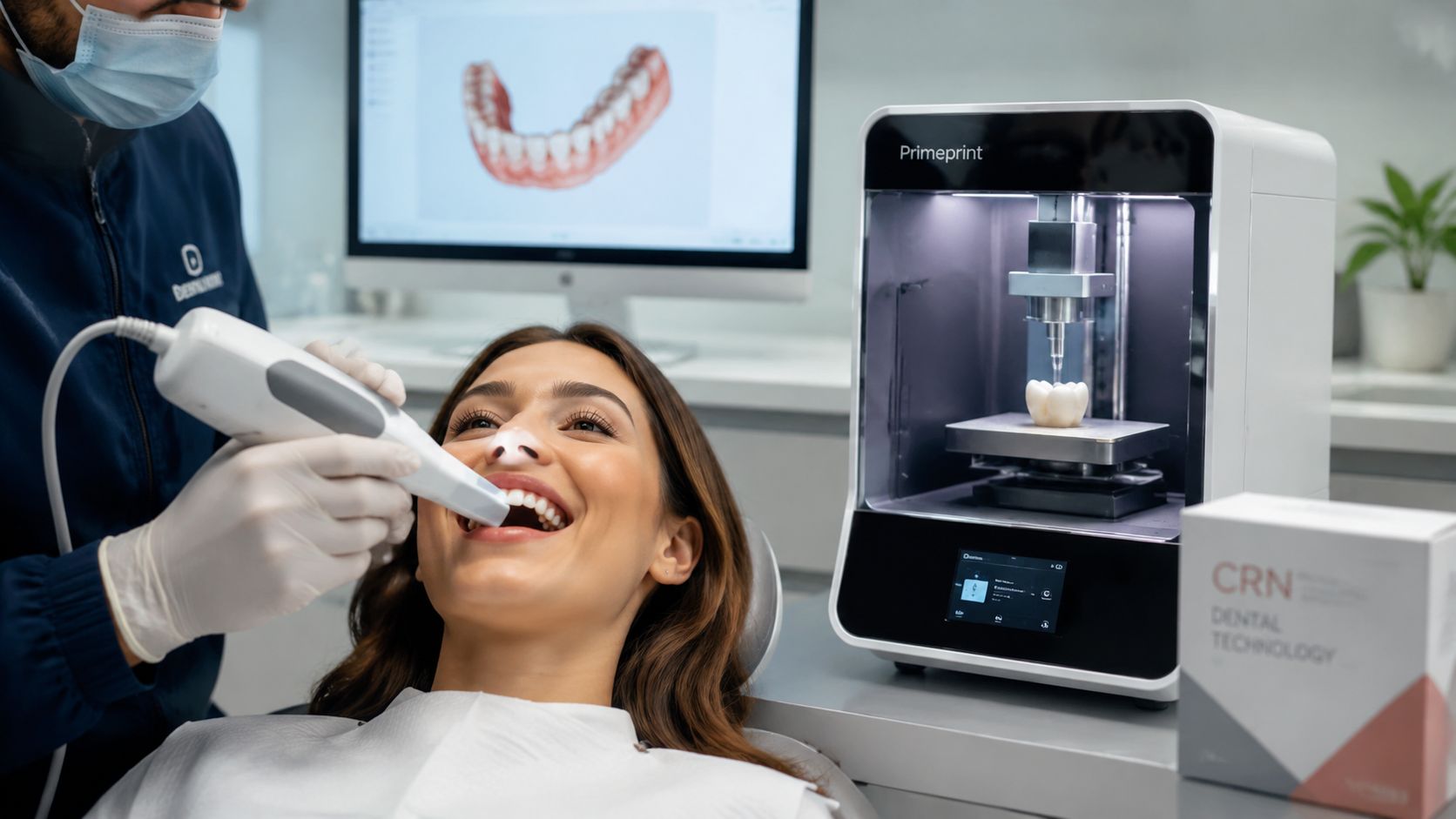
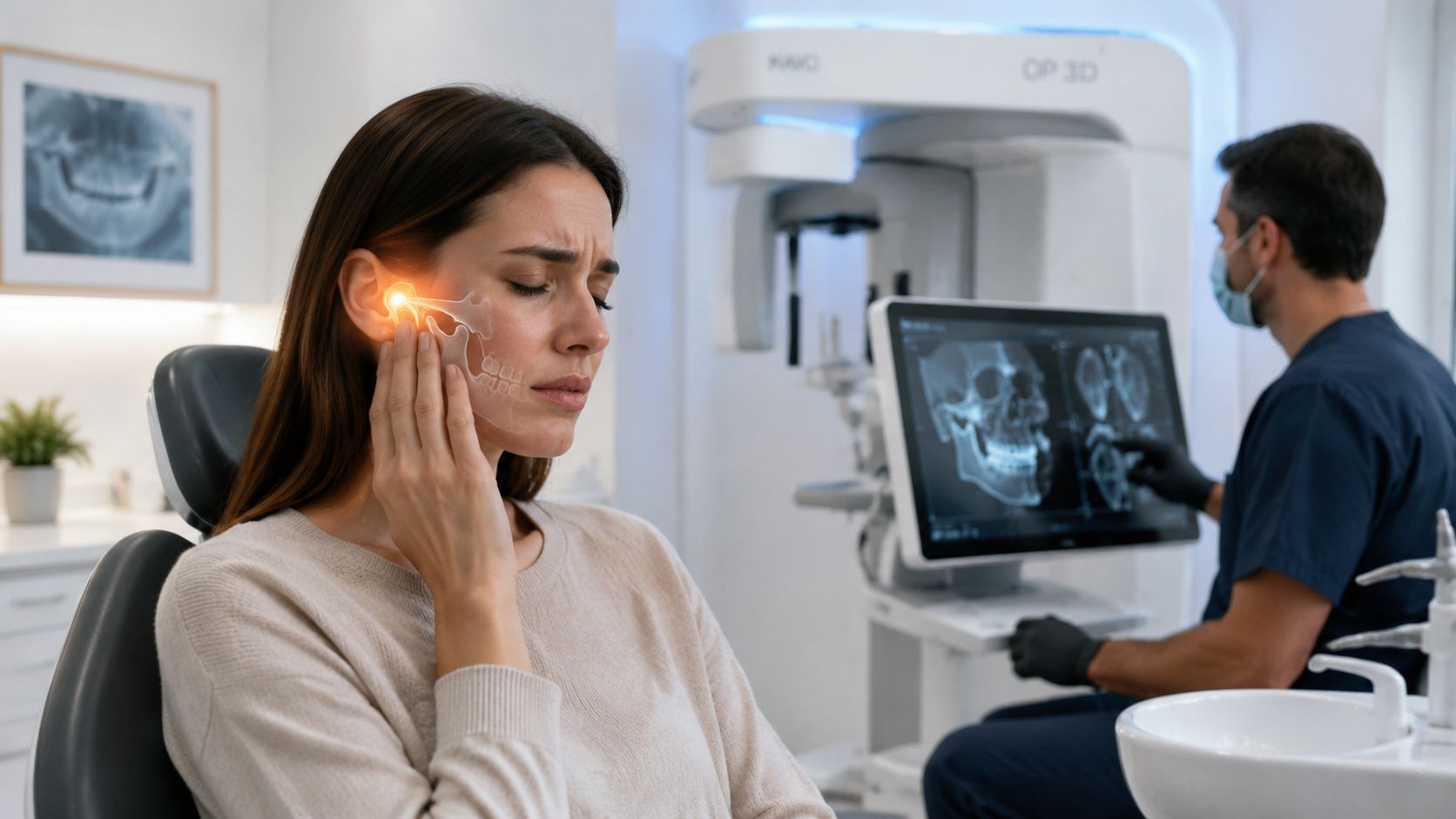
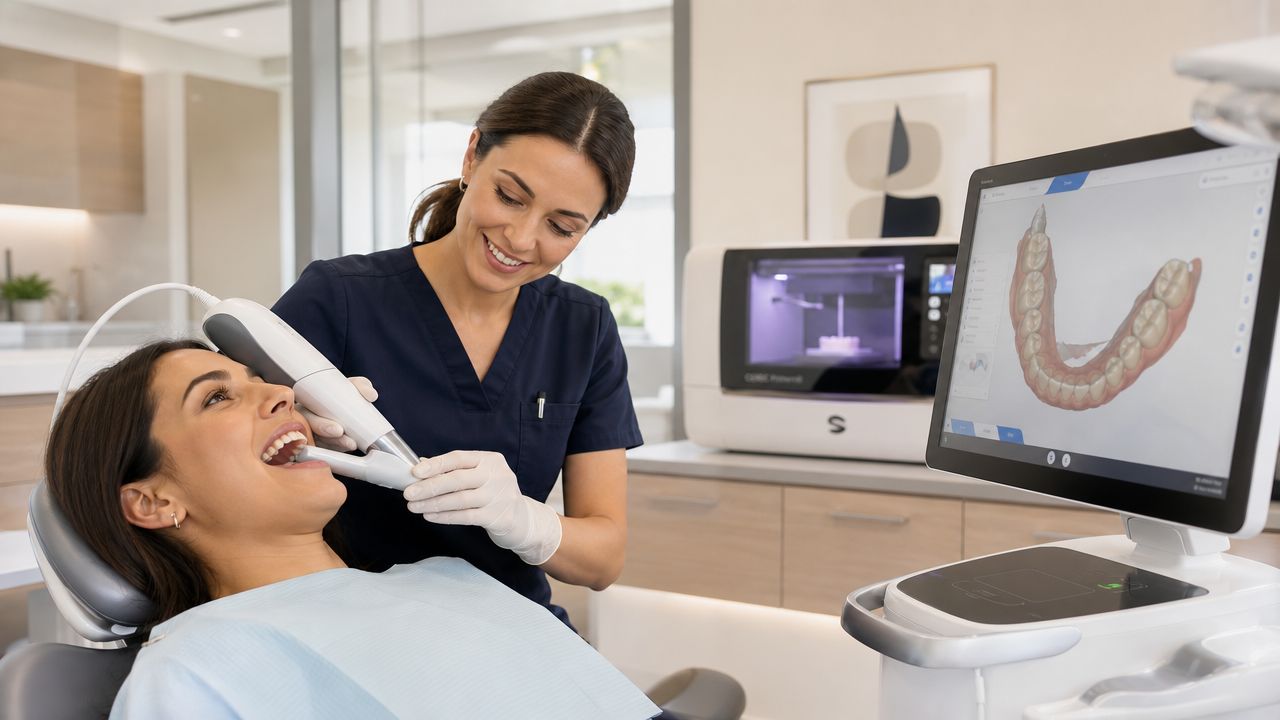
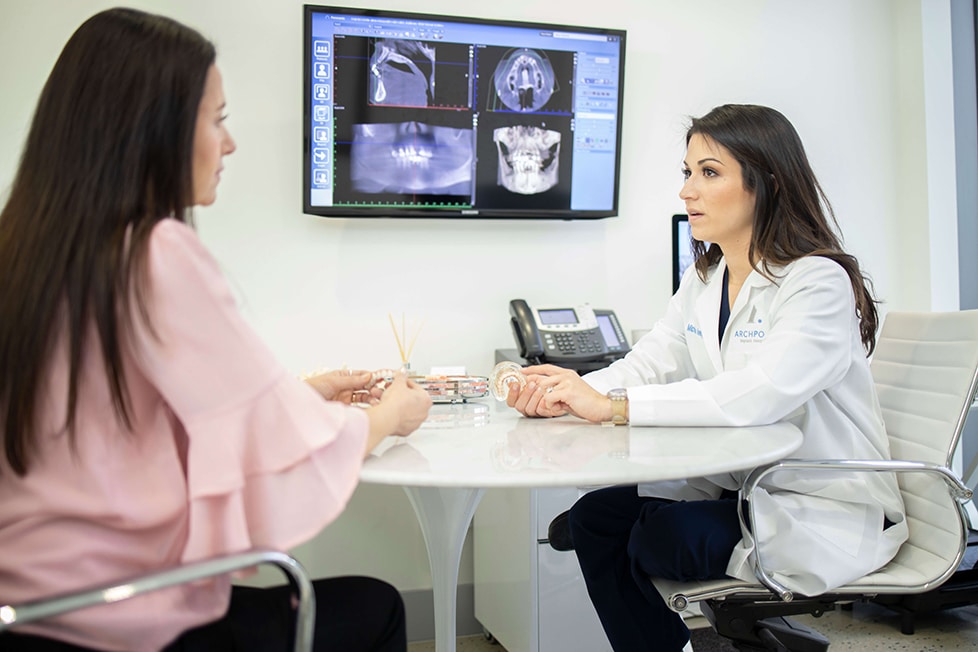
At this stage, detailed imaging matters. At 3D Dental, we utilize 3D-guided surgery with CBCT scans to digitally plan the precise angle, depth, and location of your implant before the procedure begins. This technology eliminates guesswork and ensures a distance of at least 2mm from adjacent teeth, which is critical for long-term success, as described in this explanation of guided implant planning with CBCT scans.
The planning phase shapes the whole result
Once the scan is complete, the case is planned digitally. Here, implant dentistry becomes much more than placing a titanium post. The doctor evaluates the future position of the crown, the available space, the thickness and quality of bone, and the nearby structures that must be protected.
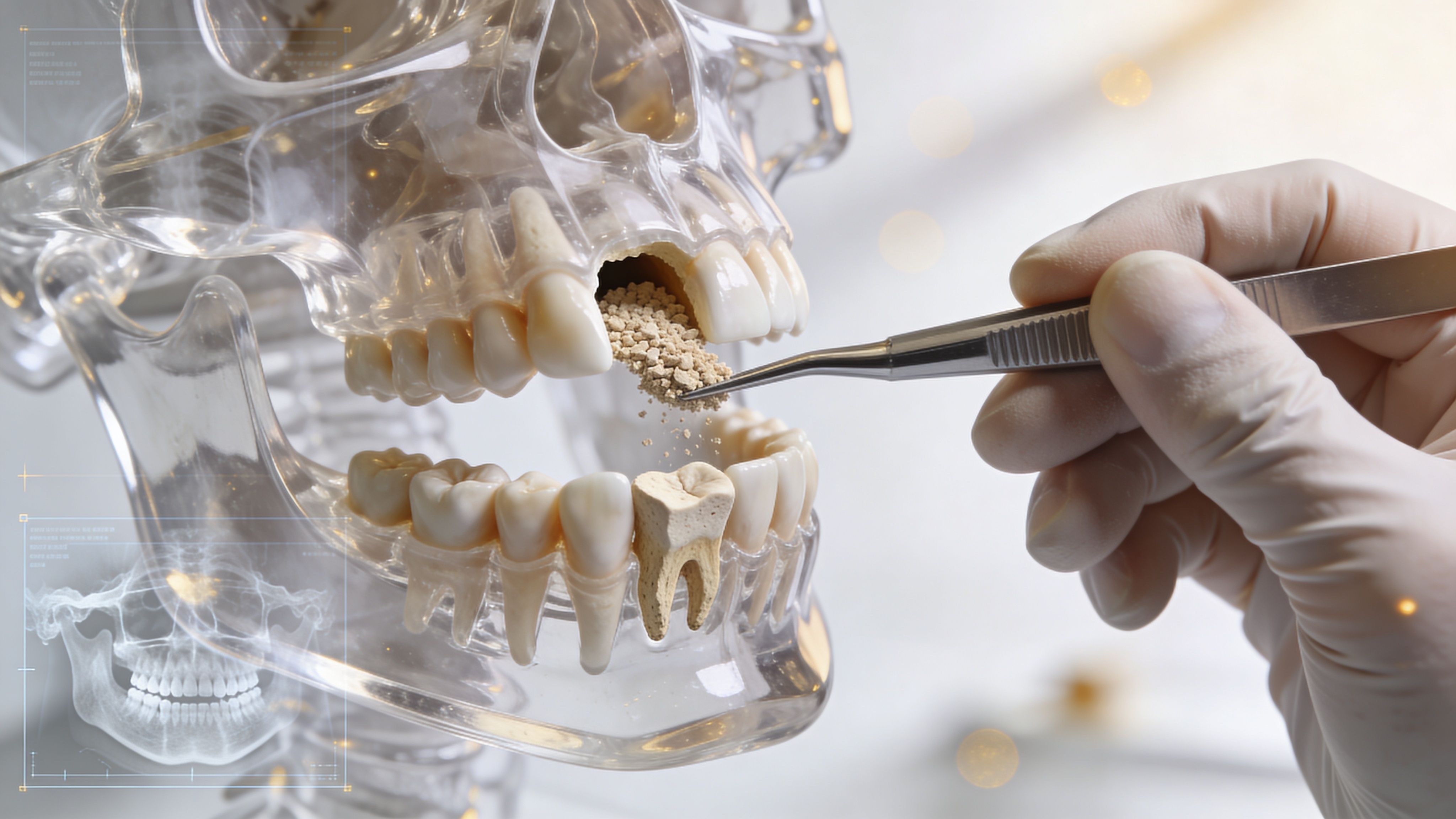
In some cases, a tooth can be removed and the implant placed in a coordinated sequence. In others, the site needs healing time or grafting first. For patients with reduced bone volume, slowing down can be the safer choice.
Careful planning usually feels less dramatic than same-day marketing. It’s also what protects long-term function.
What surgery usually feels like
Implant placement is typically more straightforward than many patients expect. The site is numbed thoroughly, and the implant is placed using the digital plan as a guide. Patients often compare the experience more to a controlled dental procedure than to what they feared before coming in.
A few practical points help patients prepare:
- Expect pressure, not sharp pain during the procedure when anesthesia is working well.
- Plan soft foods for the first phase of recovery, especially if an extraction or graft is part of treatment.
- Follow cleaning instructions closely because healing tissue needs gentle but consistent care.
- Keep follow-up visits so the implant can be monitored before the final restoration is attached.
Healing, restoration, and long-term maintenance
After surgery, the implant needs time to integrate with the bone. That healing period is what gives the final tooth its stability. Once integration is confirmed, the abutment is placed and the final crown, bridge, or full-arch prosthesis is secured.
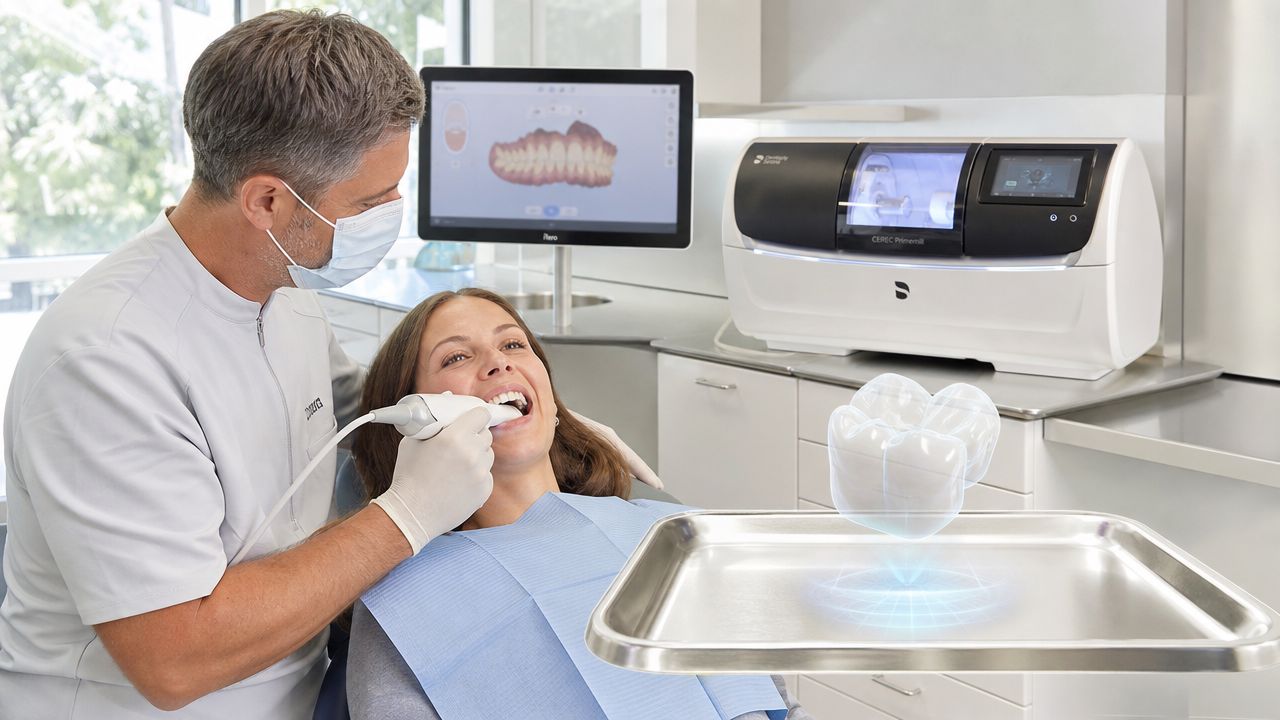
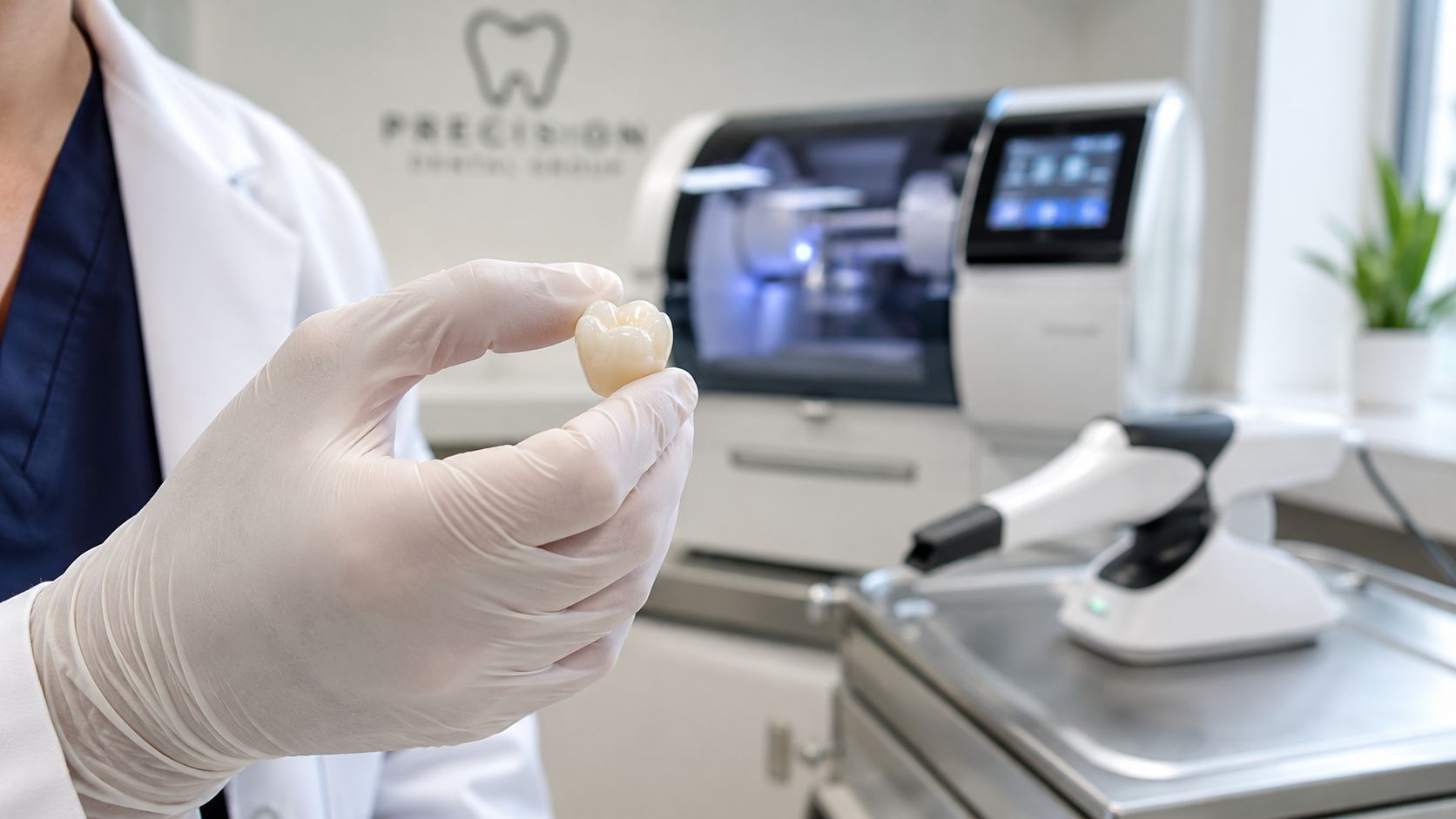
For patients using a modern practice with digital workflows and an in-house lab, this stage can feel more efficient because the restorative team and the surgical team can coordinate closely on fit, function, and esthetics. The result should look natural, clean easily, and feel balanced when you bite.
The final step is maintenance. Implants still need professional exams, home care, and periodic x-rays. They don’t get cavities, but they can still develop complications if plaque builds up around the gums or if bite forces aren’t managed correctly.
Navigating Dental Implant Costs and Financing in Texas
A patient from Georgetown recently asked a question I hear often: "Can I make this work financially if I want the implant done right?" That is usually the right place to start. Implant treatment is a significant investment, and patients deserve a clear estimate before they commit.

In Central Texas, the fee can vary quite a bit from one case to another. A healthy patient replacing one tooth in a straightforward area will usually have a very different treatment plan than someone who needs an extraction, grafting, or a full-arch restoration. The quote should reflect the actual work involved, not a marketing number built around the simplest possible case.
What changes the total cost
Several details shape the final price:
- Number of missing teeth affects whether one implant, an implant-supported bridge, or a full-arch option makes more sense.
- Bone and gum condition may require grafting or added site preparation before placement.
- Type of final restoration changes the fee because a single crown and a fixed full-arch prosthesis involve very different lab and clinical steps.
- Technology and lab workflow matter because 3D imaging, digital planning, and in-house lab support can improve fit, reduce remakes, and make the process more efficient for patients.
Price should always be judged alongside planning quality. If a lower fee leaves out proper imaging, careful surgical planning, or restorative coordination, the long-term cost can be higher.
Financing matters in Central Texas
For many Austin and Georgetown families, the key question is monthly affordability, not just the total fee. That is especially true for patients without strong dental coverage or with plans that exclude implants altogether.
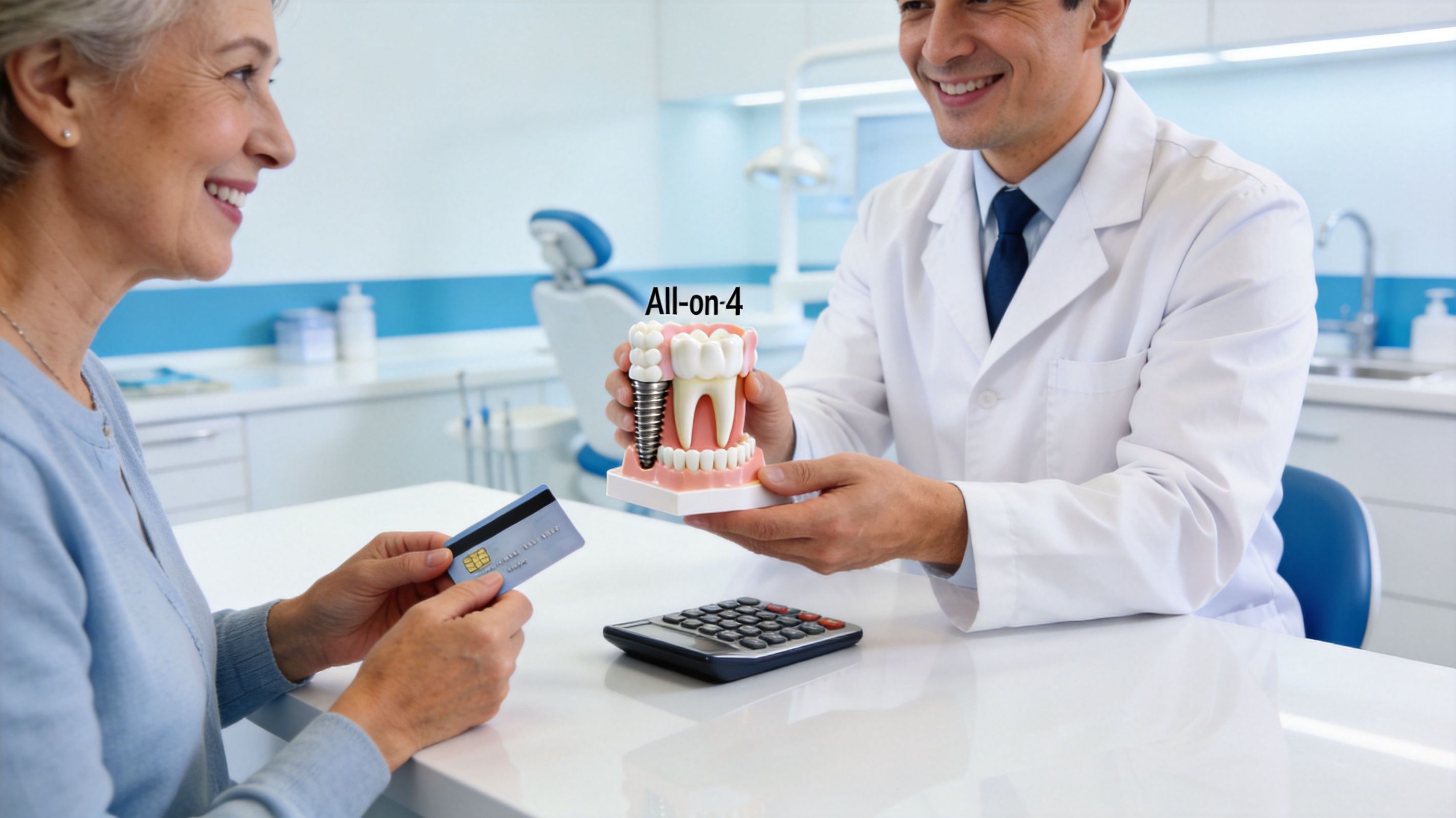
Many practices in this area offer staged treatment, third-party financing, or payment structures that let patients start care without paying the full amount upfront. Insurance may help with parts of treatment such as exams, imaging, extractions, or restorations, even when the implant itself is not fully covered. For a practical breakdown of payment plans, insurance coordination, and monthly financing options, review this guide on how to finance dental implants.
How to think about value, not just price
A removable option can cost less at the beginning. It can also come with trade-offs in stability, chewing confidence, and day-to-day comfort. An implant usually costs more upfront, but the goal is a replacement that stays put, protects function, and feels closer to a natural tooth.
Ask for a complete treatment estimate, not just a surgery quote. A complete estimate should account for diagnostics, planning, implant placement, healing visits, and the final crown, bridge, or full-arch restoration.
That level of detail helps Central Texas patients compare providers fairly. It also makes it easier to decide whether to move ahead now, phase treatment over time, or address preparatory work first.
How to Choose Your Dental Implant Provider in Central Texas
You sit down for a consultation in Austin or Georgetown, and within a few minutes you hear two very different approaches. One office talks mainly about speed and price. The other starts with imaging, bite analysis, bone support, and whether your case calls for grafting, staged healing, or a different restoration. The second approach usually leads to fewer surprises.
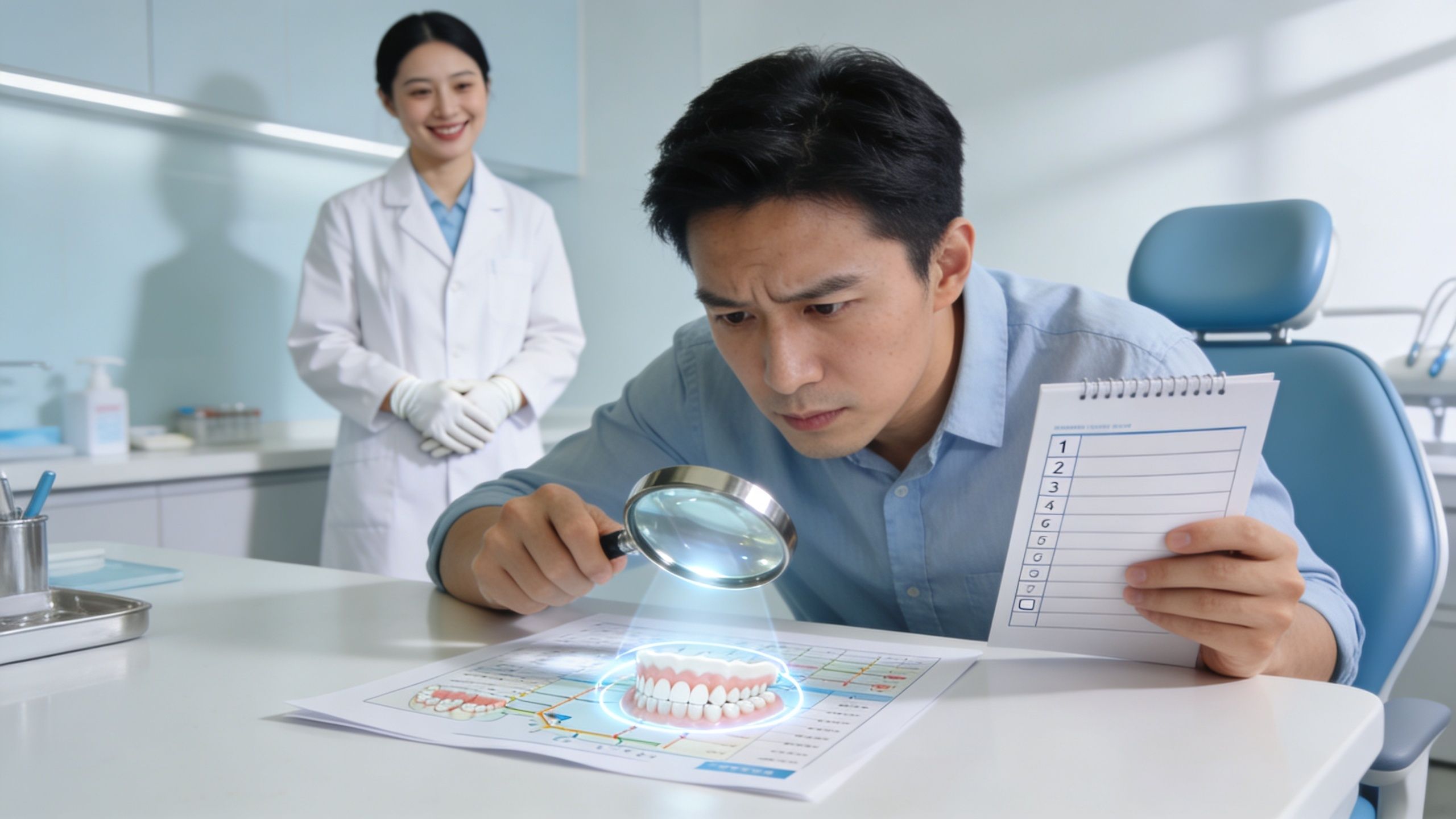
Implants are highly successful, but they are not interchangeable from one patient to the next. Bone shape, gum health, bite force, smoking history, diabetes control, and the design of the final crown or bridge all affect the plan. If you want a clearer picture of long-term performance, review this page on dental implant success rates over time.
What to look for before saying yes
A good implant provider should be able to show you how decisions are made in your case.
Look for these signs:
- 3D imaging before treatment recommendations so the doctor can evaluate bone volume, sinus position, nerve location, and angulation instead of guessing from a basic 2D X-ray.
- Experience with both surgical and restorative planning because a well-placed implant still needs a crown, bridge, or full-arch prosthesis that fits your bite and is easy to keep clean.
- A clear sequence of care that explains what happens first, what may need healing time, and where delays are most likely.
- Discussion of case-specific trade-offs including whether immediate placement is realistic, whether grafting improves predictability, and whether a bridge or removable option makes more sense for your goals.
- Follow-up and maintenance standards so you know who checks the implant, how often it should be monitored, and what home care matters most.
In Central Texas, that last point matters more than patients expect. Dry mouth, clenching, and heavy bite pressure are common issues in our area, and they can affect how an implant restoration is designed.
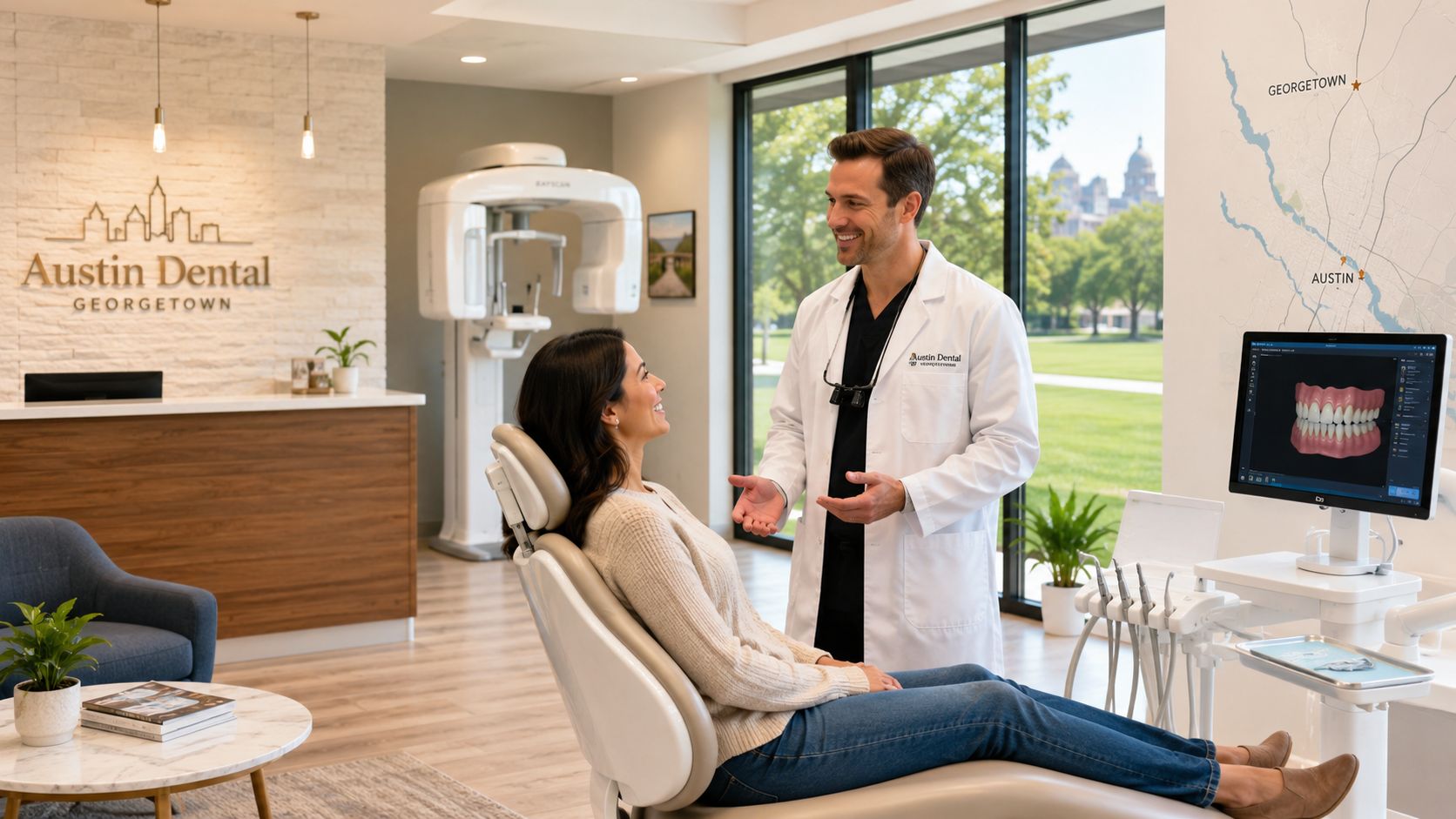
A modern option some Central Texas patients consider is 3D Dental, a practice serving North Austin and Georgetown with 3D CT imaging, digital workflows, an in-house lab, and implant treatment coordinated alongside general and restorative dental care.
Questions worth asking at your consultation
Good consultations are specific. They should leave you with a diagnosis, a sequence, and a reason for each recommendation.
Consider asking:
- What does my 3D scan show about bone quality and available space?
- Am I a candidate for immediate implant placement, or is healing first the safer plan?
- If grafting is recommended, what problem is it solving in my case?
- Who designs the final tooth or arch, and how do you make sure it fits my bite?
- What will cleaning and long-term maintenance look like once treatment is done?
- What could change the timeline after treatment starts?
If a consultation skips bone quality, bite design, and hygiene access, you are not getting a full implant evaluation.
That framework helps patients in Wells Branch, Cedar Park, Round Rock, and Liberty Hill compare providers based on diagnosis, planning, and long-term function rather than sales language alone.
Experience the 3D Dental Difference for Your Implants
A patient from Austin comes in after years of hiding one side of their smile. The question is rarely just, “Can I get an implant?” The key question is whether the result will feel comfortable, look natural, and hold up under a Central Texas bite.
That answer depends on how the case is planned.
At 3D Dental, we use 3D imaging to evaluate bone shape, nerve position, sinus space, and angulation before surgery starts. Digital planning lets us place the implant where the final tooth needs to be, not just where bone happens to be easiest to reach. When the restorative team and in-house lab work from the same plan, adjustments are usually fewer and the final crown or full-arch prosthesis tends to fit more predictably.
Technology helps, but judgment still drives the case. Some patients in Georgetown or North Austin are good candidates for a more efficient timeline. Others do better with grafting, staged healing, or a different design because of clenching, dry mouth, or heavier bite forces. Good implant care means choosing the approach that gives the restoration the best chance to function well for years, not choosing the fastest path.
If you want a closer look at long-term outcomes, this page on what affects dental implant success rate over time explains the factors we watch after placement and restoration.
For Central Texas patients, that difference shows up in practical ways. Fewer surprises during surgery. A restoration shaped for cleaning and everyday function. A treatment plan that makes sense for your mouth, your timeline, and your budget in Austin or Georgetown.
Ready to get started?
Schedule a free, no obligation consultation with our team and see what's possible for your smile!
Georgetown
- Mon-Thurs8:30am-5pm
- Fri8am-3:30pm
- Sat-SunClosed
Austin
- Mon-Tues8am-5pm
- Wed-Thurs9am-6pmFri8am-2pm
- Sat-SunClosed