
When to Brush Teeth After Eating: Dentist Guide
Related Posts
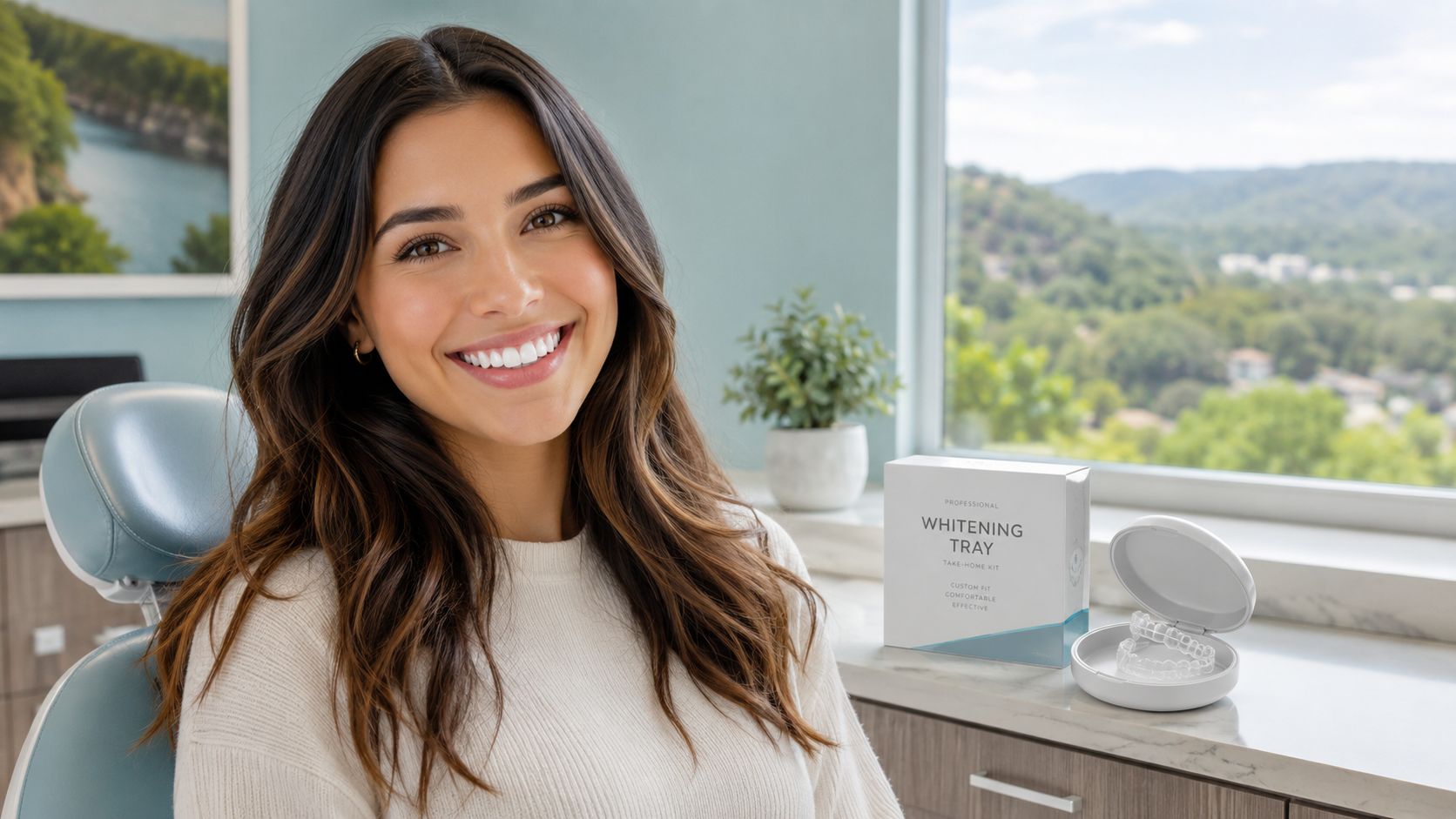
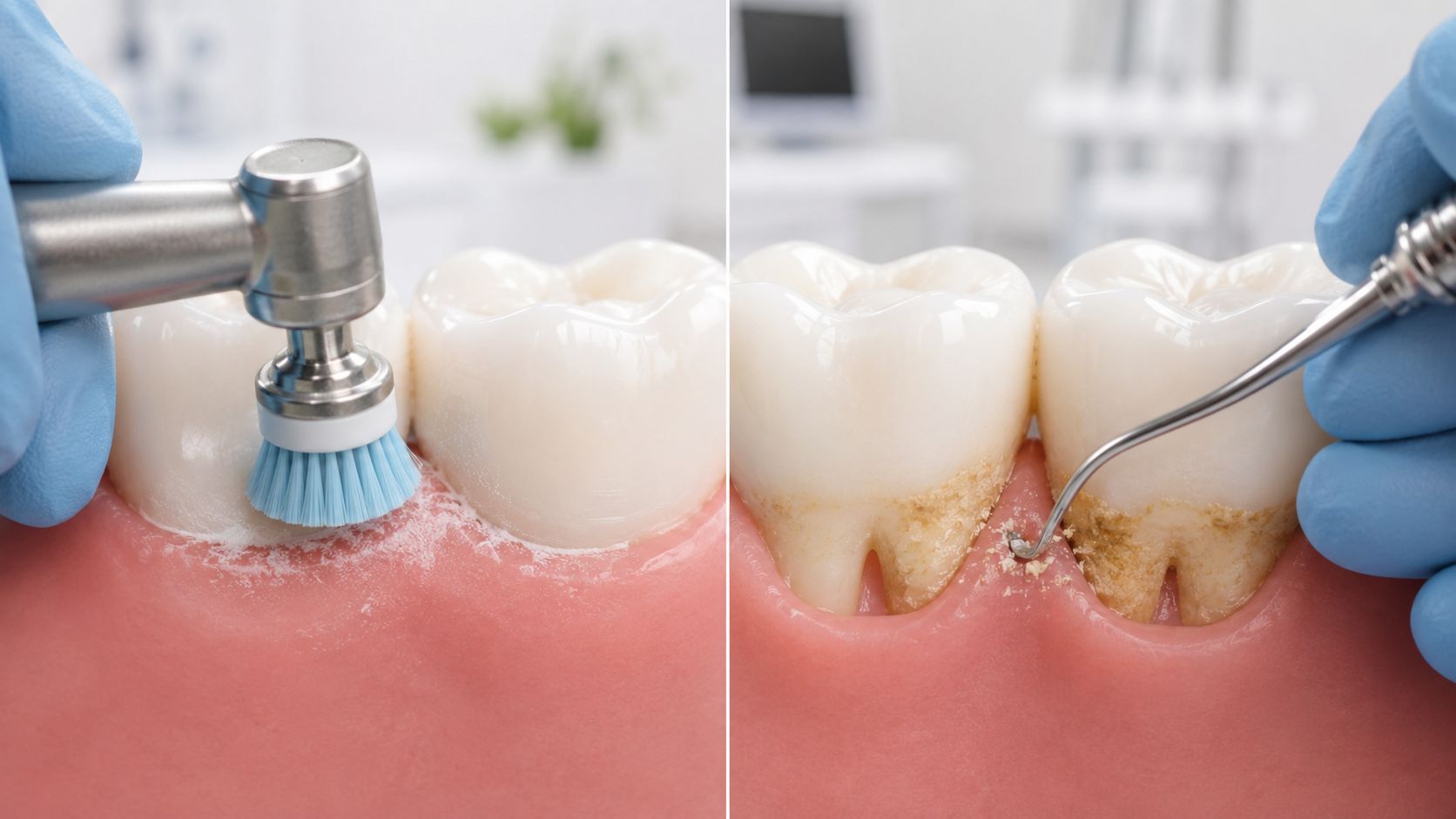














A common piece of advice has been shared for years: eat, then brush right away. It sounds clean and disciplined, but it isn’t always the safest move for your teeth.
If you’ve ever finished breakfast before heading down I-35, grabbed tacos in Georgetown between errands, or eaten lunch quickly at work in North Austin, you’ve probably wondered when to brush teeth after eating without doing harm. The answer depends on what you ate, what kind of dental work you have, and what your mouth needs in that moment.
A good rule is simple. Immediate brushing isn’t always better brushing. After acidic foods and drinks, waiting is often the healthier choice.
Your Guide to Post-Meal Brushing from a Dentist in Austin TX
A common scene goes like this. You finish coffee and fruit, feel that fuzzy coating on your teeth, and reach for a toothbrush. Patients looking for a “dentist near me” in Austin or Georgetown often assume that brushing right away is the most responsible option.
Sometimes it is. Sometimes it isn’t.

Why the timing question matters in real life
The biggest problem with one-size-fits-all brushing advice is that daily life doesn’t work that way. A parent getting kids out the door, a student rushing to class, and someone working a service shift don’t have the same schedule or access to a sink.
Research on brushing habits shows that workplace and lifestyle factors significantly affect oral hygiene routines, and office workers are more likely to brush after lunch than people in service, sales, or labor jobs, as discussed in this study on toothbrushing timing and occupation. That matters because brushing habits aren’t only about motivation. They’re also about access, privacy, and timing.
What patients usually get wrong
The most common mistake is treating every meal the same. Toast and eggs are different from orange juice and coffee. A sandwich is different from soda and tomato soup. If a meal is acidic, your enamel may be more vulnerable for a short period afterward.
Practical rule: If a meal or drink tastes sharp, sour, or acidic, don’t assume you should brush the second you finish.
That’s why the best guidance isn’t “always brush immediately” or “always wait.” It’s more specific than that. It considers the meal, your routine, and whether you have natural enamel, braces, veneers, or dental implants.
For families in Austin, Georgetown, Cedar Park, and Round Rock, that kind of practical advice is usually more helpful than a rigid rule. People need something they can follow on a workday, in the car line, or between appointments.
Why Brushing Too Soon Can Harm Your Teeth
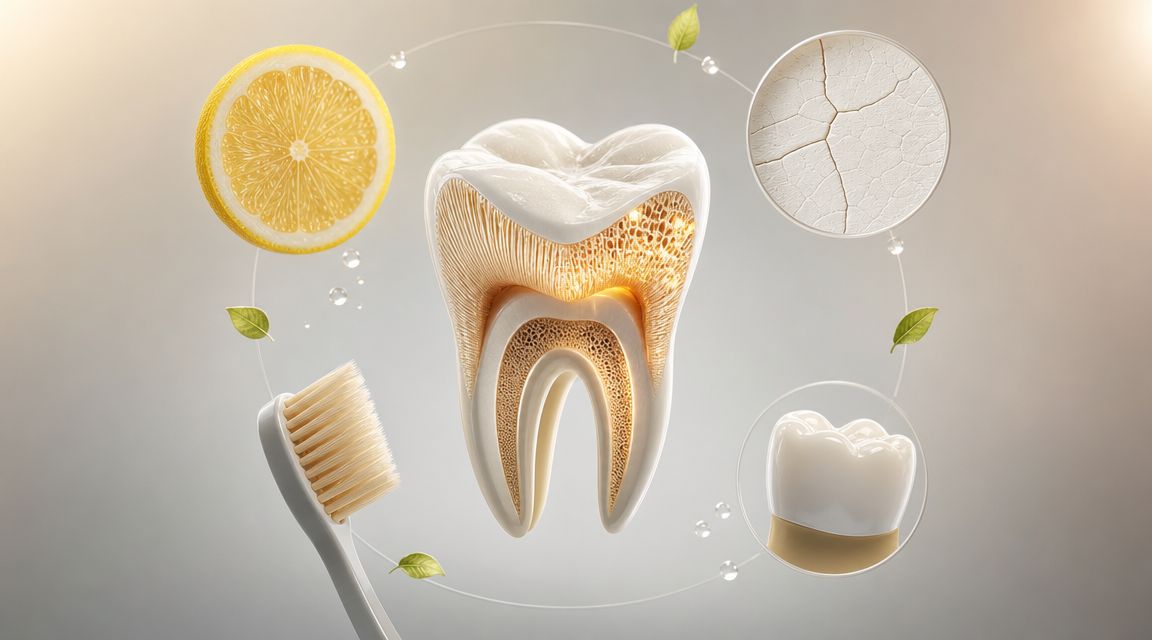
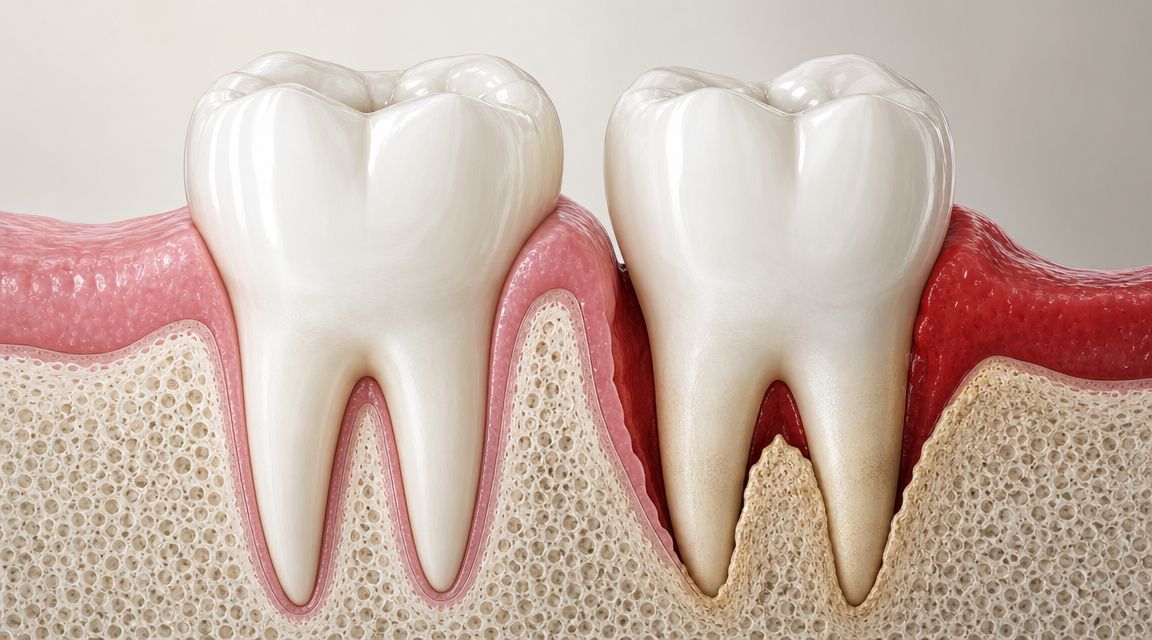
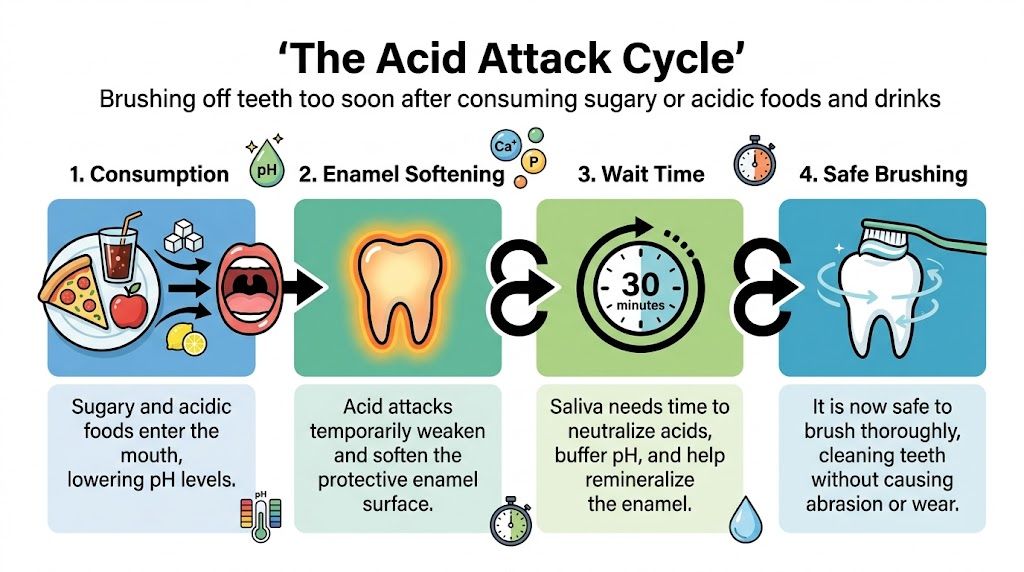
Right after an acidic meal, your enamel can act a bit like wet paint. The surface is still there, but it’s easier to disturb. If you scrub it too soon, you can wear it down instead of protecting it.
That’s the core reason timing matters.
What happens during an acid attack
Acidic foods and drinks change the chemistry in your mouth for a short time. According to this explanation of post-meal brushing and enamel erosion, the pH in your mouth can drop below 5.5, which is the point where enamel begins to dissolve. The same source notes that brushing during this vulnerable period can be 2 to 3 times more erosive because abrasive toothpaste particles grind into softened enamel.
Demineralization and remineralization in plain language
Two processes matter here.
- Demineralization means the enamel surface loses mineral support after acid exposure.
- Remineralization means saliva helps restore balance and strengthen that surface again.
- Brushing too early can interrupt that recovery window and add friction at the wrong time.
Your saliva does more work than often recognized. It helps dilute acids, clear food residue, and begin the repair process naturally. That’s why waiting after acidic foods works. You’re giving your mouth time to recover before introducing bristles and toothpaste.
Which foods deserve extra caution
Not every meal creates the same risk. Be more careful after foods and drinks such as:
- Citrus fruits: Oranges, lemons, and grapefruit are common triggers.
- Soda and juice: These can leave the mouth more acidic after you finish drinking.
- Tomato-based foods: Pasta sauce and salsa can be rough on enamel timing.
- Coffee with acidic add-ins: If coffee is paired with fruit or sweeteners, the effect can be more noticeable for some patients.
Brushing is good. Brushing softened enamel is not.
People often receive mixed messages. They hear that plaque should be removed promptly, which is true. But they don’t hear the equally important part. After acidic exposure, brushing immediately can trade short-term freshness for long-term enamel wear.
The Dentist-Recommended Wait Time Before Brushing
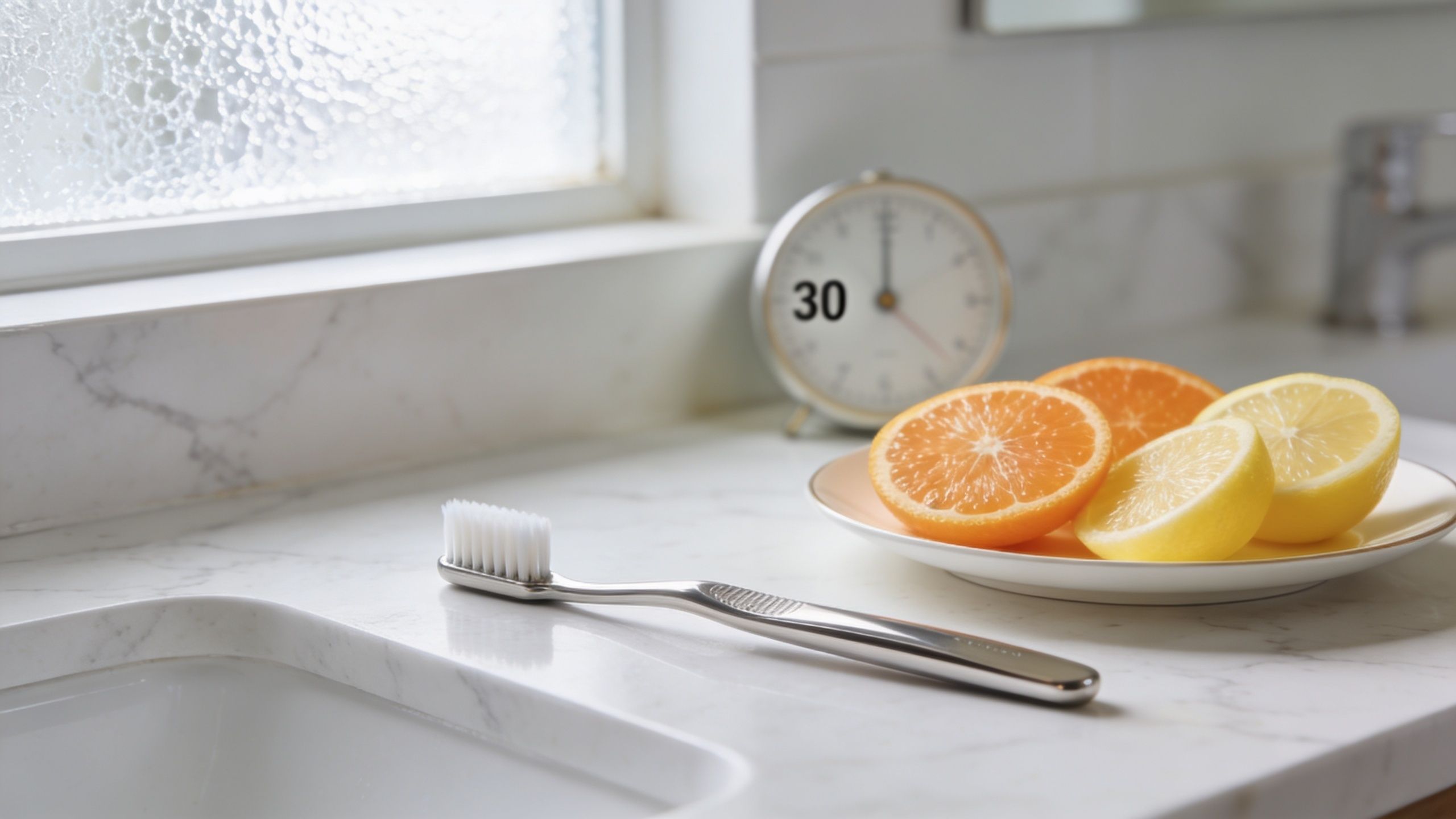
For most patients, the practical standard is to wait 30 to 60 minutes after acidic foods or drinks before brushing. That’s the advice many dentists follow in daily practice.
There’s also a more conservative recommendation. According to this review of post-meal brushing guidance and ADA advice, while many dentists suggest a 30-minute wait, the American Dental Association recommends waiting at least one hour before brushing after eating. That extra time gives saliva a better chance to neutralize acids and start remineralizing enamel.
What to do while you wait
Waiting doesn’t mean doing nothing. It means using safer steps first.
- Rinse with water: This is the easiest move and often the best one right after an acidic meal.
- Chew xylitol gum: If you’re away from home, sugar-free gum with xylitol can help stimulate saliva.
- Hold off on aggressive brushing: A firm scrub right after citrus or soda is exactly what you want to avoid.
- Brush gently once the wait is over: Soft bristles and a steady technique work better than force.
A lot of patients also ask whether mouthwash can replace brushing during that window. It can be a helpful temporary step, but it doesn’t replace your toothbrush and floss. Its primary benefit is buying your enamel some time.
A simple way to remember it
Use this quick guide:
| After the meal | Best next step |
|---|---|
| Acidic food or drink | Rinse, then wait before brushing |
| Non-acidic meal | Brushing sooner may be reasonable if done gently |
| No time to brush | Rinse well and brush later |
If you’ve ever wondered about the reverse timing question, this article on whether you can eat after brushing teeth covers the other side of the routine.
Brushing Advice for Implants Braces and Veneers
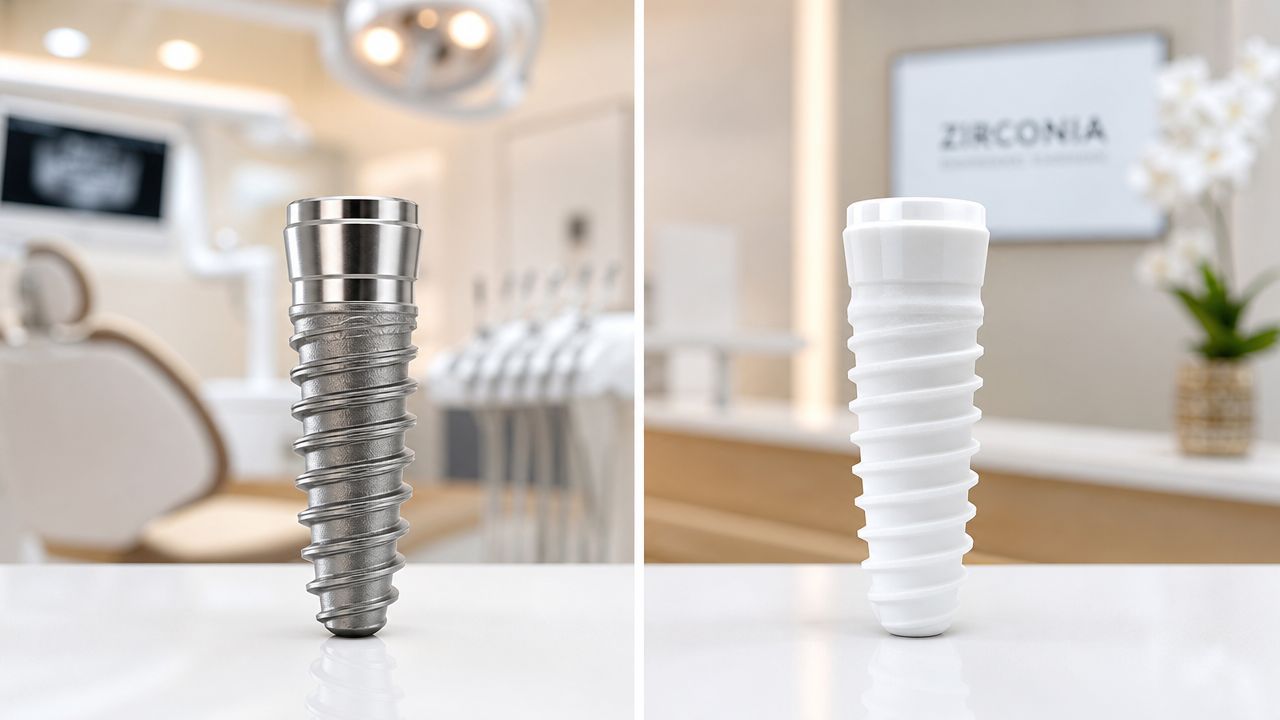
General enamel advice is useful, but it doesn’t answer every situation. Patients with implants, braces, aligners, bonding, or veneers need more specific guidance because the materials and risks are different.
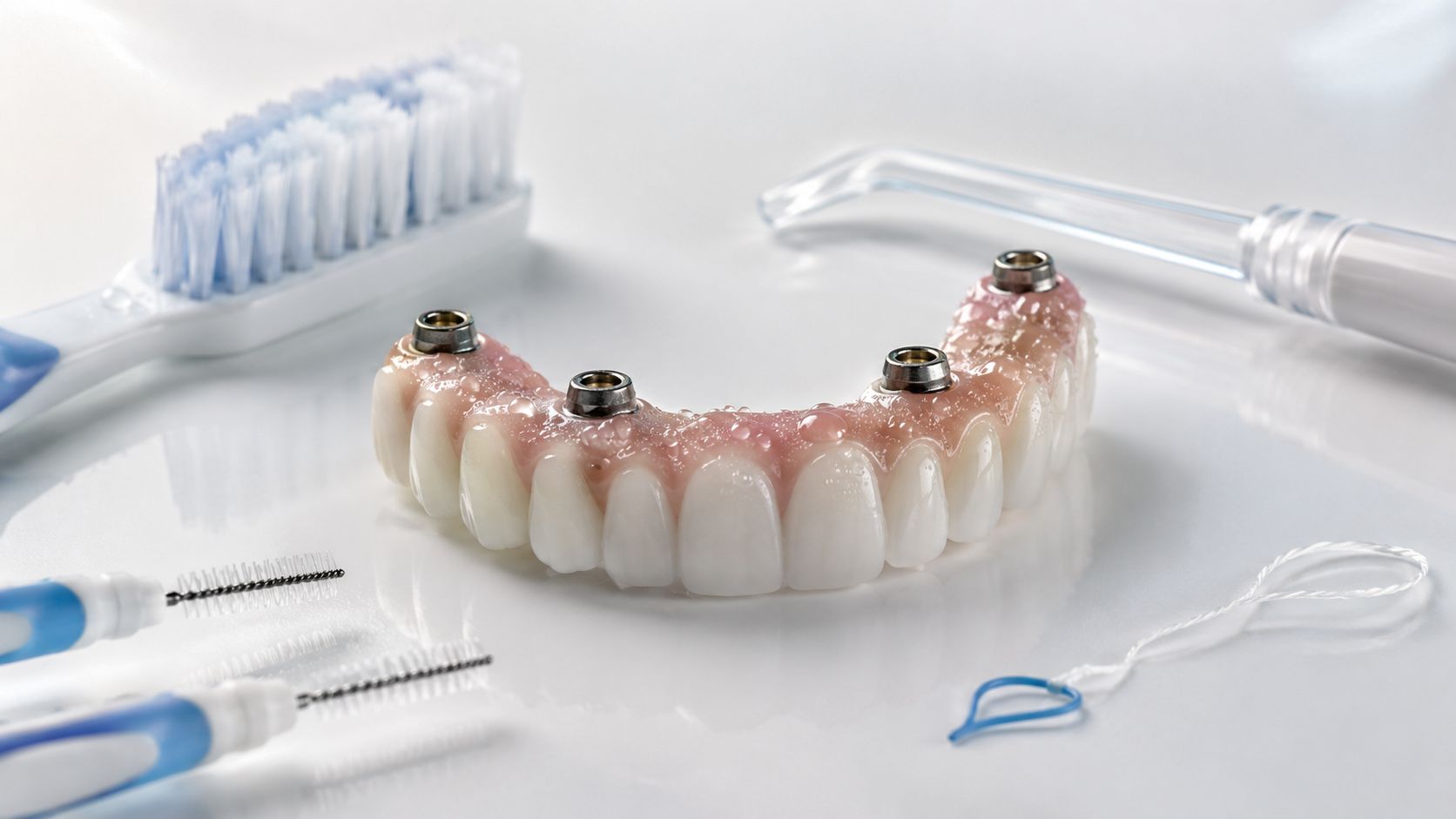
Dental implants need plaque control and smart timing
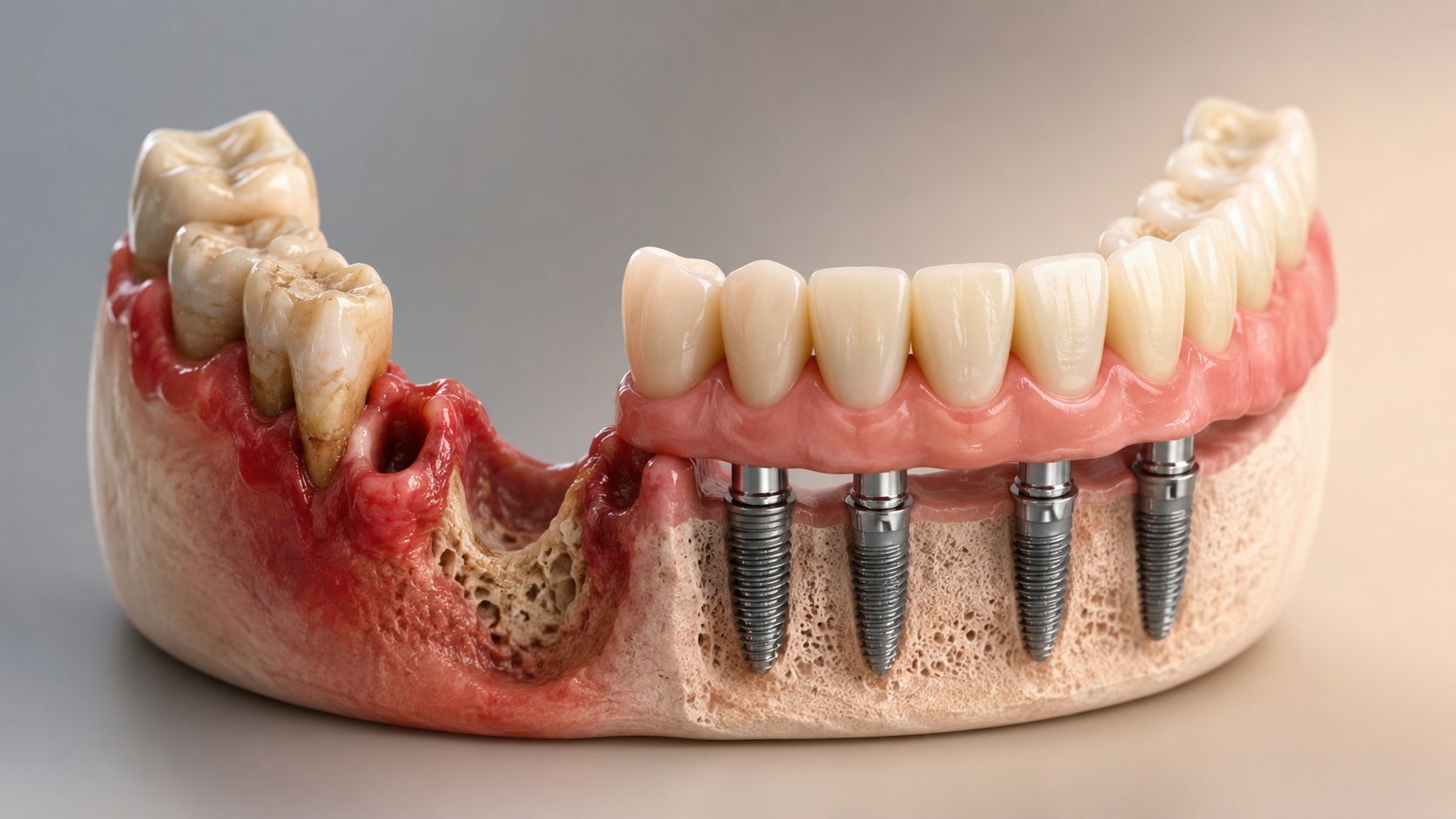
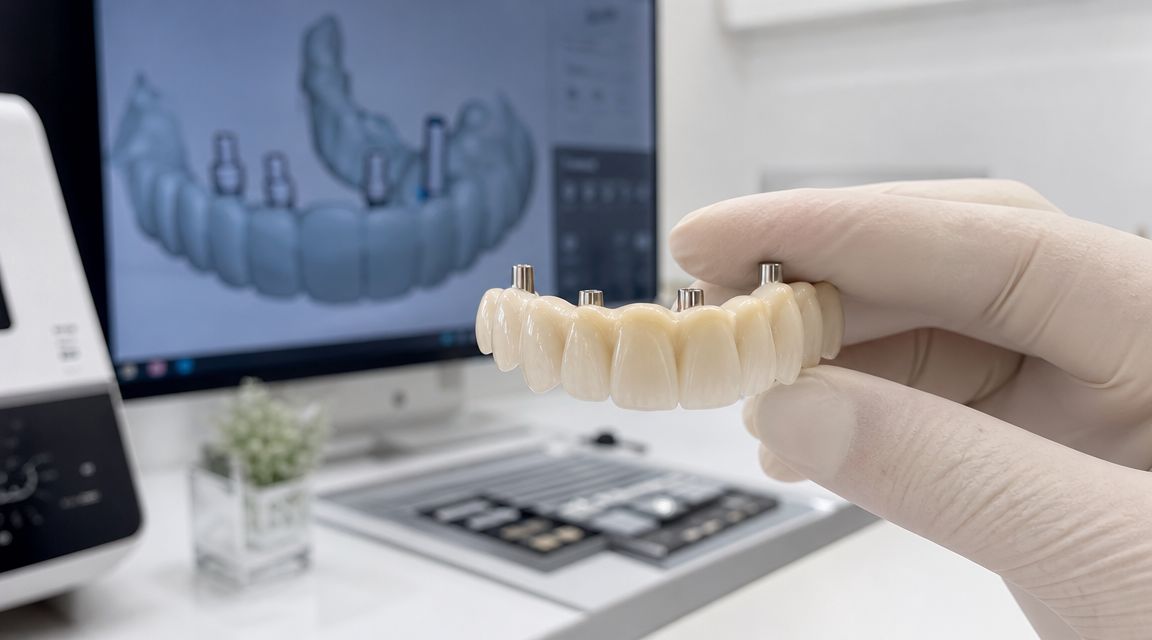
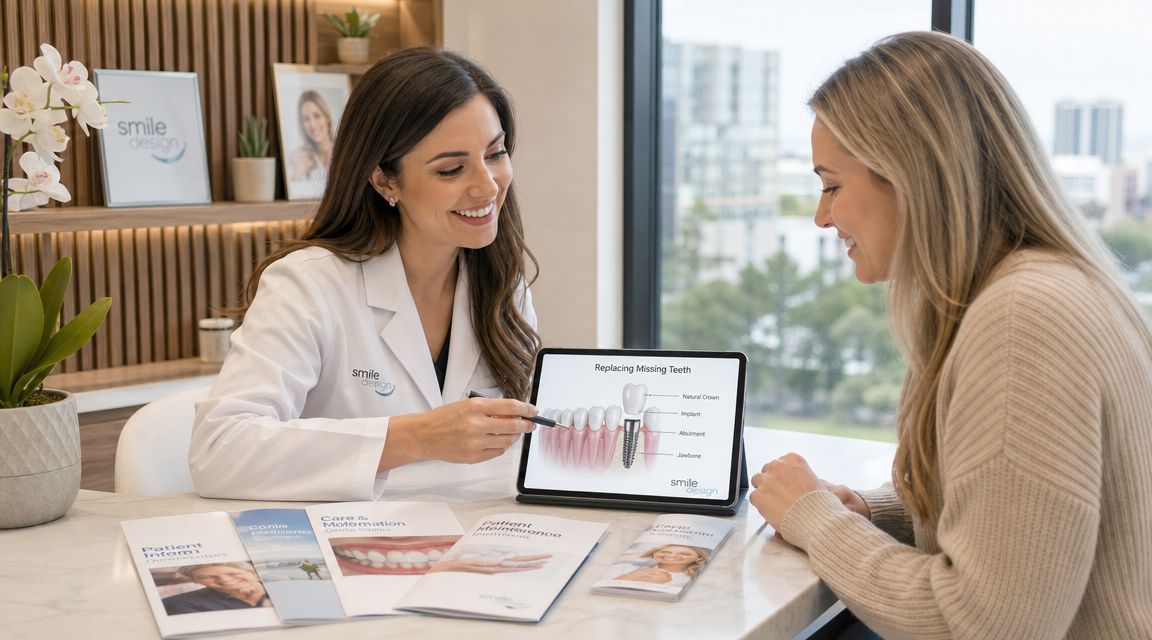
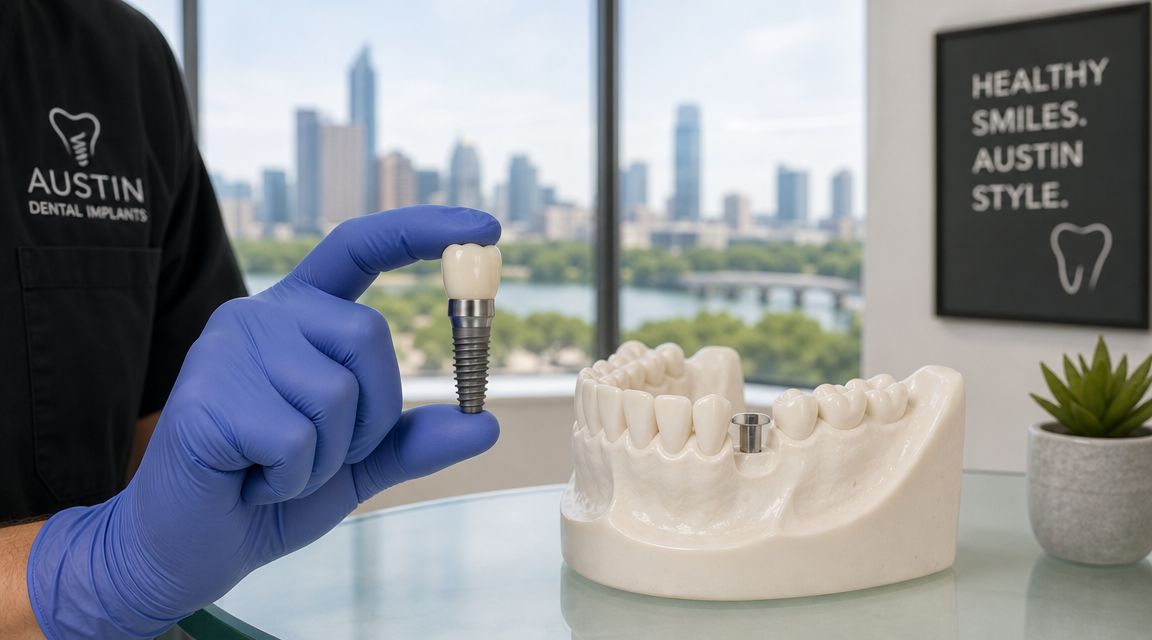
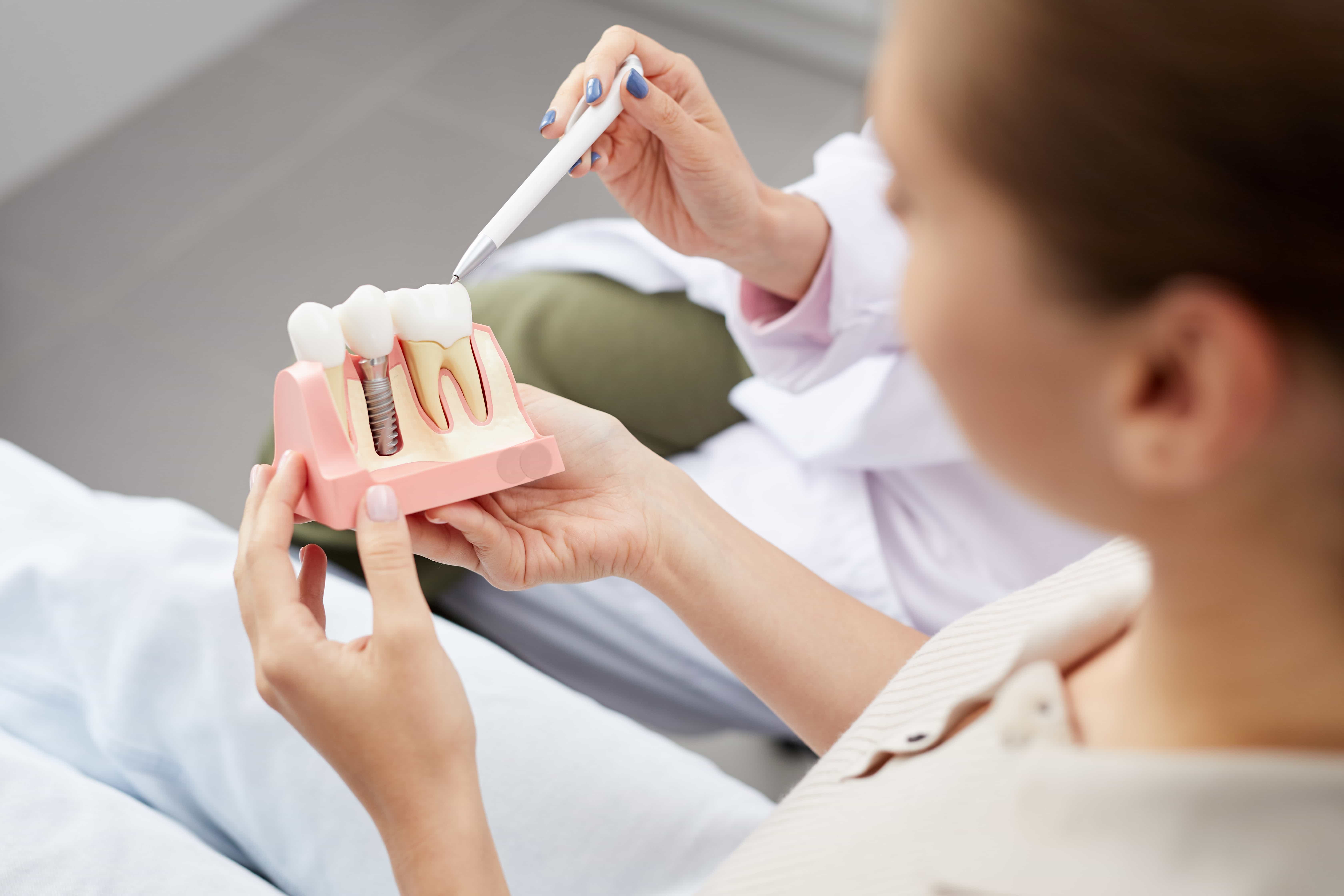
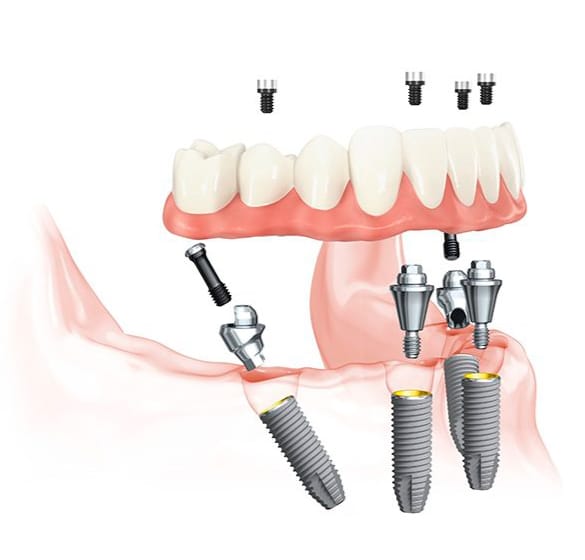
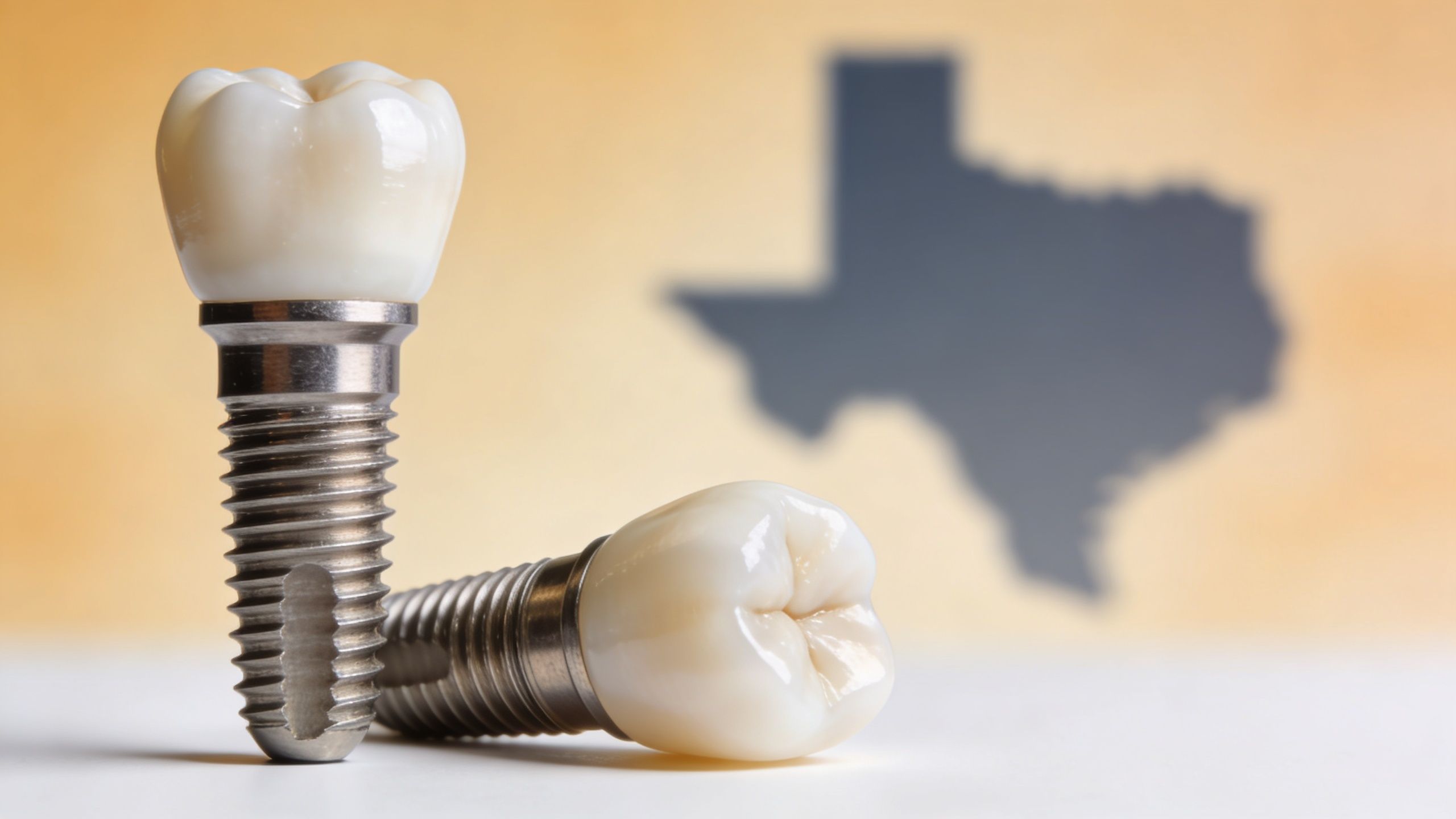
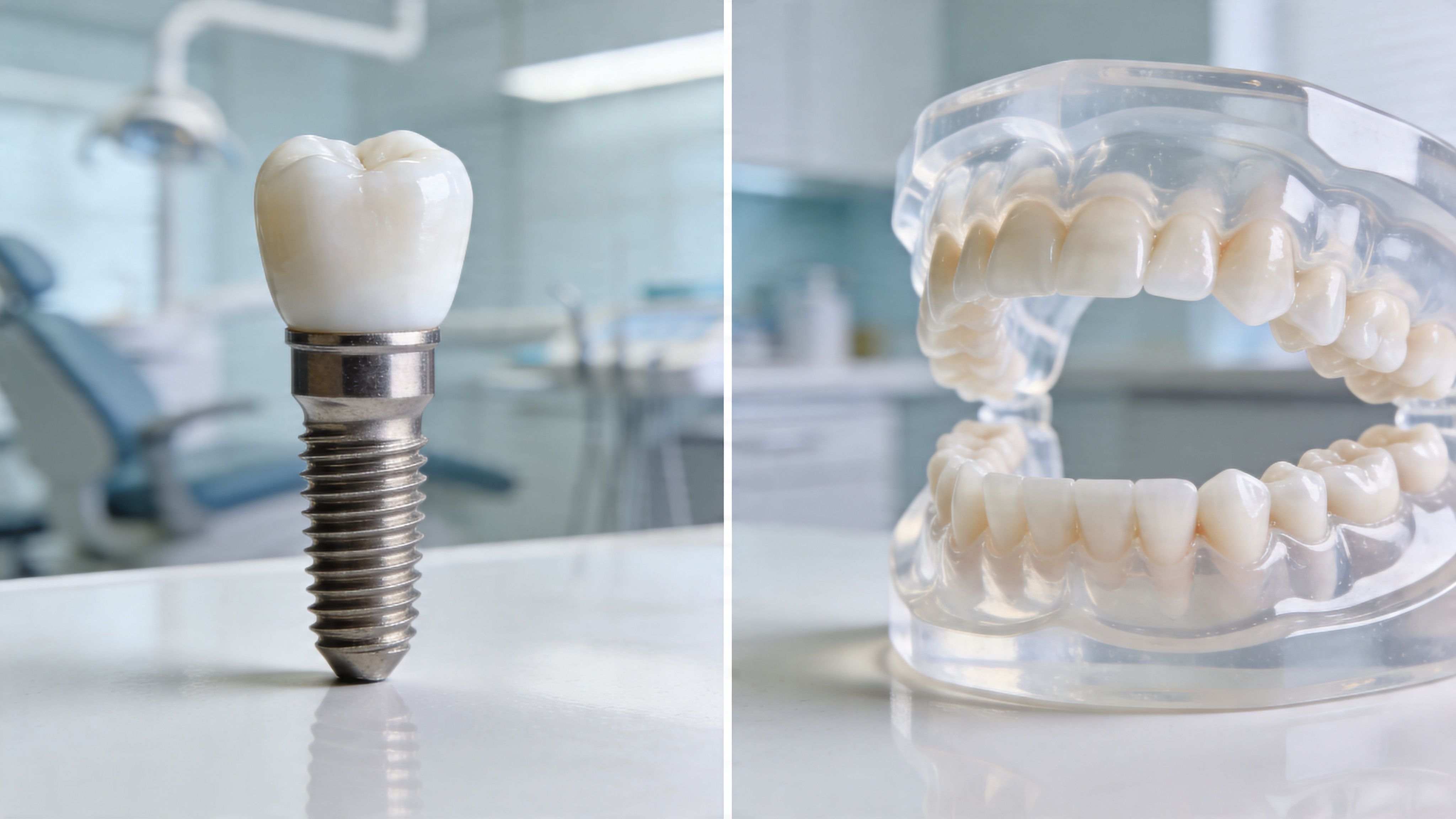
Implants don’t demineralize the way natural enamel does, but they still need careful hygiene. According to this discussion of brushing timing for implant patients, poor post-meal hygiene can lead to peri-implantitis, a condition similar to gum disease that can contribute to implant failure. The same source notes that immediate brushing after acidic meals may also risk micro-abrasions on prosthesis materials if plaque control isn’t managed well.
That creates a real trade-off. You don’t want plaque sitting around implant tissue, but you also don’t want to scrub a prosthesis surface too soon after an acidic meal.
For many implant patients, this approach works well:
- Rinse right away: Water is a safe first step.
- Don’t skip cleaning later: Delayed brushing still needs to happen.
- Use a gentle brush: Ultra-soft or soft bristles are usually the better choice.
- Watch the gumline carefully: That’s often where implant problems begin.
For more detailed maintenance guidance, this page on how to care for dental implants is a helpful resource.
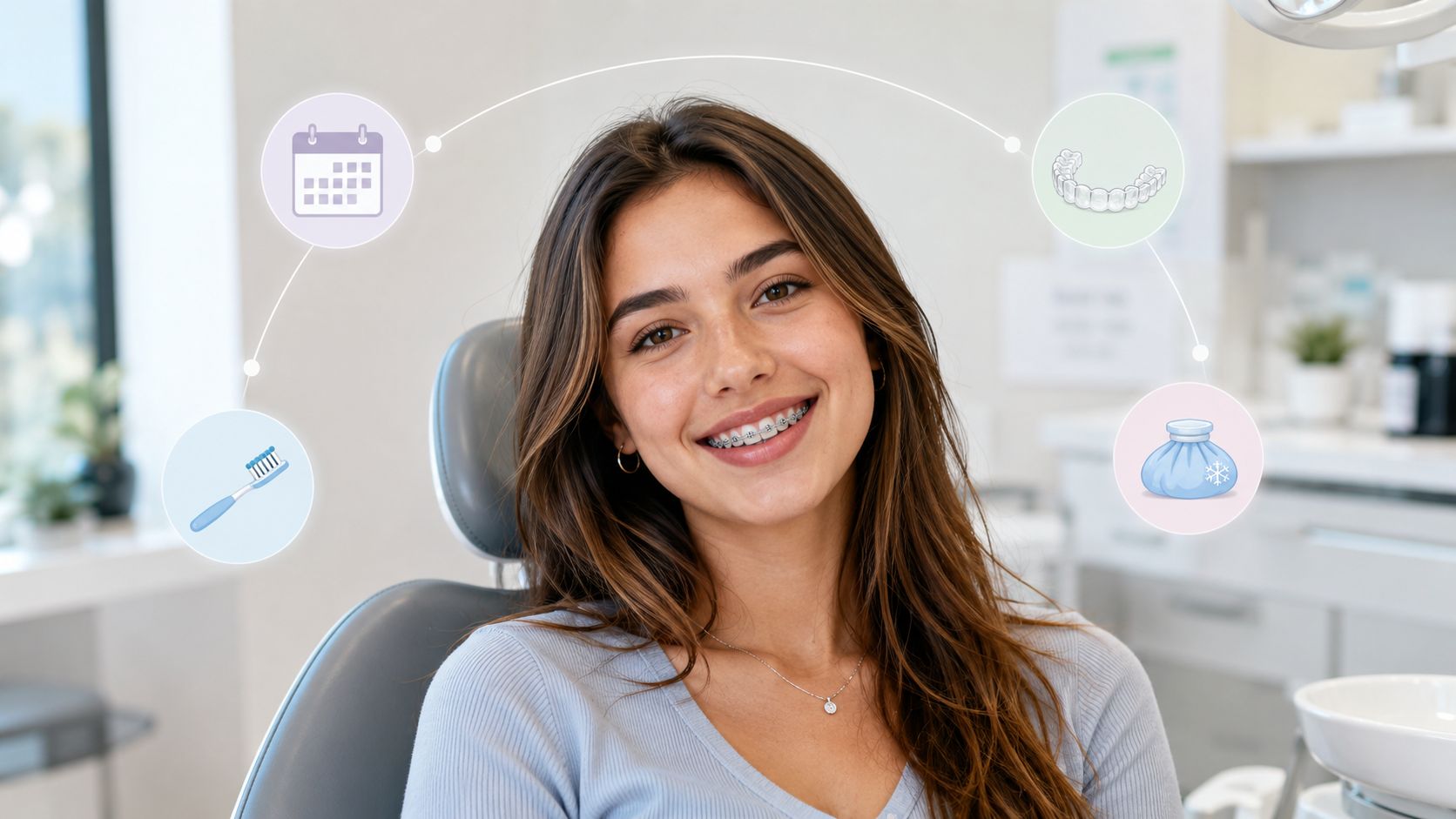
Braces and clear aligners change the practical routine
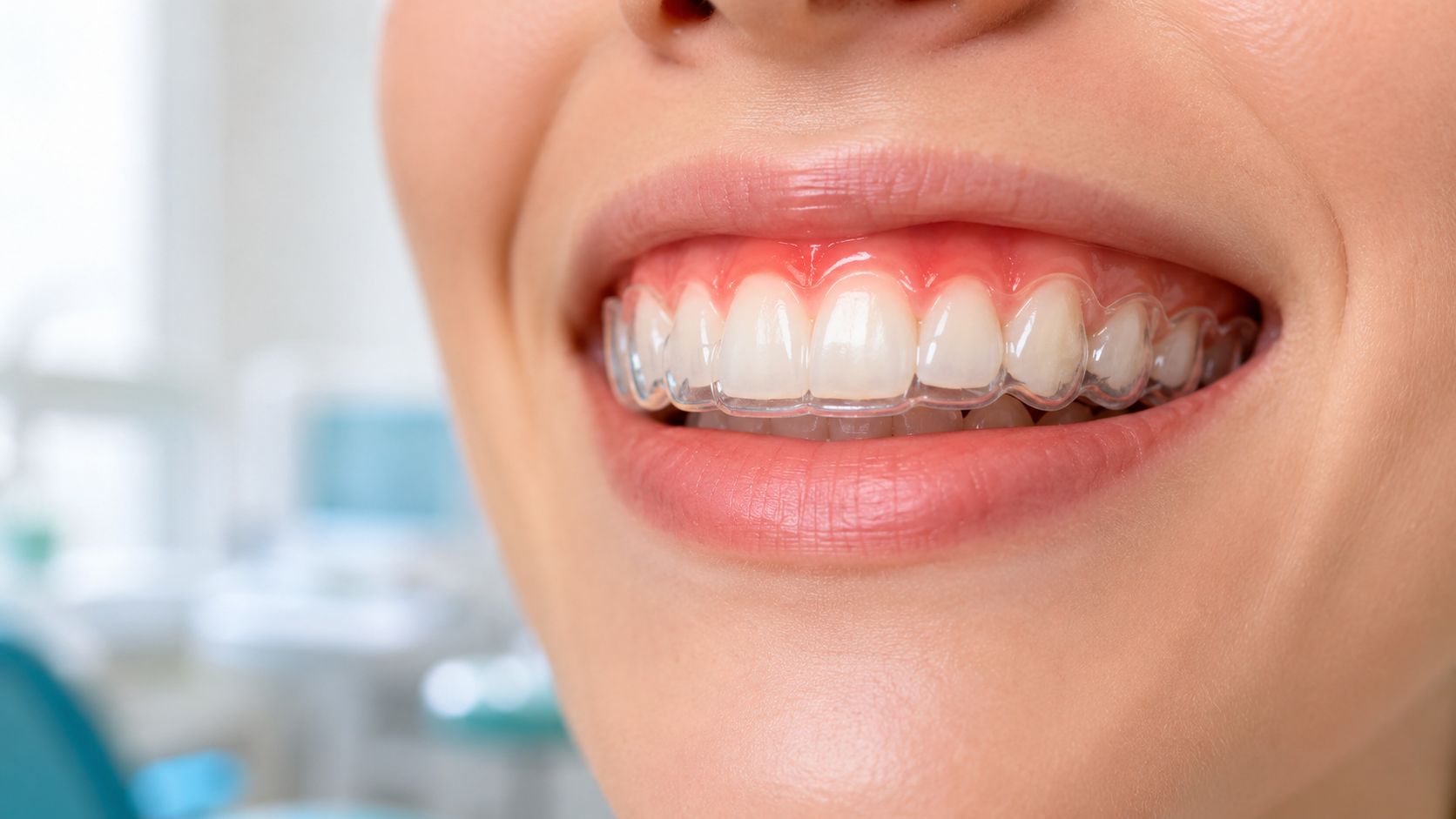
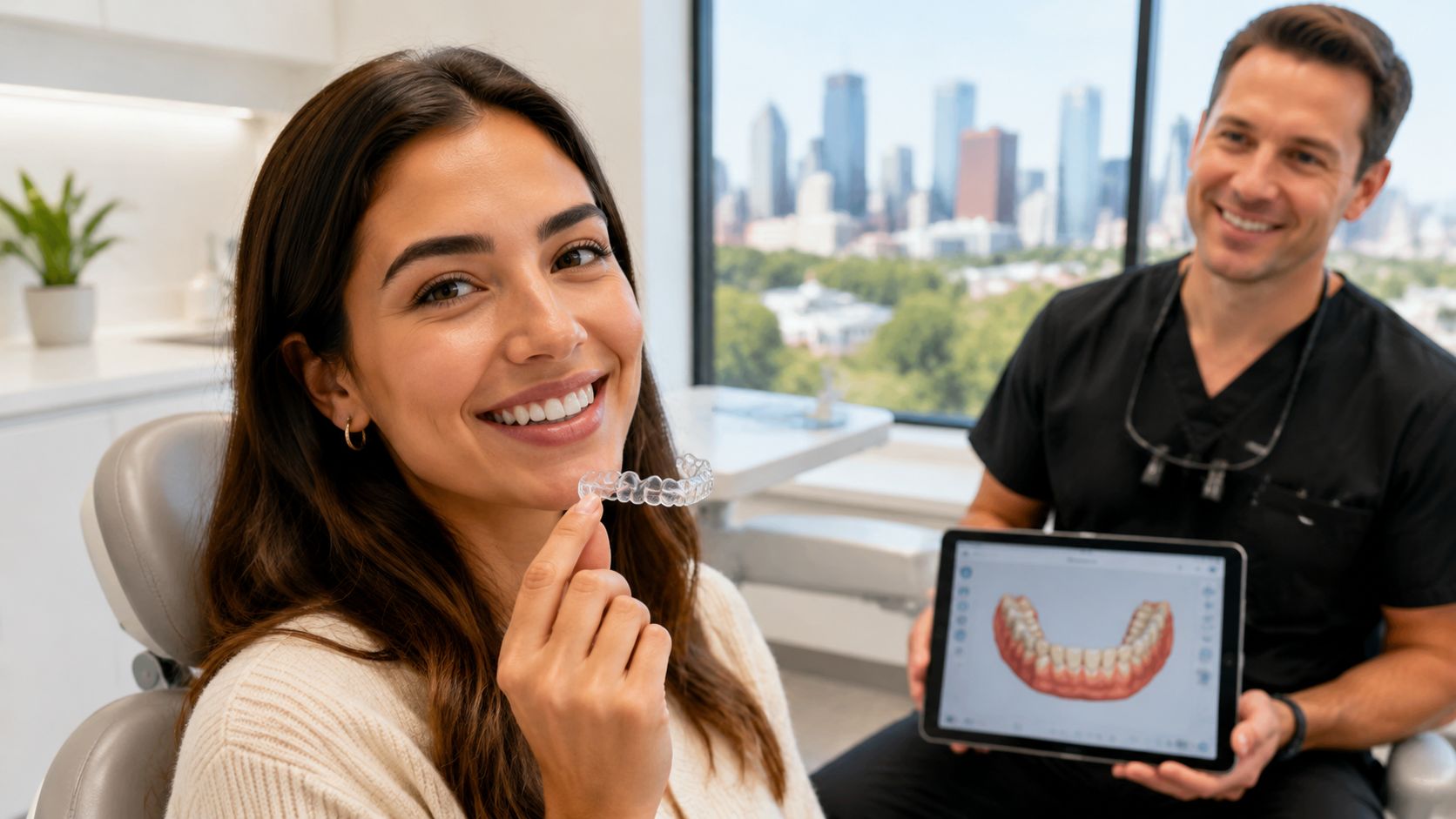
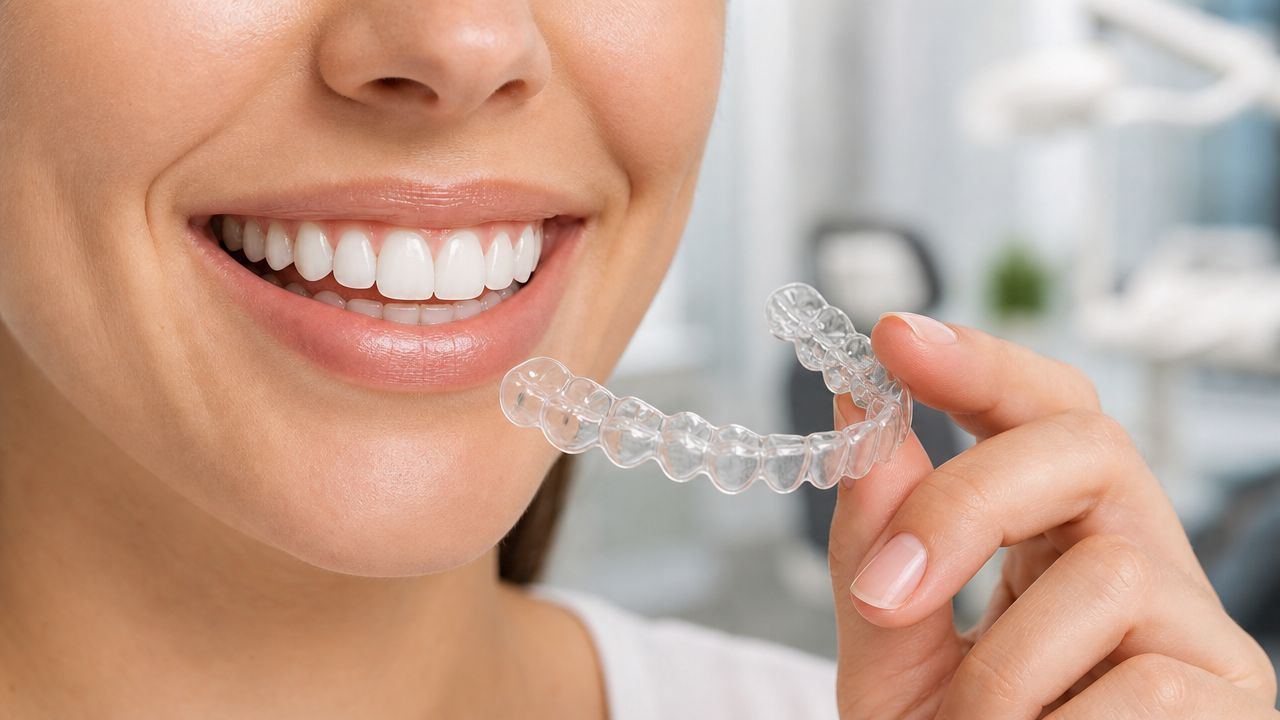
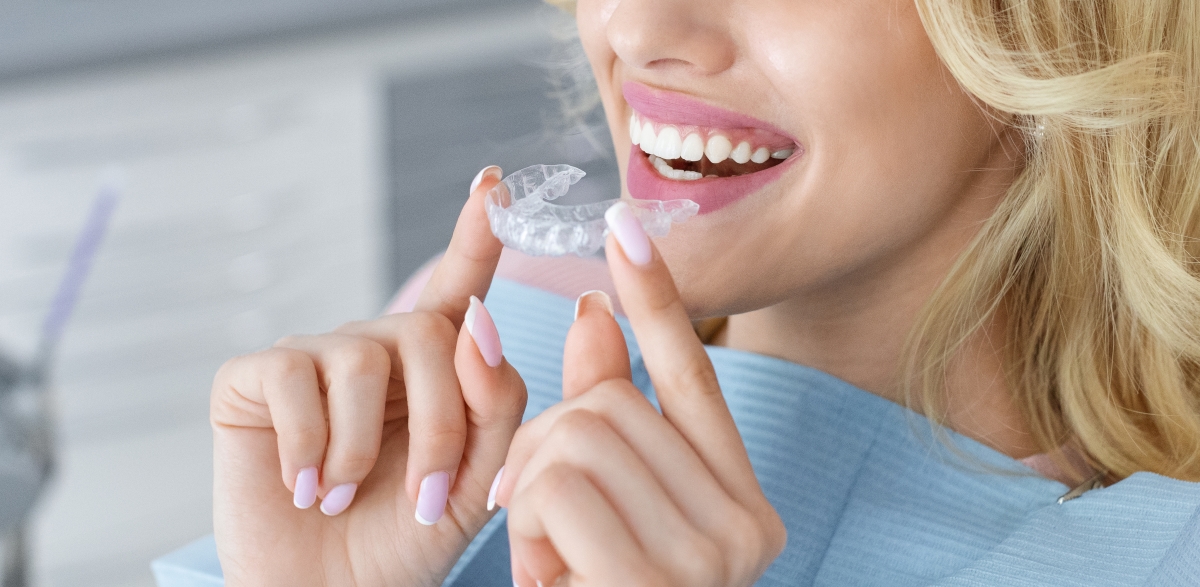
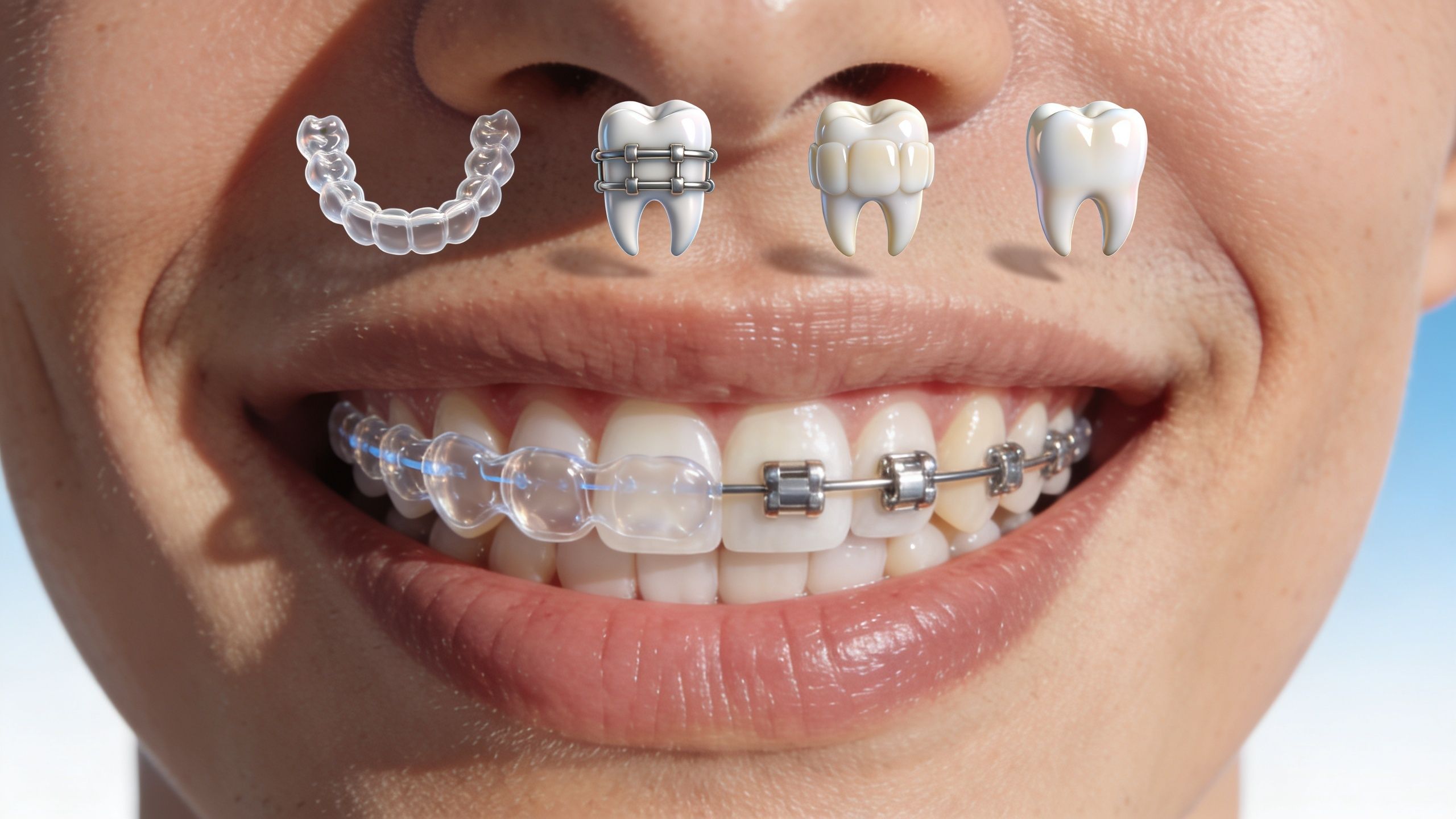
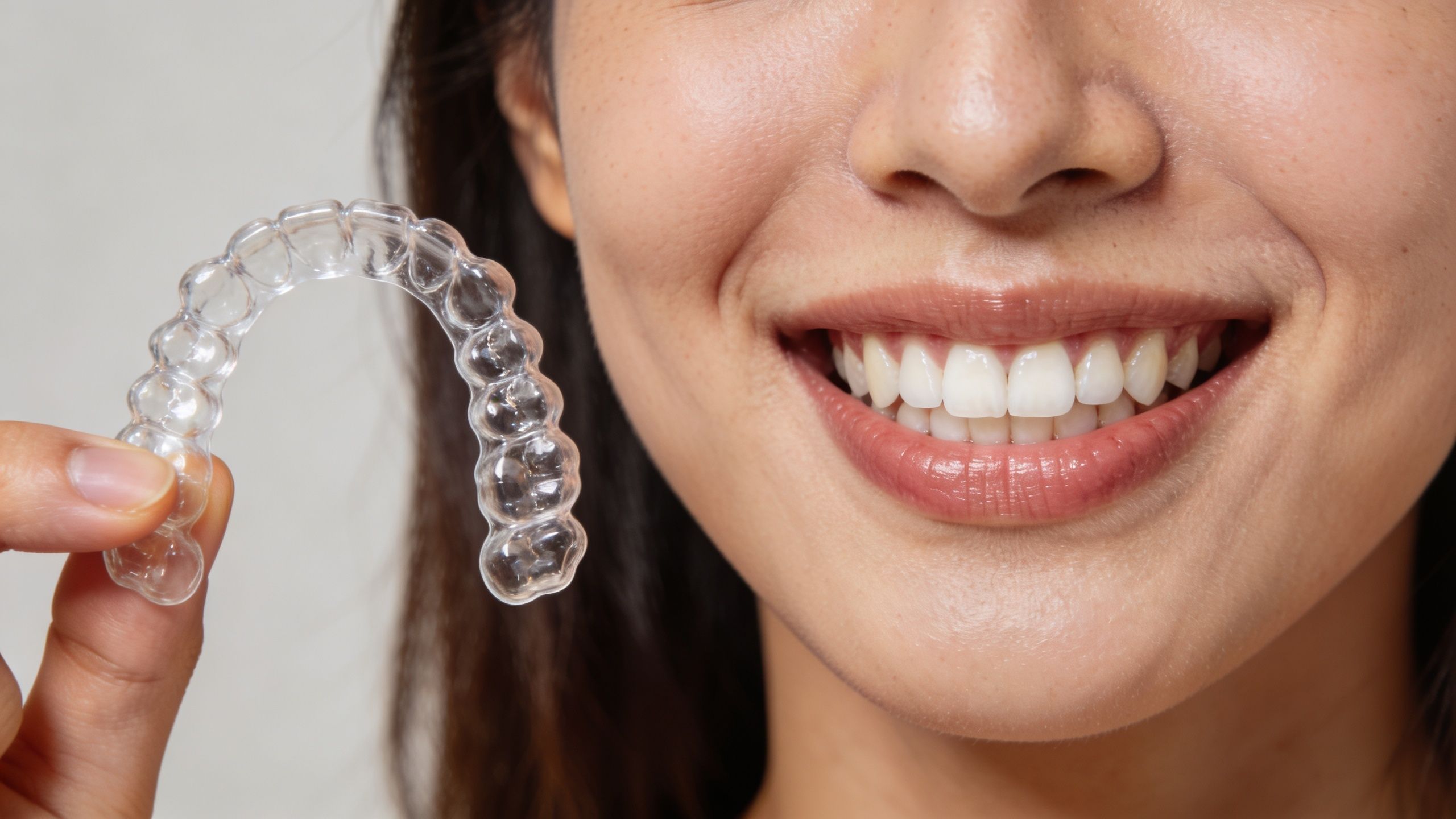
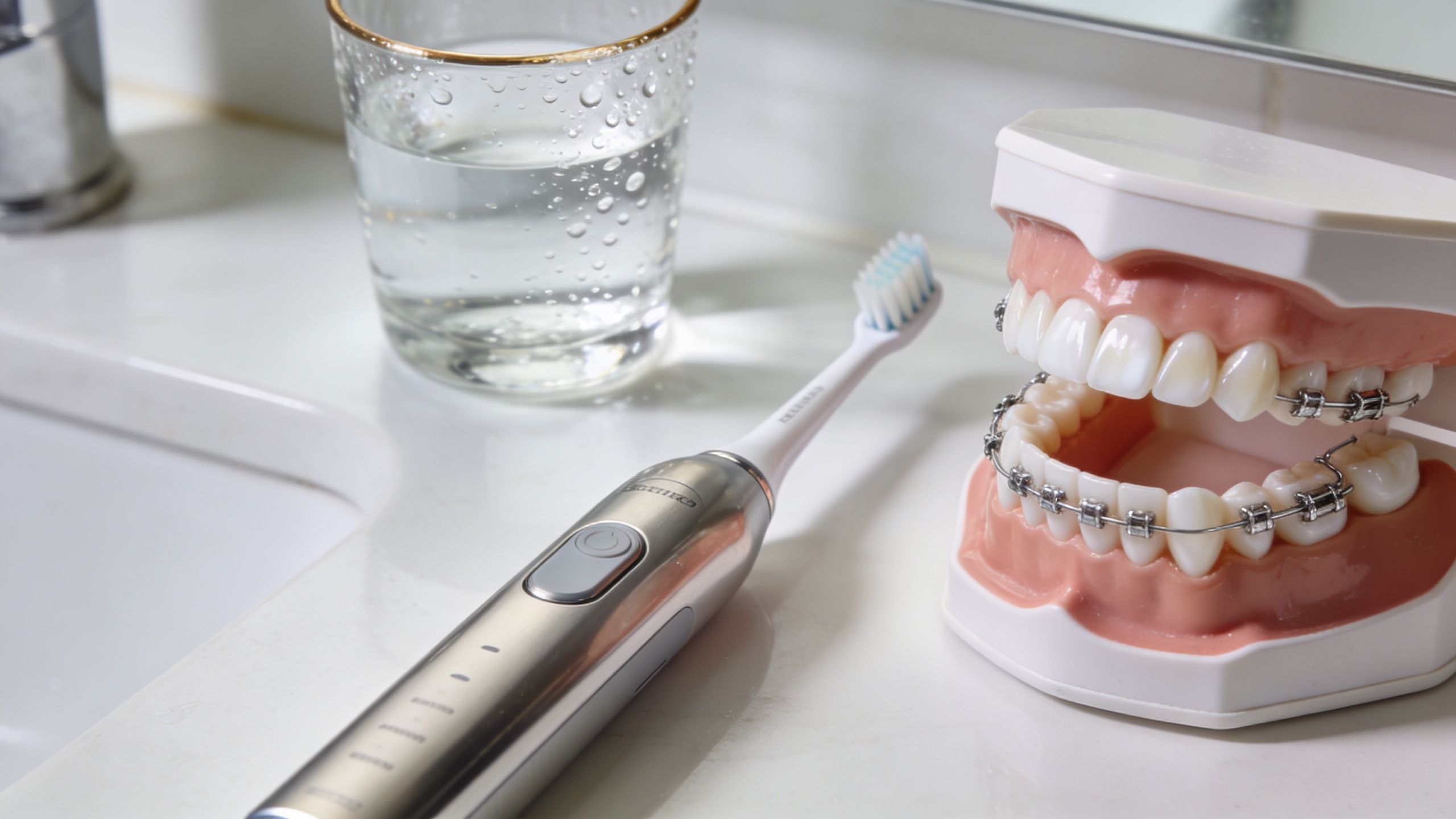
Braces trap food more easily. Clear aligners come out, but the teeth still need to be clean before trays go back in. That means patients in orthodontic treatment often need a more deliberate routine after meals.
A rushed brushing with a lot of force usually doesn’t help. Better options include rinsing first, checking for debris around brackets or attachments, and then brushing carefully once your mouth has had time to settle if the meal was acidic.
This short video gives a useful visual overview of good brushing habits after eating.
Veneers and cosmetic work benefit from a lighter hand
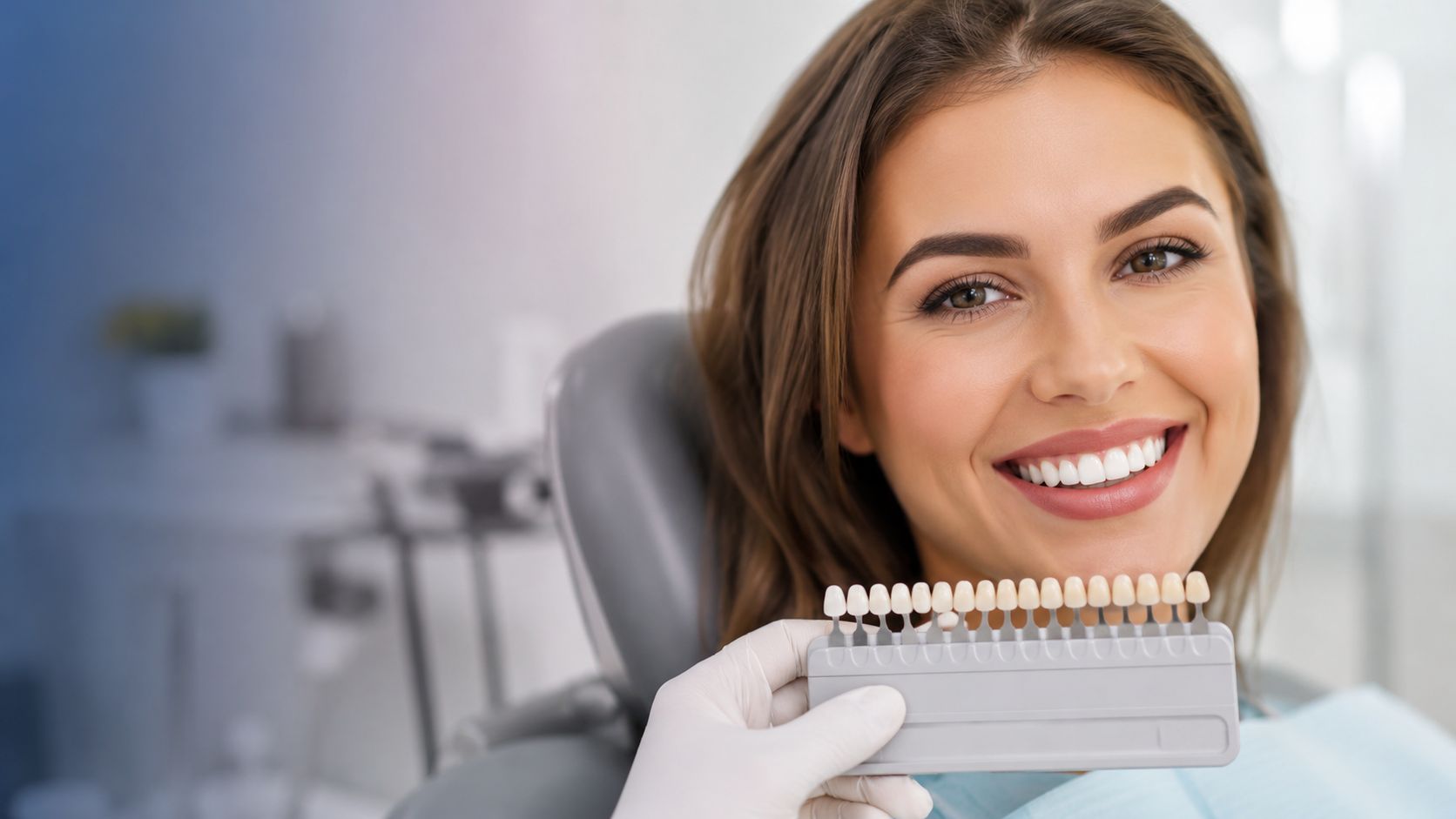
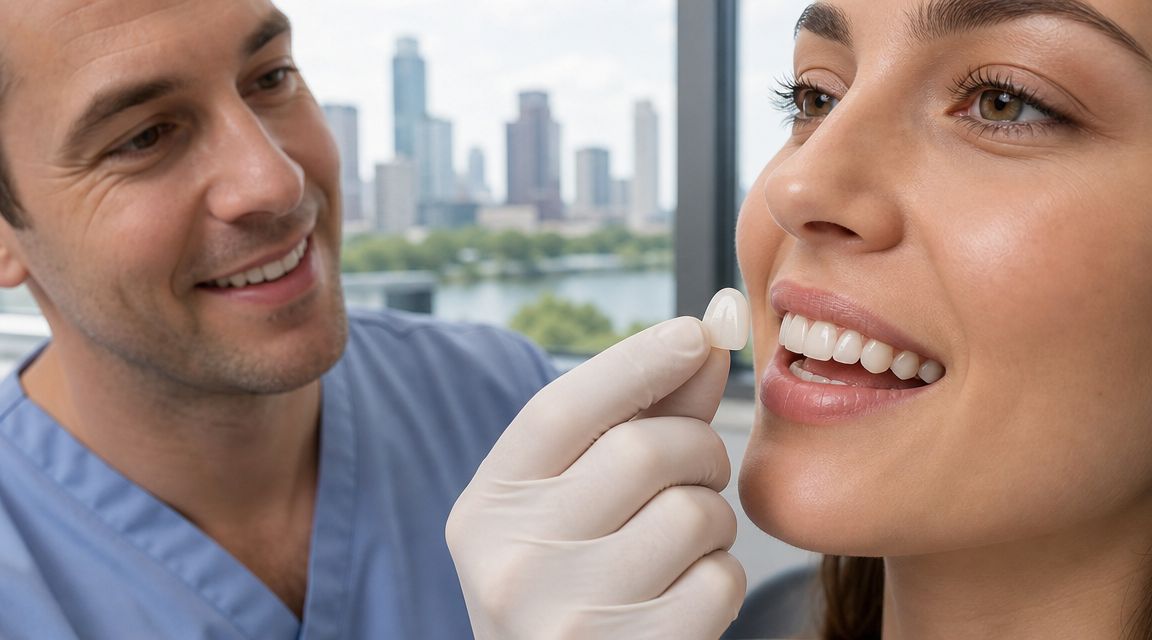
Cosmetic dentistry changes the stakes because patients want to protect both appearance and longevity. Veneers, bonding, and polished surfaces can all suffer when patients brush too hard or too soon after an acidic meal.
If you’ve invested in cosmetic dentistry, the safest habit isn’t “brush more aggressively.” It’s “brush at the right time, with the right pressure.”
That’s one reason patients searching for a cosmetic dentist near me or dental implants near me should ask about hygiene timing during routine visits. The right answer depends on the restoration, the surrounding gums, and the foods you eat most often.
How We Help Protect Your Smile at 3D Dental
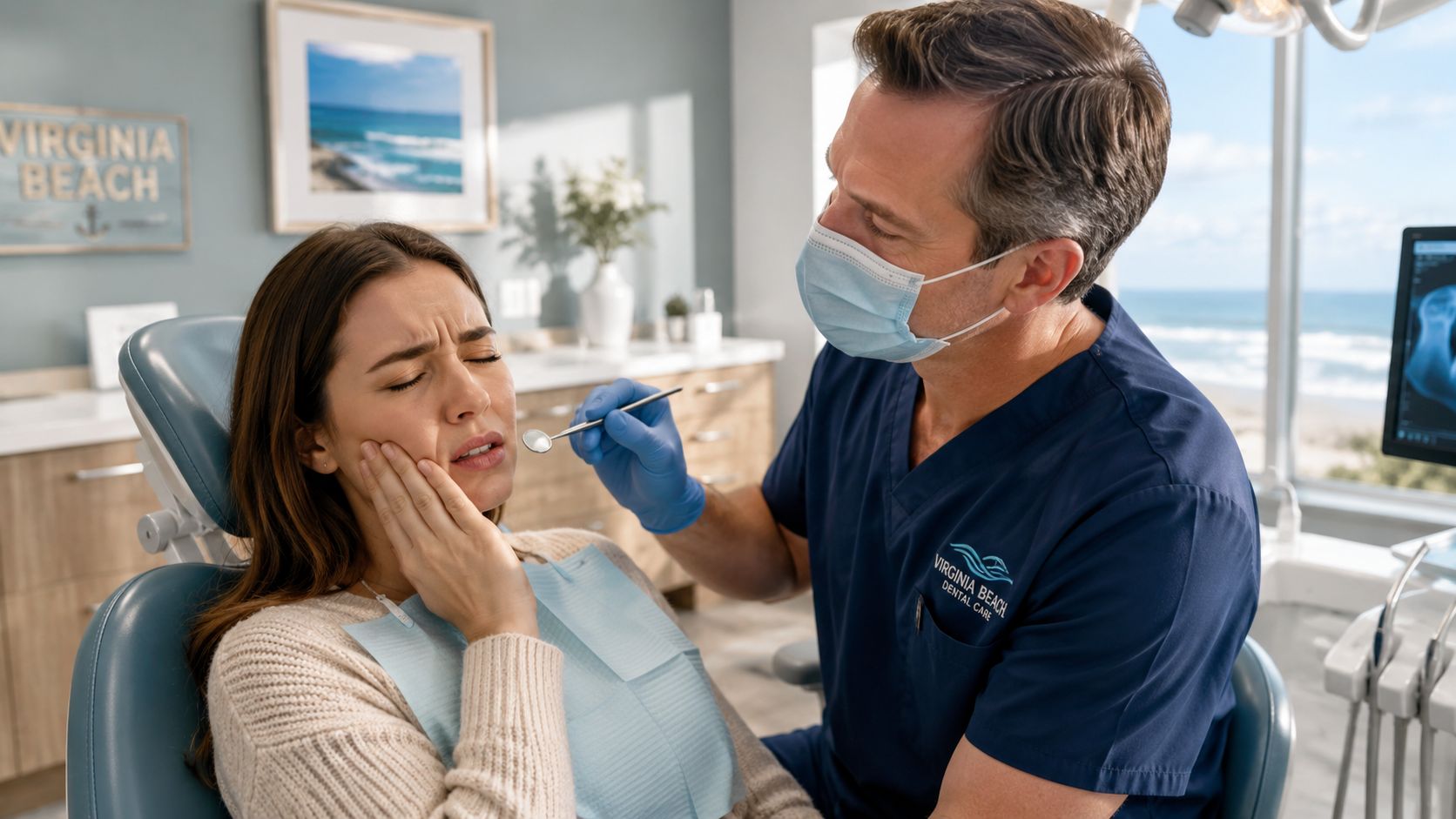
A small daily habit can affect much bigger outcomes. Enamel wear, sensitivity, stained margins around cosmetic work, irritated gums around implants, and emergency visits after neglected irritation often start with routines that seemed harmless at the time.
That’s why brushing timing matters as part of preventive care, not just home care trivia.
Better habits can protect dental work
According to this clinical discussion of delayed brushing and enamel wear, waiting 60 minutes before brushing after an acidic meal can result in 45% less enamel wear compared with brushing immediately. The same source notes that this habit is important for preserving cosmetic work like veneers and supporting the long-term stability of dental implants.
That’s a meaningful point for adults who have invested in restorative or cosmetic care. A crown, veneer, implant, or aligner plan doesn’t end when the appointment is over. Home care habits help determine how well those results hold up.
What personalized dental guidance should include
When a patient comes in for preventive care, the best advice usually goes beyond “brush twice a day.” It should account for:
- Your diet: Coffee, citrus, sparkling drinks, and frequent snacking all affect timing decisions.
- Your dental history: Sensitive teeth, erosion, gum recession, and dry mouth change recommendations.
- Your treatment: Veneers, braces, implants, and whitening plans each call for slightly different home care.
- Your schedule: A routine only works if you can follow it at home, at school, or at work.
Clinical takeaway: The best brushing routine is the one that protects your teeth and fits your real day.
Why prevention beats repair
Patients in Austin, Georgetown, Wells Branch, and Liberty Hill often come in looking for cleanings and exams, cosmetic dentistry, restorative dentistry, or help from an emergency dentist. Many of those visits could be simpler when home habits are dialed in early.
That doesn’t mean perfection. It means knowing the difference between a habit that helps and a habit that slowly wears things down. Brushing at the right time is one of those quiet habits that pays off for years.
Frequently Asked Questions About Brushing After Meals
Do I always need to wait before brushing
No. The waiting rule matters most after acidic foods and drinks. If the meal wasn’t acidic, brushing sooner may be fine if you use a soft brush and gentle pressure.
What if I’m in a hurry
Rinse thoroughly with water and brush later. That’s usually a better option than scrubbing immediately after orange juice, soda, or a tomato-heavy meal.
Is rinsing with water actually helpful
Yes. It’s a good short-term step after meals, especially when you can’t brush right away. It doesn’t replace brushing, but it can help clear the mouth while you wait.
Should I brush after every meal
Not necessarily. Consistent daily brushing matters, but trying to brush after every single meal can backfire if the timing is wrong or the brushing is too aggressive.
Does this advice change if I have braces or aligners
Yes. You still need strong plaque control, but your routine has to match your appliance and your meal. If food gets trapped, rinse first and clean carefully rather than rushing into hard brushing.
What about implants or veneers
These patients benefit from more individualized guidance. The goal is to protect surrounding tissues and restorative surfaces while still keeping plaque under control. If you’ve had cosmetic or implant treatment, it’s worth asking for instructions based on your exact restoration.
When should I ask a dentist for personal advice
Ask if you have frequent sensitivity, visible wear, questions about whitening or veneers, or you’re unsure how to clean around implants, braces, or aligners. This is also a good topic to bring up at a new patient exam if you’re looking for a dentist in Austin TX or Georgetown TX.
If you’re looking for practical, personalized guidance from a local dental team, 3D Dental serves patients in North Austin and Georgetown with preventive care, cosmetic dentistry, orthodontics, restorative treatment, and dental implants. If you need a new patient exam, help protecting veneers or implants, or you’re searching for a trusted dentist near me, schedule a visit and get a brushing routine that fits your teeth, your dental work, and your daily life.
Ready to get started?
Schedule a free, no obligation consultation with our team and see what's possible for your smile!
Georgetown
- Mon-Thurs8:30am-5pm
- Fri8am-3:30pm
- Sat-SunClosed
Austin
- Mon-Tues8am-5pm
- Wed-Thurs9am-6pmFri8am-2pm
- Sat-SunClosed