
How Long Does Implant Surgery Take? Full Timeline
Related Posts

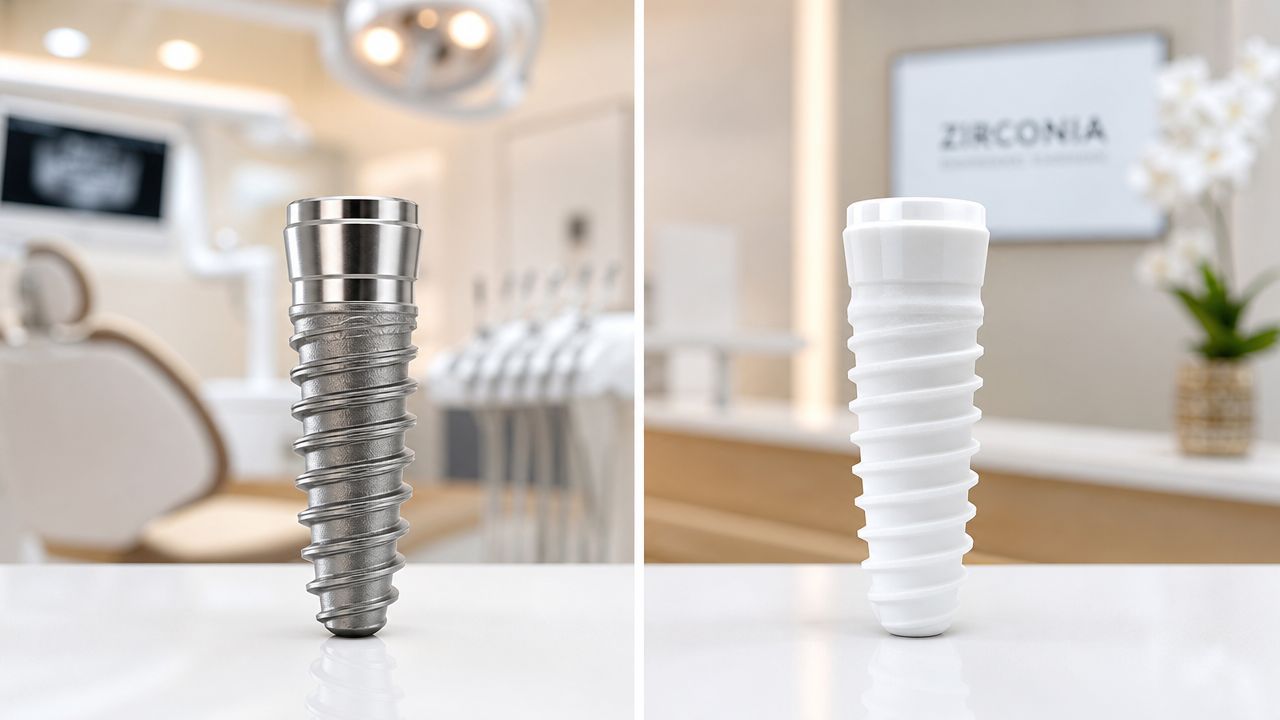

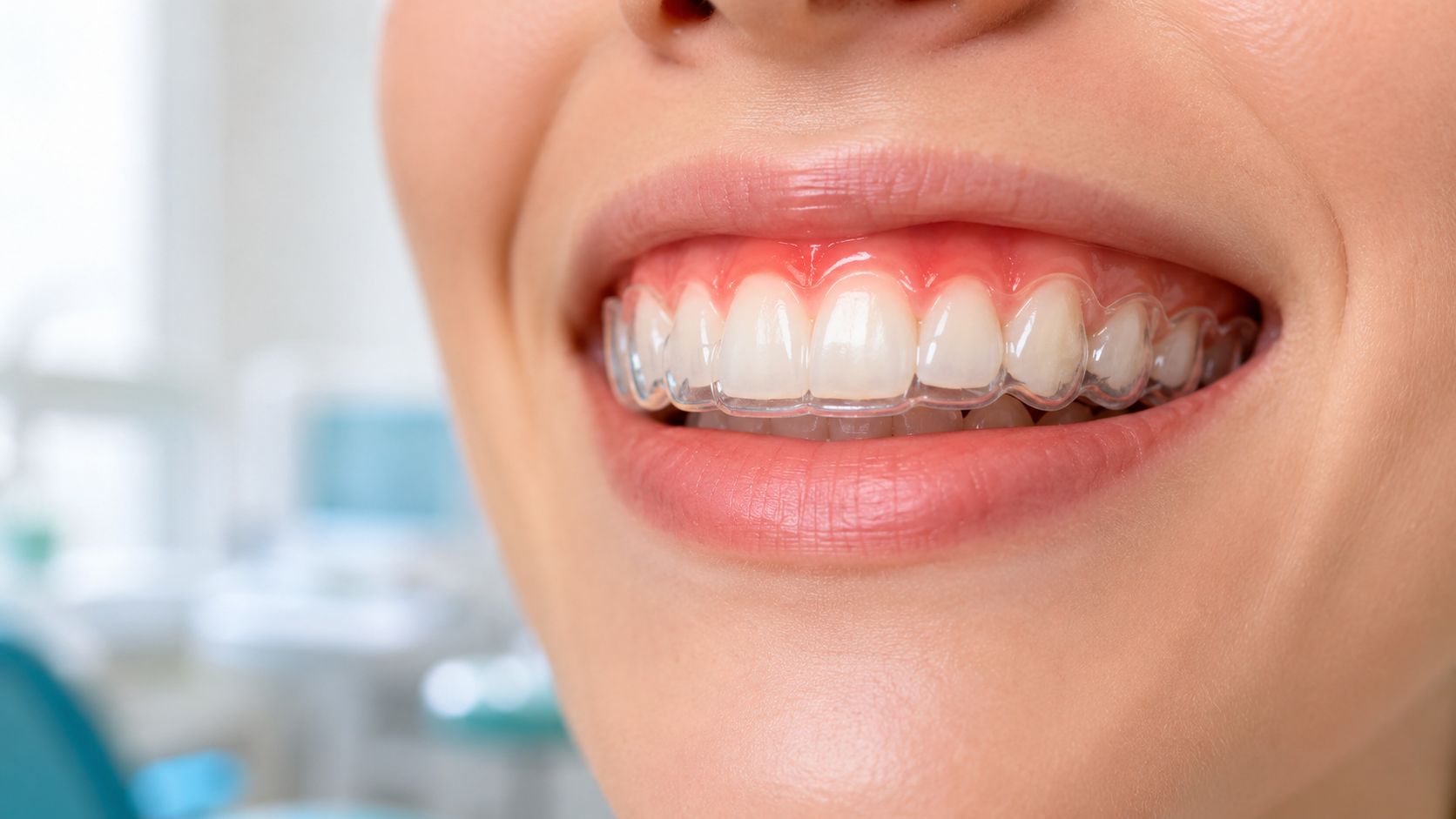

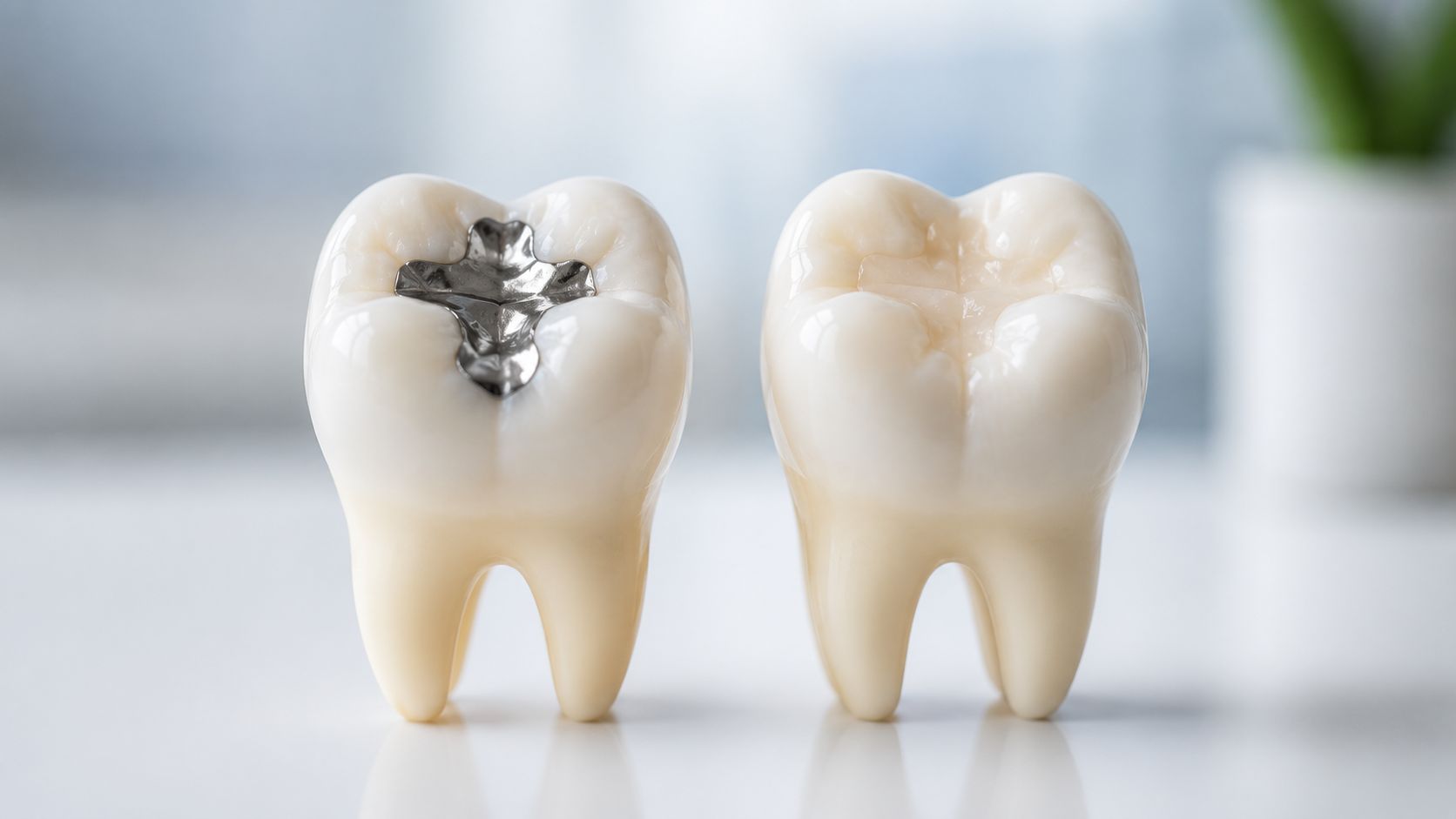




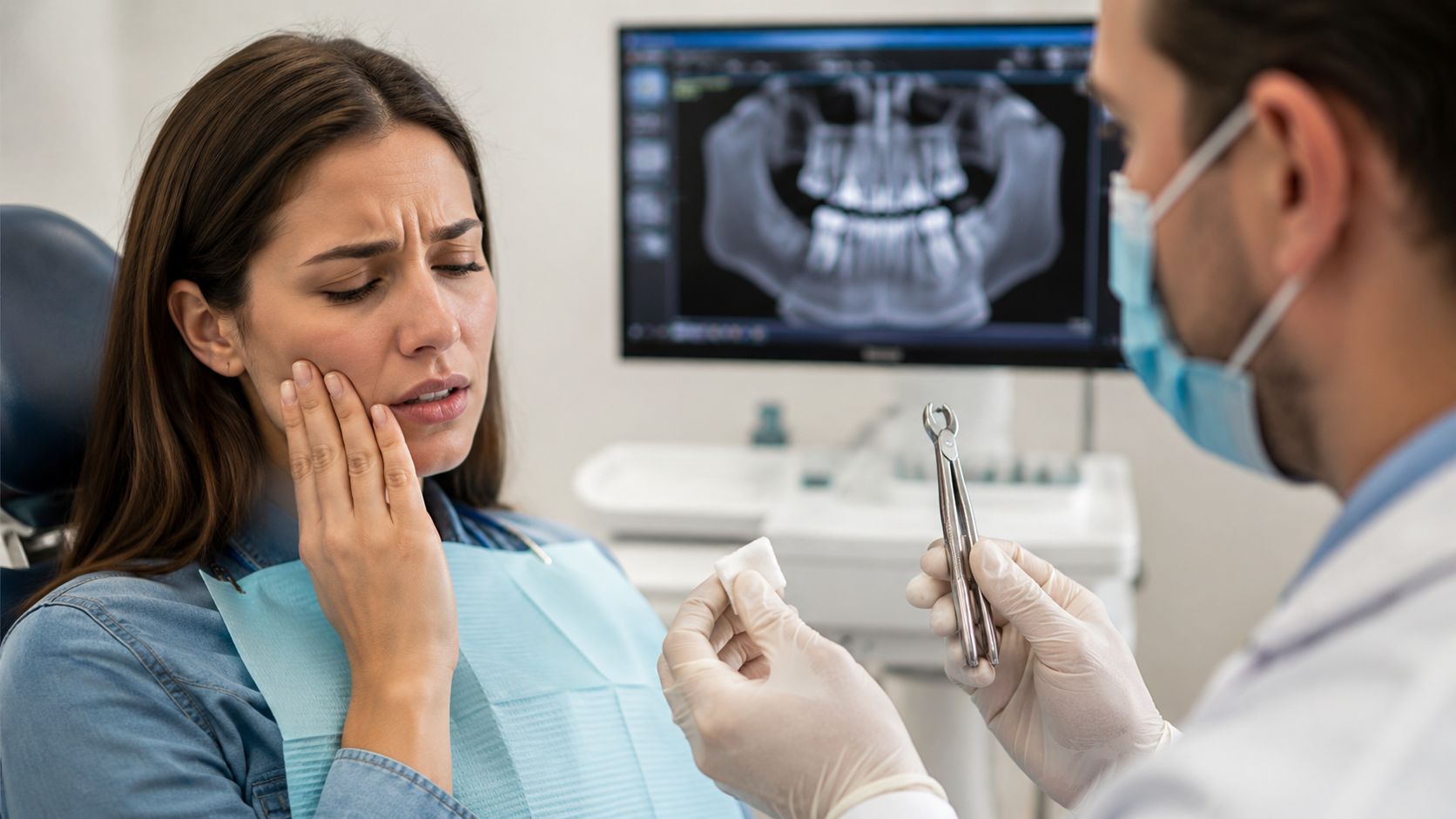
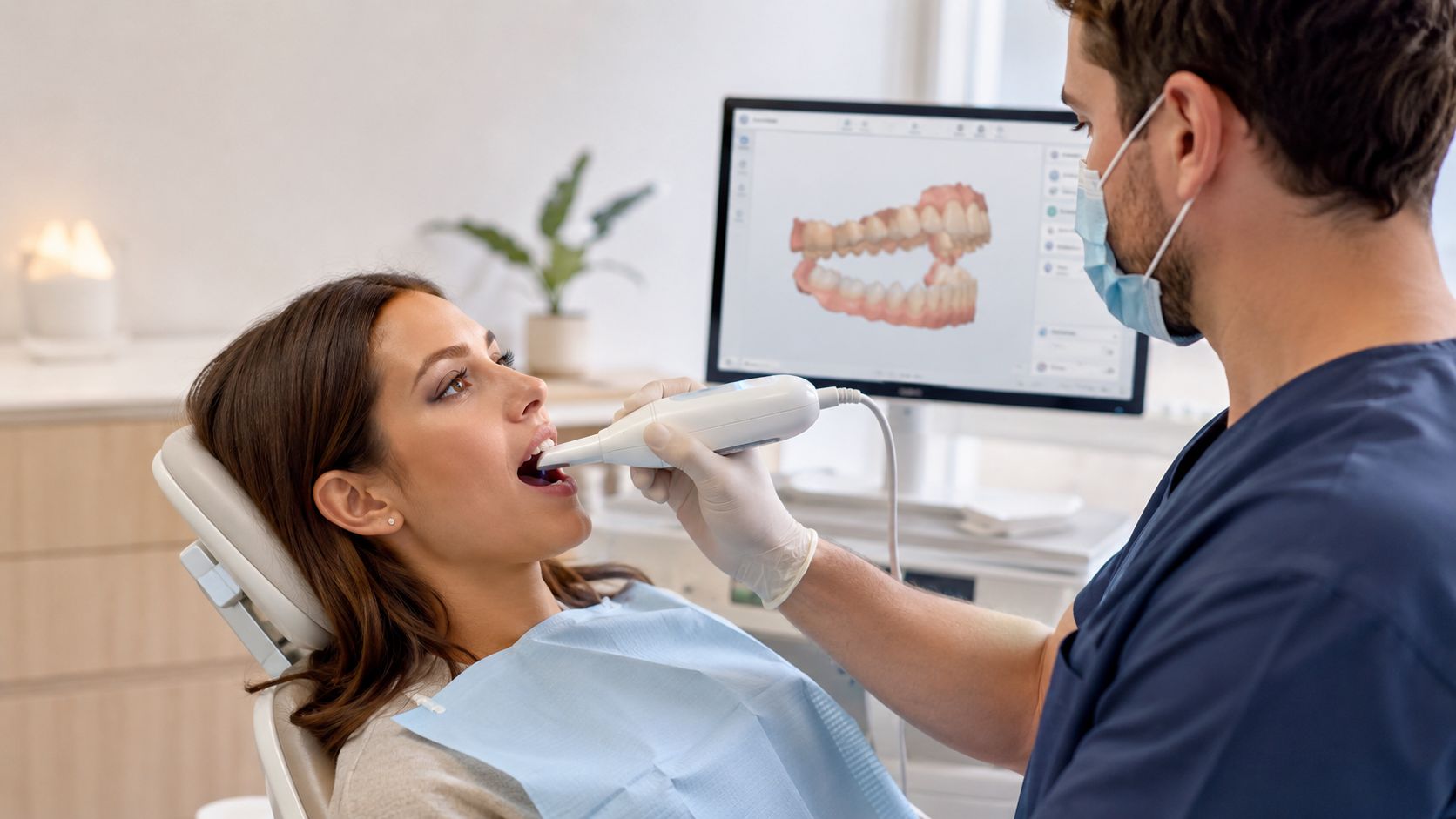

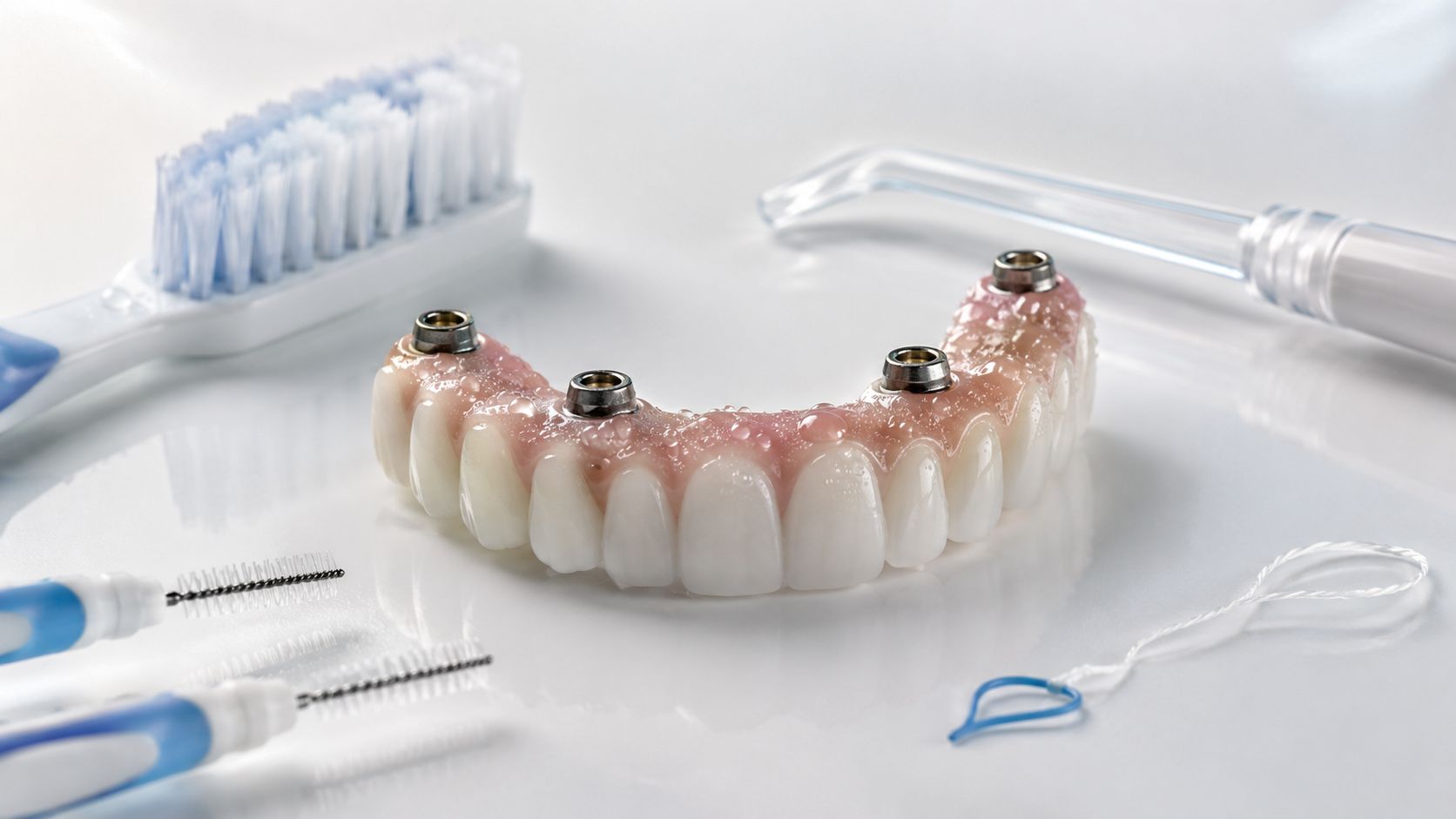



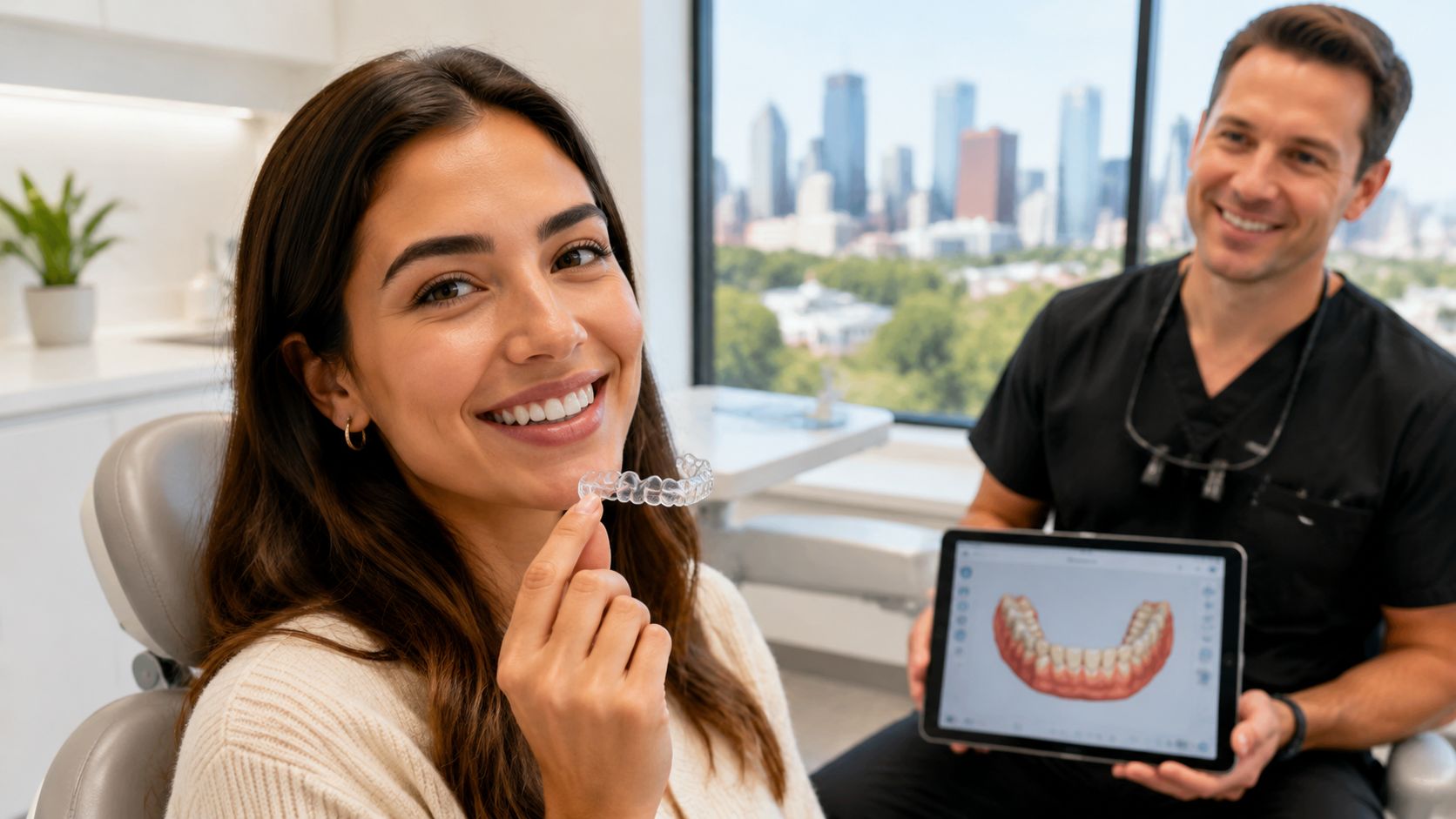





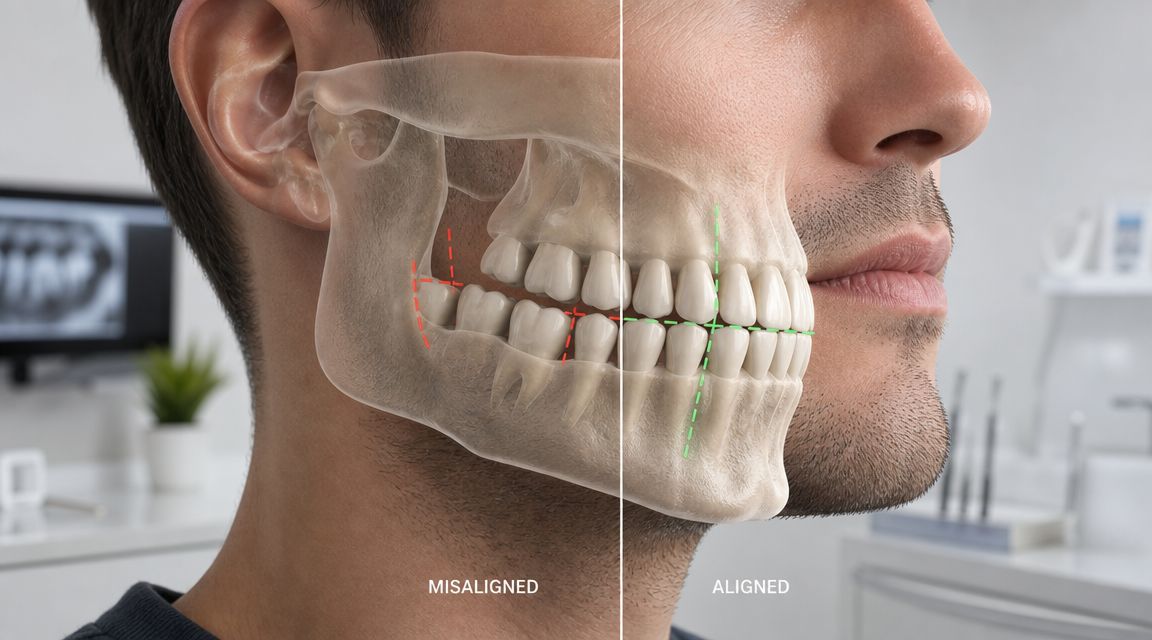

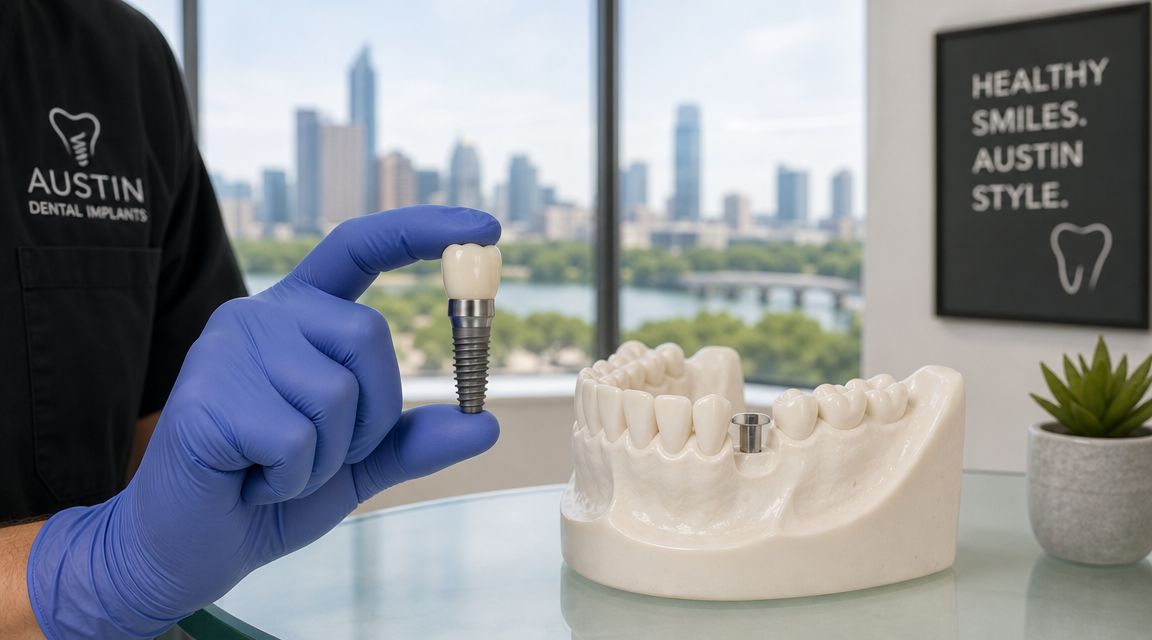

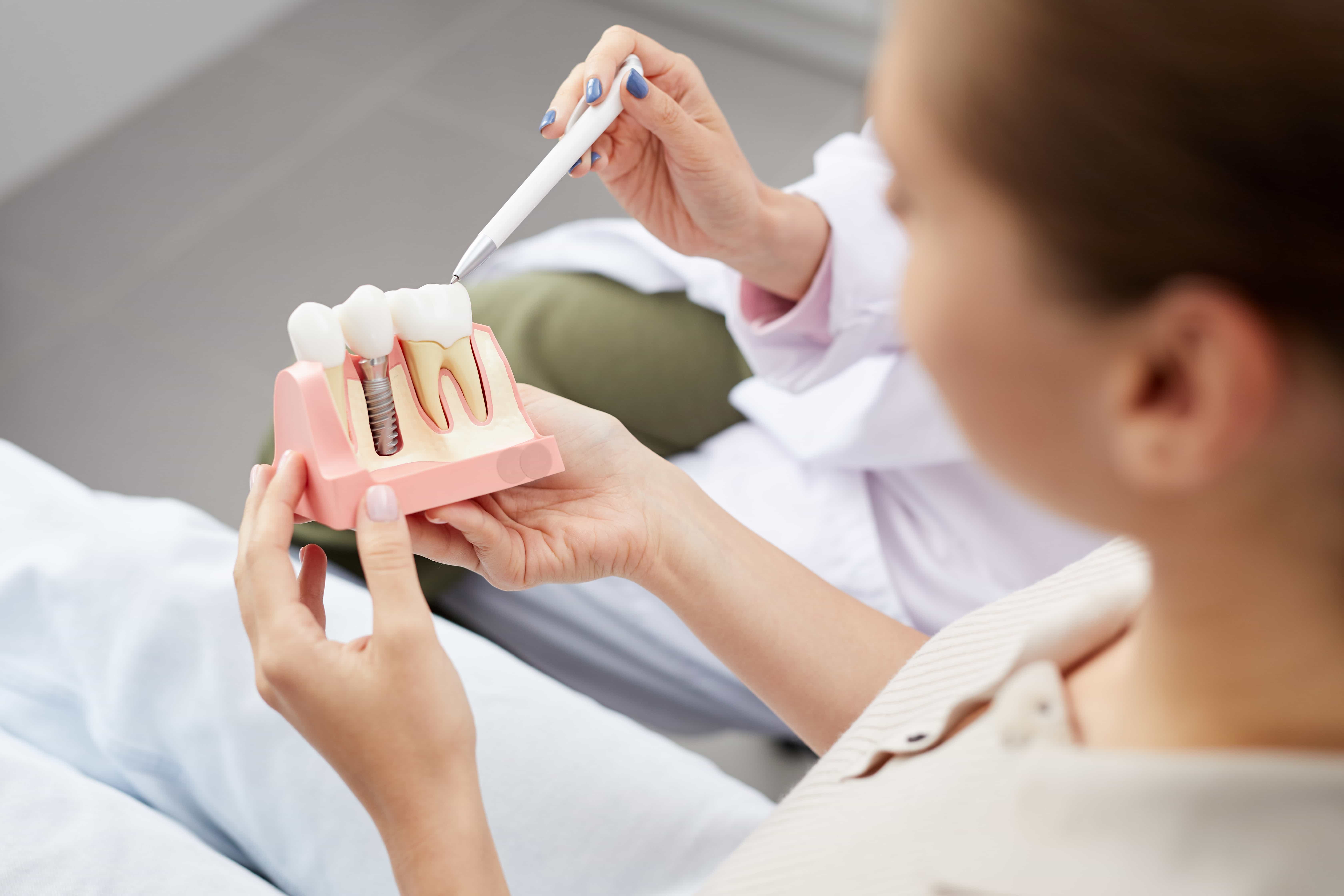
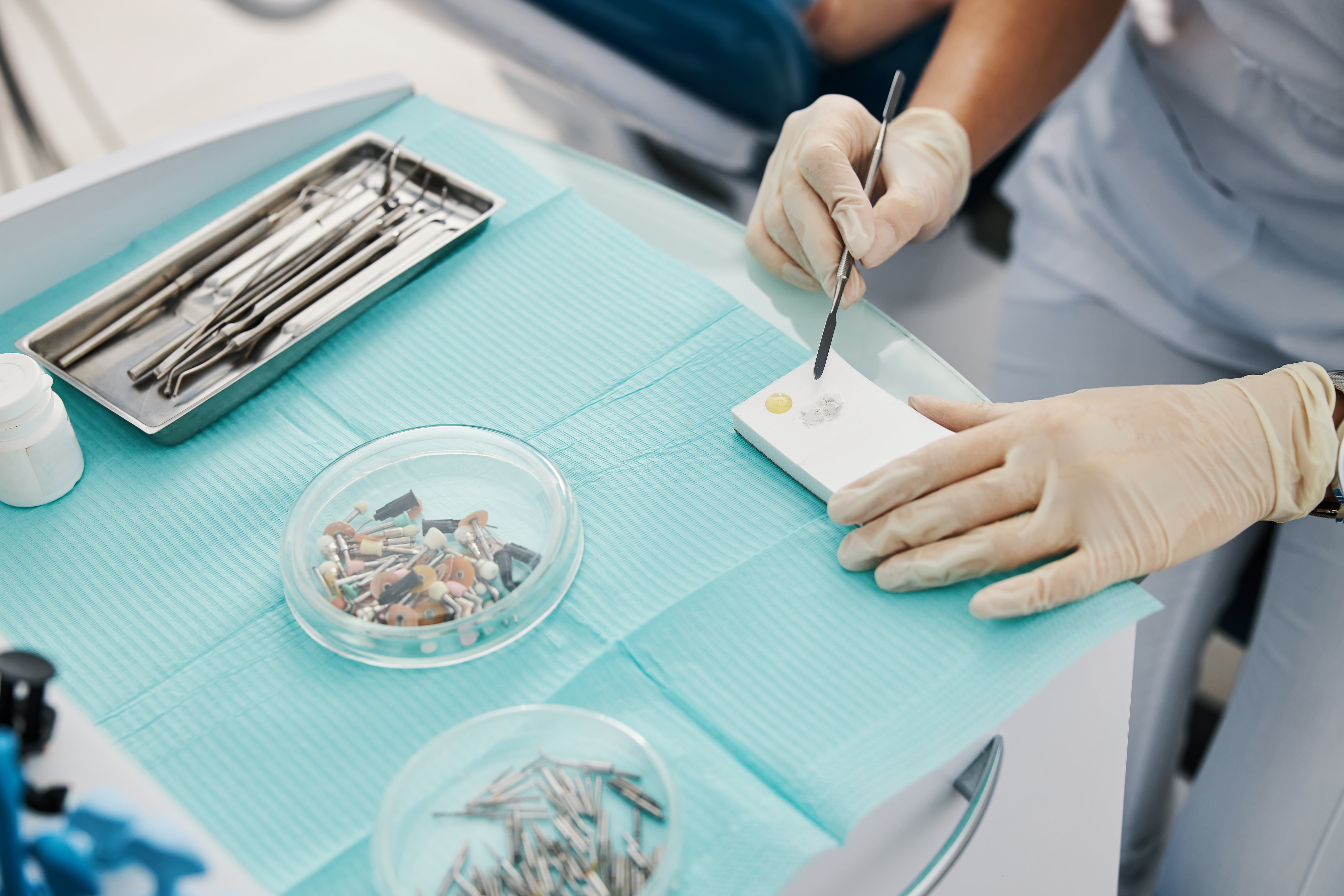
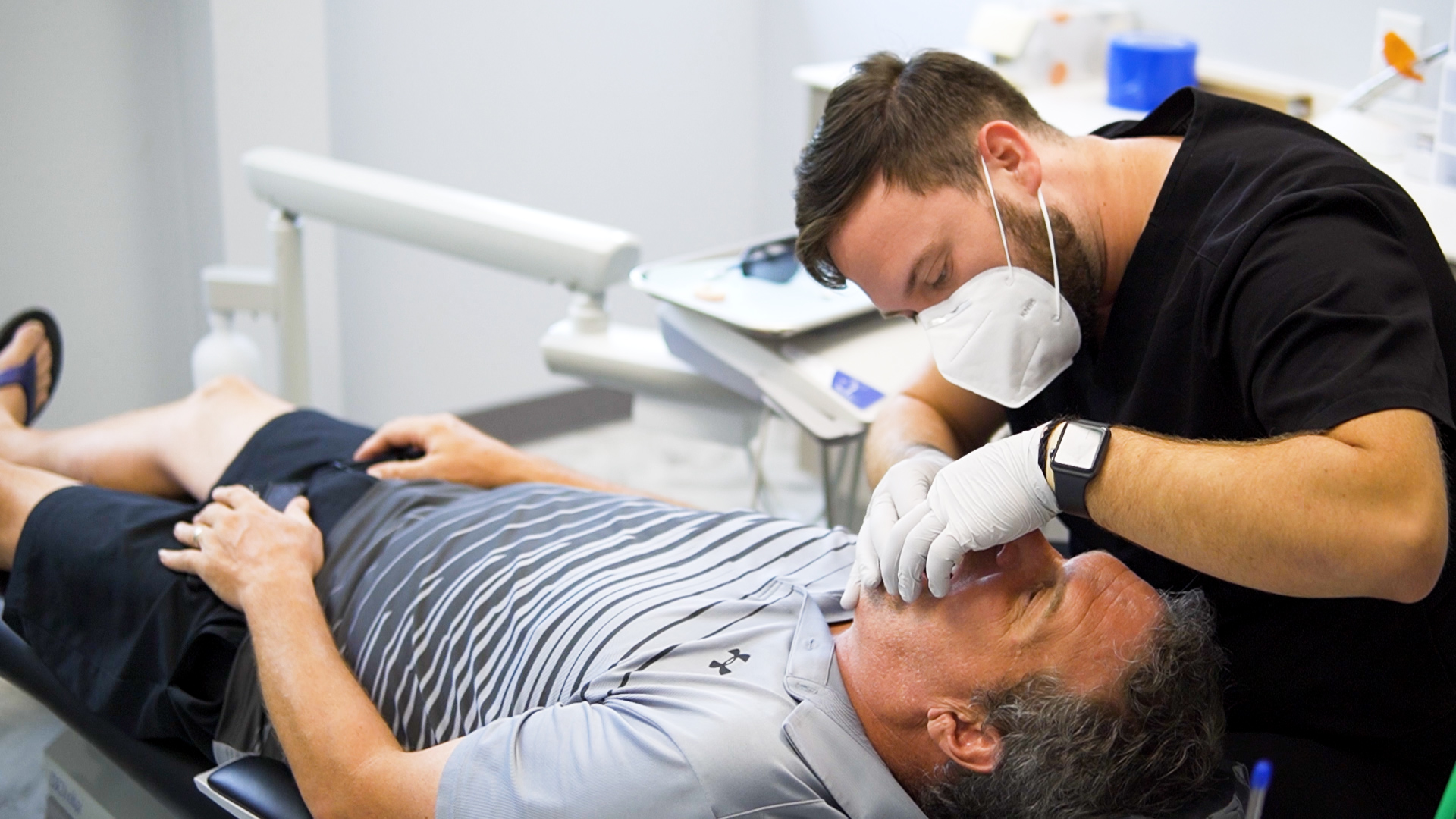

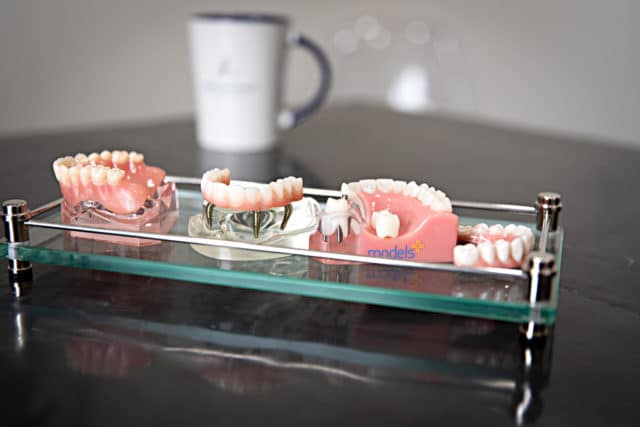
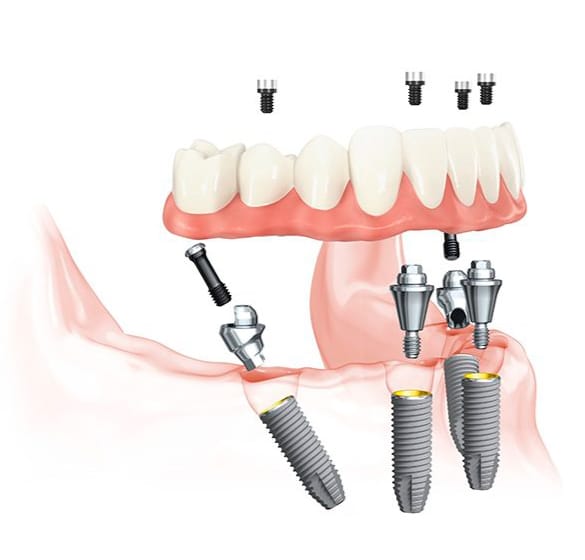
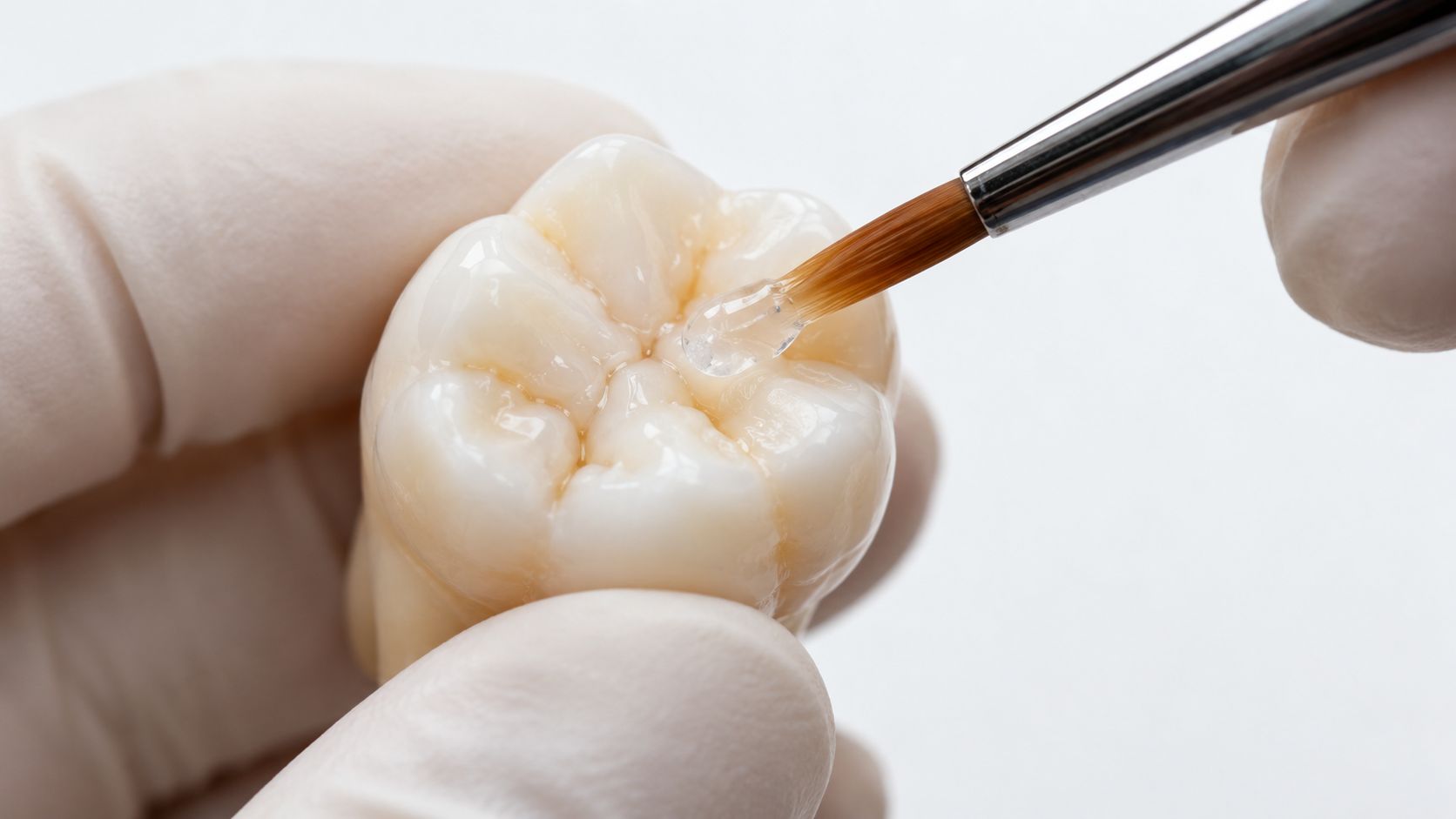
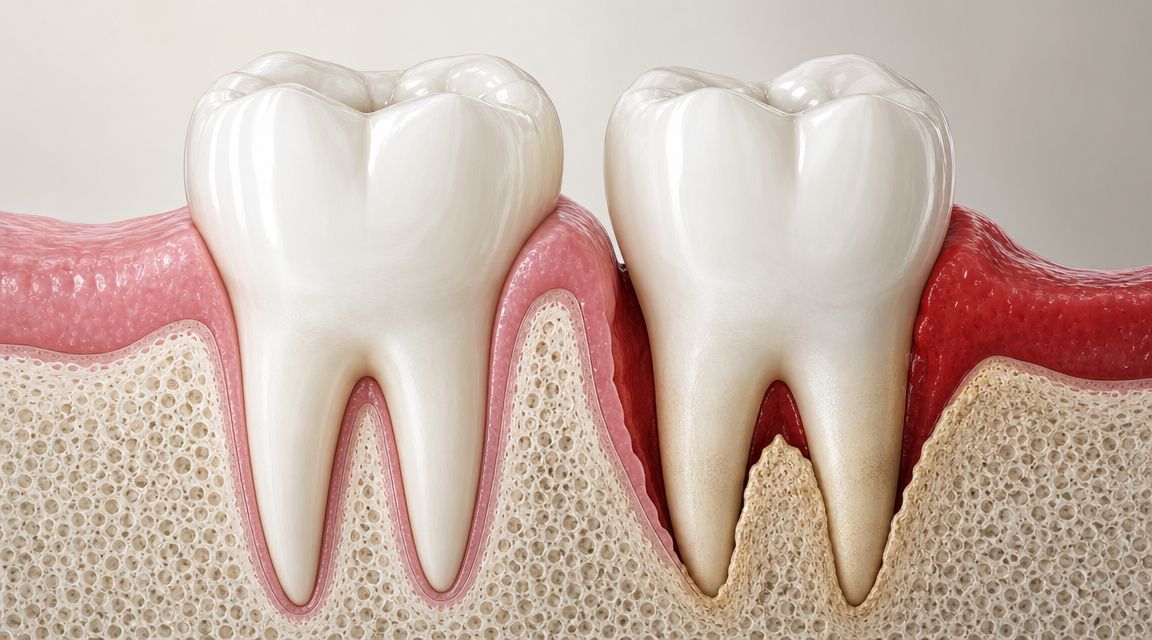










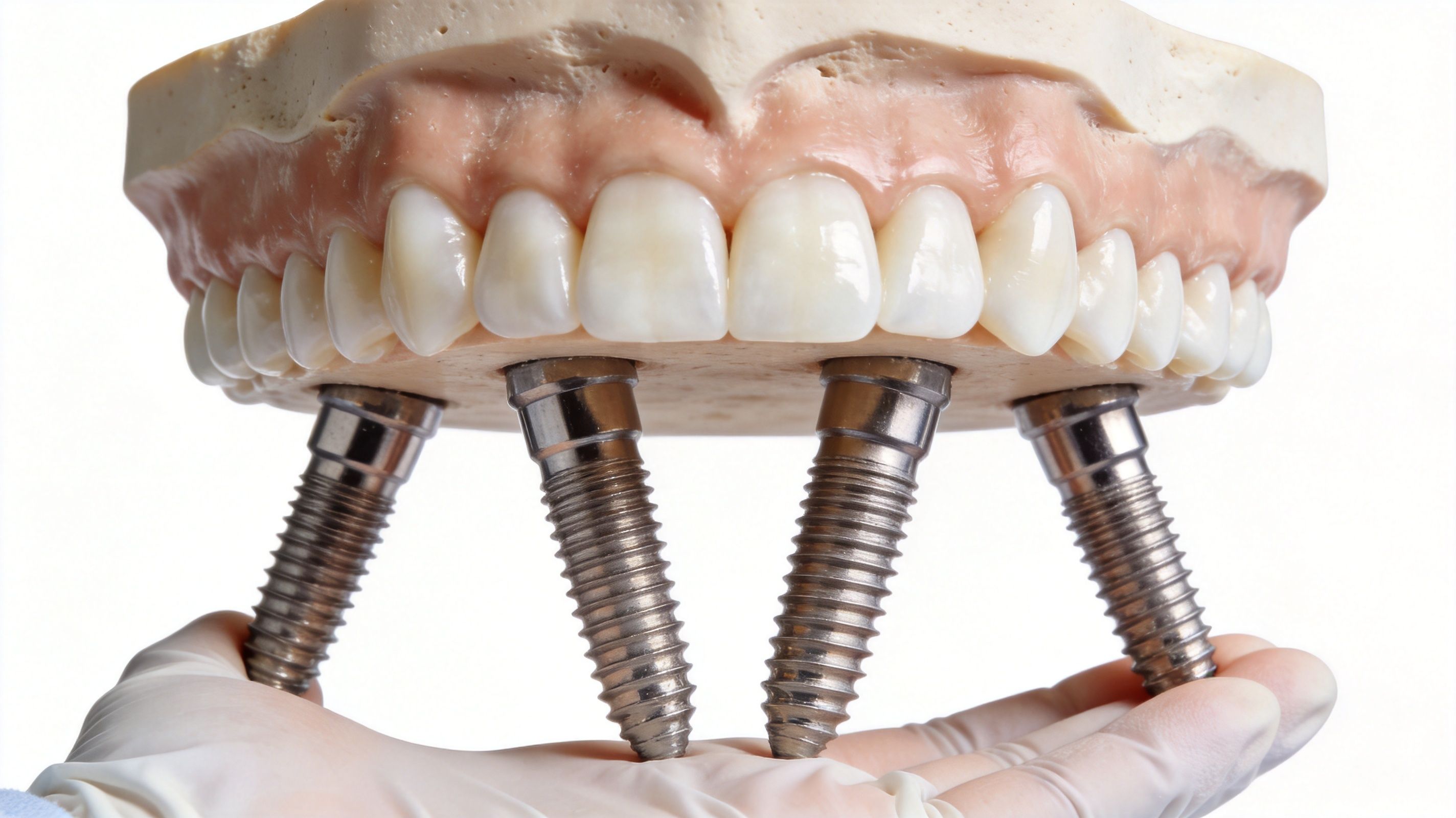













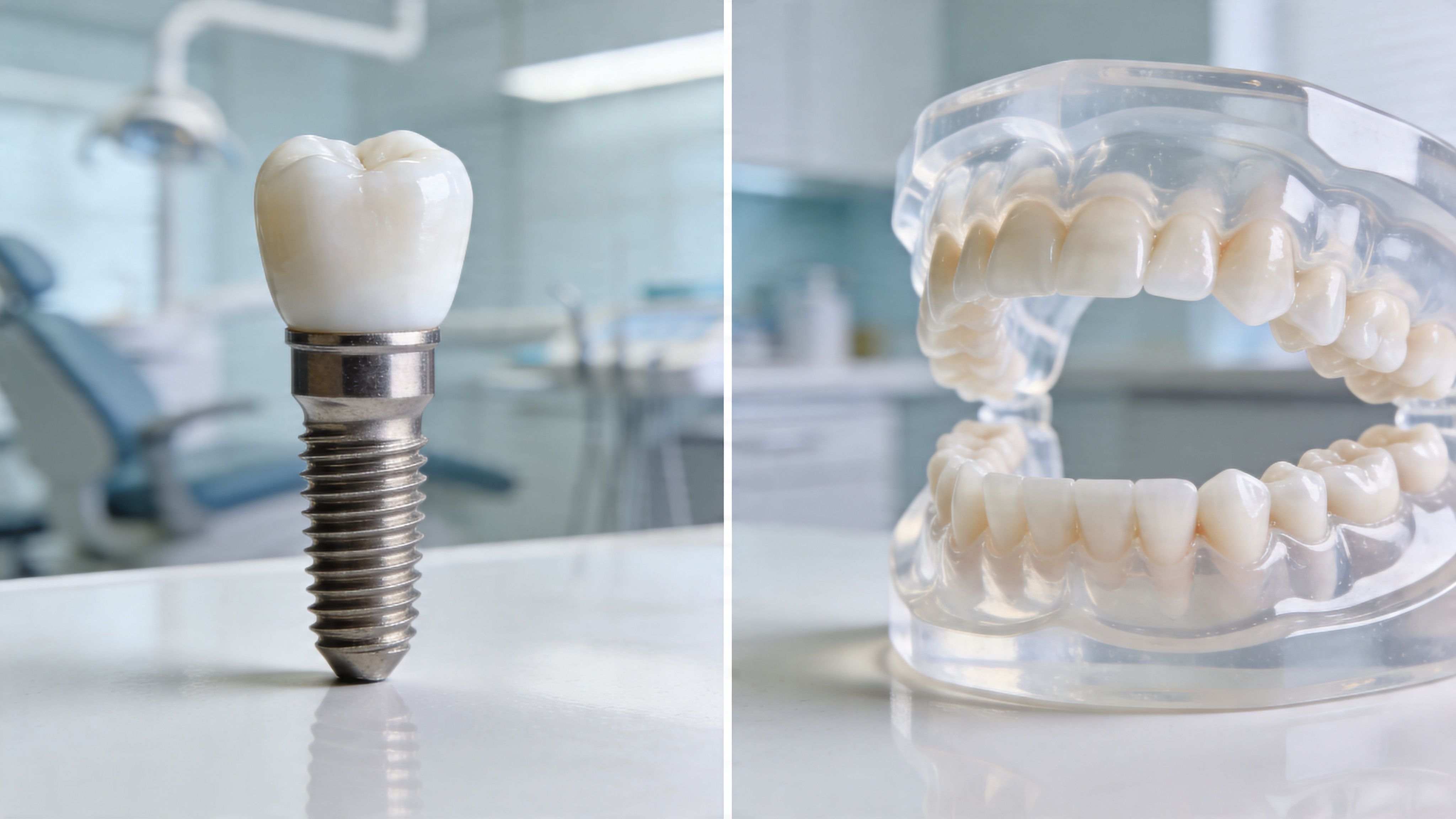
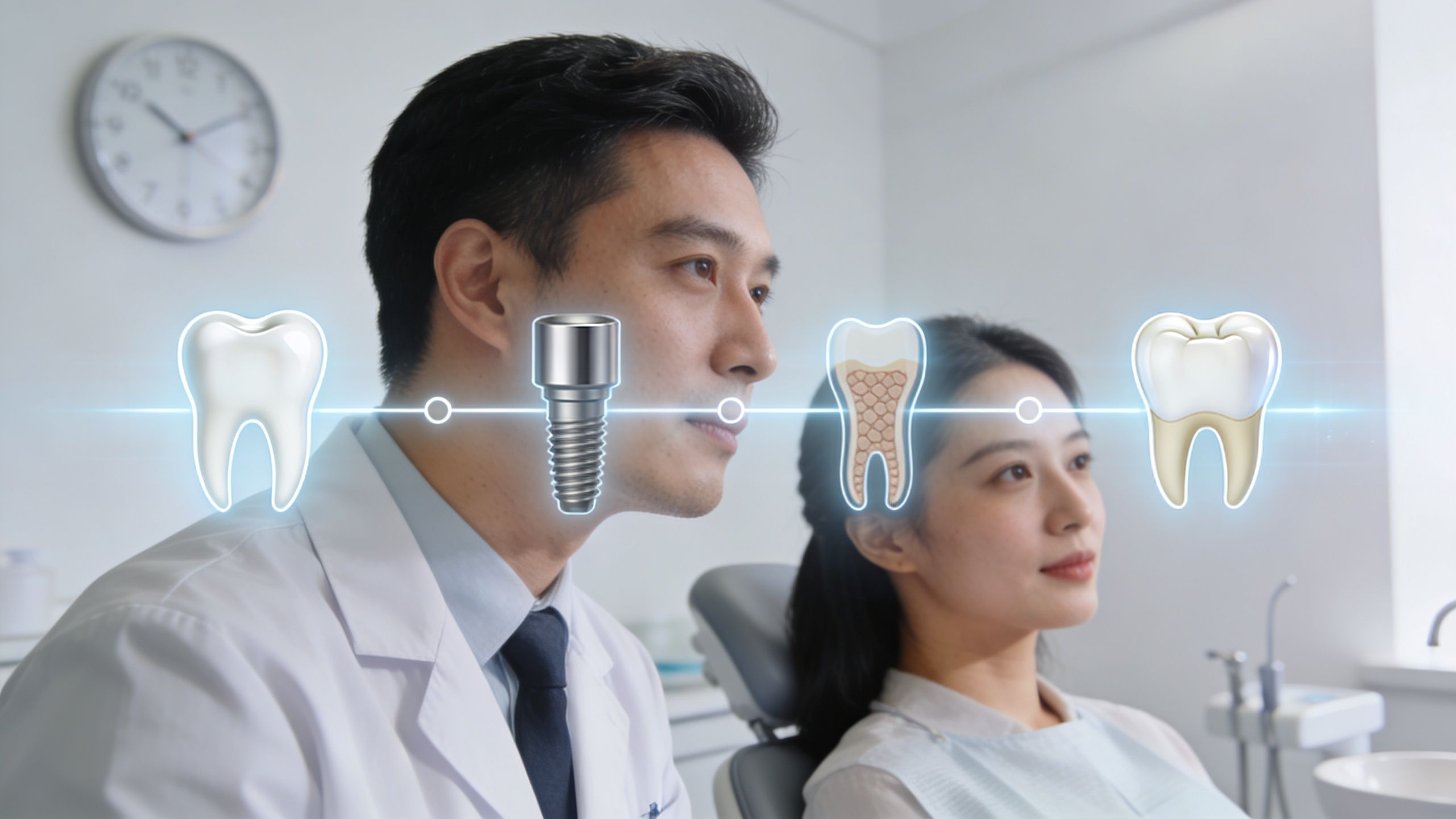
A single dental implant surgery appointment can take 30 to 60 minutes under standard conditions, though some cases take 1 to 2 hours and complex procedures can last up to 2.5 hours. The bigger surprise for most patients is that the full implant process usually takes 3 to 9 months, because healing and bone integration take much longer than the day of surgery.
If you're searching for dental implants near me in Austin or Georgetown, that difference matters. Many patients come in expecting the hardest part to be the appointment itself, when in reality the actual timeline depends on planning, healing, and whether extra steps like a tooth extraction or bone grafting are needed. The good news is that once you understand where the time goes, the process feels much more manageable.
Your Dental Implant Journey in Austin and Georgetown
For many adults in Austin, Georgetown, Cedar Park, Round Rock, Wells Branch, and Liberty Hill, the first question isn't whether implants work. It's much simpler. How long does implant surgery take, and how much of my life is this going to disrupt?
That concern is reasonable. If you're replacing a front tooth, you may be thinking about appearance. If you're missing a back tooth, you may be focused on chewing without pain. If you've been told you may need restorative dentistry after a damaged tooth or tooth extraction, the unknown timeline can feel like the hardest part.
Most implant cases involve two different clocks. One is the day of treatment, which is usually shorter than people expect. The other is the complete treatment path, which includes healing that can't be rushed if you want a stable, long-lasting result.
What patients usually want to know first
In practical terms, patients usually care about three things:
- Chair time: How long you'll be in the office on surgery day
- Downtime: How long the area needs to heal before the next step
- Finish line: When your final tooth, crown, or full restoration will be in place
That distinction is important for anyone looking for a dentist in Austin, TX or dentist near me who can explain treatment clearly instead of speaking in generalities.
Practical rule: Implant treatment feels much easier when you separate the surgery appointment from the full healing timeline.
A strong implant plan starts before the implant is ever placed. Careful imaging, bite evaluation, and a realistic schedule help patients avoid the frustration of expecting a fast cosmetic fix when the body still needs time to build a secure foundation.
For patients comparing providers in North Austin or Georgetown, that honesty matters. Good implant dentistry isn't just about placing the post. It's about knowing when to move forward, when to wait, and how to make the process as predictable and comfortable as possible.
How Long Your Implant Surgery Appointment Takes
The short answer is that the appointment itself is often fairly manageable. For single implant procedures under standard conditions, the typical surgical window is 30 to 60 minutes to 1 to 2 hours, and more complex implant surgery can last up to 2.5 hours, as noted in this review of implant timing from Krengel Dental's discussion of dental implant surgery duration.
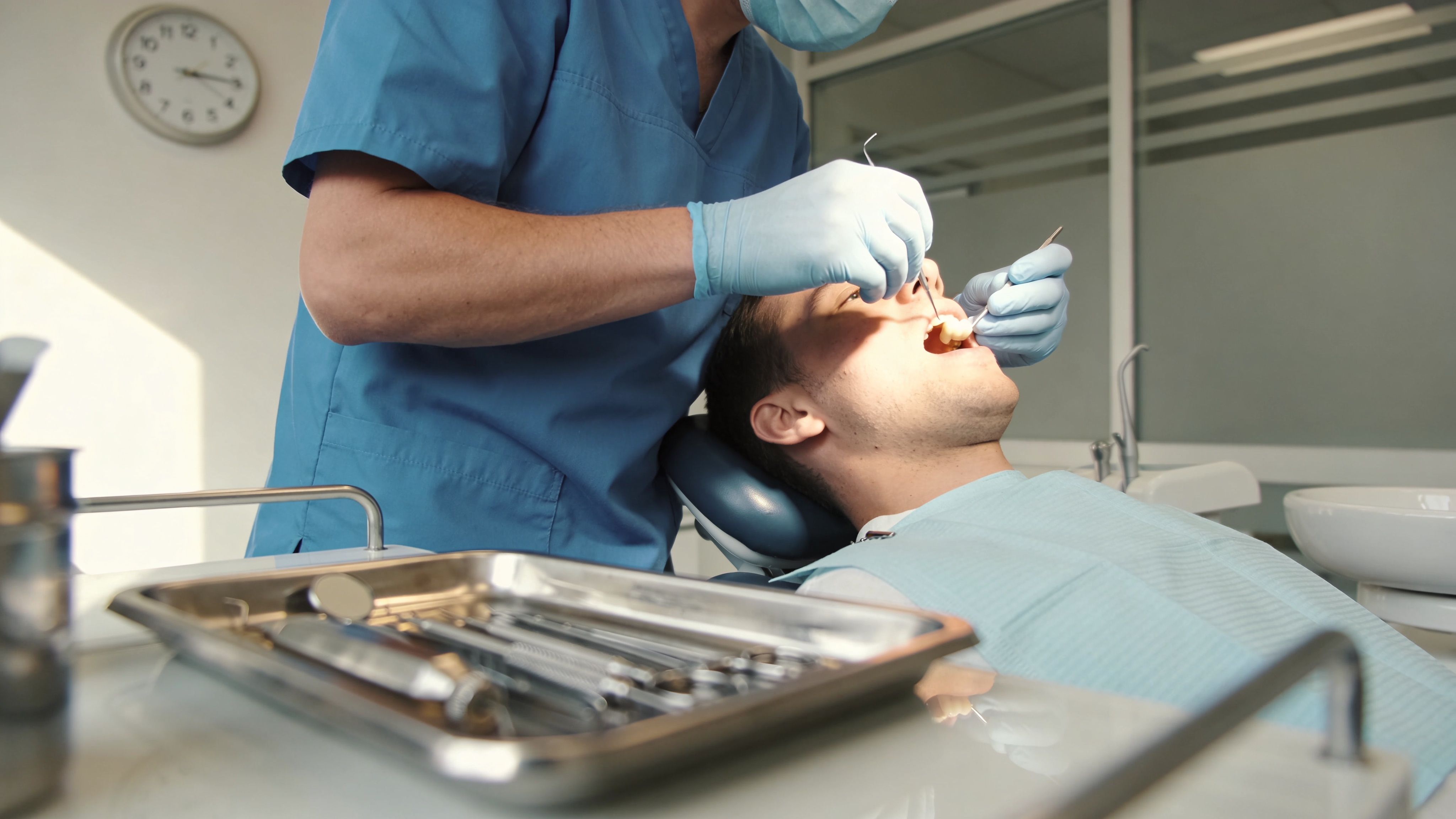
Patients are often relieved to hear that the surgery isn't an all-day event. In many straightforward cases, the appointment is focused and efficient. The area is numbed, the implant site is prepared, and the titanium post is placed in the jawbone with careful positioning.
Why one appointment can be fast and another takes longer
Not all implant visits are alike. The same procedure name can describe cases with very different levels of difficulty.
A shorter appointment is more likely when the patient has strong bone support, one missing tooth, and a site that's easy to access. A longer appointment is more likely when the implant position is more demanding, the anatomy is less forgiving, or the treatment involves added surgical steps.
Here are some of the most common reasons surgery time changes:
- Implant location: Front and back teeth can present different access and esthetic challenges.
- Bone condition: If the site needs extra preparation, the appointment may take longer.
- Number of implants: More implants generally mean more surgical time.
- Complexity of the case: A routine single-tooth replacement isn't the same as a more advanced reconstruction.
What happens during the visit
The appointment usually feels much less mysterious once patients know the sequence. A typical implant surgery visit includes:
- Numbing and comfort preparation so the area is ready for treatment
- Precise site preparation in the jawbone
- Placement of the implant post in the planned position
- Protection of the site so healing can begin properly
The day of surgery is important, but it usually isn't the longest part of implant treatment. Healing is.
That last point is what catches many patients off guard. The surgery appointment may be the most memorable step, but it isn't usually the step that controls the overall calendar. That's why an accurate estimate always starts with a consultation, not a guess over the phone.
The Full Dental Implant Timeline From Start to Finish
When patients ask how long does implant surgery take, they're usually asking a broader question. They want to know when they'll be done. In most cases, the complete dental implant process takes 3 to 9 months from consultation to final restoration, and cases that need bone grafting can extend to 6 to 12 months or longer, according to Logan Dental's breakdown of the implant timeline.
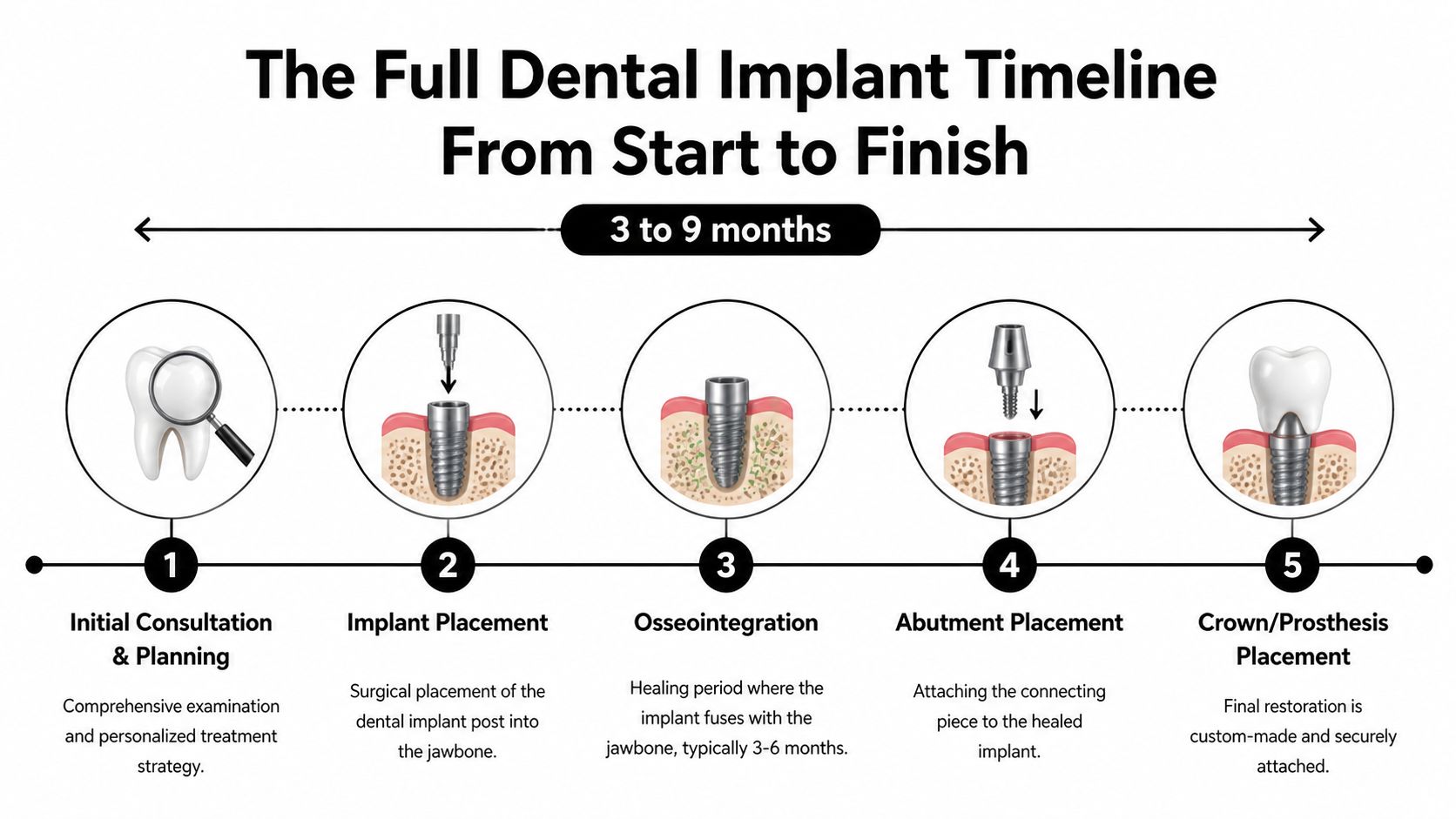
If you want a broader overview of the process, this comprehensive guide to dental implants is a helpful starting point. The key point is that your final tooth depends on several separate milestones, not one appointment.
The treatment path in order
The implant journey usually unfolds in a sequence like this:
| Stage | What happens |
|---|---|
| Consultation and planning | Exam, imaging, and treatment planning |
| Extraction if needed | Damaged tooth is removed if it's still present |
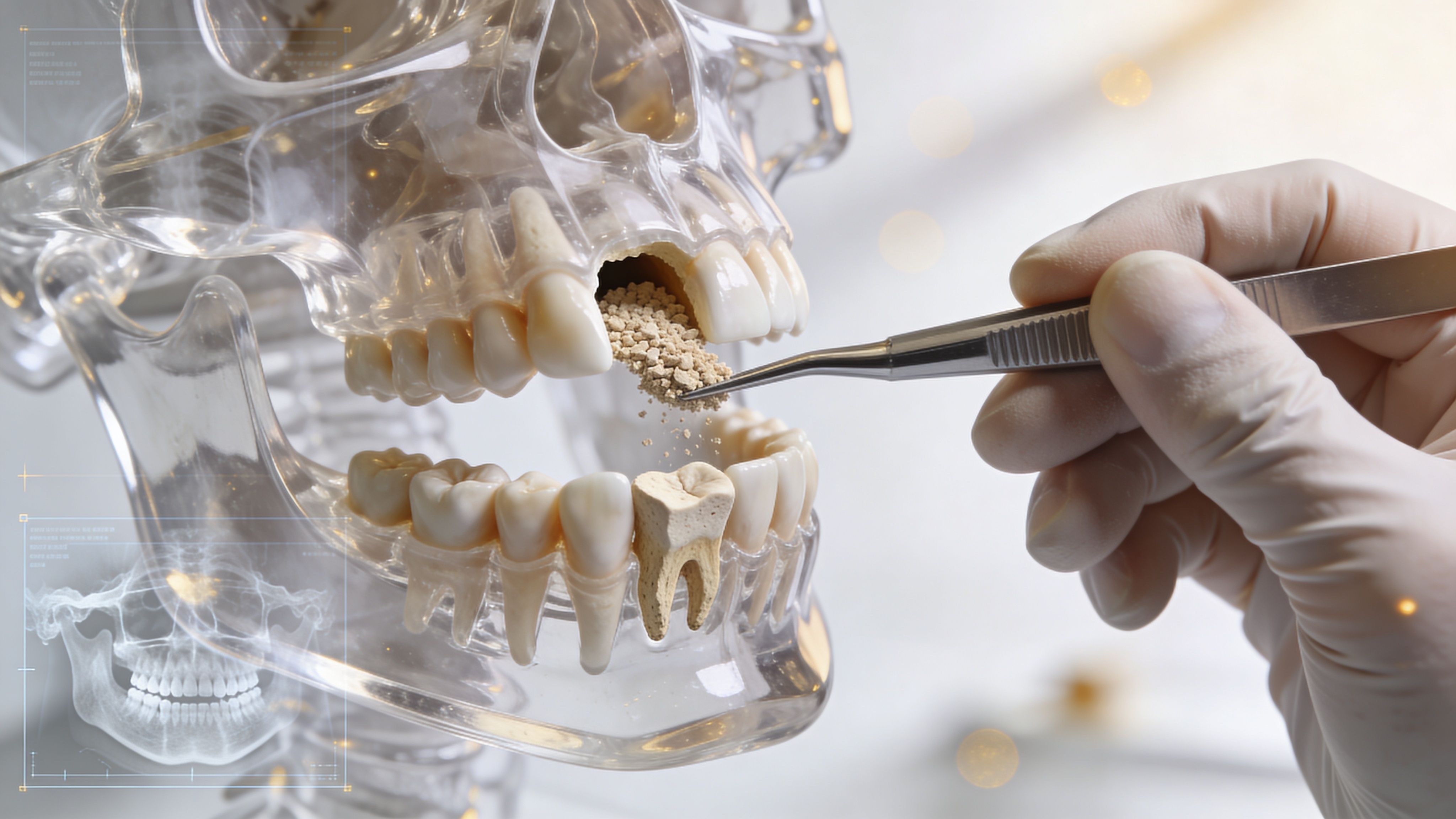
| Bone grafting if needed | The site is rebuilt to support an implant |
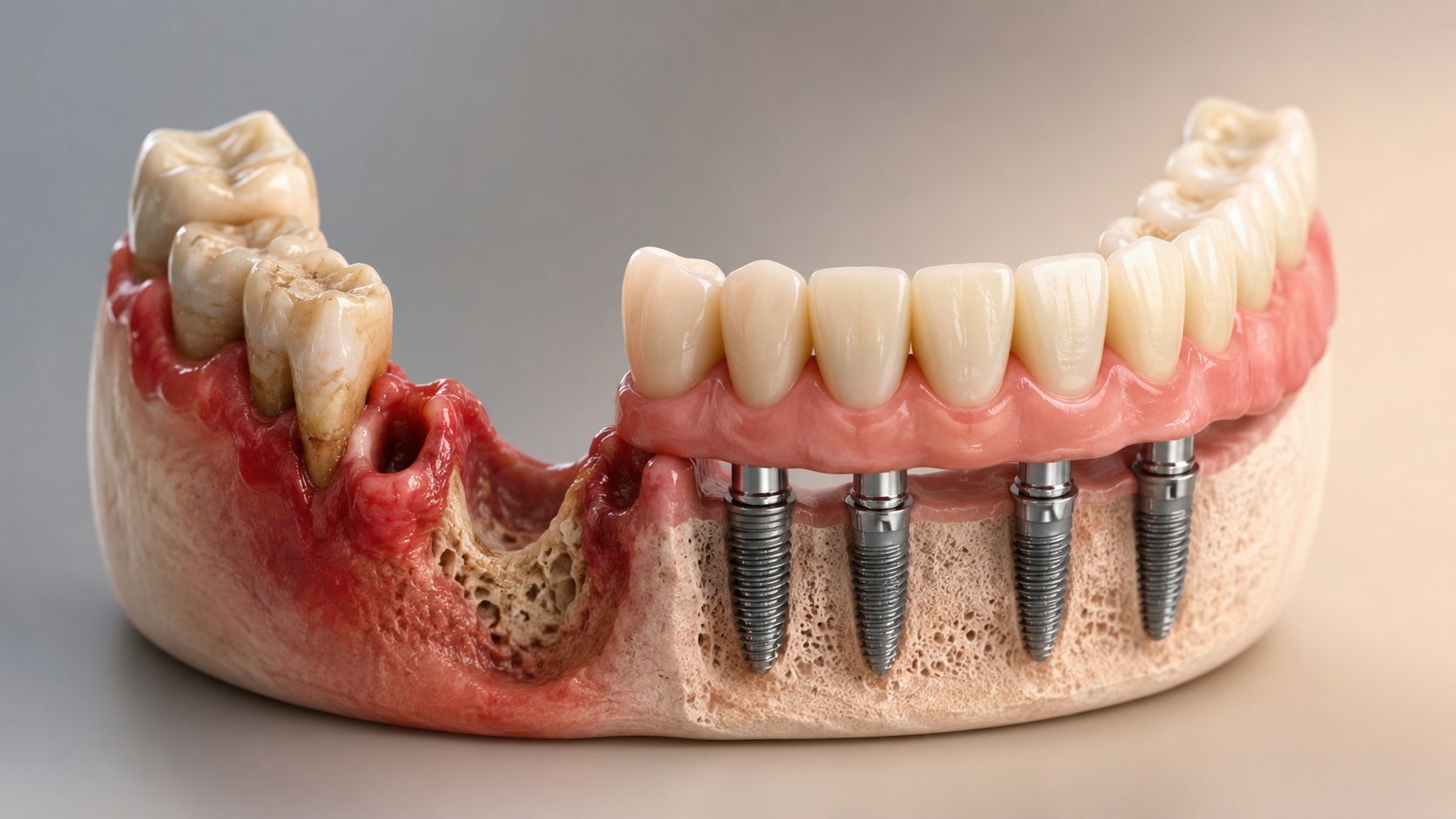
| Implant placement | The titanium post is placed in the jawbone |
| Healing and integration | Bone bonds to the implant |
| Abutment and final crown | The connector and final tooth are placed |
Some patients move through this quickly because the site is already healthy and ready. Others need preparatory treatment first. Neither situation is unusual.
The longest phase is the one you can't see
The hidden part of implant dentistry is the healing interval between surgery and restoration. That waiting period can feel slow, but it's the reason implants can become stable enough to function like a replacement tooth root.
For straightforward cases with healthy bone and no added procedures, patients can often expect a shorter total treatment window within that broader range. If a site needs bone grafting, the schedule stretches because the bone has to heal before implant placement can even begin.
A dental implant timeline isn't long because the office visits are endless. It's long because the body needs time to build a dependable bond.
Why the process can't be rushed
Patients sometimes ask whether the crown can be placed early if the surgery seemed to go well. The answer depends on healing, not optimism. Implant dentistry rewards patience.
A rushed schedule can look faster at first and become slower later if healing doesn't keep up. A staged plan usually feels more predictable because each next step is based on how the site responds, not on a fixed calendar chosen too early.
That matters whether you're visiting for a single missing tooth, broader restorative dentistry, or a larger smile reconstruction in Austin or Georgetown. Good timing is part of good treatment.
Key Factors That Affect Your Implant Treatment Time
Two patients can both need an implant and still have very different timelines. The most important reason is that the body, the bone, and the starting condition of the site aren't the same from one person to the next.
The biggest time factor is osseointegration, the biological bonding between the jawbone and the implant. That process typically takes 3 to 6 months, and trying to place a crown before the implant is fully fused with the jawbone raises the risk of failure, as explained in Factoria Dentistry's discussion of osseointegration and implant timing.
If bone support is part of your case, it's worth reviewing how dental bone grafting works, because grafting can change the schedule in a meaningful way.
The factors that change the calendar
Some timing issues are mechanical. Others are biological.
- Bone quality: If the bone is thin or inadequate, treatment may need a graft before an implant can be placed confidently.
- Healing speed: People don't heal on identical schedules. Some sites mature smoothly, while others need more observation.
- Tooth extraction timing: If the failing tooth is still present, the extraction plan affects when the implant can go in.
- Case complexity: One missing tooth is different from several teeth or a more involved full-arch case.
- General health and habits: Smoking status, medication review, and medical history can influence how healing progresses.
What works and what doesn't
What works is individualized planning. That means looking at the bone, the bite, the gum condition, and the sequence of treatment before giving a deadline.
What doesn't work is assuming every implant follows the same schedule. Patients often hear the fast version of implant treatment online and expect it to apply universally. Sometimes it does. Often it doesn't.
Healthy impatience is understandable. Biology still sets the pace.
Another practical point is that delays aren't always a sign that something is wrong. Sometimes the wisest choice is to allow the site more time before moving to the restorative phase. That patience protects the long-term result.
Why consultation matters more than generic timelines
A generic article can tell you the usual range. It can't tell you your range. The answer depends on what the scan shows, whether bone grafting is needed, whether extraction and implant placement can be combined, and how the site responds after surgery.
That's why patients searching for dental implants near me, emergency dentist, or dentist near me often benefit from a full exam rather than trying to compare themselves to a general timeline they found online.
How Our Technology Creates a Faster, Better Implant Process
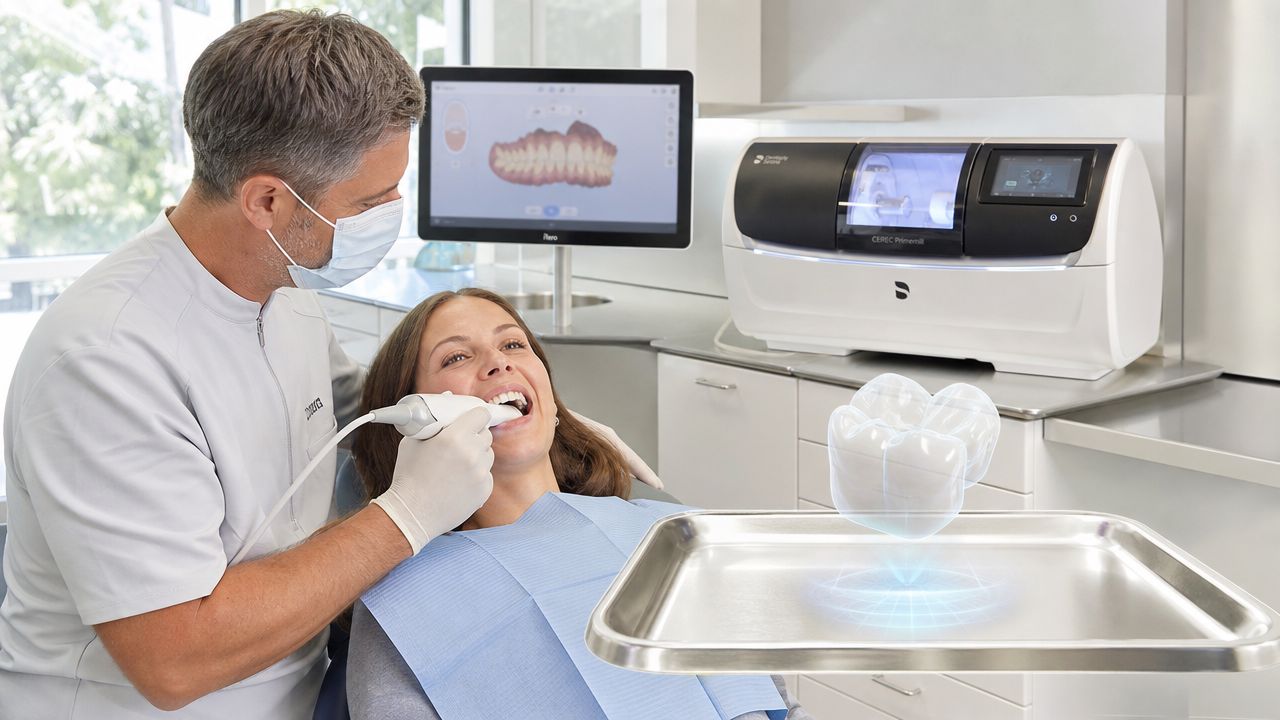
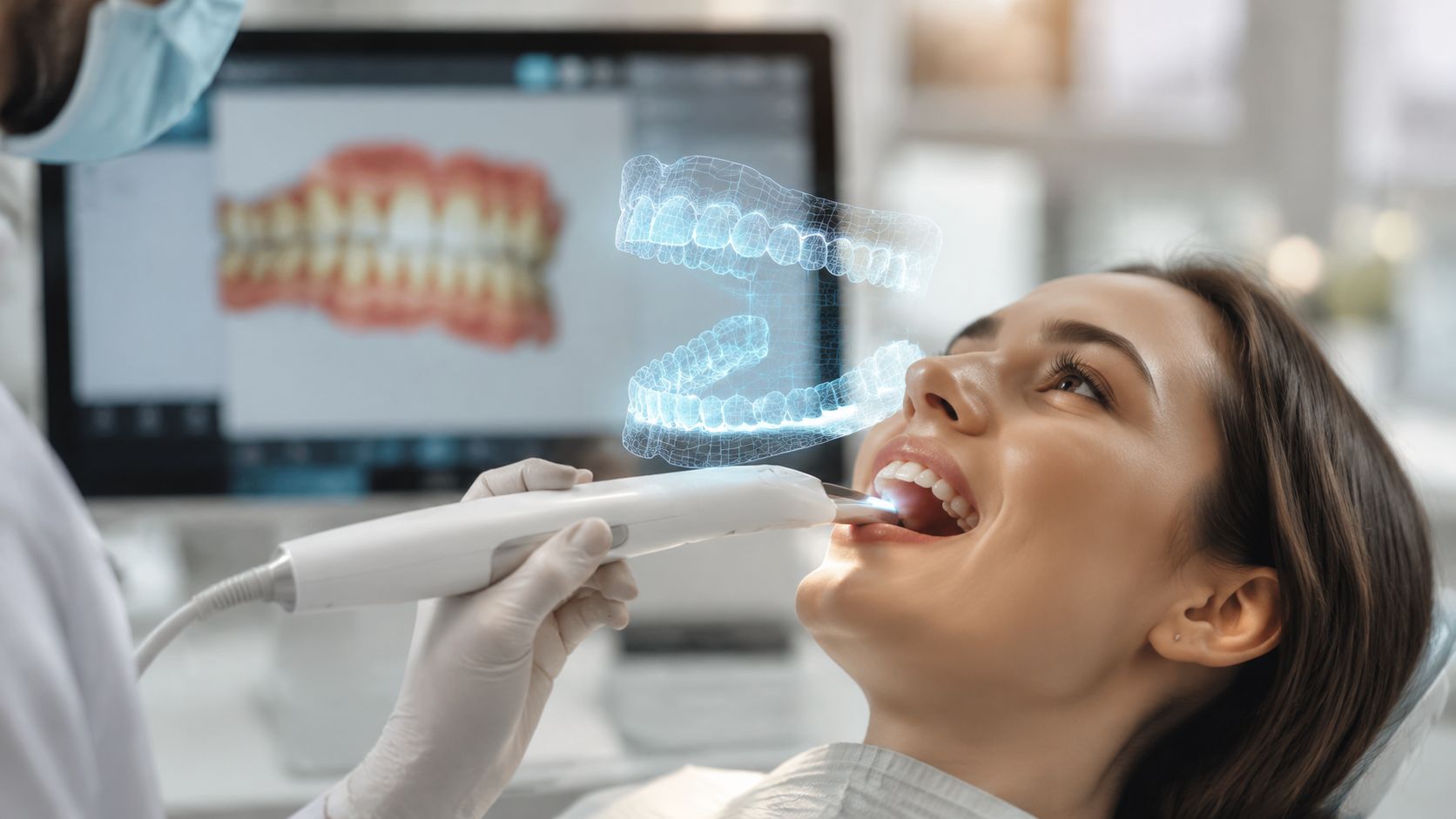
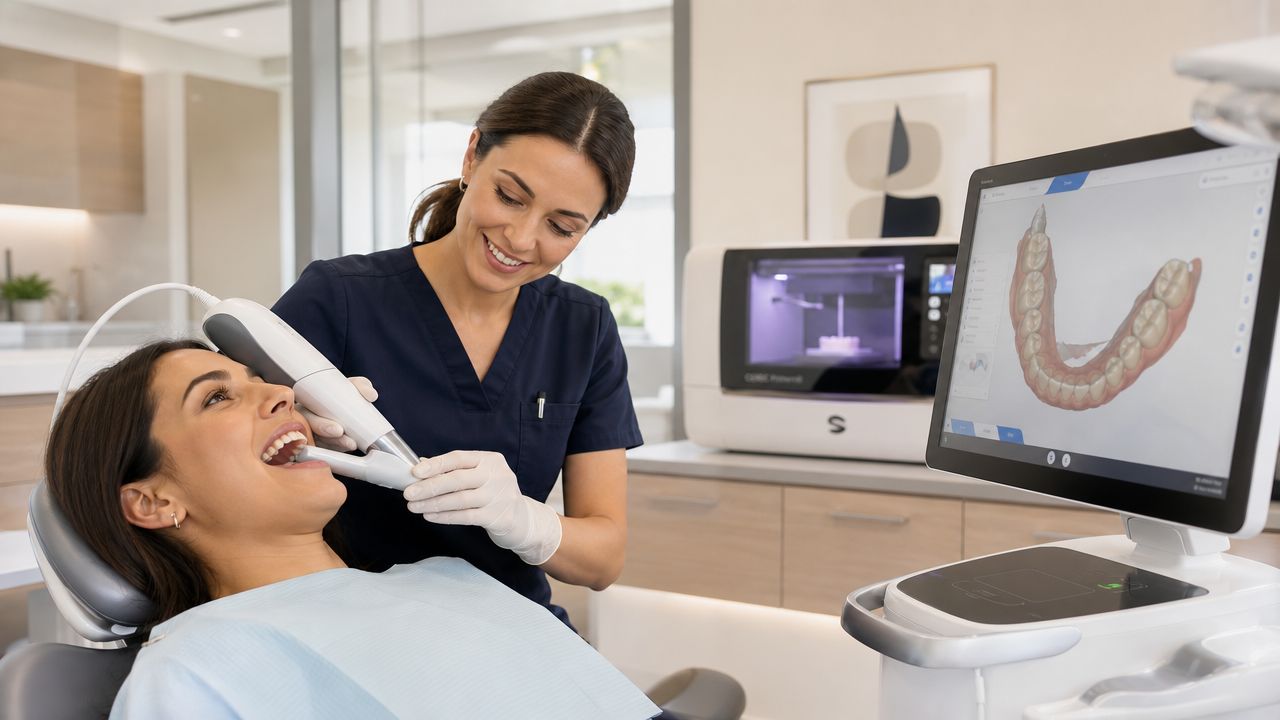
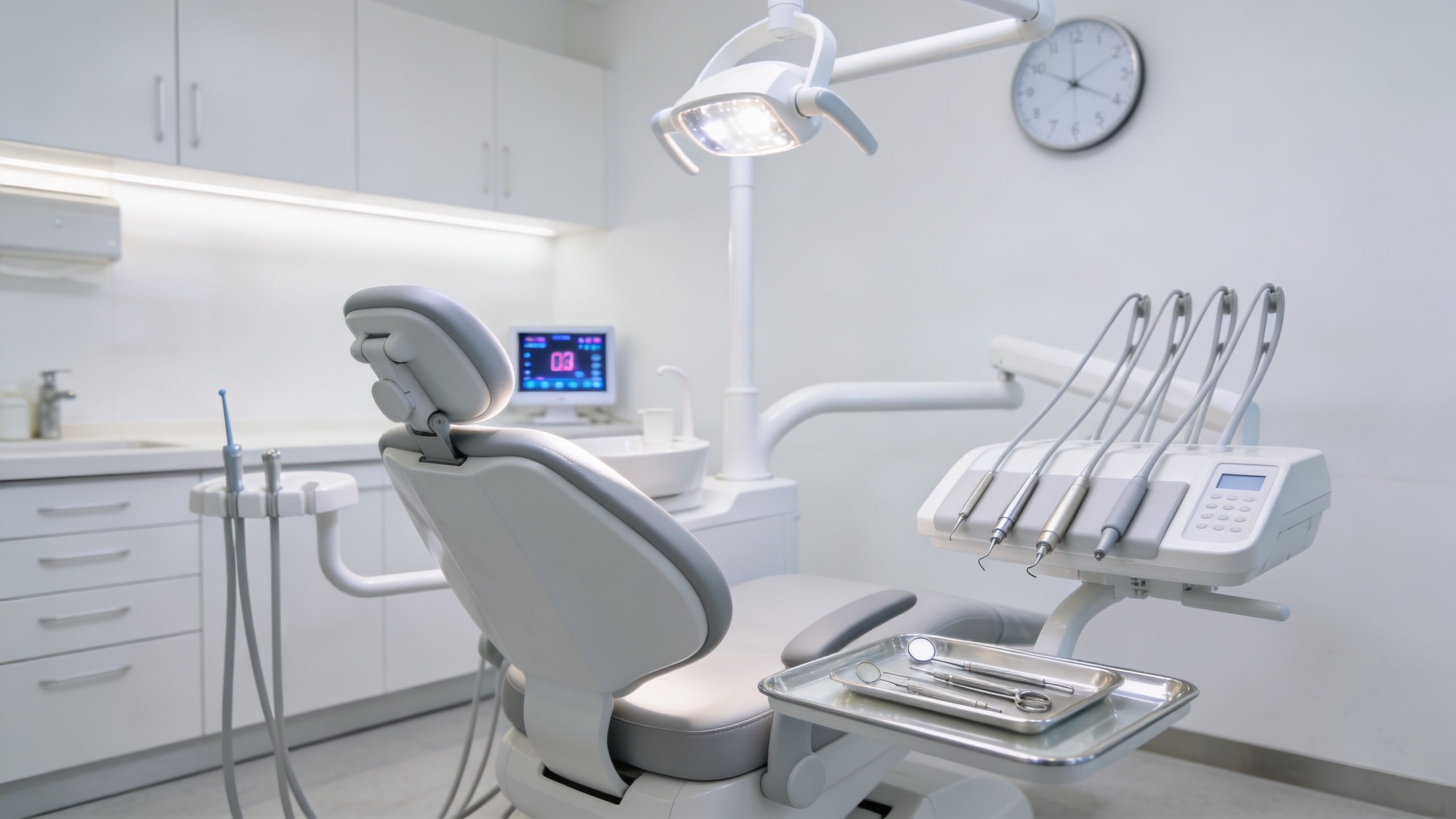
Technology doesn't replace clinical judgment, but it does make treatment more precise and more predictable. For implant patients, that's where modern workflows make a practical difference. Better imaging and in-house fabrication help reduce uncertainty, improve planning, and cut avoidable waiting between steps.
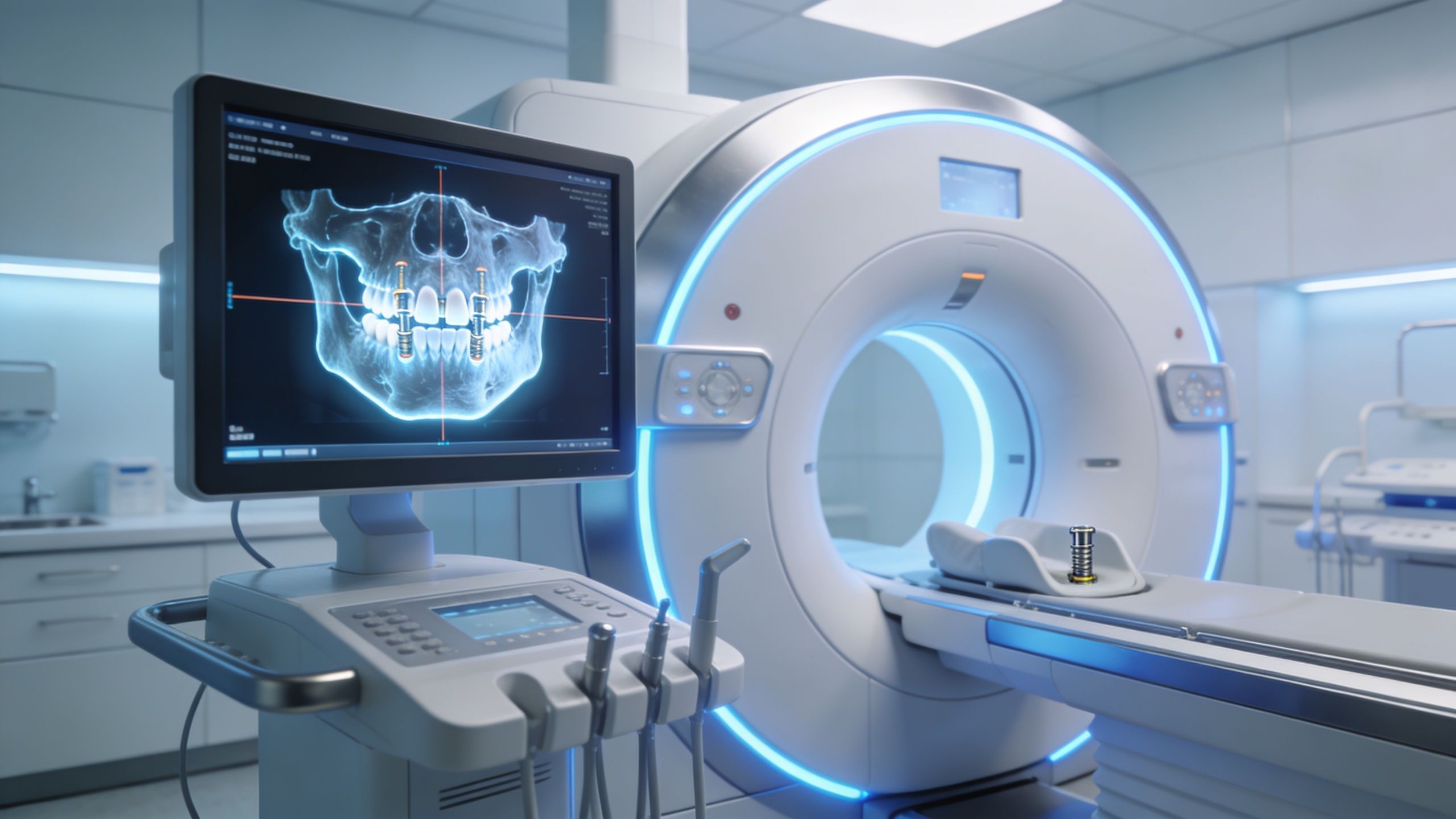
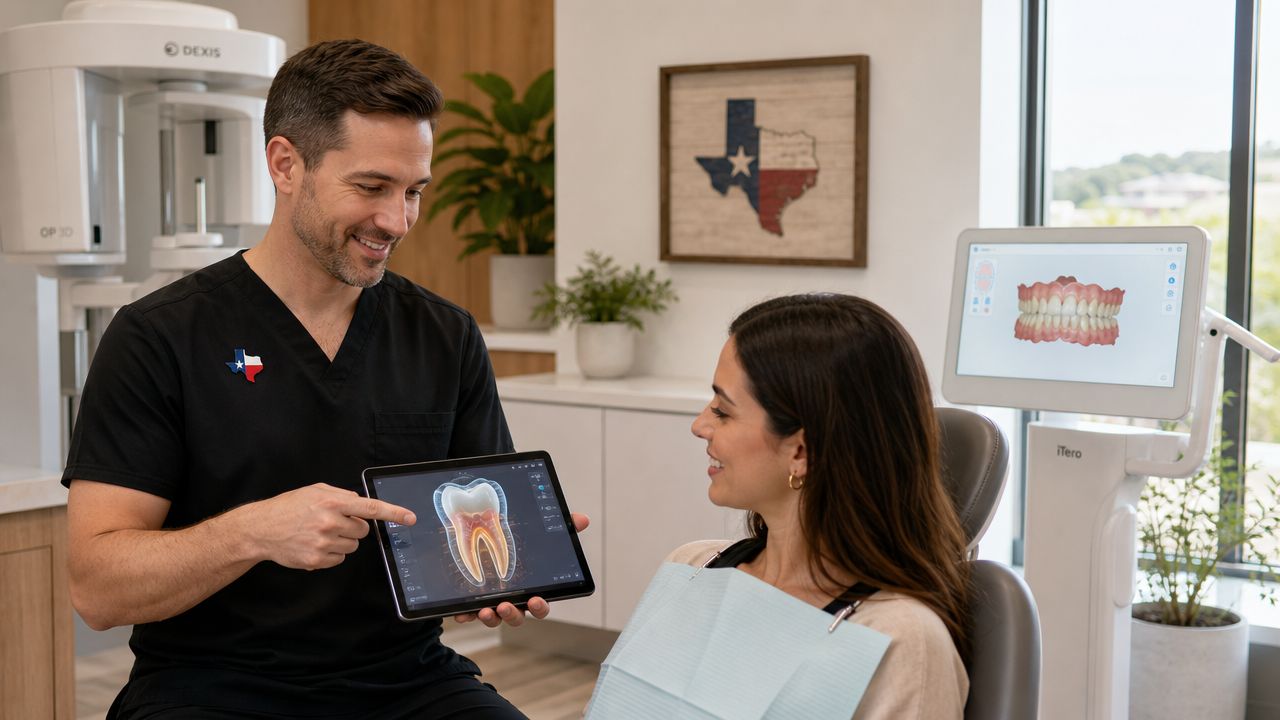
A patient may ask for the fastest possible path. The better question is usually this: what's the most efficient path that still respects the biology? That's where tools like 3D CT imaging, digital scanning, and an in-house lab matter.
Better planning leads to fewer surprises
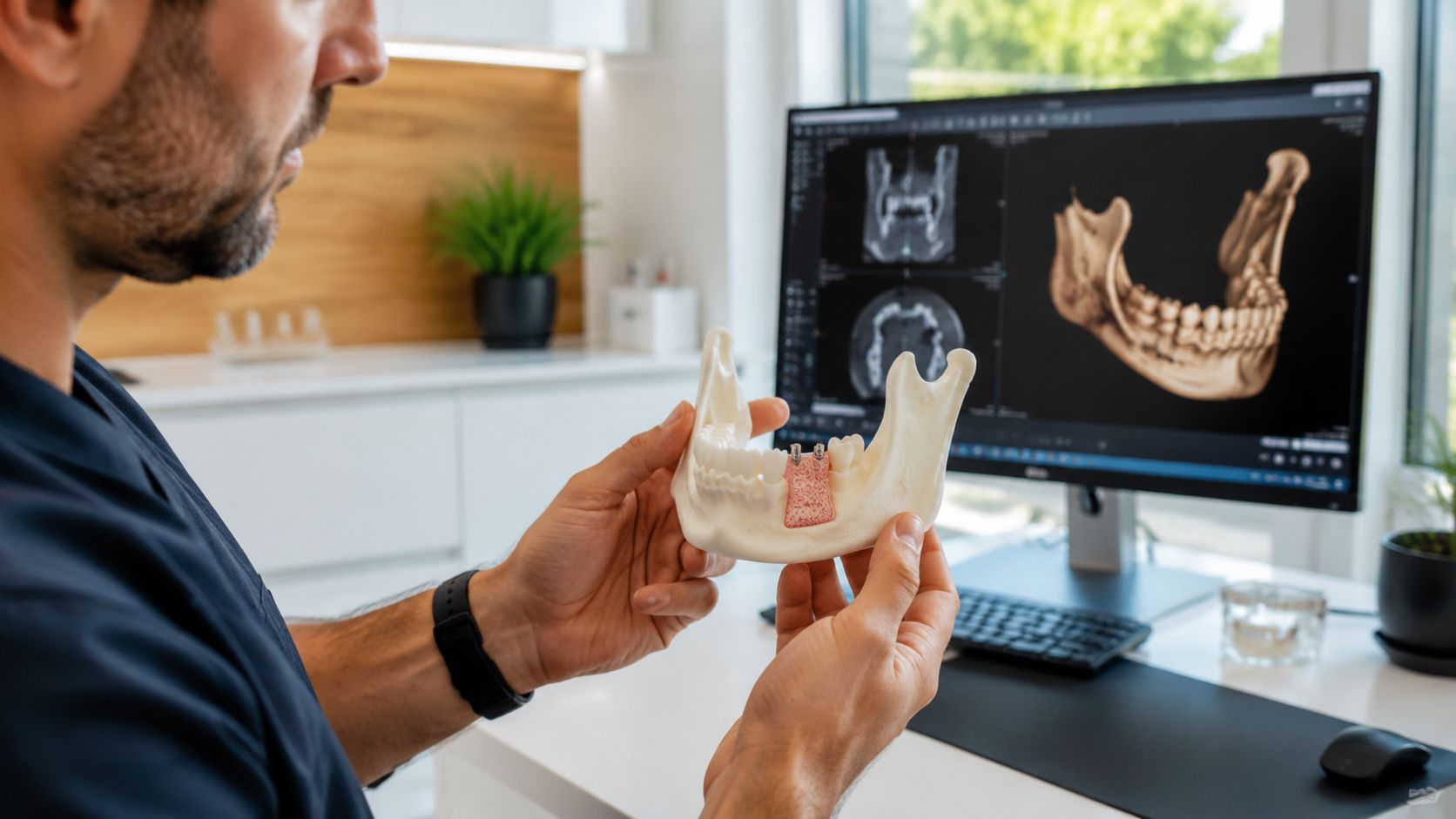
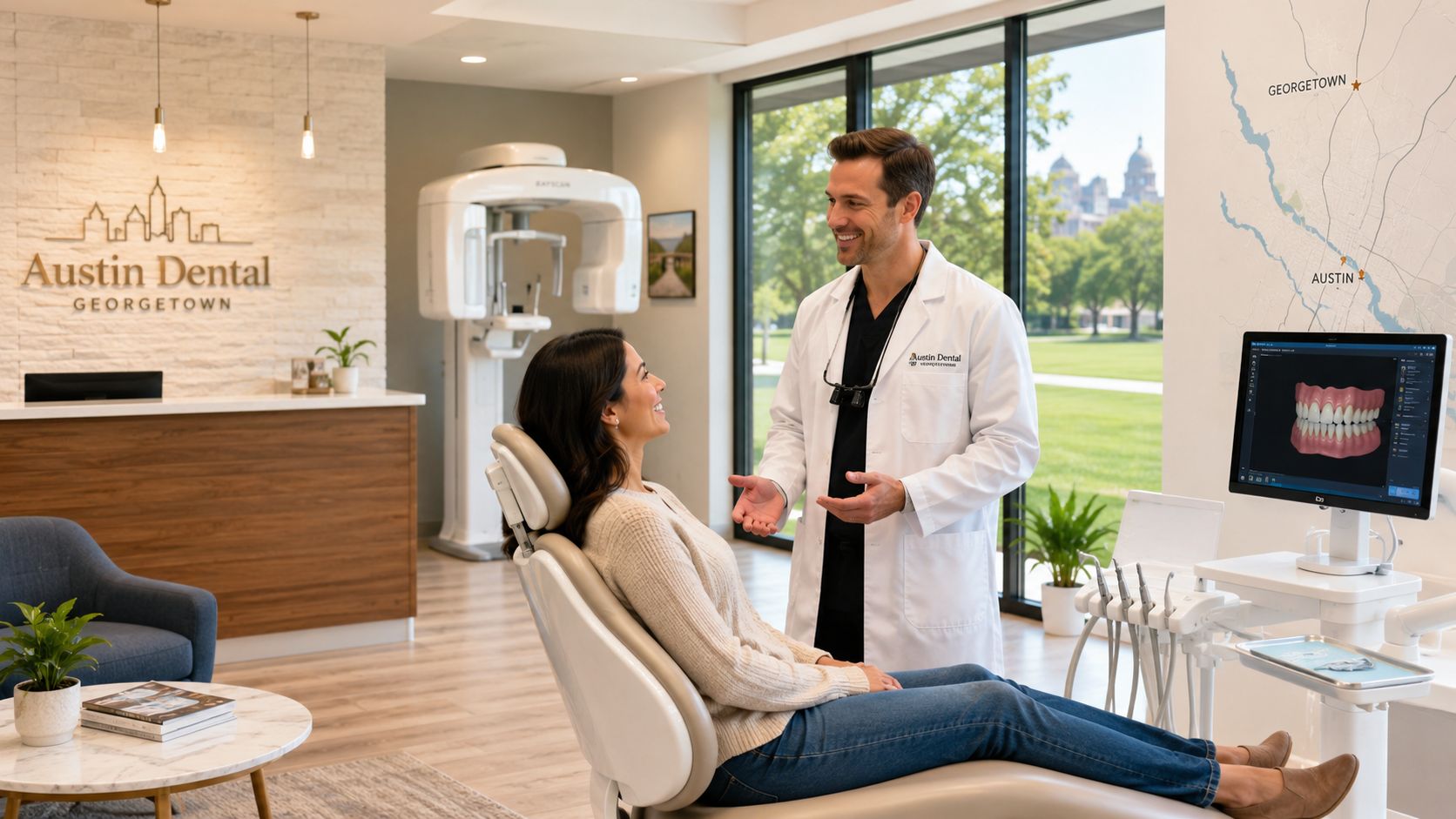
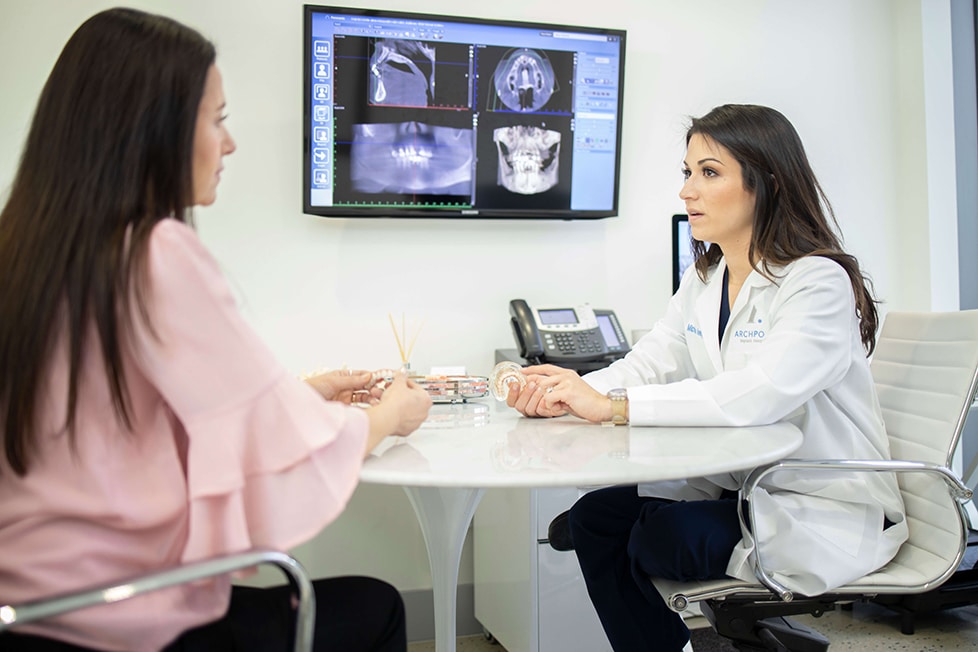
A 3D CT scan gives a far clearer view of bone shape, density, and anatomical limits than a basic guess based on symptoms alone. That allows the dentist to plan implant size and position before the patient sits down for surgery.
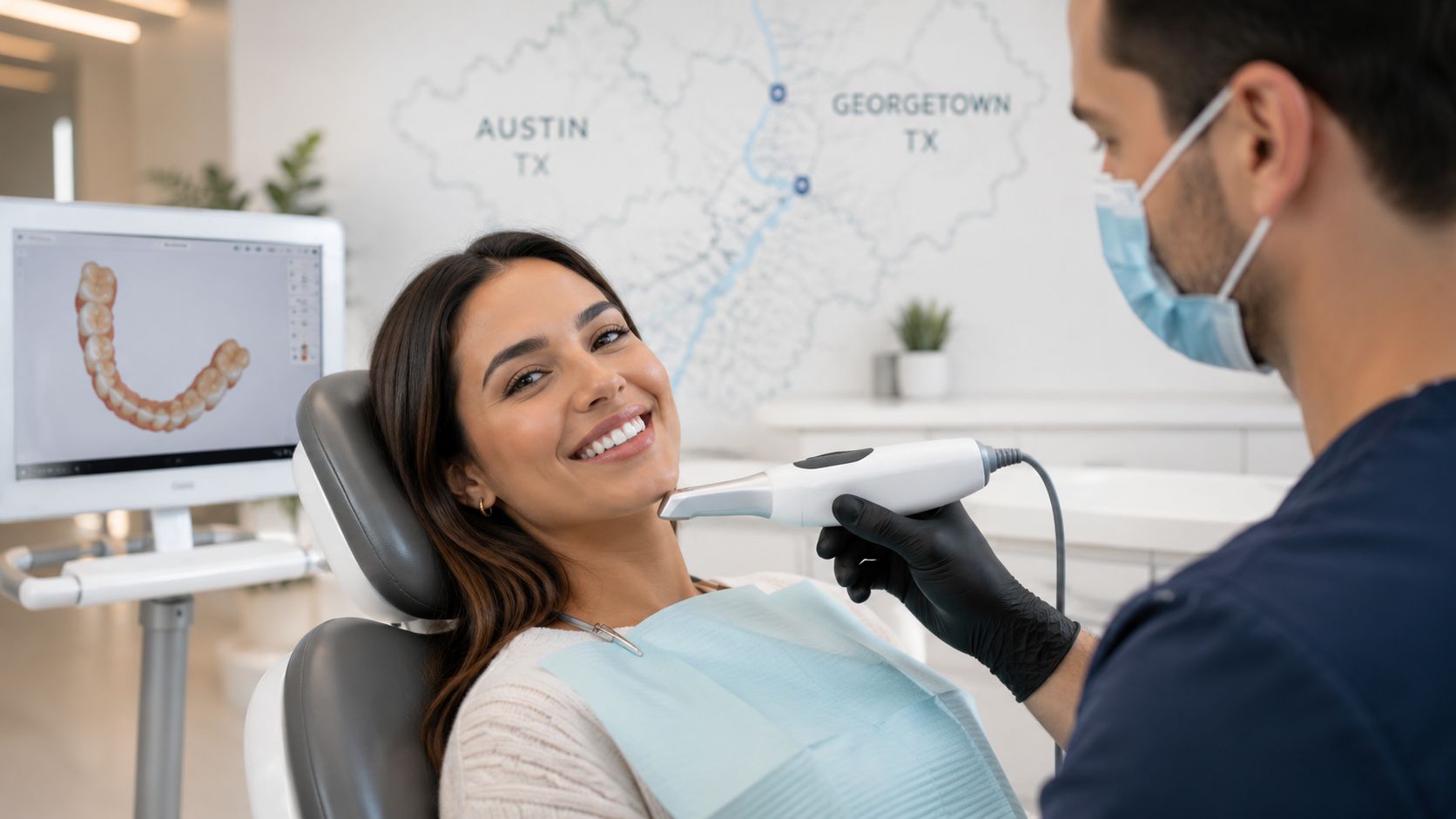
Digital scanning also helps in ways patients notice right away. It supports accurate planning, cleaner communication, and smoother restorative steps later in the process. For patients balancing work, family, and travel across Austin, Georgetown, Round Rock, or Cedar Park, fewer surprises usually mean a much better experience.
Immediate protocols can also shorten treatment in the right case. According to Giesy Dental's review of implant procedure length, immediate implant placement after extraction can sometimes reduce the process by 2 to 3 months compared with a traditional staged approach. That isn't right for everyone, but it can be a strong option when the site and the patient's health make it appropriate.
Why an in-house lab changes the experience
When a practice relies entirely on outside labs, patients often feel the delay between appointments. Cases can sit in transit, revisions may take longer, and coordination can be less direct.
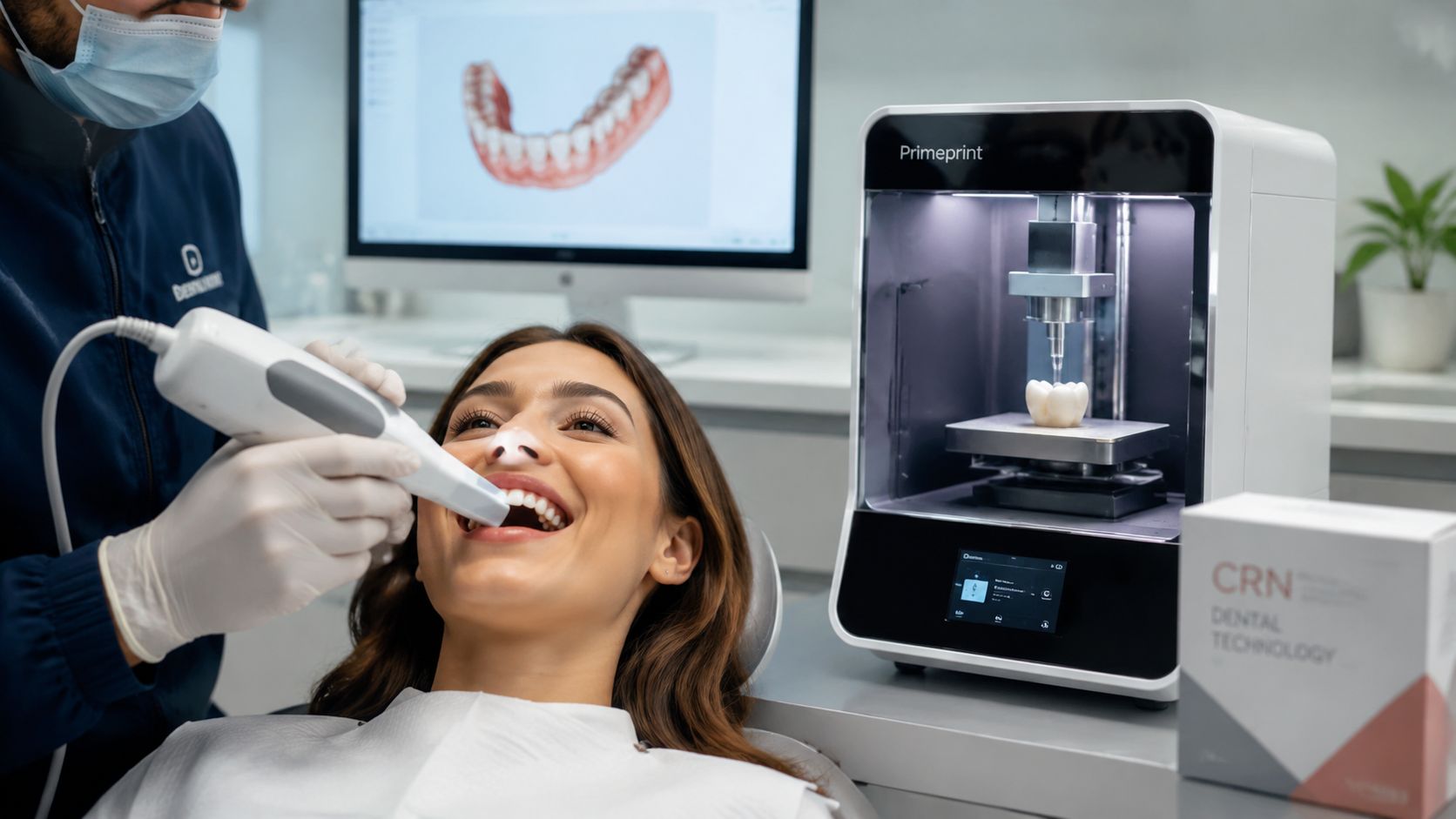
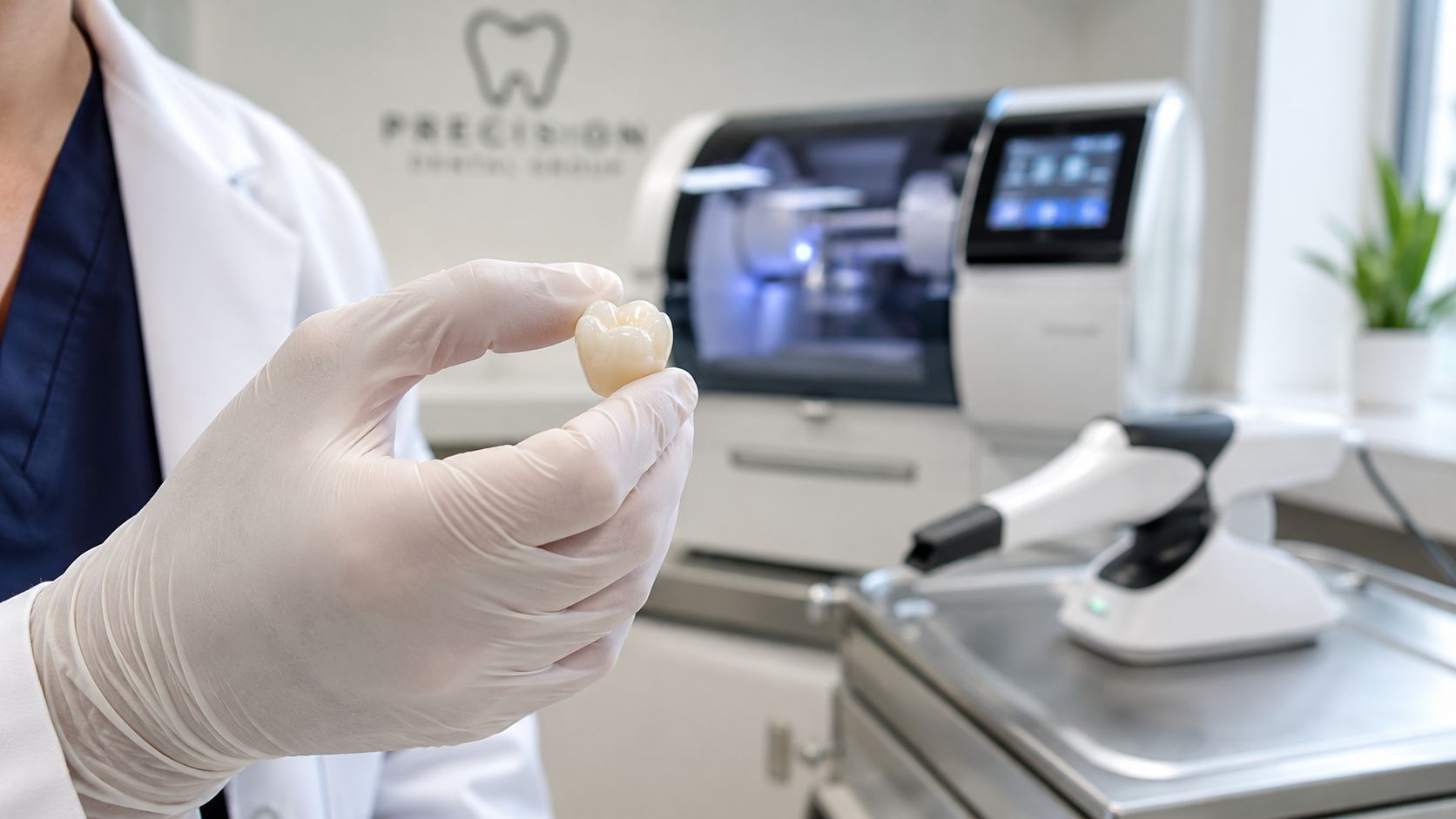
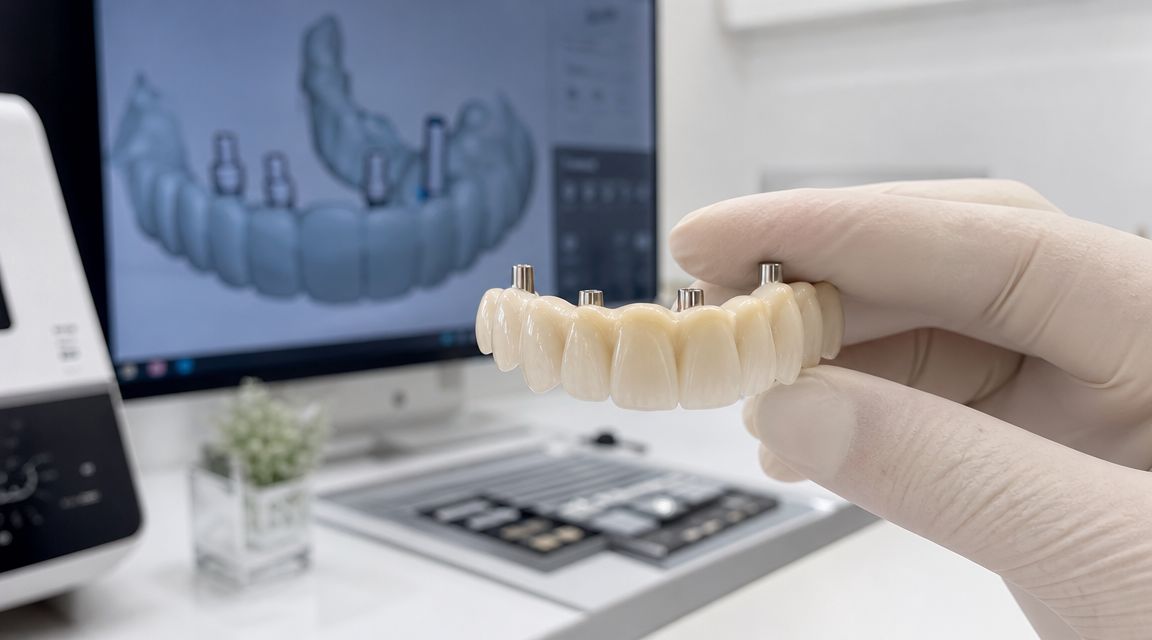
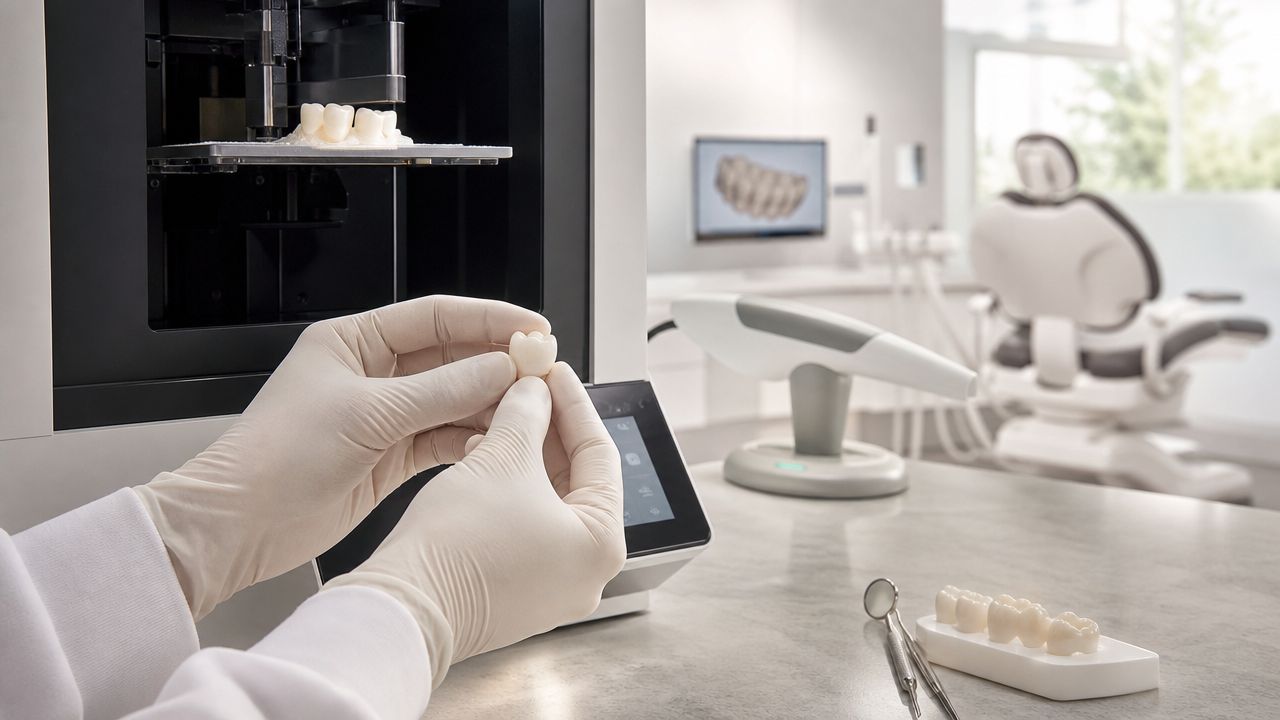
An in-house lab changes that rhythm. It can support faster production of surgical guides, temporary teeth, and final restorations. It also makes it easier for the clinical team and lab team to adjust details in real time instead of passing information back and forth through an outside chain.
Here's a closer look at the kind of technology that supports that workflow:
What patients actually gain from that technology
Patients don't choose imaging systems and printing equipment for their own sake. They choose outcomes that feel smoother.
- More precise diagnostics: 3D imaging helps identify the right position before surgery begins.
- Shorter waits between certain steps: In-house lab support can reduce delays tied to outside fabrication.
- Better comfort and convenience: Digital records and coordinated planning often make visits more efficient.
- A more predictable path: The more that gets resolved in planning, the less guesswork remains during treatment.
This also matters for patients who may need related services under one roof, whether that's dental x-rays, new patient exams, crowns, restorative dentistry, cosmetic finishing, or evaluation after a failing tooth. Efficient implant care doesn't happen in isolation. It works best when the diagnostic and restorative parts of treatment are tightly connected.
Schedule Your Dental Implant Consultation in Austin or Georgetown
If you're still wondering how long does implant surgery take, the most honest answer is this: the appointment is usually much shorter than the overall process, and your personal timeline depends on what your exam shows.
For many patients, the uncertainty is the hardest part. Once the site is evaluated properly, the process becomes much easier to understand. You can see whether your case looks straightforward, whether a graft may be needed, and whether a staged or immediate approach makes sense.
What a good consultation should give you
A strong implant consultation should leave you with clarity, not confusion. You should walk away knowing:
- Whether you're a candidate for a dental implant or full-arch solution
- Whether prep work is needed before implant placement
- What the likely sequence will be from exam to final restoration
- How technology can help make the process more precise and efficient
According to Cleveland Clinic's dental implant overview, the full timeline can range from 3 to 9 months, or longer, depending on bone quality and individual healing rates. That same source notes that a thorough consultation with 3D imaging is the only way to determine your specific timeline.
If you're choosing between waiting and getting clear answers, the consultation is the step that gives you control.
Whether you're looking for a dentist in Austin, TX, a dentist near me in Georgetown, or help with missing teeth after damage, decay, or extraction, the next step isn't guessing. It's getting a real treatment plan.
You don't need to figure it out on your own. A careful exam can show what kind of implant timeline fits your case, what trade-offs are worth considering, and what kind of result you can expect.
Ready to stop guessing and get a clear plan? Schedule a consultation with 3D Dental for implant care in Austin or Georgetown. The team can evaluate your bone, review your options, and help you understand the most efficient path to a stable, natural-looking replacement tooth.
Ready to get started?
Schedule a free, no obligation consultation with our team and see what's possible for your smile!
Georgetown
- Mon-Thurs8:30am-5pm
- Fri8am-3:30pm
- Sat-SunClosed
Austin
- Mon-Tues8am-5pm
- Wed-Thurs9am-6pmFri8am-2pm
- Sat-SunClosed