
How to Improve Gum Health Naturally: Austin Tips
Related Posts




















































A little pink in the sink after brushing is easy to dismiss. A lot of people assume they brushed too hard, skipped flossing for a few days, or just need a different toothpaste. Sometimes that’s true. Often, though, bleeding is your gums asking for help.
Natural gum care can absolutely support healing. Better brushing, smarter flossing, helpful foods, and a few evidence-based home remedies can make a real difference. But the part many patients in Austin and Georgetown miss is this: natural care works best when it supports a complete plan, not when it replaces diagnosis and treatment.
Your Guide to Healthier Gums Starts Here in Austin
If your gums look puffy, bleed when you brush, or feel tender around one area, you’re not overreacting by paying attention. Healthy gums usually don’t bleed with routine brushing and flossing. Early irritation can improve, but only if you address the cause instead of trying random products and hoping one sticks.
Many patients start searching for how to improve gum health naturally because they want a gentler, more integrated approach. That makes sense. Many individuals would rather prevent a problem than need deep treatment later. Natural strategies can help reduce irritation, support tissue repair, and improve your daily routine at home.
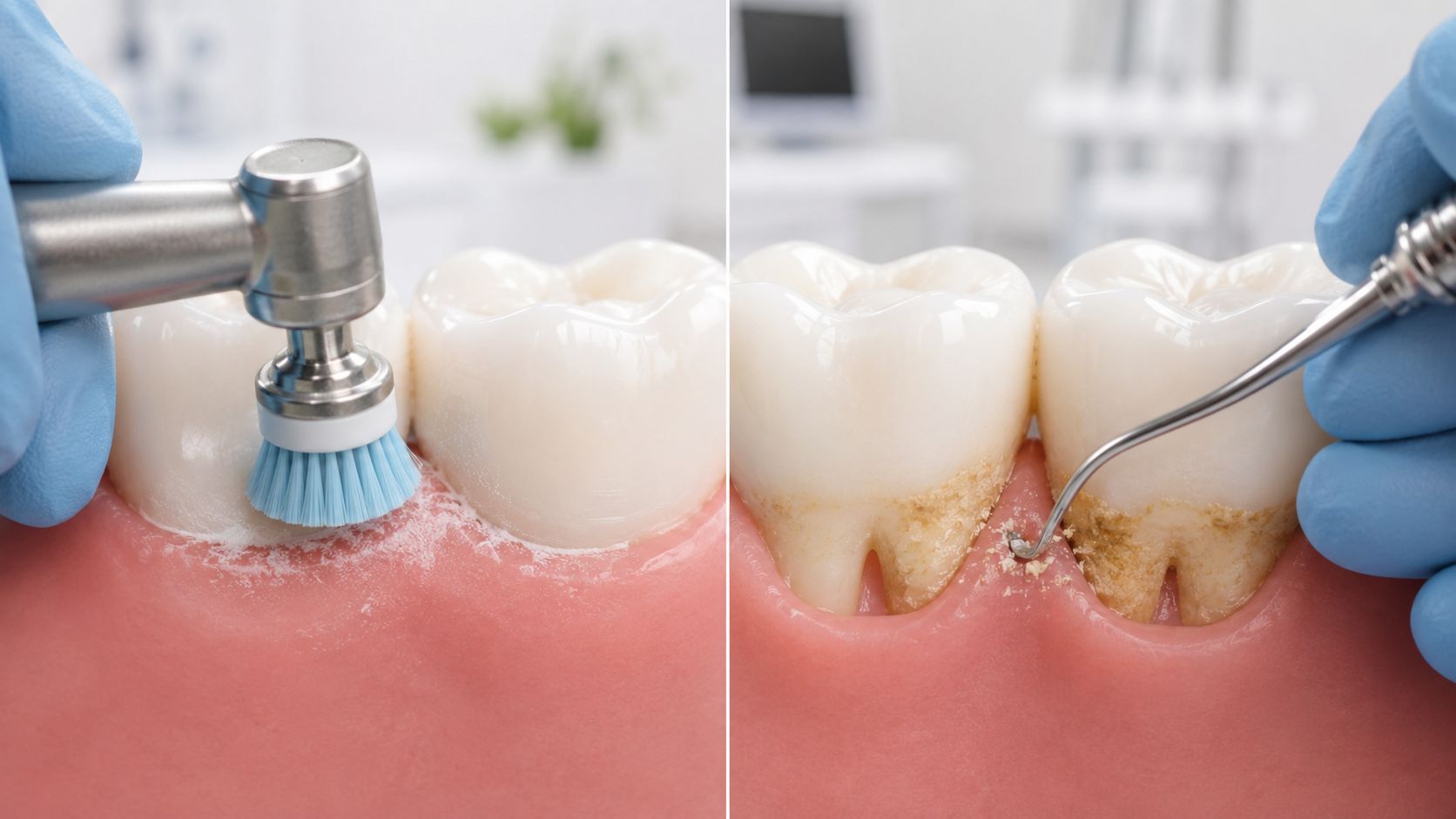
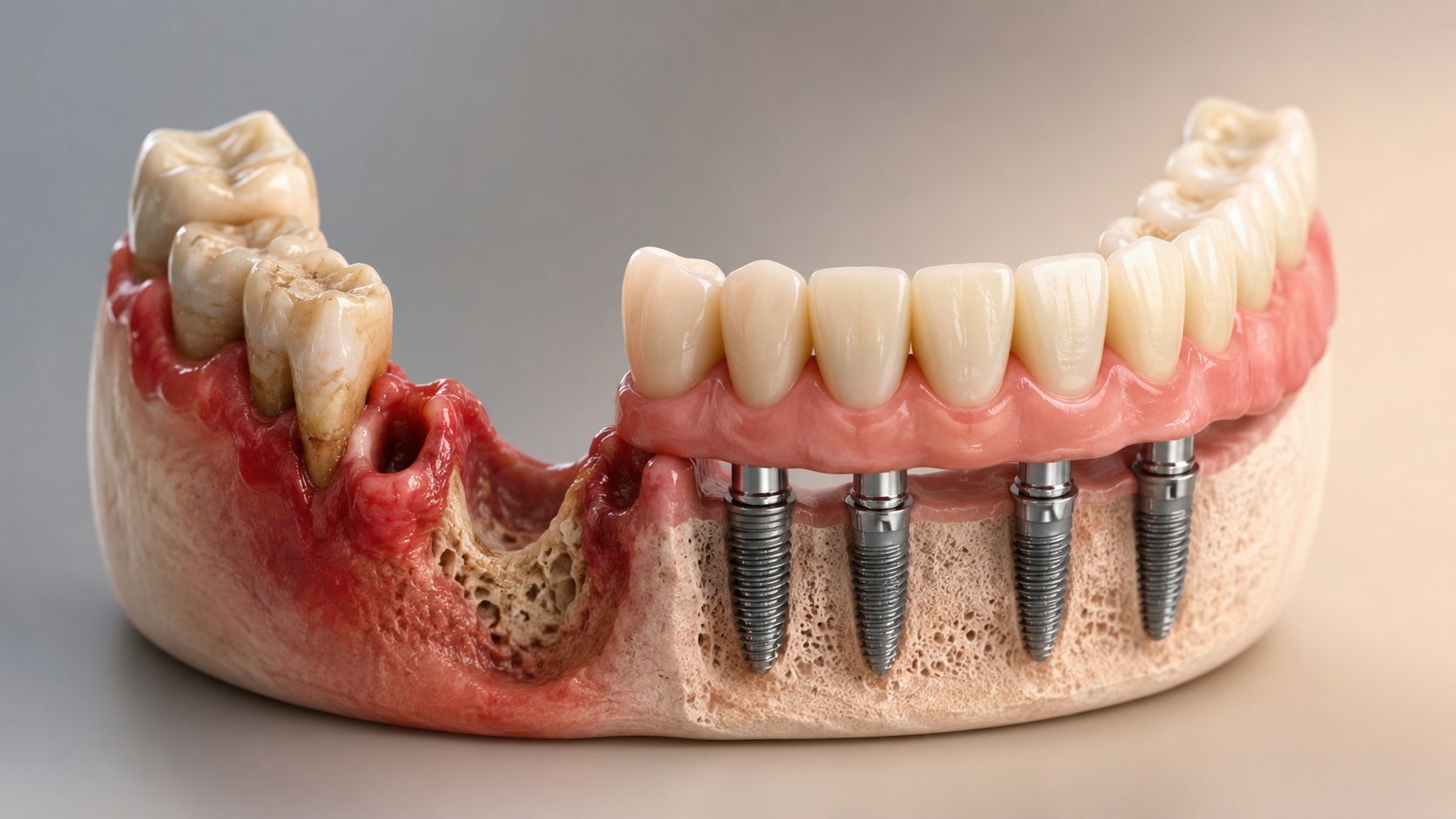
What they can’t do is remove hardened buildup below the gumline, measure gum pockets, or tell you whether bone support has started to change.
What gum inflammation usually means
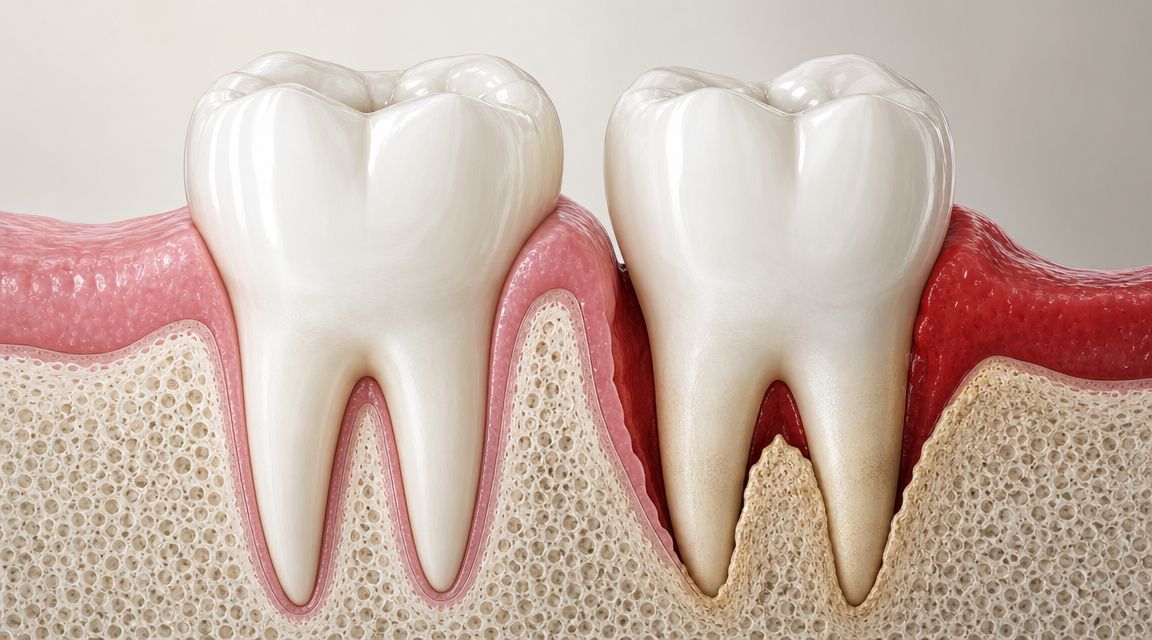
Gum problems often start subtly. Plaque collects along the gumline. If it stays there, the tissue gets irritated. At first, you may only notice bleeding when flossing or brushing. Later, gums can swell, pull away from the teeth, or stay sore in one area.
That progression matters because the earlier you act, the simpler treatment usually is.
Healthy gums should feel firm, look even along the tooth line, and stay calm during brushing and flossing.
Austin-area patients often tell us they’ve tried changing toothpaste, rinsing with salt water, or brushing more often. Those steps may help comfort and consistency, but they don’t replace a full evaluation. If you’re also searching for a dentist near me, dentist in Austin, TX, or new patient exam because your gums haven’t improved, that’s a good sign it’s time to get answers.
A practical way to think about natural gum care
Natural gum support works in layers:
- Daily mechanical cleaning: removing plaque before it irritates the gums
- Nutritional support: giving your body what it needs to repair tissue
- Adjunctive home care: using options like green tea or oil pulling appropriately
- Professional diagnosis and treatment: confirming what is happening below the surface
Patients in Austin, Georgetown, Round Rock, and Cedar Park don’t need scare tactics. They need a plan that respects both prevention and clinical reality. That’s the approach we believe in. If your gums are sending signals, listen early. It’s much easier to calm inflammation now than to rebuild support later.
Mastering the Fundamentals of Gum Care at Home
The most effective natural gum care isn’t exotic. It’s technique. Patients often brush longer and harder when their gums bleed, but force isn’t the fix. Precision is.
Brush the gumline, not just the teeth
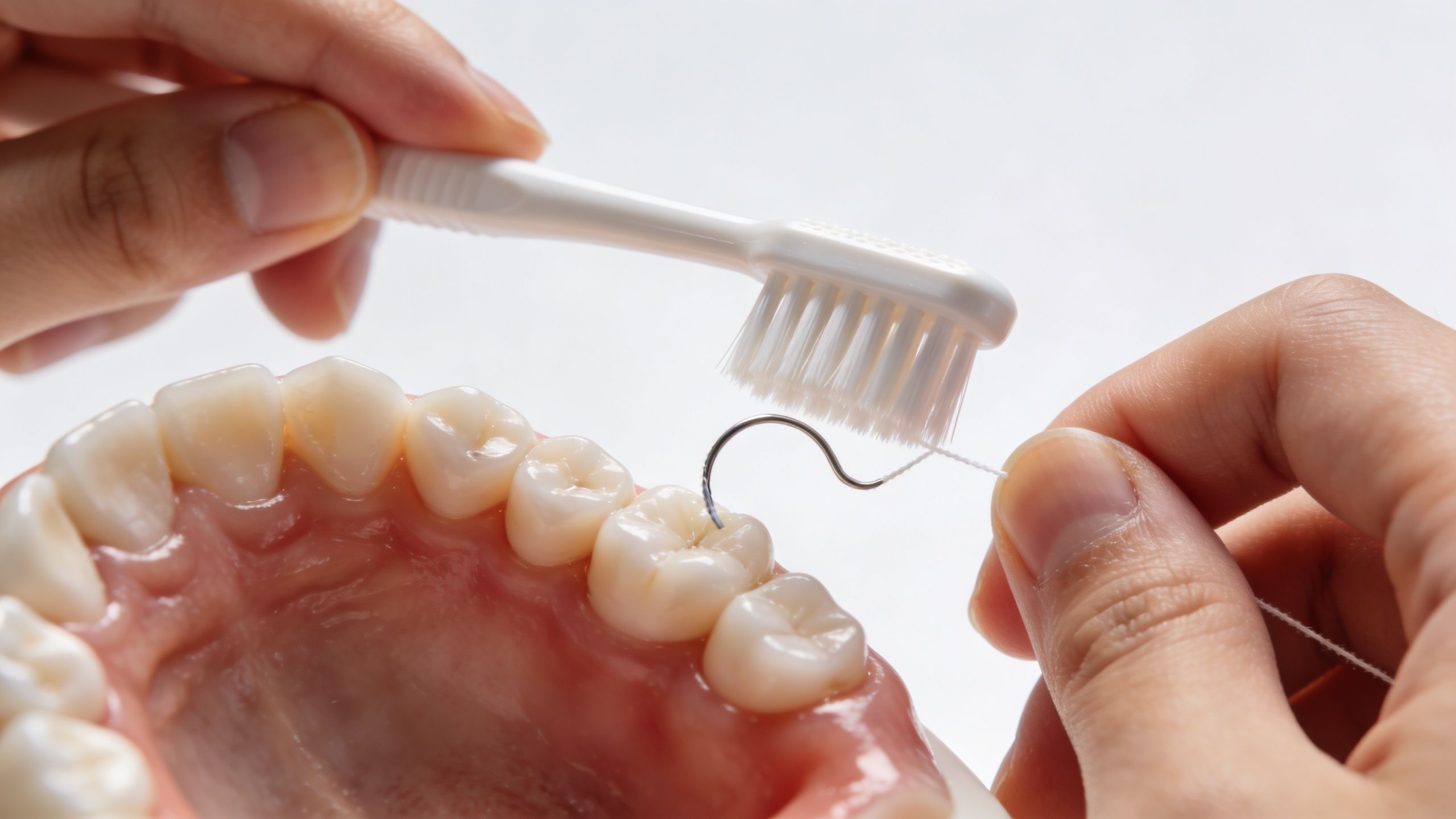
Use a soft-bristled toothbrush. Angle the bristles toward the gumline rather than scrubbing straight across the front surfaces. Small circular motions work better than wide back-and-forth strokes because they disturb plaque where the tooth and gum meet.
A simple routine looks like this:
- Tilt the brush gently toward the gums: That helps the bristles reach the edge of the gumline.
- Use short, controlled motions: Think massage, not scrubbing.
- Cover every side of every tooth: Outside, inside, and chewing surfaces all matter.
- Slow down around crowded areas: Plaque collects faster where brushing is harder.
If you’ve noticed recession or sensitivity, brushing harder can make both worse. Gentle and thorough wins every time.
Floss in a way that actually cleans below the edge
A lot of flossing fails because the floss snaps past the contact point and comes right back out. The goal is to wrap the floss against the tooth in a C-shape and slide it just under the gum edge. That’s where plaque starts irritating the tissue.
For each space, clean both tooth surfaces. If your gums bleed at first, that doesn’t always mean you should stop. It often means the tissue is inflamed and needs consistent cleaning. If the bleeding continues, that’s a reason to schedule an exam.
Patients dealing with tenderness or recession may find this guide on treating receding gums at home helpful as a starting point.
Practical rule: If your home care hurts every day, the answer usually isn’t more force. It’s better technique and a closer look at what’s causing the inflammation.
Alternatives that help some patients more than string floss
Not everyone does best with traditional floss. Dexterity issues, tight contacts, bridges, orthodontic appliances, and wider spaces can all change what works.
A quick comparison helps:
| Tool | Best use | Main benefit |
|---|---|---|
| String floss | Tight contacts between natural teeth | Cleans just under the gum edge well |
| Interdental brushes | Larger spaces, gum recession, around restorations | Sweeps plaque from open embrasures |
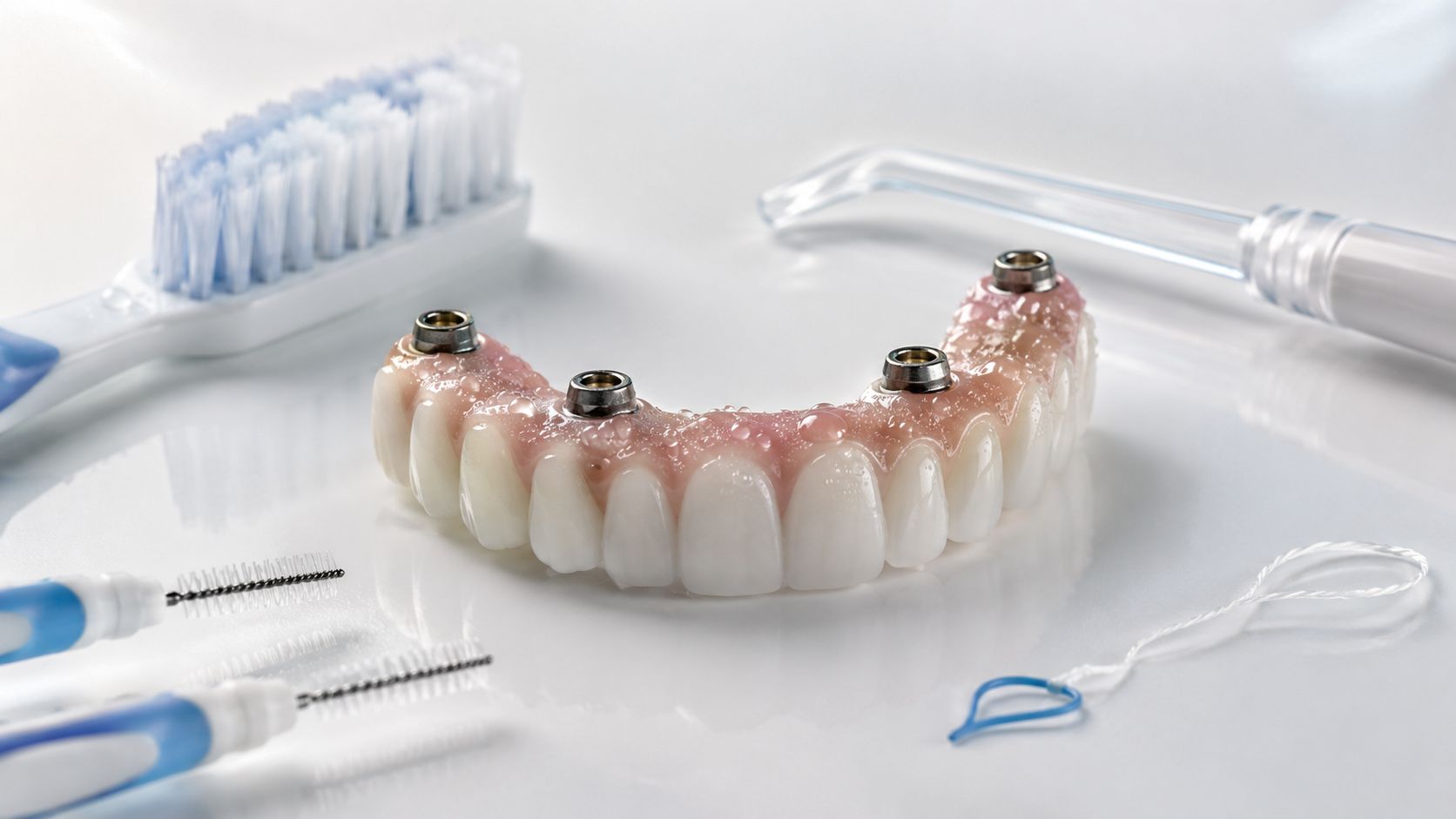
| Water flosser | Braces, implants, sensitive gums, difficult access | Helps flush debris and improve consistency |
The right tool is the one you’ll use correctly every day.
For a visual demonstration of good home-care mechanics, this short video can help:
What works and what doesn’t
Some habits help fast. Others create more irritation.
- Works well: Soft bristles, steady daily cleaning, cleaning along the gumline, replacing worn brush heads
- Usually backfires: Medium or hard bristles, aggressive horizontal scrubbing, rushing through flossing, assuming mouthwash alone is enough
- Helpful add-on: Night guards if clenching is contributing to gum irritation or recession
- Not enough by itself: Whitening toothpaste, “natural” rinses without plaque control, occasional flossing before cleanings
If you want healthier gums naturally, this is the foundation. Everything else sits on top of it.
Nourishing Your Gums from the Inside Out
Your gums aren’t separate from the rest of your body. They rely on blood flow, immune function, collagen formation, hydration, and consistent nutrient intake. If your diet is heavy on convenience foods and light on fresh produce, your gums often show it before you realize the pattern.
One of the clearest examples is vitamin C. Patients with higher intake of Vitamin C demonstrate significantly reduced risk for gum disease, and its role in collagen synthesis is part of why it matters for strong gum tissue and connective attachment to teeth, as discussed in this overview of holistic tips to improve gum health.
What to add more often
Think in terms of support, not perfection. You don’t need a flawless diet to help your gums. You need more of the foods that your tissue can use for repair.

A few practical targets:
- Vitamin C-rich foods: Citrus, strawberries, kiwi, bell peppers, broccoli, and leafy greens support collagen formation and tissue repair.
- Hydrating foods and fluids: Water helps maintain saliva, and saliva helps rinse away food particles and bacteria.
- Antioxidant-rich choices: Berries, colorful vegetables, and unsweetened teas support a healthier oral environment.
- Protein at regular meals: Healing tissue needs building blocks, especially after gum irritation or dental treatment.
- Calcium and vitamin D sources: These support the structures that hold teeth in place.
What to limit if your gums stay inflamed
No one needs to eliminate every treat. But some foods and drinks make it easier for plaque to thrive and harder for gum tissue to settle down.
| Limit more often | Why it matters for gums |
|---|---|
| Sugary snacks | Feed harmful oral bacteria and increase plaque pressure |
| Sweet drinks | Bathe teeth and gums in sugar repeatedly |
| Sticky processed foods | Linger around the gumline and between teeth |
| Frequent acidic drinks | Can irritate tissues and affect the oral environment |
A common problem in busy Austin schedules is grazing all day. Even if meals seem reasonable, constant snacking gives bacteria more opportunities to feed. Structured meals and water between them usually serve gums better than frequent small sugary bites.
Simple swaps that are easier to keep
You’re more likely to improve gum health naturally if the changes fit real life.
Try swaps like these:
- Replace a sweet afternoon drink with water or unsweetened tea
- Add bell peppers or berries to lunch instead of chips
- Choose plain yogurt, nuts, or cheese when you need a quick snack
- Keep washed fruit visible so it becomes the easy option
Food won’t remove tartar or treat deep infection. It does help your gums respond better to the care you give them every day.
Patients looking for a dentist in Austin, TX or cleaning and exams often ask whether diet alone can reverse gum issues. Diet helps. It strengthens the environment your gums live in. But if bleeding, swelling, or recession continues, nutrition should support treatment, not delay it.
Evidence-Based Natural Supplements and Rinses
There’s a big difference between a natural remedy that supports gum health and one that gets overpromised online. The best approach is to ask two questions. Does it make biological sense, and does it fit into a routine that already includes solid brushing, flossing, and professional care when needed?
Green tea has meaningful support behind it
Unsweetened green tea is one of the more reasonable natural tools for gum support. Clinical research found that green tea catechins inhibited Porphyromonas gingivalis biofilm formation by 60 percent in vitro, with clinical trials showing a 25 to 40 percent reduction in gingival bleeding index when combined with a vitamin C-rich diet. Studies also documented pocket depth shrinkage of 1 to 2 millimeters within 8 weeks when green tea was paired with professional treatment, according to this discussion of how green tea may improve gum health naturally.
That last part matters most. Green tea showed its strongest value when paired with professional treatment, not when used as a substitute for it.
Practical use is simple. Choose unsweetened green tea, drink it consistently, and think of it as a supportive habit rather than a cure.
Oil pulling has limits, but it isn’t nonsense
Oil pulling gets dismissed too quickly by some people and exaggerated too much by others. The middle ground is more useful.

Oil pulling with coconut or sesame oil involves 15 to 20 minute swishing sessions and has shown clinically measurable improvement in plaque and gingivitis scores when done consistently. The proposed benefit is twofold: the swishing helps dislodge biofilm mechanically, and coconut oil contains fatty acids such as lauric acid that can disrupt bacterial cell membranes. The same review notes that many people quit after 1 to 2 weeks, even though benefits often show after 3 to 4 weeks of daily use, as outlined in this article on oil pulling for gum health.
The trade-off is time. Many patients won’t realistically swish that long every morning. If you’ll do it consistently, it can be a reasonable adjunct. If you won’t, you’re better off investing that effort in better brushing and interdental cleaning.
Other natural options worth discussing carefully
Some patients ask about oral probiotics, herbal rinses, or alcohol-free mouth rinses. These may have a place, especially if dry mouth, antibiotic use, or chronic irritation has affected the oral environment. But they’re highly individualized. One patient may benefit from an alcohol-free rinse and a gentler brush head. Another may need deeper cleaning because the issue isn’t surface irritation at all.
Natural products can support healing. They can’t diagnose bone loss, remove hard deposits below the gums, or tell you how advanced the problem is.
If you prefer a more holistic routine, that’s completely reasonable. The strongest version of that plan still includes evidence, good mechanics, and a clear threshold for seeking treatment.
Red Flags That Require a Professional Dental Evaluation
Some gum symptoms fall into the “watch it closely” category. Others mean it’s time to stop experimenting at home and get examined.
Persistent bleeding is one of them. If your gums bleed daily for more than a short adjustment period after improving your flossing technique, there may be ongoing inflammation below the gumline. The same is true if one area keeps swelling, feels sore when you chew, or looks different from the rest of your gumline.

Signs you shouldn’t ignore
These symptoms deserve a professional evaluation:
- Bleeding that keeps returning: Especially if it happens with light brushing or flossing
- Swollen or tender gums: Ongoing puffiness usually means active irritation or infection
- Receding gums: Teeth look longer, roots feel exposed, or sensitivity increases
- Bad breath that lingers: Even after brushing and tongue cleaning
- Loose teeth or shifting bite: These can point to deeper support problems
- Pain when chewing in one area: Sometimes tied to gum infection, sometimes to a cracked tooth, often needing imaging
Why waiting usually doesn’t help
A common misconception is that if a natural method has some benefit, doing more of it will solve a bigger problem. That’s not how gum disease works. Even though oil pulling can reduce plaque and gingivitis scores when practiced consistently, it’s still an adjunctive method, not a replacement for treatment. Its own evidence points to gradual support, not rescue care.
Here’s the practical issue. You can’t see below the gumline at home. You can’t tell whether there’s hardened buildup, deepened pockets, bone changes, or a localized infection around one tooth. When patients delay because symptoms come and go, the disease process can keep progressing.
If your gums bleed, swell, recede, or make teeth feel less stable, the safest next step is diagnosis, not guesswork.
People searching for an emergency dentist, dentist near me, or tooth extraction sometimes start with gum symptoms that were ignored too long. Not every case becomes urgent, but some do. Earlier care usually means more conservative options.
Comprehensive Gum Care at 3D Dental in Austin and Georgetown
When gum symptoms need more than home care, the visit should be straightforward. Patients want clarity. They want to know what’s happening, how serious it is, and what can fix it.
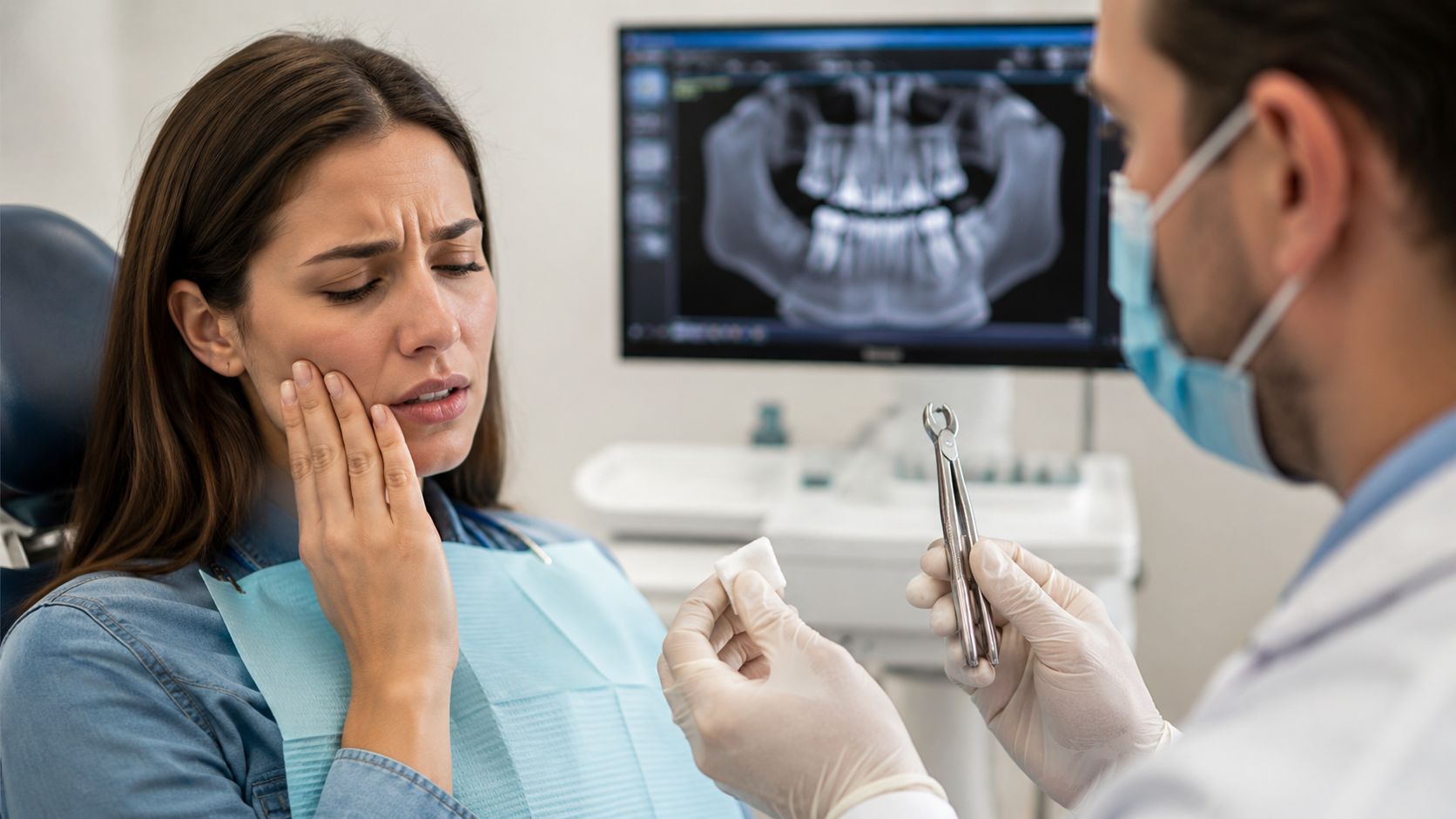
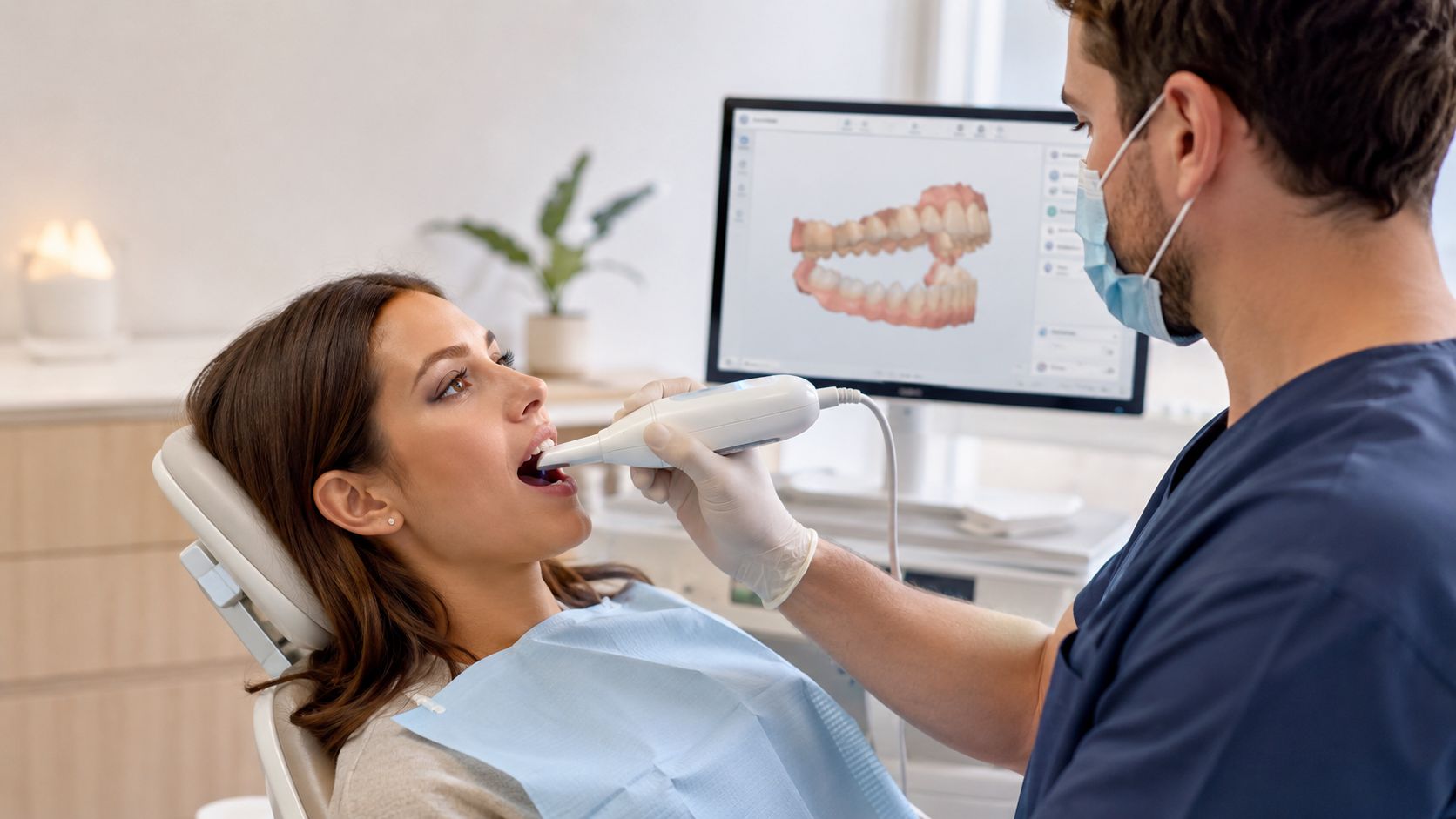
At 3D Dental, care starts with a thorough exam and imaging so the team can evaluate teeth, bone support, and gum health with precision. That matters because gum disease isn’t just a surface issue. Some patients need a routine cleaning and improved home care. Others need scaling and root planing, periodontal maintenance, or targeted treatment from a specialist. For patients comparing options, gum treatment services at 3D Dental outline the kinds of care available when inflammation has moved beyond what brushing alone can solve.
What patients can expect
The process is built around diagnosis first, then treatment planning.
| Visit stage | What happens |
|---|---|
| Exam and imaging | Review symptoms, check gum condition, evaluate supporting structures |
| Findings and discussion | Explain whether the issue is mild irritation, active gum disease, recession, or something else |
| Treatment planning | Recommend the appropriate next step, which may include cleaning, periodontal care, or restorative work |
| Long-term maintenance | Build a home-care and recall plan to keep inflammation from returning |
For some patients, that may also connect to broader services under one roof. If gum disease has already contributed to tooth loss, restorative options such as dental implants may become part of the conversation. If pain, swelling, or infection is urgent, emergency dental care may be the immediate priority. If worn or misaligned teeth are making hygiene harder, restorative or orthodontic treatment can also affect long-term gum stability.
Local care for Austin and nearby communities
Patients come from Austin and Georgetown, as well as Wells Branch, Round Rock, Cedar Park, and Liberty Hill, because they want one place where diagnosis and treatment are coordinated. That’s especially helpful when gum concerns overlap with cleanings and exams, dental x-rays, restorative dentistry, cosmetic concerns, or implant planning.
If you’re trying to improve gum health naturally, keep doing the parts that are effective. Brush with better technique. Clean between the teeth every day. Support healing with smarter nutrition. Use evidence-based natural adjuncts when they fit your routine. But if the warning signs are still there, don’t leave the diagnosis to trial and error.
If your gums are bleeding, swollen, receding, or just don’t feel healthy, schedule a consultation with 3D Dental. A thorough exam can show what’s causing the problem and whether home care alone is enough, so you can move forward with a plan that protects your smile.
Ready to get started?
Schedule a free, no obligation consultation with our team and see what's possible for your smile!
Georgetown
- Mon-Thurs8:30am-5pm
- Fri8am-3:30pm
- Sat-SunClosed
Austin
- Mon-Tues8am-5pm
- Wed-Thurs9am-6pmFri8am-2pm
- Sat-SunClosed