
Unlock Your Smile: Dental Implant Cost Austin TX 2026
Related Posts



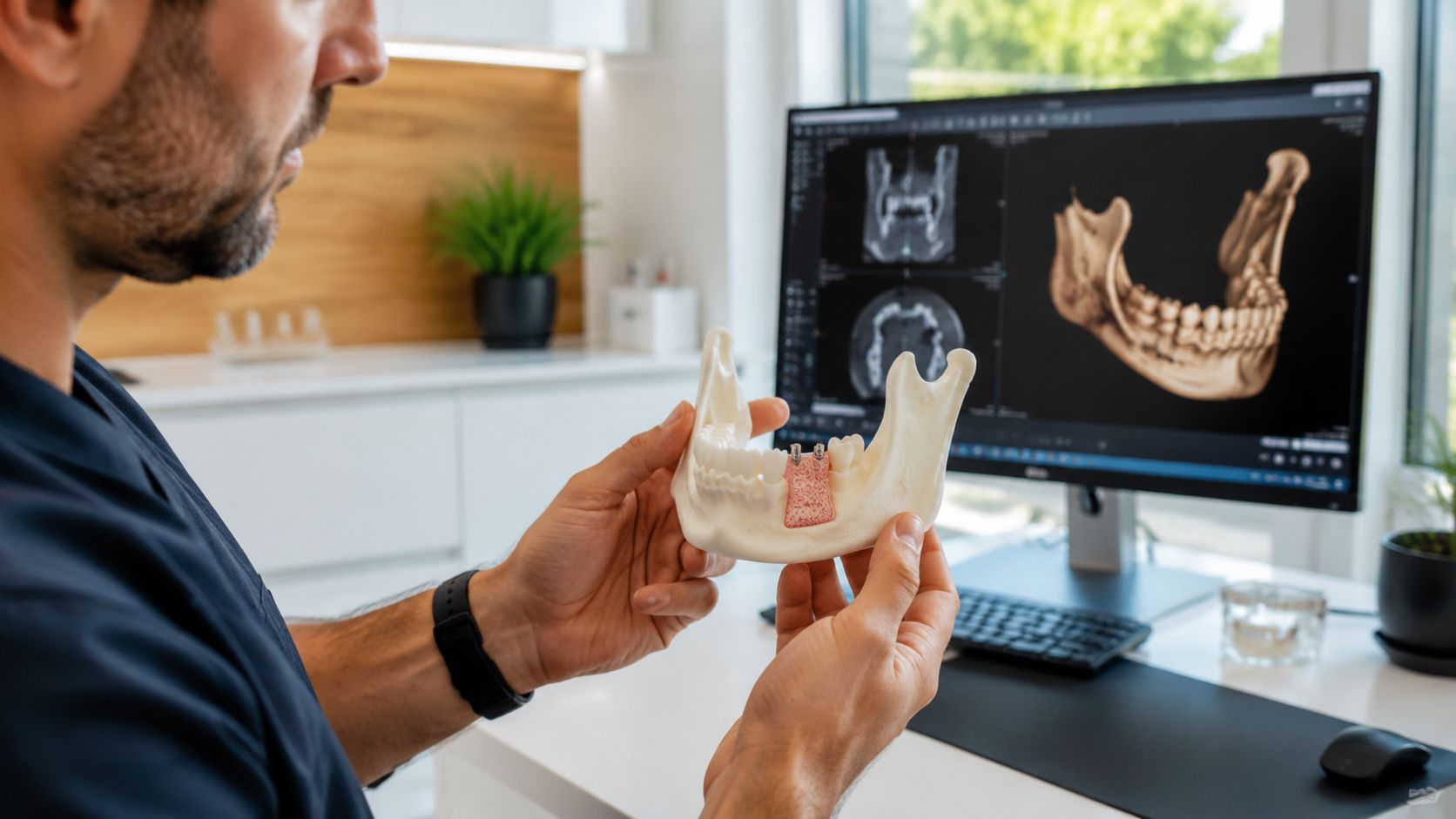
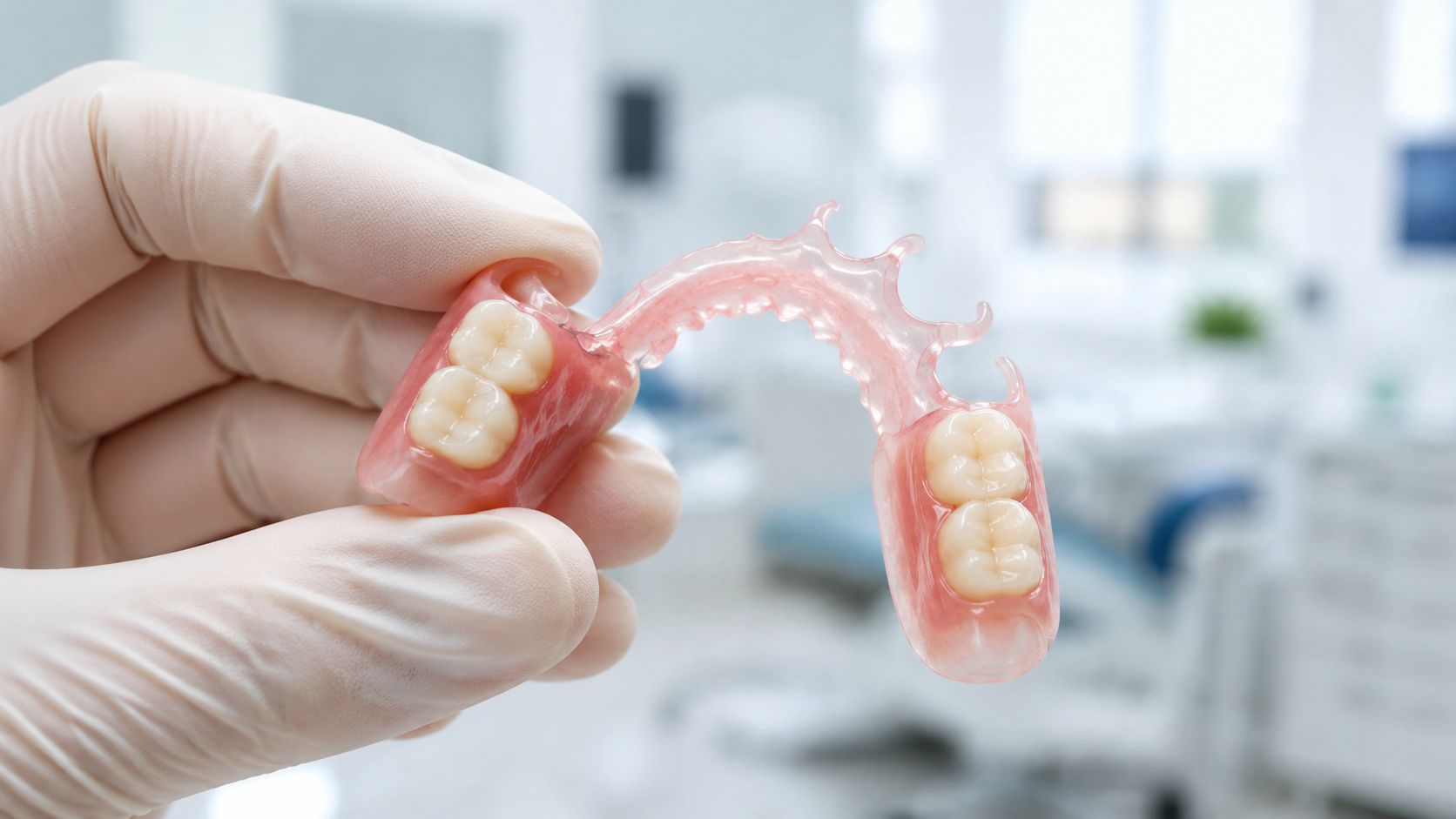
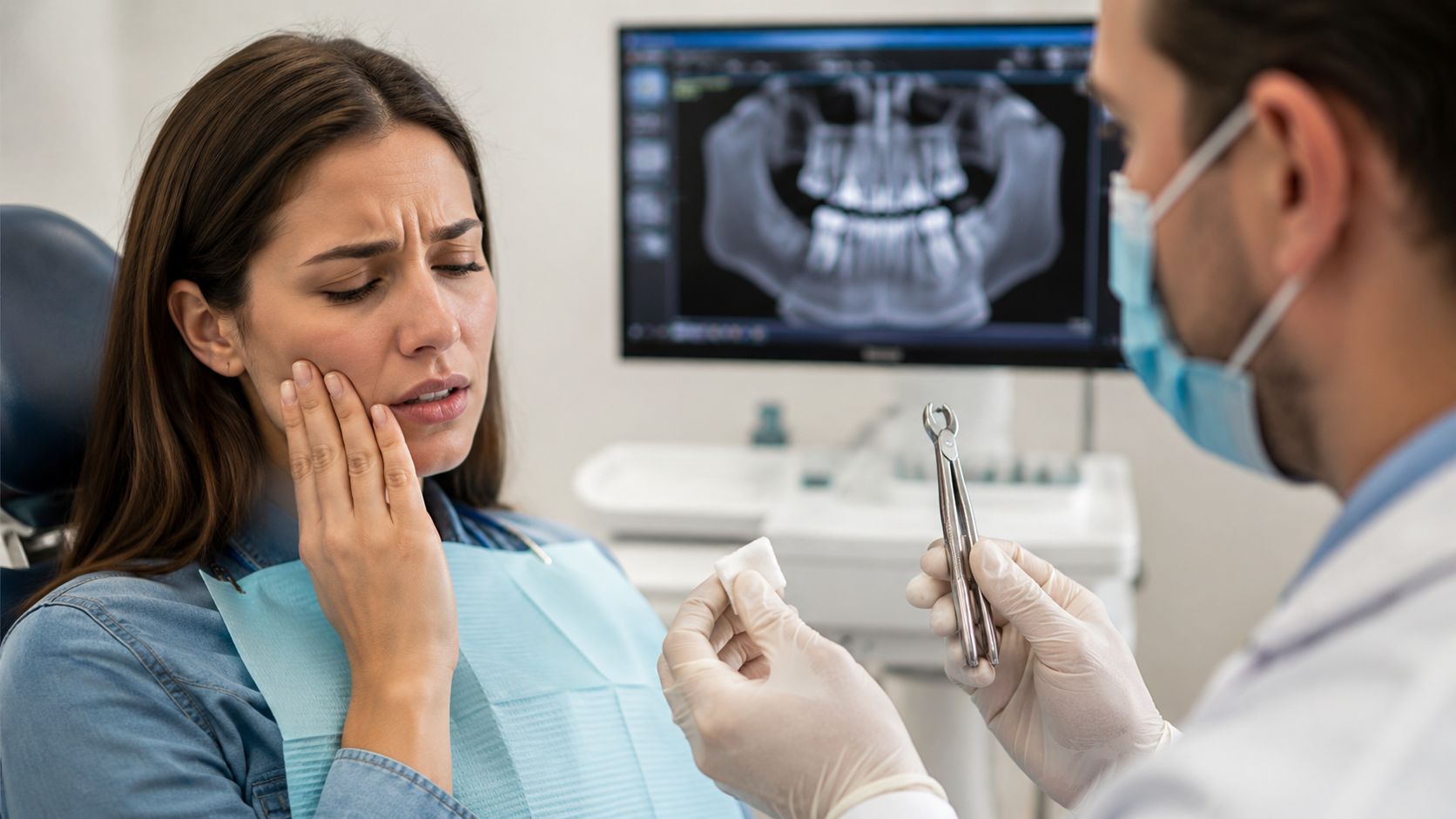
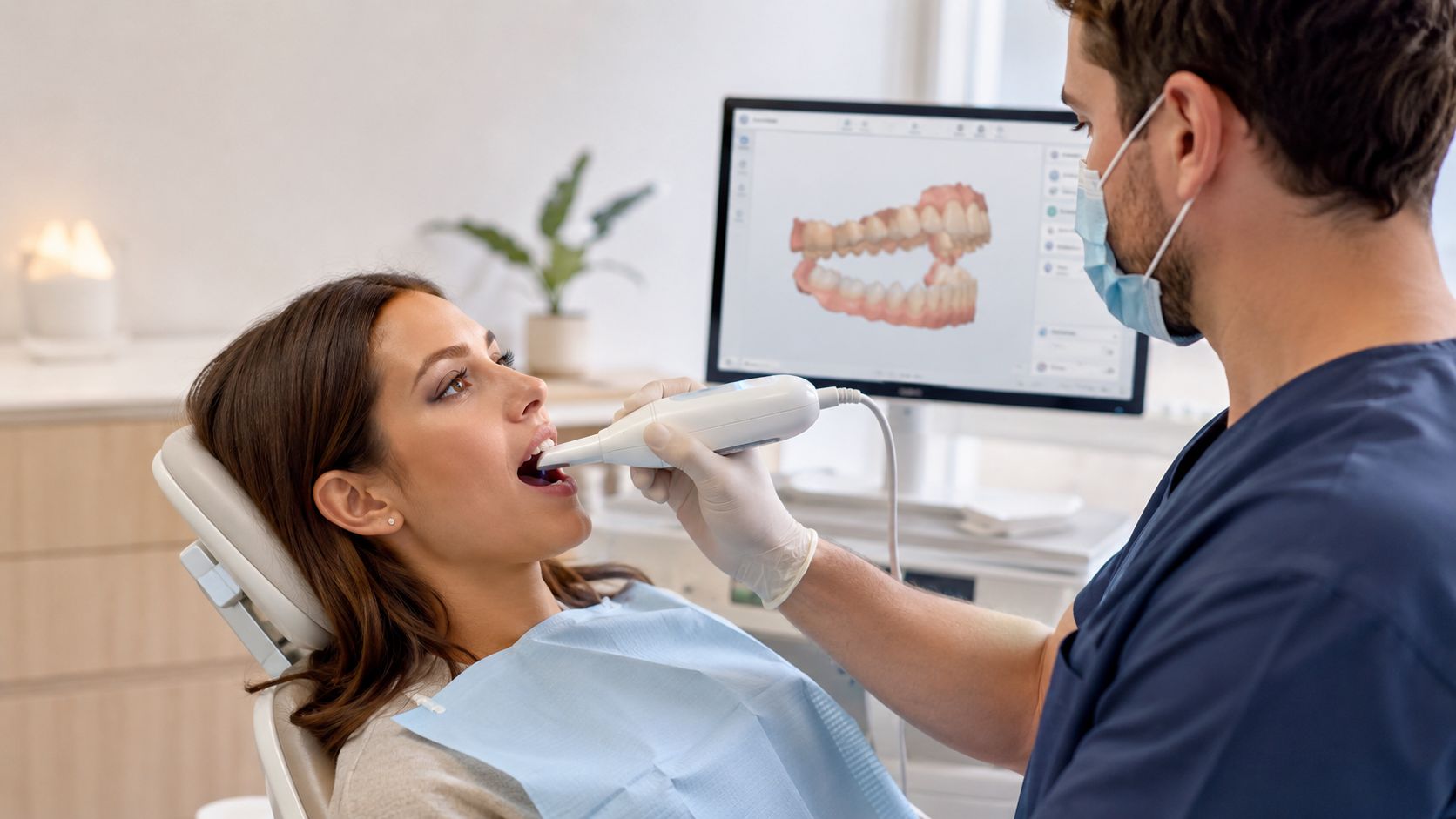

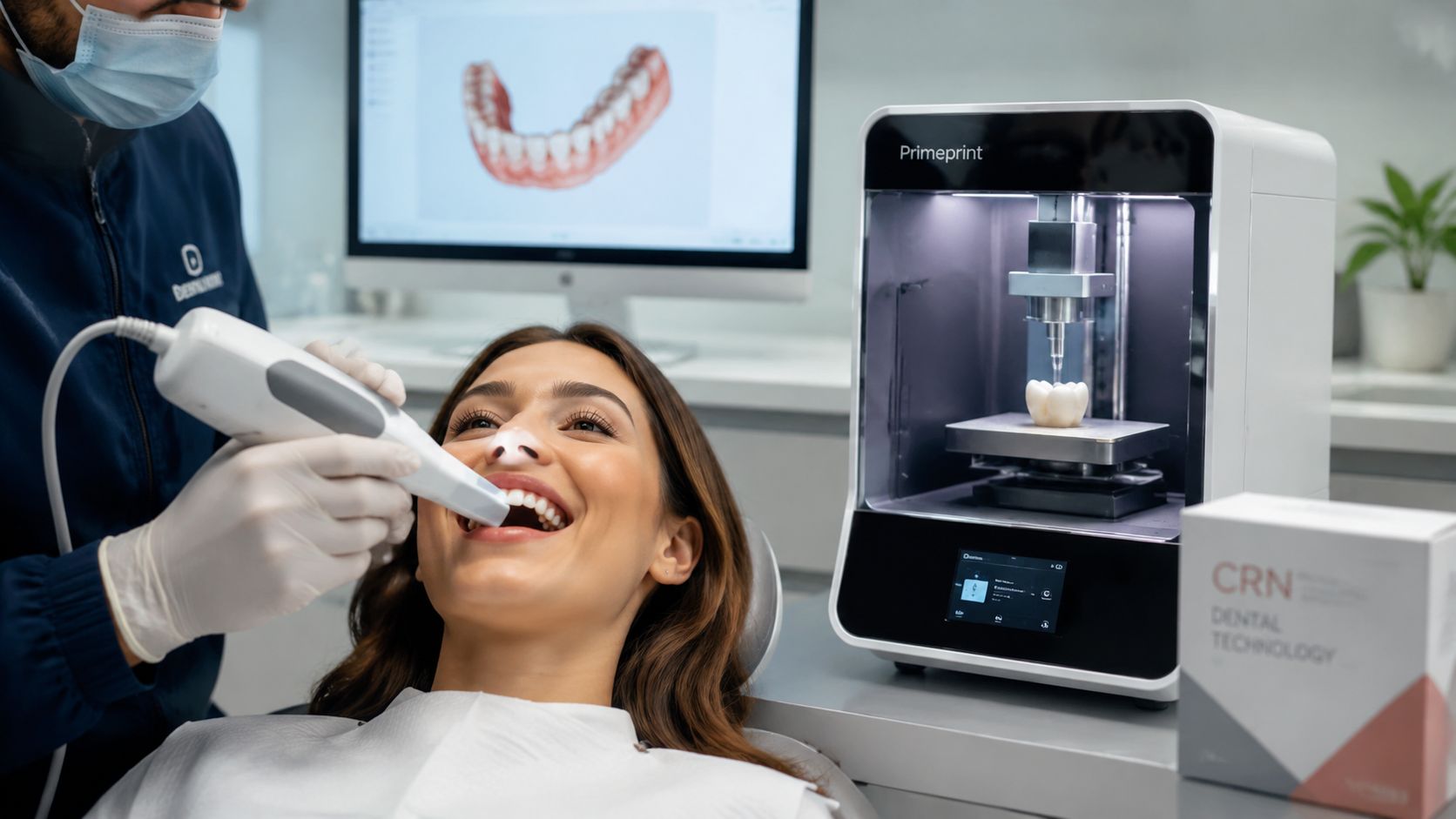
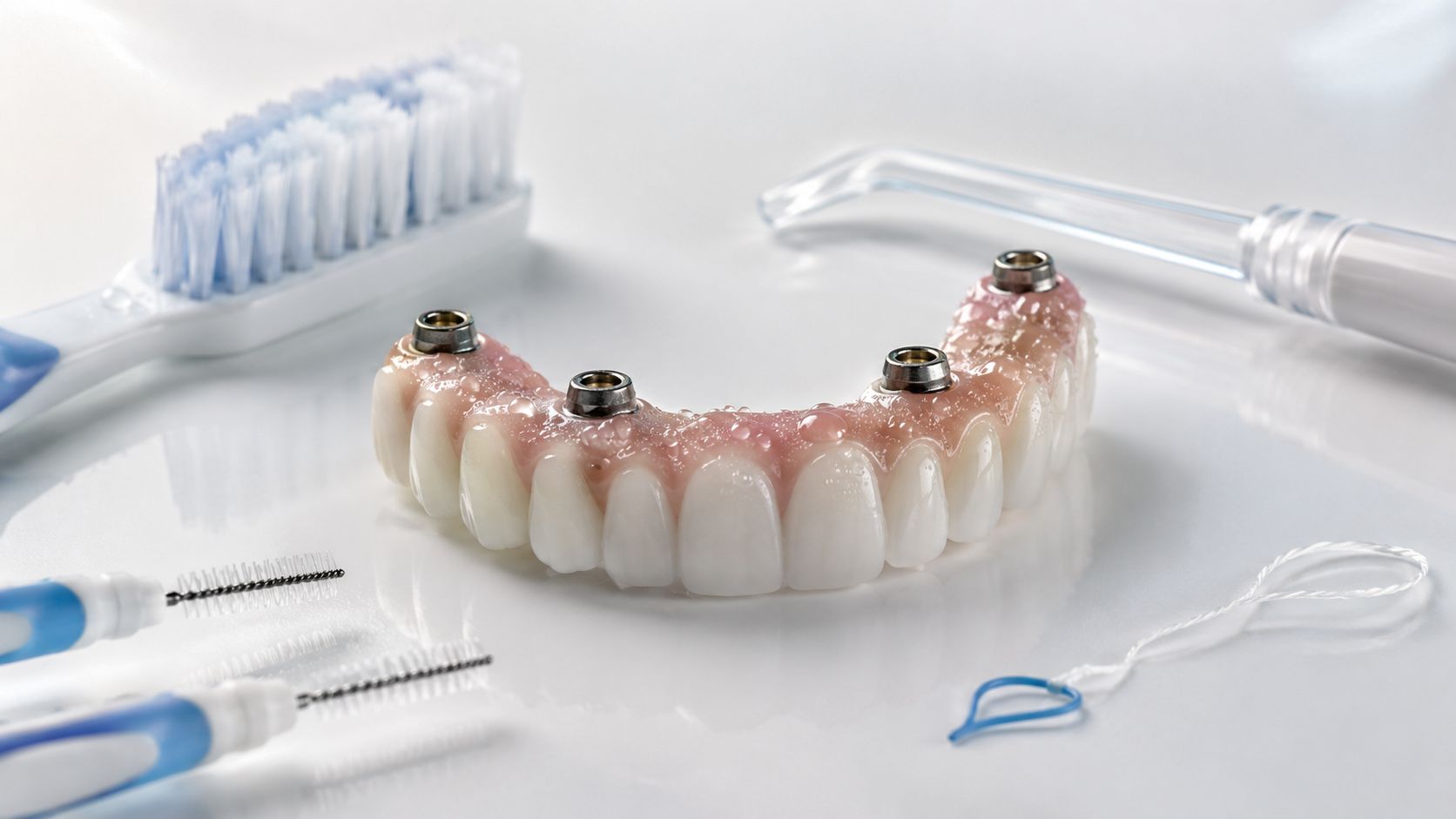

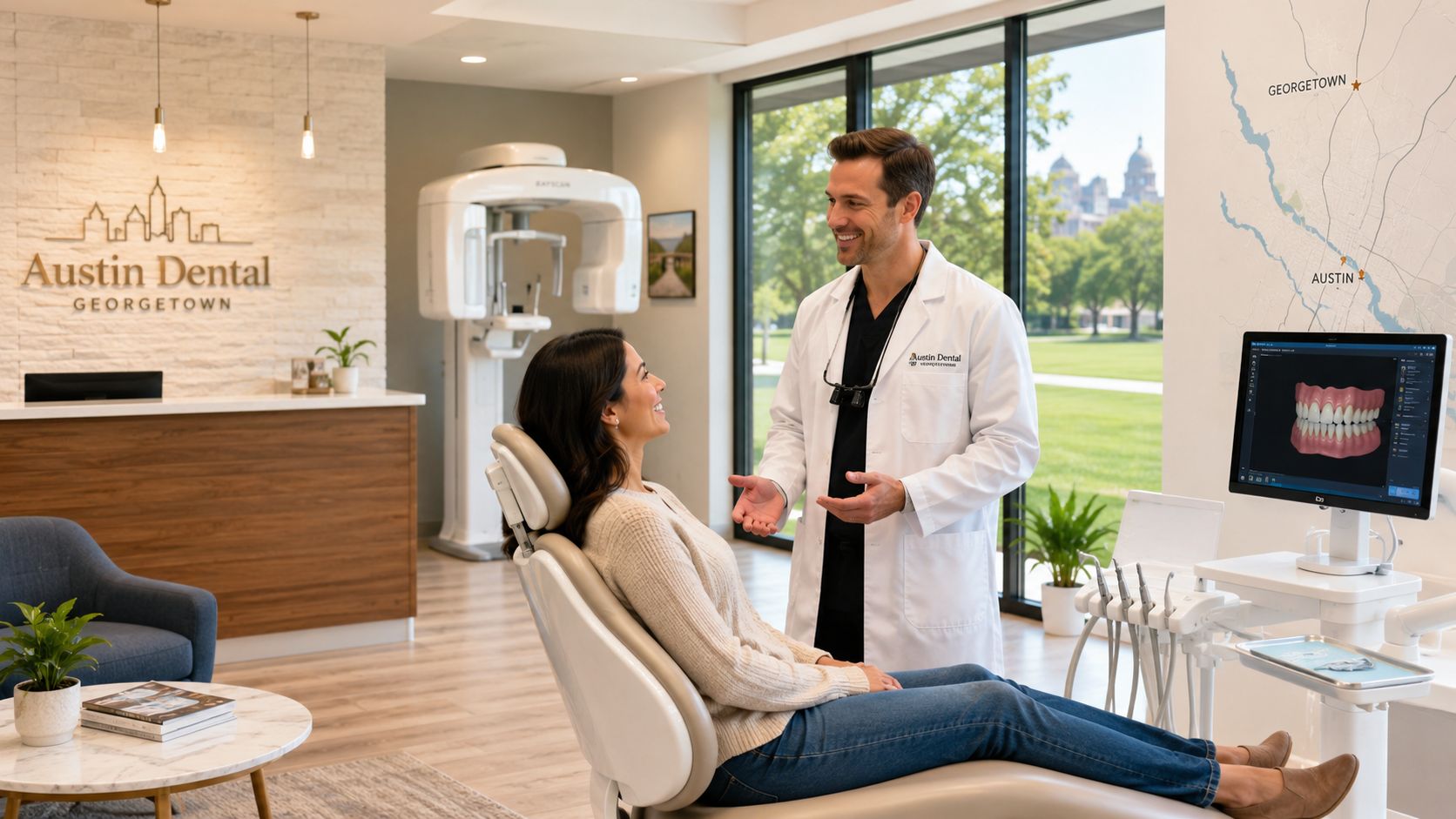
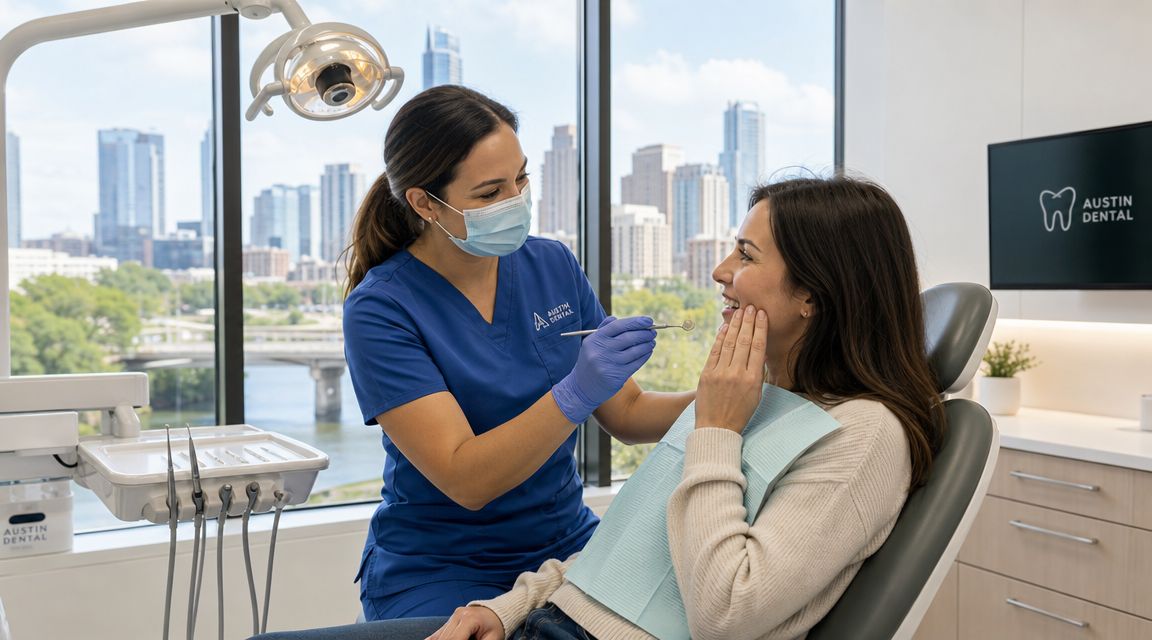
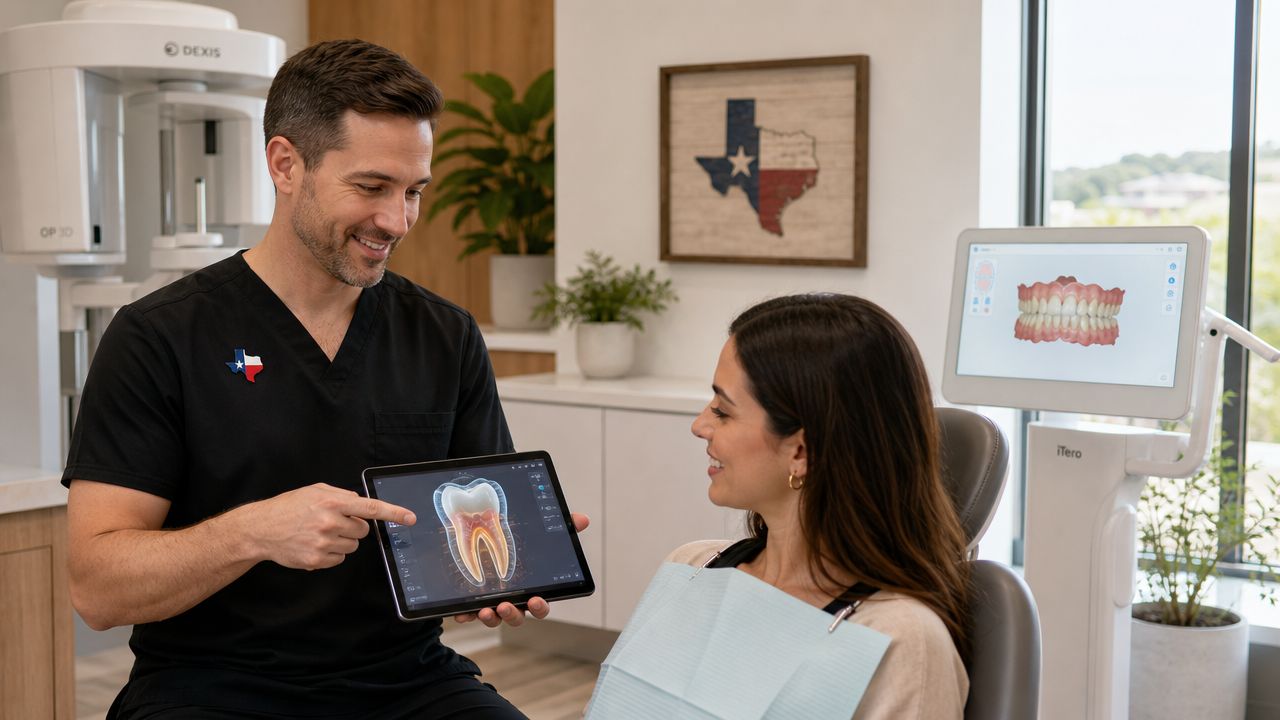



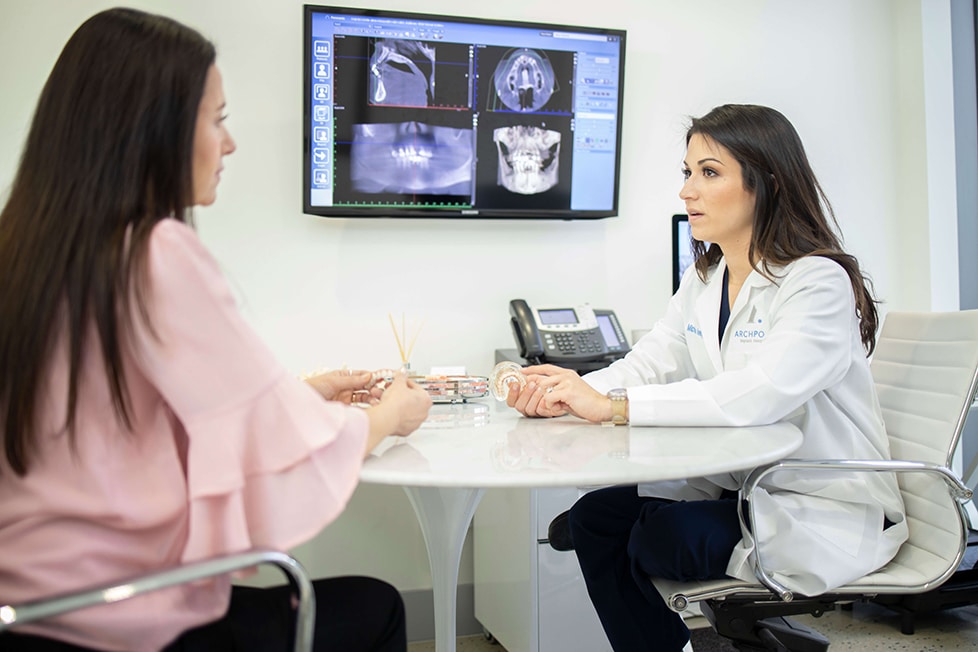

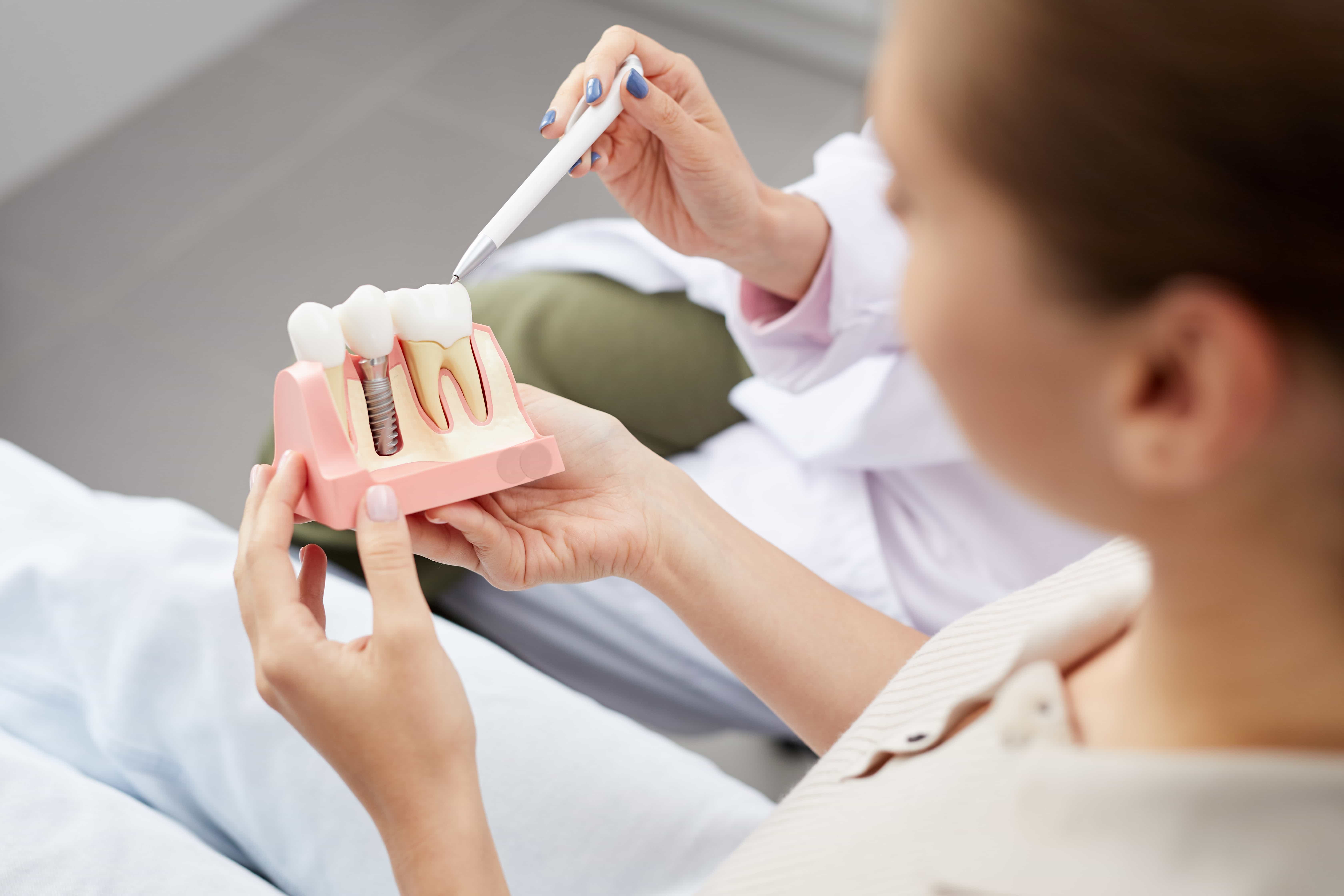

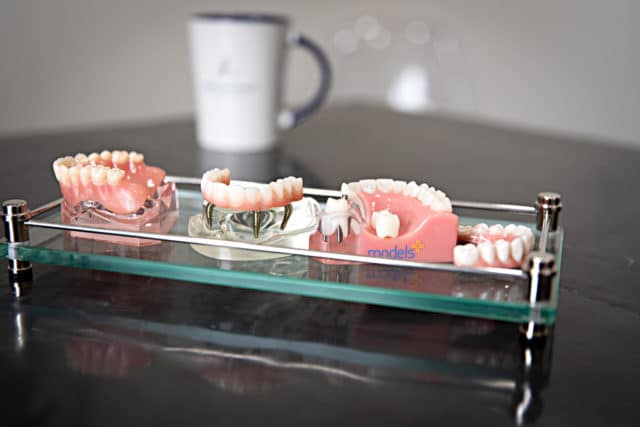






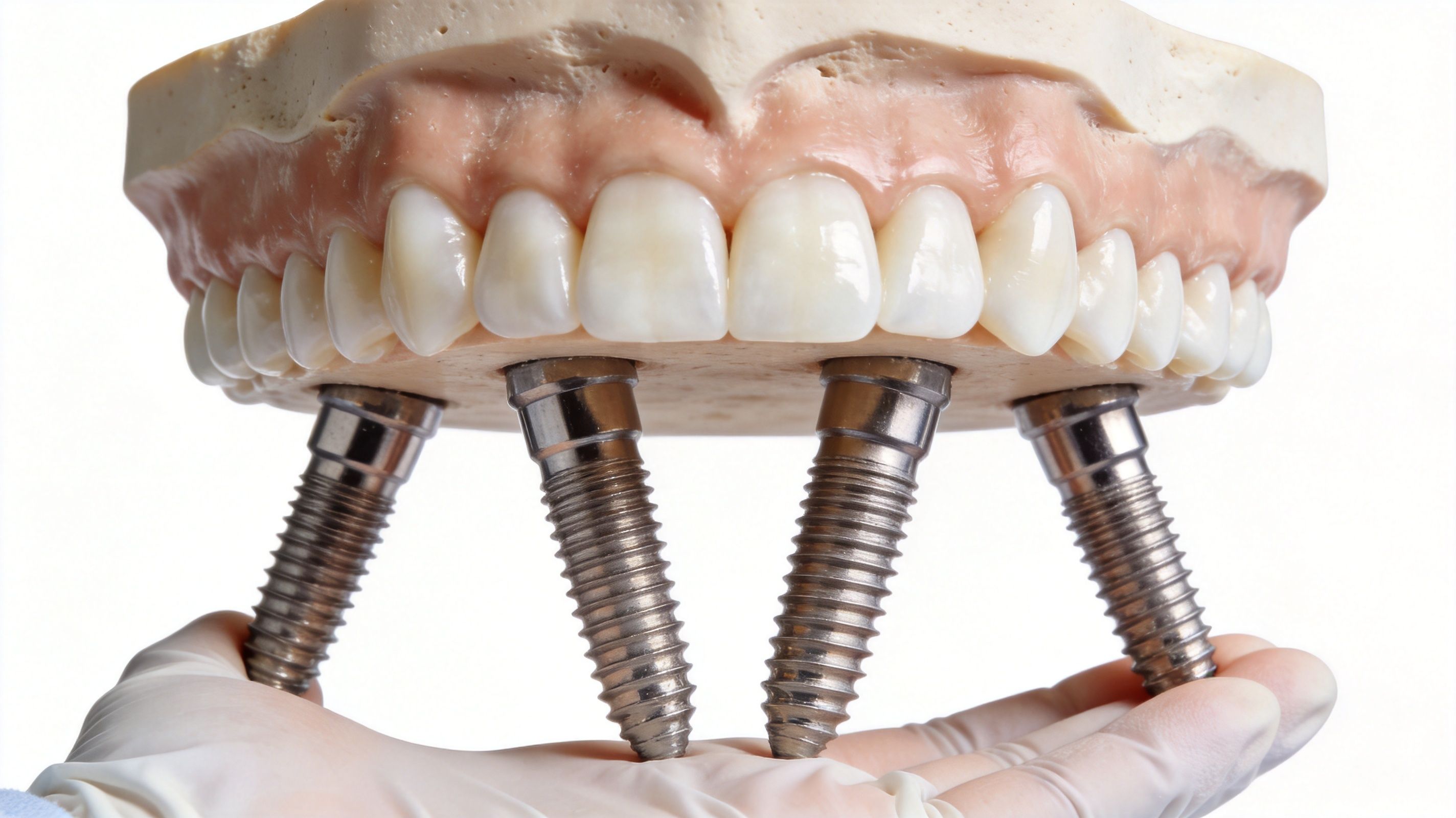
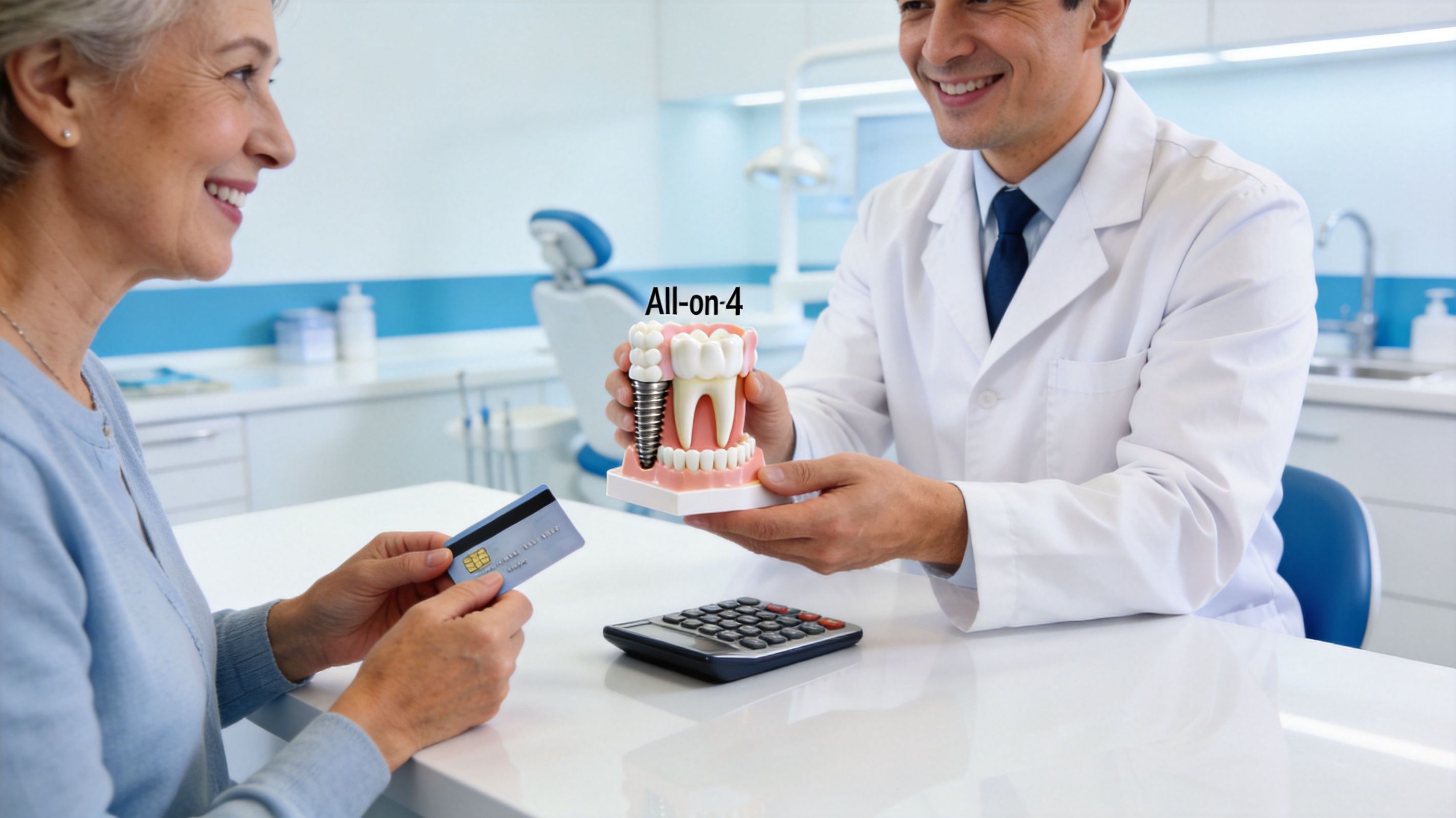


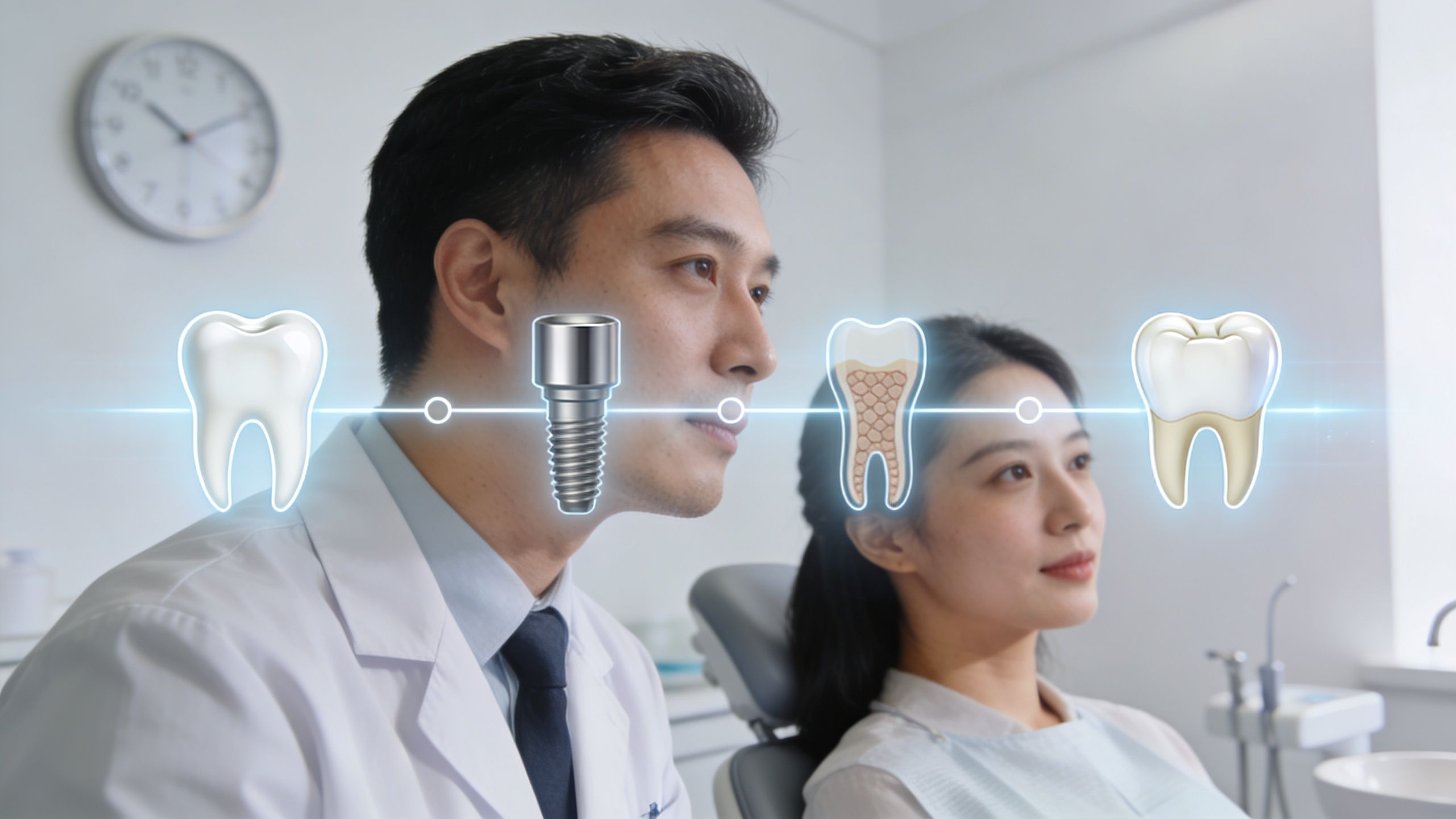







In Austin, the typical cost for a single dental implant, including the post, abutment, and crown, ranges from $3,000 to $5,800 per tooth. If you're researching dental implant cost Austin TX, that number is a useful starting point, but the specific answer depends on what your mouth needs before and during treatment.
For many patients, this search starts the same way. A tooth is missing, a bridge is failing, a denture feels loose, or chewing on one side has become routine. The next question is usually financial: what will this cost, and why do quotes vary so much from one office to another?
The most helpful way to look at implant pricing is to break it down into parts. Once you understand what you're paying for, the numbers feel less mysterious and the decision gets clearer.
The Typical Cost for a Single Dental Implant in Austin
A patient usually starts here. One missing tooth, one price question, and two very different estimates from two different offices. In Austin, a complete single implant often falls in the $3,000 to $5,800 range, including the implant post, abutment, and crown, based on Austin implant cost details from My Austin DDS.
That range is useful, but only if the quote reflects the full treatment plan. I encourage patients to ask one simple question right away: does this number cover the surgical implant and the final tooth, or only part of the process?
What makes up the total price
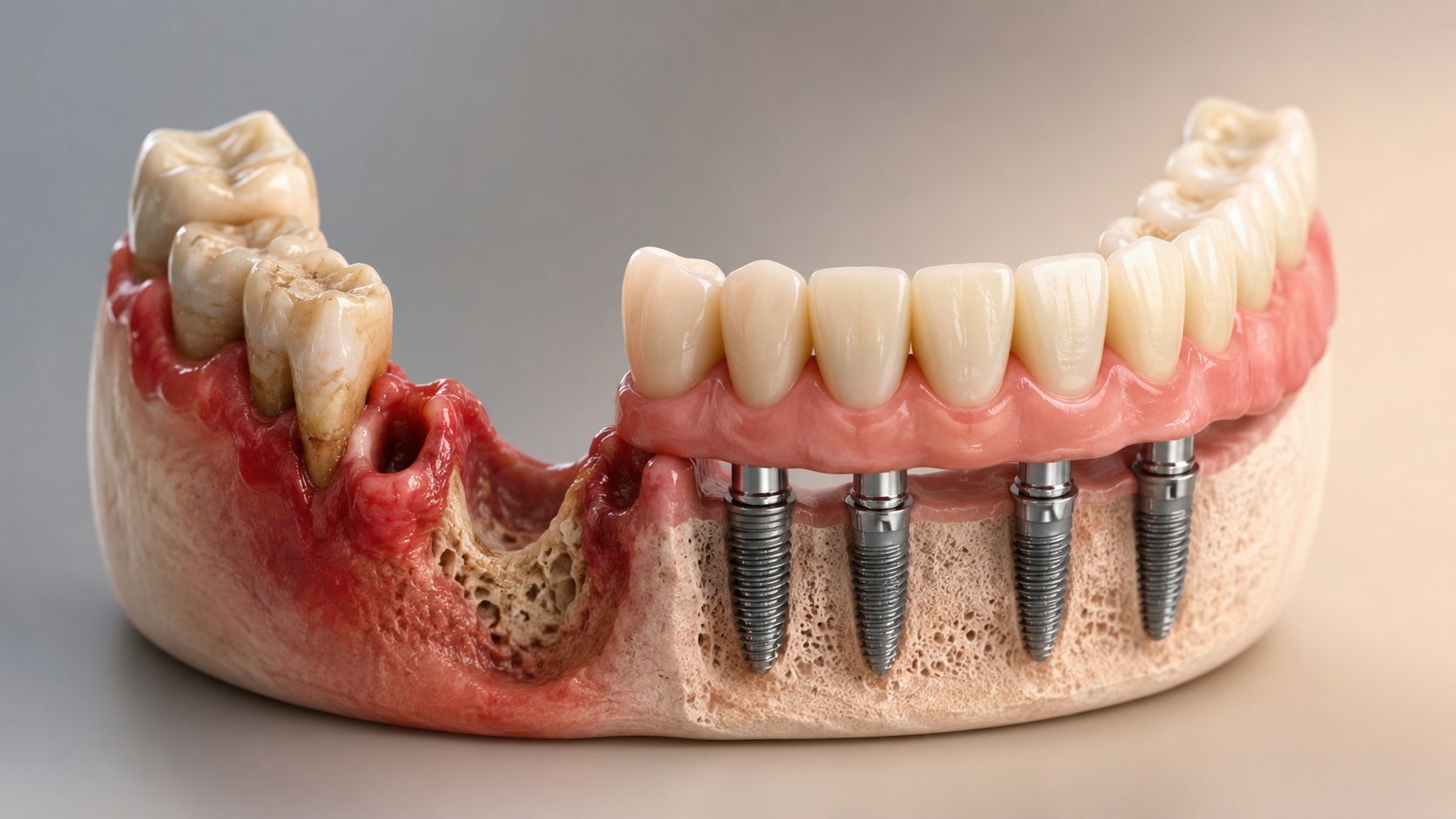
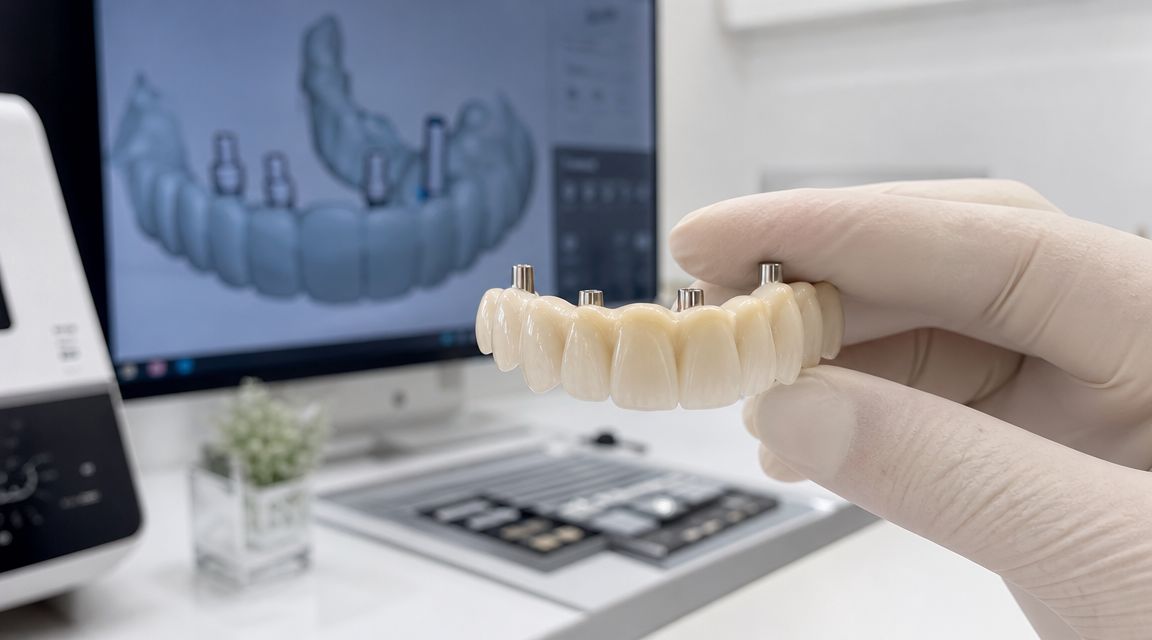
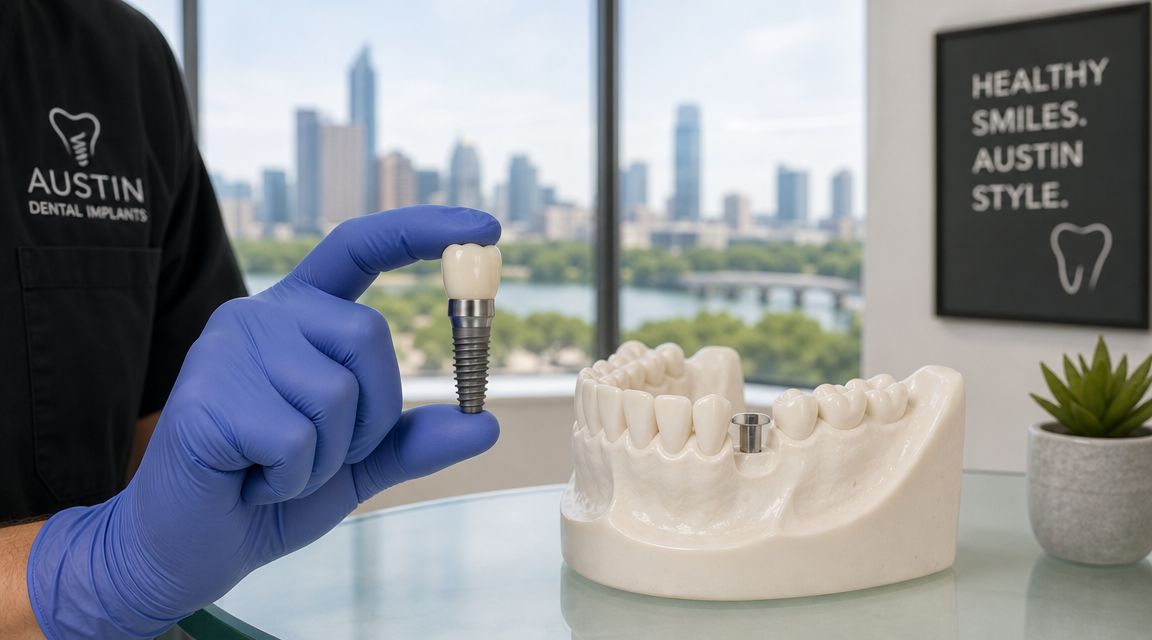
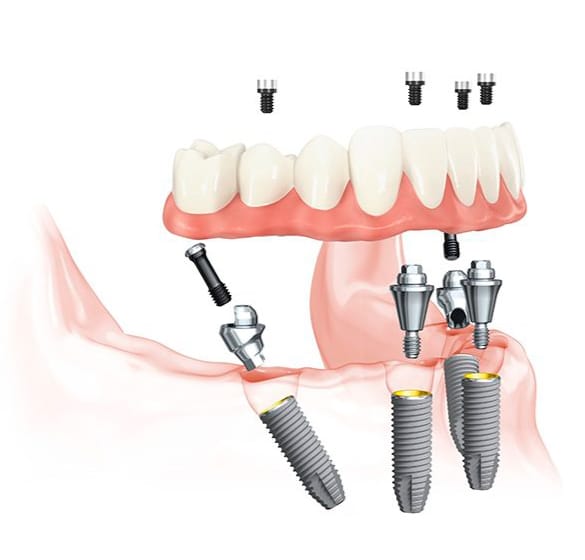
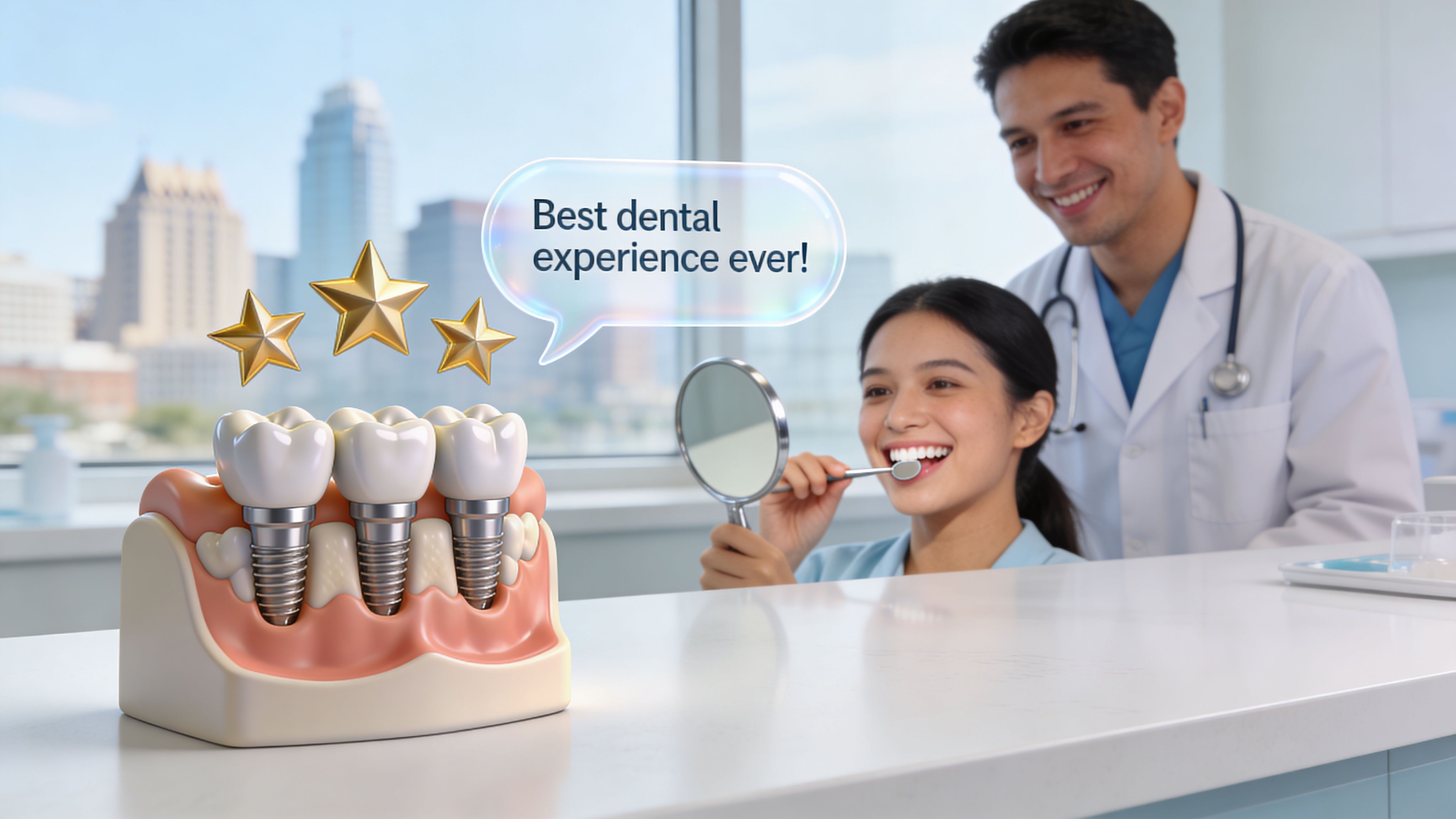
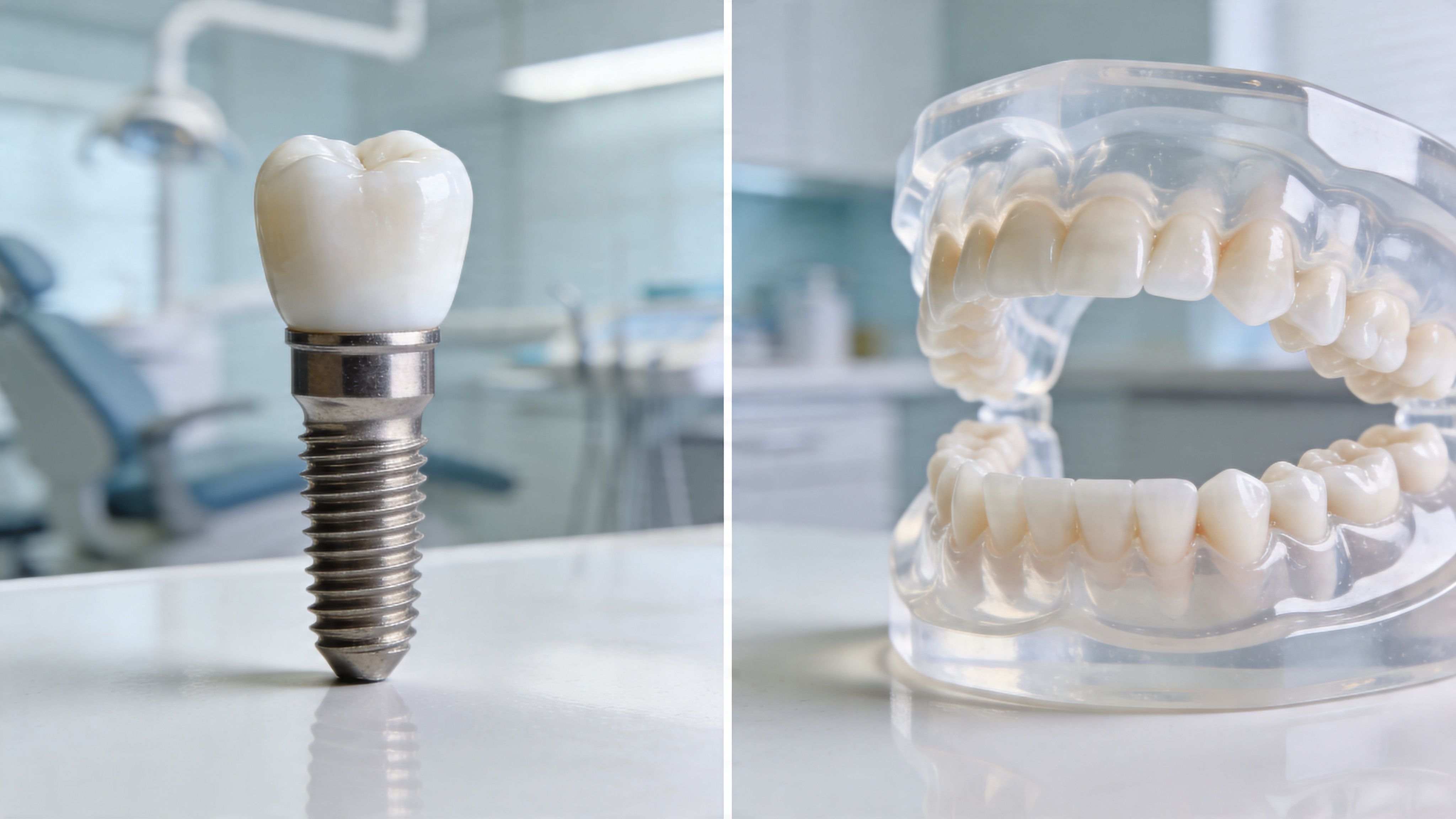
A single-tooth implant has three main components, and each affects the fee:
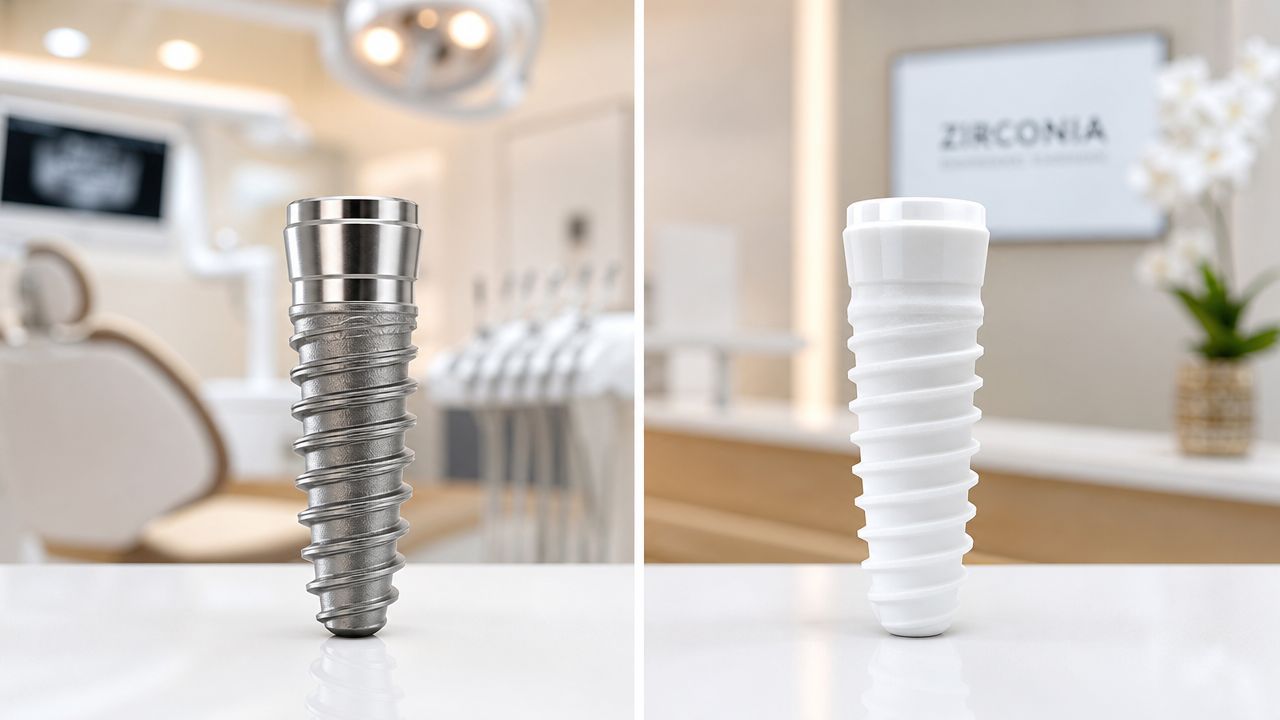
- The implant post. This is the titanium portion placed in the jawbone.
- The abutment. This connector links the implant to the final restoration.
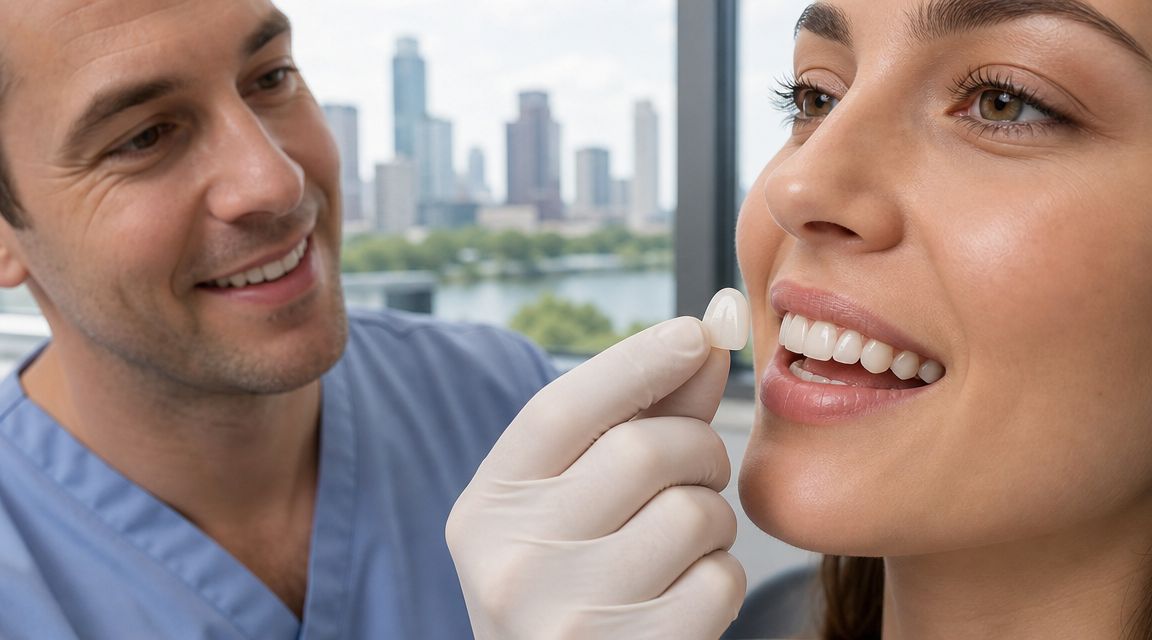
- The crown. This is the custom tooth you see when you smile and use when you chew.

Some offices present these parts together. Others separate them across different appointments, providers, or estimates. That is one reason a low initial quote can look appealing but fail to reflect the actual total.
Why one implant quote can differ from another
Two patients may both need one implant and still receive different pricing. The missing tooth could be in a high-pressure chewing area, in the front of the mouth where appearance is more demanding, or in a site that has lost bone after months or years without a tooth. Those details change the plan.
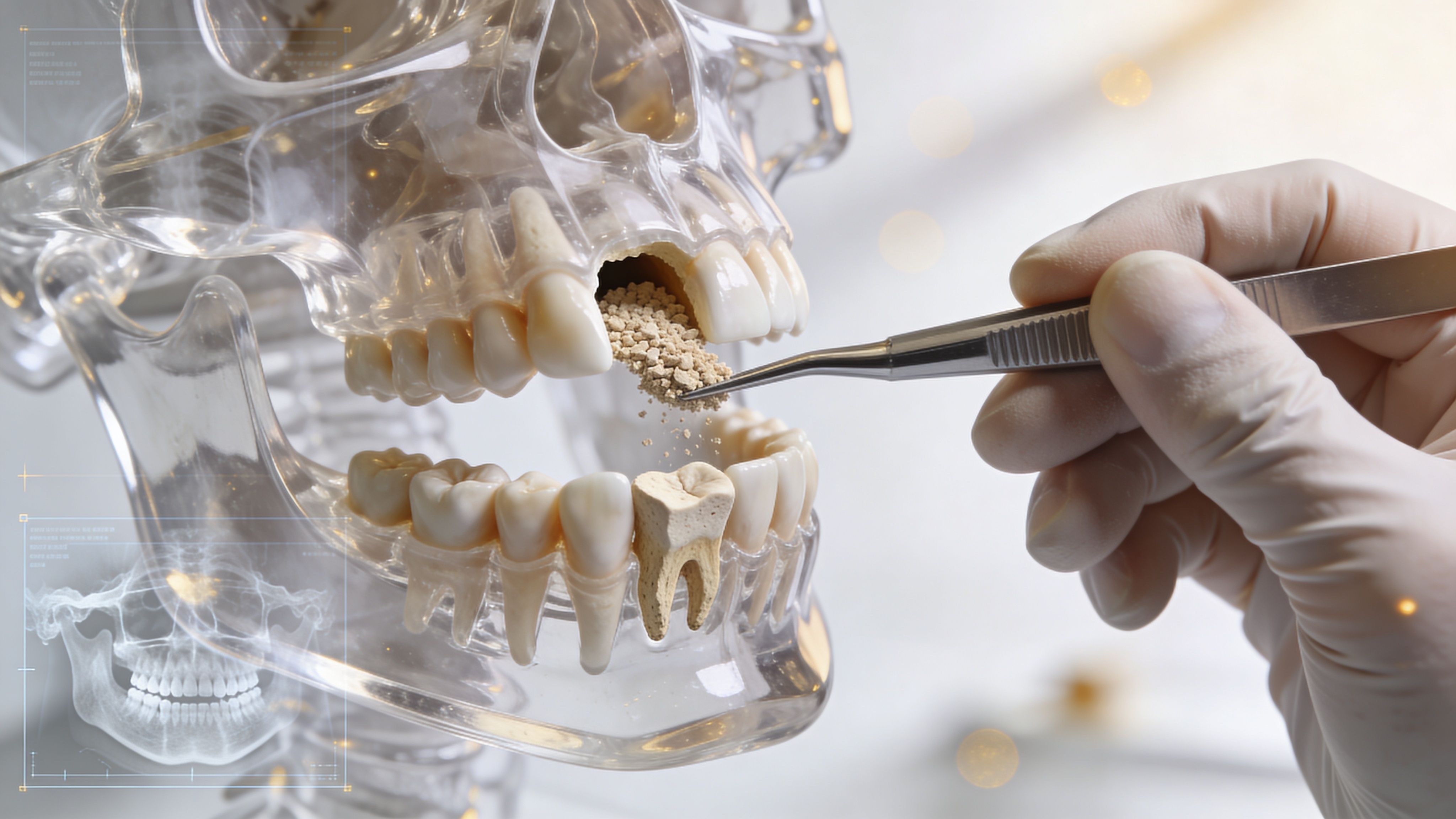
If the area needs additional support first, the overall fee rises because the treatment becomes more involved. Patients who want a better sense of that step can read our guide on how dental bone grafting works before implant treatment.
The distinction is important, as many patients try to make a fast decision based on price alone.
What to compare before you say yes
If you're comparing estimates in Austin, Georgetown, Round Rock, or Cedar Park, compare complete treatment plans, not just the surgery line item. A careful quote should clarify whether it includes:
- The implant post, abutment, and crown
- Imaging and treatment planning
- Follow-up visits
- Any preparatory treatment if the site is not ready
- The material used for the final restoration
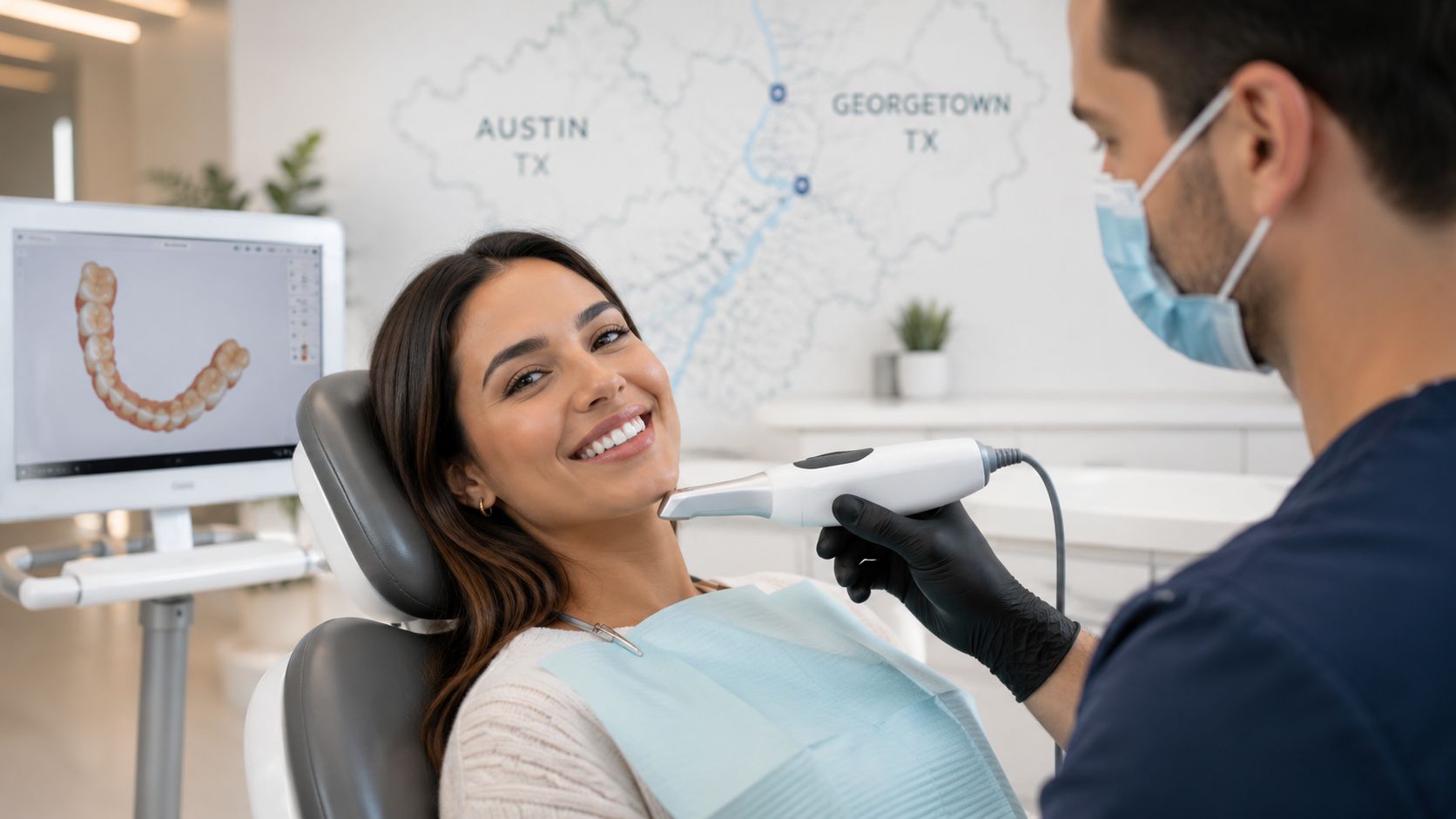
At 3D Dental, we put extra attention on this part because cost confusion usually starts with unclear planning. Modern imaging and an in-house lab help create more predictable treatment from the start, which often means fewer pricing surprises for patients.
Key Factors That Influence Your Final Implant Price
A patient may hear "single implant" and expect a standard fee, then learn after the exam that the real plan is more involved. That usually happens for a practical reason. The site has changed since the tooth was lost, the bite places unusual force on that area, or the final tooth needs more detailed cosmetic work.

The biggest cost changes usually come from four areas: bone quality, treatment planning, restoration design, and how the case is made and delivered. Those details decide whether treatment stays straightforward or requires extra steps to make the result stable and natural-looking.
Bone support changes the plan
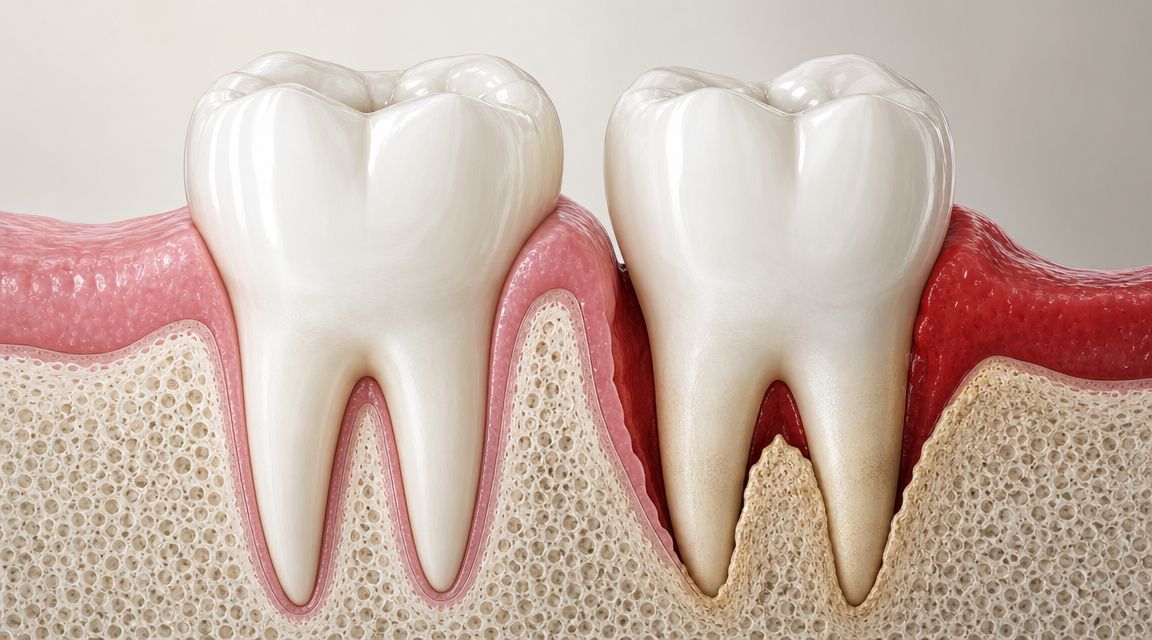
The jawbone does not stay the same after a tooth is removed. It often gets narrower or shorter over time, and infection can leave behind a site that is not ready to hold an implant securely. In those cases, grafting may be recommended before or during implant placement.
That recommendation is about predictability. Placing an implant into weak or limited bone can create problems with stability, gum contour, and long-term function.
Patients who want a clearer explanation can review how dental bone grafting works before implant treatment. It helps explain why a site that looks simple from the outside may need preparation first.
Imaging and planning affect cost because placement has to be exact
Implants succeed when the plan matches both the bone and the final tooth. The position has to work for chewing, cleaning, gum support, and appearance. That requires more than a quick look at the space.
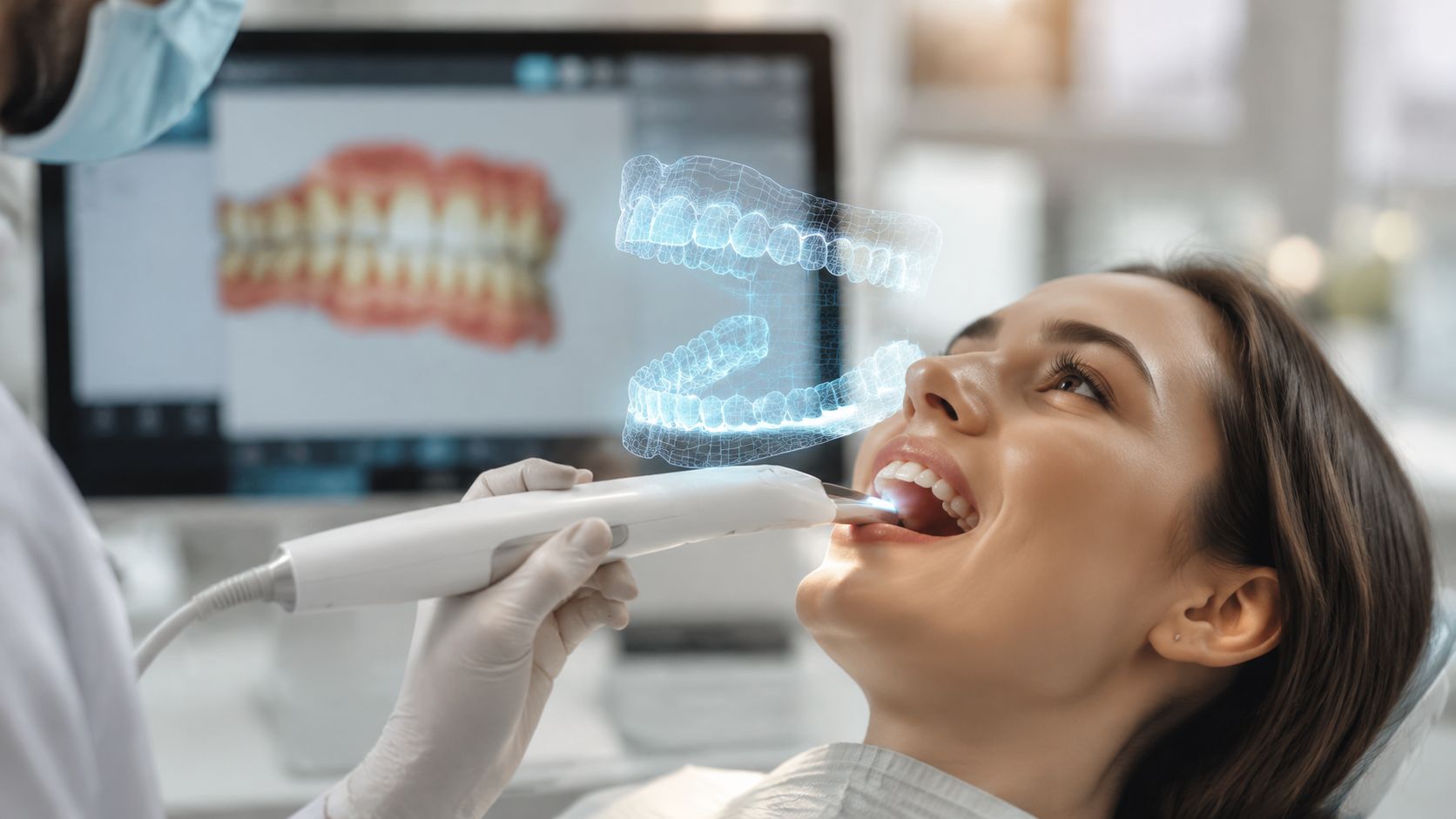
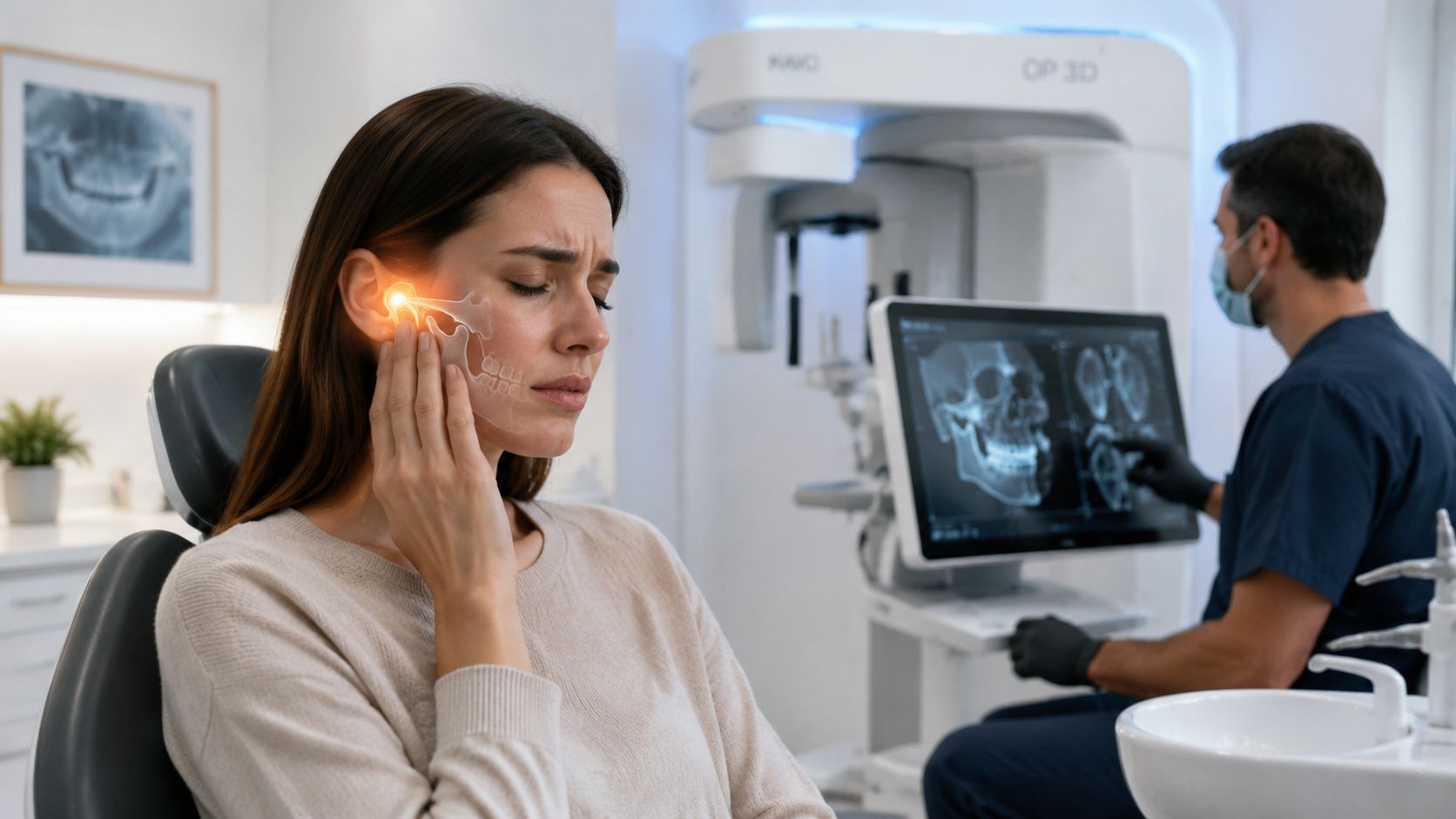
Three-dimensional imaging helps identify bone volume, nerve location, sinus position, and the angulation needed for the crown to fit properly. If those details are missed, the implant can be placed in a position that is harder to restore, harder to clean, or less comfortable in the bite.
At 3D Dental, this is one of the main ways we reduce pricing surprises. Better planning at the start leads to fewer mid-case changes, fewer remakes, and a more predictable sequence from surgery to final crown.
Good implant treatment starts with diagnosis, not drilling.
A short overview can help if you're visualizing how these variables affect price and planning:
Material and restoration choices affect the total
The final tooth is not a generic add-on. A front tooth often needs more detailed shaping, shade matching, and tissue support than a back tooth. A molar may look simpler, but it handles heavier chewing forces and may require different design choices.
Cost can also change based on:
- The location of the missing tooth. Front teeth usually require more esthetic planning.
- The type of final restoration. Crown design, abutment selection, and material all affect the fee.
- The condition of the surrounding gums and teeth. Healthier tissue usually supports a simpler treatment plan.
- Lab workflow. Cases made with close coordination between the doctor and lab tend to be more efficient and more accurate.
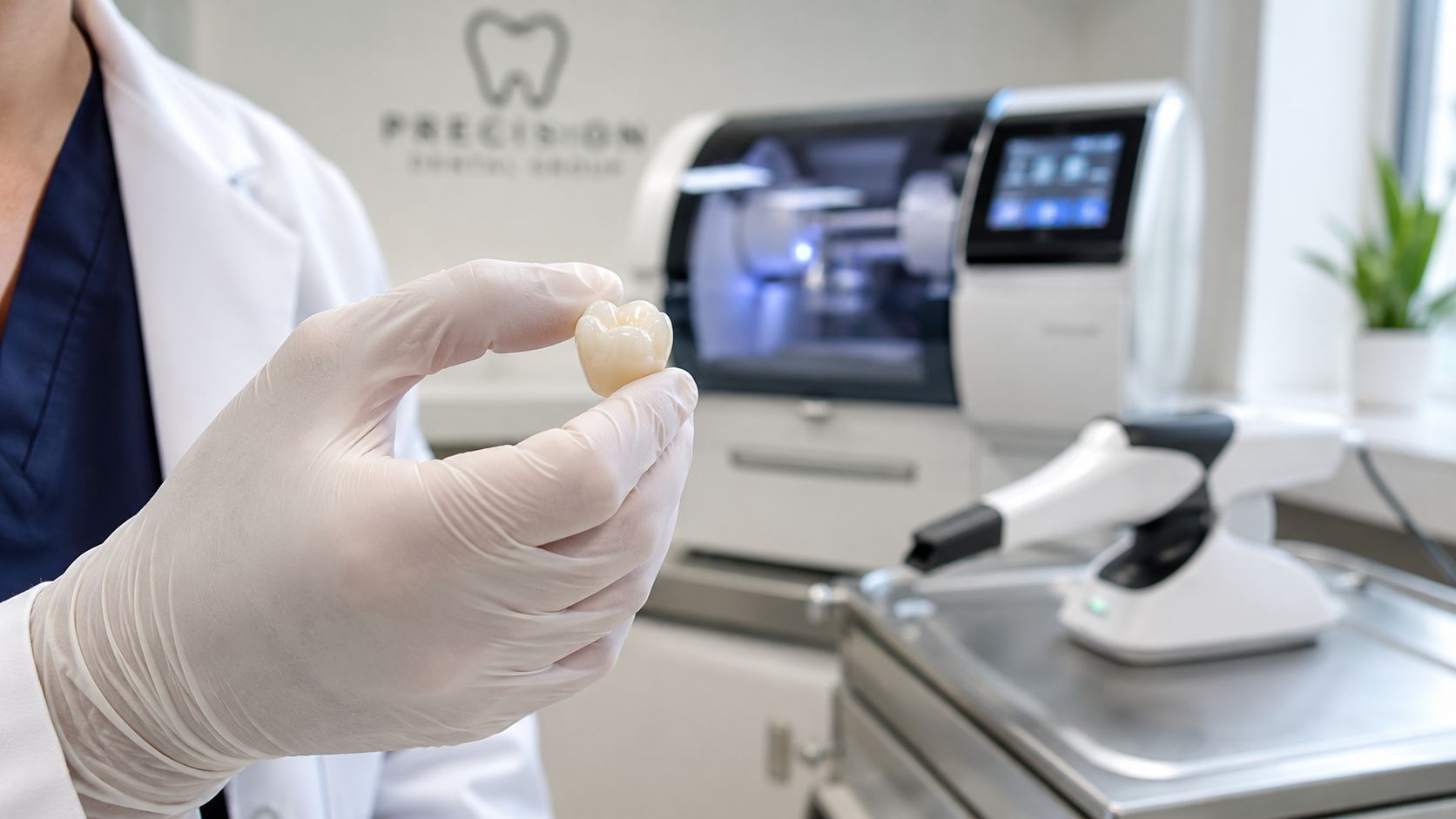
That last point gets missed in many cost discussions. When a practice relies on outside labs for every adjustment, each revision can add time, shipping, and extra steps. An in-house lab helps control those variables. It allows tighter communication, faster refinements, and pricing that reflects the actual case instead of layers of outside handling.
Short-term savings can create long-term costs
Patients sometimes focus on the lowest number in the estimate and skip the part that explains why the plan costs what it does. I understand that reaction. Implant treatment is a major decision.
The safer approach is to ask a different question: what does this fee include, and what problem is each step solving? A clear answer usually tells you whether the plan is designed for long-term success or just built to look cheaper at the start.
Costs for Multiple Implants and All-on-4 Full Arch Restoration
A patient who has lost several teeth often expects the cost to rise in a straight line, one implant per missing tooth. In many cases, that is not how good treatment planning works. Once multiple teeth are involved, the better question is which design gives the best support, hygiene access, and long-term value.
If several teeth are missing in one area, an implant-supported bridge may replace them with fewer implants than individual single-tooth restorations. That can reduce surgical sites, shorten treatment, and lower the total fee. It can also create a less flexible design if one part of the bridge has a problem later, so the choice depends on the condition of the bone, bite, and neighboring teeth.
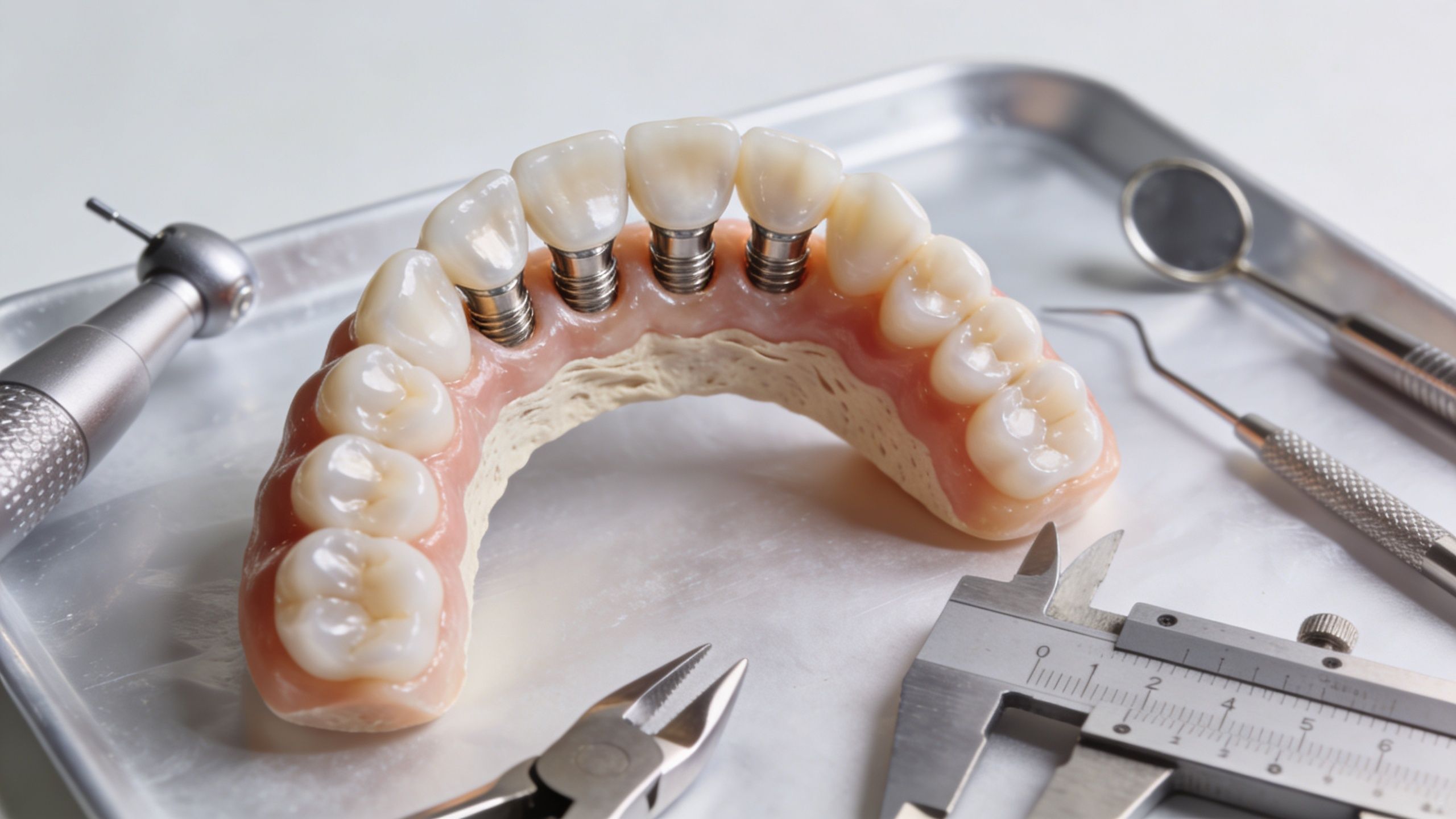
Full-arch treatment changes the math even more. The goal is no longer replacing each root one by one. The goal is to place a strategic number of implants that can support a full set of fixed teeth across the arch.
How All-on-4 changes the math
For patients with extensive tooth loss or a full arch of failing teeth, All-on-4 is often the more efficient path. Smile for Miles dental implant cost data describes a broad Texas price range for full-arch treatment and explains why this approach can reduce the need for placing an implant at every tooth position.
That same source explains that angled posterior implants can sometimes use available bone more effectively, which may help some patients avoid added grafting procedures. That matters because extra surgery affects both cost and healing time.
Full-arch treatment is a major investment, but for the right patient it can be more practical than restoring a failing arch tooth by tooth over several years.
In practice, I look at full-arch cases through two lenses. First, will the prosthesis be stable and maintainable. Second, does the plan spare the patient from repeated patchwork dentistry that keeps adding cost without solving the bigger problem.
Comparing common treatment paths
| Treatment approach | Usually best for | Main financial trade-off |
|---|---|---|
| Single implant | One missing tooth with healthy neighboring teeth | Higher cost per tooth, but very targeted treatment |
| Multiple implants | Several separate missing teeth | More flexibility, but cost rises with each additional site |
| Implant-supported bridge | A few adjacent missing teeth | Fewer implants than replacing each tooth one by one |
| All-on-4 full arch | Extensive tooth loss or failing dentition across one arch | Larger upfront investment, but often more efficient than full-arch individual implants |
Where patients often save money without cutting corners
The lowest estimate is not always the most affordable plan over time. A mouth with widespread breakdown can absorb a lot of money through extractions, temporary fixes, repeated crowns, and replacements that still do not restore stable function.
A well-planned multi-implant or full-arch case can sometimes cost less in the long run because it consolidates treatment into one durable solution. That is especially true when planning, surgical guides, and final restorations are coordinated closely instead of being handed off through multiple outside steps. In Austin, that workflow difference can have a real effect on both the final fee and how predictable the case feels from start to finish.
The best value usually comes from matching the treatment to the actual condition of the mouth. A few missing teeth call for a different strategy than an arch with widespread failure, bone loss, or years of patchwork dentistry.
How In-House Technology Helps Control Dental Implant Costs
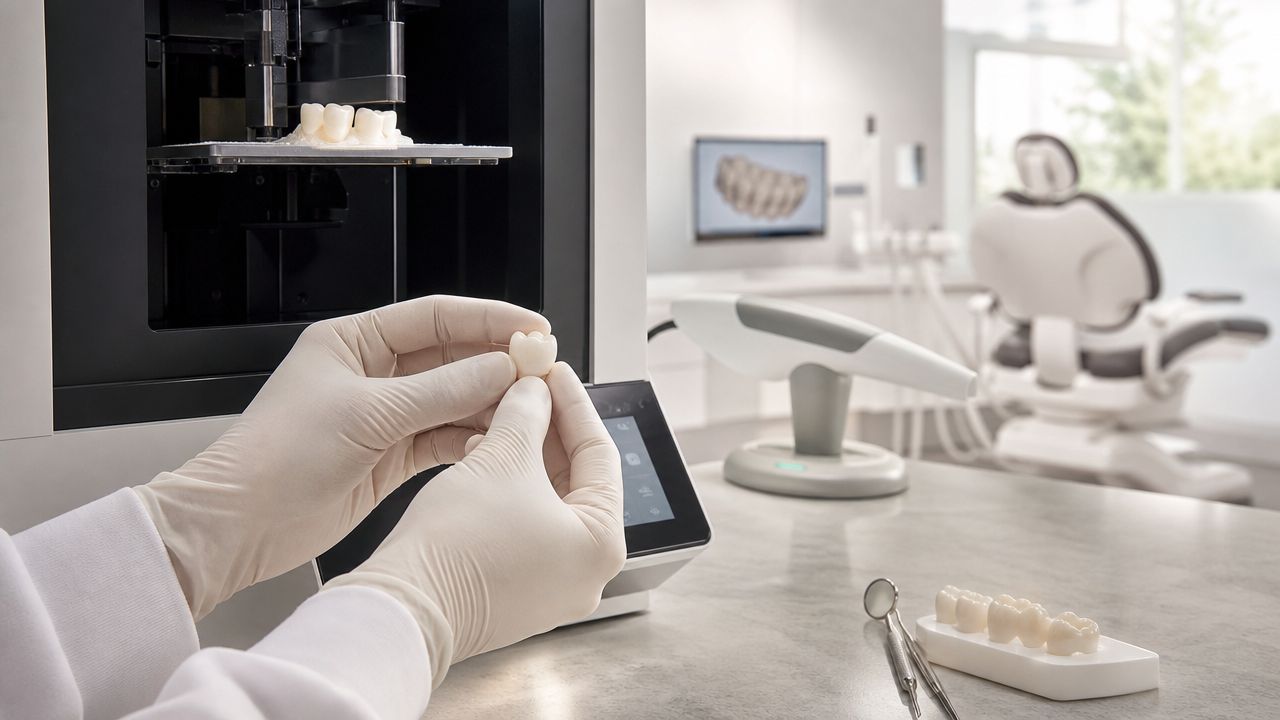
The most overlooked factor in dental implant cost Austin TX is often the lab process behind the scenes. Patients usually focus on the surgery, but a meaningful part of the price comes from designing and fabricating the custom components that make the final tooth fit and function properly.
When a practice relies on outside labs for every step, treatment tends to move more slowly. It can also become harder to control remakes, communication, and scheduling.
Why the lab setup matters
According to South Austin Dental Associates' discussion of implant cost and technology, practices with in-house labs can cut implant treatment costs by $500 to $1,000 per implant by eliminating outsourcing fees and reducing turnaround times from weeks to days. The same source states that 3D printing can lower the cost of custom components by 20% to 30%.
Those numbers matter because implant treatment isn't just about placing a fixture in bone. It also involves custom planning, restorative design, and fabrication. When more of that process stays under one roof, the treatment path tends to become more predictable.
What patients notice in real life
Patients don't usually ask whether a crown or abutment was made through an outside lab relationship or coordinated more directly. They notice the practical effects instead:
- Fewer delays when custom parts are needed
- Easier adjustments if fit or bite refinement is required
- A clearer timeline from planning to final restoration
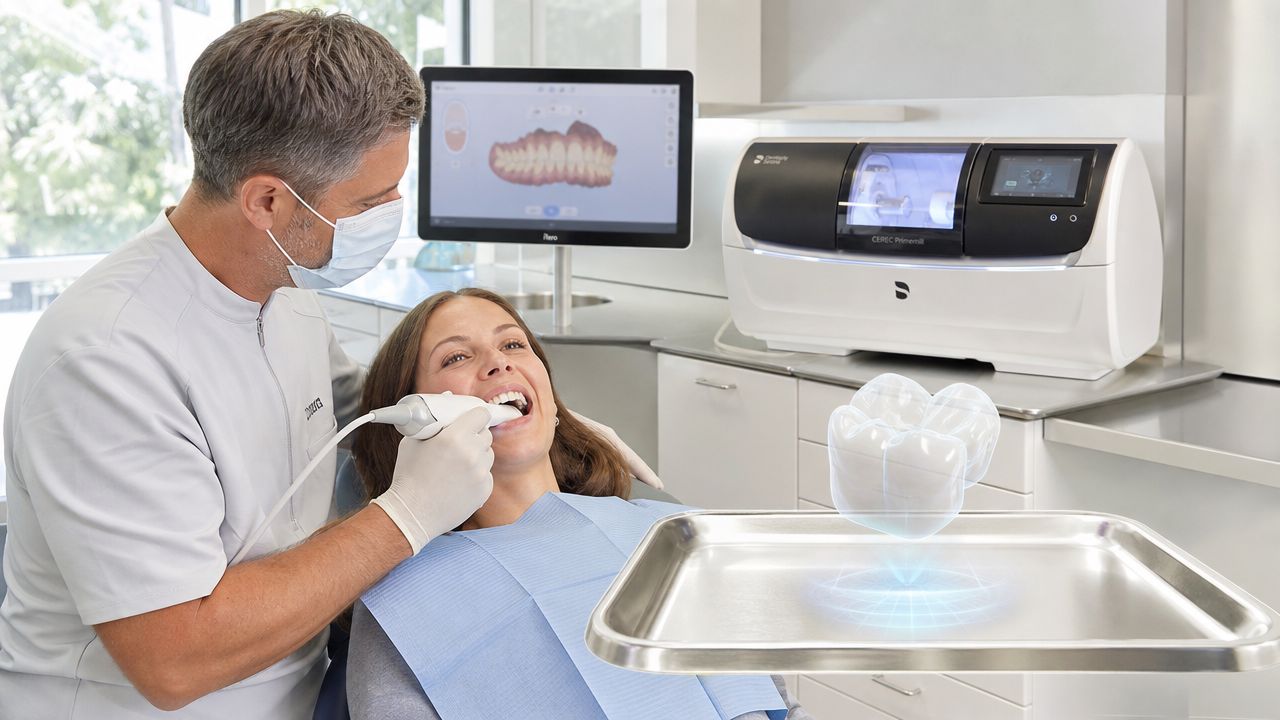
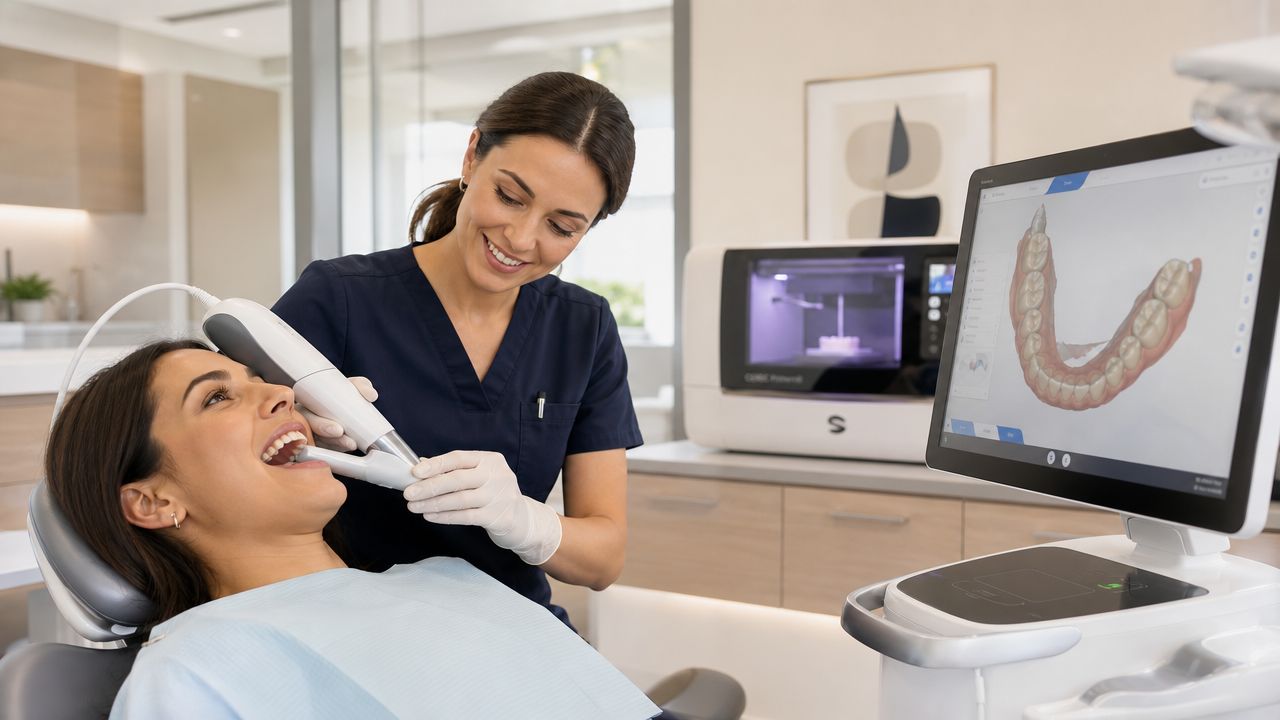
Modern tools demonstrate their value. Digital scans, 3D imaging, and in-house production don't make every implant cheap. They do help reduce waste, shorten waiting time, and remove some of the hidden inefficiencies that can drive prices up.
Technology helps most when it improves planning and reduces redo work.
What doesn't help
Technology by itself isn't the advantage. A practice can own advanced tools and still deliver a confusing, fragmented experience if planning is weak or communication is poor.
What works is a combination of accurate diagnosis, a coordinated surgical and restorative workflow, and a lab process that supports adjustments quickly when needed. That's the version of "high-tech" that benefits patients.
Making Implants Affordable with Insurance and Financing Options
A common Austin scenario looks like this. A patient is ready to replace a failing tooth, understands why an implant is the stronger long-term option, then hesitates at the financial discussion. That pause is reasonable. Implant treatment is a health decision, but it still has to fit a household budget.
The clearest payment conversations break the total into parts. What may be covered by insurance. What the office can arrange directly. What can be spread out through monthly financing. Patients usually feel more comfortable once those pieces are separated and explained in plain language.
How insurance usually fits in
Dental insurance rarely pays for every part of implant treatment. Some plans help with the exam, imaging, extraction, grafting, crown, or other related services, while excluding the implant itself or limiting reimbursement. The only way to know is to verify the benefits against the actual treatment plan.
That review matters because the wording in a policy can be misleading. A patient may hear that implants are "covered" and assume the larger bill is handled, when the plan may only contribute to a specific phase of care. We prefer to outline that early, before treatment starts, so there are fewer surprises.
Patients without traditional insurance still have options. Some practices offer office membership plans or service discounts, but the details vary. The useful question is simple. Does the plan reduce the parts of care you need, or does it mainly apply to routine visits?
Financing can make treatment realistic
If insurance leaves a large balance, financing often makes treatment possible sooner instead of postponing care and living with a missing or unstable tooth. Many patients prefer a defined monthly payment because it lets them protect cash flow while moving ahead with treatment.
For patients comparing plans, how to finance dental implants explains the questions worth asking before you agree to monthly terms.
At 3D Dental, affordability is not only about the financing company you choose. It also depends on how predictable the treatment plan is. When diagnosis, planning, surgery, and final restoration are coordinated closely, the estimate tends to be clearer from the start. That matters because a low monthly payment does not help much if the scope of treatment keeps changing.
Dental Implant Payment Options at 3D Dental
| Payment Option | Best For | Key Feature |
|---|---|---|
| Insurance benefits | Patients with active dental coverage | Can reduce out-of-pocket cost for covered parts of care |
| In-house payment options | Patients who want a direct office-based arrangement | Simpler coordination with the treatment team |
| Cherry or Sunbit financing | Patients who prefer monthly payments | Monthly payment structure for larger cases |
| VIP membership support | Patients without traditional insurance | May include discounts on selected services and routine care benefits |
What helps patients most
The best financial plan is the one that answers the practical questions up front:
- What is included in the total fee
- What portion may be covered by insurance
- What monthly payment options are available
- Whether treatment can be phased if needed
Some cases can be staged. Others should be completed on a tighter timeline to protect healing and function. That trade-off should come from the clinical plan first, not from guesswork about cost.
If the payment terms sound clear but the treatment estimate does not, ask for a line-by-line explanation before you commit.
That step prevents one of the most common frustrations in implant care. A patient agrees to a monthly number, then learns later that grafting, a temporary, or the final restoration was not understood the same way by everyone involved. Clear pricing builds trust. It also gives patients room to make a good decision without pressure.
Your Implant Journey at Our Austin and Georgetown Offices
Most patients feel better once they know what the process looks like. Implant treatment is easier to move forward with when the steps are clear, the timeline feels organized, and you know who to call if something doesn't make sense.
The experience usually begins with a conversation, not a sales pitch. You come in because a tooth is missing, loose, painful, or no longer restorable. From there, the team evaluates your oral health, bite, and the condition of the implant site.
The first visit
At the initial appointment, the focus is diagnosis. Digital imaging and a clinical exam help determine whether the site is ready for an implant or whether additional treatment is needed first.
This is also the point where patients should expect plain answers. Can the tooth be saved. Is an extraction the right call. Is a graft likely. What will the final tooth look like and how will it be cleaned?
Planning before placement
Once the diagnosis is complete, the treatment plan becomes more specific. Some patients are ready for straightforward implant placement. Others need a staged approach with extraction healing, grafting, or gum treatment before the implant goes in.
That stage often matters more than the surgery itself. Careful planning is what protects the final result.
A well-run implant process generally includes:
- A full exam and imaging review so the tooth, bone, gums, and bite are evaluated together
- A written treatment plan that explains what is included and what may change if additional findings come up
- Clear restorative planning so the final crown or arch isn't treated as an afterthought
Healing and final restoration
After the implant is placed, the area needs time and follow-up. During this phase, the priority is stable healing and making sure the implant is integrating the way it should.
Then comes the restorative phase. This is when the abutment and final crown, bridge, or full-arch prosthesis are completed and adjusted for fit, comfort, and bite.
The final tooth should feel like it belongs in your mouth, not like a separate project attached to it.
Support beyond the procedure
Long-term success doesn't depend on surgery alone. It depends on maintenance, home care, and having a dental team that keeps an eye on the surrounding gums and bite over time.
That broader support matters for families and adults who are also looking for a dentist near me, cosmetic dentist near me, tooth extraction, cleaning and exams, or emergency dentist options in Austin, Georgetown, Wells Branch, Cedar Park, Round Rock, and Liberty Hill. Implant patients often need more than one service over time, and continuity of care makes the process smoother.
Local implant patients also benefit when a practice offers flexible access after the treatment plan is set. According to this Austin-area implant pricing overview, clinics like 3D Dental may offer VIP membership benefits, insurance maximization, and low-interest financing to help make care more accessible.
If you're comparing options for dental implant cost Austin TX and want a clearer, pressure-free plan, 3D Dental serves patients in North Austin and Georgetown with advanced imaging, an in-house lab, and flexible payment support. Schedule a consultation to get a personalized implant evaluation, understand your treatment choices, and see what it would take to restore your smile with confidence.
Ready to get started?
Schedule a free, no obligation consultation with our team and see what's possible for your smile!
Georgetown
- Mon-Thurs8:30am-5pm
- Fri8am-3:30pm
- Sat-SunClosed
Austin
- Mon-Tues8am-5pm
- Wed-Thurs9am-6pmFri8am-2pm
- Sat-SunClosed