
All on 4 Dental Implants Financing: An Austin TX Guide
Related Posts






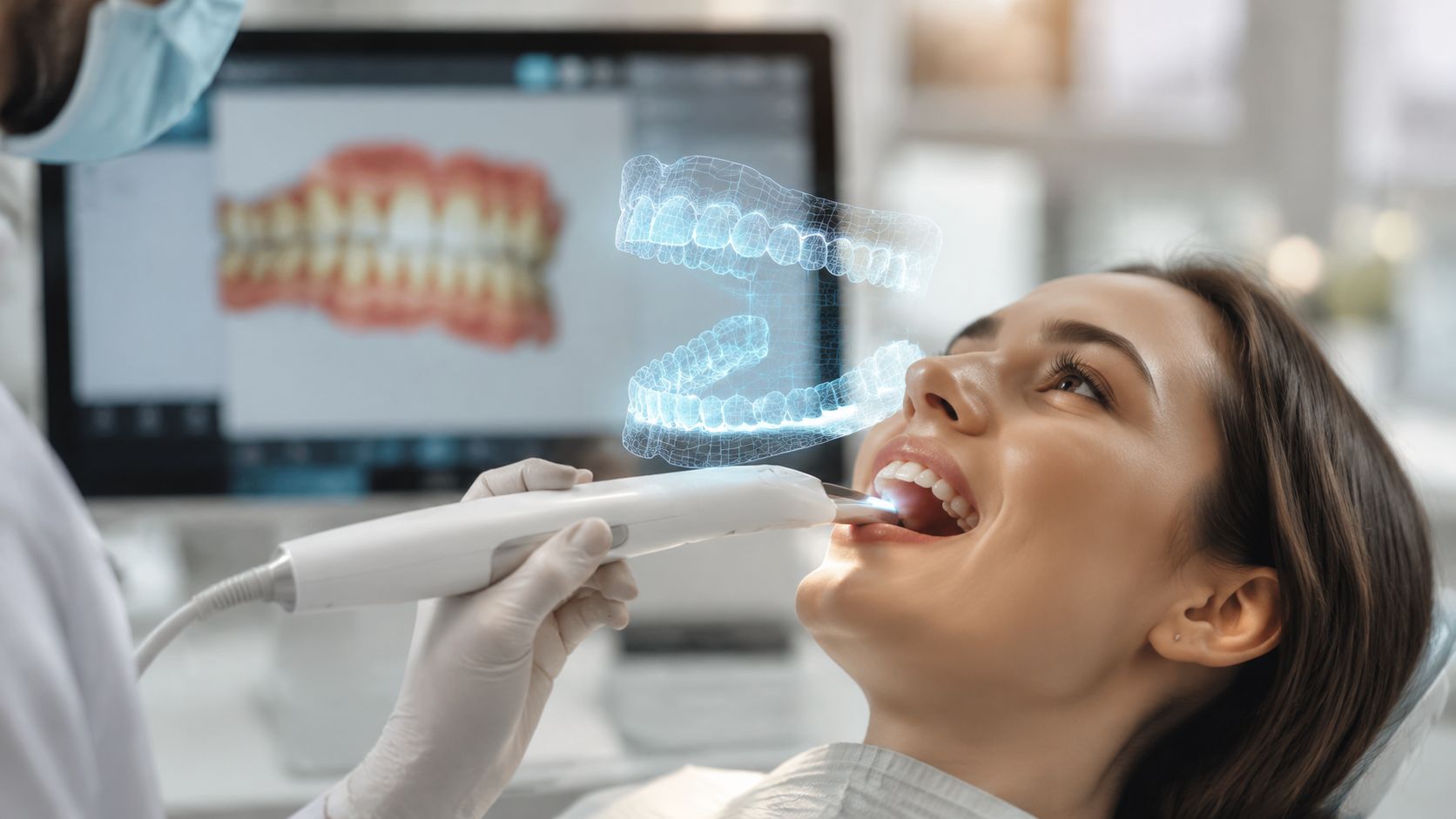
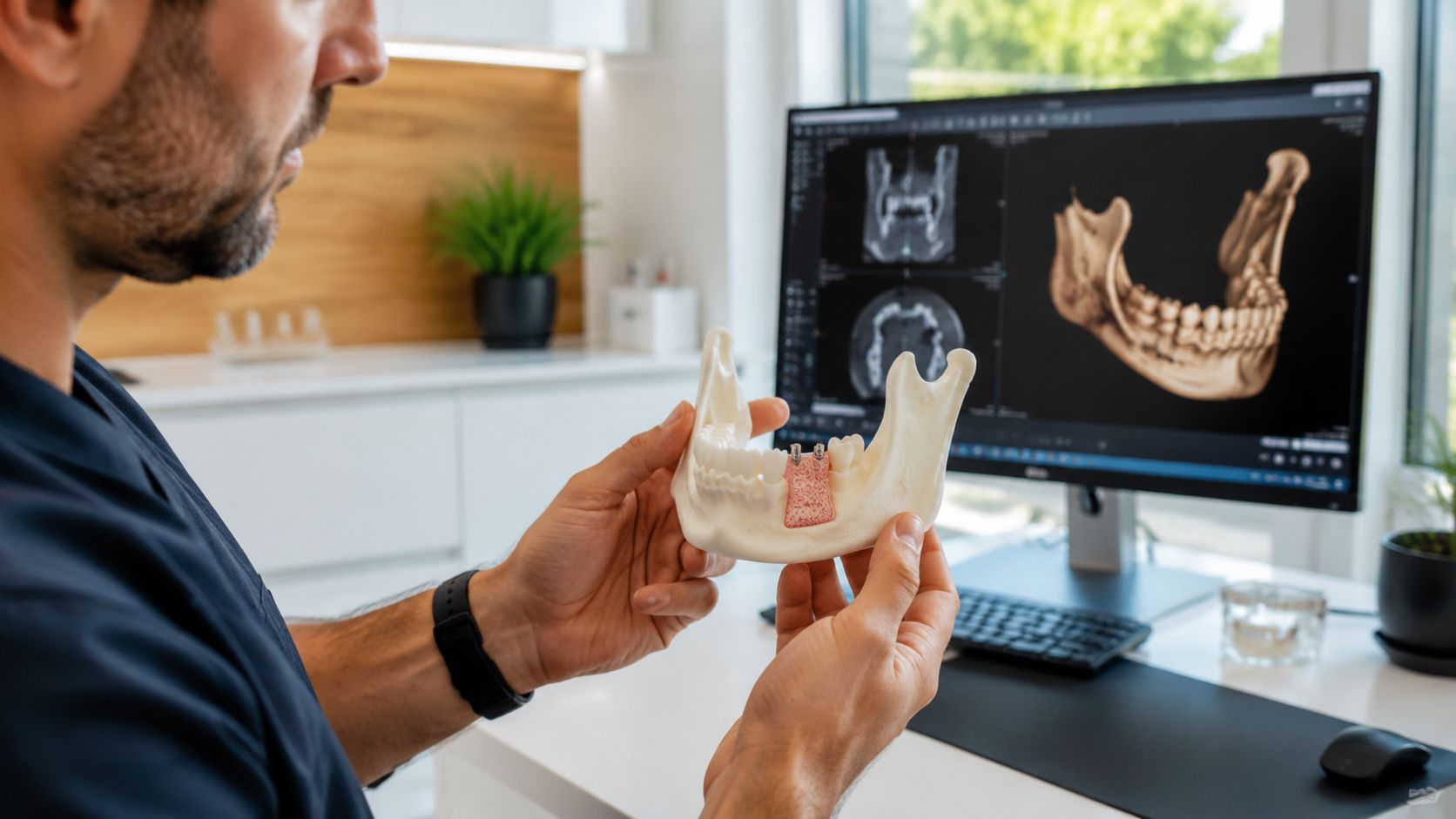
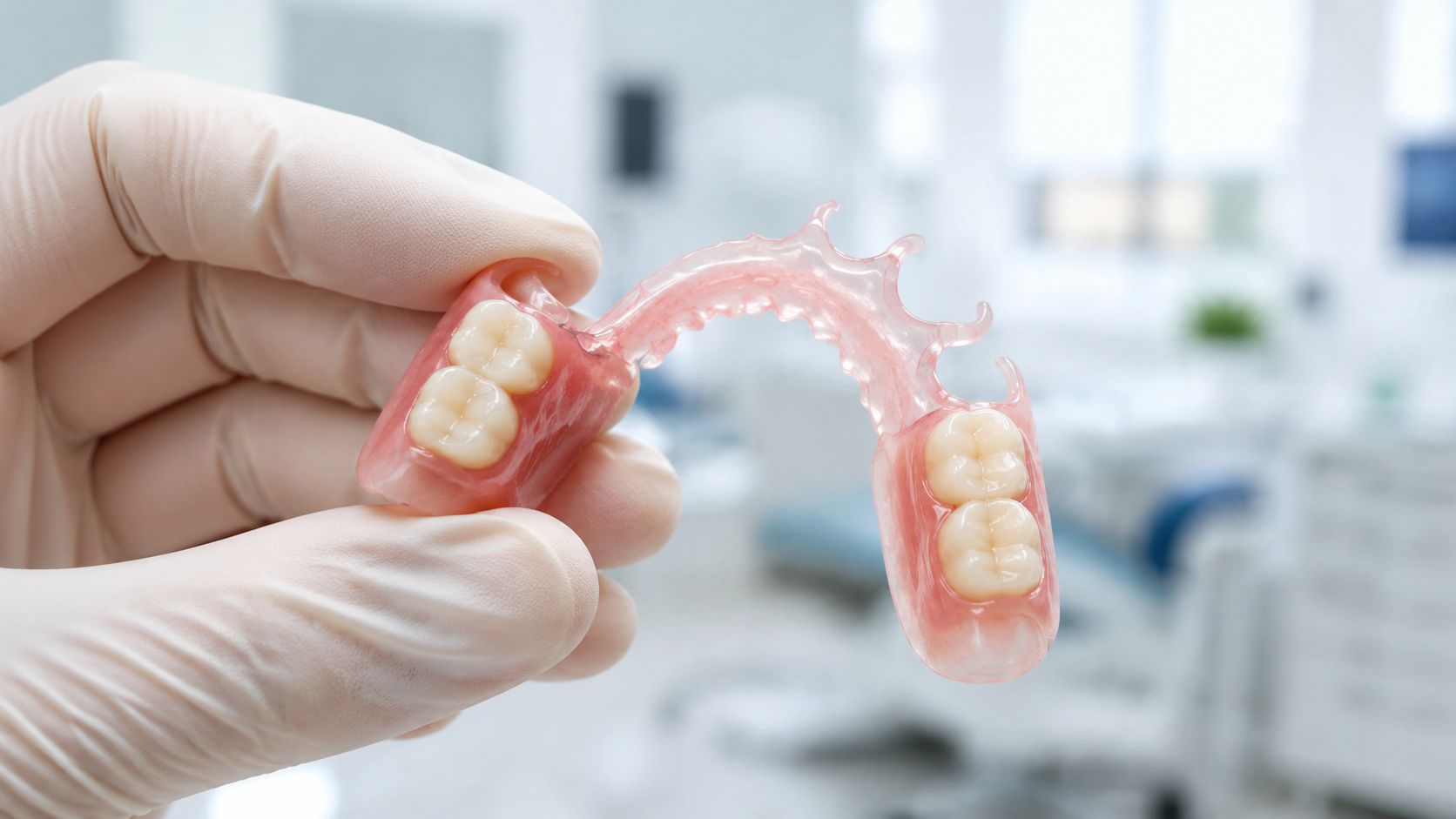

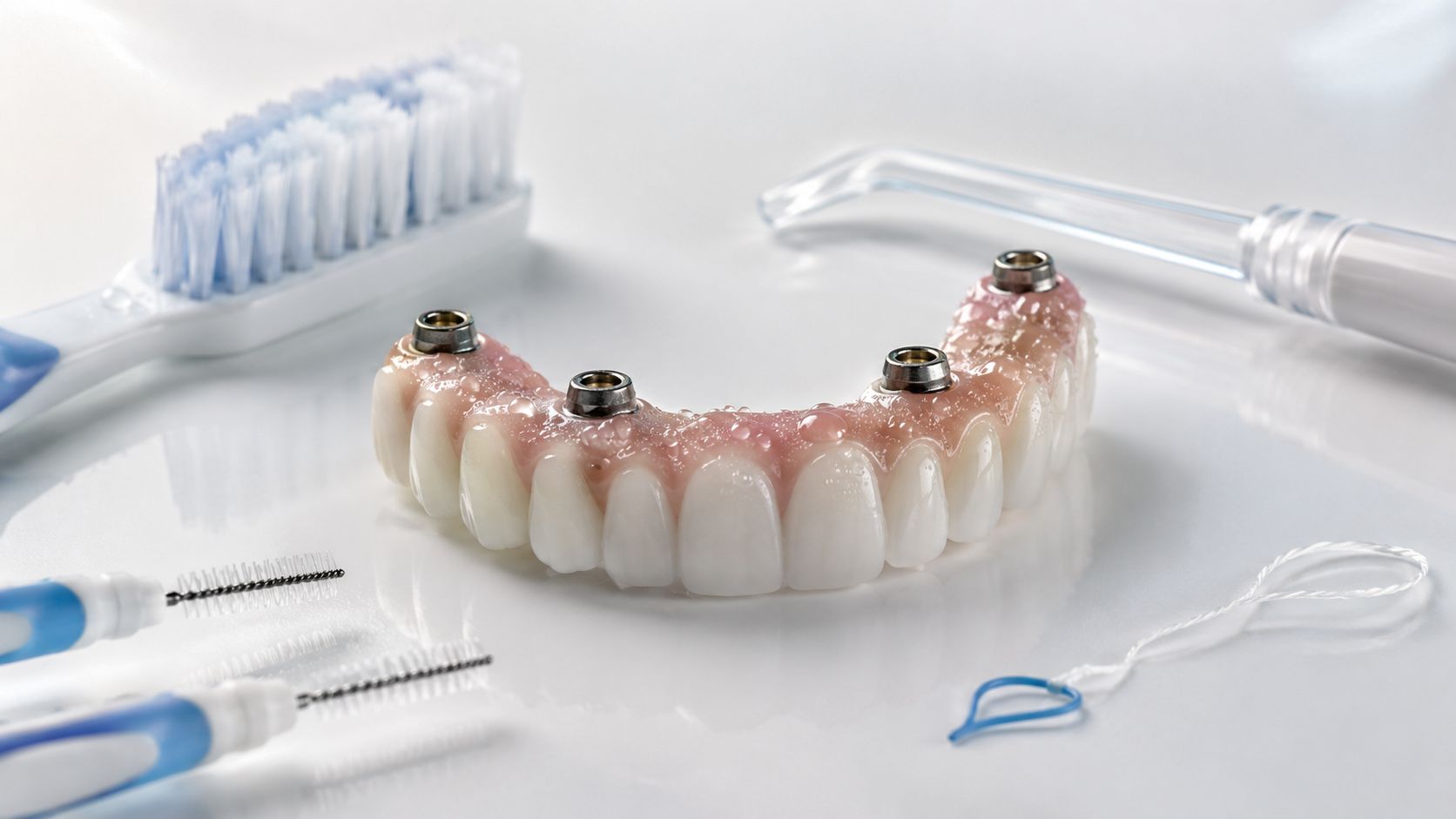

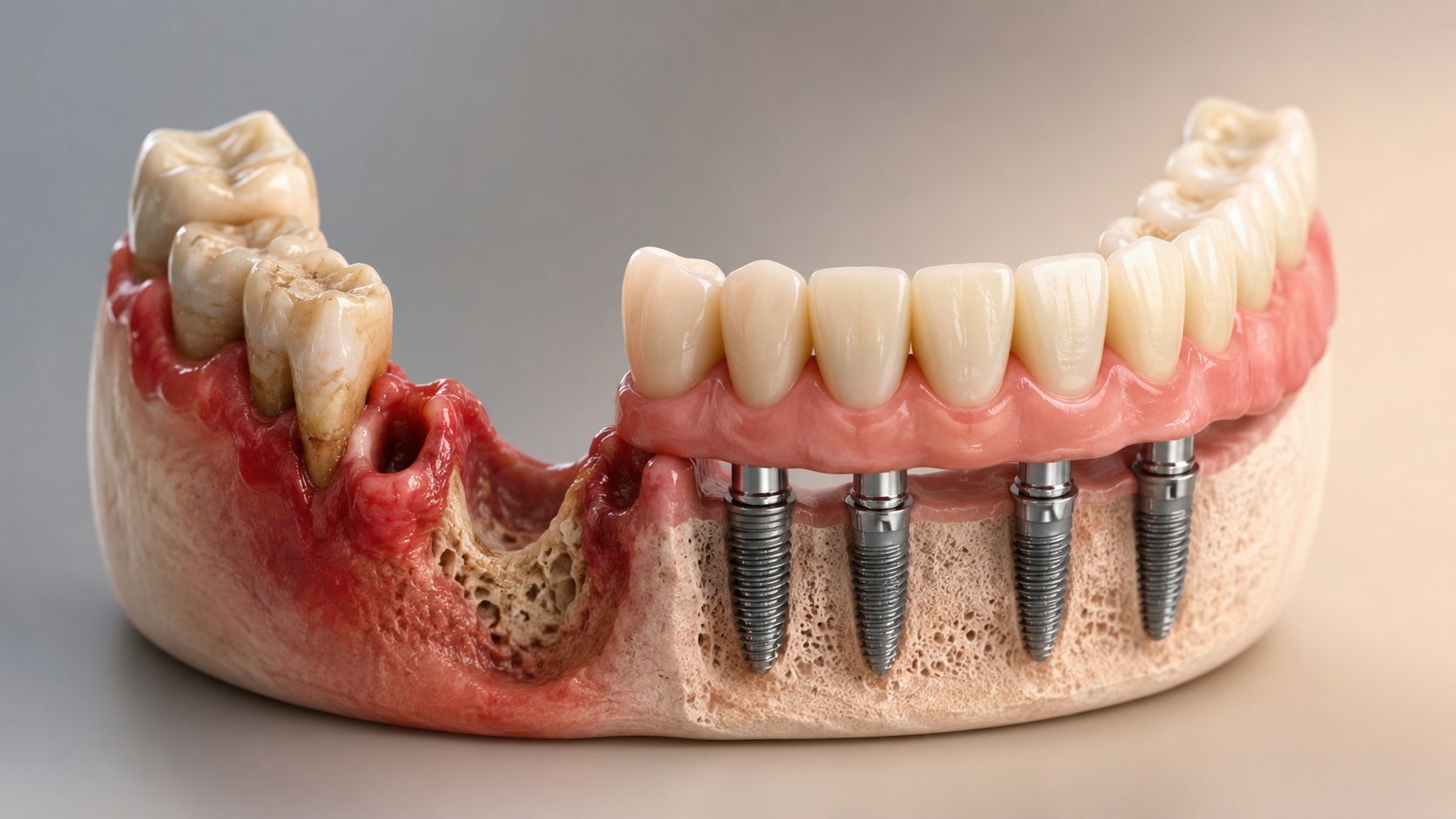






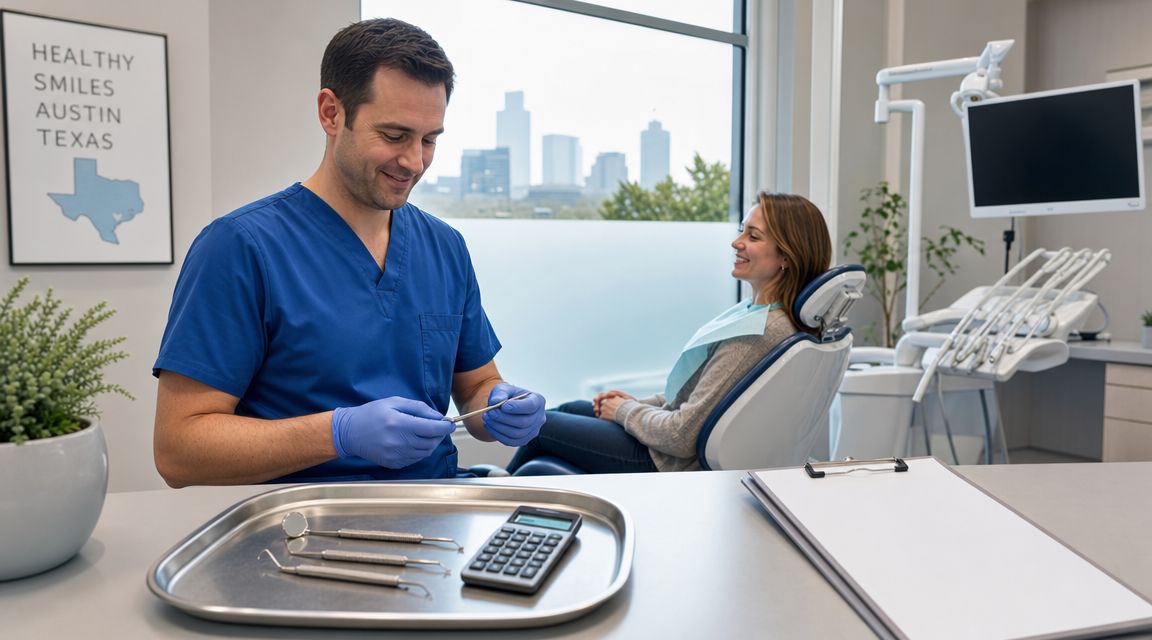
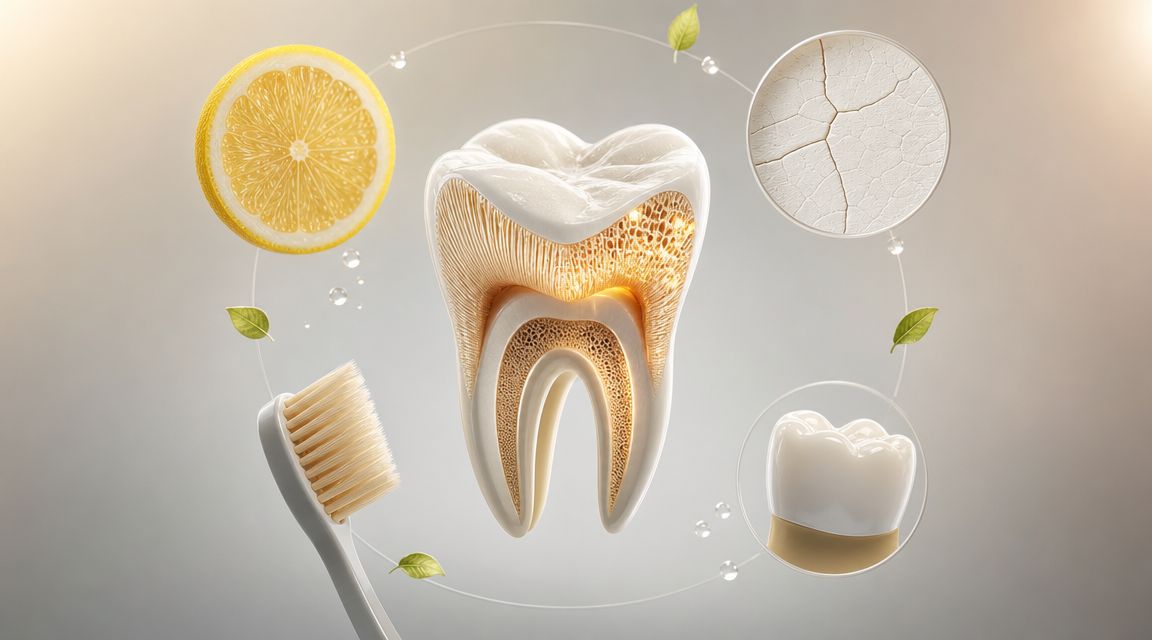

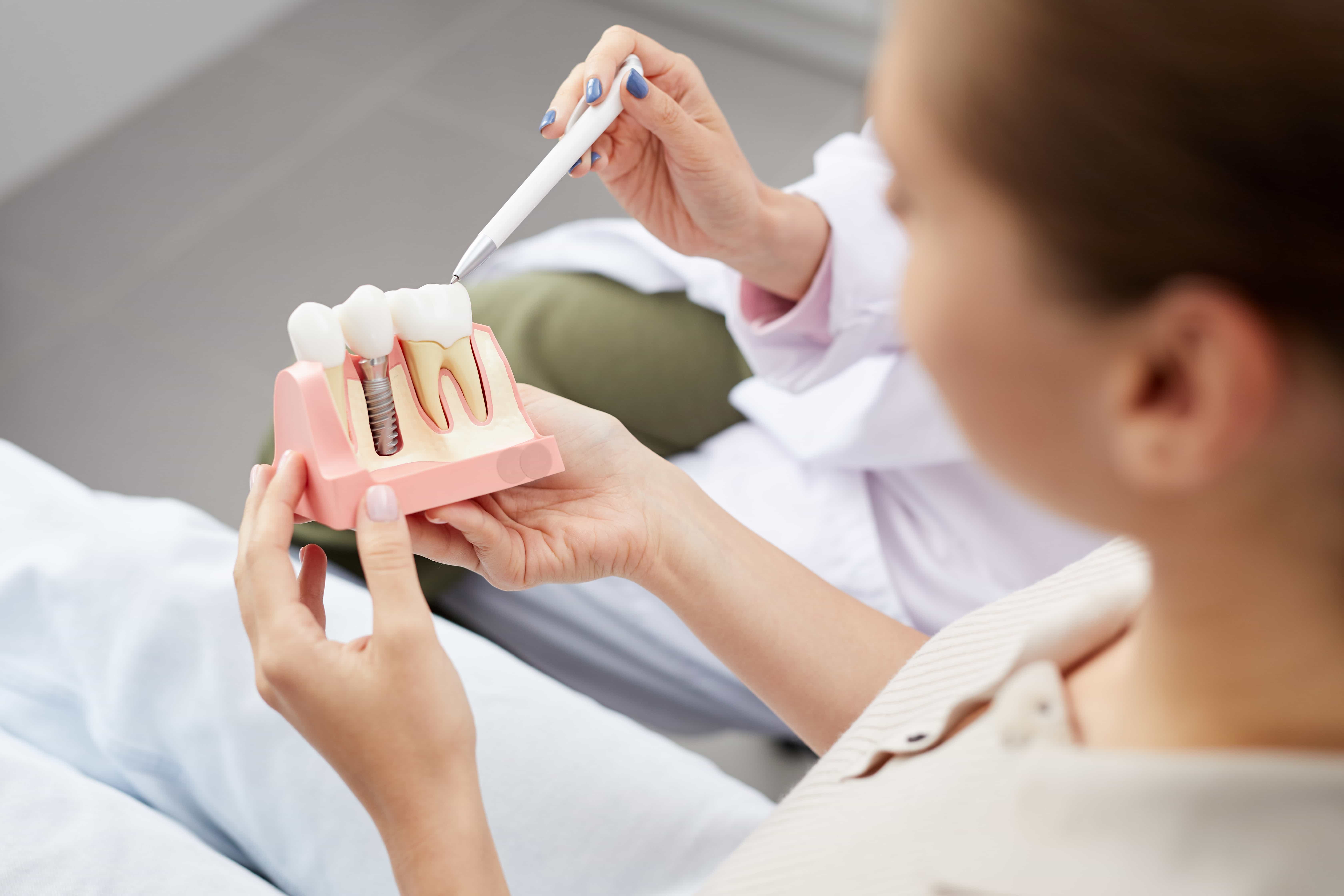


















If you're looking into full-arch implants, you're probably balancing two big emotions at once. Relief that there may be a stable alternative to failing teeth or loose dentures, and stress about how to pay for it.
That reaction is normal. All on 4 dental implants financing is often the deciding factor that moves treatment from “someday” to a real plan. For adults searching for dental implants near me in Austin, TX, Georgetown, TX, Wells Branch, Cedar Park, Round Rock, or Liberty Hill, the financial side matters just as much as the clinical side.
A good financing plan should do two things. It should make treatment possible now, and it should fit your budget in a way you can live with comfortably. When patients come in for restorative dentistry, cosmetic dentistry, tooth extraction needs, or a full smile rebuild, the most helpful conversations are the ones that are transparent from the start.
Understanding the Investment in Your New Smile
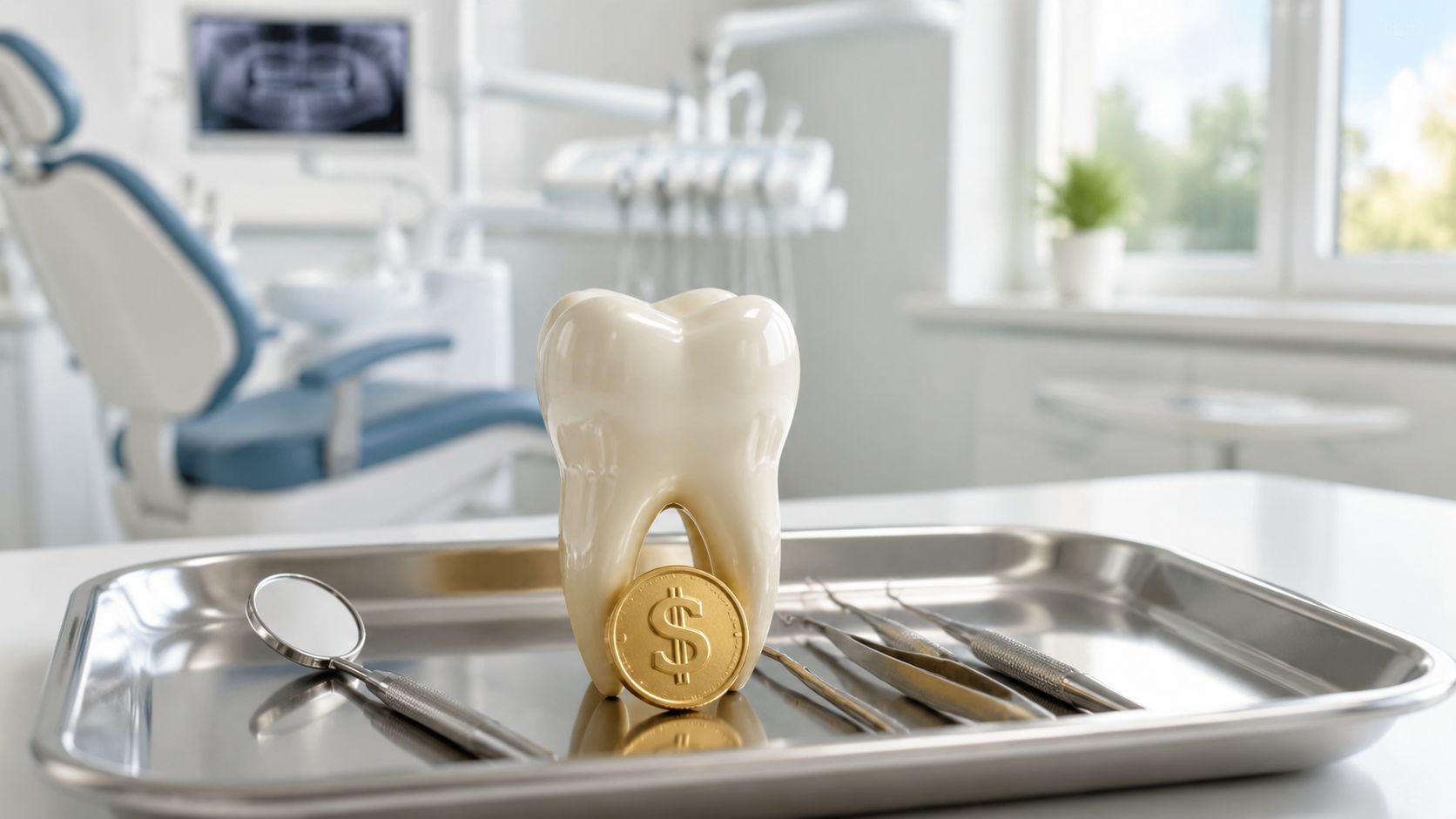
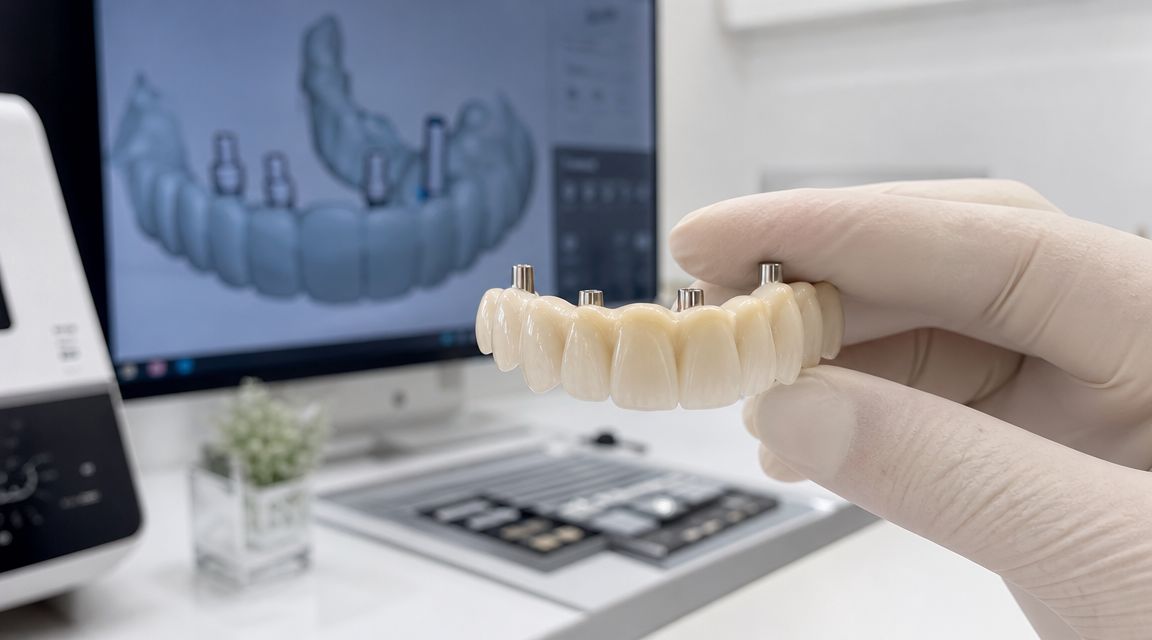
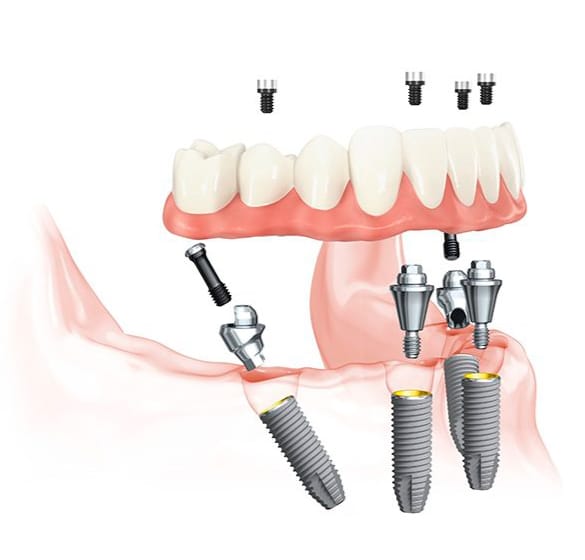
All-on-4 treatment is a major purchase, but it isn't just the cost of four implants. You're paying for a coordinated restorative process that often includes diagnostics, surgical care, replacement teeth, and any preparatory treatment needed to make the result stable and functional.
The clearest place to start is the broad national benchmark. The national average cost for All-on-4 dental implants ranges from $20,000 to $30,000 per arch, and that typically includes surgical placement, prosthetic teeth, and preliminary procedures, though the total can vary by location and case complexity, according to Beverly Hills Periodontics' All-on-4 cost overview.
What that investment usually covers
A full-arch case is made up of several moving parts. Patients often focus on the final teeth, but the fee may also reflect the planning and support work that makes those teeth possible.
- Diagnostics and planning include the initial exam, imaging, and treatment design.
- Surgical treatment includes implant placement and any extractions or related procedures needed before the implants are secured.
- Temporary and final teeth may be part of the overall plan, depending on how the case is staged.
- Follow-up care matters because fit, healing, and function need to be monitored carefully.
That matters for anyone comparing one estimate to another. A lower quote isn't always lower in the end if it leaves out key steps that later become separate charges.
Practical rule: Ask whether the estimate includes imaging, extractions, temporary teeth, and post-op visits. If it doesn't, the comparison isn't complete.
Why prices vary from patient to patient
Two people in Austin can both need full-arch restoration and still receive very different treatment plans. One may need extractions first. Another may have a smoother path because fewer preparatory steps are needed.
The materials selected, the complexity of the bite, and whether treatment is done in stages also affect the total investment. That's why a personalized consultation is more useful than guessing from online averages alone.
If you want a closer look at how these fees are commonly structured, 3D Dental's page about All-on-4 dental implants cost is a helpful next step. It gives patients a practical way to think about value, not just price.
The question isn't whether a new smile matters. It's how to pay for it without creating a second problem in the form of financial strain.
Your Primary Financing Pathways for All on 4 Implants
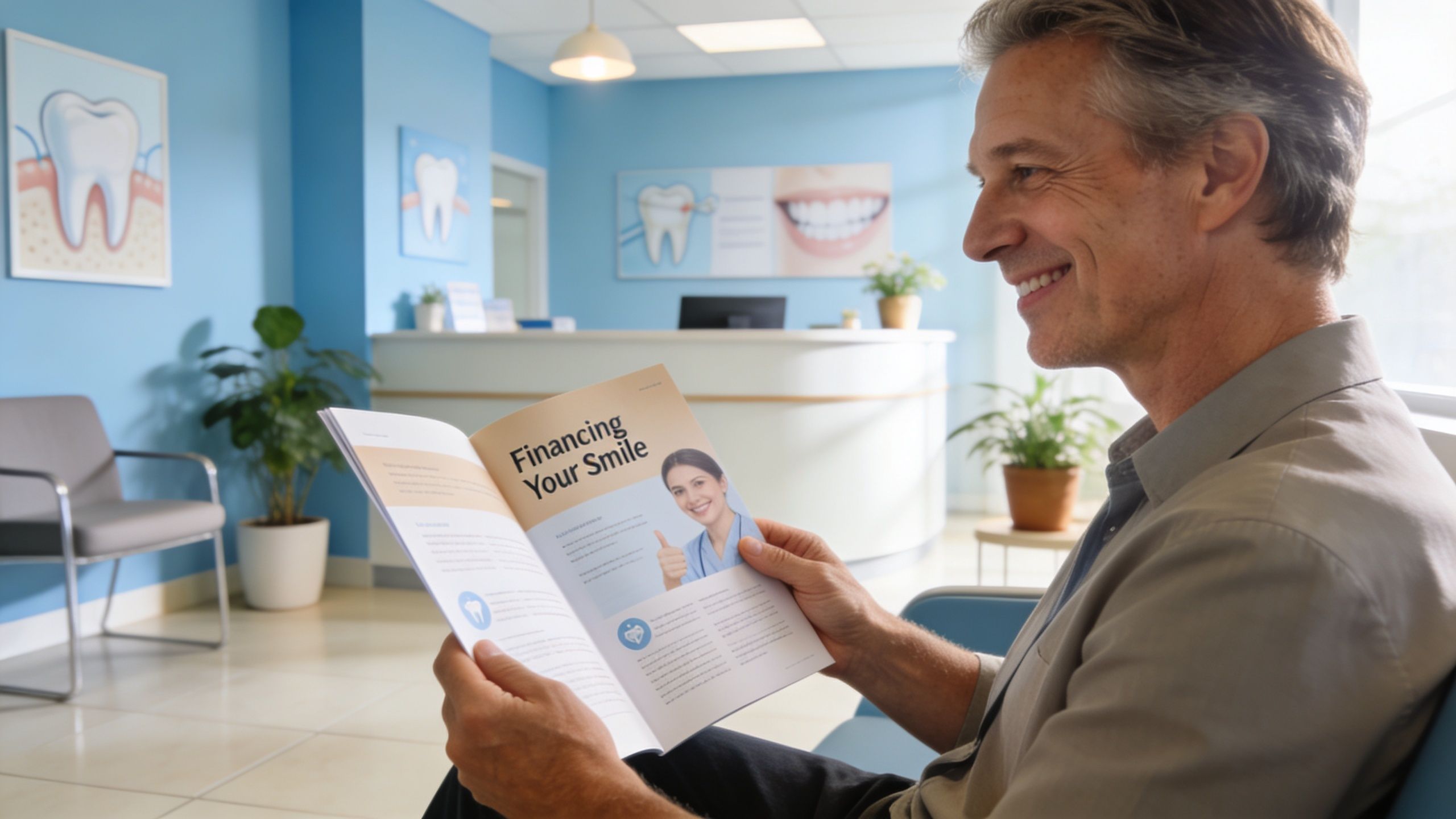
Most patients don't pay for full-arch treatment in one lump sum. They use a financing path that matches their monthly budget, credit profile, and comfort level with repayment terms.
Healthcare financing plans
Healthcare lenders are often the first option patients review because they're built specifically for medical and dental treatment. The process is usually more efficient than a traditional bank loan, and many lenders can provide preliminary decisions quickly.
One useful example shows how term length changes the budget. For a $20,000 procedure at 8% APR, a 36-month plan may have monthly payments around $627, while a 60-month term could lower payments to about $405, though the longer term builds more total interest, according to this All-on-4 financing breakdown from Vitrin Clinic. The same source notes that many healthcare lenders provide instant preliminary approvals during consultations.
That trade-off is worth understanding before you sign anything. Lower monthly payments can feel safer in the short term, but stretching repayment out too far can make the total cost harder to accept later.
Treat now, pay later programs
Many patients in Austin and Georgetown find a more practical path; services such as Cherry and Sunbit are designed to make treatment accessible without forcing every patient into the same rigid lending model.
These programs are especially helpful for people who want a simpler application process or who don't fit neatly into traditional credit standards. In a dental office, that can mean less delay between the consultation and the start of care.
One local option patients can review is 3D Dental's Sunbit financing page. It's one example of how practices can offer a modern payment route for care that can't always wait.
Traditional personal loans and credit cards
Banks, credit unions, and personal lenders can also be part of the conversation. Some patients prefer them because they already have an existing banking relationship or want one monthly payment outside the dental office.
Still, these options often work best for borrowers who already know their rates and terms. Credit cards can be convenient, but they're usually the least forgiving choice if the balance lingers. Personal loans may offer structure, but they can involve a more formal underwriting process and may not move as quickly as healthcare-focused plans.
The best financing option isn't the one with the lowest advertised payment. It's the one you can repay predictably without putting your everyday budget under pressure.
A short video can help make those options easier to picture in real life:
Savings, HSA, and mixed payment strategies
Some patients prefer to reduce financed amounts by using savings, an HSA, or an FSA for part of the treatment and financing the remaining balance. That hybrid approach can make monthly payments more manageable without requiring a full cash payment upfront.
This tends to work well for families who are already budgeting for preventive dental care, cleaning and exams, dental x-rays, or other restorative dentistry and want to keep their larger treatment financing focused only on the biggest pieces of the case.
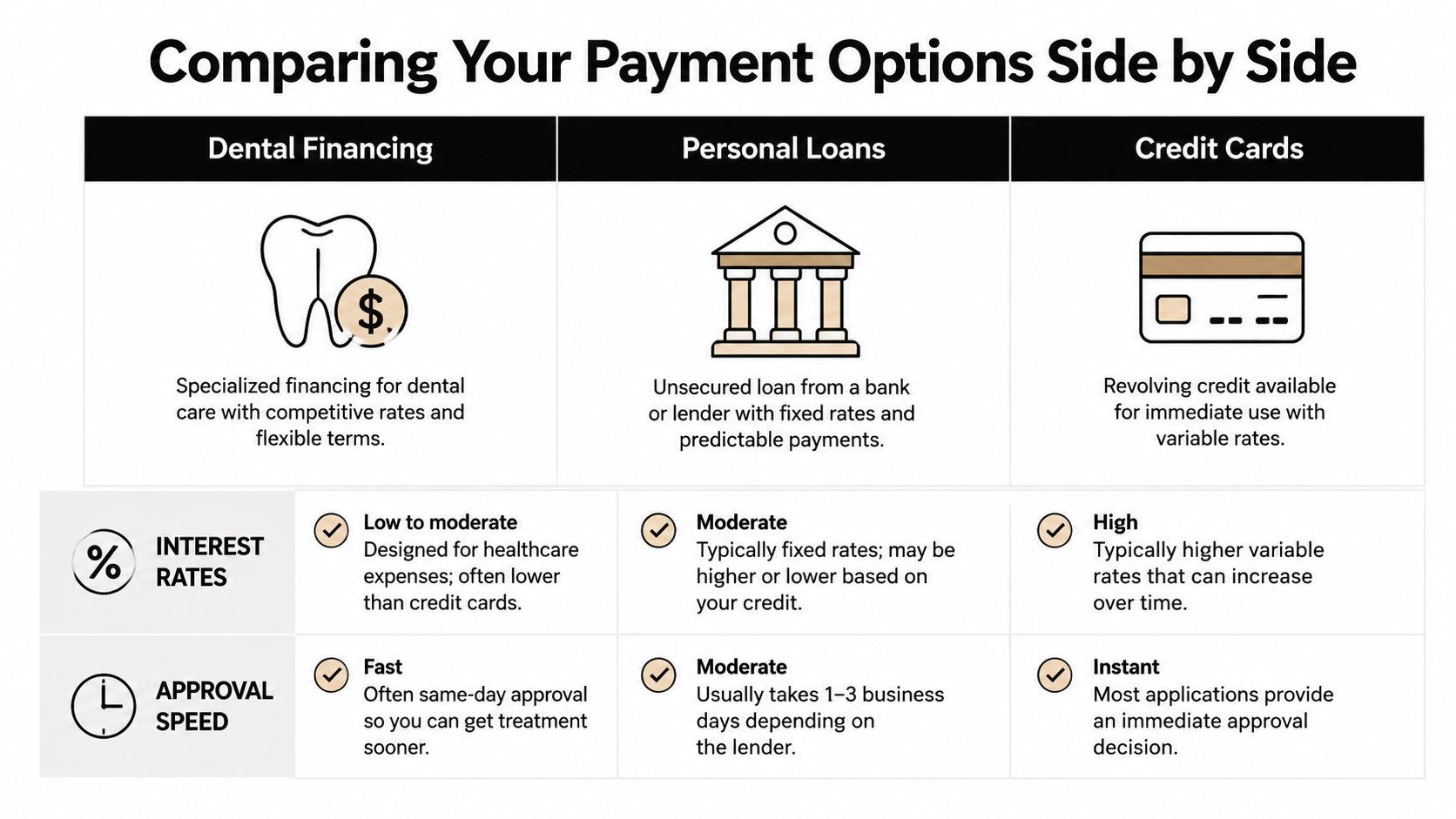
Comparing Your Payment Options Side by Side
When patients compare financing choices, they usually ask the same practical questions. How fast is the approval process? Will the application affect credit? Is the monthly payment manageable? What happens if my credit isn't perfect?
All-on-4 Financing Options at a Glance
| Financing Method | Typical Interest Rate | Credit Impact | Best For |
|---|---|---|---|
| Dental Financing | Varies by lender and term | May range from soft-check prequalification to fuller review, depending on provider | Patients who want dental-specific repayment options and fast treatment decisions |
| Personal Loans | Varies by bank or lender | Usually tied more directly to formal credit review | Borrowers who prefer working through a bank or credit union |
| Credit Cards | Varies by card terms | Uses revolving credit and can affect utilization | Patients covering a smaller portion or using a short-term payoff plan |
The most important difference isn't just rate. It's access. Some financing methods are built to approve borrowers who look strong on paper. Others are built to help more patients move forward when timing matters.
Why Cherry and Sunbit stand out
Modern treat now, pay later services have changed this conversation in a useful way for many dental patients. Cherry and Sunbit can approve 80-90% of applicants using soft credit checks and income verification, making them more accessible than traditional loan models that lean heavily on high FICO scores, according to Pearl Dental Group's overview of implant payment plans.
For patients with mixed credit history, variable income, or hesitation about a hard credit inquiry, that can be the difference between postponing care and starting it. It doesn't mean every plan is automatically right. It means more people have a realistic chance to explore treatment.
A smart comparison starts with approval style, not just interest style. If one option is hard to qualify for, its advertised terms may not matter to your situation.
What tends to work best
Each route has a place. The right fit depends on your timeline and budget habits.
- Dental financing often works well when you want a treatment-specific plan and a cleaner application process.
- Personal loans can be reasonable for borrowers who already know they qualify and want fixed monthly repayment through a familiar lender.
- Credit cards tend to be best for limited balances or very disciplined short-term payoff plans, not for open-ended repayment.
- Treat now, pay later plans are often the most flexible starting point for patients who want speed, accessibility, and less friction during approval.
For many adults searching for a dentist near me or dental implants near me in North Austin, Georgetown, Round Rock, and nearby communities, accessibility matters as much as the final payment amount. Delayed treatment can lead to more frustration, more temporary solutions, and more time spent living around missing teeth or unstable dentures.
Navigating the Financing Application Process
The application itself is usually less intimidating than patients expect. The key is to go in prepared, with a clear idea of what you'll need and what questions to ask before accepting terms.

A simple way to prepare
Most financing applications move more smoothly when patients gather a few basics in advance:
- Bring identification so the office or lender can verify your information correctly.
- Have income details ready if the application asks for employment or earnings.
- Know your budget range before you apply. A comfortable payment matters more than the highest number you qualify for.
- Review your credit if possible so there are fewer surprises.
Patients often feel pressure to choose the longest term because the payment looks easier. Sometimes that's the right move. Sometimes it isn't. If the monthly amount is comfortable on a shorter term, that can reduce the chance of carrying debt longer than you'd like.
Questions worth asking before you accept
Financing paperwork can move quickly in a consultation, especially when you're excited to fix a problem that's been bothering you for a long time. Slow down enough to confirm the details that affect your real-life budget.
Ask questions like:
- Is the approval based on a soft check or a hard credit inquiry
- Is there a prepayment penalty
- What will my monthly payment be
- What happens if I want to pay it off early
- Are there promotional terms that change later if the balance remains
Those answers matter just as much as the approval itself.
Before you sign, make sure you understand the monthly payment, the repayment length, and whether the rate stays the same for the life of the plan.
What patients often do wrong
The most common mistake is choosing based only on urgency. When someone wants relief quickly, it's easy to say yes to the first approval without comparing how the terms fit their household budget.
The second mistake is underestimating all the monthly obligations already in place. A financing plan should work alongside rent or mortgage payments, groceries, school costs, and regular dental care like new patient exams, emergency dentist visits, or follow-up restorative work. It should not force constant trade-offs once treatment is done.
Your All on 4 Journey at 3D Dental in Austin and Georgetown
A full-arch case usually begins the same way. A patient comes in tired of managing around their teeth. Sometimes they're dealing with broken teeth. Sometimes they already wear dentures and want more stability. Sometimes they've delayed care because they assumed the financial side would be out of reach.
What the first visit feels like
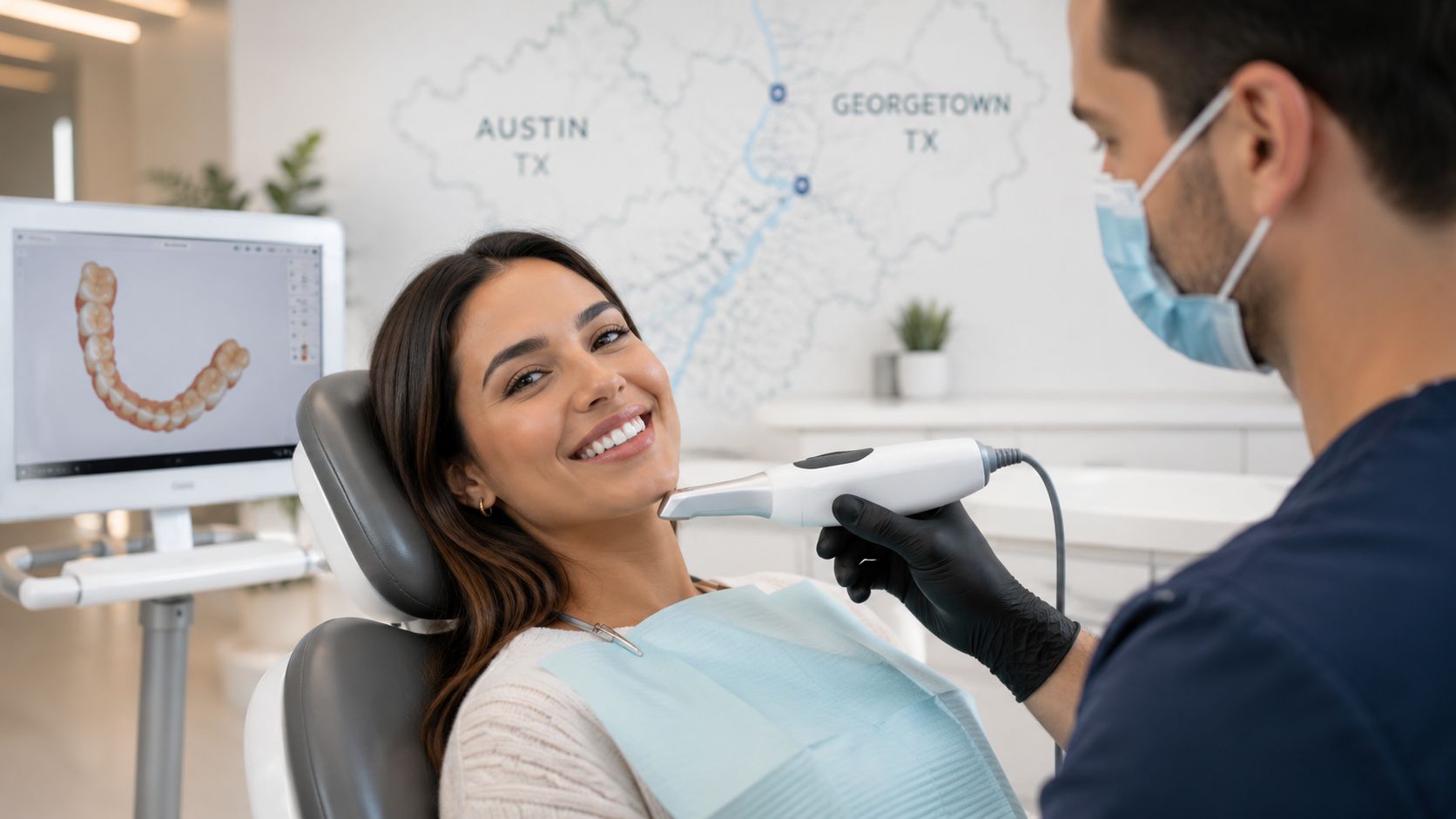
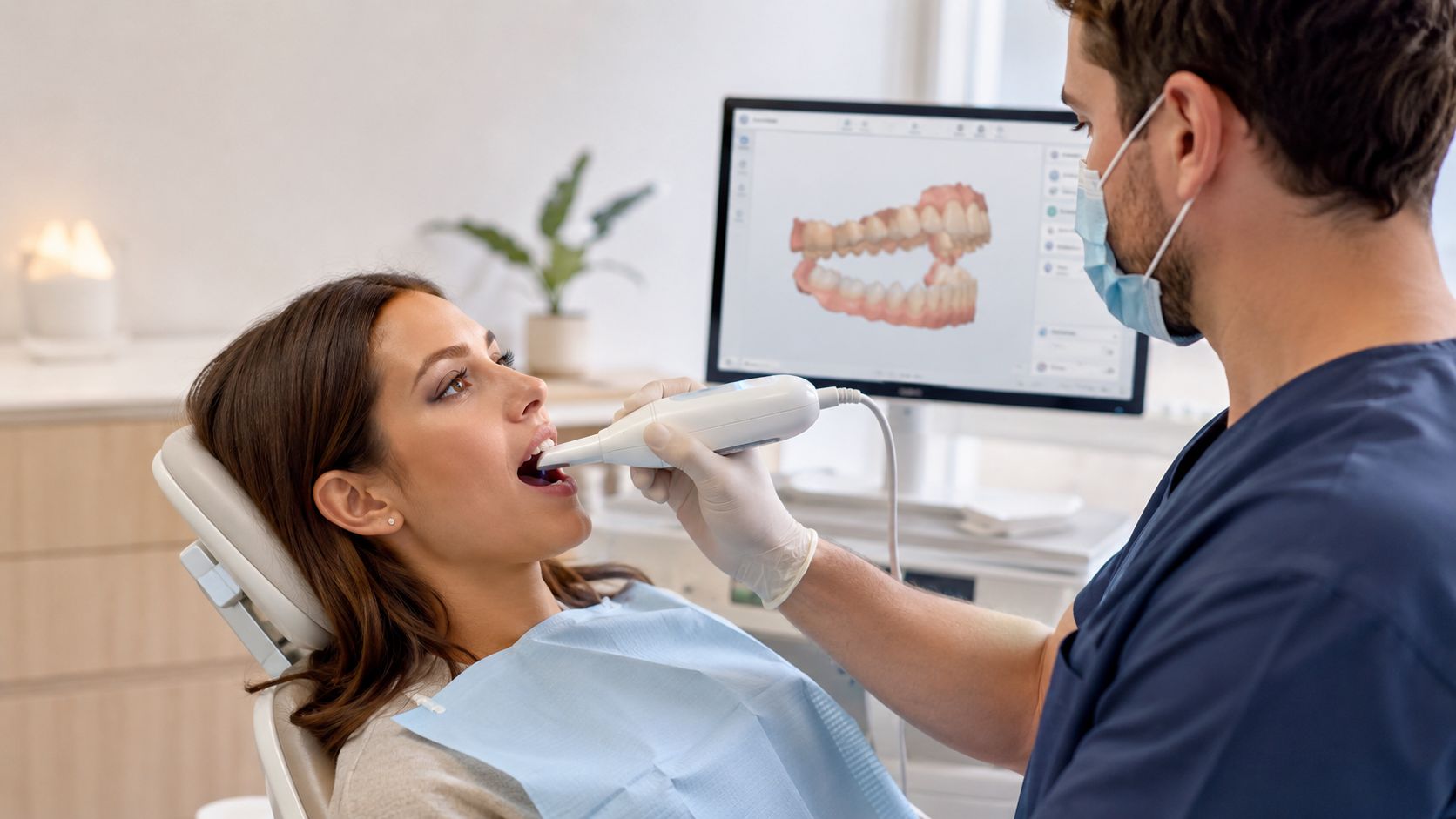
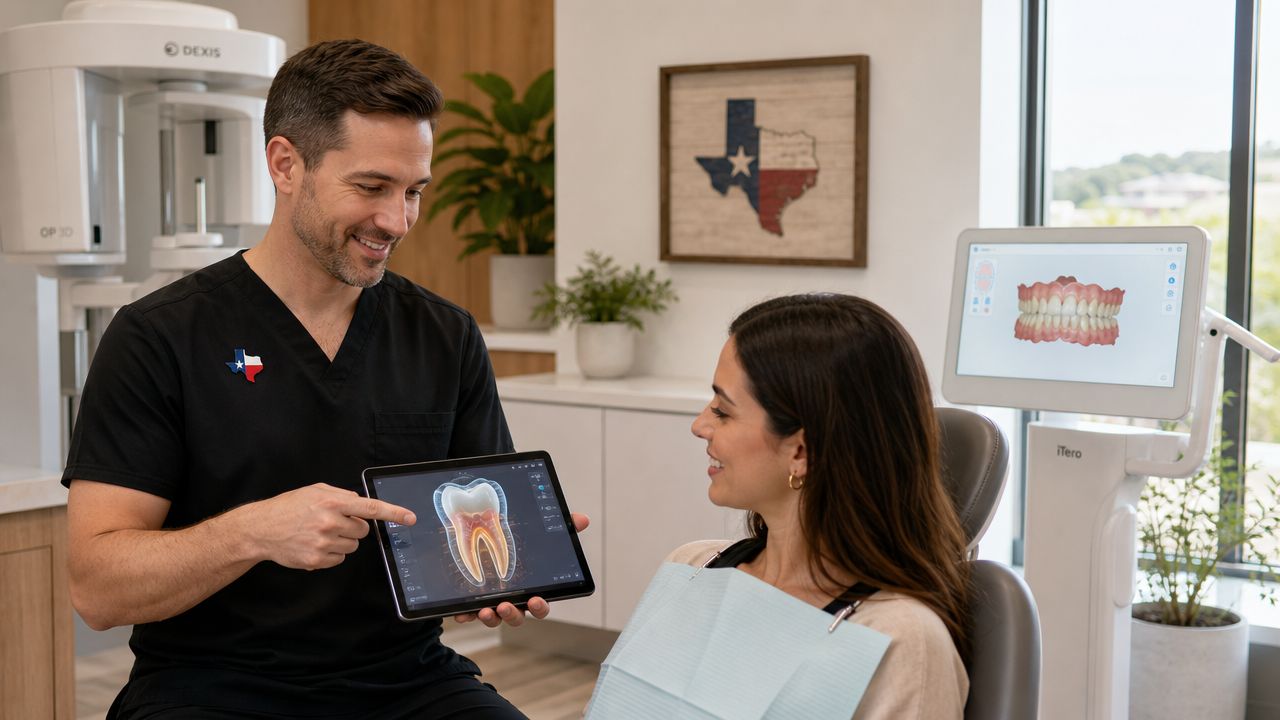
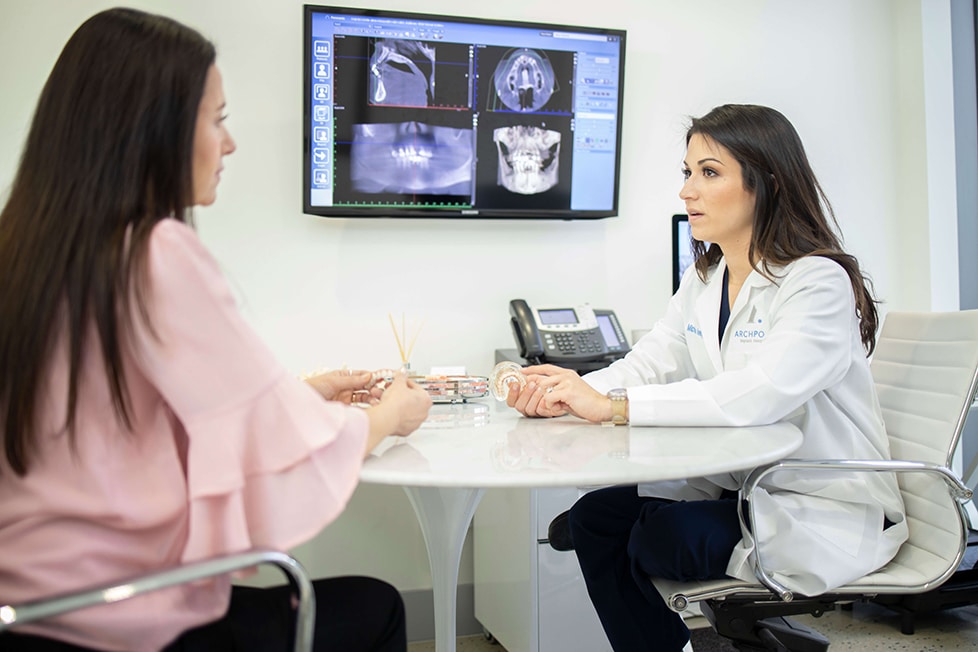
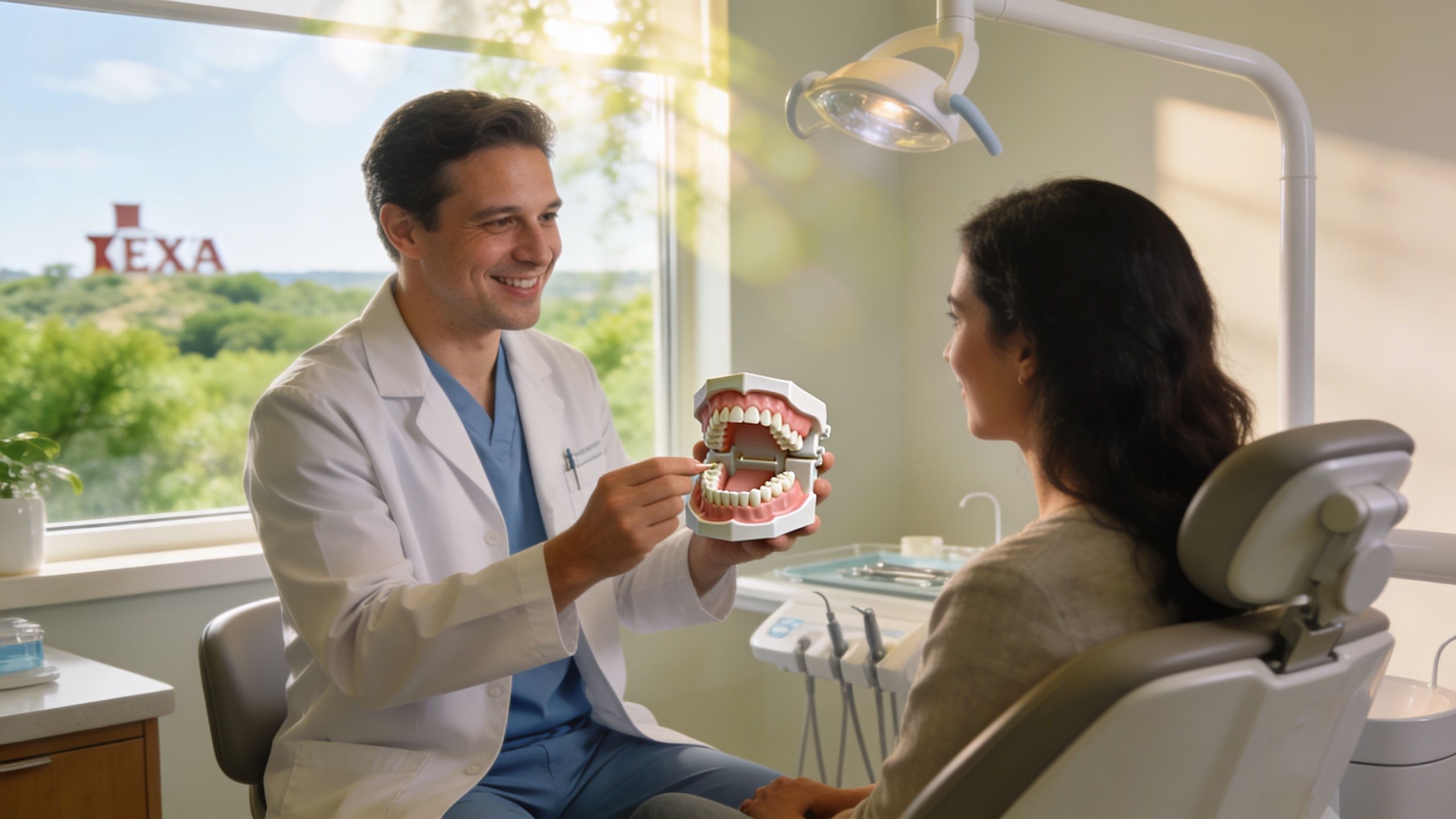
At 3D Dental, the process starts with a consultation and detailed diagnostics so the clinical team can see what is happening below the surface and map out a realistic treatment plan. For patients in Austin and Georgetown, that matters because financing only makes sense when it's attached to a clear plan of care, not a rough guess.
The next part is the conversation patients usually appreciate most. The treatment plan is reviewed in plain language, and the financial side is discussed without rushing. That includes talking through whether a patient may want to use savings, staged payments, or treat now, pay later options such as Cherry or Sunbit.
How the financial conversation supports treatment
A good financial consultation doesn't push people toward one script. It helps them compare what fits.
One patient may want the shortest repayment period possible. Another may need lower monthly payments to make treatment work without disrupting the rest of the family budget. A third may want to combine available funds with financing instead of borrowing the full amount.
That support matters because full-arch treatment isn't only about replacing teeth. It affects confidence, speaking, eating, and daily comfort. Patients looking for a dentist in Austin, TX or dentist in Georgetown, TX often want one office that can handle diagnostics, restorative dentistry, cosmetic concerns, and related needs such as tooth extraction or emergency dental care without sending them in too many directions.
What patients should expect after the plan is set
Once a patient chooses a payment approach, the path tends to feel much more manageable. Uncertainty is often the hardest part. When people know the treatment plan, know the payment range, and know what comes next, they can move forward with more confidence.
A clear treatment plan and a clear payment plan should arrive together. One without the other leaves patients guessing.
That kind of clarity is what patients are looking for when they search for cosmetic dentist near me, dental implants near me, or a trusted local office for advanced restorative care in North Austin and Georgetown.
Frequently Asked Questions About Implant Financing
Will dental insurance cover all on 4 implants
Coverage varies widely by plan. Some plans may help with parts of treatment, while others may exclude implants or place limits on what they contribute. The best approach is to verify benefits before treatment begins so you know what portion may be insurance-based and what portion may need financing.
Can I use my HSA or FSA
In many cases, patients use HSA or FSA funds for qualified dental expenses. Whether that applies to every part of treatment depends on your plan rules and how the treatment is categorized. It's worth checking those details early, especially if you're trying to reduce how much you need to finance.
What if my financing application is denied
A denial doesn't always mean treatment is off the table. Patients may still have other routes, such as a different financing provider, a co-applicant, a staged treatment plan, or a mixed payment approach using available funds plus financing.
Can I combine payment methods
Yes, many patients do. They might use savings or a health account for one portion and finance the rest. That can lower the financed balance and make the monthly payment easier to manage.
Is financing worth it for full-arch treatment
For many patients, yes. If unstable teeth or dentures are affecting daily life, financing can turn a long-delayed need into a practical plan. The key is choosing terms that support your budget instead of stretching it too far.
If you're exploring all on 4 dental implants financing in Austin or Georgetown, the next step is a clear consultation with real numbers and realistic options. Contact 3D Dental to discuss your treatment plan, review payment pathways like Cherry and Sunbit, and find a budget approach that supports your health, function, and confidence.
Ready to get started?
Schedule a free, no obligation consultation with our team and see what's possible for your smile!
Georgetown
- Mon-Thurs8:30am-5pm
- Fri8am-3:30pm
- Sat-SunClosed
Austin
- Mon-Tues8am-5pm
- Wed-Thurs9am-6pmFri8am-2pm
- Sat-SunClosed