
Cosmetic Dentistry Insurance: Find Your Coverage
Related Posts





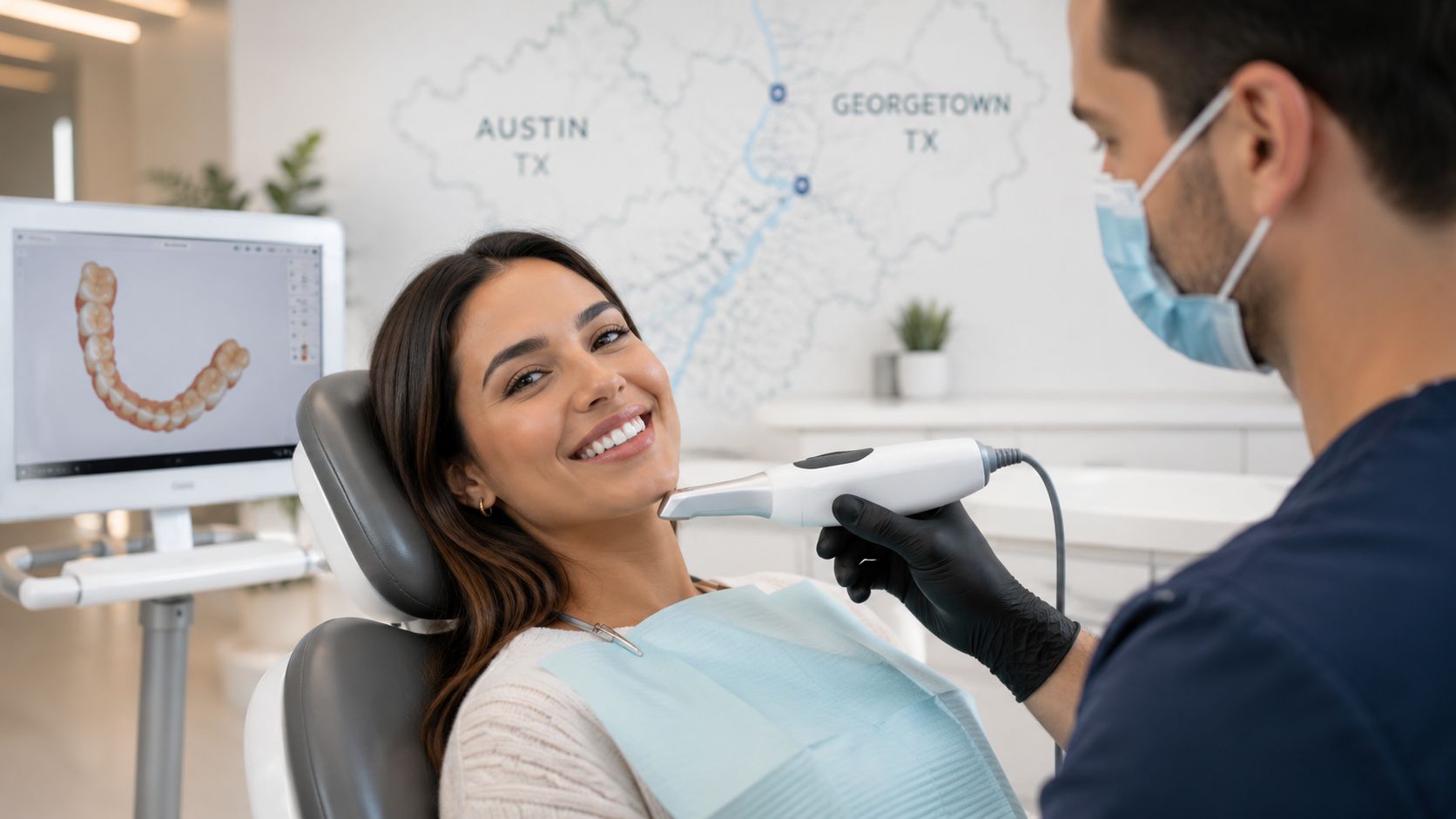
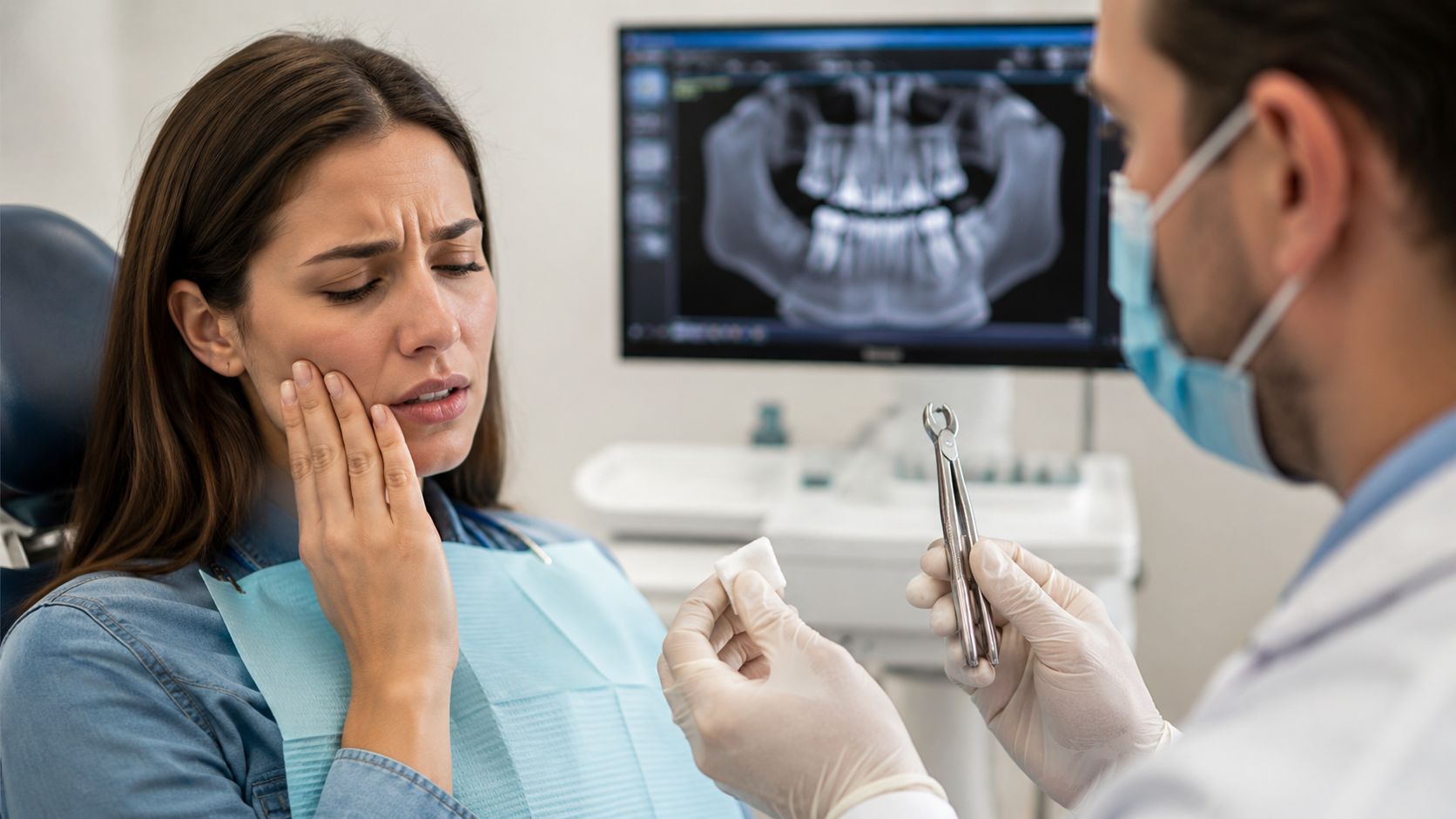
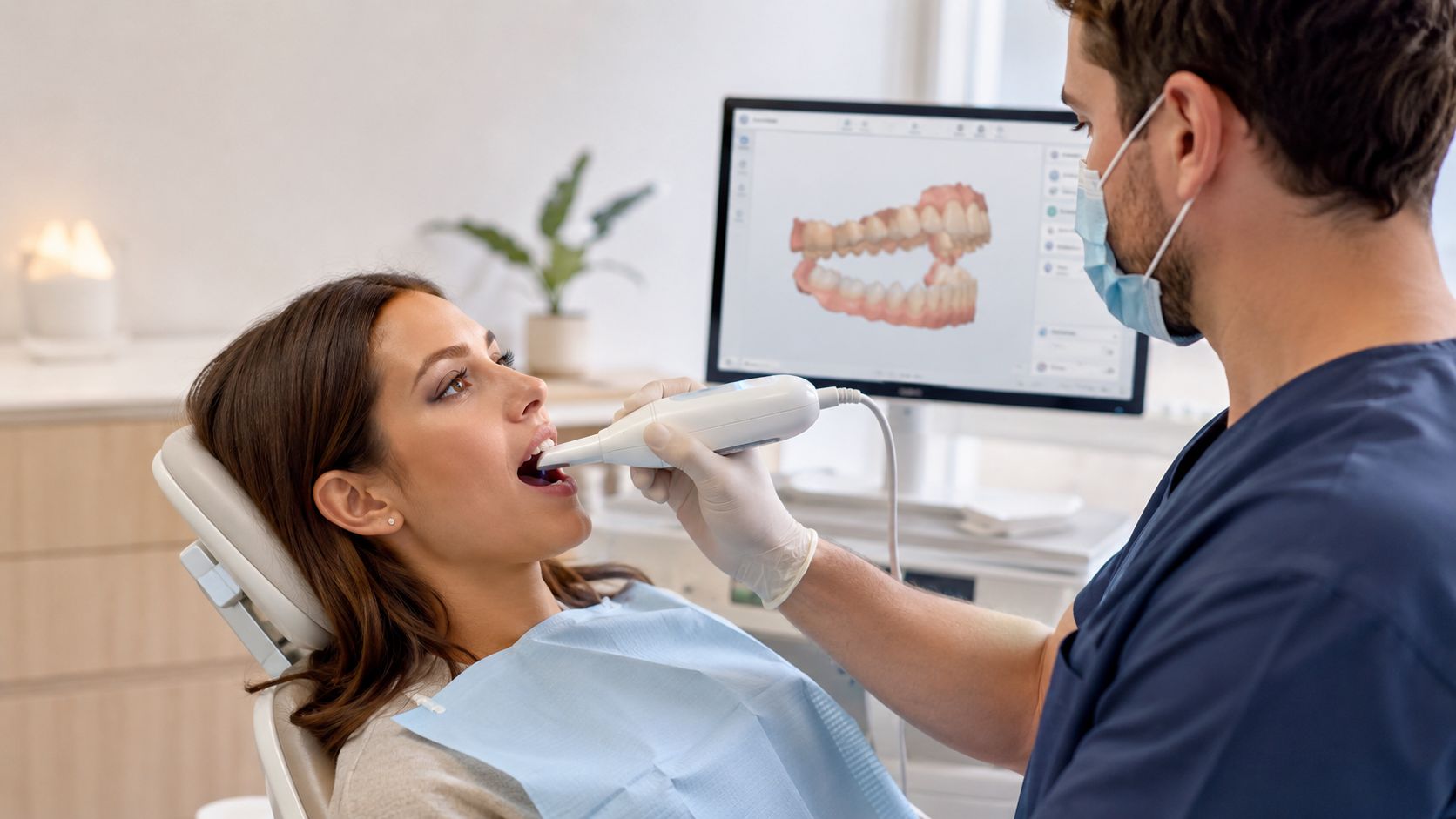


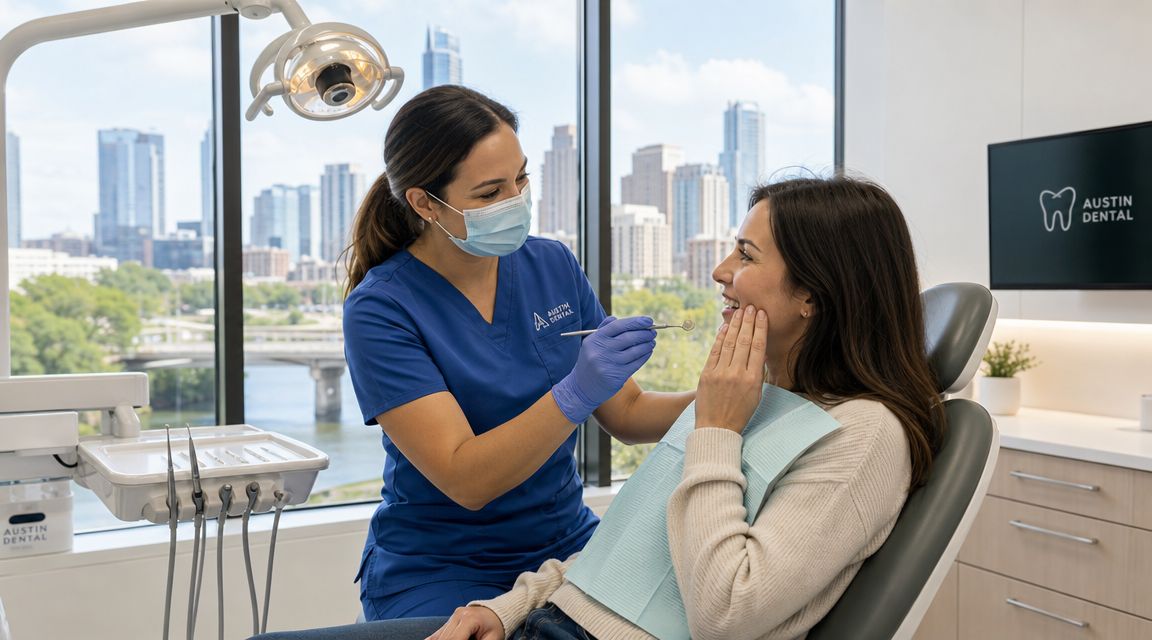
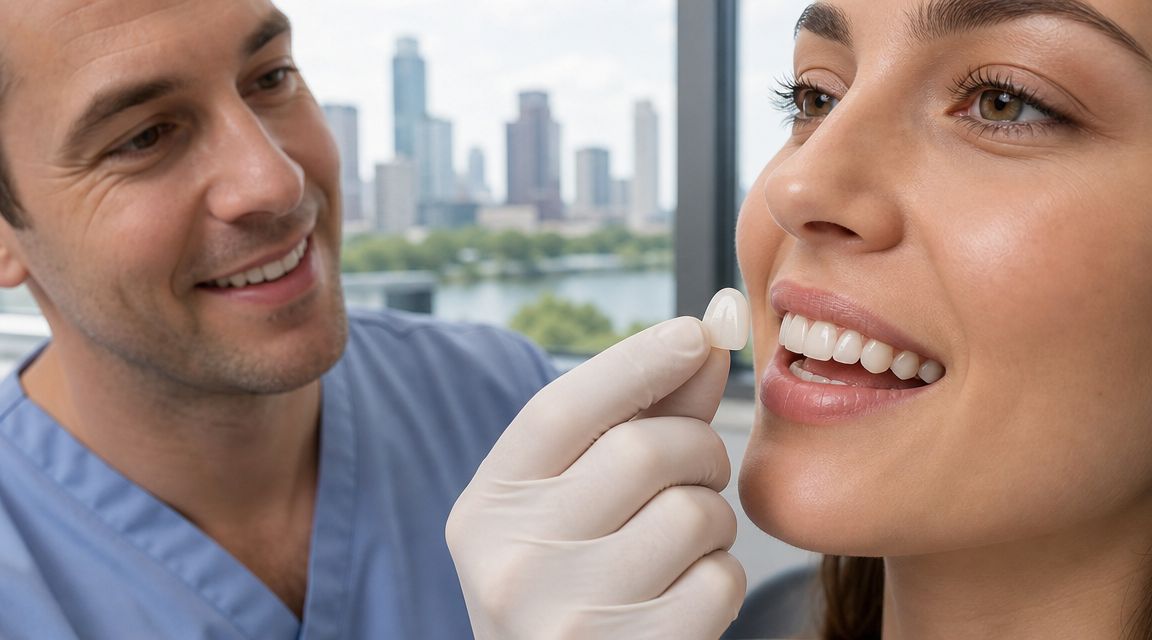
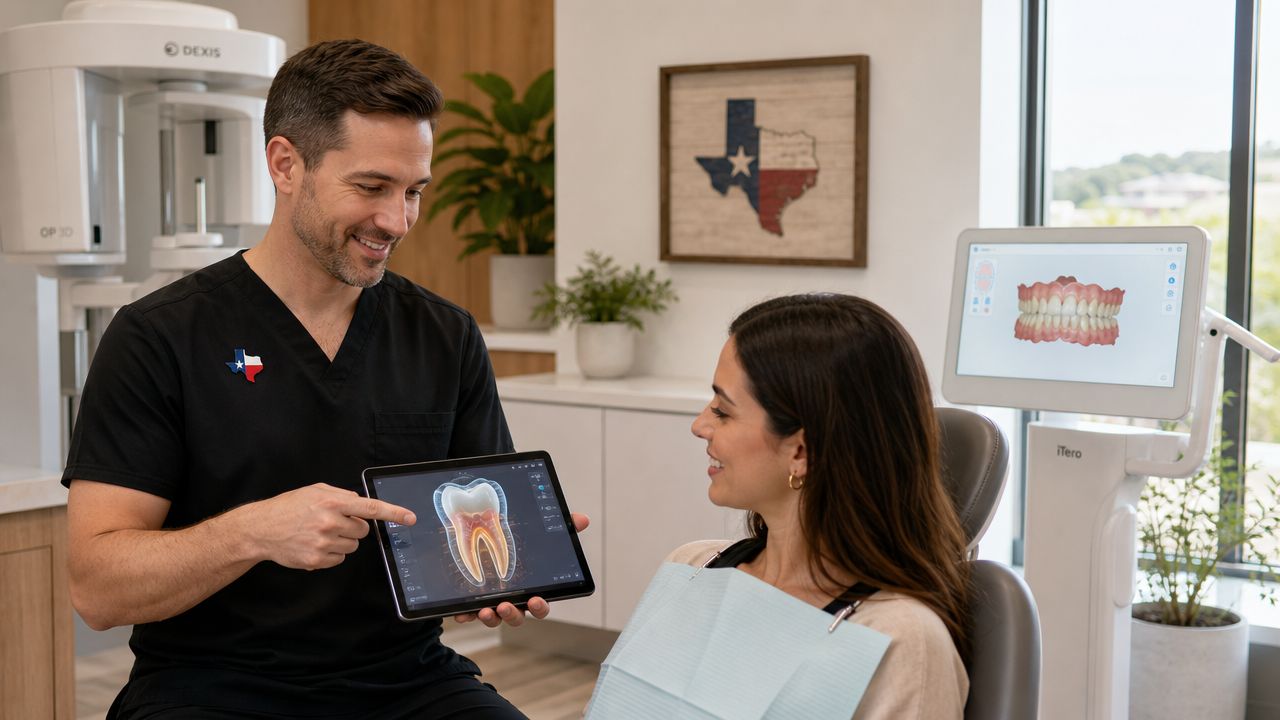
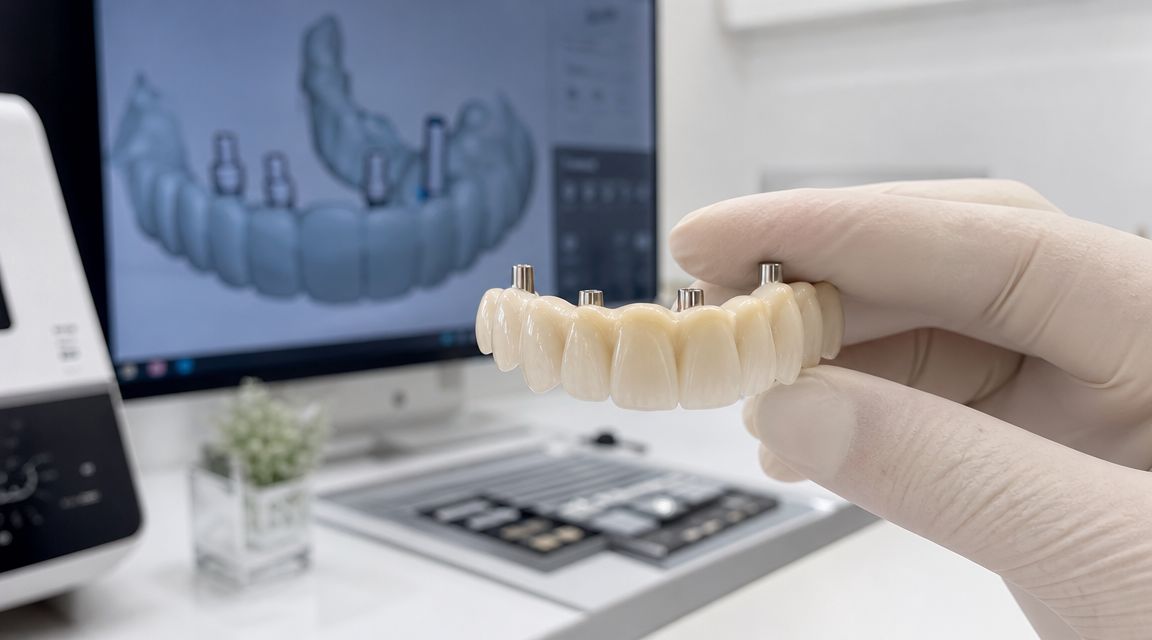
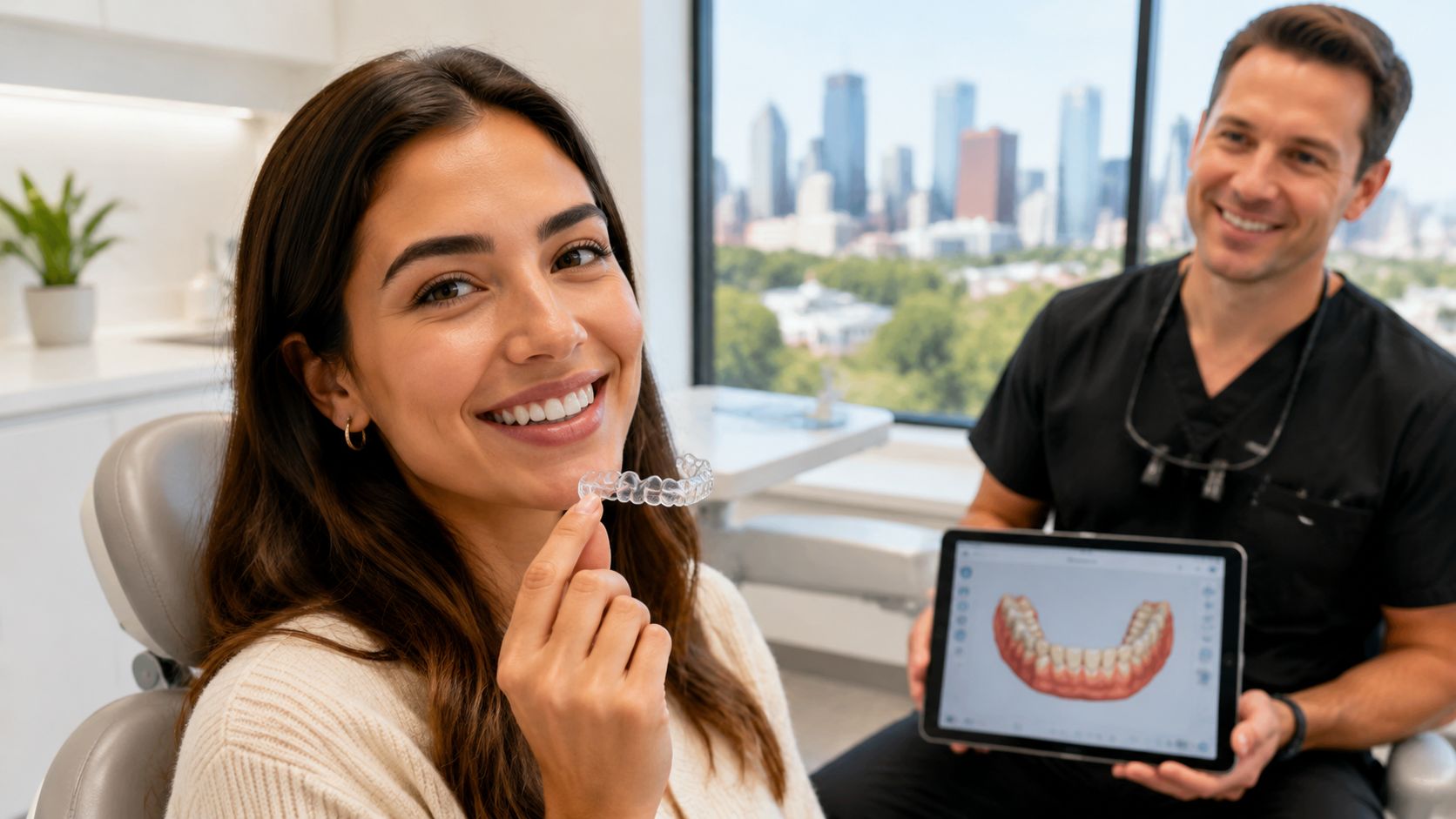
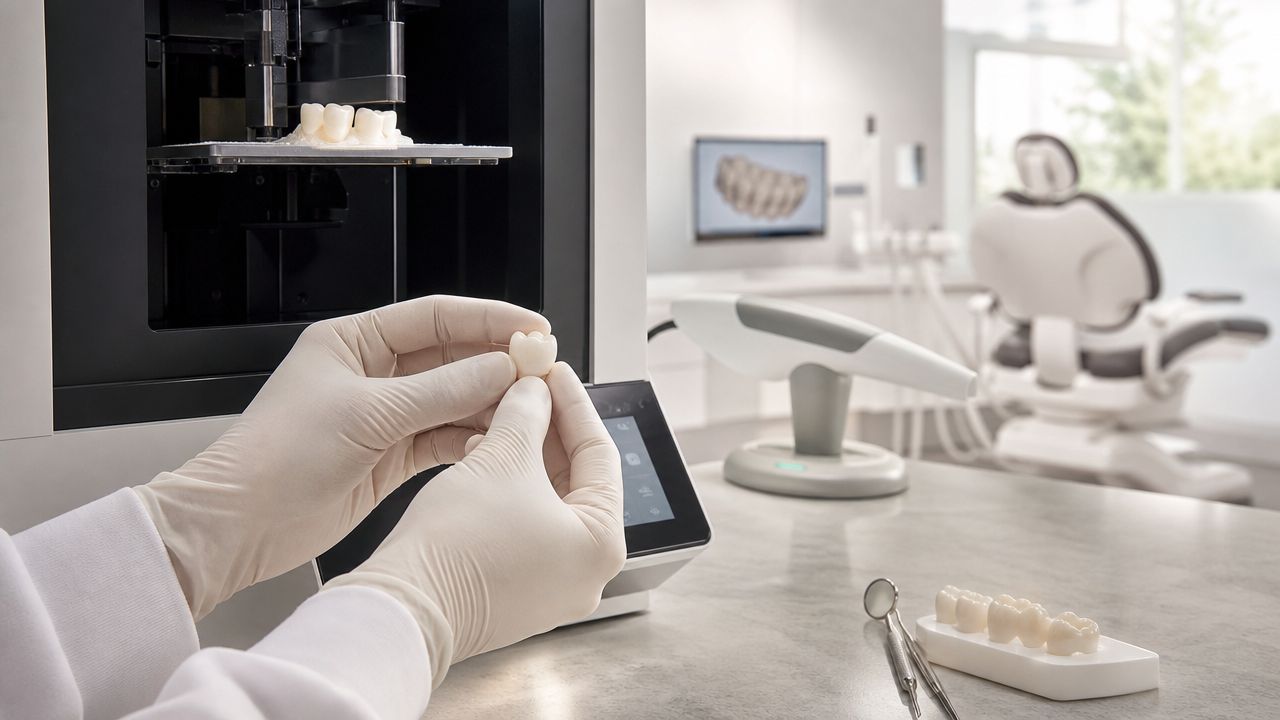
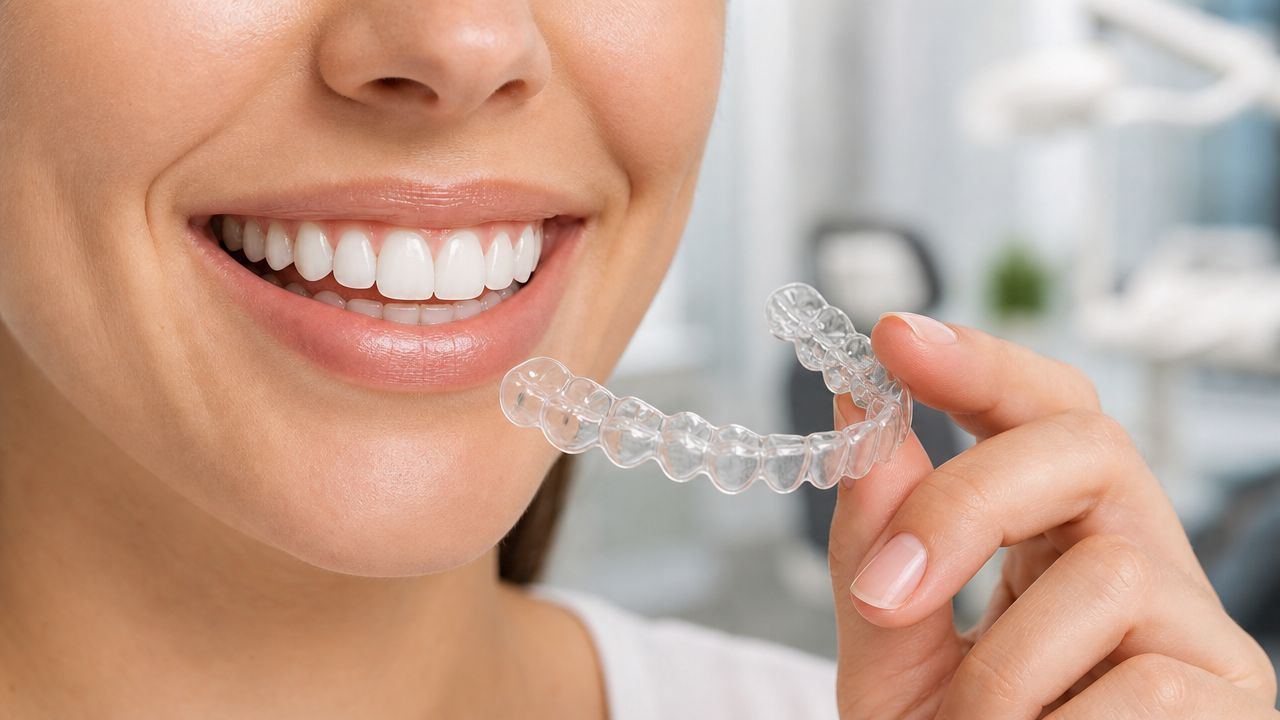
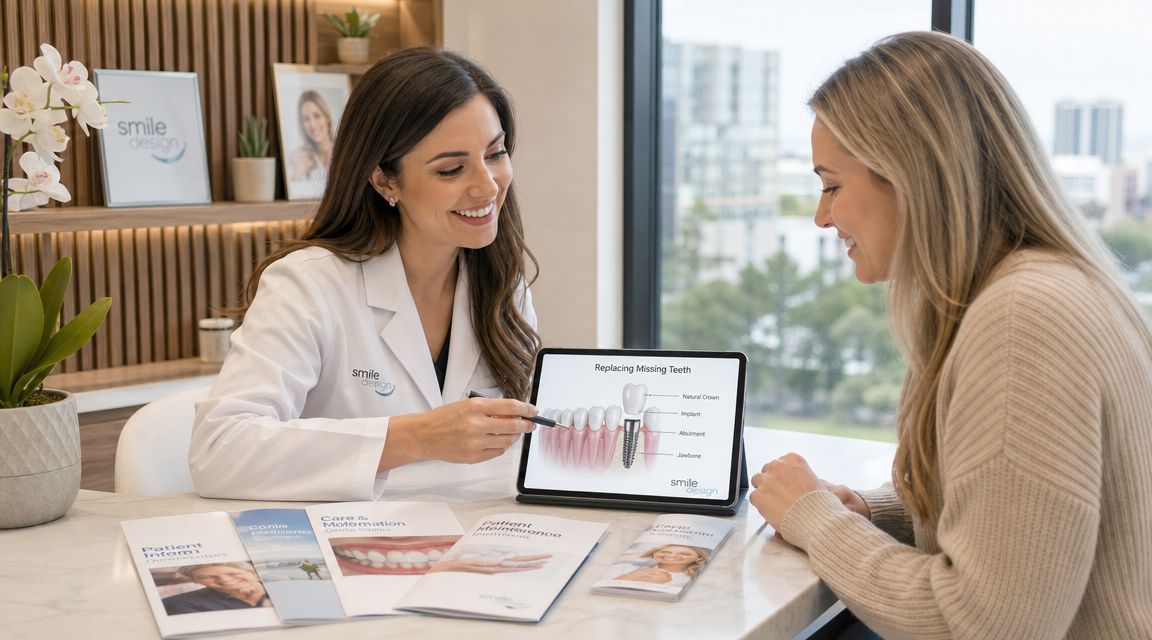

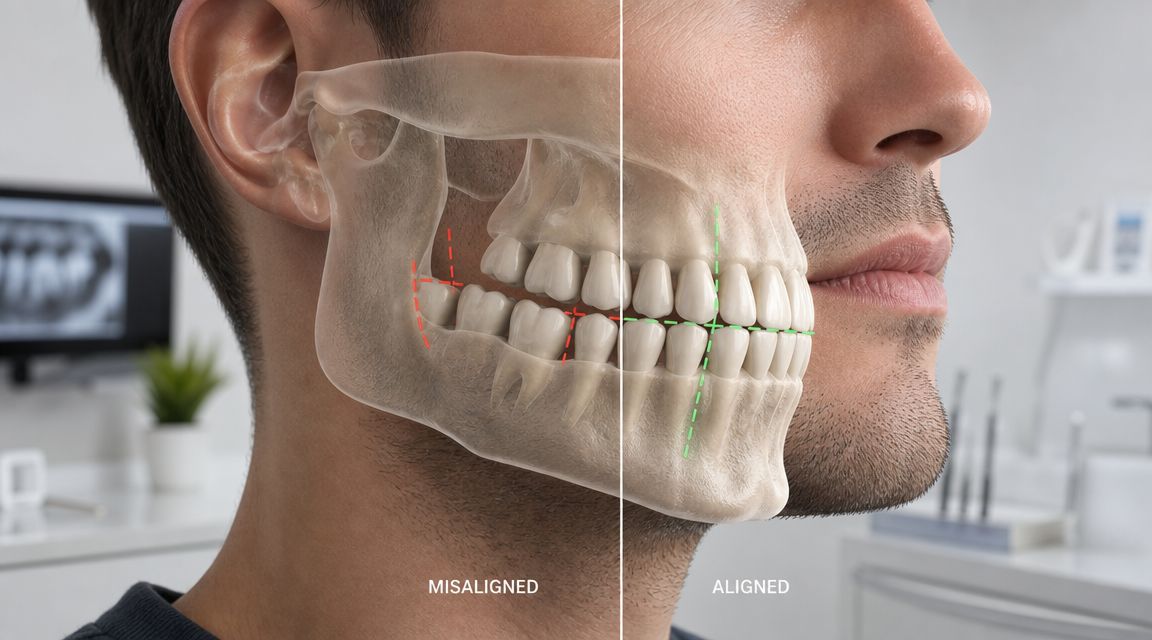


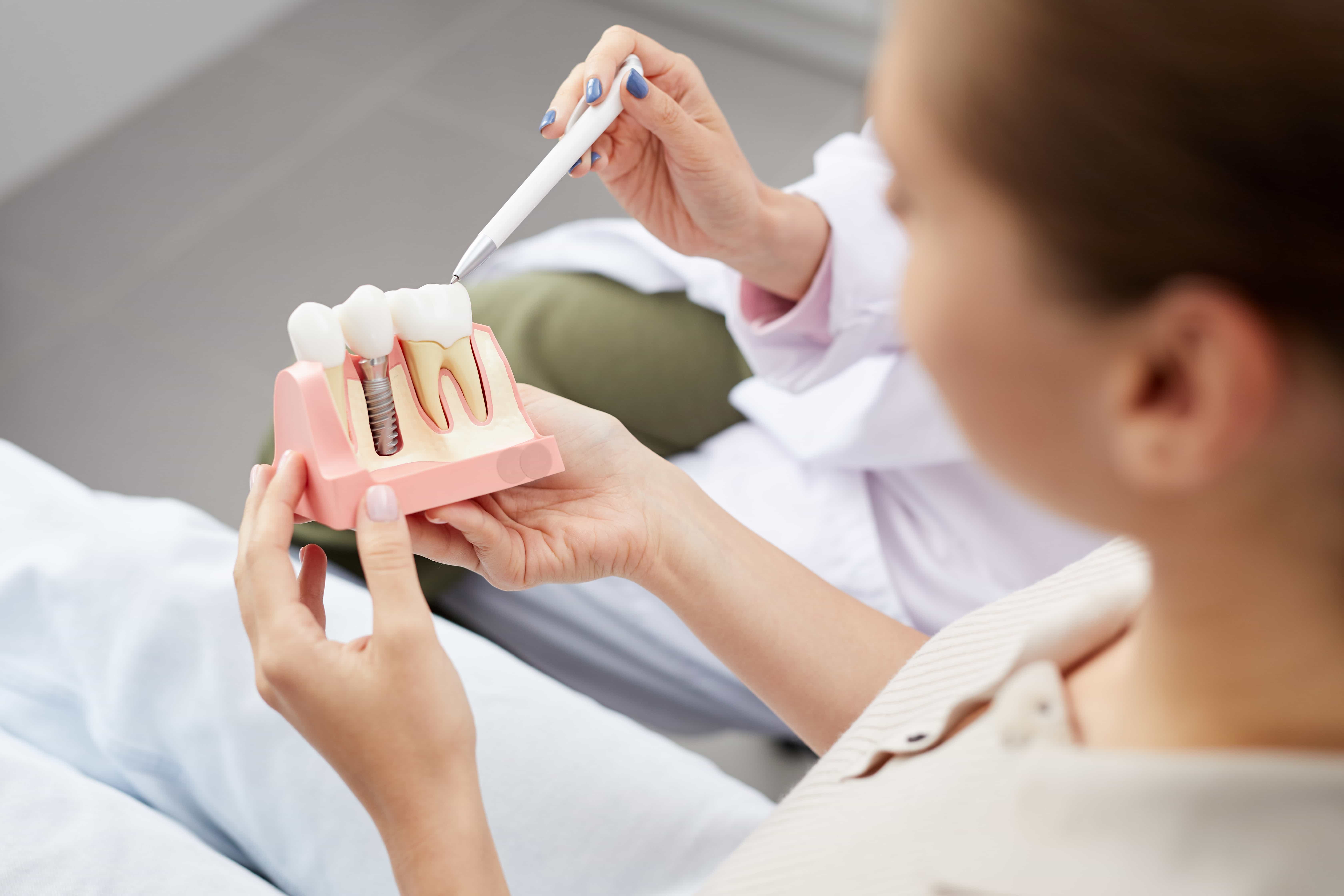
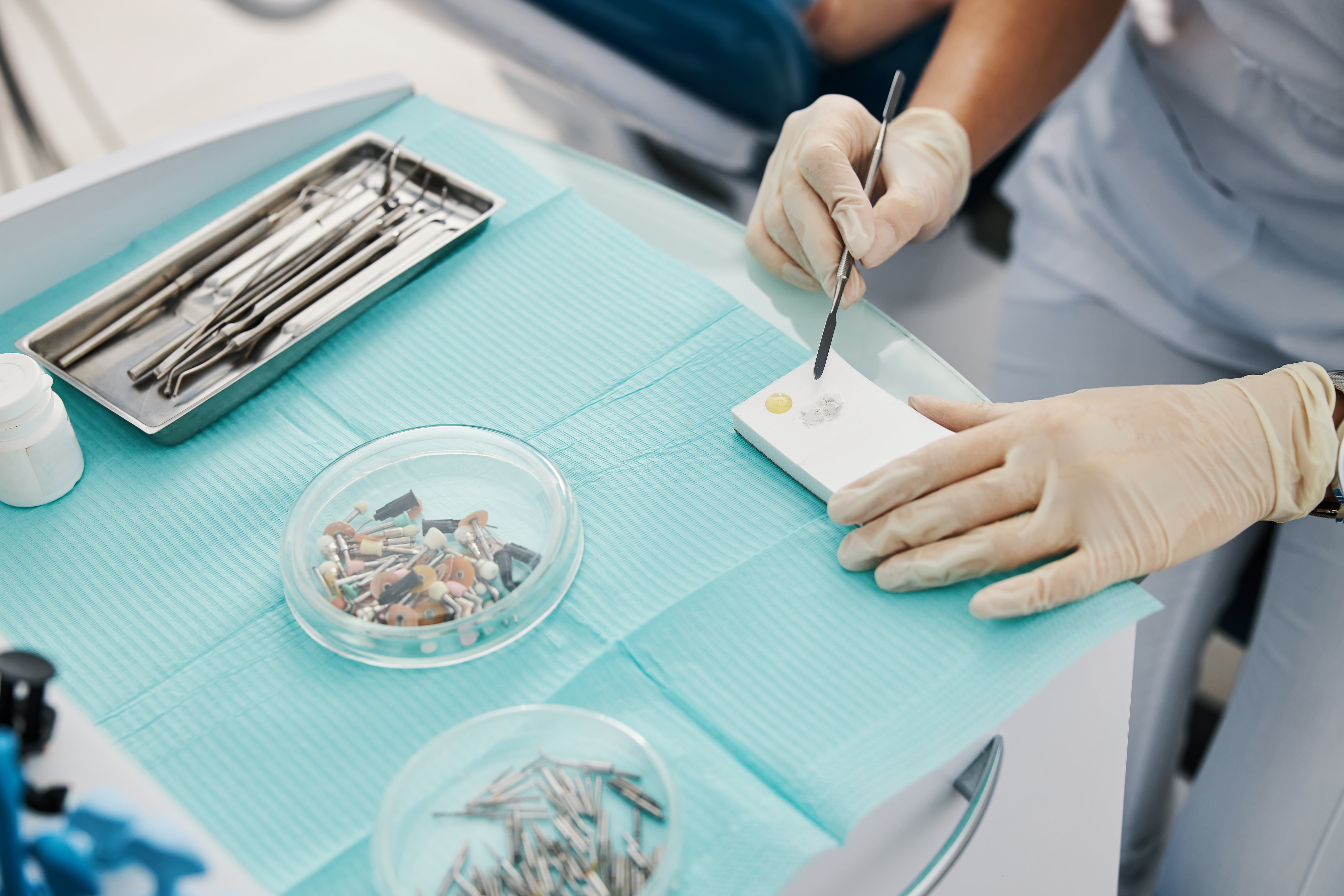
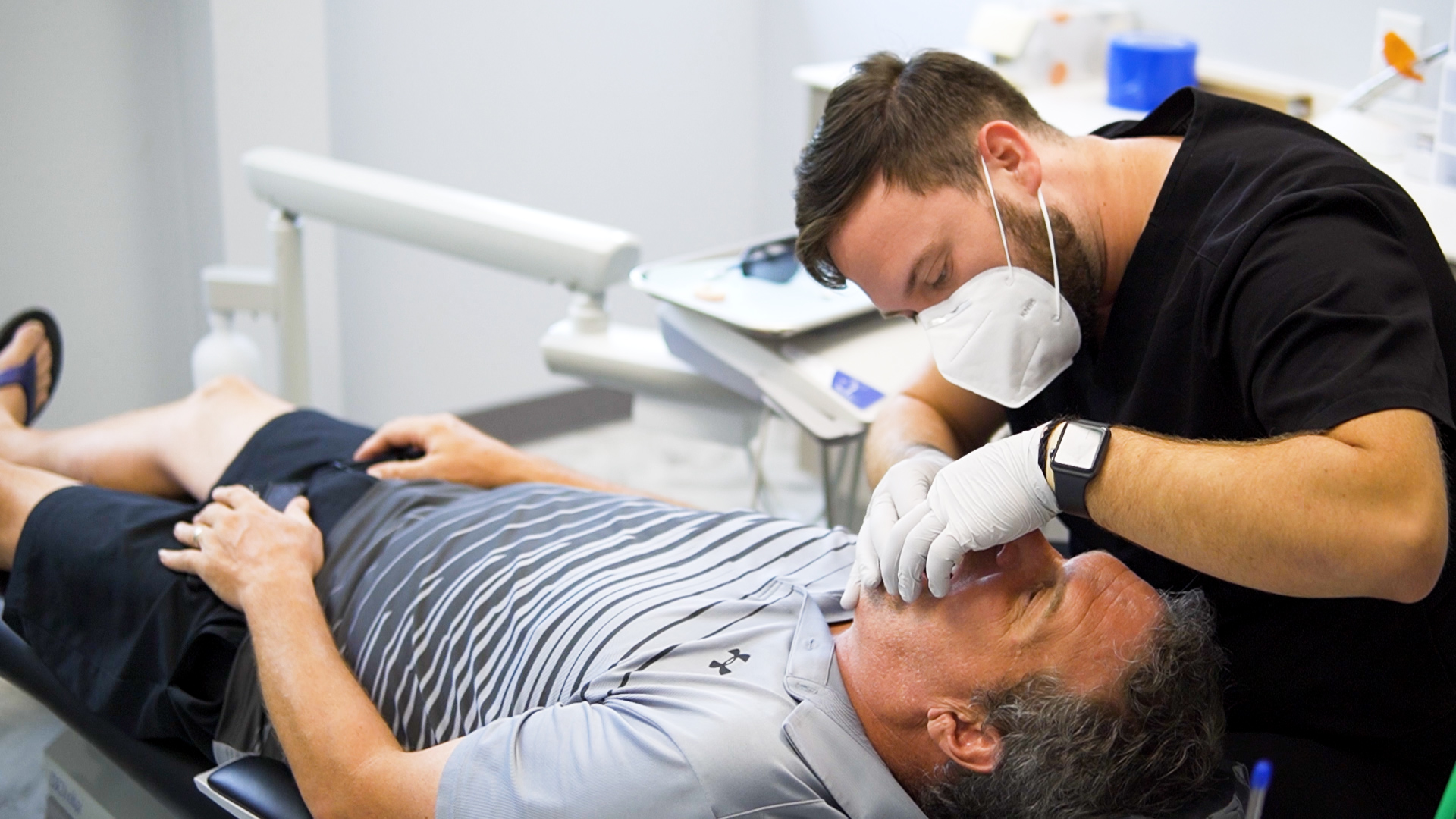

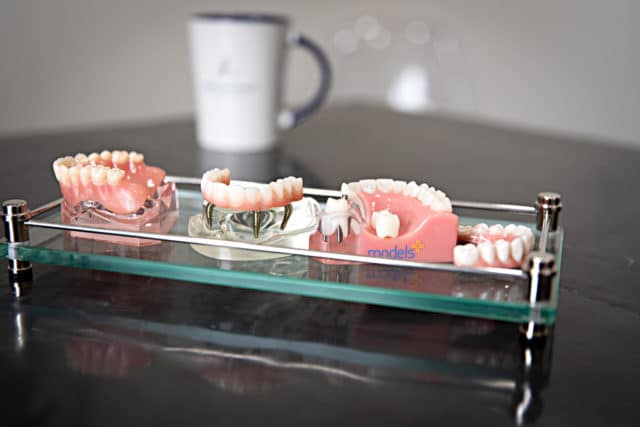






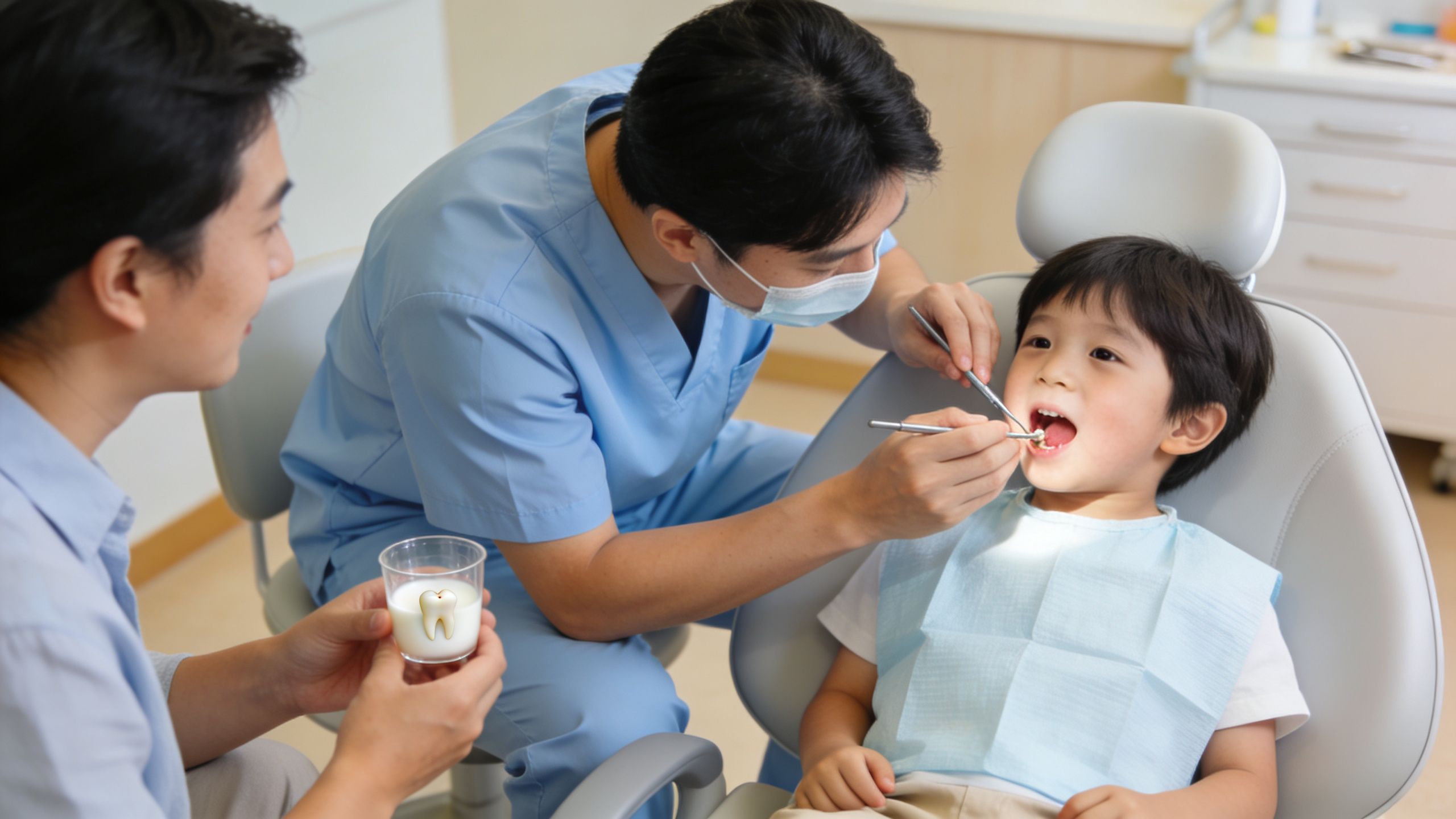
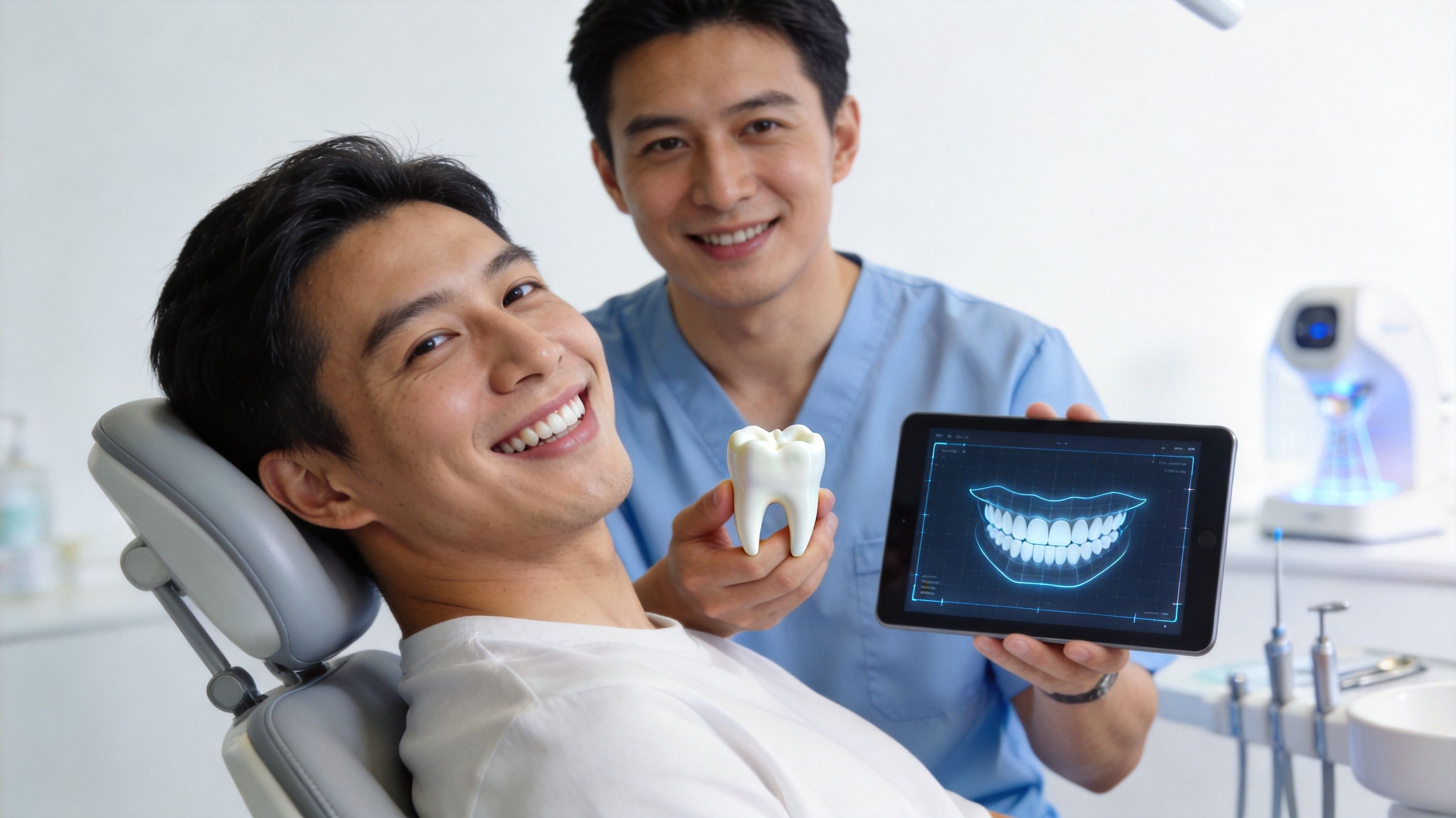

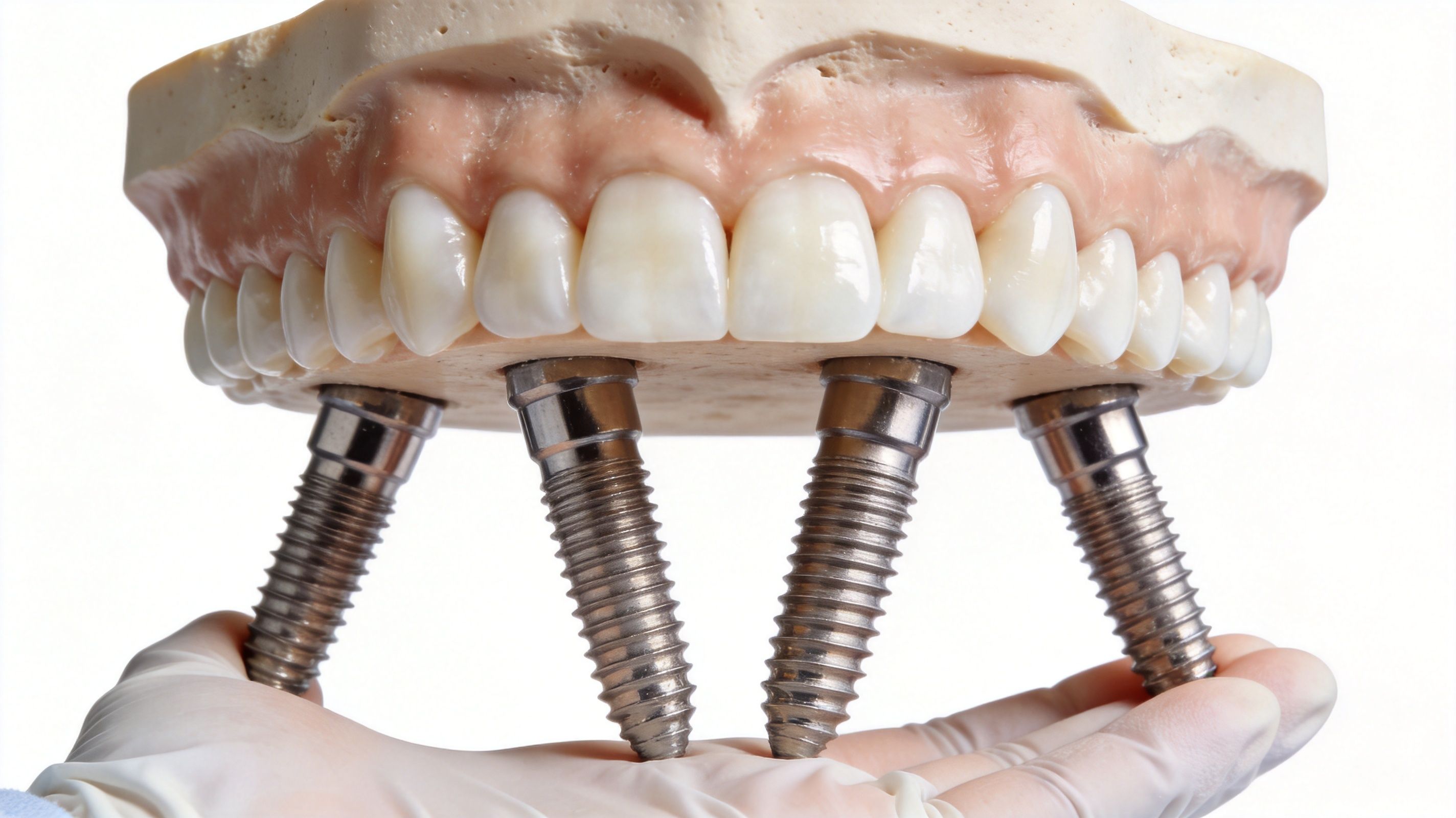
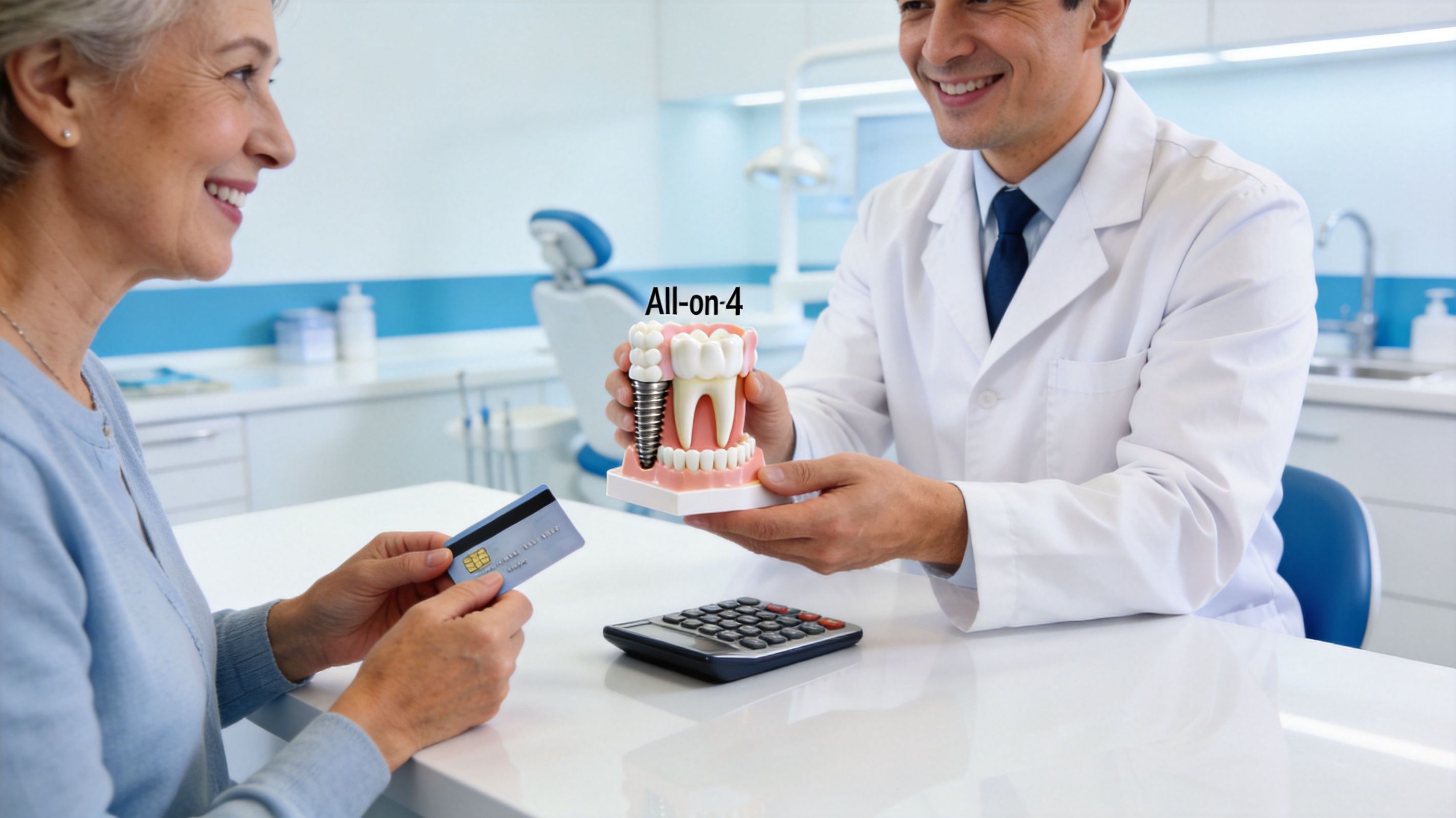


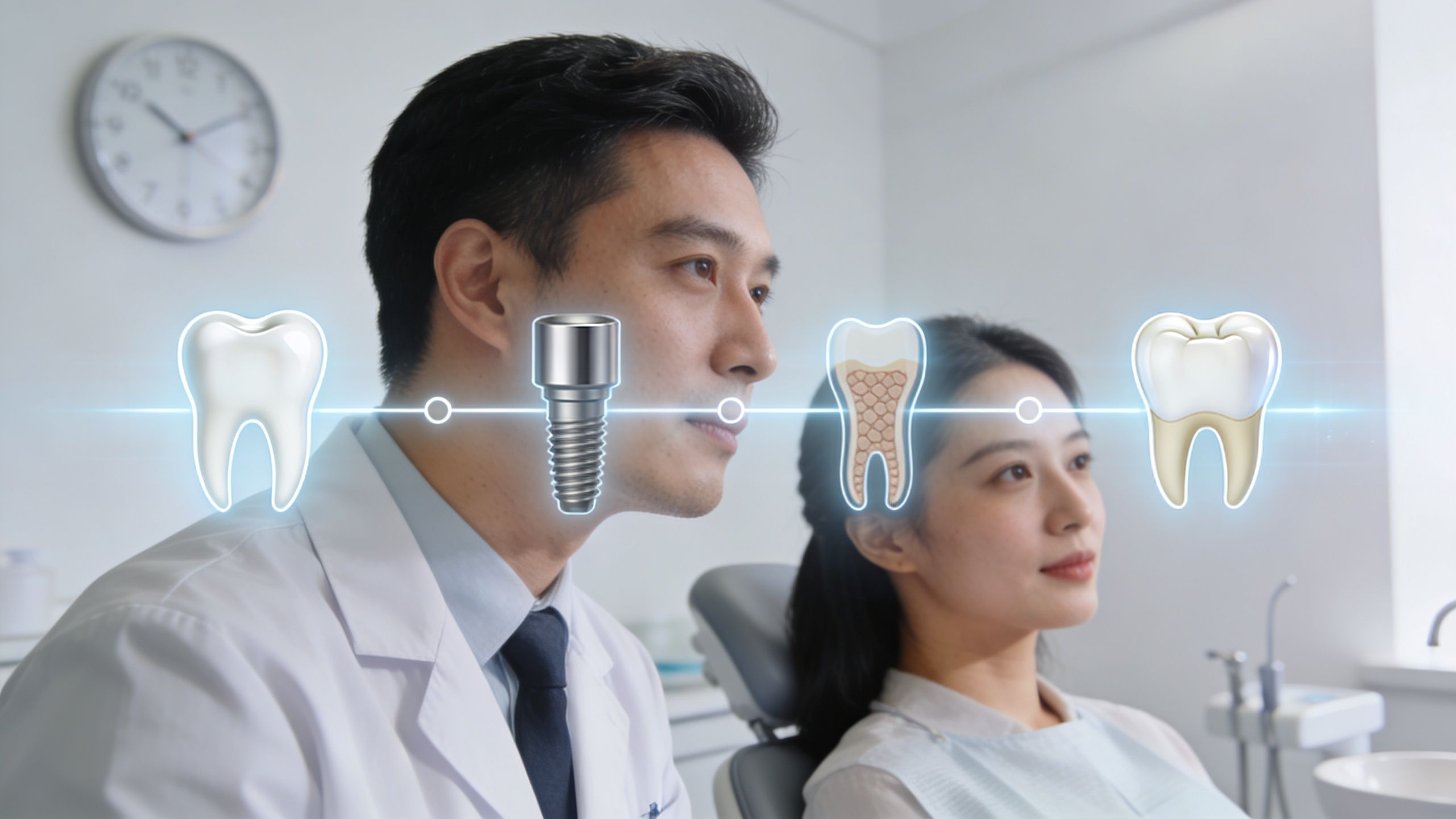

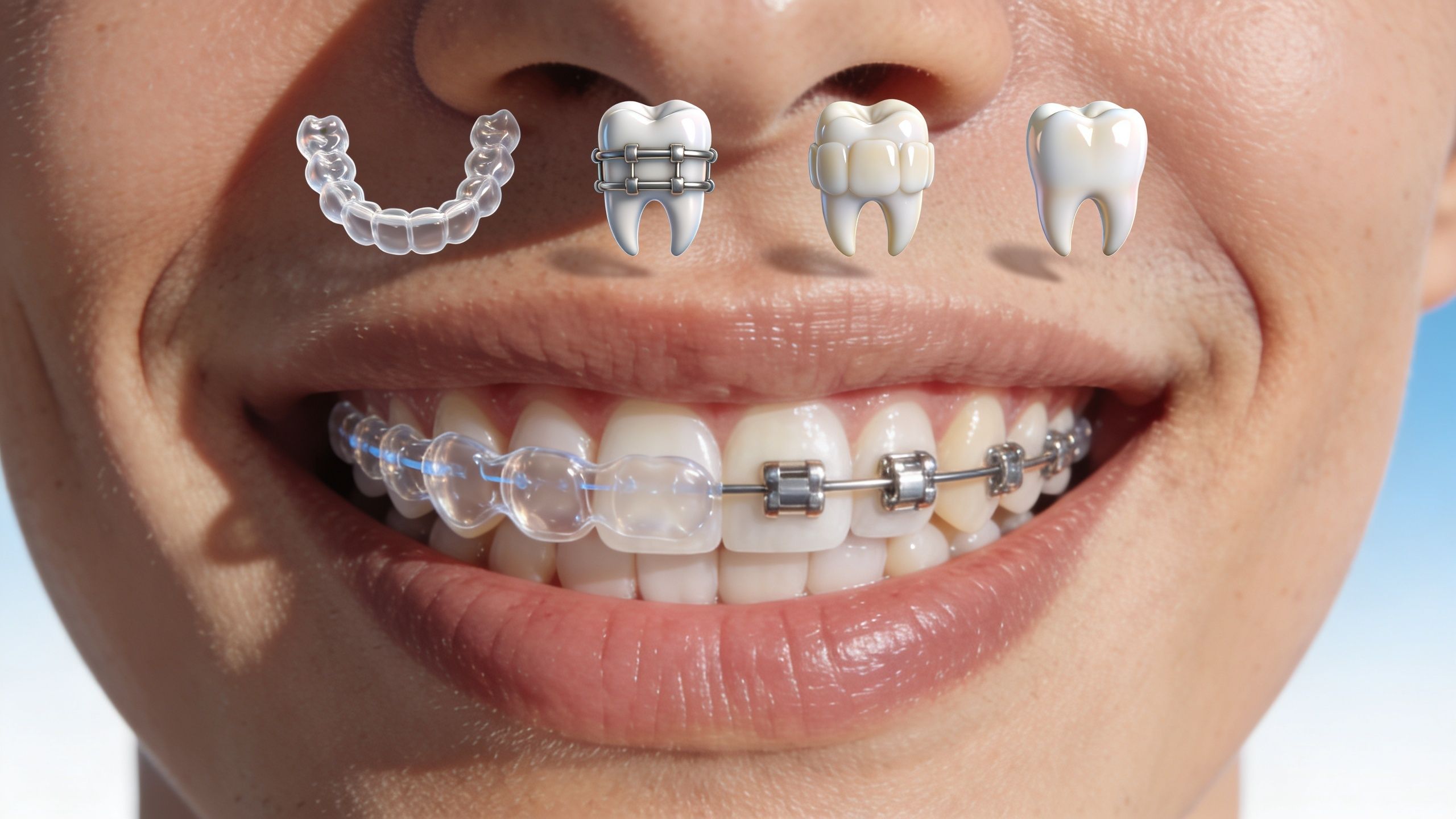


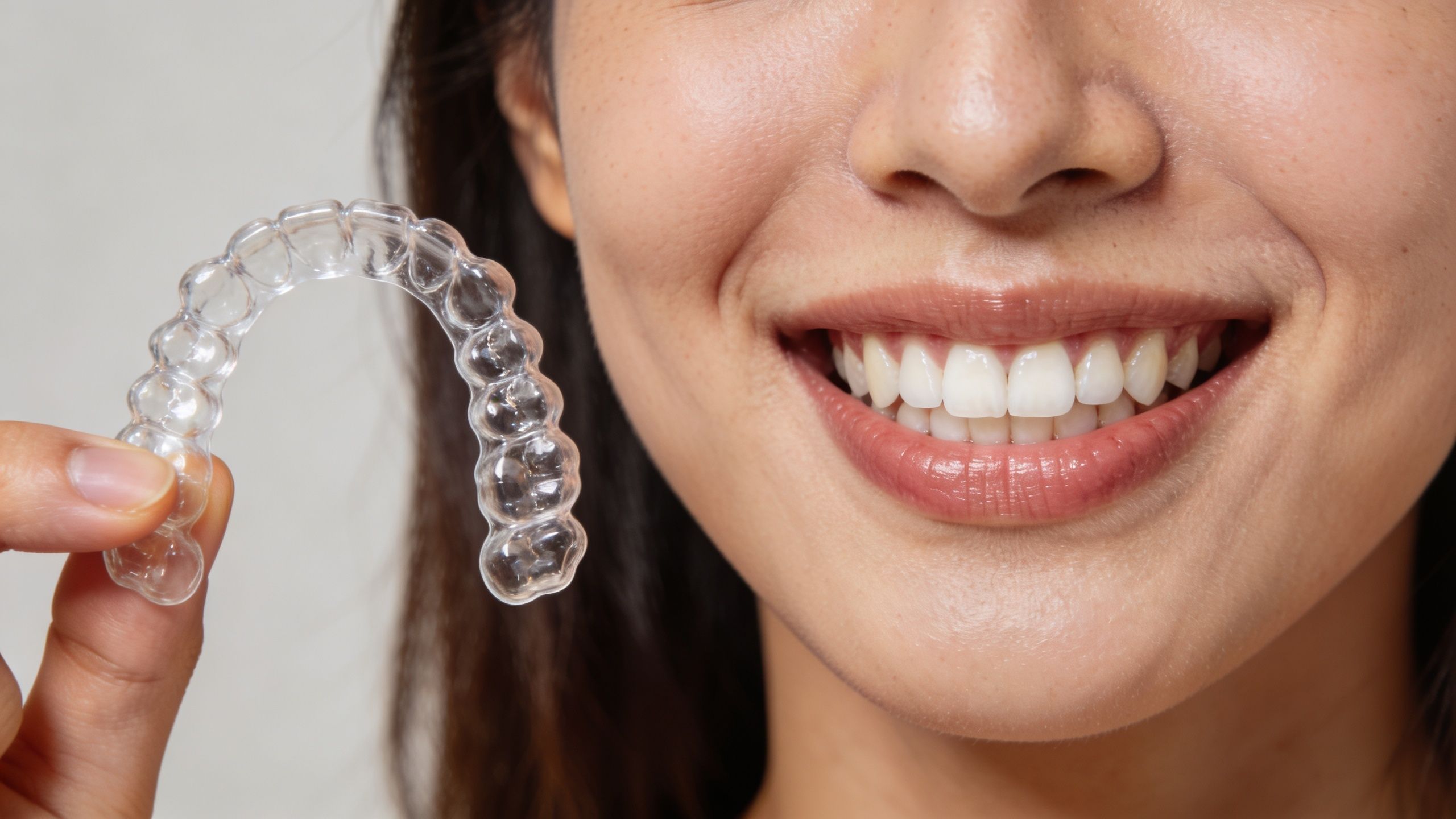
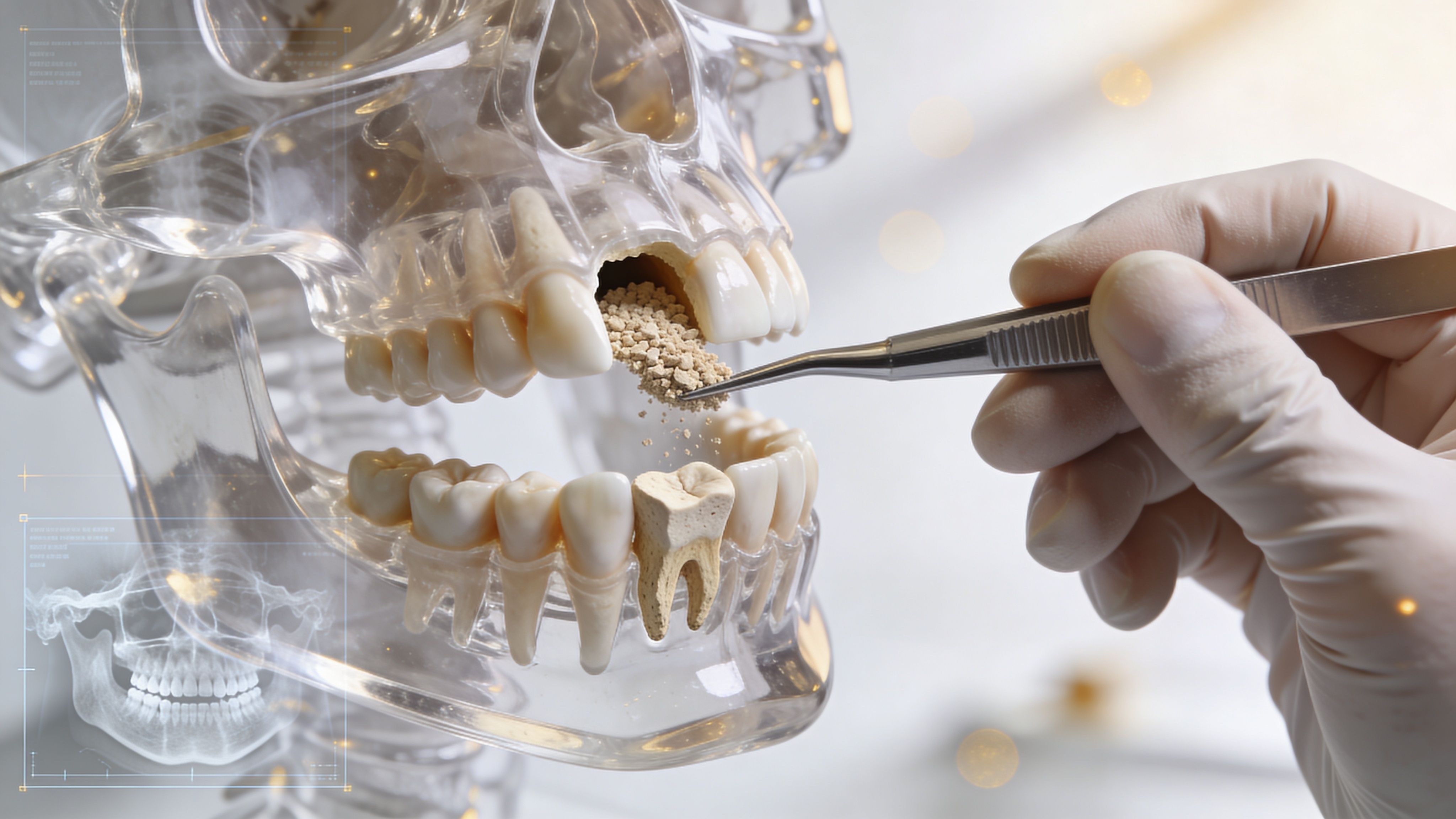



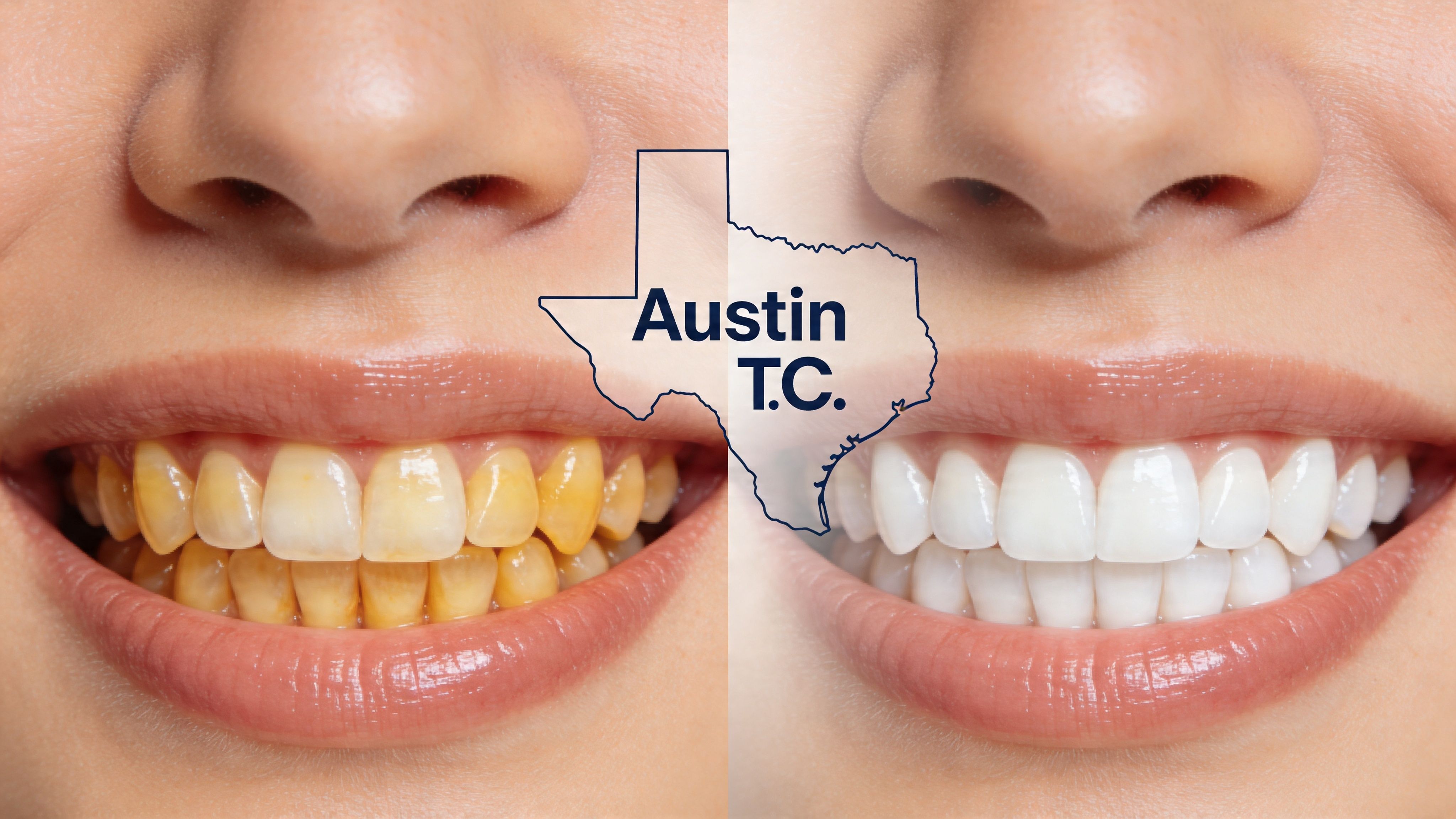
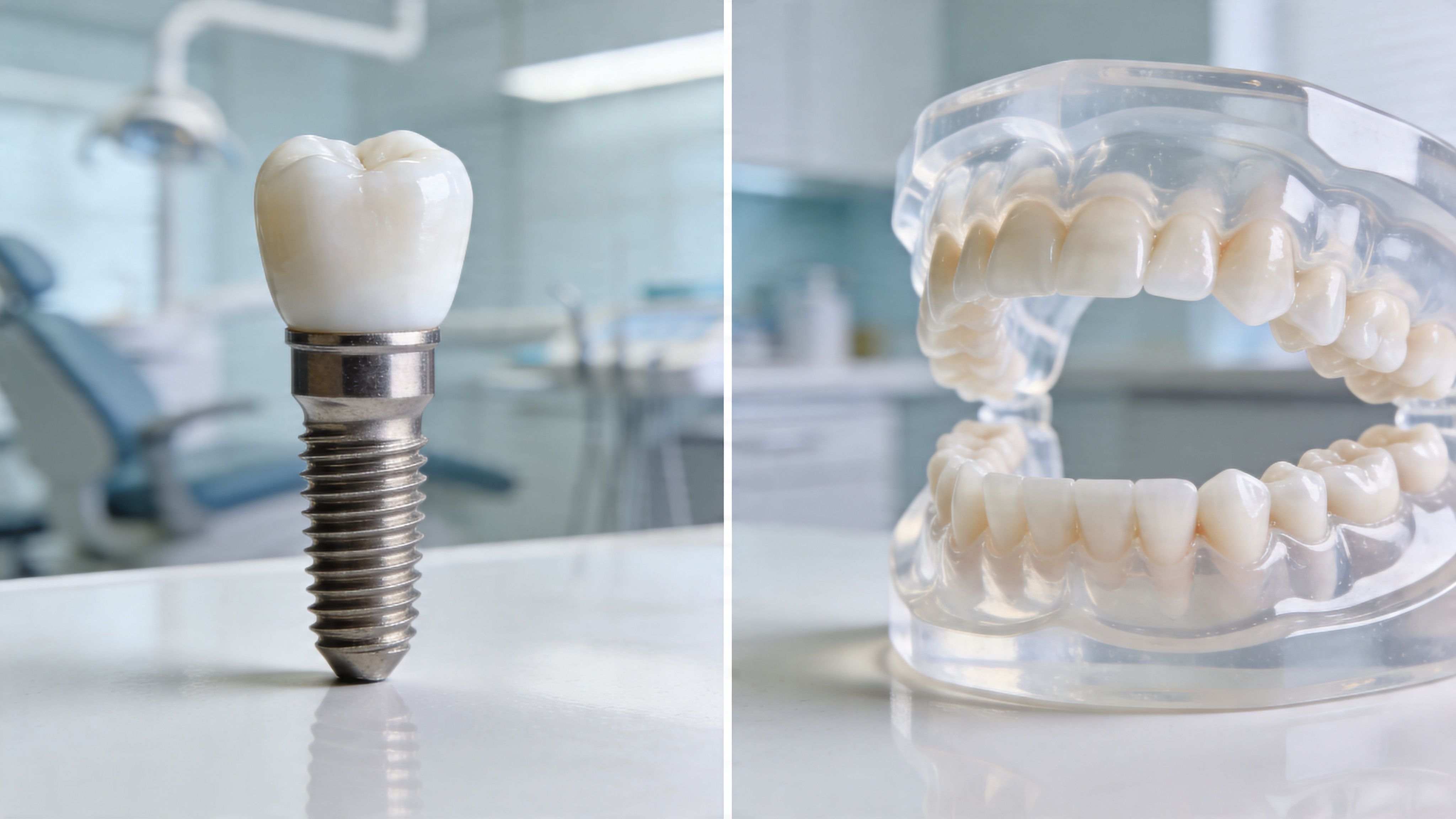

A lot of people in Austin and Georgetown start in the same place. They want whiter, straighter, more even teeth, but the second they look into cost, the whole process gets murky. Insurance language is confusing. Online answers conflict with each other. It's hard to tell whether a veneer, crown, aligner case, or implant is considered cosmetic, restorative, or somewhere in between.
That confusion matters because cosmetic dentistry insurance usually doesn't work the way patients expect. Dental plans are built to support oral health first. Smile improvements often fall outside that model, even when the treatment also improves confidence, chewing comfort, or long-term function.
If you're searching for a cosmetic dentist near me, a dentist in Austin, TX, or a dentist in Georgetown, TX, it helps to know what insurance is likely to pay for, what it usually won't cover, and what practical options exist when you want to move forward anyway. This guide breaks it down in plain English so you can make a smart decision without getting lost in insurance jargon.
Your Guide to Cosmetic Dentistry and Insurance in Austin TX
You finally decide to fix the smile issue that has bothered you for years. Then the practical questions start. Will insurance help at all. Is this considered cosmetic or restorative. If it is not covered, what does the monthly cost look like?
That is the point where many Austin and Georgetown patients get stuck. The treatment itself may be straightforward. The insurance rules usually are not.
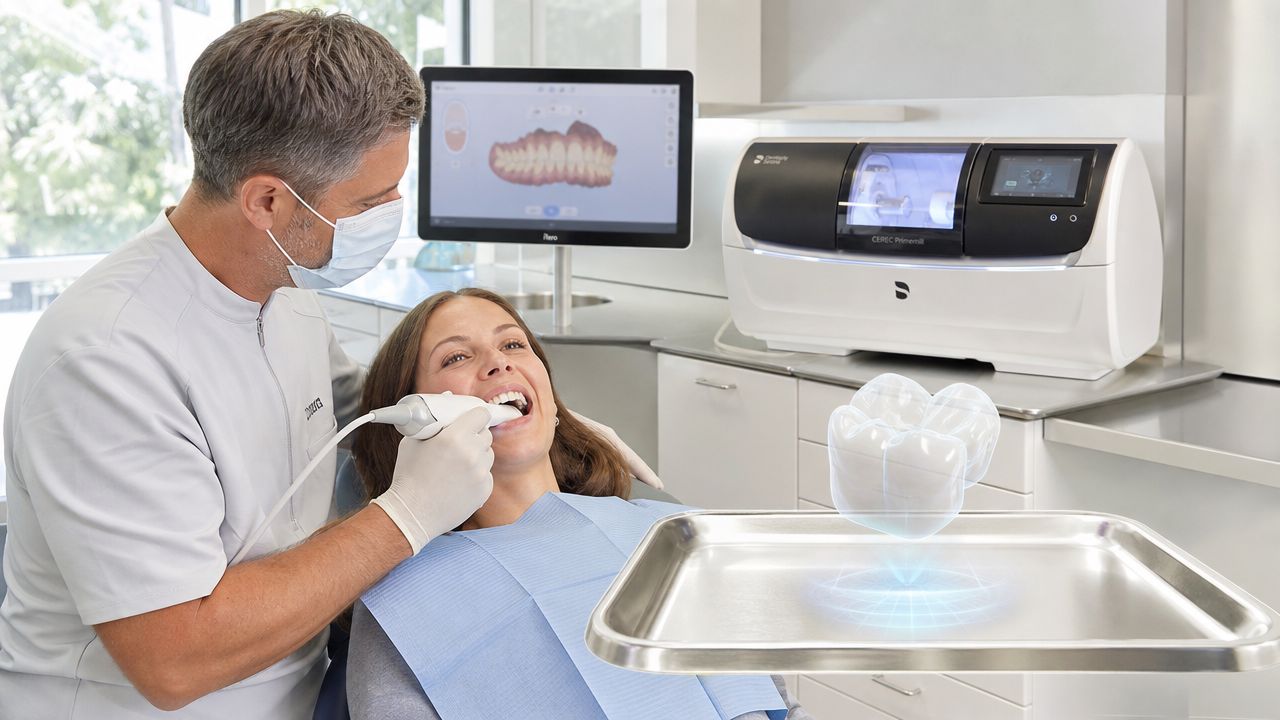
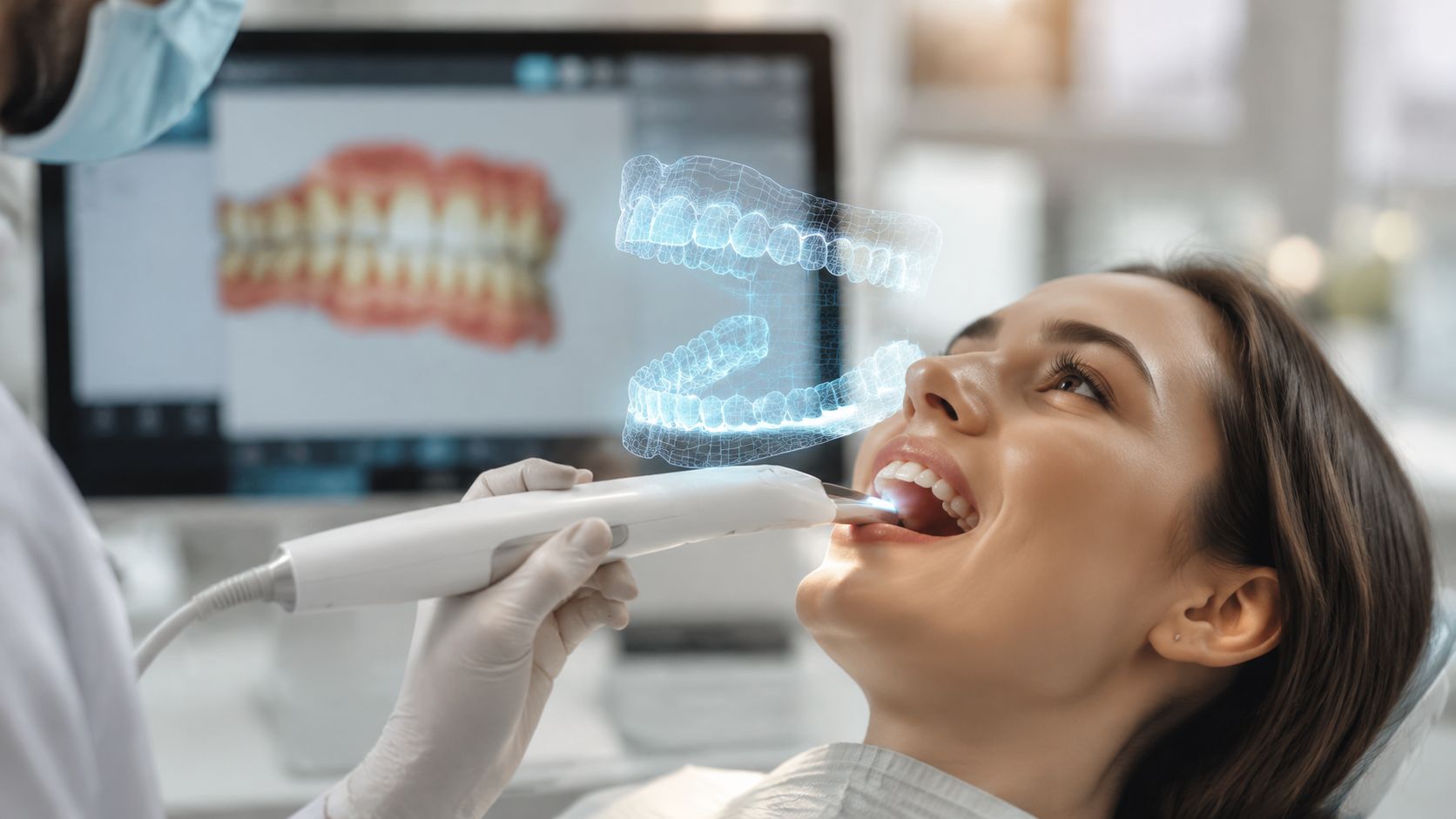
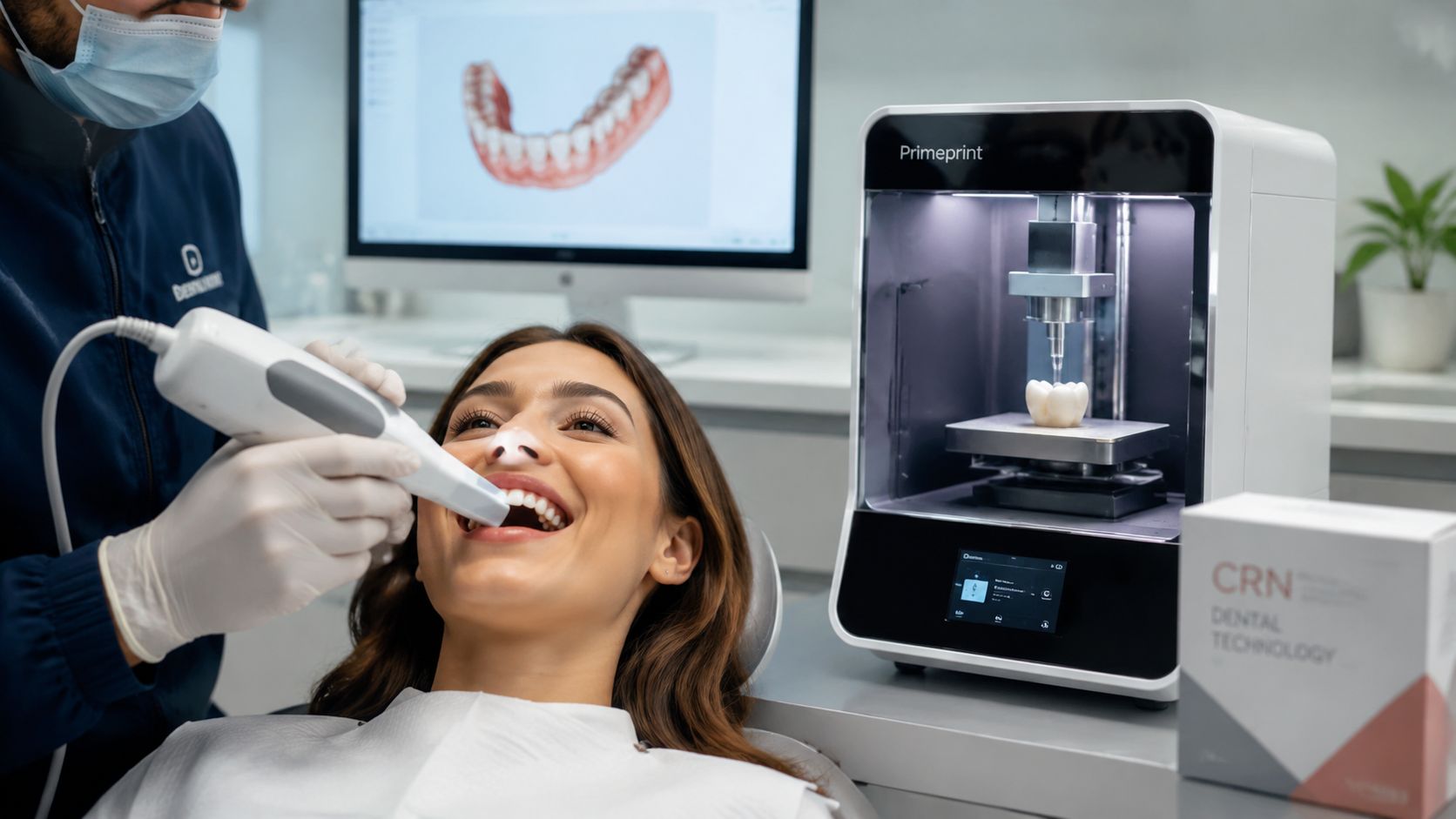
Cosmetic dental care is often paid out of pocket, but that does not mean you are out of options. In our practice, the first step is to sort the treatment into the category your plan is most likely to recognize, then confirm what documentation is needed before any work begins. Advanced diagnostics can matter here because clear photos, digital scans, and exam findings often help us show whether a problem is purely aesthetic or tied to wear, damage, bite function, or an old failing restoration.
What patients in Austin and Georgetown usually ask
Our patients' questions typically come down to a few practical issues:
- Will insurance cover any part of treatment if a tooth is chipped, worn, cracked, or structurally weak
- What counts as cosmetic versus restorative under a dental plan
- What documentation is needed before treatment starts
- What to do if a claim is denied
- How to spread out the cost if insurance pays little or nothing
Those are the right questions.
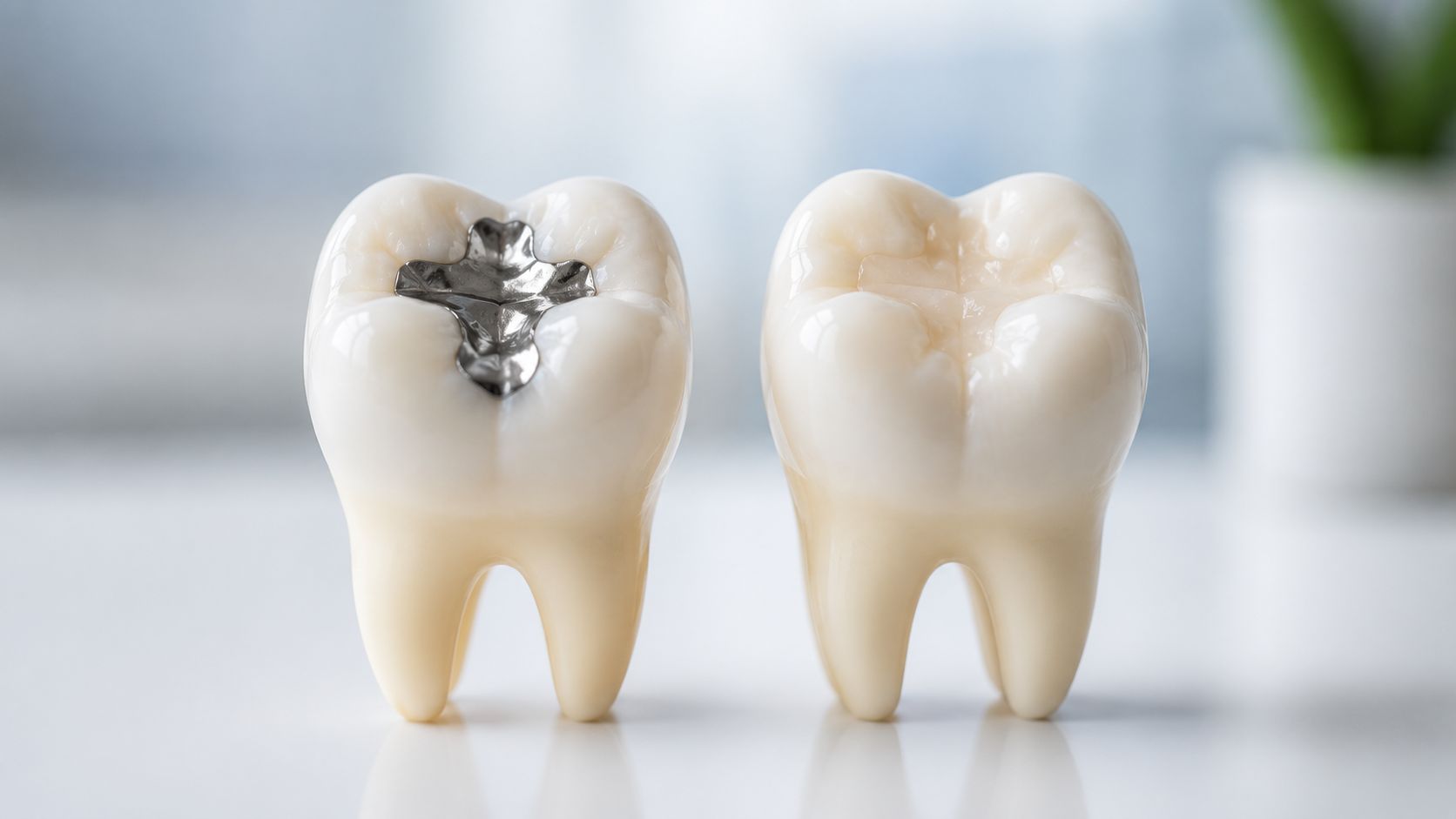
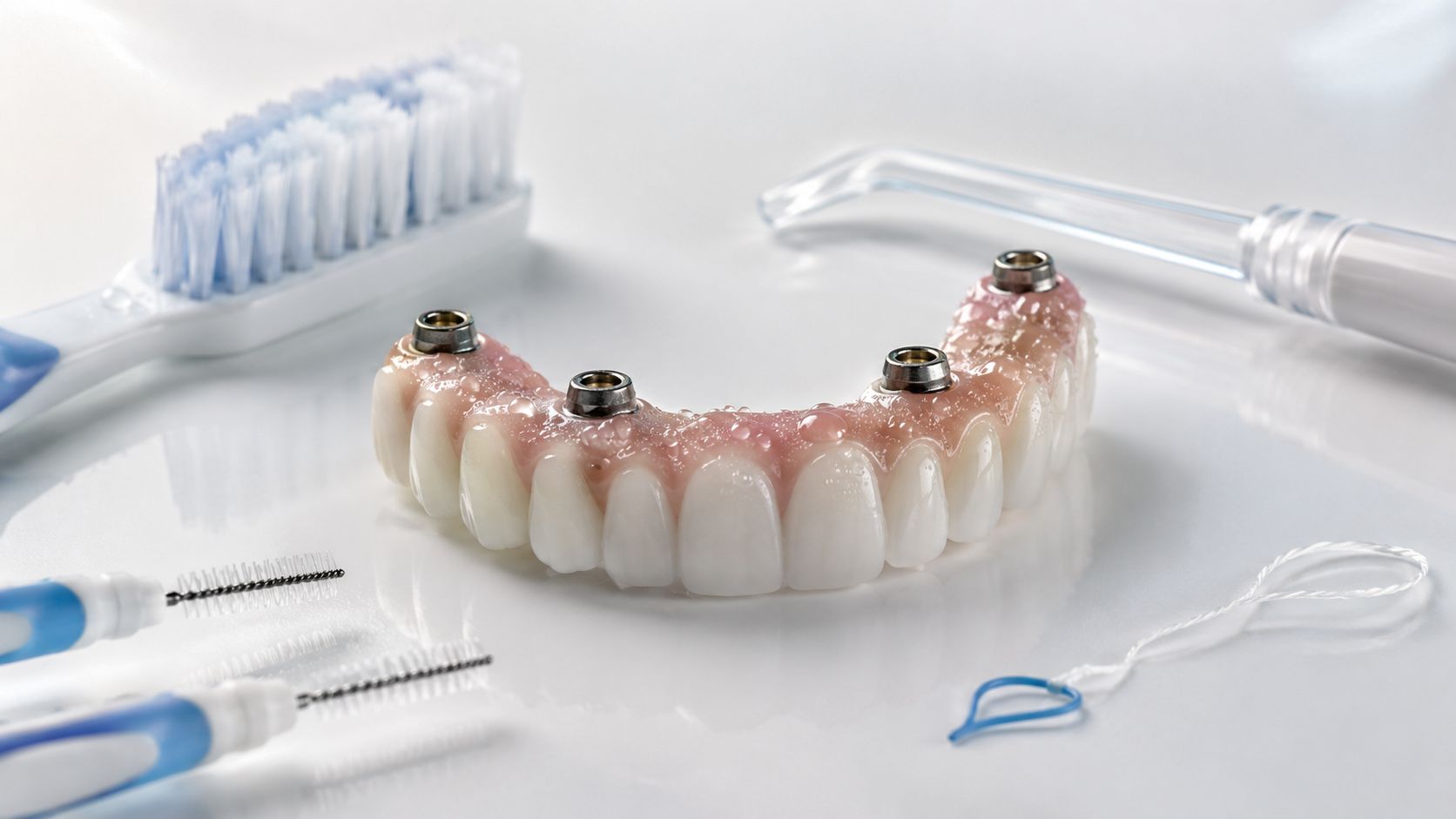
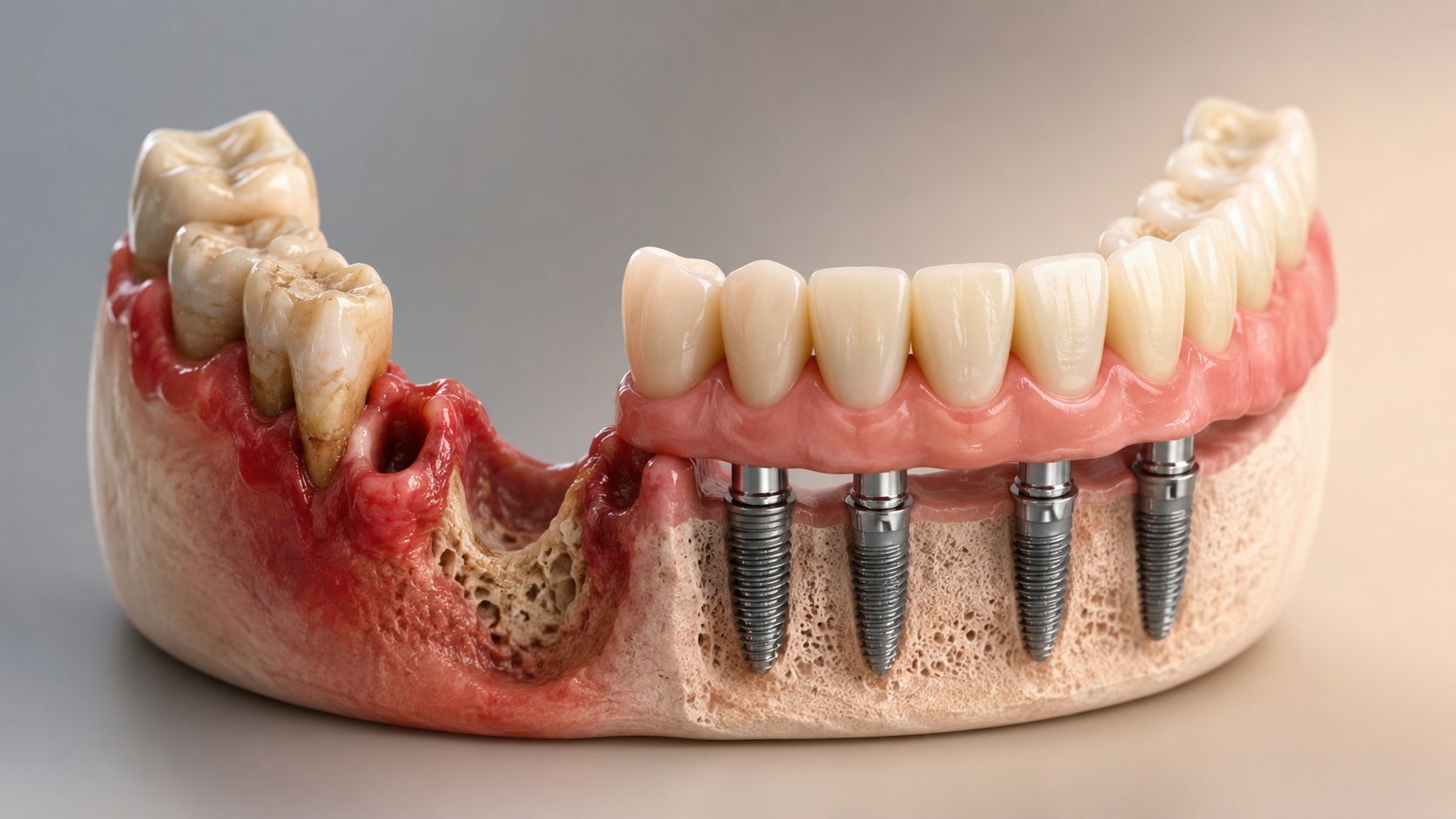
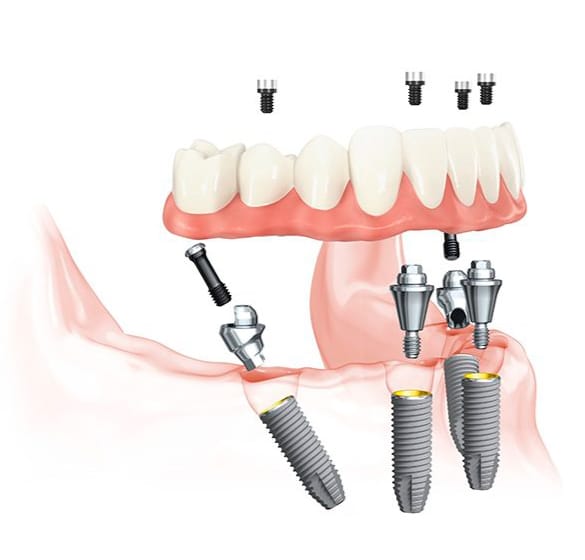
A veneer placed only to change shape or color is usually handled very differently from a crown placed to restore a broken tooth. Clear aligners may be excluded in one plan and partially covered in another, depending on age limits and plan language. Implants, bonding, replacement of old dental work, and full smile makeovers often fall into gray areas where the details matter.
Local guidance helps because patients here are trying to balance appearance, function, time, and budget all at once. Some want the most conservative treatment possible. Others want the longest-lasting option even if insurance contributes very little. Our job is to explain the trade-offs clearly, verify benefits as carefully as we can, and give you a realistic path to treatment, whether that involves insurance, financing, or a combination of both.
The process gets much easier once you know which parts of care your plan may recognize and which costs you should expect to handle yourself.
Why Most Dental Insurance Plans Exclude Cosmetic Treatments
A common Austin or Georgetown scenario looks like this. A patient wants a brighter, straighter, more balanced smile, checks their dental benefits, and assumes at least part of the cost will be covered. Then the estimate comes back with little or no insurance contribution.
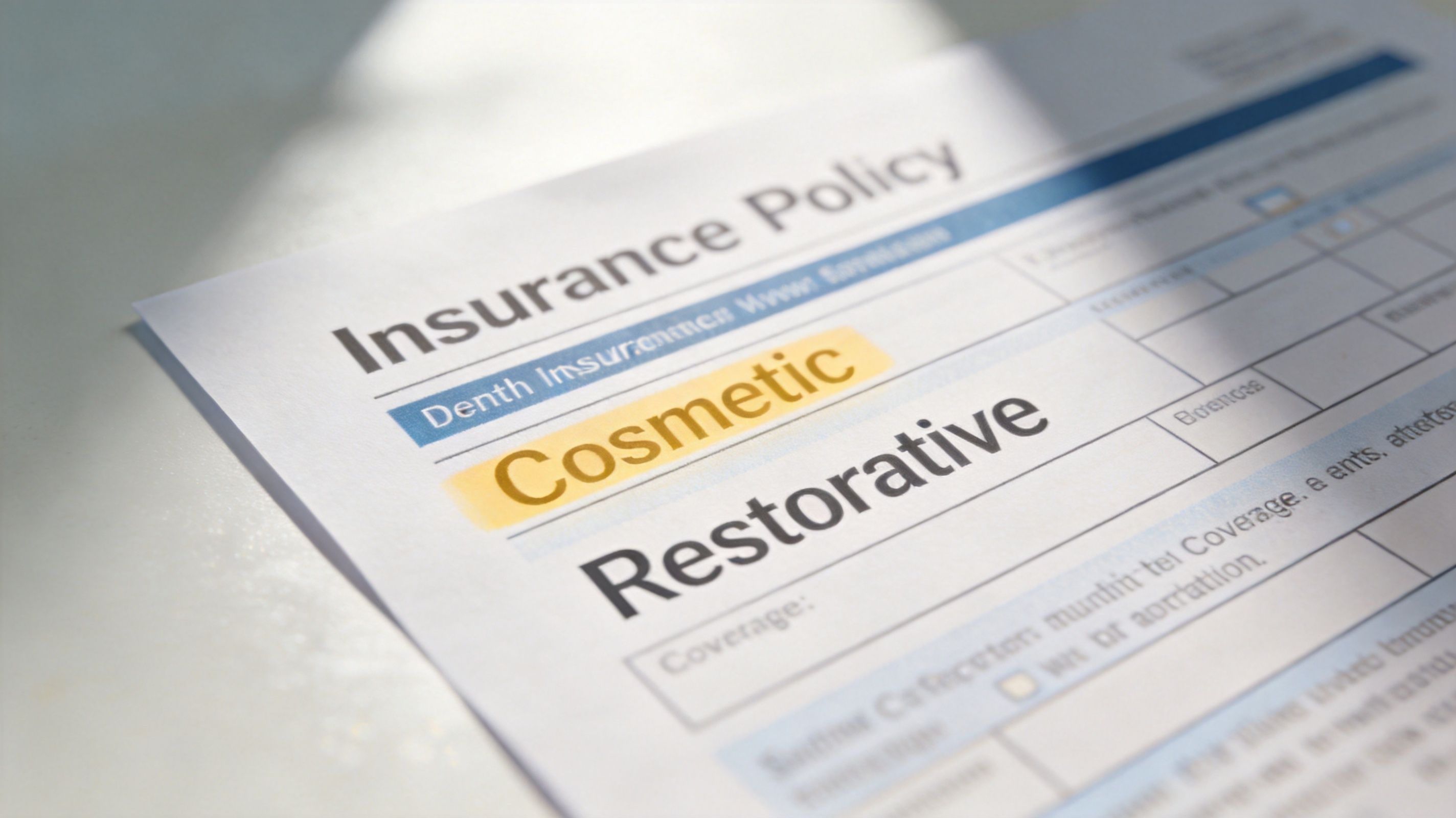
Insurance companies usually draw the line based on purpose. If treatment is done only to improve appearance, the plan will usually label it cosmetic. If the procedure repairs damage, protects a weakened tooth, or restores normal function, coverage is more likely.
The insurance logic behind the exclusion
Dental insurance is built to help pay for prevention and treatment of disease, damage, and loss of function. It is not designed like a general budget for smile improvements. That distinction drives most denials for whitening, veneers, cosmetic bonding, and other appearance-focused procedures.
Plans also control costs by separating care into categories and limiting what they will pay each year. Even if a procedure has some restorative value, payment can still be reduced by deductibles, waiting periods, frequency limits, annual maximums, or wording in the plan documents. In practice, that means two patients with similar goals may receive very different benefit outcomes.
Treatments that are usually excluded
These procedures are often excluded when the goal is appearance alone:
- Professional teeth whitening for a brighter smile
- Veneers placed only to change color, shape, or symmetry
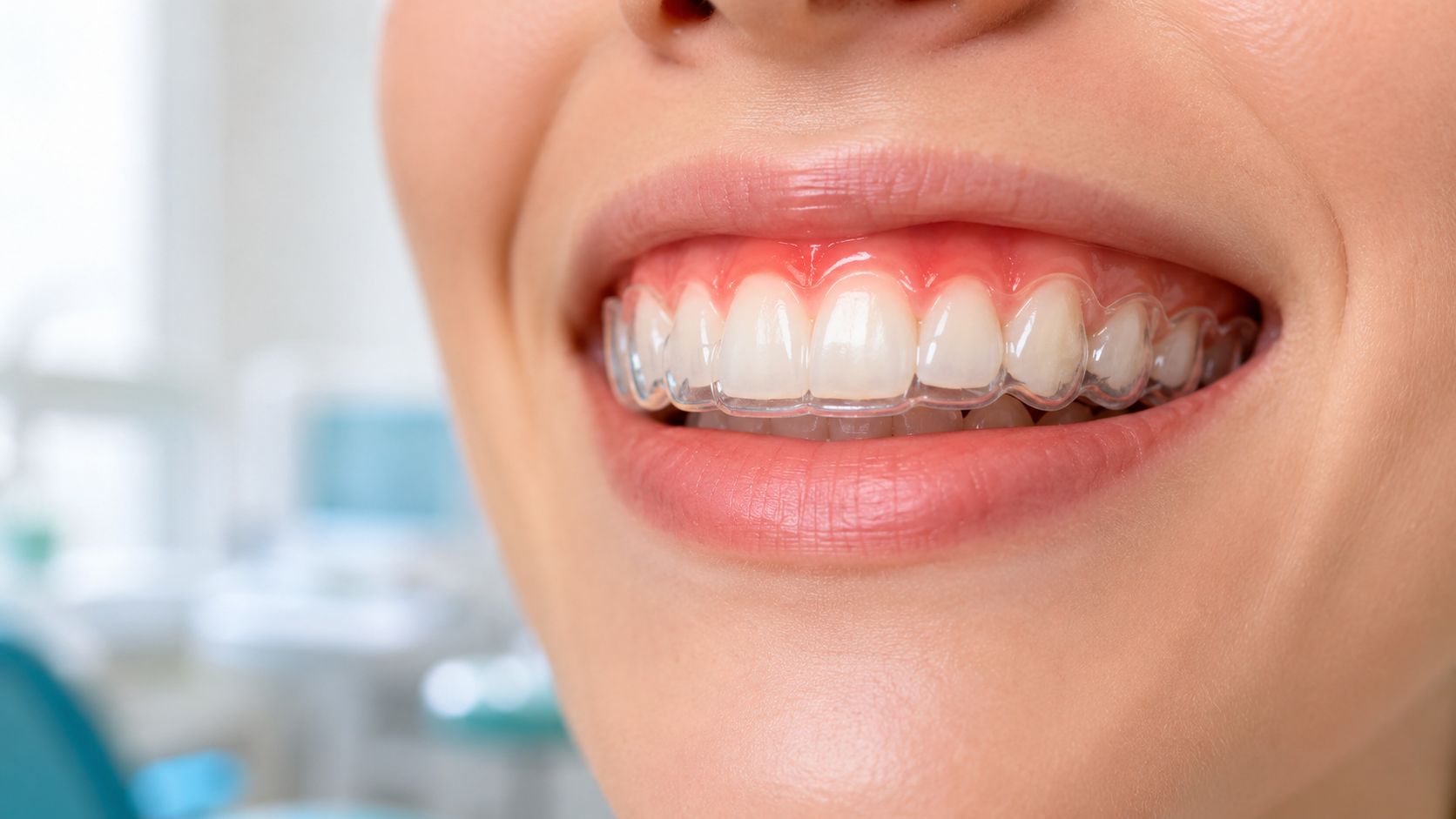
- Clear aligners used only for cosmetic straightening
- Bonding done to refine minor aesthetic details
- Gum contouring performed only to change smile proportions
That can feel frustrating, especially when the concern is front and center every time you speak or smile.
Patients are not wrong to see value in cosmetic treatment. Confidence matters. First impressions matter. Feeling comfortable in photos, at work, or at an event matters too. Insurance plans do not usually treat those goals as a covered health expense unless there is a documented functional problem tied to the treatment.
Practical rule: If the tooth can remain healthy and usable without the procedure, the plan will often treat that procedure as cosmetic and leave the cost to the patient.
Why this creates frustration
Real cases are rarely tidy. A tooth may be worn, chipped, discolored, and structurally compromised at the same time. The treatment that looks best may also be the treatment that protects the tooth best, but the insurer will still focus on the clinical reason that can be documented.
That is why broad statements about cosmetic dentistry insurance often miss the core issue. Exclusion is the starting point, not the full answer. At our Austin and Georgetown practice, we sort this out by examining the tooth closely, using detailed imaging and diagnostics, and separating what is cosmetic from what is restorative before treatment starts. If insurance is unlikely to help, we explain that early and go over financing options so you still have a workable plan.
Finding Coverage The Role of Medical Necessity
A common Austin or Georgetown scenario looks like this. A front tooth is chipped after an accident, it has old bonding on it, and the patient wants it to look better and hold up long term. The treatment may improve appearance, but the insurance decision usually turns on function, structural damage, and the records we can submit.
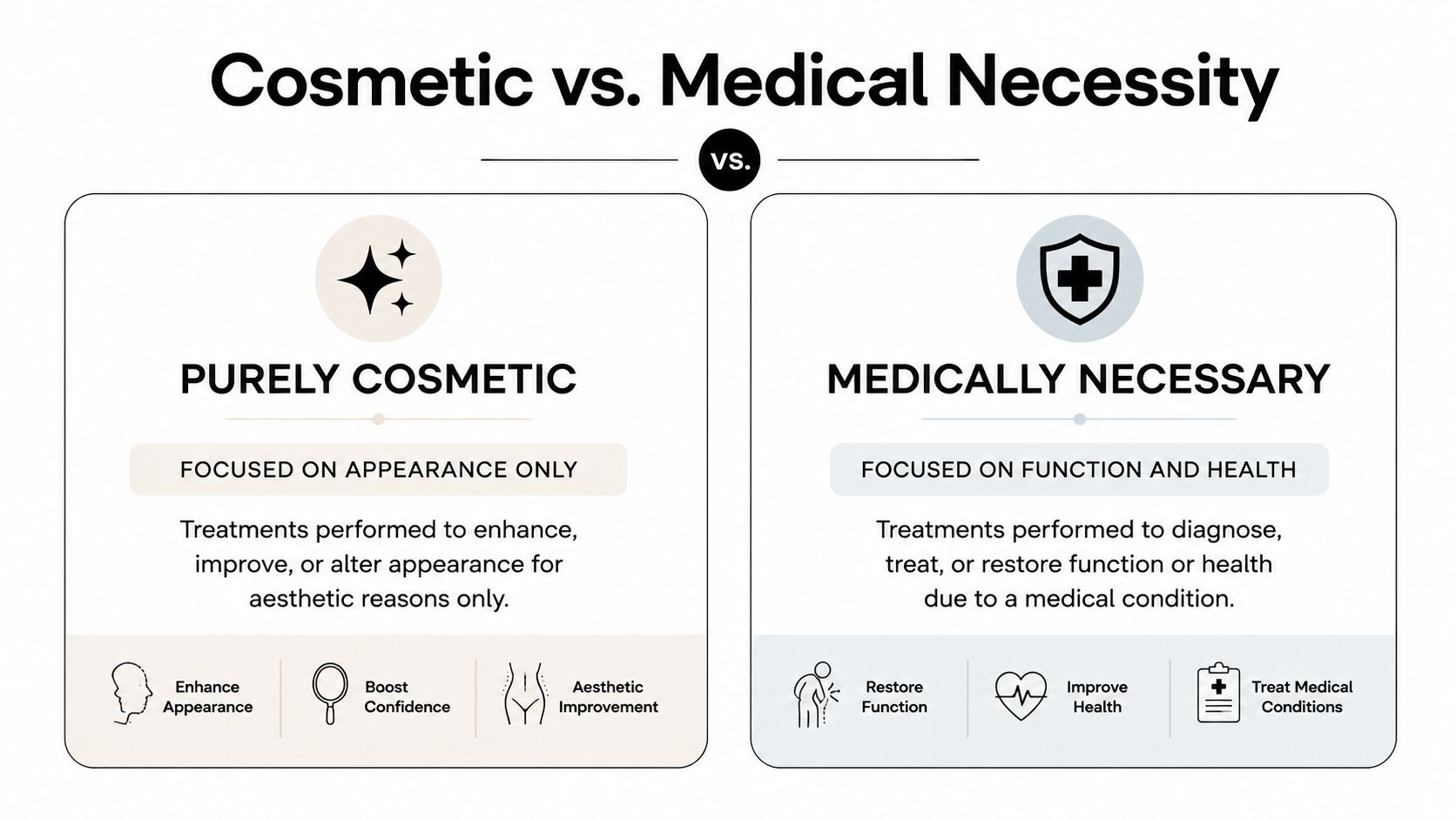
Insurance carriers pay based on clinical purpose, not on whether the final result looks attractive. A porcelain restoration on a weakened or fractured tooth may qualify for partial coverage if it restores chewing strength, protects remaining tooth structure, or repairs damage after trauma. The same restoration on a healthy tooth, done only to change color or shape, is usually treated as cosmetic.
The 0, 80, and 50 framework
A practical way to read many dental plans is this. Purely cosmetic treatment is often excluded. Basic restorative care may be covered at a higher percentage than major work. Crowns and other major procedures are often covered at a lower percentage, if they meet the plan's criteria.
That distinction matters in real cases.
A crown for decay, fracture, or structural breakdown is usually reviewed as restorative treatment. A crown placed mainly to improve shape or color on an otherwise healthy tooth is usually reviewed as cosmetic. Patients often see the same material and the same appointment. The insurance company sees the diagnosis, the tooth condition, and the procedure code.
Cosmetic versus medically necessary procedures
| Procedure | Typically Cosmetic (0% Coverage) | Potentially Covered (Partial Coverage) |
|---|---|---|
| Teeth whitening | Brightening healthy teeth for appearance | Not typically treated as medically necessary |
| Veneers | Closing small gaps or changing color on healthy teeth | May be reviewed differently when a tooth has significant damage and the treatment is documented as restorative |
| Bonding | Small cosmetic reshaping | May receive consideration when repairing trauma-related chips or defects |
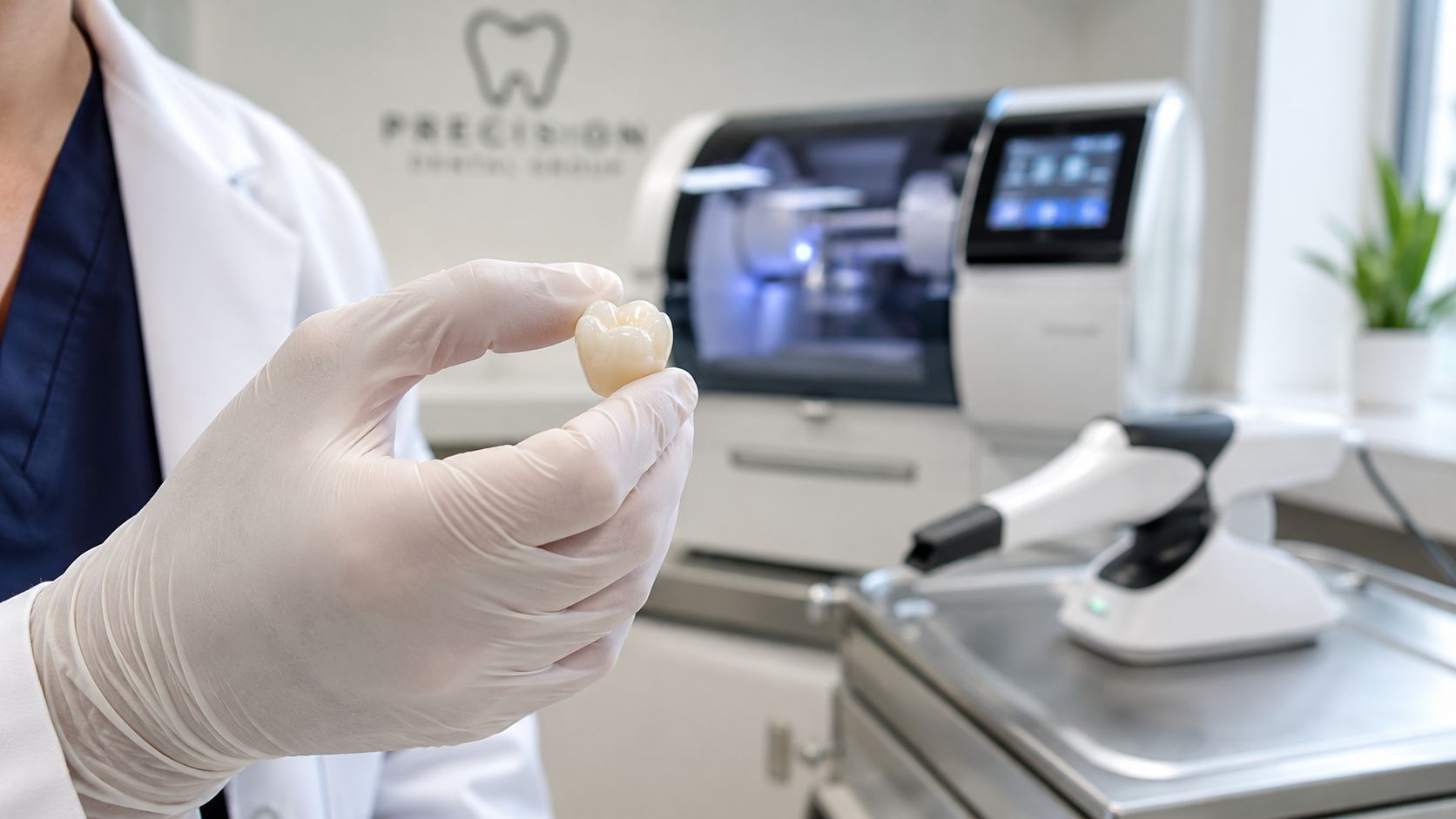
| Porcelain crown | Cosmetic improvement on an otherwise healthy tooth | Often considered major restorative care when treating decay, fracture, or structural breakdown |
| Tooth replacement option with aesthetic benefit | Chosen only for appearance | May receive partial consideration when replacing a missing or nonfunctional tooth under plan rules |
What helps a borderline case
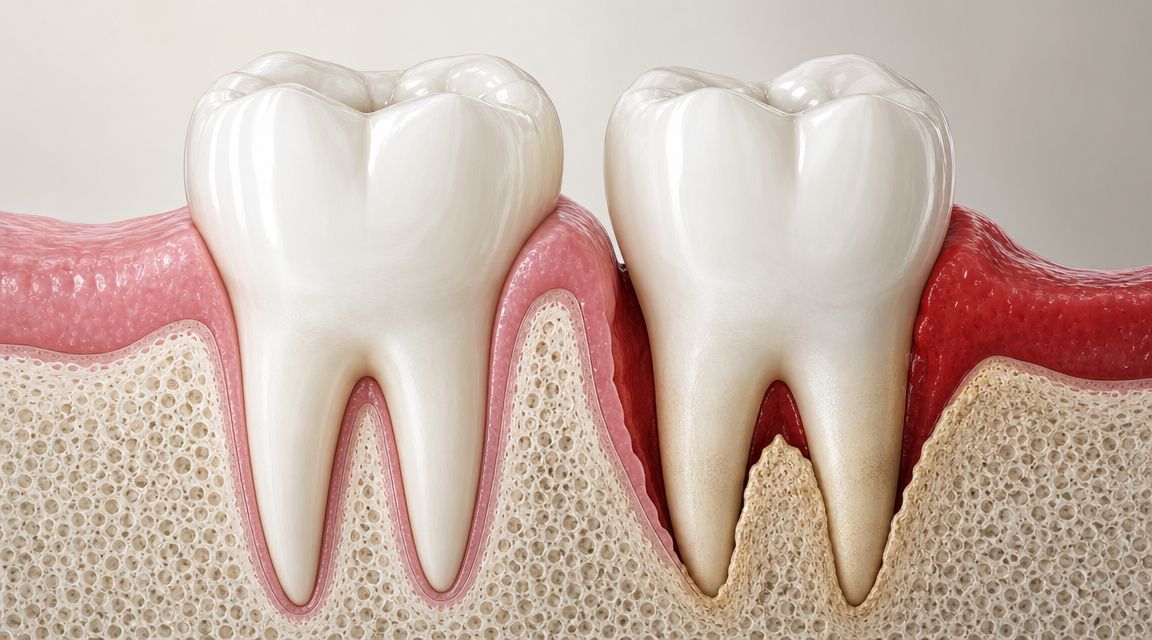
Good documentation changes the conversation. Clinical photos, bite records, periodontal findings, and imaging can show that a tooth is not just unattractive, but damaged or unstable.
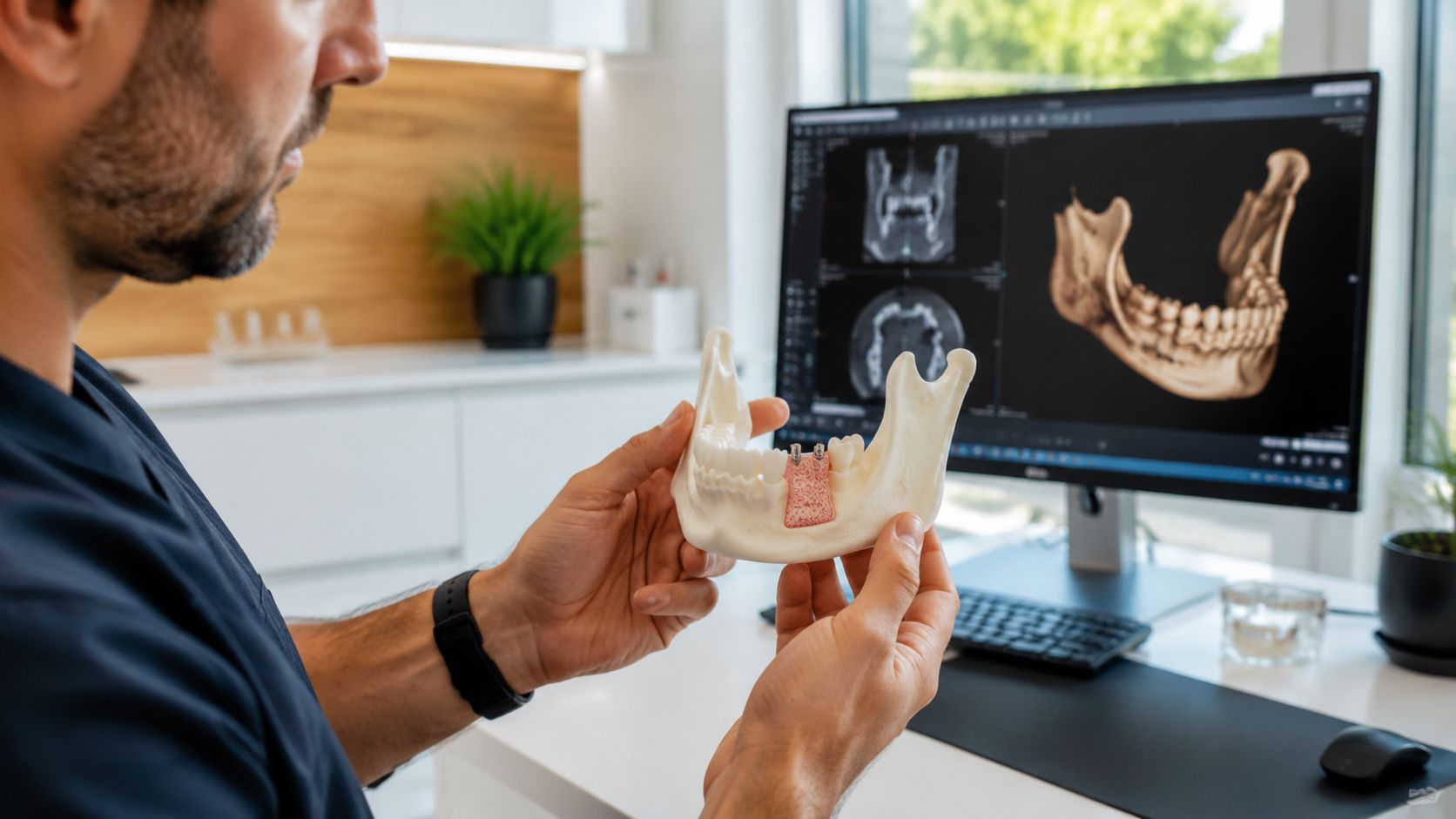
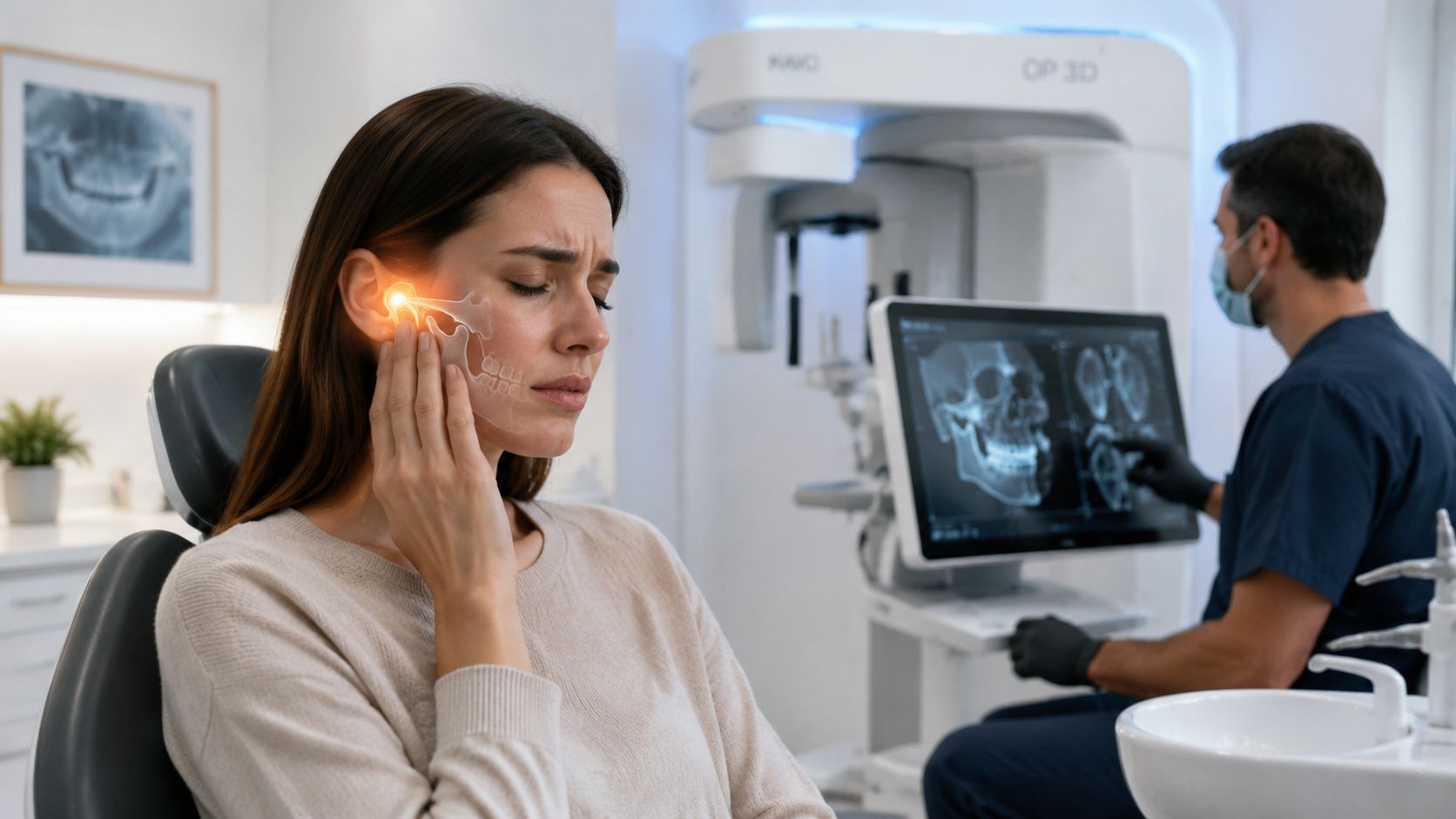
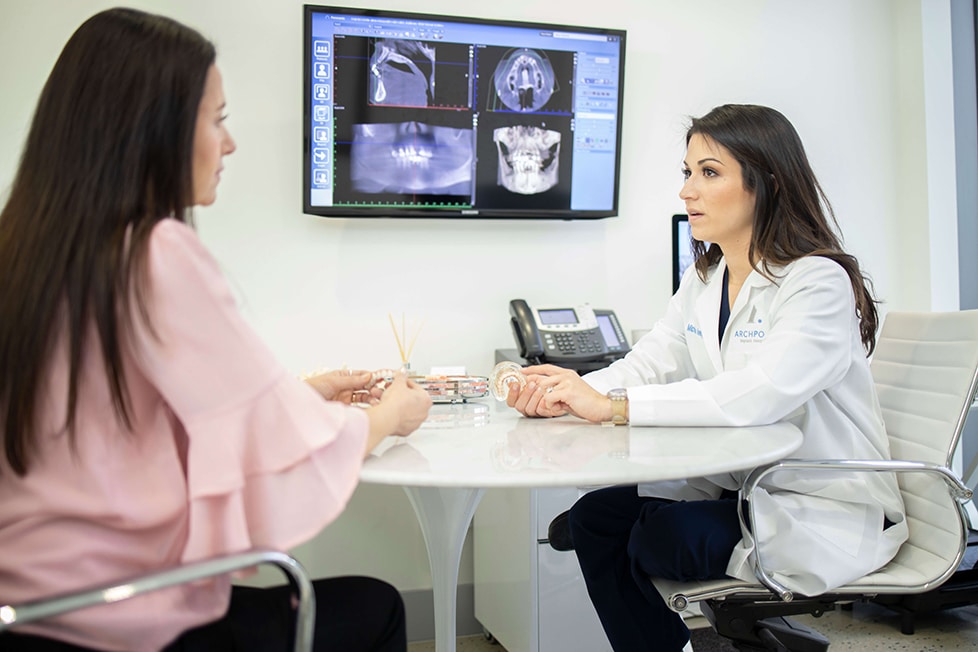
In our experience, using 3D CT imaging to document medical necessity can improve approval potential for hybrid cases, especially when fractures, failed restorations, bone loss, or bite problems are part of the picture. Advanced diagnostics help us explain the condition clearly before treatment starts, which is one reason patients often ask us to handle the insurance side with them. Our team also reviews financing and insurance options for cosmetic and restorative treatment when coverage is limited or uncertain.
A strong claim shows the diagnosis, the functional problem, and why the proposed treatment is appropriate.
What usually works and what usually does not
Claims have a better chance when the record includes:
- clear notes showing fracture, decay, wear, failed restorations, or loss of function
- imaging that supports the diagnosis
- procedure codes that match the clinical reason for treatment
- pre-treatment review before major treatment begins
Claims are weaker when the record includes:
- appearance-focused wording without a documented clinical problem
- little or no imaging on a borderline case
- treatment that starts before benefits are checked
- a cosmetic upgrade submitted without evidence that it restores health or function
This is the point where patients either reduce out-of-pocket cost or miss the chance to use available benefits. At our practice, we sort out that line early so patients in Austin and Georgetown know whether they are dealing with a covered restorative case, a cosmetic case, or a mix of both.
How to Verify Coverage and Navigate Denials
You call your insurance company before getting started on veneers or a crown, and the answer sounds simple until treatment is submitted. Then the estimate changes, a downgrade appears, or the claim is denied for missing information. I see that happen often, especially when a case has both cosmetic and restorative parts.

In practice, many denials start long before the insurance company makes a decision. The plan may receive incomplete records. A procedure may be submitted under a code that does not match the clinical problem. In other cases, the insurer sees a cosmetic request because the documentation does not clearly show fracture, wear, pain, failed dental work, or loss of function.
A practical verification checklist
Before approving treatment, ask for a written review of four items.
A procedure breakdown
Ask for the CDT codes and plain-language descriptions for each part of the case. Patients should know which parts may be classified as major restorative work, which parts may be non-covered, and where an upgrade could create extra out-of-pocket cost.A pre-treatment estimate
This gives the insurer a chance to review the plan before the work is completed. It does not guarantee payment, but it often helps catch exclusions, waiting periods, frequency limits, and downgrade rules early.Clinical notes tied to function
If a tooth is cracked, worn, unstable, painful, or previously restored, that should be stated clearly in the record. Specific notes matter.Supporting imaging and scans
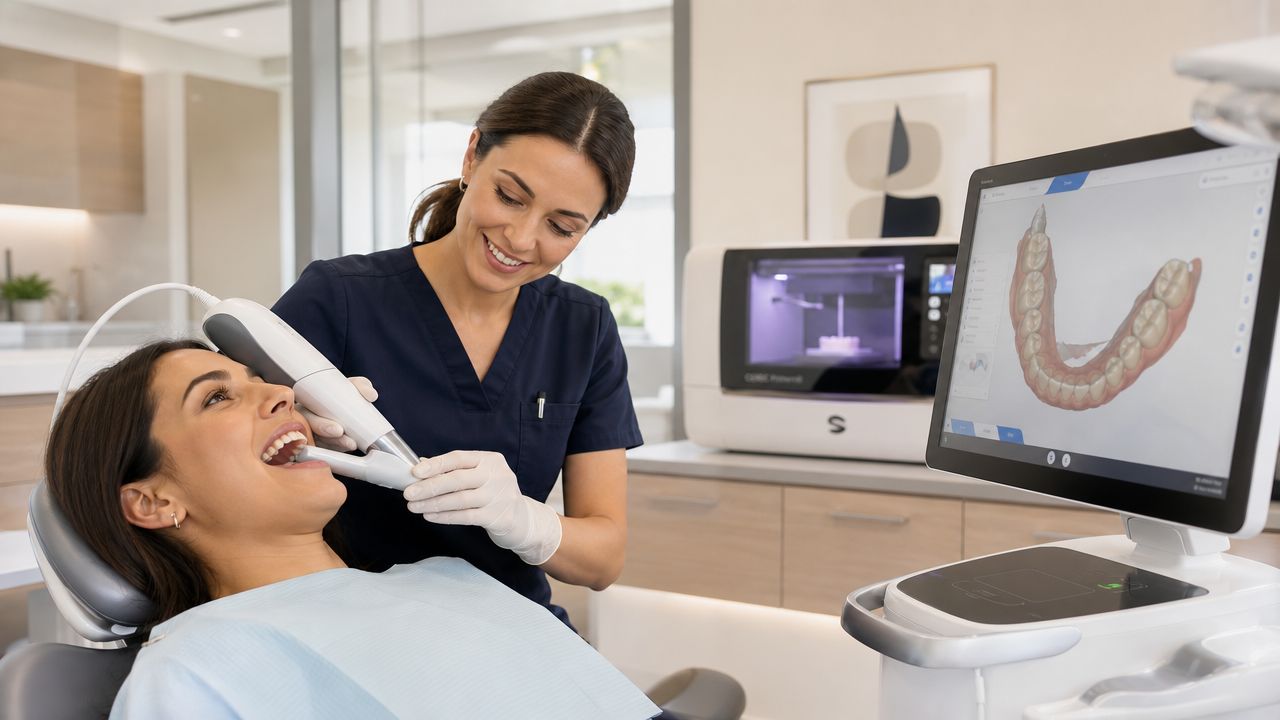
X-rays, photos, digital scans, and bite records can strengthen a borderline claim. At our Austin and Georgetown practice, advanced diagnostics often help us show why treatment is restoring health and function, not just improving appearance.
Common reasons claims get denied
Some denials are based on plan language, not on whether the treatment was reasonable.
Least Expensive Alternative Treatment clauses
A plan may pay based on a less costly material or method, even when a different option is better for longevity or esthetics.Missing tooth exclusions
Some policies restrict coverage for implants or bridges if the tooth was already missing before the policy began.Frequency limits or waiting periods
A service may be delayed or reduced because the plan has timing rules, even when the clinical need is real.
A first denial should be reviewed carefully. It may mean the claim needs corrected coding, stronger records, or a clearer explanation of why the treatment is restorative.
A denial is often an insurance decision about documentation or policy limits, not a judgment that treatment was unnecessary.
How a stronger claim is prepared
For mixed cases, details matter. Three-dimensional imaging, digital impressions, bite analysis, and clear chart notes help support the clinical reason for care. That can make a real difference when treatment is addressing a damaged tooth, replacing a failing restoration, or protecting the bite from further breakdown.
Patients should also ask how the office handles insurance coordination before treatment starts. Our team helps patients review benefits, expected gaps, and payment choices early, and our financing and insurance options for dental treatment give patients a clearer picture if insurance only covers part of the plan.
If your claim is denied
Keep the response organized.
- Ask for the denial reason in writing so the problem is specific.
- Confirm whether the issue is coding, missing records, timing, or a policy exclusion.
- Request a resubmission if the original file was incomplete.
- Appeal with added clinical evidence when the treatment had a documented functional purpose.
- Review alternatives if the plan will contribute only under a different category or material allowance.
A denied claim can feel discouraging. It does not always end the process. With the right records and a realistic review of benefits, patients can often make a better decision about whether to resubmit, appeal, or use another payment route.
Affordable Smile Makeovers with Our Payment Options
A common Austin or Georgetown scenario looks like this. A patient is ready to fix a chipped front tooth, brighten several dark teeth, or start veneers, then finds out insurance will not meaningfully reduce the cost. At that point, the question usually shifts from "Will insurance pay?" to "What is the smartest way to fit this into my budget?"
That is where flexible payment planning becomes practical. Cosmetic dentistry is often paid for with monthly financing because it lets patients start treatment based on timing, confidence, and oral health priorities instead of waiting until they can cover the full fee at once. In our office, we also look at whether part of the plan overlaps with restorative care, because that can affect how costs are organized even when the smile-focused portion is still out of pocket.
Why financing often makes more sense than waiting
Delaying treatment is sometimes reasonable. Sometimes it creates new compromises.
A small cosmetic concern can stay simple, or it can become a larger restorative project if the tooth chips further, old bonding stains more, or bite wear continues. I often tell patients to compare two things carefully. The total cost of treatment, and the cost of postponing something that already bothers them every time they smile, speak, or take photos.
Monthly payment options can help with cases such as:
- veneers for front teeth that are chipped, uneven, or heavily stained
- whitening before a wedding, graduation, or career change
- cosmetic treatment paired with crowns, bonding, or replacement of older dental work
- clear aligners as part of a smile improvement plan
- implant and crown cases where appearance and function both matter
For many patients, a structured monthly payment is easier to manage than waiting months or years and restarting the decision each time.
Other ways to reduce out-of-pocket costs
Some patients can use HSA or FSA funds for parts of care that qualify under their plan rules. The answer depends on the treatment and the account, so it is smart to verify that before treatment starts.
Patients without traditional insurance, or patients who want help with ongoing preventive care while planning larger cosmetic work, should also review our dental membership plan options for routine and ongoing care. That approach does not replace cosmetic financing, but it can still lower the cost of exams, cleanings, and other needed visits around the larger treatment plan.
Payment planning is often the clearest path to treatment when insurance offers little help for cosmetic work.
Here's a short overview of how payment planning often works in real life.
A stronger version of this video would feature our own team explaining how financing works at 3D Dental, what approval and timing usually look like, and how we coordinate treatment phases for Austin and Georgetown patients. That local guidance is more useful than a generic financing explainer because practice-specific details usually address the actual questions patients have.
What to compare before you choose a payment option
Approval is only one part of the decision. The details matter more.
Promotional terms
If a plan offers a no-interest period, confirm how long it lasts and what happens if the balance remains after that window.Monthly payment fit
Choose a payment amount that works comfortably with the rest of your budget, not just the shortest payoff timeline.Treatment pacing
Some patients prefer to complete treatment in phases. Others want the full smile makeover done on a faster schedule. Payment structure should support that choice.Combination with covered care
If part of the plan includes restorative treatment, financing can cover the remaining balance after any insurance contribution.
Patients looking for a cosmetic dentist in Austin or Georgetown usually need more than a price quote. They need a treatment plan, a clear explanation of priorities, and a realistic way to pay for care without feeling rushed or confused. That is the part a good local office should help with directly.
Your Cosmetic Dentistry Experience at 3D Dental
Most patients feel better once they see how the process works. A cosmetic consultation isn't just about naming a treatment. It starts with your goals. Maybe you want whiter teeth. Maybe you want to replace a dark old crown, close a gap, repair a chipped front tooth, or explore implants after a tooth loss.
What the first visit feels like
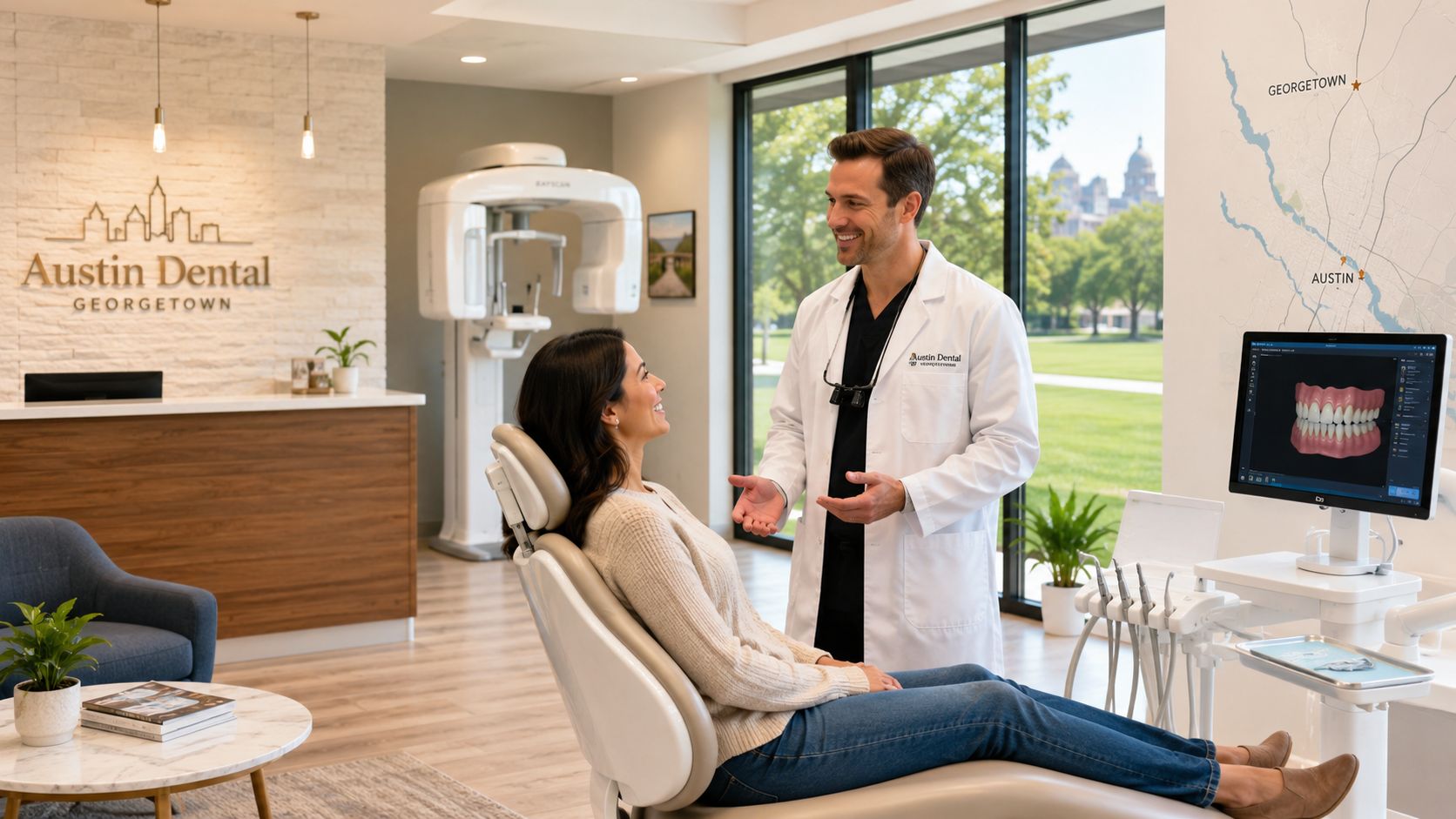
At the first appointment in Austin or Georgetown, the conversation usually covers three things. What bothers you about your smile, what's happening clinically, and what options make sense based on both health and budget.
Digital records make that discussion much easier. Instead of relying on guesswork, the team can use digital scanners, x-rays, and 3D CT imaging when needed to look at the tooth structure, bite, bone, and surrounding tissues. That's helpful for cosmetic treatment, restorative planning, implant cases, and situations where function affects insurance review.
A strong cosmetic plan should look good, feel comfortable, and make sense long term.
From diagnosis to smile design
Once the clinical picture is clear, treatment planning becomes more concrete. Some patients need straightforward teeth whitening. Others need a mix of cosmetic and restorative dentistry, such as crowns, veneers, bonding, clear aligners, or implant-supported restorations.
Digital Smile Design helps patients preview the direction of treatment before committing. That matters because patients generally do not want vague promises. They want to understand shape, symmetry, proportion, and how the final smile may look in the context of their face.
What patients usually appreciate most
Patients looking for a dentist near me often care about the same things:
- Clear recommendations instead of pressure
- Transparent pricing before treatment begins
- Comfort-focused visits with modern technology
- One place for all-inclusive care, including preventive, cosmetic, restorative, and emergency dental services
That's particularly valuable in North Austin and Georgetown, where busy families and working adults want one reliable dental home for cleaning and exams, dental x-rays, smile improvements, tooth replacement, and urgent care if something breaks unexpectedly.
When the process is explained clearly, cosmetic dentistry feels a lot less intimidating.
Schedule Your Free Consultation in Austin or Georgetown
Cosmetic dentistry insurance can be frustrating, but it isn't impossible to manage. The key is knowing the difference between treatment that is purely aesthetic and treatment that may qualify as restorative, verifying benefits before you begin, and using flexible payment options when insurance has limits.
If you're in Austin, Georgetown, Round Rock, Cedar Park, Wells Branch, or Liberty Hill and you've been delaying veneers, whitening, crowns, implants, or a full smile upgrade, the next step is simple. Get a professional evaluation, find out whether any part of your treatment may be eligible for coverage, and review payment options that fit your timeline.
If you're ready to explore your options, schedule a consultation with 3D Dental. The team can help you understand your treatment plan, review cosmetic dentistry insurance questions, and map out practical payment solutions for care in Austin or Georgetown.
Ready to get started?
Schedule a free, no obligation consultation with our team and see what's possible for your smile!
Georgetown
- Mon-Thurs8:30am-5pm
- Fri8am-3:30pm
- Sat-SunClosed
Austin
- Mon-Tues8am-5pm
- Wed-Thurs9am-6pmFri8am-2pm
- Sat-SunClosed