
Cosmetic Dentistry Financing in Austin, TX
Related Posts


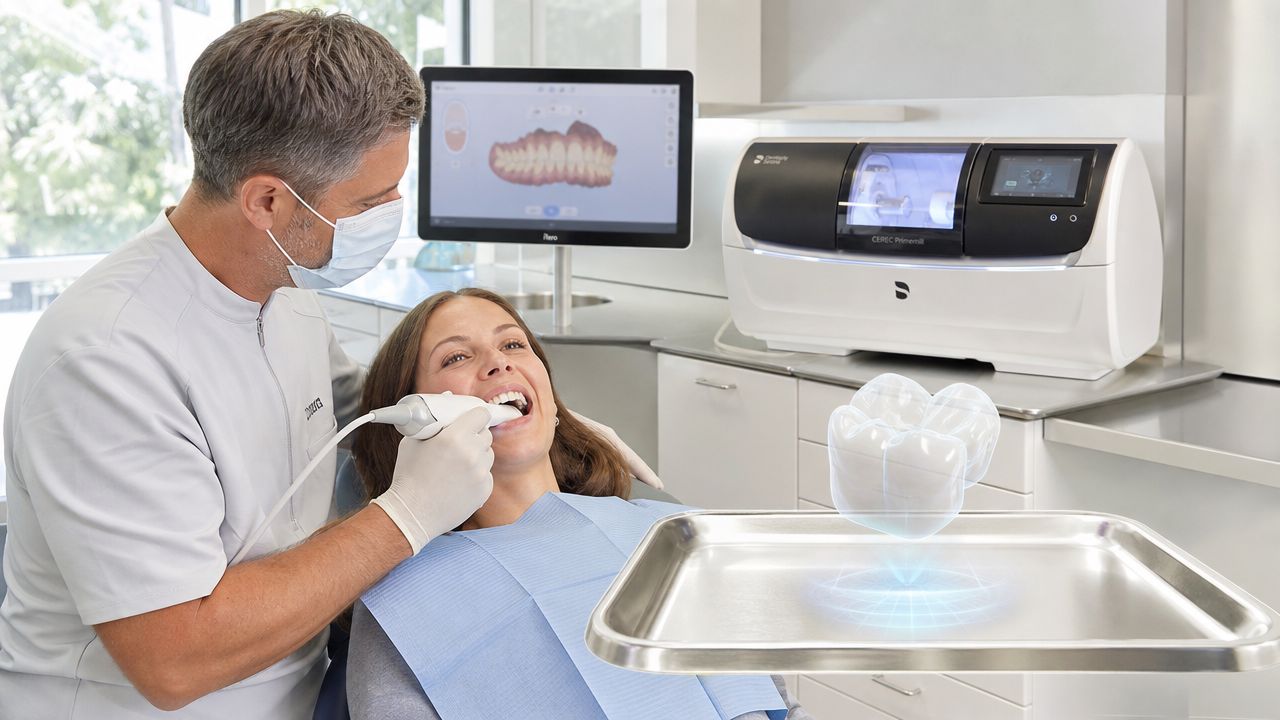
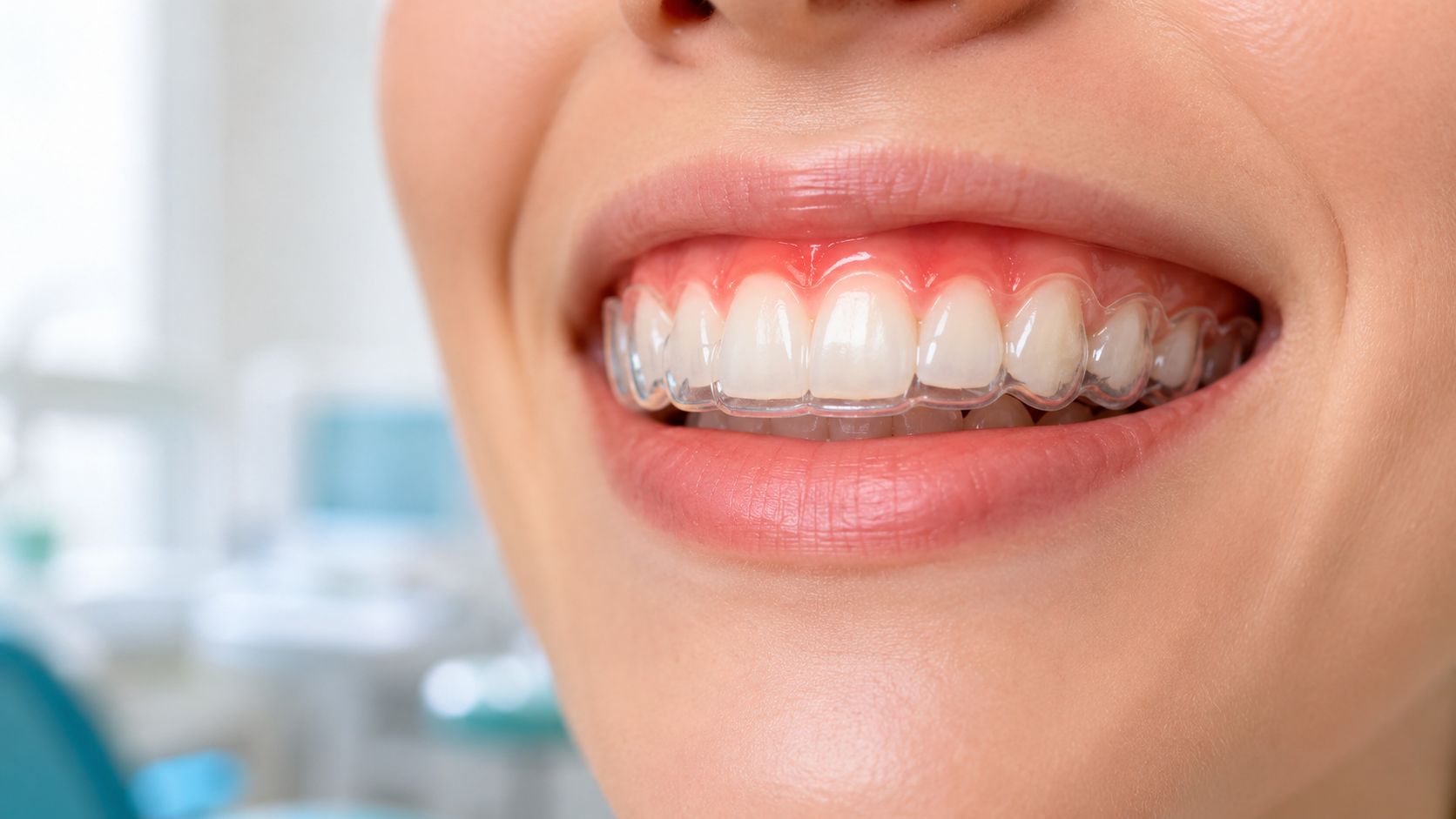

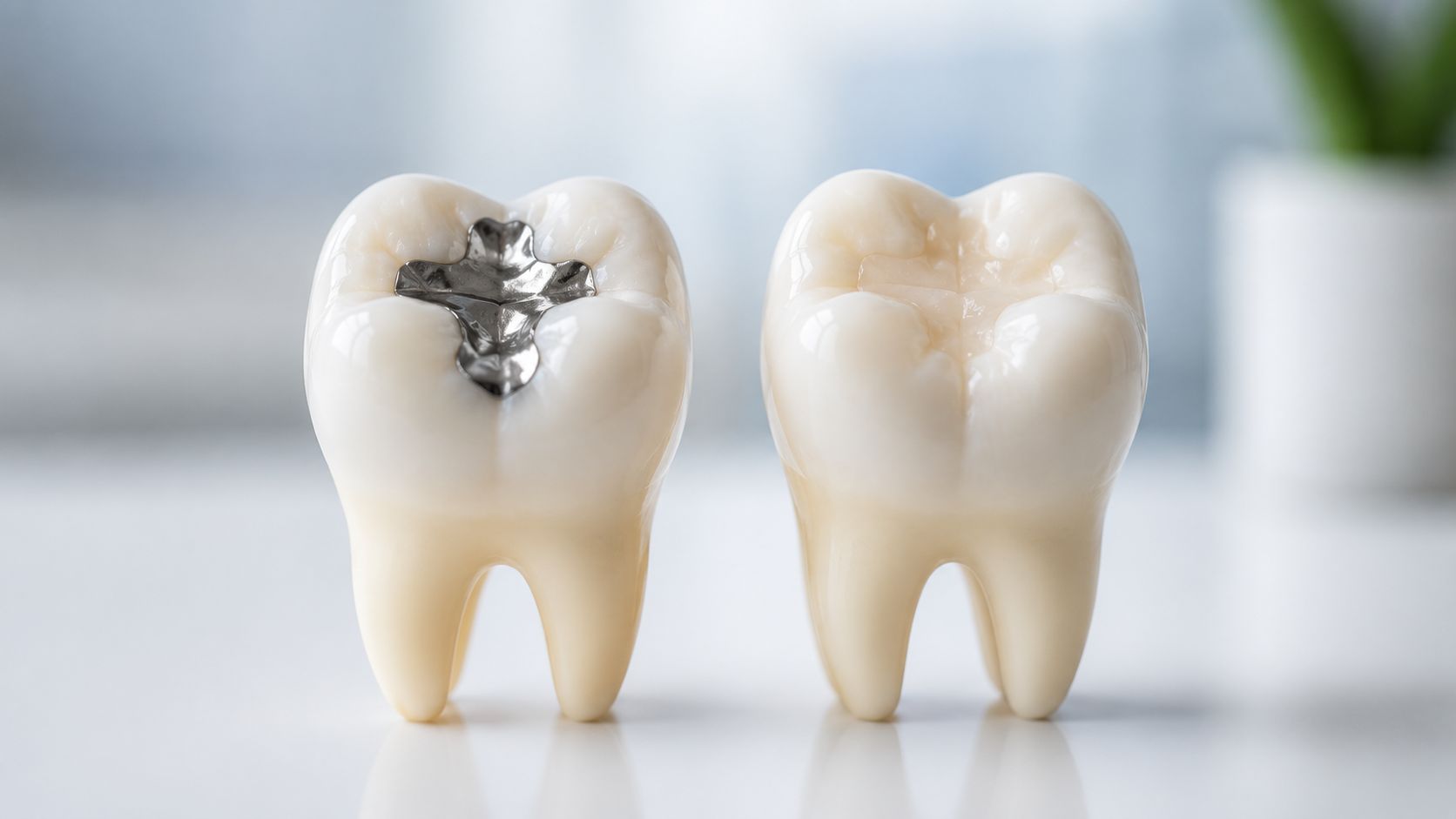


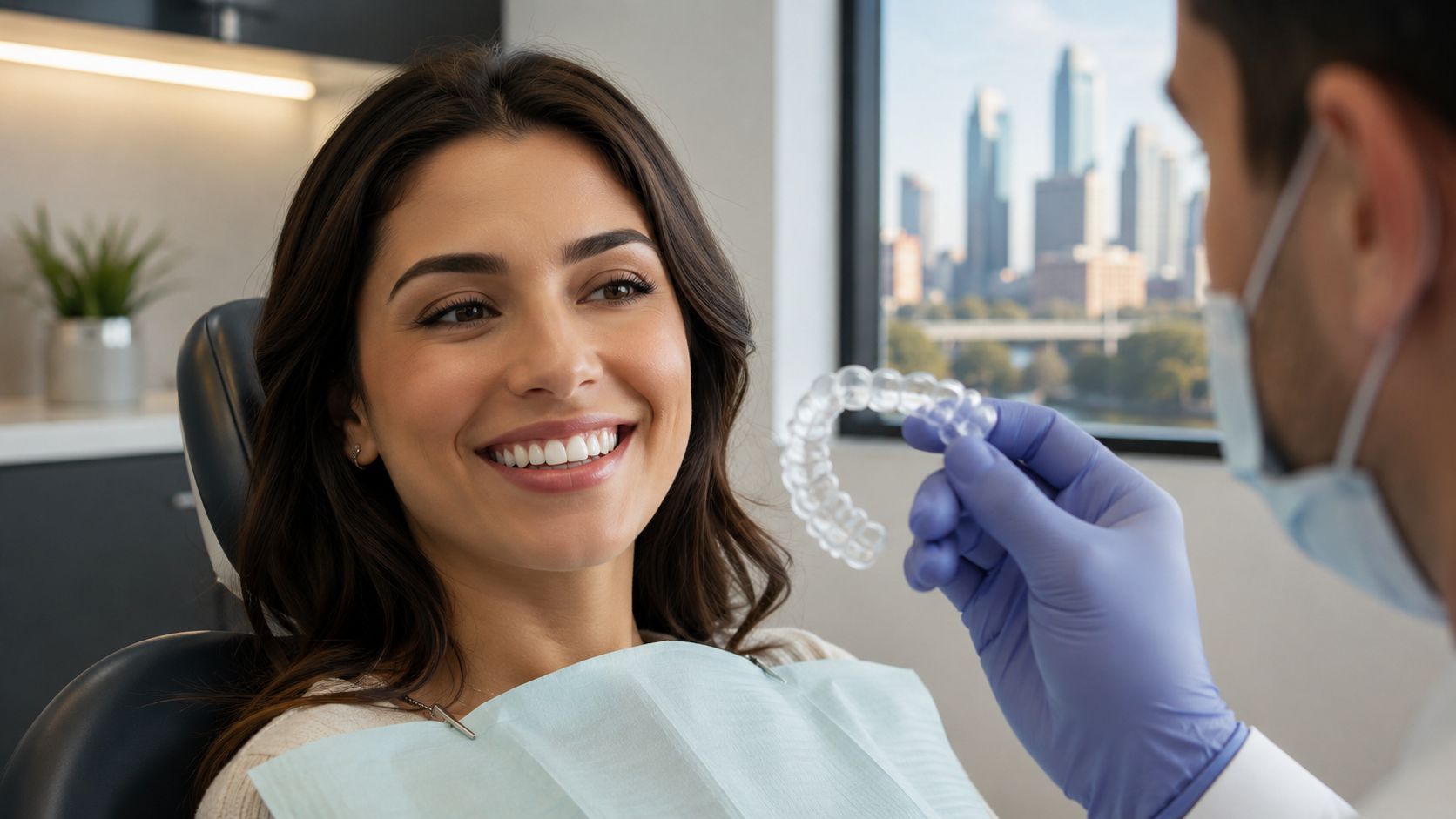
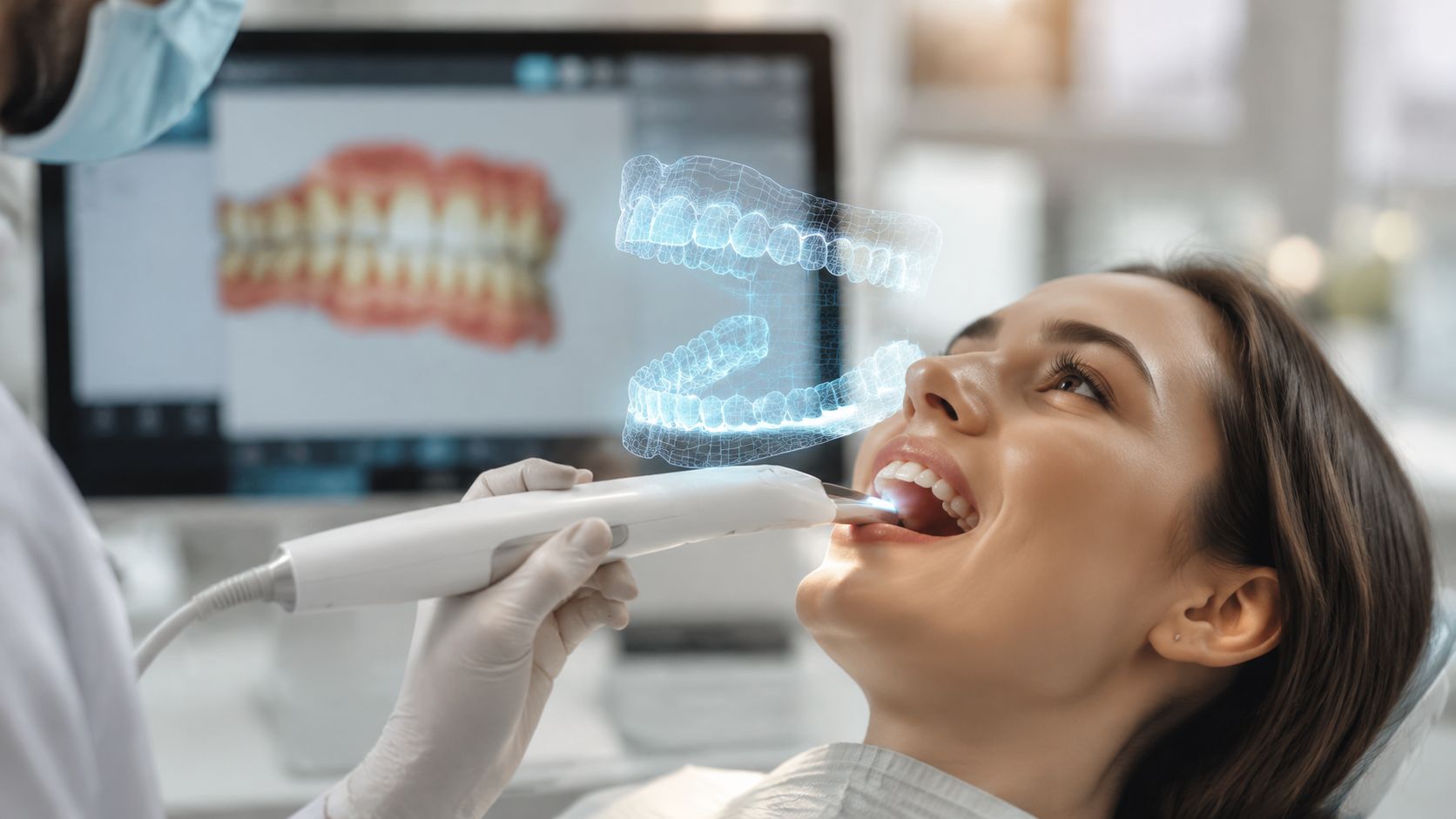
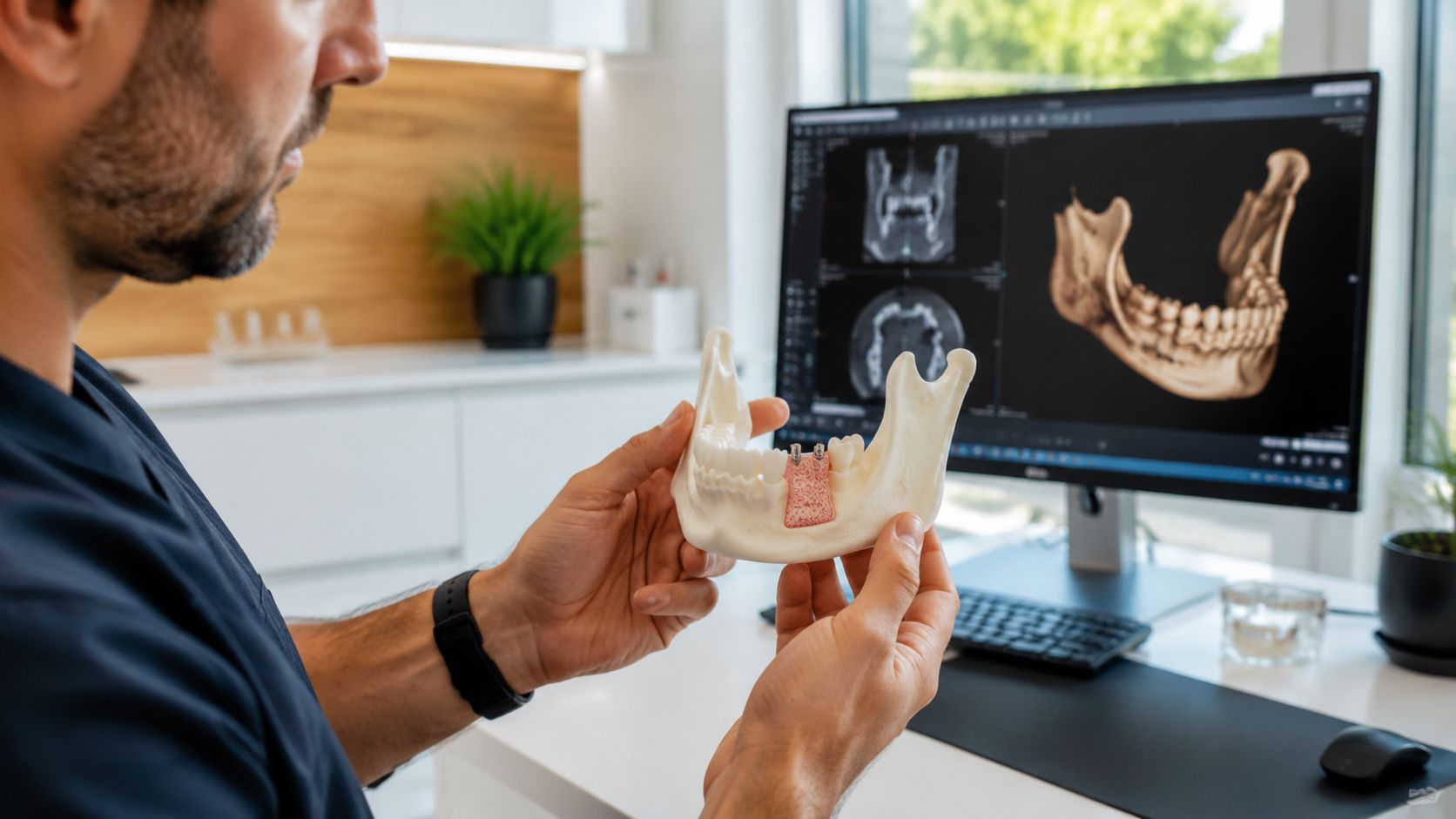
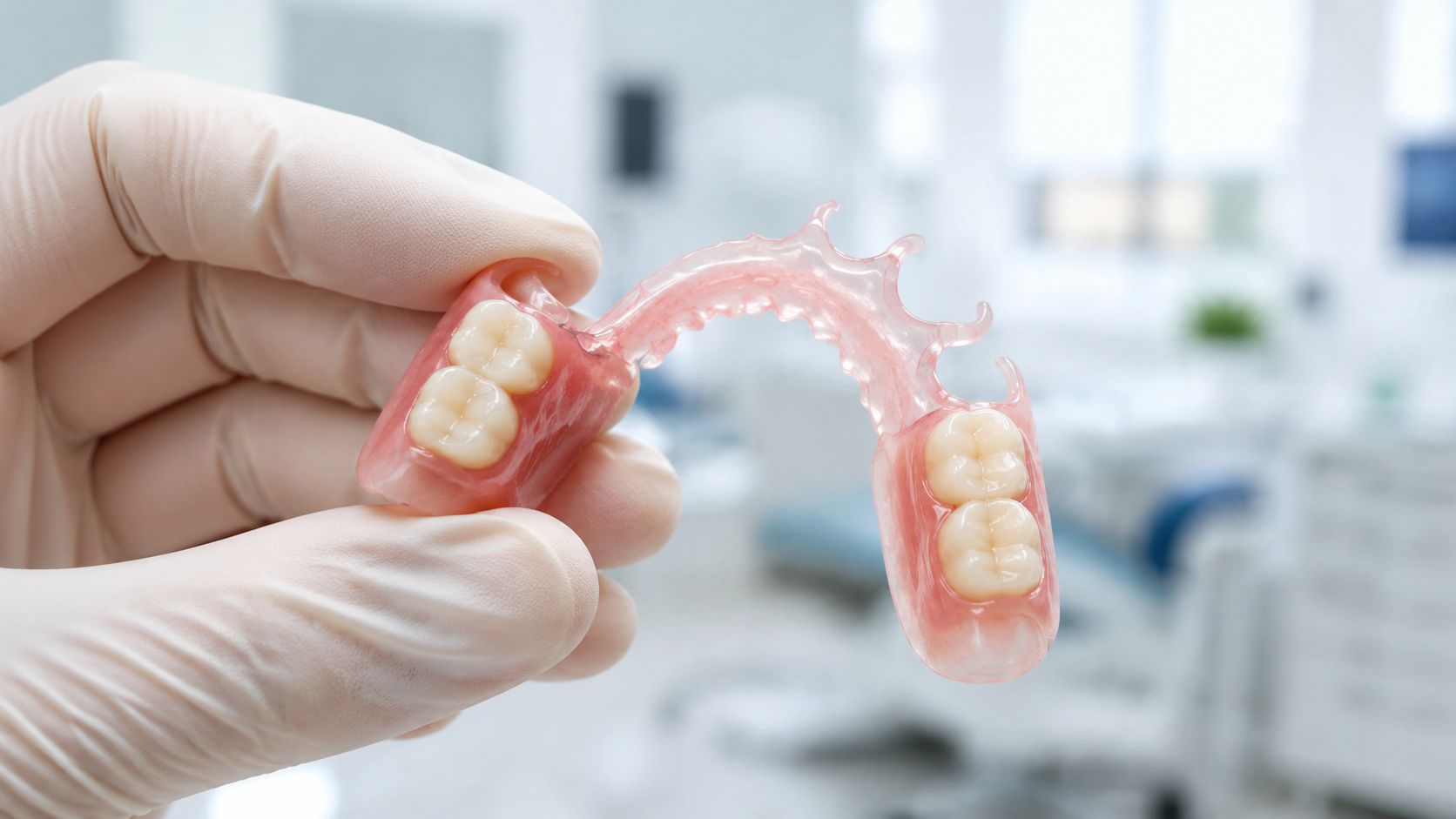
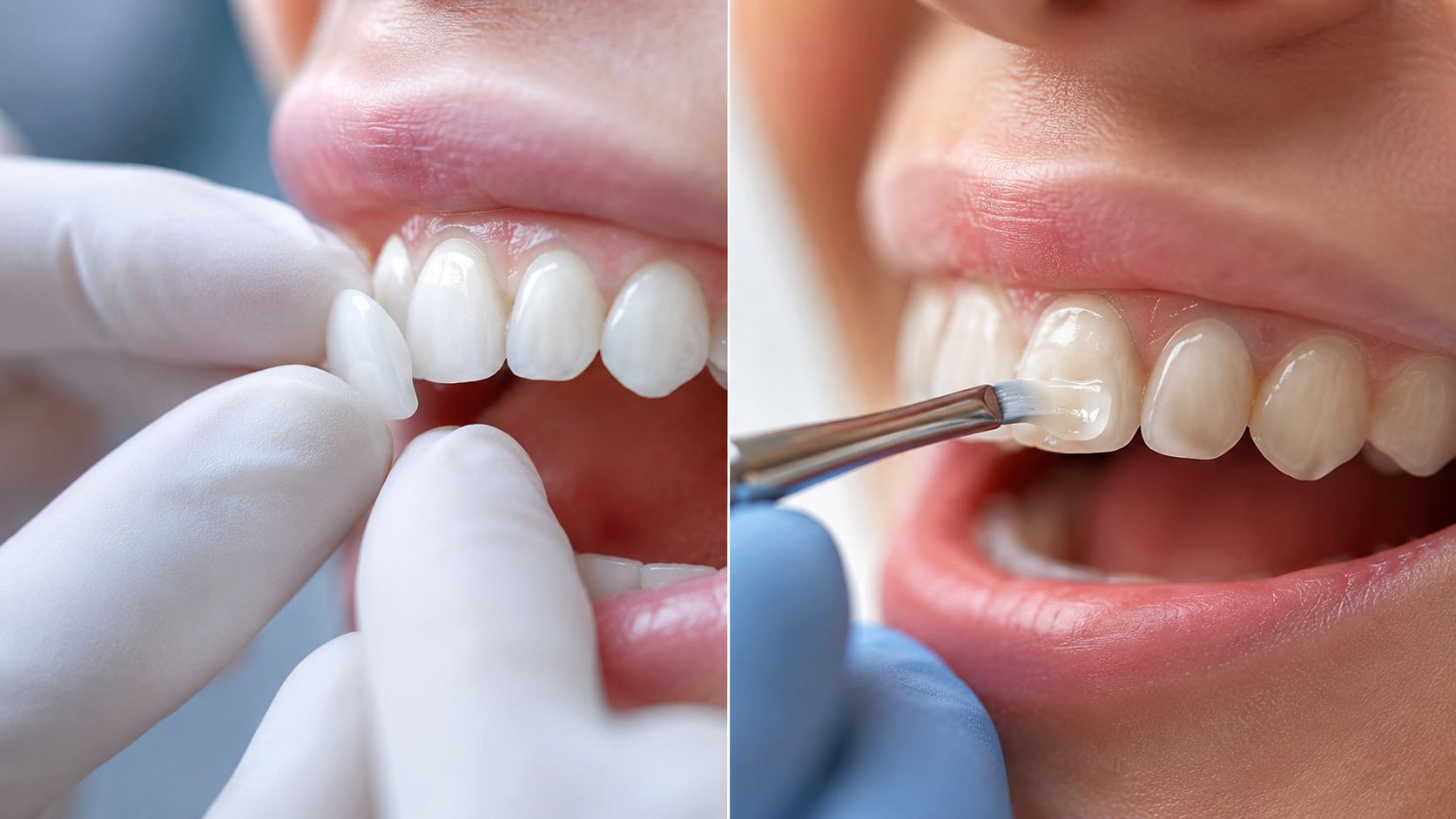
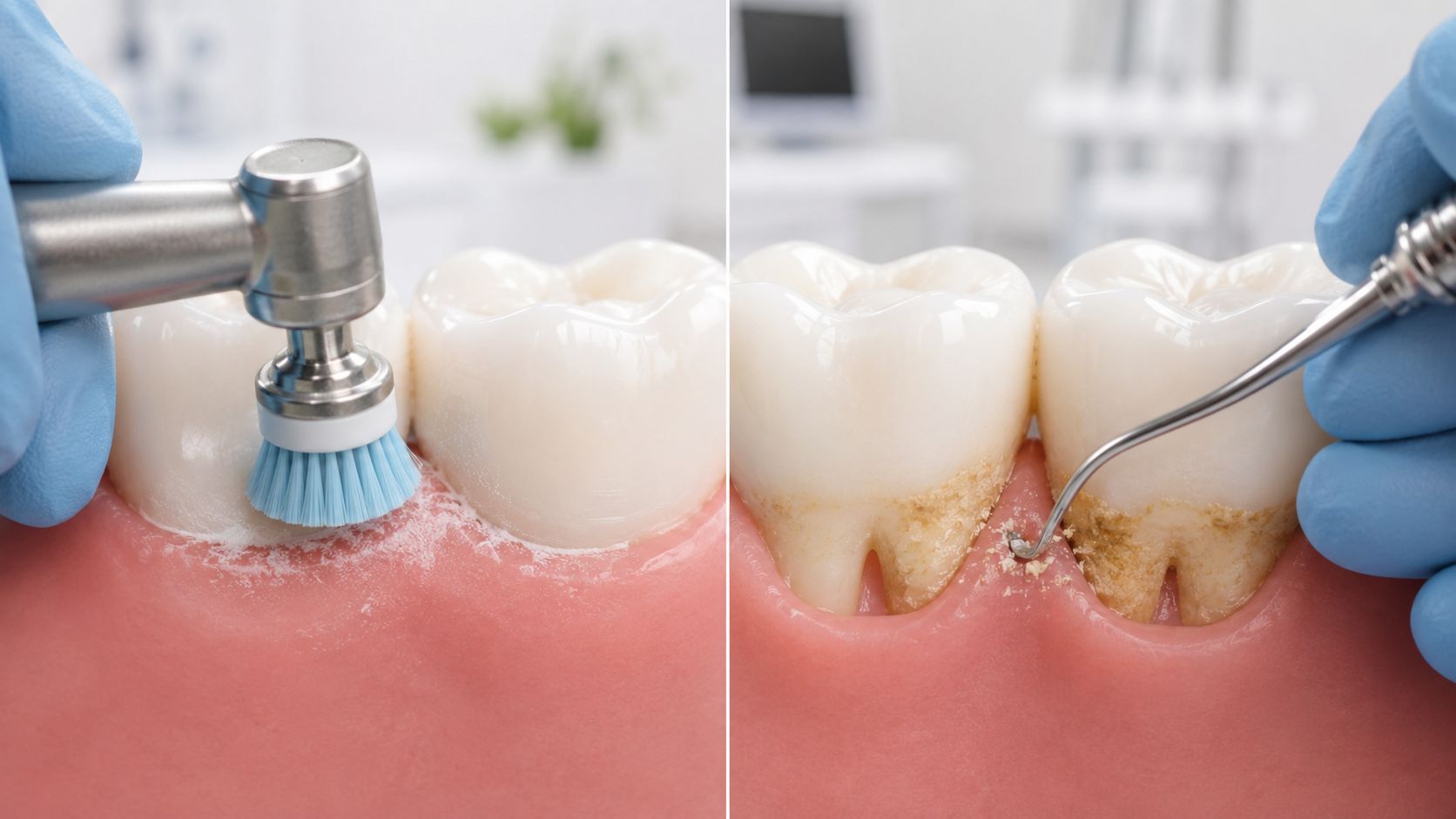
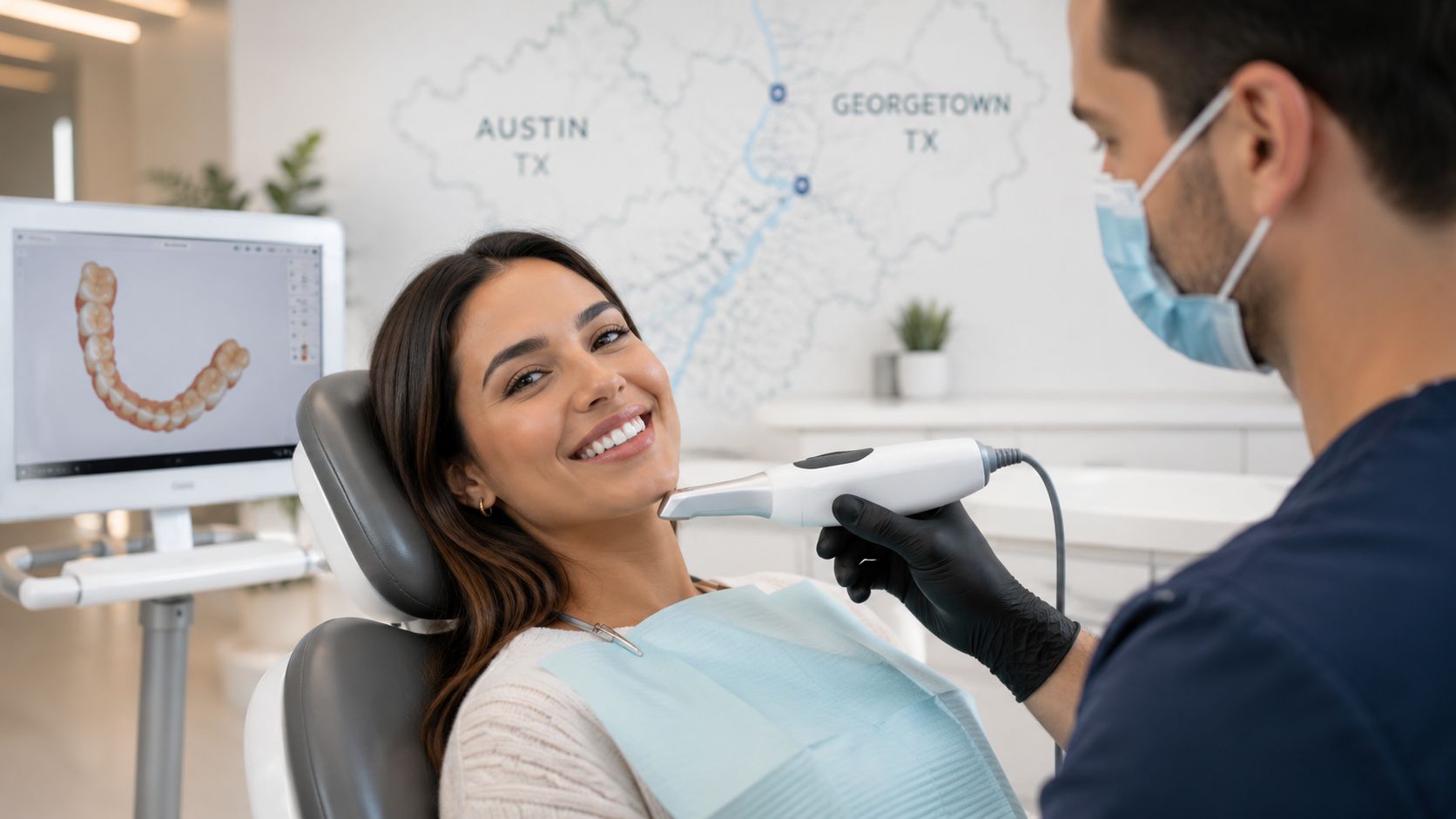
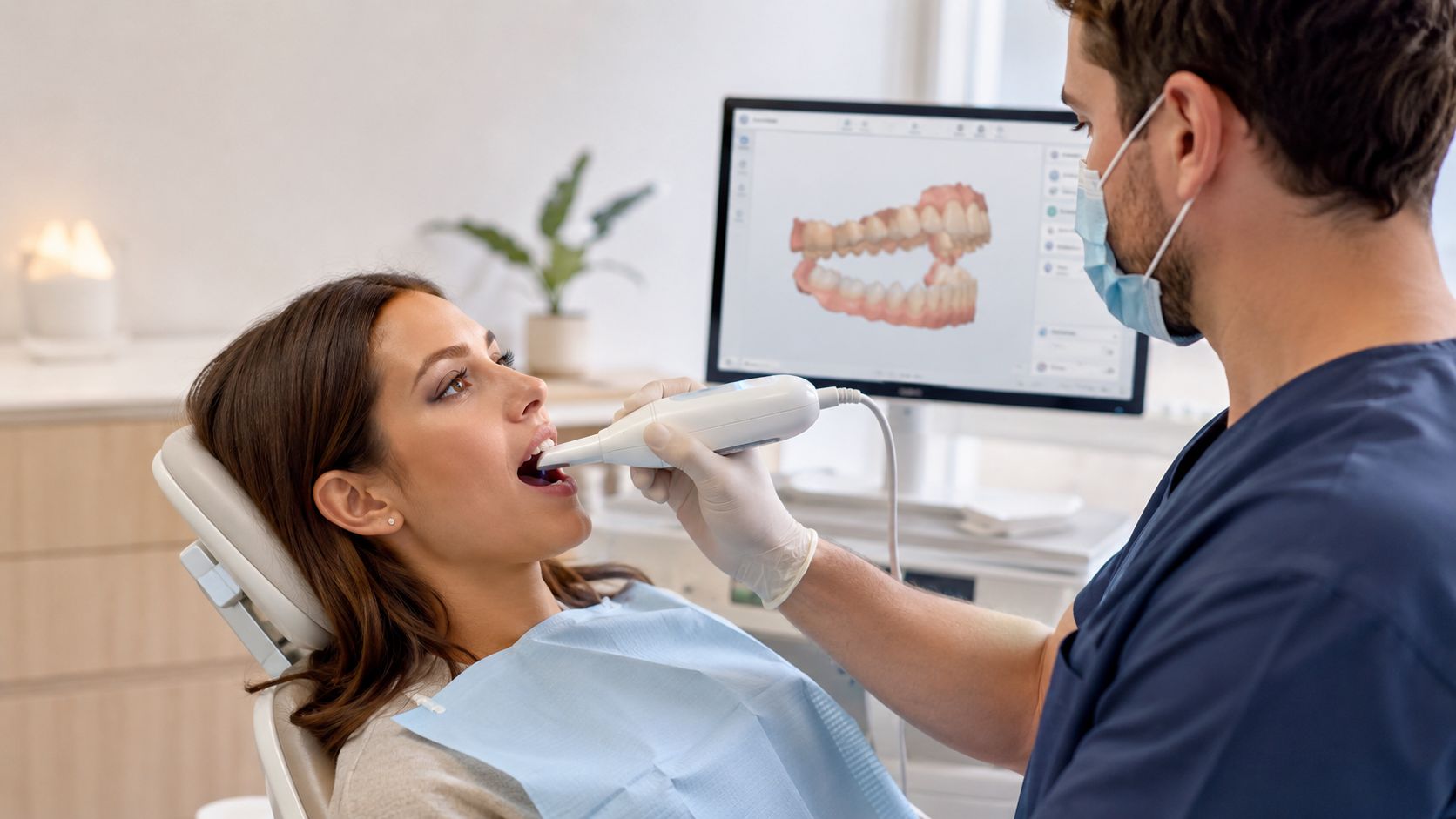


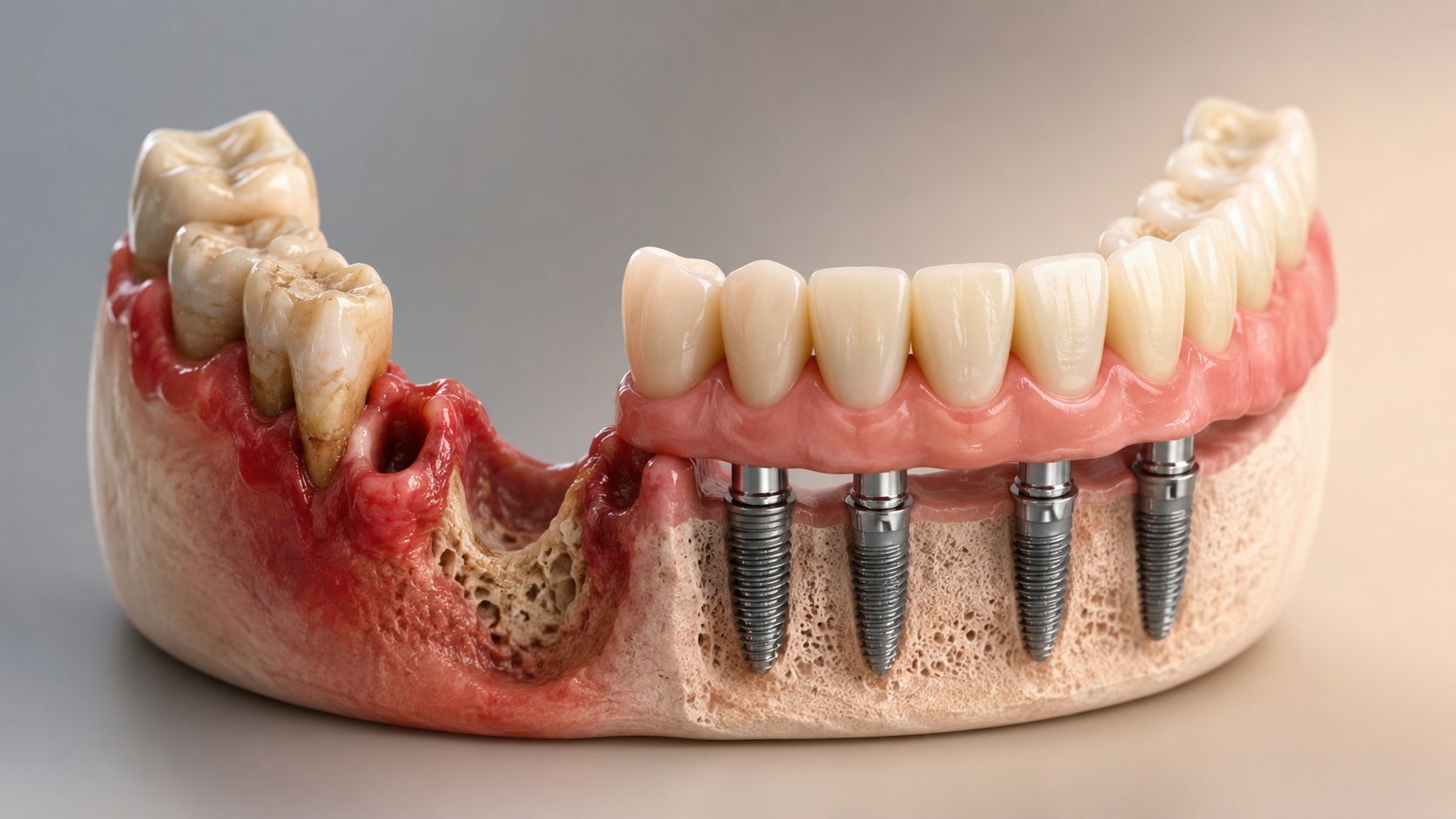
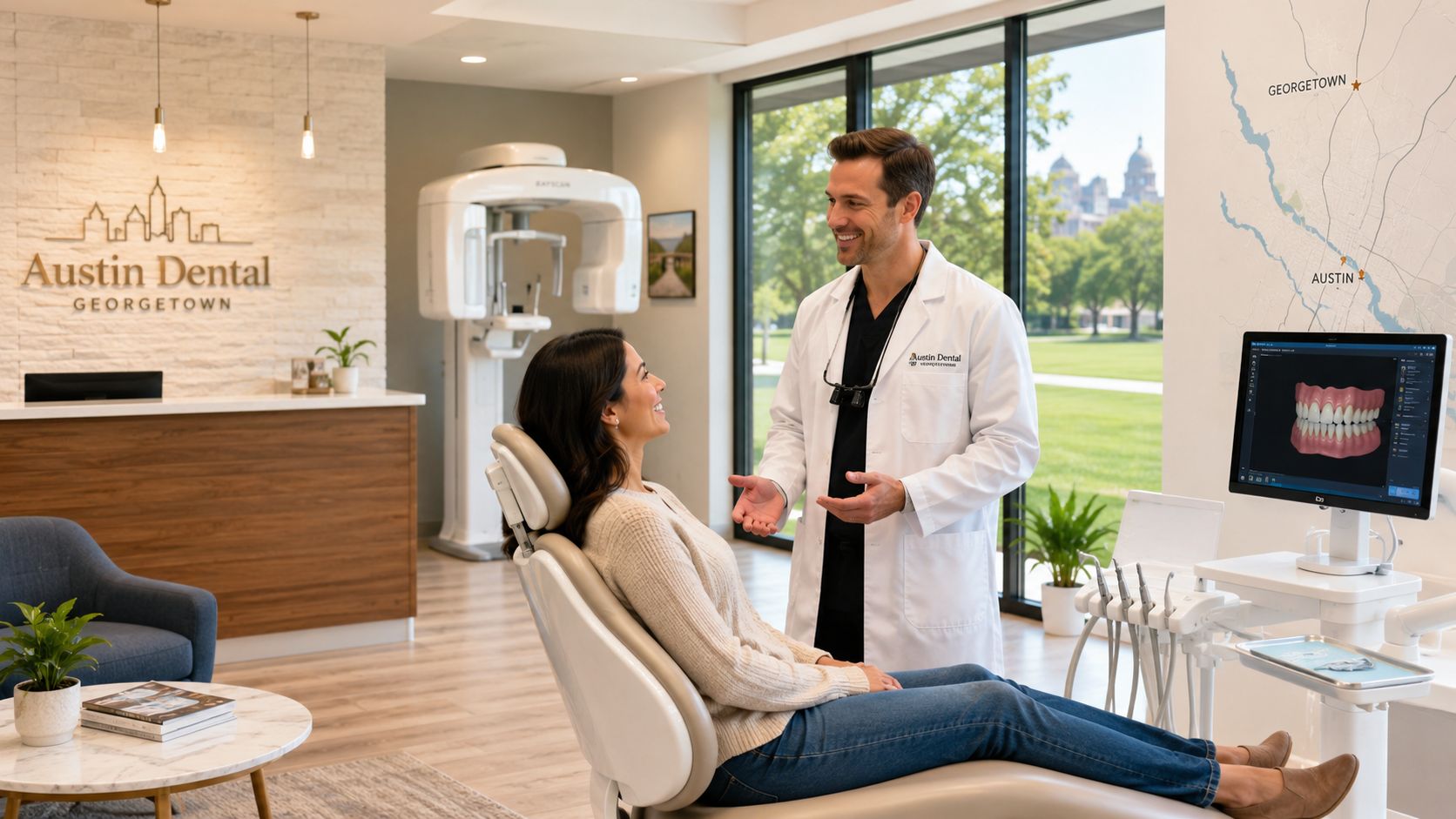
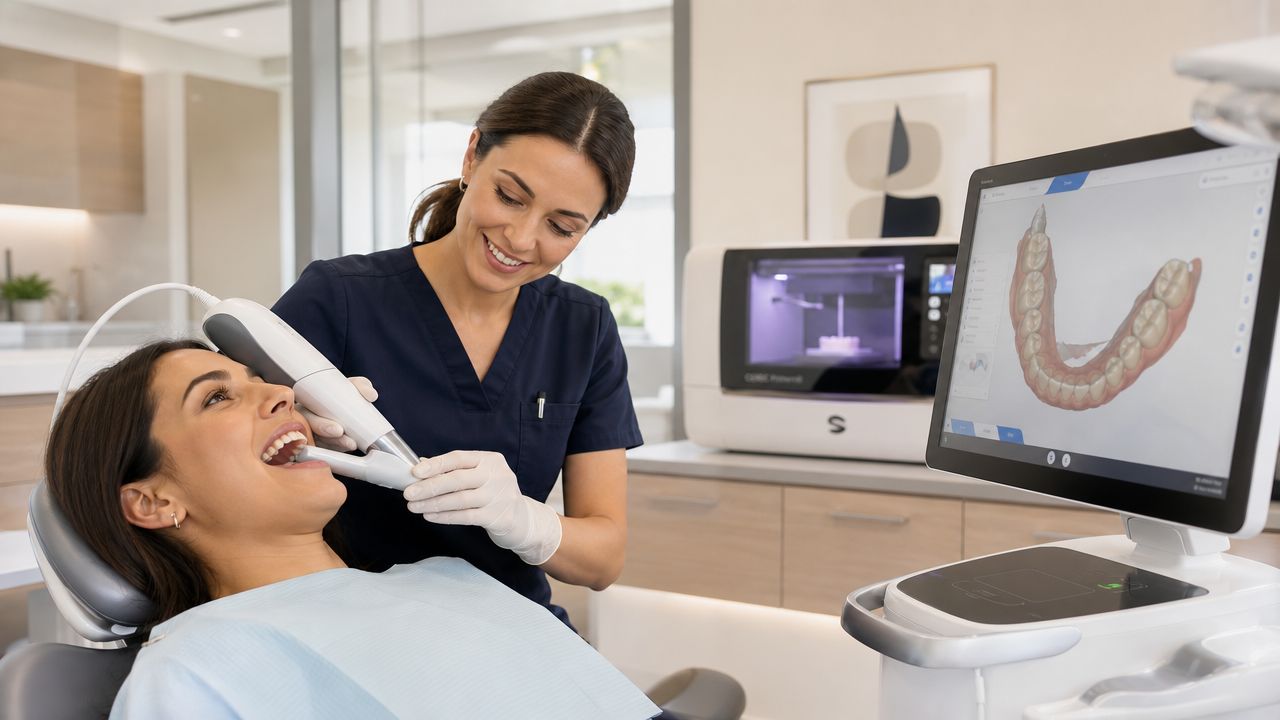
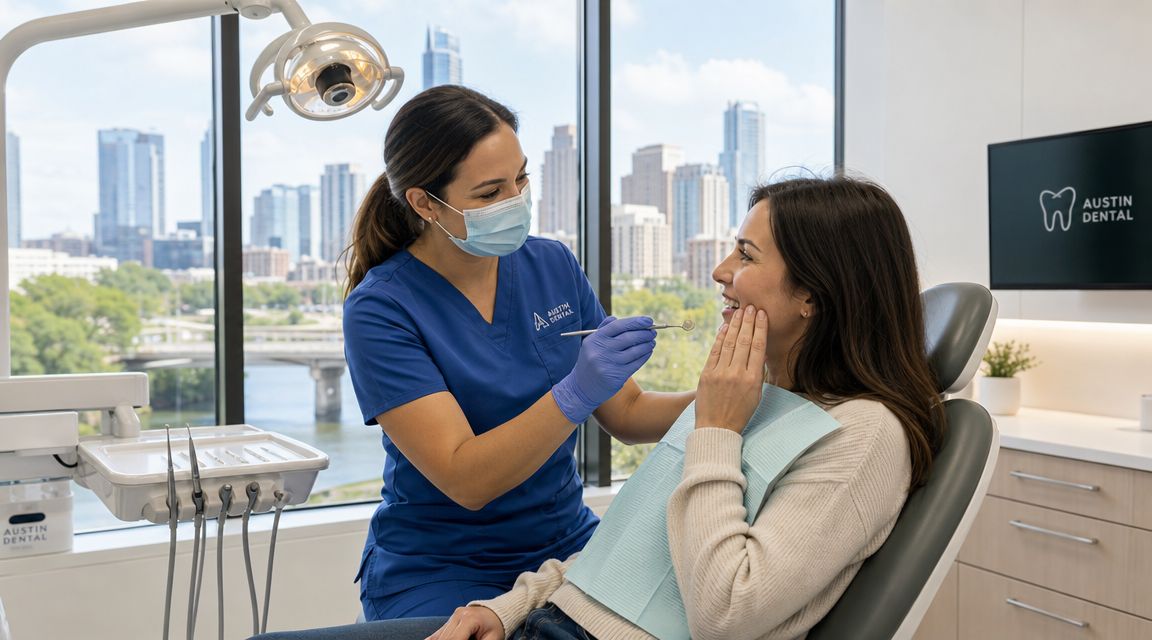
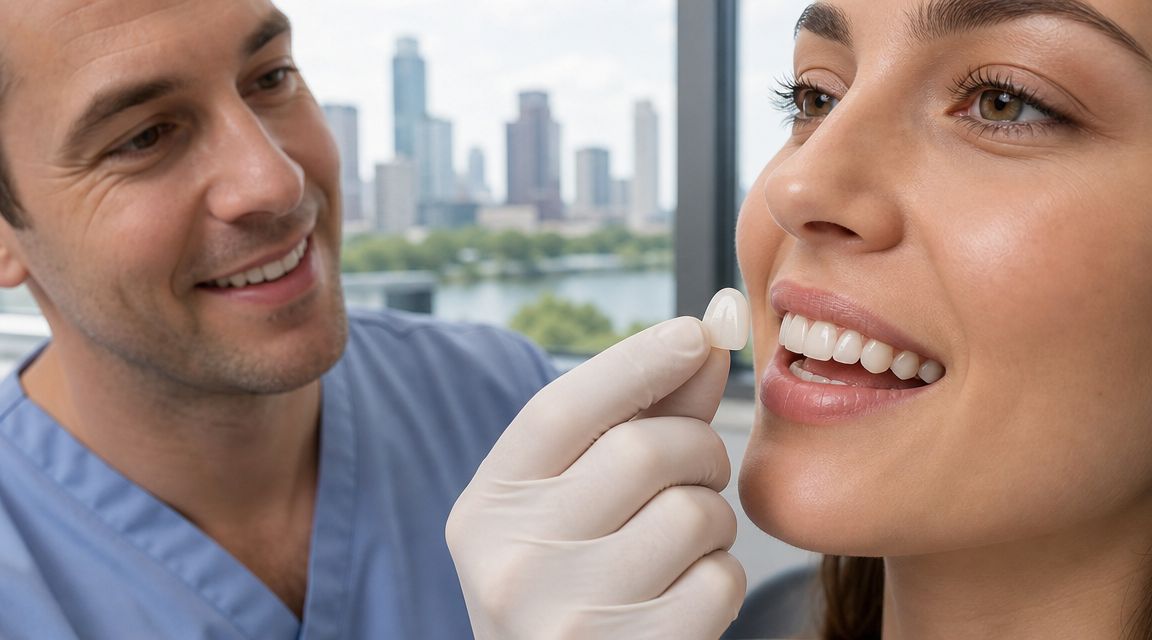
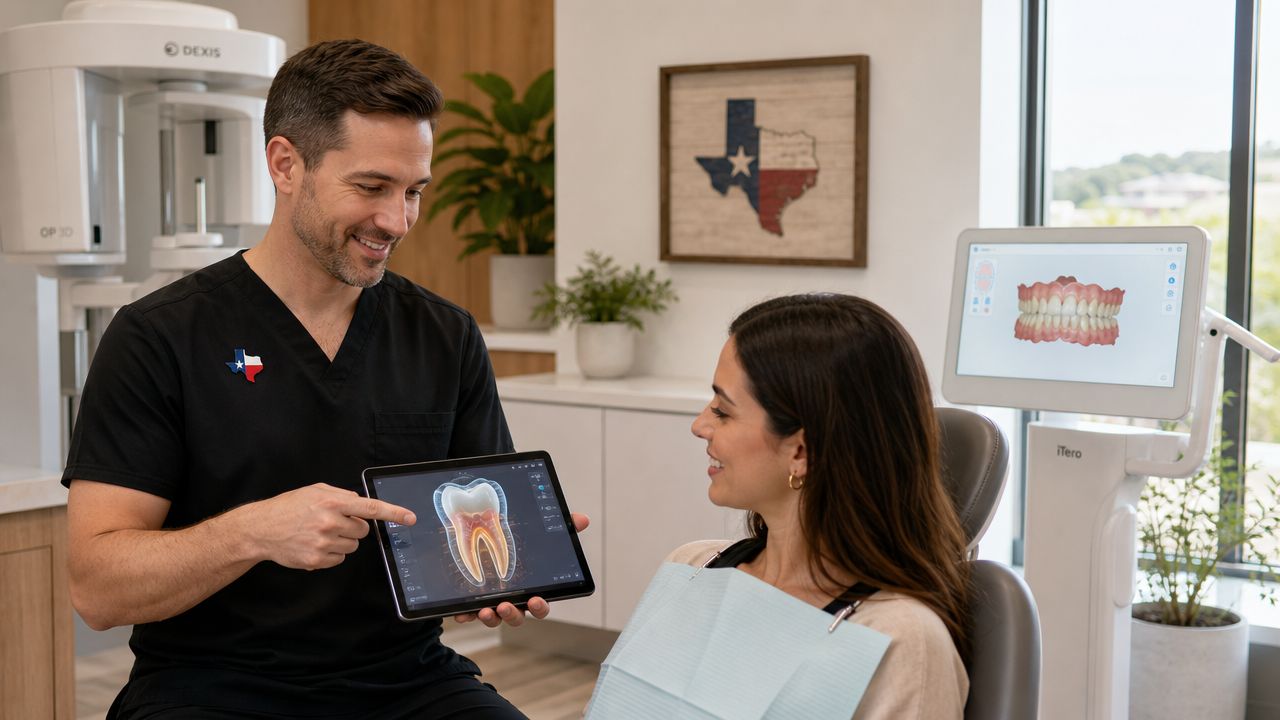
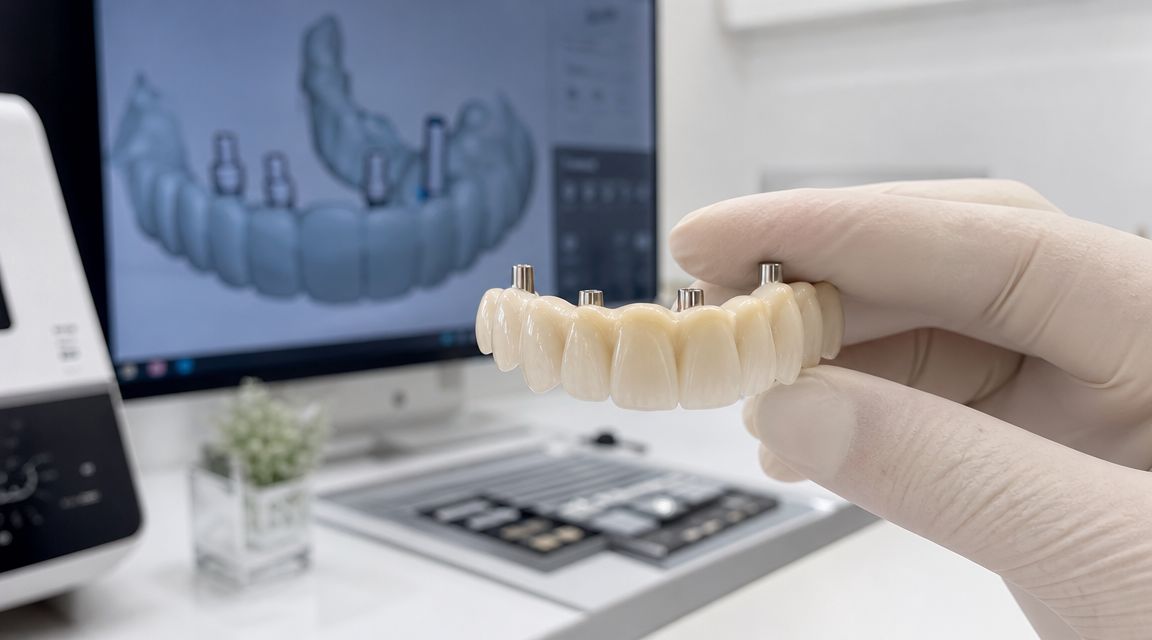
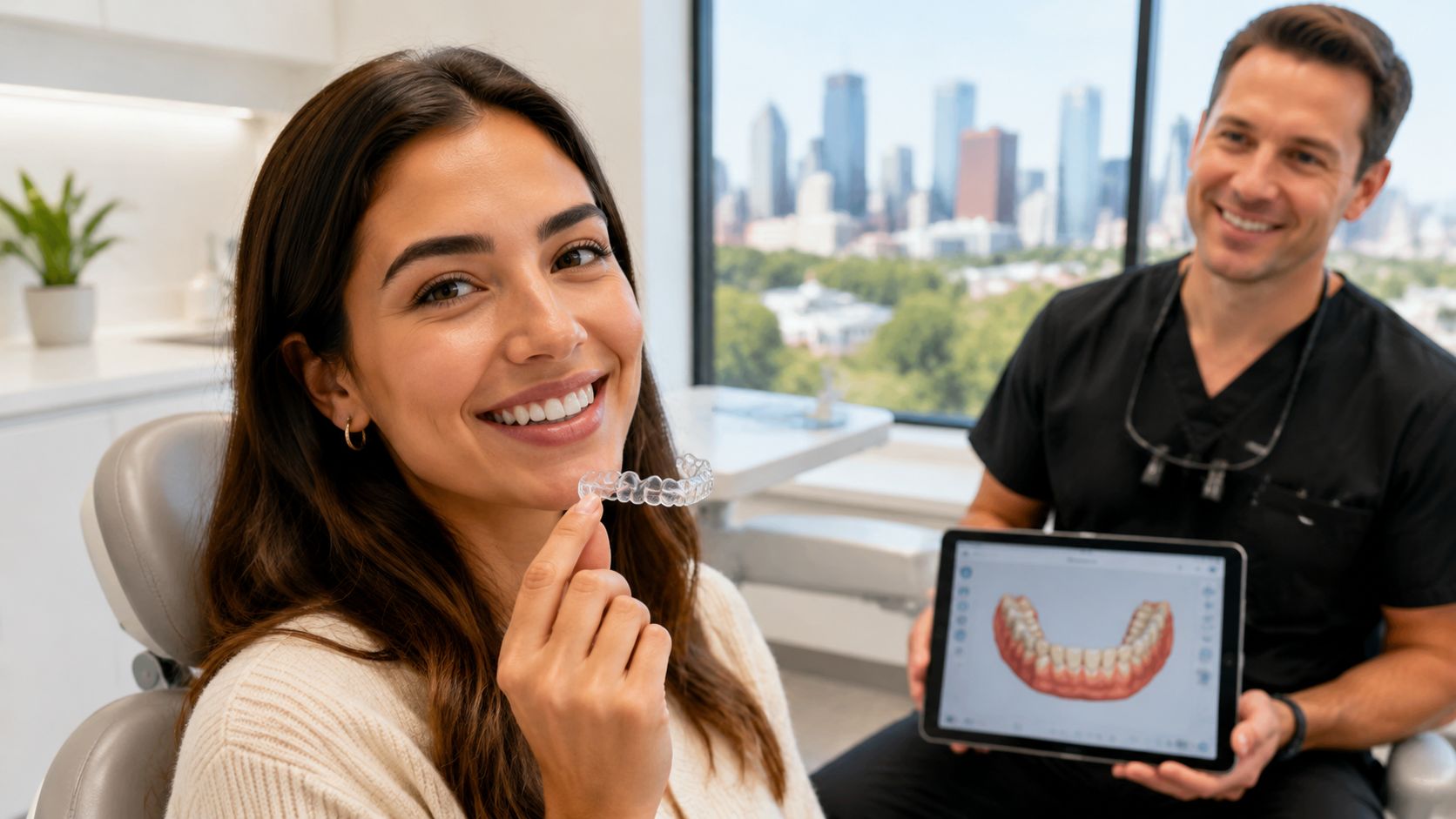
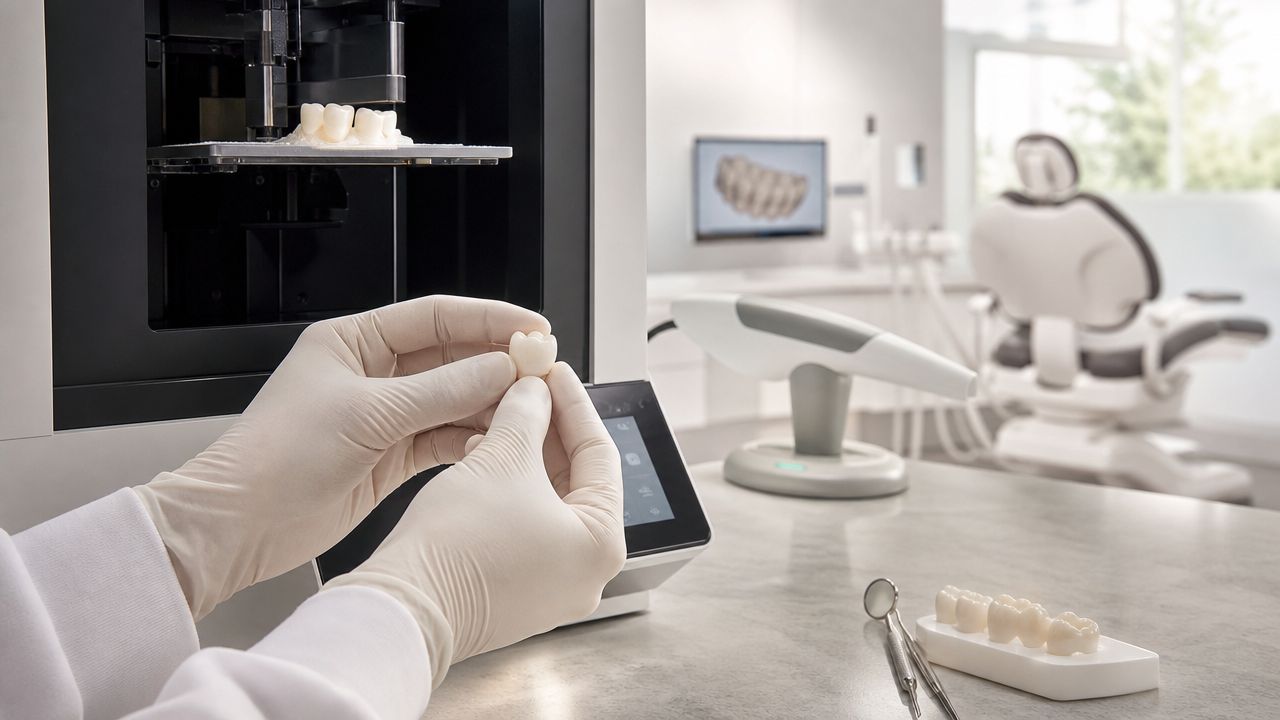
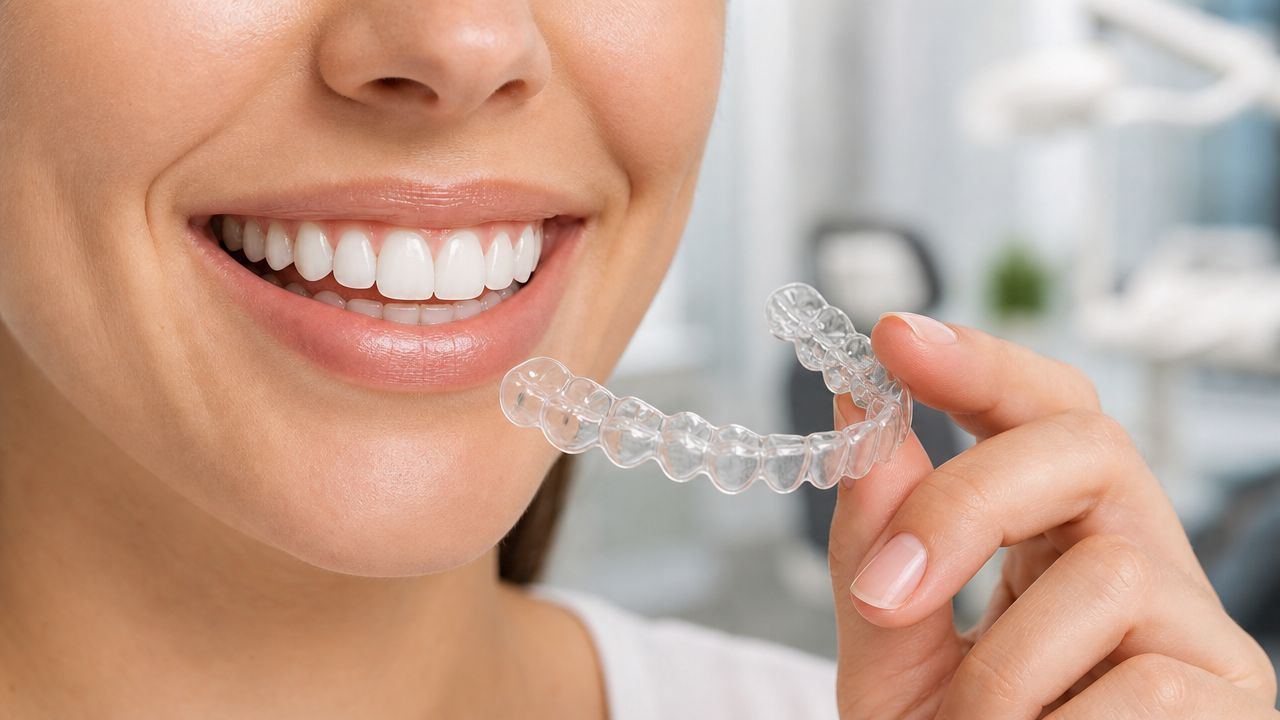

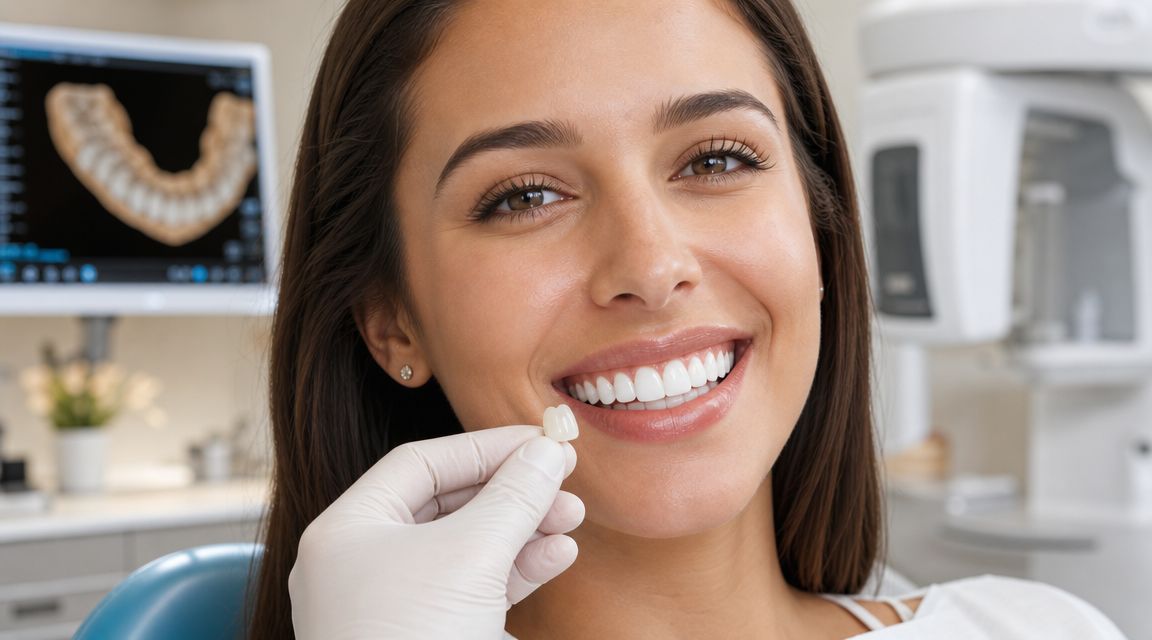

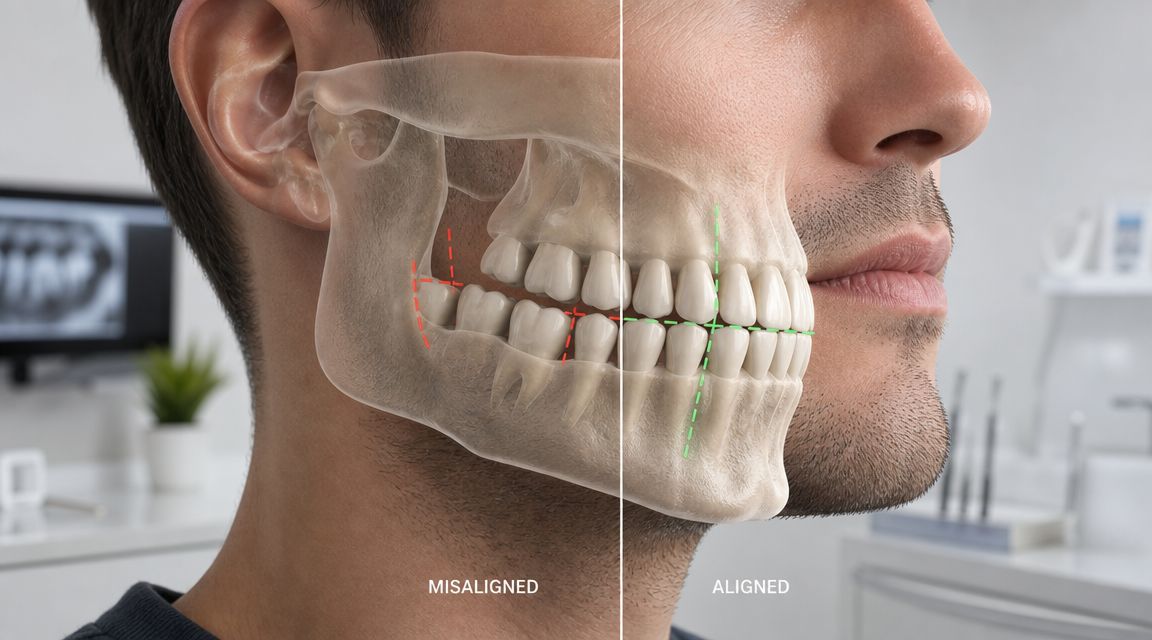

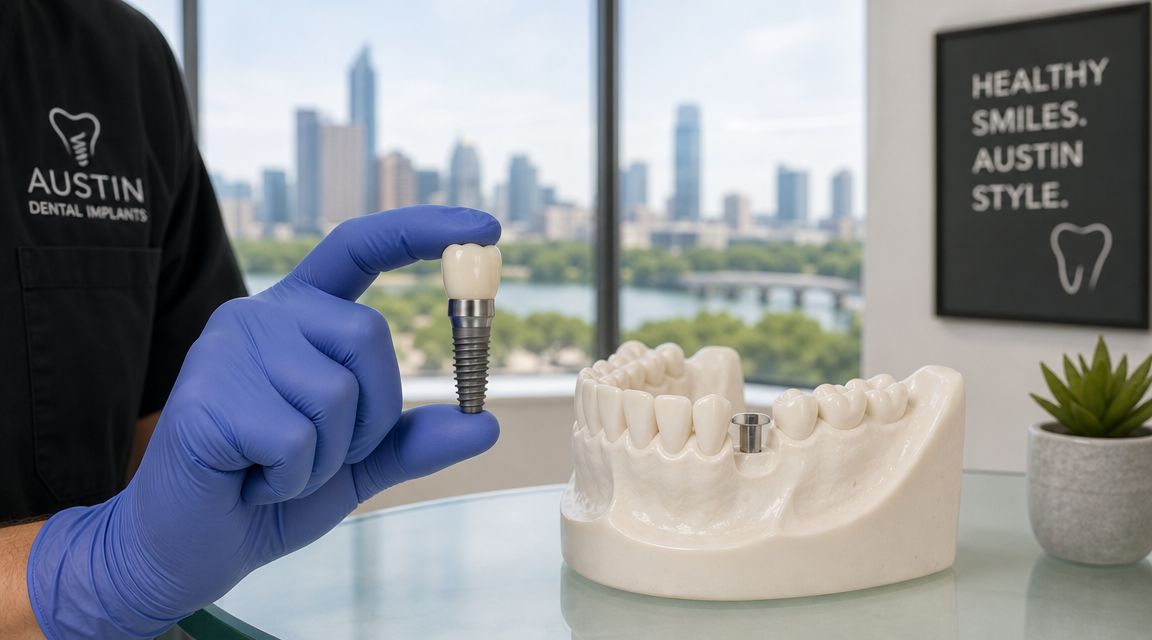

















A lot of people in Austin and Georgetown start in the same place. They want straighter teeth, whiter enamel, veneers, or a more complete smile with implants, but the second they think about cost, they stop themselves before they even book a consultation.
That pause is understandable. Cosmetic dental work often isn't covered the way routine care is, and large one-time payments can feel hard to justify, even when the treatment would make a real difference in comfort, confidence, and day-to-day life. The good news is that cosmetic dentistry financing exists for exactly this reason. It gives patients a way to move forward without having to pay the full amount all at once.
If you're searching for a cosmetic dentist near me, dental implants near me, or a dentist in Austin, TX who can explain payment options clearly, it helps to know what's realistic, what the trade-offs are, and which financing route fits your situation. That's what this guide is for.
Your Dream Smile Is Within Reach in Austin
You catch your reflection before work, on a video call, or in a photo someone tagged you in. Maybe it's discoloration that never seems to lift, a chipped front tooth, spaces you've always noticed, or missing teeth that affect the way you eat and speak. Many individuals do not need a long explanation of why they want a better smile. They already know.
What usually gets in the way is the assumption that cosmetic treatment has to be paid in one large lump sum. For many patients in Austin, Georgetown, Wells Branch, Cedar Park, Round Rock, and Liberty Hill, that assumption is what keeps them waiting.

In real consultations, the conversation often changes the moment people realize they may have more than one payment path. Teeth whitening, veneers, clear aligners, crowns, and implant treatment can often be planned in a way that matches a household budget better than a single upfront bill.
Many patients don't need a cheaper treatment. They need a better payment structure.
That distinction matters. If you're looking for a dentist near me or a cosmetic dentist near me, cost transparency is part of good care. So is helping you understand which parts of treatment are elective, which parts are restorative, and where financing can make a meaningful difference.
Cosmetic dentistry financing isn't about pushing treatment. It's about making room for treatment that already matters to you. For some people, that means whitening before a wedding. For others, it means finally replacing missing teeth with dental implants after putting it off for years. Either way, the right financial plan can turn a vague “maybe someday” into a practical next step.
Understanding Cosmetic Dentistry Financing
Cosmetic dentistry financing means breaking the cost of treatment into manageable payments instead of paying the full amount at once. That can happen through an in-house arrangement, a third-party financing company, a personal loan, or another payment method that spreads the cost over time.
Why financing matters for cosmetic care
Cosmetic procedures are different from many standard dental services. Cleanings, exams, dental x-rays, fillings, and certain restorative treatments may receive some insurance support depending on your plan. Veneers, teeth whitening, smile makeovers, and some orthodontic or implant-related aesthetic upgrades often don't.
That's one reason financing has become so important. The U.S. cosmetic dentists industry reached $7.1 billion in 2025, and the same industry analysis notes that flexible financing strategies are helping meet patient demand. It also states that dental services are the #1 healthcare category patients are willing to finance according to a 2025 Dental Consumer Financing Survey, as reported by IBISWorld's cosmetic dentists industry analysis.
What financing is and what it isn't
Financing is a budgeting tool. It's not the same as guessing at a total cost, putting everything on a high-interest card, and hoping the monthly payment works out later. Good financing starts after a clear treatment plan, a written cost estimate, and a discussion about what you're comfortable paying each month.
Here's the practical version:
- If your treatment is smaller, a short-term payment plan may be enough.
- If your treatment is larger, a longer repayment term may reduce monthly pressure.
- If your credit profile is strong, you may qualify for lower-cost promotional terms.
- If your credit is mixed or limited, there may still be options, but the APR and structure may look different.
Practical rule: Never choose a financing option before you know the full treatment plan and the final amount you're financing.
That's especially important for patients comparing veneers, clear aligners, and implant treatment. The right financing option depends on both the total fee and how treatment is staged. In many cases, financing is the most realistic way to move forward with cosmetic dentistry without delaying care longer than you want to.
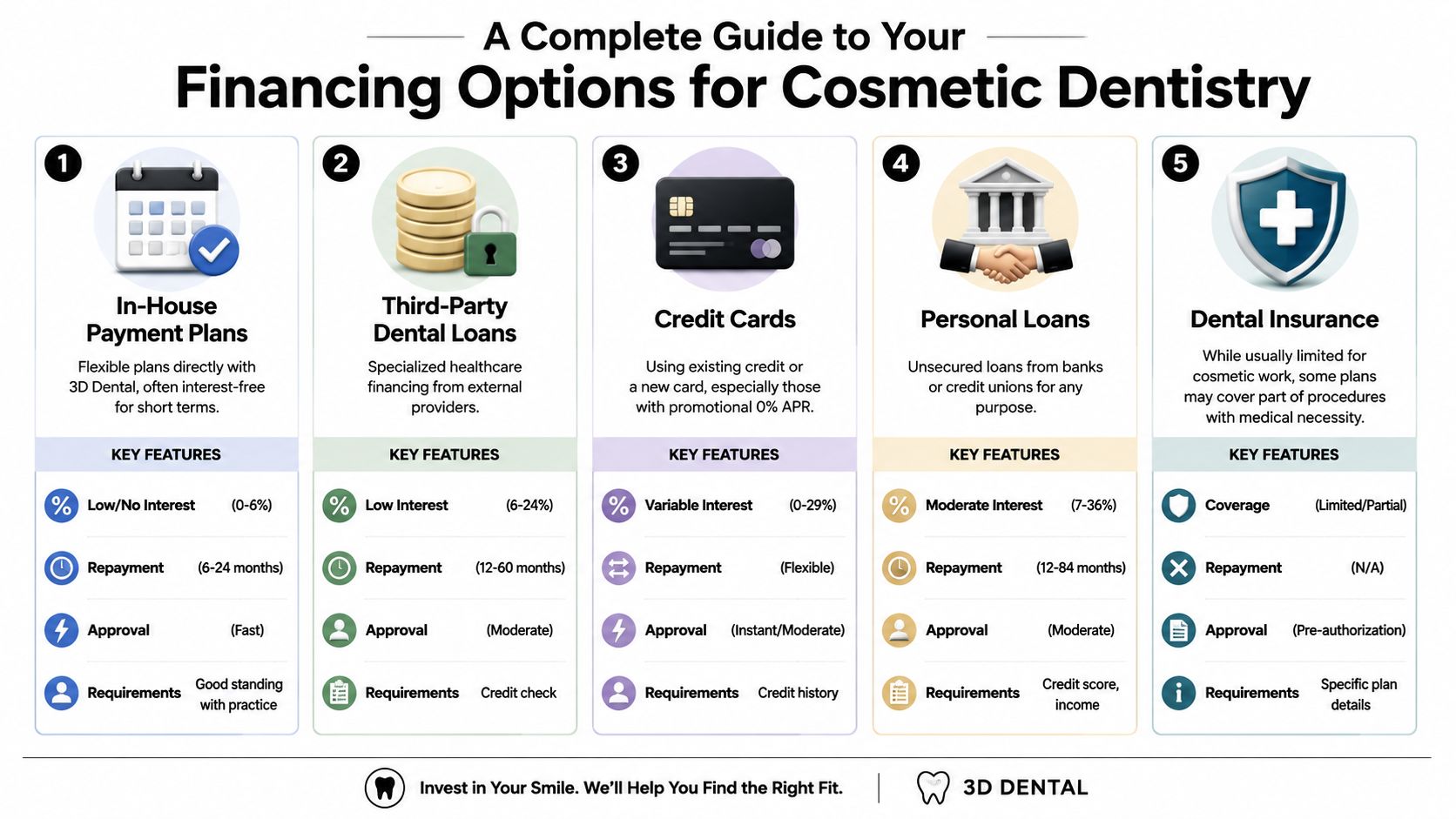
A Complete Guide to Your Financing Options
Some payment methods look similar at first, but they work very differently once you get into approval rules, APR, timing, and flexibility. If you're comparing cosmetic dentistry financing in Austin or Georgetown, it helps to look at each option on its own.
Dental insurance
Insurance is the first place many people look, but it's usually the weakest tool for purely cosmetic work.
Insurance may help when treatment has a restorative or medically necessary component. It's less helpful when the primary goal is appearance. That means it can sometimes reduce part of the cost, but it usually won't carry the whole plan for veneers, whitening, or elective smile design.
Pros
- May offset some related restorative care
- Familiar process for most patients
- Useful when treatment includes a covered dental need
Cons
- Often limited for cosmetic treatment
- Pre-authorization can slow decisions
- Coverage rules vary heavily by plan
In-house payment plans
An in-house payment plan is handled directly through the dental office rather than through an outside lender. For some patients, this feels simpler and more personal.
These plans can work well for smaller treatment balances or shorter timelines. They're less ideal for larger, multi-phase cosmetic or implant cases unless the office has a structure that supports longer repayment.
Best fit: patients who want a short-term arrangement and a simple monthly schedule.
Third-party dental financing
Many cosmetic patients find the most flexibility with this option. Third-party lenders are designed to approve healthcare and dental spending in a way that's more specialized than a general-purpose bank product.
One practical place to review available payment routes is the financing and insurance page at 3D Dental, especially if you're comparing treatment in Austin and Georgetown.
A major difference today is the shift from older healthcare credit models to modern “treat now, pay later” options. According to River Ridge Smiles' breakdown of cosmetic dentistry payment options, Cherry can offer 0% APR promotions for qualified patients with a 600+ credit score, while Sunbit may provide options for patients with lower scores but at APRs up to 36%. That contrasts with healthcare credit cards that often require a 680+ FICO score and may use variable APRs.
That difference matters in real life. If your credit is solid, Cherry may be attractive because promotional terms can lower total borrowing cost. If your credit profile is thinner or less traditional, Sunbit may open the door where a stricter lender won't.
Here's a simple comparison:
| Option | What may work well | Main trade-off |
|---|---|---|
| Cherry | Promotional plans for qualified borrowers | Approval still depends on credit profile |
| Sunbit | Broader accessibility for some borrowers | APR can be higher |
| Traditional healthcare credit card | Familiar revolving structure | Variable APR and stricter credit expectations |
After you've seen the broad categories, this short video helps make the comparison easier to picture in everyday terms.
Traditional credit cards
Using an existing credit card can be convenient, especially for smaller cosmetic procedures. The problem is that convenience can hide cost.
If the balance is large and the card carries a high or variable APR, the monthly payment may stay manageable while the total cost climbs. This option works best when you already have a promotional card and a clear payoff plan.
Personal loans
Personal loans from banks or credit unions can work for larger treatment plans. They usually offer predictable monthly payments and fixed repayment windows.
Personal loans offer a balanced alternative for those who prefer a fixed repayment timeline over revolving credit. However, the application process may take more time, and these financing options are not designed exclusively for dental procedures.
HSA and FSA funds
For eligible portions of treatment, HSA or FSA funds may help reduce the amount you need to finance. This is most useful when part of your plan has a functional or restorative component.
The key is to verify eligibility before you count on those funds. Cosmetic treatment rules can be narrower than patients expect.
The best financing choice isn't the one with the lowest advertised payment. It's the one you can realistically complete without stress.
Cost Examples for Popular Treatments in Georgetown
Most patients don't ask about financing because they love financing. They ask because they want to know what the monthly number might look like.
That's the right question. A treatment plan can feel very different once it's translated into a payment instead of a lump sum. If you're exploring veneers, whitening, aligners, or dental implants near me in Georgetown, you need a realistic framework.
How to think about treatment cost
Some procedures are simple and mostly cosmetic. Others combine appearance, function, and long-term restoration. Full-arch implant cases sit in a different category from whitening because they involve a much larger investment and a more complex treatment sequence.
The clearest benchmark in the available data is for implants. Rectangle Health's whitepaper on growing revenue for cosmetic dentistry gives a specific example: a $50,000 implant case can be financed for around $800 per month over 72 months at a 5% rate, and this kind of financing can increase case acceptance by 25% or more compared with cash-only models.
For larger implant cases, the monthly payment matters more than the headline total for most households.
If you're focused on implant treatment, this related guide on how to finance dental implants is a useful next read.
Sample Monthly Payments for Cosmetic Dentistry
The table below is designed to help you visualize payment structure. Only the implant example reflects a verified benchmark. Other rows are shown as treatment categories because exact fees vary by diagnosis, materials, number of teeth, and whether treatment includes restorative work.
| Procedure | Estimated Total Cost | Sample Monthly Payment (24mo/0% APR) | Sample Monthly Payment (60mo/9.9% APR) |
|---|---|---|---|
| Professional teeth whitening | Varies by treatment plan | Depends on total fee | Depends on total fee |
| Veneers | Varies by number of teeth and materials | Depends on total fee | Depends on total fee |
| Clear aligners | Varies by case complexity | Depends on total fee | Depends on total fee |
| Single-tooth implant with restoration | Varies by surgical and restorative needs | Depends on total fee | Depends on total fee |
| Full-arch implant treatment | $50,000 benchmark example | Not provided in verified data | Around $800 per month over 72 months at 5% |
A consultation matters here because cosmetic and restorative dentistry isn't one-size-fits-all. Two veneer cases can price very differently. Two implant cases can differ even more depending on extractions, bone support, temporary restorations, and final prosthetic design.
Qualifying for Financing and Improving Your Odds
A lot of financing anxiety comes down to one question. Will I qualify?
The honest answer is that no office can promise approval before an application is submitted. But you can improve your odds, and you can choose financing paths that fit your credit profile instead of applying blindly.
What lenders usually look at
Most financing companies want a basic picture of whether the monthly payment is likely to be manageable. That usually includes your credit history, current income, and existing debt obligations.
That doesn't mean cosmetic dentistry is only for high earners. Grand View Research's U.S. dental market trends analysis notes that per capita disposable income in the U.S. rose to nearly $67,000 in 2025, and that 24% of families earning over $100K have had cosmetic work. The practical takeaway isn't that everyone should spend more. It's that many patients already use financing to remove the friction of a large one-time payment.
What helps before you apply
A little preparation can make the process cleaner and less stressful.
- Know your treatment amount: Approval is easier to evaluate when you're financing a clear number, not a rough guess.
- Review your budget carefully: Decide what monthly payment feels safe, not just what feels possible on your best month.
- Check your credit first: If there's an error on your report, it's better to find it before an application.
- Gather basic documents: You may need identification, income information, and payment details depending on the lender.
- Ask about multiple paths: A patient who doesn't fit one lender may still fit another.
What doesn't work well
Rushing into the longest available term without reading the APR is a common mistake. So is focusing only on whether you're approved, instead of whether the final repayment structure makes sense for your household.
Another mistake is applying for too much before your treatment plan is finalized. If your cosmetic goals change after diagnostics, you may end up financing the wrong amount or needing to rework the arrangement.
Approval is only step one. A payment plan works when it fits your life after the excitement of treatment day is over.
If you're also considering restorative care, orthodontics, or even an emergency dentist visit before cosmetic work begins, it helps to sequence those needs first. A well-planned case is usually easier to finance than a rushed one.
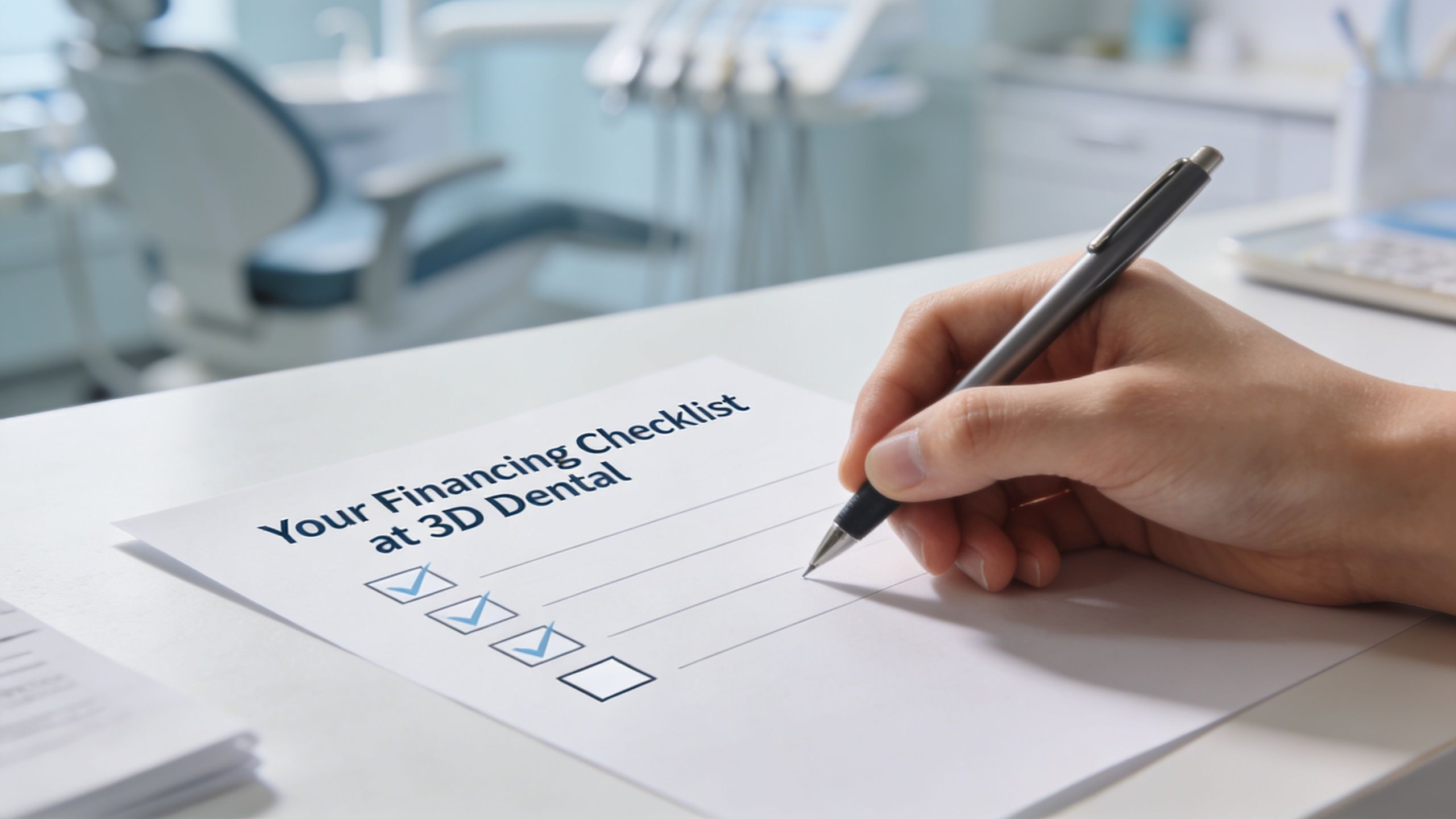
Your Financing Checklist at 3D Dental
When the process is clear, financing feels much less intimidating. Most patients do best when they treat it like a checklist instead of a big financial event.
Start with a consultation
The first step is simple. Schedule a consultation so the dental team can examine your teeth, take any needed images, and understand what you want to change.
If you're coming in from Austin, Georgetown, Round Rock, or Cedar Park for veneers, implants, whitening, clear aligners, or broader cosmetic dentistry, the treatment plan has to come before the financing plan. Otherwise, you're making payment decisions without the full picture.
Get the treatment plan in writing
Ask for a written outline that shows what's recommended, what's optional, and how treatment may be staged.
That written plan helps you answer practical questions like:
- Which parts are cosmetic?
- Is any portion restorative or insurance-related?
- Do you want to complete everything at once, or in phases?
- What monthly range feels workable?
Compare payment routes before applying
Once you know the total, compare the structure of the options, not just the approval message.
- Short-term plan: Often easier for smaller cases if you want the balance gone quickly.
- Promotional financing: Best when you qualify and can stay on schedule.
- Longer-term financing: Useful for larger cases when cash flow matters more than speed.
- Split payment strategy: Sometimes patients combine insurance, HSA or FSA funds, a deposit, and financing for the rest.
Apply with support
If the office offers financing partners such as Cherry or Sunbit, ask whether you can review terms chairside or online before committing. That's where details like APR, payment window, and monthly amount become concrete.
Begin treatment with confidence
Once the financing piece is settled, treatment feels more straightforward. You're no longer deciding whether you can do it. You're deciding when to start.
For many people looking for a dentist in Austin, TX, cosmetic dentist near me, or dental implants near me, that shift is what finally gets them moving.
Cosmetic Financing FAQs
Can I finance only part of my treatment
Yes. Many patients do exactly that.
You might use available insurance for any covered portion, pay a deposit out of pocket, and finance the remaining balance. This can be especially helpful when part of your care is restorative and part is cosmetic.
What happens if my application is denied
A denial doesn't always mean treatment is off the table. It may mean that a different financing structure makes more sense.
You can ask about:
- A different lender: Approval criteria vary.
- A phased treatment plan: Starting with the most important phase can reduce the amount financed.
- A larger upfront payment: Lowering the financed amount may improve the fit.
- A co-applicant option: If available, this can strengthen the application.
Can I use HSA or FSA money with financing
Often, yes, for eligible portions of treatment. Patients sometimes use HSA or FSA funds to reduce the amount they need to finance, then place the remainder on a monthly plan.
The key is to confirm which parts of the treatment qualify. Purely cosmetic services may not be eligible the same way restorative care can be.
Is a lower monthly payment always better
Not necessarily. A lower monthly payment usually comes from a longer term, and a longer term can mean more total cost depending on the APR.
A better question is whether the payment is sustainable and whether the total repayment feels reasonable to you. For some patients, paying faster is the better move. For others, preserving monthly cash flow matters more.
Can financing be used for treatments beyond veneers or whitening
Yes. Financing is often used across cosmetic and restorative care, including clear aligners, crowns, implant treatment, and full-arch solutions. If you're also looking for a dentist near me for routine dental care, cleaning and exams, dental x-rays, new patient exams, or even an emergency dentist visit, it's worth asking whether the same payment options can apply to those services as well.
If you're ready to talk through cosmetic dentistry financing with a real treatment plan in front of you, schedule a consultation with 3D Dental. Patients in Austin, Georgetown, Wells Branch, Cedar Park, Round Rock, and Liberty Hill can review treatment options, discuss monthly budget goals, and compare practical payment paths for veneers, whitening, clear aligners, dental implants, and more.
Ready to get started?
Schedule a free, no obligation consultation with our team and see what's possible for your smile!
Georgetown
- Mon-Thurs8:30am-5pm
- Fri8am-3:30pm
- Sat-SunClosed
Austin
- Mon-Tues8am-5pm
- Wed-Thurs9am-6pmFri8am-2pm
- Sat-SunClosed