
Cosmetic Dentistry Procedures in Austin, TX: Your Guide
Related Posts


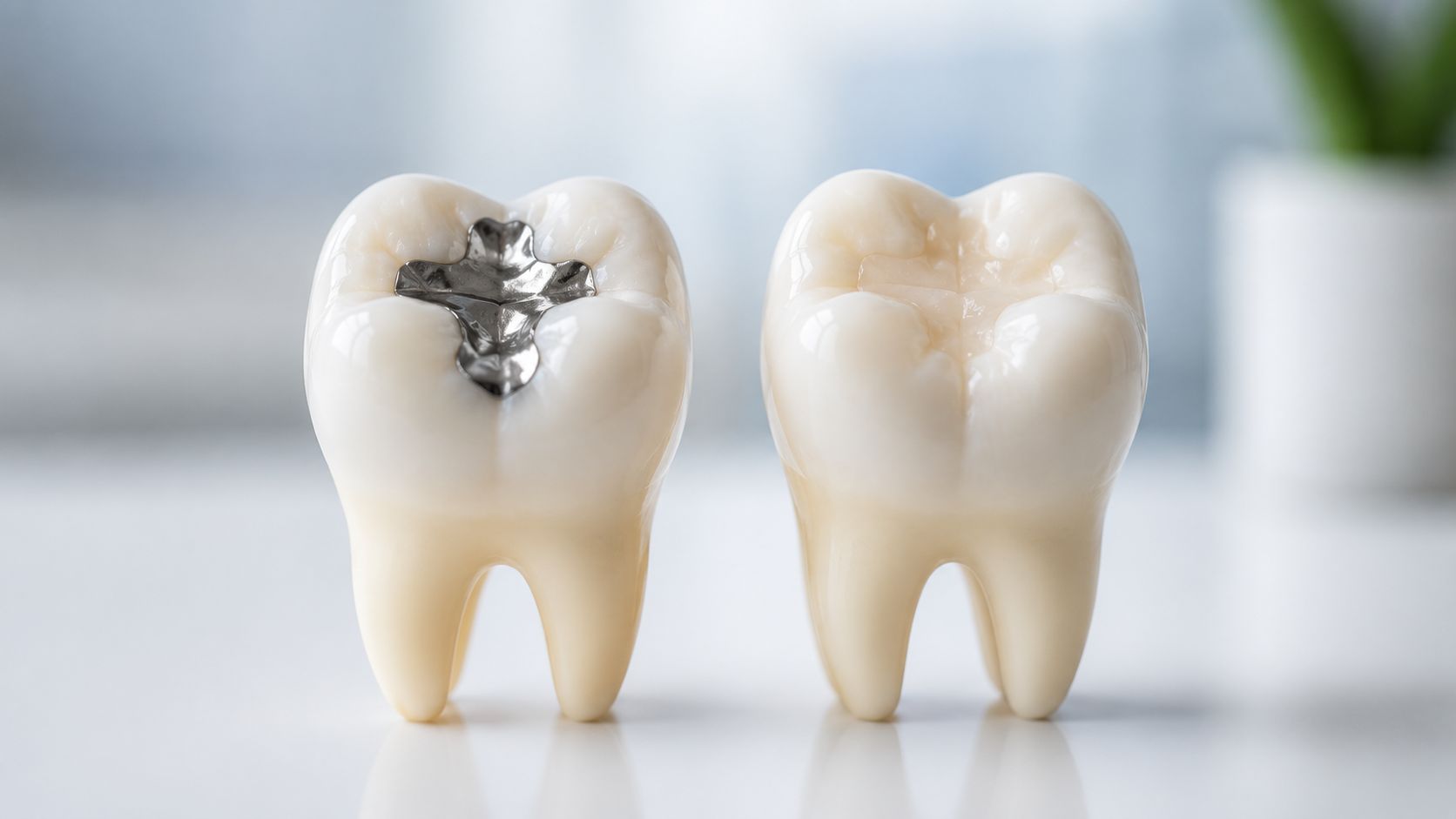
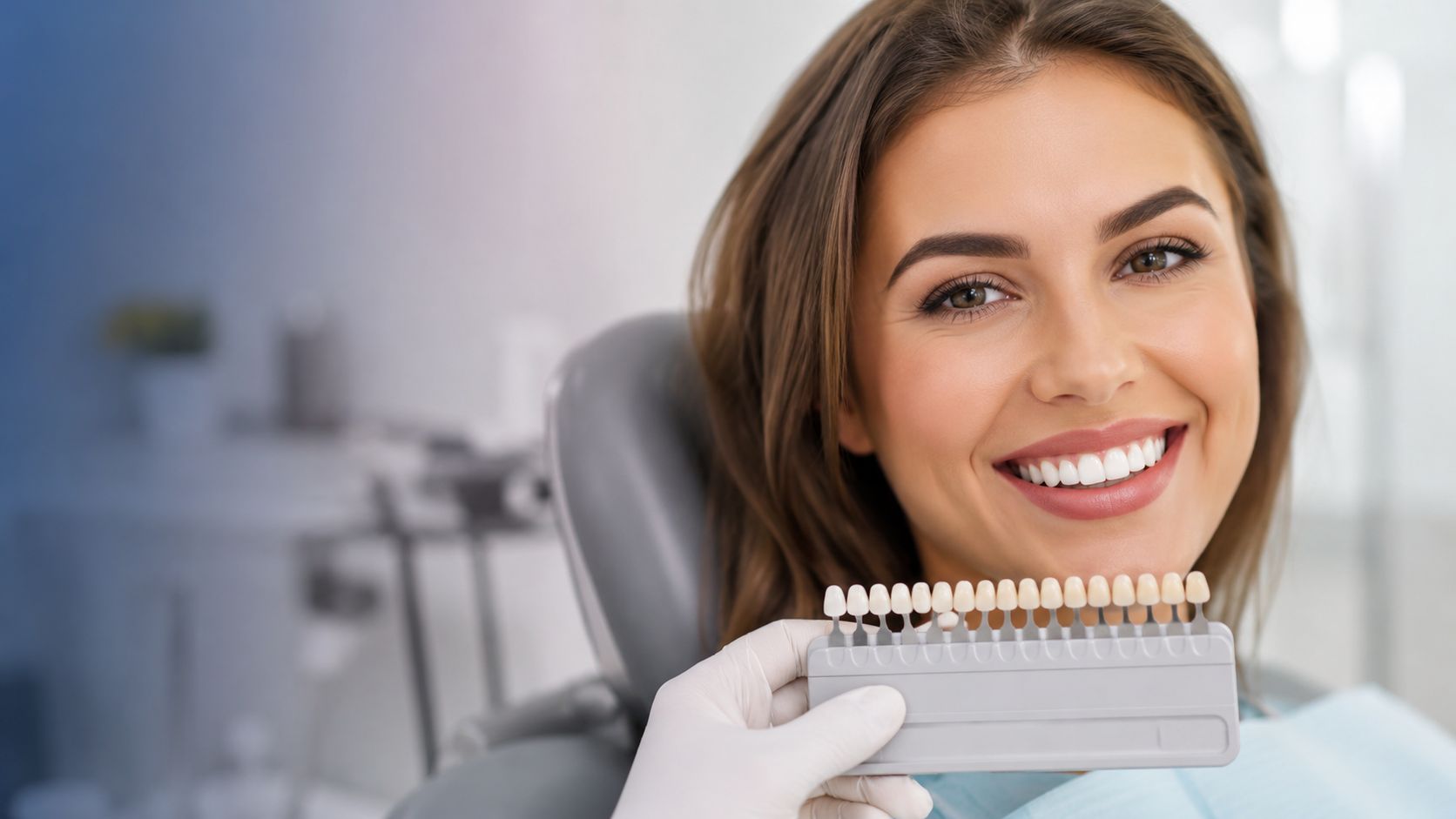

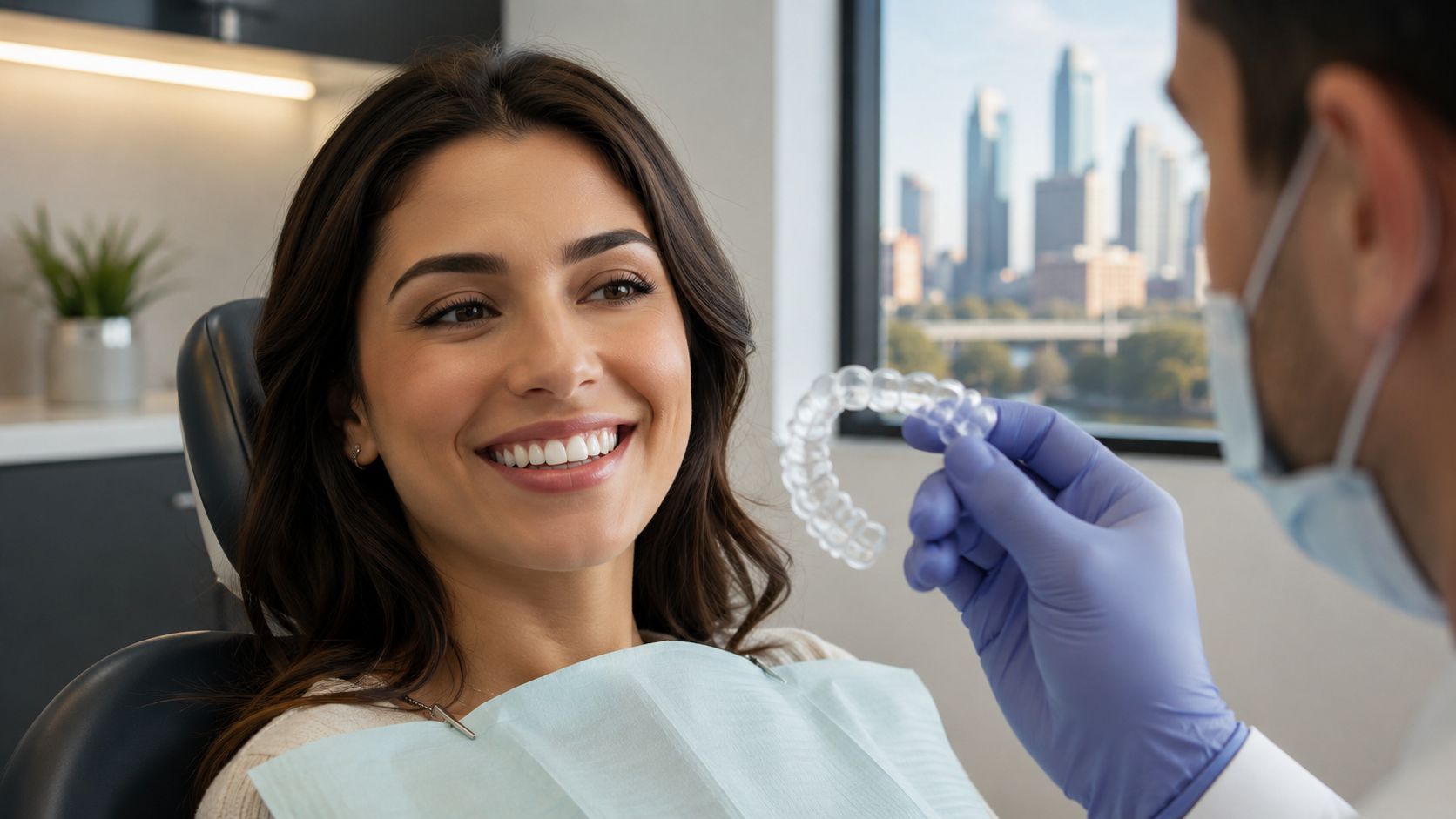
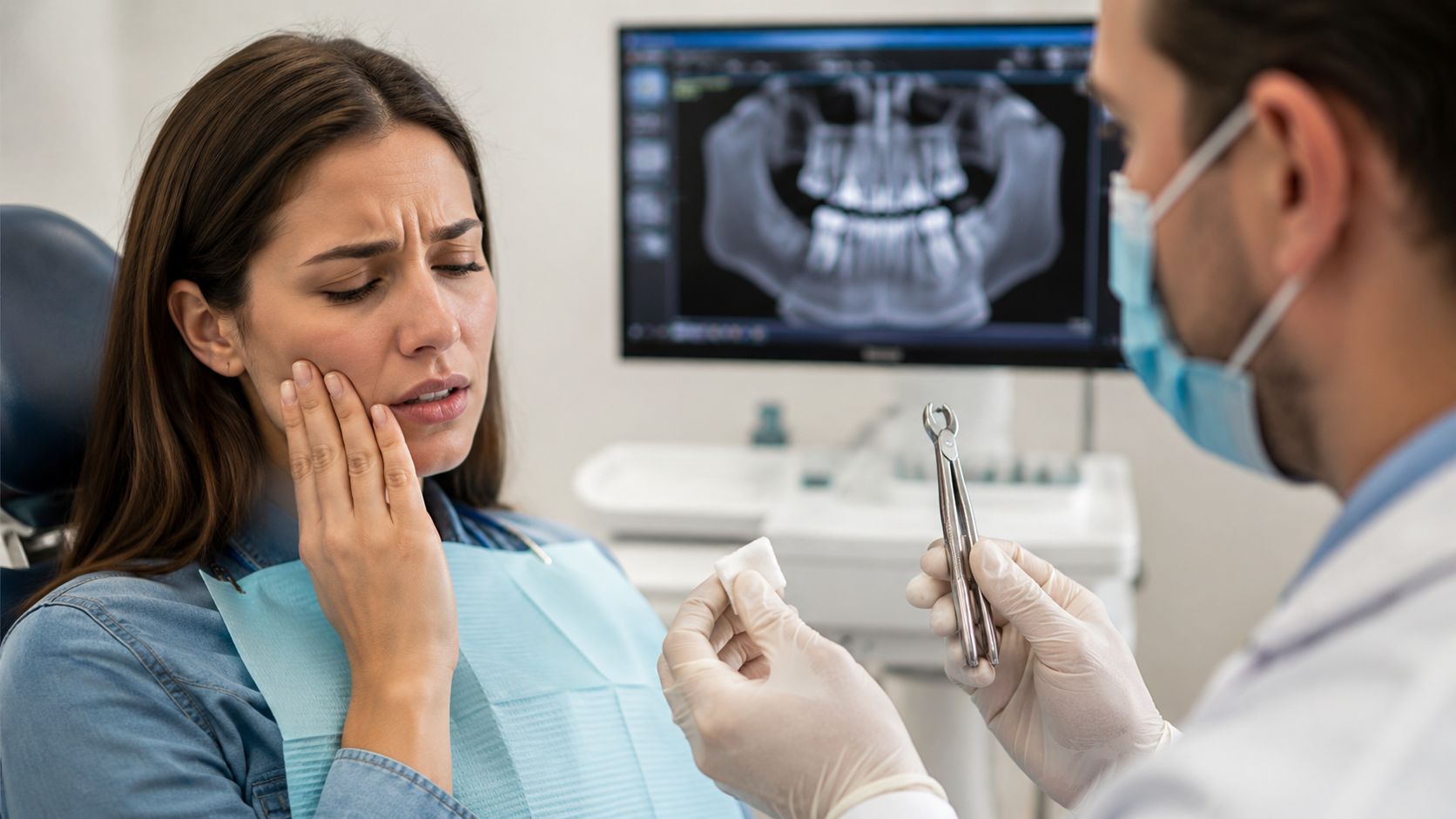
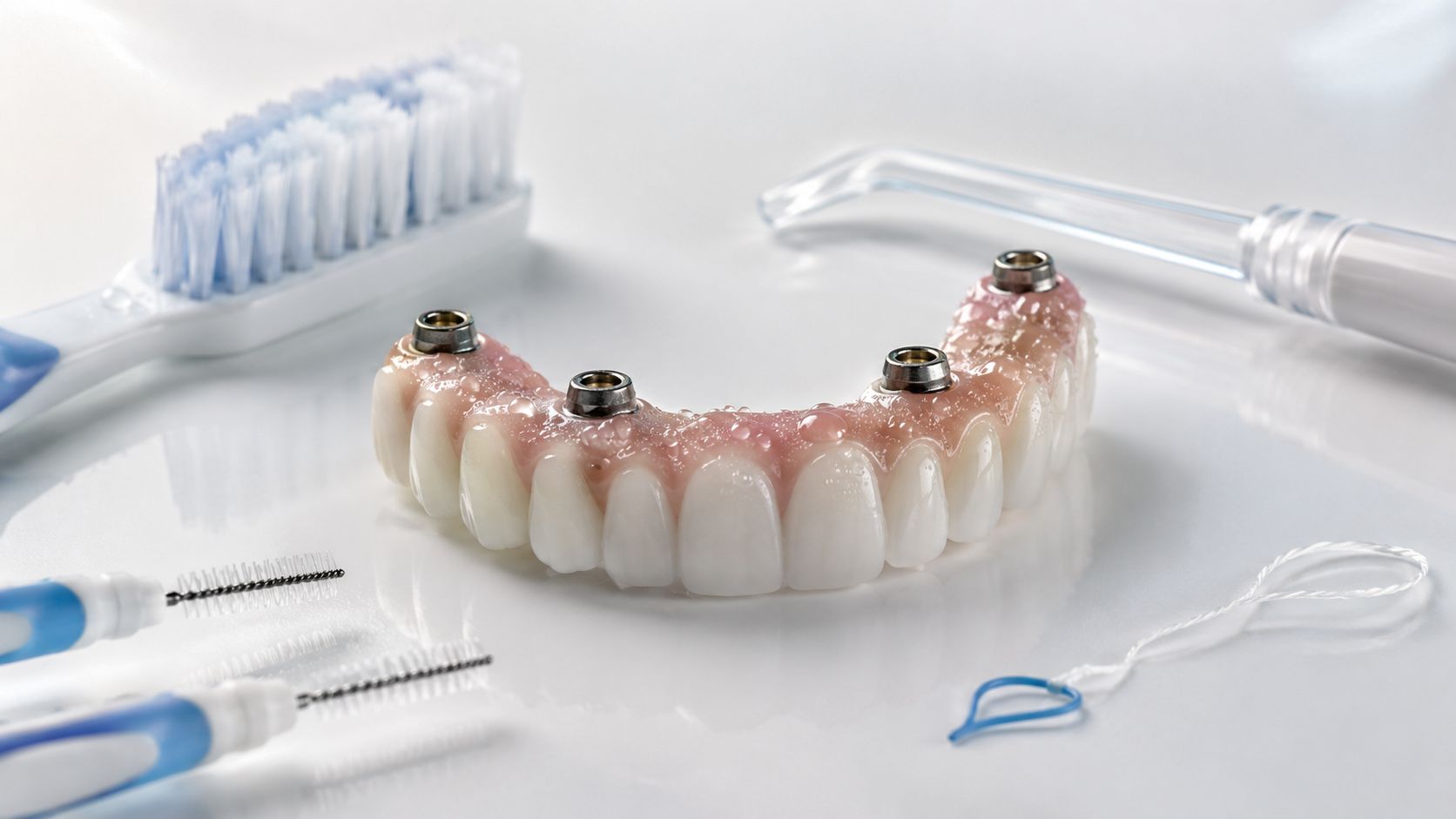
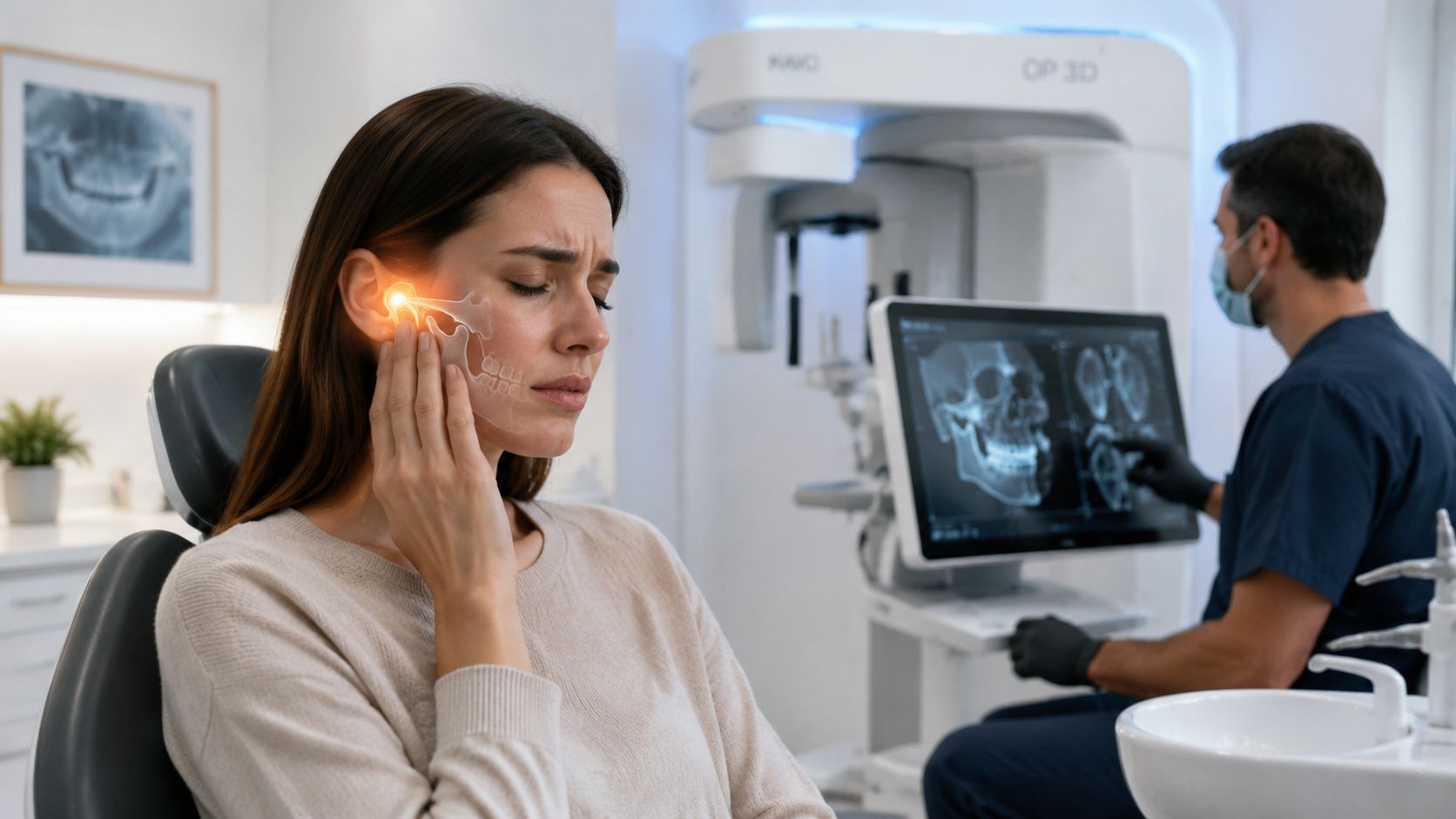
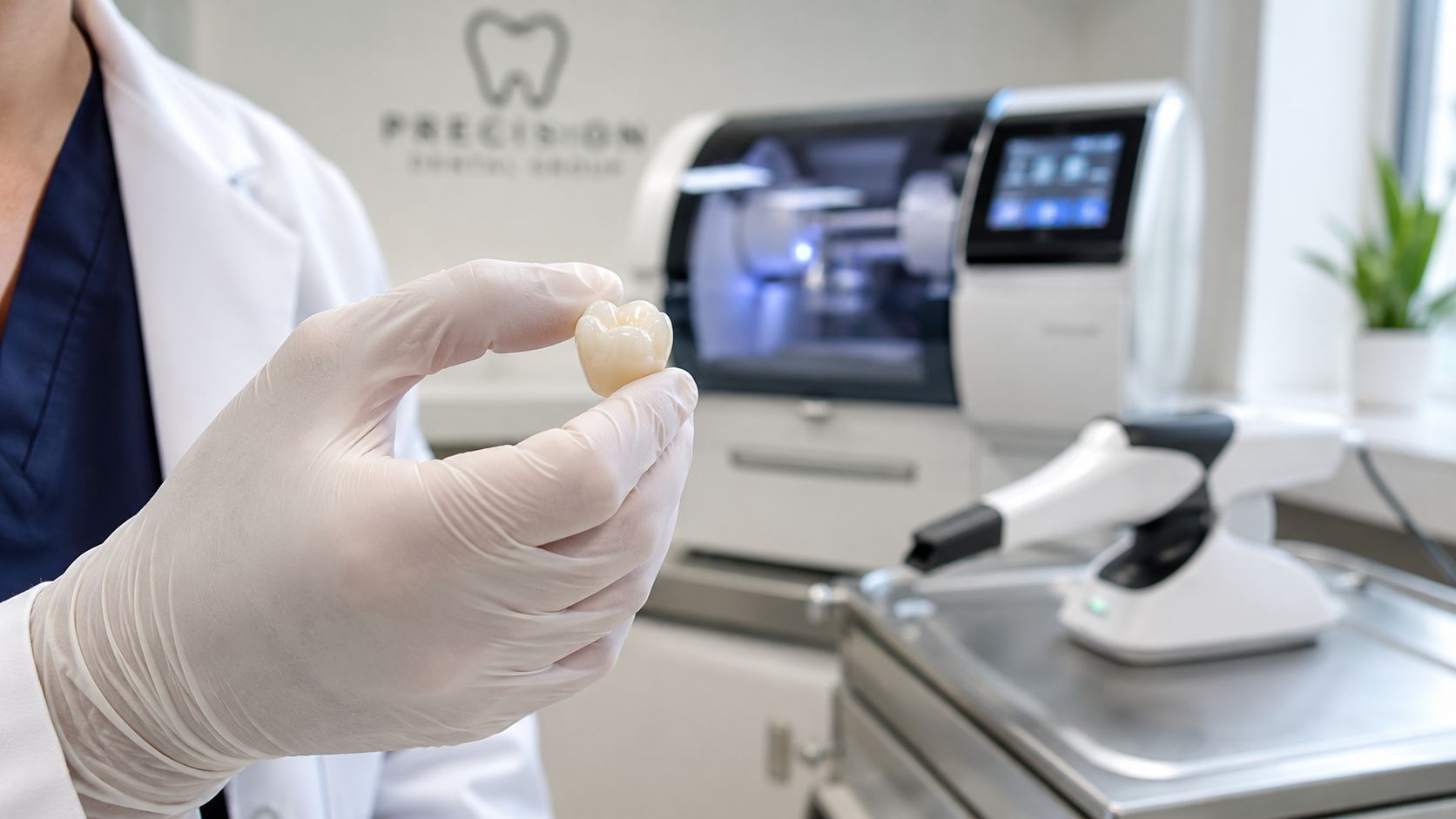
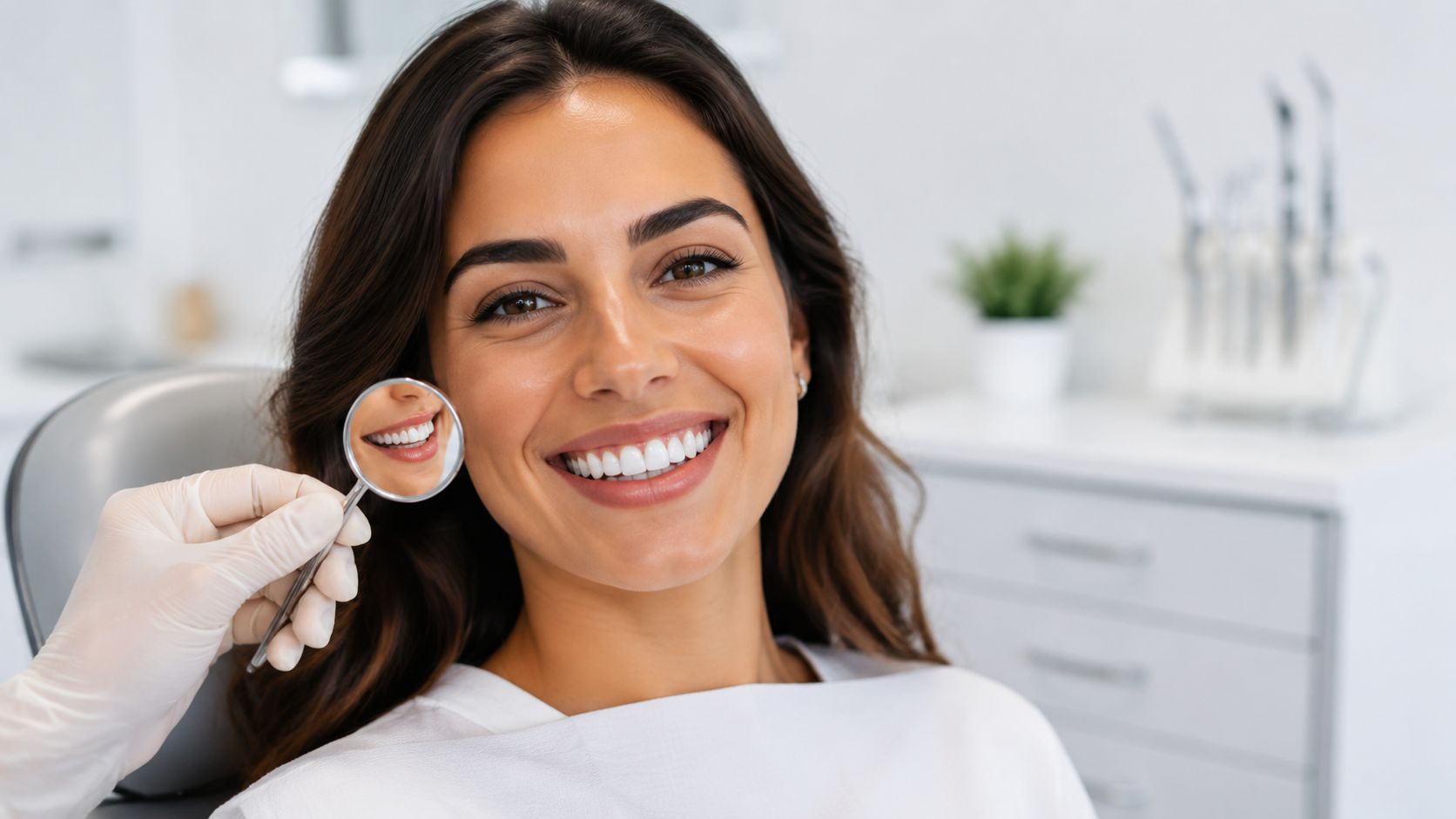
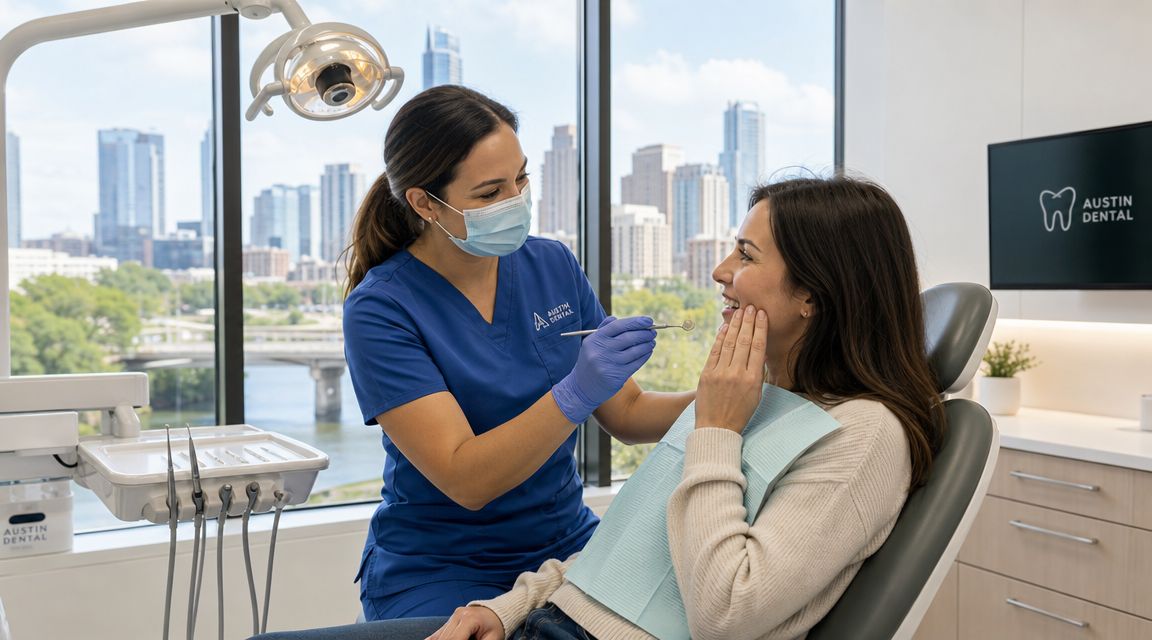
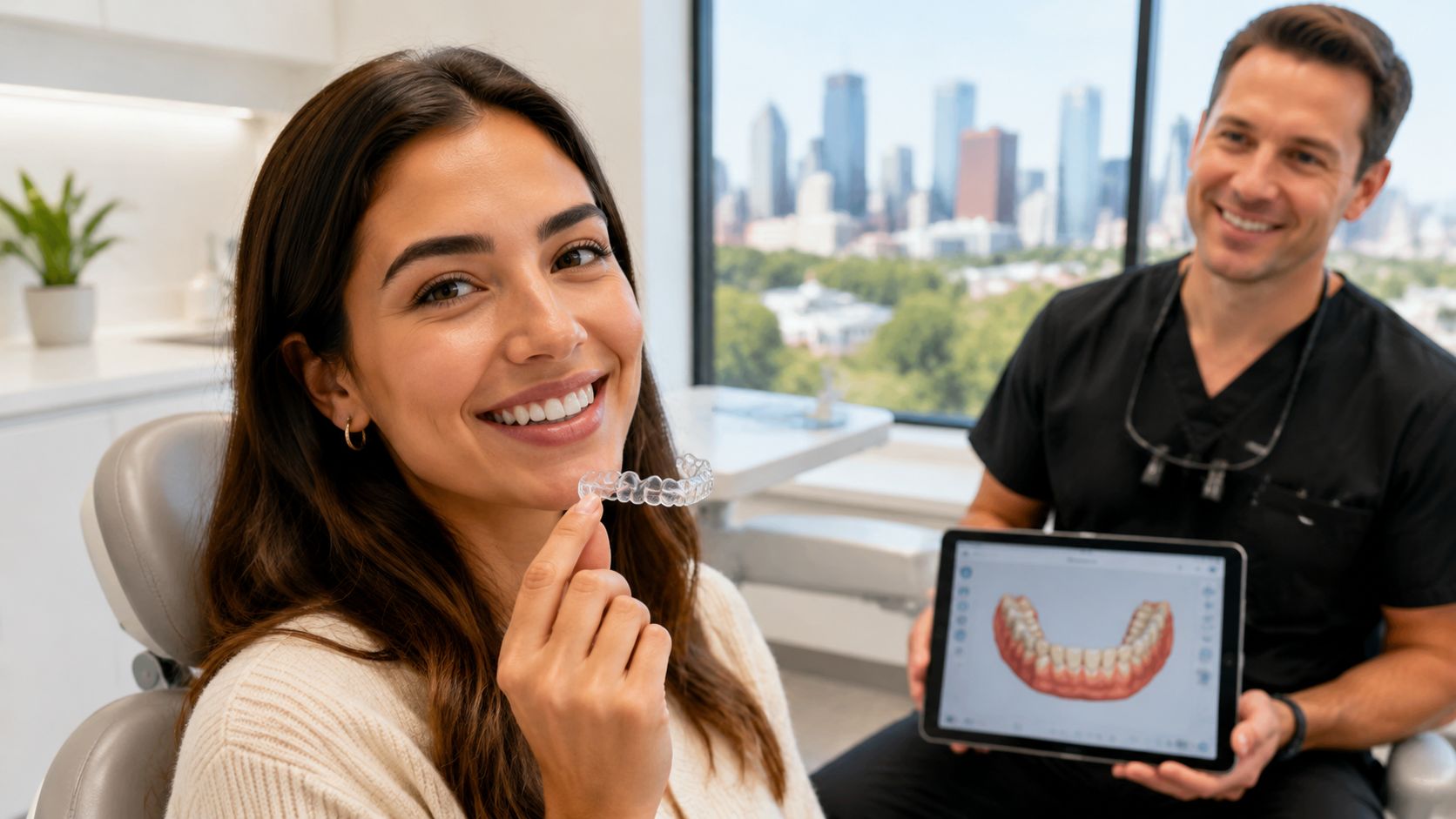
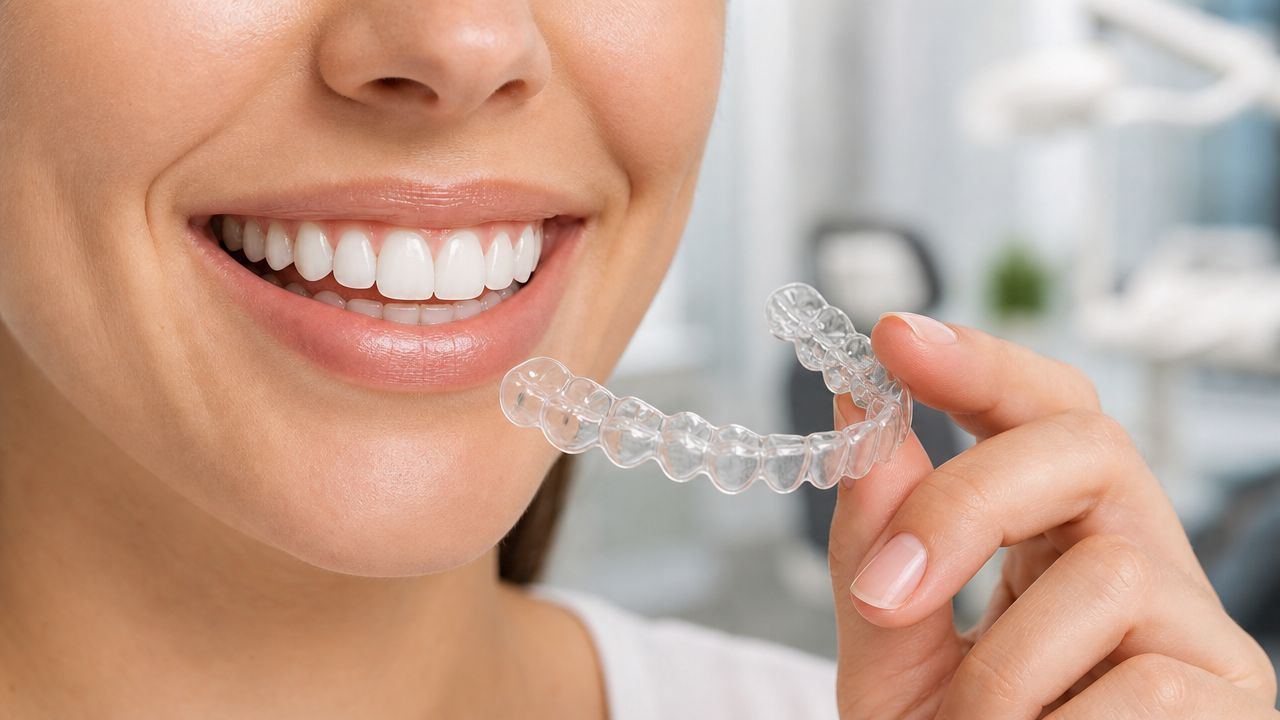
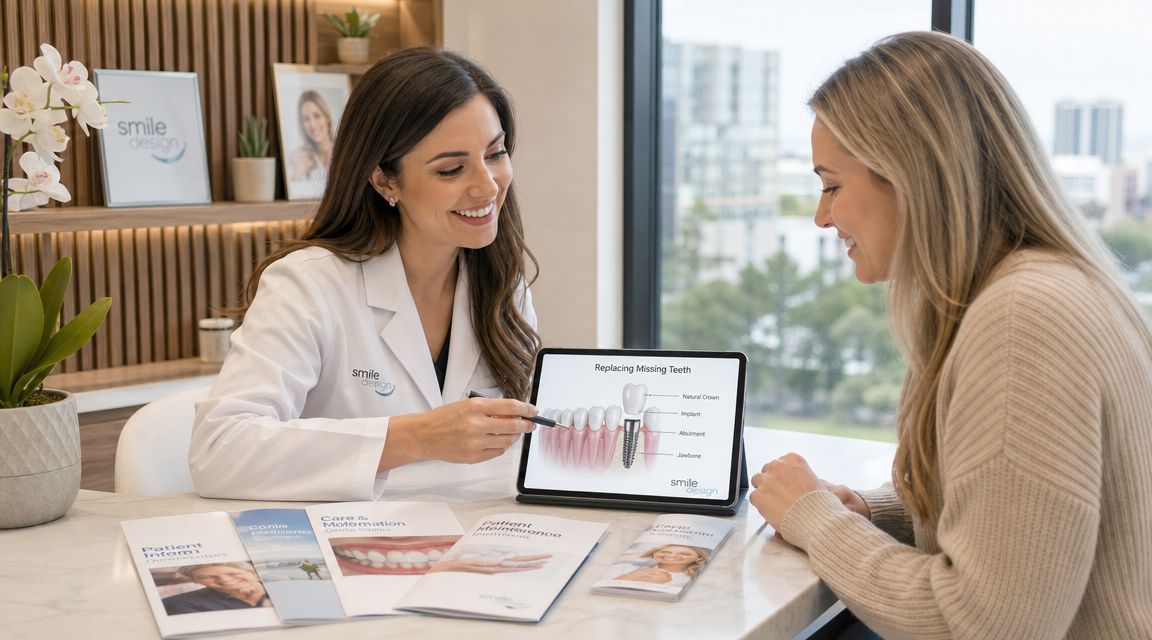
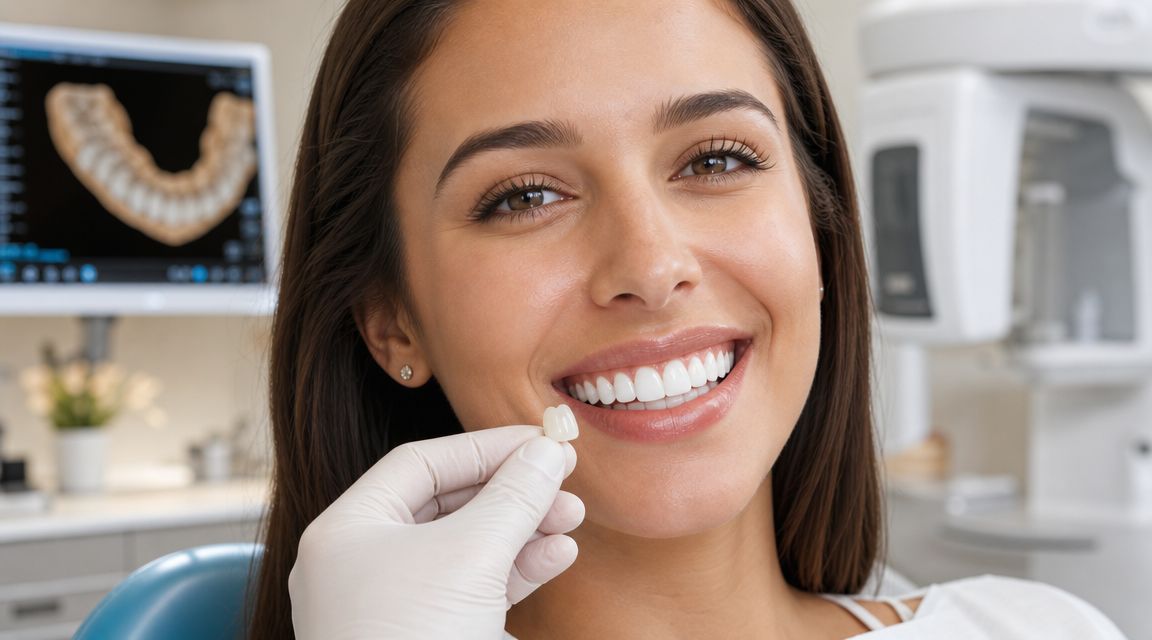

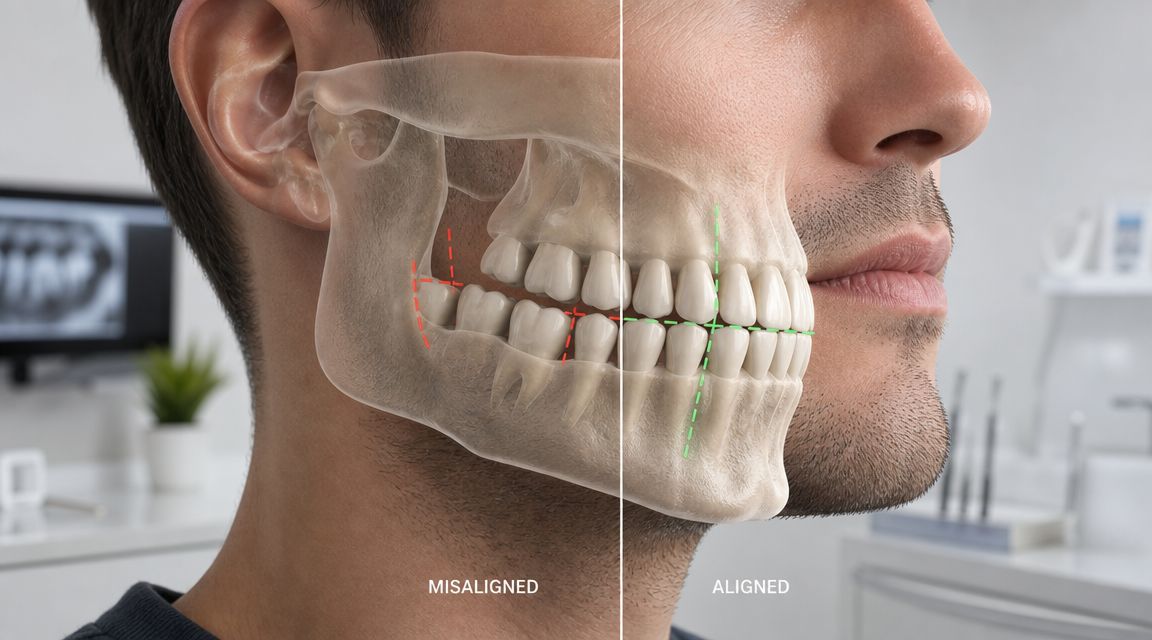

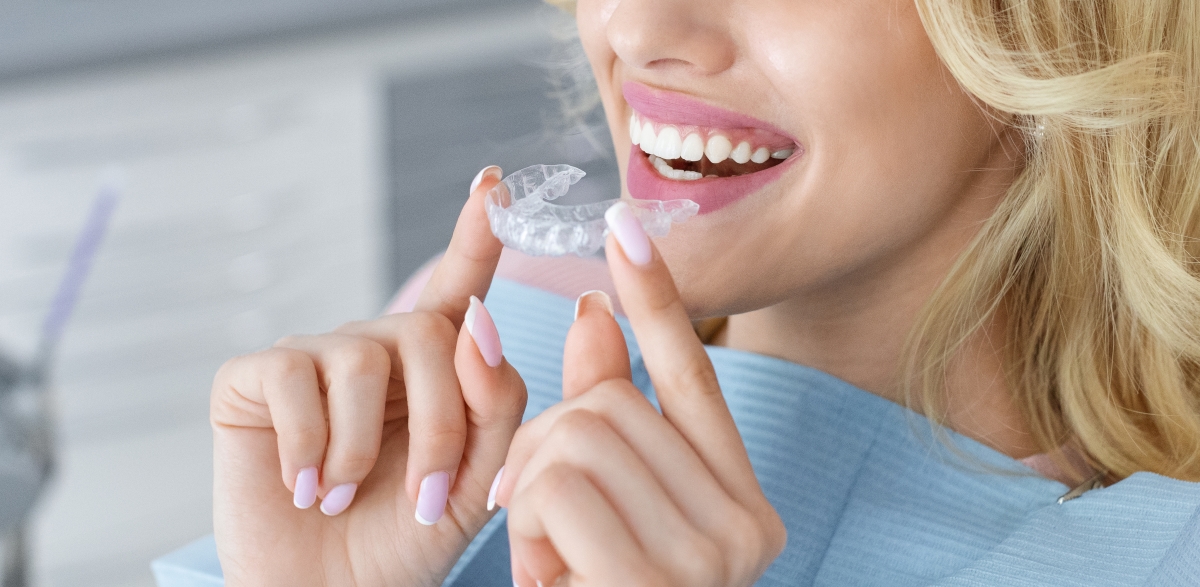
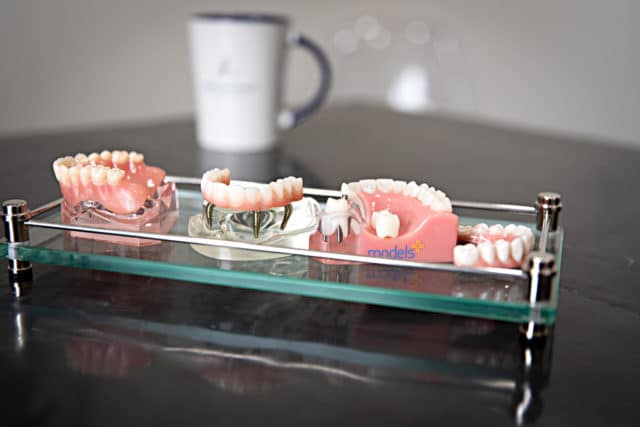
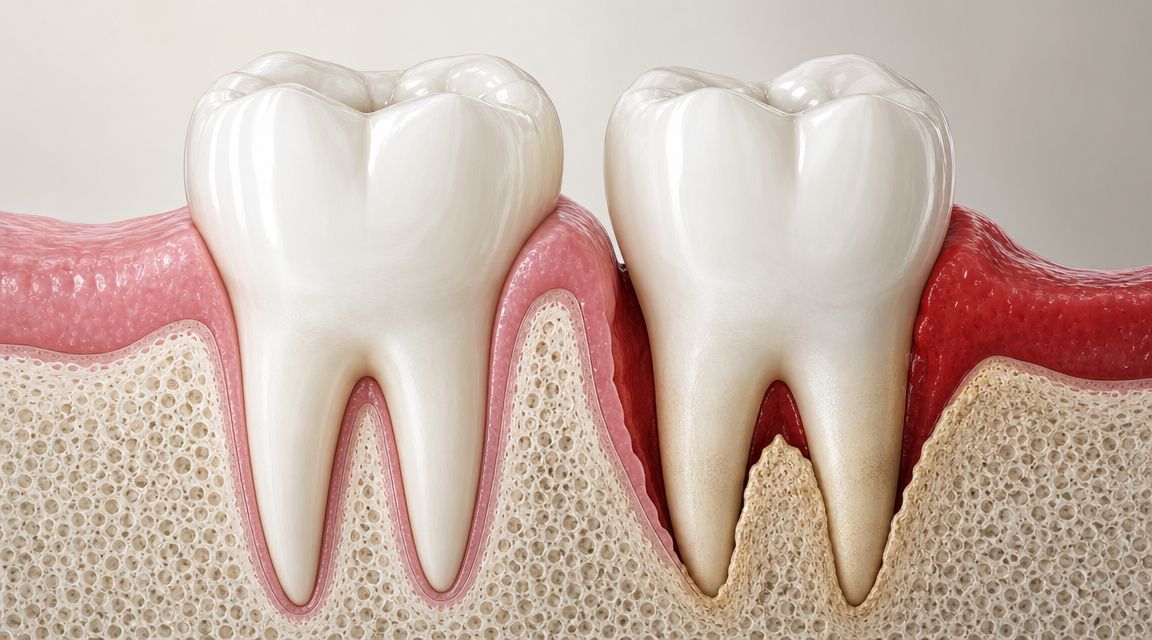






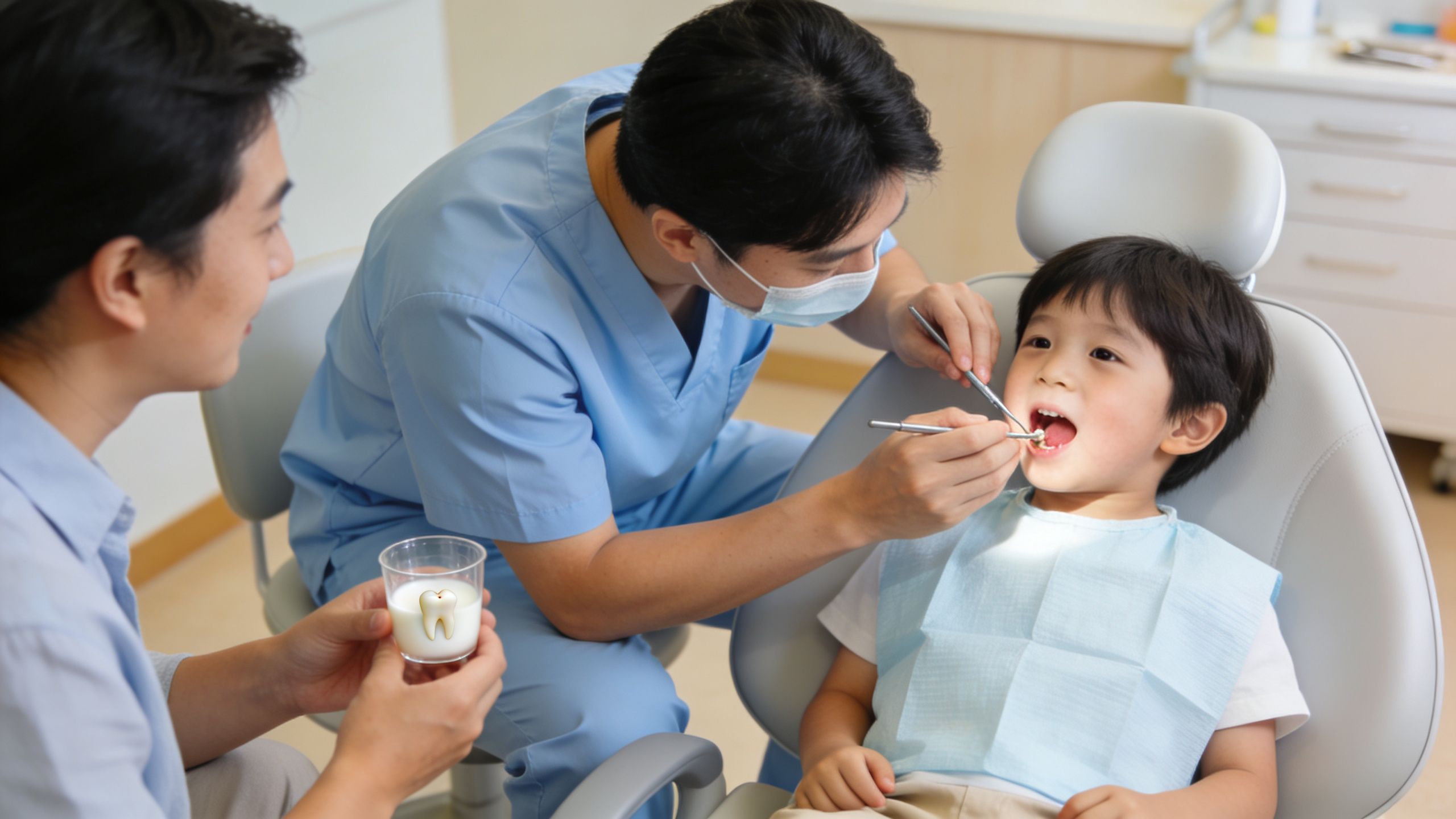




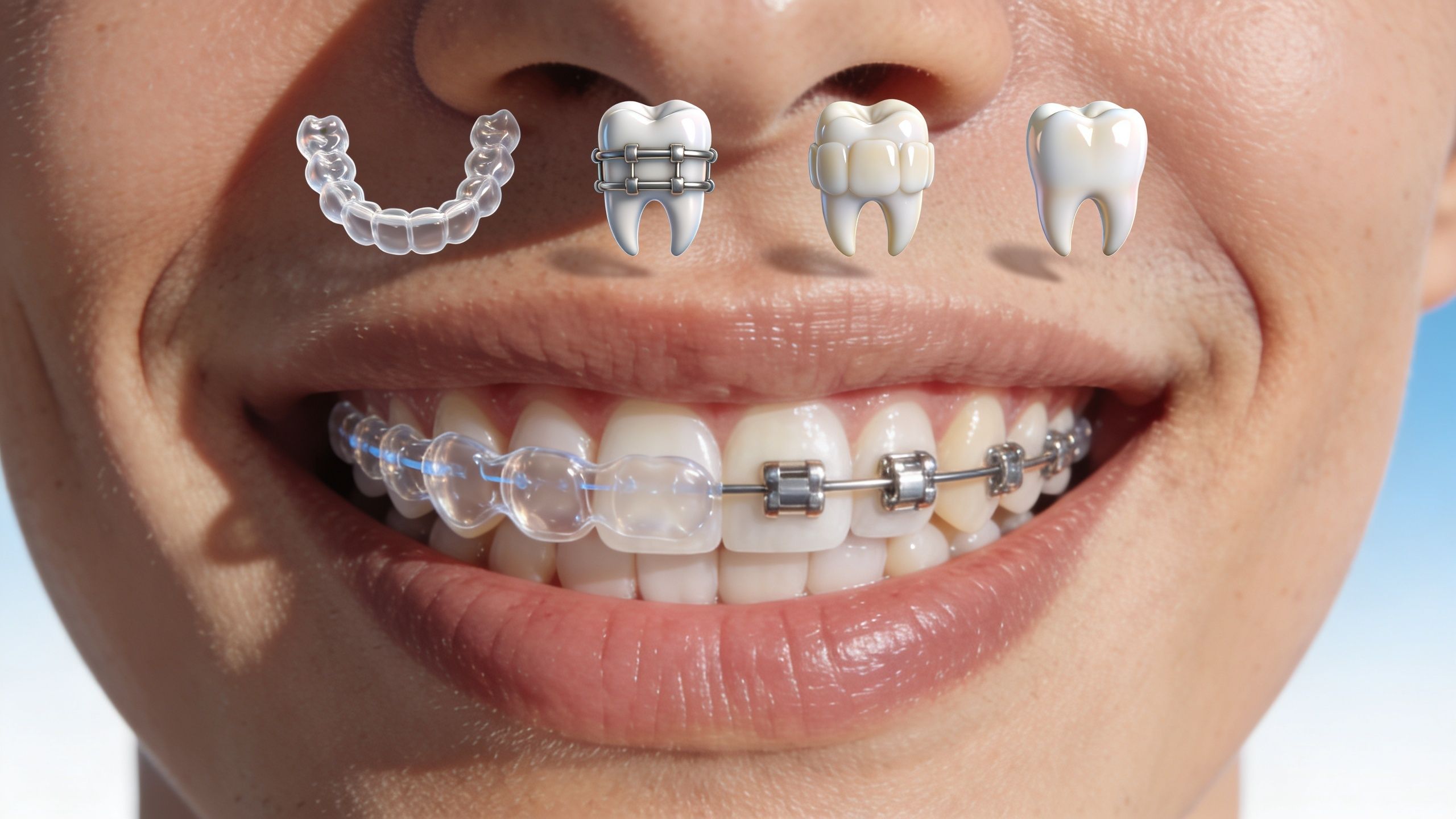


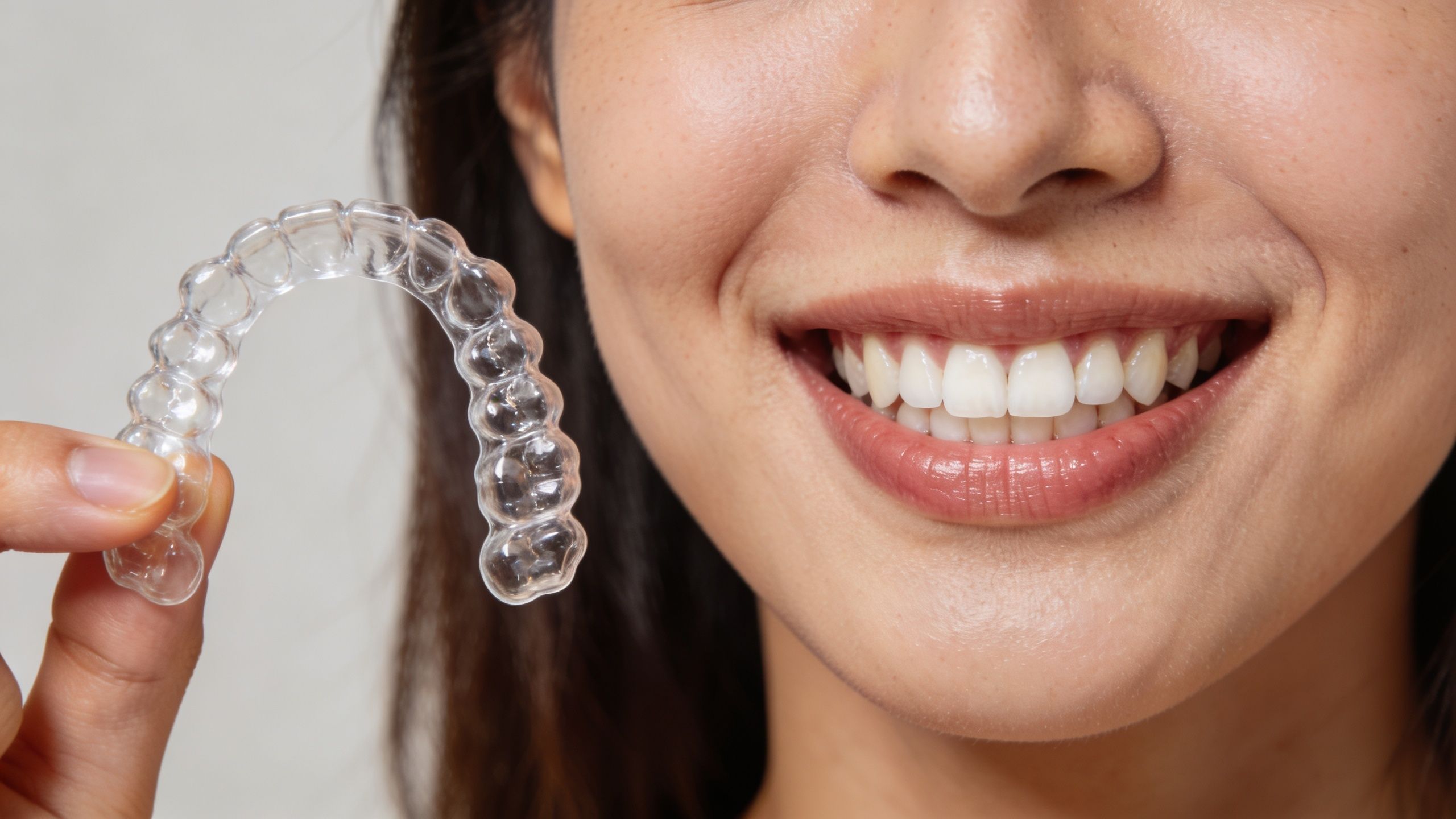



If you're looking in the mirror before work, before a wedding, or before another round of photos with your family and thinking, “I wish I liked my smile more,” you're not alone. Many individuals who ask about cosmetic dentistry procedures aren't chasing perfection. They want to fix the thing they notice every day. Stains that don't lift. A chip on the front tooth. A space that draws the eye. A smile that looks older or less balanced than they feel.
In Austin and Georgetown, that conversation happens often. Some patients come in after years of putting it off. Others are searching for a cosmetic dentist near me because they want answers now and don't want to waste time with vague recommendations or a treatment plan that feels too aggressive.
Modern cosmetic dentistry can be conservative, highly customized, and much more predictable than many patients expect. It can also overlap with restorative dentistry, dental implants, orthodontics, and even routine cleaning and exams when the underlying issue is wear, damage, or missing teeth. The right treatment isn't always the flashiest one. It's the one that fits your goals, your oral health, your timeline, and your budget.
Your Guide to Cosmetic Dentistry in Austin and Georgetown
A common first visit starts with a simple concern. Someone covers their mouth when they laugh. They avoid close-up photos. They notice discoloration, uneven edges, or a tooth that doesn't match the rest of their smile. They may have already searched for a dentist in Austin, TX, a cosmetic dentist near me, or a dentist in Georgetown, TX, and now they want straightforward guidance.

Cosmetic dentistry isn't a niche service anymore. The global cosmetic dentistry market was valued at $33.6 billion in 2022 and is projected to reach $89.03 billion by 2030, with teeth whitening remaining the most common option and approximately 19% of U.S. adults having undergone professional whitening treatments, according to Grand View Research on the cosmetic dentistry market. That shift matters because it reflects how patients now view smile care. For many people, it isn't a luxury purchase. It's part of feeling comfortable, healthy, and confident.
What patients usually want to know first
Most new patients don't start by asking for a specific product or procedure. They ask questions like:
- Will this look natural if I whiten, bond, or place veneers?
- Can I fix just one problem tooth without redoing my whole smile?
- How long will it last if I choose a simpler option?
- Will I need other treatment first such as fillings, gum care, or replacing a missing tooth?
Those are the right questions.
Cosmetic work succeeds when the plan matches the face, the bite, and the patient's habits, not just the photo they bring in.
Local care matters
Patients from North Austin, Georgetown, Wells Branch, Cedar Park, Round Rock, and Liberty Hill often want the same thing. They want one office that can evaluate the health side and the appearance side together. A smile makeover shouldn't ignore worn enamel, bite pressure, old restorations, or missing teeth.
That practical approach matters whether you're looking for teeth whitening, veneers, bonding, implant crowns, or a broader treatment plan that combines cosmetic and restorative dentistry. Good cosmetic dentistry procedures should make your smile look better. They should also make sense clinically.
Common Cosmetic Dentistry Procedures for Your Smile Makeover
Some cosmetic improvements are quick and focused. Others involve more planning. If you're early in the process, it helps to understand the most common starting points and what each one can and can't do.
Teeth whitening
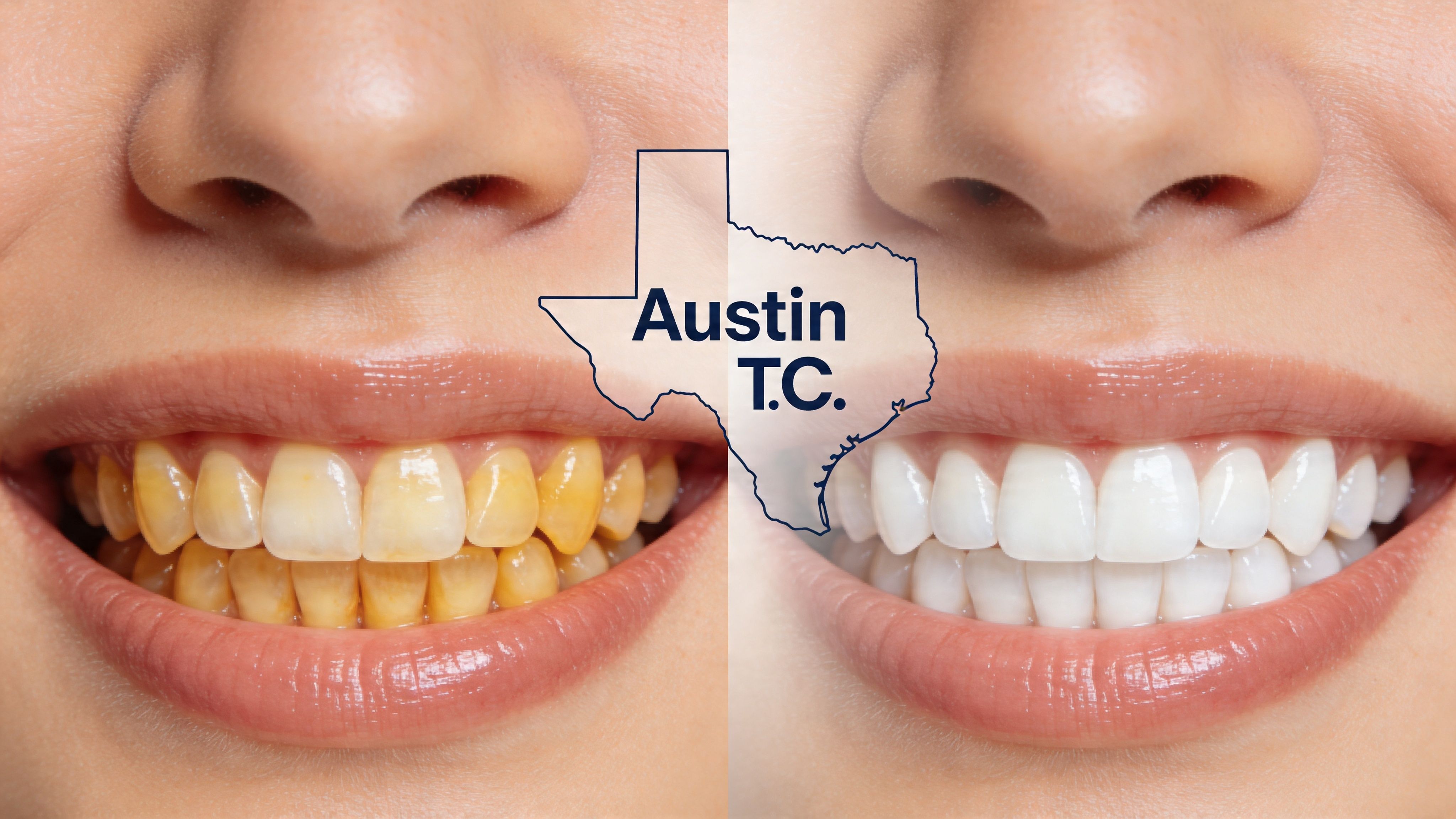
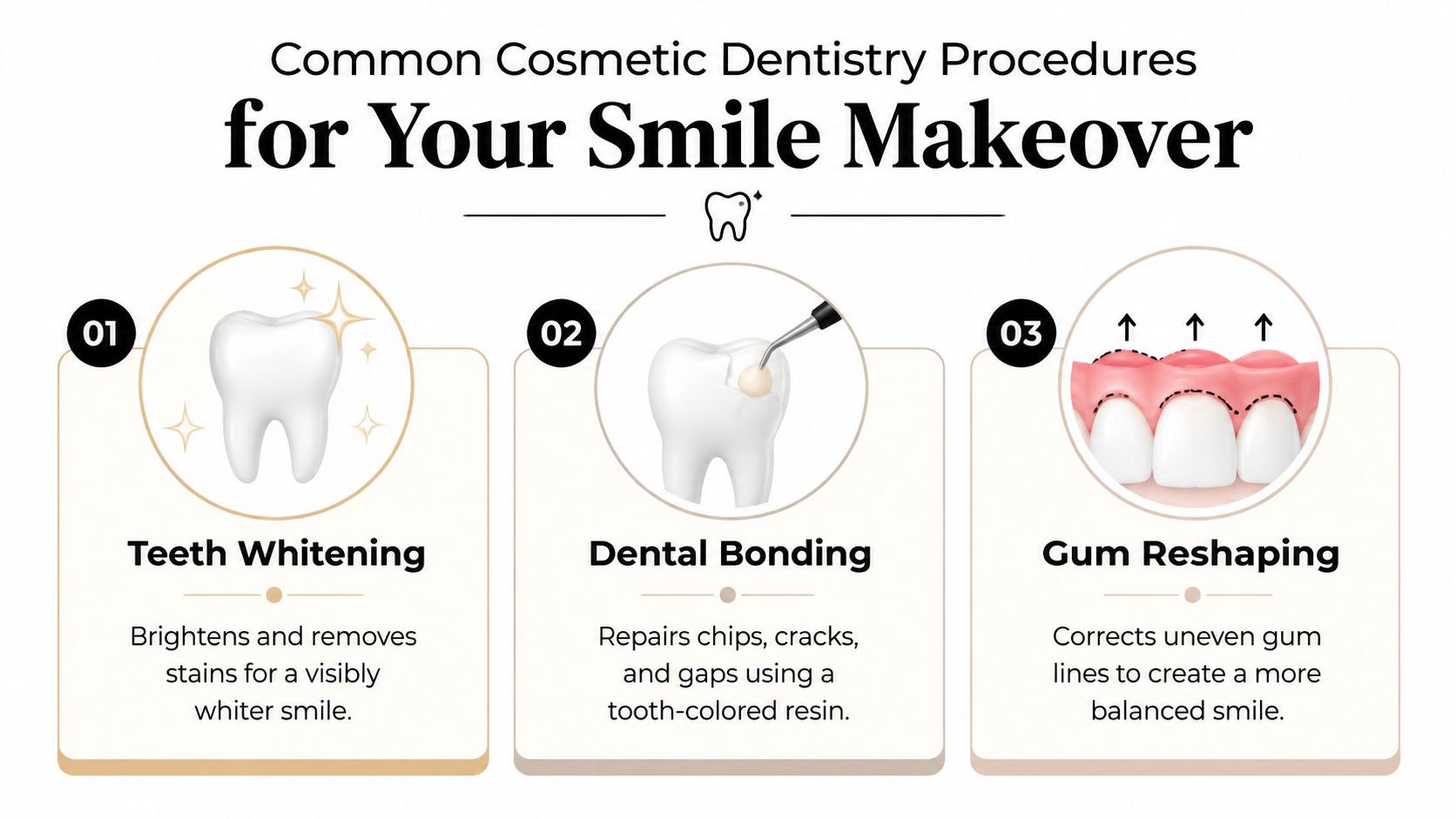
Professional whitening is often the easiest way to refresh a smile. It's designed to lift surface and deeper staining from foods, drinks, tobacco, and natural aging.
Who it's for: patients with healthy teeth and gums who want a brighter smile without changing the shape or position of their teeth.
What to expect: after an exam, whitening can be completed in-office or through professionally guided take-home treatment. This works best when the main issue is color, not chips, gaps, or uneven contours.
Whitening is a good first step because it can improve the overall look of your smile without removing tooth structure. If you later decide on bonding, veneers, or crowns, getting the shade right early helps the rest of the planning.
Dental bonding
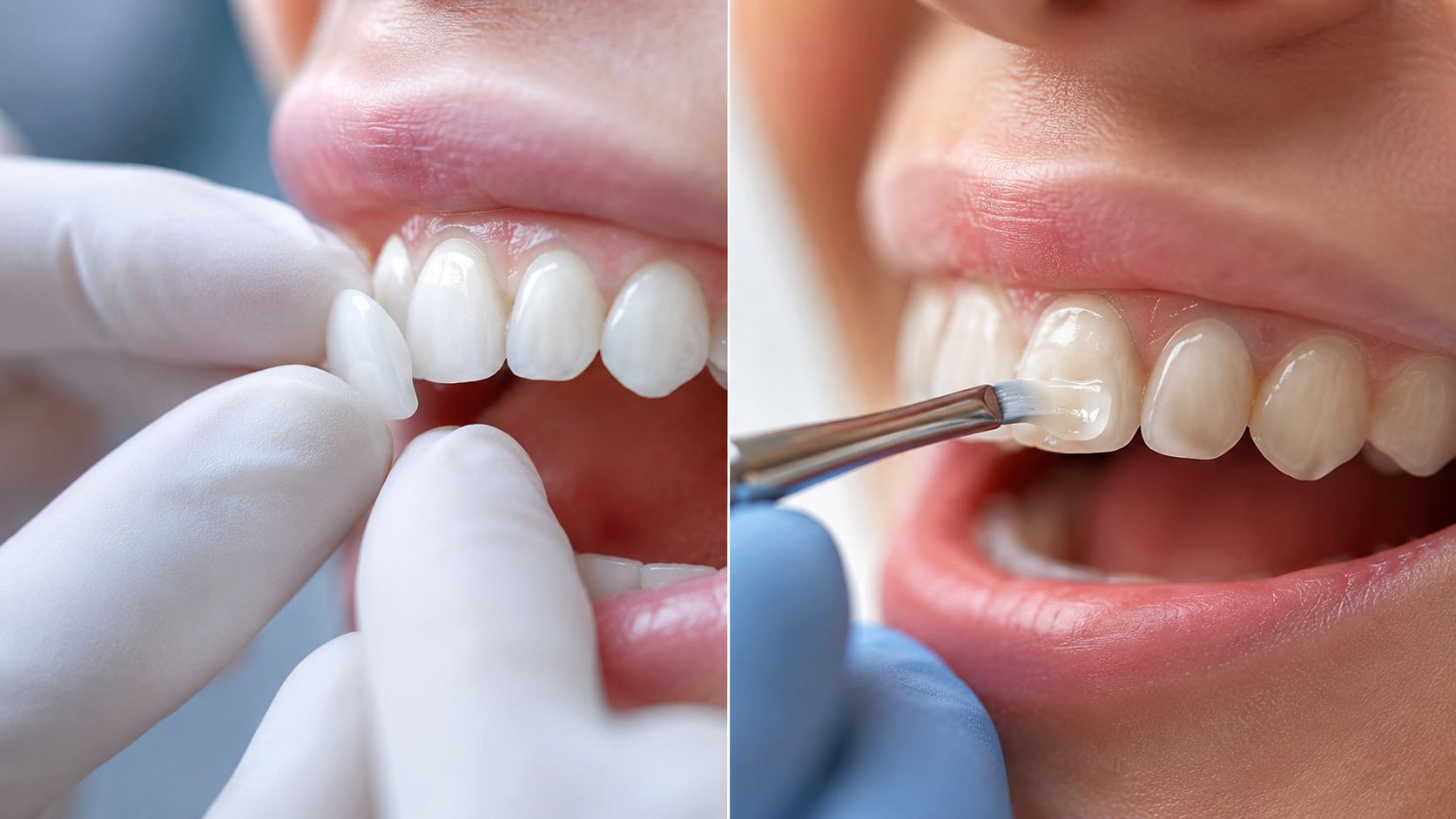
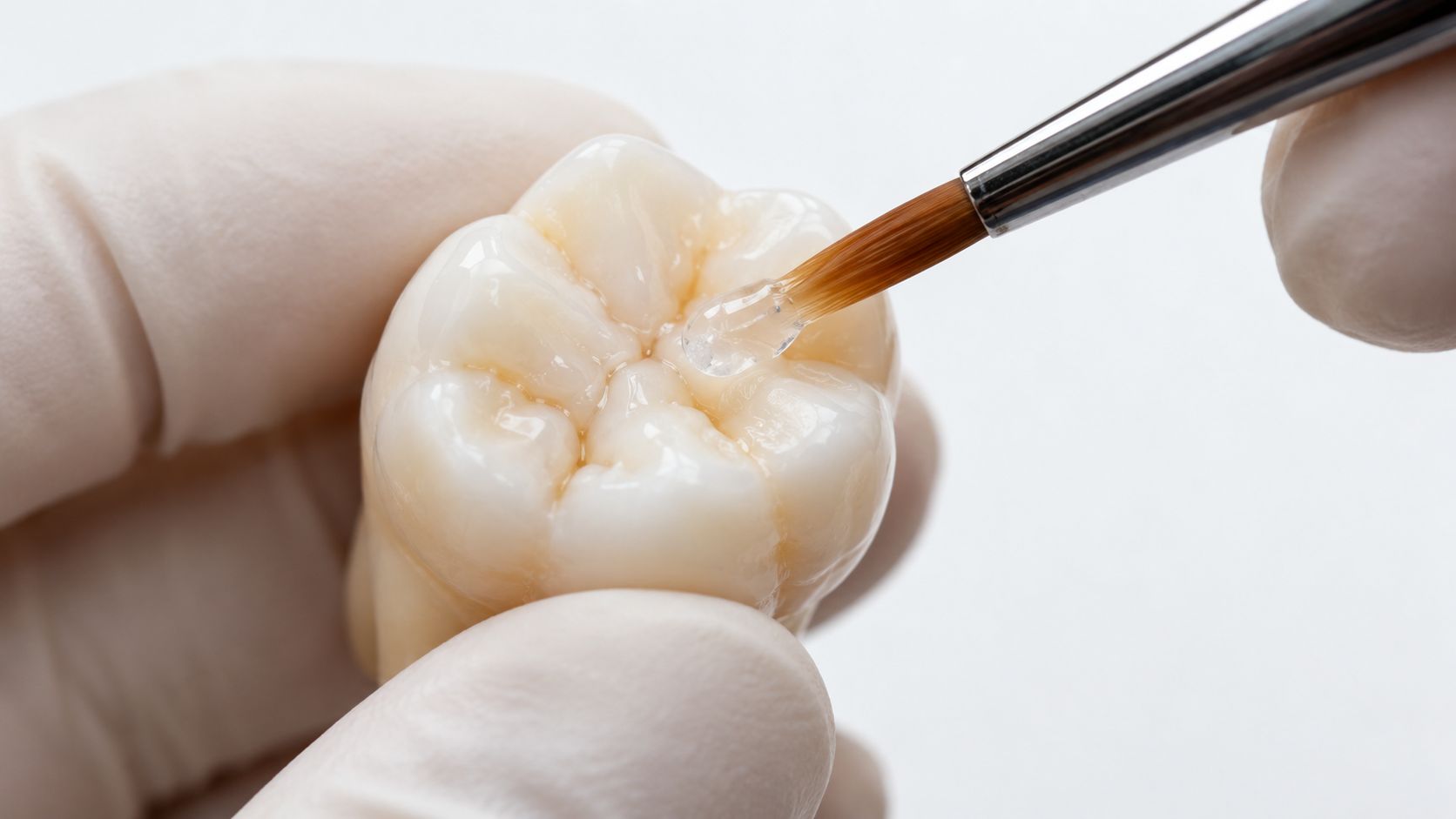
Bonding uses a tooth-colored resin to repair small flaws. It can reshape a chipped edge, soften a gap, mask a minor defect, or make one tooth look more symmetrical next to the others.
Who it's for: patients with smaller cosmetic concerns who want a conservative option and understand that resin doesn't wear exactly like porcelain.
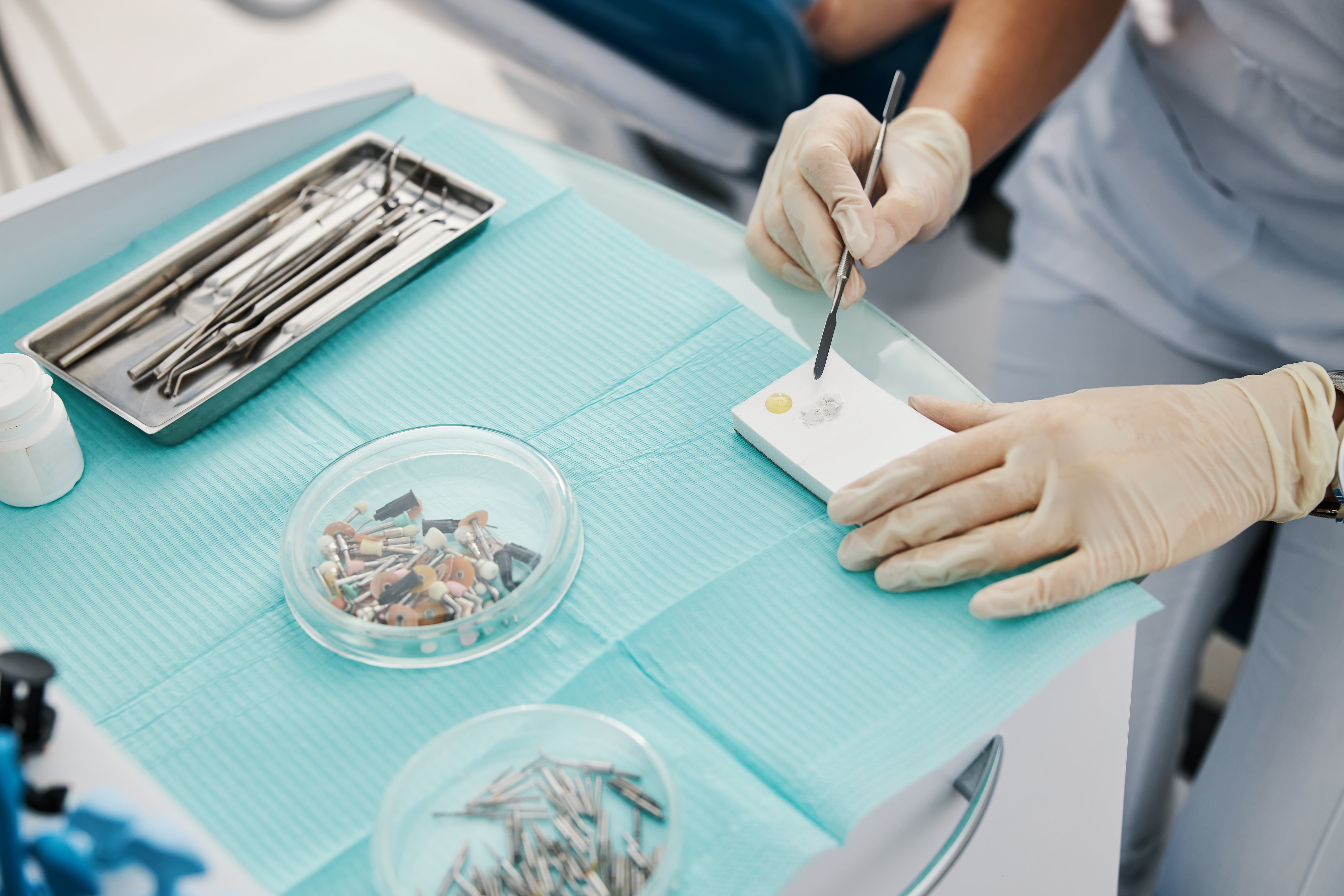
What to expect: the tooth is prepared, the material is placed and shaped, then polished to blend with the smile. Bonding can look very natural, especially for small corrections.
Gum reshaping
Sometimes the teeth aren't the main issue. The gumline may be uneven, or excess gum tissue can make the teeth look shorter than they really are. In those cases, gum contouring can create better balance.
Who it's for: patients with a gummy smile or an irregular gumline who want more tooth display and better smile symmetry.
What to expect: the gumline is carefully adjusted to create a cleaner frame around the teeth. This is often combined with whitening or veneers when a full cosmetic result is the goal.
Practical rule: If the problem is mostly color, start with whitening. If it's a small shape issue, bonding may be enough. If the teeth look short because of the gums, contouring may be the real fix.
A quick comparison
| Procedure | Best for | Main advantage | Main trade-off |
|---|---|---|---|
| Teeth whitening | Stains and dull color | Conservative and simple | Doesn't change shape or alignment |
| Dental bonding | Chips, small gaps, minor reshaping | Fast and versatile | Usually needs more upkeep than porcelain |
| Gum reshaping | Uneven or gummy smile | Better balance and tooth display | Works best when gumline is the main issue |
For many patients, these treatments are the entry point into cosmetic dentistry procedures. They can also be part of a larger plan that includes veneers, crowns, aligners, or dental implants near me searches when missing teeth are involved.
Transforming Smiles with Porcelain Veneers and Dental Implants
When a smile has several concerns at once, quick fixes usually aren't enough. Two of the most powerful treatments then come into play. Porcelain veneers can redesign the front-facing appearance of teeth, while dental implants replace missing teeth in a way that supports both appearance and function.

Porcelain veneers for shape, color, and symmetry
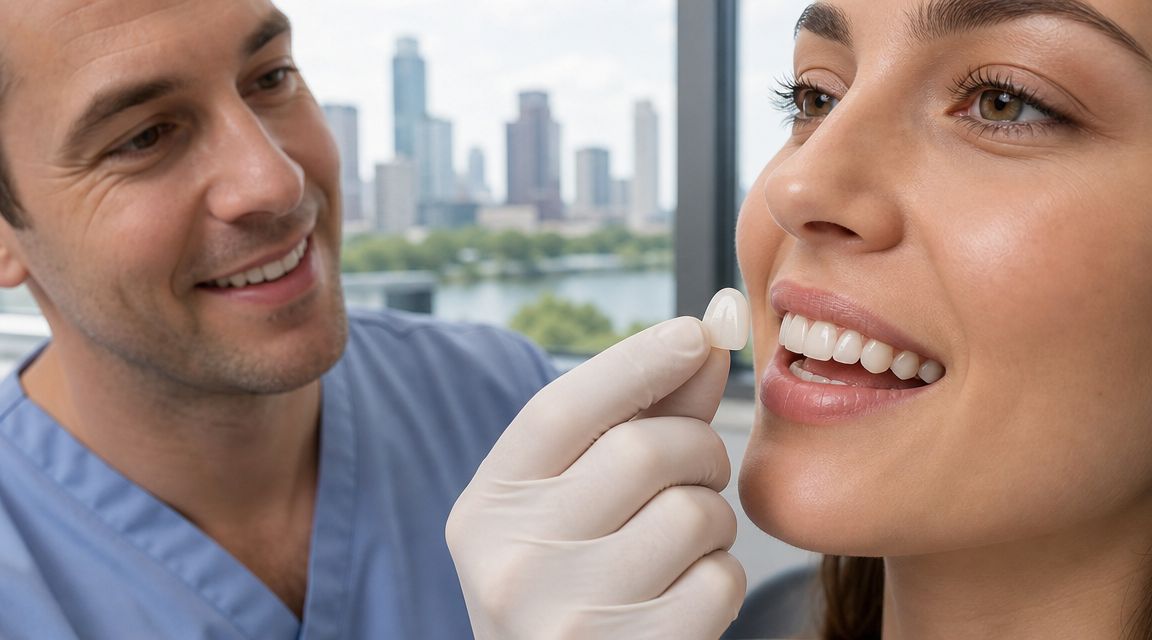
Veneers work well when the issue isn't just stain. They can correct worn edges, uneven proportions, persistent discoloration, and certain spacing concerns in a way that whitening and bonding can't always match.
Porcelain veneers are ultra-thin ceramic shells, typically 0.3 to 0.5 mm thick, custom-fabricated with digital smile design and CAD/CAM milling for a precision fit, achieving up to 99% marginal adaptation. They also show a 95% survival rate at 10 years in clinical studies, with high-bond resin cements producing shear bond strengths over 30 MPa, according to technical specifications for cosmetic dentistry and porcelain veneers.
That level of precision matters because veneers aren't just placed on top of teeth. They have to fit the smile, the bite, and the patient's facial features. A veneer that looks attractive in isolation can still fail if it is too bulky, too bright, or poorly matched to function.
What veneer treatment usually involves
At the consultation, the dentist reviews your goals, tooth proportions, bite, and gumline. Some patients are good veneer candidates right away. Others need gum treatment, bite stabilization, or a more conservative option first.
A veneer process often includes:
- Smile evaluation with photos, scans, and shade analysis
- Planning the final look so the shape fits your face and smile line
- Conservative tooth preparation when needed
- Fabrication and placement with close attention to fit and polish
Patients who want a broader understanding of implant planning and outcomes often also look at dental implant success rate information because cosmetic and restorative decisions frequently overlap.
Dental implants for missing teeth
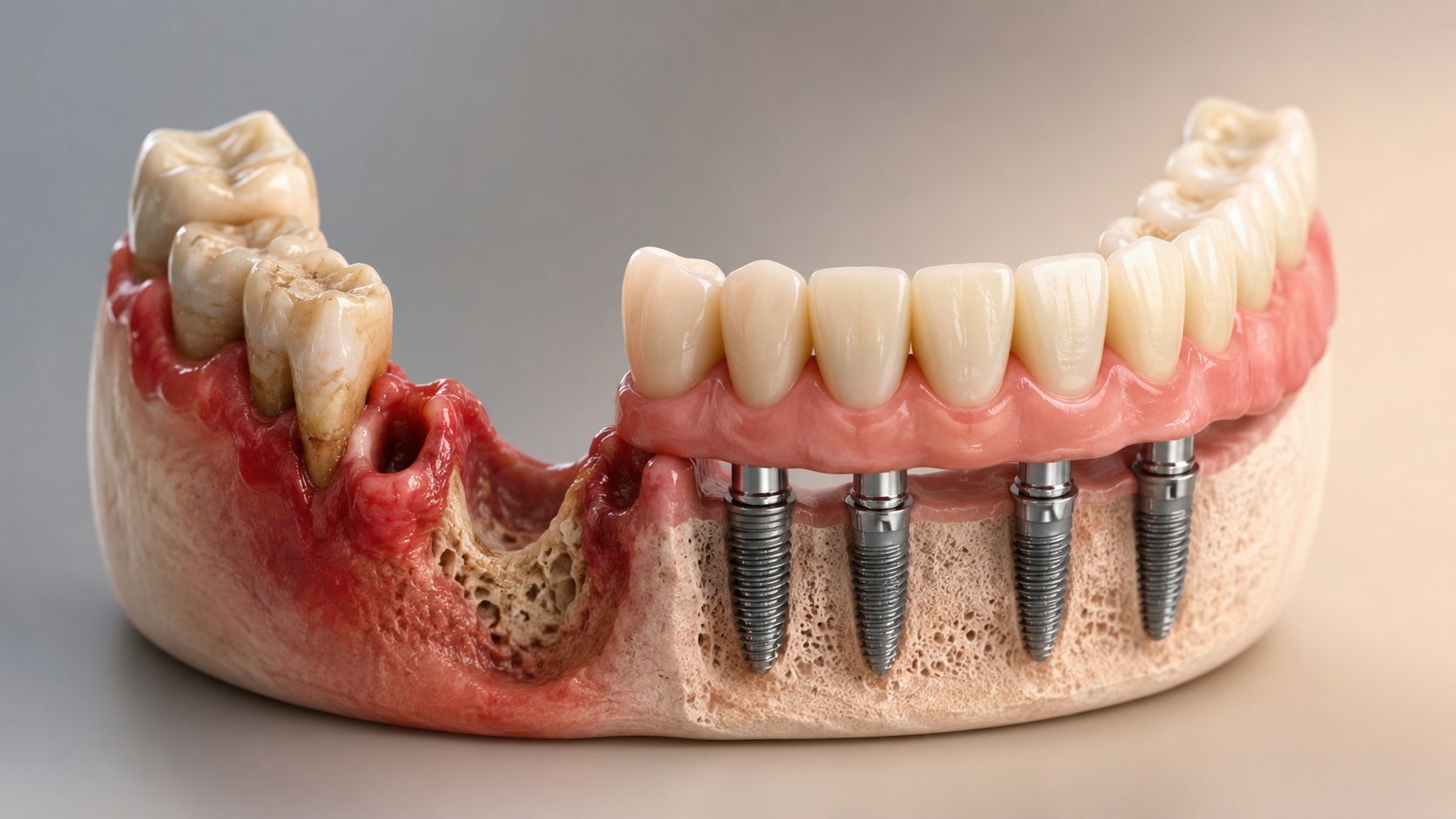
If you're missing a tooth, cosmetic improvement isn't only about filling the visible gap. The replacement has to support your bite, gum contours, and long-term oral health. That's why an implant often provides a more complete solution than a removable substitute for the right patient.
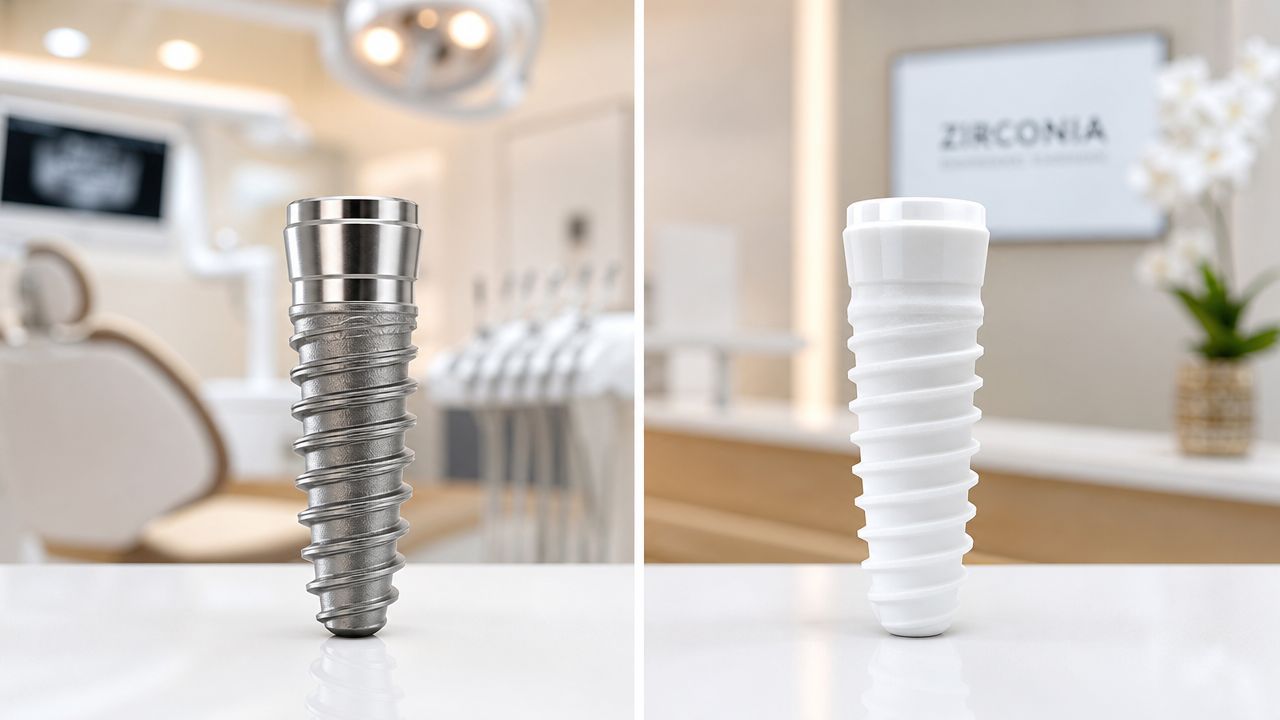
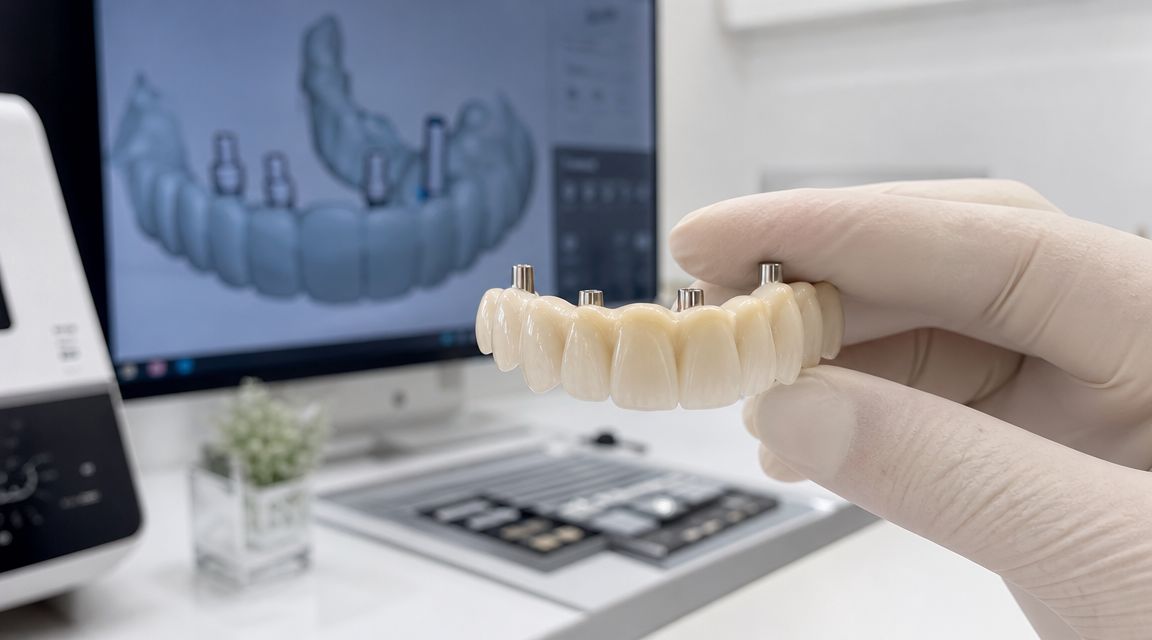
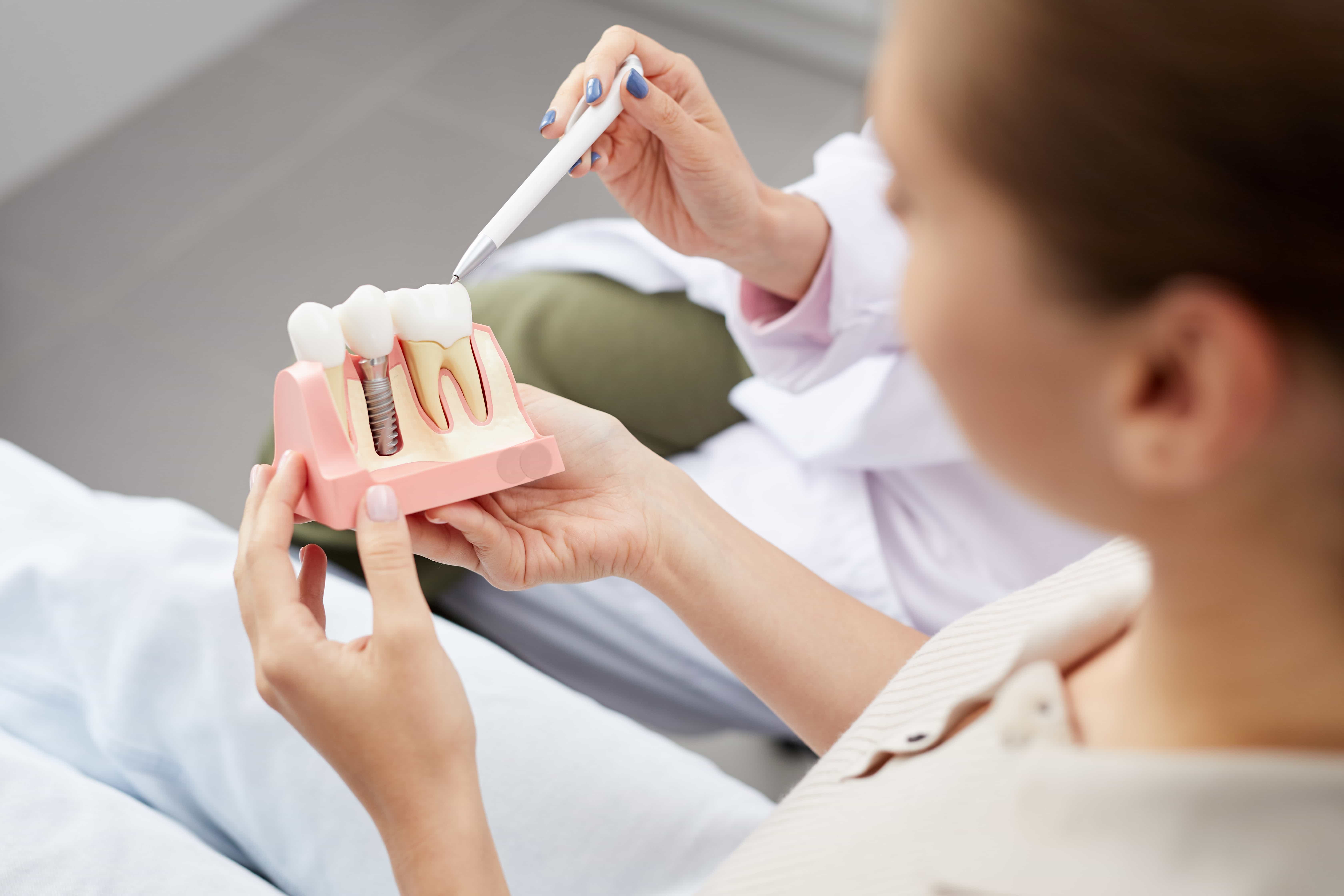
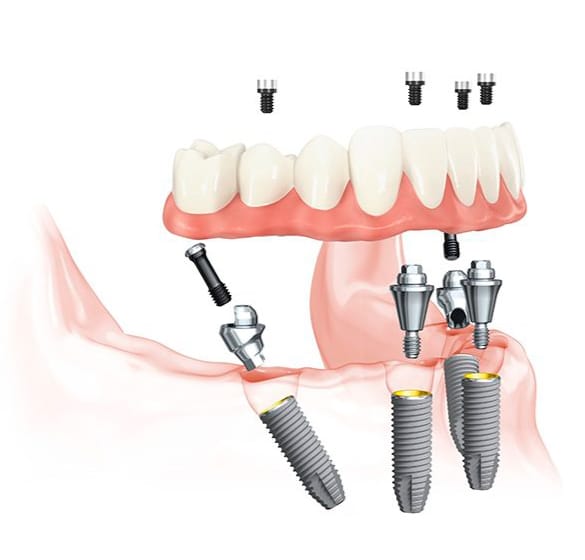
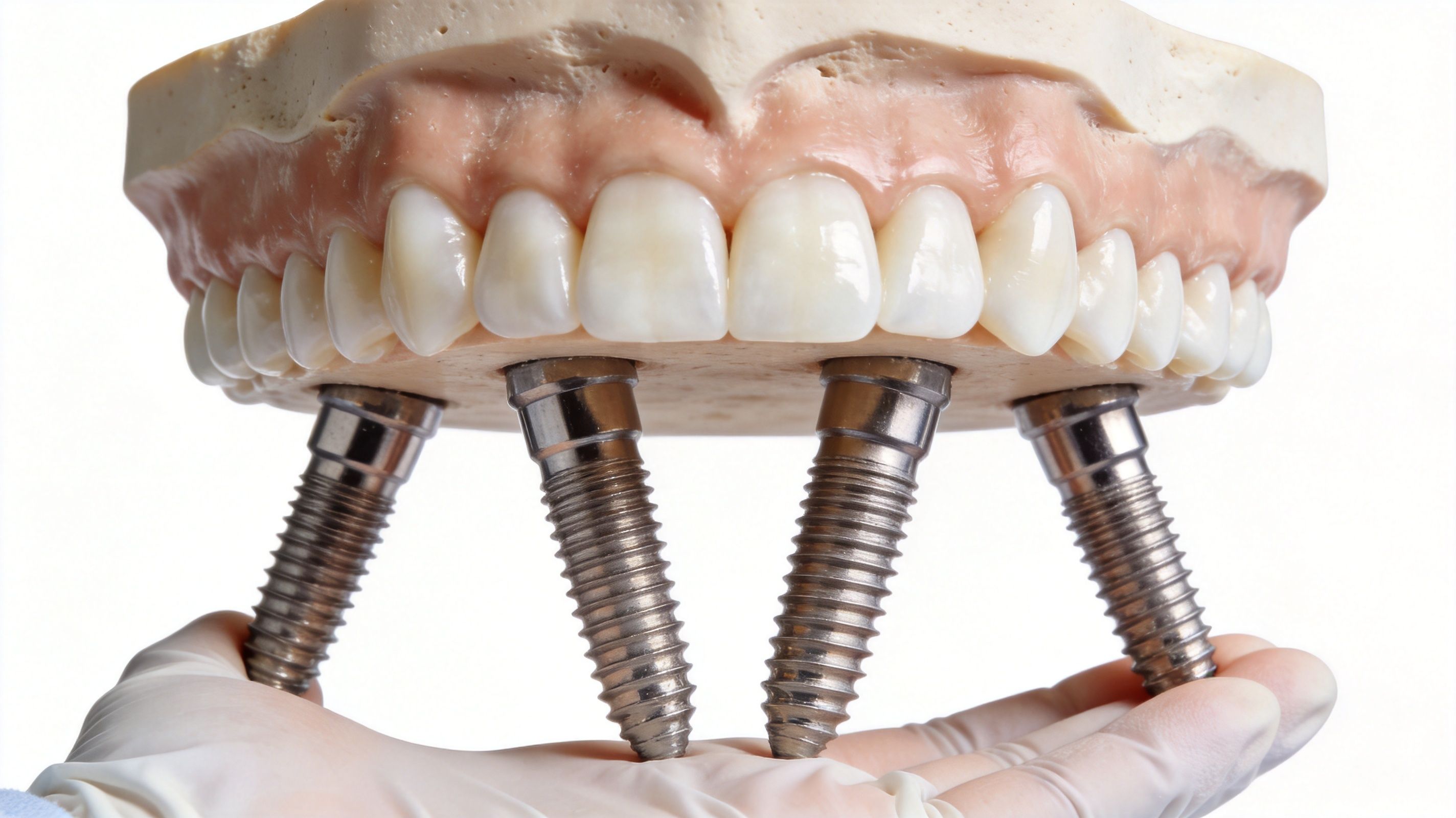
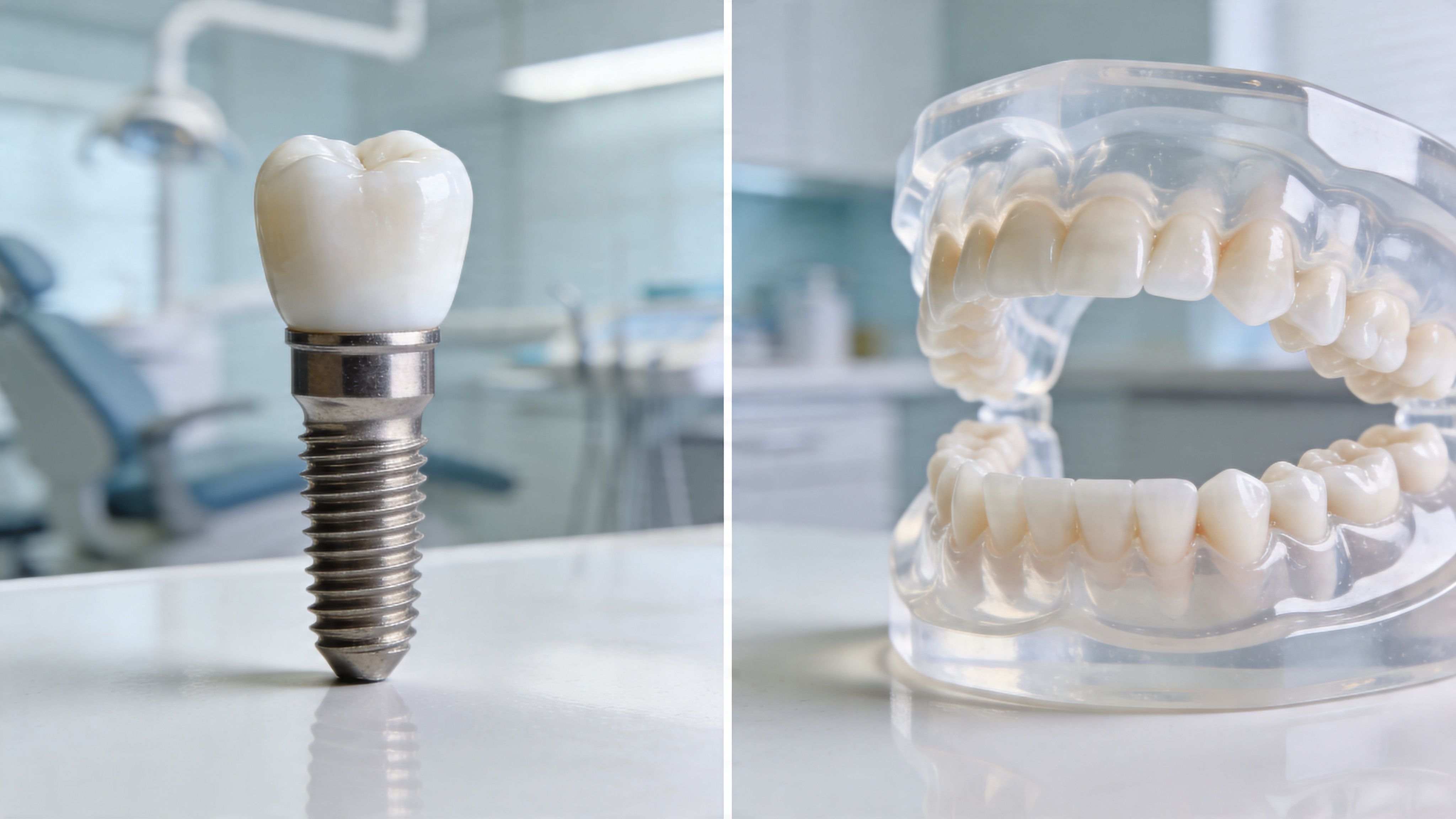
An implant replaces the root beneath the gum and supports a custom crown above it. In a visible area, that crown has to match neighboring teeth in shape, color, and contour. In the back of the mouth, it also has to handle chewing forces well.
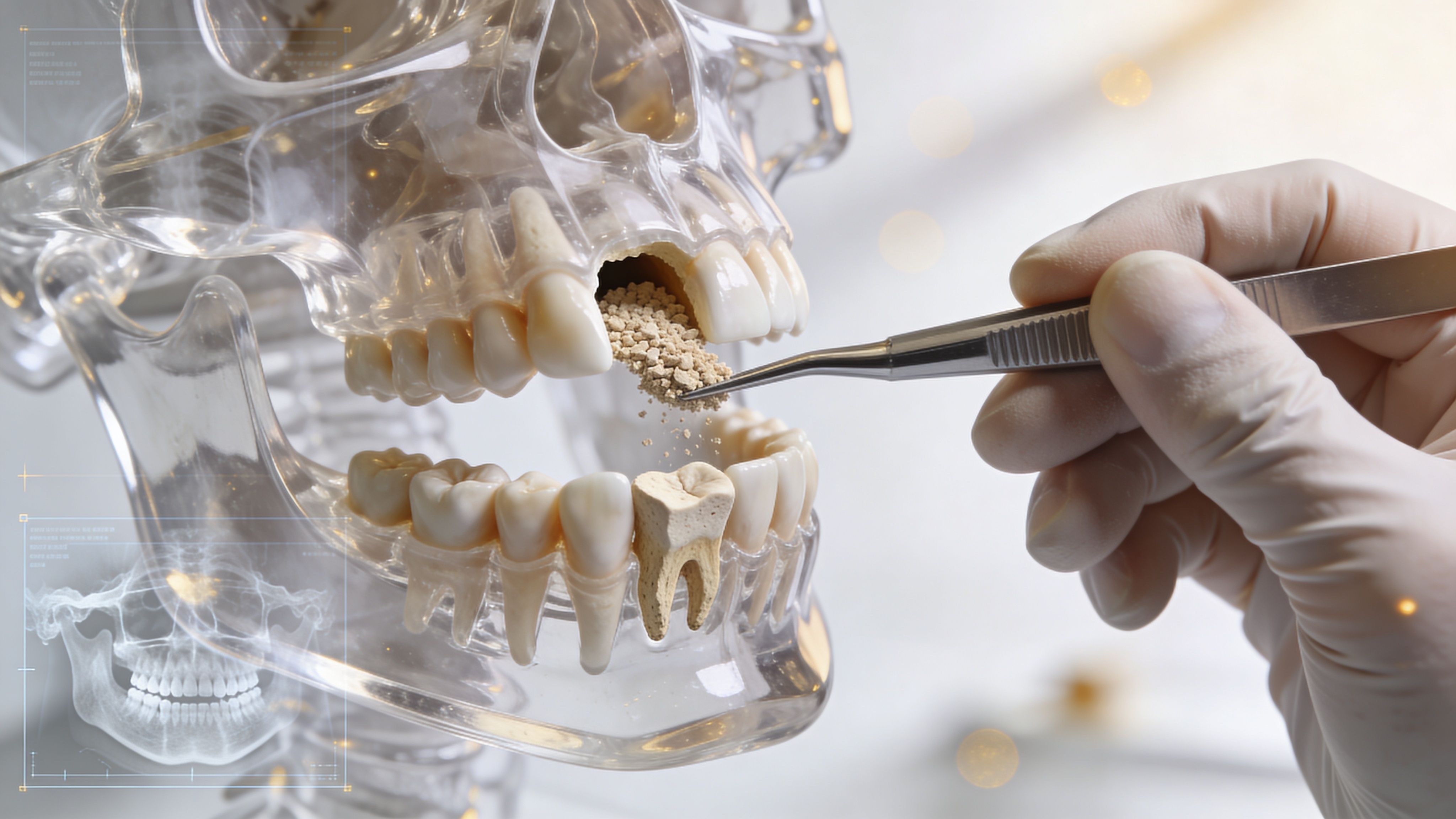
For patients considering implants as part of a smile makeover, the process usually includes evaluation of bone, gum health, and space. If someone comes in after trauma, tooth loss, or an extraction, implant treatment may become the foundation for the cosmetic result.
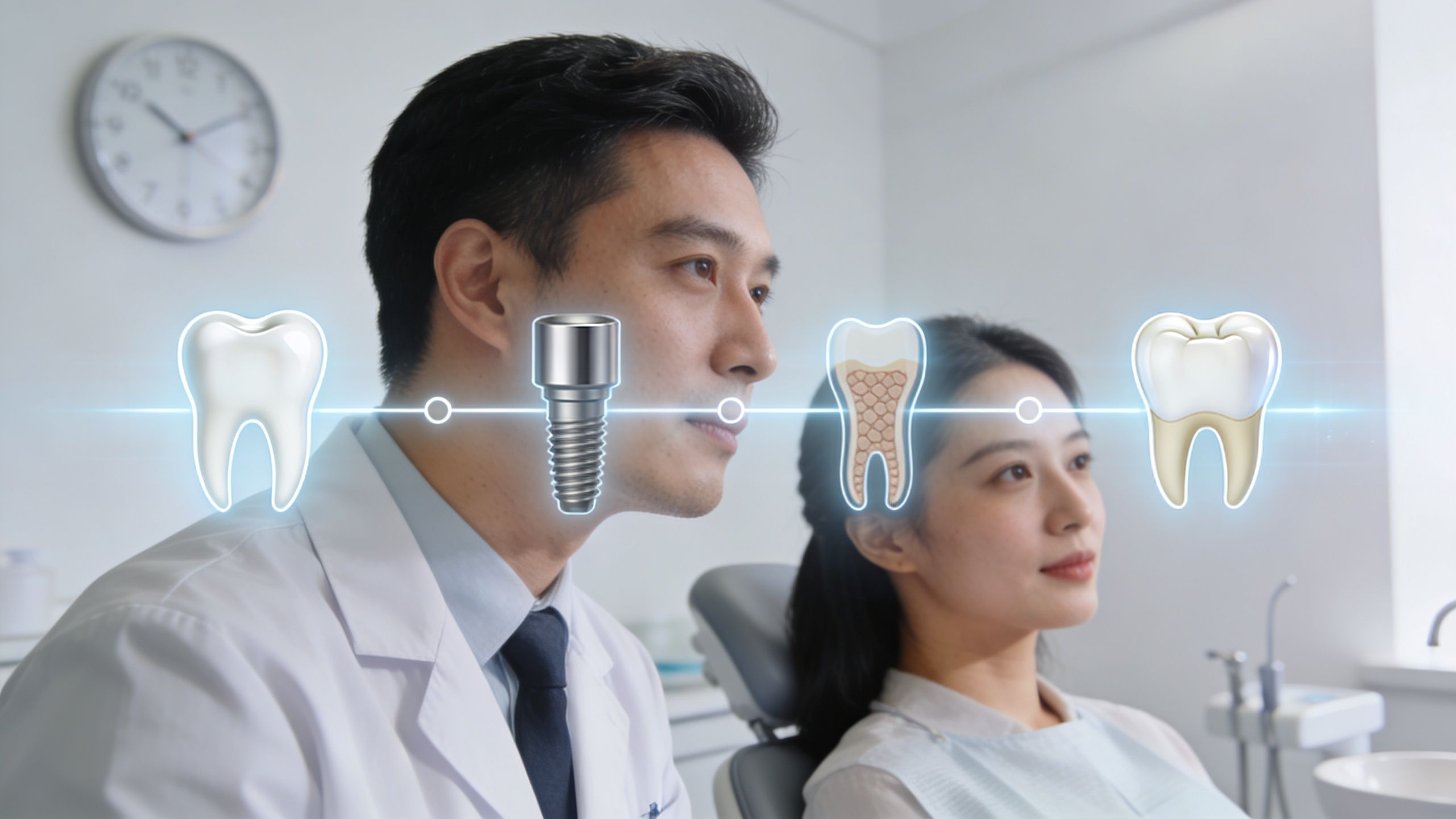
A short overview can help make the process easier to picture:
Choosing between veneers and implants
These treatments solve different problems.
| Treatment | Solves | Best for |
|---|---|---|
| Veneers | Cosmetic issues on existing front teeth | Stains, wear, shape concerns, mild spacing issues |
| Implants | Missing teeth | Single missing teeth, multiple missing teeth, full-arch planning |
Some patients need one. Others need both. If the front teeth are worn and one tooth is missing, the best result may involve restoring the missing tooth with an implant and refining the adjacent teeth with veneers or crowns. That kind of planning is where cosmetic dentistry procedures become more than surface-level treatment.
How Our In-House Lab and 3D Technology Create Better Results
Technology matters most when it changes the patient experience in a practical way. In cosmetic dentistry, that means fewer surprises, fewer remakes, and less time spent waiting for a result that still needs adjustment.

Better records mean better treatment
Traditional impressions and older workflows can introduce distortion early. If the records are off, everything built on them is off too. Digital records change that.
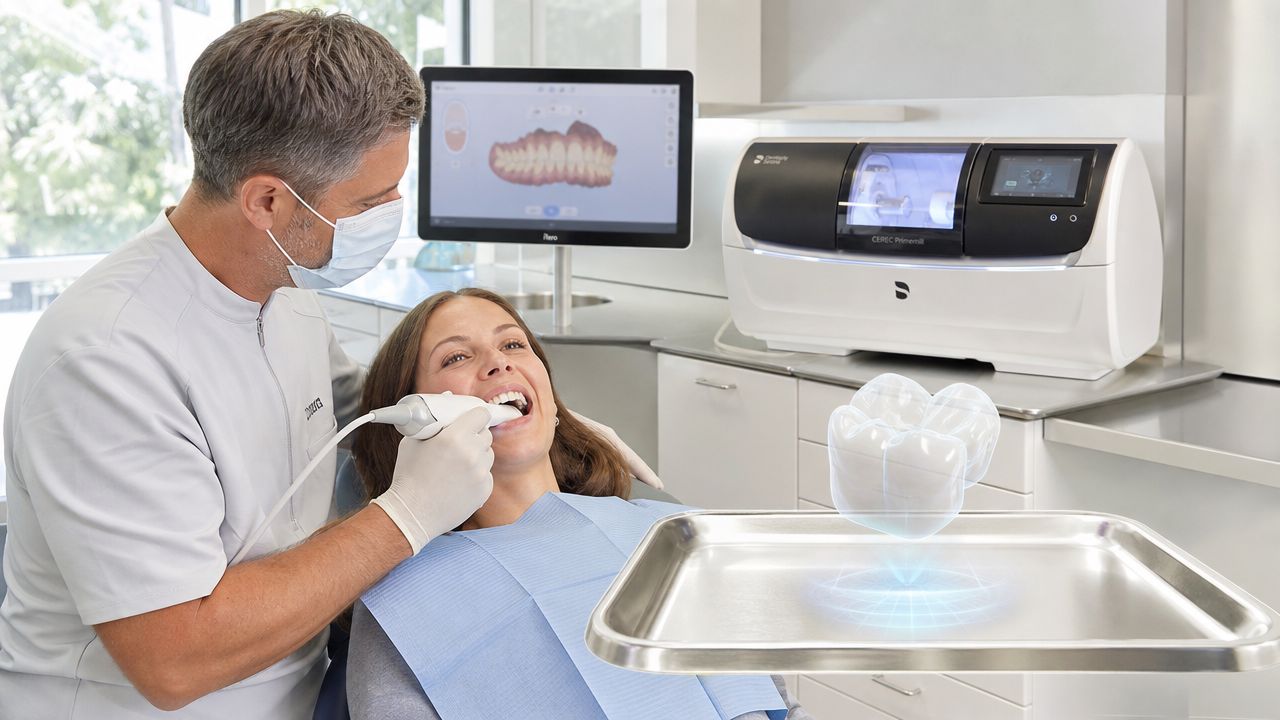
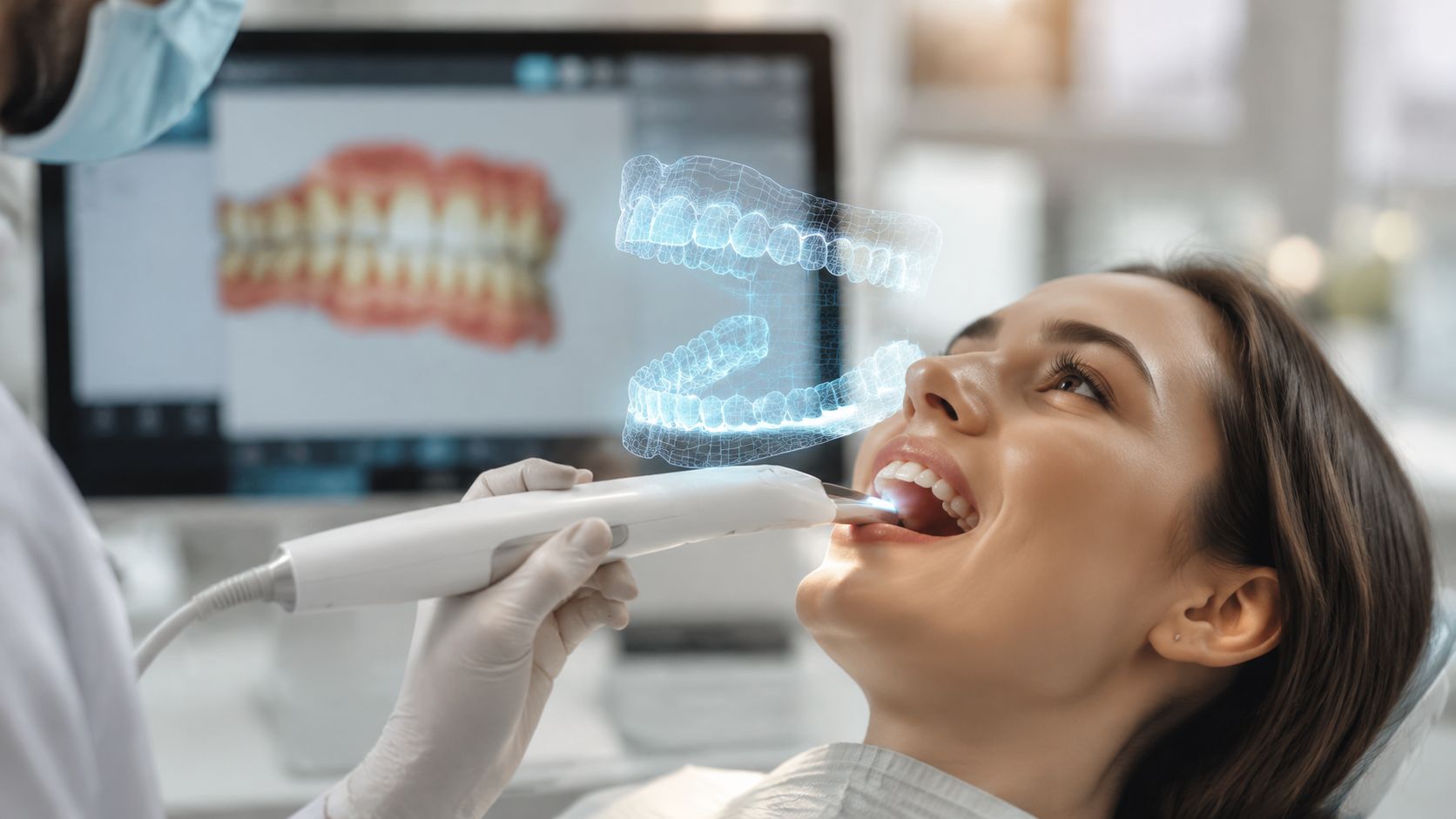
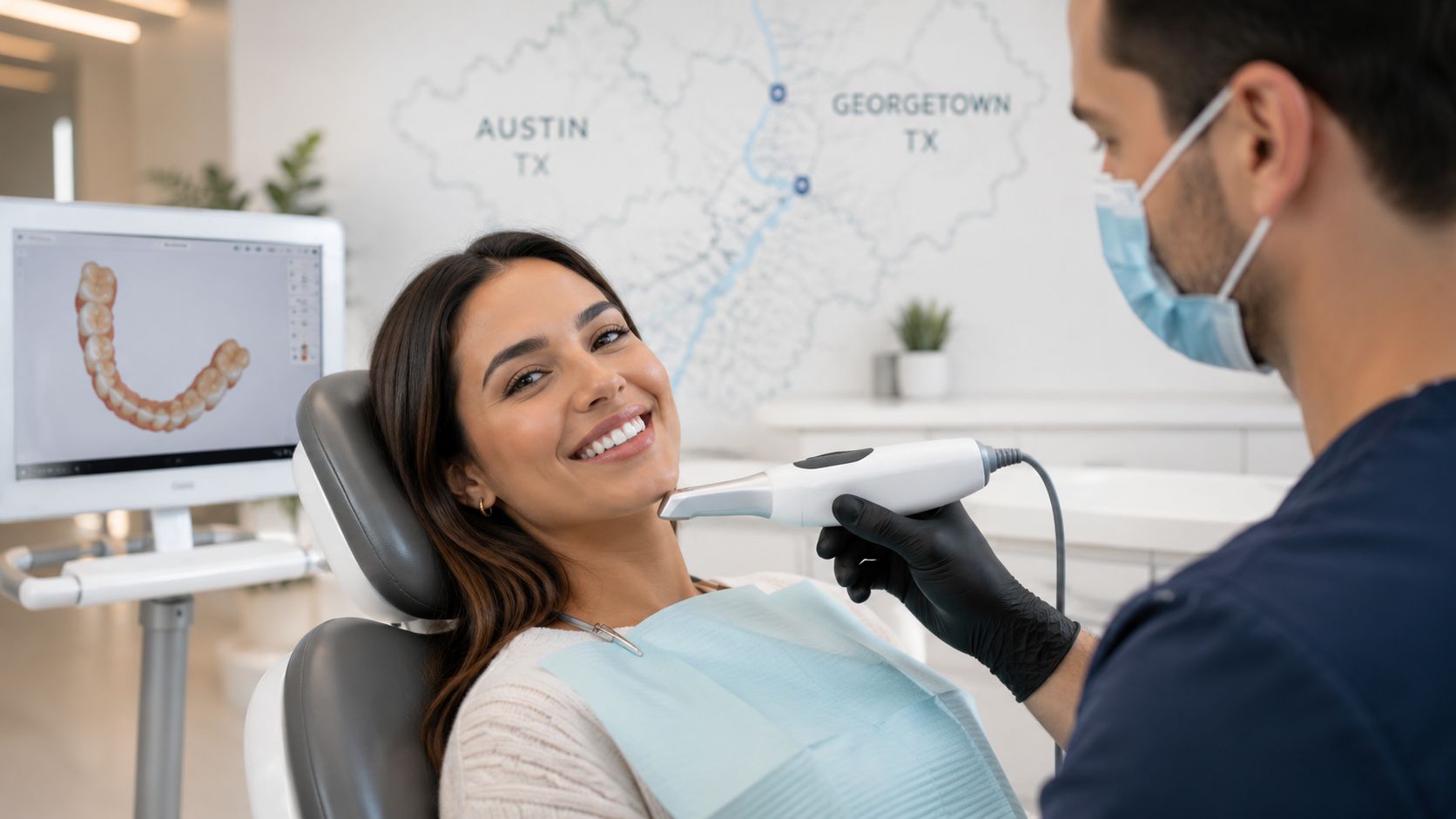
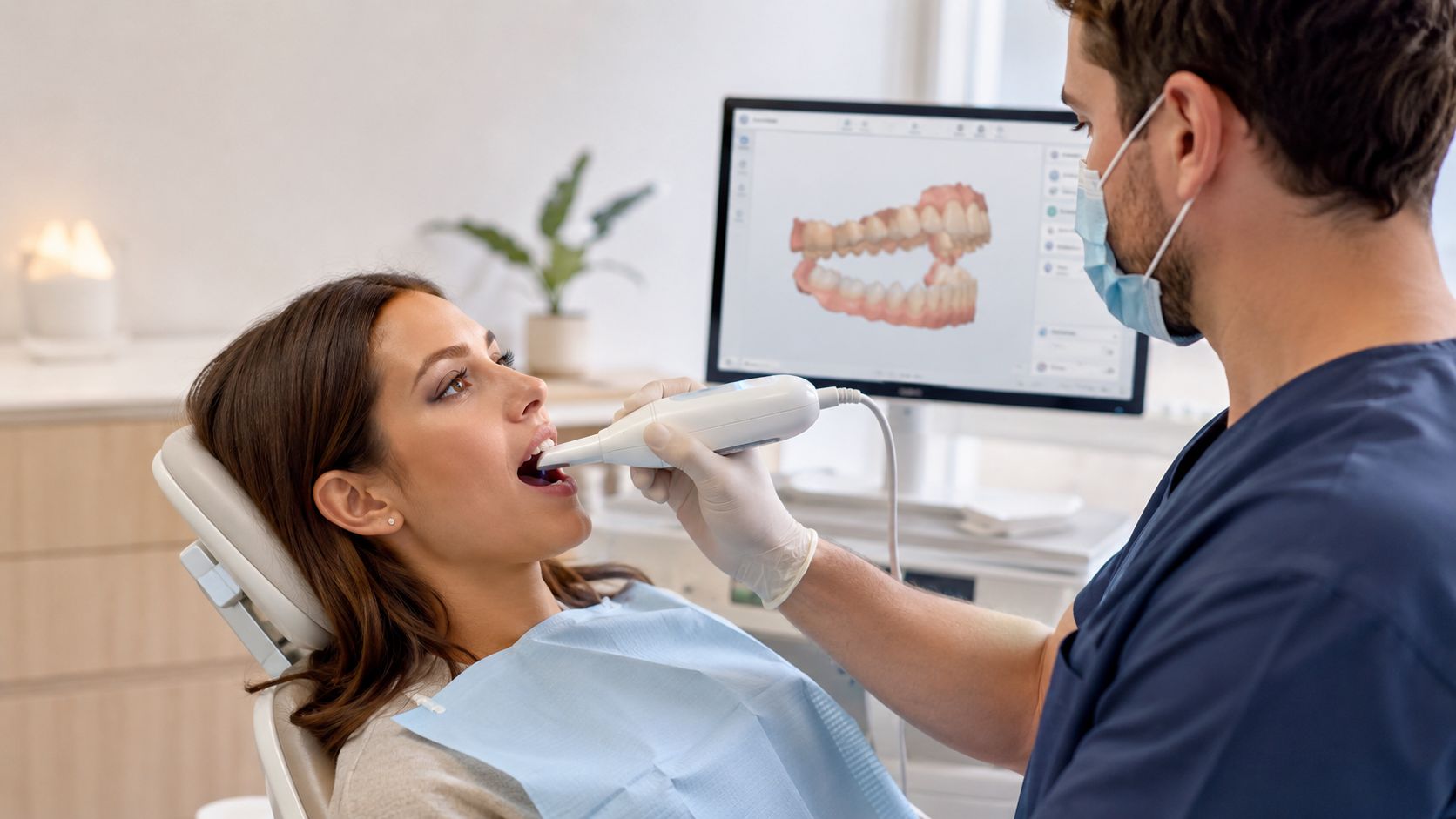
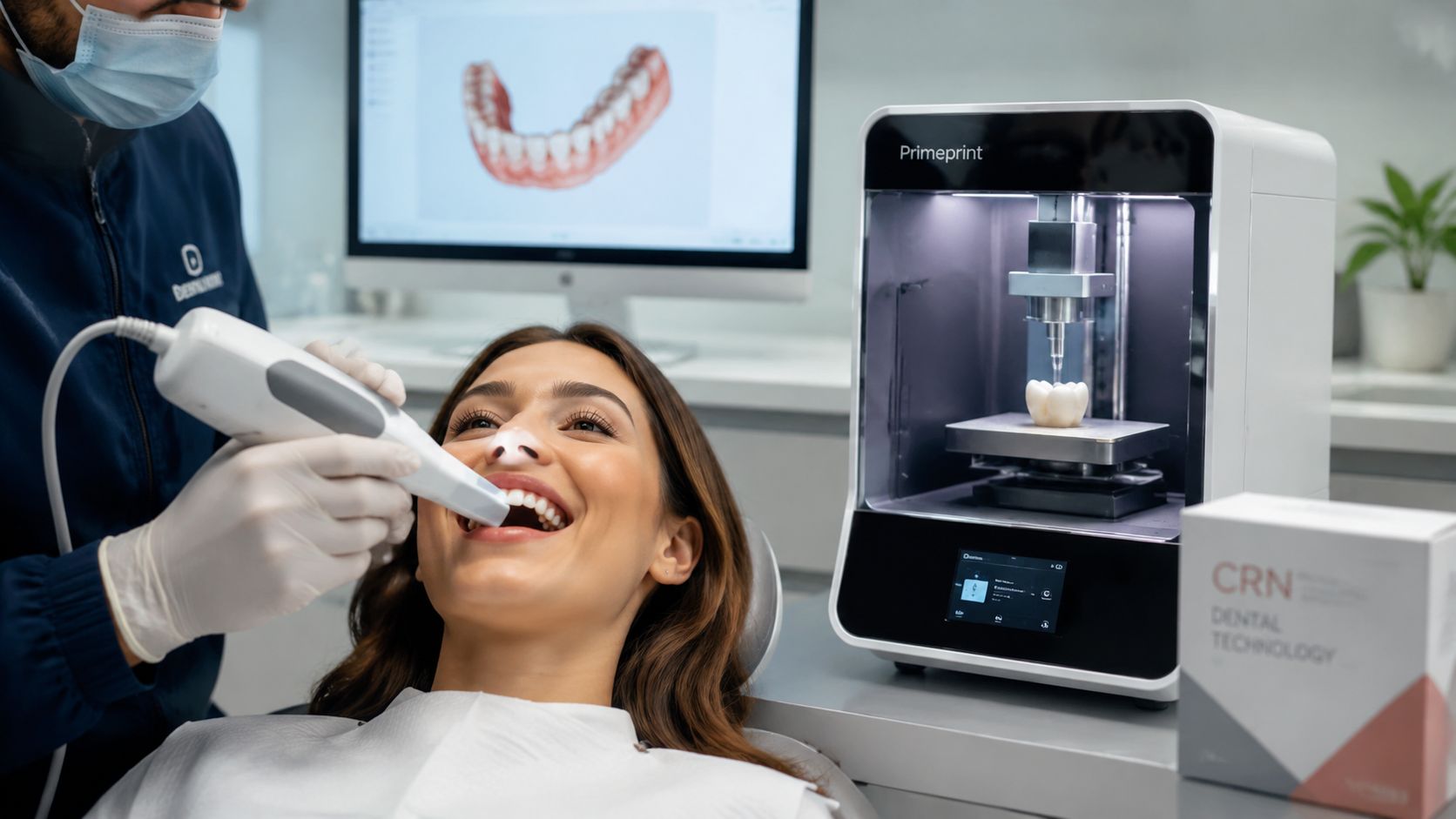
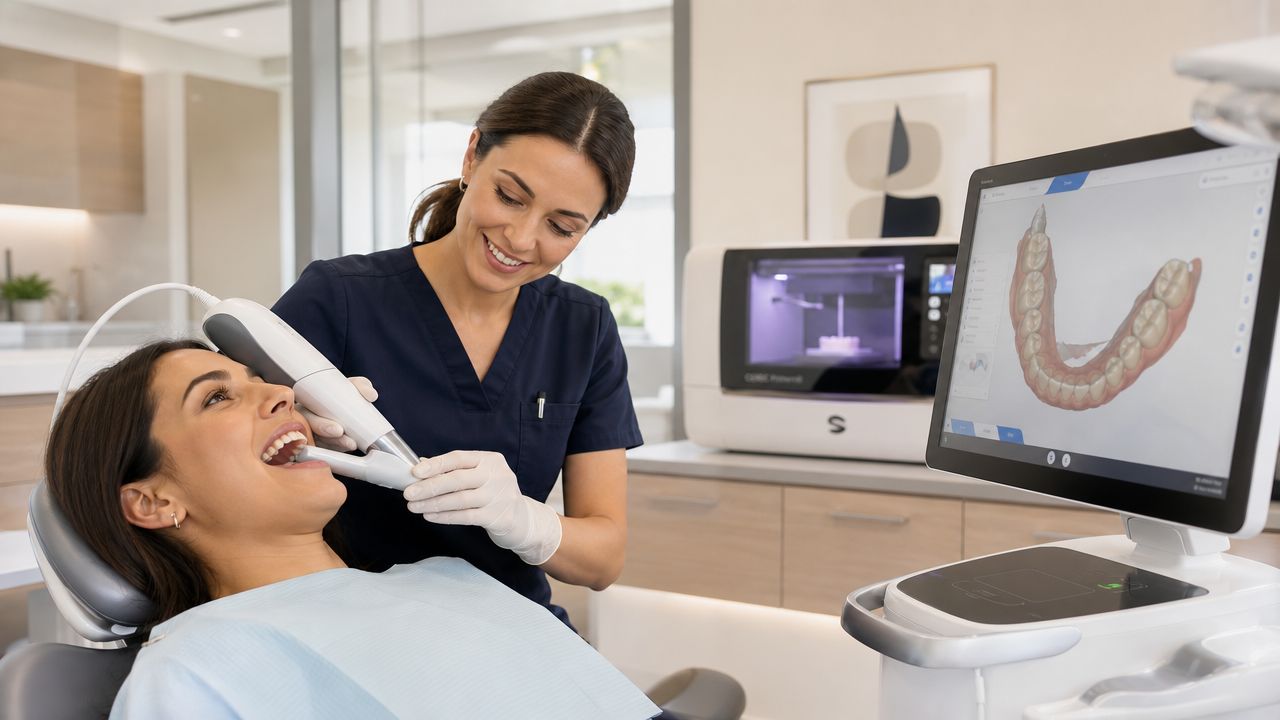
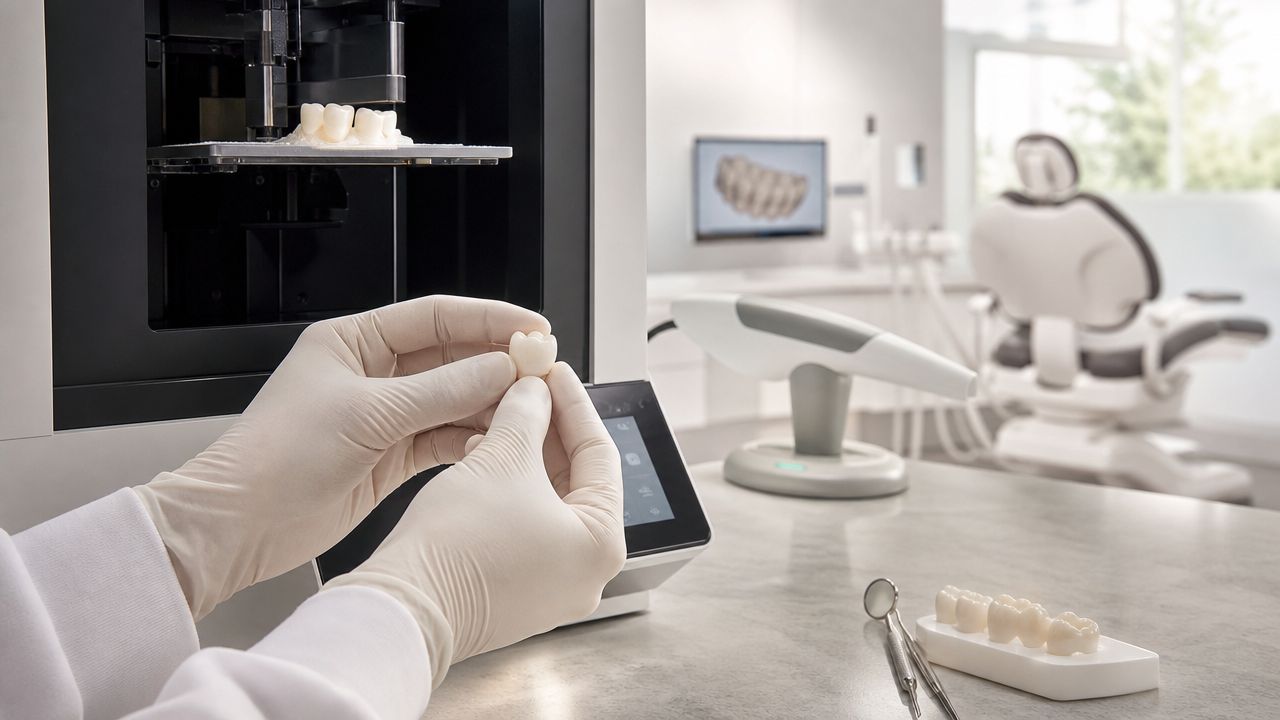
Digital technologies like CAD/CAM enable one-visit restorations with 95 to 98% accuracy in marginal fit, reduce turnaround from weeks to hours, and increase patient satisfaction by 30%. Intraoral scanners capture models with 20 to 50 micron resolution, and restorations can be milled with trueness under 60 microns, which helps reduce cement gaps and can drop the incidence of secondary caries by 70% compared to analog methods, according to the PMC review on digital technologies in cosmetic dentistry.
Those numbers translate into real benefits chairside. More accurate scans can mean a crown, veneer, or provisional that seats more smoothly. That reduces adjustment time and lowers the chance that a small inaccuracy turns into a bigger problem later.
What patients notice most
Patients usually don't care about the hardware itself. They care about what it changes for them.
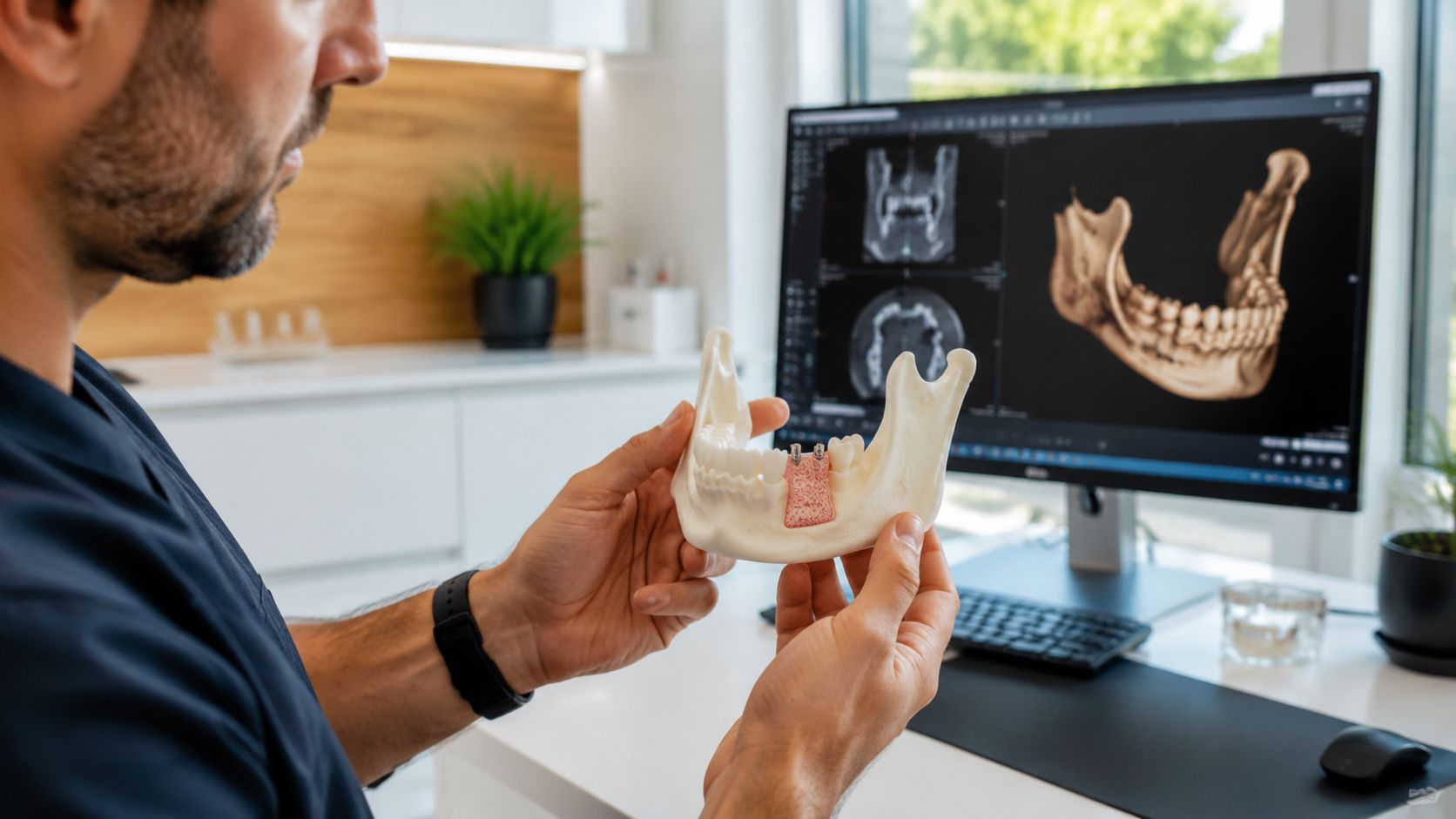
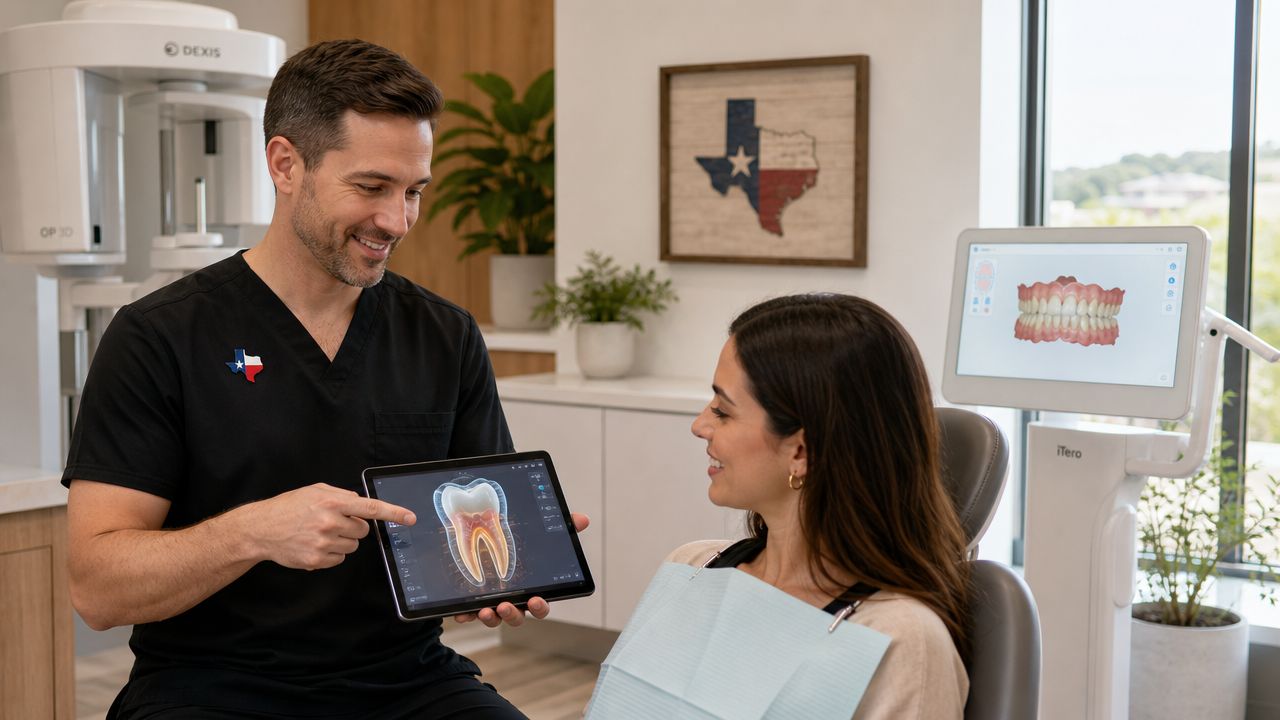
- 3D imaging for diagnosis helps reveal tooth position, bone, roots, and surrounding structures before treatment starts.
- Digital scanning replaces many traditional impressions, which makes planning more comfortable and usually more precise.
- CAD/CAM design and milling support restorations that can be produced faster and checked more closely during the process.
- 3D printing can help with guides, models, and mockups that make treatment easier to visualize.
A cosmetic case goes more smoothly when the patient can see the plan clearly before any irreversible step is taken.
Why an in-house lab changes the experience
An in-house lab shortens the feedback loop. The dentist, lab team, and patient are working from the same scans, photos, and design goals. Shade, shape, and fit can be reviewed faster. If an edge needs refinement or a contour needs softening, the team can address it without the delays that often come with an outside-only workflow.
One example is digital smile design at 3D Dental, where digital planning helps patients preview direction before finalizing treatment. That doesn't replace clinical judgment, but it does make communication clearer.
What works and what doesn't
A modern workflow works well when the technology supports a sound diagnosis and a realistic plan. It doesn't work if technology is used to oversell treatment, skip the health evaluation, or promise a smile that doesn't fit the bite.
The biggest advantage of advanced tools isn't speed alone. It's predictability. Patients in Austin, Georgetown, Round Rock, Cedar Park, and Liberty Hill usually want to know two things. Will this look natural, and will it hold up? Better imaging, better records, and faster lab communication help answer both questions before treatment moves forward.
The Health and Confidence Benefits of a New Smile
Cosmetic dentistry changes appearance, but that's only part of the story. The reason many patients finally move forward is that a smile concern has started affecting how they talk, smile, eat, or interact with other people.
Confidence is a real treatment outcome
Research using the Rosenberg Self-Esteem Scale found that patients improved from an average of 18.2 before treatment to 24.6 after treatment, and 85% reported higher self-confidence while 90% reported improved social confidence following cosmetic procedures, according to cosmetic dental treatment statistics on confidence and quality of life. Those findings line up with what cosmetic patients often describe in everyday terms. They smile more easily. They stop editing themselves in photos. They speak without worrying that one tooth is the first thing people see.
That doesn't mean cosmetic treatment solves everything. It means the right change can remove a constant source of self-consciousness.
Appearance and function often overlap
A chipped tooth can be a cosmetic issue, but it can also create a rough edge that catches or wears unevenly. A gap may be something a patient dislikes visually, but it may also affect how food traps in that area. A missing tooth changes the appearance of the smile, yet it also changes how the mouth functions.
Some cosmetic dentistry procedures support oral health by making the smile easier to maintain or by restoring damaged areas before they worsen. In practice, the healthiest cosmetic work is usually the work that respects function.
When patients feel good about their smile, they usually take better care of it. They keep up with cleanings, address small issues earlier, and stay engaged in their oral health.
The value goes beyond photos
The visible change matters, but so does comfort in daily life. Patients often notice the difference when:
- They smile naturally again instead of hiding their teeth
- They feel more put together in work and social settings
- They stop fixating on one tooth every time they see themselves on camera
- They feel motivated to maintain results with routine dental care
That combination of confidence and function is why cosmetic dentistry shouldn't be dismissed as superficial. For the right patient, it's a practical investment in comfort, self-image, and long-term oral health.
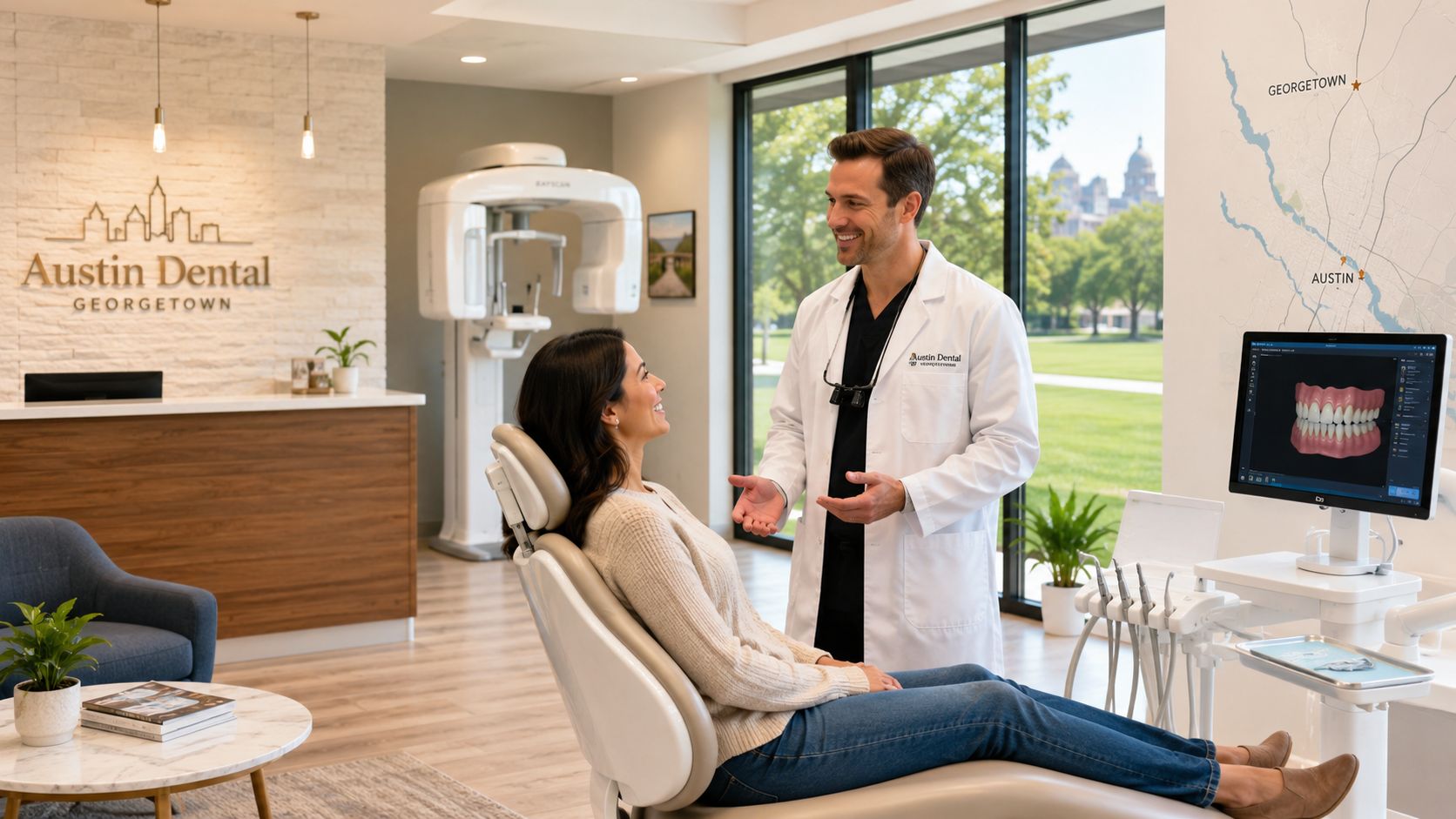
What to Expect at Your 3D Dental Consultation
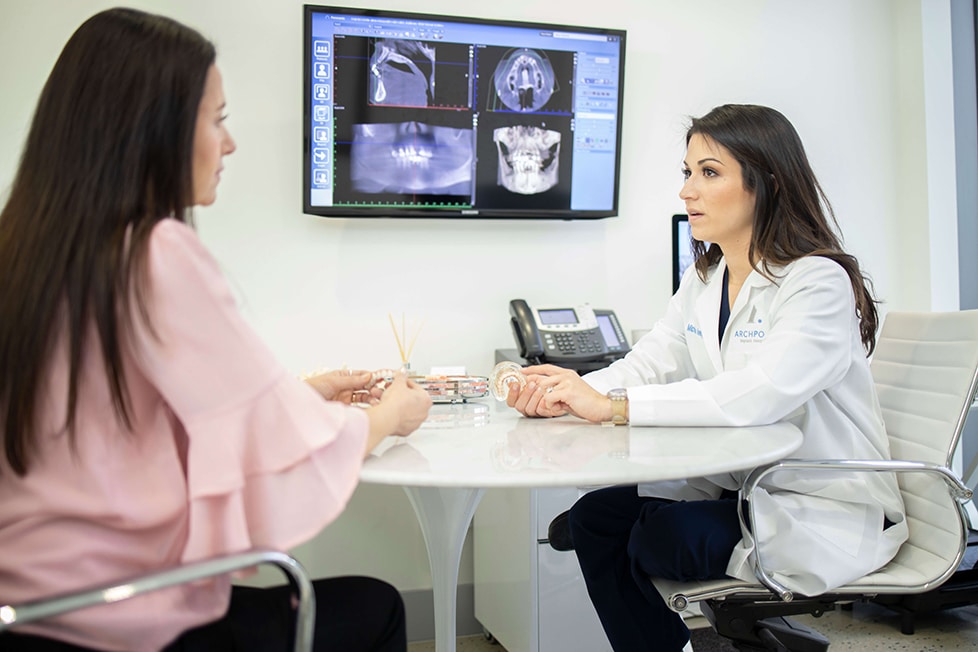
A cosmetic consultation should feel organized, not rushed. Patients searching for a dentist near me, cosmetic dentist near me, or even an emergency dentist after breaking a front tooth often arrive with a mix of urgency and uncertainty. They want to know what's possible, what's necessary, and what can wait.
Step one is listening
The first part of the visit is simple. You talk about what bothers you and what you want to change. Some people want a brighter smile for an event. Others want to repair wear, replace a missing tooth, or combine cosmetic and restorative treatment.
That conversation matters because two patients can have the same visible problem and need different plans. One patient with a chipped tooth may do well with bonding. Another may need a crown, veneer, or bite adjustment because the chip keeps recurring.
Records and exam
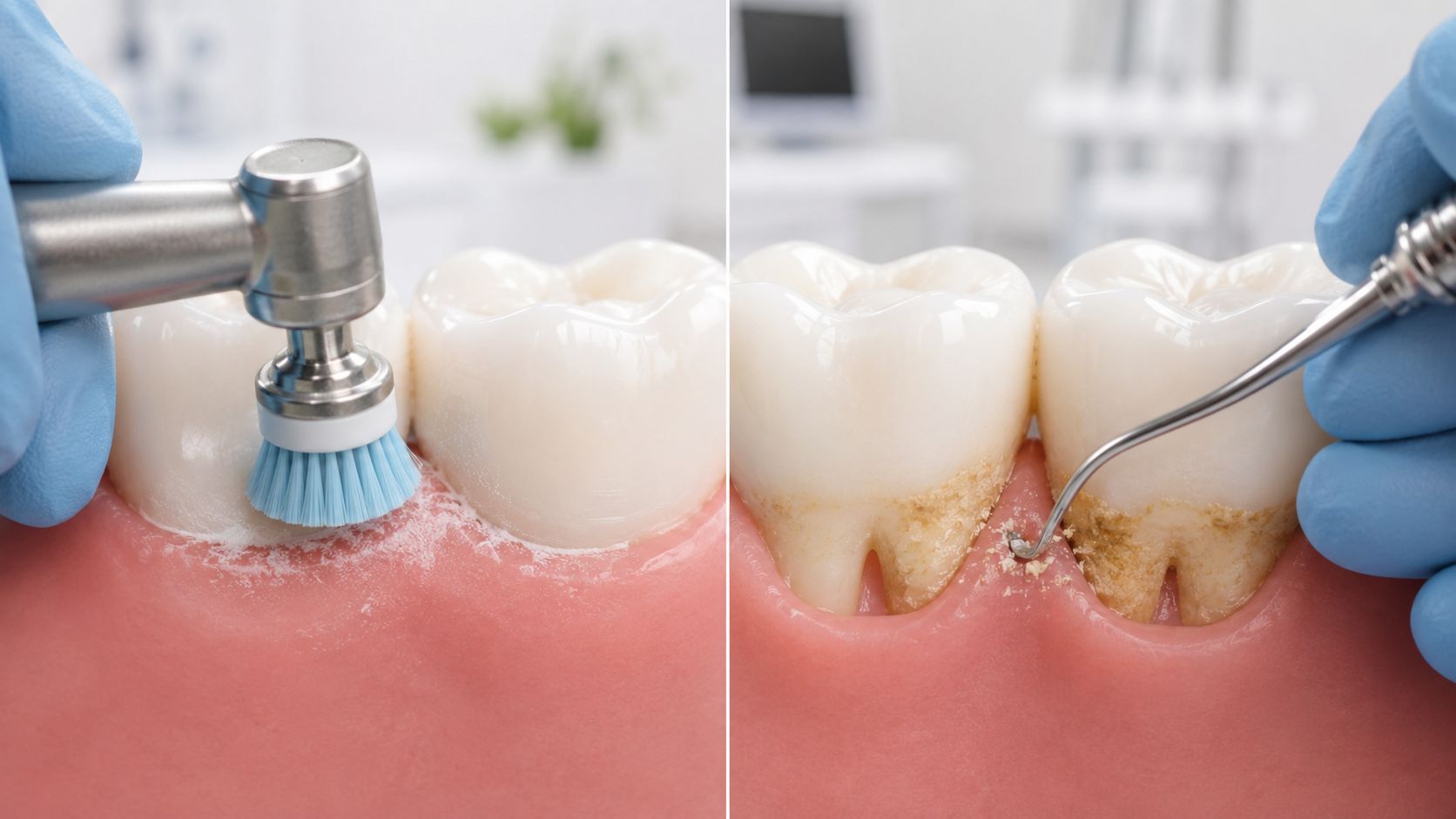
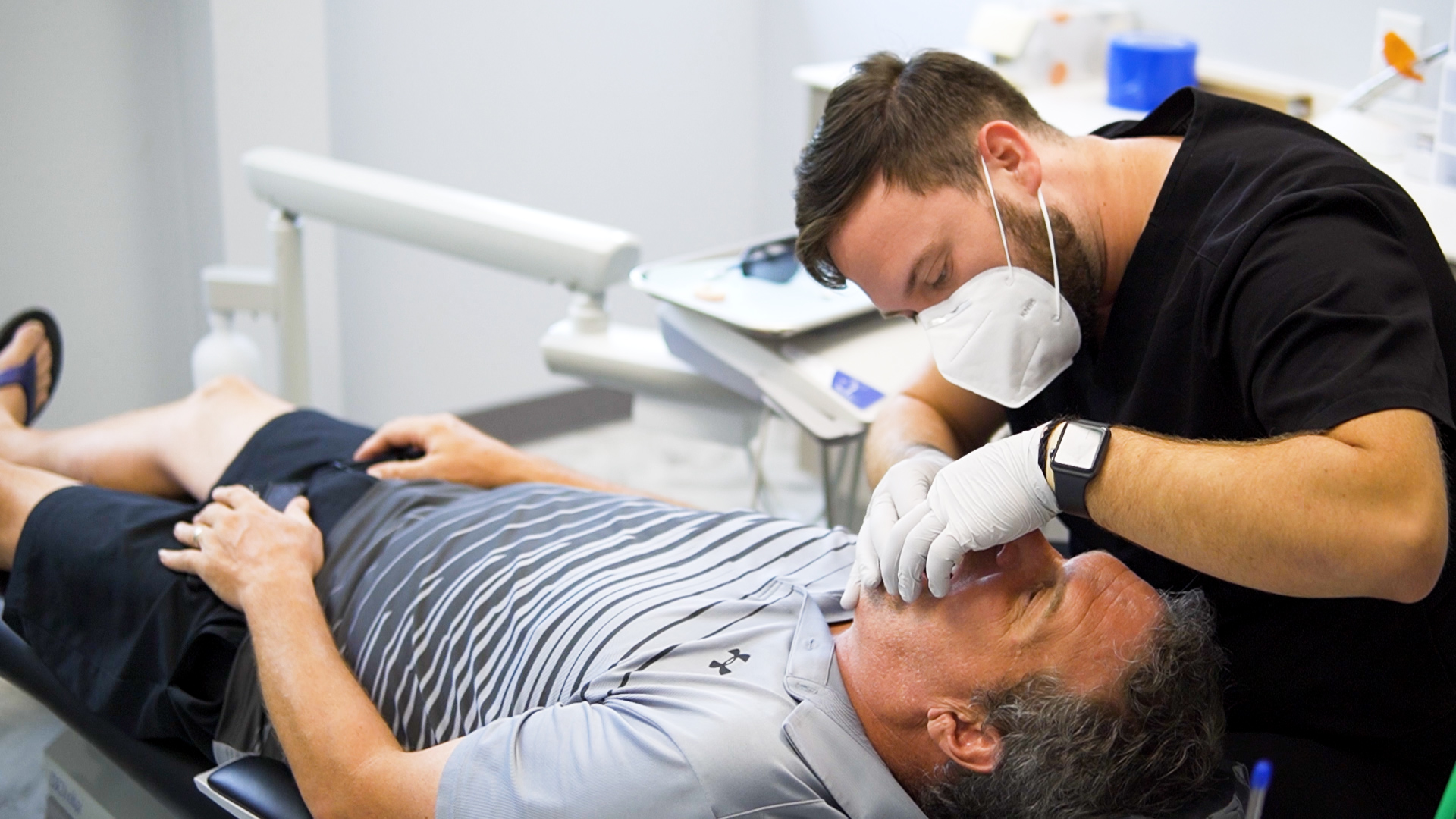
After discussing goals, the team gathers the records needed to evaluate the case properly. That may include digital x-rays, scans, photos, and a full exam of the teeth, gums, and bite. If you're also due for new patient exams, dental x-rays, or routine care, those findings help shape the cosmetic plan.
The dentist looks for issues that can affect the result, including:
- Existing wear or grinding that may shorten the life of cosmetic work
- Gum inflammation or decay that should be treated first
- Old restorations that may need replacement for a consistent result
- Spacing, alignment, or missing teeth that may shift the plan toward aligners, crowns, or implants
Smile planning and treatment options
Once the health picture is clear, treatment options are reviewed in plain language. Patients usually compare conservative options against more durable ones. Whitening versus veneers. Bonding versus porcelain. Replacing a missing tooth versus leaving the space as is.
You'll also discuss timing. Some cosmetic cases can move quickly. Others are best phased over time, especially if they involve implants, orthodontic movement, or restorative work.
The best consultation doesn't pressure you into a procedure. It gives you a sequence that makes clinical sense and leaves room for informed decisions.
Cost and payment conversations
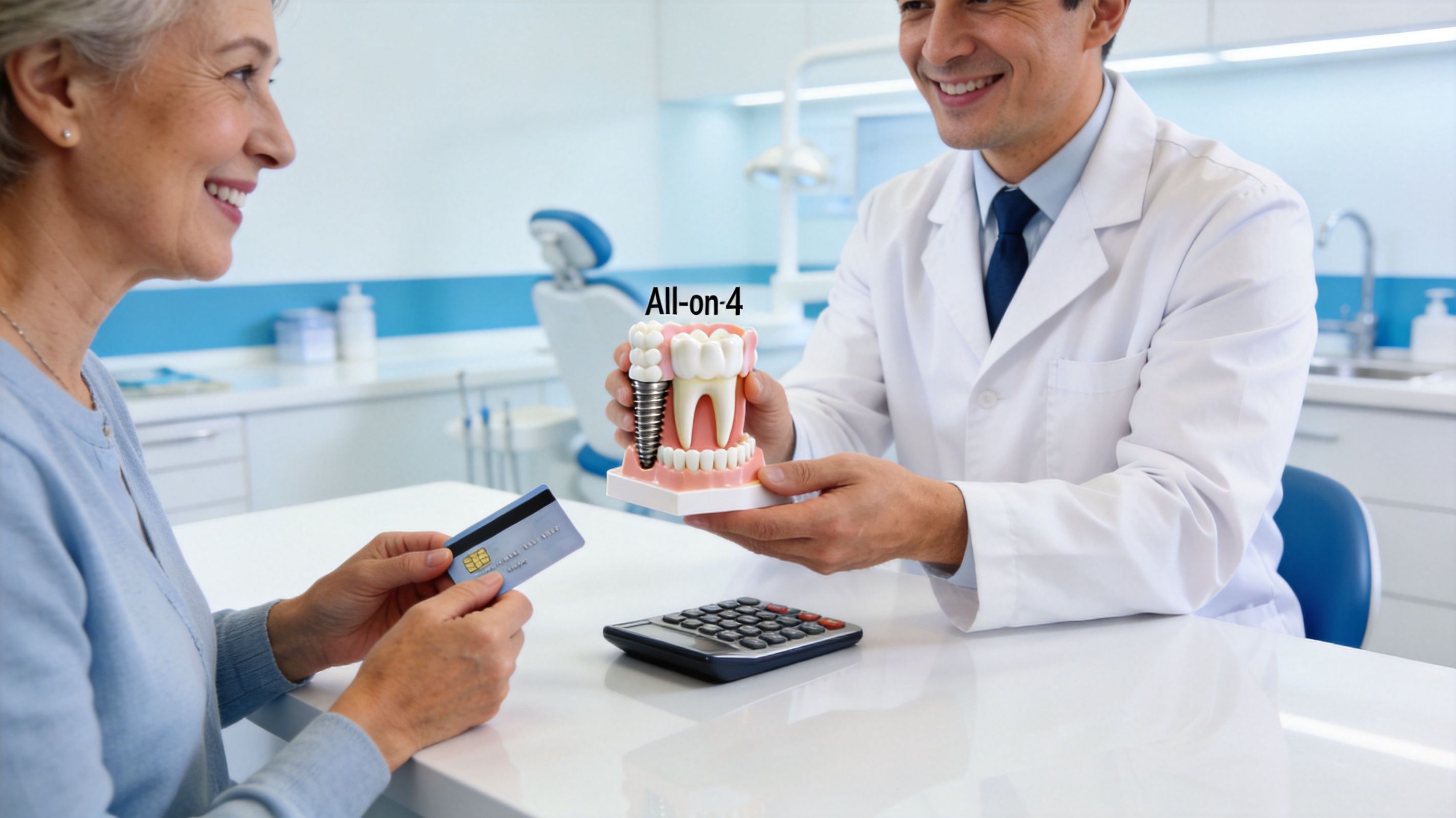
Patients usually want financial clarity early, and they should. The final cost depends on the procedure, materials, complexity, and whether health treatment needs to happen first. Insurance may help with portions that are restorative rather than purely cosmetic, depending on the plan.
For patients who want flexibility, financing options such as Cherry and Sunbit can help spread out treatment costs. That makes it easier to move forward with needed or elective care without feeling like every decision has to happen all at once.
Cosmetic Dentistry FAQs
How much do cosmetic procedures cost
The honest answer is that costs vary widely by treatment. Whitening, bonding, contouring, veneers, crowns, and implants all involve different materials, time, and planning. The price also changes when a case includes underlying dental care such as fillings, gum treatment, extractions, or implant preparation.
A consultation is the right place to get a real number because cosmetic treatment is highly individualized. If you're comparing options, ask what is included, how long the result is expected to last, and whether maintenance is likely.
Is cosmetic dentistry painful
Most cosmetic procedures are easier than patients expect. Whitening can cause temporary sensitivity for some people. Bonding is usually very manageable. Veneers, crowns, and implant procedures are planned with comfort in mind, and the approach depends on what is being done and how much treatment is needed.
If dental anxiety has kept you from scheduling, say that upfront. Comfort planning is part of good dental care, not an afterthought.
How long do cosmetic dentistry results last
This depends heavily on the treatment and on habits like grinding, nail biting, stain exposure, and home care. Simpler procedures usually involve more maintenance. According to information on cosmetic contouring and maintenance considerations, enameloplasty may need recontouring within 5 years, and dental bonding lasts an average of 5 to 7 years before potential chipping, while more durable options such as porcelain veneers generally last much longer.
That trade-off matters. Lower-cost treatment can be a very reasonable choice, but patients should understand that affordability and longevity don't always move together.
Is cosmetic dentistry covered by insurance
Purely cosmetic treatment is often not covered in the same way as medically necessary care. But many real-world cases aren't purely cosmetic. A broken tooth may need restoration. A missing tooth may need replacement. A worn or failing filling may be upgraded with a more aesthetic restoration.
Coverage depends on your policy and the reason for treatment. A good front desk team can help review benefits, explain what's likely to be covered, and show financing options when insurance doesn't fully apply.
If you're ready to explore cosmetic dentistry procedures with a clear plan and practical guidance, schedule a consultation with 3D Dental. Patients in Austin, Georgetown, Wells Branch, Cedar Park, Round Rock, and Liberty Hill can get answers about whitening, bonding, veneers, implants, routine dental care, and next steps that fit their goals.
Ready to get started?
Schedule a free, no obligation consultation with our team and see what's possible for your smile!
Georgetown
- Mon-Thurs8:30am-5pm
- Fri8am-3:30pm
- Sat-SunClosed
Austin
- Mon-Tues8am-5pm
- Wed-Thurs9am-6pmFri8am-2pm
- Sat-SunClosed