
Emergency Dental Care Pediatric: Austin & Georgetown
Related Posts

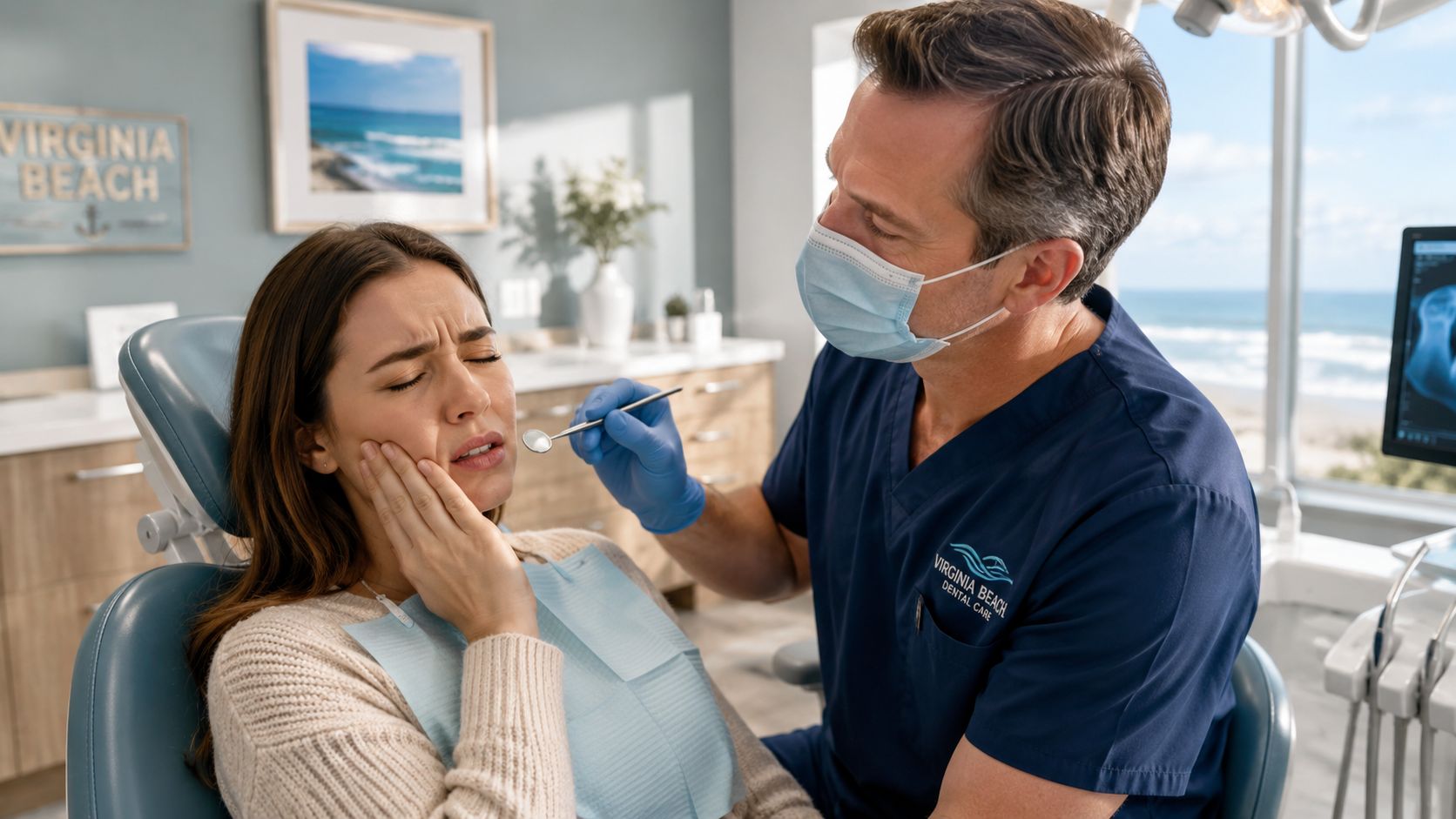









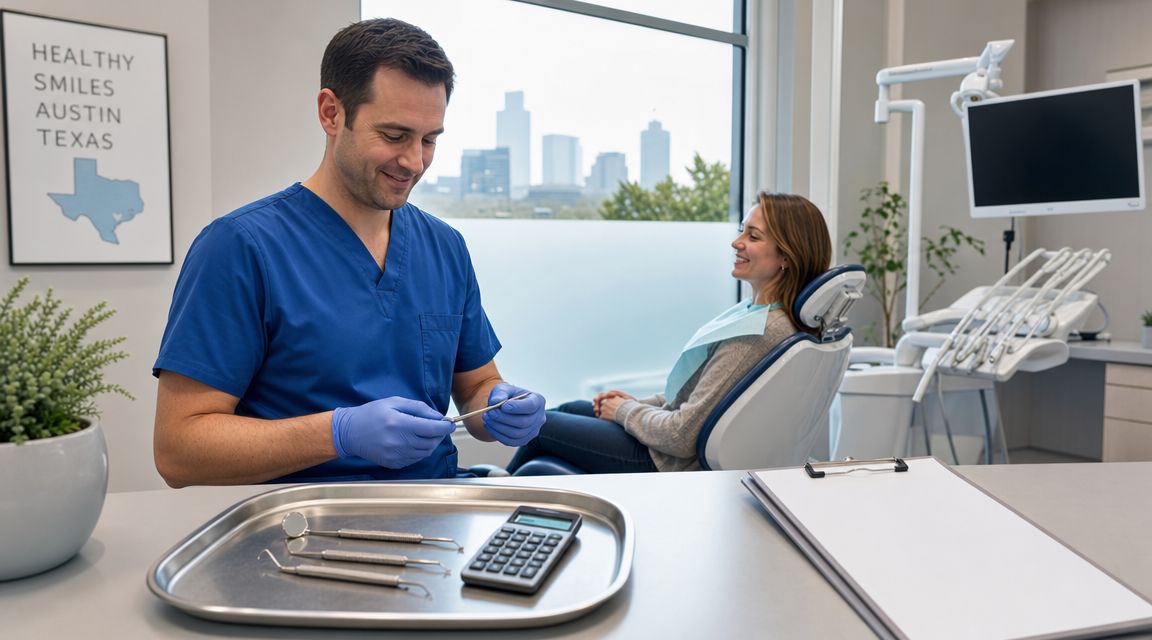
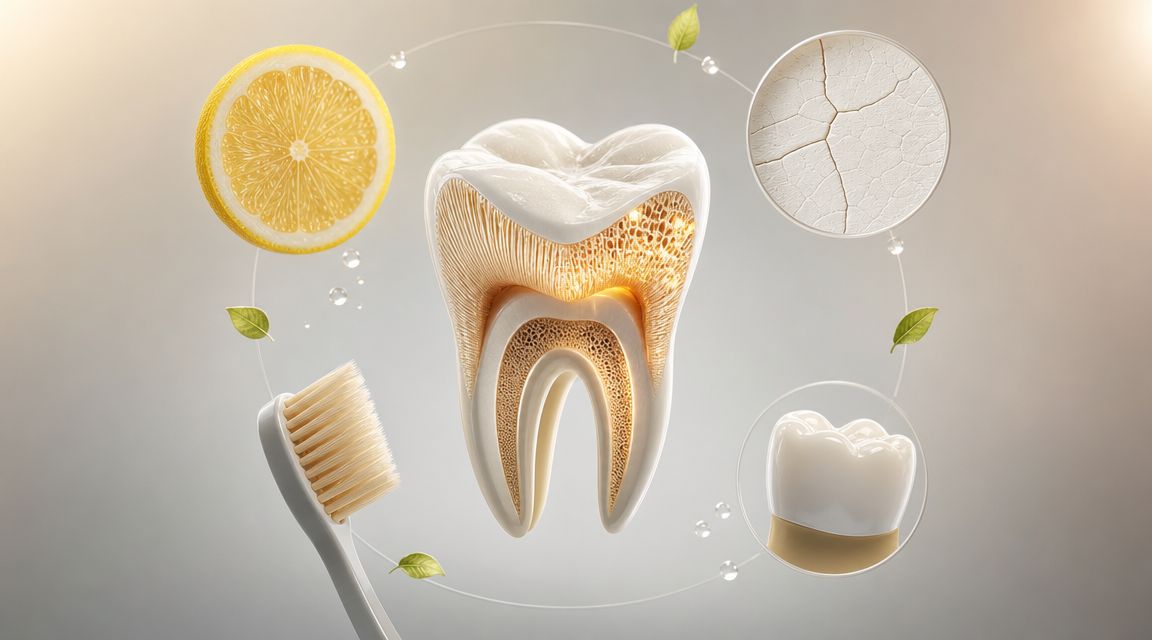

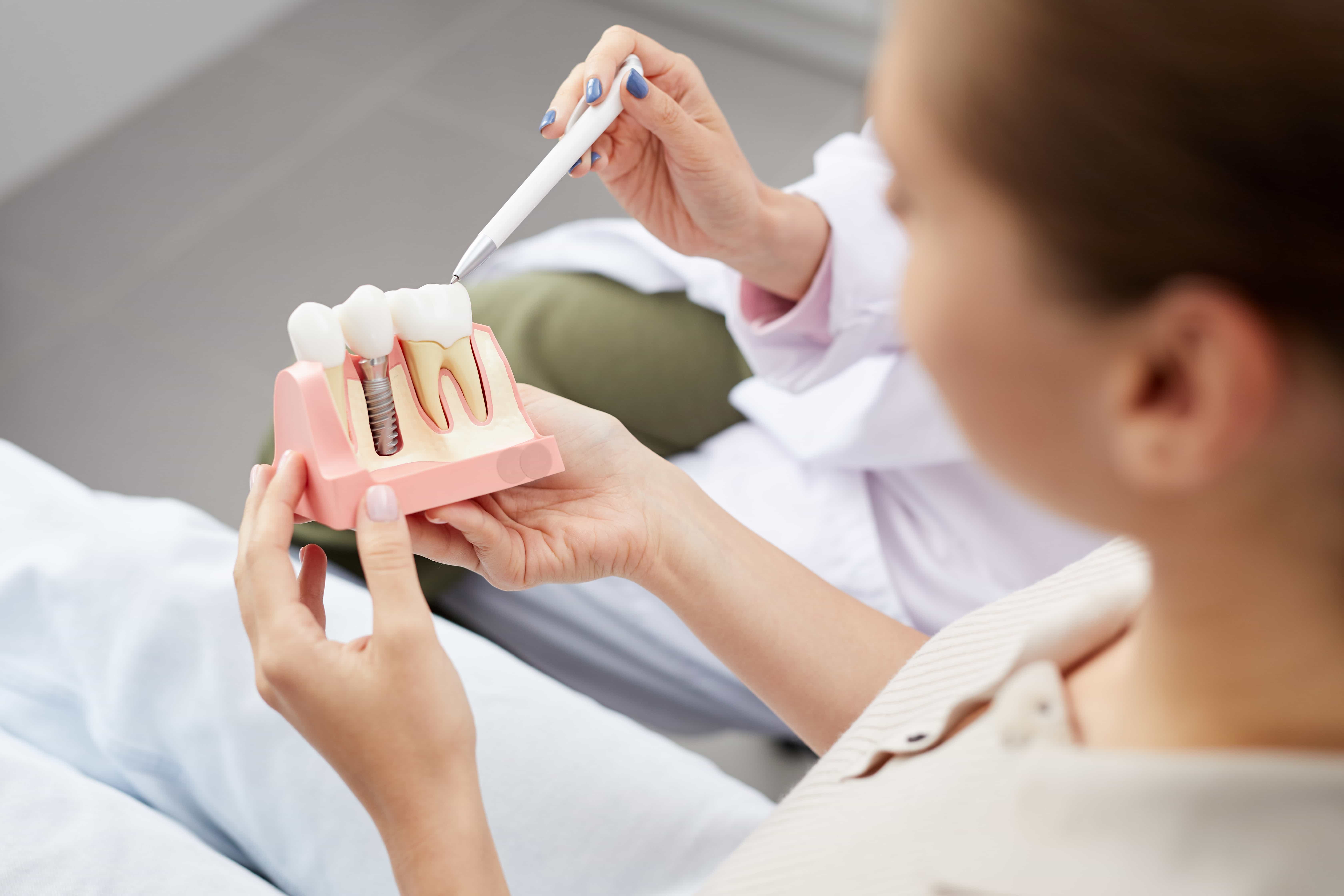















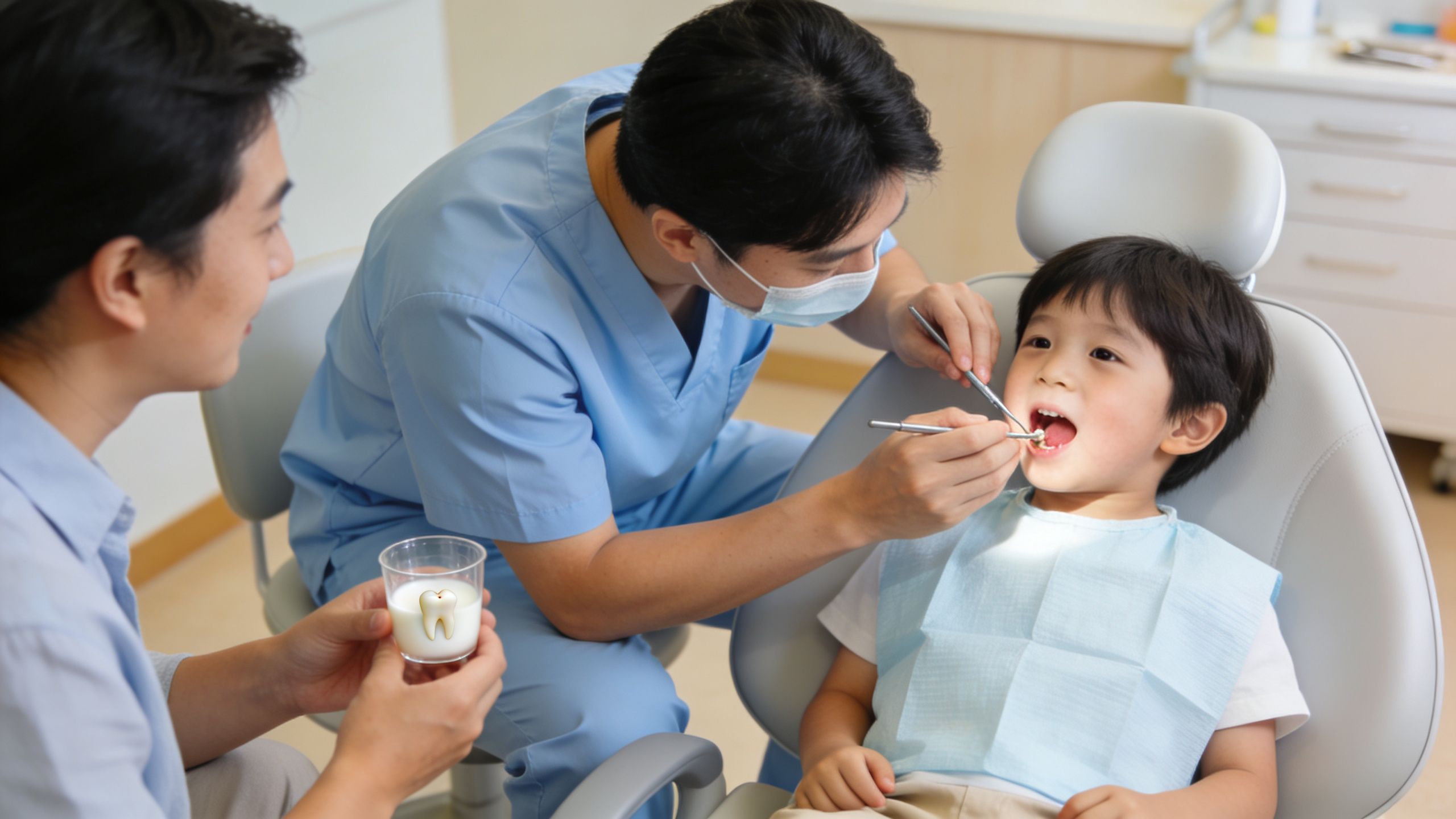
A child falls off the monkey bars at a North Austin park. There's crying, blood in the mouth, and a parent trying to figure out whether this is a dental problem, a medical problem, or both. In that moment, clear steps matter more than anything else.
That's where emergency dental care pediatric guidance should help, not overwhelm. Parents in Austin, Georgetown, Wells Branch, Cedar Park, Round Rock, and Liberty Hill usually need the same three answers fast. What should I do right now? Does my child need an emergency dentist or the ER? What happens once we arrive?
Your Child's Dental Emergency in Austin What To Do First
A pediatric dental emergency rarely starts in a convenient place. It happens at a soccer game, on the driveway, during dinner, or after the office is closed. The first job is to slow the moment down enough to make good decisions.
Start with your child, not the tooth. If they hit their head, seem confused, have trouble breathing, can't stop bleeding, or you suspect a broken jaw, medical care comes first. If the problem is centered on the teeth, gums, or swelling in the mouth, the next steps are usually dental.
The first five minutes matter
Do these things in order:
- Check breathing and alertness. Make sure your child is responsive and breathing normally.
- Control visible bleeding. Use clean gauze or a clean cloth and steady pressure.
- Look for the cause. Was it a fall, a sports injury, a swelling that grew overnight, or a bad toothache?
- Find any broken tooth pieces. Bring them with you if you can.
- Call for dental guidance quickly. A prompt phone conversation often changes the outcome.
Practical rule: If the problem is a tooth, gum, or swelling issue without major medical trauma, call an emergency dentist first.
Dental offices are set up to treat dental problems definitively. During pandemic-related dental office closures, Medicaid-covered children's ER visits for non-traumatic dental conditions surged by 62%, which underscores how important emergency-ready dental access is for kids with toothaches and abscesses (pandemic closure findings on pediatric dental ER use).
What usually helps and what doesn't
Parents often do a lot right instinctively. A cold compress on the outside of the face can help with swelling. Keeping your child calm helps more than is generally appreciated. Saving a tooth fragment can be useful.
A few common moves tend to make things worse:
- Don't put aspirin on the gums. It can irritate soft tissue.
- Don't scrub a knocked-out tooth. That can damage the surface cells we want to preserve.
- Don't ignore facial swelling. Dental infections can escalate quickly.
- Don't wait overnight just to “see if it settles down” when pain is severe, swelling is growing, or a permanent tooth has been injured.
What parents in North Austin and Georgetown should expect
A good emergency dental team should sound calm on the phone and be specific. They should ask how the injury happened, whether the tooth is baby or permanent, whether there's swelling or fever, and whether your child also needs medical evaluation.
That kind of triage reduces guesswork. It also helps families avoid an unnecessary hospital visit when the problem needs dental treatment, not a medical workup alone.
First Aid for Common Pediatric Dental Emergencies
When you're handling an injury at home, simple steps done well beat complicated advice done late.
Knocked-out permanent tooth
This is one of the few dental emergencies where minutes matter in a very literal way.
Do this now: Pick the tooth up by the crown, not the root. If it's dirty, rinse it gently. Don't scrub it.
If your child is old enough and cooperative, try to place the tooth back into the socket gently. If that isn't possible, store it in milk or Hank's Balanced Salt Solution and get to an emergency dentist immediately. For an avulsed permanent tooth, immediate replantation within 15 minutes can achieve a 93% survival rate at 5 years, and extraoral time over 30 minutes sharply reduces viability (AAPD-linked guidance on avulsed permanent teeth).
A few important cautions:
- Baby teeth are different. Don't try to replant a knocked-out baby tooth.
- Keep your child from biting down on the loose tooth if it's hanging on. That can worsen the injury.
- Bring the tooth even if you think it's too late. The treatment plan still depends on seeing it.
Chipped or broken tooth
A chipped front tooth looks alarming, but the right response depends on how deep the break is.
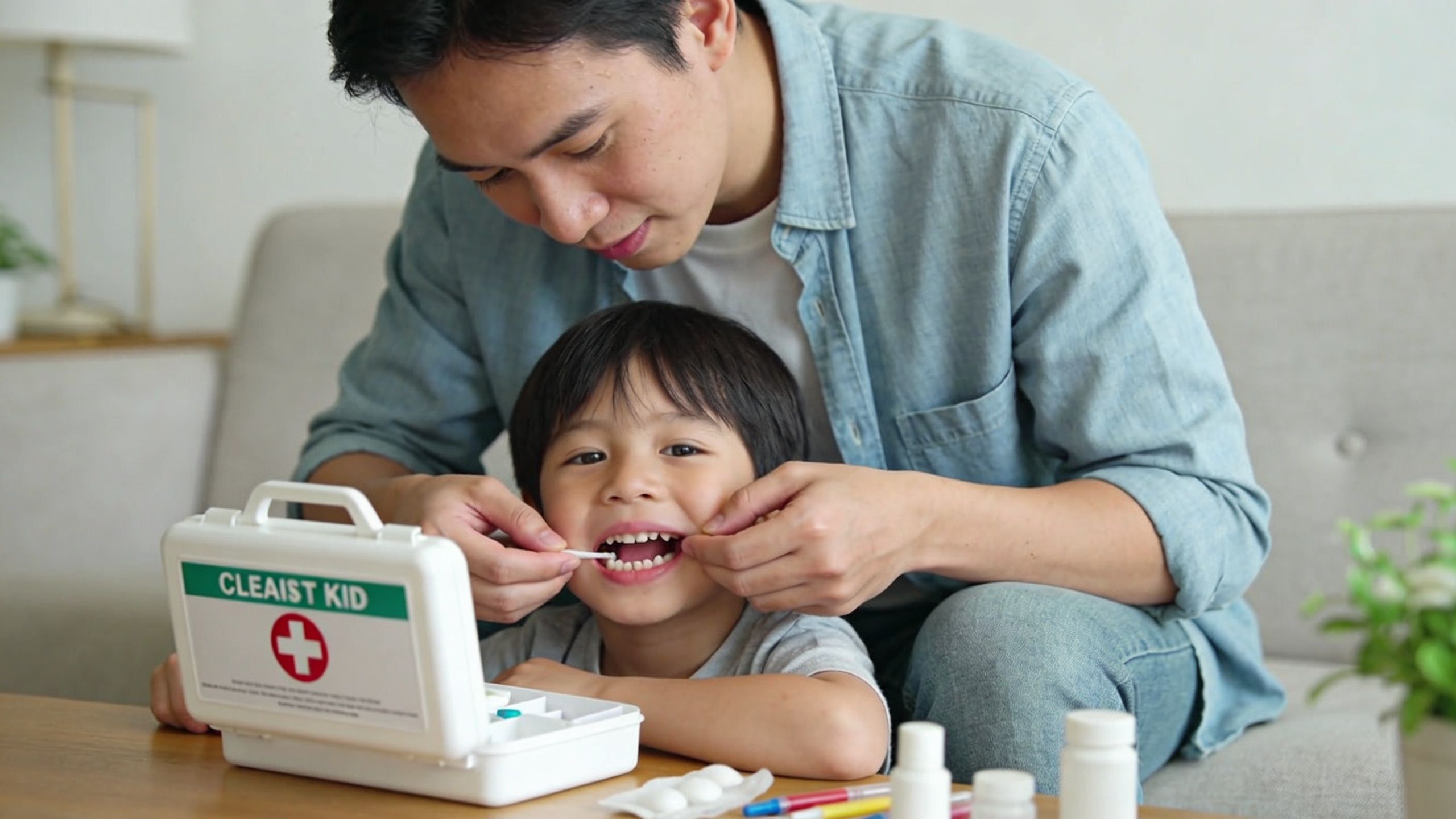
Rinse the mouth gently with water. If you can find the piece, place it in milk or a clean container and bring it with you. Use a cold compress on the cheek or lip if there's swelling. If a sharp edge is cutting the tongue or lip, a small piece of dental wax or even sugar-free chewing gum can serve as a temporary cover until your child is seen.
Call promptly if:
- The break exposes pink or red tissue
- Your child has pain with air, cold, or biting
- The tooth looks pushed out of place
- The lip or gums were cut at the same time
Severe toothache or swelling
A child with a true dental infection often can't tell you much more than “it hurts.” What parents notice first is usually refusal to eat, waking at night, cheek swelling, or pain when chewing.
Rinse with warm water, look for trapped food around the gums, and use a cold compress on the outside of the face if swelling is present.
What not to do matters here:
- Don't place aspirin directly on the gum
- Don't use heat on a swollen face
- Don't assume the pain will pass if there's visible swelling
National and state data show that emergency department visits for non-traumatic dental conditions commonly involve dental abscesses and caries that are largely preventable, which points to a real gap in access to routine dental care and puts pressure on the medical system (CareQuest report on pediatric dental emergency patterns).
Bleeding from the mouth
Bleeding can look dramatic because saliva spreads it. That doesn't always mean the injury is severe.
Use clean gauze with firm pressure. Have your child sit upright. If the injury came from biting the lip or cheek, a cold compress often helps both bleeding and swelling. If the bleeding is from the socket after a tooth comes out naturally and won't slow, continue pressure and call.
Seek emergency medical help if the bleeding is heavy, your child seems weak or dizzy, or you can't control it.
A quick home checklist before you leave
Bring these if you can:
- The tooth or broken fragment
- A list of medications your child takes
- Insurance information
- A quick note about when the injury happened
- Any photos you took right after the injury
That last detail helps more than parents expect. Position changes, swelling, and bleeding can make the tooth look different by the time your child is examined.
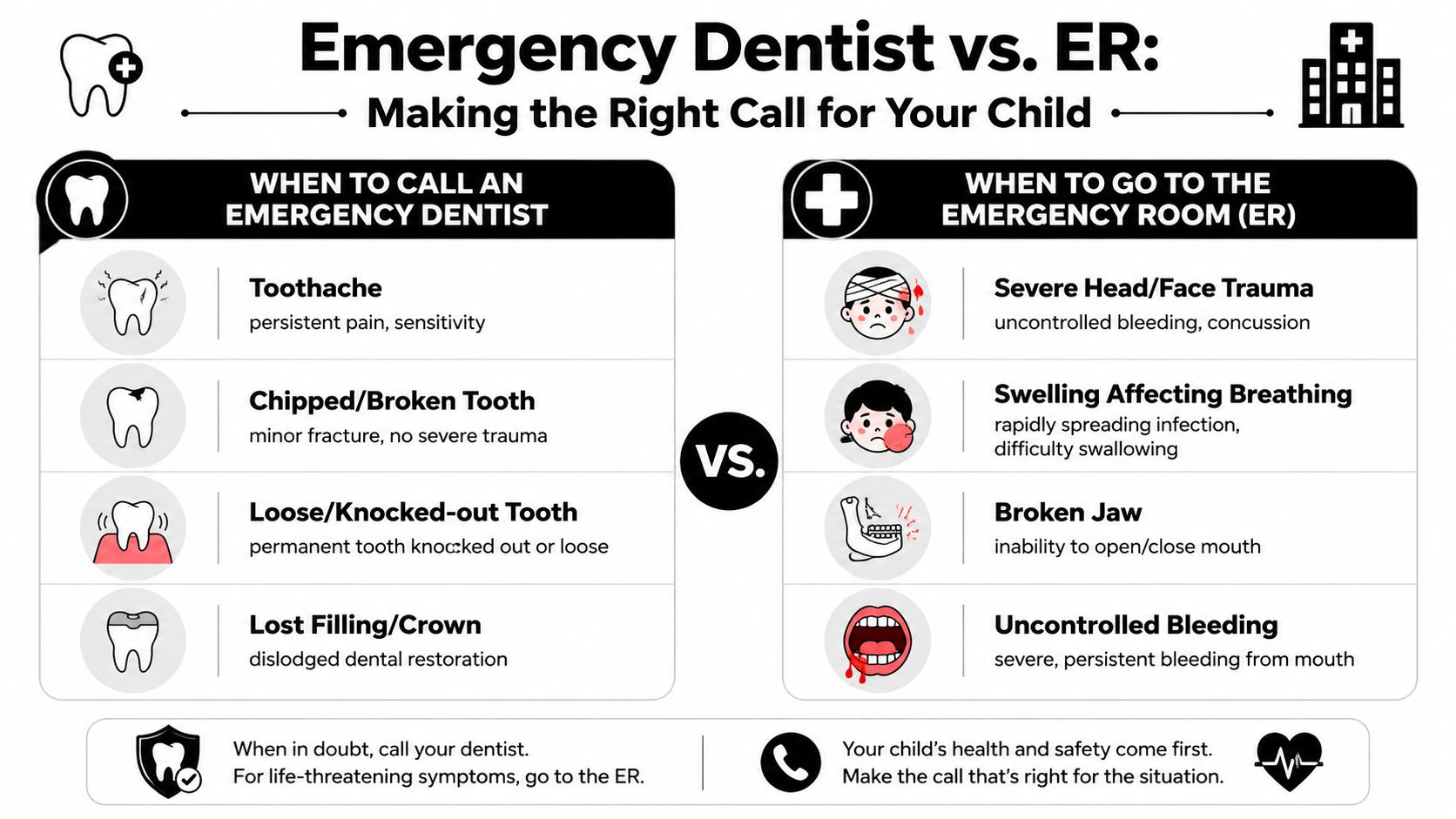
Emergency Dentist vs ER Making the Right Call
Parents often lose time here. They know the situation is urgent, but they aren't sure where to go.
Go to an emergency dentist when the problem is dental
If the main issue is the tooth, gums, or mouth, an emergency dentist is usually the better first stop.
| Problem | Best first call | Why |
|---|---|---|
| Toothache | Emergency dentist | The issue is often decay, infection, or nerve pain that needs dental treatment |
| Chipped or broken tooth | Emergency dentist | The tooth may be restorable if treated quickly |
| Loose or knocked-out permanent tooth | Emergency dentist | Repositioning and stabilization are time-sensitive |
| Lost filling or crown | Emergency dentist | The tooth needs protection and evaluation |
ERs are important, but they usually don't provide definitive dental care. They can help with pain control, infection concerns, or broader medical problems. They generally aren't set up to replant a tooth, stabilize a dental injury, or complete treatment that resolves the source.
You can read more about local urgent tooth care through this guide on emergency dental care near you in Austin and Georgetown.
Go to the ER when the problem is bigger than the tooth
The ER is the right call when dental trauma comes with signs of a more serious medical issue.
Go to the ER if your child has trouble breathing, trouble swallowing, a head injury, suspected jaw fracture, or bleeding you can't control.
Use this checklist:
- Severe face or head trauma: especially with vomiting, confusion, or loss of consciousness
- Rapid swelling: particularly if it affects breathing or swallowing
- Broken jaw concerns: pain with opening, closing, or speaking
- Uncontrolled bleeding: steady pressure isn't enough
Why this distinction matters
Dental emergencies often need tools and imaging that a dental office uses every day. Medical ERs fill a different role. They protect the airway, manage systemic infection risk, and rule out serious trauma.
That distinction is why so many non-traumatic dental visits to emergency departments are frustrating for families. The diagnosis may be real and urgent, but the setting often isn't designed to fix the underlying dental problem. Getting to the right provider first usually means less delay, fewer handoffs, and a clearer plan.
Your Child's Emergency Visit at Our Austin & Georgetown Office
Parents usually worry about two things on the drive in. Will my child be in pain the whole time, and are we walking into something complicated? A good emergency visit should answer both quickly.
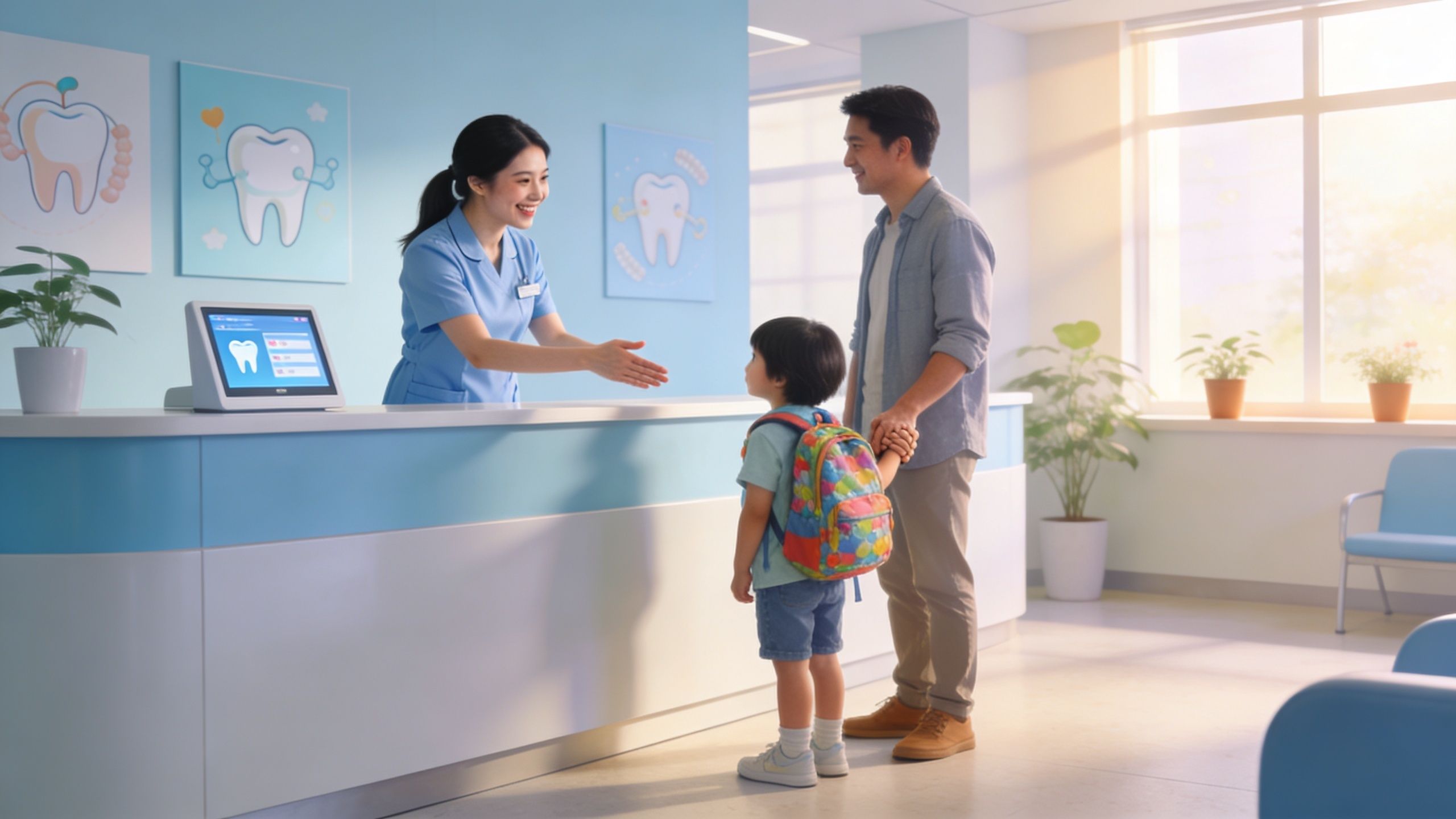
What happens when you arrive
The first minutes are focused and calm. The team confirms what happened, when it happened, whether the injured tooth is baby or permanent, and whether there are any broader medical concerns. If your child is frightened, that's expected. Pediatric emergency visits work best when the pace is steady and no one rushes the child emotionally.
Examination comes before treatment, but not in a way that drags things out. The first goal is to identify whether this is pain from infection, trauma to a tooth, injury to surrounding bone, or a combination of problems.
Why imaging changes the quality of care
Some emergencies are straightforward. Others aren't. A tooth can look only slightly shifted while the socket bone is injured, or swelling can hide the exact source of the infection.
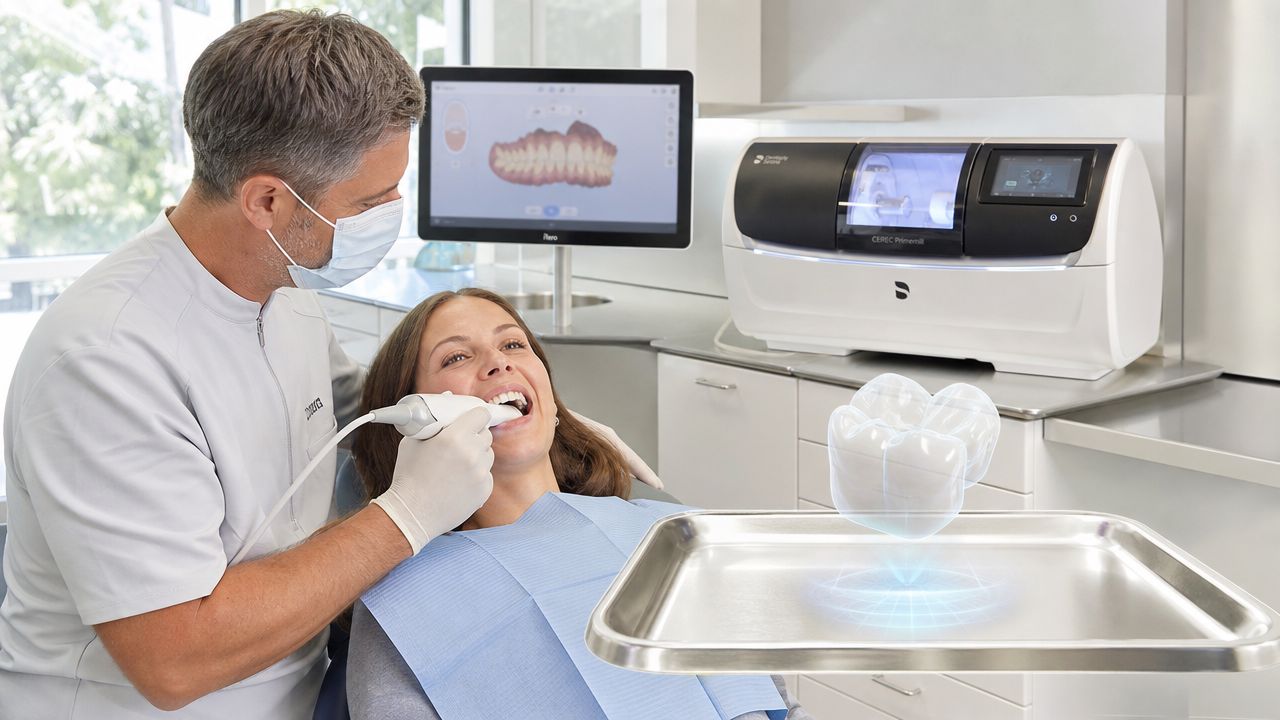
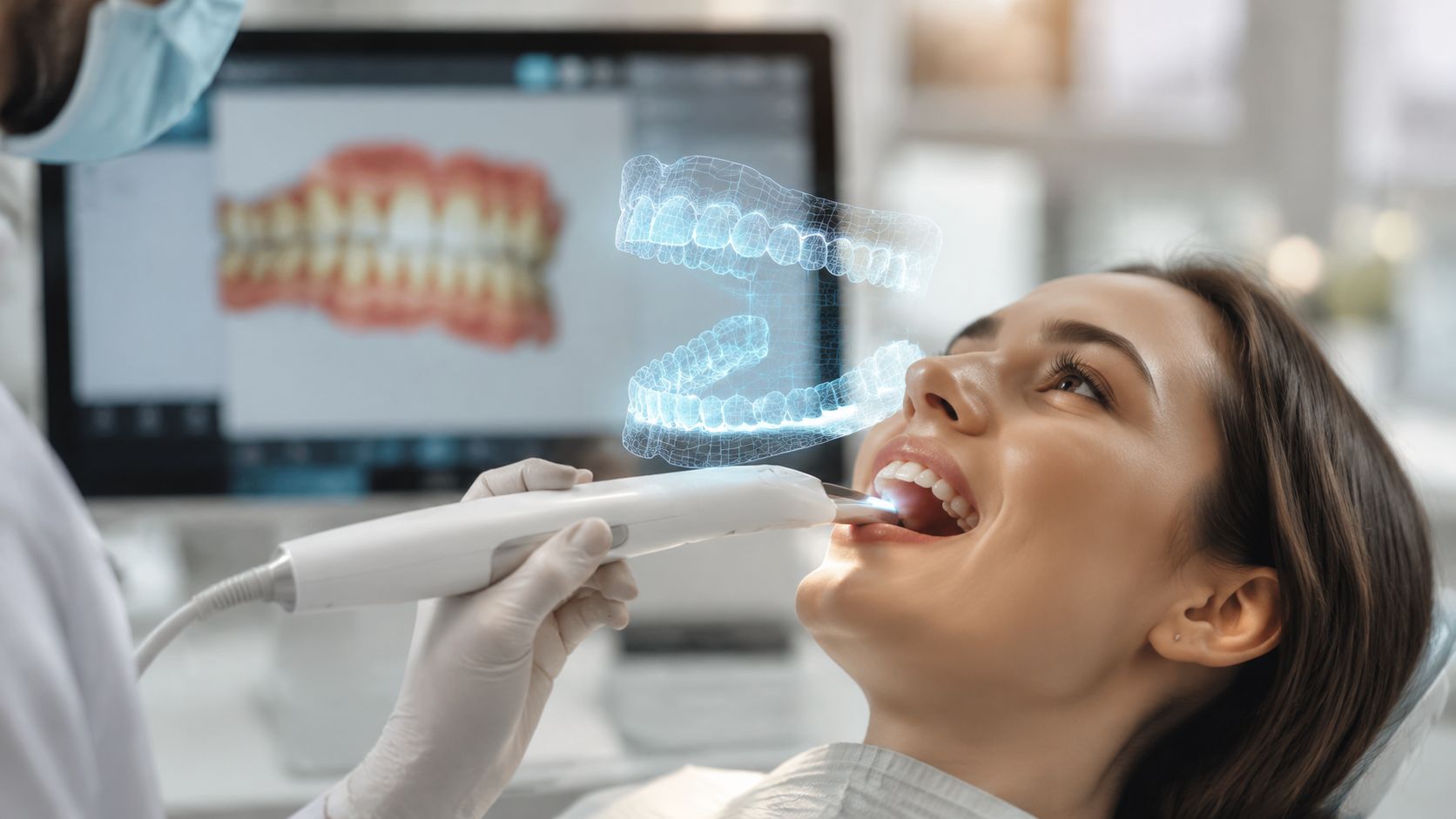
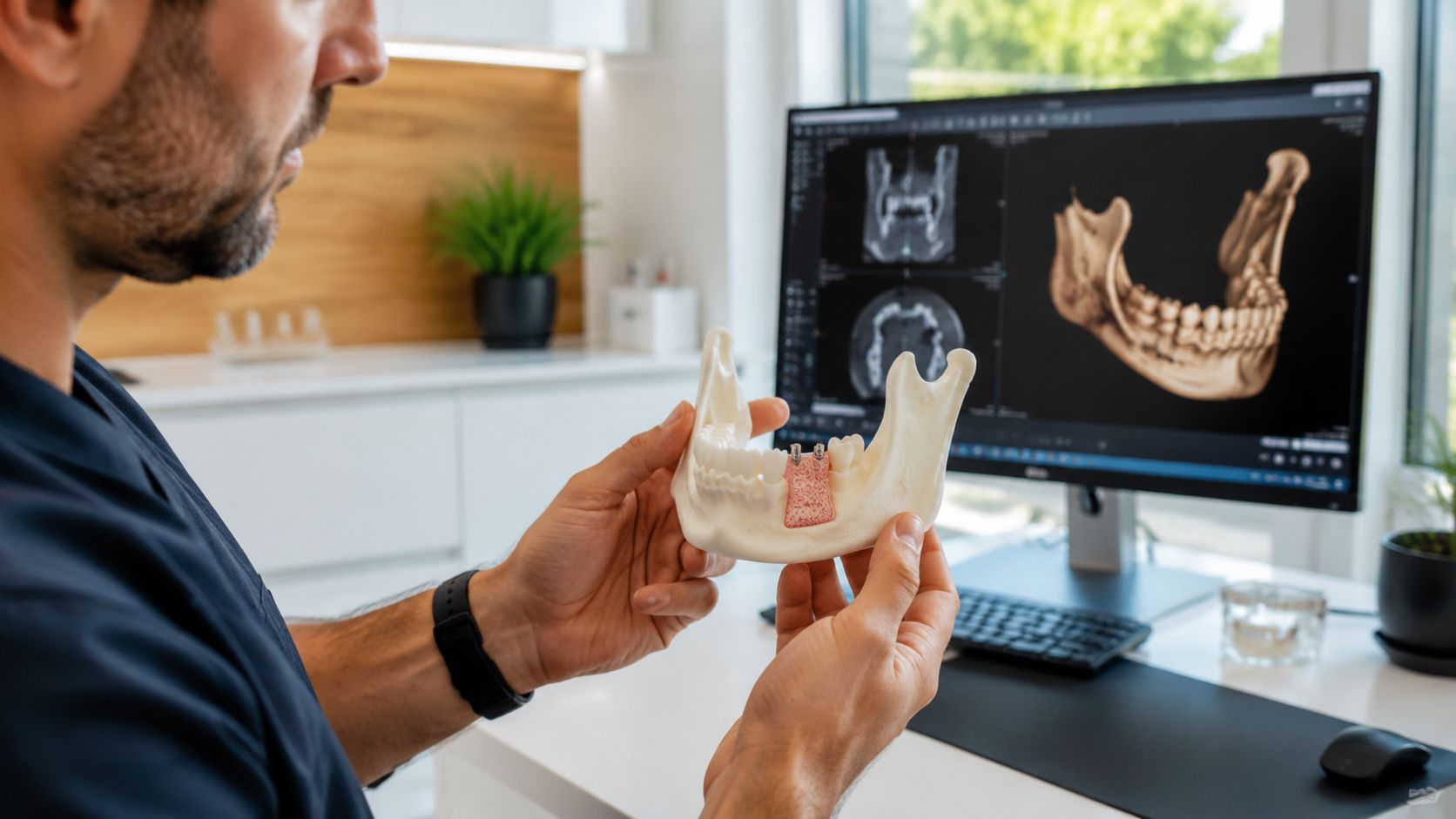
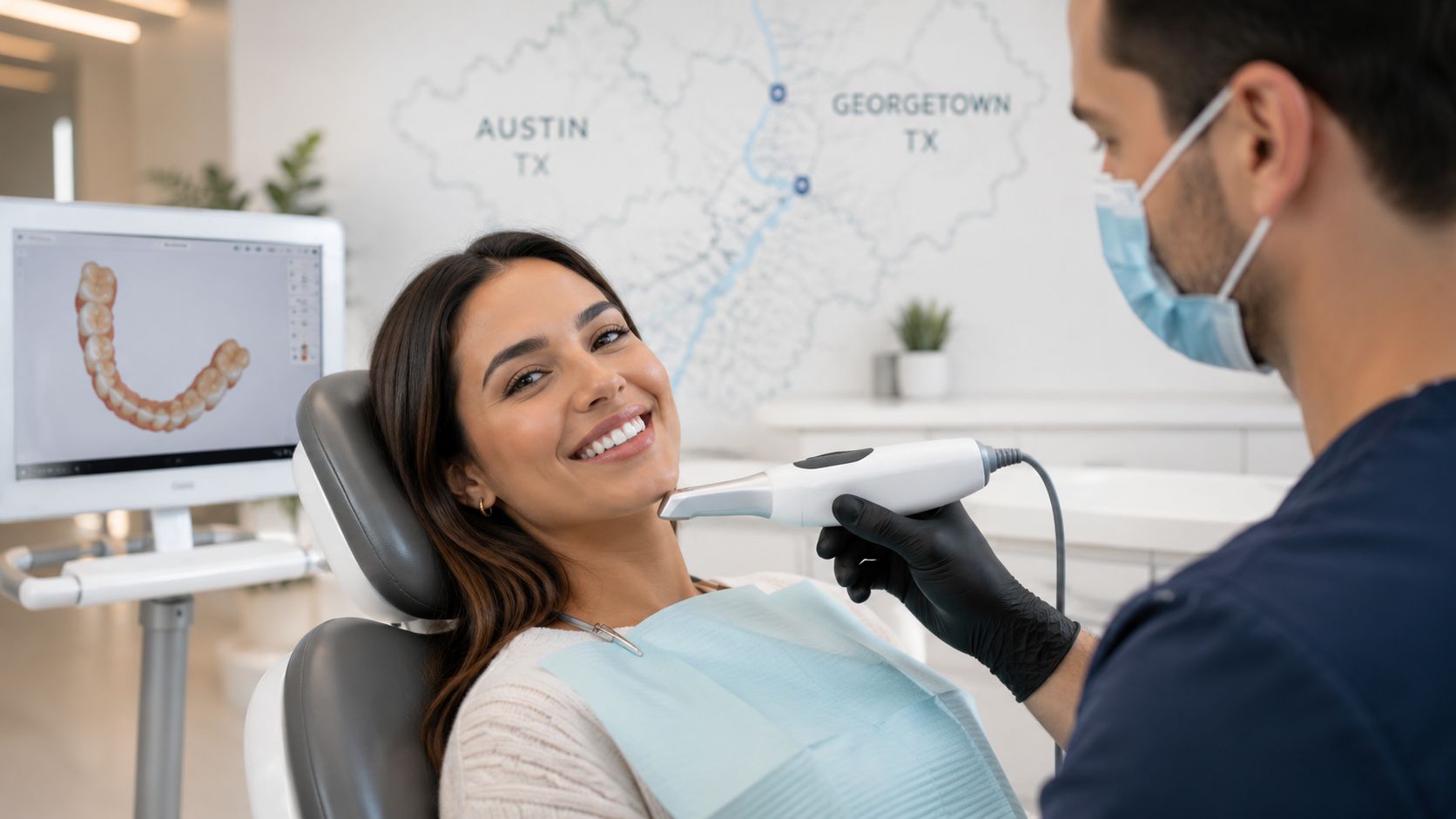
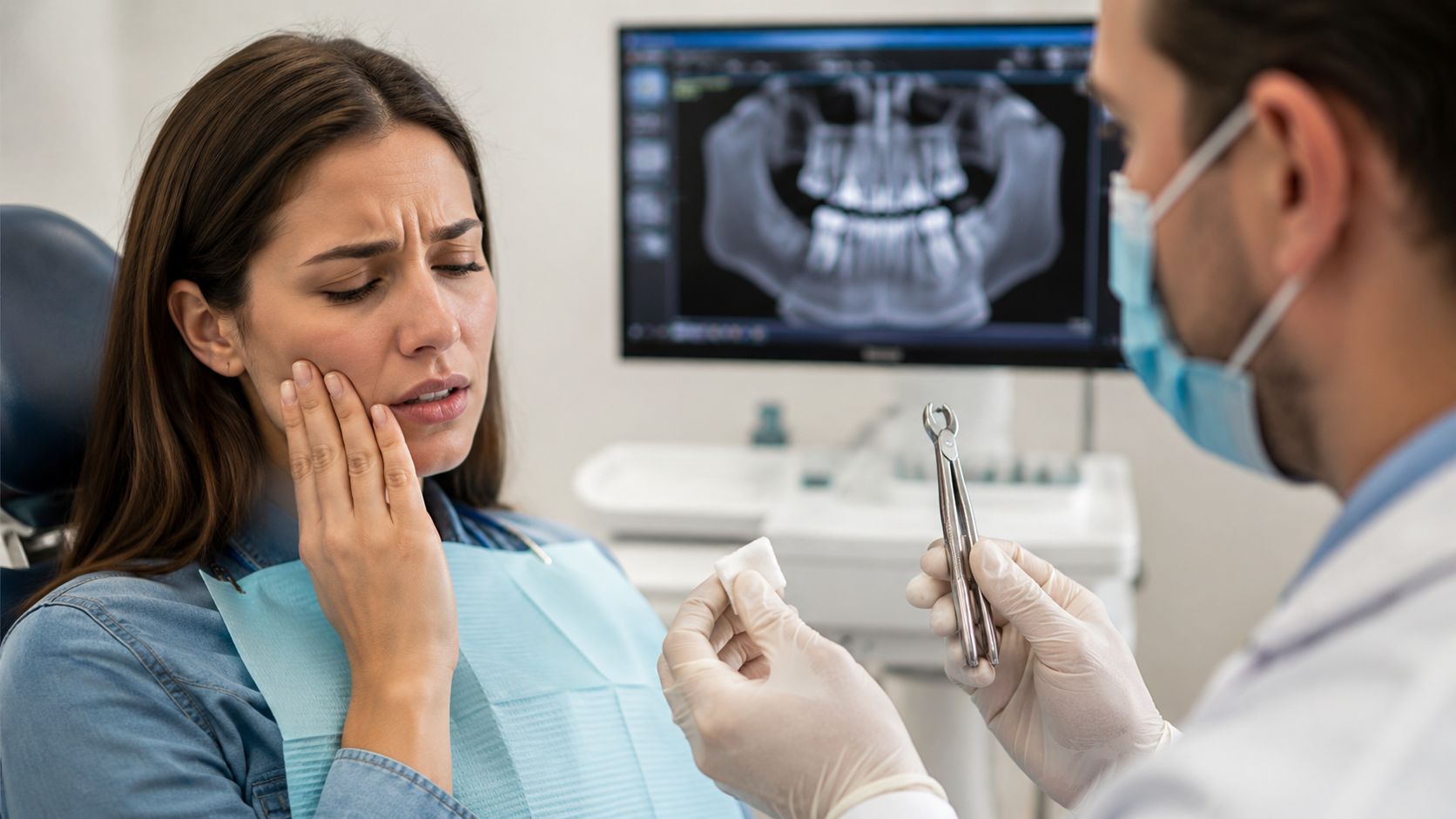
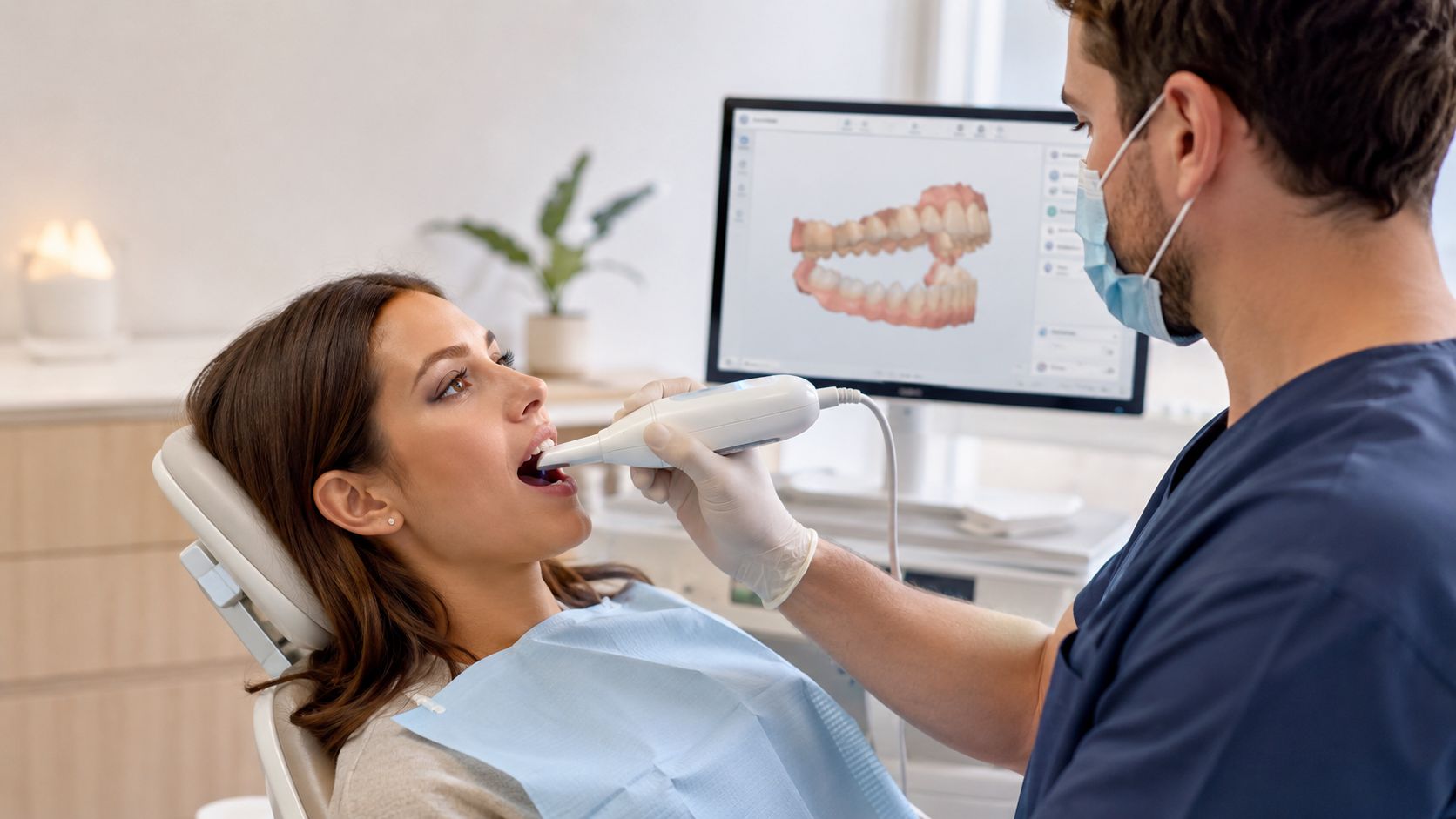
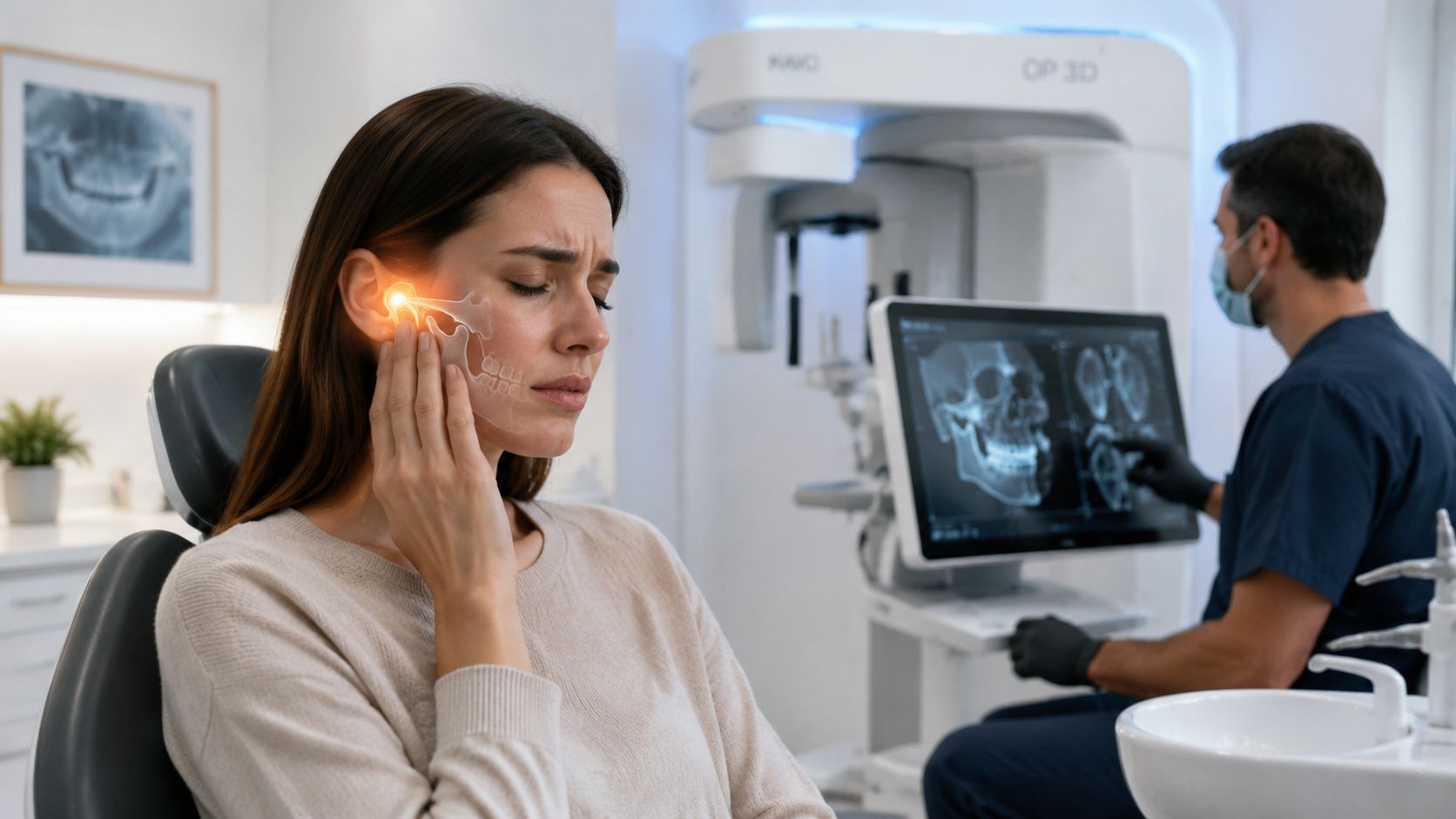
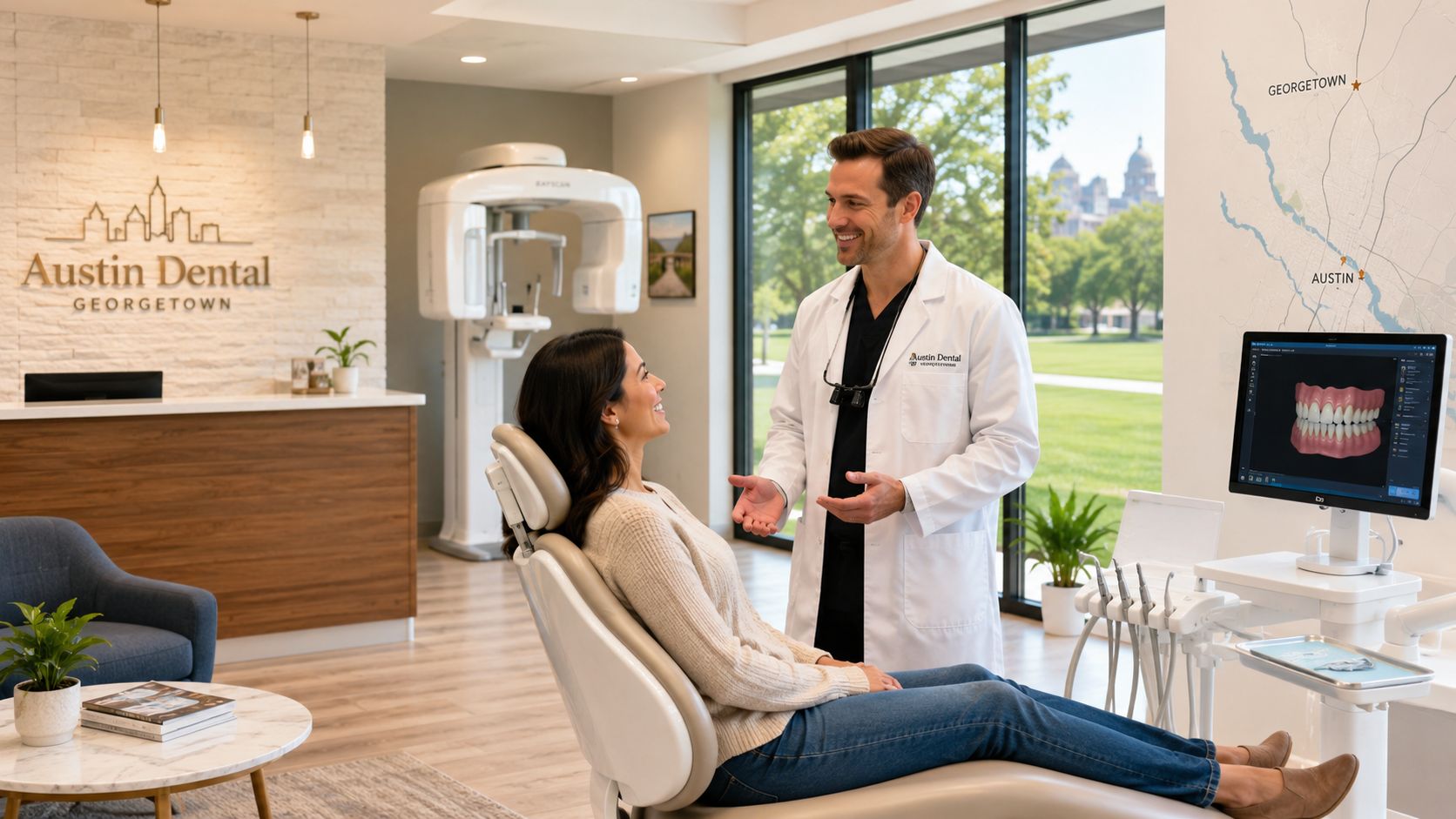
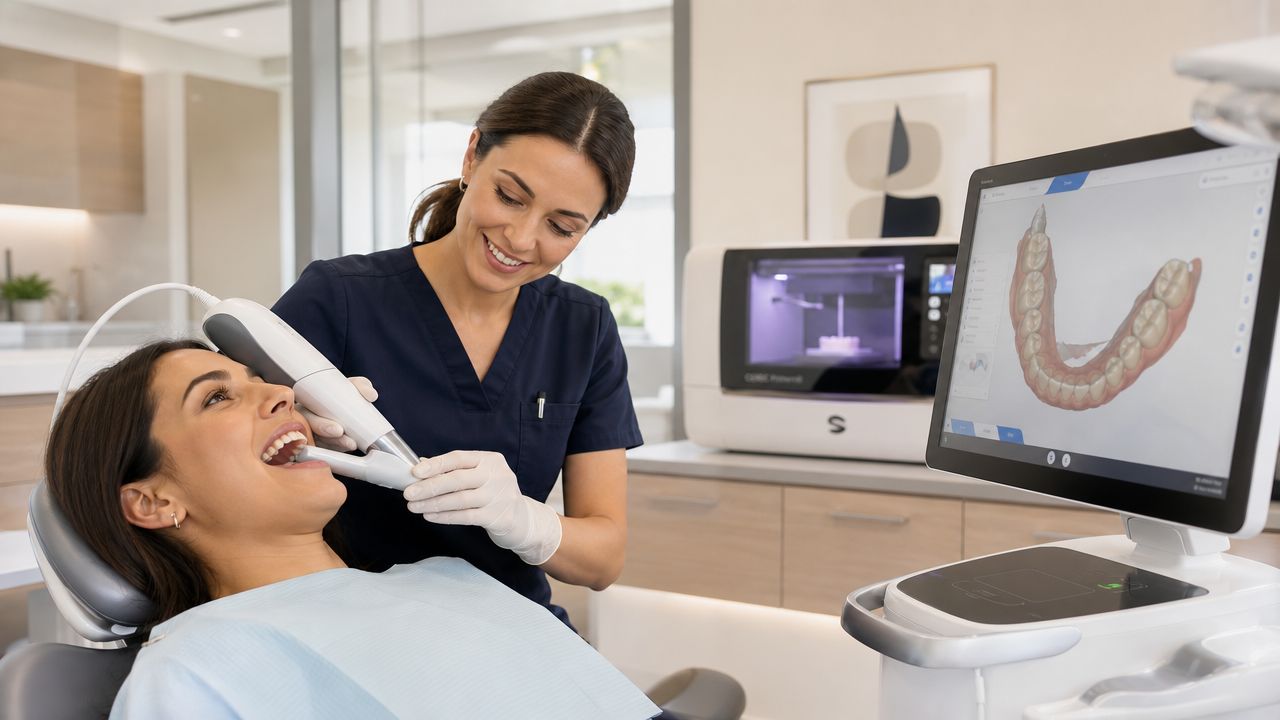
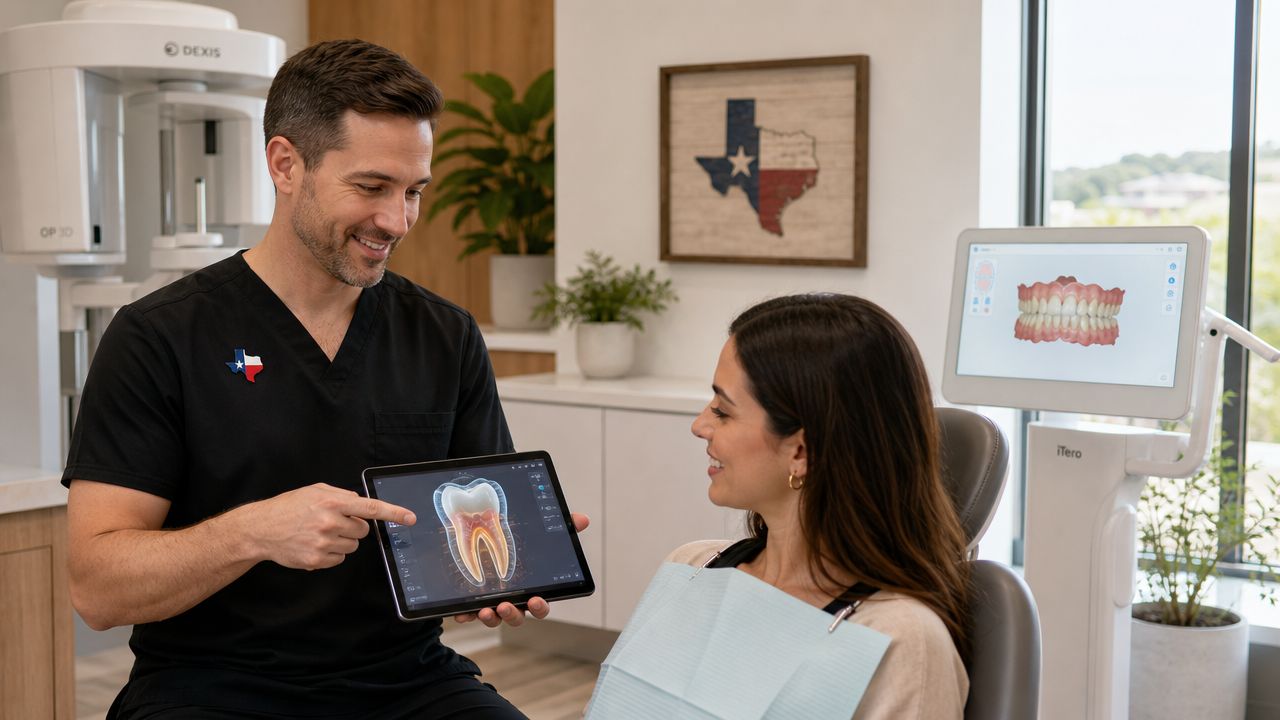
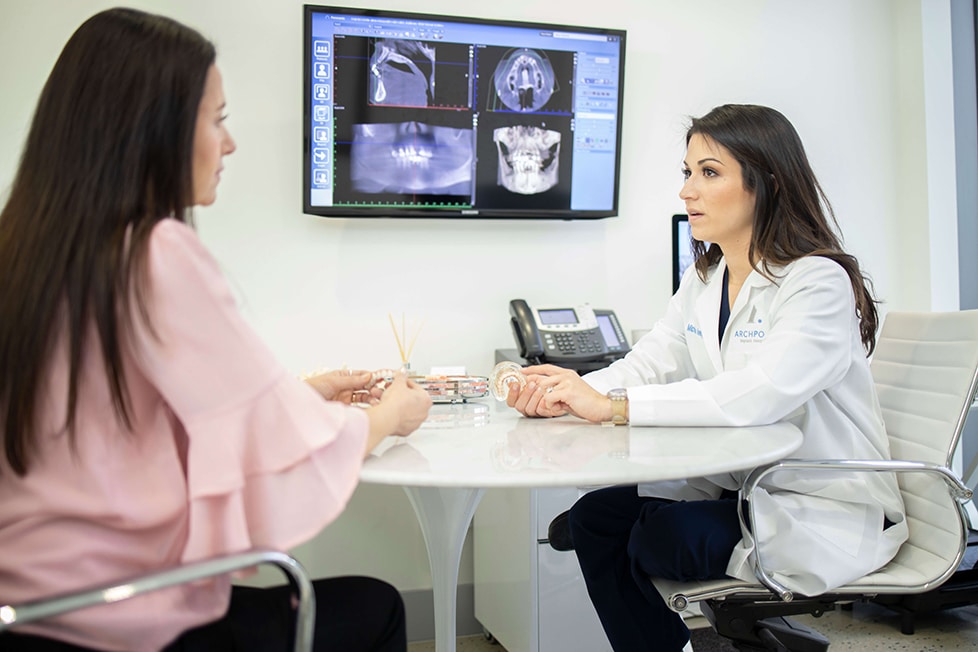
That's where 3D imaging and digital x-rays make a real difference. They help the team see what a visual exam alone can miss, especially with dental trauma, root damage, or developing infection. In practical terms, it means fewer guesses and a more precise treatment plan.
This short video gives a sense of the setting and the technology families can expect:
Treatments parents commonly hear discussed
Emergency treatment depends on what the exam shows. Sometimes the right move is conservative. Sometimes it needs to be definitive that same day.
That may include:
- Repositioning and stabilizing an injured tooth
- Protecting a fractured tooth
- Draining infection when indicated
- Pulp therapy to treat the inside of the tooth
- Extraction if the tooth can't be predictably saved
The best emergency treatment is the one that solves the problem safely the first time, not the one that sounds least invasive in the moment.
In emergency situations, definitive treatments like pulp therapy or extractions are often necessary, and modern materials such as MTA in pulpotomies have success rates exceeding 90%, which helps reduce repeat procedures and supports stronger long-term outcomes (clinical review of pediatric emergency treatment patterns and MTA success).
What your child should feel from the process
Children don't need a perfect visit to do well. They need a predictable one. That means simple explanations, pauses when needed, and a team that knows when a child needs reassurance before the next step.
Parents also need clarity before leaving. You should know what was treated, what could still feel sore tonight, what warning signs to watch for, and when follow-up is needed. Good emergency care doesn't end when the immediate pain is handled. It includes a clear next step.
Pain Management and Financial Options for Urgent Care
Once the immediate crisis is under control, the next questions are practical. What can my child take for pain? How do we handle the cost if treatment can't wait?
Safe pain relief at home
For children under 12, recent AAP guidance recommends acetaminophen at 10 to 15 mg/kg every 4 to 6 hours, with a maximum of 75 mg/kg/day, which is why accurate weight-based dosing matters so much during an after-hours dental problem (AAP dosing guidance summarized for pediatric dental emergencies).
A few safety points matter:
- Use your child's current weight: not age alone
- Measure liquid medicine carefully: use a dosing syringe or medicine cup
- Avoid doubling medicines: some multi-symptom products already contain acetaminophen
- Call if pain suddenly worsens: especially if swelling increases or your child can't rest
Medication safety note: If you're not sure about the dose, ask before giving another dose. Guessing is where mistakes happen.
Cold compresses on the outside of the face can also help. Soft foods, hydration, and avoiding chewing on the sore side usually make the first day easier.
When to call back after treatment
Parents should reconnect with the office if:
- Swelling is increasing instead of improving
- Bleeding restarts and doesn't slow with pressure
- Your child develops trouble swallowing
- Pain isn't controlled with the plan you were given
- A temporary restoration comes loose
Those calls aren't overreactions. They're part of good follow-through.
Handling the financial side without delay
Urgent dental care is stressful enough without cost uncertainty. The best offices are transparent about this before treatment starts. That usually means discussing insurance, outlining what the recommended treatment involves, and offering payment pathways if the visit includes more than a limited exam.
For families looking ahead, this page on financing and insurance options in North Austin and Georgetown is useful because it explains how coverage, in-house options, and flexible payment arrangements can make urgent care more manageable.
When treatment can't wait, the financial conversation should support timely care, not delay it.
Preventing Future Dental Emergencies in Your Family
The most effective emergency plan starts long before an emergency happens. A lot of pediatric dental crises are preventable, especially the ones caused by decay, untreated cavities, and infections that worsened unnoticed over time.
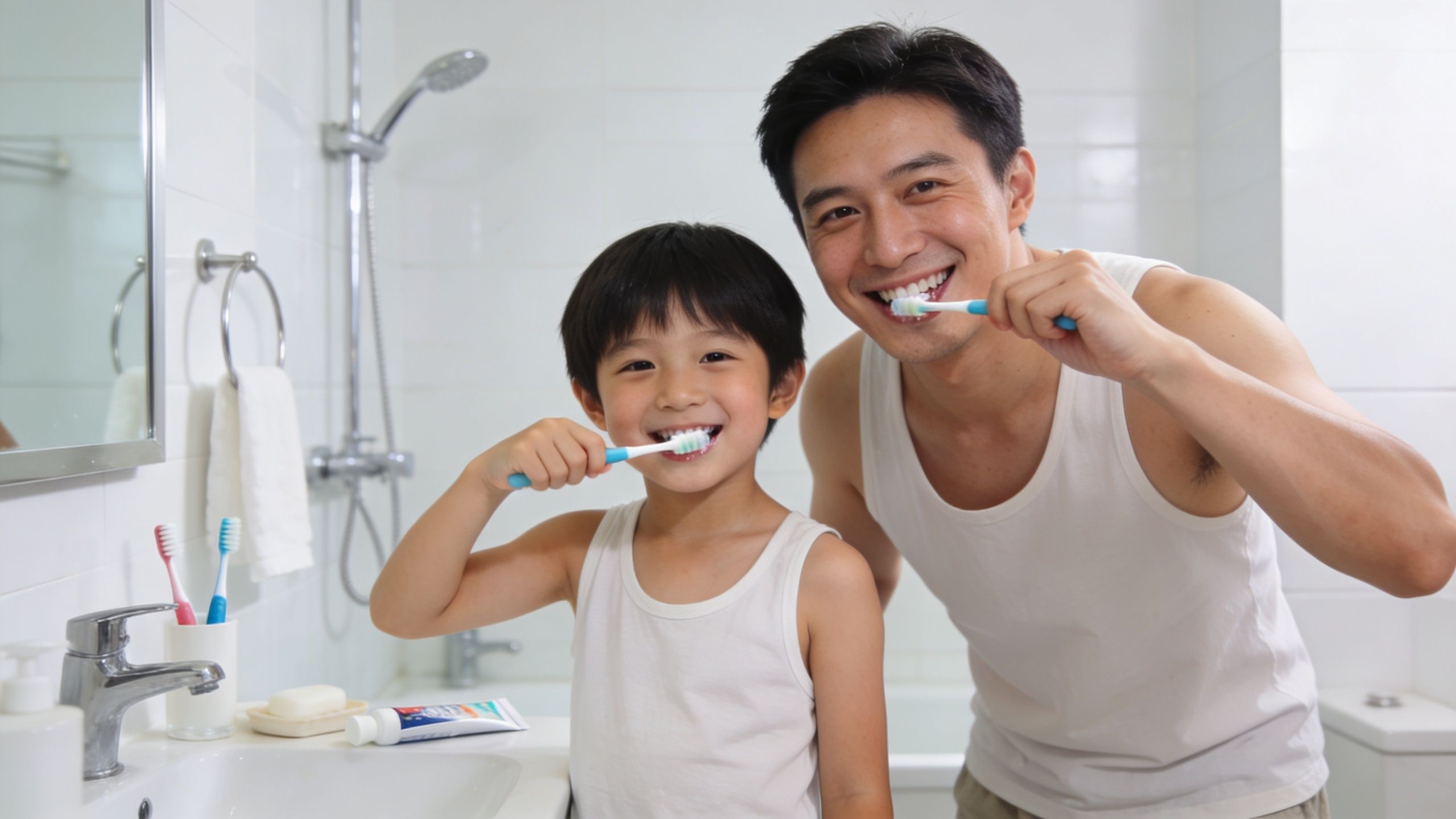
What protects kids best
Routine checkups and cleanings do more than “keep up with appointments.” They catch weak spots before they become pain, swelling, or a weekend emergency. If a child is cavity-prone, regular exams, dental x-rays when appropriate, and preventive treatment change the trajectory.
Families can also lower trauma risk with habits that are simple but effective:
- Use a sports mouthguard: especially for contact sports and active recreation
- Skip chewing ice and very hard candy: these are common reasons teeth crack
- Child-proof for toddlers: sharp furniture edges and unstable stools lead to many falls
- Don't ignore small chips: sometimes a minor fracture becomes a larger problem later
Prevention is cheaper than panic
Emergency visits are about solving today's problem. Preventive dentistry is about avoiding tomorrow's. That includes new patient exams, cleaning and exams, digital x-rays, protective restorations when needed, and custom recommendations based on how your child eats, plays, and brushes.
The families who handle dental emergencies best are usually the ones who already have a dental home before the emergency starts.
That matters for local parents searching for a dentist near me, an emergency dentist, or a dentist in Austin, TX or Georgetown, TX. In real life, the best time to choose your dental office isn't during a crisis. It's before one.
A practical family plan for Austin and Georgetown
Keep it simple:
- Save your dental office number in your phone
- Know whether your child has baby or permanent front teeth
- Keep gauze, a small container, and pain medicine at home
- Book routine exams on time
- Ask about mouthguards if your child plays sports
For families in North Austin, Georgetown, Wells Branch, Cedar Park, Round Rock, and Liberty Hill, that combination does more than reduce stress. It reduces the odds that a preventable problem turns into an urgent one.
If your child has a dental emergency, or if you want a reliable dental home before one happens, 3D Dental serves North Austin and Georgetown with emergency visits, preventive care, digital x-rays, 3D imaging, and flexible payment support. Reach out to schedule an appointment and get your child seen quickly by a team that understands how to keep urgent care calm, clear, and kid-friendly.
Ready to get started?
Schedule a free, no obligation consultation with our team and see what's possible for your smile!
Georgetown
- Mon-Thurs8:30am-5pm
- Fri8am-3:30pm
- Sat-SunClosed
Austin
- Mon-Tues8am-5pm
- Wed-Thurs9am-6pmFri8am-2pm
- Sat-SunClosed