
Emergency Dental Care No Insurance Guide for 2026
Related Posts

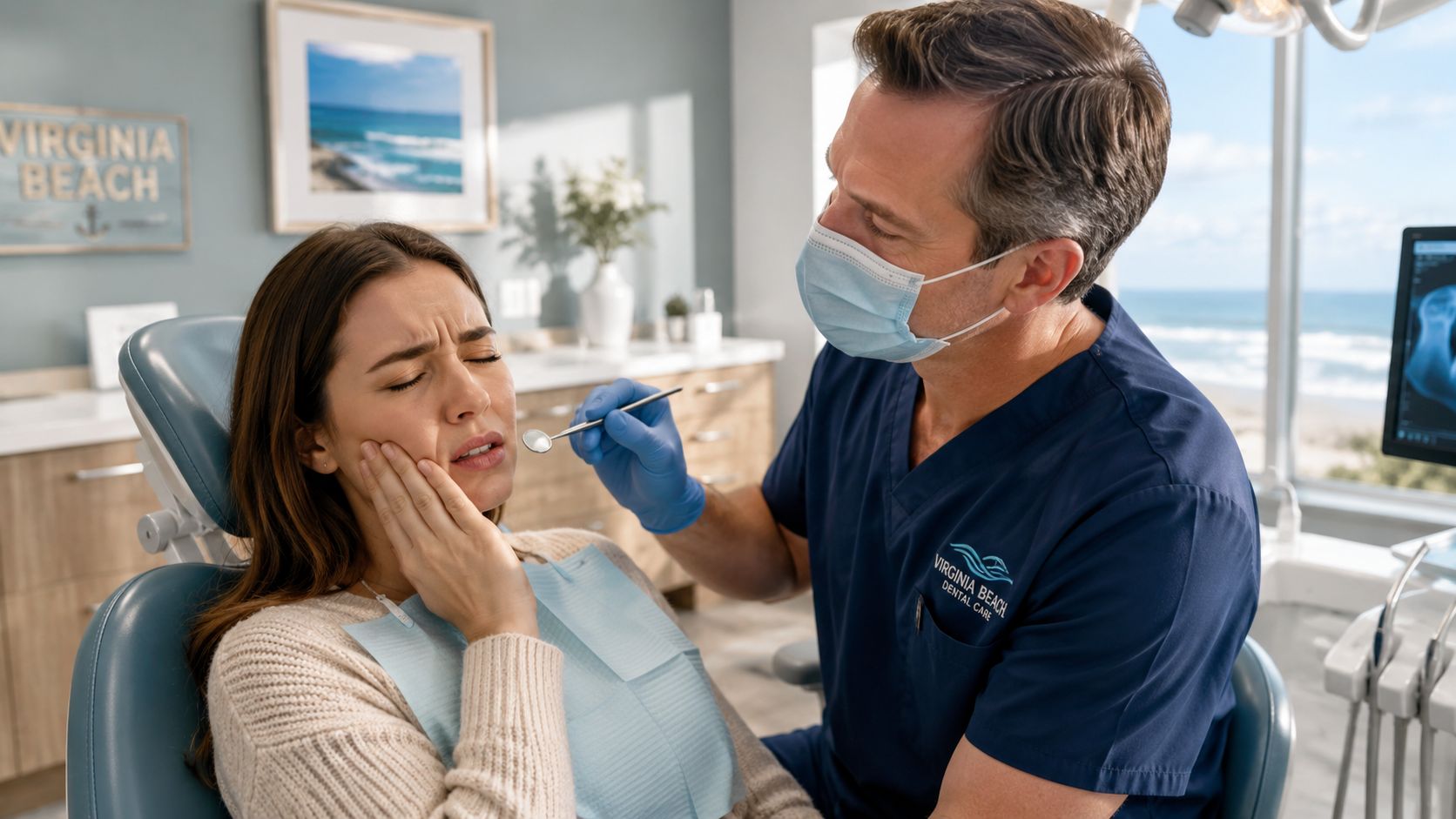




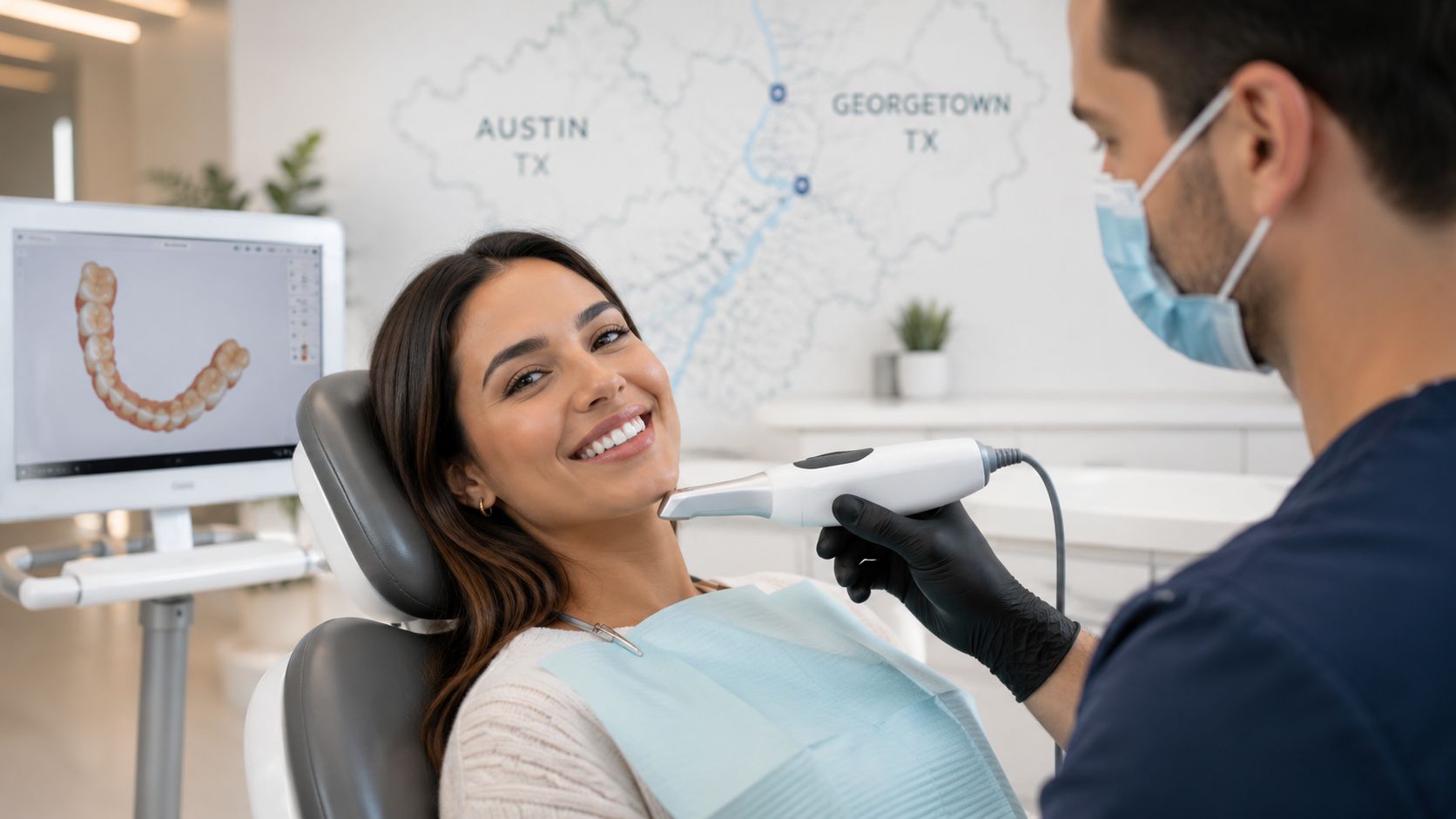
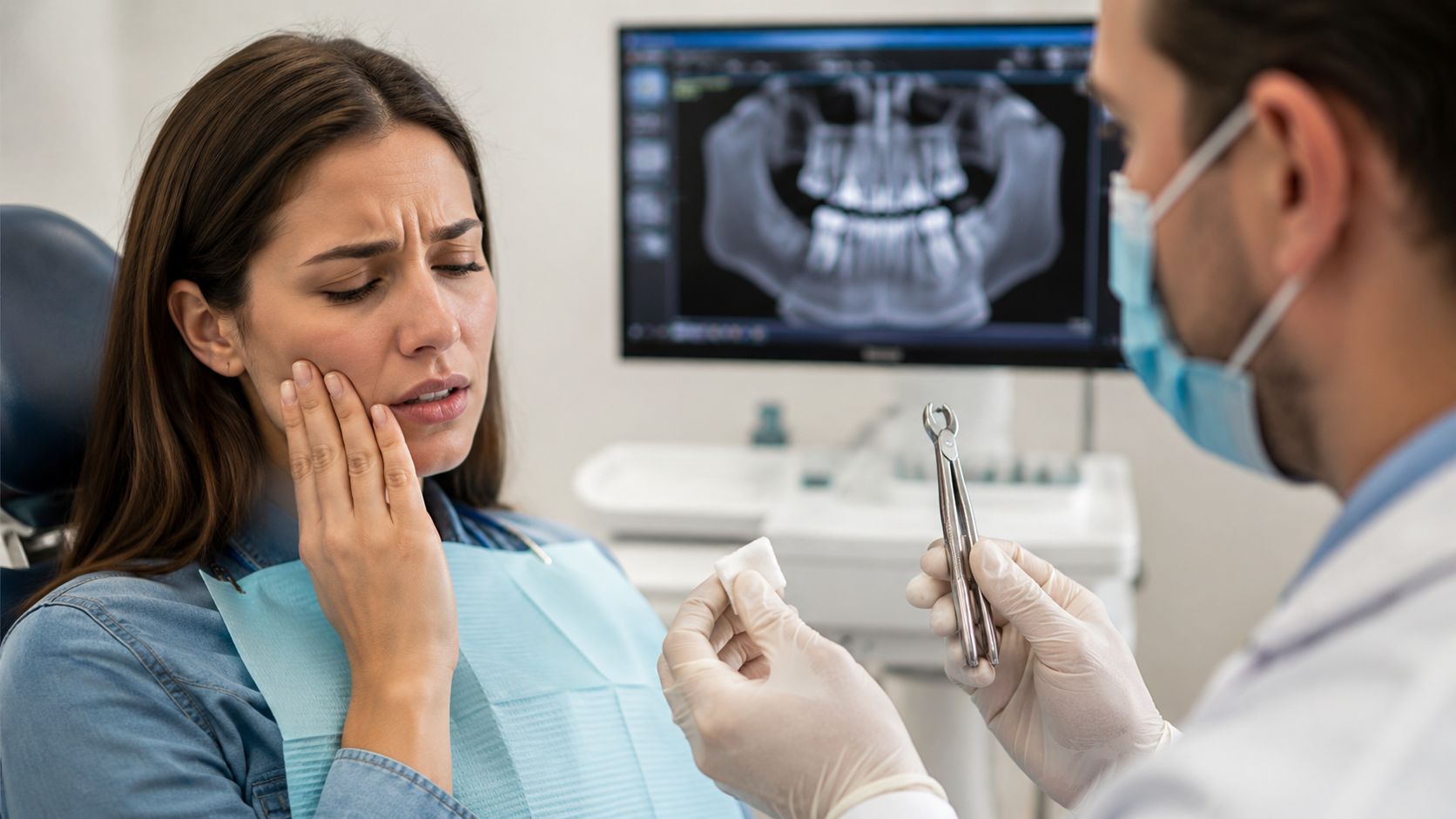
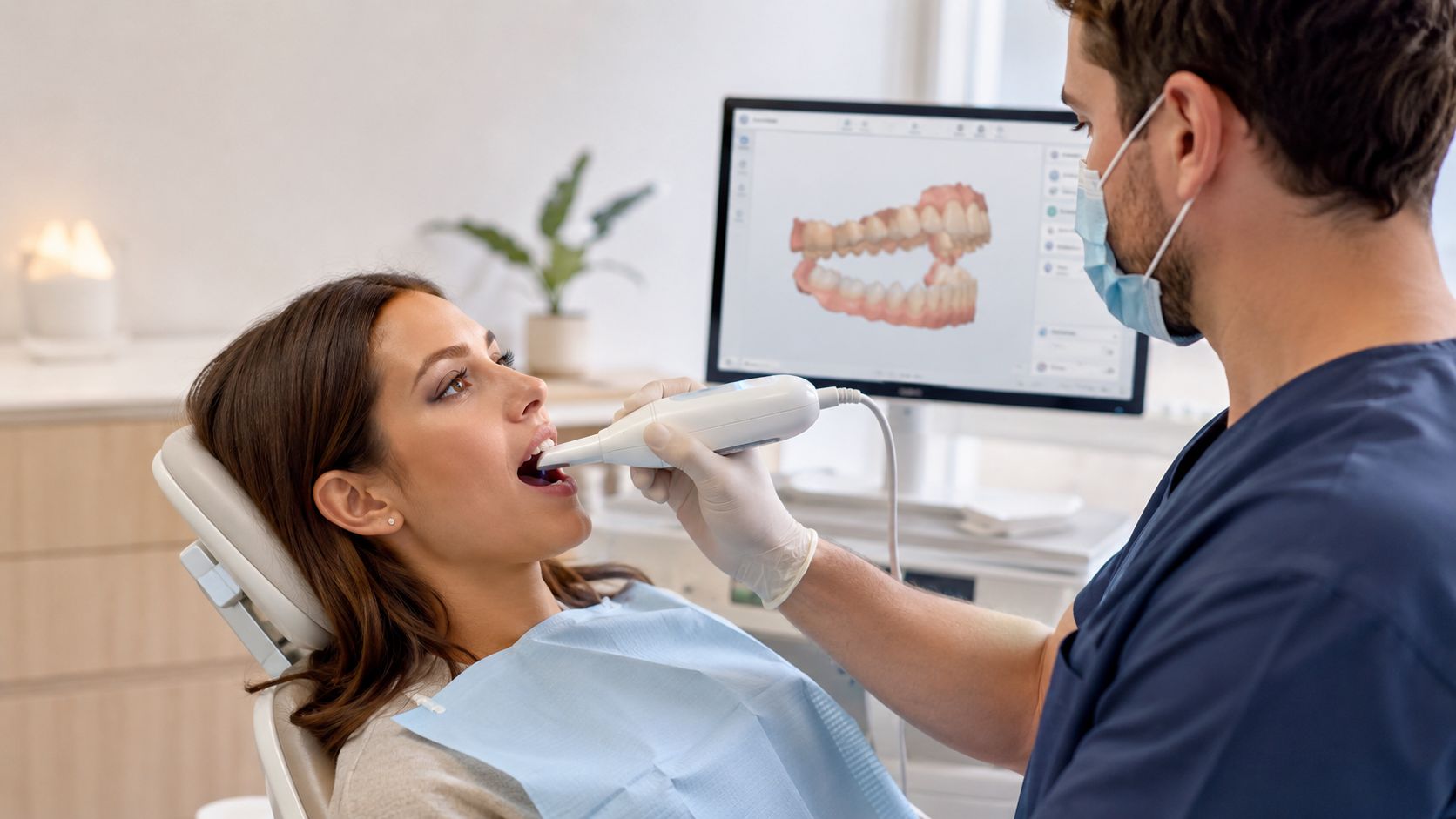























A dental emergency without insurance can feel like two problems hitting at once. Your tooth hurts, your face may be swelling, and the next thought is often financial: how am I supposed to pay for this today?
If you're in North Austin, Georgetown, Wells Branch, Cedar Park, Round Rock, or Liberty Hill, the most important thing to know is this: pain now usually means action now. Waiting a few days to “see if it settles down” can turn a manageable problem into a more invasive one. The right move is to get the tooth evaluated quickly, then make a practical payment plan around the treatment you need.
Facing a Dental Emergency in Austin with No Insurance?
A common situation goes like this. You wake up with a sharp throbbing toothache, or you bite down and feel a crack. You look up “emergency dental care no insurance” and immediately run into mixed advice. Some pages tell you to call community clinics. Others tell you to go to the ER. None of that helps much when you're trying to get through the next hour.
In Central Texas, uninsured patients often delay care because they expect the visit to be unaffordable. That hesitation is understandable. But dental infections, broken teeth, and severe inflammation don't usually improve on their own. They tend to get louder, more painful, and harder to fix.
Why fast dental care matters
Hospital care sounds like the safest option when you're scared, but it usually isn't the most effective place for routine dental pain. In the United States, emergency departments manage approximately 1.94 million visits annually for tooth disorders, and uninsured adults have 5.2 times higher odds of seeking ED care for dental issues. Those visits often provide only temporary relief, at an average hospital cost of $402 per visit, rather than definitive treatment like removing decay, treating an infection source, or performing an extraction or root canal, according to this review of uninsured dental patient statistics.
That difference matters when you're trying to solve the problem once instead of paying for temporary relief and still needing a dentist afterward.
Practical rule: If the issue is dental, the best first stop is usually a dentist. If the issue threatens your breathing, involves major facial trauma, or won't stop bleeding, start at the hospital.
For patients searching for emergency dental care near me in Austin and Georgetown, the right plan is simple: get the pain assessed quickly, control swelling and discomfort safely, and choose treatment that removes the cause rather than only masking symptoms.
What patients need most in the first few hours
When you're uninsured and stressed, you don't need vague reassurance. You need clarity:
- What to do right now to reduce pain safely
- Where to go for the right kind of urgent care
- How payment works if you don't have insurance
- What happens at the appointment so there are no surprises
The next step is managing the pain well enough to get in the chair.
What to Do First for Tooth Pain Before Your Appointment
At-home care can help you get through the next few hours. It won't fix the underlying problem, but it can lower irritation and keep things from getting worse while you arrange a same-day or next-available appointment.
Start with simple first aid
Use a warm saltwater rinse if the area is sore, inflamed, or trapping food. Mix salt into warm water, swish gently, and spit it out. The goal isn't to scrub the tooth. The goal is to calm irritated tissue and clear debris from around the area.
If you have swelling on the cheek or jawline, use a cold compress on the outside of the face. Keep it on for short intervals, then take it off and repeat. Cold helps reduce swelling and can dull the ache enough to make travel and conversation easier.
Protect the area until you're seen
A painful tooth often gets worse when patients keep testing it. Try not to chew on that side. Avoid very hot drinks, ice-cold drinks, and hard foods if the tooth is cracked or sensitive. If a filling or crown has come loose, don't try to glue it back yourself with household products.
A few smart moves can prevent more damage before your visit:
- Choose soft foods: Yogurt, eggs, soup that's not too hot, and other easy foods reduce pressure on the tooth.
- Keep the mouth clean: Brush gently and floss carefully if food is trapped, but stop if that increases pain or starts bleeding heavily.
- Sleep with your head raised: Some patients notice throbbing gets worse when lying flat.
Rinsing, cooling, and avoiding pressure are temporary tools. If pain is waking you up, radiating, or causing swelling, you need an exam.
Use over-the-counter medicine carefully
Over-the-counter pain relievers can help if they're appropriate for you medically. Follow the instructions on the package. If you have stomach ulcers, kidney disease, bleeding concerns, are pregnant, or take blood thinners or other regular medications, use extra caution and speak with a pharmacist, physician, or your dental office before taking anything new.
Do not place aspirin directly on the gum or tooth. That can irritate or burn the tissue. Do not put crushed tablets, alcohol, or topical home remedies inside a cavity or onto swollen gums.
Know when home care is not enough
Call for urgent dental care if you have any of these:
- Visible swelling: especially if it seems to be spreading
- Pain with pressure: biting down hurts or the tooth feels “high”
- A broken tooth: sharp edge, exposed center, or increasing sensitivity
- Bad taste or drainage: possible infection
- Fever or feeling unwell: this needs prompt attention
When pain escalates quickly, the next question is whether to head to the hospital or find an emergency dentist.
Should You Go to the ER or an Emergency Dentist?
A hospital emergency room and an emergency dentist don't do the same job. That's the main point patients need to understand. Both matter. They just matter in different situations.

When the ER is the right choice
Go to the ER if the problem is bigger than the tooth itself. That includes severe facial trauma, a possible broken jaw, uncontrolled bleeding, or swelling that affects breathing or swallowing. Those situations are medical emergencies first.
If you've been in an accident, have a deep facial injury, or can't control bleeding with pressure, don't wait for a dental office.
When an emergency dentist is the better fit
Most urgent dental problems are best handled in a dental setting. Toothaches, abscess symptoms, broken teeth, lost crowns, a loose bridge, a cracked molar, or a wisdom tooth flare-up usually need dental imaging and dental treatment.
An emergency dentist can identify the source of the pain and discuss treatment such as:
| Problem | What a dentist can evaluate |
|---|---|
| Severe toothache | Decay, infection, fracture, bite trauma |
| Swelling near a tooth | Whether the source is gum-related or from inside the tooth |
| Broken tooth | Whether the tooth can be restored or needs extraction |
| Lost filling or crown | Whether it can be replaced or stabilized |
| Pain with chewing | Crack, abscess, or ligament inflammation |
A hospital can help stabilize a serious medical problem. A dentist can usually fix the dental cause.
The time issue most guides skip
Many patients look first for free or reduced-cost clinics, and that makes sense. But timing matters in a real emergency. WebMD notes that community and nonprofit dental options may have waitlists that can be weeks-long or closed entirely, which creates a serious problem when you're dealing with active pain or an abscess, as explained in WebMD's guide to free and low-cost dental care for uninsured patients.
That delay changes the treatment picture. A tooth that might have been manageable earlier can become harder to save after more infection, breakdown, or swelling.
If the pain is active today, the best option is the one that can evaluate you today.
A practical decision guide
Use this quick guide:
- Choose the ER: trouble breathing, trouble swallowing, major trauma, uncontrolled bleeding
- Choose an emergency dentist: tooth pain, swelling around a tooth, broken tooth, lost restoration, gum abscess, pain when biting
- Choose based on speed: if a low-cost clinic can't see you soon, don't assume waiting is the cheaper move
For uninsured patients in Austin and Georgetown, this is often the trade-off. Community care can be valuable, but delayed access can cost you more clinically and financially than prompt care with a clear payment plan.
How to Pay for Emergency Dental Care Without Insurance
The hardest part for many patients isn't the procedure. It's the moment before they call, when they assume they won't be able to afford the visit. That assumption keeps people stuck in pain longer than they should be.

A better approach is to separate the problem into parts. First, get an exam and diagnosis. Second, review the treatment options. Third, choose the payment structure that lets you move forward now instead of postponing care until the problem becomes more expensive.
Why delaying usually costs more
Financial delay feels protective in the moment, but it often backfires. According to this analysis of uninsured dental cost escalation and financing options, delaying care due to financial concerns can increase eventual costs by 60 to 80 percent. The same source notes that accessible financing tools and transparent upfront costs help patients get treated while care is still simpler and more affordable.
That matches what happens clinically. A small cavity can become nerve pain. A broken filling can become a fractured tooth. A localized infection can spread and limit your treatment choices.
What usually works better than waiting
If you don't have dental insurance, focus on speed, transparency, and flexibility.
Here are the most practical payment paths patients usually consider:
- Third-party financing: Cherry and Sunbit are commonly used “treat now, pay later” options. They can help break a larger treatment fee into manageable payments rather than requiring everything at once.
- In-house payment arrangements: Some offices offer their own structured payment options for certain services.
- Phased treatment: In some cases, a dentist can relieve pain first, then complete the next stage of restorative care on a planned schedule.
- Membership or savings plans: These can help patients who expect to need continued preventive or restorative treatment after the emergency is controlled.
What to ask before you commit
When you call, ask direct questions. A good office should be able to answer them clearly.
What is included in the emergency exam?
Ask whether imaging, evaluation, and consultation are included or billed separately.Will I get a written treatment plan?
You should know the recommended treatment, alternatives, and expected fees before work begins.Do you offer financing through Cherry or Sunbit?
If so, ask how the application works and whether it can be started before or during the visit.Can treatment be staged if needed?
Sometimes immediate pain relief and definitive restoration happen in phases.
Cost uncertainty stops more patients than cost itself. Ask for the numbers before treatment starts.
Think in terms of total outcome, not only today's bill
The cheapest same-day decision isn't always the lowest-cost decision overall. Pulling a tooth may be the right answer in one case and the wrong answer in another. A crown may protect a tooth that would otherwise fracture further. A root canal may preserve chewing function and avoid replacement decisions later.
That doesn't mean every patient should choose the most extensive plan immediately. It means you should understand the consequences of each path before deciding.
A private practice with clear pricing and financing often gives uninsured patients something safety-net systems can't always provide on short notice: immediate diagnosis and a realistic way to act on it. If you need to review payment options in advance, 3D Dental's financing and insurance information outlines the types of support patients often look for when planning urgent care.
If you're comparing low-cost options
Community clinics, dental schools, and charitable resources can still be worth checking, especially for follow-up or non-acute care. But in a true emergency, ask the most important question first: When can you see me?
If the answer is not soon, you're not really comparing prices. You're comparing a delayed option against an active infection, broken tooth, or rapidly worsening pain.
What to Expect at Your Emergency Dental Appointment
The unknown makes dental emergencies feel worse. Most patients calm down once they know the visit has a sequence and that they won't be pushed into treatment without understanding what's going on.

The first few minutes
When you call, be ready to describe the problem clearly. Say whether you have swelling, trauma, a broken tooth, a lost crown, or pain that keeps getting worse. Mention any fever, drainage, or trouble opening fully.
Bring a photo ID, a list of current medications, and any relevant health information. If you've had recent dental work elsewhere, that can help too. Good emergency care starts with the full picture.
Exam and imaging
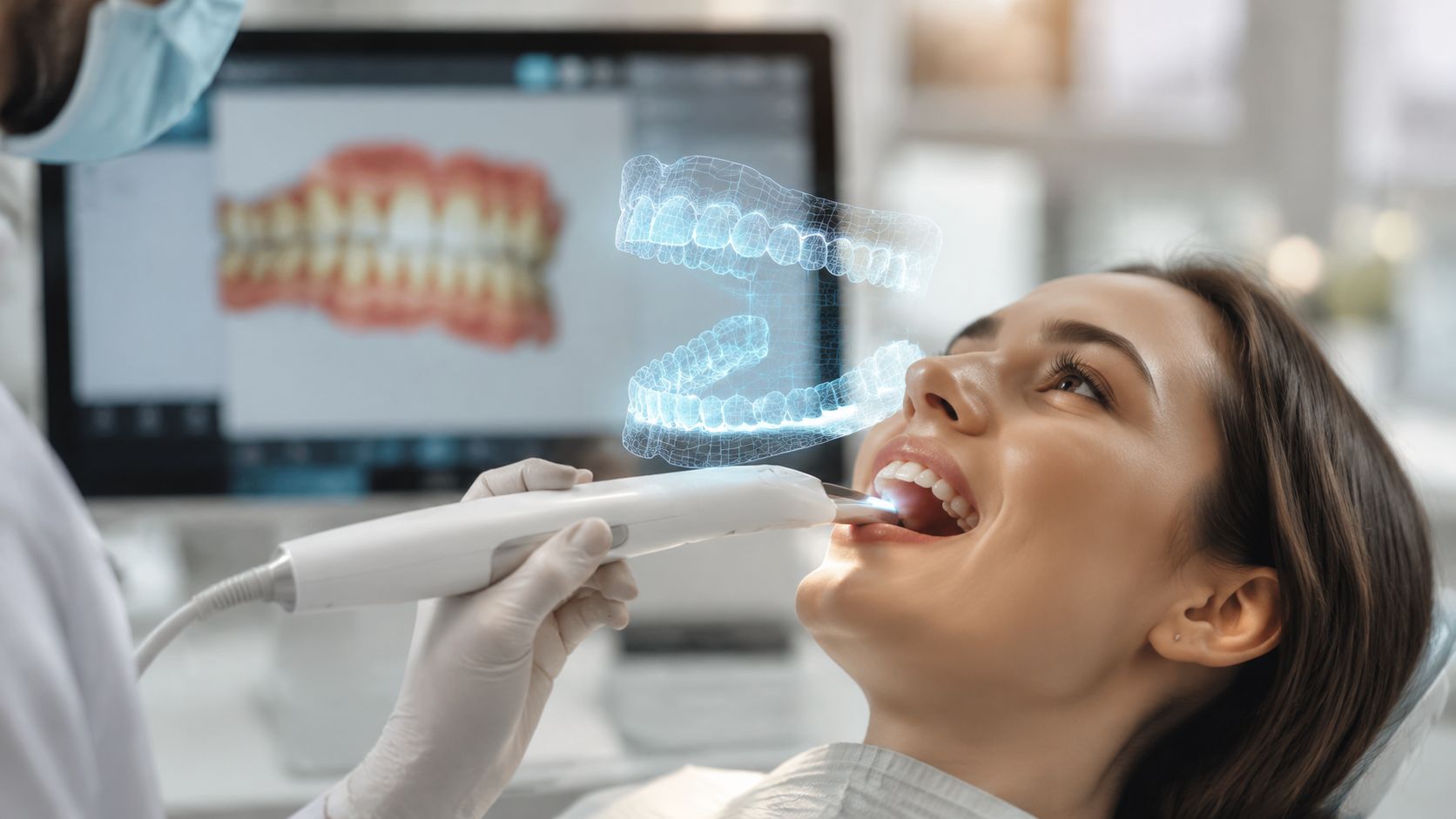
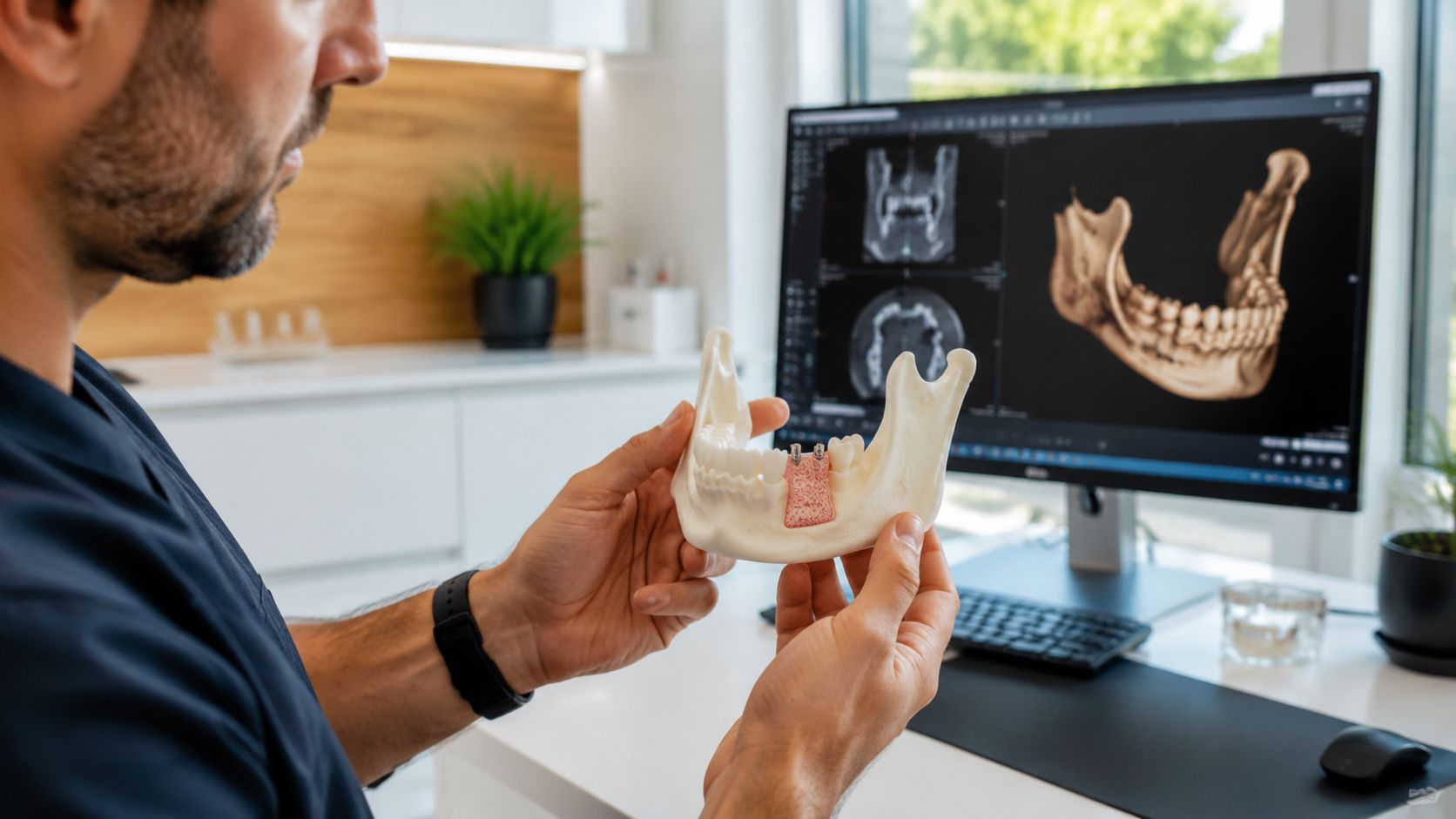
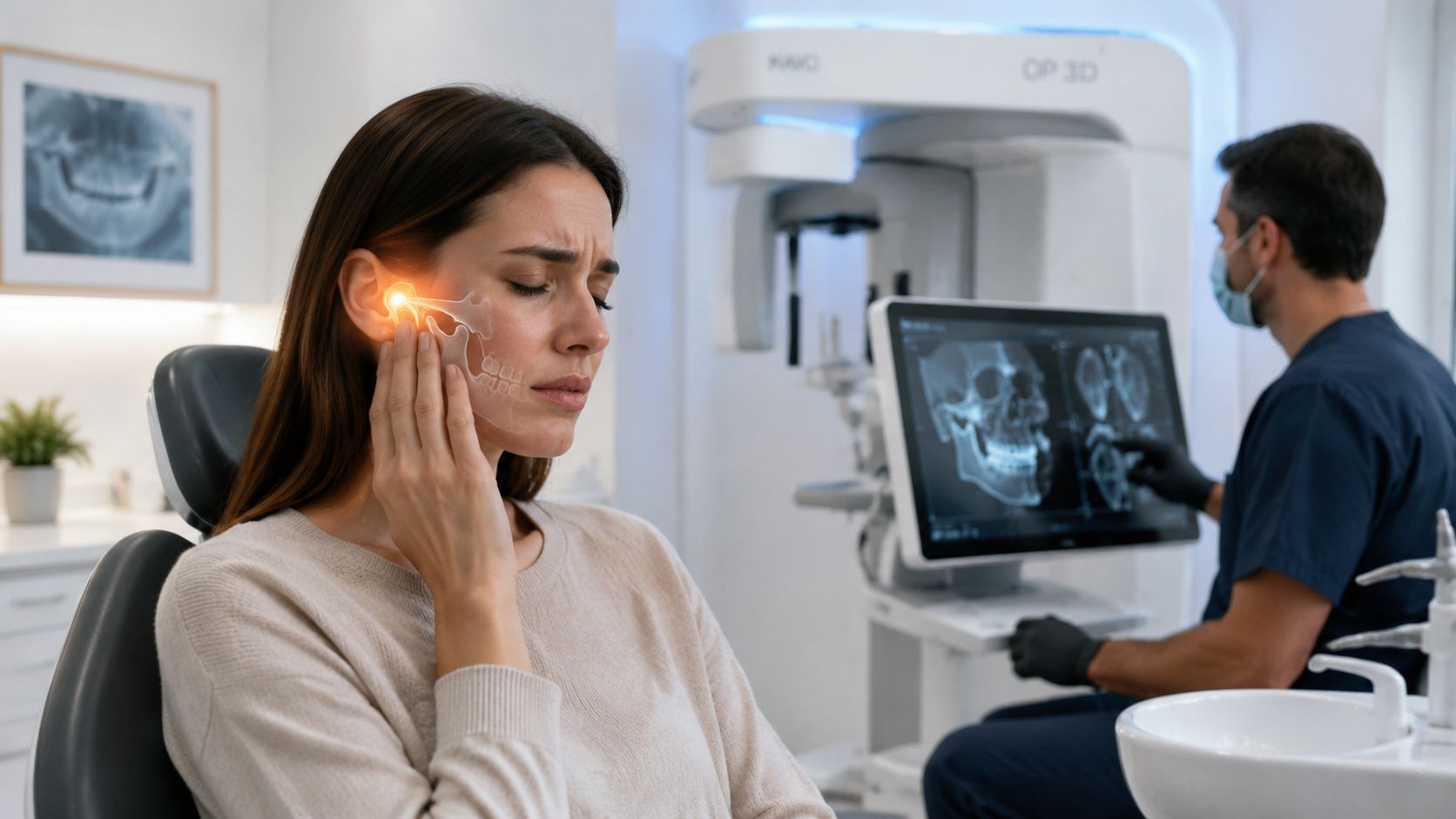
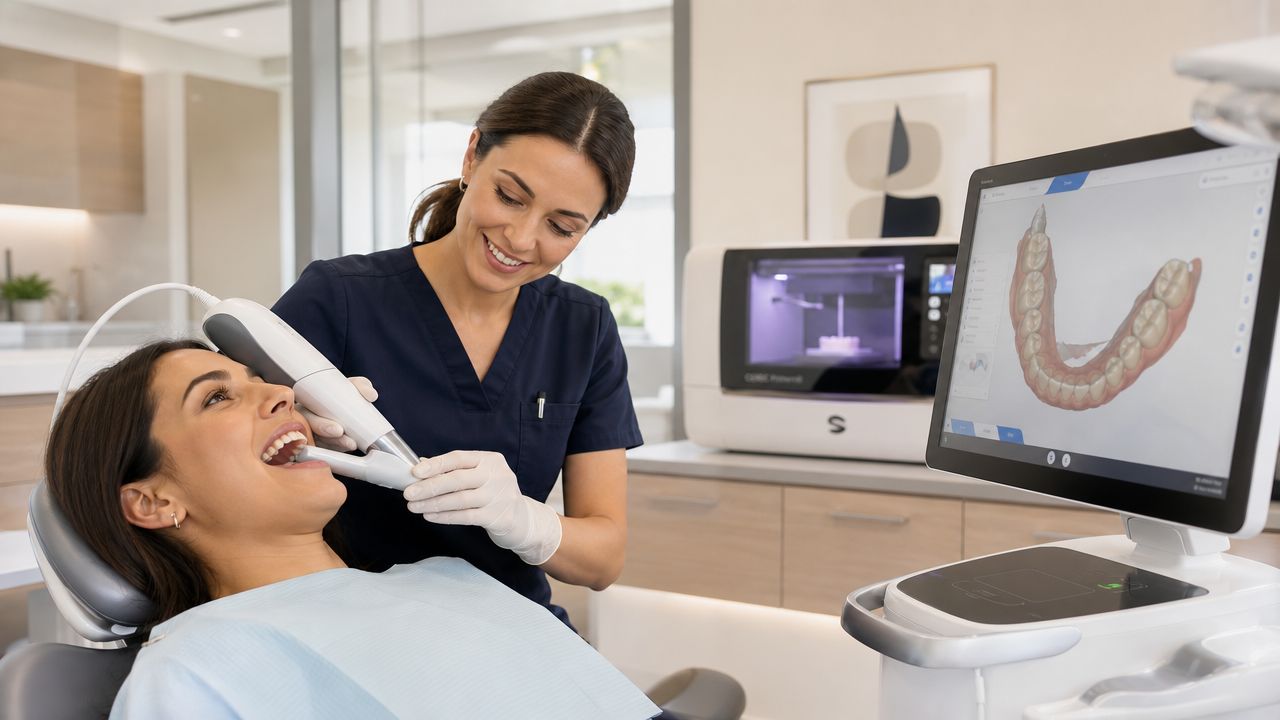
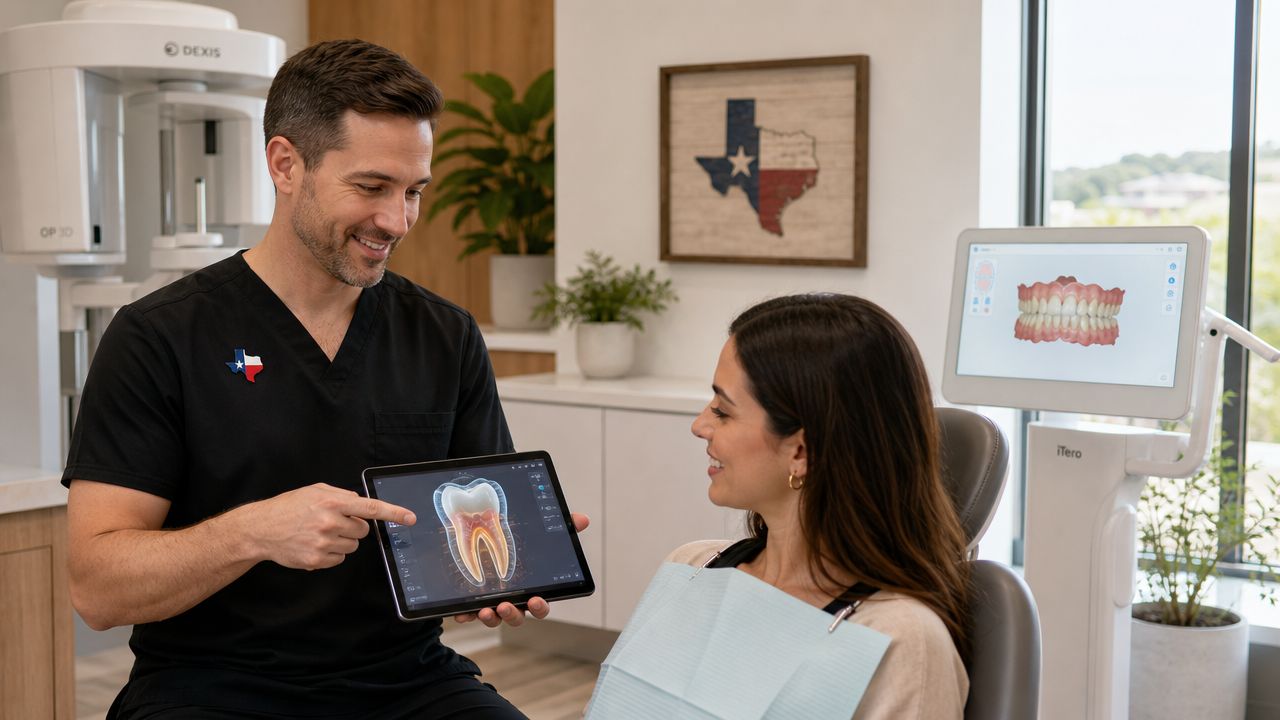
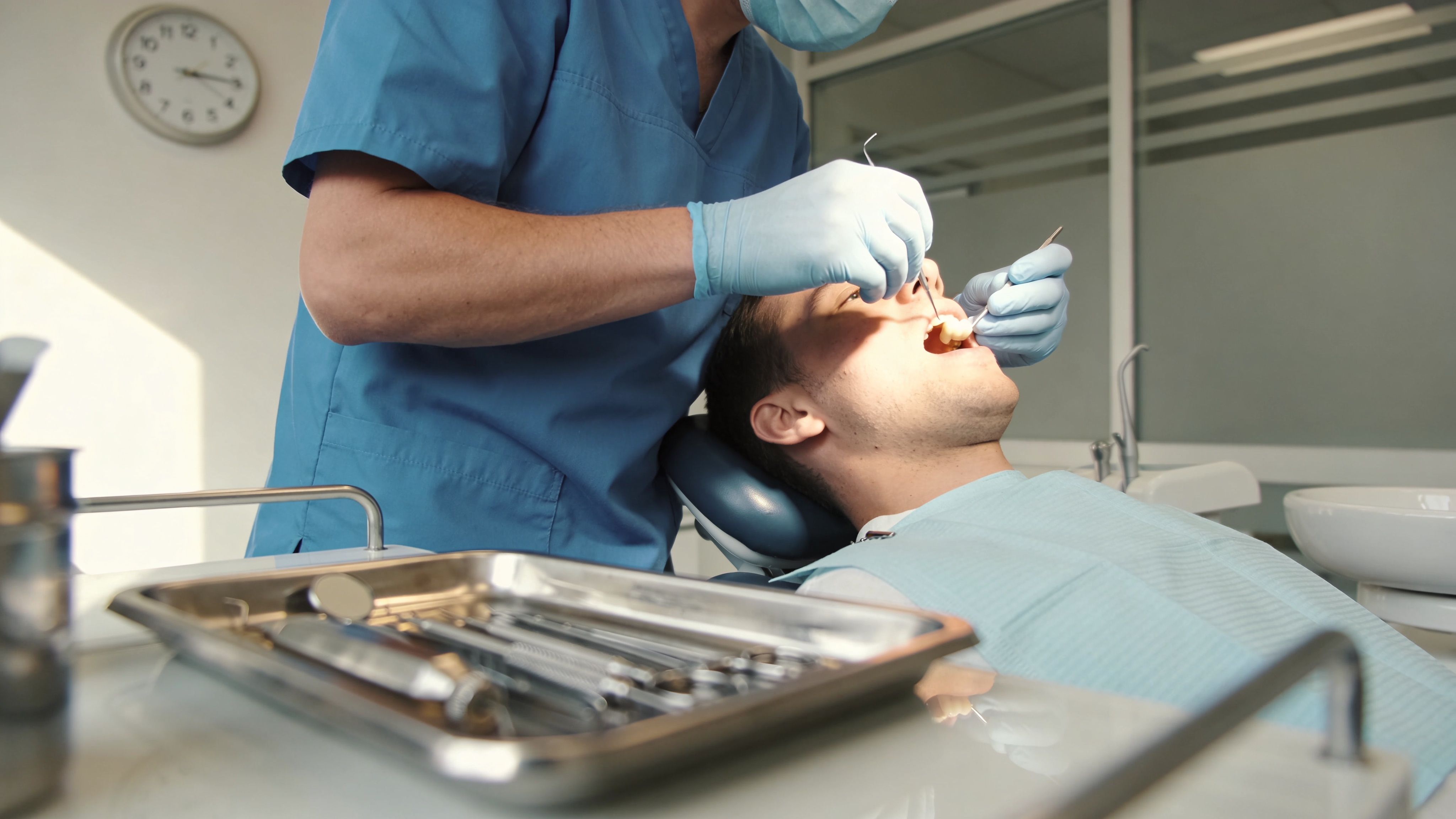
At the appointment, the dentist will examine the area and usually take imaging. Depending on the case, that may include digital x-rays or advanced 3D imaging. The point is precision. Pain doesn't always come from the place patients expect, and swelling can track away from the original tooth.
The exam is trying to answer a few key questions:
- Where is the source?
- Is this infection, fracture, decay, gum-related inflammation, or bite trauma?
- What needs to happen today for relief and safety?
- What are the next-best alternatives if the ideal treatment can't be done immediately?
Stabilize first, then decide
Strong emergency systems don't skip from diagnosis straight to pressure. Research summarized in this review of same-day treatment success and structured follow-up reports that emergency dental treatment acceptance rates can reach 93.3 percent, and emphasizes a structured process built around immediate stabilization, a clear treatment plan, and flexible payment options.
That sequence matters. First, the urgent issue gets stabilized. Then the office explains what the tooth needs. Then payment and timing get worked out in a realistic way.
A helpful overview of what that visit can feel like is below.
The treatment discussion
This part should be plain and specific. You should hear what the problem is, what can be done today, what can wait if necessary, and how each option affects comfort, function, and long-term outlook.
Expect discussion around possibilities such as:
| Situation | Possible same-day focus |
|---|---|
| Infected tooth | Reduce infection source and plan definitive treatment |
| Cracked or broken tooth | Protect structure, relieve pain, decide if restorable |
| Severe decay | Remove the cause and restore or plan extraction |
| Lost crown or filling | Re-seat, replace, or protect the tooth temporarily |
| Swelling | Determine source and whether urgent intervention is needed |
Good emergency care should leave you with less pain and more clarity.
Cost review before treatment
If you're uninsured, this is a key moment. Ask for the fee breakdown before treatment starts. Ask which part is urgent, which part is optional today, and whether financing can be used for the recommended care.
A well-run emergency visit should feel organized, not rushed. The aim is to move from pain and uncertainty to diagnosis, relief, and a plan you can follow through on.
Preventing Future Emergencies and Maintaining Your Smile
Once the immediate problem is handled, the next win is making sure you don't end up in the same situation again. Emergency care solves the crisis. Ongoing care lowers the chance of repeating it.
Aftercare matters more than patients think
Healing depends on what was done. A tooth extraction, drainage procedure, temporary crown, root canal start, or repaired fracture all come with different instructions. Follow the office's written guidance closely. If you're told to avoid chewing on one side, keep the area clean in a specific way, or return for the next step promptly, that's part of the treatment, not an optional extra.
Call back if swelling increases, your bite feels off after a restoration, a temporary comes loose, or pain changes instead of steadily improving.
The long-term fix is prevention
Most dental emergencies don't start as emergencies. They start as a small cavity, a cracked filling, gum inflammation, clenching, or a tooth that has been weak for a while. Regular exams, dental x-rays, and cleanings give your dentist a chance to catch those problems while the treatment is simpler.
That matters whether you're focused on basic maintenance or larger restorative goals. Preventive care protects the same things emergency care is trying to save: your comfort, your function, and your ability to keep your natural teeth whenever possible.
A good dental home also makes future urgent visits less stressful. Your records are already established. Your bite, dental history, and previous imaging are easier to review. That speeds up decisions when something unexpected happens.
A simple plan after an emergency visit
Use this as your reset:
- Schedule the follow-up: Don't stop after pain relief if more treatment was recommended.
- Book routine exams and cleanings: That's how small issues get found before they turn urgent.
- Address missing or broken teeth: Unbalanced chewing can overload other teeth.
- Ask about restorative and preventive options: Crowns, fillings, night guards, and ongoing hygiene care each have a role depending on your case.
Dental emergencies are disruptive, but they can also be a turning point. Many patients finally get answers, complete overdue treatment, and establish a more stable routine after one urgent visit.
If you're dealing with tooth pain, swelling, a broken tooth, or another urgent dental problem in Austin or Georgetown, 3D Dental offers modern emergency care with advanced imaging, transparent treatment planning, and flexible payment options including Cherry and Sunbit. If you need help today, contact the office to request an appointment and get clear next steps from a local team that understands how stressful emergency dental care without insurance can be.
Ready to get started?
Schedule a free, no obligation consultation with our team and see what's possible for your smile!
Georgetown
- Mon-Thurs8:30am-5pm
- Fri8am-3:30pm
- Sat-SunClosed
Austin
- Mon-Tues8am-5pm
- Wed-Thurs9am-6pmFri8am-2pm
- Sat-SunClosed