
Affordable Dental Cleaning without Insurance
Related Posts























Many people in Austin put “schedule dental cleaning” on their to-do list, then leave it there for months because the next thought is always the same. What's this going to cost if I don't have insurance?
That hesitation is understandable. A cleaning sounds simple, but the bill can feel unpredictable if you're paying out of pocket. Patients from Austin, Georgetown, Cedar Park, Round Rock, Wells Branch, and Liberty Hill often aren't avoiding care because they don't value it. They're trying to avoid surprise costs.
The good news is that dental cleaning without insurance doesn't have to be confusing. If you know what's included, what can change the total, and which payment options make sense, you can make a smart decision without putting off care until it becomes a bigger problem.
Affordable Dental Care in Austin is Within Reach
A common scenario looks like this. Someone notices plaque building up, maybe some bleeding when flossing, maybe sensitivity with cold drinks. They search for a dentist near me or a dentist in Austin, TX, see a low cleaning price online, and then stop because they're not sure whether that number is real or whether the visit will turn into something much more expensive.
That uncertainty is usually the main barrier.
In a busy city like Austin, where people are balancing rent, groceries, family expenses, and work schedules, dental care can slip down the list fast. The same is true in Georgetown and nearby communities. Patients aren't looking for luxury. They want straightforward answers, a clean office, a gentle team, and a bill they can understand before treatment starts.

What patients usually want to know first
Most uninsured patients ask some version of these questions:
- What will I pay today: Is this a cleaning-only appointment, or is it really a full new patient exam with imaging?
- Will I be pressured into more treatment: If the office finds a cavity, gum issue, or cracked tooth, do I have to decide on the spot?
- Are there options besides paying everything at once: Can the office break up the cost or offer a membership plan?
Those are fair questions. They matter whether you're looking for routine cleaning and exams, an emergency dentist, or eventually need restorative work like a crown, tooth extraction, or even dental implants near me after years of delayed care.
Practical rule: If a dental office can't explain what a first visit includes and what might change the total, keep asking before you book.
Affordable care starts with clarity. Once you understand the actual cost of a cleaning and how modern practices structure payment options, the process gets much easier.
Understanding the Real Cost of a Dental Cleaning
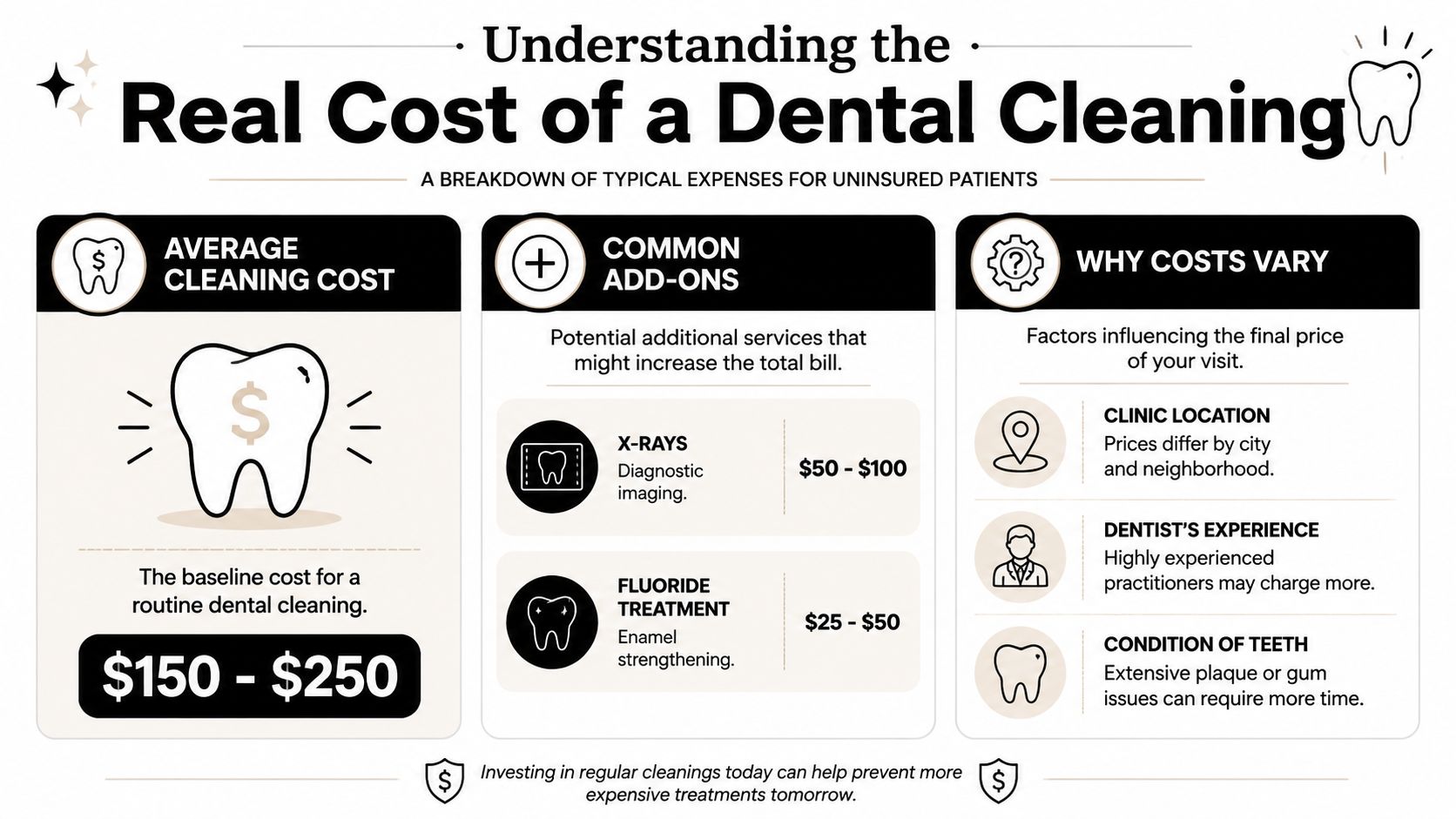
You call an office because the website mentions a low cleaning fee. Then you find out that as a new patient, the visit may also include an exam and X-rays. That gap between the advertised number and the full appointment cost is what catches many uninsured patients off guard.
A routine dental cleaning without insurance often falls around $75 to $200, with an average of $104, and a visit that includes an exam and X-rays can run $150 to $400, based on GoodRx's review of dental cleaning costs. Those numbers are useful, but they only help if you know which type of visit you are booking.
What a first visit usually includes
For a new patient, a cleaning-only appointment is not always the right starting point. If you are seeing a dentist in Austin, TX or Georgetown for the first time, the office may recommend a preventive visit that includes a few parts:
- A clinical exam: The dentist checks for cavities, gum inflammation, worn fillings, cracked teeth, and signs of bite or grinding problems.
- Dental X-rays: These show decay, bone loss, and other issues that are not visible during a visual exam alone.
- The cleaning itself: If your gums are healthy enough for a routine prophylaxis, the hygienist completes the cleaning at that same visit.
That fuller visit often saves money in the long run because it reduces the chance of missing a problem that turns into a bigger bill later.
Routine cleaning versus deep cleaning
This is the cost difference that matters most.
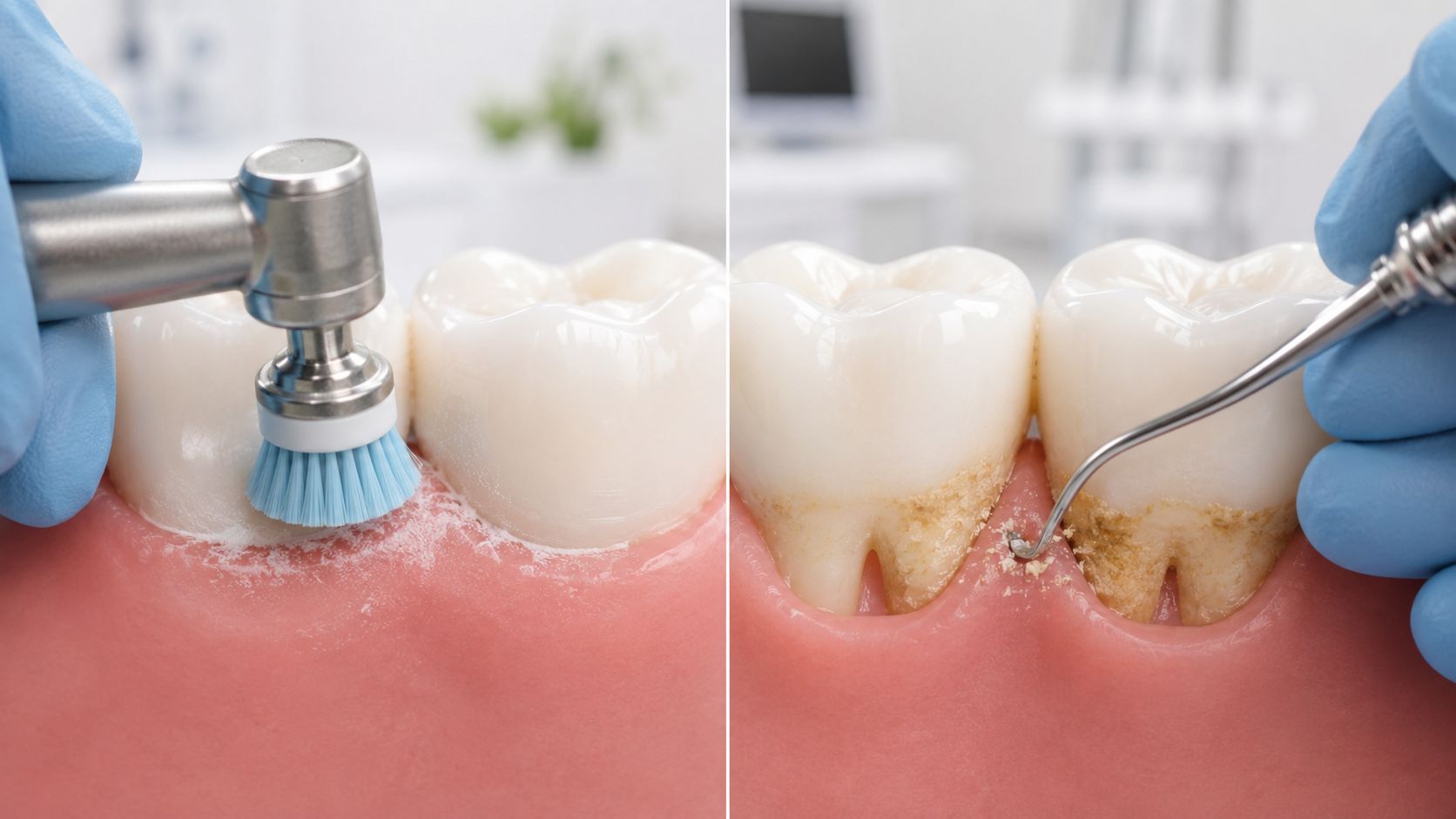
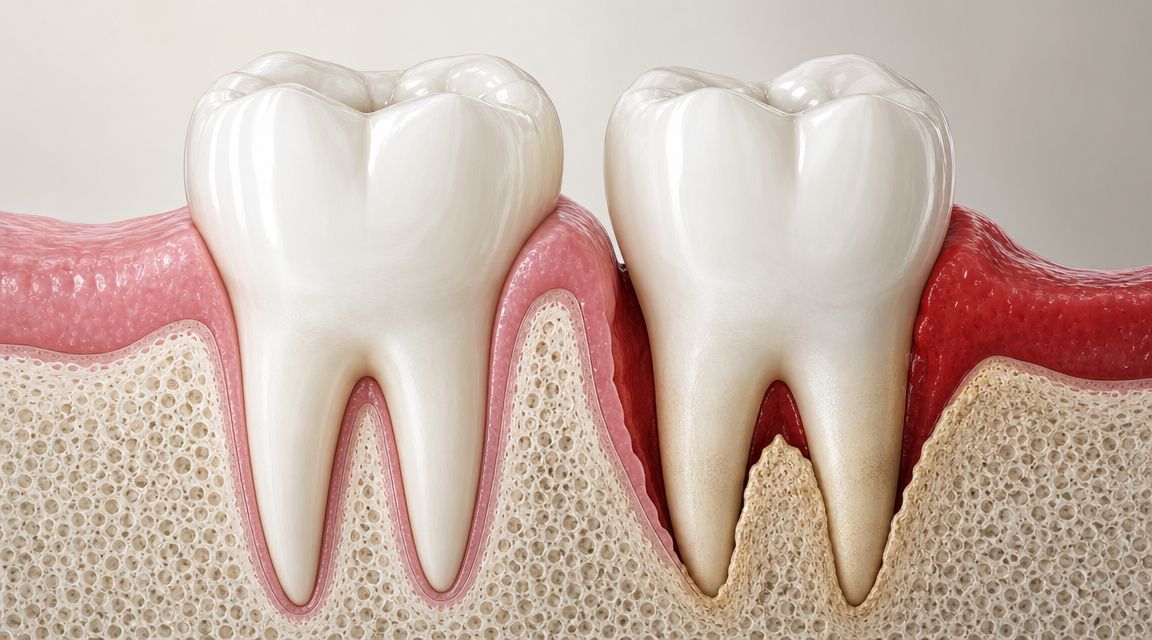
A routine cleaning is meant for patients with generally healthy gums. If the exam shows periodontal disease, heavier buildup below the gumline, or bone loss, the office may recommend scaling and root planing instead. That is a different procedure with different time, training, and follow-up involved. It is not the same service under a different name.
GoodRx notes that a deep cleaning can cost $1,500 or more for uninsured patients in some cases. That is why I encourage patients to ask one direct question before booking: “If my gums are not healthy enough for a routine cleaning, how will you explain the next step and the cost before treatment starts?”
What to ask before you schedule
The clearest way to budget is to ask about the full visit, not just the cleaning line item.
| Question | Why it matters |
|---|---|
| Is this fee for the cleaning only, or does it include an exam and X-rays? | You can tell whether the quoted price reflects the full first appointment. |
| Is the price different for a new patient versus a returning patient? | New patient visits often include more diagnostics. |
| If I need periodontal treatment, will you review the cost before doing anything? | You stay in control of the decision and avoid same-day surprises. |
If paying all at once feels difficult, ask whether the office offers an in-house membership plan or flexible financing options. In a modern private practice, affordability is often less about finding the lowest advertised cleaning fee and more about choosing an office that explains costs clearly and gives you a workable payment path.
Exploring Low-Cost Dental Options in Central Texas
If you're uninsured, you've probably seen the usual advice. Try a dental school. Look for a public clinic. Ask around for a discounted cash rate. Those options can help, and for some patients they're the right fit.
They also come with trade-offs.
A lower-cost clinic may offer savings, but scheduling can be tighter, appointment flow can take longer, and treatment may happen in stages rather than in one efficient visit. If your schedule is packed or you need a faster answer, convenience matters almost as much as price.
Comparing common paths
Here's how many uninsured patients in Central Texas weigh their choices:
- Dental schools: Usually worth considering if your top priority is reducing upfront cost and you're flexible on timing.
- Community or public clinics: Helpful for basic access, especially when budget is the primary issue.
- Private practice with payment options: Often the better fit if you want faster scheduling, clear treatment planning, updated imaging, and continuity of care if the visit turns into more than a cleaning.
That last point matters because delaying care often changes the type of visit you need. A national analysis from Statistics Canada found that 45% of people without dental insurance avoided dental visits because of cost. The same analysis notes that delaying preventive care can lead to more complex treatment later, such as scaling and root planing.
What works and what doesn't
What works is choosing an option you'll use soon.
What often doesn't work is spending weeks comparing every possible low-cost route while gum irritation, tartar buildup, or tooth pain gets worse. If a patient waits too long, the “affordable cleaning” question can turn into a restorative question involving fillings, gum treatment, or urgent care.
For patients who want predictable costs inside a private office setting, it makes sense to review available financing and insurance options at a Central Texas dental office before booking. That gives you a clearer path than piecing together separate solutions after a diagnosis.
Cheap care isn't always low-cost in the long run if the delay makes treatment more involved.
If you're comparing options in Austin, Georgetown, Round Rock, or Cedar Park, don't look only at the headline fee. Look at access, timing, diagnostics, and whether the office can help if the appointment uncovers something more serious.
A Better Way Our In-House Plans and Flexible Financing
The most practical solution for many uninsured patients isn't hunting for a one-time deal. It's finding a dental office that makes routine care predictable and gives you a plan if the visit uncovers more than expected.

That's where in-house membership plans are useful. They're built for patients who don't have traditional coverage but still want ongoing access to cleanings, exams, and reduced rates on other services. According to the CDC-linked data summary provided for this topic, an estimated 76.5 million U.S. adults lack dental insurance, and in-house discount plans often reduce dental care costs by 10% to 60% for annual fees that typically range from $80 to $399.
Why membership plans make sense
Insurance can be complicated. Membership plans are usually much more direct.
A good in-house plan helps in three ways:
- It reduces uncertainty: You know routine preventive care is structured up front.
- It supports follow-through: Patients are more likely to keep up with cleanings when the cost feels manageable.
- It helps if treatment expands: If the exam reveals a cavity, gum issue, or broken restoration, the plan may reduce the out-of-pocket burden on additional care.
For someone searching dentist near me because it's been a while since their last visit, that predictability is often the deciding factor. It's especially helpful when a patient wants one dental home for preventive care, cosmetic dentist near me services like teeth whitening or veneers, and restorative needs later on.
One local option patients can review is 3D Dental's membership plan information, which outlines an in-house approach for uninsured patients seeking a simpler alternative to traditional benefits.
Financing helps when the visit changes
Even a well-planned cleaning appointment can uncover a problem that shouldn't wait. Maybe the dentist finds a cavity under an old filling. Maybe you need gum treatment. Maybe a painful tooth turns out to need more than monitoring.
That's where financing tools like Cherry and Sunbit become practical. They don't change the diagnosis, but they can change your ability to say yes to treatment before the problem gets worse.
A short explanation often helps more than a brochure, especially when you're comparing payment options for same-day care.
The trade-off patients should think about
A one-off bargain can feel appealing. A structured care plan is usually easier to live with.
If your goal is to get a cleaning, understand your oral health, and have a practical path forward if more treatment is needed, membership plans and financing solve the actual problem better than chasing scattered low-cost options across town.
Paying out of pocket gets easier when the office gives you a system, not just a price.
Your First Cleaning at 3D Dental What to Expect
The first appointment feels easier when you know the sequence before you walk in. Most patients want the same things from a new visit. They want it to be efficient, gentle, and clear.
Step one is getting the details straight
When you schedule, ask what the appointment includes. That matters if you're booking a routine hygiene visit, a new patient exam, or an urgent visit because of pain or swelling.
A common pitfall for uninsured patients is assuming an advertised cleaning price includes the full preventive visit. As noted in Gold Coast Dental's explanation of bundled preventive pricing, clear bundled pricing for the prophylaxis, exam, and necessary radiographs helps patients understand the full cost upfront.
What happens in the chair
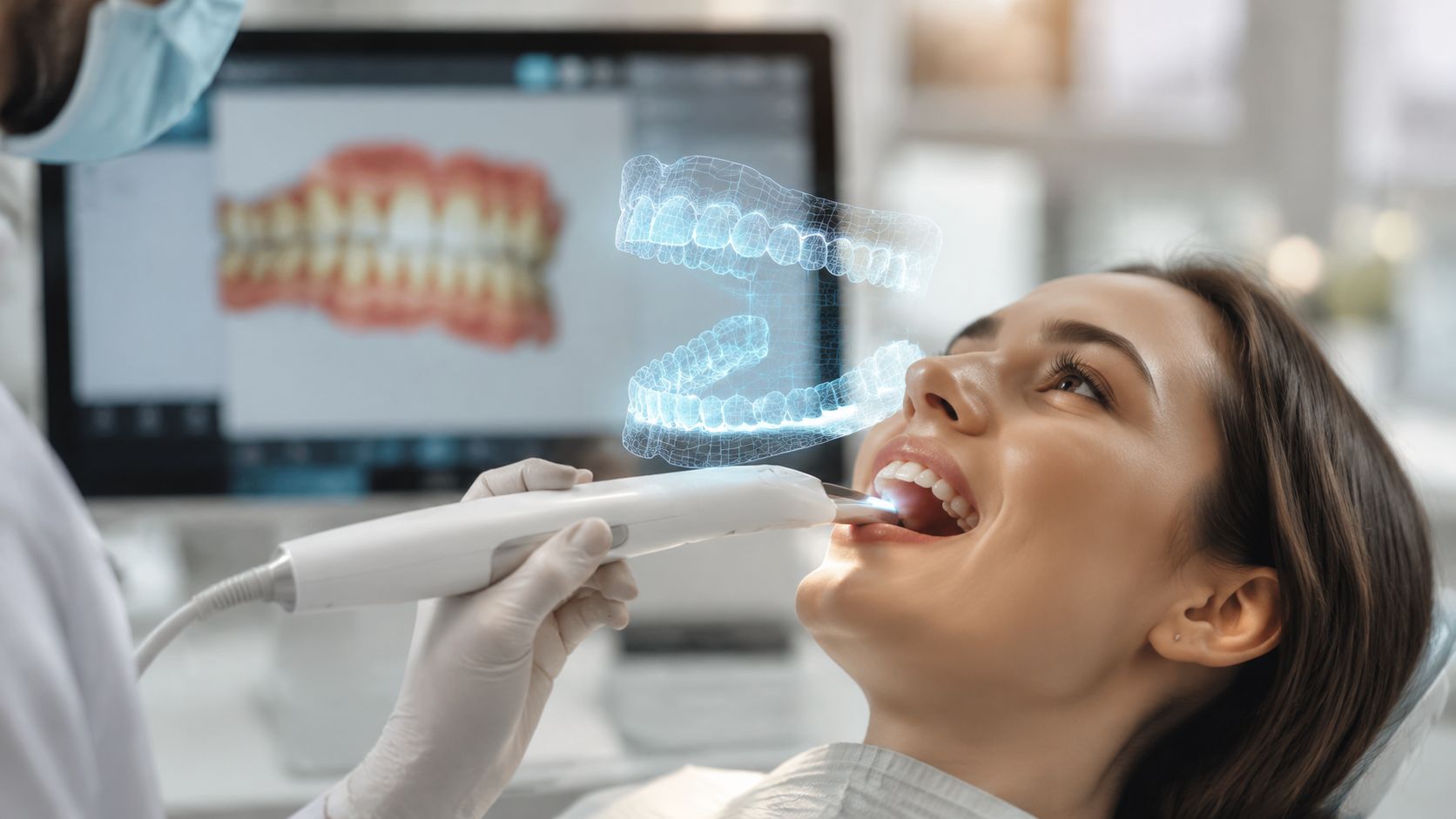
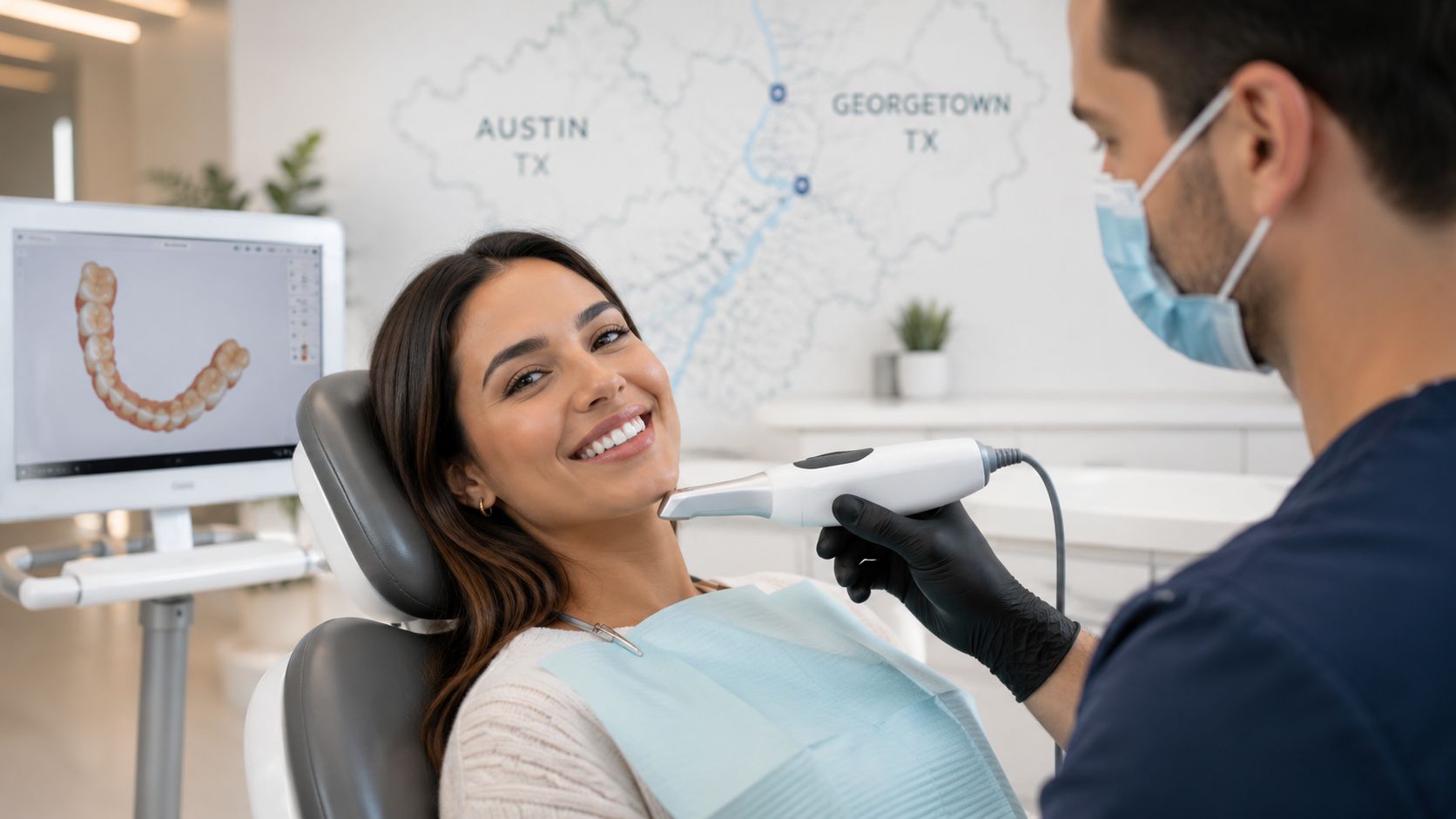
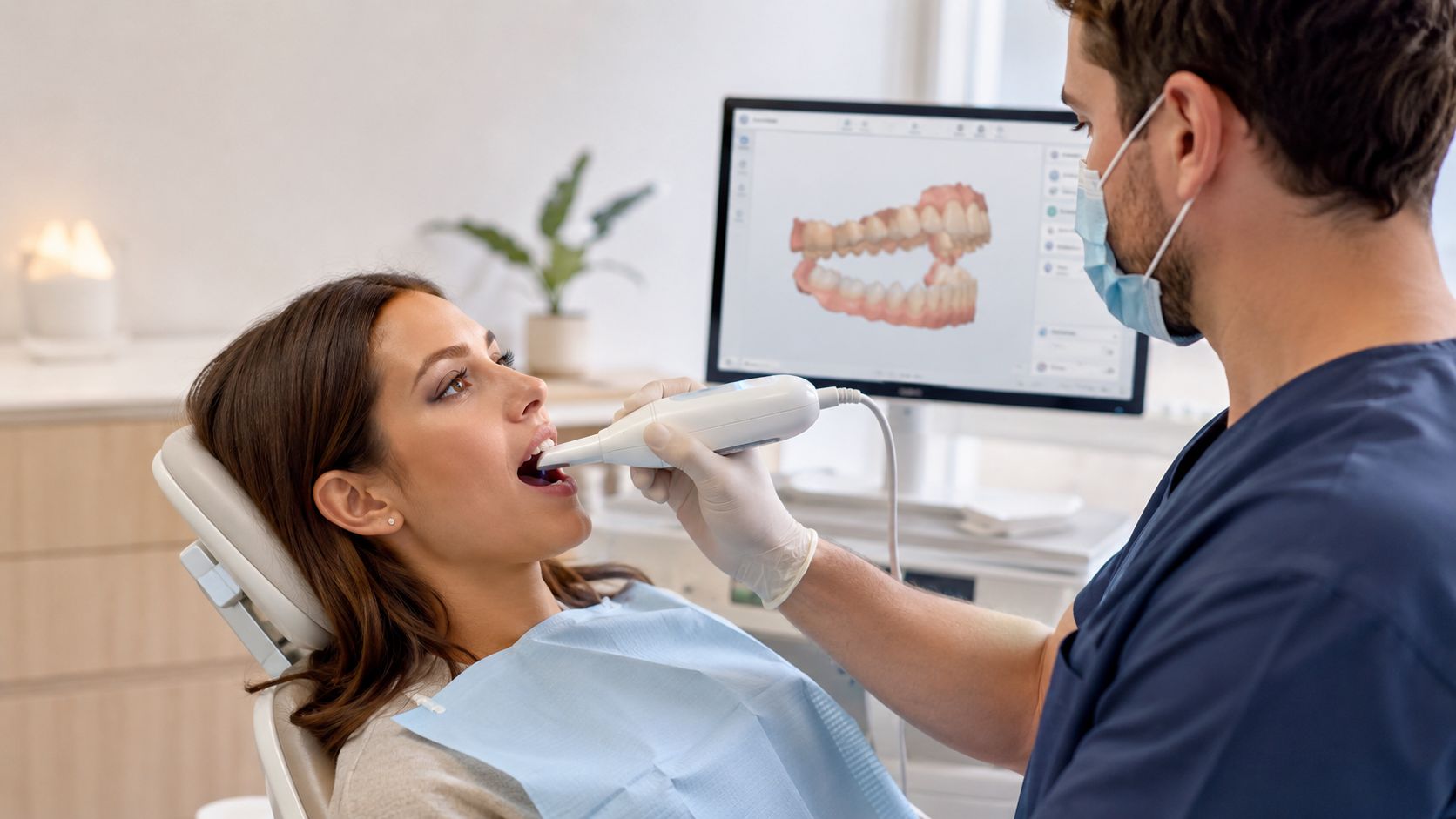
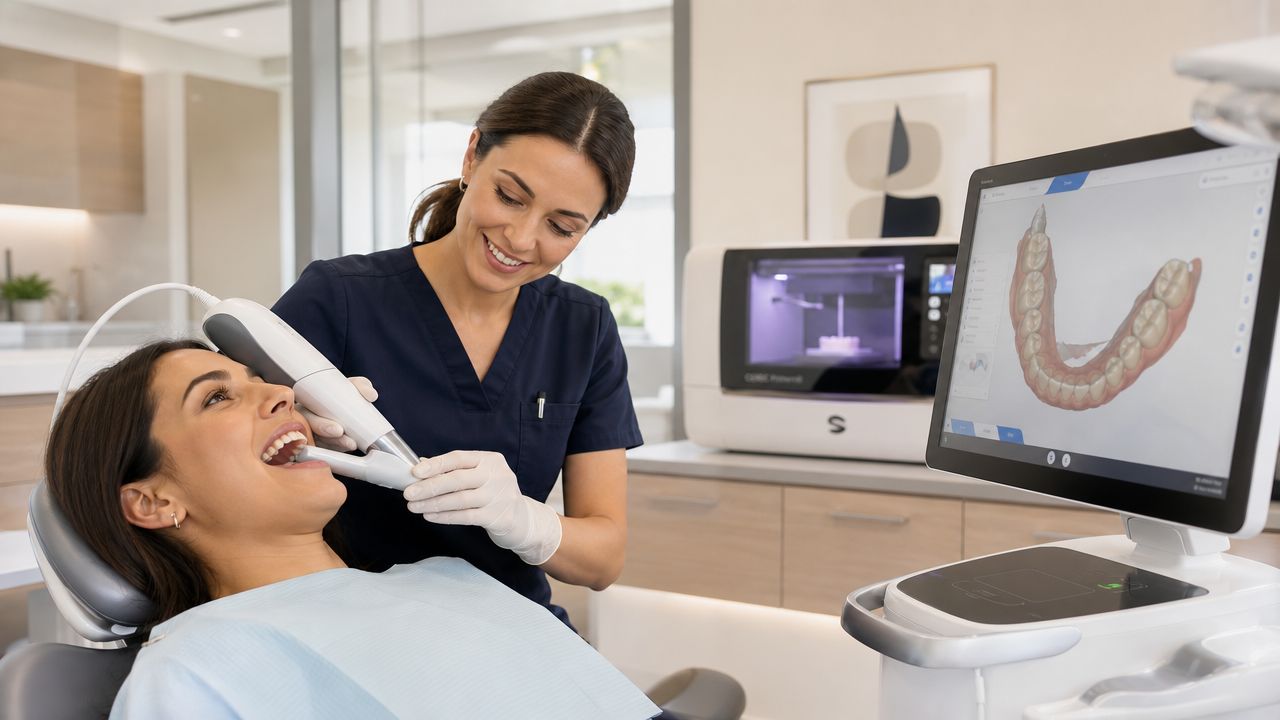
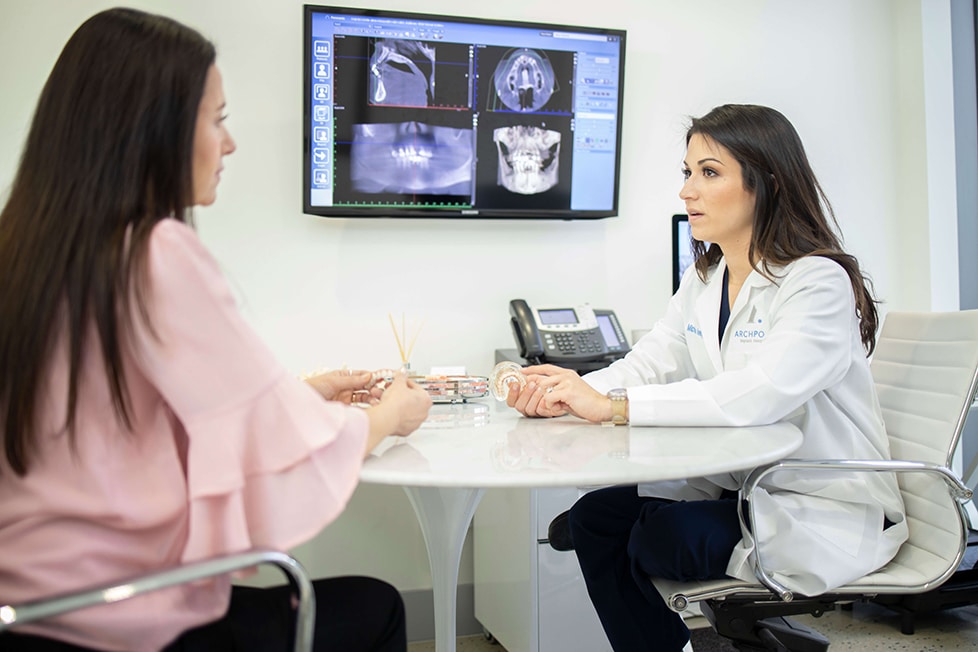
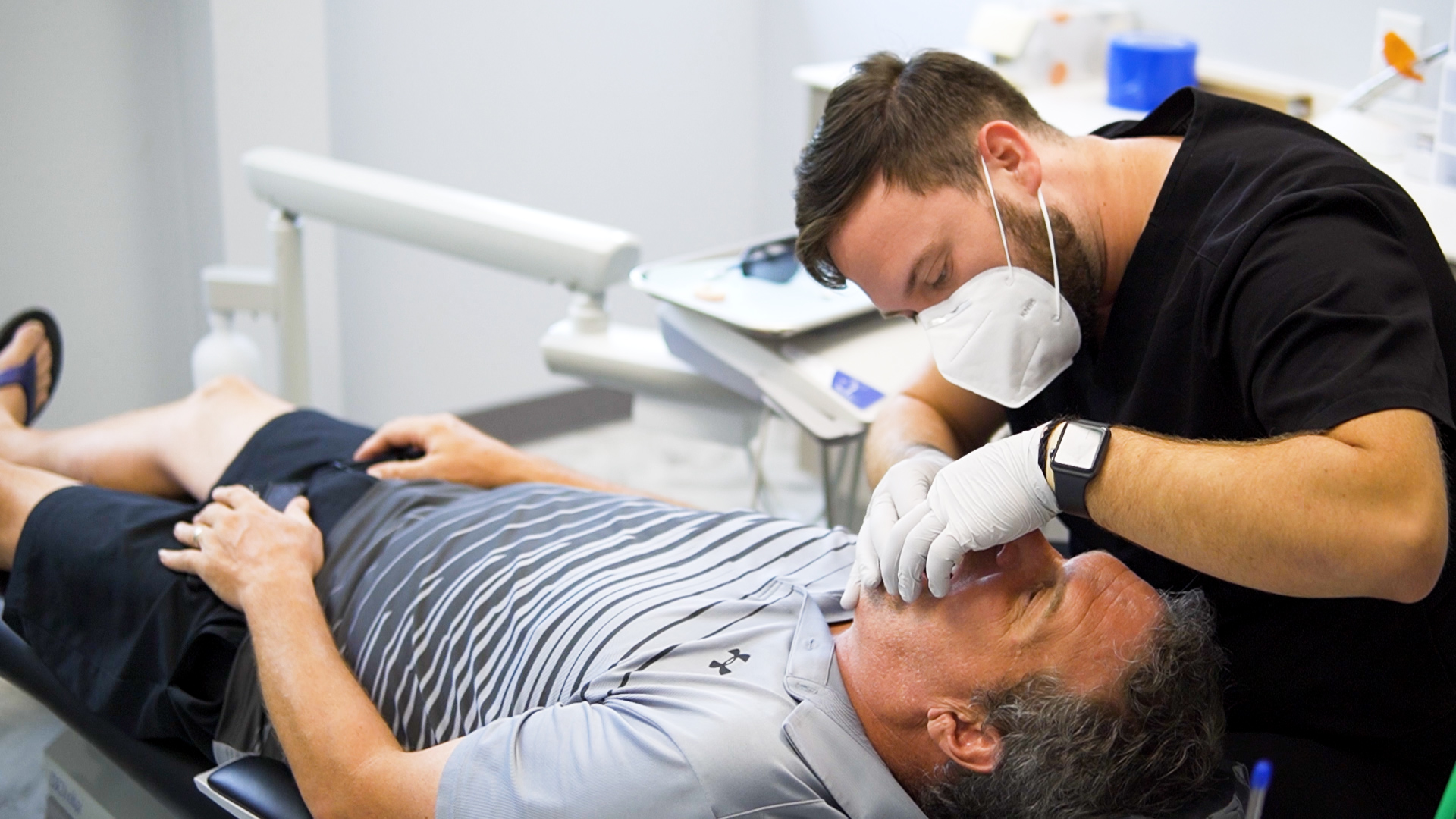
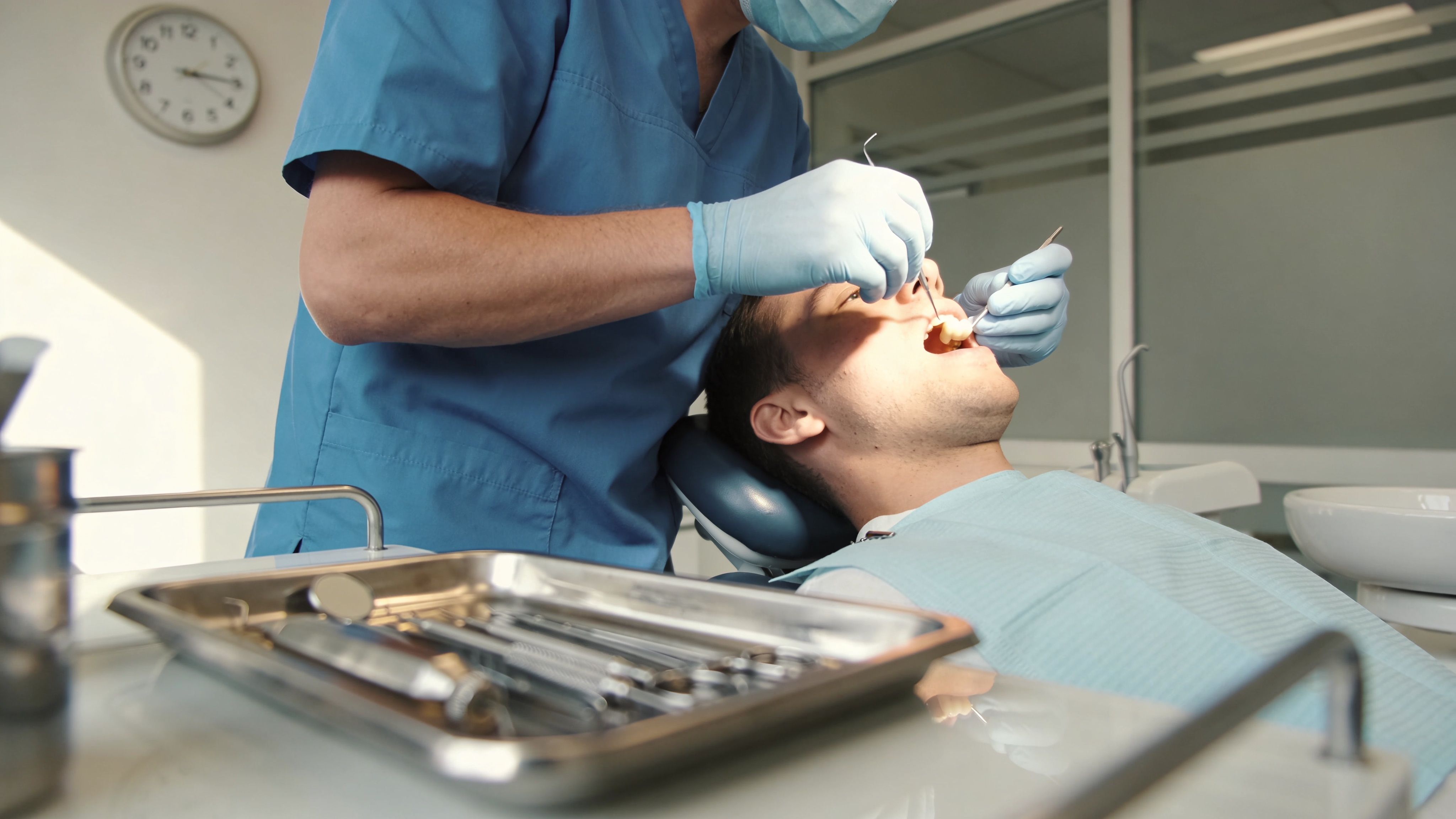
Once you arrive, the visit usually starts with diagnostics if you're new to the office or overdue for care. That may include digital X-rays and a full exam. In a modern practice, advanced imaging can help the dentist assess areas that basic visual inspection can miss.
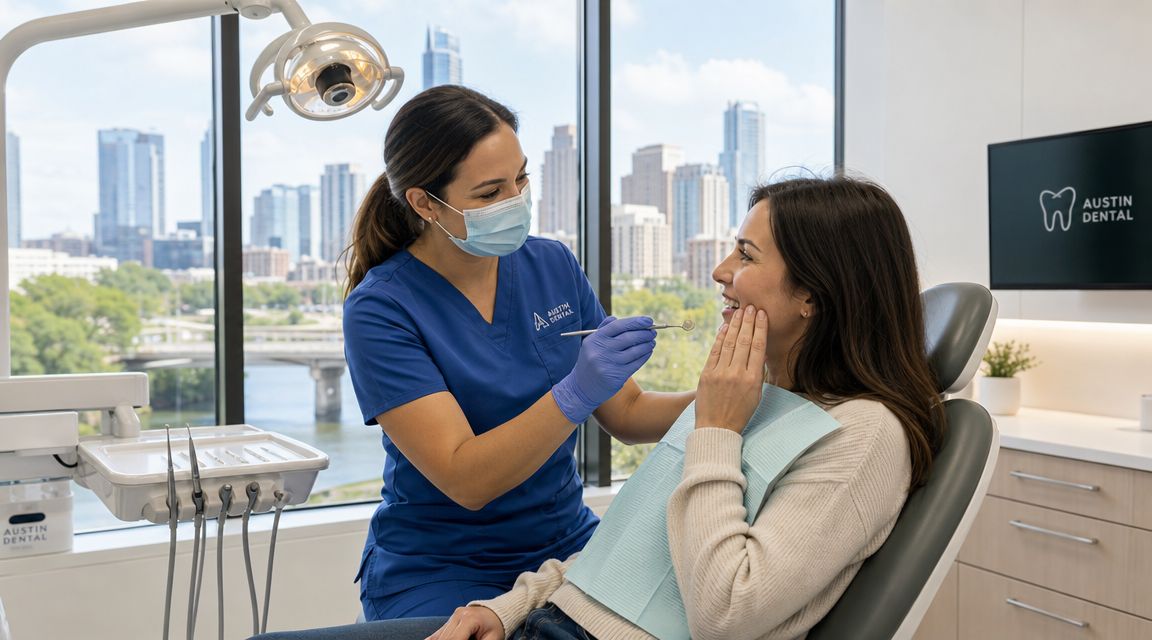
Then comes the cleaning itself, if your gums are healthy enough for routine prophylaxis. The hygienist removes plaque and tartar, polishes the teeth, and notes any areas where home care needs improvement. If the exam suggests gum disease or more advanced buildup, the team should explain why a standard cleaning may not be the right service that day.
What a good consultation sounds like
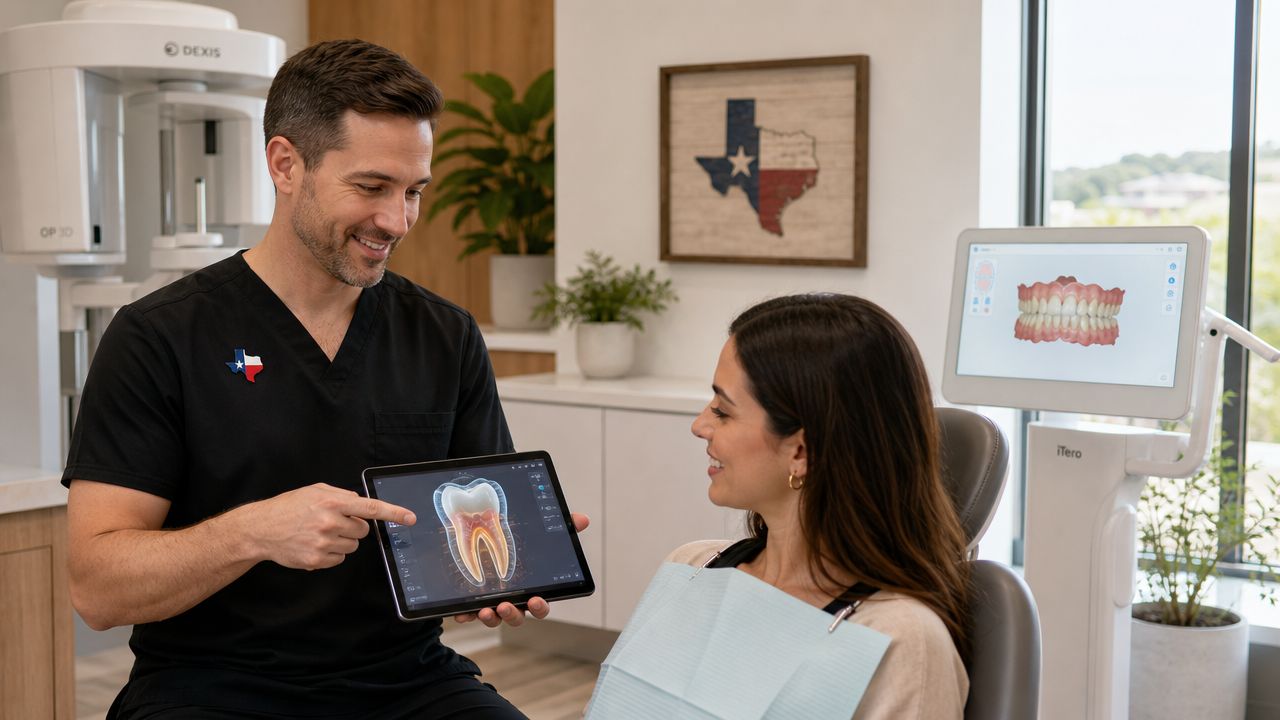
The best financial conversation is a simple one. You should hear what was found, what needs attention now, what can wait, and what each option means for cost.
That discussion may include:
- What's preventive: Cleaning, exam, routine imaging.
- What's restorative: Fillings, crowns, broken dental work, or replacing missing teeth.
- What's elective: Cosmetic options such as teeth whitening or veneers.
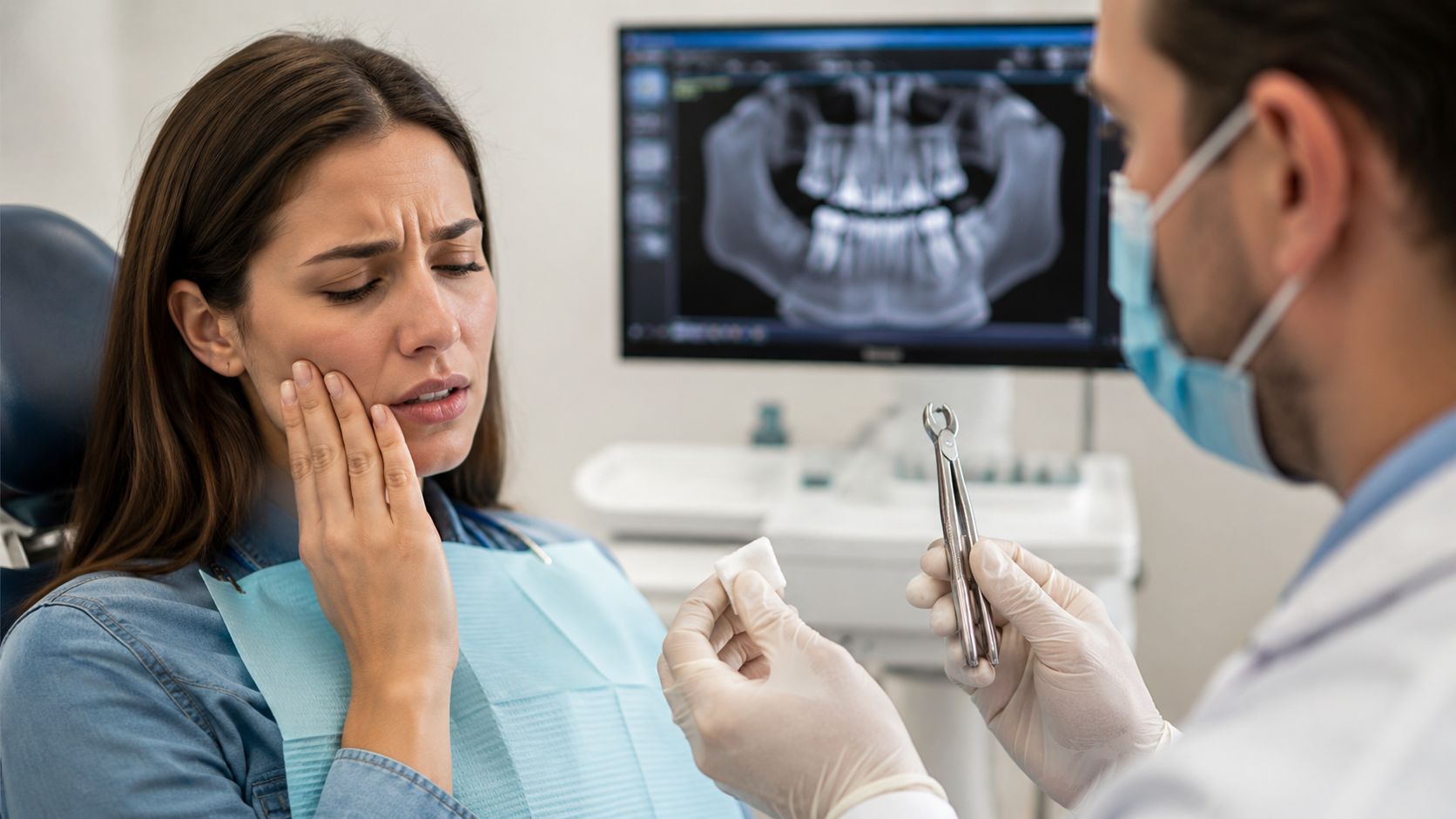
- What's urgent: Infection, swelling, pain, or a tooth that may need endodontic care or tooth extraction.
If the office finds more than you expected, you shouldn't be rushed. You should be informed.
For patients in Austin and Georgetown, that kind of visit matters because it turns a stressful unknown into a clear plan. It also gives you one place to return for future dental x-rays, new patient exams, cleanings, restorative care, cosmetic dentistry, or emergency treatment if something changes.
Preventive Tips to Keep Your Smile Healthy Between Visits
A skipped cleaning rarely stays just a skipped cleaning. Plaque hardens into tartar, gums get irritated, and a low-cost preventive visit can turn into treatment that costs much more. For patients paying out of pocket, daily habits matter because they help keep the next appointment simple.
The focus at home is straightforward. Disrupt plaque every day, limit the things that feed it, and pay attention to changes early.
Daily habits that lower your risk
- Brush along the gumline: Spend time where the teeth and gums meet. That is where buildup often starts.
- Floss consistently: If your gums bleed, treat it as a sign to improve technique and stay consistent, not as a reason to stop.
- Cut down on frequent sugar exposure: Sipping soda, juice, or sweet coffee over hours gives bacteria repeated fuel.
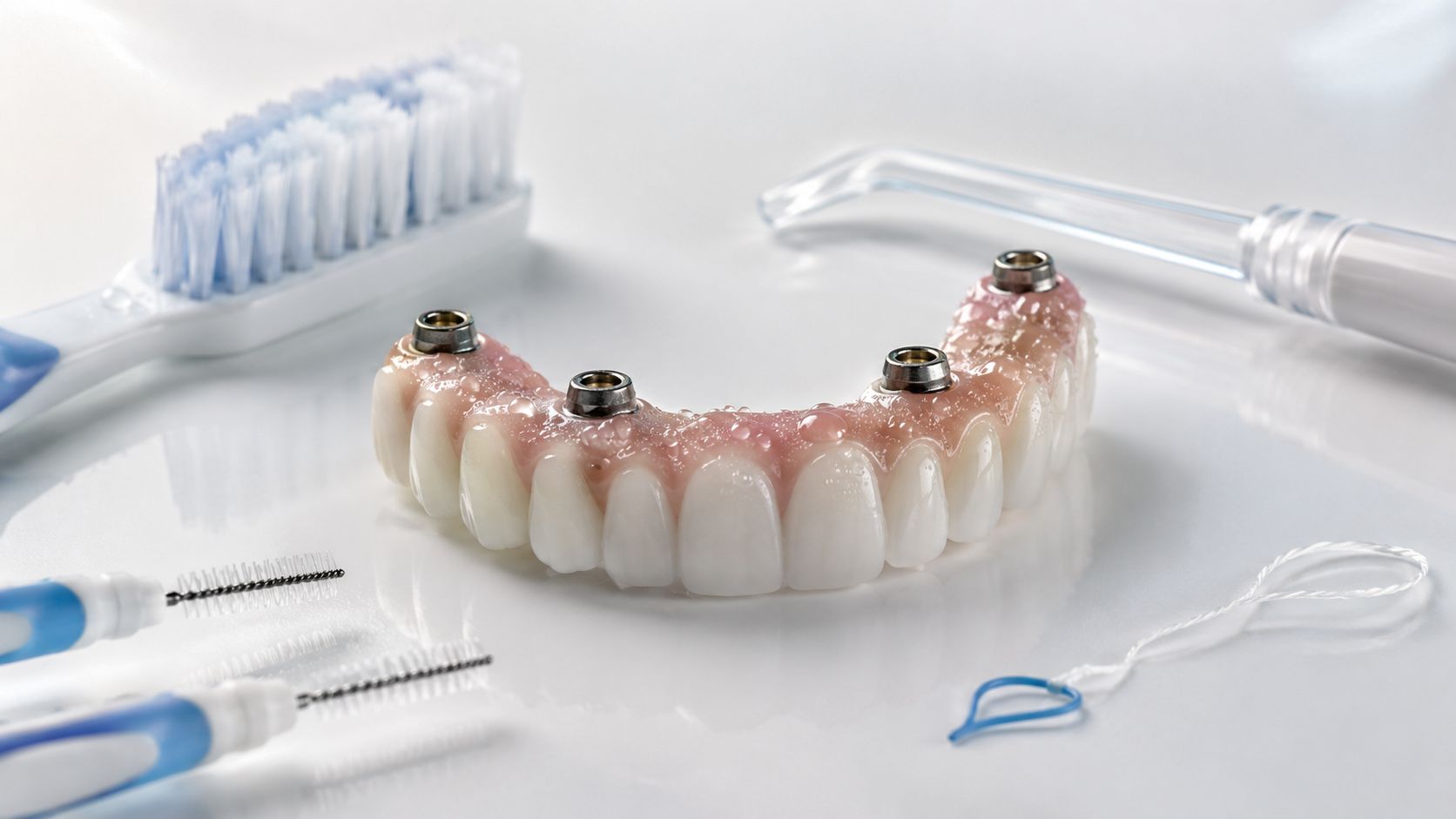
- Keep existing dental work clean: Crowns, fillings, bridges, and implants can trap plaque around edges and between contacts.
- Notice small changes: Sensitivity, tenderness, and bleeding usually show up before a problem becomes urgent.
One practical tip I give patients often is this: if a spot catches food every day or hurts when you floss, bring it up sooner rather than later. That is how small problems get handled while they are still manageable.
When to call sooner
Call before your next routine visit if you have swollen gums, ongoing bad breath, tooth pain, a chipped tooth, a loose crown, a broken filling, or bleeding that does not improve. Those are the issues that can change a routine cleaning visit into restorative or emergency care.
For families in Wells Branch, Cedar Park, Round Rock, Liberty Hill, Austin, and Georgetown, the most affordable approach is usually the most consistent one. Keep up with home care, ask for pricing before treatment starts, and choose an office that can give you cleanings, exams, financing options, and follow-up care in one place. If cost has been the reason for waiting, contact 3D Dental to ask about preventive visit pricing, in-house membership options, appointment availability, and financing in Austin and Georgetown, TX. A clear plan now can help you avoid a bigger bill later.
Ready to get started?
Schedule a free, no obligation consultation with our team and see what's possible for your smile!
Georgetown
- Mon-Thurs8:30am-5pm
- Fri8am-3:30pm
- Sat-SunClosed
Austin
- Mon-Tues8am-5pm
- Wed-Thurs9am-6pmFri8am-2pm
- Sat-SunClosed