
Dental Hygienist Shortage: Finding a Dentist in Austin, TX
Related Posts


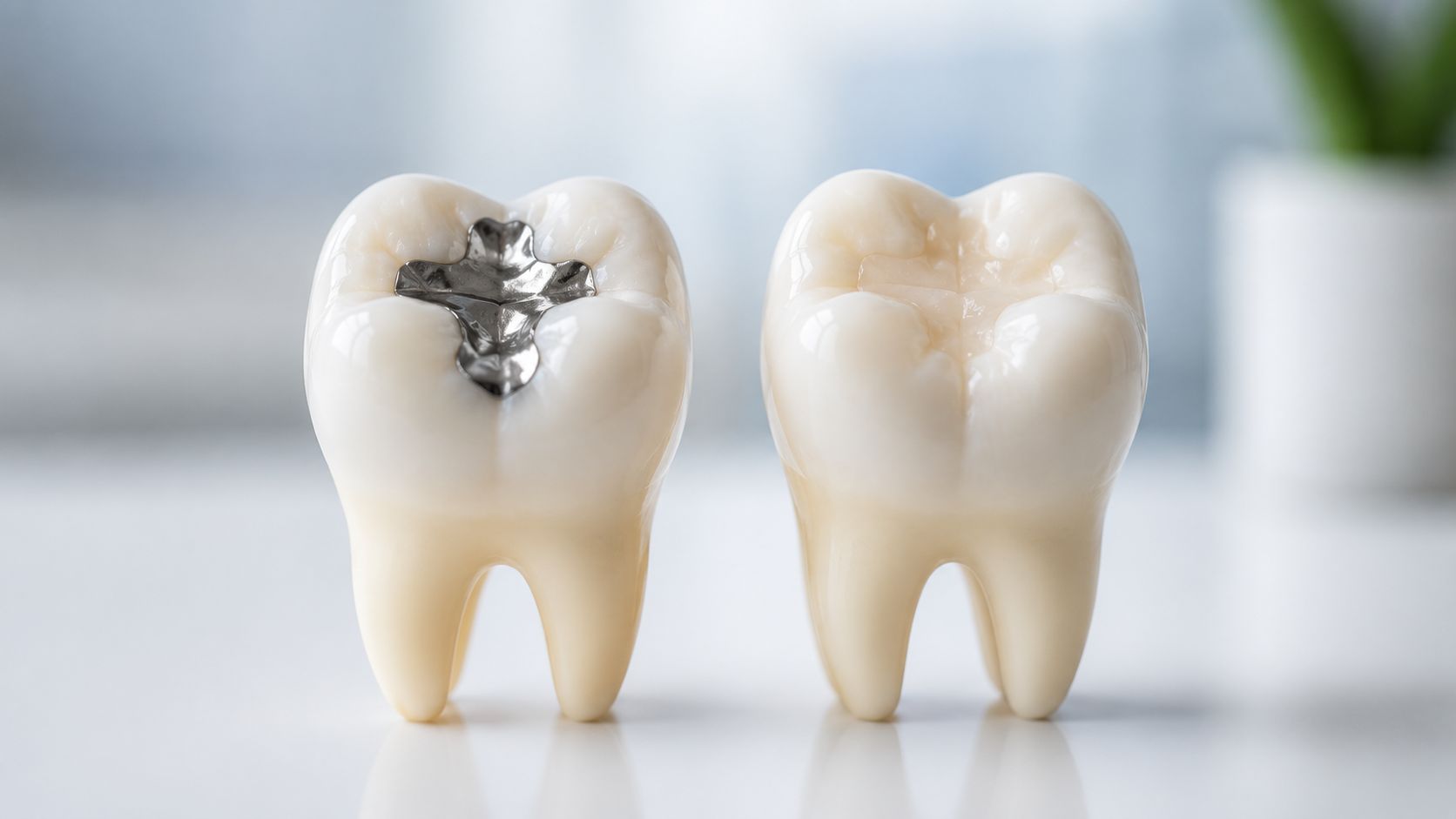


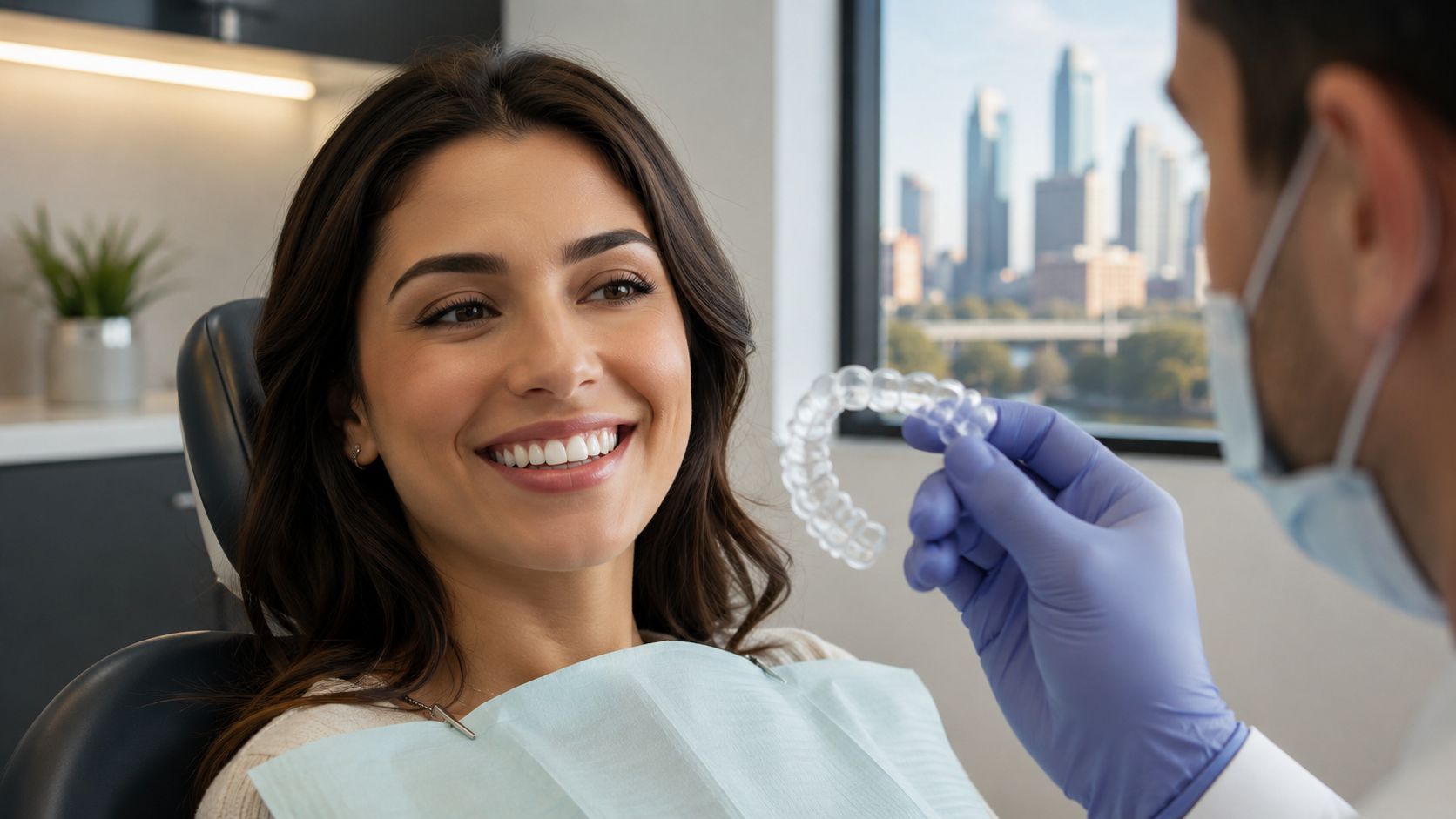


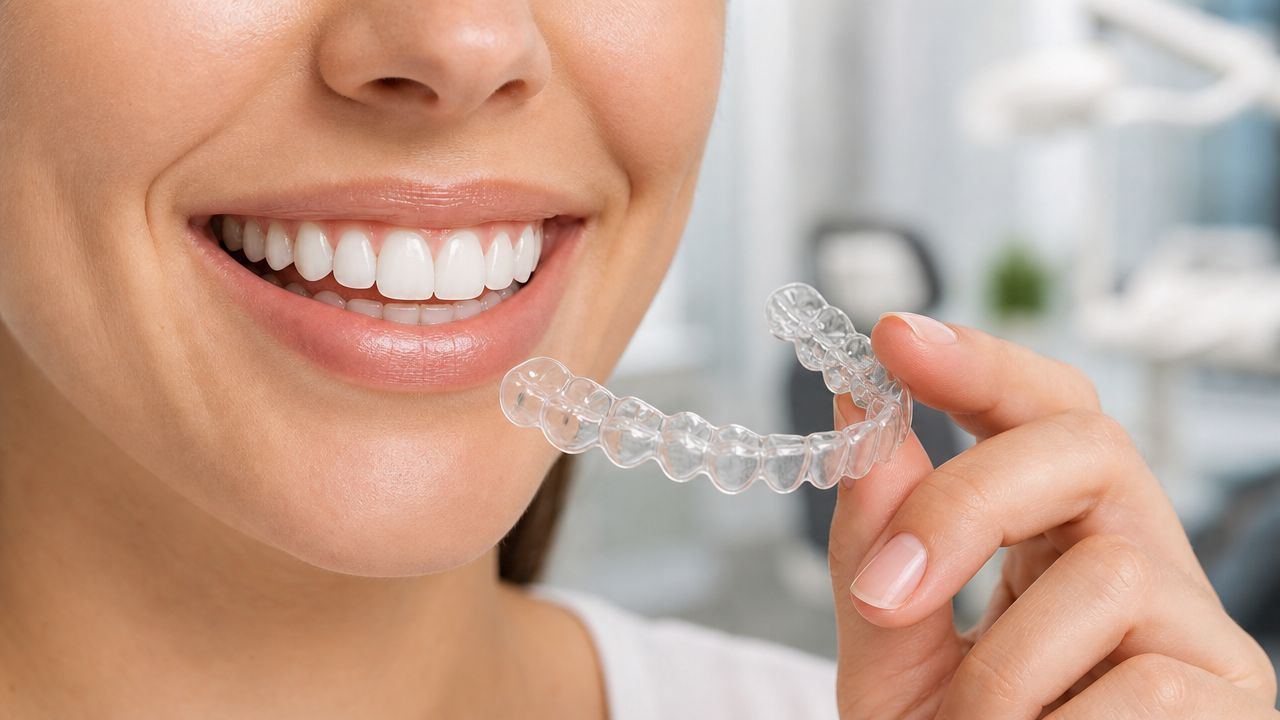
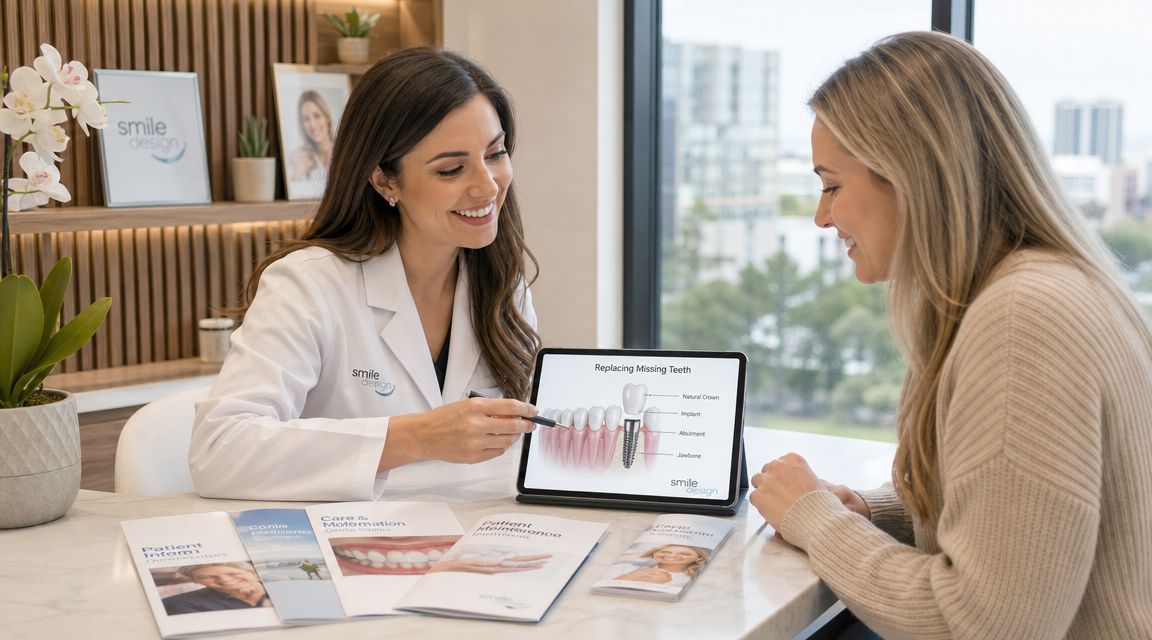
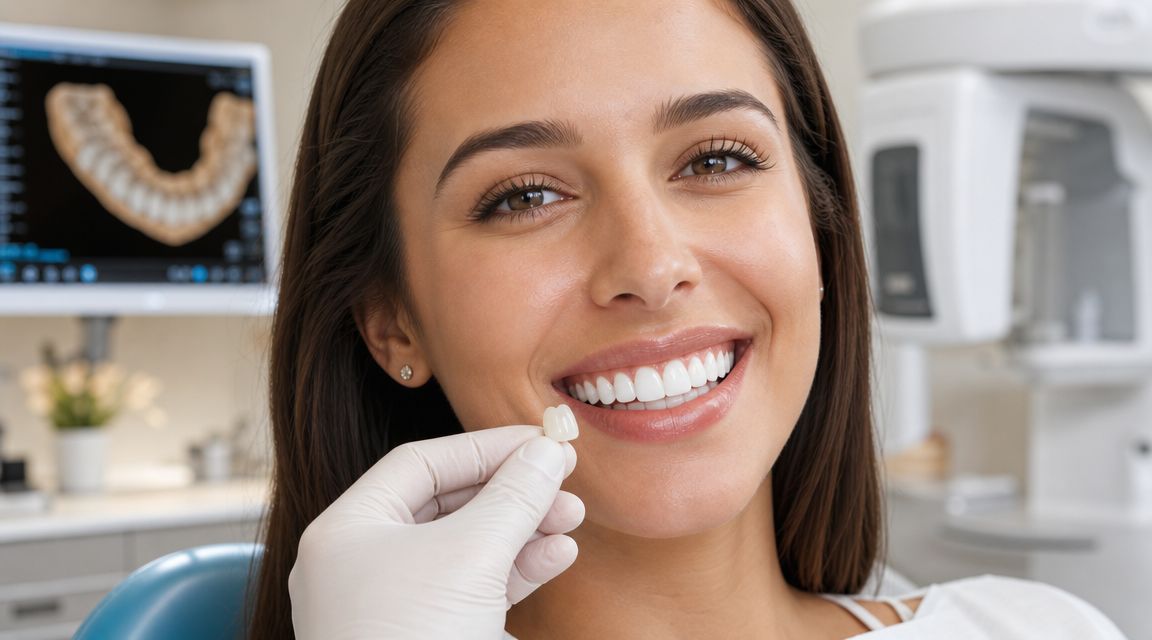
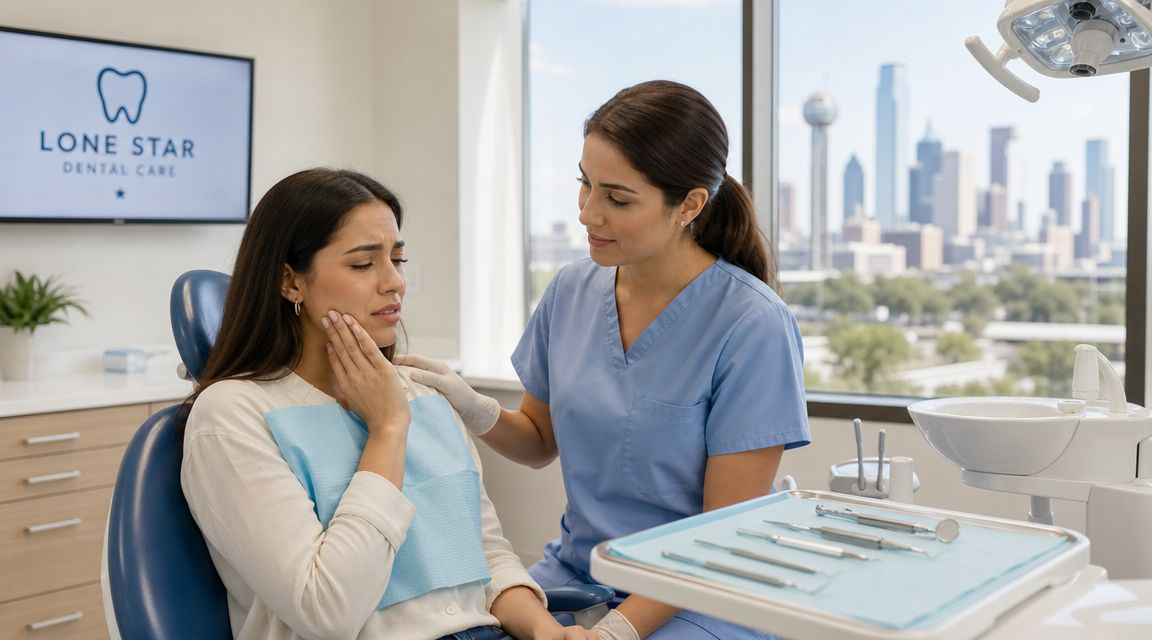


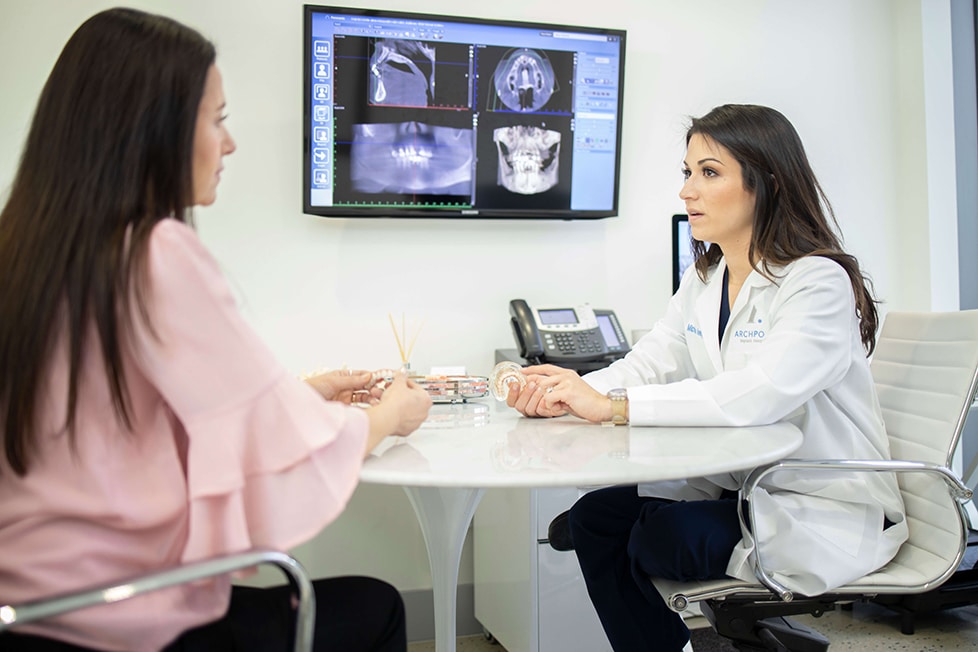

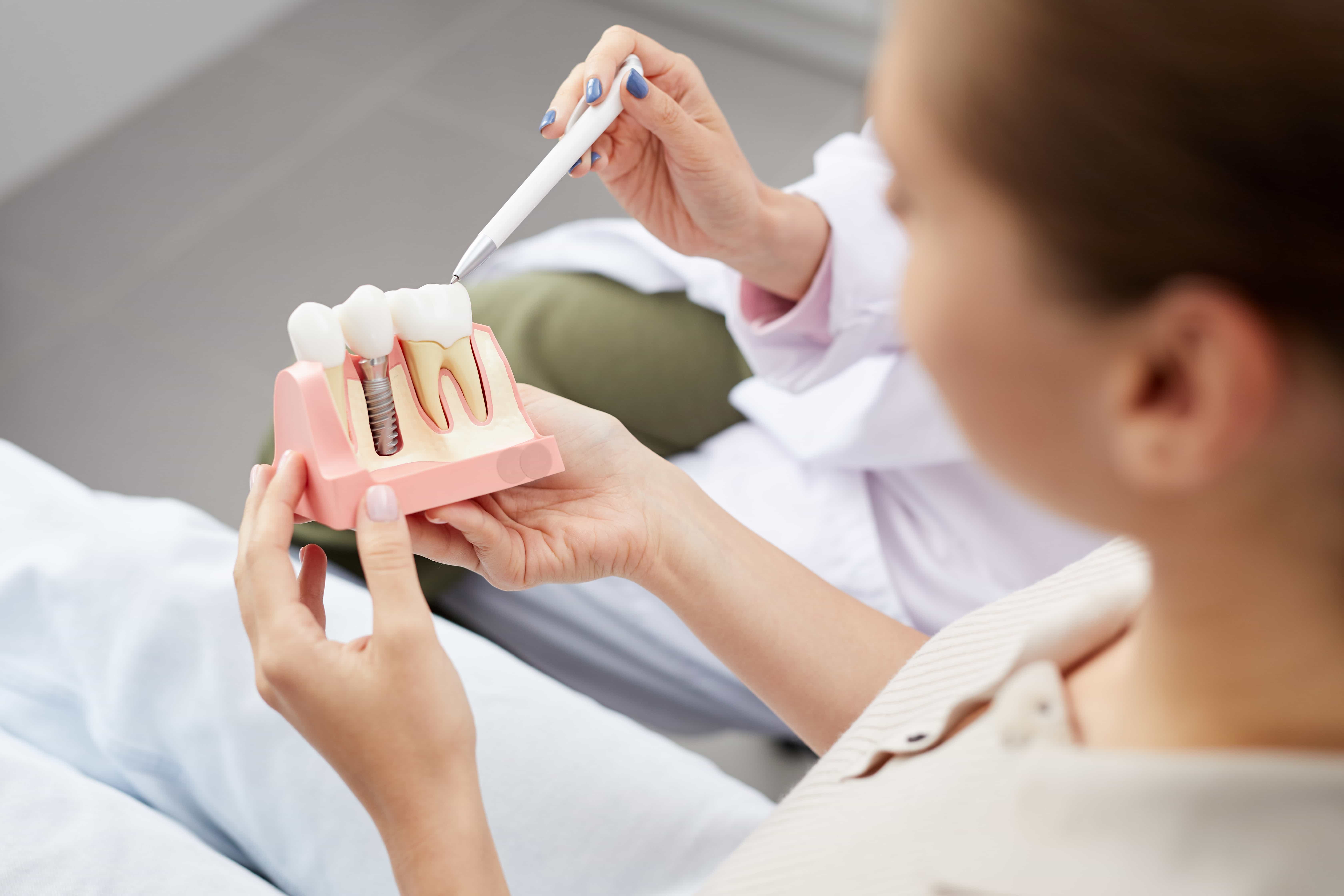
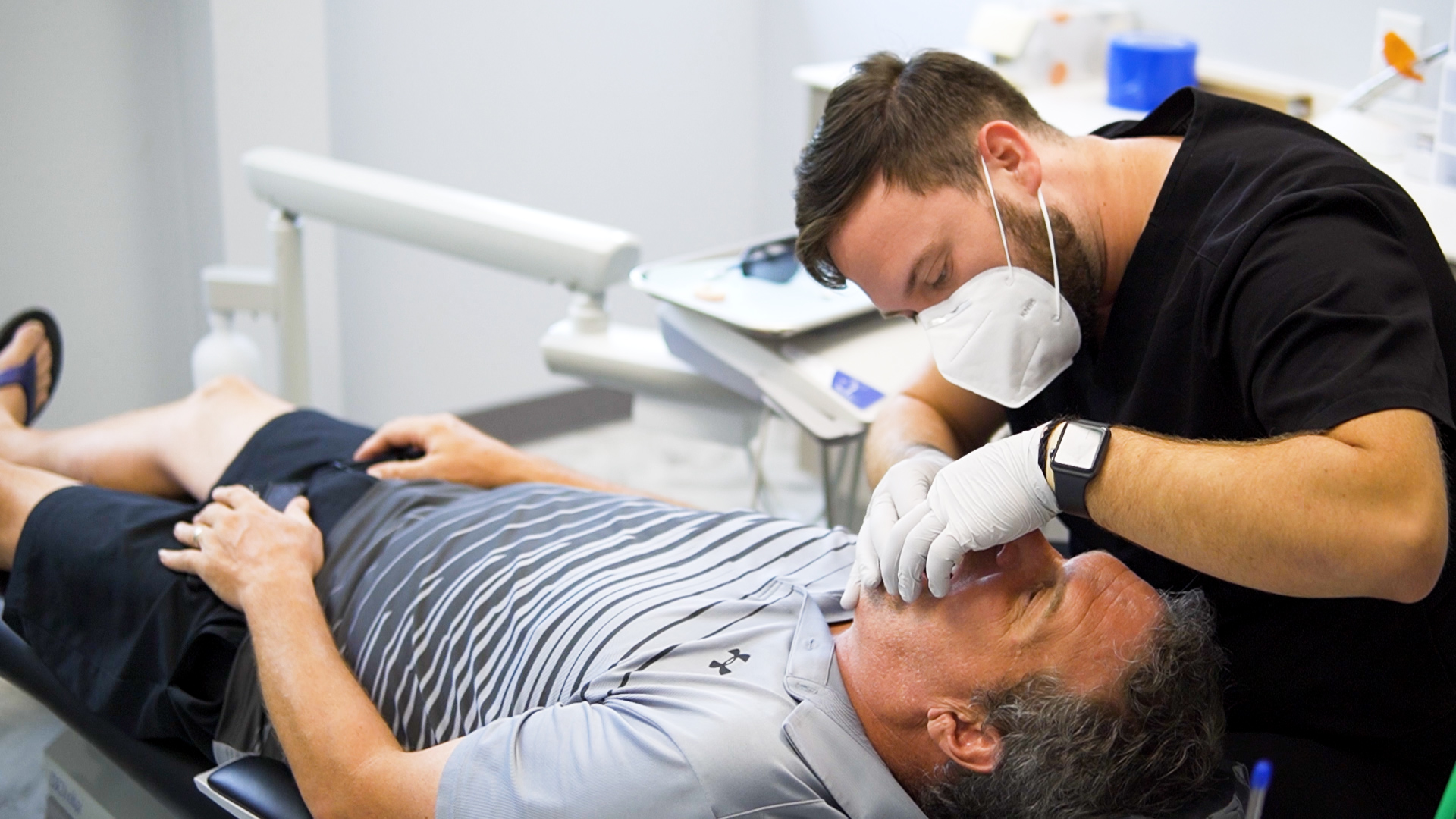















You finally decide to book that overdue dental cleaning. You search for a dentist near me in Austin, call a few offices, and keep hearing the same thing. The next available hygiene visit is weeks away, or the office can see you for an exam but not a cleaning any time soon.
That experience has become common across Central Texas. Patients in Austin, Georgetown, Wells Branch, Cedar Park, Round Rock, and Liberty Hill are running into longer waits for routine care, new patient exams, and follow-up preventive visits. It can feel confusing, especially if your teeth don't hurt yet and you're trying to stay on top of your health.
The good news is that delayed access doesn't mean you should give up on finding dependable dental care. It means you should know why this is happening, what it means for your oral health, and what to look for in a modern practice that's built to keep care moving.
Finding a Dentist Near Me in Austin Just Got Harder
If you've searched for a dentist in Austin, TX or a dentist in Georgetown, TX lately, you've probably noticed that availability isn't what it used to be. Cleanings and exams are often the first appointments patients try to book, and they're also the appointments most affected when a practice doesn't have enough hygiene coverage.

For patients, the problem shows up in simple ways. You call during lunch, hoping to fit in a cleaning and exam before a busy month starts. Instead, you're offered a distant opening, a split visit, or a waitlist. If you're new to the area or trying to switch providers, the search gets even more frustrating.
What patients are running into
Individuals aren't looking for a complicated explanation. They want three things:
- Timely appointments so they can get a cleaning, exam, and dental x-rays without a long delay
- A clear plan if the visit turns up a cavity, gum inflammation, or the need for restorative care
- A reliable office that can handle routine care and larger needs like tooth extraction, dental implants, or emergency dentist visits
That frustration is real. It isn't just poor luck or one office having a rough week.
A delayed cleaning doesn't always feel urgent, but it can quietly push small issues into bigger treatment needs.
If you're comparing offices, it helps to know what questions to ask before booking. A practical place to start is this guide on how to choose a dentist, especially if you're trying to find a long-term dental home in North Austin or Georgetown.
Why this feels so different now
Many practices are working hard to care for patients, but preventive scheduling has become harder to maintain consistently. That's why patients who want cleaning and exams are often feeling the same pressure as people seeking more complex dental care.
The key is not to wait until discomfort forces your hand. If your goal is to find a cosmetic dentist near me, an office for teeth whitening, or a provider for routine family dental care, access to hygiene visits still matters. Preventive care is what keeps the rest of dentistry from becoming more stressful, more expensive, and more urgent.
Understanding the Dental Hygienist Shortage
A patient may do everything right. They look for a cleaning before a busy season, call a few offices in Austin or Georgetown, and still find that the next preventive appointment is farther out than expected. In many cases, the bottleneck is not the dentist. It is the availability of trained hygienists to provide routine preventive care and support a full schedule.

What the national data shows
The shortage is national, not just local. The American Dental Association's Health Policy Institute reported that only 60% of dentists had an adequate number of dental hygienists on staff, and 91% of dentists who were actively recruiting or had recently recruited said hiring a hygienist was "very" or "extremely" challenging according to the ADA's dental hygienist shortage report.
The same ADA reporting also described a frustrating mismatch. Dental hygiene programs were projected to expand, including a projected 16% increase in first-year enrollment between 2020 and 2025, and graduate counts were expected to rise through that period. Yet staffing in dental offices was still described as "stubbornly flat" for an extended stretch. From a practice standpoint, that means the training pipeline may be improving while chairside availability still stays tight.
Why more graduates have not fixed access
Training more hygienists helps, but it does not create immediate relief for patients trying to book care in Central Texas.
New graduates enter the workforce gradually. Some experienced hygienists reduce their schedules, change careers, or retire. Some move into non-clinical roles. Practices in fast-growing areas then compete for a limited hiring pool at the same time that patient demand keeps climbing.
A broader workforce projection shows why this can happen. National projections expected dental hygienist supply to grow from 153,600 FTEs in 2012 to 197,200 FTEs by 2025, while demand was projected to grow from 153,600 FTEs to 169,100 FTEs over that same period, according to the national and state dental workforce projection summary. Even with projected growth, the report warned that some states could still face shortages by 2025.
That trade-off matters. More graduates on paper does not always mean faster appointment access in a specific city.
Why Central Texas patients feel it
Austin and Georgetown continue to grow, and growing communities put steady pressure on preventive schedules. New residents need routine exams, cleanings, periodontal maintenance, and follow-up care. Offices are trying to hire from the same labor market while also caring for larger patient panels.
Patients often assume a busy schedule at one office is an isolated problem. In reality, many practices are working through the same staffing limits at once. The Center for Health Care Strategies has also noted that oral health workforce shortages hit underserved and rural communities especially hard, which can widen gaps in access, as explained in its review of oral health workforce challenges in underserved communities. Around Austin and Georgetown, that can mean patients travel farther for care, adding more demand to already full schedules.
At 3D Dental, we take that reality seriously. Patients do not need a national workforce lecture when they are trying to get a cleaning on time. They need an office that plans well, uses technology efficiently, and is built to deliver dependable care even when the broader market is strained.
How Staffing Gaps Can Impact Your Oral Health
A shortage sounds like an operations problem. For patients, it becomes a health problem when routine care gets postponed often enough.
Consider a common chain of events. Someone means to book a cleaning in Austin, gets busy, then learns the first opening is farther out than expected. Since nothing hurts, they decide to wait. Months later, what would have been a simple preventive visit turns into sensitivity, bleeding gums, or a tooth that suddenly needs more than a polishing and exam.
What delays can turn into
When preventive care slips, small findings can be missed or discovered later than anyone wants. That can include:
- Early cavities that might have been treated while still simple
- Gum inflammation that progresses before a patient gets a full periodontal evaluation
- Broken fillings or worn teeth that don't get attention until they start causing pain
- Emergency visits that might have been avoided with regular cleanings, x-rays, and exams
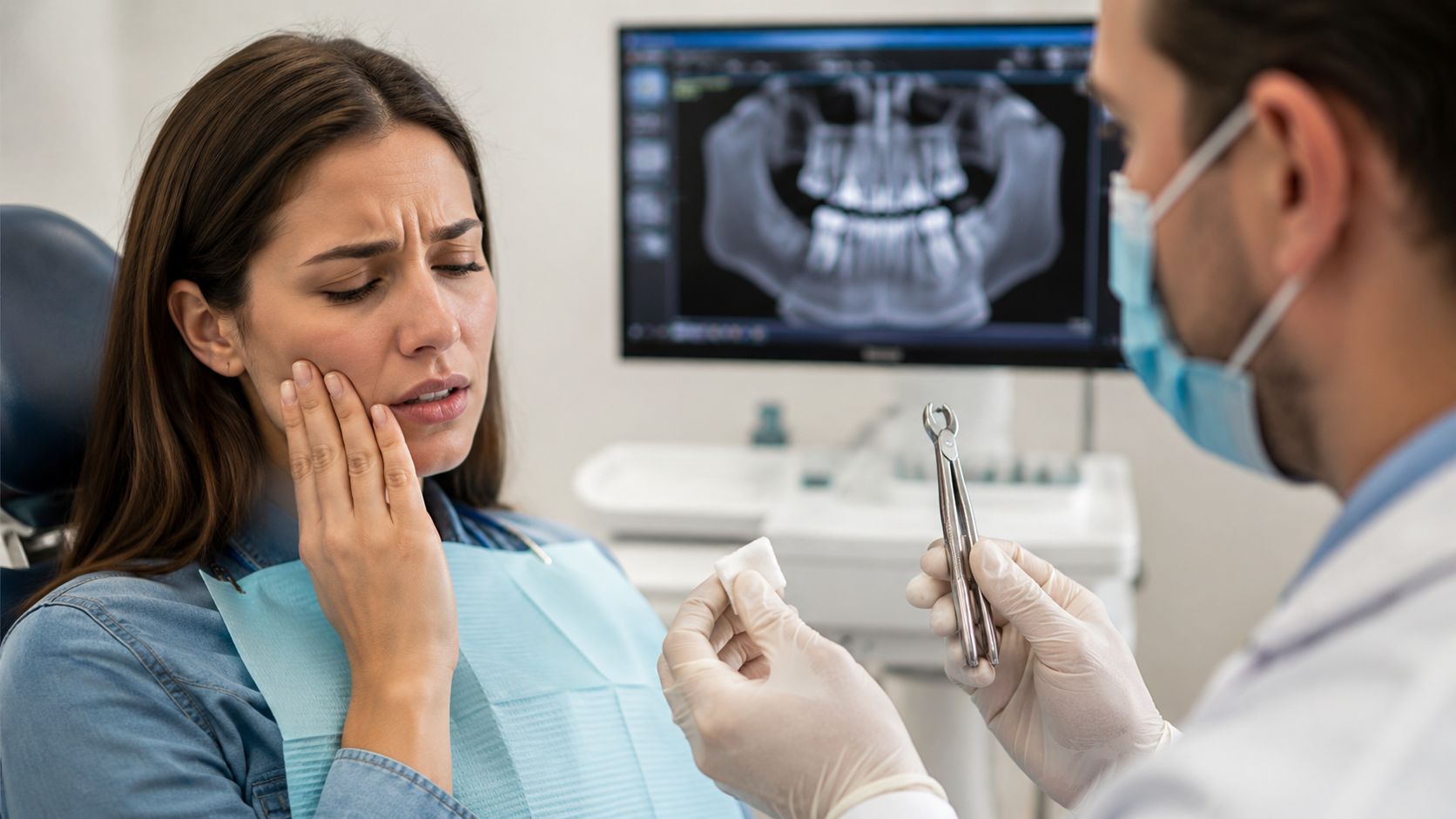
A patient may start out looking for a basic checkup and end up needing restorative dentistry, a root canal, or even tooth extraction.
The real cost of waiting
The hard part is that delays rarely feel dangerous at first. A missed cleaning doesn't create the same urgency as a chipped front tooth or a swollen jaw. But preventive care is where many problems are caught while they're still easier to manage.
When patients lose access to routine visits, dentistry becomes more reactive. Reactive care is usually less comfortable and less convenient.
There's also the issue of momentum. Once someone has trouble getting scheduled, they're more likely to put off the next call. That's especially true for families juggling work, school calendars, or transportation between Austin and Georgetown.
Why this matters beyond clean teeth
Dental hygienists do much more than polish teeth. Preventive visits help clinicians monitor gum health, review home care, update x-rays when needed, and flag changes that deserve a closer look. When that rhythm breaks down, patients often lose the steady, low-stress care that keeps bigger treatment from creeping up on them.
This is one reason patients searching for an emergency dentist, dentist near me, or even dental implants near me should still care about preventive access. Reliable hygiene scheduling supports the entire care journey, including cosmetic dentistry, restorative work, and long-term implant maintenance.
How 3D Dental Delivers Reliable Care in Central Texas
Patients don't need a lecture about staffing. They need a practice model that keeps care dependable even when the broader market is under strain.
The underlying challenge is clear. A review of the shortage noted that burnout, retirement, and work-life balance issues contributed to an estimated 8% decrease in dental hygienist employment during the pandemic, and that short-term fixes alone won't solve the problem, according to this analysis of the dental hygienist shortage and sustainable practice solutions. Practices need systems that support retention, efficient workflows, and stable patient capacity.

Technology reduces bottlenecks
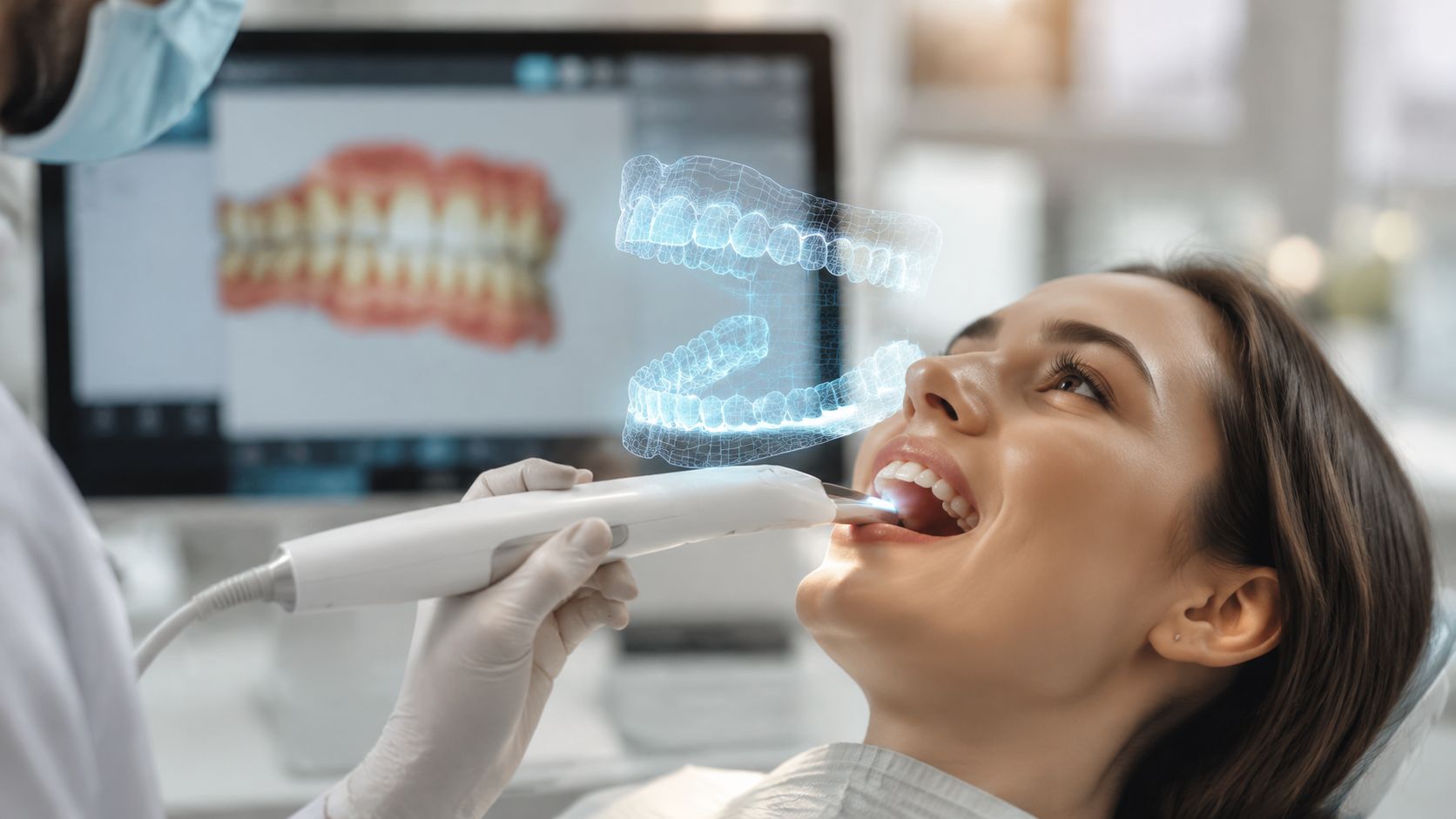
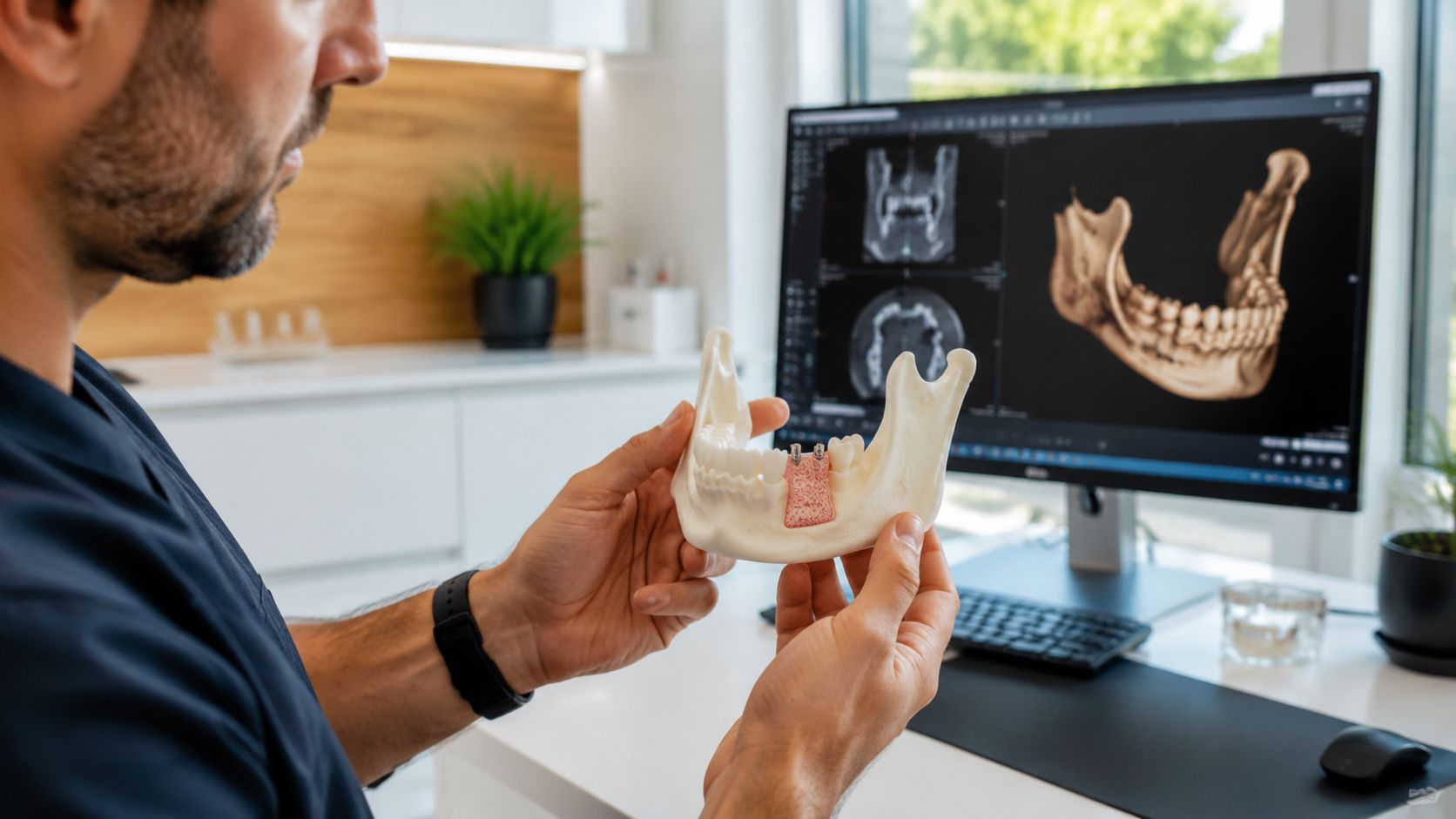
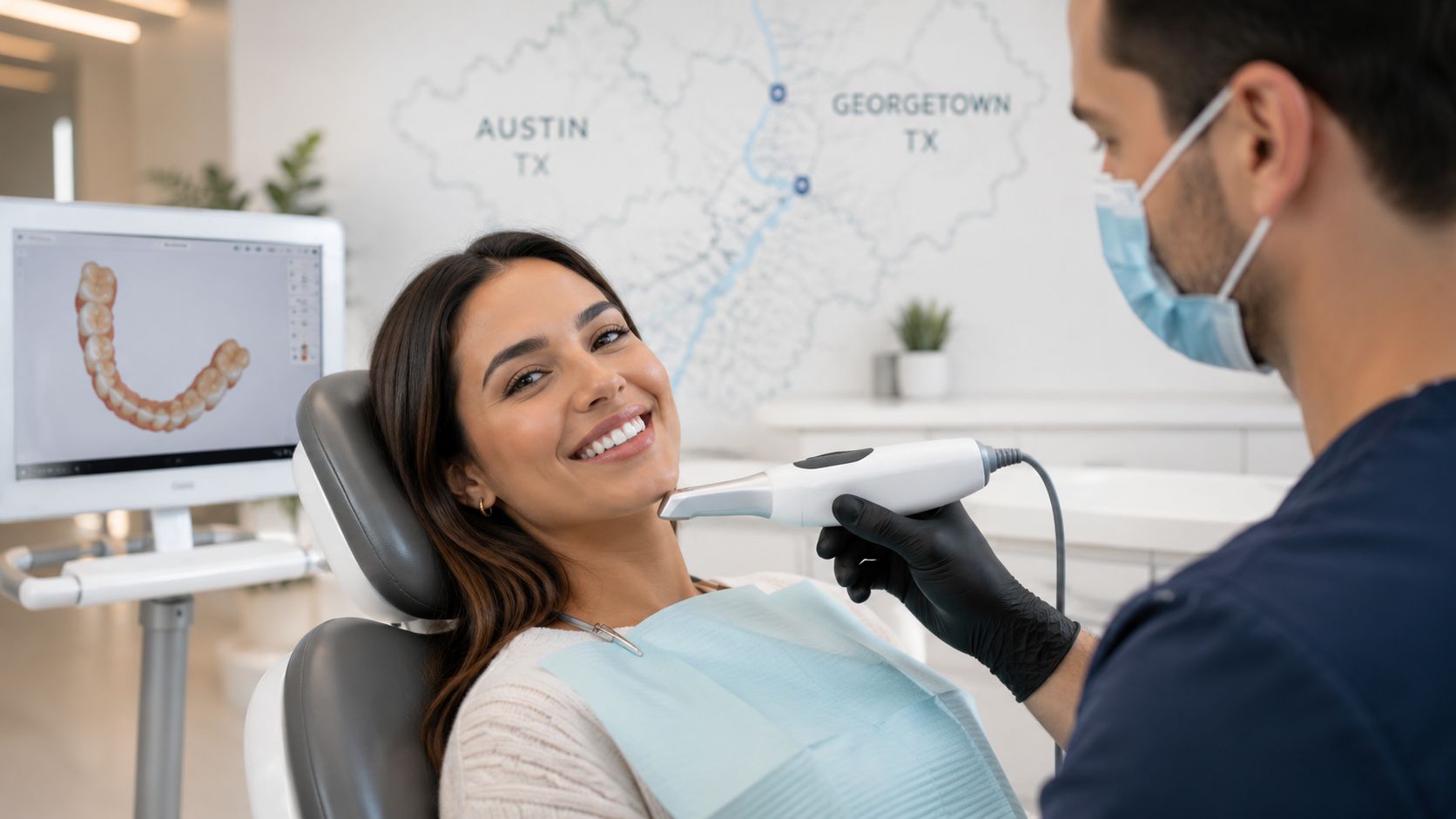
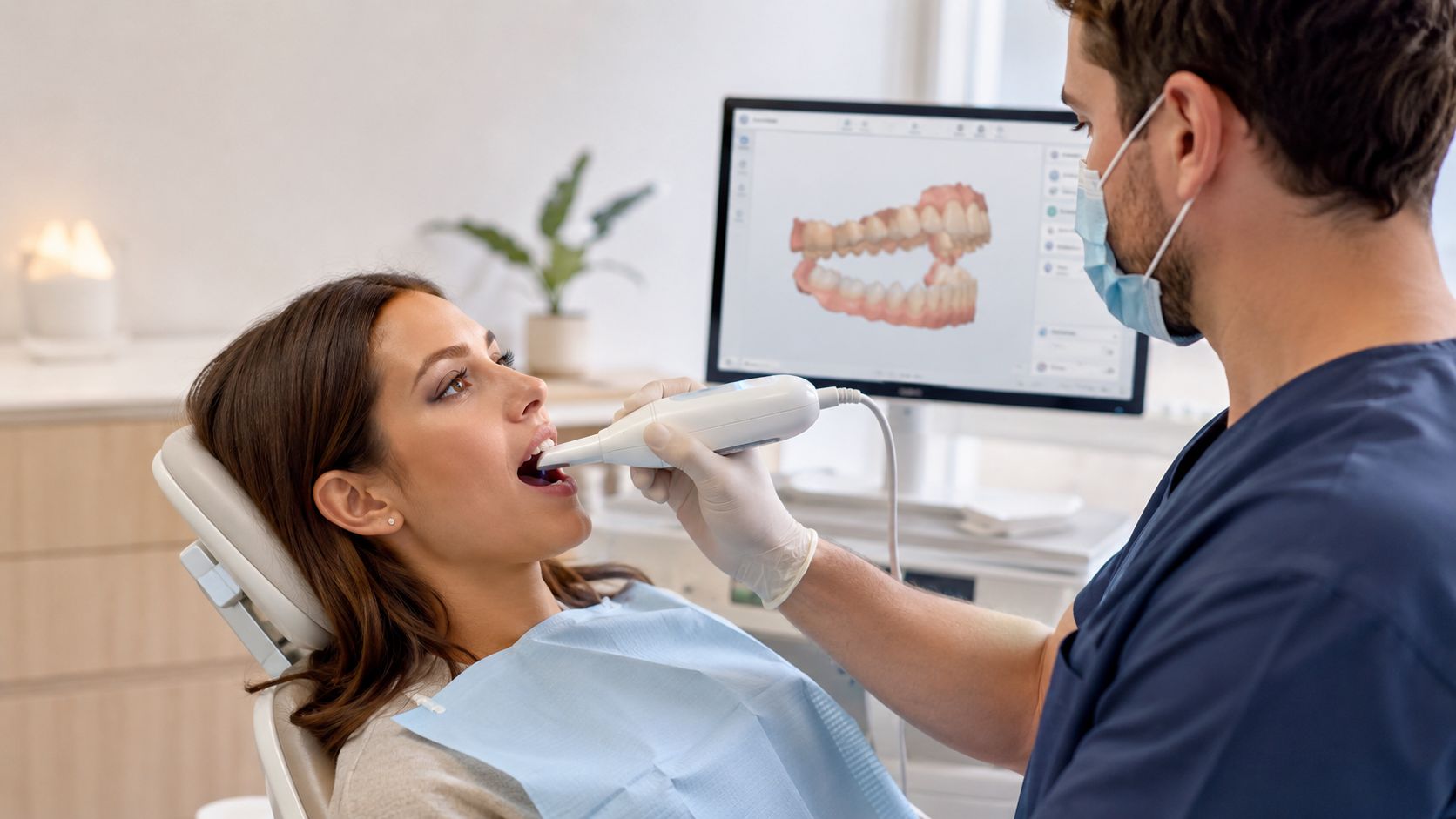
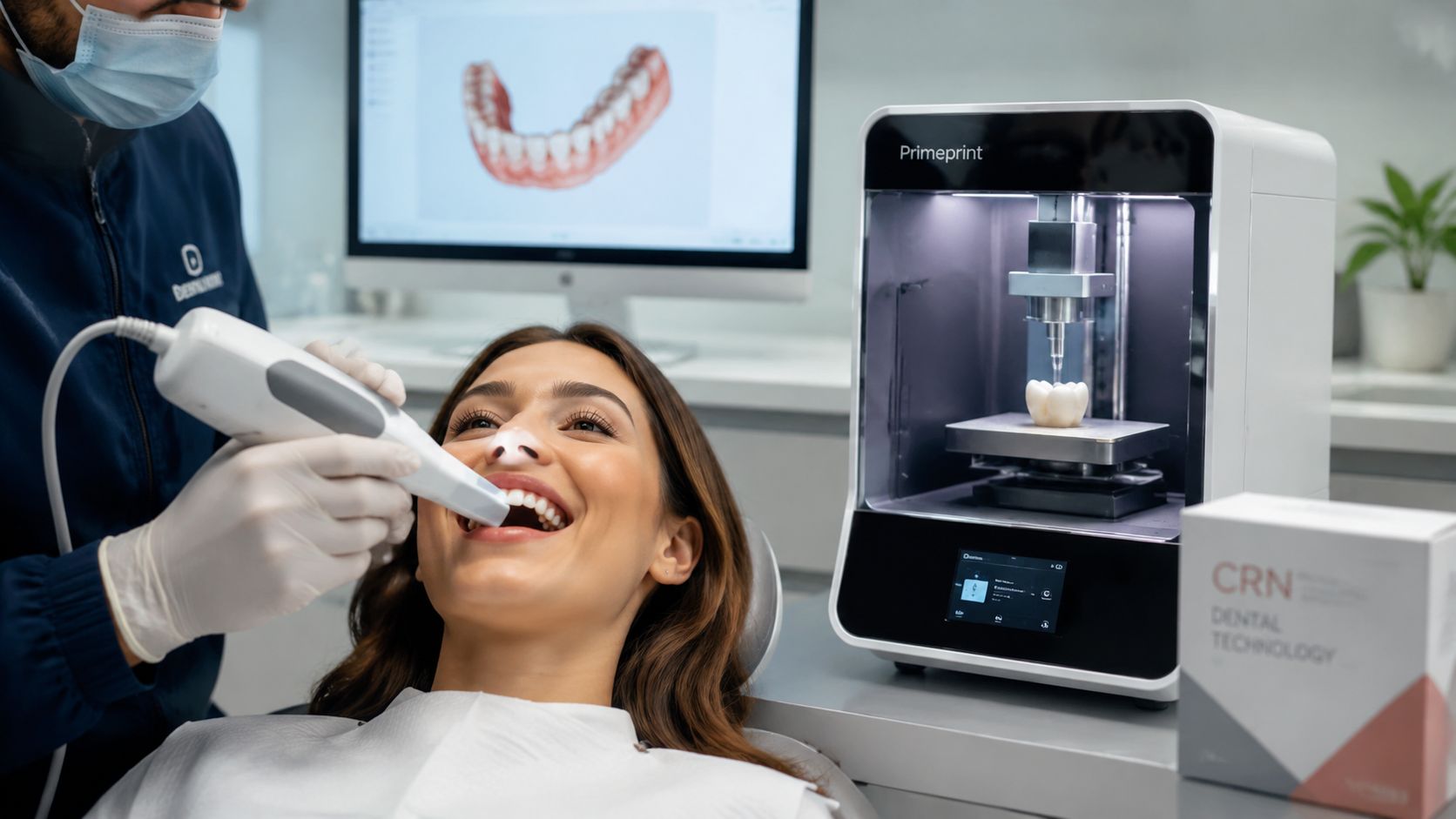
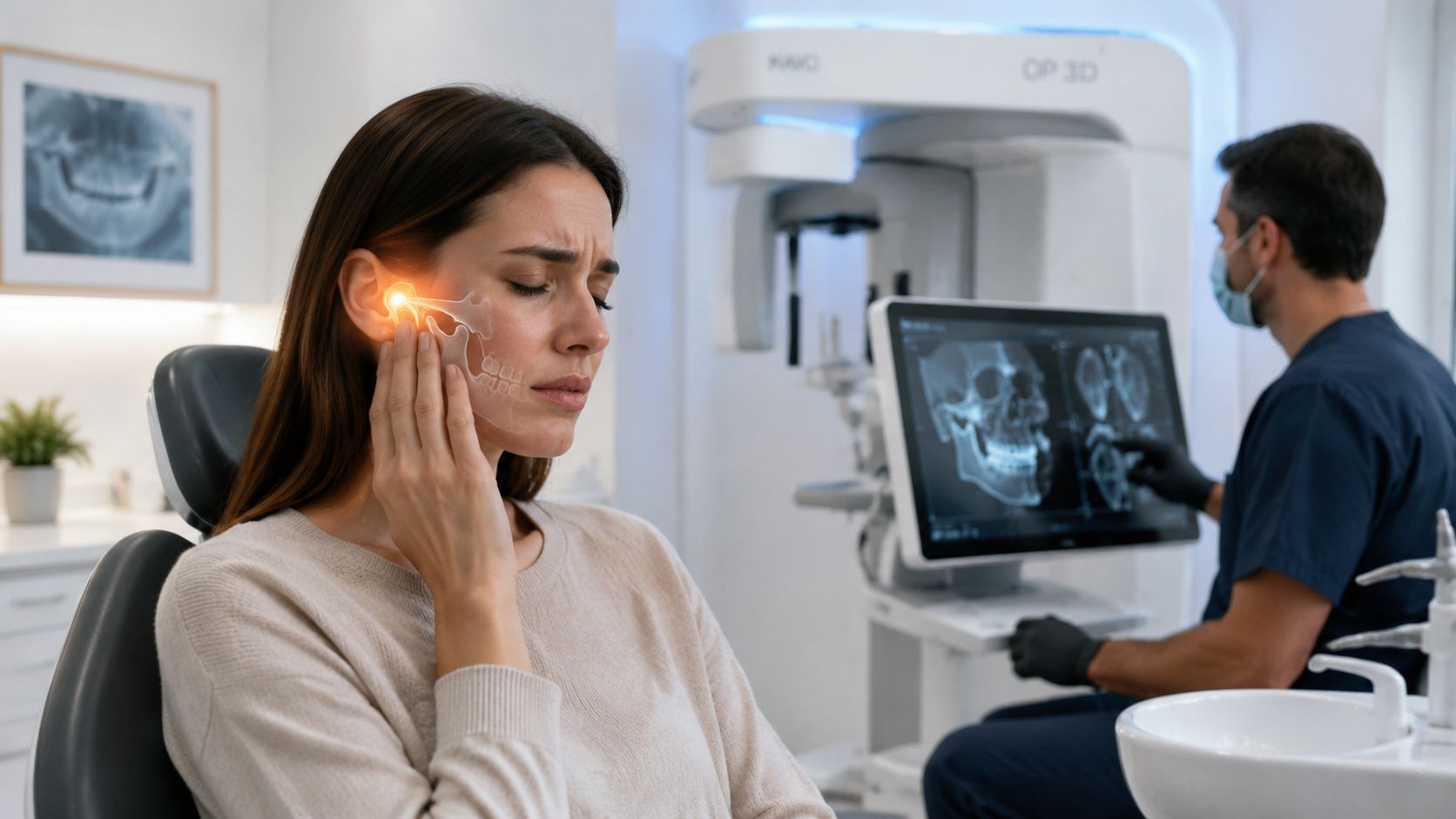
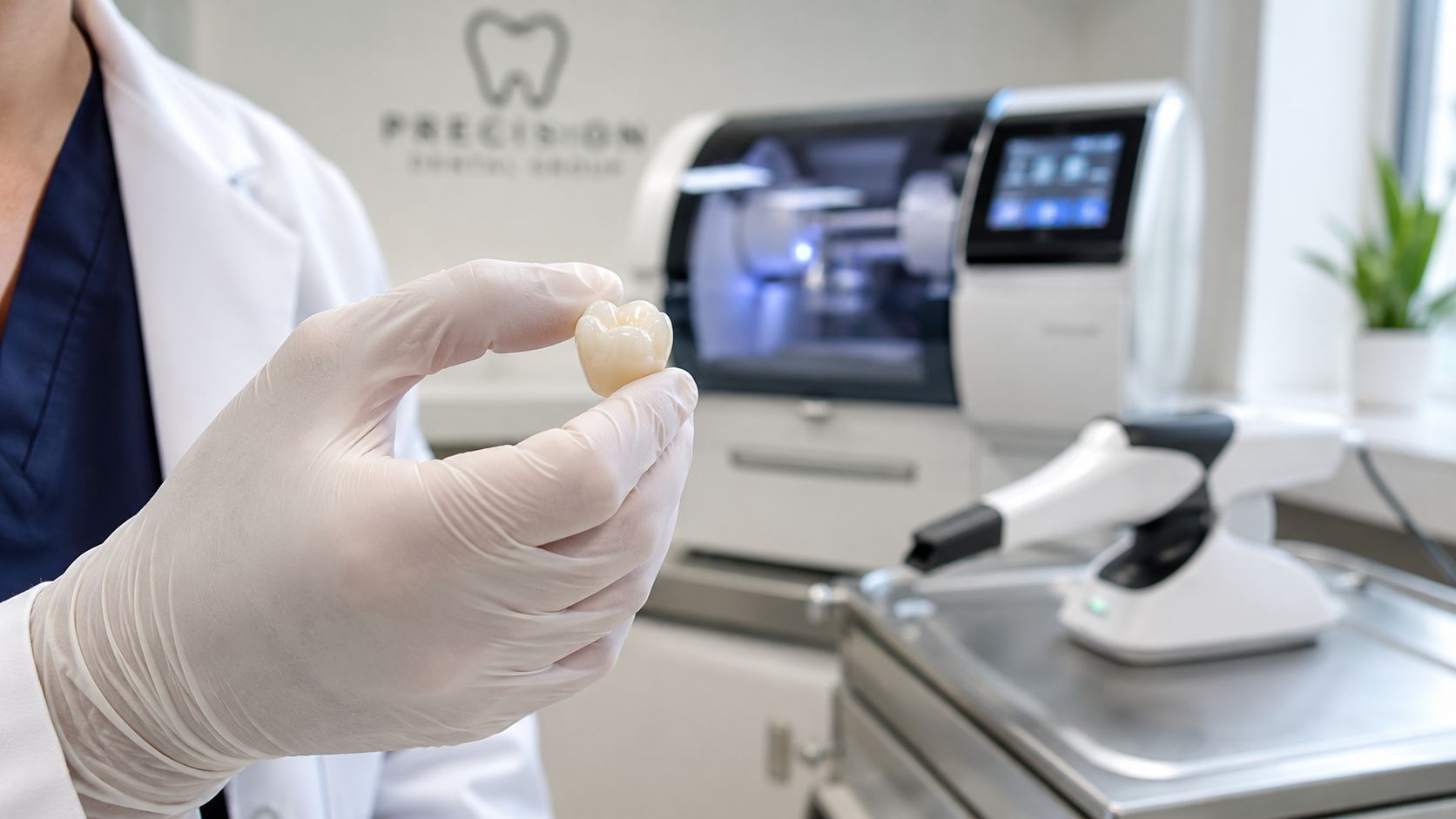
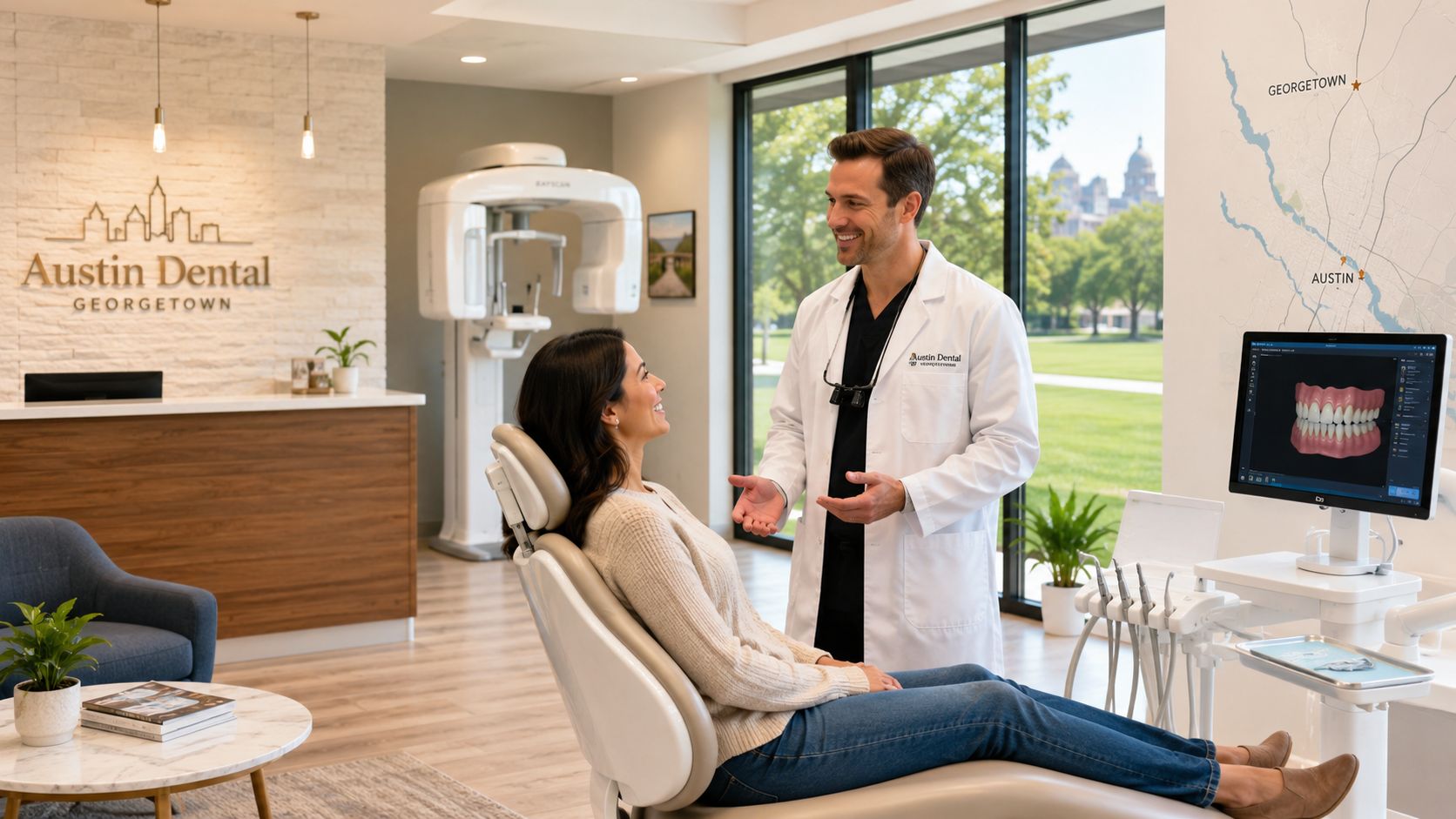
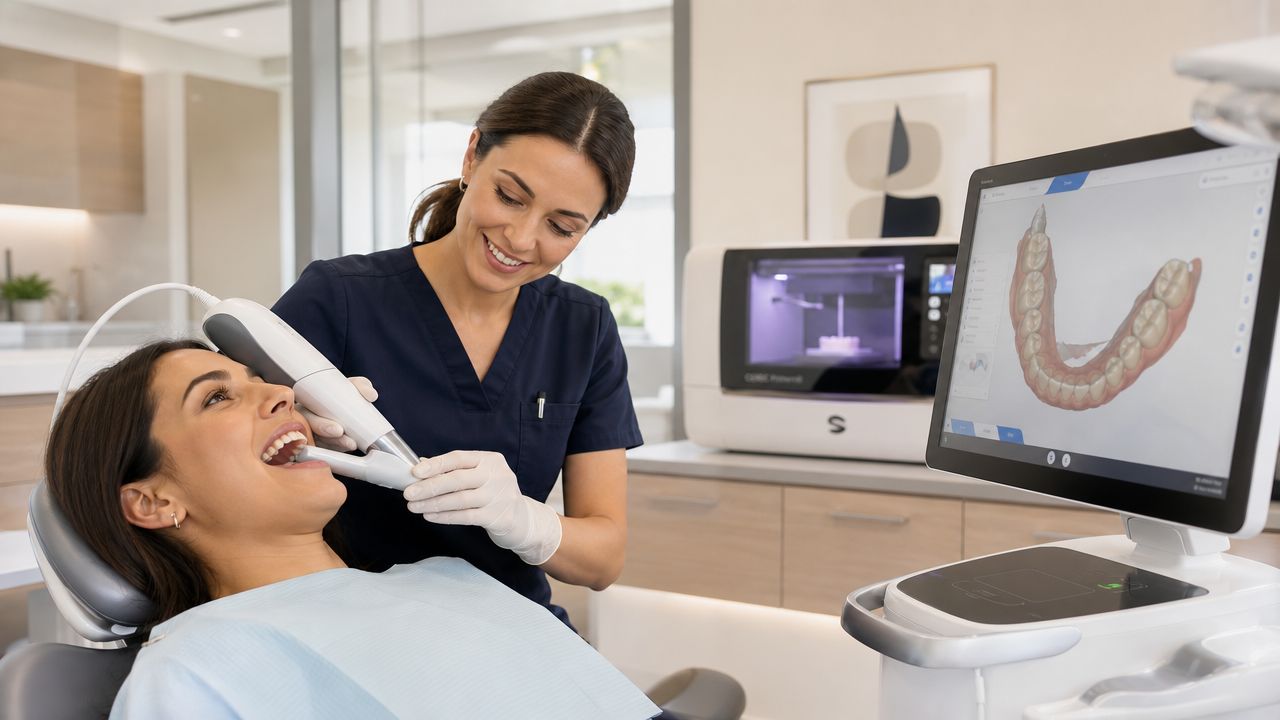
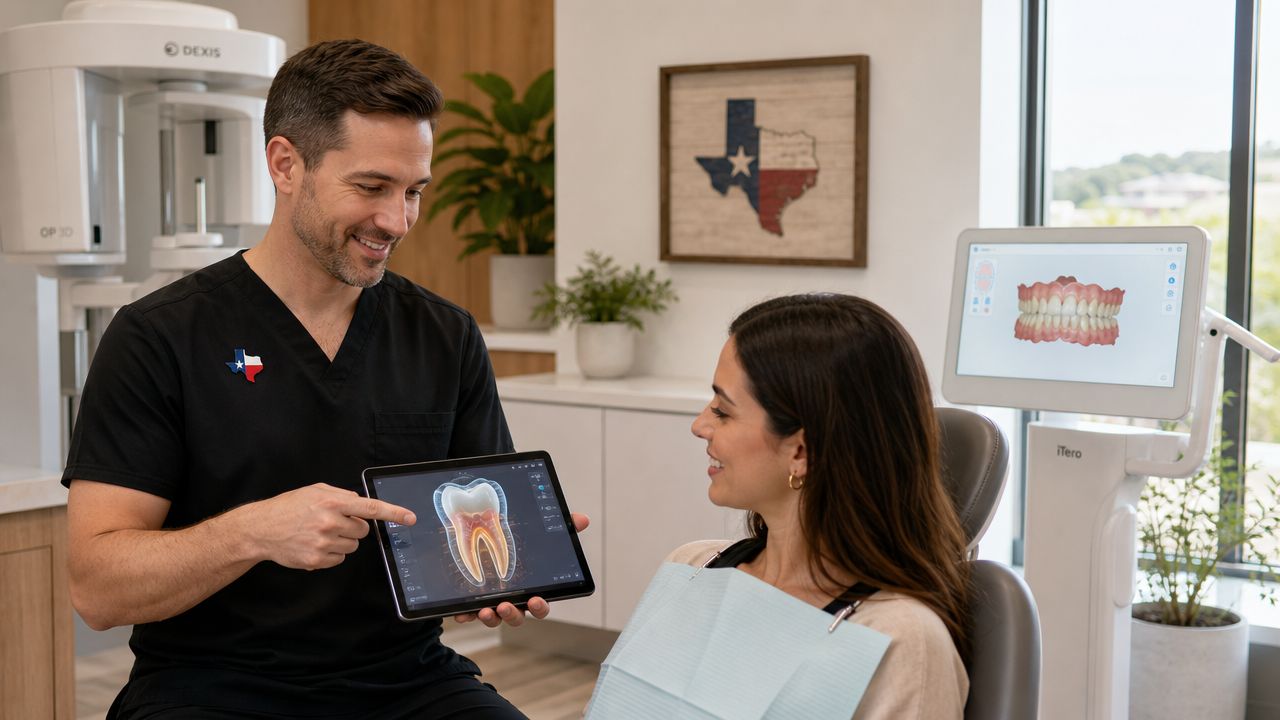
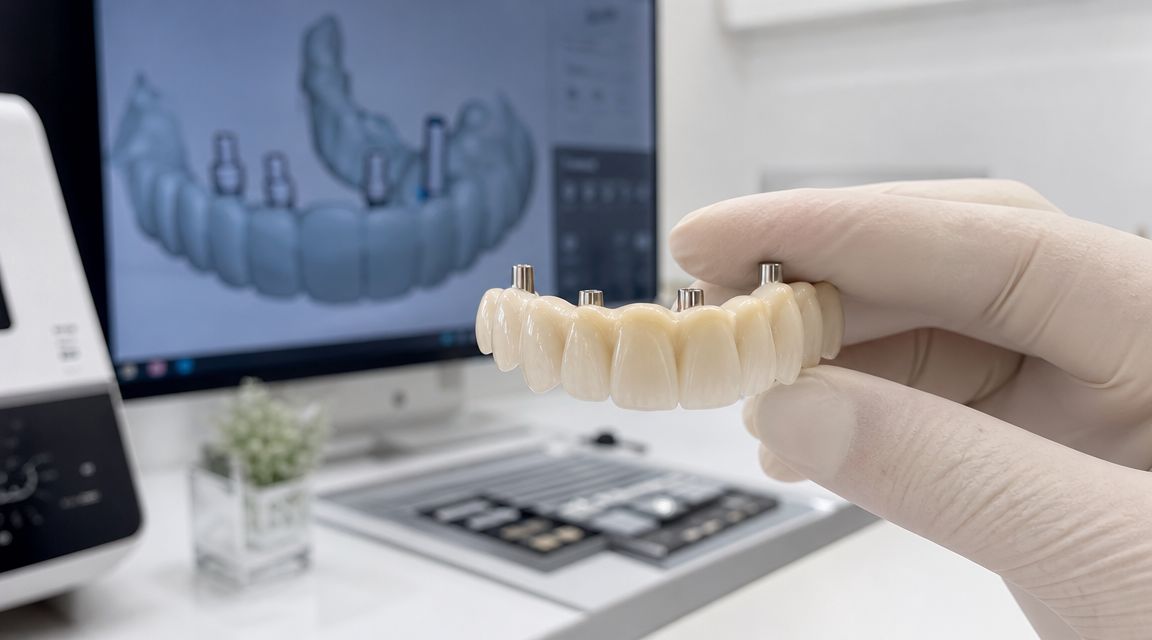
A modern workflow matters. When a practice uses digital x-rays, digital scanners, and 3D CT imaging, diagnosis and treatment planning move faster and with less friction. Patients don't bounce between disconnected systems, and the clinical team can spend more time on care instead of managing avoidable delays.
That becomes especially important when a patient comes in for a new patient exam and the visit reveals more than a routine cleaning need. If the office can move efficiently from diagnostics to a treatment conversation, the patient gets answers sooner.
An in-house model changes timelines
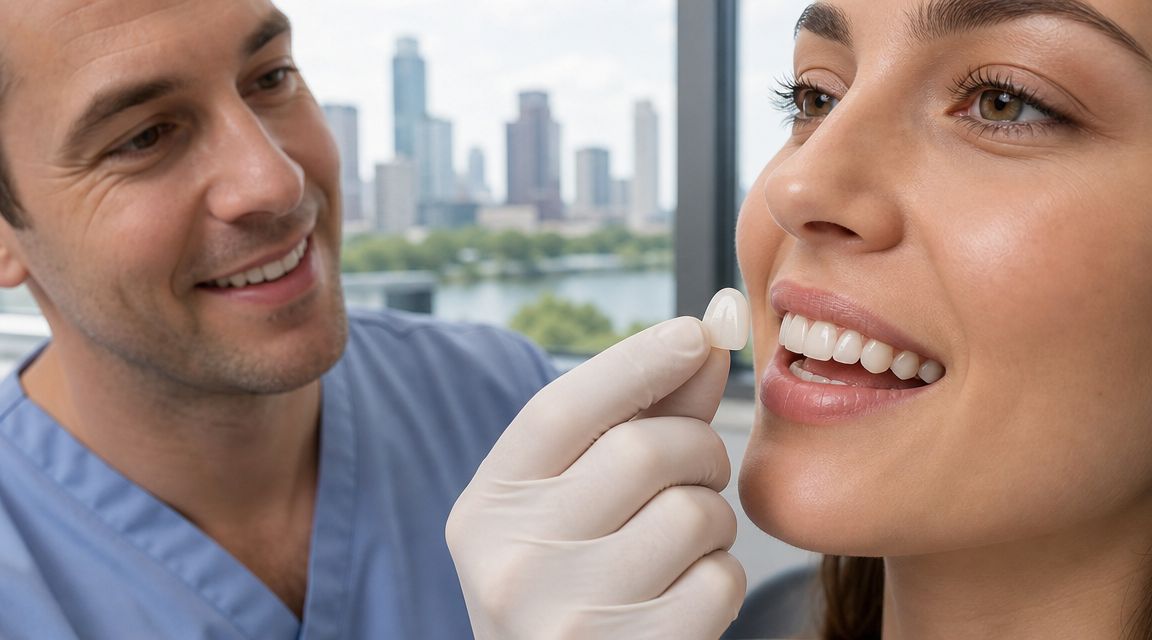
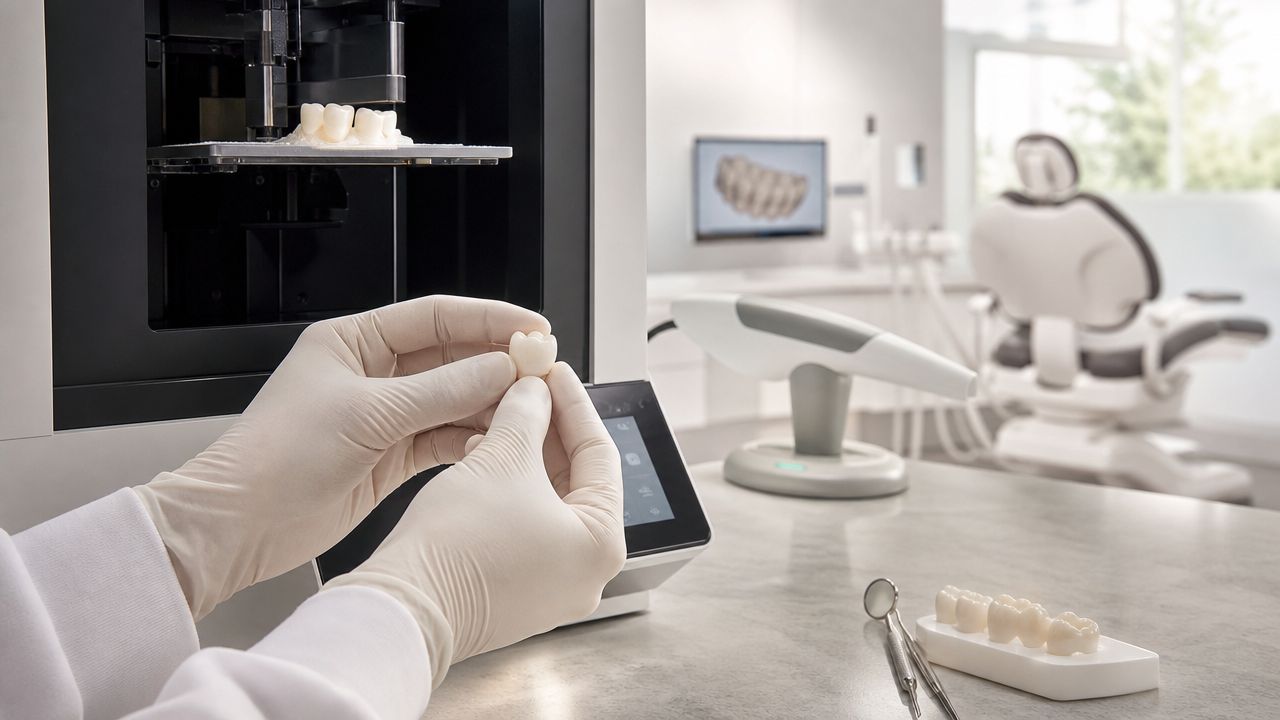
One of the most practical differences in a technology-driven office is what happens after the exam. An in-house lab and 3D printing capability can improve control over timelines for crowns, veneers, implant restorations, and other custom work.
For patients, that matters in real ways:
- Fewer handoffs between outside vendors and the treating office
- Better continuity when restorative and cosmetic cases need careful planning
- More predictable follow-through for treatment that would otherwise stall between appointments
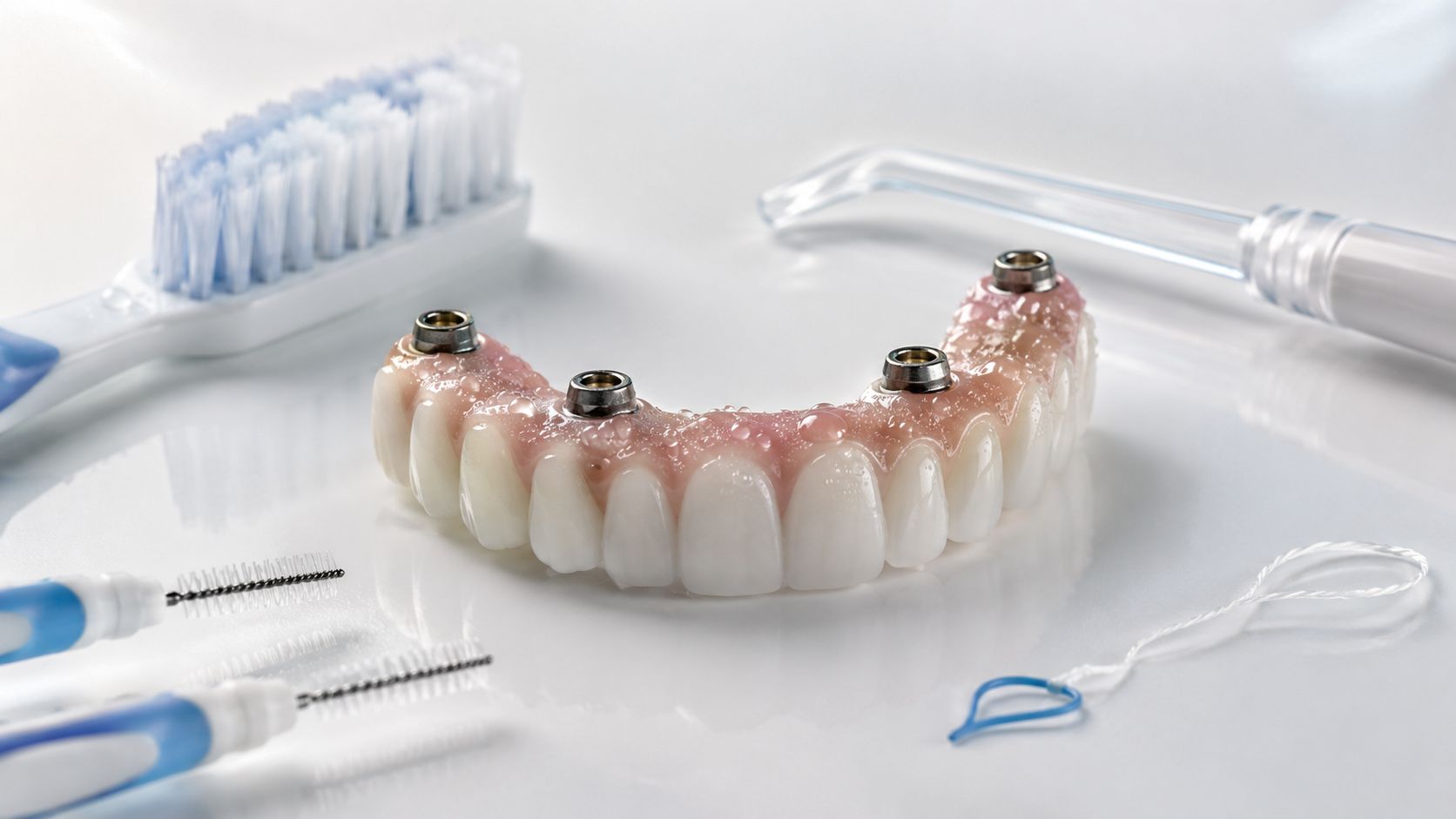
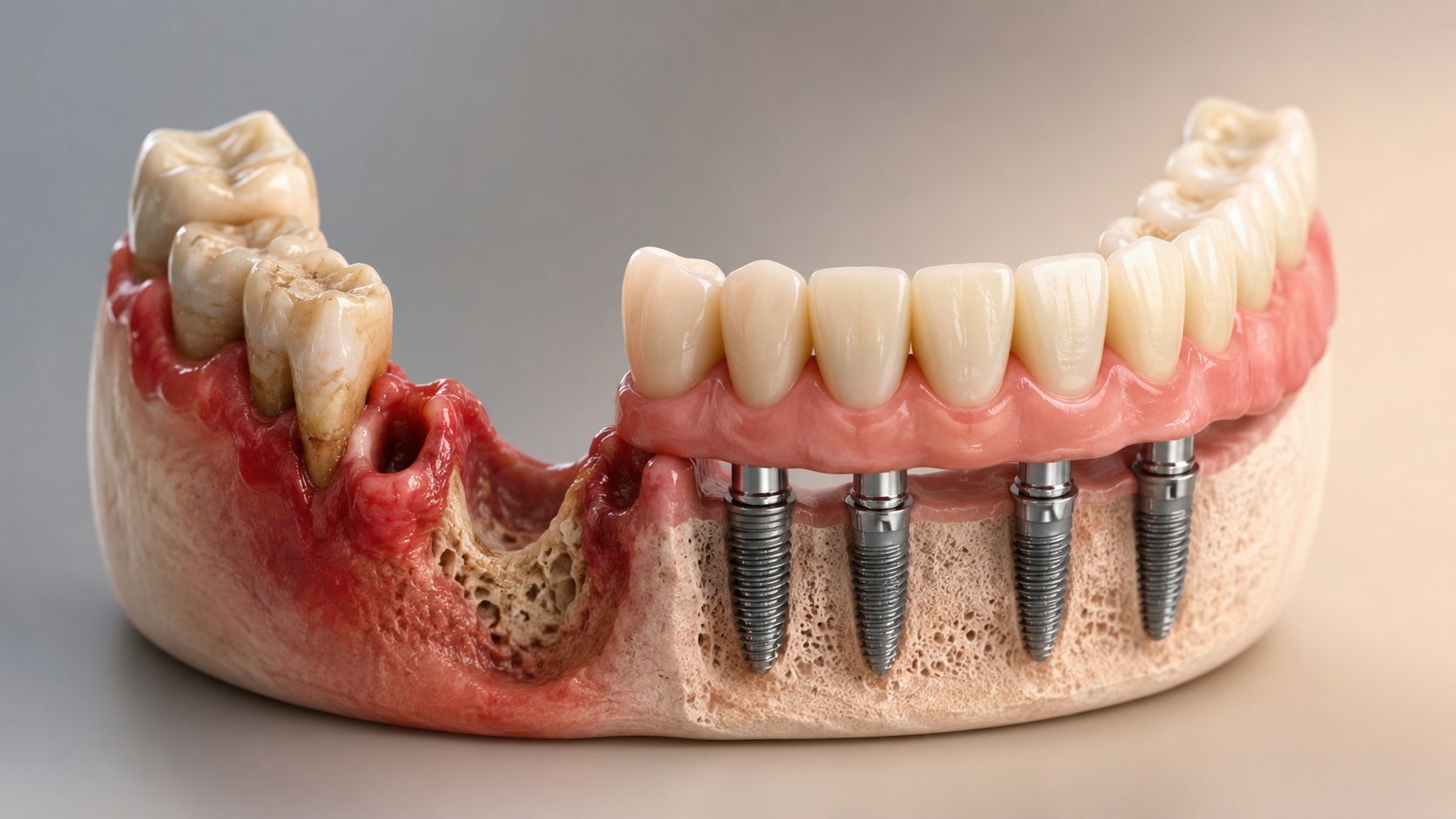
That's useful whether someone needs a filling after a delayed exam or is actively comparing options for dental implants near me or All-on-4 treatment in Central Texas.
A full-service team under one roof
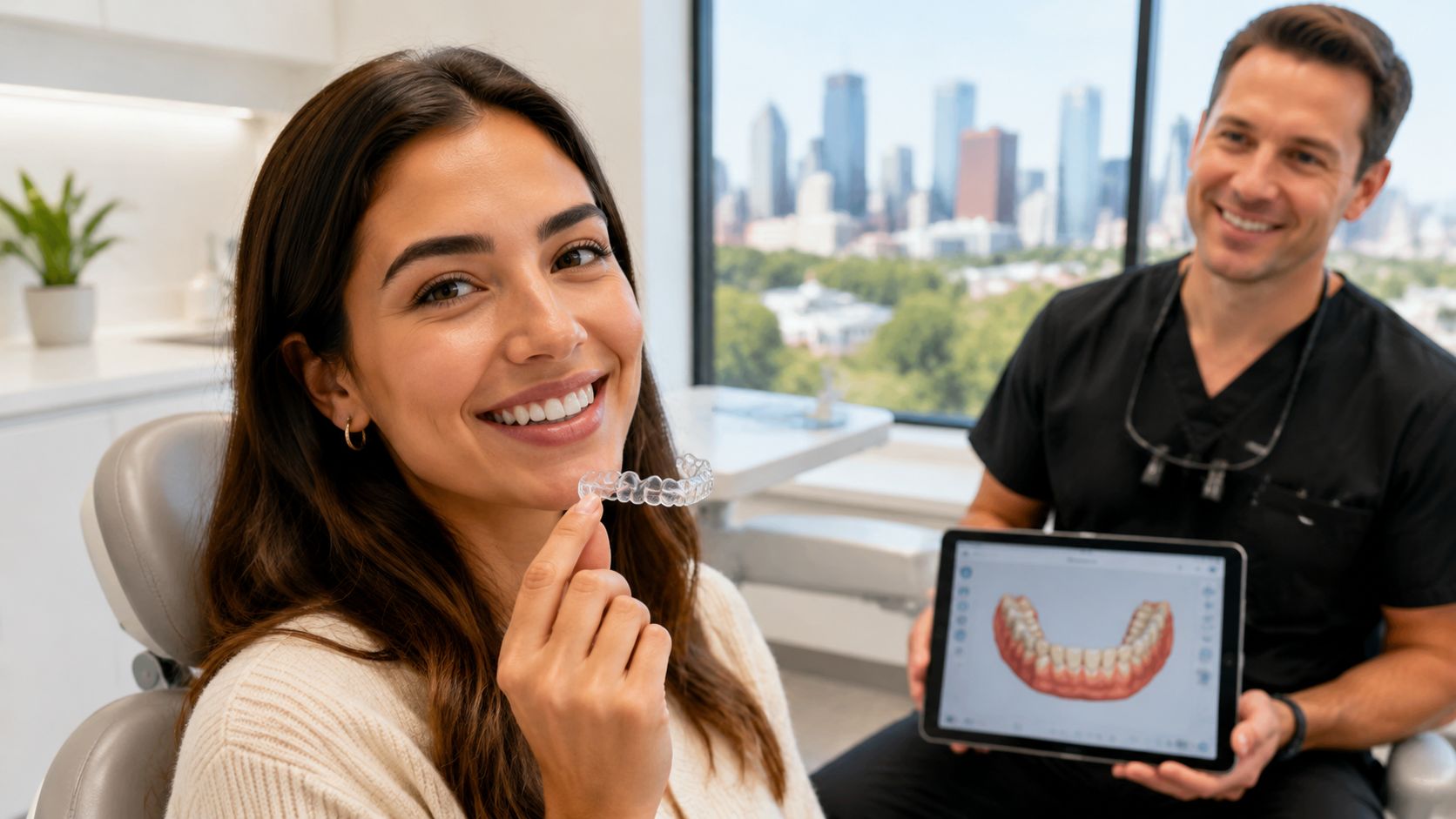
Another major advantage is coordination. When a practice includes expertise in general dentistry, periodontics, implants, and orthodontics, patients can often move through care with less disruption. They don't have to start over each time a routine issue turns into a more specialized need.
A strong dental office doesn't just add technology. It builds a workflow where the team, the tools, and the treatment plan support each other.
That kind of setup helps patients who need preventive care, but it also helps those who may need gum treatment, wisdom tooth extraction, clear aligners, braces, or cosmetic services like veneers and teeth whitening. In a strained labor market, efficiency isn't a luxury. It's part of how a practice protects access.
Your New Patient Exam in Austin and Georgetown
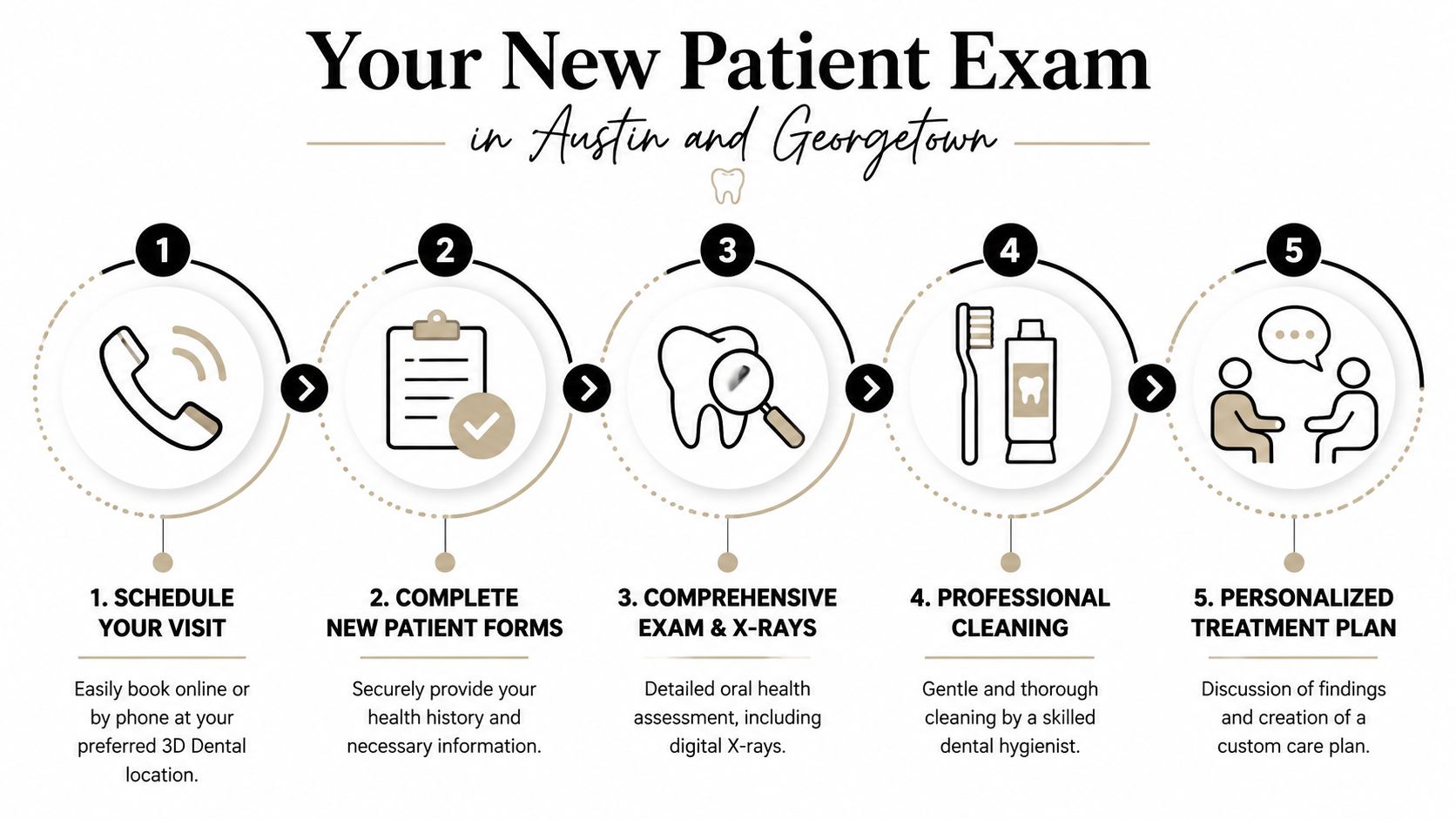
If you've been putting off care because scheduling has felt unpredictable, it helps to know exactly what a new patient visit should look like. A well-run exam is organized, transparent, and comfortable from the first step.
What usually happens first
Booking should be straightforward. Patients should be able to choose the location that fits their routine, whether that means Austin, Georgetown, or a drive from nearby Wells Branch, Cedar Park, Round Rock, or Liberty Hill.
After scheduling, you'll typically complete health history and intake forms before the appointment. That preparation helps the clinical team review medications, past treatment, symptoms, and concerns before you even sit in the chair.
For a closer look at what preventive visits include, review these dental exams and cleanings.
What happens during the visit
A strong new patient exam usually includes a few core elements:
Digital diagnostics
The team gathers updated information with digital x-rays and any other imaging needed to evaluate teeth, gums, bone support, and existing dental work.A full clinical evaluation
The dentist reviews what the images show, checks for decay, wear, gum issues, bite concerns, and any signs that a tooth may need restorative treatment.Professional cleaning when appropriate
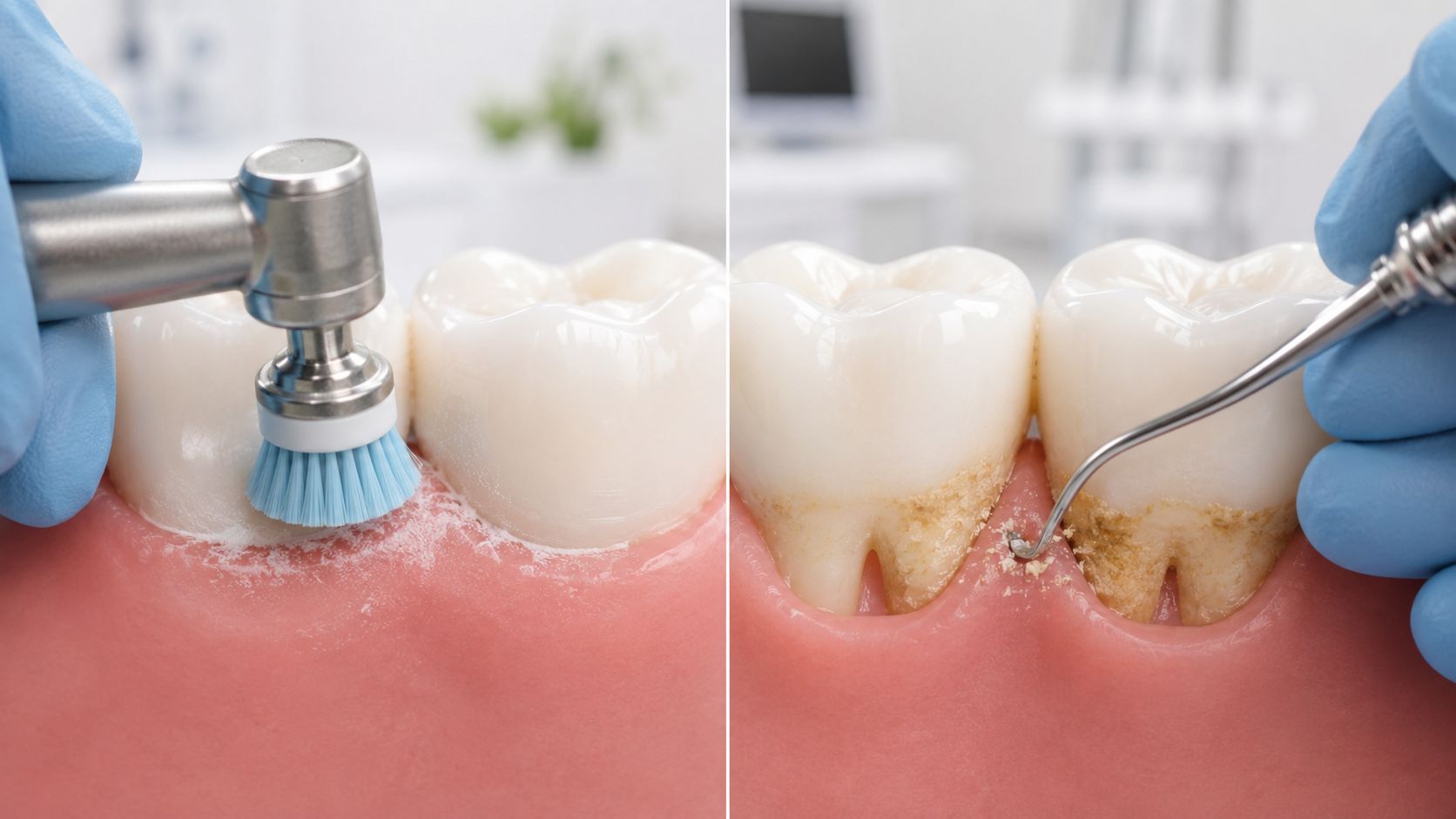
If your gum condition and treatment needs allow for a routine cleaning that day, the hygiene portion focuses on removing buildup and helping you reset your home-care routine.
Here is a short overview of the patient experience:
What you should leave with
The best appointment doesn't leave you guessing. You should walk out knowing what was found, what needs attention now, and what can be monitored.
A clear visit often includes:
| Part of the visit | What it gives you |
|---|---|
| Exam findings | A plain-language explanation of your current oral health |
| Imaging review | Visual context for cavities, old dental work, bone levels, or problem spots |
| Treatment plan | Next steps for preventive, cosmetic, restorative, or emergency care |
| Financial discussion | Transparent options for insurance, payment plans, or phased treatment |
Good dentistry should feel understandable. Patients shouldn't have to decode their own treatment plan after they get home.
That matters whether you're coming in for routine care, exploring cosmetic dentistry near me, or trying to address pain before it becomes an emergency.
Schedule Your Appointment at 3D Dental Today
The dental hygienist shortage is real, and it's affecting patients across the country. In Austin and Georgetown, the result is easy to see. Longer waits, limited openings for cleanings, and more effort just to find a dependable dental office.
Still, delayed access doesn't mean you should accept delayed care. If you're due for cleaning and exams, need a new patient exam, want help from an emergency dentist, or you're researching dental implants near me, the most important step is choosing a practice that has built its systems for consistency.
What to do next
If you're ready to stop calling around and start moving forward, focus on an office that offers:
- Modern diagnostics like digital x-rays, scanners, and 3D imaging
- Full range of care for preventive, restorative, cosmetic, orthodontic, and implant needs
- Convenient local access in Austin and Georgetown
- Clear financial options including insurance support and flexible payment solutions
Care should feel accessible, not like a moving target.
Whether you live in North Austin, Georgetown, Wells Branch, Cedar Park, Round Rock, or Liberty Hill, now is a good time to get your exam on the calendar. A routine visit can bring peace of mind, catch problems early, and help you avoid the stress of urgent treatment later.
If you're looking for a reliable 3D Dental team in Austin or Georgetown, schedule your visit today. The practice offers modern exams, cleanings, cosmetic dentistry, restorative care, dental implants, orthodontics, and emergency treatment with patient-friendly scheduling, transparent planning, and financing options including Cherry and Sunbit.
Ready to get started?
Schedule a free, no obligation consultation with our team and see what's possible for your smile!
Georgetown
- Mon-Thurs8:30am-5pm
- Fri8am-3:30pm
- Sat-SunClosed
Austin
- Mon-Tues8am-5pm
- Wed-Thurs9am-6pmFri8am-2pm
- Sat-SunClosed